We combine decades of medical expertise with a whole-body integrative approach to health, wellness, anti-aging, illness, disease and more. Our experienced team of professionals at Infusion Care are here to help you redefine what health and wellness mean to you.
MEDICAL
Biologic Infusions | Anti-Infectives
PICC Line Placement & Maintenance
Bio-Identical Hormone Replacement Therapy Incontinence & Sexual Health
Infusions and Injections formulated to help with: Immunity | Cognitive Repair/NAD+ | Stress Management Sports Performance | Hair, Skin & Nails | Jet Lag/Recovery Infertility and MORE
Jennifer Walker // jennifer@vegaswellnessmag.com // 775 375 0415
COPY EDITOR
Effie Armstrong - info@vegaswellnessmag.com
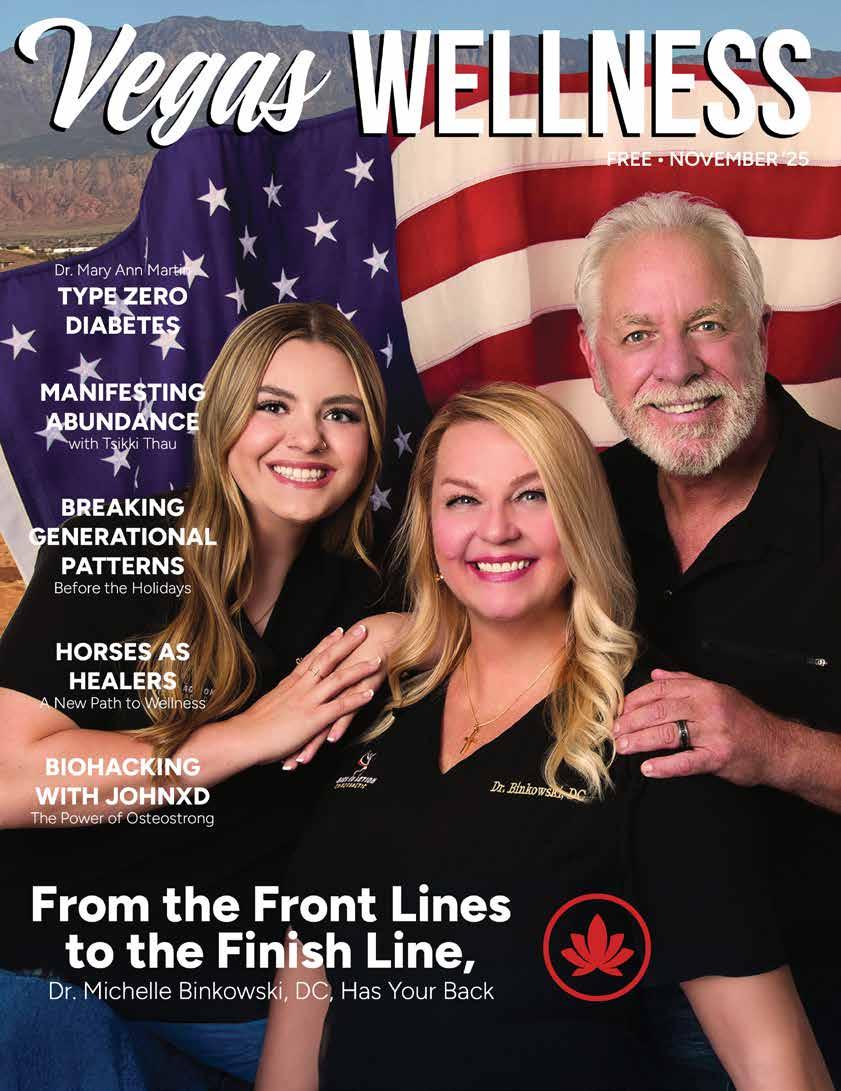
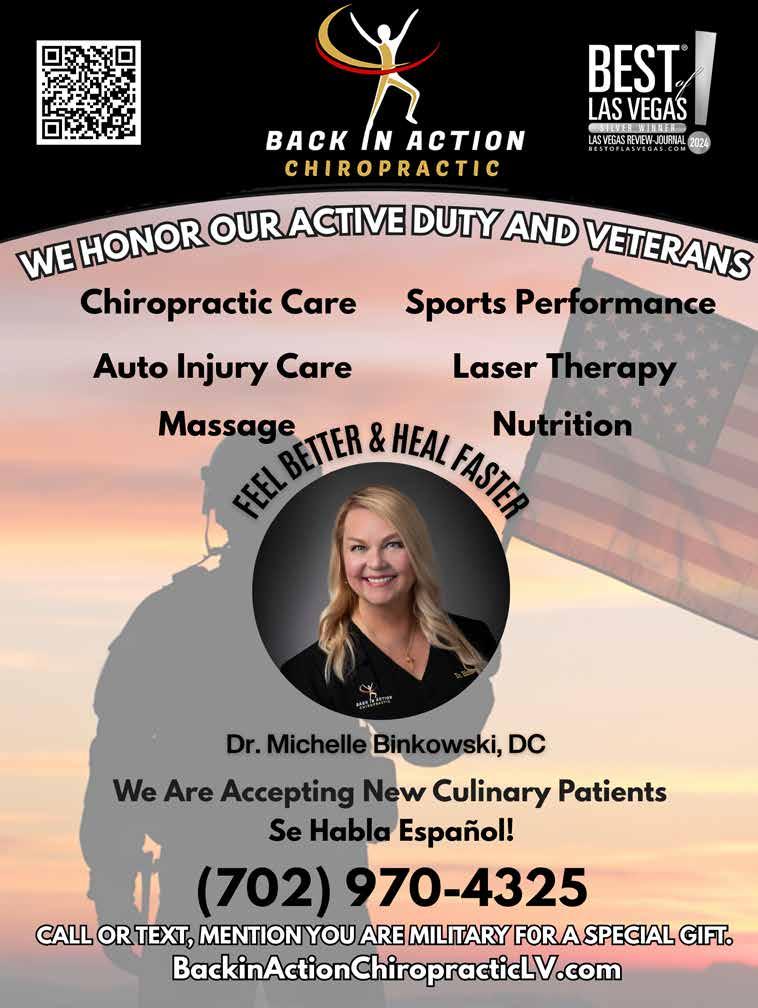
From the Front Lines to the Finish Line, Dr. Michelle Binkowski, DC, Has Your Back
Honoring Those Who Serve Through Healing and Community
As November arrives in Las Vegas, bringing with it the spirit of Veterans Day and Thanksgiving, few practices embody the season's themes of service and gratitude quite like Back in Action Chiropractic. Led by Dr. Michelle Binkowski, this wellness center represents more than just exceptional chiropractic care; it stands as a testament to what it means to serve others, both in uniform and in healing.
A Foundation Built on Service
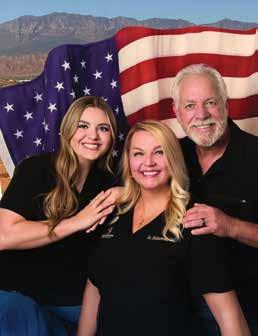
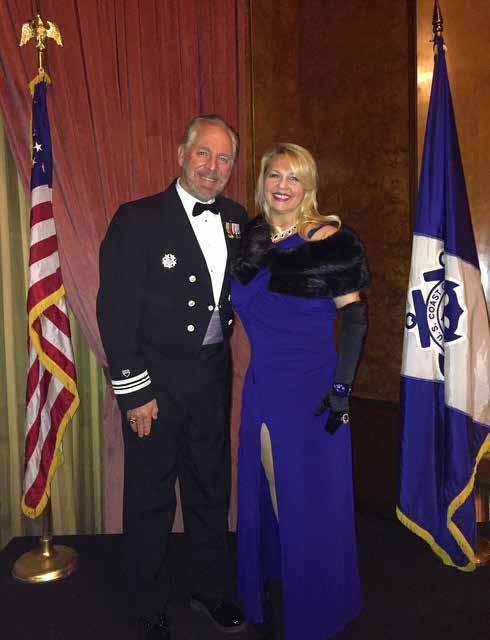
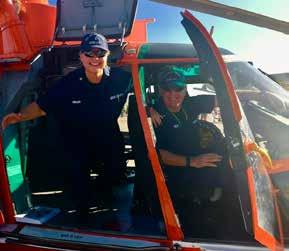
Dr. Michelle Binkowski's commitment to service extends far beyond the walls of her practice. Alongside her husband, Dixon Keller, she serves with the United States Coast Guard Auxiliary, continuing a family legacy of military dedication. Dixon, a United States Navy veteran, brings his own distinguished service record to their shared mission of supporting veterans and the broader Las Vegas community.
"Service doesn't end when you take off the uniform," Dr. Binkowski reflects. "For us, it's a calling that shows up in everything we do—whether we're volunteering at the Las Vegas Veterans Day Parade, responding to community needs through the Coast Guard Auxiliary, or helping patients reclaim their health and mobility."
This philosophy of service permeates every aspect of Back in Action Chiropractic. Dixon serves as the Operations Director for the clinic, ensuring that the practice runs with the same precision and dedication to excellence that characterized his military service. Together, the couple has created an environment where healing meets heart, and where every patient is treated with the respect and attention deserving of those who have sacrificed for our freedoms.
Excellence in Education and Care
What sets Dr. Binkowski apart in the chiropractic field is not just her commitment to service but her exceptional level of expertise. As a
medical professor who teaches other doctors, she brings an uncommon depth of knowledge and skill to her practice. This isn't just about adjustments and alignments; it's about understanding the intricate connections between the spine, nervous system, and overall wellness at a level that allows her to train the next generation of healthcare providers. "When you're teaching other doctors, you're held to a different standard," explains Dr. Binkowski. "Every technique must be evidence-based, every approach must be reproducible, and every outcome must be measurable. That academic rigor translates directly into the care I provide to my patients."
This commitment to educational excellence means that patients at Back in Action Chiropractic benefit from cutting-edge techniques and comprehensive treatment approaches that many practitioners have yet to master. Dr. Binkowski stays at the forefront of her field not just through continuing education but by actively contributing to it, shaping how chiropractic care is understood and delivered across the profession.
A Miracle of Mobility: Restoring Hope to a Silver Star Hero
Perhaps no story better illustrates the profound impact of Dr. Binkowski's work than that of a Silver Starawarded veteran who came to her when other medical interventions had failed. This decorated hero had been shot in the mid-back during his service, leaving him paralyzed from the mid-back down. For thirteen years, he remained bedridden, facing what seemed like an insurmountable challenge.
During his years of immobility, he developed a severe bedsore on his hip. Without sensation in the lower half of his body, he couldn't feel the wound worsening. The infection progressed to a critical stage, resulting in osteonecrosis of the femur, a devastating condition where bone tissue dies due to a lack of blood supply. The situation became so dire that amputation seemed inevitable.
The National Veterans Foundation reached out to Dr. Binkowski with an urgent plea for help. This veteran had already undergone extensive treatment protocols, including hyperbaric chamber therapy, multiple antibiotics, various medications, advanced wound care, and a variety of other interventions. Nothing was working. The medical community had exhausted its conventional options, and time was running out.
Dr. Binkowski accepted the challenge and developed innovative treatment protocols specifically designed for this veteran's complex condition. Combining her expertise in chiropractic care with advanced soft laser therapy applications, she created a comprehensive approach that addressed not just the infected wound but the underlying neurological and circulatory issues.
What happened next can only be described as miraculous. Through Dr. Binkowski's precisely calibrated treatment protocols, the wound began to heal. Week by week, the infection cleared, and the threatened amputation was avoided; his entire leg was saved. But the transformation didn't stop there.
The combination of chiropractic adjustments and targeted soft laser therapy stimulated neuroplasticity, the brain's remarkable ability to form new neural connections. Regenerated nerve tissue began responding to treatment. And then, for the first time in thirteen years, this Silver Star veteran stood. And then he walked.
"When you work with veterans, you're working with individuals who have already proven their incredible resilience and determination," Dr. Binkowski reflects. "My job is to provide the expertise and support that allows their body's natural healing abilities to flourish. But watching him take those first steps after thirteen years, that transcended everything I'd learned in medical school or taught to other doctors. That was witnessing the human spirit refuse to surrender."
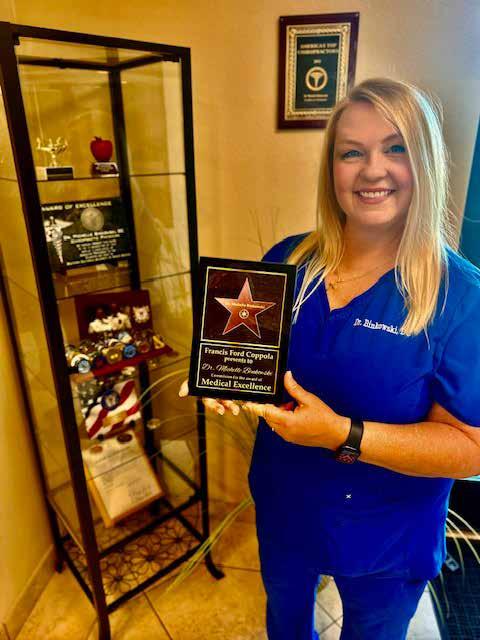
For this extraordinary achievement, Dr. Binkowski was honored by legendary filmmaker Francis Ford Coppola, director of "Apocalypse Now," and the National Veterans Foundation in a special ceremony in Hollywood. The recognition celebrated not just the successful treatment but the innovative protocols she developed that proved effective where traditional medicine had reached its limits.
Yet for Dr. Binkowski, the true reward wasn't the accolades or the Hollywood ceremony. It was those first steps, moments that remind everyone why healthcare, at its best, is a calling rather than just a career, and why she remains committed to serving those who have served us all.
Gratitude in Action: Giving Back to the Community
For Dr. Binkowski and Dixon, gratitude isn't just something to feel during the holiday season; it's something to live year-round through active community involvement. Their participation in the Las Vegas Veterans Day Parade represents just one facet of their broader commitment to supporting those who have served.
Through their work with the Coast Guard Auxiliary, they contribute to maritime safety, environmental protection, and community education. They volunteer at numerous community events throughout the year, offering their time, expertise, and resources to make Las Vegas a stronger, more connected place.
"We're grateful for this community that has supported our practice and
our mission," says Dixon. "The veterans we serve, the families we help, the colleagues we work alongside, they all inspire us to keep giving back."
This gratitude extends to the team at Back in Action Chiropractic, where a culture of appreciation and service shapes every interaction. Staff members are encouraged to volunteer, to continue their education, and to treat every patient as they would want their own family members treated.
The Science of Holistic Healing
Dr. Binkowski's approach to chiropractic care reflects her deep understanding of the body as an integrated system. Rather than simply treating symptoms, she addresses root causes, considering how spinal health impacts everything from immune function to emotional well-being.
"The nervous system is the master control system of the body," she explains. "When we restore proper alignment and remove interference from the nervous system, we're not just relieving back pain, we're giving the body the optimal conditions it needs to heal itself."
This holistic philosophy is particularly relevant for veterans, many of whom deal with complex health challenges resulting from their service. Combat injuries, exposure to environmental hazards, and the physical demands of military life can create layers of health issues that require comprehensive, knowledgeable care.
Dr. Binkowski's training as a medical professor enables her to understand these complexities and develop treatment plans that address multiple
Comprehensive Services for Complete Wellness
concerns simultaneously. Whether working with a veteran dealing with chronic pain, mobility limitations, or systemic health issues, she brings both scientific rigor and compassionate care to every case.
Back in Action Chiropractic offers a full spectrum of advanced therapeutic services designed to address the unique needs of every patient, from weekend warriors to decorated veterans:
Chiropractic Care forms the foundation of treatment, with Dr. Binkowski utilizing precise adjustments to restore spinal alignment, improve nervous system function, and promote the body's natural healing abilities.
Soft Laser Therapy represents cutting-edge technology in pain management and tissue healing. This non-invasive treatment accelerates recovery, reduces inflammation, and promotes cellular regeneration, particularly beneficial for chronic conditions and injury recovery.
Pain Relief programs are customized to each patient's specific needs, combining multiple modalities to address acute and chronic pain without relying on medication. Veterans dealing with service-related injuries find particular relief through these comprehensive approaches.
Sports Performance optimization helps athletes of all levels, from high school competitors to professional fighters, achieve peak physical condition. Through biomechanical analysis and targeted treatments, Dr. Binkowski helps patients move better, recover faster, and perform at their best.
Medical Massage therapy goes beyond relaxation, offering therapeutic bodywork that addresses muscular dysfunction, improves circulation, and complements chiropractic adjustments for enhanced healing outcomes.
Custom Foot Orthotics provide essential foundational support for the entire body. Properly designed orthotics correct biomechanical imbalances from the ground up, alleviating pain in the feet, knees, hips, and lower back while improving posture and overall alignment. For veterans and athletes alike, this foundation is crucial for maintaining mobility and preventing injury.
Nutrition counseling recognizes that true wellness begins from within. Dr. Binkowski provides evidence-based nutritional guidance to support healing, optimize performance, and address systemic health concerns by providing the body with proper fuel.
BrainTap Technology offers an innovative approach to stress management and mental wellness. This advanced system uses light and sound therapy to help patients achieve deep relaxation, improve sleep quality, and enhance
mental clarity, particularly valuable for veterans managing PTSD or stress-related conditions.
This comprehensive, integrative approach means that patients don't have to visit multiple providers to address their health concerns. Everything they need for complete wellness is available under one roof, guided by Dr. Binkowski's expert care and her team's dedication to service.
Looking Forward with Gratitude
As we enter this season of gratitude and remembrance, Back in Action Chiropractic stands as a reminder of what's possible when expertise meets empathy, when service becomes a way of life rather than just a job, and when gratitude transforms from a feeling into action.
Dr. Binkowski and her team continue to expand their impact, treating not just the veterans who walk through their doors but also serving as advocates for better healthcare, more comprehensive support for those who have served, and a community culture that values giving back.
"Every patient who leaves our office is feeling better, moving better, living better—that's what we're grateful for," Dr. Binkowski reflects. "And every opportunity we have to serve, whether through the Coast Guard Auxiliary, at community events, or right here in our practice, reminds us why this work matters."
For those seeking chiropractic care that goes beyond the ordinary, combining world-class expertise with genuine compassion, and delivered by professionals who understand service from the inside out, Back in Action Chiropractic offers something truly special. It's healthcare as it should be skilled, caring, and rooted in gratitude for the opportunity to make a difference.
This November, as we honor our veterans and give thanks for our blessings, Back in Action Chiropractic reminds us that the best way to express gratitude is through action, through service to others, through excellence in our work, and through never forgetting those who have sacrificed so much for our freedom.
Back in Action Chiropractic is located at 5552
S Fort Apache Rd, Ste 110, Las Vegas, NV 89148 and welcomes veterans, active military members, and all community members seeking exceptional chiropractic care. For more information about services or to schedule an appointment, visit their website at www. BackInActionChiropacticLV.com or call their office at 702-970-4325.
THE POWER OF CHOICE >>> Why the Right Healthcare Provider Matters for Seniors
Personalized Care for a Lifetime of Wellness
Every senior’s story is unique. Some are lifelong athletes, others caregivers, gardeners, or artists. The right healthcare provider recognizes individuality and tailors care accordingly. The best practitioners listen deeply, ask about lifestyle and goals, and treat the person, not just the patient.
A personalized care plan helps identify health concerns early, manage chronic conditions effectively, and improve quality of life. From nutrition counseling to medication management, having a provider who truly knows you makes each appointment more meaningful and effective. The 2026 Medicare Open Enrollment period is from October 15 to December 7, 2025, with changes taking effect on January 1, 2026. During this time, you can review and make changes to your Medicare coverage, including switching between Medicare Advantage plans or adding/changing a Part D prescription drug plan. This time of year is also ideal to reassess your health care plan and see if there are any benefits you might be leaving on the table- it’s never too late to make a change.
Coordination and Continuity of Care
As we age, our healthcare needs often become more complex. Managing multiple specialists, prescriptions, and appointments can feel overwhelming. That’s where coordination makes a world of difference.
A strong primary care physician acts as the central hub, ensuring every part of your care connects seamlessly- from lab work to follow-ups. Many modern senior clinics offer integrated systems that include nurses, therapists, and nutritionists working in tandem. This team approach reduces hospital visits, minimizes stress, and helps families feel supported.
Wellness Tip: Keep a simple health journal or app to track medications,
By Jennifer Walker
appointments, and test results. It empowers you to take an active role in your care.
Compassion, Communication, and Trust
Beyond medical expertise, the most vital ingredient in senior healthcare is compassion. Seniors thrive when they feel seen and respected by their providers. Empathy, patience, and clear communication can make the difference between anxiety and assurance.
A good provider will explain procedures in understandable terms, encourage questions, and follow up with genuine concern. These small gestures build confidence and foster a strong partnership in health.
Practical Tips for Choosing Your Provider
Selecting a healthcare provider is both a practical and personal decision. Consider:
• Accessibility: Is the office nearby and easy to reach?
• Insurance compatibility: Are your visits and prescriptions covered?
• Flexibility: Do they offer telehealth or after-hours care?
• Reputation: What do other patients say about their experience?
Consult resources such as Medicare.gov, local senior centers, or wellness networks to compare ratings and find trusted professionals in your area. When selecting a provider, consider more than credentials. Location, accessibility, and appointment availability all play a role in the consistency of care. Look for offices that offer telehealth visits for convenience, and ensure that your insurance plan covers your preferred provider.
It’s also wise to check patient reviews, talk to friends or family for recommendations, and use trusted resources to compare provider ratings. Seniors should never feel rushed or dismissed. Your healthcare team should make you feel empowered and supported.
Ultimately, healthcare should feel like collaboration, not obligation. The right provider doesn’t just manage your conditions; they help you thrive. When compassion meets competence, seniors gain more than medical support; they gain confidence, energy, and the freedom to live life fully at every age.
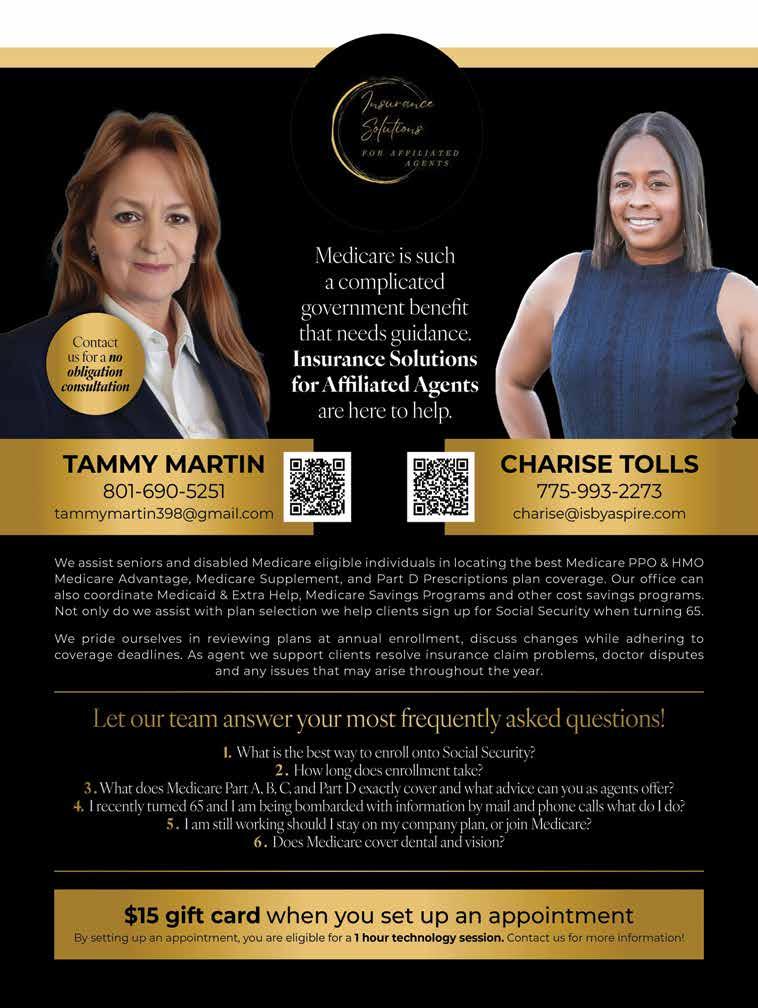
Medicare is a complicated government benefit that needs guidance. Insurance Solutions for Affiliated Agents can assist you through the process. For more information and a no obligation consultation, call Tammy Martin at (801) 690-5251.
PLAY PLAYGROUND
>>> Where Fitness Meets Fun
In today’s always-on world, folks are ditching traditional wellness routines and finding relief in the most unexpected place: the playground. Play Playground is at the forefront of the “joy-as-wellness” movement. With full-body, screen-free games designed to spark laughter, movement and connection, it’s where fitness meets fun, think serotonin boost via dodgeball, versus downward dog. These days, we’re seeing a major shift toward experiences that prioritize mental health through play, community and a sense of wonder. Play Playground isn’t just entertainment, it’s stress relief disguised as fun.
What is Play Playground?
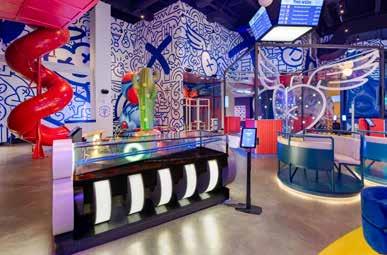
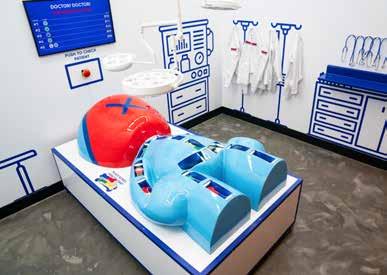
Play Playground is a 15,000-square-foot interactive destination blending high-energy group games, bold cocktails, bar food and unforgettable fun. Created by Play Social Inc. and located inside the Luxor Hotel and Casino, the venue features more than 20 larger-than-life games, interactive puzzles and hilarious physical challenges, all designed to spark movement, laughter and genuine social connection. With no screens or digital devices required, the space offers a refreshing escape for teens, families and adults seeking something unexpected on the Las Vegas Strip.
Family-Friendly, but with a Twist
While Play Playground is family-friendly, it also offers an edge of excitement that might appeal to those seeking something a little more thrilling. For those who love challenges, the playground includes escape-room-style puzzles, digital competitions, and immersive game-like environments that require both teamwork and quick thinking. This is the perfect place for families to decompress and connect.
What to Expect
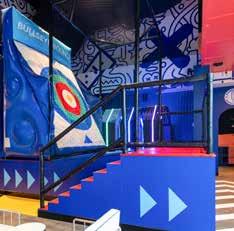
With more than 20 games, the Play Playground experience is intentionally analog, and there are no VR or arcade games, headsets or apps required. Players can compete against each other inside the venue with scores and rankings displayed on a leaderboard. Fan favorites include Record Time, a fast-paced game challenging players to duck, dive and dodge spinning vinyl records while balancing on a beam. Bullseye provides a target game where guests adorn a Velcro suit and jump on a trampoline to hit the target. Ringer Run invites players to guide a glowing ring along a neon-lit rainbow without touching the sides, precision and steady hands required. In Move It, guests twist, push, plunge, slide and kick their way through escalating commands as the entire Playground cheers them on.
Play Playground is located on the Atrium Level at the Luxor Resort and Casino at 3900 S Las Vegas Blvd. in Las Vegas. For more information, visit playplayground.com/las-vegas/
TYPE ZERO DIABETES It Ends with You >>>
There’s a moment every night, somewhere between tired and wired, when most of us make the decision that determines our hormonal balance for the rest of the night, which then determines our sleep quality AND possibly whether or not we overeat the next day.
It’s not what supplements we take. It’s not even whether we worked out that day.
It’s what TIME we go to bed.
Most of us were taught that overeating and weight gain are simply battles of willpower. If we’re hungry late at night, we assume we’re just weak. If we wake up craving sugar, we assume we lack discipline. But if that were true, sheer effort would have cured diabetes by now.
We like to pretend sleep is optional. A luxury. Something we squeeze in between work and a half-hearted “one more scroll.” We say things like “I’ll catch up this weekend” as if the body keeps a tab.
But here’s the truth most of us were never told:
When we stay up past that window, our hormones don’t just get tired, they switch sides.
Not metaphorically, but biochemically.
Melatonin tries to rise when sleep is delayed past the magic hour. Melatonin production has already peaked or is beginning to decline, which can negatively affect sleep quality and duration.
Ghrelin surges, the hormone that shouts “FEED ME,” even if dinner was three hours ago.
Leptin, the hormone that should be saying “You’re full, you’re safe,” never shows up, so we never get the signal to stop.
Cortisol spikes to keep us alert because the body believes late-night wakefulness must mean danger.
Insulin gets confused if cortisol is high, the body assumes food is coming, and shifts into storage mode instead of fat-burning mode.
That’s how a “harmless midnight snack” or insomnia doom-scrolling becomes metabolic sabotage. That’s how normal-weight people wake up with pre-diabetic lab numbers after a week of poor sleep. That’s how exhausted but “healthy-ish” adults slowly slide into insulin resistance while
saying, “but I don’t even eat that badly.”
Friends, we didn’t get here overnight. We got here one late night at a time. Which brings me to the woman who drilled that into my soul, over a bowl of duck pho at VT Mania, a hole-in-the-wall Vietnamese spot off Spring Mountain (I highly recommend this spot!)
THE
HEALTHIEST WOMAN I KNOW—WHO STILL ENDED UP PRE-DIABETIC
We were sitting at a table that had probably seen two decades of spilled broth and quiet revelations. There’s little decor beyond a few Vietnamese wall hangings and the free Asian supermarket calendar. No pretense, just steam rising between us and the herby scent of ginger and green onion.
Across from me sat Dr. Mary Ann Martin. Most people know her as a board-certified endocrinologist, a hormone specialist, or these days, as Dr. Hormone Hacker on social media.
But long before she had a book or the nickname, she was just ‘MA’ to me: one of my very first friends when I moved to Las Vegas over a decade ago, one of my tennis partners, my weekly lunch buddy.
MA is the most consistent person I know. She weight trains. She plays tennis and pickleball. She eats whole foods. She walks the talk. She’s married to Dr. Scott Martin, a well-known pain interventionist who used to treat suffering for a living. They are the kind of couple that makes you sit up straighter when they walk in because their habits, integrity, and standards are contagious.
So imagine my shock when she told me:
“My test results showed I was borderline pre-diabetic.”
Her. The most metabolically disciplined woman I knew.
That’s when she explained what most people miss: Type 2 diabetes isn’t about discipline. It’s about rhythm.
Mary Ann wasn’t overeating. She wasn’t inactive. She wasn’t genetically doomed. She was just out of sync with sleep.
Too many late nights. Too many “just one more thing” moments after dark. Too many cortisol surges in hours meant for insulin sensitivity repair.
Her labs didn’t lie. Hormones don’t care how “healthy” you appear. They
care how aligned you are.
That was her wake-up call.
And because Mary Ann isn’t the type to accept fate, she didn’t just change her habits; she changed the entire conversation.
SHE REFUSED TO BE TYPE 2—SO SHE BECAME TYPE ZERO
Most people fall into one of two camps:
• Type 1 — autoimmune diabetes, meaning the body’s immune system attacks the cells in the pancreas that make insulin = no insulin factory.
• Type 2 — lifestyle-induced diabetes, which means that the insulin factory is working, but the body’s not listening. This is often linked to lifestyle, stress, hormones, and genetics. Experts consider this a disease of CHOICE since it can be improved or reversed with the right changes.
But Mary Ann didn’t relate to either. She wasn’t Type 1. And, she refused to surrender to Type 2.
So she coined her own category: “I am Type Zero.”
Meaning?
“It ends with me.”
Her grandmother died from diabetes. Her aunt died from diabetes. Her mother just recently died from diabetes.
That legacy stops with her. It will not claim her. It will not claim her daughter. It will not claim her future granddaughter.
HABITS RUN IN FAMILIES FASTER THAN GENES DO
People often say, “diabetes runs in my family.” But let’s tell the whole truth:
• Dinner runs in families.
• Bedtimes run in families.
• Stress coping mechanisms run in families.
• Late-night snacking runs in families.
• Sitting after meals instead of walking runs in families.
We don’t just inherit DNA. We inherit patterns. We inherit habits. And most of those patterns (especially for women) are formed in the quiet hours of the night.
So when MA looked at her daughter, Ashlin, she didn’t wait for a diagnosis. She didn’t wait for lab work to turn red. She didn’t wait for “too late.”
She stepped in early, before the system, or even herself as a doctor, would have even labeled her at risk.
And here’s what struck me most:
Even without children of her own yet, her daughter Ashlin’s future line has already been rerouted.
By Jaden Rae
Because all these habits and good choices aren’t just about the self, it’s about the eyes quietly studying us.
Sometimes those eyes belong to children, grandchildren. Sometimes to younger siblings, nieces, students, or friends. Sometimes, to the woman we used to be. Whether we notice it or not, someone is taking mental notes on how we live and gathering courage from the proof that change is possible.
In Mary Ann’s family, the pattern didn’t end in an operating room. It ended with a decision. Hers.
That is Type Zero.
A decision with generational consequences.
THE ONE THING WE MUST FIX FIRST
If Mary Ann could only give one piece of actionable advice, it wouldn’t be “cut sugar.” It wouldn’t be “exercise more.” It wouldn’t even be “eat clean.”
It would be this:
“Protect your sleep window. Nothing changes until that happens.”
Because no diet can compensate for hormonal chaos. No supplement can override a reversed circadian rhythm. No workout can undo a pancreas that never gets to clock out.
Most of us don’t have diabetes because we eat wrong. We have it because we live out of rhythm.
Sleep isn't a habit change. Sleep is an identity change.
We are either people who honor our biological clock or people who gamble with it. And we’ve been gambling long enough.
SO WHAT NOW?
Deciding to become Type Zero requires a shift in you. The kind of shift that starts in the dark (literally), when no one is watching, with a single choice:
We put the phone down. We turn the lights low. We let the night do its work. Because one day, someone in your future bloodline is going to say:
“We used to have diabetes in our family, until it ran into her.”
Let that woman be you. Let that moment be now. Let that sleep window be sacred.
You don’t need to overhaul your life tomorrow morning. Just tonight. Before 11 PM.
Want help turning that promise into practice? Contact Dr. Mary Ann Martin, Dr. Hormone Hacker (tell her I sent you!)
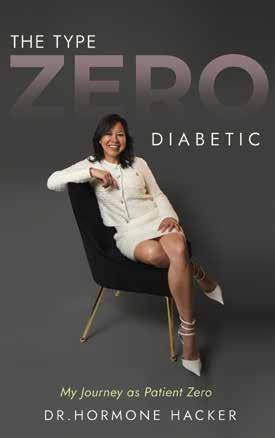
Website: drhormonehacker.com Find Her Book: The Type Zero Diabetic by Dr. Mary Ann Martin on Amazon. (Read it. Annotate it. Hand it to your sister. Read it to your mother.)
>>> THE ART OF DAILY GRATITUDE
BEYOND THANKSGIVING AND INTO EVERY DAY
As autumn settles in and the world begins to glow in warm hues of amber and gold, gratitude takes center stage. November, with its crisp air and cozy gatherings, has long been associated with giving thanks, but what if gratitude wasn’t just reserved for one holiday or fleeting season? What if it became a daily ritual — an art form woven into the rhythm of our lives?
The truth is, gratitude is not just a feeling we pull out when the turkey’s on the table. It’s a mindset, a discipline, and even a form of quiet rebellion against the constant rush and noise of modern life. Practicing daily gratitude teaches us to see abundance in what we already have, rather than constantly chasing what’s missing.
Let’s explore how gratitude can move from a once-a-year reflection to a transformative daily practice; one that can reshape your mood, relationships, and even your health.
Why Gratitude Deserves a Place Beyond November
It’s easy to associate gratitude with Thanksgiving, after all, it’s a holiday built around appreciation and community. But when we only acknowledge our blessings once a year, we miss out on the powerful impact gratitude can have when practiced consistently.
Studies have shown that daily gratitude can literally rewire the brain. Neuroscientists have found that regularly expressing appreciation activates regions of the brain associated with joy and empathy while reducing stress and anxiety. People who practice gratitude report higher levels of happiness, better sleep, and stronger connections with others.
Gratitude, in essence, trains your mind to focus on what’s right instead of what’s wrong. And that shift can be profound.
The Science of Gratitude: Why It Works
At its core, gratitude changes perception. When you take time each day to recognize something, anything, that brings you joy, your brain begins to form new pathways. Over time, these pathways strengthen, making positivity your default state rather than an occasional guest. Psychologist Robert Emmons, one of the leading researchers on gratitude, has spent decades studying its effects. His findings show that people who keep gratitude journals or make a daily practice of
thankfulness experience:
• Improved mental health, with reduced depression and anxiety symptoms.
• Better physical health, including lower blood pressure and fewer doctor visits.
• Enhanced resilience allowing them to recover from life’s challenges faster.
Think of gratitude as emotional exercise, strengthening your heart and your mind. Just as you wouldn’t expect to stay fit by going to the gym once a year, the same goes for gratitude. It’s the daily repetition that builds emotional endurance.
Finding Gratitude in the Everyday
Gratitude doesn’t always have to be poetic or profound. In fact, its power lies in its simplicity. Some days, you’ll feel grateful for major blessings, such as a loved one’s recovery, a long-awaited job offer, or a moment of peace after chaos. Other days, it might be something as small as a warm cup of coffee, sunlight streaming through your window, or a stranger’s unexpected kindness.
The key is awareness. When we pause, even for a moment, to acknowledge what we’re thankful for, we shift from doing to being. Gratitude pulls us into the present moment, anchoring us away from worry and regret.
Try starting with three small reflections each morning or evening. Ask yourself:
1. What made me smile today?
2. What challenge taught me something valuable?
3. Who or what brought me comfort or joy?
Over time, you’ll find your answers evolving, and so will your perspective.
The Ripple Effect: Gratitude in Relationships
Gratitude doesn’t just change your inner world; it transforms your outer one, too. Expressing appreciation strengthens relationships by reminding others that they matter. In romantic partnerships, friendships, or workplaces, simple acknowledgments go a long way.
When you tell someone, “I appreciate you,” or “Thank you for what you did,” you’re not just being polite, you’re creating connection. You’re saying, I see you. And in a world where so many people feel unseen or undervalued, that recognition is powerful.
In fact, research shows that expressing gratitude toward others increases trust and satisfaction within relationships. It softens communication, reduces conflict, and creates emotional safety. Gratitude reminds us that connection is a two-way street and every “thank you” helps pave it.
Turning Gratitude into a Daily Ritual
Like any art form, gratitude deepens with practice. Here are a few ways
By: Sarah Schwefel
to make it part of your everyday rhythm:
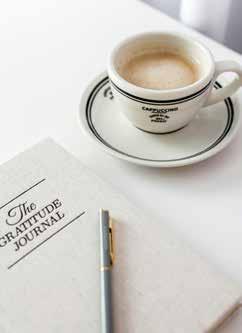
Start a Gratitude Journal: Write down three things you’re grateful for each day. They don’t have to be big as sometimes the smallest joys carry the most weight.
Express It Out Loud: Don’t let gratitude live only on paper. Tell someone directly what you appreciate about them. It can brighten their day and yours.
Use Visual Cues: Leave sticky notes with positive reminders on your mirror or workspace. Seeing them regularly reinforces your gratitude mindset.
Transform Challenges: When life feels heavy, ask, “What can I learn from this?” or “What silver lining might be hidden here?” Gratitude can turn hardship into perspective.
End the Day Reflecting: Before bed, think of one beautiful moment from the day, no matter how small, and let that be your last thought before sleep.
These small acts build consistency. Gratitude, like any practice, becomes second nature with repetition.
Gratitude as a Form of Self-Care
In a culture that glorifies productivity and speed, gratitude slows us down. It allows space for presence, mindfulness, and self-compassion, all pillars of genuine self-care. When we appreciate ourselves and our surroundings, we stop striving for “more” and begin recognizing that we already have “enough.”
Practicing gratitude also fosters self-kindness. Many people find it easier to thank others than to acknowledge their own worth. Try adding yourself to your gratitude list: “I’m grateful for the effort I gave today,” or “I’m thankful for my resilience.” You deserve your own appreciation, too.
A Season for Gratitude and Growth
As Thanksgiving approaches, gratitude will once again fill social media feeds and dinner conversations. But imagine if, instead of fading by December, that feeling carried on through winter’s quiet months, spring’s renewal, and the rest of the year.
Daily gratitude doesn’t mean ignoring life’s difficulties. It means facing them with a heart that still notices beauty even in the midst of challenge. It’s an art that transforms how we see the world and how we show up in it.
So this November, as you gather around the table and share what you’re thankful for, let it be the start of something more enduring. Let gratitude move beyond tradition and become transformation.
Because every single day offers something to be grateful for. And when we make that recognition a habit, life itself becomes the greatest celebration of all.
OsteoStrong is the Key to Lifelong Bone Health STRENGTHENING YOUR FOUNDATION
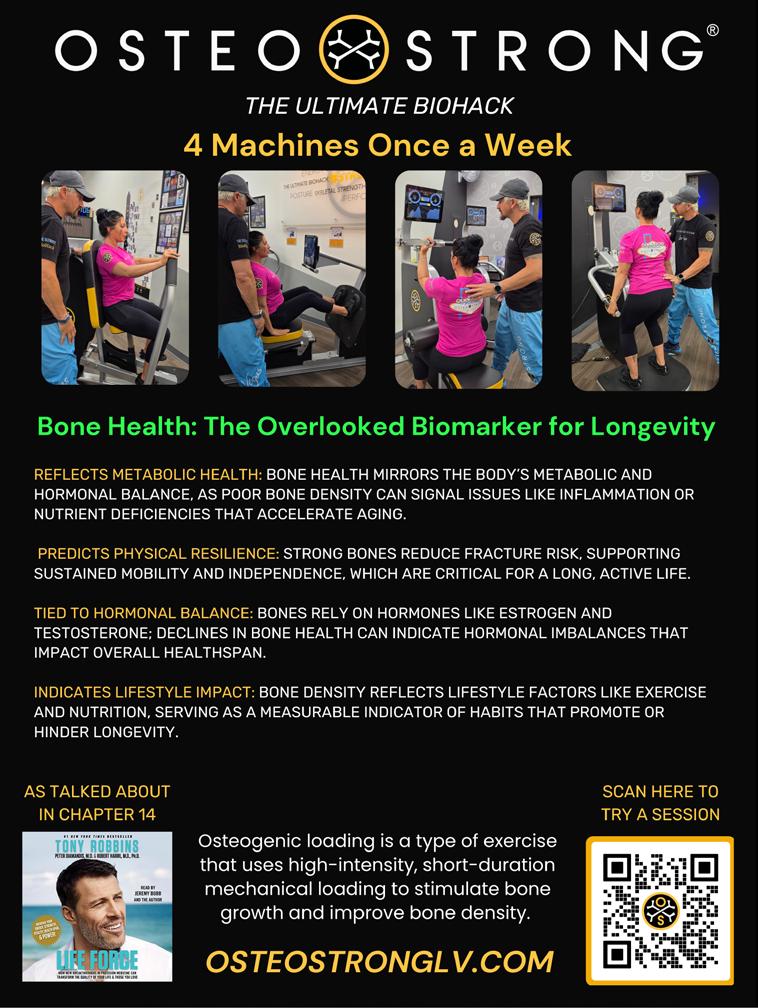
In our vibrant, fast-paced world, maintaining a strong, resilient body is more than a luxury; it's essential. Amidst the glitz of the Strip and the demands of high-energy lifestyles, one silent hero often goes overlooked: your skeletal system. Enter OsteoStrong, a groundbreaking wellness approach that's revolutionizing how we think about bone health. Far from a traditional gym or pharmaceutical fix, OsteoStrong delivers quick, science-backed sessions that target the core of your body's strength, your bones. In just 10-15 minutes a week, this innovative system can boost bone density, enhance balance, and alleviate joint pain, making it a perfect fit for the wellness-savvy residents of Sin City.
At the heart of OsteoStrong's philosophy is a fundamental truth: your muscles cannot get stronger than your bones. This isn't just a biomechanical quirk; it's a built-in safety mechanism designed by evolution. As muscles grow denser and more powerful through exercise, they exert greater pull on the bones they attach to. If those bones weren't equally robust, the result could be disastrous, think fractures from everyday strains or an imbalance that leads to injury. Research from Harvard Health underscores this muscle-bone connection: strong muscles tug harder on bones, signaling them to adapt and reinforce. But without adequate bone strength, overdeveloped muscles become a liability, potentially snapping fragile bones like twigs. This equilibrium is crucial for everyone, from weekend warriors hitting the blackjack tables to seniors strolling the Fremont Street Experience. Prioritizing bone health ensures your hard-earned muscle gains translate to real-world resilience, reducing the risk of falls, fractures, and the mobility loss that can sideline even the most active among us.
Why does this matter in a city like Las Vegas, where life's tempo can accelerate wear and tear? Fractures from weak bones aren't just painful; they disrupt the freedom to enjoy shows, hikes in Red Rock Canyon, or spontaneous nights out. Osteoporosis, often called a "silent thief," erodes bone density at about 1% per year after age 30, with postmenopausal women and aging men at highest risk. By focusing on bones first, OsteoStrong flips the script, creating a foundation that supports muscle growth safely and sustainably.
The magic and science behind OsteoStrong lies in osteogenic loading, a process that mimics the intense forces needed to spark bone growth without the high-impact risks of running or jumping. Clinical studies,
including one published in the Journal of Bone and Mineral Research, reveal that it takes at least 4.2 multiples of your body weight (4.2x MOB) to trigger osteogenesis, the cellular process that builds new bone tissue. Everyday activities fall short: walking generates about 1x MOB, brisk running hits around 3x, and even high-impact aerobics tops out at 3.9x. Gymnasts and heavy weightlifters, who naturally hit 10x or more, boast the densest bones, but such extremes aren't practical or safe for most.
OsteoStrong's proprietary Spectrum System changes that. Using robotic musculoskeletal devices, sessions apply precise, axial compression forces, often exceeding 5-12x MOB, directly to key areas like the hips, spine, and wrists. In a controlled 10-minute circuit, you push against the equipment in brief, painless holds, hitting that 4.2x threshold effortlessly. A study in the Journal of Bone and Mineral Research involving women with osteoporosis showed significant improvements in lumbar spine bone mineral density (BMD) after just 12 weekly sessions, with gains up to 7.5% in six months, without medications. Members report not just denser bones but also better posture, reduced back pain, and enhanced athletic performance, all while avoiding the sweat and fatigue of conventional workouts.
Of course, stimulation alone isn't enough; bones crave the right fuel to rebuild. Proper nutrients like calcium, vitamin D, magnesium, and protein are non-negotiable for osteogenesis. OsteoStrong complements these by providing the mechanical "spark" that directs nutrients to where they're needed most. Think of it as turning on the engine: without the load, even the best diet yields minimal results. Pairing OsteoStrong with a nutrientrich lifestyle amplifies outcomes, making it an ideal adjunct to Vegas's farm-to-table dining scene or supplement-savvy routines.
This isn't a women 's-only club. While estrogen decline post-menopause accelerates bone loss in women, men face their own vulnerabilities. Testosterone dips with age, and lifestyle factors like sedentary desk jobs or high-stress show schedules contribute to osteoporosis in up to 25% of men over 50. Both genders benefit from OsteoStrong's low-risk, highreward approach: women gain protection against hip and spine fractures, while men see improvements in overall strength and reduced joint issues. A PMC study on postmenopausal women noted synergistic effects with anti-osteoporotic meds, but men in observational trials reported similar BMD boosts, proving its unisex appeal.
Age is no barrier either; all stages of life stand to gain. Young adults in their 20s and 30s can build peak bone mass, staving off future decline; think influencers or performers fortifying for demanding careers. Midlifers combat perimenopausal or andropausal shifts, while seniors reverse sarcopenia, the age-related muscle and bone loss that affects one in three over 65. Even teens and preteens, under supervision, can enhance growth plate health. Testimonials abound: a 60-something Vegas retiree credits OsteoStrong for reclaiming her golf swing after osteopenia diagnosis, while a 40-year-old dad notes easier chasing after kids post-sessions. Research supports this broad efficacy, with trials showing BMD increases across age groups, from peri-pubertal to post-menopausal.
In Las Vegas, where wellness trends come and go like slot machine jackpots, OsteoStrong endures as a timeless investment in vitality. It's not about hours in the gym or endless supplements; it's 10 minutes of targeted power that fortifies your frame for the long haul. Whether you're dodging crowds on the High Roller or planning adventures in the desert, strong bones mean more freedom, fewer fears.
>>> The Benefits of Halotherapy
Breathing Easier, Living Better
In the pursuit of natural wellness solutions, halotherapy, also known as salt therapy, has gained increasing popularity as a holistic treatment for a range of respiratory and skin conditions. Rooted in ancient healing practices and modern wellness trends, halotherapy involves inhaling micro-particles of dry salt in a controlled environment, often in a “salt room” or salt cave.
But what exactly are the benefits of this salt-infused air? Let’s explore how halotherapy may support both physical and mental well-being.
1. Improved Respiratory Health
The most well-known benefit of halotherapy is its impact on the respiratory system. Dry salt is a natural anti-inflammatory, antibacterial, and mucolytic agent (meaning it helps to loosen mucus). Breathing in fine salt particles can:
• Reduce inflammation in the airways
• Clear mucus and allergens from the lungs
• Improve symptoms of conditions such as asthma, bronchitis, COPD, sinusitis, and allergies
Many people report easier breathing and fewer asthma attacks after regular sessions.
2. Relief for Skin Conditions
Salt therapy is not only beneficial for internal health but also for the skin. The antimicrobial and anti-inflammatory properties of salt can support the skin’s natural healing process, making it helpful for skin conditions such as eczema, psoriasis, acne, and dry or flaky skin.
Salt particles may help balance pH levels and promote healthier, smoother skin by reducing irritation and inflammation.
3. Stress Reduction and Mental Wellness
Halotherapy sessions typically take place in quiet, spa-like environments with soft lighting, relaxing music, and calming decor, creating a meditative atmosphere. Combined with the negative ions released by salt, which may help improve serotonin levels, this makes halotherapy an excellent tool for:
• Reducing stress and anxiety
• Enhancing mood
• Promoting better sleep
It’s not just the salt, it’s the whole experience that can leave people feeling refreshed and mentally rejuvenated.
4. Boosted Immune System
Inhaling salt particles may help cleanse the respiratory tract of pathogens and reduce inflammation, indirectly supporting the immune system. Some users turn to halotherapy as a preventive therapy during cold and flu season to keep their respiratory system strong and resilient.
5. Drug-Free and Non-Invasive
One of the key appeals of halotherapy is that it's completely natural. It doesn’t involve medications, injections, or invasive procedures, making it a safe complementary therapy for people of all ages, including children and the elderly.
Is Halotherapy Right for You?
While many people find relief through halotherapy, it’s important to note that it’s a complementary therapy, not a replacement for medical treatment. Individuals with certain conditions, such as severe asthma or infections, should consult with a healthcare provider before starting halotherapy.
Halotherapy offers a unique blend of ancient wisdom and modern wellness, with potential benefits for respiratory health, skin clarity, stress relief, and overall vitality. Whether you're managing chronic symptoms or simply seeking a new way to relax and recharge, halotherapy might just help you breathe a little easier, both physically and emotionally.
MANIFESTING ABUNDANCE >>>
What does abundance mean to you? Is it a feeling… a state of mind… or simply financial wealth? For me, abundance has always been an energy, something I was born with, a radiant frequency that flows through me, magnetizing more of itself into my life. Abundance begins with gratitude, with the quiet joy of knowing you are already enough. When I align with happiness, well-being, and trust, everything else, including financial prosperity naturally follows. To me, true abundance is health, joy, and inner peace. When you live in that frequency, everything you desire unfolds with ease.
I often tell my students: act as if it’s already yours. Don’t wait to feel abundant until the money comes. Don’t wait to love yourself until the relationship arrives. Don’t wait to celebrate until the success is visible. Celebrate now. Live as though the dream has already happened. Because in the energetic world , the only world that truly exists, it already has.
When you persist long enough, your subconscious stops resisting. It stops arguing. It begins to accept. That’s the moment everything changes. That’s when the universe rushes in to support you. You’ll notice synchronicities, opportunities, people showing up at the right time, and things aligning with little effort. That’s not a coincidence, that’s the law of persistence in action.
The mind is like soil. Whatever you plant will grow. If you plant fear, you harvest limitation. If you plant abundance, you harvest expansion. The key is not what you plant once, it’s what you water daily. Persistence is the watering. Repetition is the nourishment. Belief is the sunlight. And your faith is the root that holds it all together.
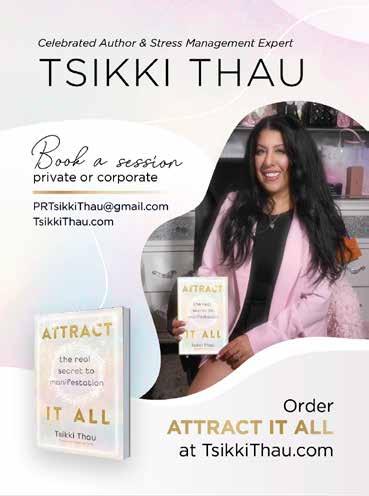
In Attract It All, I teach that the subconscious mind is neutral, it does not know emotion, only repetition. This is why feeling abundant for one day does not reprogram your reality. It must become a way of being. It must become your new normal. The moment your subconscious fully accepts your abundance as truth, everything shifts.
You cannot command abundance from a mindset of waiting. Waiting energy is lack energy. Instead, you must command it from the knowing that it already is. You must speak to the universe like it’s done.
“Thank you for my wealth.”
“Thank you for my peace.”
“Thank you for the abundance flowing through my life.”
Gratitude in advance is the language of abundance.
Everything responds to energy. Your thoughts are energy. Your words are energy. Your emotions are energy. When you align these three: thought, word, and emotion, you become unstoppable. That’s how manifestation becomes natural. You are no longer trying to attract something outside of yourself. You are expressing what already exists within you.
You are already wealthy. You are already whole. You are already complete. The only thing missing is your recognition of it.
When you recognize abundance as your natural state, you stop chasing it. You begin to magnetize it. You start living in a flow that feels effort-
less, because you are no longer fighting your own vibration. You are remembering who you are, an infinite being connected to infinite supply.
People often ask, “But what about action?” And my answer is this: inspired action is a natural result of alignment. When you are tuned into abundance, you’ll feel guided to act. You’ll feel nudges, intuitive pulls, creative sparks. That’s abundance expressing itself through you. Don’t force. Don’t hustle. Align first, then act from inspiration. That is how abundance sustains itself, through flow, not force.
Persistence doesn’t mean struggle; it means faith that doesn’t waver. It means holding the vibration no matter what storms appear. You can feel doubt, but don’t speak it. You can feel fear, but don’t feed it. Instead, return to your truth:
I am abundant. I am wealthy. I am limitless.
Say it again and again until it becomes your heartbeat. Every time you repeat it, you are activating your subconscious. Every time you persist, you are reprogramming the frequency of your life. Every time you believe without evidence, you are expanding what’s possible.
Abundance is not earned; it’s remembered. You were born into it. You simply forgot. But when you wake up to that truth, everything begins to reorganize itself around your belief.
You’ll notice you attract different conversations. You’ll find yourself surrounded by people who reflect your new vibration. You’ll make choices from confidence instead of fear. You’ll walk into rooms with presence instead of apology. Because you’ll know — not think, not hope, but know — that abundance is your nature.
The more you persist, the easier it becomes. The commands you once had to repeat with effort begin to flow naturally. Your mind starts defaulting to abundance. Your energy stabilizes. Your manifestations accelerate. And you begin living in a rhythm with the universe — a dance of giving and receiving that feels like breathing.
This is abundance. It’s not accumulation; it’s flow. It’s not luck; it’s alignment. It’s not something to chase; it’s something to remember.
Quick Daily Practice Tip
Imagine — Visualize yourself fully abundant. Believe — Add a feeling to the vision.
Create — See it as if it’s already here.
Practice this three times a day. It only takes 30 seconds of your time. Happy manifesting!
Tsikki Thau is an internationally acclaimed stress management expert and manifestation coach with more than 30 years of experience transforming lives worldwide. Celebrated Author of Attract It All: The Real Secret to Manifestation. Creator of the S.N.A.P. method and Vibe-Up technology, Tsikki blends science with energy psychology to help clients overcome obstacles. She has been featured on numerous TV shows and received multiple accolades for her innovative work. Visit her at TsikkiThau.com. Follow on Instagram @TsikkiThauOfficial.
BOWL LAS VEGAS
THE NEUROSCIENCE OF GRATITUDE How Thankfulness Heals the Body and Mind
Before I ever learned to thrive under pressure, there was motherhood. Motherhood taught me grit, grace, and preservation, the kind of strength that shows up in the quiet between the highs, in the still moments touched by divine intervention.
As we enter the season of gratitude, I’ve been reflecting on how motherhood prepared me for one of the most important wellness lessons of all: that gratitude changes everything.
The past two months have been powerful reminders of what we all carry. September was Pain Awareness Month, and October was Mental Health Awareness Month, two opportunities to look deeper at the connection between body and mind. What’s incredible is how both tie directly into the power of gratitude. Gratitude is one of the fastest ways to shift our brain chemistry, calm the nervous system, and even change how the body perceives pain. It’s the bridge between awareness and healing, and when paired with the right tools, it becomes the foundation for true transformation.
At Desert Moon Wellness, we’ve spent years exploring how to biohack the
nervous system and reduce pain through both technology and nature. My own experience with chronic pain and burnout was the turning point that reshaped everything I believed about healing. Over time, I realized much of my pain had deeper roots, unresolved stress and trauma that began in childhood. As I began intentionally healing and rewiring how my brain was firing, everything started to shift. My energy, focus, and physical body began to align in ways I never imagined possible.
In September, I sat down with Dr. Patrick Porter, the founder of BrainTap, to talk about that exact process, how rewiring the brain changes the body on every level. We dive into neuroplastic pain and are sharing that conversation across our Desert Moon Wellness social channels, and it’s one I believe everyone should hear.
During my own healing journey, I also experienced the power of this mind-body connection in birth. Through alignment, presence, and gratitude, I had a natural, pain-free birth and an empowering postpartum experience, proof that when the nervous system feels safe, the body can do extraordinary things.
After 7.5 years as a doula and 3.5 years as a wellness practitioner, I’ve now fully dedicated my focus and expertise to Desert Moon Wellness. I now work with as many men as women and individuals in all stages of life. Everything I’ve learned, from biohacking and cellular detox to birthwork and mindset coaching, has come together here, helping clients reset, rebuild, and realign.
Gratitude amplifies that process, it’s the signal that tells the body it’s safe, supported, and ready to heal.
When I recently joined the Human AF panel on burnout alongside a local MD and two physicians from the Cleveland Clinic, much of the discussion focused on the clinical definition of burnout, chronic workplace stress that hasn’t been successfully managed. Each panelist offered incredible insight from their own field, and I was grateful to contribute a different lens, one rooted in lived experience, emotion, and the human side of healing. The conversation was rich with perspective and practical tools, and it affirmed what I know to be true: burnout affects the whole person - mind, body, and nervous system. The protocols I share today are all science-backed, designed to help people slow down, balance, and heal before they break down.
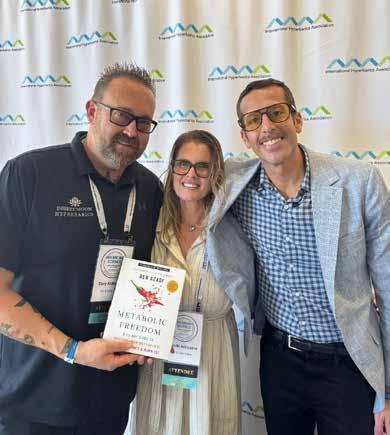
in Metabolic Freedom, gratitude is one of the quickest, most effective ways to influence our body’s physiology through the pilot of the brain. When we focus on what we’re thankful for, the prefrontal cortex activates, the stress center of the amygdala quiets, and our body begins to produce serotonin and dopamine, the neurotransmitters that regulate mood, energy, and immunity.
In that moment, gratitude literally changes our cellular environment. Our brain waves slow, our heart rhythms synchronize, and our body remembers that it’s safe. This is why gratitude feels grounding, it’s not imagined, it’s embodied.
At Desert Moon Wellness, I see this every day. Whether someone is in the hyperbaric chamber, using BrainTap, or simply taking a deep breath for the first time in days, it’s not the technology doing the healing, it’s them. Their nervous system is recalibrating. Their cells are responding to love. Their body is saying “thank you” in return.
That’s the power of gratitude. It’s not just emotional; it’s biological. It moves us out of survival mode and back into creation, clarity, and calm. The goal isn’t to never burn out, it’s to live in alignment with your biology, your purpose, and your gratitude.
We often think of burnout as something that happens in the workplace, but burnout isn’t confined to an office or a title. It can live inside a stay-athome mom, a caregiver, a student, an athlete, a healer, anyone who gives deeply without remembering to refill their own cup.
For me, burnout wasn’t in my corporate life, it was human. It was life asking me to slow down before I broke down.
And it didn’t happen just once. I’ve experienced burnout more than once, mentally, physically, and on a cellular level. Motherhood taught me how deeply the mind and body are connected, and the first year of building Desert Moon brought that truth into sharp focus. It was during that time I realized how many people struggle with nervous system imbalance. That experience became my greatest teacher and ultimately shaped my expertise in cellular and nervous system health. It inspired me to become a specialist in balancing the nervous system through biohacking. That's where gratitude became my reset button.
Gratitude is more than a mindset; it’s neuroscience. As Ben Azadi explains
Because when gratitude leads, the body follows. And that’s how we truly thrive under pressure.
As we move into this season of reflection and renewal, we’ll be sharing more ways to support your health—from mind-body restoration to advanced biohacking experiences that help you realign and recover. If you’re ready to explore how these tools can help you reset, rebuild, and realign, visit DesertMoonWellness.com to schedule a consultation or learn more about our services. Keep an eye out for our November specials, follow us on Linkedin, Facebook, Youtube, and Instagram @ desertmoonwellnesslv, and join our email list to stay connected. Gratitude is where the healing begins, but what happens next is where the science gets exciting.
Janelle Ardizzone is a cellular and nervous system specialist, biohacker, and CoFounder of Desert Moon Wellness in Las Vegas.
>>> Biohacking with JohnXD
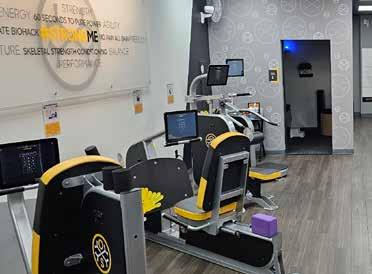
Welcome back, biohackers! It’s November, and I’m excited to dive into another fundamental biohack that has transformed my life and the lives of countless others: OsteoStrong. As the proud owner of OsteoStrong in Las Vegas, I want to share the story of how I became involved with this incredible biohacking company, why I’m such a passionate advocate for it, and how it’s changing lives through skeletal strength.
My Journey to OsteoStrong
My story with OsteoStrong began in 2017 when I was living in Pueblo, Colorado, immersing myself in the cannabis and CBD industry. A few months into my time there, I received a call from a good friend who was working in franchise sales for a company called OsteoStrong. He described it as a biohacking company with Tony Robbins, the renowned life coach who has impacted millions, as one of its owners. Knowing Tony’s track record of championing transformative programs, I was immediately intrigued. If Tony Robbins was involved, I was confident there was significant value in what OsteoStrong had to offer.
At the time, OsteoStrong was showcasing its equipment at Tony Robbins’ public events, allowing attendees to experience it firsthand. To try it, people provided their name, phone number, and email, generating a list of hundreds of interested individuals. My role? I started calling these Tony Robbins attendees to share more about OsteoStrong. From the very first call, I was blown away by their enthusiasm. They loved the program and were eager to get involved. After months of hearing these glowing reviews, I knew I had to experience OsteoStrong for myself—and I wanted to bring it to others.
Taking the Plunge in Las Vegas
In 2018, an opportunity brought me to Las Vegas, and I didn’t hesitate to take the leap. In November of that year, I walked into an OsteoStrong center and signed up as a member. I was immediately struck by how quick and straightforward the program was. In just a few months, the results were undeniable: I was getting stronger. As someone with a background in marketing, I saw the immense potential of OsteoStrong. After all, everyone has bones, and everyone can benefit from keeping them strong. This wasn’t just a program—it was a life-changer.
Throughout 2019, I continued to grow stronger while spreading the word about OsteoStrong to anyone who would listen. Then, in 2020, the world faced unprecedented challenges with the global shutdown. But we turned adversity into opportunity. We relocated our OsteoStrong center to its current location on Fort Apache in Las Vegas, giving us a fresh start as the newest generation of the OsteoStrong franchise. This move also allowed me to step into an ownership role, where I could help build and grow the business.
A New Chapter: Reopening OsteoStrong Las Vegas
On February 19, 2022, we reopened OsteoStrong Las Vegas with a renewed sense of purpose. With strategic marketing and the buzz surrounding Tony Robbins’ book Life Force, which highlighted cuttingedge biohacking solutions like OsteoStrong, we hit the ground running. Within the first six months, our members experienced remarkable results—they were getting stronger, and the impact was clear. This trend
biohackinglasvegas.com
continues today, with members consistently seeing improvements in strength and vitality through just one session a week.
The Science Behind
OsteoStrong
So, what makes OsteoStrong so effective? It’s all about osteogenic loading, a high-intensity, low-repetition resistance exercise designed to stimulate bone growth and increase bone density. By applying controlled, high-impact forces to the skeletal system, osteogenic loading triggers osteogenesis, the process of new bone formation by activating osteoblasts, the cells responsible for building bone. This process aligns with Wolff’s Law, which states that bones adapt to stress by becoming stronger and denser.
The benefits of OsteoStrong go beyond stronger bones. The program improves structural integrity, reduces the risk of osteoporosis and fractures, and enhances muscle strength and joint stability. It’s a comprehensive approach to musculoskeletal health that supports a higher quality of life, no matter your age.
A Global Impact and a Bright Future
OsteoStrong has already changed countless lives, giving people the strength and confidence to live fuller, more active lives. I recently returned from OsteoStrong’s annual convention, where the excitement for the future was palpable. With a presence in 14 countries, over 200 centers worldwide, and more than 100,000 people having completed over 25 million sessions, OsteoStrong’s impact is undeniable. As bone health gains more attention, OsteoStrong is poised to continue its global expansion, helping more people recognize the value of maintaining strong bones.
My Commitment to OsteoStrong
OsteoStrong is where my biohacking journey began, and I’m committed to continuing my weekly sessions to stay strong as I age. Getting older doesn’t mean getting weaker, not with OsteoStrong. This program has shown me, and thousands of others, that we can defy the conventional narrative of aging by prioritizing skeletal strength.
So, biohackers, if you’re ready to take control of your health and build a stronger foundation for your future, I invite you to explore OsteoStrong. It’s more than a program, it’s a movement to empower you to live stronger, longer. Stay strong with OsteoStrong!
CHALLENGING AMERICA’S MENTAL HEALTH PARADIGM
by Exploring "Spiritual Emergency"
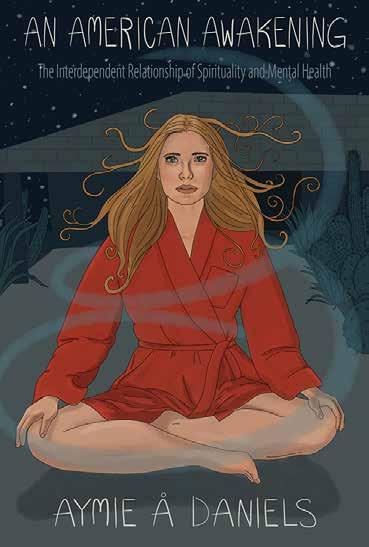
As rates of anxiety, depression, and substance use continue to climb across the U.S., conversations around mental health are more urgent than ever. Yet, one crucial perspective remains missing. In her captivating new book, An American Awakening: The Interdependent Relationship of Spirituality and Mental Health, Aymie Daniels introduces the little-known concept of “Spiritual Emergency” and opens a timely conversation about how America understands (and often mislabels) extreme psychological states.
New Book Challenges America’s Mental Health Paradigm by Exploring "Spiritual Emergency"
What happens when a spiritual awakening doesn’t look like peace and enlightenment but instead like chaos, confusion, and crisis?
In her profound, unflinchingly honest new book, An American Awakening: The Interdependent Relationship of Spirituality and Mental Health, Aymie Daniels offers a rare, courageous look into the misunderstood phenomenon of Spiritual Emergency, a term first coined by Stanislav and Christina Grof in the 1970s to describe a transformational crisis with profound psychological and spiritual implications. While respected in some therapeutic and indigenous traditions, it remains largely overlooked and often mishandled by modern American culture and the mental health system.
“In indigenous cultures, those who access metaphysical realms are revered as healers and shamans,” Daniels said. “In America, they’re often misunderstood, pathologized, or dismissed.”
Part riveting personal journey, part guide, Daniels blends lived experience with practical frameworks for well-being, emotional regulation, and integration of consciousness. She writes openly about her struggles with addiction, mental health, and awakening, offering both raw honesty and practical tools for resilience, personal growth, and healing.
At a time when conversations around mental health are expanding, An American Awakening adds a crucial voice. Honest, unflinching, and ultimately redemptive, it challenges stigma and reframes crises not as pathology, but as possibility.
“I wrote this book to reach people who, like me, have faced deep challenges, and to remind them they’re not alone,” Daniels said. “At the same time, I wanted to build a bridge of understanding between the general public and those experiencing extreme psychological states, so we can begin to see each other with more compassion and clarity.”
Whether navigating personal challenges, moving through a spiritual emergency, or seeking personal growth and transformation, An American Awakening brings forward a perspective that has long been overlooked. It doesn’t just break the silence around stigma, it opens a new conversation and sparks hope where there has often been too little.
“Mental health is still evolving,” Daniels added. “And expanding the conversation gives voice and visibility to those too often silenced.”
An American Awakening: The Interdependent Relationship of Spirituality and Mental Health is available on Amazon
Aymie Daniels is the Managing Director of Prophet Source, a personal development company devoted to healing, transformation, and the power of looking within. Drawing on her background in holistic health, her career in corporate finance, and the depth of her own lived experience, she bridges the gap between spiritual insight and practical growth, offering a unique voice in the wellness and transformation space. Daniels holds a bachelor's degree in Holistic Health Sciences and is board-certified through the American Association of Drugless Practitioners. At Prophet Source, her work centers on Mind Awareness & Development, a philosophy that redefines what it means to be “MAD” by empowering individuals to embrace their powerful minds, unlock their strengths, and rise to their highest potential.
Nervous System Regulation >>>
It’s easy to get caught up in the daily hustle of life, but learning to apply concepts of Occupational Therapy (OT) to aspects of your day can drastically improve the quality of your life. Our nervous system is constantly responding to stressors, and learning to regulate is key to emotional balance, focus, and overall wellness. That’s where OT comes in. Occupational therapy isn’t just for injuries. The application of OT fundamentals can help manage stress, maintain routines, and improve quality of life.
What Is Nervous System Regulation?
Think of your nervous system as the control center for how you experience the world. It interprets what’s happening around you and inside of you, then decides whether you need to fight, flee, freeze, or rest. When it’s balanced, you feel calm, grounded, and capable of handling life’s challenges. When it’s out of balance, even small stressors can feel overwhelming.
Our nervous system has two primary states: the sympathetic and parasympathetic
• The sympathetic system is your “fight or flight” mode. It’s what kicks in when you’re late for work, get bad news, or feel unsafe. Your heart rate rises, your breathing becomes shallow, and your body prepares to act.
• The parasympathetic system, often called the “rest and digest” state, helps you recover, restore, and heal. This is when your body slows down enough to digest food, sleep deeply, and think clearly.
In a healthy, regulated state, we move fluidly between the two depending on what life demands. But for many people, especially those under chronic stress, recovering from trauma, or juggling nonstop responsibilities, the nervous system can get stuck in overdrive. This dysregulation can look different for everyone.
Signs Your Nervous System Might Be Dysregulated
Dysregulation doesn’t always look like panic attacks or meltdowns. Sometimes, it’s subtle. You might notice:
• Chronic fatigue or difficulty falling asleep
• Feeling “on edge” or easily irritated
• Racing thoughts or trouble focusing
• Emotional numbness or detachment
• Digestive issues or tension headaches
• Feeling disconnected from your body or surroundings
These are all signs your body may be spending too much time in a state of high alert or, on the opposite end, shutting down to conserve energy. The good news? You can learn to regulate your nervous system through intentional, small practices that retrain your body and brain to find equilibrium again.
The OT-Informed Perspective
Occupational therapy views regulation through the lens of meaningful activity, what we do, how we do it, and how it supports (or hinders) our ability to live well. Regulation isn’t just about meditation or deep breathing; it’s about engagement in everyday occupations that align with your values and sensory needs.
In OT, we recognize that regulation strategies are not one-size-fitsall. What calms one person might overstimulate another. Some people ground themselves best through movement, others through quiet sensory experiences like aromatherapy, gentle touch, or nature walks. This individualized approach is what makes the OT lens so powerful - we don’t just teach coping skills; we help people discover what actually works for their unique nervous systems.
From a sensory standpoint, OTs consider how sight, sound, touch, movement, taste, and smell affect the body’s stress response. A person who thrives in calm, dim environments may benefit from low lighting and soft textures. Someone who seeks stimulation might need upbeat music, exercise, or tactile engagement to feel alert and focused. Understanding these preferences helps individuals build daily routines that naturally support balance rather than fight against it.
Everyday
Hacks
for Nervous System Regulation
You don’t need hours of free time or fancy tools to start regulating your nervous system. Here are some simple, OT-informed strategies you can weave into your day:
1. Start With the Senses
Use your senses as anchors. Notice textures, scents, or sounds that feel grounding. Try a warm cup of tea, a walk outdoors, or diffusing lavender oil. Engaging the senses intentionally signals safety to the brain.
2. Move With Intention
Movement is one of the most effective ways to regulate the nervous system. It doesn’t need to be a full workout - gentle stretching, dancing to your favorite song, or walking while paying attention to your breath can all restore balance.
3. Breathe to Reset
Breathing exercises are more than mindfulness buzzwords; they directly influence your vagus nerve, which helps shift you into a parasympathetic state. Try inhaling for four counts, holding for two, and exhaling for six.
4. Build Predictable Routines
Our brains crave rhythm and predictability. Creating consistent morning or evening routines provides a sense of control and helps reduce anxiety. Think of it as giving your nervous system a roadmap.
By Anna Ketron Cusano, OTR/L
5. Create Micro-Moments of Calm
You don’t have to wait for a crisis to regulate. Small, intentional pauses throughout the day, like stepping outside between meetings or stretching at your desk, can prevent stress from accumulating.
6. Connect With Others
Human connection is one of the strongest regulators we have. Genuine laughter, eye contact, or a supportive conversation releases oxytocin, a hormone that helps calm the body and build resilience.
7. Reflect and Recalibrate
Self-awareness is foundational to nervous system regulation. At the end of the day, ask yourself: What helped me feel grounded today?
What drained me? Over time, you’ll start to see patterns and can intentionally design your environment and habits around what works.
Integrating Regulation Into Daily Life
The key to lasting regulation is consistency, not perfection. You don’t need to master every technique or eliminate stress - that’s impossible. Instead, aim to cultivate awareness and adaptability.
Start small. Choose one or two practices that feel natural and easy to maintain. For instance:
• Begin your morning by taking three slow breaths before looking at your phone.
• Swap scrolling breaks for brief movement breaks.
• Practice gratitude journaling at night to unwind your mind before sleep.
As you become more attuned to how your body responds, you’ll find it easier to catch signs of dysregulation early, before they spiral into burnout, anxiety, or exhaustion.
The beauty of OT-informed self-care is that it’s rooted in real life. You don’t have to escape your life to find calm; you can build calm into the life you already have. Anyone can learn to regulate their nervous system; it’s a skill, not a fixed trait. The more you practice small, intentional strategies, the more your body learns to trust that it is safe to slow down, rest, and recharge.
Nervous system regulation isn’t about becoming perfectly calm all the time. It’s about knowing how to return to balance when life inevitably pulls you off-center. Whether it’s through movement, creativity, connection, or mindfulness, your daily occupations can become your therapy, a pathway to resilience, presence, and well-being.
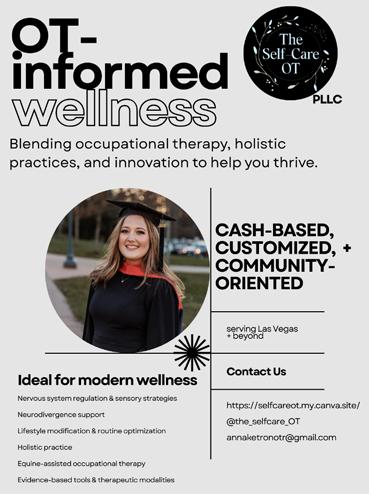
Anna Ketron Cusano, OTR/L, is an occupational therapist and founder of The Self-Care OT, a Las Vegas-based initiative that bridges evidence-based wellness and everyday living. She helps clients reconnect with themselves through OT-informed self-care, sensory regulation, and lifestyle balance. Accepting Medicare Part B and self-pay.
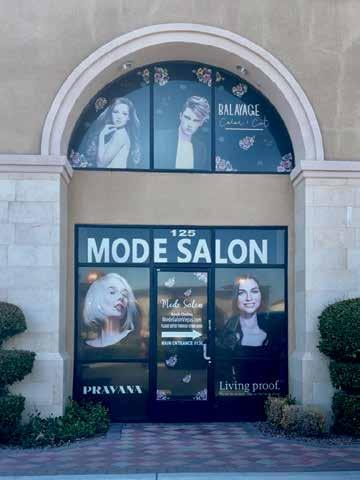
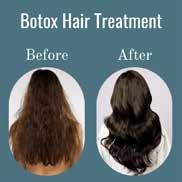
At Mode Salon Las Vegas, our Hair Botox treatment deeply nourishes, smooths, and revitalizes every strand. The perfect chemical-free way to tame frizz, add shine, and restore strength, leaving your hair silky, manageable, and rejuvenated.
Back Time for Your Hair with Hair Botox
Not This Year, Grandma
Breaking Generational Patterns (Before the Holidays)
It’s that time again. The holidays are fast approaching, which means another round of family season.
For some, this time of year ushers in a sense of joy, homecoming, and reconnection. But for others, it brings with it the dread of potential conflict and the reopening of old wounds. If you relate to the latter, you probably also know just how easy it is to slip back into roles you thought you’d left far, far behind. If life is a record, its well-worn grooves are etched by the energetic weight of not only our own history, but of those who came before us, leaving us (more often than not) playing the same ‘ol tune.
Ancestral energy, as I call it, isn’t some mystical force. It’s composed of the habits, beliefs, traumas, and traditions of our predecessors. For example, maybe your grandmother regarded rest as laziness because her survival depended on constant productivity. That’s the kind of belief that could easily trickle down without question and cement itself as a silent rule in your mind. So now, when you try to take a break, you feel guilty, even though your life is vastly different from grandma’s. That guilt is ancestral energy in action: modeled, reinforced, and internalized over time.
So, before we spend yet another year subconsciously trudging through the same inherited chaos disguised as tradition, let’s take a pause. Now is a great time to take inventory and ask ourselves: What am I carrying that didn’t start with me, and do I still need it?
What We Inherit (That Isn’t Genetic)
Before a pattern can be broken, it has to be acknowledged. And some of our heaviest patterns didn’t start with us. They were inherited, not through DNA, but through stories, silence, survival strategies, and “that’s just how we do things.” Here are just a few examples of what those patterns might look like:
Trauma - Your grandfather was chastised at a young age for voicing his emotions and spent the rest of his life internalizing them. Your mother followed suit. Now, every time you feel overwhelmed, your instinct is to shut down and "get over it" quietly. Emotional expression feels unsafe or like a burden. At family gatherings, you avoid bringing up conflict, even when boundaries are crossed. Your priority is to "keep the peace", even at your own emotional expense.
Beliefs - A scarcity mindset passed down from Depression-era grandparents makes you feel like there’s
never enough of anything. Money. Food. Time. Love. As a result, you over-prepare for the holidays: stockpiling food, overspending on gifts, and overscheduling your time. You live with a constant hum of panic that you haven’t done enough, given enough, been enough.
Roles - Your family designated you “the responsible one” at age 10, and you’ve been holding the clipboard ever since: planning events, smoothing tensions, checking in on everyone else’s needs. You’re unable to actually enjoy the holidays because you’re too busy managing everything. Even when no one asks you to, you assume the emotional labor. And if you don’t take charge, that’s when the guilt creeps in.
Coping Mechanisms - Your dad coped with stress by detaching, whether physically or emotionally. You learned early on that disappearing (into your room, into a book, into work) is how you survive tension. You mentally check out at family events. You keep conversations surface-level. You might even skip the gathering entirely, not because you don’t care, but because you never learned how to stay present in discomfort.
All of these patterns have one thing in common: repetition through ritual. And they’re often hidden in plain sight, tucked into family routines, many of which may seem completely innocuous. The same person always carves the turkey. Someone always gets too drunk, and someone else smooths it over. A passive-aggressive comment gets ignored, just like every year. But these aren’t just quirks. They’re rehearsed roles, and they’re often rooted in inherited dynamics.
Spotting the Pattern Before It Runs the Show
The tricky thing about inherited patterns is that they often feel like second nature. But the truth is, they’re usually just the default settings we never thought to question. And if we don’t pause to notice them, they’ll run the show, whether we want them to or not.
Not sure how to tell what’s yours and what’s been handed down? Here are a few ways to spot generational patterns:
You have emotional reactions that feel disproportionate or confusing. Someone criticizes your cooking, and you’re suddenly five years old again. You freeze when someone raises their voice. These types of reactions are often echoes, passed down from generations that had to prioritize survival over softness.
You hear that “this is just how we do things” energy. Whether it’s about how holidays are
By Andrea Caple
hosted or who’s expected to clean up afterward, these statements are often code for “don’t question the system.” But familiar doesn’t always mean healthy, and reevaluating tradition doesn’t make you rebellious. It makes you conscious.
You feel guilt, shame, or obligation... with no clear reason why. You’re carrying the weight of someone else’s expectations, and you’re not even sure how it got there. Maybe it shows up for you as over-delivering, never letting yourself rest, or feeling like you owe everyone an explanation.
If any of these scenarios resonate with you, take a moment this week to put pen to paper and answer this question: What does your family expect from you that doesn’t align with who you are?
What comes up may surprise you.
So.. How Do We Change It?
Each moment you notice an old pattern pop up is an invitation to shift it. But HOW you do it is key: not with blame, not with shame, and definitely not with a wrecking ball. Change doesn’t mean burning everything down. It can be quiet or subtle and still powerful. And it happens with small, conscious actions over time, rather than a hard reset into a different state of being.
Here are some small ways to honor your peace this holiday season:
• Go for a grounding solo walk before the big family dinner.
• Set a small boundary without launching into a 12-point explanation.
• Decline to engage in the same tired arguments. “I’m not going to talk about that today” is a full sentence.
• Let yourself leave early. Staying past your limit doesn’t equal love. It equals burnout.
And when you recognize an old behavior creeping in, try naming it. Get curious about its origin. Then remind yourself of this profound truth: I can choose differently now.
You also get to choose what to keep, because not everything that’s passed down needs to be shed. Maybe your nonna made a mean soup. Maybe standing up for the underdog runs in your family. Maybe you value the tradition of deep belly laughter in hard times. Whatever it is, keep it. Carry it with pride. Just make sure it’s intentional. Because what you take with you carries into the future, whether your lineage ends with you or not.
Your legacy is yours to craft. This holiday season, be the ancestor who changes the story.
Andrea is a Vegas-based writer, creative professional, and founder of Ruby Cat Creative, a boutique agency specializing in editorial content, digital storytelling, and general ghostwriting. Her work explores themes like emotional wellness, neurodivergence, self-reclamation, and modern burnout. When she's not writing, she can be found reading, thrifting, buying more plants than she has room for, or upcycling forgotten items into something worth keeping. Got a project, question, comment, or good antique store recommendation? Drop her a message at andrea@ rubycatcreative.com.
YEEHAW, LAS VEGAS!
The Hoedown of the Year is Coming to Town
This fall, Las Vegas is trading neon lights for country nights, and it’s all for a great cause. On Saturday, November 15th, the Compassion Center’s Coalition for Patient Rights is hosting its first-ever Charity Hoedown at Paradise Recreation Center. From 10 a.m. to 5 p.m., families, friends, and neighbors are invited to kick up some dust, share a laugh, and give back to a cause that’s helping build a healthier, more compassionate Las Vegas.
And here’s the best part: admission is only $1! Yes, you read that right — one single dollar gets you a full day of fun and community spirit.
A Hoedown for Every Generation
Whether you’ve been waiting all year to break out your cowboy boots or you’re just looking for an excuse to spend a wholesome Saturday outdoors, the Hoedown promises something for everyone. Expect the laughter of kids racing in potato sacks, live entertainment, and the smell of fresh BBQ wafting through the air.
Attendees can dive into crafts and bounce-house fun, test their aim at ax-throwing, dance to live music, or simply relax with a cool drink in hand. Local businesses and community organizations will fill the park, each one offering a taste of what makes this city’s heart so big.
And when the music starts? You’ll want to grab a partner. The Hoedown’s entertainment lineup will keep toes tapping all day long.
More Than a Fundraiser — It’s a Celebration of Compassion
While the event promises fun and food galore, its purpose runs deeper. Every ticket and every bite helps support the Compassion Center and its Coalition for Patient Rights (CPR) — two organizations devoted to improving the health and wellness of Las Vegas residents.
Funds raised during the event will help sustain local health programs, wellness education, and patient advocacy initiatives — resources that make a tangible difference for those who need them most.
From the first laugh to the last song, this Hoedown will have Las Vegas smiling, dancing, and remembering what community truly means.
So, grab your hat, bring your heart, and we’ll see you at Paradise Recreation Center on November 15th for a day of old-fashioned fun — with a whole lot of compassion.
Event Details
Date: Saturday, November 15, 2025
Time: 10:00 a.m. – 5:00 p.m.
Location: Paradise Recreation Center — 4775 McLeod Dr, Las Vegas, NV 89121
Admission: $1 per person (includes games, crafts & entertainment; food & drinks sold separately)
Tickets: Reserve yours now using the QR code and get discounted beverages and food
Meet the Teams Behind the
Hoedown
The Compassion Center is a nonprofit dedicated to advancing integrative
health and wellness through outreach, education, and support programs. Its mission is simple but powerful — to give every person in the Las Vegas community access to the tools they need to live a healthier, more empowered life. Learn more: compassion-center.org
The Coalition for Patient Rights (CPR) is a patient-led advocacy network that fights to keep healthcare centered on people — not politics or profits. Through its five pillars of advocacy, CPR works to reform healthcare policy, increase transparency, and protect patient dignity and choice. Learn more: coalitionforpatientrights.org
Sponsor and Booth Opportunities Still Available
Want to showcase your business, brand, or nonprofit organization in front of local families? Booth spots are filling quickly, but space is still available. Don't miss your chance to be part of this high-energy community event while supporting a great cause.
Contact Sarah Schwefel Coalition for Patient Rights Executive Director of Fundraising and Awareness 702-350-1874
sarah.schwefel@compassion-center.org
>>> HORSES AS HEALERS A New Path to Wellness in Las Vegas
Beneath the flash and excitement of Las Vegas, many people quietly crave a way to slow down, release stress, and reconnect with themselves. In a city that never stops moving, it’s easy to forget what stillness feels like. Yet just beyond the noise, under the vast desert sky, the horses of Gladius the Show stand waiting - living conduits of energy and mirrors of the soul.
By Alethea Shelton
For more than 25 years, I’ve been a massage therapist and energetic practitioner under my solo practice, Third Eye Sanctuary. I’m also a yoga teacher and the co-owner, trainer, and performer in Gladius the Show, a world-class equestrian production rooted here in Las Vegas that blends acrobatics, stunts, and some of the most breathtaking horses I’ve ever known. My life has always revolved around the body, its strength, its artistry, and its ability to transform.
Through Gladius, I watched horses captivate audiences with their courage, grace, and presence. But behind the scenes, I’ve always known something deeper. I wanted to share another side of them, not just as performers, but as healers. That calling led me to create experiences where horses, yoga, sound, and energy work merge into a new kind of wellness journey, one that invites participants to rediscover balance and truth through connection, right here in an unexpected city.
Why Horses?
Horses live in presence. They don’t care about your résumé, your to-do list, or the mask you wear in public. They respond only to energy: yours, mine, and the authenticity of the moment. This makes them extraordinary mirrors and natural healers.
Anyone who has spent time around horses knows their quiet medicine. You can be having the hardest day, yet one look into a horse’s eyes and something softens. Their stillness steadies you. Their heartbeat reminds you that peace is possible. Horse people have always understood this, and I wanted to share that same feeling, the instant emotional reset that happens with others who may never have experienced it.
I’ve watched grief loosen its grip, anxiety ease, and hearts reopen. I’ve lived it myself. From healing PTSD after a severe car accident in my teens to finding my footing again through the grief of divorce, it was the horses who stood by me: silent, steady, and true. They helped me breathe again. They taught me that healing isn’t about chasing a better feeling; it’s about creating the space to feel completely, without judgment or resistance, and allowing your own light to rise again.
How Horses Help You Heal
1. They Reflect Your Energy Horses sense what lies beneath the surface. If you’re anxious or guarded, they’ll step back. If you soften, breathe, and ground yourself, they’ll move closer. That mirroring offers instant, embodied feedback and a gentle invitation to become aware of what you’re carrying.
2. They Ground You in the Present Horses exist only in the now. Standing beside one draws you out of your thoughts and into your body. You begin to notice the air, the earth beneath your feet, the rhythm of your own breath. It’s meditation made tangible.
3. They Help Release Stress
When paired with energy work, sound, or touch, the nervous system recalibrates quickly. I often watch as shoulders drop, heart rates slow, and horses mirror that release, exhaling, lowering their heads, or even standing protectively close as if to say, “You’re safe now.”
4. They Awaken Connection
Healing is not only about stress relief. It’s about remembering that you are part of something vast: your body, the earth, and the divine field of life itself. Horses seem to bridge worlds. Their grounded power connects to the root, yet their gaze carries something cosmic, as if they see through the veil. Standing beside them, many people feel their third eye open, their crown expand, and their sense of separation dissolve. Horses remind us we are never alone; we are part of the greater pulse of creation.
5. They Hold Sacred Space
Unlike a therapist’s office or yoga studio, the arena carries no agenda. Horses don’t judge, analyze, or advise. They simply hold space without expectation or judgment. In that field of unconditional existence, profound release and renewal can unfold.
Why It’s Different
What makes this work unique in Las Vegas is the combination and the environment. Yoga restores balance. Sound healing recalibrates vibration. Massage and meditation soothe the mind. But when these practices unfold outdoors, in the company of horses beneath the wide desert sky, everything amplifies. The transformation deepens.
Participants often describe feeling that the horses are not just bystanders, but co-facilitators. Within our Infinitone-powered sound baths, waves of tone born from a multidimensional instrument that fuses ancient reso nance with high-vibrational harmonics ripple through the herd. The horses often draw close, eyes soft, as if listening to a frequency beyond our world. Experiences have ranged from deep cellular repair to the shedding of old identities, even moments described as time travel through sound and light.
This isn’t about training or performance, though I continue to honor the artistry of horses through Gladius. In these healing sessions, the focus shifts from performance to presence. It’s about co-regulation: your nervous system syncing with theirs, your body remembering how to soften in their calm field of energy.
The Science and the Spirit Research shows that simply being near horses can lower blood pressure, reduce stress hormones, and boost oxytocin (the bonding hormone that helps us feel safe and connected.) Yoga and energy work also activate the parasympathetic nervous system, restoring balance to the body.
But the deeper magic is experiential. Horses translate energy into some thing you can feel. Their feedback is instant, pure, and without pretense. In that mirror, you rediscover what’s real, not through language, but through vibration and trust.
That duality of strength and stillness is why I believe horses are among our greatest teachers.
The Experiences
At my ranch on the outskirts of Las Vegas, I offer equine yoga and sound bath experiences, horse-assisted Reiki and energy healing sessions, and immersive retreats designed to go even deeper, including Mirror of the Soul, returning March 28–29, 2026.
Each session blends mindful movement, vibrational sound, and equine presence. The soundscape, created through an otherworldly fusion of acoustic and harmonic frequencies, feels both cosmic and grounding, as though the sound itself breathes with the horses. Participants often describe sensations of lightness, tingling, or tears of release, followed by an anchored calm that lasts for days.
Here, healing isn’t about striving for perfection. It’s about remembering your essence, allowing energy to move, sound to resonate, and your heart to open again. When a horse looks into you, you don’t just see reflection. You remember love itself, the quiet, eternal kind that doesn’t need words.
Las Vegas may be known for spectacle, but some of the most profound experiences aren’t found under the lights of the Strip. They’re found in the calm space with a horse, where you reconnect with your truth and realize you’ve been at home within yourself all along.
COOKING WITH CHEF CHRIS Salt-Free Series: Lemon Pepper Chicken Picatta over Black Rice
By: Chef Chris Rodarte
This month, I made an Italian staple with a New Age twist! Simple, elegant, and delicious! Easy to make, and you can switch out the rice for your favorite pasta. Well, let’s get to it!
Ingredients
2 cups black rice
2 whole lemons (zested/sliced)
1 cup lemon juice
1 pack of fresh chicken
1 jar of capers
1 stick of unsalted butter or plant-based
1 bundle of Italian parsley (chopped)
2 cups of flour
4 cups of cooking oil
5 eggs
Pepper
How To Make
Start by placing your flour into a container and season it with pepper. Crack your eggs into another container and season with some pepper. Now place your chicken inside a large Ziploc bag or under some plastic wrap. If your chicken is too thick, feel free to butterfly and separate into small cutlets. Using a small mallet, rolling pin, or wine bottle, smash your chicken gently until ⅜ inch thick. Place off to the side.
Once everything is ready. Have a pan with enough oil to cover your cutlets inside and the temperature at medium-medium high. Once the oil is hot. Place your chicken cutlets into your flour, then dip them into your eggs, and one last time into your flour. This time, press the flour onto the cutlets. Place into your oil and cook until golden brown. Start your rice after this.
Have a plate with a paper towel off to the side. This is for your cooked cutlets. *I have lemons sliced at this moment and place them between the cutlets that are cooked.*
Once everything is cooked, get rid of the used oil, but keep the pan. Toss half of your butter into the pan at a medium heat. Put as many cutlets as you can into the pan. Keeping them flat. Put your capers, half of your parsley, ½ of the lemon juice, and some pepper, then just let this simmer in your butter pan. Cook for 8-10 minutes low and slow. Make sure to flip your cutlets and lemon slices. Do not cook the lemon slices for too long, as they will make the dish bitter.
Once your rice is finished, mix in some lemon juice and add a little of your lemon zest on top of your rice. Top with a few of your chicken cutlets. Make sure to place your lemon slices onto it as well, and get some of your butter sauce too! Sprinkle some lemon zest and parsley, then you’re done!
There you have it!
I hope you all enjoyed this article as I have enjoyed creating it for you!
Chef Chris Rodarte is a multi-talented Chef and has cooked for some amazing people. Recipient of a Certificate of Achievement from The Las Vegas Chamber of Commerce and a Special Congressional Award from The US Senate. Thanks Jacky! Look for more on social media. If you like this recipe please give a like and follow, it helps: Instagram: @chef_chris_ rodarte, Facebook: @Chef Chris Rodarte & @Christopher Rodarte.
Shoot For The Stars, Because The Sky’s Not The LImit! Wait till you see what happens next….
THE TEMPLE RADIANCE LIFESTYLE with Gia
Return to Eden
We are in a powerful time in humanity. We can remember the time, way, way, way back before all the stories of our unbrokenness ensued. That place? Eden. Not the garden we’ve been told about. I can’t really decide if I believe or how much I believe about Adam and Eve, but what I can say is that I’ve experienced the “tone” of Eden. Let’s think about this for a minute. What would it actually mean for a human being to FEEL a frequency inside them that remembers its point of origin? Is that even possible? Of course it is! Eden is our original frequency, so it’s always been a part of us. The programs and narrative clouded it, but it’s always been there. What I’m inviting is an opportunity to open your internal memory. Let’s take a moment and play with this magic.
Can you take a moment and reflect on a question that will open your mind?
What if you were never broken? What if there is architecture in your being that has always been whole and fully intact? Can you imagine? Let this question feel like a soft hand on your back, not a heavy inquisition.
I found this place. In the spring of 2025, I began waking at 3 am. Each morning, I would prepare Santa Maria (cannabis) and bask in stillness. With Santa Maria as my sherpa, I was guided to the stillest place within myself. This was a place where I could feel my internal hum. In the stillness of that early morning, with Santa Maria swirling in the air, my puppy on my lap, I felt my consciousness lift beyond the veil of illusion. This expanded me into a place where a deep internal hum took over me, and I sat there buzzing with newness.
You may even feel it now. A thrum in your chest or a deep inhale. There is no healing to earn, only wholeness to recall.
Gia Kubik helps individuals evolve their consciousness. Temple Radiance is a lifestyle that supports living from our original blueprint of perfection; our divinity. Gia is a Midwife of Remembrance. Temple Radiance will increase your core vibration, and you will align with your infinite potential. Come explore a call with me. IG@Gia.Kubik www.Giakubik.com.
Sip Tea with Saba
What's the Tea on: WATER
The statements in this editorial are simply for informational purposes, entertainment, and objective research and do not represent the views or policies of the publication, or any other organization with which the author may be affiliated. They are also not to be viewed as personal medical care, but rather for the purpose of general knowledge. The author is not a medical professional. The reader is strongly encouraged to speak to his/her own physician for medical advice.
Water is the lifeblood of the human body, making up about 60% of our total weight. It’s involved in nearly every bodily function; transporting nutrients, regulating temperature, flushing out toxins, and cushioning joints (just to name a few). The foundation of life itself. Two hydrogen atoms are bonded to one oxygen. Water is often seen as simple, yet beneath this seemingly ordinary molecular structure lies something extraordinary: water has the potential to reflect, record, and respond to the world around it.
From the experiments of Masaru Emoto to modern quantum-field theories explored by Gerald H. Pollack and colleagues, water emerges as more than just a physical substance. It’s a medium that connects life, consciousness, nutrients, and the environment in ways we’re only beginning to understand. And in this month of gratitude, we are understanding this very precious resource that is water, and how its value can be appreciated through all areas of our lives. This attitude of gratitude is an energetic output (through emotions: energy in motion), that I will reveal influences the world within us and around us (we can keep that in mind when we sit down to sip our tea, preferably High Tech Healing teas. Learn more at www.hightechhealing.org or visit us at the Downtown Summerlin farmers market)
Dr. Masaru Emoto’s Water Crystal Studies
In the late 1990s and early 2000s, Japanese researcher Masaru Emoto published a number of experiments and books claiming that water’s crystalline structure responds to human words, thoughts, and intentions. One of his better documented studies is titled “Double-Blind Test of the Effects of Distant Intention on Water”, conducted in collaboration with the Institute of Noetic Sciences (IONS) in Petaluma, California, and in Japan. In that 2006 experiment, two of four bottles of water were randomly chosen to be ‘treated’ with distant intention: participants in Tokyo focused a prayer or intention towards bottles located in California, in an electromagnetically shielded room. The treated bottles and control bottles were then shipped to Emoto’s lab in Japan, frozen, photographed, and evaluated for ‘beauty’ of ice-crystal structure. The claim was that the treated water formed more aesthetically pleasing crystals under the microscope.
Emoto’s book The Hidden Messages in Water (2004) and subsequent Messages from Water volumes document his ice-crystal photographs and his rice-in-water experiments. This became popularly shared on social media, where jars of rice in water were subjected to different words or intentions over 30 days, claiming that positive intentions induced fermentation and negative intentions induced rotting. My kid did a similar science fair project recently and found that the plants that were encouraged grew taller than those that were ignored or talked to badly.
Thanks Giving
If we accept the idea that water responds to its energetic environment,
then words, thoughts, and vibrations gain fresh significance. In Emoto’s experiments, words like “love” or “gratitude” placed on bottles of water corresponded (in his findings) to more symmetric and “beautiful” crystals, whereas words like “hate” yielded distorted structures. Some caveats apply regarding scientific acceptance; however, this is not the first concept of its kind that water has memory.
The human voice produces sound waves, which propagate through our body, which is roughly 60-70% water. If water inside our tissues is structured and sensitive to vibrational fields, then our internal water may respond to our speech, self-talk, and mental emotion with intention. Whether water is the conduit or not, research in psychoneuroimmunology shows that thoughts and emotions affect physiology, biochemical signaling, and cellular behavior. When we speak kindly to ourselves or offer a word of thanks to the water we drink, we may be doing more than practicing mindfulness. We may be influencing the very medium of our physical form.
Structured Water
Beyond Emoto’s photographic work, more conventional laboratories have studied how water behaves and interfaces, and how its molecular arrangement may differ from bulk liquid. The Pollack Lab at the University of Washington in Seattle, under Gerald H. Pollack, has explored what they call “exclusion-zone water” (EZ Water) or the “fourth phase of water”: a structured, gel-like layer of water that forms next to hydrophilic (waterloving) surfaces. So from a biological viewpoint, the water inside our cells (which is mostly interfacial) may operate not simply as liquid water, but as structured water; impacting it in energy transfer, signally hydration efficiency and more.
As you may or may not know, I’m the ‘tea lady’, aka the herbalist, so it’s my joy to share that when making an herbal infusion, the process not only imparts flavors and nutrients from the herbs but also may alter the structure of the water, making it more bioavailable and easier for the body to absorb. Some research suggests that the molecular structure of water can change when it interacts with plant compounds, potentially enhancing its absorption on a cellular level. According to studies done in water molecular dynamics by Pollack in 2013, water can form a more ordered structure when it's in contact with certain natural substances, such as herbs and minerals, improving its ability to hydrate and nourish the body.
But not all water is created equally. While tap water may be convenient, filtered or mineral water tends to be a better choice because it's often free of chemicals like chlorine and fluoride, and may contain beneficial minerals like calcium and magnesium. The best option is spring water (directly from a spring), because:
1. It has gone through a natural filtration process through the earth’s minerals.
2. It is structured as mentioned in Pollack’s work.
Managing this Finite Resource
Water is truly a miracle we often overlook, especially in our daily routines: drinking it, cooking with it, washing, or even making a warm cup of (High
Tech Healing) herbal tea. But did you know the water in your glass today has been around for billions of years? The same water has danced in the clouds, flowed through rivers, nourished ancient forests, and made its way to you. It’s all part of Earth’s incredible water cycle, constantly recycling itself through evaporation, rain, and the filtration system, which is the ground beneath our feet. As we gather for Thanksgiving and reflect on what we’re grateful for, let’s take a moment to appreciate this ancient, lifegiving element that connects us all past, present, and future. Water doesn’t just keep us alive, it is a master in the Earth’s cycle of life in oceans, clouds, and oxygen we breathe!
Water is a finite source, and global water access and distribution a large-scale issue. According to the UN, around 2.2 billion people still lack safely managed drinking-water services. This is another reason to be so thankful for the clean water that YOU have access to as you read this article (and more than likely are sipping on some sort of beverage). As our changing weather, shifting rainfall, and glacial melt continue, there is a lot more pressure put on many systems and people who are in crisis. The stewardship of water becomes very vital. Few places illustrate this challenge as clearly as the desert city of Las Vegas. Our city’s municipal supply of water relies heavily on the Lake Mead reservoir, which is fed by the Colorado River via the Hoover Dam. Years of drought and over-allocation have caused Lake Mead’s levels to drop significantly. Nonetheless, Las Vegas (and the SNWD) has implemented aggressive and innovative conservation strategies ,making us a leader in the field (and for that, we are very thankful)!
Gratitude and Stewardship
Water is more than a commodity because our relationship with it is reciprocal. How we treat it, physically, emotionally, and environmentally, shapes our collective future. With that in mind, as I shamelessly promote my herbal teas (www.HighTechHealing.ORG), I also would like for you to take a moment and consider using some non-toxic cleaning products, and stop flushing medications down the drain. Our water is like energy, never created or destroyed, just changing forms. Let’s charge it up with love and care through every season. Sip your tea with gratitude as I give thanks for your attentiveness in reading this article.
Visit us High Tech Healing at the Downtown Summerlin Saturday farmers market every week (two stalls down from Pahrump Honey), or online at www.hightechhealing.org.
Our minds are full of magic, curiosity, and energy. But with today’s fastpaced world, screens, sugar, and constant stimulation, it can be hard to stay calm and focused.
That’s where Brainy Drops come in, a gentle, glycerin-based herbal blend crafted to support clarity, balanced energy, and a peaceful mood. These sweet-tasting drops nourish the nervous system and help you feel centered, grounded, and focused without caffeine or harsh stimulants.
The Healing Benefits of Brainy Drops Tincture Herbs
• Lemon Balm – Soothes anxiety, eases restlessness, and uplifts the spirit.
• Peppermint – Refreshes the mind, improves alertness, and supports digestion.
• Nettle Leaf – Provides vitamins and minerals that feed the brain and strengthen the body.
• Licorice Root – Gently supports energy and adrenal balance while harmonizing the blend’s flavor.
• Rose Petals – Comforts the heart and spirit, bringing emotional calm and peace.
Together, these herbs create a gentle daily support for emotional balance, learning, and attention.
• Staying hydrated, even mild dehydration, affects focus
Brainy Drop Tincture
Brainy Drops are Made With:
- Vegetable glycerin and distilled water
- Organic herbs, including lemon balm, peppermint, nettle leaf, licorice root, and rose petals
- Each batch is slowly infused to draw out the plants’ healing properties while keeping the taste naturally sweet and kid-approved.
How to Use: Shake gently before use.
Kids: ½ dropper in juice, tea, or water 1–2 times daily.
Adults: 1 full dropper as needed for calm focus and steady energy. Perfect before school, study time, or anytime focus and calm are needed.
Grab a bottle locally at The Honey Pot in downtown Las Vegas
*DISCLAIMER: Herbal remedies are not a replacement for medical care. Always check with your child’s healthcare provider before starting new herbs, especially if they have medical conditions or are taking medications.
DM me @hippiesoulhealing to grab one or learn more!
Healing
Overcoming Negative Self-Talk at Thanksgiving >>> FEAST ON POSITIVITY
Thanksgiving is meant to be a time of reflection, gratitude, and togetherness. However, for many of us, it also brings a flood of complex emotions, as we balance family dynamics and manage expectations. There will be many conversations at the table, some comfortable and some that have us looking for the door. As the turkey is carved and the sides are passed around, we might find ourselves surrounded by family members and friends we only see during the holidays. This can be both a blessing and a challenge. Unfortunately, there might be people who bring up uncomfortable topics, or worse, make us feel small.
There will likely be in-laws, siblings, partners, and old friends. They may not intend to make us feel uncomfortable, but they often bring up topics that make us feel like we are falling short in life. Some might boast about their success while making us feel inadequate. After a few hours of conversation, a tremendous amount of pressure can build up, leading us to feel that we failed to present the best version of ourselves, which can be overwhelming.
Why does it seem like Thanksgiving is always the time when questions are raised that we've spent the entire year trying to avoid, such as, "When are you getting married?" "When are you going to settle down?" "What happened to so-and-so?" "What went wrong with...?" As the number of attendees grows, so does the likelihood of these questions or situations that make us squirm, and we question ourselves about why we even bothered to show up.
By Steven Dee Kish
scheme of things, can quickly become a dangerous seed planted in our minds. The longer we allow it to fester, the more it can erode our mental health, especially during the already stressful holiday season. Before we know it, these thoughts can turn into a spiral of doubt, anxiety, and depression.
The truth is, we are our own harshest critics. We look at ourselves and see flaws that no one else can see. Sometimes, what we appear to be on the outside doesn't always match how we feel on the inside. That's why negative self-talk is so dangerous. We can be our own worst enemies, our own source of pain, especially when we allow these internal voices to take over.
We must remember that when we see friends and family who seem to have it all—the perfect relationships, successful careers, and lives that look like something out of a magazine —it might not be true. Their struggles might be just as real as ours, but they don't always make it to the dinner table. Just because someone's life looks picture-perfect from the outside doesn't mean it's free from pain or insecurity.
Holiday events like this make it easy for the mind to spiral, dwelling on these encounters long after the last guest has left. After the turkey is consumed and the goodbyes are said, we're often left alone with negative self-talk. We may find ourselves replaying the day, questioning our choices, our life, and how we compare to others. Thus, the holidays make it harder to escape this cycle.
That's when we must ask ourselves: How do we stop this cycle? How can we address the negative self-talk that often intensifies during the holiday season? The worst thing we can do is listen to the voice inside our head telling us that we aren't good enough, that we've missed the mark, or that we'll never be as successful or happy as others.
Negative self-talk, although it may seem like a minor issue in the grand
Negative self-talk is like a slippery slope. It begins with a single negative thought, but the longer we entertain it, the faster we slide into a place of hopelessness. Over time, this negativity can lead to a mental health crisis. We may begin to internalize the judgments we think others are making about us, or worse, we may start believing the lies we tell ourselves about our shortcomings. We become trapped in a narrative of failure and inadequacy that we create in our minds based on other people's hearsay. Just because someone said something hurtful doesn't mean it's the truth; when negative thoughts flood our minds, we don't have to believe them. Our worth is not determined by how others perceive us or by our outward success. It's defined by how we see ourselves, how we treat ourselves, and, most importantly, how we speak to ourselves.
So, what can we do to stop the negative self-talk? How do we silence those voices in our heads that tell us we're not enough? The first step is awareness. We must recognize when negative self-talk begins to creep in. It's easy to dismiss it as just "overthinking," but these thoughts matter. They shape how we view ourselves, and over time, they shape how we interact with the world.
Next, we need to replace these negative thoughts with positive affirmations. Instead of focusing on what we're not, let's focus on what we are. Let's remind ourselves of our strengths, our accomplishments, and, most of all, focus on the things we can control. Remember, we cannot control other people's actions and choices; we can only control how we react to them, and that is the key to stopping negative self-talk.
As we navigate this holiday season, remember: the world can be harsh enough without us contributing to the negativity. You are enough; you don't need to prove anything to anyone. As you sit around the Thanksgiving table, know that you are worthy of love, respect, and kindness...especially from yourself.