



PAIN MANAGEMENT
Effective Treatments for Persistent Pain and Neuropathy
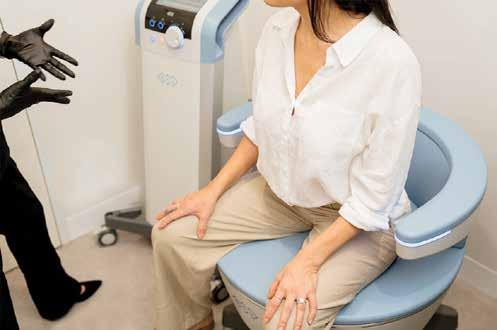
EMSELLA®
Pelvic Floor Strengthening for Incontinence, Urgency, Balance and ED
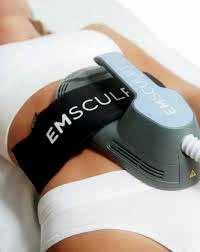
EMSCULPT NEO®
Build Muscle and Help with Acute Pain and Injur y
EXOMIND®
Non-Invasive, Drug-Free Option for Mental Clarity
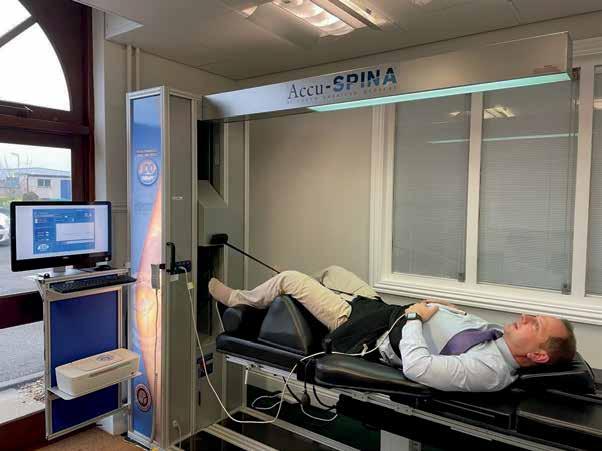
ACCU-SPINA
Spinal Decompression for Pain Reduction
IV THERAPY
Energy, Hydration, and Immune Support
WEIGHT MANAGEMENT
Personalized GLP1 Weight Loss Programs

The
Where
De-Stress
Holiday
Shoot,
Women
Biohacking
Chicken
Medical



















PUBLISHER
Bill Shehan // 702 589 1282
EDITOR
Stephanie Shehan // stephanie@vegaswellnessmag.com // 702 622 8001
ASSISTANT EDITOR
Jennifer Walker // jennifer@vegaswellnessmag.com // 775 375 0415
CONTRIBUTING
Andrea Caple
Anna Ketron Cusano
Earl Mann
Gia Kubik
Hannah S. Grushkowsky
Ilona Pamplona
Jaden Rae
Janelle Ardizzone
Jennifer Walker
Katie Peede
Manoj K. Sharma
Saba Tesfay
Sarah Schwefel
Shwa Laytart
Steven Dee Kish
Tsikki Thau



COVER ART
Victoria Hart // Pink Kitty Creative
ADVERTISING SALES
Stephanie Shehan // stephanie@vegaswellnessmag.com // 702 622 8001
Jennifer Walker // jennifer@vegaswellnessmag.com // 775 375 0415
COPY EDITOR
Effie Armstrong - info@vegaswellnessmag.com


By Jennifer Walker
Photo A&W Photography
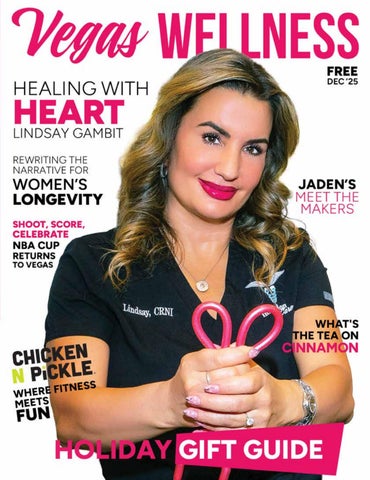
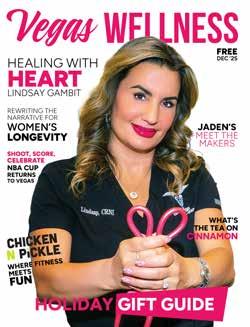
As a team that has spent more than a decade interviewing leaders in the wellness space, we at Vegas Wellness Magazine are always drawn to practitioners whose work is rooted in both expertise and heart, and Lindsay Gambit is exactly that. When I sat down with her, it became immediately clear why patients across Nevada trust Infusion Care for everything from complex infusion therapy to advanced aesthetics and long-term wellness support. Her story, her mission, and her approach are all deeply personal, and that authenticity radiates through every aspect of Infusion Care. In the conversation that follows, Lindsay shares the passion, innovation, and patientcentered philosophy that have helped her team transform countless lives.
Jennifer Walker: Infusion Care has really made a name for itself. What keeps people coming back, and what makes your clinic feel different from others in Nevada?
Lindsay Gambit, CRNI: What keeps people coming back is our unwavering commitment to treating every patient like family. Infusion Care was born from a deeply personal place after my son was born with a life-threatening condition, and I witnessed firsthand the profound impact of compassionate, skilled nursing. My mother, Gloria, a nurse for more than 30 years, also inspired the way I lead with empathy, integrity, and excellence.
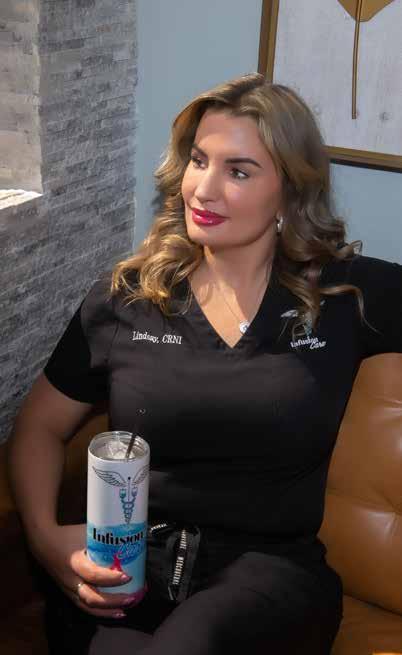
At both our Las Vegas and Reno locations, we treat complex chronic illnesses, but we also create a warm, calming, personalized environment where patients feel seen and supported. We combine medical expertise with a heart-centered approach, offering everything from advanced infusions to aesthetics and wellness services. Our patients trust us because we prioritize connection, comfort, and exceptional care every single visit.
JW: In what ways does Infusion Care personalize treatment plans to fit each patient’s individual health needs, lifestyle, and long-term wellness goals?
LG: Every patient’s journey is different, so personalization is at the core of everything we do. Our team creates customized treatment plans that integrate medical therapy with lifestyle and wellness goals to support overall vitality. Each patient receives comprehensive lab work and a tailored consultation with our nurse practitioner, who is certified in both functional and internal medicine, allowing us to evaluate their health from the inside out. They also meet with our advanced aesthetician, who has a medical background, providing an integrative perspective that blends internal wellness with external skin and body care.
From there, we design individualized plans that may include infusion therapy, peptide programs, hormone optimization, functional
medicine recommendations, vitamin and amino acid injections, and advanced aesthetic treatments. Whether a patient is managing chronic illness, optimizing longevity, or enhancing confidence, we create a longterm strategy built uniquely for them.
JW: Many people are still unfamiliar with infusion therapy beyond basic IV hydration. What are some common misconceptions you encounter, and how do you educate first-time patients?
LG: A common misconception is that infusion therapy is only for people with severe chronic illness receiving biologics. Many also assume it’s limited to hospital settings or cancer treatments. While we are highly specialized in treating autoimmune and neurological conditions, infusion therapy also plays a major role in preventive wellness.
We offer NAD+, vitamin blends, amino acid therapy, peptides, detoxifying formulations, and immune-boosting infusions designed for energy, recovery, healthy aging, and long-term vitality. Education and comfort are at the heart of what we do. We take time to explain the difference between medical biologics and wellness infusions, review the preservative-free compounded ingredients we use, and tailor each plan to the patient’s unique goals.
Our mission is to shift the mindset; infusion therapy isn’t just reactive care; it’s a proactive approach to longevity, prevention, and aging well.
JW: Can you share a memorable patient success story or transformation that reflects the heart of what Infusion Care does?
LG: Two stories stand out and truly embody the heart of our mission. One is a 75-year-old gentleman with Myasthenia Gravis who came to us 5½ years ago, barely able to walk, wearing an eye patch, and battling constant fatigue. Through close coordination with his neurologist and PCP, along with consistent infusion therapy, he experienced a remarkable transformation. Today, he walks independently, no longer needs the eye patch, and enjoys taking his dogs on daily walks.
Another is a woman in her 40s with severe Crohn’s disease. Working collaboratively with her GI specialist and incorporating holistic adjunctive therapies, she is now in complete remission after seven years of care with us.
These stories remind us that healing is physical, emotional, and deeply personal, and with the right support, people can reclaim a quality of life they never thought possible.
JW: Wellness is shifting toward prevention and long-term health. How do you support people who want to take care of themselves before there’s a problem?
LG: Prevention is the foundation of lasting wellness. At Infusion Care, we offer NAD+ therapy, peptides, vitamin infusions, and hormone optimization to help patients maintain energy, slow aging, and strengthen their overall health.
We also guide patients through personalized wellness plans that address stress, inflammation, and recovery. Our goal is to empower people to be proactive about their health in order to feel vibrant, balanced, and strong before issues arise.
JW: There are a lot of med spas and wellness clinics popping up lately. If someone asked, “Why should I choose Infusion Care?” how would you answer?
LG: Infusion Care is unique because we blend the clinical integrity of a medical practice with the experience and innovation of a wellness destination. Our providers are deeply experienced in complex disease management, functional medicine, and advanced aesthetics, making us one of the most comprehensive infusion and wellness centers in Nevada. We don’t just offer treatments; we offer expertise, safety, advocacy, and true personalization. Whether someone needs medical infusion therapy, preventative wellness infusions, hormone optimization, peptide therapy, or advanced aesthetic treatments, they can trust that they’re receiving toptier care backed by a compassionate, highly trained team.
Our providers are medical professionals who also advocate for patients with insurance companies, ensure treatment safety, and uphold the highest medical standards.
JW: Vegas weather, long work hours, nightlife, and travel take a toll. What treatments do you find especially helpful for busy locals or tourists trying to recover and feel their best?
LG: Vegas moves fast, and recovery is essential. Our most popular treatments for quick restoration are NAD+ infusions, vitamin cocktails, amino acid blends, and hydration therapies, all designed to boost energy, support immunity, enhance clarity, and counteract fatigue from travel or nightlife.
We also offer an extensive range of face and body treatments, including deluxe facials, Hydrafacials, PRF microneedling, Morpheus8, and advanced tightening and sculpting technologies. Whether someone wants to recover, refresh their appearance, or prepare for a big event, we help them feel and look rejuvenated from the inside out.
JW: Looking ahead, are there any upcoming technologies, services, or expansions that patients can look forward to from Infusion Care in 2025 and beyond?
LG: We’re expanding in every way that stays current with medical and aesthetic innovation. We recently added the CoolPeel CO₂ Tetra Pro device with Deka Pulse technology, which delivers dramatic skin rejuvenation with only 1–2 days of downtime, ideal for patients wanting smoother, more youthful skin without the extended recovery of traditional CO₂ lasers.
We’ve also integrated EmSculpt Neo’s functional modalities, which support muscle strengthening, tissue repair, circulation enhancement, and nerve recovery, benefits that have made the treatment a favorite among elite athletes and well-known celebrities for performance and recovery.
Beyond that, we’re expanding our regenerative medicine offerings, peptide programs, and advanced infusion and wellness technologies focused on longevity, cellular repair, and whole-body optimization. Our mission remains to continue leading Nevada in both medical infusion excellence and aesthetic innovation.
Infusion Care is located at 8530 W. Sunset Rd, Ste. 230, Las Vegas NV 89113. For more information, visit infusion-care.com.
A woman entering menopause loses roughly one percent of bone mass per year and doubles her cardiovascular risk within a decade of her final menstrual period, largely due to estrogen decline and shifts in lipid, endothelial and autonomic regulation - a quiet inflection that shapes the next forty years of her life more than most realize (NAMS 2022; El Khoudary and colleagues in Circulation and JAHA). When I sit with women at this crossroads, they often arrive with a swirl of symptoms: night sweats, insomnia, mood fragility, and a sense that focus and memory have slipped just out of reach. But also with a deeper unease: the feeling that the aging process has abruptly accelerated. Menopause is not a disease, yet the biologic transition unmasks physiologic vulnerabilities across the brain, bone, muscle, and the vascular tree. My task is not to sell a therapy; it is to help a person understand her biology, the options, and the likely trajectory with and without intervention.
Lisa is a composite of many women I’ve met. She is 52, a high-capacity professional, mother of two, fit by most measures, and perplexed by the sudden mismatch between effort and outcome. Her sleep has fractured into three-hour shards. She wakes damp with heat, unsettled by a heart that seems to thud harder than before, and a mind that will not “turn off.” Coffee no longer rescues her word retrieval at work. She is not chasing youth; she is asking for balance, for the return of a physiology she recognizes as her own. Her labs show an atherogenic shift in lipids, a rise in inflammatory tone, and early loss of bone at the spine. None of this is a moral failing. It is estrogen withdrawal biology, occurring right on time.
Estradiol is a multisystem signal, not merely a reproductive hormone. In the endothelium, it upregulates nitric oxide synthase, relaxes the vasculature, and helps maintain endothelial flexibility and dampen the inflammatory signals that, over decades, contribute to arterial stiffening. In mitochondria, it improves oxidative phosphorylation efficiency and reduces reactive oxygen species, buffering the slow drift toward metabolic inflexibility. In the brain, it supports synaptic density in the hippocampus and prefrontal cortex, coordinates glucose utilization, and modulates serotonergic and GABAergic tone, pathways that you feel as a steadier mood, clearer recall, and more restorative sleep. In bone, it reins in osteoclast activity while preserving osteoblast survival, conferring an architectural blessing you will not see until the day you slip on a curb and do not fracture. This is why the postmenopausal physiology, absent estradiol’s governance, tilts toward increasing vascular stiffness, visceral adiposity, declining bone micro-architecture, and the kind of sleep that never refuels cognition (Maki & Henderson, Nat Rev Endocrinol 2022; Greendale et al., J Gerontol A; El Khoudary et al., Circulation; Kantarci et al., Neurology).
The popular story of menopause still centers on hot flashes, but the deeper story is one of systems biology and healthspan. If you are a woman in your early forties and fifties, this is the age when course corrections compound the most.
It is impossible to talk about hormone therapy without naming the shadow cast by the Women’s Health Initiative in 2002. Headlines declared that hormones caused breast cancer and heart attacks. Prescriptions plummeted. Many women who felt better on therapy stopped overnight. But it was never that simple. The average participant in the WHI was approximately
63, often a decade past the menopausal transition, and received oral conjugated equine estrogens with medroxyprogesterone acetate, a synthetic progestin with off-target glucocorticoid and androgenic effects. That is not the same therapy we use today in well-selected women at the time of menopause (Manson et al., NEJM and JAMA reanalyses; NAMS 2022).
Follow-up analyses have consistently shown that timing and formulation matter. Women who initiate therapy before age 60 or within ten years of the final menstrual period have more favorable cardiovascular outcomes, including fewer CHD events and lower all-cause mortality, when therapy is initiated closer to the menopausal transition, with no signal of increased breast cancer in estrogen-only users and a far more nuanced picture when micronized progesterone is used for endometrial protection (Manson et al., JAMA 2017; Hodis et al., ELITE in NEJM; Harman et al., KEEPS). The “timing hypothesis” is not a slogan; it reflects vascular biology. Early, you are preserving the endothelium. Late, you are trying to out-argue plaque.
Most of the risk signals that frightened us in 2002 track to oral estrogens and older synthetic progestins in older women. Modern practice favors transdermal 17β-estradiol, which bypasses hepatic first-pass metabolism, spares clotting factor upregulation, and avoids the CRP (inflammatory) and triglyceride rise seen with oral preparations. For women with a uterus, we use micronized progesterone, chemically identical to endogenous progesterone, which protects the endometrium without blunting estradiol’s vascular benefits and often improves sleep through GABA-A modulation. We titrate to the lowest effective physiologic dose for symptom relief and systemic benefit, and we individualize duration rather than imposing arbitrary age cutoffs, a stance supported by NAMS and ACOG updates that emphasize shared decision-making and the option to continue beyond 60 or even 65 when benefits remain clear (NAMS 2022; ACOG 2023; Scarabin in BMJ/Thromb Res).
When women ask whether hormone therapy “works,” I answer in two registers. First, on the plane of experience: vasomotor symptoms typically improve by seventy-five to ninety percent, sleep consolidates, mood steadies, sexual comfort returns, and confidence follows. Second, on the plane of long-term health: early, individualized therapy aligns with better endothelial function, more favorable lipid particles, slower progression of atherosclerosis as measured by carotid intima–media thickness in randomized trials, preserved bone mass and microarchitecture, and, perhaps most hopeful for many, better cognitive trajectories when therapy begins near the transition rather than decades later (Stuenkel et al., Endocrine Reviews; El Khoudary et al., JAHA; Kantarci et al., Neurology; WHI bone substudies).
In practice, personalization begins with timing and extends through every choice that follows. I evaluate cardiovascular risk using lipids and, when appropriate, lipoprotein(a), ApoB, hs-CRP, glucose, and insulin markers, and sometimes a coronary calcium score to concretize the conversation. I look for thrombotic risk in personal and family history and, selectively, in genetic thrombophilia. I anchor breast risk in family history, prior biopsies, and density, and I align with each woman’s oncologic team
if she is a survivor navigating genitourinary syndrome of menopause. For women with migraine with aura, metabolic syndrome, or prior VTE, I favor the transdermal route, which is one of the quiet revolutions in safety over the past two decades (Scarabin, BMJ; NAMS 2022).
In my longevity-focused practice, we sometimes incorporate genomics to refine therapy. Variants in ESR1 can influence tissue responsiveness to estradiol; APOE4 status may shape our goals around cognition and lipid handling; COMT and CYP1B1 can inform how vigorously we support methylation and estrogen metabolism through diet and micronutrients. These are not gatekeepers; they are lenses. The point is not to medicalize the transition but to tune therapy to the person in front of me.
The improvements women feel with well-timed therapy are not a placebo. Estradiol narrows the thermoneutral zone that perimenopause widens, quieting vasomotor storms that fragment sleep. Micronized progesterone taken at night, through its GABAergic action, deepens stage N2 sleep and subjectively calms a racing mind. Many women tell me that they stop dreading bedtime because sleep is sleep again. Cognitive clarity, the “word on the tip of my tongue,” returns not as magic but as the by-product of better sleep architecture, steadier neurotransmission, and brain energy metabolism that
By: Manoj K. Sharma, DO, President, Elite Medical Associates
has stopped sputtering (Maki & Henderson; Stuenkel et al.; Kantarci et al.).
For women with a uterus, endometrial protection is non-negotiable. Micronized progesterone, cyclic or continuous, is my default, both for its safety profile and its sleep benefit. For genitourinary syndrome, dryness, dyspareunia, recurrent UTIs, local vaginal estradiol or intravaginal DHEA often solve problems that systemic therapy cannot fully address, and they do so with minimal systemic absorption. For hypoactive sexual desire disorder that persists after estradiol is optimized, carefully dosed transdermal testosterone within female physiologic ranges improves desire and satisfaction without virilization when monitored thoughtfully. I avoid pellets because overshoot is easy and reversibility is not (Faubion et al., Mayo Clinic Proceedings; Davis et al., Lancet Diabetes & Endocrinology; NAMS 2022).
Breast cancer is the question that sits in the room even when no one asks it. We should be candid and precise. In the WHI, the increase in breast cancer was seen in the CEE plus medroxyprogesterone acetate arm over time; the estrogen-only arm in women with prior hysterectomy did not show this increase and, on long follow-up, showed a reduction in breast cancer
incidence and mortality. Observational cohorts such as E3N suggest that estradiol combined with micronized progesterone carries a more favorable profile than combinations with synthetic progestins. Absolute risks are small and must be compared honestly with the risks of undertreating estrogen deficiency, fractures, cardiovascular events, and functional decline. Screening, the lowest effective dose, and periodic reevaluation remain our safeguards (Fournier et al., Breast Cancer Research and Treatment; Manson et al., JAMA 2017; NAMS 2022).
I ground the first visit in education. I explain what estrogen does, what its absence is doing, and how therapy works at the level of receptors and tissues. If a woman is an appropriate candidate and within the window where vascular benefit is plausible, we begin transdermal 17β-estradiol at a low physiologic dose, adding micronized progesterone at night if she has a uterus. We follow symptoms, blood pressure, and lipids. If GSM remains bothersome, we add local therapy. If desire remains low despite good sleep and restored comfort, we discuss a trial of physiologic testosterone with clear guardrails. We meet again within three to six months, then annually when things are steady. There is no ceremonial stop at 60 or 65; there is only the question: does this still serve your health goals better than the alternative (NAMS 2022; ACOG 2023)?
Menopause
Hormones are not a replacement for health habits; they amplify them. The physiology of midlife is exquisitely sensitive to inputs that seemed optional at 32. Resistance training preserves bone and muscle in a way no pill can imitate. Aerobic work that lifts VO₂max is a hedge against all-cause mortality in both sexes, and women often reclaim their capacity to train once sleep and thermoregulation normalize. A Mediterranean-pattern diet rich in phytonutrients supports endothelial health and estrogen metabolism; omega-3 fatty acids and vitamin D help knit anti-inflammatory and skeletal benefits into the larger fabric of a person’s life. Stress physiology matters now more than ever; the HPA axis is not a trinket, and menopausal insomnia is rarely fixed by grit. In this context, menopause becomes a once-in-a-lifetime opportunity to recalibrate the next third of a woman’s life with intention and data.
The next decade will not replace estradiol; it will refine its delivery and decision-making. Tissue-selective estrogen complexes that pair estrogens with selective estrogen receptor modulators aim to deliver symptom relief while targeting the breast and endometrium differentially. Neuroselective estrogens and SERMs that spare clotting cascades while preserving brain benefits are advancing through pipelines. On the diagnostic side, clinicians will increasingly integrate biologic-age metrics, inflammatory transcriptomic signatures, and perhaps neuroimaging markers when appropriate to track whether therapy is truly bending the aging curve at the vascular, skeletal, and cognitive levels. Wearables already let us correlate therapy with thermoregulatory stability, sleep stages, heart rate variability, and training capacity, translating “I feel better” into patterns we can share and refine. None of this eclipses shared decision-making; it deepens it.
Artificial intelligence has a role here too, not as a prescriber, but as a pattern-finder that can integrate labs, symptoms, wearables, and imaging to help clinicians and patients choose wisely. The best algorithm, however, will always be the conversation that starts with: what matters to you in the years
ahead, and how can we align your biology with that vision?
When Lisa returns three months later, she is not a new person; she is herself again. The hot flash that used to wake her at 2:13 a.m. has become the gentle warmth you notice only if you are looking for it. Her sleep is cohesive. Her afternoon meetings flow. Training feels like a ladder she can climb rather than a wall she runs into. On the vascular side, her ApoB has dropped, her CRP has quieted, and her blood pressure has slid back to its familiar baseline. She is not chasing immortality; she is safeguarding vitality. We talk about duration. We agree to continue, to reassess each year, to change course when the balance changes. Therapy is not a forever contract; it is an ongoing fit test between physiology and purpose.
Menopause does not demand medication. Many women do beautifully with education, lifestyle, and targeted nonhormonal therapies. But for those whose physiology and goals align, menopause hormone therapy is not cosmetic. Properly timed, formulated, and monitored, it is prevention— vascular, skeletal, cognitive—and it is permission to live these decades with the energy, clarity, and comfort that make meaning possible.
At Elite Medical Associates, I believe the menopausal transition is an invitation to design the next decades of your life with intention, clarity, and evidence. If this resonated with you, I invite you to start a conversation about your goals, your biology, and the plan that fits both. You deserve care that listens first, explains clearly, and walks with you as your needs evolve.
Manoj K. Sharma, DO is Board Certified in Internal Medicine and President of Elite Medical Associates. He has three offices throughout Southern Nevada: In Centennial at 2931 N. Tenaya Way, Suite 204, Las Vegas, NV 89128, in Summerlin at 10040 Alta Dr, Suite 200, Las Vegas, NV 89145, and in the Southwest at 8945 W. Post Road, Suite 100, Las Vegas, NV 89148. For more information, visit www.EliteMedLV.com, or call (702) 291-8511.


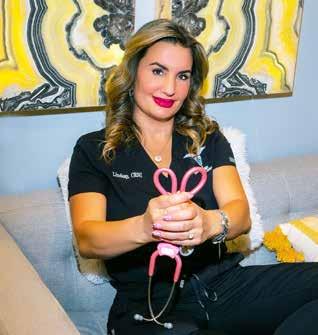
CEO & Founder of Infusion Care 2023
Courage Ball Healthcare Provider of the Year
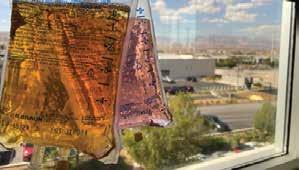
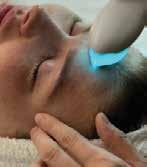
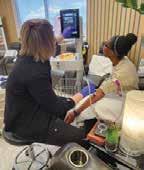
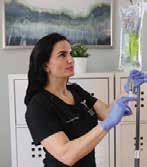
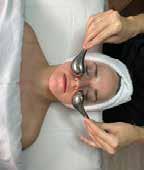



We combine decades of medical expertise with a whole-body integrative approach to health, wellness, anti-aging, illness, disease and more. Our experienced team of professionals at Infusion Care are here to help you redefine what health and wellness mean to you.
Biologic Infusions | Anti-Infectives
PICC Line Placement & Maintenance
Bio-Identical Hormone Replacement Therapy
Incontinence & Sexual Health
Chronic Disease Management & Education
Skin Tightening-Painless RF Microneedling Botox | Fillers | PRF | Body Contouring-Emsculp Neo/BodyTite Facials & Peels | Laser Hair Removal | Weight Loss Treatments
Infusions and Injections formulated to help with: Immunity | Cognitive Repair/NAD+ | Stress Management Sports Performance | Hair, Skin & Nails | Jet Lag/Recovery Infertility and MORE

In a world that teaches us to protect our needs, guard our hearts, and “never settle,” we’ve forgotten one of the most powerful truths about love: Real relationships thrive when each partner prioritizes the other.
This isn’t about losing yourself. It’s not about keeping score, sacrificing your worth, or giving from emptiness. It’s about cultivating a selfless habit, a quiet daily practice of showing up with generosity, presence, and an open heart.
When you put your partner first, and they do the same for you, something remarkable happens- Love becomes abundant, stable, and effortless.
One of the most beautiful forms of love is service without expectation. Not because you have to. Not because you fear losing them. But because you want their life to feel lighter, richer, and more supported.
Most people give with a hidden contract, “I’ll do this for you, but I want something in return.” But that kind of love creates pressure, disappointment, and emotional debt.
Selfless love says: “I choose you today. I choose to make your life better, no strings attached.” This creates a space where your partner feels safe, cherished, and seen. And when that feeling is mutual, the relationship becomes a sanctuary, not a battlefield.
Here’s the truth: Selflessness is not always natural at first.
It takes time to unlearn defensiveness, pride, and the habit of protecting yourself. But as you practice, it becomes a way of being.
It starts small:
• Asking how you can support your partner today
• Offering presence instead of distraction
• Listening instead of reacting
• Choosing kindness instead of convenience
These moments accumulate. And one day you realize, you’ve created a relationship that feels full, grounded, and deeply connected.
Abundance Grows Where Ego Fades
When both partners lead with service, ego naturally softens. Resentment fades. Competition dissolves. Walls come down.
Instead of guarding your hearts, you start nourishing each other’s. Instead of asking, “What am I getting?” you ask, “How can I give?” This is when a relationship becomes abundant, overflowing with trust, affection, and devotion.
Because love grows easily where it is freely given.
Extraordinary Results Take Time
I won’t pretend this transformation happens overnight. It doesn’t. It takes awareness. It takes patience. It takes courage to show up differently, even when your old patterns try to pull you back.

But the results? Extraordinary.
A relationship grounded in mutual service becomes:
Stronger
Softer
Deeper
More passionate
More resilient

It becomes a partnership where both people feel lucky, supported, and chosen, every single day.
The Heart of the Message
If I could give only one piece of relationship wisdom, it would be this:
Put your partner first. Let them be your priority. And, choose each other with intention. When both people live this way, it’s not a sacrifice. Its abundance, multiplied by two. This is the recipe for an extraordinary love, the kind that uplifts your life rather than complicates it. A love built not on expectations, but on devotion. A love that feels like home.
Remember to love as you want to be loved and more!
Tsikki Thau is an internationally acclaimed stress management expert and manifestation coach with more than 30 years of experience transforming lives worldwide. Celebrated Author of Attract It All: The Real Secret to Manifestation. Creator of the S.N.A.P. method and Vibe-Up technology, Tsikki blends science with energy psychology to help clients overcome obstacles. She has been featured on numerous TV shows and received multiple accolades for her innovative work. Visit her at TsikkiThau.com. Follow on Instagram @TsikkiThauOfficial.



By: Janelle Ardizzone, Co-Founder, Desert Moon Wellness
Why 2025 taught us that clarity, safety, and cellular harmony matter more than complexity.
As this year comes to a close, I’ve been reflecting on what truly shaped Desert Moon Wellness not just what we accomplished, but what we learned. And one truth became clear:
People aren’t struggling because they don’t care about their health. People are struggling because they are overwhelmed and unbalanced at a cellular level. Most people aren’t looking for more protocols, trends, or noise. They’re looking to understand their bodies. They’re looking for guidance they can trust. They’re looking for calm, clarity, and support rooted in wisdom rather than urgency.
Healing isn’t about doing more, it’s about knowing what actually matters. That insight led to every refinement and every decision we made this year.
From Biohacking to Bio-Wisdom
Desert Moon Wellness has always focused on cellular foundations oxygenation, detoxification, nervous system regulation, mitochondrial function. But this year made something very clear:
Many people were doing everything “right,” yet their bodies were overwhelmed. Inflamed. Blocked. Tired. Carrying too much. And I’ve seen this truth in two very different worlds: birthwork and cellular physiology.
As a doula and a certified cellular detox specialist, one thing I’ve learned from both fields is that the body cannot regulate or heal when it doesn’t feel safe. When interference is removed emotional, physical, or cellular the body remembers how to regulate.
Stacking modalities can be powerful, but only when the foundation is clear. When it isn’t, even with the best tools the body won’t optimize to full capacity. Hormones taught me this lesson again this year. Internal harmony happens when safety exists but sometimes the body needs support through bioidentical hormones or peptides. Starting bioidenticals and peptides myself helped me understand the role proper guidance can play. With Dr. Sharma’s expertise in hormone optimization, we saw how physiology, safety, and upstream clarity work together.
Hyperbarics became personal for us before it ever became professional. Years ago, we stood barefoot on a beach in Hawaii at a hyperbaric gathering hosted by pioneers in the field Dr. Melissa and Jason Sonners of HBOT USA. They opened their home, their knowledge, and their hearts when we were brand new and eager to learn. We didn’t know then how deeply that moment would shape our path but it did.
Hyperbarics became a responsibility that demands presence, precision, and integrity.
This year we refined our intake processes, strengthened safety protocols, deepened team training, and committed to an environment where people
feel safe and supported every step of the way.
For many, the chamber became the first moment their nervous system settled in months. A place where they could finally exhale. A place to come back to themselves. Hyperbarics reminded us that people aren’t seeking intensity they’re seeking an internal reset.
A major theme this year was confusion: people didn’t understand why they felt the way they felt.
PNOE changes that with understanding: oxygen use, metabolic flexibility, stress load, energy production, and respiratory patterns.
Clarity brings empowerment. Empowerment brings safety. Safety leads to healing. Precision protocols guide the way.
One of the biggest things we learned this year is that people don’t just want wellness, they want community. Connection is medicine. Understanding is medicine. Belonging is medicine.
Our first Monthly Wellness Meeting in November focused on Women’s Health & Menopause and it was clear how much women needed a space to talk, learn, and be understood.
In December, we shift the conversation to men: their hormones, recovery, clarity, stress load, and longevity.
In 2026, we’ll alternate each month between men’s and women’s wellness creating a grounded rhythm of education, connection, and real conversation.
Where We’re Headed in 2026
Our vision is simple and steady: To help people understand their bodies, strengthen their minds, and feel supported in their long-term vitality. Our Monthly Wellness Meetings are just the beginning — a place where clarity replaces confusion, and where mind-body optimization becomes a shared journey. Longevity is not built alone. It’s built together, one aligned choice at a time.
Together with Elite Med, Desert Moon Wellness has grown into an elite longevity center integrating restorative medicine, cellular diagnostics, hormone and peptide support, and regenerative therapies under one roof. This partnership isn’t about trends. It’s about giving people real solutions.
Real clarity. Real support.
Above all, the message we carry into the new year is simple and steady: Your body is wise. Your body can heal. And you don’t have to do it alone.
Janelle Ardizzone is a cellular and nervous system specialist, biohacker, and CoFounder of Desert Moon Wellness in Las Vegas.

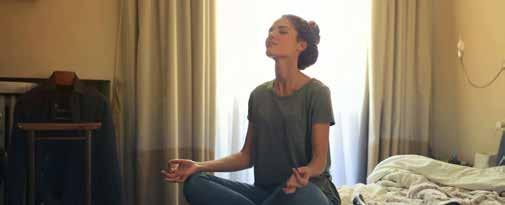
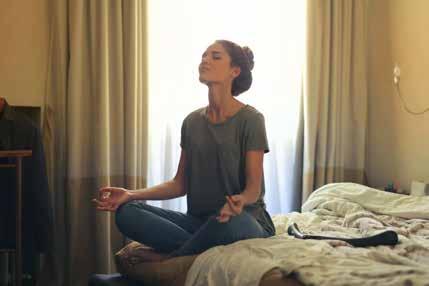
The holiday season carries a certain magic with lights glowing in windows, meals shared with loved ones, and traditions that remind us of where we’ve come from. Yet it often arrives with something far less enchanting: stress. Between travel, gatherings, financial pressure, and endless schedules, the season meant for peace can quickly turn heavy.
A wellness-centered holiday looks different. It’s slower, more intentional, more connected to your senses and surroundings. It’s about honoring your own health, not just pushing through December on autopilot. These five holistic practices can help you step back, breathe deeply, and actually experience the beauty of the season rather than rushing through it.
The holidays are deeply connected to scent. Think of the smell of pine trees, spices, baked treats, and crisp winter air. Working with essential oils taps into this sensory nostalgia while grounding the nervous system.
Aromatherapy influences the limbic system, the brain’s emotional center. Certain oils can help lower heart rate, support relaxation, and interrupt stress cycles that build through the season.
Helpful holiday oils include:
• Lavender: Calming, stabilizing, great before bed or during chaotic days.
• Frankincense: Traditional, earthy, and grounding; often used in meditation and spiritual rituals.
• Orange or Clementine: Uplifting and bright, ideal when anxiety spikes or winter days feel heavy.
• Cinnamon and Clove: Warm and comforting, perfect for creating a soothing holiday atmosphere.
Ways to use them:
• Add a few drops to a diffuser during quiet moments.
• Mix with a carrier oil to massage into tense shoulders.
• Place a drop on your wrist before gatherings to help maintain calm.
This is not about creating the “perfect vibe.” It’s about reclaiming your senses and giving yourself something comforting in the midst of the holiday whirlwind.
Rituals are powerful during the holidays because they restore rhythm and presence. The season itself is full of traditions, but creating your own rituals can help counter stress and bring balance. Think of simple, grounding practices that begin or mindfully end your day.
Examples of slow rituals to embrace this holiday season:
• Morning warm water with lemon to start digestion gently before heavy holiday meals.
• A short sunrise or sunset walk, especially on colder days when the quiet is restorative.
• Five-minute breathing sessions with slow inhales and even slower exhales.
• Journaling a single reflection at the end of the day, such as one thing that made today feel peaceful.
These are not meant to add more tasks to an already full season. Instead, they create gentle pause points; moments where your breath, your body, and your mind align and settle.
Rituals offer predictability at a time when schedules, expectations, and emotions often feel chaotic. They signal safety, grounding, and selfrespect.
The holidays often derail movement routines, but the nervous system thrives when we stay physically engaged. Movement doesn’t have to be intense; in fact, the best holiday practices are the ones that calm overstimulation.
Choose modalities that blend breath with gentle activation, such as:
• Yoga, especially restorative or Yin, to melt away tension.
• Tai chi or qigong for slow, meditative flow.
• Stretching in front of the tree or near a lit candle. Soft light naturally slows your breathing.
• Nature walks help regulate cortisol and improve mood.
Movement should feel freeing, never obligatory. This is about releasing built-up holiday pressure from your shoulders, back, and jaw. It’s about reconnecting to your body when your mind feels scattered. Even 10–15 minutes a day helps stabilize your energy and creates a more resilient foundation for the season.
The holidays bring people together, but they also bring expectations, emotional dynamics, and obligations that can strain even the calmest person. One of the most powerful wellness practices this season is learning where to place your boundaries without guilt.
Holistic health includes emotional and energetic
By: Sarah Schwefel
well-being. When you say yes to everything, you drain yourself and miss the parts of the season that actually matter.
Helpful boundaries might include:
• Limiting the number of gatherings you attend. Smaller, more meaningful connections often feel better than overload.
• Communicating honestly about your capacity, such as “I can join for dinner, but not the entire day.”
• Protecting your financial well-being with clear spending limits.
• Taking a personal break when social settings become overstimulating.
Think of boundaries as a gift to yourself and those around you. A grounded, present you brings far more joy to any holiday space than an overwhelmed version running on fumes.
Stress often comes from focusing on what we must do, where we must go, or what we should buy. Presence, however, pulls us back into the soft edges of the season; the twinkling lights, shared meals, cozy blankets, and quiet moments with people we love.
Gratitude and presence shift your brain out of urgency and into appreciation. They remind you that the holidays are not built on perfection; they’re built on connection, warmth, and memory.
Ways to cultivate presence:
• Pause during holiday moments and name three things you’re grateful for.
• Eat one meal a week without distraction, focusing on flavor and company.
• Spend time outdoors noticing winter’s quiet beauty.
• Put your phone away for one hour a day to give your nervous system a break.
Presence doesn’t ignore stress, but it can soften it, returning you to what actually matters. The holidays move fast, but you don’t have to.
The holidays were never meant to be a race. They’re a reminder of stillness, reflection, generosity, and connection. Stress steals that meaning, but intentional wellness practices help bring it back.
Aromatherapy reconnects you to your senses. Slow rituals create moments of calm. Movement releases tension and restores balance. Boundaries protect your emotional health. Presence reminds you that beauty lives in small, quiet details.
You deserve a season that fills you rather than drains you. By choosing slowness and intentional care, you create space to truly enjoy the moments that matter: the laughter, the warmth, the shared meals, the simple gifts of being alive.
Let this be the year you step out of stress and into presence, honoring your well-being as the greatest tradition of all.








As the twinkling lights of the Las Vegas Strip illuminate the holiday season, it’s easy to get swept up in feasts, festivities, and fleeting indulgences. But what if this year’s most meaningful gift to yourself wasn’t wrapped in ribbon? What if it were the promise of vitality that lasts decades, stronger bones, fewer fractures, and the freedom to chase grandkids (or grand adventures) well into your golden years?
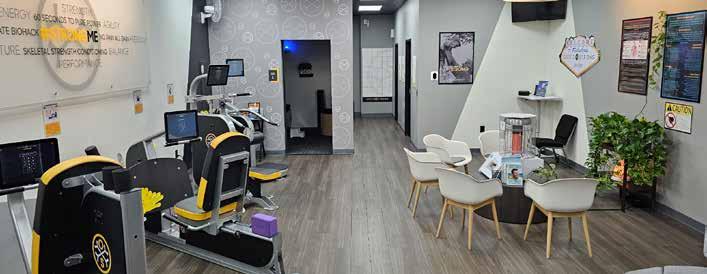
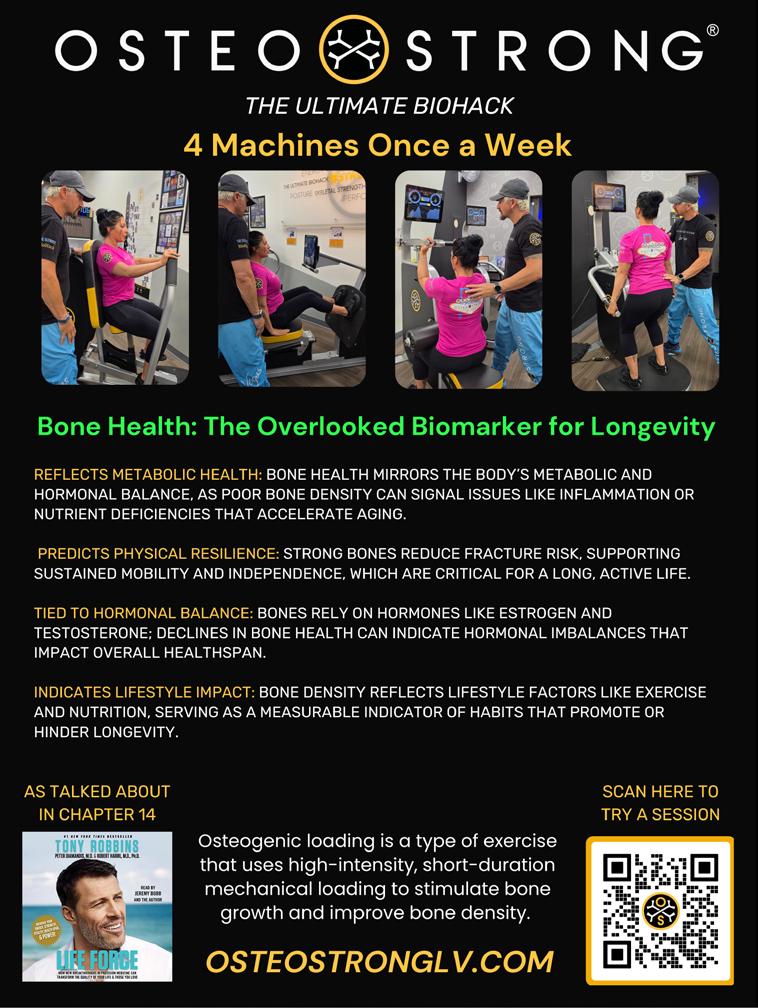
Enter OsteoStrong, the science-backed bone-health revolution now thriving in the heart of Las Vegas. In just 10 minutes a week, this nonpharmaceutical system triggers your body’s natural bone-building machinery, delivering results that traditional weightlifting, jogging, or calcium supplements simply can’t match.
Bone isn’t static tissue, it’s a living, adapting organ. Every step, squat, or dance move sends mechanical signals that tell your osteoblasts (bonebuilding cells) to get to work. But here’s the catch: it takes 4.2 multiples of your body weight in targeted force to trigger osteogenesis, the process of new bone formation. That’s the threshold backed by decades of biomechanical research, including studies from the Journal of Bone and Mineral Research and NASA’s work on astronaut bone loss.
Most workouts never hit this mark. A 150-pound woman jogging might generate 2–3 times her body weight, helpful for heart health, but insufficient for bones. Even heavy deadlifts in a gym rarely exceed 3.5 multiples without risking joint strain. OsteoStrong’s patented robotic equipment safely delivers precisely 4.2+ multiples in four controlled positions, stimulating bone growth in the hips, spine, and wrists, the exact sites where fragility fractures strike hardest.
Busting the Misinformation Minefield
The internet is flooded with bone-health myths: “Drink more milk!” “Take mega-doses of vitamin D!” “Just walk more!” While nutrition and moderate movement matter, they’re supporting actors, not the star. The real driver? High-impact, high-load stimulus.
A 2023 meta-analysis in Osteoporosis International confirmed that lowmagnitude loading (think yoga or swimming) maintains bone but doesn’t build it. Only protocols exceeding the 4.2-multiple threshold, safely and consistently, reverse bone loss. OsteoStrong members routinely see
4–14% bone density gains in the first year, validated by DEXA scans, without drugs or hours in the gym.
Hormonal shifts after menopause can slash bone density by 20% in the first 5–7 years. Estrogen, once a bone-protecting ally, plummets, leaving women 4x more likely to suffer osteoporotic fractures than men. The stats are sobering: one in two women over 50 will break a bone due to osteoporosis.
But it’s not inevitable. OsteoStrong’s protocol mimics the intense loading that naturally protected our hunter-gatherer ancestors. In a 12-month study of postmenopausal women using similar osteogenic loading, hip bone density increased by an average of 7.3%, equivalent to turning back the clock on a decade of bone loss.
Picture this: You walk into the sleek OsteoStrong center on South Ft. Apache Road. No sweaty gym clothes required. In four ergonomic machines, you perform one 3–7 second maximal effort per device. The robotic resistance adapts in real-time, letting a 90-pound grandmother and a 250-pound athlete both hit their 4.2-multiple sweet spot, safely.
Members report not just stronger bones, but reduced joint pain, better balance, and skyrocketing energy. “I haven’t felt this sturdy since my 40s,” says Lisa M., 58, a local realtor who started OsteoStrong after a DEXA scan revealed osteopenia. “I’m skiing again—without fear.”
While others crash-diet or abandon New Year’s resolutions by February, commit to the gift that compounds: longevity through skeletal strength. This isn’t about vanity. It’s about dancing at your daughter’s wedding without a walker. It’s about lifting luggage in Paris at 75. It’s about rewriting the aging narrative, one microscopic bone crystal at a time.
Skip the gadgets and gift cards. Invest in the framework that carries you through life. Call OsteoStrong Las Vegas at (702) 551-9412 or visit osteostronglv.com to book your complimentary session. Because the best way to sleigh January? Start December with unbreakable bones.
Las Vegas is famous for its world-class entertainment, but this December, the city will once again prove its place as the ultimate destination for sports and culture with the return of the Emirates NBA Cup 2025 Semifinals and Championship games, going down at T-Mobile Arena on December 13 and 16.
Now in its third year, the NBA Cup has carved out a unique place in the league’s season. The in-season tournament runs alongside the regular schedule, giving early-season games a sense of urgency and playoff-style momentum. Fans get to see teams compete in high-stakes, single-elimination matchups at a time of year usually reserved for warmups.
But the NBA Cup is more than just what happens on the court. All week long, Las Vegas turns into a celebration of sports, style, and community. Toshiba Plaza outside the arena becomes a lively hangout spot with interactive games, photo moments, limited-edition merchandise, and appearances from former NBA stars. It’s a fun, accessible space for families, locals, and visitors looking to be part of the buzz.
The red carpet experience also returns this year, giving fans a chance to enjoy a taste of the celebrity side of basketball. It adds a uniquely Vegas twist, part fashion and part entertainment, making the event feel even more special.
For those who love the lifestyle side of sports, the NBA Tees & Threes
Golf Tournament is back on December 14 at Wynn Golf Club. It’s a chance to spend a morning outdoors with athletes, comedians, and musicians on one of the city’s most beautiful courses. Last year’s tournament included more than 25 well-known names, and this year brings stars like Andre Iguodala, Blake Griffin, Michelle Wie-West, Anthony Anderson, Ja Rule, Nick Carter, AJ McLean, Tucker Halper,n and more surprise guests.
The tournament’s path to Las Vegas begins earlier in the season, as teams compete in group play to earn a spot in the knockout rounds. The winners of those matchups head to Las Vegas for the Semifinals (2:30 p.m. and 6 p.m. PST) and the Championship (5:30 p.m. PST), giving fans a chance to watch some of the league’s best talent compete on a national stage.
The NBA Cup has quickly become one of the most exciting weeks of the year because it mixes everything people love about Las Vegas: energy, entertainment, and connection. This season features 135 international players from 43 countries, bringing a global feel to a week filled with basketball, culture, and community.
Whether you’re watching from courtside, stopping by Toshiba Plaza for the fan activities, or checking out the action at the Wynn Golf Club, the Emirates NBA Cup offers a memorable way to celebrate basketball and the Las Vegas lifestyle all in one place.











And why that 2 a.m. ‘need to pee’ isn’t your bladder’s fault.
Somehow it became synonymous with men in tech-grade gear, freezing themselves in tubs and tracking every variable like they're prepping for launch. And every time someone posts their biohacking cockpit online, it gets louder. The OG biohacker Dave Asprey’s $30,000 hyperbaric chamber. Billionaire self-experimentor Bryan Johnson scheduling his morning like mission control. Entire rooms glowing and humming with purpose.
It’s aspirational, and I’m grateful for these pioneers doing the human experiments and freely sharing the data. It’s inspired hundreds of thousands, if not millions of people, to experiment safely, improve their wellbeing, and stretch their lifespan potential. I’m one of them.
But most women I know don’t start their day in a command center. We’re moving through deadlines, kids, aging parents, bills, and a body that keeps begging for attention. That’s why I called Renee Belz, half of the Biohacker Babes duo, out to lunch. I wanted to learn her story and her version of biohacking.
She didn’t bring the language of optimization or the pressure to be superhuman. She brought the story of a woman whose body collapsed at twenty-two: Her cortisol flatlined, and she was overcome with fatigue that swallowed whole seasons of her life. She and her sister, Lauren, didn’t start a podcast because hacking biology was trending. They started it because no one else was giving them answers.
Renee explained something I’ve felt but didn’t quite have the language for: Women step into biohacking for a different reason than the men who popularized it.
Most of us aren’t chasing superhuman performance. We’re definitely not asking, “How far can I push this machine?” We just want our baseline back! We’re done pretending well-funded men’s research data applies to women’s bodies. We know it doesn’t, and the gap shows up everywhere. Even ice baths (the Holy Grail of bro-biohackers) affect women differently. A 2024 study showed that women doing cold exposure in the luteal phase (the week before a period) had a sharper cortisol spike, faster drop in core temperature, and a harder time warming back up compared to men.* Meaning: the same “recovery hack” can hit us like a stressor, not a benefit.
Women aren’t smaller men. We’re different systems, with different clocks and different hormones, never mind the different physiology!
Finally, science is catching up.
Rather than a race to outperform the body, this new wave of women’s biohacking is an invitation to reconnect with it. In Renee’s world, the first reconnection point isn’t a gadget, even though she owns plenty. It’s letting biology do what it’s built to do. And…that circles us back to sleep, my third month beating this same drum in my column. It’s the unsexy solution that actually works.

By Jaden Rae
Sleep is the first domino and the reset button your body has been begging you to press. It’s the cheapest, highest-ROI move a woman can make, and somehow, the most culturally rebellious one: PUTTING YOURSELF FIRST, NO GUILT
That’s where Renee’s approach felt like a breath out. She doesn’t start with additions. She starts with subtractions. Take away the blue light. Take away the noise. Take away the late-night scroll that tricks your brain into believing midnight is still daylight.
Turn down your thermostat, because women’s temperature isn’t static. Menopausal and post-menopausal women know the havoc a two-degree rise can create (my hand raised.)
Then add in a few small tweaks, but only one small lever at a time. Too much, too fast, and your body freaks out and stops listening. A rechargeable red night light, blackout curtains so your nervous system can unclench, and an eye mask.
We also talked about the infamous 2 a.m. “Need to pee” wake-up — the one we swear is a full bladder even when it isn’t.
What’s actually happening is quieter and deeper: Cortisol rising too early. Blood sugar dipping just enough to jolt the system. Heat pooling because progesterone took a nosedive at night. Your biology rings the alarm, and unfortunately, the bladder just takes the blame.
What no one tells women is that the night runs its own micro-climate inside your body.
Women’s sleep is wired to more variables than men's. Estrogen modulates REM sleep, progesterone affects body temperature, and cortisol rhythms shift throughout the month. Add perimenopause or menopause, and the entire system becomes temperature-sensitive, glucose-sensitive, and stress-sensitive in ways most men never experience. That’s why women wake up more, stay awake longer, and pay for a single bad night with triple the fallout.
A tiny drop in glucose? You’re up. A surge of adrenaline because your stress bucket was full all day? You’re up. A whisper of heat because progesterone fell off a cliff? Up, again.
And once you’re awake, the brain goes hunting for a reason. “Must pee” is the easiest story it can invent. Now you’re wide awake (and you didn’t even have a half-full bladder!)
That 2 a.m. wake-up is your body saying: “Hey, something tipped the scales. Fix the environment, and I’ll stay asleep.” When sleep is unstable, everything else destabilizes right behind it. Hormones, blood sugar, mood, resilience, focus…all of it wobbles. Nothing stays steady without a consistent night of deep, restorative rest.
Ladies, we were never taught this. No one explained that our sleep is
wired to hormones, temperature, stress load, and glucose, not our bladder.
Renee’s point was simple: You don’t need a home full of machines to feel better. You need a dark room, less blue light, no late-night snacks, and more respect for the boundary between you and your phone.
This mirrors what Dr. Mary Ann Martin told me in the November 2025 issue: sleep is the non-negotiable foundation of every protocol she runs.
And Alyssa Blue, FDNP (October 2025 issue), who convinced me not to sleep with my phone charging next to my head. The constant pings, light, and EMF keep your nervous system half-awake. Give your brain the space to shut ALL THE WAY down.
These women with different specialties, different backgrounds, same conclusion. How do you ignore this pattern?
I loved that Renee never talked about sleep like another thing to optimize. She talked about it like a resource women deserve but rarely protect.
Which is exactly why the two women at the next table leaned in so close that I almost pulled out a chair for them; they weren’t listening for hacks, they were listening for recognition.
This is where this new generation of female biohackers, Renee and Alyssa included, is starting to shift the story. The biohacking conversation feels so different when women lead it. At the risk of sounding stereotypical, I’m just going to put it out there.
When women talk about biohacking, it isn’t about squeezing more efficiency and performance out of a tired body. It’s about reclaiming the stability we lost while juggling work, caregiving, emotional labor, invisible labor, and the never-ending mental tabs we keep open. And the most reliable stability tool we have is sleep.
asleep. If the room’s too warm, your brain keeps circling the runway instead of landing. The ideal sleep temp is 65°F-68°F.
Light/Screentime Hygiene - Just say no to your phone at least 30 minutes before you sleep. Let your brain and your eyes power down so your nervous system can follow.
Charge your phone AWAY from your sleeping head. Because sleeping next to a device designed to capture your attention keeps your nervous system half-awake.
Once you do the above, then some affordable items that I personally have purchased and that I highly recommend (these make great gifts, btw):
Swap your bedroom bulbs. Hooga Circadian bulbs (2 for $29) shift from daylight to warm amber to no-blue “campfire mode,” signaling your brain to wind down.

Here is your checklist, with no-cost and affordable ways to dramatically improve your sleep, built from three months of interviews with some of Vegas’ best experts:
Sleep by 11 pm - Read why this magic hour is so important in the November 2025 issue “Type Zero Diabetes” with Dr. Mary Ann Martin (Dr. Hormone Hacker.)
Stop eating 2–3 hours before bed. If it’s close to bedtime, don’t give your body a job to do. Here’s why:
Glucose: a late meal spikes blood sugar, which means your body stays “on.”
Cortisol: digestion keeps cortisol elevated when it should be bottoming out.
Body temperature: digestion raises core temperature, and you must cool down to enter deep sleep.
HRV: your parasympathetic system can’t fully activate if you're still digesting.
Add a $19.99 4-pack of rechargeable, motion-activated red night-lights - Even a tiny blue light from your current nightlight snaps your brain awake.
Hang blackout curtains so your melatonin isn’t competing with every streetlamp or neighbor’s porch light.
Wear an eye mask - Go for silk or cotton, with a flat, smooth back (no buckles). Natural fibers block light without turning your face into a sauna. Bonus: silk gives side-sleepers a fighting chance against those pillow-crease wrinkles.
Hostage Tape - One of the highest ROI for $10. Iykyk, otherwise listen to Tim Ferriss Podcast #829 with James Nestor “Breathing Protocols to Reboot Your Health, Fix Your Sleep, and Boost Performance.” It’s the ONE thing James Nestor cannot sleep without.
Weighted Blanket for Torso Only - Gentle pressure signals safety to the nervous system. A small amount of steady weight mimics a hug or swaddle, activates the vagus nerve, and drops you into parasympathetic mode. This lowers heart rate, lowers cortisol, and slows breathing. I’m not a fan of large weighted blankets; they always overheat me and make my ankles lie awkwardly. A torso-only weighted blanket works better for most women because it gives you the nervous-system benefits without the weight and heat of a full-body blanket (and avoids the “trapped” feeling).
Small inputs.
Massive biological returns.
Because we don’t need a command center.
We just need a dark room, a quiet night, and a body finally allowed to rest.
Women don’t step into biohacking to win. We step into it to reclaim. To stop feeling hijacked by our hormones, our stress loads, our temperature swings, and our calendars. Sleep isn’t a luxury hack; it’s the lever that gives us our agency back. Everything else is downstream.
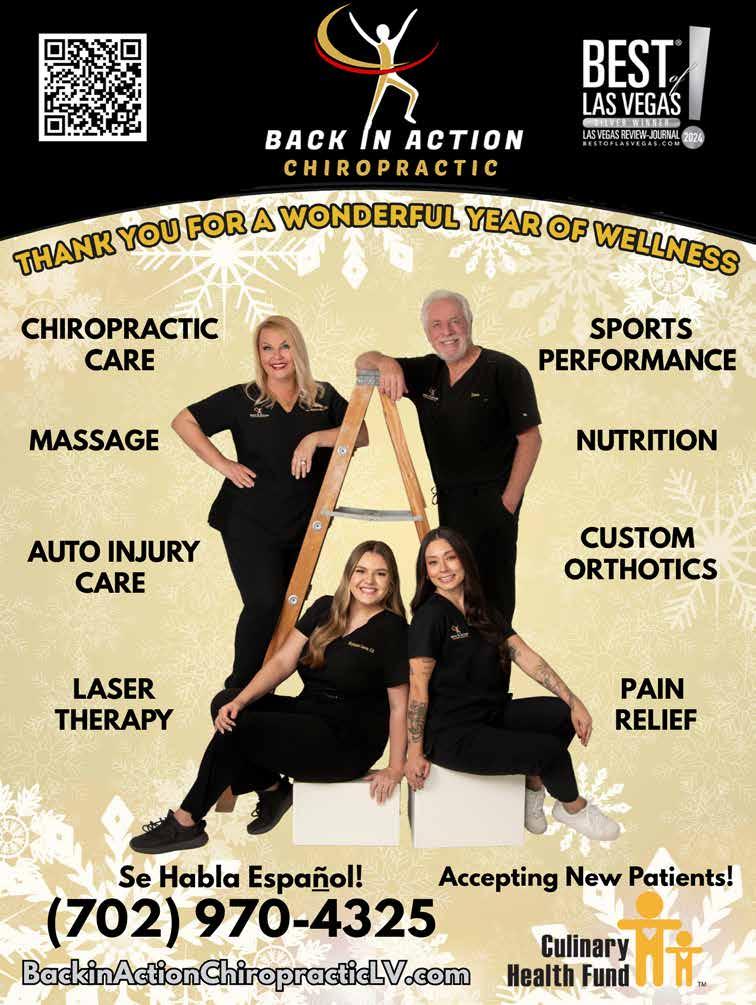
The holiday season arrives wrapped in twinkling lights, warm gatherings, nostalgic music, and a little extra magic in the air. It’s a time when traditions take center stage and families reconnect. It’s also the season when many of us try to do it all-shopping, hosting, baking, decorating, traveling, giving, and celebrating. We don’t always slow down long enough to consider what our bodies need during all the excitement.
At Back In Action Chiropractic, we love this joyful time of year, but we also know it can be one of the hardest seasons on your spine, joints, nerves, and stress levels. The holidays ask us to lift more, travel more, sit more, cook more, stretch more, and sometimes stress more. And while the season can fill your heart, it shouldn’t empty your energy or strain your body. This guide is our gift to you: a festive, fun, and wellness-centered roadmap to help you enjoy the season fully, safely, and pain-free.
Holiday Wellness Tips (The Festive, Fun, Totally-Relatable Edition)
These are not your typical safety tips. They’re your holiday cheer meets chiropractic wisdom tips, the ones that help you stay healthy without losing the spirit of the season.
Why the Holidays Challenge the Body: Holiday stress is real, and it’s not just emotional. The season brings a unique combination of increased activity, colder weather, more sitting, heavier lifting, and unpredictable schedules. Even “happy stress” takes a toll.
More Physical Demands: You’re carrying more bags, climbing more ladders, cleaning more corners, and rearranging more furniture. It adds up quickly. Winter Stiffness: Cold temperatures tighten muscles, making them less flexible and more prone to strain.
Travel Tension: Whether you’re sitting in traffic or on an airplane, your body pays the price of long, static positions.
The Season of Lifting: Gifts, Luggage & Random Boxes
It’s amazing how the holidays transform every adult into a part-time package handler. Whether you're hauling gifts, pulling dusty boxes of decorations from the garage, or carrying luggage to visit family, your back deserves VIP treatment. The simple rule? Lift like you care about your future self. Bend at the knees, keep items close to your body, and avoid twisting like you're in a holiday dance-off.
Decorating: The Sparkly, Seasonal Safety Trap Holiday decorating manages to be equal parts magical and hazardous. There’s always someone balancing on one foot to hang garland, and there’s always someone else stretching far enough to place a bow only to discover later that their back has filed an official complaint. A better approach? Move your body with care, not acrobatic ambition. Use a ladder properly, keep your center of gravity stable, and take stretch breaks.
Holiday Travel: The Great “Endurance Event” of the Season Traveling during the holidays is like entering an unintentional endurance competition, except no one gave you a medal or a warm-up routine. Long drives, delayed flights, endless sitting, and schlepping bags through terminals can leave your spine feeling like it’s been shaped by a candy cane factory. The trick is to outsmart the discomfort. Give yourself the gift of movement: stretch while waiting in security lines, adjust your seat to support your lower back, pack a small pillow or rolled-up jacket, and take breaks during long drives to reset your posture. A few minutes of movement every hour can mean the difference between arriving ready to celebrate or hobbling in like you’re 200 years old.
Holiday Cooking: A Delicious Tradition and Sneaky Body Stresser Cooking for hours is a holiday love language, but it’s also a surprisingly
subtle test of physical stamina. Before you know it, you’ve been standing for two hours, leaning over counters, twisting as you move between oven and stovetop, and stirring like you’re competing in the gingerbread batter finals. To keep your body happy, treat the kitchen like a mini athletic field. Wear supportive shoes, use a cushioned mat if possible, switch sides when stirring or chopping, and give your body a reset break every 20–30 minutes.
By Dr. Michelle Binkowski, DC
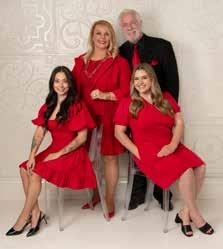
The holidays bring joy, nostalgia, generosity, and sometimes the stress of full calendars, gift lists, travel logistics, family dynamics, and looming endof-year deadlines. And while we’re all capable of powering through, your mind and body deserve a more compassionate approach. This season, remind yourself: you don’t have to win “Holiday Overachiever of the Year.” Slow down. Hydrate. Protect your sleep like it’s your favorite tradition. Say no when you need to. Give yourself moments of quiet joy, ten minutes with a warm drink, a simple walk, a few deep breaths, or just sitting in the glow of your tree.
Giving Back: The Most Heart-Filling Habit of the Season
Amid the celebrations, the most powerful holiday tradition is giving back. It boosts your mood, reduces stress, fosters connection, and creates the kind of internal warmth no sweater can match. And the beauty is, you can give in small, meaningful ways: hold a door, let someone go first in a long line, donate to a local drive, check in on a neighbor, or share kindness with someone who looks like they need it. Generosity is contagious. When you help someone else, your own energy shifts. You stand taller, breathe deeper, feel lighter, and navigate the season with a more joyful heart.
A Wellness Message Directly from Mr. and Mrs. Claus
Santa: “Ho, ho, ho- listen, folks. I may look jolly, but carrying that toy sack is no joke. Lift with your legs or you’ll end up on the naughty list…of back pain!”
Mrs. Claus: “And hydrate! Stretch! Pace yourself! If I make Santa warm up before delivering presents to millions of kids, I promise you have time to stretch before decorating.”
When the most magical couple in the world prioritizes wellness, we should too.
The Holiday Advantage of Chiropractic Care
Chiropractic care is one of the best tools you can use to stay active, aligned, and energized this season. Adjustments help reduce stressinduced tension, restore mobility, improve posture while traveling, prevent injuries from lifting or decorating, support better sleep, boost energy levels, and enhance nervous system function. It’s like a tune-up for your whole body during its busiest season. At Back In Action Chiropractic, we’re here to support you through every season, but especially this one, when your schedule is full and your body is working overtime. A quick adjustment can help you move better, feel lighter, and enjoy every holiday moment with more comfort and ease.
As another year draws to a close, it’s time to reflect on 2025 and look ahead to 2026. Ask yourself: What did I do for my health this year? How do you feel compared to last holiday season? Can you still do the things you enjoyed—or even more, thanks to real progress? We can’t stop time, but we can choose how we step into the next year. This holiday, give the gift that keeps on giving: the gift of health—to yourself or someone you care about. Today’s world offers incredible tools in longevity and biohacking, all designed to help you become your best self. Here are some standout ideas that make perfect, life-changing gifts:
B3 Sciences BFR Bands - B3 Sciences BFR Bands use safe, precise blood flow restriction to amplify strength gains, muscle growth, and recovery with low-weight workouts—backed by research and trusted by athletes worldwide. They’re the perfect gift for anyone ready to unlock faster fitness results without heavy lifting or joint stress, delivering lasting health benefits in just minutes a day.
$479 (jxd247.b3sciences.com)
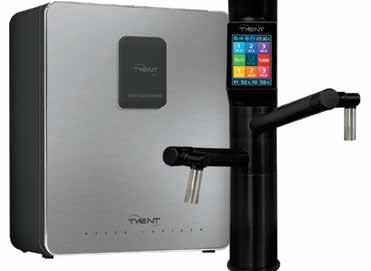
Holy Hydrogen Lourdes Hydrofix- The Holy Hydrogen Lourdes Hydrofix Premium Edition produces ultra-pure, therapeutic molecular hydrogen (H2) water at 1.6 ppm—clinically shown to reduce inflammation, boost energy, enhance recovery, and combat oxidative stress in a compact, easy-to-use countertop unit. It’s the ultimate wellness gift for anyone seeking cutting-edge, science-backed hydration that supports longevity and daily vitality with every sip.
$2599 ($100 of with code Longevity) holyhydrogen.com
Platinum LED Red Light - PlatinumLED red light panels deliver clinicalgrade 660nm red and 850nm near-infrared wavelengths to stimulate collagen, reduce inflammation, speed muscle recovery, and rejuvenate skin in just 10–20 minutes of daily full-body exposure. They’re the ultimate gift for anyone seeking radiant skin, faster healing, and peak performance with a zero-effort, FDA-cleared home therapy system.
$300-$1400 (5% off with code LTRPK1905) platinumtherapylights.com
BrainTap - BrainTap’s headset and app deliver guided audio sessions with light, sound, and brainwave entrainment to rapidly reduce stress, improve sleep, sharpen focus, and rewire neural pathways—backed by over 30 years of neuroscience research. It’s the perfect gift for anyone craving mental clarity, emotional resilience, and peak performance in under 20 minutes a day.
$907 ($100 off with code JohnXD) braintap.com
Align Mat PEMF - The Align Mat PEMF system delivers low-frequency pulsed electromagnetic fields to recharge cells, reduce inflammation, ease chronic pain, and accelerate recovery in just 8–20 minutes of daily use on a portable, full-body mat. It’s the ultimate gift for anyone seeking drug-free relief, deeper sleep, and renewed energy without leaving home.
$3000-$3500 ($500 off with code JohnXD) myalignmat.com
Mitopure - Mitopure is a clinically validated Urolithin A supplement that triggers mitochondrial autophagy to rejuvenate cellular energy, boost muscle strength, and enhance endurance—delivering the benefits of 6
months of exercise in just 4 months. It’s the perfect gift for anyone over 40 who wants science-backed longevity, sharper performance, and vibrant aging in one daily dose.
$75-$125 per month (20% off with code JohnXD) timeline.com
Whoop - Whoop’s sleek wearable tracks sleep, strain, recovery, and heart rate variability 24/7 with lab-grade precision, delivering personalized coaching via its app to optimize daily performance and prevent burnout. It’s the ideal gift for fitness enthusiasts, busy professionals, or anyone committed to data-driven health gains and lifelong energy mastery.
$30-$40 per month whoop.com
Vibration Plate - Full-body vibration plates deliver rapid, low-impact oscillations to stimulate muscles 30–50 times per second, boosting circulation, bone density, lymphatic drainage, and fat loss in just 10–15 minutes a day. They’re the perfect gift for anyone wanting effortless strength, flexibility, and metabolic health without joint strain or gym time.
$100- $18,000
Osteostrong - OsteoStrong uses advanced osteogenic loading technology to trigger the body's natural bone-building response in just 10 minutes a week, dramatically improving bone density, strength, posture, and balance—clinically proven to reverse osteoporosis and prevent fractures. It’s the ideal gift for parents, grandparents, or anyone wanting lifelong skeletal health and vitality without drugs, pain, or lengthy gym sessions.
$207-$247 osteostronglv.com
Blood Microscopy- Blood microscopy offers a live, in-depth view of your blood cells under a high-powered dark-field microscope, revealing realtime markers of hydration, inflammation, oxidative stress, and nutrient status in a single 30-minute session. It’s the ultimate gift of personalized insight, empowering anyone to optimize their health with precise, actionable data that standard lab tests often miss.
$290 Dr. Thomas Brewer 702-372-8413 ($$$ off with mention of JohnXD)
H-Wave - The H-Wave device uses patented electrotherapy to trigger deep muscle contractions, flush pain-causing fluids, and accelerate healing— delivering proven relief from chronic pain, injury recovery, and muscle spasms in just 30-minute sessions at home. It’s the ideal gift for athletes, active adults, or anyone tired of painkillers who wants drug-free, clinically backed recovery and performance enhancement.
$2375 or Rent for $400 per month. Come to Osteostrong to demo
JohnXD, a former Navy submariner turned biohacking enthusiast, has made it his mission to unlock human potential and help people through innovative health strategies. Owner of Osteostrong Las Vegas and founder of Biohacking Las Vegas, John shares insights on fitness and longevity. JohnXD's diverse background, from serving in the Navy to being a professional photographer and magazine owner, to his dreams of building a biohacking empire, showcases his dedication to improving lives.



Pickleball has quickly gone from a niche backyard pastime to one of the fastest-growing sports in the world. Combining elements of tennis, badminton, and ping-pong, it offers an accessible, fastpaced, and social experience that draws players of all ages and skill levels.
Pickleball is played on a smaller court, roughly the size of a badminton court, with a lowered tennis-style net. Players use lightweight paddles and a perforated plastic ball (similar to a wiffle ball). Because of the smaller court and slower-moving ball, rallies last longer and the learning curve is gentler than in many racquet sports. This makes it especially inviting for beginners while still challenging for advanced players.
Pickleball is an easy-to-learn social sport that offers a great source of exercise without being overwhelming. One of the most compelling aspects of pickleball is its strong sense of community. Many parks now convert underused tennis or basketball courts into dedicated pickleball spaces, and entire neighborhoods, especially retirement communities, have embraced the sport as a staple for social gatherings and healthy living. The welcoming atmosphere keeps new players coming back and encourages multi-generational play.
As participation continues to surge, more investments are being made in professional events, televised matches, and dedicated pickleball facilities. Locally, we’ve seen an array of courts and facilities open up. We recently visited Chicken N Pickle to find out what they have to offer.
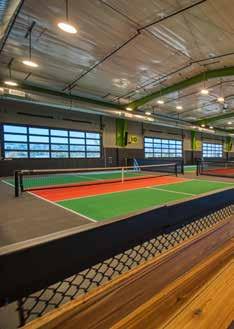
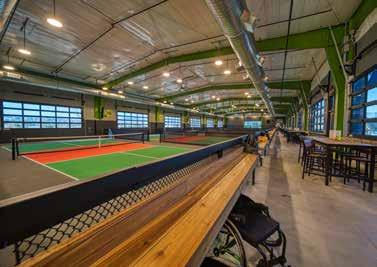
Chicken N Pickle opened its first location in 2016 in Kansas City. They now have venues all over the country, including one right here in Southern Nevada. The three-acre venue, located off of St. Rose Parkway, is family-friendly and includes both indoor and outdoor pickleball courts, food, outdoor games and a separate bar area serving craft cocktails.
The facility offers eight outdoor covered courts and six indoor courts, which can be reserved online. They also offer early morning open play every day from 7 am to 9 am for participants of all ages and skill levels. Throughout the week, a variety of clinics and classes are also available. Out in the yard, patrons will find cornhole, ping pong, Battleship, and Jenga.
The menu includes an array of chef-driven, comfort food options, including appetizers, sandwiches, salads, pizza, and desserts. They also offer, as the name suggests, quite a few chicken dishes. Our faves included the Chicken n’ Waffles and the Honey Brew BBQ Chicken Pizza. Going early? Check out their breakfast menu. Chicken N Pickle’s bar has something for everyone. Visitors can enjoy everything from craft cocktails and mocktails to local beer and wine.
Chicken N Pickle is the perfect place to improve your game, bring the family, or hang out with friends. They are located at 3381 St. Rose Parkway in Henderson, NV. For more information, visit chickennpickle.com.
By Stephanie Shehan







S I L V E R S T E I N
O S P E L B R U N C H 5 DECEMBER O S A M A S O N 7 DECEMBER 13 DECEMBER 21 DECEMBER 6 DECEMBER
G O S P E L B R U N C H
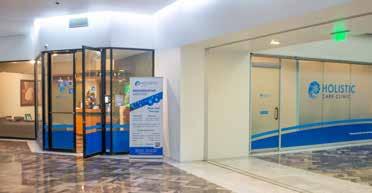
The concept of medical tourism has reached a new zenith in Tijuana, Mexico. Today, patients seeking the future of health are finding advanced regenerative medicine, world-class luxury, and a deeply compassionate, holistic approach at Holistic Care, all while realizing significant savings compared to treatments north of the border.
Holistic Care Clinic is defining a new standard for the patient experience. We understand that your journey to optimal health must be seamless, which is why our clinic is strategically located just minutes from the San Diego border. To eliminate travel stress, we provide courtesy transportation and are conveniently situated inside the Grand Hotel Tijuana, a distinguished 4-star destination. This unique arrangement places world-class care just an elevator ride away from your high-end accommodations, allowing you to focus completely on healing and recovery.
Our clinic is grounded in Integrative Medicine, a philosophy that recognizes the interconnectedness of the body and seeks to treat the whole person, not just the symptom. It started originally as a dental clinic 26 years ago, and since then, it has expanded over the years to offer a wide range of treatments, including medical, naturopathic, surgical, chiropractic, and more! The goal was to bring various specialties and providers together under one roof to provide the most complete and efficient care for our patients, while controlling the quality of the treatments. For us, this means combining evidence-based conventional therapies with state-of-the-art regenerative and holistic modalities.
A key differentiator for Holistic Care is our commitment to advanced, personalized regenerative treatments. Not only do we offer care at a fraction of the cost in the United States, but patients also benefit from significantly quicker access to healthcare services, avoiding the long wait times often experienced in other systems. Most importantly, Mexico provides access to many innovative and advanced treatments that may still be restricted or undergoing lengthy approval processes in the US. We operate an in-house Stem Cell Laboratory that is fully authorized and overseen by the Mexican government, ensuring the highest standards of quality and purity. This commitment to science extends through our research partnership with CICESE, a research university located in Ensenada, Mexico, allowing us to remain at the forefront of regenerative innovation. This advanced infrastructure allows us to deliver sophisticated Stem Cell Therapies. Specifically, Mesenchymal Stem Cell (MSC) therapies
have been at the forefront of global medical research for their potential in joint regeneration, chronic disease treatment, and prevention. This powerful modality can be used to address conditions such as autoimmune disorders (like Lupus or Rheumatoid Arthritis), metabolic disorders (diabetes and insulin resistance), and certain neurological conditions (including Multiple Sclerosis and Autism Spectrum Disorder), leveraging the cells’ potent anti-inflammatory and regenerative properties.
Beyond our regenerative focus, our specialist teams provide comprehensive care across critical disciplines: Integrative Oncology: Personalized Cancer Support Our Integrative Oncology program is centered on enhancing the efficacy of conventional treatments while improving a patient's quality of life. We utilize advanced, personalized protocols that may combine and optimize therapies such as targeted Vitamin Infusions, systemic Hyperthermia (therapeutic heat), tissue-healing Hyperbaric Oxygen Therapy (HBOT), and cutting-edge Dendritic Cell Therapies. This holistic approach is designed to fortify the patient's entire system throughout their treatment journey.
Our dental practice, called American Biodental Center, adheres to the strictest principles of holistic health, ensuring oral procedures support systemic wellness. We follow the established biological protocols for the safe removal of silver (mercury) fillings, having been trained by Dr. Hal Huggins, one of the fathers of holistic dentistry, over 25 years ago. We exclusively use biocompatible materials for all fillings and restorations and offer aesthetically superior, metal-free Zirconium Implants and cosmetic dentistry. To ensure optimal surgical outcomes, we utilize therapies like ozone, PRF/PRP (Platelet-Rich Fibrin/Plasma), and high-dose Vitamin C IVs during surgical procedures, promoting natural and rapid post-surgery healing. Furthermore, we maintain quality and speed with our own inhouse lab for most restorations (crowns, inlays, and bridges). Ultimately, the choice to seek care at Holistic Care is a matter of value, speed, and access. We combine certified medical expertise with significant savings and the ability to utilize cutting-edge global treatments, making transformative, lasting health accessible to you.
Ready to start your journey to better health? Visit our website at www. holisticcare.com to explore our services and schedule a complimentary consultation.
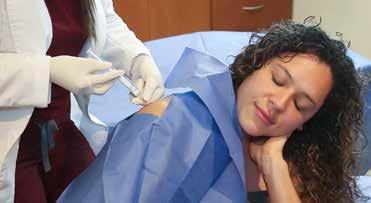
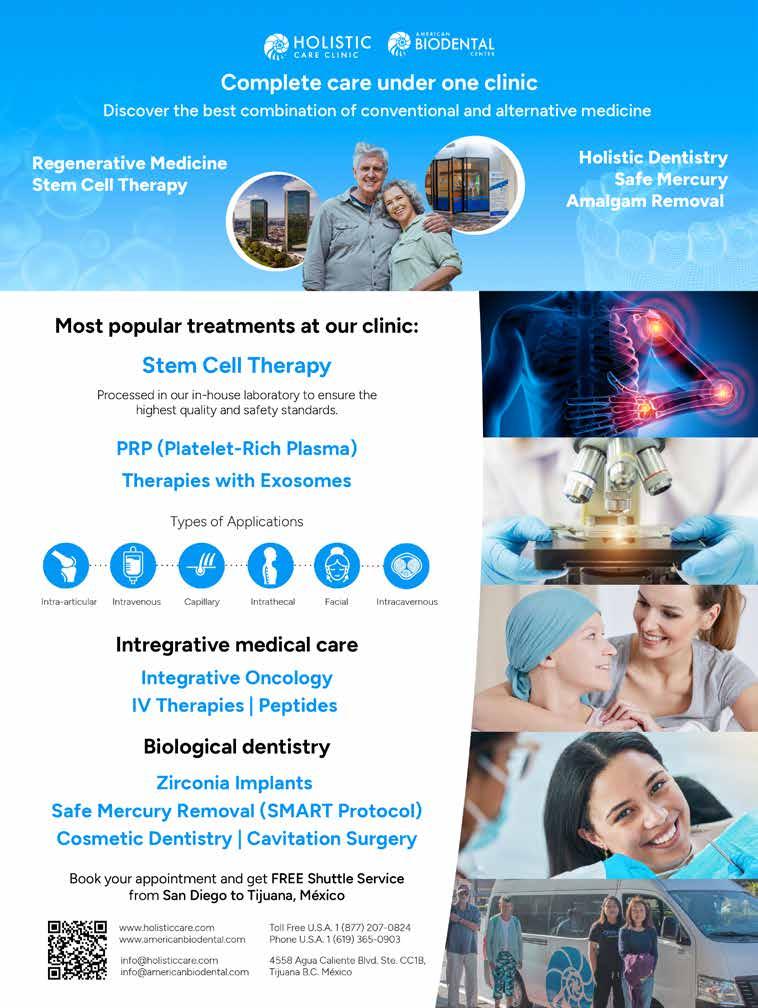
Featuring insights from Pelvic Floor Occupational Therapist, Mayra Olivares, OTR
Many of us have heard of pelvic floor therapy, Reiki, or myofascial release, but rarely do we see them woven together in a single, trauma-informed healing space. As an occupational therapist passionate about nervous system regulation and self-care, I was curious about how these disciplines could intersect to support deeper healing.
So I collaborated with Mayra Olivares, an occupational therapist, whose work blends science, intuition, and whole-body wisdom. What unfolded was a powerful conversation on trauma, embodiment, and the liberation that happens when women begin to feel safe in their bodies again.
When I asked Mayra how she integrates pelvic floor therapy, Reiki, and John Barnes’ Myofascial Release into one treatment approach, she reports that the process feels natural, almost like the modalities choose themselves based on each client’s story.
She begins her work through deep listening: past trauma, surgeries, birth experiences, emotional history, and the ways the body has been holding tension. This is often where she identifies the energetic component, the pieces that require compassion, stillness, or gentle support through Reiki or womb healing. MFR becomes the bridge between the physical and emotional layers. Through sustained, gentle pressure over eight to fifteen minutes, the fascia has time to unwind. The body softens. Emotional imprints often surface. The nervous system shifts out of survival mode and into a parasympathetic state, the only state where true healing happens.
“If the client is open to it,” Mayra shared, “Reiki naturally weaves in. Especially when working with womb trauma or releasing stored energy in the pelvic region.”
The result? Clients begin reconnecting with themselves, grounded, present, and more at peace in their own bodies.
From an OT lens, function, safety, intimacy, pain, and daily meaningful roles sit at the heart of pelvic floor recovery. Mayra’s approach centers the whole person, not just their symptoms. “It starts with creating a safe space; the healing begins long before hands-on work.”
Women come to her with goals that extend beyond pain relief. They want to run again. Paint again. Lift their children without leaking. Enjoy intimacy without fear. One of her former clients, once limited by pain and low energy, eventually returned to her creative passions, even painting a mural of a whale in her home. Mayra uses MFR to decrease restrictions and restore movement, combined with vagus nerve activation and nervous system regulation work. She teaches self-treatment techniques, empowering clients to regulate their bodies outside the clinic. “When women become grounded and regulated, they naturally show up as better mothers, partners, and humans,” she said. “It ripples into every meaningful occupation.”
Pelvic floor issues carry stigma, secrecy, and often years of silent suffering. When I asked what she wished more women and providers understood, her answer was clear: “We must treat the whole being, not just the musculoskeletal system.”
She spoke deeply on the significance of womb trauma: miscarriage, abortion, stillbirth, sexual assault, and traumatic medical procedures. These experiences leave emotional imprints on the tissues, often stored for years. She offers womb healing sessions to release these energies before traditional pelvic floor treatment begins. “When the womb and pelvic region are free of tension and trauma,” she said, “intimacy becomes more pleasurable, leaking decreases, and women regain a sense of safety and ownership over their body again.” Her message to women was powerful: You don’t have to live with pain. Healing is possible, no matter how long it has been.
Mayra’s priority in her first session is establishing trust. Clients share their stories, sometimes for the first time in years, and are met with presence, validation, and zero judgment. This allows for trauma-informed care and an open environment. She performs a gentle postural assessment to understand where the body has been protecting itself. Hands-on work begins slowly, focusing on nervous system regulation through light MFR, allowing the client to shift into a calmer state where deeper therapeutic work becomes possible. “Empowerment is part of the session,” states Mayra. “Clients are always in control, pressure, pacing, everything.”
I asked her how she addresses misconceptions about Reiki, especially for clients who may be skeptical.
By Anna Ketron Cusano, OTR/L
“Reiki isn’t a religion,” she said. “It’s simply a method of supporting the body’s natural healing process.” For many, understanding comes through experience, feeling their nervous system settle, noticing emotional heaviness lift, or sensing warmth and release in the body. “It’s about bringing mind, body, and spirit back into balance,” she added. “Anyone can experience that.”
Mayra had one message she wanted every woman to hear: “Healing is possible. Feeling safe, feeling pleasure, and trusting your body again — all of it is possible.”
She also offered a simple grounding practice: Place hands on the womb, breathe gently, and ask, “What do you need from me today?” Even a few moments of connection can begin restoring trust and body awareness.
A core part of her approach is teaching women to become the experts of their own bodies again. From self-treatment techniques to simple energy healing practices, her work helps clients:
• Reduce pain
• Regulate their nervous systems
• Reconnect with pleasure
• Build confidence in their own internal wisdom
“It’s about giving women the tools to reclaim their power,” she said. “Their movement, their voice, their joy.”
Mayra would like to leave readers with an open invitation to the Vegas Wellness community:
“If you’re curious about relieving chronic pain, improving pelvic floor function, or releasing emotional trauma held in the body, I warmly invite you to reach out. I would love to support you on your healing journey.”
Her work is a reminder for all of us, that healing is not linear, not mechanical, and not purely physical. It is emotional, spiritual, embodied, and deeply personal. And when women feel safe and whole in their bodies again, everything else becomes possible.
Anna Ketron Cusano, OTR/L, is an occupational therapist and founder of The Self-Care OT, a Las Vegas-based initiative that bridges evidence-based wellness and everyday living. She helps clients reconnect with themselves through OT-informed self-care, sensory regulation, and lifestyle balance. Accepting Medicare Part B and self-pay.





By Alethea Shelton
25, the Year of the Snake, arrived like an initiation. It was a year of shedding, releasing, and uncomfortable truth-telling, the kind of year that changes the shape of a person from the inside out. And if your year felt intense, disorienting, or strangely transformative, you were not alone. For many of us, the ground was shifting in ways that demanded a level of honesty we could no longer postpone.
For me, this was the most challenging and revealing year of my life. It deepened my sobriety, brought a divorce I never expected, and stripped away identities I did not even realize I was still carrying. Yet beneath every rupture, something surprising kept showing up. Clarity. Truth. And the beginning of a rebirth I did not know I was ready for.
Snakes shed because they have to. Their old skin becomes too tight, too
Then came the rupture. The end of my marriage and the collapse of a future I had imagined. It was a season that stripped me back to my most honest self. I had to confront the layers of coping, pleasing, and performing I had been using as emotional armor. In the aftermath, it became painfully clear where I had been living out of alignment in ways I had ignored.
Patterns surfaced with clarity. Devotion masking codependency. Strength disguising self-abandonment. Shrinking myself to keep the peace. Ignoring intuition. Settling for connections that did not match my depth. Prioritizing others’ comfort over my truth. Saying yes to work that drained me. Carrying emotional weight that was never mine.
It was not one relationship that broke. It was the outdated version of me.

restrictive, too heavy for where they are going. Humans shed, too, though our process is far messier. This year, shedding looked like patterns revealing themselves with startling clarity, emotional waves arriving without warning, coping mechanisms falling apart, relationships ending, identities dissolving, and truths rising to the surface, whether we felt prepared or not.
Shedding is uncomfortable because it requires us to release what felt familiar, even when it was limiting us. It insists that we stop dragging old versions of ourselves into chapters they no longer fit into. It calls for honesty, and honesty is rarely gentle.
My shedding did not begin in 2025. It began almost three years ago when I chose sobriety. Sobriety was not new this year, but this was the year it deepened. It was the year I had to feel everything I once numbed. Grief. Anger. Disappointment. Truth. There was nothing left to soften the edges except my own presence and compassion.
Sobriety steadied me. Divorce cracked me open. Together, they revealed a more grounded version of myself than I had ever known. Somewhere between burning my wedding dress in a backyard rite of passage and stepping barefoot into the Bali jungle on my first solo trip, I realized I was not just shedding a life. I was becoming someone new. I did not just survive this year. I alchemized it.
As a massage therapist, yoga guide, and energy worker, I witness the wisdom of the body every day. While the mind can rationalize, delay, or deny, the body tells the truth immediately and without apology. This year, my body became my compass.
It taught me that anxiety is often a sign of misalignment. Grief creates real physical heaviness. Shedding takes enormous nervous system energy. Intuition speaks first through sensation. Embodiment is the antidote to spiraling. Truth feels like a subtle exhale of relief, even when it hurts. The body nudges, then whispers, and eventually raises the volume until we listen.
We do not heal by thinking our way through transformation. We heal by feeling our way through it. By allowing emotion to rise and move. By honoring sensations instead of avoiding them. By letting ourselves experience what we have spent years resisting. The only way out is through, and the only way through is to feel it all.
Here is what 2025 taught me, and what it may be teaching you.
• Endings are not failures. They are completions.
• Heartbreak is often a doorway into deeper truth.
• Breakdown is its own form of wisdom.
• Loss brings clarity.
• You cannot cling to what you have outgrown.
• Your next chapter begins the moment you stop abandoning yourself.
Snakes do not shed to look different. They shed because they cannot
grow otherwise. And on some level, we are the same.
It became clear this year that none of us were shedding alone. Everywhere I looked, people were experiencing their own versions of unraveling. Sud den endings. Identity shifts. Emotional intensity. Unexpected clarity. There was a quiet, collective sense that the old ways of living were no longer sustainable.
This was not chaos. It was a collective clearing.
You can call it a cultural reset, an energetic upgrade, or a rise in conscious ness. The label is not the point. The point is that something in all of us is waking up. The old paradigms of overworking, pretending, people-pleas ing, staying small, and ignoring intuition are dissolving. In their place, something more grounded is emerging. Embodied truth. Deeper intuition. Authentic connection. Nervous system awareness. Alignment instead of expectation.
If this year unraveled you, here are a few practices that supported me. Ground into your body through breathwork, movement, journaling, or simply placing a hand over your heart. Create space around you, because clarity needs room. Honor your emotions instead of analyzing them. Slow down and let your nervous system catch up to your life. Listen to your intuition while it is still whispering. Accept that some relationships belong to earlier versions of you. And above all, choose yourself again and again. Every time you do, you align more closely with the person you are becoming.
As this year closes, I can feel a version of myself rising that I have never met before. A woman who is softer without shrinking, stronger without hardening, clearer without forcing, and more aligned than ever. Maybe you feel that too. Maybe this year did not break you. Maybe it returned you to yourself.
The truth my shedding offered me is simple. You were never being punished- you were being prepared. Snake years are not meant to be comfortable. They are meant to be catalytic. They strip away what was built on survival so you can build from truth.
If this was your shedding year, your rebirth is not late; it is right on time.
You have let go of what needed to fall away. Now you step forward as the most grounded and powerful version of yourself you have ever known. The one you were always becoming.

I built my life around paying attention to people, to craft, to the small operators doing the real work. Over two decades of SteamyKitchen.com, three books, years cooking live on television…all of it taught me the same lesson: the people worth knowing are the ones who bet on themselves. The ones who build something from nothing. The ones who show up every day without a safety net.
This section is my running log of those individuals: the risk-takers and the makers who keep Las Vegas interesting. Consider this a field journal from someone who believes small business is the soul of a city…and who loves celebrating the people brave enough to create something of their own.
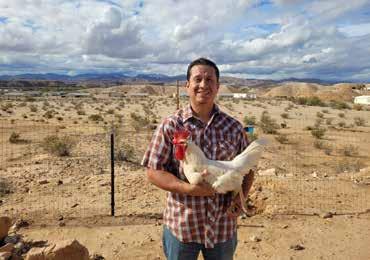
You don’t know chicken until you’ve tasted farm chicken. Josh raises chickens about an hour outside of Vegas at his family farm in Moapa. His birds have flavor, real chicken flavor, the kind most people haven’t tasted in decades. When I ordered ten frozen chickens last month, I realized too late that I had zero space in my freezer. I ended up negotiating with my mom for freezer real estate and paid a two-chicken storage fee. Worth it.
This poultry is juicy, sweet, clean, and deeply…chicken. Not the anonymous, spongy and bland grocery-store profile we’ve all come to accept. This is what happens when birds are genuinely cared for: locally raised, humanely handled, allowed proper feed, proper space, proper life. Stress stays low, flavor stays high. When an animal isn’t pushed to grow unnaturally fast, the meat develops structure, natural sugars, and a depth that shows up instantly in the pan.
Josh’s approach to farming is inspired by the legendary Joel Salatin, a farmer, author, and outspoken advocate for truly sustainable agriculture. Salatin is best known for breaking all the “big ag” rules: he rotates his chickens on pasture in movable pens, letting them feast on fresh grass, seeds, and bugs, while naturally fertilizing the land. There are no
By: Jaden Rae
overcrowded barns, no assembly-line diets, no feedlot shortcuts. Just sunshine, open fields, and old-school attention to every bird.
This style of farming isn’t about nostalgia…it’s about transparency, animal welfare, and real flavor. By raising and butchering himself in an open, humane, and stress-free method, Josh delivers chickens that are as close to their natural state as possible.
You know who raised your chicken, how it lived, and when it was processed. That alone puts his birds in a completely different category.
Find him on Facebook under “JoshAnd Sons” and connect in person at the Intuitive Foragers Indoor Farmers Market, every Friday at 200 S Main Street near downtown.
Came to Town Square to meet my son for lunch. Our intention was ramen, but the place was replaced by Gung Chae Korean Healthy Kitchen. Instead of wandering around looking for a plan B, we walked in and took the gamble.
Owners Dogwhan Park and Jiun Kim set out in 2007 to share their favorite Korean recipes with an American audience. From the outset, authenticity was core: every dish is made from scratch, and the cooks are Korean moms and grandmas, guardians of tradition.

The founders are committed to hiring staff who truly understand the cuisine and culture, ensuring the flavors remain true to heritage. Long-time server Jordan, part of the team for five years, embodies the sense of continuity and connection.
Their Town Square location has a more casual feel, with a streamlined menu, while the two original Gung Chae restaurants remain focused on sitdown dining and a slower, more classic experience.
This is a legitimately family-run Korean kitchen - no gimmicks, no corporate branding pretending to be “Korean-inspired.” On our visit, Jordan pointed out the two Korean elders were in the back doing the real cooking. You taste it in every bite. I ordered the Galbitang (갈갈갈) Stew: three massive short-rib bones, Fred
Flintstone cartoon-level huge, slow-simmered. The broth is clean, light, bone-broth-mineral-rich, and clearly built the right way…with time.
If you’re in Town Square and want something comforting, real, and cooked by people who actually know the cuisine, this is the spot. Exactly the kind of place you keep in your rotation once you know it’s there. Located at 6605 S Las Vegas Blvd, B 137, Las Vegas, NV 89119
My husband and I walked in expecting a standard sandwich. I walked out questioning every sandwich choice I’ve made this year. How did I not know?
Kyle’s Chimichurri Beef isn’t just good, it’s the kind of sandwich that recalibrates your sandwich baseline.
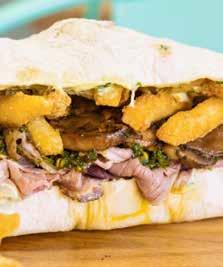
The backstory only makes it better: Three years ago, a then-teenage staffer named Kyle brought the idea to life after seeing a viral chimichurri sandwich on TikTok. With encouragement from Jeff (the Chicago-native GM who runs the place with remarkable hospitality) and Phil (a seasoned sommelier and also a Chicagoan with Strip cred to match), Kyle’s idea quickly became a full team collaboration.
Phil drew on his roots and fine-dining knowledge, insisting on houseroasted, prime-grade beef slow-cooked and seasoned in the style of Chicago’s Italian beef icons like Johnny’s Beef and Portillo’s. He added sautéed mushrooms for extra depth. What began as a staff experiment turned into a menu mainstay: a collision of inspiration, tradition, and restaurant family.
And you can taste every layer: The beef is tender with a slow-built depth that comes from method. The chimichurri snaps through the bite, its bright acidity, sharp herbs, and a clean heat that wakes everything up.
And then there’s the bread. Sourced from our local Pizzeria Monzu, it has that fermented character you can’t counterfeit: crisp structure outside, a slightly tangy, warm give inside. That sourdough bread is the scaffolding that holds together the juicy roast beef, French fries (yes, there’s crispy fries in there!), and drippy aioli.
Here’s my take on why the Kyle’s Chimichurri Beef sandwich is so popular. It hits the 5 S’s: salty, sweet, savory, spicy, sour. When all five show up, it wakes up every taste bud in a single bite. It’s why you keep going back for another before you’ve even finished chewing the last.
I promised myself I’d explore the entire menu, but this one has pull. The Chimichurri Beef is the gravitational center of their lineup. A proper sandwich in every sense. Located at 6181 S Rainbow Blvd #106, Las Vegas, NV 89118
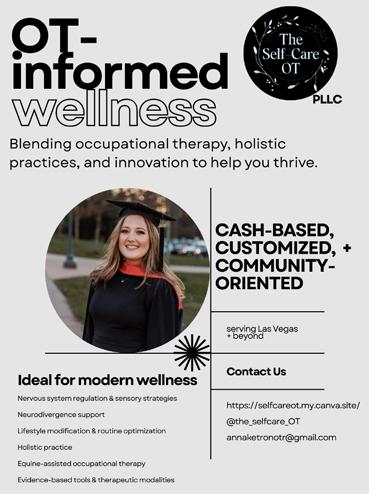
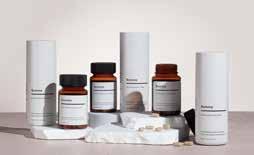
Bomme takes a science-led approach to scalp health with its proprietary BLH308™ complex, a DHT-free formula designed to reduce shedding, calm redness, and boost visible lift from the roots up. Their Rejuvenation Essentials Set is the ultimate starting point - featuring a three month supply of clinically backed essentials that strengthen and restore balance to the scalp for healthier, fuller hair. To complete the three-step regime, add on their new NEW Revitalizing Scalp Shampoo OR, if you want to go all out, pair the set with Bomme’s LED red light device to enhance toner absorption and boost results. It’s hair care that actually delivers - a self-care gift that feels elevated, effective, and beautifully science-driven. bommehair.com
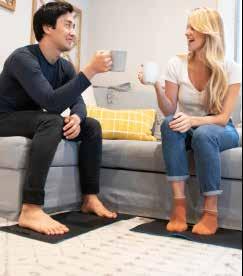
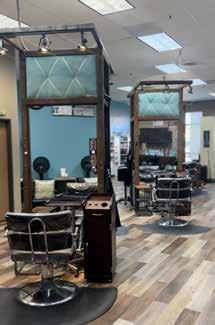
Get
Earthing, the original grounding company, is dedicated to helping you connect with the Earth’s natural energy, a flow of negative electrons that supports balance, reduces stress, and much more. Since walking barefoot outside isn’t always possible due to weather or work constraints, Earthing pioneered the Universal Mat Kit, making it easy to experience the benefits of grounding anytime, anywhere! earthing.com
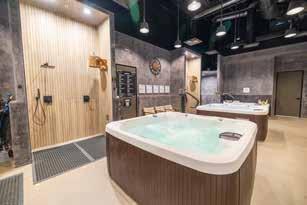
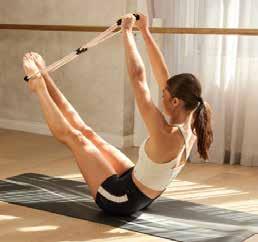
Designed to “go beyond the studio,” BAHE products are studio-grade, sustainable, and stylishly crafted to support every level of practice making them the perfect holiday gift for the wellness, yoga, or Pilates enthusiast in your life. bahe.com.au






The first time I noticed my phone was rotting my brain was the year I moved to Vegas. It was 2015. I was fortunate enough to find a job rather quickly, managing a wholesale fashion company. The first year was fine, but as I stepped into my second year, something shifted that I couldn’t put my finger on. It was subtle at first. Small instances of forgetfulness. Missed tasks. Trouble staying tuned into conversations. Soon, these small instances turned into recurring patterns. Unfortunately, my boss picked up on it before I did. She would come into the office to give me information or directions, and an hour later, I would seek her out for the same information as if I’d never received it in the first place. After a few times of this happening, she pulled me aside one day to express concern. I was mortified. This was my first real inkling that something wasn’t right. In the weeks that followed, my partner also began to express concerns with my lapses in memory and checked-out demeanor, and the issue became unignorable.
I should have noticed it sooner, but the overwhelming boredom and struggle to focus had crept up on me like a silent virus, slowly infecting every part of my life. Depression seemed the most likely conclusion, but it was unlike any depressive episode I’d experienced before.
It was no coincidence that during this time, shortly before the rise of shortform video content, I was spending nearly all of my free time endlessly scrolling social media. Hours upon hours flicking from one meme, text block, or photoset every 3 to 10 seconds. Years of being buried nose deep in the glow of a screen, and now wondering why it was no longer scratching the itch in my brain like it used to. I tried scrolling faster, going deeper, delving even more mindlessly into other platforms and apps. And when I finally looked up from my phone, I found myself severely understimulated with real life. The “fix” I was no longer getting from scrolling extended into everything else. Hobbies, passions, connections, conversations, events. Anything that used to excite me was just… meh. On top of this, I found I couldn’t concentrate on anything for more than a few brief moments—a far cry from the only child who grew up easily occupying herself with writing, crafting, reading, and playing with bugs. Inevitably, the truth soon became apparent to me. I had essentially murdered my attention span.
In the years that followed, I maintained a love/hate relationship with social media. I would take a month or two off, feel better, rejoin to create content and market projects, get overstimulated by too much scrolling, take another break… rinse, wash, repeat. At the same time, I was also freelancing as a social media manager, so it was literally my job to be online, understand current trends, and create content for brands. No matter how much I wanted to, I couldn’t seem to fully get away from it. And with the rise of short-form video content, it only seemed to become more addictive.
As reluctant as I was to admit it, the issue seemed to affect every part of my life. It exacerbated my ADHD to levels that left me unable to function normally. I couldn’t hold conversations without tuning out or becoming easily distracted within minutes, which, as you might imagine, put a strain on my relationship and friendships. When I did speak with loved ones, it was usually to share something I’d seen online, and seldom something I’d experienced myself (because, to be honest, I wasn’t making many memories of my own). This became even more apparent when people would ask me questions like, “What’s new?” while I floundered to think of even one
By Andrea Caple
thing to say. Being present, something I’d already struggled with for most of my life, became seemingly impossible to achieve.
On a personal level, I felt stifled, unproductive, and like I wasn’t doing anything worthwhile with my life. Despite my creative mind and lifelong dream of being an entrepreneur in the truest sense of the word, I struggled to find the time or attention to maintain any project I ever attempted (but somehow always found time to scroll.) And as much as I wanted to avoid being “that person”, I found myself hunched at the corner of the couch each night, time slipping through my fingers like sand, with nothing to show for it but a head full of voices that weren’t my own. Oh, and lots of quotable soundbites.
Then, just last year, something shifted again. I’m not sure what exactly. Maybe it was about me nearing 40. Maybe I was tired of being a passenger in my own life, or watching the months and years blend into one big blur, and having nothing to show for it. Whatever it was, I’d decided it was time to make a serious change in my life.
My Nervous System Was Not Amused
Every generation has its “simpler time”. As an elder-Millennial, for me, it’s the ‘90s. The era of wildly expressive individuality, POGs, clear plastic landlines, and not a cell phone in sight. Even with the dawn of the interwebs, being online felt like a fun pastime, rather than an all-consuming societal necessity. I’m sure I’m not the only one who feels this way, but the ‘90s were the last time I remember being in-the-moment, and that’s… kind of sad.
Some days, I try to think back and calculate where exactly I lost that sense of presence. I think about the years I’ve lost to scrolling. I think about the generations who’ve never known a time before social media and wonder how they’re coping and what their lives will be like 20 years from now. I don’t hate technology or what the internet has become (most days anyway). I don’t judge anyone for their cell phone use. All I know is, I wanted to take my life back, and to achieve that, I had to change my relationship with how I interacted with technology. And so, it was decided. I would attempt to stop the scroll.
This effort turned out to be much harder than I thought it would be. In the first few weeks, I would pick up my phone at random and not know what to do with it. Put it down, pick it up again. Off and on all day. With the need to fidget, I found myself going through my gallery of photos. My emails. Whatever I could mess with to keep me from Tiktok and Instagram. I took both apps off my home screen and put them into a folder called DO LESS, so I could no longer open them out of sheer instinct.
For the first month, I found myself undeniably restless. I didn’t know what to do with my hands, which is probably the closest I’ve come to understanding recovering smokers and their need to fiddle with something. The motion and sensation of the habit itself is one challenge I didn’t expect to have to break. At the same time, skipping the morning scroll made an immediate difference. My mind felt calmer than it had in years.
Then came the most difficult part: the sensory detox. In essence, I needed to deny my brain its usual barrage of sights, sounds, and information to reset its reward pathways and restore my ability to focus, think clearly, and
be present without the constant novelty. Because television alone was not enough to provide the kind of mental stimulation I’d conditioned my mind to expect, I allowed myself access to small doses of long-form content on YouTube, though only on my laptop, and only during my lunch breaks. Admittedly, this was a very lonely endeavor, both in that I was interacting with fewer people and that I was the only person I knew in real life who was taking it on. To combat this, I opted for videos of people documenting their own social media detox journey, which helped me feel not so alone.
On the bright side, not scrolling away all my free time made me realize just how much of it I had. One of the things I’d hoped to achieve through this effort was personal progress, so I began to fill my spare time with small online courses and educational videos on subjects of interest, which felt far more nourishing to my brain than what I’d spent years feeding it.
One of the challenges I hadn’t anticipated was the sheer number of shortform videos I was still receiving from followers, family, and friends alike. Knowing that sharing memes and videos has become a normalized way to communicate, for the first few weeks, I still attempted to watch and respond to everything I received. I soon realized that doing this kept me chained to my screen and compromised the point of what I was trying to do. Ultimately, I ended up asking everyone (except a few close loved ones) to refrain from sending me content.
A few tough weeks turned into a few easier months, and before I knew it, it’d been a year of no scrolling. And interestingly enough, I had a lot more to show for it. Within that year, I took small trips, read a number of great books, and had a wealth of memorable experiences. Finally having the time and brain space to dedicate to my dreams, I took the initial steps to build my own small business, and for the first time in my life, witnessed a project actually grow.
My hyperfixations also shifted. Instead of checking my phone for social media notifications, I would simply await the ding! of a sale I’d made. Instead of doomscrolling, I started spending a healthy amount of time researching the best business strategies. Instead of inundating myself with every possible take about the chaos going on in the world, I began to have engaged conversations with loved ones in real life.
This is not to say that social media provided me with nothing. During my time on the apps, I met a ton of amazing people, some of whom I’m still happy to call friends. I witnessed first-person POVs of global movements and history being made. For a short time, I broke out of my shell and grew as a person by creating content for an audience of like-minded people. I can say without a doubt that it has certainly shaped who I am today.
But now, after 18 months of giving up the scroll, I’m able to say the benefits of doing so outweigh what I’ve given up. My mental health has drastically improved since taking charge of what I consume. If you’re someone who deals with ADHD, you know brain noise can be a real issue. I’m happy to report that stepping away from social media has significantly turned that volume down for me. I’m able to hear my own inner dialogue with much more clarity. My ability to focus has also returned. I’m able to hold full conversations, which has had a positive impact on my relationship with others. There is also something to be said about breaking free of the expectations I once put on myself to broadcast my life. As fun as it is to connect with an audience of your peers, friends, and followers, for me, it came with a pressure to stay relevant and a fear of being forgotten. Having let that go, I feel more in touch with myself, and less like I need to perform.
I’ve always had a sense, even in the thick of my screen dependency, that our brains were never meant for this level of stimulation. And the research confirms it. Newport Institute reports that mindless scrolling can dysregulate the nervous system and cause anxiety and depression. Studies from the University of Oxford and King’s College London found that “high levels of internet usage and heavy media multitasking are associated with decreased grey matter in pre -frontal regions.” And in 2018, Stanford memory researchers analyzing a decade of data found that people who frequently switched between multiple digital platforms showed noticeable declines in attention span and memory retention. As one MIT neuroscientist, Earl Miller, put it, “It’s a perfect storm of cognitive degradation”.
Obviously, this modern habit has become deeply embedded in our daily lives, and I don’t see the vast majority of people quitting any time soon. But if you’re reading this right now, it might be because you’ve wondered what your life would look like without the noise. Maybe you have a sense of FOMO about it or just don’t know where to start. Or maybe you’re feeling like I did: ready for a change. If that’s the case, here are some tips to help you begin:
- Define what “quitting” means to you. Is your goal to reduce doomscrolling? What do you want to reclaim? (Time? Attention? Peace? Creative energy?) Does it make sense to completely delete your accounts or just take time away from them? This is a very personal journey, and it’s different for everyone. You make the rules for what works for your life.
- Set parameters. Start with no social media until 11 am. Move apps off your home screen. Unfollow, mute, or log out of whatever tends to hijack your time the most.
- Expect withdrawal. You will very likely feel restless, understimulated, bored out of your mind, and maybe even lonely. These are symptoms of a recalibrating nervous system, and they’re completely normal, which is what makes this next tip so integral to this process.
- Fill the space. It’s important that you focus on finding alternative ways to unwind AND engage your brain, since social media tends to fill both of these spaces. Get creative. Join a book club. Pick up an old hobby. Meditate. Call a friend. In fact, create a “boredom list” that you can turn to when you find yourself with free time and nothing else to do.
- Assess your progress after 3 weeks. What do you miss? What do you not miss at all? Do you feel different? Better? Worse? Check in with yourself and make sure you’re nourishing yourself in all the ways that matter.
- The long game is about shifting the baseline of your attention. To get away and stay away from the scroll, you’ll need to replace it with something worthwhile. Something you're passionate about. Maybe that’s volunteering or working out or starting a project, or attempting to turn your dreams into reality. Whatever it is, your time and brain space is your own. Honor it as sacred and be intentional with it.
Social media isn’t inherently evil, but if it’s costing you your peace, your focus, or your ability to be present, it’s worth reevaluating. Life moves differently when you’re not constantly plugged in, and there’s something powerful about reclaiming your time on your own terms. The internet is forever. You are not. Make your minutes count.
Andrea is a Vegas-based writer, creative professional, curator of vintage items, and founder of Ruby Cat Creative, a boutique agency specializing in editorial content, digital storytelling, and general ghostwriting. Her work explores themes like emotional wellness, neurodivergence, self-reclamation, and modern burnout. Got a project, question, comment, or good antique store recommendation? Drop her a message at andrea@rubycatcreative.com.
The statements in this editorial are simply for informational purposes, entertainment, and objective research and do not represent the views or policies of the publication, or any other organization with which the author may be affiliated. They are also not to be viewed as personal medical care, but rather for the purpose of general knowledge. The author is not a medical professional. The reader is strongly encouraged to speak to his/her own physician for medical advice.

Cinnamon, this warm, spicy-sweet bark that we sprinkle in our lattes, swirl into baked goods, and dream of at holiday time, is much more than just a comforting kitchen staple. For millennia, it has enchanted cultures, inspired myths, and intrigues scientists as it has been one of the mainstream herbs across various cultures worldwide. Even in today’s world, cinnamon is a strong note in our High Tech Healing, Blissvana herbal tea blend, which supports the reduction of cortisol in the body and supports the body’s stress response. Cinnamon is a bonus to stabilize blood sugar, and it is most definitely one of my best-selling blends yearround.
Its Origins and the Myth
So from (the last month of) 2025 (which flew by so quickly), and taking it far back to our oldest records (like with most of the herbs I take these journeys on with you), you guessed it, we are in ancient Egypt around 2000 B.C., where cinnamon was so precious it was reserved for royalty and rituals. The Egyptians used it in embalming to preserve mummies and in other high-level ceremonies. Fast forward to the Classical world, and cinnamon (and its cousin cassia) were used for pagan offerings in temples. But here’s where the story gets mysterious (and pretty funny): for centuries, the true source of cinnamon was hidden. Traders kept the origin secret, spinning wild tales.
Herodotus and Aristotle claimed giant “cinnamon birds” lived in far-off lands. They would say that these mythical creatures supposedly gathered cinnamon sticks to build their nests on cliff faces. According to the myth, people lured the birds with meat, and when the bird would take the bait and carry it back, their weight caused their nests to fall, making it accessible to harvest all the cinnamon that was used to build their nest.
The Truth About Cinnamon: Not All Cinnamon is the Same Over centuries, real cinnamon came from Ceylon (modern day Sri Lanka) and Asia. European powers scrambled for control: the Dutch, Portuguese, and British all wanted pieces of this fragrant treasure; thus began the

spice-trade drama that shaped worlds.
Here is where things get botanical (but in a good way). Cinnamon actually refers to several species of the genus Cinnamomum, but the two most common in commerce are Ceylon cinnamon (Cinnamomum verum, also called “true cinnamon"), and Cassia cinnamon (Cinnamomum cassia or aromaticum).
Ceylon Cinnamon is native to Sri Lanka and southern India. Its quills are thin, softly layered, and tan-brown. It has a delicate, mildly sweet flavor. Importantly, its essential oil is made up of about 50-63%cinnamaldehyde, which gives it flavor without being overwhelming. Cassia cinnamon comes mainly from China and parts of Southeast Asia. The sticks are thicker, darker, and rougher. Cassia’s essential oil, in contrast, is about 95% cinnamaldehyde, giving it a much stronger, spicier bite.
There is another major and crucial difference, which is the levels of coumarin. This is a natural compound that can damage the liver if consumed in large amounts. Cassia contains much more coumarin than Ceylon, with one study finding cassia powder has up to 63 times more coumarin than Ceylon, and its sticks have 18 times more. That’s why, for regular or therapeutic use, many people prefer Ceylon cinnamon; it’s safe and gentler.
So what makes cinnamon more than just fragrant? Its health effects come from a symphony of bioactive compounds, which include the already mentioned cinnamaldehyde. This is the superstar that gives its signature aroma and many of its biological effects. Another is eugenol, a phenolic compound with anti-inflammatory and antioxidant potential. Procyanidins, especially type A polymers, like cinnamtannin B1 that have insulinmimicking effects. Alongside other polyphenols and flavonoids.
These compounds contribute to one of cinnamon’s most studied effects, which is its ability to support healthy blood sugar. In human trials, cinnamon extract (sometimes just water-based, like in a tea) has been shown to improve fasting glucose, insulin levels, and even lipid profiles.
A landmark study published in PubMed examined participants taking 3g/ day of cinnamon for 14 days. At the end, they saw a reduced glucose response during an oral glucose tolerance test, plus improved insulin sensitivity, and when cinnamon was stopped, the effects faded quickly.
Cinnamon doesn’t just talk to metabolic cells; it also whispers to the brain. Researchers have found that cinnamaldehyde and epicatechin can bind to tau protein (the same protein that misbehaves in Alzheimer’s), interfering with its aggregation in vitro, without disrupting tau’s normal function. At a molecular level, these compounds interact with the cysteine residues of tau reversibly. Preclinical animal models add more details. In rats that had this protein present, cinnamon extract reduced the presence of tau and lowered inflammatory cytokines, while protecting neurons and improving memory in maze tests! Another study with mice that showed obesity and insulin resistance found that cinnamon extract enhanced insulin
sensitivity in the brain, boosted locomotor activity, and even improved blood glucose control.
So alongside blood sugar and brain health, cinnamon’s role in cardiovascular health is also very promising. An extensive review concluded that cinnamaldehyde and cinnamic acid reduced oxidative stress, lowered blood pressure, increased “good” HDL cholesterol, and had mild anti-arrhythmic effects. It also downregulates key inflammatory mediators while protecting the gut from inflammation and oxidative injury.
So with all the above being stated, cinnamon is more than cozy; it’s a bridge between ancient trade routes and modern science. From mythical bird nests to microscopic proteins, kitchen culture and amazing health benefits.
Next time you sprinkle a little in your oats, or swirl a bit into your High Tech Healing tea, pause for a moment and appreciate the journey, this humble yet mighty bark has travelled across millennia to provide relevance in your life during this holiday season and year around, and thanks to science, we can pinpoint exactly what the bark is capable of and how it can support your health!
To try our best seller, visit us at the Downtown Summerlin farmers market (near the Pahrump honey/bread stand), or check us out online for amazing holiday (and year-round) gifts www.hightechhealing.org
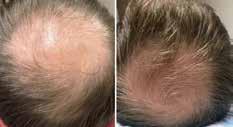




Christmas is a time that holds a complex place in my heart. Over the years, I have witnessed it transform from a magical season filled with joy to a holiday marked by bitterness, resentment, and animosity. Christmas used to mean family, love, and peace, and while that is true for some people, in my experience, it has evolved to a season filled with mental health battles with the themes of loss, change, and self-reflection. While future Christmases are unwritten, there is hope that all of us have future Christmas gifts filled with heartwarming emotions and positive memories.
As a child, Christmas was undoubtedly the highlight of the year. I can still recall the warmth of the house, the brisk Indiana weather, the sounds of Christmas music, and the joy of family coming into town. Back then, in the 80s, the holidays felt simple. There was no internet to distract me, no streaming shows to fill the time. It was a time for family, food, presents, and my anticipation of Santa.
I recall the anticipation of the holiday season in October. The joy was palpable. When I look at old photo albums, I see my five and six-year-old self from that time, and they were filled with pictures of smiling faces and memories frozen in time. Those moments felt like a cornerstone of my childhood. Little did I know that my innocence would soon be shattered in ways that would shape my adult relationship with Christmas.
The first change came when I learned the truth about Santa Claus. It wasn't something I was prepared for, and when my parents confirmed what I'd already heard through playground rumors, I was devastated. But this was only the beginning. Just a year later, I found myself amid my parents' divorce, and my world turned upside down. That Christmas, I was far from the festive warmth of family gatherings in Indiana. Instead, I was in a small, unfurnished apartment, with my mother working the night shift at a casino. That Christmas, I remember hanging my stocking on a closet door and falling asleep on the floor. There was no family to share the day with, no festive meals or shared laughter; just Mom needing to get some sleep, and Dad 2,000 miles away in Indiana. I felt abandoned by both parents as I was forced to spend that Christmas alone and sad. Looking back, that was my first taste of the emotional isolation that would become a recurring theme in my mental health struggles.
The years that followed were marked by attempts to recapture the spirit of Christmas, although it was never quite the same. I made trips back to Indiana, hoping to regain a sense of family unity that had been lost in the divorce. However, those moments were always tainted by the ticking of the time clock in my head. The joy I should have felt was overshadowed by the thought that the visit was temporary, and that I would soon return to the isolation of life in Las Vegas. I couldn't be fully present in those moments, and that inability to live in the now carried over into my adult years. I learned to anticipate the end of something good before it even began, and this mentality had a profound impact on my happiness and emotional health.
As I entered my 20s, I found myself a parent. I vowed that Christmas would be different. I worked hard to create the joyful atmosphere I remembered from my own childhood. We had family gatherings, gifts, and the traditional holiday meals. But even then, something was missing. The joy I felt was not the kind that filled my heart. It was more akin to the relief you get when there is no traffic on the way to Disneyland. It was pleasant, but it never quite reached the depths of true happiness because the

By Steven Dee Kish
weight of my mental health struggles was always just below the surface, keeping me from fully embracing the holidays.
I wanted my kids to have those memorable moments around the holidays, so in the true spirit of Christmas, I forgave my mother when I became a parent, and we found common ground. She eventually became the heart of Thanksgivings and Christmas Eves. Then, out of the blue, in 2015, she stopped participating in the holidays altogether. After a 15-year run, she was done. She no longer wanted to be part of the tradition and made it a point to tell me how disappointed she was in me. Then she left, and I haven't seen her since. It felt like another abandonment. Despite being an adult, I felt that same ache of the seven-year-old boy who had spent Christmas on the floor in an empty apartment. I was no longer the child in need of comfort, but the adult who still carried that empty space inside.
The last decade has brought me to a place of reflection. Christmas now is bittersweet, with a mix of grief, nostalgia, and depression. The familycentric holiday depicted in movies and TV shows feels alien to me. The notions of forgiveness and togetherness seem distant. A far cry from the picture I once had of Christmas.
As I approach my 50s, I find myself wondering whether there will ever be a time when Christmas no longer feels like a reminder of lost moments, fractured relationships, and emotional scars that time cannot seem to heal. I'm not sure if that moment will ever come. But what I do know is this: Christmas is no longer about the presents or the decorations. It's not even about the food or the parties. Christmas, for me, has become about navigating the emotions that come with the season, managing the grief and loss, and making space for healing.
Whether you're in the golden years of Christmas, the bittersweet years, or the reflective years, know this: Christmas is a time to reflect on more than just the presents and festivities. It's about understanding the emotions that come with it and not succumbing to the negative emotions, and rising above the feeling of depression. One way to do this is by acknowledging your feelings, setting realistic expectations, and practicing self-care. Remember, it's okay to feel sad or lonely during the holidays. What's important is how you choose to respond to these feelings.
The best gift we can give ourselves — and others — is the gift of transparency and understanding. We all carry our own emotional baggage, but acknowledging and sharing it can open the door to healing and growth. This Christmas, I hope we all can find a little peace, understanding, and, above all, the strength to embrace the complexity of our emotions, no matter where we are in our journey.