PHARMACY
THE UNIVERSITY OF TENNESSEE HEALTH SCIENCE CENTER
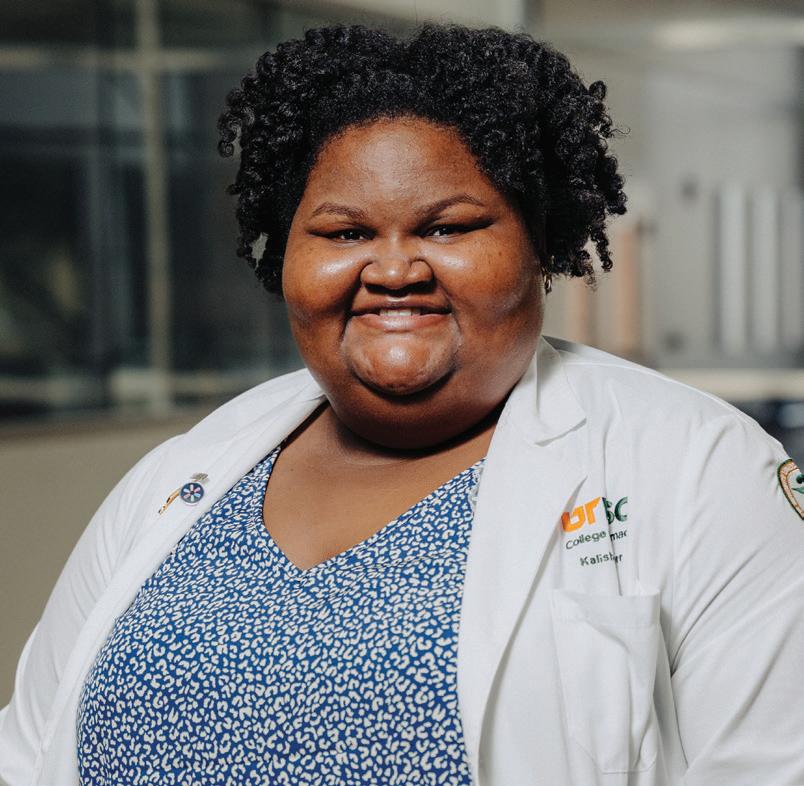
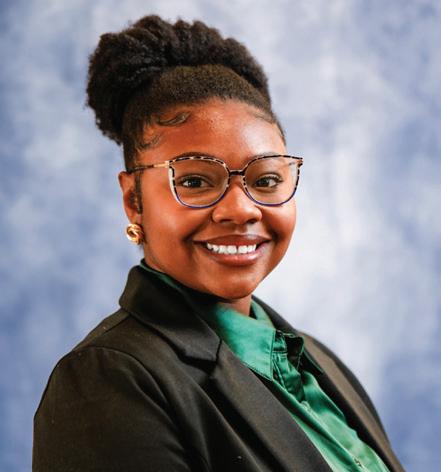
“The scholarship allows me to attend a university outside of my home state without worrying about the difference in out-of-state tuition. I am so grateful for the opportunity my scholarship has provided for me to study at the university of my choosing, UT Health Science Center.”
Kalisha Durr PharmD Candidate, Class of 2027
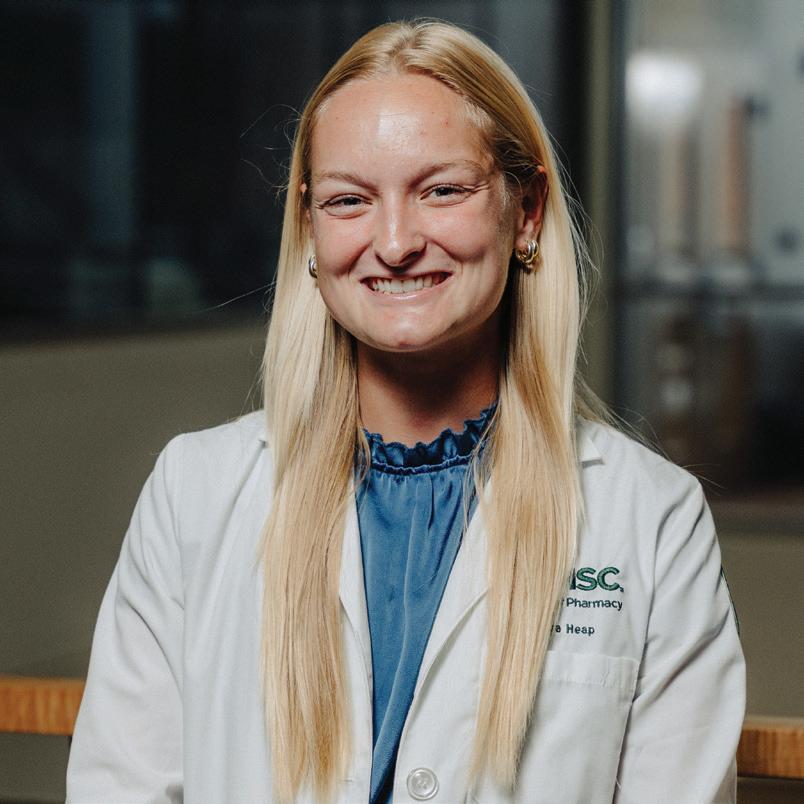
“I am deeply grateful to the generous donors who help make pharmacy school possible for me and my classmates. Being out of state and far from home has been challenging, but this support makes it much easier to focus on my studies and extracurriculars.”
Kyra Heap PharmD Candidate, Class of 2027
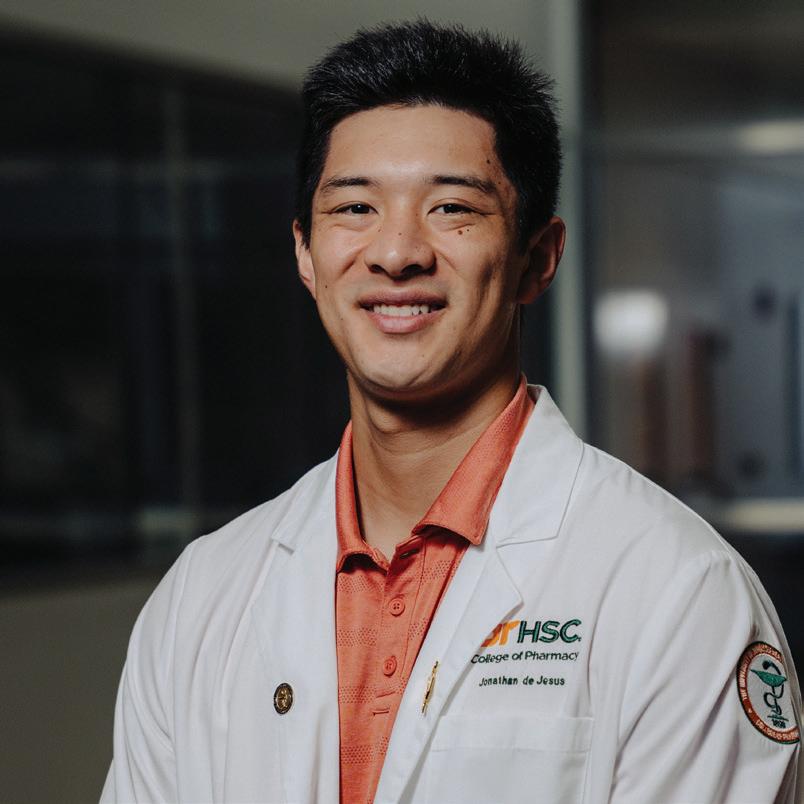
“I am extremely grateful for our generous donors. Their support lightens the financial burden and allows me to pursue my passion for improving patient care. Their generosity inspires me to work harder and to give back to the community that has done so much for me.”
Jonathan de Jesus PharmD Candidate, Class of 2026
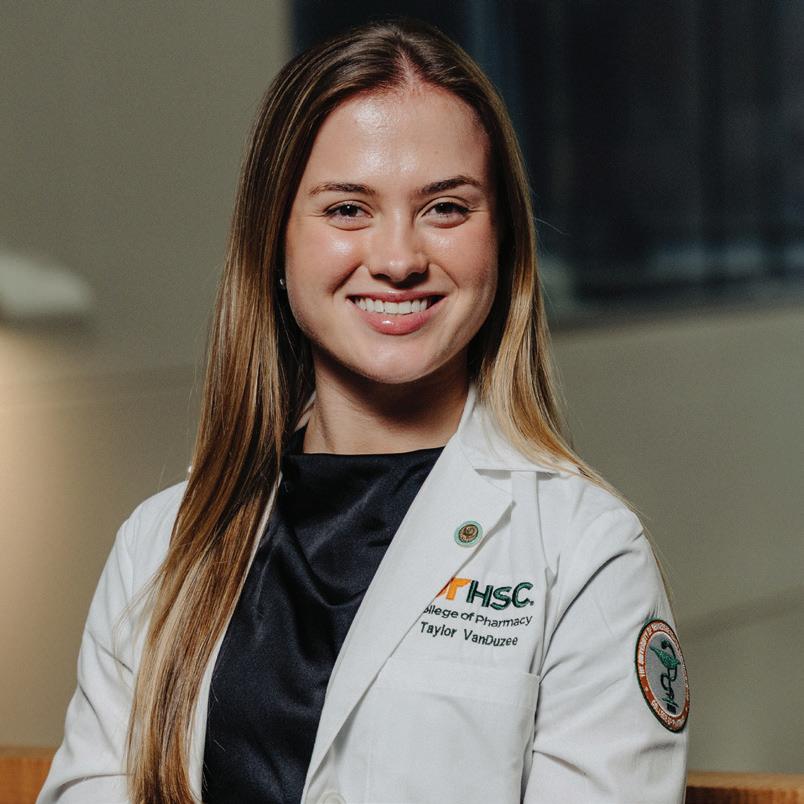
“Your generosity gives me the chance to excel academically while growing into a compassionate health care professional and strong patient advocate. Thank you for believing in my potential and investing in my future.”
Taylor VanDuzee
PharmD Candidate, Class of
2028
For more information about how you can support our College of Pharmacy students, please contact us at giving@uthsc.edu or 901.448.5516.
Chancellor
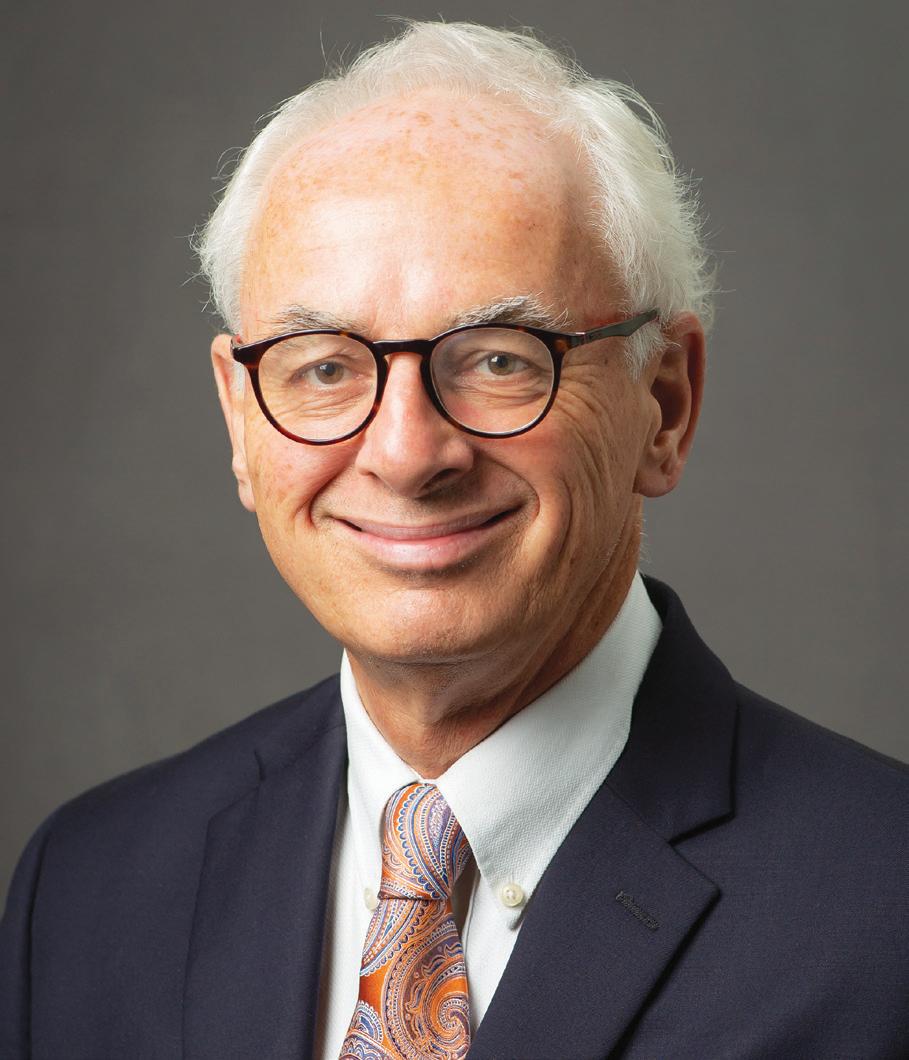
Peter Buckley, MD
Dean of the College of Pharmacy
Reginald Frye, PharmD, PhD, FCCP
Associate Dean, Academic Affairs and Assessment
Dawn Havrda, PharmD, BCPS, FCCP
Associate Dean, Research and Graduate Programs; Chair, Department of Pharmaceutical Sciences
Bernd Meibohm, PhD, FCP, FAAPS
Associate Dean, Knoxville
James Wheeler, PharmD, BCPS
Associate Dean, Nashville
Tracy Hagemann, PharmD, FCCP, FPPA
Associate Dean, Student Affairs
Chasity Shelton, PharmD, FCCP, BCPS, BCPPS
Chair, Department of Clinical Pharmacy and Translational Science
Christopher K. Finch, PharmD, FCCM, FCCP
Assistant Dean, Academic Affairs
Susan Morgan, PharmD, MBA, BCNP
Assistant Dean, Curricular Affairs
Andrea S. Franks, PharmD, BCPS
Assistant Dean, Strategic Partnerships and Innovation
Ashley Ellis, PharmD, MBA, CDECS
Assistant Dean, Scholarly Integration and Collaboration
Santosh Kumar, PhD
Director, Experiential Learning and International Programs
Jennifer Chow, PharmD
Vice Chancellor for Advancement
Brigitte Grant, MBA
Chief Development Officer and Associate Vice Chancellor
Melissa Robinson, DHA
Assistant Vice Chancellor for Alumni and Constituent Engagement
Chandra A. Tuggle
Senior Director of Alumni Programs
Terri Catafygiotu
Vice Chancellor for Strategic Communications and Marketing
Karla Leeper, PhD
Designer Adam Gaines
Editors
Nathan Ball, MA
Chris Green
Peggy Reisser, MASC
Writers
Nathan Ball
Aimee C. McMillin
Photographers
Nathan Ball
Caleb Jia
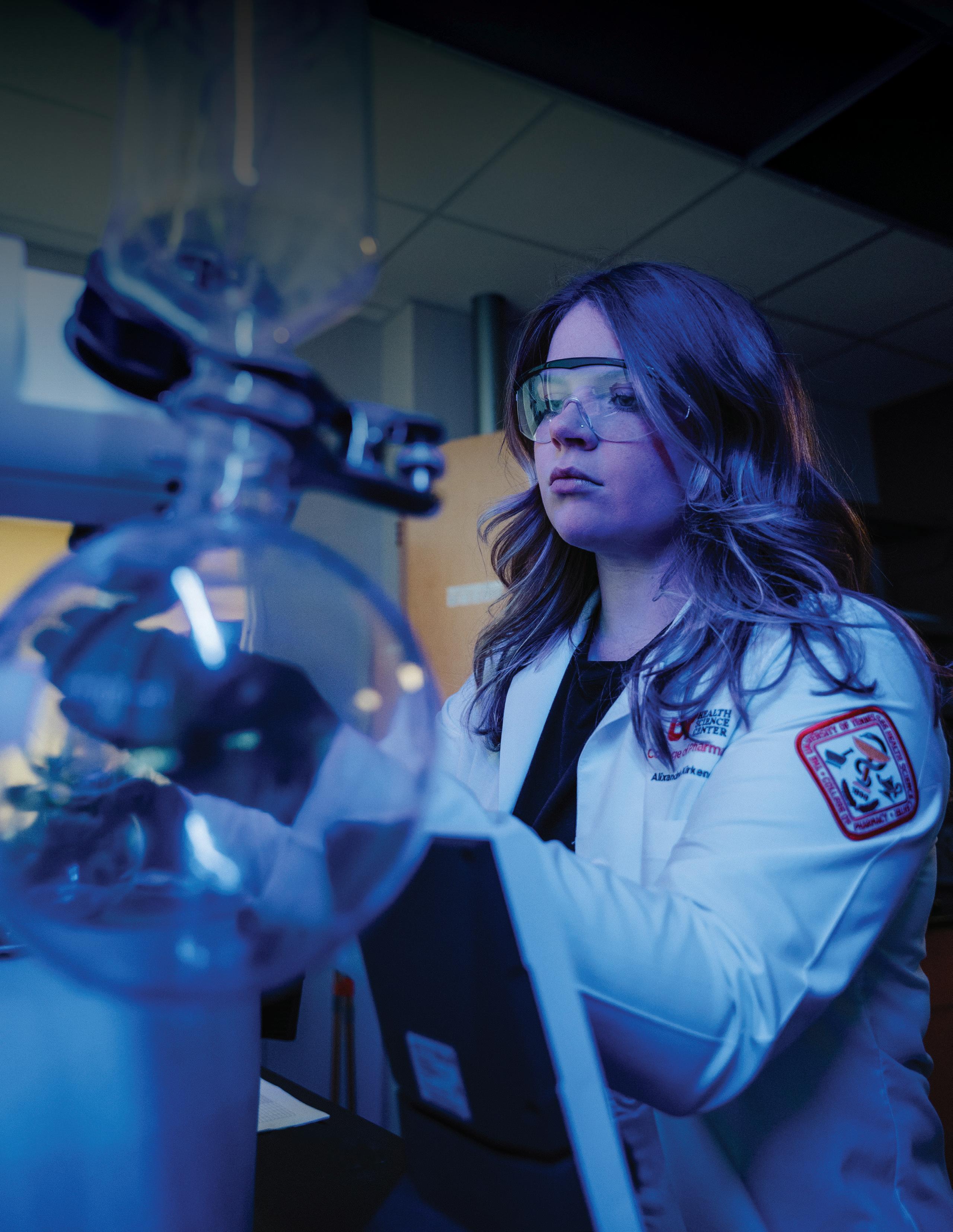
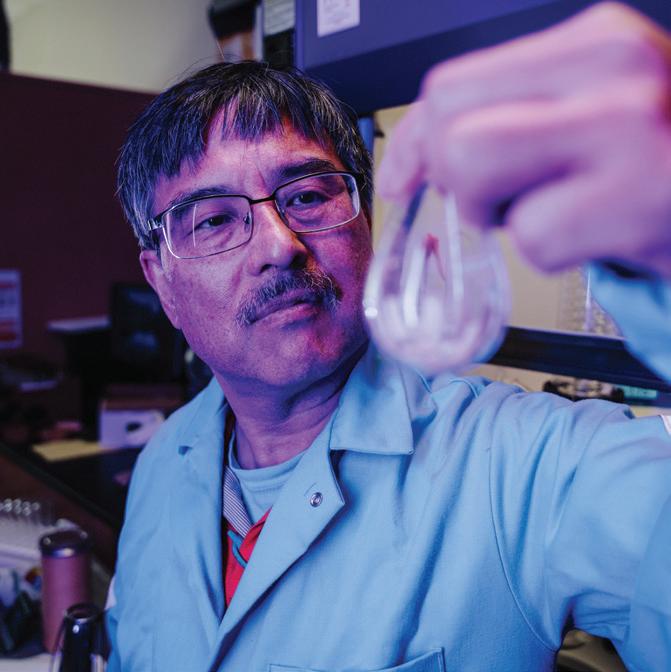
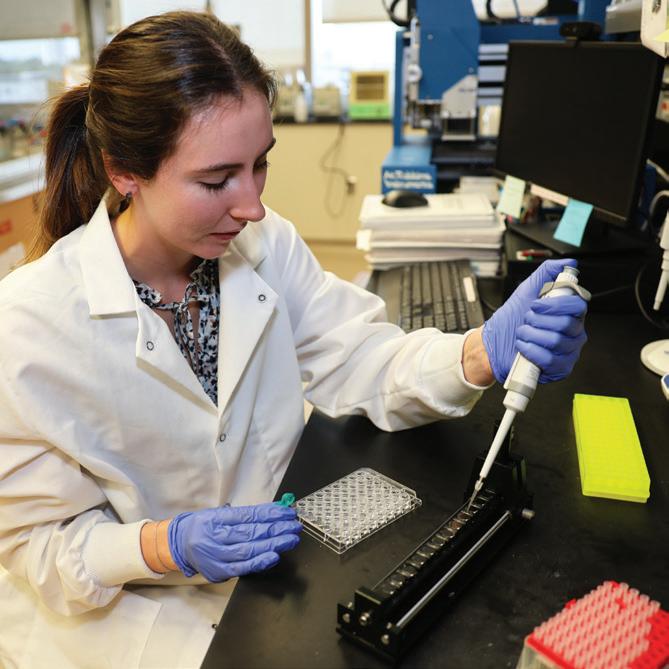
On the cover: Alix Kirkendol, a first-year PharmD/PhD dual-degree pathway student, actively engages in cutting-edge research in the innovative laboratory led by Sudeshna Roy, PhD.
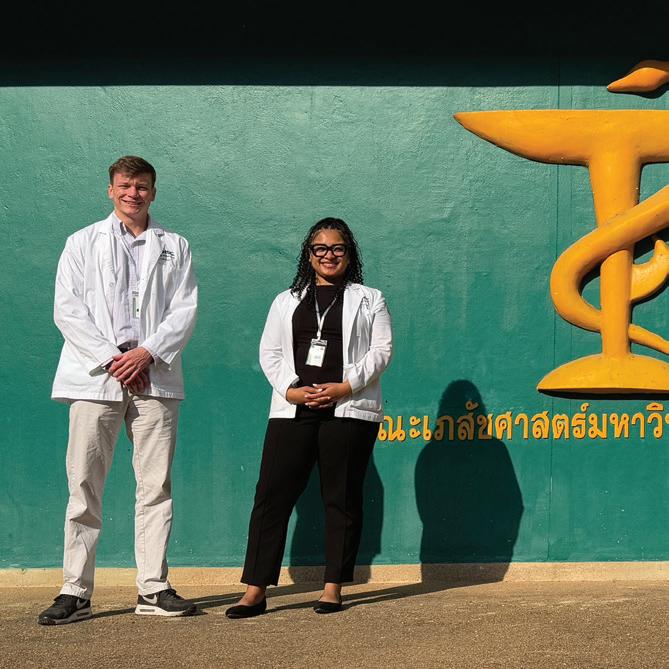
Pharmacy Beyond Borders Students Go Global for Advanced Practice Experiences
All qualified applicants will receive equal consideration for employment and admissions without regard to race, color, national origin, religion, sex, pregnancy, marital status, sexual orientation, gender identity, age, physical or mental disability, or covered veteran status.
Eligibility and other terms and conditions of employment benefits at The University of Tennessee are governed by laws and regulations of the State of Tennessee, and this non-discrimination statement is intended to be consistent with those laws and regulations.
In accordance with the requirements of Title VI of the Civil Rights Act of 1964, Title IX of the Education Amendments of 1972, Section 504 of the Rehabilitation Act of 1973, and the Americans with Disabilities Act of 1990, The University of Tennessee affirmatively states that it does not discriminate on the basis of race, sex, or disability in its education programs and activities, and this policy extends to employment by the University. Inquiries and charges of violation of Title VI (race, color, national origin), Title IX (sex),
(disability),
TTY
of Compliance. 70-1100001-701802-240-A001(001-260441)
This year marks a defining moment for the University of Tennessee Health Science Center. Earning R1 status from the Carnegie Classification of Institutions of Higher Education places us among the top 5% of research universities nationwide. This is an incredible recognition of our commitment to discovery and innovation, and it reflects the meaningful work happening across every college, every lab, and every classroom.
That excellence is evident in our College of Pharmacy. With an impressive ranking of No. 12 in the nation for National Institutes of Health funding, the college continues to lead the way in advancing pharmaceutical research that transforms patient care. The faculty are developing new therapies, improving drug safety, and addressing some of the most pressing health challenges of our time.
But research is just one part of the story. The college also shines in preparing the next generation of pharmacy professionals, as shown in the college’s ranking of eighth nationally and first in Tennessee for PGY1 residency placements. This accomplishment speaks to our students’ commitment, to the quality of their education, and to the mentorship they receive from an outstanding faculty.
As I visit with students, faculty, and alumni, I am constantly inspired by their shared drive to make a difference for patients, for communities, and for the future of health care. Together, they embody the spirit of our vision: Healthy Tennesseans. Thriving Communities.
I am grateful to Dean Frye and his team for their leadership and to everyone in the College of Pharmacy for their contributions to our growing reputation as a national leader in health science education and research. Along with the support of our valued alumni, I am confident we will achieve our noble vision.
With gratitude,
Peter Buckley, MD Chancellor
The University of Tennessee Health Science Center

My passion for research was first ignited during my PharmD studies, thanks to a pharmacy professor who introduced me to the fascinating worlds of pharmacokinetics and drug development. That experience deepened my understanding of how pharmaceutical research can solve health care challenges and help patients live healthier, longer lives.
As I pursued a PhD and later became a professor—aiming to inspire future pharmacists and researchers, just as my professor once inspired me—those lessons continue to have a profound impact on me.
Today, the importance of impactful, innovative, and authoritative research is more apparent than ever. Breakthroughs in research build the foundation of a healthier world. As dean of the UT Health Science Center College of Pharmacy, I am proud to lead an institution that embodies this spirit of discovery, demonstrated by more than $20 million in research funding in 2024. I am committed to supporting our talented faculty as they develop groundbreaking treatments, combat antibiotic resistance, and address emerging health threats—work that protects public health and improves the quality of life for many. Safeguarding and nurturing this vital research are crucial for tackling both current and future health care challenges.
This year, the University of Tennessee Health Science Center earned the prestigious R1 designation from the Carnegie Classification of Institutions of Higher Education, the highest honor for research excellence in the U.S. This recognition affirms our faculty’s dedication to advancing health care through impactful research and enhances our national reputation. It also recognizes the strength and innovation of our College of Pharmacy’s research efforts, some of which are featured in this magazine.
Our PharmD students continue to excel, ranking eighth nationally in PGY1 residency placements and holding the top spot within Tennessee—a testament to their dedication and the college’s reputation as a leading destination for aspiring pharmacists seeking residencies.
Reflecting on this remarkable year, I am incredibly proud of our faculty, students, and researchers. Their hard work and passion have driven us to new heights in pharmacy education and research.
Thank you for your ongoing support and for being part of our journey to shape the future of pharmacy practice and health care innovation.

Reginald Frye, PharmD, PhD, FCCP Dean of the College of Pharmacy
The University of Tennessee Health Science Center
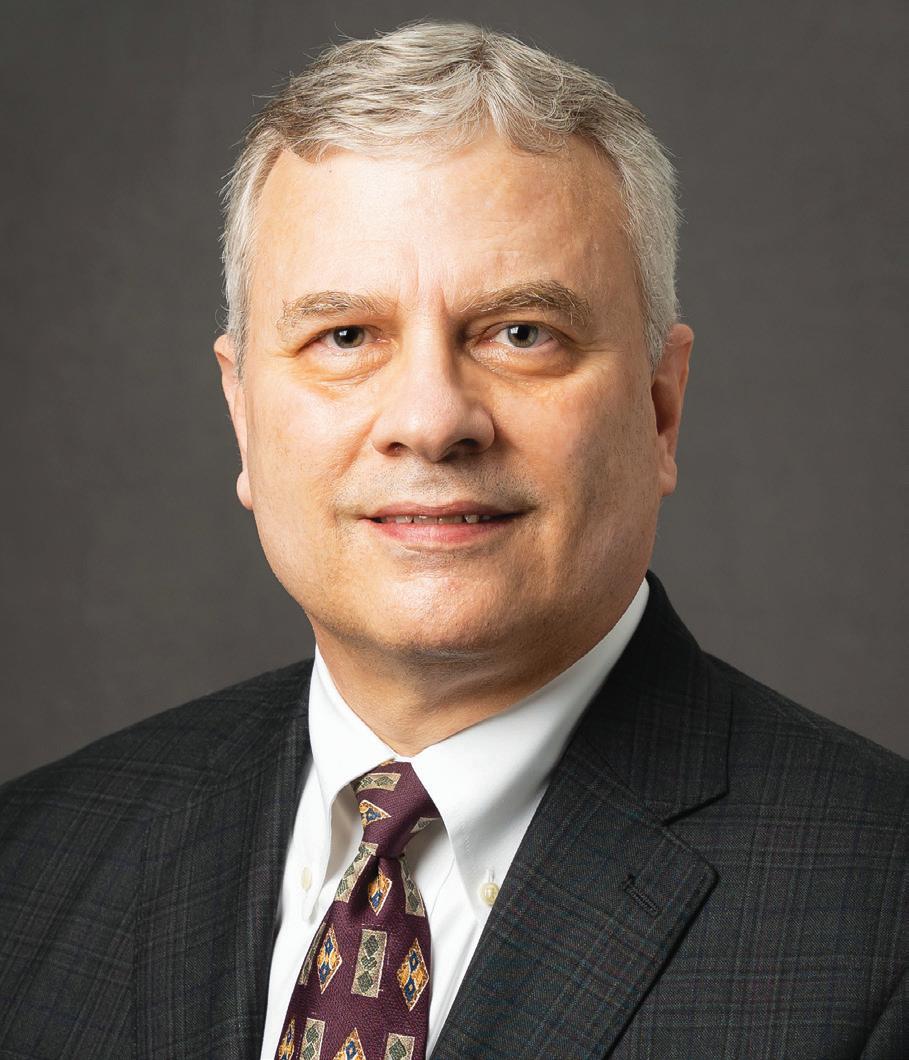
Pharmacy is evolving rapidly, and the UT Health Science Center College of Pharmacy is leading the way. Under the vision of Dean Reginald Frye, our college is advancing research, developing new therapies, and embracing technology to meet the changing needs of patients and communities. From groundbreaking discoveries to expanded patient care roles, our profession looks very different than just a few years ago.
That same spirit of innovation drives the preparation of the next generation of pharmacists. Ranked among the top 20 programs nationally and the top in Tennessee, the college equips students to thrive in a profession that demands both scientific expertise and compassionate care. With three campuses statewide, students have many opportunities for education and service, particularly in rural and other underserved areas. As alumni, we extend that mission far beyond the classroom.
This spring, I invite you to join me in Memphis for UT Health Sciences Weekend, April 16–18, 2026. The celebration will feature reunions, alumni awards, and opportunities to connect with fellow pharmacy graduates and the entire Health Science Center community. Look for more details soon, and I hope to see many of you there.
Staying connected and giving back—whether time, expertise, or resources—are among the most powerful ways we can advance our profession and support the college. Through Connect UT, which brings together alumni, students, faculty, and staff across the entire UT System, we can mentor the next generation, strengthen our own careers, and support one another. By sharing our skills and experiences, we invest directly in our students and the future of pharmacy.
Financial support is another essential investment. Whether through scholarships— including the Alumni Board Scholarship—funding white coats or establishing planned gifts, your generosity impacts students and fuels the innovation that defines our college.
I am honored to serve in my second year as your Alumni Board president. I look forward to connecting online or at events and welcoming you back to Memphis in April. Together, we are not only keeping pace with a changing profession—we are leading it.
Sincerely,

Kara Fortune, PharmD ’04 College of Pharmacy Alumni Board President
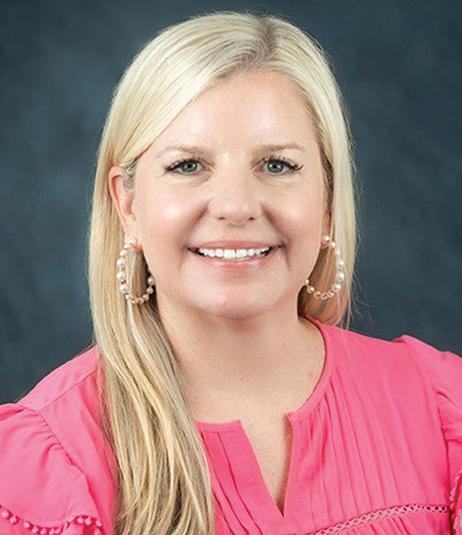
Incoming PharmD Class of 2029
College of Pharmacy in the U.S.,* #1 in Tennessee* in NIH Research Grants in 2024
– $20.1 million in total research dollars
PGY1 Students Matched for Residency or Fellowship in 23 States
#1 in Tennessee and #8 in the U.S. in PGY1 Residency Matches
#19 #12 247 69
Faculty Publications in 2024
*U.S. News & World Report, 2024
Enrolled Students
3.598 99
Incoming Class GPA
Tennesseans; 28 Non-Residents
Colleges/Universities Represented
71 49 51%
Have Previous Pharmacy Experience
$3,600
Average Scholarship Awarded per Student
College of Pharmacy Students (Fall 2025)
65% In-state
35% Out-of-state
97%
86% of graduates seeking jobs/postgraduate training and aiming to enter the workforce were licensed and/or practicing within three months of graduating in May 2025. of 2025 graduates had job offers before graduating.
124 Graduates
Enrolled in residency Fellowship Other
Entered independent community pharmacy practice
Entered chain community pharmacy
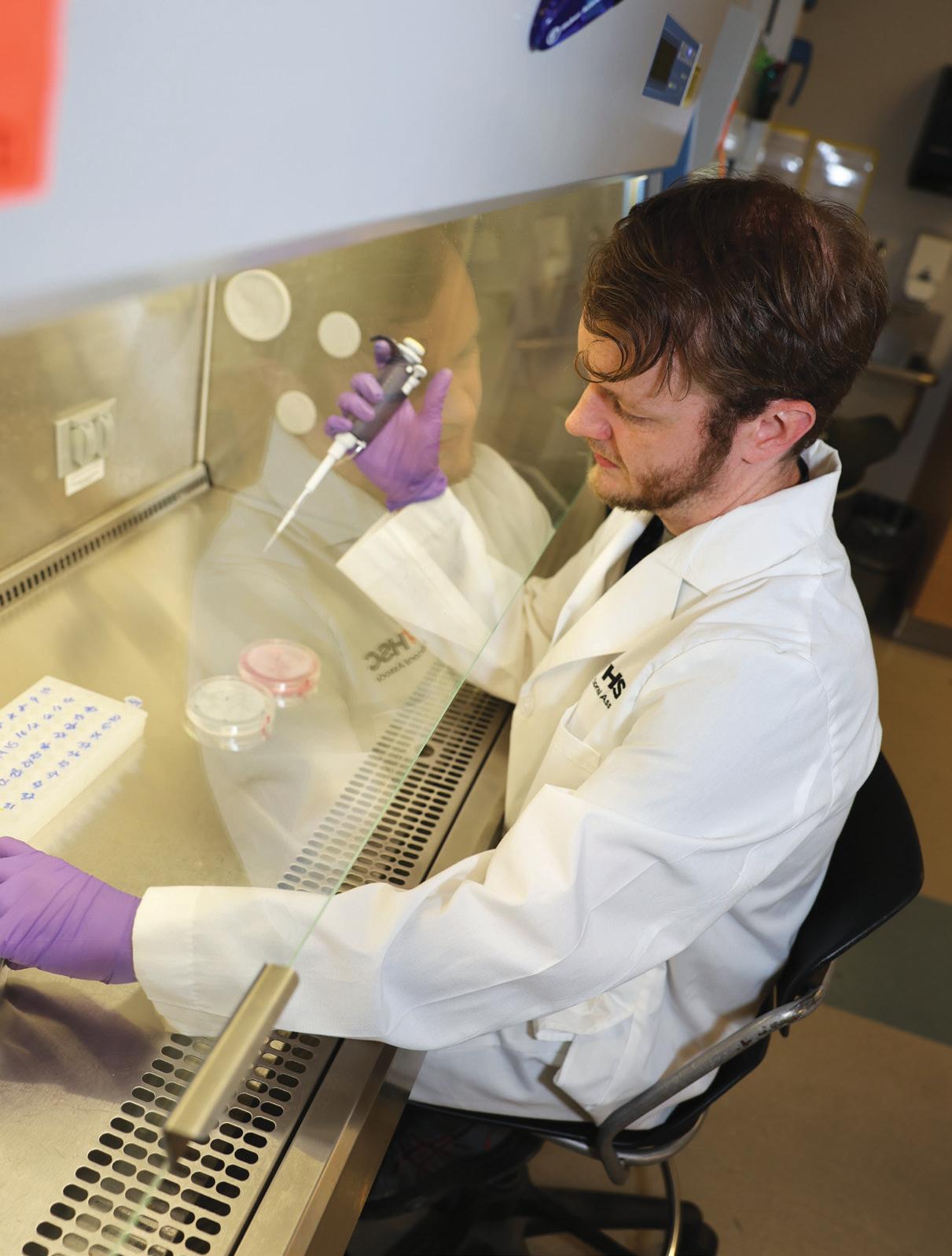
Each medical breakthrough starts with the dedication and perseverance of passionate researchers who work tirelessly to develop transformative solutions for today’s health challenges. At the UT Health Science Center College of Pharmacy, labs are filled with scientists and students turning curiosity into life-saving drugs, united by a common goal to turn scientific discoveries into real-world cures.
Every day, College of Pharmacy researchers are busy working on innovative projects aimed at improving health care and addressing current challenges. Researchers in therapeutic targets and molecular mechanisms of disease are diligently identifying and validating new drug targets, including endogenous proteins, to develop treatments for diseases such as cancer, neurological disorders, metabolic conditions, and infectious diseases.
The college’s drug discovery and development labs are busy creating, synthesizing, and biologically testing new chemical compounds with the potential to treat illnesses like cancer, infections, and disorders of the endocrine, cardiovascular, central, and peripheral nervous systems. Pharmacometrics researchers study how drugs behave in the body through the combination of pharmacokinetics and pharmacodynamics, utilizing advanced mathematical models that incorporate biology, physiology, and pharmacology across various disease states.
The college’s drug delivery and targeting researchers work daily to test new drug delivery systems aimed at specific organs, enhancing the stability and permeability of new molecules while reducing toxicity. Overall, the college’s researchers are committed to bringing safer, more effective treatments from the laboratory into clinical practice.
The College of Pharmacy has established itself as a leader in drug discovery and pharmaceutical sciences in recent years. Currently, the college is home to 34 researchers, of which many are dedicated to drug discovery. The college’s rising research capabilities are evident in its increasing National Institutes of Health (NIH) funding over the past 15 years. In 2010, it received approximately $3 million from the NIH, ranking 34th nationally. Thanks to a dedicated effort by faculty, students, and staff to enhance its research funding, the college’s NIH grants increased to $19 million in 2024, placing it 12th among colleges nationwide. Since 2020,
it has consistently ranked among the top 15 NIH-funded institutions, reaching as high as sixth place in 2022. In 2024, the college secured more than $20 million in grant funding, underscoring its pivotal role in advancing health care innovation globally.
In the following articles, you will learn about the cuttingedge medical innovations of several researchers at the College of Pharmacy, who are advancing impactful drugs now in various stages of development. From combating life-threatening fungal infections, pioneering new drug compounds aimed at conditions like acute respiratory distress syndrome, pancreatic and breast cancers, glaucoma, and epilepsy, to the development of gene therapy aimed at curing inherited diseases such as sickle cell anemia and beta-thalassemia, the college is a hive of groundbreaking activity.


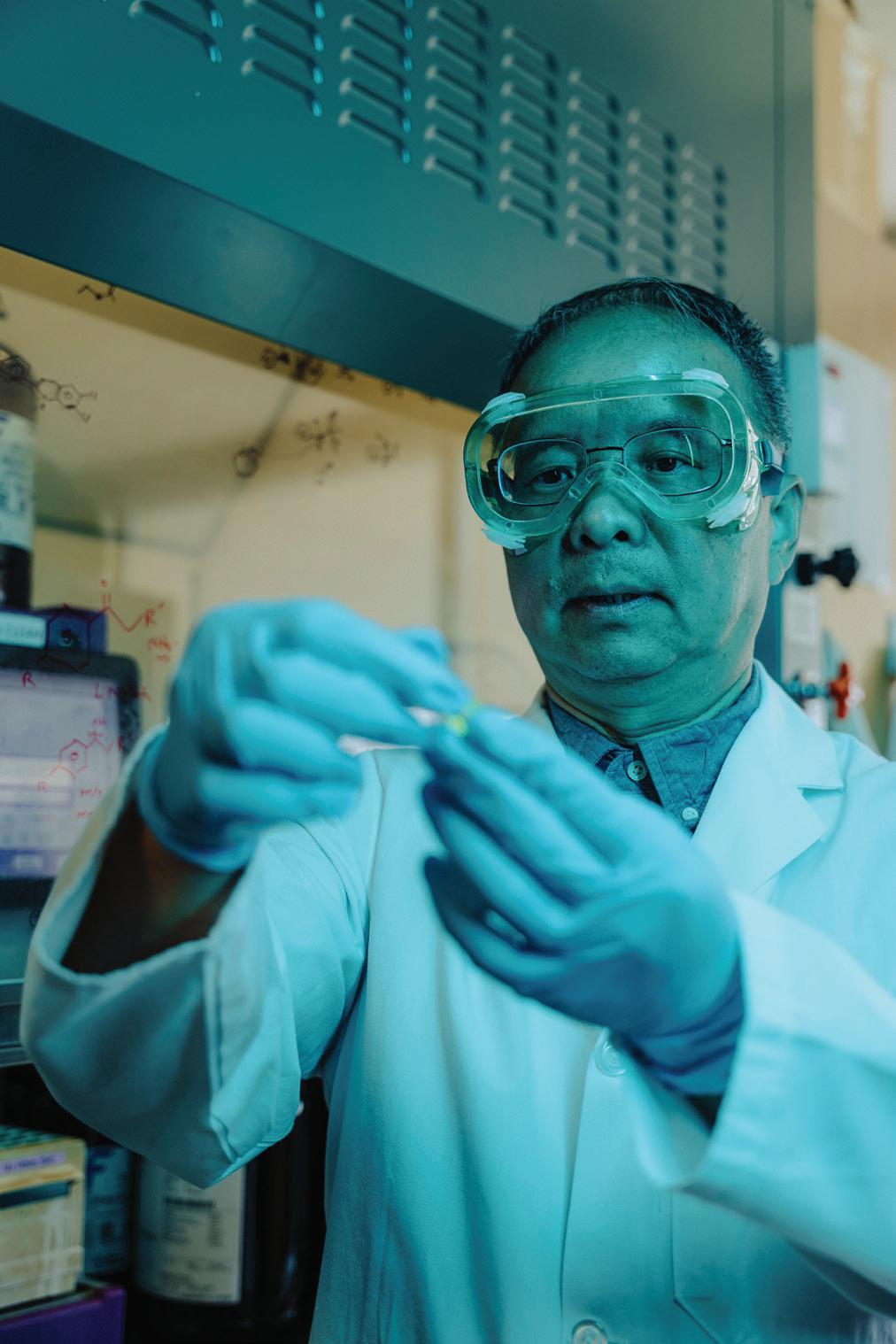
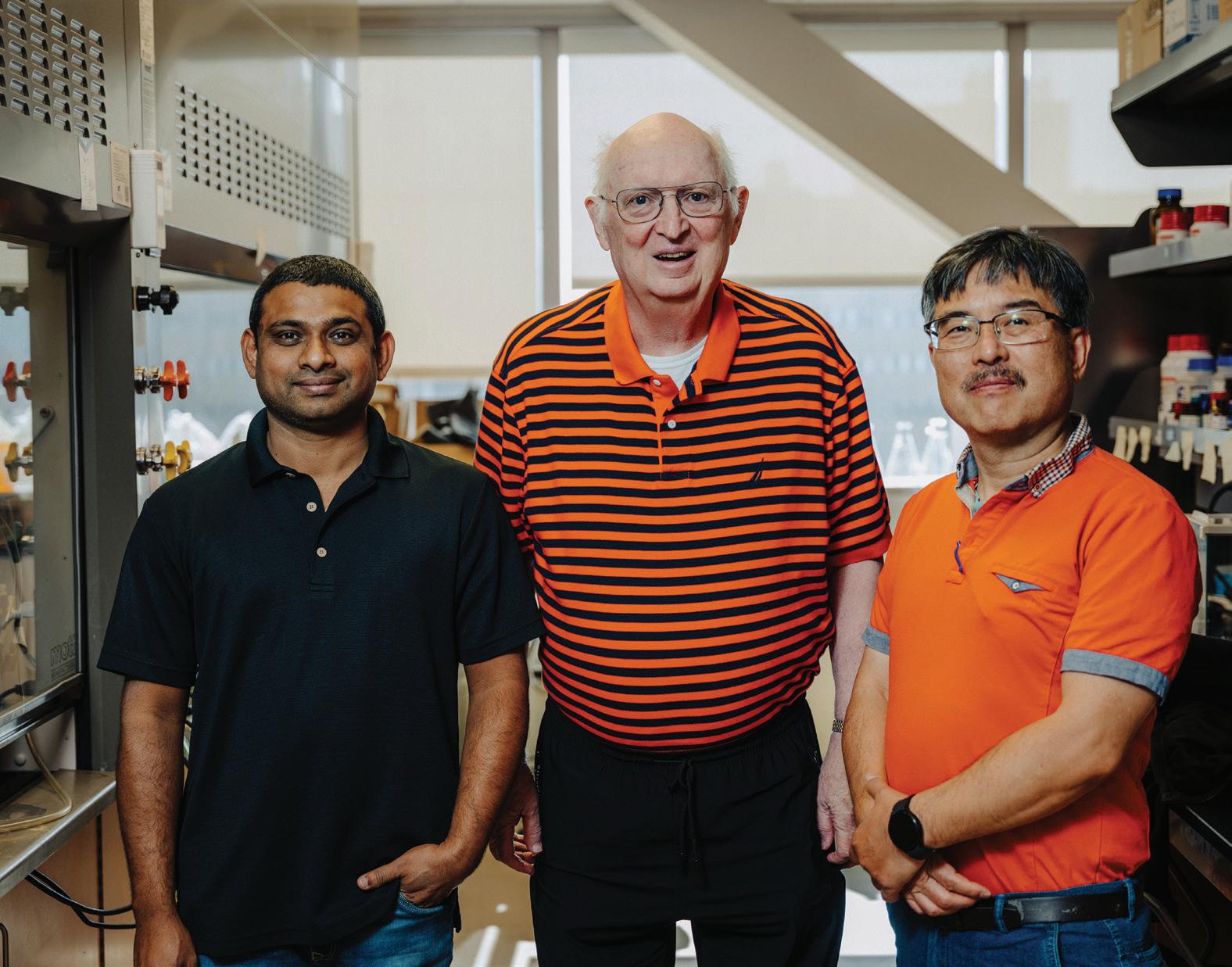
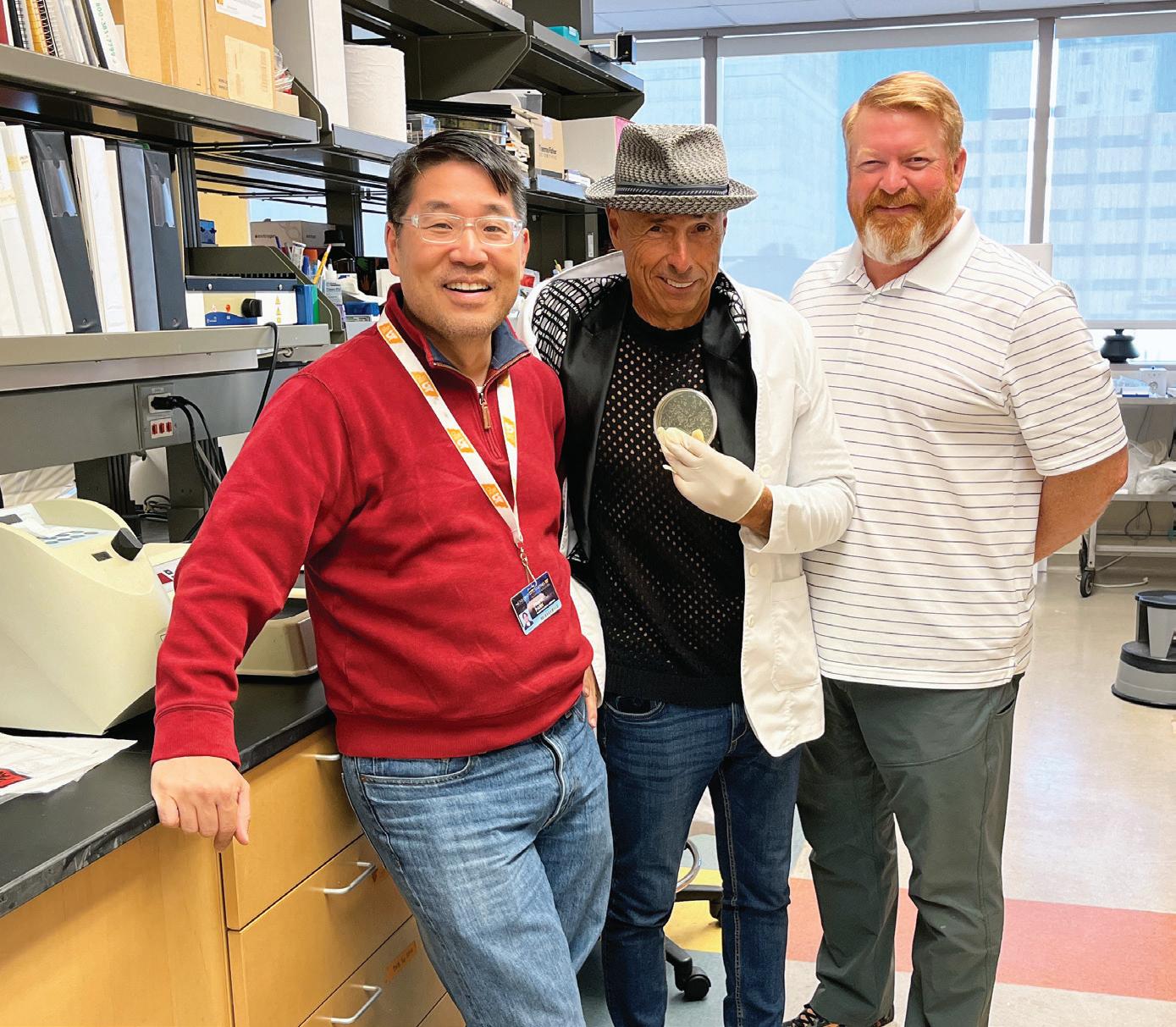

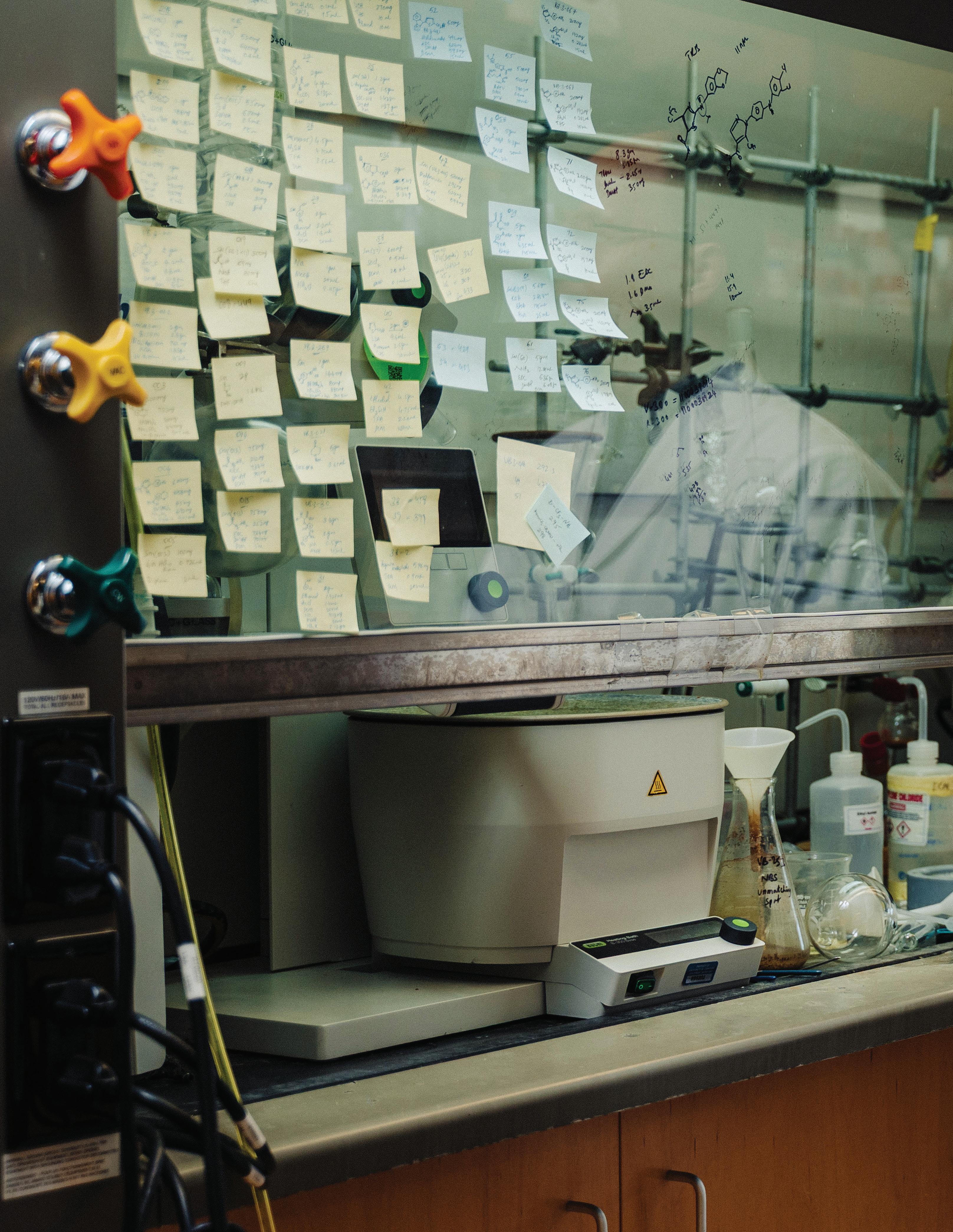
By Nathan Ball
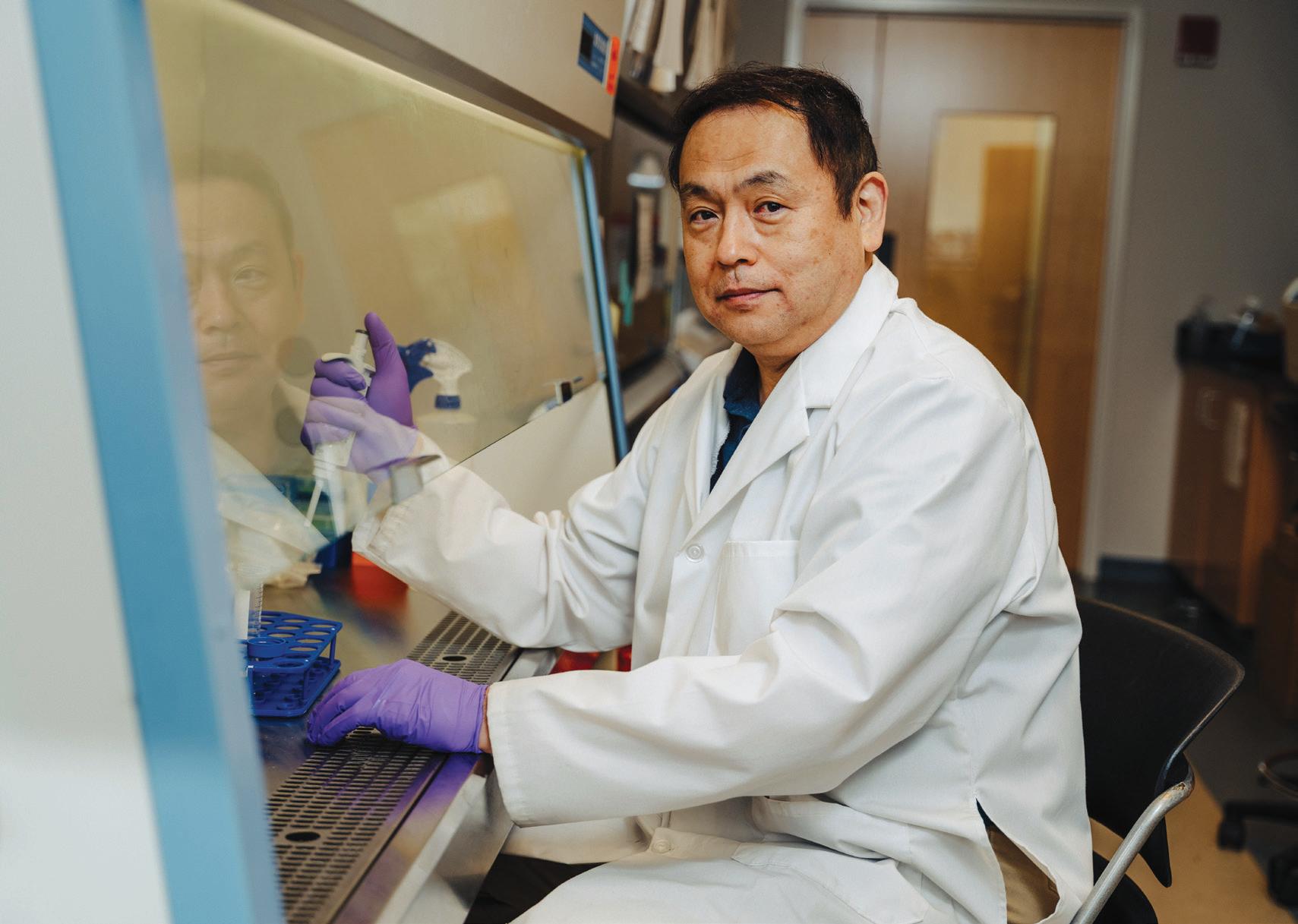
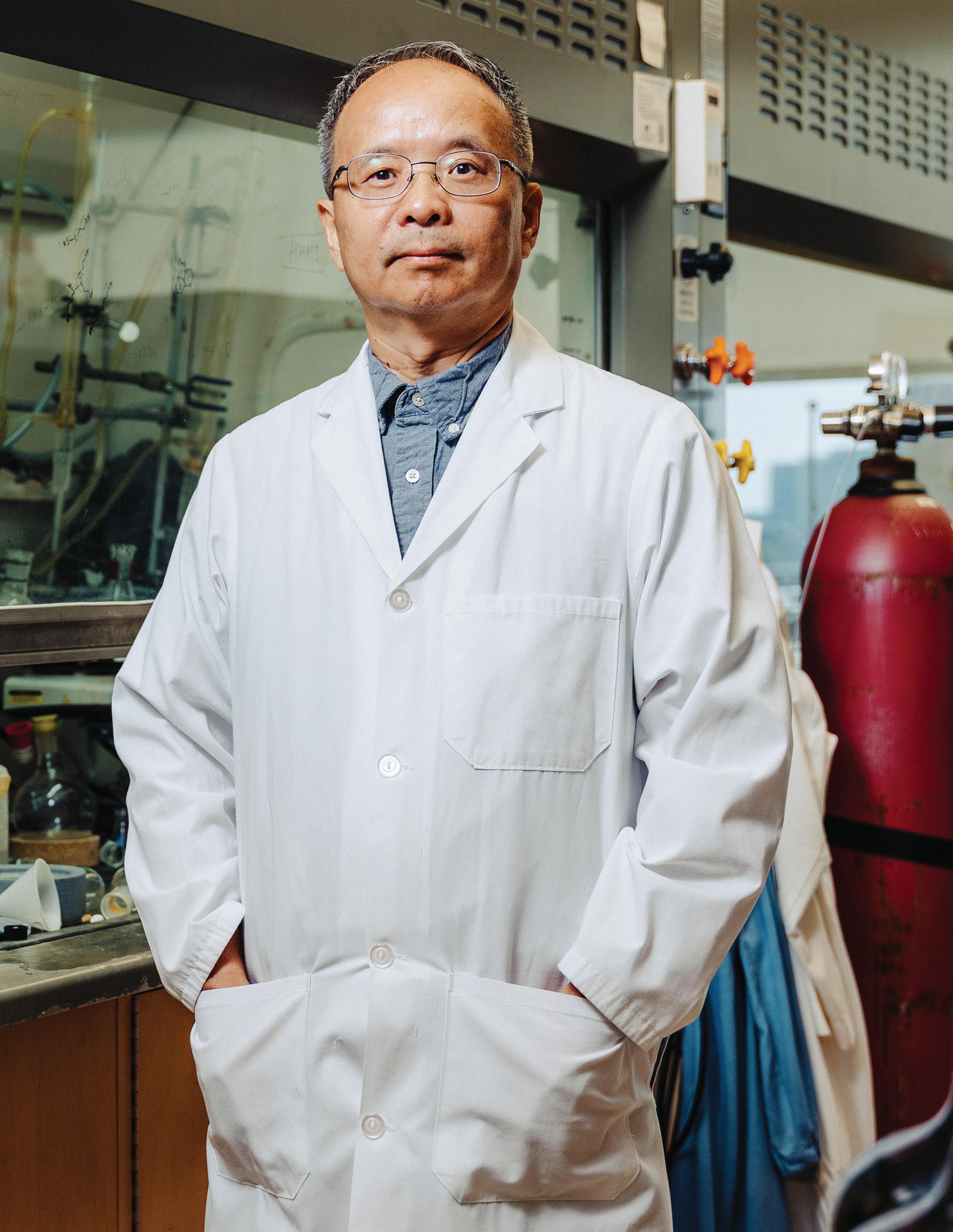
When Wei Li, PhD, moved to Memphis in 1999, drug discovery was not necessarily what he thought he would be doing for a career.
Growing up in China, Dr. Li has always been passionate about chemistry, conducting home experiments after being introduced to the topic in middle school. He won the top prize in the experimental section of the 1987 Chinese Chemistry Olympiad competition for high school students.
“All my education centered on chemistry. My PhD is not really in drug discovery; it’s in physical organic chemistry,” Dr. Li says.
“I think what I learned in college, how I was trained in PhD studies, prepared me well to branch out into medicinal chemistry and drug discovery.”
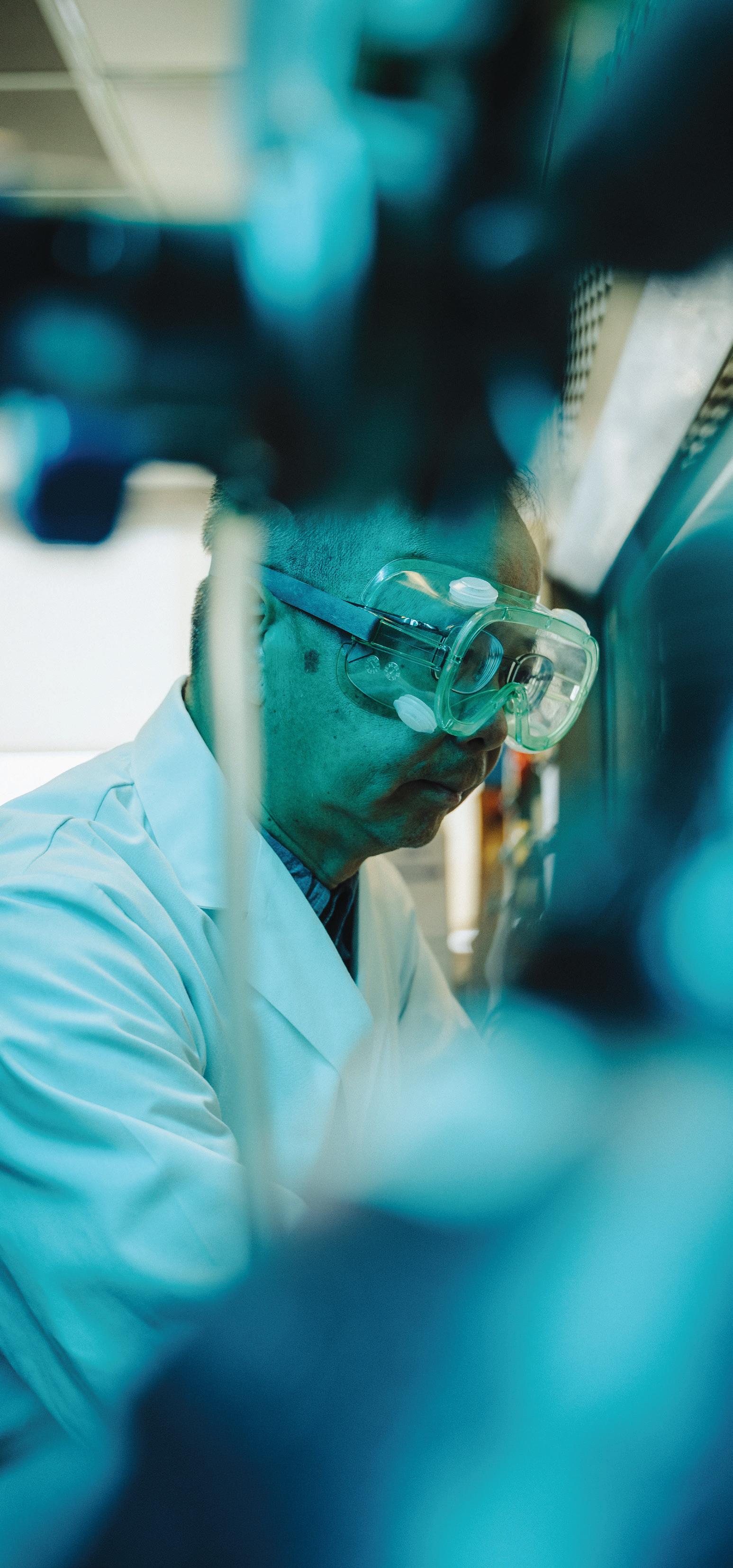
Initially hired as an instructor tasked with overseeing instrumentation, he transitioned into drug discovery and ran with it, thanks to the mentorship of UT Health Science Center researchers such as Duane Miller, PhD, and Jim Dalton, PhD. Dr. Li would eventually secure a tenure-track position, establish his own research lab, and become a distinguished professor. Today, he is a leading researcher at the college, actively involved in developing promising drug candidates for various diseases.
Sabizabulin was discovered through collaborative efforts among Dr. Li, Dr. Miller, and Dr. Dalton. In the early years of Dr. Li’s tenure at the college, the three researchers collaborated, sharing the task of designing, synthesizing, and testing a large number of compounds. A graduate student in Dr. Li’s lab, Jianjun Chen, PhD, eventually synthesized a promising compound that would ultimately be called Veru-111 or Sabizabulin, which went through multiple clinical trials as a potential treatment for castrationresistant prostate cancer or hospitalized COVID-19 patients.
Sabizabulin, derived from indole and imidazole components, is an orally administered molecule that targets microtubules, essential structures in the cell’s skeleton. By binding to specific sites on tubulin, a protein that forms microtubules, it causes their breakdown and prevents their formation. This action can slow tumor growth and inhibit the development of new blood vessels that supply tumors. The compound also interferes with the transport of cellular components, including androgen receptors, into the nucleus, indicating its potential as an anti-androgen medication.
Sabizabulin was tested in multiple clinical trials for prostate cancer and viral acute respiratory distress syndrome (ARDS). It is also in earlier stages of development for atherosclerotic cardiovascular disease, smallpox, and Ebola viruses. Additionally, Sabizabulin has shown promising results in blocking the transport of viruses, such as COVID-19, thereby helping to prevent their replication. By preventing microtubule formation, the drug may also decrease the release of inflammatory chemicals and modulate immune cell activity. This was exemplified in a phase 3 clinical trial, which showed Sabizabulin reduced mortality by 55% in severe COVID-19 cases, according to Veru, Inc., which conducted the clinical trial.
The development of JW-65 began when a faculty member at UT Health Science Center College of Medicine was studying how a specific calcium channel called TRPC3 might be connected to the production of BetaAmyloid, a substance involved in Alzheimer’s disease (AD). Later studies showed that blocking TRPC3 could reduce Beta-Amyloid levels in the brain. Although it was once believed that Beta-Amyloid caused neuron death in Alzheimer’s, newer ideas suggest it might actually be a sign of the disease. Still, lowering Beta-Amyloid remains a promising path for potential treatments, leading to a collaboration with Dr. Li to create compounds targeting TRPC3.
A molecule called Pyr-3 was reported as the most selective TRPC3 inhibitor at that time. However, Dr. Li and the lead chemist in his lab, Zhongzhi Wu, PhD, noticed two major issues with the compound: metabolic instability and toxicity. To address this, they made several compounds, including JW-65, which showed promising results in vitro. Unfortunately, shortly afterward, the project was halted when the faculty member leading the biology portion left the university.
After the project lay idle for a few years, Dr. Li restarted the project by working with Francesca-Fang Liao, PhD, who is a College of Medicine Distinguished Professor and an expert in Alzheimer’s disease. Together Drs. Li, Wu, and Liao shared initial provisional patent costs before they published JW-65 and related compounds, while exploring new applications.
Dr. Li contacted Jianxiong Jiang, PhD a researcher at the College of Pharmacy with a specialization in epilepsy. Dr. Jiang’s team discovered that the compound showed
promise for treating epilepsy because it affects how calcium levels are managed in nerve cells and how excitable these cells are. Building on earlier research at the University of Arkansas, which found that removing the TRPC3 gene made seizures less severe in mice, Dr. Jiang’s team hypothesized that targeting TRPC3 could lead to new seizure medicines. Subsequent research showed that JW-65 can reduce seizures in animals, indicating it could be a helpful new treatment. Inspired by these promising results, the team secured a $1.14 million grant to further their research. Meanwhile, Dr. Li’s company, SEAK Therapeutics, obtained federal funding to develop JW-65 and attract a major pharmaceutical partner. Ultimately, the compound was licensed to a leading biotech firm, marking a significant milestone in its development.
“I’m glad we have a pending patent that will hopefully cover JW-65 and its related molecules. Without such, we may have lost the compound because nobody’s going to be interested in developing it, since they wouldn’t be able to make any money.”
Recently, with further creative efforts from Vijay K. Boda, PhD, a research associate from the Li lab, the team has significantly enhanced the compound’s potency and selectivity for TRPC3 inhibition. The team is also investigating applications beyond epilepsy, including treatments for cardiovascular diseases, since ion channels such as TRPC3 are involved in both neurological and cardiac conditions. Currently, Dr. Li is finalizing the process of forming a collaboration with a leading researcher in another institution to test the compound and its related molecules in cardiovascular research.
Compared to other common sites where breast cancer spreads, such as bones, liver, and lungs, patients with cancer that has spread to the brain face much more severe problems and have lower chances of survival. Although recent advances in breast cancer treatments have improved overall outcomes, the number of cases where cancer spreads to the brain is still increasing. This rise is likely because patients are living longer, giving more time for cancer cells to spread, and because current treatments are less effective at targeting cancer in the brain. Additionally, the blood-brain barrier, a natural protection of the brain, makes it difficult for many drugs to reach and treat brain metastases. In response to this challenge, Dr. Li has developed a new compound called
SEAK193, which aims to better help breast cancer patients with this serious complication.
The compound was first discovered through a collaboration between Dr. Li and Duane Miller, PhD, funded by grants from the National Cancer Institute. Further collaborative studies with Tiffany Seagroves, PhD, a breast cancer expert now at Tulane University, showed that SEAK193 is highly effective in different cancer tests. It can also cross the blood-brain barrier, which means it could potentially treat brain metastases in breast cancer, as shown in animal experiments. This year, UT Research Foundation obtained a U.S. patent for SEAK193 and similar compounds, and in September, Dr. Li’s startup company received a $399,981 grant from NIH to comprehensively derisk and develop SEAK193.
Expressing gratitude and highlighting the key roles of others who have helped him in drug development over the years, Dr. Li remains humble. “All of my research is a collaborative effort by many people,” he says.
He emphasizes the importance of his mentors in his early career, Dr. Miller and Dr. Dalton, his lab members, UT Research Foundation, industry partners (GTx Inc. and Veru Inc.), as well as collaborators along the way, including Drs. Jiang, Seagroves, and Liao, among many others. Exemplifying dedication, a collaborative spirit, and ingenuity, Dr. Li continues to inspire aspiring researchers and sets a high standard of excellence in pharmaceutical sciences.
By Nathan Ball
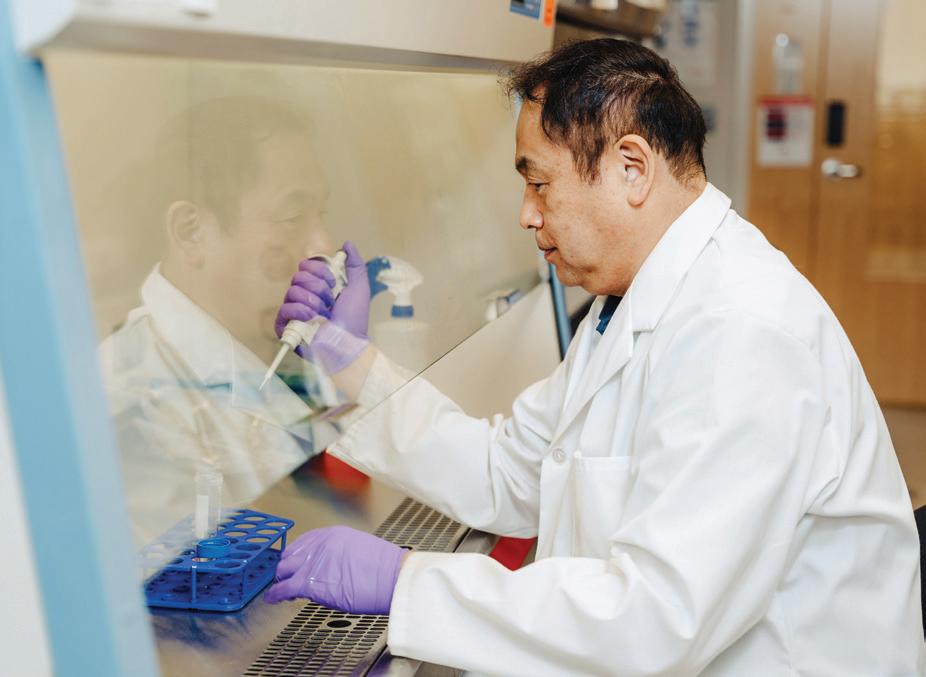
During his postdoctoral studies at Harvard University, Michio Kurosu, PhD, was deeply inspired by his mentor, Yoshito Kishi, PhD, a former chemistry professor and a pioneer of organic synthesis, who passed away in 2023.
Dr. Kishi’s groundbreaking work with complex compounds has significantly advanced the field of medicinal chemistry. “Dr. Kishi taught me how synthetic chemistry can contribute to drug discovery,” Dr. Kurosu says. “In synthesis, we want to achieve the natural product as efficiently as possible. It’s not just isolating a molecule from a natural resource or synthesizing a small molecule; instead, it requires innovative approaches that have never been attempted. This has inspired my research code.”
Dr. Kurosu is continuing his mentor’s legacy as a leading expert in synthetic chemistry. In September, he was recognized as a Fulbright U.S. Scholar for Egypt for the 2025-26 year, highlighting his exceptional contributions to the field and the global recognition of his work. He is the seventh faculty member from UT Health Science Center and the first from the College of Pharmacy to earn a Fulbright scholarship. The Fulbright Program is the U.S. government’s top international exchange initiative, offering students and scholars in more than 160 countries the chance to study, teach, conduct research, share ideas, and build understanding across cultures worldwide.
At first glance, there is something magical about synthetic chemistry, or the science of creating new chemicals and enhancing the production of existing ones. It involves carefully designing reactions to construct complex molecules with specific properties and synthesizing chemical compounds from simpler substances through chemical reactions. In other words, synthetic chemists invent new complex compounds from scratch to develop life-saving pharmaceuticals. The field combines creativity and precision to address some of the most pressing health challenges of our time.
ANV221 is one such compound created by synthetic chemistry. Invented by Dr. Kurosu, a researcher in the College of Pharmacy specializing in synthetic chemistry, it has garnered significant attention. The compound blocks an enzyme called DPAGT1 and is a promising anti-cancer drug
candidate, utilizing a novel approach that could open new and exciting possibilities in cancer treatment.
ANV221 is a small molecule inhibitor, which was developed from a complex antibiotic isolated initially by a pharmaceutical company, intended as an antibacterial agent against methicillin-resistant Staphylococcus aureus (MRSA). The product was acquired by Pfizer and proved effective at combating MRSA. Still, the product was abandoned for reasons unknown to Dr. Kurosu. In 2021, California pharmaceutical company Anviron and UT Health Science Center agreed to develop and bring ANV221 to patients. That year, the compound received FDA Orphan Drug designation for pancreatic cancer.
Researchers are continually seeking more effective and less harmful treatments for cancer. A major challenge in creating cancer treatments is making sure they specifically target cancer cells without harming healthy, normal cells. Many existing treatments struggle with this issue because the medicines designed to attack cancer often also cause damage to healthy tissues, resulting in unwanted side effects. When Dr. Kurosu began studying and synthesizing this compound, he found something exciting.
“We learned that this compound shows toxicity in cancer cells,” he says. “However, it doesn’t show toxicity in normal cells, so we wanted to figure out what was going on.”
ANV221 works by inhibiting DPAGT1, a crucial enzyme in the N-glycan synthesis process, also known as N-glycosylation. This natural process helps proteins fold correctly, move to their correct locations, and send signals, which is crucial for proteins to function correctly. Some compounds can block this process, preventing the protein from folding correctly, which may impair the cancer cells’ ability to grow.
Until his approach with ANV221, DPAGT1 inhibitors have never been proven to be a target for cancer drugs, Dr. Kurosu says. A compound that inhibits or destroys cancer cells without affecting normal cells may seem surreal, but according to Dr. Kurosu’s research, this is occurring. Dr. Kurosu explains that while normal cells also need N-glycosylation, cancer cells require it much more heavily, making them more sensitive to the compound. Dr. Kurosu
notes that these ideas are still under investigation and not yet widely accepted. However, he has spent the last several years researching and testing to validate his ideas.
“Inhibiting N-glycan counts on cancer cells is a significant advantage,” he says. “Our compound specifically targets to end N-glycan synthesis in cancers. Since cancer cells grow aggressively, N-glycan synthesis is very aggressive compared to that of a normal cell. Whereas DPAGT1 expression is generally tightly regulated and not readily suppressed by inhibitors, several solid cancers display marked susceptibility to DPAGT1 inhibition. During the time of migration, cancer cells increase the expression of N-glycan-associated proteins. That’s what we target. This compound targets specifically the glycans associated with cancer. When N-glycans are inhibited, many cancer cells begin to undergo apoptosis, meaning they die on their own, or cause anti-metastasis, halting their migration. So, the cancer cells remain there, and they start to shrink. This is what we are targeting.”
Dr. Kurosu’s experimental results in cell lines and animal models have shown promising success, inducing apoptosis and inhibiting metastasis in cancer cells with minimal side effects.
In vivo studies show ANV221 effectively shrinks tumors and prevents metastases, outperforming standard treatments for pancreatic, breast, gastric, and cervical cancers. While Dr. Kurosu invented the compound, it is being developed in collaboration with UT Health Science Center College of Medicine faculty members, including Evan Glazer, MD, PhD, and Ramesh Narayanan, PhD, as well as Bil Clemons, PhD, of the California Institute of Technology.
The partnership with UT Health Science Center and Anviron is growing, with the company investing in UT Health Science Center labs led by Dr. Kurosu, Dr. Glazer, and Dr. Narayanan. These labs validated and expanded the uses of ANV221 to treat certain types of drug-resistant breast cancers, with plans for a phase 1 trial in 2026.
Bradley Morrison, CEO of Anviron, says, “This successful public/private collaboration in the development of ANV221 not only validates UT Health Science Center’s role as a world-class research institution but also their growing importance in translational medicine. Our important work continues. We are extremely pleased with our investments in UT Health Science Center’s amazing teams.”
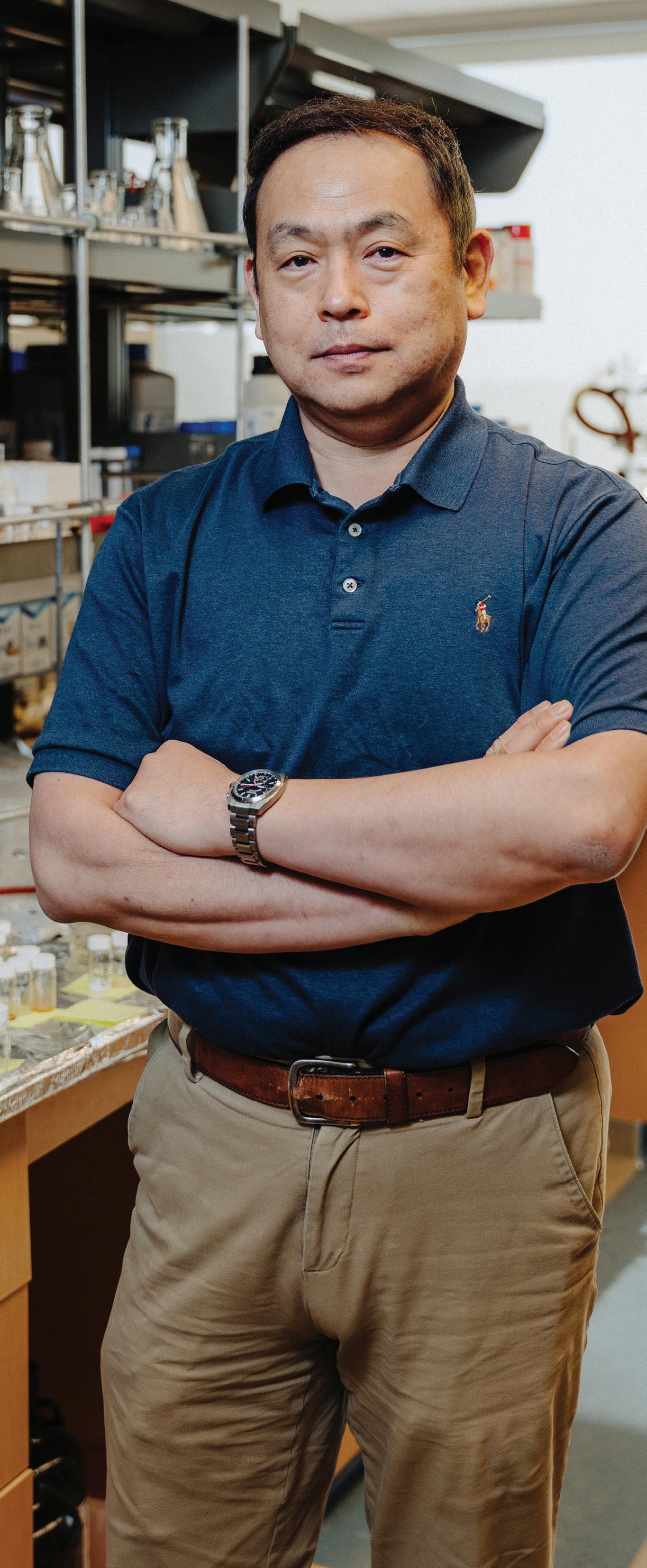
By Nathan Ball
Duane Miller, PhD, loves research. “You can’t understand the excitement you have when you find out that one of your drugs works the way you think it should, or you get a surprise, the fact that it works in a different way, but it does a really good job,” he says. “So that’s why new discoveries in science are more important to me than money.”
Today, Dr. Miller is a distinguished figure in the world of pharmaceutical sciences and an admired mentor, researcher, and educator. As a professor emeritus at the College of Pharmacy since 2015 and professor since 1992, his remarkable career boasts over 100 patents, more than 400 published articles, and the development of at least three drugs that have advanced to clinical trials. For those familiar with the field, Dr. Miller’s name is synonymous with innovation and excellence.
Dr. Miller’s earliest memories of pharmacy date back to his teenage years, when he would pick up isoproterenol from a local pharmacist to help his father, who suffered from emphysema. Inspired by how isoproterenol eased his father’s condition, Dr. Miller attended college to pursue a career as a small-town pharmacist. However, his professors encouraged him to pursue a PhD in pharmaceutical sciences instead and develop his research skills. “I thought, maybe I could design drugs to help my dad,” he says.
Unfortunately, while effective, isoproterenol had significant effects on his father’s heart, contributing to his death. Motivated by this experience, after completing his PhD at the University of Washington, Dr. Miller joined the faculty of the Ohio State University as a researcher, where he spent 23 years. There, he focused on developing medications for asthma and chronic obstructive pulmonary disease (COPD). “I wanted to see if we could make some compounds that target the lungs without impacting the heart,” he says. However, the industry moved faster, developing drugs like albuterol, which today are the most widely used drugs for COPD, emphysema, and other respiratory conditions.
One day in the 1990s, Dr. Miller received a call from Dick R. Gourley, PharmD, the former dean of the UT Health Science Center College of Pharmacy. Dr. Gourley offered
him the Van Vleet Professorship of Medicinal Chemistry at the college, encouraging him to relocate to Memphis to enhance its research capabilities. “Dr. Gourley said, ‘We have money; you need help. You can use that money to do research,’” Dr. Miller says. “Hey, he was a good salesman, right?” The Van Fleet Professorship provided an excellent opportunity for starting new research at UT Health Science Center.
As a professor at the College of Pharmacy, Dr. Miller observed the expertise of other professors in the college, recognizing that their skills could significantly benefit his research through collaboration. One of these was James T. Dalton, PhD, who is now the executive vice president and provost at the University of Alabama. Together, they developed the drug GTX-024, a novel compound that activates muscle growth. Notably, the drug is orally administered, the first of its kind compared to traditional muscle growth treatments like testosterone, which require injections.
Patenting and licensing the product to GTX, a company founded at UT Health Science Center, GTX-024 proceeded through clinical trial phases 1, 2, and 3 without issue. However, when the last phase came around, the Food and Drug Administration (FDA) failed to approve the drug for medicinal use in 2013. “It was the most disappointing meeting I’ve ever had in my life,” says Dr. Miller, who attributed the failed approval to the test subjects’ not being able to run up and down stairs faster than the subjects who were not using the drug.
Recently, new interest has been sparked in GTX024 due to the rise of GLP-1 agonists, drugs that are revolutionizing weight loss. While GLP-1s are effective at helping manage cravings and promote weight loss, a common side effect is muscle loss during treatment. This is where the muscle-building benefits of GTX-024 come into play. “I would not be surprised that in the future there will be a combination of these two types of drugs. And, you know, it is just logical,” Dr. Miller says.
Over the past several years, Dr. Miller has worked with Ramesh Narayanan, PhD, E. Erick Muirhead Chair of Excellence in Pathology in the College of Medicine and deputy director of the university’s Center for Cancer Research, to develop a new investigational dual-action androgen receptor (AR) inhibitor called ONTC-534. This drug is designed for metastatic castration-resistant prostate cancer (CRPC) and other AR-driven diseases.
Current treatments for advanced prostate cancer are limited and often ineffective because tumors develop resistance to enzalutamide or temozolomide, common drugs used in treatment. A major reason for treatment failure or relapse is mutations in the androgen receptor protein. Dr. Narayanan and Dr. Miller’s team discovered that ONTC-534, a selective androgen receptor degrader (SARD), targets and degrades overactive androgen receptors, improves the effectiveness of cancer treatments, and significantly reduces drug resistance in patients. This offers a crucial option for those who relapse during treatment and holds the potential to extend the lives of prostate cancer patients.
The potential of ONTC-534 is further exemplified by the fact that the FDA fast-tracked the drug in 2023. It is now in the first phase of clinical trials. “Everybody’s making kinase inhibitors, and suddenly, Dr. Narayanan and I found a kinase stimulant, and it works on ovarian cancer. This compound worked differently from any other drug molecule with which we have worked. Isn’t that unbelievable? Now we are working on derivatives. So, we can one day get an effective kinase stimulant drug.”
Today, Dr. Miller also enjoys collaborating on brain cancer research with Lawrence Pfeffer, PhD, professor in the College of Medicine’s Department of Pathology. They currently have a grant for making and testing new drugs to treat brain cancer and hope to find an agent to treat this very deadly disease.
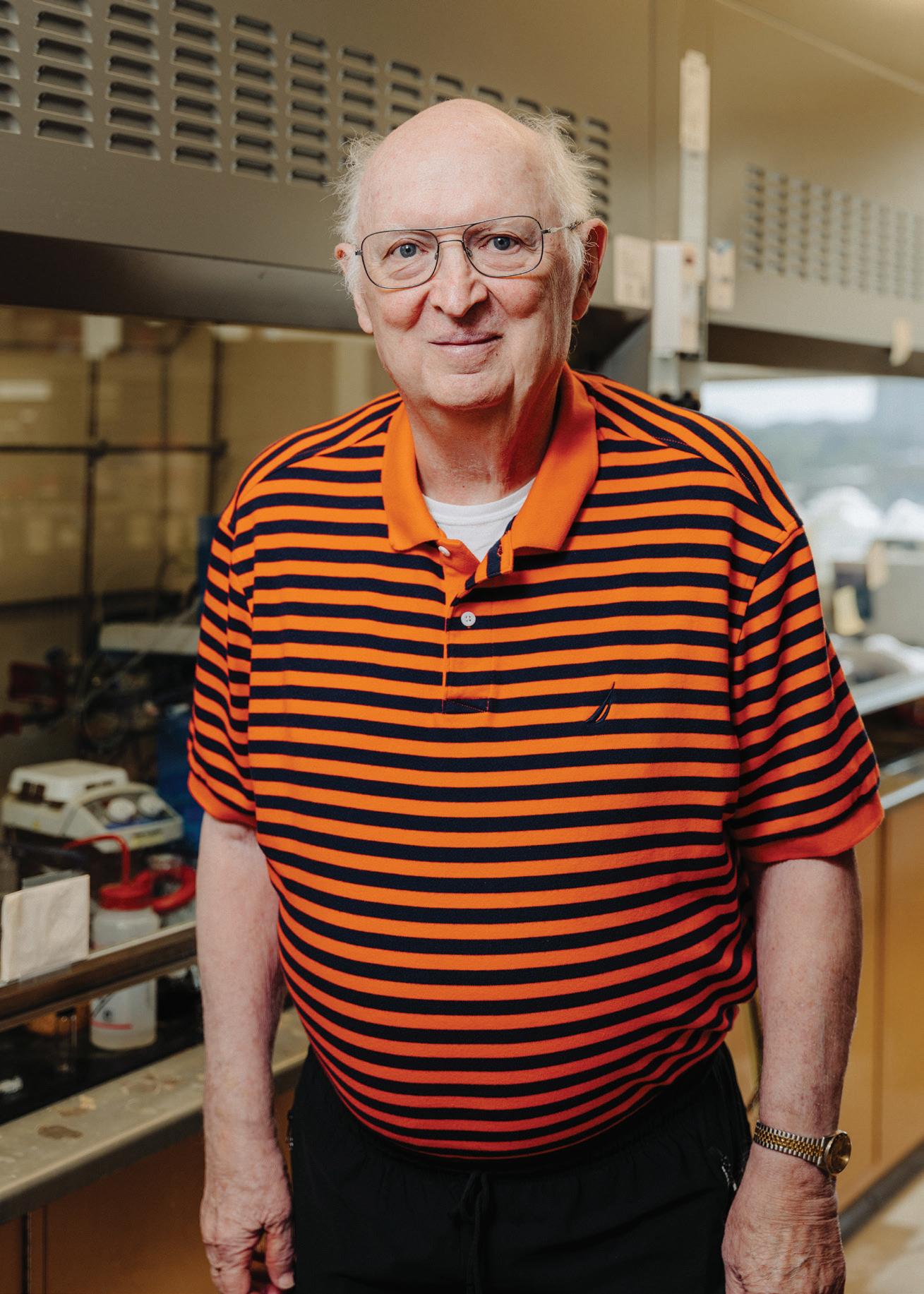
When considering the growth of drug discovery at the college, Dr. Miller is impressed by the program’s progress. “When I first came here, it was a very small group,” he says. “Now we have different research groups around the college that are working on different diseases, and that is good. Collaboration, to me, is the key to doing excellent research. We discover drugs and report on drugs so that other scientists can take advantage of the knowledge. It is important to publish because then other people can see it, pick up new insight, and move new research ideas forward.”
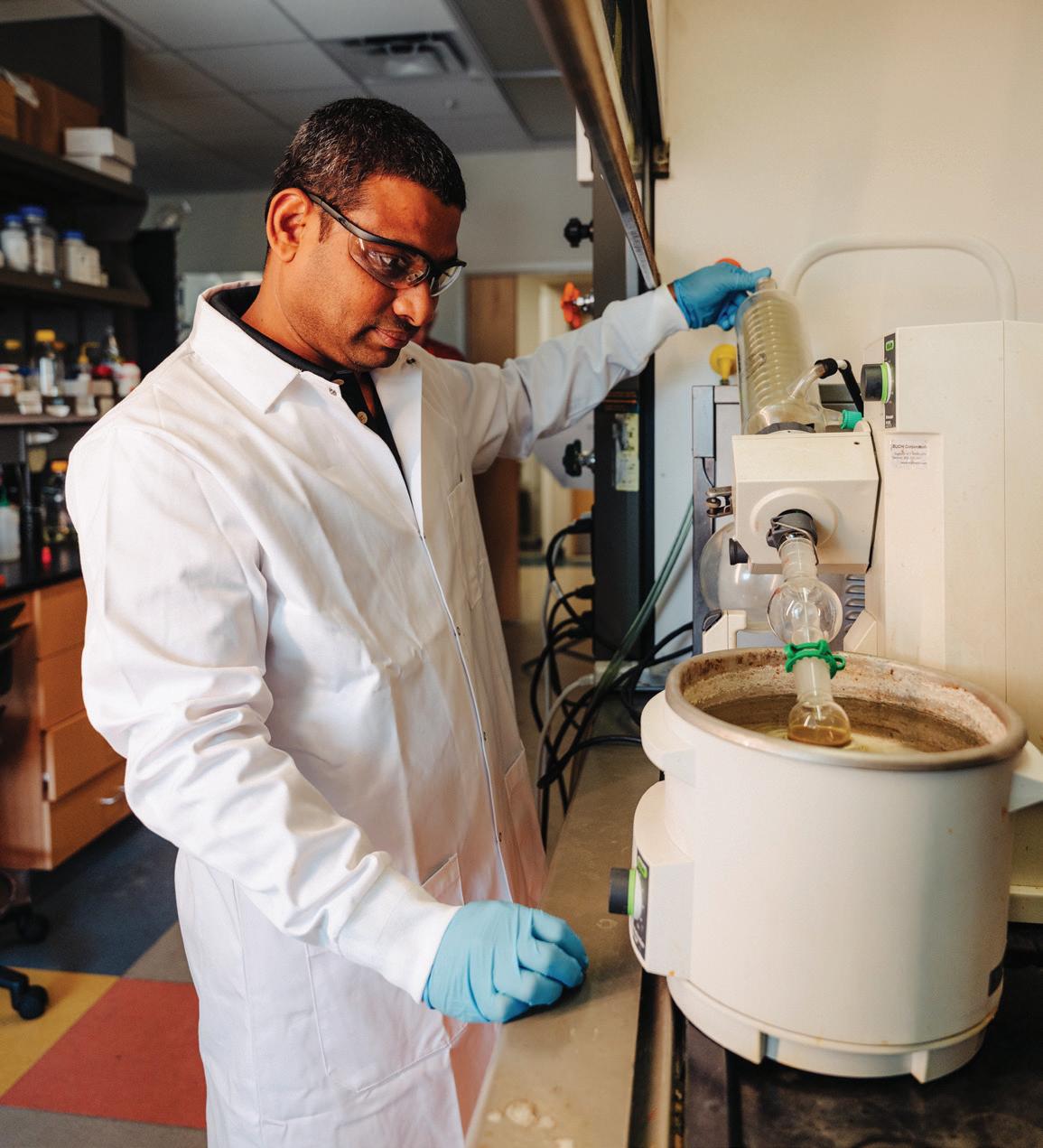
By Nathan Ball
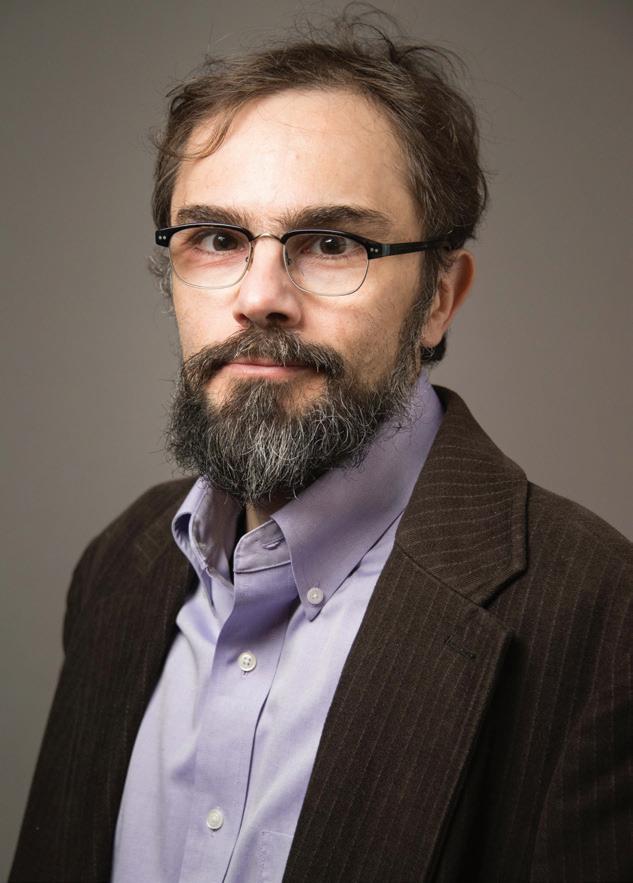
Glen Palmer, PhD, has been working with fungi for a long time. Receiving his PhD in genetics from the University of Leicester in 2002, his specialty is Candida, the genus of yeast that is the most common cause of fungal infections worldwide. Comprising over 200 different species, common diseases caused by the fungus include yeast infections, also known as thrush. Topical treatments and antifungal pills can treat these more common fungal infections. However, Dr. Palmer is especially interested in life-threatening fungal infections, including those caused by Candida auris (C. auris).
“We’re not talking about athlete’s foot,” Dr. Palmer says. “What we’re primarily interested in is the invasive fungal infections. That’s where the fungus gets into the bloodstream and invades the deeper organs. And those typically happen in immunosuppressed patients, those who are pretty sick already, and once they occur, they’re very difficult to treat.”
Fungi are all around us and are a daily part of our lives, though we often don’t realize it. Every day, humans inhale between 1,000 and 10 billion spores, highlighting just how present fungi are around us. While most people with healthy immune systems can fend off severe fungal infections, millions worldwide still fall victim, resulting in about 1.5 million deaths each year. Most people impacted by the deadlier strains are immunocompromised patients. As health care increasingly uses immunemodulating drugs to treat illnesses such as cancer and other autoimmune diseases, these numbers are on the rise. Even more alarming, many dangerous fungi easily develop resistance to existing antifungal treatments,
making these infections harder to combat. The urgent need for new and effective therapies has never been greater.
C. auris is a particularly dangerous yeast that poses significant risks in hospitals and health care settings, especially for immunocompromised patients. It can live a long time on surfaces, readily spreading through contact and causing a range of infections, from less severe skin issues to deadly bloodstream infections. Its resistance to common antifungal medications has made it a growing threat, with cases increasing rapidly since 2018 and a mortality rate of around 40%. Recognized as an urgent antimicrobial resistance concern by the Centers for Disease Control and Prevention, C. auris demands new and effective treatment approaches, a goal Dr. Palmer and his team are working to address.
The UT Health Science Center College of Pharmacy is home to one of the most prestigious fungal pathogen research groups in the country. Housed in the Center for Pediatric Experimental Therapeutics, whose mission is the integration of basic, applied, and clinical sciences for the development of new treatments for childhood diseases, researchers in the group, such as Dr. Palmer, are dedicated to finding new therapies that target deadly fungal infections and overcome antifungal resistance.
Dr. Palmer’s research investigates how non-antifungal drugs influence fungal behavior and pathogenicity, aiming to identify key target molecules for new therapies. Since fungal cells closely resemble human cells, developing antifungal selective medicines is challenging.
“A major goal is finding a target important to the fungus, but different enough from our own proteins and molecules that we can develop a silver bullet, something that will bind to and kill the fungus without killing our cells,” Dr. Palmer says. “One of the first things we are trying to achieve in the drug development process is identifying those molecules and targets that are required for fungal survival and for it to cause disease but are unique to fungi. We can then identify molecules that disrupt the function of those targets, that will hopefully have low toxicity to humans.”
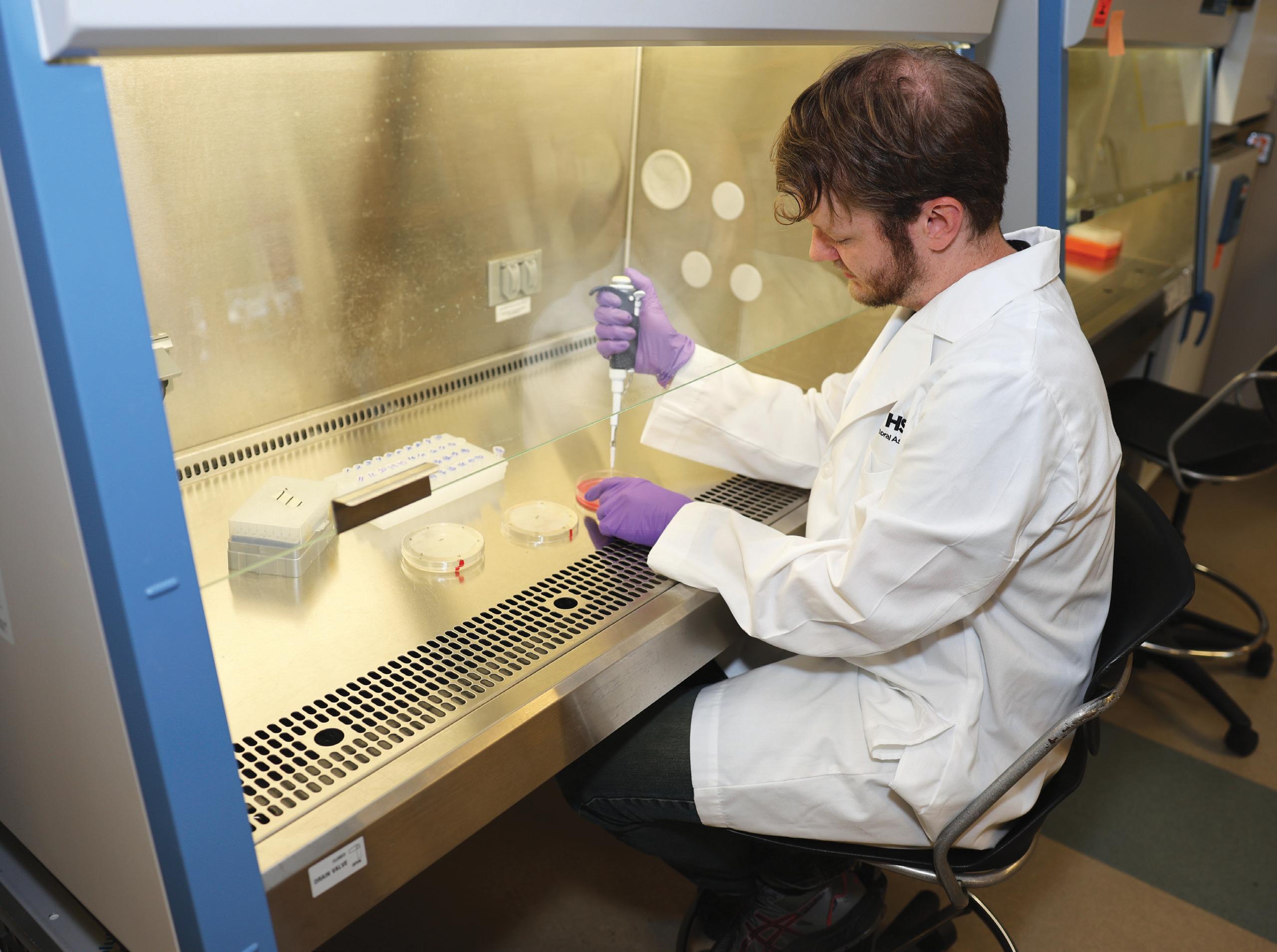
His team focuses on developing highly specific antifungal agents by targeting proteins unique to fungi or absent in humans. For instance, the team’s research with Candida species has determined that Candida species must produce their own pantothenic acid (vitamin B5) to cause disease in mammals. In contrast, humans do not synthesize vitamin B5; instead, they obtain it from dietary intake. The enzymes involved in fungal B5 synthesis are, therefore, promising drug targets, as inhibiting them should kill the fungus without harming human cells due to the metabolic difference.
After identifying a potential target protein, the researchers’ approach involves developing biochemical methods used to measure protein activity or cell behavior, often indicated by color changes. “What we will then do is develop assays which we can use to screen chemical libraries to identify small molecules that engage that protein and inhibit its activity,” Dr. Palmer says. This process begins with a broad screening of thousands of compounds, followed by more detailed analysis of
promising candidates. Once found, these molecules could serve as starting points for drug development.
Today, the Palmer lab is in the early stages of research, testing compounds for antifungal activity. The researchers are working with some compounds that promise strong effects against C. auris. “We spend a lot of time, a lot of energy, trying to develop those assays and optimize them so they can be used for the drug discovery process,” Dr. Palmer says. “Sometimes that’s quick, but often you might spend a year or so developing and optimizing those assays.”
The entire process can take many years to carry out. However, once the team establishes the validity of a promising molecule’s ability to disrupt and block the protein’s activity, the next step would be to involve a medical chemist to optimize the molecule to improve activity, potency, and reduce toxicity or pharmacokinetic issues. While a lengthy process of research is ahead, the Palmer lab’s early efforts are crucial in paving the way for future breakthroughs in fungal infection treatment.
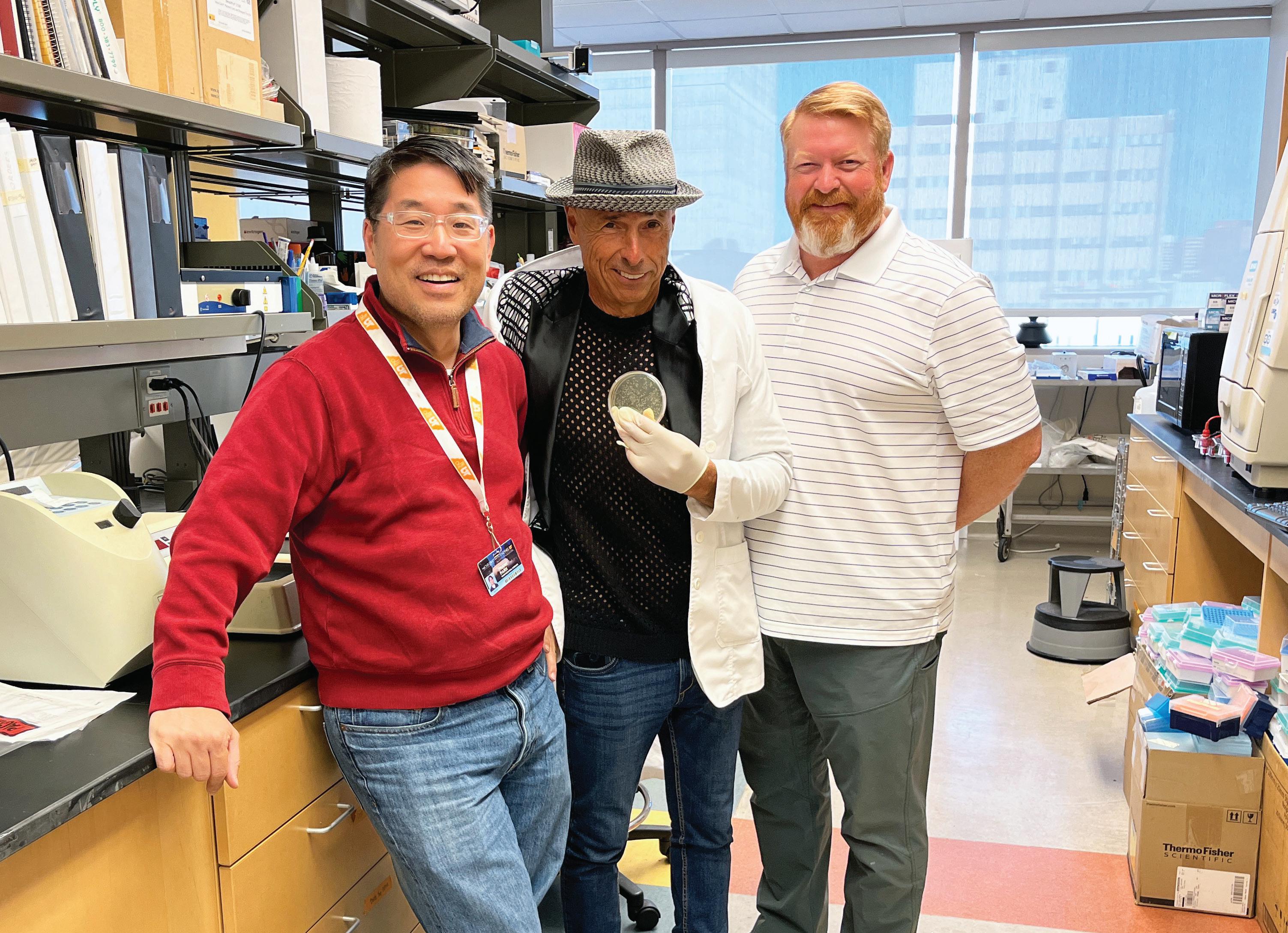
By Nathan Ball
Every year, thousands of people worldwide live with hemoglobin deficiencies, or hemoglobinopathies, such as sickle cell disease and beta thalassemia, often facing a lifelong battle with symptoms, treatments, and the high costs of care. Associate Professor Frank Park, PhD, is committed to reducing costs and treatment times by developing a leading CD34+ stem cell drug aimed at revolutionizing cures for hemoglobinopathies, alongside his investor, an Italian whose son has beta thalassemia.
“My main goal isn’t to make money,” Dr. Park says. “I’ve been working on this for almost a year for free because of my background in vector biology and genome manipulation. We’ve created and tested systems that perform well in cell cultures, demonstrating our ability to produce specific types of globin and unique assays to
confirm the correct variants are being made. I believe our technological advances are now ready to move forward.”
Hemoglobin deficiencies – inherited blood disorders marked by abnormalities in hemoglobin, the protein in red blood cells responsible for transporting oxygen –are often called orphan diseases due to their rarity. Still, significant populations live with these conditions. In Memphis, the common form of hemoglobin deficiency is sickle cell disease, which affects about 100,000 people in the United States; over 90% are non-Hispanic Black or African American, and an estimated 3-9% are Hispanic or Latino. Beta thalassemia, on the other hand, is prevalent in regions such as South Asia, the Middle East, North Africa, and Southern Europe, with around 60,000 new cases worldwide each year.
Treatment for these diseases typically involves recurring blood transfusions, iron chelation therapy to remove excess iron, and medications. The treatment can be costly and invasive. However, new gene therapy options are available and promise to cure the disease by modifying blood cells to produce more hemoglobin. These treatments, though, take more than six months and can cost approximately $3 million per patient.
“There will always be issues where, if you are not first to market, you have to somehow show that you’re better than that,” Dr. Park says. “You can’t come out with an equally effective product. You have to come out with something that’s considerably better. Is that possible? I think we can. I believe we have something.”
Dr. Park’s approach to curing hemoglobin deficiencies is known as gene therapy. The idea is to modify a virus by removing its harmful parts and adding beneficial traits, so the patient’s blood cells produce more hemoglobin. Ideally, the modified blood cells would graft into the patient’s bone marrow, allowing the patient to produce blood cells capable of making more hemoglobin on their own. This would eliminate the need for blood transfusions and effectively cure the disease.
“What we’re doing is taking a replication-defective viral vector from Lenti viruses,” Dr. Park says. “We essentially strip it down to just the virus shell and add an expression cassette, including gene components to overexpress beta globin. Essentially, the goal is to replace the faulty variant with the more functional wild-type protein, enabling individuals with this disease to function normally.”
Gene therapy to boost hemoglobin in patients with deficiencies is not new. Several companies have developed similar treatments that produce these results. The problem with these therapies is their extremely high cost, which can sometimes exceed $3 million per patient due to expenses related to producing the vector, patient hospitalization, and cell testing. Additionally, since beta thalassemia is more common in Europe, pharmaceutical companies that have created these therapies have opted not to enter the European market, because European agencies require the therapy to be much cheaper –around $1.6 million per patient – for approval.
Currently, other pharmaceutical companies perform hemoglobin deficiency gene therapy by drawing blood from the patient, bringing it to a hospital, and modifying the blood cells with a viral vector. Then, the scientist tests the blood, identifying and separating the modified blood
cells that produce more hemoglobin. These cells are then transfused back into the patient. The process of the new blood cells integrating into the patient’s bone marrow takes time, and the patient must remain in the hospital during this period before the blood is retested to check if the cells are now producing more hemoglobin.
Dr. Park, however, sees this as an opportunity for his therapy he has nicknamed MiniRolu. “It’s not only that the cost is lower, but it’s also more efficient,” he says. “The process is slow. With other companies, you may need to perform multiple blood isolations – two, three, or even four – and it could take up to a year before patients can receive treatment. So, we can get in there if it’s just as effective, but if its cost is cheaper and we can get it timelier, I mean, we’re really looking sweet then.”
Dr. Park and his investor aim to challenge the lengthy process, which leads to higher costs, by developing a point-of-care system within the hospital. They are currently collaborating with a hospital in Italy, where experienced clinicians will handle cell isolation, vector addition, and testing. This approach seeks to streamline treatment, reduce time and expenses, and enable earlier patient care.
“I made some tweaks to optimize our vector,” Dr. Park says. “We customized it slightly, tested various versions, and found one that’s about 50% better at producing more of the needed protein, which reduces costs. This is important because increasing protein production addresses a key concern from the Federal Drug Administration about manufacturing capacity. Our improvements should lead to a safer and more effective drug, even though we’re not the first to market. Compared to other companies’ current vectors, ours should be better and cheaper, with fewer serious side effects.”
The company has already produced a GMP vector and secured over $1 million in self-funding. They are working on developing sterile, safe cell products for infusion into patients, with regulatory submissions underway in Europe and collaborations in the U.S., including with NIH. The goal is to finalize the process within four to six months and start a phase 1/2 clinical trial next year. The therapy not only offers promising results to beta thalassemia, but the same treatment can be used to treat other hemoglobin deficiencies, including sickle cell disease.
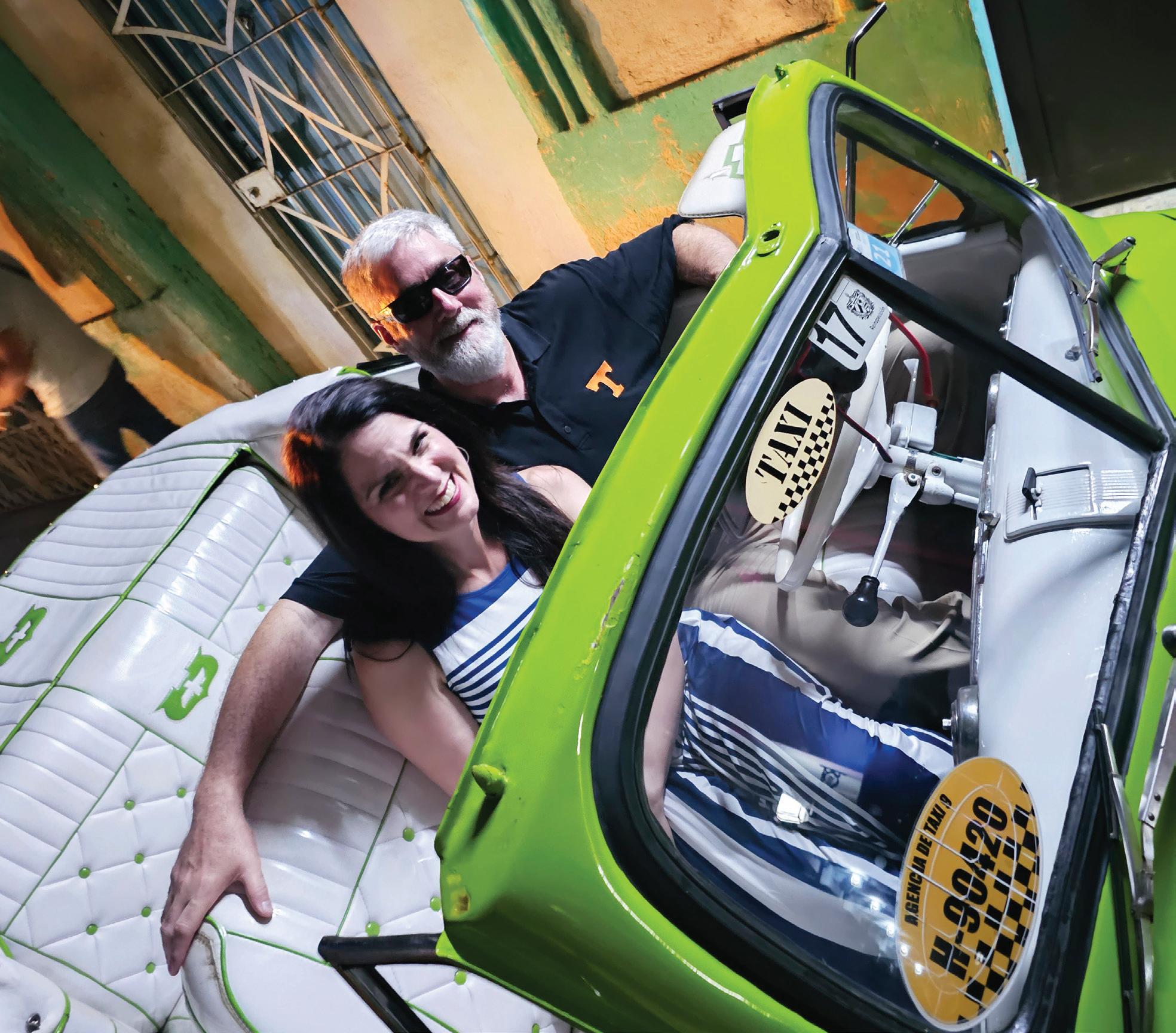
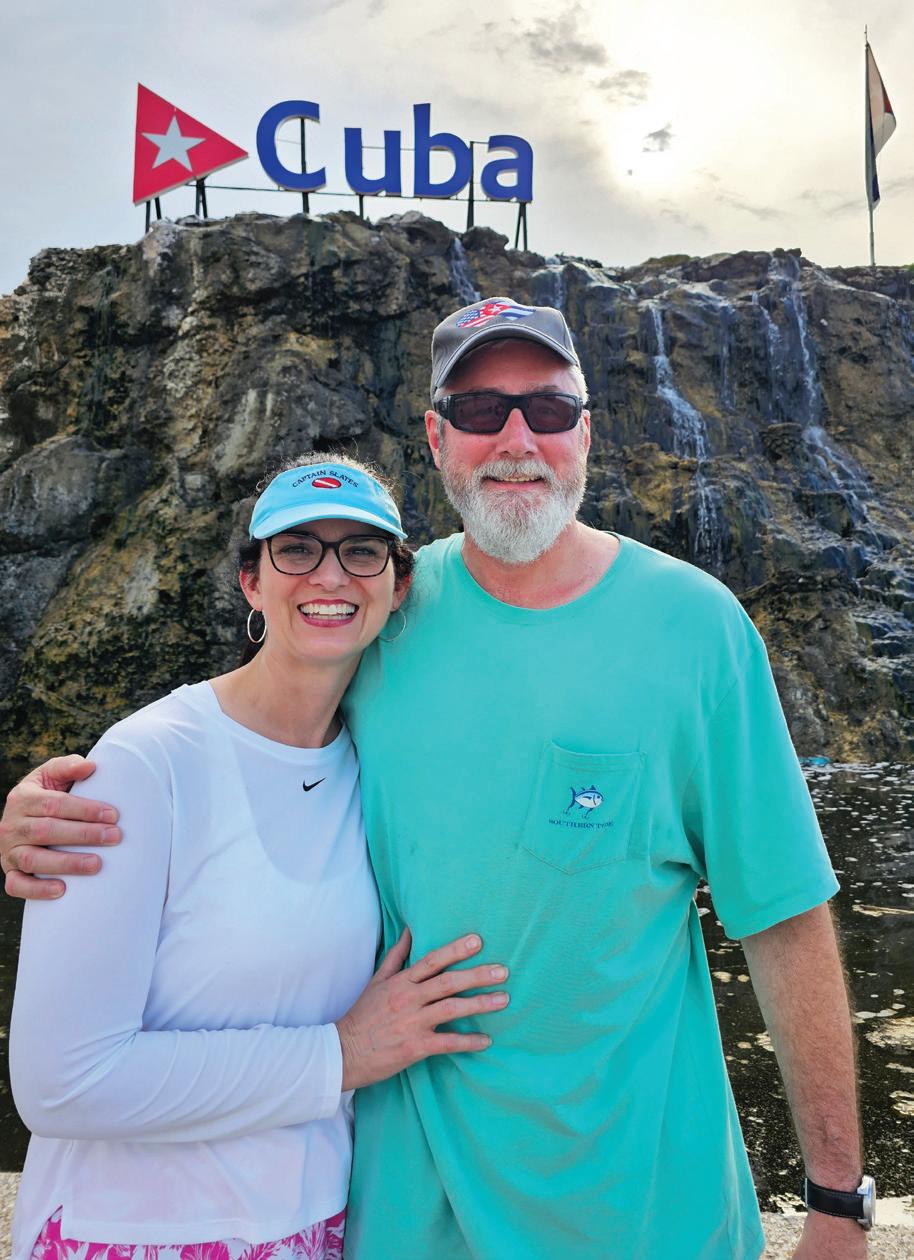
“We love the Cuban people, and they need our help.”
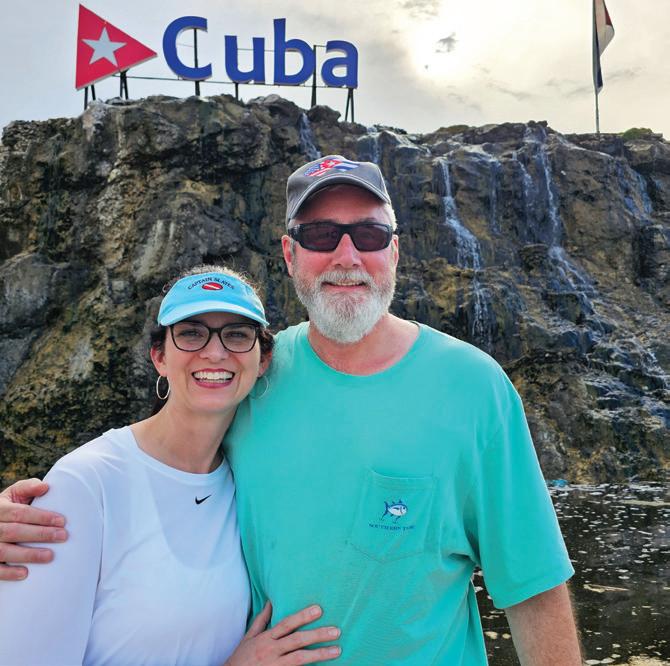
The medical needs of Cuban communities are deeply troubling to College of Pharmacy alumna Suzanne Pritchett, PharmD, and her husband Jim.
“The government is letting its people down every day over there,” Dr. Pritchett says. It’s a very tough place for these very kind and hardworking people to live. When we go, the people that we know and have made a relationship with will meet us wherever we go. These are good people. You’d be very pleased to have any of these people that we meet down there as your neighbors.”
In 2019, a scuba diving group trip initially brought the couple, now celebrating 35 years of marriage, to Cuba.
“We’ve traveled all over the world with them, and we got to talking about it, and we worked it out to go to Cuba,” Jim Pritchett says. “I was going to teach scuba. Suzanne was going to talk to the doctors and bring some medicine, and we were both going to document the state of the country.”
The trip quickly turned into a mission to bring lifesaving medicine to people in need. This mission resulted in a second visit in 2023, further demonstrating their dedication to supporting the challenges faced by their friends and community members in Cuba.
In the United States, medications such as aspirin and Tylenol are readily available at pharmacies and can be easily purchased over the counter. These medications, along with many other over-the-counter options, serve an important purpose, from reducing fever to easing discomfort.
For people in Cuba, what many Americans see as basic medicines are a luxury. A fever can mean more than just discomfort; a lack of medicine can often lead to death, with diseases such as Dengue Fever resurging in Cuba. With no access to basic medications, parents are left helpless as their children suffer.
“There’s just so much need down there. It’s heartbreaking because everyone here has access to medicine,” Dr. Pritchett says. “In Cuba, parents can’t even control their children’s fever because they can’t get Tylenol or other essential medications. It’s a completely different world. They lack access to the most basic pharmaceuticals that we have in the United States. It’s just hard. And I guess maybe that’s why they don’t live as long down there. Even if they get medicine one month, there’s no guarantee they will have it in the next month or years.”
Located approximately 90 miles from the southern tip of Florida, Cuba faces a significant lack of access to
medicine. To pressure the island nation into adopting more democratic reforms, the U.S. imposed an embargo on goods destined for Cuba in 1962 in response to Fidel Castro’s revolution and the establishment of communism. While the U.S. embargo restricts U.S. companies from doing business in Cuba, U.S. citizens are permitted to visit the country for several approved reasons, such as business, research, education, journalism, humanitarian aid, and ecological purposes. All trips for legal reasons are closely monitored by the U.S. State Department, requiring extensive paperwork and documentation, which must be retained for seven years and reported to the department.
Health care is remarkably different in Cuba, but access is available. Doctors are highly regarded and often make do with what they have, frequently visiting patients’ homes to treat them instead of confining their care to doctors’ offices. The country has low industrial output, and an inability to develop capital imposed by the repressive socialist government keeps the island nation in poverty. Not only does this limit Cuba’s access to essential goods, such as poultry and other necessities, but it also restricts its ability to trade for vital medicines with other countries. Because of this, the Cuban people are left destitute, pharmacies are empty, and citizens rely on outdated remedies, holistic medicine, or go without care. “From our time down there, it’s evident that socialism is oppressing the Cuban people, not the U.S. embargo,” Jim Pritchett says.
At home in Martin, Tennessee, Dr. Pritchett owns and operates Suzanne’s Pharmacy, an independent pharmacy the couple established in 2022. Recently, Suzanne’s was named the 2025 top pharmacy in Weakley County, and the local newspaper, the Weakley County Press, recognized Dr. Pritchett as the county’s top pharmacist. Previously, Dr. Pritchett served as a pharmacy manager at pharmacies such as Walgreens and Fred’s. Suzanne’s Pharmacy allowed her to pursue her dream of operating her own pharmacy. Her husband retired from his engineering career to help manage the store, working as a delivery person, a clerk, and even a certified pharmacy technician. “Suzanne and I get to spend about 23 hours a day together,” he says.
Dr. Pritchett prioritizes making herself available and accessible to her patients, often providing them with her personal cell phone number for direct contact. “My favorite part of pharmacy is loving the customers,” she says. “I do my best to take care of them as if they were my mom, my dad, or my brother. We try to find solutions together, whether it’s behind the counter or out front with a supplement or something like that.”
Owning the pharmacy also allows the Pritchetts to cater to the needs of their patients, leading to better outcomes. “We offer compliance packaging,” Pritchett says.
“Suzanne can tell you stories about how, if our patients are compliant, their health is much better and improved. We do that for free. We’re also the only pharmacy in town that offers free delivery every day. I’m our No. 1 delivery guy.”
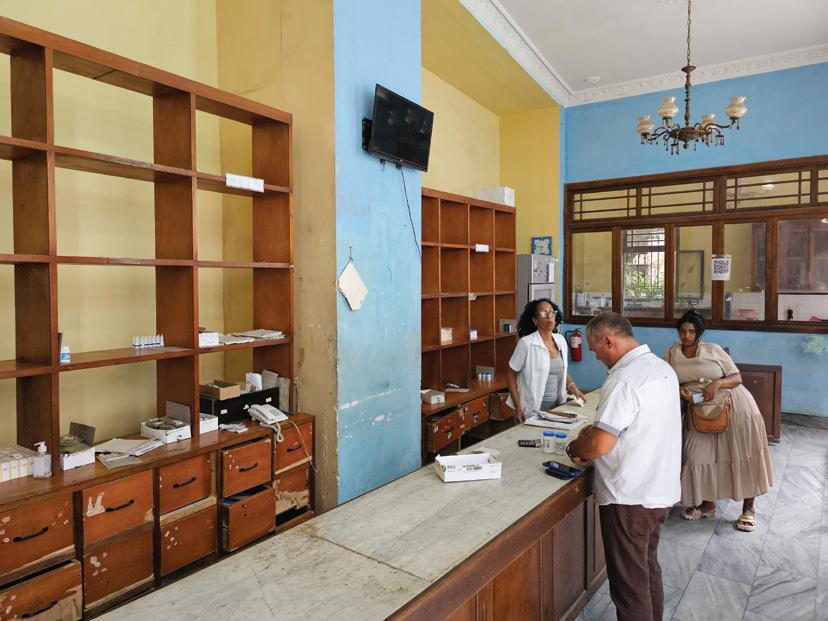
“The people we met down there, you give them something, and they’re so thankful,” Jim Pritchett says. “After our first trip, we realized that we needed to take medicine down there. The last time we went, we took the equivalent of eight large suitcases full of medicine. You can’t believe the response from the people. Every time we go, we say, ‘Man, we’ve got to take more next time.’”
On their second trip, the couple packed suitcases full of items including ibuprofen, diaper rash cream, and PeptoBismol. All of the medicine is purchased out of pocket by the Pritchetts.
While in Cuba, the Pritchetts meet with as many doctors as they can. During one visit, Dr. Pritchett handed a bottle of Tylenol to a doctor who burst into tears, overwhelmed by gratitude for what many Americans take for granted. “I think we gave them maybe 5,000 1,000-count bottles of Tylenol. They cried because it’s just not available,” she says.
“They were asking about specific drugs that they don’t have treatments for, you know, such as for respiratory infection,” Dr. Pritchett says. “Basic antibiotics would be amazing to them. But I can’t take it down there to Cuba; I could do over-the-counter stuff. I had another guy who had prostate issues, and he would benefit from having prescription drugs that we have here, but they don’t have them available down there. It’s just heartbreaking. It’s available. It’s a 30-minute airplane trip to the United States, and they can have all they need, but it’s just not available to them.”
Despite the everyday challenges of managing an independent pharmacy, Dr. Suzanne and Jim Pritchett have made it a priority to return to Cuba in the future to reunite with friends and deliver much-needed life-saving medicine as soon as possible. While for the foreseeable future the embargo and government of Cuba limit the ability to make mass changes needed to alleviate the people’s needs, the Pritchetts demonstrate that even small acts of kindness, like packing medicine in a suitcase, can create ripples of hope across borders.
By Nathan Ball
“I cannot stress enough how grateful I am for the opportunity to experience pharmacy practice abroad,” says Johnsean Ramos Torres, PharmD, a 2025 graduate of the College of Pharmacy.
Originally from Puerto Rico, Dr. Ramos Torres saw an Advanced Pharmacy Practice Experience (APPE) in Dublin, Ireland, as an opportunity to deepen his understanding of pharmacy practice in different patient populations and improve his skills, with a plan to return to his home and practice ambulatory care or psychiatric pharmacy. He emphasizes these experiences are instrumental in his growth as a pharmacist dedicated to lifelong learning.
Stepping beyond borders in pursuit of knowledge, future pharmacists like Dr. Ramos Torres are discovering that international APPEs are more than just academic opportunities; they are transformative journeys that deepen their understanding of patient needs and perspectives. These global rotations foster not only
professional growth, but also inspiring personal approaches to patient care, shaping pharmacists who are adaptable, prepared, and committed to providing compassionate care in a complicated world.
“One lesson this experience taught me, and something I wouldn’t have learned during a standard APPE, is the importance of adaptability in clinical practice across different health care systems. Practicing in a country with a different formulary, treatment guidelines, and health care structure forced me to step outside of my usual clinical framework and think critically about how to approach patient care when resources or medications are limited or managed differently. It taught me that being a strong clinician isn’t just about following protocols; it’s about understanding the ‘why’ behind treatment decisions and being open to alternative, yet evidencebased, approaches that may be more practical or culturally appropriate in different settings.”
Stepping away from didactic learning into real-world experience is an essential part of a future pharmacist’s education. Starting in the spring of their third year, and continuing through their fourth and final year, PharmD students begin their Advanced Pharmacy Practice Experiences. These hands-on rotations, constituting nearly 30% of their curriculum, place students in top health care facilities across Tennessee, where they collaborate with seasoned pharmacist preceptors in hospitals and community pharmacies. This pivotal phase not only bridges academic learning with practical application but also shapes the future pharmacists as they learn to improve patient care across the country.
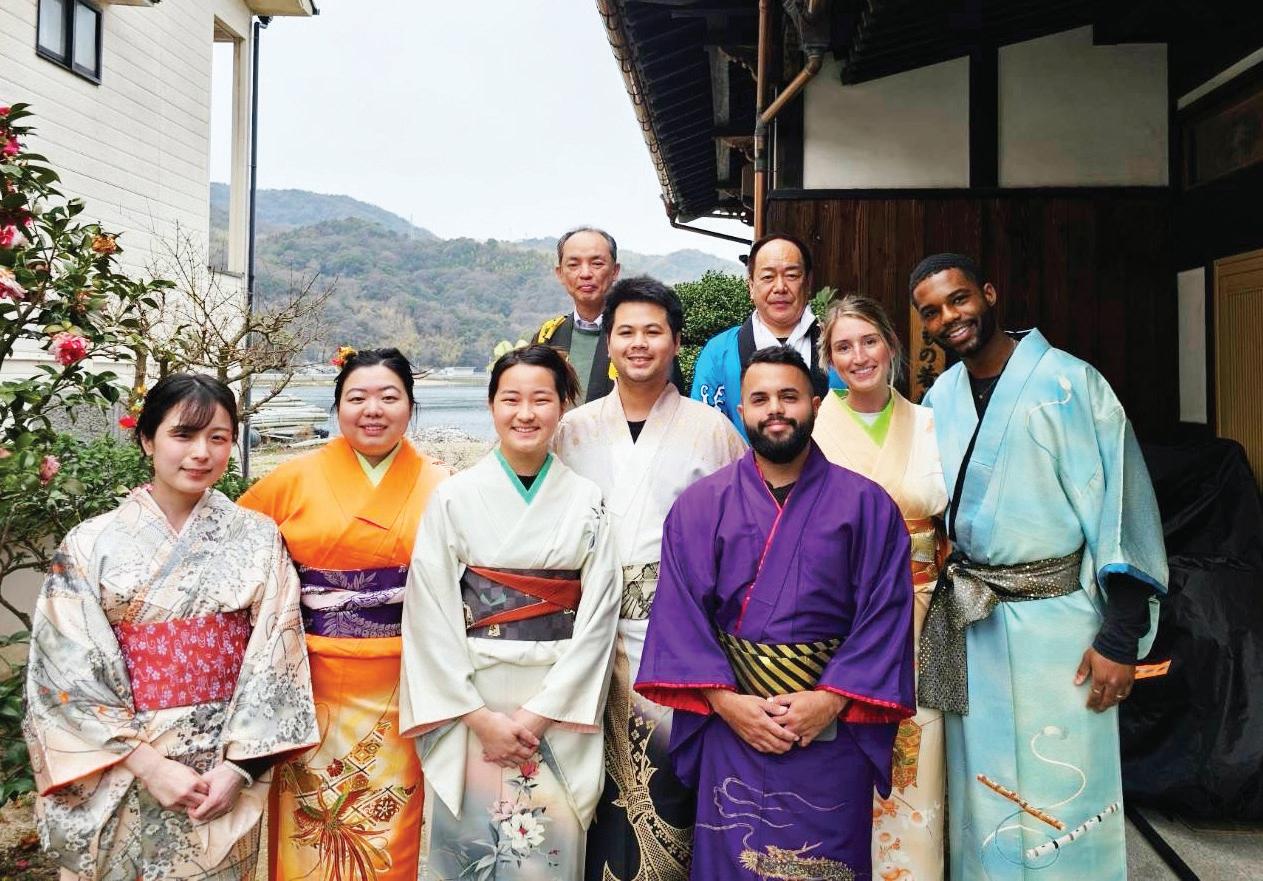
and Anthony Brown, PharmD (far right), completed their APPEs in Japan.
Imagine, however, expanding your pharmacy knowledge beyond borders, delving into global health care practices, understanding a mosaic of patient needs, and transforming your approach to care. The college’s International APPE program opens this world to select students, offering opportunities to complete clinical rotations in international settings and serve culturally varied populations.
Research published in the American Journal of Pharmacy Education indicates that participants in international APPEs demonstrate notable improvements in global health skills, including cultural awareness, communication, problem-solving, and adaptability. As shown by PharmD students at UT Health Science Center who have participated in the International APPE program, these experiences are truly transformative, allowing them not only to explore new cultures and countries but also to deepen their understanding of patient care.
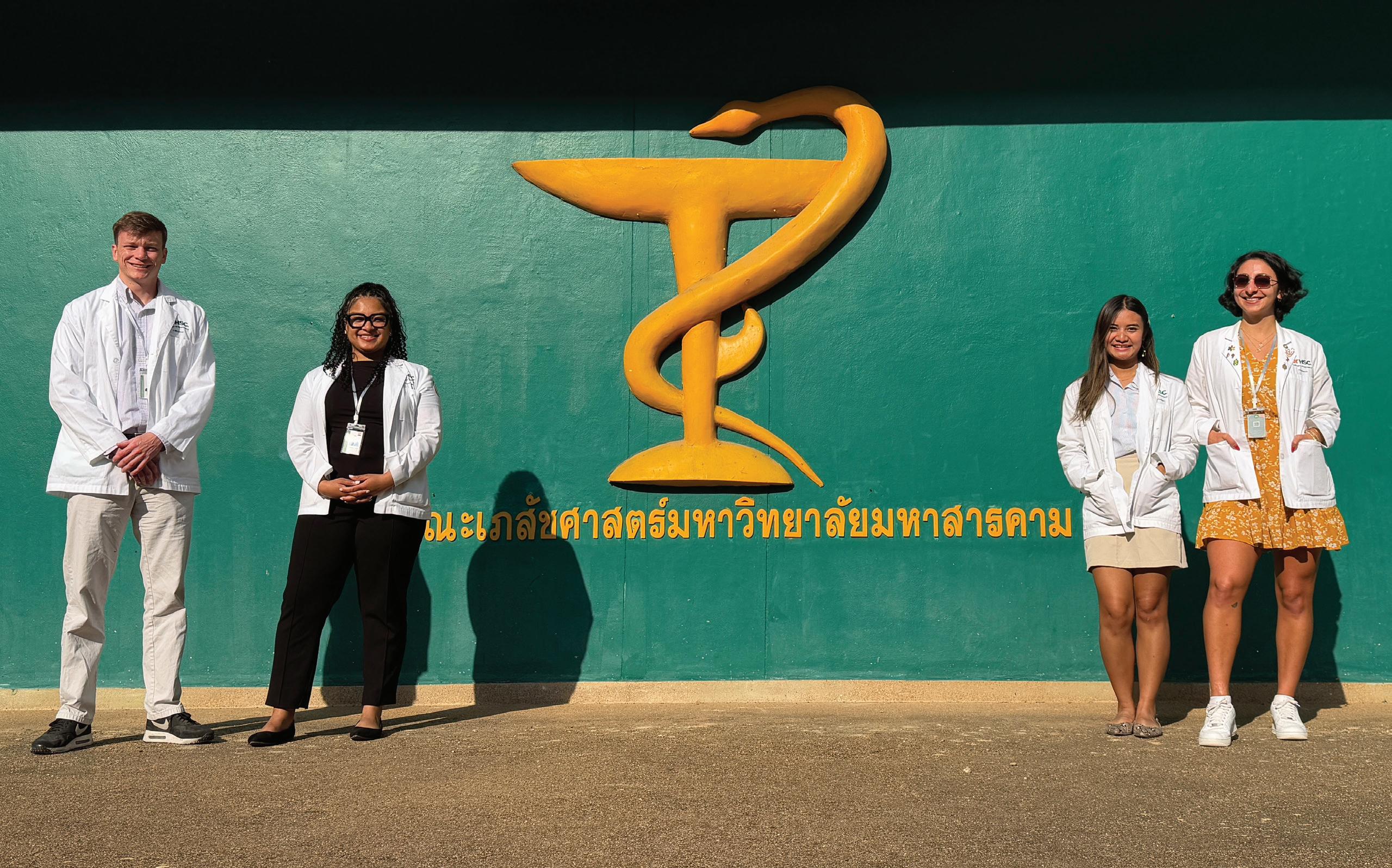
Kimberly Kinget, PharmD ’25, a first-generation Thai American, decided to visit her ancestral homeland for her international APPE, gaining valuable insight into how culture impacts patient care.
“I am a more effective pharmacist because of my experience in Thailand,” she says. “By experiencing pharmacy practice in a different context than what I learned in America, it broadened my perspective on socioeconomic factors, therapeutic outcomes, and naturopathic methods that are often overlooked in the U.S. health care system.”
This immersive journey not only enriched Dr. Kinget’s understanding of global health but also made her more empathetic and insightful with every patient she encounters, recognizing that their backgrounds significantly influence their health care needs, she says.
Adrienne Kue, PharmD ’25, credits her international APPE in Hiroshima, Japan, with gaining insight into the vibrant differences in pharmacy practice across countries. “I was struck by the distinct differences in drug distribution and compounding practices compared to those in the United States,” she says.
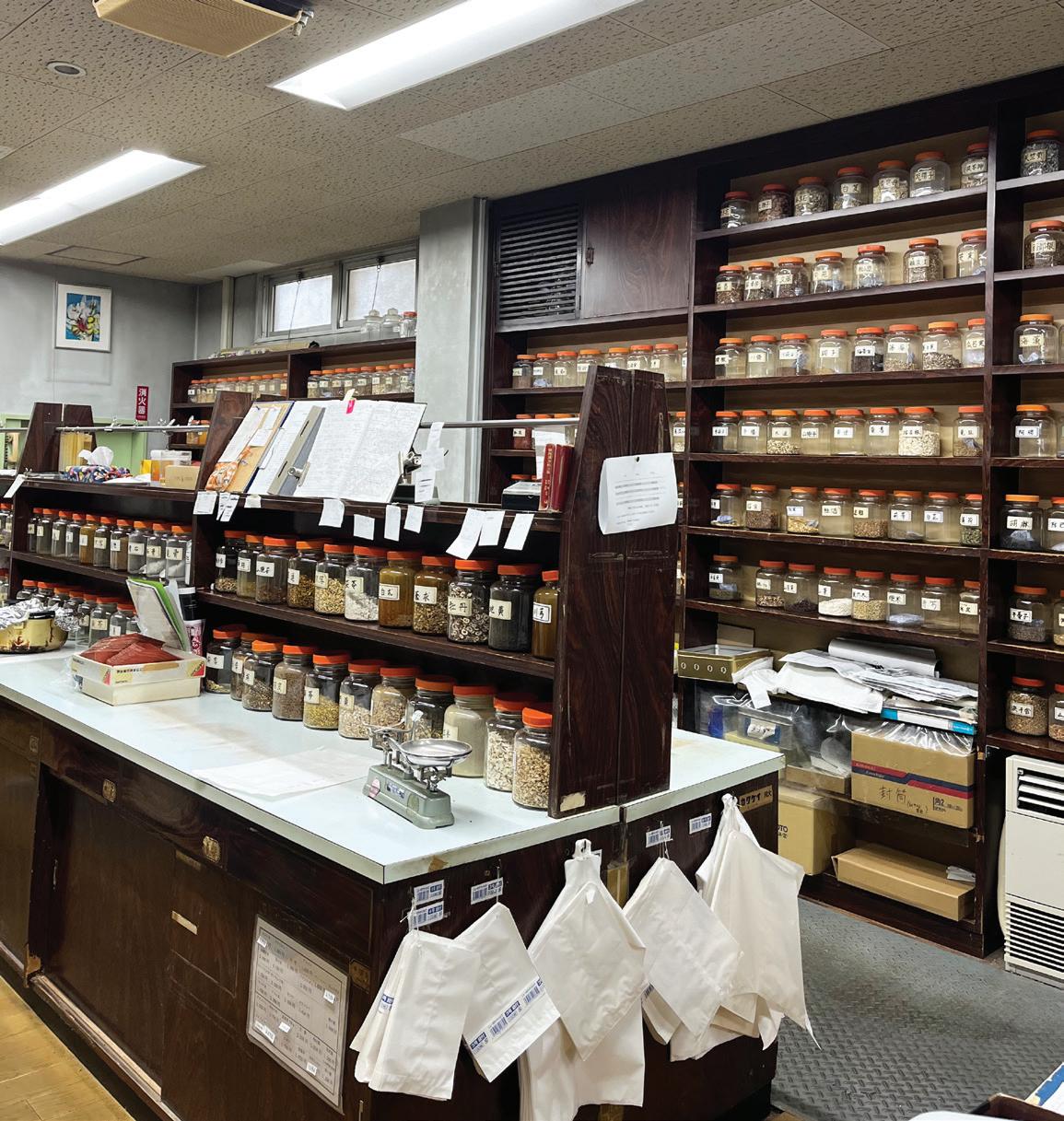
During APPEs in Hiroshima, Japan, students can learn about traditional herbal medicine at a Kampo pharmacy.
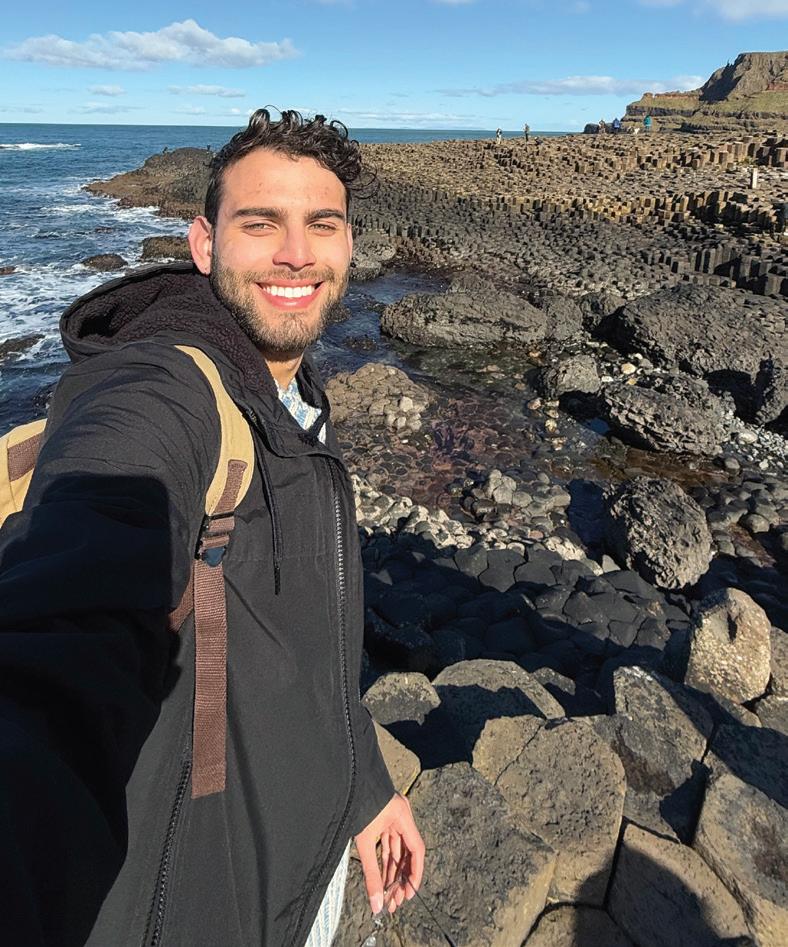
Johnsean Ramos Torres, PharmD, took time to visit the Irish seaside during his APPE in Dublin.
“One of our final experiences was a visit to a Kampo pharmacy, where we explored the practice of traditional Japanese herbal medicine. Unlike in the U.S., where herbal remedies are typically over the counter, Kampo is integrated into formal health care in Japan. We learned about the scientific basis of Kampo and even had the opportunity to prepare our formulations for personal consumption. It was an incredibly unique experience,” Dr. Kue says.
During international APPEs, pharmacy students gain invaluable lessons that shape their professional growth and cultural competence. For Amber Toler, PharmD ’25, who also visited Thailand for her international APPE, a key takeaway was the importance of cultural humility in patient care. Being immersed in a different health care system and working alongside students from Thailand, Japan, and Indonesia provided her with direct insight into how cultural beliefs, traditions, and societal structures profoundly impact health behaviors and acceptance of treatment.
“This experience challenged me to step outside of my comfort zone and consider how pharmacy practice must be adapted to respect and accommodate different cultural norms,” Dr. Toler says. “It reinforced the importance of being open-minded, asking thoughtful questions, and never assuming that one approach fits all.”
The different health care model of Barcelona, Spain, with universal coverage, strong community pharmacy networks, and a deeply ingrained role of pharmacists in public health initiatives, allowed Kayla Frick, PharmD ’25, to reflect on how different health care styles allocate resources, engage patients, and utilize the expertise of pharmacists.
“I observed how pharmacists navigate health care delivery in a universal health system, often with limited resources compared to some U.S. institutions. I saw firsthand how they adapted their clinical interventions, communication styles, and patient education strategies to align with cultural norms and system constraints,” Dr. Frick says. “The rotation reinforced my belief that pharmacists are essential contributors to global health outcomes, not just through medication management, but as public health advocates, educators, and innovators, regardless of practice variations between countries.”
“Exposure to international pharmacy practice reinforced the value of flexible, globally informed approaches to pharmacy practice and care,” says Hannah Suber, PharmD ’25, who visited Toronto, Canada, for her international APPE. The program afforded Dr. Suber the chance to enhance soft skills such as leadership and collaboration. “This experience equipped me to become a more effective pharmacist by strengthening my leadership skills through active involvement in academic initiatives and serving as an educator to international pharmacy students.”
In addition to navigating a new culture, trying different approaches to patient care, and visiting Niagara Falls, Dr. Suber took the opportunity to serve as a judge during the 2025 Health Occupation Students of America (HOSA) Canada Conference. “I learned to guide and collaborate with teams, adapt to new environments, and lead with confidence in unfamiliar settings,” she says.
The International APPE program serves as a gateway for pharmacy students to embark on transformative journeys that shape both their professional and personal lives. These global experiences develop vital skills such as cultural humility, adaptability, and leadership, preparing future pharmacists to provide compassionate, innovative, and culturally sensitive care. As students navigate varied health care environments worldwide, they become not only skilled clinicians but also empathetic, globally minded health care providers ready to make a meaningful difference.
Students participating in the International APPE program are eligible to receive a scholarship from the Seldon D. Feurt Memorial Fund, which was established to honor former Dean Feurt for his impactful contributions to the college and the pharmacy profession in Tennessee.
Students can conduct their international APPEs at locations including Maha Sarakham, Thailand; Dublin, Ireland; Toronto, Canada; Barcelona, Spain; Uppsala, Sweden; and Hiroshima, Japan. Typically, these APPEs are taken in the final semester of the student’s fourth year.
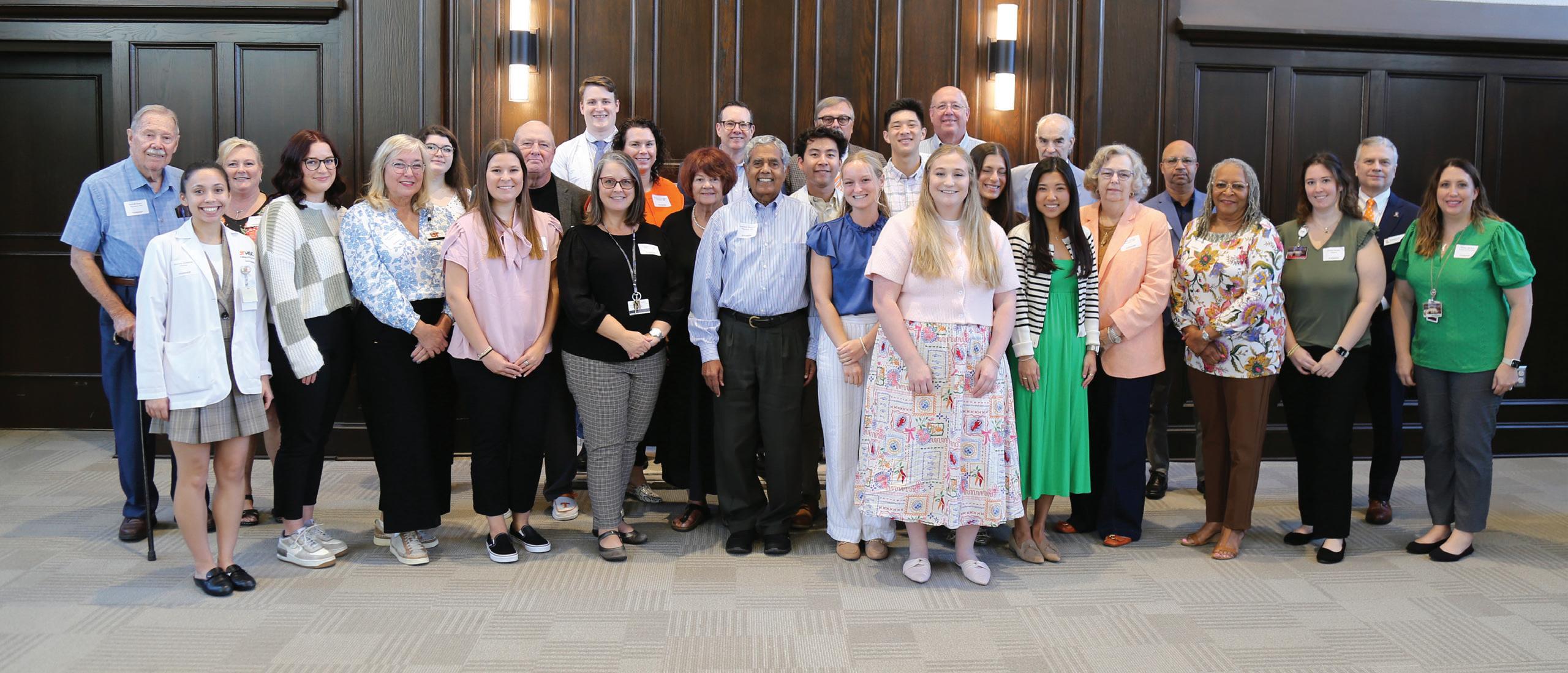
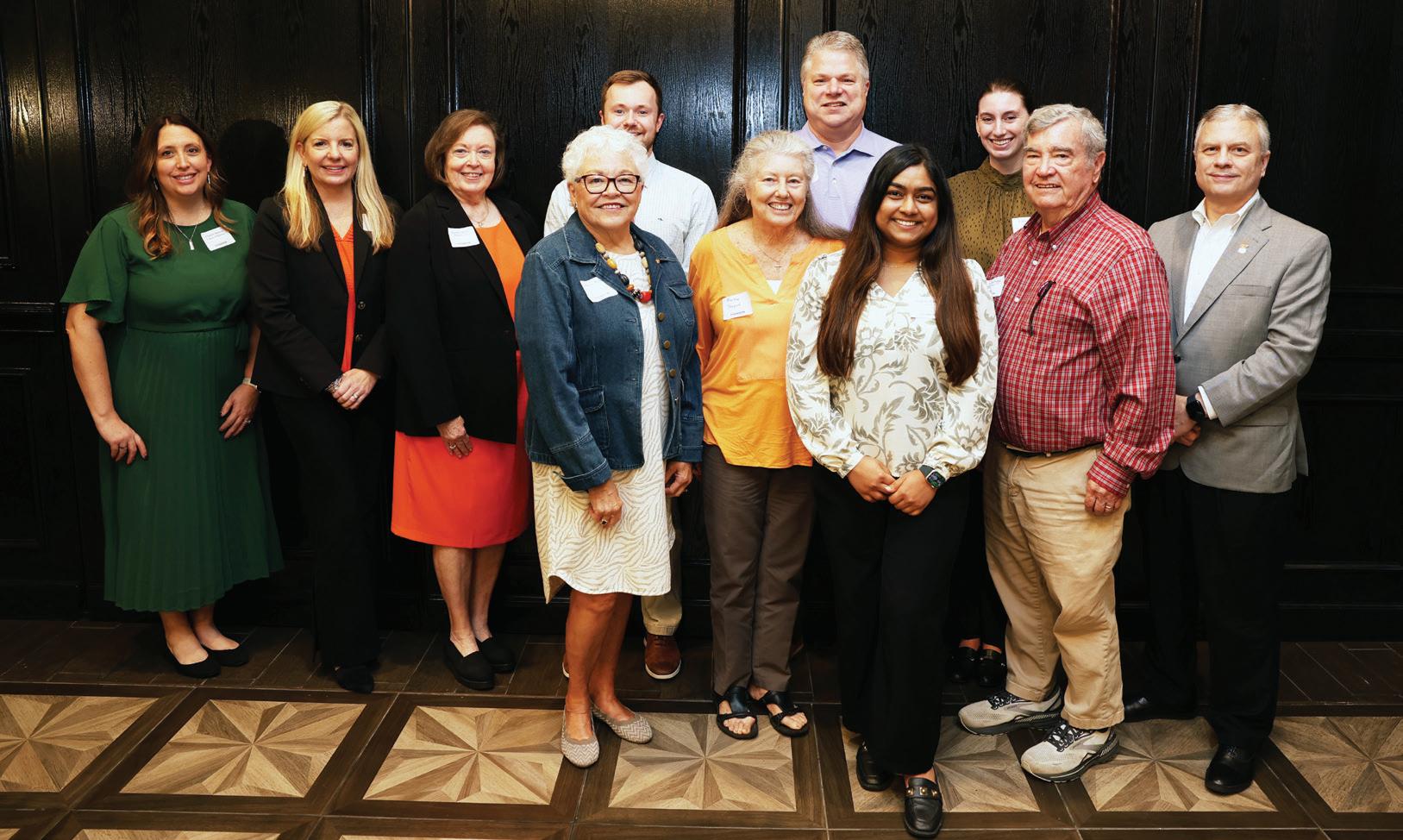
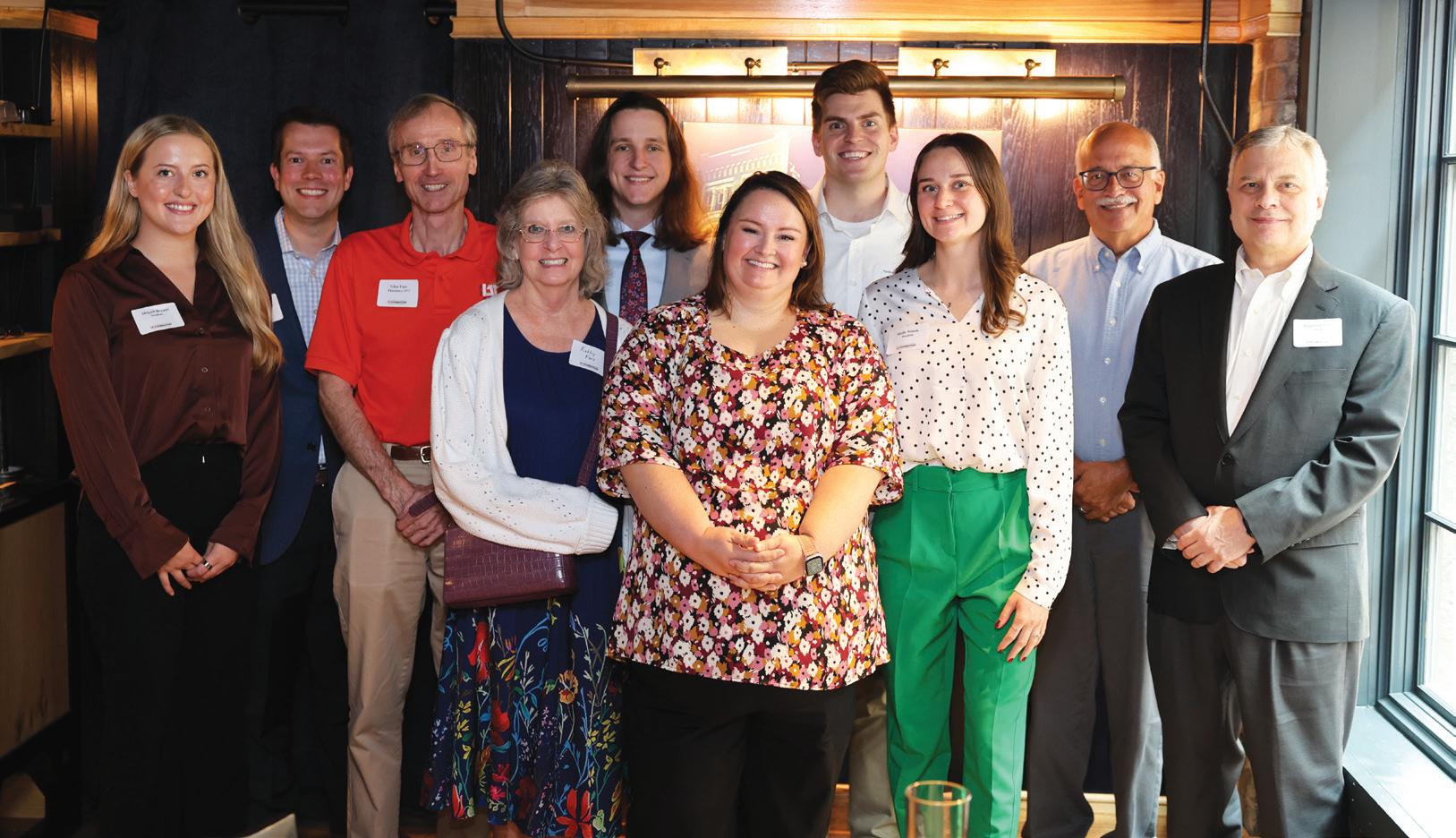
The College of Pharmacy was excited to host our annual scholarship luncheons across Tennessee this fall. These events provide an excellent opportunity for PharmD students who receive scholarships to interact with the donors who support them.
The luncheon in Knoxville was hosted at the Kennedy on September 24, the Nashville event took place at Maggiano’s Little Italy on September 25, and the Memphis event was held on campus at the Mooney Library on October 2. These remarkable events showcase the power of community and support in shaping the next generation of pharmacy leaders.
Thank you to everyone who donated to support College of Pharmacy students!
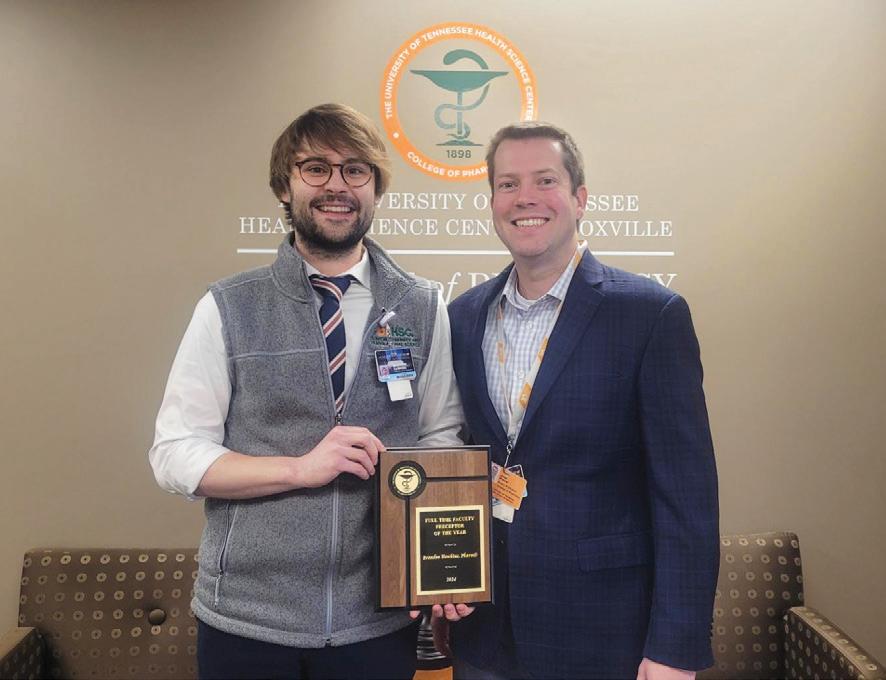
The Office of Experiential Learning and International Programs’ 2024 Preceptors of the Year were recognized for their outstanding contributions to the College’s PharmD educational program, highlighting the vital role of preceptors in pharmacy education, mentoring student pharmacists through practice experiences, and ensuring they are ready for practice upon graduation.
PRECEPTORS OF THE YEAR
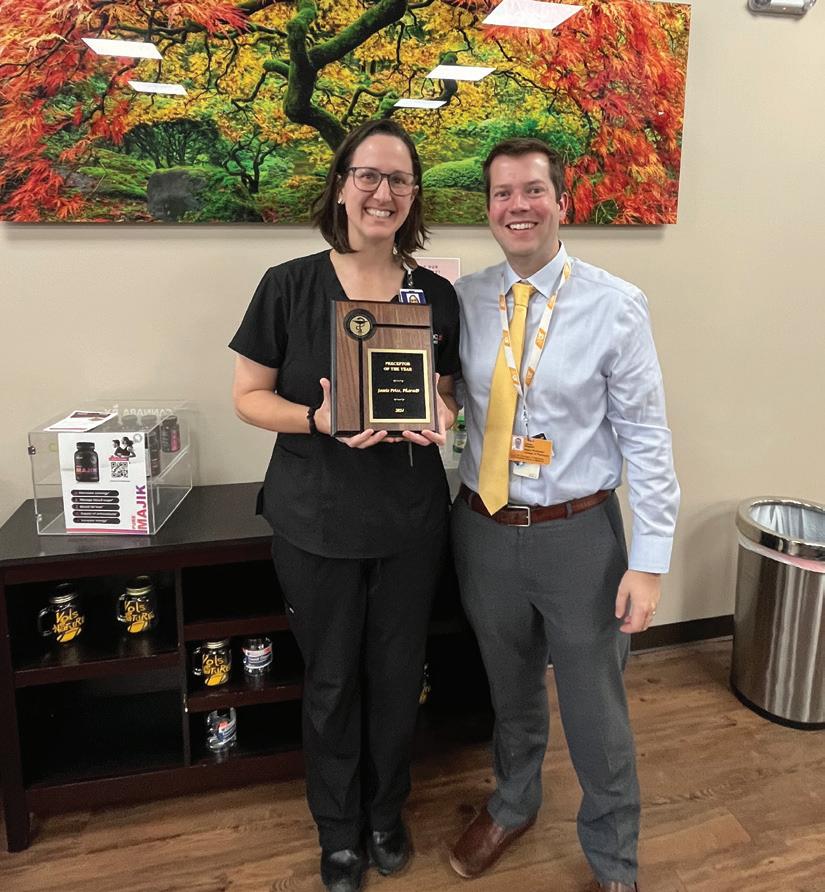
Jamie Price, PharmD
Belew Drugs, Knoxville
Rotation Type: Advanced Community
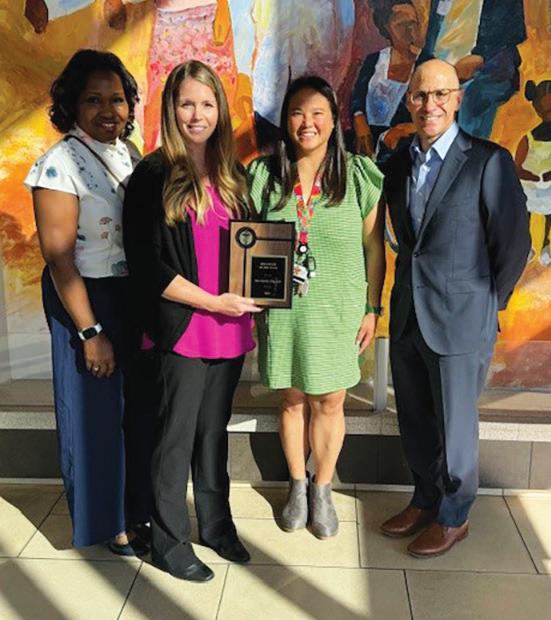
Tara Parish, PharmD
Methodist South Hospital, Memphis
Rotation Type: Adult Medicine
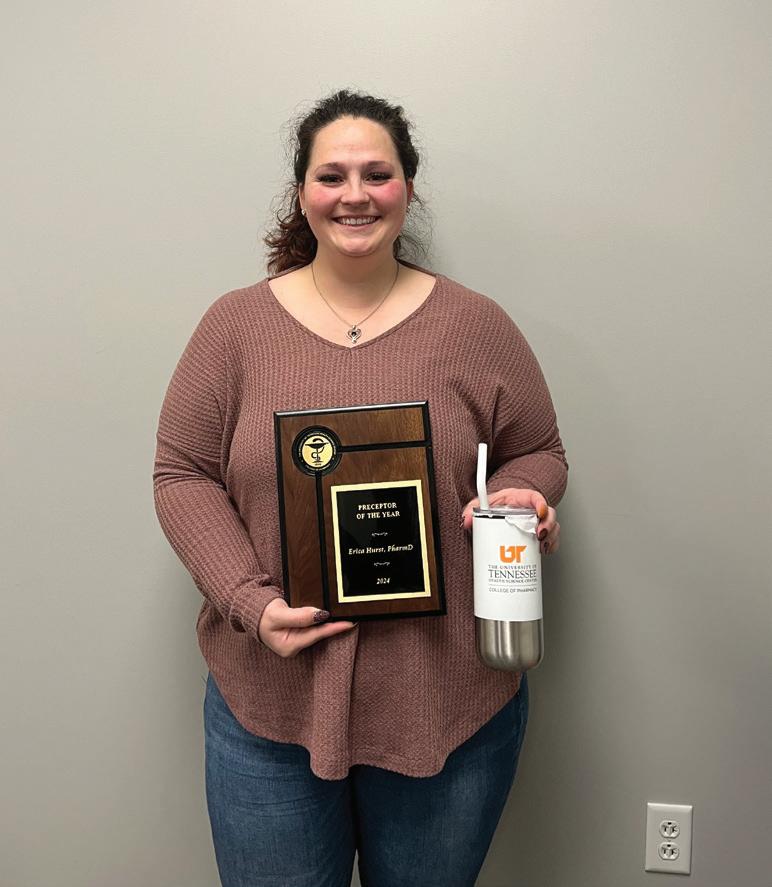
Erica Hurst, PharmD
Tennessee Department of Mental Health and Substance Abuse Services, Nashville
Rotation Type: Health Care Policy
FULL-TIME FACULTY PRECEPTOR OF THE YEAR
Brandon Hawkins, PharmD
The University of Tennessee Medical Center, Knoxville
Rotation Type: Infectious Disease
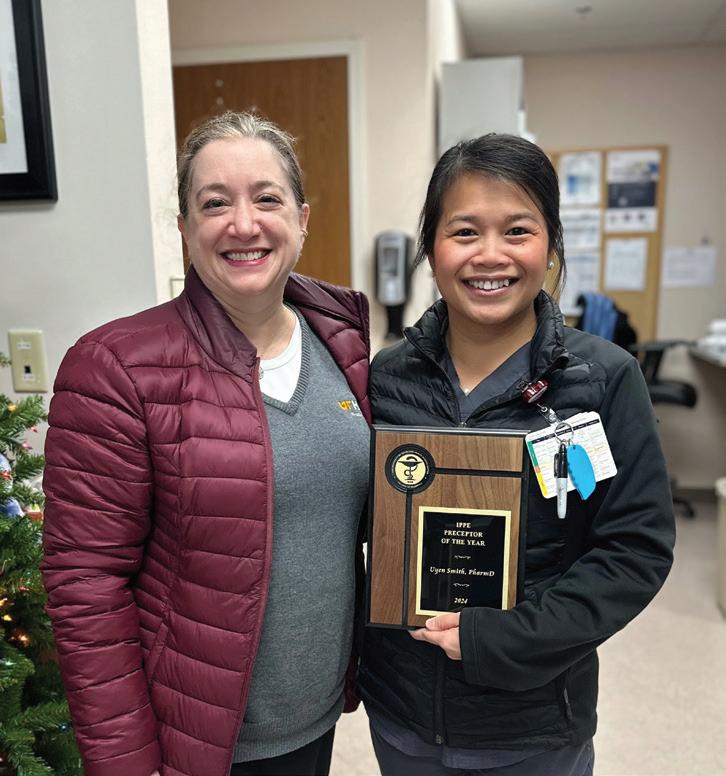
IPPE PRECEPTOR OF THE YEAR
Uyen Smyth, PharmD
Southern Hills Medical Center, Nashville
Rotation Type: IPPE Institutional
The College of Pharmacy excelled in the American Society of Health-System Pharmacists (ASHP) residency match for PGY1 (Postgraduate Year One) and PGY2 (Postgraduate Year Two) pharmacy students, achieving 66 PGY1 and 28 PGY2 matches for the 2025 cycle, totaling 94 matches from both 2024 and 2025 graduates. The college continues to rank among the best in the country for residency matches compared to other pharmacy schools, securing the No. 8 position for PGY1 matches and No. 10 for PGY2 matches. The college remains the No. 1 pharmacy school in Tennessee for PGY1 and PGY2 matches, reinforcing its status as a premier destination for pharmacy education.
In 2025, the University of Tennessee Health Science Center earned the R1 research designation from Carnegie Classification of Institutions of Higher Education. The R1 designation signifies a doctoral university with “very high research activity,” emphasizing the university’s role in innovation and research. With campuses in Memphis, Nashville, Chattanooga, and Knoxville, the university has a significant impact on Tennessee’s economy by promoting research-driven growth, job creation, and talent.
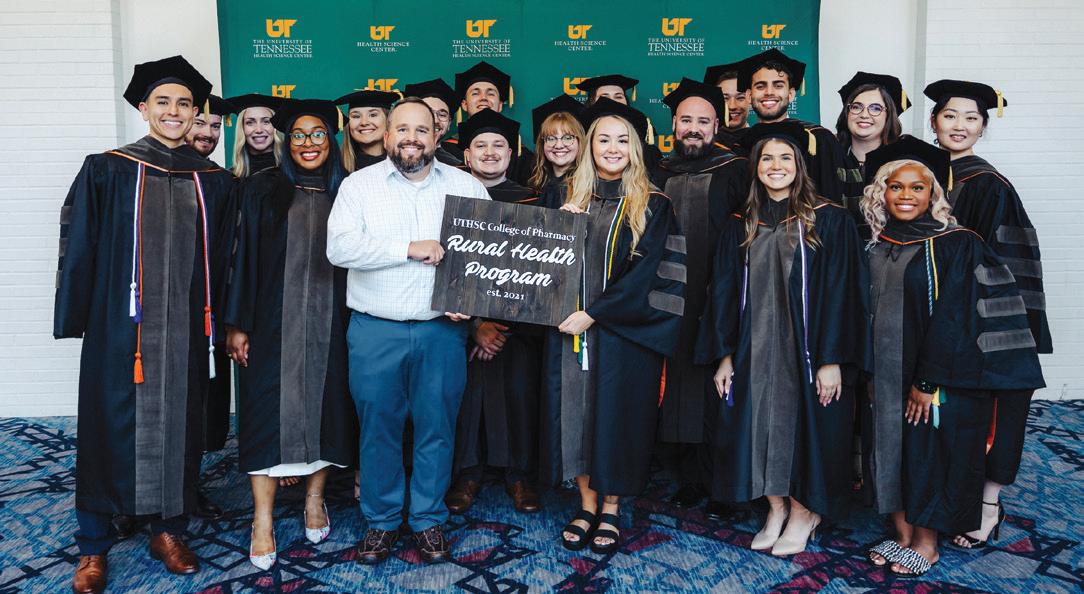
Tyler Melton, PharmD, was awarded the college’s prestigious Top Educator ACHievement (TEACH) Award, recognizing his outstanding teaching in the Doctor of Pharmacy curriculum. Dr. Melton was recognized for his innovative methods, including the creation of the Rural Health Certificate Program.
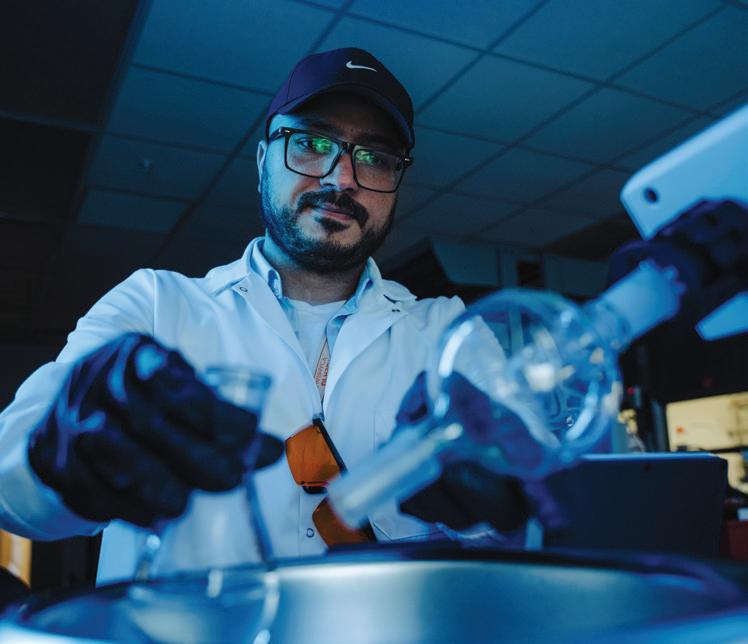
The College of Pharmacy hosted the 2024 Annual Feurt Symposium on October 16, focusing on the Pharmacist Scope Expansion Bill and its impact on Tennessee’s public health. Key speakers included Anthony Pudlo, PharmD, CEO of the Tennessee Pharmacist Association, and Andrew S. Crowe, PharmD, state director of pharmacy for the Tennessee Department of Health.
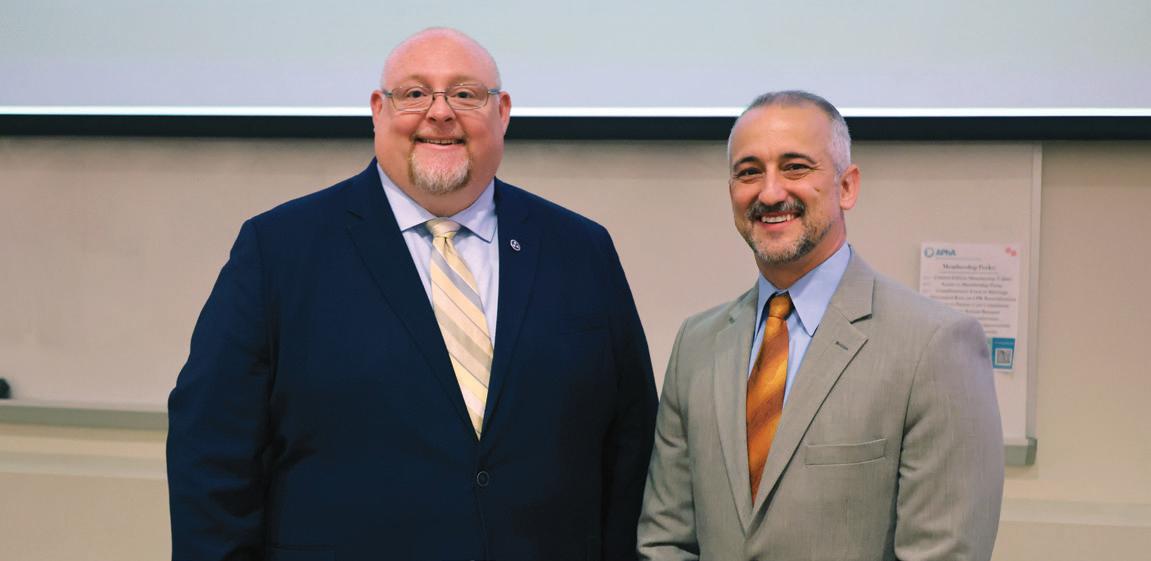
Brittney Combest, a third-year pharmacy student, was elected as the 2025-26 national president-elect of the Student National Pharmaceutical Association. Combest is passionate about serving communities and inspiring peers to make a difference through community outreach. Her leadership and dedication continue to inspire positive change both on campus and in the community.
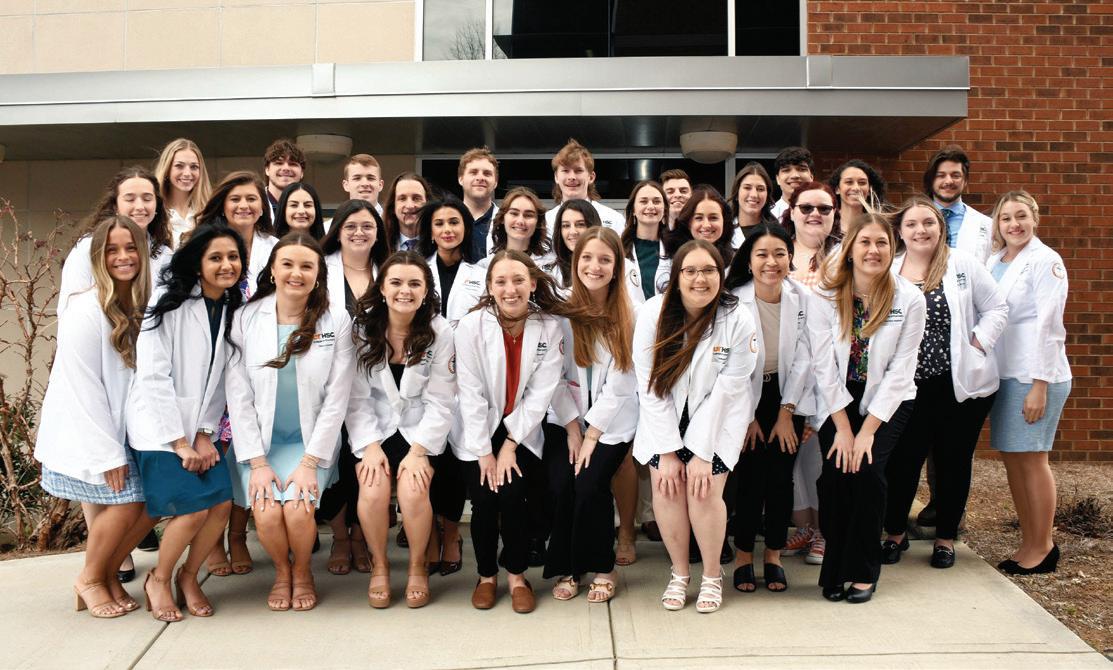
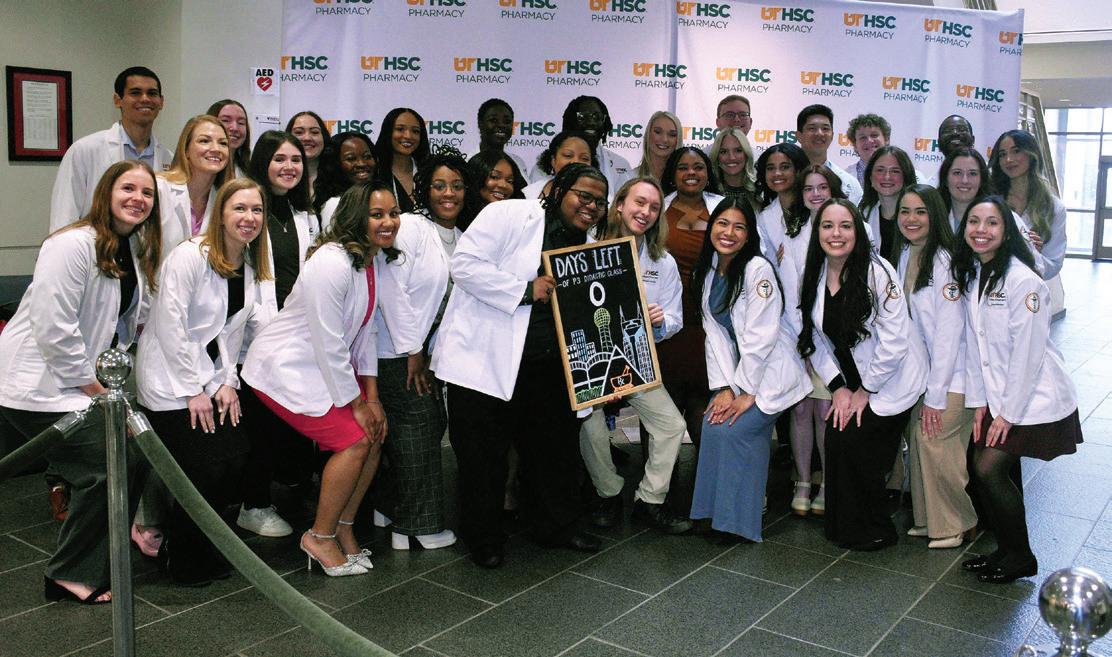
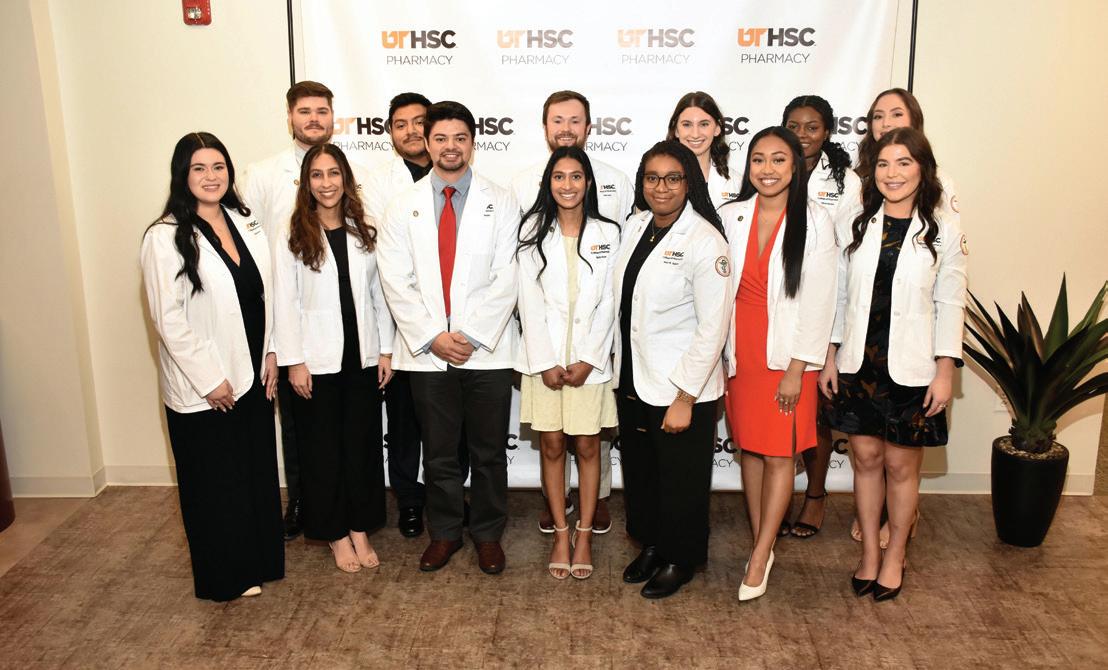
Third-year PharmD students celebrated the next phase of their training with a pinning ceremony across all campuses on February 18. The event marked the completion of their coursework and the beginning of their transition to the advanced practice experience portion of their curriculum. Scan the QR code for more photos.
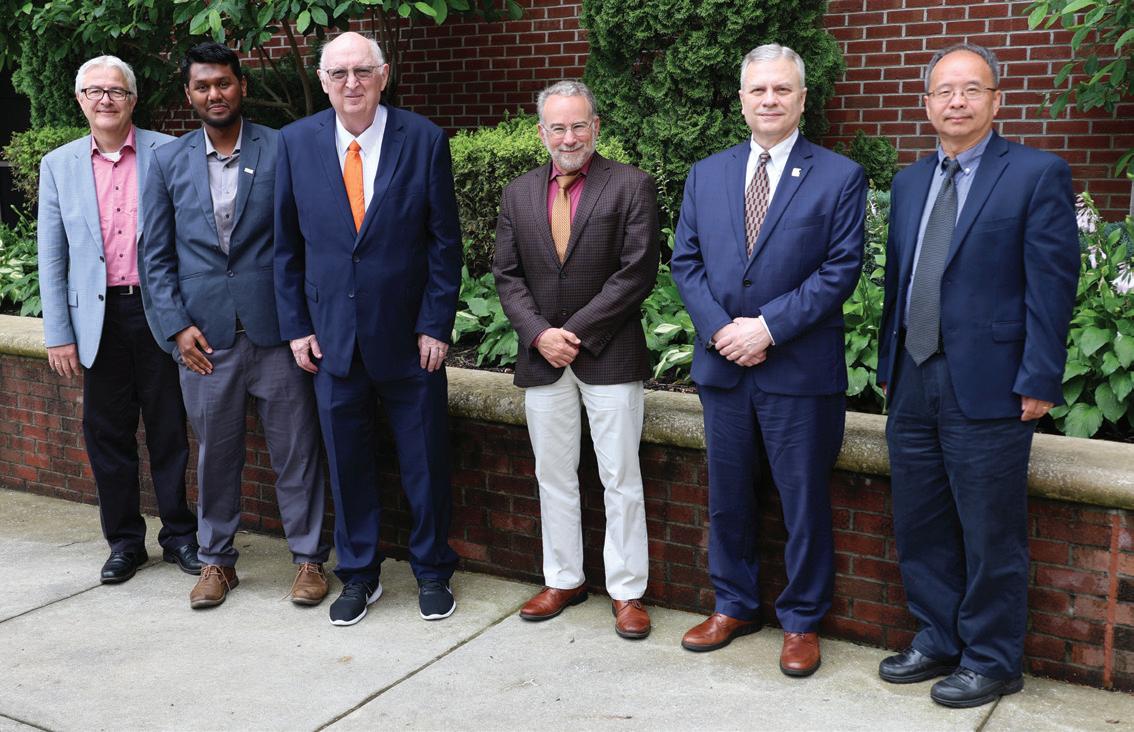
On May 20, the college welcomed to campus 2025 Duane D. Miller Lectureship speaker Michael S. Wolfe, PhD, who delivered a lecture titled “Integrating Chemistry and Biology to Solve Alzheimer’s Disease.” The event also honored PhD student Ahmed Rakib, who received the 2025 Duane D. Miller Award in Drug Discovery for his research at the College of Pharmacy.
Pictured above, from left to right, are Bernd Meihbohm, PhD; Ahmed Rakib; Duane D. Miller, PhD; Michael S. Wolfe, PhD; Dean Reggie Frye, PharmD, PhD; and Wei Li, PhD.
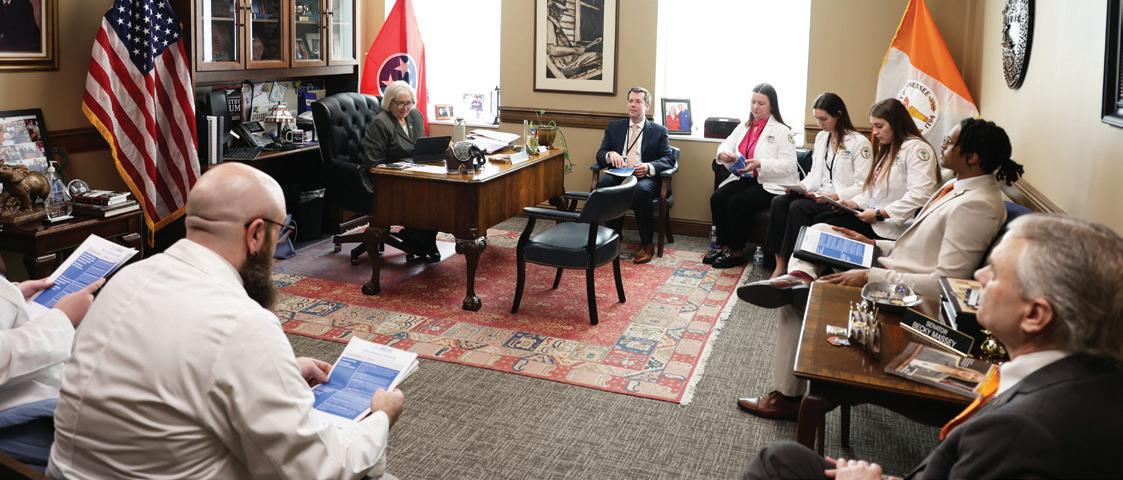
On February 25, College of Pharmacy students and faculty visited the Tennessee Capitol in Nashville to speak with legislators about improving pharmacy care in the state. The visit included discussions with 1994 College of Pharmacy graduate Sen. Shane Reeves, PharmD, representing Bedford, Cannon, Moore, and Rutherford counties; Sen. Becky Massey, of Knox County; Sen. Richard Briggs, MD, of Knox County; and 1969 College of Pharmacy graduate Lt. Gov. Randy McNally, PharmD.
In 2025, the College of Pharmacy launched a new online graduate certificate in Clinical and Translational Pharmacy (CTP) for pharmacists and health care professionals seeking research skills in clinical science, health policies, and patient outcomes. It prepares professionals for emerging roles in health outcomes research, managed care, public health, and the pharmaceutical industry. For more information and to apply, visit uthsc.edu/ctpprgm.
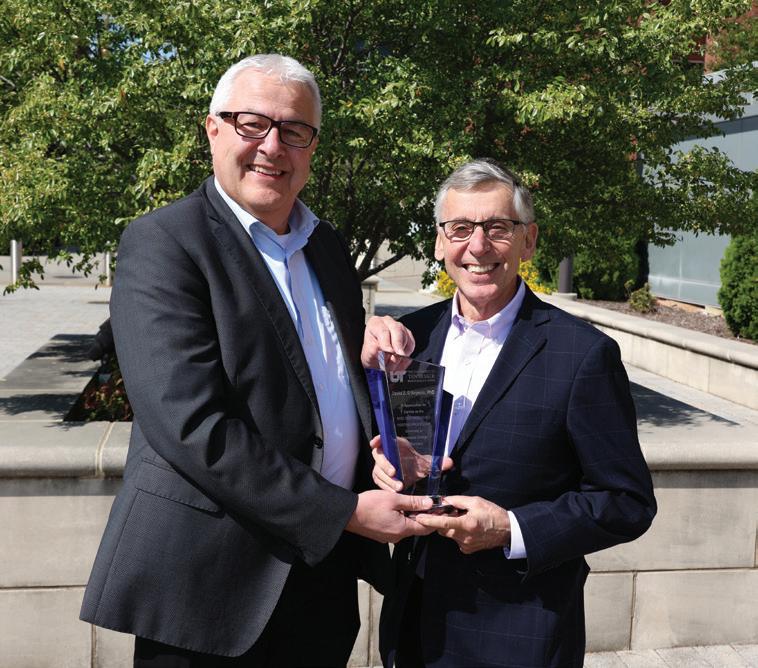
On October 11, 2024, the college held the 2024 Avis Distinguished Visiting Professorship event after a hiatus of several years. The speaker, David Z. D’Argenio, PhD, is a renowned professor of biomedical engineering at the University of Southern California with extensive expertise in biomedical engineering and pharmacometrics. The award honors the legacy of the late Kenneth Avis, PhD, a pioneering faculty member and leader in pharmaceutical sciences at the College of Pharmacy for over four decades.
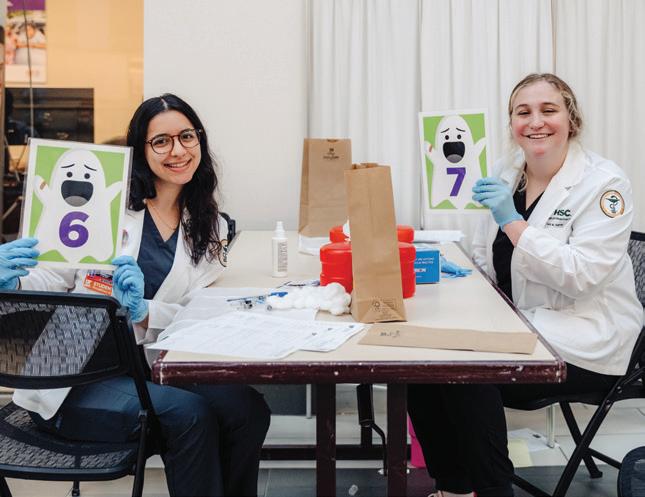
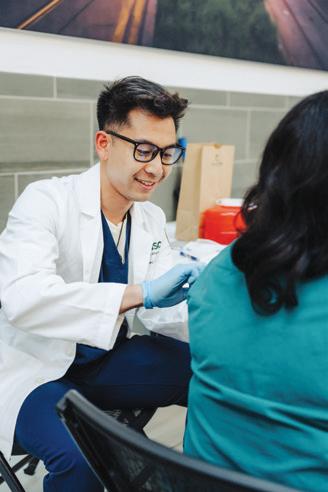
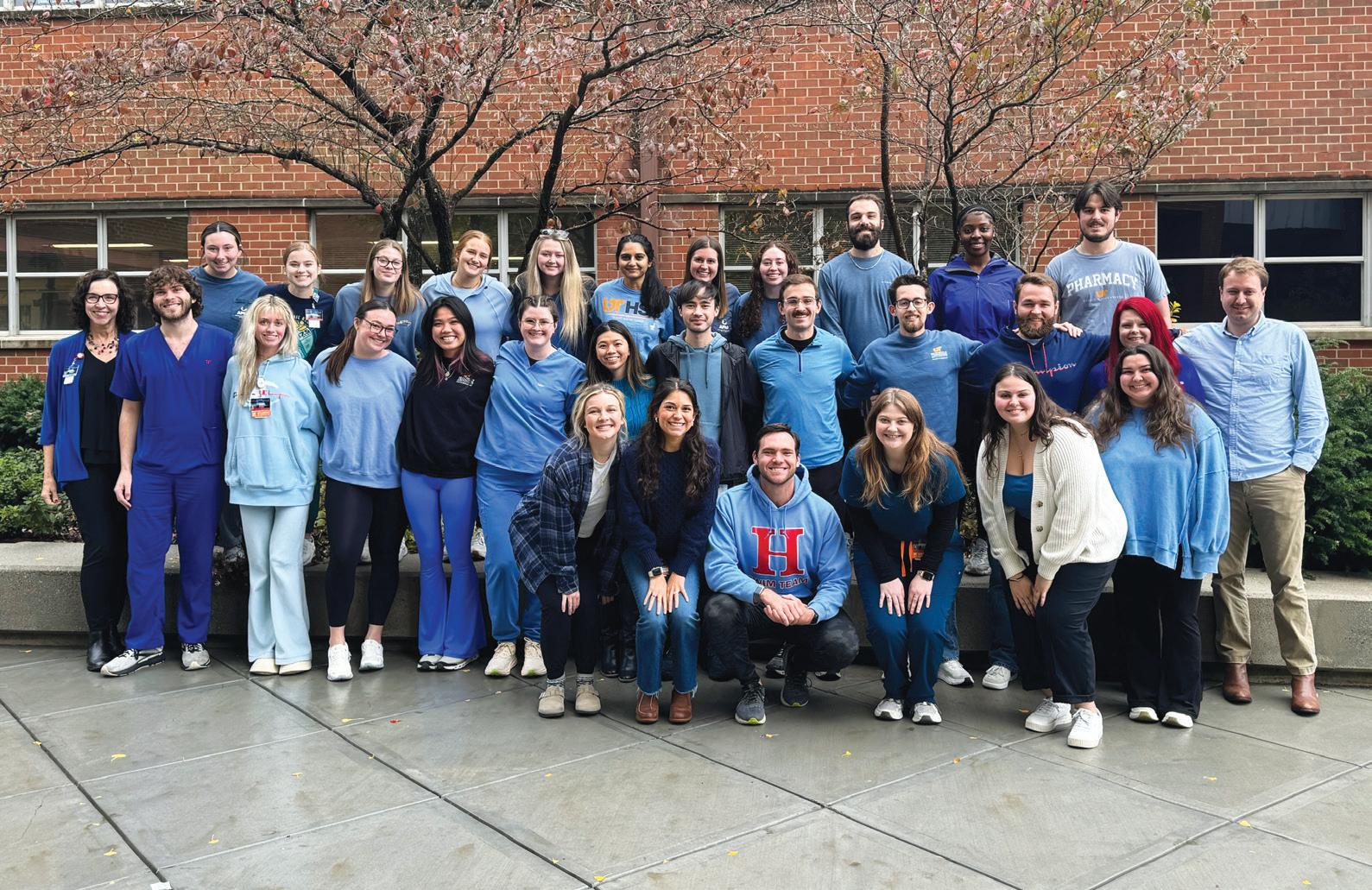
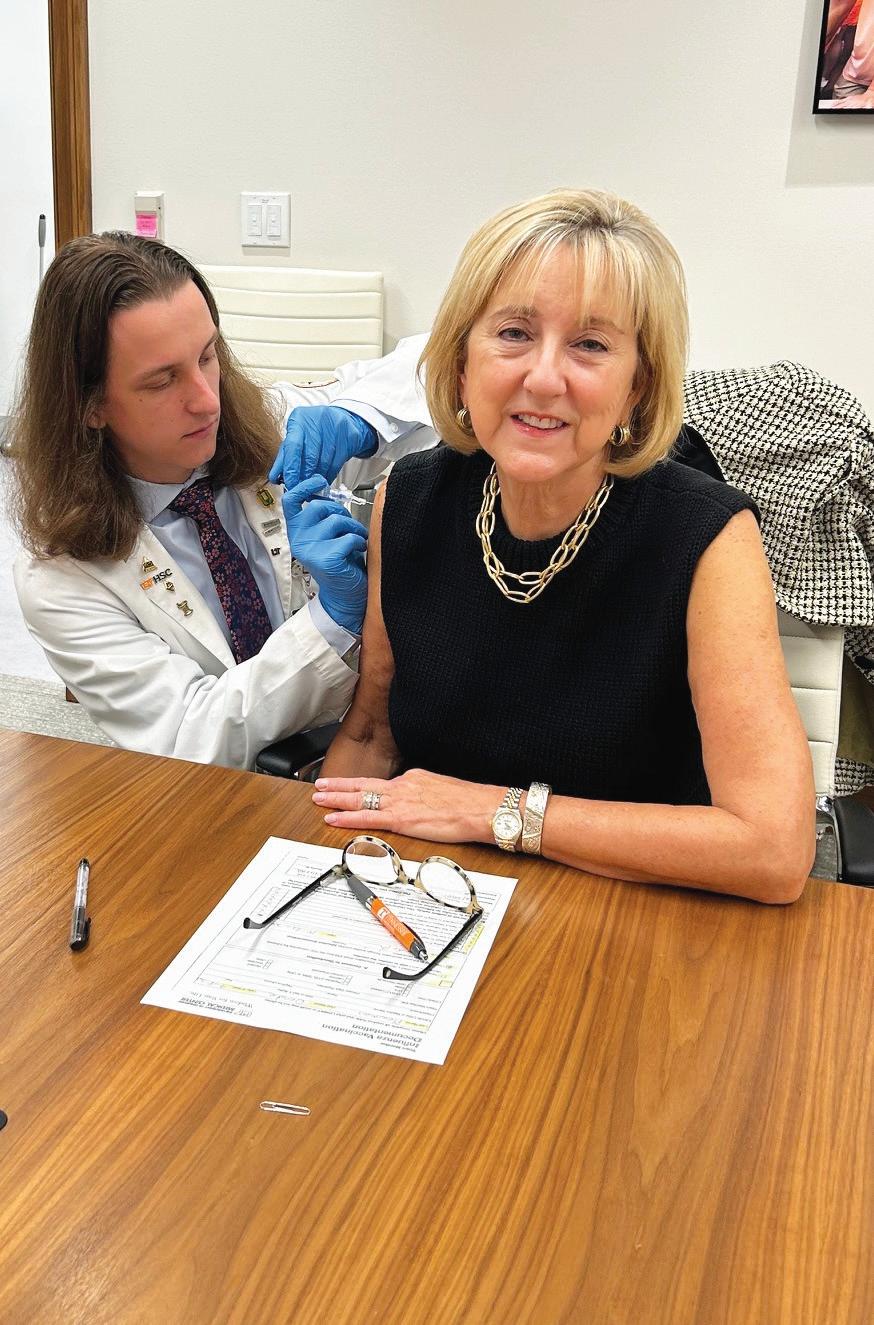
Continuing an annual tradition, on September 27, 2024, 50 College of Pharmacy students, along with University Health Services staff, administered 1,027 flu vaccines to UT Health Science Center faculty, students, and staff members.
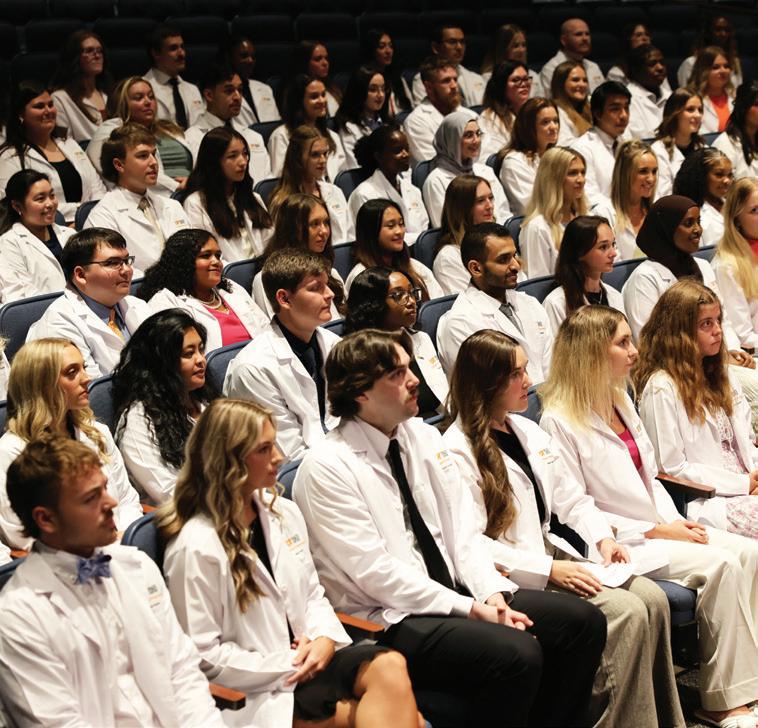
This August, the college welcomed the PharmD Class of 2029, with 99 students from 49 undergraduate institutions, boasting a median GPA of 3.58. This continues the tradition of attracting top students from across the nation. During orientation week, the students received their white coats at a ceremony on August 6. Derek Holyfield, PharmD, CEO of West Tennessee Pharms, shared his pharmacy journey and highlighted the importance of relaxation and balance amid studies.
Scan the QR code for more photos.
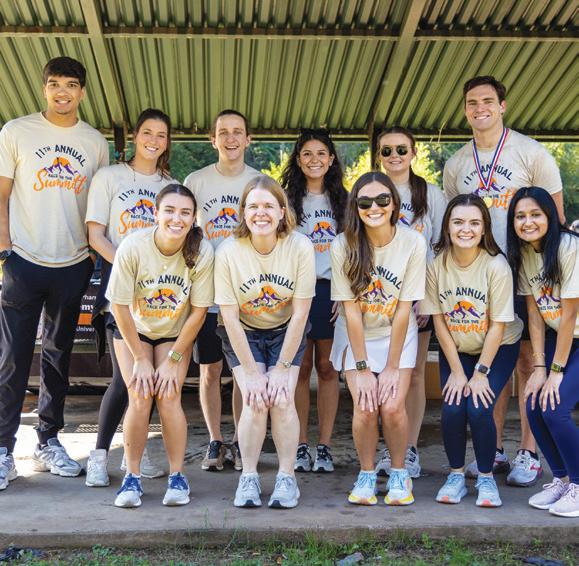
The 11th Annual Race for the Summitt 5K on September 21, 2024, honored the legacy of famous Lady Vols coach Pat Summitt, who passed away in 2016 from complications related to Alzheimer’s disease. Organized entirely by students from the American Pharmacists Association-Academy of Student Pharmacists (APhA-ASP) at the college, the event had more than 150 participants and raised over $5,500 for the Pat Summitt Foundation, which raises funds for Alzheimer’s research and works to raise awareness of the disease.
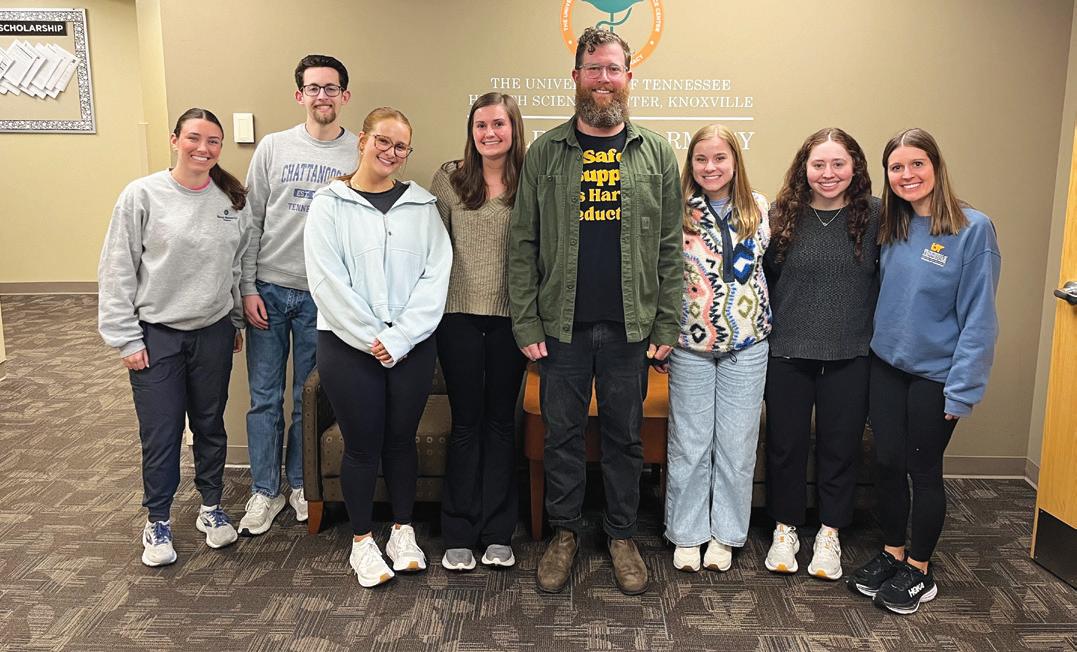
A major strength of the college, UT Health Science Center’s nationally honored student chapters of pharmacy organizations provide opportunities for future pharmacists to participate in community service, engage in high-quality professional development, and connect with like-minded pharmacy students and faculty across the country.
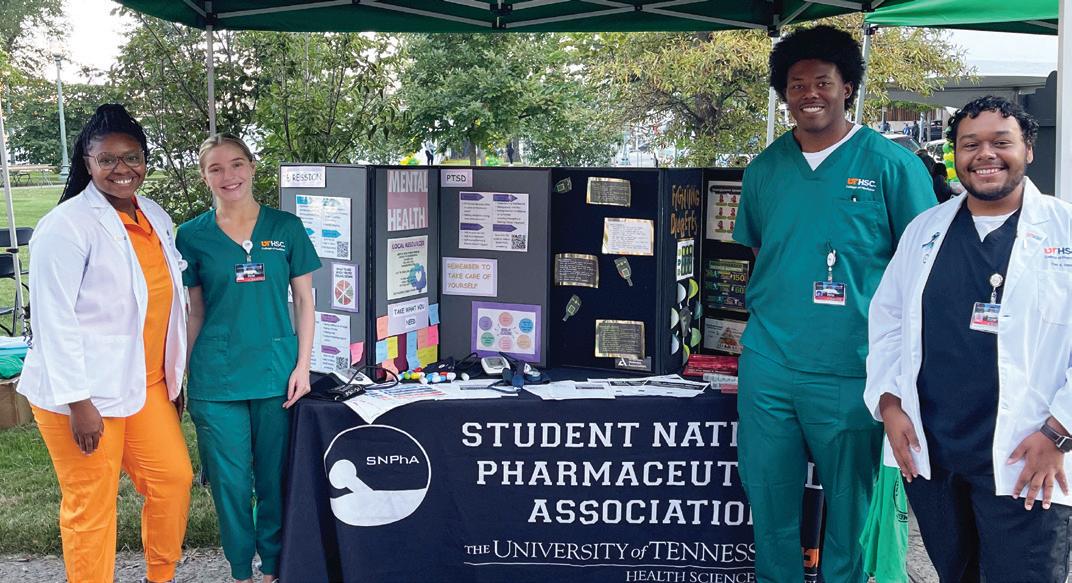
In the 2024-25 academic year, the student chapters of the American Pharmacist Association-Association of Student Pharmacists (APhA-ASP), the Student College of Clinical Pharmacists (SCCP), and the Student National Pharmacists Association (SNPhA) have spent the year earning national awards for their knowledge, serving the community, and advocating for a healthier world.
American Pharmacists Association-Association of Student Pharmacists
The UT Health Science Center APhA-ASP chapter had a busy year, hosting various service events, including fundraisers for scholarships, the Race for the Summitt, which raised $5,000 to support Alzheimer’s research through the Pat Summitt Foundation, and the Emmett Manley Pharmacy Golf Tournament, which benefited the chapter and supported community patient care. The chapter also participated in the APhA Annual Meeting in Nashville, earning the National Patient Care Award and placing second runner-up in key committees. Throughout the year, the chapter screened 3,360 patients for diabetes, 596 for heart health, and administered 4,211 vaccinations in the community. Additionally, the CPR committee conducted 19 CPR classes across the state.
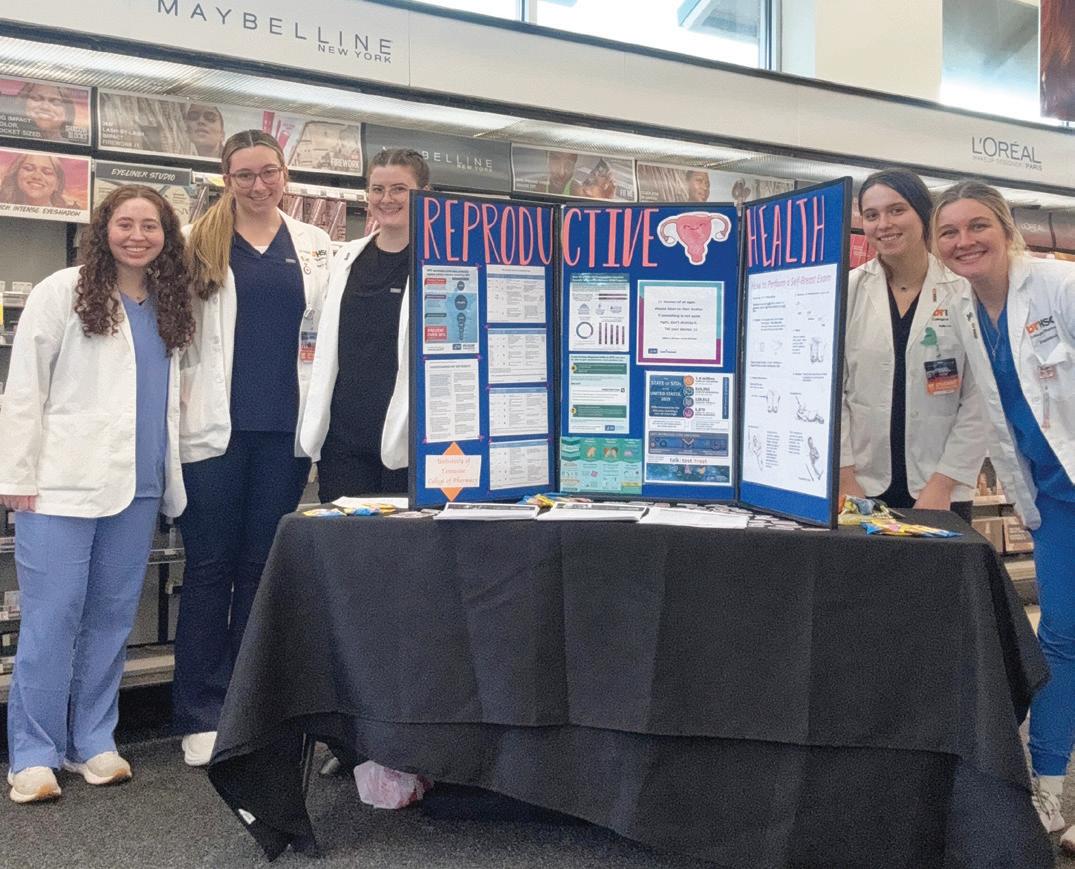
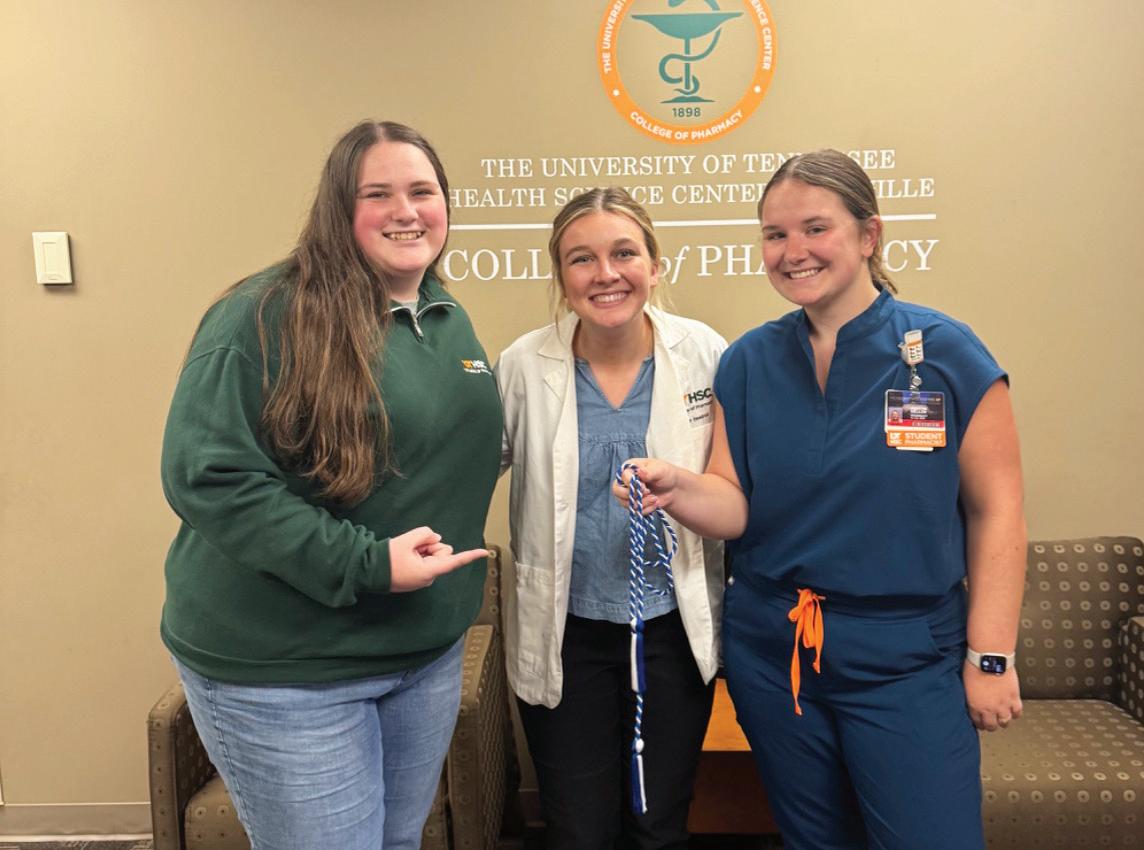
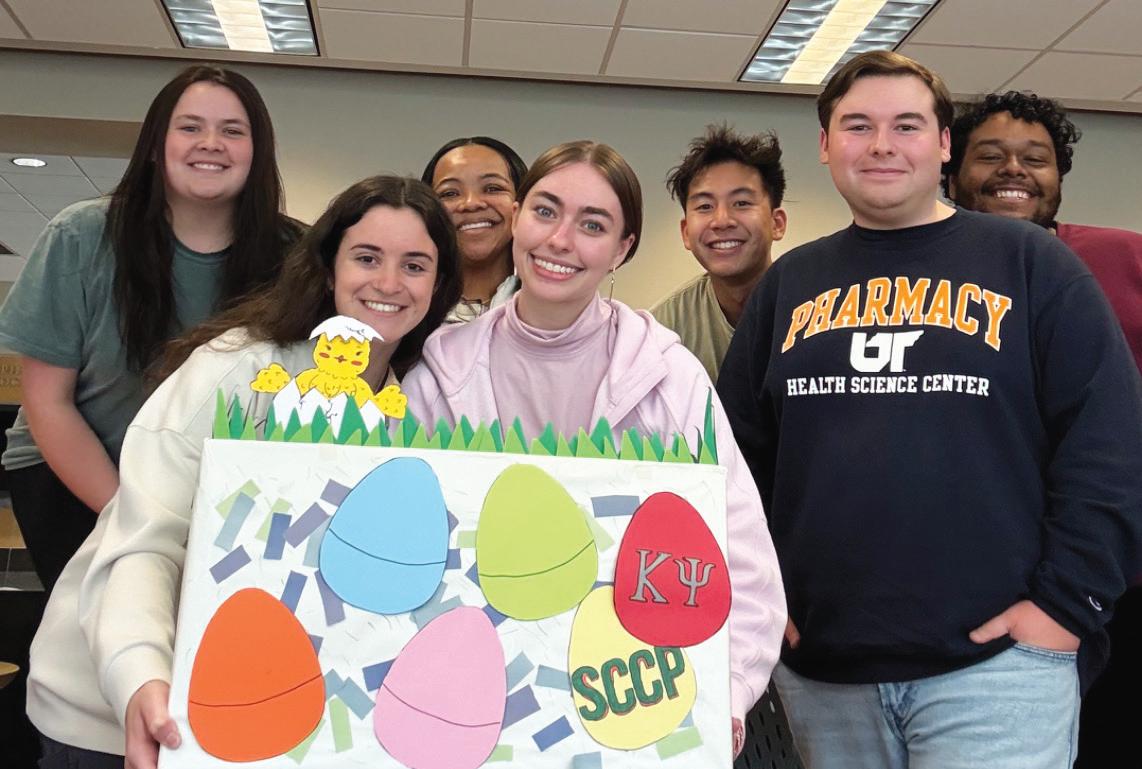
The SCCP chapter, established to promote careers in clinical pharmacy and excellence in patient care, research, and education, had a successful inaugural year. Students participated in two American College of Clinical Pharmacy (ACCP) student competitions. In fall 2024, the chapter reached the semifinals of the ACCP Clinical Pharmacy Challenge, a quiz-bowl competition in which teams of three test their pharmacy knowledge. The chapter’s team for the 2025 Clinical Research Challenge, a team-based competition where teams of three students compete in a journal club-style contest against teams from other colleges of pharmacy, placed in the top 20 out of 79 teams nationwide.
The chapter established four committees – Research, Patient Care, Medical Spanish, and Membership – and started a shadowing program linking students with clinical preceptors statewide. The chapter also co-hosted events with SNPhA and Kappa Psi to create goodie bags for children at Le Bonheur Children’s Hospital and East Tennessee Children’s Hospital around Valentine’s Day and Easter. It is launching a Medical Spanish certificate to improve communication with Spanish-speaking patients.
Over the past year, SNPhA’s community outreach initiatives included career fairs, health expos, and mentorships, reaching 500 students, as well as vaccine drive Operation Immunization that administered over 1,120 shots and supported the on-campus Boo Flu vaccination event. The chapter organized diabetes screenings, health education initiatives, and legislative efforts, including voter registration drives and a resolution on student mental health passed at the organization’s Regional Conference. Members promoted stroke, sickle cell, and kidney health awareness, gained national recognition for mental health advocacy, distributed more than 150 goodie bags to children’s hospitals, packaged 6,500 naloxone kits for harm reduction, and ran monthly HIV/ AIDS campaigns. They also held professional workshops and made nearly 2,000 community connections with more than 40,000 minutes of service, demonstrating their dedication to community and pharmacy-led change.
By Nathan Ball
Darcy Doran, an Immersive PharmD Accelerated Track (ImPAcT) student in her final year, always wanted to be a pharmacist. “My grandmother was a pharmacist, and that’s where I got my inspiration.”
Growing up in Nashville, Doran attended Christian Brothers University (CBU) in Memphis for her undergraduate studies, where she played basketball. University of Tennessee’s renowned women’s basketball coach, Pat Summitt, was always a hero for her. When Summitt died from Alzheimer’s disease, Doran, who had always had an interest in research, found a renewed sense of purpose.
“Growing up, seeing firsthand how loved ones were affected by Alzheimer’s disease, that just really further fueled my passion for wanting to go into research,” Doran said. “It kind of made me think, I want to be involved in finding a cure for this disease.”
As a senior at CBU, Doran was introduced to Kirk Hevener, PharmD, PhD, an alumnus of the College of Pharmacy and now associate professor in the Department of Pharmaceutical Sciences.
She spent her senior year at CBU interning in Dr. Hevener’s lab, a practice she continued when she began her PharmD studies. “Throughout my time at the College of Pharmacy, being involved in research has expanded my knowledge and helped me throughout my curriculum, both in didactic learning and in real-world applications,” Doran said.
While many PharmD students choose to conduct research at hospitals or with professors in clinical research involving patient populations, Doran chose to earn her research credits at the laboratory bench, which helped her better understand the structures of the drugs she will manage as a pharmacist.
“Professor Hevener is a medicinal chemist. He examines the structures of compounds in his research,” Doran said. “We study medicinal chemistry as part of our curriculum, which is interesting to observe. In class, we learn that the structure of a drug determines whether it should be taken with food due to a specific functional group or hydrogen bond, or if it causes particular side effects. That’s similar to what we do in the lab, so it’s been fascinating to see the forefront of research. We’re developing these compounds and these structures and how we can see it when a drug is actually made and developed.”
Doran’s research in Dr. Hevener’s lab attracted notable attention. In November 2024, Doran was one of 10 PharmD
students nationwide chosen to present at the American Association of Colleges of Pharmacy’s inaugural PharmD Research Showcase, highlighting their faculty-supported research and how it aligns with their career goals in pharmacy.
Her research examined the microbial interactions between Porphyromonas gingivalis and Fusobacterium nucleatum, which worsen periodontal disease and related systemic conditions. This study promotes the exploration of narrow-spectrum FabK inhibitors as alternatives to broadspectrum antibiotics. The project aims to understand the biochemical and structural requirements for FabK inhibition, with the goal of developing targeted inhibitors to treat periodontal disease and address antimicrobial resistance.
“This experience was incredibly rewarding, and I am deeply grateful for the opportunity to present my research on a national platform,” Doran said. “It not only enhanced my scientific communication and presentation skills but also allowed me to engage with a broader research community.”
“My time conducting research at the UT Health Science Center College of Pharmacy has been especially impactful, fostering valuable mentorships with faculty and graduate PharmD/PhD students. These relationships have provided essential guidance, helped me build meaningful connections in the research field, and supported my exploration of potential career paths within pharmacy.”
During her final year of rotations, Doran’s research career continues to evolve. “I have so many interests, I feel like I need to narrow down my research area,” she said. “I’ve always been passionate about Alzheimer’s disease and learning more about it.”
“Also, throughout my time here at the College of Pharmacy, cardiology has been a topic that has been very interesting to me, as well as women’s health. So maybe those are some areas that I may see myself getting into at some point.”
As Doran continues to pursue her passion for research and pharmacy, her dedication and curiosity promise to equip her to make valuable contributions and drive innovation in the health care world. “I am just really grateful for the opportunity that I have had to research here at the College of Pharmacy and just all of the opportunities that have come along with research.”
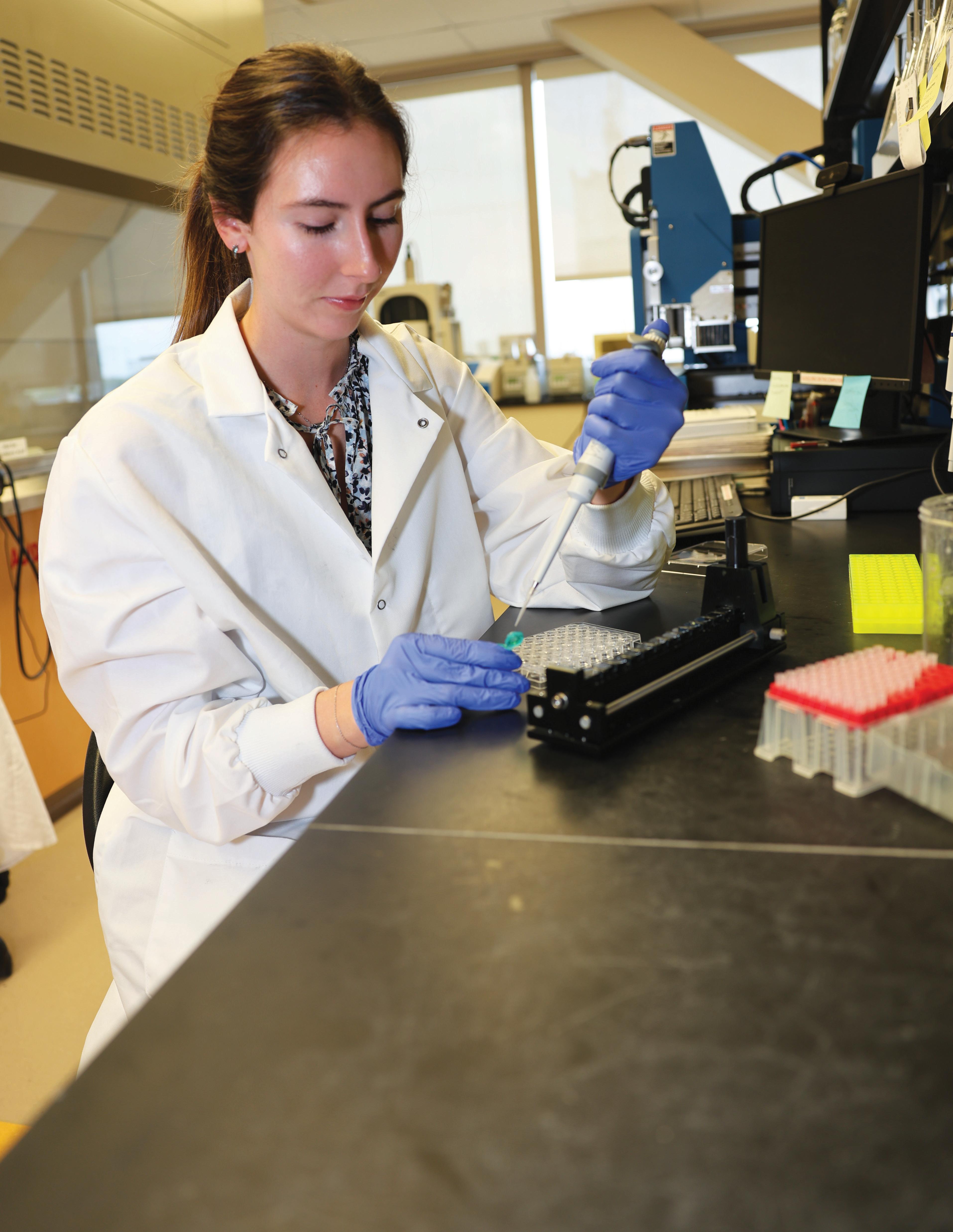
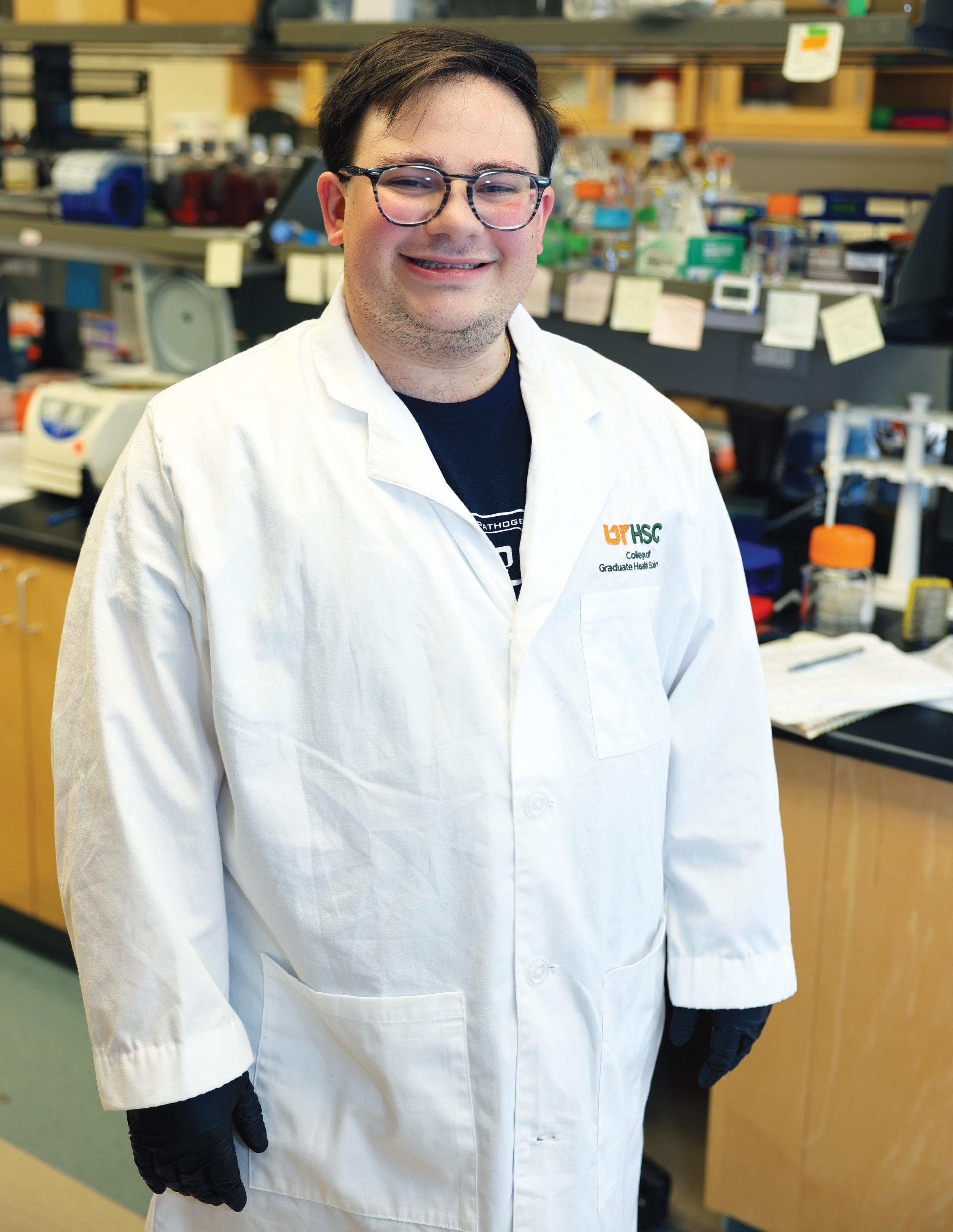
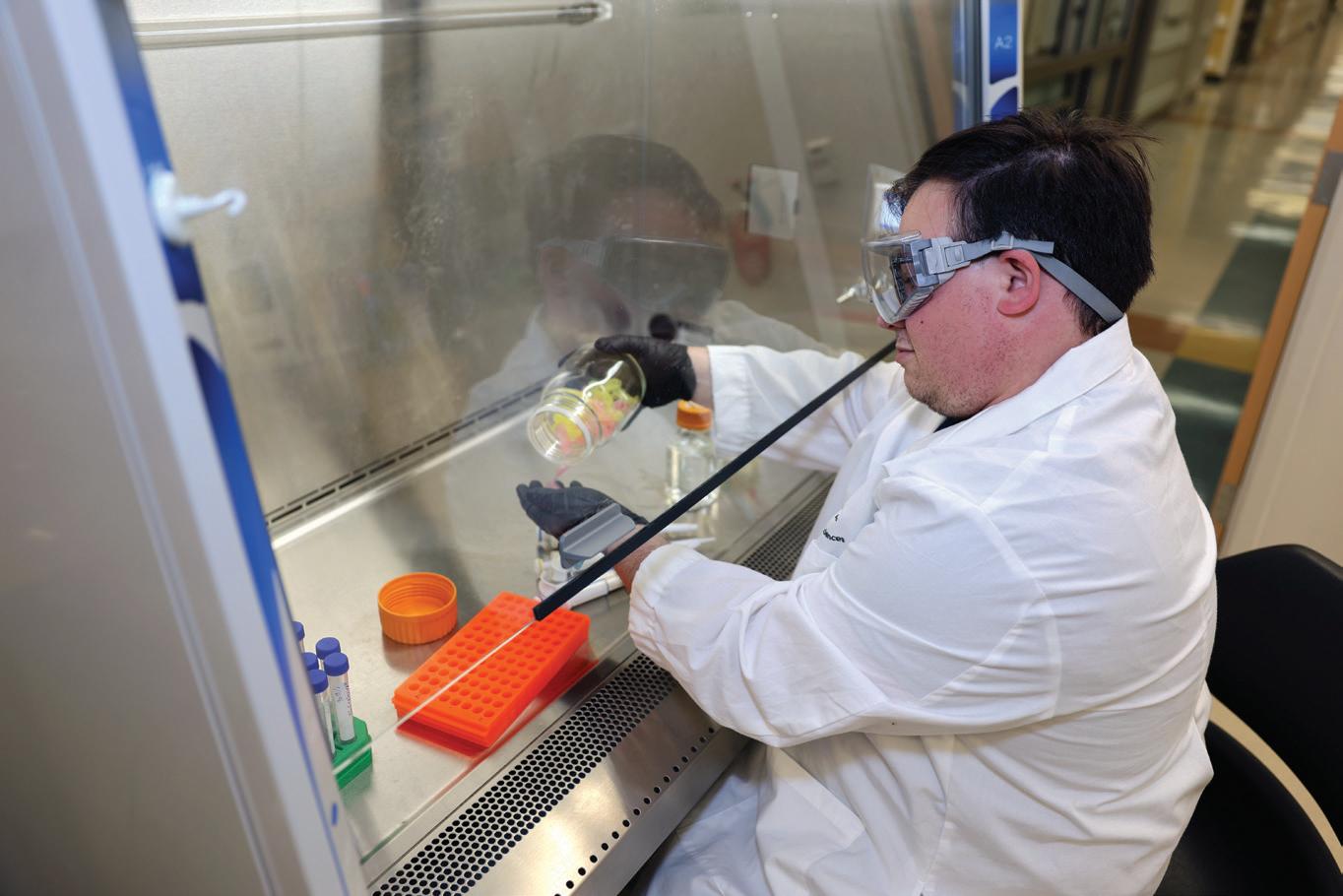
By Nathan Ball
Research has always interested fourth-year PhD student Harrison Thorn. “I wanted to do research as long as I can remember,” he says. “Since elementary school, I’ve been fascinated by medicine and its advancements. It always seemed like these little pills could cure many diseases and problems. It just sounded like magic, and I wanted to be involved in that process and try to help people in that way.”
Born and raised in Denver, Colorado, Thorn’s research journey took an unexpected turn during his undergraduate years at Tulane University in New Orleans. While pursuing a degree in biochemistry, he gained hands-on experience working in a molecular biology lab at the Louisiana Cancer Research Center. “I really enjoyed getting to be in the lab and seeing the research process for the first time like that,” Thorn says. However, his time at the cancer lab and early exposure to this research helped him realize it wasn’t the right fit.
During his application process to the UT Health Science Center College of Pharmacy, Thorn was still undecided about which research lab to join. Faced with a choice between a cancer research lab and an unconventional fungal research group, he chose the latter, drawn by its novelty and excitement. Thorn decided to join the lab of Jarrod Fortwendel, PhD, professor and director of the Center for Pediatric Experimental Therapeutics and a nationally leading expert in fungal pharmaceutical sciences research. “It sounded really unusual and interesting and exciting,” he says. “I thought I would give it a try, and it’s turned out awesome. It seemed like a really interesting avenue to start my career in.”
The Fortwendel lab focuses on the fungal pathogen Aspergillus fumigatus, a common mold found in the environment. “We inhale the spores every day; we typically clear them very quickly,” Thorn says. “But some immunocompromised people can’t clear them so well, and they can lodge deep in their lungs and cause an infection.”
Antifungal drugs that clear the infection are available, but they have several side effects, are somewhat toxic, and have a high treatment failure rate. The Fortwendel lab is interested in discovering new ways to improve existing antifungal drugs or develop new ones.
As a graduate student, Thorn’s research centers on Echinocandins, a class of antifungal medications commonly used to treat invasive fungal infections caused by yeast organisms. However, these drugs have limitations when it comes to A. fumigatus; they do not completely eradicate
the fungus, and at high doses, they can paradoxically promote fungal growth. Thorn’s research aims to make these drugs more effective by targeting the fungus’s internal machinery for cell division, which involves the construction of cross-walls called septa. He is aiming to convert growth inhibition from echinocandins into killing the fungus by studying cell division, specifically septum formation in molds. Enhancing these drugs to kill mold could lead to better treatments, especially when combined with new strategies to target fungal cell division.
Thorn’s research has attracted significant attention both at the college and nationwide. Earlier this year, Thorn received an $80,792 grant from the National Institute of Allergy and Infectious Diseases (NIAID) to further his research toward new therapeutic strategies for deadly Aspergillus infections. Cell division varies greatly between mold and humans. Molds like A. fumigatus construct a wall between dividing cells rather than simply dividing the membrane and pinching off from each other. This led Thorn to investigate other components involved in building that cell wall, which is better understood in model yeast organisms than in A. fumigatus.
“We used a method previously applied to yeast, called BioID, now updated with newer versions like TurboID. TurboID is a small tag attached to your protein of interest that modifies all nearby proteins by adding biotin. This enables us to purify and study these biotinylated proteins, giving a specific readout of what’s close to our protein,”
Thorn says. The goal of the NIAID grant was to plan and conduct studies on potential proteins in Aspergillus that are important for building cell walls, which could serve as better drug targets to improve candidate development.
For now, Thorn is enjoying his time conducting research in the Fortwendel lab. “I like that I get to come to work every day, and I love the lab culture that I work in,” he says.
“Dr. Fortwendel has created a very supportive and open lab environment where we all have a hand in each other’s projects. There’s a lot of collaboration going on, and getting to bounce ideas off other people in the lab is great; they’re open to that and will do the same for me.”
The future looks bright for Thorn as he plans his next steps and seeks opportunities as a postdoctoral researcher upon completing his PhD. “I would really love to stay in this field because it’s pretty small from what I can tell, and everybody is always willing to help each other.”
124 New Pharmacists at 2025
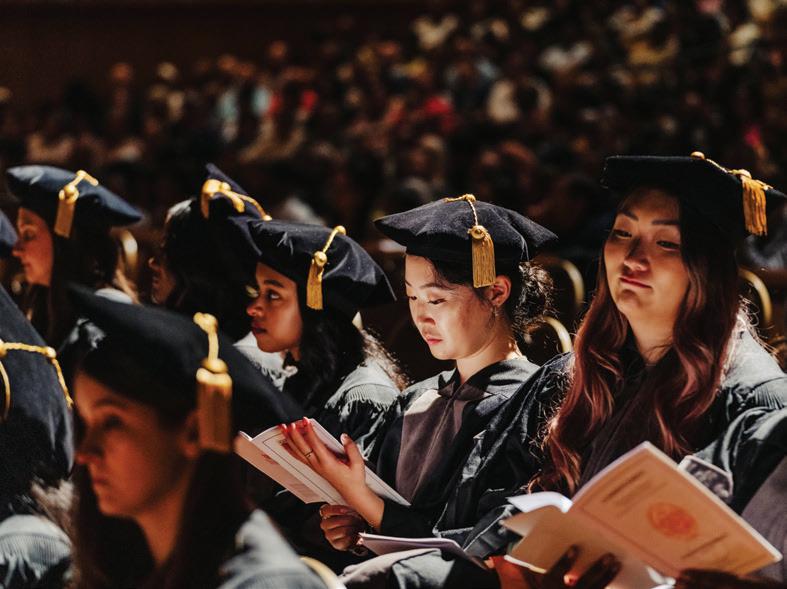
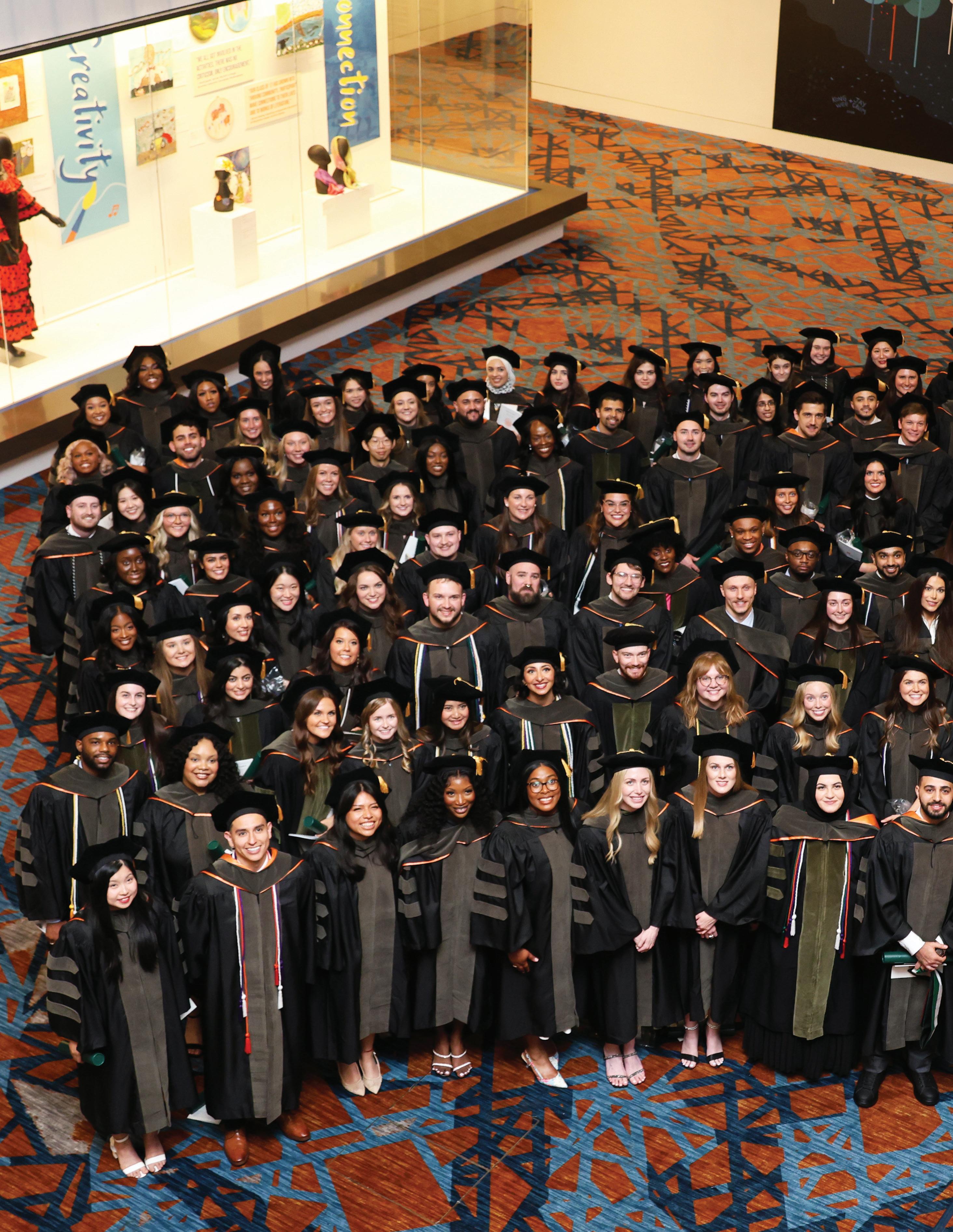

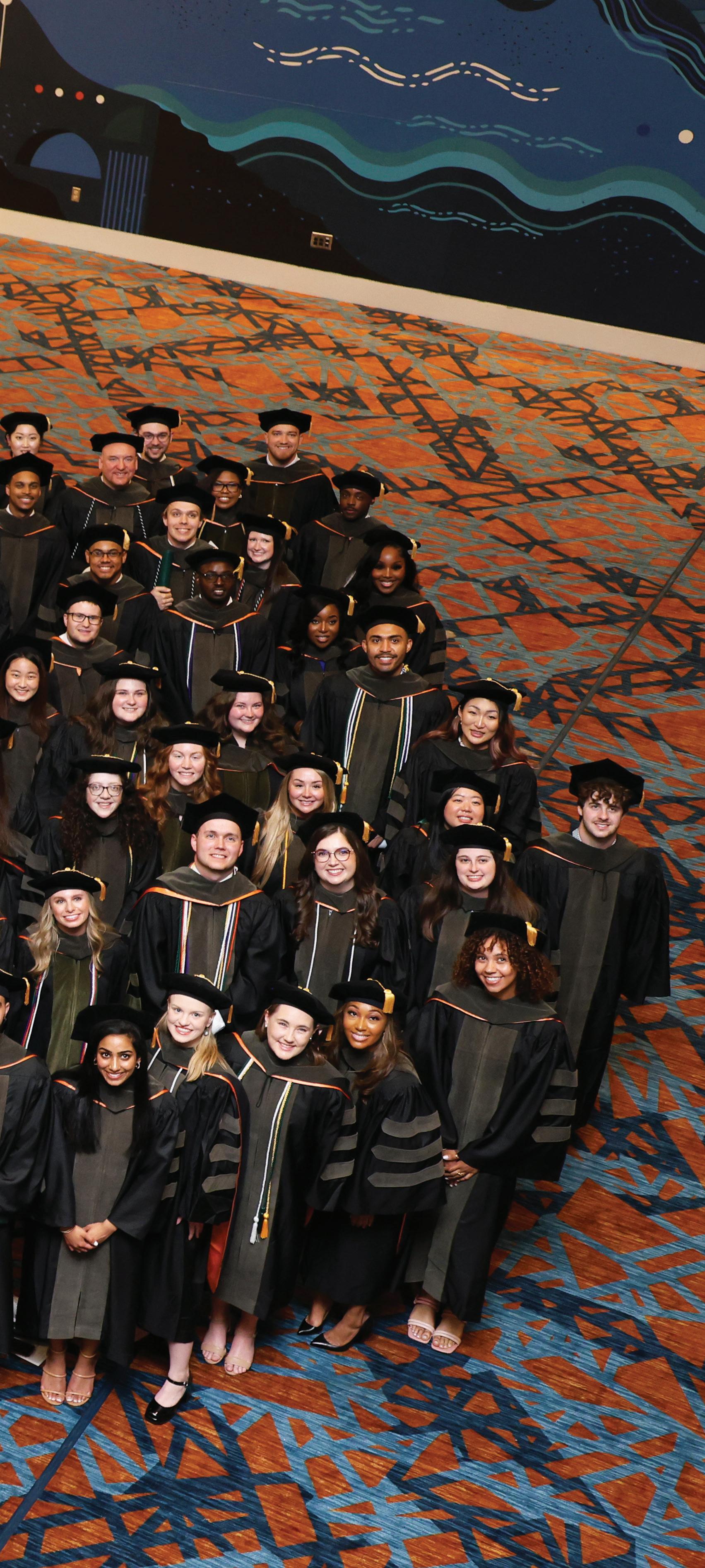
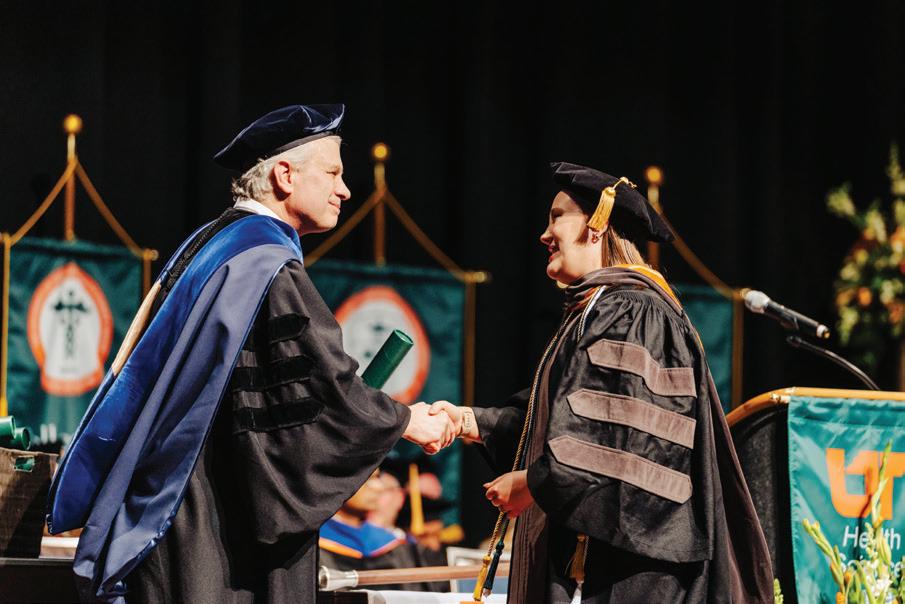
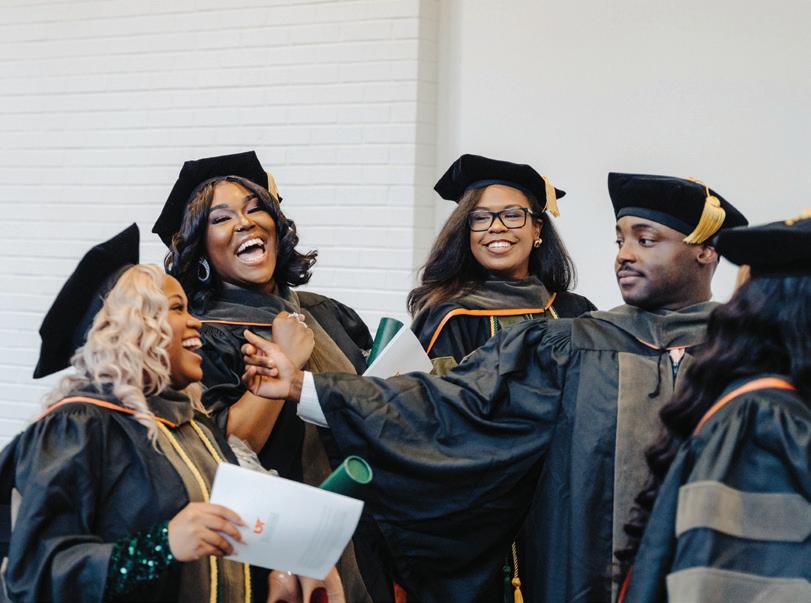
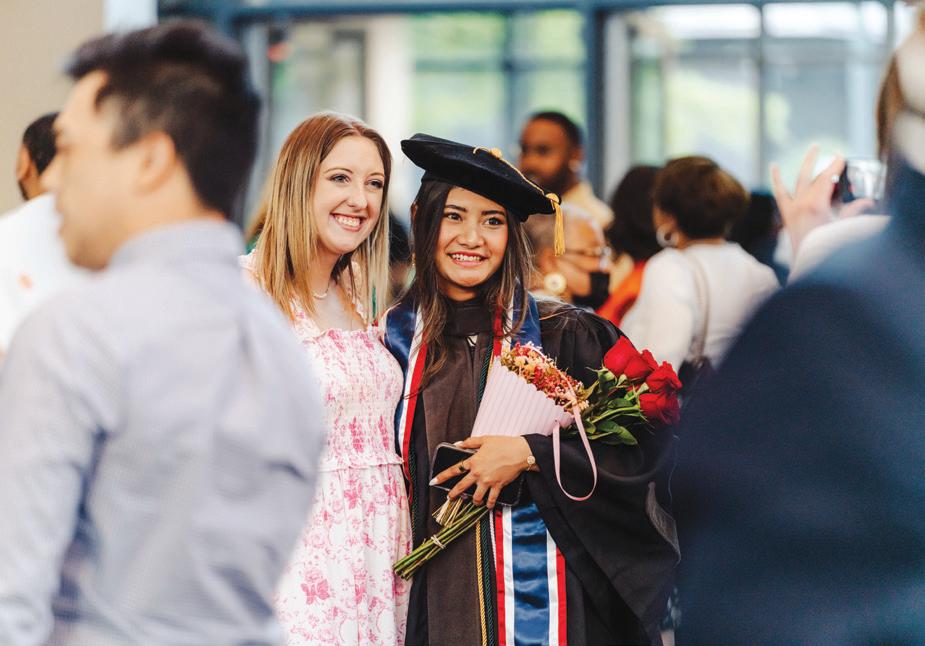
On May 12, we celebrated a memorable evening filled with joy, nostalgia, heartfelt embraces, and a few tears of happiness as the UT Health Science Center College of Pharmacy proudly conferred degrees upon 124 graduating pharmacists.
We extend our sincere appreciation to our distinguished featured speaker, Shanea A. McKinney, PharmD, trustee of the University of Tennessee System and proud alumna of the UT Health Science Center College of Pharmacy, for sharing her inspiring journey. Our gratitude also goes to Kara Fortune, PharmD, director of the College of Pharmacy Alumni Board, for highlighting the benefits of active engagement within the alumni community. We thank the College of Pharmacy Office of Student Affairs, faculty, staff, and volunteers for their efforts in ensuring the success of this prestigious event.
This graduating class included 31 certificate recipients – 19 in Rural Health, four in Nuclear Pharmacy, and eight in Health Informatics and Information Management – as well as 15 dual-degree graduates, comprising three in Master of Public Health, eight in Business Management, one in Instruction and Curriculum Leadership, and three in Health Informatics and Information Management.
Congratulations once again to the Class of 2025! We look forward to witnessing the remarkable contributions you will make in your future endeavors.
Scan the QR code to view additional photos from the celebration.
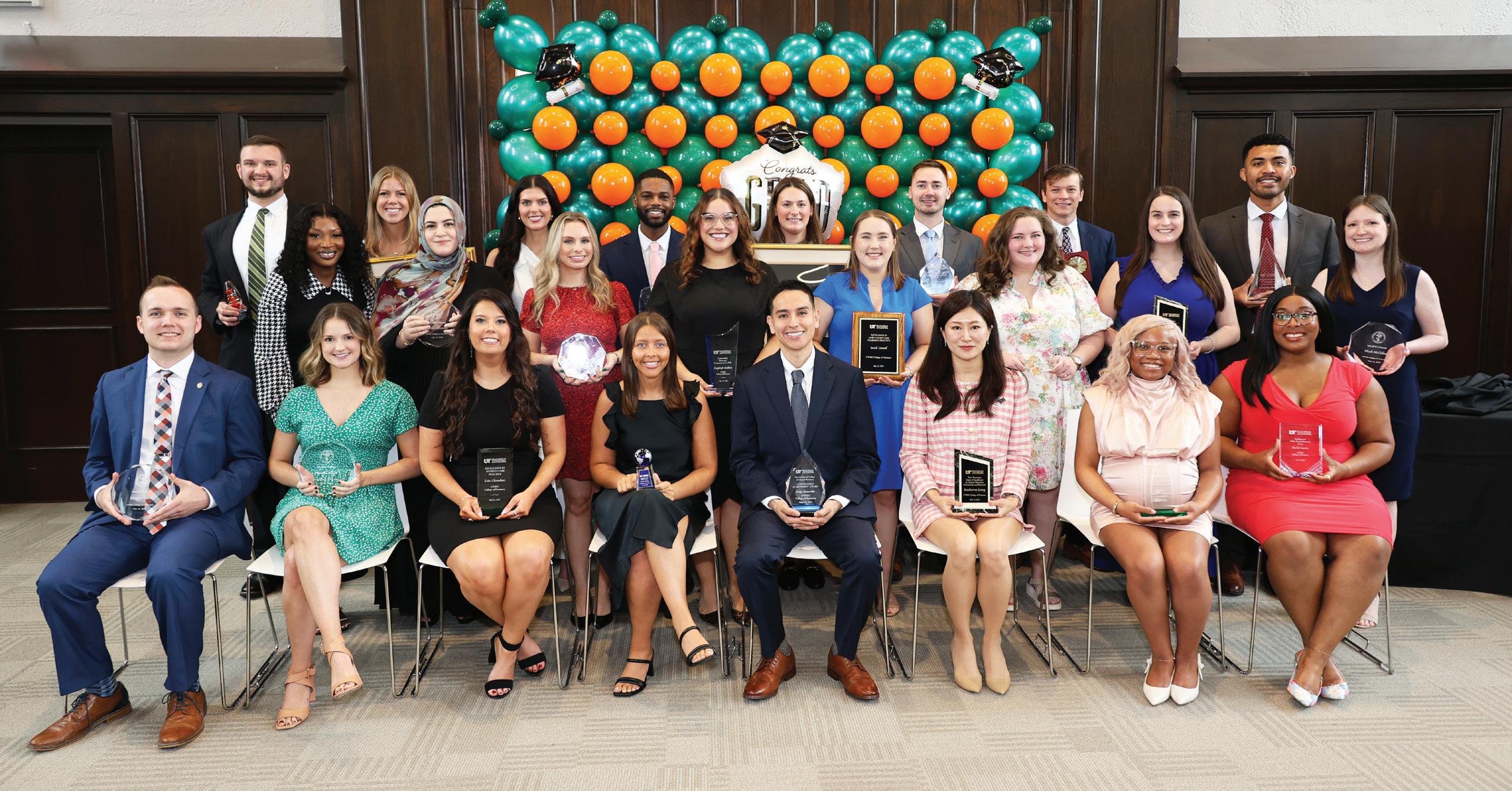
Congratulations to our 2025 College of Pharmacy Graduating Student Award winners, who were honored at a ceremony on May 12 for outstanding performance in scholarship, leadership, research, and service. Over the last three to four years, each of them put forth a tremendous amount of effort, and we were excited to celebrate their academic achievements as they began their professional career.
Valedictorians
Recognizing the student(s) with the highest grade point average.
Farrah Altamimi
Matthew Davis
Meredith Edelman
Madelyn Hilgers
Christina Pray
Valedictorian, ImPAcT (Immersive PharmD Accelerated Track) Class
Nicole McClellan
Merck Academic Excellence Award
Presented to a graduate who has demonstrated outstanding performance in both academic and non-academic activities.
Winner: Esther Borteye
Excellence in Ambulatory Care Award
Presented to a graduate excelling in clinical practice in the ambulatory care environment and in recognition of outstanding ability to communicate with patients.
Winner: Sarah Crowell
Excellence in Community Pharmacy Practice Award
Presented to a graduate who has demonstrated exceptional interest and achievement in community pharmacy practice.
Winner: Christopher Grubbs
Viatris Excellence in Pharmacy Award
Presented to graduates who have demonstrated outstanding interest and performance in the area of drug information.
Winners: Rachel Mathews and Anderson Roe
Community Pharmacy Leadership Award
Presented to a graduate who has demonstrated exceptional commitment and leadership in community pharmacy practice.
Winner: Shannon Brunzo-Hager
John L. Butler Award
Presented to a graduate exhibiting outstanding leadership and interest in institutional, administrative, and management areas.
Winner: Rachel Samples
Mid-South College of Clinical Pharmacy Outstanding Achievements in Clinical Pharmacy Award
Presented to a graduate who has demonstrated exemplary clinical skills during experiential education.
Winner: Diego Benavides
Health Systems Pharmacy Leadership Award
Presented to a graduate possessing an interest in pharmacy practice in organized health care settings and who has demonstrated academic excellence and leadership ability.
Winner: Colin Kehus
Memphis Area Pharmacists Society Outstanding Leadership Award
Presented to a graduate with outstanding leadership activities.
Winner: Anthony Brown
Pharmacy Communication Award
Presented to a graduate who demonstrates exceptional knowledge, provides guidance to patients, and demonstrates compassion and commitment to the pharmacy profession.
Winner: Hayleigh Hallam
Academia Award
Presented to a graduate who has demonstrated exceptional interest in a career in the field of pharmacy academia.
Winner: Taylor Walters
First Tennessee Chair of Excellence in Clinical Pharmacy Research Award
Presented to a graduate who has demonstrated excellence in research that is accompanied by presentation and publication of new therapeutic knowledge.
Winner: Katherine Jeong
Patient Care Award
Presented to a graduate who has demonstrated an ability to apply and disseminate therapeutic knowledge in a way that results in compassionate care that enhances a person’s quality of life.
Winner: Erin Chambers
United States Public Health Service Excellence in Public Health Pharmacy Practice Award
Presented to a graduate who has demonstrated exceptional interest and achievement in public health pharmacy practice.
Winner: Rachel Austin
Clinical Pharmacy and Translational Science Award
Presented by the Department of Clinical Pharmacy and Translational Science for dedication to the principles of clinical pharmacy and for exemplary performance in the application of knowledge to patient care.
Winner: Christian Phillips
Legislative and Policy Award
Presented to a graduate who has demonstrated outstanding service in advocating for the pharmacy profession.
Winner: Martina Walling
Tom C. Sharp Leadership Award
Presented to a graduate who has demonstrated exceptional participation and leadership in college activities.
Winner: Chrystalyn Branch
Outstanding Student Pharmacist Award
Presented to a graduate who has exhibited leadership and excellence.
Winner: Shannon Brunzo-Hager
This year, the College of Pharmacy introduced the Best Practices of Professionalism Award, acknowledging PharmD students for acts such as patient advocacy, great teamwork, and innovative thinking that go beyond the call of duty.
The 2024-25 Best Practices of Professionalism Award winners were:
Darcy Doran demonstrated professionalism, altruism, and respect during a Mission of Mercy event by dedicating her time to serving patients in Memphis who lack access to care, even staying nearly two hours past her scheduled leave. She effectively counseled patients on medication use and interacted respectfully with patients and health care team members, including pharmacists, dentists, dental students, and chauffeurs. Her conduct was characterized by kindness, grace, and professionalism.
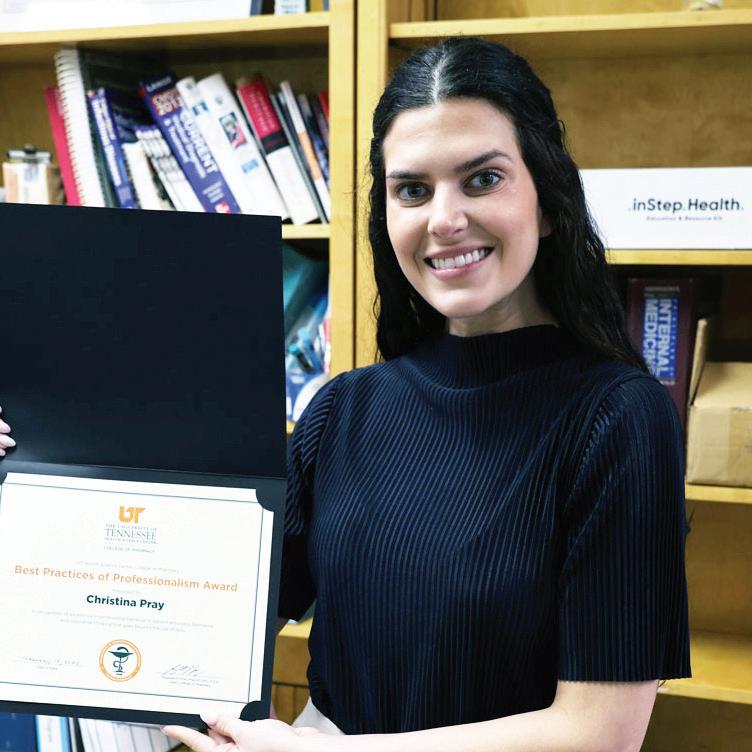
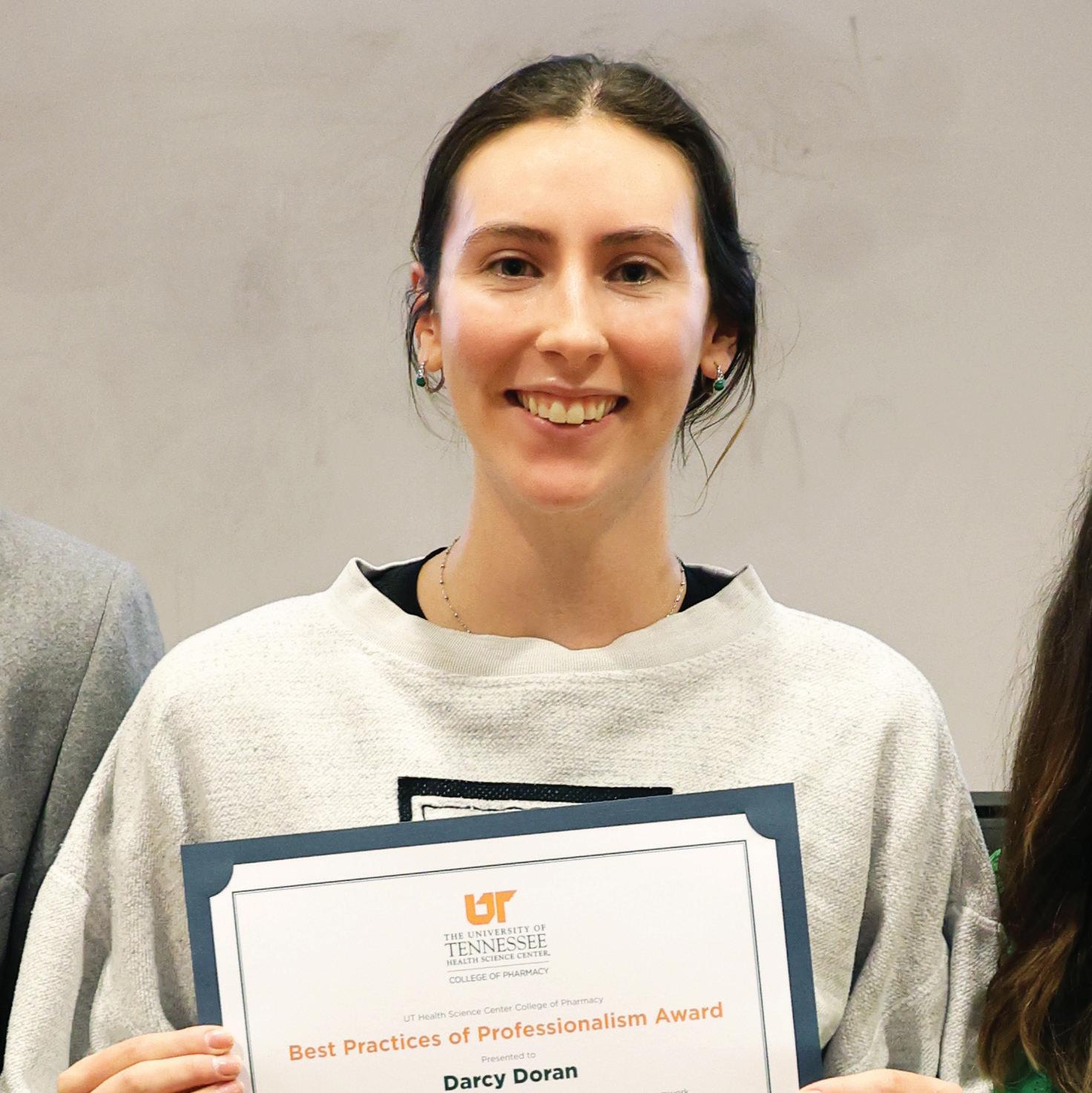
Christina Pray was recognized for her exceptional assistance and welcoming attitude in transporting international student guests during her Advanced Pharmacy Practice Experience (APPE) in August and September. She volunteered to pick up and drop off guests, communicated effectively with them, and demonstrated friendliness, punctuality, and professionalism. Her dedication extended beyond this role, reflecting her commitment to the college’s mission through her involvement in student organization leadership, admissions, research, and an internship at St. Jude Children’s Research Hospital.
In August 2024, Madeline Matheson served as the head orientation leader, showing respect and professionalism. She delivered a well-received presentation on study skills for incoming students, emphasizing respect for peers, faculty, and good time management. Feedback from students and faculty highlighted her positive influence and leadership.
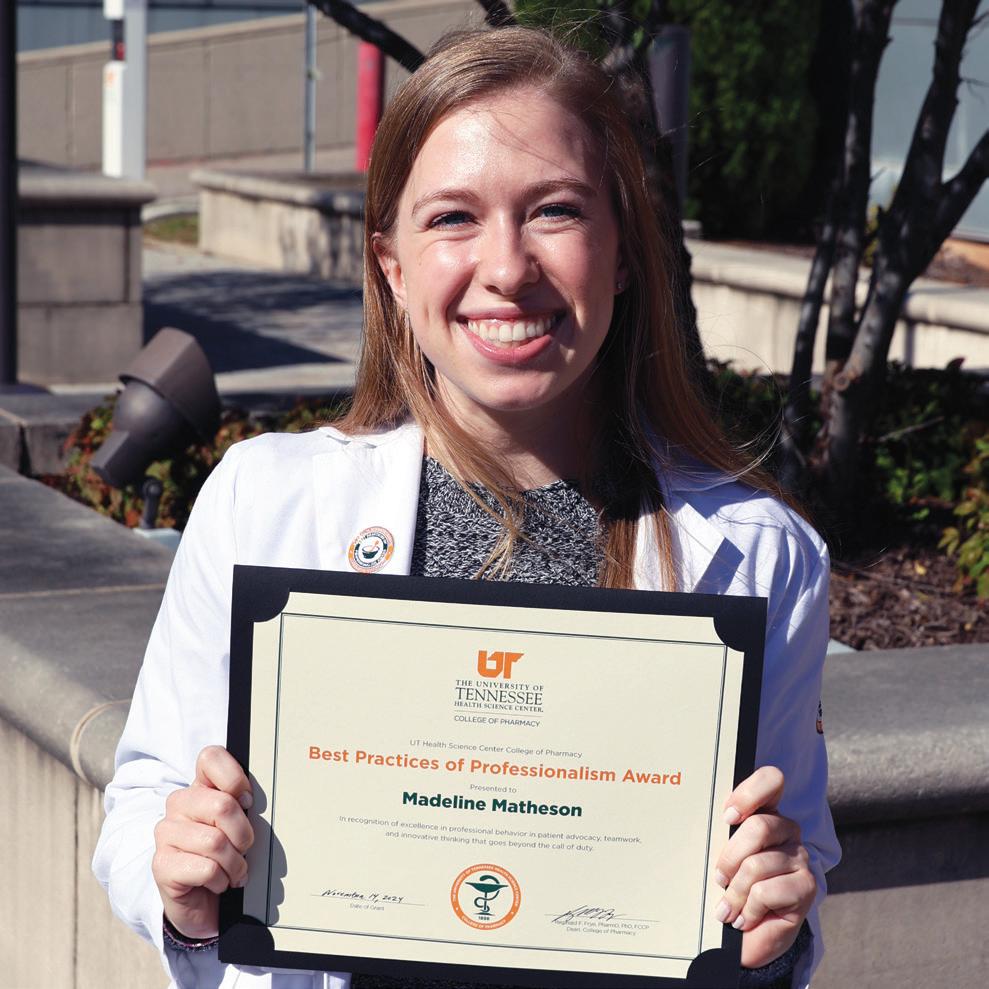
The College of Pharmacy Alumni Association annually recognizes and honors alumni for their contributions to the pharmacy profession.
Dr. Bill Greene retired in 2023 from St. Jude Children’s Research Hospital after nearly 16 years of service as chief pharmaceutical officer and vice chair in the Department of Pharmacy and Pharmaceutical Sciences. In this role, he led efforts to support and assure optimal medication-related care and clinical research involving St. Jude patients. He retains an appointment as professor in the Department of Clinical Pharmacy and Translational Science at the College of Pharmacy, continuing an affiliation which has existed for more than 40 years.
Dr. Greene received his Bachelor of Science in Pharmacy from the University of North Carolina, Chapel Hill, and his Doctor of Pharmacy from UT Health Science Center, then completed residency training at Duke University Hospital. For nearly 10 years, he worked with Baptist Hospitals in Memphis as a clinical pharmacist, developing significant roles in clinical pharmacokinetics, parenteral nutrition support, and infectious diseases pharmacy practice. Following this, he served as the leader for clinical pharmacy services at Methodist University Hospital in Memphis,
working with corporate leadership for the final two years of his 15-year tenure with this health system. His roles included leadership and oversight of all clinical pharmacy services for patient care at the hospital, oversight and direction for drug use policy for the hospital system, and direction of the postgraduate year-one pharmacy residency provided by Methodist. Throughout his time with both Baptist and Methodist, Dr. Greene served as a part-time faculty member in what is now the Department of Clinical Pharmacy and Translational Science at the College of Pharmacy, teaching in both the clinical setting and the classroom. In 2007, Dr. Greene joined St. Jude and continued his strong interests in clinical pharmacy services and their impact, medication safety, and performance improvement related to medication therapy.
Dr. Greene has served as president of the Tennessee Society of Health-System Pharmacists (TSHP) and the Tennessee Pharmacists Association (TPA) and as member of the Board of Directors for each organization. He was integrally involved in efforts to create the Tennessee Pharmacy Collaborative Practice Act of 2014, which allowed for enhanced engagement of pharmacists in direct patient care. He has been recognized by colleagues within TSHP/TPA as Hospital Pharmacist of the Year and several other awards, more recently including the Shelby Rhinehart Public Service Lifetime Achievement Award and the Bowl of Hygeia Award. His interests in pharmacy residency programs resulted in the creation of the MidSouth Pharmacy Residents Conference –an annual program supporting the professional development of pharmacists engaged in ASHP-accredited residency programs throughout the Mid-South.
At a national level, Dr. Greene has served as member and chair of the Pharmacotherapy Specialty Council for the Board of Pharmacy Specialties, has been a consultant to the FDA/CDER Office of Surveillance and Epidemiology, has held several committee appointments within the American Society of Health-Systems Pharmacists (ASHP) and American College of Clinical Pharmacists (ACCP), and served as a volunteer surveyor for pharmacy residency program accreditation. He is recognized as a Fellow of both ASHP and ACCP, and in 2024 received the ASHP Distinguished Leadership Award. He has been recognized by the UT Health Science Center College of Pharmacy with the Outstanding Clinical Preceptor Award (1985), the Student Government Association Executive Council Excellence in Teaching Award (2002), and as invited speaker for graduation ceremonies on two occasions, more recently in 2023.
Dr. Megan Lowe is a clinical liaison at Enclara Pharmacia covering the central and northeast territories of the United States. She has over eight years of practice in the hospice and palliative care sectors as a clinical pharmacist. She has also enjoyed working as a clinical pharmacist mentor, clinical educator, medication therapy management pharmacist, pharmacy technician course instructor, and COVID-19 vaccinator. She is Lean Six Sigma certified. She has presented at the National Hospice and Palliative Care Organization Conference and the Louisiana-Mississippi Hospice and Palliative Care Organization Conference. Dr. Lowe is a corporate member of Professional Women in Healthcare, where she serves on the National Mentoring Committee. She is a recipient of the 2024 Humana Pharmacy President’s Award, 2024 and 2021 Humana Silver STAR Awards, 2023 Humana Excellence and Leadership Award, 2023 Humans of Pharmacy Award, and 2022 Humana Associate Spotlight for Women’s Empowerment Month and National Volunteer Month.
She received a Bachelor of Science degree in chemistry from Jackson State University and then received a Doctor of Pharmacy degree from UT Health Science Center. Passionate about education and health equity, she has completed a Postdoctoral Teaching and Learning Certification from the College of Pharmacy in addition to the Social Determinants of Health and Serving the Underserved certificates. She has been a guest pharmacy lecturer since 2018, teaching in the Introduction to Therapeutics course, Community Pharmacy elective course, and Interprofessional Education course. She has worked as a pharmacy technician course instructor at both Trezevant Career and Technical Center and Melrose High School. She is a member of the Mid-South College of Clinical Pharmacy, Memphis Chapter of the National Pharmaceutical Association (NPhA), Tennessee Health Disparities Advisory Group, National Black MBA Association, and National Association of Health Services Executives. She serves on the Advisory Board for the University of Tennessee, Knoxville, Women in Leadership Certificate Program. She volunteers with the American Cancer Society Harrah’s Hope Lodge, A Step Ahead Foundation, Mid-South Heart Walk, Habitat for Humanity, and the Memphis in May International Education Committee.
As a servant-leader, she has served as a medical missionary in Ghana and a teacher in Israel. She is a medical volunteer with the Shelby County Medical
Reserve Corps and the Mid-South Mission of Mercy. Dr. Lowe is an Atlantik-Bruecke New Bridge Fellow and a member of the Tennessee World Affairs Council and the United Nations Association of the USA. Her advocacy work transcends the U.S. into Canada, Greece, Belgium, Germany, and South Africa. She currently serves on the Board of Directors for Global Ministries, where she recently served as its representative to the 79th session of the United Nations General Assembly in New York.
Dr. Lowe was recognized by the Memphis Grizzlies as a 2023 Women’s Empowerment Month Honoree, and she is a 2024 Alpha Kappa Alpha Sorority, Incorporated Southeastern Region 40 Under 40 Award recipient. She has created a legacy and scholarship opportunities for undergraduate and graduate students in the United Methodist Church by establishing the Rev. Barbara A. Lowe Pursuit of Purpose Scholarship Endowment. Her most recent project, Scholarly Advising, has a mission to impact the next generation of young leaders through educational equity. Dr. Lowe has dedicated thousands of hours assisting more than 200 students in 20 states with scholarship, grant, internship, and fellowship applications, securing a total of more than $1 million for these students. She also assists with mock interviews and arranging job shadowing and community service activities. Her work
to mentor and empower the youth resulted in Dr. Lowe’s serving as a commencement speaker in 2021 and being nationally recognized as a 2022 Regions Riding Forward High School Student Scholarship Essay Honoree. She is a member of Philanthropic Educational Organization, where she serves on a Memphis Chapter’s Loretta McCoin Scholarship Committee, nominating outstanding female high school students in Memphis for scholarships. She is a Silver Life Member of the National Association for the Advancement of Colored People, where she served as the Memphis branch science chair and adult chaperone for the National Afro-Academic, Cultural, Technological, and Scientific Olympics Competitions in Atlantic City, New Jersey, and Boston, Massachusetts.
Her prior service includes serving as a Founding Board Member for Faith Health Collaborative, Adult Sponsor for
the General Youth Council, Guest Speaker for Determined to be a Doctor Someday, Guest Speaker for Caregivers Respite, Guest Speaker for Carin’ and Sharin’ Breast Cancer Research and Support Group, Principal for a Day with Memphis-Shelby County Schools, Trezevant Career & Technical Center HOSA Advisory Council member, mentor for MENTOR Memphis Grizzles, mentor with UStrive Mentoring, and volunteer with St. Jude Children’s Research Hospital. She serves in numerous other capacities throughout her community locally, regionally, and nationally.
In her free time, Dr. Lowe enjoys reading and exploring with her fiancé. As the keeper of her mother’s legacy, she is currently pursuing an Executive MBA degree from Millsaps College.
The Tennessee Pharmacists Association represents the profession of pharmacy across the state, united for the purpose of promoting safe and effective medication use to improve the health of patients. Since 1886, the Tennessee Pharmacists Association has preserved and advanced the interests of the profession and has served the professional needs of all pharmacists, student pharmacists, and pharmacy technicians.
TPA’s mission is to advocate for the pharmacy profession, enhance professional development, and improve health care delivery through pharmacist engagement. In recent years, TPA has achieved significant milestones in legislative advocacy and public health initiatives, further solidifying its role as a leader in the country for pharmacy practice advancement. Such successes include:
• In a landmark achievement, TPA spearheaded efforts leading to the passage of Public Chapter 1070, which implements critical reforms to pharmacy benefit managers (PBM). This legislation enhances transparency, ensures fair reimbursement practices, and protects both pharmacies and patients from predatory PBM practices, fostering a more equitable pharmacy landscape in Tennessee.
• TPA successfully advocated for Public Chapter 824, which expanded the scope of practice for pharmacists. This legislation empowers pharmacists to provide broader patient care services, increasing access to essential health care in underserved areas, and supporting the knowledge and skills of pharmacists.
• In 2022, TPA’s foundation secured a two-year $7.75 million grant in partnership with the Tennessee Department of Health to close gaps in immunization rates across the state. This initiative leverages the accessibility and expertise of pharmacists and pharmacy technicians to improve public health outcomes by expanding access to life-saving vaccines in communities statewide.
These accomplishments reflect TPA’s unwavering commitment to advancing the profession, protecting pharmacy interests, and improving health care delivery for all Tennesseans. Through ongoing advocacy and innovative partnerships, TPA continues to set a high standard for state pharmacy association leadership and public health impact.
By Aimee C. McMillin
When Mareta Corley graduated from the Southern College of Pharmacy in Atlanta (now Mercer University College of Pharmacy) in 1953, she was one of only three women in a class of 125. At her early Tennessee Pharmacists Association (TPA) annual meetings, she was handed a pink event program—meant for spouses, not pharmacists. As one of the first women in the profession, she told her son, Alan Corley, DPh, that it took years to “train” the organizers to give her the blue attendees’ booklet. She wasn’t there as a plus-one to her pharmacist-husband, William Corley—she was there in her own right.
That trailblazing spirit set the tone for Dr. Alan Corley’s life in pharmacy, leadership, and public service. A pharmacist, small-business owner, community health advocate, and since 2014, mayor of Tusculum, Tennessee, his path was shaped by family, education, and a deep commitment to helping others.
Born in Rogersville and raised in Greeneville, Tennessee, Dr. Corley grew up in a household led by two pharmacists. It was commonplace to “tag along” to work with his parents. His father served as a city alderman, and both parents—first-generation college graduates who still live in Greeneville—were active in the community and the TPA.
“They were always getting involved,” Dr. Corley says. “They set the tone for how multi-faceted service should be. In a small community, you can always find ways to be useful.”
In high school, Dr. Corley worked in a local independent pharmacy—an experience that solidified his professional goals. It also introduced him to his future wife, Mary Lynn, whose father and brother owned the store.
After two years at Carson-Newman College (now University), Dr. Corley transferred to the University of Tennessee Health Science Center College of Pharmacy, graduating in 1977 with a Bachelor of Science in Pharmacy. Though he didn’t return for a PharmD, he was later conferred the DPh title by the Tennessee Board of Pharmacy, when the profession transitioned to a doctoral model.
“I’m thankful for the outstanding education and training I received,” he says. “It gave me the foundation to build a successful business, serve my community, and help others thrive in this profession.”
Two professors left a lasting mark: the late D.C. Huffman, PhD, who taught pharmacy administration, and James Eoff III, PharmD, whose passion for the profession and its students “lit a fire in me,” Dr. Corley says.
“Dr. Huffman taught us how to run a business—how to read a profit-and-loss statement, manage operations, and more,” he says. “And Dr. Eoff became a lifelong friend. He believed in students—maybe even before they believed in themselves.”
Even before graduation, Dr. Corley’s future was taking shape. Nine months before he earned his degree, his parents purchased a foreclosed community pharmacy. His mother ran the store until he was licensed, and he returned to Greene County to take over.
Over the years, he expanded to own four independent pharmacies—including a closed-door pharmacy serving group homes and assisted living facilities—and later sold each one to pharmacists who had worked for him.
“I’ve always believed in creating opportunities for others,” he says. “That’s one way to keep community pharmacies independent. Another way is to evolve. You’ve got to expand beyond dispensing.”
Dr. Corley embraced innovation and advocacy. He was among the first in Tennessee to administer immunizations after the state authorized pharmacist vaccinations in 1999. A local physician initially reported him to the TPA—but three years later, that same doctor was referring patients to him for flu shots.
“He realized we could do it safely, and that we were more accessible than an in-office visit,” Dr. Corley says. “That’s a hallmark of community pharmacy: meeting people where they are.”
He’s been a champion of clinically integrated networks like CPESN (Community Pharmacy Enhanced Services Network), which support value-based services like Test to Treat and medication therapy management.
He has also precepted College of Pharmacy students on advanced experiential rotations. “Mentorship is critical,” he says. “The relationships you build in this profession can shape your entire career.”
Through his years of involvement with the local volunteer fire department, he was recruited to run for Tusculum’s board of commissioners. “It’s not like there were six people vying for the job,” he laughs. He’s served on the board ever since and became mayor in 2014. It’s a largely volunteer role, but deeply personal.
“You learn by doing,” he says. “I didn’t know the first thing about paving roads or budgeting for city projects—but you meet people, ask questions, and you figure it out.”
He also serves on several local and professional boards, including the Greene County United Way, and supports emergency management efforts. In the wake of Hurricane Helene in 2024, his county faced infrastructure and housing loss. “We had more than 90 homes completely destroyed—and we consider ourselves lucky compared to other communities.”
Though he and Mary Lynn didn’t have children of their own, they’ve helped raise nieces, nephews, and others “who aren’t kin at all,” he says. “We believe in showing up.”
Now enjoying professional retirement, his advice to pharmacy students is simple: “Take advantage of every opportunity. Go to the meetings. Join associations. Find a mentor—or four. Say yes to new experiences. And know that ‘hallway education’ is real. It’s not just what you know—it’s who you know and how you help each other.”
Dr. Corley credits UT Health Science Center with helping build a network that continues to support him.
“If you want to practice in Tennessee, then train in Tennessee,” he says. “The relationships will last a lifetime. They have for me.”
“It’s always been more of a calling and less of a career. It’s about finding connections—and finding ways to give more than you take.”
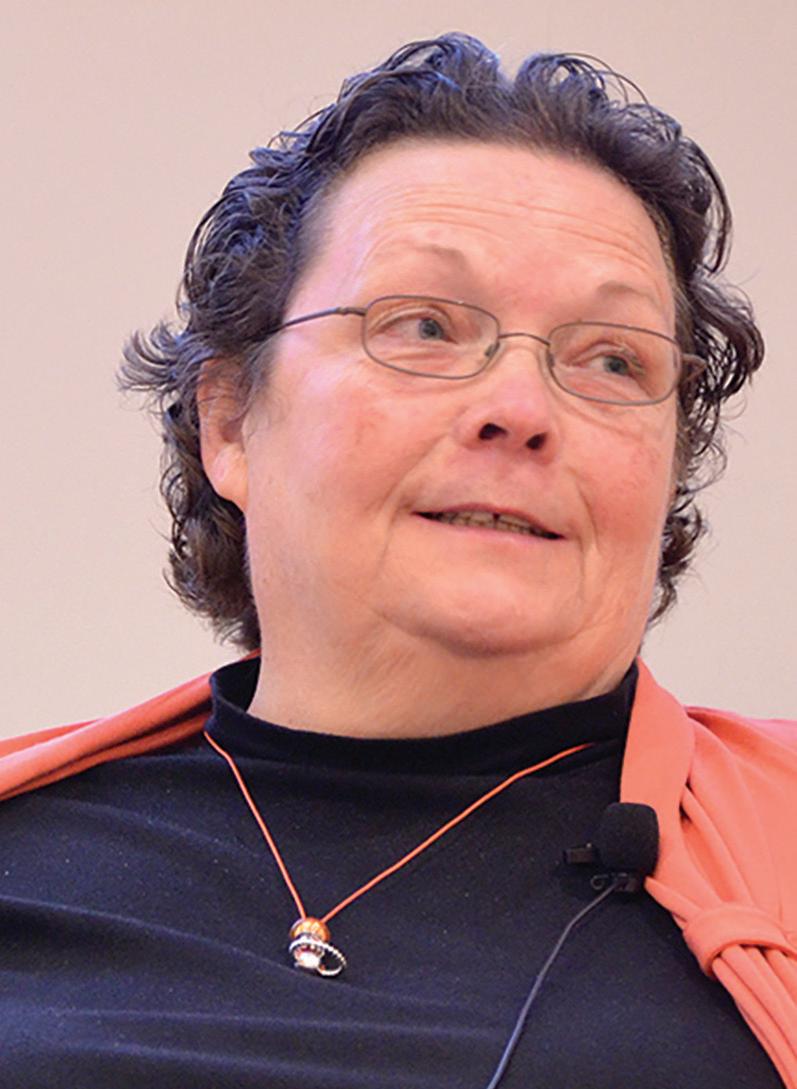
I grew up in Martin, Tennessee, where family and community shaped everything. After graduating from Westview High School as salutatorian, I attended the University of Tennessee at Martin. The two years before pharmacy school were only possible because of a $1,000 civic scholarship, Social Security benefits after losing my father when I was 13, and living at home to save money. Without that support, I might never have pursued pharmacy.
UT Martin prepared me well for the College of Pharmacy—so well, in fact, that about 20 of my 120 classmates had also studied there! I’ll never forget the professors and mentors who stepped up when I needed them. Their encouragement, combined with financial help and careful planning, made all the difference and helped determine my professional path.
After pharmacy school, I built my career in retail pharmacy until an accident in 1998 left me paralyzed. In that instant, my life changed. But through every challenge, my education and the people I met through the University of Tennessee carried me forward.
That’s why I give back—as a donor, volunteer, and advocate. I’ve established endowments at both UT Martin (pre-pharmacy) and the College of Pharmacy at UT Health Science Center because I know firsthand how much giving back matters. I’ve also established a planned gift so that my support can continue. Others invested in me and my future. Now it’s my turn to invest in others and theirs.
Jana L. Fuqua, DPh
College of Pharmacy Class of 1977
For more information about how you can support our College of Pharmacy students, please contact The Office of Advancement at giving@uthsc.edu or 901.448.5516.
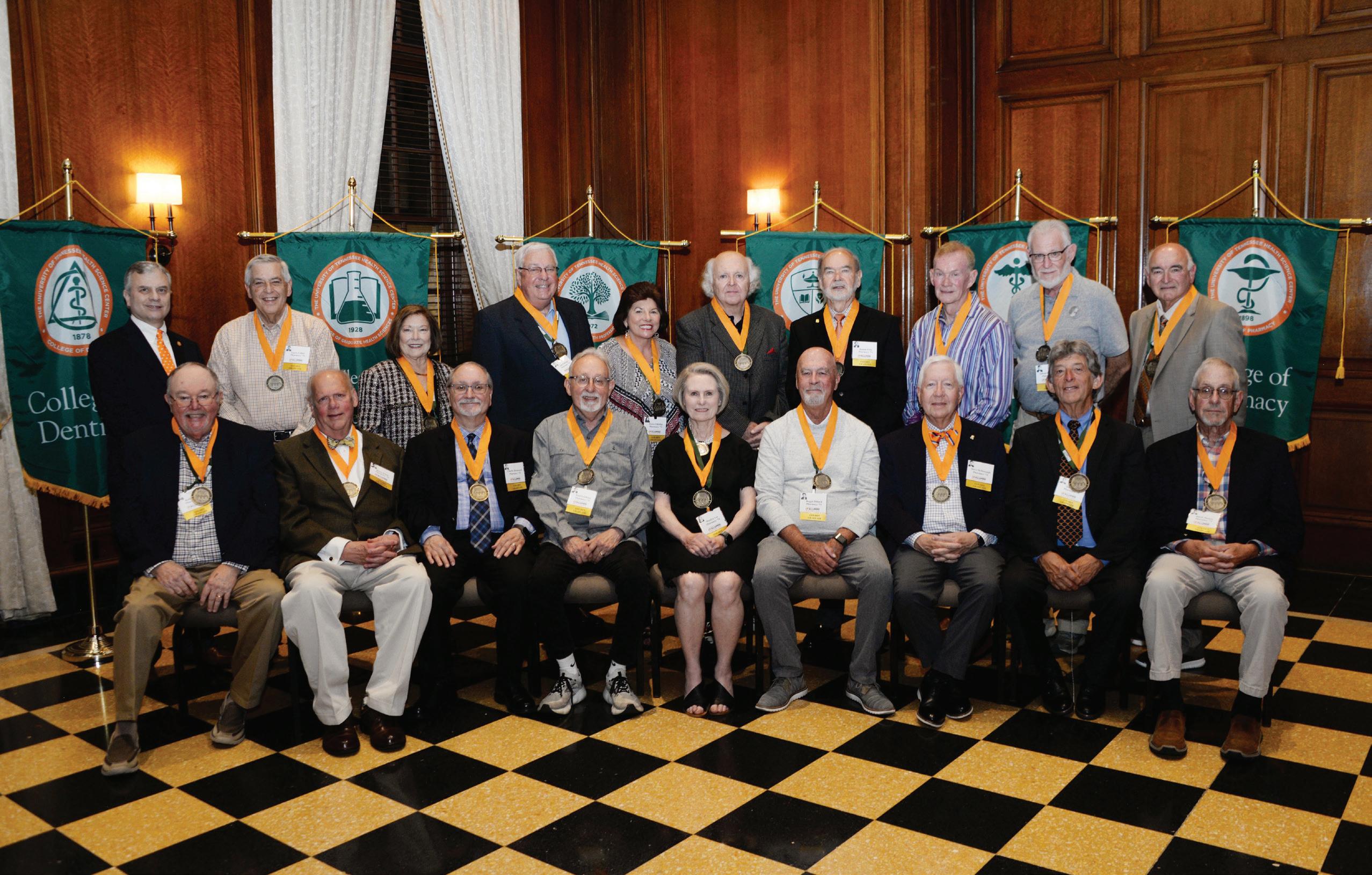
The 2024 Golden Graduate Homecoming was a great success. Alumni from four colleges, including 11 from the College of Pharmacy, attended the three-day event last October to celebrate the 50th anniversary of their graduation from UT Health Science Center.
Attendees were greeted on Wednesday at the historic Peabody Hotel, followed by the Golden Graduate Ceremony and dinner. The alumni and their guests enjoyed a breakfast together on Thursday morning and then headed to the UT Health Science Center campus for individual college open houses and lunch followed by a tour of the Center for Healthcare Improvement and Patient Simulation (CHIPS).
We continued to celebrate Thursday evening with the Golden Graduate Dinner at the Peabody Hotel and concluded the homecoming on Friday morning with a farewell breakfast. It was a wonderful reunion for everyone!
UT Health Science Center’s 1911 Society recognizes philanthropic support, which is critical to our mission of educating students, conducting innovative research, and improving health outcomes.
Named for the year the Health Science Center was founded, the 1911 Society celebrates the generosity of our community. Membership in the 1911 Society is granted across multiple levels: Annual Giving Partners, who donate $100 or more in any given fiscal year; Sustaining
ANNUAL GIVING PARTNERS
(Gifts made July 1, 2024 – June 30, 2025)
Mitsuko T. Afolabi
Donald F. Ahlberg and Tiffany D. Ahlberg
Tasfia S. Ahmed
David L. Albin and Pamela F. Albin
C. Michael Allen and Ann Allen
Rita R. Alloway
Drew L. Armstrong
Tony C. Austin and Linda P. Austin
John Z. Autian and Jennifer Autian
Frances Baize
Vanessa P. Baker
Wesley F. Ball and Nicki Ball
Christopher C. Balton
Debra L. Barbour
Rachel Barenie and Phillip Bass
Eloise M. Barth
Antonio Bell
Baeteena Black and G. Robert Black
Marlin L. Blane
Jerry N. Blevins
Rima Kathy Block-DuVall and Charles DuVall
Christopher A. Boals and Melissa C. Boals
Carol Boggess and Joseph S. Boggess
Zorana J. Booker
Adam Boucher and Natalie Boucher
Andrew B. Boucher
Bradley A. Boucher and Barbara Boucher
Eric C. Bowles
J. Chris Bradberry and Monte S. Bradberry
Linda Brantley and Benjamin Brantley
Cindy Brasher
Bernard Britton
Eric W. Brown
Phonzie Brown, Jr. and Nezalee Brown
Robert O. Brown
Joyce E. Broyles and Larry Bomar
Gary J. Buchanan
Nageshwar R. Budha
Andrea Deanne Bullington and Robert W. Bullington
J. Michael Burns and Joan M. Burns
Leah M. Burns
Amber Cable and Erik Gott
Ellen Lynne Campbell
Casey Cantrell
Susan Cantrell
Eric A. Carter
Alicia I. Carver and Kenneth H. Carver
Terri Catafygiotu and John Catafygiotu
Anne Cetto
Ivy L. Chang and Arthur Chang
Hao Chen and Jingwen Wang
Richard W. Chinouth and Susanna B. Chinouth
Partners, who give annually at any amount for five or more consecutive years; and Lifetime Partners, who make cumulative commitments of $25,000 or more during their lifetime.
The Office of Advancement wishes to thank all donors for their commitment to the College of Pharmacy and to the university. To make a gift, please visit giving.uthsc.edu or call 901.448.5516.
Caitlin Clark and Will Clark
Lesley P. Clement and Thomas J. Schroeppel
Carmen C. Coleman
Charles L. Conley, Jr. and Donna G. Conley
Alan B. Corley and Mary Lynn Corley
Theodore J. Cory
Micah J. Cost and Kyle Cost
Mary J. Craine and Micah B. Craine
William R. Crom and Mary B. Crom
Lauren Czosnowski
Quinn Czosnowski
Emily Davis
Mark M. Dearth
Erica Diamantides
Roland N. Dickerson
David M. DiPersio and Amy C. Gideon
Robert T. Dodd and Elaine Dodd
Isaac O. Donkor and Veronica Donkor
Marcus J. Dortch and Rhonda R. Hollins-Dortch
Angela E. Douglas
Jeannie W. Downing and Robert A. Downing
William R. Drewry and Theresa A. Drewry
Nancy L. Driver
Benjamin T. Duhart, Jr.
Dianne Vest Duncan
Deborah E. Dunlap
Jerry Duren and Erma Duren
Mary Beth Edwards
Melanie B. Edwards and Andrew T. Edwards
Rickey L. Edwards
Donna L. Ellis
Jacqueline M. Encalade and Phillip J. Encalade
Sarah Treadway Eudaley and Jason Eudaley
William E. Evans and Mary Relling
Carla D. Fahhoum and Joseph S. Fahhoum
Don C. Fancher and Sandra Haverstick Fancher
Robert V. Feller
Rebecca Regen Ferrante and Brandon Ferrante
Christopher K. Finch and Andrea Finch
Shannon L. Finks and Lloyd Finks
Kendra L. Flanagan
Billy P. Ford and Marsha L. Ford
Kara A. Fortune and Justin W. Fortune
Sheree B. Foster and Steve Foster
Joan E. Fowler
Andrea R. Franks and Lee S. Franks
R. David Frazier and Carolyn G. Frazier
Julie D. Frazier and Renee Sesler
Kelsey D. Frederick and Codey Frederick
Reginald Frye, Jr. and Carole Frye
Erica White Fulton
Jana L. Fuqua
Clark Gafke and Marilynn Gafke
James W. Gardner and Brenda S. Gardner
Piyamas Kan Gaston
Michael B. Gebhardt
Douglas R. Geraets and Deana O. Geraets
Robert E. Giles, Jr. and Patti W. Giles
Shelby Gilleland
R. Allan Gilliam
Mary Lisa Gingras and Michael K. Gingras
Francesco Giorgianni and Sarka Bernova-Giogianni
Sandra K. Gomes and William A. Gomes
Bethany Goolsby
Margaret K. Graham
Brigitte M. Grant
Carolynn H. Greenwood and Alfred L. Greenwood
Wei Kuan Gu and Jiaqian Zhu Gu
Rampurna Prasad Gullapalli
Frederick V. Guthrie, Jr. and Cindy S. Guthrie
Maxwell Gyamfi
Sue Ellen Haaga and A. Rayford Haaga
Tracy M. Hagemann
Christopher A. Hall and Watson Brooks Hall
Elizabeth Hall and Adrian Hall
Ingrid A. Hall and Marvin E. Hall
Leslie A. Hamilton
Jared M. Haney and Leia J. Haney
Edward W. Hankins and Jane S. Hankins
Sandra D. Hardaway and Andrew Hardaway
Kenneth D. Harr and Carol Harr
David J. Harris and Patricia A. Harris
Dawn E. Havrda and Steve Havrda
Allan E. Hayden
D. Neil Hayes and Liza Makowski-Hayes
Dennis D. Henson
Catherine Crill Herrington
Sheree A. Hester and Ernest Hester
Julie Higdon Lindsay
Linda Wooten Highers
David M. Hill
Jerry R. Hinson and Paula Bailey Hinson
Kenneth Hohmeier and Scarlett M. Lynn-Hohmeier
Billy J. Holt and Elizabeth Holt
T. Derek Holyfield and Melissa T. Holyfield
Jonathan M. Hoover and Jill D. Hoover
Sara Ann Hudson
Stephen K. Huffines and Helen B. Huffines
Cameron S. James and Jennifer James
Clayton M. Johnston and Corry Taylor Johnston
Donald L. Jones and Donna S. Jones
Paula C. Jones and Maxie L. Jones
Sandra R. and David L. Jones
Robert G. Kail
Patricia A. Keller
Larry C. Key and Jenna Key
Connie G. King and Mr. Tony King
Natalie Kittrell and Adam Kittrell
Nancy Ann Klein and Jay Klein
Michael Kraft
Joseph J. Krzanowski, Jr. and Patricia Krzanowski
Santosh Kumar and Namita Sinha
Wei Lai
Casey Laizure and Joanna Hudson Laizure
Yolanda V. Lazarini
Flavenia L. Leaper
Phillip A. Ledger and Lucinda T. Ledger
Eric D. Lee and K. Renee Lee
Jessica Sain Leech
Marie Dennis M. Leo
Cherisa Tisdale Lewis
Wei Li and Xiaochen Sun Li
Mary Margaret Lister and Jonathan Ford Lister
Ann R. Looney and William T. Looney
Brooke Douglas Looney
Megan Lowe
Joseph M. Lynch and Linda C. Lynch
Theadore Lyons II
Thomas H. Marcrom and Elaine D. Marcrom
Joel C. Marrs and Sarah Anderson
Shelia D. Martin
James R. Mathis and Robbie J. Mathis
David R. McCauley and Rachel G. McCauley
Helen McClaren
Marx W. McClellan and Maxine V. McClellan
Nicole Hart McClellan
M. Stephen McDonough and Flowerree McDonough
Thaddeus P. McGiness
Michael S. McKenzie and Deborah McKenzie
Barbara Thompson McKinnon
Patrick McMackin and Karen McMackin
Shannon M. McNeese
Bernd Meibohm and Ingrid Beierle
Tyler C. Melton
Brooks C. Metts, Jr.
Lauren Meyer
Sherry D. Middleton
David P. Moore and Carolyn M. Moore
Leila D. Moore
William P. Moore
Susan Hearn Morgan and Patrick Morgan
Anthony W. Morton and Kimberly D. Morton
D. Michael Moss and Carolyn E. Moss
Paul T. Motheral
Andrea Lazarini Murff
Ramesh Narayanan and Priya Ramesh
Tiffany Nason
Marcelle Smith Neblett and Patrick A. Neblett
Brandon J. Newman and Lindsey Beth Newman
Zachary J. Newton and Jenny Newton
Christopher M. Nola and Kamala M. Nola
Marcus A. Norton
Dennis R. O’Dell and Martha O’Dell
Thomas W. Onstott and Mary Dudley Onstott
Edmund T. Palmer, Jr. and Gerry Palmer
Frank Park and Michelle Bell
Robert B. Parker
Mary-Ellen U. Parsons and Buck D. Parsons II
Pat Peppler and Dick Peppler
James W. Pershing and Brenda Pershing
Brian M. Peters and Tracy L. Peters
Amy L. Peterson
Lawrence M. Pfeffer and Susan Pfeffer
Stephanie J. Phelps and Leigh A. Price
Robert E. Phillips and Faris H. Phillips
William M. Phillips and Lucile S. Phillips
Robert E. Phipps and Nancy S. Phipps
Timothy E. Poe and Helen B. Poe
Anthony Pudlo
Darrell A. Raber
Kothanur Rajanna and Premavathi Rajanna
Susan T. Ray and Bill M. Ray
Kerry S. Regen and Elizabeth B. Regen
Sloan M. Regen
Francis R. Reid and Karen Reid
Jeffrey A. Reitz
Alison Ring and Robert Ring
Donald L. Roberts
Kenneth B. Roberts and Kittye L. Roberts
Kathleen E. Robertson
P. David Rogers, Jr. and Kelly C. Rogers
Larry M. Rouse
Rick H. Sain and Amy Sain
Vicki A. Sanford
Nancy H. Scherrer and Paul K. Scherrer
Carl W. Schulter
Michael Schwartz and Elizabeth Schwartz
Peter C. Sciara and Linda Sciara
Ray O. Sexton and Courtney Sexton
Chasity M. Shelton and J. Michael Shelton
Martha Shepard
Claudette J. Shephard and Doderidge Shephard
Tracey E. Shotwell and Hollye M. Shotwell
Kay Segerson Shough
Cassie Siler
Vasilios A. Skoutakis
James T. Smith and Dana C. Smith
Camille Smith and Kevin Smith
Melissa Scandlyn Smith and Alan G. Smith
Travis Sparks
Patricia M. Speck and Ronald L. Speck
William A. Speitel and Pamela B. Speitel
Deborah G. Stanfill
Jessica Stites
Andy Stone and Karen Stone
Christen S. Stotts and William L. Stotts
Michelle Stubbs and Doug Stubbs
Katie J. Suda
Yichun Sun
Heather Swanson and David Nall
Joseph M. Swanson and Alicia Stefanski
Jeffrey L. Sycamore and Karen M. Sycamore
Timothy R. Sykes and Mary Mackey Sykes
Chalet Tan
Natalie A. Tate
Alexandria Taylor
Gary W. Taylor and Janice L. Taylor
James W. Taylor and Phyllis Taylor
Steven D. Taylor
Minh Thai and Tin Huynh
Sheena Toline
Charles C. Trinh
D. Seth Tucker and Melissa J. Tucker
Bryan T. Vaughn and Margaret S. Vaughn
Matthew J. Vicars and Mary K. Vicars
Junling Wang and Fanlun Meng
Clyde C. Waters, Jr. and Brenda P. Waters
Chala B. Wayu
Allie Webb
Barbara L. Wells
Daniel Ryan Wells and Lindsey D. Wells
James S. Wheeler and Sperry Wheeler
Kristen Whelchel
Casey H. White and Lori White
Noel L. White and Hannah R. White
Bruce D. White and Sarah J. White
Arthur Williams, Jr.
David S. Williams and Nanette I. Williams
Jada K. Williams
Randle S. Williams
Melba E. Wilson
Brian L. Winbigler and Jennifer Allison Winbigler
Leslie K. Wolfe and Travis Wolfe
Lee Lipscomb Wright
Zhongzhi Wu and Hui Cheng
Chao-Yie Yang
Donghua Yin and Hulping Xu
James R. York and Carmon B. York
Steve Young and Nelda Young
Bharat Somabhai Zaver
Autumn Zuckerman
LIFETIME PARTNERS
John H. Acker and Carol Acker
Sammie Arnold and Doris Arnold
Christopher C. Balton
Jack G. Bevins and Mary H. Bevins
Baeteena Black and G. Robert Black
Chester W. Blankenship* and Carol Herd Blankenship
Bradley A. Boucher and Barbara Boucher
James W. Bundy and M. Jacqueline Bundy
Estate of Mrs. Harold Casey
Charles W. Chadwell* and Wilma Chadwell
Richard W. Chinouth and Susanna B. Chinouth
Marie A. Chisholm-Burns and John Burns
Michael L. Christensen and Robbin Christensen
John M. Clayton and Doris J. Clayton
Janice Cooper and Deryk Cooper
Alan B. Corley and Mary Lynn Corley
Floyd H. Crain* and Joann E. Crain
Laura J. Crass
Robert C. Davis and Jean C. Davis
Asa B. Drake and Dianna Drake
Nancy L. Driver
Douglas R. Duncan and Karen Duncan
Robert F. Elder and Nancy Elder
James C. Eoff III and Ann Eoff
Don C. Fancher and Sandra Haverstick Fancher
Glen E. Farr and Kathy B. Farr
Robert M. Fink
Beverly Franklin Thompson and Walter B. Thompson
Chad Frost and Camilla Frost
Jana L. Fuqua
Eldon E. Geisart and Grace Geisert
Rampurna Prasad Gullapalli
Frederick V. Guthrie, Jr. and Cindy S. Guthrie
Christopher A. Hall and Watson Brooks Hall
Danny R. Hall and Linda G. Hall
David J. Harris and Patricia A. Harris
Harvey Helman
Richard A. Helms and Susan Helms
Donald D. Henson and Debbie L. Henson
Catherine Crill Herrington
Linda Wooten Highers
A. Larry Hill and Sherry G. Hill
Andi F. Hill
Jerry R. Hinson and Paula Bailey Hinson
David W. Huntley and Mrs. Patricia J. Huntley
Gayle Hutchison
Donald L. Jones and Donna S. Jones
Estate of Betty Kirksey
Mack A. Land and Diane H. Land
Eric D. Lester
Mark Lingerfelt and Maria W. Lingerfelt
Bailey Lipscomb and Laura L. Lipscomb
L. Steve Lubin
Ray E. Marcrom* and Jane E. Marcrom
Jimmy N. McBride and Pam McBride
Cynthia A. McClard
Billy Wilson McClard* and Jean Harris McClard
Helen McClaren
John W. McElhiney and Phyllis McElhiney
Duane D. Miller and Shirl Taylor-Miller
Tara Moore and John Moore
Dr. Susan G. Murrmann-Price
John P. O’Connor and Glenda O’Connor
Dennis R. O’Dell and Martha O’Dell
Thomas W. Onstott and Mary Dudley Onstott
Christopher A. O’Rourke and Sallye Ann O’Rourke
Stephanie Page and Tommy W. Page
Edmund T. Palmer, Jr. and Gerry Palmer
M. Allen Parsons Jr.* and Carroll G. Parsons
Rush A. Peace and Julia Robertson Peace
Steven B. Peggs and Rita Peggs
Pat Peppler and Dick Peppler
Stephanie J. Phelps and Leigh A. Price
Stephen H. Powell
Neal D. Presley III* and Ann S. Presley
Roger W. Price and Cathy Price
Darrell A. Raber
Kothanur Rajanna and Premavathi Rajanna
W. Shane Reeves and Amanda Reeves
Billy Joe Regel and Donna F. Regel
Kerry S. Regen and Elizabeth B. Regen
Rosie Ann Riley
James H. Robinson* and Sue M. Robinson
C. Edwin Rowe and Dorothy C. Rowe
Rick H. Sain and Amy Sain
John E. Schurig, Jr. and Cathy Schurig
Timothy H. Self and Melissa Matlock-Self
Vicky A. Shelton
David Shepard* and Martha Shepard
Robert E. Shutt
Frank E. Sisko and Mary L. Sisko
Cindy T. Smith and Dow T. Smith
Eugene B. Smith, Jr. and Donna Bivens Smith
David K. Solomon and Kay M. Solomon
Jerry P. and Mary Jo Stanley
David D. Stevens and Deborah Stevens
Elizabeth Stima and Frank O’Brien
Bunker Stout and Amy S. Stout
Estate of Samuel E. Stubbs
Michael G. Swaim and Ann Swaim
R. Van Swaim
Natalie A. Tate
James W. Taylor and Phyllis Taylor
Minh Thai and Tin Huynh
Jerry N. Treece and Barbara Treece
Timothy L. Tucker and Diane F. Tucker
Terry Webb and Carol Webb
Barbara L. Wells
Bruce D. White and Sarah J. White
Jada K. Williams
David S. Williams and Nanette I. Williams
Brian L. Winbigler and Jennifer Allison Winbigler
SUSTAINING PARTNERS
David L. Albin and Pamela F Albin
C. Michael Allen and Ann Allen
Rita R. Alloway
Tony C. Austin and Linda P. Austin
John Z. Autian and Jennifer Autian
Vanessa P. Baker
Christopher C. Balton
Debra L. Barbour
Eloise M. Barth
Baeteena Black and G. Robert Black
Jerry N. Blevins
Christopher A. Boals and Melissa C. Boals
Carol Boggess and Joseph S. Boggess
Zorana J. Booker
Bradley A. Boucher and Barbara Boucher
J. Chris Bradberry and Monte S. Bradberry
Linda Brantley and Benjamin Brantley
Cindy Brasher
Phonzie Brown, Jr. and Nezalee Brown
Joyce E. Broyles and Larry Bomar
Gary J. Buchanan
Nageshwar R. Budha
J. Michael Burns and Joan M. Burns
Amber Cagle and Erik Gott
Ellen Lynne Campbell
Terri Catafygiotu and John Catafygiotu
Ivy L. Chang and Arthur Chang
Richard W. Chinouth and Susanna B. Chinouth
Lesley P. Clement and Thomas J. Schroeppel
Charles L. Conley, Jr. and Donna G. Conley
Alan B. Corley and Mary Lynn Corley
Theodore J. Cory
Micah J. Cost and Kyle Cost
William R. Crom and Mary B. Crom
Roland N. Dickerson
David M. DiPersio and Amy C. Gideon
Robert T. Dodd and Elaine Dodd
Isaac O. Donkor and Veronica Donkor
Marcus J. Dortch and Rhonda R. Hollins-Dortch
Jeannie W. Downing and Robert A. Downing
William R. Drewry and Theresa A. Drewry
Nancy L. Driver
Benjamin T. Duhart, Jr.
Dianne Vest Duncan
Deborah E. Dunlap
Jerry Duren and Erma Duren
Melanie B. Edwards and Andrew T. Edwards
Rickey L. Edwards
Jacqueline M. Encalade and Phillip J. Encalade
Sarah Treadway Eudaley and Jason Eudaley
William E. Evans and Mary Relling
Carla D. Fahhoum and Joseph S. Fahhoum
Don C. Fancher and Sandra Haverstick Fancher
Rebecca Regen Ferrante and Brandon Ferrante
Christopher K. Finch and Andrea Finch
Shannon L. Finks and Lloyd Finks
Billy P. Ford and Marsha L. Ford
Kara A. Fortune and Justin W. Fortune
Sheree B. Foster and Steve Foster
Joan E. Fowler
Andrea R. Franks and Lee S. Franks
R. David Frazier and Carolyn G. Frazier
Julie D. Frazier and Renee Sesler
Erica White Fulton
Jana L. Fuqua
James W. Gardner and Brenda S. Gardner
Douglas R. Geraets and Deana O. Geraets
Robert E. Giles, Jr. and Patti W. Giles
R. Allan Gilliam
Mary Lisa Gingras and Michael K. Gingras
Francesco Giorgianni and Sarka Bernova-Giogianni
Sandra K. Gomes and William A. Gomes
Bethany Goolsby
Margaret K. Graham
Carolynn H. Greenwood and Alfred L. Greenwood
Wei Kuan Gu and Jiaqian Zhu Gu
Rampurna Prasad Gullapalli
Frederick V. Guthrie, Jr. and Cindy S. Guthrie
Tracy M. Hagemann
David J. Harris and Patricia A. Harris
Elizabeth Hall and Adrian Hall
Ingrid A. Hall and Marvin E. Hall
Leslie A. Hamilton
Edward W. Hankins and Jane S. Hankins
Sandra D. Hardaway and Andrew Hardaway
Kenneth D. Harr and Carol Harr
Dawn E. Havrda and Steve Havrda
Allan E. Hayden
D. Neil Hayes and Liza Makowski-Hayes
Dennis D. Henson
Catherine Crill Herrington
Linda Wooten Highers
Jerry R. Hinson and Paula Bailey Hinson
Kenneth Hohmeier and Scarlett M. Lynn-Hohmeier
Billy J. Holt and Elizabeth Holt
Stephen K. Huffines and Helen B. Huffines
Donald L. Jones and Donna S. Jones
Clayton M. Johnston and Corry Taylor Johnston
Paula C. Jones and Maxie L. Jones
Sandra R. and David L. Jones
Robert G. Kail
Patricia A. Keller
Larry C. Key and Jenna Key
Connie G. King and Tony King
Natalie Kittrell and Adam Kittrell
Nancy Ann Klein and Jay Klein
Joseph J. Krzanowski, Jr. and Patricia Krzanowski
Casey Laizure and Joanna Hudson Laizure
Yolanda V. Lazarini
Phillip A. Ledger and Lucinda T. Ledger
Eric D. Lee and K. Renee Lee
Marie Dennis M. Leo
Cherisa Tisdale Lewis
Wei Li and Xiaochen Sun Li
Mary Margaret Lister and Jonathan Ford Lister
Ann R. Looney and William T. Looney
Joseph M. Lynch and Linda C. Lynch
Thomas H. Marcrom and Elaine D. Marcrom
Shelia D. Martin
James R. Mathis and Robbie J. Mathis
David R. McCauley and Rachel G. McCauley
Helen McClaren
Marx W. McClellan and Maxine V. McClellan
M. Stephen McDonough and Flowerree McDonough
Thaddeus P. McGiness
Michael S. McKenzie and Deborah McKenzie
Barbara Thompson McKinnon
Bernd Meibohm and Ingrid Beierle
Tyler C. Melton
Brooks C. Metts, Jr.
David P. Moore and Carolyn M. Moore
William P. Moore
Susan Hearn Morgan and Patrick Morgan
Anthony W. Morton and Kimberly D. Morton
Paul T. Motheral
Andrea Lazarini Murff
Marcelle Smith Neblett and Patrick A. Neblett
Zachary J. Newton and Jenny Newton
Christopher M. Nola and Kamala M. Nola
Marcus A. Norton
Dennis R. O’Dell and Martha O’Dell
Thomas W. Onstott and Mary Dudley Onstott
Edmund T. Palmer, Jr. and Gerry Palmer
Frank Park and Michelle Bell
Robert B. Parker
Mary-Ellen U. Parsons and Buck D. Parsons II
Pat Peppler and Dick Peppler
James W. Pershing and Brenda Pershing
Brian M. Peters and Tracy L. Peters
Amy L. Peterson
Lawrence M. Pfeffer and Susan Pfeffer
Robert E. Phillips and Faris H. Phillips
William M. Phillips and Lucile S. Phillips
Timothy E. Poe and Helen B. Poe
Darrell A. Raber
Kothanur Rajanna and Premavathi Rajanna
Susan T. Ray and Bill M. Ray
Kerry S. Regen and Elizabeth B. Regen
Sloan M. Regen
Francis R. Reid and Karen Reid
Jeffrey A. Reitz
Alison Ring and Robert Ring
Donald L. Roberts
Kenneth B. Roberts and Kittye L. Roberts
P. David Rogers, Jr. and Kelly C. Rogers
Larry M. Rouse
Rick H. Sain and Amy Sain
Vicki A. Sanford
Nancy H. Scherrer and Paul K. Scherrer
Carl W. Schulter
Ray O. Sexton and Courtney Sexton
Chasity M. Shelton and J. Michael Shelton
Martha Shepard
Claudette J. Shephard and Doderidge Shephard
Tracey E. Shotwell and Hollye M. Shotwell
Kay Segerson Shough
Vasilios A. Skoutakis
Melissa Scandlyn Smith and Alan G. Smith
Patricia M. Speck and Ronald L. Speck
William A. Speitel and Pamela B. Speitel
Deborah G. Stanfill
Kenneth T. Stewart and Denise D. Stewart
Christen S. Stotts and William Lee Stotts
Michelle Stubbs and Doug Stubbs
Katie J. Suda
Yichun Sun
Heather Swanson and David Nall
Joseph M. Swanson and Alicia Stefanski
Jeffrey L. Sycamore and Karen M. Sycamore
Timothy R. Sykes and Mary Mackey Sykes
Natalie A. Tate
Gary W. Taylor and Janice L. Taylor
James W. Taylor and Phyllis Taylor
Minh Thai and Tin Huynh
Charles C. Trinh
D. Seth Tucker and Melissa J. Tucker
Bryan T. Vaughn and Margaret S. Vaughn
Matthew J. Vicars and Mary K. Vicars
Junling Wang and Fanlun Meng
Barbara L. Wells
Daniel Ryan Wells and Lindsey D. Wells
James S. Wheeler and Sperry Wheeler
Casey H. White and Lori White
Bruce D. White and Sarah J. White
Arthur Williams, Jr.
Jada K. Williams
David S. Williams and Nanette I. Williams
Randle S. Williams
Melba E. Wilson
Brian L. Winbigler and Jennifer Allison Winbigler
Leslie K. Wolfe and Travis Wolfe
James R. York and Carmon B. York
Steve Young and Nelda Young
Bharat Somabhai Zaver
*indicates deceased
OFFICERS
President
Kara Fortune, PharmD ’04
President-Elect
Micah Cost, PharmD ’08
BOARD OF DIRECTORS
Tasfia Ahmed, PharmD ’12
Bernard Britton, PharmD ’17
Ivy Chang, PharmD ’91
Mark Dearth, PharmD ’05
Rhonda Garner, PharmD ’07
Justin Griner, PharmD ’13
Area Vice Presidents
Rita Alloway, PharmD ’88
Rob Bullington, PharmD ’04
Derek Holyfield, PharmD ’02
Immediate Past President
Rick Sain, PharmD ’89
Cameron James, PharmD ’04
Katie March, PharmD ’15
Tracy McDowd, PharmD ’09
Stephanie Phelps, PharmD ’82
Rebecca Regen Ferrante, PharmD ’11
David Rogers, PharmD ’94
Michael Schwartz, PharmD ’16
Lacey Sexton, PharmD ’10
Cindy Smith, PharmD ’91
Susan Vos, PharmD ’03
Bruce White, JD ’76, BS ’74
Leslie Wolfe, PharmD ’10
Donating to UT Health Science Center every year helps us provide scholarships, laboratory equipment, travel grants, community outreach initiatives, and many other benefits that would not be available using state or tuition-provided dollars alone!
Thank you for being a partner with our campus, our colleges, and our programs.
Class of 1951
James H. Wiseman Benton, KY
Class of 1952
Robert D. Monroe Chattanooga, TN
Class of 1954
Chester W. Blankenship Johnson City, TN
Paul L. Jourdan Knoxville, TN
Class of 1965
Joe G. Price Rogersville, TN
Class of 1967
Frank T. Sawyers, Jr. Knoxville, TN
Class of 1968
Jack J. Emmert La Jolla, CA
Class of 1972
Ronald M. Eatherly Brentwood, TN
Your gift in any amount will make a difference.
Donate $100 or more and become a member of our 1911 Society!
For details, go to giving.uthsc. edu/1911 Make your gift today! giving.uthsc.edu/give 901.448.5516
Class of 1975
Gary L. Hutchison Milan, TN
Class of 1992
Timothy R. Pauley Manchester, TN
Class of 2007
Tara N. Kelley Nashville, TN
Have you thought about the legacy you will leave behind?
With a Planned Gift, you can:
• Simplify your estate for your family
• Reduce the tax burden applied to your assets
• Benefit causes you hold dear
The Legacy Society was inspired by the dedication and generosity of the late Dr. Hershel “Pat” Wall, former chancellor and dean of the College of Medicine at UT Health Science Center, special assistant to the UT System president, and instructor in pediatrics.
For more information about planned gifts to the UT Health Science Center and Legacy Society membership, contact Bethany Goolsby at 901.448.5516 or estateplans@uthsc.edu
Estate of Mr. and Mrs. Errette S. Bevins, Jr.
Dr. Bradley A. and Mrs. Barbara Boucher
Estate of Dr. and Mrs. Harold M. Casey
Estate of Clarke W. Chidester
Estate of Elizabeth Clifton
Estate of Dr. Leonard I. Compton
Dr. Alan B. and Mrs. Mary Lynn Corley
Dr. Laura J. Crass
Dr. James C. Eoff III and Mrs. Ann Eoff
Mrs. Sandra Haverstick Fancher and Mr. Don C. Fancher
Dr. Glen E. and Mrs. Kathy B. Farr
Dr. Robert M. and Mrs. Jonna Fink
Dr. Jana L. Fuqua
Mr. Christopher A. and Mrs. Watson B. Hall
Dr. Linda Highers
Dr. David W. and Mrs. Patricia J. Huntley
Estate of Alvin C. Hutcherson
Drs. Kim Tin Huynh and Minh Quang Thai
Estate of Betty Kirksey
Dr. Rose Sizemore Laffoon
Dr. Helen McClaren
Estate of Dr. Ben S. Moore
Dr. Tommy W. and Mrs. Stephanie Page
Dr. Stephanie J. Phelps
Dr. Stephen H. Powell and Mrs. Diane Morris Powell*
Dr. and Mrs. James R. Price
Drs. Kerry S. and Elizabeth B. Regen
Estate of Henry C. Shapard
Dr. David A. Shepard* and Mrs. Martha Shepard
Estate of Samuel E. Stubbs
Dr. Michael G. and Mrs. Ann Swaim
Estate of Gladys Swearingen
Estate of Dr. Robert Ben Taylor
Drs. Chris Wood and Christa M. George
*Denotes someone who is deceased but whose spouse is still living Thank
Where pharmacy expertise meets business excellence.
Earn 30 hours of ACPE-accredited CE in just 10 weeks while mastering the business skills every pharmacy professional needs.
Join us for the Spring Update Seminars, where pharmacists and technicians from all practice settings come together to explore timely updates, practical strategies, and emerging trends in pharmacy practice. Participants will gain valuable knowledge to enhance patient care, stay current in a rapidly evolving pharmacy landscape, and earn ACPE-accredited continuing education credit.
• Knoxville: February 28–March 1
• Nashville: March 21-22
• Memphis: April 11-12
• Last Call Virtual: April 25-26
All locations offer a live webinar option via Zoom. Learn more at uthsc.edu/pharmacy/ce.
Expand your role in primary care through our full online certificate program designed exclusively for pharmacists!
• Flexible online format
• Practical, career-focused training
• Build confidence in delivering primary care services
The next start date will be announced soon – stay tuned!
For questions, contact Dr. Kelsey Frederick at kfrederick@uthsc.edu.
• Practical modules on pharmacy business concepts
• Flexible online learning and interactive simulation
• Earn ACPE CE credit and strengthen your leadership edge
• Built by pharmacy leaders and business innovators
Pharmacists and Pharmacy Technicians who want to:
• Gain confidence in business decision-making
• Stand out as leaders in their organizations
• Advance their careers
The first cohort launches March 25, 2026. For questions, contact Nikki Bozarth at sbozarth@uthsc.edu.

Enhancing Pharmacy Communication Monday, March 2, 2026
Bridge the language gap with your Spanish-speaking patients. Offered in partnership with Hands on Spanish, this certificate program equips pharmacists, pharmacy technicians, and students with practical Spanish skills focused on pharmacy care.
• 12 hours of ACPE-accredited CE credit
• Self-paced online modules and live practice session
• Real-world reflection with Spanish-speaking patients
• Affordable fees
For questions, contact Stephanie Langston at stephanie@handsonspanish.com.
CHANGE SERVICE REQUESTED
UT Health Sciences Weekend | Memphis, TN, April 16-18, 2026
Registration opens January 5, 2026. Accommodations available at the Peabody Hotel. Until then, contact your classmates and tell them to meet you in Memphis!
Schedule of Events (Details subject to change as needed)
Activities and events will be held at the historic Peabody Hotel, the UT Health Science Center campus, and various community venues and locations.
Thursday, April 16
Alumni Board and Council Member Dinner
Friday, April 17
Alumni Board and Council Meetings
ALL UT Health Science Center Campus and CHIPS tours
ALL UT Health Science Center Wellness and Mindfulness presentation and lunch
College Receptions with the Deans
ALL UT Health Science Center Alumni Awards Dinner
Saturday, April 18
ALL UT Health Science Center Community Service Outreach Project
ALL UT Health Science Center Reunion Events at the Peabody Hotel and the Memphis Redbirds Game
Tuesday, April 21
Sixth Annual UT Health Science Center Giving Day
24-hour campaign that raises funds to support the university and its dedication to building a healthier community