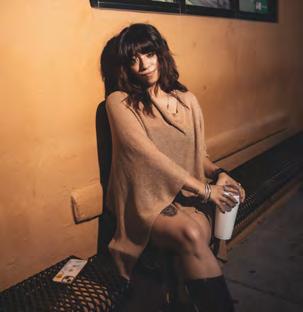
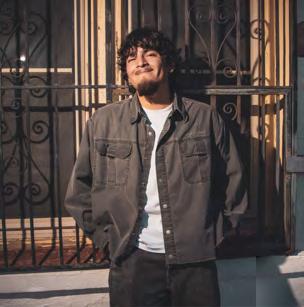
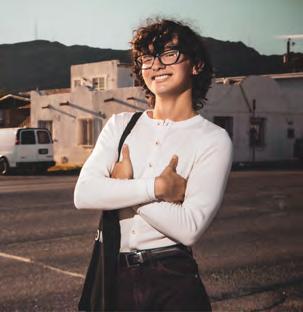
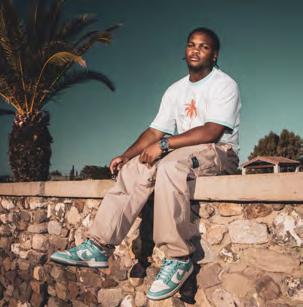
Español: Nepantleras: El puente que conecta dos mundos
FOMO of the Teenage Dream
Written by Vivien Noe
Photography by Joel Rodriguez
Español: FOMO del Sueño Adolescente
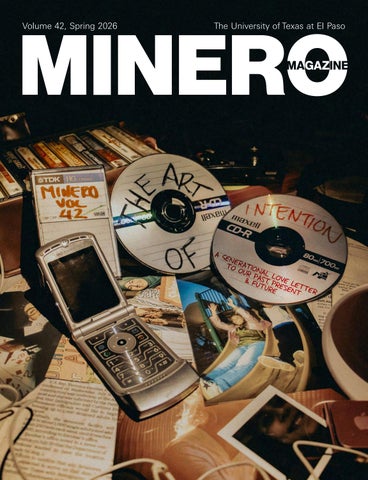
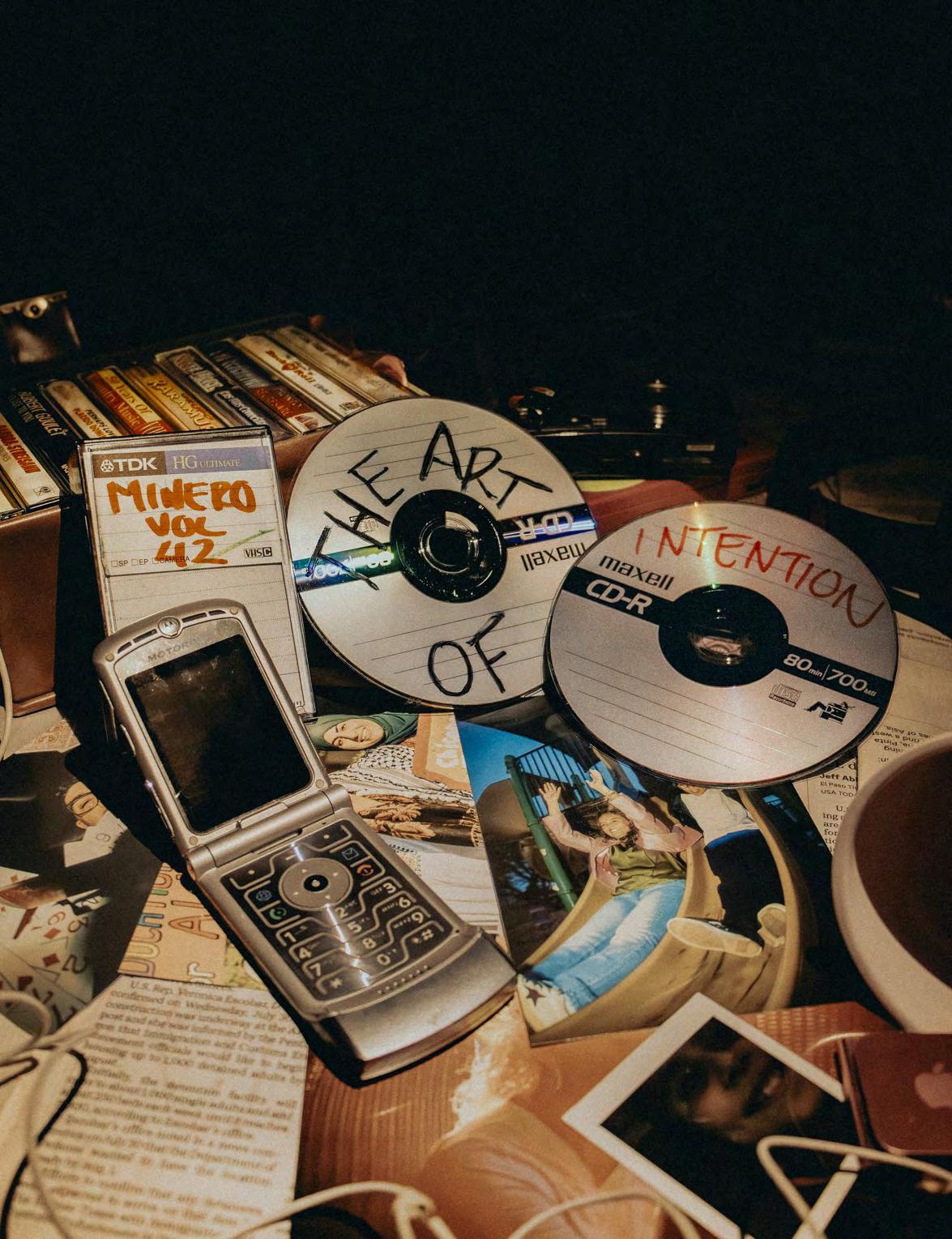
On The Cover
The
Art Of Intention Issue
Photo by Iziah Moreno
Dominique Macias
Iziah Moreno
Gael Araiza
Vianah Vasquez
Vivien Noe
Rumi Sevilla
Lesly Chavez Cameron Mason
Director Veronica Gonzalez
Assistant Director/Editorial Adviser
Crystal Hinga
Accounting Specialist
Isabel Castillo
Administrative Associate
Amy Bocanegra
Victoria Adler
Joel Rodriguez
Minero Magazine is published by UTEP students through the department of Student Media and Publications. It is published once every fall and spring semester. The magazine is not responsible for any claims made by our advertisers. Additional policy information may be obtained by calling Student Media and Publications at (915) 747 - 5161. Views expressed in this publication are not necessarily those of the University.
Brisa Silva Aylinne Morales
Jesie Garcia
OPENING RECEPTION:
THE EDGE IS A CENTER & LES SEMBRANTES
THURSDAY, JANUARY 29 | 5 – 7:30 PM
Join us for the opening celebration of two of our new exhibitions, The Edge is a Center, and Les Sembrantes. Meet participating artists, cultural workers, and designers, explore the works on view, and enjoy an evening that highlights how creative practices shape community, storytelling, and visual culture across the region.
EXHIBITIONS AND EVENTS ARE FREE AND OPEN TO THE PUBLIC
Scan the QR code or visit our website for gallery hours, additional details on exhibitions, activities and events at utep.edu/rubin. Follow us! @el.rubincenter | @rubincenter
Lorena Mondragón, La Rifa Chocolate Packaging Design, 2025.
from the editor
Dear Readers,
Before you begin reading Volume 42: The Art of Intention, please play our soundtrack in order to match the song to the story. Everything in this issue was done with intention and attention to detail You are about to encounter raw conversations across generations, from teenagers to a 65-year-old.
In these subjects, you may see your grandmother, madre, padrinos, your brother or cousin, perhaps even your younger siblings or nephews and nieces. You might even see yourself in these narratives. So, to all, take these themes and let them teach you— take what resonates, and leave what doesn’t for the next pair of eyes.
The premise of this issue came to me in a dream late last spring. I envisioned a generational timeline of the average El Pasoan—I saw the raw realism of what it means to be in each generation.
I believe in causation that whatever curriculum of belief that is passed from one generation to the next—creates a ripple effect. Our issue’s timeline begins with Baby Boomers to Millennials to Gen Z and finally ending with Gen Alpha.
Evidently, whatever is not transformed is transferred. Not just the cherry-picked selective lessons and rhetoric but the cultural perception of each generation.
I aimed to document this inevitable DNA chain of events. How did each generation look at a particular umbrella topic everyone could reach: LOVE. That would be self, platonic friendships, romantic vs career and the golden principle of neighborly love.
This is a love letter to the human nature of our past, present, and future.
Please sit, indulge and play our soundtrack to this beautiful issue. I hope you ask yourself after every single story: what are you doing intentionally to show up for yourself, friends, and community?
It’s (always) all happening...
Sincerely,
Dominique “Dom” Nevaeh Macias
Photography by Iziah Moreno
belleza Saber vivir deesla edad La
belleza Saber vivir deesla edad La
Escrito por Brisa Silva Fotografía por Lesly Chavez
ote que al oír la palabra “envejeciendo”, no te acomplejaste; al contrario, mantuviste tu postura y la cabeza en alto. Observó que tus ojos desbordan un vigor nunca antes visto en ti. Tu aura es azul y representa la paz que se encuentra en la resiliencia. Me compartes que no actúas como viejita porque no te sientes así, y esa seguridad que irradias a tus 65 años me lo confirma.
Las dos versiones que existen de ti no son la joven y la señora; son cuando vivías a través del pensamiento de alguien más, y ahora qué priorizas tu bienestar.
Tú eras la Ricitos de Oro, a quien todos chuleaban. Tenías tu pelo largo como la cantante Lucero. No obstante, los cumplidos nunca lograron penetrar en tu mente como lo hicieron los comentarios negativos que venían de ella, con quien creciste y
compartes sangre. Le diste un poder que la hacía más fuerte que una enemiga; ella consiguió que tu misma fueras tu mayor adversaria.
Aseguras que los sueños eran para ti simplemente fantasías, ya que enfrentabas cosas más allá de la baja autoestima provocada por la envidia que te rodeaba, la pobreza y el hambre. Pero nunca realmente dejaste de soñar.
Cuando eras chiquita, tus ojos brillaban cada vez que veían a la tía Josefina. Deseabas ser igual que ella. Admirabas cómo, a pesar de no ser adinerada, su porte y su estilo de vestir, parecido al de Jackie Onassis, la hacían la mujer más elegante del vecindario.
Gracias a la tía Josefina, tu interés por arreglarte se desarrolló. Allá por Parral, la niña hiperactiva que eras empezó a habituar el salón de belleza de la esquina. A los 16 años, decidiste formarte en cosmetología, con la idea de lograr hacer que las personas se sintiesen hermosas, aunque tú no te veías de esa manera.
Tu pasión era maquillarte, pero terminabas haciéndolo para satisfacer una versión que cumpliera las expectativas de los demás en vez de las tuyas.
Pero todo cambió cuando tu nieto y tu hermano, dos de las personas que más amabas, fallecieron; no tenías fuerza ni esperanza. Lloraste hasta que tu cuerpo dejara de producir lágrimas.
La falta de comunicación con tus hijos fue la gota que derramó el vaso y terminaste completamente destruida. Nada te había envejecido tanto por dentro como lo hizo el duelo y la depresión.
Solías vivir para los demás, pero tras tus pérdidas sentiste un gran vacío que te convirtió en alguien sin un “porqué” para seguir adelante, en alguien que simplemente vivía por vivir.
Tu corazón se desmoronaba al ver que el teléfono no sonaba y el silencio reinaba en tu casa. Entonces, fuiste a terapia y elegiste la segunda de las dos opciones que se te presentaron:
en lastima o buscar el beneficio de esta tribulación. en lastima o buscar el beneficio de esta tribulación. Ahogarte Ahogarte
El hecho de que nadie pensara en ti te obligó a empezar a enfocarte en ti. Te entrenaste a dejar de darle a la gente el poder de hundir tu autoestima. Fijaste límites, para que finalmente te convirtieras en la persona más importante en tu vida. Comprendiste que probablemente cargues con la depresión hasta el último día y eso está bien, siempre y cuando no dejes que te controle, te consuma o te defina.
Has conseguido la paz interior y te encuentras en tu mejor momento a los 65 años, pues te has convertido en lo que siempre anhelaste ser, tú misma.
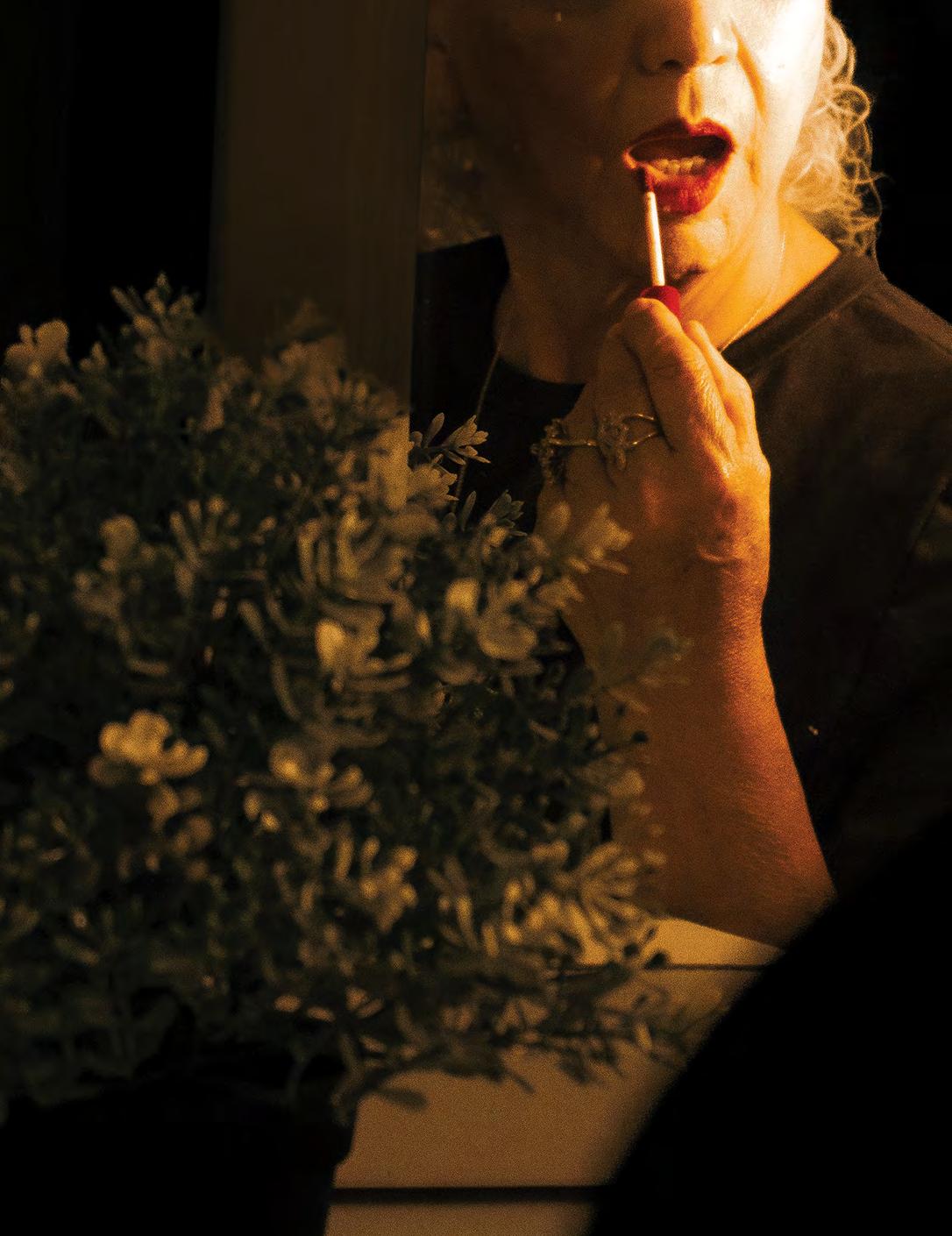
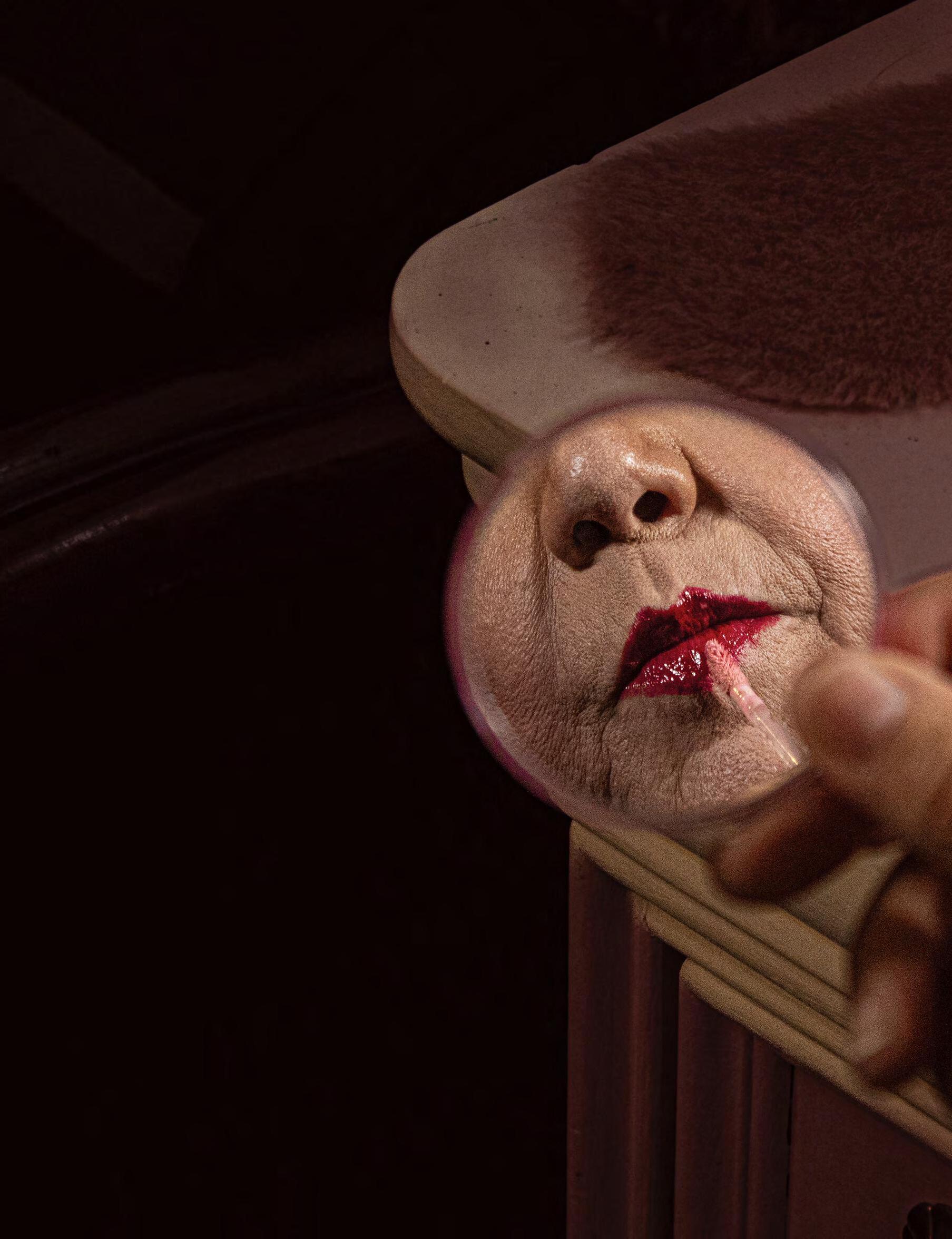
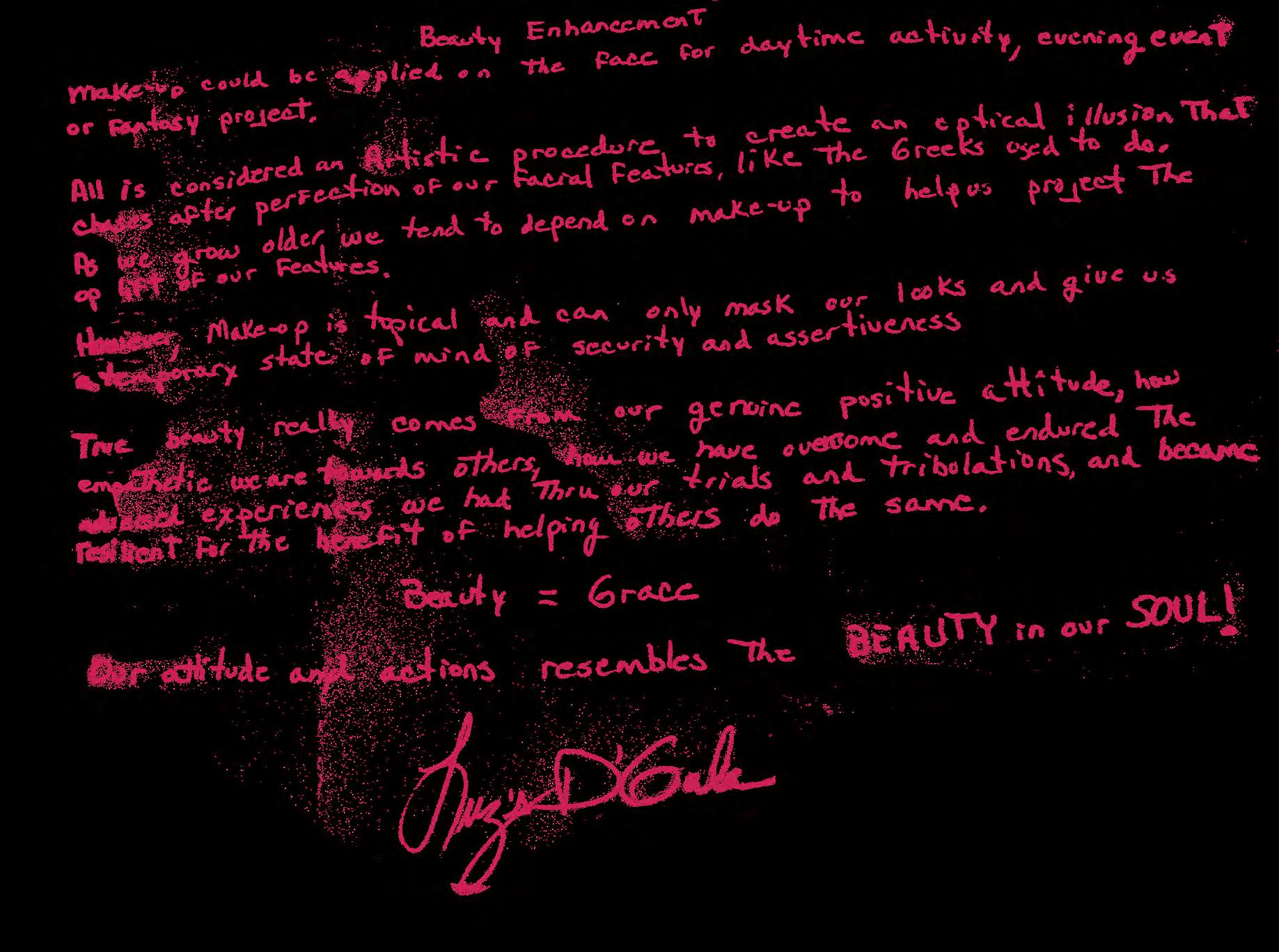
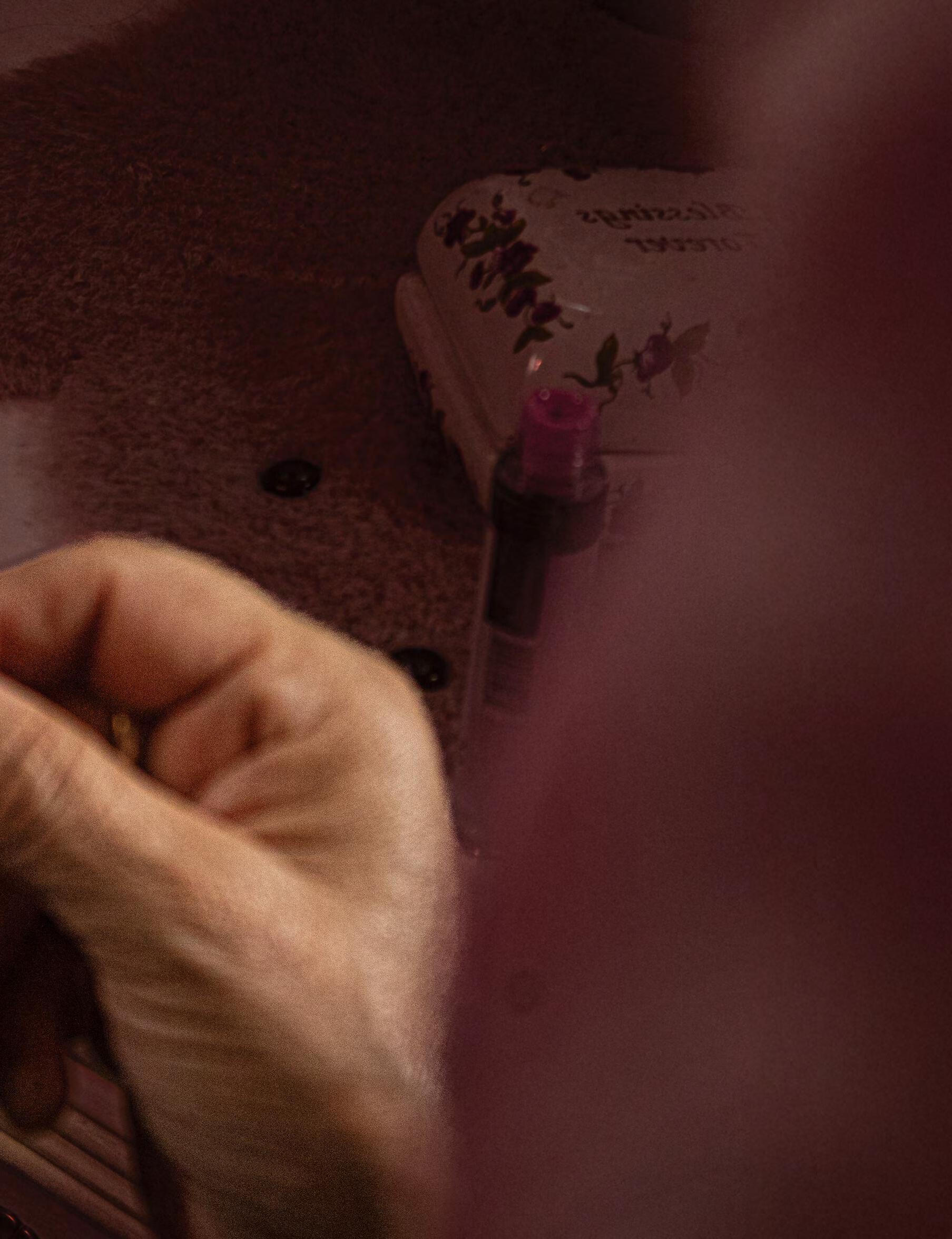
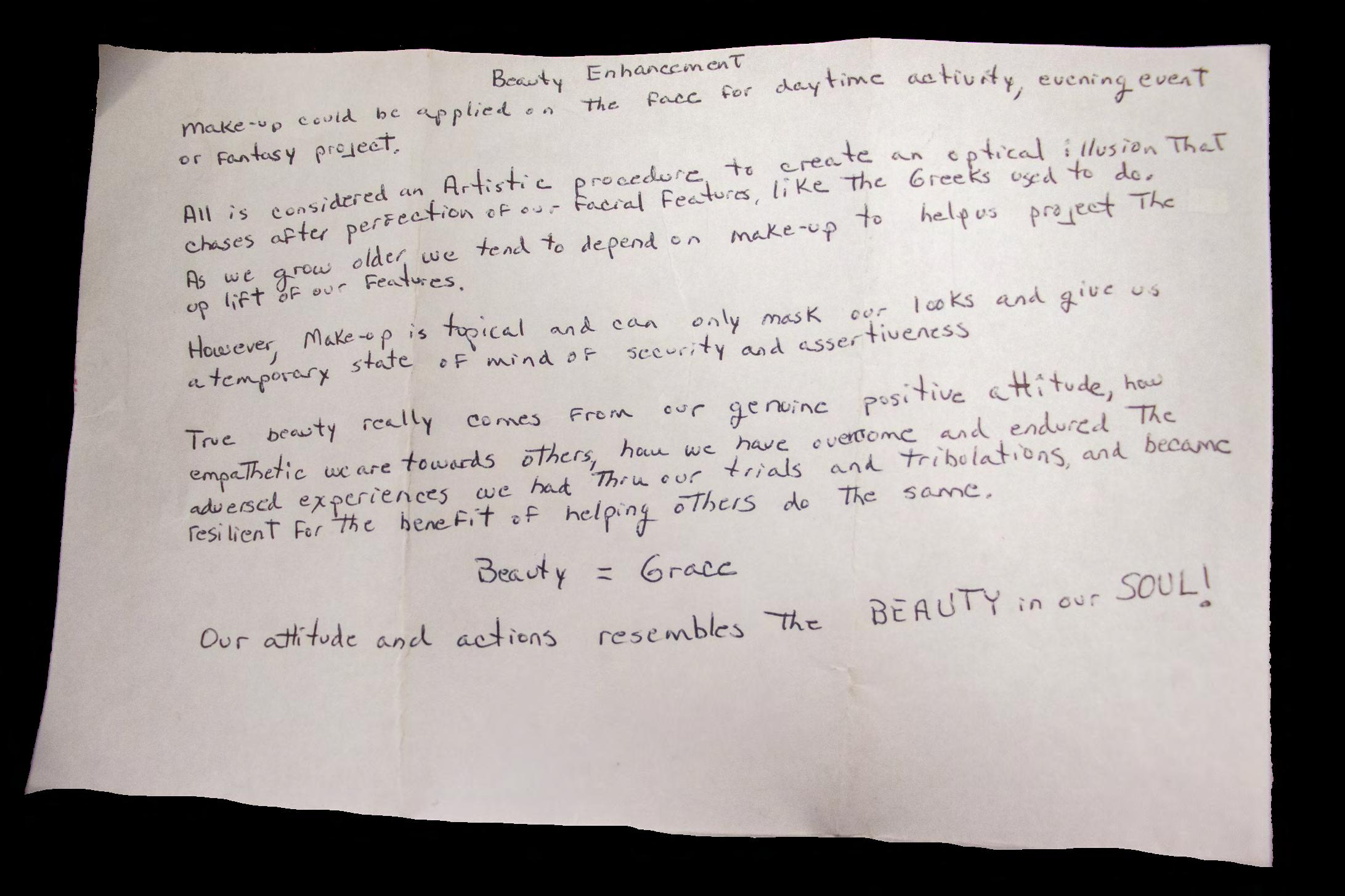
En este momento de autorrealización, maquillarte ha dejado de ser una actividad de puro hábito o una forma de ocultar tus heridas. El maquillaje se transformó en una herramienta terapéutica y la fuente de tu empoderamiento. Ahora si gozas el proceso de arreglarte. Utilizas la palabra “bella” para describirte, algo que nunca decías ni mucho menos te considerabas de joven. Su pasión por el maquillaje y la belleza son una herramienta terapéutica y la fuente de empoderamiento.
Claro, a veces sientes un golpe de inseguridad cuando miras tus canas y arrugas; sin embargo, tú conoces perfectamente lo que vales y, al observarte en el espejo, ves más allá de tu aspecto físico, ves tu identidad y la abrazas.
Te gustaría que más mujeres de tu edad se maquillen como tú, no con el objetivo de tapar las imperfecciones, sino de resaltar los lindos rasgos. Tienes presente que los cumplidos de la gente son gratificantes, pero que no te hacen menos bonita si no los recibes.
También fue la oportunidad de ser maestra, que surgió repentinamente, lo que te ayudó a salir del abismo depresivo. Cuando menos lo esperabas, la rutina que conlleva ser maestra te impulsó a levantarte de la cama todos los días y actualmente estás esparciendo a tus alumnos la sabiduría adquirida a través de tus experiencias.
Cuando le preguntaste a Dios: —
¿Porque estoy atravesando
periodos de
La sinceridad en lo que les dices a tus alumnos se percibe en tu voz. Veo que ayudar a otros a convertirse en la versión de sí mismos que siempre han deseado ser es hoy tu propósito de vida. Enseñas a esos adolescentes a no conformarse y a no normalizar el desalentador ambiente en el que se pueden encontrar.
Por eso, los guías a diseñar una vida mejor, pues sabes perfectamente que a cualquier edad se puede comenzar a vivir de verdad.
Por eso, los guías a diseñar una vida mejor, pues sabes perfectamente que a cualquier edad se puede comenzar a vivir de verdad.
¿Porque atravesando periodos de tan Dificiles?momentos duelo Y
tan Dificiles?momentos duelo Y
—te respondió con la enseñanza que te brindó, así como el poder de la empatía que te otorgó para que pudieras hacer que las personas sientan comprensión y validación.
Tras años de depresión, negatividad e inseguridades, ella aprendió a usar el maquillaje como una manera de resaltar sus facciones en vez de ocultarlas.
In brief In brief
Translated by Brisa Silva
yyour smiles are real now that you’ve shed all those tears. Back when you were in your twenties, you applied others’ makeup to help them feel beautiful, but you wore it to cover your emotional scars.
Your heart didn’t mend until you embraced them in your sixties. You have faced so many adversaries that you’ve come to the conclusion that the only option left is to live life to the fullest. You learned lessons that have helped you develop a strong selfesteem, something many women your age have yet to attain, which is why your wisdom needs to reach them.
The Gamble Against Tomorrow
We’reNotGetting
AnyYounger:Who’s Sittingat Your Table?
Written by Jesie Garcia
Photography by Cameron Mason
illennials (ages 29-44) are one of the bridging generations between pen and paper and the digital world. At very young, they’ve overcame mass eras like 9/11. Hope defined their history— overseen by Obama Era Optimism. Now, they step into intentional power, aiming for evolution. As a generation demanded to hustle and build lives that mirror the “American Dream.”
Somewhere between this rollercoaster ricocheting between fear and hope, many found themselves feeling alone. This includes many millennial men.
According to Psychology Today the percentage of men with six or more close friends dropped nearly 20%–from 55% to 37% from the 1990s to 2020.
Seemingly, it would prove helpful for adult, millennial men to extend themselves past the social constructs of keeping their emotions tucked away and learn to let anger turn into well-needed tears and beautiful shared laughs.
Patriarchy has not been kind to everyone. It takes every individual to break from its heavy constraints. Adult men unlearning these cycles through friendship could allow the start of healing through years of pain.
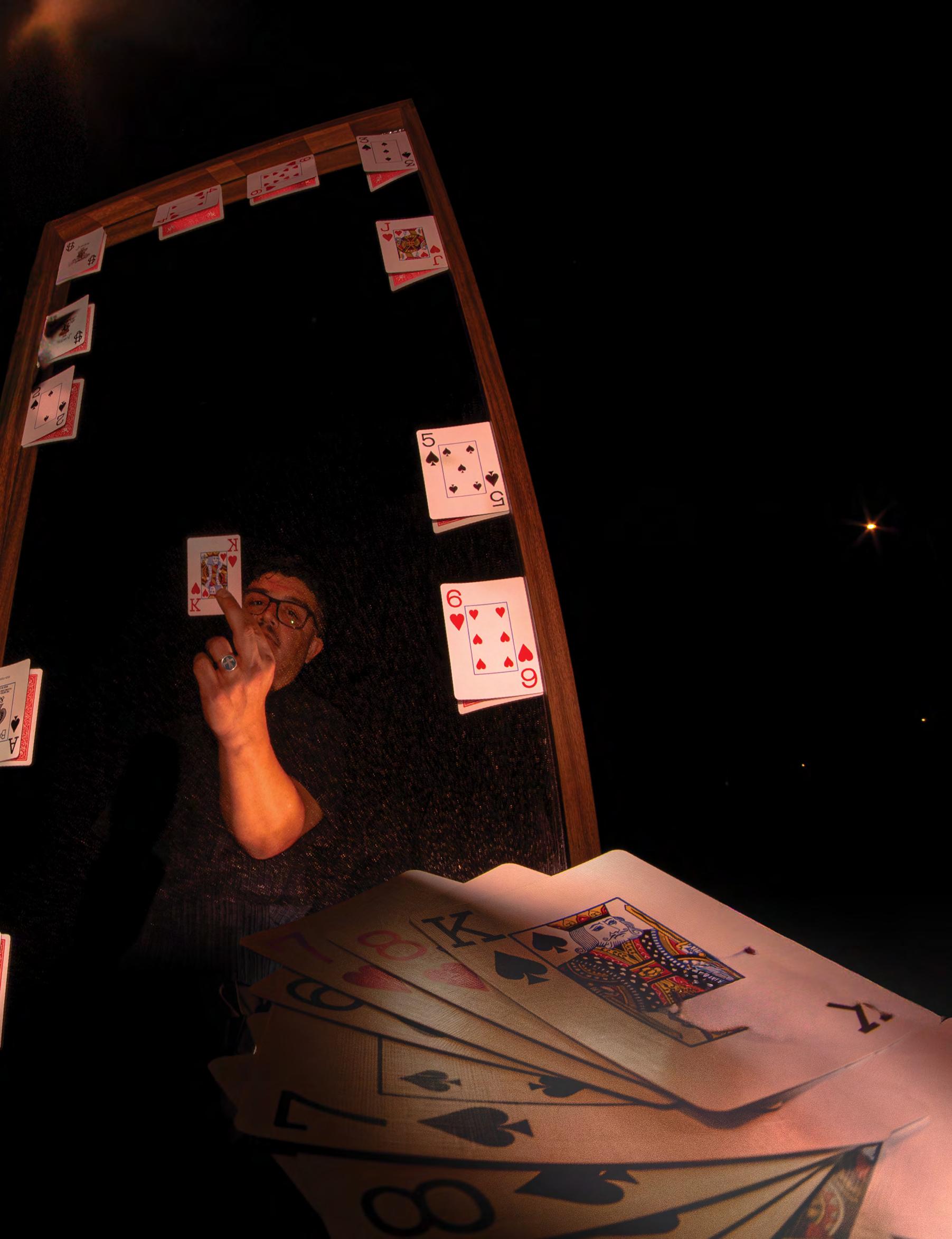
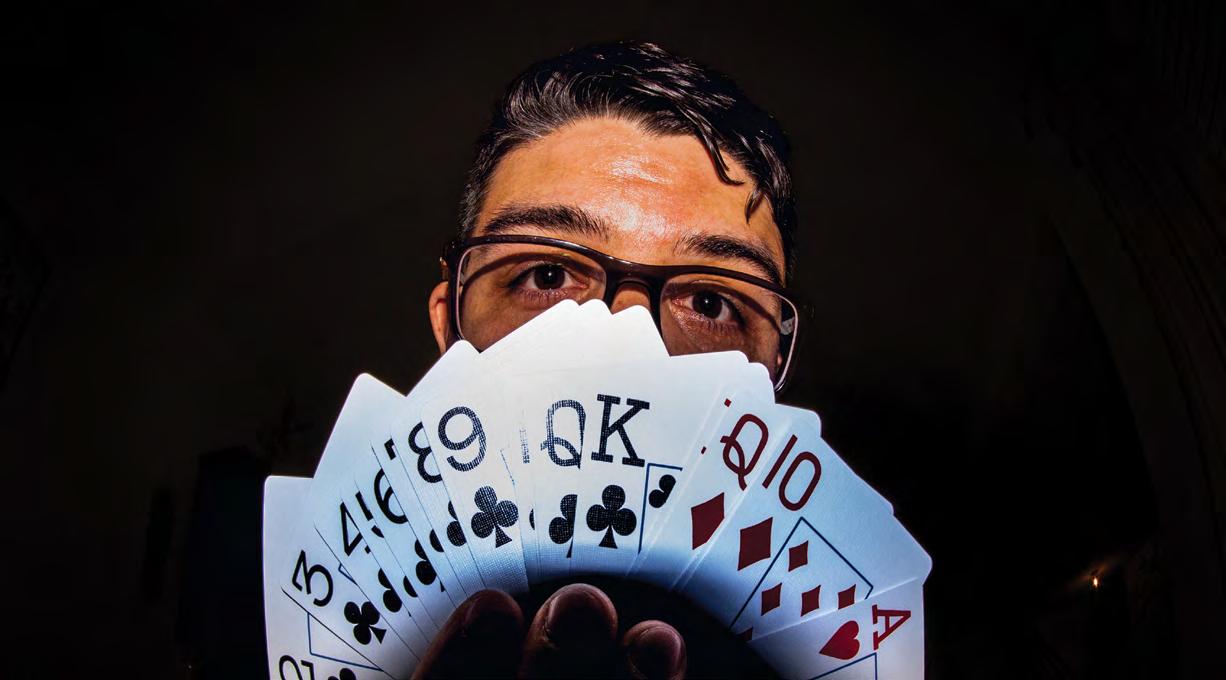
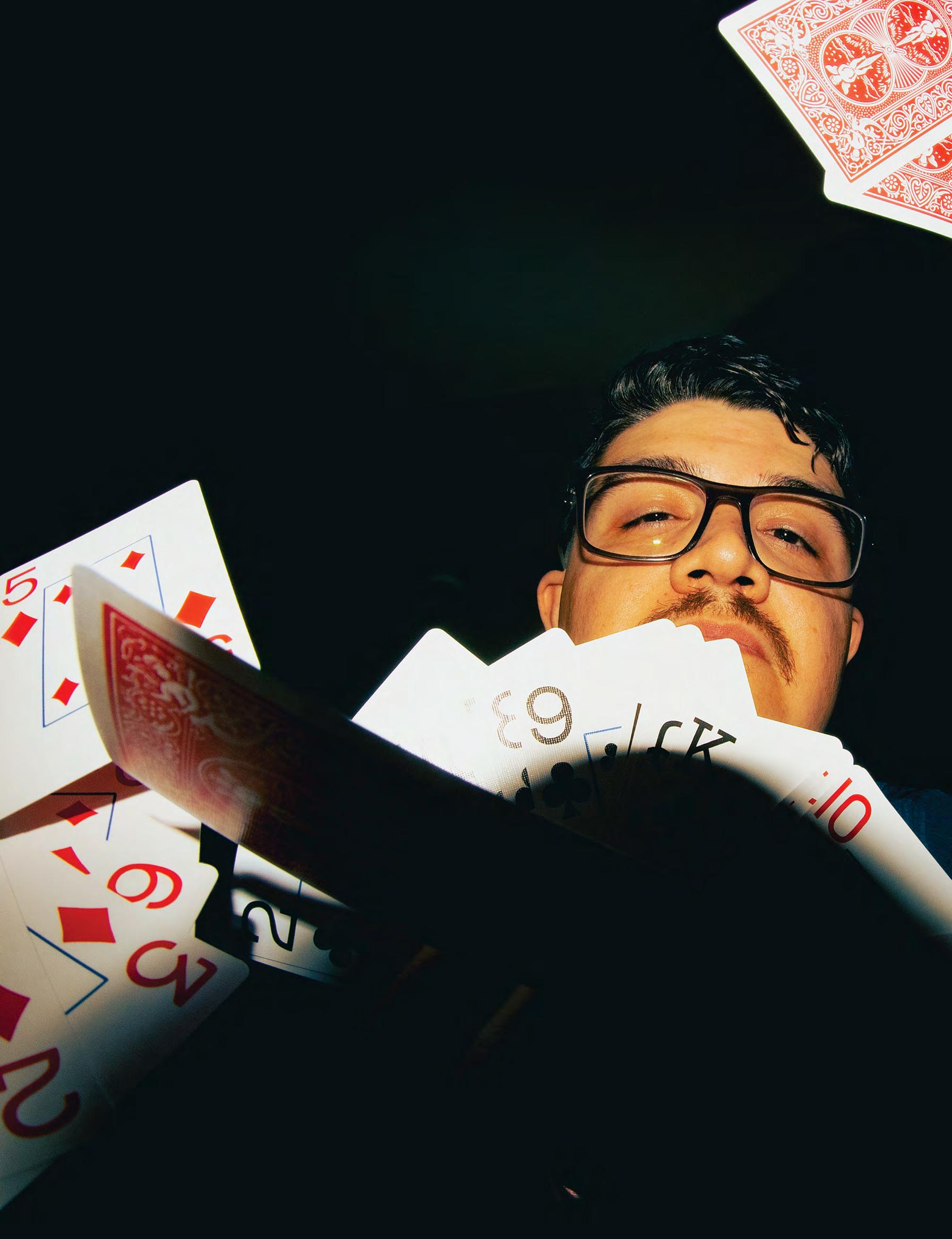
Christopher Ray, 34: An embodiment of rebuilding. He curates his inner circle by keeping those who reciprocate his intentionality. In result: he hosts bi-weekly card games. Ray’s middle school friends are still in the game.
Ray is no stranger to breaking cycles, as if he’s the card dealer and a player at his own table. The careful intention that goes into his current-day friendships is a gamble but fulfills his today and tomorrow with company. Yet, this victory wasn't instant.
Adult male friendships have the tendency to only scratch surface level while juggling the learned inability to reveal the man beneath it all. Friendships are all cards in, and the fortunate chips of career and families play a factor in the weight of the result. Whatever they put in, ultimately makes its lap around the table.
Men are the loneliest they’ve ever been in the United States. One in four men report being lonely. This CAN change.
The weight of bullying, grief, and the travesty of 9/11 in the foreground of everyone’s life at the time had Ray’s middle school experiences feel a certain type of disconnectedness.
“The realization of 9/11 introduced the immense scale of the world and my own smallness. Simultaneously, the family death forced rapid maturity and the need to find ways to cope with loss,” Ray said.
It’s through the rattled perspective from one’s peers, and self, that leads to a dangerous type of detachment. This brews when young boys are taught generational ideas that can be harmful.
Middle and high school are not particularly easy for most. There’s a type of loneliness in the air that self-reflexivity and genuine companionship may heal. However, when you’re a teenage boy, those realizations come with time
“A lot of [changes] started in middle school. Especially with feelings. But it was like,
When the Rays’ adventures across states had settled back into El Paso, he also reconnected with old friends who still reside in the region. Deeper connection between these groups of men flourish, but there was a catch to this predicament.
‘You shouldn’t be talking about that [emotions]. You’re a man.You need to grow up. ’ My friend group and I started cutting off misogynists.
We need to suck it up and push forward and it seems like the easiest way,” Ray said.
Some of Ray’s middle school companions stuck by his side through online gaming into the adventures of early adulthood. Even through the ins-and-outs of moving states and the pressures of adult life, Ray still hops on the games to share his joys and everlasting growing pains with his friends.
Constraining cycles, like the patriarchy, can only be broken when a majority of individuals realize it carries no benefits.
During the end of high school and the start of college, many realize that many young friendships form through convenience Effort isn’t as much of a necessity when friends are found in the same spaces every day: school, sports, clubs.
When Ray’s adulthood hit, he started becoming far more intentional about the people he kept close to him. Friendships with prominent misogyny became abhorrent to keep around. Not only did he take note of this in his friendships, but also his family.
“[Some family] is kind of sexist and other things… we don’t want that. I don’t want to go to a cookout and then all of the sudden they say something super sexist. After that, I’m over it,” Ray said.
Friendship is a gamble, and the dealer chooses whether to build trust or bluff their way through to victory.
Ray explains though elders might be stuck in their old school ways, his actions project otherwise: onto a new way. He’s nurturing interpersonal relationships with other men exhibiting the idea that it is okay to stop performing. Brotherly love, today. Sixty will arrive tomorrow. Time is just slipping away. But his community will have an everlasting outcome onto everyone.
“It benefited my mental health. It's nice to just hang out with people and actually
Adulthood's systemic cycles intersect when curating your inner circle. The intention behind emotional intelligence holds unseen yet critical value.
However, learning to take care of each other and the willingness to unlearn stubborn perceptions about how to show up in life. Ray urges others to gamble with vulnerability; it may mature into beautiful cycles. For the younger generation will take note of and pass onto their children—which
en breve
Traducido por Jesie Garcia
a generación milénial ha sido espectadora de cambios drásticos en la vida desde su juventud. Desde entonces y hasta hoy, ha presenciado eventos terroríficos como el 11 de septiembre y sucesos llenos de esperanza como la elección de Barack Obama. Además, están aprendiendo a sanar conflictos internos de manera saludable para construir un mundo positivo para el futuro.
Con ello, las amistades se han convertido en un pilar fundamental para los hombres de esta generación. Esto les permite cultivar relaciones valiosas y saludables al desmantelar ciclos como el del patriarcado.
Recycle oil, antifreeze, and other vehicle fluids, or dispose of them properly to prevent the pollution of stormwater, groundwater, and the Rio Grande.
Do not dump waste, chemicals, paint, custodial waste, and general rubbish items (tires, old car parts, shopping carts, etc.) into storm drains, channels, or ditches.
Properly dispose of hazardous wastes, pesticides, and fertilizers. Call UTEP EH&S to schedule waste pickups.
Keep material out of the stormwater conveyance system (curbs, gutters, sidewalks, streets, drains, culverts, and arroyos). Dispose of grass, leaves, yard waste, and construction debris properly.
Leave natural vegetation in place where possible to prevent erosion.
Storm drains are easily identified with “NO DUMPING” decals at storm water inlets.
NEPANTLERAS: TWO WORLDS Connects THE BRIDGE THAT ] [
Written by Aylinne Morales
by Victoria Adler
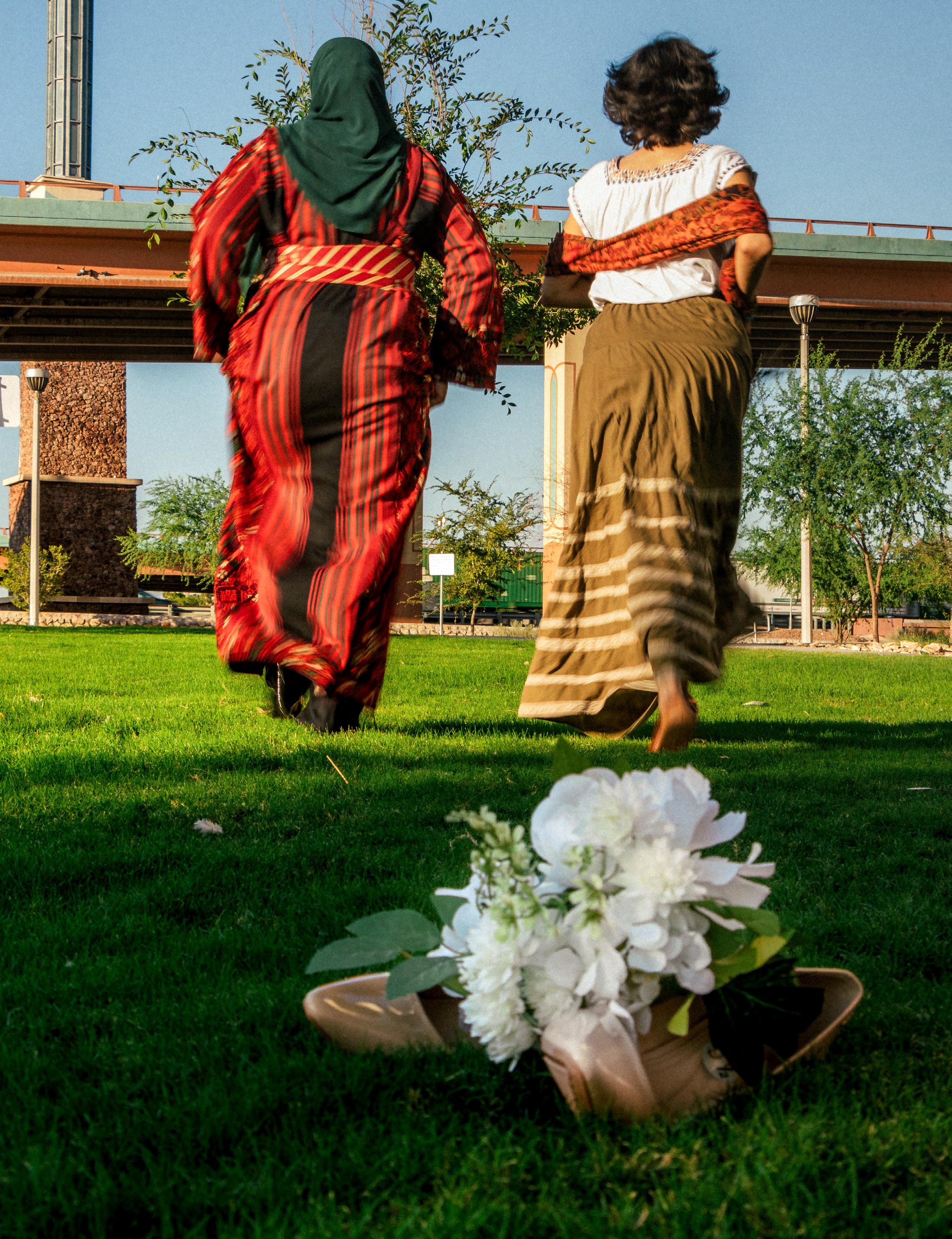
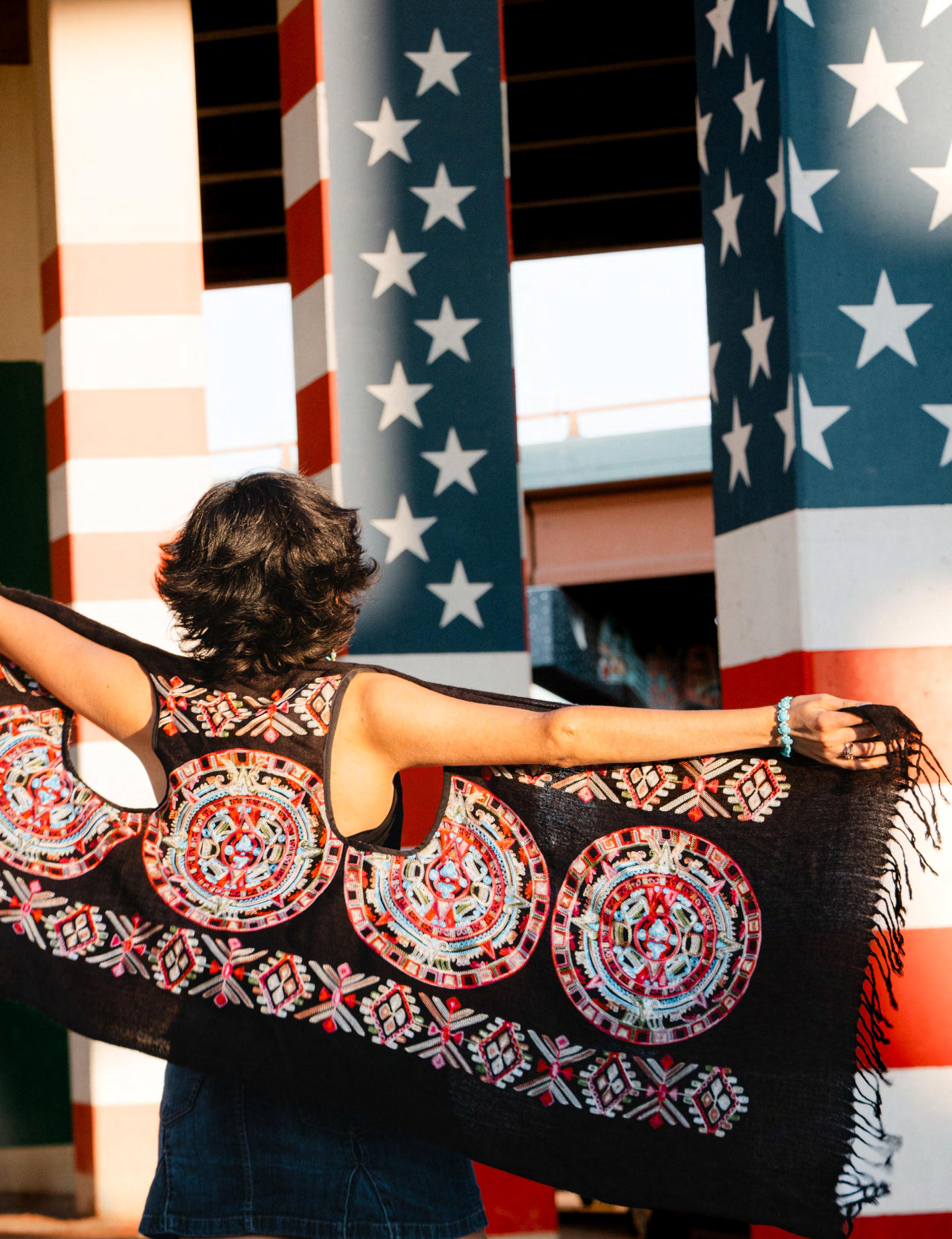
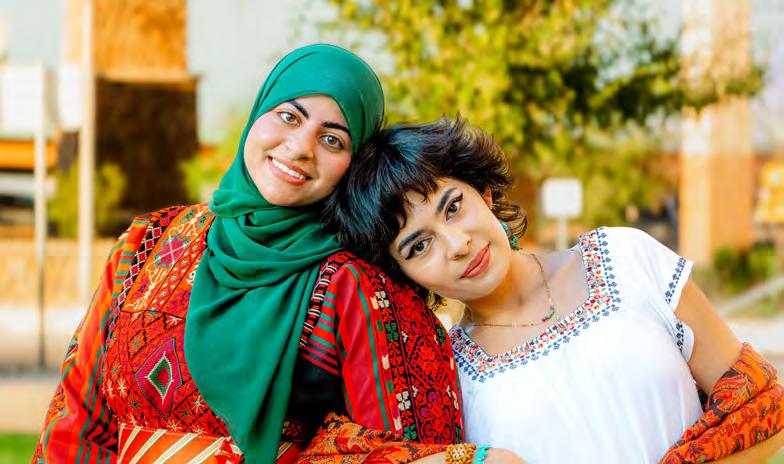
icture this: two women from diverse backgrounds stand on the same road, separated by a median. Their worlds collide, Sondos and Andrea, two journeys, one generation, meet on the very ground we call home: El Paso, Texas.
Generation Z is the punching bag of generations. In their lifetimes, they’ve faced countless unprecedented challenges. The COVID-19 pandemic disrupted their final high school years, shifted their perception of time and connection. They came of age navigating continuous political violence, fueling a newfound awareness and intentional drive for community engagement. Yet, despite currently being in a whirlpool of challenges from hiring freezes to housing crises, they continue to stand up
resiliently after every single punch. As they embrace adulthood, they know their paths are unlike earlier generations.
Gen Z’s next challenge is embracing adulthood in the mix of all this chaos. Asking themselves those golden questions such as, what are they meant to do? Which path should they take? Love or career? Why are young women putting themselves, their, ambitions, and their futures first? Is it selfishness, or self-preservation?
Photography
Two women, two worlds; colligating, connection and creating something larger than themselves.
TARKHANSondos
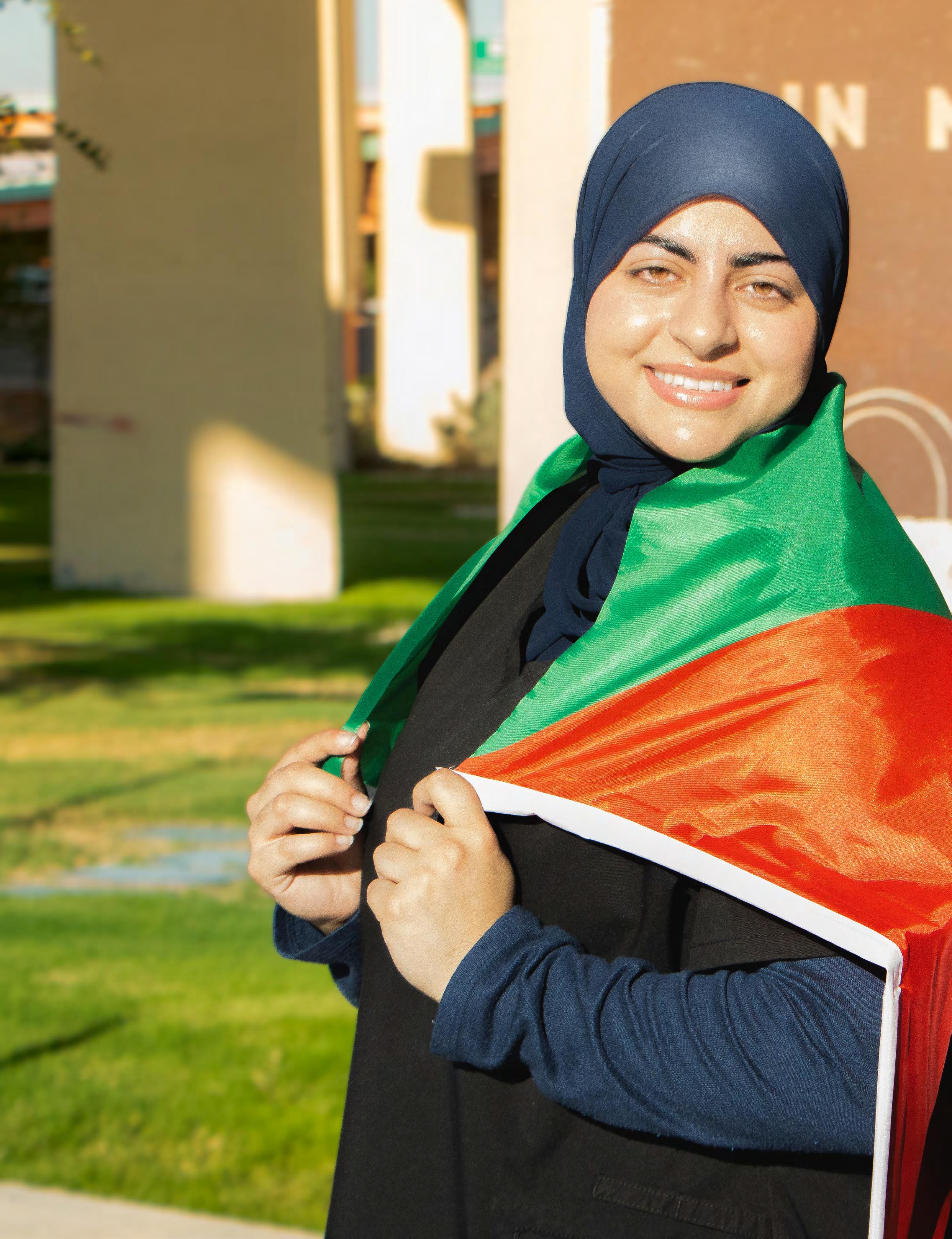
Reserved. Poised. Attentive. Sondos Tarkhan holds herself with quiet confidence. Not shying away from conflict or people but rather observing, learning and listening. She believes that whatever is meant for her will find its way there.
Like many young women her age, Sondos is choosing her career first. While she doesn’t rule out love, she’s in no rush to find it. Her focus is helping her community and building a life of purpose. Growing up with Middle Eastern immigrant parents, she quickly learned the value of education. Her father, a Palestinian man who left Jordan at 18 to pursue a medical degree in the U.S. but was only able to obtain his associates due to the cost of education. Her mother, in turn, emphasized the critical value of education for women.
“You don’t want to be stuck in a relationship only because you can’t support yourself. In case you ever want to leave, get your education,” Tarkhan stated.
Sondos chose to break away from the traditional path of early love in favor of her passion to build something for herself first.
She stressed the importance of maintaining her values as a woman who isn’t influenced or swayed into a relationship before being ready for that commitment.
Intentional love—the kind that is carried, surrendered and held.
Purpose lives within Sondos and many other Gen Z women who are learning to
“If I weren’t living in EP, having the border, and seeing the dynamics, languages, and cultures, maybe I wouldn’t feel such an intense desire to help people.” Sondos said.
The everyday reality of life in El Paso mirrors the resilience of her people in Palestine, a struggle that has given her courage to speak her truth.
“Some people are afraid of saying ‘I’m Palestinian’ because of everything that’s going on, some people are afraid to speak out,” Sondos stated. “For me, I’m Palestinian. I’m proud to be one.”
The genocide in Palestine and the barriers at home have ignited a deep empathy within Sondos. Empathy, she believes, is born out of love. Sondos knows that her future career as a doctor and educator will make a impact on her two worlds. As she says,
“WHEN YOU HELP , IT’S LIKE YOU SAVE OF HUMANITY.” one person all
Her journey started with a home base and one intention.
GALEANO Andrea
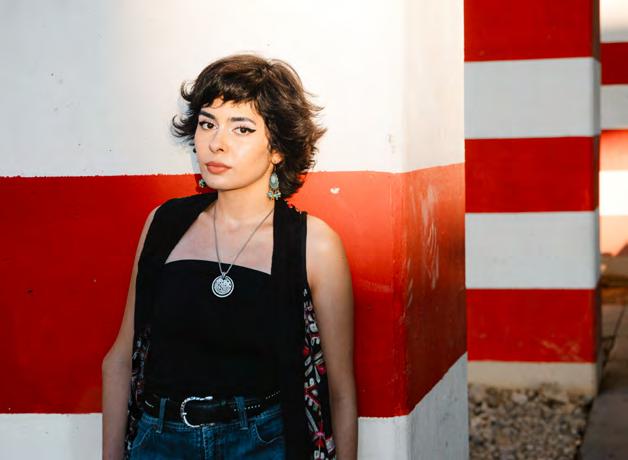
Energetic. Spirited. Full of life. These adjectives in human form embody Andrea Galeano, a young passionate Chicana from the borderlands. She’s unafraid of a challenge and unshaken by injustice. She knows that to rid the world of the weeds, one must pull them from the root.
The more she plants seeds, the more she takes up space.
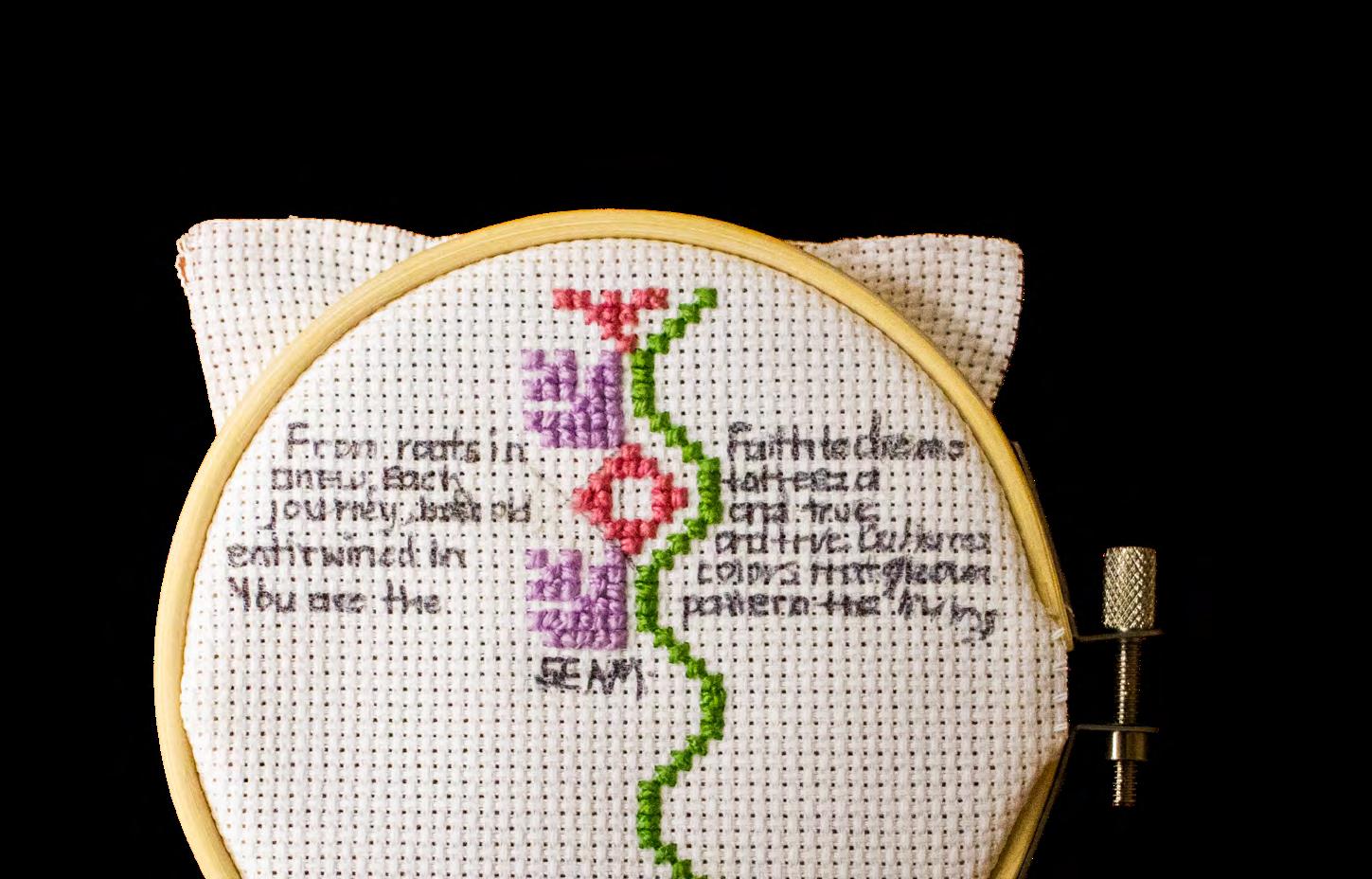
From a young age, Andrea learned the value of being a “chingona.” The irony is in her blood; wit and grit flow through her veins. From this knowledge, she draws courage.
“The beginning of any Chicano journey is to educate yourself on our history, right? How can we figure out where we’re going if we don’t know all it took to get there?” Galeano said.
She has been privy to the struggles of working-class families, especially Mexican Americans. She’s found female role models within black and white pages seldom read, women who taught her how to lead and to advocate. When asked about love and career, Andrea referenced one of her heroes, Dolores Huerta, a prominent activist of the Chicano movement:
“There was always a controversy around her (Huerta) because she did so much for ‘la raza’ [but] did have 11 kids that she neglected. A lot of people thought that was horrible of her…I just fear that I would neglect these things that I value so much if I were to have kids.”
The tug-of-war of deciding between a career and romance left Andrea with a clear decision. Much like Sondos, she has chosen herself and her passions.
“PART OF BEING A IS THAT WE ALWAYS FEEL LIKE WE GIVE OURSELVES .” woman have to completely
A fire born from injustice but kept alive by her love for the community, is the driving force of Andreas’ career ambitions
She hopes to be a civil or human rights lawyer in the future, but more than that, she wants to make a tangible impact in her community. Her drive for a career in law stems from a desire, a need to stand up for those who cannot do it for themselves.
“I have the courage to fight for them, because a lot of them didn’t have the ability to fight for themselves,” Galeano said.
en BREVE AFTERThe Collsion
Two souls back-to-back, lit a spark of wisdom and action. As parallels cross each other’s paths; Sondos and Andrea grazed one another and combined their fire of societal love. It starts with one. One heart that vessels another. This coalescence of power, its intensity, flows like a wave, washing towards the younger generation.
Traducido por Aylinne Morales
sta historia trata sobre el amor, la independencia, la comunidad y la conexión entre la Generación Z. En ella, exploramos la vida e interconexión de dos mujeres fronterizas pertenecientes a esta generación: Sondos Tarkhan y Andrea Galeano. Estas mujeres navegan la vida, como neplanteras, moviéndose entre diferentes mundos actúan como puentes, conectando a diferentes comunidades, grupos sociales y valores. Ambas comparten su visión del mundo, sobre sus carreras profesionales y relaciones románticas. Expresan que el amor por sus respectivas carreras – Sondos en el ámbito medico y Andrea, en el legal/activista – es más fuerte que su deseo de mantener una relación romántica.
Esta no es una idea aislada. Muchos jóvenes están optando por posponer el amor romántico o el matrimonio para explorar y expandir sus ambiciones profesionales. Al mismo tiempo, sus metas profesionales están profundamente arraigadas en el amor por su comunidad. Ambas desean ayudar a su gente, y esto refleja el espíritu de la Generación Z.
Las historias de estas mujeres muestran lo que sucede cuando los jóvenes tienen la opción de elegir, y la oportunidad de ser intencionales en sus vidas.
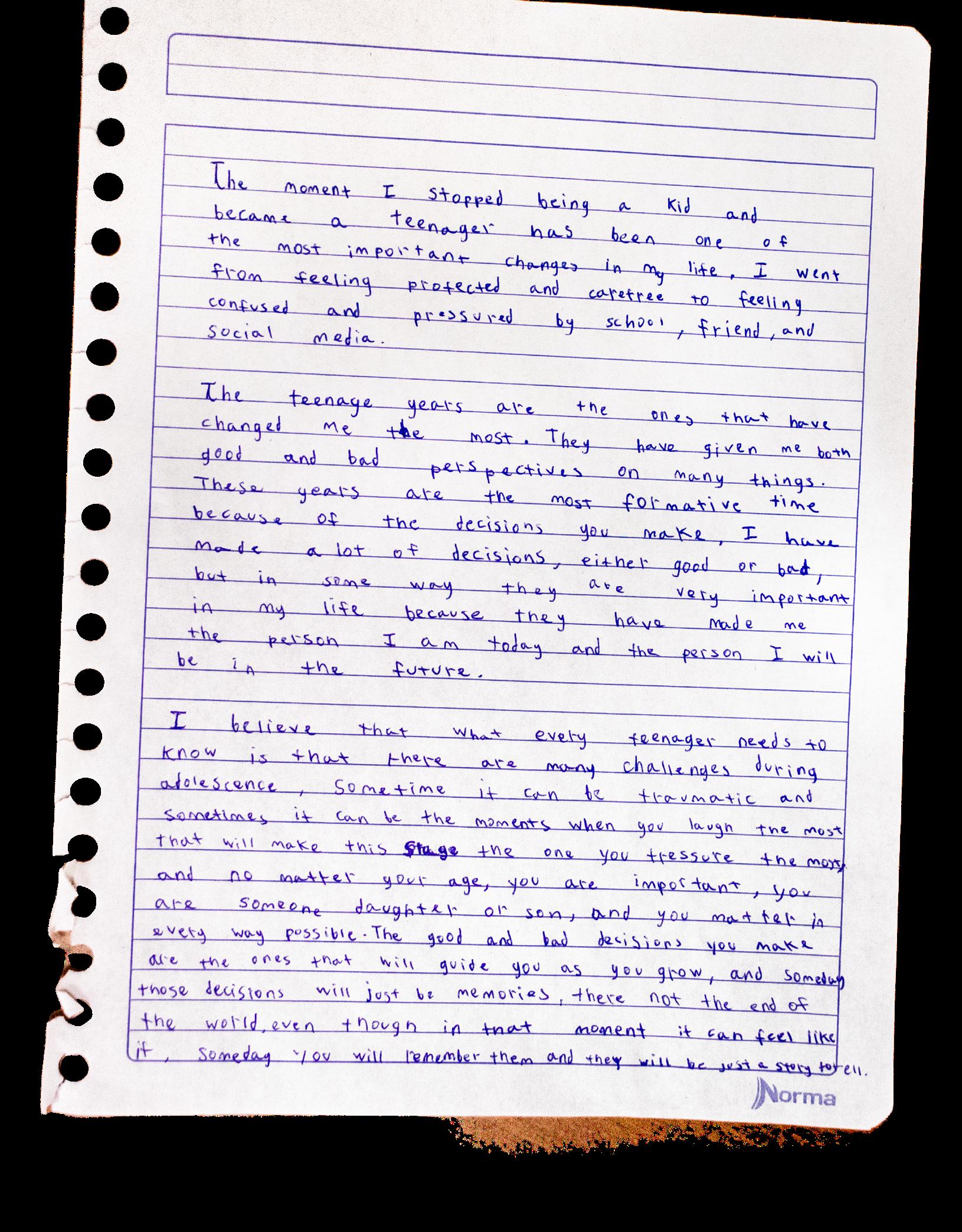
FOMO of the Teenage Dream
FOMO of the Teenage Dream
Written by Vivien Noe
Photography by Joel Rodriguez
Today’s world has a crush on the idea of being young forever.
It can be seen in beauty standards praising youthful characteristics, nostalgia haunting friendships when “remember when” stories appear on their feeds, and that feeling like the world is running out of time. How is it to be young in a world that constantly reminds people that everything can change from one second to the other?
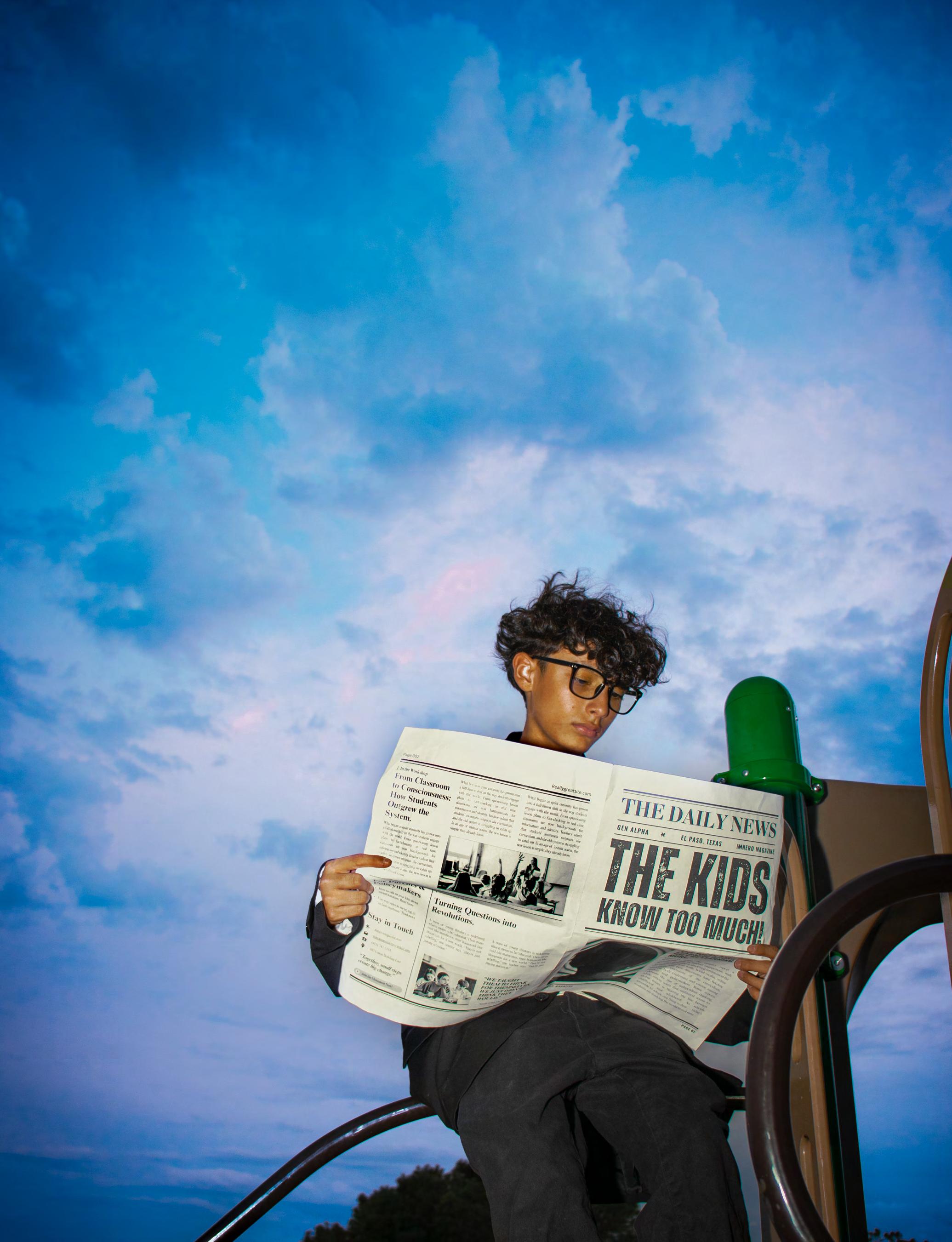
Generation alpha (2010-2024) does not have to imagine this, because they have been the main characters of this digital era since the day that they were born. Gen alpha is a generation rooted in creativity, diversity and global consciousness. They grew up in a time that is different from any other.
Beyond Instagram profiles and usernames, teenagers all around are living their own highlight moments that will shape their future.
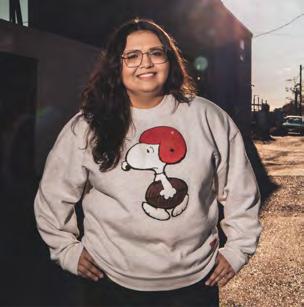
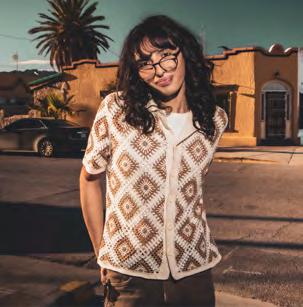
For Andrea Perez and Jacob Rodriguez—their current status? Screenagers. Not by choice, but by circumstance.
MINERO MAGAZINE: How would you describe being a teenager in 2025? / ¿Como describirían ser un adolescente en 2025?
Jacob: I think being a teenager is fun. I have like good friendships and my days, my normal days are fun. I like them.
Andrea: Creo que es algo muy divertido y muy padre pertenecer a la generación alfa, porque es una generación, este que crece con la tecnología y pues también como que vamos implementando nuevas cosas. Siento que estamos siendo más abiertos y ya aceptamos más cosas y eso me gusta mucho. Creo que para describirlo, una palabra que podría describir ser adolescente es divertido.
FOMO (FEAR OF MISSING OUT)
Teenagers today don’t fear normalcy and tradition; they fear getting canceled. Kids worry about not looksmaxing to their real potential and strive to be like people they’ve never met. They get advice from ChatGPT and call their closest friends the real ones because they know ingenuity is everywhere.
Gen alpha has grown up in a world full of constant change, but good old teenage angst is something that will never fade away. They are experiencing a newfound anxiety of FOMO (fear of missing out) and chronic nostalgia simultaneously. They say a “like” or a “comment” can be the butterfly that causes a hurricane effect in their lives. Yet, at the same time, social media can make them feel more isolated than ever.
Culture used to be shaped by where you lived or who you were surrounded by. Social media changed that. Gen alpha’s lens and taste by which they experiment with the world is not limited to their zip code. Through their phones, they can go and know about anywhere and anything they want.
But, this generation’s biggest strength is being open-minded and accepting. They say it is impossible not to compare themselves to the standards set by the digital era even if they are edited or made with AI. There’s a need for perfection even if it’s just for the thumbnail pictures.
When romanticizing everything is the new norm, how can one conform with just being normal?
Online, it’s easy to say whatever, spill tea and hide behind a screen to watch it burn, but teaching people to actually feel something? That takes guts.
Y
MM: Do you believe empathy is something schools can teach? / ¿Creen que la empatía es algo que la escuela pueda enseñar?
Andrea: Yo sí pienso que la escuela te enseña la empatía y el convivir con las personas. Tal vez no te lo enseña un maestro, ni un director, pero ves a personas todos los días. Convives con ellos, te prestan cosas y tienes una comunidad con ellos—
eso te enseña los valores y lo importante que es la empatía.
Porque pues es socializar y son tus amigos, y es a gente con la que te vas a juntar y eso también pues ya cuando seas un adulto también te va a definir como persona.
Jacob: I think it definitely can, because you’re surrounded by people all the time. So, no matter what you’re going to learn, like empathy, you need to be kind and everything. Because without empathy you won’t have good relationships, or friends. So, I definitely think empathy is top things schools can teach.
Empathy might be one of the best tools anyone can teach or learn. It takes our invisible strings and threads them together and takes us from simply viewing to showing up.
MM: If you could could use empathy to change something in today’s world what would it be and why? / Si pudieras usar la empatía para cambiar cualquier cosa en el mundo de hoy, ¿qué cambiarias y por qué?
Andrea: En mi escuela me he dado cuenta que los grupos sociales son muy cerrados, o sea de los deportes con los deportes, los mexicanos con los mexicanos y así. Creo que la empatía la usaría como para que se abran a la idea de incluir a las demás personas o sea hacer ahorita una comunidad.
Jacob: I think I would use empathy for people to be more caring. I don’t know how to explain, but a lot of people don’t care about other people, so like for people to care for others than themselves.
Being young is still a synonym for being a believer. Some may think keeping this childlike spirit of wonder can be naive, but it may be what keeps generations from brain rotting. Truth be told, that’s where the real connection is. Only in real connection is where one can realize how hope and fun are not just for future generations, but also in them.
Don’t underestimate these kids; granted, we gave them life, but in return they continue to show us that empathy takes guts.
En Breve
EN BREVE
La sociedad actual ha sido cautivada por la juventud. No importa la edad. Todos tienen una obsesión por ser jóvenes para siempre, ya sea viéndose jóvenes o intentando volver a serlo para revivir algunos momentos. Incluso los adolescentes de hoy sienten nostalgia por una vida que solo han visto a través de una pantalla. Pero ¿cuál es la realidad de ser adolescente en la actualidad?
En un colorido recorrido por el mundo real de la generación alfa, Andrea Pérez y Jacob Rodríguez son los líderes de un viaje en el tiempo, explorando los sentimientos incomprendidos de la juventud, la experiencia única siendo los protagonistas del mundo digital y la esperanza en un futuro mejor. Eso sí, si ellos pudieran definir esta etapa de sus vidas en solo una palabra sería: diversión.
Traducido por Vivien Noe
Genio is an app for students with notetaking accommodations that records and transcribes lectures, lets users customize notes, build study skills, and access tools that support academic success.
Students interested in using Genio must be registered with CASS and approved for this accommodation.