The magazine of IdEx Université Côte d’Azur • No. 4 - December 2025
FEATURE
Cultural and Creative Industries
FOCUS ON PEOPLE AND PLACES DEMONSTRATING EXCELLENCE IN RESEARCH
All the projects presented in this magazine have been supported by the French government through the France 2030 Investment Plan managed by the French National Research Agency (ANR), as part of the Initiative of Excellence Université Côte d’Azur under reference number ANR-15-IDEX-01.
With each new issue of Insights, we continue our tour of the university community and its laboratories to meet the people who contribute to the scientific identity of Université Côte d’Azur, making it uniquely distinctive while keeping it strongly attached to its region. An emphasis on regional ecosystems remains one of the core values of the university and its Initiative of Excellence. The feature article of this fourth issue explores the interdisciplinary research and projects of the cultural and creative industries, carried out by members of the Arts and Humanities Graduate School; component institutions such as Villa Arson and the Rosella Hightower National Dance Center; associate institutions, notably the Conservatory of Nice; and the IdEx XR2C2 Reference Center for augmented and extended reality. Many of their activities are held on the magnificent Georges Méliès campus and are carried out in a dynamic partnership with the city of Cannes.
The issue includes the usual sections that spotlight the academies of excellence, projects in the news, profiles and pitches, as well as the “Outside the Box” section that presents startups supported by IdEx. All of these articles were prepared with skill and passion by the amazing IdEx operations team.
We hope you enjoy this magazine and welcome your feedback, which can be sent to insights@univ-cotedazur.fr.
FROM THE EDITOR CONTENTS
PITCH CHALLENGE
PROJECTS
Publisher: Université Côte d’Azur – 28 av. de Valrose 06000 Nice
Saranne COMEL, Operations Director, Europe and International Program
Aurélie DELORT, Operations Director, Education Program
Sébastien BIEHLER, Operations Director, Innovation Program
Yasser MAGHRBI, Operations Director, Research Program
Contributors: Academies of Excellence, Université Côte d’Azur Scientific Community, Vincent Dusastre, Head of the Office of International Scientific Visibility (OISV) of the Initiative of Excellence
Coordination: Céline PACCOUD, Communication Manager for Major Projects, Head of Communication & Branding
Design: Jeremiah TURRINI, Graphic Designer, Communication & Branding Department
Printing: University Digital Production Center
Publication date: December 2025
ISSN 3040-1992
PITCH CHALLENGE
The Pitch Challenge, a dynamic section covering the careers and/or projects of inspiring individuals who belong or have belonged to the Université Côte d’Azur community.
Have you heard of the Lindau Nobel Laureate Meeting?
If not, you are not alone. Even Dr. John Jumper, recipient of the 2024 Nobel Prize in Chemistry, confessed that he only discovered this prestigious event the year he received his Nobel Prize.
Once a year since 1951, the small Bavarian town of Lindau becomes the world center for sciences. Nobel laureates and young scientists from around the world gather there to discuss science, the challenges of an academic career, and the future of research. Each year, a different discipline is highlighted: chemistry, physics, medicine, and sometimes economics.
This year, I was privileged to attend the 74th Lindau Nobel Prize Laureate Meeting (chemistry) with the support of an IdEx Lindau grant awarded by the Graduate School of Fundamental Sciences and Engineering (EUR Spectrum). Participants included 35 Nobel Prize laureates and more than 600 young scientists from around the world. Only eleven young French scientists had been selected, and as the only
postdoctoral researcher in the group, I felt very honored to represent Université Côte d’Azur at this international event.
An inspiring program
The Lindau conference is a melting pot of events that include lectures by Nobel laureates, round tables, sessions for young scientists, workshops, lunch debates, science walks, and informal conversations during breaks. Science is everywhere: in the lecture halls, in the gardens by Lake Constance, even while standing in line for a cup of coffee.
One of the most important moments for me was meeting Professor Moungi Bawendi (2023 Nobel Prize in Chemistry). We spoke about quantum dots, a topic that has fascinated me since my doctoral dissertation. I even found the courage to show him the first results of my current research and ask for his opinion. It was a truly amazing conversation with a scientist whose publications have inspired me for years.
IdEx post-doctoral fellow at the Nice Institute of Chemistry
Anna LESIAK
Nobel Prize laureates: extraordinary, yet still human
Lindau also provides the opportunity to discover that behind all great discoveries lie ordinary people, full of passion, but also familiar with uncertainty and failure.
Professor Ben Feringa (2016 Nobel Prize in Chemistry) reminded us: “Don’t be afraid of failure; it’s part of science. Intuition plays an essential role in being a researcher.”
Professor Stefan Hell spoke about the difficulties of his career, showing that the road to the Nobel Prize is never straightforward. Professor Morten Meldal (2022 Nobel Prize in Chemistry) and his wife, Dr. Phaedria Marie St. Hilaire, impressed everyone with their humility, kindness, and dedication to promoting equality in science. Professor Jean-Pierre Sauvage (2016 Nobel Prize in Chemistry) took the time to chat with me in French, and even though my scientific French is somewhat limited, it was a very warm and motivating encounter.
And then, a chance meeting: I was late for an event and ended up in an almost empty room with Professor Reinhard Genzel (2020 Nobel Prize in Physics), laureate for his research on black holes. I initially thought it was “not my field,” but I could not have been more wrong. It turned out to be one of the most surprising encounters of the week.
Young scientists from around the world
Lindau is not only the place to meet Nobel laureates, but also hundreds of young scientists whose passion, diversity of research topics, and energy made a significant impression on me. We discussed the barriers in scientific careers, the regional differences we face, and also what unites us as young researchers.
What remains after Lindau?
To return to Lindau, you have to become a Nobel Prize winner yourself, so this was truly a “once-ina-lifetime experience”: unique, irreplaceable, and deeply inspiring.
For me, Lindau is not just about prestige or meeting the “front-page names” in science. Above all, it offers a profound sense of community that is difficult to put into words. The conversations, encounters, and friendships born in Lindau will remain with me forever. It is also a reminder that science is a journey of discovery, often fraught with uncertainty and failure.
Interestingly, upon registration, each participant received personalized business cards – a small detail, but a perfect symbol of these meetings. For six days, we exchanged not only cards, but also ideas, experiences, and projects. I am convinced that many of these contacts will lead to future collaborations and friendships that will reach far beyond the borders of science.
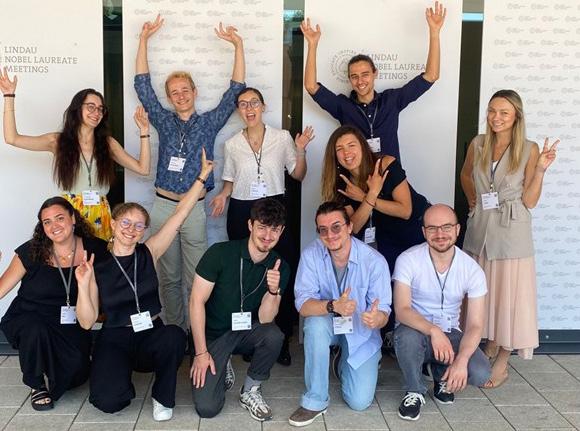
The French delegation to the 2025 Nobel Laureate Meeting in Lindau
DR. GUILHEM MADIOT
Doctor of physics, CNRS researcher at the Nice Institute of Physics (UniCA/CNRS) and recipient of an Excellence Fellowship for Young Researchers and an IdEx Attractivity Package.
My work is in the field of nanophotonics, which involves developing new nano-components capable of generating, manipulating, and detecting light on a chip in order to process information in the optical domain. The ultimate goal is not so much to replace microelectronics as to develop hybrid architectures combining electronic circuits and photonic components. This goal imposes strict requirements for compatibility with industrial “CMOS”1 processes, which guide the choice of materials and manufacturing methods. In this context, I am contributing to the development of original devices capable of introducing new optical behaviors.
After studying physics at Université Paris-Saclay, I conducted my PhD research at the Center for Nanoscience and Nanotechnology (Palaiseau), investigating the coupling between mechanical resonators such as nanometric membranes that are capable of vibrating at several megahertz, and optical nanocavities that can confine light in micrometer-sized volumes. This field of study, cavity optomechanics, is interesting both fundamentally and for its potential applications. Using cavity optomechanics, we can amplify the usually infinitesimal forces exerted by light on an object to make the object oscillate. This makes it possible, for example, to obtain a high-quality radio-frequency oscillator, useful for many applications in time and
1 CMOS: Complementary Metal Oxide Semiconductor
frequency metrology. I then continued my work in this field at the Catalan Institute of Nanoscience and Nanotechnology (Barcelona) between 2021 and 2023, where I developed an interest in socalled “non-Hermitian” optics, which aims to exploit the dissipation in these systems rather than trying to prevent it completely. It is possible to adapt the optical losses of these cavities to generate novel behaviors, such as unidirectional light propagation or the selective elimination of certain undesirable frequencies – or “modes.”
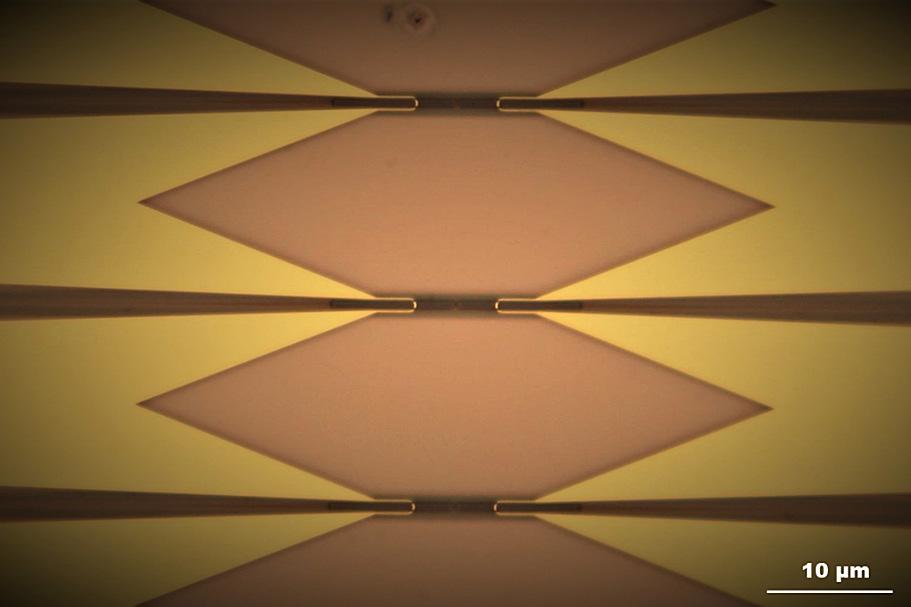
Keen to explore these concepts further with more suitable systems, I decided to abandon (at least temporarily) the optomechanical cavities that had been my focus for over six years, and devote myself to III-V nanolasers integrated on silicon. These miniature lasers, a thousand times finer than a human hair, emit directly at the wavelengths used in telecommunications. They represent a promising building block for future photonic-electronic circuits. To do this, I joined Professor Fabrice Raineri’s team at the Nice Institute of Physics (INPHYNI), Université Côte d’Azur, who is a specialist in these components. In 2023, I was awarded an IdEx Young Researcher Excellence Fellowship and, in 2024, secured a position as a CNRS researcher. My project focuses on the study of coupled nanolaser arrays, in which several nanolasers interact at a distance by exchanging light via an integrated silicon wire (see
illustration). These systems are used to study nonHermitian behaviors, as well as new dynamics that are potentially useful for bio-inspired computing. Today, I am developing this project at INPHYNI within the framework of the ANR GODZILA project,
with the support of CNRS and Université Côte d’Azur, notably via an IdEx Attractivity package. This work is both fundamental and innovation-oriented, building bridges between nanostructure physics, integrated photonics and new computing methods.
THE VALROSE ISBA LISTED AS A HISTORIC MONUMENT
Support the Isba restoration project selected by the French Heritage Lottery
Coupled nanolaser arrays and new optical calculation methods.
JULIA ROYEK MSc RISKS student
My name is Julia Royek, and I am from Germany. Ever since I spent a year as a volunteer in Tanzania, one central question has guided me: How can societies become more resilient to environmental risk while protecting the dignity of their citizens? I am currently in the second year of the international master’s program Environmental Hazards and Risks Management at Université Côte d’Azur. This program, developed by the Initiative of Excellence (IdEx) and its MSc International Office (MIO), offers a comprehensive and dynamic approach for addressing the challenges of local and global environmental risks, that combines cutting-edge scientific knowledge with concrete applications. I am particularly thankful to learn from a highly motivated team of researchers and practitioners who bring both scientific expertise and practical experience to the program and ensure that it is wellgrounded and pertinent.
Driven by curiosity and the desire to explore a variety of fields, I have followed many different paths in my studies. After serving as a volunteer in Tanzania for one year, working in a local NGO, living with a host family, and learning Swahili, I enrolled in a crisis management program. To broaden my perspective, I later switched to environmental and sustainability studies with a minor in education science. This interdisciplinary program allowed me to explore not only environmental science, but also architecture, European policy, and social theory, giving me a comprehensive understanding of sustainability and its technical and social challenges.
International experiences have always been an important part of my studies. I spent two Erasmus semesters in Hungary, where I lived in an international student residence hall and developed friendships with students from around the world.
These experiences broadened my vision of the world, honed my cross-cultural skills, and deepened my understanding of different viewpoints. In addition to these student exchange opportunities, I completed several internships as a volunteer in environmental education and research, and a humanitarian assignment in Greece where I cared for women and children in refugee camps. These experiences increased my resilience, my capacity for adaptation, and my commitment to play a leading role in society.
Now that I am studying in Nice, I appreciate the university’s strong focus on regional environmental challenges and the opportunity to put knowledge acquired in the classroom into practice in concrete situations. I was notably privileged to participate in a dialogue with youth at the United Nations Ocean Conference (UNOC) in Nice last June, which gave me an inside perspective on major political conferences. Another added advantage is that the university is surrounded by stunning nature, which is ideal for wide range of outdoor activities and a source of refreshment for me as a student and a person.
My ultimate goal is to use my skills to work in disaster risk reduction and climate change adaptation, whether in an international NGO such as the Red Cross, MSF, or the UN, or in a small organization designing innovative solutions to help communities develop resilience. My wish is to apply scientific knowledge to concrete action and to support communities in building a safer and more sustainable future. I am convinced that the knowledge and skills acquired as part of the MSc program will allow me to make a significant and lasting contribution to society.
PROJECTS IN THE NEWS
The Research Program of the Université Côte d’Azur Initiative of Excellence deploys a wide range of actions and measures to support research. This section features some of the ongoing or completed research projects that are contributing to the international outreach and attractiveness of Université Côte d’Azur.
UNDERSTANDING AUTOIMMUNE DISEASES, CANCERS, AND AGING-RELATED DISEASES
BY INVESTIGATING MOLECULAR LINKS BETWEEN GENOME INSTABILITY AND INFLAMMATION
It is well known that genome instability and inflammation are closely linked during aging, as well as during cancer formation and progression. However, the causes and consequences of inflammation are still poorly understood.
HOW DOES INFLAMMATION
IMPACT CANCER FORMATION AND PROGRESSION?
Inflammation recruits and activates immune system cells that fight pathogens such as viruses and bacteria. It is a reaction that protects our body and our health. In a clinical setting, transient inflammation can be manipulated in cancer treatment to recruit and activate immune system cells to destroy cancer cells.(1) However, our recent research on autoimmune diseases shows that chronic inflammation can lead to chromosomal instability and halt cell proliferation.(2) Similarly, when cells express an oncogene, which is a gene that can stimulate cancer formation, they undergo stress that destabilizes chromosomal DNA and produces inflammation. In this specific case, DNA normally present in the cell nucleus is released into the cytoplasm in the form of broken pieces and is then detected by the cGAS sensor of the innate
immune response, leading to inflammation. Cells can prevent this inflammation by destroying the DNA present in the cytoplasm by means of specialized enzymes whose role is to break down this DNA. If these enzymes are defective, DNA accumulates in the cytoplasm and causes various pathologies characterized by chronic inflammation. (3)
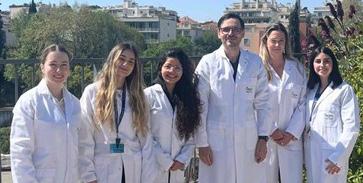
Senescence, a state of arrested proliferation, can act as a barrier blocking the transformation of healthy cells into cancer cells. Senescent cells are inflammatory and accumulate during aging. The links between senescence and age-related diseases remain poorly understood. Our research team at IRCAN (see team photo) is working to understand how inflammation can damage cells and impact cancer formation and progression, as well as cellular aging.
UNDERSTANDING THE ROLE OF THE HELICOBACTER PYLORI BACTERIA IN THE DEVELOPMENT OF GASTRIC CANCER
Helicobacter pylori is a bacterium that infects the stomach and can increase the risk of gastric cancer. Some strains of this bacterium produce a protein called CagA, which plays a key role in tumor
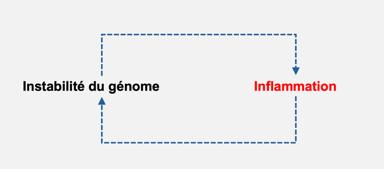
Genome instability
Genome instability releases pieces of chromosome or DNA from the nucleus, triggering an inflammatory response through activation of the cGAS-STING signaling pathway. Inflammation can also destabilize chromosomal DNA. These biological mechanisms occur in various inflammatory diseases, cancers, and during aging.
transformation. When injected into stomach cells by the bacteria, CagA disrupts several processes: it triggers DNA damage, causes inflammation, and weakens DNA repair, thus contributing to cancer development. This bacterial onco-protein functions as an oncogene. CagA can deactivate DNA repair factors such as BRCA2, known to protect against the onset of cancer.(4) CagA also activates an inflammatory reaction. This inflammation, instead of protecting, could actually worsen the situation by contributing to cancer progression. Our research, carried out in collaboration with Dr. Arun Mouli Kolinjivadi (CSI, Singapore), aims to understand how CagA causes DNA damage and whether inflammation is involved. The long-term goal is to gain a better understanding of the formation of gastric cancers and thus be able to prevent them.
RE-EVALUATING THE EFFECTS OF MOLECULES THAT ACTIVATE THE STING INFLAMMATORY PATHWAY
As mentioned above, it has been suggested that anticancer immunity could be “boosted” by activating the inflammatory response. One of our projects aims to determine whether STING (Stimulator of Interferon Genes) agonists, which are small molecules that can stimulate interferon production, induce chromosomal instability. These molecules are currently in clinical development for the treatment of cancer. We are assessing whether these treatments induce adverse effects by destabilizing the genome of healthy (non-cancerous) cells and cancer cell
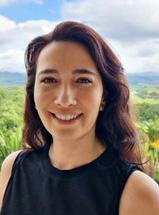
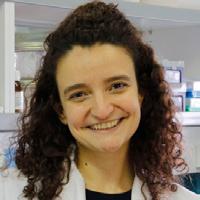
lines. Dr. Samira Kemiha (see photo), one of the member of our team, is mainly in charge of this aspect.
Our current results suggest that inflammation is a new mode of stress induction leading to DNA damage and possibly to cellular senescence. These similarities with oncogenic stress could help us understand how inflammation can have some effects that are protective and others that are pro-cancerous and pathological. This research contributes to our understanding of aging. It has recently been shown that brain aging in mice(5) and premature aging in zebrafish(6) are both caused by inflammation, and notably by the activation of the STING pathway.
HERVÉ TECHER
Junior Professor Chair, Université Côte d’Azur, IRCAN, CNRS, INSERM, Nice, France. herve.techer@univ-cotedazur.fr
References
1 Samson N, Ablasser A. Nat Cancer. 2022. doi: 10.1038/s43018-02200468-w.
2 Técher H et al. Nat Commun. 2024. doi: 10.1038/s41467-02449740-w.
3 Técher H. Bioessays. 2024. doi: 10.1002/bies.202400066.
4 Kolinjivadi AM et al. Int J Mol Sci. 2022. doi: 10.3390/ijms23031661.
5 Gulen MF et al. Nature. 2023. doi: 10.1038/s41586-023-06373-1.
6 Şerifoğlu N, EMBO J. 2025. doi: 10.1038/s44318-025-00482-5.
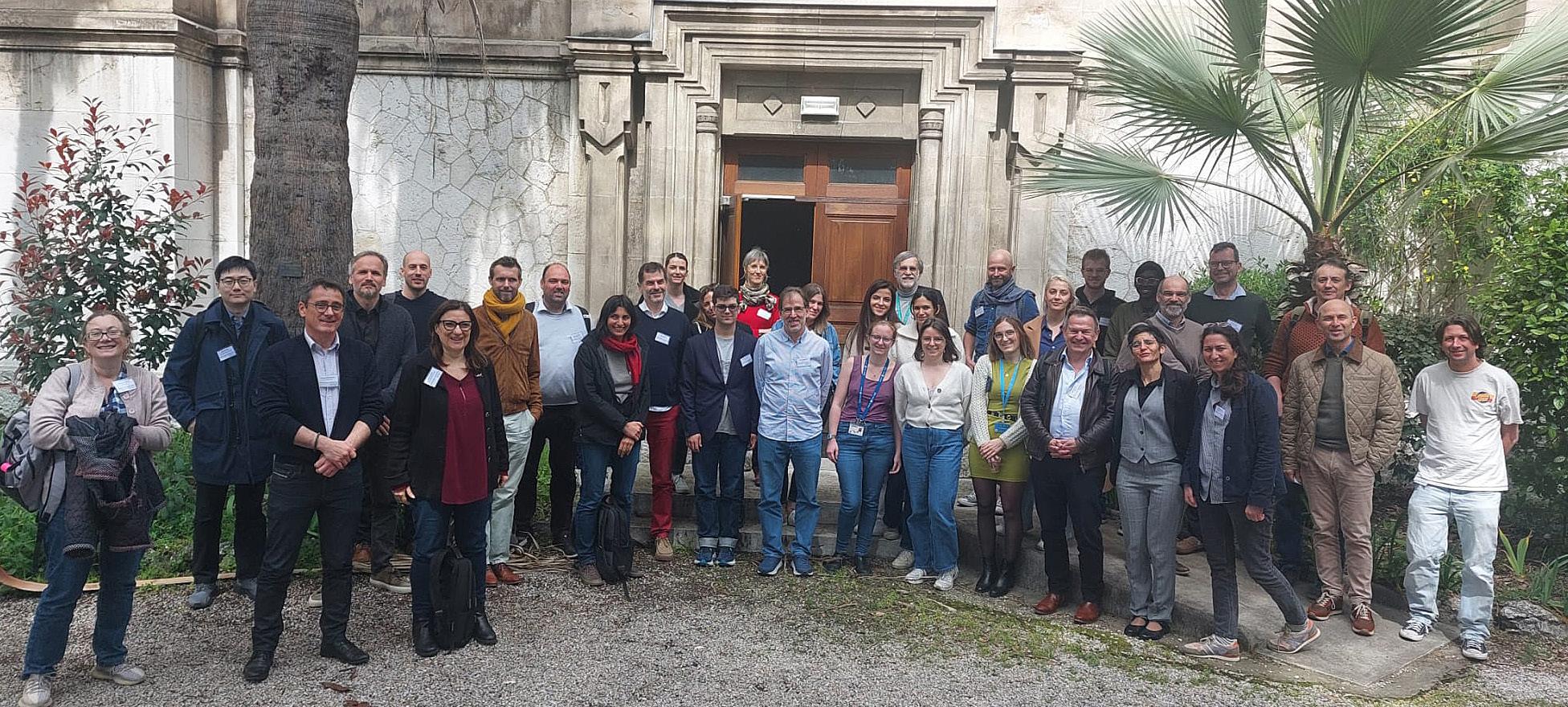
TECHER team at IRCAN. From left to right. E. Ghibaudo, L. Rejón, S. Kemiha, H. Técher, C. Laberthonnière, C. Hilal.
OVERCOMING THE QUANTUM LIMIT IN LASER POWER STABILIZATION
Researchers at the Artemis laboratory at the Côte d’Azur Observatory are developing a new way to break through the quantum limit in laser power sensing and stabilization. This technique could enhance high-precision experiments and open up new possibilities for generating squeezed light.
The power emitted by a laser source is not perfectly stable; it fluctuates over time. These tiny fluctuations can be caused by many sources of noise: slight variations in the laser’s power supply, thermal changes inside the laser, or even local vibrations. For everyday uses of lasers this is not very important, but in cutting-edge experiments it can pose serious problems. Take gravitational wave detectors, for example, which are able to detect incredibly small ripples in space-time caused by astrophysical events such as the merger of black holes. These detectors use large Michelson interferometers to convert changes in length into changes in power at the detector output. Thanks to their astonishing sensitivity, they can measure length variations of less than one thousandth of the diameter of a proton over a distance of 4 km. To achieve such sensitivity,
the power of the laser source must be extremely stable: its fluctuations must be less than a fraction of 10-9 of the total laser power.
To stabilize the laser power, the experiments use feedback control systems that continuously detect a small sampled fraction of the total beam power. Any detected power fluctuations are then corrected in real time by controlling a power actuator. But there is a catch: even with a perfect feedback control system, the laser power is not perfectly stable. This is due to a fundamental source of noise in the laser power: quantum noise. This originates from the quantization of the electromagnetic field. Because the quantum noise measured in the sampled beam is uncorrelated with the quantum noise of the total beam power, it couples as an unwanted noise source in the feedback control loop and limits the power stability that can be achieved.
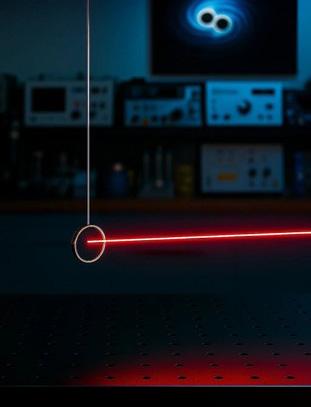
The new technique being studied as part of the Artemis project involves measuring the total laser power by reflecting it off a tiny pendulum mirror, instead of only sampling a fraction of the beam. The
mirror, with a mass of just 100 mg, is suspended from two fused silica fibers thinner than a human hair. As the laser power fluctuates, the radiation pressure of the light imparts a fluctuating momentum to the mirror, altering its position. By precisely measuring the position of the mirror using an optical cavity and a photodetector, the team can deduce the fluctuations of the entire laser beam. This signal can then be fed back to a power actuator to stabilize the laser. Initial calculations suggest that this approach could achieve record stability. Even more exciting, because it detects the total power of the beam, this method should also be able to detect and suppress the laser’s quantum noise via the feedback loop! This will mark a major step toward reaching the ultimate stability limit in laser power, opening up new possibilities for high-precision physics experiments.
MARINA TRAD-NERY,
CNRS Junior Professor Chair at Artemis, Côte d’Azur Observatory
SOCIAL PHASE TRANSITIONS
How can statistical physics contribute to the design of desirable societal transitions in economics? The S-PHASES project begins with this broad research question and takes a small step toward what might be considered a physics of society.
The S-PHASES project marks the beginning of a research program that aims to unlock the potential of statistical mechanics to understand social change. More specifically, it seeks to describe major regime shifts in society through the lens of phase transitions.
The main challenge lies in the empirical detection of social tipping points, which can drive a society toward new equilibria (phases). Potential applications of this research range from climate change mitigation to financial market stability, and include understanding ways to reverse trends toward growing economic inequality.
The project has developed mathematical models of evolutionary, self-reinforcing social dynamics that address path-dependence and lock-in. The
computational implementation of the models allows for the simulation of possible futures and definition of policies aimed at a green transition.
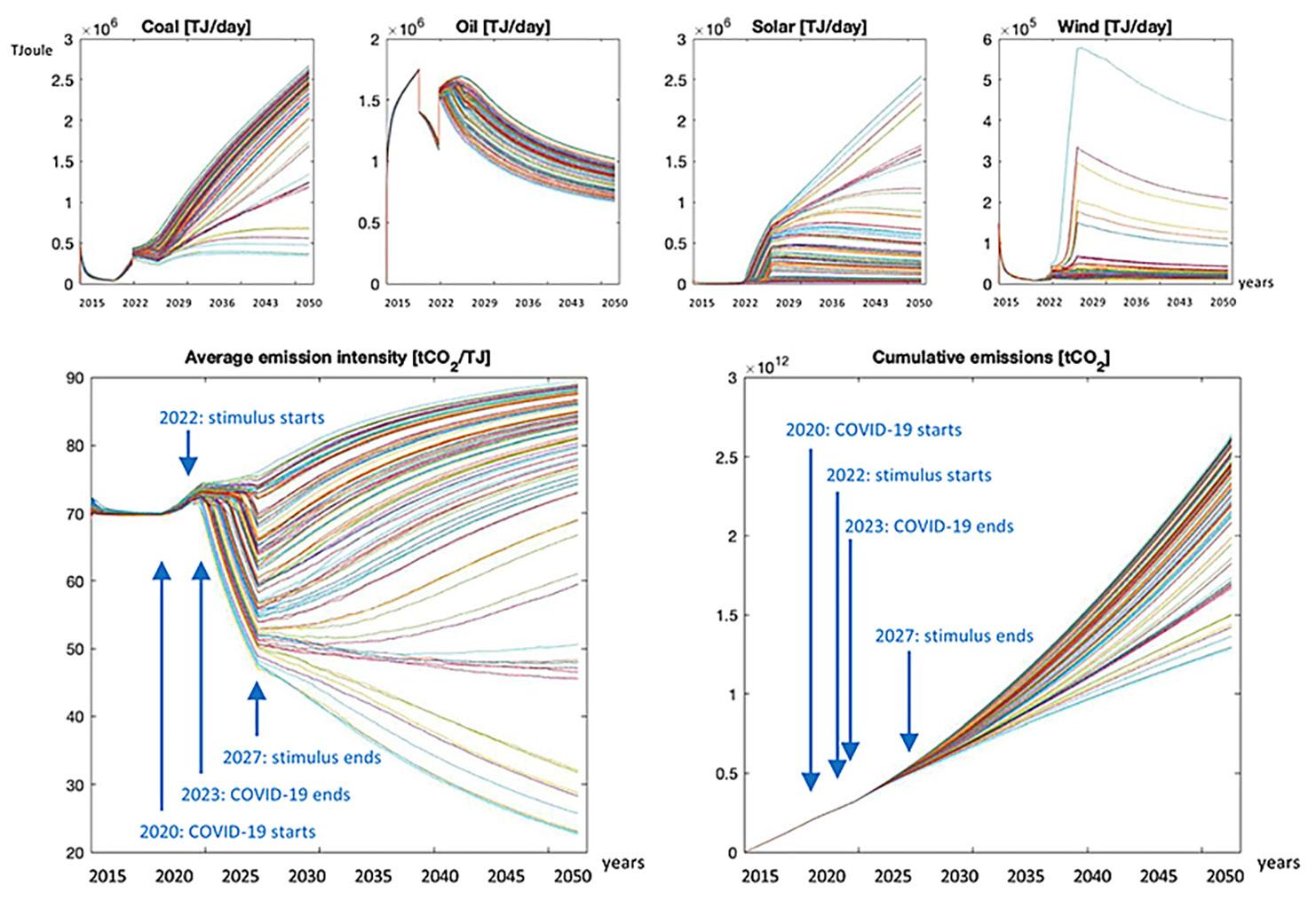
The main results of this research, conducted as part of the first year of an IdEx Collegium of Advanced Studies chair, are presented in two scientific publications, both in the field of sustainable transitions: “Green technology adoption under uncertainty, increasing returns, and complex adaptive dynamics” (Dhami and Zeppini, 2025) and “Did COVID-19 help or harm the climate? Modeling long-term emissions under climate and stimulus policies” (Zeppini and van den Bergh, 2025). The figure below shows an example drawn from the second model, with 100 simulations of the time patterns for the production of energy from competing sources and CO2 emissions.
Part of this research is conducted in collaboration with doctoral students. Riccardo Sommariva is developing the mathematical and computational models of financial markets and
investment behavior to understand how financial bubbles and crashes are caused by endogenous mechanisms of expectation correlation. Kalyoana Naneva is designing and conducting experiments with human subjects, using innovative virtual reality tools, to understand how social interactions affect attitudes and behaviors with respect to environmental sustainability risk. Celeste Falchi is launching a research project on machine learning in financial markets, delving into the broad question of whether trading algorithms make markets more efficient or, instead, lead to market instability through correlated expectations.
PAOLO ZEPPINI Associate Professor (HDR)
in Economics at
Simulated models of energy supply (upper panels) and CO2 emissions (lower panels) following the impact of the COVID-19 pandemic and financial stimulus measures aiming to promote the green transition. These 100 simulations (different colors) show the effect of uncertainty with a distribution of models over time.
GREDEG.
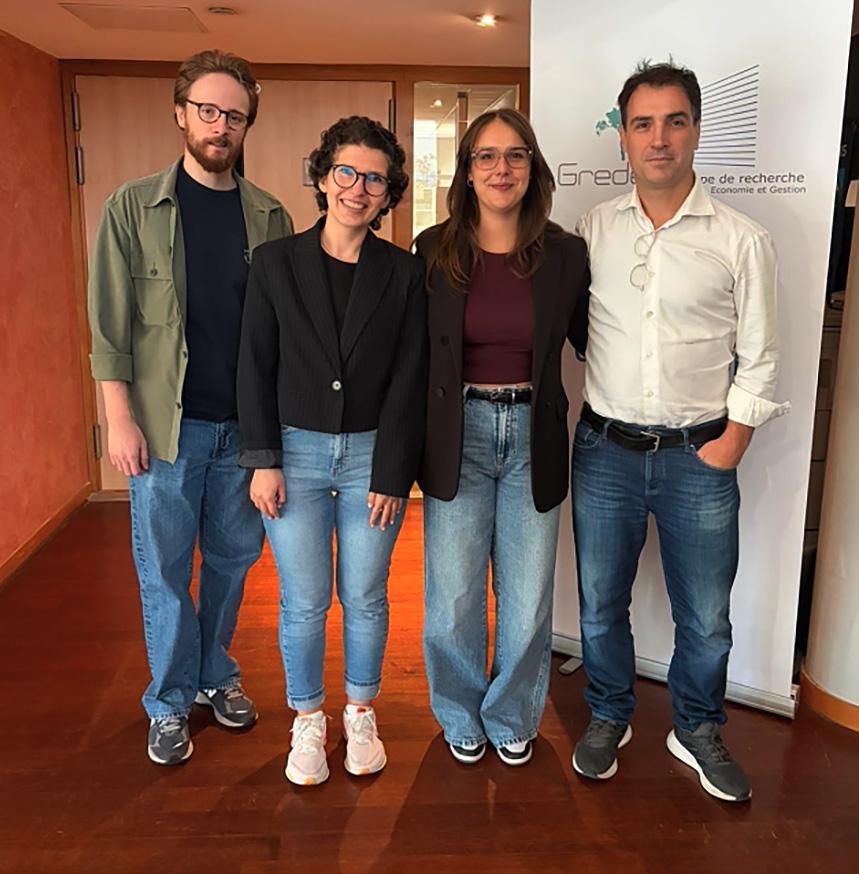
The team: Paolo Zeppini, Celeste Falchi, Kaloyana Naneva, and Riccardo Sommariva
RETHINKING THE ROLE OF ADMINISTRATIVE JUDGES IN AMICABLE PROCEDURES
How can social pacification be applied to administrative litigation? Human relationships are complex, especially when an administrative decision or a public law institution is involved. In these situations, believing that courts are the only means of resolving conflict demonstrates a certain blindness to the many possibilities offered by the law. Legislators have defined procedures for each specialized field and have provided structured processes for responding to disputes outside the court system, but they must also develop techniques shared across different fields. Mediation is a perfect example of such a cross-cutting approach, since it can be applied to both victims of criminal offenses and users of public services. In 2024, 1,978 administrative mediations were recorded, with a 52% success rate in reaching agreements. While these figures remain modest in relation to overall administrative litigation, they nevertheless reflect an important development: administrative courts are increasingly open to alternative dispute resolution (ADR) traditionally associated with private law. This development shows that voluntary agreements and institutional justice are no longer necessarily mutually exclusive but can complement each other. Further research is clearly needed in this area.
The role of the administrative judge is not only to pronounce a ruling but also to facilitate dialogue between the parties and offer them the possibility of participating in a mediation process that allows them to talk together rather than face the uncertainties of justice and the constraints of its procedure. This hybridization between judicial and amicable procedures transcends the idea of a strict separation between public and private law, with the latter often serving as a model for refining mediation techniques in administrative case law.
Ultimately, the need to define the judge’s new amicable role and, more broadly, to recognize the amicable role of the law, reflects a major change: the integration of the human dimension of conflict into the legal process to move beyond the confining framework of litigation toward a more consensual justice system. This is all the more important in litigation that is often wrongly presented as removed from human considerations.
MARIE-ODILE DIEMER, Associate Professor (HDR) in Public Law, CERDACFF
FEATURE
Cultural Creative Industries &
Cultural Creative Industries
Dance, theater, cinema, music, immersive media, and more. At Université Côte d’Azur, researchers and artists are exploring mutations in the cultural sector and imagining the practices of the future.
The cultural and creative industries (CCIs) are undergoing a period of major transformation. The rise of digital technology, changing habits, and new audience expectations are reshuffling the landscape in a sector that is vital to the economy and employment. Université Côte d’Azur is actively studying, inventing, and supporting these changes. As early as 2016, when IdEx was launched, Université Côte d’Azur decided to more extensively integrate art and design schools in the initiative to encourage interdisciplinary projects at the intersection of the arts, creation, and science. In a country where the arts have traditionally been under the Ministry of Culture, and research under the Ministry of Higher Education, this decision helped establish the university as one of the pioneering highereducation institutions in France. This positioning is based on a strongly multidisciplinary approach characterized by close regional collaboration between researchers, artists, and private partners. Specialized in new forms of creativity and innovative practices, Université Côte d’Azur stands out for its unique ecosystem nurtured by collaborations with major festivals, cultural institutions, and companies
&in the sector. This emphasis is reflected in a number of core projects, including XR2C2 (Extended Reality Research and Creative Center), a center of reference for virtual reality; the MIN4CI European partnership foundation;1 the FICCTION program;2 and thematic campuses. With these projects, the Côte d’Azur region has become a leading laboratory for cultural innovation.
ELEKTRONIZZA: THE DIGITAL INSTRUMENTS OF TOMORROW
At the Conservatory of Nice, an associate institution of Université Côte d’Azur, Gaël Navard is transforming music education by creating instruments that did not exist just a few years ago. As a professor of electroacoustic composition and research coordinator, he has been leading the Elektronizza project since 2017, a project that combines several lines of research into new digital instrument making.
Unlike the first digital keyboards of the 80s, which were considered “cold” and rigid, modern digital instruments offer a musical touch close to that of traditional acoustic instruments. “Today, in a blind test between a digital keyboard and an acoustic piano, you cannot hear the difference,” Navard points out.
1
2 FICCTION:
From these commercial models, the Conservatory and university teams are developing their own, more powerful instruments. “Our new interfaces such as the continuum, for example, have a flat surface with markings similar to guitar frets and piano keys. You can move smoothly from one note to the other simply by sliding your finger,” explains Navard.
His teams are exploring how these technical innovations could improve the learning curve and transform music education in middle schools. This could be the end of the long months typically spent
practicing tedious scales to obtain an acceptable sound on the recorder. “You can achieve something quite rewarding very quickly, which motivates the students to create music,” says the researcher. And unlike a violin, for example, whose sound is defined by the luthier, digital instruments allow students to create their own sounds. “The creative aspect is very important because with these instruments you can shape the sound by adding sounds recorded in the schoolyard, found on the Internet, created with synthesizers, etc.,” explains Navard.
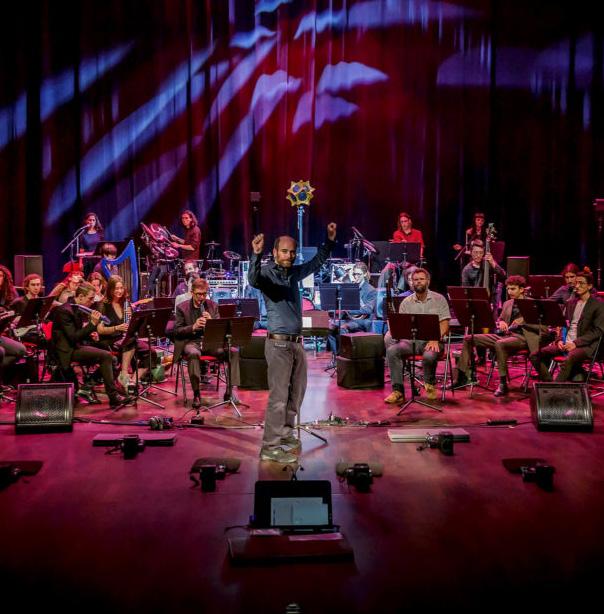
Since 2018, his teams have also been working in middle schools to experiment with “digital orchestras.” Each instrument has an interface, a small, battery-powered, self-contained loudspeaker, and a miniature computer. This combination is a technical feat achieved through several years of collaboration with other laboratories of Université Côte d’Azur. It does not require any complex wiring and significantly reduces costs compared to a traditional orchestra. An added advantage is that the digital orchestra can be stored in a simple suitcase and set up in just a few minutes. “Fifteen years from now, students could be using devices designed by the Elektronizza project in their music classes,” predicts Navard. According to him, this is the timeframe required to “experiment and test the system” before the commercialization phases. In the meantime, feedback from partner middle schools collected since 2018 confirms the effectiveness of the approach in education.
And that is not the only innovation of the project. The IMAdapt consortium, officially launched in September 2025, is developing musical interfaces suited for people with disabilities.”We’ve started to develop a few prototypes, notably an interface for the visually impaired with interchangeable textured surfaces that can be linked to sound textures,” explains Navard.
These innovations are the product of a unique ecosystem. The Conservatory of Nice is the only one
in France today to have a research laboratory for the arts and musical technology, where students and researchers can experiment and contribute to these projects. Its Electrolab workshop is open to Université Côte d’Azur students of all disciplines, which stimulates creation in new musical technologies.
GEORGES MÉLIÈS CAMPUS (CANNES) A UNIQUE HUB FOR CCIS
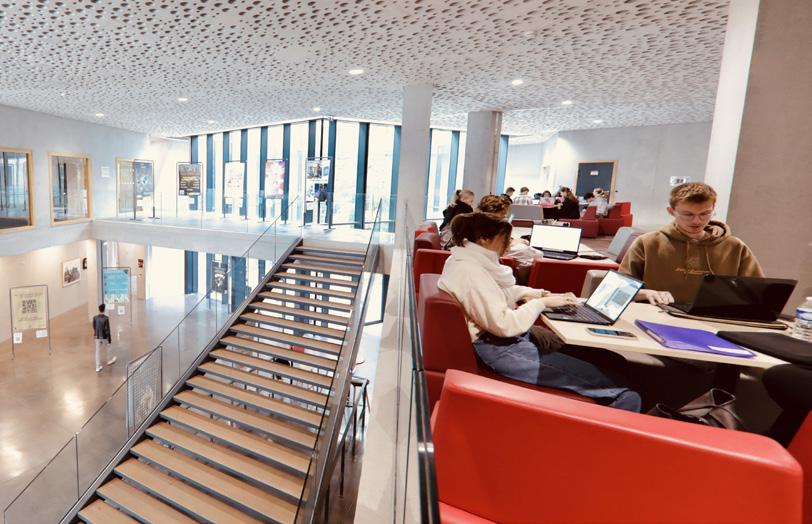
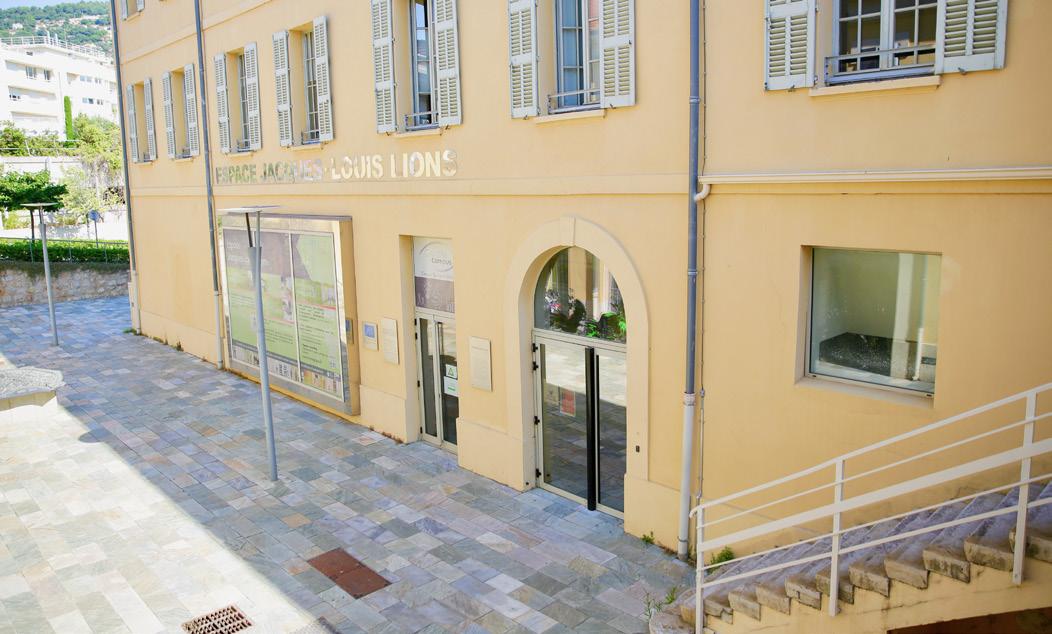
Fully devoted to the creative and cultural industries, the Georges Méliès Campus is unique among French universities. The campus combines high-tech educational facilities with on-site office space for cultural and audiovisual companies. This proximity fosters interactions, internships, and masterclasses, as well as shared projects between students, researchers, and professionals. Located at the heart of a region famous for its many festivals (Cannes, Avignon, Marseille, Nice, etc.), the campus also plays a strategic role in developing local synergies. Partnerships have been established with these major cultural events, and with other key players such as Villa Arson, the Conservatory of Nice, the Cannes Orchestra, and the Victorine and Dolby Studios.
CREATING BY FORGETTING
Université Côte d’Azur is also one of the first French universities to develop a dance research center that is now the second largest in the country. “Research in dance has influenced and continues to influence artists, choreographers, and many others. It has encouraged them to reflect on their activity and conceptualize their art. Theory and practice go hand in hand and have an impact on creation,” says Marina Nordera, professor of dance studies and member of the Transdisciplinary Center for the Epistemology of Literature and the Performing Arts (CTELA).
Between 2020 and 2023, her team collaborated with the University of Venice on a broad study of the link between dance and memory. “One aspect previously unexplored was that today, dancers are more interested in forgetting than in remembering. Experiences on the spur of the moment are more valued than those that last over time,” explains the researcher. Their focus is on the performative aspect, where the event takes precedence over the trace it leaves, and where forgetting becomes a condition for creating. For younger generations, Nordera notes, “it is more important to be able to forget in order to create something new.”
However, this desire to reject memory must be nuanced. “When dancers say ‘we want to forget,’ it’s a figure of speech because the experience of the body is different,” Nordera insists. Research in psychology and neuroscience shows that cognitive and body memory cannot be separated: perceiving, moving, and dancing, all leave lasting traces in the body.
While the results of this project are about to be published by Oxford University Press under the title The Oxford Handbook of Dance and Memory, other
investigations are underway to study a more distant past, combining it with technological innovation.
Cathy de Plee, a doctoral student in dance, has teamed up with Marina Nordera and a group of international researchers to launch a unique project that involves a digital, “incarnated and danced” edition of the very first dance treatise in Western history, written in Italy in the fifteenth century. From the manuscript available online, it will soon be possible to directly access several versions of some of the dances, recreated by contemporary artists and filmed over several hours on the Campus Méliès. Alongside the dancers, other researchers have contributed to the project such as computer scientists, historians, paleographers, etc.
This collective approach also has an impact on teaching. At the Rosella Hightower National Dance Center, a component institution of Université Côte d’Azur, and under the artistic direction of Paola Cantalupo, Stéphane Flechet leads a choreographic creation workshop for students in dance, music, and screenwriting. Co-construction is everywhere: in improvisations, discussions, and composition. The dance teacher emphasizes, “In our case, we don’t have one group designing the work and another performing it, but a genuine dialogue.” Supervised by teachers in each field, students step out of their comfort zones, learn to collaborate despite their different artistic languages, and find a creative freedom they will not always experience in their careers. The result is a choreography designed by dance students, set to music composed by students in the master’s program in music for visual media, with the script and visual design created by film students. The workshop is a cross between an educational exercise, a collective work, and a laboratory, sharing the same originality as another research group of Université Côte d’Azur: Ttépic (Theater & Transitions: Deep Ecology and Collective Intelligence).
THEATER INVOLVING THE LIVING WORLD
In February 2026, a team of researchers and artists will take up residence on the banks of the Var, in the Daluis Gorges, for a period of two years. Their mission is to explore this region, torn between preserving biodiversity and developing tourism. Workshops, thoughtful restitutions, and shared research will lead, step by step, to an unprecedented process of research-creation by the research group Theater & Transitions: Deep Ecology and Collective Intelligence (Ttépic) of Université Côte d’Azur, in partnership with the Water Chair (IMREDD, Innovation and Partnership Institute) and the Gorges de Daluis nature reserve. For Brigitte Joinnault, project coordinator and assistant professor (HDR) in theater and performance studies, the focus is less on producing a show than on experimenting with new ways of perceiving a region and imagining possible futures.
“The main idea behind this type of practice is to break out of our ‘black box’,” explains Joinnault, “which is the consequence of a certain standardization and of the divorce between the work of art and its surroundings. Here, the location, the landscape, and its spatial and geographical realities, its presences, its human and non-human inhabitants, its conflicts of interest and habits, all participate in the creation.”
In concrete terms, it means abandoning traditional performance codes and inventing new processes, new forms, new aesthetics, and new economic systems. There is no longer necessarily an audience seated in the dark, but “spaces of latency, where spectators wonder what is happening. They are in a certain place and, for a certain time, they are free to take initiatives, to move, and to go talk to each other.” The artist, in the meantime, gives up the position of total control to “become exposed
to the world.” “How does an actor perform when an airplane flies overhead? How does the actor consider this event that is beyond control. How does the actor become a part of the landscape?” asks the researcher.
This aesthetic mutation extends beyond purely scenographic considerations. The Ttépic project, co-directed by Jouinnault, examines “how artistic practices, and notably theatrical and performative practices, can contribute to a paradigm shift with respect to ecological and social issues.”
The main goal is to create “sensitive attachment” to a geographical area. “How can artistic practices change people’s relationship with the place where they live?” asks Joinnault. In Nice, the Paillon has become a living laboratory for the Ttépic group and its “Manufacturing Attachments” project that experiments with performative walks, sound postcards, poetic tarot cards, and other devices for learning to see with fresh eyes what often goes unnoticed. “Emotional attachment to a place, a river, or a forest, makes you want to take care of it and preserve its biodiversity,” points out Joinnault. “In the events we are planning, artists are contributing to new relationships.”
The university plays an essential role in supporting these emerging practices, which remain poorly advertised but are based on a deep understanding of the environment and influence the way we perceive it. Long-term partnerships have been established with artists such as Floriane Facchini, Anne-Sophie Turion, Alexandre Koutchevsky, and Geneviève Dupéré, who all have a highly innovative vision of the role of the artist and the creative process. Their research-creation projects (shared banquets, tastings of forgotten plants, collective walks, etc.) shift the boundaries between artists and residents, spectators and actors, scientific and sensitive knowledge.
The Ttépic team within the CTELA laboratory is a partner in these initiatives. Several experiments have already been carried out in the gardens of the International Perfume Museum in Mouans-Sartoux, in those of the Villa Arson and in the forest of Carros hit by wildfires. Participants included artists, researchers (in the arts, philosophy, geography, hydrology), and the heads of different organizations (CDN, CNAREP, and festivals), who created a conceptual “toolbox” and discussed how to develop interactions between creators and stakeholders on the field. The group has also published several collective works that serve as reference and give visibility to “little-known pioneering practices,” from India to Brazil, in tune with their surroundings and the living beings that inhabit them. Théâtre et Transitions Écologiques et Sociales, the first collective publication to address participative drama and site-specific artistic creation, will soon be published by Presses Universitaires du Septentrion. The purpose of theater is no longer to simply put on a production, but to deal with disorder and create a process, and develop the art of paying attention and listening to life.
ICCARE
AN EXAMPLE OF A NATIONAL PRIORITY RESEARCH PROGRAM
AND EQUIPMENT
As part of the France Relance plan, the Investments for the Future Program, and the France 2030 plan, the French government has launched a national strategy to accelerate innovation in the cultural and creative industries (CCIs). CNRS is in charge of managing the research component of this initiative, called the ICCARE program (Action, Research, and Experimentation in the Cultural and Creative Industries). Université Côte d’Azur is a partner in this six-year, 25 million-euro program whose main objective is to develop interactions between communities that are often too compartmentalized. ICCARE encourages “science with and for the CCIs,” where researchers and professionals enrich one another. The objective is to build bridges between the world of culture and IT, the humanities, and social sciences but also to unify the CCIs, rather than maintaining approaches confined within each field, as is usually the case. To achieve this collaboration and help the industry adapt to the major digital and societal challenges of our time, projects will be co-designed and co-developed by researchers and industry professionals.
Research-creation project on writing in shared surroundings
SOUND AS A PLAYGROUND
Charles Meyer is an expert in listening and in detecting how sound contributes to storytelling in video games, to the dynamics of immersion, and to processes for sharing information. An an associate professor in new audiovisual writing, Meyer catches the sonic details that gamers often ignore but that determine their experience. One of the few researchers specializing in video game sound design, he investigates “how communication between the game and the player is structured by sound.”
This detailed analysis of the soundscape reveals sophisticated mechanisms. “Unlike images, sound extends beyond the context of the game,” explains Meyer, quoting the work of Canadian researcher Karen Collins. “One of the important dynamics of immersion is to attempt to erase the boundaries between the real world we inhabit and the fictional world we are about to enter.” Whether a creak, a melody, or an echo in a cave, every sound element contributes to this fusion between the real and virtual worlds.
“Conversely, a bad sound immediately ruins the gaming experience, and especially disturbs the transmission of narrative information,” adds Meyer. “If a voice is unsuited or disembodied, it immediately makes a character uninteresting.” His research digs even deeper and reveals mechanisms useful for any type of immersive experience.
The LIRCES (Interdisciplinary Laboratory for Narrative Writing, Cultures, and Societies) is a unique multidisciplinary environment conducive to his research. The laboratory has close to a hundred members, including doctoral students, specializing in cinema, literature, and new media.
Meyer is notably collaborating with philosopher Thomas Morisset, a member of the CRHI laboratory, on an original project that studies forms of walking in the arts and in philosophy. Their research-creation seminar, for example, recently explored “walking simulators,” contemplative video games from the 2010s where “walking is the only activity; there is no winning or losing.”
These games, such as Dear Esther or Gone Home, initially ridiculed for their apparent simplicity, have in fact “pushed the definition of the video game to its limits.” The two researchers are attempting “to make the seminar playable” by creating a game that describes their scientific interactions. This approach is a perfect illustration of the philosophy of Université Côte d’Azur, which is to turn creation into a research tool.
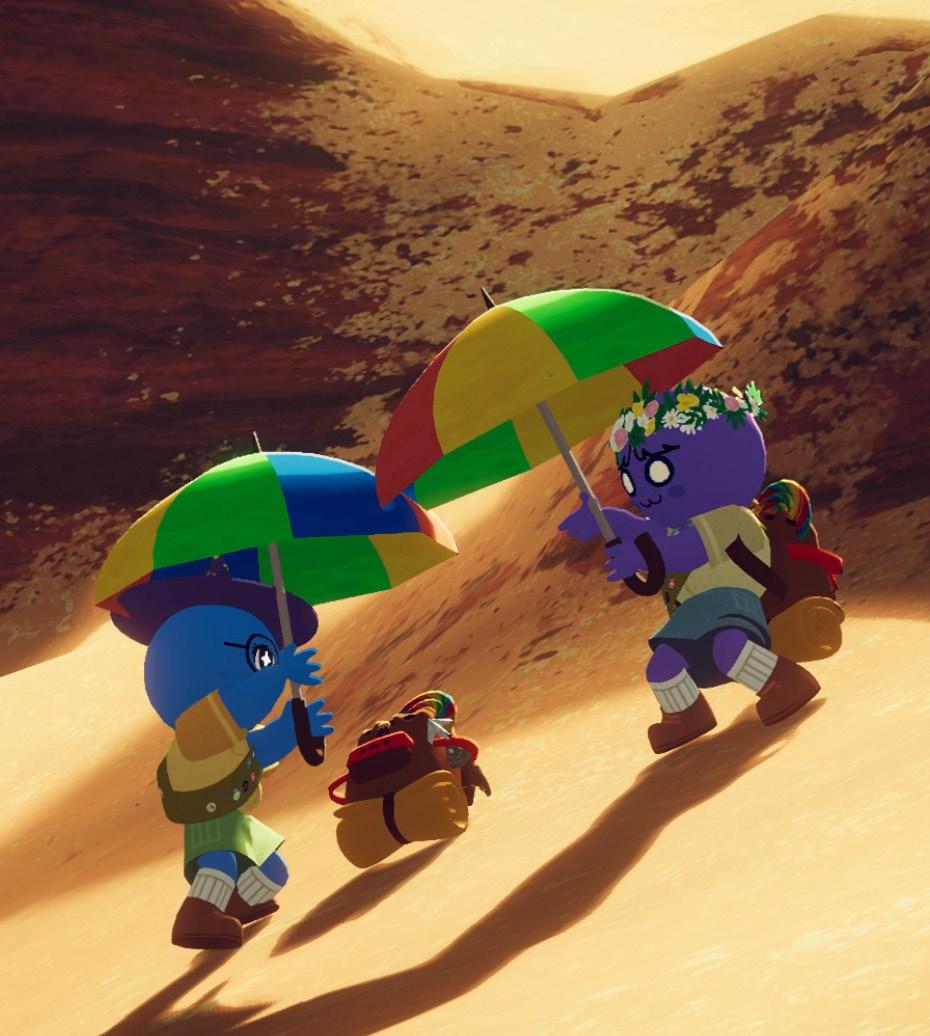
Technological developments are opening up new fields of investigation in this respect. Meyer is looking into “proximity chats,” devices that use built-in microphones to sometimes force players to communicate by voice in order to navigate. After many attempts to implement these functionalities, they have become widespread since 2020 and have revolutionized game dynamics. In P.E.A.K., for example, where scouts have to climb a mountain after a plane crash, sound spatialization is essential to the game. It includes echoes in the mountains, reverberations in the caves, and other sounds that give the player a very strong impression of interacting with the other players. The rules are simple, but each game unfolds differently depending on conversations. “It’s quite new. What used to require a workaround with software such as Discord can now be achieved directly using the inbuilt audio. It opens up new playing possibilities,” explains Meyer.
FROM THE LAB TO THE CANNES FILM FESTIVAL, INVENTING IMMERSIVE STORYTELLING
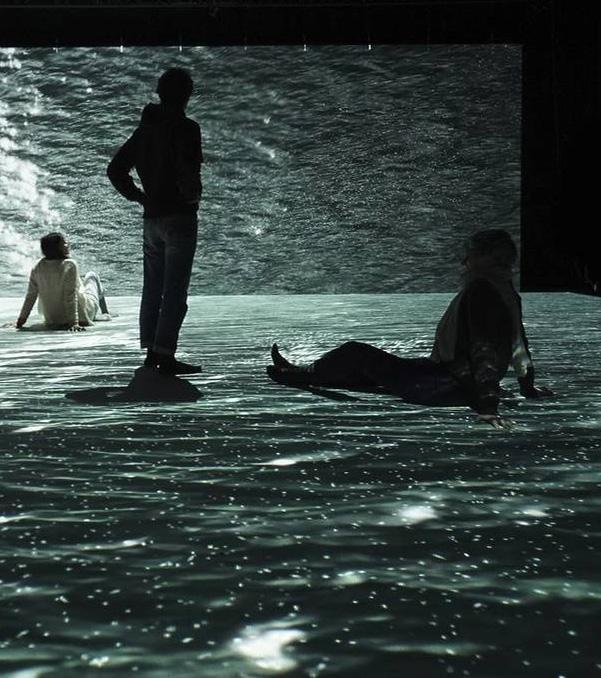
Alongside this critical analysis of traditional media, the researcher is exploring their possible future applications within the innovative IdEx XR2C2 reference center, which he co-directs and which is dedicated to forms of extended reality. The center’s members represent a wide variety of disciplines, ranging from the arts to computer science, health, and biology. The center is investigating several research themes.
The first theme concerns the current status of virtual reality and the output of today’s creative industries. “Immersive techniques are designed to help us break out of our own framework and enter other frameworks,” emphasizes Matteo Treleani. “What
these different approaches share is the desire to step out of the screen and its physical limits.” Researchers therefore examine how creators design collective experiences that do not completely cut off the viewer from the surrounding space. They also investigate new storytelling forms, particularly during the immersive competition at the Cannes Film Festival, of which Université Côte d’Azur is a partner. These narrative forms “are not those of cinema, since there is no cinematographic cutting or editing.”
XR2C2 also focuses on future prospects and experimentation placing artists-in-residence and interdisciplinary research-creation at the heart of the project. “We are notably trying to stimulate interdisciplinary research in this sector by funding
In Love - an immersive work in competition at the Cannes Film FestivalImmersive Competition 2024 - in partnership with the XR2C2 Center
start-up projects,” explains Treleani. This approach also encourages interdisciplinary collaborations among doctoral students. As part of the PhDLab, for example, “we hold a workshop, a kind of hackathon, where PhD students from different fields come together, search for common ground, and develop project ideas. We then select the best ideas or those most likely to succeed.” Funding is provided to projects that combine research and creation, such as an immersive sound installation created in 2024 by Rosa Cinelli and Maxence Mercier. Their work explores the archives of the trial of the November 13, 2015, terrorist attacks, and visitors play the role of a fictitious researcher who interacts with a generative sound score based on interviews with archivists and a digitized visual corpus.
Whether in a middle-school digital orchestra, on the stage of a landscape theater, in an immersive video game, or on a television screen, contemporary creation at Université Côte d’Azur is based on a single principle: to not only transmit or represent something through the arts and research, but to invent, experiment, and offer unprecedented experiences. The link between research and creation is essential to teach the new generations how to imagine their uncharted future. By considering artistic creation as a research field in its own right and adopting a cross-disciplinary approach, Université Côte d’Azur has forged an original path where science and the arts strengthen each other.
AURÉLIE LOUCHART Science journalist
Spotlight on the Academies of Excellence Spotlight Academies of Excellence
Thanks to the momentum provided by IdEx, the Academies of Excellence are spurring creativity and rejuvenating research at Université Côte d’Azur.
This section highlights new concepts and innovative research projects arising from the inter- and transdisciplinary interactions within the Academies of Excellence.
EXPLAINER: REVEALING THE HIDDEN PARTS OF ARGUMENTS
When we argue, we do not always state all the steps in our reasoning. Some remain implicit, based on supposedly shared knowledge or beliefs. An incomplete argument, in which a premise or conclusion is left implied, is called an enthymeme. Humans use this process naturally, but for artificial intelligence methods, it poses a major challenge.
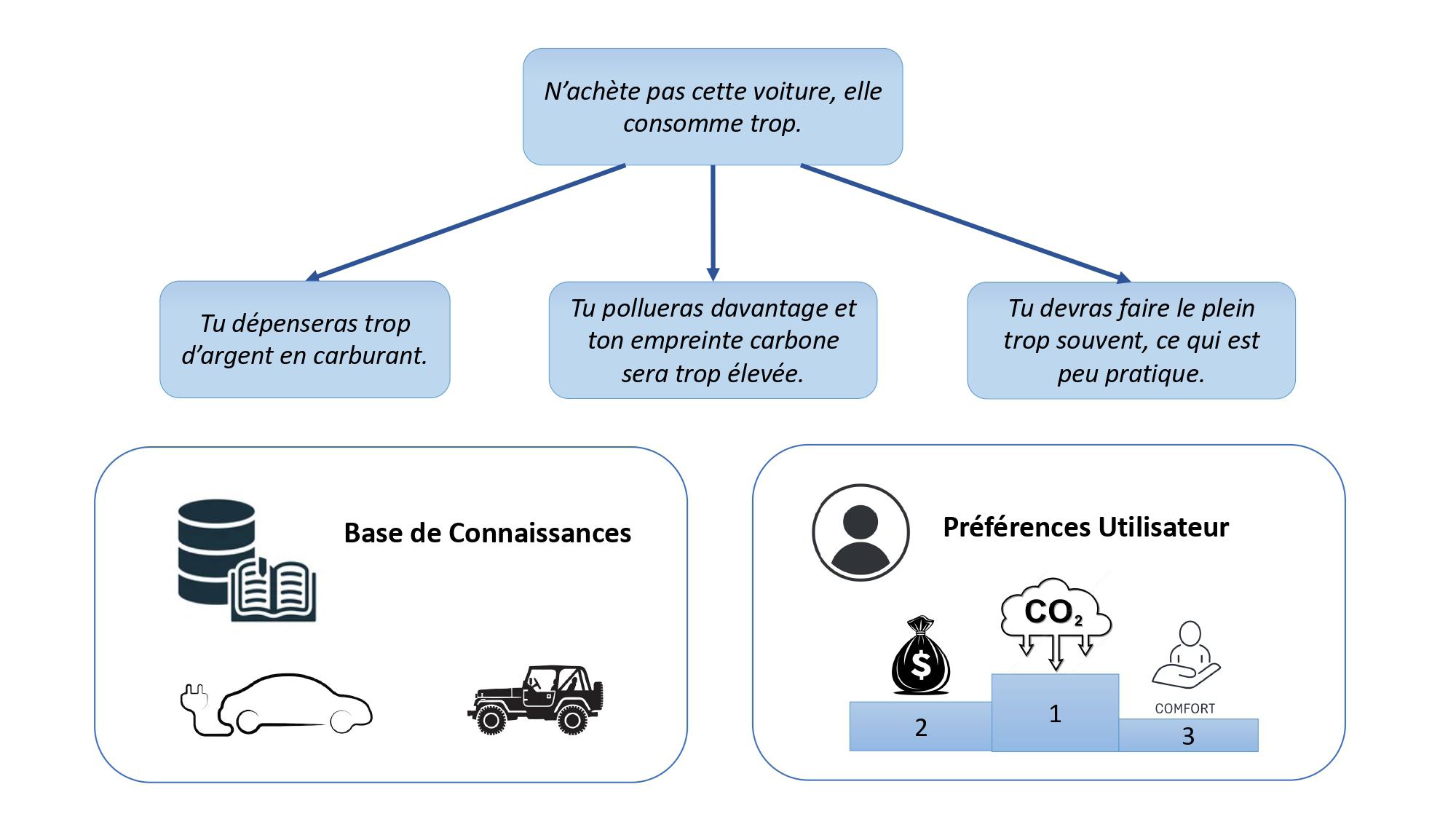
Let’s take an example. Someone says: “Don’t buy this car, it uses too much fuel.” The argument seems clear, but remains ambiguous: too much in terms of what? Several interpretations are available:
“You’ll spend too much money on fuel.”
“You’ll pollute more and your carbon footprint will be too high.”
“You’ll have to refuel too often, which is impractical.”
Without clarification, it’s hard to know what argument is really being put forward. The enthymeme thus
leaves an area of uncertainty that decoding seeks to clarify.
Current artificial intelligence approaches can generate arguments or simulate debates. But they run into difficulties when it comes to managing implicit arguments: they often ignore essential assumptions or, conversely, invent unfounded ones. The results are therefore less reliable, transparent, and credible.
The EXPLAINER project, a one-year postdoctoral fellowship supported by the RISE Academy and led by Victor David in collaboration with Anthony Hunter and Serena Villata, aims to develop methods for decoding enthymemes: making the implicit parts of reasoning visible and assessing the quality of the reconstructions produced.
A central focus will be the construction of a debate dataset, designed to include targeted categories of enthymemes. Analyzing rational or common
Don’t buy this car, it uses too much fuel
You’ll spend too much money on fuel
You’ll pollute more and your carbon footprint will be too high
Knowledge Base
You’ll have to refuel too often, which is impractical
User Preferences
sense forms is the first major challenge, while more complex enthymemes (e.g., linked to psychology or human behavior) will be addressed in future work. The debates will be defined in a controlled way to reflect the difficulties, providing solid ground for exploring different ways of filling in the implicit arguments and comparing the quality of decoding.
Beyond this dataset, EXPLAINER will develop methods for reconstructing the missing steps in reasoning and determining whether the reconstructions are accurate, consistent, and useful.
Why is this crucial? Because enthymemes are ubiquitous: in political debates, legal reasoning, everyday discussions and online exchanges. For AI tools to participate meaningfully in these contexts, they must learn not only to produce arguments, but also to make explicit what humans leave implicit. This way the reasoning will become truly comprehensible and verifiable.
By taking up this challenge, EXPLAINER will lay the foundations for an AI that does not just generate text, but also explains its reasoning. With a reference dataset and an innovative methodology for dealing with implicit arguments, this project aims to take a step towards more transparent and reliable artificial intelligence.
VICTOR DAVID (Inria, I3S)
ANTHONY HUNTER (UCL)
SERENA VILLATA (CNRS, I3S, 3IA Côte d’Azur)
ICON NON LINEAR CELL PHOTONICS USING PHOTONICS IN THE LIFE SCIENCES
Photonics, the science and technology of light, encompasses all research activities, both fundamental and applied, including applications with a major impact on society and industry. Its scope covers the entire electromagnetic spectrum, from infrared to X-rays, with a particular focus on the visible, where many biomedical applications are concentrated today.
Photonics has been used in healthcare and life sciences for decades, enabling the early detection, monitoring and treatment of disease through noninvasive imaging.
Recognized for its sensitivity, precision, speed, ease of use, and non-invasiveness, photonics is an adaptable tool that can enhance a wide range of research.
The ICON multidisciplinary thematic semester project (https://icon.sciencesconf.org/) explores interactions between life sciences and photonics. It is coordinated by Gian Luca Lippi (INPHYNI) for physics, Frédéric Brau (IRCAN) and Caroline Medioni (iBV) for biology, Alain Burger (ICN) for chemistry, and Stéphane Lanteri (Inria Center at Université Côte d’Azur) for mathematics.
It aims to strengthen existing links within Université Côte d’Azur and encourage new collaborations at the national and international level.
Biophotonics, by its very nature, is intrinsically interdisciplinary.
This inclusive project welcomes all life sciences research activities, without limiting participation to photonics-related projects, in order to create a critical mass at Université Côte d’Azur and raise the institution’s profile.
By stimulating collaboration and cross-fertilization of ideas, ICON aims to unleash the latent potential of projects that do not yet use photonics, but could greatly benefit from its versatile properties.
One of the highlights of the semester was the ICON-W colloquium (https://icon.sciencesconf. org/program), which was open to the entire Université Côte d’Azur community, from master’s students to senior researchers. The event brought together nearly sixty participants, including five international experts and nine French researchers, in addition to local invited participants. The program featured 26 oral presentations, three round tables, posters and plenty of time for informal exchanges.
The success of the event was illustrated by the enthusiasm of the participants, who expressed their wish to see the event repeated in the near future.
Writer:
GIAN LUCA LIPPI (INPHYNI)
University Professor Project co-organizers
FRÉDÉRIC BRAU (IRCAN), Research Engineer
CAROLINE MEDIONI (iBV), CNRS Researcher
ALAIN BURGER (ICN), University Professor
STÉPHANE LANTERI (INRIA-Méditerranée), Researcher
The semester was also marked by the distinguished presence of four international scientific leaders, each an expert in a key field (biology, chemistry, biophysics, bioengineering and mathematical modelling). Their month-long research visits profoundly enriched the scientific life of Université Côte d’Azur. These visits facilitated collaborations with different laboratories, the exploration of new avenues of research and courses open to all, from students to experienced researchers. Finally, a series of thematic seminars rounded off these activities, addressing the biological, chemical and physical aspects of interactions between photonics and life sciences. These initiatives help to energize research, stimulate new collaborations and strengthen the reputation of Université Côte d’Azur community both nationally and internationally.
A collection of images of biological samples and optical techniques provided by ICON-W Workshop participants.
STS-SEALEX
ON THE TRAIL OF SEDIMENT TRANSPORTED BY STORM ALEX
What happened to the sediment transported during Storm Alex, both on land and at sea? What does this tell us about extreme events? This is what researchers from the Geoazur and ESPACE laboratories are trying to understand as part of the StS-SEALEX project.
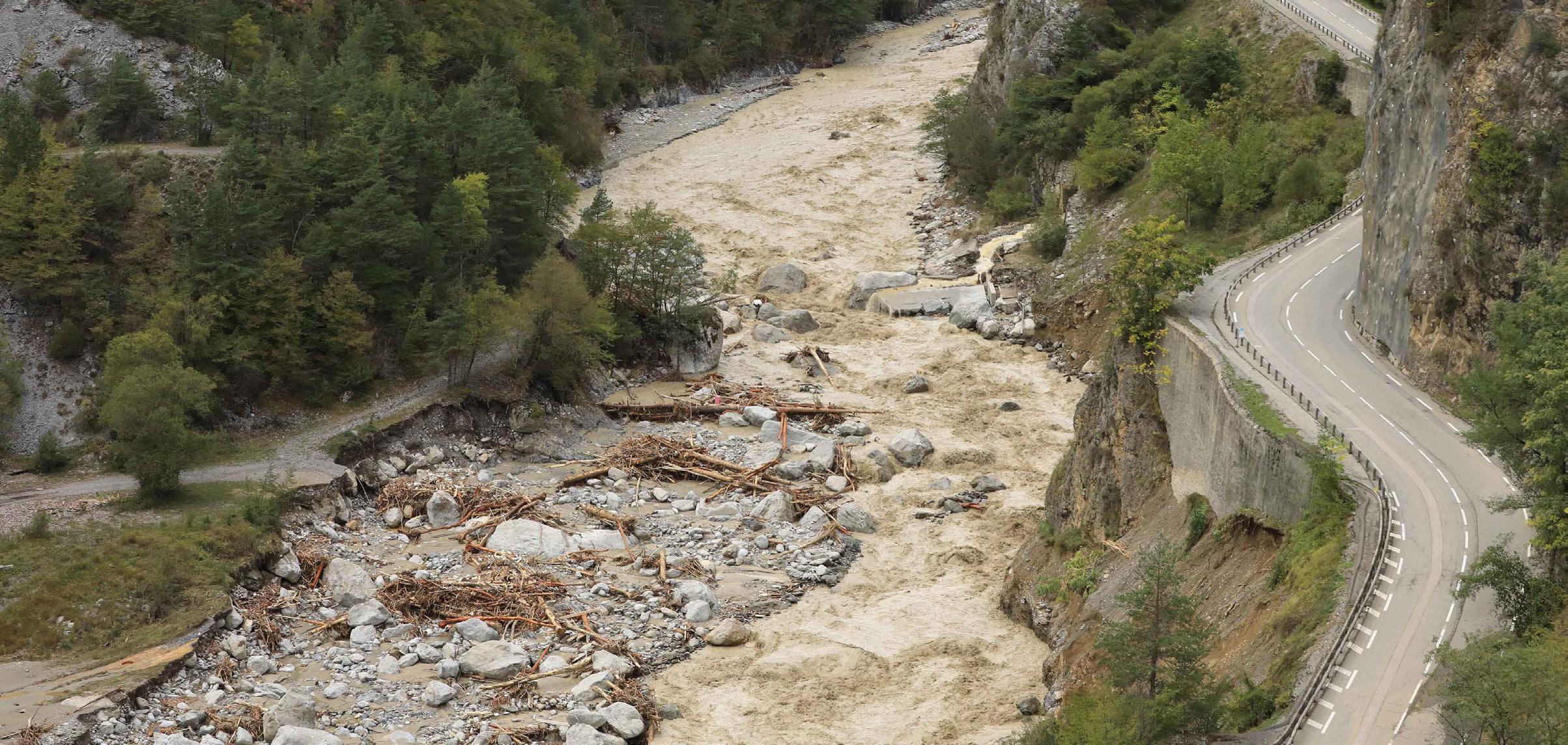
The flow of sediment and debris from the Roya, Vésubie, and Tinée valleys into the sea during Storm Alex on October 2, 2020, raises questions. It is important to identify where the sediment and debris came from to assess the risk of another extreme event, and also where they ended up to better understand whether Alex, catastrophic on a human scale, was also out of the ordinary on a geological time scale.
The StS-SEALEX project, funded by the Academy of Space, Environment, Risks and Resilience, explores these issues by combining several disciplines and scales of analysis:
Fluvial and marine geomorphology, and geoarchaeology provide a better understanding of sedimentary archives at different time scales along the land-sea continuum to place an Alex-type event in a broader spatio-temporal framework: “Is the Alex episode ’out of the ordinary’ on the scale of the last 10,000 years?”
The integration of biogeography provides a better understanding of plant dynamics on slopes, and therefore their capacity to supply or retain sediment in the main channel. The question of the sediment potential of slopes is crucial for assessing whether a meteorological event of the same intensity could produce the same quantity of sediment; for example, in the context of climate change (potential scenarios), or to evaluate the impact of management policies on the stability of slopes.
Contributions from environmental sociology aim to better understand the uses of sediments in the area,
in order to develop a coherent narrative between the historical trajectory and the desired future, and integrate sediment flows into sustainable valley management.
Initial results from the Roya valley highlight the scarcity of continental archives on the watershed, while also clarifying the spatial extent of the “sediment wave” associated with Storm Alex in the main channel. Post-Alex sediment tracing campaigns have revealed rarely observed transport distances, with a maximum measured distance of approximately 10 kilometers, corresponding to an average sediment displacement speed of the order of one kilometer per year in the Roya valley “under ordinary conditions.” The researchers also observed increased sediment mobility in the river in terms of frequency and intensity, but this could decrease again over the next few years if hydrological conditions allow for widespread stabilization of the riverbed (the system’s resilience phase after a disturbance).
From the point of view of marine sedimentary archives, recently observed deposits at sea, at the outlet of the terrestrial system, may indicate accumulations of wood and materials compatible with the October 2, 2020 event. Wood deposits on the continental shelf would provide an unexpected link between two aspects of the project: marine geomorphology and biogeography. This would further boost the project’s transdisciplinarity.
SEBASTIEN MIGEON
University Professor at the Géoazur laboratory
Associate Professor (HDR) at the ESPACE laboratory
LOUISE PURDUE
CNRS Researcher at the CEPAM laboratory
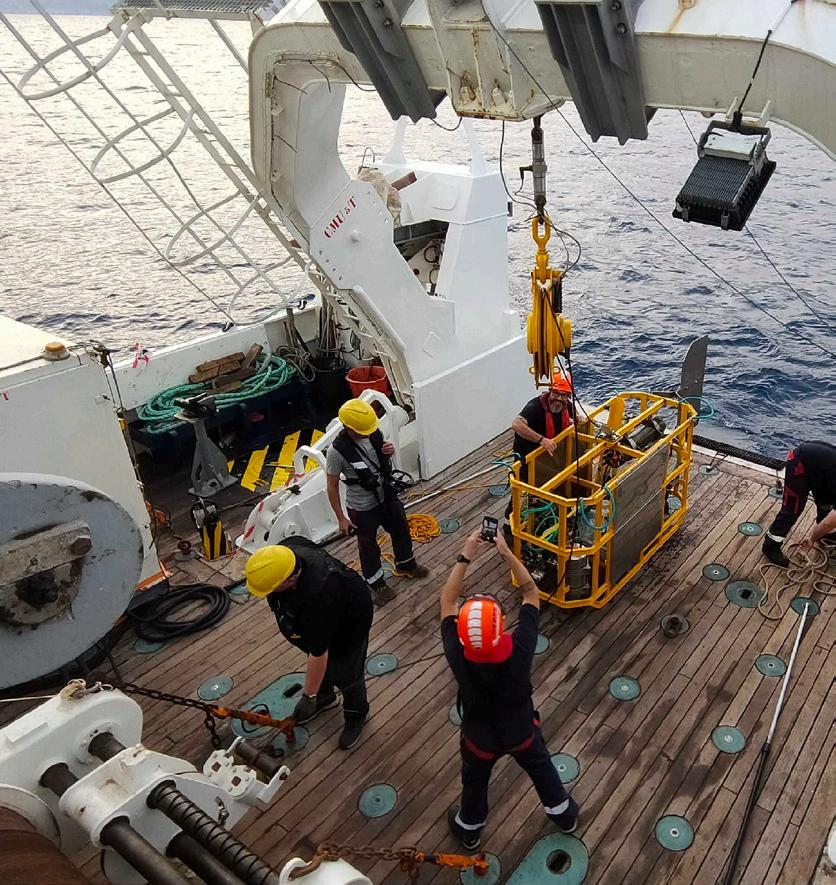
Handling the onboard camera (SCAMPI) for the SEALEX-CSR campaign in September 2025 aboard the ship L’Europe. The SCAMPI system, here deployed two meters from the seabed, provides georeferenced images and video of the seabed off the Roya outlet.
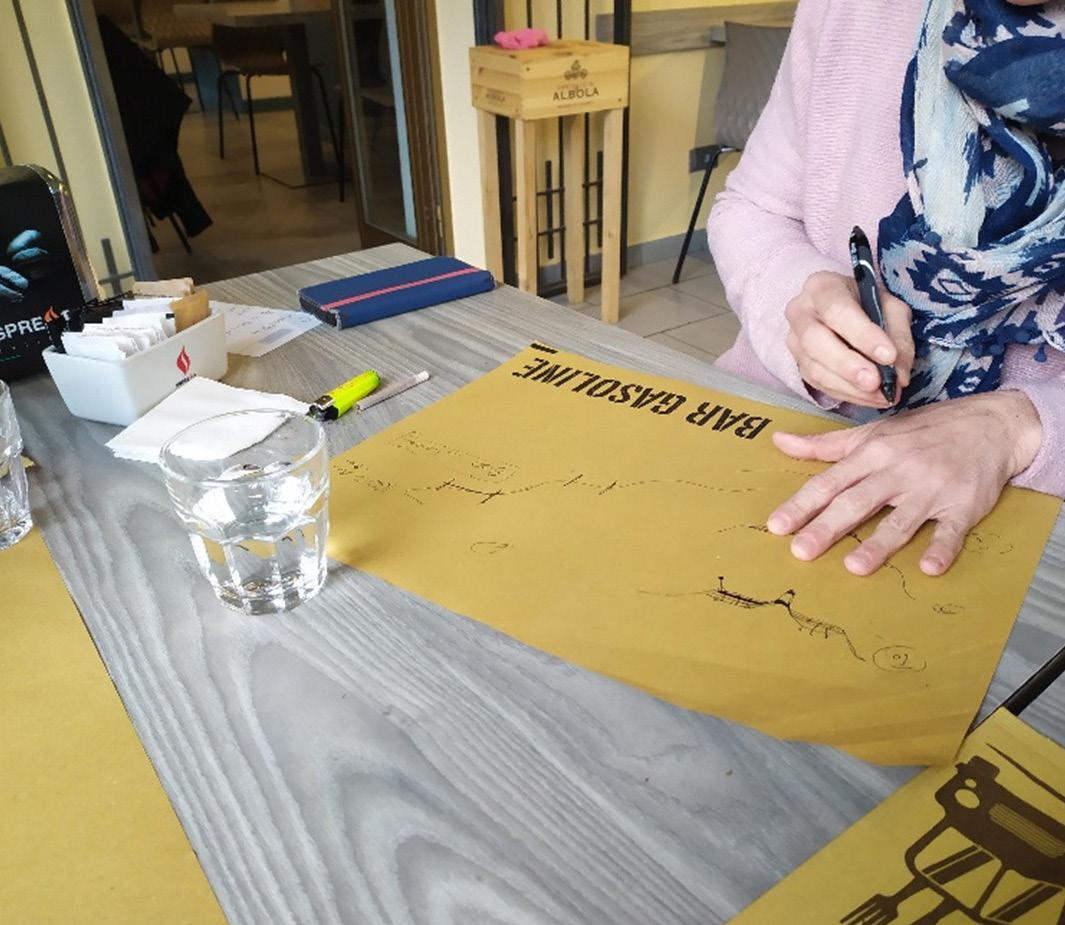
Transdisciplinary work session on the bio-geo nexus and the socioecology nexus between geoarchaeologists, geomorphologists, biogeographers and socio-ecologists.
MARGOT CHAPUIS
A MULTIDISCIPLINARY INVESTIGATION GROUNDED IN THE LOCAL AREA
THE DISAPPEARANCE OF THE DECEASED: SAINT DALMAS DE TENDE CEMETERY AFTER STORM ALEX
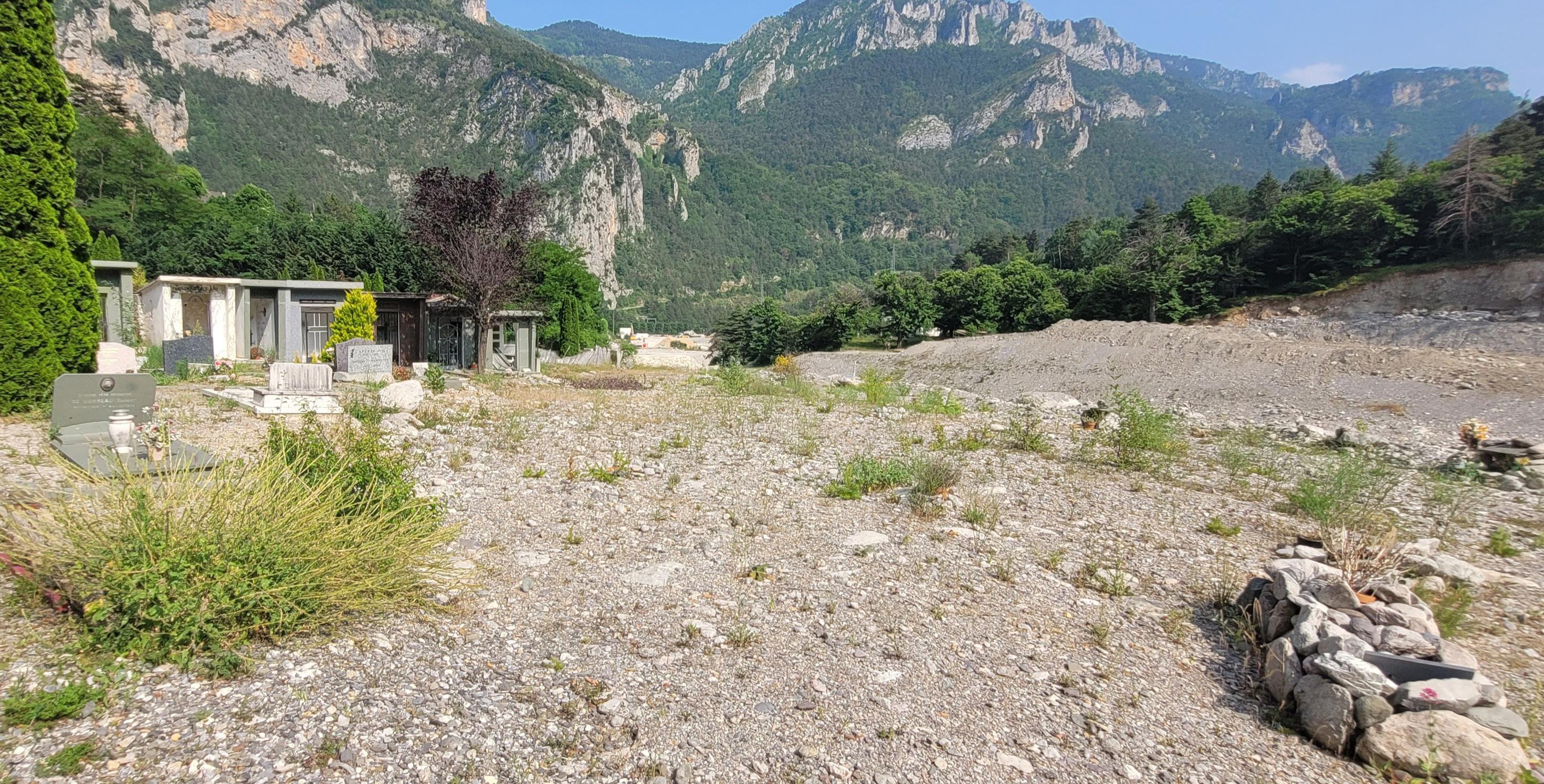
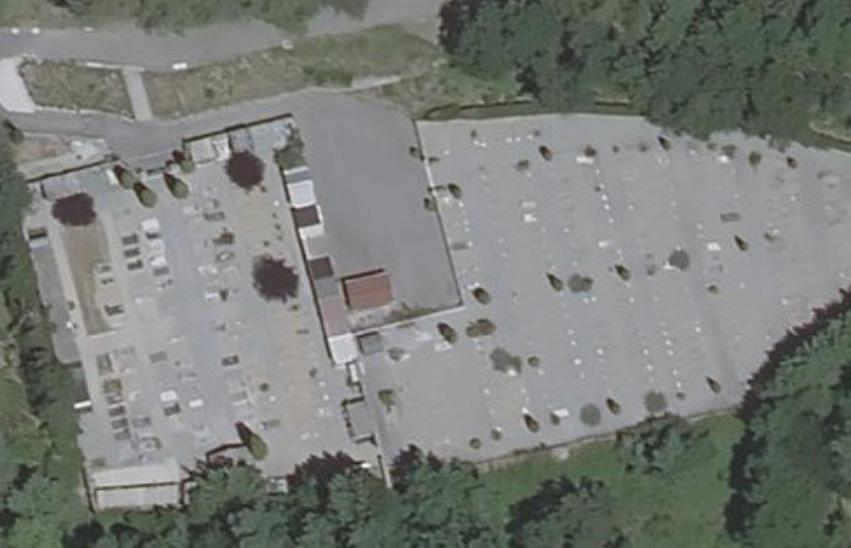
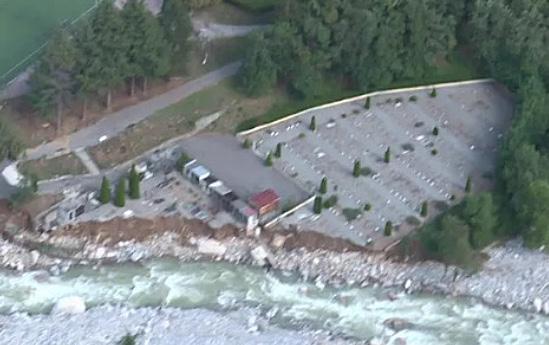
In October 2020, Storm Alex swept away part of the cemetery at Saint-Dalmas-de-Tende, in the hinterland of Nice, where around 150 graves disappeared. The event revealed, and at the same time disrupted, funeral rites. Graves and epitaphs disappeared, replaced by a pile of stones where families used to come to pay their respects. The partial destruction of the cemetery also upset the building of individual and collective, local and family memories, as well as the spatial organization and functioning of the village and commune.
Against this backdrop, Agnès Jeanjean (anthropologist) and Karine Emsellem (geographer) have been working with local residents and the “Remontons la Roya” (Let’s Rebuild the Roya) association for the past three years to understand the mechanisms by which a rural community copes with an exceptional climatic event and recomposes its funeral practices and rites, its memory and its territory, in order to make it “habitable.”
The case of the Saint-Dalmas-de-Tende cemetery is particularly interesting, as this hamlet is marked by
The cemetery in 2018 (Source: Géoportail, Aerial Photography, 2018)
The cemetery during Storm Alex in 2020 (Source: Nice-Matin, 2020)
shifts in the border between France and Italy. It grew up in the second half of the twentieth century around a community of Italian immigrants. Inhabitants affirm the importance of the cemetery, created in 1958, as a founding place for the personal and collective identity of this community of “foreigners.” It is seen as a pillar of the village: a place where genealogical history takes shape, where the community takes care of its dead and accompanies the living in mourning, and where social life also takes root.
How can a community continue to exist when it can no longer perform the rituals that link past, present and future? Symbolic responses to this loss have been made by local residents. Cenotaphs rebuilt from stones – found here and there, in the cemetery or elsewhere – have become the medium for new ritual gestures. They enable local residents to reconnect with funeral rites and reaffirm their humanity: simple yet essential gestures for rebuilding social ties, memory, and collective continuity.
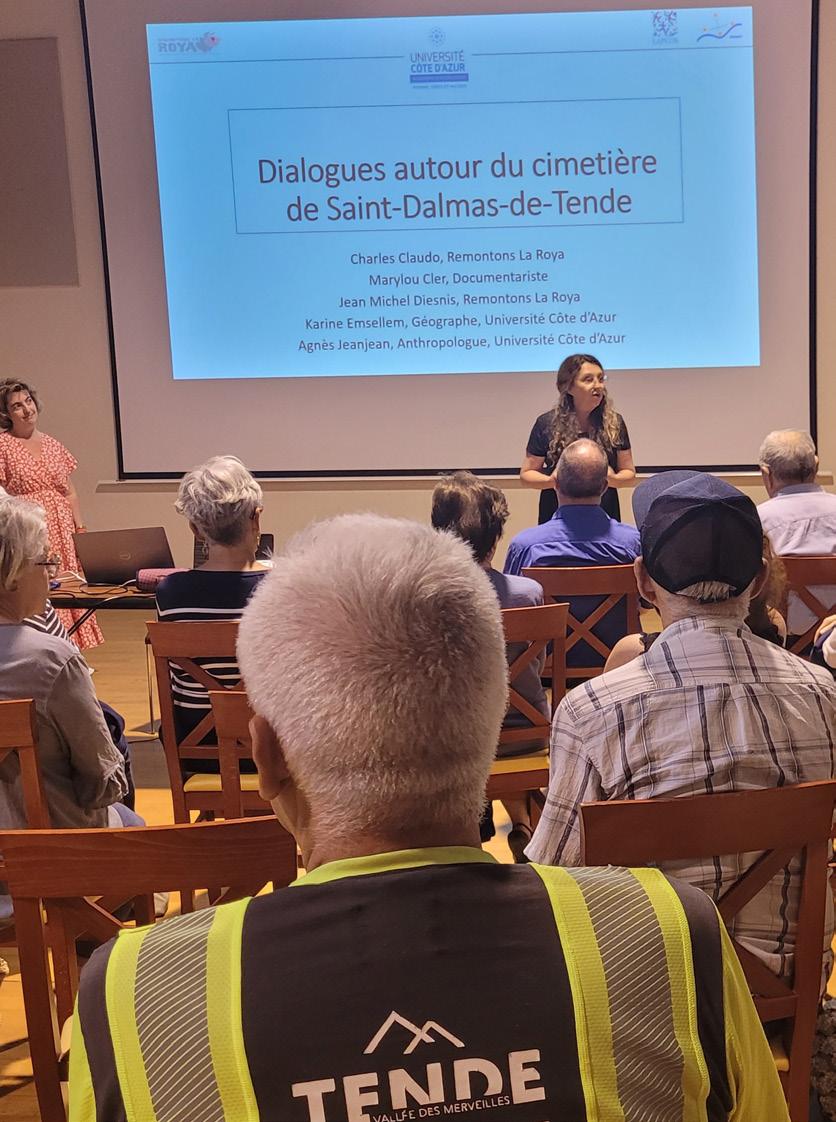
The progress of the research was presented to the hamlet’s inhabitants on June 10, 2025, with the help of a documentary made by Marylou Cler (anthropologist and documentary filmmaker) illustrating the initial results. The excerpts show the testimonies of two residents guiding the camera through the intact part of the cemetery. They also wander around the damaged area, trying to reconstruct the old plots. They talk about the deceased, share childhood memories, and evoke family ties. They also express feelings of abandonment by public institutions, and the impression of a legitimacy never acquired because of their Italian origins, and reinforced by the physical disappearance of their dead.
This example of participatory, interdisciplinary research rooted in local issues was supported by the IdEx Human Societies, Ideas and Environments Academy and by MSH SE’s Axis 4, Territories:
constructions, uses and powers. In July 2025, Marylou Cler was awarded a PhD fellowship by Université Côte d’Azur, which will enable her to continue following the development of these issues and complete the visual anthropology work she is carrying out through her documentary.
KARINE EMSELLEM, Associate Professor of Geography, ESPACE laboratory,
AGNES JEANJEAN, Professor of Anthropology, LAPCOS laboratory
MARYLOU CLER, doctoral student in anthropology and documentary filmmaker, LAPCOS laboratory
JEAN-MICHEL DIESNIS and CHARLES CLAUDO, founders of “Remontons la Roya”
IPRAM
INNOVATIVE IMMUNOTHERAPEUTIC
PROCEDURES
FOR PREVENTING ANTIBODY-MEDIATED REJECTION IN TRANSPLANT CANDIDATES
One of the missions of IdEx Academy 4 is to support new teams in biology and medicine in carrying out interdisciplinary research. Professor Antoine Sicard’s work was funded by the Academy to explore innovative immunotherapeutic procedures for preventing rejection in transplant candidates.
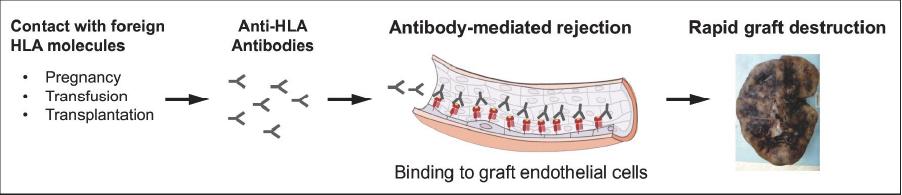
Kidney transplantation is the best treatment for endstage renal failure. However, while conventional immunosuppressive drugs are effective in preventing rejection in non-immune patients, they are ineffective in patients who have pre-formed antibodies against donor HLA molecules at the time of transplantation. Developing therapeutic protocols to desensitize these patients has become one of the major challenges in transplantation medicine.
In such highly sensitized patients, memory B cells are believed to be the main source of donor-specific anti-HLA antibodies (DSAs) post transplantation. AntiCD20 antibodies are currently used to deplete these cells before transplantation, but they are ineffective against subpopulations with low CD20 expression and increase the risk of infection by targeting all B cells, regardless of antigen specificity. To precisely
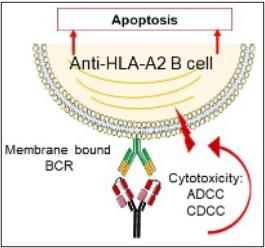
target anti-HLA memory B cells, the researchers developed a dimeric fusion protein composed of two HLA-A2 molecules linked by the constant fragment of a cytotoxic immunoglobulin. This protein was further improved with the insertion of different mutations that enhance cytotoxicity. As control, a second version of the protein was also generated, presenting ovalbumin as the antigen instead of HLA-A2. The fusion protein was used to specifically target the anti-HLA-A2 producing hybridoma cell line and to treat mice immunized against the two antigens.
In vitro, HLA-A2-Ig dimers selectively destroyed hybridomas producing anti-HLA-A2 antibodies in the presence of complement. In vivo, memory B cells specific to HLA-A2 and ovalbumin were transferred into wild-type mice. These mice were treated with the dimers in conjunction with Belatacept to prevent cellular responses against the dimers. After stimulation with HLA-A2 and ovalbumin antigens, mice treated with HLA-A2-Ig dimers did not produce antiHLA-A2 antibodies but did produce anti-ovalbumin antibodies. Conversely, mice treated with ovalbuminIg dimers showed the opposite response. This effect was maintained for several weeks after re-stimulation with antigens.
The researchers then humanized these products and obtained promising ex vivo cytotoxicity results on
cells derived from hyperimmunized patients awaiting transplantation, and work is currently underway to confirm these findings.
Using this process, the team is developing a safer and more effective desensitization method for highly sensitized patients waiting for transplantation.
Antoine SICARD, MD, PhD, HDR, ATIP Avenir Award recipient, Professor of Nephrology, Transplant immunologist at the Nephrology - DialysisTransplantation Department of the NICE University Hospital Deputy Director, LP2M
PROFILE Astrid Lamberts
Can you tell us in a few words the main focus of your current research and what led you to specialize in the study of gravitational waves and binary star systems?
I am an astrophysicist interested in how two or more stars can evolve so close together that the black holes they form produce detectable gravitational waves.
Although I have always worked on binary stars, including during my PhD, my research did not originally address the question of gravitational waves. But in 2016, when the first detection was announced, I was immediately fascinated by this new scientific frontier. At the time, I was a post-doc in the United States, surrounded by colleagues who offered their support, so the transition was very smooth and natural.
I would even go further and say that, although it obviously took time and maybe slowed down my career at the start, in the end, changing subjects freed me up and enabled me to advance in my scientific pursuits.
Your work lies at the interface between theoretical astrophysics and major international experimental collaborations such as LIGO/Virgo. How do you combine your individual research with these major collaborative projects?
It is quite a balancing act, but I think I have found the right mix of both.
At the laboratory level, I work closely with two or three colleagues, on specific, well-defined projects. And in a complementary way, I contribute to international collaborations on collective endeavors involving over 2,000 colleagues. These major collaborations achieve significant breakthroughs that go beyond our individual capabilities, and provide greater opportunities to find colleagues for other productive collaborations. Conversely, they can also quickly lead into more political terrain extending beyond the scientific field. I was fortunate to count on experienced researchers to help me navigate these major collaborations effectively and with humility.
In turn, I try now to guide the young researchers I supervise so they can benefit from these major collaborations while pursuing a more individual research project which they can clearly identify as their own. This is especially important for doctoral students, who must not be “swallowed up” by the group dynamics which, ultimately, are outside our control. Personally, I think it is essential to find this balance, not only to work on large-scale collaborations but also on projects on a more human scale.
At the same time, I am fortunate to have been asked to take on greater responsibilities. While the recognition of my work translates into increased responsibilities, it is essential that the time devoted to research remains a priority, an issue that is particularly relevant for women. Learning to say no and, moreover, choosing to do so, is a learning process in its own right, and is not always innate; here, again, expert guidance can prove invaluable.
How does interdisciplinarity influence your research approach, particularly at the interface between astrophysics, fundamental physics and supercomputing?
While my research lies at the interface between astrophysics and fundamental physics, at this stage, high performance computing is secondary, even though it is interesting.
But to come back to the interdisciplinary nature of my research, that is precisely what drives and motivates me, because it allows me to learn new things. I can learn things on my own in astrophysics, but not in fundamental physics. And frankly, if I did not have access to this wealth of knowledge, I would certainly be bored.
In fact, this is exactly what I was able to explore in the jointly supervised PhD project funded by EUR Spectrum and IdEx.
How have the funds obtained through the IdEx program supported the development of your projects and the evolution of your scientific career, as well as that of the young researchers you have supported?
For the record, the IdEx postdoctoral funding came very soon after I arrived on the Côte d’Azur. It provided my first experience of joint supervision, under an ANR-funded doctoral contract. I found myself with a small team, in a laboratory of excellence, with a research theme still to be developed, laying the foundations for new research. We have been able to develop an effective momentum, and the recognition we
have gained is the result of the team’s smooth functioning. The postdoctoral and PhD projects have been successful, and this experience confirmed that it is possible to carry out top quality research on more targeted projects.
How do you see the future of your research field, and what advice would you give to those wishing to enter it today?
My field of research is still very new and offers many opportunities, particularly in the development of ground- and space-based detectors. I hope these initiatives will prove fruitful. I would definitely encourage others to enter this field, but would advise them to always remain rigorous: in this new field, some advances may be relatively easy to achieve, as new ground is still being broken.
However, it is also important to move forward carefully and wisely, consolidating new knowledge and refining the approaches taken. Major collaborations represent a tremendous opportunity; I firmly believe in them, but it is important to be discerning by taking advantage of opportunities without becoming overwhelmed.
On a more human level, I am a firm believer in mentoring and the need for young researchers to be guided by more experienced researchers. It is not a question of doubting their ability to be independent or, ultimately, of leading major research projects, but rather of helping them navigate the scientific environment while avoiding its pitfalls.
OUTSIDE THE BOX
The Innovation Program of the Université Côte d’Azur Initiative of Excellence supports the development of innovation and finances publicprivate partnerships. In this section, learn more about projects that are helping to commercialize major or radical innovations based on Côte d’Azur research, supported by IdEx.
Patched Therapeutics
The Patched Therapeutics project proposes a completely innovative therapeutic strategy born from the fruitful collaboration between two Université Côte d’Azur researchers: biologist Isabelle MusVeteau, CNRS Research Director at the Institute of Molecular and Cellular Pharmacology (IPMC) in Sophia Antipolis, and chemist Stéphane Azoulay, university professor and member of the medical chemistry team at the Nice Institute of Chemistry (ICN). Their goal is to overcome the resistance of cancer cells to chemotherapy and targeted therapy, a resistance currently responsible for 90% of cancer deaths.
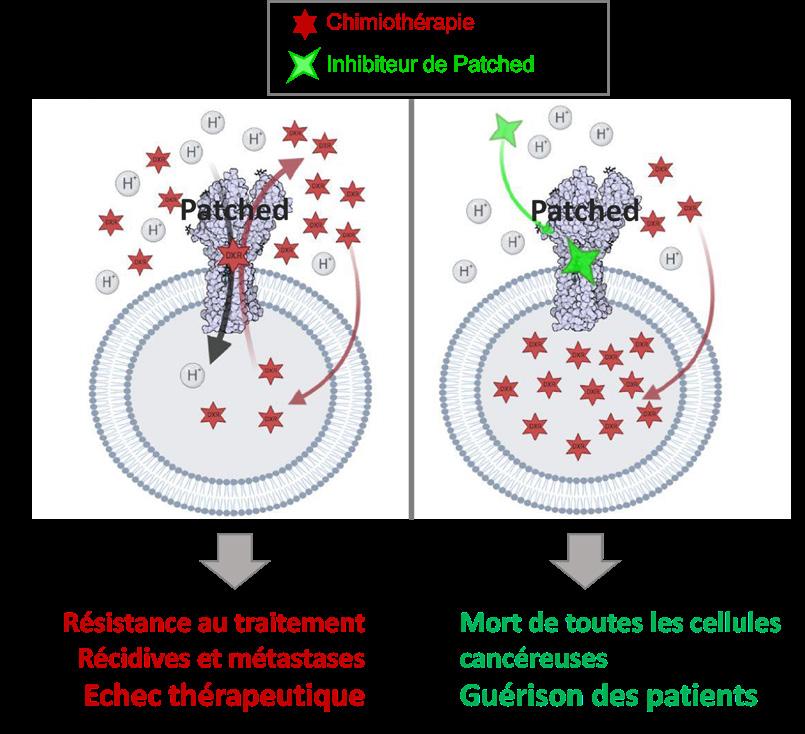
The main mechanism of chemotherapy resistance often involves the efflux of drugs from tumor cells by membrane transporters known as “multidrug resistant” transporters, such as ABC-type transporters. Several ABC-type inhibitors have been tested, but their toxicity has prevented their commercialization.
The two Côte d’Azur researchers discovered that the Patched protein, which is overexpressed in many particularly aggressive cancers such as melanoma, breast, prostate, colon, and pancreatic cancer, plays a key role in the efflux of chemotherapeutic drugs from cancer cells. Inhibition of this protein therefore restores sensitivity to treatment without affecting healthy cells, unlike inhibition of ABC-type transporters.
Isabelle Mus-Veteau and Stéphane Azoulay have also demonstrated the ability of Panicein A Hydroquinone (PAH) to inhibit the Patched protein. This small molecule, produced by a Mediterranean sponge harvested in the bay of Villefranche-surmer, has been found to boost the effectiveness of
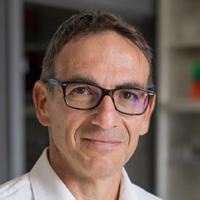
ISABELLE MUS-VETEAU (BIOLOGIST, CNRS RESEARCH DIRECTOR, IPMC LABORATORY)
chemotherapy treatment on melanoma and breast cancer cells in vitro. It has also proven effective in targeted therapy on melanoma cells carrying the BRAF mutation in vitro and in vivo (in mice), without adverse effects.
Given the therapeutic potential of PAH, Stéphane Azoulay has developed a chemical synthesis and designed optimized derivatives with improved medicinal properties. The goal is to produce a patentable, competitive drug candidate with reproducible properties.
The Côte d’Azur startup ecosystem has recognized the innovative potential of the technology developed within the Patched Therapeutics project. Funding has been provided by the “DeepTech Startup” call for proposals of the IdEx innovation program of Université Côte d’Azur, the “Young Entrepreneur Program” of Labex Signalife, and the CNRS Innovation “Pre-Maturation” and “RISE” programs.
These funds were used to confirm the proof-ofconcept and will cover the preparation of a new patent, thereby strengthening a solid intellectual property portfolio that guarantees revenue for future industrial applications.
Patched Therapeutics is proving to be a strategic opportunity for investors. The startup currently being
STÉPHANE AZOULAY (PROFESSOR OF CHEMISTRY, UNIVERSITÉ CÔTE D'AZUR, ICN LABORATORY)
established is seeking new funding to take the next steps: finalize preclinical studies, obtain and optimize a drug candidate, conduct mandatory preclinical trials, and begin the first clinical trials.
In a second phase, the company plans to form a strategic alliance with an international pharmaceutical company to conduct Phase III clinical trials to test the safety and effectiveness of a new treatment and launch the new drug on the market.
Patched inhibition paves the way for a new generation of cancer treatments. In combination with chemotherapy or targeted therapies such as kinase inhibitors, this approach significantly improves the effectiveness of treatments for Patched-expressing cancers. By significantly reducing the required doses and, therefore, their side effects, it also limits recurrence and metastasis, thereby significantly improving patient survival.
With its exclusive therapeutic target, a first active molecule already identified and synthesized, a
Chemotherapy
Patched inhibitor
Resistance to treatment
Recurrence and metastasis
Therapeutic failure
Death of all cancer cells
Patient recovery
Schematic representation of the Patched Therapeutics innovation. Left: The presence of the Patched protein on the surface of cancer cells allows chemotherapy (in red) to escape, causing cancer cells to become resistant to treatment. Right: The addition of the small molecule the team has discovered (in green) inhibits the release of chemotherapy (in red) from cancer cells and increases the effectiveness of the treatment in destroying resistant cancer cells.
portfolio of patents in the process of consolidation, and strong institutional support, the future Patched Therapeutics startup shows considerable potential to play a key role in treating resistant cancers.
YeastBoost:
Leveraging natural yeast variations for modern biotech applications
Baker’s yeast, Saccharomyces cerevisiae, is an essential micro-organism for human societies, used for millennia in the production of fermented foods and beverages. Today, yeast-based biotechnologies have expanded considerably to produce molecules, drugs, antibodies and bioethanol, so that, combined with traditional fermentation, they now represent a multi-billion-euro industry. The applications of yeast are now extending to synthetic biology, paving the way for the manufacture of innovative materials such as bioplastics and synthetic leather, as well as applications such as the fixation of CO₂ to combat global warming.
At IRCAN, the research team led by Gianni Liti uses population genomics, that is, the sequencing of thousands of individual strains of yeast, to trace the major evolutionary transitions in baker’s yeast. At Université Côte d’Azur, the team has one of the world’s largest yeast bio-banks with nearly 10,000 sequenced strains from natural or domestic sources collected from different regions all over the planet. This immense natural genetic diversity holds great potential for biotechnological development. The availability of this genetic diversity of yeast is of particular interest to industry in a context where demand is increasing, notably due to world population growth, but also because production methods need to adapt to global warming. Control of the means of production in the agri-food industry is also an issue of economic sovereignty.
In 2021, the YeastBoost project received (prematuration and maturation) funding from SATT, as
well as financial support from IdEx Université Côte d’Azur via the DeepTech Startup call for proposals and from Labex Signalife via the Young Entrepreneur Program, with a view to creating a startup in 2026.
The YeastBoost team is made up of several researchers and PhD students: Matteo De Chiara (IR), Federica Carlea (PhD), Sakshi Khawal (IR), Katarzyna Tomasiak (IR). A CEO is expected to join the team soon, whose recruitment is funded by the PCA Incubator.
The founding idea of the YeastBoost project is to exploit natural yeast variations for biotechnological applications, in order to produce new strains that can be industrialized. As such, the team has focused on the development of novel production methods drawing on different scientific fields such as genomics, machine learning, genetics, and molecular and synthetic biology. These methods improve on or create new industrial applications, with or without the use of GMO technologies.
One of the methods the team has been working on since the creation of the YeastBoost project is the development of Genome Aware Yeast Breeding (GAYB). The GAYB framework includes a new machine learning pipeline for predicting phenotypes from genomic predictors, as well as a unique
GIANNI LITI
CNRS RESEARCH DIRECTOR AT IRCAN
CHIARA VISCHIONI HEAD OF EVOLUTIONARY ENGINEERING & MICROBIAL BREEDING
KATARZYNA TOMASIAK HEAD OF DEVELOPMENT AND STRAIN IMPROVEMENT
FEDERICA CARLEA PHD STUDENT
MATTEO DE CHIARA HEAD OF BIOINFORMATICS
SAKSHI KHAIWA HEAD OF AI IN YEAST GENOMICS
multifluorescent system for directly visualizing yeast mating (gaMATe).1
In connection with the YeastBoost project, Gianni Liti has been awarded the Bettencourt Schueller Foundation Prize for his work revealing the adaptive diversity of Saccharomyces at the microbial community level.
The team has also established several partnerships and conducted trials with manufacturers. These
include major biotech companies specializing in yeast production, as well as local enterprises in the food and fermented beverage industries. All are interested in building future collaborations with YeastBoost. These partnerships focus in particular on supplying and supporting the industrialization of new strains to meet the emerging challenges facing the agri-food industry.
> A schol arship of e xcelle nce t o supp or t the most promising stude nts, from bachelor’s t o master’s de gre es, wha tever their field of study.
> For stude nts who are the re cipie nts of an income-base d schol arship and have e xcelle nt ac ademic results.
This schol arship is par t of a unique initia tive tha t provides e duc a tional supp or t over the long term and contributes t o gre a ter so cial mobilit y, le d by the Educ a tion Program of Université Côte d’ Azur
Each phase is adapte d t o the age and ne e ds of the children or s tudents:
St age 1 - Cordé es de l a Réussite: awakening motiva tion in middle school
St age 2 - IdEx Junior Tale nt Program: cultiva ting the momentum in high school
Step 3 - IdEx Tale nt Champion Program: fos tering success in higher e duc a tion
Agenda IdEx
First semester 2026
February 3, 2026
Open Science Masterclass
Doctoral Schools of Life and Health Sciences and Human Movement Science - Valrose campus (Montebello co-learning room)
February 10, 2026
2026 IdEx Young Researcher Awards
February 12 and 13, 2026
Complex Days of the Complex Systems Academy of Excellence
March 6, 2026
End of the call for proposals “Young Researcher Excellence Grants”
March 19, 2026
2026 Doctoral SessionsDigital Systems for Humans
Fourth session
March 23, 2026
End of the call for proposals “Advanced Research Program”
April 2026
Celebrating 10 years of partnership between Université Côte d’Azur and Université Laval
May 2026
Celebrating 10 years of the Joint European Office
June 5, 2026
Award ceremony of the Université Côte d’Azur Foundation
IdEx, driver of excellence and development IdEx, driver of excellence and development
A closer look at the Initiative of Excellence of Université Côte d’Azur