Balkan Beats
Pencils down: Evolving beyond conventional education


Dear reader,
any society’s principal foundations can be traced back to curiosity, community and responsibility. Those are the variables that drive these pulsing organisms’ growth and trickle. We as humans try to measure this so called “success” of society by comparing economic growth, intelligence or health, thinking that, if we just push the seemingly never-ending flow of energy and money into the right veins, we can manipulate the direction in which this organism develops towards an incongruously delusional utopia. Because the direction in which we consciously manipulate our creeping expansion is limited by the tracks we built from the way we measure success, the approach used to prepare individuals for a “successful” life in society is confined to a narrow path that ideally heads directly towards the labour market and maximizes economic efficiency.
This preparation is what we like to call “education”. We as editors of this magazine believe that the way our society qualifies success and, in turn, approaches education is fundamentally flawed and long requires a careful rethink. Reflecting through a diverse kaleidoscope of social and ethnic backgrounds, we want to incentivise you to take a step back from the traditional education model. It was set in place with an ideal productive life in mind that, as we have long found out, is not realistic in the slightest. What is definitive is that our educational system should reflect different peoples distinct, perhaps unusual definitions of their personal success. It should provide stepping stones for a discovery of possibilities that exist around the globe.
We tried to supply you with a glimpse into what could be possible. Although our perspective is shaped by our own understanding of what defines a successful education, we hope it inspires you to build upon these ideas and consider what changes you believe are necessary.
The Editors team





by Daria Bondarenko
Navigating the Intersection of Education, AI, and Real Learning
In today’s tech-driven world, artificial intelligence (AI) is reshaping how we learn and think. From apps that solve math problems to tools that write essays, AI is becoming a big part of

“Genius is 1% inspiration and 99% perspiration.”
education. But this raises a critical question: Are we teaching students to use these tools wisely, or are they becoming shortcuts that prevent real learning?
The Classroom Dilemma: Help or Hindrance?
AI has the power to make learning exciting and personalized. Imagine a student struggling with math—AI can offer step-by-step solutions and extra practice tailored to their needs.In another scenario, it may help a language learner achieve perfect pronunciation. These tools can boost understanding and make learning feel less overwhelming.
But there’s a downside. Some students are using AI not to learn but to skip the hard work. Why write an essay when an AI can do it for you? This reliance on AI can stop students from developing essential skills like critical thinking and creativity.
Recent studies show this is a growing problem. A Pew Research report found many students use AI tools to finish homework. While this might help grades in the short term, it hurts long-term skills like writing and problem-solving. Another study from the University of Michigan found students who overused AI struggled with basic grammar and independent thinking when it came to in-class tasks.
S chools play a huge role in making sure AI helps education instead of harming it. . Here are some ways to strike the balance:
- Teach AI Basics: Students should learn how AI works, its strengths, and its limits. Lessons on AI ethics can help them use these tools responsibly.
- Encourage Deep Thinking: Assignments should focus on creativity and analysis, not just answers. For example, instead of writing about facts, students could debate ideas or create original projects.
- Redesign Tests: Oral exams, group projects, and in-class tasks make it harder to misuse AI while promoting active engagement.
- Use AI Smartly: Teachers can use AI to handle repetitive tasks like grading, freeing them to focus on mentoring students.
For students, the key is to see AI as a partner, not a replacement. Start your work without AI, then use it to refine ideas or check mistakes. Always question AI’s suggestions and make them your own. This keeps your creativity and problem-solving skills sharp.
Teachers can also help by using AI in ways that inspire learning. For instance, let AI suggest story ideas, but challenge students to expand and personalize them. By combining AI’s speed with human imagination, we can unlock new ways to learn.
AI is here to stay, and its role in education will only grow. The goal isn’t to fight this change but to make sure it’s used wisely. Imagine a future where students aren’t just tech-savvy but also creative, curious, and critical thinkers. Schools that emphasize these values can shape a generation ready to succeed in an AI-driven world.
Famous inventor Thomas Edison once said, “Genius is 1% inspiration and 99% perspiration.” Let’s not let AI take away the hard work that builds true genius. Instead, let’s use it to open new doors for learning and discovery. The future isn’t just about smart machines— it’s about smarter humans who know how to work with them. Together, we can make sure AI enhances education rather than replacing it.
by Lucas Leroy
Today, screens are an integral part of students’ lives. Between smartphones, tablets, and computers, these digital tools are ubiquitous, both for learning and leisure. However, one question is being asked more and more: are these screens, instead of helping, actually a threat to academic success?
One of the biggest issues with screens is how they divert students’ attention. With notifications from social media, online videos, and games, it becomes difficult to stay focused on studies. Study after study shows that students who are frequently interrupted by digital distractions, spend less time studying and struggle to concentrate for extended periods. It becomes a vicious cycle: the more distracted you are, the less you retain, and the more you fall behind.
“ A study conducted by the French Academy of Sciences in 2021 revealed that 56% of students claim that excessive screen use disrupts their ability to concentrate during classes”
Concentration is a crucial element for success in studies. By constantly being interrupted by their phones or other screens, students can’t focus enough to understand the material in depth. As a result, their performance may suffer. Many students find that even after hours of studying, their results do not meet their expectations. This is often due to the lack of concentration, which prevents them from fully grasping the information. Another major issue related to screens is time management.
“One study found that adolescents who spent more than 7 hours per day on overall screen media were 40% less likely to achieve high academic performance, whereas those who spent 2 to 4 hours per day had 1.23 times the odds of achieving excellent grades compared with those who spent fewer than 2 hours per day”
Another major issue related to screens is time management. Students sometimes spend more time on social media or watching videos than studying for exams. This lack of time
dedicated to studying directly impacts their academic results. By procrastinating, some find themselves struggling to finish assignments or prepare for exams, which compromises their success. Excessive use of screens can also lead to psychological effects. Stress, anxiety, and the pressure of social comparison on social media are increasingly common among young people. These factors can harm concentration, increasing mental fatigue and reducing the effectiveness of learning. The stress related to screens can become a real burden, making students less motivated and more likely to become overwhelmed by their academic tasks.
“ According to the National Institute of Sleep and Vigilance, 60% of students report that excessive screen use before bed disrupts their sleep, which negatively affects their academic performance and concentration the following day”
Fortunately, there are solutions to reduce the negative effects of screens on concentration. Students can adopt simple strategies to better manage their time. Turning off notifications during study hours or creating a distraction free workspace can significantly help improve focus. Moreover, techniques like the Pomodoro method, which alternates between work and break periods, can help maintain concentration while avoiding fatigue. Educational institutions are also starting to offer programs to help students better manage their relationship with technology. Some provide time man-
agement workshops or classes on avoiding digital distractions. These resources give students the tools they need to focus better and succeed academically.
“ Several studies show that excessive screen use can decrease concentration. According to a 2020 study by the University of California, 67% of students admit that their ability to focus declines after using screens for long periods”
Screens can indeed pose a threat to academic success, especially when misused. The distractions they cause and their psychological effects can harm concentration and time management, both of which are key to succeeding in studies. However, by learning to manage screen use and adopting strategies to limit distractions, students can benefit from the advantages of technology while maintaining their academic performance.
“A 2022 study by the University of Paris found that nearly 70% of students admit to compulsively using their smartphones during classes, which reduces their engagement and attention in the classroom.”
Understanding What We Gain - and Lose - when Learning Moves Online
by Pinar Ecem Doğru
This question has become an increasingly debated topic in recent years. With the advancement of technology, the digitalization of educational methods has raised the question of whether traditional classroom settings can be replaced. To answer this question, it is important to consider both the theoretical and practical aspects of the education system.
Digitalization in Education:
Pros and Cons
Pros:
1. Accessibility and Flexibility: Online education eliminates geographical and physical barriers, making it possible for students to access education from anywhere. Students do not need to be in a specific location to benefit from teachers or course materials. Moreover, since lessons can be recorded, students can revisit them at any time, allowing them to learn at their own pace. This flexibility is especially advantageous for working individuals or students living in remote areas.
2. Time and Cost Savings: Online education removes the time students spend commuting to school and the transportation costs. Educational materials are often provided digitally, reducing the need for printed materials. Additionally, with teachers conducting lessons remotely, extra costs related to physical classroom arrangements and educational facilities are eliminated.
3. Personalized Learning Experience: Online platforms can cater more effectively to individual learning needs. Students can progress at their own pace and access additional resources when necessary. Some platforms even use artificial intelligence and data analytics to provide extra exercises in areas where students are struggling.
4. Technological Skills and Digital Literacy: Online education encourages students to use digital tools and technologies effectively. This prepares them for future careers in industries where digitalization is widespread. Furthermore, remote learning can be a suitable platform for those wanting to acquire a new skill set.
Cons:
1. Lack of Social Interaction: Education is not just about the transfer of knowledge. Students develop their social skills by interacting with peers and teachers. This interaction is reinforced through group work, discussions, and other in-person activities. Online education may not provide sufficient opportunities for these social interactions, potentially limiting the development of students’ social skills.
2. Motivation and Discipline Issues: In online education, students may find it more challenging to motivate themselves and stay focused on lessons. Studying at home or in a comfortable environment can lead to distractions and inefficiency. Additionally, teachers have fewer
opportunities to monitor and guide students closely. This can increase the risk of students neglecting their studies.
3. Technological Barriers: Online education requires access to technology. Not all students may have a high- quality internet connection, a computer, or a smart device. This can create inequality in education, especially in disadvantaged regions or among families with lower economic means. Furthermore, for students with low digital literacy, online education may be complicated and difficult to navigate.
4. Reduced Quality of Education: For some students, the interaction and guidance that face-toface education provides may not be achievable in an online setting. Particularly in subjects that involve practical lessons, lab work, arts, or physical activities, online education may be more limited. It can also be harder to assess the quality of education, as students only interact in a digital environment, and feedback from teachers may be less personalized.

5. Monotony and Feelings of Isolation: Online education may contribute to feelings of isolation for students. In physical classrooms, students can interact with each other, but in online environments, these social connections may be lacking. Additionally, the level of individual attention
from teachers might be more limited compared to face-to-face education.
People’s views on online education vary based on individual experiences. Especially during the pandemic, many people tried online education and formed their own opinions. Some students appreciated the flexibility and accessibility, adapting the learning process to their own needs, while others complained about the lack of social interaction and motivation problems. Additionally, some students faced challenges adapting to online education due to technological access issues, falling behind in their studies.
T he digitalization of education also requires teachers to enhance their professional skills. The extent to which teachers are proficient in technology can significantly impact their effectiveness in teaching and interacting with students. Some teachers may find it unnecessary to receive further training to deliver online education effectively.
Conclusion:
The question of whether education can be entirely online is not just a technological issue, but also a social, psychological, and economic one. While online education has many advantages compared to traditional classroom learning, its disadvantages should not be overlooked. Digitalization in education is a process that can be shaped according to the needs of both students and teachers. For this process to be successful, strengthening technological infrastructure, developing methods to boost student motivation, and ensuring social interaction through digital platforms at least to some extent are crucial. A complete transition to online education could be an ideal solution, but for it to succeed, a comprehensive approach is necessary.
Understanding the barriers.
by Charlyne Fransioly
In The reality
I n many parts of the low and middle income countries, education remains a privilege that few can afford. If, on paper, access to school should be a universal right, the reality is very different. Millions of children, often from poor families or living in remote rural areas, are deprived of the chance to learn and build a better future. This article looks at these deep inequalities, exploring their causes, their impacts and the solutions which, fortunately, are emerging to offer everyone, regardless of their place of origin, the opportunity to educate themselves.
The challenging barriers
Access to education in those countries, is strongly influenced by economic and social factors that exclude many children from school systems. 258 million children, or 17%, are out of school worldwide. More than 90% of the population is illiterate (we even exceed 96% in EU countries, Canada or the United States); while the rate collapses to less than 70% (and often around 40%) in countries like
India or Mali. Poverty is the main obstacle: even when school is theoretically free, families cannot always cover indirect costs such as school supplies, transport costs or uniforms. In rural areas, where schools are far away, travel costs can be an additional barrier. In countries like Burundi or Chad, children sometimes have to walk miles to get to a school, which discourages families from sending them there, especially if they have several children. Poverty also affects the general well-being of children. A child from a poor family often has less access to nutrition, quality health care, or an environment conducive to studying, which directly impacts their ability to learn. Furthermore, in contexts where parents themselves have not been educated, the importance of education is sometimes less valued, and families often lack information on the educational opportunities available.
G ender inequalities amplify these difficulties, with girls often considered less worthy of education than boys. Indeed, when a family faces difficult choices, it is often considered
more cost-effective to send a boy to school, while girls stay at home to help with household chores or take care of children. younger. This unequal treatment is particularly marked in countries like Afghanistan, Ethiopia, and India, where girls are more likely to leave school prematurely due to early marriage, teenage pregnancies, or domestic responsibilities. According to UNESCO, child marriage is permitted in at least 117 countries and territories, 12 million girls are forced into marriage each year worldwide, and 18.5 million girls become mothers between the ages of 12 and 19.
T hen, ethnic or social discrimination weighs on children from marginalized communities, such as ethnic minorities, refugees or people living in slums. Not only are they often discriminated against in schools, but they also live in precarious conditions, with few resources to access quality education. These children may encounter difficulty integrating, finding schools that accept them, or even
understanding the language of instruction, which complicates their educational journey.
Inequalities in access to education in low and middle income countries are often caused by political and institutional factors. In many cases, education is poorly prioritized by governments, which allocate insufficient resources to the education sector, leading to low salaries for teachers and poor infrastructure. Educational reforms may also be inadequate, neglecting the specific needs of rural areas or marginalized communities. In countries that are politically unstable or at war, education systems are paralyzed by violence, the destruction of schools and forced displacement. In addition, corruption and mismanagement of public funds make it even more difficult to improve access to education. An unstable political environment and ineffective governance thus worsen educational inequalities, depriving many children of a quality education.
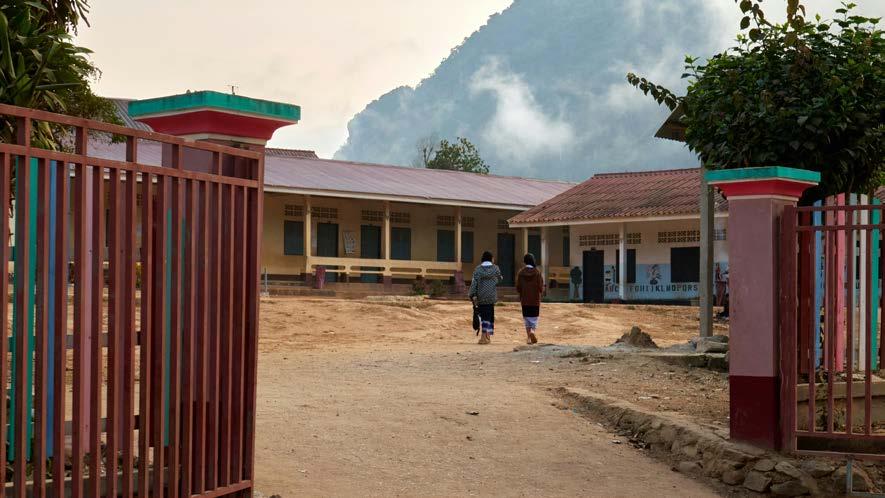
Despite deep inequalities, reforms and initiatives are emerging to make education more accessible and equitable in those countries.
To combat inequalities in access to education, several countries have implemented educational reforms and targeted investments. For example, schooling is free and compulsory in countries like Ghana or Burkina Faso, allowing millions of children to go to school. At the same time, efforts have been made to improve school infrastructure in rural areas, with school transport programs or mobile schools. Specific policies have also been put in place to encourage the schooling of girls, such as scholarships and awareness campaigns. Investing in teacher training and improving their pay, particularly in remote areas, has helped strengthen the quality of education. Finally, some countries, such as Rwanda, have introduced digital technologies to facilitate access to education, particularly through school tablets and online courses. These reforms aim to make education more inclusive and overcome financial, geographic and social barriers.
The hard role of the NGOs and organizations
NGOs and international actors play a key role in reducing inequalities in access to education. International organizations like Save the Children, Plan International or UNICEF implement education programs adapted to local contexts. These initiatives aim not only to provide access to school, but also to improve the quality of education. For example, literacy programs and teacher training are regularly offered, particularly in rural or conflict areas. In the event of a crisis, mobile schools and temporary learning camps are set up to ensure educational continuity for displaced children or refugees, as was the case in Syria or Somalia. At the same time, the World Bank and
UNESCO support educational reforms, financing the construction of schools and promoting the education of girls and marginalized groups. These actions aim to fill the gaps left by governments and ensure access to quality education, even in the most vulnerable areas.
Additionally, these organizations work to raise awareness among governments about the importance of education and advocate for free and compulsory education. Their action is not limited to emergency aid: they also play a key role in implementing sustainable solutions, such as the integration of digital technologies to overcome geographical barriers and improve access to education in the most remote areas, such as educational tablets and online courses to provide access to education even in areas without schools or teachers. In West Africa, radio programs broadcast lessons to reach children in isolated areas.
I n conclusion, inequalities in access to education in low and middle income countries are the result of multiple factors, ranging from poverty and social discrimination to geographic and logistical obstacles. However, thanks to government reforms, the involvement of NGOs and international actors, as well as innovative solutions such as mobile schools, digital technologies and distance education programs, significant progress is being made. These initiatives help make education more accessible, inclusive and tailored to local needs, overcoming the challenges that still hinder access to education for millions of children. Although challenges remain, these collective efforts show that it is possible to break the cycle of educational inequalities and offer every child the chance to build a better future.
How can equitable access to quality education be ensured for students in rural areas, given the disparities in infrastructure, educational resources, and opportunities?
by Lucas Leroy
A ccess to high-quality education is a fundamental right for all children, regardless of their place of residence. However, disparities between rural and urban areas in terms of school infrastructure, educational resources, and learning opportunities create significant inequalities. These differences directly affect the academic success and future prospects of young people living in rural areas. To ensure equitable access to education for these students, it is crucial to implement solutions tailored to the specific challenges faced by rural regions.
Inequalities in Infrastructure and Educational Resources
One of the main challenges for students in rural areas is the inadequacy of school infrastructure. In these regions, many schools lack modern buildings, quality teaching materials, and suitable technological equipment. In contrast, urban schools often benefit from more developed infrastructure, fast internet access, and a wide range of educational resources. Additionally, teachers in rural areas, although often passionate about their work, face larger class sizes
and limited resources to diversify their teaching methods. The lack of continuous training and professional development opportunities in these areas also contributes to widening the gap in the quality of education.

Students living in rural areas also face challenges accessing higher education and career opportunities. Most universities and businesses are located in major cities, requiring rural students to travel long distances if they wish to continue their studies. This situation can
lead to school dropouts or limit career choices for those who cannot afford to move to the city. Furthermore, extracurricular activities and educational projects are fewer in rural areas, limiting opportunities for personal development and skill-building. Young people from rural backgrounds may find themselves at a disadvantage compared to their urban peers, due to the lack of enriching opportunities outside of traditional classrooms.
To prove and emphasize the educational disparities between rural and urban schools, I have collected the following statistics:
Students in rural areas are 2 to 3 times more likely to attend schools with inadequate infrastructure compared to those in urban areas.
27% of teachers in rural schools do not have access to professional development programs, compared to only 15% in urban areas.
60% of teachers in rural schools work in multi-grade classrooms, where one teacher handles students of different ages and levels, which often affects the quality of instruction.
In rural areas, 35% of students do not have access to the internet at home, according to a study by the National Telecommunications and Information Administration.
In comparison, only 10% of urban students face the same issue. Rural students have access to half the number of extracurricular programs and enrichment activities as their urban peers, limiting their opportunities for holistic development.
S everal solutions can be considered to address these disparities:
Improving school infrastructure in rural areas should be a priority. Investment in building
and renovating schools, ensuring access to clean water, electricity, and the internet, is essential. Furthermore, digital technologies can play a crucial role in leveling the playing field, especially by setting up accessible online educational platforms.
Offering continuous professional development for teachers in rural areas is essential to help them adapt to new teaching methods and utilize digital tools. Mentoring and professional support programs could also improve teacher retention and satisfaction in these areas, leading to higher quality education.
H ybrid learning, which combines in person and online classes, allows rural students to access quality education while staying in their communities. Online platforms and digital tools can provide access to diverse educational resources while enabling students to interact with teachers.
It is vital to create strong links between rural and urban schools to exchange resources, organize joint projects, and facilitate student and teacher mobility. Partnerships with universities and local businesses can also offer rural students new educational and professional opportunities.
E xtracurricular activities, internships, mentoring programs, and community projects are effective ways to develop students skills and prepare them for professional careers. It is essential to diversify these opportunities by involving local stakeholders and fostering community-driven initiatives.
It is crucial to take action to reduce the inequalities in access to education between rural and urban areas. By implementing solutions tailored to the specific realities of rural regions, we can ensure a more equitable future for all young people, no matter where they live.
by Sheila Wiebe
H ow do you teach the meaning of faith in a continent shaped by centuries of religious conflict, growing secularism, and multiculturalism? From the total absence of religious teachings to confessional lessons, the approach to religion education (RE) varies widely across Europe. The question remains if these classes can truly meet the needs of an increasingly diverse student body, and if the necessity for religious education exists at all.
“It
goes without saying that freedom of opinion and religion should be a prerequisite in any area of education, but this does not have to go hand in hand with ignorance of foreign convictions.”
A s of now, the EU Charter of Fundamental Rights (Article 14.3) provides parents the right to ensure that the education and teaching of their children conforms to their religious, philosophical and pedagogical convictions. On the other hand, the Committee on the Rights of the Child stresses that schools and other institutions should respect the right to freedom of religion, and that there should be a choice over the attendance of religious instruction classes. In the majority of EU member states, children receive religious education in public schools as
a compulsory or optional subject, and the possibility to withdraw from religious education is subject to the written consent of parents.
To get an idea of how different political systems view the importance of this matter, one first needs to understand the different approaches that are present in the European Union. While the structure of RE varies widely across countries depending on their education systems, it can generally be categorised into three main models. Firstly, there is the Confessional Model, practiced for example in Italy but also here in Greece. Such classes are typically associated with a specific religion, with content and instruction developed by or in collaboration with religious authorities. Participation is often optional, and those who do not follow the affiliated religion are usually given the option to opt out.
G reece serves as a prime example of this model, illustrating the close connection between the country’s education system and religious instruction. This is rooted in the political approach to religion, especially to Orthodox Christianity, which is the religion that 90 percent of the citizens identify with. Unlike a lot of secular European countries, the Greek
Constitution has no clause separating church and state. On the contrary, it stipulates that education provided by the state has the goal of developing students’ “national and religious consciousness”. Besides RE classes that start at grade three and continue all the way through high school, different events throughout the year are being held to involve the students in religious traditions. This starts with a benediction ceremony at the start of the school year, during which students and staff are being blessed with holy water and a priest prays for a successful and productive school year. In addition to this, a normal school day typically starts with a morning prayer held by the entire school where students, often volunteers, recite The Lord’s Prayer.
In the actual RE lessons, pupils learn about the history and traditions of the Greek Orthodox Church, with some information about other re-
ligions being a happy exception rather than a frequent occurrence in recent years. All students who are part of the Greek Orthodox Church are required to follow religious classes, even if they do not actively practice it in their private lives. Exceptions are made for members of other religions or atheist and agnostic people, but the way this has to be requested by students was highly criticized in recent years. According to the Atheist Union of Greece, students should not have to request a written exemption to be able to skip the class. They argued that, as schools have to keep track of the religion of each individual student, this violates their privacy. In addition, this record enables teachers or school administrators to discriminate against students who request an exemption. Therefore, the Atheist Union took the matter to court in 2015. Even though their case was supported by the European Court of Human Rights, the Council of
State and Administrative Justice rejected the Complaint, arguing that a change of wording in the exemption request would be sufficient. Now it reads that “reasons of religious conscience do not allow the participation in the Religious Studies course.” Despite the growing number of non-Orthodox citizens in the country, the modernisation of religious education is only advancing slowly.
“Through religious education, European countries have access to a powerful, but mostly undiscovered and misused tool that could do its part in fixing the divide of different cultures as well as misunderstandings in a multicultural society.”
Besides this very one-sided approach, there are other educational systems that are more diverse in their range of topics. In the United Kingdom or Norway for example, the MultiFaith or Pluralistic Model is the standard. The curriculum introduces students to multiple religions and worldviews, aiming to foster understanding and tolerance. Religion and Ethics classes cover a wide spectrum of beliefs and ethical issues and teachers are encouraged to present those in a neutral, informational way.
In contrast to the Greek model mentioned earlier, the Secular Ethical Education Model represents the opposite end of the spectrum. This option is most well known for its usage in France, where it functions in line with the principle of laïcité (secularism) that separates state and religion completely. Religion of any type is not part of the standard curriculum. Instead, they are replaced by ethics and philos-
ophy classes that focus more on moral reasoning, rather than religious teachings. This complete separation is applied to avoid influencing students in their beliefs, especially at a young age, when they are still susceptible to being persuaded by authority figures.
W hen looking at these different approaches, it becomes apparent how disorientated and divided modern Western society is when it comes to teaching students about foreign cultures and history that goes beyond a single country and way of life. In the context of modern education, this finding is more than disappointing. It goes without saying that freedom of opinion and religion should be a prerequisite in any area of education, but this does not have to go hand in hand with ignorance of foreign convictions. On the contrary, one has to ask if students can even have true freedom and a well-grounded choice about what kind of life they want to live if they are not being educated about the options that exist around the world. School exists to prepare students for their life, which of course consists largely of their profession, albeit not exclusively. If this responsibility sets the foundation for academic education, it goes without saying that children also need to learn how to approach the different types of people they will meet in their lifetime in an open, respectful way. Through religious education, European countries have access to a powerful, but mostly undiscovered and misused tool that could do its part in fixing the divide of different cultures as well as misunderstandings in a multicultural society. To use this tool effectively but ethically, changes in the way that politics approach education need to be made.
by Sheila Wiebe
If one could imagine a world where music can be looked at objectively, it would merely be a collection of meaningless tonal patterns, unintelligible to anyone unfamiliar with it. It lacks images, demands, or necessity, and to the untrained observer, it may even seem pointless.
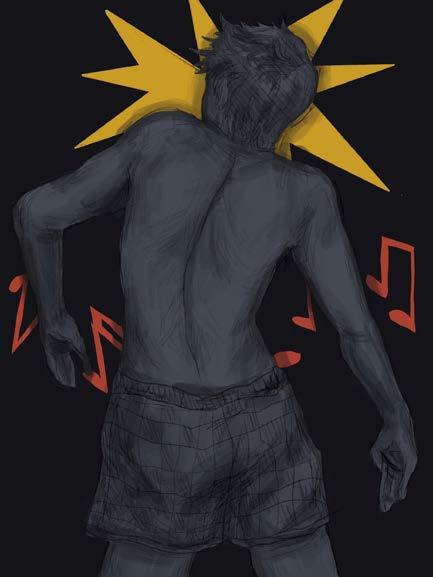
Psychologist and psycholinguist Steven Pinker even dares to say that “as far as biological cause and effect are concerned, music is useless. It could vanish from our species and the rest of our lifestyle would be virtually unchanged.” Yet, music is a core part of education, with schools teaching it and parents often being encouraged to expose their children to it as much as possible—some even play music for their unborn babies in the womb. This raises an important question: is music truly unnecessary, merely an “added bonus” to life? If this is the case, why do humans engage in it so excessively? And if not, what is its deeper connection to human nature?
There are in fact few individuals who lack the neural apparatus for appreciating tunes or melodies, but besides these exceptions, music holds great power over virtually all humans. Whether or not we seek it out or think of ourselves as particularly “musical”, our propensity to music shows itself in infancy, is manifest in every culture, and probably goes back to the very beginnings of our species. It
seems reasonable to say that humans have a music instinct, no less than for example an instinct for movement or language.
To understand the origin of this instinct, one has to explore the way the human brain engages with music. Beyond the exceptional abilities of those with acquired musical talents, most humans possess the remarkable capacity to perceive music—whether it be tones, pitch intervals, melodic contours, harmony, or, perhaps most elementally, rhythm. This process works through both auditory and motor pathways. While humans listen to music, they also keep the rhythm unconsciously, and their faces and bodies mirror the narrative of the melody. One could argue that humans are never listening passively, as they almost always exhibit an active manner of reacting, answering to music as if they were primed to engage with it. We can see this even more in the imagining of music, which tends to be remarkably faithful in tune, pitch and tempo to the original, even among relatively nonmusical people. Musical memory is a particularly wellknown example of this: music heard during one’s early years often remains engraved in the brain for a lifetime.
T he way that humans’ auditory and nervous systems are exquisitely tuned for music is not fully explored. It is still a mystery whether this compatibility arises more from music’s inherent characteristics - such as patterns, rhythms, repetitions, momentum,
and emotion - or from the brain’s intricate, multi-layered neural circuitry, which processes synchronizations, resonances, and mutual feedback from musical input.
What we do know is that we can use this power of receptivity to improve people’s lives. Besides calming, animating or synchronising, it has great potential for patients with a variety of neurological conditions. While people with cortical problems like dementia, amnesia or autism, but also subcortical syndromes like Parkinson’s sometimes react to little else, they can respond strongly to music. Musical therapy is therefore widely used, usually by exposing patients to music from their childhood or other pieces that are important for them in some way.
It is therefore clear that music is not unnecessary and has a significant role in human existence. The conclusion is simple: if music has the power to reactivate dysfunctional parts of the brain, doesn’t it also seem necessary to shape them early in life?
While most people have heard about the positive influence that music has on the brain and maybe also tried to teach their own children, it is important to look at its specific effects. First of all, music generally follows a pattern or sequence. Consequently, exposure to music teaches children to anticipate such patterns, which helps build critical early math- and reading skills. It also supports
phonemic awareness, and the ability to distinguish sounds, both key components of language acquisition. Furthermore, participating in group music - activities or structured lessons with other people fosters the development of problem-solving, self-regulation, and focus skills. In a more abstract way, musical training enhances spatial-temporal reasoning, the ability to visualize patterns and manipulate them in the mind. These are essential for many skills needed in STEM-subjects, which is why musical and mathematical or geometric skills are often connected. Lastly, engaging in the music of one’s community or culture can enhance children’s sense of belonging and identity, helping in personal development and social bonding.
But the question remains: how do all of these improvements happen in the brain? While this remains a mystery for modern science, one of the main reasons why music has such a big influence on us is because listening to or producing, even remembering music, activates a large area of our brain. This differentiates it from other everyday activities where only a few parts of the brain are active, like the parietal lobe for mathematics or the primary motor cortex for movement. It is essential to understand that the human brain is not just a register for all our memories, but has different layers and perspectives in which it functions: it connects our memories, but it is also always in a process of creativity and creation. It connects our experiences with emotions, it regulates all the input we get from the outside world and it controls our subconscious nervous activities. In the words of neurologist and author Oliver Sacks: “in more ways than I could possibly imagine, I have found music continually forcing itself on my attention, showing me its effects on
almost every aspect of brain function— and life.” What we can conclude is that music is so effective because it reaches all of those pathways and stimulates them at the same time, which allows neural pathways to form that otherwise would never exist.
M usic concerns all of us, so it is needless to say that children need to be exposed to it in order to become well-versed individuals. Early childhood musical education can influence a person’s whole life, character and interests, which is why it needs to stay in the curriculum for every kind of educational system. The key takeaway from this article is the importance of staying open-minded, exposing yourself to a variety of musical styles, and, once in a while, observing how your mind responds to this unique phenomenon of human existence.
by Lia Brossard
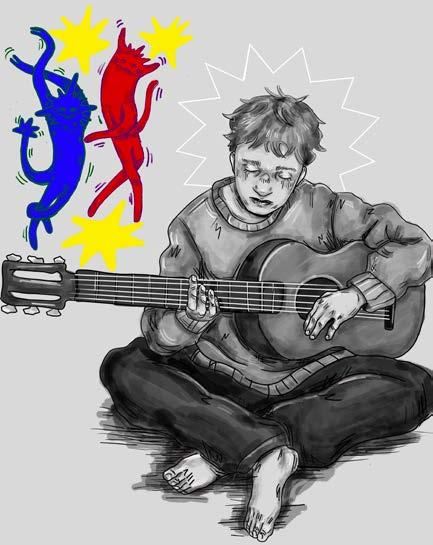
“Dance is the art of movement through the body, the sensitive interpretation of thought. The special relationship with the body that dance holds enables children in search of language and relationships to build strong experiences of expression, interpretation and exchange that connect them to the group in a positive and rewarding way.”
When we talk to children about dance, it often appears as an obstacle, requiring a technique, the idea that there’s a certain code to respect. In this case, it would be reserved for an elite with a certain knowledge that only they can apply and practice. But above all, dancing is about understanding your body, listening to it, giving it space and trusting it. Learning to dance does not require a certain technique, it is about understanding it as a means of expression.
In this article, you will learn about dance as a response to the exclusion of the body by the school system. We’ll start by looking at the place of the body in the school system, and how dance puts it at the heart of its work.
Traditional education, as almost everyone knows it, has always put the body in second place. This system has built an obedient body, with immobility as the key to concentration. From the age of 6, children are assigned to sit on a chair. Intellectual learning takes place in immobility, and physical activity is relegated to the background. The only consideration given to the body is in sports activities, which are aimed solely at physical, manual learning and fail to take into account the fact that the body and mind must work togeth-
er. When looking at it from this point of view, we have to recognize that both movement and immobility influence learning and teaching, and that the body is an individual’s primary tool. Marianne Lenoir’s work in educational science underlines the importance of taking the body into account in understanding students’ well-being at school, as well as motivation. It is also a key point of alternative pedagogies like Freinet, Decroly, Montessori or Steiner. This reminds us that the notion of integral education, i.e. taking into account the different facets of the human being and refusing to compartmentalize cognitive, bodily and psychological development, has a long history.
Introducing dance to the curriculum would help to restore the body’s central role, promoting a pedagogy that combines bodily expression, creativity and collective learning.
Body expression is an exploration, as students learn to develop their proprioceptive sensations (body awareness). They get to know it, focus on how it feels and all the possibilities they have with it. It is crucial here that they have the time to concentrate on feeling their body in movement. Each child has the opportunity to express a real presence in the exercises, engaging their body and attention.
Each exercise should focus on a different field of exploration. The focus can be on notions of space, reflecting on different possible movements with the children. Reflecting together on how the space around them will influence their movements and possibilities. They can focus on how time can feel slow and fast. These abstract notions are first
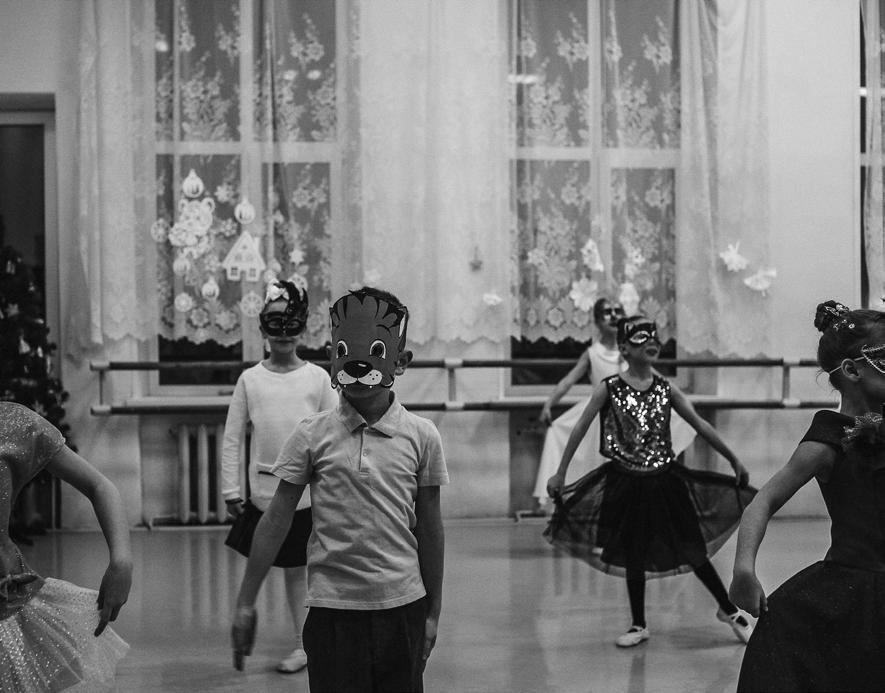
and foremost things to be felt, and everyone has their own perception of them. If you’re working with music, you can see how your body reacts to a certain rhythm or sound. Like actors, the students will pay attention to how they feel, and begin to forge their own individuality. They will be able to focus on how the body can communicate emotions and ideas.
It is important to refocus on what the students already have within themselves, rather than trying to engrain them with ready-made ideas. This is what makes it possible to leave room for each individual’s personality and creativity to emerge. Above all, the practice of dance aims to create a space where each individual gains self-confidence through active participation. Children act mainly by imitation, so they need to find their own type of activity, attitude and movement. They’ll have to draw on their imagination, and explore their bodies by creating new things. Everyone will have
to exercise their spontaneity while maintaining a certain degree of self-control.
Furthermore, dance is also a form of collective learning, where the group exists as a force. By physically feeling their presence within the group, students can expand their sense of belonging. In a typical classroom setting, everyone has their designated place, the individual comes first, and group work is rarer. That’s why an activity like dance will emphasize the importance of the group, and the importance of feeling part of a community and learning to evolve together. Students will have to work with each other, learning to respect each other’s rhythms and spaces. This will teach them important social skills, such as listening, respect and cooperation.
Dance thus contributes to building an all-round education. Students gain self-confidence by focusing on their physical expression and personality, while learning to work in a community
Increasingly known to the general public, the Montessori method is an alternative learning method designed for children aged 0 to 17, or even up to 24 years for young adults.
by Lilie Grosselin
Introduced by Maria Montessori in 1907, it became popular at the beginning of the 21st century because of its unusual approach to the pedagogical methods of the conventional educational systems we’re used to. This approach offers an environment designed to meet the individual needs of each child, fostering their self-confidence and autonomy.
The development of the Montessori Method
Maria Montessori, a pioneer of alternative education, was an Italian physician and scientist of the late 19th century. She began her research by working with disabled children, for whom she designed tools to stimulate the senses. In 1907, she was put in charge of “La Casa dei Bambini”, a building that served as both a school and a home for the children. She put her method into practice conscientiously, revolutionizing early childhood education.
The fundamentals of the method
By observing children’s behavior, Maria Montessori identified four main developmental phases, known as “developmental plans”. These stages, marked by specific needs and interests, structure the Montessori Method. She also noted that children learn not
only through their own experience, but also through interaction with their peers. As a result, Montessori classes are not organized by grade, but by age group: 0-6 years, 6-12 years, 12-18 years and 18-24 years. This organization encourages mutual learning and group dynamics.
T his is a crucial period in a child’s development. They build their psychological capacities unconsciously, without keeping any memory of them. Gradually, they become aware of their individuality and begin to find their position in the world.
T hey move from an “unconscious absorbing mind”, where they observe and assimilate without being fully aware of it, to a “conscious absorbing mind”, where they reproduce what they have seen and understood.
Children enter a phase in which they develop a particular interest in the society around them. They seek to understand social rules, notions of justice and relationships with their peers. This interest for moral structure goes with an insatiable curiosity about the world’s major issues. Collective projects, group work and exploratory
activities nurture their awakening minds, while reinforcing their sense of cooperation.
12-18: the social age
T his period, marked by physical, emotional and psychological upheavals, is an identity quest. Adolescents question themselves, analyze their emotions and seek their place in the world. Social interaction becomes essential to understanding human dynamics, while personal responsibility and initiative help them develop their autonomy.
18-24: the political age
Young adults reach a phase of stability when they fully assert themselves as individuals. This is when they find their role in society and begin to transform their environment. Thanks to the skills and values acquired in previous phases, they can actively participate in community life and become agents of change.
Putting the Montessori Method into practice in the classroom
In Montessori classrooms, learning is based on active pedagogy, where children explore and manipulate concrete objects. This approach enables them to construct tangible ideas for each concept and notion covered. By observing children’s needs, Maria Montessori structured her approach around five main pedagogical areas: practical life, sensory activities, mathematics, language and culture.
This area features activities inspired by everyday life, such as pouring water, sorting items or peeling carrots. These seemingly simple tasks are designed to develop children’s independence and self confidence. They lay the
foundations for tackling other subjects and building their independence.
T hese activities mobilize the five senses to help children better understand their environment. For example, when a child manipulates sound cylinders and distinguishes their nuances, they refine their auditory perception. This ability will be crucial in learning to differentiate between phonetic sounds and letters. Notions of shapes, colors, tastes and textures enrich their thinking and enable them to represent the world in concrete terms.
Children learn mathematics with the help of specific aids, such as digital boards. These
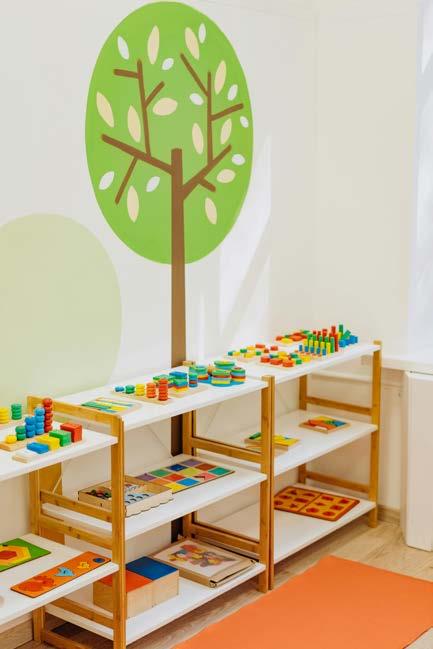
playful tools enable them to progress from the concrete to the abstract. By manipulating beads or visual objects, they develop their logical minds while consolidating their understanding of basic mathematical concepts.
E mphasis is placed on enriching vocabulary and oral expression. Children discover letters using tactile aids, such as sandpaper letters, to associate each sound with its written representation. This approach fosters a gradual, natural assimilation of writing and reading.
T his area offers a window on the world. Children learn about art, history, geography and the natural sciences. The study of geography helps them situate themselves in space, while the study of historical periods helps them understand the concept of change. Observing nature and the cycles of the seasons teaches them the notion of time.
This organization into pedagogical areas enables children to develop their skills independently while respecting their individual rhythms. The Montessori method, despite originating in a very different time, remains a benchmark in alternative education, adapting to the needs of an ever-changing world.
T he Montessori teacher’s role in supporting the child’s autonomous learning is very different from that of traditional teachers. Their mission is not to deliver long lectures to passive pupils, but to design and maintain a stimulating and attractive environment, conducive to children’s focus and curiosity. In this context, the teacher must be discreet to ensure maximum concentration. Nevertheless, they must ensure that the materials designed
by Maria Montessori are used correctly. This means that the teacher must intervene to interrupt a child when his or her behavior is not constructive for his or her own development, or is disrupting the concentration of others. However, in certain situations, even if a child uses the material in a different way, it may be preferable to let him or her do so, as long as it is conducive to learning.
T his raises the fundamental question of the teacher’s place in the Montessori classroom: If the teacher’s role is often described as being in the background, letting the child evolve autonomously, doesn’t this run the risk of distorting the teacher’s primary function, which is to teach? In the traditional educational model, teachers occupy a central position, as learning is essentially based on their lessons. In contrast, the Montessori method seems to go to extremes, placing the teacher in an almost passive role, limited to maintaining materials and observing children. Admittedly, this approach fosters greater autonomy and self-discipline in children, compensating for the absence of traditional pedagogical interaction, but could such a change of the educational role not limit the pedagogical interaction and direct support that pupils might need?
In conclusion, although the Montessori method values autonomy and self-directed learning, this positioning questions the effectiveness of an approach that could reduce the teacher’s presence and direct involvement. While discretion is essential, it can sometimes limit pedagogical interactions crucial to nurturing students’ critical thinking and intellectual development. This criticism is not a rejection of the Montessori method, but a call to strike a balance between student autonomy and teacher intervention, to guarantee complete and enriching learning.
by Maria Beauvais

Every child is born with great creativity, but it can fade over time if not encouraged. Imagining, inventing, thinking differently, these abilities are valuable for their future. So, how can we help children develop and preserve their creativity?
T he concept of creativity has evolved over time and remains a subject of research and debate. However, a widely accepted definition among researchers can be proposed: it is “the ability to produce outcomes that are both novel and adapted to the constraints of the situation” (Amabile, 1996; Gardner et al., 1996; Lubart et al., 2003; Ochse, 1990).
Researchers agree that creativity is a quality shared by everyone; it is inherent to the very act of living. The creative drive is thus present in each of us: whether as a baby, child, adolescent, adult, or elderly person.
The development of creativity in children has been studied and structured into three stages (Torrance, 1962):
Before age 6: Children have a strong sense of beauty, despite lacking knowledge.
Ages 6 to 9-10: Children become grounded in reality and tend to reproduce it as they perceive it.
After age 9-10: Children can detach from reality and propose new ideas.
However, creative potential experiences fluctuations, with three periods of decline identified:
T he first decrease in creativity, observed around ages 5-6, coincides with entry into elementary school. Torrance attributes this drop to the impact of school norms, which prioritize learning and rule-following, often at the expense of creative expression.
The second decline in creativity, around ages 9-10, is primarily linked to social factors. The need to belong to a group leads children to conform to norms and rules, thereby limiting their creativity. This varies depending on schools, pedagogies, and individuals. Alternative pedagogies, such as Montessori or Freinet, can mitigate this effect. Nevertheless, a drop in creativity around age 9 seems inevitable. Some studies also show a reduction in play and language at this age.
The third decline corresponds to a transition between school cycles, from middle school to high school. This dip in creativity is linked to surrounding conditions, particularly social conformity and stress associated with the school cycle change. Additionally, students’ choice of academic pathways influences this decline, with some opting for more artistic or more traditional tracks.
Environmental factors play a crucial role in the development of creativity in children. Specifically, this includes the family, school, and cultural environments. Each component can hinder, stimulate, or have a neutral effect on the development of creativity.
First, the school environment includes components that can influence creativity: the teacher’s role as an authority, the acquisition of knowledge and skills, and the pedagogies implemented.
The family environment supports a child’s creativity by providing cognitive support through intellectual stimulation, emotional support through a sense of security, and offering a physical setting conducive to development (Besançon & Lubart, 2015).
The final aspect concerns the cultural environment, which includes local activities accessible to children, such as cinema, museums, or concerts, fostering their creativity. However, an environment with exposure to screens generally has a negative impact on creative development.
Including creativity in teaching and life makes learning more interesting and effective, both at home and at school. Among the various ways to develop creativity, play is crucial, particularly as it fosters social and emotional factors.
Different approaches for teaching creativity:
Divergent Thinking: Stimulate creativity by connecting ideas, using open-ended questions and analogies, and mixing different domains.
Problem Solving: Emphasize the steps, planning, and collaborative work.
Group Work: Enriches creativity and encourages idea exchange.
I dea Evaluation: Go beyond “right/wrong” by considering strengths, weaknesses, and unique aspects.
Motivation: Foster motivation and a supportive environment to enhance creativity and self-confidence.
Training Programs: Use age-appropriate activities and establish a routine.
EPoC Test: Identify creative profiles to offer targeted and tailored activities.
by Tuğçe Çırak
Let’s be honest, studying often feels like a never-ending slog. You read, you highlight, you re-read, and still, when the test rolls around, half of it doesn’t stick. Don’t worry, you’re not alone. The problem isn’t your brain; it’s the way you’re studying. What if I told you there’s a smarter, more efficient way? Active Recall and Speed Reading: two techniques that, when used together, can turbocharge your learning.
L et’s break these methods down to understand how they work and how you can combine them to study smarter, not harder.
What Is Active Recall, and Why Is It So Powerful?
Active Recall is the process of actively trying to remember information, rather than just passively reviewing it. Instead of flipping through your notes or highlighting every other sentence (let’s be real, we’ve all been there), you challenge your brain to pull out the information from memory.
T hink of it like a workout for your brain. Just like lifting weights strengthens your muscles, actively recalling information strengthens the neural connections in your brain. The more
you do it, the better you get at remembering. And the best part? It’s simple. No fancy tools or expensive courses are required, just a little effort and the right mindset.
Why Does Active Recall Work Better Than Re-reading or Highlighting?
Most of us study passively: we read, highlight, and maybe take a few notes. But research shows this isn’t the most effective way to learn. Why? Because it doesn’t actually force your brain to do much work.
Active Recall, on the other hand, is all about retrieval. When you push your brain to remember something, it forms stronger pathways to that information. The harder you work to retrieve it, the more solid those pathways become. It’s like blazing a trail through a forest, the more you walk that path, the clearer it gets.
How to Practice Active Recall: Step-byStep Techniques
Now that you know what Active Recall is, let’s talk about how to actually use it. Don’t wor-
ry, it’s not complicated, and you can start using it today.
1. Turn Your Notes into Questions
After reading, write questions based on the material. For example:
• Instead of writing, “The mitochondria is the powerhouse of the cell,” write, “What is the powerhouse of the cell?” Quiz yourself without looking at the answers.
2. Use Flashcards
F lashcards are the old school Active Recall tool, and for good reason; they work. Write a
question or term on one side and the answer on the other. Test yourself, shuffle the cards, and repeat. And here is a pro tip: focus more on the cards you struggle with.
3. Test Yourself, Even When It Feels Hard
It’s tempting to avoid quizzing yourself on topics you’re unsure about, but that’s exactly where Active Recall shines. The harder it is to remember something, the more your brain benefits from the effort.
• Use practice tests or create your own quizzes.
• Don’t look at your notes while answering; force yourself to recall the information first.

4. Teach What You’ve Learned
Ever notice how explaining something to someone else makes you realize what you do and don’t understand? That’s Active Recall in action.
• Try teaching a concept to a friend, a family member, or even your dog.
• If no one’s around, explain it to yourself out loud. Pretend you’re giving a TED Talk, it’s more fun than you think!
5. Brain Dump Everything You Know
P ick a topic, grab a blank sheet of paper, and write down everything you can remember about it. No peeking at your notes! When you’re done, compare your brain dump to your materials and see what you missed. This is a great way to identify gaps in your knowledge.
6. Space It Out
Cramming might feel productive in the moment, but it’s not great for long-term retention. Instead, spread out your Active Recall sessions over days or weeks. This technique is called spaced repetition: Revisiting topics at increasing intervals (e.g., 1 day, 3 days, a week later). This method solidifies your memory over time, ensures you revisit the material at just the right intervals to keep it fresh in your memory.
Speed Reading: Learn Faster Without Losing Comprehension
What Is Speed Reading?
Speed Reading is exactly what it sounds like: reading faster while still understanding and
retaining information. It trains your brain to process words visually instead of mentally “hearing” them, allowing you to cover more ground in less time.
But let’s clear something up: Speed Reading isn’t about skimming or skipping important details. It’s about reading smarter, not just faster.
1. Preview Before You Read:
S kim through headings, subheadings, and bolded terms before diving in. This gives you a roadmap of the text and primes your brain for what’s coming.
2. Break Free From Subvocalization:
Most people “hear” every word as they read. To speed up, focus on visually scanning groups of words rather than pronouncing them in your head.
3. Use a Pointer or Guide:
Run your finger, a pen, or your cursor under the text as you read. This keeps your eyes moving forward and reduces distractions.
4. Practice Chunking Words:
Instead of reading word-by-word, try grouping 3–5 words together. For example, instead of reading, “The / mitochondria / is / the / powerhouse,” process it as “The mitochondria is the powerhouse.”
5. Set Timed Reading Goals:
Challenge yourself to read a page in a set time, then gradually reduce the time as you improve.
6. Mix Reading Speeds:
For dense or technical material, slow down slightly. For lighter content, pick up the pace. Flexibility is key!
Combining Active Recall and Speed Reading
N ow, here’s where the magic happens: using these two techniques together. Speed Reading allows you to absorb information quickly, while Active Recall ensures you actually remember it. Here’s how to make it work:
Step 1: Speed Read the Material
Start by speed reading a chapter or section to get the big picture. Don’t worry about remembering every detail, focus on understanding the overall structure and key points. Use headings and keywords to guide you.
Step 2: Jot Down Key Questions
A s you read, write down questions based on the main ideas. These will form the foundation for your Active Recall practice. For example:
• If you’re reading about photosynthesis, write: “What is photosynthesis?” or “Which organisms perform photosynthesis?”
Step 3: Use Active Recall to Test Yourself
A fter reading, put the book away and answer the questions you wrote down. Struggling? That’s okay! The effort to recall is what strengthens your memory.
Step 4: Review and Refine
G o back to the material and review anything you missed. Then, test yourself again. Over time, you’ll notice significant improvement in both retention and understanding.
Step 5: Repeat With Spaced Repetition
Combine this process with spaced repetition. Review the material and quiz yourself at intervals (e.g., 1 day, 3 days, 1 week later). This ensures the information stays fresh in your mind.
Here’s how a 60-minute study session using both techniques might look:
1. 5 Minutes: Preview the material (skim headings and key terms).
2. 20 Minutes: Speed read the chapter or section.
3 10 Minutes: Write down key questions based on what you read.
4 15 Minutes: Use Active Recall to answer the questions without looking at the material.
5. 10 Minutes: Review your answers and fill in gaps by revisiting the text.
S peed Reading gets you through material quickly, saving time and reducing boredom. Active Recall locks that information into your brain, ensuring you don’t just “read” it; you actually learn it. Together, they help you study efficiently and effectively, making the process more rewarding.
Studying doesn’t have to be a tedious chore. With Active Recall and Speed Reading, you’re not just working harder; you’re working smarter. These techniques help you learn faster, retain more, and feel more confident about your progress.
S o, grab your favorite study materials, try out these methods, and see the difference for yourself. Your brain will thank you, and so will your grades. Happy studying!
by Toni Pahlke
G reece is in many aspects known for its artistic and cultural heritage. Ancient Greek artistry has inspired and enamored a myriad of spectators and creatives from all over the world. But what does Greece have to offer regarding contemporary art? Only 0.1% percent of Greek employees work in the field of art and recreation. I doubt that the people’s creative talent has diminished; rather that society fails to provide artists with the support and space to grow. Greece seems to have lost sight of its function as a source of culture. This already becomes apparent in early education.
In conversation with a Greek local, I learned that Greek public schools abandon teaching practical art in the tenth year of school. Most students are around 15 years old at that time. While artistic expression may appear to some people as reserved for children, in later adolescence it is just as, if not more, valuable for the transition into adulthood.
I recognize that art may not be appealing to everyone. But even if you have zero artistic skill, practicing art will have a positive effect on you. In school, it is proven to support students by causing an enhanced writing performance, fewer disciplinary infractions, increased stu-
dent participation and strengthened university aspirations. Practicing creativity is crucial in building talents, skills, and identity. When it is neglected during those formative years, it is no surprise that newer generations lack appreciation for art. Many potential future artists go unnoticed to the educational system or even themselves.
Nonetheless, art classes are continued up until graduation, though only the theoretical part is taught. Art theory certainly deepens the appreciation for artworks, as you learn to recognize sociopolitical context, technique and intention behind a piece. But even if theoretical knowledge can nurture your cultural interest and sensibility, as with any other expertise, you can only wholly admire it if you grasp the talent needed to create it. You may only fully understand the brushstrokes on a canvas if you know what it is like to struggle with them, to try and find the right composition, color, and material needed to bring a piece to life.
With the neglect in education, it is unsurprising that artists are undervalued in Greek society. You will not even find Greece on the top 25 Global Creativity Index rating.
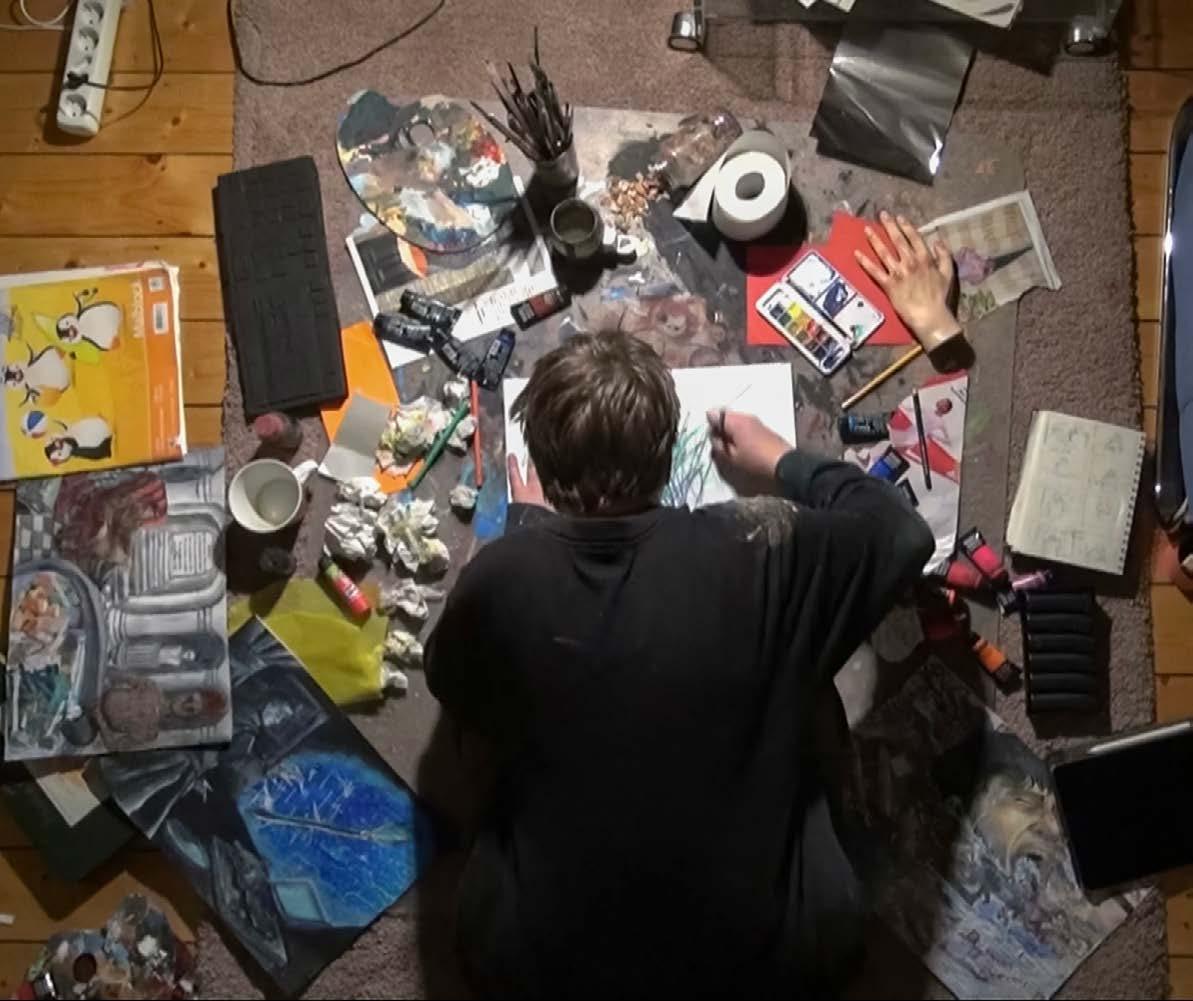
Even for those who are secure in their identity and aspirations as an artist, growing and succeeding is hard under these circumstances. There is no additional support for creatively talented children to be found on school grounds. Future artists are forced to supply and support themselves on their own initia-
tive. This is especially cruel, given that students have to demonstrate their artistic skills in the high school final exams if they subsequently want to apply to art school. Despite art classes being mandatory, they fail to prepare students for their conclusive exams.
Comparing this with my experience as an artist in high school, I gained a new appreciation for the care German schools hold for creativity and culture. Though still being far from perfect, my school system offered an advanced elective class where I spent 5 hours a week learning both praxis and theory and working on extensive art projects, all while using materials provided by the school. Germany has 0.47% of its workforce within the field of art and recreation and takes 14th place on the global-creativity-index rating.
While often being seen as a non-serious profession or worthless in academics, art is an important part of every culture. Wherever you go, in history all around the world, civilizations developed art as a habit alongside those used to fulfil their basic needs. This is because artistic expression is one of humanity’s basic needs. As a matter of fact, the research field of Neuroaesthetics is dedicated solely to exploring the way in which art helps our brain health. To quote Neuroaestheticist Susan Magsamen:
“The way we grow and learn is through neuroplasticity. The more enriched environments, the more sensorial — not chaotic, but in a way that feels safe and often novel — is how our brains grow dramatically”
This proves that practical art classes are useful for any and every student. It allows them to excel in their academic performance in other
subjects, as well as in their future careers. The current approach of the Greek school system doesn’t only reduce creative interest and talent but also makes the future careers and education of young artists actively harder.
I am happy to see that the vibrant, youthful city of Thessaloniki overflows with unbridled creativity nonetheless, but I feel for young creatives like me who grew up in a small town. I could not have flourished creatively in that setting without the support and privilege of the German school system. To allow both Greek citizens and Greece as a whole to thrive, society needs to reevaluate its attitude towards the indispensability of art.
by Charlyne Fransioly
In an increasingly globalized world, learning foreign languages from an early age becomes a real asset for the future. In Greece, more particularly in Thessaloniki, international schools offer a unique multilingual environment which promotes cultural openness and personal development of students. This article explores the benefits of early language learning.
L earning foreign languages from an early age stimulates children’s brains, thus promoting their cognitive development. Studies have shown that bilingual children have better memory as well as an increased ability to concentrate and solve problems. Indeed, regular practice of a foreign language leads to mental flexibility which allows you to better manage complex information and adapt to new situations. Additionally, acquired language skills positively influence performance in other school subjects, such as mathematics and reading, by strengthening the ability to understand and analyze.
Learning a foreign language also allows children to open up to other cultures, traditions and ways of life, making them more sensitive and respectful of differences. In international schools, such as those in Thessaloniki, where students are immersed in a multilingual environment, this cultural openness is even more marked. Children learn not only the language, but also other cultures’ ways of thinking and
living, which promotes richer interpersonal relationships and a better ability to integrate into diverse contexts.
I n Thessaloniki, there are different international schools such as the French school, the American school and the German school, where several languages are spoken on a daily basis. This multilingual environment allows students to experience constant immersion in the languages they are learning. For example, at the French school, upon entering kindergarten students are not only trained in French, but they also benefit from lessons in English and Greek, which enriches their understanding of different cultures and languages. This type of system allows young people to learn in a natural and intuitive way.
T hese schools rely on active, interactive teaching methods to encourage language learning. Immersion, which involves exposing students to real-life situations in the languages they study, is at the heart of their educational approach. For example, lessons are often taught in several languages and students participate in extracurricular activities that strengthen their language practice, such as cultural outings, creative workshops or international exchanges. These techniques allow students to master languages in a fun and dynamic way, while developing practical skills for their future lives.

S tudents who have followed a course in these international schools benefit from an open-mindedness and exceptional adaptability. Thanks to their mastery of several languages, they are better prepared to integrate into a globalized professional environment. Some alumni of these schools testify to how their language skills have helped them succeed in international careers, whether in multinational companies, in diplomacy, or in NGOs. In addition, the diversity of cultures experienced within these schools offers them an undeniable advantage in understanding global issues and interacting effectively with people from all backgrounds. Additionally, employers are looking for profiles who can navigate international environments and communicate ef-
fectively with people from diverse cultures. By learning foreign languages from an early age, students prepare themselves for a more open and competitive professional career. Thus, knowing several languages facilitates adaptation to international mobility, an essential aspect for those who wish to live and work in different countries during their lives.
I n conclusion, early learning of foreign languages is a major asset for the future of students. International schools in Thessaloniki offer a multilingual environment conducive to this development. They thus prepare younger generations to evolve in a globalized world, opening them to both personal and professional perspectives.
by Tuğçe Çırak
Teaching today isn’t just about standing in front of a whiteboard and delivering a lecture. It’s about engaging students, simplifying complex tasks, and creating a dynamic learning environment. Technology makes this possible. Technological learning devices are not just fancy gadgets; they’re lifesavers that help you stay organized, connect with your students, and deliver lessons in creative, impactful ways.
Here’s a closer look at some must-have digital tools that every modern teacher should know about and how they can make your life (and your students’ lives) so much easier.
1. Learning Management Systems (LMS): Your Virtual Classroom
Imagine having a one-stop shop for all your lesson plans, assignments, grades, and student communications. That’s exactly what platforms like Google Classroom and Moodle offer.
• Why you’ll love it: You can upload resources, create assignments, and even grade quizzes in one place. Plus, your students can access everything they need without the dreaded “I lost my homework” excuse.
• How it helps: It streamlines classroom management, saves time, and keeps everything organized. And let’s be real, less chaos means more time for coffee.
2. Interactive Presentation Tools: Goodbye Boring Slides
We’ve all seen those dull, text-heavy PowerPoints that put everyone to sleep. Tools like Canva, Prezi, and Genially let you create visually stunning, interactive presentations that keep your students engaged.
• Why you’ll love it: These tools are super user-friendly and come with pre-made templates.
You don’t have to be a design wizard to make your slides look professional and fun.
• How it helps: By grabbing your students’ attention and presenting information in creative ways, you can make even the driest subjects come to life.
3. Assessment and Quiz Apps: Make Testing Fun (Really!)
Testing doesn’t have to feel like pulling teeth - for neither you nor your students. Apps like Kahoot!, Quizizz, and Socrative turn quizzes into interactive games.
• Why you’ll love it: These platforms are colorful, competitive, and super easy to set up.
• How it helps: Instant feedback means you can quickly spot where students are struggling, and students stay engaged because they’re having fun. Everyone wins.
4. Digital Whiteboards: Collaboration Made Easy
Teaching complex concepts? Need to brainstorm ideas? Digital whiteboards like Jamboard, Miro, or Explain Everything let you draw, write, and collaborate in real time.
• Why you’ll love it: These tools are perfect for visual learners and make virtual lessons feel more interactive.
• How it helps: Students can contribute their own ideas on the board, fostering collaboration and making them feel more involved in the lesson.
5. Communication Tools: Stay Connected
Whether you’re teaching remotely or just want a better way to communicate with students and parents, tools like Zoom, Microsoft Teams, and Google Meet are essential.
• Why you’ll love it: Virtual breakout rooms, screen sharing, and chat features make online classes a breeze.
• How it helps: These platforms keep everyone on the same page, whether you’re running a virtual classroom or hosting a parent-teacher meeting.
6. Resource Libraries: Endless Inspiration
Sometimes you need a little extra help to make your lessons shine. Platforms like Khan Academy, TED-Ed, and National Geographic Education offer ready-made videos, lessons, and activities for almost any subject.
• Why you’ll love it: They’re free, high-quality, and cover a huge range of topics.
• How it helps: These resources can supplement your lessons, spark curiosity, and save you tons of prep time.
7. Collaboration and Organization Tools: Work Smarter, Not Harder
Balancing lesson planning, grading, and a million other tasks can feel overwhelming. Tools like Trello, Slack, and Padlet help you stay organized and collaborate with ease.
• Why you’ll love it: Trello’s boards and cards let you keep track of tasks, deadlines, and projects. Slack makes communication fast and easy. Padlet is great for sharing ideas and resources.
• How it helps: You can manage your workload more efficiently, share ideas with colleagues, and keep track of everything in one place.
Sometimes, a textbook just doesn’t cut it. Tools like Edpuzzle and Flipgrid let you create custom video lessons and interactive content tailored to your students’ needs.
• Why you’ll love it: You can make learning feel personal and fun.
• How it helps: Students stay engaged because the material feels fresh and relevant. Plus, they can participate actively by creating their own videos and projects.
These digital tools aren’t just about making your life easier (though they totally do that). They’re about creating a more engaging, inclusive, and effective learning environment. Whether you’re us-
ing an LMS to streamline communication, a quiz app to make tests fun, or a presentation tool to jazz up your lessons, each tool helps you connect with your students in meaningful ways.
Being a teacher today is hard work, but technology can be your biggest ally. These tools don’t replace great teaching; they amplify it. They give you the time, flexibility, and creativity to focus on what really matters: inspiring and supporting your students.
So, pick a tool (or three), give it a try, and see how it transforms your classroom. You might just find that teaching gets a little more fun and a lot more effective.
by Charlyne Fransioly & Toni Pahlke
T he inclusion of children with disabilities in school is a major challenge in our society, as we aim to guarantee each student the same opportunities for learning and development. More and more schools are implementing specific strategies to accommodate these students, by adjusting both their infrastructure and their teaching methods. The objective is to enable all children, whatever their needs, to follow appropriate schooling, while promoting social integration and equal opportunities. This article explores the different initiatives implemented in schools to support the inclusion of students with disabilities and support them throughout their school career.
T he accessibility of school premises is one of the first key elements to enable the inclusion of students with disabilities. Schools adapt their infrastructure to guarantee access to all students, particularly those in wheelchairs or with motor disabilities. This includes installing access ramps, wider doors, elevators and adapted toilets. These arrangements aim to make each academic
space accessible, whether to get to class, the playground or even the sports facilities.
I n addition to physical accessibility, some schools also provide specific equipment, such as adjustable chairs, tablets or technological tools allowing students with motor or sensory disorders to fully participate in school activities. These material adaptations play a fundamental role in offering these students the same learning conditions as their peers.
In addition to physical arrangements, schools implement educational adaptations to meet the specific needs of students with disabilities. Teachers modify their teaching methods according to the abilities of each student. For example, for students with vision impairments, visual supports or reading aids may be used. For those with hearing disabilities, audio devices and subtitles are often integrated. Students with learning disabilities (such as dyslexia or dyscalculia) benefit from extra time to complete their homework or take exams, and can also use digital tools to
help them structure their thoughts and improve their understanding.
S chool assistants play a crucial role in supporting disabled students. These professionals provide daily support by helping students follow classes, move around the school and manage specific tasks. They work in collaboration with teachers to adapt educational activities to the needs of students. They provide additional help in managing behaviors and emotions, thus guaranteeing better academic and social integration.
“The aim is to cope with everyday life and build relationships in order to make the children strong for their day-to-day reality, their environment and the people around them.”
To better understand the day-to-day reality of educating children with disabilities, we interviewed Irene Wiebe (48), who works as a school assistant in a special educational counselling and education centre. She has experienced the joys and difficulties of this challenging vocation and told us how inclusion and accessibility can look in practice.
When did you first come into contact with inclusion in an educational context?
“My first contact was three years ago as a pedagogical school assistant in a special needs counselling and education centre (SPED school) for physically and mentally disabled
people. I was present in classes, looked after people with disabilities and took part in their lessons. Another point of contact were inclusion classes in my children’s schools, where students from SPED schools and normal primary schools came together and spent some lessons with each other.”
What does this look like in practice? How are classrooms and lessons adapted?
“This differs a lot depending on the students. For my class, the classroom was very large because we had two wheelchair users who moved around a lot. To adapt the classroom for their needs, we had tables with a gap in the upper abdominal area so that they can drive there with the wheelchair. We also had height-adjustable washbasins and screens, non-slip mats so that children do not lose their paper on the table during spastic movements and a separate, quiet area for autistic children. For my boy with autism who loved to throw everything around, there were velcro mats to attach things so they can’t fly away. Of course there were also sports lessons with extra supervision for the children with physical disabilities who need one-on-one supervision. In general we had a lot more staff than regular schools. With seven children, there were at least two teachers and up to four school assistants, depending on the personality and degree of disability of the children.
T he teaching was relatively simple, coming from a kindergarten background where I worked with children who were up to six years
old, I couldn’t even teach a lot of what I used in kindergarten in 5th grade there (SPED-school) because it was too cognitively difficult for the children. But some children were able to work above kindergarten level, even doing maths with numbers up to 100. The lessons are very individualised, every child has their own folder so they can work in their own subject area and at their cognitive level. Assistants and teachers approach the children individually and find out where they are cognitively and where they need help. In some subjects, there were didactic lessons where the teacher stands in front of the class and gives a lecture, with some explanatory films and subsequent questions. We work with all the senses and lots of illustrative material like pictures, wooden or toy figures or fabrics and cloths. When doing practical things like planting flowers, we try to let them touch and smell things like the soil and the tools.”
“I think it is possible to teach all children at their level.”
How do the children deal with this reality? Are they interested / curious / put off?
“Actually all of the above. I have generally found them very interested in the lessons. Although it’s often the case that the children can’t really give the answers directly to allow dialogue with them and lively lessons. What I experienced with many children is that they are often discouraged because they don’t have much confidence in themselves and their abilities. In my last school, I’ve found the children to be very inquisitive and interested for the most part, probably 70 per cent of the time. And they work, that was very no-
ticeable, much more actively in a good teacher-student relationship. I really experienced that there is no education without connection. If the children don’t trust you, then they are just quiet and don’t talk at all and there’s nothing you can do about it.”
W hat difficulties do you encounter, especially when combining different disabilities?
“We had that problem a lot in my class. There was a range of different disabilities: one with trisomy 21 (down syndrome), two children in wheelchairs, one of them with severe spasticity and mental impairment, two children on the autism spectrum at a very high level, one of them couldn’t speak at all, the other only sporadically or in some English phrases that be picked up on the internet. That was the difficulty, you have to include someone who sits in a wheelchair and is cognitively very fit in the lessons just as much as someone who is non-speaking and also someone who is always shouting, throwing things around, where you can’t see exactly what he remembers or what he could do. I see that as a big difficulty.
O n the other hand, it is also not possible to teach seven highly autistic children in a class like this. The classrooms are often too heavily furnished, have too many shelves and toys, too many things that could disturb children with autism. But you also couldn’t have seven wheelchair users in a class because then you would have to do so much physical care that you wouldn’t be able to teach at all. Nevertheless, I have experienced that the children in these classes are very sensible to each other, very respectful and often have a very high level of frustration tolerance. They have a lot
of empathy for each other, and if you demonstrate that as a teacher, there’s also great cohesion in the class. That’s always the challenge when it comes to teaching: can I get them all on the same page in terms of performance? No way. In any case, the aim is to cope with everyday life and build relationships in order to make the children strong for their day-to-day reality, their environment and the people around them.”
Do you think it makes sense to offer lessons for all children? Are there cases where this doesn’t make sense?
“I have a very good example of this. In my last SPED school, there was a brand new class consisting of all students who had particularly challenging behaviour and disabilities that prevented them from participating in typical didactical teaching, sitting still and listening for 10 minutes. They had a very large outdoor area and caravans outside where they could take their time-out, and a huge area inside with big swings. They all had one-on-one support, there were two special needs teachers and the rest were school assistants who were caring for one of the pupils respectively. I found this class very brilliant because they responded to the children individually. There was no frontal teaching at all. For example, if someone climbed up the cupboard all the time, they would sit up there and a teacher would hand them balls and put a jar at the bottom and count out how many balls they could throw into the jar. Or if they wanted sweets, they had to write how many they wanted on the board and count them out themselves. And there was a separate area with tables with activities on them, such as finger paints or mathematical tasks. They were allowed to sit down there if they wanted to, then you could see that the child really had the motivation. It didn’t help to force the children to do so be-
cause it wasn’t even possible. This is how I experienced that children can be educated without the teaching concept of the typical school. But it is difficult to do justice to these different children with extreme disabilities, which is why I find this education system, this education plan very difficult to set into practice with them. The problem is that a lot of special needs teachers are simply not prepared to be open-minded in this regard, and when they are, they experience a lot of backlash. I think it is possible to teach all children at their level. But you just have to deviate from the typical classroom teaching.”
“I really experienced that there is no education without connection. ”
To better meet the needs of students with disabilities, many schools are implementing specific training for teachers. These training courses allow teachers to better understand the different types of disabilities and to adopt adapted teaching methods. At the same time, awareness-raising actions are organized to promote inclusion and combat the stigmatization of disabled students. The goal is to create a caring environment where each student feels respected and supported.
In conclusion, the reception of children with disabilities in schools is based on adapted accommodations, personalized support and close collaboration between teachers and specialized professionals. These efforts aim to guarantee each student a fulfilling and inclusive academic journey. Thanks to these measures, schools provide an environment conducive to success for all, thus promoting equal opportunities for everyone.
How can the education system better support gifted students to promote their development and success?
by Charlyne Fransioly & Toni Pahlke
In current education systems, the care of gifted students is a major challenge. These students, endowed with exceptional intellectual abilities and often a particular sensitivity, are confronted with a standardized school framework which does not always meet their specific needs. As a result, many of them suffer from boredom, frustration, and even drop out of school, although their potential is immense. These gaps pose a fundamental challenge: how can we enable these students to fully develop their potential while preserving their well-being?
Gifted students are distinguished by varied characteristics, such as great intellectual curiosity, speed of learning and often complex and creative thinking. However, not everyone has the same profile: some have homogeneous giftedness (high potential in all disciplines), others heterogeneous giftedness (marked abilities in certain areas only), and some combine giftedness and disorders (double exceptionality).
T hese particularities make their specific needs difficult to identify in a standard educational framework. The lack of recognition of these needs can lead to negative consequenc-
es: demotivation, feeling of incomprehension, isolation, even dropping out of school.
Current educational systems are mainly based on uniform, inflexible programs that do not take into account the diversity of learning rhythms and modes, which hampers gifted students, who often become bored with repetitive or insignificant tasks. Furthermore, teacher training is often insufficient to enable them to identify and respond to the needs of high-potential students. In many schools, the means to adjust teaching methods or support these students are insufficient, which creates an environment that is not conducive to their development.
To support them effectively, it is essential to rethink teaching approaches and create an inclusive and stimulating environment.
School programs must provide more flexibility to allow gifted students to progress at their own pace. Enriched courses, which add indepth content and stimulating activities, can meet their need to explore complex subjects. At the same time, acceleration, such as skipping grades or accessing higher-level courses, allows them to take on challenges suited to their abilities. Gifted students often benefit from interaction, particularly in collabora-
tive projects where they can share their ideas and develop their creativity. These approaches also promote the development of social and emotional skills, often neglected but crucial for their development.
To receive an insight into the academic career of gifted student, I approached my fellow volunteer Toni, to speak on his experience of skipping a grade in elementary school:
How exactly did it come to be that you skipped a grade?
I was linguistically a bit advanced. I had great interest in books and taught myself how to read within the first three months of school, so that I could read them on my own. Therefore, I quickly became impatient and bored with the pacing of the reading lessons. I was down on my luck and had a lot of “problem children” in my grade, so my needs weren’t a priority and the learning speed was excruciatingly slow. I spent most of the time reading books I brought from home, while my teacher struggled with the illiterate students. The teachers truly didn’t know what to do with me and I soon lost interest in school completely. That was when my school, my parents and I made the collective decision to move me up a grade, to match my linguistic level and learning speed.
How did that affect your academic performance afterwards?
I mmediately after entering the new grade, I failed a test. That was devastating. I had never learned how to properly prepare myself for a quiz, everything always came so easily before. Up until the last years of school, I stayed a mediocre student. I invested the same amount of
effort into my academic performance then as I did before skipping. I barely paid attention and didn’t revise for exams, since that was the approach I had learned in my early school years. I was convinced that I just wasn’t academically gifted anymore. Only when i received positive feedback from teachers, I realized my capabilities. After teaching myself to pay attention and organize my learning manner, I managed to graduate with great results.
Do you feel that the school system supported you enough in your journey?
N o, I wouldn’t say so. Honestly, my primary school seemed critically overwhelmed with having to deal with me. After I skipped a grade, the school system left me to fend for myself. I was treated the same as all my older classmates, since my grades were average and I didn’t stick out anymore. I struggled socially and academically, because I skipped the learning process of some substantial tools alongside with the third grade. Most of my teachers weren’t even informed of my age. I just wish someone had taken me by the hand and helped me manage the new, much more complex, social, disciplinary and organisational challenges.
What do you propose should schools change to better accommodate gifted children?
I understand why many teachers aren’t equipped to deal with gifted students and the implications that skipping a grade has on their lives. But at the very least, having a counselor equipped to deal with the unusual effects that skipping a grade causes in our social and academic life would be a great support, and might have made my middle school years a lot easier. We view gifted children as so extraordinari-
ly capable, we forget that they are still children in need of support nonetheless. Furthermore, I think that skipping a grade isn’t even necessary in many cases. Had I received the support and material to match my learning speed simultaneously with lesser equipped students receiving help, I may have been satisfied within my grade. Alternative schools offer this kind of individual learning and it may be worth exploring to meet every student’s needs. I think there should be a bigger focus on the individual needs of every student.
Educational differentiation is essential to respond to the diversity of profiles of gifted students. This includes the use of digital tools, interdisciplinary projects or independent workshops, which allow these students to work on topics that fascinate them while respecting their learning style.
Then, to maximize the potential of gifted students, it is essential to build an educational framework that values their cognitive diversity and supports their overall development. Teachers play a central role in supporting them, but they often lack specific training to identify and support these students. Continuing education programs, focused on understanding the particularities of these students, managing emotional needs and implementing differentiated practices, can help them respond effectively to these challenges.
Collaboration between teachers, parents and health professionals is crucial to understanding the needs of gifted students and coordinating efforts to meet them. Regular meetings, shared monitoring tools and open communication ensure consistent and appropriate support.
An inclusive environment also requires awareness of the richness of cognitive diversity. Initiatives such as workshops, information campaigns or testimonials from gifted people can help reduce stereotypes and promote greater acceptance of differences. This approach is essential to avoid the isolation of gifted students and encourage their social integration.
To conclude, better supporting gifted students is essential to enable them to fully develop their potential while preserving their well-being. This involves rethinking teaching approaches. By responding to their specific needs, education systems not only support these students, but promote a more equitable and enriching education for all.
by Daria Bondarenko
Understanding Formal, Non-Formal, and Informal Education
Education isn’t just confined to classrooms. It takes many shapes, each with its own strengths. Formal education is the structured system we’re familiar with: schools, colleges, and universities, often leading to recognized qualifications. Informal education happens organically through daily experiences, conversations, and self-driven learning. Non-formal education bridges the gap—it’s organized learning outside the traditional classroom, like workshops, community programs, or training sessions, without the pressure of formal certification.
Among these, non-formal education stands out, especially in crisis situations. Its mix of adaptability and intention makes it a powerful tool for anyone facing adversity, whether it’s displacement, life changes, or social challenges.
Non-Formal Education as a Lifeline in Times of Crisis
Crisis situations can shake us to the core. Whether it’s fleeing from war, adapting to a new culture, or navigating a major personal upheaval, we all need resilience to move forward. Non-formal education steps in as a lifeline, providing not only the practical tools to survive but also the emotional support needed to thrive.
L et’s take the refugee case as an example. Displacement often means the loss of a home, family, and identity. For refugees, non-formal education programs like community workshops, language courses, and mentorship initiatives provide essential skills while offering a supportive environment. These programs don’t just teach new language skills or cultural knowledge—they rebuild confidence and help people reconnect with a sense of purpose.
But non-formal education isn’t only for refugees. It also benefits those undergoing major life changes, like divorce or personal loss. Peer support groups, workshops, and self-help programs foster not only practical knowledge, but emotional resilience. They create communities where people can rebuild their lives, find their footing, and grow stronger together.
O ne inspiring example is Erasmus+, a program that promotes cross-cultural exchange and helps people build critical life skills. Volunteering, youth exchanges, and training courses supported by Erasmus+ provide individuals from all walks of life with opportunities to grow personally, develop professionally, and connect with others. These programs equip participants with tools for success: teamwork, adaptability, and intercultural understanding—skills that are essential when facing a crisis.
What makes non-formal education so powerful is its ability to teach real, applicable skills. It gives the opportunity to learn to navigate complex bureaucracies, access healthcare, or secure employment. For young people participating in Erasmus+, it’s about building the intercultural competence needed to thrive in an increasingly globalized world.
I’ve experienced the power of non-formal education firsthand. Volunteering in rehabilitation programs, I learned skills that no textbook could teach—how to read emotions, adapt to new environments, and understand people’s unique needs. These experiences have shown me that non-formal education is not just about surviving—it’s about equipping ourselves for success in every area of life.
Non-formal education goes beyond just helping people cope—it empowers them to thrive. Think about community-based programs that teach essential life skills like financial literacy or digital skills. These initiatives don’t just help participants get by—they open doors to better opportunities and brighter futures.
B ut there’s still work to be done. Many formal educational systems don’t fully integrate non-formal learning methods. Traditional schools often focus on structured curricula and standardized tests, missing out on practical, real-world experiences. To address this gap, we need to bring non-formal learning into formal education through project-based learning, role-playing, and peer-led activities.
In an ever-changing world, it’s clear that traditional education systems must adapt. Poli-
cymakers and educators have a critical role to play in shaping a more inclusive, dynamic educational landscape:
- Integrate Non-Formal Learning into Curricula: Bring experiential and peer-led learning into the classroom to help students connect their education to real-world situations.
- Support Community Programs: Fund initiatives like Erasmus+ and other non-formal education programs that empower individuals to learn, grow, and thrive.
- Promote Lifelong Learning: Encourage learning at all stages of life, ensuring that people of all ages have access to skills that will help them adapt to an unpredictable world.
For individuals facing crises, remember that learning doesn’t have to happen inside a classroom. Whether it’s through online courses, local community programs, or simply connecting with others, opportunities for growth are everywhere.
My own journey—whether adapting to a new country or volunteering in challenging settings—has shown me how transformative non-formal education can be. It’s proof that, even in the most difficult moments, learning and growth are possible. By embracing non-formal education, we move from mere survival to true success, armed with the skills and confidence to build a better future.
Whether you’re facing a crisis or simply looking for ways to grow, non-formal education is a tool that can guide you to success, no matter your circumstances. Embrace it, and watch your life transform.

by Daria Bondarenko
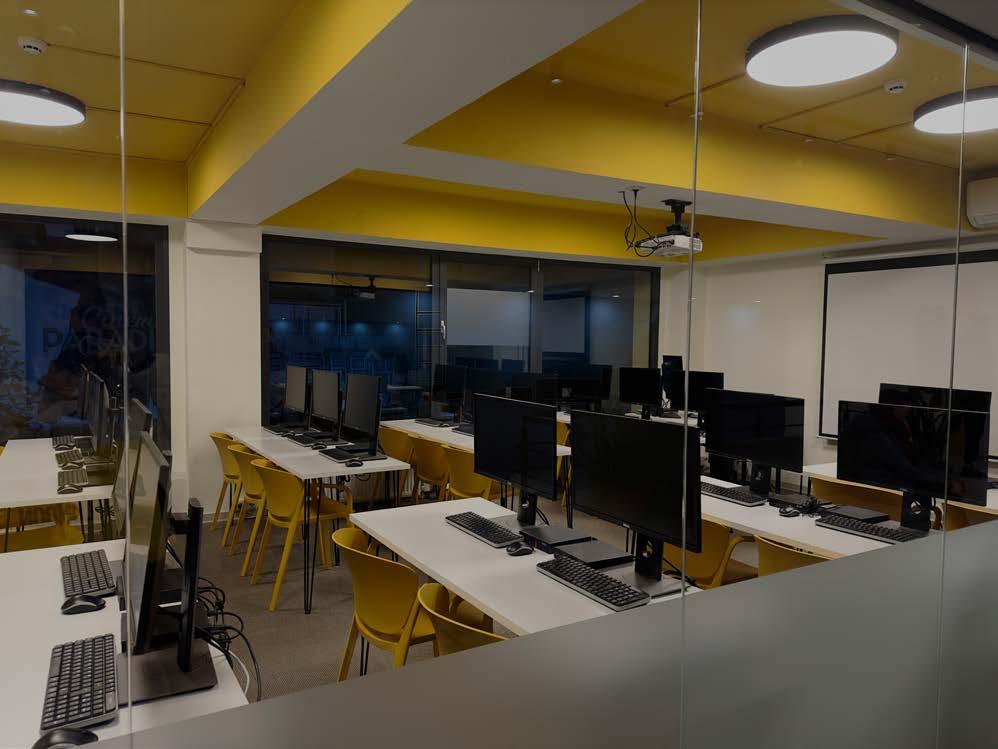
In a world increasingly shaped by Artificial Intelligence (AI), our ability to connect, adapt, and collaborate is becoming more valuable than ever. While machines take over repetitive tasks, soft skills—empathy, adaptability, and teamwork—are emerging as the qualities that set us apart from technology. But how can we ensure that these essential abilities are nurtured in the classroom and beyond? And why do they matter so much in the first place?
“It is not the strongest of the species that survive, nor the most intelligent, but the one most responsive to change,” said Charles Darwin. This quote resonates more today than ever. AI might analyze data and provide answers, but it’s our emotional intelligence and human touch that create trust and understanding— qualities no machine can replicate.
Take my experience as a volunteer in Greece: While AI translation apps smoothed over language barriers, it was my empathy and ability to read unspoken cues that built real connections with the people I worked with. The warmth of a smile or the ability to genuinely listen isn’t just a social nicety; it’s a critical skill for thriving in both personal and professional spaces. These experiences have shown me that while AI can assist us, it’s the human touch that drives lasting impact.
Starting life anew in a foreign country tested my adaptability, a skill that’s vital in the fastpaced AI era. From navigating cultural differences to juggling roles as a volunteer, teacher, and student, I’ve seen firsthand how flexibility helps us thrive in uncertainty.
B ut adaptability isn’t just a personal skill; it’s something schools should actively teach. For example, role-playing activities in classrooms—where students must respond to unpredictable scenarios—can prepare them for a workforce that demands creativity and resilience. When I worked with rehabilitation programs, I found that adapting my approach to each individual’s unique challenges was far more effective than relying on a one-size-fitsall solution. Similarly, educational systems must foster adaptability to equip students for the complexities of a rapidly evolving world.
Growing up, I preferred working independently and found group projects frustrating. But through my studies and professional experiences, I’ve realized the power of collaboration. Diverse perspectives spark innovative solutions, and teamwork teaches us to navigate conflict and share responsibility—skills that AI can’t replace.
H owever, schools often treat group work as a checkbox exercise rather than a genuine learning opportunity. Teachers should
structure collaborative assignments to emphasize shared goals, active listening, and constructive feedback. For example, peer evaluation systems can encourage accountability and help students appreciate each other’s strengths. My own journey— from hesitating to share ideas to learning how to collaborate effectively—has shown me that teamwork is not about suppressing individuality but about combining talents to achieve something greater.
The AI revolution has created a paradox: As machines handle technical tasks with ease, the demand for human-centric skills is skyrocketing. Yet, traditional education systems often lag behind in preparing students for this reality. Here’s how they can adapt:
- Prioritize Soft Skills: Schools should integrate soft skills training into their curricula, teaching empathy, critical thinking, and adaptability through real-world applications.
- Revamp Assessments: Instead of focusing solely on standardized tests, educators should design assignments that evaluate creativity, collaboration, and problem-solving.
- Leverage AI as a Partner: Teachers can use AI tools to handle repetitive tasks like grading, freeing up time to mentor students and foster deeper learning.
By embracing these changes, education systems can ensure that students don’t just sur-
vive in the AI era but thrive with skills that machines can’t replicate.
As we navigate this AI-driven world, it’s clear that success lies in balancing technology with humanity. My personal journey has been a testament to the power of soft skills—whether in building relationships, adapting to challenges, or finding innovative solutions. The message for today’s youth is simple: Practice empathy, embrace change, and invest in your ability to connect and collaborate. These skills not only make you irreplaceable in the workplace but also enrich every aspect of life.
To educators, I urge you to reimagine the classroom as a space that nurtures both the mind and the heart. To students and professionals, remember: It’s not the tools we use but the way we use them that defines our success. In the age of AI, soft skills are more than a competitive edge—they’re the essence of what makes us human.
by Lucas Leroy
M y name is Lucas, I am 26 years old, and I am going to talk to you about my experience in an elementary school similar to a Montessori school.
Through my testimony, I will explain in detail the advantages and disadvantages of this educational model and address the question: Can schools with alternative education models be generalized at the national level?
T he Jacques Prévert school in Villeneuve-d’Ascq, where my parents enrolled me, follows an alternative educational approach that focuses on the overall development and well being of the child. It’s a model that prioritizes autonomy, creativity and freedom, while respecting each student’s pace. This pedagogical approach had a big impact on me, and I’ll explain how it worked on a daily basis.
From the start, we were encouraged to be autonomous in our learning. Instead of having traditional lessons where everyone followed the same program at the same time, we often had the freedom to choose our projects or activities. Each student, based on their interests, could decide what they wanted to work on within their own pace. This gave us a real sense of freedom and control over our own learning, and it is something I always appreciated.

O ne of the things that stood out to me the most was the size of the classes. There were not too many students, which allowed for more individual attention. Plus, the classes were often made up of children of different ages. This fostered collaboration because the older students helped the younger ones, and vice versa. We could learn from each other, exchange ideas, and it was a great way to grow intellectually and socially.
At this school, we didn’t spend hours sitting on chairs, listening to a teacher. We were constantly encouraged to handle objects, observe, touch, and experiment. Whether in science, art, or math, everything was an opportunity for hands-on exploration. Projects were often creative and practical, which allowed us to see the real-world application of what we were learning.
A nother essential part of this approach was that we weren’t all put in the same mold. Everyone felt listened to and respected. This boosted our self confidence and our ability to communicate effectively.
One of the other special features of Jacques Prévert school was the emphasis on activities outside the classroom. Very often, we went on field trips whether to nature, museums, or community based projects. These outings were not only an opportunity to discover the world in a different way, but also to apply what we’d learned in class in real life situations.
Project-Based Learning and Human Relationships
Finally, one of the school’s core principles was to foster the overall development of the child. It wasn’t just about academic knowledge, but also emotional, social, and even physical development. We were encouraged to feel good about ourselves, to develop social skills, and to take care of our well being.
Another unique element of the school I attended, was project based learning. We didn’t just follow an academic curriculum, but we worked on projects that were meaningful to us. This could be an artistic, scientific, or even community based project. It gave us the chance to connect theory to practice, to learn by doing, which made the experience much more enriching and motivating.
H uman relationships played a key role. We were encouraged to speak, ask questions, and discuss ideas. Teachers weren’t just there to impart knowledge, but to guide, help, and support us in developing our own thoughts. There was a real atmosphere of dialogue that had an impact on my academic journey and my perception of education. If some needed more time to understand a concept, they could take the time they needed. If others were quicker, they could dive deeper into areas of interest. This freedom allowed each of us to evolve without pressure, while receiving support wherever needed.
A ll schools should provide the students with a unique learning experience, where autonomy, creativity, and respect for each child’s pace were central to the educational approach, like the one i experienced . This model allowed me to grow at my own speed, thrive in a stimulating and supportive environment, and develop skills that went well beyond traditional academic knowledge.
W hen my parents decided to enroll me in an alternative school inspired by the Montessori method, they were convinced that this educational model would help me thrive. However, over the years, I came to realize that some disadvantages accompany the advantages that come with each child progressing at their own pace, although this was not immediately recognizable.
One of the first challenges I faced after leaving this alternative school was adjusting to a more traditional educational system. At the school with alternative teaching methods, there were no regular tests, no pressure about grades, and the focus was on autonomy and individual learning. When I joined a regular high school, I was struck by the rigor of exams and the pace imposed by the classes. The way we were assessed in traditional schools felt much harsher after the gentler, more flexible approach I was used to in the alternative school.
Another challenging feature of my school was the mixed age classroom, which allowed us to learn with children of different ages. Although it could be socially enriching, it was also frustrating, especially when younger students couldn’t grasp certain concepts as quickly as the older ones or vice versa. The mixed age structure wasn’t always easy to manage, and sometimes some children felt either under-stimulated or needed more support than the teachers could provide.
I also noticed that the school placed less emphasis on traditional academic subjects, such as Mathematics or Grammar. While this allowed me to develop a more creative approach to learning, there were times when I struggled to keep up with the pace in these subjects when I transitioned to a different school. The project based learning approach, although enriching, didn’t always go deep enough into the fundamental academic subjects I needed to master for future studies.
I also became aware that, while my parents had the privilege of providing this kind of education for me, not everyone had the same opportunity. The school was private, and not all children had access to such a personalized education. I often wondered, when I looked at my classmates, whether this kind of education was reserved for a more privileged group, which limited the social diversity in the classroom.
I also realized that an alternative school sometimes lacks regulation. Each school applies the Montessori principles differently, and this can create inconsistencies. When I moved to a more traditional school, I found it easier to identify clear guidelines: the rules were defined, the teaching methods were standardized. In contrast, the lack of strict regulation in the alternative school could sometimes be confusing.
In the alternative teaching method school, assessments were more qualitative. Teachers closely followed our development and provided support, but there were no regular tests or grades. When I transitioned to a more traditional school, I realized that I was missing clear markers for my own progress. The transition from a system based on continuous evaluation to one that used standardized exams felt disorienting at first.
I also observed that there wasn’t always enough support for students with learning difficulties. While autonomy was empowering for many, for those with learning challenges or behavioral issues, the lack of a more structured environment made it harder to get the support they needed. Teachers did their best, but resources for individualized support were sometimes lacking.
F inally, another challenge in this type of school was the level of involvement required from parents. My parents were very engaged, but for other families, this level of involvement could be difficult to maintain, especially if one parent worked full time or was a single parent. There was always a need to be present for meetings, activities, and events. This could
be an obstacle for some families who couldn’t commit as fully.
A s I grew older, I realized that Montessori style and other alternative schools offer undeniable benefits: they promote autonomy, creativity, and a more human centered approach to education. However, these schools are not for every child, and some aspects can present challenges, especially when transitioning to a more traditional educational system. While my experience was enriching in many ways, I also understand that it’s important to consider how this type of education fits with the needs of each child.
W hile alternative education models like Montessori have proven effective in specific contexts, generalizing them on a national scale presents several significant challenges. The education system would need to be thoroughly reorganized to incorporate these methods effectively and equitably. Although certain aspects of alternative education can be inspiring and beneficial, applying them to all students across the country would require deep structural changes, additional resources, and clear educational objectives. It is likely that, for such a model to work on a national level, it would need to be adapted, tested in stages, and adjusted to meet the specific needs of each child.
The importance of nuance and multiperspectivity in historical & sociopolitical education – a German point of view
by Toni Pahlke
“ History is written by the winners”. History class curricula all over the world are criticised for their failure to address or tendency to mitigate the inhumane atrocities that one’s country or culture has committed. Whether it is the involvement in colonialism, slavery or wars, we all have blood on our hands that was passed down from our ancestors. To preserve national pride, avoid outrage and maintain the profitable exploitative structures from the past, we raise the new generations without awareness about their countries past and current flaws.
Germany has quite the unusual perspective on this. Our curricula and self-awareness in history classes are not our invention, but were imposed on the education system by the allied forces as an attempt to re-democratize Germany after WW2. Nowadays this is upheld to preserve a positive public and self-perception of Germany as a country capable of learn-
ing and growing. At least in the classrooms, Germans are still confronted with their history and the responsibility to do better.
N onetheless, we are once again experiencing a rapid growth of national-socialist ideology. Having had to sit through German history classes and talk about Hitler every single year, I would argue that Germany refuses to hold itself accountable as much as any other country, despite confronting the past directly. While teaching and condemning the past is an important first step towards growth, it can only keep us from repeating history when taught with nuance and a commitment to improvement.
As part of the democratisation process after the second world war, a sense of collective responsibility and shame was imposed on Western Germany, with any expression of national pride being reprimanded. That shame has not fully been carried on into our current
self-perception, but we still put the same collective blame and shame onto the previous generations of German citizens. Since we are so distanced from the past, we feel it is unjust to pass on this collective burden and avoid seeing any connection to our ancestors. This leads to a distorted, black-andwhite perception of the world: every German citizen that obeyed Hitler was inherently immoral, while we condemn their actions and therefore must be incapable of doing the same. This lack of nuance can be partially attributed to the way the topic is addressed in history classes.
Looking back on my High School history class experience, I noticed that we dissected the events that led up to and took place during the world wars almost every year. The curriculum made a point of proving to us and the world that we have fully moved on from the past, that we have no connection or parallels to nationalistic Germany, and are doing everything to protect democracy. But is any of that really true?
We are currently experiencing an increase in right-wing ideology across all western countries. Even Germany has a brand-new nazi party, with inherently unconstitutional, antidemocratic opinions and goals, that is receiving a terrifying number of votes. How did we once again sink this low if every student is taught right from wrong; past from future?
In a time of insecurity and instability, striving for community is a natural consequence. Grasping at straws to make them feel superi-
or and secure, newer generations everywhere like to pride themselves in the achievements of their country and ignore the problematic history or glaring issues that caused the instability in the first place. The Germans that cave under this need were never taught to examine their own nationalistic tendencies critically or recognize themselves as corruptible people. We are taught to denounce as well as demarcate ourselves from our great-grandparents so thoroughly; it seems unthinkable that we could become like them.
I would argue that, while the educational system pretends to hold Germany accountable for its crimes, it is avoiding actual present-day consequences by critically lacking nuance and self-reflection. Upholding democracy by branding all our ancestors as monsters is nothing but a ruse. It is a way of protecting Germany’s self-perception and to avoid abolishing exploitative structures.
I n my opinion, an aggressive judgement of previous generations is counterproductive: not because it is unwarranted, but because it allows us to distance ourselves from our similarities to past generations, forcing us to keep making the same mistakes.
Perhaps the role of propaganda and corruptible circumstances are underrepresented in classrooms and should be a much bigger focal point, to allow us to recognize the warning signs within modern society. I am in no way making a plea to empathize with Nazis, but even as a student I was asking myself: what would make someone do this? To keep people
from turning into perpetrators and victims, we need to tell the story of both. Innocent people are capable of becoming either. But instead, we choose to believe that people a hundred years ago were inherently immoral or, at the very least, cowards. We choose to believe that we are incorruptible and would have acted differently if we took their place, as a way to preserve our pride.
The truth is that we all carry that inhumanity and cruelty within us, which reveals itself when pressure is applied. Right now, it is apparent that the facade of a fully reformed Germany is crumbling under the pressure we are facing.
But perhaps even more importantly, Germany lacks nuance when examining the current state of society. To keep history from repeating itself, we not only need to learn it, but also draw parallels between then and now. The inherent flaws in politics, wealth distribution and culture, not unlike the circumstances preceding the world wars, are once again pushing people into radicalization and making them susceptible to propaganda. We fail to teach future generations the symptoms of impending catastrophe, setting us up for failure.
First and foremost, the German education system wants to protect its ideals of “freedom of speech” which in my experience just means that no teacher is allowed to point out the dangerous structural flaws within our society. Maybe we aren’t so unlike the Americans after all. But while my school condemned the comical outrage that transpired when “critical race theory” was taught in
US-classrooms, they could not see the irony of how German schools will not even attempt to reflect on systemic racism in our country. In general, we never spoke about police brutality, casual and institutional racism, sexual- and gender discrimination or nationalism within modern society.
W hat curricula are lacking is nuance in the representation of German society in the present and past alike. The unbridled self-hatred towards the past and lack of self-reflection in the present are absurdly a symptom of the same refusal to hold ourselves accountable. Addressing and condemning the past isn’t enough, we need to reflect on the role of propaganda and sociopolitical circumstances that turned ordinary people into monsters. It is the only way to fully take accountability for our country’s past crimes. While it is tempting to look at your country’s history and write off all your ancestors as simply immoral and inhumane beings, I beg you to look closer. Delusion, fear and misinformation are capable of making any and all of us abandon our humanity.
by Louise Antunes
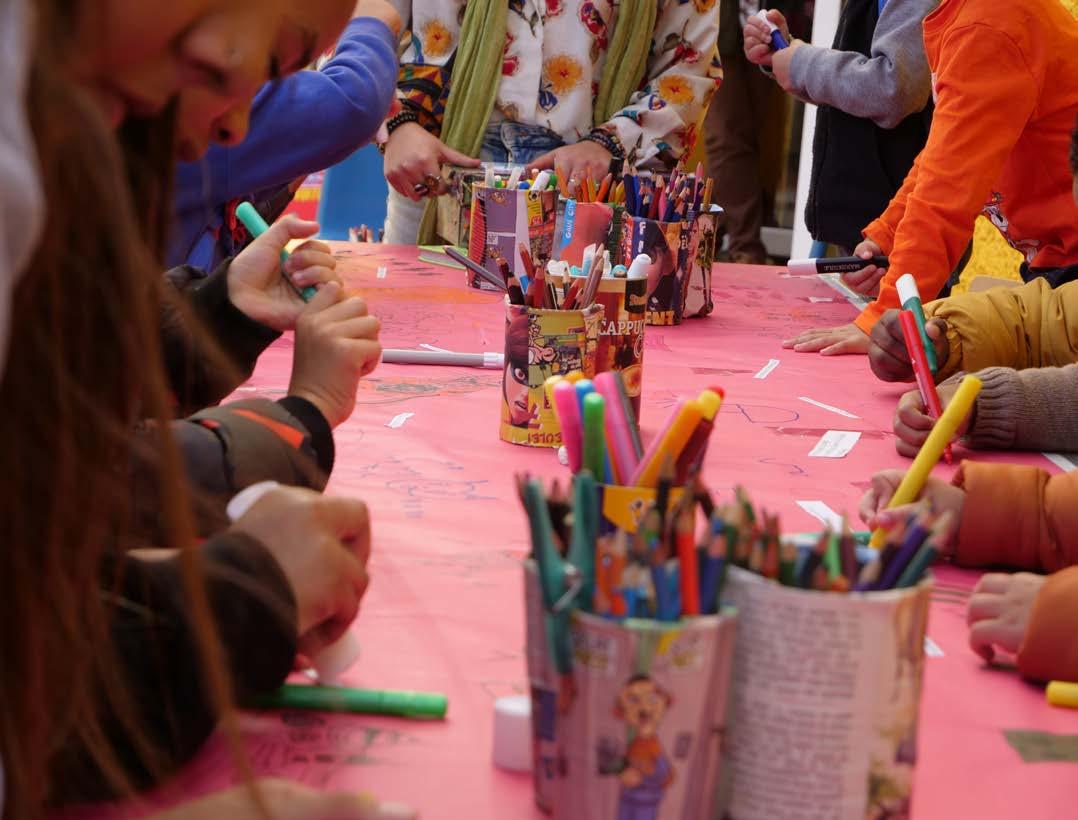
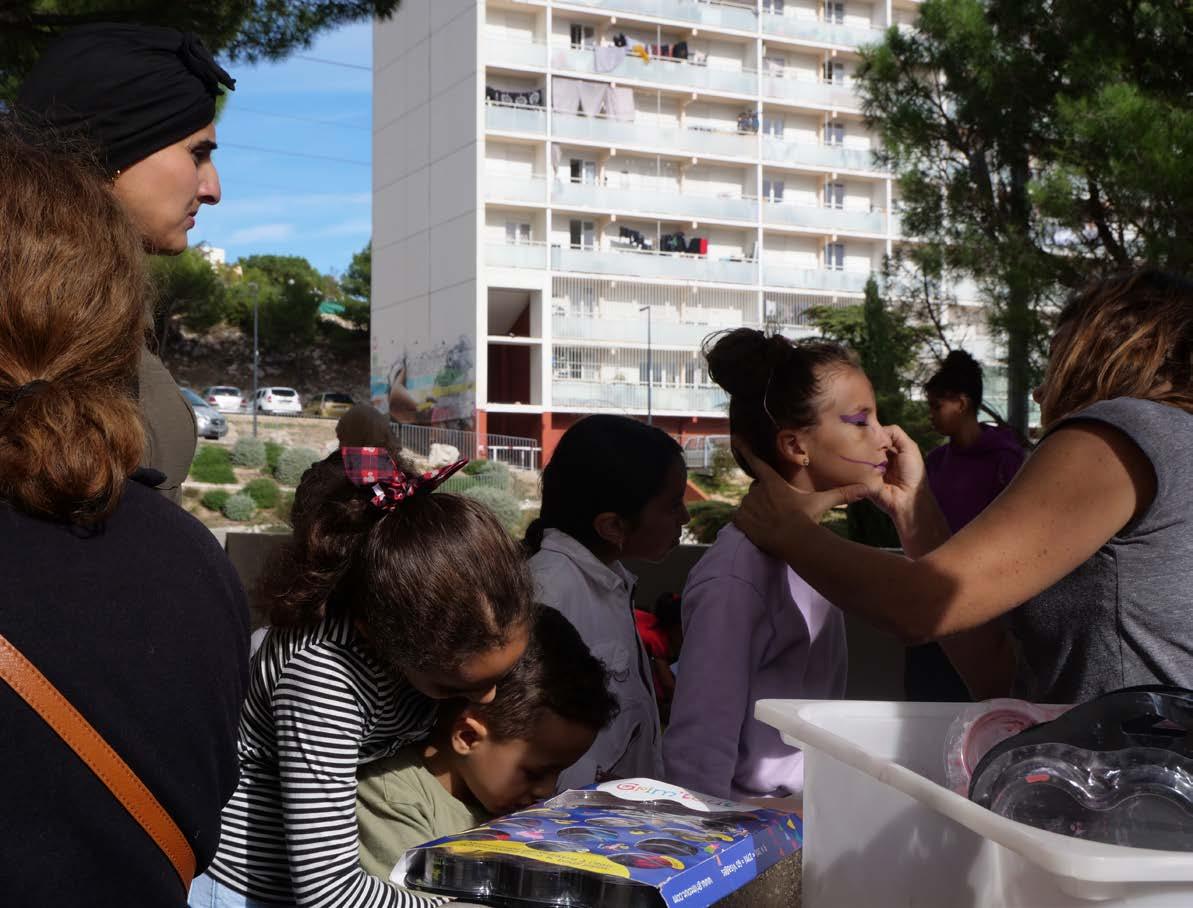
Marseille for local youth. Both events were set up and organized by the Ligue de l’Enseignement des Bouches-du-Rhône, a popular education federation based in
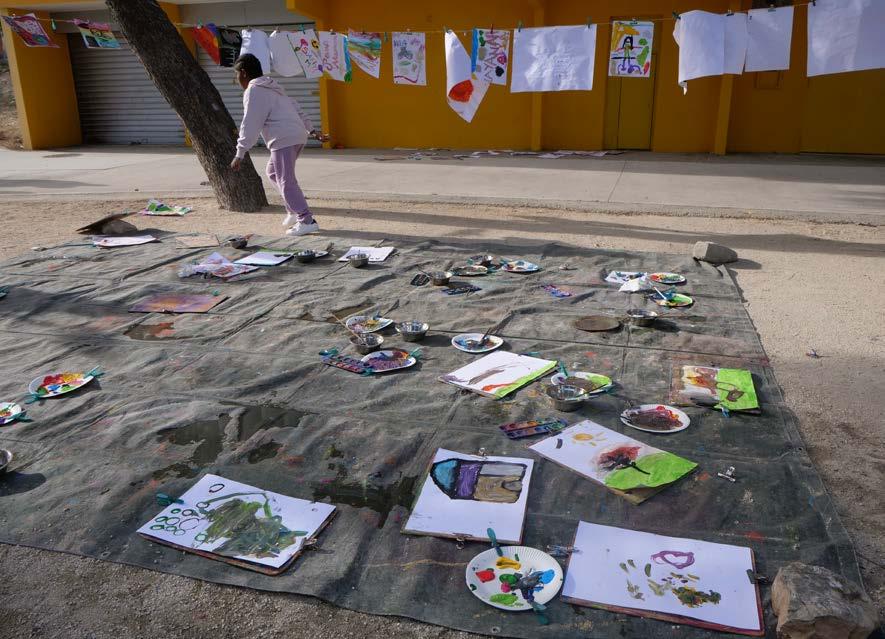
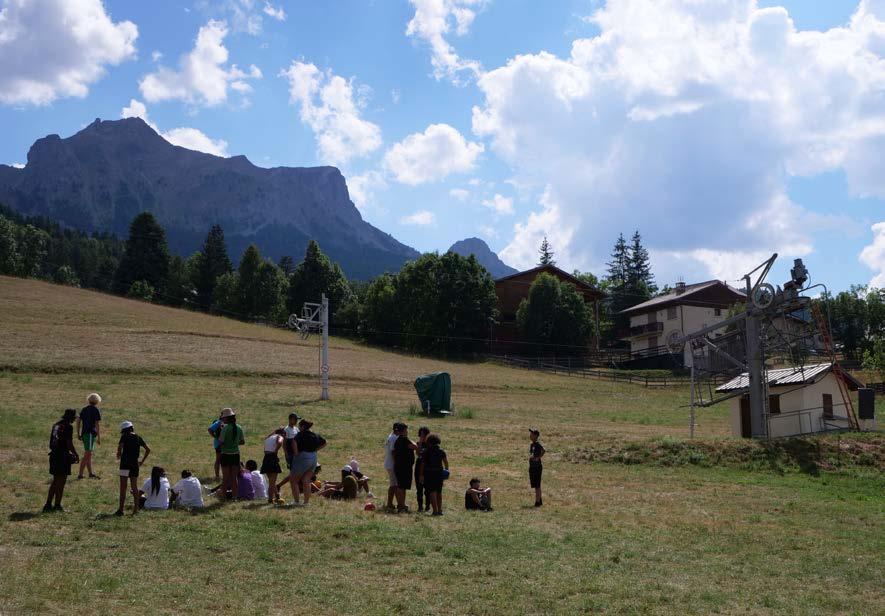
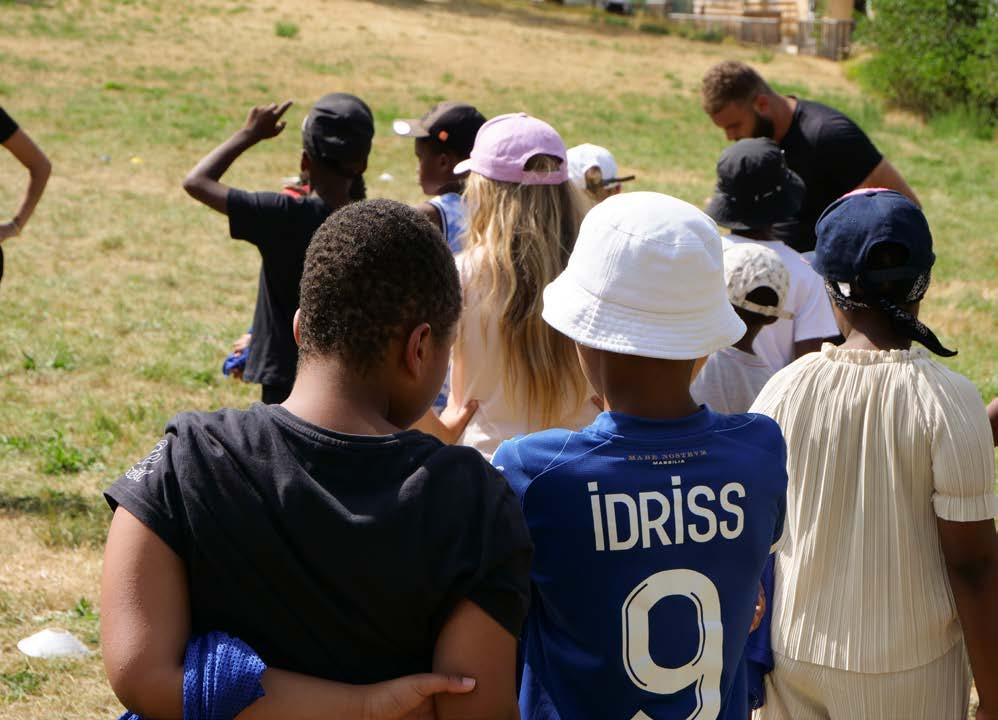
by Toni Pahlke


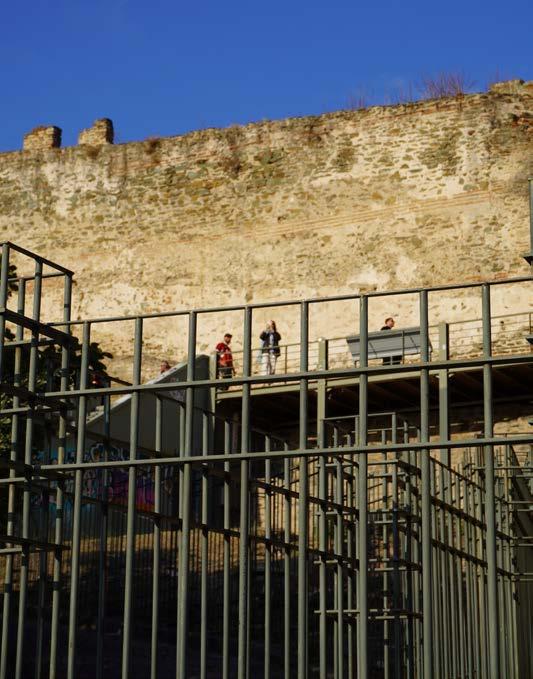


by Toni Pahlke
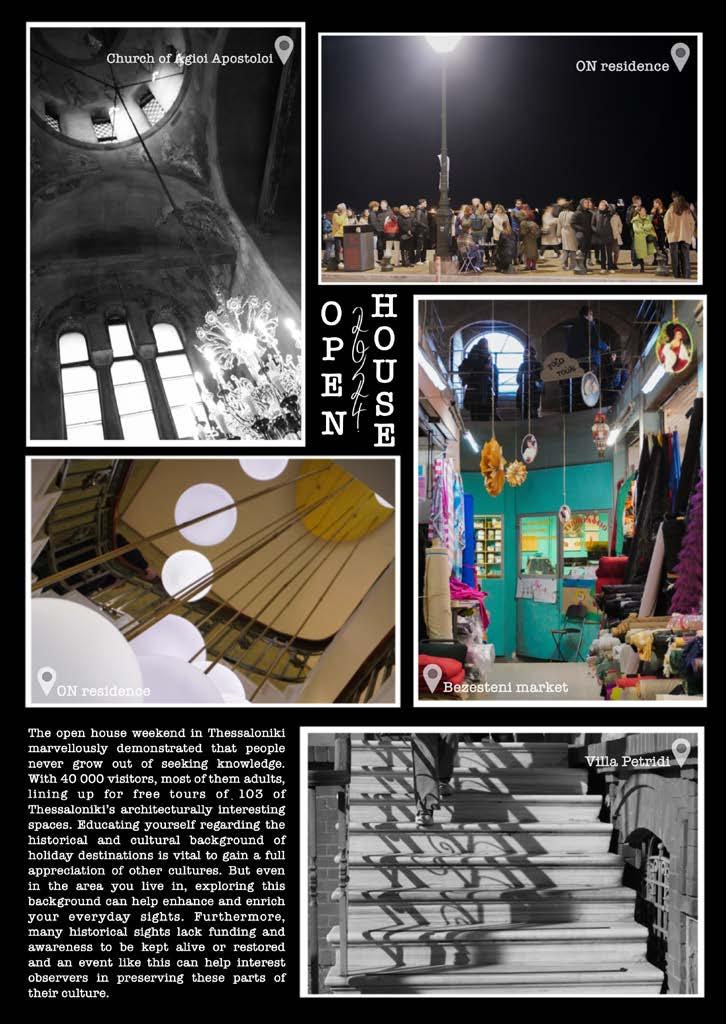




Daria Bondarenko Ukraine
Lucas Leroy France
Toni Pahlke Germany
Maria Beauvais France
Tuğçe Çırak
Republic of Türkiye



Charlyne Fransioly France
Pinar Ecem Doğru
Republic of Türkiye
Sheila Wiebe Germany
Lilie Grosselin France
United Societies of Balkans is a Non Governmental Organization, founded in Thessaloniki in 2008, by a team of active young people. The organization was created as a response to the pressure of constant changes in the Balkan and Eastern European region and under the need for the creation of a better social environment. Key areas of the organization’s activities concern the defense of human rights, the organization of youth exchanges and training courses, which will bring young people from Balkans and Europe together, the organization of local educational seminars and multimedia production (webradio, videos, documentaries).
Main goals of the organization
To promote the values of non formal le- aring,volunteering, active citizenship and democracy for the creation of a better future for European youth.
To promote human rights, solidarity and respect for diversity.
To build healthy cooperation bridges between countries of the Balkan area and that of Eastern Europe with the rest of Europe.
To locate and multiply the special cultural attributes of our societies.
The break down of prejudices and stereo- types between Balkan countries.
Property of Balkan Beats
The United Societies of Balkans, NGO, does not necessarily share the opinions expressed in Balkan Beats. It is illegal to reproduce any part of this publication without referring to the source.
Balkan Hotspot is the ESC (European Solidarity Corps) project of “United Societies of Balkans”, a NGO founded in Thessaloniki in 2008 by a team of active young people.
The Balkans and Eastern Europe are geographical regions with many cultural features which offer a broad spectrum of actions and youth involvement initiatives. The organiza -
tion was created as a response to the pressure of constant changes in the Balkan and Eastern European region and under the need for the creation of a better social environment.
Key areas of the organization’s activities concern the defense of human rights, the organization of youth exchanges and training courses, which will bring young people from Balkans and Europe together, the organization of local educational seminars and multimedia production.
The volunteers responsible for this publication are hosted in Greece in the framework of the European Solidarity Corps. This project has been funded with support from the European Commission. This publication [communication] reflects the views only of the authors, and the Commission can not be held responsible for any use which may be made of the information contained therein.
This magazine is distributed free of charge.
General Directors: Aristodimos Paraschou | Christian Cibba
Editors:
Daria Bondarenko | Lilie Grosselin | Toni Pahlke | Sheila Wiebe
Graphic Designer: Anna-Maria Diamantidou