Endeavors





















































































































































































The Transformative Ripple Effect of Higher Education














































































































































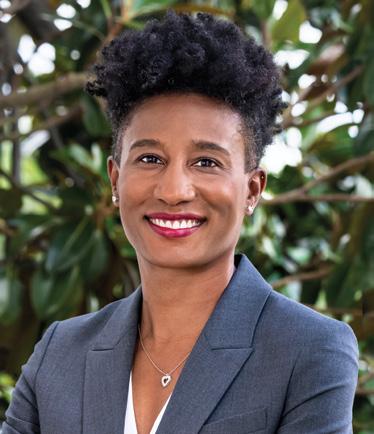
Over the past year, education has been at the center of public policy and conversation. Without question, there have been new difficulties to navigate. But when I reflect on today’s education landscape, I see both challenges and possibilities. At every turn, I’m reminded of the importance of the work EdTerps do each day. As an academic leader and scholar focused on postsecondary education, I believe deeply in the power of higher education. Research and experience have made clear that attending college is about more than a degree or a career. Our researchers are contributing to this knowledge base in new ways and have found that higher education institutions play a vital role in preparing individuals to participate fully in civic life, solve problems and help strengthen our democracy (page 20).
Teacher shortages remain a pressing challenge in Maryland and nationwide, and EdTerps are committed to broadening pathways to roles as educators in PK-12 schools (page 6). Further, studies have shown that a diverse teacher workforce benefits students of all backgrounds, and we are working with collaborators statewide to expand teacher diversity (page 14).
The responsible use of artificial intelligence (AI) is a key topic in education and beyond, and we are leading in scholarship and practice. With the launch of our new Center for Educational Data Science and Innovation (page 3), our faculty are conducting research on the ethical use of AI and developing practical tools to help teachers navigate this new era of classroom learning. Looking ahead, we are part of a bold new chapter for the University of Maryland. The university recently launched a capital campaign, Forward, intended to fuel unprecedented transformation for our university and our world. The College of Education is proud to be part of that momentum, and we are energized about new opportunities to share our impact with all of you (page 2).
There is so much to be proud of and keep working toward. I am grateful for our students, faculty, staff, alumni and partners who bring our mission to life every day.
In gratitude,
Kimberly Griffin DEAN, COLLEGE OF EDUCATION
Thing’
How Has Your Experience in the College of Education Helped You Through a Challenging Time in Your Life or Career?
the Expert: Understanding, Preventing and Responding to Cyberbullying
Endeavors is published annually for alumni, friends, faculty and staff of the University of Maryland College of Education. Feedback and comments on the magazine and/or published articles should be sent to coecomm@umd.edu.
Kimberly
DIRECTOR
Natifia Mullings
EDITOR
Emily Schuster
ASSISTANT
Rachel M. Hess
DESIGN
Laura Figlewski
Stephanie
James C. Daniels
Jahaira Dixon
Dillon Donolds
Will Duncan
Nicholas Griner
Lisa Helfert
Lisa Holt
Mike Morgan
Dylan Singleton COVER
Nadia
Daryllee
Annie
Amanda
Natifia
Laura
Emily
Raven
This fall, the University of Maryland launched Forward, a capital campaign designed to fuel unprecedented transformation for the university and the world by pursuing new knowledge and changing lives.
Education in the United States is undergoing transformative change. Realities such as persistent educator shortages, societal inequalities, barriers to literacy, advances in artificial intelligence (AI) and political polarization are challenging teaching and learning. To adapt and thrive, educators are seeking novel solutions and new methods to address these challenges and better serve their communities.
Through the Forward Campaign, the College of Education will leverage the diverse strengths and expertise of its students, faculty, staff, alumni and friends to tackle the most pressing grand challenges in education. The college is preparing the next generation of equity- and culturally minded educators, counselors, psychologists, researchers, administrators, policymakers and leaders. In addition, the college is developing creative solutions and shaping state and national policy, guided by the needs of educators, schools and communities.
IN THE COLLEGE OF EDUCATION, CAPITAL CAMPAIGN PRIORITIES INCLUDE SCHOLARSHIPS, BUILDING RENOVATIONS, AND INITIATIVES TO ADVANCE ARTIFICIAL INTELLIGENCE, LITERACY, DEMOCRACY
THE COLLEGE OF EDUCATION’S FORWARD CAMPAIGN FOCUSES ON FIVE PRIORITIES:
TEACH FORWARD
Supporting Future Educators
The Teach Forward scholarship will provide free tuition for teacher certification students during their internship year. Teaching internships are unpaid and often present financial challenges for students; more support will help attract and retain talented future educators.
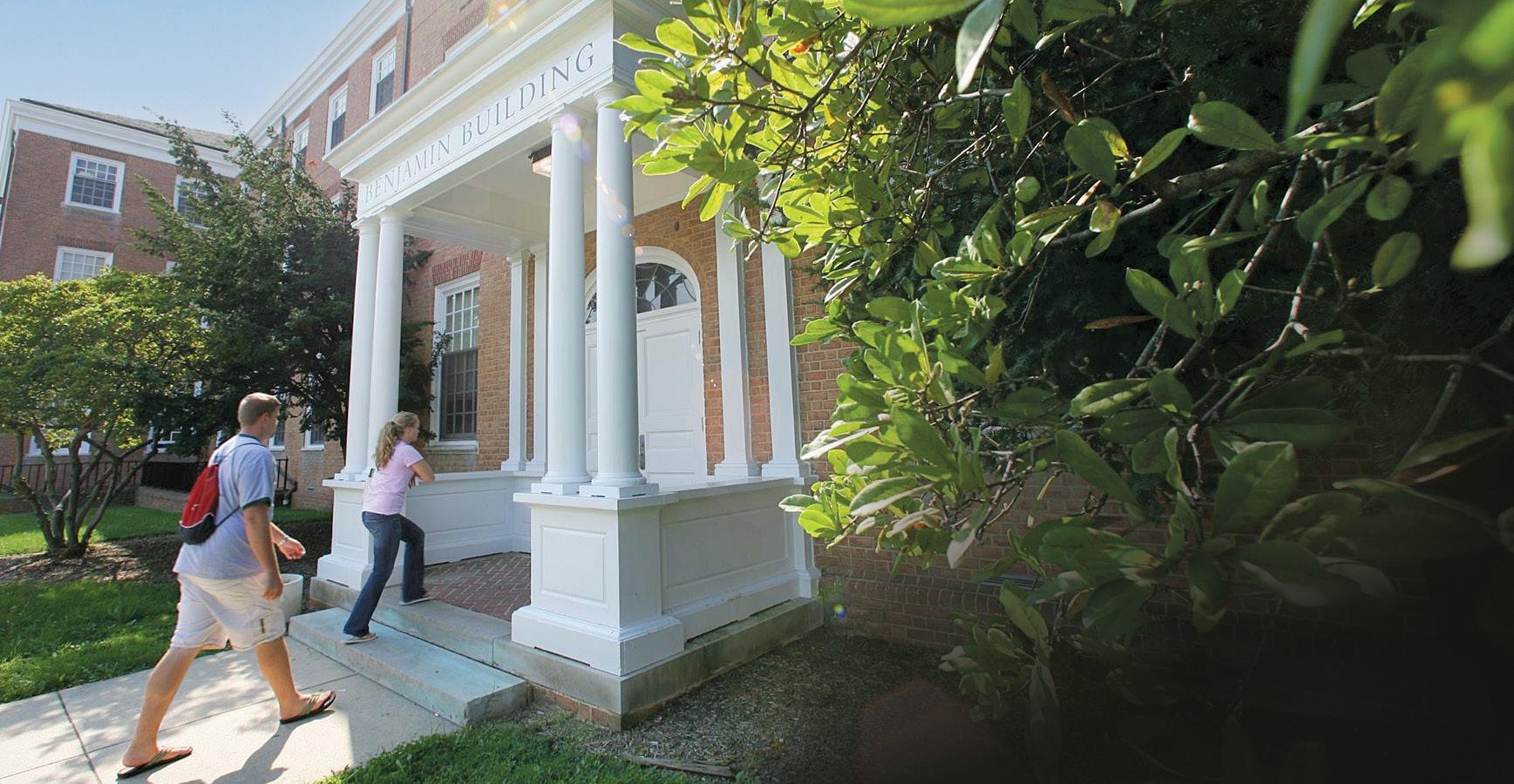
BENJAMIN BUILDING
RENOVATION AND EXPANSION
Fearless Transformation
Taking on tomorrow’s challenges requires an outward-facing College of Education with newly designed spaces where EdTerps can model innovative teaching strategies, engage in active learning and collaborate on cuttingedge research.
AI READINESS IN EDUCATION HUB (AIRE)
AI in the Classroom
AI is transforming school systems, and a new vision is needed to implement it
effectively and equitably. AIRE will create a central hub of scholars and resources to guide policies and best practices.
MARYLAND INITIATIVE FOR LITERACY AND EQUITY (MILE)
Empowering Readers
The ability to read and write is essential for learning. MILE addresses challenges and advances literacy in Maryland and beyond by providing training and support to educators, evidence-based resources and critical research.
MARYLAND DEMOCRACY INITIATIVE (MDI)
Safeguarding Democracy
A healthy democracy requires lifelong learning and participation from all community members, particularly young voters. Through research and civic education and engagement initiatives, MDI grows the capacity of all people for civic participation in service to a more just society.
+ LEARN MORE AT forward.umd.edu/educ
Ali Clarvit Binder ’13, M.ED. ’14
Thank you to the lead donors to the Benjamin Building Renovation and Expansion TO LEARN MORE ABOUT THE CAMPAIGN PRIORITIES, CONTACT KURT SUDBRINK, sudbrink@umd.edu
Nancy Clarvit ’78 and Chuck Clarvit
Ellen F. Gaske ’75 and T. Paul Gaske ’76
Elliott Jaffa ’65, A.G.S ’68, ED.D. ’73
The Kahlert Family Foundation
CENTER FOR EDUCATIONAL DATA SCIENCE AND INNOVATION ADVANCES RESEARCH, TECHNOLOGY, POLICY
BY NATIFIA MULLINGS
In an effort to position itself at the forefront of transforming education systems, the College of Education launched a new research center on May 1, dedicated to exploring how data science and artificial intelligence (AI) can be applied to create more effective learning environments for all students.
The Center for Educational Data Science and Innovation (EDSI) takes on persistent educational challenges such as declining literacy rates, chronic absenteeism and diverse learning styles, and considers the unprecedented technological possibilities that could address them.
It’s part of a broader effort by the University of Maryland to leverage its longstanding leadership in AI to advance research centered on the ethical and responsible application of the revolutionary technology.
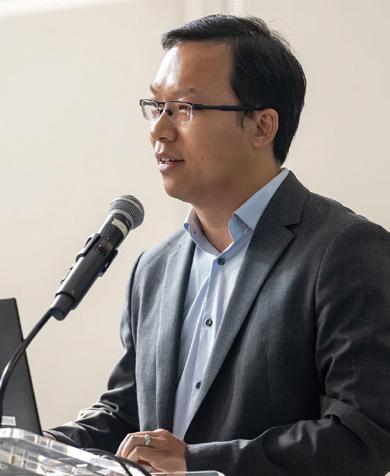
“It was important to establish a center that would both support AI use in improving teaching and learning and prepare students for an AI-infused future,” says Jing Liu, associate professor of education policy and director of EDSI, who is affiliated with the Artificial Intelligence Interdisciplinary
HOW THE CENTER FOR EDUCATIONAL DATA SCIENCE AND INNOVATION IS DRIVING AI RESEARCH
THE BENCHMARK DATA COLLECTION EFFORT
• This open-source, high-quality dataset uses multiple types of anonymized information, including audio and video, from 300 math teachers’ classrooms. These data will be used to power cutting-edge AI tools and research on effective teaching.
• Funded with $4.5M in grants from the Gates Foundation, Walton Family Foundation and Chan Zuckerberg Initiative
Institute at Maryland (AIM) and the University of Maryland Institute for Advanced Computer Studies. “We take a step back in terms of focusing on building the infrastructure to enable AI innovation in a responsible and ethical way; we also prioritize high-quality research in this space rather than rushing to produce another AI tool.”
In addition to conducting policy research, EDSI fosters interdisciplinary partnerships to create real-world solutions, bringing together diverse groups from across UMD and beyond. EDSI also works closely with school districts, education agencies and policymakers to develop and implement data-driven educational strategies that improve student outcomes.
The center has already established partnerships with Air Reading, Guilford County (North Carolina) Schools, Research Partnership for Professional Learning, Des Moines Public Schools and San Francisco Unified School District.
EDSI is further supported by ed tech companies and organizations including Google, the Chan Zuckerberg Initiative, the Gates Foundation, the Walton Family Foundation, Arnold Ventures, Overdeck Family Foundation and the National Science Foundation, along with AIM and UMD’s Division of Research and Office of the Provost.
VIRTUAL STUDY ASSISTANT
• The virtual study assistant chatbot responds to questions related to specific University of Maryland courses. UMD has rolled out a campuswide pilot across 29 courses. The project marks the first large-scale study of AI in classrooms at UMD.
• Led by faculty in the College of Education and faculty and staff in the Division of Information Technology
AI EVALUATION EFFORT
• In partnership with Goblins and Podsie from the Teaching Lab, this project will evaluate the usability of AI-powered edtech tools and their classroom impact, with middle school math teachers and students using AI as exit ticketstyle tools.
• Funded by $160K from Accelerate
BY ANNIE KRAKOWER
Well before she hosted political fundraisers, worked on candidate campaigns or was even old enough to head to the ballot box, Marsha Laufer ’64 found her lifelong passion in an assignment from her seventh-grade civics teacher.
The task was simple: Read the party platforms and choose a side for a class debate. It encouraged Laufer to ask
her parents about their politics for the first time.
“That background facilitated a conversation and growing political awareness,” she says. “And later in life, it stimulated my recognition of the significant need for and importance of civics education.”
Now, she and her husband, Henry Laufer, hope to inspire similar political interest and involvement among the
next generation of voters. The couple’s $6 million gift to the university’s Maryland Democracy Initiative (MDI) will support projects to boost civic literacy and democratic engagement in K-12 classrooms, higher ed and beyond.
“One of the goals of civics education has to be that young people leave these classes and interactions with the knowledge that their voice makes a difference,” Marsha Laufer says.
MDI, a nonpartisan program launched in 2023 with funding from a University of Maryland Grand Challenges Impact Award, incorporates expertise from the College of Education, College of Behavioral and Social Sciences, Philip Merrill College of Journalism and School of Public Policy to encourage civic participation and tackle threats to democracy.
That mission resonated with Henry and Marsha Laufer, the latter of whom left her career as a speech-language pathologist to become a full-time political activist during New York’s 2000 U.S.
MDI’S CORE WORK
• Research projects: 25+
• Teaching and learning initiatives: 15+
• Civic engagement initiatives: 20+
• Publications: 15+
• Events: 15 major conferences, summits and workshops
MDI TEAM AND PARTNERS
• 20+ core faculty members, plus student researchers
• 4 colleges plus campus partnerships
• 25+ community and campus partners
• All 23 Maryland counties and Baltimore City
• 40+ U.S. states
• 7 countries (Colombia, India, Laos, Moldova, Tunisia, Ukraine, United States)
AUDIENCES REACHED
• External audiences: 11,568, including 250+ teachers receiving professional development
• 434 UMD faculty
• 110 UMD staff
• 3,375 UMD students
Senate race, when she joined Hillary Clinton’s ultimately successful campaign. She later opened the first Democratic campaign headquarters on Long Island’s North Shore and chaired her local Democratic committee for eight years.
They became MDI’s first donors last year with two $100,000 gifts, funding voter research and mobilization efforts and establishing the Laufer Democracy Internship to place UMD students at nonpartisan voter mobilization nonprofits. Their latest contribution supports the creation of teaching materials, research on effective instructional methods and development of training for educators at all levels to incorporate civic learning opportunities. That includes building on Civic Engagement Across the Curriculum, a professional development program that assists UMD faculty in integrating civic learning into their courses.
“This new gift will really help us focus on that lifespan of learning to be civically engaged,” says Lena Morreale Scott, MDI principal investigator and director of the Civic Education and Engagement Initiative in the College of Education. The MDI team at the College of Education also includes Associate Professor Lucas Butler, Associate Dean for Faculty Affairs and Graduate Studies and Professor Doug Lombardi, Associate Professor Sarah McGrew, Postdoctoral Associates Julie Miller Ph.D. ’24 and Jenna Alton Ph.D. ’25, and Ph.D. candidate Elizabeth Reynolds.
Ultimately, the goal is to establish a national model and broaden the program’s long-term impact.
“We need an educated electorate,” Laufer says. “Maryland has the resources, the quality of professionalism, the dedication and the knowledge to be able to affect this.”
PROJECT SUSTAIN PROVIDES FULL TUITION, STIPENDS FOR DOCTORAL STUDENTS
BY EMILY SCHUSTER
The University of Maryland and Vanderbilt University received a $2.5 million federal grant to fully fund tuition and provide stipends for a cohort of doctoral students, who will be trained as leaders in special education.
Project SUSTAIN is a four-year program funded by the U.S. Department of Education’s Office of Special Education Programs. Launched in Fall 2025, it prepares future leaders to enter higher education, school districts or research organizations and train special education teachers and leaders.
The program focuses on ensuring that special education practices rooted in research are not only adopted in schools but sustained over the long term, says Jade Wexler, co-principal investigator of Project SUSTAIN and professor of special education at UMD.
“We have a lot of support for evidence-based interventions in special education. But sustaining them and closing that research-to-practice gap is a challenge,” says Wexler.
The first Project SUSTAIN cohort includes two students at UMD and two students at Vanderbilt. The students based at UMD take the same coursework as current UMD special education doctoral students but also participate in summer intensives, training opportunities and monthly virtual seminars along with the students based at Vanderbilt. Project SUSTAIN students benefit from the expertise of faculty at both UMD and Vanderbilt, who serve as advisors, mentors and dissertation committee members.
Jason Chow, associate professor at Vanderbilt, leads the project as principal investigator. In addition to Wexler, co-principal investigators include Veronica Kang, assistant professor of special education at UMD, and Jennifer Ledford, associate professor, and Kristen Granger, assistant professor, both at Vanderbilt.
FLEXIBLE, AFFORDABLE PROGRAM WILL ADDRESS EDUCATOR SHORTAGE STATEWIDE
BY NADIA BENNETT

The College of Education has received a grant of $96,531 from the Maryland Higher Education Commission’s Teacher Quality and Diversity Grant Program to lead the development of a new statewide initiative aimed at addressing Maryland’s critical shortage of licensed educators.
Titled the University System of Maryland (USM) Alternative Teacher Preparation Program, the initiative will offer a flexible, affordable and accessible pathway to licensure, particularly for individuals already serving in classrooms under conditional licensure. The alternative certification route will feature high-quality, asynchronous online coursework paired with intensive instructional coaching, with the goal of increasing both the number and preparedness of licensed educators across the state.
NEW PROGRAMS PROMOTE MENTAL HEALTH CARE, POST-GRADUATION TRANSITION
BY NATIFIA MULLINGS
Established to provide students with intellectual disabilities the opportunity to participate in a two-year college experience, the College of Education’s TerpsEXCEED (EXperiencing College for Education and Employment Discovery) program launched two new initiatives this fall: the Terps Wellness Warrior Program and the Plus One Alumni Year Program.
DOING BETTER WITH MENTAL HEALTH: BUILDING UMD CAPACITY TO SERVE PEOPLE WITH INTELLECTUAL DISABILITY
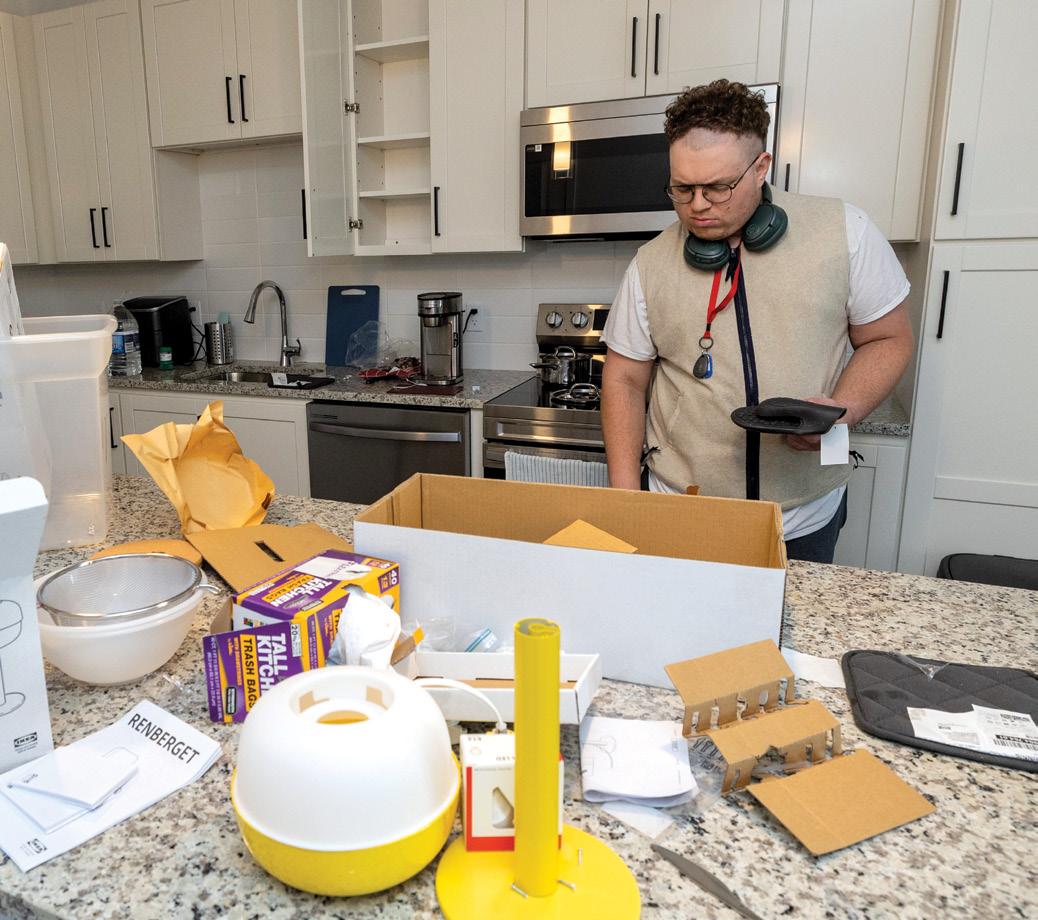
TerpsEXCEED graduate Daniel Brodsky ’25 in his new apartment
In April, TerpsEXCEED received a $14,884 grant from the University of Maryland’s Do Good Institute to create the Terps Wellness Warrior Program, an initiative designed to provide inclusive mental health care for individuals with intellectual disabilities. As part of the program, psychology students and TerpsEXCEED peer mentors receive training on working with people with intellectual disabilities. The students also develop and deliver wellness programming for TerpsEXCEED students and create tip sheets and strategies to share with the UMD Counseling Center and Health Center, as well as the Department of Resident Life.
The program aims to address a gap in the counseling field. Many providers report limited training in working with individuals with intellectual disabilities. According to the Pew Institute, the lack of tailored evidence-based screening tools and treatment options is a common barrier for individuals with cognitive, intellectual or developmental differences when seeking mental health services.
The program is anticipated to launch in Fall 2026, with the application process expected to open in Spring 2026. Approximately 70 participants are projected to enroll in the pilot cohort, with final details still being determined.
“There are more than 6,000 conditionally licensed teachers in Maryland and ongoing vacancies in teaching roles. We are working to bridge the gap,” says Ebony Terrell Shockley Ph.D. ’12, associate dean for educator preparation and undergraduate studies, clinical professor and the program’s principal investigator. Monica Simonsen, ’00, M.Ed. ’01, Ph.D. ’10, the college’s director of teacher education, serves as co-principal investigator.
The college will join USM’s efforts to identify and support subject matter experts and fund the course instructors through this grant. In addition, the college will lead a design summit with faculty and staff across colleges and universities in Maryland.
“If colleges are to be true engines of mobility, it is imperative that more colleges remove barriers that lead to separate and unequal experiences.”
“I’ve gone through the intake process with a student, and the questions were too difficult for them to complete. Yet it’s the first step to receiving care,” explains Amy D’Agati, TerpsEXCEED program director. “We hope that with this program, we can better serve TerpsEXCEED students in need of services, while also preparing the next generation of professionals who will work with this population.”
From navigating social services and housing to finding employment, adjusting to life after college can be especially challenging for TerpsEXCEED students. The Plus One Alumni Year Program provides TerpsEXCEED alumni with an opportunity to reside in inclusive housing in the greater College Park community. As part of the program, alumni continue to receive support from TerpsEXCEED as they take on new responsibilities to strengthen their independence.
“Two years in TerpsEXCEED goes by fast, and we were hearing from alumni and their families that they loved the structure and support of the program, and then suddenly it was gone,” says D’Agati. “Our focus with this pilot program is on helping them take the essential life skills they developed on campus and extending it into the real world.”
Through a partnership with the inclusive housing organization Main Street Connect, TerpsEXCEED graduates Matthew Stewart, Daniel Brodsky and Jamie Sprague moved into the Flats at College Park in October, where they participate in weekly classes and sessions led by community coaches. They discuss a wide variety of topics, including apartment living
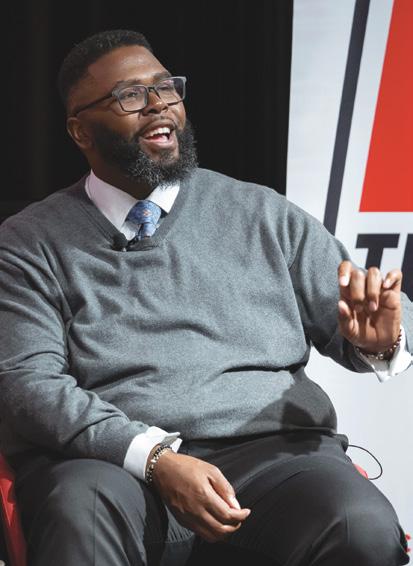
Anthony Abraham Jack FACULTY DIRECTOR OF THE BOSTON UNIVERSITY NEWBURY CENTER AND ASSOCIATE PROFESSOR OF HIGHER EDUCATION LEADERSHIP AT BOSTON UNIVERSITY
SPEAKING ON “CLASS DISMISSED: WHEN COLLEGES IGNORE INEQUALITY AND STUDENTS PAY THE PRICE”
and safety. Alumni also receive support from TerpsEXCEED peer mentors who help them budget, manage their work schedules, grocery shop and cook. They also help them navigate public transportation and encourage them to engage in community activities and explore Washington, D.C.
“Living independently is something I’ve been working towards my whole life,” says Daniel Brodsky, who completed the TerpsEXCEED program in May 2025. “It’s a new experience, and I get to prove to myself that I can do it. I’m excited and looking forward to finding a job.”
“The goal is not just to provide our students with a transformative college experience but also to ensure that they are able to thrive in the years after and become productive community citizens,” adds D’Agati.
| SEPT. 2024-AUG. 2025
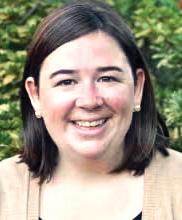
PAMELA CALLAHAN Ph.D. ’24, postdoctoral fellow at the Center for Educational Innovation and Improvement (Office of the Dean), received an Early Career Fellowship from the Education Law Association.
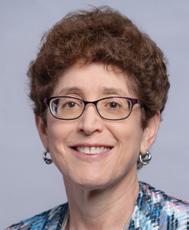
SUSAN DE LA PAZ Ph.D. ’95, professor emerita of special education (CHSE), was selected to participate in the Fulbright Specialist Program. De La Paz will lead faculty and administrators at the Central Philippines University to create more inclusive spaces for university students from diverse and underrepresented backgrounds and for students with disabilities.
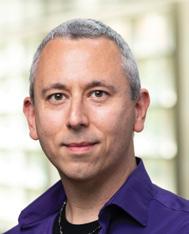
DREW S. FAGAN, clinical professor (TLPL) received the 2026 American Association for Applied Linguistics Distinguished Public Service Award and a 2025 University System of Maryland Board of Regents Faculty Award for Excellence in Public Service. He was also elected to the TESOL International Association Board of Directors for 2025-28.
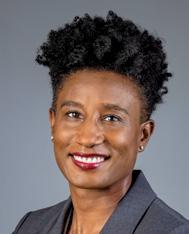
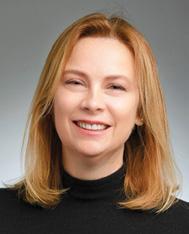
KIMBERLY GRIFFIN M.A. ’01, dean and professor (CHSE), was named to Education Week’s Rick Hess Straight Up Edu-Scholar Public Influence Rankings for the fourth consecutive year. In addition, Griffin and KERRYANN O’MEARA Ph.D. ’00, professor emerita (CHSE), were named 2025 American Educational Research Association Fellows.
presented by the Society of Counseling Psychology (American Psychological Association (APA) Division 17).
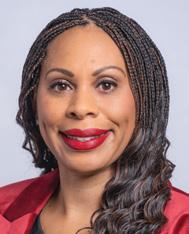
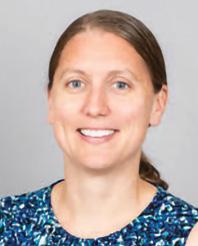
DANA GROSSER-CLARKSON Ph.D. ’16, associate clinical professor (TLPL), was honored with the Outstanding College Educator Award by the Maryland Council of Teachers of Mathematics.
JIONI LEWIS, associate professor of counseling psychology (CHSE), received the Advocate of the Year Award from the Society of Counseling Psychology (APA Division 17), Section on the Advancement of Feminist Psychology. She will also serve as chair of the APA Committee on Women in Psychology and as the APA Council Representative for the Society of Counseling Psychology (APA Division 17).
JING LIU, associate professor of education policy (TLPL), received an Early Career Award from the Association for Education Finance and Policy.
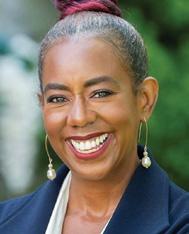
BRIDGET TURNER KELLY M.A. ’96, Ph.D. ’01, associate professor of student affairs (TLPL), was named a senior scholar by the American College Personnel Association (ACPA).
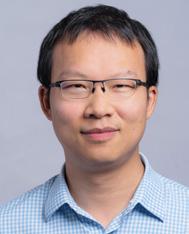
MELINDA MARTIN-BELTRÁN, associate professor (TLPL), received a Lifetime Achievement Award from the Maryland TESOL Association.
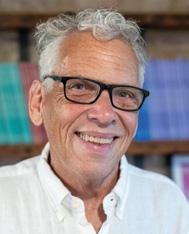
DENNIS KIVILIGHAN , professor of counseling psychology (CHSE), was chosen as the recipient of the Leona Tyler Award for Lifetime Achievement in Counseling Psychology,
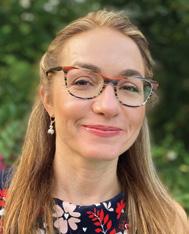
APPLIED LINGUISTICS AND LANGUAGE
EDUCATION MASTER OF ARTS PROGRAM
• 2 years, 30 credits
• In person and virtual
• Prepares educators and administrators to explore language, social justice and multilingualism through theory and research
AMERICAN SIGN LANGUAGE (ASL) MINOR
• 15 credits
• Core classes focus on sign language skills, Deaf culture and immersive community experiences
• Emphasizes engaging with native signers from varied backgrounds
HUMAN DEVELOPMENT HONORS PROGRAM
• Open to undergraduate human development majors and double majors
• Provides opportunities to engage in collaborative, high-quality research focused on child and adolescent development
• Offers professional development, social activities and mentorship from faculty and graduate students
EDUCATION POLICY, EQUITY AND JUSTICE MINOR
• 15 credits
• Jointly offered by the College of Education and the School of Public Policy
• Explores how education intersects with social justice and policy to promote equity in society
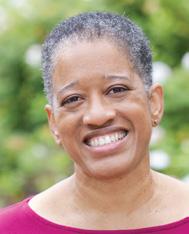
TANIA D. MITCHELL, associate provost for community engagement and professor (CHSE), was named one of the Top 40 Women in Higher Education by Diverse: Issues in Higher Education
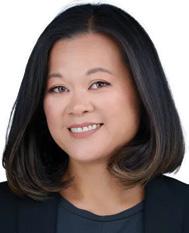
OIYAN A. POON, faculty specialist (CHSE), won an Outstanding Book Award from the Association for the Study of Higher Education for her recent book, “Asian American is Not a Color: Conversations on Race, Affirmative Action, and Family.”
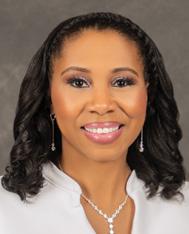
EBONY TERRELL SHOCKLEY Ph.D. ’12, associate dean for educator preparation and undergraduate studies and clinical professor (TLPL), was selected as vice president of the Maryland State Department of Education Professional Standards and Teacher Education Board.
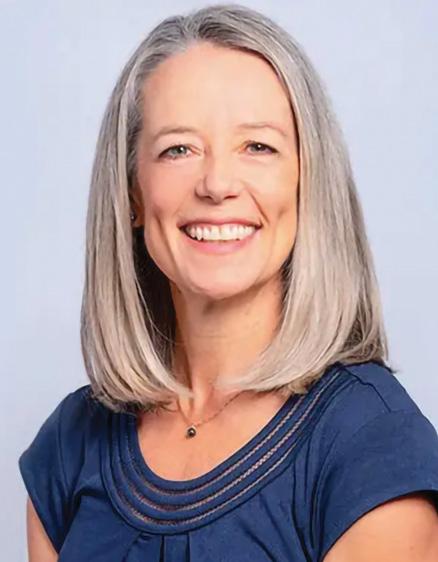
MEGAN MADIGAN PEERCY, special assistant to the provost for strategic initiatives and professor (TLPL), was named a UMD Distinguished ScholarTeacher for demonstrating outstanding scholarly accomplishments and excellence in teaching.
CHRISTOPHER TRAVERS, assistant professor (CHSE), received the Outstanding Research Award from the ACPA College Student Educators International Coalition on Men and Masculinities.
ALLAN WIGFIELD, professor emeritus (HDQM), had one of the most significant educational studies of the year according to Edutopia. The research noted the importance of small wins in motivating elementary and middle school students to keep persevering with difficult math problems.
AT THE EDTERPS LEARNING ACADEMY’S FIRST ONE THING CONFERENCE, PARTICIPANTS LEAVE WITH PRACTICAL STRATEGIES TO CREATE LASTING CHANGE
BY RAVEN WILLIAMS
More than 170 local K-12 educators and school district leaders gathered on the University of Maryland campus on August 6 with a shared purpose to address the issues that affect education the most. The inaugural One Thing Conference was a dynamic, hands-on professional learning experience named for its mission: for educators to leave with one thing they can do to transform education for good. The conference was hosted by the EdTerps Learning Academy (ETLA), a unit in the College of Education that administers graduate programs and professional learning that supports local school districts.
“The pedagogies of teacher
education—how concepts are taught to educators—matter deeply when it comes to translating educator learning to classroom practice,” says Elizabeth Gotwalt, director of ETLA. “If the purpose of educator professional learning is to impact instruction, then we have to design professional learning that accounts just as much for delivery as it does for content.”
Registrants attended full group, advisory, laboratory and makerspace sessions that focused on English language development strategies, trauma-informed education, mathematical thinking and literacy skills. In each of the sessions, facilitators engaged participants in a variety of hands-on and practice-based pedagogies of
CIXIN WANG, associate professor of school psychology (CHSE), received the Tom Oakland Mid-Career Scholarship Award from APA Division 16 (School Psychology).
CHSE | Counseling, Higher Education and Special Education
HDQM | Human Development and Quantitative Methodology
TLPL | Teaching and Learning, Policy and Leadership
teacher education, including case studies, small group work, games, video analysis, reflection, discussion, planning for practice and more.
“I liked how each session was focused around one actionable item,” says Melissa Sterner, an elementary school teacher in Prince George’s County. “I can definitely see myself incorporating the things I learned into my teaching practice this year.”
The One Thing Conference will be held annually with new sessions and the same goal to transform education for good, one thing at a time.
HUMAN DEVELOPMENT/PSYCHOLOGY DOUBLE MAJOR STUDIES GENDER STEREOTYPES IN STEM, PROMOTES
BY EMILY SCHUSTER
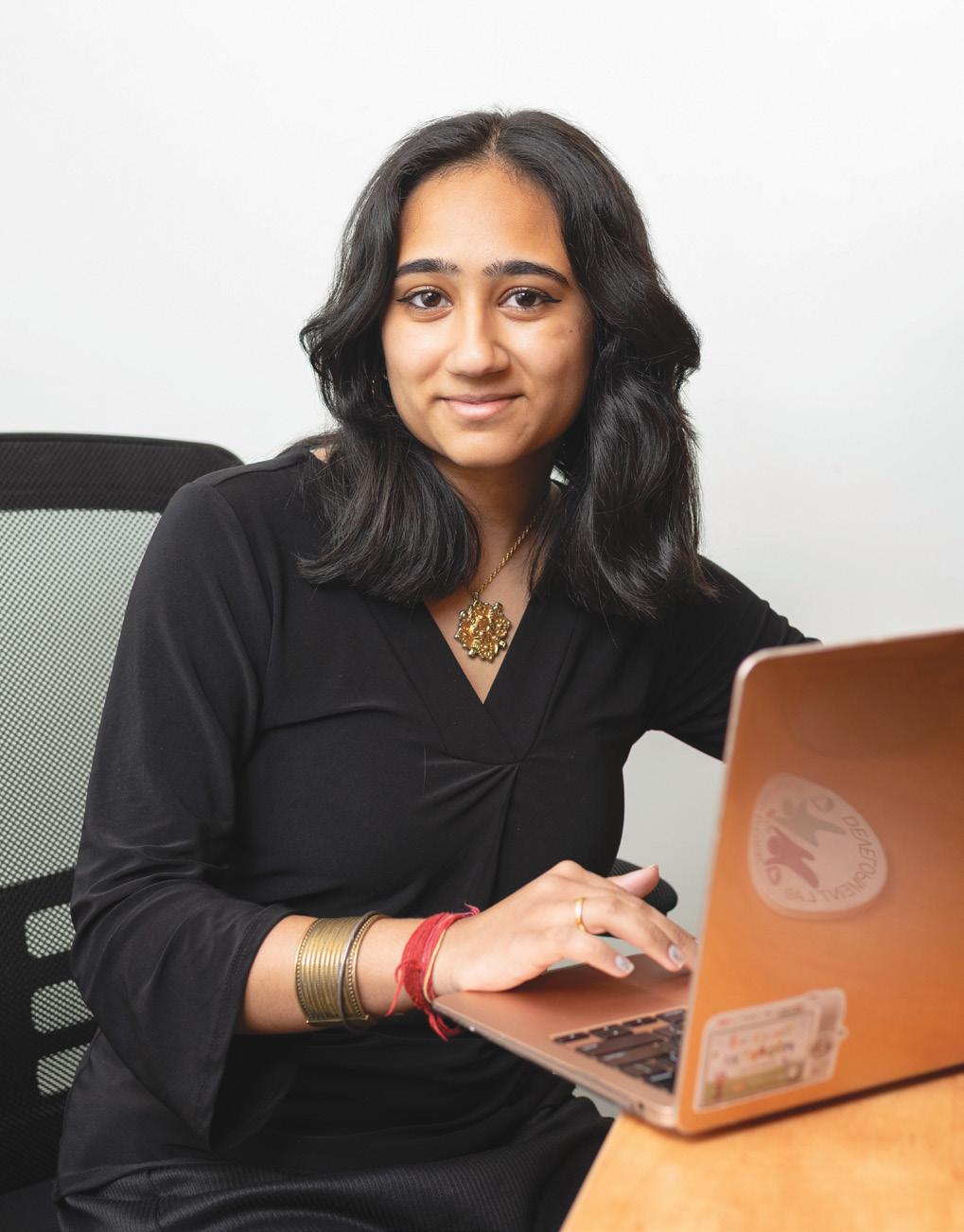
When Anusha Kumar ’26 was in sixth grade, she joined her school’s robotics team. Although she was one of several girls on the team, Kumar noticed that boys tended to take on the leadership roles.
“I remember feeling less competent compared to the boys,” she says. “It felt like the girls on the team didn’t have a say, or that our contributions didn’t matter.”
Such experiences gave Kumar a strong desire to cultivate fairness and healthy environments for all young people to develop a strong sense of self-esteem. This passion led her to a position in Distinguished University Professor Melanie Killen’s Social and Moral Development Lab in the College of Education, where Kumar is working on her honors thesis as part of the new Human Development Honors Program. She’s collaborating with human development doctoral student Marley Forbes to study how children and teens think about gender stereotypes in STEM (science, technology, engineering and math). They pose scenarios to young people, in which boys or girls take on unequal leadership roles in STEM contexts. The researchers
then ask questions and analyze whether the study participants accept the inequality or challenge it, and how their reactions vary by the participant’s age and gender and whether boys or girls are being disadvantaged in the scenarios.
“Anusha is a very thoughtful and insightful student who brings a wealth of experience and ideas to discussions in our lab about the roles of culture and context on development,” says Killen. “The graduate students on my team, in particular, have praised Anusha for her dedication to research and to her quest for knowledge.”
A double major in human development and psychology, Kumar plans to become a clinical psychologist and focus on researching, treating and destigmatizing mental health disorders in children and adolescents, including among South Asian Americans.
“As a South Asian American, I grew up in a cultural background where mental health wasn’t talked about that much,” she says. “It was very hard for me to reach out for support and show vulnerability.”
She decided to channel her experiences into breaking stigmas around
mental health. Now she supports her fellow University of Maryland students as a member of Lean On Me, a peer-topeer, noncrisis support text line, and Active Minds at Maryland, which works to increase mental health awareness. For example, she regularly volunteers at the Send Silence Packing event, in which organizers place backpacks around McKeldin Mall that share stories about people affected by suicide.
Students can explore these stories of loss, survival and resilience and then talk to professionals and volunteers about how to find support for themselves or loved ones.
Kumar sees her work in mental health awareness and in the Social and Moral Development Lab as two complementary ways to foster well-being.
“Stigma around mental health and gender stereotypes surrounding STEM can both influence young individuals’ mental health,” she says. “With my work with mental health organizations, I provide direct mental health support, while in my research, I contribute indirectly, examining and promoting inclusivity, which can help individuals’ mental health and self-belonging.”
BY YANG FU PH.D. ’25
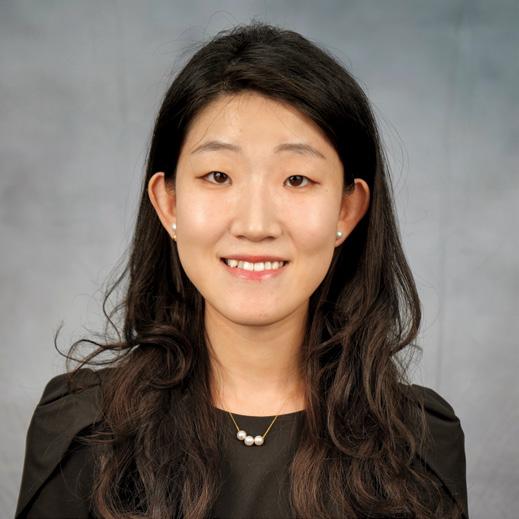
The first time I heard the term research-practice partnership (RPP) was during one of our meetings in the College of Education’s Translational Research in Instruction, Intervention, and Implementation Lab (TRI3-LAB). I learned that a leader from a Maryland school, which serves students with learning disabilities primarily in reading and writing, had reached out to explore a collaboration. The school had built a strong literacy curriculum but was facing significant challenges in math instruction. As a former special education teacher whose research centers on math education for students with disabilities, I immediately felt drawn to this partnership.
At the time, I was early in my doctoral studies. Most of the research studies I had encountered up to that point were researcherled: questions designed in universities, data collected in schools and findings written up in journals. But this was something else— a collaboration grounded in real needs, led by practitioners seeking answers. That simple reversal shifted how I thought about research entirely.
ensuring all voices are heard. These questions became the foundation for my dissertation. I conducted a systematic review of RPPs focused on math instruction, identifying trends in how these partnerships operate and where they fall short. In addition, I conducted a qualitative study with RPP members to capture their experiences during the planning and development stage.
My study reveals several key insights. Existing collaborative relationships often serve as strong foundations, with early investments in shared goals, routines and communication channels proving essential for trust-building and long-term success. Member involvement is dynamic, shifting in influence and contributions over time. Many challenges, such as power imbalances, bureaucratic hurdles and system-level constraints, are underreported in published accounts. Those engaging in RPPs should address these challenges directly. At the same time, promising but underutilized practices, such as joint learning between researchers and practitioners and stronger use of practice-driven data, emerge as valuable strategies for strengthening collaboration and long-term sustainability. RPP members should build these practices into their work.
We didn’t begin the partnership with a set research question. Instead, we started by listening. Over the first year, our team met with school leaders and teachers to understand their challenges, routines, priorities and the types of data that would be most useful to collect—from their perspective. We coconstructed every step, and the process felt both rigorous and respectful. It was the first time I understood how research could connect to local needs and build on relationships, trust and shared purpose.
That experience left a lasting impression on me. I began attending conferences and learning from the broader RPP community. The more I learned, the more curious I became about how RPPs function, how members interact and how they overcome challenges like balancing priorities and
As a former teacher, I know how isolating it can feel to be handed a program and not have adequate resources for implementation. I want to support educators so they don’t have to be in this situation. What excites me most about RPPs is their potential to bridge the gap between research and practice in ways that are practical, inclusive and grounded in the realities of schools. The real change does not come from doing research on schools but with them.
Yang Fu earned her Ph.D. in special education from the University of Maryland in August. Her dissertation was supported by the College of Education’s Support Program for Advancing Research and Collaboration (SPARC). Now an assistant professor for elementary education at Wichita State University, Fu wrote this article while she was still a Ph.D. candidate.
COLLEGE OF EDUCATION RESEARCHERS HIGHLIGHT INNOVATIVE WAYS TO SUPPORT STUDENT SUCCESS
BY EMILY SCHUSTER
A family-friendly library where student parents can study while their children play. A program that provides both public transit vouchers and stipends for rideshares to help students get to campus. A summer institute where Native Hawaiian students can learn from faculty who share similar backgrounds.
These are some of the transformative practices that College of Education researchers have uncovered in a study of how higher education institutions are facilitating success for their Black, Latine, Indigenous and low-income students. Launched in 2021, the Institutional Transformation Toward Equity project is funded by $801,733 from the Gates Foundation.
Led by Co-Principal Investigators
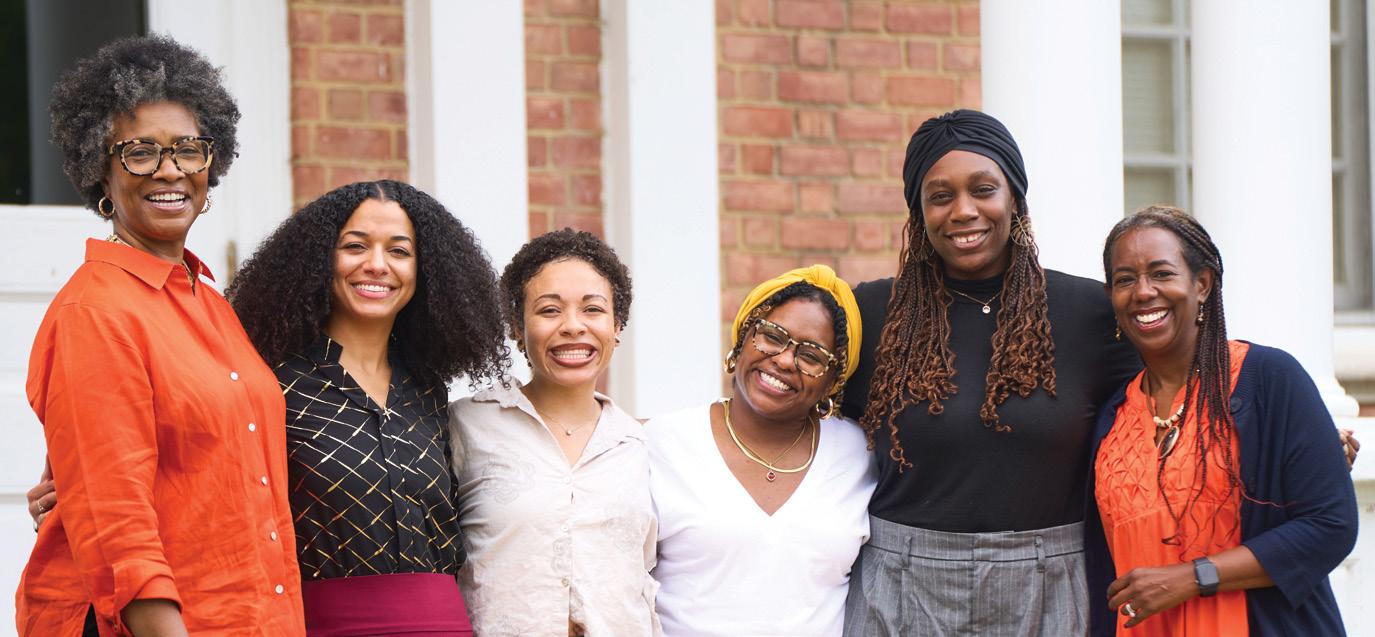
Sharon Fries-Britt ’81, Ph.D. ’94, Distinguished University Professor, and Bridget Turner Kelly M.A. ’96, Ph.D. ’01, associate professor of student affairs, the team interviewed 70 students and
36 faculty, administrators and senior leaders at six higher education institutions, including four-year universities and two-year colleges in rural and urban communities nationwide. Each institution is dedicated to transforming its campus culture to support the academic and social success of students of color and from low-income backgrounds.
“These institutions are committed to an ethic of care and an ethic of action,” says Fries-Britt. “They’ve translated their care for students into policy changes.”
Two overarching themes emerged from the team’s research. The first, which the researchers call “ways of
UMD PROGRAM HAS EQUIPPED FIVE COHORTS OF SCHOLARS WITH RESEARCH DESIGN, MEASUREMENT, ANALYSIS, COLLABORATION SKILLS
BY EMILY SCHUSTER
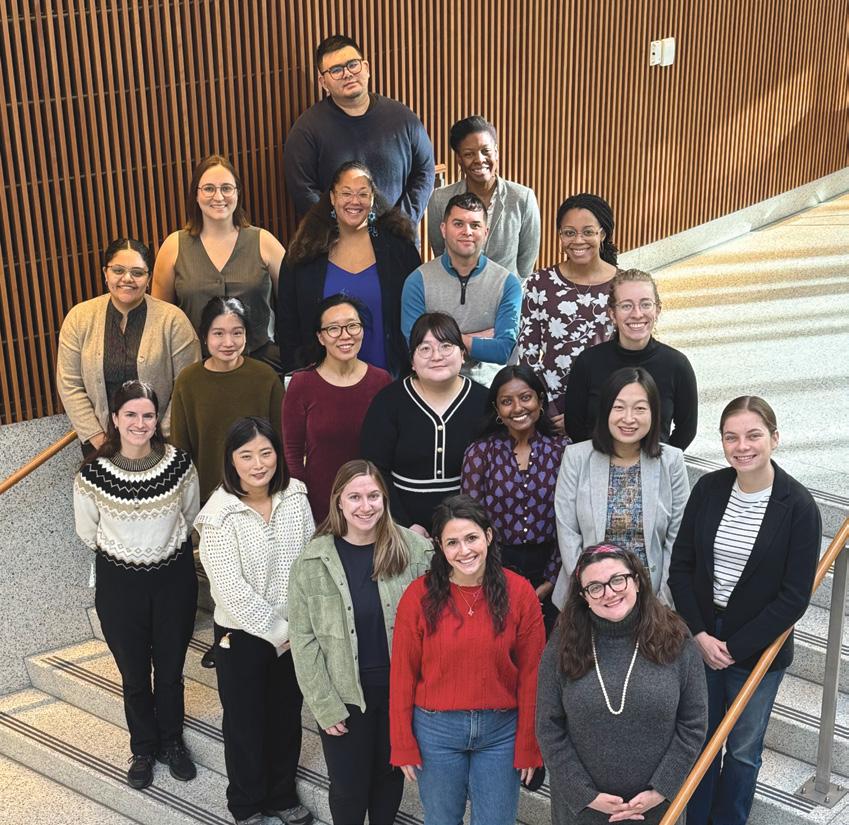
Nearly 100 early career STEM (science, technology, engineering and math) education researchers from across the country have sharpened the skills they need to pursue highquality research into key educational issues, thanks to a program led by the College of Education. Since 2019, five cohorts of scholars interested in equity and inclusion issues in STEM education have learned about research design, measurement, statistics and data analysis through the Quantitative Research Methods (QRM) for STEM Education Scholars Program. By providing in-depth training and
mentoring, the yearlong program has enhanced researchers’ ability to design rigorous, nuanced, cost-effective studies and has also promoted collaboration among scholars.
The program was funded since 2019 by $1,995,043 from the National Science Foundation (NSF) EDU Core Research: Building Capacity in STEM Education Research program.
“We designed our mentoring program based on needs identified by NSF program officers, who sought targeted training in quantitative methods for STEM education researchers,” says Laura Stapleton, chair of the Department of Human Development and Quantitative Methodology and professor, who led the project as principal investigator along with two co-principal investigators, Gregory R. Hancock, professor, and Tracy Sweet, associate professor. “We embraced a long-term approach that would allow for meaningful professional development of early career scholars. We have been so pleased by the progress that our mentees, and now colleagues, have made in their careers and look forward to watching them flourish.”
being that escalate success,” includes actively listening to students and finding innovative ways to support them.
“A key takeaway from our study is the need to listen to the people who are most impacted by these policies and programs,” says Kelly.
The team found that these institutions approach issues collaboratively. For example, at Trinity Washington University in Washington, D.C., advisors at the Center for Student Success work alongside financial aid officers to identify and meet students’ needs. Often, a minor adjustment in a financial package can make the difference between whether a student stays in school or not, according to President Patricia McGuire.
“Our advisors are like caseworkers,” says McGuire, noting that they have moved beyond simply giving course
selection advice to connecting students with resources like mental health support and food assistance. “It’s made a huge difference in our retention and graduation rates.”
The second theme focuses on tools for measuring and reimagining success. The institutions define success beyond traditional measures like six-year graduation rates or particular GPAs. They celebrate their role in helping students arrive at their next step, even if that means they transfer to another institution. They also see success in how their work helps not just individual students but also their entire communities.
For example, through Native Hawaiian Student Services (NHSS) at the University of Hawai’i at Manoa, students can intern in Hawaiian community organizations or study with Hawaiian community leaders and then present
During this past year’s program, QRM scholars participated in two multiday training institutes and at least eight workshops offered by University of Maryland faculty, on topics ranging from questionnaire item writing to machine learning. Each scholar met regularly with a faculty mentor and received support from graduate student facilitators and their peers.
Each QRM scholar also completed at least one quantitative research project of their choosing. This past year, topics ranged from improving science education for students with learning disabilities to creating welcoming environments for STEM college students from historically underrepresented backgrounds.
As many QRM scholars come from groups underrepresented in quantitative methodology, the program has helped to diversify the field of quantitatively trained STEM education researchers. The impact goes beyond the scholars themselves, as their ability to teach quantitative skills and knowledge to their own students improves.
“The program has helped me to see the value in my research and also increase my own confidence in making statistical decisions,” says Amber HoltonThomas, a 2024-25 QRM scholar and assistant professor at Pacific University Oregon, whose research project focused on degree and certificate attainment outcomes among first-generation undergraduate STEM students over age 24. “It’s also pushed me to be a better researcher and to understand that just because we are working with numerical data doesn’t mean the answers we seek are simply numbers. The stories we tell can have impacts on a policy level.”
what they’ve learned to the broader Hawaiian community.
“The university has become a place you go as a Hawaiian to learn more about yourself and where you fit within the collective,” says Willy Kauai, director of NHSS. “It’s where students find their kuleana, or responsibility, to their community and the greater nation.”
In a time of uncertainty, Fries-Britt and Kelly hope these success stories will inspire higher education professionals to renew their commitment to creatively supporting students.
“The work we do has a compounding effect on the success of students,” says Fries-Britt. “We have the power to make a difference.”
+ WATCH: go.umd.edu/itte1 go.umd.edu/itte2
SCHOLARS RECEIVED AT LEAST 37 GRANT AWARDS AFTER PARTICIPATING IN THE PROGRAM
SCHOLARS REPORTED INCREASED CONFIDENCE IN 5 awards from other federal agencies
3
COLLEGE OF EDUCATION RESEARCHERS AND COLLABORATORS ENVISION WAYS TO CULTIVATE AND RETAIN A DIVERSE EDUCATOR WORKFORCE
BY EMILY SCHUSTER
As she neared the end of her teaching internship last year, then-high school senior Teresa Togbe asked her first-grade students about their first impressions of her.
“One student of color said, ‘When I saw you, I was happy to see a teacher that looked like me,’” says Togbe, who graduated from a teacher pathway program at Colonel Zadok Magruder High School in Rockville, Maryland. “That really made me smile. When students see themselves represented in the classroom, they’re more motivated to learn and engage.”
Togbe is one member of a diverse coalition of collaborators who worked with College of Education researchers to imagine ways to cultivate and retain a more racially diverse educator workforce in Maryland and nationwide. The yearlong project was funded by a $74,993 Vision Grant from the Spencer Foundation.
“We know from personal stories of individuals of color, but also from qualitative and quantitative evidence, that teachers of color have a positive impact on the outcomes of
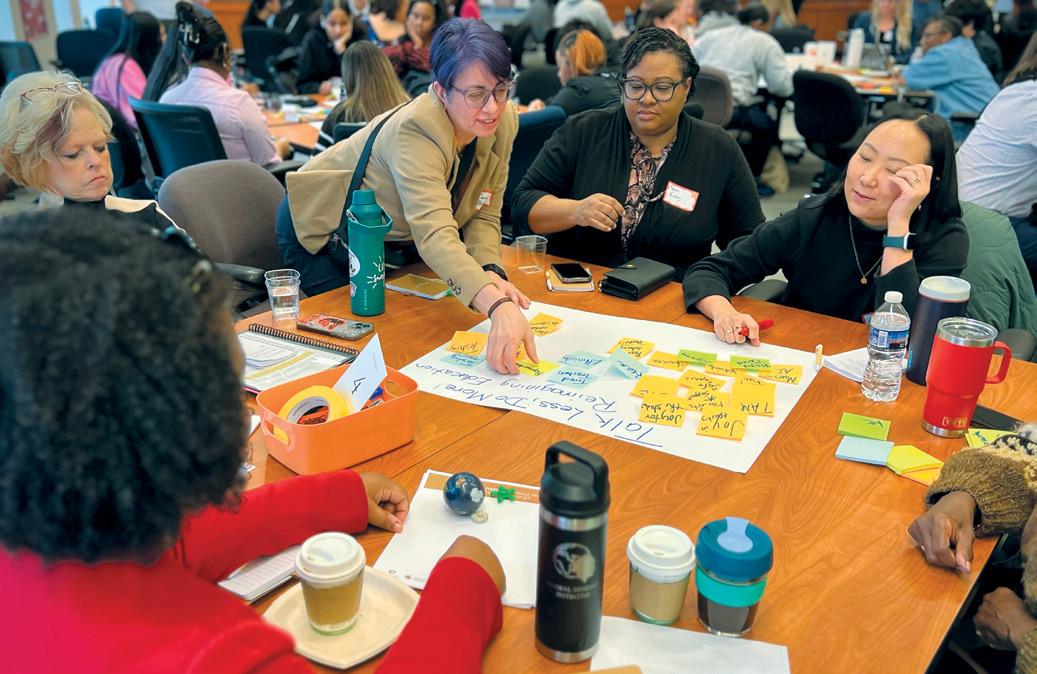
students who look like them, as well as on all students. This includes increased self-efficacy and classroom engagement,” says David Blazar, associate professor of education policy at the College of Education and principal investigator of Transforming Education Systems through Teacher Diversity.
Yet the educator workforce does not reflect the diversity of the nation. According to the National Center for Education Statistics, 80% of U.S. K-12 public school teachers identify as white, compared with 46% of U.S. K-12 public school students.
“Through this project, we’re thinking about strategies and approaches for moving the needle on students’ likelihood of pursuing teaching as a profession, specifically for youth of color. Our larger vision is grounded in the idea of schools as spaces where teachers and students of color feel included, valued, empowered and whole, and policies and practices reflect their desires and dreams,” says Meghan Comstock, assistant professor of education policy, who served as a co-principal investigator along with Ebony Terrell Shockley Ph.D. ’12, associate dean for educator preparation
RESEARCHERS FIND SCHOOL ABSENCES INCREASE AS AIR QUALITY WORSENS
A team including Jing Liu, associate professor of education policy, studied how daily variations in air pollution influenced student and teacher absences and office disciplinary referrals. The team analyzed data from a large urban school district in California from 2003 to 2020. When daily levels of fine particles in the air increased by 10 micrograms per cubic meter over three days, researchers noted the following changes:
• 5.7% rise in student absences
• 13.1% rise in teacher absences
• 28% rise in disciplinary referrals
Over 6 million children in the United States attend public schools located within 250 meters of a major roadway. SOURCE:
and undergraduate studies and clinical professor, and Keisha Allen, assistant professor of teacher education and professional development.
In February, project leaders hosted “freedom dreaming sessions” in which families, students and teachers of color imagined the kinds of environments in PK-12 that would encourage students of color to return to classrooms as teachers and would help retain teachers of color.
Soon afterward, researchers convened a diverse group of 100 individuals from across the state, including students, teachers, administrators, district-level leaders, universitybased teacher educators and researchers, and representatives from community organizations and state education agencies. About one-third of the participants were high school students, primarily those enrolled in teacher pathway programs such as the Teacher Academy of Maryland (TAM) and Educators Rising.
“The students’ desires and experiences became the center of what we were collectively envisioning,” says Allen.
From discussions at the convening, the project leaders and collaborators identified three key barriers to youth of color entering the teacher workforce: prestige, pedagogies and pay. They continued to meet in working groups after the convening to discuss strategies for addressing these barriers. These may involve developing youth-led social media campaigns to reclaim narratives about the prestige of teaching profession; reenvisioning the pedagogies of high school teacher pathway programs to reflect more closely the interests and experiences of youth of color; and making financial resources, such as stipends for students pursuing teacher internships, more accessible to youth of color. The University of Maryland is also exploring becoming a TAM partner, so that students who participate in TAM could transfer their credits to the university.
As the team pursues next steps to develop and study strategies to improve teacher diversity, recruitment, preparation and retention, they will continue to center the voices of youth and communities of color.
“Respecting the voice and agency of individuals that are often left out of the conversation really makes this project novel,” says Terrell Shockley.
Partners on the project represent Baltimore City Public Schools; CASA; Charles County Public Schools; Frederick County Public Schools; Harford County Public Schools; Loam; Maryland Alliance for Racial Equity in Education; Montgomery County Public Schools; Prince George’s County Public Schools; Stevenson University; Strong Schools Maryland; Towson University; University of Maryland, Baltimore County; University System of Maryland; and We Will All Rise, Inc.
GROUNDBREAKING DATASET WILL PROVIDE INSIGHT TO TACKLE NEUROLOGICAL, BEHAVIORAL QUESTIONS
BY LAURA OURS
At a typical pediatric visit, parents are given information about their child’s height and weight, compared to that of other children, and are often shown a scale of their child’s growth on a national curve.
Distinguished University Professor Nathan Fox and Professor Emerita Brenda Jones Harden of the Department of Human Development and Quantitative Methodology in the College of Education and Professor Tracy Riggins of the Department of Psychology in the College of Behavioral and Social Sciences are part of a team of University of Maryland researchers and collaborators who are working to create a future where pediatricians—and other medical professionals and researchers—can also track and share information about a child’s brain development. (Jones Harden is also a professor at Columbia University.)
They are working with the National Institutes of Health (NIH) to continue building, and now sharing, the NIH Brain Development Cohorts (NBDC) Data Hub. The NBDC Data Hub is open for the first time to researchers worldwide, who must apply for access and abide by rigorous research and ethical protocols. Once approved, researchers will have access to rich, longitudinal brain, behavior and genomic data gathered from two ongoing studies, the Adolescent Brain Cognitive Development (ABCD) Study, and the HEALthy Brain and Child Development (HBCD) Study, which they could use to study an unlimited range of topics related to children’s brains and behaviors, from autism spectrum disorder to mental health conditions to memory and language development.
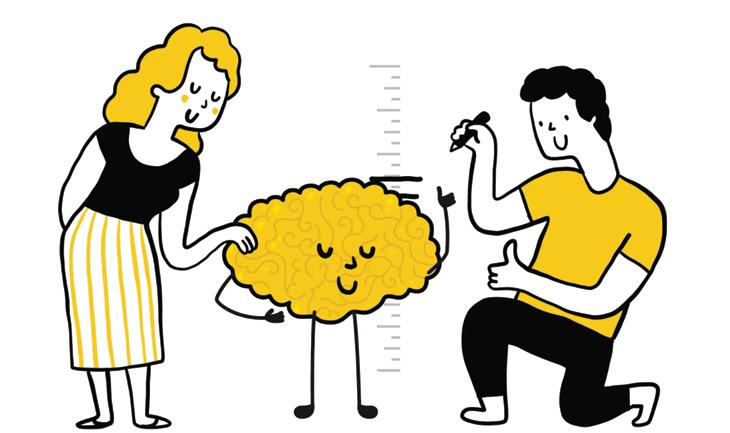
“With the combination of the HBCD study—which begins in pregnancy and goes to age 8, and the ABCD, which starts at 8 and goes through adolescence— researchers will have an extraordinary set of data about brain and behavioral development,” Fox says.
HOW EDUCATORS CAN TEACH STUDENTS TO EVALUATE ACCURACY, CREDIBILITY
BY RAVEN WILLIAMS
Topics such as climate change, global warming and vaccines have dominated conversations and debates in the media but not in classrooms. According to an NPR/Ipsos poll, while 74% of teachers believe this type of science content should be taught in schools, only 42% are teaching it, leaving room for unreliable sources of scientific information to flourish.
Doug Lombardi, associate dean for faculty affairs and graduate studies and professor, believes educators have a responsibility to address science denial and disinformation directly. In a recent article in the Journal of Research in Science Teaching, he encourages teachers to mitigate the information students are most likely receiving from unreliable sources such as social media. Here, he details four strategies for teachers to manage science denial and disinformation in the classroom.
1 RESPOND BY PROVIDING RELIABLE SOURCES. While misinformation may not have the same cruel intentions, it can be equally as harmful as disinformation, which is spread intentionally. Lombardi suggests that teachers share refutation texts with students that directly name inaccuracies and provide reliable information. Educators can teach students what a reliable source looks like and how proper scientific claims are developed.
2
ENSURE TOPICS ARE SOCIALLY RELEVANT AND MEANINGFUL.
Lombardi’s research found that when individuals perceive a topic to be personally relevant, they are more motivated to engage critically with information on that topic. For teachers, this means incorporating topics that directly impact students’ lives, such as the COVID-19 pandemic, vaccines and climate change. Harnessing the curiosity of students and the timeliness of socially relevant topics is a powerful strategy.
3
EVALUATE HOW POWER AND PRIVILEGE INFLUENCE INFORMATION.
“Purveyors of disinformation use our natural biases, our fears, our emotions, to spread information that’s not truthful or trustworthy,” says Lombardi. “They do this to gain power and privilege.” Information to which students have a strong emotional response is likely to have been developed for nefarious intent (generating an emotional response to get more likes/views/clicks/influence) rather than for the purpose of producing accurate scientific information, through the scientific process. Educators must teach students to be extra critical of information that generates an immediate emotional response (e.g., excitement or anger). Being self-reflective when presented with inflammatory scientific claims will slow the rush to judgment.
4
PROVIDE EXPLICIT INSTRUCTION ON HOW TO EVALUATE INFORMATION.
Information literacy skills are applicable across disciplines and can apply directly to science mis- and disinformation. Lombardi’s article shares three key steps for determining credibility of a source: assessing any conflicts of interest, determining the expertise of the author and analyzing any limitations of scientific consensus.
“The idea is to help students be skeptical but not cynical,” says Lombardi. “We want students to develop that curious, open-minded mindset but not be easily manipulated.”
BY EMILY SCHUSTER

Commonly used assessments may be underestimating Latine families’ levels of math engagement at home and Latine children’s early math skills, according to recent studies led by a College of Education researcher.
Although education statistics consistently show gaps in home math practices among Latine families when compared with the U.S. population overall, Assistant Professor Jimena Cosso’s work suggests that these differences reflect limitations in how these practices are traditionally measured. Such traditional measures, developed with English-speaking families, don’t account for cultural differences in how families engage their children with numbers, says Cosso, who directs the college’s Home Opportunities for Latines in Advancing STEM (HOLA STEM) Lab.
Based on interviews and surveys with a total of 230 Latine caregivers, Cosso led the development of a strengths-based, culturally relevant assessment that can more accurately
measure how Latine families engage their children with math concepts. The measure asks more specific questions about everyday activities, as the interviews indicated that many Latine families teach numerical concepts spontaneously during daily routines such as setting the table or cleaning up toys. In addition, the measure includes culturally specific examples, such as a reference to lotería or lotto, a board game commonly played in Latin America. Cosso validated this measure in a recent study with 320 Latine caregivers, published in the Journal of Family Psychology
“We are now showing that Latine families do engage in math as much as other groups, but it may look different,” says Cosso. “I hope this type of research shows them that they are doing enough, and they are valued in our research.”
In her next steps, Cosso hopes to provide culturally appropriate resources to support Latine families’ strengths and the practices they are already implementing.
In addition, in new research currently under review, Cosso examined math achievement data of 7,720 Latine children between ages 3 and 5 enrolled in Head Start. Bilingual Latine children are typically given an English proficiency language assessment that determines whether they then receive math and other assessments in English or Spanish. Cosso examined the math scores of children near the cutoff that determined which language was used. She found that children who received the math assessment in English scored significantly lower than their peers who took it in Spanish. According to Cosso, this raises questions about the cutoff and whether a single-language assessment can accurately measure a bilingual child’s knowledge.
“You can’t look at what children know in one language as if their brain only works in that language or the other. For dual language learners, that’s not how it works,” says Cosso.
Past research has shown that conceptual score assessments, which allow assessors to ask and children to answer questions in both languages, more accurately measure bilingual learners’ understanding. Cosso hopes to develop such an assessment for math in the future. Accurately assessing children’s math skills is an important step to ensuring they have access to appropriate levels of instruction.
“If we really want to assess early mathematical skills, we need to provide bilingual kids the opportunity to thrive and to do the best they can,” she says.
I decided to complete my master’s during one of the most challenging seasons of my career. I was navigating an inequitable school system and in search of my voice as a disruptive social justice educator. The college provided me with community, purpose and perspective. I was reminded that education is a practice of freedom. The College of Education allowed me to discover my “why”— why I lead, why I mentor and why I remain committed to transforming programs to ensure success for those furthest from opportunity.
SELVON WALDRON M.A. ’20
How has your experience in the College of Education helped you through a challenging time in your life or career?
from a completely different professional background,
I faced a lot of uncertainty and self-doubt at first. But from the beginning, I was guided by my academic advisor, who helped me plan my courses and understand the university system and gave me the confidence I needed. Thanks to that support, and to everything I’ve learned in the program, I’ve developed critical thinking skills and discovered new abilities.
1) listening first, speaking later; 2) determining the root cause of conflict by probing without judgment; 3) finding a consensus-built solution; 4) communicating clearly and concisely; and 5) being unafraid to speak to power.
ROCKY
LOPES ’80
Over the last several years, I have struggled to process the challenges our nation and world have experienced, including mass shootings, war, food insecurity, political turmoil and racism. My career in social studies education has kept me hopeful and grounded, knowing that the work has true and meaningful impact. I am preparing future social studies teachers, and in turn their future students, on how to become critical thinkers and civically minded and engaged members of society to promote change for the common good. I cannot think of anything else I would rather be doing with my life.
ALISON JOVANOVIC ’98, PRINCIPAL FACULTY SPECIALIST
+ READ MORE AT go.umd.edu/challenging
HAVE A STORY TO SHARE? EMAIL US AT coecomm@umd.edu
In 2010, while working on my dissertation, I learned that my son, who we were in the process of adopting from Haiti, survived the earthquake in Port-au-Prince. The entire COE community rallied around me. My fellow graduate assistants covered my work responsibilities, my professors immediately reached out, and my advisors, Drs. Deb Neubert and Sherril Moon, started a collection to pay for our flight so we could be reunited with our son.
MONICA SIMONSEN ’00, M.ED. ’01, PH.D. ’10, DIRECTOR OF TEACHER EDUCATION
BY NATIFIA MULLINGS
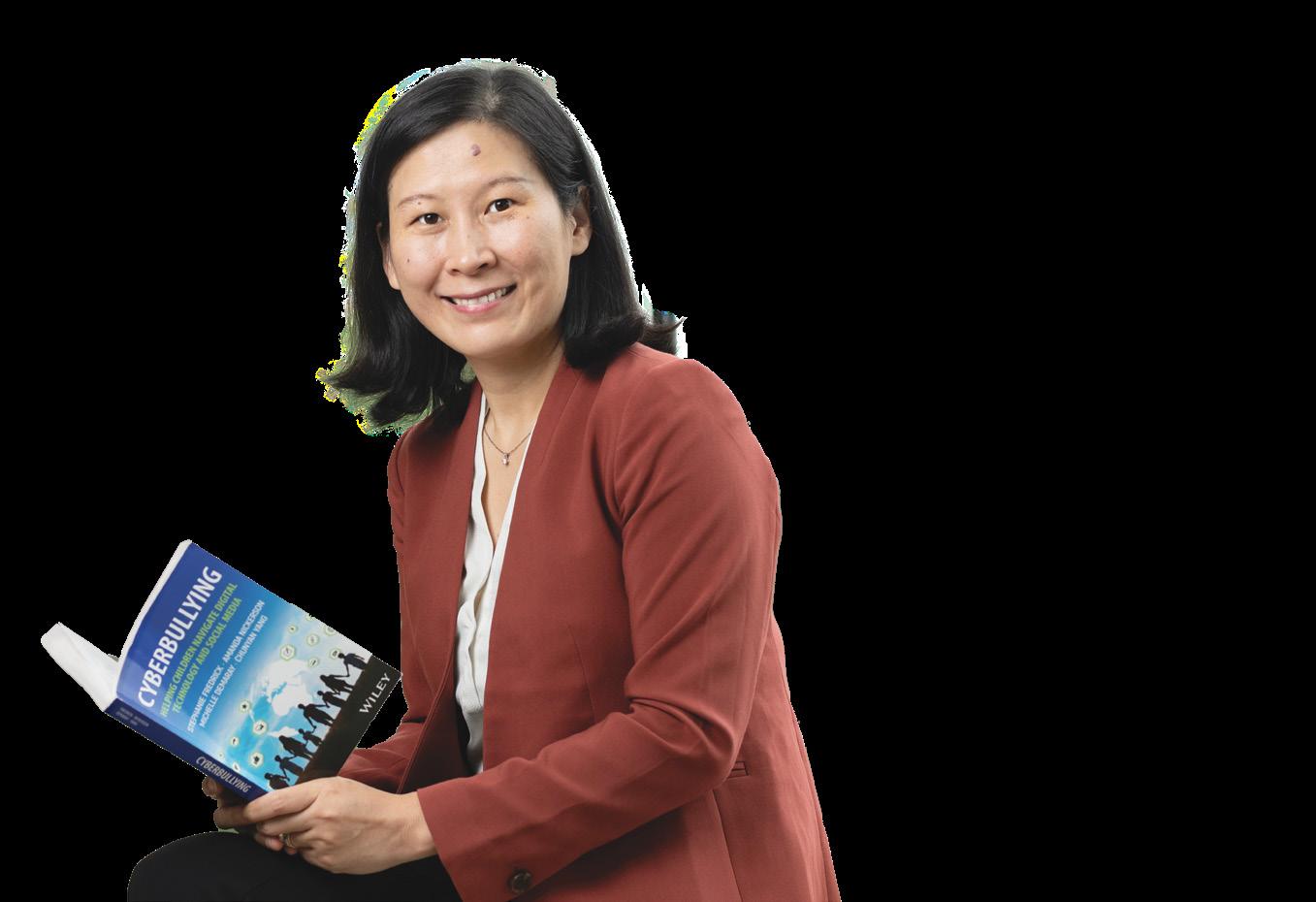
Cyberbullying is a growing concern for parents, educators and young people navigating today’s digital world. Unlike traditional bullying, it can feel relentless, with the constant pressure to always be online.
Chunyan Yang, associate professor in the Counseling Psychology, School Psychology and Counselor Education program and co-author of the recent book “Cyberbullying: Helping Children Navigate Digital Technology and Social Media,” studies how school members respond to challenges like bullying and mental health struggles. Endeavors spoke with Yang about cyberbullying—the warning signs and emotional impacts, as well as how to prevent and respond to it.
Cyberbullying is a form of bullying that takes place in digital spaces, such as on social media or through text messages. Like other types of bullying, it has three defining features: unwanted aggression, an imbalance of power and a tendency to happen repeatedly over time.
Examples of cyberbullying include spreading rumors, sharing confidential information or using hurtful language. With the rise of artificial intelligence, new risks have emerged, such as creating fake videos or manipulating images of someone and circulating them publicly.
When a child is being cyberbullied, they may seem upset while online and may avoid talking about their online activity. They may not want to go to school, or they may experience changes in eating or sleeping patterns, loss of motivation or withdrawal from schoolwork and social life. Children who are doing the bullying may hide their screens when others are around. They may maintain multiple accounts, get upset when they don’t have access to their devices or use them throughout the night. Children who struggle with empathy, are overly concerned about social status or are more aggressive in person may be more likely to engage in bullying online.
What strategies can children use when they’re being bullied online?
One simple strategy children can remember is “Stop, Block and Talk.”
First, remind them not to engage with the bully. Then block the person and step away from the device. Finally, they should report the incident to a trusted adult.
How can parents support children after a cyberbullying incident?
The first step is to stay calm. Then listen with empathy. Give your child space to share what happened, validate their feelings and let them know that it’s normal to feel hurt, angry or confused. For some children, counseling or therapy can be helpful. Save evidence by taking screenshots or printing messages (except in cases involving inappropriate images of minors, which should never be copied). Report the incident to the school and the platform where it occurred. If threats or sexual images are involved, contact law enforcement immediately. After reporting, follow up to ensure the issue is being addressed.
If you discover your child has bullied others, stop the harmful behavior right away. Have an honest conversation to understand what happened and, if necessary, set consequences like limiting device use. Encourage your child to repair the harm by removing hurtful posts or writing an apology. Continue monitoring to ensure the bullying has stopped, using parental guidance or device controls.
What are some ways educators can help prevent cyberbullying?
A supportive, inclusive school culture can serve as a powerful protective factor. Educators can foster a school climate where clear policies are in place, expectations are consistent and students feel supported by adults. Resources such as Common Sense Education’s Digital Citizenship Curriculum and programs like Second Step or RULER help young people build empathy, self-awareness and relationship skills, which are essential for preventing online aggression.
























WE KNOW AN EDUCATION HELPS INDIVIDUALS.





















HERE’S HOW IT HELPS SOCIETY AS A WHOLE.












BY AMANDA LOUDIN


















































































Higher education leads to a long list of benefits. Its most obvious payoff is earnings. As of 2024, the median weekly income for a college graduate was $1,533, compared with the $946 median weekly income of high school graduates, according to the U.S. Bureau of Labor Statistics. But the value of higher ed goes farther, exposing students to mentoring and professional training, helping them discover a lifelong love of learning and placing them firmly on a path to self-discovery.




Beyond the personal, however, higher ed has a positive impact on a societal level. From the ability to work with others across the political spectrum, to the opportunity to meet and build relationships with people from a wide swath of diverse backgrounds, to developing the desire to make positive changes in society, College of Education researchers and their students are demonstrating the critical role higher ed plays in society—and a healthy democracy.
Today, more than ever, there’s a need for civic engagement. The nation’s future may rest on citizens’ ability to hear each other out, appreciate the nation’s rich tapestry of backgrounds and invest in keeping democracy alive. Higher ed may be a key to achieving those goals.
From where she stands as director of the College of Education’s Civic Education and Engagement Initiative and principal investigator of the university’s Maryland Democracy Initiative (MDI), Lena Morreale Scott sees higher education as a unique setting to foster a healthy and engaged society.
“We have an unparalleled range of experiences and expertise, which puts folks in a unique position to collaborate across disciplines,” she says. “We can take risks and dig deep to solve problems.”
In addition, universities have a unique role because they are oriented to helping students prepare for their futures, which includes career readiness and preparation to help them participate fully in their civic life, Scott explains.
Within MDI, the team is focused on teaching civic knowledge and skills—they encourage eligible students to vote and also to be informed about the candidates and issues on the ballot, for instance. They support faculty and staff to provide meaningful service learning experiences for students that enable them to weave together what they are learning in class and in the community. For example, while it is commendable to volunteer at a food pantry, the learning will be deeper and the impact greater if the students also learn about the root causes of food insecurity and can learn to advocate for policies that better serve people who are facing hunger.

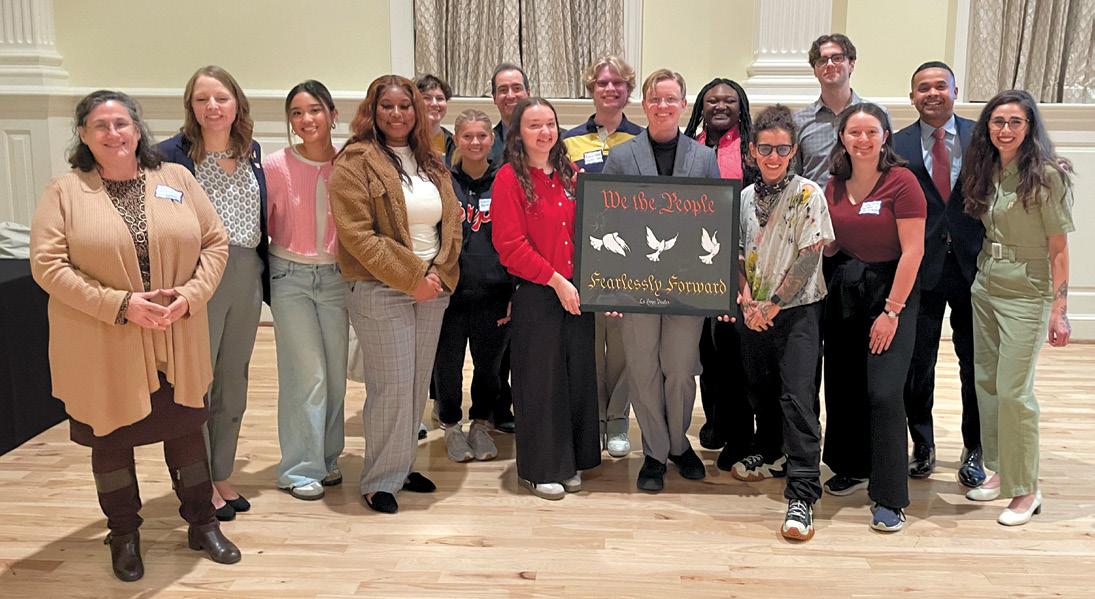
Stephanie Breen Ph.D. ’23, director of research at the Strada Education Foundation, has taken an in-depth look at the value of higher ed for Black, Latine and Indigenous students. As lead author of the Pell Institute and Lumina Foundation’s report “Is College Worth It?”, Breen and her team surveyed 1,801 undergraduate students of color nationwide who identified as first-generation and low-income and who participated in federally funded TRIO programs during their undergraduate studies. They concluded that “students recognize the broader societal impact of their education, particularly in terms of civic engagement and social justice.”
Funded by a Grand Challenges Impact Award from the University of Maryland and gifts from Marsha Zlatin Laufer ’64 and Henry Laufer (page 4), MDI is now in its third year. MDI is the collaboration of four disciplines at UMD: education, journalism, political science and public policy, and it collaborates with civic organizations, the media and schools. The initiative has so far backed student service learning; a project to help middle school students determine the credibility of online information; a voting rights and voting mobilization project; and a voter guide highlighting the stances of every school board candidate in the state, among other projects.
We can take risks and dig deep to solve problems.
In the survey, 87% of respondents agreed or strongly agreed that their college degrees have the “potential to make a positive impact on society.” Likewise, 78% of the students agreed or strongly agreed that “My college education has given me the skills to effectively advocate for causes I care about.”
What really stood out to Breen was that the surveyed students were intentional about using their degrees to effect meaningful change. “This ranged from opening a business in an underserved neighborhood to increase access to healthy food, to pursuing advanced degrees focused on researching and addressing environmental inequities,” she says. “They weren’t just seeking a good job with their education—they were committed to leveraging their knowledge and skills to give back to their communities and create lasting impact.”
While Breen worries about the current state of democracy, it’s the next generation of students that give her hope. “These students are revolutionary in so many ways,” she says. “They take pride in pursuing careers with the goal of leading in their fields, shaping systems and improving outcomes for their communities and generations to come—standing firm in that purpose no matter the context.”
At this moment, one of the things we can do is connect with our community to think together about concerns and solutions—and then act on those solutions.
Today’s divided political scene is often evident in loud shouting matches and viral social media posts. Can higher education serve as an antidote to those contentious displays? That’s the question Alberto F. Cabrera, professor emeritus of higher education in the College of Education, wanted to answer. Along with David Weerts, professor of higher education at the University of Minnesota-Twin Cities, Cabrera co-authored a recent article in the Journal of College and Character examining that question. Their work was supported by the American Center for Public Leadership at Southeastern University.
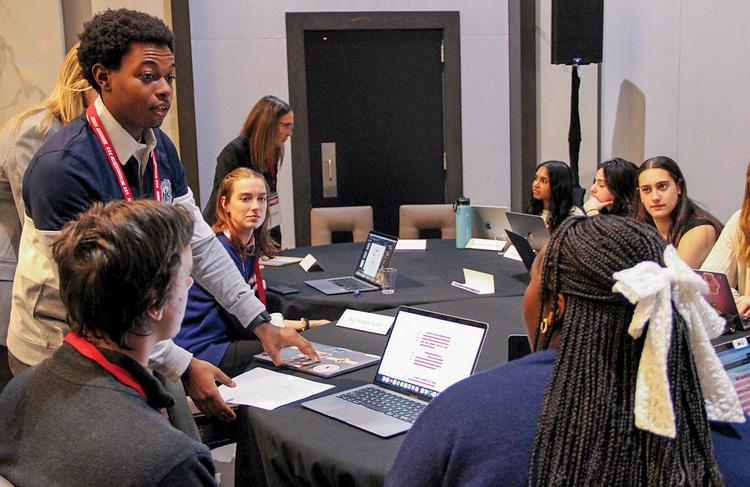
The researchers drew on data from 4,990 respondents to the National Survey on America Civic Health to analyze essential civic virtues, or a set of character attributes that promote productive participation in a democratic society. These include tolerance for political disagreement and humility in engaging others’ perspectives with an open mind.
“We wanted to understand what elements matter in developing a person who can welcome other views,” says Cabrera. “We looked at family, high school, community and collegiate experiences.”
The researchers found that, on average, people who earned a bachelor’s or graduate degree had 13-14.4% higher levels of tolerance and humility than those with a high school education or less. Their findings cautiously point to the idea that universities may be places that nurture willingness to engage across political divides—quite

– TANIA D. MITCHELL
the opposite of the argument that colleges indoctrinate students and don’t tolerate certain political viewpoints.
“The elements are there,” says Weerts. “But you need the correct people to embrace confident pluralism”—the idea that people can coexist peaceably despite their differences.
Cabrera and Weerts theorize that higher education can allow students to develop cognitive flexibility, which in turn promotes new beliefs and mindsets. This cognitive flexibility can foster greater tolerance toward people holding different ideologies and worldviews.
When the Supreme Court ruled to restrict race-conscious admissions in 2023, Julie J. Park, professor in the College of Education, was poised to recognize how harmful the decision was—not only on an individual level but also on a societal level.
“I’m very concerned about the current efforts to destroy diversity in higher education,” she says. “There will be harm to society as a result, given the need for a diverse workforce and the need to expand access in higher education.”
Park’s research demonstrates that there are numerous benefits when students engage with racial and ethnic diversity during college. These can include improved leadership and teamwork skills, less prejudice and increased volunteerism.
In addition, Park’s research and areas of focus demonstrate that when students are exposed to and interact with people from diverse backgrounds, they are able to learn from experiences and perspectives different from their own, which can challenge them to think critically about their future careers and role in society. For example, many of the alumni of a racially diverse campus religious group she studied purposefully sought out racially diverse environments after graduation—in places like churches, neighborhoods and schools—as a result of their experiences during college. This helps break down stereotypes and encourages citizens to support and help each other,
no matter what their differences may be. It minimizes division and instead encourages community.
In that vein, Park remains hopeful despite the threats to diversity occurring in higher ed. “I keep hearing from students that they care about these issues,” she says. “We can continue to work for a better country.”
Volunteerism is a well-established path to developing empathy and fostering connections across differences, a basis for healthy society. It follows, then, that communitybased learning can encourage people to consider acts that serve their communities as a whole. That’s what Tania D. Mitchell, UMD’s inaugural associate provost for community engagement and professor in the College of Education, has discovered through her research.
The key, Mitchell explains, is that when students conceptualize community learning as engagement versus charity, they’re more likely to acknowledge different perspectives, reflect on social problems and possible solutions, perceive social issues as a shared responsibility and engage in social action.
That’s a difference made by community-engaged learning versus one-off volunteering. One-off volunteering generally references one-time or short-term projects where a person may do work responsive to a need in a community but not spend significant time trying to understand the context or the community in which the work is done. In contrast, in a community-engaged college course, students might work with small business owners to understand challenges to business development and thriving during a period of massive development like a major transit construction project.
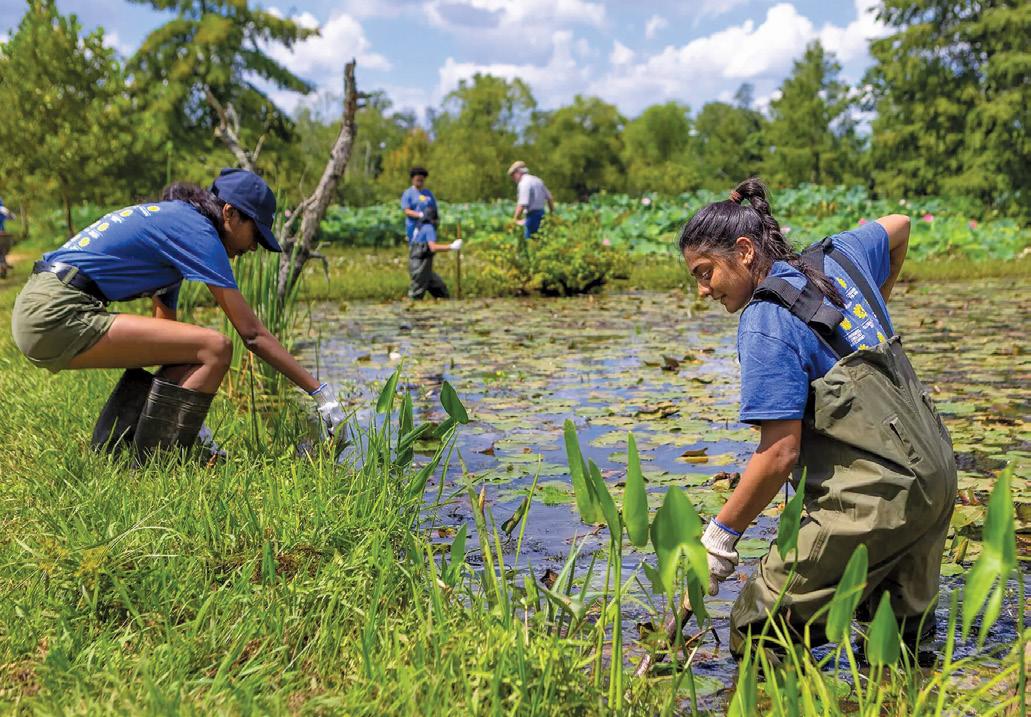
While there is great value from one-off volunteering, “Research shows that it doesn’t create the kinds of space for learning or reflection that leads to the commitments and actions we see from students who participate in more prolonged experiences,” says Mitchell, “especially those they see as contributing to societal change, social justice or empowering others.”
By forming student cohorts that extended to multiyear learning, Mitchell has facilitated long-term engagement between college students and community members. “Their relationships with each other inspire commitment for a longer term,” she says.
This is particularly critical in the current environment, when higher ed finds itself under attack. “Community engagement isn’t a panacea, but it can be a balm,” Mitchell says of the current national, divisive environment. “At this moment, one of the things we can do is connect with our community to think together about concerns and solutions— and then act on those solutions.”
To see all these efforts in action, look no farther than Declan Kirby ’25, who double majored in political science and secondary social studies education. Kirby, now a middle school world studies teacher in Montgomery County Public Schools, says that his time at UMD stoked his passion for civic engagement.
“My experience at Maryland was one of great discussions of controversial issues,” says Kirby. “Before college, I had a rigid view of American politics and right versus left. My education expanded my views, and now I care even more about democracy.”
Kirby’s exposure to a diverse student body and viewpoints played a big role in his decision to become a teacher. “I get to impart history to the next generation,” he says, “and part of my work is to be an advocate for civic engagement.”
And that is the value of higher education on display: Kirby and other students carrying the torch forward that UMD academics lit for them.
“Democracy depends on all of us,” says Scott. “I believe that flagship universities have an obligation to serve their communities and the world. We can’t uphold the law and big ideas unless we get involved.”
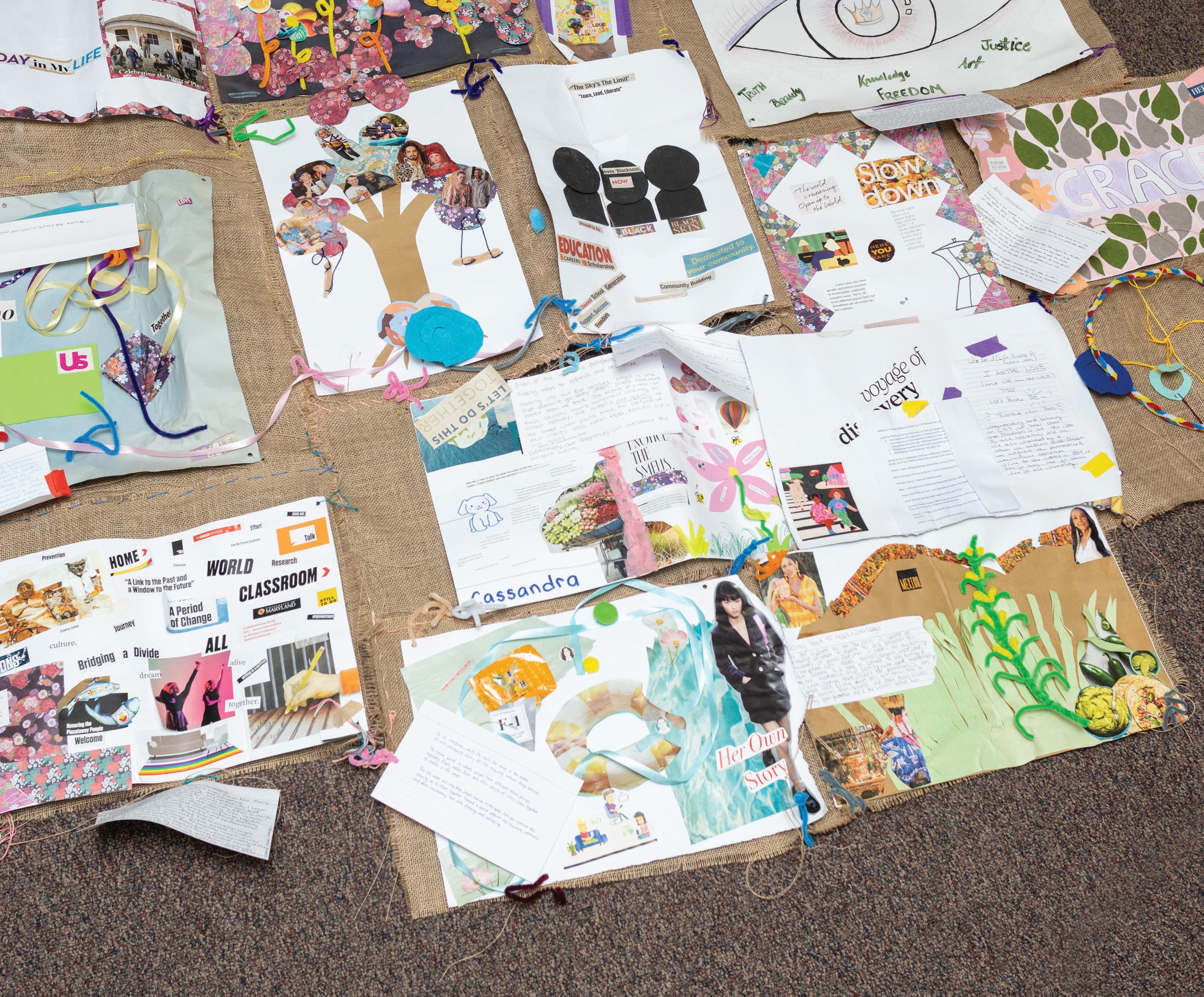
Through the open-ended process of zine-making, community and student storytellers explore personal experiences, family and community history, and visions of the future
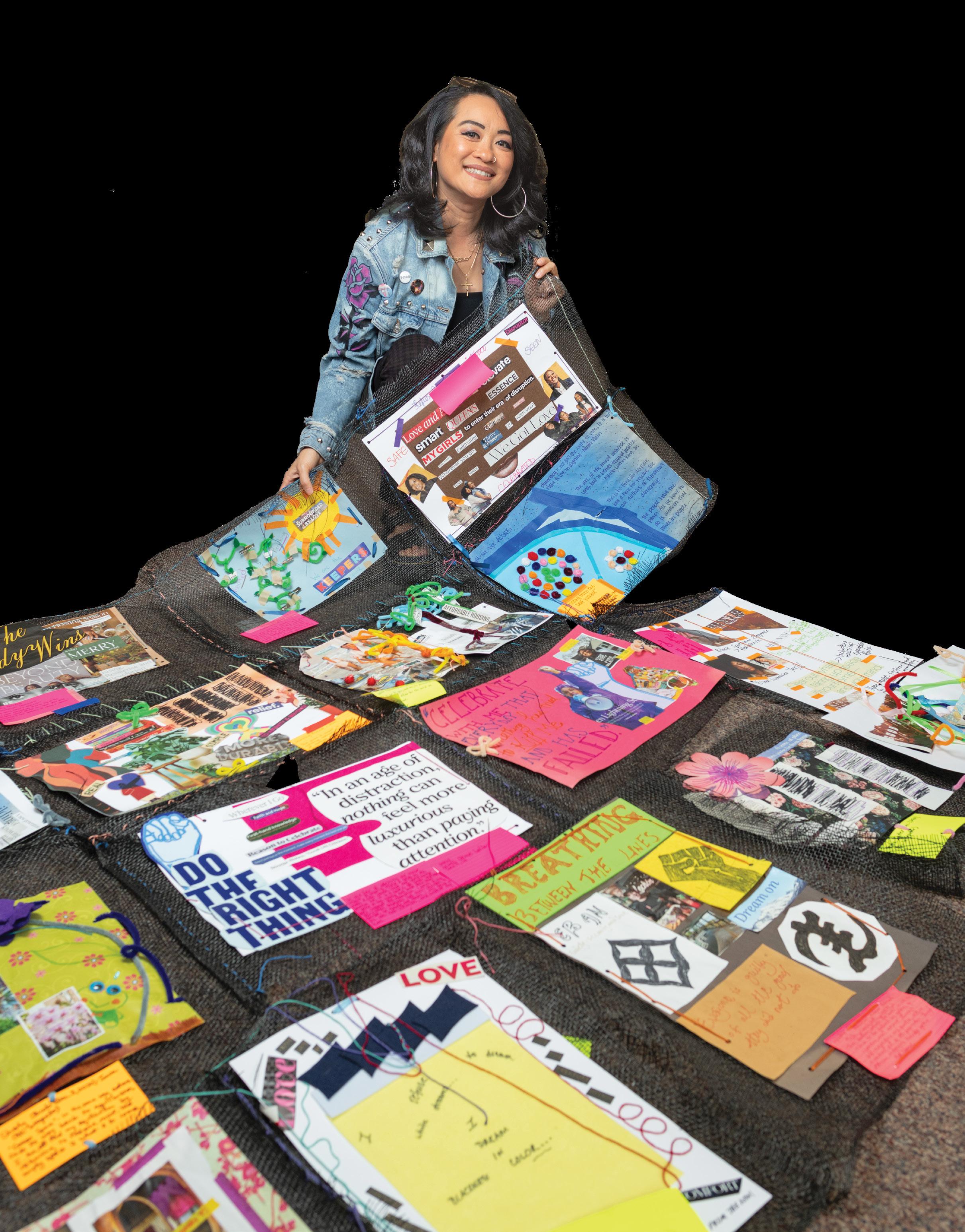
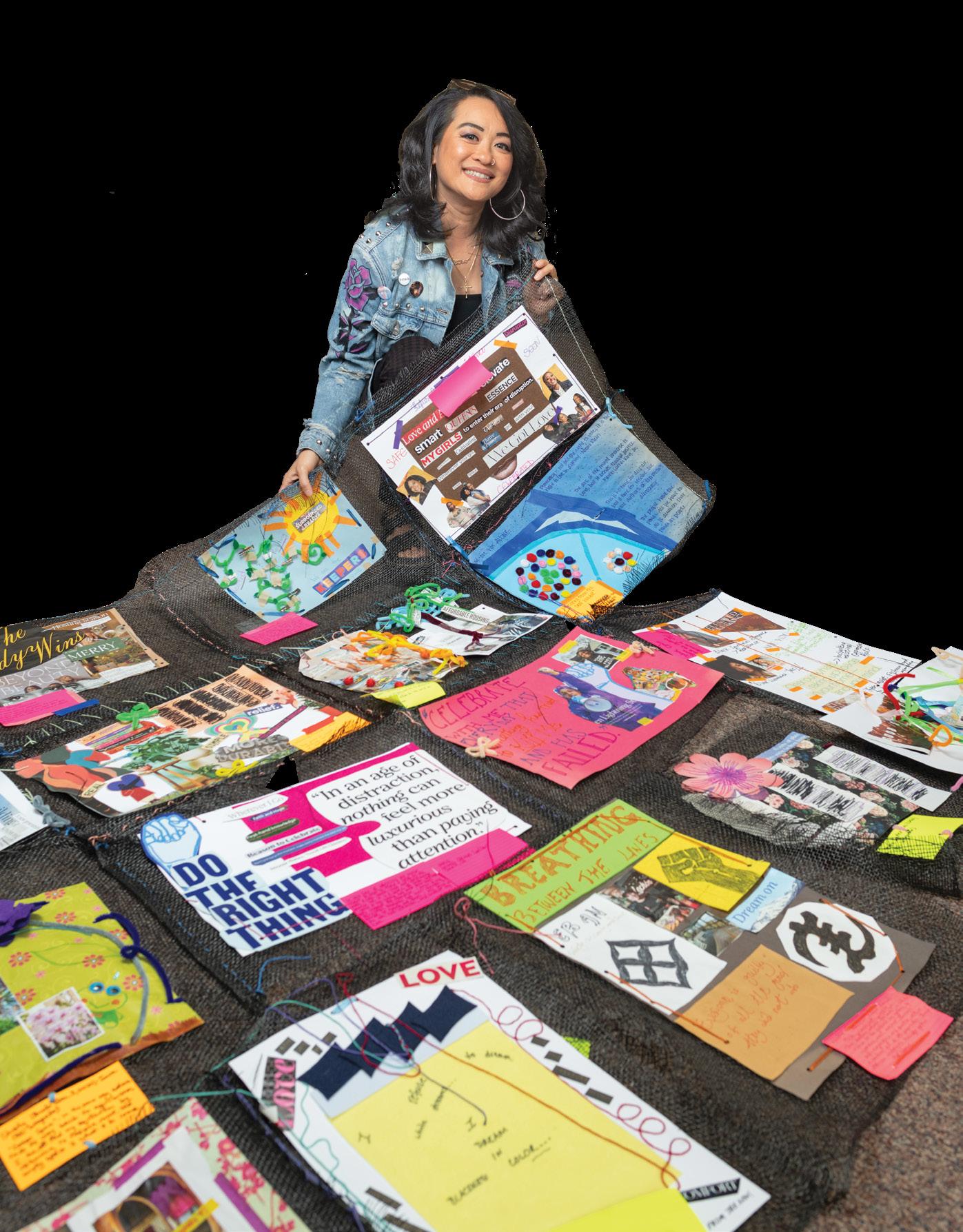
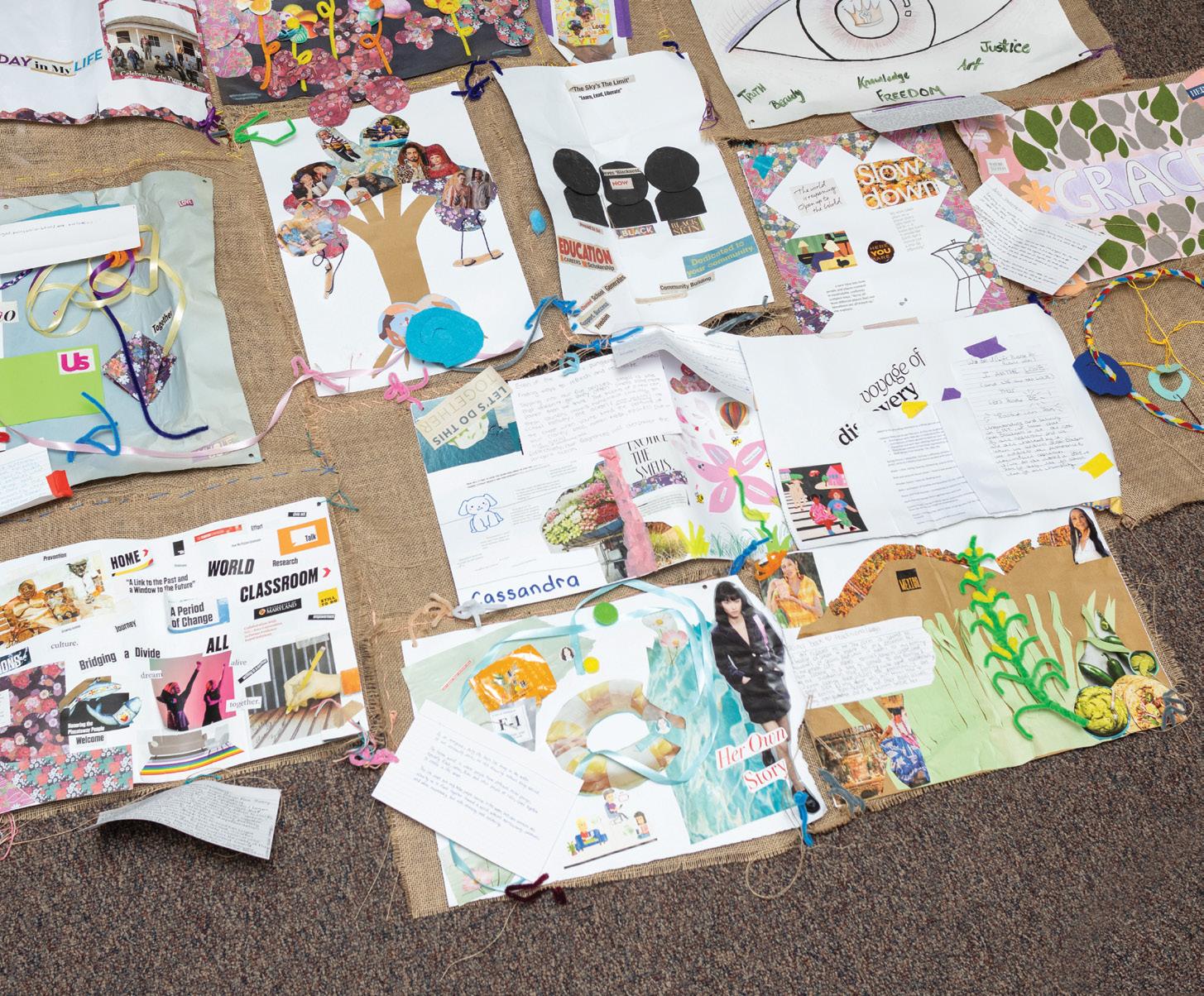
On a cool fall afternoon, graduate students sat on the floor of a classroom in the Benjamin Building, stitching together a quilt that reflected their visions of the world they wanted to live in.
Led by Rossina Zamora Liu ’98, an assistant professor in the urban education specialization in the College of Education, the students had each created a “zine” expressing how they imagined building spaces of hope, healing and rest for themselves. The zines were brightly colored artworks fashioned from magazine cutouts, family photos, braided pipe cleaners and handmade paper suns and flowers. The students sewed their zines onto patches of burlap and then joined these together into a quilt that blazed with brilliant hues, rich textures and empowering words written with bold markers:
“We are not alone.”
“Rooted and reaching.”
“Black & Beautiful.”
“Safe. Seen. Celebrated.”
“This is no time for despair, but a time for resolve. We are authors of tomorrow’s democracy.”
“The zine-making process allowed us to express our feelings and share them in a space we created for ourselves,” says Colin McCarthy, a Ph.D. student specializing in urban education. “It was a labor of love, joining all of our individual thoughts, experiences and dreams together to create a representation of our community.”
Zines (pronounced “zeens”) first emerged in the 1930s as short magazines created by science fiction fans. They were adopted by the punk culture in the 1970s and then by the Riot Grrrl feminist movement in the 1990s in the form of self-published, photocopied pamphlets containing social commentary, personal stories, poetry, and collages and other artwork. These zines were created by and for the community, providing a space for people outside the dominant culture to express themselves.
In Liu’s graduate courses and community workshops, zines continue this legacy of amplifying untold stories in a grassroots, flexible format—but they take on even more open-ended forms. Zines allow a story to take any shape, without a predetermined structure or rules, Liu explains. The storytellers she has worked with have created zines in the form of collages, graphic novels, mobiles, origami and even wood carvings.
“A zine can be anything you want it to be,” says Liu. “You use the materials you have to capture your story that hasn’t been told or heard. Now you’re taking up space. You create this story, and people have to engage with it.”
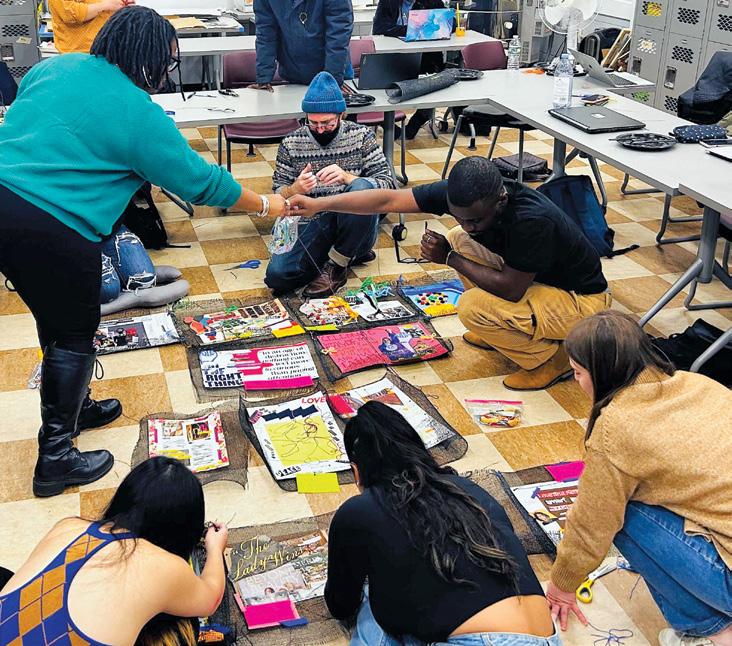
Liu led her first storytelling workshop in the 2010s, at a shelter for unhoused individuals and families when she was a graduate student at the University of Iowa. In telling their stories, many of the writers started to create their own zines. Liu began the project with no funding, but she was amazed by the resourcefulness of the storytellers living in the shelter. They used found materials such as old planners, cardboard boxes and duct tape to make their creations, along with pens and paper that Liu’s department offered from their supply closet.
Since joining the University of Maryland as a faculty member in 2018, Liu has received four different internal grants totaling $95,000. With these resources, she can fund graduate assistantships and provide a variety of art supplies to the zine-makers, from glitter to ribbons to pom-poms, in addition to found and repurposed materials like fabric swatches, maps and old letters.
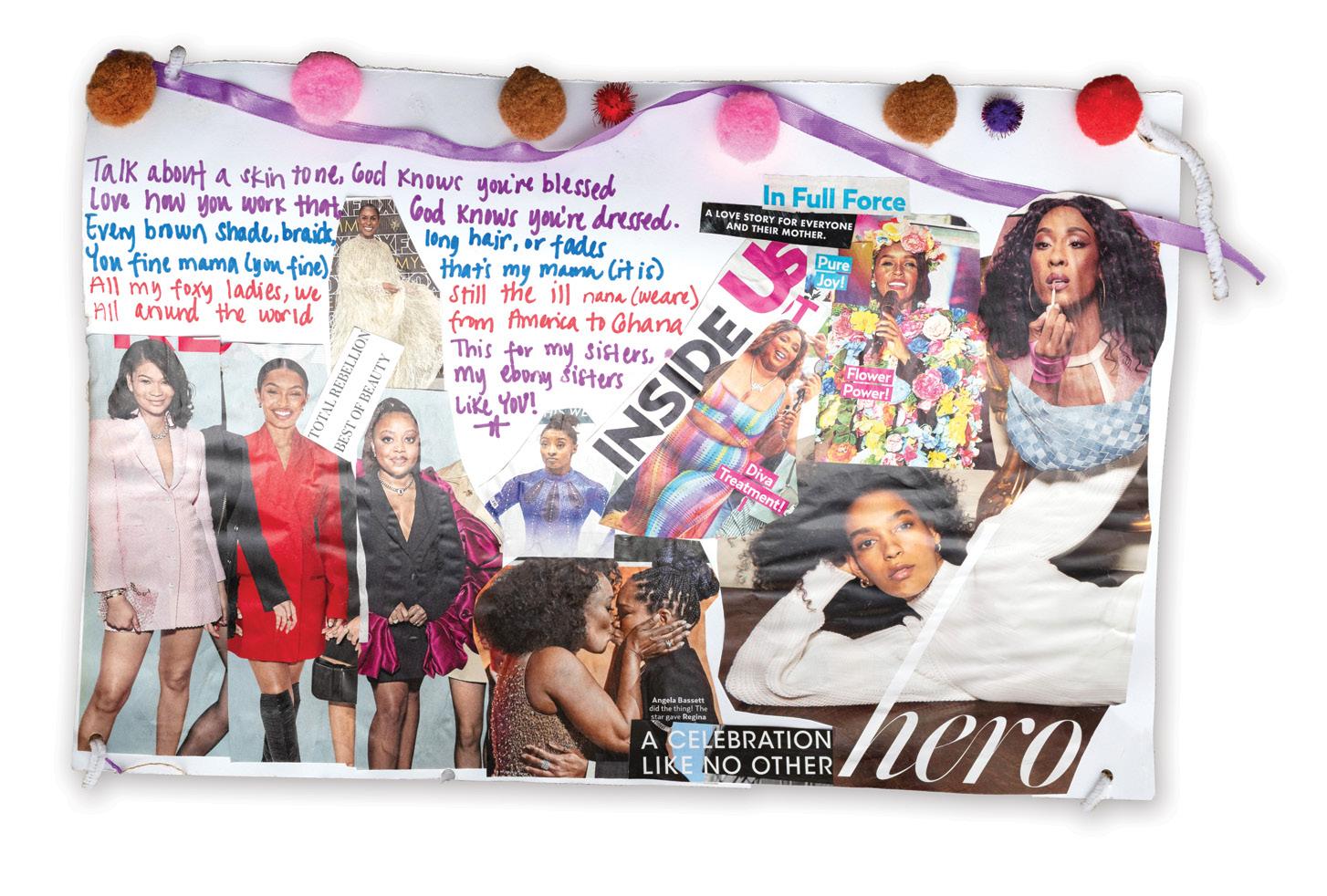
The zine-making process is “fluid and organic,” Liu says. She might begin by offering the storytellers an open-ended prompt, which she draws from the experiences and needs of the group.
“The storytellers are the experts. They’re the knowledge makers,” she explains. “The project evolves with them, just as their stories evolve.”
The zine-makers have explored themes connected to family history, personal experiences related to race and gender, a desire for home and a sense of belonging, and hopeful visions of the future. For example, in a recent installment of a zine-making workshop series, middle and high school students in Washington, D.C.’s Chinatown mapped out their visions of what they need in their schools and neighborhoods to feel safe and secure. Some of the students serve on youth councils that produce recommendations for community leaders; they told Liu that their zine-making work was helpful in informing their thinking about policies and advocacy.
Throughout the process, the zinemakers share their stories and experiences with one another as they feel comfortable, thereby building community. They also write artists’ statements about their work. Although zine-making is not a formal therapeutic practice, Liu
says that it often leads to healing and transformation as storytellers feel heard and develop a deeper understanding of themselves.
“Any kind of storytelling is healing,” she says.
For Liu’s graduate students, zine-making has also proved to be a way to think about and enrich their own research. Although some students are uncomfortable with the lack of structure at first, they often find that zine-making leads their thinking in new directions—sometimes even to developing new conceptual frameworks for their research.
For others, like Satra D. Taylor, a Ph.D. student concentrating in higher education, zine-making is a welcome opportunity to integrate creativity and scholarship. Taylor considers herself a creative who enjoys writing poetry and producing visual art.
“I have not had many opportunities throughout my collegiate career that have enabled or encouraged me to intertwine my creative talents academically, especially in a way that supported my processing of emotions or sense-making that words could not capture,” says Taylor, whose zines have celebrated Black women’s beauty,
boldness and joy. In her dissertation research, she is working with formerly incarcerated Black women to examine their access to and decisions about pursuing college studies in prison. She plans to incorporate zine-making in a focus group for the women to reflect on and share their stories.
Similarly, Huong Truong, a Ph.D. student concentrating in student affairs, has found that zine-making leads her to more innovative thinking. Her dissertation research centers on researching and telling the stories of Asian American communities, which will contribute to developing better practices and resources for college students. In one of Liu’s graduate courses, Truong created a zine using “blackout poetry”—blacking out words in a travel magazine’s exoticized depiction of a rural village in Southeast Asia and instead honoring ancestral knowledge and spiritual practices.
“Academia is restrictive in what is seen as formal, acceptable research,” she explains. “As a scholar, presenting my perspectives in a new form allows me to sit in the discomfort of broadening
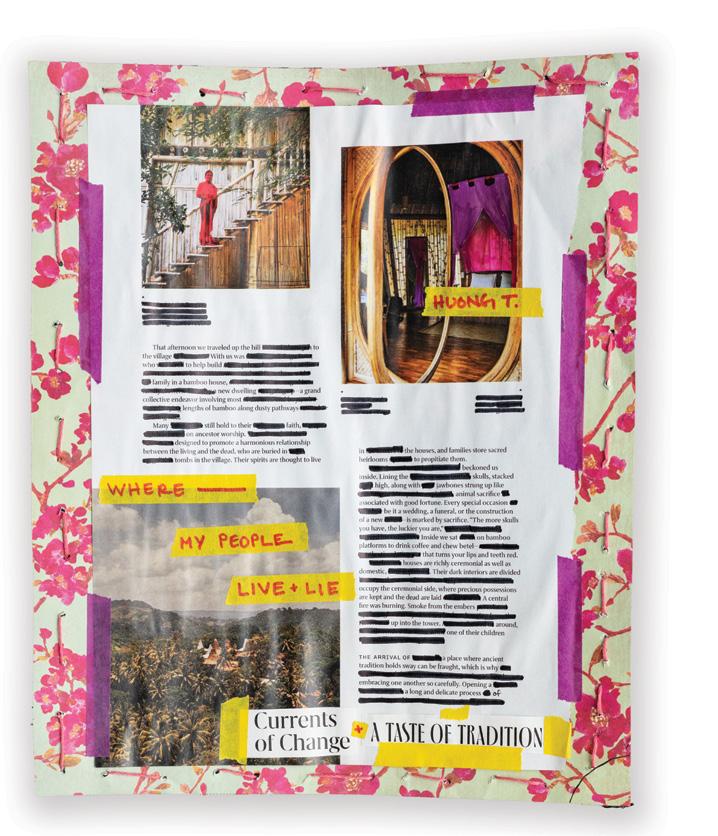
what research can encompass while being innovative in communicating my work. As a person who deeply values community, this process has given me space to connect with others by hearing and seeing their perspectives while sharing my own.”
Liu recently co-authored a study about zine-making in American Psychologist, along with her research team and several high school student zine-makers. The study focused on the zine-making processes of middle and high school students of color in Summer 2022. Liu’s team met with more than 70 students from three different communities, twice a week over four weeks. Each member of the research team created their own zine before the workshops began, to better understand the process so that they could more fully engage with the youth.
The students drew upon stories of their families, ancestors and communities as sources of strength as they explored their identities, processed experiences with racism and envisioned the future. The researchers concluded that zine-making can promote compassion and solidarity among people from different backgrounds, facilitate healing and help zine-makers understand who they are as individuals and in relationship with their families and communities.
For example, Vi Bao Le ’23, a member of the research team who was a psychology undergraduate student at UMD during the time of the workshops, created three-dimensional paper sculptures out of replicas of old family letters and writings.

“As a Vietnamese American woman and the daughter of refugees, understanding who I am is inherently intertwined with the stories of those who came before me,” says Le. “For my family, home has never been a constant, so creating my zine allowed me to explore: what does it mean to find home? For me, home is the culmination of the memories, stories, journeys, relationships, loss, joy and beauty of the simple things that we share.”
Rolonda L. Payne, who holds an Ed.D. in mathematics education from Morgan State University, is another member of the research team and a Ph.D. candidate specializing in urban education at UMD. She created her first zine as part of the project, celebrating the history of Black excellence in mathematics and exploring her childhood experiences of being the only Black girl in advanced math classes. She now integrates the practice of zinemaking into her own work with youth.
“This approach not only stimulates creativity but also cultivates critical thinking skills as students navigate the overlap between personal narratives and broader societal contexts,” says Payne. “It accommodates various learning styles and enables students to engage with academic content in a more meaningful way. Through this
exploration, the classroom transforms into a space of collective learning and empowerment.”
Liu plans to continue to follow the lead of the storytellers she works with as they explore their identities, communities and visions for the future through zines. This fall, for instance, Liu is working with high school students on creating self-portraits that reflect family stories and community solidarity. Many of the seniors are using the zinemaking process to think through how they want to present themselves and their strengths in their college essays.
Beyond these workshops, Liu plans to keep sewing zines into quilts with her graduate students over the next several years, empowering them to share their stories and come together as a community. Eventually, she hopes to unite all of these zines into a single quilt.
“It’s a chance to dream and to say, ‘There is space for me, and I’m going to take it up.’ And I want this quilt to be obnoxiously big!” she says. “We need to continue humanizing each other and recognizing our whole personhood.”
FROM HIS FIRST CLASSROOM EXPERIENCES TO A NATIONAL SPOTLIGHT, ALUMNUS HAS DEDICATED HIS CAREER TO TEACHING, MENTORING AND CREATING PATHWAYS FOR THE NEXT GENERATION OF EDUCATORS
BY NATIFIA MULLINGS
For Leon Smith ’01, 2025 Pennsylvania Teacher of the Year, the path to education began long before he ever set foot in a classroom as a teacher. The son of two educators, he grew up watching his parents dedicate themselves to their students year-round. At church, he listened to his pastor deliver sermons that felt more like lesson plans. They were engaging stories with takeaways that lingered long after Sunday service. But the moment that shaped him most came in high school, when, for the first time, he encountered a Black student teacher.
“When he walked into the classroom in a sharp shirt and tie, I felt a sense of pride,” Smith remembers. “I thought to myself, this is a problem that there are very few Black teachers in the school. If I become a teacher, I want to be the example I never had.”
That realization planted the seed for his career and his ongoing mission to ensure students of color see themselves represented at the front of the classroom.
Smith spent the summer of his eighth and ninth grade year as a camp counselor. The older counselors often praised his ability to connect with campers. “They would say, ‘You do such a great job, the kids listen to you,’” Smith recalls. “I enjoyed interacting with them. It made me feel good about myself, and working with young people felt like something I could do.”
Later, in high school, he watched Theo Huxtable on “The Cosby Show,” working in a community center with Black students who looked up to him. It was an easy choice, during his senior year, to shadow his fourth grade teacher as part of his high school internship.
At the University of Maryland, Smith entered the teacher preparation program in 1997 with plans to teach science, but quickly discovered that his true passion was in social studies. He gained strong teacher training in the classroom and during his student teaching experiences at Buck Lodge Middle School and Northwestern High School.
He once again noticed the lack of Black men in education and Black peers pursuing a degree in education. “I looked around my methods class and thought, man, I stuck out like a sore thumb,” he says, realizing he was the only Black male in the classroom.
Smith was just 21 years old when he began working as a history teacher at Haverford High School in 2001. A Black assistant principal at the school became a mentor, guiding him through the challenges of being a young Black male educator in a predominantly white community.
“She affirmed me when I needed it most,” he says. For more than two decades, Smith has stayed at Haverford, teaching multiple generations of students, including the children of students from his earliest classes. His classroom is filled with images of Jackie Robinson, Nelson Mandela and other icons of resilience and change, creating a space where students see that history and representation matter.
In 2018, Smith attended a racial literacy workshop at the University of Pennsylvania, where he met other Black educators seeking strategies to better navigate race-related situations at work. So many of them had articulated the very challenges Smith had been facing alone, following the retirement of his assistant principal.
“After that summer things really changed for me because I began to realize that I had a story,” he recounts. “I began to realize that there were other people that were going through what I went through and that I need to speak up because I could help someone early in their career who may be considering leaving the field.”
That turning point led him to join an affinity group for Black male educators and to become involved in Teach Plus (pictured), a national teacher-leadership organization that trains experienced educators to influence policy. As a policy fellow, Smith helped push for changes that would directly impact future teachers, including a new law providing stipends for Pennsylvania student teachers.
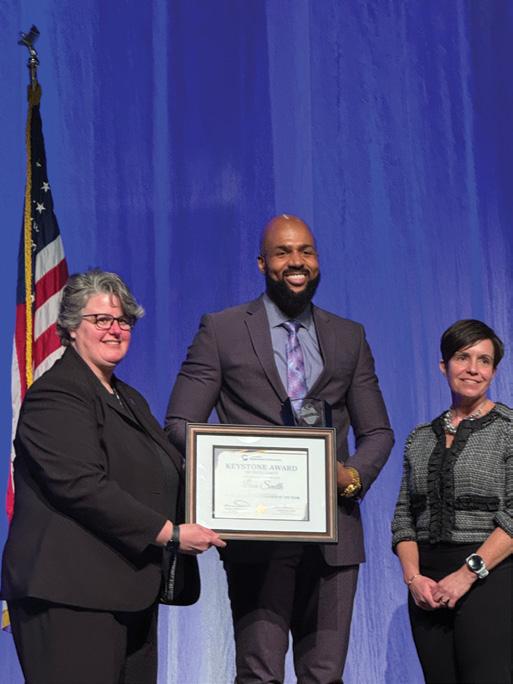
In December 2024, Smith was named the 2025 Pennsylvania Teacher of the Year, becoming the first Black educator to receive the award.
“It means more and more each day,” he reflects. “I want to make sure that in this moment, and with this platform, that I elevate the voices of Black educators that have been doing this work way before me, and will do it way after me. I’m even more motivated to advocate for all students to be successful, to make sure that we have more educators of color, more diversity, more students that are seeing themselves in the curriculum.”
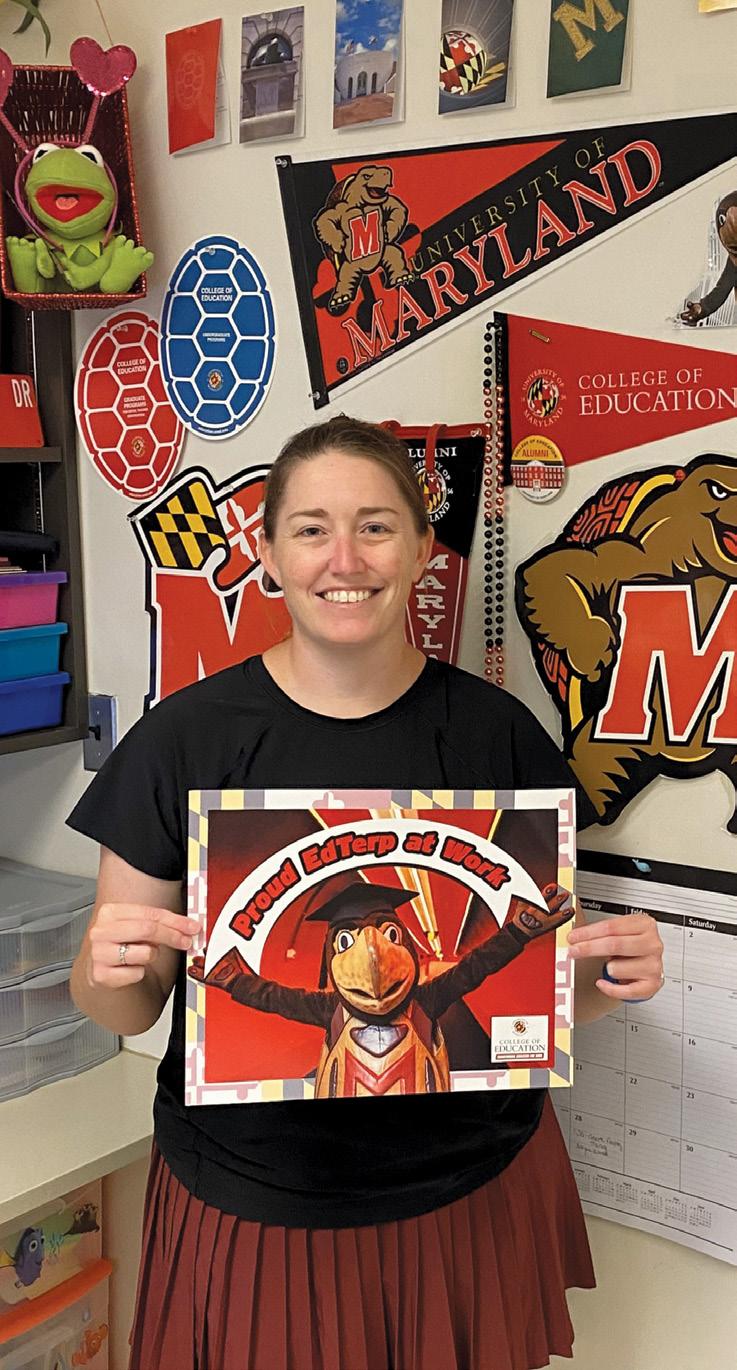
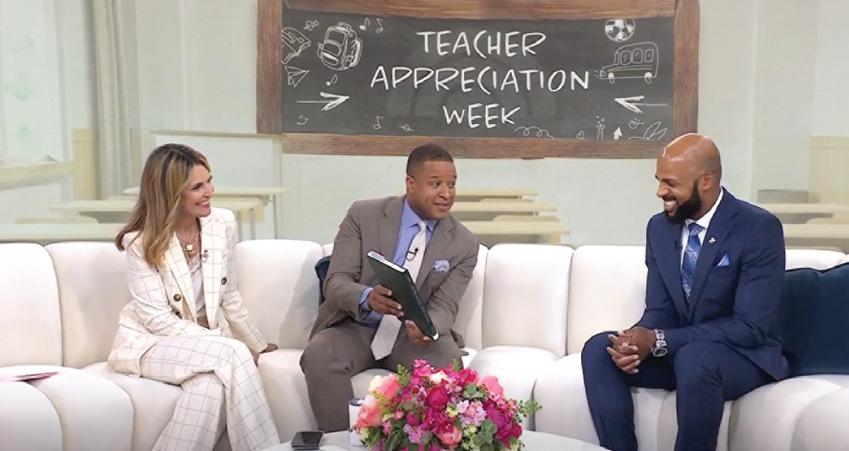
In May 2025, the “Today” show’s Craig Melvin and Savannah Guthrie interviewed Smith about his mission to inspire others to enter the field of education. His wife Vivian, son Gabriel (10) and daughter Mikaela (13) accompanied him.
“I have a great sense of purpose and I understand the impact that an educator can have. It is one of the most vital professions in our country,” he says. “I tell students who may not see themselves represented at the front of the classroom, ‘Be the teacher you wish you had. Be that person for the next generation.’”
+ WATCH THE “TODAY” SHOW INTERVIEW: go.umd.edu/smithtoday
ALUMNA WORKS TO SUPPORT ASPIRING TEACHERS AND CREATE SCHOOL ENVIRONMENTS WHERE ALL STUDENTS SUCCEED
BY EMILY SCHUSTER
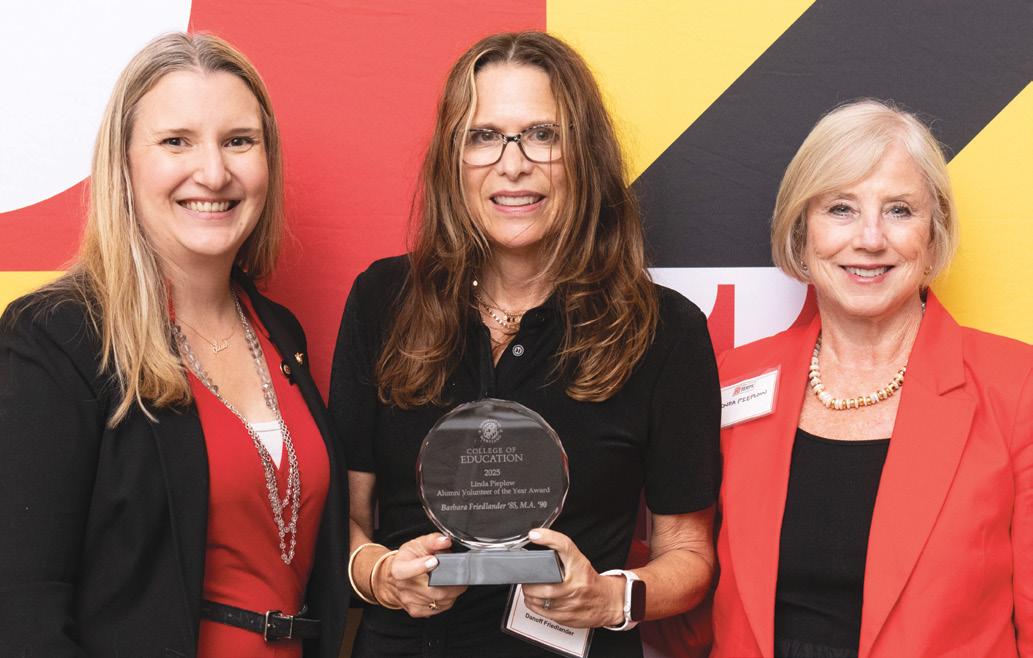
Barbara Friedlander ’85, M.A. ’90, has always been one to step up to the plate.
When she was a high school student interning in a special education elementary school, her mentor teacher left mid-year. Although the school hired a long-term substitute, Friedlander took on the majority of the teaching duties because she knew the students so well.
As a first-year special education teacher in Montgomery County Public Schools, she introduced her school to the practice of coteaching, where general and special education teachers collaborate to teach classes including students with and without disabilities. She has continued to lead the implementation of inclusive practices like coteaching during her 35-year career in special education as a National Boardcertified teacher, district- and state-level coordinator, and educational consultant.
This same sense of initiative and commitment to problemsolving drew her to her role on the College of Education Alumni Network Board. As a district-level coordinator in Montgomery County in 2018, she observed the impact of the teacher shortage on students, and decided to connect with the College of Education.
“I picked up the phone and said, ‘I see a problem. Instead of complaining about it, I figured I’d be part of the solution. Do you have something I can do to support aspiring teachers or alumni?’” she recalls.
That phone call led to seven years of volunteer service on the board, including as president from 2020 to 2024. In September, the Alumni Network recognized her extraordinary service to the college with the 2025 Linda Pieplow Alumni Volunteer of the Year Award.
“Volunteering was a way to give back to the institution that gave me so much,” says Friedlander. “The College of Education has always felt like home, and I wanted to help build that sense of belonging for others.” She credits the college with giving her the confidence and knowledge to help create inclusive environments where differences are
celebrated and students with and without disabilities receive the support they need to succeed. The college also introduced her to lifelong collaborators, as she co-authored the book “Powerful Writing for All Students” with her former professors, Karen R. Harris and Steve Graham.
During her time as board president, Friedlander led the Alumni Network to its highest-ever levels of alumni engagement and contributed to the network receiving two University of Maryland Alumni Association awards: 2024 Network of the Year, for growing membership and creating impactful programming, and the 2023 Do Good Service Award for the Letters of Encouragement project, in which alumni sent notes or care packages to early career teachers and mentor teachers.
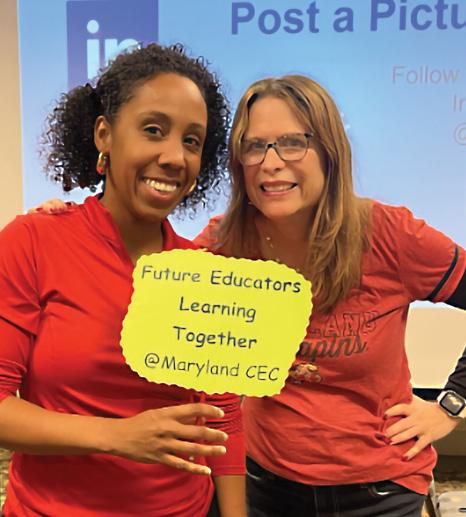
Friedlander also came up with the idea for an Aspiring Teacher Conference where future educators could learn from and form supportive relationships with experienced teachers. In November 2024, she worked with Associate Clinical Professor Dawn Jacobs Martin to lead the inaugural conference. It was sponsored by the college’s Teacher Education Association for Maryland Students (TEAMS) and the Maryland chapter of the Council for Exceptional Children, where Friedlander is a board member.
Katherine Morris ’25, who participated in the conference and helped organize it as a member of TEAMS, says, “Everyone who participated gained a lot of advice and insight into the field of education. One of the sessions I went to taught us many techniques for supporting students who are learning English. Now that I am at a school with a high emergent multilingual learner population, I have found myself using these strategies daily in my classroom.”
In her final year of service to the board, she continues to help the College of Education support future educators— from coleading the second Aspiring Teacher Conference to teaching her first course as an adjunct faculty member.
For aspiring teachers, she has this advice: “Lead with empathy. Ask questions. Collaborate often. Most importantly, believe in every student’s potential—especially when others don’t. Find mentors, lean into learning and never underestimate the power you have to change a life—sometimes with just one inclusive classroom.”
The College of Education Alumni Network celebrated these six remarkable alumni in September for their work to advance equity, serve students and transform education for good.
OUTSTANDING

+ LEARN MORE ABOUT THE WINNERS AT go.umd.edu/2025coealumawards
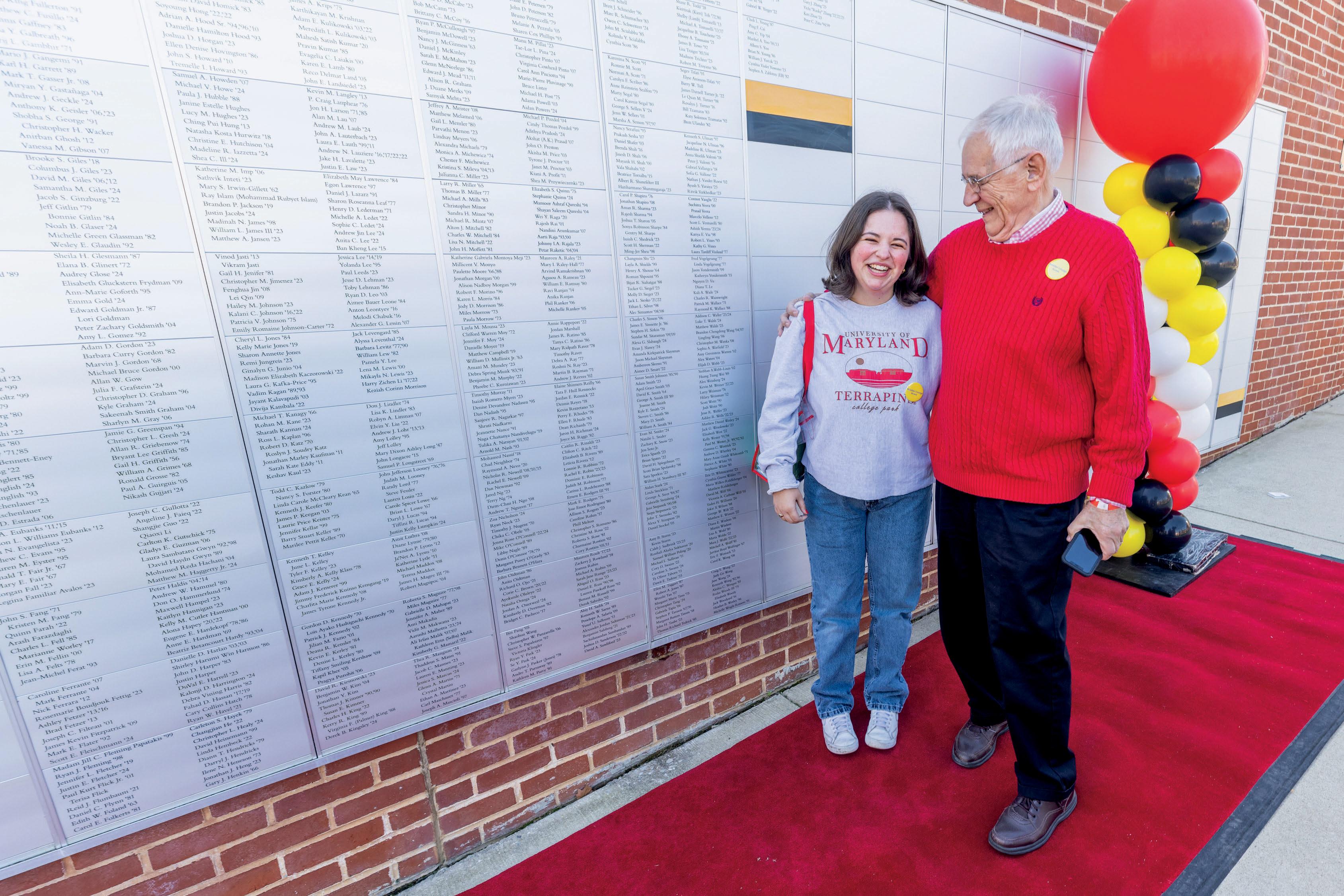

alumni.umd.edu/lifetime
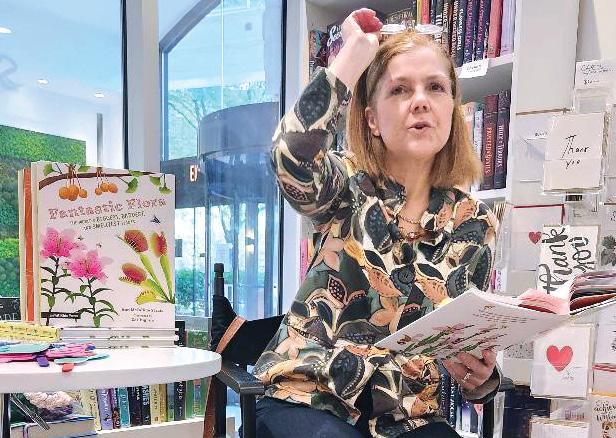
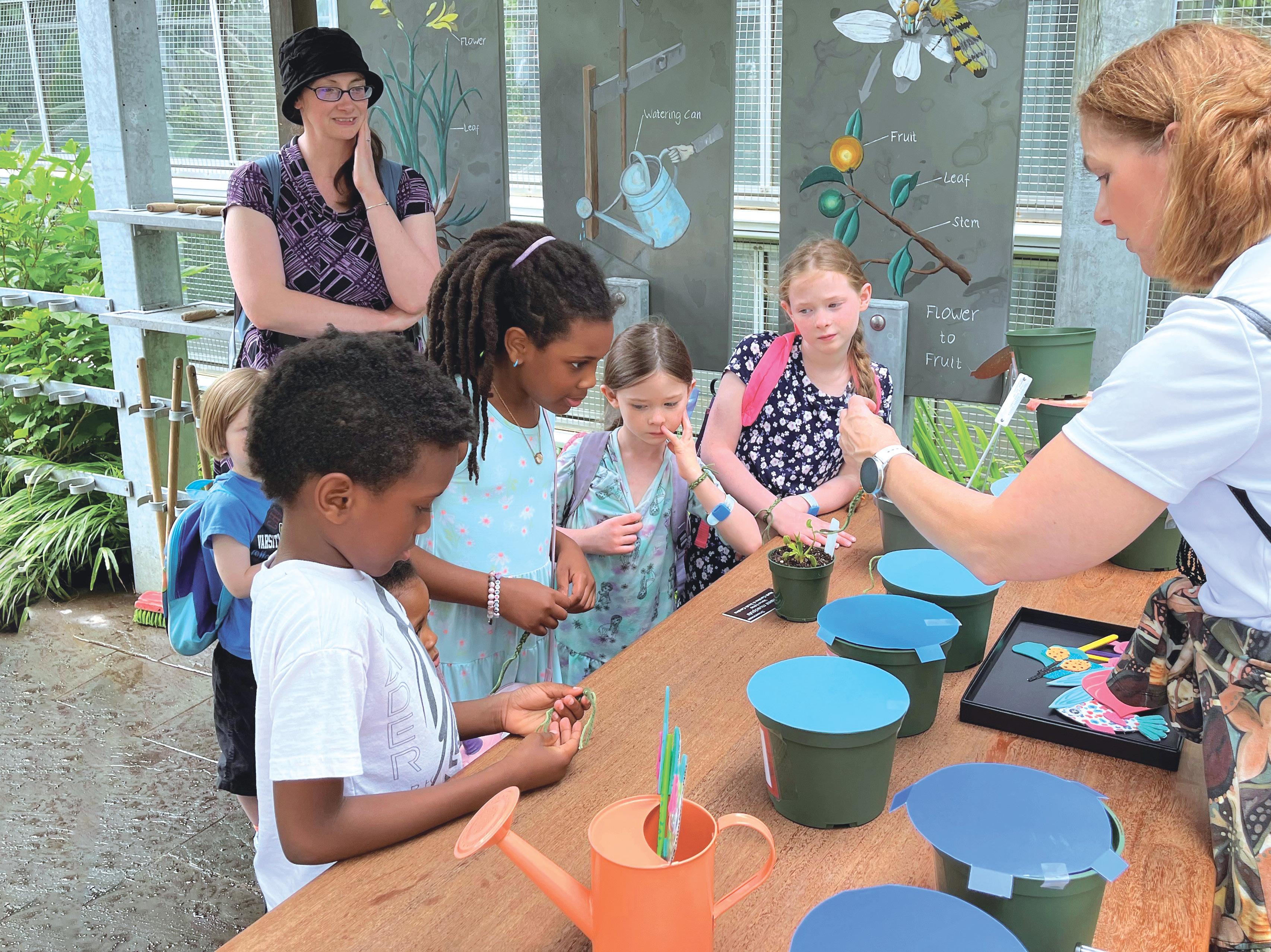
5 FUN FACTS ABOUT THE WEIRD, WONDERFUL WORLD OF FOLIAGE, FROM A DYNAMITE TREE TO THE DEAD HORSE ARUM
BY DARYLLEE HALE
Exploding cucumber seeds. Poisonous berries. Plants that look (and smell) like roadkill. These are just a few of the botanical oddities author Ann McCallum Staats M.Ed. ’96 unearthed while writing her latest book, “Fantastic Flora: The World’s Biggest, Baddest and Smelliest Plants.” The College of Education alumna and former educator is the author of over a dozen children’s books.
“I did a little research, and I soon got so engrossed in this whole idea of how cool plants are,” Staats says. The book, published by MIT Kids Press and featuring lush illustrations by Zoë Ingram, targets the 8- to 12-year-old crowd.
She shares five facts to help people of any age delve into the strange and expansive world of plants:
1. Plants communicate with each other and us—even our lawns. “Fresh-mown grass smells so nice,” Staats says.
“It’s actually a chemical reaction that those plants are giving out.” The smell is a signal to nearby plants that they might be in danger, too.
2. The Swiss cheese plant climbs trees by sensing shadows . One of Staats’ favorite plants that didn’t make it into her book is the Swiss
cheese plant. Its adaptations help it climb trees to get closer to the sun.
“As the plant grows up in those initial stages, it actually ‘looks’ around,” Staats says. “It senses where the shadows are and then it grows towards those.” The shadows mean that there’s probably a tree nearby.
3. Plants can be masters of disguise. At first, Staats thought plants as her subject would be too boring for kids.
Then she discovered the dead horse arum. “That plant disguises itself to look like a rotting piece of flesh,” she says. “The idea is to fool blowflies into coming closer, thinking that it’s a piece of roadkill. Yum, yum, yum!” Once the blowflies go inside the plant, they get trapped and are coated in pollen. When freed, the blowflies spread it all around.
4. Some tree seeds can move as fast as a race car. Another of Staats’ favorites is the sandbox tree, also called the dynamite tree. The seed pods dry out, and as pressure builds up, they explode. “The seeds literally shoot out at up to 150 miles an hour,” she explains, so the seeds can get far enough away from the parent tree to avoid competing for the same soil, sunlight and water.
5. You may be closer to some fantastic flora than you think Maryland, for example, is home to another of the plants in Staats’ book: skunk cabbage. The plant generates heat to spread its pungent scent and attract pollinators. The heat also helps it to grow early in the season, even melting the snow around it.
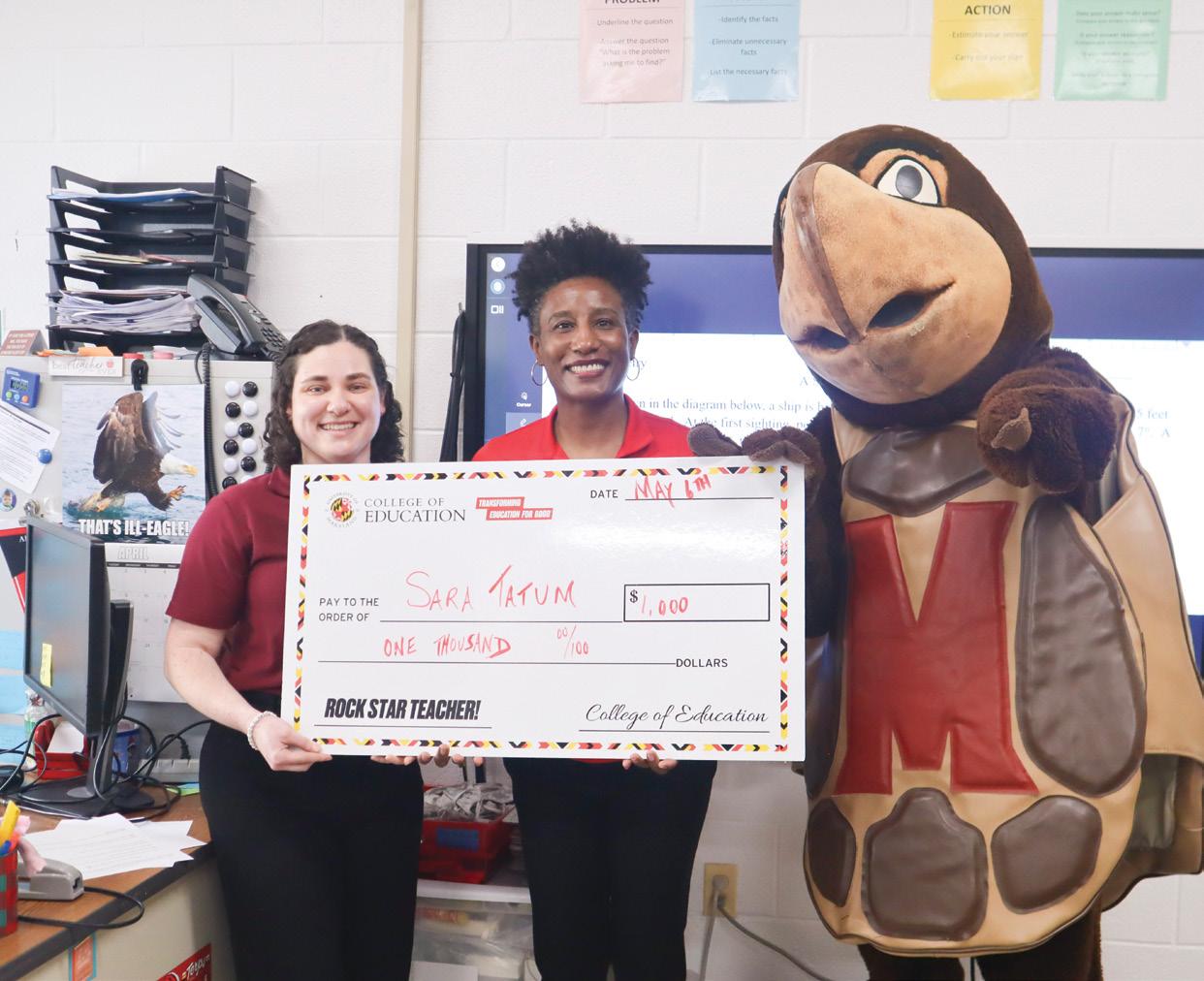
EDUCATION
BY EMILY SCHUSTER
Irma I. Najarro ’03 suddenly stopped teaching how to measure angles, and her fourth-grade students at a Montgomery County school put down their protractors as a parade burst into the classroom.
Waving pom-poms and blasting the Maryland Victory Song, representatives from the College of Education and the life-size Testudo mascot had come to surprise Najarro on May 6 at Washington Grove Elementary School in Gaithersburg with balloons, a bag of College of Education-branded swag and a $1,000 check—along with their gratitude.
Najarro was one of three outstanding alumnae teachers in the area who the college recognized in a daylong blitz during national Teacher Appreciation Week (May 5-9); it did the same last year and is making this an annual tradition.
SARA TATUM ’18 has been teaching math at Bladensburg High School since she graduated from the University of Maryland. As sponsor of the Class of 2027, she spends Friday mornings selling doughnuts and lemonade to raise funds for activities. She also performs educational science demonstrations at children’s birthday parties. Her colleagues and students know her as a hardworking, dedicated educator who brings a sense of humor to her lessons.
Najarro; Vassiliki “Vicky” Key ’11, a social studies teacher at Shady Grove Middle School in Gaithersburg; and Sara Tatum ’18, a math teacher at Bladensburg High School in Bladensburg, were also treated to words of praise from their students, colleagues, family members and College of Education leaders.
“Our teachers are our unsung heroes,” says Dean Kimberly Griffin. “They work so hard, they pour so much into their classrooms, and we just wanted to take a moment to appreciate them.”
At Shady Grove Middle School, hundreds of students and staff gathered in the gym for a pep rally to celebrate social studies teacher
VASSILIKI “VICKY” KEY ’11, who has spent six of her 10 years in teaching at the school. Her colleagues say she’s committed to helping her students, as well as teaching interns from UMD, reach their full potential by providing encouragement and honest feedback while demonstrating compassion, care and concern.
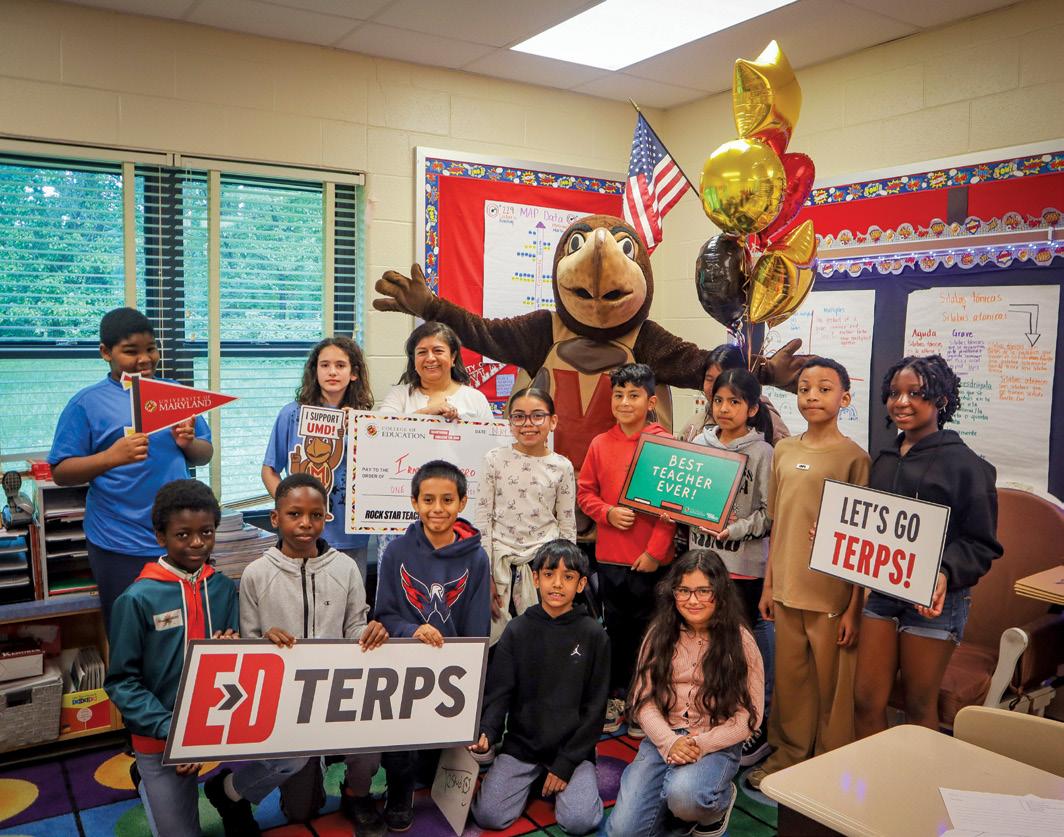
Testudo and College of Education representatives surprised IRMA I. NAJARRO ’03 and her fourth-grade students in their bilingual classroom at Washington Grove Elementary School. Najarro has been teaching for more than 20 years and has spent the past four years at Washington Grove. A finalist for 2022-23 Montgomery County Public Schools Teacher of the Year, Najarro has been recognized for patiently supporting her students’ academic and emotional needs and for teaching with compassion and positivity.
LESLIE EDWARDS ’03 was selected as a presenter at the Association for Supervision and Curriculum Development’s 2025 International Educators Summit in Ghana.
PHOTO: WILL DUNCAN/THE BACHELOR
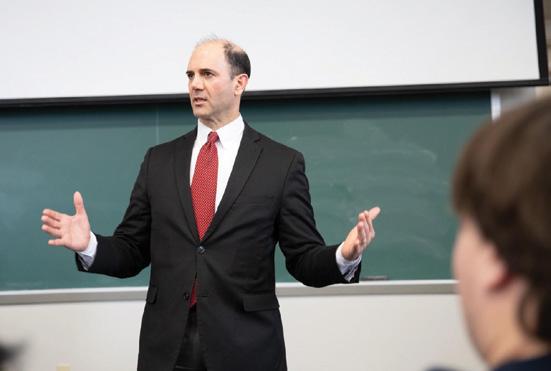
SCOTT BROWN PH.D. ’99 was named dean of students at Wabash College.
PATRICIA S. DORSEY ED.D. ’99 was awarded the Joseph R. Bailer Award by the McDaniel College Alumni Association.
CHERYL DYSON M.ED. ’99 was named the Tom Cookerly Exceptional School Superintendent by the National Center for Children and Families.
KEVIN KRUGER M.A. ’81, PH.D. ’92, received the 2025 Distinguished Pillar of the Profession from NASPA: Student Affairs Administrators in Higher Education.
MARGERY CAMMAROTA PROKOS ’92 was recognized as an Outstanding General Education Teacher at the fourth annual Montgomery County Public Schools (MCPS) Autism Unit Awards.
WILLIAM TATE IV PH.D. ’91, was selected to be the 22nd president of Rutgers University. Previously, Tate served as Louisiana State University’s first Black president.
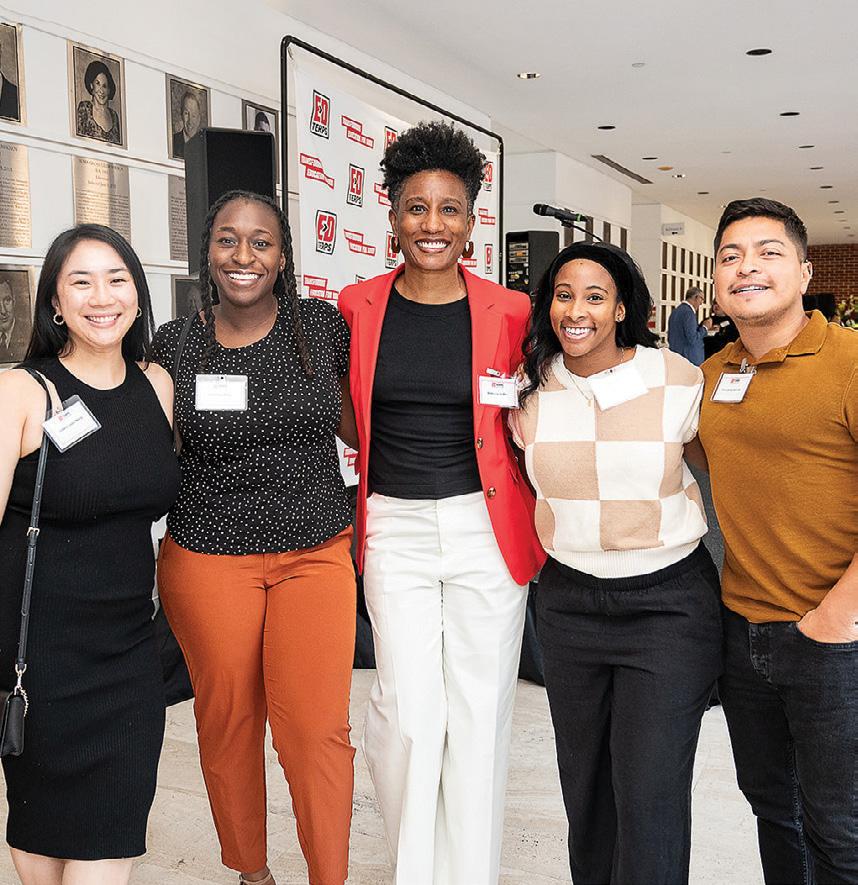
TERRI GRATES DAY M.A. ’02 was named the fifth president of Herkimer College.
ROBERT D. KELLY PH.D. ’05 was the keynote speaker for the Association for Student Conduct Administration’s annual conference.
ALYCIA MARSHALL PH.D. ’07 was named the interim president of the Community College of Philadelphia.
LAURA OSTEEN PH.D. ’03 was named the 2025 recipient of NASPA’s AVP/Senior-Level Student Affairs Professional Award.
PATTY PERILLO PH.D. ’02 was selected as a NASPA Foundation Pillar of the Profession.
LEON SMITH ’01 was named the 2025 Pennsylvania Teacher of the Year. He was also selected for the Teach Plus National Teacher Policy Cabinet (page 28).
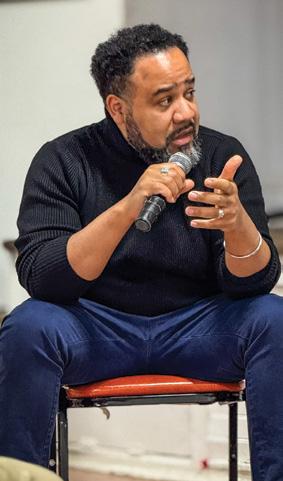
RODERICK L. CAREY PH.D. ’15 was awarded the 2025 Early Career Award from the American Association of Blacks in Higher Education, the 2025 Early Career Award from the American Educational Research Association (AERA)’s Division G: Social Context of Education, and the 2025 Scholars of Color Early Career Contribution Award from AERA.
DAVID DEMATTHEWS PH.D. ’12 received the 2025 Outstanding Public Communication of Education Research Award from AERA.
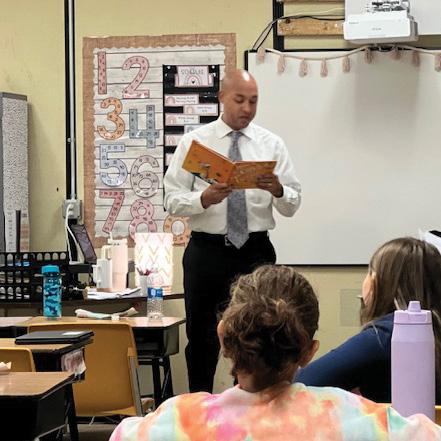
DEREK SLAUGHTER M.ED. ’05 became the first Black mayor of Williamsport, Pennsylvania, and the youngest person to ever hold the office, at age 39.
GOPI DHOKAI ’10 was elected as a councilmember for the city of Hyattsville, Maryland.
JUSTIN FINCHER M.A. ’08, PH.D. ’14, is now managing director of Huron | GG+A Global Philanthropy.
JOHN L. GARLAND PH.D. ’10 received the 2025 Nancy J. Evans Voices of Inclusion Award from the American College Personnel Association (ACPA).
CHRYSTAL GEORGE-MWANGI PH.D. ’14 co-authored a new book, “Hidden in Blackness: Being Black and Being an Immigrant in U.S. Schools and Colleges.”
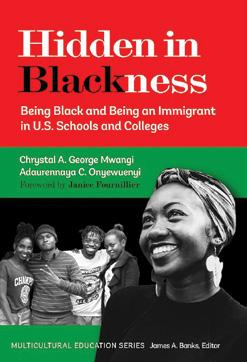
DAMAN HARRIS PH.D. ’14 was honored by the National Association for School-University Partnerships as a 2025 PK20 Boundary Spanner of the Year.
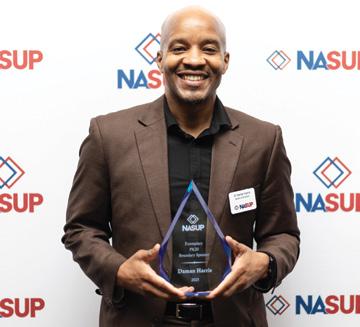
GUDRUN NYUNT PH.D. ’18 received the 2025 Anne S. Pruitt-Logan Presidential Citation Award from ACPA.
NATALIE PRETZELLO ’14 was named the 2025 Howard County Public School System Teacher of the Year. The Maryland State Department of Education and Maryland State Board of Education also selected her as one of seven finalists for the 2026 Maryland Teacher of the Year.
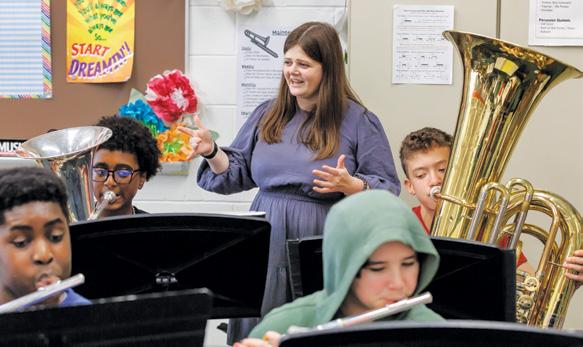
ALLEN ’21, M.ED. ’23, was honored with a Teacher: Excellence in Instruction award at the fourth annual MCPS Autism Unit Awards.
MARIBETH HARRINGTON M.ED. ’22 received an Excellence in Teacher Leadership and Collaboration award at the fourth annual MCPS Autism Unit Awards.
JOANNA HUNG ’23, M.ED. ’24, was named a 2025-26 Fulbright Scholar and will be serving as an English teaching assistant in Taiwan.
ALYSSA ORLANDO ’25 was named the 2025 Colonel J. Logan Schutz ODK Leader of the Year Award and recognized as a Wilson H. Elkins Award Finalist.

OMAR TARABISHI ’13, M.A. ’21, received the Do Good Award from the University of Maryland Alumni Association and was recognized as one of the Baltimore Business Journal’s 40 Under 40 Honorees for 2025 for his work as founder and executive director of Leftover Love, Inc., a nonprofit that delivers leftover food from local businesses to those in need.
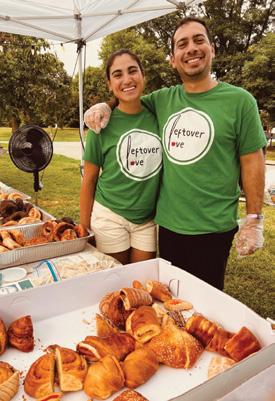


Giving Day
MARCH 4, 2026
givingday.umd.edu
Terrapin EdTalks
MARCH 24, 2026 go.umd.edu/edtalks
Maryland Day APRIL 25, 2026 marylandday.umd.edu
6th Annual Alumni of Color Celebration MAY 14, 2026 go.umd.edu/alumocc
Do you have an idea for an event that EdTerps would love?
Send your thoughts to EdTerpsAlumni@gmail.com
Members of the Alumni Network Board represent a diverse group of alumni who support the College of Education’s efforts to engage and connect alumni to the university and each other.
PRESIDENT
ELIZABETH STUART WHITEHEAD ’98, ED.D. ’24
Visual Art Supervisor, Prince George’s County Public Schools
VICE PRESIDENT
SELVON WALDRON M.A. ’20 Founder, Mentor POST
BOARD MEMBERS
AMANDA ESPINA ’05
Visual Arts Teacher, Prince George’s County Public Schools
BARBARA GILL ’85, M.A. ’91
Retired Associate Vice President for Enrollment Management, University of Maryland
JACOB GOLDBERG ’12
Data Coach, Laurel High School, Prince George’s County Public Schools
TREASURER
CANDICE LIETZKE ’98
Teacher, Kensington Parkwood Elementary School, Montgomery County Public Schools
SECRETARY
JAIME BOWERS
ED.D. ’24
Director of the Department of Testing, Research and Evaluation, Prince George’s County Public Schools
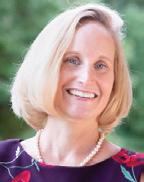
JENNIFER HIMMEL
PH.D. ’23
Project Director, National Clearinghouse of English Language Acquisition
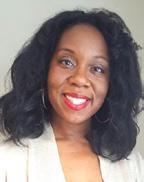
CHERISE J. HUNTER ’01, M.ED. ’02, PH.D. ’11
Senior Fellow, University of Maryland Center for Educational Innovation and Improvement

BELLA ROSNER ’25
Database and Operations Associate, WIZO USA
MEMBERSHIP CHAIR
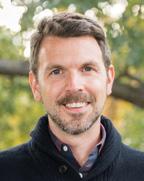
JEFF IMWOLD ’06
Managing Director of Student Support Services and Programs, Interim Managing Director of Schools, KIPP NYC
PAST PRESIDENT
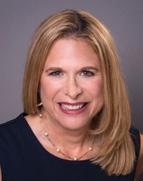
BARBARA FRIEDLANDER ’85, M.A. ’90
Educational Consultant, Friedlander Education, LLC
JEANNE T. SALVADO M.ED. ’96
High School Teacher, Montgomery County Public Schools
KELLIE SKINNER ’09, M.ED. ’10
Special Education High School Teacher, Anne Arundel County Public Schools

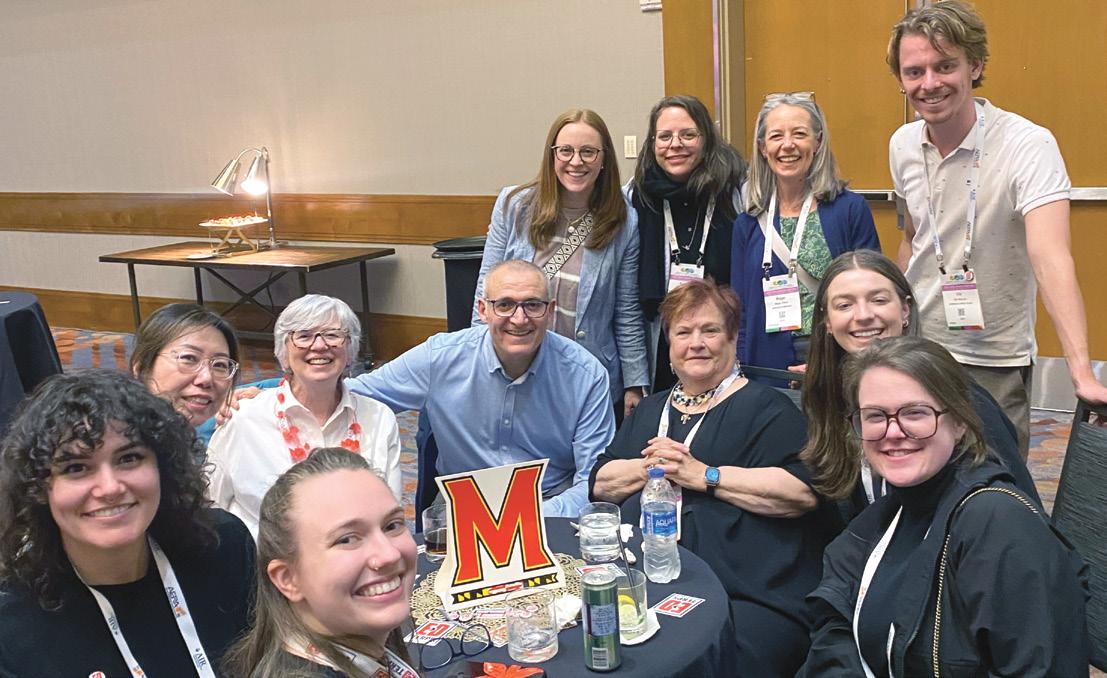
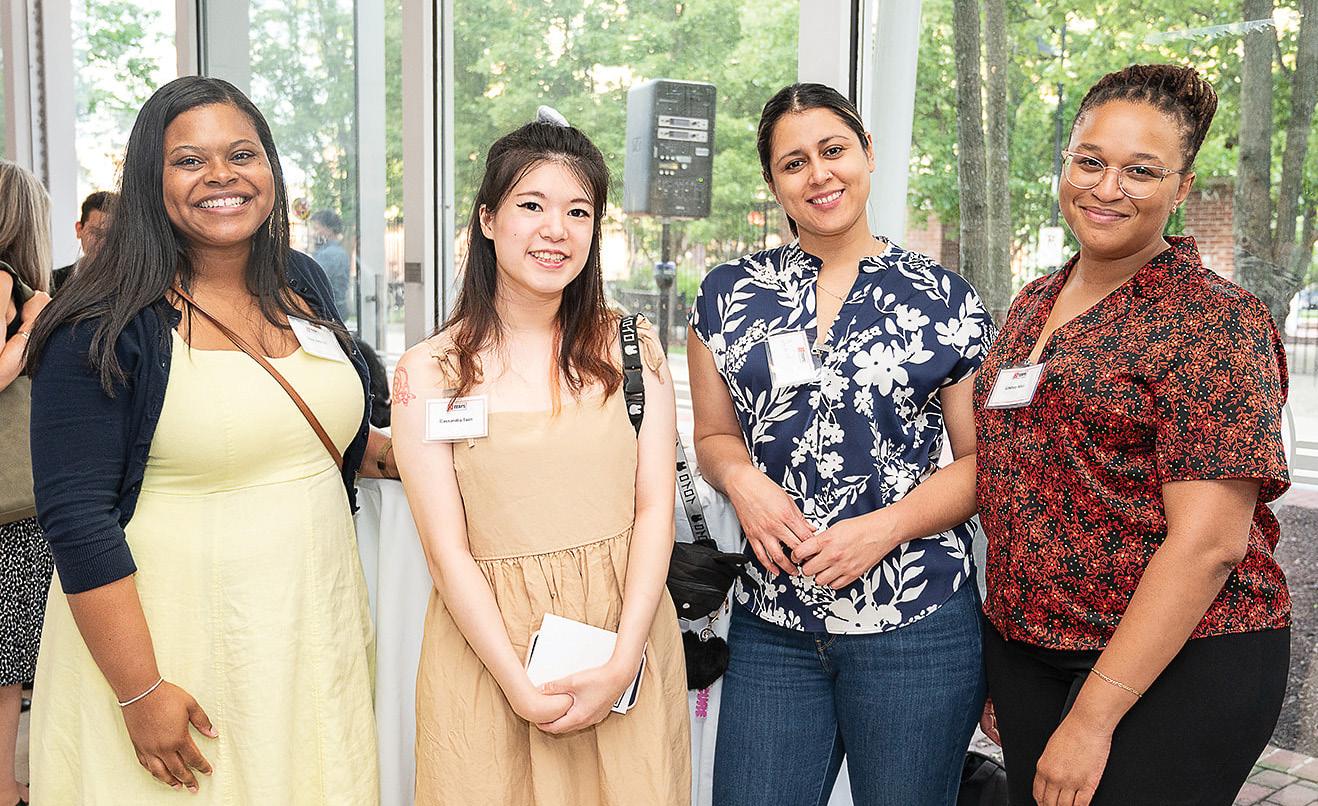
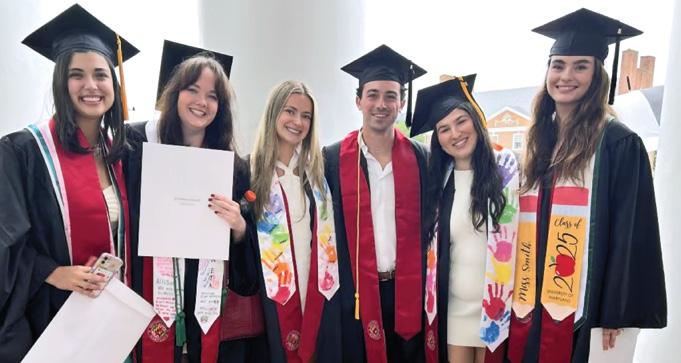
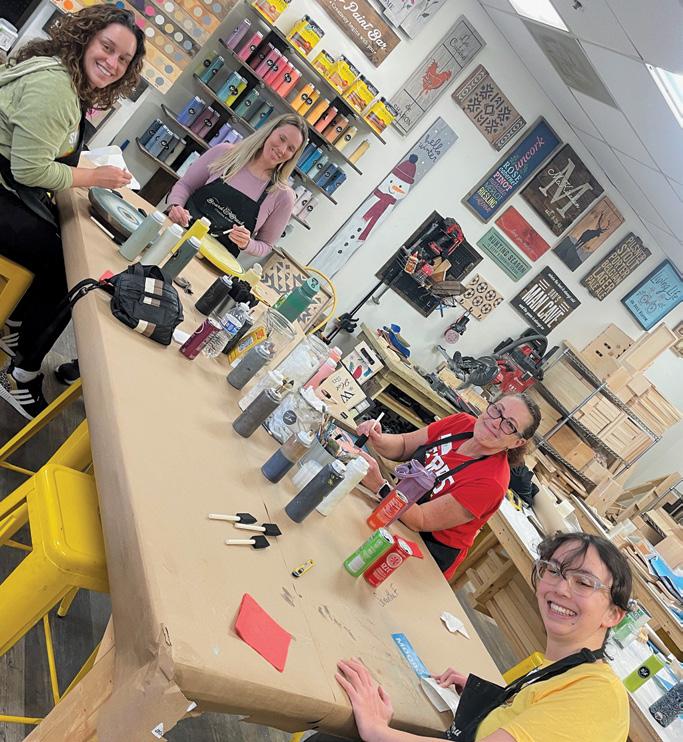
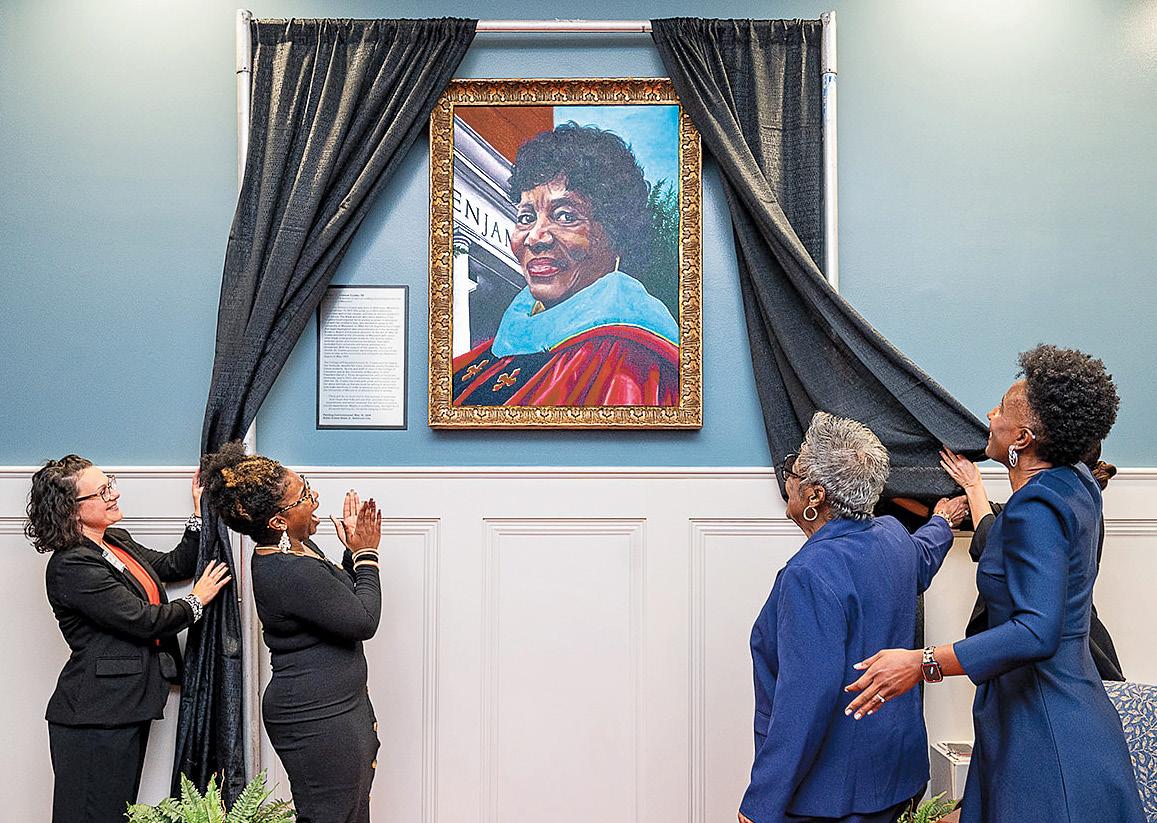
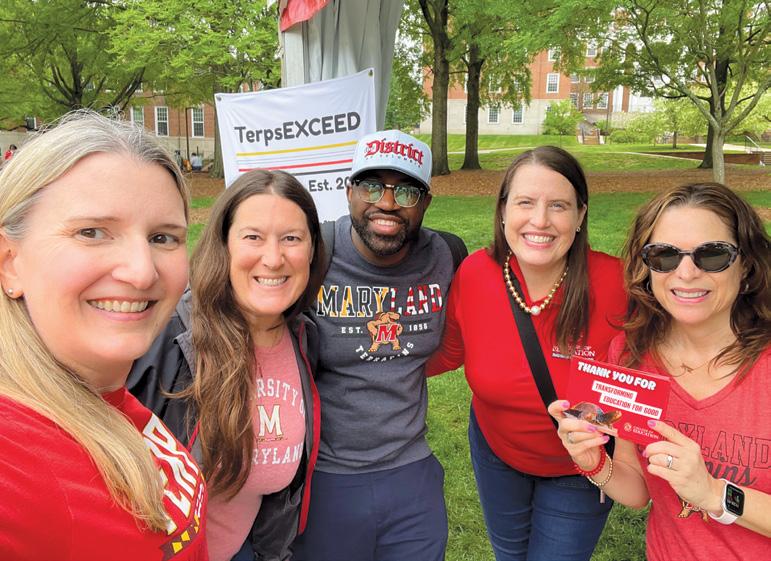
College of Education alumni, faculty, staff and students shared many fun and meaningful moments together this past year, including at (clockwise from top left) the American Educational Research Association annual meeting; the Alumni of Color Celebration; the installation of a portrait in the Benjamin Building of Elaine Johnson Coates ’59 (second from right), the first Black woman to receive an undergraduate degree from UMD; Maryland Day; the Alumni Awards Reception; Terps Craft and Connect; and the College of Education Commencement.