Elevate Research. Spark Change.

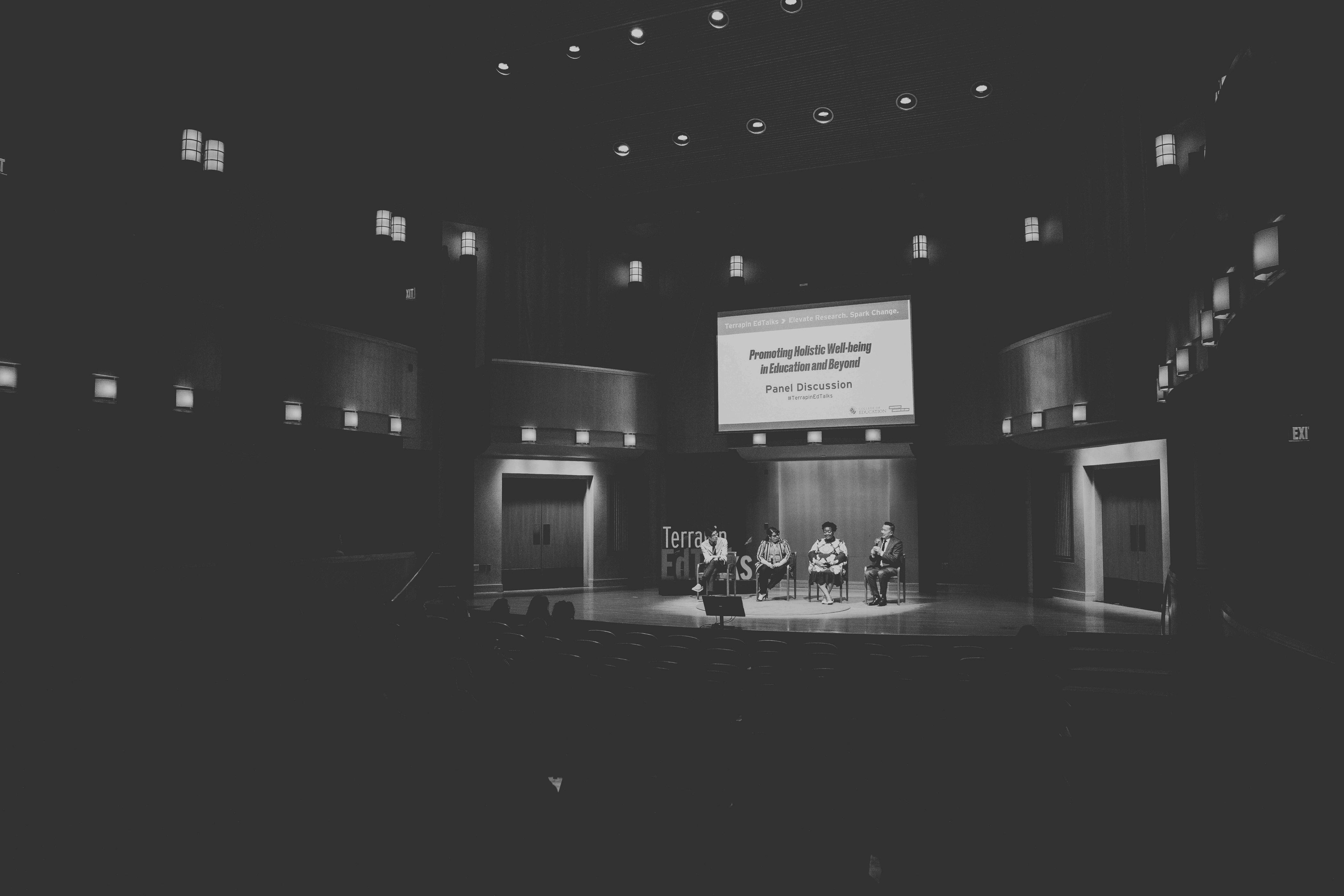
March 24, 2026 | 5:30 p.m.
Samuel Riggs IV Alumni Center


Elevate Research. Spark Change.
March 24, 2026 | 5:30 p.m.
Samuel Riggs IV Alumni Center
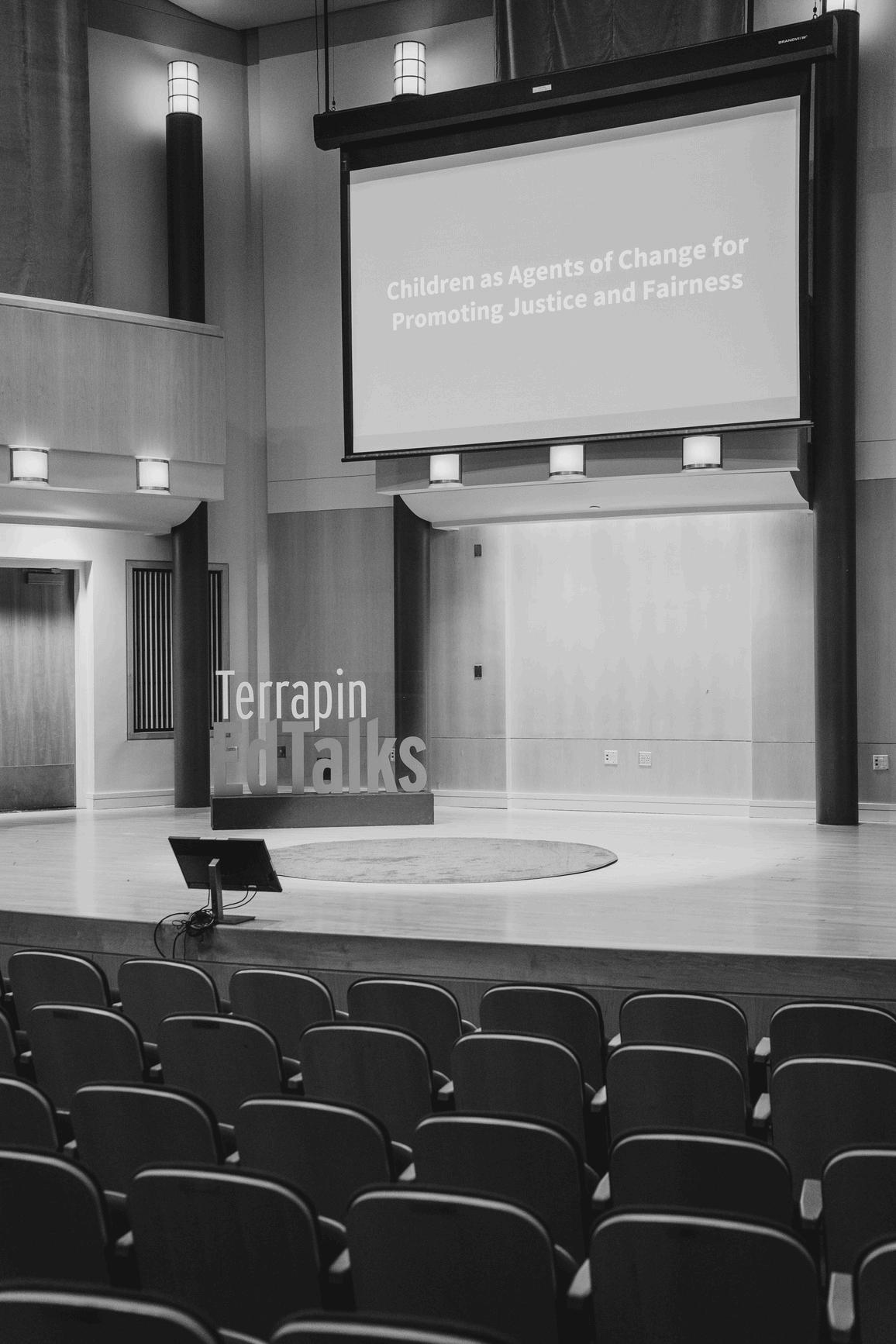
Kimberly Griffin, Dean and Professor
Jennifer King Rice, Senior Vice President and Provost, and Professor
Carlton E. Green, Feel Your Feelings: Educating for Democracy Beyond Content
Rachel Romeo, Curls, Classrooms and Cognitive Development: Building a More Inclusive Science of Brain Development
Sarah CK Moore, Graveyard or Garden? Cultivating Multilingualism Through Diverse Approaches to Language Education
Ileana Gonzalez, A Weight to Carry: How Educators Can Amplify Identity During the Whitewashing of America
Gregory R. Hancock, Is That Really True?! Maybe … Using Our Quantitative Aptitude and Attitude to Question Information in the World Around Us
Moderator: Lena Morreale Scott, Director of the Civic Education & Engagement Initiative
EdTalk Speakers
Kimberly Griffin, Dean and Professor
Networking Reception to Follow
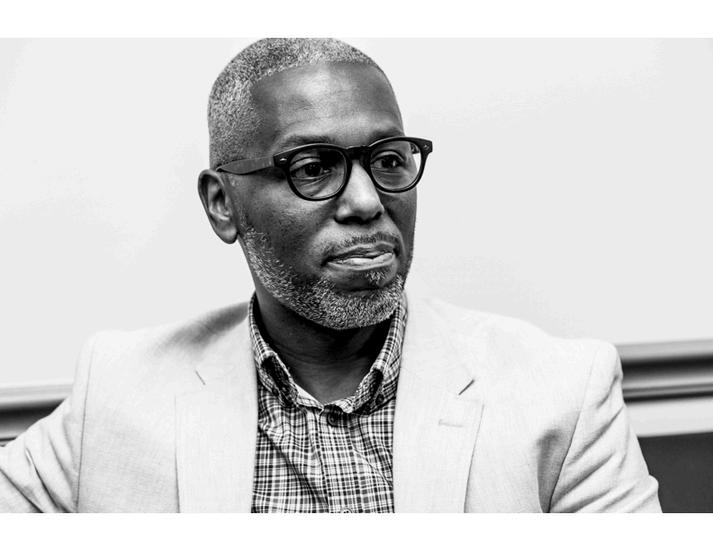
N E. GREEN, PH.D.
NT CLINICAL PROFESSOR OF COUNSELING LOGY, CO-DIRECTOR OF
cation often treats emotions as distractions something to ppress or keep out of classrooms and workplaces. Rooted premacy culture, this overreliance on intellectualizing bility to understand and relate to each other. In the process, we miss out on the lived realities of our students and colleagues, especially those from marginalized and minoritized communities. Green asks: what if we slowed down, listened to our bodies and recognized emotions as vital sources of information? By moving beyond niceness, silence, guilt, shame and stoicism, we can model emotionally honest dialogue and practice a more dignifying form of democracy.
Bio: Carlton E. Green is a licensed psychologist, trainer, educator, facilitator and speaker. Currently, Green operates an independent practice where he provides psychotherapy, supervision, coaching, and consultation services. Additionally, at The Chicago School (Washington, D.C. campus), he serves as the associate director of the Mid Atlantic Internship Consortium, which provides doctoral psychology interns with their capstone year of practical training before they can become independent psychologists.
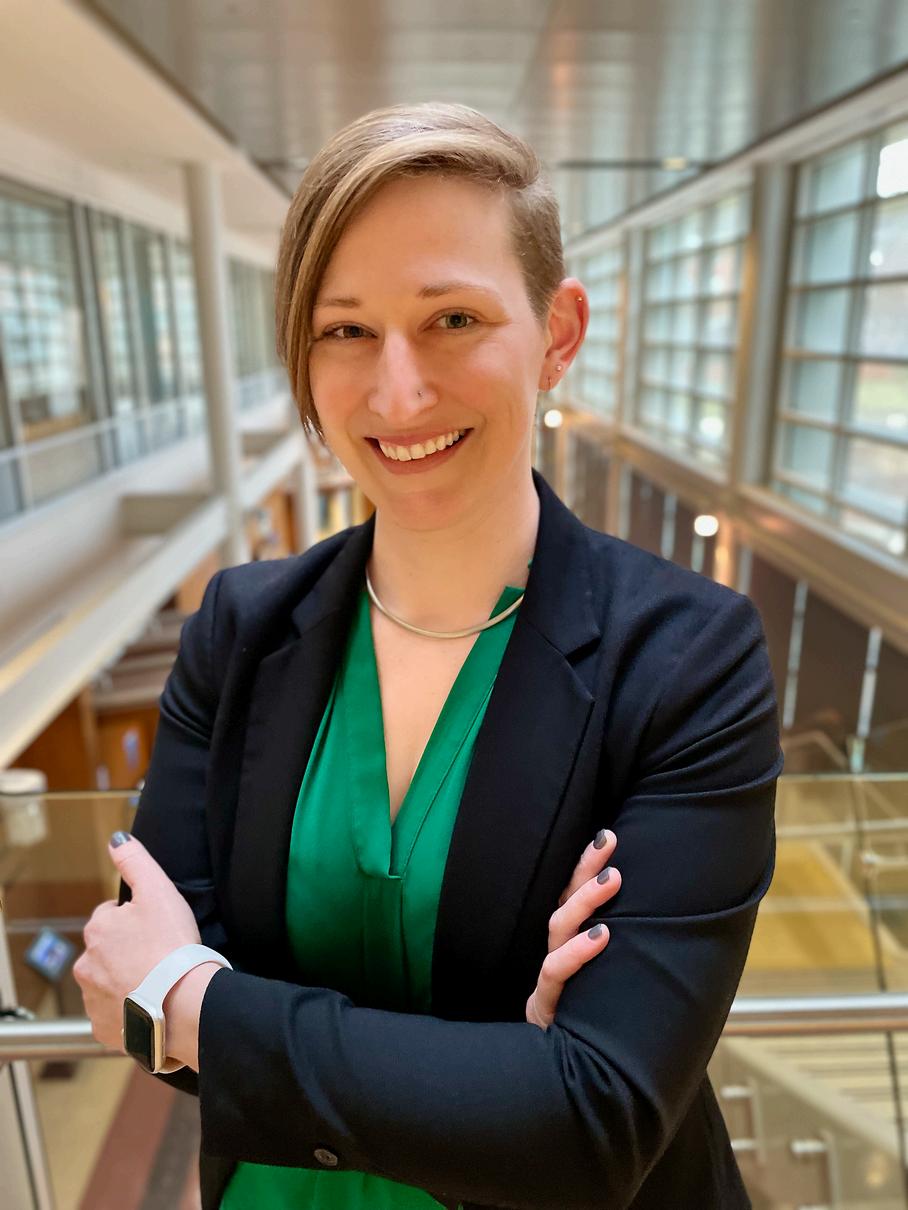
RACHEL ROMEO, PH.D. ASSISTANT PROFESSOR OF HUMAN DEVELOPMENT
Much of what we know about brain development comes from research conducted with narrow groups of children who do not reflect the broader public. Romeo highlights several of her lab’s recent innovations to expand inclusion in developmental neuroscience, including real-world “community neuroscience” in schools and methodological advances that reduce exclusion of Black and Brown participants in brain imaging research. These inclusive practices ultimately drive more representative, ecologically valid and impactful findings for transforming education.
Bio: In addition to her role in the College of Education, Rachel Romeo, CCC-SLP holds a courtesy appointment in the Department of Hearing and Speech Sciences and a faculty appointment in the Program in Neuroscience and Cognitive Science She directs the Language, Experience, and Development (LEAD) lab, which uses interdisciplinary approaches to investigate how children’s early experiences influence their neural, cognitive and academic development She is passionate about conducting inclusive, community-engaged neuroscience research, and translating findings to inform more equitable education, clinical practice, and social policy She has received early career research awards from the Society for Research in Child Development, Flux Society (Developmental Cognitive Neuroscience), Association for Psychological Science, and American Speech Language Hearing Association She was also named an inaugural UMD Research Impact Fellow and has received multiple mentorship awards Her research has been funded by the National Institutes of Health, Institute of Museum and Library Services, Fulbright Program, Jacobs Foundation, and Brain and Behavior Institute
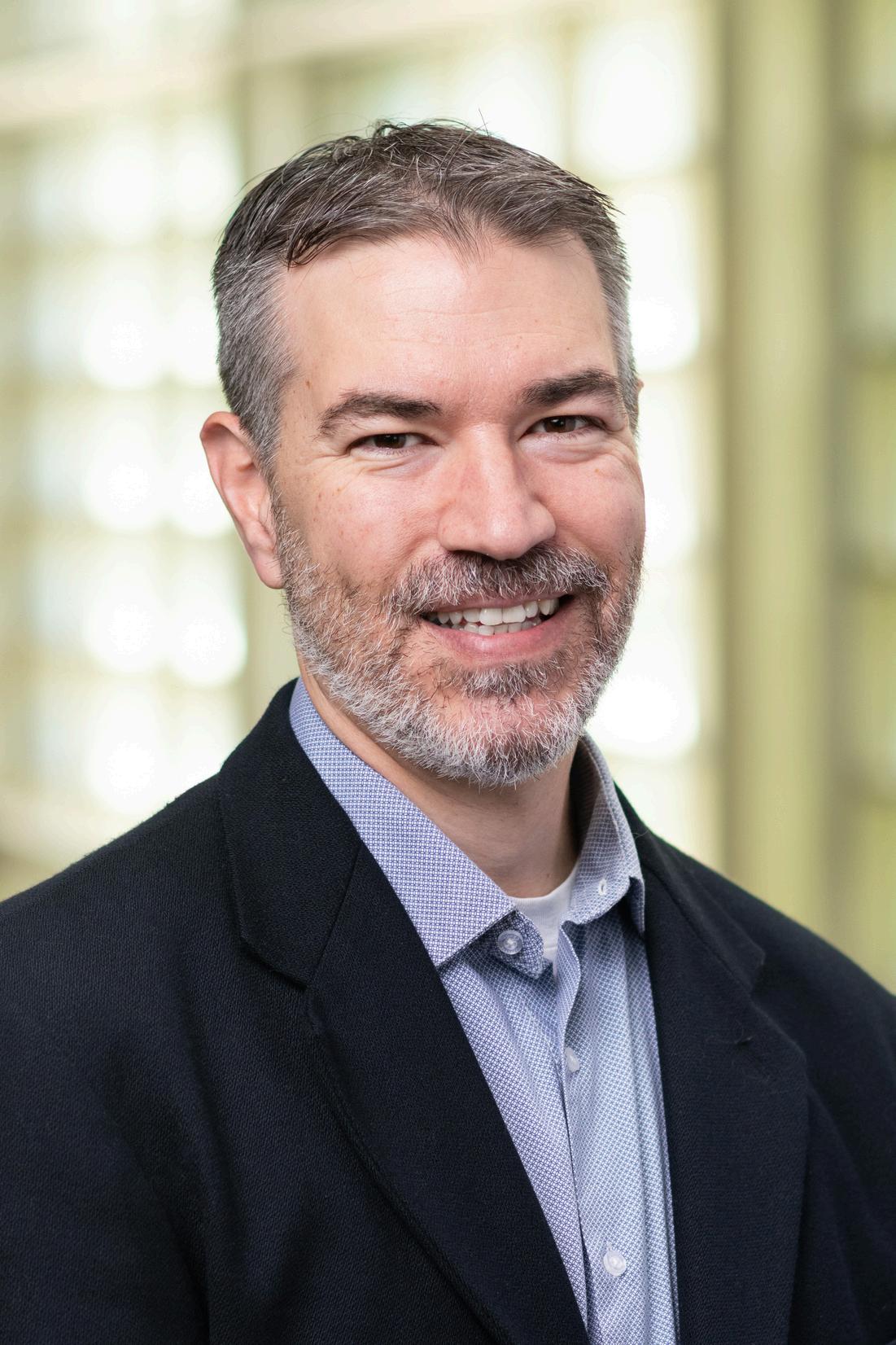
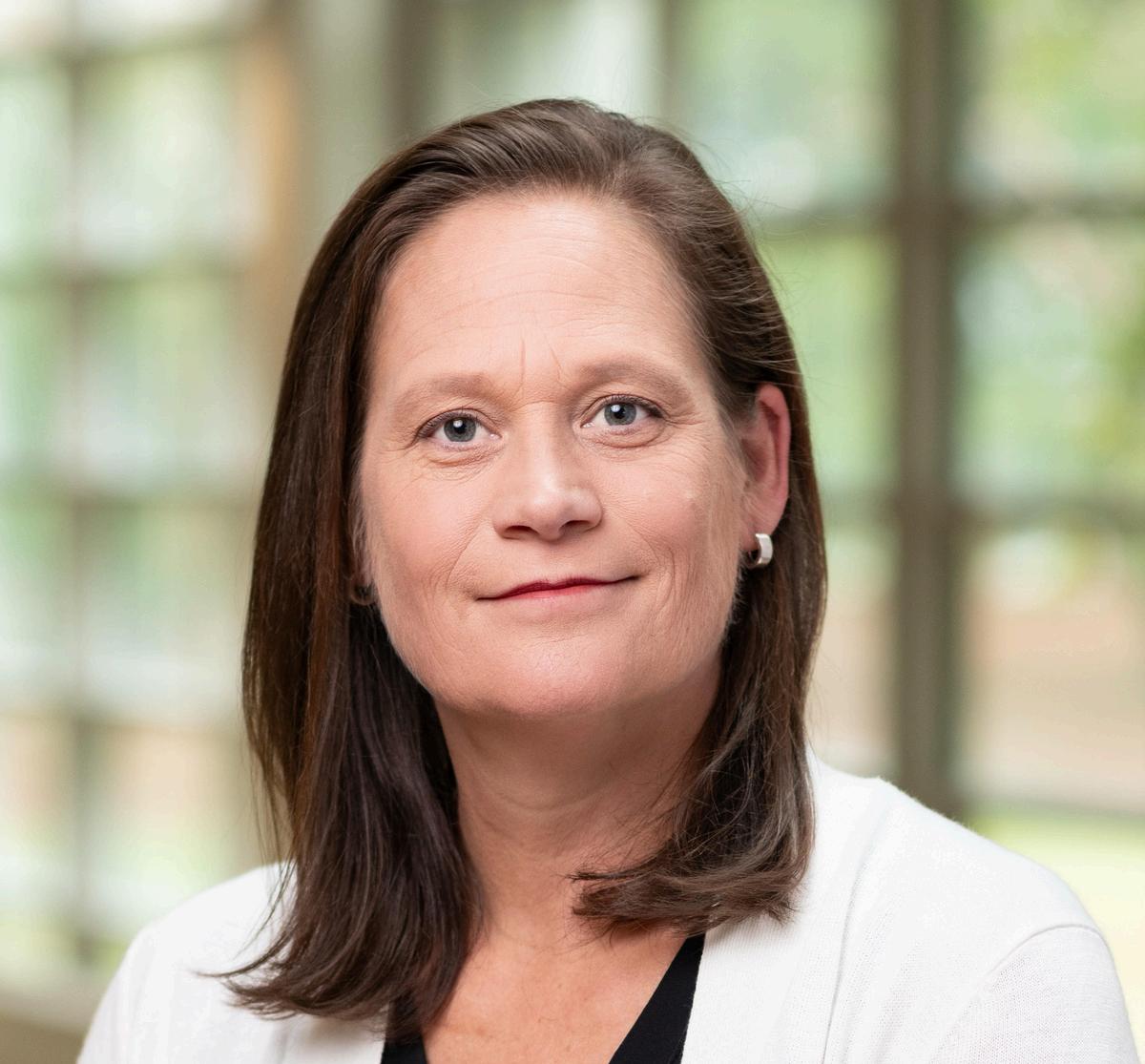
RAH CK MOORE, PH.D. ISTANT CLINICAL PROFESSOR OF APPLIED GUISTICS AND LANGUAGE EDUCATION
lars have referred to the United States as a “language eyard” a place where languages go to die Moore explores oaches for nurturing and cultivating a garden of richly diverse ilingualism instead by promoting and expanding innovative, le, flexibly responsive language education programs that thrive, ite external crises. Systems of schooling represent the most eliable, large-scale mechanism for impacting social change. Moore ncourages us to use these systems to leverage a uniquely American, ut often overlooked, critical resource our languages.
io: Sarah CK Moore’s research and scholarship is primarily focused on language policy, language repression in schooling, and the promotion of language rights through equity in education and expansion of multilingual education. She has developed broad background and knowledge in studying historical and contemporary foundations related to education, educator preparation and systems of schooling
Moore authored “A History of Bilingual Education in the US: Examining the Politics of Language Policymaking” (2021) and edited “Language Policy Processes and Consequences: Arizona Case Studies” (2014).
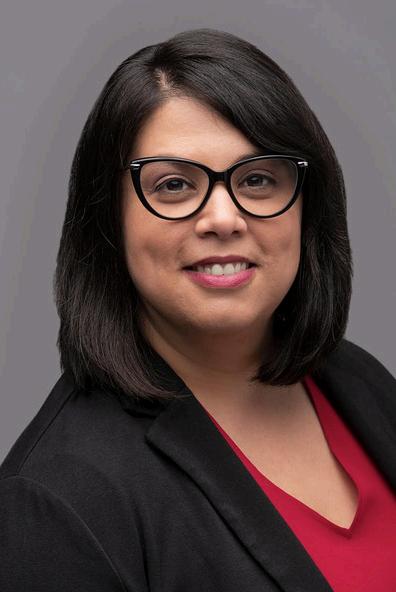
ILEANA GONZALEZ, PH.D. ’13 ASSISTANT CLINICAL PROFESSOR OF SCHOOL COUNSELING
ducation plays a vital role in dismantling systemic racism through xploring how history has shaped the culture and people’s everyday xperiences. While efforts to erase narratives and identities of ppressed groups persist, Gonzalez asks: how can educators resist y providing spaces for children to speak their truths and amplify heir stories? How can we train the next generation of educators to elp children feel seen and safe and to transform educational ystems?
io: Prior to Ileana Gonzalez’s career in higher education, she ained extensive experience in the field of K-12 education as a teacher and school counselor working with Caribbean populations in South Florida.
Her identity as a first-generation college student and daughter of refugees informs her beliefs in equity and access to a quality education for all students, particularly those from marginalized populations. She has published and presented nationally on social justice action in schools and in higher education settings and on multicultural competence and antiracist training for counselors. Her research interests include multicultural and antiracist counselor education, cultural competence in counseling, and social justice action in urban school settings.
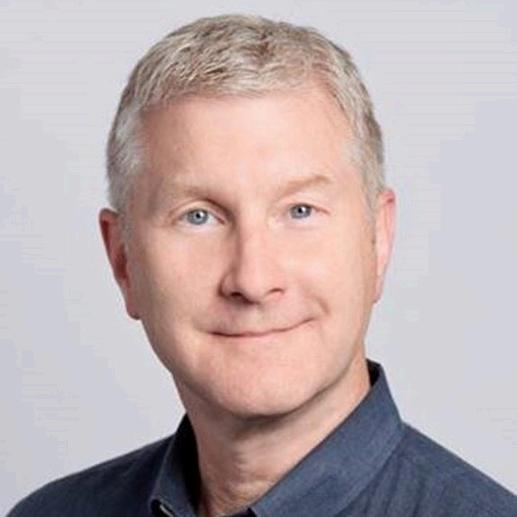
EGORY R. HANCOCK, PH.D. OFESSOR OF QUANTITATIVE METHODOLOGY: EASUREMENT AND STATISTICS, DISTINGUISHED HOLAR-TEACHER
IS THAT REALLY TRUE?! MAYBE … USING OUR QUANTITATIVE APTITUDE—AND ATTITUDE—TO QUESTION INFORMATION IN THE WORLD AROUND US
ry day, we face countless quantitative claims about the world s’ performance in reading, dangers of a particular diet, ctiveness of a new vaccine, and more across social media and n everyday life These assertions can inform but also mislead and manipulate Hancock offers key questions that we as citizens of this ast-paced world should ask in order to critically navigate and make sense of today’s overwhelming flow of information
Bio: Gregory R Hancock is the long-time director of the Quantitative Methodology: Measurement and Statistics graduate program, as well as founding director of the Center for Integrated Latent Variable Research
His widely published research focuses on developing, evaluating, and applying state-of-the-art data modeling techniques within education and beyond, and he has co-edited a number of methodological volumes including “The Reviewer’s Guide to Quantitative Methods in the Social Sciences ”
He serves on the editorial boards of several leading methodological journals, is an elected Fellow in many professional organizations and has received a number of awards including the Jacob Cohen Award for Distinguished Contributions to Teaching and Mentoring by the American Psychological Association In addition, he is cohost of the popular long-running quantitative methods podcast “Quantitude ”
Education is foundational to a thriving democracy. It equips individuals with the knowledge, critical thinking skills and sense of responsibility needed to engage with one another across differences. Through research, teaching and public engagement, our EdTerp community is equipping young people to foster dialogue, while also expanding opportunities and building more pathways for civic participation. education.umd.edu/edtalks | #TerrapinEdTalks
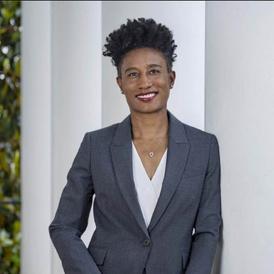
Kimberly Griffin MA ’01, Ph.D. Dean and Professor University of Maryland College of Education