

The Difference Between Migraines Vs. Headaches Get All your Medication for Migranies and headaches from the best Online Pharmacy in the UK - Life Pharamcy

Headaches are a common occurrence. Generally they are simply treated with painkillers. People who are dehydrated, skip meals, consume alcohol excessively, don’t get enough sleep, have an injury, or have poor posture are all likely to experience similar symptoms when they suffer from a headache.
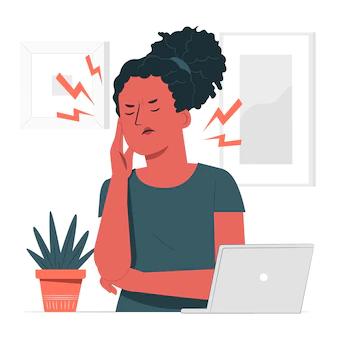
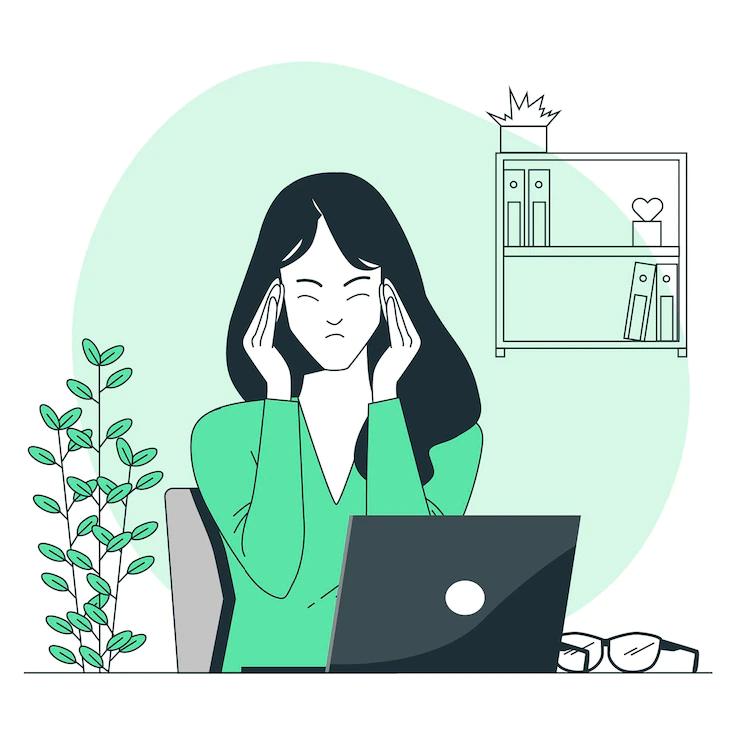
Migraines are associated with severe headaches. These are often referred to as throbbing, pounding pain. Generally migraines can range from either four hours or three days. Migraines can be caused by stress from work or home.
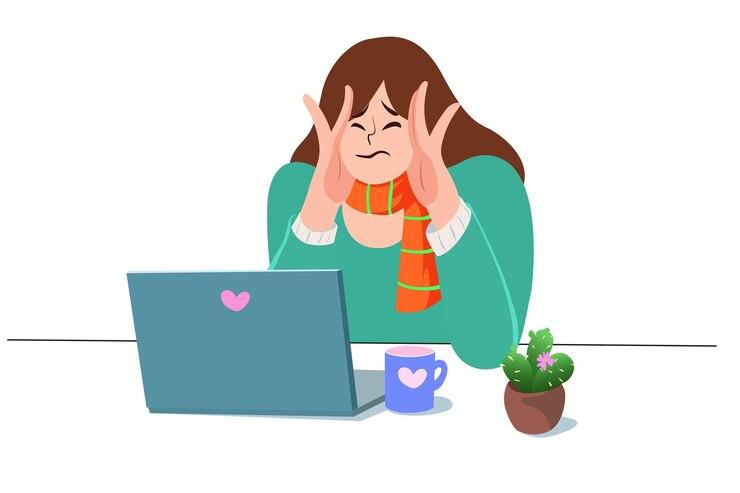
Changes in hormone levels and medications in women.

Before going to bed, make sure all of your phones, tablets, and computers are turned off to allow your mind to relax.
Turning off your electronics may also reduce the amount of blue light they release, which can interrupt melatonin production and keep you awake.
Maintain a consistent sleep schedule by going to bed and waking up at the same time every day, even on weekends.
Exercise on a regular basis to improve your overall well-being and reduce stress.
Yoga and meditation can also help you unwind your mind and body.
Working with regular breaks can help reduce stress and the likelihood of headaches or migraines.
Migraines and headaches can be incredibly painful and debilitating. If you have either condition, it is essential to recognize your triggers and take steps to manage your pain. If you are having difficulty managing your pain, speak with your doctor about other treatment options.