
BIGDATAANALYSISAPPROACHFORELLIPTICAL PATTERNIDENTIFICATION
RILEYDOYLE,RODNEYMCCOY,LOUISLOPEZ
DevelopandimplementPythonalgorithmtodetectpotentialAGWcandidatesin flightprofiles
DevelopaPythonprogramtoautomatetheidentificationof ellipticalstructuresinweatherballoonflightprofiles.Program mustbeabletoanalyzemultiplelargedatasets.
BACKGROUND
TheUniversityofIdaho(UI)hasbeeninvolvedinamultiinstitutionalefforttoquantifyAGWsinthestratosphere.


AGWsareawave-basedtransferofmomentumandpressure throughtheatmospherethatcanbecausedbytopography, weatherpatterns,andsolareclipseevents.
TodetectAGWs,theUIteamlaunchesradiosonde instrumentationviahighaltitudeballoons.Whena radiosondeinteractswithanAGW,thewavemotioncauses theradiosondetotravelinanellipticalpatternoverafixed altituderise.
TheUIteamandtheircollaborators collectedprofilesfromflightsin Chileduringatotalsolareclipse andtheindividualflightprofile analysisisstillon-going.
VALUEPROPOSITION
ReliablydetectAGWsinflightprofilestohelpimprovefuture climatologicalmodels.


Aneasy-to-usePythonprogramcanbedeployedonfuture campaignsin2023and2024todrasticallydecreasethe laborrequiredtoanalyzeflightprofiles.
Designaneasy-to-useuserinterfaceandpackageprogramfordeploymenton futurecampaigns.
ThealgorithmwedecidedtouseforellipsedetectionisaRandomizedHough Transform(RHT)whichtakesthefollowingsteps:
Fitellipseswiththree randomlyselectedpoints
Scorethefitoftheellipse correspondingtothe threepoints

Outputthebestfit ellipses
OBJECTIVE REQUIREMENTS PROGRAMDESIGN VALIDATION
Thethreerandomlyselectedpointsare representedby(x,y),(x1,y1),and(x2,y2)
AlgorithmcanlocatepotentialellipsesinflightprofilestohelplocateAGWsand reduceoveralllaborwhenanalyzingflightprofiles

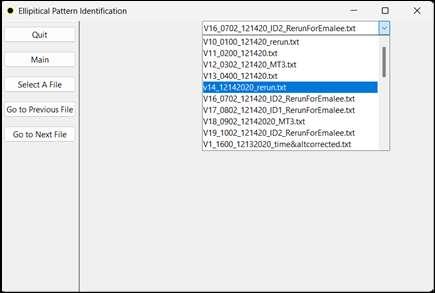
GraphicUserInterfacefacilitates efficientprocessingoflargebatches offlightdatabythealgorithm.
QuickInstallationAndRunningOf TheApplicationAllowsEaseOfUse OfItsFunctionalityInAny Environment
Validationresultsshowthatthe developedalgorithmcanassistthe detectionofAGWsinflightprofiles.
Validationalsoshowsthatauser interfacehasbeendevelopedthatis east-to-useforfutureresearchersthat arenotfamiliarwithprograming

FutureImprovements
Requiresparameteradjustments betweenflightprofiles
Struggleswithtimeefficiency
SUMMARY ACKNOWLEDGEMENTS
Sponsors
Dr.MatthewBernards
KonstantineGeranios LeadInstructor
BruceBolden