TRUE TRAVEL TIMES
Enriching lives through the power of travel
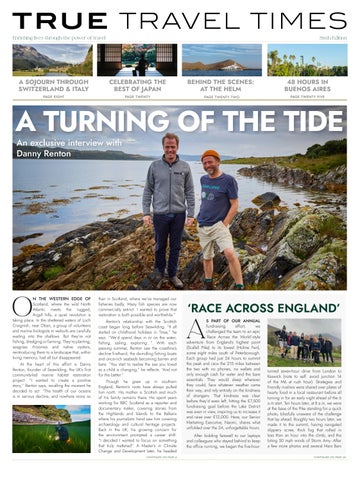
Enriching lives through the power of travel
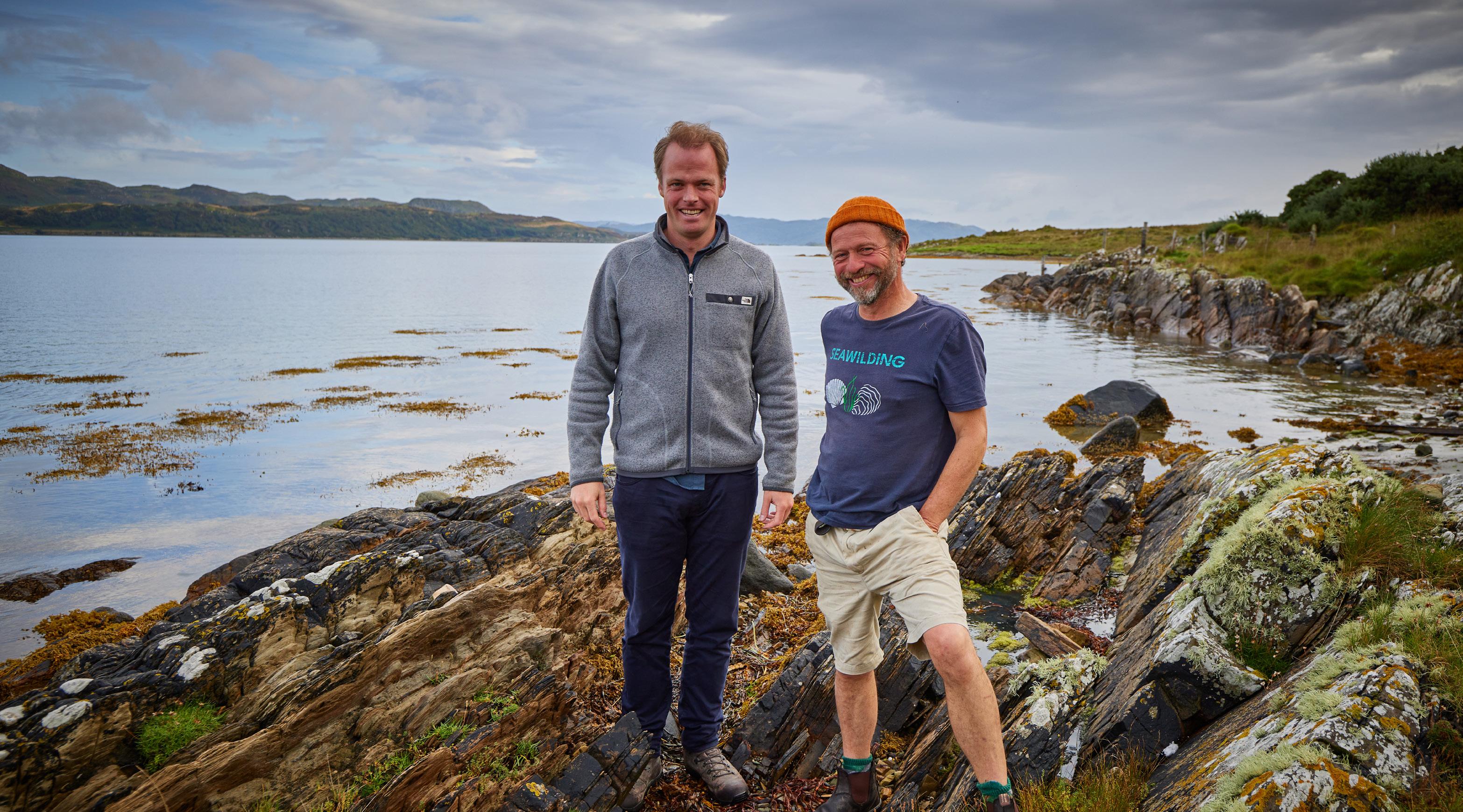
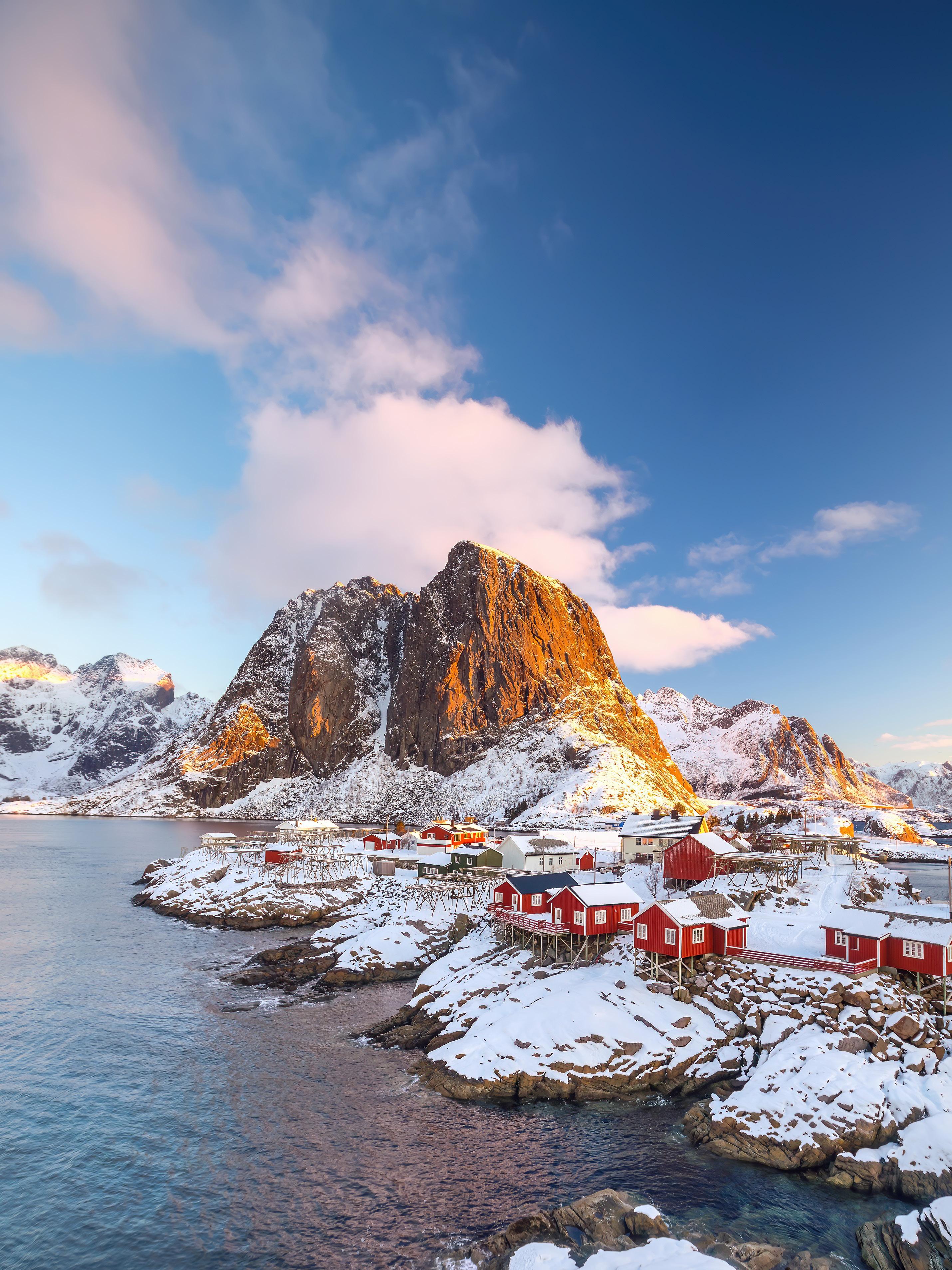
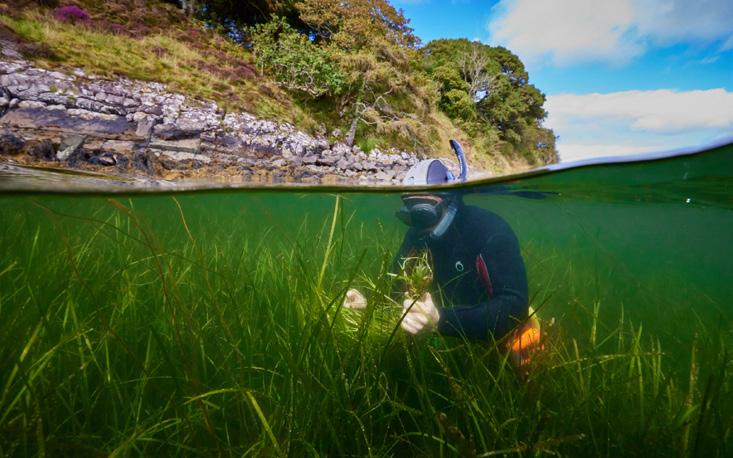
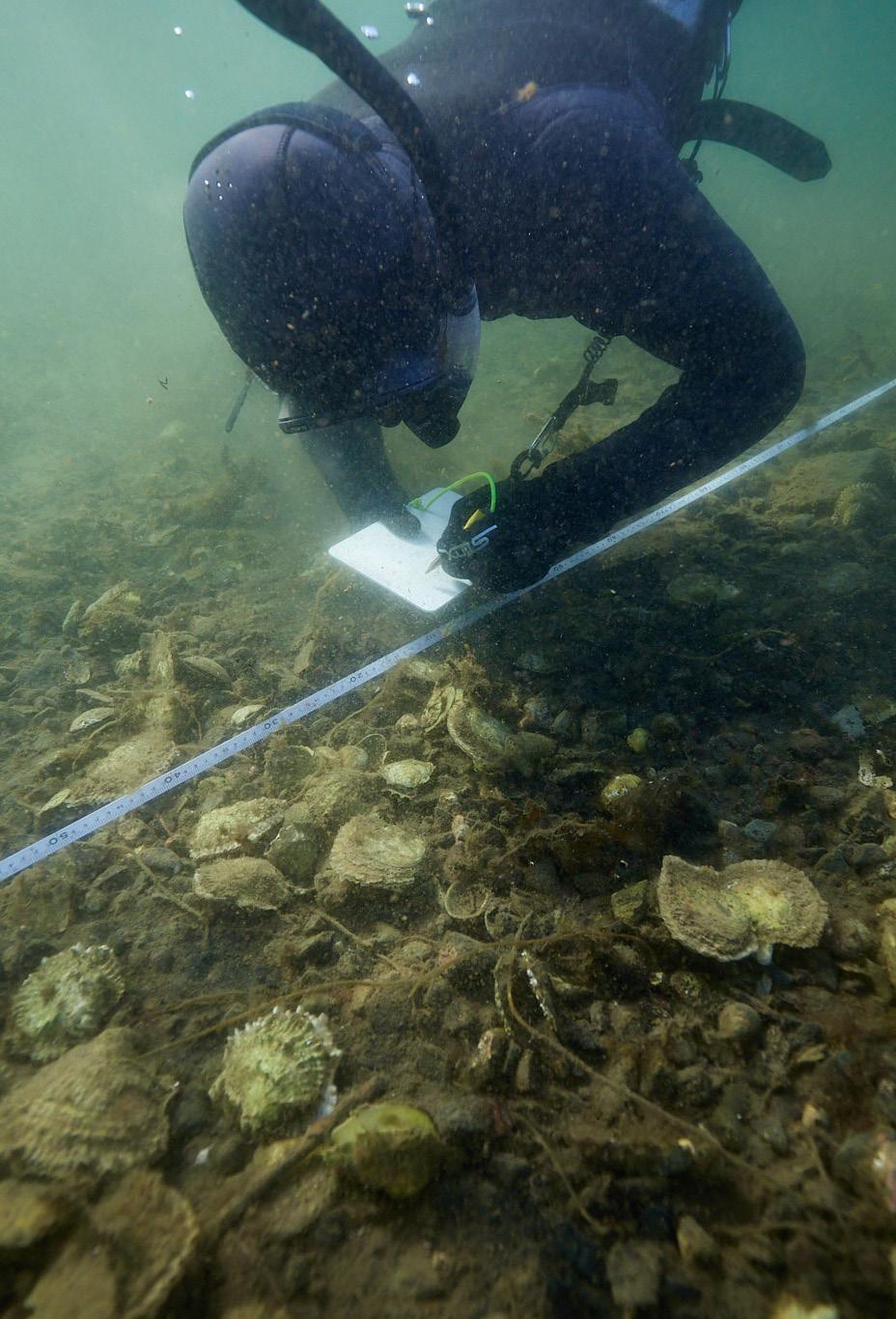
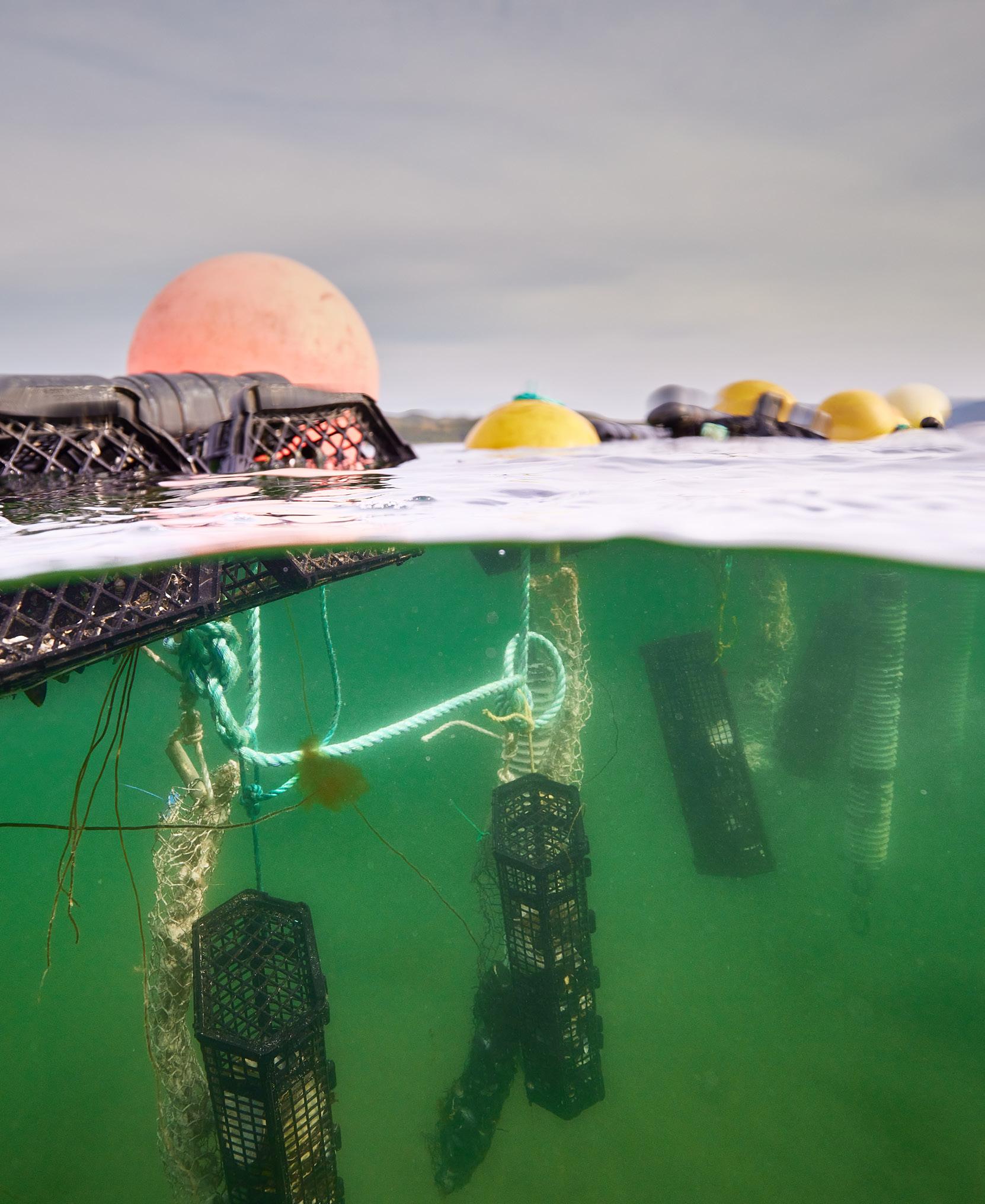
ON THE WESTERN EDGE OF Scotland, where the wild North Atlantic meets the rugged, Argyll hills, a quiet revolution is taking place. In the sheltered waters of Loch Craignish, near Oban, a group of volunteers and marine biologists in wetsuits are carefully wading into the shallows. But they’re not fishing, dredging or farming. They’re planting; seagrass rhizomes and native oysters, reintroducing them to a landscape that, within living memory, had all but disappeared.
At the heart of this effort is Danny Renton, founder of Seawilding, the UK’s first community-led marine habitat restoration project. “I wanted to create a positive story,” Renton says, recalling the moment he decided to act. “The health of our oceans is in serious decline, and nowhere more so
than in Scotland, where we’ve managed our fisheries badly. Many fish species are now commercially extinct. I wanted to prove that restoration is both possible and worthwhile.”
Renton’s relationship with the Scottish coast began long before Seawilding. “It all started on childhood holidays in Tiree,” he says. “We’d spend days in or on the water, fishing, sailing, exploring...”. With each passing summer, Renton saw the coastline’s decline firsthand; the dwindling fishing boats and once-rich seabeds becoming barren and bare. “You start to realise the sea you loved as a child is changing,” he reflects. “And not for the better.”
Though he grew up in southern England, Renton’s roots have always pulled him north. His mother is Scottish and much of his family remains there. He spent years working for BBC Scotland as a reporter and documentary maker, covering stories from the Highlands and Islands to the Balkans where his journalistic hand saw him covering archaeology and cultural heritage projects. Back in the UK, his growing concern for the environment prompted a career shift.
“I decided I wanted to focus on something that truly mattered”. A Master’s in Climate Change and Development later, he headed
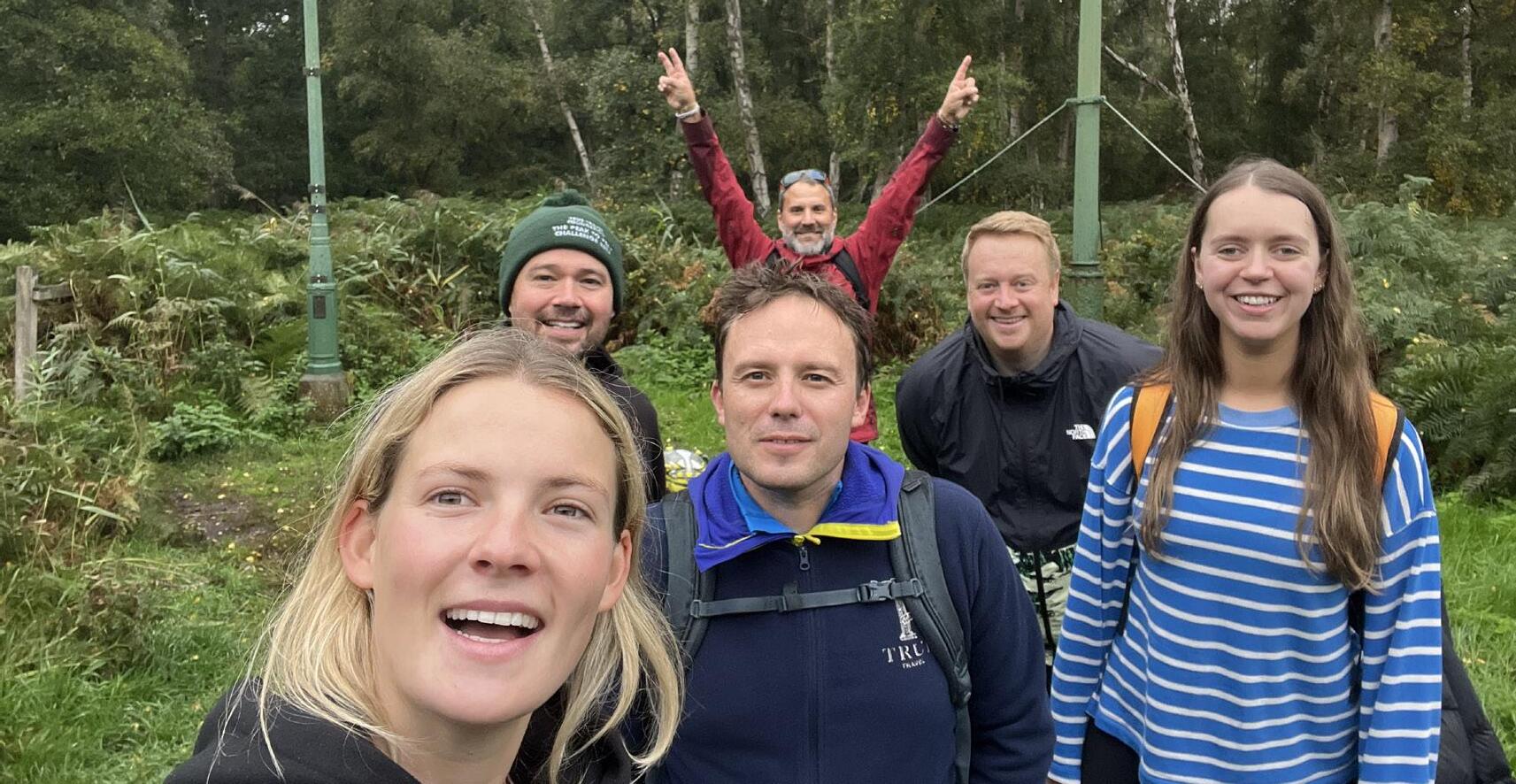
AS PART OF OUR ANNUAL fundraising effort, we challenged the team to an epic ‘Race Across the World’-style adventure from England’s highest point (Scafell Pike) to its lowest (Holme Fen), some eight miles south of Peterborough. Each group had just 24 hours to summit the peak and race the 215 miles between the two with no phones, no wallets and only enough cash for water and the bare essentials. They would sleep wherever they could, face whatever weather came their way, and rely entirely on the kindness of strangers. That kindness was clear before they’d even left, hitting the £7,500 fundraising goal before the Lake District was even in view, inspiring us to increase it and raise over £12,000. Here, our Senior Marketing Executive, Naomi, shares what unfolded over the 24, unforgettable hours.
After bidding farewell to our laptops and colleagues who stayed behind to keep the office running, we began the five-hour-
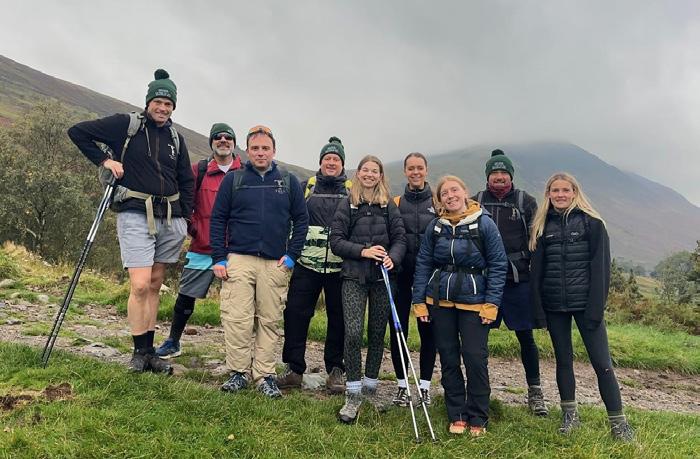
turned seven-hour drive from London to Keswick (note to self: avoid junction 14 of the M6 at rush hour). Strategies and friendly rivalries were shared over plates of hearty food in a local restaurant before all turning in for an early night ahead of the 6 a.m start. Ten hours later, at 8 a.m, we were at the base of the Pike standing for a quick photo, blissfully unaware of the challenge that lay ahead. Roughly two hours later, we made it to the summit, having navigated slippery scree, thick fog that rolled in less than an hour into the climb, and the biting 50 mph winds of Storm Amy. After a few more photos and several Mars Bars
LUXURY SAILINGS TO THE WORLD'S MOST REMOTE DESTINATIONS
ELEGANT PERSONAL AND SOCIAL SPACES

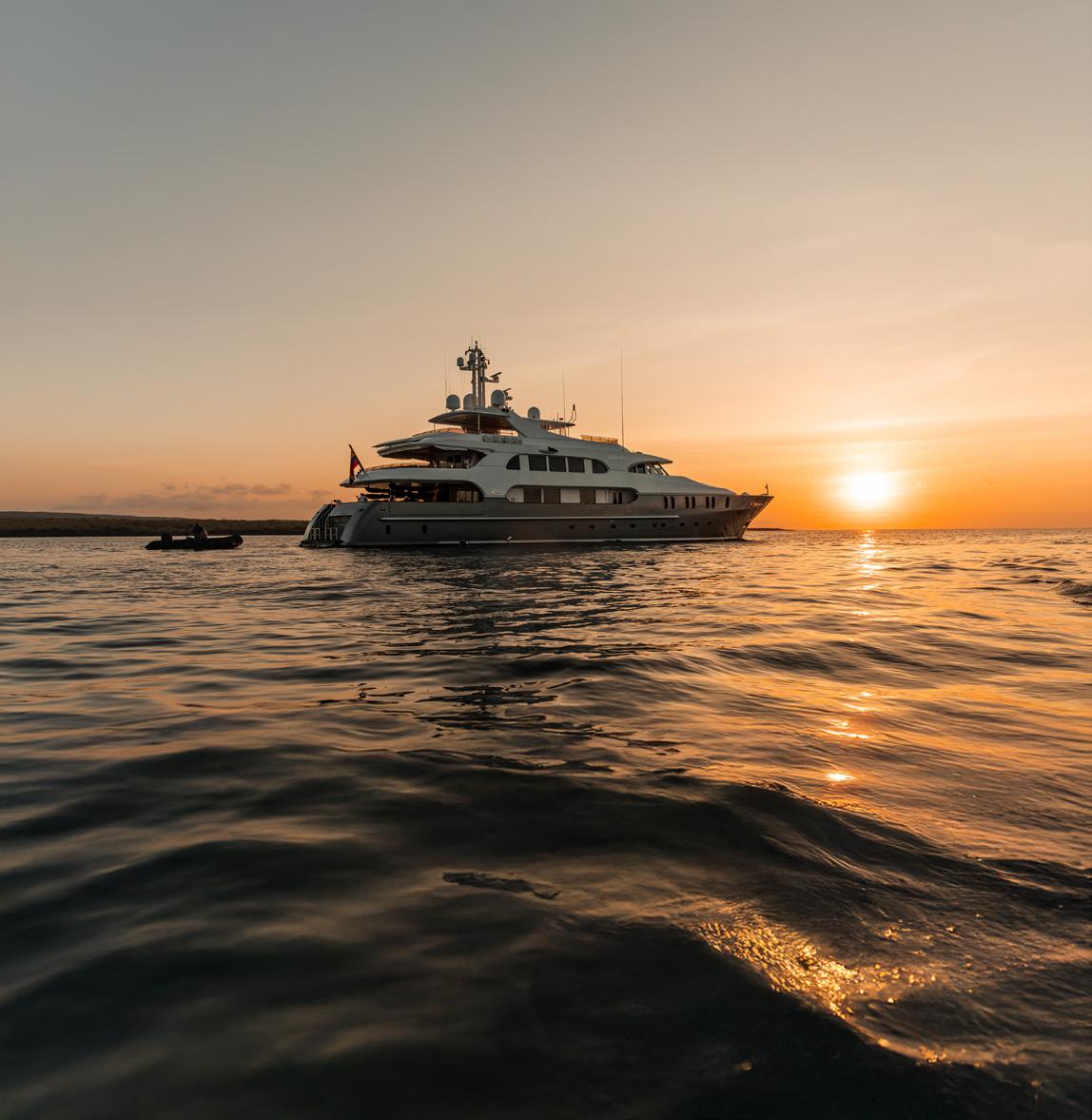


ULTIMATE LUXURY & COMFORT WORLD-CLASS DINING TAILOR-MADE EXPERIENCE RESPONSIBLE TRAVEL


I am delighted to introduce the sixth edition of True Travel Times—and what a year it has been for our team and our travellers. 2025 has seen us deepen our expertise around the world, expand our creative horizons, and continue our mission to craft journeys that enrich lives through the power of travel.
This year we have launched new destinations to our Latin America portfolio, raised record funds for our Foundation, and been awarded Conde Nast Traveller’s Readers’ Choice Award for the second year in a row. We’ve continued to grow our team of destination specialists, launched our own travel app, expanded our charity partnership collection, and celebrated another year of record client referrals—a testament to the trust our travellers place in us.
This issue celebrates the art of craftsmanship in travel—from the way flavour captures the spirit of place in True Gastronomy (page 16), to the inspiring story of Seawilding (page 1 & 4), one of our Foundation partners whose work embodies the craft, care, and commitment at the heart of true conservation.
Elsewhere, join us as we dive into the world of captains and crews (page 22) who work diligently behind the scenes, bringing boating dreams to life. Speed through Switzerland and Northern Italy (page 8) on an alpine rail adventure, and get underneath the skin of Japan (page 20), Morocco (page 11), and Buenos Aires (page 25). Each article offers a glimpse into the variety and wonder of the world we so love to explore.
My enormous thanks to our clients, partners, and extraordinary team for delivering another year of passion, purpose, and exploration. I hope this edition sparks ideas for your own next great adventure.


This newspaper is printed on 100% recycled paper. We have committed to planting 20 square metres of


A record year of donations, new charity partners and our biggest fundraising challenge yet, we are proud to share the incredible work our Foundation has achieved this year.
TO MARK THE SIXTH EDITION OF the True Travel Times, we’re proud to share the exciting progress of the True Travel Foundation in 2025. With new partner charities, fresh fundraising initiatives, and our continued B Corp membership, we remain one of the leading foundations in luxury travel.
So far, we’ve raised over £185,000, including £80,000 by August 2025 alone—already surpassing our total for 2024. Funds have been split almost evenly between our partner charities and Seawilding, our blue carbon offsetting partner, reflecting the strong support from both our team and our clients.
This year we’ve expanded our reach, partnering with the Newman Holiday Trust in the UK and continuing our work with Peru’s Sol y Luna Foundation, including our first direct sponsorship of an individual, Brayan Quispe, whose progress we’re delighted to follow into 2026.
Thanks to generous client contributions, we can now accept private donations—both open and anonymous—either to the Foundation as a whole or to specific projects.
We also embarked on our October fundraising challenge where we race from the highest to lowest point of England a unique adventure that raised over £12,100 for our charity partners. Whilst this falls slightly short of our adjusted target of £12,500, donations are still coming in and we are hugely grateful for the support from friends, family, colleagues and clients who have helped raise so much money for worthy causes.
We’re deeply grateful to all clients who have supported the Foundation in 2025. Even the smallest donations make a real difference.
To learn more about the True Travel Foundation, our projects, or to donate, please contact us at foundation@true.travel.
/ Unsplash © Raimond Klavins / Unsplash © Simon Spring / Unsplash © Mitch / Unsplash © Rod Long / Unsplash © Danielle Barnes / Unsplash © Glacier Express © La Reserve © Gwan-Woo Park © Forestis © Alex Moling / Cape of Senses © Time and Tide © Time and Tide Foundation © David Emrich / Unsplash © Alva Pratt / Unsplash © Filiz Elaerts / Unsplash © Masaaki Komori / Unsplash © Phurichaya Kitticharin / Unsplash © Naveen Kumar / Unsplash © Lysann Weber / Unsplash © Carlos Leret / Unsplash © Louis Hansel / Unsplash © Benjamin R. / Unsplash © Jeremy Stewardson / Unsplash © Barbara Sandoval / Unsplash © Annie Spratt / Unsplash © Bob Brewer / Unsplash
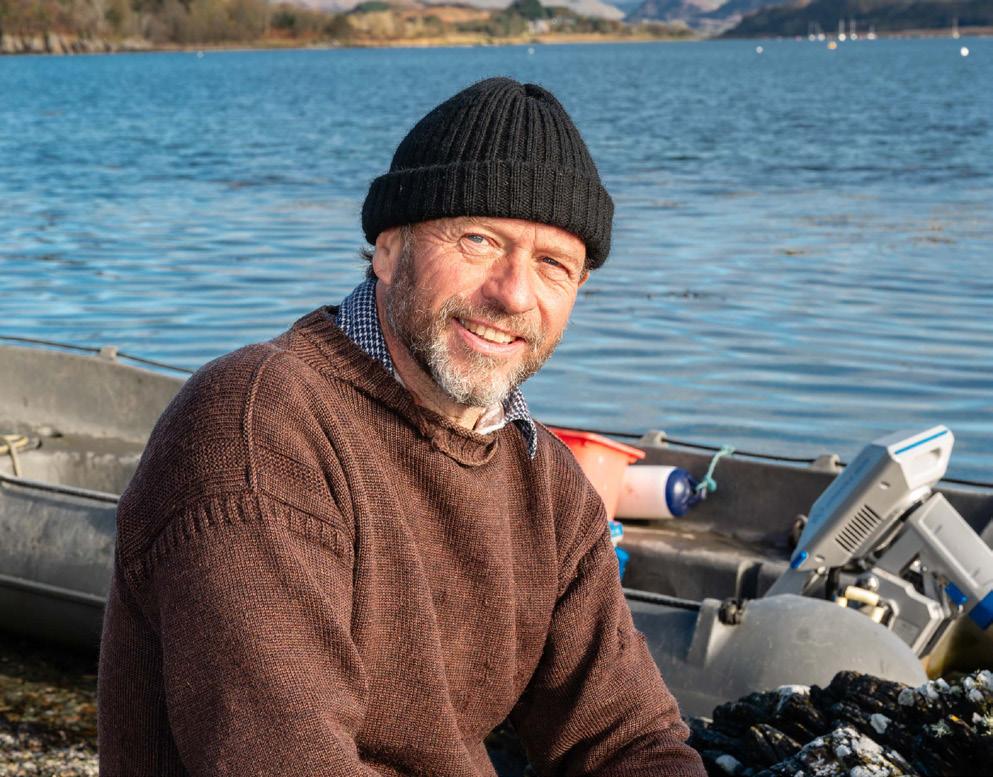
back to Scotland to aid campaigns against destructive marine practices such as bottom trawling and scallop dredging. “We were trying to stop the damage,” he recalls, “but it was like shouting into the wind. Policymakers weren’t listening, and enforcement was non-existent.” That frustration became the seed for something more radical. “If we couldn’t stop the harm, we could start the healing. That’s how Seawilding was born.”
Established in 2020, Seawilding was conceived from Renton’s demand for action. “There’s a lot of talk about protecting the sea,” Renton says, “but we’re actually getting our hands wet.” Five years on, that hands-on approach is paying off. The charity’s two flagship projects are thriving: seagrass is now being restored at scale, with more than 28,000 rhizomes (plant stems) planted in Loch Craignish and ambitions to restore 1/3 of a hectare each year, while tens of thousands of spawning oysters have returned to the loch for the first time since Victorian times.
In an exclusive interview, True Travel speaks with Seawilding founder Danny Renton about the restoration of Scotland’s wild seas, the challenges of marine conservation, and the collective effort driving a new era of ocean stewardship.
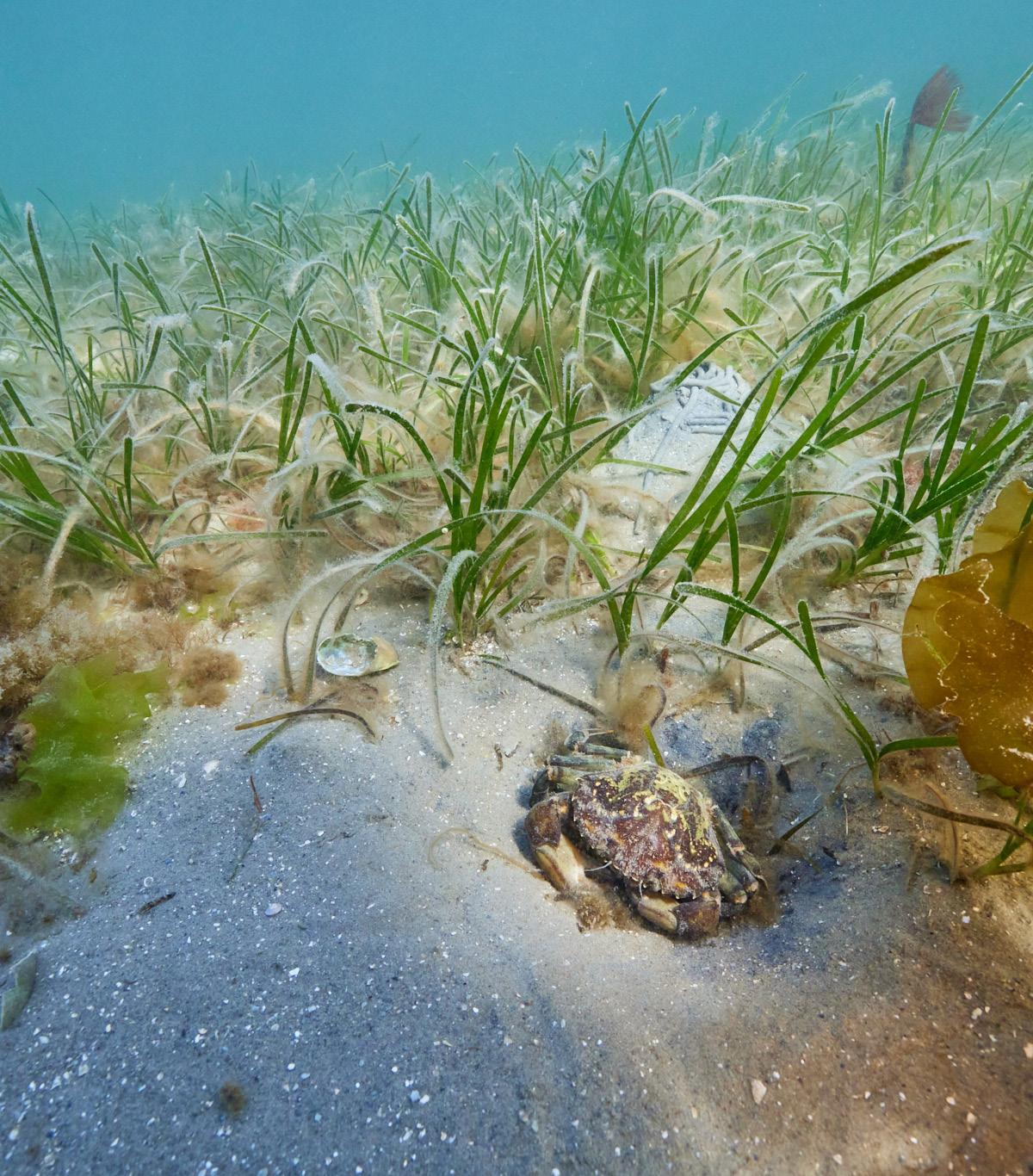
Beneath the surface, the transformation is already visible. Where once there was bare sediment, blades of seagrass are now starting to sway with the tides, sheltering juvenile fish and cuttlefish eggs that cling like translucent pearls. Native oysters (natural water filters) are quietly improving water quality—each capable of cleansing up to 200 litres a day. Crabs, sea snails, and anemones have returned, rebuilding the intricate web of life that had long been missing. It’s a reminder that nature, given the chance, can rebound with astonishing speed. For Danny, those early dives when he first saw life returning to the loch were transformative moments. “It’s like watching colour seep back into a black-and-white world,” he says.
Of course, it hasn’t all been smooth sailing. Science takes time and Renton is candid about the charity’s early struggles. “For the first few years, our seagrass restoration failed,” he admits. “But failure is part of science. We learned, we adapted and we cracked it.” Marine restoration, he explains, is still a young discipline in the UK. “We’ve spent centuries plundering the sea, and we understand so little about it. Rebuilding that complexity was always going to be a long game.”
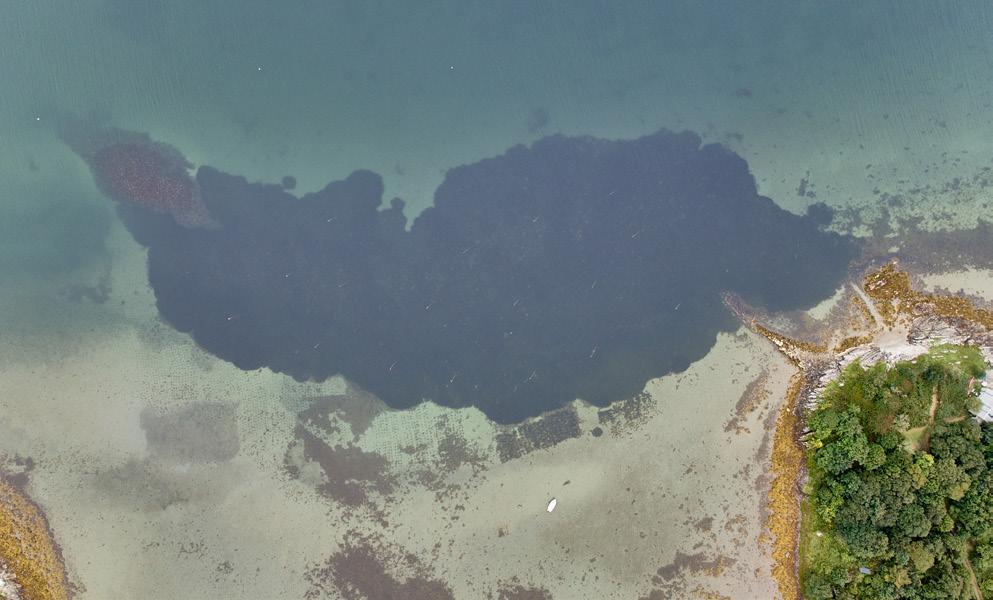
Finding the right place to base Seawilding was, however, far easier. Of all Scotland’s 200 sea lochs, Loch Craignish’s mosaic of rocky islets, tidal headlands, and shingle beaches made it an ideal pilot site. Yet its greatest strength proved to be its community. At Seawilding’s core is the belief that community involvement is the key to conservation success. “Top-down approaches rarely work,” Renton says. “But when you get local people involved, you create ownership, pride and purpose.”
The project now attracts volunteers from across the UK
and beyond. “This year we had more than eighty volunteers, plus six interns working with us over the summer,” Renton says. “The enthusiasm is incredible.”
Many of the volunteers aren’t marine biologists at all. They’re retired teachers, local sailors, teenagers on summer break, and parents who once brought their children to these same shores to paddle and catch crabs. Some had never donned a wetsuit before joining. “You can feel the sense of purpose,” Danny says. “People arrive curious and leave connected—to the sea and to each other.” For him, it’s this shift in mindset that’s as valuable as the science itself. “Restoration isn’t just about ecosystems; it’s about communities finding their agency again.”
Delegations from government, NGOs, and international conservation groups have visited, along with TV crews—some of whom, Renton jokes, ignored advice, sank into the mud and temporarily disappeared underwater. Funnier after the event, he notes. “We’re showing that restoring nature and creating livelihoods go hand-in-hand. Policymakers are starting to take note because it makes socioeconomic sense.”
“Find your local sea area. Learn who’s doing meaningful work. Go snorkelling, meet people, get involved. You’ll find that once you start helping the ocean, it helps you back.”
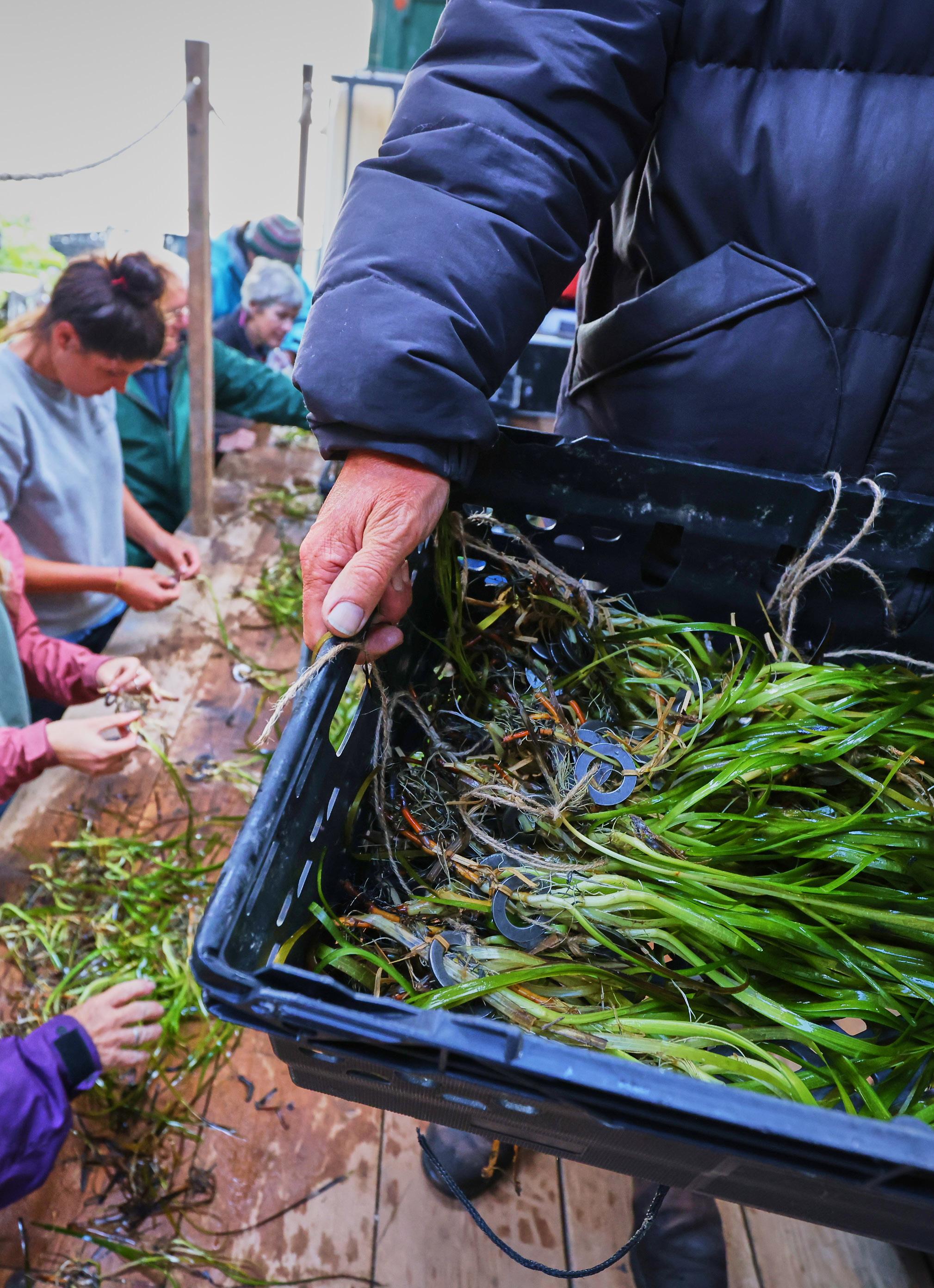
Seawilding’s story stretches far beyond the shores of Argyll. Its open-source methods are freely shared with wildlife trusts and community groups across the UK and Europe. “We want to turbo-charge marine restoration, not keep it locked away in a lab,” says Renton. He knows that relying on academia alone would never have brought them this far; this is a place where the “many hands make light work” philosophy truly comes alive.
What’s happening in Loch Craignish mirrors a wider rewilding movement gaining pace across Scotland. Projects are underway to reforest glens, re-flood peatlands, and return wildlife once thought lost. But few have turned their focus beneath the waves. Marine habitats—out of sight and too often out of mind—have historically been overlooked in conservation policy. Seawilding has changed that narrative, proving that communities can lead from the shore up. Its model is now being studied by conservationists from Ireland to the Baltic, keen to replicate its blend of science, accessibility and community pride.
For Danny, those hands don’t even need to reach Loch Craignish to make a difference. His message is disarmingly simple: start small, start local, start now. “Find your local sea area. Learn who’s doing meaningful work. Go snorkelling, meet people, get involved. You’ll find that once you start helping the ocean, it helps you back.” And if the coast feels out of reach, there are still countless ways to connect. Learn about the seabed—“an underwater flower garden,” he calls it. Choose hand-dived over dredged scallops. Or simply watch OCEAN by David Attenborough.
Yet even with success on its side, Seawilding faces daunting headwinds. Climate change is warming Scottish seas faster than expected, and rising nutrient levels from land runoff threaten delicate ecosystems. Restoration also costs money—not just to plant and monitor, but to maintain. “It’s a race against time,” Danny admits. “The risk isn’t that
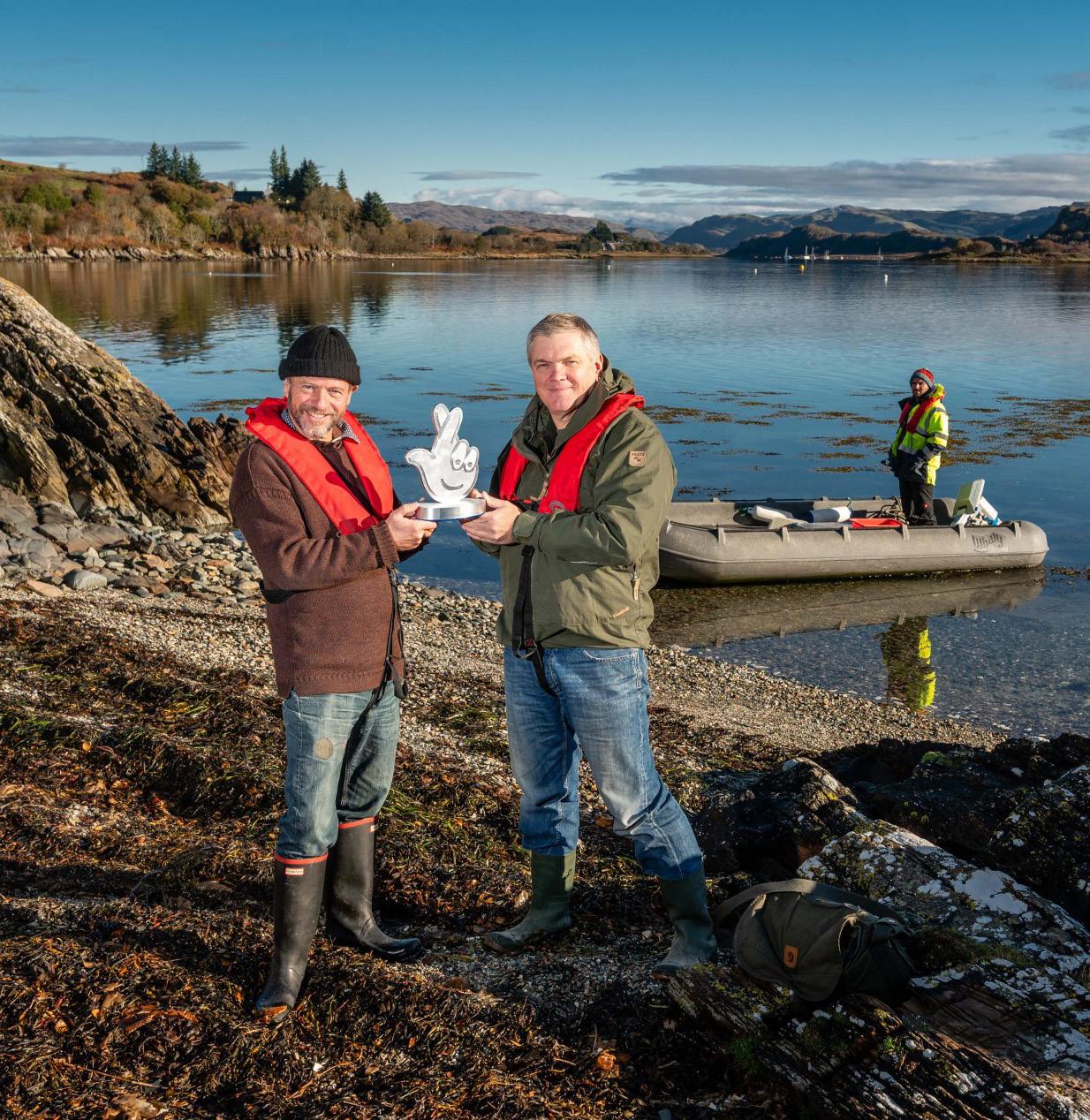
we don’t care; it’s that we act too slowly.” Still, his optimism endures, rooted in the growing public appetite for action. “The tide is turning,” he says. “People want to be part of solutions now, not spectators.” For Danny and the Seawilding team, the future looks bright. An application has been made to designate Loch Craignish a demonstration research marine protected area—a move that could formalise its role as a national hub for restoration science and policy innovation. New oyster restoration sites have been identified within the loch, allowing the project to expand its impact and restore even more vital marine habitats. Recognition has followed, too: two Nature of Scotland Awards in 2022 (for Coast & Waters and Innovation), a National Lottery Environment Award in 2023, and a gold medal at the 2025 Chelsea Flower Show. Four BSAC Dive Leader–certified divers, whose training was funded by True Travel, now make it possible to plant a 1/3 of a hectare of seagrass each year. Momentum isn’t just rumbling—it’s rolling.
The real measure of progress isn’t only scientific; it’s cultural. “We’ve spent generations taking from the sea without asking what it gives back,” Renton says. “Now we’re starting to see the ocean not as a resource, but as a partner.” He hopes that future generations will inherit a coast alive with kelp forests
and oyster reefs rather than memories of what once was. “The joy,” he adds, “is knowing we can still change the story. If, in ten years’ time, we’re restoring hundreds of hectares of seagrass, putting millions of oysters back, and creating good jobs for young marine scientists, that’s success,” he says. “But ultimately, success is a change in mindset—an end to bottom trawling, an embrace of proactive, visionary policy, and a recognition that the sea is our most precious commons.”
True Travel is proud to have supported Seawilding and Danny’s vision for restoring the health of our oceans since 2021. As our designated blue carbon partner, we make a donation to Seawilding for every trip we curate. Further contributions can be made directly through the True Travel Foundation.

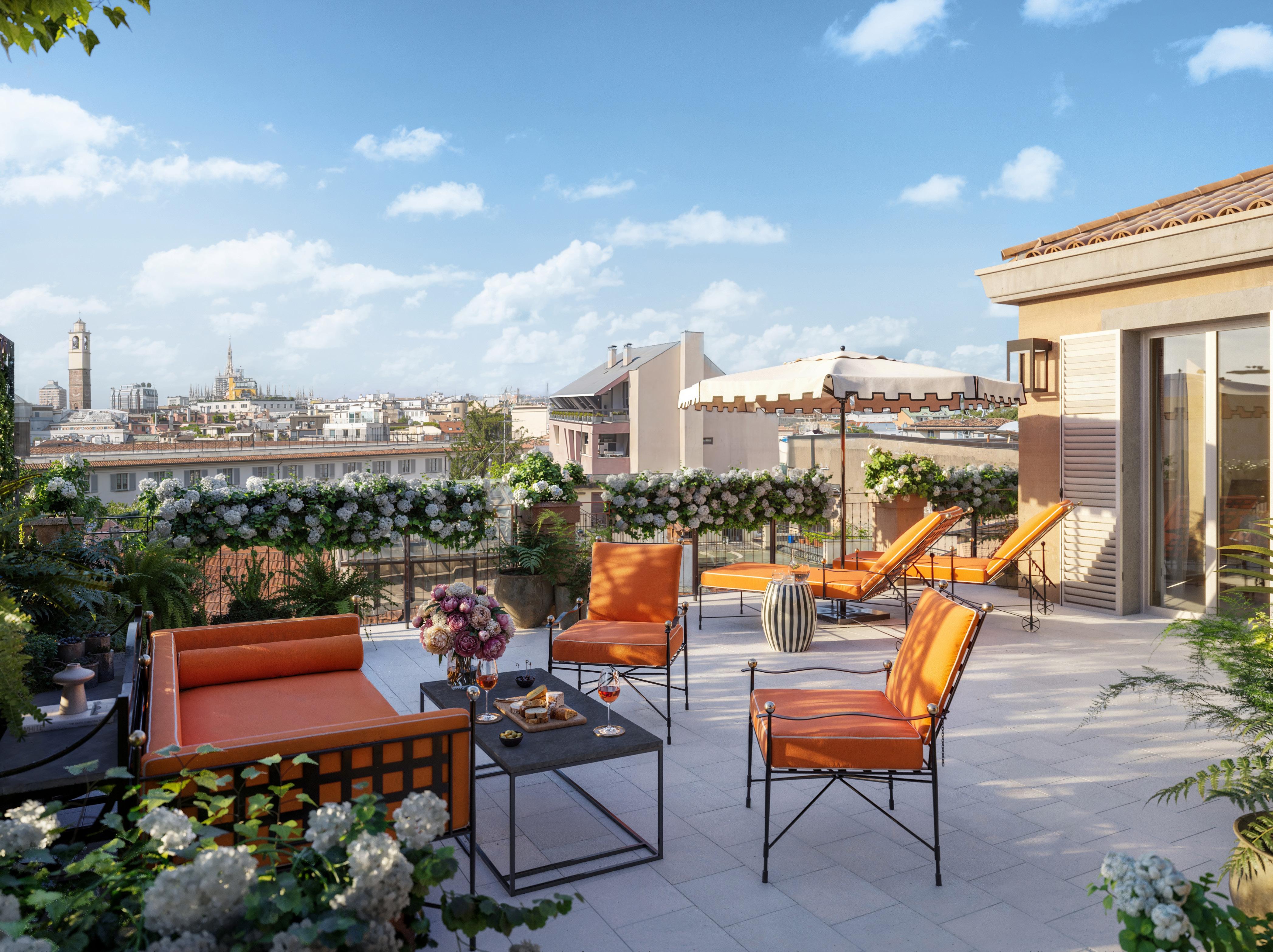
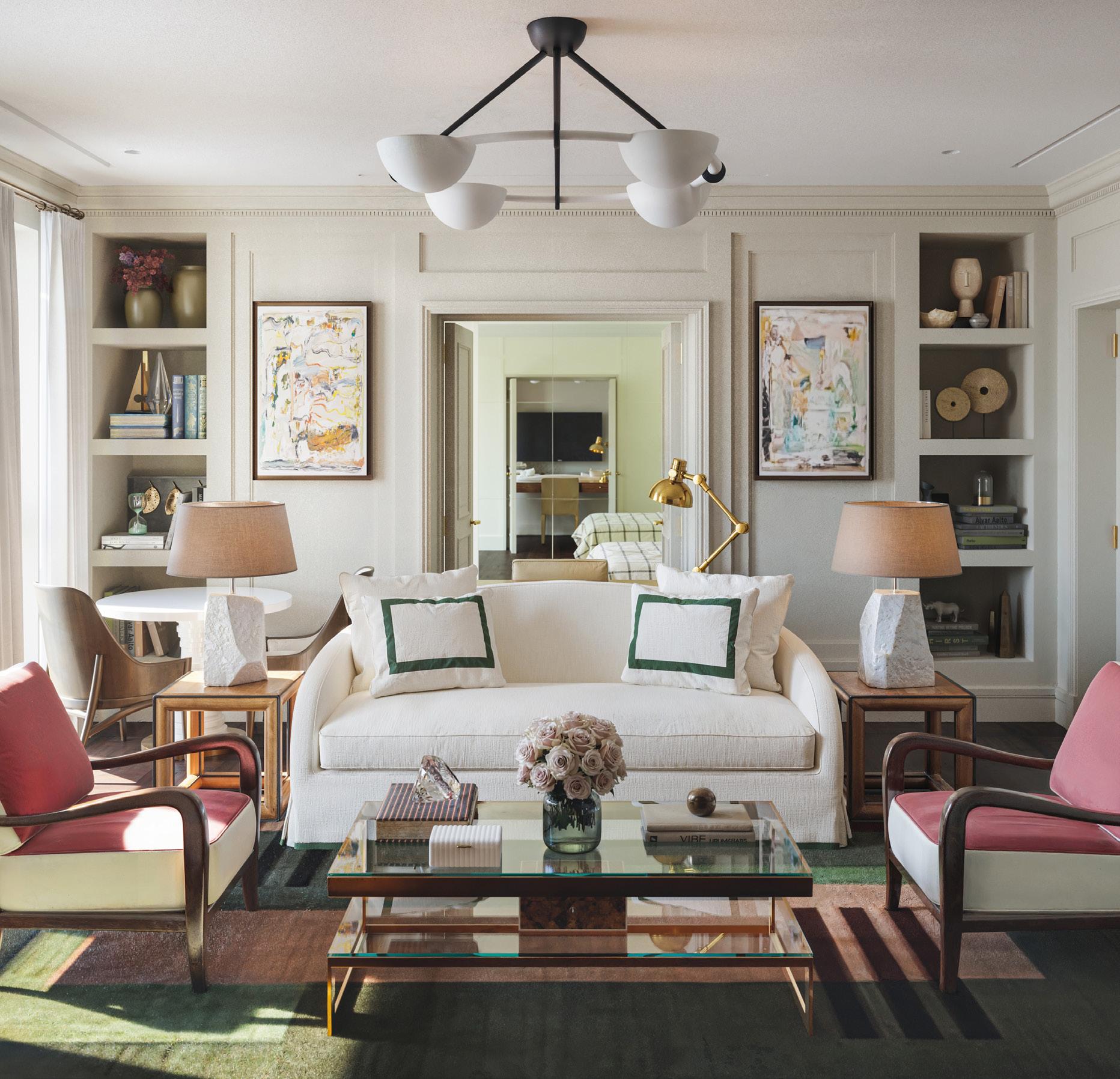
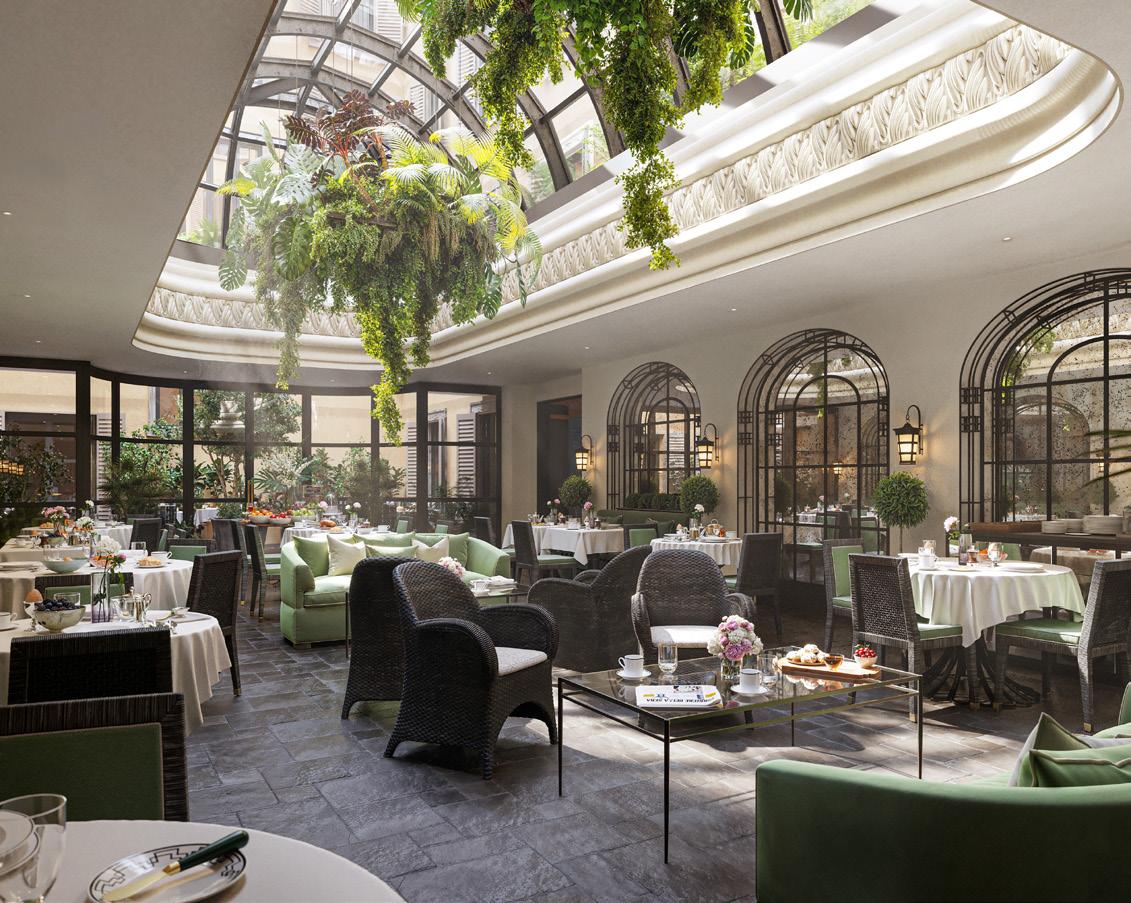
A modern homage to a legendary name. The Carlton reveals Milan’s more soulful rhythms, softened to your pace. Fulvio Pierangelini’s classic dishes expressing joy in every bite in the fine-dining restaurant. Cocktails with a twist in The Carlton Bar as aperitivo hour turns golden. Instant radiance and results-driven rituals at the Irene Forte Spa. Interiors that pair Milanese style with the warmth and intimacy of a private residence. An iconic address. An ode to Milan.

The early iterations of this once 16th Century farmhouse and boarding school aren’t lost in Auberge’s recent revamp. Preserving all its original character, its 83 rooms and 34 Duomo-eyeing suites allow you to see Florence as its Grand Tour travellers first saw it—from the hills, overlooking a sea of red tiled rooftops and domes. Let its old-world Italian allure wash over you as you drift from its signature bar, once the principal’s office, to its siesta-inviting spa.
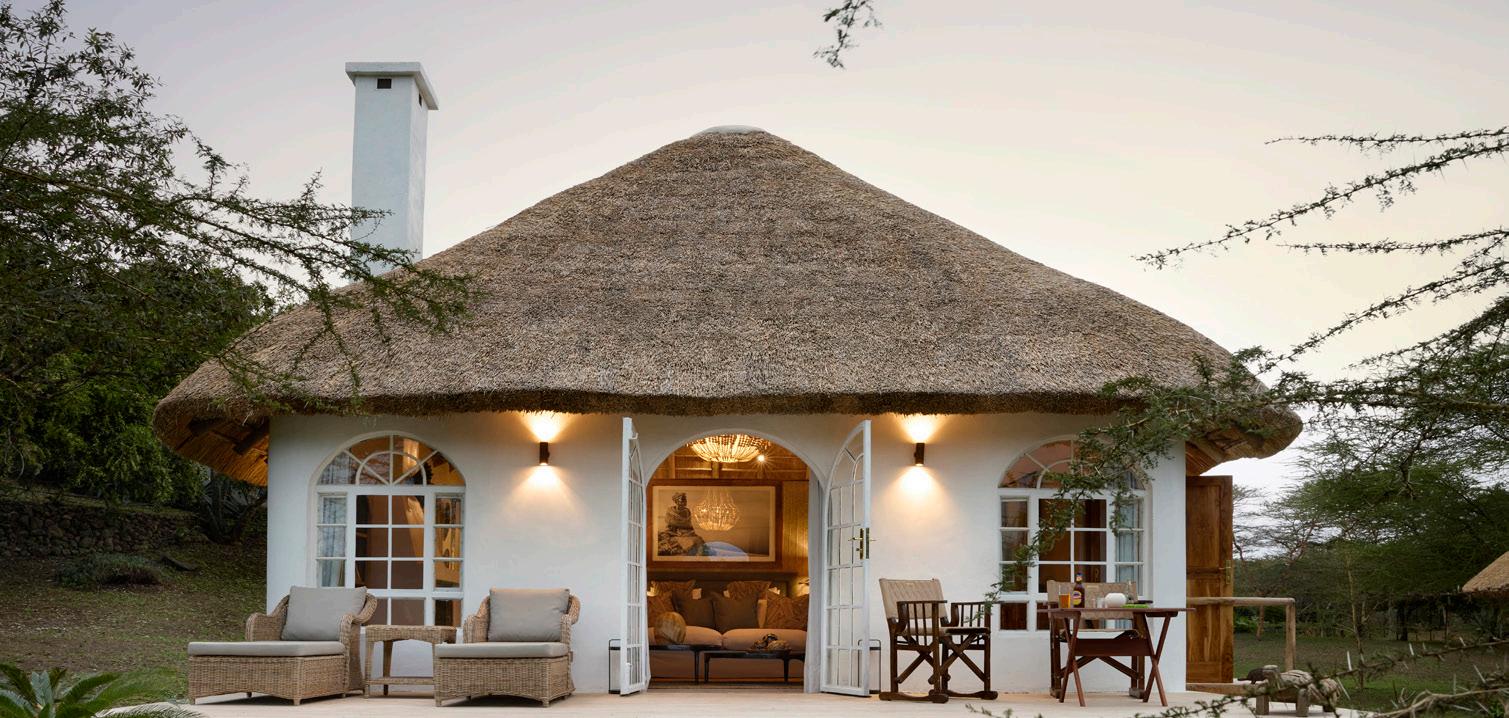
Laba Laba unveils two new Tanzanian escapes: Mama Simba in Arusha and Grumeti Art Lodge in the Serengeti’s western corridor. Just 35 minutes from Kilimanjaro Airport, Mama Simba offers a “safari before the safari” across 700 predator-free hectares. Further north, Grumeti pairs wilderness luxury with contemporary African art—perched on a hilltop with sweeping views, an infinity pool and over 40 curated works; part lodge, part living gallery.
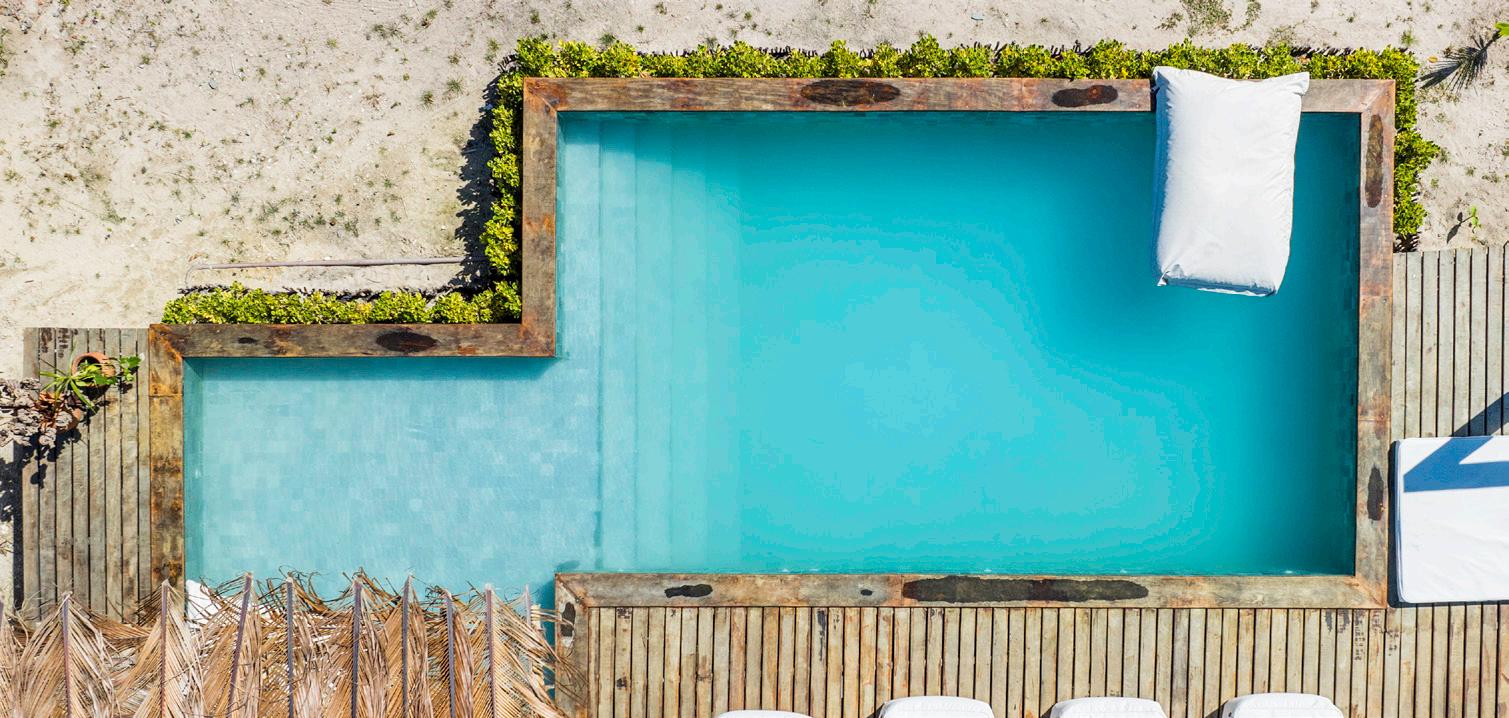
Contemporary seasonal retreat Oía has expanded its portfolio further into one of Brazil’s most breathtakingly untamed corners: Lençóis Maranhenses National Park. Perched on the edge of the namesake fishing village, Oía Pop Up Atins (open from July to September) offers an even more immersive experience. Take on the two-day, 16 mile trek linking the two lodges, pausing overnight at a remote fishing camp, for the ultimate journey across the park’s shifting landscapes.
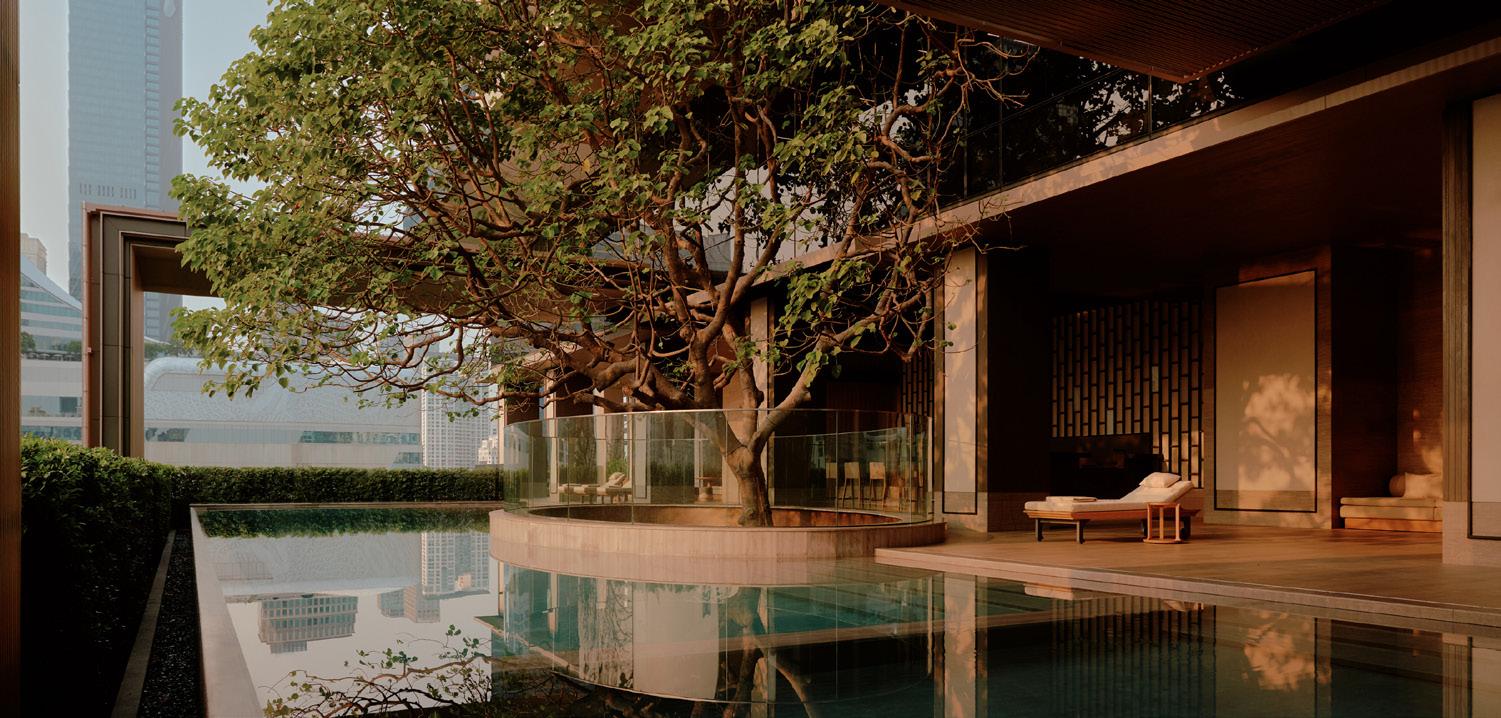
Aman’s newest sanctuary, nestled within the verdant embrace of Bangkok’s seven-acre Nai Lert Park, offers a serene counterpoint to the city’s vibrant rhythm. Blending Thai storytelling with contemporary design, the property reveals its spirit through thoughtful details; from an expansive spa rooted in tradition to a Chamchuri tree sculpture suspended above a pool of floating lanterns, paying quiet homage to the Loy Krathong festival.
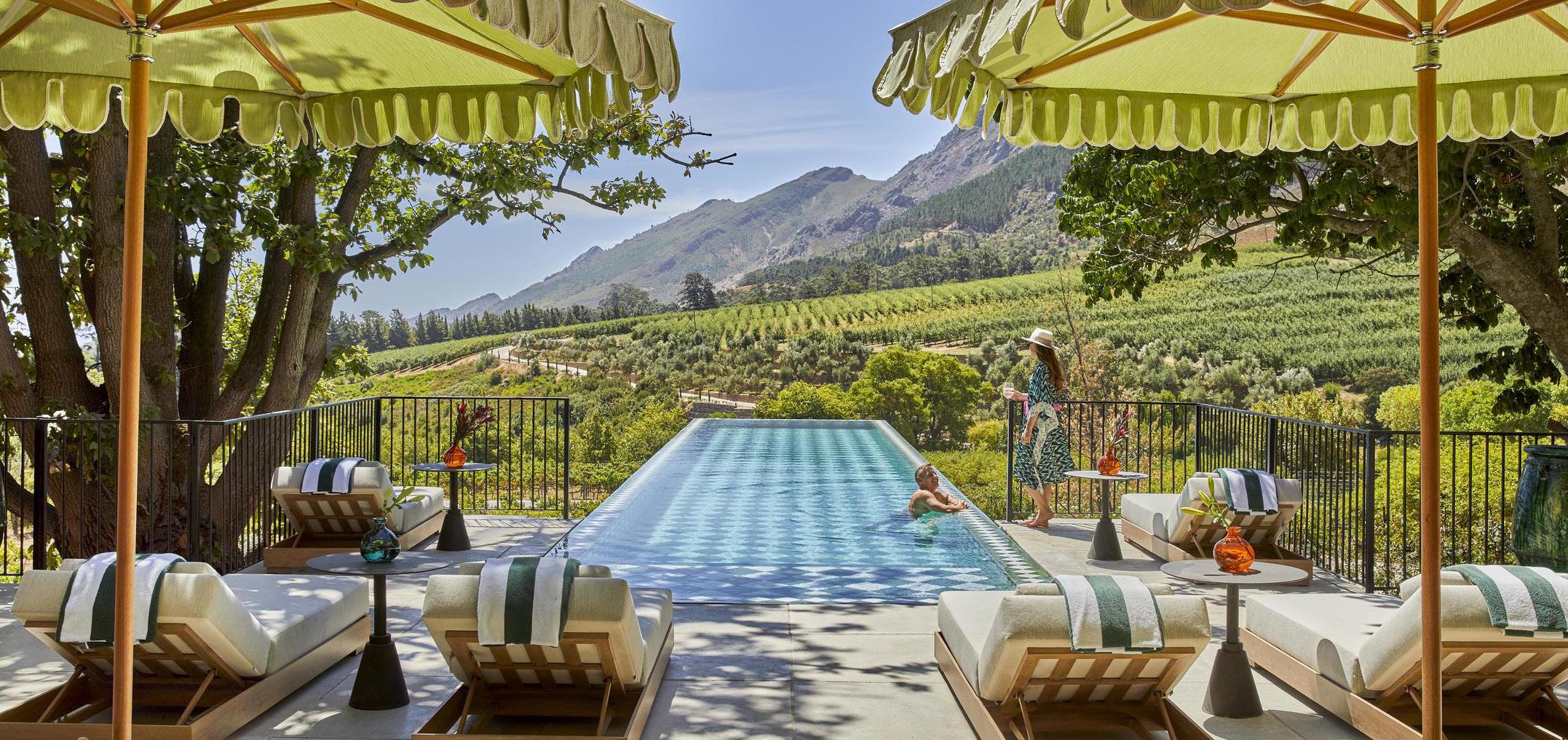
This wine country hotel doesn’t do things by halves. With triple-height ceilings, Persian rugs, and a palatial pool backed by palm trees, this mini-Versailles is a masterclass in meticulous detail. Each of the six suites tells its own story through distinct colour palettes and curated décor. Beyond the rooms, an interactive kitchen celebrating regional traditions, landscaped gardens designed for stillness, and Cabernet Sauvignon vineyards producing La Residence wines await.
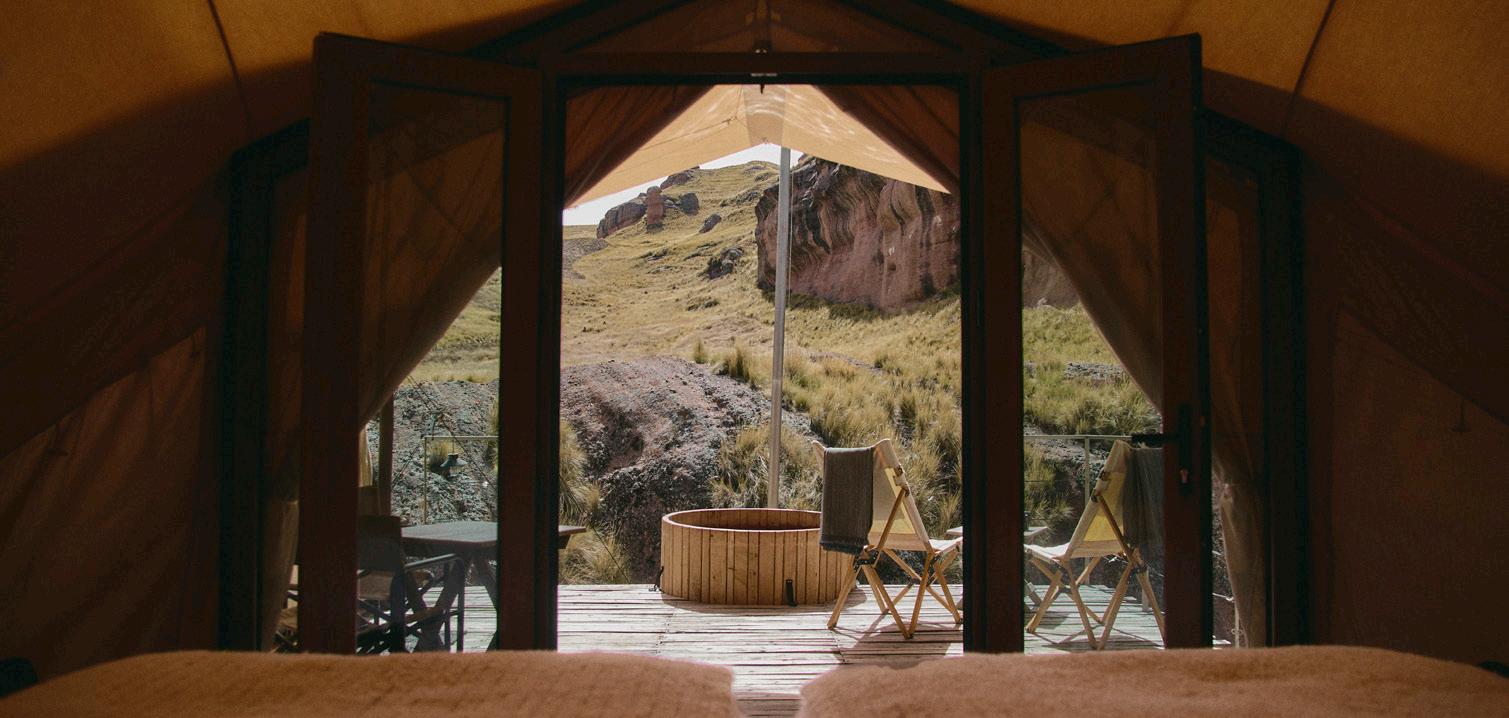
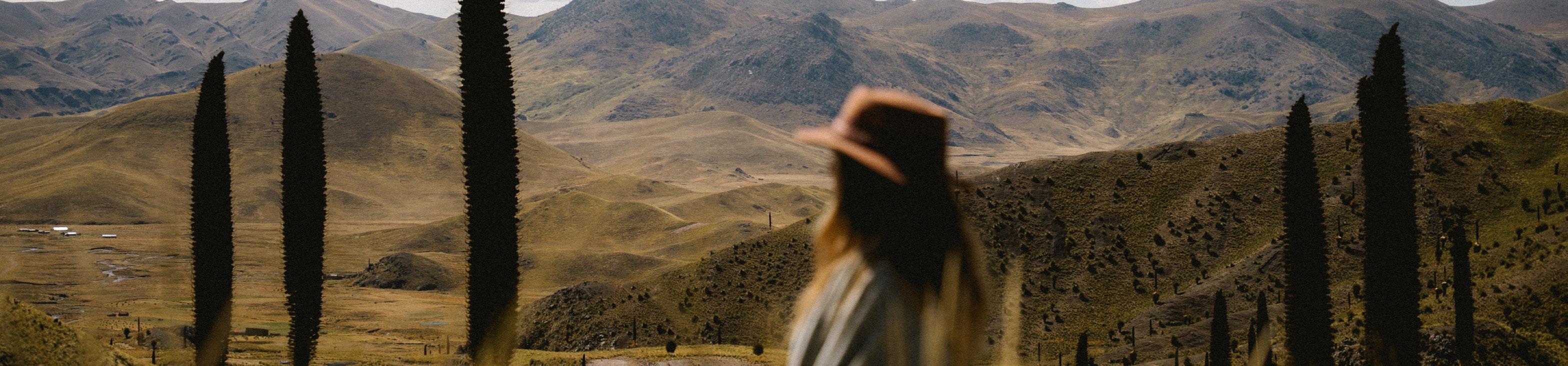
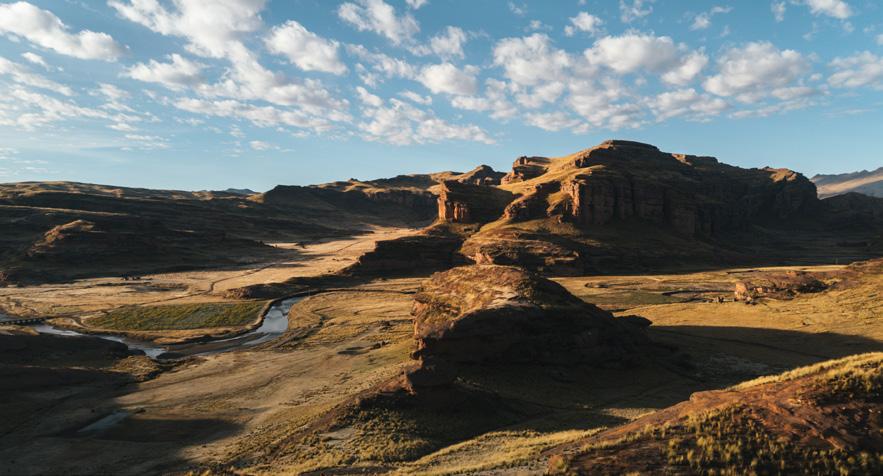
A place where myth meets element-molded landscape, Tinajani is southern Peru’s latest eco off-grid escape. Stay in one of six safari-style tents, surrounded by rust-red stone forests that call for both rugged exploration and quiet contemplation. Between bowls of steaming, slow-cooked stews, this is a place that invites you to lose yourself in the vastness of nature and the stoic spirit of the people who have called this land home for centuries.

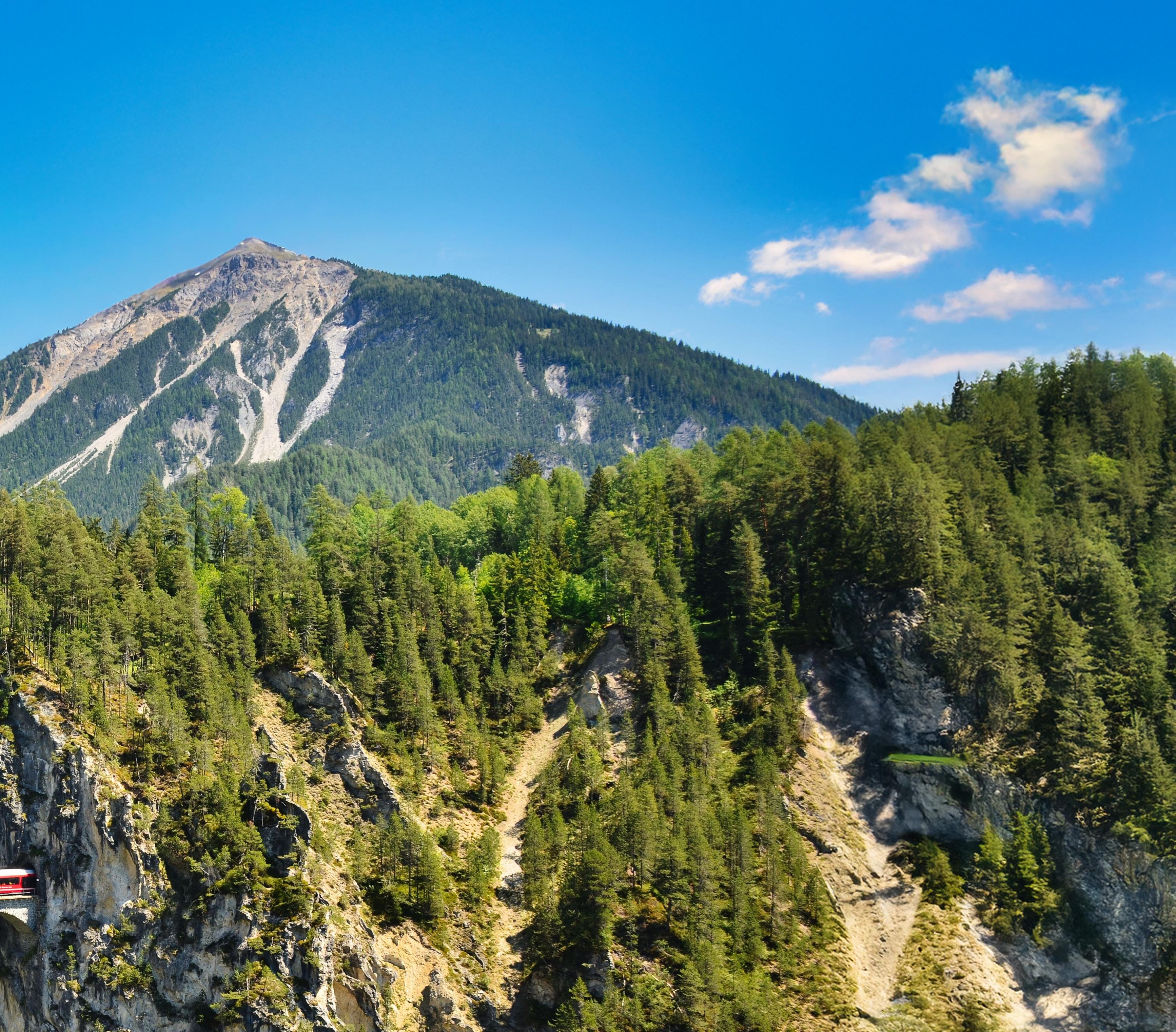
Our Head of Europe, Liberty Gilmour, prescribes this rejuvenating journey through Switzerland and Northern Italy. Trade destinations for discovery on alpine railways that weave human ingenuity with wild beauty.
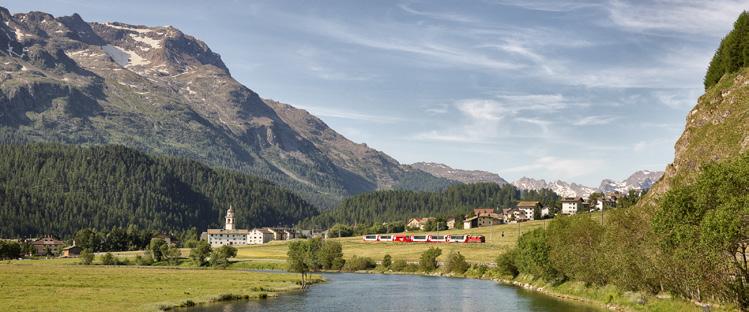
“IT’S EASY TO FEEL AT ONE WITH nature in Switzerland, where mindbending mountains plunge into crystal-clear lakes and wildflower meadows fringe pocket-sized alpine villages. It’s a country so flawlessly composed not even Disney animators could have dreamt it up, which is why it’s best savoured slowly. Hop aboard the nation’s ruthlessly efficient and breathtakingly scenic railways, from buzzy Zurich to the glitz of St Moritz, spending nights at its constellation of soul-soothing, mountainside hotels. Northern Italy, just south, feels like a natural extension. Home to the towering Dolomites, an impressive display of saw-toothed massifs, and opulent lakes that lap up la dolce vita, this itinerary ensures you experience every inch of the Alps in full cinematic splendor.”
Zurich
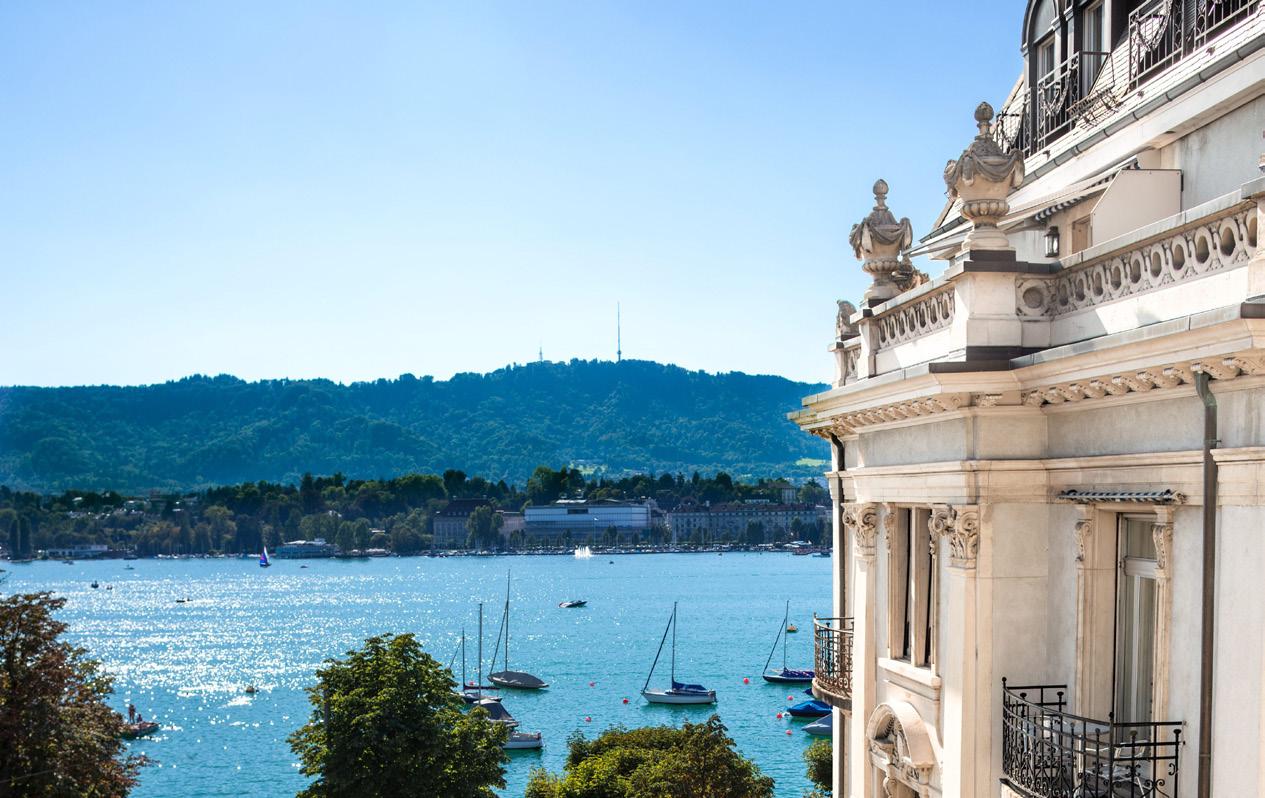
Arrive in Zurich, Switzerland’s largest city, where the good life comes on tap. Drop your bags at La Réserve, a lakeside institution since 1909, with some serious architect credentials. Walk the 15 minutes over to Altstadt (or Old Town), a charming maze of narrow cobbled streets lined with colourful guild houses and historic churches like the Grossmünster, where its 187 stairs reward climbers with a panoramic 360-degree view of the city. Learn the secrets behind one of the country’s most beloved exports, chocolate, on a decadent tasting tour, and walk it off with a lakeside stroll along the crystal-clear shores of Lake Zurich.
Zermatt
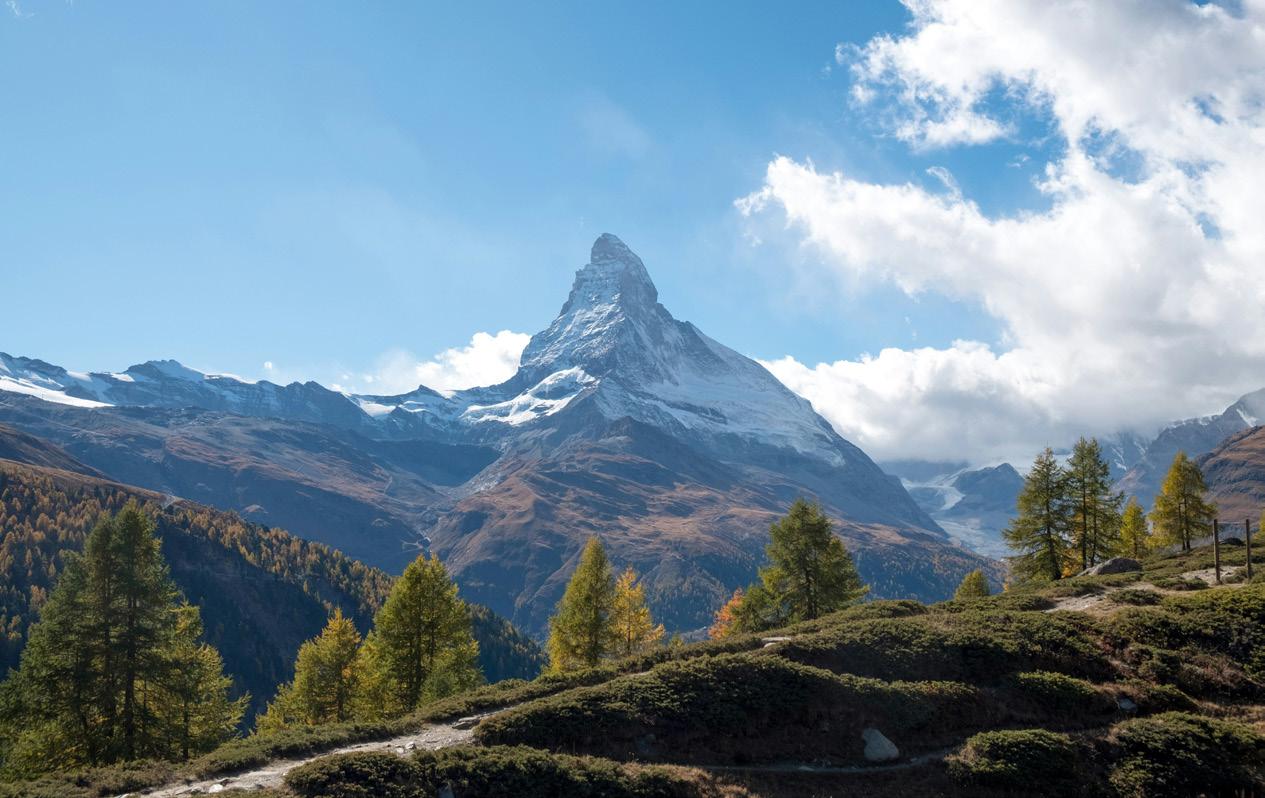
Trade Zurich’s cityscape for the alpine charm of Zermatt, just a scenic three-hour train ride away via Visp. Your next stop, The Omnia, sits on a commanding perch above the town, with panoramic views across the majestic Matterhorn, standing sentinel overhead. Be lured by its plethora of hiking trails that crisscross over meadows, forests and alpine lakes. And once back in town, indulge in the ultimate Swiss tradition: fondue.
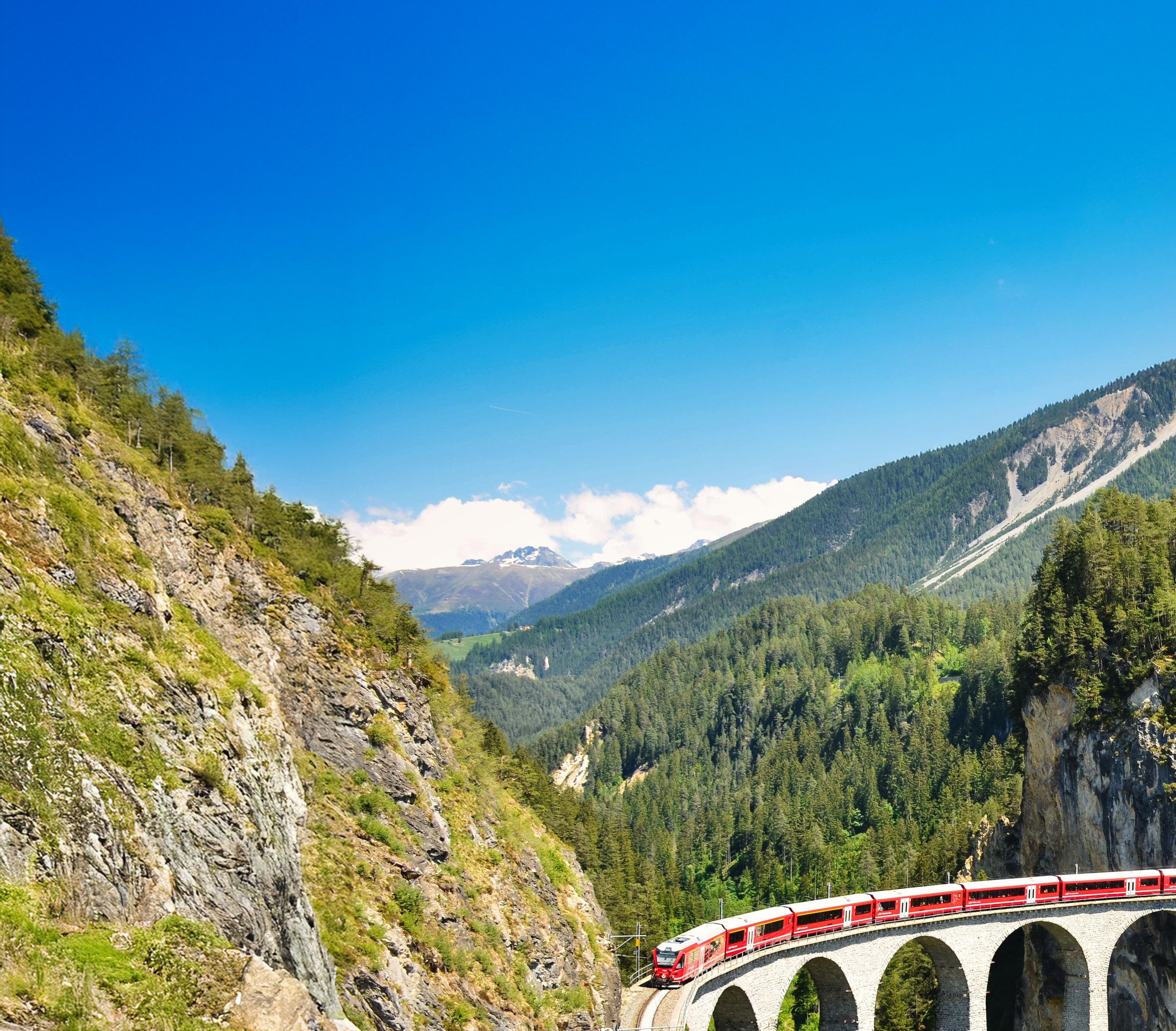
Take to the tracks again on the iconic Glacier Express, which links Zermatt and St. Moritz. Settle into your seat and indulge in a gourmet six-course menu, all the while watching Switzerland’s dramatic scenery of gorges, mountain passes and lakes pass by.
St Moritz and Tirano
After a restful night at the legendary Badrutt’s Palace in St. Moritz, you’ll be ready to embrace the charm of this head-spinningly beautiful alpine town. If you can peel yourself away from the Palace’s panoramic poolside and indulgent spa suites, take to Lake St. Moritz for a spin on the hotel’s private sailing boat, paddleboards or windsurfing boards.
The following day, board the breathtaking Bernina Express, a UNESCO-listed railway that winds past more glaciers and dramatic alpine passes to Tirano, just over the Italian border in South Tyrol. Check into the Sky House at Miramonti Boutique Hotel, an exclusive two-bedroom retreat, which, true to its name, floats above the rest of the property with an onsen-style pool and far-reaching views of the mountains. Spend the day basking in its forest sauna and indulging at its acclaimed Panorama restaurant.
The Dolomites
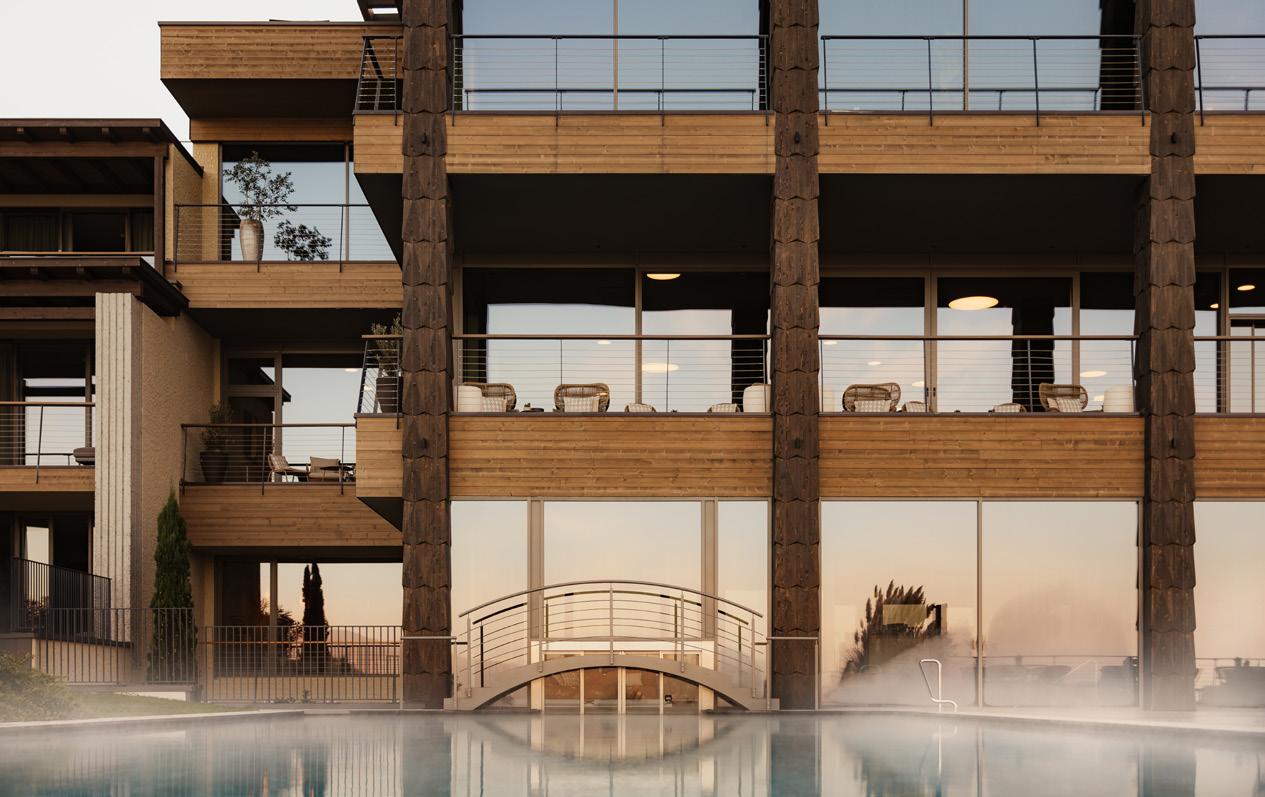
Swap one haute hideaway for another at Forestis, a summit-level cure-all hideaway in Brixen, Tyrol’s oldest town. Occupying a particularly scenic patch of the Dolomites, you’ll find a salubrious combination of mineralrich spring waters, ever-present views of towering massifs and crisp mountain air.
Spend the next day getting acquainted with its arsenal of water, air and sun experiences.
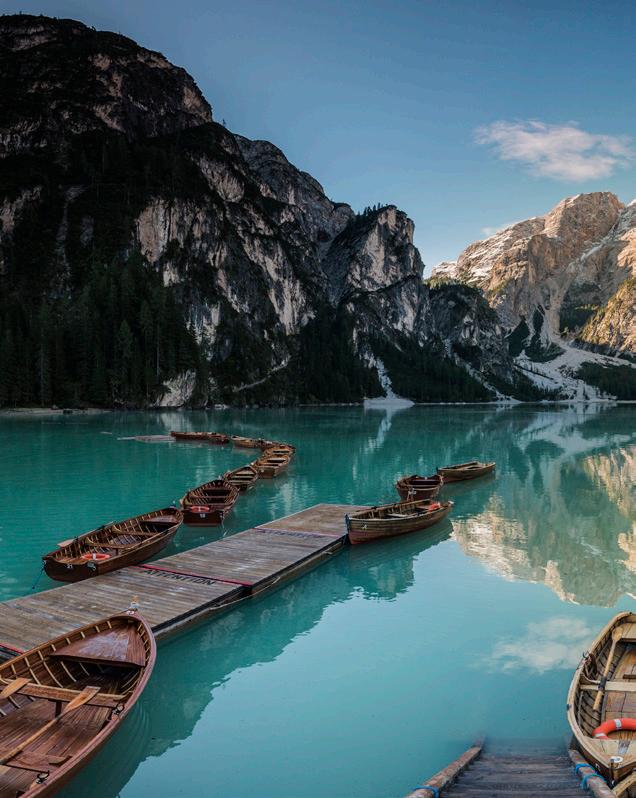
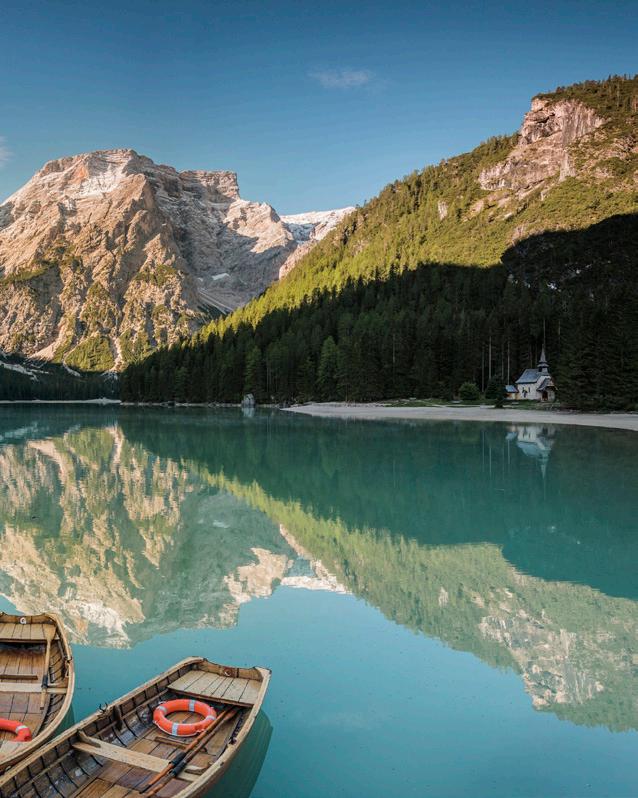
Begin with a visit to the breathtaking Pragser Wildsee, framed by dense forests and famed for its mirror-like surface that perfectly reflects the alpine landscape. Drift across its crystalclear waters in a traditional wooden boat; arguably the most enchanting way to take in its natural beauty.
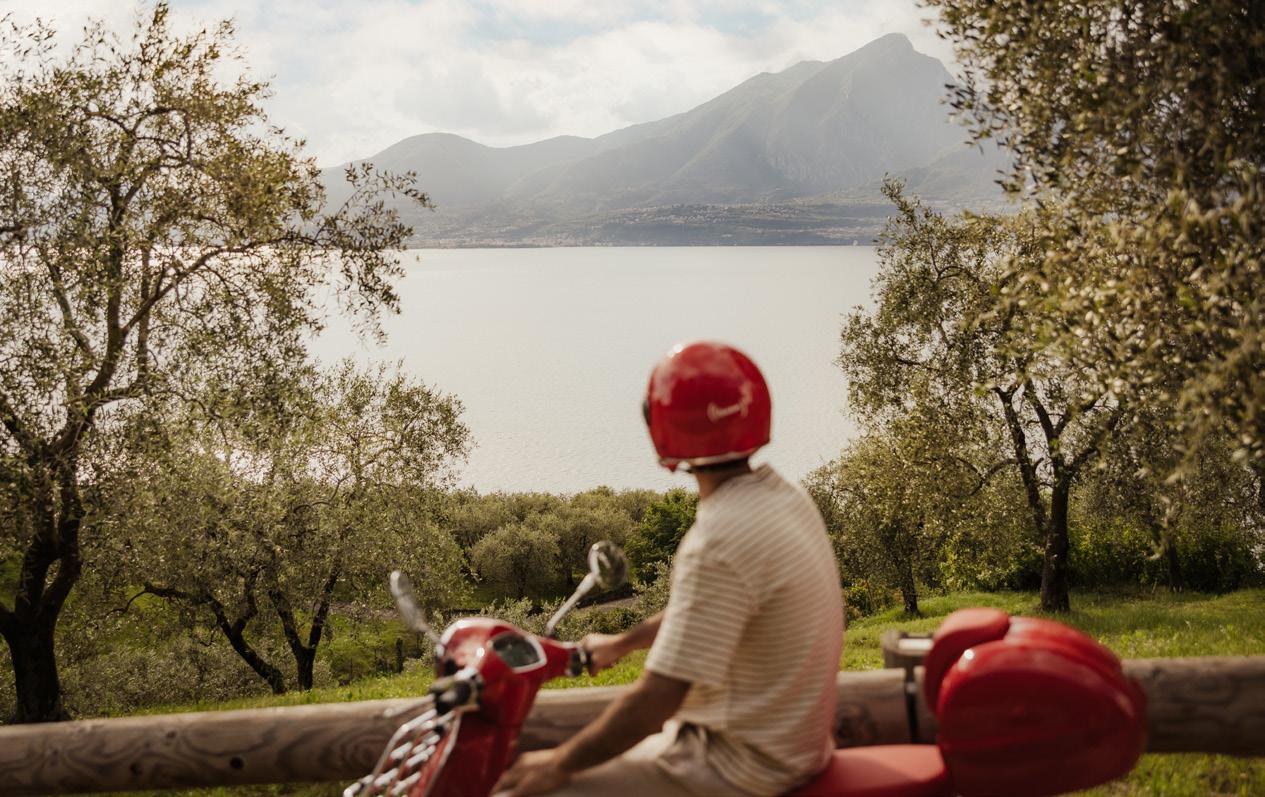
Lake Garda and Verona Journey south to Cape of Senses, perched on the eastern shores of Lake Garda. With panoramic views over one of literature’s most romanticised lakes, water is the natural elixir here. Over two restorative days, uncover its magic along hidden trails on guided e-bike tours and in its spa, in sauna sound baths.
Conclude your two-week journey in timeless Verona, via the historic cellars of Serego Alighieri. The oldest winery in Valpolicella, dating back to 1353, is the perfect spot to relish in centuries-old winemaking traditions and vintages. Drop your bags at Byblos Art Hotel and spend your final day soaking up the city’s charm; and at the Verona Opera Summer Arena, which transforms the city’s ancient Roman amphitheatre into a majestic stage under starry skies—the perfect crescendo to an unforgettable journey.

Get to grips with the cocoa bean at Lindt’s Home of Chocolate in Zurich. Create your own milky masterpiece under the guidance of master chocolatiers and spoil your tastebuds at the first Lindt cafe in Switzerland.
Treat yourself to The Omnia’s plethora of steam rooms, from scented mountain blossoms and herbal mist, Finnish sauna and indulgent menu of individual treatments.
Discover South Tyrol’s gentle, rolling vineyards, traditional mountain farmsteads and impressive mountain passes behind the wheel of Miramonti’s vintage Alfa Romeo.
Set off on a pre-breakfast hike around the shores of Lake Garda to catch the first rays of dawn breaking over the water.
Call the office or email Liberty directly on lg@true.travel to start planning
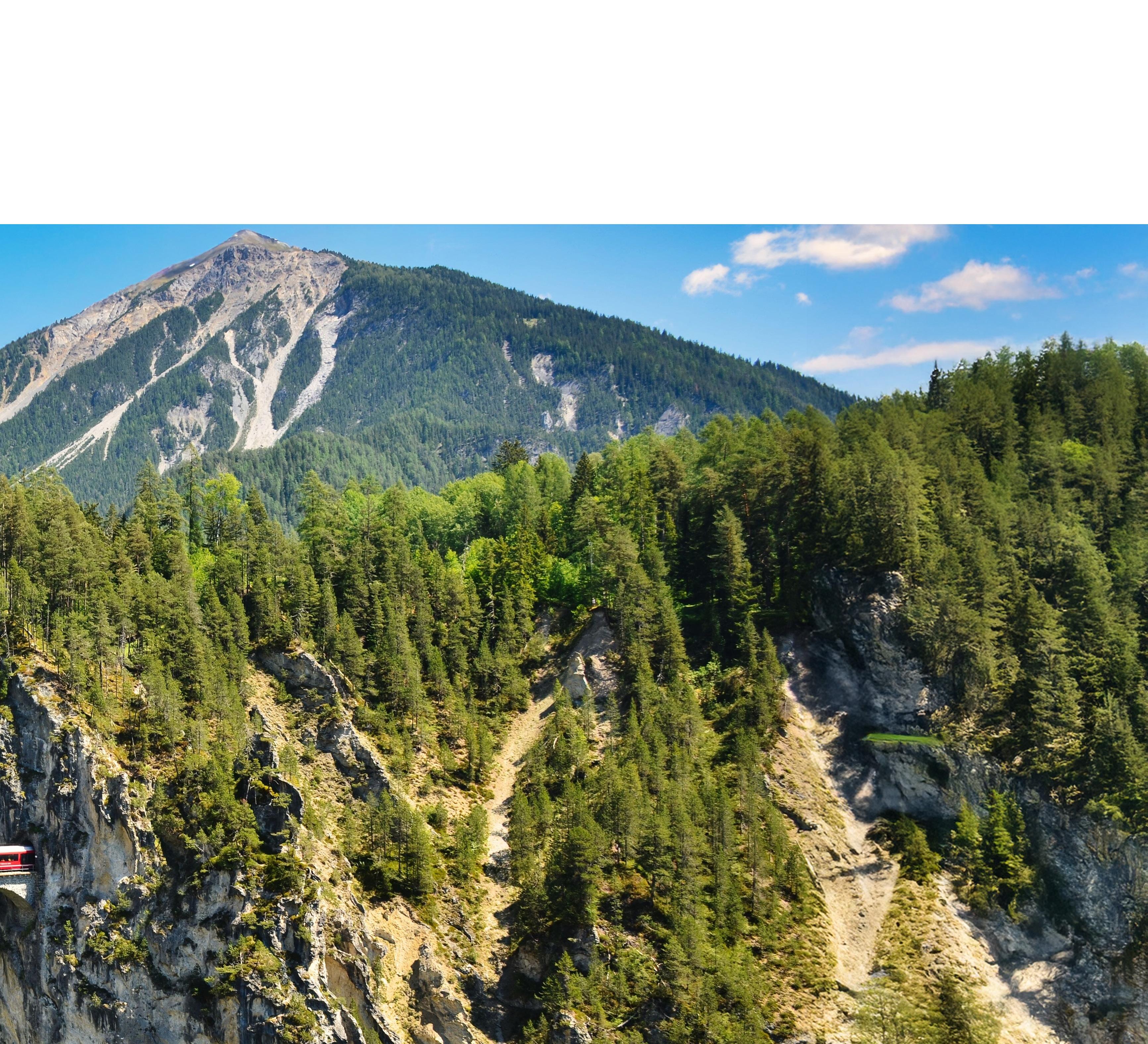


A destination that feels both worlds away and surprisingly close, with spellbinding desert dunes and opulent riads in cities where you can lose yourself—and you will get lost—it’s where our Africa specialist, Peter Felix, suggests rediscovering the timeless magic of North Africa.
“RARELY DOES A destination captivate the senses like Morocco. Even if you haven’t been, you can picture it: palms silhouetted against ancient medinas, the fragrant bustle of spice-laden alleys framed by the Atlas Mountains, and the haunting rise and fall of the call to prayer. It has drawn dreamers and wanderers for centuries, from Churchill and Yves Saint Laurent to Richard Branson and Mick Jagger.
Today, it’s Africa’s most visited country, welcoming over 17 million international travellers in 2025. Yet neither its growing popularity nor the onslaught of budget flights to Marrakech can dull its mystique. For where else can you take breakfast beneath perfumed orange blossom, lose yourself in labyrinthine souks, lounge in opulent riads and hammams, and trek to the summit of North Africa’s highest peak, Toubkal, all within a few days?
Since the devastating earthquake of 2023, Morocco has been busy reclaiming its place on the world stage, securing its bid to cohost the 2030 World Cup alongside Portugal and Spain, and welcoming a new generation of opulent hotels, designer boutiques, and inventive restaurants in its most cosmopolitan enclaves. Yet what continues to captivate travellers is the country’s unmistakable soul.
Fly into Marrakech and stay at True favourites La Mamounia, once a cherished retreat of Winston Churchill, or the regal Royal Mansour, commissioned by the King of Morocco. Dine at Le Foundouk, where a candlelit rooftop sets the scene for a refined menu of Moroccan classics, or master them yourself in a private cooking class. Spend your days marvelling at the city’s architectural treasures, from the intricate Madrasa Ben Youssef to the cobalt blue gardens of Jardin Majorelle. And when you need a change of pace, lose yourself in the medina, haggling among vendors selling pottery, scented oils, and tailor-made shirts.
No visit is complete without tasting Morocco itself. Begin with a tagine slowcooked to perfection, spiced with saffron and preserved lemon, or a platter of warm khobz bread served with olive oil from the Atlas foothills. Then, a true ritual—mint tea poured from a silver pot, sweet, fragrant and foaming, best enjoyed as the call to prayer drifts over the rooftops.
But Morocco is far more than Marrakech. Just an hour away rise the Atlas Mountains, stretching diagonally across the country and skirting the edge of the Sahara. From spring through autumn they’re a trekker’s paradise; year-round they offer a glimpse into Berber
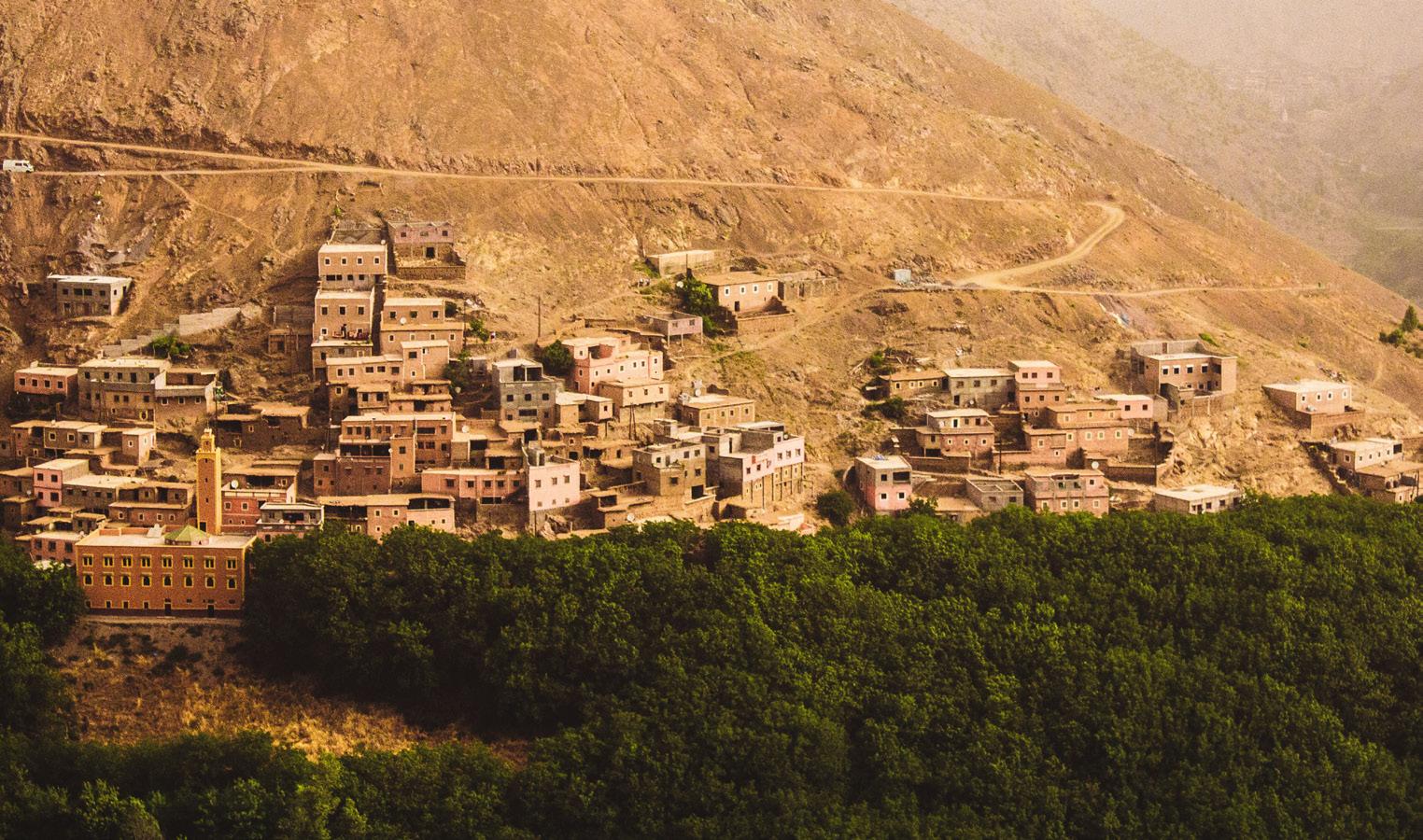
“Even if you haven’t been, you can picture it: palms silhouetted against ancient medinas, the fragrant bustle of spice-laden alleys flanked by the omnipresent Atlas Mountains”
village life. Exceptional retreats like Olinto, set within the High Atlas, embody the ease and serenity that make this region so special.
In the nearby Agafay Desert, a scattering of intimate camps dot the rocky landscape. Spend a few nights at Inara, a family-owned camp where the desert’s stillness meets understated luxury. Days unfold with camel rides and meditation sessions with local monks; evenings bring romantic tented dinners beneath a canopy of stars.
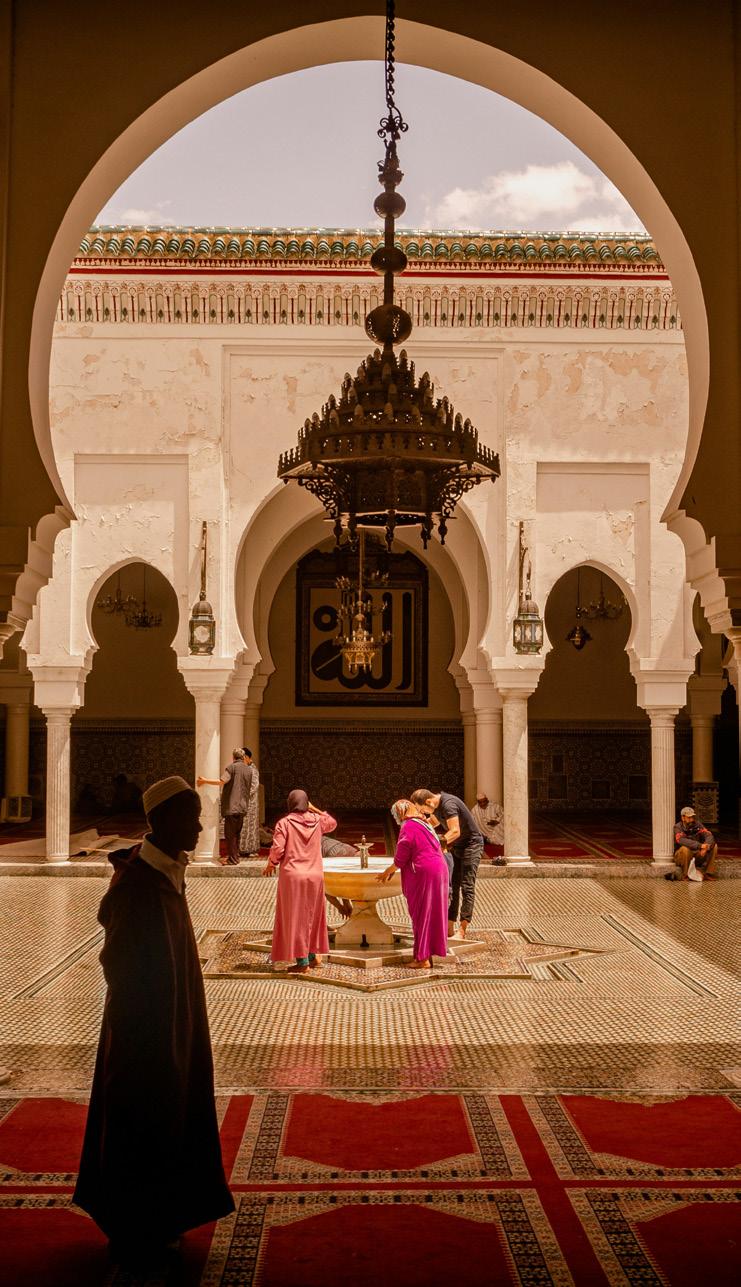
If time allows, few experiences capture Morocco’s essence quite like watching the sunrise over the Sahara’s crimson dunes on a guided trip, or wandering the storied streets of Casablanca and Fes. The latter, once a flourishing centre of philosophy and science, remains one of the best-preserved cities in the Islamic world. Within its vast car-free medina lie medieval tanneries, secret gardens and the University of al-Qarawiyyin, home to Africa’s oldest mosque. Step through the discreet doorway of a Relais & Châteaux riad to find a palace of Hispano-Moorish design, complete with tranquil courtyards, massage rooms, and a sunlit open-air pool.
Along the coast, Morocco reveals yet another face. On the Atlantic lies Essaouira, a bohemian town where mornings begin with surf lessons and mint tea, days drift through art galleries, and evenings end in the comfort of elegant seaside retreats.
To the north, where Morocco meets the Mediterranean, Tamouda Bay remains blissfully low-key. Its beaches often feel entirely your own, especially if you stay at the majestic Royal Mansour Tamouda Bay. From here, characterful towns like Chefchaouen are within easy reach, while the nearby city of Tétouan, with its whitewashed medina and Andalusian soul, offers a quieter, more traditional rhythm of life.
Further along the coast lies Tangier, a city long steeped in literary and artistic lore. Once a magnet for Beat poets and bohemians, it now blends cosmopolitan energy with nostalgic charm. Stroll along the corniche
at sunset, explore its resurgent art galleries and boutique hotels, and you’ll feel the same magnetic pull that has drawn generations of travellers to its shores.
What makes Morocco remarkable is not its secrecy but its duality—how it can feel both familiar and endlessly surprising. From Marrakech’s energy to the calm of the Atlas and the elegance of Tangier, its beauty lies in the balance between movement and stillness, colour and calm. Every journey here is a sensory thread in a larger tapestry—the scent of cumin drifting from a market stall, the hush of the desert at dusk, the taste of mint tea shared in welcome. Few places stay with you quite like Morocco, or invite you back quite so effortlessly.”
To start planning your North Africa adventure, call the office or email Peter Felix directly on pf@true.travel


Follow in the footsteps of biologist Charles Darwin through the remote Galápagos archipelago. Dive headfirst into its underwater utopia, swimming with marine iguanas, sea lions, penguins, and sea turtles— many found nowhere else on Earth. Back on land, it’s all about conservation, island-hopping, and blinding white sand beaches.
Chile’s Atacama Desert, the world’s driest, gives the moon a run for its money. Pockmarked with flamingo-filled salt lakes, volcanoes and geysers, it’s a lunar playground; perfect for hiking across Death Valley, catching sunrise at the Tatio Geysers and stargazing from dreamy, desert-chic hotels beneath crystal-clear skies.
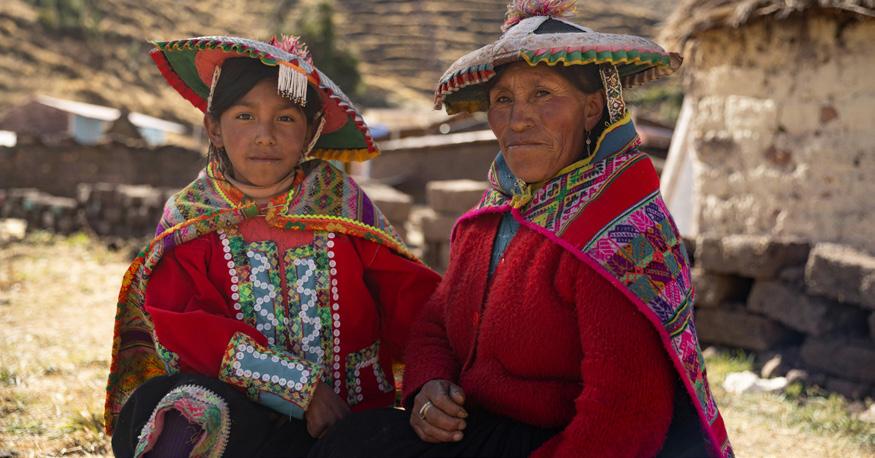
Pause in Cusco in late May or early June (dates vary with the Andean calendar) for Qoyllur Rit’i, a breathtaking highaltitude pilgrimage that blends Catholic and Indigenous traditions. Join the thousands trekking into the Sinakara Valley beneath glacier-capped peaks, dressed in vibrant attire, dancing, drumming, and honouring Pachamama (Mother Earth) and the Apus (sacred mountain spirits).
Uncover Mexico’s fabled Day of the Dead festival in the charming central city of San Miguel de Allende. Watch as its colonial cobblestone streets become festooned with marigolds and lively, music-filled parades that honour departed loved ones. Create your own ofrenda, explore vibrant street art, and spend evenings dining in beloved local restaurants.
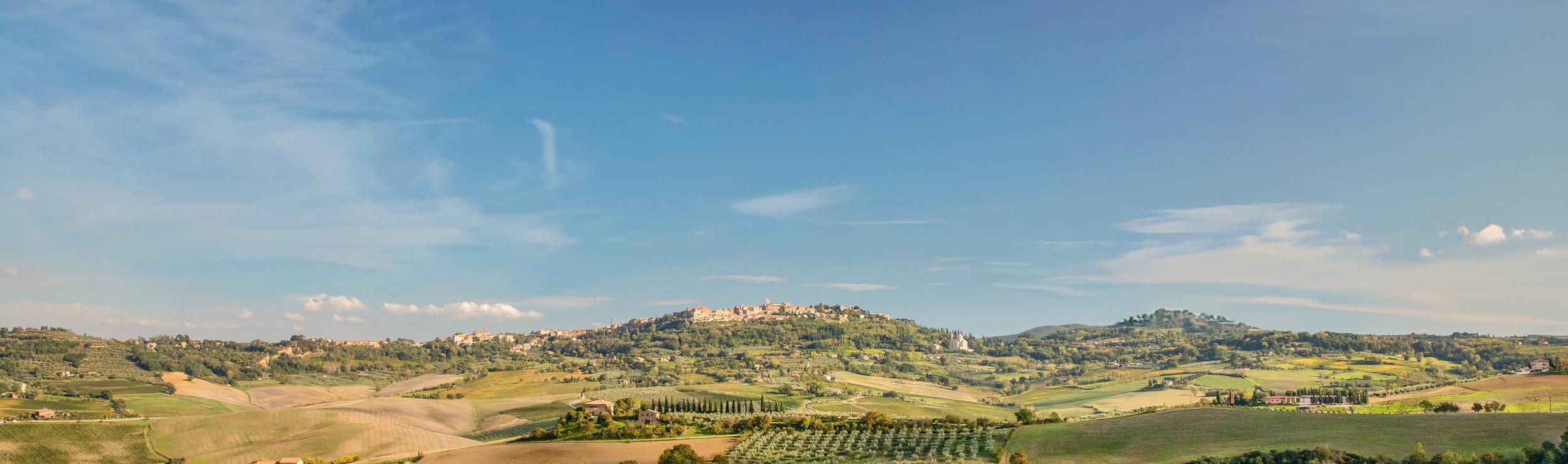
Meet the Winelands’ most renowned winemakers during their most vital season: harvest. Celebrate the new year in Stellenbosch and Franschhoek’s most acclaimed cellar doors, and get hands-on with its harvest, gathering grapes and learning the art of viniculture. Head to the lesser-known Hemel-en-Aarde wine route, near Hermanus, to escape the crowds.
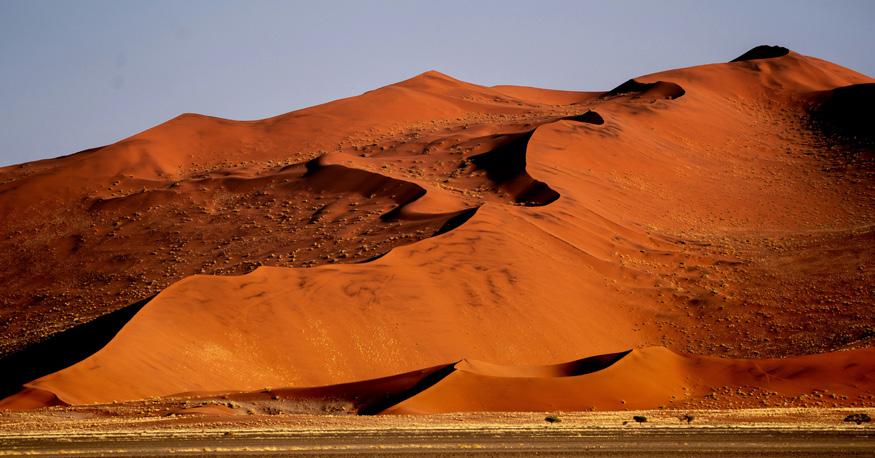
A place once thought of only as a figment of the imagination, Namibia is Mother Nature’s notepad. Immerse yourself in its drama atop its bucket-list, russet, dunes in the pre-historic Namib Desert. Explore the otherworldly Skeleton Coast and be simply stunned by Namibia’s salt-encrusted wildlife treasure trove, Etosha National Park.
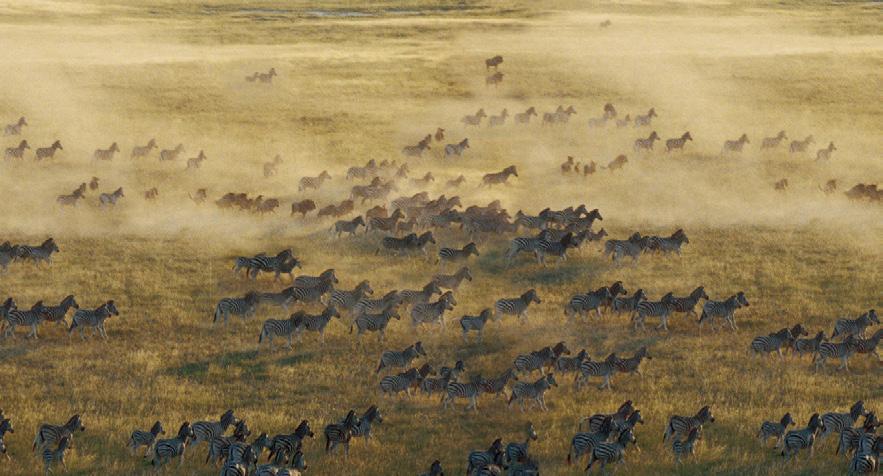
Think beyond Botswana’s peak, dry season. Instead, opt for its emerald months, a vibrant, crowd-free window into the wild. Follow the zebra migration over the Kalahari and watch its resident bird species, from kingfishers to cuckoos, multiply in the sky from the comfort of your bedouin-style camp on the Makgadikgadi.
Safari country at its most iconic, Tanzania’s Northern Circuit spans all four corners of the country; from the flamingo-filled shores of Lake Manyara to the vast Serengeti plains and the dramatic Ngorongoro Crater. End your adventure on a secret Swahili coast island, where untouched beaches and dhow-dotted seas offer pure, castaway hedonism.

Winter in Morocco is a season of intoxicating contrasts. In Marrakech, sunlit squares hum with the rhythm of life. Beyond the city, the Sahara unfolds in golden waves, where warm afternoons melt into crisp, velvety nights, perfect for quiet stargazing by crackling fires. Here, winter isn’t a retreat from the cold, but an invitation to discover warmth and wonder at every turn.
Egypt’s Nile deserves opulence. Aboard a traditional dahabiya, glide past ancient temples and ruins on route to the Valley of the Kings, hailed ‘the world’s greatest open-air museum’, where a knowledgeable guide will bring its rich history to life. Back on board, take in the river’s timeless landscapes from sun loungers and relish in its impeccable service and world-class cuisine.
Journey back thousands of years in Petra, an original Wonder of the World, where 800 temples and tombs sit within coral canyons. Trade one soul-stirring experience for another at Wadi Rum, a poster child of desert adventures. Hike in the foothills of Jabal Umm El Dami, Jordan’s highest peak, and spend evenings around crackling Bedouin campfires.
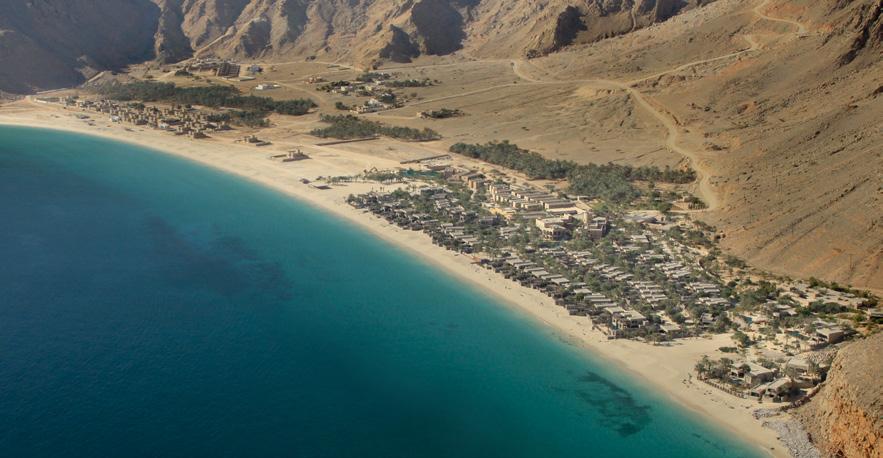
No one puts Oman’s Musandam Peninsula in the corner, especially when, come the winter months, it offers a bucket list buster of adventures, from paragliding and scuba diving to sunset dhow cruises and kayaking along isolated beaches. Come sundown it’s all about Arabic Grill, which you’ll get to grips with in a private cooking class.
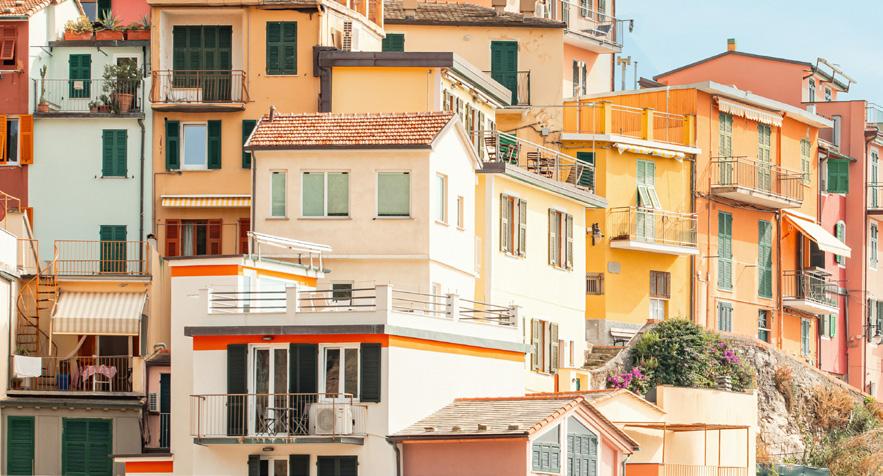
See in the new year in Northern Sweden hunting down the elusive aurora borealis. Stay in luxurious lavvu tents, learn to mush with the Sámi people, try your hand at ice fishing on frozen lakes, and enjoy exquisite Lappish dishes prepared by your personal chef. After sundown, step out beneath its star-strewn sky and let the Arctic stillness and wilderness wash over you.
We may be biased, but nothing beats a British spring. Welcome the season at the Chelsea Flower Show, where intricate floral displays steal the spotlight, then dive into a summer of sport with tickets to iconic events such as Royal Ascot, Wimbledon, Henley Regatta and Silverstone, home of the British Grand Prix.
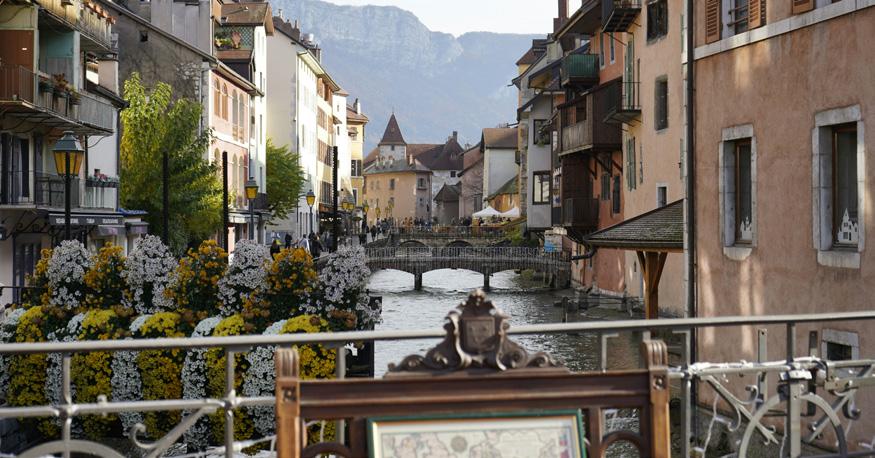
Start in Geneva, where you’ll pick up a car for a short and sweet road trip to Annecy, via Nyon. Pause for lunch at lakeside taverns and visit bucolic castles dripping in 16th century history. Once in Annecy, you can be as idle or adventurous as you want, lounging by its lakeside (voted one of Europe’s cleanest) or on twowheels, tackling the lake’s 26-mile loop.
Spend ten days cruising round the Cyclades, starting in Mykonos before sailing to pocket-sized Sifnos, famed for its vibrant foodie scene. Continue to Milos to marvel at towering rock formations and swim among shoals of fish with seasoned fisherman, Captain Andreas. In Santorini, it’s all about sunsets and seafood.
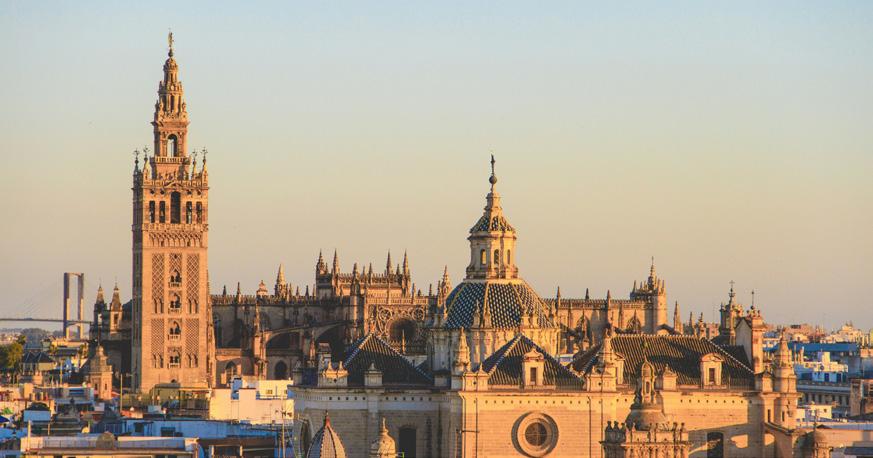
Sultry and sun-burnished, Andalucia is the cradle of Spain’s most quintessential traditions, from flamenco to tapas. Spend a week travelling back in time through Cordoba’s Old Town and Europe’s love letter to Moorish culture, Alhambra. Try your foot at the flamenco in Seville and eat your heart out on tapas after a day horse riding through the foothills of the Sierra Nevada mountains.
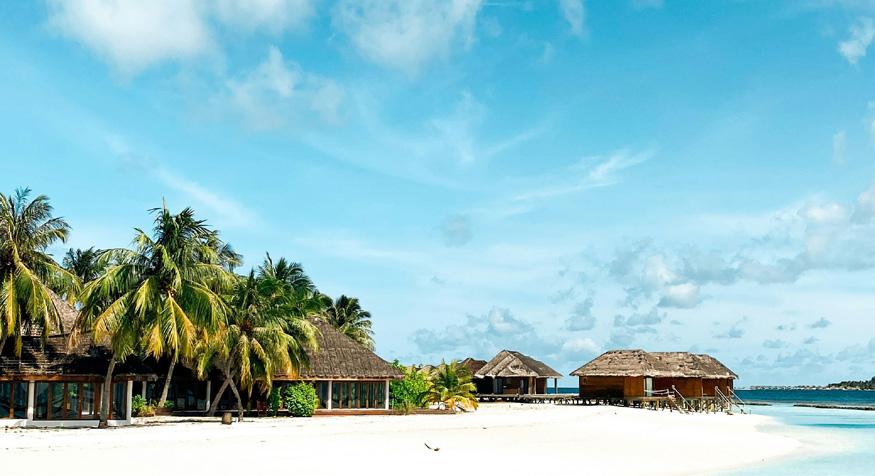
POV: you’re lying back under sorbet skies, gazing out at water so clear you can spot schools of tropical fish from your sun lounger. Time slows in resorts devoted to barefoot luxury, where days flow from diving adventures and sunset dolphin cruises to yoga sessions and award-winning spa rituals. Here, winter is a distant memory.

Get under the skin of Bhutan’s belief and mythology at one of its annual calendar highlights, Paro Tshechu. Held within the walls of Paro Dzong, a centuries-old fortress-turned-monastery, the five-day spectacle is a kaleidoscope of Bhutanese culture, bringing entire communities, trained monks and laymen together in elaborate costume and dance.
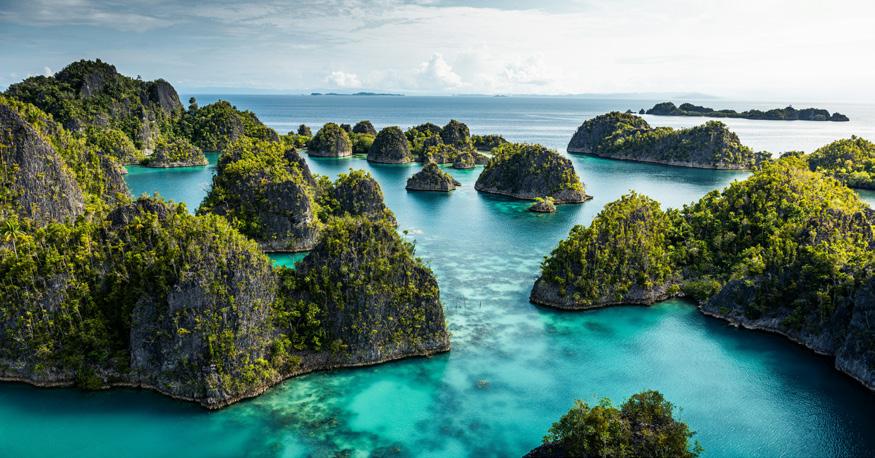
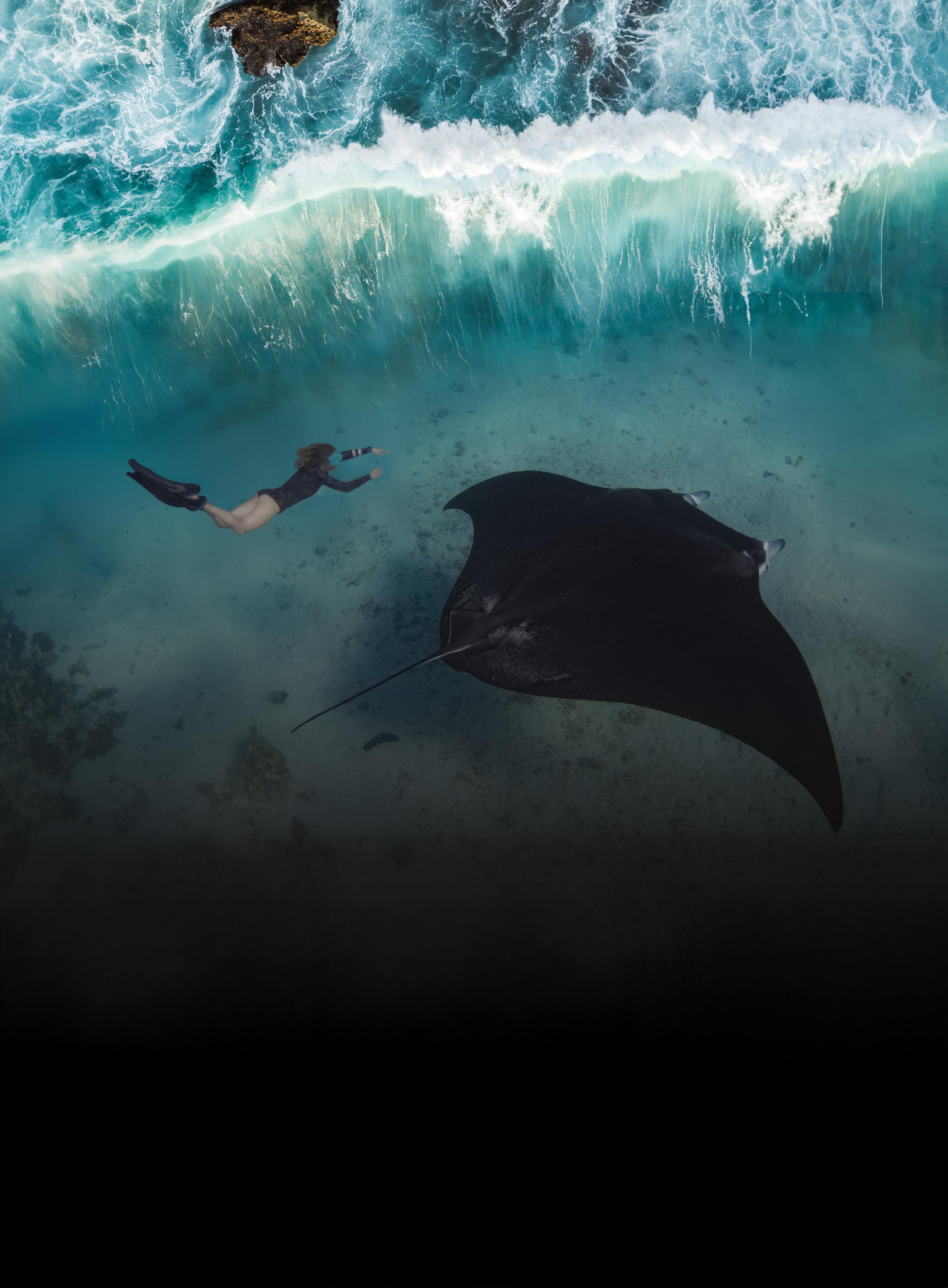
Island-hop through Raja Ampat, the ‘Amazon of the Seas’, home to the world’s richest marine habitats. Cruise the Coral Triangle aboard a traditional Phinisi schooner, spending days diving with manta rays, relaxing on powder-white beaches and witnessing the spectacular sunrise courtship of red birds of paradise from the stillness of Pulau Paf’s mangroves.
Straight from the pages of The Jungle Book, Borneo’s rainforests are among the most wildlife-rich on Earth. Spot their star, the orangutan, at Sepilok Rainforest Reserve, the first of its kind to dedicate itself to orangutan rehabilitation. As night falls, unwind at the eco-conscious Sukau Rainforest Lodge, nestled on the banks of the Kinabatangan River.
Once the royal hunting grounds of Rewa’s Maharajas, Bandhavgarh National Park is now ruled by a new kind of royalty: wild tigers. So too is nearby Kanha National Park. Spend five days fully immersed in tiger territory, with thrilling game drives by day and nights spent in atmospheric lodges tucked deep within the wilderness.
A land for wine-lovers and adrenaline junkies alike, there’s no shortage of things to do on these epic isles. Bathe in hot sulphur springs in Rotorua, raise a glass in Waikato, retrace Gandalf’s steps through Hobbiton and explore Māori culture in the Bay of Islands, and admire the ever-present horizon from Rosewood Cape Kidnappers, atop Hawke’s Bay’s commanding cliffs.
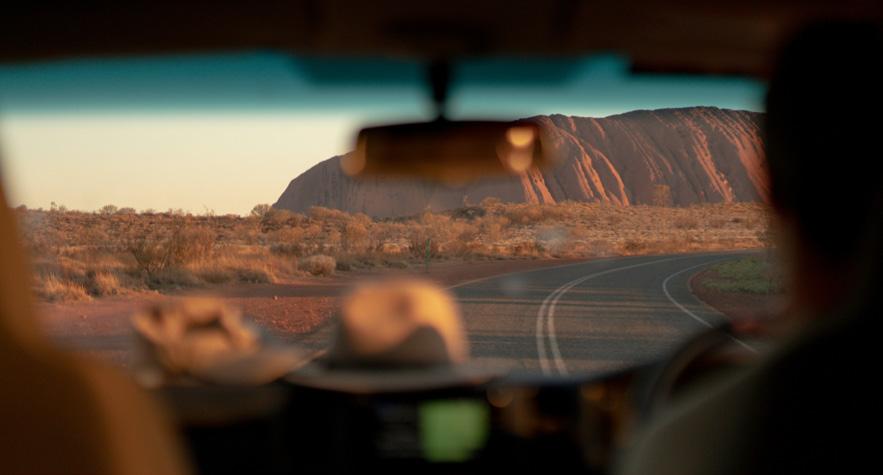
Start in Sydney, where the iconic Opera House and bustling harbour offer an unforgettable urban experience. Journey to the Great Barrier Reef to snorkel among vibrant corals and colourful marine life. Continue into the Outback, where vast desert landscapes and the glowing presence of Uluru at sunrise capture Australia’s profound natural beauty and spiritual allure.
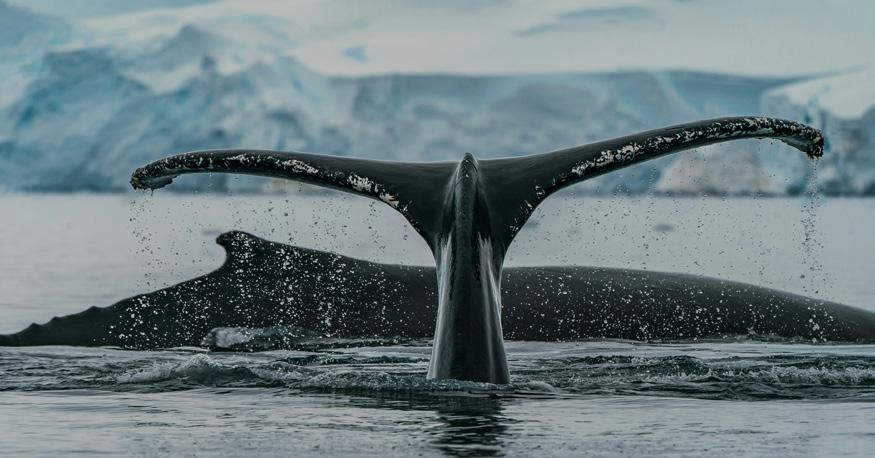
Spend summer in the snowy Arctic, venturing to Svalbard, Europe’s last great wilderness. See polar bears roam icy plains, walrus and seals haul out on sea ice and fjords tower over ancient Arctic communities such as Ittoqqortoormiit, one of the world’s remotest Inuit settlements, all beneath the glow of the Northern Lights.
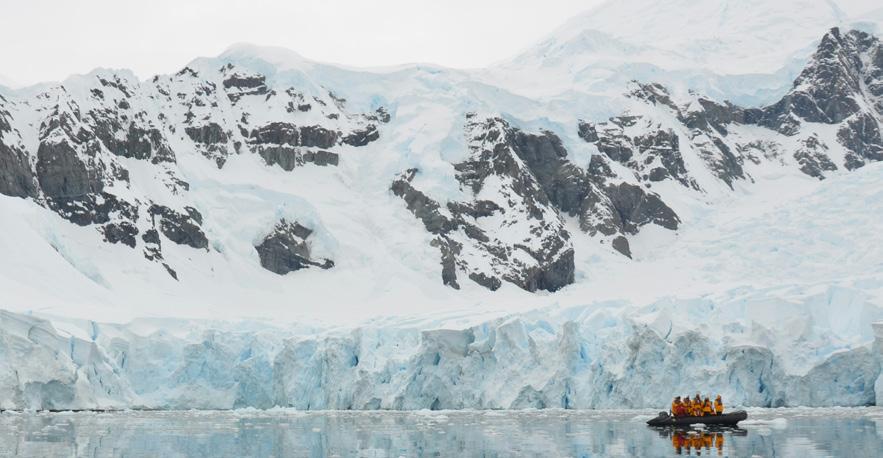
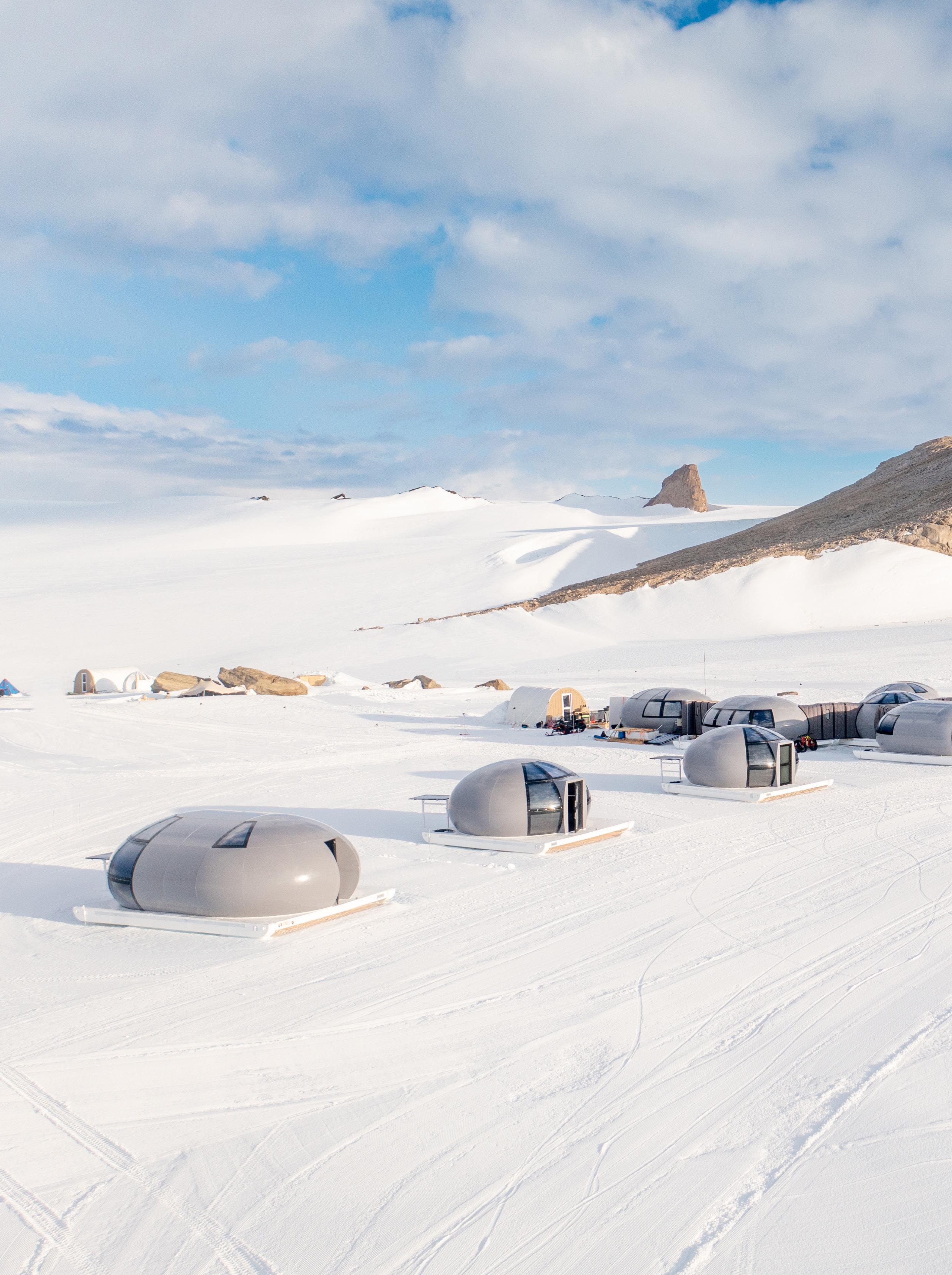
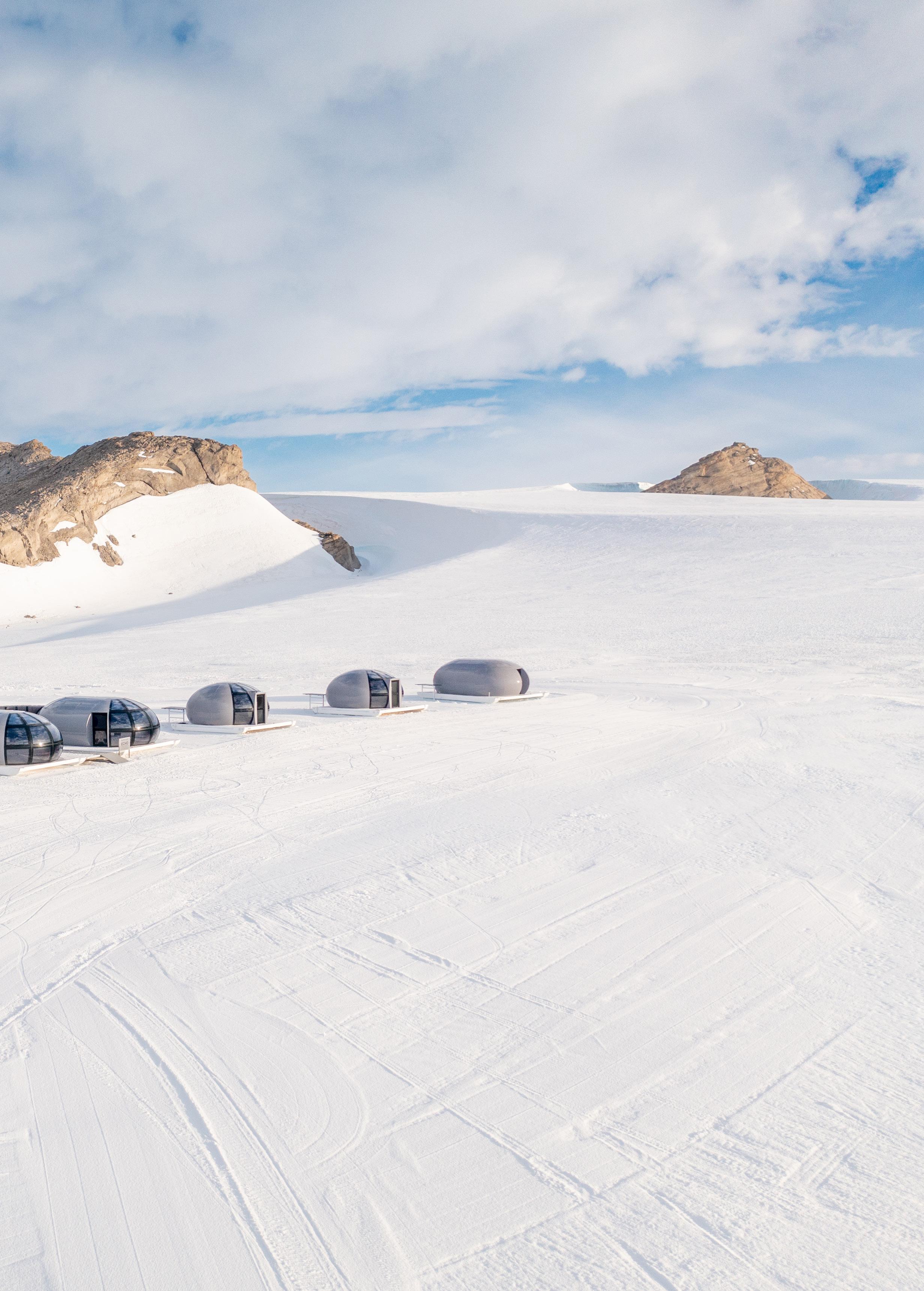
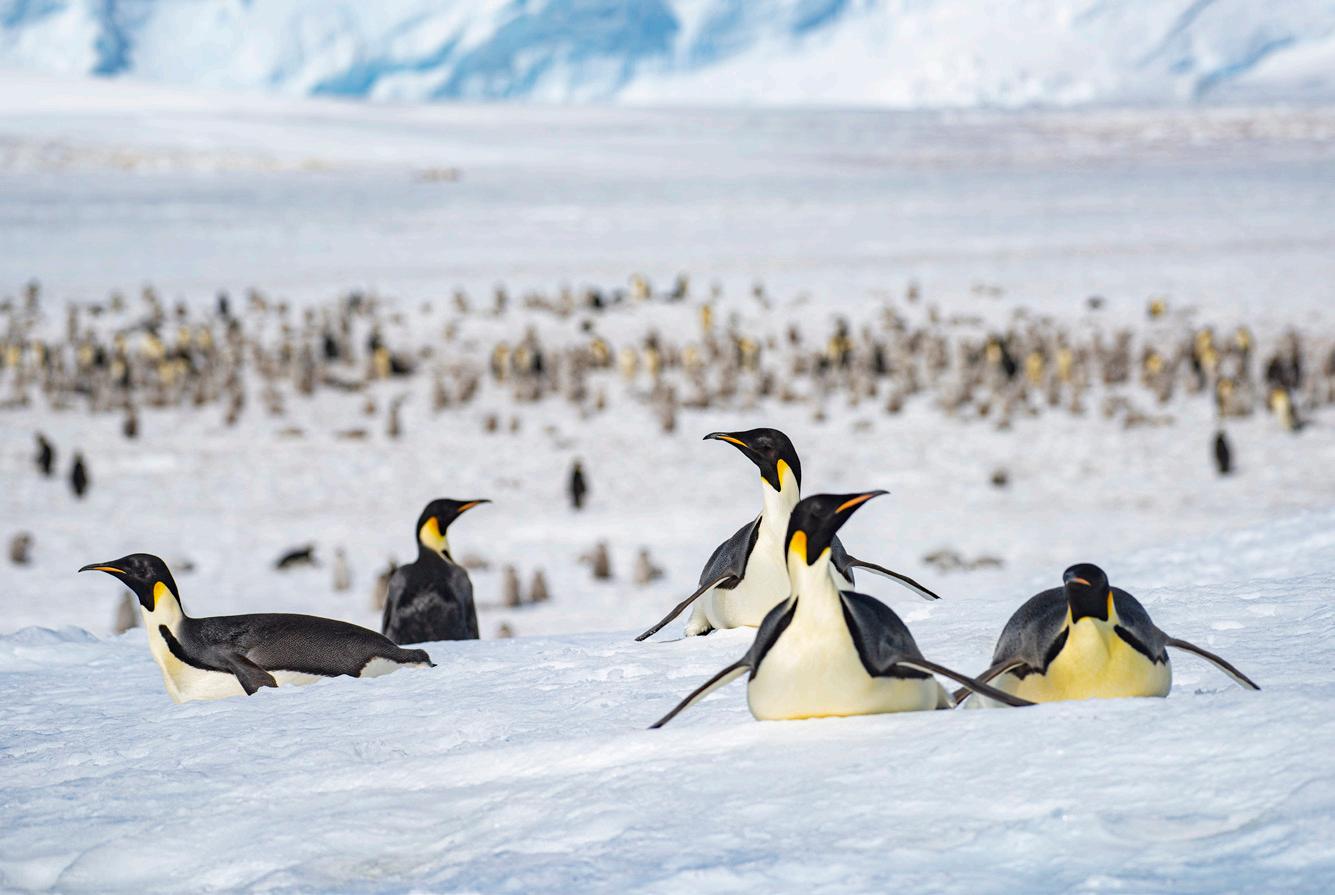
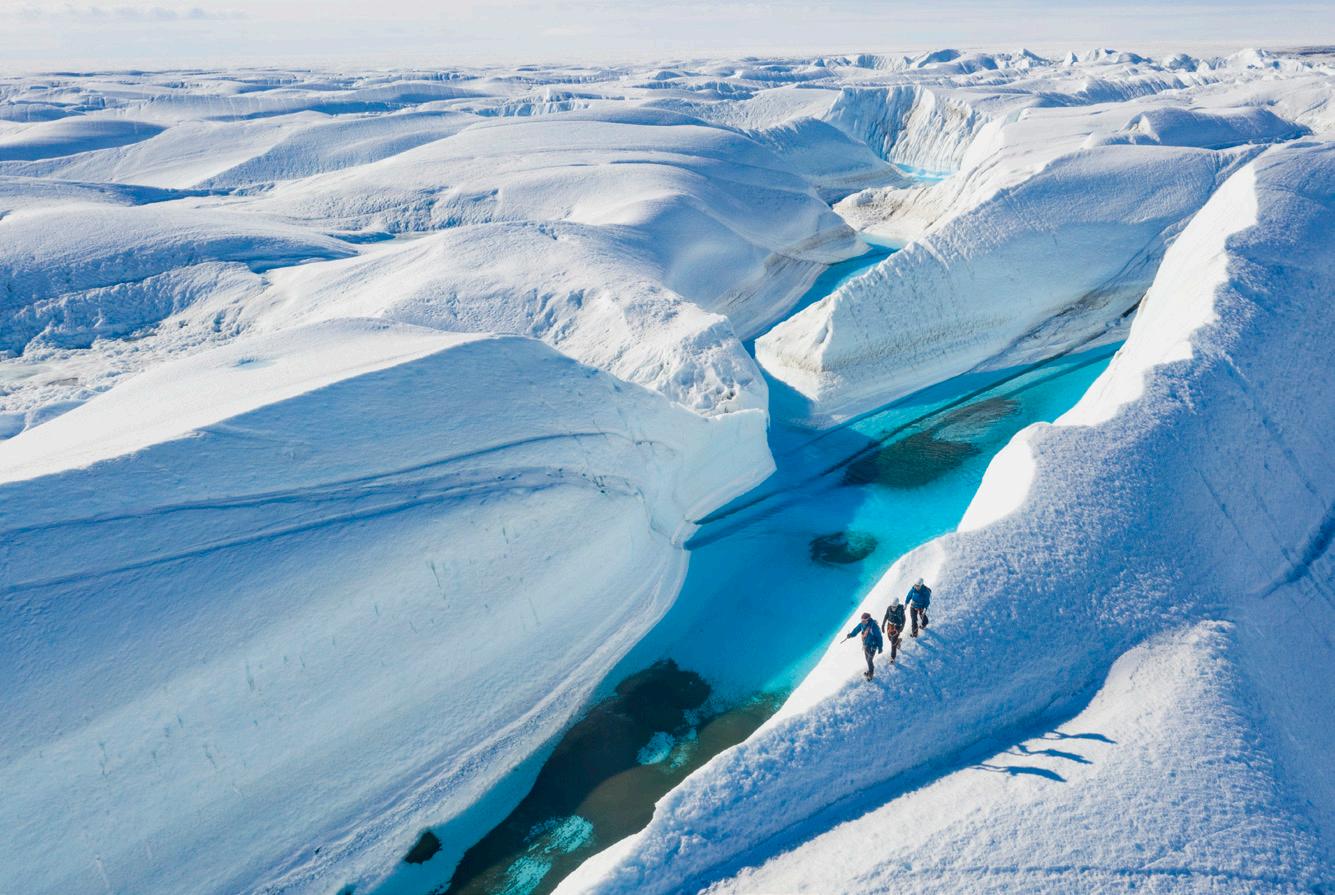
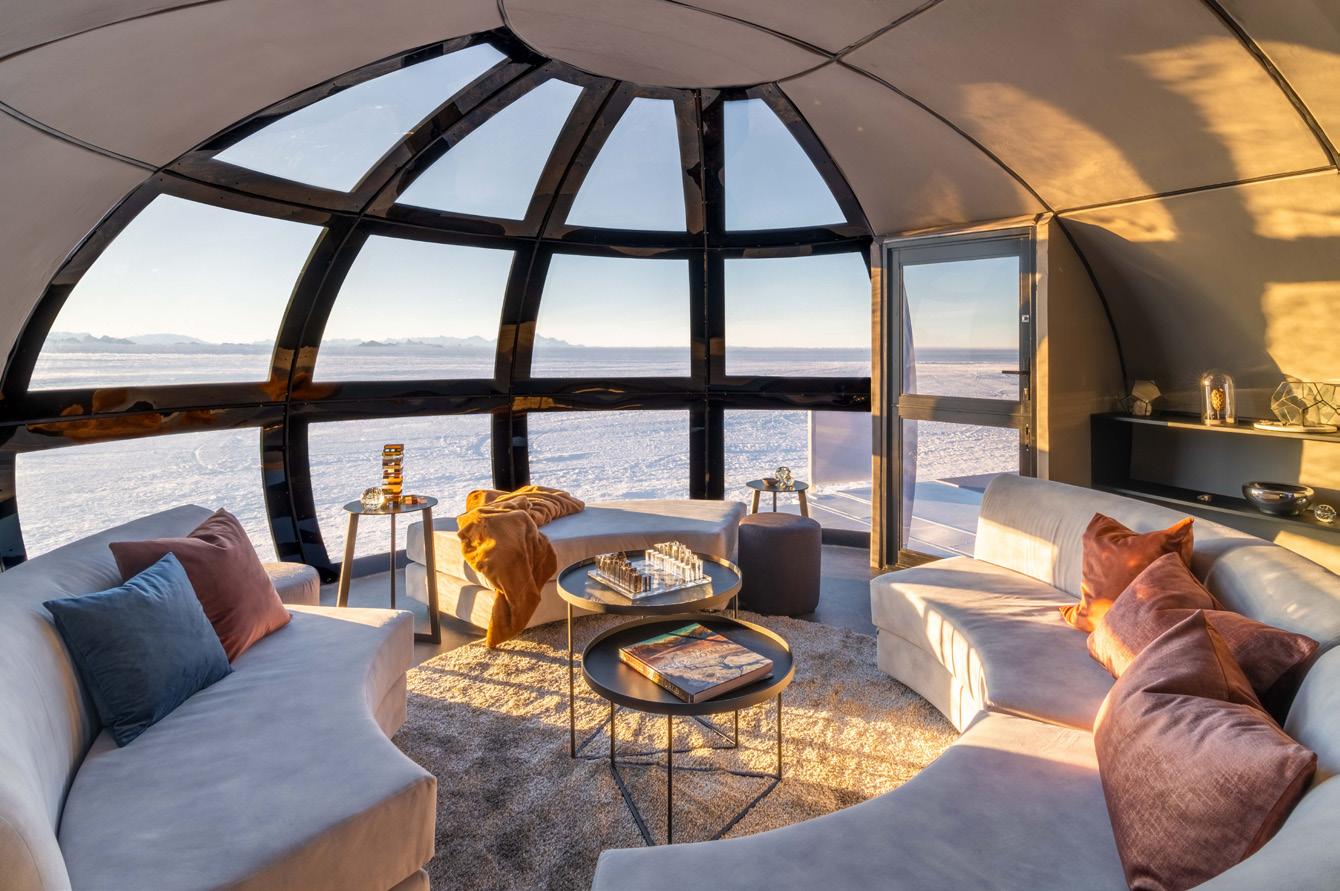
Journey to the end of the world, Antarctica, on an epic fly-cruise of its peninsula. Sail through dramatic straits, linger in scenic bays next to feeding whales and listen for the deep rumble of glaciers as they slice into the sea. Spend days on zodiacs or kayaks, getting up close with the peninsula’s playful seals and penguins, and dare to brave the polar plunge.
Every trip we design at True Travel is blank paper bespoke, meaning that it is tailored specifically to you. These itineraries have been curated to inspire, so please reach out if you would like to know more.

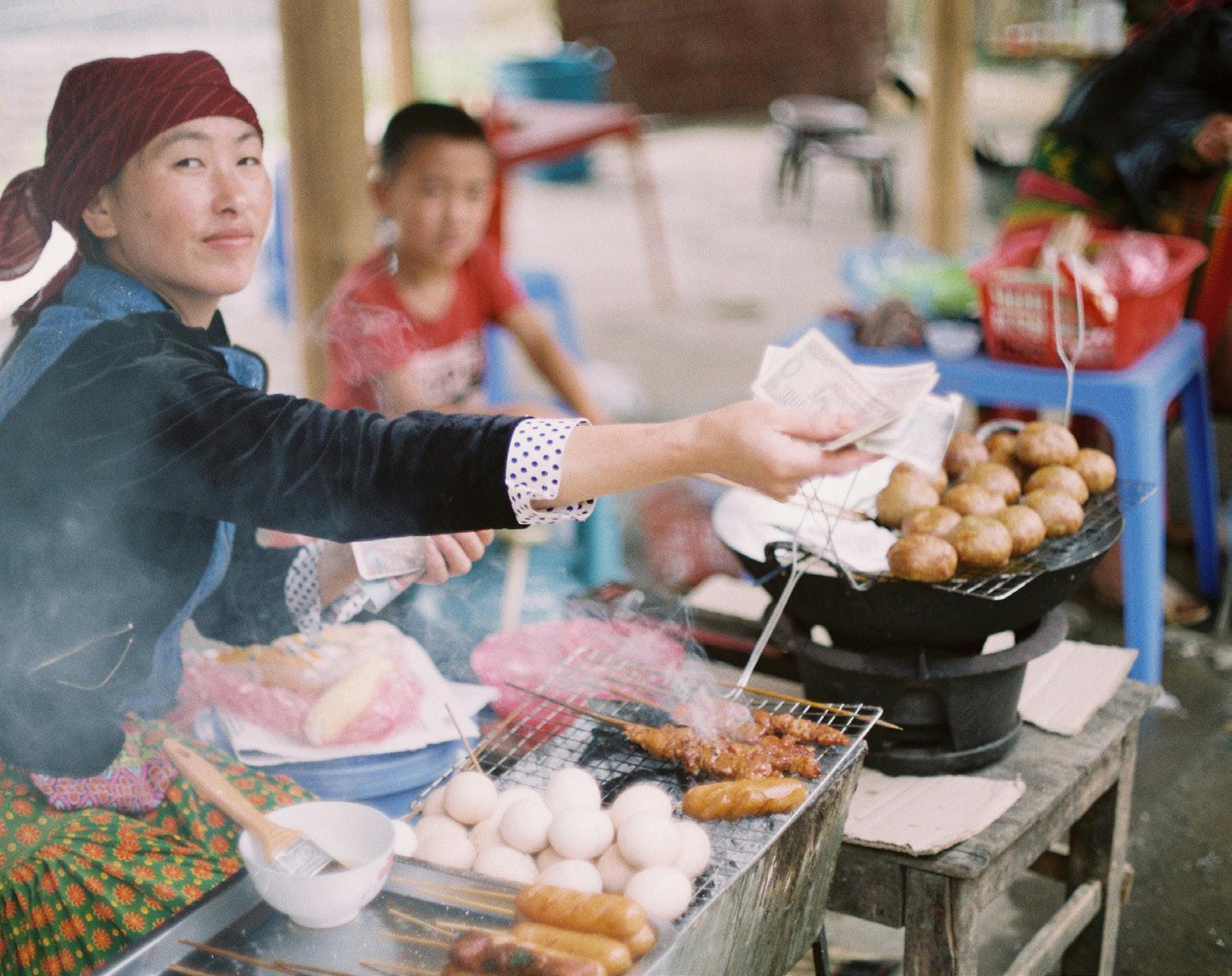
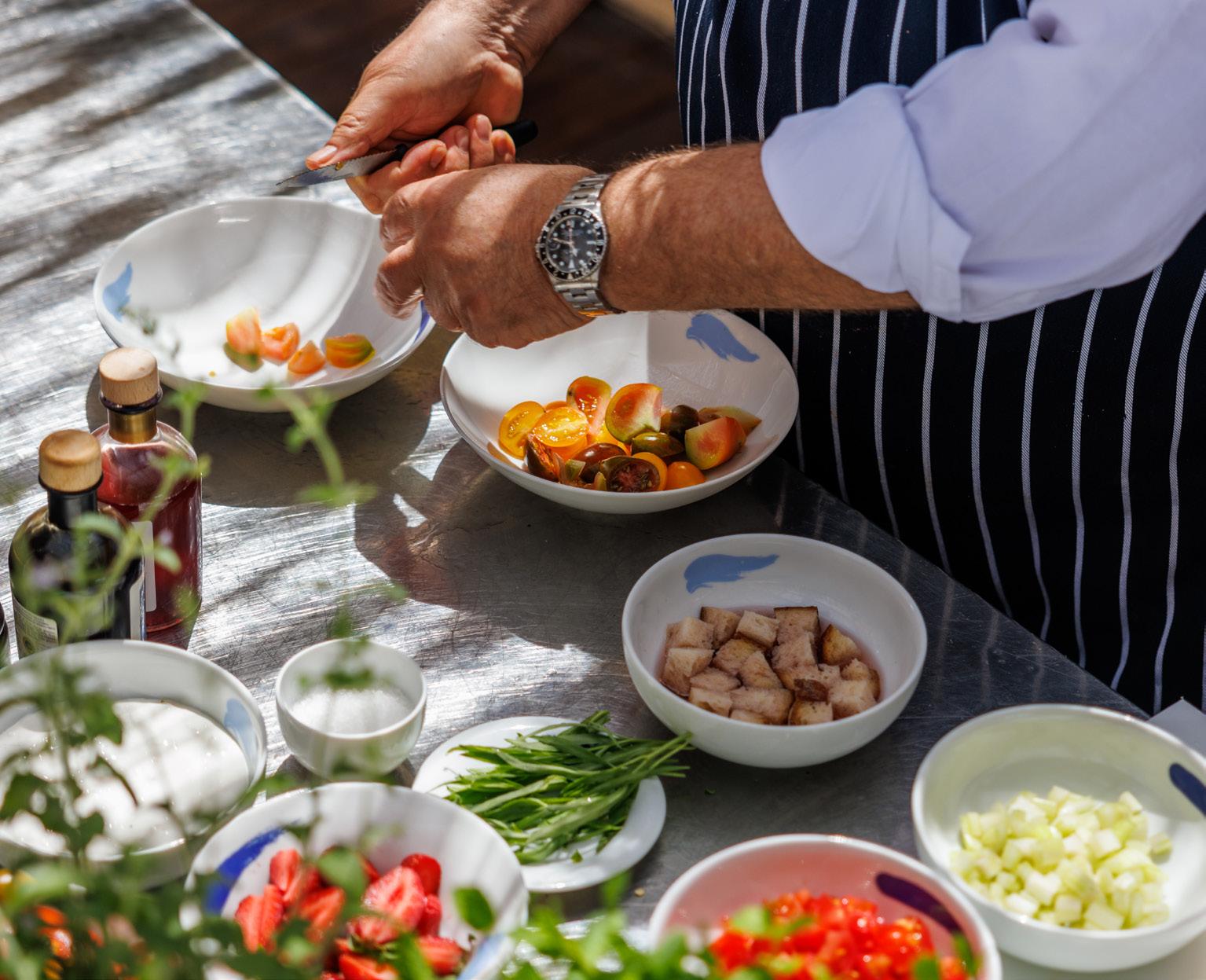
The quickest way to a destination’s heart is through its stomach. Discover our experts’ favourite foodie spots across the world, one bite at a time.
FOOD IS FUNDAMENTAL TO travel. Igniting inspiration for future trips and shaping days once there; it is the gateway to a country’s core. Be it sampling dishes in their most authentic form, savoured in the settings they were designed to be enjoyed—often on plastic chairs beside unfussy street stalls—or in boundary-breaking restaurants redefining a city’s culinary landscape, this is the essence of The True Gastronomy Collection.
Embark on a South African culinary odyssey through Cape Town’s cultural epicentre. Get a sense of its breadth of flavours, from the colourful streets of BoKaap where fruity Malay curries mingle with traditional Afrikaner staples to the trendy City Bowl’s Kloof Street and its stalls of homemade buttermilk rusks and rooibos cupcakes. Try family favourites like boerewors (sausages), take in tiny restaurants that serve up big gatsby sandwiches (think of them as a more elaborate chip butty), and go behind the curtain at one of its world-class restaurants; a fascinating insight into the city’s culinary scene.
Kelly Oysters, now in its third generation, is a true, Irish family affair. Tucked in a sheltered inlet of Galway Bay on Ireland’s west coast, between the ancient Burren mountains and the rolling hills of Connemara, the Kellys have been perfecting the art of oyster farming for over 60 years. Tour the farm with a family member, from its rugged shoreline where their world-famous oyster beds thrive, to its historic 200-yearold pier. Don waders to paddle through the bay’s sweet, peaty waters to pick and
harvest your very own native oysters. Back on the pier, enjoy a tasting washed down with a local beer, learn the craft of shucking, and soak up the pure, briny flavour of your hand-picked molluscs against the dramatic backdrop of the Wild Atlantic Way.
Lima’s growing reputation as South America’s culinary capital is obvious from the first bite. With a seasoned foodie leading the way, explore vibrant markets bursting with native vegetables you’ve likely never heard of and an impressive selection of fresh seafood. Appetite sparked, head to La Picantera for a flavourful feast crafted from the day’s market finds, shared at communal tables in true local tradition.
Step into the heart of Marrakech’s old town for a private cooking class at La Maison Arabe, established by the visionary motherdaughter duo, Hélène and Suzy SébillonLarochette. Guided by a local chef, delve into the stories and secrets of Morocco’s fragrant spices as you learn the traditional techniques behind the country’s beloved dish, tagine. After cooking, unwind on the hotel’s sun-drenched terrace and relish the delicious results of your culinary adventure.
Take exclusivity to a whole new level in New Zealand, aboard Cloudy Bay’s private charter in the Marlborough Sound. After a tour of the winery’s estate, take to the seas aboard its elegant 54-foot sailing yacht. Glide through the country’s most beloved sailing region on its top deck where you’re invited to sit back and relax, or roll up your sleeves and take to the helm with the crew.
Enjoy a selection of the vineyard’s iconic tipples, including its esteemed Sauvignon Blanc, and sink your teeth into a farm-to-fork lunch before heading back to shore.
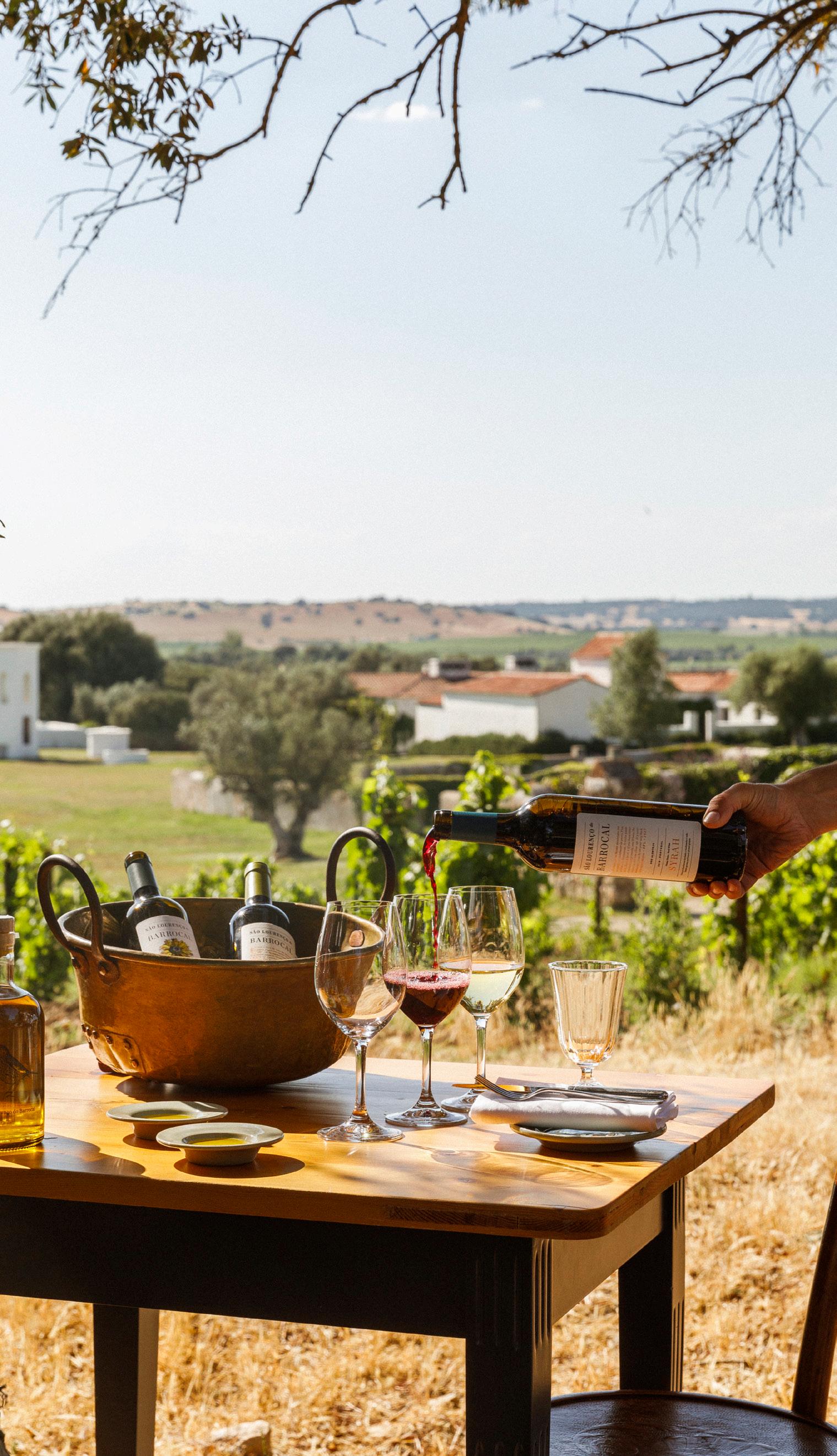
Time a trip to Portugal’s São Lourenço do Barrocal, a beautifully restored 200-yearold working farmhouse in the country’s Alentejo region, to coincide with its harvest season (August and September). Renowned for their hand-harvested, organically produced wines, you’ll join the estate’s agricultural team in the centuries-old tradition of grape picking and stomping. Experience the winery in full swing and enjoy a behind the scenes look at their natural vinification process, guided by the vineyard’s agricultural team.
Hanoi Hotspots
Let local food blogger Văn Công Tú guide you through the belly of Vietnam’s capital; from stalls of steaming pho in the city’s Old Quarter, made with secret seasonings its vendors guard fiercely, to Dong Xuan Lane, where you’ll be introduced to his favourite dish and your soon-to-be, char siu pork. You might need to trade a bit of comfort—perching on low blue stools along bustling streets—but the flavours are worth it.
Asado Experience
Designed to give an introduction to the best of Argentinian asado (traditional Argentine barbecue), Fogón’s nine-course tasting menu showcases Argentine classics with a creative twist, accompanied by wine pairings from Argentina’s oldest wineries. Sit around a custom built grill and watch with hungry eyes as chefs slow cook and
season cuts of flank steak and short ribs to perfection. Included in the Michelin Guide, and led by a collective of seasoned and passionate restaurateurs, Fogón is more than a culinary destination—and a must for any zealous omnivore while staying in Buenos Aires.
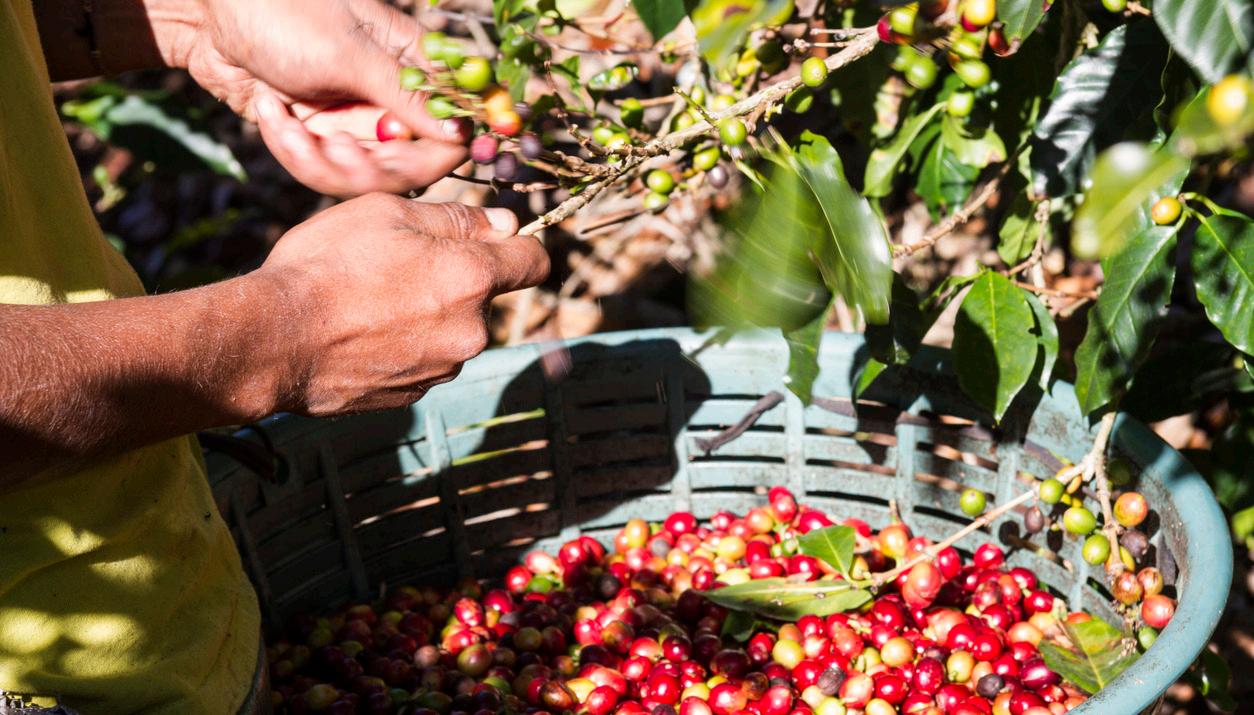
Go behind the scenes of two of Costa Rica’s most beloved and iconic exports: chocolate and coffee. Experience the process, from seed to cup—or bar—of these guilty pleasures at a family-run farm set against the backdrop of the Arenal Volcano. Stroll through rows of towering coffee plants and vibrant cacao trees, and watch the harvested beans undergo fermentation, drying and roasting. Then, get hands-on by crafting your own chocolate bar and finish the experience with a tasting of freshly brewed Costa Rican coffee.
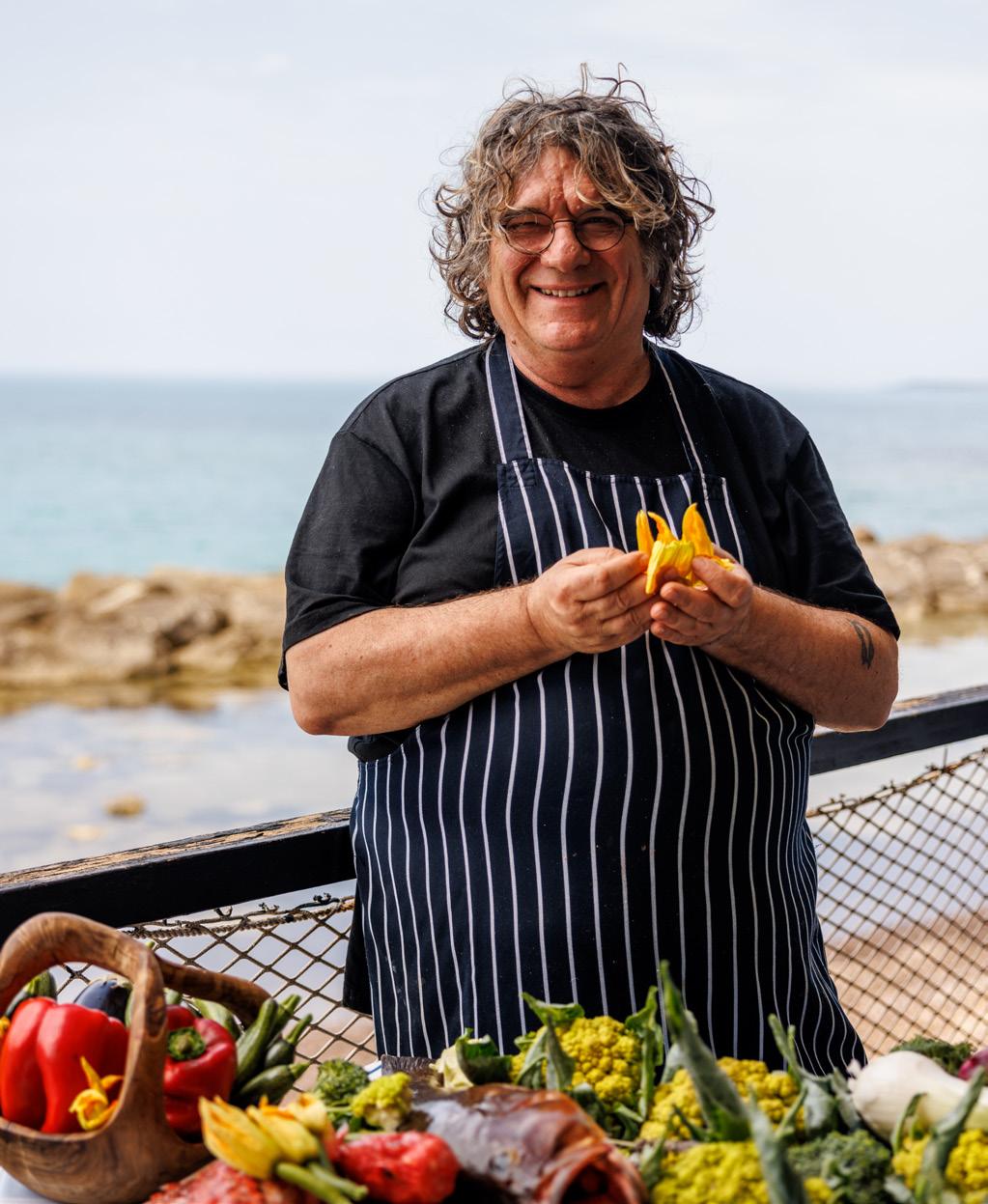
Travel to Motta Camastra, a timeworn Italian borgo (village) just 17 miles from Taormina for a heartwarming culinary adventure with the Mamme del Borgo (village mothers). Start with a scenic stroll round the village, immortalised by Francis Ford Coppola in The Godfather. Uncover hidden gems and traditions undisturbed by time before being welcomed into their homes and kitchens. Learn the art of local dishes like arancini and sarde a beccafico and have a go at preparing them yourself with. This class goes far beyond flavours though. Offering up the chance to connect with locals, sharing stories over a glass of wine and concluding with a lunch featuring your own dishes, this food tour is a true insight into Sicilian life.
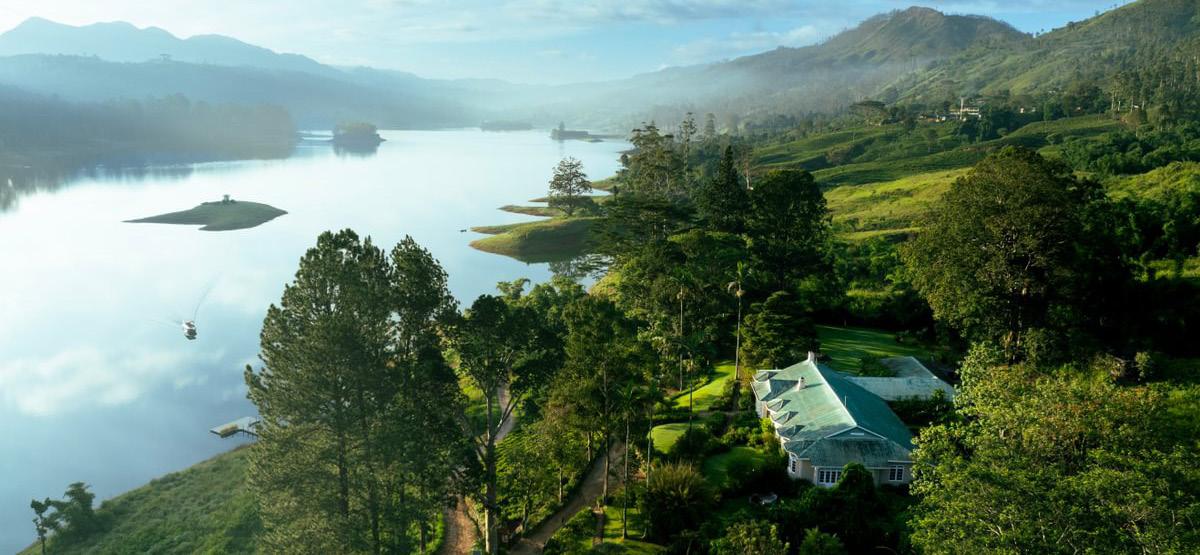
START YOUR SRI LANKAN adventure in the island’s revered tea country. Cloaked in emerald bushes shrouded in an ethereal mist, Sri Lanka’s central highlands are the heartland of the nation’s famed tea empire. Your home for the next three nights, Ceylon Tea Trails, a quartet of elegantly restored planters’ bungalows, brings this rich heritage to life over a Relais and Châteaux-style tiffin lunch. With the estate’s resident planter, you’ll listen to stories of their significance—when planters, travelling on foot or horseback, would pause mid-inspection for this very ritual—while gazing over lush-ranked fields.
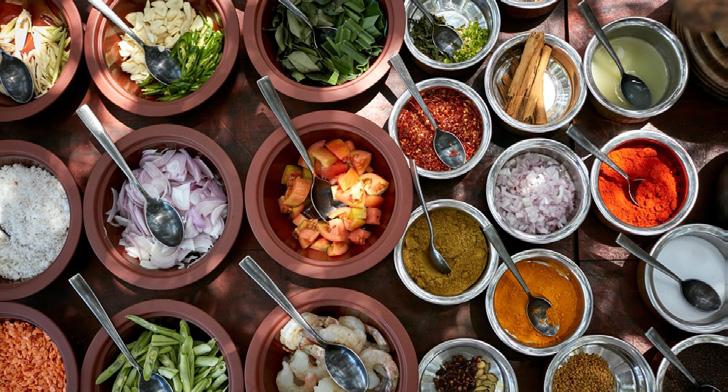
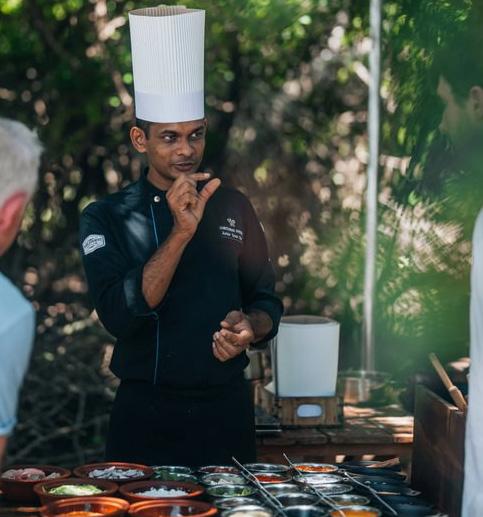
The call of the jungle will draw you south to Resplendent Ceylon’s Wild Coast Tented Lodge. Set between the untamed wilderness of Yala National Park and the vast Indian Ocean, this luxury tented camp is barefoot luxury at its finest. Between sunrise game drives and birding adventures with expert rangers, set aside a late morning to spend in
the lodge’s kitchen, mastering the art of spice blending and seasoning. Guided by one of its resident chefs, you’ll have the opportunity to savour your creation al fresco, beneath a canopy of bird calls and the hum of the wild.
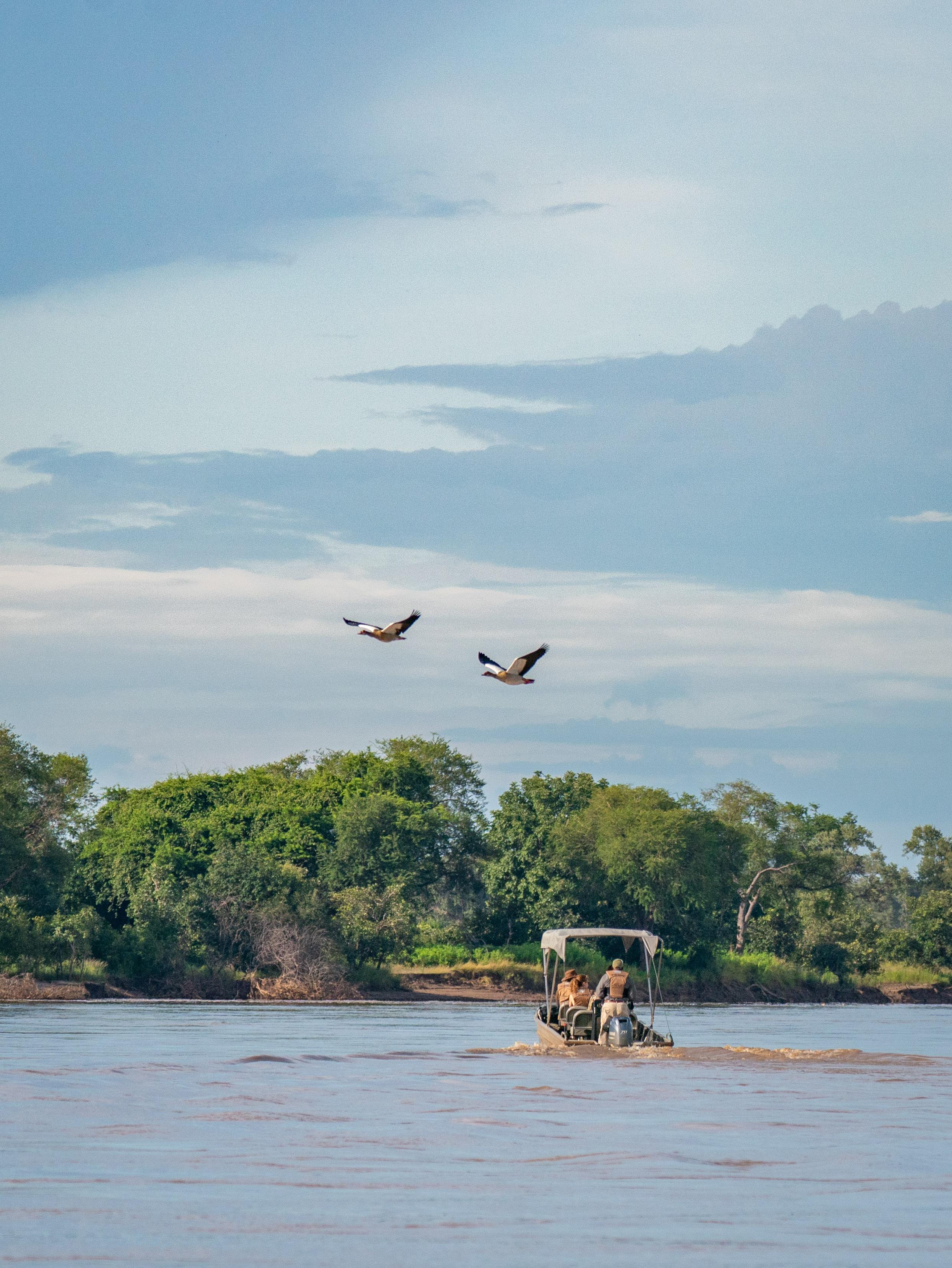
Conclude your Sri Lankan journey along the country’s breathtaking southern coastline. with four nights at Cape Weligama, perched on a quiet headland above the Indian Ocean. Captivating guests with its crescent-shaped infinity pool and meandering pathways that lead to hidden coves and golden sands, it’s the perfect scene for romantic cliff-side dinners where the catch of the day comes delicately infused with island spices.

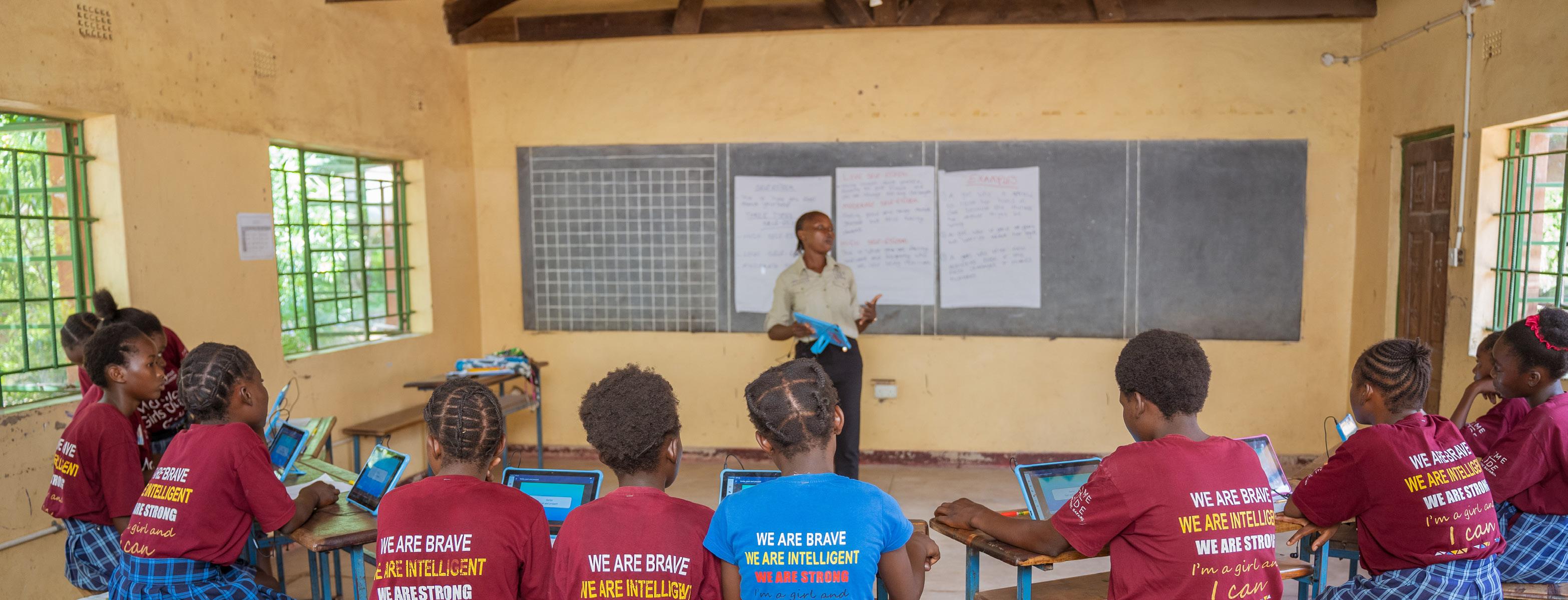
Uplifting girls through education lies at the heart of our partnership with the Time + Tide Foundation. In rural Zambia, their Female Empowerment Programme is helping young women gain confidence and opportunity—a cause the True Travel Foundation is proud to support. Here, our African Programme Manager and Group Foundation Manager, Peter Felix, shares their inspiring story.

IN ZAMBIA’S LUANGWA VALLEY, WHERE THE rhythm of daily life moves with the seasons and the call of the wild echoes across the plains, a quieter transformation has been taking place. While Africa’s national parks often draw attention for their wildlife and conservation efforts, the communities who share these landscapes are equally vital to protecting them. Recognising this, Time + Tide—a pioneering, family-owned safari company with lodges across Zambia and Madagascar—created the Time + Tide Foundation, dedicated to ensuring that the benefits of tourism reach those living closest to the wilderness. Their Foundation works hand in hand with rural communities in the Luangwa and Zambezi valleys, focusing on education, gender equality, and support for children with special needs. Its mission is rooted in the belief that conservation must go beyond protecting land and wildlife; it must also uplift and empower the people who call these regions home.
Among its many initiatives, none has had a deeper impact than the Female Empowerment Programme. Originally the Mfuwe Girls’ Club, it began as a small, grassroots project to support girls in the communities bordering South Luangwa National Park. Since 2016, the True Travel Foundation has proudly supported this work, watching it evolve from a single club into one of the most dynamic empowerment programmes in rural Zambia.
At its core, the initiative tackles one of the most pressing challenges in rural Africa: the barriers that prevent girls from accessing education. In many of these communities, Girls are traditionally expected to marry early, shoulder the bulk of household work, and are often the first to drop out of school when resources are scarce. The Foundation’s approach is both simple and profound—to give them the tools, confidence, and encouragement to stay.
What began as a small gathering in Mfuwe has expanded into weekly sessions across nine schools, reaching more than a hundred participants. Between January and March this year alone, the programme delivered 68 hours of structured learning, offering mentorship, academic support, and life skills education. These sessions go far beyond textbooks, with lessons on reproductive health, including menstruation and body literacy, taught alongside workshops in financial management, self-esteem, and public speaking. The aim is to empower girls with both knowledge and confidence, equipping them to make informed choices about their futures.
One of the most inspiring elements of the programme is its use of theatre and performance to build self-expression. In places where young women are often encouraged to remain quiet, standing on a stage becomes an act of courage. Through drama, the girls explore themes of education, equality, and identity, bringing difficult conversations to life in a way that resonates throughout their communities. In 2024, twelve students from the programme performed at Lusaka’s Barefeet Festival before an audience of 3,000 people—a milestone that symbolised just how far they had come from those first, tentative gatherings in Mfuwe.
The programme’s impact can be seen most clearly through the story of Enia, one of the earliest members of the Mfuwe Girls’ Club. She joined with modest confidence and few expectations, but through the Foundation’s support discovered a passion for education and social change. After graduating with top marks, she became a mentor for the next generation and is now studying social work at Mulungushi University on a full government bursary. Her story reflects the programme’s wider purpose: to create lasting cycles of empowerment, where those who benefit go on to inspire and uplift others.
The reach of the Female Empowerment Programme extends far beyond school-aged girls. In Zambia, many women have been denied access to formal education altogether. For them, the Foundation has developed a Community Women Programme, providing classes in business management, financial literacy, and practical life skills. These sessions have unlocked remarkable transformations. One participant, Dailess, has increased her income by more than 1,200% since joining, gaining not just economic independence but the confidence to play an active role in her family’s financial decisions.
This emphasis on long-term, measurable change lies at the heart of the Foundation’s work. Their team uses a Social Return on Investment framework to evaluate not only
the outcomes for the women themselves but also the wider benefits rippling through families and communities. Each hour spent in a classroom or workshop can have a multiplier effect—inspiring younger siblings, shifting parental attitudes, and strengthening community resilience. The success of the Female Empowerment Programme is rooted in its understanding that conservation cannot exist in isolation from people. Empowering local communities, particularly women and girls, is essential to creating sustainable, long-term stewardship of the land. When girls stay in school, marry later, and earn their own income, their families’ health improves, household poverty decreases, and the value placed on protecting natural resources grows.
For True Travel, supporting this initiative has always been about more than philanthropy; it’s about shared values. From the beginning, the True Travel Foundation has sought out grassroots projects that create meaningful impact where tourism meets community. The Female Empowerment Programme embodies this spirit perfectly. Over the past nine years, True Travel’s contributions have helped provide educational resources, mentorship schemes, and the structure for the programme to grow from a single girls’ club into one spanning nine communities in four regions of Madagascar and Zambia.
While the Foundation’s work now spans initiatives from special needs education to inclusive employment, the Female Empowerment Programme remains its beating heart—a testament to what’s possible when opportunity meets determination. Every lesson, every performance, every young woman who dares to dream a little bigger stands as proof that change can start small and grow into something extraordinary.
Just as Zambia’s great parks rely on the delicate balance between wildlife and people, the Time + Tide Foundation shows that conservation and community uplift are inseparable. The Female Empowerment Programme is not just teaching girls; it is changing mindsets, redefining what is possible for women in rural Zambia, and ensuring that the benefits of conservation reach far beyond the park boundaries.
True Travel is proud to have played a small but steady role in this story—one that continues to evolve with every young woman who walks into a classroom, raises her hand, and begins to believe in her own potential.
For more information on how you can get involved and support The Female Empowerment Project, please get in touch with Peter directly on foundation@true.travel
Japan isn’t a country you merely visit, it’s one you experience. And as our Asia expert knows, even when you scratch just an inch beneath its intricate surface, you uncover a depth of traditions and contrasts hard to experience in just one trip. It’s what makes the country so great, and so worthy of celebration; you keep wanting to come back for more.
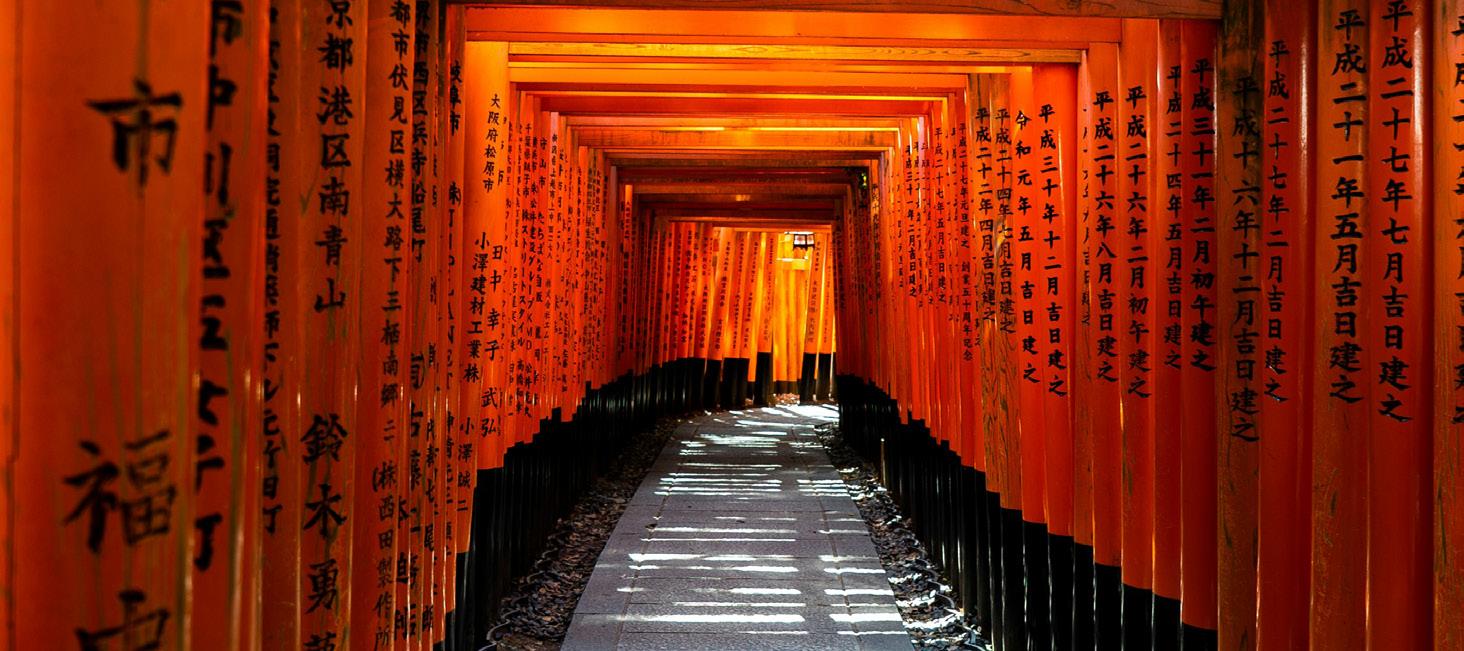
Visiting Japan for the first time ignites every sense: the dazzling lights of Tokyo, the aroma of fresh ramen wafting from dimly lit alleyways, the sight of golden temples framed by tranquil gardens. Every corner unveils something unexpected—an ancient shrine, a hidden café, even a cake-in-a-can vending machine. That’s why we suggest not rushing to see it all on a first visit. Instead, choose two or three destinations, slow down and let Japan reveal itself at its own pace.
1 Shibuya Crossing
Consider the meaning of the word ‘busy’ redundant until you’ve crossed the world’s busiest intersection. Nicknamed ‘the Shibuya scramble’, it is estimated that 1,000 to 3,000 people cross it every 80 seconds; that’s 2.4 million a day. Watch from the station’s skybridge or Shibuya Scramble Square tower at sunset and you’ll find its sky-high screens and uniformed crowds of salarymen, tote bag-tottering shoppers and fellow wide-eyed tourists almost hypnotic.
2 Fushimi Inari
If you visit only one of Japan’s 80,000 Shinto shrines, make it Fushimi Inari. Its seemingly endless arcades of vermillion torii (shrine gates), sprawled across the wooded slopes of Inari-san, are one of Kyoto’s most impressive sights. Keep an eye out for the hundreds of stone foxes—messengers of Inari, the god of rice and sake—often shown holding keys in their mouths, symbols of access to the granaries. Visit before 9am or after 6pm, when the crowds have thinned, to wander the three mile main trail and continue beyond through thousands of gates and dozens of smaller shrines.
Probably Japan’s most famous export, sushi is more than just a meal; it’s a symbol of Japanese identity. And no one knows so more than Tokyo’s finest sushi chefs. Spend an afternoon at one of their acclaimed restaurants, learning your yanagiba knife from your sashimi knife, to grind your own wasabi and make nigiri. End the experience making your own Japanese omelette and sampling traditional desserts.
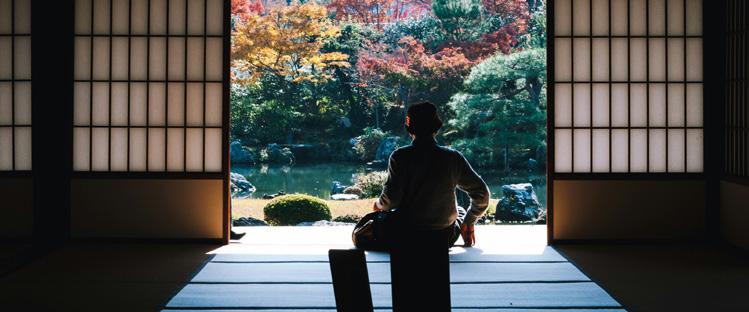
For more than 1,300 years, Japanese ryokans—intimate, family-run inns often nestled in hot spring towns—have embodied omotenashi, Japan’s distinctive art of hospitality. Passed down through generations, they preserve timeless traditions and are considered the quintessential Japanese experience. Here, you can soak in your private onsen, find serenity in exquisitely landscaped gardens and savour a ryokan meal that mirrors the artistry of kaiseki cuisine: a multi-course, seasonally inspired dining experience as beautiful to behold as they are to taste.
On a first trip to Japan, it’s tempting to stick to the big cities, especially if you’re short on time. But one glimpse at Hakone’s mountain scenery, crowned by Mount Fuji, and you’ll realise urban life is just the tip of the iceberg. West of Tokyo, this town makes the perfect pause between the capital and Kyoto. Here you can wander forested trails, and circle Ashino-ko, the lake at Hakone’s heart, where Mount Fuji rises majestically behind the torii gate of Hakone-jinja.


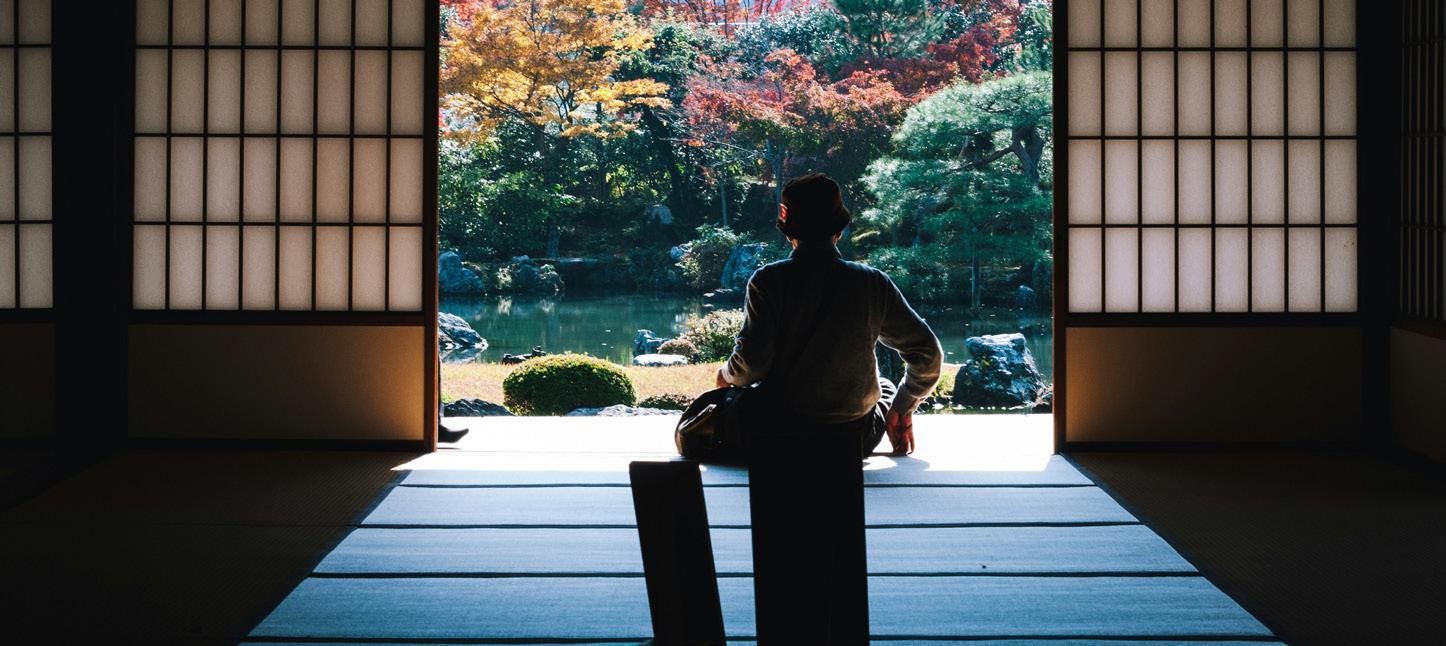
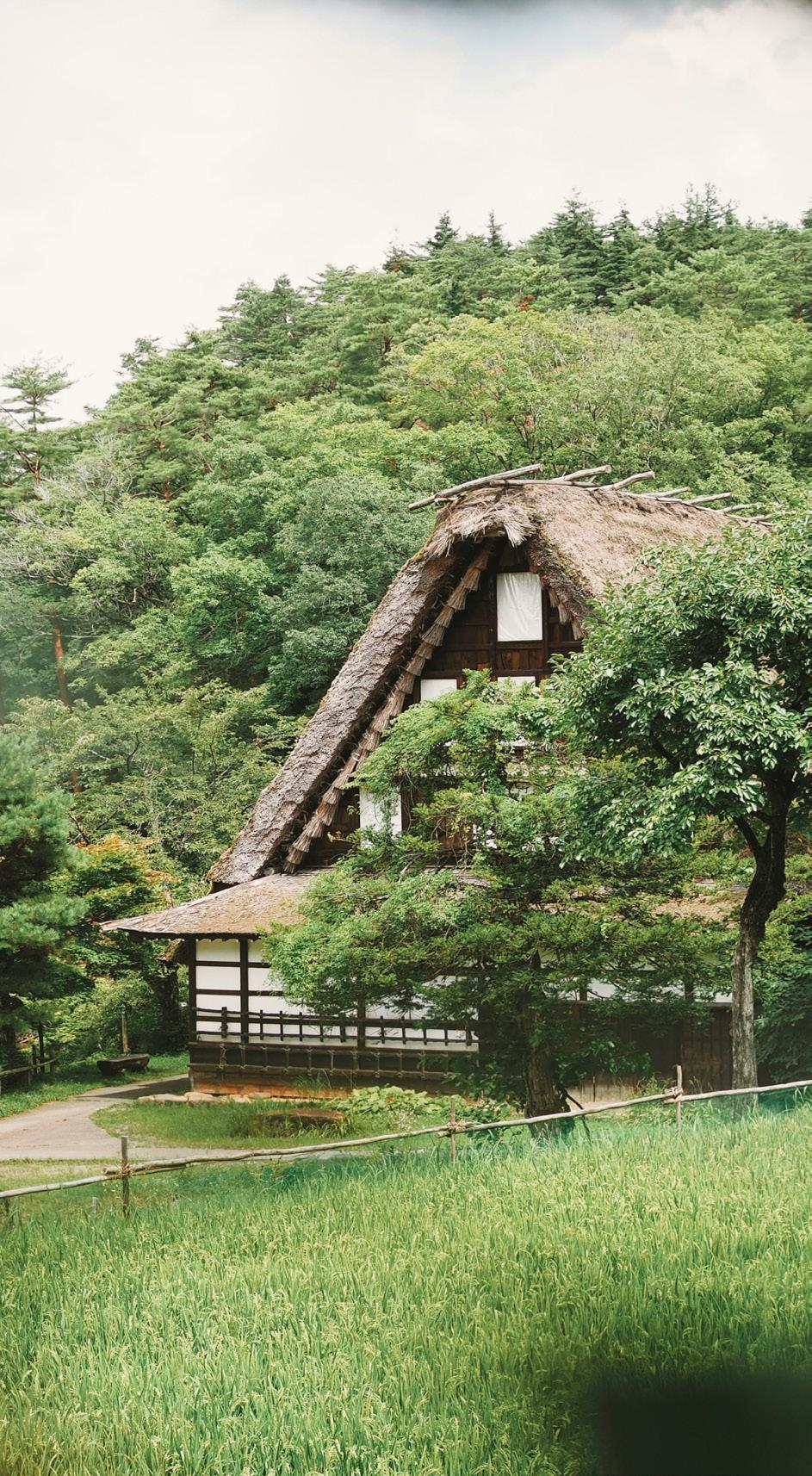
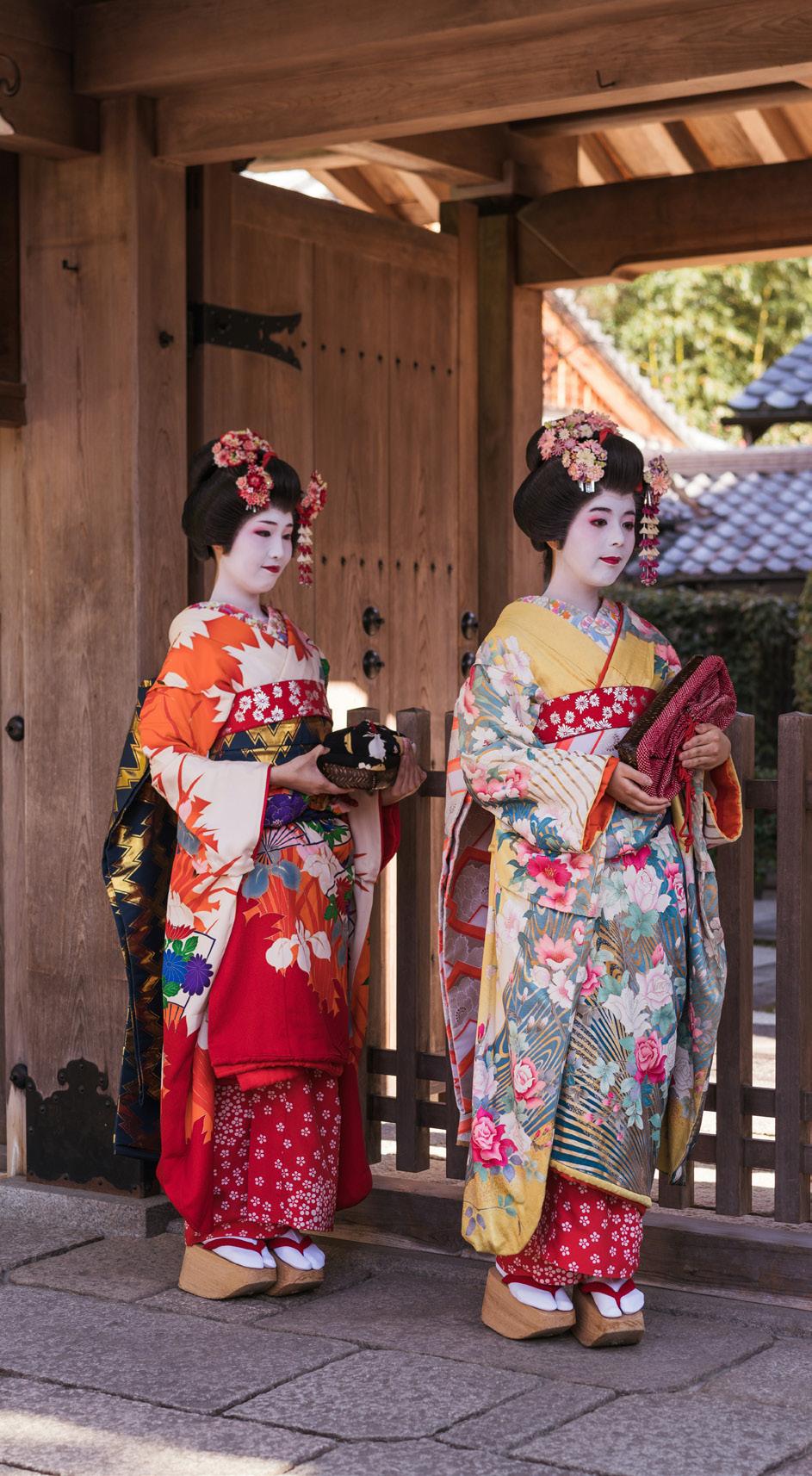
Déjà vu will strike hard on your second visit. But with its familiarity invites deeper discovery. Instead of rushing between Tokyo’s neon streets and Kyoto’s temples, venture off the well-trodden tourist path into the Japanese Alps, where Takayama charms with historic farmhouses and nearby Nagano houses snow monkeys with a penchant for hot spring bathing. Take in the subtleties of geisha tea rituals, join the excitement of ancient traditions like sumo, and try dishes you didn’t have time (or room) for the first time around. A second journey to Japan isn’t about seeing more—it’s about experiencing it in a deeper, more nuanced way.
6 To Shinkansen and
You can’t talk about Japan without talking about its transport, namely its Shinkansen (or bullet trains). With nine lines spanning the country and reaching speeds of up to 200 mph, they are not only one of Japan’s most iconic sights but also a symbol of the nation’s ability to blend timeless tradition with cutting-edge innovation. Take the Tokaido Shinkansen from Tokyo to Osaka, which serves major hubs like Kyoto, and offers up the much-celebrated view of Mount Fuji (if you sit on the right-hand side when travelling west), and whisks you from the capital to Japan’s second city, Kyoto, in just two and a half hours.
A hybrid of man and Mother Nature, Naoshima Island, located in the Sento Inland Sea, is a unique combination of contemporary art and natural beauty, where verdant valleys meet shimmering blue waters. Make a bee-line for Yayoi Kusama’s striking neon Pumpkin, perched on an old pier jutting into the sea, and Chichu Art Museum. Illuminated entirely by natural light, it is a remarkable setting for several Monet water-lily paintings and a garden designed in homage to his beloved retreat at Giverny.
Japan’s national sport, Sumo, was originally performed to entertain the Shinto gods. Today, it captivates audiences across the nation—and around the world. If you can’t secure tickets to one of the six annual tournaments, or even if you can, get closer to the action at a heya (training stable), where wrestlers dedicate years to honing their craft. With a knowledgeable guide, you’ll uncover the sport’s deep-rooted history and time-honoured rituals, offering a rare glimpse into this enduring tradition.
Takayama offers a rewarding change of pace. Nestled in the Japanese Alps, this historic town is steeped in Edo-era traditions. Wander Sanmachi Suji, its beautifully preserved old town, perhaps by rickshaw, then visit Hida Folk Village with its gassho-zukuri farmhouses and artefacts. Twice a year, Takayama comes alive with one of Japan’s three most beautiful festivals, as ornate yatai floats parade through the streets in dazzling celebration—not to be missed.
“Every corner unveils something unexpected—an ancient shrine, a hidden café, even a cake-in-a-can vending machine.”

Home of the hot spring and wild monkeys, Nagano (or more specifically Jigokudani Monkey Park) offers one of Japan’s most unique wildlife experiences. Officially known as Japanese macaques, these endearing creatures are best known for their habit of soaking in natural hot springs. A scenic walk through a forested trail leads to the park, where you can observe them bathing, grooming, and playing just a few feet away. Visiting in winter is especially magical, when the springs are surrounded in steam and snow, offering a rare chance to witness nature and tradition merge in Japan’s alpine landscape.
When you’ve had your fill of sushi, Japan offers another culinary indulgence: Kobe beef. A celebrated variety of wagyu, this world-renowned meat is famed for its rich marbling, tenderness, and buttery flavour that melts in the mouth. Traditionally served as sizzling steaks and delicate shabushabu, Kobe beef is a once-in-a-lifetime dining experience. Originating from Hyogo Prefecture, its strict rearing standards ensure exceptional quality, making it one of Japan’s most luxurious and unforgettable gourmet highlights. Tuck in.
The tea ceremony was born in Kyoto and remains its spiritual heart. Hosted by a geisha or maiko (apprentice geisha), these 45-minute ceremonies showcase the rituals of preparing and serving matcha, each gesture following ancient customs. Learn the cultural meaning behind the practice, from the tools used to the etiquette of drinking tea, and its centuries-old history, first introduced by 9th century monks who used tea for meditation. In some tea houses, you can even try mastering the basics yourself, guided by a local expert, and attend ceremonies in traditional kimono dress.

To start planning your Japan adventure, call the office or email Global Sales Director, Pete Trangmar, directly on pt@true.travel
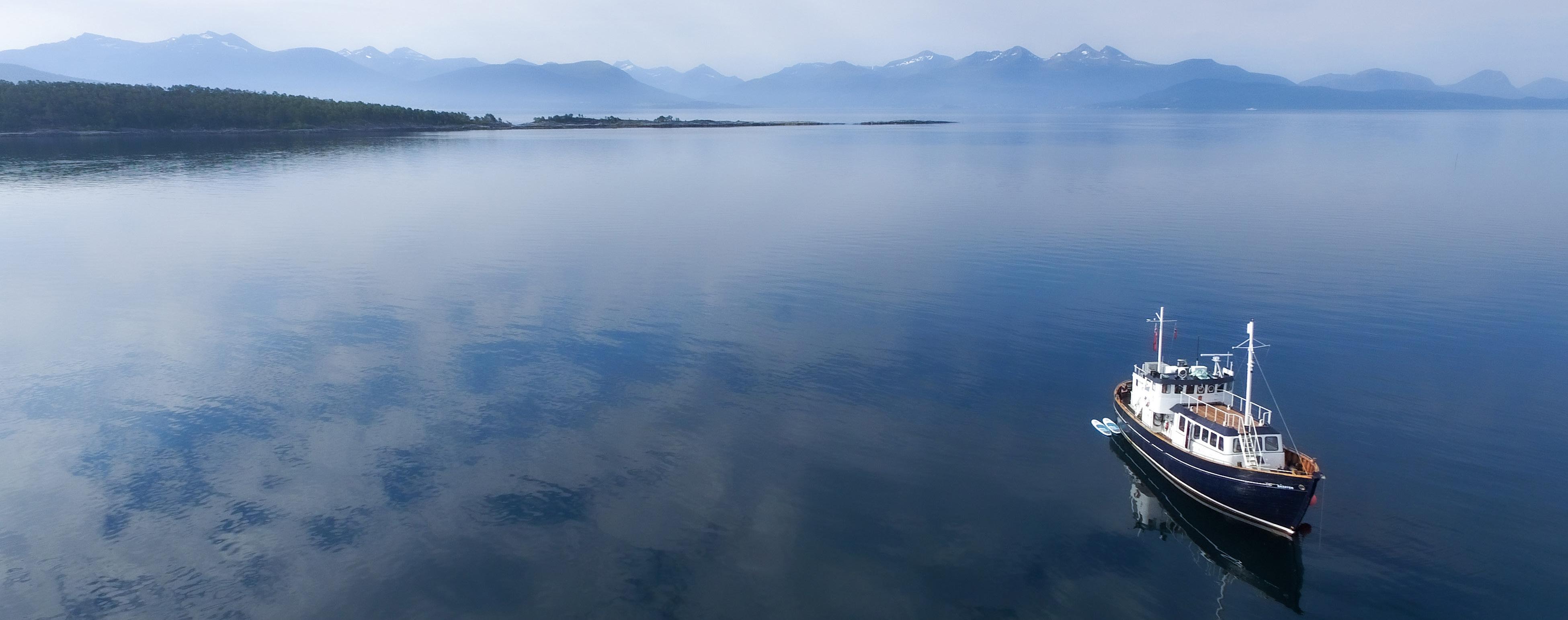
For this edition of Behind the Scenes, forget what you know about cruising and join us on a deep dive into the vessels and visionaries quietly redefining the modern cruising world—from Halong Bay to the Norwegian fjords and onto the Galápagos Islands—to hear, in their own words, what life at the helm truly means.
“I’M NOT A CRUISE PERSON.”
It’s something we hear all too often, and we understand it—because truthfully, neither are we. The thought of being confined to a ship, shuffling between endless buffets and sea days, is enough to induce a touch of cabin fever before you’ve even left port. And it couldn’t be a greater antithesis to the type of travel we curate.
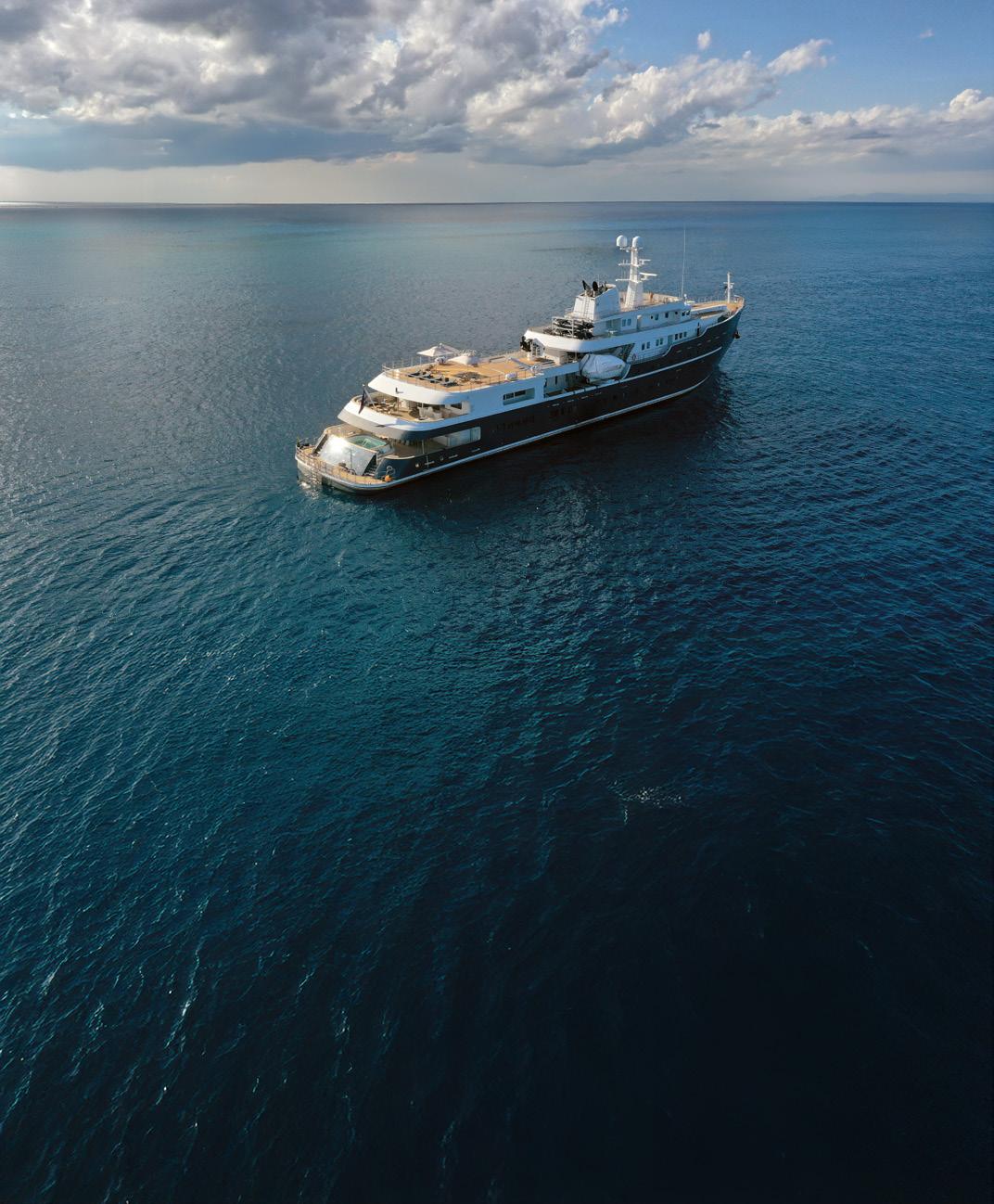
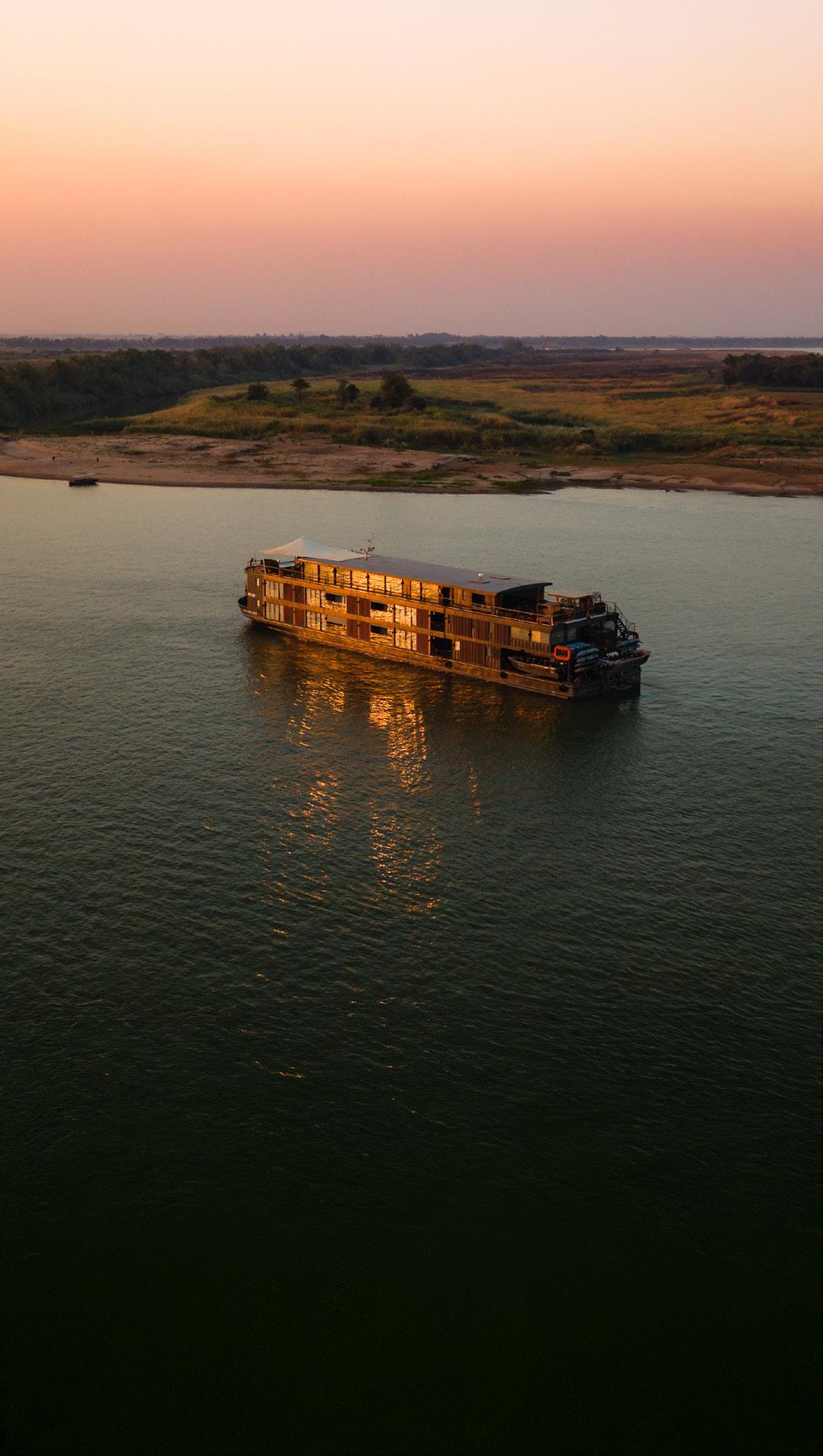
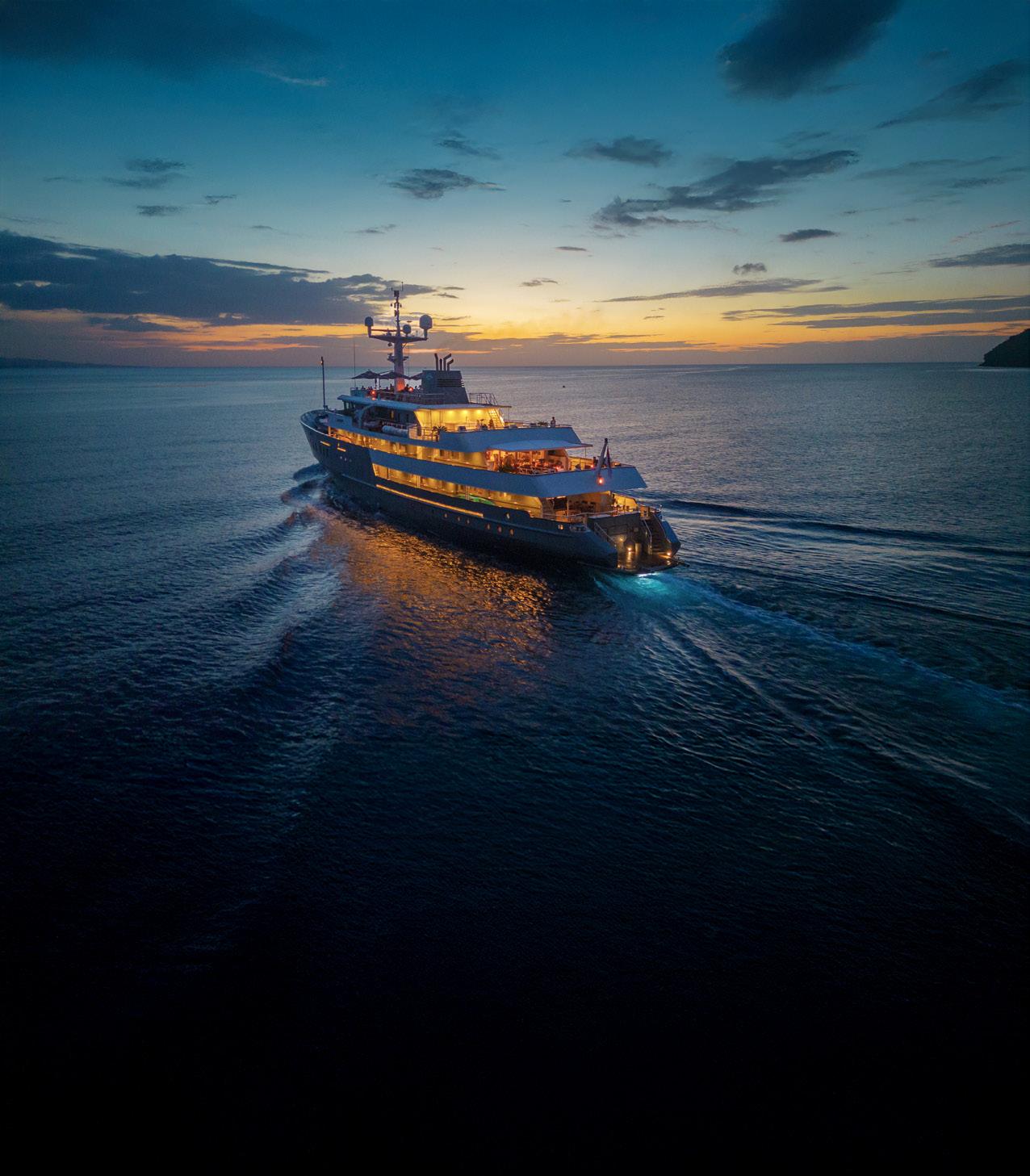
But there are cruises, and then there are cruises. Step aboard a beautifully restored heritage vessel or a contemporary boutique yacht, and you quickly realise the difference. With only a handful of guests and a dedicated crew, each voyage feels deeply personal. Think of your favourite boutique hotel moving with you from place to place, without ever needing to unpack. Your guide becomes a familiar face each morning, your favourite meal is remembered and prepared before you even ask, and every day brings a new horizon.
These journeys aren’t about ticking ports off an itinerary; they’re about discovering what can’t be reached by road or plane. You glide through archipelagos unreachable to larger liners, exploring hidden coves, remote islands and places where the rhythm of life moves with the tides. The water itself becomes part of the story, a companion as much as a setting.
Every great charter, though, has another story unfolding quietly behind the scenes. At the centre of it all is the captain. More than a navigator, they are a custodian of both vessel and voyage, balancing the shifting moods of the water with the expectations of every guest on board. Their work often happens out of sight, managing crews, reading weather patterns, ensuring that every moment feels effortless. Yet it is their calm precision and quiet intuition that transform a journey from simple travel into something unforgettable.
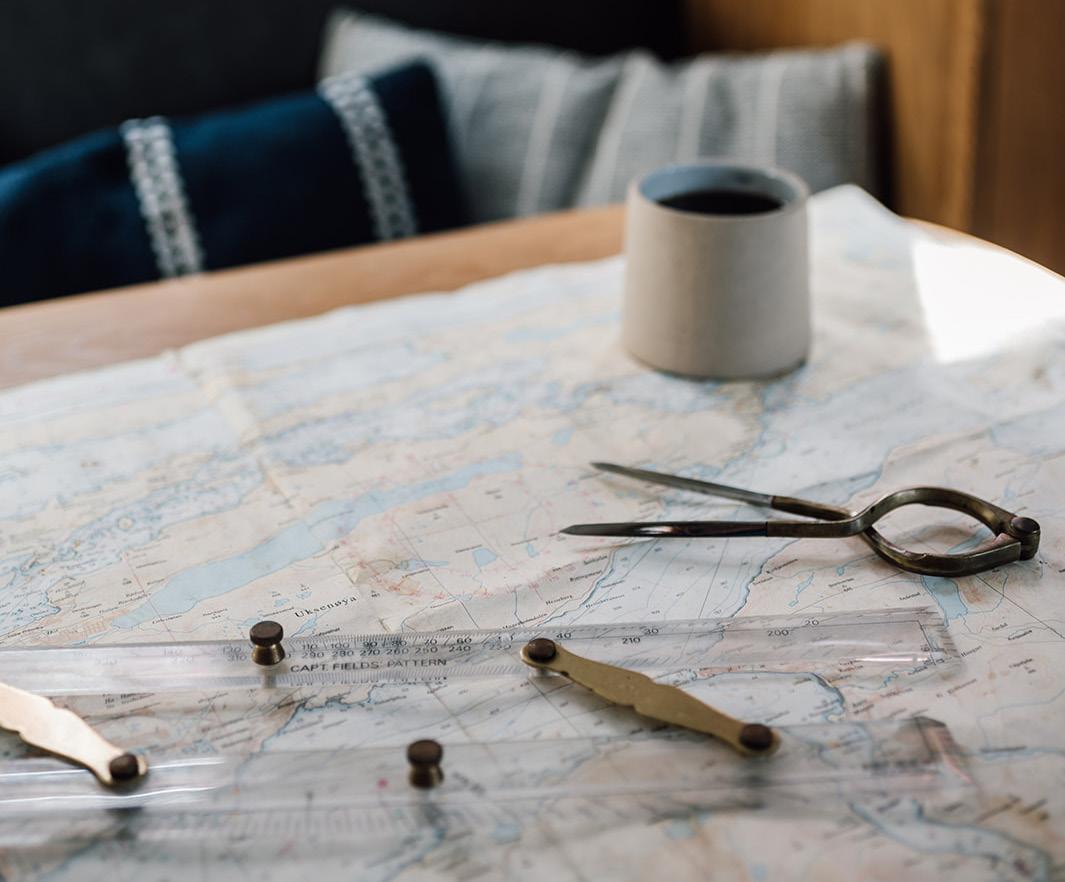

Who: Jamie Milne
Where: HMS Gåssten, Norway
Jamie Milne swapped Yorkshire’s rolling hills for the open sea and never looked back. At the helm of HMS Gåssten, he spends days showing clients the archipelago as he sees it: pure magic.
“I‘VE ALWAYS BEEN DRAWN TO the sea. Even as a child growing up in Yorkshire, my family holidays in Greece were where I felt most at home. In my early 20s, I decided to turn that fascination into a reality. I sold my car and house, quit my job and bought a one-way ticket to Gibraltar to start yacht master training with no prior experience.
Today, I’m lucky enough to call Norway’s Lofoten, an 80-island strong archipelago, home and operate HMS Gåssten, a refurbished Swedish minesweeper turned adventure vessel. With just four crew members, Gåssten lets guests explore these iconic fjords quietly, without the spectacle that often accompanies luxury charters elsewhere. It’s intimate, personal, and, in my opinion, truly magical.
I always choose my anchorages carefully, chasing solitude above all else. One of my favourite itineraries begins with lunch at Scroa, where the water is so clear you can watch fish darting beneath the hull, and
ends at Trollfjorden where an evening meal crafted by our private chef awaits. By the time we arrive, the day-trippers have long gone, leaving only the fjord, the mountains and us. Each day is shaped around our guests’ preferences. Some want to hike, others are eager to kayak, golf or scuba dive. Sometimes, however, it’s not possible, especially if the weather has other ideas. I remember one stormy afternoon when we were forced to stay in harbour, one of our crew suggested moving the evening meal to a private glass dome on a nearby island. That night, beneath the candlelit dome, our chef served a feast that captivated every guest. What could have been a disappointment turned into one of the most unforgettable evenings of their journey.
Maintaining the boat is truly a labour of love. Gåssten is wooden, with a rich oak interior sourced from Scotland. The dining area, in fact, now occupies the very spot where a cannon once stood when she served as a minesweeper. I take great pride in those details—they’re living reminders of the vessel’s storied past and the new chapters we continue to write aboard her.
Life and work here feel like a privilege. Lofoten’s rugged coastline is an endless source of discovery, from the dance of the Northern Lights and hidden fjords to secluded beaches and thrilling backcountry ski runs. Remote though it may seem, this place overflows with opportunity for those willing to embrace the rhythm of the seasons. And aboard Gåssten, I have the joy of sharing that wonder of Lofoten not just as a destination, but as a living, breathing adventure.”
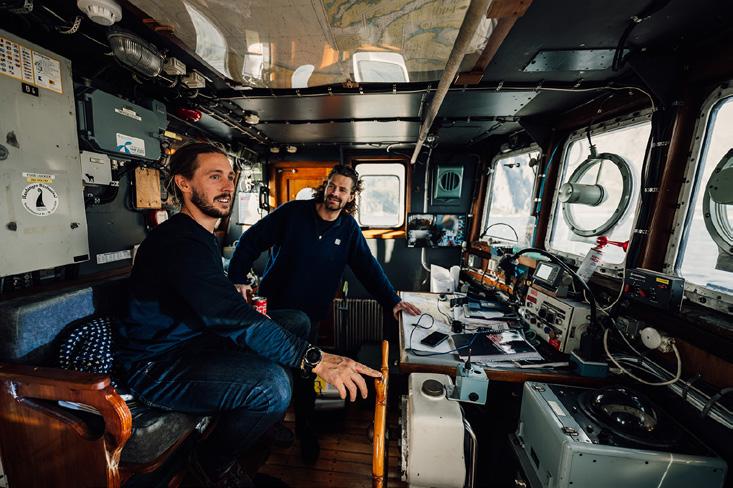
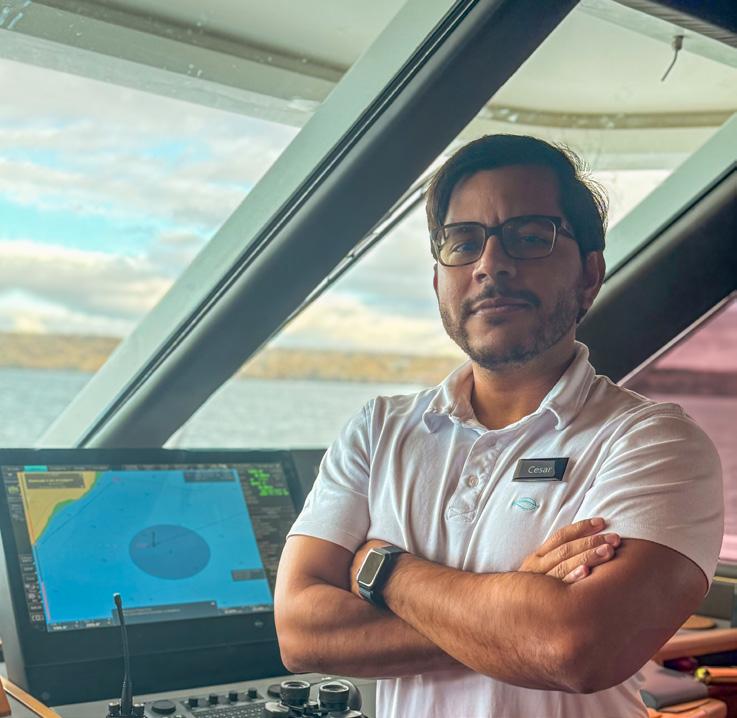
Who: Cesar Salcedo Velez
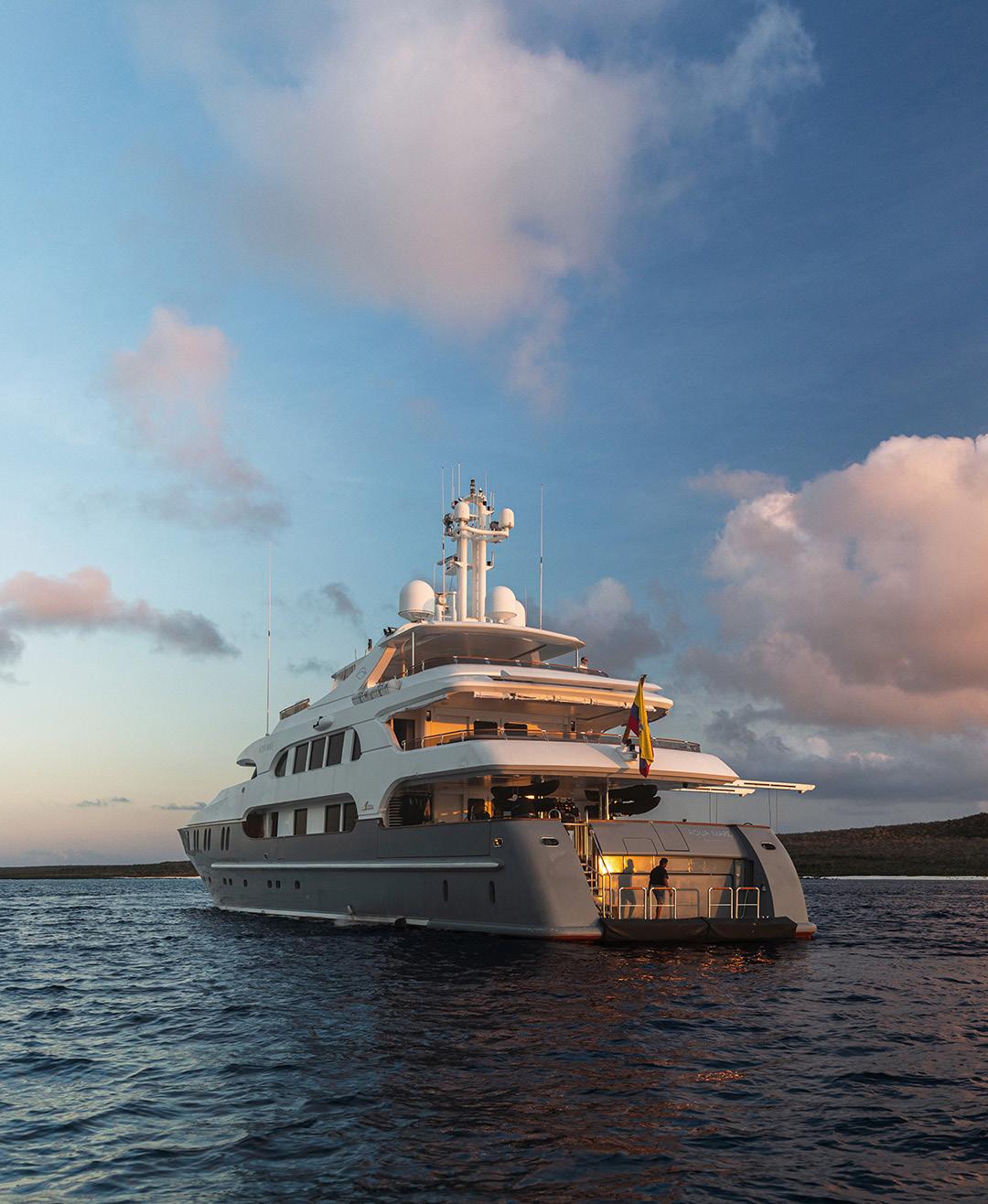
Where: Aqua Mare, Galápagos
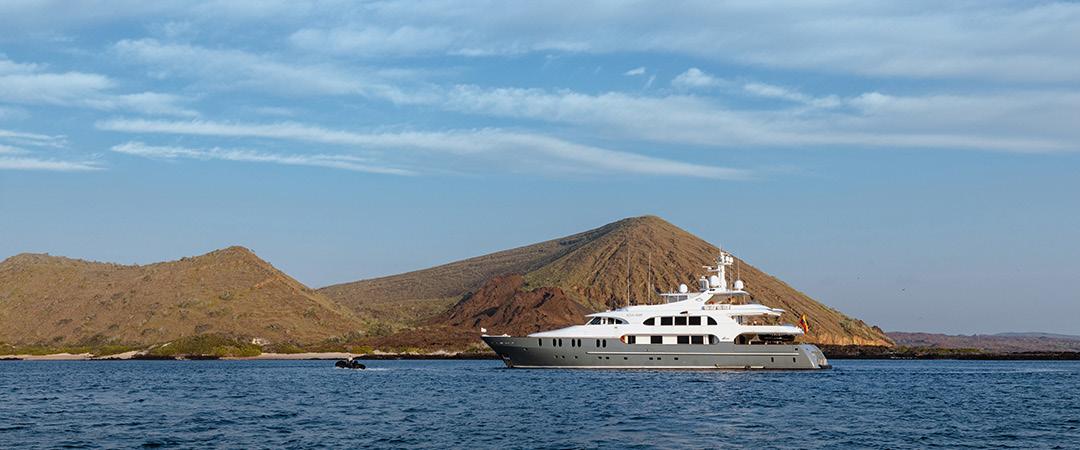
For Cesar Salcedo Velez, being a captain was a calling. Today, at the helm of Aqua Expeditions’ superyacht Aqua Mare, his love for the sea is rooted in the little moments: a guest’s quiet pause at sunset or his own, savouring a cup of coffee as dawn breaks.
“MY MARITIME JOURNEY began over ten years ago with the Ecuadorian Merchant Marine, sailing cargo ships across international waters. After which I went to private charters, but everything changed the day I stepped aboard Aqua Mare. Leading this superyacht in the Galápagos is both a privilege and a responsibility that I carry with pride and humility every day.
Life on board has its own rhythm, shaped entirely by the islands. Each morning begins softly, with the first light breaking over the Pacific and the gentle sway of the vessel. Guests wake to breakfast overlooking volcanic cliffs or calm turquoise bays, before setting off on their daily explorations: snorkelling with seals, walking among blue-footed boobies, or gliding by panga and kayaking through quiet mangrove channels.
Between excursions, Aqua Mare becomes a place of ease and comfort. There are wide decks, elegant suites, and the quiet camaraderie that comes with small-ship journeys. My crew and I work quietly behind the scenes to make sure every moment feels seamless, allowing guests to lose themselves in the wonder of this place.
Before each sailing, I gather the crew for a short meeting. It is not only to review
our plans but to remind ourselves why we do this—for our families, for our own growth, and for the respect we owe to this extraordinary environment. We take immense pride in maintaining the standards that define Aqua Expeditions, but our real goal is to create something that feels personal and sincere.
Sailing in the Galápagos means learning to coexist with nature at its most beautiful and unpredictable. My role is to anticipate what lies ahead and to stay calm when things do not go as planned. Often the guests never realise there was a challenge at all, which is exactly how it should be.
Preparation, teamwork and trust keep us steady. Every obstacle teaches us something new and brings us closer as a crew.
The moments that mean the most to me are often the quiet ones. A guest gazing at the horizon in silence. A smile that says, this was more than a trip. The Galápagos has a way of changing people. They arrive wanting to disconnect, but they leave with a new sense of humility and curiosity, touched by the raw beauty of this place.
At sunrise, when I take my first coffee on deck, I always pause to give thanks. For my family. For the chance to be here. And for the responsibility that comes with it.
Being a captain is not just about navigation; it is about service, care and gratitude. The sea teaches you to lead with calm and to live with respect. Every voyage is personal for me. I may guide the ship, but the islands do the real work. They show each guest something they did not know they were looking for.”
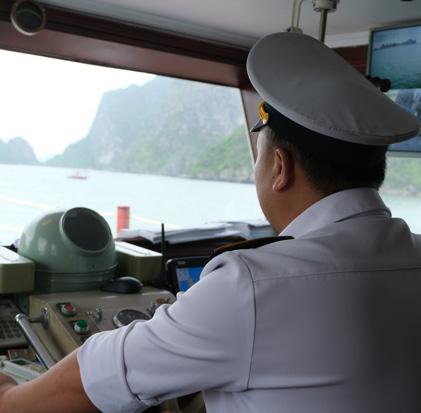
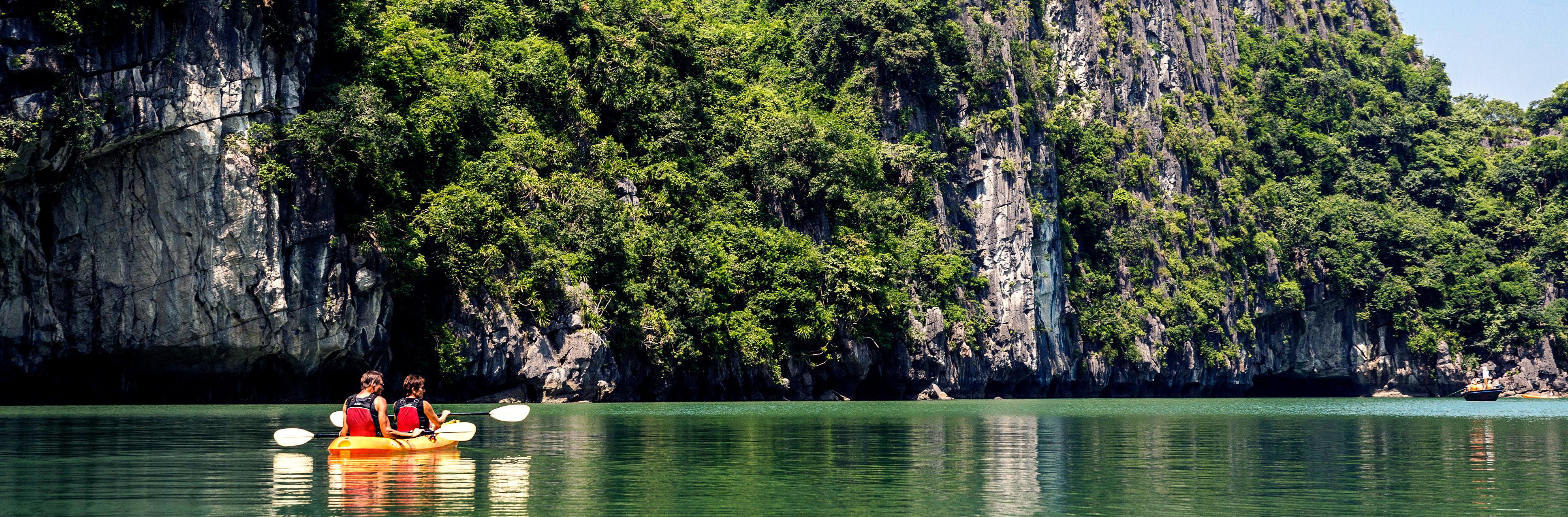
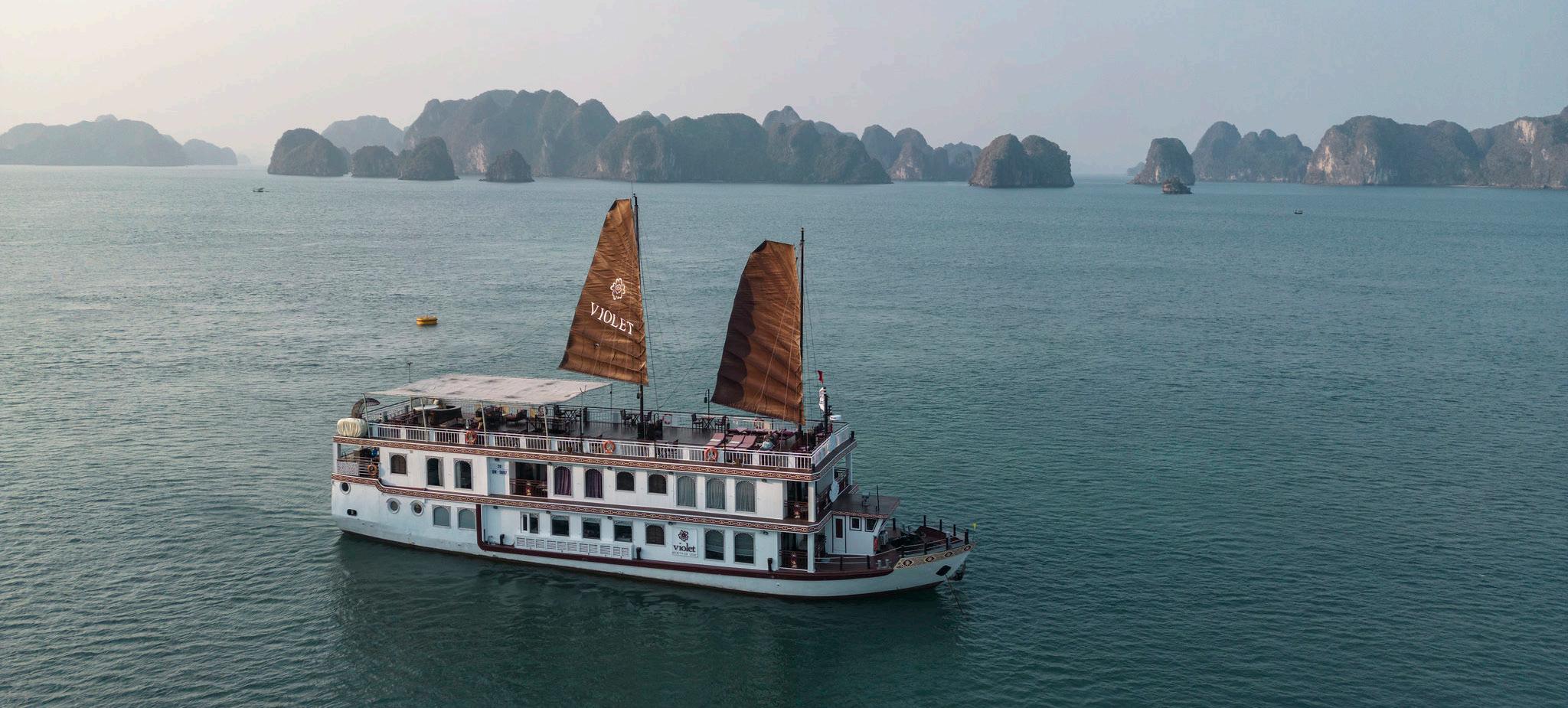
Where: Heritage Line, Vietnam
From the first moment he first laid eyes on it, Khang Pham’s connection to Ha Long Bay has centred on sharing its allure, challenges and unforgettable experiences with every traveller.
“MY LOVE FOR THE BAY began long before I became a captain. It was on a leisure trip to Ha Long Bay in 2000, travelling with a friend, that I became aware of its quiet beauty; the limestone peaks rising from the water, the stillness of the bay. I was hooked. Soon after, I decided to train to become a captain.
Twenty years on, my love for life at sea has only deepened. I cherish the early mornings most, when the bay takes on a mystical calm— light spilling over the islets and peaks, and the world slowly awakening to the gentle chorus of birdsong. There’s a stillness that’s hard to describe; has to be seen and heard to be believed. It’s a moment that always reminds me how special this place is and sharing it with guests remains one of my greatest joys.
Some guest experiences stay with you forever. I’ll never forget a trip with six guests, all of whom relied on wheelchairs. From the moment they came aboard, our crew came together to ensure they felt fully included in every aspect of the experience. Our care extended beyond the ship, assisting them during land excursions and handling every detail. By the end of the cruise, they were visibly moved, expressing heartfelt thanks for a trip that exceeded all expectations. Later, they sent a touching email and a small gift to the team, which served as a vivid reminder of how meaningful our work becomes when guided by genuine warmth and care.
Operating a cruise service in Northern Vietnam also brings its unique challenges. During typhoon season, severe storms can often disrupt operations and even cause structural damage. Guest safety is always our top priority, and we make the responsible choice not to operate in dangerous conditions. While adjusting plans can be frustrating, prioritising safety preserves the quality and integrity of the experience we provide. Even in February, when the bay is often shrouded in mist, nature has a way of surprising us. Guests sometimes arrive with a hint of disappointment, only for the fog to lift as we sail past the first karsts, revealing the bay in all its splendour. The instant joy on their faces is a moment I never tire of seeing.
Above all, I hope guests leave with a real connection not just to the stunning scenery, but to the culture, stories and history they encounter. Our journeys are designed to immerse visitors in Northern Vietnam. Offering more than sightseeing, it’s about experiencing the true heart of the bay and its people.”
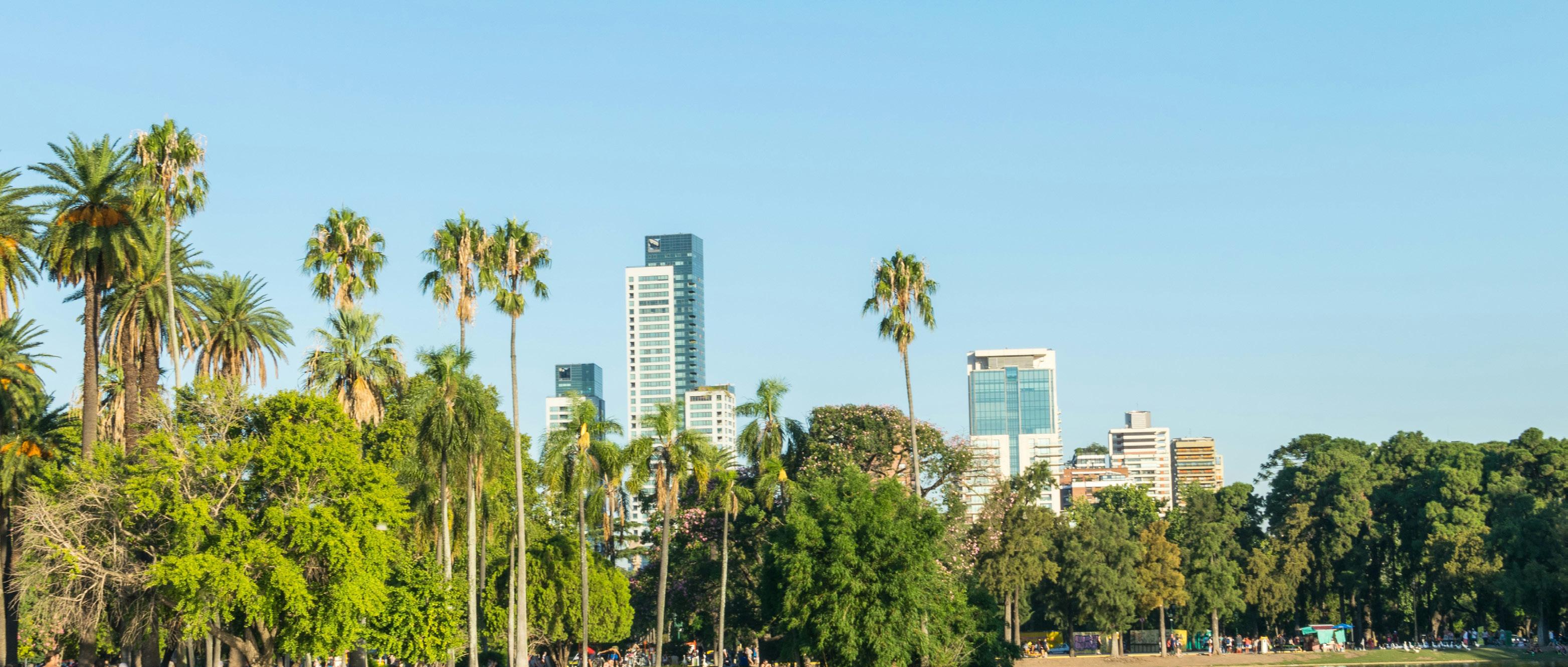
Buenos Aires pulses with an intoxicating blend of European elegance and Latin passion. Join our Latin America Programme Manager Evie Oswald on the ultimate 48-hour adventure through Argentina’s capital, passing through Palermo’s spirited and
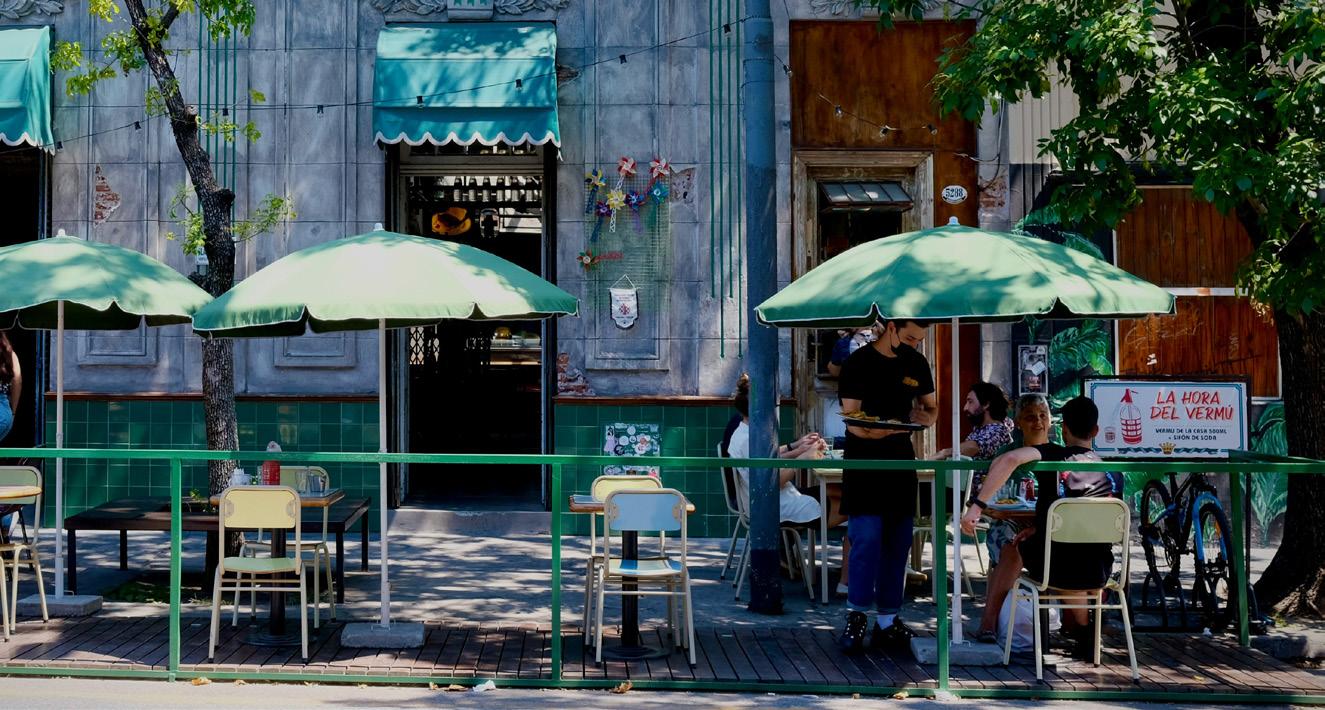
oldest neighbourhood, where, every Sunday, countless stalls displaying art and antiques line cobblestone streets infused with the smoky scent of mate.
Head south to La Boca, one of Buenos Aires’ most spirited barrios. Its crown jewel is El Caminito, an open-air museum of brightly painted houses adorned with playful figures of Argentine legends and tango performances that spill into the street. Savour its equally vibrant Italian roots at Il Matterello, a beloved
Dinnertime Spend the evening at Crizia. Fish-lovers will delight in its seafood and shellfish menu, while epicures will appreciate its contemporary loft-style vibe, expertly curated wine list and rooftop city garden.

Alvear Palace
Located in tree-lined Recoleta, Alvear Palace’s rooftop pool and bar, butler service, and grand rooms will appeal to all connoisseurs of classic luxury.
Spend the afternoon getting acquainted with football royalty at La Bombonera, home of Boca Juniors Football Club. Visit its Museo de la Pasión Boquense, which tells the story of the club through its trophies, photos and memorabilia from iconic players like Diego Maradona. Marvel at its unusual semi-circular shape and walk through its players’ tunnel onto
Choripán
The sum of two ingredients: chorizo and bread (pan), with a drizzle of chimichurri sauce, choripán is the ultimate Argentine street food staple. Though served as a starter in many parrillas, it’s best enjoyed from vendors and hole-in-the-wall spots across the city.

What first inspired your love of travel? Was it something you experienced growing up, or did it come to you later in life?
Travel has always been really important to my family and I’ve been lucky enough to grow up with stories of parents, grandparents, aunts, and uncles travelling the world. I remember watching all of Michael Palin’s travel documentaries as a child, completely captivated by the incredible places he explored. When I finally got the chance to visit Tanzania, and travel to the beautiful, remote island of Mafia to learn to dive, it felt as though those far-off destinations I’d only ever seen on screen had suddenly become real and within reach. And something I could truly make part of my life. That understanding, that these incredible places are not out of reach, has shaped many of my decisions since, ultimately inspiring me to build a career in travel.
You’ve worked in the travel industry for some time. What’s the most significant change you’ve seen in how people travel?
I think people are becoming more and more interested in fully experiencing a destination—the people, the culture, the food. Not just ticking off bucket list items. People don’t want to be passive observers anymore. They want to go out with the conservation teams on safari, learn how a park functions and what life is really like for the people that live and work there—not just tick off their ‘Big Five’ sightings. They want to take food tours through a chaotic and bustling market, celebrate an Iftar dinner with a family, and wander through vineyards with a winemaker who shares the story behind each bottle. They want to learn to roll pasta with a grandmother in her kitchen in Bologna, spend a day foraging with Sami reindeer herders in Lapland, or help restore coral reefs with marine biologists in the Maldives.
With so much change in the travel landscape, what trends do you see shaping future travel?
I think we’re already seeing a big rise in people shifting their visits to places like the south of France, Southern Italy, and Spain away from the
peak summer months, both due to the increasing heat and how busy they can be. Instead we see the season extendening, with people opting to travel earlier and earlier, from the beginning of May onward rather than June, and then continuing to travel well into October when the weather can still be great. I was in Amalfi at the end of September and the weather was fabulous, still warm enough to swim in the sea, but a really comfortable temperature for exploring Pompeii and hiking the Path of the Gods.
Your job has taken you to some incredible places. What’s next on your personal travel wishlist?
While there’s a lot to love about Europe, my personal list is a little more far flung. I’m currently planning a diving trip out to Raja Ampat in Indonesia and, although closer to home, I’m keen to head out to Lapland to stay in a glass igloo and see the Northern Lights this winter. How do you think travel has shaped you beyond your professional life?
I think being able to travel and meet so many diverse people from so many different backgrounds is a huge privilege. It’s definitely given me a much broader outlook on life and continually reminds me of the myriad of different perspectives that exist beyond my own. Travel has also deepened my sense of gratitude for the opportunities I’ve had, for the connections I’ve made and for the amazing sights I’ve been able to witness in so many fascinating places.
For someone visiting a new country for the first time, what’s the one thing they should keep in mind?
Be open minded, be curious, and don’t be afraid to step out of your comfort zone. I think you’ll be surprised at how rewarding the experience can be.
What drew you to True Travel, and what do you think sets the company apart?
I love that the focus here is not just about curating wonderful travel itineraries, it’s about creating meaningful journeys that also give back. So many of the trips we design highlight smaller, experiential boutique properties that employ local people, and provide travellers with a more authentic connection to a destination. As a certified B-Corp, our values sit at the heart of everything we do. We believe travel should work for both the traveller and the destination, ensuring it remains sustainable for generations to come. We’re industry leading in the work we do via our Foundation and it’s so inspiring to be a part of that.
courtesy of Managing Director Graeme, and a few weary exhcanged looks—knowing we were just at the start—we said with exhausted legs “see you at Holme Fen,” split into our teams and set off along different routes down the mountain. The only reassurance being that it was quite literally all downhill from here.
My team, led by Senior Travel Tailor, Liv, and founder, Henry, opted to descend down the same route we’d taken up. A stroke of luck in the car park culminated in a two hour hitch-hike with a legendary vet and her dog Star, fries and water donated by the wonderful Candice at Birmingham New Street’s Leon—which we were stuck at for hours with no money—and a heroic taxi driver with a huge heart in Peterborough. Meanwhile, still north, Travel Tailor Lottie’s team (along with Managing Director Graeme and Peter Felix, our Africa Programme Manager) were battling the Great Langdale route. Significantly longer and harder, their walking time stretched well into the afternoon. After a brief pitstop at a nearby watering hole, they caught a bus to Ambleside and another to Windermere. After several failed attempts at hitchhiking, they finally caught a third bus heading to Lancaster. Following an hour’s wait—and another pint—they boarded the train to Peterborough, travelling via Manchester and Doncaster where they would spend the night before completing the final leg to Holme Fen. Team Orko Puriq (meaning mountain walkers in Quechua), led by Senior Travel Tailor Alice and supported by Global Sales Director Pete and Senior Latin America Designer David, employed similar tactics. Despite losing a pair of shoes during the four-hour descent— and enduring the amused stares of fellow walkers as Pete hobbled down the craggy slopes with socks over his disintegrating boots—they eventually reached Seathwaite. There, two strangers took pity on the weary trio and offered them a lift to Ravensworth, where they were treated to a hot meal before continuing on to Darlington to catch the 1:15 a.m, five-hour overnight bus to London. Armed with three £1 filter coffees, they navigated their way across the capital and up to Peterborough by train.
My team crossed the finish line in the middle of Thursday night, exhausted and elated, while the other two teams wrapped up their journeys in a sprint finish late Friday morning. Facing a final four-mile walk to Holme Fen, it was Alice’s team who managed to pip the post (quite literally), beating Lottie’s team by just 200 metres thanks to a lift from yet another kind stranger.
A priceless finish, a pair of shoes, endless snacks and countless examples of the kindness of strangers later, we were sore, smiling and already plotting next year’s challenge. We extend our sincere thanks for everyone’s support and generous donations, which will go directly to our Foundation charities, including: The Rucksack Project, The Newman Holiday Trust, The Sol y Luna Foundation and The Female Empowerment Programme.
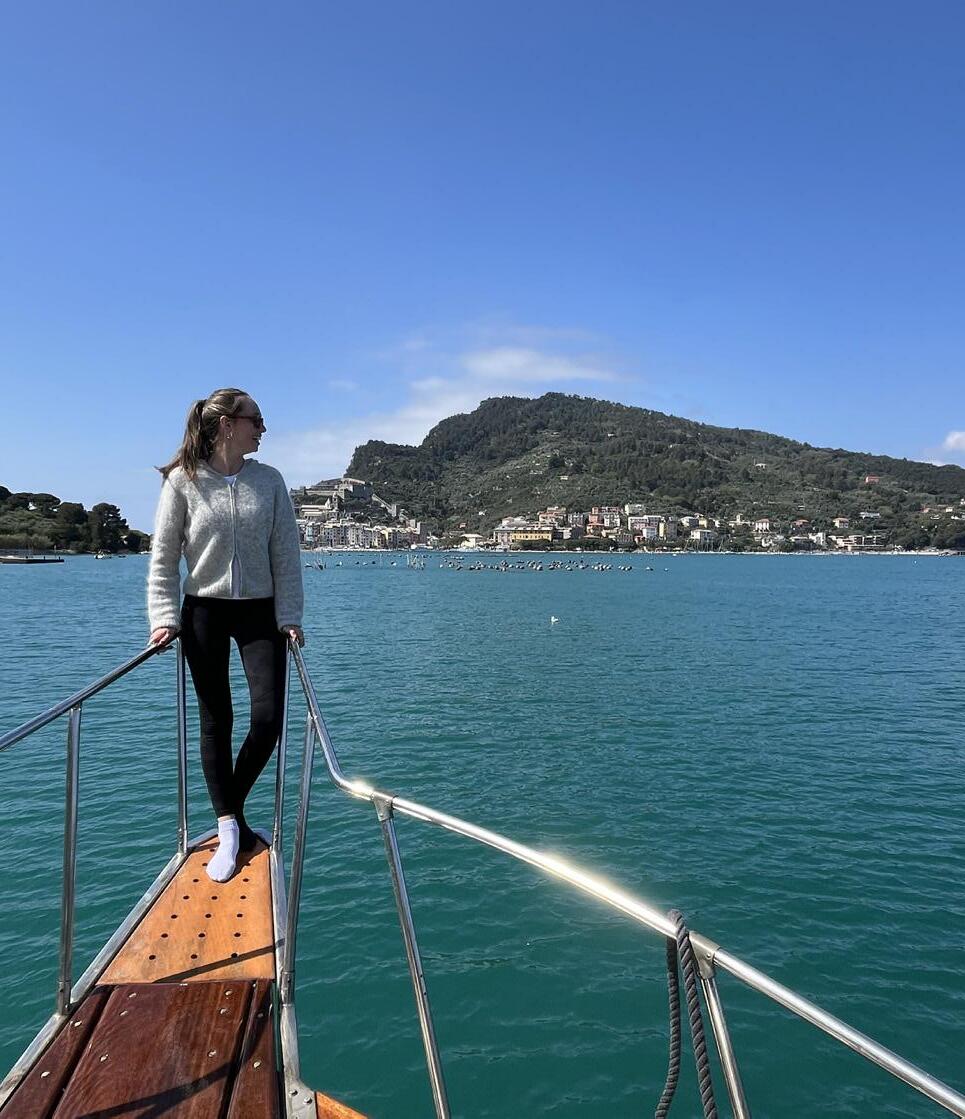
“Candy-coloured houses perched precariously on bluffs overlooking crystalline seas; terraced cliffsides that tell a thousand-year old story of olive and wine cultivation; photo opportunities at every turn—that’s Cinque Terre. It is Italy at its most undiluted, free of cars (a single road arrived in the 1960s), untouched by time. In fact, contrary to popular belief, Italy’s smallest national park isn’t the product of fishermen, but rather farmers who needed access to the sea to ship their wine. Today, it sits as a real life representation of dolce far niente, the Italian notion of pleasant idleness. I saw it embraced across the area during my visit, from bistros carved into cliffsides offering refreshing aperitifs and breathtaking sea views, to clifftop castles such as the Castello di Riomaggiore and deckchairs on Monterosso’s long, sandy beach.”
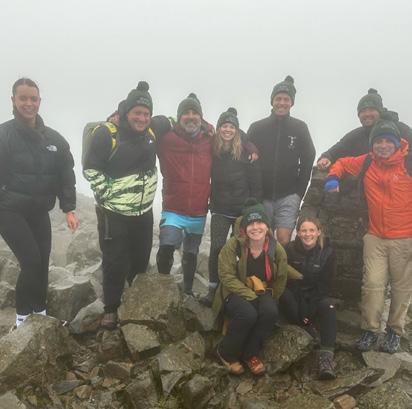
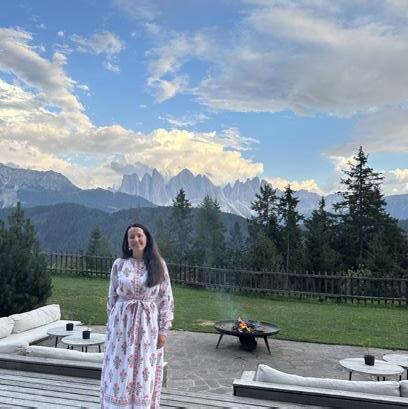
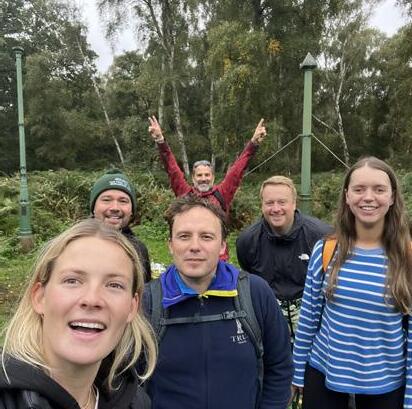
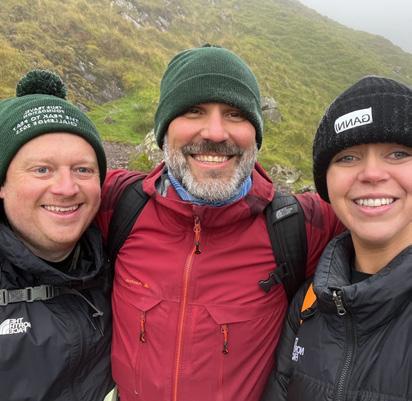

“This year, I made a rare visit to South Africa’s Kruger region during the lush, green season. I was reminded just how extraordinary safaris are there, even amid sudden downpours. One highlight was a pride of 17 lions, including a dozen tiny cubs drinking from a vast roadside puddle. Along the Sweni River, elephants moved through the greenery, their reflections shimmering in the water. On the open plains, cheetahs perched atop termite mounds, scanning the horizon above the long grasses. Everywhere, the landscape felt alive. It was the perfect reminder that, no matter when you visit, Kruger’s sheer abundance of wildlife ensures unforgettable encounters. Whether it’s your first safari or your tenth, this place always offers moments that linger long after you’ve left, proving that the magic of Kruger is timeless, in every season and every kind of weather.”
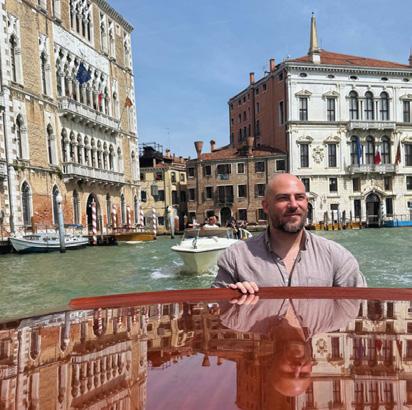

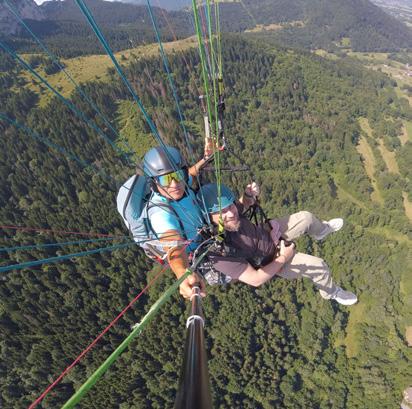
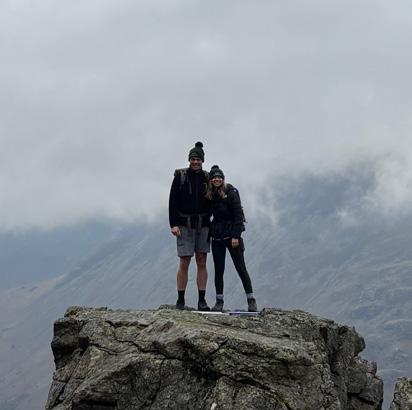
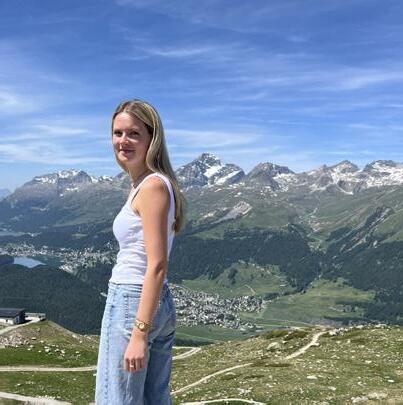
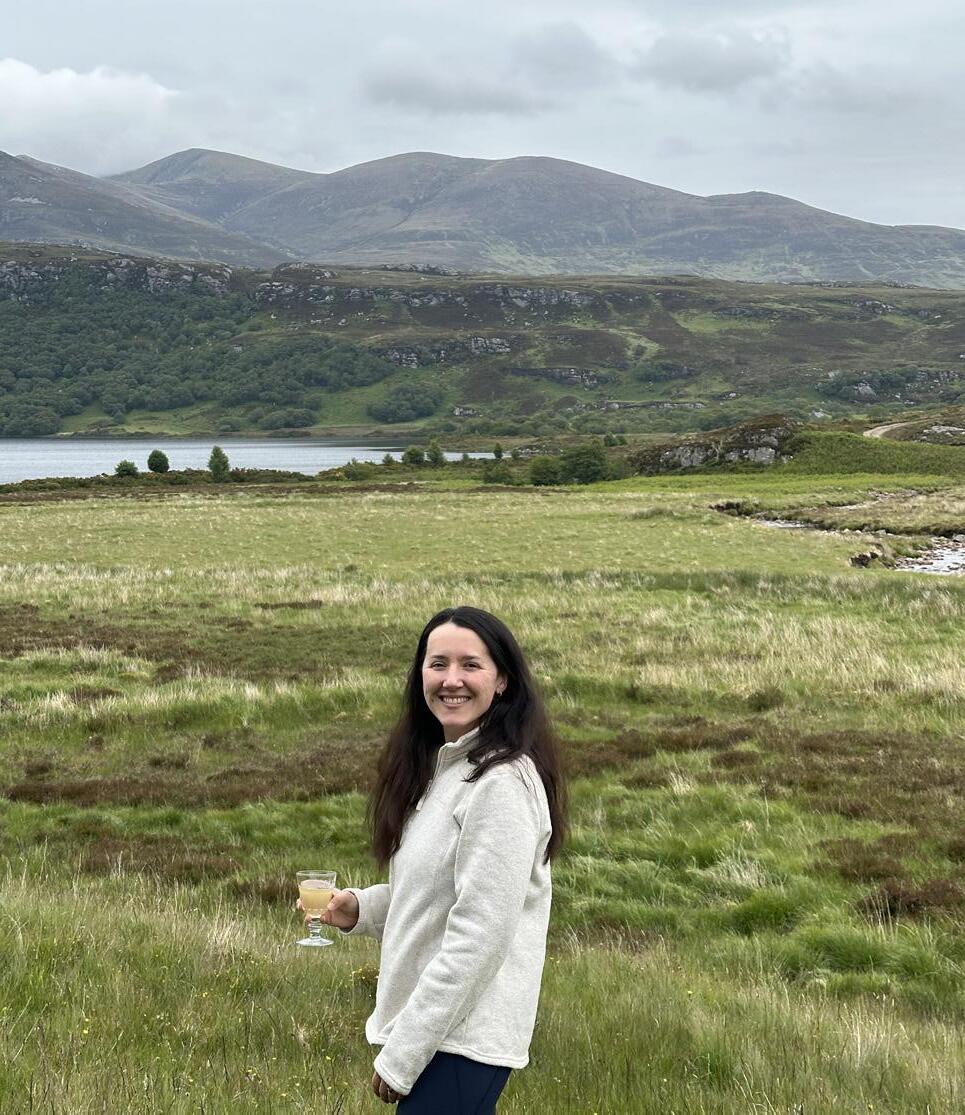
“Travelling through the Highlands with Wildland felt like stepping into a living conservation story—because that’s exactly what it is. This is a 200-year project to restore vast swathes of Scotland’s landscape, from replanting native woodland to rewilding moors and glens. In the Cairngorms, regenerating forests hinted at the return of ancient woodland, the very beginnings of a landscape being reshaped. In Sutherland, the wilderness expanded into rolling moorland and wild coastline, nature already reclaiming its ground. And finally, on Loch Ness, Aldourie Castle stood in grandeur at the water’s edge. Across all these places ran the same thread: history and hospitality intertwined with a future centred on regeneration. What stayed with me most was the sense that wherever you stayed, you weren’t just passing through. You were folded into the conservation story itself.”