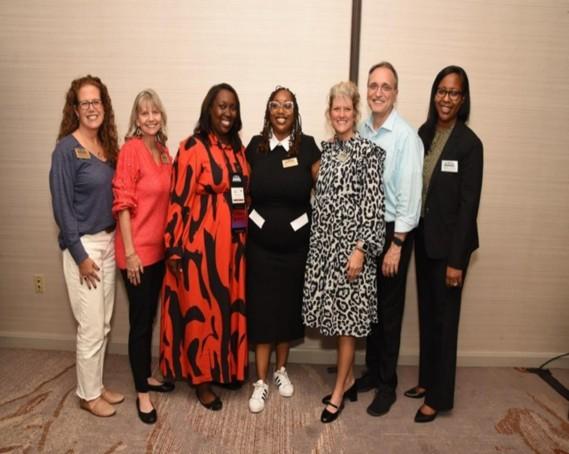
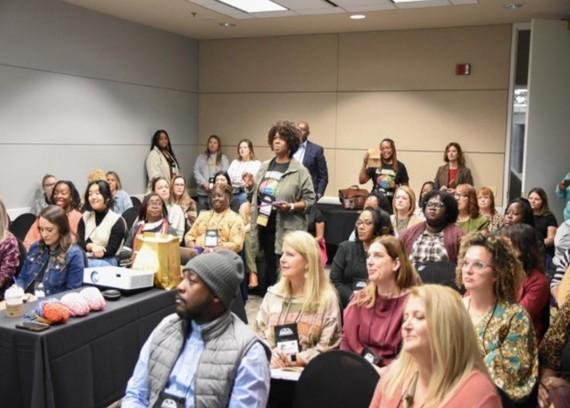
Welcome to the Fall 2025 edition of The Beacon! This year’s theme, Mastering the Board: Students & Educators Take the Lead, reflects the powerful, strategic, and intentional work happening in school counseling programs across Georgia. Just as every move on a board matters, each decision we make as educators and student advocates shapes the pathways, opportunities, and outcomes for those we serve.
I hope the articles in this edition empower you to do just that—master your craft, elevate your practice, and discover how counselors and educators across our state are leading with purpose. Inside, you’ll find innovative ideas, inspiring stories, and practical strategies that highlight how Georgia’s school counselors are taking bold steps to support students and strengthen communities.
.
May this edition spark reflection, collaboration, and renewed confidence as you continue doing the transformative work that defines our profession.
Thank you for your commitment to students and for all you do to advance school counseling in Georgia.
Warm regards,
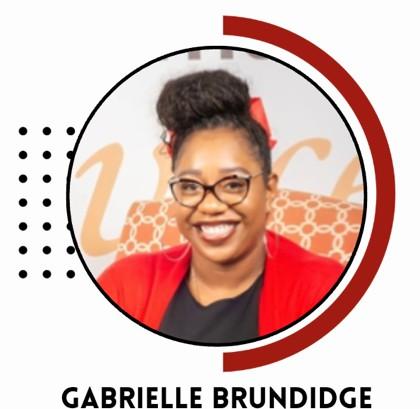
Gabrielle Brundidge President, Georgia School Counselor Association
The Mission and Vision of GSCA :
The GSCA's mission is to be essential in improving student development, assist counselors in delivering more effective services, and speak for school counselors at the state and national levels.
The Georgia School Counselor Association (GSCA) vision statement is to promote student success, improve student development, and continue the development of the school counseling profession.
Letter From the Editors
Dear Georgia School Counselors,
Congratulations on making it halfway through the school year! Your dedication and hard work are making a tremendous impact on students across our state, and we couldn’t be prouder of the progress you’ve achieved so far.
As we continue this journey together, we want to encourage you to share your voice and expertise in The Beacon. This publication is more than a magazine —it’s our collective history, our data, our artifacts, and our good news for all to celebrate. Let’s make it a true reflection of the incredible work happening in every corner of Georgia.
Here are some ways you can contribute:
• Write articles about your experiences, successes, and lessons learned.
• Share research that informs your practice and benefits your peers.
• Offer tips and tricks that make counseling more effective and efficient.
• Highlight practical tools that are working for you and could help others.
• Send pictures, data, and stories that showcase the amazing things happening in your schools.
Together, we can shine a light on the great work being done statewide and inspire one another to keep moving forward. Your contributions make The Beacon a powerful resource for all Georgia counselors—so let’s keep it vibrant and full of ideas!
Thank you for everything you do for students and families. We can’t wait to see your submissions and celebrate your successes in the next edition.
Warm regards,
April West & Jessica Pickard Editors, The Beacon
Letter From The President
Mission and Vision of GSCA
Letter From The Editors
Strengthening the School Counselor-Principal Relationship: Five Strategies for Effective Collaboration
Diana Virgil, Ed.D. Daleville High School
Fabion Vicks, M.Ed. Dutchtown Middle School
Strengthening the School CounselorPrincipal Relationship: A Pathway to Student Success
Diana Virgil, Ed.D. Daleville High School
Fabion Vicks, M.Ed. Dutchtown Middle School
Centering Students and Families: The Role of a School Counselor Advisory Council in Building a Family Friendly, Student Focused School Culture
Gabrielle Shenice Brundidge, Professional School Counselor, Savannah-Chatham
When Grief Finds Its Way to School
April West, Ed.S., NCC, Professional School Counselor Gwinnett County Public Schools
Clearing the Air: A Supportive Approach to Vaping Prevention in Schools
Jessica DeBarry, Ph.D. McIntosh County Academy McIntosh
Put the SUPER in SUPERVISON
Dr. Naomi Howard, School Counselor East Jackson High School Jackson County School System
From Headphones to Heartstrings: Music, Emotions, and Student Connections
Heather Alvira, Ed.D.
Restorative Circles and NLP Micro- Skills: A Low- Lift Protocol for De-escalation
Shashondalyn S. Samuels, Ed.S., NCC, C-NLP, CAMS-II
Continued....
The Invisible Briefcase: Counselor Leadership in Everyday Practice
Jessica Pickard, Ed.S., Gwinnett County Public Schools
PAWS Ambassadors: Student-Led PBIS That Boosts Climate and Attendance
Shashondalyn S. Samuels, Ed.S., NCC, C-NLP, CAMS-II
Take the Lead on Organizing Your Year for Maximum Impact
Amy Short, Ed.S. District School Counseling Facilitator Forsyth County Schools
Advocacy and Leadership for Professional School Counselor Educators
Dr. Karen D. Rowland, PhD., LPC, ACS, NCC, Professor of Counseling at Mercer University
Belonging as the Next Move—Students & Educators Take the Lead
Juanita Hosch-Martin, Ed.D., Professional School Counselor Fairview Elementary School/Newton County Schools
Reigniting Motivation and Creativity: A School Counselor’s Framework for Starting the Year Strong
Gabrielle Brundidge, Professional School Counselor, Savannah-Chatham
Family Engagement: Strengthening Our Village in a Techy World
Rebecca Burkhart, Professional School Counselor, Savannah-Chatham
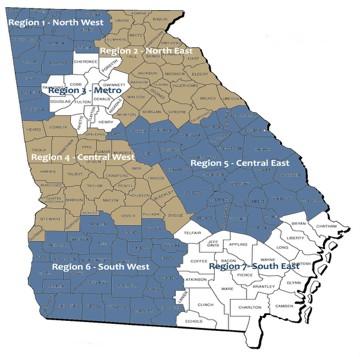
WHAT REGION ARE YOU IN?
Counselor Advocacy and Leadership in the Current Political Climate
Gwendolyn Ferrell, M.Ed., M.S., LPC
Auburn University, Ph.D. Student Dekalb County School District School Counselor
School counselors occupy a critical position as advocates and leaders in their schools. Since President Trump’s January 2025 inauguration, the political climate in the United States has been in flux subsequent to the numerous executive orders his administration has issued. President Trump’s campaign promises included enacting mass deportation of undocumented immigrants and improving boarder security. The Department of Homeland Security’s Enforcement and Removal Operations (EROs) officers immediately began arresting migrants. The negative ramifications of Immigration and Control Enforcement (ICE) raids are being felt throughout the United States, including in our schools and in our communities.
According to the Migration Policy Institute (MPI), as of 2023, there are approximately 13.7 million unauthorized immigrants living in the United States. The Supreme Court’s 1982 decision of Plyer v. Doe prohibits the tracking of students’ immigration status and grants undocumented students a free public education. In 2019, approximately 651,000 undocumented immigrant children between the ages of 3-17 attended school. The MPI additionally reported 6.3 million children lived in mixed status homes in which at least one person was undocumented. These statistics demonstrate the precarious position immigrants hold and the negative implications for students’ education.
The current administration is also attempting to change the ICE policy of prohibiting arrests at sensitive locations: places of worship, hospitals and schools. Despite legal challenges to President Trump’s immigration policies, entire communities, including schools are being adversely impacted. School counselors may begin to experience increased requests for assistance from students and their families to navigate this uncharted territory. As part of a comprehensive school counseling program, school counselors embrace social justice and leadership skills and must advocate for students.
The current administration is also attempting to change the ICE policy of prohibiting arrests at sensitive locations: places of worship, hospitals and schools. Despite legal challenges to President Trump’s immigration policies, entire communities, including schools are being adversely impacted. School counselors may begin to experience increased requests for assistance from students and their families to navigate this uncharted territory. As part of a comprehensive school counseling program, school counselors embrace social justice and leadership skills and must advocate for students.
Elementary, middle and high school counselors are leaders in their schools and play an integral role in the learning community. According to Rodriguez et al (2023), immigration is a disruptor to K12undocumented immigrants and newly arrived immigrant students’ education. The United States’ current unprecedented political climate posits school counselors to play a critical role in minimizing this disruption and by supporting the academic, career and social/emotional needs of students. According to American School Counselor’s Association (ASCA), students may experience numerous stressors that include separation from family, cultural differences, language barriers, anxiety, fear, grief, loss, caretaker, roles, concern about their future, marginalization, PTSD and re-traumatization. While supporting students and providing resources to families, counselors are expected to demonstrate cultural responsiveness in this complicated and at times contentious political landscape(Attia et al, 2023).
The uncertainty of today’s political climate may provoke a wide range of emotions, especially for vulnerable immigrants. As frontline leaders, counselors can utilize a variety of strategies to aid and assist, in which the counseling relationship is salient. As a primary focus, counselors should reiterate that they provide a safe and supportive space to help students process their thoughts and feelings. As students share their fears and concerns in group and individual sessions, counselors can provide emotional support. Students can also benefit from learning specific techniques to alleviate their anxiety. These include relaxation and mindfulness activities such as deep breathing, journaling, meditation and yoga.
Furthermore, utilizing this unprecedented time as a learning opportunity to promote social justice, counselors can focus guidance lessons, assemblies and town hall meetings around themes of respect, kindness, accepting differences, etc. Encouraging youth to utilize their voices to raise awareness to the multitude of issues immigrants face, which is complicated by the fear of deportation, is another important role counselors play. They can also empower students to write and call their local and state representatives to share their worldview.
By utilizing data from multiple sources, counselors can provide differentiated support. Examples include individual and small group sessions, assemblies that are focused on the fair treatment of all students and parent workshops. Other supports are referrals to internal supports, referrals to culturally sensitive external agencies, and classroom guidance lessons. As collaborators, school counselors can also utilize data to educate staff on the physical and emotional needs of those impacted by ICE raids and deportation. As advocates, school counselors can become increasingly involved within their districts and at the state level to impact policy and effect positive change.
Today’s social and political climate creates unique challenges for school counselors. However, attending relevant professional learning opportunities and staying abreast of immigration policy changes will enhance the counselor’s self-awareness and their understanding of how their advocacy work may be impacted. As leaders, counselors must collaborate with all stakeholders to ensure they are providing social justice advocacy on behalf of all students, including immigrants during times of political uncertainty.
References
American School Counselor Association. (2016). ASCA ethical standards for school counselors. Alexandria, VA: Author. Retrieved from http://www.schoolcounselor.org/asca/media/asca/Ethics/EthicalStandards2016.pdf
Attia, M., Staton, A. R., Evans, A., & Tang, S. (2023). Supporting Immigrant Students in Schools: A Qualitative Investigation. Journal of Child and Adolescent Counseling, 9(1), 34–49. https://doi.org/10.1080/23727810.2023.2168361.
Plyler v. Doe, 457 U.S. 202 (1982).
Rodriguez, S., & Crawford, E. R. (2023). School-based personnel advocacy for undocumented students through collective leadership in urban schools: A comparative case study. Journal of Research on Leadership Education, 18(3), 347-377.
Van Hook, J., Ruiz Soto, A.G., & Gelatt, J. (2025, February). The Unauthorized Immigrant Population Expands amid Record U.S.-Mexico Border Arrivals. Migration Policy Institute. https://www.migrationpolicy.org/news/unauthorized-immigrant-population-mid-2023
Strengthening the School Counselor–Principal Relationship: Five Strategies for Effective Collaboration
Diana Virgil, Ed.S. Fabion Vicks, M.Ed.
Daleville High School, Daleville, AL Dutchtown Middle School, Hampton, GA
Strengthening the School Counselor–Principal Relationship: Five Strategies for Effective Collaboration
Educational leadership research consistently highlights the importance of collaboration between school counselors and principals (College Board, 2011; DeSimone & Roberts, 2016). Principals shape the perception, scope, and support of counseling programs, while counselors bring studentcentered data and expertise that contribute to a school’s mission. Yet, barriers such as misaligned expectations, role confusion, and communication gaps often impede collaboration. This article integrates practitioner perspectives to illustrate how structured collaboration can bridge these gaps.
Increasing Communication
Regular, intentional communication is the foundation of trust. As Fabion Vicks, an eighth-grade counselor at Dutchtown Middle School, explained: “If you do not have mutual trust in a principal–counselor relationship, you may as well have nothing” (Vicks, 2022, as cited in K-12 Dive).
Counselors are encouraged to lead in establishing communication protocols, including adapting to principals’ preferred methods (e.g., email, phone, in-person). Diana Virgil, a high school counselor in Daleville, Alabama, shared that she adjusted from texting to calling to better align with her principal’s style (Virgil, 2022, as cited in K-12 Dive). Such adaptability fosters stronger interpersonal rapport.
Meeting Regularly and Following Up
Consistency in meetings allows both parties to anticipate needs and address concerns proactively. Rather than ad hoc interactions, regularly scheduled conferences reinforce accountability. These meetings are most effective when accompanied by follow-up actions that demonstrate responsiveness to identified priorities.
Defining Roles and Responsibilities
Role ambiguity remains a recurring challenge in schools (Clemens, 2018). Virgil recounted being asked to perform tasks outside her professional training, such as drafting individualized education programs (IEPs), which she respectfully declined: “I’ve had administrators ask me to write IEPs, and I had to explain that this is not within my role as a counselor” (Virgil, 2022, as cited in K-12 Dive).
By clarifying boundaries, counselors and principals ensure that expertise is used appropriately while preventing burnout or misallocation of resources.
Promoting Awareness of the Counseling Program
Principals significantly shape awareness of the counseling program within the broader school community. Vicks emphasized this dynamic:
“Principals greatly impact the school counselor program. They shape and promote awareness of the school counselor program and school counselor” (Vicks, 2022, as cited in K-12 Dive).
Awareness can be enhanced through staff engagement, consistent communication via school platforms, and intentional collaboration on schoolwide initiatives.
Using Data for Advocacy and Transparency
Counselors are trained to leverage data to inform interventions and advocate for resources. Virgil observed:
“Make data your friend and not your enemy… Principals talk in numbers, and we need to learn to talk in their language” (Virgil, 2022, as cited in K-12 Dive).
For example, Vicks documented and analyzed student fights by location and time, leading to a 30% reduction in incidents after targeted interventions (Vicks, 2022, as cited in K-12 Dive). Sharing data with multiple stakeholders—including administrators, faculty, custodians, and parents—ensures transparency and collective responsibility.
Conclusion
The counselor–principal relationship is central to cultivating a school culture that prioritizes student achievement and well-being. Increasing communication, meeting regularly, clarifying roles, promoting counseling programs, and using data as a tool for advocacy are actionable strategies to strengthen this collaboration. As demonstrated through the voices of practicing school counselors, these strategies not only enhance professional relationships but also drive measurable improvements in student outcomes.
References
College Board. (2011). The College Board National Office for School Counselor Advocacy: Eight components of college and career readiness counseling. The College Board.
Clemens, E. V. (2018). School counselor–principal relationships: A phenomenological study. Professional School Counseling, 21(1b), 1–10. https://doi.org/10.1177/2156759X18773295
DeSimone, J., & Roberts, L. (2016). Collaboration and trust in the principal–school counselor relationship: A framework for success. Journal of School Counseling, 14(12), 1–30.
K-12 Dive. (2022, July 12). ASCA ’22: 5 steps for effective principal–counselor collaboration. https://www.k12dive.com/news/asca-22-5-qualities-effective-principal-counselor-collaboration/627047 /
Strengthening the School Counselor–Principal Relationship: A Pathway to Student Success
By Fabion Vicks, M.Ed., and Diana Virgil, Ph.D.
The relationship between school counselors and principals is one of the most critical—yet often overlooked—partnerships in a school community. When nurtured effectively, this collaboration fosters improved student outcomes, shared leadership, and a stronger school culture. As education leaders reflect on their most meaningful collaborations, one principal shares: “After 11 years as a principal in three very different schools, I’m hard-pressed to consider any working relationship more important than that of a principal and school counselor.” This powerful reminder underscores how entrenched and impactful this partnership truly is (Edutopia).
From Challenge to Collaboration
Some educators have described counselors who challenge status quo policies or administrative decisions as “Challengers”—individuals with the strength to push for change but who may sometimes seem combative. Others operate as “Collaborators,” empathetic team-builders who emphasize consensus and shared action. Rather than framing one as superior, we encourage embracing a dynamic style: be assertive, when necessary, but grounded in genuine partnership.
The Importance of Partnership
The principal’s viewpoint critically shapes how a counseling program is implemented and supported in a school. Likewise, counselors help principals by bringing student-centered data and advocacy into school leadership discussions. As one principal reflects, counselors “cultivate a positive school culture” and help the leadership team meet goals for student achievement and well-being (Edutopia).
Communication and Trust Built on Data
Data empowers counselors to demonstrate program impact, refine interventions, and align with schoolwide goals. Sharing data should not feel like a confrontation; instead, it should spotlight successes and areas for growth—reinforcing the counselor as a core influencer rather than an outsider.
Role Clarity: The Foundation of Trust
A partnership falters when roles are vague or misunderstood. Many principals are not fully versed in the ASCA National Model and may unintentionally assign counselors administrative tasks that conflict with their expertise. Clear role definitions, especially at the beginning of the year, can establish mutual respect and accountability—for example, through structured conversations around responsibilities, schedule, and authority.
Goal Setting: A Collaborative Launch
Introducing joint goal setting during onboarding—or at the year's start—grounds the partnership. One principal suggests initiating early-year conversations that cover student outcomes, resources, and time allocations using templates provided by the ASCA (Edutopia). This sets expectations and prevents overlap or miscommunication.
Hallmarks of Effective Collaboration
Here is what makes a counselor–principal relationship thrive:
• Trust and Mutual Respect: Without mutual trust, complex student or staff issues cannot be navigated effectively.
• Open, Regular Communication: Weekly or biweekly meetings can make a world of difference. These should be structured with standing agenda items—student updates, data reviews, and feedback loops (Edutopia).
• Data-Driven Dialogue: Using attendance, behavior, or academic data to guide discussions helps keep the focus on student impact.
• Shared Leadership and Decision-Making: Counselors should feel empowered to contribute meaningfully to school leadership and improvement plans.
A Blueprint: The Annual Administrative Conference
One tangible step toward intentional collaboration is establishing an annual administrative conference. This can serve as a strategic touchpoint for reviewing program outcomes, aligning on goals, and recalibrating shared vision. By formalizing this planning space, both principals and counselors maintain a rhythm of accountability that benefits students and staff alike.
Centering Students and Families: The Role of a School Counselor Advisory Council in Building a FamilyFriendly, ‑ StudentFocused School Culture ‑
By Gabrielle Shenice Brundidge, Gabrielle.Brundidge@sccpss.com
In the dynamic world of education, where student needs and community demographics are continually evolving, schools are challenged to do more than just educate. They must create environments where every student and family feels recognized, valued, and empowered to participate fully in the educational journey. This requires intentionality, creativity, and collaboration. One powerful mechanism gaining traction nationwide is the implementation of School Counselor Advisory Councils (SCACs). These councils bring together students, families, educators, and community partners to work in partnership with school counseling teams, creating a shared vision of success and equity.
This case study focuses on Lee Roy Myers Middle School in Savannah, Georgia, which has successfully leveraged its SCAC to reshape school culture into one that centers students and families not as passive recipients of services, but as vital partners in the educational process.
The Landscape of Modern School Counseling
The role of school counselors has dramatically expanded in recent decades, from primarily academic guidance providers to key players in students’ social, emotional, and mental well-being. Recognizing this, the American School Counselor Association (ASCA) National Model underscores the importance of equity-driven practices that promote access and success for every student. Central to this model is the establishment of advisory councils designed to build bridges between counseling staff and diverse school stakeholders.
An SCAC is more than an advisory board; it is a collaborative platform for shared decision-making. By incorporating the voices of students and families alongside educators and community leaders, schools gain a richer understanding of student needs and barriers. This collaborative model reflects a shift away from topdown decision-making toward a more inclusive, empowering framework.
Lee Roy Myers Middle School’s Journey with SCAC
Located in a diverse urban community in Savannah, Myers Middle School serves students from varied cultural, economic, and linguistic backgrounds. Prior to the SCAC’s formation, family engagement was inconsistent, and the school counseling department often operated in isolation from the broader community context. Recognizing the need for a systemic approach to partnership, the counseling team spearheaded the creation of the SCAC in 2021.
The council was carefully constructed to reflect the school’s demographic diversity. It included:
• Students: Representatives from all grade levels, ensuring that the student voice was varied and robust.
• Families: Parents and guardians from different cultural and socioeconomic backgrounds.
• Educators and Administrators: Teachers, counselors, and leadership staff.
• Community Partners: Local nonprofits, mental health professionals, and civic leaders.
By meeting quarterly, the SCAC members engaged in open dialogue about school climate, academic challenges, social-emotional needs, and family engagement strategies.
The SCAC’s Role: More than Feedback, a Co-Creation Space
One of the most transformative aspects of the SCAC at Myers Middle was its commitment to authentic engagement. Rather than simply reporting back to families or gathering feedback for administrative purposes, the council was designed as a space where all voices shared power.
Family members expressed that their input was often overlooked in past initiatives, leading to disengagement. Students shared that they rarely felt their perspectives were sought on decisions affecting their daily experiences. The SCAC flipped this paradigm by inviting stakeholders to be part of the solution-building process.
Through facilitated discussions, data review, and strategic planning, the council developed initiatives that directly addressed expressed needs, fostering a sense of ownership and accountability across the community.
Shaping School Culture Through Strategic Initiatives
The SCAC’s work culminated in several innovative, impactful programs designed to strengthen student agency, family engagement, and community partnerships.
1. Student-Led Conferences
Traditional parent-teacher conferences can feel transactional and intimidating, often focusing on deficits rather than student growth. Recognizing this, the SCAC advocated for a shift toward student-led conferences. In these meetings, students present their academic progress, articulate goals, and discuss challenges with their families and teachers.
This approach puts students at the center, encouraging self-reflection and communication skills. It also deepens family involvement by positioning parents as partners in their child’s learning journey rather than passive observers. Since implementation, Myers Middle reported a significant increase in family participation during conference periods, accompanied by positive feedback about the empowering nature of these meetings.
2. Family Resource Corner
The council identified a gap in accessible family support, particularly for non-English speaking families and those unfamiliar with school systems. To address this, the SCAC collaborated to create a Family Resource Corner—a welcoming, multilingual space within the school where families could access academic guides, social-emotional learning (SEL) materials, and information about community services.
This resource corner is designed for both in-person visits and virtual access, reflecting a commitment to inclusivity and flexibility. It offers parents practical tools to support their children’s academic and emotional well-being and serves as a bridge between home and school.
3. Mentorship Programs
Understanding the importance of relationships in fostering student success, the SCAC facilitated partnerships with local nonprofits to establish peer and adult mentorship programs. These programs pair students with trained mentors who provide guidance, support, and encouragement.
The mentorship initiative not only promotes connectedness and belonging but also helps students build skills essential for postsecondary readiness—such as goal setting, resilience, and navigating challenges.
4. Parent Education Nights
Families expressed interest in gaining knowledge and skills to better support their children, especially around complex issues such as adolescent mental health, academic transitions, and college planning.
The SCAC responded by organizing a series of Parent Education Nights covering topics like:
• Managing adolescent stress and mental health
• Understanding high school choice options
• Financial aid and scholarship navigation
These sessions are facilitated by school counselors, mental health professionals, and community experts, creating a supportive forum for learning and dialogue.
Measuring Success: The Tangible Impact of SCAC
After two years of consistent work, the outcomes of SCAC’s initiatives at Myers Middle are clear and encouraging.
• Family Engagement: There was a 22% increase in family attendance at school events, signaling improved trust and connection between families and the school community.
• School Climate: District-wide surveys reflected improved school climate ratings, with students and families reporting a stronger sense of belonging and support.
• Student Empowerment: Counseling exit slips and SEL check-ins revealed increased student confidence and self-advocacy, especially following studentled conferences.
• Staff Collaboration: Teachers and counselors reported enhanced collaboration, enabling more coordinated and effective support for students.
Moreover, the SCAC’s guidance was crucial in helping Myers Middle secure the prestigious Family-Friendly Partnership School designation from the Georgia Department of Education in 2024—a recognition reserved for schools demonstrating exemplary family engagement and partnership.
Lessons Learned: Keys to Building an Inclusive School Culture
The journey of building and sustaining an effective SCAC at Myers Middle has illuminated several important lessons:
• Diversity and Inclusion Are Non-Negotiable: To genuinely reflect and serve the community, advisory councils must be composed of diverse voices that mirror the school’s demographics, including marginalized and underserved groups.
• Power Sharing Is Essential: Authentic engagement requires more than consultation—it demands sharing decision-making power with students and families, ensuring their ideas shape policies and practices.
• Patience and Trust Build Success: Culture change is a gradual process that requires consistent effort, humility, and openness. Celebrating small wins fosters momentum and deeper community buy-in.
• Data-Driven Dialogue Supports Impact: Using data—whether from surveys, attendance records, or counseling feedback—grounds discussions and guides targeted interventions.
Toward a Future of Equity and Partnership
The SCAC at Lee Roy Myers Middle School stands as a compelling model for schools seeking to align their counseling programs with ASCA’s vision of equity and access. It demonstrates that when students and families are not merely participants but partners, schools can cultivate cultures where all members thrive.
This model challenges traditional educational structures by reimagining roles and redistributing power. School counselors, often positioned as connectors and advocates, can lead this movement, opening seats at the table for those historically marginalized or overlooked.
Ultimately, the success of an SCAC depends on intentionality—deliberately designing systems that honor every voice and using collaboration as the foundation for meaningful change. When schools embrace this approach, they transform from places where students are managed to communities where students are celebrated and empowered.
Author Note: Gabrielle Shenice Brundidge, Ed.S., is the 2023 Georgia School Counselor of the Year and President of the Georgia School Counselor Association. She is a passionate advocate for equity, access, and family engagement in K–12 schools.
When Grief Finds Its Way to School
April West, Ed.S, NCC
Gwinnett County Public Schools
Grief has a way of entering our lives and rearranging the pieces without warning. I’ve seen this in my students, and I’ve lived it in my own family. When my brother died, everything shifted. I was grieving while trying to hold space for my mother and help my children understand the loss of their uncle. Some days I felt steady; other days grief sat beside me no matter what I did.
That experience changed the way I support grieving students. Grief isn’t something we “fix.” It’s something we learn to carry. Child grief expert Dr. Alan Wolfelt (2013) emphasizes that children shouldn't be pushed toward “moving on”; they need adults who walk with them as they make meaning. Living through loss made that real for me.
Children express grief differently from adults. Their feelings surface through tears, irritability, withdrawal, difficulty focusing, or sudden emotional waves. These behaviors are often misunderstood as misbehavior, but when you’ve experienced deep loss yourself, you see them for what they truly are: a child doing the best they can with feelings that feel too big.
Seeing Grief Through a New Lens
Watching my own children grieve taught me that kids don’t "outgrow" grief—they grow around it. Research from the Dougy Center (2023) echoes this truth. The loss remains, but their world expands as they develop new skills and understanding.
This is why our presence in schools matters. Students spend most of their day with us. They need adults who recognize the signs of grief and respond with patience and flexibility. When a grieving student walks into my office, I focus less on finding the right words and more on being steady and calm.
Small acts have power. A predictable check-in. A quiet space. A moment to breathe. A simple reminder: “You get to feel how you feel today.” For many students, that permission alone provides relief.
What Helps Students Make Sense of Loss
Over the years, I’ve found several practices that consistently help students understand and work through their grief.
The tree-ring metaphor. Widely used by grief specialists, this metaphor resonates with children. Trees don’t lose their rings —the rings simply expand. Students often relax when they realize they don’t have to “get over” someone they love. They simply grow.
Small groups.
According to the National Alliance for Children’s Grief (2022), connection with peers is one of the strongest protective factors for grieving children. Group settings allow students to see that others share similar emotions. Through art, stories, and reflection, students discover they aren’t alone.
Regulation before reflection.
Perry and Winfrey (2021) highlight that the brain cannot process emotion when dysregulated. Before discussing big feelings, students need grounding strategies—hand breathing, sensory scans, butterfly taps—so their bodies feel safe enough to talk.
Partnering with caregivers.
Supporting my mother through my brother’s passing taught me that grief affects entire family systems. Caregivers often need guidance on routines, emotional responses, and how to support their children at home.
Creating a Grief-Sensitive School
Building a grief-aware school doesn’t require a complex initiative. It starts with preparing teachers. Short professional learning sessions on common grief responses, classroom reset routines, and emotional check-ins can transform the school environment. When teachers understand that grief often looks like withdrawal or dysregulation, they respond with more compassion and consistency. When they feel supported by the counseling team, grieving students benefit from an entire network of care.
Caring for Ourselves While Supporting Others
Grief work is tender work. Some days, a student’s story touches a familiar place in my own heart. Supporting students while carrying my personal grief requires intention—pausing, breathing, debriefing with colleagues, and offering myself grace. Caring for ourselves is not separate from the work; it strengthens it.
A Final Reflection
Losing my brother reshaped the way I support grieving students. It taught me that grief never fully leaves. It softens and reshapes itself, but it remains part of the story. What makes the difference is who walks with us through it.
Students will face loss throughout their lives. They may not remember every lesson or conversation, but they will remember how we made them feel—safe, seen, and supported at a time when everything felt unsteady.
I strive to be that person for them because I remember the people who were that for me.
References
Dougy Center for Grieving Children and Families. (2023). Supporting children and teens through grief https://www.dougy.org
National Alliance for Children’s Grief. (2022). Understanding childhood bereavement. https://www.nacg.org
Perry, B. D., & Winfrey, O. (2021). What Happened to You? Conversations on Trauma, Resilience, and Healing. Flatiron Books.
Wolfelt, A. D. (2013). Companioning the Grieving Child: A Soulful Guide for Caregivers. Companion Press.
Clearing the Air: A Supportive Approach to Vaping Prevention in Schools
Jessica DeBarry, PhD, jbddebarry@gmail.com
In schools across Georgia and nationwide, one of the fastest-growing challenges educators and counselors face is the rise of vaping among adolescents. While vaping is often marketed as a safer alternative to smoking, the reality is far different. According to 2023 data, e-cigarettes were the most commonly used tobacco product among middle and high school students in the United States. That year alone, 2.1 million students reported current e-cigarette use, including 10% of high schoolers and nearly 5% of middle schoolers.
These statistics align with what many of us in the counseling profession see daily: an increase in referrals related to vaping, health concerns connected to use, and valuable instructional time lost when students are pulled from class for disciplinary action. Locally, student health surveys showed that while 5% of students in grades six through twelve admitted to using vapes, a far greater concern is perception. More than a quarter of students surveyed said they did not believe vaping had health risks, and 35% reported no risk to health from smoking marijuana. These misconceptions create a dangerous environment where unhealthy behaviors are normalized.
For school counselors, this growing trend raises an important question: How do we best support students who are experimenting with or becoming dependent on vaping? Traditional disciplinary measures, such as in-school suspension (ISS), remove students from the classroom but do little to address the root causes of behavior or encourage lasting change. What students need is guidance, education, and accountability within a supportive environment.
That philosophy inspired the “Clearing the Air” initiative, a program designed to provide an alternative approach to discipline for students caught vaping. Rather than focusing on punishment, the initiative emphasizes connection, learning, and personal growth. Students who participate are provided with tools to understand the health risks of vaping, resources to make healthier decisions, and support from caring adults who want to see them succeed.
The program integrates a solution-focused approach, which means meeting students where they are rather than simply telling them what not to do. It allows counselors to build stronger relationships while addressing the underlying issues that often contribute to risky behavior—such as stress, peer pressure, or misinformation. By keeping students in a learning-focused intervention rather than excluding them from class, Clearing the Air ensures that the response to vaping is educational, restorative, and empowering.
Utilizing the free resource “Vaping: Know the Truth available on Everfi, students with their first vaping offence met with the school counselor three times to work through the program and discuss alternatives to vaping, risks associated with vapes, and coping skills they can use to help curb their addiction. Parents and guardians were informed of this alternative to in-school suspension and were encouraged to be involved. Once the three sessions were completed, the school counselors met with the student over the next several months for follow-up and continued support.
The results from the first year of implementation were encouraging. Eighteen students participated in the program. Of those, eight reported they were actively working on completely stopping their use, and two reported that they had not smoked at all since completing the program. Follow-ups were conducted to monitor students’ progress and provide continued encouragement. While the numbers may seem small, each student who chooses a healthier path represents a success—not just for that individual, but for the larger school community.
Programs like Clearing the Air also demonstrate the importance of collaboration between schools, families, and communities. Combating vaping is not something that can be done in isolation. It requires open communication, consistent education, and shared responsibility. As counselors, we have the opportunity to lead that charge by reframing the narrative from punishment to prevention and empowerment.
The implications are clear: when we shift our focus from discipline to support, we not only address the immediate issue of vaping but also foster resilience, responsibility, and healthier decision-making among students. In doing so, we prepare them to navigate not just this challenge, but the many others they will face as adolescents.
For counselors looking to implement a similar program, resources are readily available. One quick and accessible tool for students is the text support line. By texting "DITCHVAPE" to 88709, students can access additional education and encouragement to support them on their journey to quitting.
Put the SUPER in SUPERVISION!
Dr. Naomi Howard, naomi.howard@jcss.us
For any Scrabble aficionados out there, there are more than 800 words that begin with the word “SUPER”! And while supervision may not be my superpower (yet), I do think I’ve developed some superb tips to create a successful supervisor/supervisee relationship.
Set goals. We often teach our students how to implement SMART goals, and including them in supervisee’s learning experience is a great idea too. If I host a supervisee for an entire year, I usually set one for each semester and teach them how to incorporate data in goal setting (i.e. attendance, office discipline referrals, positive referrals, check in/out data, DESSA reports, etc.). The most important aspect of setting the goals is to encourage the supervisee to create it independently. This develops ownership and personal investment in their learning experience.
Understanding. Have compassion and patience. Recognize that depending on the age of your supervisee they are just beginners to “adulting.” However, it is advisable to keep a balance and refrain from micromanaging, so they can learn from their mistakes. Speaking of mistakes, be open to learn from each other and the mistakes you both will ultimately make along the way. (And be brave enough to apologize if necessary.) Greiner & Hatton (2024) reminds us to make the necessary changes and work collaboratively, because the main thing is to assist in their professional growth and development.
Push purposefully. For example, many times if a supervisee has not had any experience as a classroom teacher, classroom instruction is very intimidating. Help them expand their comfort zone, but give them the tools to be successful and prepared. This approach can be true in developing cultural competency as well.
Environment. In the past, I have rearranged the physical environment in my office space. I created shelves with bins with most of my resources to be open and available for my supervisee, and an open shelf for her to add any of her additional resources. It created a more inviting environment and allowed my intern the necessary freedom to research and utilize any of my books, manipulatives, and a variety of tools.
Reflection. Time is often a commodity and reflection can be rushed, but it needs to be established as a priority. A unique tool I’ve used to create reflection and open communication is using a running Google doc for daily agendas and notes. With both the supervisor and supervisee always having access to it, it has become a useful tool of communication as we both can add comments, questions, spreadsheets, links to resources, etc.
Finally, it bears reminding that supervision shares a connection naturally in the role of leadership which aligns with the ASCA School Counselor Professional Standards and Competencies (2019) “Use leadership skills to facilitate positive change for the school counseling program.” (p.4) And speaking life into a supervisee’s training experience is foundational for a future school counselor and his/her school counseling program. Along with keeping in mind the ASCA Ethical Standards (2022) for supervision and some of the essential elements–promoting professional growth, be examples of best practices, maintain cultural competence, using data in evaluative measures, and encourage participation in a wide variety of school counseling activities (i.e. classroom instruction, SEL activities, individual and group counseling, college/career readiness, etc.) (p.8). It is fundamentally imperative that we encourage our next generation of school counselors and investing the time in supervision is a key component of school counseling.
Let’s end this short article with a bit of supercharged humor. One of the funniest things about being a supervisor is staying in the loop with the new generation of lingo and slang. It helps me feel young, most days. Anyway, I end this article on supervision with STANDING ON BIG BIZ & RIZZ! BET! (Translated: Taking care of supervision responsibilities with charisma! For sure!)
References
ASCA Ethical Standards for School Counselors (2022). Document retrieved from https://www.schoolcounselor.org/
ASCA School Counselor Professional Standards & Competencies (2019). Document retrieved from https://www.schoolcounselor.org/
Greiner & Hatton (2024). ASCA School Counselor Magazine. Site Supervision Ethics
From Headphones to Heartstrings: Music, Emotions, and
Student
Connections
Heather Alvira, heather.alvira@gcpsk12.org
Music is an incredibly accessible and powerful tool for building connections with others, especially students, by offering insight into their emotions and facilitating low-stakes conversations. By paying attention to a student's musical preferences, educators and counselors can gather subtle clues about their emotional state, even if it differs from their outward appearance. This approach is particularly valuable for building trust and rapport in educational settings, as it provides a safe and engaging starting point for interaction. The way students engage with music has evolved with the rise of digital platforms like TikTok. Short, viral clips of songs often lead students to form associations based on catchy hooks or popular trends rather than the complete piece of music. This phenomenon can also bring older songs back into the mainstream, creating opportunities to discuss how cultural patterns are revisited and reinterpreted over time. The dynamic nature of music consumption in the digital age makes it a relevant and relatable topic for students, providing a bridge between their digital lives and their emotional experiences.
Music and emotional expression
Beyond its role in communication, music is a potent tool for emotional expression and regulation. People interact with music for a variety of reasons, including:
• Storing memories: Music can act as a powerful trigger for memories and the emotions associated with them.
• Processing feelings: It offers a safe and non-verbal outlet for individuals to explore and process complex emotions.
• Boosting energy: Listening to upbeat music can motivate and energize listeners, helping them shift their mood.
The universal impact of music on emotions highlights its potential for supporting various educational aspects, especially social-emotional learning (SEL). As highlighted by ASCD, integrating music into the school day can foster emotional self-regulation, social integration, and a sense of belonging.
Music and emotional well-being
Engaging students through their musical tastes can offer invaluable insights into their emotional states and the mood they are trying to cultivate. By inquiring about their musical preferences, an adult can learn whether a student is gravitating toward slower songs to process emotions or upbeat tracks to lift their spirits. When approached with creativity and sensitivity, this practice becomes a meaningful starting point for conversations, allowing students to practice communication skills and deepen their self-understanding in a low-pressure environment.
This is supported by research that provides empirical evidence for music's profound impact on relationships and emotions:
• Music engagement and mental health: A study involving over 8,000 Swedish twins found a correlation between engaging with music, musical achievement, and higher emotional competence. Additional research shows that music-based interventions can improve selfesteem, self-efficacy, and academic performance by positively affecting students' psychological well-being.
• Music and emotional regulation: A randomized controlled trial of the Music eScape mobile app with young people (aged 16–25) showed significant improvements in emotion regulation skills and mental well-being over a six-month period for those who used the app.
• Music and social connection: Studies exploring music's role in relationships indicate that it fosters connection, intimacy, and passion, particularly in the early stages. Research on music education programs also demonstrates that participatory music-making helps build strong social connections, teamwork skills, and a sense of belonging, which is especially beneficial for students who struggle with social interactions.
The neurological basis of music's power
The impact of music on the brain is a well-researched phenomenon. When we listen to or engage with music, it stimulates the brain's prefrontal cortex, which helps manage emotional responses. Furthermore, pleasant music can trigger the release of mood-regulating neurotransmitters such as dopamine, serotonin, and oxytocin, which promote feelings of joy and relaxation. This neurochemical effect provides a scientific basis for music's ability to alleviate stress and improve mood. For students, this neurological response can create a more receptive state for learning and social engagement.
Music's profound role in mental health
Beyond the classroom and counseling office, music plays a pervasive and profound role in mental health. It is a tool for personal growth, a source of comfort, and a catalyst for connection. The benefits of music extend to emotional regulation, identity formation, and global citizenship, demonstrating its integral role in fostering well-rounded and resilient students. By purposefully weaving music into the educational experience, educators can leverage this powerful, universal resource to promote mental well-being and academic success.
Music as a tool for coping
Music serves as a vital coping mechanism for students navigating the complexities of adolescence. It offers a way to process overwhelming emotions and find solace. As noted by the Jed Foundation, music can provide a temporary distraction from stressful situations, offering a mental escape akin to reading a good book. It allows individuals to project their own feelings and struggles onto wordless music or to find comfort in lyrics that validate their experiences. This can be particularly helpful for students who feel isolated or unable to articulate their struggles, as it provides a sense of connection and understanding through a shared human experience.
Expanding perspectives through diverse music
Music is not only a personal tool but also a bridge to understanding others and the wider world. ASCD highlights that studying music from different genres and cultures can foster global citizenship and open-mindedness. By exposing students to diverse musical traditions, educators can help them gain insights into the lives and perspectives of people from around the world. This cultural literacy can improve ethnocultural empathy, reduce implicit bias, and promote a more inclusive and empathetic worldview.
Music-based strategies for school counselors
School counselors can use creative, music-based activities to connect with students, build relationships, and promote academic growth. Integrating music into the school day fosters emotional self-regulation, social integration, and identity formation. Here are five strategies based on these principles:
1. Playlist of Emotions: This activity involves asking students to create a playlist for a specific emotion, such as stress, sadness, or happiness. This can be done individually or in small groups. The counselor can then discuss the playlists with the students, helping them identify and articulate their emotions. This approach promotes self-awareness and provides a nonverbal outlet for emotional expression, which is particularly helpful for those who find it difficult to talk about their feelings. This aligns with ASCD's focus on emotional selfregulation, as it helps students identify and manage their feelings through a creative and structured process.
2. Lyric Analysis: Using popular music, counselors can facilitate group discussions where students analyze lyrics. This can be adapted for various topics, such as identifying themes, exploring different perspectives, or challenging distorted thoughts present in the lyrics. This practice enhances language skills, critical thinking, and social awareness as students learn to consider different viewpoints. For students, this provides an avenue for discussing difficult topics in a less confrontational manner by analyzing external content.
3. Collaborative Songwriting: In a small group setting, students can work together to write a song about a common challenge, like test anxiety or peer pressure. The process of composing music together fosters teamwork, communication, and problem-solving skills. The completed song serves as a shared expression of their experiences, building rapport and a sense of community within the group. This directly supports the ASCD principle of social integration and belonging by allowing students to work collaboratively toward a shared musical goal.
4. 4. Musical Movement Activities: For students who struggle with confidence or social anxiety, a silent dance party can be a low-pressure way to build connections. Each student wears headphones and dances to their own music, creating a non-judgmental atmosphere where they can express themselves physically without feeling self-conscious. This activity promotes confidence and builds a sense of community through a shared, fun experience. It fosters social connection without the pressure of direct verbal interaction, which can be particularly beneficial for shy students.
5. Academic Playlist: For students who need help with focus or memory, counselors can create or suggest playlists with specific types of music, such as classical or instrumental. Research has shown that music can improve concentration and information retention. By creating a calming study playlist, students can learn to regulate their environment to better support academic performance, aligning with ASCD's emphasis on creative thinking and improved learning outcomes.
Conclusion
Music's ability to connect with us on an emotional, social, and cognitive level makes it an invaluable resource for supporting student mental health and academic growth. From facilitating emotional expression and regulation to building social connections and fostering creativity, the benefits are clear and supported by a growing body of research. By embracing creative, musicbased strategies, educators and school counselors can provide students with powerful tools to navigate their emotions, build resilience, and thrive in an increasingly complex world.
References
ASCD. (2024, July 30). 5 Ways Music Can Improve Student Mental Health. ASCD Blog. https://www.ascd.org/blogs/5-ways-music-can-improve-student-mental-health
Baker, F. A., et al. (2019). Efficacy and outcomes of a music-based emotion regulation mobile app in distressed young people: Randomized controlled trial. JMIR mHealth and uHealth, 7(1), e11482. https://mhealth.jmir.org/2019/1/e11482/
Berkeley News. (2020, January 6). Ooh là là! Music evokes at least 13 emotions. Scientists have mapped... Berkeley News. https://news.berkeley.edu/2020/01/06/music-evokes-13-emotions/
Bringas, M. L., et al. (2015). Music therapy to facilitate communication and attention in children with severe neurological impairments. Revue Neurologique, 171(10), 710–717. https://pmc.ncbi.nlm.nih.gov/articles/PMC10765015/
Cabedo-Mas, A., et al. (2021). Effects of the educational use of music on 3- to 12-year-old children's emotional competence, empathy and relationships: A systematic review. International Journal of Environmental Research and Public Health, 18(7), 3508. https://pmc.ncbi.nlm.nih.gov/articles/PMC8037606/
Gustavson, D. E., et al. (2021). Mental health and music engagement: Review, framework, and future directions. Translational Psychiatry, 11(1), 1–17. https://www.nature.com/articles/s41398-021-01483-8
Vijayabanu, V., & Menon, S. (2016). Impact of music education on mental health of higher education students. Journal of Education and Practice, 7(12), 113–118. https://pmc.ncbi.nlm.nih.gov/articles/PMC9240095/
Vigl, J., Bamford, J. S., Fleckenstein, A., & Saarikallio, S. (2024). Music across the love-span: A mixed methods study into the use of music in romantic relationships [version 1; peer review: 1 approved with reservations]. Open Research Europe, 4(275). https://open-research-europe.ec.europa.eu/articles/4-275
Vigl, J., Bamford, J. S., Hämäläinen, M., & Saarikallio, S. H. (2024). Love songs and serenades: A theoretical review of music and romantic relationships. Frontiers in Psychology, 15, 1302548. https://journals.sagepub.com/doi/10.1177/03057356221110633
Wang, Q., & Jiang, J. (2022). The influence of music on the hearing and mental health of adolescents. Frontiers in Public Health, 10, 965225. https://pmc.ncbi.nlm.nih.gov/articles/PMC10434992/
Restorative Circles and NLP Micro-skills: A Low-Lift Protocol for De-escalation
Shashondalyn S. Samuels, Ed.S., NCC, C-NLP, CAMS-II, Shashondalyn@hotmail.com
Theme: Lead the Board: We are the Game Changers
Abstract: This article describes a practical protocol that blends restorative circles with brief NLPinformed micro-skills for middle school de-escalation. The protocol fits a 10-minute hallway interaction and a 25-minute class circle, uses teacher-friendly scripts, and aligns with adult SEL. The approach draws on evidence from restorative practices, emotion regulation through cognitive reappraisal, and implementation intentions for follow-through. Counselors and teachers can adopt the steps immediately with minimal training and no special materials.
Why a Low-Lift De-escalation Protocol Now Middle school days often include brief but intense moments that can tip toward conflict. Research shows that restorative practices can reduce suspensions and improve climate when implemented with fidelity, and that emotion regulation skills like cognitive reappraisal help students shift state and regain control. A low-lift protocol gives adults a common language for those loaded moments and creates predictable steps that students can learn and trust.
Evidence-Informed Foundations
This protocol stands on three pillars:
1) Restorative practices. Circles, affective statements, and restorative questions help communities repair harm and build belonging.
2) Emotion regulation. Cognitive reappraisal helps students reinterpret a situation so the emotional intensity drops to a workable level.
3) Follow-through. If-then planning helps students translate insight into action they can use next time.
The Micro-skills (Teacher Scripts Included)
Micro-skill 1: State shift in 30 to 60 seconds
Purpose: Reduce physiological arousal so the brain is available for problem solving. Script: “Pause with me. Inhale through your nose for four. Hold for two. Exhale for six. Again.”
Tips: Stand at an angle, not face to face. Keep your voice low and even. Offer water if appropriate.
Micro-skill 2: Affective statement that names impact
Purpose: Replace scolding with a specific description of behavior and impact to model selfregulation.
Script: “When the hallway got loud and the door slammed, I felt worried that someone would get hurt.”
Tips: Keep it brief. One sentence is enough. Avoid labels and judgments.
Micro-skill 3: Restorative questions
Purpose: Move from blame to agency and repair.
Script: “What happened from your view? Who was affected? What do you need now? What could make this right today?”
Micro-skill 4: Reframe for learning (cognitive reappraisal)
Purpose: Help the student see a workable meaning that lowers intensity.
Prompt: “What is another way to read what just happened that keeps you safe and respected?”
Example reframe: “He looked at you and laughed. One read is disrespect. Another read is that he was reacting to his friend. Either way, you can choose the next move that protects your day.”
Micro-skill 5: Future plan with if-then language
Purpose: Build an automatic response for the next cue.
Prompt: “Let us set a plan you can use next time.”
Student writes: “If I feel my body getting hot and my hands clench, then I will step to the wall, count to ten, and ask for a pass.”
The 10-Minute Hallway Protocol
Use this flow when a student is heated and class is moving. Adjust times to your context.
1. Minute 0 to 1: Safety check. Move to the side, create space, and invite the breath pattern. Offer a soft start.
2. Minute 1 to 2: Affective statement. Name the behavior and your impact in one sentence.
3. Minute 2 to 4: Restorative questions. Let the student speak first. Reflect back one sentence you heard.
4. Minute 4 to 6: Reframe prompt. Offer a neutral, workable meaning that reduces threat.
5. Minute 6 to 8: If-then plan. Student writes a one-line plan on a pass or sticky note.
6. Minute 8 to 9: Repair. Quick action like a brief apology, a reset with the peer, or a plan to check in later.
7. Minute 9 to 10: Re-entry. Confirm the plan and walk back. “You have a reset and a plan. I believe you can finish strong.”
A 25-Minute Restorative Circle for Class Reset
Use circles proactively after a rough week, or responsively after a conflict that touched many students. Seat everyone in a circle. Use a talking piece to support one voice at a time. Post your PAWS expectations and the purpose of the circle.
Suggested flow:
1. Opening (2 minutes). “We are here to make our class safe and focused. Everyone has a voice.”
2. Warm-up round (5 minutes). One-word check in. “Name your current energy.”
3. Story round (8 minutes). “What helps you calm down when you are heated in class?”
4. Problem-solving round (6 minutes). “What routine can we agree to that keeps us on track when the hallway is loud?”
5. Commitment round (3 minutes). Each student offers one specific action for the next week. Record3 class commitments on chart paper.
6. Close (1 minute). Appreciation and reminder of next check in.
Adult SEL: Keeping De-escalation Sustainable
Adults set the nervous system tone. Use brief self-resets before engaging:
• Box breathing for 30 seconds before you speak.
• A cue phrase you repeat quietly, such as “Slow and steady.”
• A quick peer huddle. Trade roles as listener and speaker for one minute.
Equity and Relationship Considerations
Restorative approaches aim to reduce exclusionary discipline and disparities. Use neutral language, avoid sarcasm, and invite the student’s perspective first. Track your data by location, time of day, race, gender, grade, and disability status. Look for patterns. Teach the protocol to students so it becomes shared knowledge, not a surprise that only appears in crisis.
Lightweight Data Routines
Use a one-page tracker that records the date, location, a one-line description, the micro-skills used, the if-then plan written, and whether repair occurred. Review these every two weeks in your PBIS or MTSS meeting. Celebrate reductions in time out of class and increases in quick repair. Share one success story with families each month.
Implementation in Three Short Sessions
Session 1, 20 minutes. Teach the five micro-skills. Practice affective statements in pairs. Session 2, 20 minutes. Role-play the 10-minute hallway protocol with common scenarios. Session 3, 20 minutes. Practice a 25-minute circle. Identify when to use proactive and responsive circles.
Provide teachers with a one-page script sheet, the if-then card template, and the circle agenda.
Printable Toolkit (Ready to Copy)
Affective statement frames
• When I saw/heard ______, I felt ______ because ______. I want ______ so we can get back on track.
• When the door slammed and voices rose, I felt concerned about safety. I want us to reset now. Restorative questions card
• What happened from your view?
• Who was affected and how?
• What do you need right now?
• What can make it right today?
Reframe prompts
• What is another way to look at this that keeps you safe and respected?
• If this were a friend on your team, how would you explain what happened?
If-then card template
Front: If I notice ______, then I will ______.
Back: Who can I signal for help? ______ What is my quiet reset spot? ______
Circle agenda template
Purpose: ______
Opening: ______
Rounds and prompts: ______
Commitments: 1) ______ 2) ______ 3) ______
Conclusion
De-escalation is a daily leadership task. Short, clear routines make it teachable and sustainable. Restorative circles provide the community container. Micro-skills give adults and students a common playbook. Together, they turn loaded moments into learning moments that protect instruction and dignity.
References (APA 7th)
Augustine, C. H., Engberg, J., Grimm, G. E., Lee, E., Wang, E. L., Christianson, K., & Joseph, A. A. (2018). Can restorative practices improve school climate and curb suspensions? RAND Corporation. https://www.rand.org/pubs/research_reports/RR2840.html
RAND Corporation. (2018). Restorative practices help reduce student suspensions. https://www.rand.org/pubs/research_briefs/RB10051.html
International Institute for Restorative Practices. (n.d.). Restorative practices continuum. https://www.iirp.edu/images/pdf/Restorative_Practices_Continuum.pdf
International Institute for Restorative Practices. (n.d.). Circles. https://www.iirp.edu/images/pdf/Circles.pdf
Frontiers Editorial Office. (2023). A new understanding of the cognitive reappraisal technique. Frontiers in Behavioral Neuroscience. https://www.frontiersin.org/journals/behavioral-neuroscience/articles/10.3389/fnbeh.2023.1174585/f ull
Gollwitzer, P. M., & Sheeran, P. (2006). Implementation intentions and goal achievement: A metaanalysis of effects and processes. Advances in Experimental Social Psychology, 38, 69–119. https://www.sciencedirect.com/science/article/abs/pii/S0065260106380021
Martel, C., & deShazer, G. (2016). Combining de-escalation strategies and function-based supports. Preventing School Failure, 60(4), 1–10. https://files.eric.ed.gov/fulltext/EJ1129816.pdf
Orpinas, P., & Horne, A. M. (2004). A teacher-focused approach to prevent and reduce students' aggressive behavior. The Behavior Therapist, 27(1), 1–7. https://www.ncbi.nlm.nih.gov/pmc/articles/PMC2753434/
The Invisible Briefcase: Counselor Leadership in Everyday Practice
Jessica Pickard, Ed.S., Gwinnett County Public Schools
School counselors often teach students about the “invisible backpack” and the mixture of experiences, emotions, and beliefs they carry each day. Yet counselors, too, carry something essential: an invisible briefcase. Inside it are the tools that ground our practice, professional ethics, cultural responsiveness, collaboration skills, advocacy, and most importantly, leadership. This kind of leadership is not defined by title but by daily actions that shape school climate, strengthen systems, and elevate student well-being (Bryan & Henry, 2022; Stone & Dahir, 2016).
What Leadership Looks Like
Leadership becomes visible in a counselor’s presence. A calm, confident demeanor signals stability even when situations feel uncertain. Counselors model ethical decision-making, respect, and inclusivity, reflecting expectations outlined in the ASCA Ethical Standards (ASCA, 2022). Collaboration is also a hallmark of effective leadership. Whether coordinating interventions with teachers, guiding students through difficult transitions, or partnering with families, school counselors bring stakeholders together to co-create meaningful solutions (Havlik et al., 2020). Reliability is demonstrated by showing up, following through, and honoring commitments strengthens trust and reflects professionalism. These leadership qualities align with the proactive, change-focused counseling approach emphasized in The Transformed School Counselor (Stone & Dahir, 2016).
What Leadership Sounds Like
Counselor leadership is expressed through communication. Empathetic communication is active listening, reflective statements, and validating language, which helps students and adults feel understood and supported (Cook et al., 2018). Counselor leaders use empowering statements such as, “How can I support you?” or “Let’s explore solutions together.” Clear and transparent communication is equally important. Explaining the reasoning behind decisions builds shared understanding, reduces uncertainty, and strengthens teamwork (Bryan & Henry, 2022). Even under pressure, counselor leaders maintain a calm, grounded tone. This approach is strongly advocated by Chen-Hayes, Ockerman, and Mason in 101 Solutions for School Counselors and Leaders in Challenging Times, who emphasize straightforward, equity-centered action steps for navigating challenges (Chen-Hayes, Ockerman, & Mason, 2013).
What Leadership Feels Like
When school counseling leadership is present, it is felt. Interactions feel safe and supportive, with students and staff feeling heard, valued, and respected. Leadership feels empowering, fostering autonomy, growth, and confidence (Havlik et al., 2020). Above all, counselor leadership feels like trustworthy rooted in confidentiality, reliability, and purpose.
A Winter Break Recommendation
As we look ahead to the winter break and seek meaningful professional reading, 101 Solutions for School Counselors and Leaders in Challenging Times by Chen-Hayes, Ockerman, and Mason is a timely and energizing choice. Their practical solutions, leadership strategies, and equity-minded insights make it a valuable addition to any counselor’s invisible briefcase, and an excellent resource to revisit before stepping into a new year of service.
References
American School Counselor Association. (2022). ASCA National Model: A Framework for School Counseling Programs (4th ed.).
Bryan, J., & Henry, L. (2022). Transformative school counseling leadership: A systemic approach. Routledge.
Chen-Hayes, S. F., Ockerman, M. S., & Mason, E. C. M. (2013). 101 Solutions for School Counselors and Leaders in Challenging Times. Corwin.
Cook, J., Pérusse, R., & Rojas, E. D. (2018). Strengthening resilience through school counseling practice. Professional School Counseling, 21(1), 1–10.
Havlik, S., Malott, K. M., & Nguyen, H. T. (2020). Collaborative leadership in school counseling. Journal of School Counseling, 18(12), 1–34.
Stone, C., & Dahir, C. A. (2016). The Transformed School Counselor (3rd ed.). Cengage Learning.
PAWS Ambassadors: Student-Led PBIS That Boosts Climate and Attendance
Shashondalyn S. Samuels, Ed.S., NCC, C-NLP, CAMS-II, Shashondalyn@hotmail.com
Theme: Mastering the Board: Students and Educators Take the Lead
Abstract: This article shows how Kennedy Road Middle School, home of the Cougars, built a student leadership branch inside PBIS called PAWS Ambassadors. Students co-teach expectations, support restorative check-ins, and help run recognition systems that strengthen climate and improve readiness for learning. The model is simple to start, fair in how students are selected, and sustainable for busy schools. Included are a four-week rollout plan, training agenda, quick data routines, and sample tools that any school can adapt.
Introduction
When students lead, the culture shifts. At the middle school level, peer voice is often the difference between rules that live on posters and routines that students actually own. Positive Behavioral Interventions and Supports gives schools a strong structure. The question is how to bring students to the center in a way that is fair, teachable, and low lift for staff. This is how Kennedy Road Middle School built, launched, and sustained a team of student leaders who partner with educators to teach expectations, recognize positive choices, and support quick repair after conflicts.
Why “PAWS”? Connecting Expectations to the Cougar Mascot
Our mascot is the Cougar. “PAWS” made the expectations memorable and onbrand: Prepared, Accountable, Working hard, and Safe. The language shows up everywhere, on walls, announcements, tickets, and scripts, and the ambassador's name reinforces pride (“Show your PAWS!”). PBIS structure plus a mascotaligned mnemonic helped students remember, repeat, and model the routines.
Why Student Voice Inside PBIS
Students listen to students. When peers model hallway transitions or cafeteria routines, the message lands differently. Student leaders also notice details that adults miss, such as where the flow bottlenecks or which cue actually works in a loud space. Bringing students to the table increases belonging, and that sense of belonging supports attendance, engagement, and behavior.
Team Design at a Glance
Name: PAWS Ambassadors
School: Kennedy Road Middle School (Cougars)
Purpose: Help every student understand, practice, and live the PAWS expectations in all settings
Adult sponsors: School counselor plus one teacher per grade level
Student roles: Expectation coach, recognition runner, data helper, circle cofacilitator, new student greeter
Meeting rhythm: Quick huddle weekly plus one working session each month
Fair and Equitable Selection
Equity matters from the start. We used a simple, open nomination process with three doors: student selfnomination, staff nomination, and family nomination. We set a goal to mirror our school demographics across grade level, race, gender, and special populations. We invited students who are consistent leaders and students who are still building their skills. This mix reflects the real classroom and creates peer models that feel authentic.
Two Session Training Plan
Session 1, 45 minutes: Foundations of PAWS and student leadership
• Welcome and purpose. Why Cougar voice matters in our school community.
• Review PAWS expectations with real examples from hallways, cafeteria, and arrival.
• Teach an effective prompt. Short, respectful, and specific. Practice in pairs.
• Practice an affective statement and a quick repair line.
• Close with a commitment: one place each student wants to support this week.
Session 2, 45 minutes: Jobs, scripts, and practice routes
• Roles overview. Expectation coach, recognition runner, data helper, circle cofacilitator, new student ‑ greeter.
• Script practice. Twominute microlessons for key hotspots.
• Route practice. Hallway sweeps and cafeteria stations with adult partners.
• Logistics. Badges, passes, time windows, and how to get help.
• Close with a checklist for the first week.
Four Week Rollout
Week 1: Recruit and select
Share a onepage flyer in advisory. Collect nominations through a simple form. Screen for equity. Confirm with families.
Week 2: Train and equip
Hold two training sessions. Issue badges and quick reference cards. Walk routes with adult sponsors.
Week 3: Launch with adult shadowing
Ambassadors start with short, visible tasks. Adults stand nearby, coach quietly, and celebrate wins.
Week 4: Student voice in data and recognition
Invite two ambassadors to the PBIS meeting to share observations. Students help plan the next recognition and a mini reteach where needed.
What Ambassadors Do Day to Day
Expectation coach: Two to three prompts during transitions, modeled with kind tone and a pointing gesture to visuals.
Recognition runner: Delivers PBIS tickets, draws names, and announces shoutouts on the morning ‑ show.
Data helper: Counts quick wins, notes hotspots, and helps create a simple chart for the next PBIS meeting.
Circle cofacilitator: Reads the opening line and one prompt during a short class circle with the teacher.
New student greeter: Walks a new student to classes, explains PAWS routines, and checks back at lunch.
Student Scripts That Work
Expectation prompt, under 10 seconds
“Cougars show PAWS in the hall: right side, voice level one, eyes forward. Thank you.”
Affective statement that names impact
“When the line spreads out, I feel concerned that someone could get bumped. Staying tight keeps everyone safe.”
Quick repair line after a mistake
“I hear you. Let’s reset. I will walk with you for the first 10 steps.”
Cafeteria cue that is easy to remember “PAWS at the table. Seat on the bench, feet on the floor, voice at two. Your friends will follow you.”
StudentRun Recognition That Sticks ‑
Recognition works best when it is quick, fair, and frequent. Ambassadors help in three ways:
• Rapid tickets for visible PAWS behaviors during transitions.
• Weekly drawing, one per grade, announced by students.
• Shoutouts for classes that show strong routines, shared on the morning announcements or posted near the cafeteria.
Lightweight Data Routines Students Understand
A simple tracker is enough. Count quick wins such as classes that entered on time, lines that held voice level one, and tables that cleared clean. Mark hotspots on a school map. Invite ambassadors to share one minute of observations at PBIS. Adults pair this with office referrals and minor incident notes to decide where to reteach, where to staff differently, and where to celebrate.
Connecting Leadership to Attendance
Leadership gives students a reason to be present. Assign arrival roles to a subset of ambassadors and other volunteers. Jobs include door greeter, breakfast guide, bus loop runner, and hallway reporter who notes where support is needed. These roles create positive routines at the start of the day, and students take pride in showing up to serve.
Teacher and Counselor Roles
Teachers and counselors keep the frame. Adults introduce the routines, teach the scripts, and stand nearby during the first weeks. Adults also handle discipline when needed and protect instructional time. Student leaders support, they do not replace adult authority. The partnership shows students that leadership and learning work together.
Family and Community Partnership
Families like to see students in leadership. Send a short message that explains the ambassador role and invites encouragement at home. Ask families for simple ideas for recognition items that motivate their children. Community partners can donate lowcost incentives or invite ambassadors to present at a meeting, which builds pride.
What We Saw
After the first month, transition times were shorter and lunch routines were more predictable. Teachers reported fewer interruptions during the first five minutes of class. Students who served as ambassadors reported feeling more connected to school. These early signs encouraged teams to expand roles and keep the weekly huddle going.
Troubleshooting and Tips
• Start small, then grow. Two roles and two hotspots are enough at launch.
• Keep scripts short and positive. Avoid lectures.
• Rotate roles so more students have a chance to serve.
• Protect instructional time. Ambassadors do not miss core instruction for routine tasks.
• Review equity often. Make sure the team reflects the school. Adjust if needed.
Starter Toolkit
1) Ambassador application, one page
Name, grade, why you want to serve, one strength you will bring, one routine you want to help improve, two references at school.
2) Quick reference card for pockets
Front: PAWS prompts for hall and cafeteria. Back: repair lines and how to get adult help.
3) Recognition menu students manage
Weekly drawing, shoutouts, class compliments, and a quarterly celebration that is simple and affordable.
4) Data tracker
Date, location, what went well, hotspot, reteach idea, who needs a thank you.
5) Fourslide deck for launch
Slide 1 purpose, slide 2 jobs, slide 3 scripts, slide 4 how to join.
Conclusion
Mastering the board means students and educators move together. PBIS gives the structure, student voice gives the spark. With PAWS Ambassadors, leadership is not a reward for a few, it is a practice many can learn. Start with a fair selection, teach simple scripts, and let students carry the message in their own words. You will see stronger routines, more belonging, and a school day that starts on a positive note.
Appendix: PAWS Affirmations and Pledges (KRMS Cougars)
Use these scripts with morning announcements, class openings, ambassador huddles, and restorative circles. Replace wording as needed so it matches your PAWS pillars exactly.
KRMS PAWS Pillars
Prepared • Accountable • Working hard • Safe
KRMS Morning Student Affirmation (20–25 seconds)
I am a KRMS Cougar. Today I choose to show my PAWS. I will be prepared, accountable, working hard, and safe. My choices shape my future. I will speak with respect, act with integrity, and finish what I start.
Today I will be on Classroom Pledge (10–15 seconds) time, on task, and on purpose. I will listen the first time, keep my hands, feet, and objects to myself, use kind words, and help others learn. If I make a mistake, I will own it and make it right.
PAWS Ambassador Pledge (for student leaders)
I serve as a PAWS Ambassador. I model our expectations. I prompt with kindness. I recognize positive choices. I protect learning and safety. I ask for help when needed. I represent KRMS with pride.
Staff Affirmation (for adult SEL and consistency)
I set the tone. I will greet at the door, teach before I correct, notice what is going well, and use our deescalation protocol. I will speak calmly, be consistent, and honor the dignity of every student.
Restorative Circle Opening and Closing
Opening affirmation
We are here to listen, learn, and repair. One voice at a time. Speak your truth. Respect the group. Take care of yourself and each other.
Closing affirmation
We commit to three actions: ______, ______, ______. We will check in on ______. Thank you for your voice today.
Call and Response Options
Option 1
Adult: Cougars, show your PAWS. Students: Prepared, Accountable, Working hard, Safe.
Good morning Cougars. Show your PAWS today. Be prepared, be accountable, work hard, and stay safe. Make it a great day for yourself and for others.
Poster and Slide Text PAWS Every Day
• Be prepared
• Be accountable
• Work hard
• Stay safe
If you stumble, own it and make it right.
Take the Lead on Organizing Your Year for Maximum Impact
Amy Short, amshort@forsyth.k12.ga.us
“The best way to take care of the future is to take care of the present—preparing today relieves tomorrow’s anxiety.” – Unknown
There is no time like the present to organize your school year for maximum impact. While the year may already be well underway—with classroom lessons, small groups, parent meetings, and unexpected crisis events filling your calendar—taking time to pause and plan can set you, your program, and your students on a stronger path forward. Intentional planning not only supports student growth, it also protects your time and energy, giving you space to focus on what matters most.
Why is this work important for school counselors?
Ensure student support is proactive rather than reactive.
Align counseling activities with school-wide initiatives and goals.
Deliver services intentionally, based on student needs.
Foster collaboration with teachers, administrators, and staff.
Manage time and priorities more effectively.
Strengthen your own wellbeing and reduce the risk of burnout.
Take a moment to reflect on where your counseling program falls on the planning spectrum:
0: “No plan—we are figuring it out as the year goes.”
100: “Every lesson, group, and program is fully mapped, calendared, communicated to administration, and approved for implementation.”
Most of us fall somewhere in between. Honest self-reflection, whether individually or as a team, provides a valuable starting point for moving forward.
Where should you start?
Getting started can feel overwhelming, but breaking the process into manageable components makes it far more approachable. Consider these four areas as entry points for your planning:
1. Student data: What student data are you reviewing when deciding which classroom lessons and small groups to offer? Ask yourself: Are classroom lessons and small groups designed around actual student data, or are they based on tradition? Have you identified the specific skills, attitudes, and knowledge you want students to gain?
2. Impact and effectiveness: Think about how you’ll measure success. Are you collecting both qualitative and quantitative data? Beyond implementation, how will you determine if your lessons and groups are making a meaningful difference?
3. Stakeholder input: When possible, and with administrative approval, seek input directly from students, staff, and families. A simple needs assessment survey can uncover valuable insights, strengthen engagement, and ensure your program topics are relevant.
4. School Improvement Plan: Review your school’s improvement plan (or district strategic plan) and look for natural points of alignment. School counselors bring unique expertise that often supports academic goals, social and emotional development, and school culture. In my district, for example, our strategic plan emphasizes Social and Emotional Health as well as Culture, Climate, and Community. In both areas, school counselors are seen as important member of the school and district community as we all work towards these goals.
Putting it on the calendar
Once you’ve gathered information and identified focus areas, the next step is to map them on a calendar. Even if the year is already underway, calendaring helps bring clarity, direction, and accountability to your work.
Start with non-negotiables: Begin by recording district-wide dates, testing windows, and schoolspecific events. Then add all district and school required counseling programming. This ensures nothing essential is missed and creates a framework to build on.
Plan monthly themes: Consider organizing programming around monthly focus areas that align with your school or district’s initiatives. For instance, many schools in my district use Sources of Strength. In November, the theme of Generosity can guide classroom lessons, group activities, and school-wide events.
Work backwards: Don’t just mark the final event—include preparation time. Whether identifying students for a small group, sending permission slips, or reserving space, planning the behindthe-scenes steps helps you stay organized and reduces last-minute stress. Map out all this planning on your calendar. A color-coded calendar can make these categories easier to track.
Allow flexibility: Despite the best plans, unexpected needs will arise. Building in margin weeks for emergencies or make-up sessions allows you to meet crises without derailing your larger program. Flexibility is the name of the game in school counseling.
Taking intentional time to plan doesn’t just benefit your counseling program—it benefits your students, your school, and your own wellbeing. Do you have a professional learning day coming up where you can dedicate some time to calendar work? Would your administration consider providing some “closed door time” where intentional planning can occur to set up for the rest of the year? While no calendar will ever be perfect, having a roadmap allows you to stay grounded when the unexpected happens. Start small, grow consistently, and give yourself permission to adjust as you go. The best way to maximize impact this year is to be both prepared and flexible.
Introduction
Advocacy and Leadership for Professional School Counselor Educators
Dr. Karen D. Rowland, PhD., LPC, ACS, NCC Professor of Counseling at Mercer University
Email: Rowland_kd@mercer.edu
In the field of school counseling, counselor educators occupy a unique and powerful position. They not only prepare future school counselors but also shape the profession’s norms, policies, and direction. Because of this vantage, effective advocacy and leadership are not optional extras, rather, they are central responsibilities. Advocacy has been consistently identified as one of the hallmarks of the school counseling profession (Kiselica & Robinson, 2001; Ratts & Hutchins, 2009). Similarly, leadership is embedded in the American School Counselor Association’s National Model as an essential component of effective practice in the profession (American School Counselor Association [ASCA], 2003).
This paper is written to define and delineate what advocacy and leadership should look like for a professional school counselor educator, through exploring the necessary dispositions, knowledge, and skills, situating these actions across multiple levels (e.g., institutional, professional, systemic), while illustrating the principles with real-life or plausible scenarios. The aim is to illuminate how counselor educators can model and enact advocacy and leadership in ways that strengthen both their students (school counselors-in-training), and the profession at large.
Conceptual Foundations: Advocacy, Leadership, and Counselor Education
Advocacy in the School Counseling Domain
Advocacy refers to deliberate efforts to influence policies, practices, or perceptions to eliminate barriers, enhance equity, and improve outcomes for clients or stakeholders (Ratts & Hutchins, 2009). In the context of professional school counseling, advocacy is framed as promoting the academic, career, and social/emotional development of every student, especially those marginalized by systemic inequities (Trusty, Brown, & Dimmitt, 2005). Advocacy in this context occurs at multiple levels:
1. Individual level: speaking on behalf of specific students (e.g., supporting a student with disabilities in course selection).
2. Group level: advocating for vulnerable subpopulations (e.g., English language learners, students of color).
3. Systemic level: influencing school or district policies, resource allocation, or state/federal education law (Young & Bryan, 2015).
Leadership in the Counselor Educator Role
Leadership is the capacity to guide, influence, and inspire others to adopt values, change practices, or move toward a shared vision (Colbert, Pérusse, Bouknight, & Ballard, 2006). A counselor educator exercising leadership may: shape curriculum and training norms in counselor education; model practices of advocacy to students and colleagues; serve in administrative or governance roles; and/or facilitate collaborative reform initiatives bridging schooling, community, and policy. Leadership and advocacy are intertwined: effective leadership in counselor education often implies advocating for improvements in the profession and service delivery contexts (Ratts, Singh, Nassar-McMillan, Butler, & McCullough, 2016).
Why Advocacy and Leadership Matter for Counselor Educators
There are several compelling reasons for why advocacy and leadership matter for counselor educators. These include: Modeling. Counselor educators serve as role models. If they practice advocacy and leadership, aspiring counselors are more likely to internalize those values and behaviors. Field influence. Educator voices carry weight in shaping accreditation standards, curriculum expectations, policy debates, and research agendas. Bridging gaps. Often school counselors feel constrained by administrative or systemic barriers. The educator who advocates for structural support (e.g. better staffing ratios, funding, recognition) helps align preparation with realworld demands. Ethical imperative. Given that school counselors are ethically charged to remove barriers and promote equity, counselor educators share in that mission by ensuring their graduates are prepared not just in techniques, but also in activism.
Dispositions, Knowledge, and Skills
Counselor educators should cultivate dispositions of advocacy, equity orientation, empathy, and ethical commitment. For example, the ACA Advocacy Competencies emphasize that advocacy is a moral and professional obligation (Ratts & Hutchins, 2009). This means that counselor educators must model risk-taking, speak up against inequity, and prepare their students to see themselves as systemic change agents (Trusty et al., 2005).
Effective counselor educators require deep knowledge of policy, educational systems, and organizational change (ASCA, 2021). They must be conversant with legal frameworks such as IDEA and Section 504, and understand systemic inequities that affect student opportunities (Young & Bryan, 2015).
Practical skills such as communication, coalition building, data analysis, and reflective practice, equip counselor educators to influence both local and broader contexts (Colbert et al., 2006). Strategic planning and mentorship are particularly vital in preparing graduate students to lead advocacy efforts in their future roles (Ratts et al., 2016).
Advocacy and Leadership in Practice
A counselor educator might revise curricula to ensure courses embed advocacy competencies (Young & Bryan, 2015). For instance, developing a Systems Advocacy and Leadership course not only prepares graduate students with practical advocacy tools but also signals to the institution that advocacy is central to counselor identity. A hypothetical example of advocacy and leadership in the university context is, Dr. A, a professor of school counseling, noticed that their department offered only a brief lecture on advocacy. Dr. A proposed a new 3-credit course on Systems Advocacy and Leadership in Schools, designed collaboratively with the education department. She drafted the proposal, gathered letters of support from local school counselors on her program’s advisory board, and presented it to the university’s curriculum committee.
After deliberation, the new course was approved. As part of demonstrating impact, in its first offering, school counselor trainees drafted policy suggestions for the local school board and presented them in a public forum. (This illustrates combining advocacy, leadership, curriculum change, and stakeholder engagement.)
Through embedding advocacy projects into internship supervision courses educators model how to advocate diplomatically while balancing relationships and systemic change (Colbert et al., 2006). Reflection and debriefing are crucial in helping students process resistance and ethical dilemmas (Ratts et al., 2016). An example of this would be; in a supervision course, interns are asked to partner with a local middle school to analyze discipline referral data by demographic subgroup. They present findings to the administration and recommend restorative practices. As they carry out this, the counselor educator sits in meetings, modeling how to diplomatically advocate for change, intervening to frame discussion in equity terms, and helping students interpret resistance. This direct modeling gives students a lens on leadership in action.
Partnerships with K–12 districts allow counselor educators to practice systemic advocacy in authentic contexts. A counselor educator partners with a local urban school district to address racial disproportionalities in advanced course placement at the district’s high schools. Through analysis and a series of stakeholder meetings (parents, teachers, students), The counselor educator helps design a mentorship and support program to encourage underrepresented students to enroll in rigorous courses and assists in drafting a district-level policy change to eliminate barriers. Through this collaboration, the counselor educator advocates in school board meetings for new funding and tracking systems. Over time, the district sees increased representation from marginalized groups in advanced classes. This is an example of educator-led systemic advocacy. (Trusty et al., 2005).
Lastly, counselor educators frequently take leadership roles in professional associations, influencing legislation, accreditation, and policy (ASCA, 2003). Testifying before legislatures, authoring white papers, or chairing committees are real-world examples of leadership advocacy (Kiselica & Robinson, 2001). Specifically, Dr. B, a counselor educator, co-chairs the advocacy committee of GSCA. She authors a white paper documenting counselor shortages in rural districts, charts student outcomes, and circulates the paper to legislators. She is invited to testify before the state legislature’s education committee, advocating for funding that would support hiring more school counselors. Because of her data-driven approach and professional credibility, the bill is amended to include counseling funding. This is a vivid example of leadership and advocacy bridging scholarship and policy.
Evidence, Challenges and Best Practices
Empirical studies reveal that while advocacy is essential, counselor educators often face institutional resistance or role ambiguity (Young & Bryan, 2015). Yet, many view advocacy as indispensable for the profession’s integrity (Ratts & Hutchins, 2009). Implementing advisories and systemic interventions has demonstrated how counselor leaders can influence teacher acceptance and student outcomes (Colbert et al., 2006). These studies remind us that advocacy is not a smooth path. Leadership often entails pushing against inertia, persuading skeptics, contending with politics, and sustaining morale amid setbacks.
Here are distilled principles and recommendations for those seeking to enact effective advocacy and leadership practices in counselor education: Start locally, but plan for scale. Begin with departmental or university initiatives (e.g. curricular change, partnership with a local school) and build toward district, state, or national influence. Build alliances early. (Ratts et al., 2016). Identify stakeholders (K–12 partners, parents, professional associations, community organizations) and bring them into planning. Coalition strength magnifies impact.
Use data to drive persuasion. Quantitative and qualitative evidence tends to carry weight. For example, disaggregated student outcomes, gap analyses, and program evaluation results can make advocacy more credible (Trusty et al., 2005). Frame advocacy in terms of shared values and goals (ASCA, 2021). When interfacing with administrators or legislators, connect advocacy requests to institutional priorities (e.g. school improvement, equity, graduation rates). Plan for sustainability. Advocacy should not depend on a single “champion.” Institutionalizing change (e.g. embedding responsibilities in roles, policies, courses) helps endure personnel shifts.
Cultivate leadership in others. Mentor students and junior faculty, provide leadership opportunities (committee roles, conference presentations), and encourage them to carry advocacy forward.
Engage in ongoing reflection and self-care. Advocacy can be emotionally taxing and ethically complex. Educators should perform regular self-checks, examine assumptions, and engage in peer support. Stay current with policy, advocacy models, and best practices. Join professional development networks, read policy journals, attend conferences, and engage in activist scholarship. Be visible and vocal. Leadership often requires emerging from “behind the scenes.” Public engagement, such as via media, presentations, and op-eds reinforces the educator’s role as advocate and authority. Model resilience and adaptability. When efforts fail or meet resistance, being transparent about failures, recalibrating strategy, and persisting helps students observe realistic advocacy processes (Young & Bryan, 2015).
Conclusion
Effective advocacy and leadership for counselor educators are intentional, ethical, and systemic. They involve modeling dispositions of justice, cultivating policy knowledge, and honing practical skills to influence multiple domains. Whether through curriculum innovation, mentoring, partnerships, or professional leadership, counselor educators carry the responsibility of shaping the profession’s future. When advocacy and leadership are lived out authentically, the result is better-prepared counselors, more equitable schools, and a stronger professional identity for the counseling field (Ratts et al., 2016; Trusty et al., 2005).
References
American School Counselor Association. (2003). The ASCA national model: A framework for school counseling programs (1st ed.). Alexandria, VA: Author.
American School Counselor Association. (2021). The school counselor and academic development [Position statement].
Colbert, R. D., Pérusse, R., Bouknight, T., & Ballard, D. (2006). The role of the school counselor in implementing advisories. Professional School Counseling, 9(3), 229–233. https://doi.org/10.1177/2156759X0500900311
Kiselica, M. S., & Robinson, M. (2001). Bringing advocacy counseling to life: The history, issues, and human dramas of social justice work in counseling. Journal of Counseling & Development, 79(4), 387–397. https://doi.org/10.1002/j.1556-6676.2001.tb01985.x
Ratts, M. J., & Hutchins, A. M. (2009). ACA advocacy competencies: A social justice framework for counselors. Journal of Counseling & Development, 87(3), 387–394. https://doi.org/10.1002/j.1556-6678.2009.tb00125.x
Ratts, M. J., Singh, A. A., NassarMcMillan, S., Butler, S. K., & McCullough, J. R. (2016). Multicultural and social justice counseling competencies: Guidelines for the counseling profession. Journal of Multicultural Counseling and Development, 44(1), 28–48. https://doi.org/10.1002/jmcd.12035
Trusty, J., Brown, D., & Dimmitt, C. (2005). Advocacy competencies for school counselors. American School Counselor Association. https://www.schoolcounselorca.org/files/Advocacy/Advocacy%20Competencies%20for%20School%2 0Counselors.pdf
Young, A., & Bryan, J. (2015). School counselor preparation and supervision: The professional identity of school counselors. Springer. https://doi.org/10.1007/978-3-319-12751-7
Belonging as the Next Move—Students & Educators Take the Lead
By Juanita Hosch-Martin, Ed.D.
The Challenge of Attendance
Every school year begins with the same hope many of us in education share—improved attendance nationwide. After all, better attendance means more learning time, stronger relationships, and improved outcomes for students in our schools. But by midyear, the numbers often tell a different story—chronic absenteeism has quietly taken root.
Schools in Georgia are no different from those across the nation. Millions of students are missing school, and chronic absenteeism remains an urgent concern. In 2023–24, an estimated 19% of K–12 students, roughly 9.4 million, missed 10% or more of school days. While that marks an improvement from the 28% peak in 2022, rates remain far above pre-pandemic levels (RAND Corporation & Center on Reinventing Public Education, 2024).
The impact is clear: students struggling with chronic absenteeism are falling behind academically, missing critical relationships, and losing opportunities to engage with their school community. In response, schools are shifting toward catch-up efforts—expanded tutoring, remedial programs, and recovery initiatives. As counselors, we see that the true cost of absence isn’t only about missed instructional time—it’s about missed connection and growth, not just physically, but emotionally too.
Why Belonging Matters
But what if our attendance and achievement challenges aren’t purely academic—and the solution we’ve overlooked is belonging?
Belonging is a social, emotional, and profoundly developmental need, especially during adolescence. Maslow’s (1943) influential theory places belongingness at the heart of human motivation—it is foundational, not optional. He described belonging as essential for moving toward confidence, esteem, and self-realization. When students feel connected and accepted by peers and teachers, they are more likely to be motivated, engaged, and academically resilient. But when belonging is absent, students often withdraw emotionally, lose confidence, and disengage from school altogether (Crane Center for Early Childhood Research and Policy, 2024).
When student social groups go unchecked and social hierarchies form, students may show up to school but feel emotionally removed from the classroom community. Over time, exclusion erodes confidence and motivation. Constant changes in peer relationships leave students searching for safety rather than focusing on learning—leading to anxiety, distrust, and emotional vulnerability. The result is predictable: the emotional brain takes over, and the thinking brain shuts down.
Belonging is directly connected to measurable outcomes, and research supports what many of us in education observe every day. Strong peer connections help students engage more fully, take academic risks, and persist through challenges (Aspen Institute, 2024; PERTS, 2023). On a larger scale, a strong sense of belonging drives academic growth and raises graduation rates (Oregon Department of Education, 2023). But when chronic absenteeism spreads within a classroom or school, it disrupts routines and relationships, making it harder for teachers to maintain continuity and keep students engaged—hurting the learning experience for all (Attendance Works, 2023).
A Shift in the Question
These patterns remind us that improving attendance and achievement isn’t only about academics— it’s about relationships. When students feel like they belong, they gain the confidence to raise a hand, recover from mistakes, and see themselves as capable of success. So instead of asking, “Why won’t they come to school so they can learn?” the better question is, “Do they feel like they belong here so they can learn?”
But how can counselors make a difference in attendance? By championing belonging. Counselors are uniquely positioned to lead efforts that embed belonging into daily school practices, center student voice, and shape a school-wide culture where both students and educators feel connected, supported, and ready to learn.
What Counselors Can Do to Build Belonging in Schools
• Monitor what matters. Track student belonging and emotional safety in data meetings—not just grades and test scores.
• Build relationships on purpose. Train every adult in the building to help students feel seen, heard, and safe.
• Design connection into the day. Embed routines and activities that prioritize belonging across classrooms and schedules.
• Center student voice. Invite student perspectives to guide school activities, student leadership opportunities, and engagement strategies.
• Foster peer belonging. Create opportunities for students to build trust and connections with one another.
• Respond early. Watch for the first signs of fading belonging and step in before students disengage.
• Make it cultural. Shape a school-wide culture where everyone—including adults—models belonging, because students notice and respond.
A Call to Counselors
As the school year begins, I’ve committed not to wait for attendance concerns or signs of disconnection to show up in the data—and I challenge every school counselor to do the same. Belonging should be part of our daily practice, woven into the culture, classrooms, and routines from the very first day. When students feel they belong, they show up ready to learn, engage fully, and believe they can achieve.
Belonging is not just a strategy—it’s the soil where learning and achievement grow.
References
Aspen Institute. (2024). A crisis of student belonging: How school culture and relationships shape student success. https://www.aspeninstitute.org
Attendance Works. (2023). The problem of chronic absence. https://www.attendanceworks.org/chronic-absence/the-problem/
Crane Center for Early Childhood Research and Policy. (2024). Rebuilding connections post-COVID: The importance of school belonging for addressing absenteeism. https://crane.osu.edu
Gottfried, M. A. (in press). Chronic absenteeism and achievement: The impact of classroom attendance rates on student outcomes.
Maslow, A. H. (1943). A theory of human motivation. Psychological Review, 50(4), 370–396.
Oregon Department of Education. (2023). Sense of belonging and student outcomes. https://www.oregon.gov/ode
Project for Education Research That Scales (PERTS). (2023). Student experience toolkit. https://www.perts.net
RAND Corporation & Center on Reinventing Public Education. (2024). Chronic absenteeism and post-pandemic learning. https://www.crpe.org
Warren, M. R., & Corcoran, M. (2023). Chronic absenteeism in the wake of COVID-19. Brookings. https://www.brookings.edu/articles/student-level-attendance-patterns-show-depth-breadth-and-persist ence-of-post-pandemic-absenteeism
Reigniting Motivation and Creativity: A School Counselor’s Framework for Starting the Year Strong
Gabrielle Brundidge, gsbrundidge@gmail.com
Abstract
The beginning of a new academic year offers school counselors a powerful opportunity to re-engage, reimagine, and recommit to their professional purpose. This article explores how the initiative “Kicking Off the Year with Motivation and Creativity” provides a model for energizing counseling programs at the start of the school year. Grounded in principles from the ASCA National Model, positive psychology, and counselor leadership theory, this framework highlights the role of motivation, creativity, and connection in fostering counselor efficacy, student engagement, and whole-school wellness.
The Power of a New Beginning
For school counselors, the start of a new academic year is more than a logistical reset it is a renewal of purpose. Amid the emails, schedules, and student rosters lies a deeper question: How can counselors reignite motivation for themselves, their colleagues, and their students?
The initiative “Kicking Off the Year with Motivation and Creativity” began as a professional development effort aimed at helping school counselors intentionally approach the new year with enthusiasm and strategic creativity. Its focus aligns with the ASCA National Model’s emphasis on leadership, advocacy, collaboration, and systemic change (ASCA, 2021). By infusing motivation and creative programming into the early weeks of the school year, counselors not only elevate their own morale but also set the tone for a culture of engagement throughout the school community.
Research consistently underscores that intrinsic motivation and professional creativity are critical for sustaining counselor effectiveness. According to Seligman’s (2018) work on positive psychology, professionals who begin each cycle of their work with optimism and purpose demonstrate higher resilience and productivity. Similarly, Amabile and Pratt (2016) found that creative engagement in one’s professional role strengthens self-efficacy and fosters a sense of ownership key attributes of effective school counselors.
Grounding the Work: Theoretical Foundations of Motivation and Creativity
The “Kicking Off the Year with Motivation and Creativity” framework integrates insights from motivation theory, creative leadership, and counseling best practices. Three key foundations guide its design:
1. Self-Determination Theory (Deci & Ryan, 2000): Counselors, like their students, thrive when their work environment supports autonomy, competence, and relatedness. Beginning the year with reflective autonomy identifying personal goals, creative approaches, and collaborative strategies nurtures sustained engagement.
2. Transformational Leadership Theory (Bass, 1990): Counselors who lead with inspiration, individualized consideration, and intellectual stimulation can elevate their school communities. Starting the year with creative programming models this leadership style and inspires others to adopt innovative approaches to student support.
3. The ASCA National Model (2021): By connecting motivation and creativity to the Management and Delivery components of the model, counselors can translate enthusiasm into measurable student outcomes and program effectiveness.
Grounding motivation and creativity in theory gives structure to what might otherwise be viewed as “soft skills.” Instead, they emerge as essential competencies that sustain counselor performance and program integrity.
Reframing the Counselor’s Role at the Start of the Year
In “Kicking Off the Year with Motivation and Creativity,” counselors are encouraged to view the first month of school as a strategic launch period. Rather than being reactive to immediate needs, counselors engage in proactive planning that integrates motivational and creative strategies into their comprehensive counseling programs.
This reframe is crucial, especially as the role of the school counselor continues to evolve. Historically, school counselors were often viewed primarily as schedulers or crisis responders. However, over the past two decades, guided by the ASCA National Model, the profession has shifted toward datainformed, student-centered leadership (Dahir & Stone, 2009). The beginning of the year, then, becomes a microcosm of this broader transformation an opportunity to set a tone of intentionality, advocacy, and innovation.
When counselors begin the year with motivational programming such as vision-setting activities, staff collaboration sessions, or student-led goal workshops they model resilience and purpose-driven practice. Creativity, in this context, is not simply about aesthetics or novelty; it becomes a leadership tool for engagement and belonging.
Motivation as a Foundation for Counselor Effectiveness
The motivation component of this framework emphasizes the importance of self-reflection, goalsetting, and renewal for counselors themselves. According to the American Psychological Association (2022), educators who intentionally align their professional goals with intrinsic motivators such as impact, growth, and connection report higher levels of satisfaction and lower levels of burnout. In the “Kicking Off the Year” model, motivation begins with a counselor-centered check-in:
• What inspired me to become a school counselor?
• How does my work align with my personal mission?
• What impact do I want to make this year and what habits will sustain that impact?
Some schools have adopted brief “motivation circles,” where counselors, teachers, and administrators share their professional intentions for the year. These conversations not only strengthen staff morale but also reinforce a culture of collective purpose. When students see their counselors modeling motivation and balance, they too are encouraged to engage with a sense of agency and optimism.
Creativity as a Catalyst for Engagement
The second pillar of the framework creativity challenges counselors to think beyond routine programming. Creative counseling is not about “arts and crafts,” but about designing experiences that connect with students’ lived realities in innovative ways.
For instance, counselors might use interactive tools such as Canva or Padlet to create visually engaging “Goal-Setting Galleries,” or develop student-led wellness campaigns that merge academic and social-emotional objectives. Integrating creativity also means using flexible formats music, storytelling, or technology to enhance access and connection.
Research by Richards (2018) emphasizes that creative engagement in education fosters adaptability and problem-solving, two essential skills in combating issues like absenteeism, disengagement, and behavioral concerns. Thus, when counselors infuse creativity into their programs, they simultaneously build the very competencies students need to thrive.
Practical Implementation: The “Kicking Off the Year” Framework in Action
The framework can be implemented in three phases, each aligning with components of the ASCA National Model.
Phase 1: Inspire (August–September)
• Begin the school year with motivational messages, vision boards, or “Why We Do What We Do” sessions for staff and students.
• Use data from the previous year to identify focus areas, linking enthusiasm to purpose.
• Encourage counselors to set professional growth goals and share them with peers for accountability.
Phase 2: Create (September–October)
• Introduce creative engagement projects such as “Student Strength Spotlights” or “Attendance Awareness Art.”
• Use collaborative design platforms to co-create resources with students and staff.
• Integrate creativity into core curriculum lessons on self-efficacy, resilience, and career readiness.
Phase 3: Sustain (Ongoing)
• Reflect monthly on motivation and creative progress through staff huddles or journals.
• Celebrate small wins with recognition programs for both students and staff.
• Adjust strategies based on feedback and evolving school data.
This cyclical approach ensures that motivation and creativity remain integral, not incidental, throughout the academic year.
Impact on Student Outcomes and Counselor Wellness
Preliminary reflections from schools implementing “Kicking Off the Year with Motivation and Creativity” suggest increased staff collaboration, stronger counselor-student rapport, and improved engagement during the first quarter of the school year. Counselors report feeling more connected to their purpose and more equipped to navigate challenges such as absenteeism and academic stress.
These findings align with studies demonstrating that counselor wellness and creativity are positively correlated with student engagement and achievement (Shen-Miller et al., 2019). When counselors begin the year intentionally motivated, their positive energy permeates their interactions with students, families, and staff.
Moreover, the initiative’s focus on proactive creativity supports systemic wellness. Rather than reacting to crises, counselors operate from a foundation of clarity and optimism, allowing them to better manage caseloads and advocate for systemic change.
Policy and Advocacy Implications
Beyond program design, the “Kicking Off the Year” initiative underscores a broader advocacy message: motivated and creative counselors require institutional support. Legislators, district leaders, and educational stakeholders can strengthen counselor capacity by:
• Ensuring equitable counselor-to-student ratios aligned with ASCA recommendations.
• Providing professional development in counselor wellness and creative leadership.
• Supporting funding for innovative counseling programs that integrate motivation, engagement, and student well-being.
• By investing in counselor motivation and creativity, policymakers invest in the long-term success of students and schools.
Conclusion: A Call to Reflect and Reimagine
As the academic year begins, school counselors have a unique opportunity to transform ordinary beginnings into extraordinary possibilities. “Kicking Off the Year with Motivation and Creativity” is more than an initiative it is a mindset that honors the counselor’s dual role as both caregiver and change agent.
When counselors intentionally ground their work in motivation, creativity, and data-informed purpose, they elevate not only their programs but also the collective spirit of their schools. The start of the year, then, becomes not just a time to plan, but a time to dream, design, and lead with renewed inspiration.
References
Amabile, T. M., & Pratt, M. G. (2016). The dynamic componential model of creativity and innovation in organizations. Research in Organizational Behavior, 36(1), 157–183.
American Psychological Association. (2022). Educator motivation and professional well-being: Annual report.APA Publishing.
American School Counselor Association. (2021). The ASCA National Model: A Framework for School Counseling Programs (4th ed.).
Bass, B. M. (1990). From transactional to transformational leadership: Learning to share the vision. Organizational Dynamics, 18(3), 19–31.
Dahir, C. A., & Stone, C. B. (2009). School counselor accountability: The path to social justice and systemic change. Journal of Counseling & Development, 87(1), 12–20.
Deci, E. L., & Ryan, R. M. (2000). The “what” and “why” of goal pursuits: Human needs and the selfdetermination of behavior. Psychological Inquiry, 11(4), 227–268.
Richards, R. (2018). Everyday creativity and the healthy mind: Dynamic perspectives. Psychology of Aesthetics, Creativity, and the Arts, 12(2), 136–142.
Seligman, M. E. P. (2018). The Hope Circuit: A Psychologist’s Journey from Helplessness to Optimism.PublicAffairs.
Shen-Miller, D., Forrest, L., & Elman, N. S. (2019). Counselor wellness: The importance of creativity, balance, and purpose. Journal of Counseling Psychology, 66(5), 501–512.
Family Engagement: Strengthening Our Village in a Techy World
Rebecca Burkhart School Counselor, Savannah Chatham County Public School System
Last school year, following suggestions from the previous school year’s school counseling needs assessment, our school counseling team took a proactive step to deepen family engagement in an intentional way. We focused the entire 24-25 school year around one of the most pressing issues families face today: raising children in a world saturated with technology. Inspired by themes from The Anxious Generation, we hosted a series of conversations with families in our school community to explore how early and unfiltered access to technology impacts childhood development on a deep level.
One of the most powerful messages we shared came from the book itself: “Information doesn’t do much to shape a developing brain. Play does…Experience, not information, is the key to emotional development.” (Haidt, 2024, p. 53)
This is critical not only for children, but for us as adults also. We can get so caught up in our world of social media scrolling, viewing snippets of videos, that it’s easy to lose track of real life. Haidt goes on to say how important it is to have child-led play, that’s not structured and has free range. We focused our sessions on the developmental importance of play—not just as a leisure activity, but as the foundation for social-emotional learning, resilience, and problem-solving skills. We know that play teaches children how to navigate conflict, build friendships, and develop empathy. These are skills which are often stunted when interactions occur primarily through screens.
Because my school is a PreK–8th grade population, we focused on the growing research of the benefits of delaying smartphone access. We invited parents to think collectively, rather than individually, about what it means to give their children the gift of a phone-free childhood. In Family Engagement sessions, many families expressed a shared desire to protect their children from the pressures of social media and constant connectivity. They collaborated with each other on ideas for promoting more outside play and getting together more often, which can be a challenge at my choice, as we’re a choice school (not to be confused with charter school) with students coming in from all over the county, who aren’t neighbors, or in many cases, even remotely near each other in their homes. Families came up with ideas about exchanging parental phone numbers as students became older to set up study groups and social opportunities, but to avoid as much as possible, giving students their own phones.
In a meaningful moment, parents in the group made a pact to support one another in delaying smartphone use until high school whenever possible. This sense of solidarity was key—it reminded us that healthy boundaries around technology are much easier to set and maintain when families work together, rather than in isolation. This was a good reminder that our school is a tightly knit community, and for the most part, students who come at a young age stay with us through 8th grade in what we call “The Ellis Experience.”
As school counselors, we know that parent engagement is powerful. When families feel supported and equipped with information, they can make intentional choices that nurture their children’s emotional well-being. This initiative not only opened the door to rich conversations but also helped build a stronger, more connected parent community.
Our work continues this year, with follow-up sessions geared toward practical life skills and helpfulness in the family and home. We continue to encourage unstructured play, and prioritizing realworld connection over digital distraction, because at the heart of it, our shared goal is simple: to help children grow up thriving—not scrolling.
Haidt, J. (2024). The anxious generation. Penguin Press.