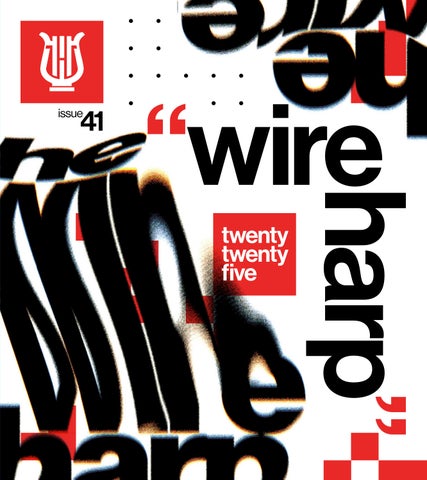
“wire
twenty twenty five
spokane fallscommunity college creative arts magazine
twenty twenty five
spokane fallscommunity college creative arts magazine
richard baldasty taught philosophy and history at sfcc from 1984–2007, and during his tenure, he was regularly published in this journal and contributed significantly to the arts on our campus. upon his retirement, the wire harp honored the spotlight he shone on art by naming our poetry award for him. each year, the wire harp staff selects what we consider the most artistic poem and piece of prose as the recipients of these awards. we also give an award to a photograph and a work of fine art. each of these four student artists receives a $150 prize, as a result of a generous gift from richard. we appreciate richard for supporting students in their creative arts.

a collection of words from the students, faculty, and staff at spokane falls community college.
Carly Glessner
We have come to this place, indicative of autumn.
Shrubs flaking off summer skin, shedding, departing before it gets old. A leathery summer mosaic; warm-tone patchwork clinging to the asphalt sodden and forlorn. And the trees? Willfully embracing change, impervious in their state of undress. The sun was warm until it fell behind that building. My coffee grew cold and tasted of outside. I will not be defiant with you. Instead I will pinch my sweater up to my neck and march inside.
I know someone else with bands on their arms.
They smelled of Earth and knew its pull like atrophy. Warm cavernous breath on the back of my neck. On the backs of my knees. That smell again bracing for the pavement. Wet leaves like cold cereal stuck to the bowl. But this rain is not salty, it is from the sky.
Vincenzo Cardamuro
In the mountains of British Columbia, hickory smolders in an oil barrel. Blue smoke becomes stars that decorate the dance floor. Stage lights illuminate our greasy griddle; we peddle grilled cheese. Loose bolts secure the legs of that homemade meat smoker. I am paid in perspective, for two Kraft singles, and white bread slathered in mayonnaise grilled golden brown. Served by friends. The bolts give out, coals scatter across the dance floor. Warmth floods the night.
Haiden Garza
The man rose from his bed tired, desperately rubbing his eyes as if doing so would rub away his exhaustion. He made himself a cup of coffee that had been left cold on the counter from the night before, stuffed his pockets with his keys, and said goodbye to the dying cactus that was arranged in the corner of the living room. The man struggled into his car as the sun hid behind an army of rain clouds, most likely because it was afraid of him.
He arrived at the studio ten minutes late, barely acknowledging the fact. He slumped into his chair, awaiting his queue, while lazily folding his hair over the bald spots on his head.
When his time finally did come, he cleared his throat and spoke with a tone that could put a raging toddler to sleep.
“Looks like it will be rainy, as per usual, and you can expect that for the entirety of the decade.” He punctuated this sentiment by jotting down an under case “rain” onto the green screen. He didn’t elaborate further.
Just then, unbeknownst to the man, the sun revealed itself from behind the mass of clouds and shone so bright that anyone would’ve questioned if it would ever rain again. Or if it would ever be night again. The man sat in his sturdy chair, the one he insisted be unable to spin. He looked back at the report, and the word that he had previously written. The man did not know it was sunny, and he wouldn’t. The mark was permanent on the screen, and the sun would soon hide itself again
Craig
I’m told there’s poison that tastes like almonds. The fairy ding of a good idea.
My ideas ding in my head, If I squint at you, I can remember who I thought you once were.
I squint, I remember who you’ve become. When does a burn change from a feeling to a smell?
There are burns that transform all smells. He sprinkles cayenne in the wounds of his friends,
Cayenne for my friends, burning with ideas. You can almost smell the pipe tobacco in Lewis’s photo,
C.S. burns smelly pipe tobacco – cayenne and squinting damnation –
The alternative to a wooden stake through the sinner’s heart.
The alternative stake in my wooden heart: the piercing silence of disinterest. Poison and almonds taste alike.
Juno Williams
stars spill down like rivers. I move with you, in sweet divided silence in it, we find a kind of peace, just the two of us.
My boots may be worn thin, my heart restless, always seeking. Your eyes meet mine, soft under starlight, and here, in the hush of it all, it all finally feels alright.
Reaching out, my hand grazes my saddle feeling the rough leather under my fingers, and your hand meets mine – steady and warm.
We share the quiet, breathing as one, each breath holding something we can’t say. And the wind stirs the mesquite trees around us, like they’re the only witnesses we need.
Your laughter rises in the air, free and wolfe a sound that belongs to the land, two men wrapped in dust and denim — close enough to be all we ever wanted.
I feel it, deep and sure like a river full of stars, running steadily, towards the west.
Vanessa Graham
Scars littered his body like chapters in a novel. Each holding its own story of him
Pages creased–from years of rereading Words smudged and illegible, scatter the margins from years of rewriting
He is the book I never want to stop reading.
No matter how well I know the stories, each time I read, he gets a little bit clearer.
Each story, each scar I will continue to love and hold.
Enthused every time I get to bear witness to its reading. Running my hands down his spine, feeling the well-worn surface from the amount my hands have held him.
Flipping through the never-ending pages of our reality, He—is the book I’ll never quite put down.
Crow Webster
Martin whistled a jaunty tune as he bustled down the streets of Selkeer, uncaring of the hooded glares he received from windows and shadowed alleys. Everything was filthy, and the place looked every bit like the dying empire it was.
Selkeer was once a Great City, and people would cross the world for a chance to enter its gates. Vendors used to line the grimy street that Martin now strolled through; tents of every color of the rainbow, selling everything from senseless trinkets to rare tomes containing long forgotten magic. What used to be the lively heart of the city was now shrouded in the silence of its last dying beats.
Martin sighed as he reminisced on the current state of Main Street. Just two Cycles ago, this street held the greatest market in the world. Now it was pitiful, cluttered with torn market stalls and piles of trash and dirt that no one had bothered to clean. On the horizon, the smoldering remains of Selkeer’s Archives spewed a sickening haze into the air. It clung to the buildings, deterring most people from wandering the streets. Not Martin though; he had something to find, and he wasn’t stopping until it was in his hands.
He stepped smoothly to the side as a spitball sailed past, tilting his head to look at the man who did it. Martin could barely make him out in the shadows of the alley. He appeared to have closely cropped hair and a wiry, gaunt frame. With wrinkled, sunbeaten skin that seemed to drape over his figure, he gave the impression of a poorly sewn doll. Hunched over and glaring viciously, the man spat at him again.
“We don’t want your kind here. Best for everyone if you turn around and leave now, boy.”
Martin grinned at the sight before him, sharp canines glinting dangerously. “I can’t leave yet, my friend, I’ve come to claim something that was once mine. Tell me, have you heard the rumors about the Key?”
The man froze and stared at him with wide, fearful eyes. He backed away, raggedy clothes catching on the rough-hewn bricks beside him. “You’re one of them! There is nothing for you here, now leave before I call the guards.”
Martin chuckled, approaching steadily as the frail man tripped and crashed to the filthy alley floor with a thud. He much resembled a cowering dog, trembling as it waited for its master’s hand to drop. With fear-laced eyes, he locked gazes with Martin, shuffling away on his hands and knees.
“Now, now good sir, you were helping me out! It’s quite rude to leave in the middle of a conversation. Tell me everything you know about the Key, and we’ll pretend this whole thing never happened.”
Shaking his head vigorously, the man bit out “I know nothing. There is no Key. There is nothing for you here.” Shaking his head, Martin muttered “What a shame,” fishing around the inside of his satin robe.
“I was really hoping we could come to an agreement here, my friend. It’s too bad you’ve seemingly forgotten the information I need. Don’t fret though, memories can always be… Unlocked.” With a sickeningly sweet smile, Martin pulled out a small, wrought iron key.
The man screeched at the sight of it and leapt to his feet, sprinting towards the mouth of the alley. Martin rolled his eyes, which had started to glow a peculiar green, and kicked up a foot, sending the man crashing back down to the ground. Crouching next to him, he grabbed the man’s face and stared at him, eyes inches away.
“Don’t worry sir, I’ll be on my way soon enough. It will all be over before you know it.”
Click-Thunk.
Screams echoed throughout the alley, and then there was silence. All that remained when the guards investigated the disturbance was a small pile of torn up clothes and a thick, intricate lock, the keyhole carved into the visage of a screaming face.
A sacred prophet, undisturbed since the purge, stirs once again.
“Ma’am, please reconsider, just give me one chance and I’ll—” Josie sighed as the door was slammed in her face. Another rejection. Every scholar she presented her request to either laughed her out of the building or refused to talk to her at all, and there was no one left she could ask.
Trudging out of the library with her head hung low, she considered her options. She was never going to get away from her family if she couldn’t find an education. There were no schools in the area that accepted women, and she was much too old for the free learning days hosted by the library for children. She had planned to travel to Selkeer’s Archives, which supposedly held great scholars willing to teach anyone, but they were gone, burnt to the ground.
As she walked down the street, kicking pebbles, she heard a “Psst, kid, over here!” Whipping around, she spotted a hooded figure waving eagerly from underneath the doorframe of a ramshackle shop.
It was nestled between two larger buildings, splintering wood coated in dirt and grime. She hadn’t even seen it as she walked past, as it seemed to be tucked into a shadow, nearly invisible.
Face scrunched up in confusion, she eyed the person beneath the cloak. He was unassuming enough, with a bushy, greying beard and round glasses perched atop his bulbous nose. He seemed to size her up with those piercing, green eyes. Quite a rare sight these days; most green-eyed folk had died out in the great purge with warlocks and magicians.
It was speculated that green was an indicator of magic within one’s soul, but that was never proven, so the figure’s eyes could simply be inherited from a bygone era. Realizing she had been staring for entirely too long, she decided not to think about it too hard.
Cautiously, she approached the waving stranger, quirking an eyebrow at the man and asking, “Who are you?”
He giggled and brushed her off, ushering her into the run-down shop. “Come, come, we have much to discuss, and you have much to learn! That is what you want, right?”
Josie hesitated before nodding. What could she really lose? This could be an opportunity to escape the arranged marriage waiting for her at home. Following the old man as he swept through the store, she stared at the oddities lining the shelves. Newts in jars, bundles of leaves, a variety of teeth, and thousands of other small items lay in states of disarray, most with a thick layer of dust.
A small rack on the back wall caught her eye. Its contents were seemingly much more mundane than the rest of the store, but she couldn’t tear her eyes away. Behind her, the old man watched quietly, a smile on his face and an unreadable look in his eyes. On the rack, gleaming in the dim light, sat an intricate Key.
He will raise his hands to the sky and speak, and his words will echo throughout the earth, rippling through one’s soul; a feeling long forgotten.
—
Growling, Martin punched through the crumbling wall beside him. Yet another building with nothing of use. With no clear pathways to the Key, he was forced to the menial task of sifting through every building.
Leaning against the empty doorframe, he watched the smoke drift lazily throughout the city. It curled and danced in a way that made it seem alive, menacing. He gazed at the mesmerizing spiral as it drifted around corners and into shattered windows like it was looking for something. Or someone.
The Archives, the source of it all, glowed a sickening orange in the distance, still burning to this day. His eyes widened as he realized. “Oh, how did I
not think of it sooner? Truly a mistake on my part.” A malice-filled grin stretched across his face as he sauntered out from under the doorway, heading in the direction of the smoldering ruins.
“After all, if someone went through the trouble to burn down a building in a heavily guarded city, there must be something to hide.”
He pressed through the smoky haze, which seemed much thicker than before. He could hardly see a hand in front of his face, where before he could see clearly across the street. The smoke pressed down on him, almost like it was trying to keep him away.
With a click of his tongue, Martin eyed the swirling mass around him. It seemed to taunt him, daring him to walk farther. Martin pulled out a tiny, brass Key from his sleeve, glaring at his surroundings
“You won’t be laughing for long, foolish warlock. Let me though and nothing has to come of this… mistake of yours.”
Receiving no response, he shook his head with a sigh. “Don’t say I didn’t warn you.” Tossing the Key out in front of him, he muttered “Pathway” as the Key disappeared into the smoke.
The Key disappeared in a flash of light, which shot through the smoke like a bullet, leaving a clear path. Martin smiled, continuing towards the Archives.
He whistled as he reached what remained of Selkeer’s pride and joy. “They must have quite the secret to hide. Perhaps they’ll be able to help me out.” Strolling through the half-melted doorway, he was assaulted by the intense smell of burning paper.
Wrinkling his nose, he pulled a studded, black mask out of his robe, sliding it over his face. He paused as he heard a slight sound in the room beside him. Picking his way over piles of half burnt knowledge, Martin pushed open the door with an uncharacteristic caution.
It stopped halfway cracked, but a persistent shove from him sent the door slamming into the wall behind it and Martin tumbling to the floor. His hand landed on a peculiar tile, which sunk slightly under the weight.
With a quiet curse, Martin scrambled backwards, looking up just in time to see the blossoming of an orange-white explosion in front of him.
Two are fated to clash in a battle of forgotten power. One wishes to reclaim what was once his. The Other wants nothing more than to Know everything. The fate of us all rests on their shoulders. Hide your children and brace for the worst, As the world is soon to be forever changed.
Josie frowned as she examined the man in front of her. He had introduced himself as simply ‘The Shopkeeper’ as he guided her into a small office behind the shop. She sat on an old, pea-green sofa that seemed to swallow her whole. A steaming mug of Akksa sat on the wooden table. It was a Karlian delicacy, and not one she had tried before.
The Shopkeeper hummed a strange tune as he gathered tomes from around the cluttered office. She raised an eyebrow as he danced around, looking to pick books at random. Finally satisfied, he dumped the pile of books on the table, flopping down beside her.
“Now, it’s about time we spoke about your education, yeah?” He giggled, adjusting his glasses.
She glanced between him and the stack of books. “That would be good. Are you really going to teach me?”
Clapping his hands, he jumped back to his feet, pacing. “But of course! You’ll learn so much from me that no one else can teach you! I can sense it in your soul, kid, you’ll do just fine.”
Furrowing her brow, she considered his words. “In my soul? What do you mean by that?”
“Magic of course! You’re just like me. I can teach you so many things. No one will ever tell you what to do again. So, Josie, will you become my student?”
Josie stared at the man incredulously. One tick passed, then two, but the mans gaze never wavered. He wasn’t joking.
“Magic? That’s impossible! I thought magic died out in the great purge!”
“They couldn’t kill us all, my dear. Here, watch this!”
With a flourish, he procured a Key, bringing it to his mouth. Closing his eyes, he gently whispered to it, then held it out towards her. She watched with fascination as the Key glowed, then grew. It fractured into pieces, and a plant sprouted from inside, curling gently near the tip.
“The memories of magic may have faded with time, but we will never die out. Warlocks, you and me, it’s our duty to keep magic alive. So, I will ask you once more; will you be my student, Josie?”
Buzzing with curiosity, she examined the plant as he handed it to her. Gaze hardening, she decided. If this was something she could truly learn to do, how could she say no?
“I will.”
The pieces are in place. The prophecy is spoken. All that’s left to do is watch the world burn.
Casey Masjoan
The old man enters his modest apartment
Its little space filled by tall bookshelves Dickens, Darwin, Tolkien, Guevara, Marx, and Malcolm X
He removes his long black coat and tall hat
Placing each on the rack by the door
The books whisper as he limps by His weak steps aided by an elegant ebony cane
He can almost feel its silver tip burning his unholy hand
It matches his cold, tired eyes
Upon his armchair is a Holy Bible, bursting with extra pages
Defiled by decades of revisions he’s made
He grabs the pen in his pocket and opens the book Crosses out Eve and writes his own name Crosses out Adam and writes his wife’s
He sets the book down and carries on toward the bath
Numb fingers unbutton his vest and shirt
He drops them to reveal a frail, walking corpse
Marked by numerous scars, some shallow, some deep
Deepest of all, a cross left over his heart
Removing the rest of his clothes, he lowers himself into the tub
Once done, the old man grabs a clean change of clothes
In the mirror is a dignified socialite
Fitted black suit and dress shoes shield his body from his eyes
A dark red vest and his trusty cane complete the look
Of a proud gentleman, hiding an old madman
Disguising himself as a better man
The books whisper to him
Their shelves cover what was once bright wallpaper
Painted with rose bushes, ferns, and cherry trees
It is now grey, stained with drops of blood
And mold creeping down from the ceiling
The books grow louder
The old man walks up a spiral staircase to the second floor
Where he can look over his library
Of broken promises and lost causes
He limps as he runs his hand on the railing
Feeling pockmarked brass he’ll never repair
The books speak, clearer now “Devil-man. Demon-man” “Forbidden fruit bitten for naught” “Secrets of God and Lucifer paid in blood”
They start screaming his name
They cry out his wife’s
His son’s, his daughter’s They scream his name again
The door to his bedroom is open
As if his wife has come to join him
But she will not. The wallpaper knows that He can almost smell her, but the scent is fleeting His bed is made in the middle of the room
Indented on one side, left untouched on the other The books on his desk snarl with rage
He climbs onto the indented side and crosses his arms
His cane sizzles against his palm
Uttering two words, “With dignity,” he says “Coward!” The books shout
The old man shut his eyes one last time
Joanna Andrade-Lenz
the bee i saw that september day made something out of nothing in the grass where i lay i no longer care about what you could’ve said i quit hiding in the depths of my bed i’m a lotus now
floating all alone in a pond you’d find in the south
The only vivid memory I have of you is saying goodbye.
Your kind eyes looking at me through the phone screen, your weak smile as I talk. You’re barely able to utter a word, but you’re listening.
I proudly show you the picture I drew for you to add color to the bleak hospital room, hoping it would perform miracles or at least comfort you. And that was it, a few precious minutes. I say goodbye and I love you, not knowing it was the last time I got to say both.
I received that drawing I made after you passed. Even though you’re gone, you are alive in that piece of paper covered in crayon, you’re no longer stuck in a hospital room, you’re holding my hand in green rolling hills, sun rays beaming down on us, cotton candy clouds peacefully floating. In this little world I created for you, you continue to live on.
I think about you a lot, hoping you’re proud of the person I’ve become. I wish you were still here, I wish I could get to know you better, to have deep conversations at a cafe. You left too soon.
Nevertheless…
You will always be holding my hand, telling me you love me in our crayon-colored paradise.
Stella Volpone
Let me braid your hair; feel the pattern run along your head and down your neck; let it hold the memory of this occasion through your braided hair; share this forgotten intimacy with me that is so overlooked. Let me braid your hair as you do mine. Allow it to bring back the memory of sitting in front of the bathroom mirror with your mother; let it hold the memory of your teammates braiding each other’s hair before a race; continue to allow the generations of women before you to be represented by a simple braid. Carry the pieces of each region that have homed the sisters in your life; where they stepped, lived, and cherished all make their own home in your soul. Be the holder of the potential that did not get the opportunity to be creative, loud, fearful, extroverted, adventurous; be the holder of love that was never able to break free and give itself up completely to all surrounding it; let the settled love fill you until there’s nothing left to do but lie upon the earth and let your body lie heavy in the grass until you feel undoubtedly braided into each blade. The generational art of braiding is immensely overlooked; many say hair holds memories; so please braid my hair and let me hold your memories; let me wear the braid your mother taught you in the fifth grade before school; let me wear the braid you spent hours teaching yourself until you perfected it; let me wear the lucky braid that helped you score a goal against your school’s rival team; let me wear the braid that you wore for a week straight during your camping trip. Furthermore, let me share mine with you. And after all that will you let me braid your hair and have me share the connections I built with my sisters?
Kyla Shodahl
You knew the moon forgot who you were, he left you there so eagerly, ripping his light trousers, his surface void of concrete or cedar. You woke like you always have, a sponge in an office building, everything within you in the black water of the rain and your emptiness, but it drowned heavy as birds against the pillars of destroyed buildings. In the morning you saw large solitudes suffocating within yourself, not the fauna, and not the planes who don’t complete their leisure in the light. In the morning you diminished, and stood, like you were air, falling without a dark glory. In the night you had appeared over a million times into everything worse.
They told us the world was going to end
In a puddle of blood
No big bang
Just the gurgles and rattles
Of a body’s demise
You tell me it’s been ending
That the Antichrist already came to Earth
Twenty-three years ago
As a punishment to your father
For holding anger like an extra limb
You worry about genetics
And maybe you should
You pull away from my kiss
Mouth dripping with my own blood
You hold me
Via the shackles you placed
Caressing my wrists as they shut
And I let it happen
Thanking you as you went
My gilded cage taunts me
Holding me like you used to
And when suffocation takes its toll
I think of the way you looked at me that night
With your guard torn down
Clawed away by my own wanting hands
And for a second
You look scared
And for a second
I saw you as you once were
A dog scared of its own shadow
Before it learned to bite
Nora Sussmann
Stained green apron, turning brown before my eyes. Sparkling espresso machines hold dancing coffee beans in warm embrace, orchestrating a symphony of brrrs, beeps, and chatters. Oat milk swirls beneath, pouring a flowing river of silk to fall into the espresso’s heart, waltzing as one to create ribbons of white and gold. Peppermint tea bags turn water into emeralds, and the warm syrupy aroma of golden honey fills the air. Soft, flaky, golden croissants and coffee cake emanate clouds of butter and warm cinnamon spices. Espresso joined by cream white milk and hazelnut syrup, sways into porcelain hands, stained with berry rouge, heartfully crafted by my own fingertips, as the barista behind the counter.
Kyia Warner
Happiness is such a pathological flirt. It walks up to you in the bar with all the confidence of an older brother, right as you’re finishing your drink called love and offers to buy you another round and before you can politely decline you get a hit of that dazzling frat-boy-smile and can’t help but accept. Happiness compliments your hair and notices how your outfit matches yours eyes, things you never thought someone would notice in a place like this. Happiness says all the things that people expect to hear in a bar called Luck and looks like every person who is slightly out of your league. By the time you’re half way through the drink that you never expected to have happiness has taken the seat right next to yours and stays with you for a while and listens to all your stories that get loosened by your intoxicated tongue while drawing little circles on your knee that touches theirs. And right before you decide to switch to water for the night because you still have to take yourself home, happiness introduces you to their best friend called hope, and why not you could have another round since you’re surrounded by such good company. And no harm ever came from flirting with good company. And by the time you realize you can’t see straight, and the conversation starts to stall and run dry, happiness and hope decide to find someone else to share their night with. So you pack up your things and stumble home love drunk and alone to the only one that is always waiting for you. As you walk in the door, loneliness helps you out of your heels and takes off your party clothes. Loneliness pulls back the covers and listens to you rant about the night you just had and laughs at your promises and swears that you’ll never drink love again so irresponsibly. Loneliness holds you in your king size bed close to their chest and tells you sweet nothings and beautiful lies until you fall asleep letting you know they will still be here in the morning. Happiness is a pathological flirt but loneliness, loneliness is the constant lover that will always give you another chance.
Addison Stewart
I see it. Out of the corner of my eye, the neon yellow sign calls to me. “YARD SALE” is written in bold, black paint, sitting above a large arrow and an address. That’s a great sign, I think to myself. I hate when they don’t have arrows. I know I need to act quickly. I weave into the right lane and have just enough time to slow before turning right, following the bold, beautiful arrow. Every few blocks, I am met with another sign directing me to the goal. After a few minutes, I come upon a street bordered with cars. Jackpot. A house sits in the middle of the hubbub with folding tables set up in its driveway and a rack lined with clothes sitting in its yard. The nearest parking spot was just four houses down, well worth it for the fun of the hunt for new treasures.
I gather the essential phone-wallet-keys, realizing I don’t have cash on me. I reach over, unlock my glovebox, grab my “emergency” (garage sale) cash, and stuff it into my wallet before heading toward the sale. My preparedness sparks my memory, reminding me how my mom always carried cash for these sorts of ventures, something I didn’t particularly appreciate when it would detour her and six-year-old me’s trips to McDonalds.
“Oh look, Addison! A garage sale! I’m going to stop really quick.” A perfectly-made neon green sign sits on the sidewalk, directing my mom to my least favorite weekend activity.
“No mo-om! I don’t wanna go! Do we have to stop?”
“Yes, it’ll be super fun! Come on!”
We pull up to the last of the series signs we had been following; it reads, “GARAGE SALE HERE à” and points to a driveway lined with various knick-knacks trailing up to a dimly lit garage with a small woman sitting in the corner. We parked across the street where someone had just pulled away, leaving a perfect spot among the densely packed street.
“Do I really have to go? I’m just gonna stay in the car,” I pester my mom again.
“I can’t leave you in here. You’d burn up! Come on, it’ll be super quick and
fun!” Her attempts at hyping me up were poorly received. Nonetheless, I slumped my way out of the car and followed her across the street.
I make it to the sale with my emergency money and a look of excitement. I’ve been on the lookout for new jackets, posters for my room, and a planter for trimmings I recently received. My perception of the garage sale was slowly improving. It was checking all the boxes: great signs, clothes hung along the fence and on racks in the yard, everything stickered with a price, tables packed with goodies.
The art beside the sidewalk is the first that my mom begins looking at. I don’t understand anything I see. I trail closely behind my mom as she moves to the tables. A bin of craft material sits at the end. She fingers through the patterned pages, stamps, 3D stickers, and all else. “This looks like fun! Maybe we can do some crafts when we get home!”
“Mhm,” I say dryly. I was still not happy to be dragged out of the car for this. My mom grabs it and continues through the tables.
I skip over most of the novelties on the tables. There are many assorted electronics, from kitchen gadgets to infomercial-impulse-items. The table with glassware is beautiful, full of color that shines in the summer sun. There is an adorable tea set sitting in the center. Four small cups are stacked atop their corresponding plates, each printed with lovely green herbs. If only I drank tea!
I move on from the cups to the true magic of garage sales: clothes.
I now refuse to purchase a brand-new shirt for over $20 that will almost surely be see-through when I can get twenty that have already lasted ten years for the same price at a garage sale. Quality change is just one palpable result of rapid changes in demand. The rise of social media has brought a rise in fast fashion and “microtrends.” Rather than the typical 20-year trend cycle, microtrends take over vast markets of teens through social media and die off quickly, causing large quantities of quickly and cheaply produced clothing to be added to landfills because it’s “embarrassing” to wear the patterns, shapes, colors, or brands of last season. Racks are riddled with well-known sweat shop brands anywhere with used clothing, worn for one season or one event
or one party before being tossed out. You can’t wear that Brazil shirt, leopard print is back now, but don’t spend too much on it because next week we start oldmoneybarbiecoastalgrandmablueberrymilkprincesscorecoreaesthetic.
A box of purses lay underneath one of the nearest tables. My mom glances and spots a pink strap hanging out of it. She begins digging and pulls out a pink and gold mom-purse with a small duck emblem. “Dooney and Burke!” I thought she was speaking gibberish.
“What’s that?”
“It’s a really nice brand. And it looks basically brand new!”
I offer no input as I study the bag. It looked like a normal bag to me, but she seemed awfully excited. Her current purse was about as old as I was and was falling apart at the seams. She stacks the bag on top of the craft bin she carries and moves on again.
I manage to rummage through all the clothes without finding anything of use. Unfortunately for me, most of them were men’s and what wasn’t men’s was far from my size. I shrug it off, move from the rack, and do a final 360. As promising as it seemed, there was nothing there that I needed. I begin my walk to my car, passing back through the tables on my way. Again, the teacups catch my eye. As adorable as they are, I don’t need them. Then it dawned on me. They would make perfect planters for my recently gifted trimmings. I nab the stack, noticing the small and, of course, neon sticker labeling them as ten dollars.
“Ten dollars?” My mom exclaims, looking at the strip of painters tape on the craft bin. “That’s too much. We’ll see if they’ll take five. Honey, will you ask them for me?”
“What?? No, I don’t want to talk to them!”
“Please? They won’t say no to a cute little girl. And you’re going to have to learn how to talk to people someday anyway. Come on. I’ll go with you.” The compliment softened my aggressive opposition. I agreed and she led me to the woman sitting in the back with a cash box sitting next to her.
Timidly, and with a lot of encouragement, I spit out, “Can you do five dollars for this please?” The woman smiles. She seems delighted that I had asked, just as my mom told me she would be.
She examined the bin for a moment, then laughed and said, “Yes, that absolutely works.”
I look to my mom for approval, and she smiles and whispers, “Great job, honey.”
I take my small loot to the woman with the cash fanny pack and visor rearranging the items falling out of a Christmas decoration bin. As I walk up, she notices me and turns with a big smile. “All ready to checkout?”
“I am!” She reaches for the cups, and I gently place them in her hands. She goes to find the price label and I politely interject, “Could you do five for those?”
She looks them over briefly before agreeing. I pay, thank her, and head back to my car with another successful sale search under my belt.
I can’t remember at which point the switch happened, from where I would beg to stay in the car to where I couldn’t resist pulling over. I imagine it was gradual, but it happened, and I couldn’t be happier it did. Abraham Lincoln once said, “Everything I am or every hope to be, I owe to my angel mother.” As much as I resisted and hated the tasks she asked of me when I was young, they were crucial in teaching me how to survive garage saling and the world. I didn’t know it then, but I’m lucky to have a mom that cared enough to push me out of my comfort zone and make me do everything that I didn’t want to but needed to, despite my ridiculous stubbornness. It can be all too easy to overlook and take for granted something so useful, whether it be a teacup as a planter or knowing how to interact with strangers on the day-to-day. I have my mom to thank for my resourcefulness, people skills, bargaining, and of course, frugality. Every “stupid” sale I was dragged to was another lesson in what to look for, who to talk to, how to pay what you want, and how to recycle and prevent waste.
When I first get home from my walk, I pluck the headphones out of each ear. I then slip off my shoes, place them by the door.
I walk up the stairs to my room and light my candle in the bathroom. I take out my earrings and slip the rings from my fingers, setting them on my desk and close the bathroom door.
I take off my shirt, my pants, my socks, my underwear, and begin filling the bath. Next I begin plucking, starting with my eyebrows, then my eyelashes, my body hair and my head hair.
I start one by one but, I don’t have the time for that, so I start yanking it off. Now it’s time for teeth.
I pluck each one out and my tongue usually just slips right out pretty easily. I take out each eyeball and set them on the sink and then I start yanking out my arms.
They’re pretty heavy and lodged in there really good so I really have to pull pretty hard.
I get one off and then remember I forgot my fingers.
I love taking off my fingers. They come out so easy, it’s so satisfying!
I get my toes too and then my other arm and neck and my legs.
I pull them really hard and when they finally unlatch, I almost fall over. Then, it’s time for my head, but first I have to take out my brain. My fingers pluck it out for me and then I can easily take off my head.
I set my torso on the floor, and my heart jumps into the warmth of the bath, fizzing like a bath bomb.
Kara Beechler
1. A gentle southern mother, like no other, birthed me without any help from my father but at least there was a view at the top.
2. It was the spring when a famous stampede occurred over 7,000 miles away with conditions they say were “beyond human endurance.”
3. I found out at age 10, the conditions of my household were similar. Except, my spirit was broken, and not my body.
4. The grandmother I etched upon my skin passed on years later. She was the only one who understood what was happening at the top.
5. The trickling beams of sunshine hit my favorite climbing tree, the place I would escape reality.
6. We moved soon after. My hoping-heart left hanging by a thread on that same tree.
7. My new job was sister-protecter. Unable to object. Her innocent eyes were not to be tainted.
8. I carried my mother to bed. Child body—now adult mind.
9. Secrets so deep it might’ve killed me had I not ran with the horses, or was it wolves? Fuzzy and faded memories like mountains in my periphery.
10. I’m thirty with a child of my own now. She doesn’t have to fear the addicted monster-mother, she climbs not to escape, but to see the beauty. She possesses more power and love than anyone I have known.
11. Endless are the possibilities when I cling to the necessary antiseptics.
12. Community, light, happiness lie within me at last. It can happen to you too.
Vincenzo Cardamuro
The walls are unsettling red. My heart beats. Bass music drives the rhythm of Vancouver nightlife. A stranger dances with me; I want to go home. A riptide of humanity pulls us off the dance floor, into a corner booth. Panic sets in.
My bed is an eight-hour drive away, fresh laundered sheets. Pleather cushions crush my back. I dream of a hot bowl of creamy broth, seared chashu sticks out like icebergs of fat and flesh. Scallions nest in sprouts atop bundles of noodles. The music spills ramen from my consciousness. I excuse myself from the table, escape the pounding noise, fill my lungs with night air.
Amelia squeezes my waist from behind, her warmth spreads across my chest; I reweigh where I am at 1 am.
Alycia Love
Look at the camera, smile like we’re a happy “family”, ignore the suffering you’ve endured. That is what is expected of me. Am I the only one who remembers the pain? I refuse to be a part of the illusion of forced smiles and fake laughs.
I know it’s unhealthy to be hung up on the past, but with the past full of hurt and betrayal, I can’t help but dwell. I may sound cruel, but it’s a stab in the heart to see them so happy.
Lorelei Jonason
My mother made sorrow her enemy. It would hide from her, and choke her from behind.
I saw the folly in this. I made friends with my sorrow. I see it as it comes. But still I don’t speak it, for as we embrace, my sorrow and I, it sits on my chest. It weighs me down too heavy for words. I simply feel it, pressed against me.
My child and I sit together, and they say, “I’m scared” and “I feel guilty” and “I’m lonely,” and I’m so glad I failed to teach them that we do not speak our sorrow.
Kiri Bruce
Oliver hadn’t been religious before the world ended, and even now he didn’t think he’d describe himself that way without quotation marks and at least three footnotes attached.
For a long time—he couldn’t be bothered to count—he darted around from place to place, avoiding those things (Connor called them ‘angels’) as much as he could. He’d died a few times and woken up. Found cities full of people who had only completed the first of those achievements. It was obvious to him that something unnatural was happening. It wasn’t every day that creatures stalked cities and tore bodies open, or that dead teenagers got up and kept walking. But the idea of a god had only crossed Oliver’s mind once or twice. Mostly, he decided that his newfound sort-of-immortality was an opportunity to find some kind of revenge on the things that tried to kill him.
Connor had been the one to introduce him to the idea of some kind of angry god. Oliver had known him before all this, and he hadn’t been religious either—but, again, Connor could only be defined as religious now with quite a few asterisks and footnotes of his own. Connor’s read ‘He’s probably mostly just delusional’ and ‘It’s more of a one-man cult than anything else’ and ‘Does it count as a religion if only one person has ever thought about it?’
Oliver didn’t mean to insult Connor by calling him insane. Oliver was probably crazy himself—who wouldn’t be if they had to deal with this every day? He was just more self-aware about it. Connor seemed to think now that every dream, every glimpse in the corner of his eye, was some kind of sign or wonder. He hadn’t stopped talking about purification and holy crusades and angels since he and Oliver had found each other. To him, everything had to have a reason, and if it didn’t, there was some cosmic, unknowable truth that made a reason.
There was a reason so many people were dead. There was a reason that he wasn’t. There was a reason he always felt so lost. Oliver had learned very quickly that most of the time, that reason was that Connor or someone else needed to be punished and/or purified.
Personally, Oliver didn’t buy into any of that. But it did make sense to him that something was orchestrating things. Something had to be at fault,
something tangible and real and preferably fightable. Hundreds of ‘angels’ didn’t show up to kill people all at once and all out of nowhere just because they all felt like it. Something was at the head. If Connor wanted to call that something a god, then Oliver guessed that was as good a word as any. He was going to kill it anyway, and then it wouldn’t matter what it was called.
Right now, he was tending to the makeshift garden, and he was on hour twelve of singing the most annoying song he could think of on repeat. If this god really was as omniscient as Connor said it was, and it could see and hear them at all times, Oliver wanted it to have as little fun tormenting him as possible.
He tore out weeds, he doused the starving sprouts with water, and he sang as loudly and as terribly and as infuriatingly as he could manage, repressing a giddy laugh and imagining a god tearing out its whatever-gods-had-instead-ofhair listening to him sing.
He stopped, though, when he heard the leaves nearby shifting. Quickly, Oliver grabbed the knife in his belt and stood shakily, tensing and whipping toward the sound. But when he saw Connor, Oliver dropped his knife, bent to grab his crutch, and rushed toward him.
“Connor! Con! Hey!” He beamed. “How’d it go? Anything good? You were gone for a while.”
Connor blinked, a dazed sort of grin on his face, the kind where he’d simply forgotten to take the expression off when it was no longer necessary. “Oh. Yes. It was good. It’s a small town. A lot of the food was gone. Deer and raccoons. And worms. I found canned things, though. And bandages. Disinfectant. We can fix yours up again.”
He spoke slowly, flatly, like he’d rehearsed the lines a thousand times in his head and was moving mostly on autopilot. He kept walking in a practiced, restrained step.
It was only then that Oliver noticed the bucket’s worth of blood splattered across Connor’s face. He admitted he should’ve seen it much earlier, but when you lived in the apocalypse long enough, all that gore started to look
like a part of the background and lighting.
“Oh, crap,” Oliver said, “did you die again?”
Connor kept walking like he hadn’t heard Oliver, then blinked, glanced at him, and nodded.
“Ough, that’s rough.” Oliver grimaced. “You go and sit down, I’ll get you some water.”
Connor walked on, presumably to do just that. Oliver trailed after him, coming into the dilapidated house they’d occupied for the last few months. It had been abandoned far before the apocalypse and was a few miles from the nearest town, which was key as it meant they didn’t have to deal with any corpses. They’d pinned a few sheets and blankets and posters onto the walls until it looked almost like a child’s pillow fort, if a pillow fort had a rotten wood floor infested with mushrooms and jutting nails.
Oliver limped past the family room and into the kitchen, filling an old cup up with water they’d carried here from a river nearby. He imagined the angel that killed Connor with its head being squashed like a grape and tried to muster a laugh. (He’d learned very quickly that nothing could hurt him if it was funny enough. If an angel gutted him while he was out foraging, it was all jokes about its mother or its face or what’s a guy gotta do to get a decent meal around here?, and all he really remembered from the attack that had mangled his arm and leg was waking up and giggling, wondering what he’d tasted like. But it was a little harder to laugh when Connor was the one hurt.)
He left his crutch at the counter and simply dealt with the pain until he reached the couch again and handed the water to Connor, who grabbed it shakily and took a few sips. Oliver glanced over Connor’s arms, little scratches and scars from when he took god’s punishment into his own hands, and quickly turned his attention away.
Oliver settled onto the couch a little way away from Connor. After a second, he offered Connor his hand, and Connor gripped it softly and then firmly and softly again. Oliver hoped it would be enough of an anchor to keep him in reality. It sometimes was.
When Connor seemed a little calmer, Oliver spoke up. “How was it?”
“It was alright,” Connor replied. “It hit my head, so I wasn’t awake for much of it.”
“Ah, that’s good. It’s nice when they do that.”
“Mmm.” Connor idly tapped his fingers on the couch. “It’s better than bleeding out.”
Oliver sat for a moment, staring at a picture they’d strung up, birds over a lake, frozen in some stupid eternal battle against the wind. “Think the worst I’ve gotten is infection,” he said. “Nasty stuff. Freaky.”
“Ah,” Connor responded, glancing at Oliver’s leg and shoulder. “That does sound unpleasant.”
Oliver paused, then turned to him. “How about you? What’s your worst?”
Connor hummed to himself, brow wrinkling. He seemed to be taking the question very seriously, but really, that was the same face he made when you asked him what his favorite color was, or what he wanted to eat for dinner. “I drowned once,” he finally said. “Our god must have been very angry then.”
Oliver’s lips pressed thin. “Are you sure that’s why it does all this?” He asked. “Some kind of weird purification ritual? If this is supposed to be our second—and the third, and fourth, and whatever—chance, why didn’t anybody else get one?”
Connor shut his eyes, shrugging slightly. “We can’t know. We only have to appreciate that it gave it to us. Eventually, it will be satisfied with the progress we’ve made, and it will stop.”
Oliver bit his lip, staring at Connor and then moving his gaze down to the floor. He’d tried many times to understand what Connor was thinking, that
somehow this cycle of punishment after punishment after punishment was somehow going to make them any better, any ‘purer.’ It didn’t have any pattern, any meaning. If this god wanted what Connor said it wanted—to fix them somehow—then they were going to be waiting forever. Oliver guessed he didn’t have much of an answer either. The excitement from his earlier trick with the song was wearing off. It wasn’t like he could kill a god any more than Connor could please it.
“What if that never happens?” Oliver whispered. “What if we spend forever like this and it never means anything?”
Connor was quiet for a little while, and for a second, Oliver was worried he’d shut down again. “Well,” he finally murmured, “I’m glad you would be here with me, then.” He paused. “I—not that I would be glad that you were in eternal suffering. I just…”
“No, I—I get it,” Oliver said, nodding, tightening his grip on Connor’s hand. “I’m glad you’re here, too.”
Oliver took a breath. In and out. He tried not to think too hard. He looked at Connor—round features, button nose, the big, wide, scared eyes of a child already so weary. He stared at the light filtering through their curtains.
This was a nightmare. A long and a deep and a meaningless one, and Oliver was tired.
But Connor’s hand was in his. That was enough for now.
Kira Loweree
Sometimes when I’m swimming
I can feel myself losing my breath
I don’t worry about drowning
Because the beach by my apartment is filled with mothers
And I have more faith in humanity than I ever did in religion
Even while my seventh grade English teacher declared me saved
Body suspended in the school gymnasium’s lukewarm pool
An old friend once told me Mr. Lynn had met his wife in conversion therapy
So I begin to care about him more than I once did
When he told me I had the potential to be godly
We were once the same
Two children of an unrelenting God
Thrown into a race we were never sure how to finish
I wonder if he once wrote about love the way I do
Which is to say too much
Or if he feared putting a name to the thing
Only viewing his heart as a place of cataclysm
I bet Mr. Lynn worries about drowning
Did he watch the water ripple under my baptism
Thinking that floating only works with something to hold onto
Kyla Shodahl
when i die, cremate me. engulf my ash into clay toss my soul onto the wheel, and throw me. drown me and let me dry, build up my walls with ease, and center my psyche. carve my impurities out like you always tried to. once i am rigid, and only then, may you burn me. my life has evaporated, unseen and unheard, do as you please, but as soon as i die, incinerate me.
Anna Dhaenens
“Behind every late-diagnosed woman/is a little girl who knew this world was never made for her/but could never explain why.” — Jessica Jocelyn
There once was a girl, So young and full of light. But deep inside, she knew Something wasn’t quite right.
What was it?
Still, she carried on, She went through life, Until one day she realized She wasn’t as bright.
Her mind would wander Deep into the night — Those thoughts and feelings That filled her with fright.
She tried to understand, But she was… losing sight…
Of who… she was…
At least…
Who she thought she was… Then the results came back.
And that’s what she needed To help her reignite. A simple diagnosis To ease that pain that held so tight.
And suddenly, it all made sense — And she knew she’d be all right.
Zen Blackstar
With the falling snow and rain, I went to places where we had been even for a moment. Your spirit is tattooed in the city; I miss you is not strong enough.
The flame doesn’t burn out, and time doesn’t heal all wounds. I miss you, but those words wouldn’t be strong enough. My phone is so quiet now, the weekends are memories of you, that return flipping like a movie on repeat a scratch on vinyl that skips on one sound one beat. Spontaneous and wild like thunder, so beautiful while she rides her pain like a wave, all you can do is hold on. I didn’t see it coming; you flashed into my life like fire and were gone as quickly as water fills a cup. I miss you is not strong enough.
The walls to your heart I would have climbed for a lifetime. Then at the same time, it was hard to do, if I watched you hurt yourself even in the smallest ways, you mattered to me, in ways I didn’t know could be possible. I’m a ghost now; days are long, the music has become prayers, the tears are from the heart I want to erase the ending. I miss you is not strong enough.
That night on the top of the parking structure, you shined so brightly, so beautifully, and I couldn’t say anything. I didn’t think time could stop, but it did, and the city lights hit my face, my heartbeat was faster than traffic, to this day you will never know how special that was for me. How special you are being there with me; it was the first time in a long time that a woman wanted to be beyond beautiful around me. I miss you is not strong enough.
Then night went on, and I saw this different look on your face. I was erased and replaced with wooden tables, music, and drinks; you didn’t notice me. I wasn’t there anymore. It’s not your fault you couldn’t see me; even when I stood right in front of you sometimes, you couldn’t see me, the moments you did, I could have lived a lifetime in them. I miss you is not strong enough.
I tried to express what you meant to me, and now you’re gone like the end of the song; I never got to look into those eyes of thunder and tell you that you are worth more than just a moment; you are more than alcohol to hide the pain; you are not crazy or insane; you are beautiful in deeper ways than just the surface, you have a deeper purpose and I care for you then and now. I miss you is not strong enough.
If you looked into my eyes, you would have seen the reflection of yourself and me feeling alive again. Hugged me by the bridge, next to the art class, and I should have told you then that my heart adores you. All I have are memories that sit with me like a long-lost friend your bright flame I will be remembering. I would have changed the ending, but not the beginning. I miss you is not strong enough.
Butterfly and the Sword.
Jaedyn Damrill
I was playing with my sister alone in our bedroom. Our dolls had choppy hair cut to different lengths. She had made me angry, something fickle. I began to wonder where my little brother went, he’s usually always with us, but I had been distracted–allowing myself a moment to forget my responsibilities.
The house was empty, the silence loud. As I stepped outside, the vivid blue sky attacked my watery eyes. The wind blew softly, grass and dandelions swaying. Mumble like sounds were coming from the shed, we were not allowed in there. I noticed our plastic slide, just a few feet tall, sitting next to the pool at an odd angle; like it had been dragged. A feeling I wasn’t used to creeped beneath my skin and with each unsteady step I took towards the growing wall, something in my heart grew heavy. Climbing the ladder I peered over the top of the pool edge, a glare at the surface, concealing the tragedy sunk to the bottom.
CW: Drowning, Death
Dorian Nabors
The sky is wide open, But my feet have been planted.
I’m the audience to the birds, To their journeys. My days are spent marveling at their freedom. My days are spent wishing I could be just as brave.
Perhaps I will pretend to be a tree! Providing fruit, Offering shade and shelter Or fuel for the fireplace. But when trees get too big, they are chopped down or pruned.
A bird takes flight.
Perhaps I could pretend to be a flower! Presented for affection and expression, Appreciated and put on display. But more often than not, flowers are cut and tossed.
Another bird takes flight.
Perhaps I should pretend to be a mountain? Appearing to be strong,
There for others to climb, Blocking the winds and feeding the rivers. But sometimes, mountains can be dangerous and freezing cold.
Get your head out of the clouds.
Tarrah Smith
Beneath my feet lies a sea of soil, drenched to oblivion. The thick mud rises, bubbling above the thirsty roots of shady leaves.
A rainbow of flowers greet me as I tilt the hose towards them, careful not to soak the bees that buzz by.
Crisping everything in its path, the sun watches from above.
I’m alone here.
Vanessa Graham
What if I forget the laughs? the lake days and park play sets, the car rides and blaring music
those were my favorite
What if I forget my childhood home? the chipped walls littered with photos, the strip kitchen always too crowded, the gold and burgundy walls of my parents’ bedroom I wouldn’t
What if I forget my father’s hands? the way they’d lift me to the sky, the way they’d pick me up when I fell, their safety and authority
how long has it been?
What if I forget the sibling love? the fights, the tears, the makeups, the homemade lightsabers and the fight scene reenactments I don’t think I ever could
What if I forget my mother? the way her lips brushed against my forehead on sleepless nights, the way her arms cradled me safe, her unconditional love and faith
her sun-like smile
What if I forget myself?
the girl who laughed and played without a care, the girl who didn’t hold her tongue yet remained kind, the girl who had big dreams and strove for them that girl – she
she who listens to all except herself she who carries too much of others, and all of her own she who kills herself a little each day with fleeting memories of the past Am I allowed to forgive her?
Kaitlin Creeger
Friendships. They are those little painted Russian dolls, Hiding secrets inside themselves
Only to be revealed by sacred hands.
You are my friend… Is that not enough? You hold my secrets, the ones I proffer, like a ripened fruit Dribbling down your chin as you sink your teeth in.
Even after we are old with our wrinkled hands covered in liver spots, Even when we no longer remember each other on our birthdays, Those secrets will still cling between us, and we’ll take them to our graves, Our ghosts whispering to each other the tales of our youth.
We will still hold to our friendship even in the darkness, as our bodies Disintegrate, the worms will spread our memories across their tribes Telling our sacred moments as battle stories — Even death will make us heroes to those who never knew us.
Elliott Weidemann
The sunflower has no name beyond that which we provide. Would a rose by any other name smell as sweet? Would I by any other life see as much?
The sunflower without identity knows itself better than I: grow; bloom; spread pollen; drop seeds; end. ? That which simply is cannot know He who knows cannot simply be …can he?
If I’m alone in the woods and get crushed by a falling tree, who really gives a damn?
Ivy Kara Beechler
My little wooden box, delicate-like her hands I never got to hold.
My hospital room, blank-nurse stares. Silence when I arrived, for the departed back home. I never heard so much and so little from anyone in my life. Ivy grew back over the broken hearted mother, the empty-belly sobs and filling back up without hope.
Evelyn Minnich
We find abandoned teabags in an upturned turtle shell, Where ladybugs have been weaving lace for the young Miss Who is poured out of a crystal decanter Into a sea of silken kisses
While rabbits rot in the vines and bramble, Crows feast off the tomb’s crop. Her head was turned by silver towers
Longing for the dawn’s tender embrace Those sunbeams are strong men.
Cutting through gray clouds
Blue spirits wings slice
Above the graveyard’s scabs
It was not
A blessed union
As shown by the quail Who died on the doorstep.
Ivy Walter
My mother is kneeling in the dry garden, bathing in the early morning spring light. I step outside and climb down the rickety steps to meet her. There is dirt underneath her fingernails, where she is planting the seeds, that will turn into brightly colorful, carrots, spinach, and cucumbers. I kneel over to help her nurture the sea of seeds. How I wish I could still hear the soft clicks of the garden tools hitting the ground, after a hard day’s work in the garden.
Annie Rees
I have an older brother who has a beard and likes for things to be planned out. My older brother has dry, long fingers and writes his E’s funny. My older brother was once an only child and then he was not because I was born. I once kicked my older brother so hard in the back while fighting with him, I was convinced I’d killed him or at least broken his back. I also once made my older brother cry for laughing at him for not knowing how to make a box of Mac and cheese. I carry this guilt and think of it often. My older brother has saved my life twice. Once when I almost fell out of a boat, and he leapt into the air grabbing my arms just before I went overboard. Twice when I just recently convinced myself I actually was dead while tripping out on evil candies. When we were little, I used to sleep next to my brother and study the way he breathed as he slept. I would watch and listen through the dark of my little pink room as he’d gently breathe in and then would do nothing. I would expect to hear him breathe out, but he wouldn’t, not right away. I thought this was strange and would lay there anxiously waiting for him to breathe out and he finally would several seconds after he’d breathed in. I was once five years old studying my older brother’s breath. Sometimes, I wonder if he still breathes this way when he sleeps.
Terri Harris
Je me rappelle bien de ce souvenir. Je n’avais pas plus de quatre ans et j’étais assise dans la voiture de la famille avec mes parents, ma sœur et mon frère. Nous venions de partir de la cérémonie funéraire de mon arrière-grand-père et nous en allions à l’enterrement immédiatement après.
J’ai vu une grande statue de Jésus-Christ dans le jardin du cimetière, et j’ai eu une Épiphanie.
« Finalement, tout est clair ! » je m’écriai ! « Le Père Noel viendra avec son traîneau pour prendre Grand-Père et l’emmener au paradis ! Et voilà ! Et il sera enfin avec Jésus ! »
A mon avis, ça semblait la solution la plus logique, même si tout le monde dans la voiture a commencé à rire !
English Translation:
I recall the memory well. I must have been not more than four years old, and I was sitting in the family car with my parents, my older sister and my brother. We had just left my great-grandfather’s funeral and were heading to the burial ceremony which was taking place immediately afterwards.
I saw a life-size statue of Jesus Christ in the cemetery garden and in that moment, I had an epiphany!
“Now it all makes sense!” I exclaimed. “Santa Claus will come down with his sleigh to take Grand-dad to heaven! And just like that, he will finally be with Jesus!”
In my opinion, it seemed like the most logical solution. Even if everyone in the car started laughing at my sense of logic!
Joy Tarrah Smith
Fingers stained sweet and lavender from the berries we pluck stuck on thin branches with glossy leaves.
Beneath the porch lights, laughing we talked to a fat fuzzy rabbit in a cage feeding him baby carrots as we pet his floppy black ears.
At the age of five, I thought my uncle was crazy when I watched him snatch a moth in his hands and pop it between his cigarette-stained teeth.
The sun shines bright and warm during summer, but still we had a stack of dusty firewood hauled into the home on four rumbling wheels.
The barbeque brings a friendly family together, as does the smoke that wafts through trees and settles over the calm lake.
At night, we can see the stars with heavy eyelids and hugging arms and the sound of soft snores murmur down the hall
Like a movie on tape, I rewatch every moment reminded of what once was, and what can be
When I die,
I’ll rest my head on a pillow of grass Daffodils will sprout from my eyes and vines will spill from my mouth The trees will weep, branches extending over my grave And the birds will all sing “She was so brave”
When I die, he’ll extend his arm to me after the white light fades And I’ll take his hand and whisper “I knew you’d wait”
And when I die, we’ll walk into a field or a forest with a stream
And after we’ve lain in the grass for a lifetime or three I’ll tell him what I should’ve said when he was breathing in my arms (I’ll explain what I meant when I said it was wrong)
Juno Williams
in the way the stars are in love with the planets. the way that lighters make love to cigarettes.
I see you,
I smell your lavender shampoo in every coffee shop and indie bookstore.
I see your half crooked smile and hear your voice in the crook of strangers’ necks and half-heard conversations.
I read about you in the lines of poetry. and even if it was never about you it will always be about you. in the same way the stars above are in love with the planets. I will always be in love with you.
Winner of the Baldasty Award for Prose
When Carly, Mr. G’s daughter, came home for summer, she showered, put on her black pants and her black shirt, found her old high school sweatshirt and threw it in the trash, then went outside and paced the rock wall retaining the lower lawn. She did laps along that rock wall barefoot, for about 12 hours. One time, Mr. G said, “What about college? What are you studying again?” Carly paced that wall a while longer, then went into town and bought a train ticket. She spent 12 hours riding through trees and tunnels and prairie, turning her phone on to play sudoku when she got tired. In the 13th hour, when the train stopped, Carly got off and walked through the station and put her hand up to block the sun from her eyes. The next day in Pike Place Market she bought a dozen sticks of gum with stripes and little zebras on the wrapper because, all chewed up, it made the ugliest color she’d ever seen. Also it would go great on the wall. Then Carly took a bus to Redmond. The ride was nothing to write home about, and for maybe 30 minutes a man next to her wanted to describe losing his mother. In Redmond, Carly found a house on an incline, near the mall. She spat one of the pieces of gum out and said, “Love, Carly.” Then she sat staring into the backyard. An orange traffic cone was peeking out of the laurel shrub hedge and had since started to grow algae. Finally, the scene blurred and Carly was tired. She took off her shoes, turned around, and walked up the street, counting the rocks that stabbed into her feet.
Terri Harris
Nous sommes tous capables de parler la même langue : elle s’appelle « la bonté humaine ». Siamo tutti capaci di parlare la stessa lingua: si chiama “la gentilezza umana “. Todos somos capaces de hablar el mismo idioma: se llama “la bondad humana”. We are all capable of speaking the same language: it’s called “human-kindness.”


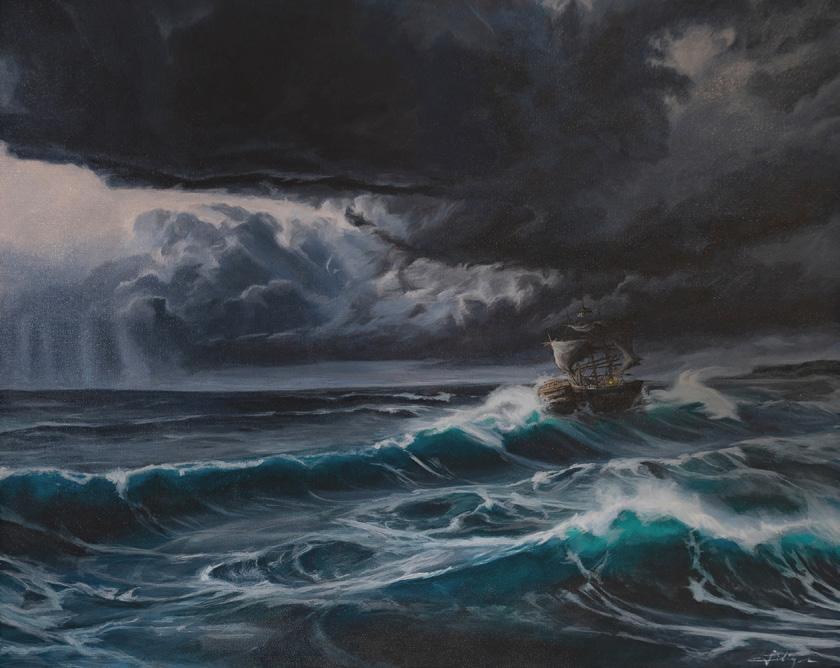
a collection of visuals from the students, faculty, and staff at spokane falls community college.
Liliya Sidorenko
wh wh
Evelina Tischenko

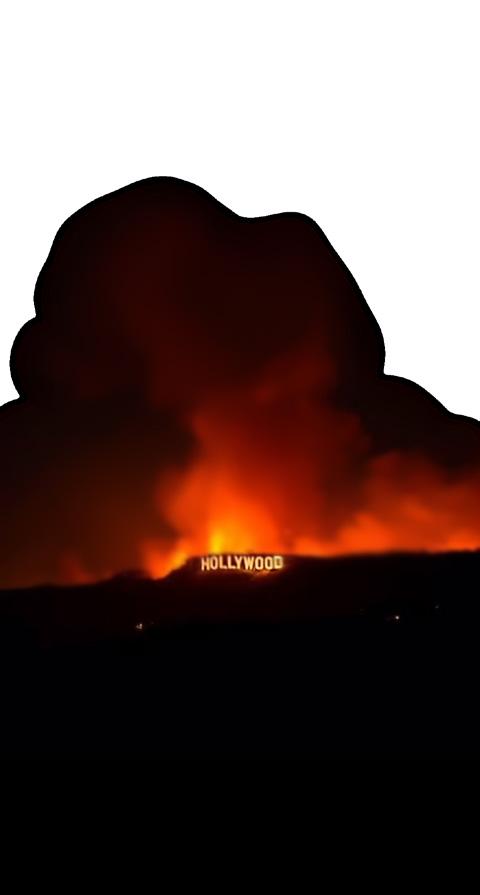
Wyktoria Taschler
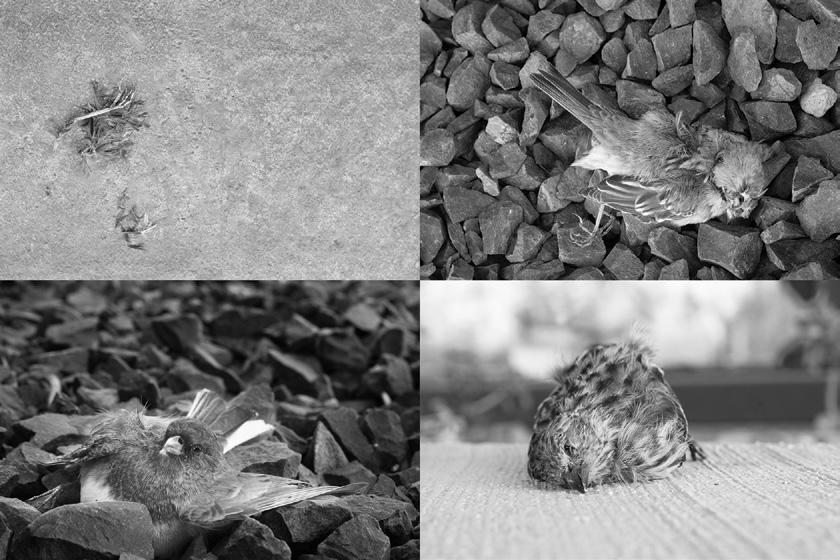
Sean Perry
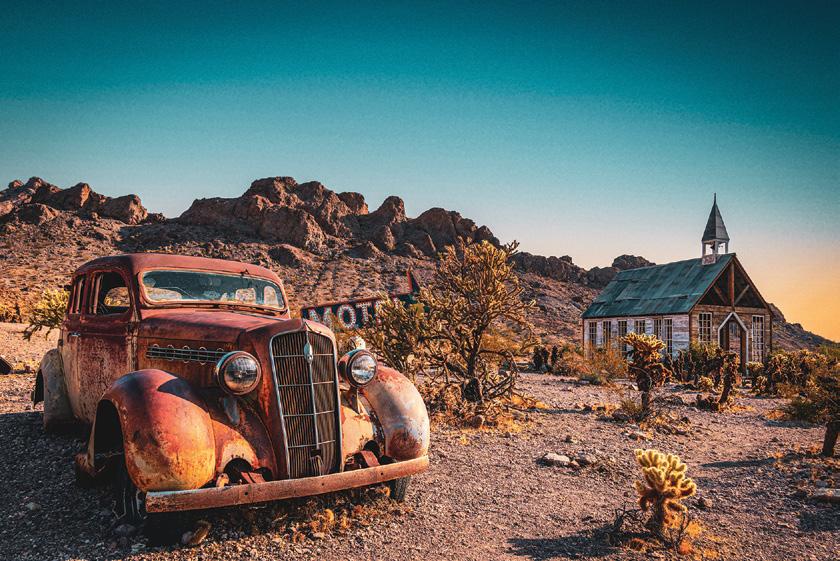
JL Bribiesca
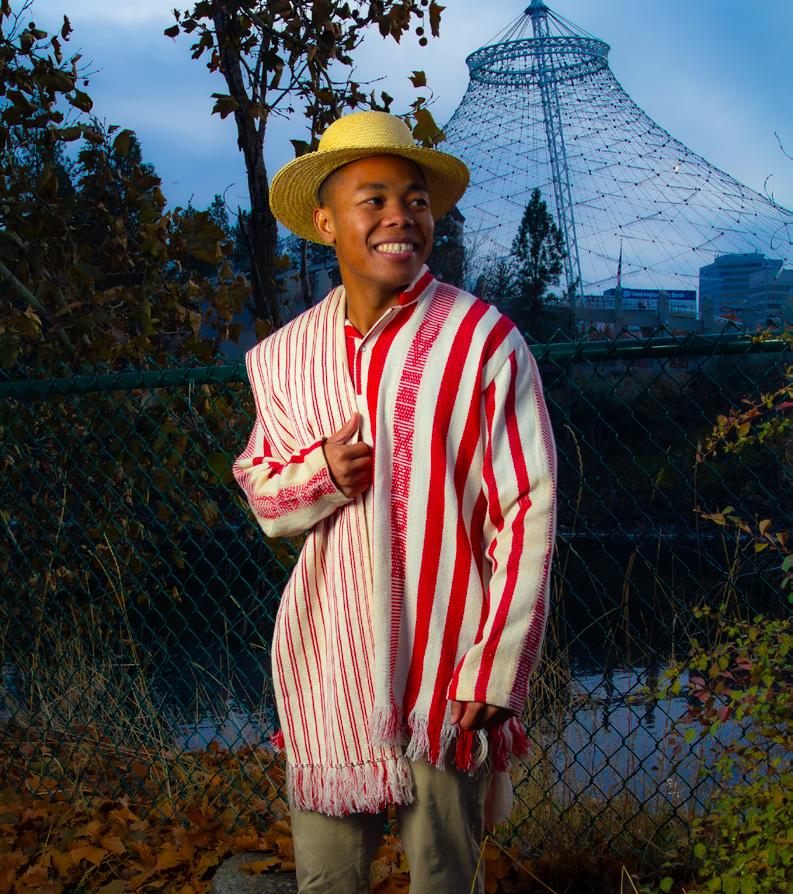
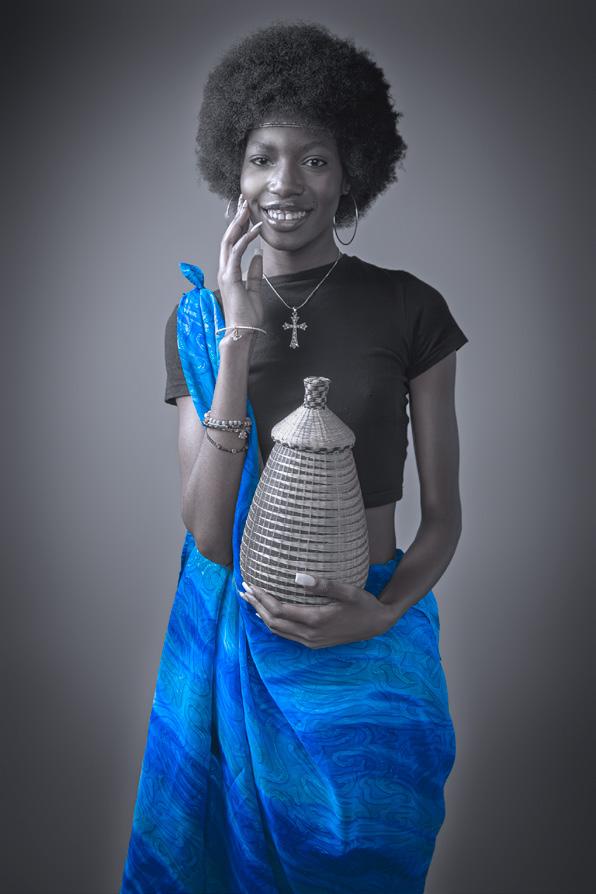
Mathew Shields

Leoline Monroe
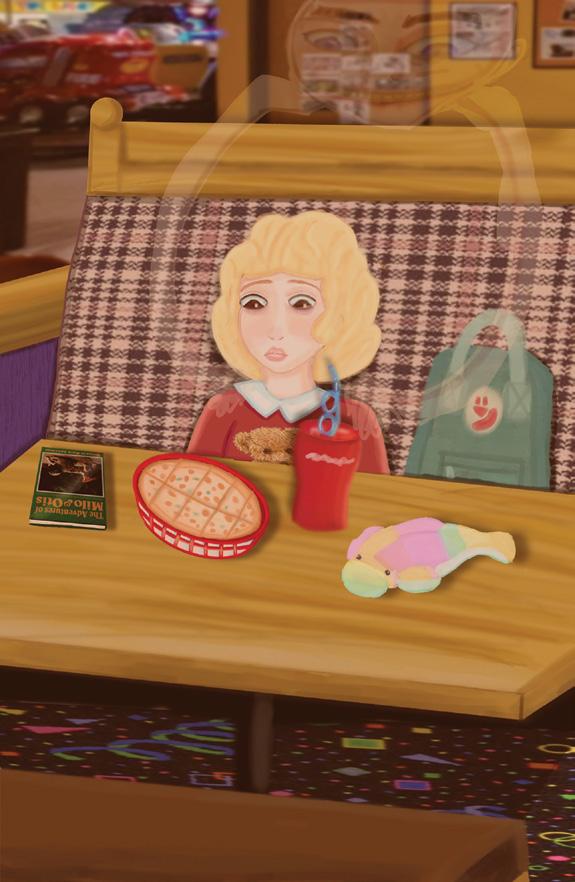
Sara Rick
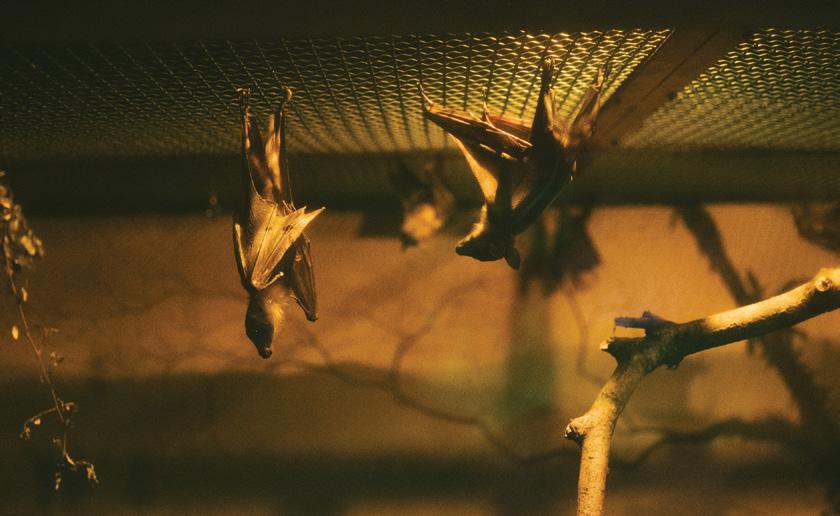
Milo Ramsdell
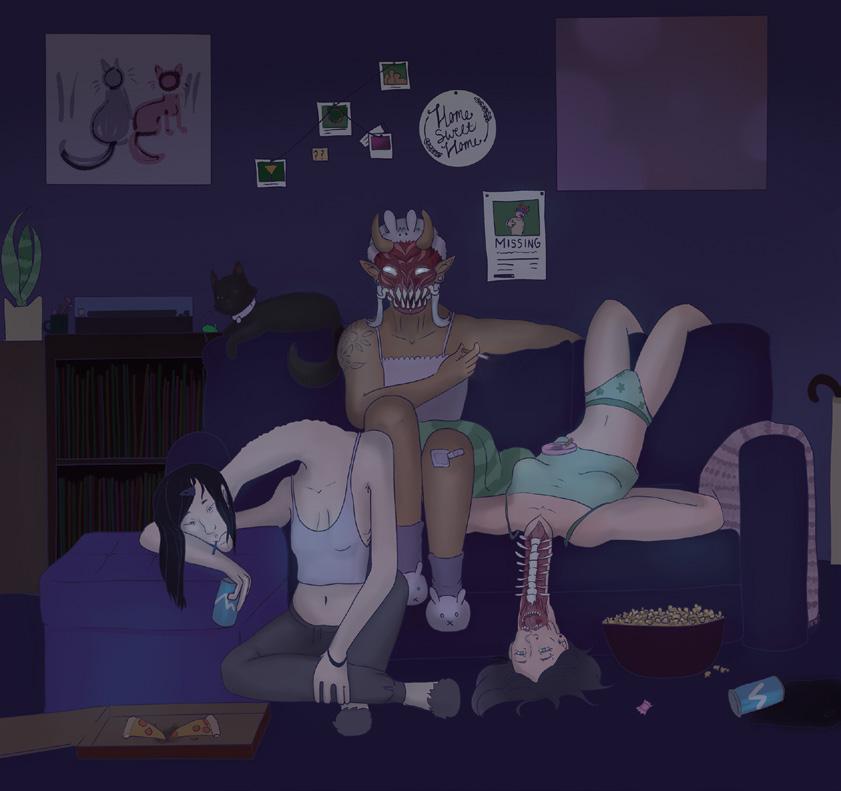
Ashley Lupton
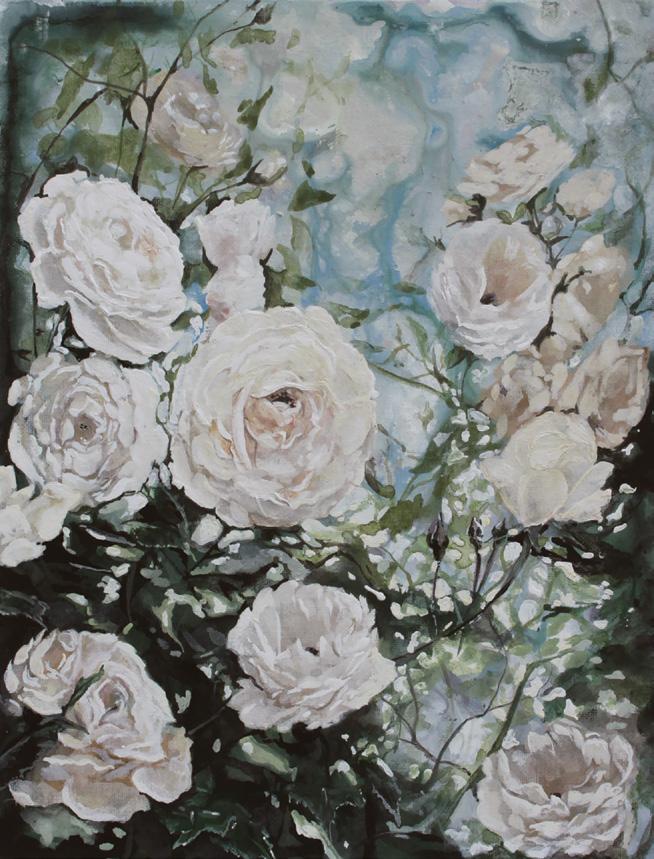
Grace Berry
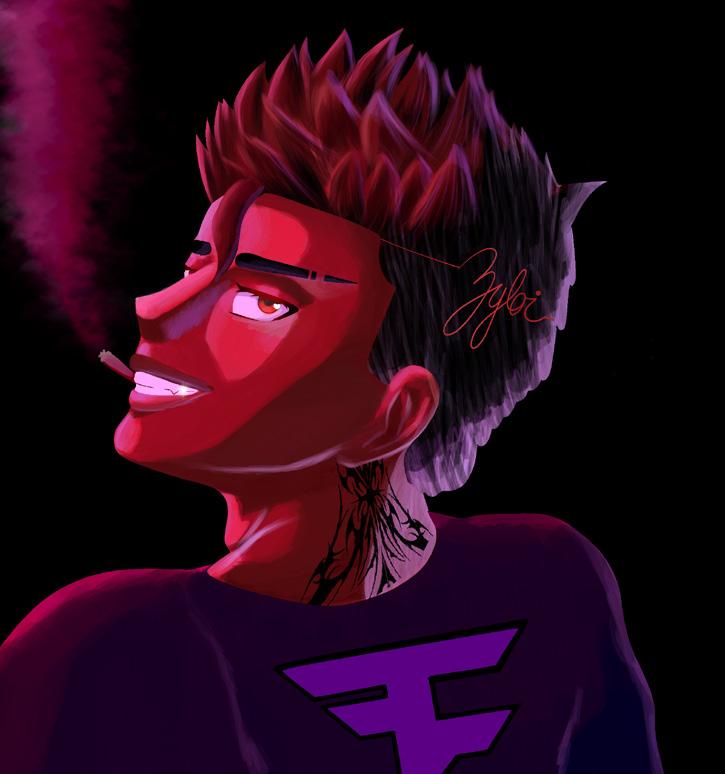
Serena Willcoxon
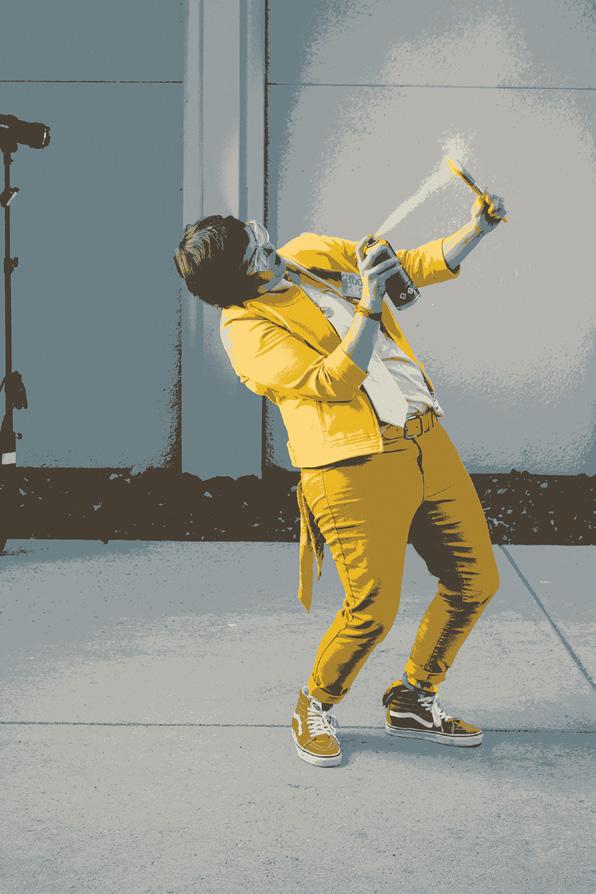
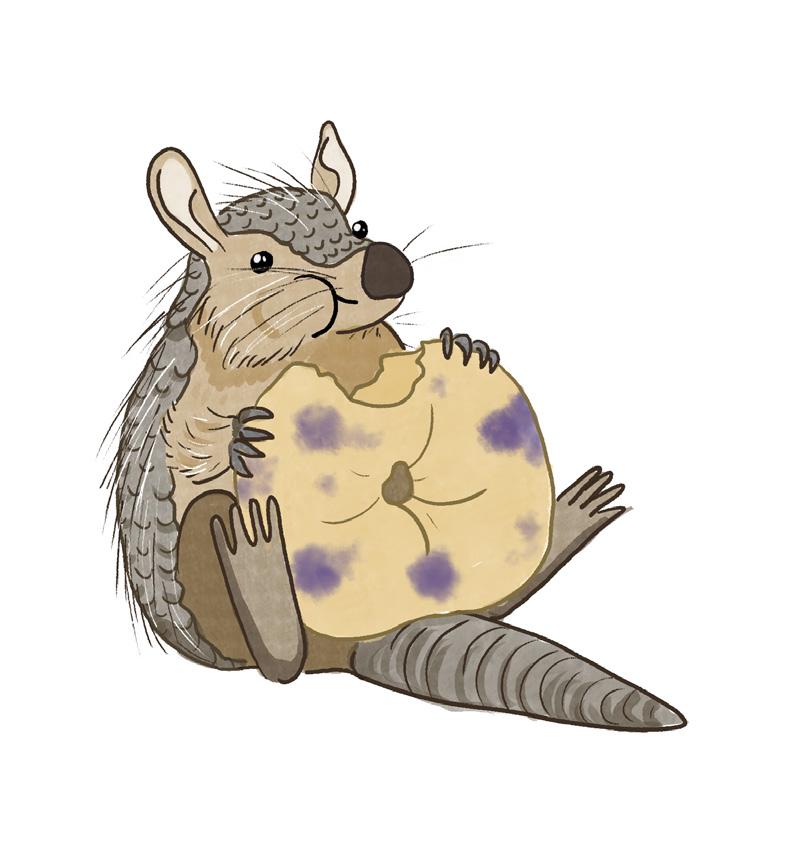
Lance Sagario
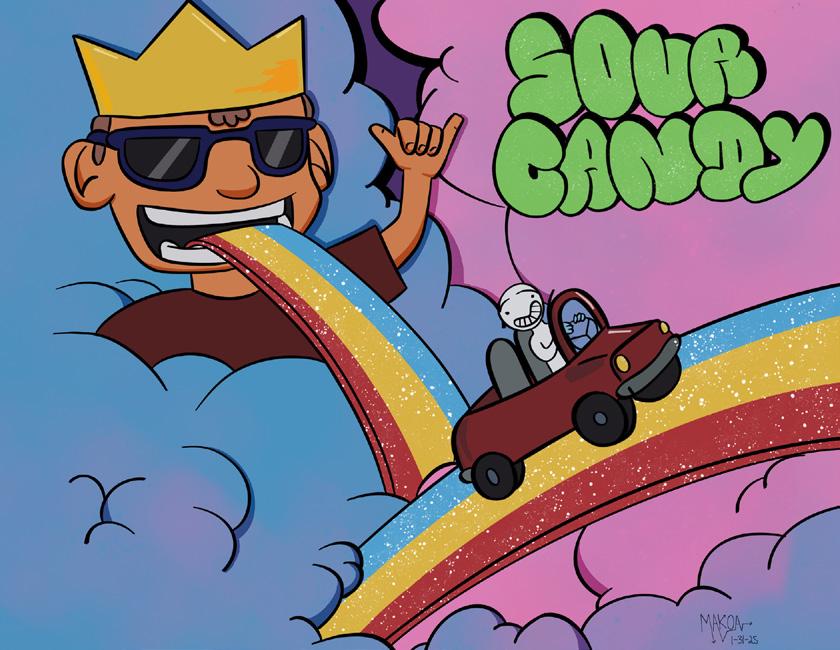
Sad You’re Gone, Glad You Were Here at All
Sharon M. Mcgavran
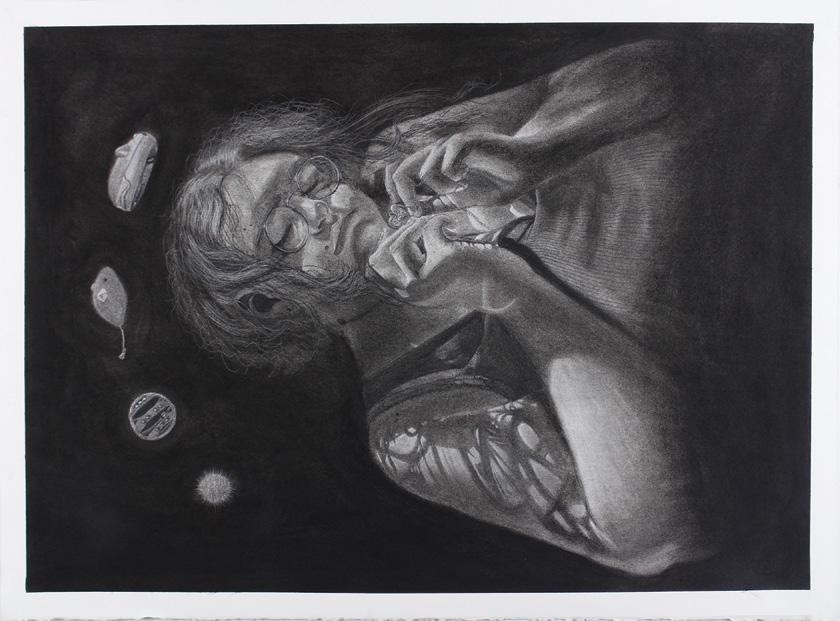
Heather Ann Woods
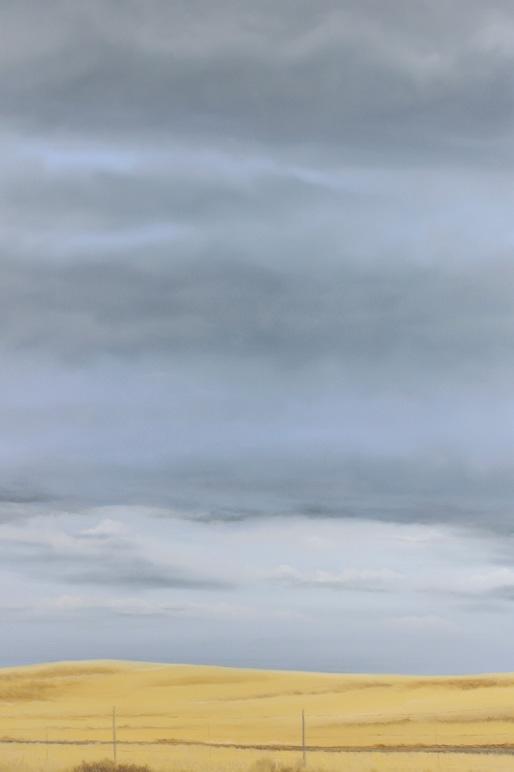
Evan Burch
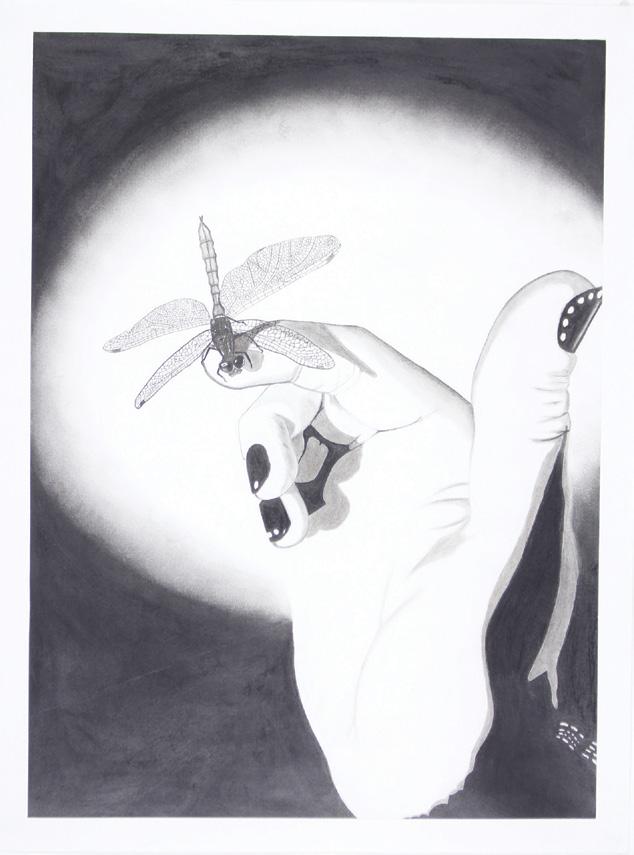
Jordan Bailey
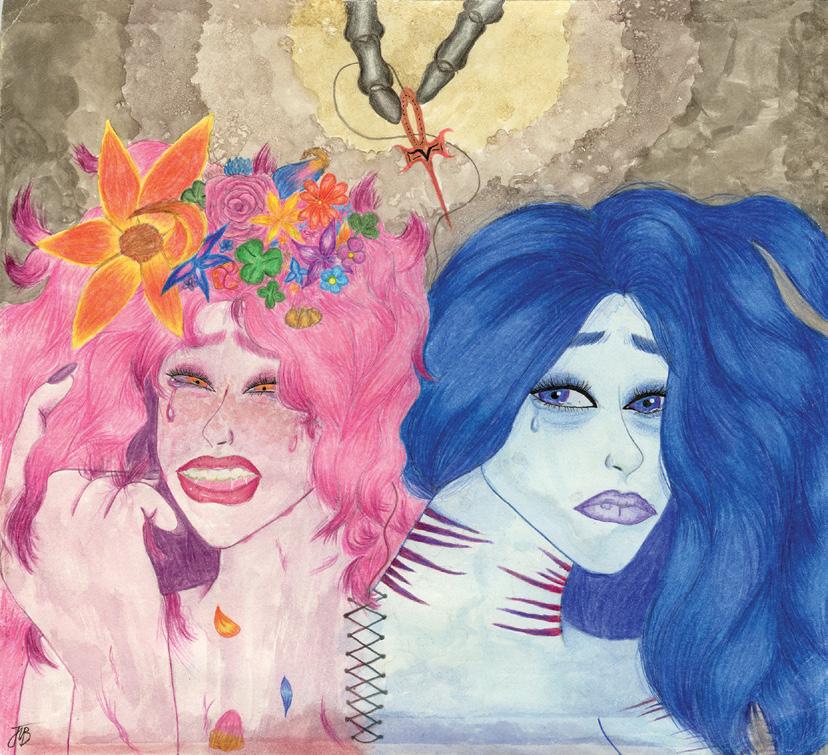
Sarah Hickman
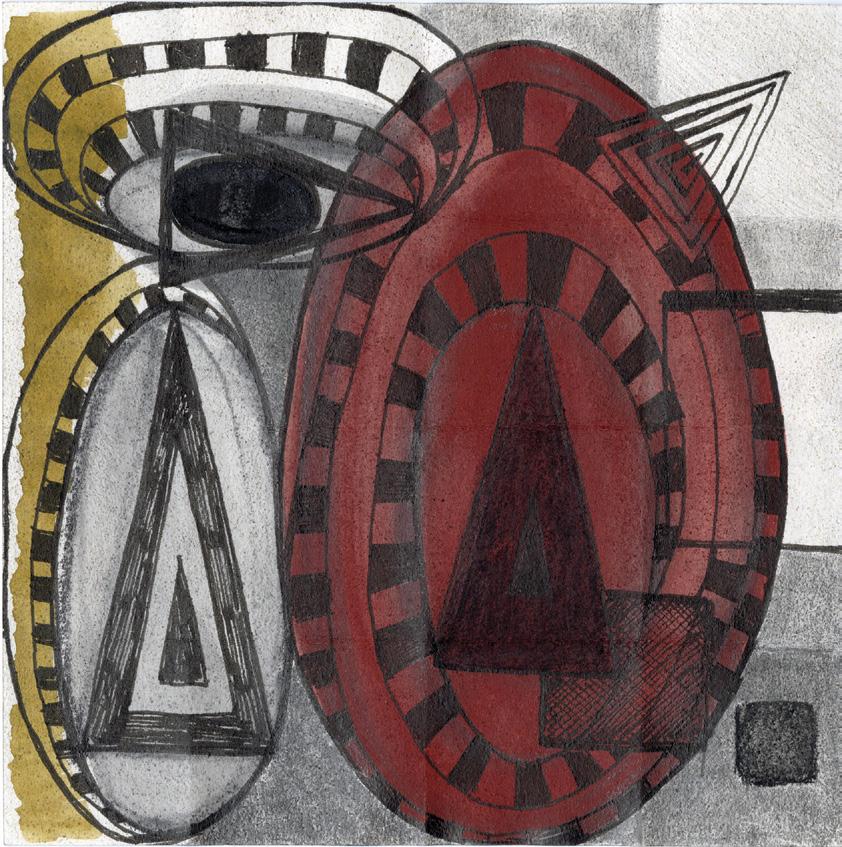
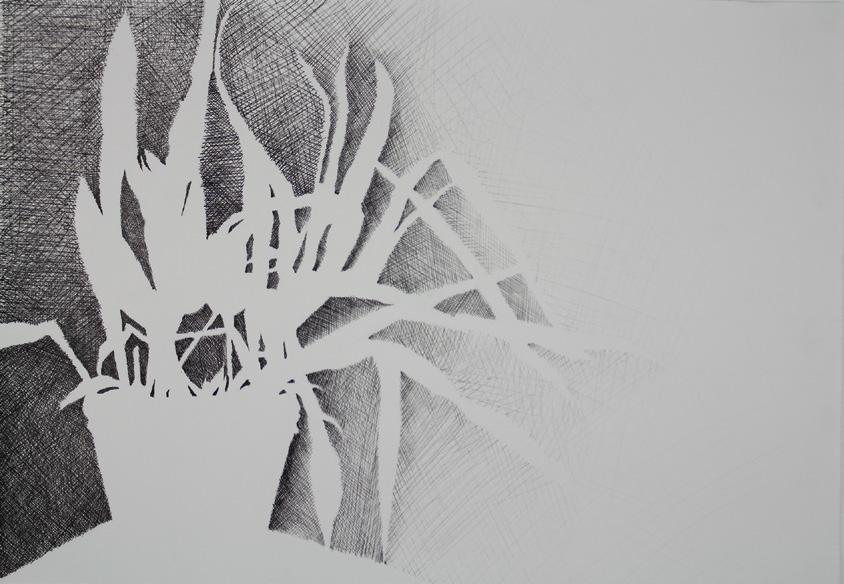
Micah Rawlings
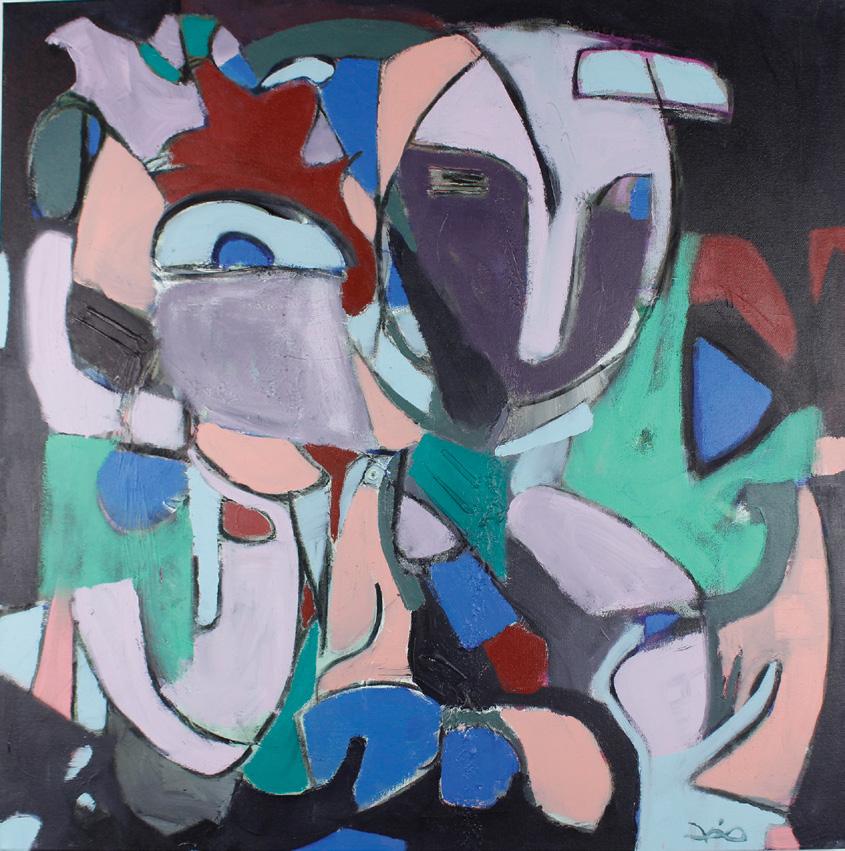
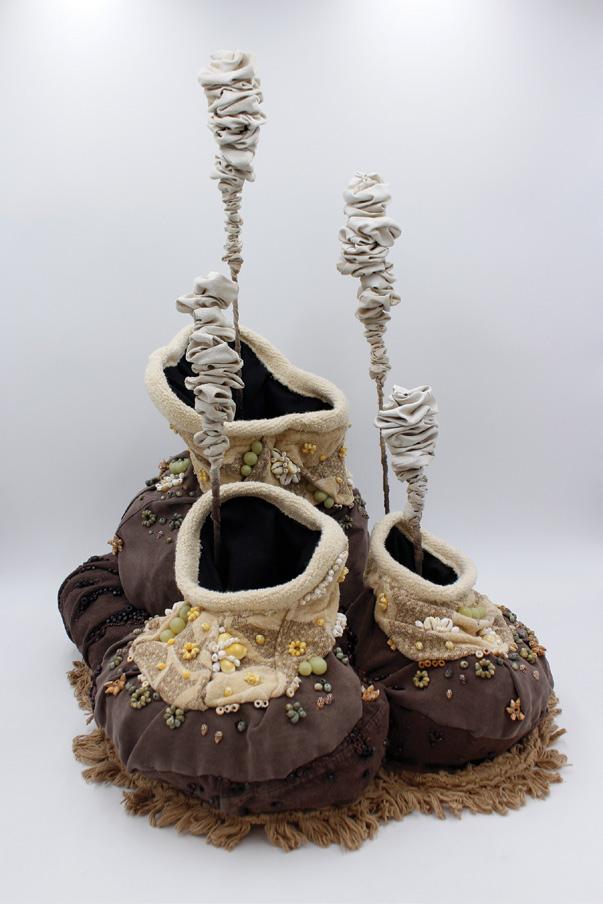
Taschler
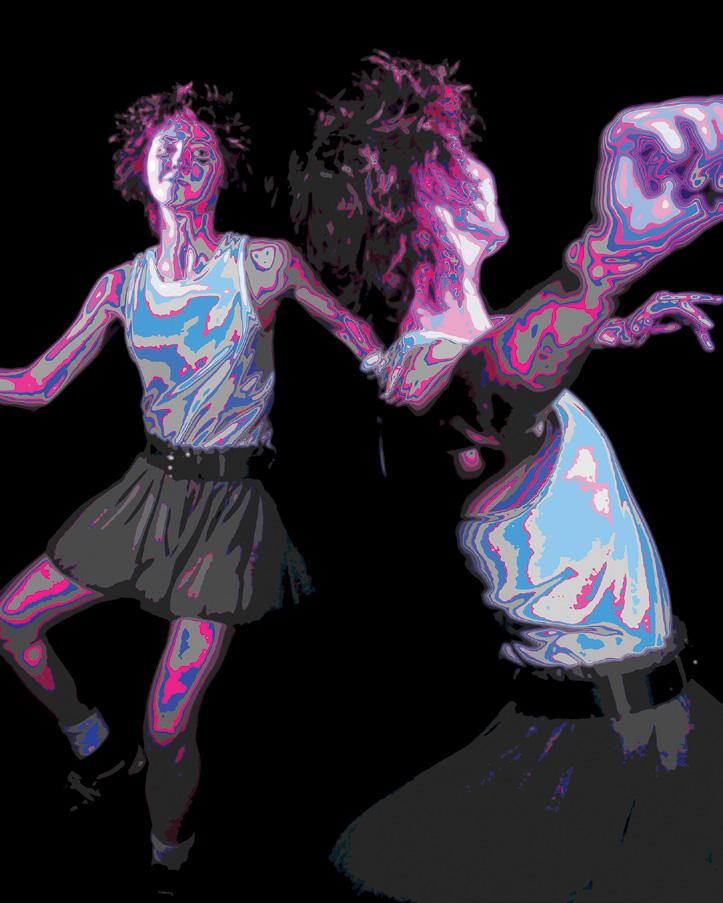
Sean Perry
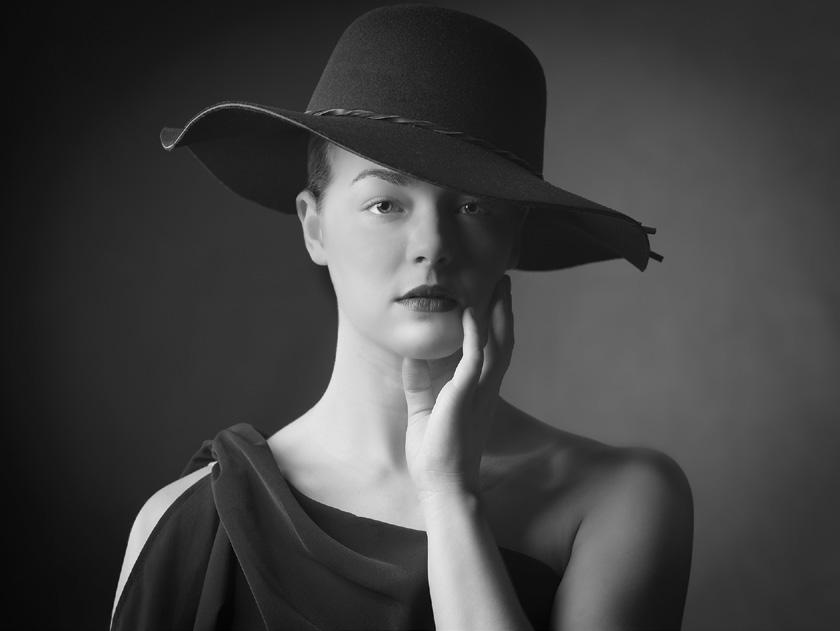
JL Bribiesca
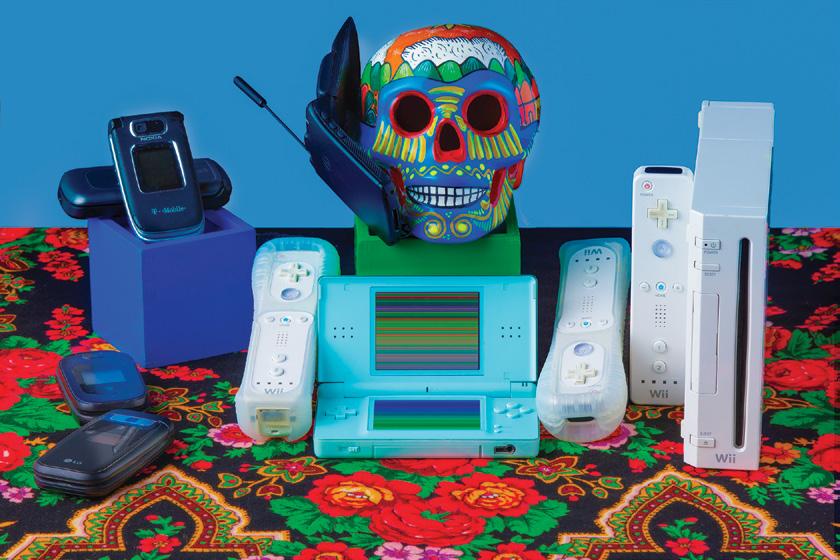
Mathew Shields
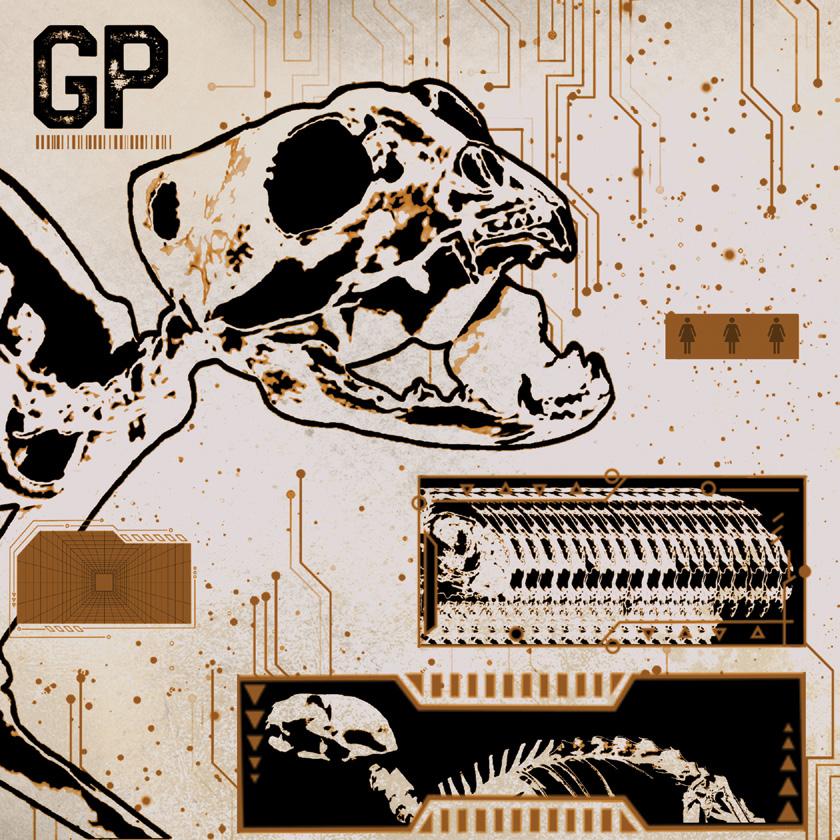
Ashley Lupton
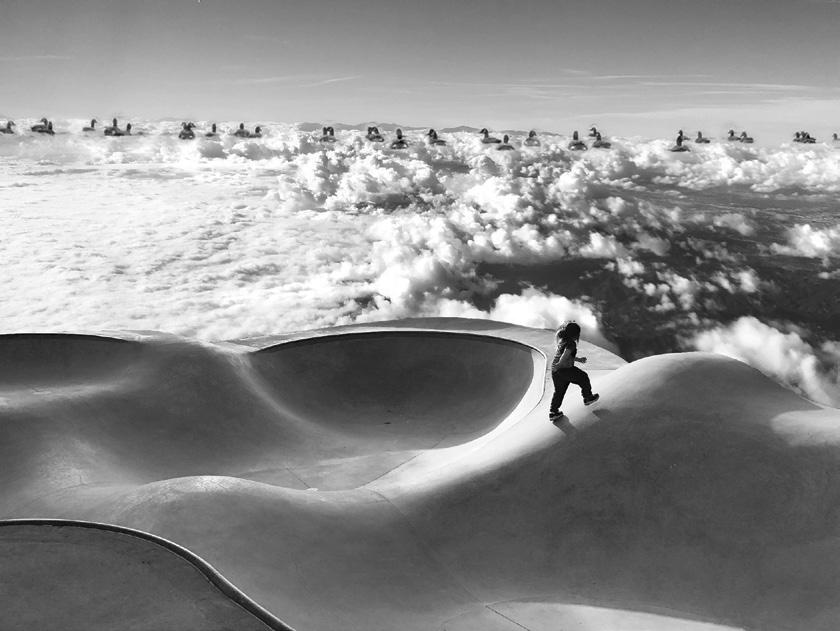
Serena Willcoxon
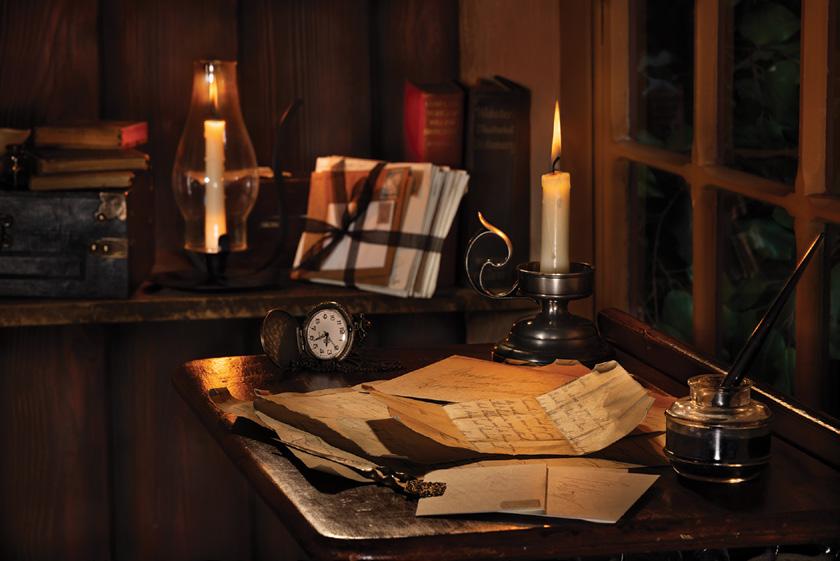
wh wh
Heather Ann Woods
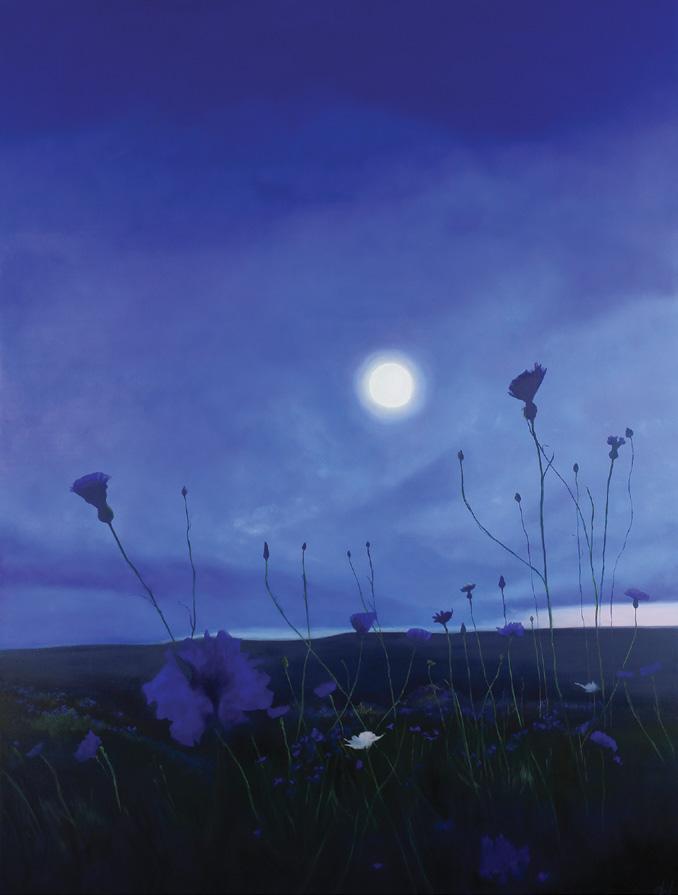
Jordan Bailey
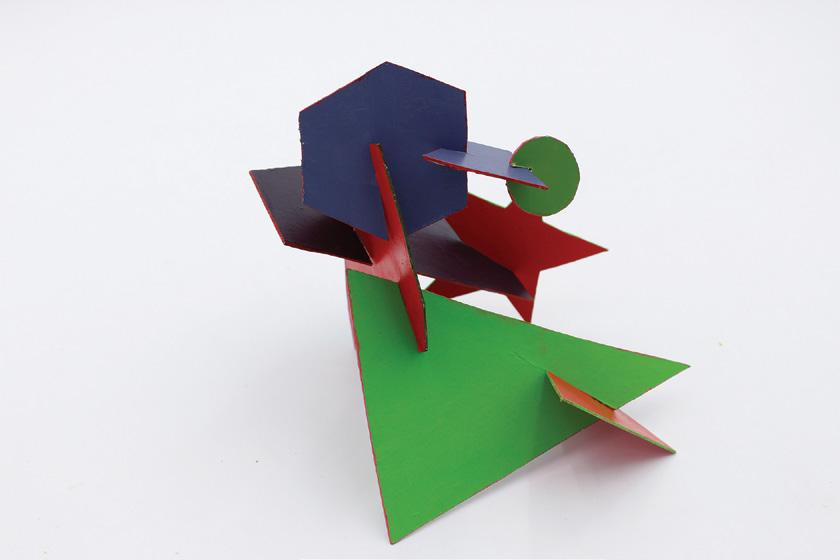
Sarah Hickman
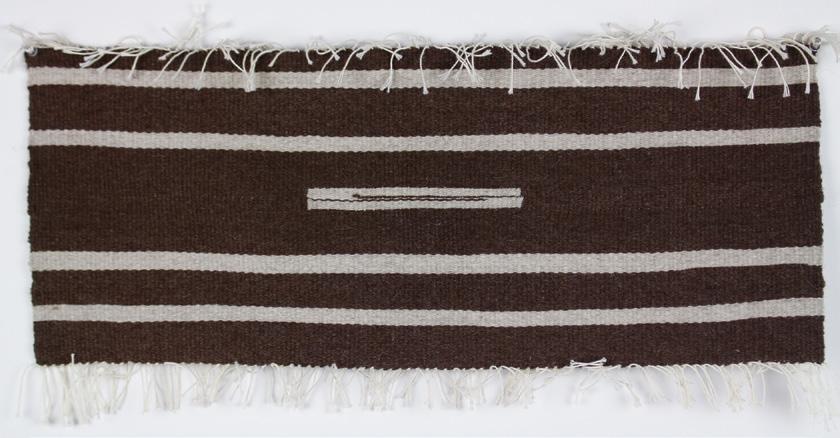
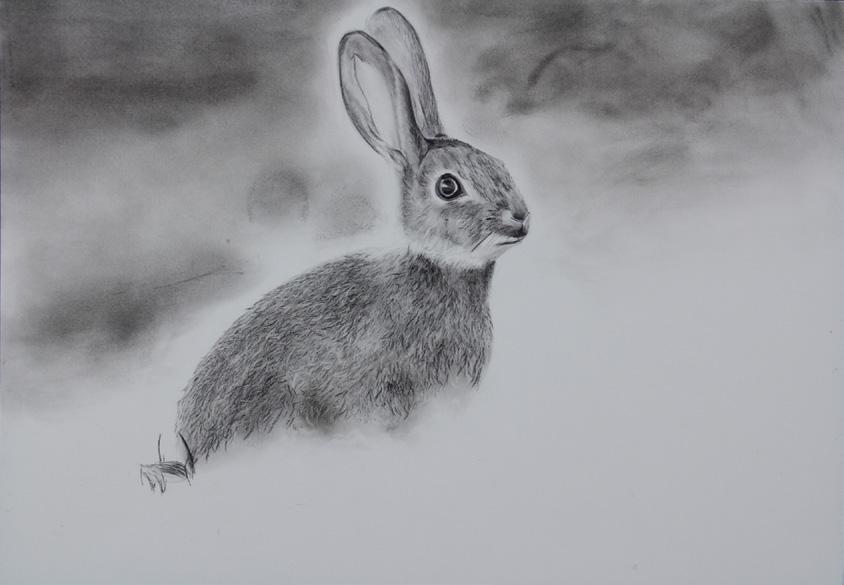
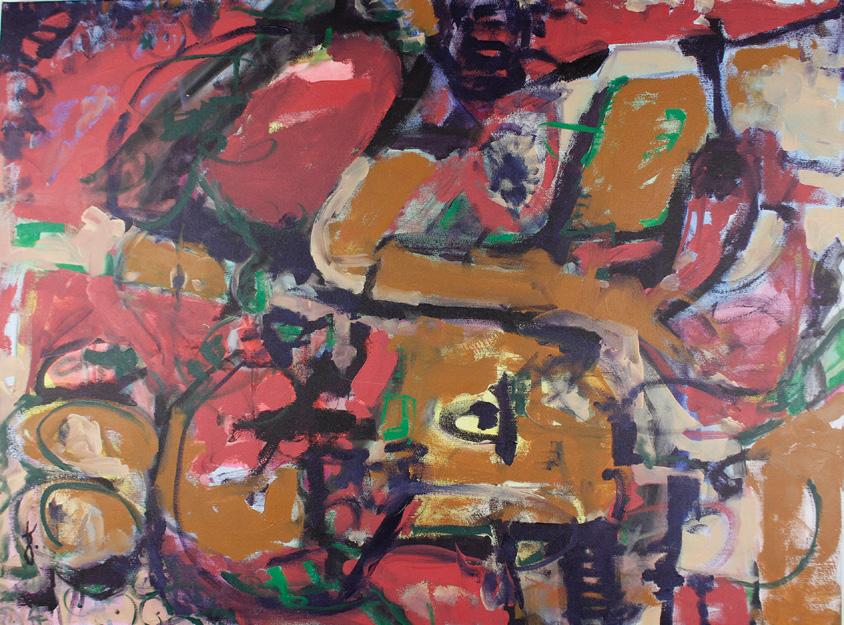
Lee Soth
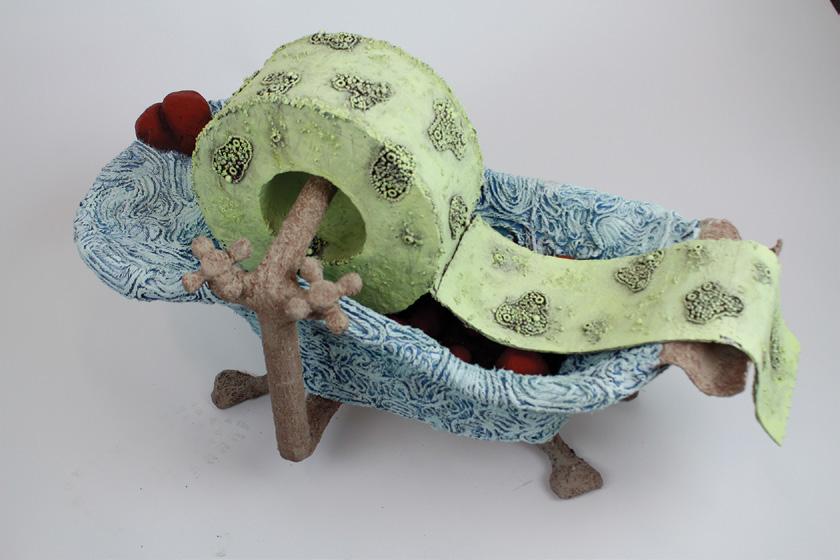
Graphic Arts Editor // Gavin Davis
Assistant Graphic Arts Editor // Mathew Shields
Literary Editor // Kira Loweree
Literary Staff // Kara Beechler, Alycia Love, Annie Rees, Kyla Shodahl, Crow Webster
Graphic Arts Advisor // John Mujica
Literary Advisors // Ben Cartwright and Laura Read
Special Thanks // Richard Baldasty, Linda Beane-Boose, Erik Sohner, Vincenzo Cardamuro, Shelli Cockle, Dale Duncan, Anna Gonzales, Carl Richardson, Connie Wasem Scott, and Annastacia Stegall
Paper Stock // Cover: White 110# Uncoated Cover
Text: White 100# Uncoated Text
Ink Color // 4 color process throughout
Bindery // Trim, collate and perfect bind
Typeface // Neue Haas Grotesk
Printer // Lawton 4111 E Mission Ave Spokane, WA 99202 lawtonprinting.com