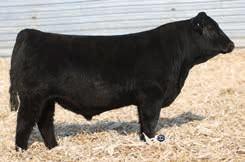
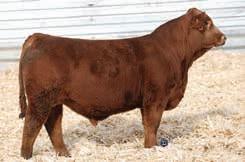
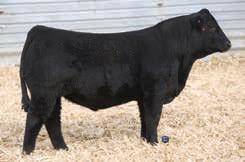
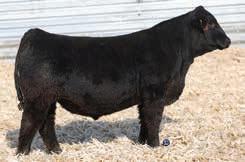
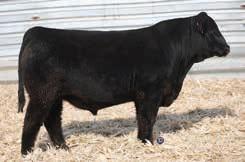
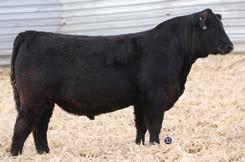
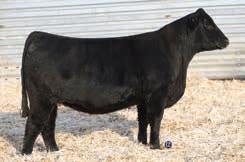
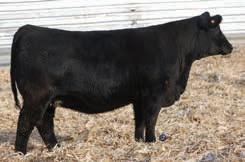
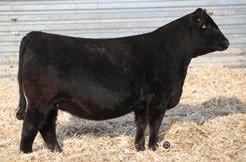
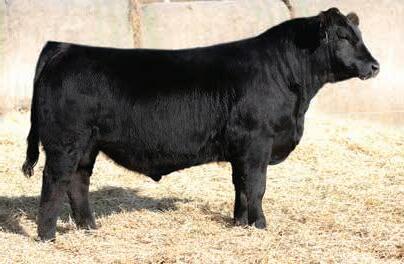
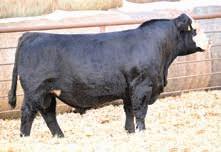
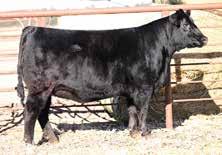
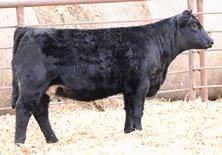
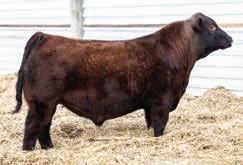
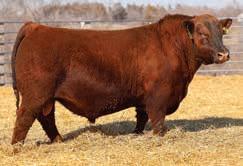
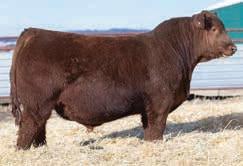
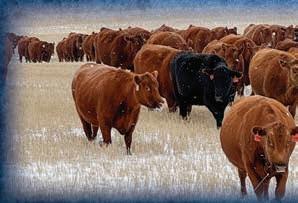
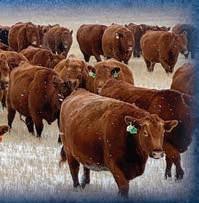
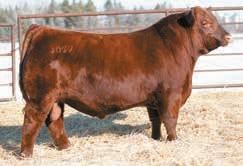
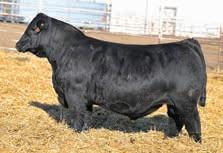
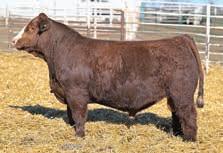
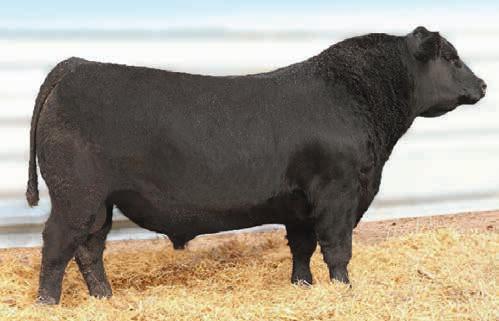
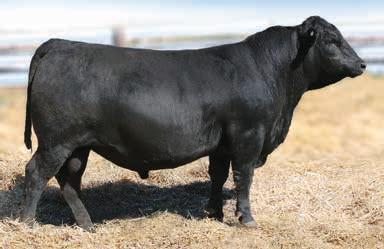
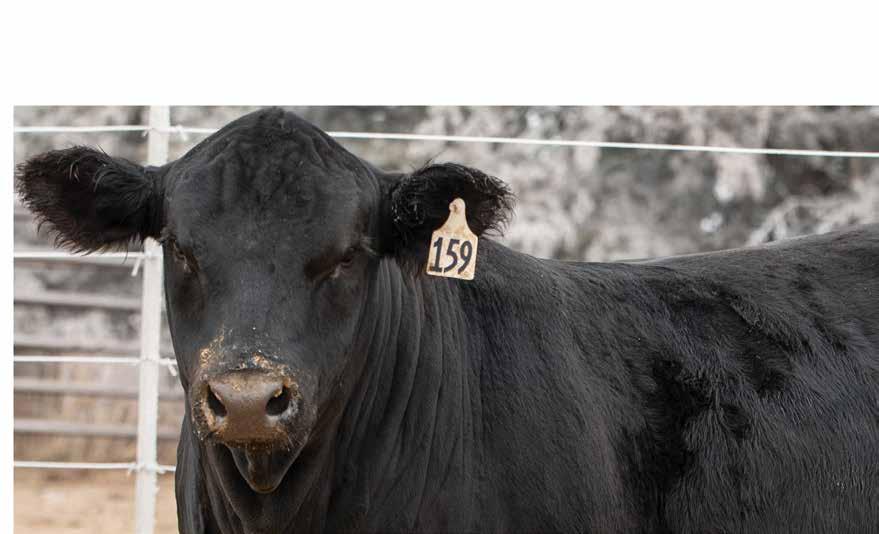
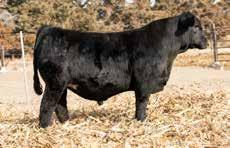
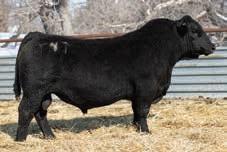
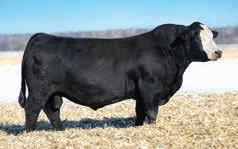
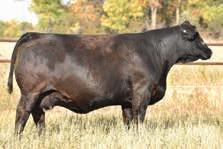
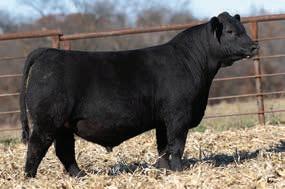
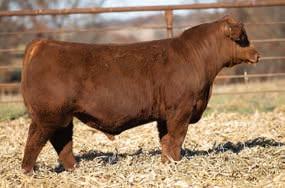
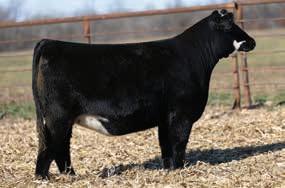
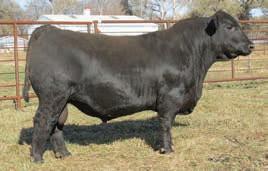
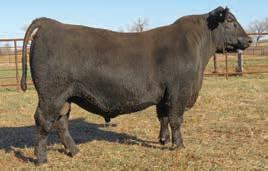
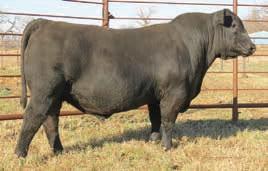
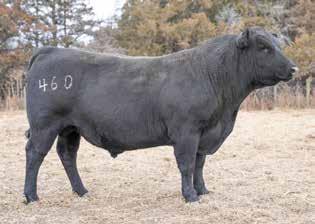
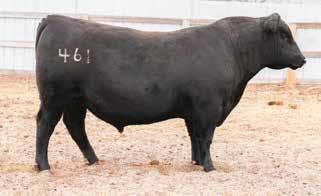
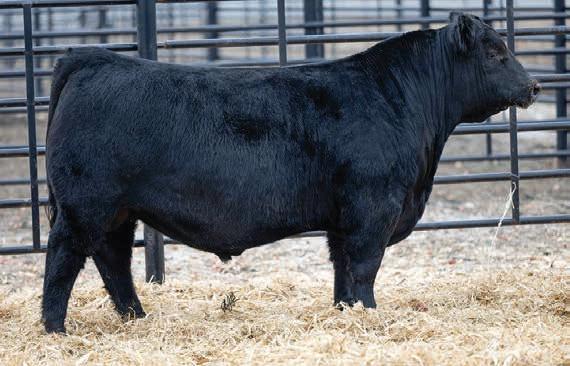
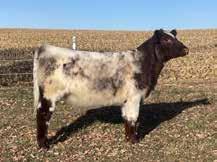
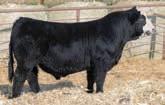
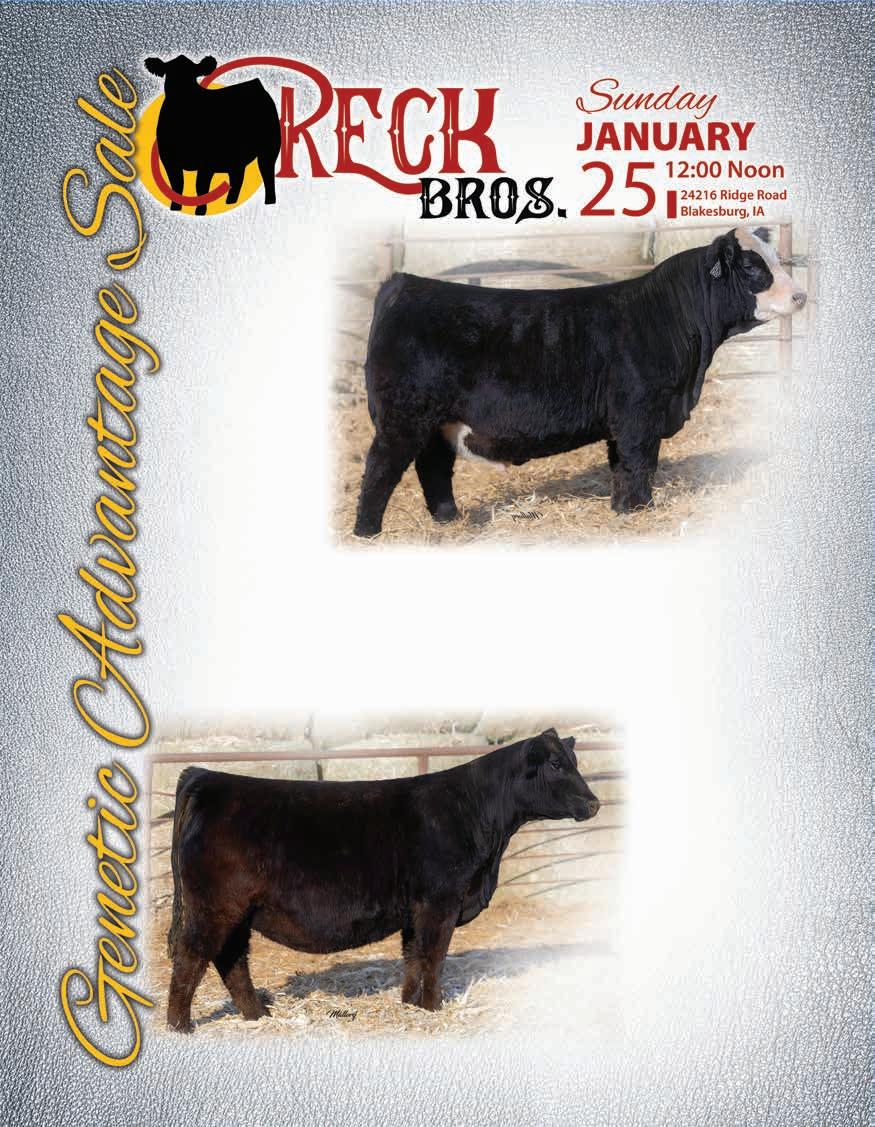
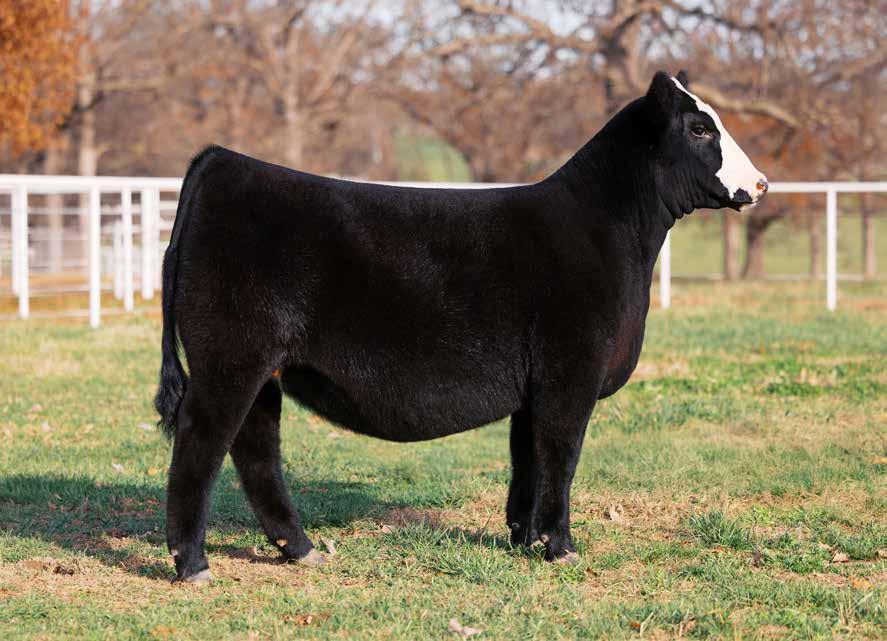
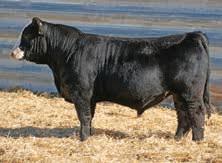
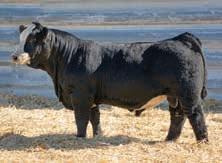
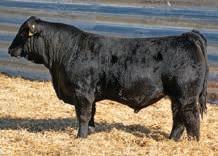
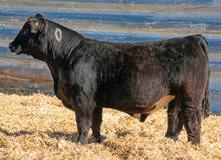
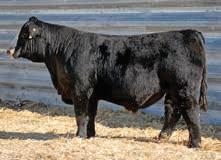
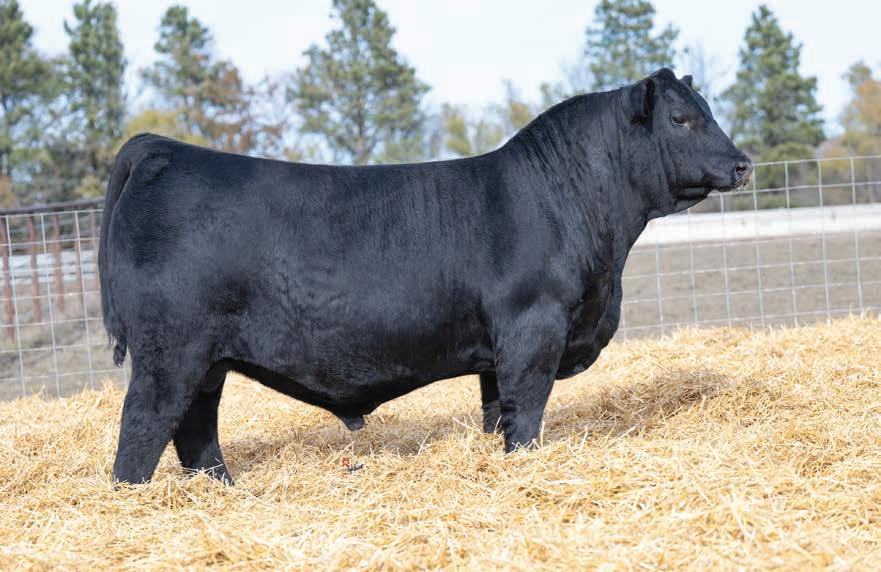
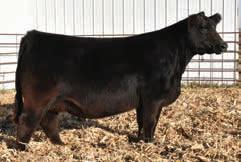
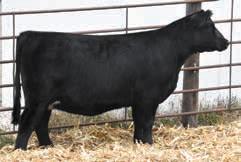
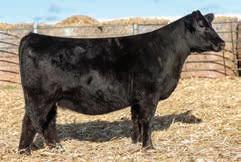
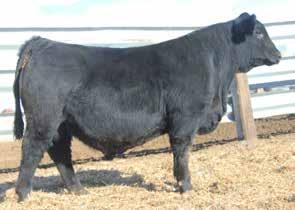
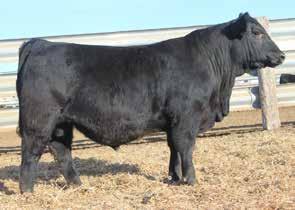
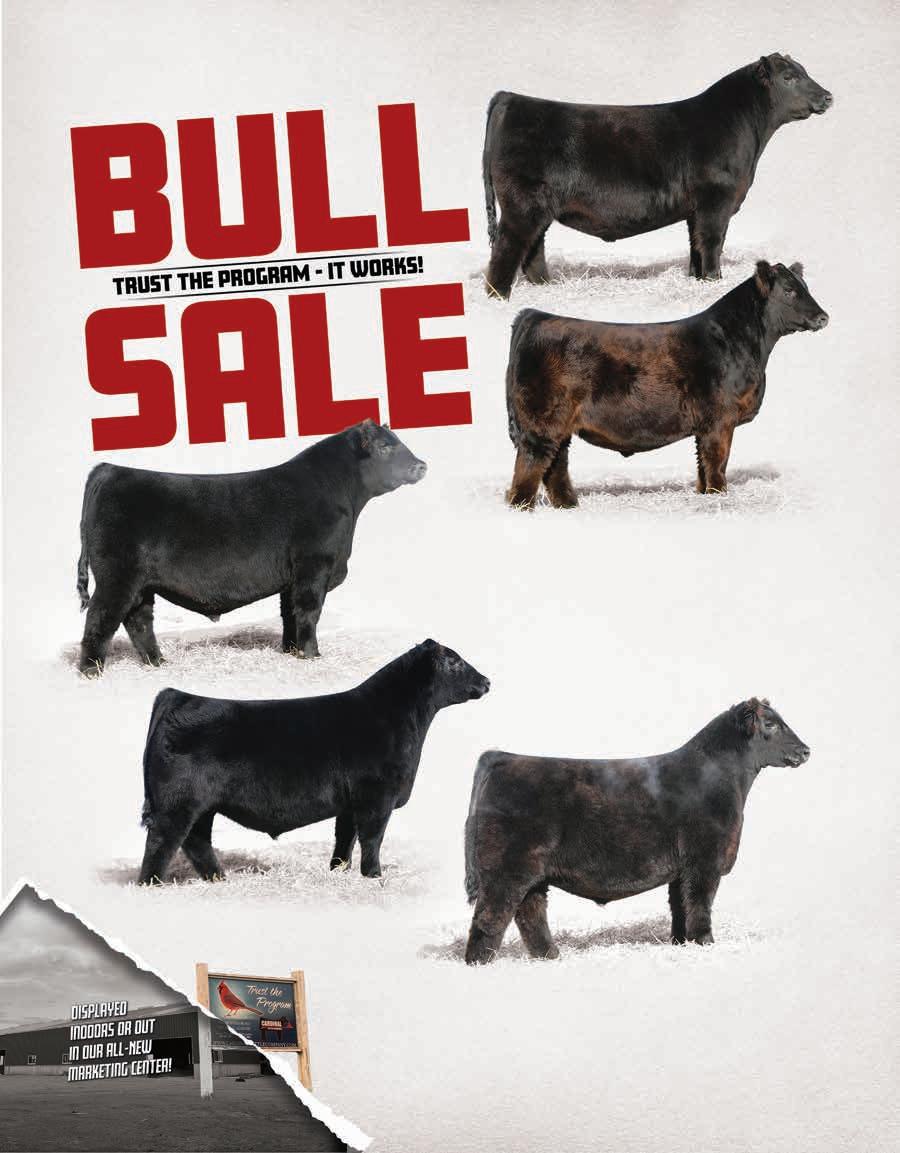
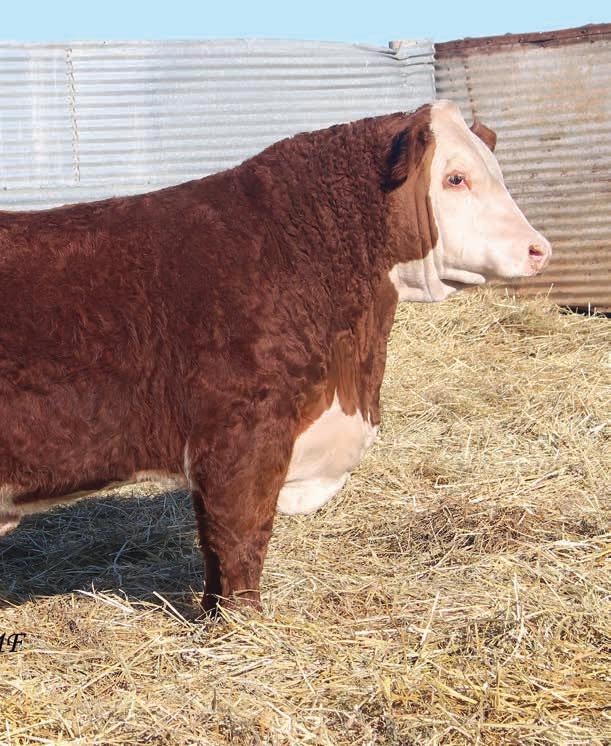
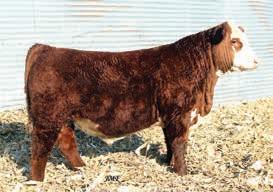
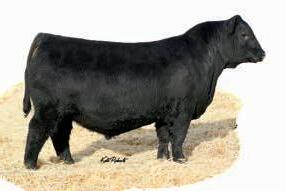
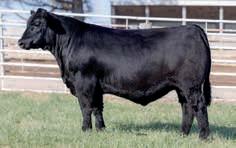
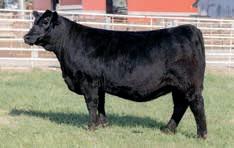
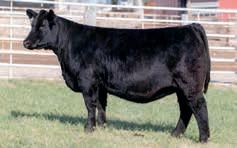
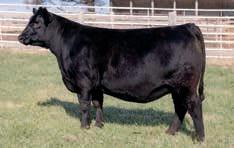
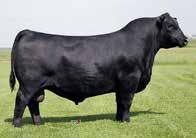
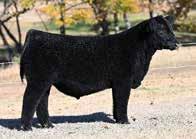
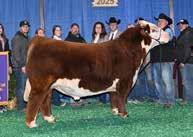
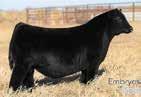
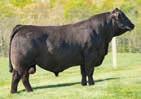
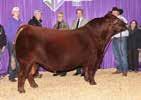
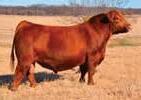
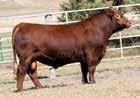
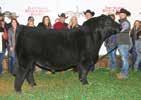
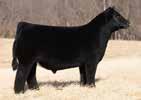
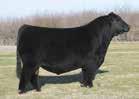
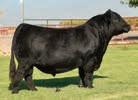
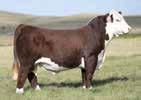
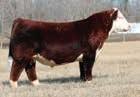
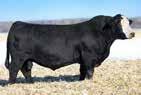
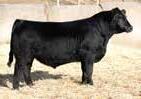
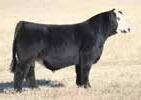
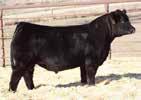
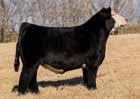
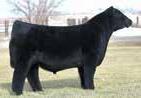
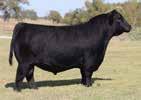
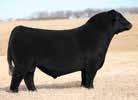
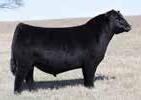
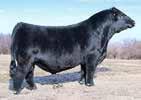
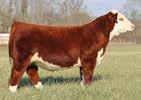
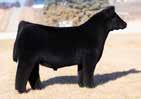
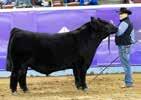
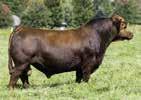
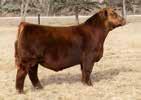
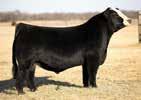
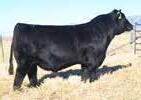
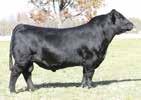
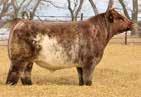
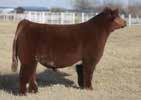
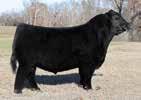
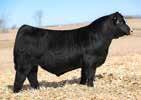
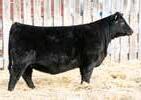
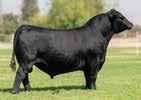
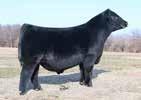
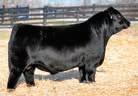
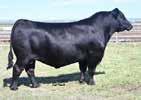
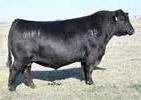
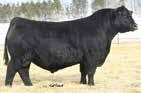
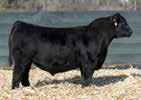
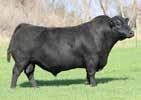
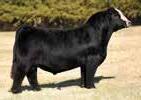
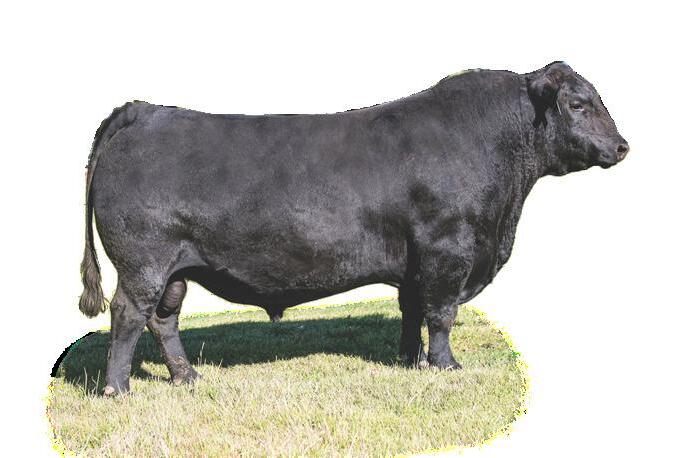
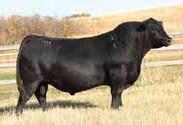
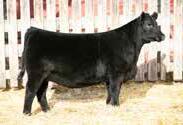
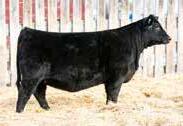
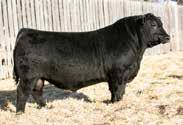
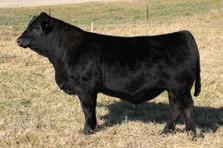
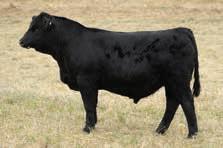
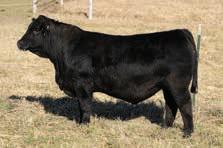
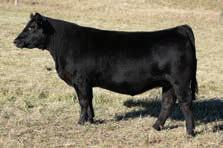
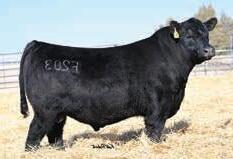
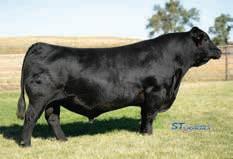
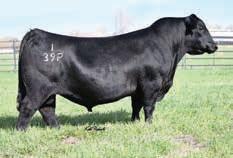
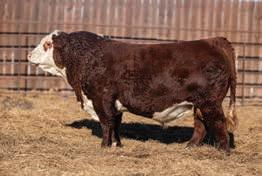
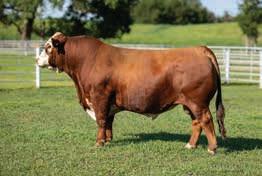
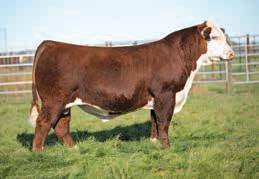
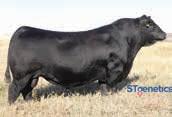
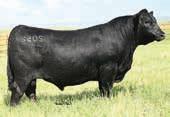
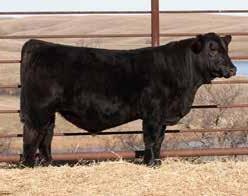
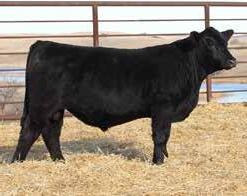
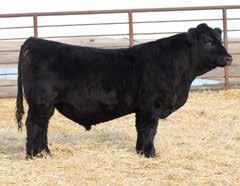
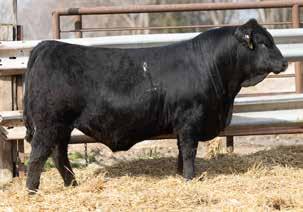
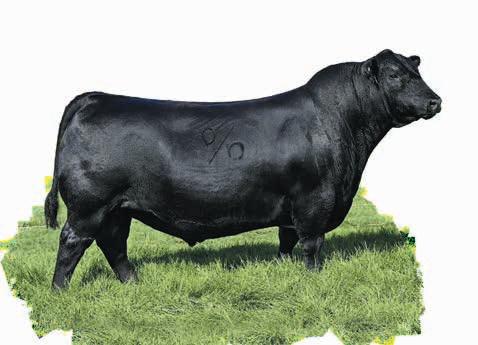
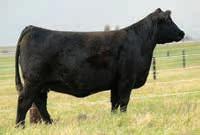
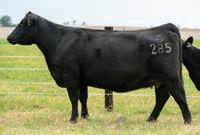
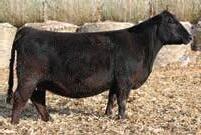
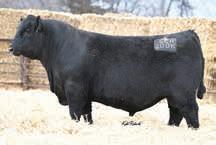
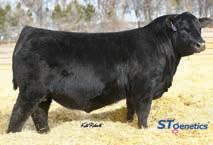
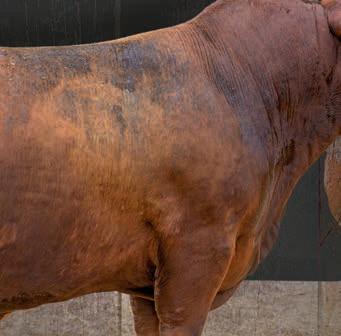
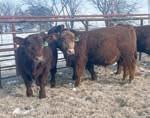
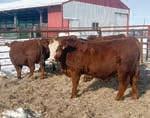
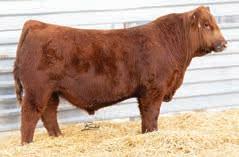
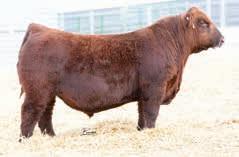
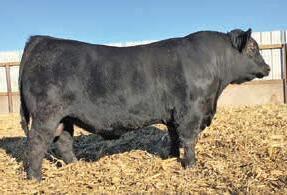
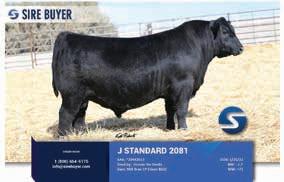
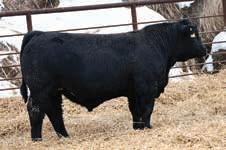
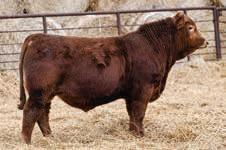
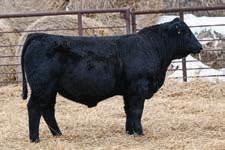
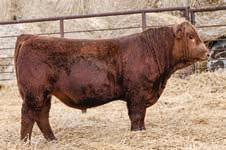
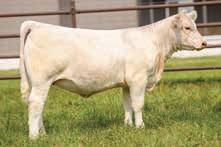
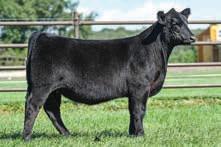
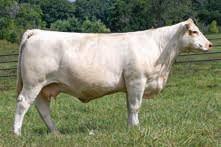
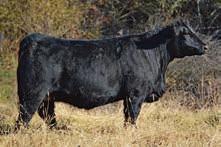
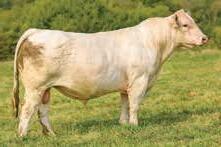
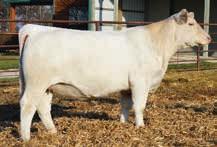
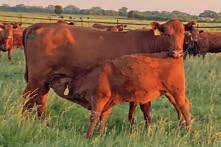
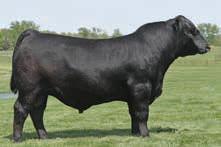
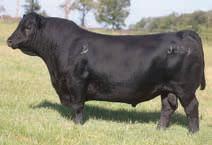
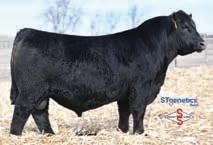
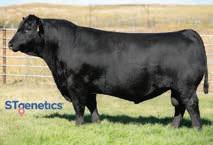
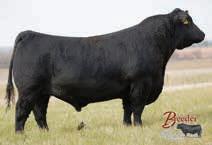
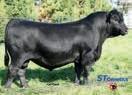
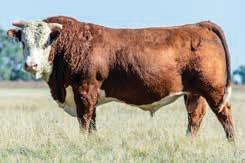
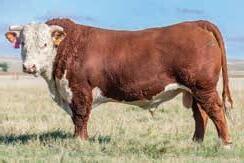
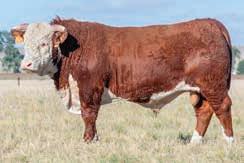
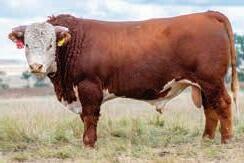
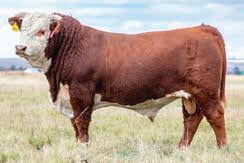
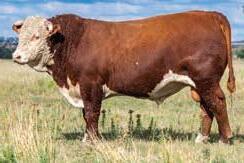
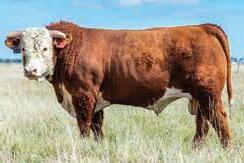
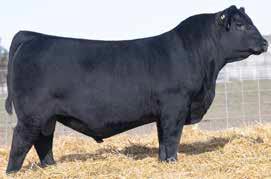
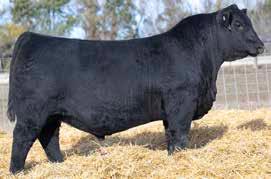
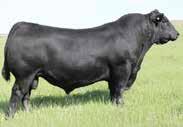
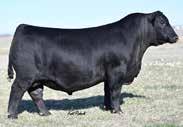
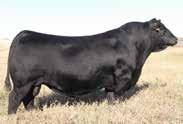
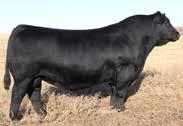
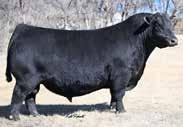
ASA #4569134 – PB SM Homo Polled & Non-Diluter Purebred & percentage reds backed by proven genetics and strong EPDs!
N5174 ET Assurance X Falcon
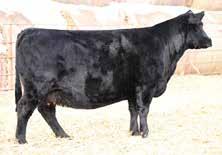
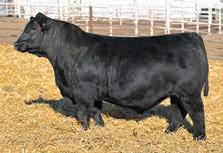
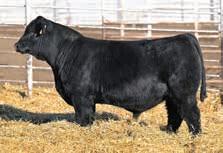
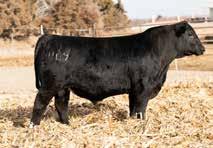
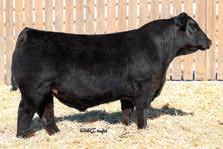
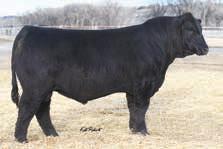
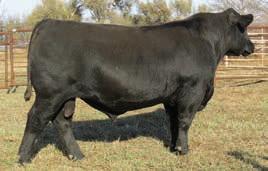
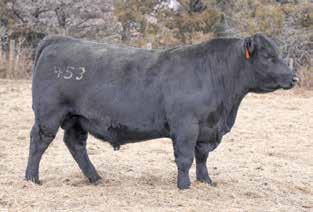
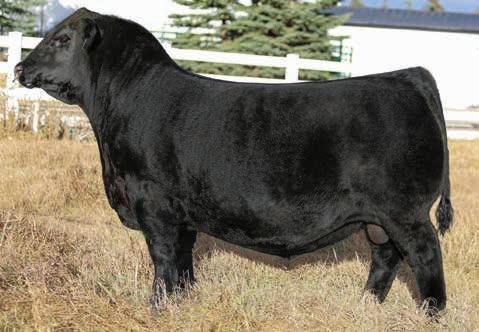
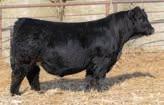
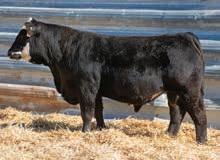
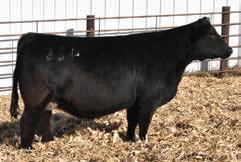
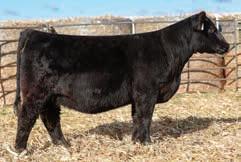
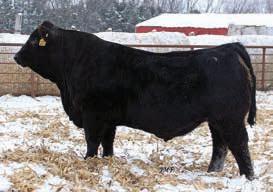
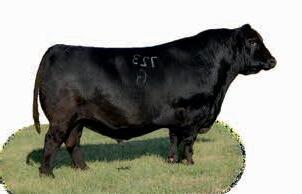
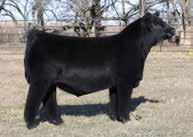
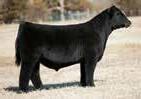
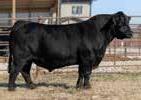
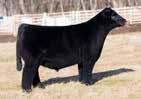
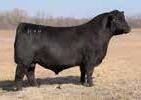
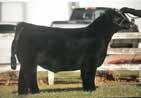
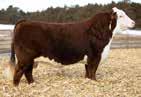
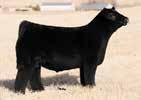
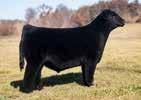
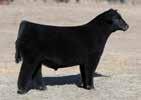
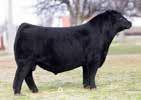
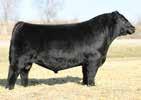
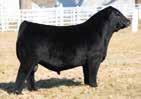
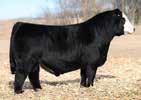
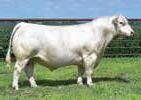
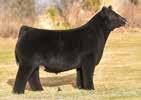
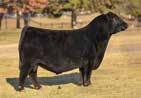
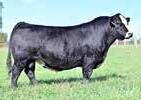
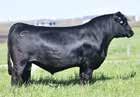
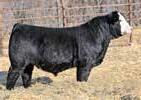
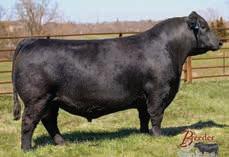
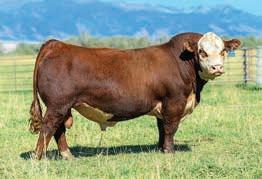
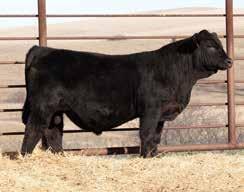
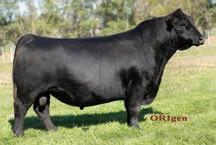
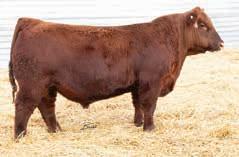
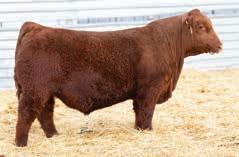
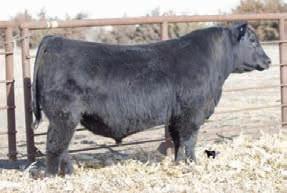
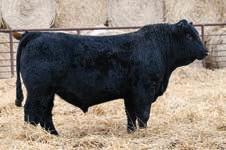
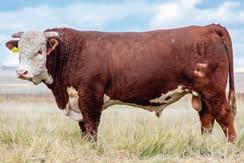
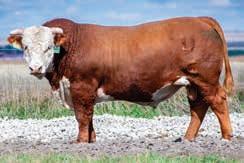
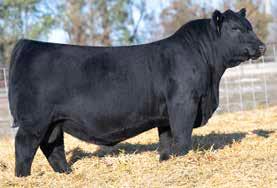
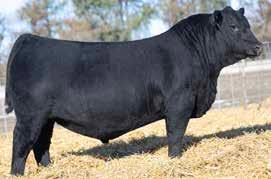
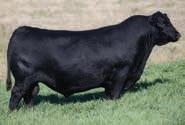
ASA #4569276 – PB SM Homo Polled & Homo Black
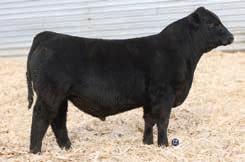
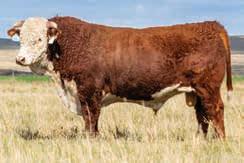
This sire group features 4 full brothers with large frame, excellent growth, & structure built to last!
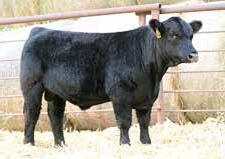
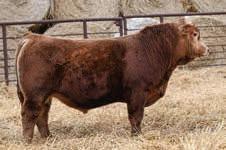
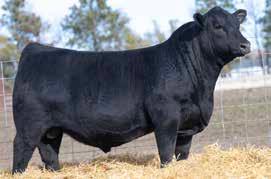
N574 Power Ball X Turnpike
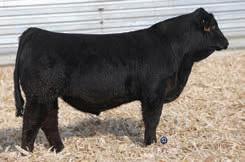
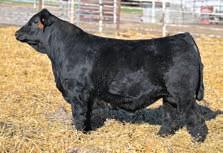
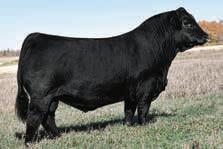
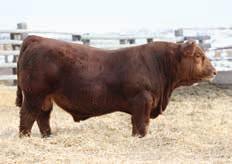
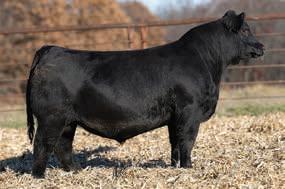
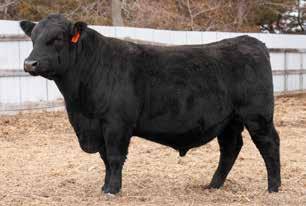
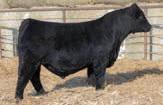
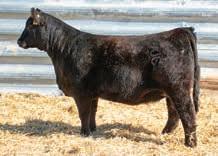
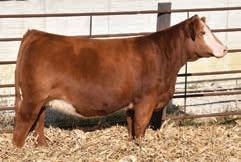
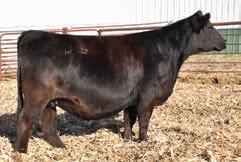
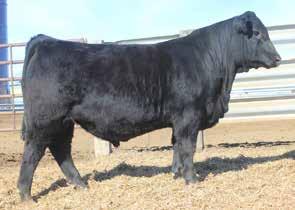
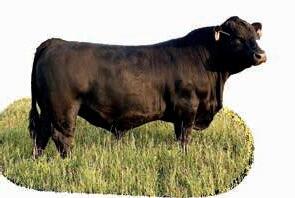
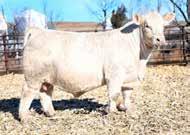
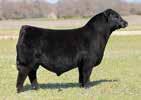
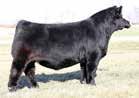
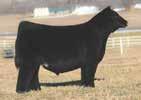
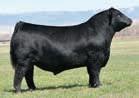
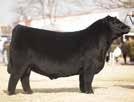
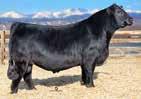
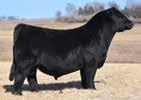
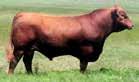
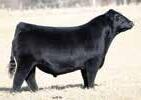
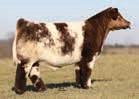
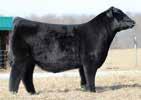
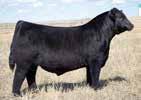
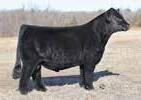
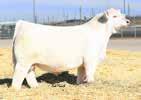
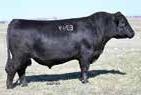
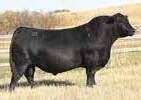
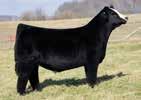
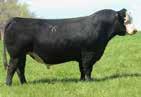
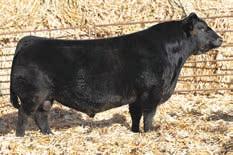
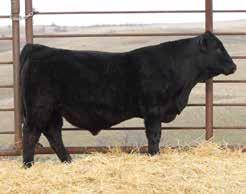
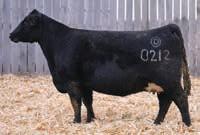
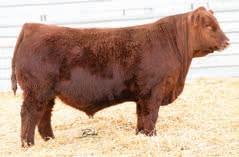
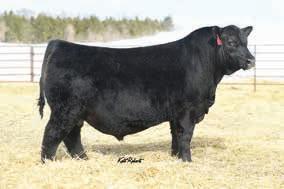
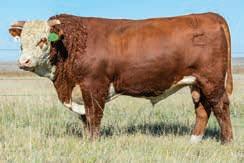
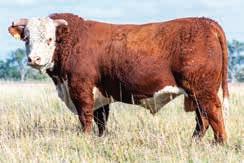
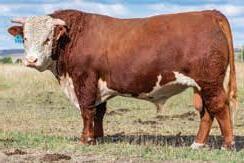
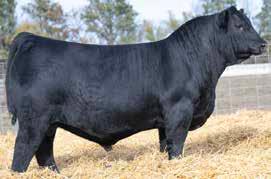
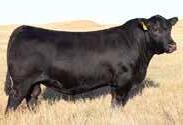
ASA #4569167 – 3/4 SM Homo Polled & Homo Black Growth and carcass oriented, powered by maternal genetics!
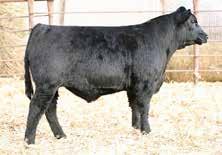
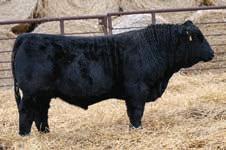
N587 Heyday X Dew It Right
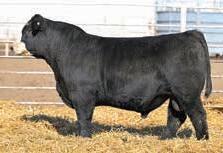
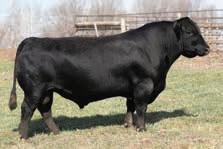
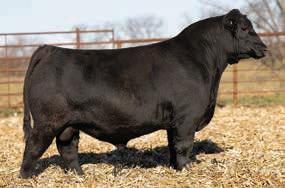
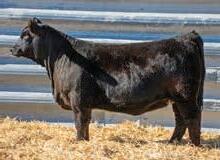
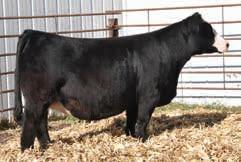
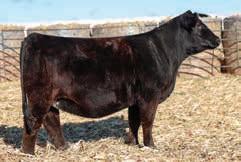
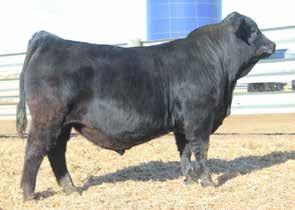
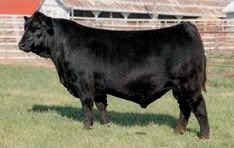
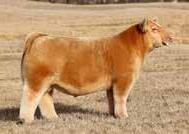
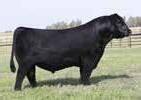
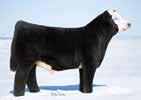
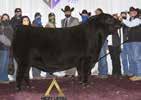
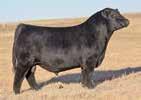
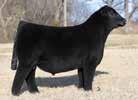
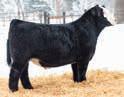
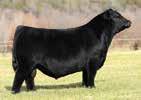
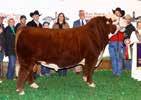
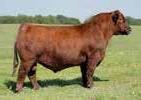
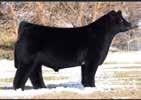
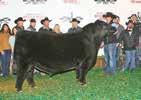
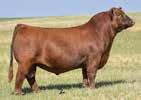
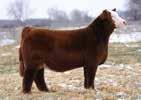
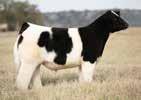
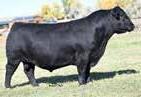
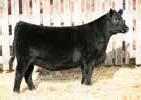
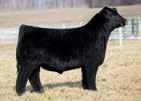
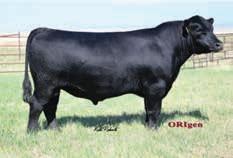
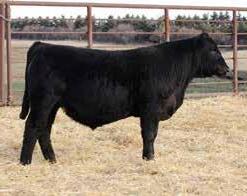
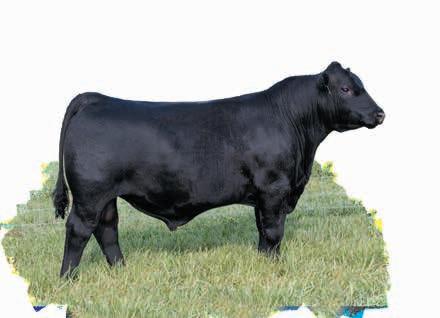
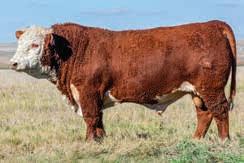
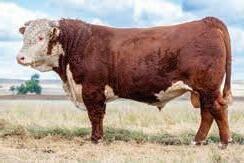
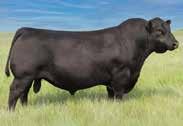
ASA #4569180 – PB SM Homo Polled & Homo Black Multiple Heyday sons, including 7 ET brothers with added performance.
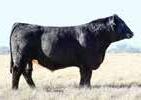
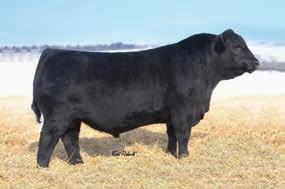
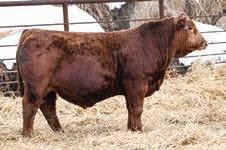
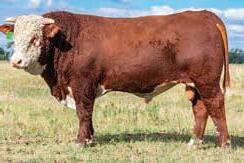
N5177 ET Revolution X Cowboy Cut
ASA #4569279 – PB SM Homo Polled & Homo Black Growth, maternal, and carcass traits in an eye-appealing package.
N599 Genesis X Santa Fe
ASA #4569192 – PB SM Homo Polled & Homo Black Consistent growth and superior carcass genetics.
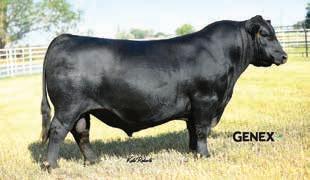
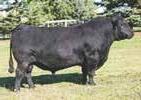
4218 Super Duty X Stunner
ASA #4464570 – AN Homo Polled & Homo Black
Attractive, well-balanced with a strong maternal pedigree.
As
A
Calendar of Sales
American Chianina Association
Carl Dethlefs and Sons
Circle M Farms consignment
Rohrich's Cutting Edge Ranch
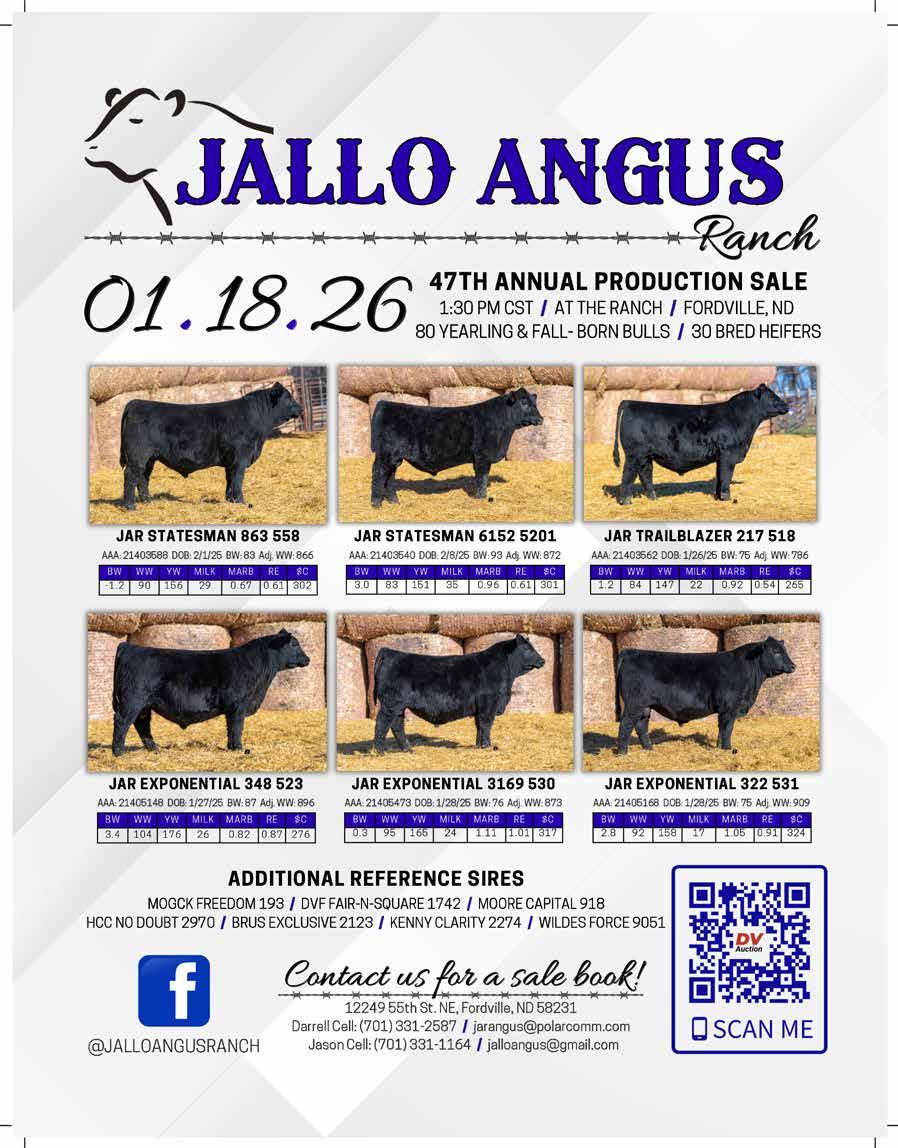
Jallo Angus
Van Newkirk Herefords
Powerline Genetics
Diamond Lazy J Ranch
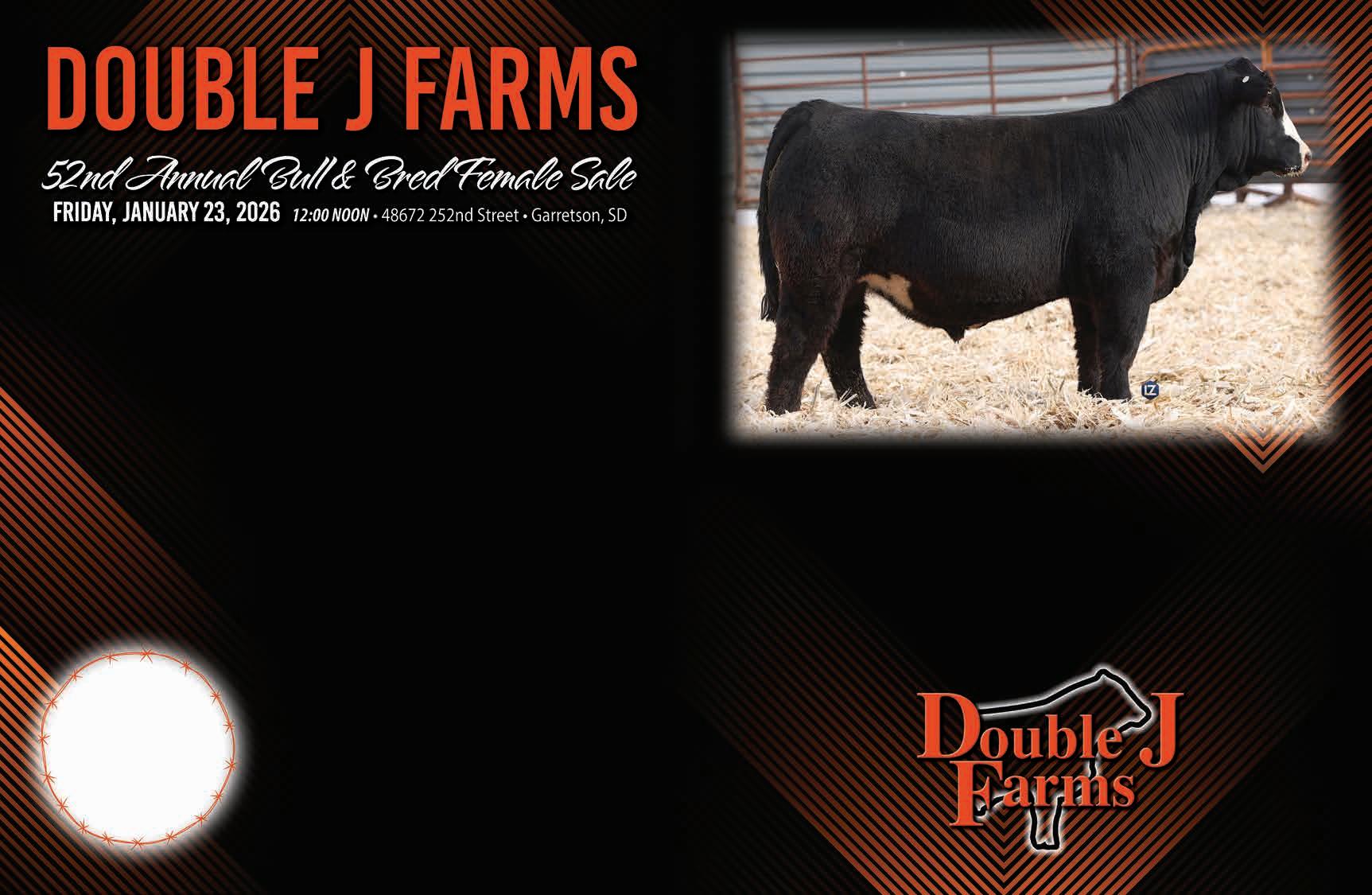
Double J Farms
Ellingson Simmentals
McConnell Angus
J&C Simmentals
Reck Bros. and Sons
Triangle J Ranch
Apex Cattle
Douglas Booth Family Angus
Nagel Cattle Company
Drake Simmentals
Decades of Devotion Sale
Schaff Angus Valley
Twedt Red Angus
Cline Angus
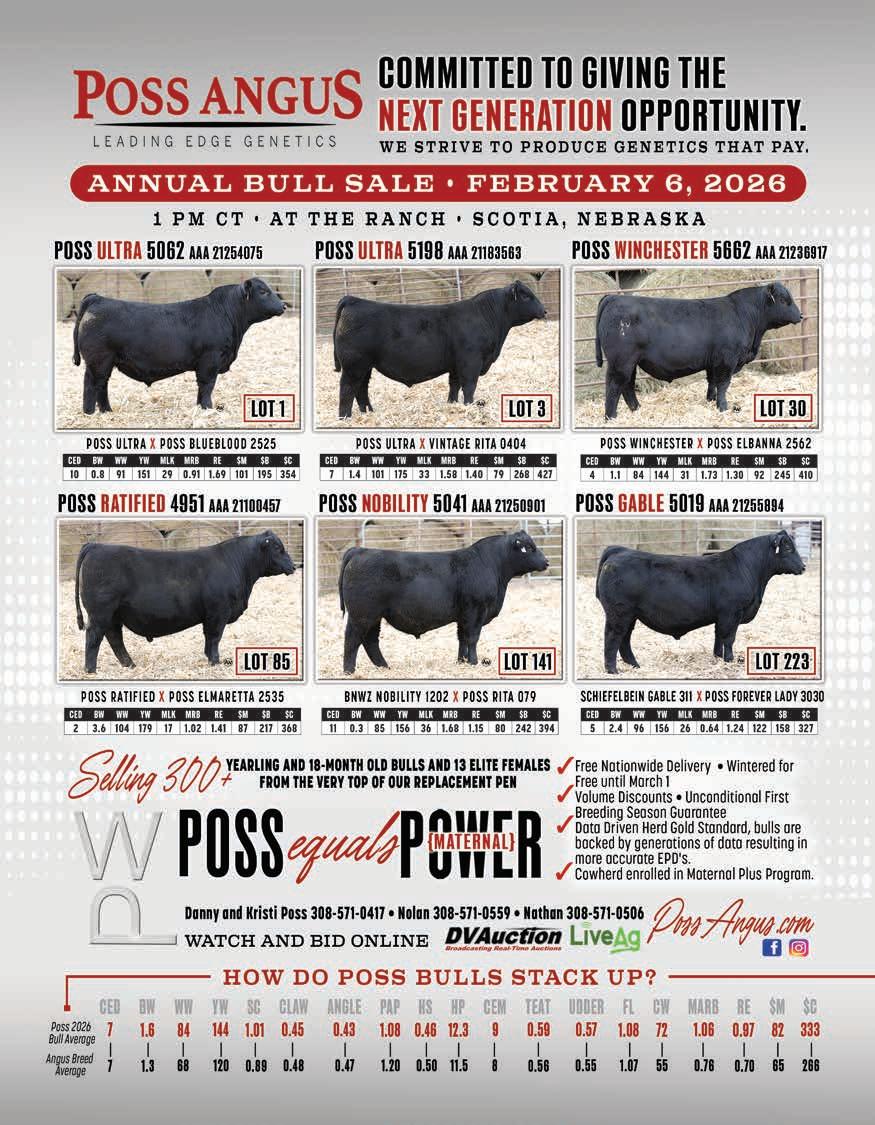
Poss Angus
Schooley Cattle
Cardinal Cattle Company
JMF Herefords & SimAngus
Z Ranch
Shows and Events
Klain Simmental Ranch
Loonan Stock Farm
TA Cattle
Upstream Ranch
Ressler Land & Cattle
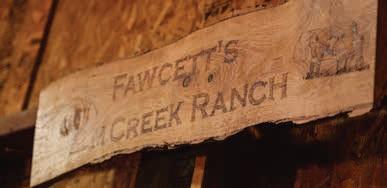
Fawcett's Elm Creek Ranch
Petersek's Raven Angus
Jindra Angus
Bred for Balance Sale
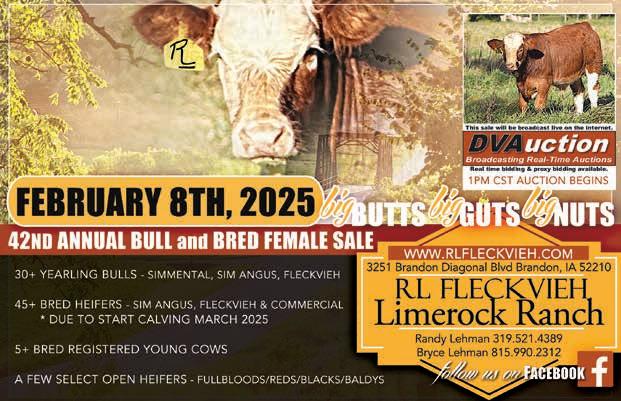
RL Fleckvieh Limerock Ranch
Cedar Top Ranch
Wilkinson Farms Simmentals
Double D Angus
Deppe Angus
Eblen Simmentals
Voss Angus
(Advertisers continued on the next page...)
Advertisers
Private Treaty Sales and Promotions
Cattle Visions
Ellingson Hi Range bull
Graham Angus
J.J. Scheckel Angus
Raymond Sutton Ranch
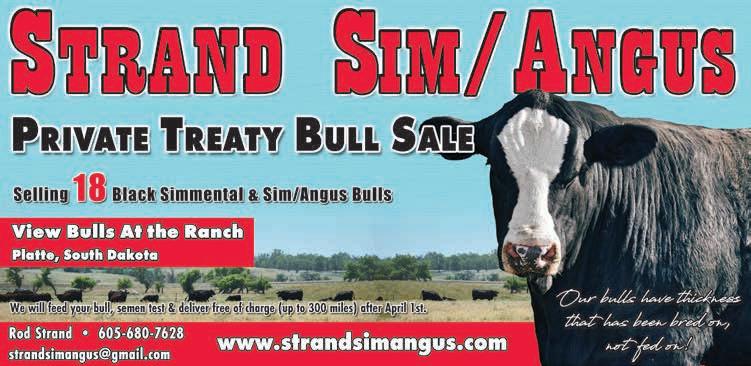
Strand SimAngus
Services and Products
AgriCareers, Inc.
Beutler Media Group
Bloomfield Livestock
Blue Lake Plastics
Brit America Mgmt. Group
Bull Barn Genetics
Carter, Dustin - Auctioneer
Collison Embryo
Conover, Al - Auctioneer
Conover, Jeanne - Insurance
Cummings, Charly - Auctioneer
Curless Auction
Focus Marketing Group
Goggins, Greg - Auctioneer
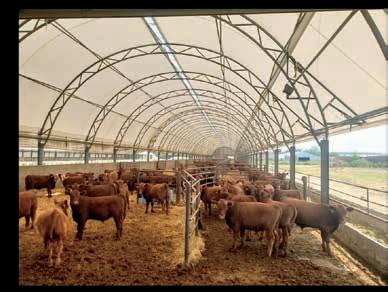
Hoop Beef System
JDH Auction Enterprises
Lowderman, Cody - Auctioneer
Lowery, Matt - Auctioneer
Summit Ag Group
Valley Creek Ranch
Wall Street Cattle Co.
Werner Family Angus
ZWT Ranch
n Print you can trust.
Stockman Magazine continues to deliver the stories, insights, and industry updates you rely on.
n Digital power at your fingertips.
Livestock Digital opens the door to advanced advertising solutions—targeted campaigns, online visibility, and measurable results.
n One vision, multiple platforms. Together, we give your brand the ability to connect with audiences across print and digital seamlessly.
n Leadership you can count on.
Proven expertise in media and marketing, ensuring your message reaches the right people, in the right way.
Machado, Rick - Auctioneer
Martin Trudeau Insurance
McFarland Productions
Mikkey's LC
Millborn Seeds
Printz, Matt - Auctioneer
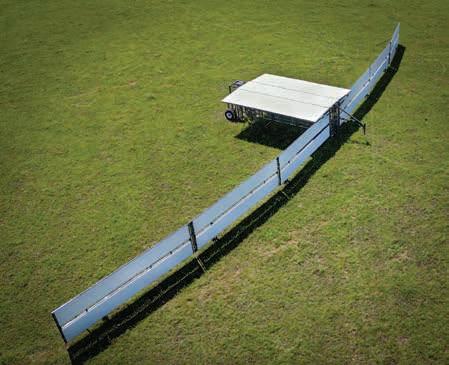
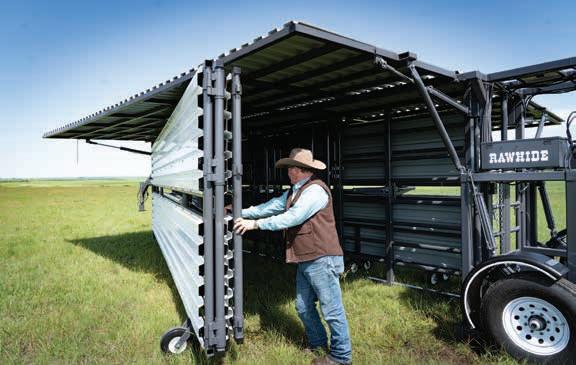
Rawhide Portable Corral
Rio Max
Safety Zone Calf Catchers
SealPro Silage Barrier Films
Slate Group
Stout, Jason - Auctioneer
Tracer Minerals
Udder Tech
Weishaar, Seth - Auctioneer
Wes Tiemann Marketing LLC
Woolover Ltd.
Y-Tex
you’re looking to
130 PROFIT-MAKING BULLS
60 Stout Two-Year-Olds and 70 New Generation Yearlings! “The Good Doin’ Easy Goin’ Kind!”
75 HIGHLY MATERNAL BRED HEIFERS
Elite Service Sires: HA MAGNIFIQUE 72L (Top 1% CE, MARB & 1% $API) – GAR HOME RUN (Top 1% MARB, $API & $TI)!
50 POWERFUL, SPRING BRED COWS from the Heart of the Herd featuring AI service to KBHR GRATITUDE, GIBBS BLAZER, KBHR DISCIPLINE & HA COVENANT!
9 SUPERB YOUNG FALL PAIR DISPERSION with MAGNIFIQUE calves at side! AI’d back to the $75,000 KBHR GRATITUDE for Ave. Projected 171.9 $API!
6 OPEN HEIFERS, OUR VERY BEST and destined to be Elite Future Donors and Champions!
Sons Sell, plus Bred Heifer Service & All Calves on Fall Pairs!
&
All bulls are born, fed and raised from one ranch, giving you the most accurate contemporary groups possible.
Bulls will be performance and fertility tested, and sell with genomicaly enhanced EPDs. All bulls will be cared for free of charge until April 1, 2026. Contact us today to be
AMERICAN QUALITY
PROUDLY BUILT WITH PRECISION IN THE USA.
At Y-TEX ® , we take pride in American craftsmanship. Our All-American ® two-piece and Y-Tags ® one-piece ear tags are made in the USA from advanced thermoplastic polyurethane for exceptional durability, flexibility and retention.
Featuring 100% PureLaser™ imprinting with readability guaranteed for the life of the animal, our tags deliver American-made quality ranchers trust.
to Build a
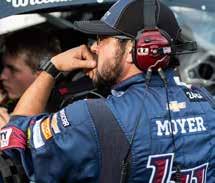
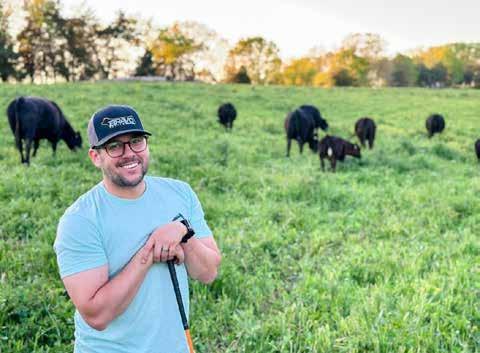
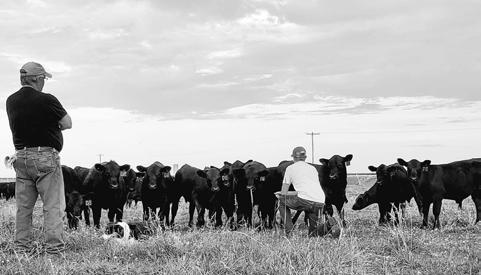
As a first-generation rancher in North Carolina, Taylor Moyer has taken a different path to fulfilling his dreams.
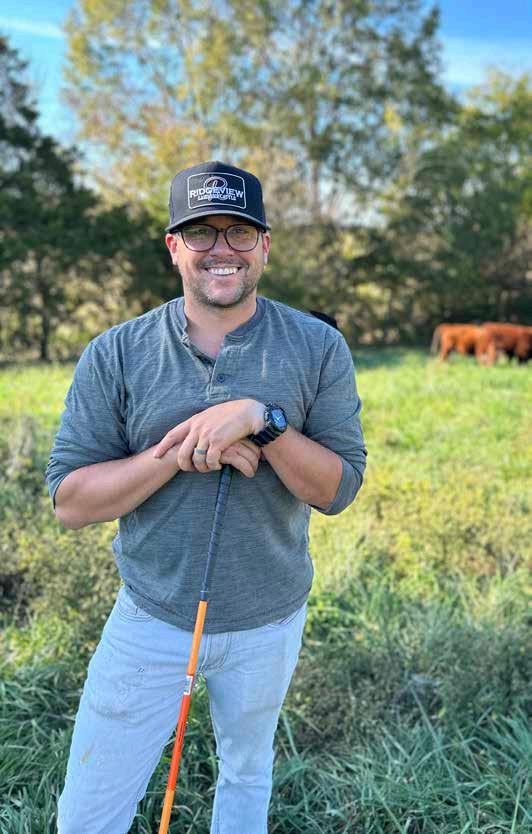
ot everyone is fortunate enough to be born into a cattle ranch family. Taylor Moyer was born into an agricultural family, but circumstances and his life’s journey manifested with him being able to build his own cattle operation, Ridgeview Land & Cattle, near Marshville, N.C.
Moyer grew up in Vermont on a beef cattle operation that also had an apple orchard. His mother’s family owns Battleview Orchards, the oldest apple orchard in operation in New Jersey, which was founded in 1906. His father’s family owns Oakmulgee Dairy in Virginia, the oldest dairy in that state that’s still in operation, founded in 1895.
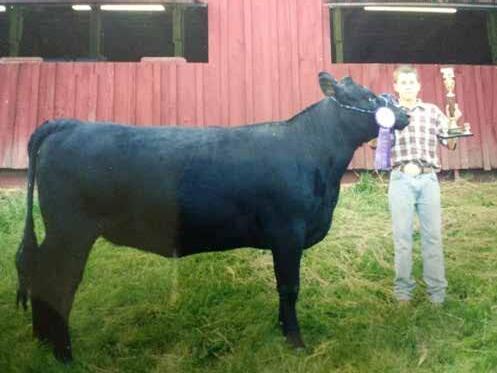
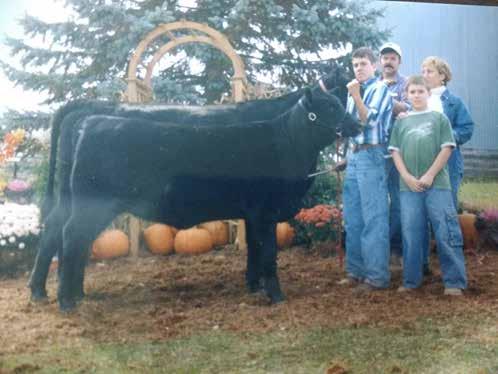
By fourth grade, Moyer was showing beef cattle and tagging along on trips with his dad to buy stocker cattle. His family purchased another cattle farm, rotationally grazing cattle in the fertile valleys of Vermont. As Moyer grew up, so did his interest in the cattle industry, leading him to intern on a Colo -
rado ranch for multiple summers in high school.
However, his parents decided to sell their farm when Moyer was a junior in high school, closing the door on his opportunity to return to
his family’s operation.
“That’s how I was raised, but I wasn’t hungry for it,” Taylor Moyer said. “I left my small town to pursue mechanical engineering instead, and I didn’t realize I loved agriculture
By Sarah Hill photos courtesy Moyer family
until I’d left it behind.”
Since eighth grade, Moyer had wanted to land a job with NASCAR. He took engineering classes in high school, learning the power of CAD as a tool to design.
“My best friend raced, so we were always working on and building go-
karts, four-wheelers, and snowmobiles,” he said. “We loved tinkering, welding, dreaming, and problem solving.”
Moyer also saw the consolidation in the agriculture industry and decided it was going to be much easier to become an engineer than a
first-generation farmer.
“Everyone told me that I couldn’t make a living in agriculture,” Moyer said. “I don’t think anyone meant that in a negative way, just that it’s going to take a lot of hard work to climb that mountain.”
THE DREAM JOB
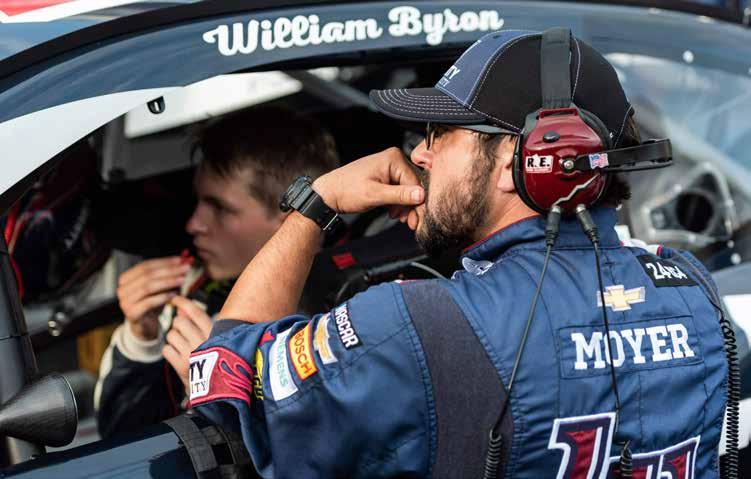
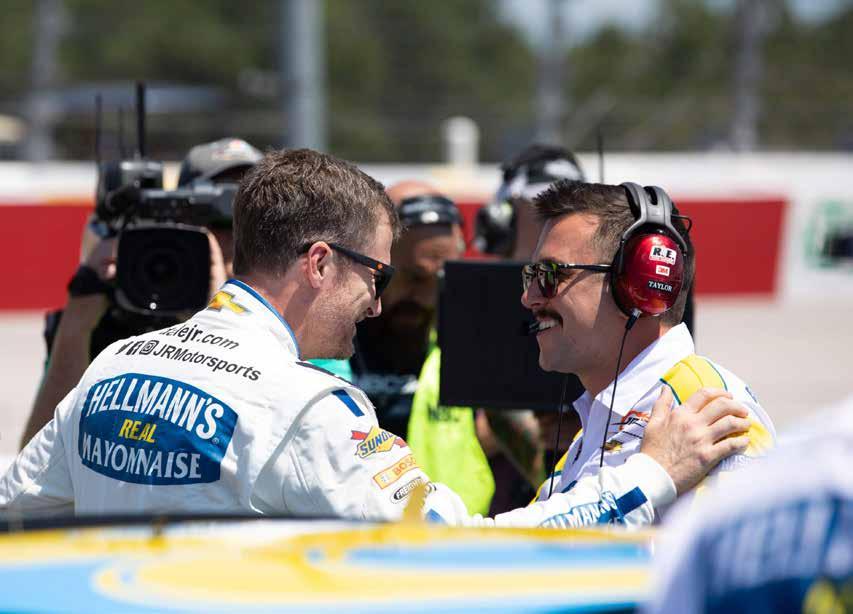
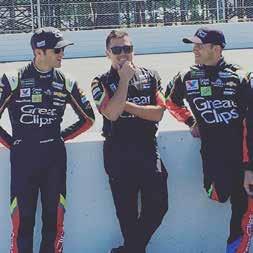
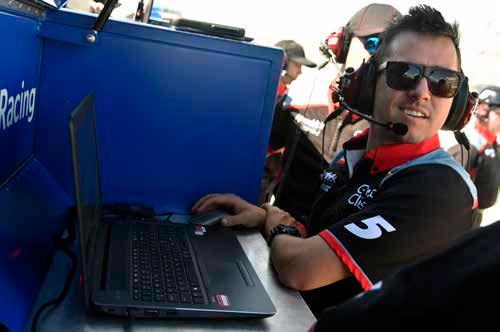
After college, Moyer landed a job at Hendrick Motorsports, working his way up to a race engineering position, the second highest role in the team. He was a race engineer for five seasons for drivers including Jimmie Johnson, Kasey Kahne, and William Byron.
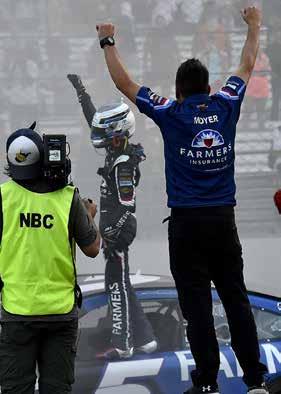
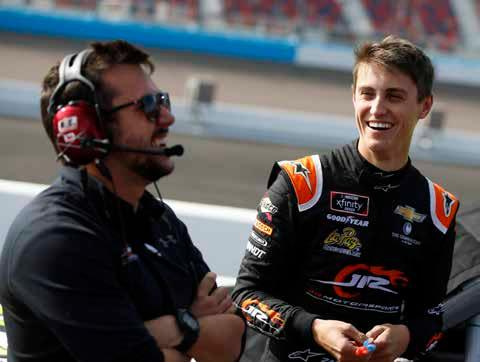
“We won five or six NASCAR championships in my tenure at Hendrick, and the Brickyard 500 in 2017 with Kasey Kahne,” he said. “After the 2018 season, I was promoted to crew chief on the JR Motorsports team, working with 16 drivers over five more seasons including Zane Smith, Josh Berry, Ryan Preece, and Dale Earnhardt, Jr.”
Moyer’s high-powered career allowed him to get into investing at age 23, naming an investing ac-
count “future farm account.” By the time he was promoted to crew chief, he’d saved up enough money for a down payment on a piece of land in North Carolina.
“It probably wasn’t the best way to start, tying up that much capital, but I saw the land as an investment,” he said. “I enjoy wide open spaces, and farmers and ranchers are aging, and someone has to produce food.”
Moyer found his farm by looking at plot books and finding properties that had been abandoned. He then hand wrote letters to the owners of those properties until he found someone who was willing to make a deal. For five years, Moyer continued with a foot in both sides of culture, living in a rural area and traveling every weekend to major cities for NASCAR races.
NON-TRADITIONAL EDUCATION
He also pursued non-traditional educational opportunities, such as the Ranching for Profit school.
“I wanted to go where the innovators are,” he said. “I found a time in my schedule in 2022 after a race
in Portland, Ore., where I had two weeks off and there was a Ranching for Profit class in Billings, Mont. The race hauler pulled up to the hotel, I hopped out in my cowboy garb, and they threw my bag out.”
The Ranching for Profit class gave Moyer economic and finance tools which help him avoid big mistakes that others have made that caused them to leave the cattle business.
“I decided to figure out a plan and go invest in cattle,” Moyer said. “I love running numbers with a pencil, paper, and a calculator. That’s what I did when I was traveling. On the airplane and in hotels at night, I’d take different classes of cattle and sheep and mix them with market conditions. I still have the chalkboard with my original scribblings on it. I don’t walk slow, talk slow, or think slow.”
The Sell/Buy Marketing School was another learning opportunity for Moyer, teaching him about managing cash flow.
“I knew that cash flow killed most young businesses, so I started off pretty diverse within the cattle sector,” he said. “I started by custom grazing for another farmer.
Getting that check every month in the first year was so helpful. There was no way I could make it work as a full-time rancher with the business model of getting a check once a year.”
The first two years of Moyer’s operation, he did backgrounding for other cattle producers, as many North Carolina cattlemen have offfarm jobs.
“They’d miss a lot of marketing opportunities, because then they’d have to take a day off from work,”
Moyer said. “We offered a service to those producers - we’d come over to their place and help them weigh and load their cattle. We’d keep the ones we wanted and then take the others to the sale barn on sale day so they wouldn’t lose weight and make them more money.”
Moyer would also take unvaccinated, uncastrated calves and get them set up, following best practice protocols that would get the calves an additional premium at the sale barn.
North Carolina’s spring flush offered a lot of flexibility for grass, but most North Carolina cattle producers calve in the fall. This seasonality allows Moyer to do unique things with market value.
“We take our open heifers and hold them for three months in the summer,” he said. “That’s the cheapest time for me to run a heifer. I’ll rebreed those heifers and sell them for a higher premium than just selling an open heifer.”
MAKING A CHANGE
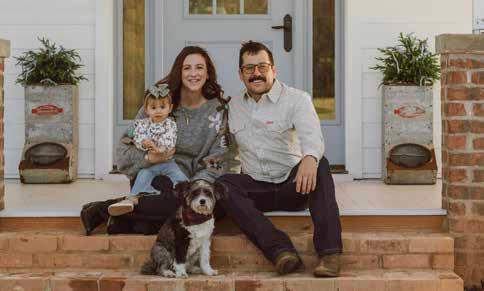
This practice gave Moyer the confidence to make a big change in 2023. Moyer had just married his wife, Leah, and wanted to raise his family on the farm.
“I was busy with my professional career, but all I could think about was that I could be working on my farm, and I was hell bound to start this thing,” he said. “I wanted to better myself and my family, and I couldn’t have that in my professional life.”
Moyer met his wife, the daughter of an Illinois row crop farmer, while working in NASCAR. The Moyers retired from NASCAR together in 2023, trading the perks of social capital for a slower lifestyle.
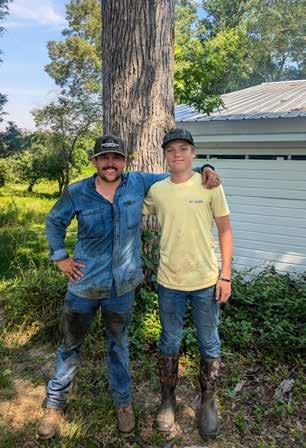
“Now I get to have hours of quality time with my family,” Moyer said. “My main employee is a 16-year-old neighbor. I taught him and my wife how to work cows from the Temple Grandin book, and now they’re better with the cows than I am. Leah loves animals and showed pigs as a kid. Even though she’d never been around cows before, she took to it like a duck to water and is so patient with them. We work cattle quietly, the right way, using walkie-talkies to communicate so we keep our voices down.”
Moyer approaches leading his ranching operation to how he led his racing team.
“This is a special place. We want people to want to work for us,” he said. “In the summer, we have too many high school kids who want to work here. I’m a softie, so I like
helping raise young men, but I won’t be outworked by a 16-year-old.”
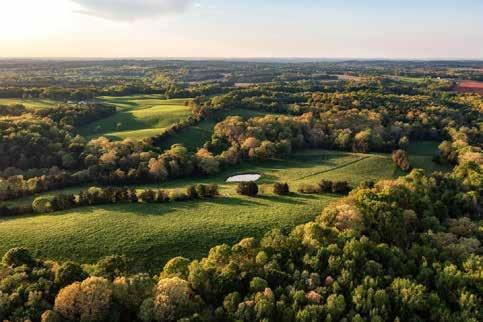
The 120-acre farm Moyer purchased had been abandoned for 30 years, and it’s taken the couple three years to get it back into solid working condition. The hay barn functions as a ranch office, where Leah works remotely in digital marketing for racing and agriculture. The couple welcomed a daughter, Mallie, in early 2025.
FLEXIBILITY IS KEY
The business model was built to be adaptable. The operation has very little infrastructure and overheads, owning only a couple of old-
er model four-wheelers, one small tractor, a trailer, a chute, and many freestanding steel panels that can easily be rearranged as needed.
“Everything I buy is fully depreciated so I can keep overhead as low as possible,” he said. “A friend advised me to buy the best chute I could afford, because Leah would be working the chute, and keeping her safe is my top priority.”
Another competitive advantage for Moyer is living and dying by
the soil thermometer, which helps him to keep his grass growing yearround when correctly managed. When the soil temperature is 50 to 90 degrees Fahrenheit, the grass is still growing.
“I don’t take as much grass for grazing in the summer and winter when the ambient temperature is lower, so I’m not freezing or baking those soil microbes,” Moyer said. “I may move cows every day, sometimes packing them in a little tighter, to balance the dietary needs of the animals with what the grass and bank account need. It’s a constant balance of cash, feed, and cattle. I’m trying to balance the stocking rate with the stockpiled grass.”
Over the winter, the Moyers do feed hay if needed. The last two years have seen bumper hay crops, so Moyer has purchased a lot of hay at a low price - so much that he’s paying other farmers to store the hay in old chicken houses. The hay is then unrolled to boost soil fertility while feeding the cows.
Cattle are sold or purchased based on current market conditions. Moyer buys cattle that are undervalued in the market. With dual calving seasons in the spring and fall, he’s able to buy cattle when they are undervalued and sell them when they are overvalued.
“There are times when you can buy bred fall calving cows coming out of winter for cheap, the work is already done,” he said. “I’ll run them over the summer and put some condition on them then resell them in the fall when everyone wants fall bred cows, I’ll put together a nice load.”
The approach is working. Moyer is starting to build a customer base, and those customers are coming back to him to buy cows through private treaty.
“If they come to me, they’re going to get a polywire broke, deep-bodied, moderate, easy-fleshing cow that likes to eat grass,” he said. “I’m just trying to turn free sunshine,
grass, and rain into protein for money. We just want to sell cows that do a cow’s job, more Western-style range type cows that stay fat and raise a solid five-weight calf.”
Red Angus cattle, in particular, have been successful for Moyer, as they’re usually sold at a discount.
However, he’s found that he can still sell black calves out of those same Red Angus cows when they’re bred to a black bull. At the same time, he’s growing his cow-calf enterprise with other black Angus genetic lines he loves that do well in their system.
“The Southeast is a rough envi-
ronment for cows,” Moyer said. “The humidity is tough, Kentucky 31 fescue has dominated the area, and some cows don’t do well on fescue because of the endophytes constricting blood flow. The high turnover rate with cows isn’t because they’re bad cows. In our system, we use our land, cows get good, clean water piped everywhere, mineral, and salt. If they do well, they stay. If they don’t do well, those cows can go live somewhere else.”
Moyer tries to source cattle from systems that are similar to his, where cattle have never seen a silage truck or feed wagon.
“When you start selling cows you love, and you get people who call you that are so happy with how they’re doing, you still get to be proud of them,” he said. “That’s starting to happen now for us. We sold some home-raised cows that started here as replacements and had the first calf crop that we marketed as Ridgeview cows.”
After selling that first calf crop that he’d put all that time and effort into, Moyer got his first repeat buyer - validation that all of his work was worth it to someone else.
PROFIT, NOT BREAK EVEN
Every purchase Moyer makes factors in profit - and if it’s not profitable, he doesn’t buy those animals.
“We’re ranching for profit, not break even,” he said. “I try to keep the emotion out of it. A regenerative approach works for me, because we can’t afford payments on a full line of equipment to be anything else. We have to work alongside nature while dealing with high interest and unaffordable prices of iron, diesel, and chemical. We’re just now getting big enough that we could get enough business credit to take out big loans if we wanted them.”
Moyer also laughs that it was easier to convince Leah that he was going to be a rancher when he was making money, rather than losing money. He also works with Ranch Right, LLC, for accounting, bookkeeping, and business coaching. Moyer has monthly meetings with Ranch Right, and everything is automated.
“Our representative at Farm Credit Services says we have one of the top sets of books in the county,” Moyer said. “We do have to pay a small monthly fee, but it’s worth every penny to have real-time numbers to make decisions.”
Moyer compares his cattle business to a transmission, with different enterprises being like different size gears. The cow-calf operation is the big gear, which is paid yearly. It can’t speed up, because it’s equity, not cash flow. He can shift to or even skip other gears, feeding backgrounded calves for 45 to 60 days that never went near the cow herd, because they’re a way to cash flow everything else. Those smaller gears can be overdrive, where Moyer can go as hard and fast as he wants.
Agritourism has been another income source for Moyer, working with LandTrust to schedule tours and photography.
“Charlotte, N.C., is one of the top three fastest-growing cities, so when we have the opportunity to teach people the truth about agriculture, I want them to hear it from me, and not someone else,” Moyer said. “I love to talk about cows - it’s my passion in life.”
SCALING THE BUSINESS
Moyer just bought another cattle herd, and plans to continue scaling the business. Like his racing team, Moyer has assembled a team to support him including his banker, accountants, insurance agent, and others who aren’t on the payroll, to have a seat at the table.
“We’re currently not at the scale or size I want, but I like the option of leasing more land and having flexibility,” he said. “At first, people thought I was this crazy kid - I’m not even 40 yet - who quit a really fancy job to do something people said couldn’t be done. I wasn’t from this area, and I had to prove that I was worth a hoot. But now that I’ve stuck around, and others are seeing the fruits of our labor, it’s opening doors for new opportunities. There’s a big wealth shift coming, the average age of ranchers isn’t going down, someone needs to produce on the land. I just hope I am in a position to be that someone.”
Featured AI Sires: Commerce, Bellringer, Craftsman, Congress, Thedford, Architect, North Star, Progressive, Top Gun and Jameson
Owned Herd Sires: DB Iconic G95, WAR Albion H191 and McKeller Gravity 1266
Delivery Available • Performance Data Available • Volume of Heifer Bulls Free Wintering Available • Negative for PI-BVD • Sight Unseen Guarantee • Phone Bids Welcome All Angus Bulls Have Been Tested
A sire of Iconic proportions! A son of the rare and highly regarded Stunner, Iconic offers the same great phenotype with additional growth and carcass merit. Iconic is a unique blend of physical excellence and outstanding EPDs, making him an easy mating for so many breeding programs. One of the most exciting young sires in the breed, Iconic defines Cow Sense & Science!
70 Yearling Simmental and SimAngus™ Bulls Three 16-Month-Old Bulls, 25 Open Yearling Heifers, and 20 Embryos
Other sires include: KBHR Honor H060, TNT Comfort
HCC Whitewater 9010, Gibbs 9114G Essential, TERS Kodiak 206K,
Krown 28K, CLRS Guardian 317G, THSF Lover
Diamond Lazy J Ranch Diamond Lazy J Ranch
Lot 2: Tehama Tahoe
SATURDAY, FEB. 14
Judging Contest
WEDNESDAY, FEB. 18
Breed Shows Start - 9 AM Bulls, Bred and Open Heifers
THURSDAY, FEB. 19
Breed Sales Start - 12 PM
View Sales: NCC Site & DV Auction NCC Sales Powered by: Supreme Row 7 PM
FRIDAY, FEB. 20
Commercial Heifer Pen Sale
Sale Starts - 2 PM
Fancy Heifer & Prospect Steer Sale
Sale Starts - 6:30 PM
SATURDAY, FEB. 21
Junior Show - Market
Showmanship - 8 AM
Market Show Starts - 12 PM
SUNDAY, FEB. 22
Junior Show - Breeding
Breeding Show Starts - 8:30 AM
CHI SALE FEATURES
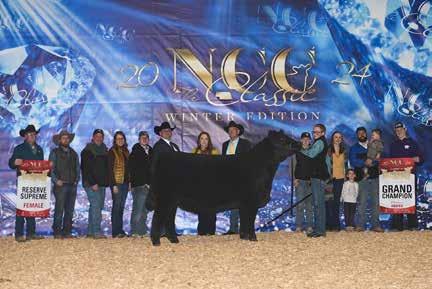
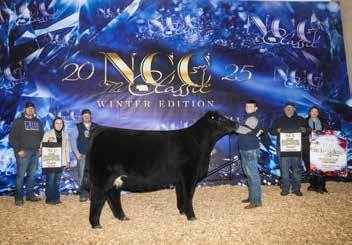
Progeny of the 2024 Res Supreme Female Sells! Chiangus Bred due to calve 3/8 to May-Way Play It Safe and Made to Order Prospect Steer COMMERCIAL HEIFER PEN SALE
FRIDAY, FEB. 20 - 2 PM A tremendous set of Breds and Opens will sell!
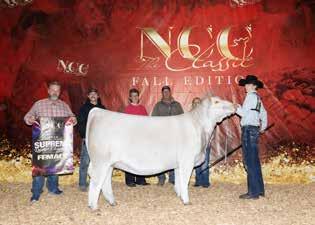
CHAROLAIS SALE FEATURE KTS Dolly 401 Embryos Sell! First offered eggs out of Dolly! Supreme Female, American Royal Junior & Open Charolais Shows. Reserve Supreme Female, NCC Fall Edition Open Show. Champion Charolais Female, NE State Fair Open Show
Extension Education
Dave Boxler, Nebraska Extension Educator University of NE - Lincoln, UNL Beef beef.unl.edu
University research you can use.
PREPARE FOR CATTLE LICE
As we move from fall into early winter, producers should begin monitoring their cattle for signs of cattle lice. Cattle exhibiting hair loss, an unthrifty appearance, rubbing on fences or other objects, and the presence of hair on fences may be infested with lice.
Cattle lice thrive in cold conditions, with populations increasing in December and January, peaking in February. Lice are spread primarily through direct contact between animals. However, other conditions - such as natural shedding, poor nutrition, mite infestations, mineral deficiencies, photosensitivity, and disease - can mimic lice infestations.
To confirm whether lice are the problem, restrain the suspect animal(s) in a chute and perform a two-handed hair parting along the topline, withers, and face.
· 1–5 lice per square inch: low population (continue to monitor)
· 6–10 lice per square inch: moderate population (treatment is likely needed soon)
· More than 10 lice per square inch: heavy population (control treatment required)
SPECIES OF CATTLE LICE
Cattle may host four different lice species, one biting (chewing) louse and three sucking lice species.
Biting or Chewing Louse –Bovicola (Damalinia) bovis
Commonly called the “little red louse,” this species feeds on hair, skin exudates, and surface debris. It is usually found on the shoulders, topline, and back, but as populations increase, they spread to the sides and sometimes the entire animal. Populations can increase rapidly since females can reproduce asexually, without requiring males.
Sucking Lice -
These species feed on blood and can cause irritation, anemia, weight loss, and even death in severe cases.
The largest cattle louse (3–5 mm). Found mainly on older animals in the neck region, dewlap, back, and base of the tail.
· Long-nose cattle louse –Linognathus vituli
About 2.5 mm long, this species is commonly found on the dewlap, shoulders, neck, and rump, spread-
ing over the entire body at high densities.
· Little blue cattle louse –Solenopotes capillatus
About 1–2 mm long, typically found in dense patches on the dewlap, muzzle, around the eyes, and neck. Heavy infestations can significantly reduce weight gain.
IMPACT ON CATTLE PERFORMANCE
University of Nebraska and other studies have shown that heavy lice infestations can reduce weight gain by up to 0.21 lb./day. Calves receiving a higher nutritional plane exhibited lower lice populations and were less severely affected than calves fed at a maintenance level.
TREATMENT OPTIONS
Cattle louse control products fall into several categories:
· Animal sprays
· Non-systemic (contact) pour-ons
· Endectocides (systemic pourons or injectables)
Some non-systemic pour-ons require two applications for optimum lice control, at a 14-day interval. Systemic injectables are most effective against sucking lice, while systemic pour-ons control both chewing and sucking lice.
Important caution:
Avoid using systemic control products between November 1 and February 1. These may trigger a host–parasite reaction by killing developing cattle grubs while they are in the esophagus or spinal canal. Systemic products applied during fall weaning do not pose this risk. If a systemic product was not used during weaning, apply only non-systemic control products during the November–February period.
TIMING AND MANAGEMENT CONSIDERATIONS
Many producers administer an endectocide at weaning (late September or October) to control internal parasites, cattle grubs, and lice. While these applications may reduce lice populations, they often do not completely eliminate them, especially during an extended warm fall.
Producers using this strategy should closely monitor cattle during December through February. Newly purchased or additional animals should be examined and, if lice are present, treated and isolated before being introduced to the herd.
INSECTICIDE RESISTANCE MANAGEMENT
To maintain long-term effectiveness of lice control products, rotate between Insecticide Resistance Action Committee (IRAC) Mode of Action (MoA) groups. Repeated use of products from a single MoA group can lead to resistance and control failure. Rotate insecticide classes among animal sprays, dusts, pour-ons, and injectables as part of a sound resistance management program.
Courtesy University of NE - Lincoln, UNL Beef
Interviews with the authors of BeefWatch newsletter articles become available throughout the month of publication and are accessible at: www.go.unl.edu/podcast.
Web www.focusmarketinggroup.net
Email office@focusmarketinggroup.net
Contact 785-213-5435 / 605-870-9072
Kyla Fawcett Owner / Field Staff
Kensie Meredith Project Manager
Amanda Holt Graphic Design
Alexis Rumford Field Staff Social Media Mang.
Magen Tol Field Staff
SAV Gabriel 5092
Seeds in Season
Functional forage and pasture.
contributed article by Justin Fruechte, Product Expert - Ag Millborn, Brookings, S.D. millbornseeds.com
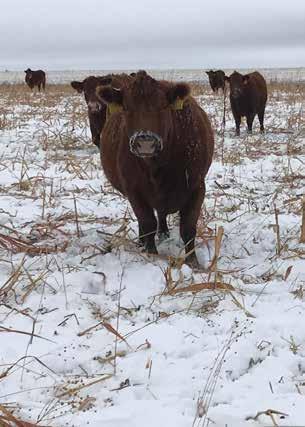
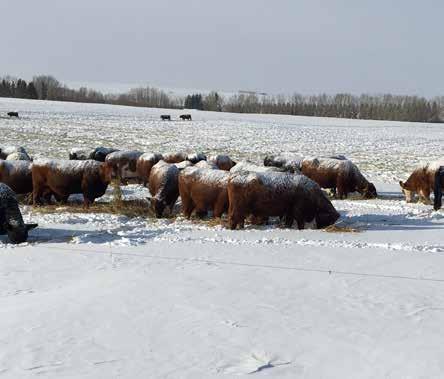
UNDERSTAND YOUR PASTURE FOR STOCKPILE GRAZING
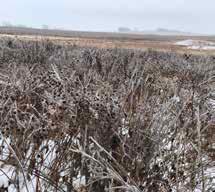
inter grazing long into the season is a goal for all cattle producers. But a few things need to line up correctly for this to meet the nutritional needs of your cow herd. Obviously, the first obstacle is the weather. There will be years when we get too much moisture before the ground freezes, and years when crusted snow prevents cattle from grazing through it. But for the most part, in most years, we can graze for at least some portion of the winter. We just need to plan for it.
COOL-SEASON GRASSES
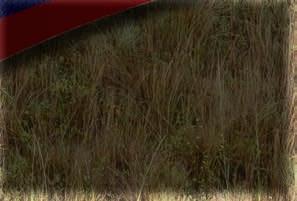
Stockpiling your existing perennial pasture allows you to save on labor, reduce feed costs, and enhance soil quality. The species composition of your pasture will determine how best to manage that stockpiling. Tall fescue is a cool-season grass commonly found in the central part of the nation and is routinely grazed through the winter by ranchers. This grass persists very well throughout the year,
allowing it to be grazed or hayed multiple times before the fall regrowth is reserved for winter.
Other cool-season grasses such as brome, orchardgrass, and the wheatgrasses can also be used this way. However, it is important that the fall regrowth on these species is strong before stockpiling begins. These grasses do not have the same persistence, and their spring growth tends to decline more quickly in palatability and quality.
NATIVE GRASSES
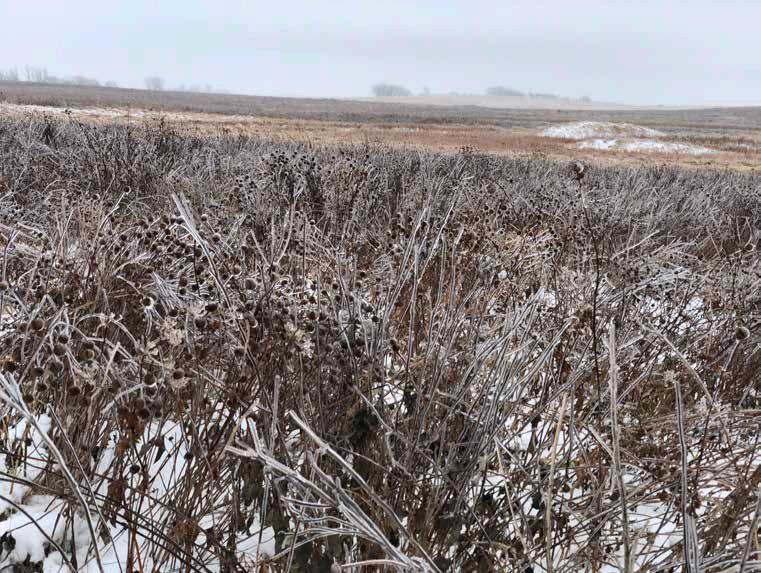
Native grasses have some of the best potential for winter grazing scenarios. These hardy species hold their palatability far into the winter and can be very high yielding. Warm-season natives such as big bluestem, Indiangrass, sideoats grama, and buffalograss were staples on the prairie for bison to graze throughout the winter.
These grasses are deep-rooted, drought-tolerant species that, when managed properly, can last indefinitely. Because they come on later in the growing season, they don’t necessarily show strong persistence under heavy grazing pressure. So, if your goal is to stockpile these for winter, manage them specifically for that purpose and avoid grazing them until that time.
LEGUMES
Perhaps the most valuable perennials for a winter grazing system are legumes. These broadleaves are key to increasing protein content throughout the pasture. Alfalfa, red clover, sainfoin, and cicer milkvetch are the most commonly grazed species. Sainfoin and milkvetch are much better suited to well-drained soils with lower rainfall and complement native grasses very well. In contrast, alfalfa and red clover prefer heavier soils and environments with more moisture. Incorporating these legumes into your existing grass stand is very achievable and is commonly done by overseeding or frost-seeding late in the fall.
By aligning species traits with regional conditions and managing pastures intentionally throughout the growing season, cattle produc-
ers can not only extend the grazing window but also improve soil health, reduce feed costs, and build greater resilience into their operations. Winter grazing is always a bit of a gamble, but with the right forage base and preparation, it is a practice that pays.
Photos courtesy Millborn learn more millbornseeds.com
Millborn, Brookings, S.D.
The team of folks at Millborn have roots that run deep in farming, agriculture, and in the overall respect for the landscape. They opened their doors in 1987 and continue to walk alongside farmers, ranchers, and landowners across thousands of acres throughout the Midwest.
Miss Blackbird Ellston C238
Miss Erica Ellston C509
Erica of Ellston C418
Hoover General Lee C414
Hoover Legitimate C435
TAYLON LIENEMANN FEATURE ON CNBC
Lienetics Ranch is a registered Angus cattle operation near Princeton, Nebraska, owned and managed by Taylon Lienemann and his family.
CNBC ran a feature story on beef prices in December 2025, and Taylon Lienemann and his family’s operation were part of this program.
Scan the link above to view the video.
MURDOCK’S MUSINGS – RAAA JOURNAL
By George Murdock, RAAA Area 1 Director
One of the things I’ve appreciated most about our involvement with Red Angus cattle is the fact it is a generational thing.
As usual, this year we had three generations present at the Western National Red Angus Show in Reno. It is the second largest single-breed show of Red Angus cattle in America so the competition is stiff. We are humble participants without illusions of grandeur.
However, the 2025...
Read this story and more here!
Exciting rancher approved $147,500 LT 2025 sale feature purchased by Mohnen! EPDs consistently top 20% with elite structure and maternal!
Conley Claymore
Bristow’s stout, exciting son out of famed Schelske Maddie donor, also a sib to $220,000 Conley Maddie 3157, many time winner for Ferree.
SILO Brandston
Supreme Champion Bull at 2025 NAILE and OKCC!
$300,000 top selling bull at the 2024 Lindskov Bull Sale!
Hot 24 Karat x Style x Phyllis! Silveiras Forbes ‘21 Cattlemen’s Congress Champion!
Sire: Ellingson Rangeland Dam: EA Emblynette 9473 by Homegrown
Hi-Range is a true calving-ease specialist with the growth and power to boot! Hi-Range is a game changer for structure, foot quality and mobility. His outcross pedigree offers mating flexibility for a large cross-section of the breed.
Hi-Range was the second high seller in the 2022 Ellingson Angus Sale at $160,000 and his famous Pathfinder® donor dam is a stalwart matron.
Hi-Range sons are solid and ultra
thick, low birthweight, with the ability to pack the pounds. His females are stunning, with lots of middle, eye appeal, and broodiness.
Hi-Range progeny topped the Hamilton Farms 2024 bull sale with 23 sons averaging $30,630 and the first seven heifer calves to sell bringing an average just over $28,000. For the past two years, the Hi-Range calves have topped the weaned calves at Hamilton
Farms, and went on to index amazing whether the calves were out of heifers or mature cows. The first Hi-Range females started calving in January 2025 at Hamilton Farms, and they are an impressive group. Cookie cutter type in a moderate frame, very strong structurally, big middled, and beautiful level udders with teat placement in four corners. HiRange is a no-nonsense herd bull that cattlemen really appreciate.
Our Go od Friend
Bill Schermer Honoring
By Cheryl Kepes photos courtesy Schermer family
A dedicated family man, cattleman, businessman, and friend, Bill Schermer spent a lifetime devoted to the cattle industry and its people.
Anyone fortunate enough to be on the receiving end of a phone call from Bill Schermer would most always hear the same greeting, “Hello, it’s your good friend Bill Schermer.” His signature salutation spoke volumes about his character. Whether he was working ringside at a sale, raising Angus seedstock,
managing The Stockman magazine, or serving as a herd consultant, Bill placed the highest priority on relationships. Family and friends were his focus.
“All the people in the cattle industry were like his second family. He spent a lot of time on the road looking at other people’s cattle and get-
“We will always remember his sense of humor and kindness he showed to everyone.”
ting to know their families,” Bill’s wife, Nancy Schermer, recalled.
Bill’s friends and family admired his knack of connecting with people and making them feel
seen and heard. “He had the ability to just sit down with a random person and start a conversation and when they would end that conversation, you would swear that they had known each other all their life,” Bill’s daughter, Angie Schermer, reminisced.
CATTLE CONNECTION
Bill grew up in Latimer, Iowa, raising and showing purebred Limousin and Angus cattle. Eventually, the Schermer herd transitioned solely to Angus. One of Bill’s greatest joys was producing quality Angus cattle – a passion he passed to his children, Angie and Troy, and grandchildren Jacob, Kalli, and Will.
The Schermer family spent many summers traveling to cattle shows across the country. Angie and Troy fondly recall the years showing Angus cattle and building special family memories. “We weren’t a Disney World vacation family. We were the ones whose vacations every year were wherever the National Junior Angus Show was being held,” Angie shared.
Schermer Angus garnered much success through the decades, rack-
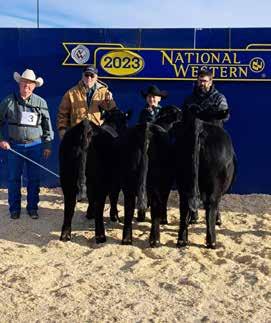
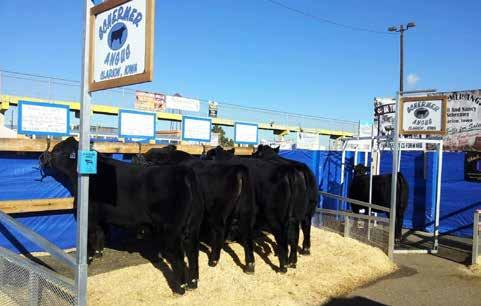
ing up championships at the local, state, and national level. Bill took pride in the fact that he had been an exhibitor at the National Western Stock Show (NWSS) for 60 consecutive years. Most recently, in 2023, Bill’s grandson, Jacob, won late calf champion pen of three heifers at NWSS’s Angus Pen and Carload Show.
The Schermer herd produced the popular Angus bull - SAC Conversation. In the show barn and around family, the bull was simply called Buddy. But when the industry inter-
“We were saddened to hear of the passing of our friend. We will truly miss seeing him at shows. He always had a kind word and a boost of confidence to offer. We are sending our prayers to you all.”
est in the bull blossomed, Bill and the bull’s other owners decided he needed a more marketable name.
For people familiar with Bill, it may be no surprise the bull was renamed Conversation. Bill’s friends suggested the name as a nod to Bill’s natural talent of conversing with people, or as some joked his “gift of gab.”
Bill’s genuine care for people and the cattle industry was unmistakable. “The one thing that really sticks out to me is the look that Dad had when he was around family, cattle sales, cattle shows, or anything related to good friends, family, and cattle. You could always tell that those things meant the most to him just by the look on his face,” Troy Schermer, Bill’s son, shared.
INDUSTRY CONNECTION
Though a longtime Angus breeder, Bill possessed a passion and appreciation for all breeds of cattle. He developed his keen eye for cattle starting as a youth on 4-H judging teams. After college he started work at Drovers Journal, where he quickly developed a reputation in the cattle industry for his knowledge and ringside talent. Bill went
on to work for several publications, before launching his own magazine, The Stockman in 2019.
Bill spent more than 50 years studying pedigrees, pouring over EPDs, and evaluating cattle herds. In his role as a herd consultant, he earned the trust and respect of his clients.
“One of the things his customers said a lot was Dad always worked
for them. He would arrive at sales early to go through the cattle. He would mark the physical attributes of the animals in the catalogs so that when he called the potential buyers, he was really working for those customers because he had been through the herd before the sale,” Angie shared.
Bill’s customers also expressed how much they appreciated the lengths Bill took to help them find the right cattle for their operations. His clients gave him credit for procuring some of the best genetics in their herds. “Bill liked to get to know the breeders and their individual needs, so he would know what would fit into their program,” Nancy said.
Working ringside at sales served as another area where Bill showcased his enthusiasm for the livestock industry. His warm smile and jovial demeaner kept the numbers flashing and hands raising.
“One of the things about working the ring, was whenever he found out what section he was going to be in, he would go and start working that section. He’d start telling his jokes and getting to know the people. So, as the sale started, he had that interaction with his customers or the people in his section, so that he could get them engaged and going with the flow of the auction,” Angie stated.
People within the cattle industry valued Bill’s unique ability to navigate the fine line between garnering high prices for the seller and good deals for the buyer. His customers on both sides of the sale ring appreciated how he managed to get a fair outcome for both parties.
“He was always so positive and pushed our ranch and my business like they were his own.”
DREAM REALIZED
For years Bill dreamed of starting his own livestock publication. The time he spent working for publications during his career filled his mind with ideas for a magazine that honored producers and showcased their stories.
Determining whether to launch his own magazine took loads of consideration and discussion. Nancy recalled the many conversations leading up to the first edition of The Stockman. “For him it was quite a decision. Seven years ago, Bill was 65 years old, so when thinking about starting a magazine at his age he would say, ‘Are we crazy?’”
The Stockman magazine was a success right out of the gate. Bill’s
“We send our prayers to your family. You lost one of a kind. He was a TRUE FRIEND. Loved and appreciated those he worked with. You are probably correct. God needed the very best so Bill was the obvious choice. RIP dear friend.”
vision for highlighting the perseverance, hard work, and talent of livestock producers across the country came to light in each issue. “He just didn’t want a magazine. He wanted a great one that had quality and eye appeal, and he was pretty proud of what he accomplished in seven years,” Nancy shared.
HEARTFELT GRATITUDE
The Schermer family emphasized that any account of Bill’s life would be remiss if it failed to acknowledge the impact people within the cattle industry had on him. The family shared their heartfelt gratitude to everyone who enriched Bill’s life through their trust in him – trust to buy and sell their cattle, trust to market their livestock, trust to share their stories, trust to be their true friend.
Bill held a strong faith, knowing Jesus from childhood. He radiated thoughtfulness, compassion, and concern for others. His warm smile and easy chuckle emanated kindness.
Our good friend Bill Schermer
“We are truly sorry to hear the news of Bill’s passing. For myself personally, he was one of the first and most welcoming people I had met when I joined the Angus family. He always had a smile to share, he loved the cattle and the cattlemen and women; there’s a large community that will miss him.”
Basin Jameson
Connealy Commerce SAV Magnum Kenny Security MACHOLAN
Veterinarian View
CHealth & Reproduction questions answered and explained.
contributed article by Dr. Joshua Beutler, DVM Pender Veterinary Clinic, Pender, Neb. penderveterinaryclinic.com
JANUARY CALVING IN BEEF CATTLE: CHALLENGES AND OPPORTUNITIES
alving season is one of the most critical times in beef cattle production, and for many ranchers, January marks the beginning of new life in the herd. While winter calving presents unique challenges, it also offers strategic advantages when managed carefully. Success depends on preparation, attention to detail, and a clear understanding of both the risks and rewards.
PREPARING THE HERD
• Nutrition and body condition: Cows should enter calving with a body condition score of 5 to 6. Winter feed quality often declines, so supplementing with hay, silage, or grain may be necessary to maintain energy levels.
• Shelter and bedding: Windbreaks, barns, or sheltered paddocks with dry bedding are es-
sential to protect calves from cold stress.
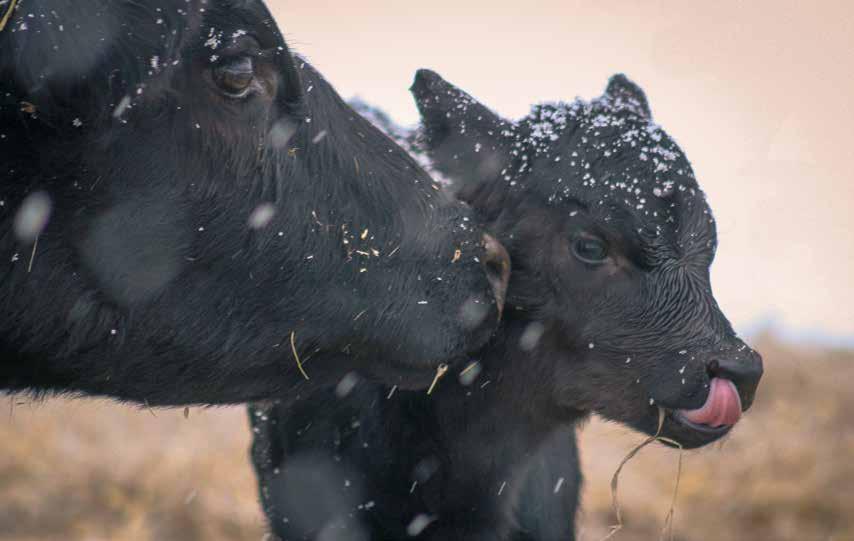
• Close monitoring: Calves born in January are more vulnerable to hypothermia. Ranchers must ensure calves receive colostrum within the first 2 to 4 hours of life to boost immunity and survival.
ADVANTAGES OF JANUARY CALVING
• Market timing: Calves weaned in late summer or fall often align with strong feeder cattle markets.
• Pasture utilization: Cows are lactating during spring green-up, which enhances milk production and calf growth.
• Labor distribution: Winter calving spreads workload away from the busy spring season, allowing ranchers to balance tasks more effectively.
CHALLENGES TO OVERCOME
• Cold stress: Sub-zero temperatures increase risks of frostbite and hypothermia in newborn calves.
• Feed costs: Winter feeding is more expensive due to reliance on stored feeds.
• Health risks: Confined or poorly ventilated barns can increase respiratory issues in calves.
PRACTICAL TIPS FOR SUCCESS
• Keep calving areas clean, dry, and well-bedded.
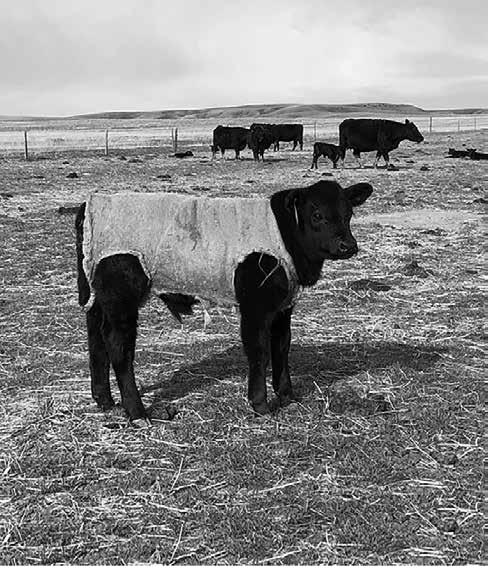
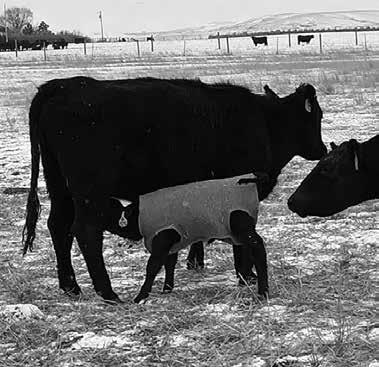
• Use calf jackets or warming boxes for weak calves.
• Monitor cows closely for dystocia (calving difficulty).
• Plan breeding so cows calve in a tight window, reducing
labor spread and improving herd uniformity.
• Vitamin A deficiency is a very common issue in weak/stillborn calves; supplement cows with a mineral containing at least 240,000 units/lb of Vit A in the last trimester.
• Simple products like iodine on the navel can reduce an illness related to E. coli by three-fold or more.
CONCLUSION
January calving requires extra vigilance, but with proper management it can set the stage for strong
calf crops and profitable marketing opportunities later in the year. By balancing nutrition, shelter, and labor, ranchers can turn the challenges of winter into an advantage for their herd.
learn more penderveterinaryclinic.com
Dr. Joshua Beutler is an owner and veterinarian at Pender Veterinary Clinic in Pender, Nebraska. He is a 2016 graduate of Iowa State University.
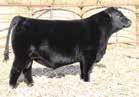
KSR 38N #4580894 - 2/24/25 PB
KSR 167N
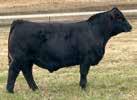
KSR 288N #4580967 - 2/20/25
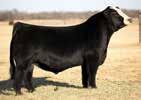
KSR 499N #4581047 - 2/23/25
3/4 SM, Homo-Polled, Homo-Black
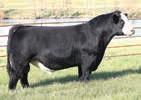
KSR 734N
#4581070 - 3/1/25
3/4 SM, Homo-Polled, Homo-Black
KSR 821N
- 2/24/25
150 HEAD SELL
150 RANGE-DEVELOPED 2 -YEAR-OLD BULLS
BULLS ARE INDIVIDUALLY FEED EFFICIENCY TESTED, GRASS GAIN TESTED AND GENOMICALLY TESTED
TUESDAY, FEB.17, 2026
TUESDAY, FEBRUARY 17 12:30 PM | BURWELL, NE
BALANCER & ANGUS
FEATURING: 50 ET BULLS
SERIOUS GENETIC DEPTH. SERIOUS QUALITY. A
Musgrave Juana Erica 1252 / AAA# *20335631 Sitz Feat 729H x Musgrave Juana Erica 1139 Selling a flush and multiple sons and a daughter
Herd building and hand picked donor prospects are sure to suit.
DL Dually x G A F Blackcap 400 42TFR2958
this Proven Donor! Dam of Deppe GAF Front-Runner 3010
Spring Cove Grant 200K / AAA# +*20669598
Crouch Congress / AAA# +*20163340 Congress sired the high selling bulls in both 2024 and 2025 Progress Through Testing Sale. Another top-shelf set of sons and daughters sell.
Some of the first sons of this breed leader sell! Selling a maternal brother by Grant to the Congress son Vermillion Ranch, MT selected at Midland Bull Test. Also selling sons by Musgrave Juana Erica 1252. Ellingson Prolific / AAA# *20136857
Front-end sons and daughters sell out of this performance and maternal sire. Superior foot quality with exceptional body and power.
DATE : SUNDAY, FEB 08, 2026 at 1:00 PM (CST)
LOCATION: 10750 9th St. NE
Cooperstown, ND 58425
C-BAR Crackerjack 2037K RAAA#: 4705127
Bulls for Sale:
60 two-year-old Red Angus bulls, 40 of the bulls selling will be sired by C-BAR Crackerjack which has a balanced EPD profile, good carcass traits, and is out of the C-BAR Stony 837F cow that has many record breaking progeny
10 yearling Red Angus bulls (sired by Berwald Destiny 3138)
Heifers for Sale:
4 registered Red Angus bred heifers (sired by C-BAR Crackerjack) bred to either Berwald Destiny 3138 or Berwald Complete Sons
5 registered Red Angus open heifers
40 commercial Red Angus open heifers
Contact:
Mark Ressler: 701-789-0191
Bryan Ressler: 701-789-7294
Debuting at our 10th sale is a new name and logo for a proven program. Join us as our legacy evolves and a legend is revealed. The Next Chapter:
51st
Annual Production Sale
SATURDAY, FEBRUARY 7, 2026
Private Treaty Auction: 1 p.m. Sharp At the Farm • Corning,
Se ing
100 YEARLING BULLS
• 34 years of carcass traits, ultrasounding since 1993
• Calving ease
• Performance
• Disposition
• Uniform, thick and easy-fleshing
• Prices starting at $5,000 Heifers will be o ered private treaty in the fall as bred heifers.
Visitors are welcome to visit the farm before the sale to view the bu s.
We are happy to assist you in your bull selections to help you reach your cow herd profitability goals.
Consistent Genetics –Predictable Value
For five decades, cattlemen have counted on our genetics to deliver calves that are born easy, get up and grow, and bring top-dollar on sale day.
At Loonan Stock Farm, we don’t chase trends. We build on a legacy of reliable genetics – selected for true calving ease and long-term gain – because we know the di erence it makes when your calves start strong and grow consistently.
Ag economists use a simple formula: a genetically reliable, quality bull is worth the value of five feeder calves. With today’s tight cattle supply and strong beef demand, producers are consistently realizing $2,000 or more per head. A high-genetic-value sire adds even more to your bottom line – an investment in predictability, profit and peace of mind.
We’re committed to providing the reliable genetics you’ve come to expect.
Loonan Stock Farm – Raising Genetics for Profitable Cow-Calf Producers
Red Angus Hybrid Simmental
Stress Stress
STEALS PERFORMANCE
From shipping and processing to weather swings, stress costs cattle health and gain Ordinary minerals pass right through, leaving your herd short when they need support most
That’s why there’s MicroMaxx amino acid chelated trace minerals designed for maximum absorption. More mineral uptake means cattle stay on feed, handle stress better, and keep performing all the way to market.
In the kitchen with
Kristina Callison Fire Sweep Ranch - Verona, Mo.
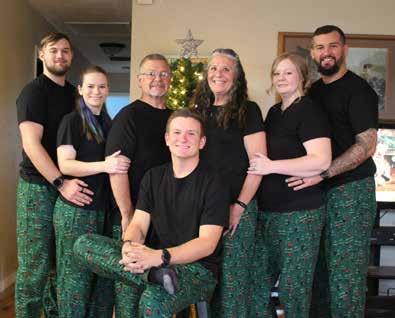
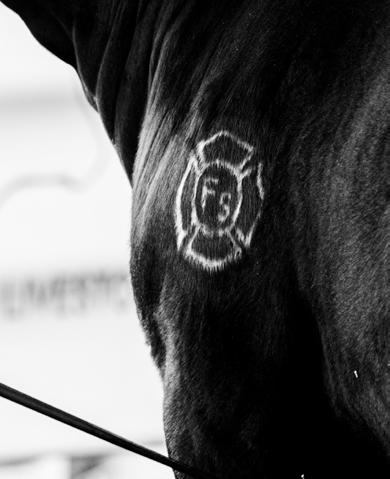
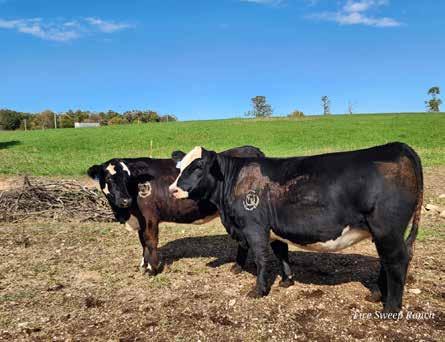
We are a family of five, who started with just two open heifers in 2007 and three small children who wanted 4-H projects. We now run around 45 registered Simmental females. Through the use of AI and embryos, we have built our current herd. From the beginning, our operation has been strictly AI, and we don’t use a herd bull. All five of us AI, so there is always someone around to do the job. We are called Fire Sweep because my husband, Glenn, is a retired California firefighter and we used to run a chimney sweep business – thus Fire Sweep was born!
What is your most requested dish or what is your favorite thing to make?
A favorite in our family is egg roll in a bowl. It is so easy and yummy!”
Where did you learn to cook?
My dad! He was the king of the kitchen growing up. My mom would burn water! LOL!”
What is your least favorite job in the kitchen? Everything but cooking.” “
What is your favorite cooking tip or trick?
My favorite cooking tip is to use only fresh, real ingredients.
STOCK Kitchen
Cowboy approved recipes used by our favorite country cooks.
SALE OFFERINGS:
Private treaty, Mo. Simmental
Fall Harvest Sale and Spring Online Sale
EGG ROLL IN A BOWL
Kristina
1 lb. hamburger or sausage
3 to 4 eggs
1 bag fresh cole slaw mix fresh garlic (4 to 5 cloves or to taste)
Callison
1 T. fresh ginger (grated)
1 T. sesame seeds
1 T. soy sauce (add more if desired)
PAN GUMBO
Kristina Callison
1 to 1 ½ lbs. frozen shrimp
1 to 1 ½ lbs. Kielbasa sausage
1 whole sweet Vidalia onion (cut in small wedges)
8 Yukon Gold potatoes (cut in large chunks)
1 tsp. to 1 T. Danos seasoning (depending on taste)
5 cloves garlic (use less if not a big garlic fan)
4 T. butter
Step 1: Sauté garlic, butter, and onion in pan with Danos sea- soning. Step 2: Slice then add sausage, shrimp, and precooked potatoes. Cook until the shrimp is done. Top with hot sauce if you like a little kick!
Note: This is a ranch favorite after morning chores are done. It’s quick and hearty.
Step 1: Cook hamburger or sausage with fresh garlic and ginger (I buy it fresh and freeze it for all year use). Step 2: Once it’s cooked, scramble three to four eggs, use garlic seasoning on the eggs. Step 3: To the meat and egg mixture, add one small bag of fresh cole slaw mix, sesame seeds, and soy sauce. Step 4: Toss a few times to mix and enjoy!
Note: This one is great if you are watching your carbs!
STUFFED ONION RINGS
Kristina
Callison
¼ c. shredded Mexican cheese
3 oz. cream cheese
2 T. bacon crumbles
2 T. diced jalapeños
1 T. Ranch seasoning
whole sweet Vidalia onions
Parmesan cheese (grated)
Step 1: Mix the shredded Mexican cheese, cream cheese, bacon crumbles, diced jalapeños, and Ranch seasoning. Step 2: Slice an onion into thick rings, add your mixture into them, coat with egg wash, and grated Parmesan. Step 3: Air fry at 400 degrees Fahrenheit for 8 minutes. Take them out and enjoy! We substitute any kind of meat for the bacon bits.
ANGUS SIMMENTAL RED ANGUS CHAROLAIS
Portable Corrals & Windbreaks
Woolover® Limited
Fit N Forget (FnF™) Beef Calf Cover
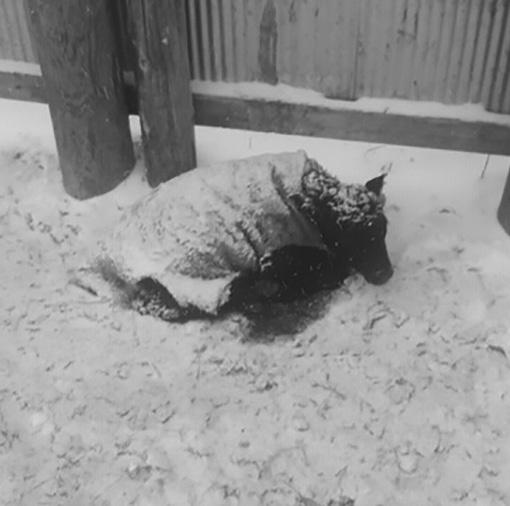
Fitting the FnF™ Beef Calf Cover to a new-born increased the actual hide temperature of the calf by 32 degrees Fahrenheit in just four minutes!
All beef ranchers are seeking to maximize their returns from their operation. A main income generator is the number of live calves that make weaning. The weather during late winter and spring can, and does, influence the number of newborn beef calves that survive some very brutal weather that can literally devastate the very survival of these new-borns.
Woolover® Ltd, based in New Zealand, is no stranger to devastating stock losses. In fact, Woolover® Ltd was “born of necessity” back in 1993 after two snowstorms, 10 days apart, claimed the lives of 2 million lambs and 40,000 calves. The answer is WOOL - Working 24/7
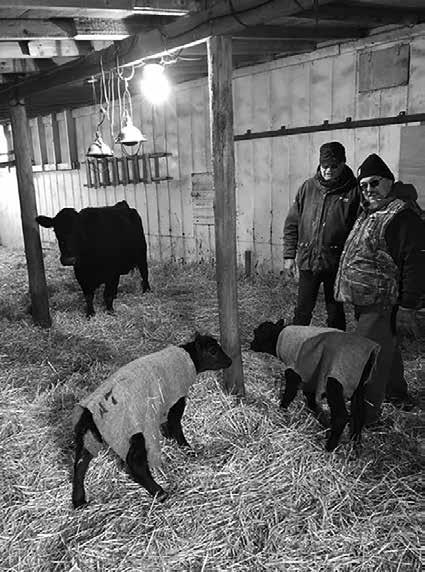
USDA figures suggest towards 80,000 new-born beef calves perish annually from hypothermia. Woolover® Ltd then set about designing and making a beef calf cover that was totally biodegradable, made from wool, is designed to fit an 85 lb new-born beef calf, and would simply “fall off” after 3- 4 weeks having ensured the new-born beef calf survived, was accepted by the mother, and captured some additional growth rates along the way.
The Result: The Woolover® Fit N Forget (FnF™) Beef Calf Cover
• New-born calves fitted with the FnF™ Beef Calf Cover are simply not at risk of dying from hypothermia, and they will grow faster.
• The cover is totally biodegradable with wool providing the warmth and absorbency to wick moisture away from the hide and the Hessian Substrate providing some strength. Be it rain, snow, windchill or, simply from the birth process, covering a new-born beef calf with the FnF™ Beef Calf Cover makes sound financial sense. The cover will last for up to 3 – 4 weeks and then falls off.
• Designed for an 85 lb. live weight beef calf at birth, which is the optimum weight, but will also fit smaller calves.
• Wool is providing the warmth, is absorbent, breathable, comfortable to wear, is totally biodegradable and will ensure the Thermo – Neutral Zone, being the heart/ lung area, is kept at a constant temperature, both day and night despite the worst possible conditions = survival.
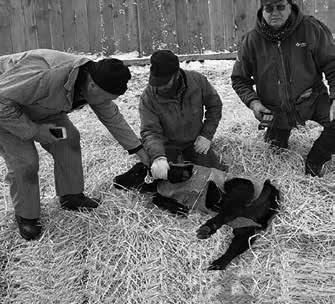
Dr. Clint Hilt, leading Veterinarian with MWI Animal Health, based in Power, Montana, who assisted with a trial of 50 FnF™ Beef Calf Covers on his clients’ newborn calves said, “THESE COVERS ARE LIVESAVERS.”
The trial was conducted on a day when it was -23 degrees Fahrenheit and, by simply fitting a FnF™ Beef Calf Cover to a new-born, the actual hide temperature of the calf increased by 32 degrees Fahrenheit in four minutes!
The Woolover® Limited FnF™ Beef Calf Covers: ORDER ONLINE at www.wooloverdirect.com or phone: Busse
FnF™ Beef Calf Covers are sold in units of 100 or packages of 10.
WSC Bentley
Connealy Craftsman Hoffman Thedford
Stellpflug Hoffman Ride Above
SAV Panther
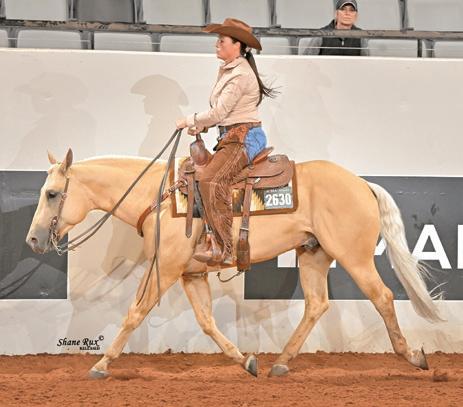
2023 /2024/2025 AQHA
2
2023 Color Breed Congress - palomino open and amateur grand champion stallion
2024 Palomino World Showreserve champion open ranch conformation and 3x top ten
2024
World
2025 AQHA World Show – Reserve
Sale Barn Study
contributed article by Roman Schooley Bloomfield Livestock Market, Inc., Bloomfield, Iowa bloomfieldlivestockiowa.com
A BREAKOUT YEAR FOR CATTLE PRODUCERS
hat a ride the cattle market saw in 2025! The good news was well-received throughout the industry as all records were broken throughout the year. Record low inventory and an uprising in consumer demand set the stage for an historic year. Packers were feeling the pressure as the supplies continued to deplete. Several factors contributed to the short supply; Mexico screwworm, droughts, and aging ranchers pushed cattle numbers to all-time lows.
The January 2025 feeder calf contract started at $281.68 to end in December at $336.00, with a record high in October at $381.05. The CME Feeder Cattle Index also experienced huge leaps from $278.31 all the way up to $383.00.
Cash feeders rallied with 400-to500-pound steers soaring to close to $6.00. Yearlings were also very impressive with 8-wts. exceeding $4.00.
Live cattle finally broke the $2.00 per pound barrier. Live cattle started out in 2025 at $196.60 per hundredweight (cwt) to reach all-time highs at $246.78. Auction cattle saw highs up to $2.50 per pound in mid-July.
As the year ended in 2025 with some negative news from the top,
the markets saw some pressure dropping to $2.10 in the North and $2.18 in the South. But to close out the year, boys were holding strong asking $2.24 in the North.
Your breeding stock throughout 2025 gained momentum as well, with many producers looking to add some stock due to excessive supply of feed. At the close of 2025, the stock cows were ranging from $3,500 to $5,000 per head. Many bred heifers selling for $3,800 to $5,200. Seems justifiable since the slaughter cows and bulls were strong all year.
Seems like maybe we’ve weathered the storm and 2026 looks like we could set off into another exciting year in the cattle business!
Optimism has come back, and it appears Mex ico might just stay locked down for another few months due to an other screwworm case. Looks like the runs of calves will be coming to the market in Jan uary with very few numbers be hind them. That should set up well
As always if you’re needing to buy or sell give me a call or text and we’ll assist you in any way. God bless and Happy New Year! A
for another exciting spring run to market!
Roman Schooley, Bloomfield, Iowa Roman Schooley owns Bloomfield Livestock Market and Schooley Cattle Co. in Bloomfield, Iowa. As president of Schooley Cattle Co., Roman leads the breeding decisions of the seedstock operation which consists of 550 registered Simmental and Angus cows. Schooley Cattle Co. utilizes IVF to produce breed leading genetic advancement. The company hosts an annual production sale the first Friday in February at the ranch; selling 18-monthold and yearling bulls and a select group of open and bred heifers. Roman also owns and assists in the operations at Bloomfield Livestock Market which primarily serves producers in Iowa, Missouri, and Illinois. He and his wife, Elizabeth, have three children: Hannah (23), Haven (20), Houstin (17), and one grandson, Weaver (2 months).
TO THE STOCKMAN AG-EXTRA MAGAZINE
By Chris Beutler, CEO, Beutler Media Group
Since its founding in 2019 by the late Bill Schermer, The Stockman has built a reputation as a high-quality, professionally produced print magazine that highlights the people, programs, and stories shaping the livestock industry. Though still a young publication, it has already earned recognition for its clean design, strong photography, and well-crafted content that resonates with cattlemen across the Midwest and beyond.
As The Stockman enters this next phase under Beutler Media Group, my goal is to preserve what readers appreciate most—its quality, its clarity, and its focus on meaningful storytelling—while aligning it with a broader marketing system built for today’s livestock business. Producers are seeking more ways to share their stories and connect with buyers, and our job is to offer tools that work together, from premium print to online presence to digital strategy.
In the spring of 2024, we launched Ag-Extra, an automated online classifieds site offering cattle listings, news, and events. By the summer of 2025, Ag-Extra
expanded to include an online magazine designed to give customers additional visibility and a modern digital footprint. Bringing The Stockman Magazine together with Ag-Extra—now moving forward as The Stockman Ag-Extra Magazine—creates a natural and powerful blend of print and online opportunities for producers.
When combined with the advanced digital capabilities of Livestock Digital, our premium targeted advertising platform, this merger becomes a well-rounded marketing system capable of serving small operations, large national companies, and everything in between. It is a structure that creates real symbiosis across all brands of Beutler Media Group.
Thank you for welcoming us into this next chapter of The Stockman.
We look forward to continuing its tradition of quality, value, and strong stories—now supported by a broader platform built to help producers succeed in today’s evolving marketplace.
Editor’s Note
new beginnings.
Greetings -
It is with sadness that I share, for those who have not heard, that our magazine owner, Bill Schermer, passed away unexpectedly in October. His commitment to the livestock industry and the people within it has made a meaningful impact that will last for years to come. This magazine was Bill’s pride and joy, and we are thrilled and full of anticipation for this publication to continue.
I am pleased to introduce Chris Beutler of Beutler Media Group as our new owner and CEO, and the founder of the flagship company, Livestock Digital. Under Chris’s leadership, we will continue to deliver a trusted print magazine and an enhanced digital version with innovative features new to the industry. We will be expanding into new horizons - bringing you a wide range of digital advertising opportunities that will help your business reach audiences in fresh, innovative ways.
Please let us know if you have any questions along the way! We are happy to visit and plan out the strategies that best fit your budget and needs. Wishing you a wonderful start to the new year. Stay warm and well!
Makayla
publication date materials due
February 1, 2026
March 1, 2026
April 1, 2026
May 15, 2026
August 15, 2026
October 1, 2026
November 1, 2026
December 1, 2026
January 1, 2027
January 10
February 10
March 10
April 25
July 25
September 10
October 10
November 10
December 10
rate/issue
two page spread
$2195
full page $1195
half page
$695 business card $250
double card $450
premium pages and ring service call for a quote
proud member
Stockman hereby expressly limits its liability resulting from any and all misprints, errors and/or inaccuracies whatsoever in the advertisement and editorial content published by The Stockman and its said liability is here by limited to the refund of the customer for its payment for said advertisement, or the running of the corrected advertisement, or editorial notice. Notification by the customer of any error must be made within 30 days of the distribution of the magazine. Advertising copy received after the deadline may not be returned for proofing. Changes to advertising copy made after the deadline date will be allowed only if time permits, and will incur the appropriate charges according to time and materials involved in the changes. The opinions or views expressed in the editorials are those of the persons interviewed in the article and not The Stockman magazine. The Stockman does however reserve the right to edit or refuse all material which might be objectionable in content. No material or part thereof may be reproduced or used out of context, without prior specific approval of a proper credit to The Stockman
MAKAYLA FLOWER, Editor and Graphics makayla@stockmanmag.com 605-690-6050
KIM BANKS, Online Editor and Graphics kkbanks@frontiernet.net 507-530-0914
CHERYL KEPES, Assistant Editor and Writer cheryl@stockmanmag.com 417-766-0990
MARIA OPHEIM, Social Media riawbr@gmail.com 507-828-1374
HEIDI ROHRIG, Ad Sales Coordinator hsorensonrohrig@gmail.com 661-900-6004
JOHN KUELPER, Ad Sales johnkuelper47@gmail.com 309-582-6335
JAN FORD, Ad Sales jford17879@aol.com 208-340-2024
OUR TEAM Production Sales Management
CHRIS BEUTLER, CEO beutlerworkplace@outlook.com 402-380-8244
What is the most used tool on your farm? How old is it?
About the Stockman.
I’ve been raising cattle my entire life. First on our family farm, Dowling Cattle Company of Dodge City, Kan., a multi-generational family farm. Then upon graduating from Kansas State University in 2005, my wife (Cassi Dowling) and I began CAT Cattle in southwest Missouri, by purchasing a base herd of 20 registered Angus cows. We’ve continued to grow in quality more than quantity ever since. From the beginning it’s been a family affair, beginning with the name CAT Cattle – CAT representing my brothers and our spouses all being graduates of K-State WildCATs. Our goal has always been to breed for quality that will give our children, the next generation of Dowlings, something to show and our customers a safe place to purchase prospect heifers that will turn into great cows and hopefully donor cows for their own family operation. All four brothers and their families continue to work together towards this goal today. With the youngest brother, Laton Dowling moving home to Dodge City to help my father, Kelly Dowling, operate the family farm – Dowling Cattle Company. We were blessed to grow up in the registered cattle and show community, and it was important for us to all raise our kids the same way.”
With a smaller footprint –only 60 acres, we do a lot on foot with pure family manpower. But the tool that made the days easier and managing our land more efficient would have to be the skid steer. Moving bales and bunks to rotating grazing pastures, maintaining trees, ponds and pens, to the abundance of attachments – post driver, brush hog, box blade, scoop, spear/fork, etc. - it is the piece of equipment we spent our first 15 years without, and hope to never be without in the future. We bought it used (much like all the equipment we buy) and it is about 10 years old, but with care and maintenance we hope for it to be around 10 years from now.”
What about the beef cattle industry excites you the most?
What it all comes down to is that we’re still out there trying to create a nutrient-dense, natural product to keep the world strong and healthy. What I love about this industry is that mission is brought to you by many small families across the world. Together with families that are not comfortable with settling for what’s worked in the past, but the constant need to improve the beef product and the production efficiencies that get us to that sustainable end product. Feeding the world is our purpose, we’ve just instilled a community with common goals helping each other get there, bigger (by using less) and better than ever before.”
Tanner Dowling
CAT Cattle Co. - Fair Grove, Mo.
Which animal (any species) has left the greatest impact on you?
Our first larger investment was in CAT Cattle’s matriarch Angus female WB Princess 036 ‘BAM BAM’ a Pendleton x Pebbles daughter we purchased from Ward Brothers (Plattsburg, Mo.) in 2021. She not only brought us a great partnership in the Ward Brothers but gave us a bloodline that we could raise national-level progeny from. BAMBAM and her daughters have supported us financially, improved our herd, and raised our status on the national scene. We continue to be grateful to that cow family and continue to produce great cattle from her.”
What is your least favorite job on the farm?
With limited space in our operation, we sell cows in the peak of their production to allow room for a younger cow with diverse genetics to continue to level up our herd. We sell our cows by age 8, at the peak of their production – with years of input costs, blood, sweat, and tears getting them where they are today. But with limited acreage, they must go. We do enjoy selling quality, proven cows with 5 years plus of production left for a new family to level up their own herd, but we all do truly hate to see them go.”
Your favorite non-farm activity to do in your free time?
Is there such a thing? The farm and cattle shows are where our family connects and works best as a team. The ag industry is also home to our family’s closest friendships. We are happiest at home on the wash rack, working with Dowling Cattle Company on its breeding decisions, or sharing in the successes of our friends and customers at a cattle show. My wife, kids, and I love to golf – maybe we’ll get back to that someday. But for now, if we’re not on the farm we have a trailer hooked up and are living our best farm life.”
Your go-to sorting apparatus?
Does a feed bucket count? We walk our cows at minimum twice a day. If not a previous show heifer, our cows are very used to people around and are moved often and know the drill. Though a twisting of the tail is often employed, we do our cutting with a flag stick, and it is our primary sorting apparatus.”
Describe your best or worst day.
ANNUAL ONLINE SALE:
Monday, November 23, 2026
Hosted by catcattle.com
Learn from the bad days and be grateful for all the days that got us to where we are today and where this family-ran operation takes our family in the future. A great day - is every time a calf hits the ground or when a new junior picks up his/ her first show calf. Both are the start of so much opportunity that this industry brings us. A way to connect with others and a way to produce a sustainable product to serve farm families and consumers alike.”
The most important lesson you’ve learned in this business?
Bookkeeping and paying attention to your data is a must. We all know that this business doesn’t always pencil out, but good recordkeeping can keep those risk assessments at minimum. We need a cow to produce annually – that could be a natural calf, becoming a recipient and raising an ET calf, or by producing embryos. All animals need to produce income. We ask our cows to produce replacement heifers, and our bulls are often used in our local farm to table meat business. Without proper notes you can have a cow not in production for years and live for free. Those cows need to be culled.
Secondarily, don’t expect an average animal to produce premium results. With a smaller operation quality is a must. We breed premium phenotypes, to sell at a premium price. With that we rely a lot on embryo transfer to gain premium genetics at a faster pace. To get said genetics on the ground, we need to use quality recips, not culled cows from someone else’s operation, but rather good-conditioned cattle with a proven track record of carrying a calf to term, calving with ease, and weaning that calf successfully. Our donors, bulls, and recips need to be maintained with a 5 to 6 body condition score, have full access to quality forage, chelated mineral and salt, and live in a stress-free environment for us to see ROI on a 60-acre farm.”
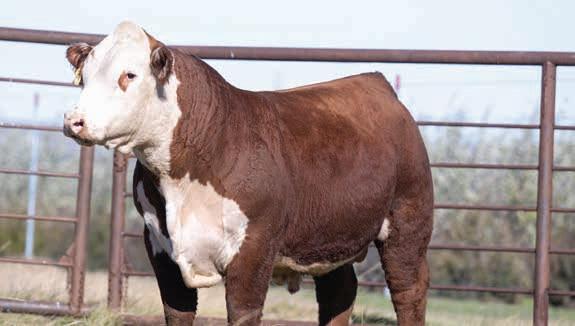
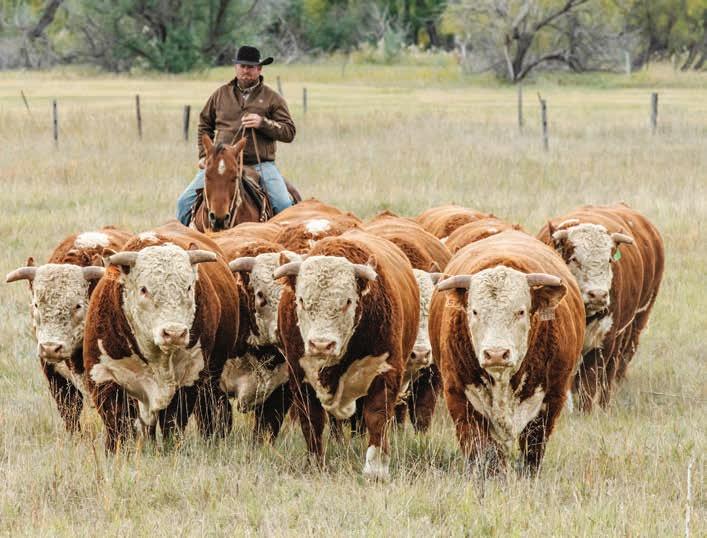
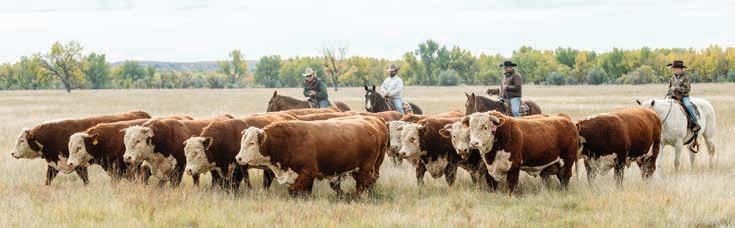
80 COMM HEREFORD HEIFERS - RIGHT OFF VNK REPLACEMENTS 4 LOADS FANCY F1 BALDY HEIFERS - SIRED BY TOP END VNK BULLS SALE: MON. JAN 19, 2026 12:30 PM OSHKOSH, NE
Saturday, Jan. 31, 2026
REPUTATION ANGUS genetics stacked with generations of
PERFORMANCE, designed to ADD REAL POUNDS and VALUE to your calf crop, MATERNAL
to your cowherd and DOLLARS to your bottom line: THE
Selling 550 Registered Bulls & Females
Featuring a vast number of embryo progeny from our proven, top-producing donors, as well as large sire groups by Badger, Courage, Charisma, Magnum, Throttle, Renovation, Rise N Shine, Royal Flush, Rise Above, Colossal, Architect, Anthem, Downpour, Duke, Dexter, Credential, Gable, Grant, Gunsmoke, Grand Canyon, Glory Days, Smokehouse, Territory and more.
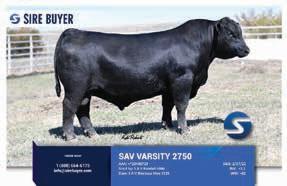
SAV Majestic 5654
Magnum x SAV Madame Pride 3145. Represents all the qualities of an ideal breeding bull and anchors a fabulous flush of nine full brothers selling. His Pathfinder dam is the current top income-producing cow at SAV and has 63 direct
SAV Blackstone 5275
Badger x SAV Madame Pride 0605. Destined to be a major breeding force with as much phenotypic power, performance and presence as you can put in an Angus bull. His America dam is a full sister to the herdsires SAV Anthem 0042 and SAV Glory Days 1832.
SAV Columbo 5049
x SAV
SAV Turning Point 5136
Courage x SAV Madame Pride 3145. The most talked about bull to sell in 2026 representing the phenomenal first calfcrop by the $150,000 SAV Courage 3003. His legendary Pathfinder dam records a weaning ratio of 107 on 9 calves.
SAV Challenger 5234
Charisma x SAV Emblynette 7850. A bonafide beef bull with massive dimension, volume, natural fleshing-ability and realworld performance. His productive dam records a weaning ratio of 104 on 7 calves.
SAV Gabriel 5092
Gable x SAV Madame Pride 8375. A performance and maternal trendsetter with a fashionable outcross pedigree, world-class phenotype and all the right numbers.
Colossal
Rosetta 5171. An athletic stunner with length, capacity, muscle and performance to burn. His Pathfinder dam by Renown and Pathfinder grandam by Density are maternal to the core.