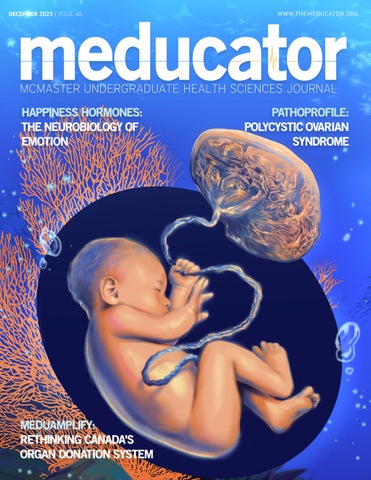
With each passing day, modern healthcare takes great leaps towards the ideal vision of years past. Technologies emerge, revolutions never believed to be possible come to the world’s fruition, and we remind ourselves that we need not settle for what we believe we are capable of at any given moment. Throughout Issue 48, we have been inspired by a single set of questions: “How has health science progressed, and where is healthcare going?” Inspired by Y2K, this issue reflects the evolution seen in the field across 22 years of The Meducator. The child on Issue 48’s cover, illustrated by Creative Director Parisa Mishal Hossain, represents a torch being passed from a generation of health professionals to this new one. We delve into the leaps made by contemporary ideas, a theme which permeates the issue.
Issue 48 opens with an exploration of emerging advancements in health sciences across the globe, written by editors Adele Feng and Kumkum Anugopal. In a thoughtful PathoProfile covering polycystic ovary syndrome, Hadi Fares, Nirujah Sutharsan, and Noelle Di Perna highlight its present clinical complexity. In Interview Spotlight, Emily Wang and Kathy He meet with Dr. Andrew Healey who offers his expertise in the realm of organ donation. Continuing this theme, Allison Lee and Iman Yaser compare and contrast opt-in versus opt-out organ donation systems. Aditya Misra, Andrew Yang, and Dilnoor Randhawa higlight the evolving landscape of Indigenous health, while Joel Abraham, Rita Gergis, and Sruti Prabakaran discuss the science of emotion as they unpack the roles of the four happiness hormones.
The issue journeys into a constellation of next-generation therapies that embody healthcare’s accelerating future. Atta Yazdy, Grace Hur, and Ian Kim explore cutting-edge biomaterial applications for stem cell-derived exosome therapy, while Firdose Khan and Patricia Zhang examine stem cell therapies for multiple sclerosis. Extending this arc of discovery, Evan Zhao and Sophia Wang delve into transcranial magnetic stimulation as an innovative treatment for depression. Bringing this exploration to a close, Angela Hong and Zahra Tauseef investigate advances in CAR NK-cell therapy. We are honoured to share the work of our contributors in Issue 48, and we hope that their pieces inspire curiosity, dialogue, and innovation.
We are endlessly grateful for our 100 passionate staff members and faculty reviewers who have been endlessly supportive throughout the Issue 48 publication cycle. We would like to extend a special thank you to our executive team: Aarani, Camela, Cynthia, Elaine, Evan, Henin, Henry, Jacqueline, Jia Jia, Megan, Michelle, Mishal, Raymond, Ria, Ruhani, Ryan, and Serena, for their outstanding leadership and dedication. We are also extremely thankful for our sponsors, without whom Issue 48 would not be possible. To McMaster University and the McMaster community, thank you for providing us a wonderful home and always keeping us inspired. And to you, our reader, thank you for your continued support of our publication.
Enjoy Issue 48!
VERONICA GRIGNANO DOMINIC GANGEMI &
AUTHORS: ADELE FENG1 & KUMKUM ANUGOPAL2
1 Bachelor of Health Sciences (Honours), Class of 2029, McMaster University
2 Bachelor of Health Sciences (Honours), Class of 2028, McMaster University
ARTIST: ZOE SO3
3 Bachelor of Health Sciences (Honours Biochemistry), Class of 2027, McMaster University
MEDi: An Interactive Robotic System for Pediatric Pain Management CANADA
| October 2025
Dr. Jennifer Stinson, a senior scientist at the Hospital for Sick Children, is integrating technology to reduce anxiety and discomfort for children during medical care.1 Medicine and Engineering Designing Intelligence (MEDi) is a novel half-meter-tall robot that engages patients through stories, music, games, and even guided breathing exercises.2 MEDi was designed based on the clinical needs of Dr. Stinson’s patients, and her team’s clinical studies suggest that interactions with MEDi lead to significant reductions in pain levels.2 Dr. Stinson is working on expanding MEDi’s capabilities by using artificial intelligence so that the robot can actively respond to children’s emotional cues in real-time.2 MEDi, alongside Dr. Stinson’s other tools, can improve the quality of care for children experiencing pain and illness.1
Lipid Injections as a Treatment for Vision Degradation
UNITED STATES OF AMERICA | October 2025
The enzyme, elongation of very-long-chain fatty acids protein 2 (ELOVL2), is an aging biomarker.3 ELOVL2 increases levels of omega-3-fatty acid docosahexaenoic acid (DHA) and very-long-chain polyunsaturated fatty acids (VLC-PUFAs) in the eye, subsequently improving vision.3,4 A study explored a method to achieve similar effects without the ELOVL2 enzyme.4 Older mice were injected with VLC-PUFA, which improved agerelated macular degeneration (AMD) and reversed signs of molecular aging.4 Within 120 minutes, the injected VLC-PUFA accumulated in the retinal pigment epithelium, a crucial component of vision.4 However, injected DHA had less improvement for AMD, challenging the ability of DHA to slow AMD progression.4 Hence, for individuals with ELOVL2 mutations linked to increased progression of AMD, lipid injections prove to be an effective treatment.4 Further trials and experimentation on the etiology of fatty acid-related improvements in vision are currently being explored.
Long-term Exercise Enhances Natural Killer Cells in the Immune System
BRAZIL | October 2025
Exercise is a known contributor to physiological and psychological well-being, playing a crucial role in cardiovascular, respiratory, and mental health.5 A study demonstrated the potential of long-term exercise in improving the immune system by assessing natural killer (NK) cell function, a key player in the body's immune defenses.6 Researchers divided participants into two study groups based on long-term exercise history: one untrained group and one endurance trained group.6 In participants who underwent consistent long-term exercise, their NK cells demonstrated stronger effector responses, greater metabolic resilience, and reduced markers for immune cell aging than the untrained group.6 Researchers also exposed NK cells from both the trained and untrained group to propranolol and rapamycin, medications that limit adrenaline production and cell growth, respectively.6 In the exercise group, NK cells maintained their immune functions despite the strain on signaling pathways.6,7 The study shows that long-term exercise improves flexibility and
Non-Invasive Ultrasound Helmet for Targeted Neuromodulation in Neurological Disorders
UNITED KINGDOM | September 2025
A non-invasive ultrasound helmet has emerged as a potential targeted treatment for neurological disorders such as Parkinson’s disease.17 Researchers from University College London and Oxford University developed a helmet to advance transcranial ultrasound stimulation by focusing ultrasound beams on specific brain areas like the substantia nigra, a region affected in Parkinson’s disease.17 In a recent study, stimulation of the lateral geniculate nucleus—a key relay in visual processing—was observed using a functional MRI (fMRI). A fMRI is a non-invasive technique that detects brain activity through changes in blood flow.18 With stimulation, fMRI activity in the visual cortex increased, meaning the helmet successfully activated the targeted brain region.18 Following stimulation, activity in the same region decreased for around 40 minutes, suggesting the helmet can both excite and suppress brain activity depending on stimulation parameters.18 These results suggest that the helmet could modulate neuronal activity to potentially treat symptoms of neuronal
Low-Dose Radiation Treatment for Osteoarthritis
SOUTH KOREA | October 2025
Osteoarthritis is the most common type of arthritis, impacting 3.9 million Canadians and results in degradation of the cartilage in common joints.12 Researchers discovered that low-dose radiation therapy can relieve knee pain in patients with mild to moderate osteoarthritis.13,14 In a recent study, 114 participants across three hospitals were randomly assigned to three radiation therapy groups: very low-dose, low-dose, and placebo.14 Each group underwent six rounds of their respective treatments without additional medication. In the low dose group, 70% of participants reported an improvement in two out of three measures (pain, physical function, and condition assessment) compared to 42% in the placebo group.14 This treatment is preventative and cannot regenerate tissue, so it is best suited for those with mild and moderate symptoms.14 The study is ongoing and will observe participants after a 12-month
Paxalisib: A Novel Drug for High-Grade Gliomas in Clinical Development
AUSTRALIA
| September 2025
Researchers from the University of Newcastle have recently received an $18.7 million grant from the Australian Government’s Medical Research Future Fund to support the development of new therapies for highgrade gliomas (HGGs).10 HGGs are among the deadliest malignancies due to their rapid growth and infiltration of brain tissue.10 Clinicians have developed a drug, paxalisib, that when combined with radiotherapy, can extend survival in preclinical models by 150%.10 Paxalisib is an oral inhibitor that penetrates the blood brain barrier to suppress a frequently activated signalling pathway involved in tumour growth and survival.11 Supported by new funding to initiate clinical trials within five years, this therapy demonstrates strong potential for treating HGG in the future.11
Safety of a Two-dose Ebola Vaccine Regimen During Pregnancy In Rwanda
RWANDA | September 2025
Ebola virus disease poses an extremely high risk to pregnant women and fetuses, with fatality rates ranging from 5389%. 8 Although the two - dose heterologous regimen is approved under emergency use in Rwanda for non - pregnant individuals, maternal and fetal risks were unknown. 9 A study randomized pregnant women 18 years or older in Rwanda to receive the vaccine during pregnancy or to delay vaccination until after pregnancy. 9 Infants were monitored for 14 weeks post - delivery and the vaccine regimen was well tolerated. 9 Maternal antibody responses persisted in cord blood and infant serum at 14 weeks, suggesting evidence of passive transfer; however, protective efficacy against Ebola was not measured. 9 Future studies are needed to evaluate protective effectiveness and to optimize vaccination strategies during pregnancy. 8
POLYCYSTIC OVARIAN SYNDROME
doi: 10.35493/medu.48.04
AUTHORS:
HADI FARES1, NOELLE F. DI PERNA2, & NIRUJAH SUTHARSAN2
1 Bachelor of Science (Honours Life Sciences), Class of 2029, McMaster University
2 Bachelor of Health Sciences (Honours), Class of 2028, McMaster University
ARTIST:
JESSICA SEGALL3
3 Bachelor of Science (Honours Life Sciences), Class of 2029, McMaster University
INTRODUCTION
Polycystic ovarian syndrome (PCOS) is the most frequent hormonal disorder in women of reproductive age.1 Despite the high prevalence of PCOS, the disorder remains severely underdiagnosed and misunderstood by affected individuals and healthcare professionals. While the exact pathogenesis for PCOS remains unknown, the disorder is largely associated with hormonal imbalances caused by genetic factors such as granulosa cell dysfunction, and environmental factors such as perinatal androgen exposure.2,3 Symptoms of PCOS include hyperandrogenism, ovulatory dysfunction, and polycystic ovarian morphology (PCOM). Recent research emphasizes personalized PCOS management involving a combination of pharmacological therapy and lifestyle changes, with potential enhancements through patient-centered diagnostics.
PATHOGENESIS
A prospective cohort study found that PCOS begins as an innate ovarian irregularity.2 Granulosa cells within the small follicles of the ovary typically produce anti-Müllerian hormone (AMH), which regulates the growth of ovarian follicles.2 Biological females with PCOM, a precursor to PCOS, have both smaller ovarian follicles and increased secretion of AMH per follicle, resulting in an overall excess of AMH.2 Elevated AMH suppresses follicular growth within the ovaries by inhibiting the activity of follicle-stimulating hormone (FSH). As a result, ovarian follicles are unable to mature and undergo ovulation.2
A study on mice found that the pathogenesis of PCOS is largely associated with perinatal androgen exposure, negatively impacting the homeostasis between the gonadotropin-releasing hormone (GnRH) pulse generator, the pituitary gland, and the gonads.3 The gonadotropin-releasing hormone (GnRH) pulse generator is a network of neurons within the hypothalamus that orchestrates the release of luteinizing hormone (LH) and FSH from the pituitary gland.4 Typically, an increase in progesterone levels results in a decrease in the frequency of the GnRH pulse generator, a network of neurons within the hypothalamus that mediates LH and FSH release. This achieves a balance of both hormones through a negative feedback loop.3 However, this loop is modified following fetal exposure to excess androgen, causing the GnRH pulse generator to become less responsive to excess progesterone and remain in a constant pulsating state.3 The pituitary gland responds by releasing more LH than FSH. This imbalance is a primary biomarker of PCOS. Elevated LH is known to increase AMH, further promoting the cycle of hormonal imbalance characteristic of PCOS.2
One biomarker used to predict early development of PCOS is heightened dihydrotestosterone (DHT). Hyperandrogenism is known to cause both preliminary and progressive symptoms associated with the pathogenesis of PCOS.5 In a study on mice, exogenously given excess DHT is shown to induce symptoms of PCOS within two weeks postexposure.5 Mice treated with DHT experienced no menstrual cycles, an increased number of cyst-like follicles in the ovaries, anovulation, and increased body weight by up to 30%.5
CLINICAL MANIFESTATIONS AND DIAGNOSIS
Misdiagnosing PCOS is common as symptoms are subject to heterogeneity. About 80% of PCOS patients demonstrate hyperandrogenism, making it a predominant symptom.8 Patients with hyperandrogenism display symptoms including hirsutism and acne, which are typically assessed clinically. Physicians assess the degree of hirsutism and distribution of male-pattern hair growth, in clinical settings using the mFG scale. The scale assesses nine body regions and assigns a hair growth score between zero and four to each. This sign of hyperandrogenism is one of the most recognizable clinical features of PCOS.7,8
Ovulatory dysfunction is another common manifestation of PCOS. The hormonal imbalance resulting from elevated LH and reduced FSH interrupts follicle development, leading to anovulation and occasionally a prolonged menstrual cycle. To ensure diagnostic accuracy, this criterion is only used for patients three or more years past their first menstrual period, known as menarche.9
A third common manifestation of PCOS is PCOM, defined by an ovary containing more than 20 antral follicles or demonstrating an overall volume greater than 10 mL.10 PCOM should not be used as a diagnostic indicator within eight years of menarche, as ovarian morphology is still in development.9 Interpretation of PCOM requires clinical caution and must be considered alongside other diagnostic features as PCOM may appear in individuals without PCOS.
If hyperandrogenism or ovulatory dysfunction is present, it is necessary to consider differential diagnoses. Labs are expected to test for thyroid-stimulating hormone, prolactin, and 17-hydroxyprogesterone to rule out other endocrine disorders.9
The diagnostic framework of PCOS has evolved with the 2023 International PCOS Guideline as the current international standard. It states that if a patient exhibits any two of the three core features of PCOS stated above, a diagnosis of PCOS can be established. Before this guideline, three distinct diagnostic criteria were used: the 1990 NIH, 2003 Rotterdam, and 2006 AE-PCOS. This posed an issue in diagnosis and research, highlighting the importance of a unified standard that was addressed by the 2023 guideline.12
TREATMENT
PCOS is a complex disorder requiring a multifaceted approach to treatment. The first line of management usually involves lifestyle interventions such as regular exercise, dietary modifications, and weight loss. Studies have shown that for individuals with obesity, losing 5–10% of body weight can significantly improve menstrual regularity, metabolic health, and fertility outcomes.14,15
Approximately 70% of women with PCOS experience dysovulation or anovulation. Ovulation induction agents such as letrozole and clomiphene citrate are commonly used as treatments. Letrozole inhibits the conversion of androgens to estrogen, thereby signaling the brain to increase FSH release, promoting the maturation of ovarian follicles and ovulation.12 Clomiphene citrate inhibits estrogen receptors in the hypothalamus, stimulating the pituitary to release more FSH and LH to promote ovulation. However, clomiphene can result in the thinning of the endometrial lining and the thickening of cervical mucus, making it hostile to sperm.12
Clinical trials comparing the two interventions have shown that biological females treated with letrozole achieved higher rates of pregnancy and conception in fewer cycles. Although pregnancy and live birth rates stabilized after crossover to the alternate intervention, letrozole’s lack of adverse effects makes it a preferable primary treatment.12 Another component of treatment is addressing insulin resistance. High insulin levels stimulate the ovaries to produce more androgens, disrupting ovulation and
worsening symptoms such as hirsutism and weight gain. One commonly prescribed insulin sensitizer is metformin, which enhances insulin sensitivity by reducing hepatic glucose production, and improving lipid metabolism.13
Addressing insulin sensitivity restores ovarian function as the ovaries return to baseline testosterone production, allowing for normal follicular development and ovulation.
Finally, hormonal therapies such as oral contraceptives (OCs), particularly those combining estrogen and progestogen, are used to regulate menstrual cycles and reduce androgenrelated symptoms. Clinical improvements in these symptoms are typically observed after six months of consistent use.18 Additionally, antiandrogens such as spironolactone may be used in conjunction with OCs to further reduce hirsutism and acne.16
GLOBAL IMPACT & FUTURE DIRECTIONS
Recent studies estimate that roughly 9.2% of biological females of reproductive age are affected by PCOS. From 1990–2021, incident cases have greatly increased, reflecting an evolving need for research in reproductive health. Recent literature is becoming increasingly focused on personalized and less invasive treatments. One promising treatment is GLP-1 receptor agonists, which have been shown to improve insulin resistance, lower androgen levels, and support reproductive function.19 Furthermore, emerging studies suggest that circadian rhythm disruptions may also contribute to PCOS symptoms, with studies being done to test melatonin-based therapies.20 Advances in artificial intelligence, including tools like PCONet and CystNET, are also helping to enhance the precision of PCOS diagnosis by evaluating cyst patterns and ultrasounds more meticulously.22 These developments highlight the trend towards a more patient-centred approach to addressing and treating PCOS.
REVIEWED BY: CRISTINA MONACO (PHD STUDENT)
Cristina Monaco is a PhD student conducting research in the Raha Lab at McMaster University. In her Master's program, she explored the effects of cannabis smoke and Δ9-THC on an in vitro model of placental stem cell differentiation. She is currently focused on how cannabis smoking influences epigenetic patterns
References can be found on our website: themeducator.org
DR.ANDREW HEALEY
AUTHORS:
KATHY HE1 & EMILY WANG2
1 Bachelor of Health Sciences (Honours Biochemistry), Class of 2027, McMaster University
2 Bachelor of Health Sciences (Honours), Class of 2026, McMaster University
ARTIST:
AYMEN SAEED3
3 Bachelor of Science (Honours Life Sciences), Class of 2026, McMaster University
PLEASE INTRODUCE YOURSELF AND DESCRIBE YOUR JOURNEY TO BECOMING A PHYSICIAN AND MEDICAL DIRECTOR FOR ORGAN DONATION AND TRANSPLANTATION IN ONTARIO.
My name is Andrew Healey. I’m an organ and tissue donation physician, critical care physician, and university professor. I’m also the provincial medical director for organ and tissue donation at the Trillium Gift of Life Network (TGLN) and the chief of emergency medicine and ICU at St. Joseph’s Healthcare in Hamilton. I’ve always known I wanted to be a physician, and I was lucky enough to get into medical school in Newfoundland, where I grew up. Initially, I was drawn to emergency medicine, and while practicing in Hamilton, I became interested in critical care. In 2007, during one of my rotations, I made a donation mistake: after a discussion with a patient’s family about withdrawing life support, we did so, and he died. However, I never referred him for consideration for organ donation. I realized that I missed an opportunity for another patient and their family, and that people on the waiting list would die as a result of my mistake. This was unacceptable to me, so I became interested in learning how to improve the donation and transplantation system. Additionally, in 2008, my son was born with biliary atresia. He underwent a livingdonor liver transplant from my wife, so I became determined to ensure the opportunity to donate is available for every family.
IN ONTARIO, HOW ARE ORGANS DISTRIBUTED TO PATIENTS, AND HOW IS PRIORITY DETERMINED?
For deceased-donor organ donation, the process begins with an individual who’s unwell due to a specific disease, condition, or injury. They first go through a period of active care, then prognostication.
If someone receives a negative prognosis, this means that they’re not going to survive, or they’ve made a decision to proceed with medical assistance in dying, or to withdraw from life support. These patients are then approached by TGLN Specialists in Organ and Tissue Donation as potential donors. Once the process begins, the safety of the organ is assessed. Is the organ suitable for transplantation? Is there a risk of transmitting disease or cancer? If the organ in its current status is safe to transplant, then organ allocation to patients on the waiting list and recovery are organized. There’s also an overarching, highstatus system where people who have a sensitized immune system or who are very sick have access to organs in any province. One’s position on the list depends on a variety of publicly available factors, mostly around acuity and how long they’ve been on the list.
WE SAW FROM RECENT STATISTICS THAT 90% OF ONTARIANS SUPPORT ORGAN DONATION; HOWEVER, ONLY 35% ARE REGISTERED DONORS. FROM YOUR PERSPECTIVE, WHAT ARE THE MOST SIGNIFICANT BARRIERS PREVENTING HIGHER DONATION RATES, AND WHAT STRATEGIES DO YOU BELIEVE CAN BE IMPLEMENTED TO OVERCOME THOSE BARRIERS?
There’s a variety of things that relate to that statistic. For example, people don’t want to think about their own death, so they don’t proceed with registering their consent. It’s also not a front-ofmind issue—even if they are willing to consider it; most assume they’re not going to die tomorrow. There are also a lot of myths about registering as an organ donor. Some people think that they’re less likely to have their life saved. This was explored by a large study in Ontario, which actually found that if you’re a registered organ donor, you’re more likely to survive a trauma than if you’re not, though they are likely not causally related. We are always working very carefully to improve the eligible approach rate. This is important because some families are never approached. It’s crucial to consider that in these moments of crisis, families are being asked to make a very difficult decision.
We can set people up to make an informed decision as health care providers by ensuring that they’ve built trust in the healthcare system, that they’re well-rested, and that the conversation is taking place in a comfortable environment. We also have coordinator
communicate with families to decouple that conversation from the physician. We want to ensure that families are able to make the decision the patient would have made for themself—and that’s the hardest thing we ask anybody to do in healthcare. Making a decision based on what you know of somebody else, especially if you haven’t had that specific conversation, is very difficult. This is why it’s so important to register your consent and to talk to your family about organ donation, as they are always going to be asked.
WHAT EXPERIENCES AS A PHYSICIAN INSPIRED YOU TO BECOME A CLINICAL PROFESSOR AT MCMASTER, AND WHAT CORE VALUES DO YOU BELIEVE ARE MOST IMPORTANT TO CULTIVATE IN STUDENTS INTERESTED IN EMERGENCY MEDICINE OR ORGAN DONATION AND TRANSPLANTATION?
My primary goal is to give people a new lens to examine complex adaptive problems within a complex system. I hope that people take away genuine curiosity from the fascinating opportunity that presents itself through donation and transplantation. It’s an amazing thing that demonstrates the human spirit—this is a moment of absolute tragedy and profound loss, and somehow, at that moment in time, a family is able to say, “I’m going to be generous to another human being.” What’s remarkable is that from this goodness, others’ lives are saved and touched forever. The most important skill that I could encourage people to cultivate is critical thinking. In the classroom, I’m attempting to create an environment where we hold each other through difficult conversations. This holding environment is like a cooking pot where students, teachers, and education come together. As we start to turn up the heat and ask difficult questions, we enter a zone where we’re feeling a bit uncomfortable. From here, we have an opportunity to further explore the meaning of the cases we’re talking about. That’s my goal. As for emergency medicine, it’s a crazy environment. However, this type of medicine is not defined by a disease or condition—it’s defined by four walls. If you come into those four walls, I will help you. I went into emergency medicine because I wanted to be able to tell people who have a lump in their neck, “This is not cancer. This is going to get better with penicillin.” I get to be there at that moment of relief. I also get to be there when it is cancer, and I can treat that person in their most terrible moments and be present for them. This is such a privilege: to be able to help people. It really drives everything I’m doing—in emergency medicine, critical care, organ and tissue donation, teaching, and leadership.
AS THE PROVINCIAL MEDICAL DIRECTOR FOR ORGAN DONATION IN ONTARIO, WHAT ARE YOU AND YOUR TEAM CURRENTLY WORKING ON? WHAT EXCITES YOU MOST ABOUT WHERE THIS FIELD IS HEADED IN THE NEXT 5-10 YEARS?
What’s most exciting from a transplant standpoint is the care of the organ after recovery. I think that eventually, we will be able to take an organ out of the body, resuscitate it, and support it until it reaches the recipient in a way that’s not necessarily time-dependent. This will likely have a huge impact on the logistics of organ donation by allowing transplants to be performed on a more predictable schedule. Normothermic regional perfusion is one of the things which we’re collaboratively working towards to enhance donor safety while also providing blood flow to the organs in the abdomen. There’s also a new type of heart donation that just came through, where we can offer heart donation after death by circulatory criteria. Another really exciting thing that has been implemented in the last year is something called, “The Donor Family Listening Post”. This is where we give donor families the opportunity to answer questions that we have for them to help us identify and prioritize the most important things we can do to improve their experience. What most excites me about donation is the privilege I have of witnessing—or talking to those who bear witness to—the ultimate act of love and generosity at a time when families and
ARTIST:
ESTHER CHAI
Bachelor of Fine Arts (Honours Integrated Arts), Class of 2027, McMaster University
This piece explores the psychological impact of modern beauty standards and the growing desire to undergo cosmetic enhancement. The figure’s unnatural skin tone and hair colour portray a synthetic quality, despite its distinctly human appearance. This disconnect is further emphasized through facial features floating unattached from the figure itself. These contrasting elements depict the impossibility of achieving “perfection”; the ideal is always outside the body and never fully attainable. The pursuit of these aesthetic ideals has real-world implications in health and medicine by influencing how people think about their bodies and how they engage with cosmetic care.
“CTRL +
MEDUAMPLIFY LOCAL
Bridging the Divide: Integrating Culturally Relevant Healing to Tuberculosis
Care and Prevention
1
ARTIST: FIONA DUYU1
Bachelor of Integrated Sciences (Honours), Class of 2027, McMaster University
AUTHORS:
ADITYA MISRA2, DILNOOR RANDHAWA3, & ANDREW YANG4
2 Bachelor of Science (Honours Integrated Science), Class of 2026, McMaster University
3 Bachelor of Health Sciences (Honours), Class of 2028, McMaster University
4 Bachelor of Health Sciences (Honours Biochemistry), Class of 2027, McMaster University
INTRODUCTION
Indigenous communities in Canada continue to face challenges in access to healthcare, creating long-standing health disparities.1 These barriers range from having to navigate complex healthcare policies, a lack of culturally relevant treatment options, and inaccessibility to healthcare centres.1 One of the most apparent disparities in Indigenous healthcare is the high rates of tuberculosis (TB), a result of colonial practices such as forced relocation and residential schools.2 These historical practices have fostered intergenerational trauma, reducing trust in healthcare institutions among Indigenous populations.2 Therefore, it is crucial to amend the healthcare system to rebuild trust by integrating culturally safe practices such as working alongside Indigenous health practitioners, incorporating traditional healing methods, and ensuring care is guided by respect for Indigenous values.2,3 Through a 2024 survey, Statistics Canada found that health care services that support Indigenous traditional medicines, healing, and wellness practices are important to 86% of Indigenous people living off reserve, 82% of Inuit, and 70% of Métis individuals.2 By supporting the use of traditional medicines, the healthcare system can improve health outcomes for Indigenous communities.
TB is an airborne illness caused by Mycobacterium tuberculosis, a bacterium that infects alveolar macrophages.4 After undergoing phagocytosis, the mycobacterium multiplies within the macrophage.4,5 Eventually, when the infected cell bursts, it releases the mycobacteria and propagates the spread of TB. The infection travels through blood, reaching additional organs and resulting in extrapulmonary TB.5 Additionally, TB can take an inactive, latent state, where an individual is asymptomatic and non-infectious. Latent TB is difficult to detect on chest X-rays, reactivating in 5-15% of individuals who do not receive proper treatment.5,6 Although progress has been made to combat this illness, TB continues to affect Indigenous communities at significantly higher rates when compared to the general Canadian population.7 Historically, TB has disproportionately affected marginalized communities, as poor nutrition and crowded living environments are major social determinants of the disease.7,8 Furthermore, the lack of culturally relevant healthcare and physical distance from healthcare centers hinder effective TB management which typically requires longterm, consistent antibiotic regimens.9 Dormant mycobacteria can remain undetected even after symptoms are resolved, considering the latent nature of TB.5 This lack of continuous care, combined with a lack of culturally relevant treatment, often leads to delayed diagnoses and progression of drug-resistant disease.9
The rate of TB in Inuit populations is 204 cases per 100,000 people.10,11 This is over 510 times higher than the rate in non-Indigenous Canadian populations, which is 0.4 cases per
100,000.11 The gap in TB incidence is 46 times greater among First Nations populations, who have a rate of 19 cases per 100,000.11 Poverty exacerbates conditions that allow TB to spread and worsen.12 Specifically, in Indigenous communities, the issue results from historical trauma, social determinants of poor health, barriers to health services, and a lack of cultural understanding.
SOCIAL FACTORS
Overcrowding in homes increases airborne TB transmission.13,14 Many families, especially in Northern Indigenous communities, live in small spaces with ten or more individuals in just two or three bedrooms.15 This situation increases the likelihood of familial transmission. Additionally, these homes often have structural issues such as mold, poor insulation, and heating systems that harm respiratory health.14 Many households rely on woodstove heating, which produces smoke and irritants that can damage the respiratory tract by causing inflammation. This increases susceptibility to TB infection and exacerbates disease progression. Besides housing problems, malnutrition from food insecurity weakens immunity against TB. In some Inuit communities, nearly 60% of households face food insecurity, which is almost ten times the national rate.16 Research shows that protein-energy malnutrition leads to nutritionally acquired immunodeficiency syndrome, impairing T-cell function and reducing macrophage activation, both of which are crucial for the immune response against TB.17,18 Malnourished family members who live with TB patients were found to have increased inflammation, decreased white blood cell counts, and higher expression of TB risk markers.18
HISTORICAL FACTORS
The current TB crisis has origins in colonial history as European colonizers brought TB to the Indigenous populations of Canada. By the mid-20th century, infection rates among Indigenous peoples exceeded 700 per 100,000, nearly 50 times higher than the non-Indigenous Canadian population at that time.19 The government's response caused further harm.20 From the 1940s to the 1960s, federal authorities sent ships to Northern Indigenous communities for mass TB screenings. Infected individuals, especially children, were taken from their families and transported thousands of kilometers south to tuberculosis sanatoria.19 In these facilities, Indigenous patients faced unethical medical experimentation without informed consent. Between 1948 and 1952 at the Fort Qu’Appelle Indian Hospital in Saskatchewan, researchers enrolled Indigenous patients in clinical trials to test experimental treatments. They deliberately only used ineffective treatments for control groups to evaluate experimental drugs, even when effective treatments were available. Some patients received inadequate doses of antibiotics, while others received no treatment despite having active TB. Many patients died during the trials, and their deaths were classified as treatment failures instead of intentional negligence in care.21 Patients were separated from their communities for months or years at a time, with no family contact.20 Many died far from home, with their families often left uninformed of their deaths.20 Often, children who survived and returned home had missed opportunities for cultural transmission.19 This family separation resembled the destruction of Indigenous culture caused by the residential school system.22 Many residential schools had TB rates over 50% among students, and sick children were sometimes moved directly from schools
to sanatoria.23 These experiences created intergenerational trauma that persists today in the form of mistrust of healthcare systems and reluctance to participate in TB screening and treatment programs.19
SYSTEMIC FACTORS
Current systemic barriers concentrate the risk of TB within Indigenous communities.19,23 Remote and Northern communities face ongoing shortages of healthcare professionals.19 Some have visiting nurses for only a few days each month with no resident physician.23 Nursing stations often lack basic diagnostic tools such as X-ray machines needed for TB diagnosis.23 Delays in diagnosis result in individuals with undiagnosed TB continuing to spread the infection in the interim.23 Patients experiencing complicated cases of TB, such as drug-resistant TB, may have to move to urban centers to access additional care for an extended period of time.23 Suspected cases must be medically transported to regional centers; however, transportation is also a problem since many remote communities can only be reached by air or icy winter roads.23,24 The federally funded Non-Insured Health Benefits program is meant to cover medical transport, but complicated approval processes and limited flight availability create significant barriers.23 Individuals requiring directly observed therapy (DOT) for TB, where healthcare workers must oversee each dose of medication, face additional challenges.19 The lack of local healthcare capacity means patients must travel frequently for medication or are administered doses without proper support.23
There is also a lack of Indigenous representation in the health system and few healthcare professionals are trained to meet Indigenous needs.19 Indigenous populations require specific supports, including services in Indigenous languages, community healing practices, and holistic care approaches involving spiritual health.19 These needs are often overlooked, resulting in a lack of personalized and appropriate services.19 Some TB treatments involve isolation, restricting patients from their family and community which conflicts with values of collective healing.25 Racism in healthcare settings drives Indigenous peoples further away from seeking care.26 Indigenous patients frequently report being stereotyped as non-compliant or substance-users, having their pain dismissed or undertreated, and experiencing verbal abuse from healthcare providers.26 24% of First Nations people, 23% of Inuit people, and 15% of Métis people reported facing unfair treatment, racism, or discrimination from healthcare professionals in 2024.27 These issues reflect ongoing impacts of colonial structures, which prioritize non-Indigenous health approaches while undermining Indigenous peoples' access to culturally appropriate healthcare.
SOLUTIONS AND CHALLENGES
Addressing long-standing gaps requires a mix of biomedical strategies and community-driven approaches; the optimal solution is dependent on the surrounding cultural and clinical contexts of a given patient. For example, DOT is widely used to ensure patients complete the long course of antibiotics.28 This strategy improves cure rates, but often forces remote patients to travel to urban centres for supervised dosing.29 Early evaluations of DOT in northern Indigenous communities in British Columbia showed that it significantly improved treatment completion rates.30 However, these programs were more expensive than self-administered therapy due to the logistical demands of supervision and travel from remote settings. These findings emphasize the need to
deliver DOT within communities and to align delivery with cultural and social norms.30
In Inuit Nunangat, neonatal TB vaccination is routinely administered to prevent severe childhood TB.31,32 While effective at lowering mortality, the vaccination can complicate later screening because it often creates false-positive reactions on tuberculin skin tests, making it harder to distinguish past vaccination from true infection. During outbreaks, regions have also implemented community-wide screening campaigns. In Nunavut, over 90% participation was achieved through intensive community engagement and education with Inuit health leaders.33 These programs emphasized home-based testing, cultural safety, and language inclusion, reducing stigma and increasing screening uptake. Furthermore, Indigenous-led frameworks are shifting the paradigm. The Inuit Tuberculosis Elimination Framework calls for action in four areas: community empowerment, integrated TB care, housing and poverty solutions, and Inuit-specific program design.34 Each region under Inuit governance has developed tailored TB elimination strategies through this model. These initiatives emphasize Inuit leadership and are rooted in Indigenous knowledge, prioritizing culturally safe, communitybased care. Experts advocate for trauma-informed care models that integrate traditional healing, involving Elders in treatment, and supporting language-based education to rebuild trust in the health system.29 These models view TB treatment not just as bacterial eradication, but as a relational and cultural process that requires trust, dignity, and healing on Indigenous terms.
Recent efforts to create more culturally welcoming spaces, like the Indigenous Healing Space, opened in October 2025 at Juravinski Hospital and Cancer Centre in Hamilton. Additional spaces are to be implemented at Hamilton General and St. Peter’s Hospitals, representing a parallel shift in institutional care.35 These facilities hope to offer patients a space for ceremony, reflection, and cultural safety within mainstream organizations. By combining Indigenous-led governance with biomedical care and structural reform, these approaches aim to overcome current gaps and move toward equitable TB outcomes.
REVIEWED BY: DR. PATRICIA FARRUGIA (MD, FRCSC)
Dr. Patricia Farrugia is a member of the Chippewas of Nawash community, Saugeen Ojibway Nation. She received a medical degree from McMaster University and a Masters in Health Research at the University of Toronto. In January 2025, she was appointed as associate dean of Indigenous Health for McMaster University’s Faculty of Health Sciences, and practices in the Orthopaedic and Spine divisions at Hamilton General Hospital.
EDITED BY: GRACE HUR & ATTA YAZDY
EDITOR PROJECT
ARTIST: CAMELA TEMACINI1
1 Bachelor of Biochemistry (Honours), Class of 2028, McMaster University
doi: 10.35493/medu.48.14
AUTHORS: SRUTI PRABAKARAN2, JOEL ABRAHAM3 & RITA GERGIS4
Bachelor of Science (Honours Integrated Sciences) Class of 2027, McMaster University
3 Bachelor of Health Sciences (Honours) Class of 2028, McMaster University
4 Bachelor of Biochemistry (Honours) Class of 2027, McMaster University
influential in the control of happiness. Understanding the function and production of each neurotransmitter provides insight into the biological mechanisms that contribute to happiness, and how these mechanisms can be supported through naturopathic interventions. Naturopathic interventions are holistic therapeutic approaches focused on supporting the body’s natural ability to heal itself.3 These interventions often focus on the underlying cause of disrupted balances in the body and address them through lifestyle changes.3 Naturopathic interventions aid in maintaining homeostasis and generally have few adverse effects when used appropriately.3 However, it is important to note that these interventions are not a substitute for pharmacological treatments that may be required for diagnosing, treating, or preventing disease. Exploring how naturopathic interventions influence key neurotransmitters can further highlight the biological mechanisms that contribute to happiness.
DOPAMINE
Dopamine is involved in improving pleasure, reward, and motivation.4 Dopamine production is a two-step process, beginning with the amino acid tyrosine. Tyrosine is catalyzed into L-DOPA and subsequently dopamine by the enzymes tyrosine hydroxylase and aromatic L-amino acid decarboxylase,
respectively.5 Catalyzation is regulated in the ventral tegmental area and the substantia nigra of the brain.5 Dopamine’s evolutionary function is to reinforce behaviours that ensure survival, such as feeding, socialization, and reproduction.4 Animal studies indicate that almost all learned behaviours depend on dopamine function, often facilitated through reinforcement mechanisms.4 Regulation of the neurotransmitter occurs through multiple mechanisms. The primary mechanism involves dopamine transporters that actively pump the neurotransmitter back into the presynaptic vesicle where it is stored.⁶ Dopamine that is not reabsorbed is enzymatically degraded by catechol-O-methyltransferase and monoamine oxidase B.⁶ Further regulation involves autoreceptors and dopaminergic receptors which inhibit the synthesis and release of dopamine.6
Naturopathic interventions often focus on the relationship between dopamine and sleep. Dopamine levels are highest upon waking, promoting alertness, and gradually decrease throughout the day before getting replenished during sleep.7 People experiencing acute sleep deprivation show increased dopamine release. However, receptor availability is reduced, which limits the overall dopaminergic effects.8 Deep relaxation techniques, such as Non-Sleep Deep Rest (NSDR), have garnered significant interest for their potential to regulate dopamine in a manner similar to sleep. Sleep yoga, a form of NSDR, has been shown to increase endogenous dopamine in the brain by up to 65% after a single session.9 Sessions of NSDR resemble non-rapid eye movement (REM) sleep, which is associated with an increase in dopaminergic activity.9 Most importantly, meditative forms like NSDR often involve reducing the body’s adrenergic activity, which favours dopamine synthesis.10 However, NSDR cannot serve as a substitute for proper sleep, as it lacks processes like full REM sleep where the majority of dopamine is produced.9 Overall, while NSDR
can complement sleep by enhancing dopamine production, highquality sleep remains more effective in regulating dopamine levels.
SEROTONIN
Serotonin is an essential monoamine neurotransmitter that regulates mood, memory, behaviour, and sleep.11 By modulating these processes, serotonin promotes feelings of calm and emotional balance.11 Serotonin is synthesized in two steps, beginning with the essential amino acid tryptophan.12 Tryptophan is first hydroxylated by tryptophan hydroxylase, forming 5-hydroxytryptophan, which is then decarboxylated to form 5-hydroxytryptamine, also known as serotonin.12 While most serotonin is produced in the gastrointestinal tract, it is serotonin synthesized in the raphe nuclei of the brainstem that can cross the blood-brain barrier and influence mood.11 Serotonin can bind to postsynaptic receptors or presynaptic autoreceptors.12 Binding to autoreceptors results in the reuptake of serotonin through serotonin transporters, where it is stored in vesicles or degraded by monoamine oxidase.12
In addition to these regulatory mechanisms, lifestyle factors and environmental conditions, such as sun exposure, have been associated with changes in serotonin levels.13 In a randomized controlled trial, Aan Het Rot et al. examined the influence of bright light on serotonin-related mood changes in healthy women with mild seasonal mood symptoms.14 It was found that bright light prevented the drop in mood, such as increased irritability, associated with acute tryptophan depletion. A broader connection between serotonin and sunlight exposure was identified by Lambert et al., where the brain's serotonin turnover across different seasons was lowest in the winter.15 Additionally, increased serotonin production was positively correlated with increased duration and luminosity of light.15 These findings suggest that serotonin varies with light exposure, as higher levels are associated with greater serotonin turnover. Regular exposure to natural or artificial light may support serotonin activity and contribute to emotional well-being.
ENDORPHINS
Endorphins are hormones released by the hypothalamus and the pituitary gland in response to pain and stress.16 There are three major classes of endorphins: β-endorphins, enkephalins, and dynorphins. In particular, β-endorphins have a prominent effect on the reward system. They are produced in the anterior pituitary gland in response to corticotropin-releasing hormone sent from the hypothalamus. β-endorphins bind to μ-opioid receptors and hyperpolarize neurons in the cerebral cortex, brainstem, and thalamus. The hyperpolarization of these cells inhibits the release of substance P, a neuropeptide essential for pain transmission.17 Through this mechanism, β-endorphin binding decreases the sensation of pain. High-intensity interval training (HIIT) may enhance β-endorphin levels.18 Saanijoki et al. investigated β-endorphin levels after one hour of moderate-intensity or HIIT exercise. They found that β-endorphin release was positively correlated to the negative emotions that participants experienced during rigorous parts of the HIIT exercise. This suggests that the neuroendocrine system releases β-endorphins to moderate low mood during exercise. Therefore, HIIT exercise may elevate circulating β-endorphin levels, which are associated with reductions in negative mood and improved emotional well-being.
OXYTOCIN
Oxytocin is a neuropeptide hormone that plays an important role in reproduction and social behaviour in humans.19 The hormone is produced in the supraoptic and paraventricular nuclei of the hypothalamus, where it is released by neuronal projections to the posterior pituitary gland. Oxytocin binds to its G proteincoupled receptors in reward-associated brain regions, such as the amygdala and nucleus accumbens, activating downstream signalling pathways through increased intracellular calcium ion permeability and protein kinase activity. Through this mechanism, oxytocin can increase the pleasure resulting from social contact.
Physical touch, such as massage therapy, has been shown to increase oxytocin levels.19 Physical stimulation of glabrous skin, located on the palms of the hand and soles of the feet, as well as all non-glabrous skin across the body, induces specialized sensory neurons. These neurons trigger neural impulses leading to oxytocin release.19 This signal is sent to the central nervous system, decreasing the perception of pain. Morhenn et al. investigated oxytocin level changes after a 15-minute moderate-pressure massage and found a 17% increase compared to controls, demonstrating the elevation of oxytocin production from physical touch.20 Social activities such as conversations, acts of altruism, and social music listening may enhance oxytocin production as well.20 Thus, activities including physical stimulation and social behaviours may elevate oxytocin levels, promoting feelings of happiness.
LIMITATIONS AND CONCLUSION
It is important to note that opportunities to engage in activities which influence levels of happiness hormones may be limited by socioeconomic factors, underlying health conditions, seasonal variations, or geographic isolation.21 Some interventions also require consistent effort, which may be difficult for individuals with demanding schedules or limited support.22 Moreover, the lack of diverse representation in existing research reduces its generalizability. For example, the study by Aan Het Rot et al. examined the effect of light exposure exclusively in mildly seasonal healthy women, limiting the applicability of the results.13 Consequently, these lifestyle strategies and data may not be universally applicable across populations.
Happiness is not solely a psychological concept but also a biological process shaped by neurotransmitter regulation. Therefore, understanding these mechanisms provides a scientific framework for how everyday behaviours can influence emotional health and happiness.
1. Diener E. Happiness: The Science of Subjective Well-Being. Noba. 2013. Available from: https:// nobaproject.com/modules/happiness-the-science-of-subjective-well-bein
2. Dfarhud D, Malmir M, Khanahmadi M. Happiness & Health: The Biological Factors- Systematic Review Article. Iranian Journal of Public Health. 2014;43(11):1468. Available from: pmc.ncbi.nlm.nih.gov/ articles/PMC4449495/
3. Fleming SA, Gutknecht NC. Naturopathy and the Primary Care Practice. Primary Care: Clinics in Office Practice. 2010;37(1):119–36. Available from: ncbi.nlm.nih.gov/pmc/articles/PMC2883816/
4. Wise RA, Jordan CJ. Dopamine, behavior, and addiction. Journal of Biomedical Science. 2021;28(1). Available from: doi:10.1186/s12929-021-00779-7.
5. Speranza L, di Porzio U, Viggiano D, de Donato A, Volpicelli F. Dopamine: The Neuromodulator of LongTerm Synaptic Plasticity, Reward and Movement Control. Cells. 2014;10(4):735. Available from: doi: 10.3390/cells10040735
6. Liu C, Kaeser PS. Mechanisms and regulation of dopamine release. Curr Opin Neurobiol. 2019;57:4653. Available from: doi: 10.1016/j.conb.2019.01.001.
7. Kesner AJ, Lovinger DM. Wake up and smell the dopamine: new mechanisms mediating dopamine activity fluctuations related to sleep and psychostimulant sensitivity. Neuropsychopharmacology. 2021;46(4):683-684. Available from: doi: 10.1038/s41386-020-00903-5.
8. Volkow ND, Tomasi D, Wang GJ, Telang F, Fowler JS, Logan J, et al. Evidence that sleep deprivation downregulates dopamine D2R in ventral striatum in the human brain. Journal of Neuroscience. 2012;32(19):6711-7. Available from: doi:10.1523/jneurosci.0045-12.2012.10.
9. Pandi-Perumal SR, Spence DW, Srivastava N, Kanchibhotla D, Kumar K, Sharma GS, et al. The origin and clinical relevance of yoga nidra. Sleep Vigil. 2022;6(1):61-84. Available from: doi:10.1007/ s41782-022-00202-7.
10. Pruessner JC, Champagne F, Meaney MJ, Dagher A. Dopamine release in response to a psychological stress in humans and its relationship to early life maternal care: a positron emission tomography study using [11C]raclopride. J Neurosci. 2004 17;24(11):2825-31. Available from: doi:10.1523/ JNEUROSCI.3422-03.2004.
11. Berger M, Gray JA, Roth BL. The expanded biology of serotonin. Annu Rev Med. 2009;60:355-66. Available from: doi:10.1146/annurev.med.60.042307.110802.
12. Mohammad-Zadeh LF, Moses L, Gwaltney-Brant M. Serotonin: a review. J Vet Pharmacol Ther. 2008;31(3):187-99. Available from: doi:10.1111/j.1365-2885.2008.00944.x.
13. Young SN. How to increase serotonin in the human brain without drugs. J Psychiatry Neurosci. 2007;32(6):394-9. Available from: pmc.ncbi.nlm.nih.gov/articles/PMC2077351/.
14. Aan Het Rot M, Benkelfat C, Boivin DB, Bremner JD, Breslin FC, Levitan RD. Bright light exposure during acute tryptophan depletion prevents a lowering of mood in mildly seasonal women. Eur
Opting for Change: Rethinking Canada's Organ Donation System
doi: 10.35493/medu.48.18
AUTHORS: ALLISON LEE1 & IMAN YASER2
1 Bachelor of Health Sciences (Honours), Class of 2028, McMaster University
2 Bachelor of Science (Honours Life Sciences), Class of 2027, McMaster University
INTRODUCTION
Canada faces a critical shortage of organ donors, with over 200 Canadians passing away while on organ donation wait-lists in 2024.1 Life-saving organs include kidneys, hearts, and lungs, while tissues such as skin grafts and corneas primarily improve quality of life.1 In 2024, 3,212 transplants were performed nationwide; 82% were from deceased donors and 18% from living donors, with 51% of living donations coming from relatives.1
A public opinion poll found that despite 89% of Canadians expressing support for organ donation, only about one-third have formally registered within the opt-in (explicit consent) system.2 This gap between expressed willingness and action may reflect structural barriers that could be bridged with policy changes, such as an opt-out (presumed consent) organ donation system.
ARTIST: NICOLE KIM3
3 Bachelor of Health Sciences (Honours), Class of 2026, McMaster University
OPT-IN VS. OPT-OUT SYSTEMS IN CANADA
Under the opt-in model used in most Canadian provinces, individuals must actively register their consent to donate.3,4 In contrast, the opt-out model presumes consent for eligible adults unless they formally opt-out.3
In 2021, Nova Scotia (NS) became the first North American jurisdiction to adopt an opt-out model by enacting the Human Organ and Tissue Donation Act (HOTDA).5 While NS remains the only Canadian province to have done so, New Brunswick passed legislation in 2023 to move toward an optout model, though it has not yet been fully implemented.6 Furthermore, Alberta and Manitoba have introduced bills referencing NS’s model to explore presumed consent, but they were not passed.7 These developments reflect a
NOVA SCOATIA’S EARLY RESULTS AND REACTIONS
In 2020, the year before the HOTDA, NS’s donation rate was 29.9 donors per million population (DPMP), increasing to 55 DPMP by 2024.8,9 While this suggests progress, rates were already improving prior to the law enactment; they rose from 16.8 to 26.5 DPMP between 2010 and 2019.10 Other provinces without opt-out legislation also experienced increases during this period. For instance, Ontario’s donation rate rose from 625 to 644 DPMP between 2021 and 2024.9 This steady rise points to factors beyond legislation contributing to nationwide improvements in organ donation.9
Additionally, clinicians report that pre-existing structural barriers remain unaddressed, such as a lack of standardized donation pathways and inconsistent communication. This is similarly reflected in health professionals who report challenges in dispelling persistent misconceptions such as fears of premature death declaration, body mutilation, or the belief that organ donation has become mandatory.11,12 Although families retain final decision-making authority in the opt-out system, public misconceptions that the law removes family input have weakened trust in the system.11,12 Therefore, uncertainty persists about how these conversations should proceed, highlighting the need for transparent protocols and further training for healthcare professionals.11
GLOBAL LESSONS FROM OPT-OUT SYSTEMS
International experience shows that opt-out legislation alone rarely drives an increase in organ donation. Countries with opt-out systems average 22.6 deceased DPMP compared to 13.9 in opt-in systems, though the success of opt-out implementation varies widely.⁴
Spain, often cited as the global exemplar for the opt-out system, had reached 47 DPMP in 2017. However, this only occurred a decade after the adoption of presumed consent following substantial investments, demonstrating the importance of system-level reforms.3,4
Conversely, Brazil and Chile saw declines in donation rates after enacting opt-out laws, which may be due to rushed implementation resulting in limited infrastructure and public mistrust.3,4 Brazil even repealed its law within a year following public backlash.3,4
Overall, global evidence suggests that presumed consent offers only a moderate statistical advantage of five additional deceased DPMP annually, and even then, its success depends on sustained investment.3,4
ETHICAL AND LEGAL DIMENSIONS OF CONSENT
The ethics behind opt-out systems remain largely debated, given that people are presumed to agree without explicit consent. From a utilitarianism perspective, presumed consent is justified as it maximizes overall societal benefit by increasing organ availability.13 However, critics grounded in autonomy and human rights contend that opt-in systems undermine individual rights by assuming consent when none has been explicitly given.14
In addition, concerns have been raised about the coercive nature of opt-out models. If opting out becomes stigmatized or associated with selfishness, individuals may feel pressured to remain donors.15 Balancing these perspectives is essential when developing policies for opt-out systems.
CULTURAL AND RELIGIOUS CONSIDERATIONS
Cultural and religious beliefs strongly influence individuals’ willingness to participate in organ donation. Most Christian
denominations regard voluntary organ donation as an altruistic act.16 In contrast, Islam generally prohibits desecration of the human body, emphasizing the sanctity of preserving its integrity both in life and death.17 In Judaism, burial should occur within 24 hours after death, and any desecration of the body is prohibited as it is considered benefiting from the dead.18
Among Canadian First Nations communities, many believe that an intact body is necessary to enter the spirit world.19 In one study, although 83% of Indigenous participants supported organ donation, only 38% were actually willing to donate their organs after death.19 Yet, just 18.7% reported that their cultural or spiritual beliefs influenced their views on donation.19
Therefore, in Canada’s multicultural and pluralistic context, diverse beliefs complicate any uniform moral framework and raise questions about whether a nationwide opt-out system is viable.
PUBLIC PERCEPTION AND THE PATH FORWARD
Public understanding and trust are crucial for the success of any organ donation system. Misinformation and stigmatization often hinder informed decision-making and lower consent rates.20 Trust in the healthcare system is critical; when individuals perceive the system as transparent, ethical, and respectful of their autonomy, they are more likely to consent to organ donation.20 NS demonstrates the feasibility of an opt-out system in Canada. However, global experience shows that presumed consent succeeds only when paired with strong infrastructure, coordinated systems, and sustained public trust.3,4 In Canada’s multicultural context, beliefs about bodily integrity and religious practices vary widely, meaning policies must be culturally sensitive and allow individuals to opt-out without stigma. Therefore, Canada faces the opportunity to succeed with an opt-out system, only if implemented alongside comprehensive education, strong healthcare infrastructure, and culturally inclusive policies. By cultivating an informed and confident public, Canada may one day meet the growing demand for organ donations.
REVIEWED BY: DR. GURMIT SINGH (PHD)
Dr. Gurmit Singh is a Professor Emeritus in the Department of Pathology & Molecular Medicine at McMaster University and a Senior Scientist for Hamilton Health Sciences. Dr. Singh's work focuses on experimental therapies for breast and prostate cancer, and most recently focuses cancer cell mechanics and cancer pain.
EDITED BY: EVAN ZHAO & SOPHIA WANG
BIOTECH BLUEPRINT
BIOMATERIAL APPLICATIONS FOR STEM CELL -DERIVED EXOSOME THERAPY
doi: 10.35493/medu.48.20
AUTHORS:
GRACE HUR1, IAN KIM2, & ATTA YAZDY3
1 Bachelor of Health Sciences (Honours Biomedical Discovery and Commercialization), Class of 2027, McMaster University
2 Bachelor of Science (Honours Life Sciences), Class of 2028 McMaster University
3 Bachelor of Science (Honours Kinesiology), Class of 2026, McMaster University
ARTIST:
YUEWEN GAO4
4 Bachelor of Health Sciences (Honours), Class of 2028, McMaster University
ABSTRACT
Stem cell-derived exosomes (SC-Exos) continue to emerge as a prominent and versatile cell-free therapy for promoting tissue regeneration and bioactive signalling. However, clinical translation is limited by challenges in targeted delivery, stability, and short circulation lifespans. To address these barriers, biomaterials that can protect exosomal integrity and allow for controlled release have been increasingly explored as effective delivery platforms. Understanding how such biomaterials can influence the outcomes of exosomal therapy is critical for advancing clinical applications and optimizing therapeutic potential.
SC-EXOS THERAPY
to acute myeloid leukemia (AML) cells.7 A drug cargo of daunorubicin was selected for encapsulation within the exosomes for clinical efficacy and further tested in a mouse AML model.
DIFFERENT
BIOMATERIALS AND COMPARISONS
One major challenge in SC-Exos therapy is targeted specificity. Different biomaterials have been used to ensure that the method of delivery is both highly specific and effective. Hydrogels, polymeric nanoparticles, and three-dimensional scaffolds are currently the most commonly used biomaterials, each offering distinct advantages and limitations in terms of exosome retention, bioactivity, and clinical applicability.8
Hydrogels, such as hyaluronic acid or alginate, excel at releasing exosomes in a controlled and sustained manner. They also possess mechanical properties that enable them to closely match native tissue, supporting biocompatibility and stable integration.9 Their high water content also helps preserve exosome integrity and allows for minimally invasive delivery methods such as injections.10 However, their degradation rates and crosslink densities require careful regulation to prevent premature bursting of exosomes during release.11
Like all other cells in the human body, stem cells release exosomes, which are membrane-bound vesicles that enable cellto-cell communication. Exosomal nucleic acids and proteins have shown therapeutic potential, inheriting the beneficial attributes of parental cells, such as anti-inflammatory signals and tissue regeneration.1 Once exosomes reach the recipient cell, the bioactive cargo gets released into the cytoplasm to mediate cellular and tissue responses, and molecular signalling pathways such as Wnt/β-catenin, MAPK, and JAK/STAT.2-4
SC-Exos therapy has shown therapeutic potential across various disciplines, including orthopedics, neurosurgery, cardiology, and wound healing. For instance, exosomes from adipose-derived stem cells have demonstrated improvement in skin wound healing by inducing macrophage polarization, activating cytokine IL-33 release, and promoting collagen formation.5 SC-Exos are commonly administered through intravenous, intranasal, and subcutaneous routes, which can influence distribution rate in the body.6 Unlike stem cells, exosomes cannot self-replicate, thereby presenting a lower risk of tumour formation compared to stem cell transplants.
Furthermore, exosomes can be biochemically modified through drug loading and surface modification to improve their therapeutic effects. A recent study developed an exosome-based drug delivery system by engineering the exosomal membrane with thrombopoietin-mimic peptides to achieve targeted delivery
Polymeric nanoparticle carriers instead excel at tunable, multistage releases and provide the greatest support in stabilizing exosomes during systemic circulation. These carriers can also be hybridized with exosomal membranes to further improve cellular targeting and reduce immune recognition, increasing therapeutic precision and efficiency.12,13 However, there is a potential health concern with the polymer residue these hydrogels leave behind, along with significant logistical obstacles in reproducibility, costs, and quality control due to their manufacturing complexity.8,14
Similarly, scaffolds focus on combining structural support and biological cues, an optimal method for localized retention of exosomes within target tissues. The mechanical stability that this technique provides also allows for a controlled microenvironment where the scaffolding material can facilitate sustained exosome delivery and cellular communication to influence behaviours such as adhesion, migration, proliferation, and differentiation.15 Yet, their clinical translation remains limited with challenges remaining in complex fabrication methods, sensitivity to sterilization, and batch-to-batch variability.
THERAPEUTIC APPLICATIONS
SC-Exos have strong immunomodulatory, anti-inflammatory, and regenerative properties, making them strong candidates for wound healing.16,17 However, the short life span of stem cells in conjunction with the low stability of their derived exosomes is a key limitation to their applicability.16 Research has shown that the use of biomaterials can enhance
the delivery and longevity of SC-Exos, as exemplified by a study on the use of macroporous hydrogels. This study also found that HucMSC-Exos carry miRNAs that regulate fibroblasts, vascular endothelial cells, and macrophages, which are implicated in healing.18,19
In addition to its effects on wound healing, SC-Exos are an emerging potential treatment for bone defects such as fractures, osteoporosis, and bone metastases.15 Current treatments to address bone defects face concerns of immunogenicity and stability; SC-Exos address these concerns by offering a cellfree approach.15 SC-Exos are thought to deliver miRNAs, lncRNAs, proteins, and DNA to effectively stimulate osteoblasts, chondroblasts, osteoclasts, angiogenic factors, and immune cells, thereby increasing osteogenesis and angiogenesis while regulating the immune response.15 However, these exosomes on their own face issues of low retention and lack of sustained release at their target tissue. Fortunately, engineered scaffolds made of metallic, synthetic, natural, or inorganic materials can be loaded with exosomes and delivered to target tissues while attenuating concerns of release or retention.15 For example, one study investigated the effect of titanium scaffolds delivering human dental pulp SC-Exos (hDPSC-Exos) for bone regeneration.20 The authors were able to effectively stimulate osteogenesis in hDSPCs through upregulating miRNAs which target osteogenic pathways.20 This led to cell-free bone regeneration within ten weeks of delivery, addressing concerns of immunogenicity.20
Overall, SC-Exos have been proposed as a promising treatment for both wound healing and bone repair. However, they face several limitations centred around stability and lifespan. The current literature underscores the effectiveness of biomaterials as a protective mechanism for delivering SC-Exos to the target site, ensuring their stability, and increasing lifespan.
LIMITATIONS AND FUTURE DIRECTIONS
Recent biomaterial applications using hydrogels, nanoparticles, and engineered scaffolds in SC-Exos therapy have proved to enhance the effectiveness of the therapy by improving the controlled release and targeted drug distribution. Despite the advancement of this stem cell therapy, numerous challenges remain for its clinical implementation.
Despite hydrogels being a promising biomaterial as delivery vehicles for SC-Exos, issues with gel stiffness, complexities in the production process, and gelation times must be addressed. It is also challenging to achieve homogeneous exosome incorporation into hydrogels while ensuring a controlled release. Although slow release can be accomplished through scaffold-based SC-Exos, consistent stability of release has yet to be achieved 21 Further studies are required on the scalable manufacturing of the biomaterial.14
Scaffolds can also be tailored to specific microenvironments including ocular and nervous tissues as well as bone, cartilage, and skin. Each of these possess unique mechanical and vascular properties that can make scaffold optimization complex. From an engineering standpoint, scaffold design constraints must also achieve a balance between mechanical strength and biocompatibility, while minimizing degradation and ensuring controlled exosome release.22
These limitations can be mitigated by manipulating natural polymers, adding scaffold materials, and introducing synthetic polymers. Synthetic polymers that have tunable mechanical properties such as PLGA and PLA can further enhance biocompatibility and biodegradability, supporting tissue regeneration when coating SC-Exos.23 Future work should also focus on advancing imaging and tracking technologies to monitor exosome distribution and retention in vivo. This could involve the use of biofluorescent materials or nanoparticles. Notably, inorganic nanoparticles loaded into exosomes can enhance imaging depth using MRI. Further development is also necessary to optimize scaffold design for exosome stability and sustained delivery. A quality control system is imperative for the therapy to align with good manufacturing practice standards to ensure reliable and consistent SC-Exos products. As current research is limited to small animal models, studies could expand to large animal models and clinical trials to assess scalability, biosafety, and therapeutic efficacy.14
CONCLUSION
In summary, integrating SC-Exos with biomaterial platforms represents a promising cell-free approach to tissue regeneration. By providing structural support and controlled delivery, biomaterials enhance the therapeutic efficacy of exosomes across diverse applications. This approach not only replicates the regenerative signaling of stem cells but also overcomes the limitations of direct exosome administration. As biomaterial design advances toward smart, responsive, and tissue-specific formulations, this strategy has strong potential to translate regenerative medicine into clinically viable therapies for complex tissue injuries and degenerative diseases.
REVIEWED BY:
DR. ERIC SEIDLITZ (PHD)
Dr. Eric P. Seidlitz is an assistant professor in the Department of Anesthesia at McMaster University. He is also an instructor in the Honours Health Sciences Program at McMaster University. Dr. Seidlitz completed his PhD in 2009 in bone cancer pain research, and has previously lectured about exosome mechanisms.
EDITED BY: ADELE FENG & KUMKUM ANUGOPAL
CRITICAL REVIEW
Effectiveness of Repetitive Transcranial Magnetic Stimulation Treatment on Depression
ARTIST: ERIKA CHIANG1
1 Bachelor of Health Sciences (Honours), Class of 2028, McMaster University
doi: 10.35493/medu.48.22
AUTHOR: AJUNI BIRAK1
ABSTRACT
Major depressive disorder (MDD) is a prevanlent mental health condition often treated with medication that may cause adverse effects, especially in younger individuals. Repetitive transcranial magnetic stimulation (rTMS) is a promising alternative for those who do not respond to traditional medications and methods of therapy. This noninvasive treatment targets brain regions associated with depression, such as the dorsolateral prefrontal cortex (DLPFC), using magnetic pulses to modulate neural activity. Current studies show that rTMS can improve response and remission rates with fewer side effects compared to standard treatments. Its safety profile, combined with its effectiveness for treatment-resistant cases, makes it a promising alternative to antidepressants. While current research on rTMS is limited by varying treatment durations and a lack of long-term data, rTMS presents as a valuable option for managing MDD.
BACKGROUND
MDD is a common neuropsychiatric disorder that affects an estimated 300 million people globally.1 It is characterized by long-term, persistent sadness or depressive episodes wherein a person may feel empty or irritable. Individuals with MDD may experience a loss of interest in activities, excessive selfcriticism, guilt, or suicidal ideation.1 Scientists have examined physiological differences between the brains of individuals with and without depression, though it remains unclear if these differences are a result or a cause of the disorder. of patients suffering from depression often exhibit changes in grey matter and neuronal activity.2 For example, key prefrontal regions can undergo a reduction in volume, such as the DLPFC, which is involved in mood regulation and executive function.
The most common method of treating MDD is through the use of medication.3 Antidepressants in particular are currently regarded as the most effective way to treat depression; however, they have been shown to cause side effects, such as dizziness, nausea, insomnia, sexual dysfunction, heart problems, and heightened suicidal thoughts in people under the age of 25. is an alternative method that induces changes in brain activity to treat MDD.5 rTMS is a subtype of TMS which noninvasively stimulates certain regions of the brain using electromagnetic fields generated by a coil.5,6 rTMS therapy generally has fewer side effects than antidepressants and has been shown to decrease the severity of depressive symptoms in patients who did not respond adequately to standard medication and therapies.
OVERVIEW
OF EVIDENCE: RTMS EFFICACY IN ADOLESCENTS
Gu et al. conducted a double-blind sham-controlled study examining the safety and efficacy of low-frequency rTMS in 40 adolescents aged 13-17 with MDD over a two week period. Depressive symptoms, as well as response and remission rates,
were measured using the Hamilton Depression Rating Scale (HAMD) and were compared to initial scores. Response was defined as a decrease of 50% or more in the HAMD score of the last session compared to the initial score, while remission was defined as having an HAMD score of seven or below. Although the study did not reach statistical significance between the active and sham groups, the active group still showed numerically higher response and remission rates, at 70% and 55%, respectively, compared to the sham group, at 60% and 35%, respectively.9 Both groups had similar minimal side effects after the trial, which included fatigue, mild headaches, and insomnia.9 These results suggest a safe and potentially clinically beneficial application of rTMS in adolescents.9
LONG-TERM DURABILITY OF RTMS RESPONSE
In a systematic review and meta-analysis combining data from 23 studies, Senova et al. examined the long-term response rate for rTMS treatment after three, six, and twelve months.10 The study found that 66.5% of patients maintained their response three months after receiving treatment, while 46.3% sustained their response for 12 months.10 Although response rates declined over time, nearly half the patients retained clinical benefit for up to one year.10 While the treatment parameters varied between studies included in the systematic review, the overall results indicated that rTMS could offer a viable, long-term alternative treatment option for MDD.10
rTMS EFFECTIVENESS IN TREATMENT-RESISTANT DEPRESSION
Gaynes et al. conducted a systematic review on the efficacy of rTMS treatments, focusing on patients who failed two or more medications.7 This study found that active rTMS treatment resulted in a decrease in depressive severity and symptoms. Patients receiving rTMS treatments, as opposed to sham treatment, showed remission rates up to five times higher than the placebo, and were also three times more likely to respond to the therapy. evaluated the short-term efficacy of rTMS, with a timeline of four to six weeks, and the treatments were conducted over periods of five days to six weeks. decrease of four points on the HAMD scale, providing evidence for the short-term effectiveness of rTMS for those with treatment-resistant depression.
LIMITATIONS
Many of the previously discussed studies were conducted over only a few weeks, with some describing a lack of long-term maintenance treatments past one year. In addition, they provided limited follow-up on the sustained effectiveness of the treatment over extended periods. While rTMS has been generally found to offer short-term relief from depression symptoms and is considered relatively safe during these shorter studies, the absence of comprehensive, long-term follow-up data in the reviewed studies means that the safety and efficacy of rTMS over longer durations cannot be confidently assured.
The treatment duration used in different rTMS studies varies by a large margin. example, in the systematic review conducted by Gaynes et al., studies with treatment durations ranging from one to six weeks were included. treatment duration may have influenced the consistency of the reported outcomes. The review indicated that rTMS treatment has overall positive remission and response rates; however, the four trials with the longest treatment period (four to six weeks) had response and remission rates that exceeded the reported results, suggesting that the efficacy of rTMS may be underestimated. This disparity must be further studied to gain a better understanding of the impact of rTMS duration on depression treatment.
rates of adverse side effects ranging between 42.5% to 62.5%. This may suggest that rTMS is well-suited to elderly patients. However, it is difficult to generalize these findings as the participants in the studies reviewed by Overvliet et al. took less external medications and had fewer health issues than the average elderly individual. determine potential benefits of rTMS therapy for older adults.
Another limitation to rTMS therapy is the lack of data focusing on older adults (>60 years), despite this population accounting for approximately 18.4% of depressed people in the United States.12,13 One review conducted by Overvliet et al. concluded that around 12.5% of older adults experienced adverse effects from rTMS therapy. This is relatively low compared to the adolescent study conducted by Gu et al., which reported rates of adverse side effects ranging from 42.5% to 62.5%.
rTMS is a promising treatment for MDD, particularly in cases where antidepressants have failed. Various studies have shown that rTMS can induce higher response and remission rates compared to sham treatments, effectively reducing depression symptoms. It can also be used alongside other treatments, such as antidepressants and psychotherapy, which enhances its potential for addressing treatment-resistant cases. Furthermore, rTMS presents a clinically viable option for individuals who may be more susceptible to antidepressant side effects. Though promising, current rTMS research has limitations.
REVIEWED BY: FAITH ADAMS (PHD
Faith Adams is a PhD student with a Bachelor of Science degree from McMaster University in the Sensory and Motor Systems program. She is completing her PhD in the Human Neurophysiology and Imaging lab at McMaster University under the supervision of Dr. Aimee Nelson, examining the pharmacology of motor circuits using non-invasive brain stimulation.
EDITED BY: SOPHIA WANG & EVAN ZHAO
World Health Organization. Depressive disorder (Depression) [Internet]. 2023 March 31. Available from: https://www.who.int/ news-room/fact-sheets/detail/depression [cited 2024 Dec 20].
Zhang F, Peng W, Sweeney JA, Jia Z, Gong Q. Brain structure alterations in depression: Psychoradiological evidence. CNS Neurosci Ther. 2018;24(11):994–1003. Available from: doi:10.1111/
InformedHealth.org. Depression: Learn More – How effective are antidepressants? [Internet]. 2024 April 15. Available from: https:// www.ncbi.nlm.nih.gov/books/NBK361016/ [cited 2024 Dec 20].
Brent DA. Antidepressants and suicidality. Psychiatr. Clin. N. Am. 2016;39(3):503–12. Available from: https://doi.org/10.1016/j.
StatPearls. Repetitive transcranial magnetic stimulation [Internet]. 2024 March 6. Available from: http://www.ncbi.nlm.nih.gov/books/ NBK568715/ [cited 2024 Dec 20].
Klomjai W, Katz R, Lackmy-Vallée A. Basic principles of transcranial magnetic stimulation (TMS) and repetitive TMS (rTMS). Annals of Physical and Rehabilitation Medicine. 2015;58(4):208–13. Available from: doi:https://doi.org/10.1016/j.rehab.2015.05.005.
Gaynes BN, Lloyd SW, Lux L, Gartlehner G, Hansen RA, Brode S, et al. Repetitive transcranial magnetic stimulation for treatment-resistant depression: a systematic review and meta-analysis. J Clin Psychiatry. 2014;75(5):29758. Available from: doi:https://doi.org/10.4088/ Koutsomitros T, Evagorou O, Schuhmann T, Zamar A, Sack A. Advances in transcranial magnetic stimulation (TMS) and its applications in resistant depression. Psychiatriki. 2021;32:S90–S98. Available from: doi:https://doi.org/10.22365/jpsych.2021.054.
Gu LM, Deng CJ, Shang DW, Huang SQ, Nie S, Yang XH, et al. Efficacy and safety of low-frequency repetitive transcranial magnetic stimulation in adolescents with first-episode major depressive disorder: A randomized, double-blind, sham-controlled pilot trial. J. Affect. Disord.. 2025;370:190–7. Available from: doi:https://doi. org/10.1016/j.jad.2024.11.001.
Senova S, Cotovio G, Pascual-Leone A, Oliveira-Maia AJ. Durability of antidepressant response to repetitive transcranial magnetic stimulation: Systematic review and meta-analysis. Brain Stimul. 2018;12(1):119-128. Available from: doi:10.1016/j.
Kedzior KK, Reitz SK, Azorina V, Loo C. Durability of the antidepressant effect of the high-frequency repetitive transcranial magnetic stimulation (Rtms) in the absence of maintenance treatment in major depression: a systematic review and meta-analysis of 16 double-blind, randomized, sham-controlled trials. Depress Anxiety. 2015;32(3):193–203. Available from: doi:https://doi.org/10.1002/
National Centre for Health Statistics. Symptoms of Depression Among Adults: United States, 2019 [Internet]. 2020 September. Available from: https://www.cdc.gov/nchs/products/databriefs/db379.htm
Overvliet GM, Jansen RAC, van Balkom AJLM, van Campen DC, Oudega ML, van der Werf YD, et al. Adverse events of repetitive transcranial magnetic stimulation in older adults with depression, a systematic review of the literature. Int J Geriatr Psychiatry. 2021;36(3):383–92. Available from: doi:10.1002/gps.5440.
Autologous Hematopoietic Stem Cell Transplants as a Treatment for Multiple Sclerosis
doi: 10.35493/medu.48.26
AUTHORS: SONALI MEHTA1 & ARHAAN KAMAL2
1 Bachelor of Health Sciences (Honours Biochemistry), Class of 2027, McMaster University
2 Bachelor of Science (Honours Sensory Motor Systems), Class of 2027, McMaster University
ARTIST:
SUMAIYYA MAHMOOD3
3 Bachelor of Science (Honours Life Sciences), Class of 2028, McMaster University
ABSTRACT
Multiple sclerosis (MS) presents through progressive loss of motor function due to the demyelination of axons throughout the nervous system. It is categorized as an autoimmune disease with a variety of subclassifications based on the recurrence of degenerative events. This review examines the efficacy of autologous hematopoietic stem cell transplantation (AHSCT) in reducing the symptoms related to MS compared to traditional disease-modifying therapies (DMTs) such as ocrelizumab and ofatumumab. Within current literature, AHSCT has shown success in increasing quality of life as well as halting degenerative events. In preliminary studies, AHSCT has shown greater improvement when used prior to DMTs. However, severe limitations hinder the availability of AHSCT, such as the risk of neuroablative illness, highly specific treatment criteria, and high costs. AHSCT is a promising treatment for alleviating MS symptoms, and necessary research on its long-term efficacy is currently underway.
INTRODUCTION
MS is a chronic autoimmune disease affecting over 2.8 million individuals globally. The disease targets the central nervous system, causing degeneration of neurons in the brain and spinal cord. This damage often leads to disability and long-term symptoms which reduces quality of life. As such, the ongoing pursuit of innovative treatment options has become crucial. AHSCT, a therapy introduced in 1997, has shown high efficacy in recent years, with numerous studies suggesting long-term increases in quality of life and reductions in disability.1 AHSCT involves the extraction and purification of a patient’s stem cells, which are then used to “reboot” the immune system, halting the autoimmune attacks characteristic of MS progression.1,2 Despite the strides taken in recent years, AHSCT as a treatment for MS remains uncertified by many government institutions,
including the United States Food and Drug Administration, due to immunoablative illnesses, strict patient qualification guidelines, and high cost-related barriers to treatment.1,2 For these reasons, further studies are required to determine the ideal timeline and immune conditioning needed to increase the efficacy of the procedure. Individualized treatment plans have shown promise in reducing the risk of immunoablative illnesses.2
BACKGROUND
MS is characterized by autoimmune degradation of myelin, which is responsible for insulating nerve fibers, speeding up electrical signals and protecting axons for efficient and reliable communication.1 This process, known as demyelination, leads to inflammation and the formation of scar tissue, which disrupts the normal transmission of electrical signals between the brain and the rest of the body.1,2 Lesions may result in further immune responses on the central and peripheral nervous system, increasing disease progression.2 Over time, the accumulated damage to myelin and nerve fibers can cause irreversible disability.1 MS is widely believed to result from a combination of genetic predispositions and environmental triggers. Viral infections, vitamin D deficiency, and smoking has also been shown to increase an individual’s chance of developing MS. MS is more common in women and is typically diagnosed in young adults, although it can occur at any age.2 Studies of the underlying molecular mechanisms which cause the observable traits of MS identify the CD8+ mucosal-associated invariant T cell type to be present in higher amounts in individuals with the disease. This type of immune cell is implicated in the production of pro-inflammatory cytokines such as TNF-α, IFN-γ, and IL-17, causing the characteristic inflammation in MS. Diseases originating from immune system dysfunction present a hurdle in determining pathology and treatments due to the interwoven nature of immune response mechanisms. Reintegration of an individual’s immune system may serve as a wide-sweeping method of treatment.3
THERAPEUTIC MECHANISMS
During AHSCT treatment, a patient’s hematopoietic stem cells are collected from their blood or bone marrow, purified, and
stored for later use.⁴ The patient then undergoes high-dose chemotherapy or immunosuppressive therapy, which eliminates the pathogenic T cells that mistakenly target myelin.1,⁴ Following the completion of immunosuppressive therapy, purified stem cells, which include regularly functioning lymphocytes, are reintroduced into the patient’s body. These stem cells then migrate to the bone marrow, and a new, healthier immune system is regenerated.⁴
On a molecular level, post-AHSCT immune systems indicated greater regulation of microRNA (miRNA) expression, consequently upregulating genes such as FOXO1 and BAK, which promote regulatory lymphocyte activity and inflammation suppression respectively. These epigenetic modifications, in tandem with a decrease in the presence of inflammatory cytokines, lend further evidence to the notion that AHSCT creates a sustainable immune system wherein disease progression is halted.⁵
Current treatments for MS primarily focus on managing symptoms, reducing relapse frequency, and slowing disease progression, with pharmaceuticals playing a key role. DMTs, such as ocrelizumab and ofatumumab, are commonly used to manage relapsing forms of MS. These modern drugs, which are monoclonal antibodies targeting receptors on the surface of B cells, aim to reduce autoimmune responses, the frequency of flare-ups, and the development of brain lesions associated with the disease. However, these treatments do not offer a cure, and they may not be effective for all patients, especially those with progressive forms of MS. In comparison, novel treatments including AHSCT hold promise for improving the quality of life and long-term outcomes for individuals affected by MS.⁴
CASE STUDIES AND CLINICAL TRIALS
Preliminary studies of the effect of DMT and AHSCT on disease progression in relapse-remitting MS (RRMS) indicate a significant decrease in disease status in AHSCT compared to DMT use.⁷ A randomized controlled study by Burt et al. measured disease status using the Expanded Disability Status Scale (EDSS).7 Individuals who underwent AHSCT demonstrated an improved (lower) EDSS score, while participants who continued DMT treatment showed a worsened (higher) score.⁷ The fundamental goal for MS treatments is to achieve no evidence of disease activity (NEDA) status.⁸ NEDA status designates a lack of any apparent symptoms or progression of neurological damage for individuals with MS.⁸
A retrospective study by Sormani et al. shows that 54.5% of stem cell transplant patients exhibit NEDA status 3 years post-AHSCT, whereas DMTs indicate 11.5% of individuals with NEDA status. This study highlights the efficacy of AHSCT relative to DMTs.⁸ Current AHSCT qualification guidelines state that DMTs must show inefficacy prior to AHSCT use.⁹ Contrary to these guidelines, a retrospective study by Das et al. highlights the potential of AHSCT as a first-line treatment.⁹ This study evaluated the treatment of 20 individuals with a qualitatively aggressive form of MS, finding high efficacy in reducing disease activity within 30 months post-transplant and an 85% rate of NEDA status.⁹ These findings provide a basis for further study regarding the timing of AHSCT, its impact on disease activity reduction, and the potential benefits of early treatment.⁹ There are currently no conclusive large-scale trials where a specific immune conditioning regimen for AHSCT has been determined. The recent review by the National Multiple Sclerosis Society also demonstrates the need for a central database of patient outcomes, which includes the conditioning regimens used. Research has yet to explore the progression of immunoablative illnesses during AHSCT and offers a path for further investigation.10
LIMITATIONS
Several limitations regarding the usage of AHSCT in treating MS must be carefully considered. 11 Endocrine complications, such as thyroid dysfunction, are among the most common long-term health issues following AHSCT.11 The use of high-dose conditioning regimens in the transplant process, particularly those involving the immunosuppressive agent cyclophosphamide, can damage This can also be influenced by prior exposure to chemotherapy, particularly total body irradiation, which can directly damage thyroid follicular cells and disrupt hypothalamic-pituitary-thyroid axis regulation.11
AHSCT may also lead to cardiovascular complications. For instance, anthracycline-induced cardiotoxicity is a dose-dependent condition characterized by damage to the myocardium. The use of anthracyclines is important to prepare patients for AHSCT as they suppress the existing immune system and create space for the reinfusion of autologous stem cells. This drug induces the formation of reactive oxygen species, leading to lipid peroxidation, mitochondrial DNA damage, and impaired ATP production. This results in myocyte apoptosis and fibrosis,
progressively weakening the heart's contractile capacity. Moreover, doses exceeding 250 mg/m2 significantly increase the risk of cardiovascular complications, especially when combined with chest radiation, which exacerbates vascular damage and myocardial fibrosis. These processes lead to reduced left ventricular function and an increased risk of congestive heart failure.11 AHSCT for MS also requires strict patient eligibility criteria, which currently lacks long-term efficacy and safety data.10 Ideal candidates are typically younger than 45 years, have a relatively short disease duration, and demonstrate active RRMS or early-stage progressive MS despite high-efficacy DMT.10 Candidates must also have a relatively low EDSS score and minimal comorbidities.10As such, there is a need for further comparative studies to better understand the relative risks and benefits of AHSCT compared to other highly efficacious DMTs.10 Moreover, AHSCT is a resourceintensive procedure that requires specialized centers with extensive experience, limiting its accessibility. The cost of the procedure is another significant barrier. Treatment costs associated with AHSCT include expenses for chemotherapy, stem cell collection, and post-transplant care, which can exceed $100,000. Insurance coverage is not always sufficient, further exacerbating the financial burden on patients. The procedure's long-term effects remain uncertain, and the need for wellcontrolled clinical trials to refine patient selection and improve treatment protocols remains critical.
CONCLUSION
AHSCT represents a significant step forward in the search for novel treatments for MS, particularly for individuals with aggressive RRMS. By offering a potential means to reset the immune system and achieve prolonged periods of remission or even NEDA status, AHSCT provides hope for improved quality of life and disease management. However, the considerable risks, high costs, and accessibility challenges associated with the procedure necessitate cautious adoption. Rigorous clinical trials and long-term studies are essential to fully understand the efficacy, safety, and costeffectiveness of AHSCT. As research advances, refining the procedure to mitigate risks, improving patient selection criteria, and addressing economic barriers will be critical steps toward making AHSCT a more accessible and viable option. Ultimately, AHSCT holds promise as a transformative therapy that could reshape MS treatment.
REVIEWED BY: MOHAMMAD KARIMI (PHD STUDENT)
Mohammad Karimi is a PhD student conducting research in the Bhatia Program at McMaster University. He is focused on applying high-throughput and systems-biology approaches to investigate the heterogeneity of Acute Myeloid Leukemia and identify potential therapeutic candidates.
EDITED BY: FIRDOSE KHAN & PATRICIA ZHANG
SHIFTING SHIFTINGGEARS: GEARS:
SHIFTING GEARS: SHIFTING GEARS: CAR NK-CELL THERAPY VS. CAR T-CELL THERAPY
OPINIONOPINION
doi: 10.35493/medu.48.30
AUTHORS:
BAHTINUR YILMAZ1 & DILNOOR RANDHAWA2
1 Bachelor of Science (Honours Psychology, Neuroscience & Behaviour), Class of 2027, McMaster University
2 Bachelor of Health Sciences (Honours), Class of 2028, McMaster University
ARTIST: KATHERINE LY3
3 Bachelor of Science (Honours Life Sciences Co-op), Class of 2028, McMaster University
Chimeric Antigen Receptors (CARs) are engineered receptor proteins that target specific antigens on the surface of cancer cells. CAR-based therapies have emerged as promising avenues in oncology.1 Among these, the most extensively studied and applied treatment is CAR T-cell therapy, which involves harvesting a patient’s T cells and genetically modifying them to express CARs.2 However, recent studies have demonstrated that Natural Killer (NK) cells may be a more effective foundation for CAR-based therapies, considering their innate killing ability, potential for overthe-counter accessibility, and increased safety profile.1
CAR T-CELL THERAPY:
CURRENT APPROACHES AND LIMITATIONS
CAR-based therapies reprogram immune cells, such as T cells, to recognize and eliminate malignancies with high specificity by selectively binding to cancer-specific antigens. This process involves separating immune cells from the blood of the patient (autologous therapy) or a healthy donor (allogenic therapy). Viral vectors and CRISPR-Cas9 can then be used to insert synthetic DNA sequences encoding CARs into immune cells, allowing them to express chimeric receptors with the desired antigen-binding domains.1,2 Thus, compared to conventional, broadly-acting cancer treatments such as chemotherapy and radiation, CAR T-cell therapy minimizes collateral damage to healthy cells. An additional advantage is the ability of engineered T cells to persist in the bloodstream for extended periods of time, providing long-term surveillance against cancer recurrence.3 Over the years, CAR T-cell therapy has demonstrated notable efficacy in various hematological tumours, including multiple myeloma, leukemia, and lymphomas.2
However, CAR T-cell therapy is associated with several drawbacks. For instance, it may induce antigen escape, where tumours evade immune response by reducing the expression of targeted antigens.5 Another difficulty is the identification of tumourspecific antigens (TSAs) which are scarcely expressed.6,7 Therefore, tumour-associated antigens (TAAs), which are expressed on normal cells and abnormally in tumour cells, are more commonly used in CAR T-cell therapy. However, TAAs can induce side effects, specifically in cases of solid tumours, where healthy cells expressing the same TAAs become targeted. Additionally, due to physiological barriers of the immunosuppressive tumour microenvironment (TME), as well as antigen heterogeneity and tumour stroma, CAR T-cell therapy is less effective against solid tumours compared to hematological malignancies.8
Furthermore, excessive activation of CAR T-cells can trigger toxicities such as cytokine release syndrome (CRS), a potentially life-threatening inflammatory response characterized by fever,
headaches, nausea, hypotension, and multi-organ dysfunction.2,6 Conversely, inadequate persistence of CAR T-cells has led to cases of disease relapse. Additionally, T cell exhaustion can lead to insufficient expansion or premature loss of CAR T-cell activity.4 Tonic signaling-induced exhaustion, a type of T cell exhaustion, can result in upregulation of inhibitory receptors, impaired proliferation, and activation-induced cell death that compromises therapeutic efficacy.16 Finally, CAR T-cells can trigger severe inflammatory responses like graft-versus-host disease (GvHD) in allogeneic settings, where donor CAR T-cells recognize the patient’s cells as foreign and attack them.5
THE POTENTIAL OF NK CELLS
CAR NK-cell therapy targets cancer cells with high specificity and has distinct safety advantages over CAR T-cell therapy, due to their limited in-vivo persistence and reduced risk of CRS. Additionally, CAR NK-cells demonstrate inherent tumour-killing capabilities with minimal off-target toxicity.2
CAR T- and CAR NK-cells both have multiple recognition pathways and killing mechanisms, including perforin and granzyme release and death receptor activation, which act as safety mechanisms to help prevent tumour escape. However, the cytotoxic activity of CAR NK-cell can act non-specifically, while CAR T-cells require the recognition of antigens. CAR NK-cells also express receptors required to activate antibody-dependent cell-mediated cytotoxicity (ADCC). Unlike T cells which rely on antigen recognition through the T cell receptor (TCR) complex, NK cells express a number of germline-encoded activating and inhibitory receptors. These receptors allow NK cells to recognize antigenindependent stress signals and altered self-markers on malignant cells.2 Furthermore, NK cells have a unique relationship with major histocompatibility complex (MHC) molecules, which are generally downregulated in cancer cells to avoid detection by cytotoxic T cells. This absence of MHC I triggers the activation of NK cells rather than inhibition, creating an additional layer of specificity.9
CAR NK-cell therapy is also less toxic than CAR T-cell therapy because of several biological characteristics. For example, NK cells do not produce pro-inflammatory cytokines associated with CRS in CAR T-cell therapy.9 This signature cytokine profile significantly reduces the risks of toxicity and CRS adverse events. Additionally, a common life-threatening complication of CAR T-cell therapy called immune effector cell-associated neurotoxicity syndrome (ICANS) has not been observed with CAR NK-cell therapy in clinical studies.
provides a built-in safety mechanism, as any unexpected toxicities would resolve naturally within weeks rather than persisting for extended periods as observed with long-lived CAR T-cells.11 CAR NK-cells tolerate sustained cytokine exposure without experiencing toxicities, as they depend on cytokines for survival, compared to CAR T-cells which demonstrate susceptibility to tonic signalinginduced exhaustion.
The reduced risk of side effects of CAR NKcell therapy enables outpatient administration.2
From an implementation perspective, CAR NK-cell therapy addresses several limitations associated with CAR T-cell therapies. Most approved CAR T-cell therapies are autologous to avoid the risk of GvHD with allogeneic transplant.1 Nonspecific allogeneic sources largely avoid GvHD concerns while significantly streamlining the production process for CAR NKcells to generate readily available, “off-the-shelf” products.1,12 The shorter production time is particularly crucial for patients with rapidly progressing diseases, where the weeks required for autologous CAR T-cell production can be clinically significant.
CAR NK-cell therapy’s greatest advantage is its potential to target solid tumours. While CAR T-cell therapy has limited efficacy in solid tumours due to impaired tumour trafficking and infiltration, T cell exhaustion within the immunosuppressive TME, and reduced persistence at tumour sites, CAR NK-cells may overcome these barriers through their distinct biological characteristics.18 NK cells can simultaneously target multiple tumour antigens through both CAR-dependent and independent mechanisms, providing a stronger response to tumour heterogeneity.13
Recent innovations such as engineering NK cells with modified receptors have demonstrated the ability to overcome the immunosuppressive TME.14 Other advances now allow coexpression of cytokines, antibodies, and proteases with CARs, enhancing NK cell tumour infiltration, outcomes that remain more challenging to achieve in CAR T-cell therapies.1 This is because CAR T-cells engineered to secrete cytokines risk triggering severe CRS and neurotoxicity, with clinical studies reporting dose-limiting toxicity in a significant proportion of patients.15
The safety, efficacy, and manufacturing advantages favours CAR NK-cell therapy over CAR T-cell therapy. The economic implications of off-the-shelf production represent a paradigm shift in cellular therapy accessibility. The ability to manufacture CAR NK-cells as universal, allogeneic products eliminates the time-intensive process of individualized CAR T-cell production, which typically requires specialized manufacturing facilities, extensive quality control procedures, and costs exceeding $400,000 per patient.19 The capacity to generate cryopreserved CAR NK-cell products from renewable sources further reduces production costs while ensuring immediate availability for patients, expanding access to cellular immunotherapy beyond specialized centers.20 Thus, the integration of multiple targeting mechanisms, tolerance to sustained activation without exhaustion, minimal alloreactivity enabling universal donor compatibility, and safety features collectively establish CAR NK-cells as a potentially superior platform for both current applications and future therapeutic innovations in oncology.
reveals that CAR T-cell therapy has achieved success in treating hematological malignancies.22 However, the inherent biological limitations of T-cell-based approaches have encouraged the exploration of alternative cell therapies. A systematic review and meta-analysis examining 75 clinical trials comprising 3,184 patients confirmed that the overall pooled incidence rate of ICANS with CAR T-cell therapy was 26.9% for all-grade events and 10.5% for highgrade events.23 In stark contrast, ICANS has not been observed in any CAR NK-cell therapy clinical trials to date.24 Furthermore, CAR NK-cell therapies have demonstrated significantly lower CRS rates, showing a superior safety profile compared to autologous CAR T-cell therapies.
FUTURE DIRECTIONS
CURRENT EVIDENCE OF CARENGINEERED APPROACHES
CAR NK-cell therapy offers substantial advantages over CAR T-cell therapy across multiple critical dimensions: safety profile, manufacturing, and therapeutic versatility.21 The evidence synthesized throughout this review
As of October 2024, at least 120 clinical trials focused on CAR NK-cell therapy have been registered worldwide, with 32 initiated in 2024 alone, representing a marked acceleration in clinical development. landmark phase 1/2 trial evaluating cord blood-derived CD19directed CAR NK-cells treated with IL-15, the therapy demonstrated a 1-year overall survival rate of 68% and progression-free survival of 32% in heavily pretreated patients with CD19+ hematologic malignancies, with no patients developing GvHD or ICANS.
Several critical limitations and knowledge gaps must be acknowledged. First, the long-term efficacy of CAR NK-cell therapy remains uncharacterized. While the shorter lifespan of NK cells provides a built-in temporal limitation to potential toxicities, it raises concerns if the reduced persistence will translate to increased relapse rates.28 NK cells typically exhibit limited in vivo persistence lasting only weeks to months without cytokine support, a natural characteristic that distinguishes them from the prolonged persistence observed with CAR T-cells, which can remain detectable for years.27 Additionally, the manufacturing and expansion challenges with NK cells warrant consideration. Primary NK sources present technical obstacles as NK cells comprise only 10-15% of peripheral blood lymphocytes and demonstrate restricted ex vivo expansion capacity, making the production of sufficient doses challenging.29 Moreover, the efficacy of CAR NK-cells against solid tumours, while theoretically promising, has yet to be definitively established in large-scale clinical trials; the majority of published CAR NKcell data derives from hematological malignancy studies.26
REVIEWED BY: DR. AMARIS BALITSKY (MSC, FRCSC, MD)
Dr. Amaris Balitsky is an assistant professor at McMaster University, malignant hematologist at the Juravinski Hospital and Cancer Centre, and a researcher at Hamilton Health Sciences. Her clinical and research interests focus on lymphoid malignancies and cellular therapy, with a particular emphasis on CAR T-cell therapy for lymphoma.
EDITED BY: ZAHRA TAUSEEF
1. Wang W, Liu Y, He Z, Li L, Liu S, Jiang M, et al. Breakthrough of solid tumor treatment: CAR-NK immunotherapy. Cell Death Discov. 2024;10(1):1-16. Available from: doi:10.1038/s41420024-01815-9.
2. Dagar G, Gupta A, Masoodi T, Nisar S, Merhi M, Hashem S, et al. Harnessing the potential of CAR-T cell therapy: progress, challenges, and future directions in hematological and solid tumor treatments. J Transl Med. 2023;21(1):42. Available from: doi:10.1186/s12967-02304292-3.
3. Wiget V, Porret N, Seipel K, Wolint G, Drexler B, Arber D, et al. CAR T-cell persistence correlates with improved outcome in patients with B-cell lymphoma. Int J Mol Sci. 2024;24(6):5688. Available from: doi:10.3390/ijms24065688.
4. Pietrobon V, Todd LA, Goswami A, Stefanson O, Yang Z, Marincola F. Improving CAR T-cell persistence. Int J Mol Sci. 2021;22(19):10828. Available from: doi:10.3390/ijms221910828.
5. Sterner RC, Sterner RM. CAR-T cell therapy: current limitations and potential strategies. Blood Cancer J. 2021;11(4):59. Available from: doi:10.1038/s41408-021-00459-7.
6. Chen T, Wang M, Chen Y, Liu Y. Current challenges and therapeutic advances of CAR-T cell therapy for solid tumors. Cancer Cell Int. 2024;24(1):33. Available from: doi:10.1186/ s12935-024-03315-3.
7. Chong C, Coukos G, Bassani-Sternberg M. Identification of tumor antigens with immunopeptidomics. Nat Biotechnol. 2022;40:175-88. Available from: doi:10.1038/ s41587-021-01038-8.
8. Titov A, Valiullina A, Zmievskaya E, Zaikova E, Petukhov A, Miftakhova R, et al. Advancing CAR T-cell therapy for solid tumors: lessons learned from lymphoma treatment. Cancers (Basel). 2020;12(1):125. Available from: doi:10.3390/cancers12010125.
9. D’Amico D. What is CAR-NK therapy, and is it the “off-the-shelf” solution the cancer research field needs? [Internet]. Life in the Lab. 2023 Jul 7. Available from: https://www.thermofisher. com/blog/life-in-the-lab/what-is-car-nk-therapy-and-is-it-the-off-the-shelf-solution-thecancer-research-field-needs/ [cited 2025 Oct 26].
10. Morris EC, Neelapu SS, Giavridis T, Sadelain M. Cytokine release syndrome and associated neurotoxicity in cancer immunotherapy. Nat Rev Immunol. 2022;22:85-96. Available from: doi:10.1038/s41577-021-00547-6.
11. Rezvani K, Rouce R, Liu E, Shpall E. Engineering natural killer cells for cancer immunotherapy. Mol Ther. 2017;25(8):1769-81. Available from: doi:10.1016/j.ymthe.2017.06.012.
12. Li T, Niu M, Zhang W, Qin S, Zhou J, Yi M. CAR-NK cells for cancer immunotherapy: recent advances and future directions. Front Immunol. 2024;15:1361194. Available from: doi:10.3389/fimmu.2024.1361194.
13. Bahramloo M, Alinejad Shahabi S, Kalarestaghi H, Rafat A, Mazloumi Z, Samimifar A, et al. CARNK cell therapy in AML: current treatment, challenges, and advantage. Biomed Pharmacother. 2024;177:117024. Available from: doi:10.1016/j.biopha.2024.117024.
14. Zhong Y, Liu J. Emerging roles of CAR-NK cell therapies in tumor immunotherapy: current status and future directions. Cell Death Discov. 2024;10:318. Available from: doi:10.1038/ s41420-024-02077-1.
15. Kong R, Liu B, Wang H, Zhang P, Du X, Liu X. CAR-NK cell therapy: latest updates from the 2024 ASH annual meeting. J Hematol Oncol. 2025;18:22. Available from: doi:10.1186/ s13045-025-01677-3.
16. Long AH, Haso WM, Shern JF, Wanhainen KM, Murgai M, Ingaramo M, et al. 4-1BB costimulation ameliorates T cell exhaustion induced by tonic signalling of chimeric antigen receptors. Nat Med. 2015;21(6):581-90. Available from: doi:10.1038/nm.3838
17. Marin D, Li Y, Basar R, Rafei H, Daher M, Dou J, et al. Safety, efficacy and determinants of response of allogeneic CD19-specific CAR-NK cells in CD19+ B cell tumors: a phase 1/2 trial. Nat Med. 2024;30:772-84. Available from: doi:10.1038/s41591-023-02785-8.
18. Martinez M, Moon EK. CAR T cells for solid tumors: new strategies for finding, infiltrating, and surviving in the tumor microenvironment. Front Immunol. 2019;10:128. Available from: doi:10.3389/fimmu.2019.00128.
19. Abou-El-Enein M, Elsallab M, Feldman SA, Fesnak A, Heslop HE, Marks P, et al. Scalable manufacturing of CAR T cells for cancer immunotherapy. Blood Cancer Discov. 2021;2(5):40822. Available from: doi:10.1182/bloodcancerdiscov.2021.0012.
20. Mehta RS, Rezvani K. Chimeric antigen receptor expressing natural killer cells for the immunotherapy of cancer. Front Immunol. 2018;9:283. Available from: doi:10.3389/ fimmu.2018.00283.
21. Yang R, Yang Y, Liu R, Hu Y, Luo J, Chen X, et al. Advances in CAR-NK cell therapy for hematological malignancies. Front Immunol. 2024;15:1414264. Available from: doi:10.3389/ fimmu.2024.1414264.
22. Fein J, Barta SK. High cost of chimeric antigen receptor T-cells: challenges and solutions. Am Soc Clin Oncol Educ Book. 2023;43:e397912. Available from: doi:10.1200/EDBK_397912.
23. Li R, Zhang W, Sui Y, Wu H, Cai H, Wang Y, et al. Incidence of immune effector cell-associated neurotoxicity among patients treated with CAR T-cell therapy for hematologic malignancies: systematic review and meta-analysis. Front Neurol. 2024;15:1392831. Available from: doi:10.3389/fneur.2024.1392831.
24. Morris EC, Neelapu SS, Giavridis T, Sadelain M. Cytokine release syndrome and associated neurotoxicity in cancer immunotherapy. Nat Rev Immunol. 2022;22:85-96. Available from: doi:10.1038/s41577-021-00547-6.
25. Kong R, Liu B, Wang H, Zhang P, Du X, Liu X. CAR-NK cell therapy: latest updates from the 2024 ASH annual meeting. J Hematol Oncol. 2025;18:22. Available from: doi:10.1186/ s13045-025-01677-3
26. Bjordahl R, Gaidarova S, Woan KV, Wambua D, Ginsberg S, Wisel S, et al. The clinical landscape of CAR NK cells. Exp Hematol Oncol. 2025;14:4. Available from: doi:10.1186/s40164-02500633-8.
27. Rezvani K, Rouce R, Liu E, Shpall E. Engineering natural killer cells for cancer immunotherapy. Mol Ther. 2017;25(8):1769-81. Available from: doi:10.1016/j.ymthe.2017.06.012.
28. Hu Y, Cui Q, Gu W, Sheng L, Wu C, Dong L, et al. CAR-NK cells to treat patients with cancer: a systematic scoping review of published studies and registered clinical trials. Cytotherapy. 2025;27(7):744-55. Available from: doi:10.1016/j.jcyt.2025.03.006.
iGEM Abstract: Antioxidant-Based Genetic Circuit Prevention of Benzo(a)pyrene
doi: 10.35493/medu.48.34
AUTHORS:
RASHA IMTIAZ1, AMIRA JAFRI2, & MAYA KAMATH3
1 Bachelor of Engineering (Chemical and Biomedical Engineering Co-op), Class of 2028, McMaster University
2 Bachelor of Science (Honours Molecular Biology and Genetics), Class of 2027, McMaster University
3 Bachelor of Science (Honours Molecular Biology and Genetics Research Specialization Co-op), Class of 2028, McMaster University
ARTIST: ISRA CHOWDHURY 4
4 Bachelor of Science (Honours Life Sciences Co-op), Class of 2026, McMaster University
INTRODUCTION
A novel prevention strategy is proposed to offset the effects of benzo(a)pyrene (BaP), a byproduct significantly produced by the Hamilton metal industry, increasing lung cancer risk. BaP is involved in a pathway which activates gene expression of cytochrome P450 (CYP450), a major reactive oxygenated species (ROS) generator associated with lung cancer. 1,2 Current antioxidant-based prevention is diet-based, which lacks specificity, and may promote metastasis if not controlled.3 Therefore, we aim to genetically engineer a targeted and cost-effective Nrf2-antioxidant-based solution specific to lung cancer.
PROPOSED DNA APPROACH
Using genetic circuits, CYP450 will be used as an indicator for ROS presence, to induce the translation of Nuclear factor erythroid 2-like 2 (Nrf2/NFE2L2) protein.4 Nrf2 heterodimerizes with Maf protein at the ARE binding site to promote expression of the gene heme-oxygenase 1 (HO-1), which activates antioxidants like biliverdin.5 The formation of Nrf2-Maf competes with Bach1-Maf heterodimerization, where Bach1-Maf prevents HO-1 expression.5 If Bach1 is active, it can increase glycolysis in lung cancer cells, resulting in metastasis.3
FEASIBILITY OF THE IMPLEMENTED SOLUTION
To target the lungs, the proposed method is intranasal administration, which is non-invasive, direct, bypasses hepatic metabolism, self administerable, and cost-effective.11,12 Studies have successfully intranasally administered genetically . engineered E.coli, with removed lipopolysaccharide, to target alveolar epithelial cells in mice.13,14 Trials will take place in BaP-exposed mice to ensure intranasal administration is specific to target lung cancer cells and to determine safe human dosages. Efficacy will be measured with low 8-hydroxyguanine, a ROS attack by-product found in saliva, allowing for non-invasive and cost-effective extraction.14 The saliva is analyzed using high-performance liquid chromatography with electrochemical detection.15,16 The solution employs two genetic circuits, adding complexity, but amplifies the existing Nrf2 metabolic pathways to lower costs, improving accessibility, and avoiding the need for additional foreign mechanisms in the body. Post-successful medication, the the E. coli would persist, providing long-term protection against ROS and lung cancer.12
VIDEO TEAM
A HISTORY OF BELIEFS ON DISEASE
1Bachelor of Science (Honours Integrated Sciences), Class of 2027, McMaster University
THE MEDUCATOR OFFICIAL CHANNEL
EXPLAINING YOUR BRAIN ON COCAINE
ARTIST: JENNY YONG1
STAFF
EDITORS-IN-CHIEF
Dominic Gangemi & Veronica Grignano
EDITORIAL BOARD
Managing Editors
Ria Patel, Evan Sun, & Ruhani Khattra
Editors
Firdose Khan
Joel Abraham
Adele Feng
Noelle Di Perna
Hadi Fares
Rita Gergis
Emily Wang
Nirujah Sutharsan
Iman Yaser
Sruti Prabakaran
Rowan Fricke
Angela Hong
Aditya Misra
MEDUCOLLAB
Directors
Kumkum Anugopal
Evan Zhao
Grace Hur
Patricia Zhang
Kathy He
Zahra Tauseef
Ian Kim
Andrew Yang
Atta Yazdy
Sophia Wang
Matthew Olejarz
Allison Lee
Dilnoor Randhawa
Raymond Qu & Cynthia Duan
GRAPHICS & DESIGN
Creative Directors
Mishal Hossain, Henin Ye, & Camela Temacini
Graphic Designers
Aymen Saeed
Yuewen Gao
Nicole Kim
Iris Qian
Fiona Duyu
Sophia Chau
Esther Chai
Isra Chowdhury
Katherine Ly
Ava Fong
MEDUPROMO
Director
Serena Wei
Medupromoters
Krish Devgan
Jessica Segall
Jenny Yong
Erika Chiang
Sumaiyya Mahmood
Zoe So
VIDEO TEAM
Video Managers
Megan Lee & Ryan Liu
Video Producers
Michelle Shin
Eleojo Audu
Dina Wei
William Ji
Aaron De Leon
Shauna Vanderhorst
MEDUEVENTS
Directors
Emma Yuan Tenzin Tsarong
MEDUFINANCE
Directors
Henry Tsai & Jia Jia Lu
ADDRESS
The Meducator, BHSc (Honours) Program
Michael G. DeGroote Centre for Learning and Discovery Room 3308
Faculty of Health Sciences 1280 Main Street West Hamilton, Ontario L8N 3Z5
CONTACT US THROUGH EMAIL the.meducator@gmail.com
VISIT OUR WEBITE FOR PAST ISSUES www.themeducator.org