TGA Guidelines For Injectors EXPLAINED 30 YEARS OF BTL How the device company built a face and body treatment empire MICRONEEDLING Enhance your technique to optimise results aesthetics • medi • wellness Volume 93 2023
REDUCE FAT. TONE MUSCLE.
REDUCE FAT. TONE MUSCLE.

Unparalleled Customization for Body Shaping Results With truBody® by Cutera®
Unparalleled Customisation for Body Shaping Results With truBody by Cutera

Finally, a bold approach to body sculpting is here with truBody by Cutera (Brisbane, CA). truBody helps patients reach their full potential by pairing truSculpt®, which can provide an average of 24% body fat reduction1 in a single treatment, with truFlexTM that sculpts muscles with a 15- to 45-minute treatment, resulting in up to 30% muscle mass2 over 4-6 treatments. More paddles and smart placements give physicians the confidence to customize treatments and provide superior results.
Unparalleled Customization for Body Shaping Results With truBody® by Cutera®



CUTERAs technology truBody is revolutionising the world of not only body sculpting but also rehabilitation. With endorsements from leading Orthopaedic Surgeon Dr. Allan Clarke and Cosmetic Physician Dr. Sean Arendse, truBody is making waves in the industry by delivering results time and time again.


Mira Kaga, MD, owner of The Kaga Institute uses truBody’s trim and tone protocol as a multidimensional approach to body contouring in her practice. She reported truSculpt works on reducing fat, while truFlex uses multi-directional stimulation to sculpt and tone the muscle to give patients more definition. “truBody allows us to work from many different angles and personalize each treatment for individuals,” she shared.
Finally, a bold approach to body sculpting is here with truBody by Cutera (Brisbane, CA). truBody helps patients reach their full potential by pairing truSculpt®, which can provide an average of 24% body fat reduction1 in a single treatment, with truFlexTM that sculpts muscles with a 15- to 45-minute treatment, resulting in up to 30% muscle mass2 over 4-6 treatments. More paddles and smart placements give physicians the confidence to customize treatments and provide superior results.
As an orthopedic surgeon based in the Sunshine Coast, QLD, Dr. Allan Clarke understands the difficulties that patients face when it comes to strengthening their muscles after surgery or injury. Resistance exercises can be painful and slow the rehabilitation process, which is why CUTERAs, truFlex technology is a game changer. By building and strengthening muscles rapidly without loading the joint or causing pain, truFlex is helping patients fast track their rehabilitation process without any discomfort. Dr. Clarke’s patients have been amazed at how quickly their strength increases, and it is impossible to replicate the truFlex strengthening sessions with any other exercise program after surgery or injury.
24% AVERAGE


30% UP TO fat reduction per treatment area1
Mira Kaga, MD, owner of The Kaga Institute uses truBody’s trim and tone protocol as a multidimensional approach to body contouring in her practice. She reported truSculpt works on reducing fat, while truFlex uses multi-directional stimulation to sculpt and tone the muscle to give patients more definition. “truBody allows us to work from many different angles and personalize each treatment for individuals,” she shared.

increase in muscle mass2
TRUSCULPT/TRUFLEX:


Please review the operator’s manual and treatment guidelines for the contraindications, precautions, warnings, side effects and possible adverse events associated with the truSculpt/truFlex treatment. Results and experience may vary.

REFERENCES: 1. Somenek MT, Ronan SJ, Pittman TA. Lasers Surg Med. 2021;53(3):337-343. 2.
Improvement Of Muscle Tone [white paper, Cutera Inc.]. 7/2019.
30% UP TO fat reduction per treatment area1 24% AVERAGE
©2023 Cutera, Inc. All rights reserved. AP003954 rA (02/23) 24% fat reduction per treatment area1 AVERAGE 30% increase in muscle mass2
increase in muscle mass2
Model. Not actual patient.
TRUSCULPT/TRUFLEX: Please review the operator’s manual and treatment guidelines for the contraindications, precautions, warnings, side effects and possible adverse events associated with the truSculpt/truFlex treatment. Results and experience may vary. REFERENCES: 1. Somenek MT, Ronan SJ, Pittman TA. Lasers Surg Med. 2021;53(3):337-343. 2. Ronan SJ. A Novel Bio-Electric Current Stimulation Device For Improvement Of Muscle Tone [white paper, Cutera Inc.]. 7/2019.
MIRA KAGA, MD The Kaga Institute Marlboro, NJ
Model. Not actual patient.
Ronan SJ. A Novel Bio-Electric Current Stimulation Device For
MIRA KAGA, MD
ARASH MORADZADEH, MD
The Kaga Institute AM Facial Plastics
Marlboro, NJ Beverly Hills, CA
UP TO
Dr. Allan Clarke Orthopaedic Surgeon
Dr. Sean Arendse Cosmetic Physician
“Customization is one of the biggest


features
compared to any other body sculpting devices on the market,” said Arash Moradzadeh, MD of AM Facial Plastics. “truBody offers complete customization to your patients’ goals as well as their body shape and size. No two patients are alike and to have that extreme customization is a very big deal and a major standout.”
CUTERA’s constant innovation and ongoing support for both physicians and their staff is unparalleled in the industry. By partnering with CUTERA, physicians can offer their patients the latest technology and the best possible outcomes.
“Customization is one of the biggest stand-out features of truBody compared to any other body sculpting devices on the market,” said Arash Moradzadeh, MD of AM Facial Plastics. “truBody offers complete customization to your patients’ goals as well as their body shape and size. No two patients are alike and to have that extreme customization a very big deal and a major standout.”
support from CUTERA, the future looks bright for patients and physicians alike.

According to Dr. Moradzadeh, the different modes of truFlex allow him to give his patients exactly what they need and provides them with very useful long-term results. “truFlex allows physicians to treat multiple areas at once with a variety of modes that can mimic different exercise protocols,” he explained. He added that truSculpt provides unparalleled versatility with 6 paddles that can be placed in various orientations to suit the patient’s specific body shape and size.
truBody - truFlex and truSculpt technology are leading the way in body sculpting and rehabilitation. Physicians like Dr. Allan Clarke and Dr. Sean Arendse are taking notice of the results that truBody and CUTERA are consistently delivering. With ongoing innovation and


Are you a physician or healthcare provider looking for innovative technology to help your patients achieve their rehabilitation or body sculpting goals? Look no further than truBody by CUTERA.



Visit cuteraanz.com or trubody.com.au to learn about how truBody can help you deliver reliable, safe, and effective treatments to your patients.

TRUBODY TRIM AND TONE PROTOCOL
Don’t miss out on the opportunity to stay ahead of the curve and offer your patients the latest in rehabilitation and body sculpting technology. Contact CUTERA now and experience the future of healthcare innovation.
According to Dr. Moradzadeh, the different modes of truFlex allow him to give his patients exactly what they need and provides them with very useful long-term results. “truFlex lows physicians to treat multiple areas at once with a variety of modes that can mimic ferent exercise protocols,” he explained. He added that truSculpt provides unparalleled versatility with 6 paddles that can be placed in various orientations to suit the patient’s specific body shape and size.
ONE


TRUBODY TRIM AND TONE PROTOCOL


PROTOCOL FOUR truSculpt Treatment truFlex Treatments


Whether patients are looking for a catalyst to motivate them into a healthier lifestyle or desire improved core strength, pairing truSculpt with truFlex allows physicians to treat a wide spectrum of patients. As Dr. Kaga succinctly summarized, “The combination of reducing fat and strengthening muscle with truBody means we have a total body solution that revolutionizes the world of body contouring.”
Treatments
Whether patients are looking for a catalyst to motivate them into a healthier lifestyle desire improved core strength, pairing truSculpt with truFlex allows physicians to treat a wide spectrum of patients. As Dr. Kaga succinctly summarized, “The combination reducing fat and strengthening muscle with truBody means we have a total body solution that revolutionizes the world of body contouring.”
TRUSCULPT/TRUFLEX: Please review the operator’s manual and treatment guidelines for the contraindications, precautions, warnings, side effects and possible adverse events associated with the truSculpt/truFlex treatment. Results and experience may vary. REFERENCES: 1. Somenek MT, Ronan SJ, Pittman TA. Lasers Surg Med. 2021;53(3):337-343. 2. Ronan SJ. A Novel Bio-Electric Current Stimu ation Device For Improvement Of Muscle Tone [white paper, Cutera Inc.]. 7/2019. ©2023 CUTERA ANZ. All rights reserved.
FOUR truFlex
with the tone give
Take your patients beyond their LEARN MORE AT YOURTRUBODY.COM PHOTOS COURTESY OF TAHL HUMES, DO 1 truSculpt treatment and 4 truFlex treatments 1 truSculpt treatment and 4 truFlex treatments PHOTOS COURTESY OF JEFFREY FROMOWITZ, MD Patient results may vary. Patient results may vary.
TRUBODY TRIM AND TONE
stand-out
of truBody
Take your patients beyond their best LEARN MORE AT YOURTRUBODY.COM PHOTOS COURTESY OF 1 truSculpt BEFORE Patient results may vary. Patient results may vary.
Take your patients beyond their best, learn more at trubody.com.au
truSculpt Treatment truFlex Treatment
ONE FOUR






swiss Pine polyphenols & a hyaluronic acid duo iNNOVATiON ONlY AT seleCTeD PAYOT sAlONs & sPAs Call 1300 367 969 or 02 9874 1166 for the location of your nearest Payot salon & spa. www.payot.com | join us payotaustralia
Protects skin against daily aggressors and blue light(2) improves skin texture(4)


Regenerates the skin during the night(3)
Gives an immediate and lasting plumping effect(1)


 Wrinkle smoothing cream
Resurfacing sleeping cream 10-day express radiance and wrinkle treatment
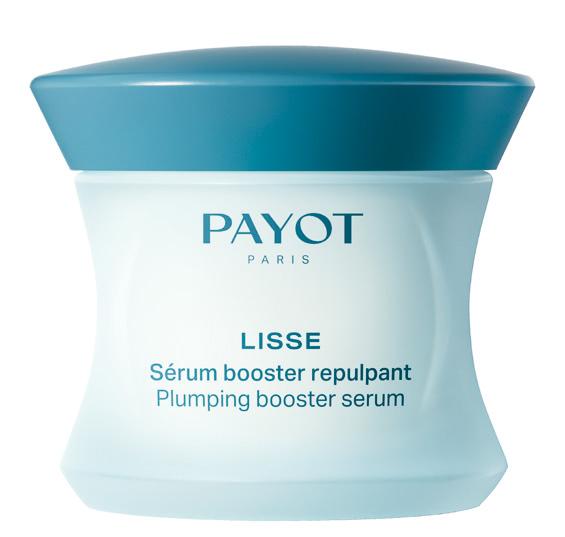
Plumping booster serum
Wrinkle smoothing cream
Resurfacing sleeping cream 10-day express radiance and wrinkle treatment
Plumping booster serum
lisse
CliNi CA llY T es T eD
The skin is plumped
The skin looks visibly younger
The skin is rested
86% (1) 91% (2) 85% (3) 87% (4)
COMB i N e TH is ROUT i N e TR e ATM eNT W i TH OUR GYM B e AUTÉ PAYOT® A combination of smoothing and stimulating movements to erase wrinkles, relax the features and
radiance to the face. TH e N e W WR iNK le-sMOOTH iNG sK iNCARe R i TUA l AsseeninMarieClaire We’resendingPAYOTsalonsnewcustomers
The skin tone is evened out
(1) Use test carried out on 21 volunteers. Application twice a day for 4 weeks. % of volunteers who perceived the effect. (2) Use test carried out on 23 volunteers. Application twice a day for 4 weeks. % of volunteers who perceived the effect. (3) Use test carried out on 20 volunteers. Application once a day for 4 weeks. % of volunteers who perceived the effect. (4) Use test carried out on 23 volunteers. Application as a cure twice a day for 10 days. % of volunteers who perceived the effect.
restore
published by BHA MEDIA Pty Ltd
A division of The Intermedia Group
41 Bridge Rd, Glebe NSW 2037
www.bhamedia.com.au
ph: 02 9660 2113 fax: 02 9660 4419
executive chairman
Simon Grover
managing director
Craig Hawtin-Butcher craig@intermedia.com.au
managing editor
Nadine Dilong ndilong@intermedia.com.au

advertising enquiries
Kym Cowper
ph: +61 2 9660 2113 mob: 0410 570 467 kcowper@intermedia.com.au
graphic designer
Leanne Hogbin
subscription enquiries
subscriptions@intermedia.com.au
To subscribe by credit card call 1800 651 422 or visit www.intermedia.com.au
To subscribe by cheque or money order, make cheque/money order payable to:
The Intermedia Group Pty Ltd.
P.O. Box 55, Glebe, NSW Australia 2037
AUSTRALIA
1 yr (4 issues) $AUD 79.00 inc GST
2yrs (8 issues) $AUD 126.40 inc GST – SAVE 20%
3yrs (12 issues) $AUD 165.90 inc GST – SAVE 30%
NEW ZEALAND
1 yr (4 issues) $AUD 100.00
ASIA/PACIFIC
1 yr (4 issues) $AUD 110.00
REST OF WORLD
1 yr (4 issues) $AUD 127.00
Payable in Australian dollars includes air postage
Disclaimer: This publication is published by BHA MEDIA Pty Ltd (the “Publisher”). Materials in this publication have been created by a variety of different entities and, to the extent permitted by law, the Publisher accepts no liability for materials created by others. All materials should be considered protected by Australian and international intellectual property laws. Unless you are authorised by law or the copyright owner to do so, you may not copy any of the materials. The mention of a product or service, person or company in this publication does not indicate the Publisher’s endorsement. The views expressed in this publication do not necessarily represent the opinion of the Publisher, its agents, company officers or employees. Any use of the information contained in this publication is at the sole risk of the person using that information. The user should make independent enquiries as to the accuracy of the information before relying on that information.All express or implied terms, conditions, warranties, statements, assurances and representations in relation to the Publisher, its publications and its services are expressly excluded save for those conditions and warranties which must be implied under the laws of any State of Australia or the provisions of Division 2 of Part V of the Trade Practices Act 1974 and any statutory modification or re-enactment thereof. To the extent permitted by law, the Publisher will not be liable for any damages including special, exemplary, punitive or consequential damages (including but not limited to economic loss or loss of profit or revenue or loss of opportunity) or indirect loss or damage of any kind arising in contract, tort or otherwise, even if advised of the possibility of such loss of profits or damages. While we use our best endeavours to ensure accuracy of the materials we create, to the extent permitted by law, the Publisher excludes all liability for loss resulting from any inaccuracies or false or misleading statements that may appear in this publication. Copyright © 2023
BHA Media Pty Ltd.
Environmental Statement: The Intermedia Group takes its Corporate and Social Responsibilities seriously and is committed to reducing its impact on the environment. We continuously strive to improve our environmental performance and to initiate additional CSR based projects and activities. As part of our company policy we ensure that the products and services used in the manufacture of this magazine are sourced from environmentally responsible suppliers. This magazine has been printed on paper produced from sustainably sourced wood and pulp fibre and is accredited under PEFC chain of custody. PEFC certified wood and paper products come from environmentally appropriate, socially beneficial and economically viable management of forests.
Editor’s LETTER
Welcome to one of our biggest issues in a long time! The middle of the year is always exciting in the aesthetics industry as it seems to be the busiest in terms of launches, conferences, and overall motivation! My calendar is filled with event dates, my inbox is full of press releases, and my phone won’t stop ringing, but I am looking forward to the madness.
In this issue, we celebrate BTL Aesthetics’ 30th birthday and the success of their recent EMFACE launch. I actually tried the radiofrequency and HIFES face lifting technology, read my full review on page 12. Spoiler alert: It was one of the weirdest sensations I’ve ever felt. We also take a deep dive into one of the most popular treatments of the past few years: Microneedling. Several experts have shared their techniques and insight with us into how you get optimal results with your needling pens, so make sure to read our feature on page 96.
If you’ve only got time to read one article right now, head to page 104 as the topic of skin cancer is one to be taken seriously. Have you ever considered that your aesthetic treatments could delay a skin cancer diagnosis as markers usually used to monitor or detect possible skin malignancy may be altered? To be honest, it wasn’t
something I had given much thought to until I was asked to have a skin cancer check before a laser procedure a few months ago. If you feel the same, make sure you understand your responsibility as a skin practitioner and include skin cancer check recommendations in your consultations.
Lastly, we reached out to the TGA to get the low-down on advertising guidelines for Schedule 4 drugs in order to create a clear guide for you in terms of what you can and cannot say on social media – I know there is a bit of confusion out there, so hopefully this clarifies a few things. Head to page 108 for everything you need to know.
Happy reading!
Nadine Dilong Managing Editor NDILONG@INTERMEDIA.COM.AU
aesthetics • medi • wellness
SPA+CLINIC
www.facebook.com/spaclinicmagazine twitter.com/spaandclinic www.instagram.com/spaandclinic www.linkedin.com/company/spaclinic 8 | SPA+CLINIC Video Touch button to watch Nadine preview this issue.


Contents
96 COVER STORIES
50 30 Years of BTL
96 The Art of Microneedling
108 TGA Guidelines For Injectors Explained
TRIED+TESTED
12 Nadine and Kym try the latest aesthetic treatments

EVENTS
24 The Fresh Life
10 Reasons to get fresh in 2023
28 Heels As High As Their Standards
The Powerhouses Behind Juv’ae
34 BEAUTY & SPA Insiders 2023 – Take Your Business
To The Next Level!
Our B2B event will offer even more inspiration and education this year
BUSINESS
42 Titans of Industry Co-Create Curriculum with The French Beauty Academy
Introducing, The Future of Beauty
43 Cryomed Celebrates 10 Years
We reflect on the one-stop shop distributor’s past decade in the aesthetics industry

48 Come On In!
The latest spa and clinic openings to know now
AESTHETICS
52 AST Founder Heather Harrison On Aspect’s Exclusive New Platinum Range Revealing the latest addition to the Aspect portfolio, Aspect Platinum
54 Straight From A Dermatologist!
Dr. Hadley King recommends by skin concern

56 Introducing, Cryo Pro-X
DMK’s latest professional treatment uses cold temperatures to achieve impressive results
62 Learn with the Derm: Treating Acne-Prone Skin
Dr Natasha Cook explains the top mistakes she sees every day in her clinic
69 Apheresis For An Increased Health Span
Dr Ian Chinsee is the first aesthetic and wellness practitioner in Australia to offer apheresis
On the cover
68
SPA HOTSPOT
70 Sofitel Spa, Darling Harbour
WELLNESS
72 Why Luxury Spas Are Choosing Tavalon Tea
A perfect way for spas to enhance guest relaxation and rejuvenation
76 Social Self-Care Is Here To Save Us
Remedy Place is revolutionising how people take care of themselves
78 The Deadly Gender Healthcare Gap
Femtech is a growing sector, but we still have a long way to go
TECHNOLOGY
86 Why We Choose These Devices
Four medical practitioners tell us about their favourite High Tech Medical devices
88 How triLift Compliments My Skin Treatment Offering Perfectly



Dr Davin Lim and Dr Van Park explain why
92 Syndeo: The Smartest Device in Skin Health Hydrafacial brings us their latest innovation
MEDI
102 Galderma Introduces A New Treatment Approach Here’s how Galderma continues to educate injectors around Australia
104 Aesthetic Treatments And Skin Cancer – Are We Doing More Harm Than Good?
Are skin cancer checks part of your consultation?
110 Shaking Up The Cosmetic Surgery Industry

A summary of the legal changes about to come into effect in the aesthetic industry
COSMETICS
112 Body Positive
The latest body products to enhance your offering

With 30 years of continuous innovation, BTL belongs among the world’s major manufacturers of aesthetic equipment with direct offices in more than 70 countries around the world. The company develops, manufactures, and markets a portfolio of recognised products, becoming a market leader in non-invasive body shaping, one of the fastest-growing segments of aesthetic medicine. Over the past 30 years, our research and development team substantially enlarged and diversified our product portfolio by bringing innovations that are used across multiple medical specialties. Years of development resulted in a number of patents being granted and helped us in expanding the diversity of healthcare services that can improve patients’ lives. This way we have revolutionised the way to offer the most advanced non-invasive solutions for body shaping, cellulite, skin tightening & other medical aesthetic treatments.
BTLAESTHETICS.COM.AU
10 | SPA+CLINIC

Tried+Tested


The latest and greatest in the aesthetics industry, tested by the SPA+CLINIC team.
Managing Editor Nadine tried BTL EMFACE


There has been a lot of hype around EMFACE this year, especially after BTL’s mega yacht launch party in February, which saw many clinics buy the device shortly after. With plenty of renowned doctors investing in EMFACE, I had high expectations for the face tightening and lifting treatment. Moreover, I had seen some pretty incredible before and afters, so I was excited to try the treatment myself. BTL EMFACE is a facial treatment that treats the forehead, eyebrows, cheeks and jawline and promises less wrinkles and more lift. The patented technology simultaneously emits both synchronised radiofrequency and HIFES™ energy to remodel the face. Radiofrequency stimulates the production of collagen and elastin fibres, while the HIFES™ energy emits thousands of pulses per session to contract specific facial muscles and improve muscle tone. This unique combination of energy targets the deeper layers of tissue from muscle, skin and connective tissues all at once. The achieved effects are said to result in a slimmer and more defined jawline, better contour with fuller and higher cheeks, elevated brows, and an overall facial rejuvenation including wrinkle reduction and improved skin tone and texture – sign me up!
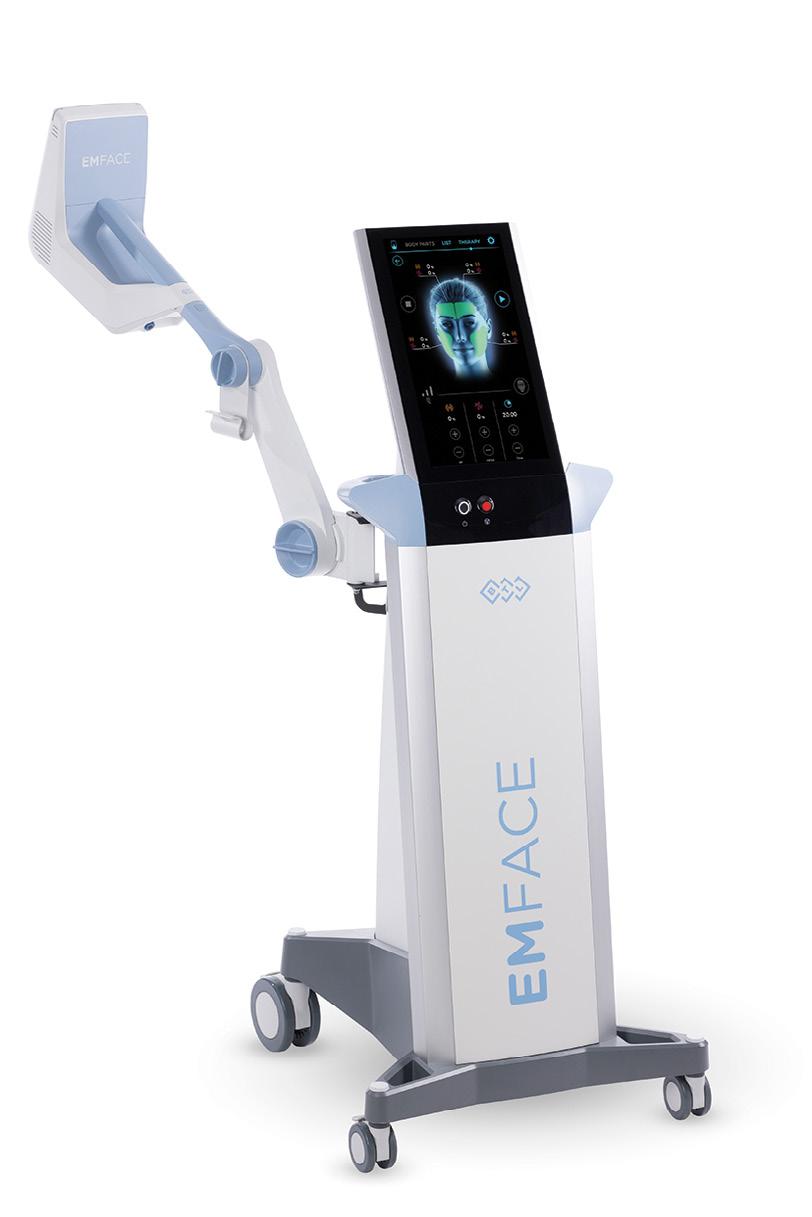
The treatment starts with a quick cleansing of my face, and the application of the grounding pad on my back, which is needed to conduct the monopolar radiofrequency. Then, three EMFACE applicators are placed on my face; one on my forehead, and one each on both of my cheeks. My therapist starts the treatment slowly to get me used to the sensation, which, I had heard, is quite weird. First, I feel the warmth of the radiofrequency, and then the HIFES starts. The only way I can describe it, is it feels like someone is gently brushing the inside of your skull with a soft makeup brush. Yes, that sounds weird, but pretty accurate in my case. I’ve heard other people say it feels like a hot stone massage, but I can’t agree with that. It is a feeling I had never had before, and while it takes a few minutes to get used to, it is not painful at all.
For 20 minutes, my face is involuntarily making weird expressions as my cheeks are pulled up towards my eyes, and my forehead lifts toward my hairline. There is absolutely no fighting it as the HIFES does its thing. When I pull my phone out to take a video, I am slightly embarrassed, but also amused how silly I look whenever the wave of energy hits. Another interesting aspect of this treatment is that the therapist can see how asymmetric your face is, depending on which side moves more than the other. Unsurprising to me, my right side is my dominant side, so my therapist adjusts the level of HIFES on my left side accordingly. The 20 minutes pass quickly, and as soon as it’s over, my face returns to its ‘normal state’. There is no pain or discomfort afterwards, and the little bit of redness from the radiofrequency subsides within half an hour.


I do this once a week for four weeks to see optimal results, with the final result supposedly visible 12 weeks after the final treatment, but many people see a reduction in wrinkles, an improvement in skin quality, and a slight lift way earlier than the 12-week mark. My before and after photos taken before my first and straight after my last treatment show a slight change, namely a slimming of my lower face. It appears I have achieved more of a covetable V-shape to my face already; I assume because the treatment has lifted my cheek muscles a little?! It’s a good start and I can’t wait to see my full results after 12 weeks.
My final verdict? EMFACE is a welcome addition to facial rejuvenation offerings, particularly for those patients who may not want or can’t have injectables, and those who aren’t looking for volume, but simply, a lift. I particularly like the fact that the treatment is quick and doesn’t involve any downtime. From a practitioner’s perspective, EMFACE is extremely easy to perform, as the set-up and applying of the pads takes less than two minutes, and I can imagine the duration of the treatment offers a good chance to talk to patients about other treatments while making sure they are feeling comfortable. Sounds like a win-win to me! btlaesthetics.com.au

12 | SPA+CLINIC
Advertising Manager Kym tried Fillmed NCTF Boost

We arrive at Dr Naveen Somia’s practice in Bondi Junction to trial Fillmed’s infamous NCTF Boost. I am having Fillmed’s NCTF needled in with Skin Pen at a depth of 2mm, commonly known as mesotherapy, this multiple injection technique is performed in the superficial dermis, which is the Fillmed protocol. My gorgeous dermal clinician Mala preps my skin, cleanses, and then applies a light chemical peel, also part of the Fillmed range. Mala explains how the NCTF 135HA contains over 55 Polyrevitalising ingredients, just to name a few: Vit A, B, C, E plus 24 amino acids to contribute to the formation of proteins, elastin and collagen, basically all the good stuff, simply too many to mention, but you get the gist.
Mala presents the little bottle of goodness, then applies it gently to individual parts of my face while using the Skin Pen to needle it in. To complete my whole face, the needling and NCTF application only takes about 5-10 minutes (so perfect to include with other modalities in clinic). However I’m treated to a luxurious healing mask afterwards combined with LED. I leave the clinic feeling quite red and a little puffy, but Mala ensures me this will only last a few hours. True to her word the redness subsided quickly, and post treatment, I felt the glowing benefits of this unique formula. CRYOMED.COM.AU
Managing Editor Nadine tried Candela VBeam

As someone suffering from Rosacea, I know all too well that IPL or BBL treatments are pretty much the only thing that makes a visible difference to the diffused redness on my cheeks. I was lucky to try out Candela’s VBeam Perfecta, which uses a pulse-dye laser to create coagulation. The 595nm wavelength targets the deep blood vessels in the skin, while leaving superficial layers untouched. Like most vessel-targeting treatments, this one feels like a sharp, bright flash over and over again, but the remarkable feature of Candela’s VBeam is the cooling mechanism, which doesn’t use air or a cooled tip, but a burst of cold water that is sprayed onto the skin, just milliseconds before the actual pulse. What a clever idea! And indeed, the treatment doesn’t feel that hot, and I can feel my body get used to the stinging sensation of each pulse – the second pass doesn’t feel as uncomfortable as the first. My therapist Marguerite compliments my high pain threshold before applying a hyaluronic acid and SPF to my face, and sending me home with some cooling packs to relieve any feeling of heat. My face is slightly swollen for two days after, but almost in a good way that smoothes out some fine lines (think positive), and on day three, I am completely back to normal with less redness and an overall rejuvenated feel. CANDELA.COM.AU
Advertising Manager Kym tried DMK Cryo Pro-X


Guilty of being a long time fan girl of DMK’s infamous enzyme treatment for over a decade now, I was excited when I heard of their new Cryo Pro-X treatment – just try and keep me away! The treatment uses cryotherapy to increase the production of collagen. I learnt that the potent serum which is applied before the Cryo Pro-X mega cold clay mask includes standout ingredients, Poly-L-Lactic Acid, Glycolic Acid, Camelia Sinesis Leaf Extract and Cocos Nucifera, which is great to calm inflammation. My therapist Daisy applies a generous layer to my face after thoroughly cleansing and prepping, and she explains for full benefits, the ice cold mask needs to remain on my face for three minutes, but if I need a little rest to shout out! I take a deep breath before the mask is applied, the delicate clay filled mask moulds easily to my face and neck, but I got to say the cold is extreme and I request a short break. Daisy immediately removes it for a quick breather and then re-applies 30 seconds later, she ensures me this is common for the first treatment.
After the initial shock it’s better and I’m more prepared, relaxed and breath through the ice cold sensation and before I know it, it’s time to remove. When the clay mask is removed, I feel energised and reinvigorated, similar to jumping in the ocean in winter time. Daisy follows on with DMK’s traditional enzyme treatment, which she explains enhances the end results: a bright, tight and fresh face similar to a shiny doughnut. Check out our full feature on page 56. DMKSKIN.COM.AU
Tried + Tested
spaandclinic.com.au | 13





Website updated daily Quarterly print & digital magazine Annual conference Social media Weekly e-newsletter 24 years and still Australasia’s leading B2B publication for the aesthetics, medi and wellness industry Reach our quality, influential audience of 50,000 through bespoke advertising and content solutions
Contact SPA+CLINIC’s Kym Cowper: 0410 570 467 kcowper@intermedia.com.au Over half our readers are business owners or managers “Trade mags are an important vehicle to send your message to the therapist and SPA+CLINIC is a Mercedes.” Clive Smith, Payot


VISIBLE WRINKLE REDUCTION VISIBLY SMOOTHS CROW’S FEET * @o cialmedik8 www.medik8.com 020 8458 2500 NEW CRYSTAL RETINAL ® CERAMIDE EYE World’s 1 st Clinical Strength Retinal for Under Eyes DISCOVER THE DERM-LOVED BREAKTHROUGH FOR TARGETED UNDER EYE REJUVENATION 100% Vegan & Cruelty Free Gentle on Sensitive Skins Dermatologically & Ophthalmologically Tested *Proven via independent clinical study on Crystal Retinal Ceramide Eye 6 conducted over 12 weeks on 32 participants * www.medik8.com.au @medik8anz 1800 242 011
5 Things We Learnt At The ASCD Symposium


TANEESA WILLIAMSON shares what we learnt at the 3-day ASCD Symposium about adding value, keeping safety first and the surprising rise in certain trends.




18 | SPA+CLINIC
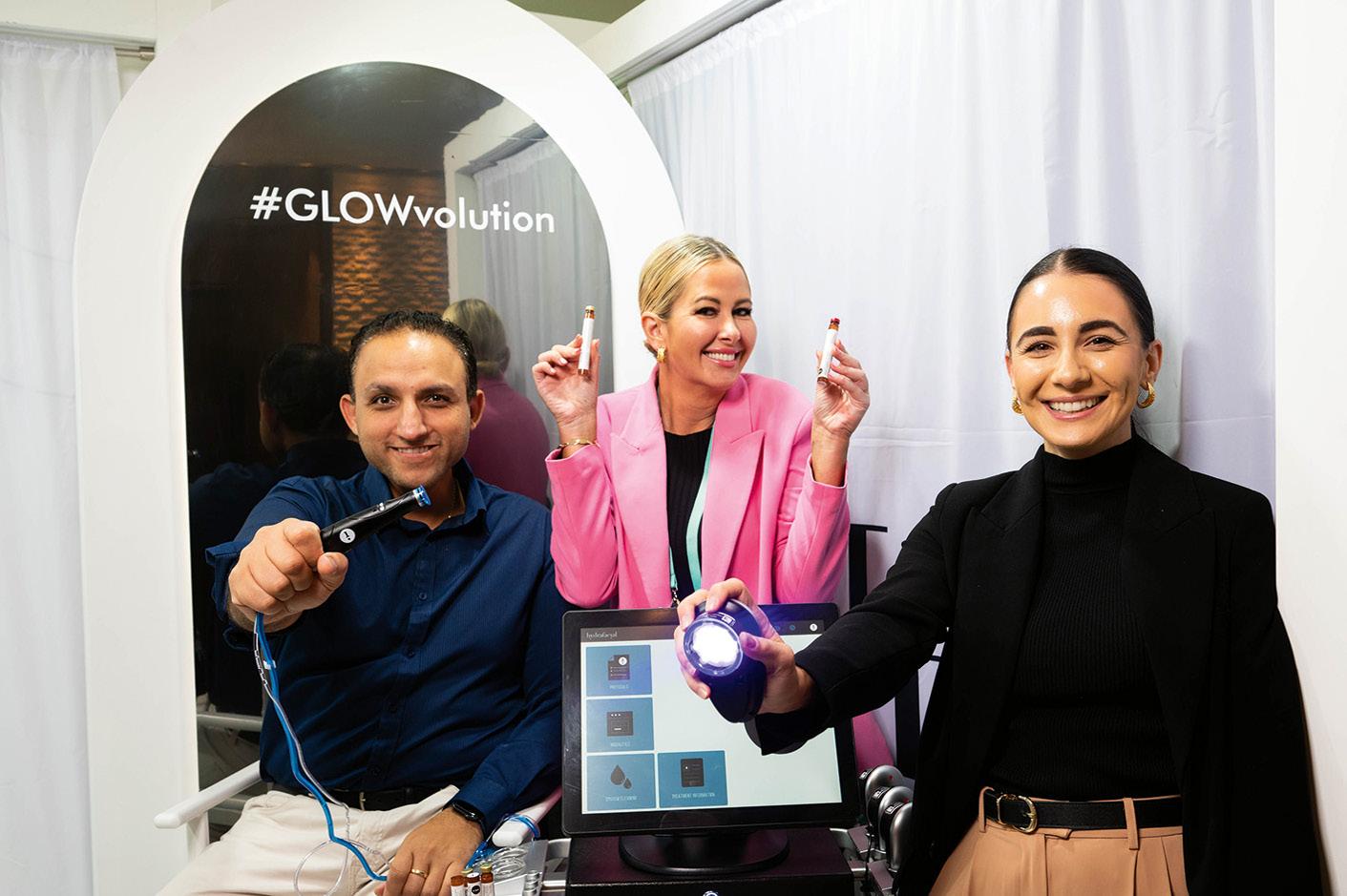
The Australasian Society of Cosmetic Dermatologists (ASCD) Symposium took place in Melbourne in March, with an astonishing turnout of over 450 delegates and an impressive exhibition display. Experts in the field from Dermatologists, Surgeons, Nurses and Clinicians came together to discuss key topics related to the aesthetics industry, such as Professor Greg Goodman, Dr Natasha Cook, Dr Desmond Gan and Dr Shobhan Manoharan, along with international speakers such as Dr Julia Carroll and Dr Thomas Beachkofsky.
Here are five key takeaways from the conference:
1. Adding value over discounting
One key topic of discussion was how to adapt to difficult financial times in the industry. Rather than offering discounts on cosmetic treatments, experts suggested adding value to treatments to increase their appeal to patients.

2. Adaptable devices
Speakers also discussed the importance of looking for devices that can adapt to different patient needs and skin types, rather than relying on a one-size-fits-all approach.
3. Safety first
Safety is a top priority when it comes to laser and energy-based devices, and it was emphasised that proper training and use of these devices is crucial to avoiding adverse events.
4. The rise of male aesthetics
In the past three years, male aesthetics and male body dissatisfaction have tripled, with more men seeking cosmetic treatments to improve their appearance. This trend highlights the growing interest in the aesthetics industry among male patients, and suggests a need for professionals to cater to this demographic.
5. Emotional intelligence
A concerning trend was discussed at the conference, with experts noting that emotional intelligence tends to decline during medical training. It was suggested that medical professionals should receive training to help them maintain emotional intelligence and empathy with their patients.
During the conference, perception was also strongly highlighted. Woodrow Wilson from Clinical Imaging Systems discussed the benefits of professional photography in practice, and how it can be a valuable tool for documenting a patient’s progress, enhancing communication with patients, and promoting services on social media platforms in comparison to taking photos with handheld devices. This topic was also touched upon by Dr. Toni Pikoos, who highlighted the importance of clear communication and setting realistic expectations with patients. By utilising professional photography and emphasising effective communication strategies, professionals in the aesthetics industry can enhance patient satisfaction and improve overall outcomes.
Overall, the conference highlighted the continued growth of the skincare industry, which is now valued at $532 billion. Experts also stressed the importance of combining different modalities to maximise outcomes, and the impact of makeup on the illusion of facial shape was also explored by makeup artist Rae Morris, who intrigued delegates with providing insight at how patients may be perceiving their face and ‘flaws’ from how they do their makeup. By keeping these key takeaways in mind, professionals in the dermatology and aesthetics industry can stay up-to-date and provide the best possible care for their patients. Ascd.org.au
Business
spaandclinic.com.au | 19
JUST LAUNCHED!
These new product recruits are sure to fly off your shelves!
 Ella Bache Hyaluronic Intensive Treatment Booster, RRP $99.00 ellabache.com.au
Lük Beautifood Instant Glow Tinted Complexion Balm, RRP $45.00 lukbeautifood.com
Dermatonics C+ Booster Serum, RRP $80.00 dermatonics.com.au
Ipsum Lip Oil Balm, RRP $28.00 ipsumskin.com
Thalgo Silicium Lift, RRP $165.00 thalgo.com.au
The Secret Solar Serum SPF50, RRP $110.00 thesecretskincare.com
Jan Marini Age Intervention Peptide Extreme, RRP $176.00 janmariniaustralia.com.au
Aspect Platinum Optimum Hydration, RRP $165.00 aspectskincare.com
Sodashi Tri-Action Cleanser, RRP $75.60 sodashi.com
Ella Bache Hyaluronic Intensive Treatment Booster, RRP $99.00 ellabache.com.au
Lük Beautifood Instant Glow Tinted Complexion Balm, RRP $45.00 lukbeautifood.com
Dermatonics C+ Booster Serum, RRP $80.00 dermatonics.com.au
Ipsum Lip Oil Balm, RRP $28.00 ipsumskin.com
Thalgo Silicium Lift, RRP $165.00 thalgo.com.au
The Secret Solar Serum SPF50, RRP $110.00 thesecretskincare.com
Jan Marini Age Intervention Peptide Extreme, RRP $176.00 janmariniaustralia.com.au
Aspect Platinum Optimum Hydration, RRP $165.00 aspectskincare.com
Sodashi Tri-Action Cleanser, RRP $75.60 sodashi.com
20 | SPA+CLINIC
The Touch Up Kit, RRP $220.00 revealaustralia.com.au

Cosmetics
Photography by Brandee Meier, Styling by Nadine Dilong
Dermatologica photo nature oxygen cream, RRP $199.00 dermalogica.com.au
Medik8 Crystal Retinal Ceramide Eye 3, RRP $79.00 advancedcosmeceuticals.com.au
Guinot Age Refill Summum Mask, RRP $99.00 guinot.com.au
Cosmedix Elite Surface Revival, RRP $125.00 advancedskin.com.au
Noble Panacea The Brilliant Prime Radiance Serum, RRP $407.00 skincareedit.com
DMK Micro Pearl Cleanser, RRP $129.00 dmkskin.com.au
Ultraderm IntenC Super Serum, RRP $98.00 ultraderm.com.au
Murad Exasoothe Daily Defence Cream, RRP $90.00 murad.com.au
Vanessa Megan Neroli & Squalane Cleansing Oil, RRP $64.95 vanessamegan.com
spaandclinic.com.au | 21
Synergie RetiFol, RRP $144.00 synergieskin.com
BEAUTY & SPA INSIDERS
Monday 16 October 2023 Pier One, Sydney Harbour

Don’t miss Australia’s Premier Beauty and Medi-aesthetics Event

The fourth installment is returning to Sydney.
BEAUTY & SPA Insiders is our celebration of the Australian beauty and medi-aesthetics industry – showcasing talent, innovation and creativity.
Join us for presentations and panels from industry leaders and get ready to explore the latest trends, technologies, and news from well-loved and up and coming brands.
New to the 2023 line-up will be masterclasses, business coaching, and treatment demos.
Designed to inspire, BEAUTY & SPA Insiders also provides the opportunity to connect and celebrate with like-minded professionals from across the industry.
Early Bird tickets on sale now at www.beautyandspainsiders.com.au
Limited tickets available. Don’t miss out.


BROUGHT TO YOU BY
GEORGINA MARIOUKLAS CEO, beyond PAYMENTS
MICHELLE REEVE Founder & Formulator, Waterlily Skincare
DR IAN CHINSEE Cosmetic Surgeon, Director Inigo Cosmetic
DR TANIA ROMANO Head of Medical & Education, SkinCeuticals
FIONA TUCK Author, Nutritional Medicine Practitioner and Skin Expert
TERRI VINSON Founder, Synergie Skin
JESSIKA BRIGGINSHAW Founder, Brow Squad
DANIEL DICKSON Former DMK CEO,
PETA FRIEND Manager & Operator, Will&Peta Skin Clinic
KELLY GEORGE Founder, Kelly George Aesthetics
DR KATE JAMESON Founder & Medical Director, Youth Lab
KATH MERLO Co-Founder, KAILO Medispa
ISABELLA LONERAGAN Founder, IL Skin
DR DONNA MARÇAL Co-Founder, Dermatonics
EMMA PAXTON Founder & CEO, PAX Polish
Introducing our first BSI Speaker Line-up SPONSORED BY Discover the program and learn more about our speakers online at www.beautyandspainsiders.com.au Stay tuned for further speaker announcements in the coming weeks.
DR TONI PIKOOS Clinical Psychologist & Co-Founder, ReadyMind
10 Reasons To Get Fresh In 2023

The Fresh Life is back - and it’s bigger, better and more beautiful than ever! Last year, the Fresh Clinics team was on a mission to create the ultimate aesthetic conference experience, one that felt innovative, immersive, adventurous, and most of all - unlike any conventional industry conference. They delivered just that with The Fresh Life 2022. After reviewing last year’s attendee feedback and donning their creative hats, the Fresh team are just as devoted as ever to creating something that tops last year’s proceedings tenfold. This year, The Fresh Life guests are heading to the stunning surrounds of the Crystalbrook Byron Bay for the ultimate combination of conference program, hands-on training, and luxury wellness retreat. Here are 10 reasons to get Fresh!

1. Make powerful connections (with a community who cares)
The theme of this year’s Fresh Life is connection, and you’ll find this woven through the programme, exhibitor spaces, and sponsor workshops. TFL wants attendees to gain as much from the experience as possible, and believes this comes from interaction and collaboration. No more sitting in a dark room for an entire day - Fresh encourages connection and conversation, and the experience will be driven by you and your goals for the week.
2. Smaller, more intimate stages
Attendees at last year’s Fresh Life loved the smaller dome tent for its intimate feel. Inspired by last year’s dome stage, this year’s event will host three separate streams for guests to choose from, designed not only to cater to more educational topics but to facilitate more intimate, interactive learning that encourages engagement with one another.

3. Meet your fave cosmetic connoisseurs!
You go to conferences because you love hearing your favourite physicians and industry mentors share their expertise. But TFL wants to give you more than just that. They not only encourage the Fresh Life speakers to get out there and make themselves available to conference attendees, but guests’ favourite KOLs will also be hosting a number of unique experiences for you to finally get up close and personal, and ask those burning questions. And hey, there’s no shame in being fan girls or boys, either. Meeting your favourite aesthetic VIP could be an Instagrammable moment waiting to happen!
4. Up your game with (even better) training
We’re talking sponsor-hosted, interactive suites to train you up, up and away. More cosmetic chats than you can poke a laser wand at. And top-notch advice to boost your skills, confidence and knowledge. The Fresh Life offers more hands-on training opportunities than any other aesthetic conference –something they’re incredibly proud of.
5. Choose your own adventure
Your career. Your conference. Your choice. Everyone will do The Fresh Life slightly differently – that’s why the programme, training and speaker lineup is so varied. Check out what’s on offer so you can get the most out of your Fresh Life experience. The goal? For you to leave Byron Bay feeling connected, confident and refreshed! You’ll get out of the experience what you put in, so guests are encouraged to come prepared, energised, and ready for a serious learning adventure filled with endless choice.
6. Unwind with wellness (every day!)
Most of us feel completely exhausted by the end of an aesthetic conference. But The Fresh Life isn’t just any conference! It incorporates a huge number of wellness and spa activities to enrich your experience, and break up the information overload. So, remember to pop into the luxurious Fresh Life spa for a massage or facial. Or, get your zen on with a yoga or sound bath on the blissful yoga deck. Do whatever you need to feel rejuvenated and ready for the day ahead! Coming soon: info on extra activities for guests to enjoy outside of conference hours.
7. Nourish yourself with food, friends and fun
Socialising is just as important as learning! Meet, mingle and make friends at some seriously top-notch events. There’s a welcome dinner under the stars at The Farm, daily poolside Happy Hours and the most extravagant finale party the industry has ever seen. The FOMO is realand you don’t want to feel it!
8. Access the latest technology and products
A community who wants to be the best has to partner with the best. Take the opportunity to connect with industry brands in a real, authentic way, so you stay Fresh, on top of trends and ahead of the pack. TFL carefully vets sponsors to ensure that they are not only industry leaders, but are planning to provide interactivity, connection, and value to attendees in unique ways.
SPONSORED
24 | SPA+CLINIC
9. Listen to mind-blowing speakers
The best in the biz are all coming to The Fresh Life! That means delegates, sponsors and, of course, speakers. Last year, Dr Raj Kanodia headlined the speaker set and, as for this year…let’s just say, you won’t believe who the keynote speaker is!
10. Lose yourself in the lush Byron hinterland
And why wouldn’t you? Nestled in 45-acres of magical, subtropical rainforest, Crystalbrook Byron is a truly breathtaking venue. The only problem? You’ll never want to leave! You’ll be fully immersed in the Fresh bubble from the moment you step out of the shuttle and onto the hotel grounds. The Fresh Life is so much more than just an aesthetic conference, and this year’s event is set to be a truly transformative experience that guests will remember for life.

Stillnotconvinced?Heardirectlyfromthe
Mastermind of The Fresh Life, Nicole Dabeau. What sparked the idea for The Fresh Life and how does it differ to other conferences?
When I started working for Fresh Clinics over two years ago, we always had the intention of hosting a conference, but we knew we didn’t want it to be just like any other event, nor would I let it be! We knew from conversations we’d had with those in the Fresh Clinics community that there was a real thirst for a different conference experience. Additionally, there wasn’t a stand-out conference that was catered to cosmetic nurses. Whilst TFL is open to all medical professionals, we wanted to focus on the nurses we work with. Nurses are paving the path in this industry, so it was about time they were acknowledged the way they deserve. And that’s what we set out to do.
I think what really stands out about The Fresh Life is that we empower the attendees with choice; there are multiple stages with inspiring talks and round tables, plenty of different hands-on training opportunities, wellness offerings like yoga and massages, and creative ways to connect with the community. You can design your own programme, or as I like to say “choose your own adventure”.
We tend to call The Fresh Life a festival instead of a conference because we’re stepping away from being stuffed into a dark main stage to watch a didactic presentation and have instead created a more lively, fun experience. No more hotel ballrooms or convention centres; The Fresh Life is lush, vibrant and full of sunshine… and live music!
What have you learned from last year’s Fresh Life/what was the feedback like?
I think the most rewarding part for me personally is being able to provide a space to bring this wonderful community of inspiring nurses together in one place. I mean, wow! I met so many new incredible people last year, and the feedback we received was so enriching. Hearing how attendees made new connections and built new friendships and seeing how excited they were to get tickets for this year’s event has been incredibly inspiring.
And we’re planning on making this year even bigger and better. We’ve taken all of the feedback into consideration from the delegates, the suppliers, and the speakers; what worked, what didn’t, and what people really want to see this year. We’re certainly making changes. The goal is to leave The Fresh Life feeling confident, inspired, rejuvenated, connected and educated on new techniques and products in the industry.
How do you partner with industry brands and what kind of exposure can they get by working with you?
When it comes to The Fresh Life, we want to work with brands that see the same vision as we do. I absolutely love it when I’m working with a partner who comes up with some crazy out of the box ideas; I don’t care how crazy the idea might be, let’s discuss it because it really does take a village with some unique ideas to build this event and make it best as possible for the delegates.
What we’re seeing in the industry now is that patients are wanting something more than just injectables; they’re ideally wanting a one-stopshop for their aesthetic needs. So clinics are constantly needing to consider how they can enhance or expand their offering to suit their patients needs.
This emerging multidisciplinary approach is why we strive to partner with a range of brands and products. Whether it’s pharmaceuticals, laser and device companies, skin care companies or wellness and lifestyle brands, we want to ensure The Fresh Life presents something covering the full breadth of what these cosmetic injectors need to run their businesses - no matter if they’re new to injectables or have their own five room clinic.
By partnering with The Fresh Life, the exposure to a motivated and energised cohort of injectors who are paving the way in this industry is so valuable. They’re looking for new techniques and new products that can support their patients and offer new ways to build a successful clinic.
This may not be an 800 - 1000 person conference, but that’s by choice. The Fresh Life focuses on quality, not quantity. Every detail of this event is designed in a way that energises and inspires the delegates. We want to build their confidence and offer unique ways to engage with brands so they are primed and ready to really consider the value, have those in- depth conversations, and make decisions on the day.
I can’t give too much away now, but we’ve got a lot of surprises up our sleeve for this year. As well as the social events, wellbeing activities, and other treats that we’re going to have available to the delegates. And we are going big, big, big on training this year!
It really is impossible for me to choose just one thing that I’m excited about because I think everyone is going to be absolutely wowed by this year’s conference. If you thought last year was amazing, just wait!
If you haven’t bought your tickets yet, there’s only a handful left, so get in quick before The Fresh Life 2023 sells out! Buy tickets at events.humanitix.com/fresh-life-2023
And if you are interested in partnering with us, please reach out to Fresh Clinics’ Global Brand Manager Nicole Dabeau at nicole.d@freshclinics.com to discuss the opportunities available.
SPONSORED
spaandclinic.com.au | 25
The Fresh Life 2023 will be held at the Crystalbrook in Byron Bay
The Inaugural ABIC Educational Conference
A roaring success for the first educational event hosted by The Aesthetic Beauty Industry Council.

What was labelled as the largest and most inclusive, non-bias aesthetic industry event to be hosted in Melbourne, the first ABIC Educational Conference proved to be a success in many ways.


The event was hosted at the Melbourne Exhibition and Convention Centre and amassed a sold-out crowd of 400 delegates, 35 leading industry expert speakers, and 25 exhibitors – with Beauty Therapists, Dermal Therapists, Dermal Clinicians, Registered Nurses, Nutritionists, Scientists, Cosmetic Physicians, Dermatologists and Plastic Surgeons all attending to contribute their expertise and collaborate as a united collective.
SPA+CLINIC provided the perfect selfie moment for delegates with our 360º camera and tunes by Miley Cyrus, capturing hundreds of people from every angle as well as offering complimentary subscriptions for ABIC members.
Stefanie Milla, CEO of ABIC, constructed the vision of the conference only late last year, alongside the help of Partnerships Manager Nicole Montgomery and the ABIC council committee who all contributed to the success of the event.
The ABIC Conference 2023 aimed to address some of the most pressing issues in the beauty and aesthetics industry, and to offer solutions that would benefit the industry as a whole. One of the major themes of the event was the importance of taking a multi-disciplinary approach to client and patient care, rather than focusing solely on one area or specialty. By collaborating with neighbouring industry representatives, participants could learn from each other, share insights, and provide better care for their clients.
A major point of discussion during the event was the value of cross-referrals between different industry professionals, and how this can ultimately benefit clients. By developing relationships with other professionals, attendees could refer their clients to other experts who could help them in ways they couldn’t, whether by offering different treatments, products or advice. Such collaborations, the conference highlighted, can also create a long-term impact on clients by ensuring they receive the best possible care.
One of the highlights of the conference was the introductory Presidential panel, which included leaders from various aesthetic and medical associations. They discussed the future of the industry and the importance of staying on top of new developments. They emphasized that as the industry continues to grow, regulations will become more critical, and so it is essential to stay informed about what those around us are doing to ensure the industry is kept in line. In addition, speakers emphasised the importance of education, and how working together and putting aside differences can help the industry move forward.
Throughout the day, participants also learned about various treatments and technologies. Some of the topics included the treatment of inflammatory skin conditions and the skin of menopausal clients, as well as an overview of the various treatment options for acneic skin.
Experts discussed the use of medical microneedling, as well as learning about the rising demand for cosmetic tattooing services, whilst RN Jacintha Murphy presented a compelling case for the ingestible beauty market. Eligible Nurse &

Practitioner delegates were also engaged with a live bioremodelling injecting workshop with Dermocosmetica.
One of the most popular aspects of the event was the case studies that allowed five industry experts representing different specialties to speak about treating skin conditions of female clients in different age groups. These sessions provided guests with tips on how to refer their clients to other specialists who could meet their clients’ needs. Notably, all the speakers recommended collaborating with naturopaths and nutritionists for comprehensive care, and highlighted the role of a detailed initial consultation and follow-ups.
In summary, the ABIC Conference 2023 was a valuable event that emphasised the importance of collaboration in the beauty and aesthetics industry. By working together and learning from each other, beauty professionals can better meet the needs of their clients. The event also provided valuable insights into new treatments and technologies, as well as current and upcoming trends. theabic.org.au
Events
26 | SPA+CLINIC
THE ULTIMATE PROFESSIONAL BEAUTY EVENT IS BACK!
FEATURING

200+ Leading Brands and Products
Australian Beauty and Aesthetics Conference

Face 2 Face Makeup Awards Main Stage Live Shows
Lash-V Championship
TICKETS ON SALE SOON!
26 - 27 AUG 2023 | ICC SYDNEY 26 - 27 AUG 2023 | ICC SYDNEY
Heels As High As Their Standards – THE POWERHOUSES BEHIND JUV’AE
In the fast-growing cosmetic injectables industry, it’s crucial for nurses performing treatments to stand out from the crowd. But how do you create longstanding relationships with your patients with so much competition? Pioneers of the injectable cosmetic arena, Melissa Isaia and Nicole Schmid-Sanele, the powerhouses behind Juv’ae, have the answers.

Since 2009, Juv’ae has been training nurses in injectable cosmetic treatments, with education as the key to developing nurses who are renowned for setting industry standards for best practices. Director of Nursing Nicole, a registered nurse, says, “education is the secret to the success of Juv’ae.”
“Any nurse wanting to join Juv’ae, regardless of their experience in the industry, comes in via an assessment process. After assessing their skills and knowledge, all Juv’ae nurses are provided with a development plan that maps out the procedures they have been signed off to perform. From here, we will offer the nurse ongoing training and learning opportunities to ensure his or her skills and knowledge are always developing,” Nicole says.
Director of Business Melissa explains this is a risk mitigator for them.
“We take training and ongoing education seriously. If a nurse has a complication, we require that nurse to redo training in the area and be reassessed to ensure they feel competent and confident in performing the specific treatment. We would rather nurses do less and specialise in the areas that they can perform safely than have nurses who overpromise and underdeliver on patient expectations and results. At Juv’ae, we are about quality over quantity. We are not afraid to say no, and patient safety always comes first,” Melissa says.
Building blocks for long-term business success
According to Melissa, Juv’ae is not the place for you if you are looking for the cheapest scripting service.
“Juv’ae is about more than that. We are here to partner with nurses for the long term. We work with every nurse individually to establish their business and determine their needs to achieve their financial goals. The business plan, backed by their development plan and the support they receive from our Juv’ae staff, provides everything a nurse needs for success as a cosmetic injector.
Sponsored
Juv’ae Founders NICOLE and MELISSA explain their quality over quantity approach to business, and how they have built a family for cosmetic nurses.
28 | SPA+CLINIC
Juv’ae Founders Melissa Isaia and Nicole Schmid-Sanele
“The unique differentiator to Juv’ae is that we like to think we are a family. We’ve held our nurses’ hands while they started in the industry. We’ve seen them fall in love, get married, have babies, and go on to purchase their own clinics and become financially successful. We thrive on seeing nurses grow and develop. This investment in the nurses, their lives, and their success sets us apart,” says Melissa.
Advancing Cosmetic Nurses
Nicole thinks the importance of ongoing education should never be underestimated.
“In the arena of aesthetics, things move so quickly. With new treatments, new devices, and new products, there is always something new to discover and learn. That’s why education has always been our top priority at Juv’ae. We are always looking for ways to advance cosmetic nurses,” she says.
From conferences to workshops to one-on-one training, there is nothing more satisfying to Melissa and Nicole than seeing a nurse come through their foundation’s training who goes on to long-term success.
Since the establishment of Juv’ae in 2009, it has been the benchmark for aesthetic education events, having hosted hundreds of learning opportunities for its nurses. Both the foundation training program and the Juv’ae Conference are endorsed for CPD points by the Australian College of Nursing.
Juv’ae has a reputation at its conferences for presenting a line-up of renowned cosmetic practitioners, including nurses, doctors, and
specialist plastic surgeons, to demonstrate their skills and techniques and share their expertise and knowledge. Over the past 12 conferences, Juv’ae has developed a bespoke approach to delivering information – learn, experience and inject.
This unique approach will be taken at the 2023 Cosmetic Collective Conference with 13 different workshops on offer using medicines from various pharmaceutical companies, giving Juv’ae nurses the broadest range of exposure to the latest market offering of products and services.
Exclusive access to Juv’ae’s 2023 Cosmetic Collective Conference

Where: Hamilton Island Conference Centre
When: Monday 12 June - Wednesday 15 June 2023
Cost: $649
For the first time, we are opening registration to 20 lucky registered nurses who are SPA+CLINIC readers. To register your interest, email training@juvae.com.au with your APHRA registration number and outline why you should be granted one of these special guest passes.
Sponsored
The 2022 Cosmetic Collective Conference
spaandclinic.com.au | 29
“Nurses who attended Juv’ae’s 2022 Leaders Conference reported a 200 per cent increase in sales in the four weeks post-conference.”


Most Liked On Instagram What’s Trending Online? Find even more information and inspiration for the spa and aesthetics industry by heading to spaandclinic.com.au and following us on social media.
Online New Aesthetic Report Findings Show An Increase Of Male Patients Timely Has Launched Mental Health Training For Beauty Professionals Why This Cosmetic Nurse Introduced Ultrasound Technology Into Her Injectable Appointments Here’s How Developments In AI Could Work In Your Business’ Favour Stay in touch! Subscribe to our weekly newsletter to get the latest industry news delivered straight to your inbox. Head to spaandclinic.com.au/newsletter-signup Come follow us on social media for daily updates: Instagram: @spaandclinic Facebook: @spaclinicmagazine LinkedIn: @SPA+CLINIC 30 | SPA+CLINIC
SPA+CLINIC


Beauty is a science, CODAGE is the formula To become our exclusive stockist, contact 0435 882 669 or spas@beheers.com.au Official distributor website: www.beheers.com.au Discover Two New Luxury Spa Brands, Now Available In Australia Natural Beauty Inner Calm
The ASAPS 2023 Non-Surgical Symposium Launches With First-ever Scientific Advisory Committee
The Non-Surgical Symposium (NSS), which will take place on the Gold Coast on June 23-25, has announced its first-ever Scientific Advisory Committee and is now open for registration for attendance. The Scientific Advisory Committee has been built from a diverse selection of industry experts who have come together to curate the muchanticipated Non-Surgical Symposium education program, ahead of NSS 2023 that is anticipated to be the most comprehensive yet diverse event yet.
Made up of a panel of experts from dermatology to dentistry, the committee is now working hard behind the scenes to pick the very best from the hundreds of scientific abstracts entered to be part of the event, which Dr Naveen Somia, the Non-Surgical-Symposium Scientific Convenor, cites will be the most diverse and inclusive event to date.
Speaking of the Committee, Somia says, “I am thrilled to be working alongside this talented group of experts, working as a team to provide the best educational program for the 2023 Non-Surgical Symposium. It is further proof that the industry is evolving, that we all can work better together and that there is a seat at the table for multiple specialisms.”
Working alongside Dr Naveen Somia as part of the new Scientific Advisory Committee, are 6 highly regarded experts from the industry, including:

• Dr Agnieszka Warchalowski, Cosmetic Physician


• James Vivian, Dermal Therapist
• Suzie Hoitink, Business Consultant and Registered Nurse
• Dr Ryan De Cruz, Specialist Dermatologist
• Anita East, Author and Nurse Practitioner
• Dr Giulia D’Anna, Dentist and Cosmetic Injector
The NSS is an annual three-day conference dedicated to excellence in non-surgical aesthetics. Brought to the industry by ASAPS, the
Australasian Society of Aesthetic Plastic Surgeons, the NSS event provides practitioners with the latest scientific research, technical expertise, cutting-edge developments, and best practice advice from industry experts that can’t be accessed anywhere else.

The full 2023 program curated by the Scientific Advisory Committee has been announced, with three main verticals, namely facial injectables, aesthetic skin and body treatments and a new business excellence program. Under these three verticals the NSS will have topics ranging from facial aesthetics to skin rejuvenation, non-surgical body contouring, advances in cosmeceuticals and medicalgrade skin care, approaches to skin of colour, patient safety, business excellence and practice management, the latest scientific research, innovation and more. Guests can expect to see local professionals sharing their insights, as well as globally renowned keynote speakers.
The NSS is designed to showcase technical advances, evidence based treatments and techniques in the field of aesthetics to attendees, in order to help them achieve world-class excellence.
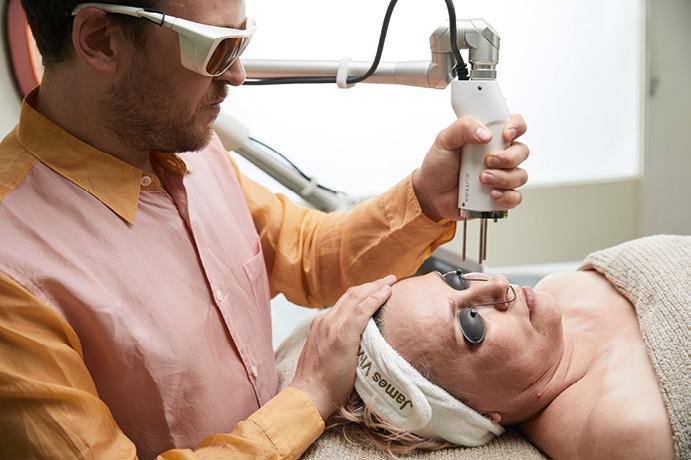
Dr Tim Edwards, ASAPS President said: “The 2023 NSS Scientific Advisory Committee are uniquely qualified to shape this year’s NSS into the best it can be. The entire panel is committed to excellence in every aspect of their practice, and I have no doubt that this year’s symposium will be the best one yet.”
The NSS is open to AHPRA registered health care practitioners, including specialist plastic surgeons, dermatologists, medical practitioners, dentists, nurse practitioners, registered nurses, enrolled nurses as well as dermal therapists and practice staff.
The 2023 NSS will be held at the Gold Coast Convention and Exhibition Centre (GCCEC) from 23-25 June 2023, and talks can be accessible online after the event.

Events
A brand-new expert Scientific Advisory Committee has been revealed for the 2023 ASAPS Non-Surgical Symposium, set to make 2023 the most inclusive and diverse year yet
32 | SPA+CLINIC
Dr Agnieszka Warchalowski James Vivian Suzie Hoitink Dr Ryan De Cruz Anita East Dr Giulia D’Anna
Stop By And See These Exciting NSS Exhibitors
Advanced Cosmeceuticals
We are thrilled to showcase the newest advancements in medical aesthetic skincare and Lutronic technologies. You are invited to discover and experience the quality of our devices, witness their ease of use, and observe the device sizes firsthand. This will give you a better understanding of how they can be implemented in your clinic or practice.

Discover the upgraded dermamelan® treatment from the specialists in depigmentation, mesoestetic ®. dermamelan® is the depigmentation method that provides an intensive corrective action on the appearance of skin with hyperpigmentation while preventing the appearance of future skin discolouration. With new patented active ingredients and new carrier technologies, the upgraded cutting-edge formula ensures maximum efficacy to provide both a reduced treatment time and a reduced period of home care. Moreover, don’t miss Dr Steven Weiner presenting virtually at NSS on the KeraLase Treatment.
Visit us for complimentary treatment with the benefits of LLLT, with our World Leading LED Phototherapy Healite II on stands 86-89 over the course of the weekend.
High Tech Medical
We are excited to be attending this year’s Non Surgical Symposium and we are even more excited to showcase the latest technologies exclusively distributed by High Tech Medical.
Visit us at booth #90 to learn more about how our devices and treatments can increase your clinic’s profitability and deliver dramatic clinical outcomes for your patients. Our portfolio includes: Sofwave, Endymed, Onda, CoolPeel, Again, SmartPICO, Schwarzy, EmCyte, Black & Black Surgical and Stemcis.
To further increase your patient’s outcome following a device treatment, we have the perfect skincare partner – iS Clinical! To learn more about this result-driven, pharmaceutical-grade cosmeceutical, 95-98% botanically-derived skin care range, visit booth #92 and collect your samples.
High Tech Medical sources innovative and high-quality aesthetic devices and skincare from world-leading suppliers and we are committed to providing our clients with comprehensive and personalised clinical, technical and marketing support.

Aussie Medi Tech
Aussie Medi Tech have been coming to the Non-Surgical Symposium for many years and are back again this year with international guest speaker Professor Dr. Nicola Zerbinati. He is a specialist in Dermatology and Venerology and a professor at the University of Insubria, Varese, Italy. He is also an author of over 50 international publications with two international patents on the use of instruments in dermatology.
His talk at 3:00pm on Friday the 23rd of June, will be on Quanta System’s latest tunable picosecond laser device with fractional handpieces, to provide the ultimate skin rejuvenation applications.

Aussie Medi Tech are the exclusive Australian suppliers for Quanta System and will be throughout the conference showing some of their top devices for beauty and aesthetic applications. One of the latest devices is the Chrome which can provide up to 50 different applications including tattoo removal, removal of pigmented lesions and skin resurfacing and peeling.
Come and chat with us at booth 106 to see our latest Italian-made devices and how we can help you achieve optimal results for your clients.
BTL Aesthetics
For the last 30 years, BTL has become one of the world’s most renowned medical and aesthetic equipment manufacturers with the motto ALWAYS ORIGINAL. This year, at NSS we will showcase a variety of our most advanced non-invasive solutions for face, body shaping, cellulite, skin tightening and other medical aesthetic treatments with devices such as EMSCULPT NEO®, EMSCULPT®, EMSELLA®, EMTONE® and EXILIS® and newly the most anticipated device in the industry, EMFACE®
On stage, we will welcome international speaker, Dr Sherina Balaratnam MBBS MRCS(Edin) MSc (UCL) Surgeon and Cosmetic Doctor, Medical Director, from S-Thetics Clinic, UK to share her experience with EMFACE. EMFACE is the first and only non-invasive hands-free device that simultaneously treats muscle and skin without any needles or downtime. The patented technology simultaneously emits both synchronised radiofrequency and HIFES™ energy to remodel the face. BTL’s clinical trials of EMFACE® showed on average, 37% reduction in wrinkles, 30% increase in facial muscle tone, and 23% lifting effect. Dr Sherina will be also performing a live demo of EMSCULPT NEO® and EMFACE® at the BTL stand, time and date to be confirmed, so don’t miss out!

Events
spaandclinic.com.au | 33
BEAUTY & SPA Insiders 2023 – Take Your Business To The Next Level!

We are so excited to announce that BEAUTY & SPA Insiders, now in its fourth instalment, will take place at Pier One in Sydney on Monday, October 16, 2023. Together with Professional Beauty, we have a day full of inspirational speakers and business coaching planned for you so you can keep ahead in this ever-evolving industry.


We know there are a lot of industry conferences this year, and while most of them focus on treatment techniques or cater to a specific niche within our industry, we have created a program that is suitable and relevant for any aesthetic professional. Whether you are a dermal therapist, a cosmetic nurse, a cosmetic physician, a clinic owner, a beauty therapist, or even part of a clinic’s marketing team, we have educational panels and presentations that matter to you and will give you an edge on your competition.

Our speakers are experts in their fields and will share their knowledge and experience on topics such as: How To Create A Successful Business Plan, Building And Retaining And Exceptional Team, Supporting your Clients’ Mind-Skin-Health Connection by Creating a Referral System, How to be a Better Ally to LGBTIQA+ Staff and Clients, and so much more!


There will be networking drinks, ample opportunities to connect with likeminded people, training sessions by some of the industry’s leading brands, and an optional breakfast Master Class, which will be announced very soon! Early Bird tickets are on sale now at beautyandspainsiders.com.au so be quick before they sell out!

Meet Our Insiders
Events
See a full list of our speakers at beautyandspainsiders.com.au/speakers
Our B2B event is growing steadily and will offer even more inspiration and education this year.
Kelly George, RN and Founder Kelly George Aesthetics
Terri Vinson, Founder, Synergie Skin
Dr Ian Chinsee, Cosmetic Surgeon, Inigo Cosmetic
Dr Kate Jameson, Founder and Medical Director, Youth Lab
Dr Tania Romano, Head of Medical and Education, SkinCeuticals
34 | SPA+CLINIC
Peta Friend, Manager, Will&Peta Skin Clinic
Breakthrough Treatment for Healthy-Looking Hair

& Scalp
Significant visible improvements in scalp skin and hair appears denser, thicker and fuller looking


KeraFactor is a proprietary formulation that combines a patented set of seven biosynthetic polypeptides to achieve visible hair and scalp revitalisation. It contains significantly higher concentrations of each growth factor, wrapped into its own nanoliposome for optimal delivery.

It works in conjunction with various treatment methods, including microneedling, PRP and mesotherapy, as well as the KeraLase treatment, to achieve maximum product absorption and optimum results. After

18
Distributed by Advanced Cosmeceuticals 1800 242 011 cs@acskingroup.com SLS DRUG FREE HORMONE FREE SLS DRUG FREE HORMONE FREE SLS DRUG FREE HORMONE FREE SLS DRUG FREE HORMONE FREE SLS DRUG FREE HORMONE FREE SLS DRUG FREE HORMONE FREE SLS DRUG FREE HORMONE FREE SLS DRUG FREE HORMONE FREE SLS DRUG FREE HORMONE FREE SLS DRUG FREE HORMONE FREE
Months After 8 Weeks


PRO COLLECTIVE NEW ZEALAND For hair, beauty and aesthetics professionals Now launched in New Zealand PROCOLLECTIVE.CO.NZ Everything you need to know about hair, beauty and aesthetics in New Zealand. Sign up now for the weekly e-newsletter at procollective.co.nz/subscribe ProCollectiveNZ ProCollectiveNZ
Advanced Age Management
The new DMK MD Home Prescriptive range represents the application of principles and functions found in biological systems to produce scientific-based solutions!

4 Times Spa And Clinic Business Owners Should Think Insurance
Do any of these four situations apply to you?
While you may provide a relaxing experience for your clients, running a spa and clinic business can be incredibly stressful. With so much on your mind, business insurance* is often last on your list of things to think about. But not thinking about it at all could lead to you not being covered when something goes wrong.
All it takes is a misplaced candle or a client to slip over and you could be in for an expensive time. Here are four situations where small business owners of spa and clinic operations should think insurance.

1. New tools or equipment? Think insurance.
Tools that you use in your spa and clinic business are essential to your success. And you will inevitably want more as your business grows. As the value of your equipment increases, you can update your policy to ensure you have sufficient insurance to cover you if you make a claim.
2. Business grown? Think insurance.
As your spa and clinic business develops, your revenue stream may increase, and new employees may be onboarded to help you keep up with the growing demand. Ensure that when renewing your policy, it reflects the current size of your business.
3. Business circumstances changed? Think insurance.
New technologies and regulations could make or break your business. Or maybe you have had to adapt your product or service to compete in this new environment. When circumstances change, it’s a good idea to ensure your insurance covers your new activities.
4. Risks changed? Think insurance.
Operating a business involves potential risks that could impact both customers and suppliers. These risks may include incidents that result from insufficient staffing or untrained employees, which could potentially result in claims being made against the business.
It is essential to have adequate Public Liability cover to protect you against third-party injury or property damage. Additionally, the risk to the business itself, including assets such as stock, equipment, and commercial premises, can change due to events such as fire, theft, or accidental damage.
Business Insurance is a package designed to provide cover for these assets. Remember that this cover may need to be updated if there are major changes to your business circumstances such as premises, stock/ contents or if there is an increase in external risks. If you face new risks, ensure that you consider all your insurance options to keep you covered.
Think insurance today!
Business insurance is there to protect you against financial loss and damages coming from the risks your business faces. By not thinking about your insurance every now and then, these problems could become a lot worse if a claim were made against you. What’s more, doing a review of your insurance could even help you save on your premium. Visit bizcover.com.au to compare quotes or give us a call today – no dramas! *This information is general only and does not take into account your objectives, financial situation or needs. It should not be relied upon as advice. As with any insurance, cover will be subject to the terms, conditions and exclusions contained in the policy wording. © 2023 BizCover
Business
Pty Limited,
rights
ABN
AFSL 501769
all
reserved.
68 127 707 975;
38 | SPA+CLINIC
Myndstream Launches Spa Music Service


Revolutionary global music brand, Myndstream, has made a major breakthrough in the world of music for wellbeing. With the launch of its pioneering cloud-based spa music streaming service, Myndstream has developed a simple and intuitive system to deliver the perfect audio experience for wellness. This innovative, easily accessible solution promises to transform the way spas and wellness centres approach music and sound in treatment rooms and beyond, providing highly curated and intentional audio soundtracks that will transport guests to a new level of relaxation and mental clarity.
Myndstream aims to create validated and intentionally programmed audio, with research playing an important role. Myndstream works with Spa Directors and Therapists, creating
an ongoing feedback loop that informs the content on its Spa Music service, changing how theraputic music is both consumed and utilised. Myndstream works closely with leading experts in healthcare and wellness such as: Professor Adam Ockelford, Secretary of the Society for Education, Music and Psychology Research; Dr Mobasher Butt a Senior Physician Executive, Clinical Practitioner and Chief Medical Officer to Babylon Health; and Dr Marlene Sotelo, a Music Therapist and doctoral level Behaviour Analyst, Myndstream is creating validated and intentionally programmed audio for wellness. As part of its commitment to scientific research, Myndstream has established a partnership with the Global Wellness Institute and SleepScore for its latest research by running an anchor study, where the initial findings are
exciting. The complete results of this study will be unveiled in a White Paper in November 2023 at the Global Wellness Summit.

The playlists are available from Myndstream to spas and salons for as little as $250 per year and can be accessed simply with an internet connection. Myndstream offers business owners a fully licensed and cost-effective solution that includes over 50 playlists and allows for unlimited logins. Myndstream can also provide bespoke services, creating or curating the audio environment to capture the true essence of the spa and cater to its unique clientele. These playlists can even be tailored to specific treatments to ensure a truly elevated experience can be achieved with proven wellness benefits.

myndstreamspa.com


Business multiple quotes business instantly and money *Must be a Qantas Business Rewards member. Maximum of 10,000 Qantas Points earned per policy. Available to new BizCover policy purchase only and not available with any other offer. See Terms & Conditions at bizcover.com.au/qbr The information provided is general only and should not be relied upon as advice. BizCover Pty Ltd (ABN 68 127 707 975; AFSL 501769) © 2023 BizCover. BC2457 bizcover.com.au 1300 805 821 Earn Qantas Points for every dollar spent on a new small business insurance policy SCAN TO COMPARE QUOTES
Making Aesthetics and Cosmetic Procedures More Accessible
How MyHealth&Beauty’s Flexible Payment Plans are Revolutionising the Profession
It’s More Than Just a Payment Plan
Give your patients and clients a new level of treatment accessibility and affordability with MyHealth&Beauty’s exclusive payment plan options - designed specifically for your clinic’s needs.
MyHealth&Beauty works closely with your clinic to understand unique needs and preferences to deliver tailored payment options that drive maximum treatment acceptance, client retention and new client referrals.
When it comes to planning for cosmetic procedures, many patients and clients miss out on the full potential of their treatment plan or may not proceed at all due to bill shock or affordability. This is where a payment plan becomes an essential tool in enabling treatment acceptance and avoiding delays.
MyHealth&Beauty increases treatment acceptance by supporting clinics and clients with multiple payment plan options for treatments between $150 up to $12,000 and merchant fees between 1.5% up to 5.9% relevant to services selected. Extra funding for additional treatment can also be provided.

Simple, Customised Treatment Proposals
MyHealth&Beauty operates on a dedicated online platform created specifically for the aesthetics and beauty profession. Your clinic will be provided a personalised branded portal account to create treatment plan proposals accompanied with the associated payment plan.
Once created, the treatment proposal and payment plan link is sent to patients or clients via an SMS message. The SMS message and link is personalised and clearly worded using your clinic’s preferred business name to ensure clear communication, safety and security.
Effortlessly streamline the patient agreement process with our SMS-based system. Patients and clients can easily sign and confirm agreements right from their mobile devices, making the process faster and more convenient than ever before.

Full visibility of treatment proposals and payment plans, including progress tracking, is provided in the MyHealth&Beauty portal.
Jessica Pearse, Chief Product Officer
Sponsored
40 | SPA+CLINIC

spaandclinic.com.au | 41
Titans of Industry Co-Create Curriculum with The French Beauty Academy

Introducing, The Future of Beauty.
The French Beauty Academy has partnered with the biggest names in skin and device technologies to codevelop an industry leading and cutting edge skin focused program. This Australian industry first bridges the gap between training and employment, ensuring French graduates are skilled for the beauty jobs of tomorrow.


When speaking with the Academy’s Founder, Luke French, he explained the win-win situation this partnership creates. Students learn vital skills that go beyond facials and traditional beauty treatments, and they get to train on industry-shaping devices and with brands that they will no doubt encounter at future jobs. On the flip side, clinics who are recruiting get to hire qualified therapists who already possess the knowledge they need to work in this competitive and ever-evolving beauty industry. Furthermore, students form relationships with some of Australia’s leading brands, no doubt helping them find their right career path.
Hon Karen Andrews MP officially performed the ribbon cutting ceremony on March 15, alongside eleven of the industry’s global leading technology and device CEOs and Managing Directors at the Adelaide Street campus, where students will be trained on and with the latest beauty devices and brands such as Hydrafacial, Emsculpt by BTL and triLift by Lumenis.
“This program is at the leading edge of beauty education training in Australia,” says
Managing Director, Luke French. “Each Official Education Partner has been carefully selected for integration into the curriculum based on their industry leading, ground breaking technology, clinical research and united commitment to educating the next generation of beauty professionals,” said French.
Mrs Andrews endorsed French’s comments. “There are such exciting and lucrative opportunities for the women of Australia in this sector. I am delighted to officially open this industry leading program at an institution with a renowned reputation as a quality education provider and one dedicated to ensuring the continual improvement and success of its curriculum and student outcomes. For those students wishing to pursue a trade and a career, this industry is one of phenomenal growth. We are committed to working with industry, and the highest quality vocational providers such as The French to deliver real skills for real jobs.”
The titans of industry sponsoring the
program include; Hydrafacial, Emsculpt Body Contouring by BTL, Observ520X Skin Imaging by The Global Beauty Group, Omnilux LED Light Therapy by Device Consulting, triLift Dynamic Muscle Stimulation (DMStTM) by Lumenis, Dermapen4 Collagen Induction Therapy by DermapenWorld & Inskin Cosmedics, Laser Hair Reduction GMAX Pro Plus by Candela Medical, and BBL IPL Skin Rejuvenation by Sciton.
French students gain a highly competitive edge by having access to latest research, advanced skin knowledge and practical experience delivering advanced cosmeceuticals treatments with Dermaceutic Skin Resurfacing Peels by Dermocosmetica, and growing consumer beauty categories such as Clean and Sustainable Beauty with Biologi skincare, and Bi-Directional and Ingestible Beauty with Vida Glow.
The Future of Beauty is delivered within the nationally recognised and accredited SHB50121 Diploma of Beauty and SHB50216 Diploma of Salon Management. This all-encompassing dual qualification arms students with the knowledge, skills and experience required to be an exceptional beauty therapist and important business understandings to know how to manage or open a clinic or salon, breeding the next generation of beauty entrepreneurs. For more information, visit thefrenchbeautyacademy.edu.au
Business
42 | SPA+CLINIC
Cryomed Celebrates Years


Cryomed has cemented itself as one of Australia’s most trusted aesthetic device distributors in the past 10 years, and has grown to offer a wide range of products besides the latest in aesthetic technology. Nowadays, Cryomed offers more than 25 products, including dermal fillers and in-clinic only skincare brand, Universkin. Founded by Josh Locker in 2013, Cryomed was acquired by ASX- and NZX-listed EBOS Group in 2021, one of the largest and most diversified healthcare operations in Australasia. “This gave us the voice and confidence to expand, more as a brand rather than just a distributor, as well as strengthening our clients’ confidence in the future and longevity of Cryomed,” says Cryomed GM, Krystian Szuba.
Thinking back at the time Josh Locker started the company, it was all about offering great value for money to evolve the Australian aesthetics industry, he says. “I found that there was a gap in the market for great value devices,” says Locker. “When Cryomed was first introduced to the market, doctors and business owners could invest in only a few devices, limiting the treatments they could offer. By providing access to great devices at great prices, Cryomed has enabled aesthetic businesses to widen their scope of practice, treating more indications. My biggest motivation is delivering value in the form of superb devices and technology, providing practitioners and business owners with great value for money. Sourcing new devices and technologies to bring to the ANZ market is also one of my biggest motivators.”
And that, he did, bringing some of the most successful devices to Australian clinics, such as the Ultraformer III, with over 10 million
treatments performed worldwide, or the Secret RF Microneedling, which has become a favourite in skin rejuvenation. Cryomed is based in Sydney with offices in Melbourne, Brisbane and Auckland, and over 30 staff with many years of experience in this industry. And it’s exactly this knowledge and expertise that enables the team to offer outstanding support to their clients.
“Cryomed has built a reputation for excellent aftermarket support, including a dedicated service team and a clinical team with more than 10 clinical trainers experienced in all areas of aesthetic applications and technologies,” says Cherise Duffett, Clinical Training Manager at Cryomed. “What’s more, our ever- evolving equipment portfolio with best next-generation technology helps ensure our clinic partners stay ahead of the game.”
“Our tag line is ‘the better aesthetics company’ and we truly stand by this,” adds Szuba. “I attribute our success to being genuine and providing unique tailored support to our partners, which includes expert business development, regulatory, marketing and clinical education teams. We have resources that go beyond a quick sale. It is more about establishing a long-term relationship with our clients.”
So what’s next for Cryomed? The company will introduce new devices and modalities, which will offer convenience and efficiency like never before. “2023 will also see us partner with more device companies, which will join our ever- growing portfolio of exceptional technologies here at Cryomed,” says Szuba. We can’t wait to follow Cryomed for their next milestones.
For more information on Cryomed’s complete portfolio, call 1300 346 448 or visit cryomed.com.au
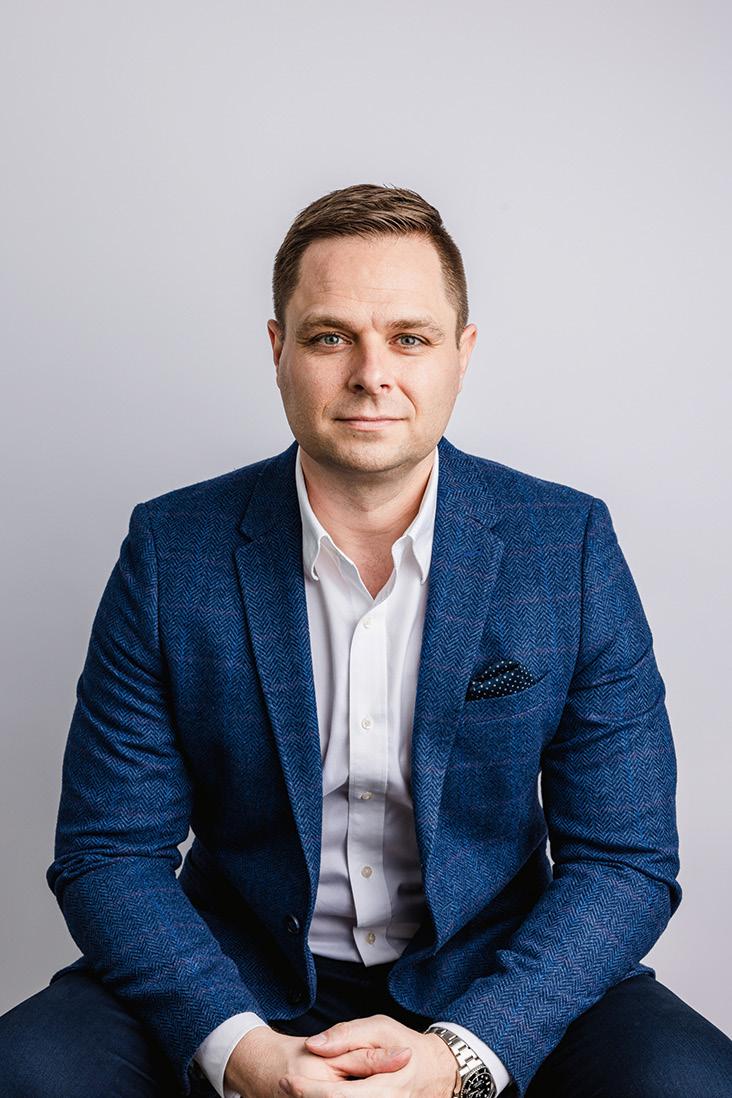
SPONSORED
Etherea MX • Regen Lab PRP • Pastelle ND:YAG Q-Switched Laser • Fillmed • Universkin
We reflect on the one-stop shop distributor’s past decade in the aesthetics industry and look ahead at what’s to come.
spaandclinic.com.au | 43
Cryomed GM, Krystian Szuba
How Five Star Day Spa Has Scaled Their Ongoing Success
TANEESA WILLIAMSON chats to Five Star Day Spa Director, NICOLE SPARGO, about growth, successes and core values of an outstanding business.
What has been a thriving spa escape location for the last two decades, Five Star Day Spa located on the Central Coast of NSW has re-emerged in the last decade as a holistic oasis of relaxation and rejuvenation. Five Star Day Spa’s focus on client satisfaction and its commitment to providing personalised services has contributed to its amassed success. The spa’s therapists are highly trained and equipped to customise treatments to meet individual needs, including the use of existing spa practices, alongside modernised technology like infrared saunas and other innovative holistic techniques, also including advanced skin therapies in their treatment offering.
To dive deeper into what has propelled the spa into further success, we sat down with Nicole Spargo, owner of Five Star Day Spa, to learn more about the evolution of the business.

Share with us how Five Star Day Spa started and how it has evolved into the Central Coast’s leading day spa?
Five Star Day Spa was established in 2002 on the Central Coast of NSW. You’ll find us in the heart of Erina, tucked away on the quiet side of Fountain Plaza. Fountain Plaza is a retail focal point of the area and is well known as a successful commercial centre in the region. The centre provides the local community with high end retailers, commercial services and a range of dining options.
Clients enter our spa and feel a sense of seclusion and privacy. We aim to create a unique and enjoyable experience for our clients from the moment they step foot through the door. Our business focus has always been centred around our beautiful clients. We take pride in offering a service that benefits the wellbeing of others and we ensure these benefits are delivered in an environment of tranquility. We specialise in a wide variety of holistic massage services, antiageing facial treatments and spa packages for both men and women. Our customised experiences are designed to nurture the soul.
I took over the business in March 2014 and have had the pleasure of welcoming the original owner, Cathy Taylor, into the spa every few months since then. We often chat about the spa and its evolution over the years. Maintaining the reputation of the spa has always been my goal and it’s wonderful to discuss the industry, progress and my business with such a knowledgeable soul.
We have grown consistently over the years with staff additions, retail product offerings and renovations that have allowed us to deliver new and exciting treatment options. A big addition during Covid was the inclusion of an Infrared Sauna and Steam Room. This has enabled us to introduce new clientele to our business and evolve into a Wellness Spa, all the while maintaining the same great reputation within our region for our loyal client base.

Business
44 | SPA+CLINIC
How do you balance offering wellness treatments with mediaesthetic treatments?


The transition into a more holistic based wellness spa has given us the opportunity to achieve our ultimate goal of improving the lives of our clients. We are thrilled to see clients leaving feeling as beautiful on the inside as they do on the outside, boosting the inner health of their skin, body, and mind. Beautiful skin and within is who we are –relaxation, rejuvenation and rebalancing. However, as we know, skin health is so much more than just external appearance; and our wellness and mediaesthetic treatments are delivered using the latest technologies to maximise the benefits for clients at every appointment.
Tell us about some devices and product ranges you stock – how do you decide who to go with?
We have partnered with Ultraceuticals, Lira Clinical and Waterlily, each offering the highest quality ingredients, sustainability and a level of diversity that allows every client to achieve their desired outcome.
These incredible cosmeceutical skincare lines allow us to make a corrective change in our clients’ skin. These products are used in conjunction with our Medical grade peels, LED light therapy, Hydrafacial, and Dermapen Skin treatments to deliver consistently incredible results. We also offer a carefully curated collection of quality Australian wellness products and retail home devices from TruDermal, Imbibe, Intrametica, SISUU, and Nativ Sens.
In an exciting move for our brand we have recently partnered with Waterlily to design and curate our very own exclusive Signature Five Star blend which will feature in our Signature collection of Spa packages. Waterlily is Australian owned and developed and comprises nutrient-rich botanicals intensified with multipurpose actives to deliver real results. Health is at the core of each of these formulations and this aligns just perfectly with our business. .
How do you ensure you employ the right people for your team?
At Five Star Day Spa we break down the recruitment and training process into a number of key stages. The first interview includes a formal introduction which allows us to understand and discuss the employee’s background, qualifications and personal and professional attributes. We also confirm their values align with our own which is a crucial one in order for us to maintain a harmonious and sustainable environment in the spa. We then
move into the fun stuff; the practical training processes which are comprehensive and delivered both online and in the spa. Training is an integral part of our culture here at Five Star and has been for many years. We ensure our therapists benefit from the best training processes available and our qualifications allow us to maintain our reputation of excellence. We are never stagnant and continually evolve and grow within the health and beauty Industry.
We have found that our employees love to learn from each other in addition to the more traditional means of formal training. We engage staff in training days and regularly attend Industry conferences to up skill and stay across the latest trends. Staff motivation is an integral part of our business. I’m so proud of the level of commitment, drive and energy that our staff bring to the role each day and we achieve this through the provision of unwavering support for our employees.
You’ve won several awards last year, what makes your business so successful?
Five Star won two amazing accolades last year; • Best Beauty Services for the Central Coast NSW – Local Business Awards
• Consumer Voted Best Day Spa in the National Category for the Spa and Wellness Awards
The key components to our success at Five Star are; People, Inspiration and Innovation.
We are people focused, they are at the forefront of everything we do, be it clients or staff. We truly care about every client’s experience.
We are inspiration, as we reflect on where the business began and where we are 22 years later, with one of the most prominent beauty and wellness Spa brands in our region. We still offer a few of our original Signature Spa packages, as well as many new and advanced treatments, a wellness area, and the capability to accommodate so many clients across so many different service areas.
We are innovation, as we offer more than a traditional beauty clinic, and our recent renovations have allowed us to set the business in a different paradigm to identify new opportunities of growth and to utilise the latest technologies to benefit our wonderful clients. Offering a holistic approach to “traditional” beauty is our objective and our superior skincare solutions and outstanding personalised customer service make us unique here at Five Star. We can truly improve people’s lives, and that is our goal.
Nicole Spargo is the Director of Five Star Day Spa. fivestardayspa.com.au
Business
spaandclinic.com.au | 45
Progress For Our Industry
As ABIC approaches its second year anniversary in June, we reflect on the enormity of the change left in the wake of Covid lockdowns, and the new era that has emerged as a result of our collective mission of industry strength and growth through unity.
As a multi-disciplinary industry, we should be proud that united, under a common goal, each sector has rallied behind the ideal to raise standards and elevate the standing of our profession. Of this auspicious desire, ABIC was born and it has profoundly changed the landscape of beauty and aesthetics.

True change and progress takes time, despite this, ABIC’s purpose of guiding and unifying professionals, business owners, students, educators and suppliers from each segment has been realised with over 1400 members Australia wide, making ABIC our industry’s largest and most influential multidisciplinary association. This prodigious undertaking would not have been possible without the ardent, generous and unwavering support of our Foundation Members who had faith in a shared vision of a robust and fortified future for our interconnected industry.
ABIC is built on three pillars, to unite, educate and support. These
keystones are designed to uplift and elevate the global beauty and aesthetic community. Our consistent focus is on realising the tangible positive effects of these foundational elements.
Unity and Education
This year, our exhaustive work to unite and provide accessible education to the collective beauty and aesthetic community culminated in our inaugural ABIC Educational Conference. The overarching theme of this innovative educational event was unity, with a particular focus on the interdisciplinary exploration of collaborative treatment approaches by experts in each sector of our industry.
This forum not only allowed for the generous and magnanimous dissemination of diverse information by leading industry professionals, but it also fostered vanguardian innovation, with the central idea being progress through niching and associative referrals.
Support and Guidance
Providing support and tailored advice for the diverse cohorts within our industry is our passion, it is what we do best through the resourcefulness of our immensely experienced team, and bespoke advice from our

Business
ABIC CEO
STEFANIE MILLA shares important industry updates and how far the industry association has come in two years.
46 | SPA+CLINIC
accomplished council. This is of utmost importance as the changing Industrial Relations landscape provides a challenging environment for business owners to navigate. At the recent Council of Small Business of Australia (COSBOA) Summit it was identified that the Australian Industrial Relations system is among the most complicated in the world, leaving both business owners and employees scrambling to keep up with legislative changes and often falling short of being compliant.
The forthcoming IR Reform will focus pressure on sub-contracting from both the employer and employee perspective. Casual work will come under fire, as will certain small business employment practices. Among the upcoming expected changes are also significant fines for advertising employment positions which do not meet award wage standards.
For this reason, it is a pivotal objective of ABIC to provide current and relevant information and guidance to business owners regarding their responsibilities as employers. Our dedicated, industry specific Human Resources and Industrial Relations Department provides advice and direction for our members five days a week, along with up-to-date resources, material and clarification so that our clinic and salon owners remain compliant and secure.
The Benefit of Niching
Despite certain challenges Australia’s micro economy continues to boom. At the recent inaugural ABIC Educational Conference, our

industry association leaders spoke on a rare and insightful CEO panel discussion regarding the benefit of niching in our industry. This is particularly relevant as the ATO reports that small businesses are experiencing a significant margin squeeze, while profitability is taking a hit particularly in service based industries.
The current consensus is that businesses which specialise in one area are able to more effectively reduce costs and increase revenue through focused and lean business practices. This point is especially relevant as the Australian Small Business and Family Enterprise Ombudsman (ASBFEO) has shared that payments pressure is rising among small businesses finding it increasingly difficult to keep up with an inflating cost base, which has resulted in the growth of payment related disputes since January 2020.
ABIC has a strong relationship with bodies such as ASBFEO and COSBOA, not only to provide feedback and to advocate for small businesses in our industry, but to provide much needed business support to members that need guidance and real solutions which can help growth and profitability. ABIC is committed to announcing further education based initiatives that serve both our industry professionals and businesses before the end of the financial year and in time to celebrate our second birthday!
Stefanie Milla is the CEO of ABIC. theabic.org.au
Business
spaandclinic.com.au | 47
“The current consensus is that businesses which specialise in one area are able to more effectively reduce costs and increase revenue through focused and lean business practices”
Come On In!
The latest spa and clinic openings to know now.


Aesthetic Injectables, Geelong


Founder and owner of Aesthetic Injectables (AI), RN Darcie Verstraten, recently relocated onto the vibrant Pakington Street shopping strip, Geelong West, within Pakington Village. The calming on trend clinic has five large functional treatment rooms, the main room generous enough to host injector or therapist education. The spacious anteroom houses two makeup stations, retail space, reception area and is perfect for small events, wedding party preparation and beauty concepts. AI offerings span from injectables to tailored skin therapy to all things brows, teeth whitening and makeup for weddings and special events. The team at AI are committed to ongoing skill consolidation and acquisition to provide their clients with high quality injectables and treatments in a friendly, welcoming environment.

aestheticinjectables.com.au
Hair And Skin Science, Burwood
Hair And Skin Science, a leader in affordable and less invasive hair loss and skin treatments, is excited to announce the opening of their 20th clinic in Burwood, New South Wales. Co-Director Royce Newton says, “We’re thrilled to bring our services to the Burwood community and continue to provide affordable, high-quality treatments in luxury surroundings.” The company, which started as a family business in Ashwood, Victoria, has rapidly expanded to multiple locations across the country, including Queensland, Western Australia, and Victoria. Director Jenna Chan adds, “Our mission has always been to offer affordable hair loss and skin treatments performed by registered nurses and supported by Australian medical doctors.” The new Burwood clinic has been structured with an even more luxurious feel in mind so clients can look forward to a sublime series of skincare treatments hailing from this new and exciting location. Hair And Skin Science is also excited to announce the introduction of their new hair boosting treatment, PRF. hairandskinscience.com.au

Business
48 | SPA+CLINIC
Recoverie, Cronulla
Following the success of their debut Coogee centre, Recoverie, opened their second space to the public in Cronulla on Saturday 15 April 2023. Just 400 metres from iconic Cronulla Beach and nestled among the bustling restaurant and café scene, sits the new kid on the block. Recoverie is set to be the go-to address for athletes, fitness enthusiasts and anyone looking for the absolute best in mental and physical rest and rejuvenation.
The 200-square-metre destination is decked out in some of the best recovery technology the world has to offer. Under its roof, guests will find recovery essentials including a steam room, four traditional saunas, two six-degree and eightperson cold plunge pools, and hot and cold contrast water therapy. Guests will also experience Australia’s first ZeroGravity Floatation Bed, which provides huge benefits to mood, sleep and muscle recovery, plus the Hyperbaric Chamber, which accelerates muscle recovery by delivering up to a 35-per cent increase in oxygen supply that effectively reduces inflammation and oxidative stress, fast-tracks injury recovery, reduces fatigue and enhances endurance among a plethora of benefits. For guests wanting a more exclusive experience, Recoverie offers a lavish private suite hosting a cold plunge pool, traditional sauna and a shower; allowing one to soothe in silence. Recoverie.com.au


The Fit Injector, Bondi Junction
The Fit Injector Clinic in Bondi Junction is a nurse-led clinic, founded by Registered Nurse Felicity Ward. Felicity has been a RN for 12 years and cosmetic nurse for nine years and opened her purpose built cosmetic clinic (an upgrade from her one woman, one room show in Edgecliff) in February this year. Felicity and her team provide cosmetic injectables and cosmetic skin treatments including anti-wrinkle injections, dermal fillers, platelet rich plasma, bio remodelling injections, LED light therapy, chemical peels, HydraFace (medical facial), FaceShape (RF skin tightening), Transcend (photo facial) and medical grade skincare products. The clinic consists of five treatment rooms, two waiting areas and a beauty bar. Felicity and her team prioritise skin health through treatments with medical and scientific research and clinically proven results; their goal is to enhance your natural beauty. You can expect in-depth educational consultations, tailored treatment plans, extended appointment times with all procedures overseen by Felicity and her team of medical doctors. thefitinjector.com.au


Business
spaandclinic.com.au | 49
Fit Face, Fit Body
Celebrating 30 years of BTL, we take a look at the device company’s cutting-edge technology, EMFACE® and EMSCULPT NEO ® .

BTL Aesthetics has taken Australia by storm since launching Down Under just a few years ago bringing with it some of the most advanced technology on the market. This year, the company celebrates its 30th anniversary; three decades of innovative technology for the wellness and aesthetics market. The BTL EMpire spans seven major markets; includes 70,000 BTL providers across the globe; has more than 3,000 employees, including 400+ engineers, in 75 countries; holds 1,000 yearly educational events; has installed 500,000 medical systems; and is responsible for 40+ peer-reviewed studies. Their six devices; EXILIS®, EMTONE®, EMSELLA®, EMSCULPT NEO®, and EMFACE® have become household names as patients specifically ask for BTL treatments – the ultimate goal for any device company.
Backed by science
So how did BTL, which was founded in Prague in 1993, catapult itself to the forefront of the minimally invasive aesthetic market? The company’s roots are in cardiology, and it branched out into physiotherapy globally, and finally, aesthetics in the United States before making a splash in the Australian market. BTL’s secret? Everything is developed in-house backed by solid science, and manufactured by BTL. Body contouring devices EMSCULPT® and EMSCULPT NEO® both launched with seven initial studies backing their use, including animal and human histology, magnetic resonance imaging, computed tomography, and ultrasound imaging. When EMSCULPT® first hit the aesthetic market in 2018, it disrupted the already buzzing body contouring market by bringing muscle stimulation to the table.

EMSCULPT NEO® FAST FACTS


• 30% Fat Reduction1
• 25% Muscle Growth1
• Two technologies in one applicator
• Ability to treat patients with BMI up to 35
Cover story
50 | SPA+CLINIC
Revolutionary body contouring
Always evolving and improving their technologies, BTL launched EMSCULPT NEO ® in 2020, the first device to combine HIFEM ® energy and novel synchronised radiofrequency technology for simultaneous, synergistic fat reduction and muscle stimulation, allowing patients to get more for less, while allowing practitioners to treat more patients in a shorter amount of time. For fat reduction and muscle stimulation benefits, patients usually undergo four 30-minute EMSCULPT NEO ® treatments five to 10 days apart, and can expect, on average, a 30% fat reduction and 25% muscle growth1,2,3 , beating plenty of other body contouring devices’ results on the market. Clinical studies have shown the results to be the equivalent of 12 to 16 weeks of HIIT training 4
The recently launched EDGE applicators allows practitioners to treat love handles and obliques – an area that’s considered hard to tone with diet and traditional exercise only. Treating the anterior and posterior abdomen at the same time was considered the missing link in non-invasive body contouring. After conquering the body contouring industry, BTL continued to evolve and innovate, launching the game-changing EMFACE ® in Australia early this year.
Less wrinkles, more lift
Six years and six studies brought about EMFACE®, the revolutionary non-invasive facial treatment that not only lifts and contours, but improves skin quality at the same time. The device pairs HIFESTM muscle contraction technology and synchronised RF energy simultaneously to achieve a more defined jawline; fuller, higher cheeks; an elevated brow; and overall rejuvenation of the face. Being needlefree and hands-free, it is attractive for both patients and practitioners alike. Muscle histology studies by Dr Brian Kinney showed a 19.2% increase in muscle density5 and a 19.8% increase in the number of muscle fibres5 . EMFACE® treats the facial muscles, superficial muscoloaponeurotic system (SMAS layer), and skin simultaneously.

“For the last two decades, clinicians have focused on treating the signs and effects of the ageing process rather than the root cause. Anti-wrinkles and fillers, while super effective, are merely dealing with the signs of ageing. We are looking at the technology to deal with some of the causes of ageing. Namely loss of muscular tone of the facial muscle, especially those responsible for lifting the eyebrow, cheeks and the lower face. These are the elevators of the face,” said Dr. Steven Liew, the first practitioner to offer EMFACE® in Australia. Many have followed since the launch in February, with EMFACE® now available in over 20 clinics in Australia.
HIFESTM technology works on the elevator muscles of the face, namely the frontal and the zygomaticus major and minor muscle, to increase the density and quality of these muscles. And the best part? It works in as little as four weekly 20-minute treatments, with some patients noticing a change in their face after a single treatment. EMFACE® not only lifts the muscles with HIFESTM but also increases the production of collagen and elastin thanks to RF energy. Adults lose about 1% of collagen a year, making this treatment a welcome rejuvenator.

The ultimate face and body treatment combination
EMFACE® and EMSCULPT NEO® combined offers patients the ultimate head-to-toe experience in toning and rejuvenation. Practitioners are able to treat all areas of concern for their patients, and open up conversations about treatment possibilities that go beyond just the face or just the body. As consumers are becoming
EMFACE® RESULTS FAST FACTS
• 37% reduction in wrinkles6
• 30% increase in muscle tone via ultrasound studies7
• 23% lifting effect in facial proportion measurements and 3D photo analysis5
• 27% increase in collagen 8
• 110% increase in elastin 8
• 95% satisfaction rate among patients5
more interested in holistic treatments and looking and feeling younger for longer, EMFACE® and EMSCULPT NEO® deliver on both fronts. For more information, visit btlaesthetics.com.au Always follow instructions for use. We recommend following healthy energycontrolled diet and physical activity.
Clinical studies / references:
1. Weiss RA, Bernardy J, Tichy F. Simultaneous Application of High-Intensity Focused Electromagnetic and Synchronized Radiofrequency for Fat Disruption: Histological and Electron Microscopy Porcine Model Study. Dermatol Surg. 2021;47(8):1059-1064.
2. Katz B, Weiss RA, Samuels JB. Radiofrequency Heating and HIFEM Delivered Simultaneously: The First Sham-Controlled Randomized Trial. Plast Reconstr Surg. In press
3. Jacob C, Kent D, Ibrahim O. Efficacy and Safety of Simultaneous Application of HIFEM and Synchronized Radiofrequency for Abdominal Fat Reduction and Muscle Toning: A Multicenter Magnetic Resonance Imaging Evaluation Study. Dermatol Surg. 2021;47(7):969-973.
4. Halaas Y, Duncan D, Bernardy J, Ondrackova P, Dinev I. Activation of Skeletal Muscle Satellite Cells by a Device Simultaneously Applying High-Intensity Focused Electromagnetic Technology and Novel RF Technology: Fluorescent Microscopy Facilitated Detection of NCAM/CD56. Aesthet Surg J. 2021 Jun 14;41(7):NP939-NP947. doi: 10.1093/asj/sjab002. PMID: 33433586; PMCID: PMC8202148.
5. Kinney B, Bernardy J, Jarosova R. A Novel HIFES Face Technology Combined with Synchronized Radiofrequency Induces Strengthening of Facial Muscles: Porcine Histology Study. Presented at: Plastic Surgery The Meeting (PSTM). October 27-30, 2022; Boston, MA.
6. Halaas Y, Gentile R. The Interim Results of Novel Approach for Facial Rejuvenation. Presented at: American Academy of Facial Plastic and Reconstructive Surgery (AAFPRS) 2022 Annual Meeting. October 20-23, 2022; Washington, DC.
7. Halaas Y., MD. Muscle Quality Improvement Underlines the Non-invasive Facial Remodeling Induced by a Simultaneous Combination of a Novel Facial Muscle Stimulation Technology with Synchronized Radiofrequency. Presented at: American Academy of Facial Plastic and Reconstructive Surgery 2022. October 19-23, 2022; Washington, DC.
8. Goldberg DJ, Lal K. Histological Analysis of Human Skin after Radiofrequency Synchronized with Facial Muscle Stimulation for Wrinkle and Laxity Treatment. Accepted at American Society for Dermatologic Surgery (ASDS) Annual Meeting 2022, Denver, CO.
Cover story
spaandclinic.com.au | 51
AST Founder Heather Harrison On Aspect’s Exclusive New Platinum Range
Revealing
With almost 30 years of experience in the retail, beauty and skincare industry, Heather Harrison has witnessed firsthand the evolution of the skincare industry and has played a pivotal role in shaping it. We chat with Heather about her latest venture, the launch of the Aspect Platinum range, a new line of products in the Aspect line that promises to deliver transformative results while prioritising sustainability. In this interview, Heather shares her insights on what makes a great professional skincare brand, why she decided to offer the Aspect Platinum range through select partners only, and how it can elevate a skin clinic’s offering.
Can you briefly explain your background in the industry and what it was like starting out?
Working in the retail and beauty industry early on in life really opened doors to many experiences and opportunities. In 1996, my career shifted a gear when I decided to follow my instincts to join a friend’s new business venture – Advanced Skin Technology (AST). Our first ambition at AST was to distribute Australia’s first clinical-grade glycolic acid range to the medical fraternity. Armed with knowledge and determination, this venture was a huge success. AST has been

established for almost 30 years now, and to this day, I continue to be inspired by not only the people, but the new innovations and clinical advancements that emerge.
In your opinion, what makes a great professional skincare brand?
Success can only be achieved with the right team who share the same passion and vision as you. The success for any brand, whether it be professional or cosmetic, really comes down to core values. If you believe in what you are offering, you will do absolutely everything in your power to get it right. Not settling for anything other than the best is important to us at AST. We are in this industry because we want to create an impact, we want to enhance people’s lives.
To become a great professional skincare brand, it is important that you don’t cut corners. There are many layers to creating a great brand, and yes, it is complex. There are many factors to consider from the proven efficacy of a product, sourcing the best ingredients, the delivery systems, the packaging… the list is endless. I am a firm believer that if you have the drive, the passion, and a great team who share the same vision, the possibilities and opportunities are endless.
the latest addition to the Aspect portfolio, Aspect Platinum.
52 | SPA+CLINIC
There were a few reasons for the birth of Aspect Platinum; one was to create something for our loyal clinics that was truly bespoke and delivered incredible results. The second was to ensure that the range was only prescribed in clinic by the best in the business. We understand the value of seeing a clinician and using the correct product for your individual needs, so we want to ensure that users are getting the best out of their products – and money. So this range will never be available online.
Third and finally, Aspect Platinum is the first major step as AST and Aspect progressively move into a more sustainable future. This range has been created with a zero-waste mindset, with a closed-loop recycling program as well as packaging made from recycled materials. Aspect Platinum’s packaging features recycled plastics promoting a circular economy through their recycling program partnership with TerraCycle.
Why did you decide to sell the range through selected partners only?
Aspect Platinum is a powerful anti-aging skincare range with a unique blend of ingredients to deliver transformative results, so we really want to control its launch through specialised bricks and mortar clinics. With their tailored approach to consumers’ needs, our Aspect Platinum stockists have committed to only prescribing the range after a thorough consultation, as well as online protection. These clinics have also committed to our recycling program, so we are really proud to partner with such an amazing group of people.
How can this range elevate a skin clinic’s offering?
The Aspect Platinum range is the next evolution of the Aspect Skincare Family. We now have a very well-rounded range of brands that cater to anyone, regardless of age or gender, wanting to see clear results from their skincare routine. We always recommend that regardless of your choice of range you visit a clinic to have a consultation as the seasons change to ensure you are using the best products to enhance your skin journey. Our Aspect family clinics also have a range of professional products for in clinic treatments to boost results.
Aspect Platinum, however, is our most advanced and powerful skincare range. We have taken incredible technology and scientifically proven ingredients to deliver a range that can restore, refine, and protect the skin – both in the short term and long term. It also comes with the added benefit of a zero-waste mindset, and online protection. After years in the making, I am really excited to finally see Aspect Platinum come to life. So much time, research and development has gone into the range, and we are proud to introduce it to our Aspect skincare portfolio.
About the Aspect Platinum Range
With sophisticated and pre-emptive cosmeceuticals, Aspect Platinum provides a multifaceted approach to skincare solutions by only using superior, high-performance ingredients that are sourced from some of the world’s most respected advanced pharmaceutical and biotechnical companies. Stripped back for maximum efficacy, the Aspect Platinum formulations have no additional fragrance or textual inclusions, ensuring that the active ingredients can deliver the optimum benefits to the user. This range will pack a punch, which is why it will only be available through a select group of trusted clinicians, to ensure a tailored approach to consumers’ needs.
Committed to delivering technologically advanced formulations to support superior clinical outcomes while mindful of sustainability and their environmental impact, Platinum has been developed with a zero-waste mindset. Aspect Platinum is available now and has launched with seven core products that will be sold exclusively through select premium clinics in Australia.

Aesthetics
spaandclinic.com.au | 53
Straight from a Dermatologist
There are so many products and ingredients circulating around the skin care community, it can often feel like you’re not sure which one will work best for your client’s skin. If you’ve ever found yourself overwhelmed by the abundance of product options, COSMEDIX’s own Dr. Hadley King, an award-winning, New York City-based dermatologist, is here to help! Dr. King works as a Clinical Instructor of Dermatology at the Weill Medical College of Cornell University and is an advising dermatologist at COSMEDIX. She’s here to help you select products based on your client’s skin concerns. Let’s dive in!

For Problematic Skin
For problematic skin types, Dr. King recommends Retinol and Salicylic Acid-infused Clarity Skin-Clarifying Serum. Here’s her explanation of how these powerhouse ingredients work together with natural botanicals like Aloe Vera and Tea Tree Oil:
“Clarity Skin-Clarifying Serum is helpful because it includes Retinol which increases cell turnover and makes dead skin cells less likely to stick together and clog up pores, while Salicylic Acid penetrates into pores to gently exfoliate and remove pore-clogging oils and keratin debris. Also contains Aloe Vera, which hydrates and soothes the skin, as well as Tea Tree Oil, which has anti-microbial and calming properties.”
This clarifying serum also helps to moisturise and balance the skin, and it’s gentle enough to incorporate into a daily morning and evening skincare routine.
For Tired-Looking Eyes
If their undereye area is causing them to look a little sleepy, Opti Crystal Liquid Crystal Eye Serum can be their ultra-luxe answer for waking up their skin. The number one COSMEDIX bestseller, Opti Crystal has a gorgeous texture and intensely hydrating ingredients that help lock moisture in to the delicate skin beneath your eyes. Dr. King highlights Opti Crystal’s hydrating power:
“Opti Crystal Liquid Crystal Eye Serum hydrates with Coconut Water, Aloe and Glycerin, and supports the skin barrier with Rice Bran Oil, Moringa Seed Oil and Jojoba Seed Oil.”
For Dull-Looking Skin
Niacinamide, or Vitamin B3, is a rising star ingredient in skin care circles. For skin concerns related to helping reduce the appearance of hyperpigmentation, Dr. King recommends Simply Brilliant 24/7 Brightening Serum because of its supercharged, antioxidant-rich formula.
“Simply Brilliant Brightening Serum contains a powerful combination of ingredients for visibly brightening the skin. Niacinamide is a multi-

tasking ingredient that helps improve the appearance of tone and texture. It is a potent antioxidant that visibly brightens skin by combating hyperpigmentation. It also increases the skin’s production of ceramides, which help strengthen the skin barrier, preventing loss of moisture. Licorice Root Extract contains flavonoids, which have antioxidant properties, and the formulation contains other antioxidants as well, including Ascorbic Acid, Ferulic Acid, Tocopherol, and Green Tea Extract, all of which help to visibly brighten the skin. Waltheria Indica Leaf Extract also helps to brighten. And Lactic Acid, Salicylic Acid and Gluconolacctone gently exfoliate the skin to brighten and improve absorption of other brightening ingredients.”
Because of its uber-gentle formula, this brightening serum can help bring extra Niacinamide in the morning or at night – all you need is the amount of a five cent piece applied to cleansed and toned skin!
For Dry Skin
The autumn and winter seasons are coming fast, and for some of us that means a switch to a more hydrating moisturiser. For skin that’s on the drier side, it may help to apply Humidify Deep Moisture Cream to lock in their chosen serum. Humidify moisturiser also uses Niacinamide, Jojoba Seed Oil, and Colloidal Oatmeal—three ingredients that Dr. King agrees help prevent loss of moisture and improve appearance of skin’s texture:
“Humidify Deep Moisture & Firming Hydrator contains the perfect moisturising combination of humectants like Glycerin and Trehalose to hydrate, emollients like Jojoba Seed Oil and triglycerides to support the skin barrier, and occlusives like Shea Butter (also has emollient properties) to lock in moisture. Plus it also contains Niacinamide, which helps improve texture and increases the skin’s production of ceramides, which help strengthen the skin barrier, preventing loss of moisture. And it contains Colloidal Oatmeal, which soothes the skin and serves as a skin protectant.”
For a Client new to Professional Treatments
Resurface Blend Antioxidant Enzyme Peel can help clients reveal a smoother, clearer-looking complexion and is especially great for those new to professional treatments. Infused with exfoliating fruit enzymes, agedefying hydrators like L-carnitine, and refining Mucor Miehei Extract, this potent, rinse-off Antioxidant Enzyme Peel helps visibly improve the look of skin tone and texture for a more radiant, clarified appearance. Powered by a luxe, jelly-like gel texture, this enzyme peel provides gentle exfoliation and a burst of instant hydration to help balance the moisture and oil levels of skin for a firmer, more refined-looking complexion.
Cosmedix is distributed in Australia and New Zealand by Advanced Skin Technology.
For stockist enquiries:
AST.ADVANCEDSKIN.COM.AU/AST-COSMEDIX-QR

SPONSORED
54 | SPA+CLINIC
DR. HADLEY KING recommends by skin concern
Eye Innovation
Medik8’s new Crystal Retinal Ceramide

Eye packs a punch, explains DANIEL ISAACS
How do you approach creating a new eye care product and how does that differ from a face moisturiser, for example?
All of Medik8’s innovation is always driven by research and science, no matter the product type. We listen to our global community, and eye concerns were the third most-searched category on Medik8.com, after retinol and vitamin C. This drove our desire to innovate in this category. Market research also showed that top eye concerns included wrinkles, dark circles, puffiness and dryness - all of which can be tackled by utilising our #1 skincare ingredient; retinaldehyde.
These market insights and trends dictated us to look at the science. Systematically challenging the ‘norm’ and pushing the limits of skincare by continuously optimising the formula to deliver truly breakthrough technology. This also includes product stability and packaging, innovating in every area to deliver a superior solution for our clinic and customer community. But innovation isn’t easy. It takes time, commitment and a dedicated, highly-skilled and meticulous team to deliver the ground-breaking products you expect from Medik8.
Why can’t we just use our Vitamin A face products around the eye area?
Traditionally, retinoids are renowned for their potentially irritating side effects; redness, peeling and dryness – and the skin around our eye area is even more delicate and susceptible to these issues. As the Experts in Vitamin A, we solved this problem for the face with our pioneering Crystal Retinal Serum, so the next challenge was to formulate a solution for the sensitive eye area.
The skin around the eye is thinner and more sensitive. With virtually no oil glands it’s also drier and wrinkles are usually deepest in this area. Vitamin A is the unequivocal gold standard for age-defying results, hence why we wanted to harness the power of retinaldehyde for the eye area, while ensuring optimal gentleness.
Crystal Retinal Ceramide Eye features multiple optimisations to ensure that the power of retinaldehyde is harnessed in an eye-friendly formulation. We combine twin-encapsulated retinaldehyde with our unique retinal ladder to ensure that retinaldehyde is able to deliver all of its eye care benefits, without the irritation.
How would you suggest a practitioner integrates an eye product into their services?
Crystal Retinal Ceramide Eye is the perfect partner to our bestseller, Crystal Retinal. When used together they deliver unparalleled results that the client will love. It’s a match made in heaven. Unlike any other retinaldehyde currently on the market, our formula is the closest thing to retinoic acid without prescription. This means clinic owners are able to deliver remarkable results for their clients which were previously unattainable through cosmetic formulations.
We’re also pleased to say that Crystal Retinal Ceramide Eye is approved by our professional community of skin experts, doctors and dermatologists, with 91% agreeing that ‘Crystal Retinal Ceramide Eye is a great alternative for those who are afraid to use injectables and under-eye filler’* This formula provides a great option for those clients who are looking for a results-driven, all-in-one eye care solution – without the need for needles.
How does the new Medik8 Crystal Retinal Ceramide Eye differ from other eye products?
Crystal Retinal Ceramide Eye is a world-first formula with truly unrivalled results. We wanted to unlock all the power of retinaldehyde for the eyes. The key? Not one, but TWO forms of encapsulated retinaldehyde technology which ensure the ultra-slow release of retinal power into the skin to avoid sensitivity. This is coupled with our patent-pending carrot seed oil complex and cutting-edge airless packaging which work in perfect unison to maintain the potency and integrity of the clinical-strength formula. The result?:
IN JUST ONE USE:
• Brightens dark circles**
• Reduces the appearance of wrinkles and puffiness***
• Smooths, firms and visibly lifts the eye area**
Daniel Isaacs is the Director of Research at Medik8. medik8.com.au

Aesthetics
*From a survey of 11 skincare professionals **Proven via independent consumer study on Crystal Retinal Ceramide Eye 3 conducted over 6 weeks on 50 participants ***Proven via independent clinical study on Crystal Retinal Ceramide Eye 6 conducted over 12 weeks on 32 participants
spaandclinic.com.au | 55
Introducing, Cryo Pro-X TM
DMK’s latest professional treatment uses cold temperatures to achieve impressive results
We’ve heard of cryotherapy for the body – the exposure to extreme cold for a short amount of time – but what about cryotherapy for the face? It makes sense, given that the science behind it is applicable to both face and body. Cryotherapy can cause the blood vessels in the dermal layer of the skin to contract. However, straight after a cryotherapy treatment, the blood vessels dilate. This process first oxygenates the blood and then delivers this blood, with healing enzymes and nutrients, to every part of the body. This may increase the production of collagen, which improves the elasticity and firmness of the skin. The immune system may be boosted, and toxins removed from the body through the lymphatic system, which may help in the reduction of the appearance of fine lines and wrinkles.
Leading skincare brand DMK has launched a new treatment, called Cryo Pro-X, which utilises the science of cryotherapy to leave skin visibly rejuvenated. The treatment results in thermal homeostasis to exfoliate the skin. Dead cells freeze, fracture, and fall away when exposed to polylactic and glycolic acid in cold temperatures. This process removes the top layer of dead skin cells while protecting the healthy living cells beneath. This works particularly well for skin experiencing dermatitis, acne, rosacea, and other inflamed conditions. It is also ideal for hyperpigmentation and advanced sun damage.

How it works
After the skin is cleansed, the therapist applies Sebum Soak and occludes it with a hot towel. After removal, Epitoxyl is applied for three to five minutes depending on the level of free radical damage to the skin. Epitoxyl is removed with warm water, and Cryo Pro-X is applied avoiding the eye area. After three minutes, the cold sensation will have kicked in. This is when the DMK Cold Pack is used to cover the face and continue the cryotherapy, for up to 11 minutes. This can be done as a standalone treatment or followed by DMK’s Enzyme Treatment.

WHAT MAKES DMK’S
CRYO PRO-X
FORMULATION STAND OUT?
• Poly-L-Lactic Acid: PLLA has been used to make dissolva- ble sutures, dermal fillers, and injectables that increase facial volume and stimulate collagen production. It is biocompati- ble, helping recreate a youthful contour while diminishing the appearance of fine lines and wrinkles.
• Glycolic acid: An alpha-hydroxy acid (AHA) that penetrates quickly to clear surface cells and extracellular build-up. It acts as a water binder and pulls fluid into the epidermis to improve barrier function, soften the skin, reduce signs of photoaging and promote cell turnover. Glycolic acid also stimulates collagen synthesis and renews the surface, breaking up the pigment and brightening the skin.
• Camellia sinensis leaf extract (green tea): Contains vitamins A, B2, C, and E. Green tea is antioxidant, anti- inflammatory, photoprotective, and contains polyphenol compounds that inhibit tyrosinase and lighten the pigment. It also contains catechin, an antioxidant and astringent that controls sebum production and reduces pore size.
• Cocos nucifera oil (coconut): Coconut oil is an occlusive oil of medium chain fatty acids. It reduces inflammation, is antimicrobial, and oxidises slowly because of its high saturated fat content. Coconut oil has also proved to speed wound healing by influencing various aspects of biological activity, including fibroblast proliferation, neovascularisation, and reduced lipid peroxide levels.
Sponsored
56 | SPA+CLINIC
DMK Practitioner Spotlight
We chat to two DMK partners about their experience with the brand.
Melissa Young, Melissa Young Beauty, Sydney
You recently introduced DMK to your clinic, what made you decide to stock the brand?
My primary goal was to introduce a brand that would enable myself and my team to expand in the skin care sector. I desired a brand that would enhance the reputation of my clinic’s current brand, enable us to expand the opportunities for our clients and their skin, and best utilise the capabilities of the skin. DMK fulfilled all of the requirements I was needing, and then some.
Tell me about some of the results you achieve with DMK treatments and your clients’ feedback on the brand so far.
We formally introduced DMK to the clinic at the start of this year and have already seen amazing results! This has included tightening + lifting, hydration, a decrease in fine lines and wrinkles, and the beginning of reductions in pigmentation. We are currently starting a few acne clients on DMK, and I can’t wait to see how their skin looks in the coming months. Clients have responded remarkably well to DMK, I do believe this is firstly for the incredible reputation DMK have established for themselves and the confidence we have built with our clients by always working with brands and recommending products that improves skin for long term results.
What is the best-selling at-home DMK product and why (in your opinion)?
So far, Beta Gel. Beta Gel is a potent immune-booster serum that is a staple DMK recipe and is made to treat all skin issues. The formulation includes beta-glucan which enhances the skin’s capacity to repair damaged cells, lessen redness and irritation, and increase growth factors. This lotion is perfect for acne, congestion, rosacea, ageing, sundamage and red-reactive skin.
How was the ‘onboarding process’ and working with DMK (how did they support you?)?
When I originally contacted DMK, I was very specific about what I was looking for in a clinic and therapist, as well as where I wanted my salon to go in terms of treating skin. It was crucial for me to work with a company that recognised this. DMK made it very clear that they could support this completely, but before I made any decisions, they wanted my team and I to try out a home care routine and receive a few of their


expert facials from their highly trained educators to evaluate how well it worked for us. They didn’t want to just “push and sell” their brand to me, which was one aspect of their business that I appreciated the most. Before introducing DMK into my clinic, I used their products on myself and my staff for six months. We all have different concerns and skin types, and we all saw great results in a short period of time. Their education and assistance have been outstanding. Their education is far superior to anything I’ve seen before, and their support is exceptional!
Amy & Emilee Hembrow, SSKIN, Gold Coast
How long have you worked with DMK and what made you decide to stock the brand?
We only recently began stocking DMK in our clinic but we have had our eye on them for quite some time. After doing extensive research into different skincare brands over the past year we knew that DMK had not only the value of their product range and treatments but unparalleled training for our staff. Finding the right product fit for your brand can be hard let alone one that provides their level of training which is crucial for achieving customer satisfaction, building brand loyalty, and maximising profitability.
Tell me about some of the results you achieve with DMK treatments and your clients’ feedback on the brand.
DMK has been a dream to work with. Their paramedical treatments focus on nourishing and repairing skin from the inside out. The results for our clients have been healthier, stronger, and brighter skin and great improvements with acne. In combination with the home care products we are seeing healthy functioning skins walking back through the door. Our clients have been so excited about the range and the feedback has been wonderful, with the products being easy to use and feeling fantastic on the skin.
What is the best-selling at-home DMK product and why (in your opinion)?
The Beta Gel has been flying off the shelves. Beta Gel is a non negotiable in anyone’s skin routine as it is a powerful immune boosting serum designed to address all skin conditions. The formulation contains beta-glucan to enhance the skin’s ability to reduce redness and inflammation, repair damaged cells and stimulate growth factors. Perfect for acne, congestion, rosacea, ageing, sun damage and red reactive skin. The perfect product for absolutely anyone!


Tell us about the new Cryo Pro-X treatment and what kind of skin conditions you would use it on in clinic.
DMK Cryo Pro-X has received rave reviews from clients who have experienced its benefits. Many clients have reported significant improvements in their skin’s texture, firmness, and overall appearance. Additionally, the Cryo Pro-X has been praised for its ability to reduce inflammation, promote healing, and boost circulation, leaving clients feeling refreshed and rejuvenated.
Sponsored
spaandclinic.com.au | 57
Simple & Effective
We chat to Dermatologist DR NATASHA COOK to learn more about her skincare range dr.NC and what makes it stand out.

What was it that you felt was missing in the market when you created dr.NC?
My earliest inspiration was as a medical student attending Harvard medical school Boston, USA. Back then, skincare was more affordable in the USA. I was my own target market in the making. Confused and overwhelmed, I hustled my way through the Saks department store and naively took everything in that the Lancôme sales assistant said. Spending all my hard-earned student dollars on everything from eye creams, neck creams etc…I was barely 20! The industry was confusing with an abundance of underperforming, over-promising products and with misleading claims. A marketplace cluttered with pseudoscientific jargon and pseudo “experts”. This still stands true today and has possibly become worse with the advent of social media and the presence of “influencers”.
After completing specialist training and passed excruciating exams to become a Specialist Dermatologist, it became clear that the best active ingredients, in the right concentrations as declared in the scientific studies I was reading, WERE NOT represented in mainstream skincare. Especially in simple easy-to-use formulations that also felt good! My vison was clear and I set about creating product-by-product from 2005. Methodically and organically, to make a highly effective skincare range. Backed by science, that was simple, easy to use and felt good.
What makes your products different from others?
Being a real-life board-certified Dermatologist has given me a tremendous advantage in understanding all things skin. Including specialised ingredients and compounded prescription formulations. It has been a definite bonus to have a couple of decades of qualifications and clinical experience dealing with every skin concern and a tonne of technology. I’d say I’m pretty qualified to know what needs to be in skincare and beyond when it comes to all things skin.
As a range, I feel one of our key strengths is the simplicity and the concentrations and combinations of actives. We keep the complexity in the formulations and take it out of the routine. As a Dermatologist, I also know less is often more. In fact, too many products can be the key instigators of skin disease (think peri oral dermatitis for example). It literally has taken 15+ years to perfect the simple and effective routines.
As a practising Dermatologist, and I am sure other clinic owners can relate, if things are too complex, people are not compliant and therefore will not get results. Simplicity is key. As Einstein said, ‘Everything should be made as simple as possible but not simpler’. We have too many unnecessary line extension products in the market that are there to feed corporate bank accounts and NOT people’s skin.
Your products are ‘Boosted with B3’, can you elaborate on this?
I was inspired by one of my professors I worked under who published pioneering Australian research showing the amazing benefit of B3
(niacinamide). Usually pegged as having a range of benefits for acne and sebum control, Australian pioneering research was showing its capacity to protect the skin’s immune system from UV rays, minimise the effects of sun damage and moderate the development of sun cancer.
Hence, I decided to use B3 ACROSS the range in multiple products, as a core hero ingredient well before its recent trending popularity. I’m proud to say dr.NC is the only brand globally to have B3 infused across the entire range. Reintroducing this powerful ingredient in a layerupon-layer approach in multiple steps of the routine has an additive effect when it comes to results.
It’s a super stable anti-oxidant / anti-inflammatory (a rare find when it comes to active skin care ingredients). It addresses ALL six skin concerns AND absorbs and penetrates readily into the skin. It’s an incredible skin brightener and barrier rebuilder, whilst improving skin hydration, texture, and pores and minimising the signs of skin ageing. The perfect active skin ingredient makes it integral across the dr.NC range.
How do you integrate your skincare line into your treatment plans?
I don’t have a non-negotiable approach in the clinic or to anything really! It must be a mutual agreement between two parties, built on trust. I offer samples as I really believe in trying before you buy. As a tertiary-level referral Dermatologist, I’m often dealing with patients who have had negative experiences, with poor outcomes and spent a lot of money on a product that has not helped them. They have lost hope and are over-being “sold” on poor outcomes.
I DO NOT want to be a part of that story or journey. So, I offer recommendations with samples to match. We have a lot of customers/ patients that independently sample the products, then within a few applications they see results and are confident to purchase.
We don’t push sell. I think it’s important to develop trust. We are confident in our unique hybrid formulations, and we would rather they speak for themselves. That is how I have grown the business which now has some of the most impressive organic growth figures in the industry to date.
What kind of clinic or practitioner would be a good fit to stock dr.NC?
The ideal practitioners are the ones who are education based and are focused on the long-term results and developing a business based on loyalty, trust and results. Word of mouth has grown dr.NC organically and we are looking for brand ambassadors to support their clientele in offering a range that is based on science, where less is more and an expectation of visible results. We typically have these type of stockists: Nurse operated clinics, Medical aesthetic clinics, Beauty therapists and Dermal therapists, Make-up artists, and Spas.
Would you like to become a dr.NC stockist? Register at drnatashacook.com/pages/become-a-stockist
Aesthetics
58 | SPA+CLINIC
BEFORE AFTER BEFORE AFTER
SKIN CONCERNS PIGMENTATION, AGEING & SUN DAMAGE

SKIN CONCERNS ACNE, CONGESTION & PIH
BACKED BY SCIENCE | LESS IS MORE | BOOSTED WITH B3 (NIACINAMIDE)

Founded and formulated with over 20 years of research and clinical expertise, by pioneering Australian Dermatologist Dr Natasha Cook MBBS (hons) FACD.


These unique, clever, hybrid formulations combine the right concentrations of the best actives proven by science
A powerful concise routine, designed to combat all 6 skin concerns; ageing, sun damage, pigmentation, acne + congestion, sensitivity and dehydration
 Dr Natasha Cook
Stockist enquires: orders@drnatashacook.com
Dr Natasha Cook (MBBS HONS FACD) Board-Certified Dermatologist
WWW.DRNATASHACOOK.COM
Jan Marini Skin Research - Pioneer and Powerhouse of Scientific Skincare

A walk through history with innovative medi–aesthetic range, Jan Marini Skincare.
Jan Marini Skin Research (JMSR) is a global skincare brand that has been creating clinically backed, research driven formulas for over 29 years. Jan Marini pioneered clinical skincare in the professional market, founding MD Formulations and MD Forte in the early 1980s. Following the sale of MD to Allergan, Jan founded JMSR in 1994. JMSR is headquartered in Silicon Valley, one of the most technologically advanced regions in the world, where they research extensively with leading medical scientists to develop groundbreaking topical innovations. JMSR has been granted several ingredient and formulation patents, and its Vice President of Research & Development, Dr Subash Saxena, is one of the world’s foremost topical formulation research scientists. He is the leading world expert, for example, on retinol delivery, having designed and gained FDA approval for the world’s first commercial topical retinol formulation, Retin-A.
JMSR’s labs are GMP registered with the FDA under the most stringent codes of quality assurance, setting them apart from other skincare manufacturers. One of the other standout features of JMSR formulations is most of the high-tech active ingredients are proprietary and manufactured exclusively by JMSR using highly sophisticated lab technologies. Skincare manufacturers usually purchase off-the-shelf ingredients from industrial chemical manufacturers. While the data on these might be good, there is no data on end formulations.
Skin-Care Management System
JMSR offers a concise yet comprehensive range of retail products, skin care systems, post-treatment systems, and professional treatment products. JMSR’s Skin Care Management System (SCMS) comprises five
steps: cleanse, rejuvenate, resurface, hydrate and protect. It’s a truly transformative system with proven bioavailability that dramatically improves the appearance of skin. The system incorporates Vitamin C, retinol, peptides, glycolics, hydrators, and environmental protection to deliver rapid improvement in the appearance of fine lines & wrinkles, uneven texture, sun damage, discolouration and other skin concerns. The system’s ingredient technologies work together to deliver proven results across multiple skin concerns. The SCMS has just won the New Beauty Best System for the 13th consecutive year. For a customised program, JMSR professional treatments and additional home care accelerators can be added.
Marini Peel Systems

JMSR’s Marini Peel Systems offer a range of clinical peels for a more dynamic approach, delivering maximum results in a limited number of applications. These advanced peel systems utilise a dual peeling process combining high concentrations of acids plus retinol with additional peptides and antioxidants for a powerful, fast-acting solution that delivers exceptional results for all skin types and concerns. Each box contains three separate treatments, which are prepurchased and planned by clients.
Evolution of Jan Marini Australia
“We opened Australia’s first retail medical skin clinic in Melbourne in 1997 and partnered with JMSR in 2001, taking on the distribution of the brand in Australia. Over the years, we are constantly reminded what an innovative and technologically advanced company it is,“ says Jan Marini Australia Managing Director, Vivien Gardiner. Backed by multiple peerreviewed studies published in The Journal of
Drugs in Dermatology, JMSR is committed to developing innovative, research-backed formulas that deliver proven, measurable results. Over the years, JMSR Australia has undergone a significant evolution. The Melbourne HQ has been expanded and new team members added to reflect the company’s growth and the changing needs of its clinic partners and customers.
Evolve with JMSR
The evolution of JMSR has been inspiring, leading the company to launch the event series “Evolve with JMSR.” The series has been a great success, with recent events held in Sydney and Melbourne.
These events provide a platform for the company to showcase the extraordinary science behind the brand. This evolution is set to continue with the ongoing program for JMSR stockists called EVOLVE. This program is designed to provide ongoing education, training, and support, including master classes and marketing support. With these initiatives, the company is committed to ensuring the growth and success of its clinical partners in the future. By evolving and adapting to the changing needs of the market, the company is well positioned to continue its success and provide its customers with exceptional services and products. “We are committed to the ongoing success of JMSR in Australia and are passionate about working alongside our clinic partners to help evolve their business and enhance the service they provide. We want to ensure they have proven tools and peer-reviewed, scientific knowledge to deliver consistent results for their clients and patients,” concludes Gardiner. For more information, visit janmariniaustralia.com.au
60 | SPA+CLINIC
WORDS BY TANEESA WILLIAMSON
Fully Automated Spray Tanning The Customisable Amenity That Sells
Keep
Are your clients looking for a safe, efficient and customisable way to achieve a beautiful and naturallooking tan? The VersaSpaPro spray tan booth is the solution you’ve been searching for!

VersaSpa spray tanning equipment can turn unused retail space into a revenue generator, making you a one-stop shop for your client’s beauty needs while giving you a competitive advantage in your market.

ORGANIC & NATURALLY-DERIVED INGREDIENTS
• Organic Aloe & Glycerin – promotes deep hydration and moisturisation for a beautiful long-lasting tan
• Organic Green Tea Extract – powerful antioxidant with calming anti-inflammatory properties for smoother skin
• Organic Calendula Extract – extends your glow by locking in moisture for up to 24 hours
• Organic Ginseng Extract – helps improve elasticity of your skin for a younger-looking glow
• Plus 14 naturally-derived ingredients including brown and green marine algae and eco-certified DHA & Erythrulose for an extended deep tan!
As Australians, we all know the importance of protecting our skin from harmful UV rays. With the fully automated VersaSpaPro spray tan booth, you can achieve a flawless tan without any of the risks associated with traditional tanning methods. The booth uses a fine mist to provide even coverage with a trio of spray nozzles, which ensures complete, accurate coverage, and three integrated heat ports above each spray nozzle for warm, dry passes in between sprays.
But the VersaSpaPro spray tan booth isn’t just safe, it’s also highly customisable. With four different intensity levels and colours to choose from, you can achieve the exact shade you’re looking for, whether it’s a subtle glow or a deep bronze. Plus, our solutions are formulated with a variety of skincare ingredients to promote moisturising and anti-ageing,
leaving your skin looking and feeling rejuvenated.
Whether you’re a beauty therapist or a medical spa owner, investing in the VersaSpaPro spray tan booth is the perfect way to take your services to the next level. Not only will it provide your clients with a top-of-the-line tanning experience, but it will also show them that you prioritise their safety and well-being. The booth is fully automated - no additional staff is required to give your clients a beautiful spray tan. And payback is fast – see a return on your investment in under a year with as little as five tans per day!
Say goodbye to traditional tanning methods and hello to the ultimate tanning experience with the VersaSpaPro spray tanning booth. Safe, efficient, and customisable, it’s the perfect addition to any salon, day spa or medical spa in Australia. Don’t wait any longer to add this highdemand service – invest in the VersaSpaPro spray tan booth today!
For more information about this product, contact Sunless Australia at 1800.960.010 or visit our website at sunlessinc.com.au
Follow us on Instagram
@sunlessaustralia
SPONSOREd
your clients out of the sun with this safe way of tanning!
spaandclinic.com.au | 61
LEARN WITH THE DERM: Treating Acne-Prone Skin
As a practising boardcertified dermatologist, you could say I’ve seen it all when it comes to acne and the biggest mistakes both patients and practitioners make when treating acne-prone skin. We live in a world driven by industry who often sell people what they think they need based on societal beliefs to make a quick buck rather than re-educate, which is expensive and less profitable. This results in a ton of bad habits and mistakes when it comes to dealing with breakouts and acne prone skin. So, let’s break these down.

Choosing The Wrong Cleanser And Cleansing TOO Often
Hands down one of the biggest mistakes my patient population make is not only choosing the wrong cleanser BUT to cleanse too often. Fed by old-school beliefs and a pharma industry that would rather sell you what you think you need rather than actually educate you, people are still predominately stuck in the pattern of stripping their acne-prone skin of dirt and its oils with foaming and scrub-based cleansers. The way the skin is cleansed is easily one underestimated step when it comes to your skin routine, especially for acne and breakout-prone skin. Foaming cleansers contain surfactants and soaplike substances that strip the skin bare of its oils and also damage the barrier layer (which needs oil-based substances to keep it fortified and a stable protective layer). Using cleansers of this nature creates several biological issues that then contribute to the development of more congestion, more breakouts and more acne.
Firstly, taking oil out actually triggers the skin to make more oil! A physiological principle known as biofeedback. Stripping the skin dry sends a message to the skin’s sebaceous glands to overcompensate for the oils removed and in fact produces MORE oil. It does this in a very reactive and haphazard manner, only creating more instability and more breakouts. Yep, the more we wash our skin the more oil we make, and the worse our breakouts become.
The second physiological blunder that is triggered by over-cleansing the skin is the inactivation of our natural cell exfoliation enzymes. The enzymes that allow our skin cells to turn over every 20 – 30 days and exfoliate need a MOIST environment to work efficiently.
Over-cleansing removes the good natural moisturising factors that these enzymes require for effective and efficient follicular cell turnover. Leading to even more blackheads, whiteheads and ultimately breakouts.
The third issue foaming cleansers create that harms acne-prone skin, is damaging the epidermal barrier function. We need our ceramides, essential fatty acids and natural cholesterol for a stable intact stratum corneum and barrier. A damaged barrier causes more sensitivity, inflammation, and instability in acne-prone skin.
Not Using Moisturiser
I’m still in disbelief that many of my colleagues (usually the male baby boomer generation) still tell their acne patients NOT to wear moisturiser! Drying out skin makes acne worse.
Due to the clever biofeedback mechanisms in the skin (as mentioned above), we now know that applying moisturiser (a noncomedogenic one that also preferably has nice sebum regulating and anti-inflammatory ingredients like niacinamide) helps acne-prone skin and can prevent future breakouts. The right moisturiser will benefit acne in several ways.
Firstly, it provides moisture that is required for the skin’s natural cell exfoliating enzymes to work and therefore prevent and reduce the development of future comedones and ultimately breakouts. Secondly, hydrated skin is essential for a healthy high functioning intact barrier layer. This will reduce inflammation and speed up wound healing of acne lesions. Thirdly, choosing moisturisers that contain antiinflammatory niacinamide will help down-regulate sebum production whilst upregulating the good ceramide moisturisers, fortifying the barrier layer and reducing inflammation.
Not Addressing The Diet
Gone are the days when we thought diet was not implicated in stimulating breakouts and acne flare-ups. It all comes down to INSULIN! Yep, stable insulin equals stable skin. Therefore, the best diets are low sugar, low carb. High in anti-inflammatory above-ground red and green vegetables, supported with good anti-inflammatory fats (olive oil, avocado, fish oil) and protein (fish, eggs, chicken, less meat).
SPONSORED
62 | SPA+CLINIC
DR NATASHA COOK explains the top mistakes she sees every day in her clinic.
The low sugar also includes fruit. Most fruit has little nutritional value as most fruit is mainly fructose, i.e. just more sugar. The only fruits I recommend to my acne-prone patients are berries in the form of blueberries, blackberries and raspberries, as these fruits have the added benefits of anti-oxidants and anti-inflammatory.
Make sure you educate about the dangers of soft drinks which are high in sugar and therefore will wreak havoc with insulin metabolism and ultimately the skin. When it comes to alcohol the best choices are again the low-sugar low-carb variety like vodka, gin and tequila. Dry French Champagne is better than sweet Prosecco, as the really good French bottles have less sugar (quietly I am a fan – Billecart Salmon and Perier Jouet are regulars on my shopping list).
Using Too Many Products: The Concept Of The “Mecca Face”
I recently had a delightful patient in their late teens come in with one of the worst inflammatory “cystic” like exacerbations of acne, stimulated largely by topical skin care alone. They actually started work at a makeup store, falling for the seducing sales pitches and dabbling in the overuse of the skincare. They labelled themselves as having a “Mecca face”. In fact, the coworkers started commenting “oh you’ve now got Mecca face”. Clearly, this was not an uncommon occurrence and was a term commonly used for the breakouts and bad skin achieved by working at this store. A perfect example of poor education and overuse of too many skincare products and actives, creating the ultimate epidermal S#%T storm. LESS IS MORE. I embrace this principle to every skincare routine, but especially for acne and breakout-prone skin. No more than three steps PLEASE (plus SPF in the AM):
1. A gentle non-foaming non-stripping cleanser. No more than twice a day. The skin should feel clean but hydrated and soft, NOT tight or dry.
2. Use a serum or similar with AHA and BHA to reprogram the cell exfoliation and to prevent congestion. No congestion = no breakouts. Yep, acne and breakouts are largely a condition of prevention. That is why you also must use it on the WHOLE face, not just to spots (another big mistake I see). These ingredients will also assist in removing superficial congestion.
BHA double up as an anti-inflammatory, so it helps to settle inflammatory acne papules. I DON’T recommend cleansers that have these fantastic ingredients in them. They need to be left on the skin so WHY would you wash them off?


3. A soothing non comedogenic anti-inflammatory moisturiser, preferably with niacinamide in it. This will reduce sensitivity, calm the skin, strengthen the barrier function and prevent new congestion. The niacinamide will speed up the healing of inflammatory papules, fortify the barrier and aid in the regulation of sebum output.
4. Prescription Vitamin A but only a few nights a week and AFTER moisturiser. My go-to is adapalene as it is extremely folliculotropic (it’s lipophilic so it goes deep into the follicle preventing congestion). Differin is adapalene only, Epiduo is adapalene plus benzoyl peroxide. I prescribe a pea size all over the face (yep you want to treat the entire canvas) Monday, Wednesday, and Friday nights. Apply AFTER moisturiser as vitamin A is a lipophilic molecule (ie oil dissolving and oil loving); it will absorb better and will also minimise retinoid irritation.
5. Weekly to fortnightly peels with combinations of salicylic acid and lactic acid.
Ignoring Underlying Hormonal Concerns
PCOS (polycystic ovarian syndrome), is an incredibly common syndrome often presenting with acne and breakouts. The syndrome is a combination of irregular periods (if your periods are regular, then your hormones are most likely all ok), acne, scalp hair loss, increased body and facial hair (hirsutism) and/or ovarian cysts. Many PCOS patients have NO cysts on Ultrasound so please don’t dive in to get a transvaginal Ultrasound. The diagnosis is proven by hormonal blood tests showing an elevated LH: FSH ratio greater than 2. Management of PCOS is essential to get the best outcome also for the skin long term. Work with an Endocrinologist who specialises in PCOS. Diet as mentioned above is a big part of it as well as Metformin in some cases and/or oral contraceptive pills.
Dr Natasha Cook MBBS (hons) FACD is a board-certified dermatologist and Founder of dr.NC skincare. drnatashacook.com
SPONSORED
spaandclinic.com.au | 63
Ultraderm Gets A Glow-Up
For someone unfamiliar with Ultraderm, can you describe/explain the range briefly and what kind of business it is best suited for?


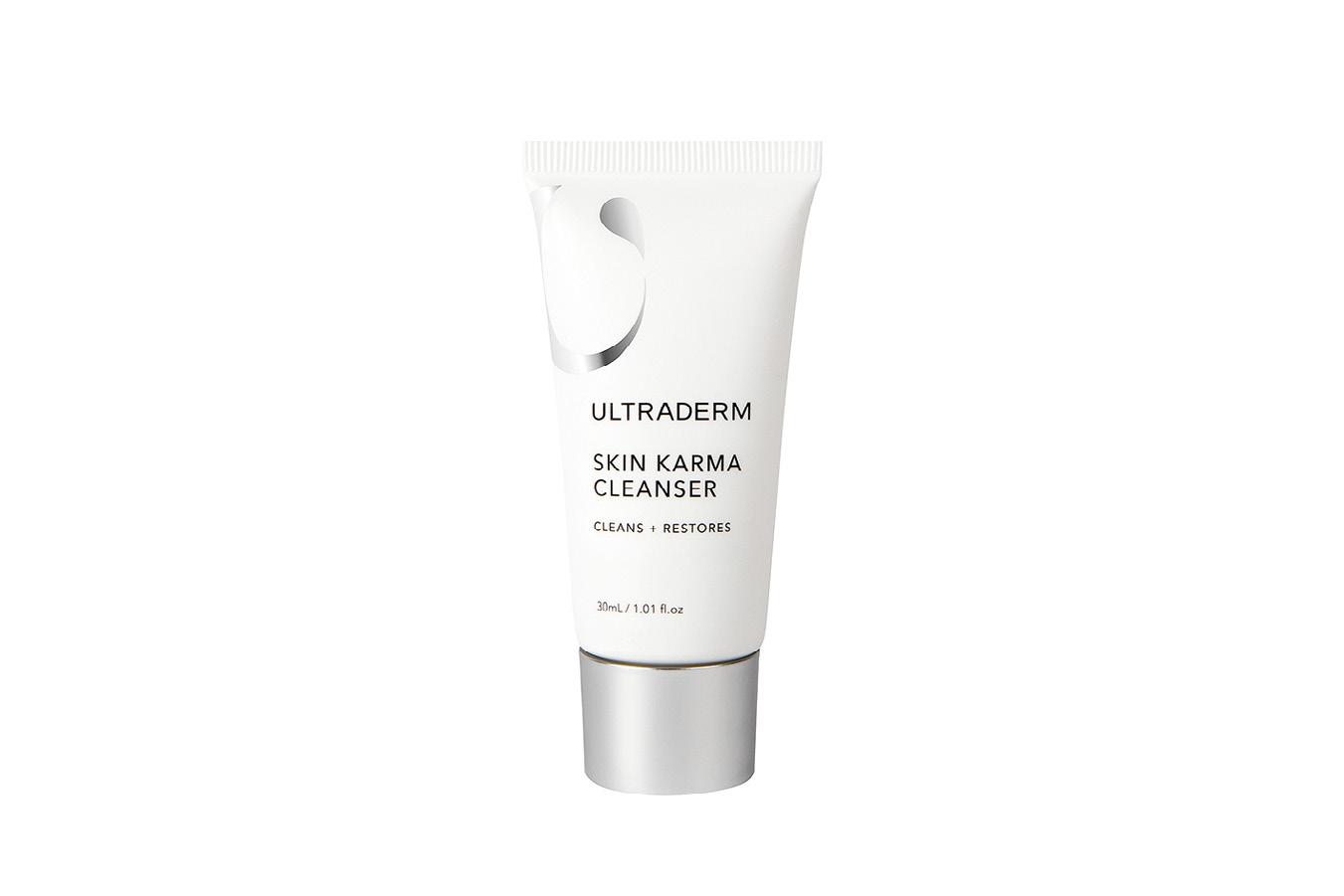


Ultraderm is a salon-only cosmeceutical skincare range that delivers optimum results. We offer a complete product range of active, in-salon professional and retail products for all skin types and conditions. This value for money product range is proudly Australian owned, operated and developed for our Australian climate and conditions. It is suited to all professional beauty businesses regardless of size as we have a broad product offering.
Why did you decide to re-brand last year?
Ultraderm is in its 14th year of business and we believe in being proactive and staying relevant in the evolving beauty industry to meet the needs of our salon partners and their end clients. We know this update will broaden our market and spread our messaging to a wider audience.
What does the re-brand entail?
This re-brand has consisted of an updated logo, tagline and the resultant packaging and marketing resource updates. We are also updating some of our marketing strategies and messaging to better align with our company’s mission and values.
Did any of the formulations change as well?
Yes, a few of our core products have also had formula ingredient modifications to further enhance their benefits and to take advantage of latest active ingredients that have become available.
Did the re-brand come with training sessions for existing stockists, i.e. are there new ways to communicate the brand to clients?
Yes, we have launched 2023 with interstate training so as to share all the upcoming changes. This is as well as our online and virtual training. We continue to refine our processes and means of business to business communication.
Has anything else changed that existing stockists should know about?
Ultraderm has always had a stockist and client rewards loyalty program. These will be revised in 2023.
Are there any new launches in the works for 2023?
Yes we have a couple of new products planned, one of which is launching in the first half of the year.
Aesthetics
Pauline Valle is the Founder of Ultraderm. ultraderm.com.au
After 14 years, Ultraderm has undergone a rebrand. We chat to PAULINE VALLE to learn more.
64 | SPA+CLINIC
“This value for money product range is proudly Australian owned, operated and developed for our Australian climate and conditions.”
Skinimalism Trends That Will Take Off In 2023
According to ROHAN WIDDISON , CEO of New Laboratories
Post-COVID, the hottest skincare trends are all about achieving a flawless base that showcases natural beauty to its best effect. Multi-tasking products are in, as time-strapped beauty lovers chase effortless beauty via nourishing and powerful formulations. From experimental products made popular by K-beauty leaders to barely-there sunscreens that nurture and protect the skin, scientific and organic cosmetics have become the go-to choices in every makeup lover’s arsenal.
As our understanding of the importance of skincare from the inside-out takes hold, multi-purpose cosmetics have taken on a new level of care by incorporating essential vitamins and minerals to ensure radiant skin is a reality day-in and day-out.
The pared-back aesthetic of radiant skin has morphed into the ultimate status symbol as beauty influencers work to build the best possible canvas for their favourite makeup looks without compromising their skin’s health. Pore clogging, heavy foundation is out; as skincare, healthcare, and beauty continue to converge, expect to see even more high-tech formulations on beauty shelves all over the world.
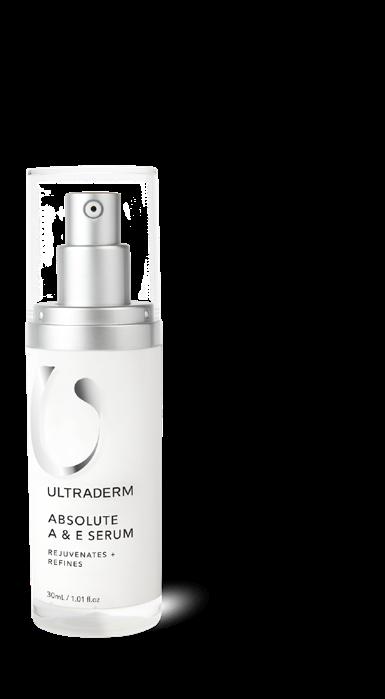
Modern skinimalist products are touted to achieve amazing results in new and novel formats like the multi-benefit waterless skincare and makeup products surging in popularity in Asia at the moment. Skinimalist products will also accommodate diverse skin tones and mature skin tones as skincare trends towards personalisation.

The simplification of product offerings is another big theme in 2023 as beauty enthusiasts eschew multi-step skincare in favour of workhorses that do it all. Light and absorbent textures, organic, edible-grade ingredients work in tandem to protect the delicate skin barrier and correct common concerns like dryness, wrinkles, blemishes, and redness.

Most importantly, the products of 2023 are gentle. In place of stripping back the skin’s oils via rough exfoliation, skinimalist products work incrementally to change the skin’s properties over time. Think chemical exfoliants in place of apricot scrubs, plant-based but powerful face oils, serums, under eye balms and tints instead of harsher formulations. Not only do these products cut down on the skincare routine, they also help achieve maximum hydration and glow with minimal damage.
✓ Australian cosmeceutical range
✓ Results driven skincare


✓ Select 7 Skin Peel System

✓ Great price point and markup
✓ Annual marketing planner in place with regular promotional activity
✓ UltraRewards - Client Loyalty Program


✓ Staff skincare rewards
✓ Flexible opening orders
✓ Regular salon training
✓ Easy to use and recommend for retail
1300 660 297

Aesthetics
ultraderm.com.au Find us on Be a part of Australia’s fastest growing salon brand
Dermalogica PRO – Made For Skin Professionals
Dermalogica PRO’s range offers everything dermal therapists, nurses, and doctors need to achieve outstanding results for their patients.
Dermalogica is without a doubt one of the longest standing skincare brands, breaking into the market in 1983 and continuing to deliver groundbreaking retail products ever since. Dermalogica’s exclusive professional-only range, Dermalogica PRO, features robust, trusted and effective formulas with proven results, clinical outcomes and efficacious treatments. Partnered with the skin health experts at The International Dermal Institute (IDI), Dermalogica ensures that each professional-use product and treatment is researched well to deliver real results to practitioners and their clients.
With over 50 formulas, from peels and masques to moisturisers and serums, the Dermalogica PRO range covers the entire patient journey, from prep to procedure to post care. With the goal of powering up treatment rooms, the radically innovative range of professional treatment products is fully customisable to suit each unique skin concern.
In order to continue to deliver the products and support clinics require, the Dermalogica PRO range includes protocols combining their professional-use products with the most popular in-clinic treatments, from RF microneedling to cosmetic injectables. The Dermalogica PRO range also includes advanced and targeted treatments, and when clinics partner with Dermalogica PRO, they can expect best-in-class education with their award-winning curriculum, either in-person, online, live streamed or on-demand.
We sat down with Sarah Hughes, Mediclinic Training Manager to discover why the Dermalogica PRO range is an obvious choice for skin therapists searching for custom skin care solutions that work.
How does Dermalogica PRO support clinics and therapists with ongoing education?
At Dermalogica we pride ourselves on our education. In fact, we began our journey as an educational company, the International Dermal
Institute, a post graduate training company supporting skin therapists. Dermalogica was born a few years later with the desire to provide skin therapists with best-in-class skin care products and education. We’re dedicated to creating educational opportunities that put skin therapists at the leading edge of the industry. Our award-winning curriculum includes innovative classes, either in-person, online, live streamed or on-demand. For our clinic partners, we have a full curriculum supporting therapists with both their professional skin treatments and homecare prescriptions. Therapists can take a variety of different workshops covering all skin conditions from ageing to pigmentation and how to achieve the best results through clinical practice and homecare.
How is Dermalogica PRO’s professional range different from the retail range we all know and love?
Dermalogica has always been about the professional skin therapist. Our goal is to ensure that our therapists can achieve outstanding results with their in-clinic treatments. We provide our therapists with thorough training in how to perform treatments as well as providing outstanding potent professional products. Our professional range is fully customisable to enable skin therapists to treat the individual client’s needs while also being incredibly powerful and able to deliver on results. None of the Dermalogica professional-use-only products are made available to the public. This means skin therapists have exclusive access to the most robust, trusted and effective professional product system in the industry.
Why have the Dermalogica PRO Services become a must-have for leading skin clinics?

We’re committed to bringing state-of-the art modalities, products and treatments that give skin therapists, and clients, great results. The Dermalogica PRO services architecture stretches across customised,

SPONSORED
66 | SPA+CLINIC
targeted and advanced treatments. Our range of services is unique in that it is a fully customisable range that can even be combined with the most popular devices treatments like lasers, microneedling, radio frequency and more. After completing a thorough skin assessment, Dermalogica therapists have a wide range of products to choose from to ensure they deliver outstanding results. Dermalogica’s PRO products are active and some of the most potent formulas available to skin therapists. This means that when a client comes to a Dermalogica therapist, they will achieve their skin goals. Our services are an integral part of support for your business growth and success; Dermalogica skin treatments not only deliver results for your clients but also for your business.
What’s next for the PRO range? What innovations can we expect from Dermalogica?
Dermalogica PRO, is always developing ways to help you meet your patient’s needs in the treatment room. That is why we are extending our chemical peels range:

• First with Salicylic acid 15% gel peel that will launch on May 8th, it is the first peel formulated to work on skin despite skin conditions like blemishes linked to inflamed breakouts, pustules, papules, ingrown hair, impaired barrier, comedones, scarring tissue or keloids. Salicylic acid 15% gel peel helps reduce redness and irritation caused by skin imperfections and decreases sebum production. Its high concentration of Salicylic acid (15%) provides effective exfoliation and minimises skin aggravation experienced in skin imperfections. Mushroom Extract provides instant soothing and skin comfort while helping to reduce skin redness. White Shitake Mushroom brightens and helps even skin tone. Salicylic Acid 15% Gel Peel is your new go-to for patients with active, sensitised blemishes.
• Later in the year 2023 we will launch a professional peel accelerator, formulated with a professional strength retinol complex, it accelerates cell turnover, increases treatment strength and triggers skin to flake post-chemical peel. It is an effective yet safe product to trigger a light flaking post-treatment. Whether you target clogged pores, ageing or

pigmentation concerns with a chemical peel or professional exfoliation treatment, this new peel accelerator helps accelerate results.
• Then by the end of the year, Dermalogica Pro will launch a powerful clinical strength program to fade dark spots, smooth texture and decrease appearance of hyperpigmentation. This program will be effective and safe on all skin tones to reduce accumulated environmental damages and reveal a fresh bright skin for a transformative experience.
How does Dermalogica plan to keep expanding the brand to continue delivering the next must-have protocols?
We’re committed to bringing you state-of-the-art modalities, products and treatments for every client’s skin- and we do it by listening to what you need in the treatment room. We train and work with thousands of dermal therapists and medical practitioners across the globe, and many of our product and treatment ideas begin with them. We don’t follow fleeting trends or buy into gimmicks – we find out what skin therapists, medical practitioners and clients need, then work with the best skincare researchers in the field to bring it to life.
We partner with the skin health experts at The International Dermal Institute (IDI) to develop pioneering, technologically advanced products and protocols that give you, and your patients, real results. Dermalogica’s doctors and leading chemists work onsite in our research and development laboratory within our head office in Carson, California, to create our unrivalled professional innovations. It is here that science meets innovation and education.
Dermalogica PRO is engineered to equip the dermal therapist, nurse, or doctor with efficacious treatments and products with proven results, and having a strong focus on clinical outcomes, supplemented with active post care formulas. That is why we will keep conducting clinical studies on our advanced products and protocols to give you an unparalleled advantage in the skin care industry.
To find out more, visit our website dermalogica.com.au/pages/become-a-stockist
SPONSORED
spaandclinic.com.au | 67
The Magic of Thalgo
Joanne, how long have you been working for Thalgo and what makes this spa brand stand out?
I have been working for the Thalgo brand for 19 years as International Training Directrice. Thalgo is a French, family-owned, Marine Cosmetics brand that has been distributing Marine cosmetics for nearly 60 years. Thalgo was created in 1964 by a visionary pharmacist, André Bouclet, who was passionate about the regenerating power of the sea. Thalgo products are made in the South of France on the French Riviera. Thalgo’s recently built Clean Factory produces products for thalassotherapy centres salons, spas, clinics, in over 90 countries in the world. The aim of Thalgo is to offer 360° Marine Efficacy and wellbeing to all.
Thalgo believes in an “In-Out” concept where we treat from “outside-in” with our face and body treatments and products, and from “”inside-out” with our extensive range of Marine Nutri-cosmetics. Although Thalgo is a very manual/touch brand, we are aware that for certain beauty results, in particular anti-ageing, devices are required. This is why Thalgo is launching the iBeauty Pro device to enhance facial results with four cutting edge technologies in one device. Thalgo leverages its dual anchor points of Pharmacy and Mediterranean to infuse marine energy through products and treatment protocols that revitalise body and mind for luminous beauty.
What makes a Thalgo treatment special?
The five senses are stimulated throughout Thalgo beauty treatments. The client is reminded of the sea at every step of the treatment, starting with Eveil à la Mer (Discovery of the Sea) welcome massage, where the client will hear the sound of the sea whilst the therapist gently caresses the head and creates the sound of the waves, to when the client is gently awoken
with “Reveil à la mer (Awakening to the Sea) with gentle wave-like rocking/cradling movements.
Thalgo’s Revitalising 4-step method (Immerse, Energise, Correct and Reveal), inspired by the benefits of the sea, structures all Thalgo’s face and body treatments. Thalgo have three facial massage techniques to treat all skin needs, which include the new Face Fitness-inspired massage technique with the Face Fitness Roller Duo to enhance facial firming, anti-wrinkle and radiance. And for step 2, there is the iconic “Energlift” massage technique, a literal manual face lift. Finally, Thalgo is very much a manual/touch brand but we are aware that for certain beauty results, in particular anti-ageing, devices are required. This is why Thalgo is launching the iBeauty Pro device to enhance facial beauty needs with four cutting edge technologies in one device.
How does Thalgo ensure that spas around the world perform these treatments the way they are intended to and how does Thalgo pick the right stockist/spa?


Thalgo has a team of Business Development Managers who are in charge of finding “the” ideal exclusive distributor for each country, which here in Australia is BLC – whom we have a very longstanding relationship with.
Thalgo has a team of International Trainers that travel to all five continents to train Thalgo head trainers and teams to assure that the protocols are perfectly delivered and respected. Regular “Master” training sessions are organised to bring together head trainers from all over the world to the French Riviera to our training academy, where they learn to perfectly perform all new Thalgo facial and body treatments as well as prescribe the essential retail products to continue the marine efficacy and wellness experience at home.

Aesthetics
If you’ve ever had a Thalgo treatment, you know it’s special. We chat with Thalgo’s International Training JOANNE COCHRANE , to uncover what makes the brand’s treatments stand out.
Joanne Cochran performing a Thalgo facial at a media event in Sydney
68 | SPA+CLINIC
Joanne Cochrane (left) with team SPA+CLINIC at the Sydney launch event
S C A R R I N G S O L U T I O N S
SURGICAL SCARRING SOLUTIONS WITH INÍGO COSMETIC
Discover Inígo Cosmetic, Brisbane's luxury cosmetic surgery and medispa clinic, situated in the vibrant James St precinct


When it comes to surgical scarring, Inígo Cosmetic prioritises safety, satisfaction, comfort and results, with technology that brings an individualised multi-modality approach, featuring Healite, Morpheus8, Dermapen and Lumecca IPL
These devices were developed to help reduce inflammation, stimulate collagen, revise and remodel scar tissue as well as improve vascular scarring
IG: @inigo_cosmetic FB: Inigo Cosmetic
All surgical and non-surgical procedures carry risks. Results, risks and recovery will vary from patient to patient. www.inigocosmetic.com.au |1300 884 577 | 184 Robertson steet, Fortitude Valley, QLD, 4006
Seasonal DELIGHTS

Sydney’s newest spa destination, the Sofitel Spa Darling Harbour, offers a holistic approach to wellness centred around the four seasons. NADINE DILONG shares her experience.


Iremember being surprised when the Sofitel Sydney opened without a spa a few years ago – what a missed opportunity, I thought. Fast forward to 2023 and the French hotel has redeemed itself, adding one of the most anticipated luxury spas to its offering, Sofitel Spa Darling Harbour. I was lucky to be one of the first guests to experience a Waterlily body treatment at the spa, which is located on level four with sweeping views over Darling Harbour from many of its treatment rooms, the reception area, as well as the post-treatment lounge.
The design of the spa is bright and airy, with lots of soft timbers, sandstone and marble finishes, and Australian made furnishings. With seven spacious treatment rooms including two suites beautifully designed by award-winning design firm, PikeWithers, the spa is spacious and modern. As I walk into the reception area, two things strike me: The scent of cinnamon in the air and the beautiful orange poppy floral arrangements everywhere. Spa Director Cecilia Ferreyra welcomes me and tells me that this is part of the spa’s seasonal concept, in which the treatments, scents, décor, bedding, as well as the food and drinks served will change every season. Being in Autumn, it is all about deep oranges and reds, pumpkin and cinnamon, and a feeling of coziness.
I am guided to my treatment room, which includes a stunning bathroom for me to change in (and later on, wash off the body scrub), and my therapist Samantha goes over my consultation form with me. She tells me we can make the room darker if I want to, and that the treatment bed is heated and can also be adjusted to my liking.
The 90-minute Lemongrass & Citrus wrap starts with a full body scrub Samantha applies to my arms and back first, then my legs, and after I turn over, she asks me if I would like my chest and stomach scrubbed – a fine detail I appreciated as not everyone feels comfortable being touched in those areas. I am then cocooned in several layers of sheets and towels before Samantha indulges me in a nice, long scalp massage – bliss!
I’d like to make a special mention of the luxurious towels at the Sofitel Spa, which are not only huge so you can really
Spa Hotspot
70 | SPA+CLINIC
Sofitel Spa’s pre- and post-treatment lounge
wrap your entire body in them, but they’re also soft AND absorbent. Wrapped in my new favourite towels, I am guided to the bathroom where a large shower invites me to wash off the scrub before making my way back to a freshly made treatment bed ready for my massage.

The Waterlily products, which were specifically created for the Sofitel, feel luxurious on the skin. The body oil used for my massage, or Autumn Body Serum, as it’s called, is a blend of Nerolina, Blue Gum Eucalyptus, Rosewood, Sandalwood, Mandarin, and Cedarwood Atlas. I am not exaggerating when I say I have never felt a product as smooth, almost like honey, but without being sticky. My therapist massages the body serum with firm strokes, alleviating some muscle tension I had and making me deeply relax.
After my 90 minutes of body-bliss, a healthy snack and tea await me in the lounge area, again, Autumn themed. Pumpkin, apple, and cinnamon make up the healthy treat and, oh my goodness, it was so delicious, I considered asking for another one, but stopped myself. Seasonal food plays a big role in the Sofitel Spa’s offering, as it’s part of their four pillars: Movement, Nourishment, Care, and Rest. Guests can book a half-day wellness journey, which includes activities, such as swimming or a Peloton session, a spa treatment, a healthy meal, and meditation or mindful mandala colouring. It’s a move towards more holistic treatments and away from ‘quick fixes’, which is something I support in every way. I can’t wait to see what the Sofitel Spa Winter theme will look like – I’ll be back next season!

Spa Hotspot
spaandclinic.com.au | 71
The double treatment room offers breathtaking views over Darling Harbour
Here Is Why Luxury Spas Are Choosing Tavalon Tea Range to Enhance Their Guest Experience
Tea has long been associated with relaxation and the promotion of wellness. It has become an essential component of the luxury spa experience, enhancing guests’ overall wellbeing and satisfaction. When it comes to the ultimate guest experience, the tea brand of choice for many luxury spas and 5-star hotels around Australia is Tavalon - offering a wide range of unique tea blends, handcrafted by a world-class tea sommelier using the finest ingredients sourced from around the world, known for supreme aroma, rich flavours, distinct clean body, and quality unlike any tea experience you’ve had before.
Tavalon has exclusive spa partnerships with over 70 locations across Australia, such as Chuan Spa at the Langham Gold Coast, Chi Spa at the Shangri-La Sydney, The Heavenly Spa at the Westin Brisbane, and City Cave Wellness Centres.
The main focus from Tavalon is on creating a premium product that not only elevates the overall spa experience but also improve clients’ experience. Beautifully packaged in an elegant display box, Tavalon brings an element of glamour to beverage offerings. (Image: Tavalon Tea)

According to the Chuan Spa team at the Langham Gold Coast, the tea range is an imperative part of their treatment
journey for spa guests. Their guests are guided through a questionnaire to determine which of the Five Elements theory best aligns with their experience. After their treatment, they are invited to relax in dream pods while sipping a soothing Tavalon tea flavour that reflects their identified element.

SPONSORED
A perfect way for spas to enhance guest relaxation and rejuvenation, with an added luxurious touch.
72 | SPA+CLINIC
Tavalon Tea is served at The Langham, Gold Coast
“We believe that drinking Tavalon tea is an essential component of our luxury spa experience, as it allows guests to benefit from the natural antioxidants that are vital to destress and relax. Tavalon Tea has also proven to be a very popular item in our retail store, with a number of flavours available for purchase,” says Emma Sirett, Spa Manager at The Langham Gold Coast.
This is just one example of how Tavalon tea can be incorporated into a luxury spa experience to promote relaxation and wellbeing. Tavalon’s high concentration of antioxidants can help guests to de-stress, unwind, and relax, making it an ideal addition to any spa treatment.
“Our Chi Spa Shangri-La Guests often ask what tea was served after their spa treatments,” says Larissa Cantafio, Director of Spa at The Shangri-La, Sydney. “Our best seller is the Serenity loose leaf by Tavalon Tea. A relaxing caffeinefree herbal blend consisting of Chamomile, Peppermint, Lemongrass, Rooibos and Vanilla.
Our Spa treatment menu at Shangri-La Sydney is designed to encompass all the elements of a sensory experience, from touch, taste, smell and sound that ensure our luxurious products deliver beautiful and memorable experiences to our guests.
When it comes to the sensory element of taste, Tavalon was the perfect choice, it’s a supreme and high quality tea that tastes unique and contains a mix of herbs and antioxidants to heal and relax the body and mind.”
City Cave Wellness Centres are an exclusive partner of Tavalon Tea, and have opted to match their company branding with the herbal blends to offer a unique and bespoke experience for guests.

“At City Cave, we believe that every detail matters when it comes to our client’s wellness journeys. That’s why we’ve chosen to partner with Tavalon, a premium tea brand that shares our commitment to quality and wellbeing,” the City Cave team say. “We believe that offering Tavalon teas to our clients is the perfect way to complement their City
Cave experiences and supports their overall wellness goals. Whether a client is looking to relax, detox or boost their immune system, we have a Tavalon tea blend to achieve their wellness objectives. An extra bonus - they are delicious!”
Tavalon works with spa partners to understand their individual business needs, creating specialised wellness ranges or custom herbal blends depending on the minimum quantity. By incorporating Tavalon tea into their spa experiences, luxury and destination spas can offer their guests a truly unique and beneficial experience. Tavalon is more than just a beverage to consume, but is a story to tell, a memory to share, and a moment to revel in.
If you’re interested in knowing how you can elevate your tea offering and delight your spa guests with a luxury experience, check out tavalon.com.au/pages/wholesale


Website: www.tavalon.com.au
Email: wholesale@tavalon.com.au
Phone: 1300 892 703
SPONSORED
spaandclinic.com.au | 73
City Cave have added their branding to the Tavalon Tea range

Social Self-Care Is Here To Save Us
In the US, social wellness club chain Remedy Place is revolutionising how people take care of themselves.
NADINE DILONG talks to its Founder, DR JONATHAN LEARY

Dr Leary, if you had to describe what Remedy Place is to someone that is not particularly familiar with wellness offerings, what would you say?
Remedy Place is the world’s first social wellness club. We are not a gym, we are not a spa, we are not a med-spa and we do not focus on beauty. Our full focus is on self-care with a social twist. Furthermore, our club’s environments are designed to heal, meaning that we use our spaces to start the healing process from the moment you walk in. On top of that we make sure we offer an unparalleled experience that allows each one of our remedies to be done in pairs or groups. That way you can enjoy the club together, whether it is a date, a meeting, an afterwork hangout, birthday or a full on event, etc.

In short, our prime focus is on holistic self-care, our experiences are built around doing things together instead of by yourself and our environment/design is part of our healing process.
What made you believe in this concept?
I have been working on Remedy Place since 2012. It was always my dream practice idea from the moment I started my business plan. I knew that I wanted to create something different from anything else out there and I wanted to cultivate an environment different from anything else I saw in normal healthcare.
Previously, when volunteering in hospitals during my pre-med studies I saw the chaos and stress constantly (not only for the patients but also for the doctors and hospital staff) and I knew there was a huge opportunity for improvement.
At the end of 2015 I completed the original business plan during my four years of doctorate studies, but when it came time for funding I quickly found out business loans were not an option. I was then forced to pivot and then opened my own concierge practice, which I had for five years before the first club opened. During this time period I constantly updated the business plan after listening to my patients, seeing what worked, what didn’t work, what they were willing to change, what they were not, what stressors they all experienced, etc. This data and clinical evidence shaped the foundation of Remedy Place and put me in the perfect position to look at all of the issues I saw in the industry, and then create the solutions to them while making sure it was also a smart business.
In short, my findings were: environment plays a major role in the healing process (based on the quick success in my patients’ homes), alternative medicine, preventative care and lifestyle changes were the only way to fix the root cause of my patients’ health issues (based on over 1,200 patient success stories over the years) and lastly almost every single patient I had said because of their healthier lifestyle changes they felt restricted and sometimes lonely because it restricted their social life.
The solution: make self-care a regular practice, make an environment that is designed to heal and make it social (so we can enhance their health and social life at the same time).
Wellness
Dr Jonathan Leary, Founder of Remedy Place
76 | SPA+CLINIC
What are some of the offerings that can be done in groups at Remedy Place?
Remedy Place is a social wellness club so everything in the space is designed to be experienced with someone else, but you can also experience everything alone.


Our most famous experience is our breathwork ice bath class. As the first place in the world to offer commercialised breathwork ice bath classes, this has been a huge hit for us! We have over a million views on our Remedy Place TikTok. Check out our social channels to look inside our guests’ favorite social self-care experience @remedyplace.
The club also offers scheduled events, like non-alcoholic happy hours, that create different social moments for people to gather.
Why is this social aspect so important?
We have known for a long time that there is correlation between isolation and mental health, but due to the pandemic now we have seen the effects of isolation on physical health. Humans need to be around humans and that is why at Remedy Place we use human connection to enhance guests’ health and social lives at the same time. We call it Social Self-Care™ (Social self-care is the act of deepening human connection while simultaneously improving your overall health through meaningful experiences with others.)
How do you ensure the balance between social, comfortable environment and medical treatments?
Safety is our number one priority. Every single service has the option to be private and much more intimate. When designing the clubs it has always been done to ensure flexibility based on guests’ needs and wants. With that being said our focus is holistic self-care and preventive care, and less of treating medical conditions.
Who is the ‘average’ Remedy Place client and how often do they visit?
From a gender point of view it is almost 50/50. The largest majority
of guests fall within the 30-40 year old range, however, we have guests as young as 19 to guests in their 60s. All of our guests are people that prioritise their health, want to feel good and want to work on and develop themselves to be better. Some members come every single day, however, on average guests are coming in between 2-3x per week.
Do you have any plans to open locations outside the US?
Yes, our end goal is to have Remedy Place locations worldwide and to help make people feel better and allow them to take control of their health. We currently have other locations in the works!
There is a huge wellness market in Australia and I think people would be very receptive to the Remedy Place mission. Everyone in the world needs self-care, ways to offset stress and healthier ways to socialise! With that being said we have been asked many times to open there! I think it will eventually happen but in this early stage of the company a majority of our focus is to stay in the states!
Do you think we are truly taking our health and well-being more seriously now or could this just be a short-lived post-pandemic fad?
100%. Over the past ten years I have seen the shift to people realising they were the only ones that could make themselves healthy. Furthermore, people are realising there are a lot more things to do to take control of your health outside of nutrition and movement. The world is more sick and more stressed than ever and now we need to find more ways to counteract that!
This is not a fad, the one good thing that came out of this tragedy was the awareness of our health and how to take care of ourselves on a global scale. This was the light switch the world needed to have to shift its perspective on health.
Wellness
Dr. Jonathan Leary is the founder and CEO of Remedy Place. Remedyplace.com
spaandclinic.com.au | 77
Remedy Place encourages people to gather
The Deadly Gender Healthcare Gap
Aradhana Khowala, CEO & Founder of Aptimind Partners, a consultancy focused on regenerative tourism is a strategy expert in travel, hospitality, diversity and inclusion along with women’s health. She is speaking truth, busting taboos and advocating in the Femtech space and showcasing the billions of dollars to be made in the process.
A truly dynamic presentation focusing on periods, menopause and vaginas and the unease in including these topics in mainstream discussions, research, government funding and technology was given at last year’s Global Wellness Summit, and as she explained, this gender disparity in health and wellness is deadly.
If you think the gender gap in healthcare is no big deal, think again. The numbers are frightening. Only 1% of overall global pharma research is dedicated to solving issues for women despite being 51% of the population. Merely 4% is spent on global research for women’s health and wellness issues and accounts for a meagre 2.5% of all public funding.
This was not so much a presentation, more an intervention. Aradhana accuses the medical profession of gas lighting women; which is exactly what happens when doctors dismiss concerns, don’t take pain or discomfort seriously and underplay symptoms from presenting females. Data points show that women are less likely than men to be given a treatment, have their pain taken seriously or even be afforded a diagnosis.
And to back up her point, she presented us with some sobering statistics. On average, women get diagnosed later than men in over 700 diseases (4.5 years later for cancer and 2.5 years later for diabetes). Her research also shows that:
• 45% of women suffer from specific chronic conditions that can be prevented
• 9 out of 10 women suffer from period pain yet no localised treatment exists
• 73% of women don’t treat their menopause symptoms
• And 20 – 30% of women stop taking the pill because of concerns around side effects that are not being addressed. Incidentally, the pill hasn’t been improved upon since the sexual revolution in the 1950’s and 60’s.

Staggering still, women were only allowed to participate in pharmaceutical clinical trials as recently as 1993. Think about that. In effect all over-the-counter medicine we’ve been taking has not been designed for or tested on the physiology of women. For decades it’s been assumed that what worked on men also worked on female physiology. Male bodies continue to be the default in clinical trials today, even the standard lab rat is a male!
Despite all of the gender disparity experienced by women today, Aradhana feels the gender gap in health is the most dangerous of all. There is a 50% probability that women will get misdiagnosed in the event of cardiovascular event like a heart attack and 47% of women are more like to suffer severe injuries in car crashes because cars are designed for men. Her personal favourite? Addyi-Viagra which is created for women but continues to be tested on males.
This is a loud call for investors to bust taboos around what she believes to be a billion dollar business opportunity. The lack of funding is shocking and investors are still mainly men. The prospect of female start up present a tremendous opportunity which have till now historically been ignored. Femtech start-ups are becoming unicorns. In just 2021, Femtech entrepreurs raised $2.5b. In 2020 the Femtech market size was $40b which is set to grow.
Sharon Handelman also advocates for the renewed focus on women’s health. She is Healthcare and Ageing Business Development Manager for Sompo Digital Lab Tel Aviv, an insurance industry innovator collaborating with start-ups, research institutions and government organisations to create technology solutions for wellness. “Women are being ignored biologically, yet we are responsible for 80% of the families’ health decision. If we keep women healthier, we keep societies healthier and thereby the economy.”
She shows how 500 million women are suffering globally by lack of female health care products and this does not just apply to third world countries. In the US, 17 million women lack access to hygiene product which accounts for 60 days of missed work or school per year.
The Femtech industry is young. The name was coined as recently as 2016 by a company called Clue. The Femtech industry will be worth at least $100b by 2030. One of the areas gaining momentum is around menopause. The cost of menopause to our society is huge. One in four women consider leaving work because of the impact of symptoms, one in eight can’t function at work. Sharon says, “change demands we change the conversation around education, government priority, funding and of societal taboos and make these health challenges mainstream.”
Michelle Reeve is the Founder and Formulator of Waterlily Skincare. She is an industry thought leader, speaker, and guest contributor.

Wellness
Femtech is a growing sector, but we still have a long way to go when it comes to women’s health, says MICHELLE REEVE
78 | SPA+CLINIC
Disrupting Ageism, One Woman At A Time
NADINE
Scarlett, why do you think it is that women over 50 tend to feel lost/disempowered?
When you turn 50 years old, it’s like you cross the line to being closer to the end of your life and a fear and uncertainty steps in. By this stage, women in their 50s are either divorced and finding it hard to step back into the career they left behind before children OR they are feeling invisible and vulnerable because of signs of ageing. In fact, it’s very common that women 50+ are invisible by both men and women. Media surrounds us with images of young and beautiful women and throws products and devices constantly at us to ‘fix’ our ageing and look ‘ageless’. The reality is that you will never look 30, you may look great for your age, but it’s not going to stop the fact that we will all age.
What made you create AGERICH?
AGERICH is my lifestyle brand designed to support and enrich the lives of women 50+ by offering workshops, one on one sessions with me, remedy kits and rich content such as blog posts, podcast interviews, and a magazine. I always felt the word ageless was not quite right, we do age and we sit in a place of denial by believing that we can fight nature. I suddenly thought we are not less than, we get richer with wisdom, experience, skills and every line on our face does tell a story and in fact certain naturopaths will share that the lines do reflect the history of our life. I thought, ‘Yes we are ageRICH, not ageLESS.’ So I set out to create a new word AGERICH, and my vision is that it takes hold and inspires us all to reframe our own unconscious bias to ageing.
How can wellness practitioners and places like spas create a safe space for women over 50?
The most important things you can give a women over 50 is your attention. Being invisible is such a big issue for so many women of this age, I recently interviewed a 50+ woman for my podcast and she
shared how her friend used to go to the hairdresser with her daughter, she was 60 and her daughter 35 with exactly the same hair and both of them very attractive. The hairdresser always takes a photo of her daughter, not the mother – every time. This is a classic case of feeling invisible and a missed opportunity by the salon! I would make sure you show that you value women over 50, not only coming to your spa but including them in anything that says you are proud to have them in your spa. Also don’t assume they can’t do things, so many people assume that they need help with technology or other things deemed ‘for a young person’, notice your own bias and notice if you are belittling them in your language without realising. Respect and empathy is key for any business servicing women over 50.
What kind of treatments can empower women over 50?

As a business person, you must know that women over 50 have the biggest spending potential, yes? They have more disposable income, they are wanting to nurture and support their beauty regimes because they are feeling more vulnerable than ever, so get excited that you have the ability to get a great deal of business if you show that you respect and value who they are. Therefore, available treatments are huge! Personally I like to go to someone who takes the time and care to look after me and make me feel comfortable physically and emotionally. Nails (both SNL and normal are huge), facials, Omnilux is very popular, Lyma (I’m trying myself lol). I feel like anti-wrinkle injections are not as popular as you get older, because firming and tightening becomes the focus. Anything with collagen or dermal fillers seems to be looked at and my latest treatment was a facial given with a belly and foot massage! Love it, it’s time to come up with a unique take on what you do now – think outside the box.
AGERICH is a lifestyle brand to embrace and empower the over-50 Woman. Agerich.co
WELLNESS
DILONG chats to SCARLETT VESPA on how the spa industry can improve for their more mature clientele.
spaandclinic.com.au | 79
955 Billion Reasons... To Take Retail Seriously
MICHELLE REEVE explains why retail needs to be a stronger focus in your spa or clinic.
These days health is at the heart of so many of our choices and consumers are more discerning, savvy and particular than ever. While many forecasters are indicating a financial downturn, the global wellness economy is growing at a striking rate of 9.9% per annum and is forecasted to be worth nearly $7 trillion USD in the year 2025.
When we break this down, we can see that consumers are currently spending around $955 billion USD on anti-ageing skin care products compared to just $68 billion USD on wellness treatments. Think about that, less than 10% of the consumer spend goes towards treatments with more than 90% of dollars dedicated to skin and personal care products. Now consider your own business model within your spa or clinic. How do you break down your revenue?

It’s no surprise that retail income in many spas accounts for less than 10% of total revenue, and yet increasing retail sales is both the hope and challenge for most spa and clinic owners. So, if the greater economy is showing us that consumers are prioritising their wellness and demanding skincare over treatments by a rate of 10:1, how then do we position ourselves to benefit as an industry?
A Change in Focus
What if we shifted our mindset and began to think about our spas, salons and clinics as retail destinations first? A place where skin prescriptions became the focus, complimented by a space where our guests could intensify results with ongoing skin and body rituals. This might feel like such a novel approach, yet as therapists and skin specialists we know that at least 80% of the results our guests seek come from the daily investment in quality professional grade home care products. So as skin professionals, why are we so queasy to
communicate this to our guests? Why isn’t a thoughtfully curated retail prescription promoted as a standard part of the treatment experience and ongoing skin journey?
Creating a Retail Culture
Creating a culture of homecare is built on the foundations of our business philosophy. Establishing an ethos where retail is the priority is a direct reflection on how our values are showcased, how we hire our team, host our guests and reward individual and team performance.
As an organisation, if our value is supporting our guests in achieving their skincare goals, then this needs to echo clearly through our chosen team and daily protocols. And it all starts with recruitment. Too many spas and salons focus on skills during the interview process, which for sure is important, but skills can be polished and mentored. If therapists’ values don’t align with the organisation then the impact on the organisation can be damaging. Retail as a productivity indicator means guests are invested in their treatment results, and committed to their life time skin journey with you as their partner.
Wellness
80 | SPA+CLINIC
(US$)
Revenue is a Function of Service
A great home care prescription is not about selling. It starts with how we greet our guest, the language we use to introduce the treatment, how we speak about and profile the brand, how we link the brand to treatment results, and essentially the time we take to clearly understand our guests’ skin goals. For our guest, it should feel like an investment, a partnership and an ongoing relationship with their very own skin expert.
If we elevate the guest experience, deliver on their demands and exceed expectations, we create the trust and rapport that supports delivering an integrated homecare prescription. Creating a culture around a skin journey and not just about the appointment shows our investment in the long term results of our guests. This is where retail revenue becomes the metric for an invested therapist giving great service.
Destination Retail
By transforming our reception spaces into dedicated retail destinations, we showcase
Any time of day or night
our skin solutions in a way that inspires delight, interest and interaction. Does the brand you partner with share your ethos, is it results driven and does it create beautiful user experiences? Do they support you with generous campaigns and assets to create compelling marketing opportunities for your guests?


A focus on creating a strong retail strategy is holistic. Brand support, strong resources, ongoing training, compelling campaigns and carefully curated assets are as essential as budgets, KPI’s, forecasts and continual review. Consumers are invested in the long term health of their skin. Wellness has become the new luxury and it seems the growing wellness economy is inoculated against the stress of economic downturns, inflation and rising interest rates. How we as an industry step up to meet our guests retail demands is the $955 billion dollar question worth answering!
Michelle Reeve is the Founder and Formulator of Waterlily Skincare. She is an industry thought leader, speaker, and guest contributor.
magazine is quarterly but we’re available 24/7 across social media. From the latest spa openings to behind-the-scenes private launches of the latest products and services, SPA+CLINIC is your key to success. Connect with us now @SPAANDCLINIC @SPACLINICMAGAZINE http://bit.ly/SpaClinicLI Wellness
This
Meet The Team
You see them at conferences and on social media, now is the
to know the team at High Tech Medical a bit better
Joanna Karpinski Territory Manager, VIC/SA and National Educator for iS Clinical Australia


What do you love about your role and the aesthetics industry?
As a European trained, Paramedical Clinician, I’ve been working in the Aesthetic Medicine and Cosmeceutical professional sector for over 30 years. My passion for science, botany and biology is eminent. When introduced to Pharmaceutical Cosmeceutical brand iS Clinical, I was immediately drawn to its impeccable quality.
Why do you love working with a brand like iS CLINICAL?
Impressed with its philosophy and scientific validation, purity of medicinal actives and potency of compounded formulas, I was able to achieve serious clinical end point results instantly. Innovative and completely unbiased clinical studies, conducted as double and triple blinded protocols, on final, multitasking formulas, made me respectful of its prescriptive edge. Harnessing nature as a healer, this range is delivering actives without systemic absorption. Therefore iS Clinical can be recommended for pregnant women, lactating mothers and oncology patients.
Samantha Lo Equipment Specialist, VIC/SA

What do you love about your role and the aesthetics industry?
Working at High Tech Medical gave me the best work family I could wish for with exciting cutting edge technologies. Their devices are either considered as game changers in their own category or offer a significant point of difference from others in the industry. Additionally, expertise training and after sales support is paramount for our company.
Which HTM device is your favourite and why?
ENDYMED 3DEEP Patented RF technology- Face, Neck and Body. Unlike any other RF device, ENDYMED, via the use of 6 RF generators, have patented a unique delivery method known as 3DEEP Science. The technology is supported by a significant number of dermatology publications. Using the 3DEEP method, the RF energy is focused, controlled and homogeneously distributed to be pushed down in the three deep layers of the skin, while spearing the epidermis, to achieve higher temperatures for deep collagen remodelling. This results in greater patient comfort and a treatment time as fast as four minutes per area. I have worked with ENDYMED for over 10 years and all our doctors and clinics appreciate its superiority and consistency.
Mark Durkin Equipment Specialist, QLD/WA
What do you love about your role and the aesthetics industry?
I thoroughly enjoy helping practices elevate their service offerings through our stable of devices here at High Tech Medical. You can see the excitement from the staff when they are learning a new modality or delivery technique, but it is seeing patient results that really provides the most satisfaction. The aesthetics industry is chock full of smiling, engaged and positive people and it’s a privilege to call myself a member.
Which HTM device is your favourite and why?
Sofwave SUPERB- Proprietary next-generation non-surgical eyebrow, face and neck ultrasound technology. Unlike all other ultrasound technology, Sofwave is NOT delivered in HIFU mode but rather in SUPERB methodology. Using Synchronous Ultrasound Parallel Beam (SUPERB), the energy is deliberately delivered in the mid-dermis to offer the highest ultrasound coverage in the market to regenerate collagen, elastin and hyaluronic acid. Additionally, this allows Sofwave to be significantly more comfortable for patients with the use of an integrated skin cooling applicator, the utilisation of topical anesthetics and the lack of restriction to safely treat prime areas of concern, such as the temples and nasolabial folds. Sofwave has earned three FDA approvals as a technology that simultaneously lifts, tightens, offers textural improvements and reduction of fine lines and wrinkles in one session.
Annabelle Jamieson
Clinical Specialist, BSc - MSc (Biol)
What do you love about your role and the aesthetics industry?
I love that the team at High Tech Medical is like a big family of like-minded, caring and passionate people. Innovative and sciencebased technologies that will give the best results, in the saftest way to your clients is what we look for, to only provide the highest quality equipment to your clinics. The aesthetic industry has given me the opportunity to combine both passions: science - cell biology particularly – and making people feel good about themselves. I love helping people understand the impact of a treatment on the body, how it works at a cellular level and why we choose to work with a technology over another one.
Which HTM device is your favourite and why?
CoolPeel CO2 laser treatment by DEKA. We have a unique new way of delivering all the benefits of CO2 resurfacing without the limitations most other CO2 devices have, such as only being able to treat lighter Fitzpatrick skin types. Unique to DEKA, the CoolPeel Pulses produce a high energy and extremely short pulses with very little heat deposition. The sessions are completed within 10-15 minutes and no anaesthesia of any kind is required for the majority of patients. And YES, it’s suitable for all skin types. CoolPeel is ideal for doctors who are looking for a marketable, no downtime procedure for their patients to target concerns related to aged and sun damaged skin. Patients report significant improvements in lines and wrinkles, sun damaged, aged and tired looking skin, scarring, pore size and general skin tone and texture.
Technology
82 | SPA+CLINIC
time to get

SkinMTX Clinically Researched Formulation ® Elevate Your Aesthetic Practice With SkinMTX A perfect companion to your aesthetic practice, SkinMTX® pushes the boundaries of efficacy to offer high potency products that are specially designed and formulated to penetrate optimally into skin to achieve visible results. skinmtx.com.au | 1800 242 011 Optimal Efficacy, Superior Reliability, Clinically Proven Results Scan to Level Up
Your One-Stop Shop To Access The Latest Technology
Interested in a new device, but strapped for cash? Laseraid can help.
Growing your aesthetic business often means undertaking significant investments to access new technology. It’s not uncommon for aesthetic devices to cost six-figure amounts, which can make it challenging for small businesses to access new technology in order to compete with larger clinics. Since 2007, Laseraid have provided aesthetic laser clinic owners the opportunity to take that next step and introduce devices to your clients, without having to take out a mortgage.
Laseraid works with renowned device manufacturers, such as Candela, Lumenis, and Cynosure and provides the devices to you on a subscription-based model. What’s a subscription-based model? It’s where you can access new technology by making an affordable weekly payment inclusive of training, marketing support, service support and repairs. Essentially it is a ‘one-stop-shop’.
Not convinced? Let’s hear from Manscape Aesthetic Owner, Michael Elias, who purchased a Candela GentleLASE Pro with the help of Laseraid.
Michael, please tell us about your business, Manscape Aesthetics.
Manscape Aesthetics opened its doors with a vision of looking after all hair removal and skin needs with comfort, expert knowledge and experience. All our services are performed by trained staff that have extensive training and certification on each treatment. Our clinic is committed to offer the most advanced equipment in order to provide high quality treatments with optimal results.
At Manscape Aesthetics, we don’t make promises, we guarantee results. We understand the importance of self-image which enables individuals to feel confident on a daily basis, entailed by body image and appearance. Stereotypically, taking care of your skin and looking good is a ‘female’ thing, however, Manscape Aesthetics is created by a male to create a sense of comfort for males to also have treatments done by an experienced male therapist. Our clinic welcomes both male and female for skin treatments.
At Manscape Aesthetics, we offer
Laser Hair Removal, Hydrafacial, Teeth Whitening, and Dermapen Microneedling. Manscape Aesthetices opened in July 2020.
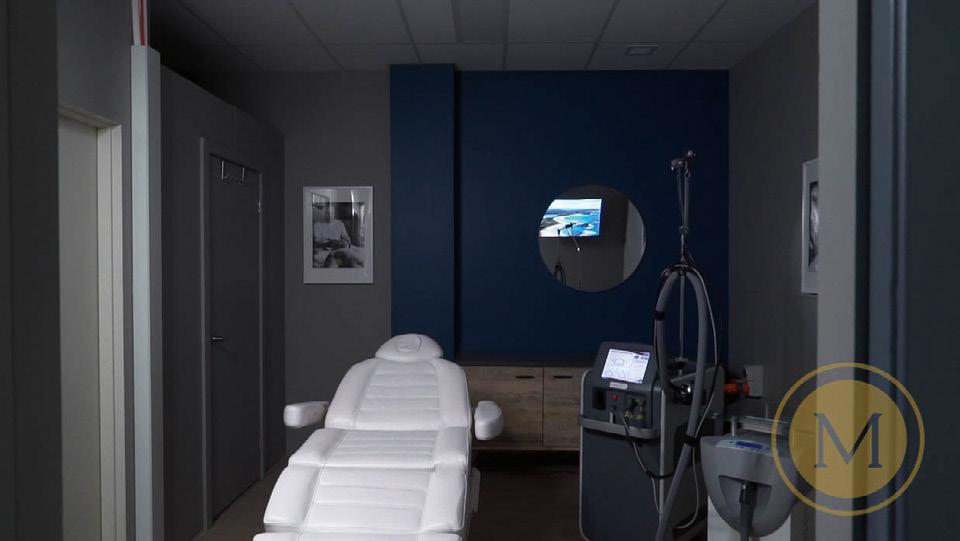
What was it like purchasing your first (big) device and how did Laseraid help?
Laseraid offers a subscription model, which simplifies accessing new devices. Firstly, we were able to pick from a selection of devices. Our staff then received all the necessary training for the devices selected. We then received marketing material from Laseraid, to assist promoting the device and corresponding services offered. The device was delivered per the agreed schedule and was commissioned so we could begin treating our clients. Laseraid was very helpful throughout the whole process, from the initial conversation of selecting and accessing the devices through to setting up and commissioning the devices. Moreover, Laseraid has helped us train our staff.
What kind of support do you get from them?
Laseraid provides around the clock, seven days a week service and support allowing us to receive immediate help when needed. They have also provided our staff with the necessary training to handle the devices and perform the treatments.
Is there any downside compared to purchasing directly from a brand or distributor?
There are no downsides, Laseraid has made the process simple and stress free, from the very start.
Would you recommend working with Laseraid to other clinic owners? Why?
I would recommend working with Laseraid, as they continuously support my business and allow me to grow the range of treatments that I am able to offer my clients. Laseraid offers a 3-month trial period, allowing clinics to test different devices and treatments. For more information, visit laseraid.com.au

Sponsored
84 | SPA+CLINIC
The New For More Than Platform


Hollywood Carbon Laser Peel

Dermatological Vascular Lesions
Benign Pigmented Lesions


Benign Cutaneous Lesions
Multi-Colour Tattoo Removal
Skin Resurfacing
Onychomycosis
Hair Removal

TWAIN IPL Nd:YAG 1064 nm Pulsed ROSSO 694 nm QS TWAIN 2940 nm Fractional DF Fractional HC NaturaPeel Nd:YAG 532 nm 1064 nm QS - OP aussie Contact Us on 1300 25 70 20 to know more
Why We Choose These Devices
Four medical practitioners tell us about their favourite High Tech Medical devices.


Jason Pozner, MD, Plastic Surgeon

Sofwave™ is the breakthrough ultrasound technology that meets the demands of our patients wanting non-invasive procedures that deliver real results with little to no downtime. Patients with mild to moderate skin laxity but not ready for a surgical facelift are the perfect candidate for Sofwave’s Synchronous Ultrasound Parallel technology, known as SUPERB™.
I was one of the first adopters of Sofwave™ because I believe in the science. Most patients were categorized as “improved” to “very much improved” after just one treatment session during the clinical studies. Sofwave™ is FDA-cleared to improve facial lines and wrinkles and to lift the brow, neck, and submental. Their latest FDA indication is for the improvement of cellulite, making Sofwave™ a cutting-edge technology for the face and the body.
Sofwave’s™ SUPERB™ technology is controlled, delivering seven parallel high-energy beams simultaneously in the mid dermis at precisely 1.5mm depth without risk of bone injury, facial fat, nerves, or blood vessels. The beams cover a larger area in half the time of other technologies. The controlled injury in the mid-dermis stimulates new collagen production, giving the skin an effective lift over three months.
Dr Saras Sundrum, Cosmetic Physician

We introduced the ONDA COOLWAVES SYSTEM into our clinic more than four years ago and it has proven to be a great success. We wanted an effective and and powerful device to treat cellulite as this was increasingly becoming something that our patients requested. Already we had developed a reputation as a body treatment centre as we knew that this area of cosmetic medicine was growing quickly and we were delighted with our ONDA device as we can simultaneously achieve fat reduction, treat cellulite and tighten skin with great comfort and high degrees of effectiveness.
This was very important to us, because if we could offer solutions to these common problem
SPONSORED
86 | SPA+CLINIC
“Most patients were categorized as “improved” to “very much improved” after just one treatment session during the clinical studies.”
areas for our patients, we could see us being very busy! In fact, I can’t think of any female patient of mine who wouldn’t want at least one area of her body treated by the ONDA. In summary, ONDA treatments are very popular in our clinic for the following reasons: no pain, it’s non invasive, it’s cost effective, it’s a quick treatment, there is no downtime and it can be used on many parts of the body. For me and my staff it works hand in hand with our other body devices, it is very easy to use and there are no consumables, so everybody is happy!
Dr Shobhan Manoharan, MBBS, FACD, Dermatologist and Laser Specialist

The Endymed unit was one of the first energybased devices that we purchased for our Brisbane Skin clinics and now we have four at our three locations. As a platform, it is an outstandingly versatile offering for our clinics covering medical and aesthetic treatments. The science and technology is rigorous and the safety profile is comforting.


Medically, it has become an essential part of our treatment protocols for acne and acne-scarring, traumatic and surgical scars, and laser-assisted drug delivery. For aesthetics, it is one of our preferred platforms for facial and body treatments, for overall rejuvenation and skin tightening. It allows us to treat challenging areas such as under-eyes with predictable results, and is often part of combination treatment plans alongside
The footprint on the Endymed units is small, and handpiece changes are simple, allowing for versatility in placement and handling. The Endymed RF is very user-friendly and delegatable, and the vast majority of treatments are performed by our nurses and therapists. The training process has been rapid, and our team feel extremely comfortable in utlising the system for varied indications with confidence and predictable results.

Dr. Michelle Rodrigues, MBBS (Hons), FACD, Dermatologist

CoolPeel provides my patients quick, painless treatment with minimal downtime that can stimulate long-lasting collagen production and remodelling for more youthful, naturally healthylooking skin. In the past, a week or two of downtime after fractional ablative laser was the norm. But CoolPeel has changed this.
Some redness is seen for a few days after treatment, but this can be easily covered, and my patients can get back to everything they love doing the next day. By adjusting the settings and independently altering power and pulse length, I can treat fine lines and wrinkles, signs of sun damage and lack-lustre skin. The fact that it can be safely used on all skin types by carefully curating the settings of the device is a bonus!
For more information on any of the devices, visit hightechmedical.com.au
SPONSORED
spaandclinic.com.au | 87
“For aesthetics, it is one of our preferred platforms for facial and body treatments, for overall rejuvenation and skin tightening.”
How triLift Complements My Skin Treatment Offering Perfectly
We all want to look refreshed, less tired, and overall rejuvenated. Lifting our facial muscles and optimising our skin health are the two main factors when it comes to nonsurgical rejuvenation treatments, and Lumenis’ new triLift technology is here to treat both!
The leading energy-based medical device company for aesthetic and eye care applications has launched triLift, which is the first treatment in the market to use Dynamic Muscle Stimulation (DMSt) in sequence with two other modalities. The technology works to tone healthy muscles, reduce facial wrinkles, and smooth and resurface the skin, achieving an effect similar to a facelift, through an entirely noninvasive method.
Unlike traditional electrical muscle stimulation and magnetic muscle stimulation, DMSt technology allows in-motion muscle stimulation, covering small to large areas. TriPollar RF and triFX Radiofrequency Microneedling then tighten the skin, smooth its texture and plump it by regenerating collagen and elastin.

We speak to two leading skin practitioners, who have found that triLift is the perfect addition to their clinic’s offering as it complements injectable treatments as well as other skin therapies to achieve their patients’ desired outcomes.
Dr Davin Lim, Dermatologist

Why have you decided to add Lumenis triLift to your clinic?
So, as a background, the practice first started with Lumenis equipment. It started off with the old Quantum IPL, which is still a bloody good IPL after 25 years. And then from there, we’ve added numerous Lumenis products. So, Lumenis from a company point of view has proven themselves in the medical arena. From there, it’s easy because I’ve got the confidence in the company that they’re not going to produce something that doesn’t work. triLift is a novel technology; it’s incorporating older technology, for example, radiofrequency, but updating the software and also adding the muscle stimulation, which I think is probably the way of the future.
This sort of technology where we’re treating the muscles, but also
SPONSORED
Lumenis’ skin rejuvenation and muscle lifting treatment, triLift, has proven to be a welcome addition to DR DAVIN LIM’S and DR VAN PARK’S clinics. Here, they explain why.
88 | SPA+CLINIC
treating the underlying skin and fascia, as well as the subcutaneous layers, with radiofrequency is very important—because I always believe when we’re talking about non-surgical, skin tightening and skin lifting, that we should treat all layers of the skin. It’s not just one layer, for example, doing a simple laser treatment. When we’re treating all layers of the skin using different approaches, that’s where the results lie. So, it marries in with and complements all the other procedures that we’re doing, including laser procedures. It’s not a substitute for them because we’re treating different fascia and different layers of the skin.

Can you walk us through understanding Dynamic Muscle Stimulation and how it works?
DMS (Dynamic Muscle Stimulation) is still new technology. And it’s still in its infancy. I think it’s probably one of the ways forward when it comes to providing part of that piece of the puzzle when it comes to lifting skin. The whole idea with this is to improve the resting tone of muscles. For the past three decades, as aesthetic physicians, we’ve been taught to relax muscles through neurotoxin. And suddenly we understand that there are certain muscle groups that are important for lifting. And hence, it’s the balance between lifting and relaxing that probably gives you the best outcomes.
Is that why you find triLift an effective technology for facial rejuvenation on a wider level?
This forms a part of the puzzle. How I approach DMSt and RF is part of a puzzle and part of a treatment program for patients. It’s targeting muscles to lift and it’s causing a contraction and regeneration of collagen to help firm up skin.
What has been your personal experience with triLift if so far?
The technology itself is sound. It’s proven technology. If you apply it correctly and have patients with really realistic expectations, the pickup rate is high, but importantly, the satisfaction rate is very high as well. So, it’s part of a patient’s overall treatment. It does not substitute a surgical facelift. It does not provide the same kind of skin tightening as an ablative laser resurfacing procedure. But it is a procedure where suitable patients will get firmer skin and they may get some lifting in key areas without the need for surgery, nor the long downtime of laser resurfacing.
Dr
Van Park,
Cosmetic Physician
What treatments are offered at your clinic currently?
The clinic currently is very injectable heavy in general. In my industry, I am known for my aesthetic eye and use of injectables to shift proportions and contours. The skin side was just side hustle. However, over the years, I realised that skin was also, if not more important in the overall outcome of how someone looks. That is why I am now also placing a big focus on expanding our skin offering with devices and other treatments specifically for skin. When you improve someone’s skin, it is
able to reflect light better and this directly ties in with improving facial contours. It will naturally highlight the face without the use of makeup.
What made you decide to introduce Lumenis triLift into your clinic?
I first heard about triLift from Dr Davin Lim. I was curious to know how muscle stimulation can work to lift the face. Typically, with what we do with neurotoxins is the exact opposite. We’re relaxing muscles. When I use neurotoxins for the lower face, the goal is to create an imbalance of strength between the opposing muscle groups. If we weaken all the depressors of the face, the elevators work unopposed and therefore are able to lift the face.
This is something that my patients love when it comes to their toxin treatments. The introduction of triLift into my practice means that I can enhance these results by further creating imbalance of strength by strengthening the elevators. So you get a double whammy with the lower face treatment. Weakening and strengthening of the relevant muscle groups. The triLift is unique because I can target specific individual muscles rather than just being able to treat whole sections of the face. Again, this ties with my philosophy of individualising treatments based in patients anatomy.
Do you find that triLift has changed the protocols that you do for some of your clients long-term?
It definitely is an addition to my usual treatment of the lower face. I think people who may not respond as well to the lower face toxin might respond better now with the dynamic muscle stimulation via triLift. On top of that we have the RF function which helps address the laxity of the overlying skin.
How have you introduced triLift to your existing customers?
triLift is the first device that I know of, that works beyond just the skin in the level of the muscles which was why it spoke to me. It is a natural extension of what I do as an injector and makes perfect sense. When I explain how the triLift works to my patients, they see it as a complement to their toxin treatment and most are booking in their treatments as maintenance.
Are there strong identifier areas of the triLift device that you find are innovative for anti-ageing?
The combination of the TriPollar RF with dynamic muscle stimulation is ideal for anti-aging for any age on any skin type. I believe the dynamic muscle stimulation technology itself is very innovative. For more information, contact infoau@lumenis.com or visit trilift.me/providers/
SPONSORED
spaandclinic.com.au | 89
“The triLift is unique because I can target specific individual muscles rather than just being able to treat whole sections of the face. Again, this ties with my philosophy of individualising treatments based in patients anatomy.”
CYNOGLOW: A Glow Like Never Before

Laser or microneedling – why not both?
One size doesn’t fit all patient demands when it comes to treating skin concerns, and that’s why Cynosure is proud to introduce their CynoGlow bi-layered sequential treatment, incorporating their PicoSure PRO laser and Potenza RF Microneedling platforms to deliver optimal patient outcomes.

Progressive aesthetic clinics are forever on the search for new and innovative ways to treat patients and exceed their demands, and it can be hard to choose between laser and microneedling. That’s why CynoGlow combines the power of laser, and the depth of RF microneedling.
This new protocol is unique to Cynosure and combines two powerful modalities into one treatment, so practitioners are able to effectively address some of the most common skin concerns with impressive results seen by patients after just one treatment.
CynoGlow is a bi-layered sequential treatment plan that targets the superficial and deeper layers of the skin. The first layer of CynoGlow uses Picosure Pro to target pigmentation and skin tone, resulting in a significant reduction in freckles, sun damage and acne scars.* The second step of the CynoGlow treatment utilises Potenza RF Microneedling to target collagen production with an increase in skin elasticity, firmness and textural improvements.
Incredible on their own, unbelievable together
Picosecond Laser and RF microneedling are two of the most powerful technologies available today, and this new treatment offers a customisable, sequential treatment plan utilising the most advanced picosecond laser. When combined into one singular treatment, the results can be even more effective.
When these two treatments are combined together in the new CynoGlow treatment from Cynosure, practitioners get both the depth of Potentza RF microneedling combined with the accuracy of Picosure PRO laser treatments –plus they’re done in one session rather than two, reducing procedure time by 20%!
By combining the strength of picosecond laser and the depth of RF microneedling, Cynosure’s CynoGlow treatment allows practitioners to treat some of the deeper skin concerns of patients. CynoGlow’s Potenza RF microneedling modality is able to reach up to 4mm below the skin’s surface, which means it is able to target the deeper layers of scar tissue while the PicoSure Pro treats acne scars and pigmentation superficially, with minimal downtime.
PicoSure Pro
Unlike other lasers, the PicoSure Pro delivers 755nm energy in picosecondsmeaning it spares your patients’ skin from high thermal damage while optimally targeting unwanted pigment, melasma, wrinkles, blemishes, hyperpigmentation, acne scars, and pore size. This results in brighter, more youthful-looking skin.
• The most advanced picosecond laser
• Stimulates natural skin-refreshing processes
• Suitable for all skin types
• Minimal discomfort
•
SPONSORED
“We treat a wide range of skin types, however most patients will have a combination of skin concerns relating to pigmentation as well as concerns around texture, fine lines, wrinkles or just general tightening.”
treats and improves:
Skin texture
Pore size
Active acne
Acne scarring
Pigmentation
Fine lines
Dr. Feng Yang, Cosmetic Physician, Australia
CynoGlow
•
•
•
•
•
•
Wrinkles 90 | SPA+CLINIC
• Minimal downtime
• Treats unwanted pigmentation in all skin types
• Effectively shatters unwanted pigment into tiny sand-like particles which are naturally absorbed and removed by the body
• Visibly clears epidermal and dermal pigment without harming the surrounding skin
• Treats fine lines, wrinkles, acne scars and large pores
• Improves overall skin tone and texture
Provides patients with a brighter and more radiant complexion
Potenza
Potenza provides versatility allowing you to improve the skin’s firmness, uneven skin tone, and the appearance of blemishes. The Potenza treatment utilises ultrafine needles and Radio Frequency energy to penetrate the top layer of the skin and trigger the body’s natural healing process to regenerate new collagen and elastin, which will tighten and firm your skin via soft tissue coagulation.
Ability to use both Mono-polar and Bi-polar modes with 1 or 2 MHZ
Impedance monitoring so you know you are targeting the right depth
Variety of tips, including the Fusion tip which enables you to enhance topical penetration by 67%
Ideal for all skin types
Can be performed at any time of the year
Treatment areas include the face, neck & body
Enhances topical penetration of active ingredients
Results in the regeneration of elastin and collagen
Penetration up to 4mm deep
Both the microneedle and radio frequency energy cause soft tissue coagulation
Improves firmness, tightens skin and minimises pore size
Targets and improves blemishes for a smoother, more radiant complexion
Treat the 7 signs of ageing like never before
The Cynoglow treatment allows you to tailor the treatment to suit your patient’s specific skin type and primary skin concern. The comprehensive treatment plan targets your patients’ top skin concerns, from textural issues through to uneven skin tone.
The Potenza RF Microneedling step is used to strengthen the skin’s connective tissue, helping to improve the appearance of sagging skin, enlarged pores and textural imperfections. The skin’s quality is further improved with the world-leading PicoSure Pro laser treatment to refine the complexion, reduce the appearance of pigmentation and deliver a radiant glow.


By introducing CynoGlow into your practice, you will be able to offer a premium treatment plan with minimal downtime and superior skin outcomes that patients will be asking for.

Want to take your premium practice to prestige?
Contact the team today: cynosureaustralia.com/product/cynoglow/ 02 9484 4546
*Treatment results and reduction of areas vary patient to patient.
SPONSORED
Before and after CynoGlow. Courtesy of Dr Kentaro Oku
spaandclinic.com.au | 91
“I love the combination of PicoSure Pro and Potenza. It’s a 1-2 punch for all my patients’ aesthetic needs. It targets pigment, tone and texture in a combination approach. It’s fairly comfortable and delivers the results we want and expect.” Deanna Robinson, MD, Cosmetic Dermatologist, USA
Syndeo: The Smartest Device in Skin Health
Hydrafacial brings us their latest innovation in skin health with the launch of Hydrafacial™ Syndeo™.


Syndeo is the latest generation of the award-winning and universally loved hydradermabrasion device, combining the unmatched results of Hydrafacial’s patented vortex fusion technology with a new and exciting digital experience. Meaning ‘connected’ in Greek, Syndeo boasts a connected interface, touchless gesture control and comprehensive on-screen protocol guidance for a seamless treatment experience.
“We are incredibly excited to introduce our international Hydrafacial community to Syndeo. It is a true revolution of the treatment room, allowing every provider and client to be connected, and each Hydrafacial treatment to be that much more personalised,” said BeautyHealth President and CEO Andrew Stanleick.
While Hydrafacial are proud to release their latest-and-greatest device, the treatment our patients have grown to love has not changed. The upgrades featured in Syndeo are designed to provide an enhanced provider and customer experience with improved hygiene, easy Guided User Interface and unique business intelligence reporting with insights on usage trends by practitioners.
Syndeo is the cutting edge in skincare technology.
An innovative solution for discoloration, dehydration, hyperpigmentation, fine lines & wrinkles and texture issues. With a strong history of optimal medical outcomes and extensive clinical excellence, Syndeo is set to create amazing results that can be seen almost immediately after the first treatment.
As further evidence of the clinical significance of Hydrafacial, a 12-week, multi-centre, open label study assessing the efficacy and safety of Hydrafacial Clarifying Treatment for acne was published in the peer reviewed Journal of Clinical and Aesthetic Dermatology and indicated that Hydrafacial clarifying treatments improved acne skin concerns in 100 percent of participants.
During the 12-week assessment, study participants, ranging in age from 19 to 48 and with varied skin tones, received a clarifying Hydrafacial treatment every two weeks. All participants reported a significant improvement in acne severity, finding they had fewer acne lesions and cleaner, more
Additionally, participants reported a significant boost in confidence in their appearance at the conclusion of the study, growing from 40 percent feeling more confident after their first treatment to 100 percent, after their final treatment.
SPONSORED
92 | SPA+CLINIC
“We are thrilled to present these latest findings on the benefits of Hydrafacial clarifying treatments for those suffering from acne,” says BeautyHealth Chief Medical Officer and study co-author Dr. Jwala Karnik. “Anyone who has ever experienced acne understands the desire to find a solution that truly works and can help them feel more confident in their appearance. Our hope is that these findings encourage anyone suffering from acne to try this clarifying treatment and see the results for themselves.”
Connected, effortless, and highly personalised, Hydrafacial Syndeo elevates every part of the Hydrafacial treatment, giving you more ability to create the perfect, personalised experience for all clients and for all skin types. With its upgraded connected functionality and elegant design, Syndeo remains true to Hydrafacial’s proprietary treatment experience, delivered through its patented vortex fusion and ‘magic wand’. In its three signature steps, a Hydrafacial treatment cleanses, extracts and hydrates with added personalisation delivered through a menu of nourishing boosters. Syndeo owners can add on a custom LightStim Elipsa™ red and blue LED light therapy device, allowing for efficient, hands-free application of professional strength therapeutic light energy.
The updated Hydrafacial device is designed for an easier, more intuitive experience for providers and easy treatment tracking for clients. Compared to Hydrafacial Elite, the Hydrafacial Syndeo device is sleeker and supercharged. Syndeo’s advanced cloud-based software has the capability to store real-time knowledge of client preferences, treatment history, and skin concerns across locations and providers. With this knowledge, Hydrafacial providers will be able to offer products and experiences targeted to a consumer’s needs, including selecting from the growing menu of Hydrafacial’s nourishing booster range to deeply personalise every treatment.
Syndeo’s features have also increased hygiene for both the patient and practitioner, with the patented closed loop system helping to keep clean and waste serums separate. The impressive addition of a gesturecontrolled guided user interface means less hand-to-surface contact.

We recently sat down with Hydrafacial Australia’s Managing Director, Matt Moncrieff, to reflect on the 24 years of High Tech Medical, the original distributors of Hydrafacial in Australia and New Zealand.
“We’ve been in the ANZ market with Hydrafacial since 2009, so we have a deep understanding of our customer’s needs when it comes to this categorycreating skin health treatment.
Syndeo by Hydrafacial is the next generation of this exciting skin health technology. It offers thousands of treatment combinations to personalise every patient experience, making Syndeo an invaluable tool for progressive clinics to better understand their customer’s needs while increasing their clinic profits and delivering high patient satisfaction.
The advanced software and hands-free user interface makes Syndeo by Hydrafacial a smart commercial choice and a ‘must have’ for clinics wanting to offer all of their patients immediate and lasting skin health results while also benefiting from the global branding and the great return on investment,” says Moncrieff.
One recent customer survey indicated that 97% of Hydrafacial providers would enthusiastically recommend partnering with Hydrafacial, reporting that Hydrafacial is extremely useful for attracting new clients to their clinics. The local marketing campaign featuring local influencer Sammy Robinson and MAFS star Michael Brunelli are just part of the on-going investment that drives patient awareness and new bookings.
Developed by leading skin specialists, Hydrafacial is widely recognised for its ability to address a broad spectrum of skincare concerns at the cellular level, including problem dryness and ageing, acne, hyperpigmentation, fine lines and wrinkles, along with softening and refinement of the skin texture.
Syndeo by Hydrafacial’s innovative advancements don’t just stop there.
• Patented Vortex-Fusion Technology opens pores for easy extractions and infusion of active ingredients
• Hygienic disposable Hydropeel tips, multiple exfoliation and suction levels, and 4 unique chemical peels offer endless ways to customise treatments
• Automatic serum selection with cutting edge RFID technology

• Treatment upgrade prompts for practitioners
• Blue and Red LED Light Therapy as an optional add-on
• Secure cloud based platform easily stores secure treatment data
• The latest protocols, regimen building tools, and multi language capabilities
• Easy to learn and easy to use with advanced guided user interface
• Fully integrated Hydrafacial Perk functionality with on screen protocols and patented roller-flex technology
• Hands free operation for improved hygiene and ease of use
• Business intelligence reporting on usage trends and insights by practitioner
• Custom colour selection to light up your device to match any clinic’s aesthetic
Ready to own the smartest device in skin health? Contact your local Capital Sales Manager at hydrafacial.com.au/join-the-nation or call on 1300 309 233 (Australia) or 0800 888 135 (NZ)
SPONSORED
spaandclinic.com.au | 93
Syndeo was the recipient of a 2023 Aesthetician’s Choice Award from DERMASCOPE Magazine, a leading resource for skincare professionals.
mesoestetic® presents the upgraded dermamelan®
New ingredients and a shorter treatment time.
Mesoestetic®, a world leader in aesthetic and cosmetic medicine, has launched the upgraded dermamelan® formula, a topical depigmenting method medically applied to treat the appearance of dark spots. Skin hyperpigmentation is a growing global skin concern in all ethnicities and skin phototypes. It can have a negative impact on the patient’s quality of life, which is why mesoestetic® has spent over 30 years constantly pursuing innovation in the field of depigmentation. This has resulted in the mesoestetic® pharma group laboratory developing renowned depigmenting solutions, which has reinforced the company’s position of leadership in this field.
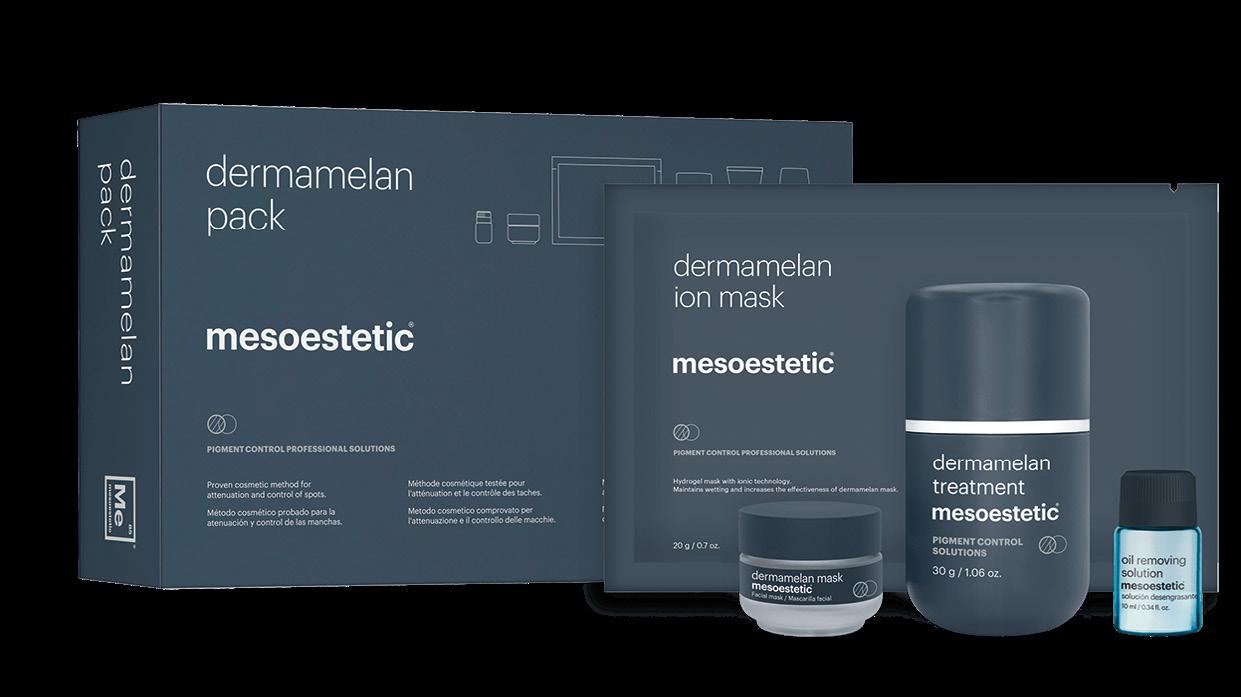
mesoestetic® firmly believes that innovation, through science and technology, is the way forward towards developing reliable, effective and all-round professional solutions which is why mesoestetic® invests over 40% of profits in R&D&i every year. All of this, in addition to the latest scientific advances and the use of new technologies, has resulted in the evolution of dermamelan®
What makes dermamelan® unique?
dermamelan® provides an all-round treatment method thanks to its dual mechanism of action that persists over time and helps prevent the appearance of pigmentation. The unique formula gradually encourages the skin renewal process, treating the appearance of existing dark spots while also promoting a gradual intensive corrective action on the reappearance of future skin discolouration. Additionally, it acts as a powerful anti-ageing treatment. The skin’s renewal process results in visibly increasing skin luminosity and minimises the appearance of wrinkles and expression lines.

Two new patents filed: a new molecule synthesised inhouse and a complex of active ingredients
• melaphenone®. mesoestetic has designed, modelled and synthesised this synthesis molecule. Its molecular structure and 3D conformation provide a high specificity and reliability in visibly moderating and reducing the appearance of pigmentation.
• (SYN)pigmentarget® is an exclusive complex that is a unique combination of three selected active ingredients formulated at optimum concentrations, for a high-synergism response in the appearance of pigmentation.
Before After
Two technologies that facilitate superior delivery and penetration of active ingredients
The upgraded dermamelan®M features two technologies that facilitate effective delivery and absorption of active ingredients towards the target areas: encapsulation by means of nanovesicles (to enhance the active ingredients’ absorption) and delivery via iontophoresis (a technique that creates penetration channels and improves the active ingredients’ efficacy).
• Significant protocol improvements
• Treatment time (4 hours). New developments have allowed for a significant reduction in the method’s exposure time during the in-clinic phase, reducing it down to 4 hours total, regardless of phototype (as opposed to 8-12 hours previously). This breakthrough has been achieved as a result of the active ingredients being more powerful and the delivery technology.
• Total treatment time (4 months). In turn, the at-home protocol’s time frame has also been reduced thanks to the efficacy improvements made to the home care formula (previously it was 6 months). The result is also enhanced patient well-being, having simplified the protocol making it more compatible with their daily lifestyle.

mesoestetic ® is committed to providing confidence, clarity, and scientific rigour to the world of beauty. Since its foundation 35+ years ago, they are dedicated to developing products of the highest quality and efficacy supported by results from numerous studies. They design and produce home-care and professional products as well as aesthetic medical treatments to provide anti-ageing, anti- blemish, body and sun protection solutions plus depigmentation treatments where they are a world leader.
They are a pharmaceutical company designing and manufacturing at its headquarters in Viladecans (Barcelona). This unique factor is essential to ensure the efficacy, quality, and reliability of all treatments they develop, allowing them to control and take care of every step in the process.
Thanks to this, doctors, aesthetic professionals, experts in the world of beauty and consumers trust them in over 90 countries. For more information, visit advancedcosmeceuticals.com.au
Aesthetics
94 | SPA+CLINIC
Skin health for your patients, profitability for your business.
Meet Syndeo®

Hydrafacial Syndeo is the future of skin health. Its cloud-connected platform makes treatment even more seamless, while delivering glowing results that patients of all skin types will love and offering new opportunities and innovative intelligence for every aesthetic business.

Discover thousands of treatment combinations to personalise every Hydrafacial experience.

Future Data Collection
Cloud-Based Data Platform

Business Intelligence
Patented Vortex-Fusion Technology
Custom Backlight Colours
Automatic Serum Selection
100% Touch-Free Experience
Seamless Gesture Control
Upgrade In-Treatment Prompts
12 Treatments in 1 Device
ARE YOU IN? This is your connection to millions of believers who know beauty is more than a physical attribute – it’s a feeling. Discover how one powerful device provides everything you need to power your business. https://l.ead.me/SYNDEOANZ 1300 309 233 (Australia) or 0800 888 135 (NZ) info@hydrafacial.com.au
The Art of MICRONEEDLING
There is more to microneedling than moving a pen back and forth. We take a deep dive into the popular treatment.

96 | SPA+CLINIC
How To Avoid Failure With Your Dermal Needling Procedures
Perhaps the greatest weakness in industry training on dermal needling is that the focus tends to be predominantly on how to use the device. It is assumed that practitioners already know how to select and treat their client/patient for various skin conditions, and dermal needling is just one more tool to reach for in their toolbox. However, dermal needling does bring some potential risks and special considerations to the mix.
For instance, hydroquinone is a recognised treatment for hyperpigmentation. Dermal needling is also helpful in normalising melanin formation. Practitioners assume that if one mode of treatment is good, adding another will double the result. They are astounded when the pigment worsens. How can that be?
Hydroquinone or other skin-lightening ingredients can be photosensitisers. Used alone, inflammation is not a factor. Although the industry touts dermal needling as being colour-blind (safe to use in all skin types), there are combination factors that induce complications, photosensitising being one. Combine this with the inflammatory response that dermal needling provokes, and you have the underlying cause for PIH in this instance.
There are many things to consider before deciding on a course of action, but one should start with answering three questions:
• Is this an appropriate client/patient to treat?
• Am I sufficiently qualified to treat this condition?
• Will this condition respond to needling?
I recently interviewed Dr Setterfield, world-renowned expert, educator, and author of “The Concise Guide to Dermal Needling – 3rd Medical Edition” to discuss key considerations with the expansive modality of dermal needling. In our discussion Dr Setterfield stressed that many practitioners put the cart before the horse and begin with the 3rd question.


“I am frequently asked privately (or even on Facebook), “Can I treat this or that with microneedling for particular conditions?
(In other words, they are asking the third question first). One might assume they have already asked and answered the first two questions in the affirmative. However, one should never assume,” he stressed.
things. We cannot treat a ‘condition’ and lose sight of the patient”.
While dermal needling can produce amazing results, it is also a procedure that can carry risks when performed with insufficient knowledge and training. Here are the five “P’s” of success in dermal needling that require appropriate consideration before a treatment is determined:
• Patient selection: First and foremost, consider any contra-indications to ensure the suitability of dermal needling based on what your patient or client is presenting. Review the presence of any infection, high inflammation etc. Should you first work towards strengthening the skin’s immunity and introduce dermal needling at a later stage?
Here are a few highlights and advice he offered:
“A wise old doctor told me during internship many decades ago, never to prescribe treatment based on another doctor’s findings. That advice has saved me many times. Never assume! First, when someone poses a question like this, it confirms that they are not qualified to do the treatment, regardless as to what degrees they hold. Microneedling is a complex subject with serious complications and one’s education in this field should already be completed before even venturing to include it in their clinic.
Second, this disregards the fact that there is a person attached to the other side of the skin condition. Each person is unique, and it is their unique factors that determine whether a condition can or cannot be treated. Thus, when practitioners contact me stating they have someone coming in the treatment of x, y, or z, and what needle depth should they use, this is totally the wrong way to approach
• Product selection: Identify the skin’s deficiencies, not just the specific concern your client has presented, e.g. pigmentation. For example, consider also hydration levels, skin laxity, other skin manifestations, vascular abnormality, then select the products that you will need to introduce, pre, during and post-treatment.
• Pen selection: Not all devices produce the same results. Depending on the treatment outcome you are aiming you will need to select the right roller or pen.
• Penetration depth: Different needle depths produce different results. Determine where the pigmentation is located, as well as the overall condition of the skin will allow you to ascertain the correct needle depth to address the concerns and achieve the outcome you are looking for.
• Period between treatments: A thorough consultation will also determine the correct periods between treatments to ensure that your procedures move your client towards a positive treatment outcome without complications.
To gain full detail of these five “P’s”, as well as in-depth information of successful treatment outcomes using dermal needling visit https://apanetwork.com/resources to access Dr Setterfield’s manual.
Medi
TINA VINEY shares the valuable insight she received from DR SETTERFIELD on all things microneedling.
spaandclinic.com.au | 97
Dr Setterfield
Dermalogica’s PRO Microneedling Treatment

Dermalogica has always had a progressive not aggressive approach when it comes to skin services. As a professional brand we do, however, recognise that our clinic guests’ skins will need to have advanced services performed to achieve the desired outcomes. When receiving a PRO microneedling service, the skin is cleaned and prepped and thorough consultation is conducted. The first active stage of the service is the application of PRO power peelan advanced bespoke hydroxy acid system that enables the clinician to remove dulling dead skin cells, while brightening the skin, stimulating the collagen production and reducing skin congestion. Post-peel the client then receives skin needling using an advanced technique devised by the International Dermal institute.
This technique enables the clinician to receive the desired clinical endpoint in less time therefore making the service more comfortable for the client. To support results an active serum is applied to the skin and needled in at the required depth for advanced ingredient delivery. All clients then receive an application of PRO restore and are sent home with this industry first PRO product to support wound healing and reduce downtime.
To give the best possible results with minimal downtime, Dermalogica has created a specialised professional product for use in advanced skin treatments: PRO Restore. This industry first serum helps significantly decrease downtime, improves skin recovery and amplifies results. PRO
Restore is designed for use in your micro injury treatment as well as part of your post-care, to continue accelerating skin healing and results at home.
Microneedling Expert
Associate Professor Dr Matthias Aust is a plastic surgeon who has been practicing for over eighteen years in aesthetic and plastic surgery. As one of the world’s leading researchers in the field of skin needling, his experimental and clinical research focuses on skin regeneration, rejuvenation, scar treatment and wrinkles by percutaneous collagen induction therapy and other strategies in anti-aging medicine.
Derma Aesthetics, who will be bringing the highly anticipated, Medical Microneedling Conference to Australia and New Zealand this August, sat down with their event host, Dr Aust, to ask some questions ahead of the event.

What is the one thing you want practitioners to know about needling?
In general, needling should always be part of your skin treatment recommendations! Unlike injectables such as anti-wrinkle or fillers, skin needling actually improves the skin condition. If you don’t have a skin needling device in your clinic then you are missing out on amazing treatment possibilities. Needling is as pure as it can get. When you combine needling with skincare technologies that treat the condition, they can bring unparalleled results.
Does deeper needling always mean better? If not, why?
As long as the needling depth leads to some bleeding, you can get results. The right needle length depends on the indication from the skin. I am excited to share more on this in my upcoming conference.
When was the last time you were wowed by someone’s microneedling results?
Our scar treatments tend to wow me the most. Although, I honestly am wowed by results every day. The key is needling in combination with great skincare, you wouldn’t believe your eyes!
What do you enjoy most about hosting training conferences and events like the one coming up in Australia and New Zealand this August?
Sharing my success with needling is so important, I want to change people’s lives - the practitioners’ and their clients’ - getting the best results for patients is a way of doing that. Meeting new people is always a pleasure too. I hope to see you at my upcoming conference, I will be sharing a lot of my training there in August.
Medi
Dermalogica’s Mediclinic Training Manager SARAH HUGHES explains the brand’s approach to microneedling treatments.
PROF DR MATTHIAS AUST has specialised in microneedling and shares some tips ahead of his conference later this year.
your tickets at microneedlingconference.com
Get
98 | SPA+CLINIC
The Right Microneedling Tool
INSKIN COSMEDICS National Education Manager, MICHELLE SCIARA , tells us why she prefers Dermapen 4.
In your opinion, why is microneedling such a popular treatment?
With a plethora of benefits and upsides, it’s no surprise microneedling is such a popular treatment. It is a minimally invasive treatment with little to no downtime and performed in a short amount of time, making it a convenient treatment for people with busy schedules. It can be used to treat a variety of skin concerns, including acne, scars, fine lines, and wrinkles, hyperpigmentation, and uneven skin texture. It can also stimulate collagen production, which can lead to firmer, more youthful-looking skin.
What are some key factors to consider as a practitioner before performing microneedling?
Microneedling may not be suitable for everyone; a thorough skin consultation and assessment should be revised before every treatment before proceeding. The skin should be prepared before microneedling to ensure optimal results and minimise the risk of complications and to ensure the best possible outcome.
What makes the Dermapen 4 a great choice for clinics wanting to introduce microneedling?

Neopen® & Mesotherapy by ToskaniMed

Skin
Mesotherapy is the latest industry game-changer in the medical aesthetic market. Personalised for all skin concerns, ToskaniMed’s mesotherapy is scientifically formulated with a combination of injectable-grade actives based on biorevitalisers, biomimetic peptides, and liposomal delivery systems that deliver instant and long-lasting results. ToskaniMed’s extensive mesotherapy portfolio means clinics have versatility in treatment options, allowing for customised treatment plans for their client’s skin at any particular time.
Using the TGA-approved/ARTG-listed Neopen® along with mesotherapy is a powerful duo – Mesoneedling – that sets this technique apart from standard skin needling. Not only are you able to treat multiple skin concerns in one treatment, you are able to simultaneously target primary, secondary, and even tertiary skin concerns with the extensive ToskaniMed injectable grade mesotherapy portfolio. The Neopen® device has certain functions that allows you to tailor the client experience every step of the way when it comes to tolerability and depth range.
ToskaniMed is the medical division of the award-winning parent brand Toskani, which has more than 36 years of experience in the field of Aesthetic Medicine and is present in more than 70 countries. Safe, innovative, and personalised skincare solutions are at the core of the company. Exclusively distributed by CX Cosmetics, ToskaniMed’s rapid growth is a sign of what’s to come.
Medi
Introducing,
Dermapen 4 offers more than just a treatment, rather a complete system which supports both in-clinic treatments and the client at home. Becoming a Dermapen Authorised Treatment Provider (ATP), means your clients can be assured they are receiving a complete treatment with products and treatments specifically designed and trialled for micro-needling. Precision and accuracy are guaranteed as the world’s first digital device, meaning no drag, needle depth control and less downtime. Both device and cartridges are TGA and FDA approved for peace of mind and the clinical training and support is second to none. needling like you’ve never seen it. spaandclinic.com.au | 99
Electroporation Skin Needling: A revolutionary technology in aesthetics with EPN from CosmedIQ™
Want to take your microneedling to the next level?
Electroporation is a revolutionary technology in the field of aesthetics, which allows for the penetration of active ingredients into the deeper layers of the skin, resulting in more significant and longer-lasting effects. Electroporation has several benefits over traditional topical application, including being non-invasive, less painful and risky, and more effective. The treatment also has a wide range of applications in the field of aesthetics, including skin rejuvenation, hair growth stimulation, and fat reduction. Overall, electroporation is a safe and effective method for a variety of cosmetic treatments, and it is rapidly becoming increasingly popular in Australia after successfully launching in Europe and the US.

The treatment can be used with or without microneedling. This means clients who may not be candidates for skin needling, can have electroporation and benefit from active ingredients deep into the dermis without
causing trauma to the skin. For those who are perfect candidates for skin needling, by adding Electroporation you are conducting an advanced skin needling treatment by stimulating collagen and elastin as well as driving the key ingredients deeper into the skin than traditional skin needling will allow.

Electroporation allows ingredients INTO the cell itself, bypassing receptors and other mechanisms needed for intracellular activity. Other modalities like traditional skin needling, iontophoresis, ablative fractional technology and sonophoresis allow products to penetrate the epidermis. Not the cell itself. With these methods, the ingredients in the tissues then need to find its appropriate cells receptors (depending on the ingredient) to allow access into the cell. Electroporation bypasses this phase and heads straight into the cell.
There is no topical anaesthetic required as the treatment is comfortable as well as quiet.

Medi
100 | SPA+CLINIC
Why Dr Steven Eubanks Has 45 Venus Devices
A pioneer in laser treatments in the US, DR EUBANKS shares with us why he loves using Venus VIVA devices.


Iestablished a laser clinic in Denver in 1989. Back then, I started with a CO2 laser and then added Denver’s first pulsed dye laser. This expanded into what became the Dermatology and Laser Center at Harvard Park. This large practice was acquired by Advanced Dermatology and Cosmetic Surgery, which has over 100 locations across the US now. After this, ADCS asked me to take charge of the larger company’s laser program. After two years, ADCS asked me to move to Florida to help train our residents in laser.
We initially picked Venus devices to work with because of two factors: I liked the multi-platform aspects of the Versa device and I was pleased with the management from the CEO to the head of training. In my practice, I use the VIVA NanoFractional RF for acne scarring. Across our other clinics, we use far more Versa IPL for unwanted colour. They also use VIVA for fine to moderate wrinkles.

I feel there is no device on the market that better treats acne scarring in all skin colors than the VIVA device. I wanted to get this information out to everyone, so I wrote a paper on acne scarring (Editor’s note: which you can read by scanning the QR code).
I always recommend Venus VIVA for any practice that treats wrinkles or scarring. This device almost never breaks down, is almost always effective and is very easy to operate. Its efficacy in fine to moderate wrinkles is very high and the safety profile is exceptionally good. As discussed above, the VIVA, especially with the 80 pin tip, is great for treating acne scars in all skin colours.
Drive Your Clinic’s Success: Experience superior results for your patients with Venus VERSA’s advanced technology, elevating your clinic’s revenue and growth potential. With 8 different applicators for customised treatments, including options like Intense Pulsed Light for hair removal and skin rejuvenation, Nanofractional Radio Frequency for skin resurfacing, and (MP)2 Technology for body contouring.
Comprehensive Support: Our Territory Manager provides personalised assistance, along with our Venus Values Partnership Programme for tailored solutions to meet your clinic’s unique needs. Benefit from a dedicated account manager, clinical training, and upskilling opportunities for clinic success.
Optimise Your Tax Savings: Take advantage of the instant asset tax write-off before it expires on 30th June. Save on capital equipment purchase and maximise your clinic’s financial efficiency.
Enhance Patient Satisfaction: Provide your patients with the best treatment options using Venus VERSA’s technology. Deliver better, faster, and safer results to enhance patient satisfaction and loyalty.

Take Action Now and Elevate Your Practice: Don’t wait! Schedule a meeting with our Territory Manager today to capitalise on this limited-time offer and elevate your practice with Venus VERSA and our Venus Values Partner Programme. Join the ranks of satisfied healthcare professionals who trust Venus Concept for their aesthetic medical device needs.
For more information, visit venusconcept.com

SPONSORED
spaandclinic.com.au | 101
Read Dr Eubanks’ paper on acne scarring
Galderma Introduces A New Treatment Approach
In order to continue to deliver high-level training for a new generation of individualised aesthetics, Galderma has recently opened their third office and GAIN training academy located in North Sydney. Galderma celebrated the opening of the new head office and GAIN academy by hosting the ‘Turn Your AART TM into a HIT TM’ roadshow event.
During the Sydney Grand Opening, guests were welcomed by Galderma’s new General Manager for Australia and New Zealand, Mark Sargent. The opening event was also live streamed to Healthcare Practitioners across Australia and New Zealand who were able to join in on the excitement of the evening.
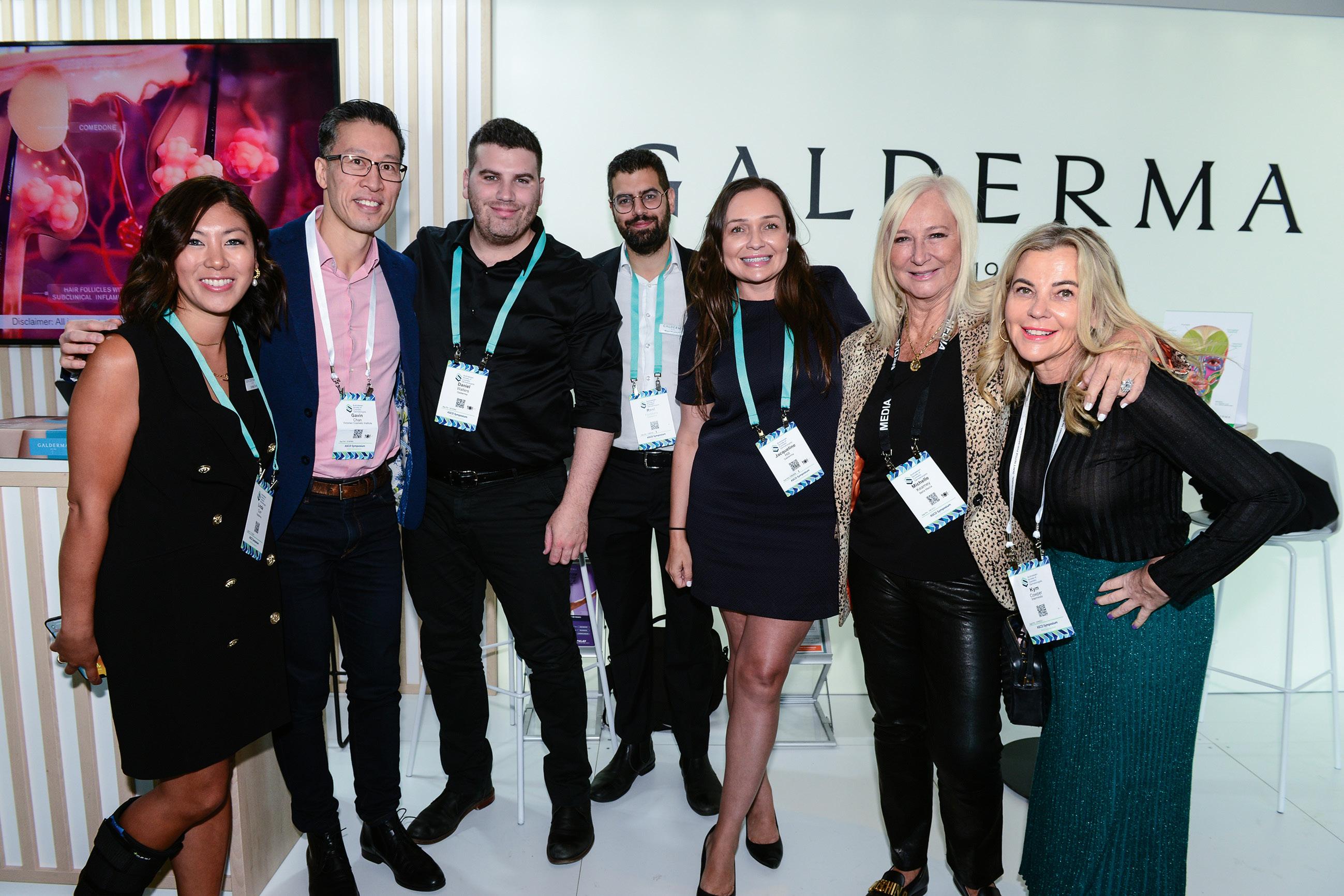
The expertly-crafted educational space allows Healthcare Professionals to connect with local and international experts to deliver ongoing support and clinical education. Galderma’s widely valued educational events


SPONSORED
Here’s how Galderma continues to educate injectors around Australia on their new patient-centric treatment approach.
The new space hosts training and education events
“Dr Frank Rosengaus was an excellent presenter. His presentation was concise, well explained and interesting from start to end. I really enjoyed it.”
– Sydney Workshop Attendee
The Galderma team with Dr Gavin Chan and the SPA+CLINIC team at ASCD 2023
102 | SPA+CLINIC
The new GAIN Academy in North Sydney
have been designed to expand the knowledge of Healthcare Professionals’ on dermatological conditions and their treatment, and enhance clinical expertise on the safe use of cosmetic injectables.

Galderma’s GAIN Academies host a variety of small group workshops for different indications and techniques, which are hosted by Galderma’s dedicated team of Clinical Nurse Specialists, and provide both theory and practical training.
Healthcare Professionals can join Galderma throughout 2023 and 2024 as they launch a series of HIT TM frameworks tailored to address different patient concerns and a variety of patient profiles. The first roadshow concluded at ASCD 2023 in March, where Galderma were Platinum Sponsors. During the conference workshop, participants joined Dr Frank Rosengaus, a Plastic Surgeon from Mexico, as he applied the AART (AART stands for Assessment, Anatomy, Range, and Treatment) and introduced the first HIT TM to Australia. A HIT TM (Holistic Individualised Treatment) is a patient-centric treatment approach that allows Healthcare Professionals to translate patient goals into an individualised treatment plan through effective assessment and dialogue. HIT TM naturally springboards from the AART TM methodology for a new generation in individualised aesthetics. Dr Frank Rosengaus launched the AART TM Methodology and introduced the first HIT TM to Australia and New Zealand – the Shape UpTM HIT TM for a non-surgical lift.
The Turn your AART TM into a HIT TM Masterclasses and Workshops are also hosted at GAIN Academies across Australia in person and virtually, and are suitable for intermediate and advanced practitioners with both methodology and practical implementation covered.

Patient education has become increasingly important.1 In fact, 72% of patients who received an explanation covering both physiological and anatomical perspectives went on to schedule a treatment and increase their satisfaction with the treatment experience.1 This demonstrates the
significance of the new treatment approach and the value of Galderma’s dedication to delivering training that not only covers anatomy and injecting technique, but also patient consultation.
Galderma’s training programs aim to address some of the most common unmet needs of aesthetic practice, assisting Healthcare Professionals to educate patients who may focus on specific problem areas only, or patients who may be unaware of the benefits of treating with more than one product to address holistic needs.
Galderma believes that improved dialogue between Healthcare Professionals, clinic staff and patients allows for greater patient satisfaction with their consultation and their treatment outcome, and a better understanding of treatment options.

For Healthcare Practitioners looking for convenient training, anywhere, and at any time, Galderma is thrilled to offer the popular iGAIN Online Training Portal, refreshed with a new look. iGAIN has been designed to provide Healthcare Professionals with the training and resources they demand to expand their aesthetic expertise, delivered via webinars, training courses, and downloadable assets, including Dr Frank Rosengaus’ recent presentation.
Visit iGAIN via igain.galderma.com.au
Follow Galderma on Instagram to stay updated on upcoming events and webinars, as well as other face-to-face and online learning opportunities. Follow for updates at @gain_by_galderma_au
Galderma Australia Pty Ltd, Level 18, 1 Denison St, North Sydney, NSW, 2060. Australia ABN 12 003 976 930. Distributed in NZ by Healthcare Logistics, 58 Richard Pearse Drive, Airport Oaks, Mangere 2022, NZ. Phone: 1800 144 944 (AUS), 0800 174 104 (NZ). Fax: +61 (2) 9986 1699. Galderma is a registered trademark of Galderma Holding S.A. TAPS NP19294. AU-DYS-2300012. April 2023.
1 Freedman, BM et al. J Cosmet Dermatol. 2006;5(2):127-129.
SPONSORED
“Fantastic to hear Dr Frank Rosengaus discuss his treatment processes and see his client case studies. Looking forward to more hands-on training in the Galderma Academy to upskill and further my practice. Thank you.”
– Virtual Attendee
Dr Frank Rosengaus during the ‘Turn Your AART TM into a HIT TM ’ roadshow event
Galderma’s new General Manager for Australia and New Zealand, Mark Sargent
spaandclinic.com.au | 103
The Galderma Sydney Academy’s Clinical Nurse Team
Aesthetic Treatments And Skin Cancer – Are We Doing More Harm Than Good?
Are skin cancer checks part of your consultation? JENNIFER BYRNE explains why they should be, and the important role skin practitioners play in early skin cancer detection.


In Australia, we have one of the highest prevalence rates of skin cancer in the world. Two out of three Australians will be diagnosed with skin cancer in their lifetime. The two most common skin cancers are non-melanomas including basal cell carcinoma (BCC) and squamous cell carcinoma (SCC). The cost to the healthcare system is considerable with over 700 million dollars in health care funding associated with hospitalisations due to non-melanoma skin cancer. According to medicare records more than 100 million treatments are performed each year or approximately 3000 treatments per day. Melanoma is the third most common skin cancer and is the most life threatening. Approximately 16,000 individuals are diagnosed each year, it is the most common cancer affecting young people from 20-39 years of age.1, 2, 3
Why should people have a skin check before skin treatments?
Skin cancer is often thought of as pigmented lesions or obvious skin lumps and bumps. While skin cancers often do present that way, skin cancer and its precursor lesions can also present in many different ways. For those that are not familiar with assessing and treating skin cancer it can be hard to distinguish between skin cancers from lesions that clients may be commonly seeking our assistance to treat for cosmetic concerns. There are published cases where as yet undiagnosed skin cancers have been treated over unknowingly or diagnosis has been delayed as markers usually used to monitor or detect possible skin malignancy have been altered by treatments. While light based procedures are often discussed for potential harm it does have to be highlighted that
104 | SPA+CLINIC
any therapy particularly energy based that can alter, damage or partially remove vascular or pigmented lesions may be of equal concern.
Case Study : What can go wrong?
The case below, provided with consent from the client and clinic where treated highlights how easy it could be to miss skin cancer. In the case presented it was detected before treatment as the practice this client presented to has a Dermal Clinician and Nurse Practitioner with further training in dermoscopy which is used as a routine aspect of their skin assessment.
A 47 year-old assigned female at birth presented with concerns about actinic (sun) damage, and redness associated with Rosacea. The client had a personal history of non-melanoma skin cancer. To an untrained eye or for those that rely on using the naked eye in skin examinations this skin looks very typical of a rosacea skin. The skin had no reported pruritis or irritation by the client but did comment that the redness on her skin had been present for several years and had appeared to be worsening over the last 12 months. Otherwise her skin could be a bit dry and flaky. Can you see any area that may be of concern for further evaluation?
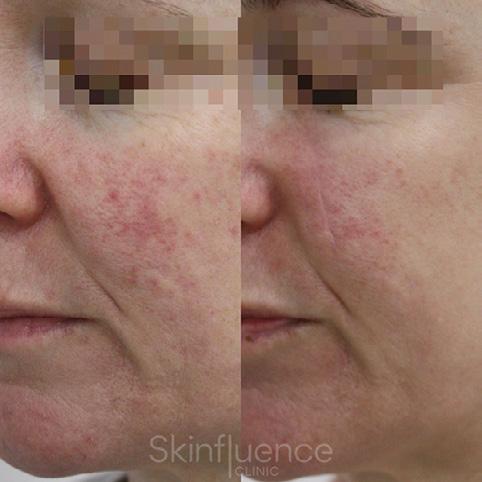
While skin health professionals can monitor the skin for skin changes and should be educated about signs of possible skin cancers, we can’t diagnose them. Skin cancer is diagnosed through a biopsy and referral to pathology for histological review. This is looking at cells under a microscope. Those tests are ordered by medical professionals. Unless we have specialised training in dermoscopy and skin cancer medicine, it is also very difficult to determine that a skin lesion is definitely benign. Therefore skin checks should be performed by those with specific training before proceeding with therapies that can remove markers in the skin used to monitor for skin malignancy.

Who can provide skin checks?
Sun Smart Australia has an information sheet that is used to guide the public with advice on who can perform skin checks and questions to ask. As a skin health professional, you may also receive questions or want to know who can assist with skin checks:
Dermoscopists - These are often nurses or dermal clinicians with post-graduate qualifications in the field of dermoscopy. They assist with education about skin cancer risk, performing full-body skin checks, and digital imaging of lesions for surveillance purposes. They will provide a report and referral if any lesions require medical review or follow-up.
Skin Cancer GPs - Many general practitioners perform opportunistic skin cancer screenings as part of their routine practice. There are also general practitioners who have undertaken significant further education in the assessment, diagnosis and management of skin cancer. The Skin Cancer College of Australasia accredits skin cancer doctors and also provides a locator service to assist with finding an accredited skin cancer GP.
During skin assessment the clinicians identified two areas of concern for further evaluation; one on the left check and the other on the right upper forehead. This client was referred to a dermatologist for further investigation before any further therapy would be provided. Pathology returned a diagnosis of basal cell carcinoma (BCC) on the left cheek and a focal intra-epidermal carcinoma (IEC) on the right forehead. This patient was then referred to a plastic surgeon for removal of the BCC and treatment by the nurse practitioner using PDT to remove IEC and solar keratoses before further treatment could commence for her concerns of Rosacea. The client also was referred for a full body skin check.
Who can and who cannot detect skin cancers?
Population based skin screening for skin cancer is currently not recommended like it is for other cancers due to a lack of evidence it would reduce mortality or morbidity4, 5. Due to the prevalence of skin cancer, it is recommended that we should all know how to monitor our own skin for changes in order to seek prompt medically provided skin checks if there are concerns. This is termed opportunistic skin screening.
As skin health professionals that often see our clients regularly and over long periods of time we have a role to play in skin screening and observing for skin changes. Through being well educated in skin cancer risk and understanding the medical pathways for diagnosis and treatment we can assist with early detection of skin cancer. This may assist to reduce mortality as well as morbidity such as more significant scarring that can result from delayed diagnosis requiring more extensive surgical removal.
Dermatologists - A dermatologist is a medical professional who has undertaken an extra four years of specialist training after their medical degree in the assessment, diagnosis and management of up to 3000 disorders and diseases that affect the skin, hair, and nails. Usually, you will require a referral to see a dermatologist and they work with other medical specialties such as plastic surgeons, cancer surgeons and radiation specialists when required.
Why are skin screenings not part of consultations now and how can we improve this?
Skin cancer screenings are not currently part of skin consultations for a few reasons.
1. The skin health professional may not be aware of the potential harm that can arise from not checking the skin.
2. Concerns that if you refer to a medical professional you may lose the client particulary if they provide cosmetic medical procedures.
3. Concerns that the client may refuse to get a skin check if you mandate it and go somewhere else for their services.
What can we do about this and what is best practice?
Education and networking can improve patient safety in providing skin services. There are a few ways to increase your knowledge and skill set in monitoring for skin cancer depending on your current qualifications and clinical setting.
The Skin Cancer College of Australasia recently developed introductory training modules for anyone that works with or sees skin regularly including beauty therapists and hairdresers, as well as for medical professionals, nurses, and allied health professionals including dermal clinicians that are new to the field of skin cancer. From there, depending on your background you may be able to complete further
MEDI
spaandclinic.com.au | 105
Consent provided for photography courtesy of Skinfluence Clinic Brisbane
advanced training. This applies to allied health professionals including dermal clinicians, nurses, and medical professionals.
Obtaining more extensive and formalised education such as a degree in performing advanced skin therapies is important to improve patient safety. These formalised programs will have extended training in skin biology, dermatological conditions as well as risk assessment and prevention to perform therapies, how to form referral networks or integrate with other health professionals for example.
The Royal College of General Practitioners has published a stratified risk rating and protocol for skin checks in primary practice. This is a tool that can be used by skin health professionals to support educating clients as well as when making decisions regarding performing procedures that involve possible removal of markers for skin cancer monitoring. At the current time there is no guideline specific to skin health professionals however the Australian Society of Dermal Clinicians has initiated a working group with advisory from representatives from Dermatology and Skin Cancer Medicine as expert advisory for the development of a guidance document in 2023.
Best practice at this time would be to obtain a medically provided skin check with a statement that the lesion is definitively benign before treatment including test patching proceeds. As well as educating patients that treatments can remove markers that may
be used to monitor the skin in the future for changes and how this should be handled. For high risk clients with many pigmented lesions or at very high risk of cancer for the future we should consider other methods of addressing the concern that will not remove markers for skin surveillance.
Jennifer Byrne is the Chair person of the Australian Society of Dermal Clinicians as well as a lecturer and the Clinical Coordinator for dermal science in the College of Health & Biomedicine at Victoria University.

References
1. Cancer Council. Skin cancer incidence and mortality [Version URL: https://wiki. cancer.org.au/skincancerstats_mw/index.php?title=Skin_cancer_incidence_and_ mortality&oldid=802, cited 2023 Mar 4]. Available from: https://wiki.cancer.org.au/ skincancerstats/Skin_cancer_incidence_and_mortality.
2. Cancer Council Australia. Skin Cancer Statistics and Issues. Sydney: Cancer Council Australia. Available from: http://wiki.cancer.org.au/skincancerstats/
3. Cancer Council. Skin cancer types [Version URL: https://wiki.cancer.org.au/ skincancerstats_mw/index.php?title=Skin_cancer_types&oldid=806, cited 2023 Mar 4]. Available from: https://wiki.cancer.org.au/skincancerstats/Skin_cancer_types. In: Cancer Council Australia. Skin Cancer Statistics and Issues. Sydney: Cancer Council Australia. Available from: http://wiki.cancer.org.au/skincancerstats/
4. https://www.health.gov.au/sites/default/files/documents/2019/09/skin-cancer-screeningposition-statement.pdf
5. Janda. M., Olsen. C., Mar. V. & Cust. A. (2022). Early detection of skin cancer in Australia – current approaches and new opportunities. Public Health Research & Practice. Available from https://www.phrp.com.au/issues/march-2022-volume-32-issue-1/earlydetection-of-skin-cancer-in-australia/
A Skin Practitioner’s Responsibility
DR SARAH BOXLEY is a Perth-based Cosmetic Physician and a Fellow of The Skin Cancer College Australasia, which is the highest achievable level of primary care skin cancer education. We asked her what skin practitioners can do better to support early skin cancer detection.
From a medical practitioner’s view, what role do Dermal Clinicians and Beauty Therapists have in skin cancer screening?
Dermoscopy is a highly valuable diagnostic skill based on pattern-recognition. It takes many years of repetitive use to become expert in its use, but basic dermoscopy skills can be easily learnt via the online space. Simple dermatoscopes are now available at low cost and could be a life-saving addition to a Dermal Clinican’s toolbox. The Skin Cancer College Australasia offer a
MEDI
106 | SPA+CLINIC
range of online courses, both for healthcare professionals and for those with a non-medical background. Not everyone looking at skin has the ability to use a dermatoscope but they can still take a proactive and important role in skin cancer screening. Being aware and able to clinically recognise the most common types of (usually non-pigmented) skin cancers such as basal cell carcinomas and squamous cell carcinomas allows a therapist to direct a patient to an appropriate medical practitioner. As a doctor who has triple fellowships in General Practice, Skin Cancer Medicine and Aesthetic Medicine, I deal with a lot of pigmented lesions and unfortunately have come across a number of melanomas where diagnosis has been delayed due to inappropriate beautician therapy for the pigmentation. Conversely, I also regularly see patients who have been advised by a therapist to get a skin check prior to IPL or laser treatment and anecdotally this is becoming much more of a standard practice.
For a non-medical professional who performs non-surgical procedures for restoring skin health; how should we be assessing patients with a consideration of skin cancer screening?
Pigmented lesions should never be treated with light/laser therapy without prior assessment to rule out malignancy. Unfortunately, prior cosmetic treatment of lentigo maligna (LM) is not uncommon, with numerous published incidences of melanoma being diagnosed in lesions previously treated cosmetically with light therapies, including intense pulsed light (IPL) therapy and laser therapy.1, 2, 3
Theoretical risks of light therapy include inadvertently treating a melanoma that is misdiagnosed as a benign lesion; incompletely destroying all melanocytes and incurring the possibility of residual cells undergoing malignant transformation; having difficulty with clinical monitoring of the remnant or recurrent lesion; or inducing malignant transformation of melanocytes. In contrast to excisional biopsy, light therapy does not permit histologic evaluation of pigmented lesions, and therefore does not provide tissue diagnosis or margin assessment. Thus, it is possible that in some case reports that describe melanoma after treatment, subtle melanoma might have been seen if histologic examination was performed before treatment; light therapy in these cases represents an incorrect treatment based on clinical misdiagnosis.4, 5
Clinical and dermoscopic monitoring of a remnant lesion for melanoma after laser therapy can be also challenging, as light therapy rarely removes all melanocytes. Histologic investigations have shown that even with maximum penetration depth of laser and IPL therapies, residual nests of melanocytes are still left intact.4, 6 These persistent dermal melanocytes can generate recurrent lesions, which can transform into melanoma. 5
A large 10-year retrospective analysis of patients with lentigo maligna melanoma on sun-damaged skin reported that 7.4% had prior cosmetic therapy2 , and another review reports that in 82% of cases of melanoma diagnosed
following cosmetic laser treatment, no histological assessment had been performed prior to laser.1 It is well established that laser or IPL treatment of pigmented lesions can complicate and delay the diagnosis of melanoma, as well as obscure the borders, potentially resulting in wider surgical margins, increased morbidity and mortality.1, 2
Laser therapy for pigmented lesions should therefore either be avoided entirely or at a minimum performed only after adequate dermatoscopic and histological assessment. Health care practitioners performing elective cosmetic light treatments should be trained to an adequate standard, where they are able to recognise and respond to this need. A large part of this recognition comes in taking a thorough history of the pigment – how long has it been there; has it changed since first noticed; is it growing in size or changing colour; has it been previously treated and if so how; has it been seen by a doctor; has it been biopsied.
I would certainly encourage any non-medical professional who undertakes skin rejuvenation procedures to have a look at the short online course Understanding Skin Cancer offered by the SCCA. skincancercollege.org/understanding-skin-cancer/
How can clinicians/therapists refer a patient to a medical professional appropriately, without causing unnecessary backlog in referral wait times?
Skin cancer checks can be performed by General Practitioners, Dermatologists or GPwSIs (GPs with a Special Interest) who have undertaken additional training in skin cancer medicine. A list of over 680 Accredited Skin Cancer Doctors across Australia and New Zealand is easily accessible online at skincancercollege.org/locate-a-doctor/
Establishing a professional relationship with your closest accredited skin cancer doctor should allow for a direct and prompt referral channel. Whilst a GP referral is required to see a Dermatologist, this is not the case for a GP who specialises in skin cancer medicine. Written referrals from other health care professionals are always appreciated, particularly if you are a Therapist planning a skin rejuvenation treatment and would like to be reassured about the benign nature of a specific lesion. Open channels of communication between health care practitioners leads to improved patient outcomes.
A full body skin check is the gold standard of care and should usually be offered at an initial appointment. However, many clinics also offer quick spot-checks for single lesions of concern and this may increase accessibility for patients. “Molemapping”, also known as a Total Body Photography, uses melanographers to take full body photographs in standardised positions, that are then analysed by a computer program specifically looking for interval change. This is reserved for ongoing surveillance of high risk patients with numerous pigmented lesions and requires baseline photography. It is an accurate way of identifying new/changing naevi but is not diagnostic.
References:
1. Delker S, Livingstone E, Schimming T, Schadendorf D, Griewank KG. Melanoma diagnosed in lesions previously treated by laser therapy. J Dermatol. 2017;44(1):23-28. doi:10.1111/1346-8138.13484
2. Hibler BP, Connolly KL, Lee EH, Rossi AM, Nehal KS. Lentigo maligna melanoma with a history of cosmetic treatment: Prevalence, surgical outcomes and considerations. Lasers Surg Med. 2017;49(9):819-826. doi:10.1002/lsm.22691
3. Curry L, Cunningham N, Dhawan S. Cosmetic light therapies and the risks of atypical pigmented lesions. Can Fam Physician. 2021 Jun;67(6):433-435. doi: 10.46747/cfp.6706433. PMID: 34127467; PMCID: PMC8202760.
4. Gottschaller C, Hohenleutner U, Landthaler M.. Metastasis of a malignant melanoma 2 years after carbon dioxide laser treatment of a pigmented lesion: case report and review of the literature. Acta Derm Venereol 2006;86(1):44-7.
5. Rogers T, Krakowski AC, Marino ML, Rossi A, Anderson RR, Marghoob AA.. Nevi and lasers: practical considerations. Lasers Surg Med 2018;50(1):7-9. Epub 2017 Nov 21
6. Hunziker MF, Mauad EB, Fernandes LF, Pinheiro AM.. Changes in melanocytic nevi after treatment with intense pulsed light observed in total body mapping. An Bras Dermatol 2016;91(6):862-4.
MEDI
spaandclinic.com.au | 107
Forbidden Words
By NADINE DILONG
Your ultimate TGA-approved guide to what you can and cannot say about injectables on social media and your website.
If you’re an injector, and you’ve done your due diligence, you know that in Australia, you are not permitted to advertise Schedule 4 drugs, in other words, you cannot mention any of the actual product names you may be using to inject your patients. You may be following these rules or you may be part of the hundreds of businesses that, every now and then, slip up and post something on social media that could get them in trouble. Seeing the amount of people out there who seem to ignore the TGA guidelines, I think it would be fair to say that the rules aren’t as clear as they should be to many. Questions like, “what exactly is considered ‘advertising’?” and “which terms can I use instead of the brand name?” keep popping up, and so I contacted the TGA directly to get the low-down straight from the source.

Let’s start with the basics. All advertising of therapeutic goods in Australia is subject to the requirements of the Therapeutic Goods Act 1989 and the Therapeutic Goods Advertising Code. The Act and code set out the rules for advertising of therapeutic goods to consumers, however they do not apply to advertisements that are solely for health services, such as cosmetic procedures that don’t promote a therapeutic good. In other words, it’s not about the treatment itself, it’s about the products used. In Australia, most cosmetic injectables are regulated as prescriptiononly products and are therefore prohibited from being advertised to the public.
This prohibition is based on the principle that the appropriate treatment for an individual patient is a matter for the treating health professional in consultation with their patient, and should not be influenced by consumer advertising, which by its nature is inextricably associated with commercial gain.
What is considered ‘advertising’?
According to a TGA spokesperson, “the Act defines ‘advertising’ in relation to therapeutic goods as including ‘any statement, pictorial representation or design that is intended, whether directly or indirectly, to promote the use or supply of the goods’.” This means that anything you post on your website, in e-mail newsletters, or on social media is considered advertising, as you, as an injector and/
108 | SPA+CLINIC
Words you cannot use on your public communication channels:
• Brand names such as Botox, Xeomin, Dysport, Letybo, Juvederm, Stylage, Restylane, Profhilo, Belkyra etc.
• acronyms, nicknames, abbreviations or hashtags of the medicine’s name (or some part thereof), which may be taken by a consumer to be a reference to a specific medicine or substance, such as ‘tox’, ‘xeo’, ‘D**port’ etc
Words to use instead that are allowed:
• cosmetic injections (anti-wrinkle injections, dermal fillers and submental fat)
• anti-wrinkle injections/treatments (antiwrinkle injections and dermal fillers)
• injections/treatments for lips (dermal fillers)

• injections/treatments for fine lines/folds/age lines (anti-wrinkle injections and dermal fillers)
• injections for improving the appearance of submental fat/fullness under the chin
or business owner, ultimately communicate these things to get existing and potential clients to spend money with you.
“The TGA cannot categorically state that any material or content that contains words like ‘Botox’ etc will automatically be advertising in relation to therapeutic goods. This is entirely dependent on the context in which the material is used. However, practitioners should take care to ensure that advertisements for health services aren’t also considered an advertisement for therapeutic goods,” the TGA explains.
It is worth noting that there are two OECD countries that allow advertising therapeutic goods, the USA and New Zealand, which is why, if you follow social media accounts from those countries, you may see restricted brand names. While this makes marketing content inconsistent across countries, it is what it is and the rules are the rules.
You are responsible for comments, hashtags, and re-posts
This is the area where I see most injectors break the rules. While many may not use Schedule 4 drug brand names in their captions or website copy, some use them in hashtags or re-post a client’s photo or video, which includes the restricted terms. This is not allowed either.
“If the use (or reposting) of a social media post promotes the use or supply of therapeutic goods it would be considered to be an advertisement and therefore must comply with the rules. The person responsible for publishing the content (including reposting) is responsible for ensuring it is compliant,” says a TGA spokesperson. And this also extends to the comments section.
“Business owners are responsible for the content of any social media page created or managed by them, including websites, social media channels, blog posts, hashtags, or discussion forums. This responsibility extends to user-generated content, such as third-party comments. Business owners should ensure that they remove or block unlawful comments.”
Schedule 4 Drugs in the media
These strict rules also apply to media outlets like TV and print publications if the context of the article or mention is promoting, i.e. advertising a product. You may have noticed that this publication you’re reading, SPA+CLINIC, doesn’t mention Schedule 4 drug names either. Even though we are a trade magazine for the aesthetic industry, we cannot promote therapeutic goods as our readers aren’t strictly limited to healthcare professionals only.
However, “factual and balanced statements about prescription medicines that do not promote their use or supply are unlikely to be considered advertising of therapeutic goods. Factual information may take many forms, including medical journal articles, or genuine news,” according to the TGA. It’s a fine line.
How to check whether a product is a therapeutic good
If ever, as a practitioner, you’re not sure whether a product you’re using is a therapeutic good or not, here’s how to check, according to the TGA: “The Australian Register of Therapeutic Goods (ARTG) lists all of the therapeutic goods that can be legally supplied in Australia. Practitioners should search the ARTG to check whether a product they are intending to use or supply is approved by the TGA. Medicines that are on the ARTG must have an AUSTR, AUSTL or AUST(LA) number on their label (unless exempted). Practitioners could also consult the Australian person who imports or manufactures the product for supply in Australia for the product’s regulatory status. The person or company who imports, exports or manufactures therapeutic goods in Australia (the ‘sponsor’) is responsible for applying to the TGA to have their good included in the ARTG.”
Disclaimer: This article is for educational purposes only and does not intend to promote the use of the above mentioned therapeutic goods.
Medi
spaandclinic.com.au | 109
Shaking Up The Cosmetic Surgery Industry
The Australian cosmetic surgery industry is currently facing significant regulatory changes, with the proposed introduction of an ‘endorsement’ training model by the Australian Health Practitioner Regulation Agency (AHPRA) and the federal Department of Health. However, multiple medical groups, including the Royal Australasian College of Surgeons and several surgical specialty societies, have issued a joint statement warning that the new system may do more harm than good and may continue to put patients’ lives at risk, according to the groups & associations.
Below is a segment of the released joint statement by the Royal Australasian College of Surgeons (RACS) and the Australian Society of Plastic Surgeons, the Australasian Society of Aesthetic Plastic Surgeons, Australian Society of Otolaryngology Head and Neck Society, General Surgeons Australia, Breast Surgeons of Australia and New Zealand, and the Urological Society of Australia and New Zealand.
“It is anticipated that a new ‘endorsement’ training model will shortly be introduced into Australia by AHPRA and the federal Department of Health, creating a dangerous system where the benchmark in skills and capabilities required to perform cosmetic surgery will be lower than that required for other forms of surgery.
“The organisations said that while reform to the sector’s regulation is much needed, the rushed and ambiguous nature of the endorsement model and consultation process has resulted in an unsatisfactory policy framework that will
almost certainly lead to undesirable and negative outcomes for patients and the health system.”
The Medical Board of Australia and the Australian Health Practitioner Regulation Agency (AHPRA) also shared their statement on the matter.
“There is a lot of money at stake in cosmetic surgery reform. Our reform package prioritises patient safety over vested interest. It reflects what is legally possible and what will help keep patients safe. We can’t limit surgery to surgeons – that’s not how the law works. Already, every day, hospitals across rural and regional Australia employ doctors who are not specialist surgeons to provide surgery to patients. Changing this would grind surgical services to regional and rural Australians to a halt.
“Creating an endorsement is the strongest regulatory tool in our kit. We’re introducing it to make patients safer. An endorsement will tell patients who is trained and qualified. Without it, patients will be no better informed than they are now and the opportunity to clean up the cosmetic industry will be lost.
“We absolutely acknowledge the expertise of specialist surgeons and endorse health ministers’ decision to protect the title ‘surgeon’ to stop anyone without specialist registration in surgery, obstetrics and gynaecology or ophthalmology from calling themselves a surgeon. Both will help patients to understand who is qualified.
“Health ministers have already approved a new registration standard for cosmetic surgery endorsement to help patients know who is trained and qualified to perform cosmetic surgery safely.

Medi
There are several legal changes about to come into effect in the aesthetic industry, and not everyone is happy about them. Here’s a summary of what’s about to happen.
Words by Taneesa Williamson and Nadine Dilong
“…the rushed and ambiguous nature of the endorsement model and consultation process has resulted in an unsatisfactory policy framework that will almost certainly lead to undesirable and negative outcomes for patients and the health system”
110 | SPA+CLINIC
Joint statement of Australian medical groups
When cosmetic surgery training programs meet the cosmetic surgery training standards, their graduates will be eligible for endorsement. Until then, speculation about which training programs will meet the standard and which qualifications will be approved for endorsement is premature.”

Cosmetic surgery training providers can now seek Australian Medical Council accreditation for their cosmetic surgery training programs.
AHPRA’s New Consultation and Advertising Guidelines
Besides the new endorsement model, new cosmetic surgery guidelines will come into effect from July 1, 2023. These guidelines aim to ensure patient safety and wellbeing, while also ensuring that patients receive accurate and transparent information about the risks and benefits of cosmetic procedures.
It is important to note that the below does not apply for non-surgical procedures, such as injectables. Several media outlets have published misinformation surrounding this and have created unnecessary panic among clients, who fear they need a GP referral whenever they want their anti-wrinkle or filler topped up. For injectables (or other non-surgical aesthetic treatments), the new guidelines state that the practitioner needs to “assess the patient’s reasons and motivation for requesting the procedure including external reasons (for example, a perceived need to please others) and internal reasons (for example, strong feelings about appearance). The patient’s expectations of the procedure must be discussed to ensure they are realistic.”
All patients seeking cosmetic surgery, however, must have a referral, preferably from their usual general practitioner, or from another general practitioner or specialist medical practitioner if necessary. The referring practitioner must also not perform cosmetic surgery themselves and must work independently of the practitioner who will perform the surgery – who also must assess the patient’s reasons and motivation for seeking surgery, discuss their expectations, and ensure that these expectations are realistic.
Patients should also be asked if another practitioner has declined to provide them with cosmetic surgery, as this will also flag for denial of surgery or warrant further assessment into why the patient is seeking the surgery, such as screening the patient for underlying psychological conditions such as body dysmorphic disorder, using a validated psychological screening tool. If the screening indicates that the patient has significant underlying psychological issues, they must be referred to a psychologist, psychiatrist or general practitioner for evaluation.
What will the process be for initial consultations?
In terms of consultation requirements, patients seeking cosmetic surgery must have a minimum of two pre-operative consultations. The first consultation must be conducted by the medical practitioner who will perform the surgery or a registered health practitioner working with them, not a patient advisor or agent. At least one consultation must be conducted in-person with the medical practitioner who will perform the surgery, while other consultations can be in-person or via video. Patients cannot be required to sign consent forms during the first consultation, and the decision to undergo the surgery must be made during a subsequent consultation with the medical practitioner who will perform the procedure, either in-person or via video. Following two consultations and informed consent, a minimum cooling-off period of seven days is required before booking the surgery or paying a deposit.
The guidelines also require medical practitioners to decline to perform the surgery if they believe it is not in the best interests of the patient. In addition, when a medical practitioner performs cosmetic surgery in a location other than their primary place of practice, they must remain available at that location for at least 24 hours after the surgery.
After this initial period, ongoing post-operative care may be delegated to other practitioners.
These guidelines aim to ensure that patients receive high-quality care and are fully informed about the risks and benefits of cosmetic procedures. By requiring multiple consultations, cooling-off periods, and screening for underlying psychological conditions, the guidelines aim to ensure that patients are making informed decisions about their cosmetic procedures. The guidelines also aim to ensure that medical practitioners are acting in the best interests of their patients and providing appropriate care before, during, and after cosmetic procedures.
In summary:
• A GP referral will now be needed for those seeking cosmetic surgery (this does not apply to non-surgical procedures)
• Stricter advertising regulations around cosmetic procedures, including the recent ban on using influencer testimonials
• All patients under the age of 18 require a psychological evaluation before cosmetic surgery, and should not be prescribed botulinum toxin and dermal filler
• Patients must complete validated psychological assessment tools prior to undergoing surgery (such as body dysmorphic disorder screening tools), and be referred on if necessary
• Options should be discussed with the patient, including not having the procedure
Medi
spaandclinic.com.au | 111
Body Positive
Don’t forget to offer your clients effective body products. Here are some favourites.

Endota Body Firming Serum, RRP $85.00 endotaspa.com.au
Mary Grace Crystal Hair Remover, RRP $25.00 marygrace.com.au
Guinot Mirific Anti-Age Oil, RRP $126.00 guinot.com.au
Mesoestetic bodyshock celluxpert, RRP $129.00 advancedcosmeceuticals.com.au
Babor Spa Shaping Dry Body Oil, RRP $123.00 babor.com.au
DMK Body Sculpting Cream, RRP $80.00 dmkskin.com.au
112 | SPA+CLINIC
PCA skin body therapy, RRP $115.00 advancedskin.com.au

Ink Nurse Multi-purpose Remedy Cream, RRP $39.99 inknurse.com
Image Skincare Spa Rejuvenating Body Lotion, RRP $69.95 imageskincare.com.au
IKKARI Body Oil, RRP $69.00 ikkari.com.au
Clear Skincare Body Buffing Bar, RRP $32.00 clearskincare.com.au
iS Clinical Body Complex, RRP $110.00 isclinical.com.au
COSMETICS
Photography by Brandee Meier, styling by Nadine Dilong
spaandclinic.com.au | 113

INDEX ADVERTISERS ADVANCED COSMECEUTICALS 4, 5, 17, 35, 83 ADVANCED SKIN TECHNOLOGY 54 AUSSIE MEDI TECH 85 BE HEERS 31 BIZCOVER 39 BTL AESTHETICS 50, 51, 115, COVER CRYOMED 43 CUTERA 2, 3 CYNOSURE 90, 91 DERMALOGICA 66, 67 DERMAVIDUALS 9, 11 DMK 37, 56, 57 DR.NC 58, 59 FRESH CLINICS 24, 25 GALDERMA 102, 103 HIGH TECH MEDICAL 86, 87 HYDRAFACIAL 95 JAN MARINI 61 JUV’AE 28, 29 LASERAID 84 LUMENIS 88, 89 PAYOT 6, 7 REED EXHIBITIONS 27 SLIQPAY 40, 41 TAVALON 72, 73 ULTRADERM 65 VENUS 101 WATERLILY 74, 75, 116 114 | SPA+CLINIC
of facial wrinkles and rhytids. ARTG 394105 BTL and device®, EMFACE®, EMSCULPT®, EMSCULPT NEO®, EMSELLA®, EMBODY®, EMTONE®, HIFEM®, SYNCHRODE®, EXILIS and device®, VANQUISH and device® and UNISON® are registered trademarks in Australia. Trademarks EMFACE, EMSCULPT, EMSCULPT NEO, EMSELLA, EMBODY, EMTONE and HIFEM are parts of EM™ Family of products. Products, the methods of manufacture or the use may be subject to one or more Australian Patent Registrations or pending applications and one or more Australian Design Registrations. Any unauthorized use is expressly prohibited. © 2023, BTL Group of Companies. All rights reserved. *Data on file. emface.com **The procedure runs independently once applicators are affixed. Clients must not be left unattended during an active treatment.


BTLAESTHETICS.COM.AU | INFO@BTLMED.COM.AU The FIRST & ONLY technology that simultaneously uses synchronized radiofrequency and HIFESTM energies to treat skin & muscle. | Nee • Fu l lFace• Emface_LF_FAB_B2B_AU100_297x210mm; 785-79EMFFAB2B1AAU100 Skin & Muscle Simultaneously Hands-Free** Always follow the directions for use. Patient results and patient experience may vary. Clinical studies: (1) Halaas Y, Gentile R. The Interim Results of Novel Approach for Facial Rejuvenation. Presented at: American Academy of Facial Plastic and Reconstructive Surgery (AAFPRS) 2022 Annual Meeting. October 20-23, 2022; Washington, DC. (2) Halaas Y., MD. Muscle Quality Improvement Underlines the Non-invasive Facial Remodeling Induced by a Simultaneous Combination of a Novel Facial Muscle Stimulation Technology with Synchronized Radiofrequency. Presented at: American Academy of Facial Plastic and Reconstructive Surgery 2022. October 19-23, 2022; Washington, DC. In Australia EMFACE® is a device with a hands-free applicator intended for use in combination with the main device and with single use electrodes. The device is intended to provide local muscle stimulation and local tissue heating for the purpose of elevating tissue temperature and increase in local blood circulation resulting in strengthening of facial muscles and reduction