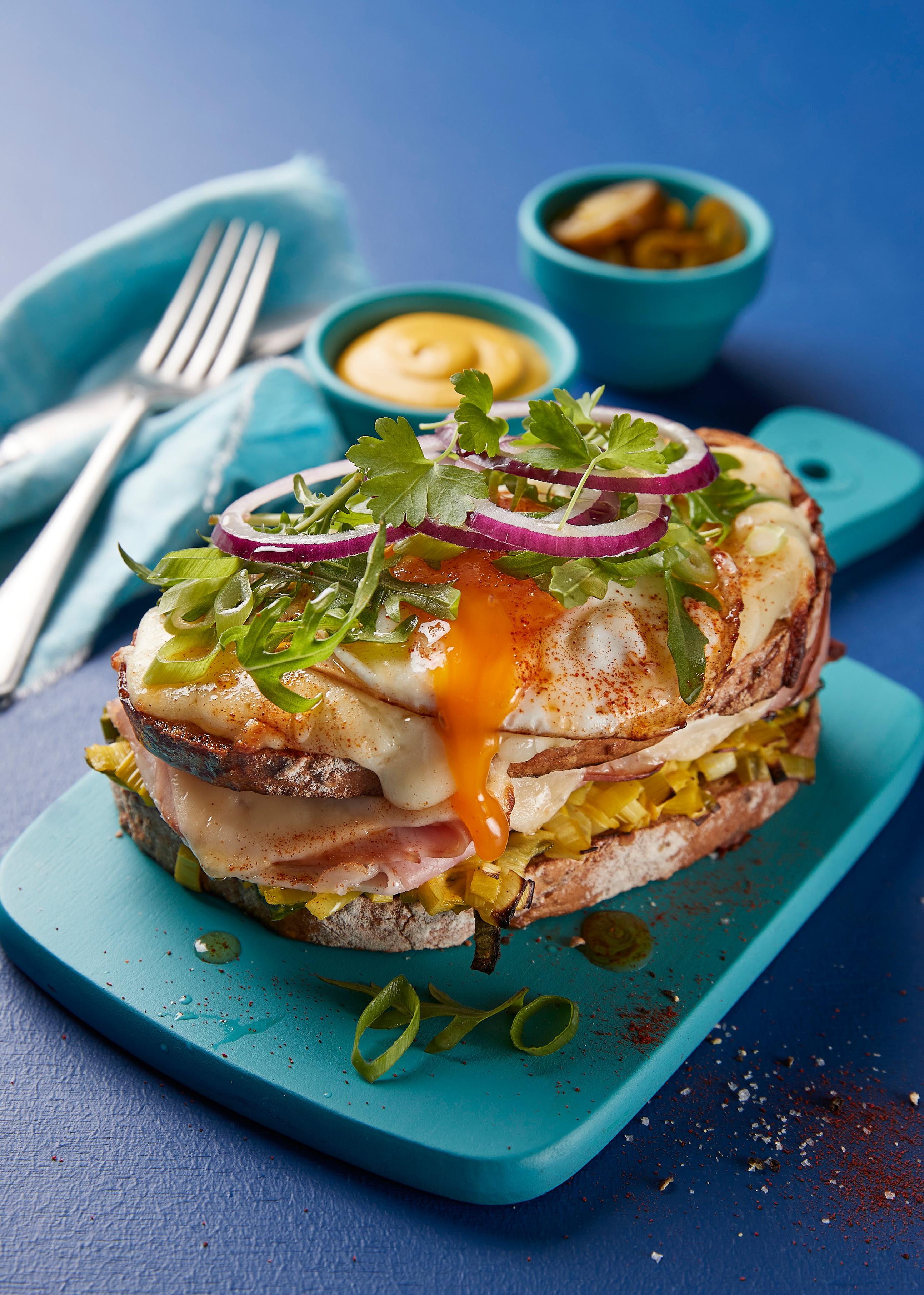
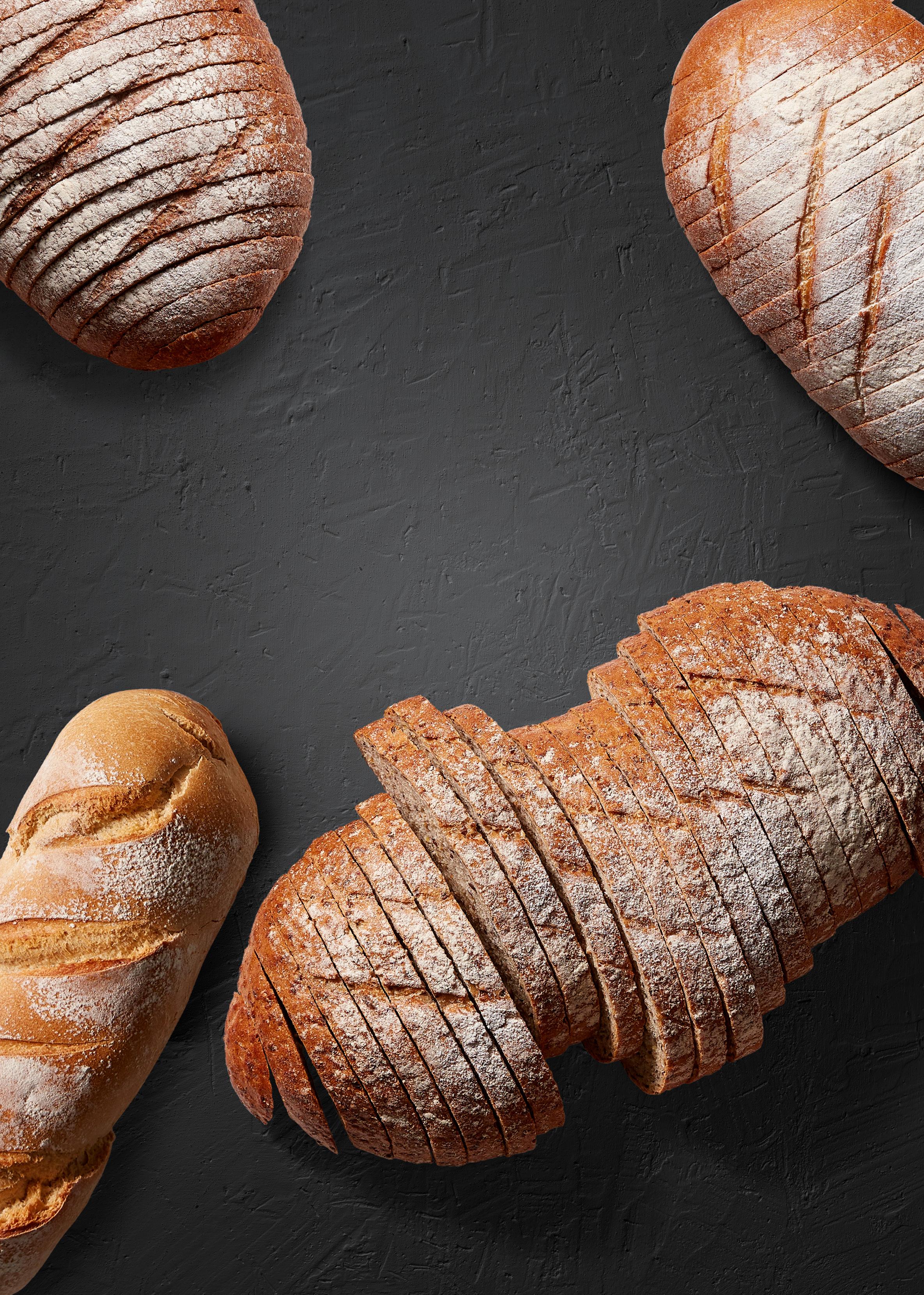
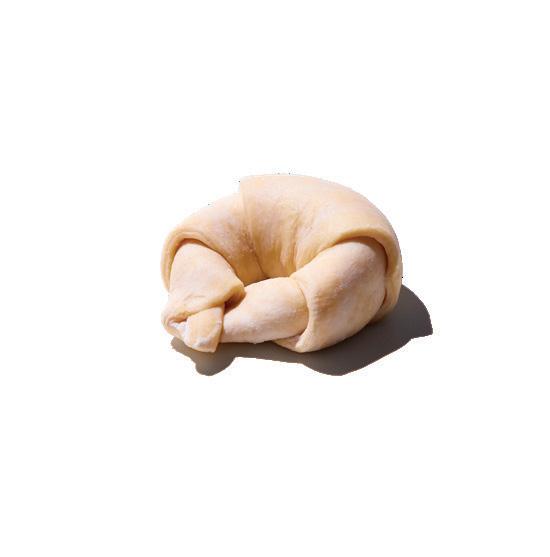
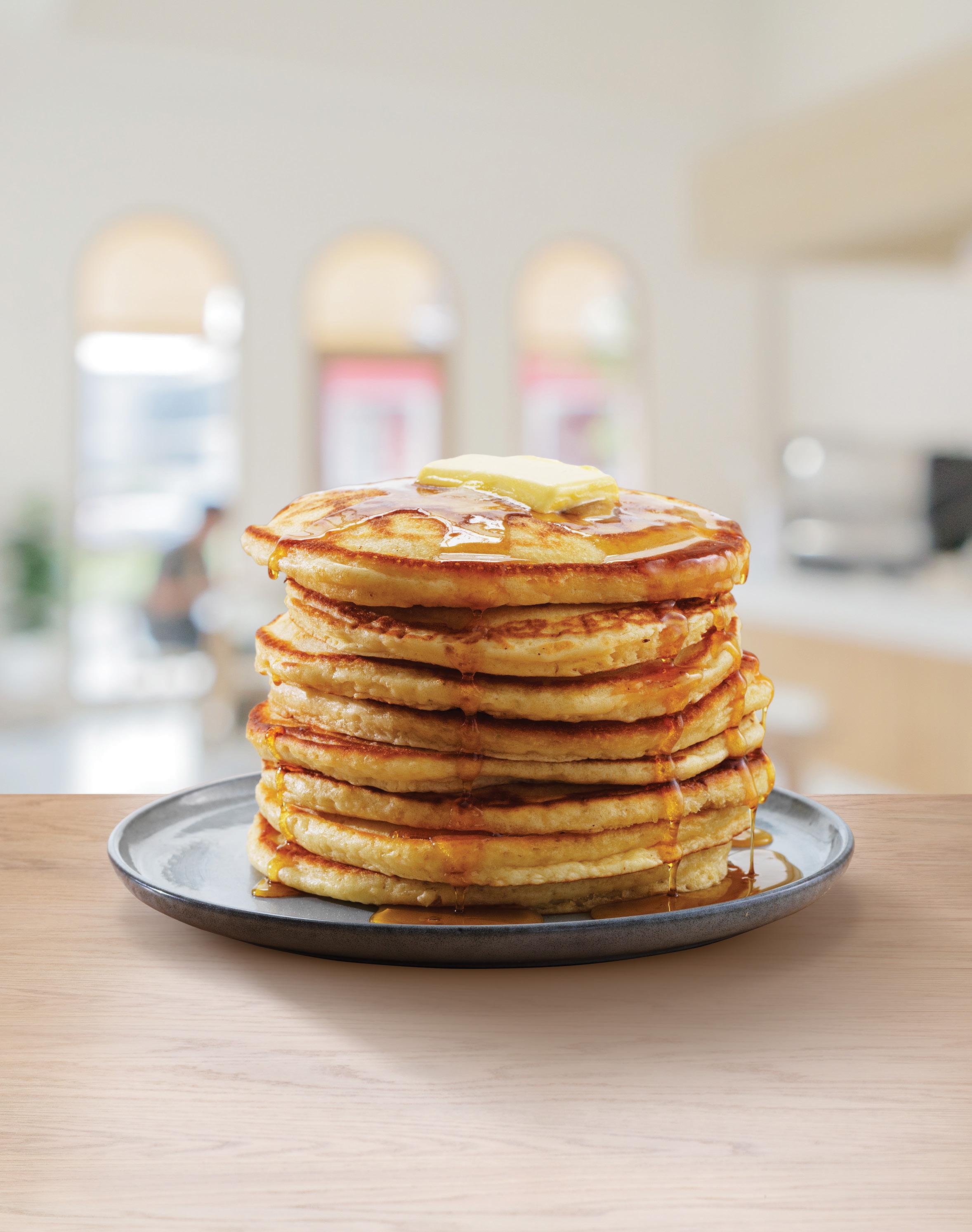
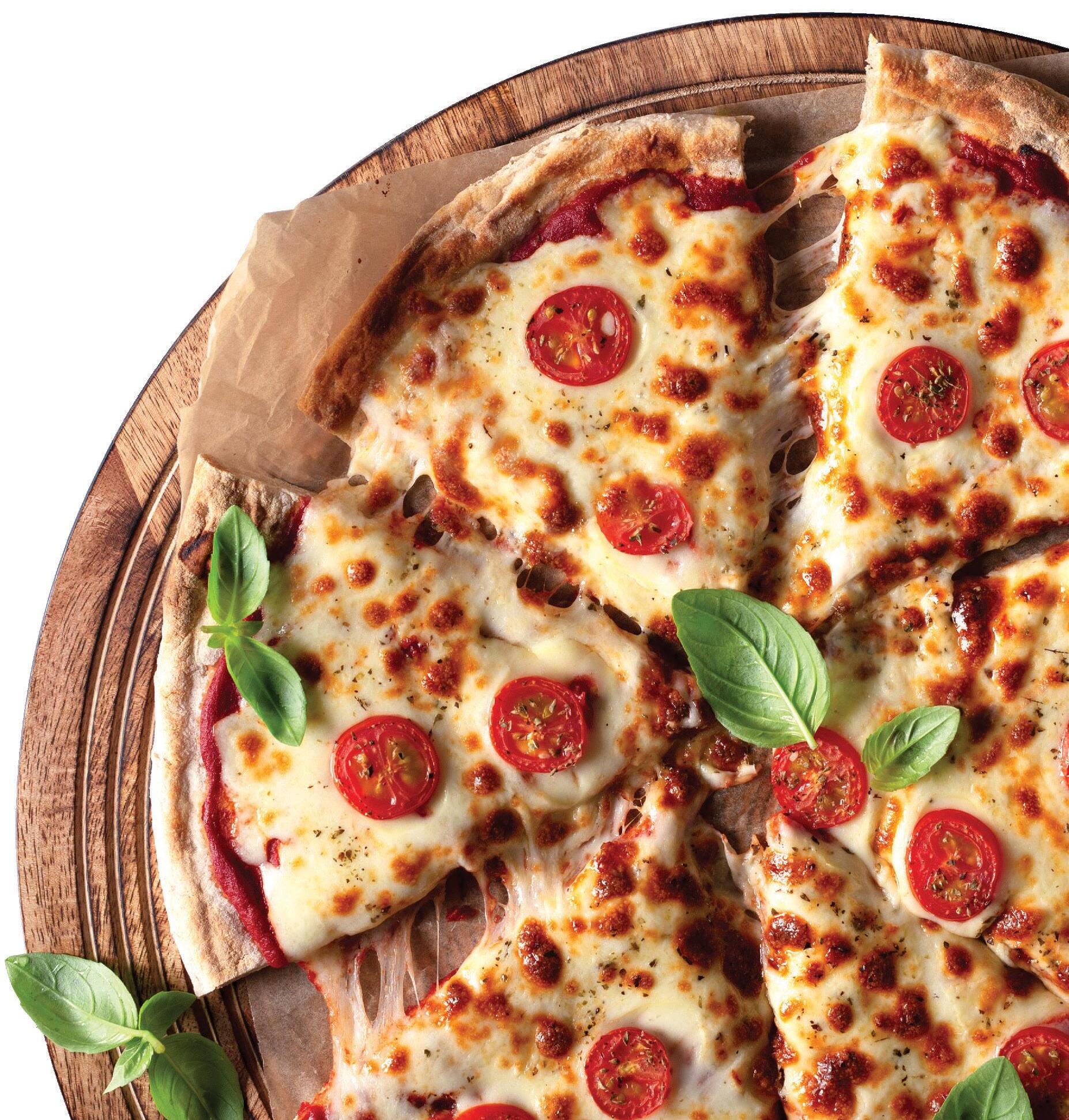
Starting with a sourdough culture that’s been nurtured for over 15 years, our dough is fermented for 24 hours before being lovingly hand-moulded by artisan bakers and baked to perfection. Ideal for cafe breakfasts or rustic sandwiches.
600g, 8 per carton Code 9083
900g, 4 per carton Code 9127
900g, 4 per carton Code 9086
900g, 4 per carton Code 9084
NO.808 SEPTEMBER/OCTOBER 2024
SEPTEMBER/OCTOBER 2024
Regulars
8 // IN FOCUS
Operators weigh in on running day-tonight venues.
10 // NEWS
The latest openings, books, events, and more.
14 // BAR CART
Thirst quenchers, slow sippers, and all things beverage related.
16 // BEST PRACTICE
How to connect with customers.
18 // PRODUCE
All about one of Japan’s most popular citrus fruits: sudachi.
20 // DRINKS
Agave-centric drinks are the showpiece at Comedor.
24 // PROFILE
Amelia Birch from Famelia shares how she’s refreshing the wine experience.
48 // EQUIPMENT
The milk thermometer is an essential for baristas.
50 // 5 MINUTES WITH…
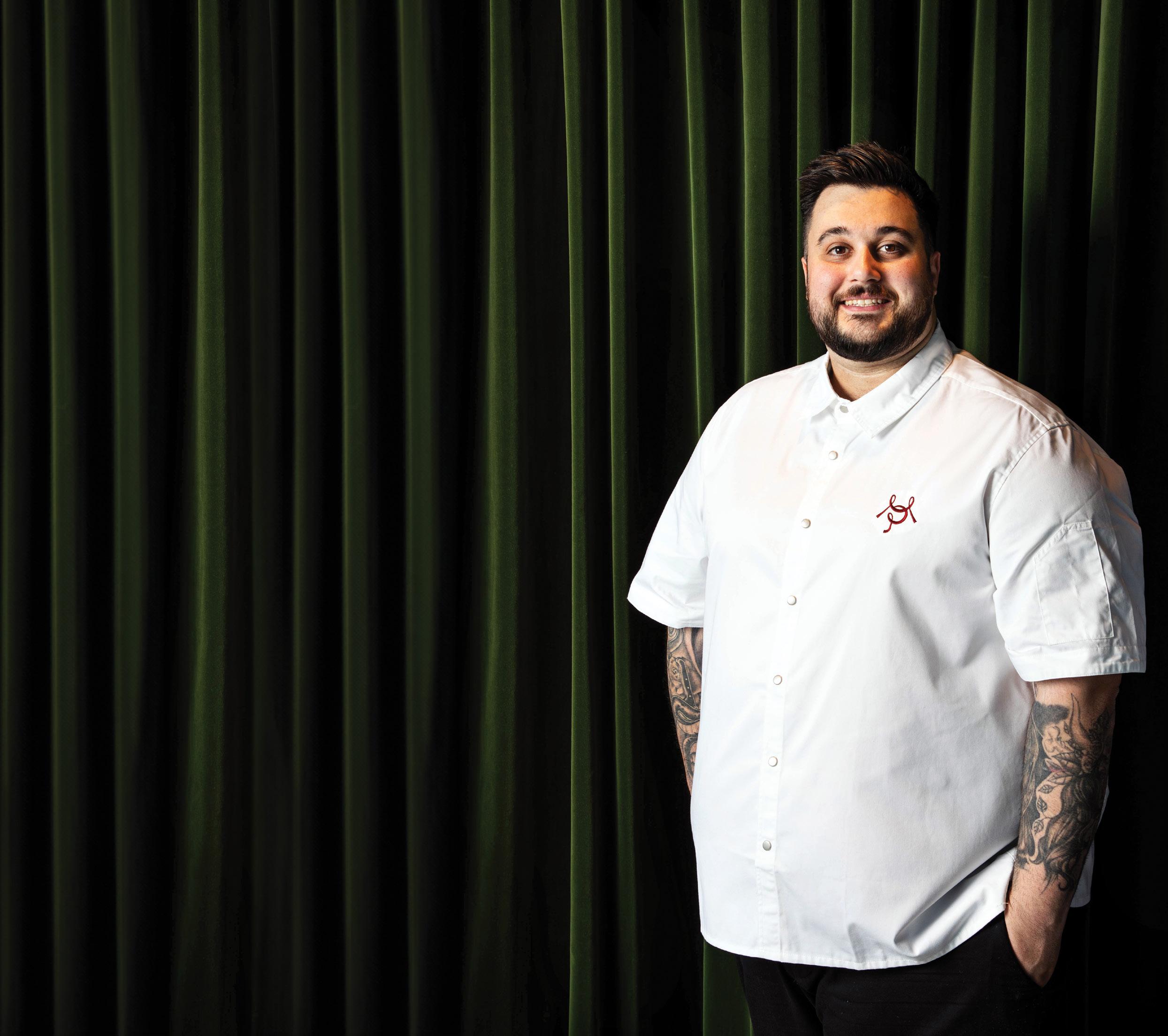
Nick Deligiannis from Melbourne’s Mid Air.
Features
28 // SPRING MENUS
Two chefs on developing dishes that champion the new season.
32 // PUBS
How new pub operators are keeping locals happy.
36 // NEW-WAVE CAFES
Dale Kemp and Michael Ico are creating cafés with serious appeal.
42 // CHEF’S TABLES
The unique experience puts chefs front and centre.
to this footy season
A word from the editor
SPRING IS OFFICIALLY here and it has made itself well and truly known at least here in Sydney, where we have had many warm days already. It’s the season most chefs await each year, and it is no wonder when you think about the produce the season brings asparagus, peas, and early mangos . But we all know spring menus are made in winter, and all good things take time. I speak to two chefs about developing their spring offerings here in Sydney and a little further afar in McLaren Vale.
This issue, Hospitality ’s newly appointed Journalist Laura Box covers the topic of pubs — specifically, what happens when they
PUBLISHER
Paul Wootton pwootton@intermedia.com.au
MANAGING EDITOR
Annabelle Cloros
T: 02 8586 6226 acloros@intermedia.com.au
JOURNALIST Laura Box lbox@intermedia.com.au
change hands. There’s a lot to consider for new owners, especially when it comes to appeasing the locals while remaining true to their own business goals.
Our September/October edition also includes reads on Japanese citrus fruit sudachi, establishing a sense of community, and the wide world of agave spirits — there is so much more to explore beyond tequila and mezcal (which are both great spirits, of course) at Newtown’s Comedor. I hope you enjoy this issue.
Annabelle Cloros Managing Editor
COMMERCIAL DIRECTORHOSPITALITY GROUP
Simon York T: 02 8586 6163 syork@intermedia.com.au
ART DIRECTOR Sanja Spuzanic sspuzanic@intermedia.com.au
PRODUCTION MANAGER Jacqui Cooper jacqui@intermedia.com.au
SUBSCRIPTION RATES Australia: 1 year (6 issues) = $99.00 (inc GST) 2 years (12 issues) = $158.40 (inc GST) – Save 20% 3 years (18 issues) = $207.90 (inc GST) – Save 30%
SUBSCRIPTION RATES
New Zealand: 1 year (6 issues) = $109.00 Asia/Pacific 1 year (6 issues) = $119.00
Rest of World: 1 year (6 issues) = $129.00
OLD FAVOURITE
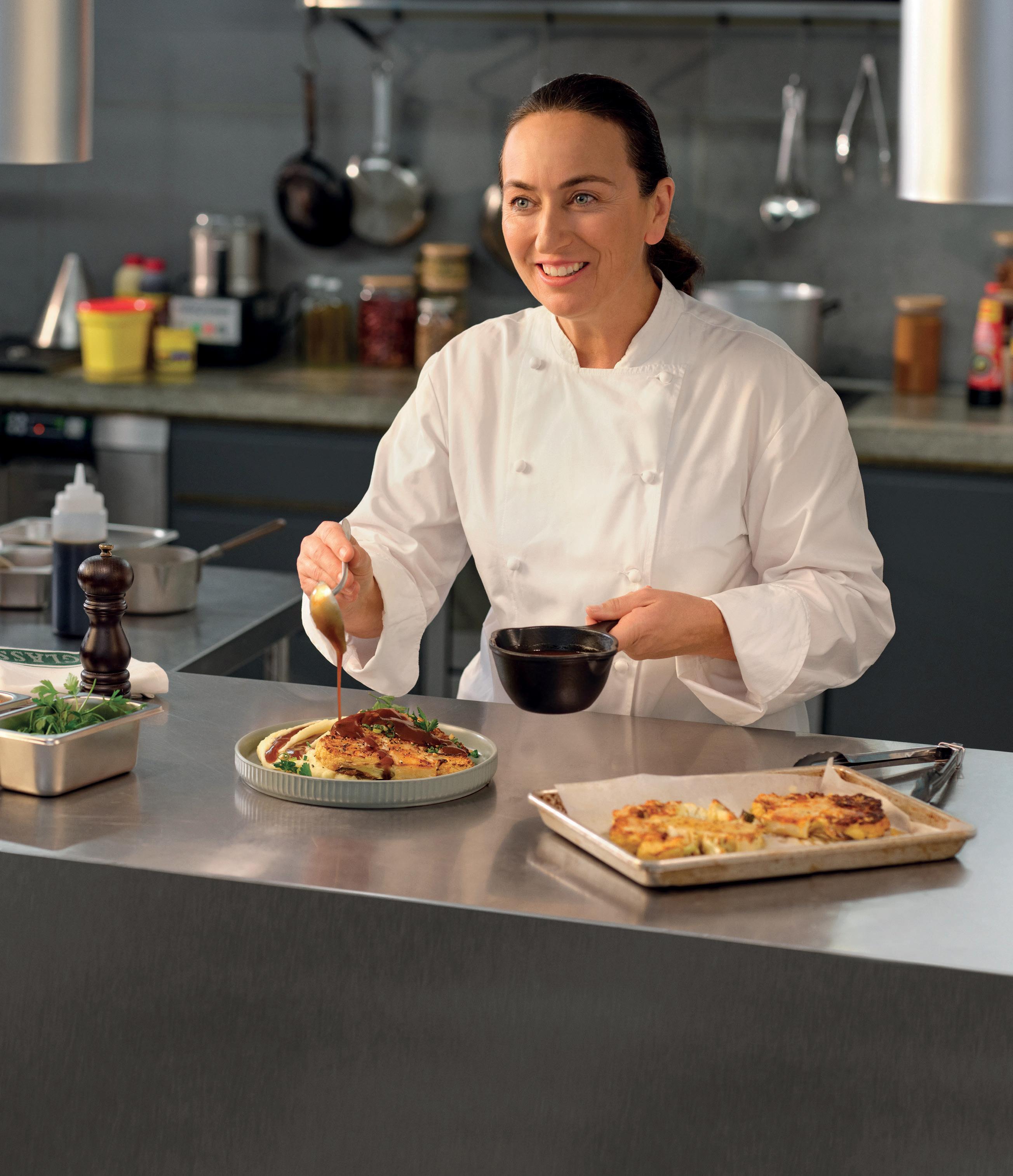
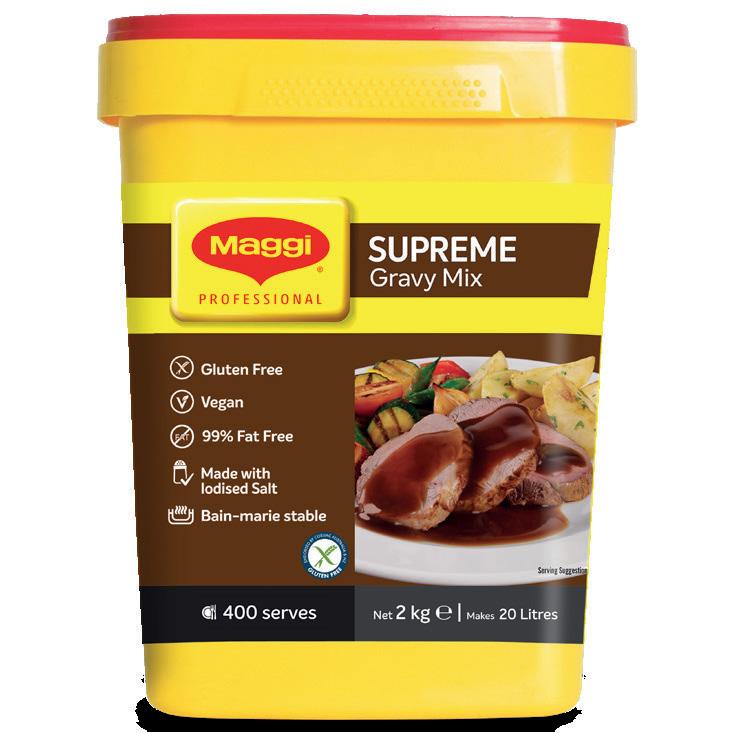
MAGGI® GRAVY HANDLES ANY CHALLENGE WITH EASE
Make Maggi® Gluten Free Supreme Gravy Mix the star of your team, and treat your customers to full-bodied, beef-flavoured brilliance that just happens to be vegan.
Round the clock
The teams behind Elio’s Place and Ruby Dining on running day-to-night eateries.
WORDS Laura Box
PHOTOGRAPHY Jana Langhorst
ALL-DAY DINING IS a tough nut to crack. From the cost of labour to ensuring each part of service is as good as the last, the challenges can feel overwhelming. But the peaks outweigh the troughs for two recent additions to Melbourne’s long-service hospitality milieu. Hospitality speaks to operators about how they’re taming the multi-hour business model.
After running cafés for 11 years, the restaurateurs behind Operator 25, Operator Diner, and Operator San were looking for a new challenge. Co-Owners Valerie Fong, Randy Dhamanhuri, and Chef Partner
James Cornwall (former head chef of Cumulus Inc.) came up with a new concept; one that could transition smoothly from breakfast to dinner.
Inspired by the brasseries of New York and London, the team launched Ruby
Dining in the heart of Melbourne’s CBD, on the corner of Queen and Little Bourke. Although rent is high in the premium, high-traffic location, so are other costs such as labour. It presents a window for operators to extend their hours to justify high leasing costs. As Dhamanhuri puts it: “you’re already paying rent for the venue, so you can see it as an opportunity to try maximising your sales”.
From ensuring high-quality service — even during quiet times — to delivering excellent food, service, and ambience in each different period, running an all-day venture isn’t without its challenges. The style of service needs to adapt to different times to keep up with changing clientele, pace, and offerings. Staff skills also need to be accounted for; who can make a good
coffee in the morning, and who knows about wine and can make a killer cocktail at night?
“We chose to have one head chef oversee breakfast and one oversee dinner, so they aren’t spread too thin; [it also] helps keep the creative focus to their assigned area,” says Dhamanhuri. To ensure food preparation and ordering runs smoothly, ingredient crossover is implemented across the menus, ensuring kitchen space and produce are both utilised efficiently. The transition between menus is also supported by an additional afternoon snack service as well as dedicated prep kitchens.
On weekends, visitors can grab allday breakfast at Ruby from shokupan (Japanese milk bread) French toast with strawberries, mascarpone, maple syrup, and pistachio to Moroccan baked eggs with spiced chickpeas, coriander, fetta, za’atar and flatbread. On weekdays, breakfast runs from 7–11:30am. The lunch and dinner menus follow a similar pattern, punctured only by a reduced snack-style menu that runs during the quieter afternoon period.
Ten minutes’ walk down the road are evennewer kids on the all-day-dining block: Elio’s Place. The venue launched in August and is the Euro-inspired brainchild from the team behind Greta and Maverick, aka sibling duo Adam and Elisa Mariani.
Elio’s isn’t the Mariani’s first foray into all-day dining. Their weekday joint Greta was the first to implement the model, which allowed the pair to observe the dining habits of guests from morning till night. But Elio’s is delivering something different. “The location of Elio’s Place is very well suited to all-day service, it’s in the heart of Flinders Lane which has so many different customer demographics: the corporates, the students, the foodies, and the tourists,” says Adam.
“Being known as a space that caters to anyone at any time of day means more convenience for customers,” adds Elisa. “We can meet the needs of a variety of demographics and it also feeds into increased brand recognition and the possibility of a greater competitive edge.”
From 7–11:00am, Elio’s serves a European breakfast with a mix of sweet and savoury options, including Kaiserschmarrn (Austrian “scrambled” pancakes) with
“Being known as a space that caters to anyone at any time of day means more convenience for customers.” – Elisa Mariani
blueberry yoghurt, and smoked trout with gherkins, horseradish, pepper berry crème fraîche, and focaccia. “There are also graband-go sandwiches for those on the run, but we like to invite those who can, to dine in and enjoy a slow breakfast,” says Elisa.
The lunch and dinner menu runs from 12–3:00pm, and then from 5pm till late. The format encourages sharing, with guests able to select house-made pastas; cabbage skewers served with butter emulsion and Espelette pepper; raw beef with bone marrow mayonnaise and blackberries; and whole flounder with burnt lemon and bottarga.
Aperitivo and bar hours take place between lunch and dinner, with the venue offering a pared-back menu of snack-style items including house-made focaccia served with miso butter, Sydney Rock oysters, and daily chef specials. “Diners can make the experience their own,” says Elisa. “They can grab and go, drink coffee at the front bar in true European fashion, or sit down and take their time to dine.”
When it comes to staffing, Elio’s is taking a multi-faceted approach, with the team encouraged to gain experience working during different parts of the day and night. Their goal? To create a team of professionals who have skills that translate across all services. “Some may have day or night experience specifically, but with training and development, full coverage is learned,” says Adam. “Hospitality presents many daily challenges, and you never know when staff coverage is required.”
With early positive reviews already emerging, the challenging endeavour appears likely to prove lucrative for those game enough to give all-day dining a go. ■
Entrée
The latest openings, books, events, and more.
EDITED BY Annabelle Cloros
Odd Culture Group expands with Bistro Grenier
Sydney’s Newtown has a new French eatery, and this one is located inside Odd Culture. The mezzanine level has undergone a refit to make way for the Euro-centric concept which is headed up by Group Executive Chef James MacDonald and Head Chef Jesse Warkentin. Guests can now enjoy house boudin noir made from smoked pork jowl; steak frites; and a Berkshire pork chop served with braised boneless trotters, prunes, and cabbage. On the drinks front, back vintage gems and rare-allocation bottles are available for the first time. Ricard pastis, Bugey-Cerdon fizz, vin jaune, and Chartreuse take pride of place on the beverage list. oddculture.group
The return of the Caesar
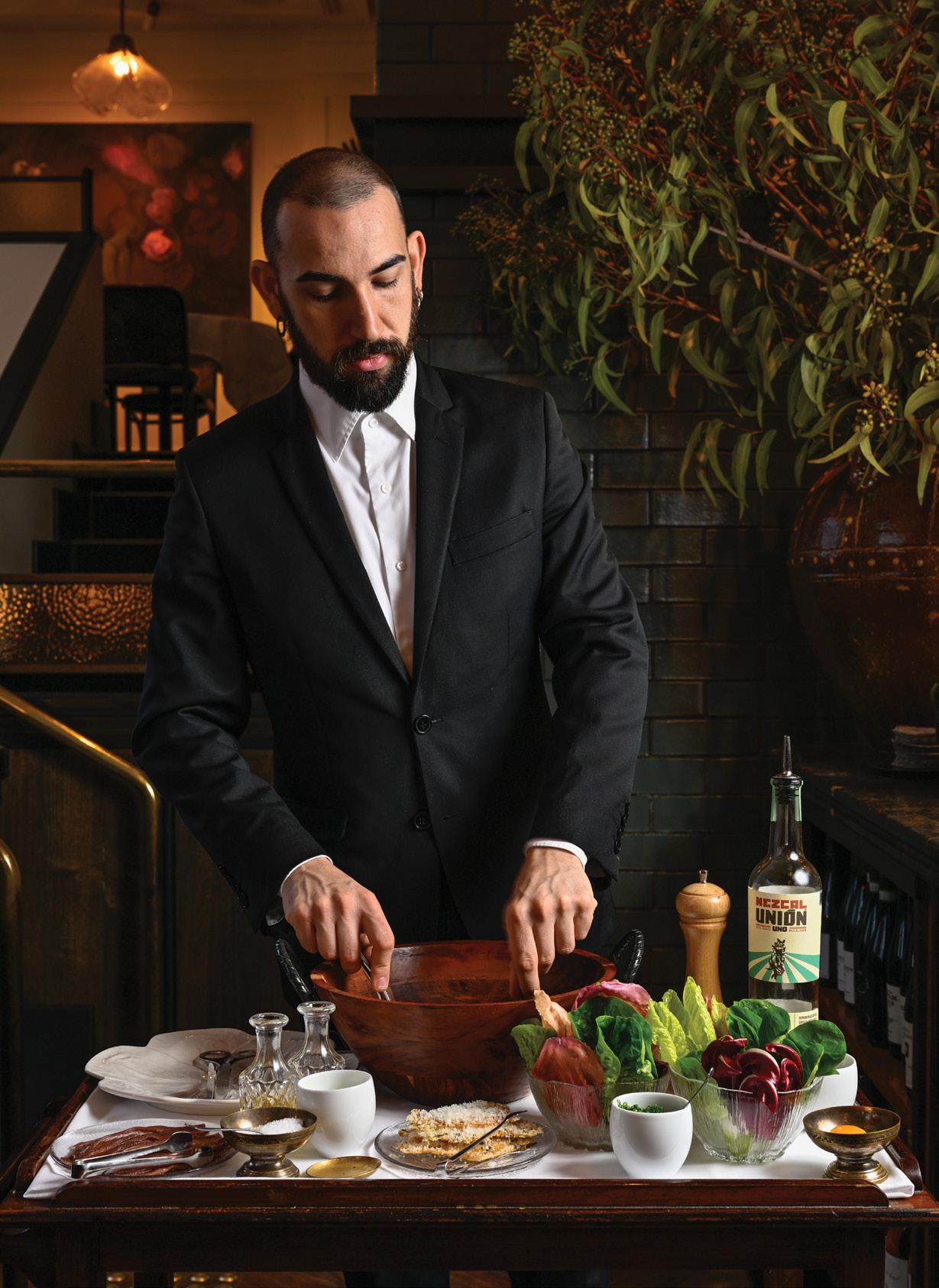
Melbourne fine diner Gimlet has added a new tableside service to its offering which is spotlighting one of the world’s most iconic salads. Weekend guests can now enjoy a Caesar salad for two during lunch for $64. The salad is prepared by a front-of-house team member, who will wheel over a trolley and mix together a dressing of Dijon mustard, egg yolk, anchovies, capers, and a shot of Union Uno Joven that is added to a salad of gem lettuce, sorrel, radicchio, and some extra anchovies. The final finishes? A deboned spatchcock and crisp pieces of lardo. gimlet.melbourne
Photography by Jo McGann
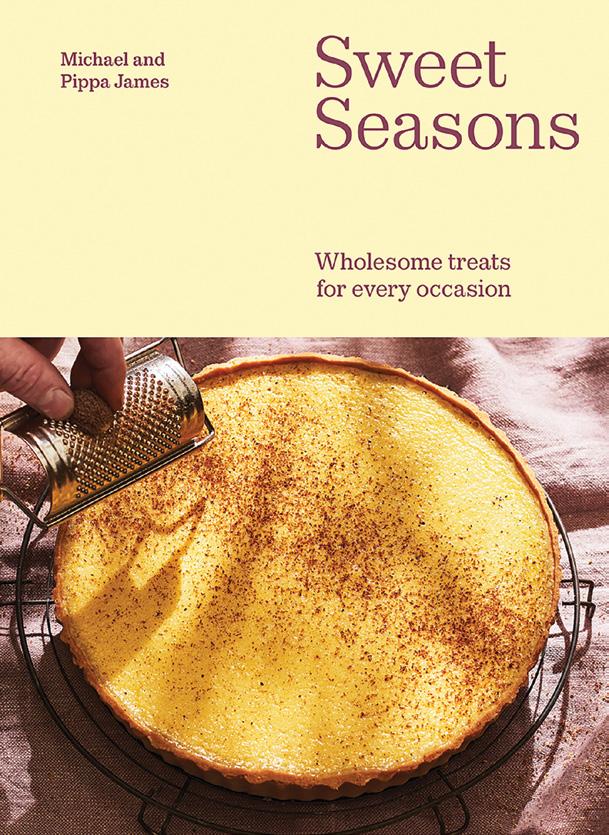
Sweet Seasons
Wholesome Treats For Every Occasion
Michael and Pippa James
Hardie Grant Books ; $50
Michael and Pippa James have returned to writing with a new book covering the sweeter side of baking. Sweet Seasons features 80-plus recipes from classic hits such as hot cross buns, brownies, sponge cake, and the iconic custard tart to low-waste options made from seasonal fruits in addition to pies, curds, and custards. Michael and Pippa are the founders of the much-loved Tivoli Road Bakery, which they opened in Melbourne back in 2013 before selling the business in 2018.
Yum Cha Project launches in Sydney CBD
Sydney’s latest yum cha venue has opened in the heart of Sydney, but don’t expect to see any trolleys on the floor. Yum Cha Project is the work of Howin Chui (Kowloon Cafe, Ni Hao Bar) and partners Waiwing Lau, Jacky Huang, and Colin Ho, who noticed a gap in the market for à la carte dim sum. Guests can now get their hands on siu mai, vegetarian dumplings, and prawn and spinach dumplings as well as fried rice, spring rolls, and shallot pancakes. There are some non-traditional options on the menu, too, including cheeseburger spring rolls, Peking duck pizza, and chicken and shallot pizza. yumchaproject.com.au
Family matters
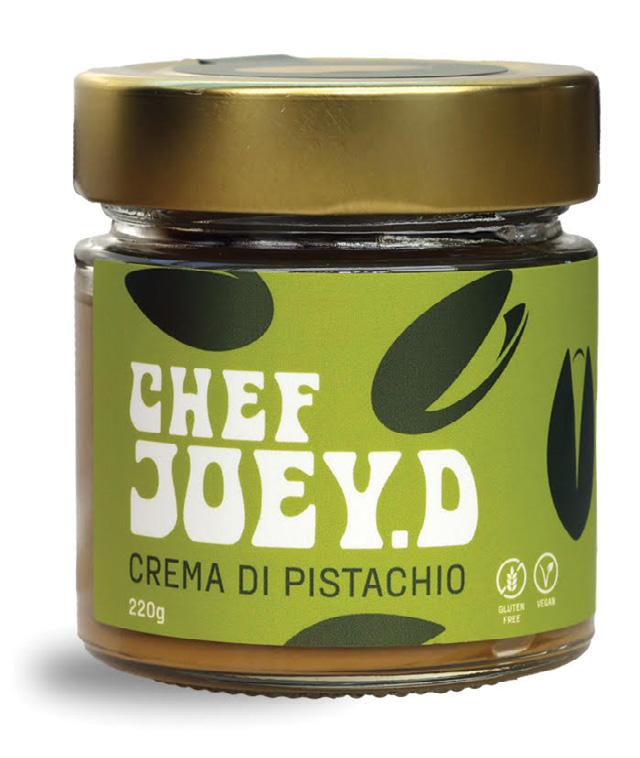
Chef Joe Di Cintio has teamed up with his son Max to develop a pistachio spread inspired by the flavours of Sicily. The pair travelled to Italy a few years ago and struggled to find a pistachio spread on the market that rivalled those they enjoyed in Sicily upon their return. So, they decided to develop their own version made with a minimum of 46 per cent pistachios. The spread is vegan, gluten-free, made locally in Melbourne, and the perfect pairing with croissants. Available for $18.95 from Grazia, select stockists, and online. chefjoeyd.com
Circl wine bar arrives in Melbourne
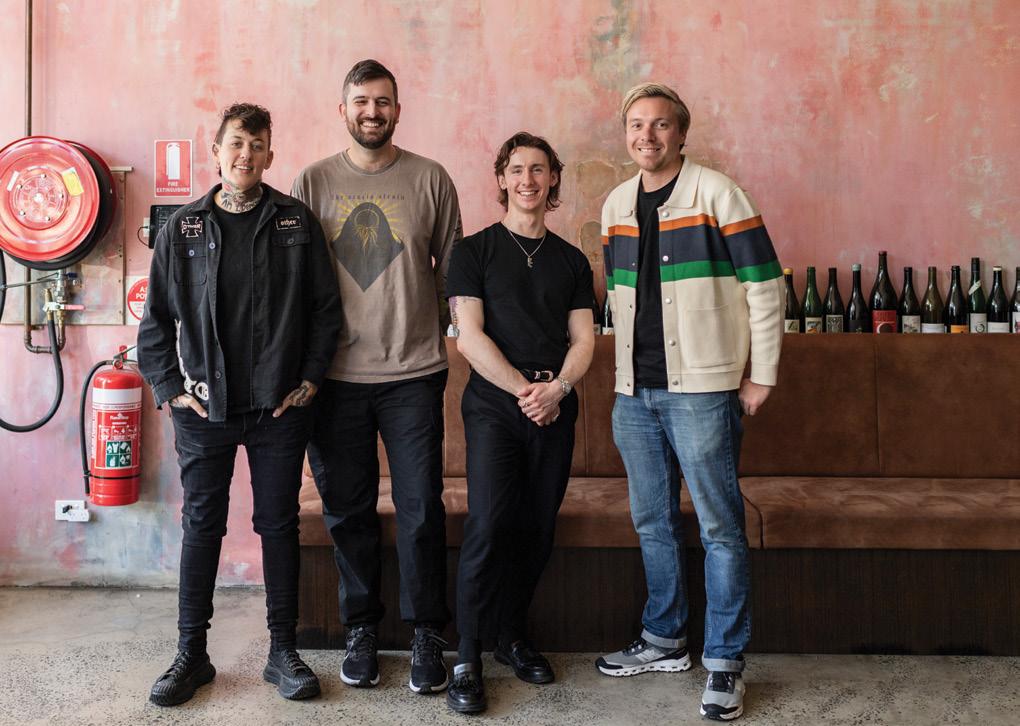
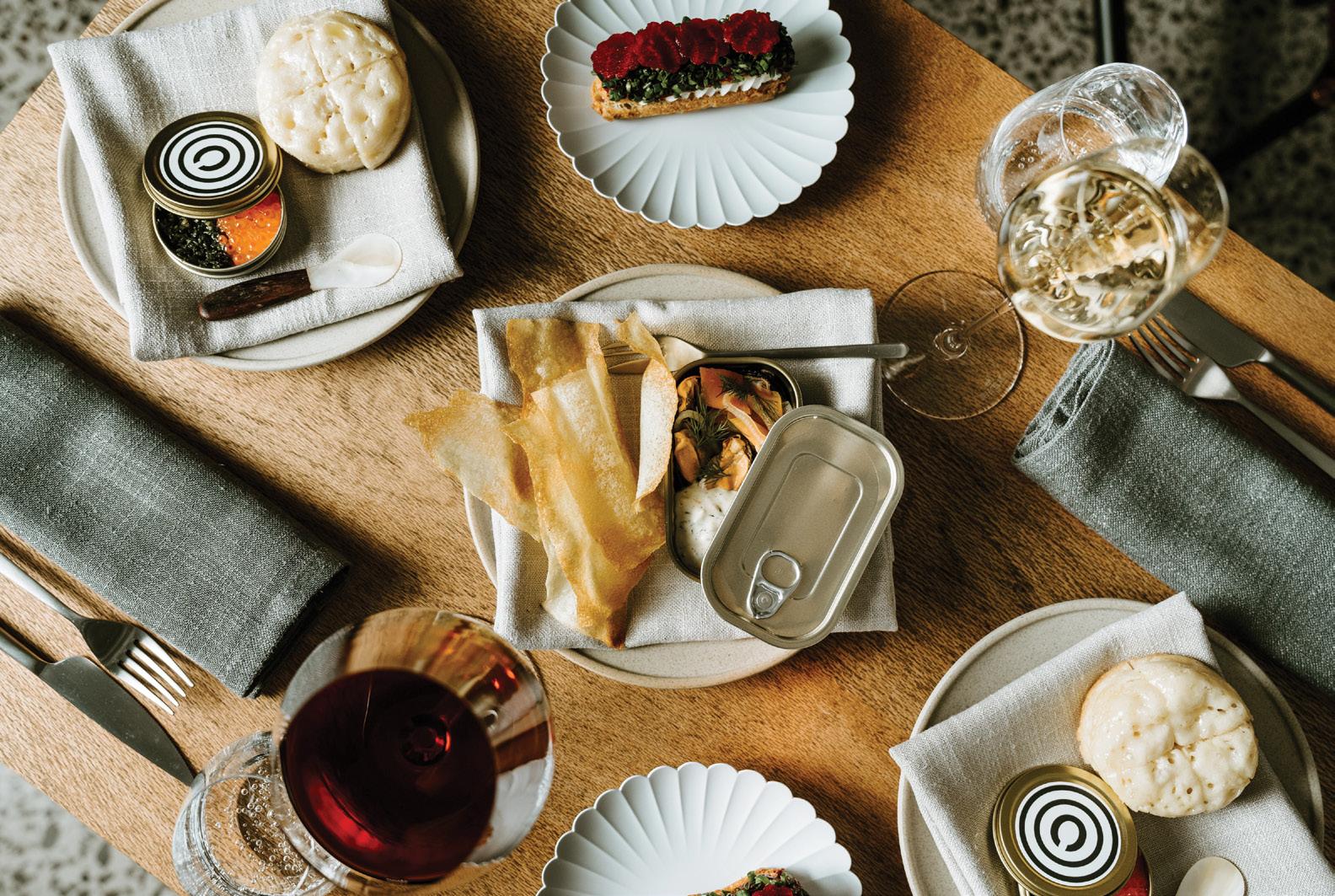
Melburnians can now take a seat at Circl, a new wine bar located on Punch Lane in the CBD. The venue has a 1,500-bottle wine list as well as a 150-option by-the-glass offering, making it one of the go-to spots in the city to sample a vast selection of wines curated by Head Sommelier and Venue Manager Xavier Vigier. Executive Chef Elias Salomonsson joins from Scott Pickett’s restaurant group and has put together a menu inspired by Scandinavian cuisine and seasonal produce. Highlights include goat’s cheese eclair, Loddon Estate duck with Davidson plum BBQ sauce, and burnt orange as well as a Blackmore Wagyu tri-tip steak with mountain pepper butter. circlwinehouse.com.au
Persian Feasts
Recipes and Stories from A Family Table Leila Heller
Co-authored by Lila Charif, Laya Khadjavi, and Bahar Tavakolian Phaidon ; $69.95
Those wanting to delve into regional and authentic Persian cuisine need look no further than Persian Feasts . The book includes more than 100 recipes accompanied by photography that interweave history with family stories and traditions. Chefs can try their hand at saffron-infused rice dishes, hearty stews, fish-based creations, as well as chutneys and jams. The book also features three essays by art historians, who provide historical accounts of Persian cuisine and culture. phaidon.com
SUPER FUND OF THE YEAR
Hostplus is a top-performing super fund that puts members first. That’s why we’re proud to have been named Money magazine’s Best Super Fund 2024. Judged on strong performance, value for money, and an ongoing focus on members, we’re thrilled to receive this recognition.
Compare Hostplus
Best Super Fund 2024 is awarded by Money magazine. Visit moneymag.com.au for awards criteria. Awards and ratings are only one factor to consider when choosing a super fund. Past performance is not a reliable indicator of future performance. General advice only. Before deciding, consider the relevant Hostplus PDS and TMD at hostplus.com.au and your objectives, financial situation and needs, which have not been accounted for. Issued by Host-Plus Pty Limited ABN 79 008 634 704, AFSL 244392 as trustee for the Hostplus Superannuation Fund ABN 68 657 495 890. HP2815
Bar cart
Thirst quenchers, slow sippers, and all things beverage related.
EDITED BY Amy Northcott
Pistachio perfection
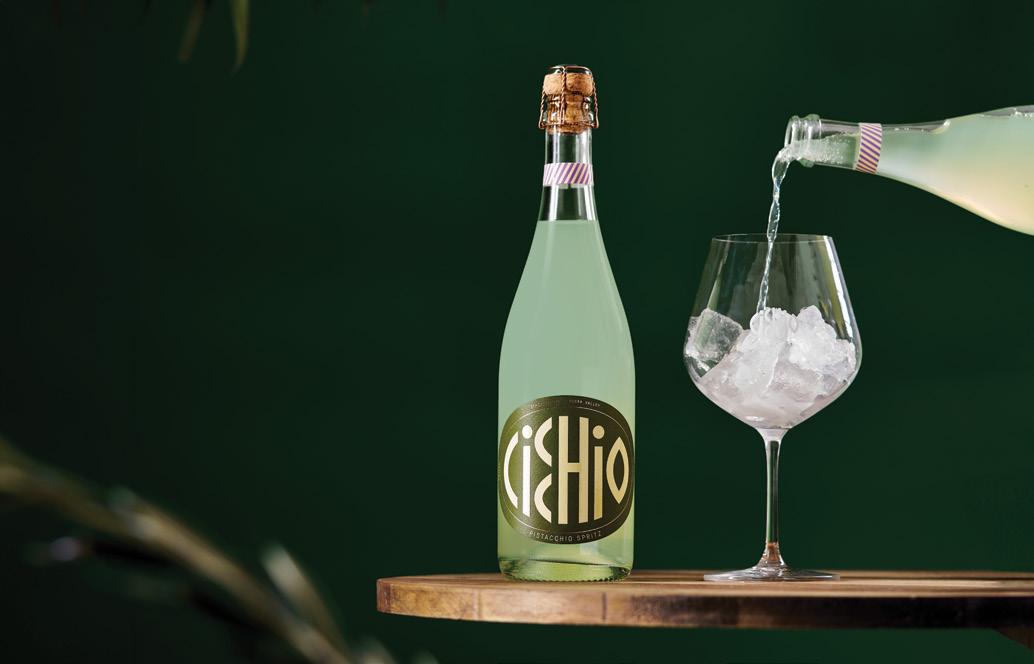
Zonzo Estate have added Cicchio pre-mixed pistachio spritz to its growing range. The idea to feature pistachios in RTD form was inspired by Estate Director Rod Micallef’s daughter, who is a big fan of pistachios. “One night, when I was busy making limoncello, I had the idea to try it and see what it would turn out like,” says Micallef. A secret pistachio spirit is blended with Zonzo’s own sparkling wine to create the easy-to-drink summer option. Cicchio is priced at $28 a bottle and is available from Zonzo Estate, Dan Murphy’s, and independent retailers. zonzo.com.au
Photography by Anderson Studios
Drink for a cause
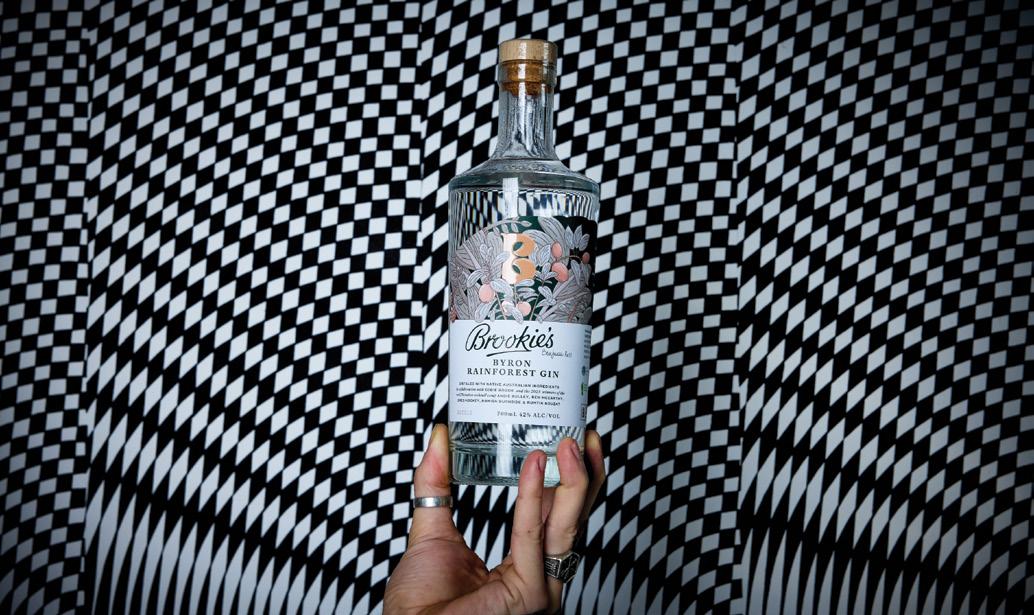
Brookie’s is planting one rainforest tree for every bottle sold of its new Byron Rainforest gin. The gin is distilled with botanicals including quandong, native raspberry, native river mint, and rosella as well as salt water. The gin’s recipe was a collaborative effort from Eddie Brook (Brookie’s) along with bartenders Andie Bulley (The Waratah); Ben McCarthy (High Jinks); Greg Hookey (Captain Melville); Hamish Mcshane (Moonlight); and Rumtin Nouzat (Fineprintco Art Bar) and was part of the Regineration Cocktail Competition. Available from Cape Byron Distillery for $82.99. capebyrondistillery.com
Right in the middle
Australian Beer Co. have added a new mid-strength beer to its range. Son of a Nun showcases crisp, tropical fruit aromas as well as a herbaceous but mild bitterness on the palate. The beer is ideal for those who are keeping their alcohol intake low, with each 375ml can sitting at 3 per cent ABV. Available from independent liquor stores for $62.99 (30 cans). sonofanun.com.au
The great return
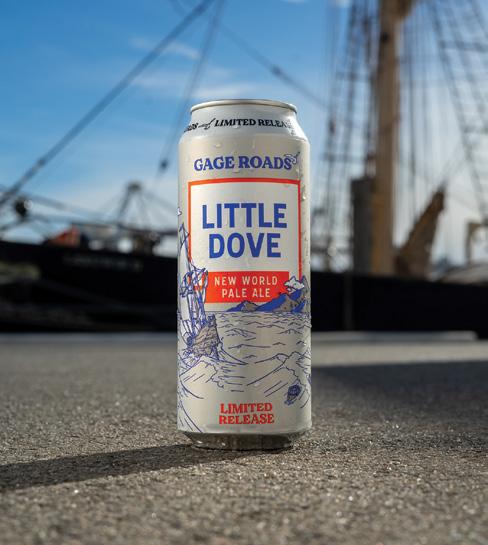
Gage Roads Brew Co’s pale ale Little Dove New World is back after the beer was put on the backburner. “Sometimes, you need to say goodbye to the things you love but that doesn’t mean they’re gone forever,” says Brewer Aaron Heary. “We all love a comeback and Gage fans have been shouting for it, so we listened.” The beer has tropical aromas of guava and stone fruit alongside sweet malt notes and a hint of bitterness. Little Dove is available on-tap and in 500ml cans ($8.50 each) from Gage Roads Brew Co. gageroads.com.au
Host with the most
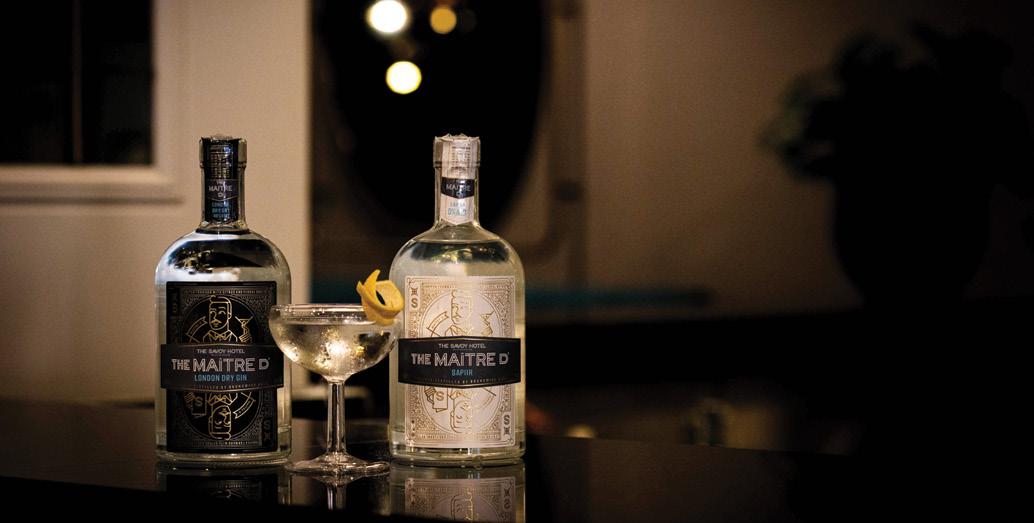
Melbourne distillery Brunswick Aces joined forces with The Savoy Hotel on Little Collins to launch a collaboration gin. The Maître D’ is available in both alcoholic ($85) and non-alcoholic ($60) versions and is an homage to the service professionals who worked at the hotel’s Rainbow Room during the 1950s. The juniper-heavy, London-style dry gin features notes of citrus, coriander, green cardamon, cassia bark, and cloves. brunswickaces.com
Establishing connection
WORDS Ken Burgin
EVEN WITH ALL the troubling headlines, your café or restaurant can be a source of good vibes and happy smiles. By focusing on the positives, you can gain more loyal customers and stand out from the larger chains. Let’s work on an action list…
Introduce your team
Staff are the centre of the action, so let customers get to know them. Create ‘meet the team’ posts on your website or social media platforms. Mention their interests and let them occasionally take over your social channels for a week. If they achieve something noteworthy, like winning a competition or completing a course, mention it.
Highlight your menu
Showcase your best dishes and local connections. Feature a dish of the week on social media and explain its origins and inspiration. For example: “We use bream in our fish and chips from the South Coast that’s caught on local boats every morning ” You could also consider sharing recipes or even spotlighting a local grower who supplies you r venue
Promote your local area
Share interesting facts about the neighbourhood you operate in. Mention local history, upcoming events, and interesting places only locals know about. If the sunsets
are a standout, make sure to share photos. This helps position your venue as part of the community, and with some careful use of hashtags and posts on your Google Business Profile, you will attract visitors.
Share customer stories
Once you have received their permission, talk about regular customers such as a couple celebrating their anniversary or a cycling group that meets at your venue regularly.
Mention local partnerships
Talk about connections with other local businesses. For example: “We use honey from the community apiary in our desserts and local hospitality students run two barista shifts each week ” Share both news and photos.
Good news board
Set up a board where customers can share positive local stories or achievements. Some items can be photographed and shared on your Instagram or Facebook.
Celebrate milestones
Talk about key business dates such as anniversaries or celebratory events such as serving 10,000 coffees and offer customers a freebie
Host community events
This could be a fundraising event for a local
charity or sporting group, or something as simple as opening early for a community group to meet.
Support local causes
Get involved with local charities or community projects and provide updates. ’ We’ve raised $1,000 for the local animal shelter this quarter‘, or ’our team helped plant 10 trees in the community garden‘. Again, words plus photos!
Use customer feedback
Share positive reviews and feedback. A screenshot or simple graphic is more than fine to post. You could even ask a customer to go on video to share a little about their experience at your venue people these days are much more relaxed about this.
Use social media effectively
Post photos of your dishes and dining area and repost customer content. Make sure customers tag you when they post. Too busy for socials? A couple of your team members can handle it -if you give them content guidelines.
Regularly sharing positive news about your food, team, local area, and customers creates a welcoming atmosphere that encourages people to return. Focusing on good news and positive experiences in the hospitality industry is a great way to build a group of loyal fans. ■
How to build sales and loyalty with good news.
Used as a seasoning
High in vitamin C and calcium
Originated in Japan’s Tokushima prefecture
Often referred to as Japanese lime
Believed to be a hybrid of yuzu and koji
Fruit is harvested while green before the rind turns yellow
It is acidic with mildly sweet overtones
Weighs between 20–40g
Sudachi
The hard-to-find citrus fruit hails from Japan.
WORDS Laura Box
Origins
Sudachi is a rare Japanese citrus and a relative of the more widely known yuzu. The green, golf ball-sized citrus is commonly cultivated in Japan’s Tokushima prefecture on the east of Shikoku Island and is a unique part of the region’s agricultural output. The fruit also inspired the area’s cartoon mascot Sudachi-kun. Although the exact origins of sudachi are still somewhat debated, genetic research has determined the fruit is likely a hybrid of a yuzu and koji or a tachibana orange. Sudachi is rich in potassium and citric acid and contains more vitamin C than lemons.
Growth and harvest
The plant begins to bloom with white flowers in spring, before developing clusters
of fruit in autumn. Although the fruit eventually ripens to a yellow–orange hue, sudachi is harvested from spring through to autumn while it is still green and highly acidic. In Japan, the fruit is grown yearround in greenhouses, which means it is always available. In Australia, sudachi is one of the most difficult citrus fruits to source. It is commonly grown in backyards and is not available on a commercial level.
Flavour profile
In Japanese, the name sudachi references ‘table vinegar’, which is a nod to its acidic profile. It is fresh and aromatic, accompanied by a hint of sweetness, and has finishing notes of pepper. Sudachi is often compared to kabosu, yuzu, daidai, and shikwasa. Due to its early harvesting
time, it is also likened to lime thanks to its highly acidic profile, however a ripe sudachi has a milder, less-acidic flavour.
Culinary applications
Sudachi can be used in a similar way to lemons and limes, with both the juice and rind used across a range of dishes. It can be incorporated into a hot pot sauce or squeezed over grilled fish such as mackerel pike (also known as Pacific saury) and sashimi. Because of its widespread availability and short harvest time, sudachi is an indispensable garnish for prized, highend Matsutake mushrooms. The rind can be grated over salads, sorbets, fish, and meat. Its aromatic qualities make it an ideal pairing with gin or vodka. It is also commonly enjoyed with sake in the Tokushima prefecture. ■
shred above the rest
Smooth taste with a mild cheddar flavour
Flexible shred pieces for convenience and versatility Ideal ‘all-rounder’ for a range of applications
Great stretch with melt in mouth texture
Consistent golden caramelisation when heated
White style shred
NEW Horizons
Newtown restaurant
Comedor is breaking ground with an agavecentric drinks list that goes beyond tequila.
WORDS Annabelle Cloros
PHOTOGRAPHY Dexter Kim
COMEDOR IS A restaurant that showcases Mexican techniques, rather than the dishes most associate with the cuisine. Chef Alejandro Huerta set out to do things a little differently at Comedor, which means no tacos and absolutely no palate-burning tequilas. The chef teamed up with Kieran Took to launch the Sydney venue, with the Mucho Group alumni creating a beverage list that is filled with boutique spirits made according to Mexican traditions.
Took speaks to Hospitality about introducing guests to spirits beyond tequila — meet raicilla, pechuga, and bacanora — supporting smallbatch distillers, and creating cocktails that can be enjoyed meal-round, not just pre- or post-food.
Comedor is located inside a heritage-listed warehouse in Newtown. The 100-seater opened its doors in July, bringing with it a new approach to Mexican cuisine many have yet to experience — at least on home soil.
Chef and Owner Alejandro Huerta has a decorated culinary CV, having worked in the
kitchens of Pujol in Mexico City, Noma in Copenhagen, and more recently No.92 and El Primo Sanchez in Sydney. Comedor is the first solo project from the chef, who wasted no time in collaborating with agave enthusiast Kieran Took, who is the venue manager and person responsible for all things booze (and non-alc, too). “When I joined, the menu was already written so I was able to read through it all and experience it before you normally would,” he says. “I could make sure the drink experience from a wine and cocktail perspective was all very pairable with the food. It elevates the experience rather than jars with it, which is a rarity.”
The bar is stocked with a range of Mexican spirits from tequilas and mezcals to lesser-known raicillas, sotols, and bacanoras. Took works with a handful importers to purchase spirits that are mostly made by boutique distillers, who are in some cases 12th-generation producers.
The bottles at Comedor are unique, which means they’re not easy to access — especially in the current market of quantity over quality. “Some
of the larger brands have come up with clever ways to make tequilas that technically follow the rules but take all the love and integrity out of the agave plant,” says Took. “Things like harvesting plants before they’re ready and using what are essentially giant pressure cookers to squeeze every bit of juice out of already-underdeveloped plants. [The juice] can technically be distilled, but has a sharp, aggressive taste.”
Took has visited several Mexican distilleries in person and sampled many agave products, having worked across the sector for years. He says the difference in mass-produced spirits over those made according to traditional methods is immediately noted by guests. “When you give them to people, they go, ‘Holy cow, this is delicious’,” says Took. “My favourite thing is saying, ‘This is what happens when the plant grows properly and has been harvested and cooked for the right amount of time’. These spirits have been made for thousands of years and each region does things their own way. I know it’s not practical for the whole world to be drinking spirits of this quality, but these spirits do the experience we are offering justice.”
Tequila and mezcal are prominent on Comedor’s menu, both in cocktail and standalone format, but there are many other options for guests to discover. Took names raicilla as one of his go-to selections, describing it as sitting halfway between tequila and mezcal. The agave-based spirit has an interesting history, one which revolves around provenance and taxation. “When tequila legally became tequila and the regions where you could make tequila were set, raicilla was just north of the border in Jalisco and was too high to be counted as tequila,” says Took.
Raicilla, which means ‘little root’ in Spanish, was illegal to produce a few centuries ago during prohibition. It was later legitimised, but ultimately heavily taxed. “There was a separation to call it a different name to avoid taxation,” says Took. “It has a fruity, clean, ginlike taste to it. It’s as close to gin as you can get while still being made from an agave plant.”
There are many variations of the spirit when it comes to flavour profile, with some raicillas verging into kombucha territory — meaning they a little funky — and others giving off aromas of fresh fruit. “There are 30 different species of agave that can be used to make different alcohols,” says Took. “You can line up eight different spirits from the same region and they
can all taste completely different thanks to when and how they were harvested and the conditions the plant was grown in.”
Sotol is another spirit to look out for, but is technically not an agave-based product. The liquor was created during the colonial era by Spanish settlers who distilled plants that had already been pre-fermented by the Indigenous peoples of Chihuahua. Sotol is made from the desert spoon plant, which is part of the asparagus family. The plant has thinner leaves compared to agave and is identifiable by its spiny exterior. “It reminds me of pisco in terms of texture and flavour,” says Took. “It has a tendency to be grassy and earthy with notes of wheat-like acidity.”
Among more standard examples of sotol, Comodor stocks a product that has been popular with more adventurous guests — Flor del Desierto Veneno, a bourbon-barrel-aged sotol with rattlesnake venom. “The ageing process removes some of the acidity and sharpness,
“The venom gives it a level of acidity and coconut milkiness, and people feel like a bad ass when they drink it.” –Kieran Took
and any toxicity from the snake venom is eradicated as the alcohol sits at 90 per cent when the venom goes into the barrel,” says Took. “The venom gives it a level of acidity and coconut milkiness, and people feel like a bad ass when they drink it.”
The same producers of the rattlesnake venom also distill pechuga, a style of mezcal. Pechuga translates to ‘breast’ in Spanish and is essentially mezcal made with raw chicken and other harvested ingredients. It’s a product that dates back to the 1940s, with makers distilling the mezcal twice before a third distillation occurs — this is where the chicken and the additional ingredients enter the scene.
Fruits, nuts, spices, and herbs are added to the still while a piece of raw poultry is hung above it. The boiling liquid produces vapours that cook the protein, and is said to impart body and fullness into the spirit. “The mezcal absorbs the flavours from the stock, and it has a meaty taste to it,” says Took. “It’s heavy and reminds you of chicken broth.”
While pechuga is traditionally made with cockerel or chicken, the protein options have since expanded, covering anything from jamon to snake meat and even kangaroo, with local New South Wales makers Black Snake creating their own take on the product.
Bacanora is the final Mexican spirit Took recommends guests trial. It hails from Sonora and can only be made with Agave
angustifolia. A lengthy prohibition meant bacanora was illegal to produce from 1915, with many bacanoreros making the spirit with haphazard pieces of equipment. The liquor is produced in a similar way to other mezcals, which requires the agave to be roasted, fermented, and then distilled.
“It is slightly savoury — I could almost liken it to unaged whiskey,” says Took. “It is slightly heavier with more of a burn and it is really delicious with spicy food.”
Guests can order tastings of Comedor’s agave spirit collection, which are all served at room temperature in agave-sipping glasses. “They look like shot glasses, but they are small cups with a wide rim, so you get lots of air in there,” says Took.
For those who would rather enjoy spirits in cocktails, the options are plentiful. Took has designed several versions of the crowd-pleasing Margarita including a spicy option dubbed the Fuego. “I wanted to make a more refined drink, not just something sour with some heat,” he says. The venue manager has teamed Tromba Blanco with not just lime juice, but mandarin juice, mandarin syrup, habañero, and fermented yellow chilli.
The Mezcal Colada has been another
popular order and is a riff on the classic piña colada. “We add quite a lot of honey to give it earthiness and that binds well with Mal Bien mezcal, No Do tequila, coconut, and honeycomb on top,” says Took.
Took admits there is an “element of the unknown” when it comes to the Comedor experience, which means dining and drinking at the Newtown restaurant is ultimately an education piece in Mexican spirits as well as ingredients and techniques. “People unfortunately have a clear picture of what they think Mexican food is,” he says. “We deliberately tried to avoid being a Mexican restaurant from day one as we didn’t want people to associate us with Cali-Mex or Tex-Mex. We say we are more about Mexican techniques and utilising different flavours.”
The opening has ultimately provided a platform for Took, Huerta, and the wider Comedor team to challenge diner preconceptions about Mexican spirits and introduce them to options that are a cut above the rest. “Learning should be enjoyable and fun,” says Took. “It’s nice to finally be able to show it off my way and allow people to experience these products.” ■
Mandarin juice features in a spicy Margarita
Sotol is gin-like
Agave plants are used to make many different spirits
Bacanora is traditionally distilled with poultry breast
HANDS ON FOR BUSINESS PAYMENTS
Amelia Birch
The owner of bar and bottle shop Famelia shares how she’s refreshing the wine experience.
WORDS Amy Northcott
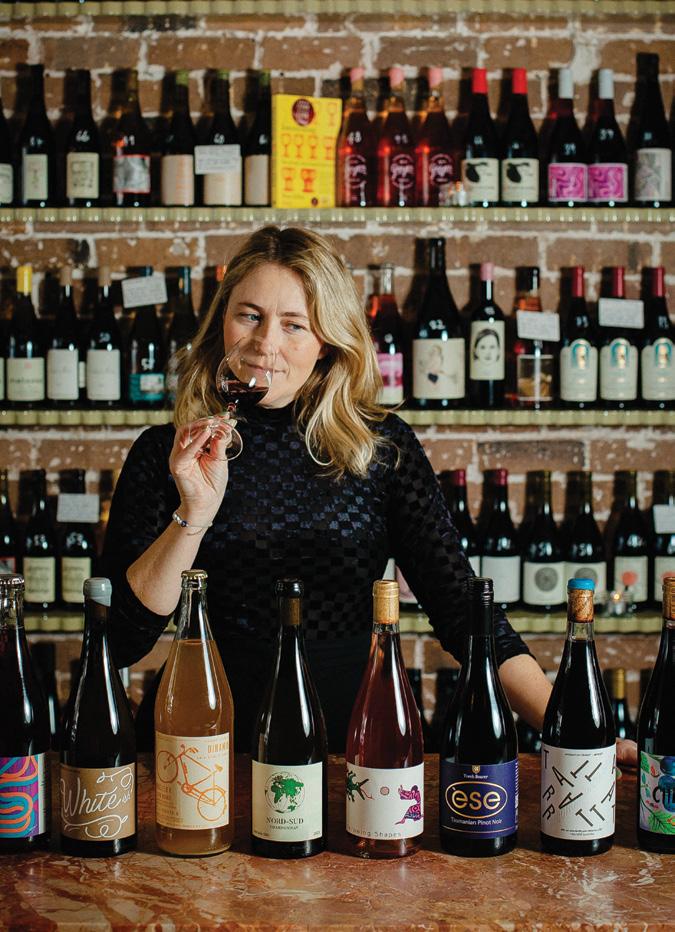
A VISIT TO Famelia isn’t your typical wine experience — and that’s exactly what Owner Amelia Birch wants. Birch is rejecting the sometimes-daunting process of purchasing or ordering wine in favour of one that is inviting and, most importantly, approachable for any level of vinous knowledge. “Famelia is intuitive and it’s consumer-focused,” she says. “It’s about feeling safe enough in an environment to challenge yourself and learn by pushing past the idea that you might feel uncomfortable about not knowing something.”
Hospitality speaks to Birch about her 15-plus-year career in the industry and how it’s shaped her approach to curating a winecentric experience at Famelia.
Amelia Birch discovered just how much she enjoyed conversations around wine during her time at Sydney’s Glass Brasserie. Under the wings of sommeliers and industry veterans John Clancy and Kim Bickley, Birch would partake in daily wine tastings as part of pre-service briefings. “We’d try our wine and talk about it, and I just really loved those moments,” she says. “It became a bit of a creative pursuit.”
It was at Glass where Birch learned the art of conversation when it came to providing wine service. “You can know everything about the making of a bottle,” says Birch. “But if you don’t know how to listen, ask questions, be curious, and value matching a person with a wine, then you’re not a sommelier in my mind.”
After Glass, Birch opened The Book Kitchen in Surry Hills and wanted to implement a hybrid bottle shop/wine bar business model. But licencing hurdles and a forced closure due to light rail construction deterred the initial idea.
Instead, she joined her family’s wedding venue Merribee which saw Birch launch her own wine consulting firm Your Personal Sommelier. Following the pandemic lockdowns, Birch continued running the business from her terrace in Surry Hills. “I think that’s what really moved me into wine-first mode,” she says. “I started to have thoughts like, ‘Oh, it would be fun to do this with more people’.” So the hunt for a space where Birch could offer her expertise and love of wine on a larger scale began. Soon enough, she found a vacant spot on Enmore Road in Sydney’s Inner West, which is where Famelia has been up and running for the last year.
Joining the wave of hybrid venues opening across the country,
Famelia is both a wine bar and a bottle shop under the one roof. Guests can come in and buy a bottle with help and guidance on offer from the Famelia team; sit down for a drink and snack; enjoy a wine flight; or join one of the venue’s educational events.
For Birch, the choice to have the hybrid set-up came with rethinking her approach to hospitality. “The wine bar and bottle shop are not individual things in this context, which is quite unfamiliar in our world,” she says. “It’s almost a bit of an unlearning and relearning. What do multi-purpose venues mean? Are they individual things at different times, or are they just one new thing that’s intuitive and based on what we need?”
So far, Birch has found observing how guests interact with the space has been key to understanding her offering. “It’s a bit of a start-up mentality where you don’t know what
your product is and who your customers are,” she says. “But you respond to what’s going on around you rather than having an idea and being inflexible.”
While wine is the core product at Famelia, Birch focuses on making the atmosphere approachable for guests. “It’s about the wine, but it’s also about the experience — I don’t want people to feel excluded from that,” she says. “At Famelia, it’s ok if you ask a question or say something stupid — no-one’s going to judge you.”
Famelia’s monthly wine flight list fosters a sense of inclusivity and education. Guests can choose from a selection of 12 options as part of a three-glass flight. “The risk and the barriers to entry are taken away [with a wine flight]: price, varietal, and quantity,” says Birch. “So that facilitates an environment where people learn and experience something fun.”
“There is an automatic ‘in’ to restaurants and bottle shops for certain winemakers because of networks and connections…” – Amelia Birch
Wines that feature on the list and in the bottle shop are made by female winemakers, wife and husband teams, or women-led wineries. Birch does this to promote wines that might not get as much exposure. “There is an automatic ‘in’ to restaurants and bottle shops for certain winemakers because of networks and connections, and that’s all fine,” she says. “But what it doesn’t breed is the opportunity for difference. I feel honoured to have a space that can champion them.”
Birch says her wine program is a two-way street. “I’m trying to be a bottle shop that has a curated selection based on listening to what people want and getting feedback, while also being price-conscious and supporting women — it’s a really nice ecosystem to be in.”
Birch hopes the style of offering at Famelia will cater to different budgets and desired experiences. “A really important thing for me is that there are different ways of interacting with our product,” she says. “You can have a $30 glass of Chardonnay (which is quite a lot)
or you can have a flight of three half glasses for $33 which might include that $30 Chardonnay. There’s value for money in that, and it’s also an experience.”
It’s evident that a visit to Famelia is in no way intimidating. Rather, Birch has crafted a deeply personal experience. “I love talking about wine and I love creating spaces where people feel comfortable and safe to challenge themselves,” she says.
Birch is also proud of Famelia’s individuality, and believes it makes the venue stand out to guests. “I think a lot of people go into hospo thinking it has to look and sound a particular way, but the thing that really sells is people being themselves.”
Next time you find yourself wanting to learn more about wine or simply enjoying a glass, take a trip to Famelia and experience Birch’s years of industry knowledge; passion for sharing and learning; and love for the ever-evolving world of wine. ■
Famelia’s offering features exclusively female-made wines
The venue functions as a bottle shop and a wine bar Birch started as a waiter at Sydney’s Glass Brasserie
Guests can book in for educational wine events
PRECISELY
for the world’s finest chefs
Premium Stocks, Jus & Glaces
Made for the world’s finest chefs who set high standards and take exceptional pride in their dishes. Bone Roasters provide precisely crafted, chef inspired stocks and jus that elevate the flavour of every dish with elegant simplicity. Using only the finest quality Australian and New Zealand ingredients, Bone Roasters uses traditional slow cooking open-kettle methods and follows the highest quality and consistency standards to deliver the most exceptional culinary experience, every single time.
New beginnings
Spring marks the peak of produce and is the season many chefs look forward to each year.
WORDS Annabelle Cloros
SPRING IS A universally favoured season for many chefs. The return of the warmer weather means longer evenings, abundant green vegetables, and an opportunity to usher in new menus that champion lighter fare.
But it’s not as easy as tacking a seafood- or veg-centric dish onto the menu — spring dishes take time, consideration, and future-planning, especially when it comes sourcing hyper-seasonal ingredients that necessitate near-perfect conditions — here’s looking at you, white asparagus.
Hospitality speaks to Manu Feildel from Bistro Red Lion by Manu and Fabian Lehmann from Maxwell Wines about the inspiration behind their spring menus, the development of new additions, and catering to changing diner preferences.
You can find Bistro Red Lion by Manu at the Red Lion Hotel in Sydney’s Inner West. The historic Rozelle pub opened the bistro back in July, appointing Manu Feildel as the culinary lead behind the concept, which showcases recipes from the chef’s family archives. “I want guests to forget the outside world and feel as though they’re dining at my home, enjoying a good bottle of wine,” he says.
The venue opened its doors in the thick of the cool season, serving guests comforting dishes of matelote (fish stew) with Murray cod and mussels with speck, mushroom, and red wine sauce as well as the highly ordered double-baked Comté cheese soufflé.
But the time has come to usher in lighter dishes, with Feildel getting to work on the menu in August. “I typically start thinking about the spring menu at least one month before the first day of spring,” he says. “It gives me the time to get my creative juices going and to do some research on seasonal produce. Everyone is ready for fresh meals that aren’t too heavy.”
When it comes to dish inspiration, sixth-generation chef Feildel combines his own personal style of cooking with ideas picked up from “reading through cookbooks and searching for new techniques and ingredients”, he says.
Speaking of produce, the chef has decided to hone in on Australian pork as his protein of choice for the coming months after the team received positive feedback on a winter pork dish. “We have been using 500g free-range pork cutlets from the Hunter Valley, which is a juicy, tender cut with a good amount of fat,” says Feildel. “It has been so successful on the menu that we’re going to keep it on, but pair it with something different — slow-roasted grapes and a sweet, slightly sour verjus sauce. Australia has amazing pork that is so great to cook with.”
Guests can also keep an eye out for spring lamb as well as green asparagus, Jerusalem artichokes, corn, and black garlic, which Feildel has chosen to highlight across a range of new dishes. “I am thinking of salt-cured Ora King salmon with Davidson plum; sweetcorn velouté with a crab and almond salad; lamb two ways with white bean pureé and black garlic; and beef tartare with Jerusalem artichoke crisps,” he says. There’s much to look forward to trying at the 120-seater, which will make the most of its alfresco balcony dining space now the city is seeing warmer days.
“I typically start thinking about the spring menu at least one month before the first day of spring.”
– Manu Feildel
Maxwell Wines source white asparagus during spring
Maxwell Wines have beehives on the property
Pork cutlet is one of the most popular dishes at the bistro
Salt-cured salmon with Davidson plum is a new addition by Feildel
Over in McLaren Vale, Fabian Lehmann is more than ready to showcase the best the season and the state of South Australia has to offer. The German-born and raised culinary talent has a Michelin-studded CV having worked at Apicus, the Grand Elysee, and Schlosshotel Kronberg in Germany before he relocated to Adelaide in 2016. Lehmann joined Maxwell Wines in the same year as head chef, a position he has held ever since.
Maxwell Wines’ restaurant serves the best of spring when it comes to the winery’s scenic location as well as the dishes that appear on the menu. The restaurant offers a tasting experience, which consists of 10 to 14 dishes comprising both snacks and plated courses. Spring also marks the period when tourists begin to return to the region. “It’s pretty quiet down here in winter, but people come out of hibernation when the sun is out — it’s a totally different feel,” says Lehmann.
The increase in tourists means the restaurant is booked out during the warm season, which means there are plenty of mouths to feed and consider when developing new dishes in early August. The time it takes to create a new dish varies,” says Lehmann. “Sometimes only minor tweaks occur, but others need an entire rethink. We spend a lot of time testing and trying dishes. It normally starts with an idea and a group discussion and then someone will start chipping away at it
and it comes together. I would say it takes somewhere between two and four weeks.”
The chef largely looks to his surrounds when it comes to spring inspiration, as well as proteins such as fish, lamb, and beef. “We always try to stay as local and as seasonal as possible,” says Lehmann. “When you think about spring, you think of flowers, which are beautiful to use in different ways. Last year we preserved plenty of nasturtium leaves and made vinegars from them, which we will use on this season’s menu. It’s good to move away from comfort foods like braised dishes and root vegetables to green asparagus, peas, and white garlic flowers, which we forage.”
Garlic flowers are indicative of spring but are fleeting when it comes to availability, only blooming for a matter of weeks. Lehmann plans to harvest as many as possible and incorporate them into a Wagyu tartare with salt-baked beetroot and a wild garlic emulsion. The tiny flowers are more pungent than they look, with the chef describing them as “not overpowering, but very garlicy. You need something that’s a bit fatty to stand up to the beef.”
White asparagus is another ingredient that’s in high demand and low supply each spring. It also has a short season in Lehmann’s home country, which is where he first developed an appreciation for the vegetable. “White asparagus is very special
in Germany and is something that stands out for me every year,” he says. “I came across some great batches two or three years ago, and it’s something I really enjoy working with. It’s about not overdoing it and just showcasing the asparagus with a nice butter sauce or some caviar. But every restaurant in the country wants white asparagus. Suddenly, it’s available, and you’re like, ‘Let’s go!’ You can’t really run trials before.”
The chef has also been considering a dessert that features lavender and honey sourced from the winery’s five beehives. “It will be something that’s completely produced and foraged locally,” he says. “The spring offering is a transitional menu that moves away from comfort into lighter flavours.” ■
You need a trusted partner when choosing the best oils for your business. Your reputation and the success of your establishment are too essential to trust to just any oil manufacturer.
100% Australian owned and locally operated, Peerless Foodservice is proud to offer safe, responsibly sourced local and international oils, each offering superior quality and value. We are proudly local, and offer the flexibility, continuity of supply and security that comes with that. Our quality oils’ range consists of versatile culinary oils and an extensive range of frying oils each delivering long fry-life, superior drain-off, neutral oil taste, and most importantly, crisp tasting food.
Your trusted producer of oils and spreads for over 50 years
traditionSalvaging
Reschs on tap, buck-a-shuck oysters, and honouring schnitty: what Sydney’s new pub operators are doing to keep locals happy.
WORDS Laura Box
PHOTOGRAPHY Angus Bell Young and JDA Hotels
WHEN A PUB closes its doors in Sydney, the city waits with bated breath, hoping another historic and beloved venue hasn’t been lost forever. Many still mourn the loss of icons such as The Oxford Tavern in Petersham, The Hopetoun Hotel in Surry Hills, or further back, the reportedly haunted Victoria Royal Hotel in Darlinghurst. But when a pub changes hands, the feeling is often met with anticipation and cautious optimism. Will the schnitty remain on the menu? Will they finally fix the leaking roof above the outdoor tables? Will the carpet be torn up and sold as memento squares? (a rumoured plan that circulated when The Huntsbury Hotel in Lewisham announced renovations).
From an economic perspective, it’s a difficult time to be starting any business venture in Australia. For hospitality providers, the challenges are palpable, and arguably more taxing than any other industry at present. According to research from credit reporting bureau CreditorWatch, food and beverage service providers are now at higher risk of failure than any other business — not to mention the looming tax debt that hangs heavily over more hospitality operators than those in any other industry.
Despite these challenges, operators aren’t shying away. In recent months, Sydney has seen JDA Hotels (owners of Mountbatten Hotel and Great Southern Bar) purchase The Unicorn Hotel; Locky Paech’s Good Time Hospitality sell The East Village Hotel to Tipple Time Hospitality; Laundy Hotels (owners of more than 40 New South Wales venues including the Watsons Bay Boutique Hotel) take over
The Lord Nelson Hotel, and a fresh lease of The Bat and Ball go to a newly formed group.
For operators, pub ownership comes with the potential of high risk and high reward. The scale and locations of the pubs often makes for increased operating costs, but established names and prime locations can equate to strong patronage.
While optimism remains for the much-needed revamp and renewal of Aussie pub icons, Sydneysiders can feel protective of their historic institutions. So what are new operators doing to appease locals and provide an even better experience, while ensuring profitability?
New Bat and Ball leaseholders Zac Godbolt (Doom Juice), Dan McBride and Dynn Szmulewicz (Enmore Country Club, The Sunshine Inn, The Little Guy, ex-Golden Gully), Rachael Paul (former manager of The Sunshine Inn and Golden Gully), and Cameron Votano (Lowkey, BTB Kirribilli) united over their shared love of hospitality.
Armed with a wealth of combined experience and a handful of nostalgia, the quintet is tackling its first attempt at running a pub — and the community responsibility that comes with it. “We love the concept of the Australian public house,” says McBride. “I think it rings differently for all of us. But the one thing that runs through that theme is that we all have stories or memories, or our parents or grandparents have good memories or attachments, to old pubs. Even The Bat and Ball…you only have to talk to an uncle or an auntie. They’ve all got memories from back in the day.”
One of the main goals for the team was to preserve the pub’s traditional heritage while drawing on its history. “Some new pub renos are really cool, and we’ve got a lot of respect for a lot of people who do that, but it’s not really our style,” says McBride. “We
didn’t want to whitewash the walls or make it modern. We wanted to salvage as much of that traditional look and feel as we could and bring back that old aesthetic.”
McBride seems cautious about using the term, but eventually lands on “retrofitting” to describe the renovations. The team salvaged old tiles and the carpet (“although we’ll eventually have to replace that,” he admits). They added timber, natural textures, paint where it was needed, and opened the floorplan.
“We tried to make sure anything we added or changed fit the old beauty that was already there,” he says. McBride notes the pub had changed hands multiple times before the group secured the venue, meaning there “was a lot of stuff on top of the old beauty”.
In addition, stripping and redecorating a venue is a wasteful venture, both cost-wise and environmentally. McBride says a large part of the revamp was focused on striking the right balance between making the venue affordable and profitable. “Prices are always going up, right? Wages are also increasing, which I think is really good in the hospitality industry,” he says. “Cost of goods are going up and rent is going up. Sometimes it can feel like small independent business owners are hesitant to up prices because it has a negative flow effect.”
While it’s a tough time for businesses, McBride acknowledges it’s just as tough for punters. “Prices are really high in Sydney and not everything needs to be marked up like that…I’m passionate about fair pricing,” he says. “It’s about trying finding a happy medium between making the consumer happy and also the supplier.”
The attitude is reflected in the prices at the pub, which offers affordable nightly food specials such as discounted pasta on Tuesdays, steaks on Thursdays, and “buck-a-shuck” oysters on Saturdays. “We are really aware of the fact that people want to go and have a schooner or a glass of wine and a meal and not spend their entire pay check,” says McBride.
The beverage menu is also varied, with Reschs on tap, $16 Negronis and espresso martinis, and $10 house red and white, both of which are “good-quality, solid wines”.
Not far away on a leafy part of Oxford Street, Mary’s Group recently called last orders on its “stewardship” of The Unicorn. The art deco hotel has long been a mainstay in Sydney’s inner east, beloved for its chicken schnitzel floating in a bed of mash and gravy and pokies-free environment.
“We wanted to salvage as much of that traditional look and feel as we could and bring back that old aesthetic.” – Dan McBride
Brothers Dean and John Feros from JDA Hotels visited the pub often when they were younger. “We had a little bit of connection to it, and we like that style of pub…we just want to freshen it up,” says Dean.
The pub is an opportunity for the Feros family to diversify its current portfolio away from poker machine-supported pubs and incorporate a venue that is “a little bit outside our wheelhouse”.
As new regulations are discussed around gambling in New South Wales (the state that boasts some of the highest poker machinesper-capita in the world), Feros saw the pub as a safe option. “Also, you’re paying a bit less to acquire a pub that doesn’t have poker machines, so it evens itself out,” he adds.
Alongside potential changes to gambling laws, the economy is always a consideration says Feros. “Like everyone else, we’re hoping interest rates have gone as high as they’re going to go and we’re hoping there might be a bit of relief, if not in the next couple of months, then early next year.”
When The Unicorn sold, there was public speculation that a major rehaul would destroy the pub’s classic Aussie pub aesthetic and offering. Feros reassures Hospitality that it won’t be a “big new shiny hotel with no soul”. Rather, the team plans to maintain and enhance what already exists while putting their own stamp on it. “We feel like it’s been a long time since a fair bit of money has been spent on the place,” he says. “It still has a really good vibe and good soul to it, so we want to continue with that.”
After renovations were delayed because of heritage zoning that required DA approval, the reopening has been pushed back till early
“We had a little bit of connection to it, and we like that style of pub… we just want to freshen it up.” – Dean Feros
next year, if all goes to plan. JDA Hotels plans to deliver a “some good pub grub” upstairs, with the downstairs dining space revolving around a cocktail bar and late-night European-style food, although details are still being ironed out. While a chef is yet to be confirmed, Dean Sammut from Future Foods is consulting with the team to find the right fit.
And for the many invested patrons who have approached the Feros brothers with concerns about the schnitty disappearing from the menu, rumour has it, there’s no need to worry.
Although there’s no surefire way to please everyone, new owners are working hard to strike a balance between honouring community and ensuring profitability without losing the soul of Australia’s quintessential meeting place. As McBride points out: “I don’t think you can ever please everyone… ■
New wave
Two culinary talents on how they’re creating cafés with serious appeal.
EDITED BY Annabelle Cloros
THE CAFÉ BUSINESS isn’t easy. Trends come and go, and customers spend their weekends trying the latest and greatest openings, quickly moving onto the next without a thought of returning to the last. But there are many venues that are going the distance thanks to big-picture thinking and a multi-faceted approach to food, drink, and experience.
Hospitality speaks to Dale Kemp from Melbourne’s Yolk Group and Michael Ico from Sydney’s Splash, Soulmate, and Superfreak about creating cafés that roll design, quality food and beverage, and that coveted it-factor into one slick offering.
Dale Kemp, executive chef of Yolk Group
Hospitality: How would you define your core points of difference?
Dale: We’ve had a point of difference for longer than most people. I think that’s really what set us apart, at Terror Twilight, especially. You need to get creative with the menu and create food that gets people out of the house and into your venue, as opposed to any of the other cafés in Melbourne, which can be hard, so you need to take risks. We’ve put dishes on that we thought would be a hit but have come off a week later. I think a lot of people are playing it a bit too safe, you need to get creative with the food and trust your own palate.
At Terror Twilight, we don’t do eggs Benedict. We never have; it’s something you see at every other café. We play into Japanese flavours instead, for example, eggs Kurosawa is our biggest seller which is essentially just eggs, rice, sauce, some pickles, and veg. It started off as a special four or five years ago and we had to put it on as a permanent menu item. It’s something we could never take off now and it’s become a signature.
H: What was the brief when you were developing your latest venue Ophelia?
D: We went with the decision to make it not just a café, but a place where people can come by for a drink and a snack later on in the day. I think we were at the point where we needed to try and do something different, and we also have Tinker [café] up the road, so we didn’t want to do the same thing.
We went in with the idea of creating food we like to eat without putting too many boundaries in place. The brief is more lunch-y, less eggs, and less shying away from dishes we have had up our sleeves for a while that didn’t suit our other venues. I think it’s going to show what we’ve learned along the way from all our other venues and openings. It’s a venue that us operators would like to eat at. It has a more homey, laidback feel.
You could probably see moving into an all-day offering as progression for us as a group. We’re using some nicer suppliers when it comes to the food and letting the produce shine a bit more. There’s going to be a breakfast loaf featuring quark, which is a German cheese/yoghurt, cranberries, thyme, and syrup. There will also be
a savoury galette and a buckwheat crèpe with buffalo ricotta, roasted zucchini, rocket, and pesto.
H: Ophelia is preparing to open shortly. How would you describe the lead-up to launch?
D: We’re trying not to sign things off too early. It’s nice to have had the time and to be able to be super critical with the food. At this stage, the same menu will run all day (but that could change), and we may have some items that come on at lunch. There’s also a large cabinet offering in the morning from 7am, with the final items going out between 10am and 2pm.
H: Beverages beyond coffee and juice have become a core part of the modern café offering. What can guests expect at Ophelia?
D: We will have a miso butterscotch latte that has been through a long testing process. I would say it’s going to be a signature drink. We will also have lacto-fermented sodas and a nice no- and low-alcohol list alongside rotating wine options. We have been doing two wine tastings every day and will mainly focus on Australian producers, which is the same for the other drinks as well. We are trying to keep it as local as possible because we very spoiled, even just in Victoria, with great produce and wine.
Michael Ico, co-founder of Superfreak, Splash, and Soulmate
H: What do you look for when securing a café location?
M: Generally, we love to be in residential locations but still close to commercial areas.
“Being hospitable means being welcoming and making people feel special when they come in.” – Michael Ico
Most of our cafés have been in residential areas. We’ve always preferred to be off a main road so there is less noise and we don’t see street frontage as a big thing for us. When it came to Superfreak, my business partner Dan’s partner teaches at Scout Pilates next door, and they have the whole building. It all happened very fast.
H: How would you describe the culinary direction of Superfreak?
M: We wanted to be more health-driven, but it’s turned into café food as we know it that’s nourishing. We didn’t want to alienate anyone and for people to think we were just health food, so we moulded it to be in-between. We also don’t have a full kitchen, so we had to work within our constraints.
H: How did you come to work with Aplenty’s Michaela Johansson?
M: When we were talking about getting a chef to consult and write the menu, we wanted someone to create dishes that could be recreated by baristas, for example. Michaela resonated the most with us because we got along so well, and she could also see the vision we wanted. There were only two changes to the menu we currently have. She has a lot of great ideas.
H: Which dishes have been the most popular so far?
M: The porridge. We wanted to put a porridge on that was healthy but not covered up with fruit, so we used quality grains and buckwheat. But when we got to the tasting, Michaela had made it into a bit of a mash…like an old-school porridge with brown sugar and a clump of butter. It was the best porridge I’d ever eaten. The rotating salads we have on sell out fast throughout the day and the morning plate also sells quite well.
H: What are some of the standout beverages?
M: Coffee sells the most. We do an adaptogen hot chocolate which has medicinal mushrooms in it, and we also have a smoothie with blue spirulina which does well. We didn’t want to have too many beverages on the menu, and we ended up with a tonne.
The taste you can feel good about.
Superfreak’s most popular dish is porridge with butter
H: Superfreak has a unique, distinct fit out — talk us through the ideation of the space.
M: I am very much into architecture and design. Before I started working in hospitality, I was accepted to study architecture, but then I decided not to do it, so this has been super exciting for me. We have always done café fit outs ourselves, but when we got this space, we decided to get YSG on board. We told them about our concept and that we wanted a record player in there, and showed them the food and a little bit of the branding.
The inspiration wasn’t from us whatsoever, YSG came up with it. I know the idea for them was that they wanted it to feel homely. We have a mashup of ’70s, ’80s, and ’90s furniture in there and cork floors. It’s a little bit nostalgic and there are so many weird little pieces; we have a crazy lamp from New York, and vases sourced from different places around Sydney.
H: All your cafés have been incredibly well-received — what do you attribute your success to?
M: I’ve only recently realised that I love hospitality, and this is my career. For so long, I’ve been in the motion of, ‘I’ll open a shop and we’ll just do this without much thought’. But now we try and nail every aspect of a venue from the get-go.
Before we opened Superfreak, we did things we wouldn’t have done when we were younger. We had all our staff handbooks ready to go and now we know exactly what needs to be done.
We’re really good at hiring people and we always talk about our core values, which revolve around being hospitable — that’s why we’re in the hospitality industry. Being hospitable means being welcoming and making people feel special when they come in. It’s about making sure we say ‘G’day’ to people when they walk in the door and not acting like we’re too cool, so that’s a big part of it. I think that is our main focus above everything else. We focus on that more than we do food and coffee. ■
Local wines take pride of place on Ophelia’s list
Ophelia’s menu will move from day to night
YSG sourced unique pieces from abroad for Superfreak
Up close and personal
Venues are introducing chef’s tables to make dining out more experiential for guests.
WORDS Amy Northcott
AUSTRALIAN DINING IS always evolving to offer new and memorable experiences. Now more than ever, operators and chefs are looking to introduce experiential elements as a means to keep regulars coming back and attract new guests in the process.
As a result, there has been a rise in chef’s table offerings across the country. The intimate and curated format allows guests to interact with chefs, learn more about the food they’re eating, and have a meal out that’s unlike any other. There’s of course plenty of additional benefits to running such a curated offering. To find out more, Hospitality speaks to Elijah Attard from The Emerald Room, Camille Feliciano from Mille Vini, and Sam Christie from The Apollo.
Elijah Attard launched a chef’s table offering at The Emerald Room in Sydney to further storytelling and connection with guests. Before joining the team, Attard ran iterations of chef’s table offerings under his pop-up moniker Roots Dining. “One of the things I loved was being able to engage with guests,” says Attard. “It allowed me to show them how much I appreciated it when I could see them and speak to them.”
Now at The Emerald Room, Attard runs the chef’s table
experience from Wednesday through to Saturday until 28 September, with five spots per night. Guests are seated at the venue’s front kitchen where a six-course vegan menu is prepped and served right in front of them.
Attard says the setting allows him to further champion the producers he works with. “From the get-go [I’m] completely transparent about the people who grow such beautiful things,” he says. “Because at the end of the day, that’s what I want them to know about.”
While Attard explains every dish as he makes it, down to the crockery he uses, the chef also wants to give guests space to learn more. “I want to provide them with enough information to the point where they’ll be curious to ask about something,” he says. “The more I give them, the more they’re going to be like, ‘What’s that?’” The conversational aspect is a win-win for both guests and for Attard. “It’s personable and it’s hospitable. It’s coming in and having an exceptional time at the chef’s table while also walking away feeling as though you’ve made a new friend, so to speak.”
Attard believes the experience can elevate an offering from just a meal to something more, which is particularly important when
DOES
YOUR APPRENTICE CHEF HAVE THE RECIPE FOR SUCCESS?
many guests are spending consciously. “Everyone is aware that people may not be dining out as often, but when they do, they want to make it an experience,” he says. “It’s such a fun little pocket of time and one where people can come and have an unforgettable experience.”
Over at Italian-inspired eatery Mille Vini in Surry Hills, Head Chef Camille Feliciano and her team run an intimate chef’s table offering each service. Feliciano says the decision to add the option was to provide guests with an inside look at the restaurant’s ethos and the talents of the kitchen team. “We wanted to bridge the gap between the kitchen and our guests, allowing them to see the passion and the precision that drives our culinary efforts,” says the chef. “It’s also about celebrating the art of cooking and providing a space where diners can be part of a unique journey.”
The chef’s table seats a maximum of four guests, which ensures a personalised experience. The multi-course menu is selected daily by Feliciano and her team and features Italianinspired seafood, pasta, and dessert courses. Chefs interact with guests throughout the meal, and even complete dishes tableside. “We explain the inspiration and the techniques behind each dish, share culinary stories, and respond to any questions,” says Feliciano. “The close interaction allows diners to gain a deeper appreciation for the culinary process and the craftsmanship that goes into each plate.”
Feliciano believes a chef’s table offering elevates dining out. Like Attard, she sees it as a mutually beneficial scenario for chefs and guests. “This offering allows us to showcase our skills and creativity in a way that a standard
service might not,” she says. “It also fosters a deeper relationship with our guests, as they get to witness and appreciate the nuances of our culinary craftsmanship firsthand.”
A chef’s table can diversify an offering and add something unique to catch the attention of potential and return guests. “Diners are looking for something that goes beyond a meal,” says Feliciano. “They want something memorable and unique — and a chef’s table provides exactly that. The personalised attention and the chance to interact with the chefs creates a lasting impression that keeps guests coming back.”
The Apollo in Potts Point offers a chef’s table in a private dining room located next to the kitchen. The design of The Apollo’s set-up is more relaxed compared to traditional offerings, according to Director and Co-Founder Sam Christie. “It’s a laidback atmosphere unlike those that are associated with degustation menus and fine dining,” he says. “Guests are close to the action yet can enjoy privacy.”
Each service seats up to 12 guests who can select either a $70 or $95 per person set menu. Christie says it has been well-received by guests and works especially well for groups. “The chef’s table offers an intimate setting for group dining and is ideal for enjoying special occasions while also allowing interaction and a glimpse behind the scenes of the restaurant,” he says. “The offering has been quite popular for lunches, especially on weekends, and particularly for special occasions and business meetings.”
Christie believes the more relaxed set-up of The Apollo’s chef’s table means it caters to a wide range of diners. “[It] offers guests the same experience they would get in the main
Guests can enjoy live performances while they dine at The Emerald Room Mille Vini’s set menu features unique pasta and seafood dishes
Chefs interact with diners during a chef’s table experience
The Apollo’s chef’s table is located in a private dining room
“Everyone is aware that people may not be dining out as often, but when they do, they want to make it an experience.” – Elijah Attard
For over seventy years, restaurants across the world have been serving food on Robert Gordon wares. Ask any chef and they will tell you that food looks better on a Robert Gordon plate.
robertgordonhospitality.com
dining room but in a more intimate space without enforcing high minimum spends,” he says.
Christie also believes that a chef’s table can help a venue stand out from the crowd in the current landscape. “Chef’s tables serve as a valuable means to diversify offerings and create memorable experiences distinct from traditional dining,” he says. “Guests today are increasingly seeking unique and personalised encounters that go beyond the ordinary, especially for special occasions.”
Across the venues, the curated and personal nature of a chef’s table offering is proving popular. Attard believes operators
“We wanted to bridge the gap between the kitchen and our guests, allowing them to see the passion and precision that drives our culinary efforts.”
– Camille Feliciano
looking to introduce the experience should focus on the guest first. “Obviously create a menu that’s unique to you and tells your story, but be hospitable,” he says.
Feliciano agrees guest experience is key to a memorable offering. “The chef’s table isn’t just about food — it’s about fostering a deeper connection between the venue and guests, whatever background they may be from,” she says. “We can all learn something new at the end of the day.”
Adding a chef’s table offering to a venue can elevate the dining experience for both guests and the kitchen team. Diners enjoy a curated, personalised, and unique meal while also having the opportunity to connect and learn more about the cooking process and the venue itself. For chefs, it’s a chance to network with guests, receive immediate feedback and gratification, and further champion their ethos. ■
Milk thermometer
Never burn a jug of milk with this essential.
Sold in various lengths to suit different milk jugs
Body and probe is made from stainless steel
Ensures accurate temperature read and lowers risk of burning
Shows both Celsius and Fahrenheit
Built-in clip secures thermometer to jug
Indicates ideal temperature zone
Temperature ranges from -10 to 100 degrees Celsius
Large display for quick and easy viewing
Nick Deligiannis
The chef on fronting a high-rise opening in Melbourne.
AS A KID, I remember going to family BBQs where every family member was there. Whole lambs were stuffed with lemons, onions, and hard herbs on the grill. Gyro of chicken and pork would rotate for hours on end — we used to pick at it when a crust developed, burning the hell out of our fingertips and not caring how much it hurt, it was so delicious. Now, I want to champion the nostalgia of those BBQs at Mid Air and share the same flavours of my past.
Growing up in my father’s pizza shop, I would eat lunches prepared by my yiayia (grandma). There were foods like fasolakia, gemista, pites of all kinds, lahanodolmades, stifado...the list goes on. She never liked us grandkids eating too much pizza, so she made sure we ate the authentic village foods from
Growing up in my father’s pizza shop, I would eat lunches prepared by my yiayia.
her home. These recipes have so much history and are not to be reinvented, but I do like to take inspiration from my heritage.
I have drawn on my Greek heritage and experience working in world-class venues in London for inspiration when creating new dishes. I have taken the flavours and basis of Mediterranean cuisine and combined them with French-inspired techniques such as adding a complex
sauce or a delicate garnish. It’s something I learned early on in my career and developed in fine-dining kitchens.
I’d describe the culinary direction of Mid Air as Mediterranean sun-kissed flavours with French-driven techniques. On the menu you will see snacks, small and large share plates, sides, and our take on classic desserts that are delivered in a fun, elevated way. We like to say it is the sweet spot between fancy and fun.
South Australian octopus skewers with stifado and oregano; marinated golden peppers with Kefalonian hot honey, feta, and village herbs; and lamb scotch with white anchovies, olives, furikake, and brown butter best encapsulate what I want to represent at the restaurant: fresh flavours, chef-driven techniques, and balanced cooking. ■
Fed up with being the last to know?
Follow Hospitality Magazine’s Instagram and Linkedin pages for the latest hospo news in your feed.