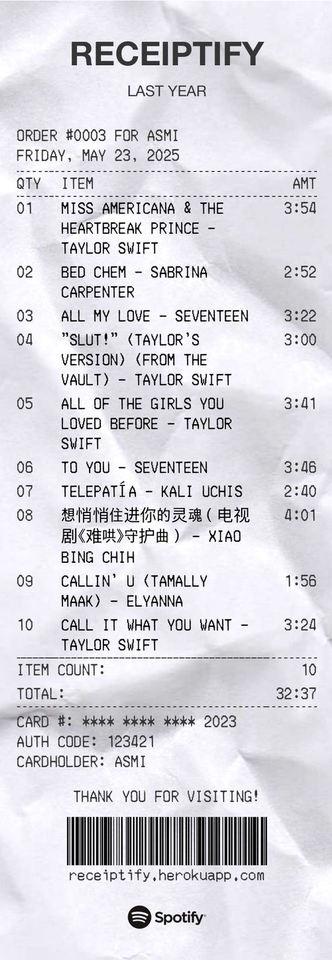
The Hope Project is a youth-led non-profit organisation founded in 2023 with the mission to help break stigma surrounding mental health in rural India and the UAE.
The magazine was founded by individuals who believe that print is still alive and recognized a gap in design and mental health magazines. Our vision is to focus the magazine on open discussions, some of which may be anonymized for the comfort of the writers. We aim to amplify the loud voices in our heads, ensuring that they are heard and seen. Through this, we hope to bring comfort and remind everyone that they are not alone in their journey of life.
We are here to share the load.
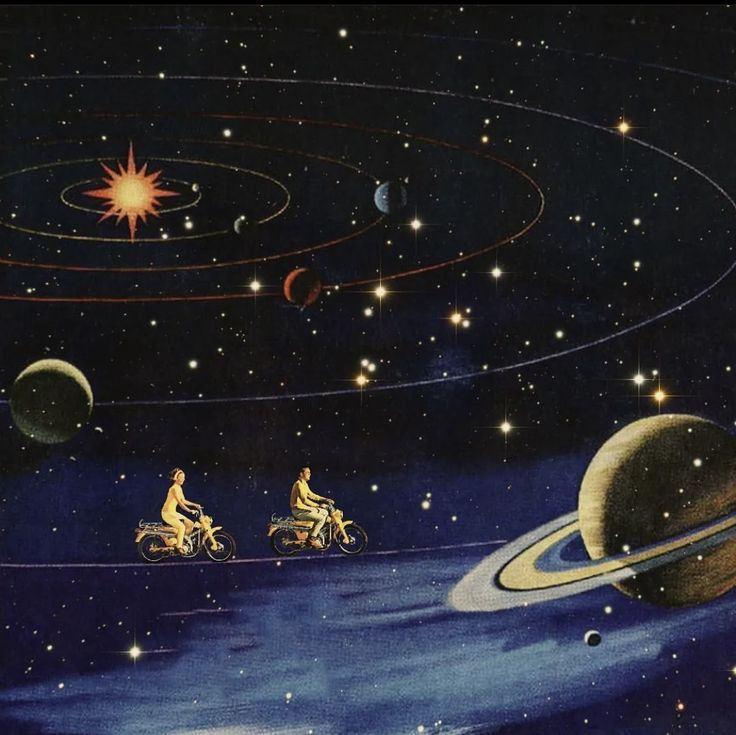
Photo Courtesy: Pinterest
castles in the sky.
Anewschool,andnotjustanyschool, a boarding school full of cherry blossoms (I live in the Middle East btw). I was 14 years old, and that was the earliest memory I have of daydreaminglikethat.Inthedream,I had four roommates from around the worldandguybestfriends,itfeltlike amovie.
As a kid, I was always absorbed in things. People would praise me for having a wild imagination, saying I could write poems and stories on the spot. But sometimes I wonder, were thosejustsignsofwhatwascoming?I think in the beginning, daydreaming was simply a way to escape. I remember the first time, it lasted around ten minutes. But during COVID, when online classes took over, it got worse. I couldn’t focus anymore. I would put on my headphones and start pacing around myroom,circlingoverandoveragain with the doors shut because I was too embarrassed for a family member to walkinonme.
Soon, ten minutes became hours. Afternoons just disappeared. Things got worse when my parents were going through a rough patch. Reality feltloudandheavy.Butinmyhead,I hadtheperfectfamily,thebestgroup of friends. I was never really comfortable in my body growing up, and that only made the daydreams stronger. I felt ashamed and frustrated after spending hours like that, but in those dreams, the ideal version of me got to feel love, acceptance,andakindofwholenessI didn’tfeelinreallife.
Maladaptive Daydreaming (MD) is quite different from regular daydreaming, which, when done in moderation, can actually be good for us. MD, on the other hand, becomes an intense, immersive experience that often includes repetitive movements, facial expressions, or even talking out loud. Many people who struggle with MD also have a history of childhood trauma, abuse, or emotional distress, though the exactcauseisstillunclear.Ittendsto overlap with other mental health conditions, for example, the repetitive behaviors can look similar to those seen in ObsessiveCompulsive Disorder (OCD), and symptoms of Attention Deficit Hyperactivity Disorder (ADHD) can makeitharderforsomeonetocontrol their daydreaming episodes. But based on current research, MD doesn’t seem to be entirely separate from these disorders, nor is it fully explainedbythemeither.
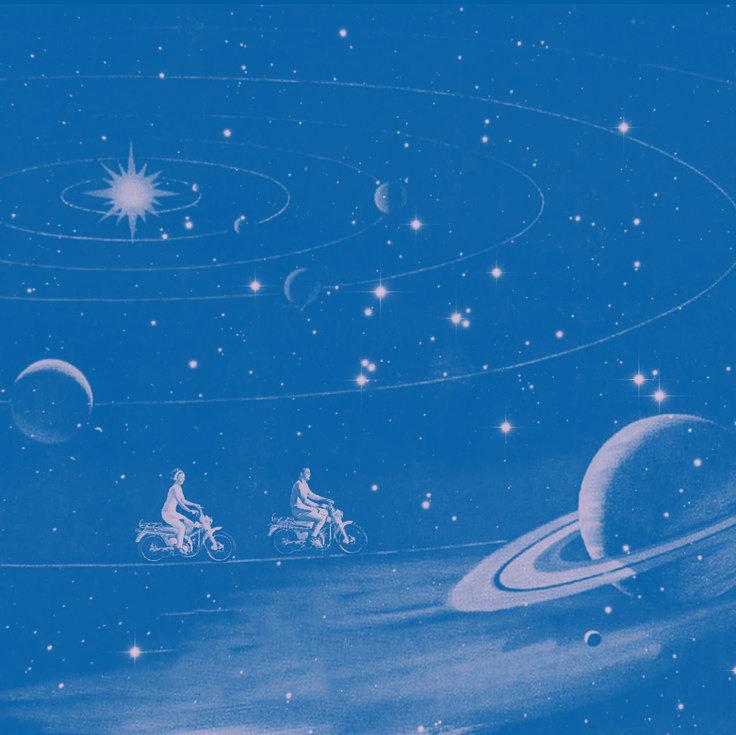
Photo Courtesy: Pinterest
Eventually, daydreaming became a routine. Some nights, I couldn’t even fall asleep without playing scenes in my head. Those moments felt like the only times I was really happy. I would zoneoutduringclass,whilewalkingto the store, on the bus, at dinner, half here, half somewhere else. And the weirdest part is, the stories weren’t even new. They were recycled timelines. I had maybe two or three that I reused constantly. Some got tossed away because they became too unrealistic or just plain boring. It felt like time was frozen in those stories, stuckinanendlessloop.
TherewasonedayIrememberclearly. I was in the middle of a daydream and suddenly started crying. I just sat on my bed and broke down. I felt exhausted, not just mentally but physically. My body was drained. I couldn’t take it anymore. And after years of thinking I was the only one going through this, I came across an Instagram reel that described exactly how I felt. That led me to Google MD. And for the first time, I realised, it’s real???. There’s even a Reddit community with over 125,000 people talking about it. People just like me. But if so many of us are dealing with this, why isn’t anyone talking about it? How do you escape a world that feelsbetterthantheoneyoulivein?
Because of the culture I grew up in, I couldn’t talk about it with anyone. People would’ve found it outrageous. And since MD isn’t officially recognised in diagnostic manuals like the DSM-5-TR, even most therapists don’t know about it. So I had to figure it out on my own. At first, I tried to quit cold turkey. And for a while, it worked. I could breathe better. But there were days when I felt withdrawal-like symptoms, mood swings, irritability, a weird sense of restlessnessinmybody.
I started noticing patterns. The more stressed I was, the stronger the urge to escape.CertainsongsIheardonreelscould trigger entire daydream edits in my head (yes, I even imagined fan edits of myself, LOL, but it was real). I used to think I was good at handling stress. I mean, how do you tell someone you’re struggling when everyone else is too? So I kept telling myself I was fine. But really, I was coping bydisappearingintomymind.
More than quitting cold turkey, realizing this truth helped me be kinder to myself. I started identifying my triggers, exam stress, intense conversations, fights with relatives (especially the things I never had the courage to say). And I learned that being bored sometimes is okay. I had to remindmyselfthatit’sbettertositthrough boredom than to disappear into an alternate reality. I tried not to put on headphones unless I really needed to, and I madeanefforttostayinthepresent.
I also started making plans with friends again. During my worst phases, I avoided calls, didn’t enjoy being around people. I just wanted to go home and escape. But now, even something simple like having plans to look forward to helps ground me. Going for walks with my parents, working on DIY crafts, these small things made a difference.
The most important part is knowing that it’s still a process. I haven’t completely quit, and maybe I never fully will, but I’m proudofhowfarI’vecome.AndifIslipup, that’s okay too. I don’t fake it anymore. If I feel overwhelmed, I let myself feel it. It’s frustrating, and yes, it still pisses me off sometimes. But as beautiful as those imagined worlds are, real life, the messy, unfiltered, unpredictable kind, is still worthbeingherefor.
Add toCart Add toCart
because sometimes,selfcare startswith the everyday thingswereach for
Not everything needs to make sense, it just needs to be yours
Snack that makes you feel like you have your life together
Chilled peach tea and main character energy
Sketchbook & Stickers
Hummus + Cucumber
Sweet, natura feeling like
toCart toCart
Beans!! emotionally constipated
For the days you feel
Date(s) natural and keeps me from ke a faint Victorian ghost
3 minutes to comfort. No questions asked
Igloo Duet Ice Cream Born for Gulf summers Made for fruit lovers
Indomie!!
A low flame burns within me, for crying out loud, for crying within.
A sadness I know too well, and a sadness I’ve mastered not to show.
Tears fall, carving streams down my face, flowing endlessly, only to be swallowed by mud, reduced to ugliness.
And I’m sorry, so deeply sorry, for being this ugly.
Yet you’re fine with the mask I wear, the clown I’ve become, painted in gaudy colors to cover a void you’ll never face.
But when it seeps out, when I can’t keep it hidden, your face twists, as though my pain is a stain on your comfort. As though my suffering is something obscene.
I drape myself in your favorite shade, the endless sea and the boundless sky you lose yourself in. My feelings lie buried, vast and infinite as the heavens, pressed down where you’ll never look. I am the jacket you wrap yourself in for warmth, the Aurora you chase across miles, desperate to see
But when it’s in me, when it is me, it becomes invisible to you. It becomes unworthy.
So why don’t you accept me?
Why do you love the things I reflect, but recoil from the truth of who I am? when I am your favorite color. I am everything you admire. when I am blue.
~ Aysha Nizamudeen
AM I I AM
I AM I AM AM I AM I AM
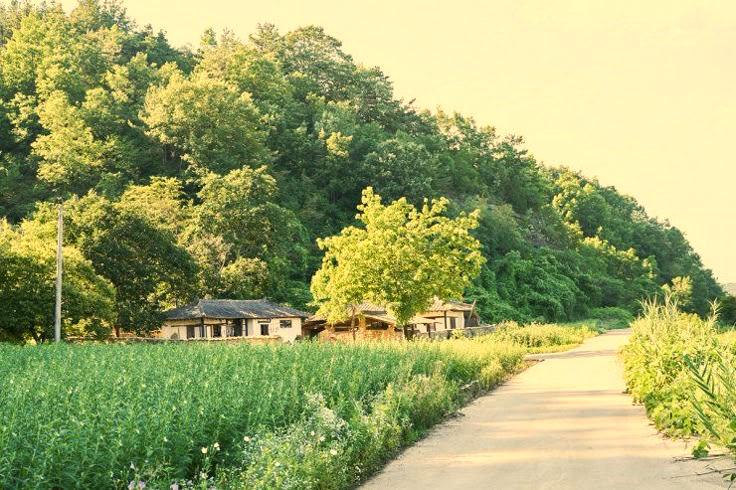
Little Forest
the hunger we forget to name
Spoliersahead.
There’s a movie that I always watch when things are too hard to handle, or sometimes when I just want to imagine myself in a Studio Ghibli-esque place. Little Forest is a quiet gift that doesn’t ask to be watched, but to be rested with. No dramatic crescendos, no shocking twists, no urgent soundtrack. Just the sound of a spoon stirring soup, wind brushing bare branches, and a young woman learning to live again by paying close attention to her hunger.
It’sstrangehowamoviecanmakeyoufeel full, not just emotionally, but physically. Maybe it’s the way the camera lingers on rice steaming in a bowl, or how the potatoes are peeled with a kind of reverence. Every meal feels like a memory, a quiet conversation, a little act of selftrust.
The story is simple: Hye-won (Kim Tae-ri) is tired. Tired of the city, of failure, of trying to make a life that doesn’t feel like hers. So, in the middle of a cold winter, she returns to her childhood home in the countryside, where the seasons still mean something. The air is sharper, not to escape, exactly, but to pause. There, with no Wi-Fi, no deadlines, and no one expecting her to be anything but present, she begins to live again, not by doing more, but by doing less with more care. Intending to stay just for the winter. “I’ll leave when springcomes,” shetellsherself.
Butspringcomes. Andshestays.
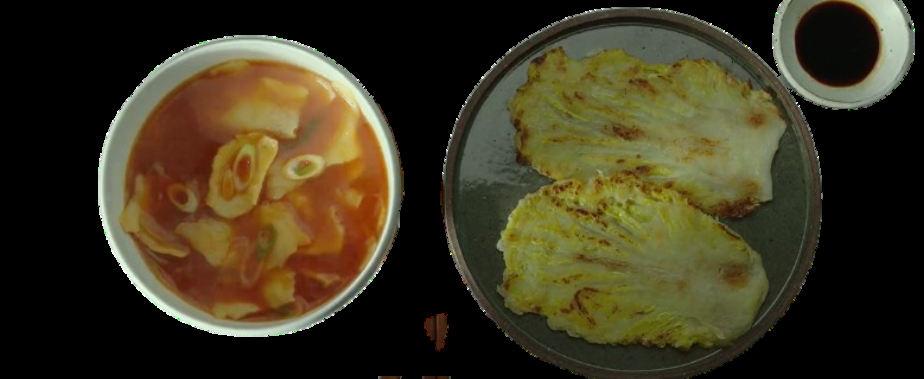
Her days are simple. We watch her pick vegetables from her little garden, cook her mother’s recipes, and fall into the rhythm of rural life, making makgeolli (rice wine) at home, welcoming friends over for sweet potatoes and soft laughter, playing with her adopted dog Ogu (or the dog adopted her), and letting the cold air do its work. It’s just her, the earth, her two friends- one, Eun-sook (Jin Ki-joo), who’s never lived anywhere else, and another, Jae-ha (Ryu Joon-yeol), who also lived in Seoul, but felt dejected by the monotony of taking orders and waiting for payday, and returned home to be a farmer, kindling their old friendship, filled with tension made stronger by the fact they are in a remote place where they only have each other. And one dish at a time, she begins to feed herself, body,soul,andherfriends.
And always, just under the surface, her motherlingers.
We learn that Hye-won’s mother once lived in this house with her, after the death of Hyewon ’s father. They shared everything, meals, recipes, even silence. But on the day Hye-won returned from taking her college entrance exams, her mother was gone. No explanation. Justanote.
It wasn’t a death, but it felt like one. “I was angry, ” Hye-won confesses in voiceover. “I wanted to prove that I could live well without her.” SosheleftforSeoul.Andshetried.
But Seoul didn’t fill her. “The instant food in the city… just didn’t taste right.” Her hunger, real and metaphorical, stayed with her. In contrast, when she returns to the countryside, we watch her shovel snow to dig up cabbage, cook a thick stew, and eat with her hands curled around the bowl. No dialogue. Just a deep, wordless satisfaction. Here, her needsaremet.
springfloweredpasta
“My stomach is full. But somehow, I still feel hungry.” That line comes early in the film, and it never reallyleavesyou.
Little Forest unfolds over a year, winter to winter, with each season quietly charting a different version of Hye-won. Winter is brittle and tentative. Spring brings planting and cautious warmth. Summer is ripe with tomatoes, friends, and laughter. Autumn whispersofreckoning,memory,andchoice.
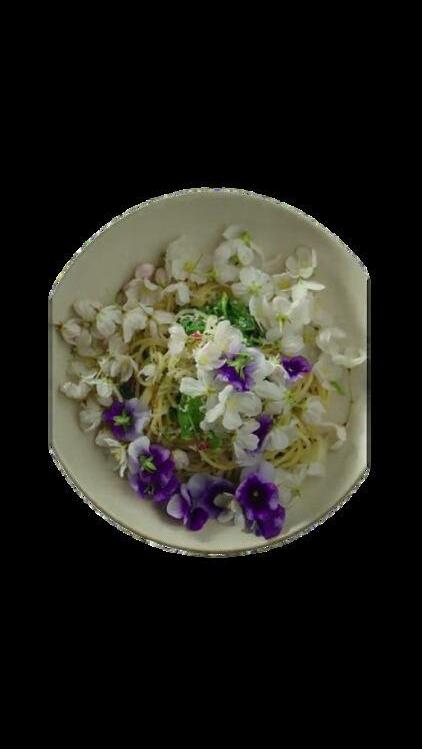
She makes sweet red bean rice cakes, remembering how her mother taught her to get the mixture just right. She stirs sauces from scratch, saying, “Just a spoonful of sugar makes anything edible.” She makes fried acasia flower fritters, dough soup, and potato pancakes, and with each recipe, she doesn’t justsurvive,shereconnects.
“For my mother, her Little Forest was me, and the recipes.”
It’s that line that stayed with me the longest. Because it’s not just about food, it’ s about care. Quiet, everyday care that doesn’t seek applause. It made me wonder: what is my little forest? What small rituals have kept me alive without my noticing?
I found myself thinking about summers when I was a kid, bicycling around the village with my friends whenever we visited. Once it hit four, the children would gather and our streets wouldn’t quiet down until the church bells rang for evening service. We ate jamuns that fell off the trees, our tongues and palms stained purple, running into our houses only to drink a glass of cold water, that a couple of us would take turns drinking, and rushing back to play hide and seek just around where the church stood. We ran all around the village until someone fell and cried. I cried multiple times too, skinned my knee, but now we don’t cry like that. We keep it in. We patch it up.
We call it growing up. But when did growing up start to feel like forgetting? Which year did it all quietly stop? Do the others ever miss it too, those days when life wasn’t a checklist of deadlines or internships to apply for? Sometimes, I still find myself standing on those same old streets, as if waiting for a familiar friend to pass by. But most of them aren ’t there anymore, everyone’s off on their own timelines now. And yet, here I am, still eating jamuns, still holding on.
Tteokbeokki
Hye-won says, “No matter how much I pluck the weeds, they grow… like my worries.”
She’s just talking, but it stays with you. Because isn’t that what it’s like? The same thoughts, looping. The same work, repeating. Wondering if anything really changes, or if we just keep showing up, pulling weeds, hoping for a different season.
And yet, Little Forest doesn’t offer easy answers. It doesn’t tell you to leave the city, abandon your ambitions, or grow your own food to find happiness. What it suggests is gentler, and far more radical: that maybe we need to slow down. Pay attention. Eat slowly. Listen to the rain. Keep cooking, even when no one’s watching.
Healing isn’t loud. Sometimes it’s just eating ripe tomatoes, which usually taste flat in the big city like Seoul, eating sweet cabbages, or just a simple decision to stay longer, even after spring has come.
The people around her are humane, sometimes warm, sometimes distant. Some words hurt more than others. The emotional connection is subtle but strong because they saw each other’s childhoods and still accepted that people leave, and people come back, each waiting for the other, like crops in rotation.
In the end, Hye-won chose to return to Seoul, not because she is healed, but because now she knows she can leave and return without losing herself. Her Little Forest isn’t a place on a map. It’s a part of her that remembers how to start again.
The ending, Hye-won returns to her village in the spring and finds herself with the doors of her house open, allowing an open ending of her mother’s return. This is what Little Forest offers more than anything: it doesn’t glorify rural life or condemn the city. It gives permission.
Permission to slow down. To come back to yourself, gently, without an apology.
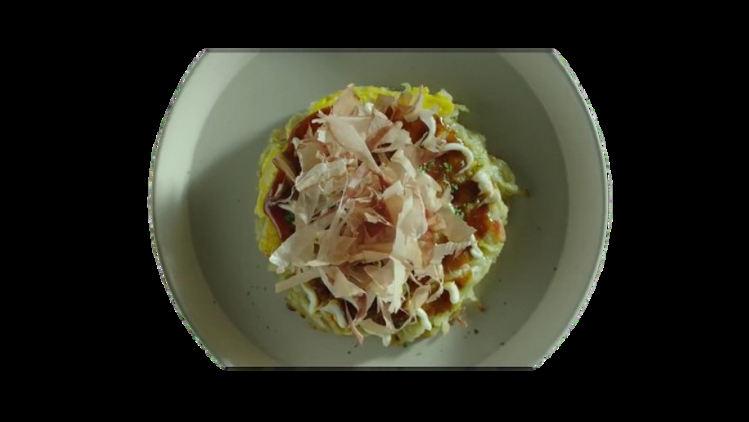
Okonomi
Photo Courtesy: Pinterest
There's
something in this that makes it all seem like a gift
Fuhgeddaboudit!
Imagine walking through a familiar street, the scent of a bakery triggering a forgotten childhood memory. In that moment, your mind is not just recalling the past, it’s also shaping your future. Memory is more than a storage system; it’s a tool for imagination, problem-solving, and creativity. And as it turns out, our ability to relive past experiences,whatpsychologistscallepisodic memory, may be the key to generating new andinnovativeideas.
Psychologist Daniel Schacter has spent decades exploring the mysteries of memory. Oneofhismostintriguingdiscoveriesisthat memoryisn'tjustaboutlookingbackward,it actively helps us look forward. His research suggests that when we recall past experiences, our brain doesn’t replay them like a movie; instead, it reconstructs them, often blending details from different events. This ability to remix memories allows us to anticipate and imagine future scenarios, a process known as episodic simulation. Schacter’s work builds on the case of Kent Cochrane(K.C.),amanwhosufferedasevere head injury that left him unable to recall personal memories. Surprisingly, K.C. also lost the ability to imagine his future. When asked what he might do the next day, his mind went completely blank. This case revealed a profound link between remembering the past and envisioning what’stocome.
Bythemid-2000s,Schacterandhisteamused fMRIscanstostudythebrain’sactivitywhen people were asked to recall past events or imagine future ones. They found that the same brain regions, especially the hippocampus, medial prefrontal cortex, and posterior cingulate cortex, lit up in both cases. This led to the constructive episodic simulation hypothesis, which suggests that memory’s real superpower is not just recordinglifebutreconstructingexperiences in ways that help us plan, innovate, and create. Think about it: Every time you brainstorm a new idea, you’re likely pulling fragments of past experiences and weaving them into something fresh. This is why creative thinking and memory recall are so deeply intertwined. The hippocampus helps retrieve details, the medial prefrontal cortex integrates them into meaningful narratives, and the posterior cingulate cortex connects memory to self-relevant thoughts, giving creativityitspersonalflair. If memory people creative? suggests excel generate memory participants up with (e.g., Beforehand, episodic they results? memory creativity Butthere were mistakes brain’s might unconventional If memory train research events strengthen future experiences, has Instead a feature. memories Before minutes can solving.
Fuhgeddaboudit!
memory fuels creativity, does that mean people with great memories are more creative? Not necessarily. Schacter’s research suggests a fascinating trade-off: those who excel at divergent thinking- the ability to generate new ideas, are often more prone to memory errors. His lab tested this by giving participantsastandardcreativitytask:coming with alternative uses for everyday objects (e.g., how else could you use a paperclip?). Beforehand, some participants underwent episodic specificity induction, a process where vividly recalled past experiences. The results? Those who engaged in detailed memory recall performed better on the creativity task, generating more novel ideas. therewasacatch.Thesesameparticipants were also more likely to make memory mistakes in later tasks. This suggests that our brain’s flexibility in reshaping memories might be what allows us to think in new, unconventionalways.
memory and creativity are linked, can we trainourselvestobemorecreative?Schacter’s researchofferssomeclues.Trydescribingpast events in as much detail as possible, this can strengthen the mental pathways used for future imagination. The more diverse your experiences,themorerawmaterialyourbrain to work with when generating ideas. Insteadofseeingforgettingasaflaw,viewitas feature. Your brain’s tendency to merge memories allows for innovative thinking. Before tackling a creative task, spend a few minutes vividly recalling past successes, this prime your brain for better problemsolving.
Memory is not just about nostalgia, it’s about possibility. Every time we recall, reconstruct, and reshape our past, we are unknowingly building the foundation for future ideas. Whether we’re inventing, storytelling, or solving problems, our brains are constantly pulling from what we’ve experienced to craft what comes next. So, the next time you find yourselflostinamemory,don’tjustleaveitin the past. Ask yourself: How can this moment help shape the future? And if you happen to forget something? Fuhgeddaboudit, it just might mean your brain is working on somethingevenbigger.
count? count? count?
where petals mourn.
Shefelllikeadyingstar.
When she plummeted from the torn heavens above, striking the earth with the force of something no longer wanted by the sky, she had thought it would be the end. The world was on fire for a while. She lay there,catchingherbreath.
Her wings were sprawled out beneath her, the weight of them anchoring her to the ground, feathers singed like the halo of hair fannedaroundher.
She waited, praying nothing would happen.
But then the ground beneath her turned brittle, crumbling into ash. Everything did. The grass withered at her touch, the trees rotted at her breath,anythingshereachedoutfor disintegratedinherhands.
She was cursed. She knew that now. But for some reason unknown to herself, she pushed herself upright, limbs aching, wings dragging behind her like something already dead. The weight of them was unbearable, tearing at the seams of herskin.Shetriedtoshrugthemoff, to no avail, as the world around her collapsedbeneathherfeet.
She exhaled, and even the air grew stale. The wind carried nothing but thescentofruin.
A breath. A step. The earth cracked beneathherfeet.
She didn’t know where she was going, but she had to move. To stay was to watch the world collapse around her, to see the decay bleed like ink through everything she touched.
A river cut through the wasteland, its surface still and glasslike. She couldn’t remember the last time she drank. She knelt at the edge, searching for any fleeting proof that sheexistedatall.
The water recoiled from her. Within seconds, the river turned black, slithering away from her as she watched the last drops dry into nothing. She stayed there a while, knees in the dust, eyes fixed on the place where the water had been. A sharp ache struck her between her ribs.
Butthen,onthehorizon,shesawit.
Aflicker.Light.
In the distance, a silhouette. Spires. Towers.Life.
Civilisation.
Her breath caught, and for a moment she let herself believe. She opened her eyes, and it was still there. A few hours away, maybe. Halfaday,ifshemovedslowly.
Her wings dragged behind her, leaving long furrows in the brittle earth. She ignored the renewed pain searing through her shoulders. She had seen something that still stood. Something that hadn't yet fallen apartathertouch.
~Ria Nouri
Picture Credit: Asmi Hirani
"A dancer dies twice—once when they stop dancing, and this first death is the more painful".
Picture Credit:
Hirani
So she walked. Through dead fields and ruined valleys, through silence so complete it rang in her ears. Each step pulled at her back, her wings tearing further. Flesh split beneath them. Bloodwarmedherskin.
Still, she walked. What else was there todo.butmoveforward?
Yet an hour in, or maybe more, the city seemed no closer. The land between her and it was barren and warped. The towers smudged like charcoal, wiped away by a careless hand.
Theskydimmed.
She blinked, and the city was further away than it had been before. It was always just ahead. Always just out of reach.
Sheran.
But every footfall shattered the ground, every breath withering the path ahead. She reached out with trembling hands, blood dripping from herfingertips…
And saw the distant walls fracture. Collapse.Turntodust.
They lay behind her, mangled and broken, feathers scattering in the wind like scraps of forgotten scripture. It should have felt like freedom, but they had taken too much with them. Her back was torn open,bloodsoakingtheEarth.
Butthistimeinsteadofcrumbling,it drankfromher.
As though starved. As if all this time it had been waiting for her, for something only she could give. Not her wings, not her beauty, not even hersuffering.Ithollowedheroutlike an instrument wound too tight, until the only thing left was the sound of breaking.
The Earth listened. From the soaked ground, flowers rose. They were soft, ghost-pale with tinged blood-red tips, petals unfolding with reverence of prayer. Not born of sunlight or song,butofsorrow.
Ascarletrequiemintheshadows.
If this was her stage, let it consume her.Evenindeath,shedanced.
The Earth sang her eulogy in blossoms of blood and bone. Somewhere above, the angels gathered in flocks, their wings in silentapplause.
sab कुछ theek hai? reallY?
Five years ago, the world was forced topresspause.
In 2020, the pandemic made us step away from school, work, social commitments, basically, everything, and sit still for once. And in that stillness, something incredible happened. We began to listen. To ourselves. To our emotions. To our exhaustion. The kind that sleep doesn’t fix. The kind of exhaustion that comes from constantly performing, producing, pleasing, and persevering through burnout like it’s some badge of honor. And for many, that’s when mental health entered the room, not as an abstract concept or Western luxury, but as a real, tangiblethingthatneededcare.
Fast forward to now: 2025. The pause button’s been hit “play” again but the music’s faster, louder, and somehow… more chaotic. Ironically, just as we became more aware of our mental health, hustle culture came back with a vengeance. And this time, it’s wearing a productivitytracking smartwatch and preaching "self-care Sundays" sandwiched between 70-hour workweeks and toxic positivity. So, here’s the question I want to ask: Are we actually healing, or have we just gotten better at hiding behind polishedmentalhealthslogans?
Let’s take a moment to define the coreproblemhere.
The awareness around mental health has absolutely increased. There’s no denying that. Young people in India and beyond now talk about therapy, boundaries, and burnout with more confidence. But somewhere along the way, mental health became commodified. What started as a personal journey is now an aesthetic. Think of the Instagram quotes: “Protect your peace.” “Self-care isn’t selfish.” All valid. All important. But all… overused. The messaging is everywhere, but the meaning?Diluted.
This might sound controversial, but it’s worth saying: Mental health awareness does not always translate to mental healthaction.
InurbanIndiaespecially,thisispainfully visible. There’s a growing mental health startup industry, a boom in wellness influencers, and even school programs on mindfulness, but the moment someone takes a break for being genuinely unwell, whispers begin. Suddenly, it’s “she’s lazy,” or “he can’t handlestress.”Wecelebrate“resilience” when people keep working while silently suffering,butrarelywhentheystepback andchoosetorecover.
This double standard creates what I call “the silent conflict”: the internal guilt of knowing you need rest, while the world around you demands more. The guilt of not being productive enough. Of not monetizing your hobbies. Of not “optimizing” your free time. Sound familiar?
There’s something deeply flawed in this system. Capitalism, at its core, rewards output, not well-being. So what happens when we try to insert mental health into a system that wasn’t designed to supportit?itbecomesperformative.
A 17-year-old student in Kerala is preparing for her board exams. She’s been topping her class for years, the “golden child” everyone counts on. But lately, she’s been feeling anxious, detached, and constantly on edge. Sleep doesn't come easy, her appetite is gone, and she finds herself crying between study sessions. She tries to confide in a teacher she trusts, but the advice she gets is, “Everyone feels pressure, just focus and it’ll pass.” Her parents are proud of her grades but oblivious to the panic attacks behind closed doors. Instead of support, she gets comparisons: “Your cousin just got into IIT without complaining.” So, she pushes the feelings aside, updates her WhatsApp status to something motivational, and keeps studying. Because in a culture where achievement is survival, stopping to breathefeelslikefailure.
This isn’t about weakness. It’s about a system that tells young people their worth lies in results, not in their wellbeing, and then wonders why they’reburningoutsoyoung.
To add another layer, wellness culture has become deeply individualistic. It tells us, “Fix yourself. Meditate more. Sleep better. Journal daily.” All helpful tools, yes, but notice the pattern. The responsibility always lies with you. If you’re not feeling better, you’re not trying hard enough. It ignores structural inequalities, family systems, generational trauma, and the very real barriers, financial, cultural, and geographical, to accessing proper mentalhealthcare.
Let’s not forget that in rural areas of India, mental health conversations are still nearly taboo. In many homes, it’s spoken about only in whispers, if at all. For many, the only accessible “treatment” is religion or community healers.
That’s not inherently wrong, but when it replaces psychological support entirely, itbecomeslimiting.
Sowheredowegofromhere?
First, we need to be honest with ourselves. Healing is not aesthetic. It’s messy, nonlinear, and deeply personal. And mental health support must be both systemic and individual. It can’t be “your responsibilityalone.”
Second, we need to challenge hustle culture not just in words, but in action. That means setting institutional boundaries, real ones. Workplaces must go beyond token “mental health days.” Schools must accommodate, not just lecture, students. Families must learn beforetheylabel.
Third, and maybe most importantly, we need to stop glamorising pain. Burnout isn’tbeautiful.Traumaisn’tquirky.Sleep deprivation isn’t a flex. And therapy isn’t aluxury,it’saright.
In the end, awareness is only the first step. But for mental health to truly become a way of life, and not just a buzzword, it needs to be integrated into ourvalues,systems,andpriorities.
We can’t hustle our way into healing. And maybe, just maybe, real rest is the mostradicalthingwecando.
haan sab....
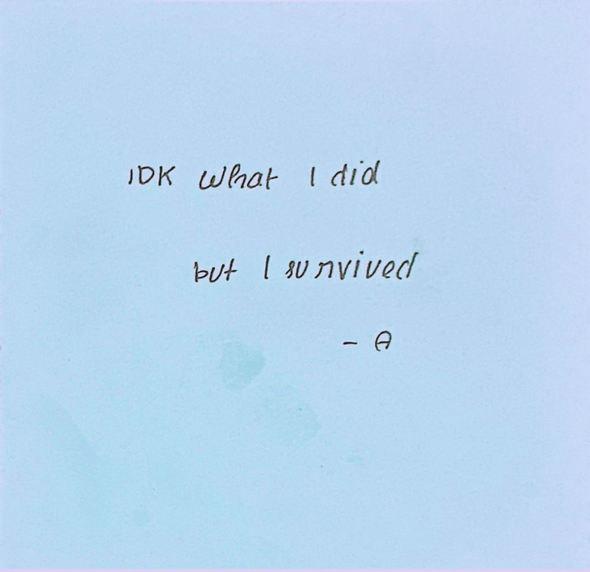
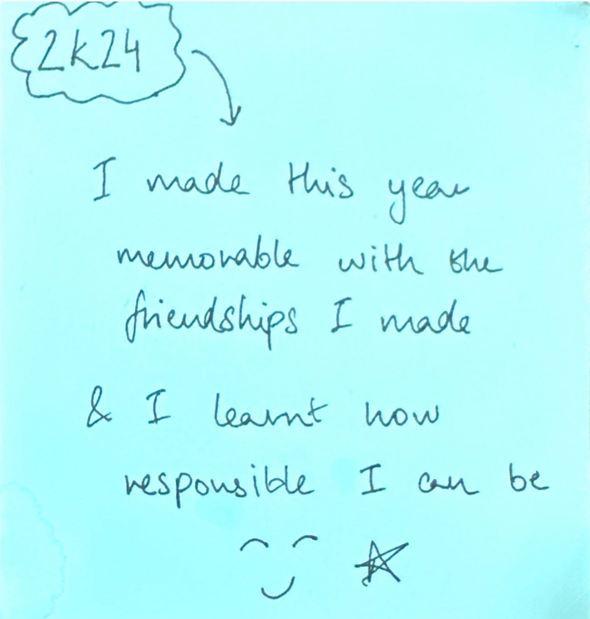
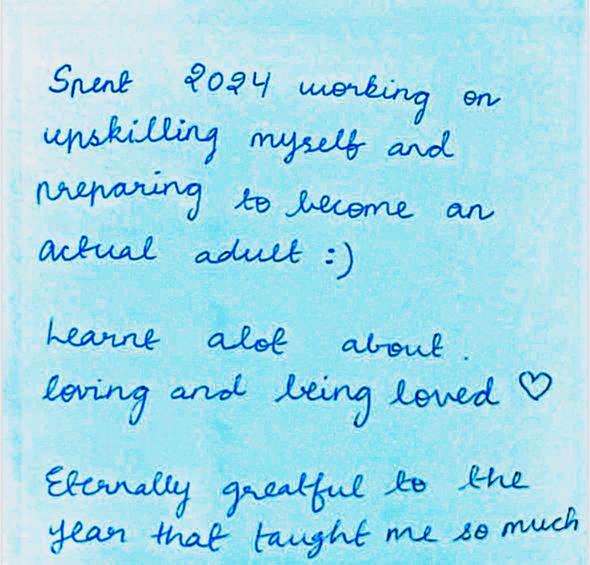
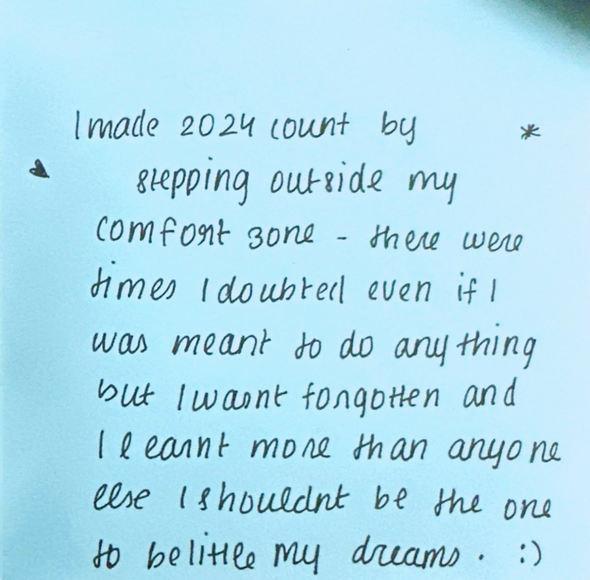
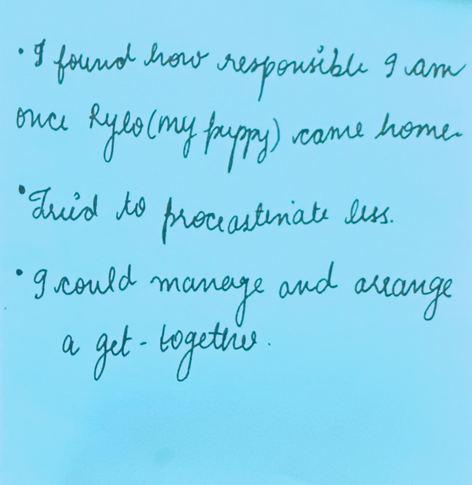
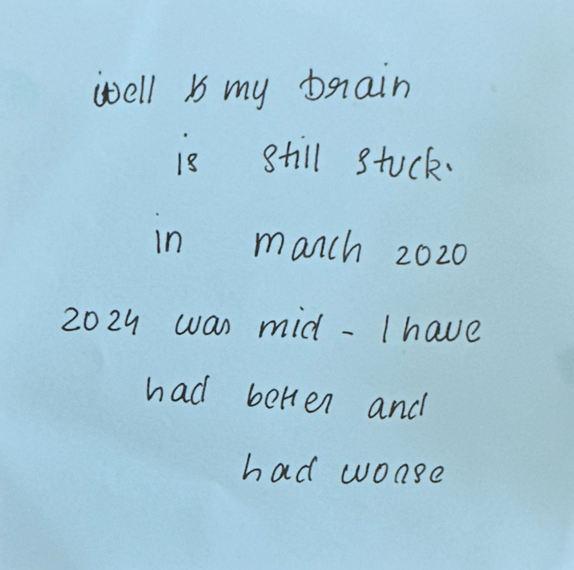
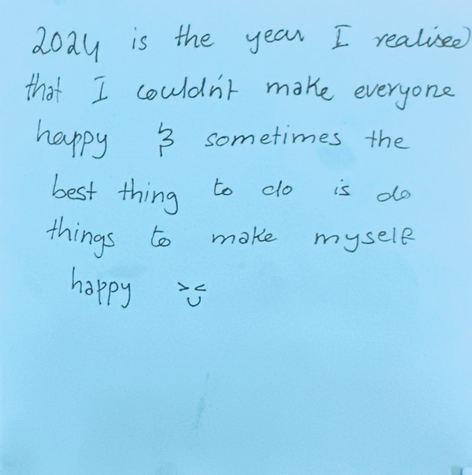
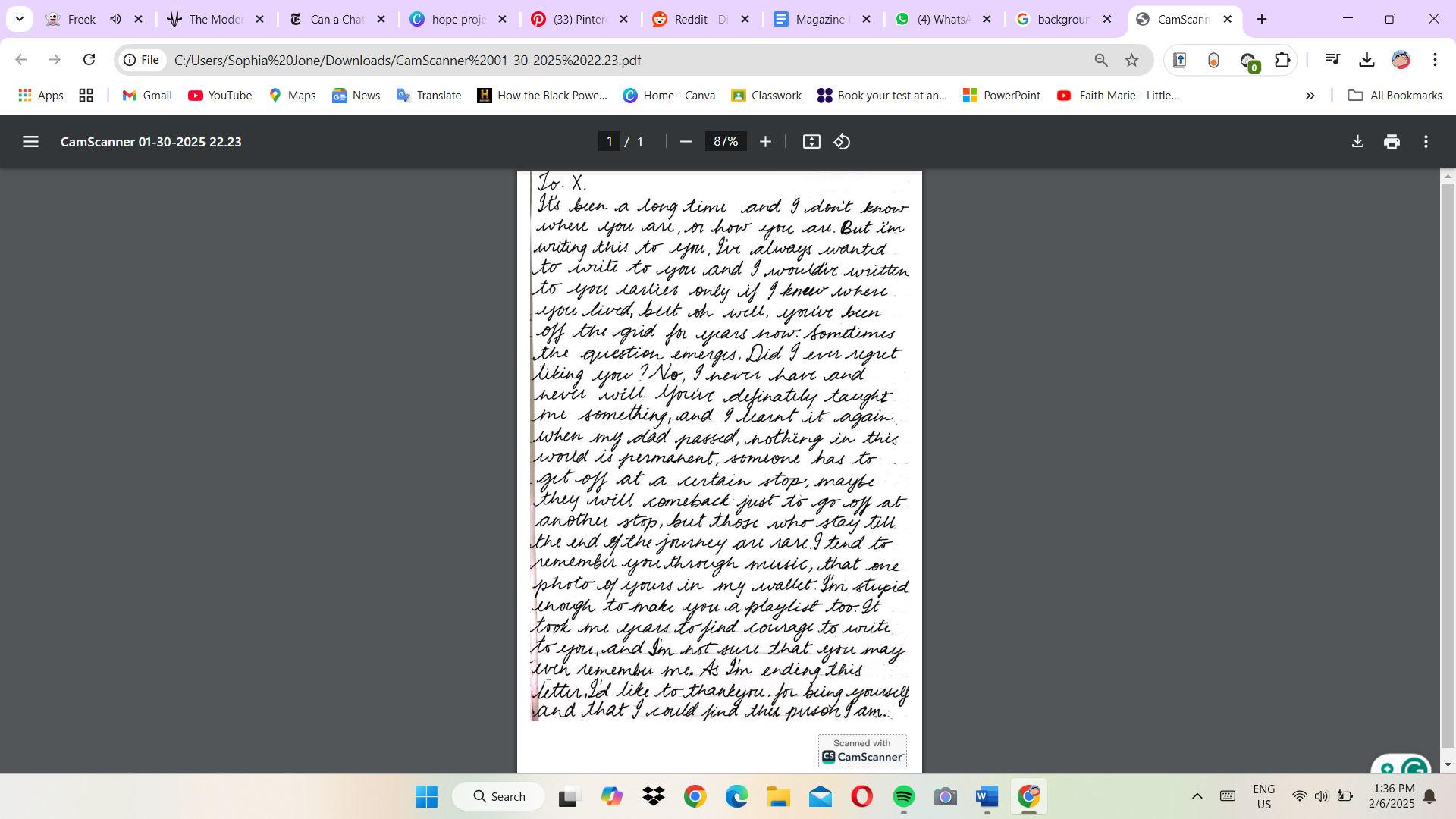
The Handwritten Letter Project: Inspired by Craig Eldham's initiative, our magazine presents a space for anonymous letters from teenagers and youth.