In a decisive victory for the democratic party,MikieSherrilldefeatedRepublican nominee Jack Ciattarelli. Mikie Sherril ranherplatformonloweringutilityand housingcostsandincreasingfundingfor public schools (Calabrese, 2025). Ciattarelli instead focused his platform on more conservative policy changes, such as property-tax relief, 20-week abortion restrictions, and ending taxpayer-funded abortions (Difilippo, 2025).
VirginiaGovernor
Virginiaalsosawahistoricfirstfortheir governor,electingthestate'sfirstfemale governor, Abigail Spanberger. Abigail Spanberger defeated Republican nominee Winsome Earle-Sears 57.6% to 42.2% (Schmidt, 2025). Just like the other winners from November 4th, Abigail Spanberger ran on economic issues, focusing on housing and grocery prices.
NewYorkCityMayor
TheNewYorkCitymayoralelectiongot national attention, as 34-year-old democratic Zohran Mamdani ran to becomeNewYorkCity’sfirstMuslim,as well as the youngest Mayor in over a century (New York Times, 2025). Zohram Mamdani ran against Andrew Cuomo,whoranasanindependentafter losing the Democratic nomination. Mamdani defeated Cuomo 50.8% to 41.3%. The winning candidate focused hiscampaignonaffordablehousing,free citybuses,andlowerfoodcosts.
MaineFirearmRedFlagLaw
Maine’s Question 2 proposed allowing courts to issue “extreme risk protection orders” also known as red flag orders. Red flag orders allow for law enforcement or household members to ask the court to temporarily remove firearmsfromsomeonewhoisdeemedto be a danger to themselves or others. UnlikeMaine’sfirstquestion,question2 passed with 60% voting for approval (MaineMorningStar,2025).
TableofContents
CaliforniaProposition50
California Proposition 50, commonly referredtoasProp50,waspassedwith a 64% vote. The measure will replace thecurrentcongressionaldistrictmap, which was drawn by an independent commission, with a new map drawn bythelegislature(LegislativeAnalyst’s Office, 2025). Prop 50 is framed as a defensive response to the redistricting efforts by Republican-controlled states, like Texas. Prop 50’s passing is likelytoboosttheDemocraticParty’s representationinthenextelection.
Maine Absentee Voting & Voter-ID Restrictions
Maine’sQuestion1wasareferendum thataimedtosignificantlychangethe state’svotingrules.Thereferendum,if passed, would have eliminated two days of absentee voting, removed prepaid postage on absentee ballot envelopes, limited dropbox use, and required photo identification to vote, even for absentee ballots (League of Women Voters of Maine, 2025). The referendum was decisively struck down,onlygetting36%approval.
Balancing Celebration & Sustainability: The Environmental Impact of Diwali
By Nader Rawshani
Hometooverathousandlanguagesandto major religions such as Hinduism, Islam, and Christianity,Indiaisoftenregardedasahaven fordifferentcultures.Moreover,whenitcomes to traditions and holidays, the country is widely known for its traditional celebrations, such as Eid al-Fitr and Diwali. However, a growing concern is the amount of pollution and toxins that plague India’s environment. Amongst the world’s 30 cities with the worst airpollution,17areinIndia Moreover,New Delhi – its capital – has concentrations of particulatematternearly10timeshigherthan theWHOguidelines.Especiallyinrivers,when looking at the Ganges River, it has grown so polluted that the civilians who use it have contracted toxins and illnesses (Harvard University, 2014). Although India faces significant challenges in terms of environmental sustainability, recent efforts to address pollution have been successful, with one notable example being implemented during one of India’s most popular holidays, Diwali.
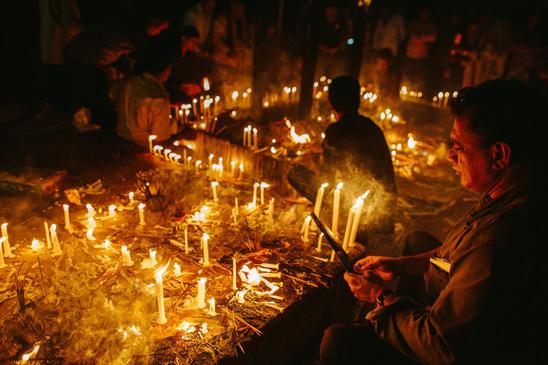
Derived from the Sanskrit word dipavali, whichmeans“rowoflights”,Diwaliisoneof the major festivals in Hinduism, Jainism, and Sikhism(Narayananetal.,2025). Lastingfor fivedaysfromthe13thdayofthedarkhalfof thelunarmonth,
Ashvinatotheseconddayofthelighthalfof the lunar month Karttika, this holiday is celebrated by cleaning, renovating, and decoratinghomeswithflowersandotherfancy decorations Thisistoinviteenergiesofwealth, prosperity, and well-being into the soul (Bhasin,2021).Onamorespiritualnote,this festival symbolizes the victory of light over darkness (Firework Crazy, 2024). However, Diwaliisapopularholidayinthecountry,and the way people celebrate it has negative environmentalimpacts.
Tomarkthevictoryoverdarkness,Indians celebratebylightingfireworks.However,India hasapopulationofapproximately1.45billion people,andtheamountoftoxinsreleasedinto the environment is substantial. These toxins stem from sulfur dioxide, nitrogen oxides, carbonmonoxide,andotherheavymetalssuch as lead and cadmium. Fireworks also release massive amounts of noise pollution (>120 decibels). This can lead to a variety of cardiovascular illnesses, and it even affects animals, as dogs can get stressed and birds disoriented. According to the Central PollutionControl(CPCB),theamountoftiny particlesintheairinbigcitiesincreasesfrom3x toeven10xabovethenormallevel.Especially in 2024, when observing these smaller towns, theamountoftheseparticlesincreasedby400500%(VitanEarthFoundation,2025).
In other studies, published by Springer, between 2019-22, it is during the Diwali holiday that these particle levels rise sharply. Another study by Cornell University, PM2.5 increased by about 95% during Diwali (Manchandaetal.,2025).
Fortunately, the Indian Government has taken drastic measures to reduce the negative effectsofthefireworks.StartinginNewDelhi, the government has banned fireworks completely. Since fireworks are considered a Diwalitradition,India’sCouncilofScientific & Industrial Research at the National EnvironmentalEngineeringResearchInstitute developed“green”crackers,
whichtheyclaimcanreducetheenvironmental footprint by 30-50%, and reduce chemical usageby30-70%.Unlikethetraditionalwhich usesatoxicbariumnitrate,thegreenerversion usespotassiumandstrontiumnitrate,whichis muchlesstoxic Concerningfirecrackerusage, this year, there are two specific time slots in which an Indian citizen can use firecrackers (Singh & Tyagi, 2025). This is in the fight against the immense pollution, but has it provedsuccessful?
ReportedbyIndia’sparliamentinMarch,the ministry in charge of pollution control stated thattheyusedlessthanonepercentofthe$100 million.Moreover,thefirecrackersarenotthe only ones causing widespread pollution, as vehicles, construction, demolition, and events likeDiwali,forinstance,aremaincontributors to the pollution in India. This is a major problem because the “ green ” firecrackers themselves cannot lower the amount of pollutantsproduced.Alarmingly,discouraging theuseoftraditionalfirecrackershasnotbeen enforcedbecausepeoplestillfindwaystocheat the system. In October of 2024, the Delhi government’sattempttotrackdowntheusage of traditional firecrackers turned out to be a failure because the 377 enforcement teams spreadthroughoutacityof20millionpeople couldn’t enforce the ban because the limited numberofpersonnelaffectedtheefficiencyof thepopulationcontrol(Pragati,2025).
DespitetheproblemsassociatedwithDiwali and its sustainability, the government’s first attempts toward lowering pollution are a positive sign for the future of India’s sustainability. It is a good first step to reduce harmful emissions produced by these firecrackers,butthereismoreworktobedone. However, India produces around 50,000 tons of firecrackers annually for its $723 million industry, and the country needs to decide whether some aspects of one of its traditions mustchangeforthebettermentofitsecological sustainability.
Don’tBuyLabubusForChristmas!
ByDarssitaBhattacharya
Doweeverstoptorealizehowourdaily choices harm the planet? With the latest TikToktrendsfuelingourcravingsfortoys, clothes, jewelry, and anything that is trendingandmaterialistic,wecontinuously feedintothecycleofcapitalism.Wespend ourhard-earnedmoneyonitemsthathold littletonovalueinthelongterm,andone ofthemostobviousexamplesIcanbringup isLabubufigurines.
WhatareLabubu’s,youmayask?Incase youaren’taddictedtoTikTok,Labubu’sare collectable figures of different colors and varietiesshapedlikecutelittlemonsters,and thecurrenttrendthathascapturedTikTok users' attention. This particular collectable crazethat’stakenoversocialmediaismore thanonetrendingdoll,butit’sabouthow hype is a strong influence on individuals, especially Gen Z and younger generations. Labubu’s are one of many examples that demonstrate how social platforms, when combined with marketing, can turn into a temporarydesireforconsumption.
I’lltellyouwhyyoumightwanttothink twice before buying your nieces and nephewsthistoyfortheupcomingholiday season.
Choosing to buy it for your family membersthisChristmassupportstheriseof consumerism in our current economy, wheremanyofusarealreadystrugglingto barelysurvive,fuelscapitalisminturn,and encourages a more materialistic mindset. Along with consumerism comes environmental damage due to mass production. Altogether, Labubu’s are simply not worth gifting when there are plenty of better, more meaningful options available.
If you searched up what Labubu’s are specifically, the internet says it is “both a fictional character and a brand…it’s the nameofacharacterin“TheMonsters”toy series created by Hong Kong-born artist Kasing Lung” (Wang, 2025). But also they’re “vinyl faces [that] are attached to plush bodies, and come with a signature look – pointy ears, big eyes and a mischievous grin showing exactly nine teeth” (Wang, 2025). However, the rise of thistoystartingfromApril2024isdueto celebrities like Lisa from Black Pink, Rihanna, Kim Kardashian, and even the previousEnglishfootballcaptain,SirDavid Beckham,
who have endorsed this item on social media (specifically Instagram) (Wang, 2025). Once celebrities start a trend, naturally, it increases in popularity, and then it progresses to becoming a fashion trend.
Going one step further, Labubus then started coming out with versions that are limited edition and with brand deals, even creatingblindboxestoaddtotheelement of surprise. This has furthered the everpresent temptation that we as consumers have a hard time resisting. While to us Labubu’sarethelatesttrend,totheplanet, it is the newest threat imposed upon it. These toys are “predominantly made with plastics like polyvinyl chloride (PVC) and polyester fabric, materials derived from fossil fuels…[and] the manufacturing process for these materials is highly polluting, emitting significant amounts of greenhouse gases and toxic substances” (OneStopESG,2025).PVCisparticularly harmfulas“theproductionanddisposalof PVC release[s] toxic chemicals such as dioxins,knowntohavesevereecologicaland healthimplications”(OneStopESG,2025).
Chemicalsarenottheonlyissuefromthe manufacturing,asblindboxeshappentobe thesecondmostnegativelyimpactfulaspect of this toy. Since “each doll is individually packedinplasticbagsandcardboardboxes… [with] the repeated purchases encouraged by th blind box model, packaging waste quickly accumulates…[and] ending up in landfills”(OneStopESG,2025).However, theideaofaddingtotheamountofplastic pollution and microplastics in landfills becauseofourneeds,duetousbeingeasily influencedbyconsumerbehavior,andthus contributing to the cycle of waste, is saddening. Labubu’s are not the first producttocauseenvironmentalissues;itis partofthetrendthattheeconomypushes, withotherexamplessuchasBeanieBabies, Furbies, and L.O.L. Surprise! Dolls, (One StopESG,2025).Nosurprise,though,with theriseoftheoriginalLabubudollscomes theriseofoff-brandversionsthataddtothe issue.
As recently as August of 2025, it was labeledasasafetythreat(Phillips&Haynes, 2025). This is because “the United States Consumer Product Safety Commission… issuedanurgentsafetywarningtoLabubu collectors…warn[ing]thefakedollspresent achokingrisk,andotheroutletswarnedof toxicmaterials”(Phillips&Haynes,2025). Thesituationissofaroutofhandthat“the largest seizure of Lafufu’s occurred in the Seattle airport in September 2025, when CBPofficialsseizedover11,000collectables worth over $500,000” (Phillips & Haynes, 2025).
In short, buying into the Labubu trend (whether it’s genuine or counterfeit), is simply not worth the chaos it fuels. Supporting these products only feeds a system driven by overconsumption, unsafe production, and environmental waste. Instead of investing in another short-lived fadthatharmsbothpeopleandtheplanet, we should be questioning why we keep allowingsocialmediatrendstodecidewhat wevalueandpurchase.
With the holidays coming up, we can do better than gifting toys that contribute to pollutionandmindlessspending.Ourhardearnedmoneycanbesavedforbetteruses, and we can give our nieces and nephews whoarecryingforgiftsthatfollowtrends, gifts that are thoughtful and personal. Whetheritbehandmadeitems,experiences, or sustainable alternatives, these carry far more meaning and create less waste. Choosingthosekindsofpresentsnotonly avoidsallthischaosbutalsoshowsrealcare forbothourlovedonesandtheplanet.
Tale of the Tree: Christmas Trees and Their History
BySofia Little
andTheirHistory
HaveyoueverthoughtaboutwhereChristmas treescomefrom?Notjustwhichspecies,orwhich farm, but where the tradition of having a Christmas tree originated? Have you wondered about their impact on the natural world? As the holidaysnear,Ihavebeenfocusedmoreandmore on reducing my carbon footprint as I shop for familyandfriends.ButasIfocusedonpresents,it dawned on me that they weren’t the only big purchase around the holiday season. Throughout my research, I found that Christmas trees have a rich history and an important place in many Americanhomes,aswellasoutsideofthem.
The Egyptian sun god, known as Ra, was celebrated with green palms and papyrus reeds, symbolizing life’s triumph over death. Romans decorated their homes with evergreen boughs to celebratethesolsticewithafeast,ontheholydayof Saturnalia,forthegodofagriculture,Saturn.The proto-Germans are credited with starting the tradition of Christmas trees as we know them today,evenbuildingthemfrompyramidsofwood if evergreens and candles were hard to come by (HISTORY.comEditors,2023).
Christmastreeswereimportantevenbeforethe spreadofChristianity,andlongago,peopleprized plants that retained their color throughout the winter.Spruce,variouskindsofpine,fir,holly,and evergreenwereallusedtodecoratehomesandwere believedtowardawayevilspirits(HISTORY.com Editors, 2023). Instead of Christmas, many (but not all) ancient peoples celebrated the winter
SohowdidtheChristmastreetraditionmakeits way to the U.S.? Throughout the 19th century, Americans viewed Christmas trees as strange, and even in the 1840s, they were seen as “ pagan symbols” and rejected. However, Queen Victoria popularizedtheChristmastreein1846.Asqueen, what she and her court did became fashionable homemakingnotonlyinEngland,butalsoinEast Coast American High Society. Since 1850, they have been sold commercially in the United States (HISTORYcomEditors, 2023).
Sonowthatweknowabitaboutthehistoryof thesetrees,let’sexploretheirstorytoday Christmas treesareplantedwidely,asmanyas1,500treesper acre,andtheygrowineveryU.S.state.According tohistory.com,“Ninety-eightpercentofallnatural Christmas trees are grown on farms”. Christmas treebestsellersinclude:“ScotchPine,DouglasFir, Fraser Fir, Balsam Fir, and Blue Spruce” (HISTORY.com Editors, 2023). With all of these differenttypesoftreestoconsider,itisinteresting toconsideranevenmorestartlingstatistic:“over80 million trees are consumed annually across the globe for Christmas,” (Gilbert, 2012) What does thatmeanforthewell-beingoftheenvironment?
It turns out that some popular Christmas tree species are endangered species, such as the Fraser fir. Known for its pleasant scent and needle retention,about50millionaregrownfortheiruse as Christmas trees. Fraser firs are listed as endangeredbytheIUCNRedList,andhavebeen threatened by Balsam woolly adelgids, invasive insects that have been impacting these trees since theyarrivedfromEurope
Sowhatcanbedone?Thereisaneffortinthe GreatSmokyMountainsNationalPark, whichhas alotofthespecies’nativeplantsandmaturetrees. TheParkServicehasbeencollectingseedstogrow seedlingsinadedicatedpreservationplantation,as well as using insecticidal soap to kill the invasive insects(Moody,2019).
Fraser Firs, both popular and endangered, are oftenchosenastheWhiteHousetree,buttheyare not the only endangered Christmas tree species. The Saharan Cypress, Paraná Pine, and Yuanbaoshan Fir are also endangered (Fessenden, 2015).
So,shouldwekeepbuyingChristmastrees?Are faketreesbetterfortheenvironment?Accordingto theNatureConservancy,realtreesarestilltheway togo.Realtreesdon’trequirethemassiveamounts of carbon emissions used to produce and ship artificial trees. By buying real trees, you also supportforests.Thisisbecausenotallofthetrees planted to be Christmas trees are cut each year. Thiskeepstreefarmsinbusiness,anditkeepsthe covered forest land healthy. Real can also be recycledaftertheholidayseason,andorganizations inalmosteverystatecollectthemforconservation or habitat projects Artificial trees, on the other hand, cannot be recycled and end up in landfills (TheNatureConservancy,n.d.).
Science shows that the best way to help our forests is to use them, but carefully. Sustainably managed forests store as much carbon as unmanagedforestsmostofthetime!Theycanhelp us reduce carbon emissions by over 30% to slow climate change (The Nature Conservancy, n.d.). Thetreesweusetocelebratedeserveacelebration of their own, and World Dendrology Day is celebrated on September 22nd each year (World Dendrology Day, n.d.). Next year, I hope we all rememberhowmuchourChristmastreeshelpus whenwecelebratethenextWorldDendrologyDay.
A Springtime Holiday in G Protomaiga:
Orli Ashkenas
Through the people of Greece working with their local environment, nature, and Greek culturearecloselyintertwinedtotheextentthat they simply cannot survive without each other Greece’s determination to survive through challenging times, such as wars and waves of occupation,hasledthelocalstolearnhowtobe self-sufficient,utilizingwhatwasliterallyintheir backyards, shaping their culture and resourcefulness.ManyislandsinGreece,secluded from the outside world, have required their inhabitants to rely completely on the local materialsavailabletothem,suchasolives,herbs, honey, sea salt, figs, and many other natural resources This isolation strengthened a profoundconnectionbetweentheGreekpeople andnature,givingrisetotraditionsthatreflecta deep respect for the environment. This connection is evident in Greek culture, where traditionsoftenincorporateelementsofnature, as seen in dishes featuring seasonal produce or outdoorfestivals.
One of the most significant examples of this connection is May Day, also known as InternationalWorkers'Day,aholidaycelebrated inmanycountries,particularlyinGreece
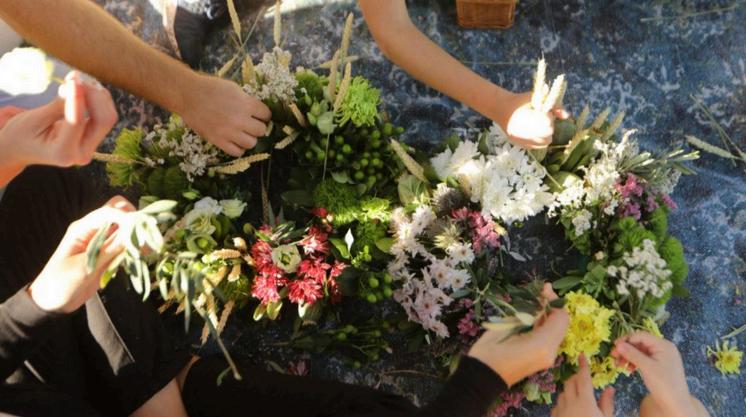
CelebratedsincethetimeofGreekcivilization, thedayofProtomagiahasbeenacelebrationof both nature and the working-class population (XpatAthens, 2024b). On this Holiday, stores in Greece are closed, allowing the country's working class to celebrate the holiday Traditionally, Protomagia involves locals gathering seasonal flowers such as daisies, carnations, lilacs, roses, as well as other highyielding flowers (I Am Greece, 2020b). Once localsgatherseasonalplants,theycreatewreaths andotherdecorationsusingthoseresourcesto beautify their homes, churches, and other public areas in villages (XpatAthens, 2024b). Theannualholidayisalsocelebratedbyfamily and friends gathering together for picnics, dancing,outdoorfestivals,andsoakingupwhat theirenvironmenthastooffer.
Myfather,animmigrantfromtheisland . of Karpathos, often recalls Protomagia from his vivid memories of nature, family togetherness, and his home country on that day He and his brother would be sent up mountainsbytheirmothertocollectflowers sotheirmothercouldcreateawreathtohang on the front door Also, my Father and his brotherwouldspendtimeflyingkitesaswell asfishingalongtheisland’sshore.Themajor holiday, Protomagia, is dedicated to celebrating nature, taking pride in the changing of the seasons, and the fertility of theirland.
Associetycontinuestomodernizeitsliving styles by incorporating more technology and urban developments, the idea of spending timewithnatureisoftenoverlooked.Finding ways to reconnect with nature can increase society'svalueofnature.Theresearcharticle, "Time Spent in Nature Is Associated with Increased Pro-Environmental Attitudes and Behaviors”, by Nicole V. DeVille, explores howspendingtimeinnatureleadspeopleto careaboutthehealthoftheenvironment.
Finding ways to reconnect with nature can increasesociety'svalueofnature.Theresearch article, "Time Spent in Nature Is Associated with Increased Pro-Environmental Attitudes andBehaviors”,byNicoleV DeVille,explores howspendingtimeinnatureleadspeopleto careaboutthehealthoftheenvironment.To combat recent environmental issues, such as globalwarming,encouragingcommunitiesto interactwithnatureinvariouswayscanfoster a deeper connection with the environment, which can potentially lead to changes in behavior and ultimately improve the environment(DeVilleetal.,2021b).Manyof us live in urban areas with limited access to nature, but a great way to start appreciating the outdoors is simply sitting outside and journaling about what you see in nature. Observingthesmallestaspectsthatnaturehas tooffer,evennoticingatree’sleaveschanging colors,canopenone'smindtothebeautyof nature and why protecting the environment aroundusissoimportant.
In a world plagued by hotter temperatures, increasingly severe weather events and droughts, and rising sea levels, the Winter Olympics have managed to persist, with the next Games upcoming in February 2026. But how will the growing impacts of climate change affect this worldwide cherished sports tradition? And can theGamesadapttothemodern-daydemandsof sustainability and reduce their carbon footprint withoutcompromisingtheirsplendor?
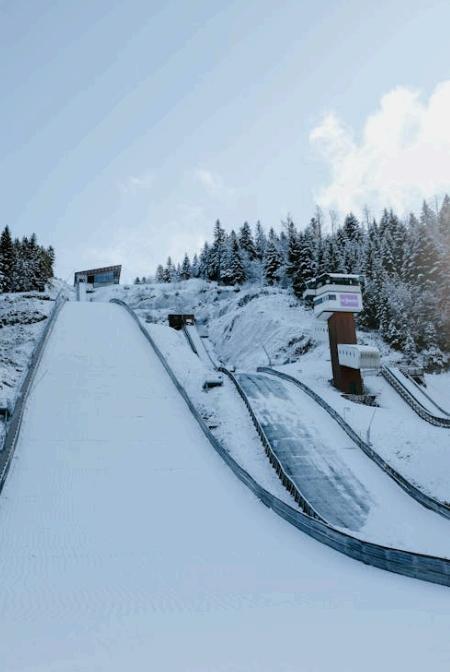
From February 6 - 22, 2026, the 25th Winter OlympicswillbeheldinthehostcitiesofMilan and Cortina d’Ampezzo, Italy, and will be officiallyknownastheMilanoCortinaOlympics. TheGameshavebeenheldoverawidevarietyof locations, beginning in 1924 in Chamonix, France. But over time, there has been an increasing worry about how climate change is goingtoimpactthegames.
The climatic conditions today have rapidly changed since the beginning of the games, as “the average global temperature of Earth has increased at least by 1.1 degrees Celsius (1.9 degreesFahrenheit)since1880”(NASA,2022).
TheIOC’sSustainabilityProgressReport20212024 discusses how reliant the Winter Games are on sufficient quantities of snow for their events, but in recent years, this has proved challenging since there has been a decrease in snowfall, and temperatures have become too hot to create man-made snow in certain areas (International Olympic Committee, 2024). They have also identified different future locationsfortheOlympicWinterGamesbased on a variety of projections for the increase in greenhousegasemissionsovertime.Thismeans that depending upon whether the world continues to have low, mid-range, or high emissions, different cities will be considerably suitable to host the games (International OlympicCommittee,2024).
It’snobigsurprisethatboththeSummerand Winter Olympics are major sources of carbon emissions. Looking at the International Olympic Committee (IOC) carbon footprint datafromBeijing2022,it’sclearthatthebiggest culprit of carbon emissions is from travel –making up 72.3% of the total emissions (InternationalOlympicCommittee,2024).
Themajorityofthesetravelemissionscome from airplanes. This makes a lot of sense, considering in the 2022 Games alone, 91 countriesandmorethan2,800athletesfromall over the world competed. Another 8.9% of emissionscomesfromfreight,andtherestfrom employee commuting, accommodations, building and vehicle energy use, food and beverage,anduniforms.
Whileitmaybeeasytocutbacktotalemissions in some of these categories - such as utilizing energy-efficient housing accommodations, using electric vehicles for transport within the host location – the question of how to get all the athletes plus spectators there sustainably remains. Most people head to the games by plane,travellingfromallovertheworldtosee theseathletesplay.Isitfeasibletocutbackon the number of people allowed to come and watchthegames?Theanswerismostlikelyno, as the ticket sales alone generate hundreds of millionstoevenbillionsofdollars,whichhelps to support the production of the games (InternationalOlympicCommittee,2025).
Despite this, the IOC has begun to address climate change in recent years, critically examining current practices and future ones that may help keep the Games alive For example, starting in the year 2030, those who organize the Games will be required to “minimizethedirectandindirectGames-related emissions, strive to remove more carbon from the atmosphere than the Games projects emit, and use their influence to encourage stakeholders
totakeclimateaction”(Olympics.com,2022). Whilethesegoalsappeargoodonpaper,they are quite broad and vague, making it hard to determinehowthesegoalswillbeachievedand what specifically the IOC is expecting Game organizers and host cities to do in order to decreasetheiremissions.Ontheirwebsite,they include general changes they will make to reduce their emissions, such as “further reducingairtravel,throughimplementationof newwaysofcollaboration”and
“pursuingeffortstominimise,reuseorrecycle waste in our daily activities and events” (InternationalOlympicCommittee,2024).
IntheIOC’sClimateActionReport,itstates thattheyare“takingconcreteactiontoaddress theglobalclimatecrisis”(Olympics.com.,2025) by reducing direct and indirect emissions by 50%by2030,compensatingmorethan100%of their emissions, and using their influence to inspire fans and stakeholders alike to fight climatechange.
They have begun to compensate for their emissionsbygrowinganOlympicForestthatis meanttorestoredegradedlandscapes“pursuing effortstominimise,reuseorrecyclewasteinour daily activities and events” (International OlympicCommittee,2024) across the Sahel region in Africa (Olympic Forest,2021).Thisinitiativehasaimedtogrow morethan400,000nativetreesacrossvillagesin MaliandSenegal.Theirwebsiteclaimsthatthis forestisabigelementoftheirstrategytoaddress climatechange.
Time will tell what the future holds for the Winter Olympics. The integrity of the Games will all depend on how the world moves forward in cutting back greenhouse gas emissions, including how the IOC and host cities address their own outputs. The 2026 MilanoCortinaOlympicscouldbethestartof new sustainable practices for the Games that canhelpensuretheirfutureforgenerationsto come.
While it’s important that the land in these countries is reforested and that the local communities benefit from the impact of the restored landscapes, it’s hard to see the connectionbetweengrowingaforestthousands ofmilesawayandreducingtheoverallimpactof the Games. Solutions to the carbon emissions caused by the various factors involved in the Games - such as transportation, accommodations, etc. - seem to be more pressing and potentially more effective solutions.
2026 Milano-Cortina Winter Olympics and Paralympics.(2025,August6).U.S.Embassy& Consulates in Italy. https://itusembassygov/2026-winterolympics/
Pointe Shoe Sustainability
By Lindsey Wiessner
Growing up in the dance world, the beginningofwinterwillalwaysremindme of annual trips to the ballet to watch performances. I can remember watching Swan Lake, The Nutcracker, and Sleeping BeautyduringWinterBreakasachild,and the holidays have always been associated with tutus and pointe shoes for me. With winter being a popular time to visit the ballet,thewastethatisproducedfromthese showsisincreasinglyimportantduringthis season.Perhapsthemostwastefulaspectof theballetistheseeminglyunassumingshoes that dancers wear. Pointe shoes, which balletdancersusetodanceontopoftheir toes,aremadeofamixtureofpaper,burlap, leather, and either satin or canvas fabric (Second Stage Dance, 2025). While shoes maynotseemlikeabigdealatfirstglance, theseshoesbecomewornoutrelatively quicklyandareunabletobesafelyreused,a factthatdancerslearnwhentheyfirstbegin todanceenpointe.Thisproblem,whichis somewhat unique to the ballet world, prevents reselling of the shoes, which is a common solution to waste in the clothing industry.
Certain companies, like the Pacific NorthwestBallet,usearound2000pairsof pointe shoes yearly (Hilton, 2024). The winterseasonisextremelyintense,withthe New York City Ballet using 500 pairs monthly(Hilton,2024).Additionally,since pointe shoes combine multiple materials together, they are unable to be recycled without first being disassembled (Hilton, 2024). Once taken to a landfill, paper will take anywhere from months to years to decompose, burlap will take between 2 monthsandayear,leatherwilltakebetween 25and50years,andsatinorcanvasthatis syntheticallycreatedcantakeover200years (Second Stage Dance, 2025). Other components that are present in shoes in trace amounts, such as adhesives, break down into microplastics during decomposition(SecondStageDance,2025).
With the number of dance companies aroundtheworld,theamountofwastethat isproducedjustintheformofpointeshoes addsupquickly.
However,ifshoesareabletobeseparated into their component parts, they can be easily upcycled or reused in a variety of ways.Satinfabricsthatareundamagedcan be sewn into clothing or hair accessories, and any component of the shoes can be usedtocreateartwork(Hilton,2024).The leather that is used for the soles of pointe shoesalsohasalargevarietyofusesandis oneofthemostcommonlyrecycledpartsof the shoe. For instance, the company Petit Pas creates bracelets using this leather as a way to reduce the waste that is going into landfills and to help establish a circular economy for pointe shoes (Petit Pas, n.d.). As a dancer myself, these bracelets can be appealing,asdancerscanwearanaccessory that is deeply related to ballet and directly takenfromoldpointeshoes.PetitPasisalso planning to expand to other wearable products,whichcanpotentiallyusepartsof theshoesotherthantheleatheralone(Petit Pas, n.d.). Additionally, the company is lookingtoobtainapatentthatwouldallow
Certain ballet companies, such as the ScottishBallet,havealsotakenmattersinto their own hands to reduce waste. The Scottish Ballet has set a goal to reduce its carbon emissions to net zero, and the reduction of waste from pointe shoes has been established as a key requirement for emission reduction (The Scottish Ballet, n.d.). The company is planning to use second-hand fabric whenever possible and has been working with a master's student studying sustainability to establish more ways to reuse or upcycle these shoes (The ScottishBallet,n.d.).Whiletheballetworld certainly has its work cut out for it regarding the reduction of waste from pointeshoes,considerableprogresshasbeen made already. If ballet companies and the outside industries continue focusing on ways to efficiently reuse the materials that makeuptheseshoes,wastecanbereduced significantly.
LEAVE THE LEAVES! Or
Face the Curse of the W ll Bear Caterpillars…
By Katie Marra
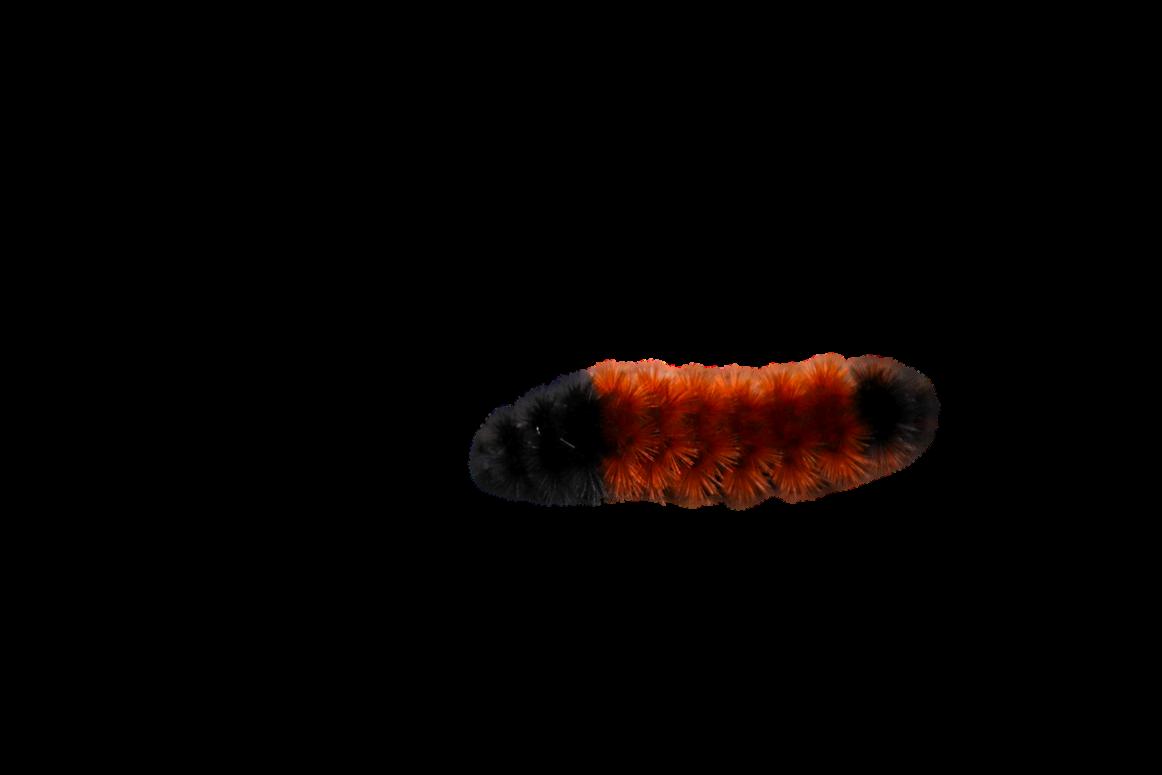
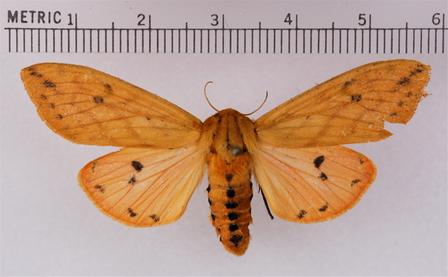
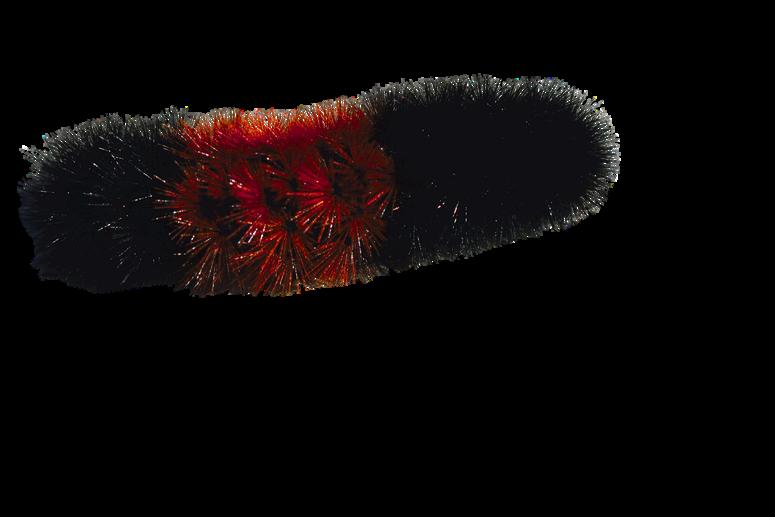
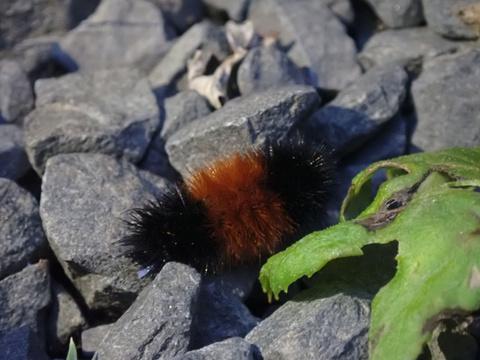
Thefolkloreoffarmerssays“thewidthofa woollybearcaterpillar’sorangebandpredictsthe coming winter’s severity” (Kanuckel, 2023) Accordingtolegend,thewidertheorangeband, themilderthewinter,whilemoreblackindicates a harsh winter season. Woolly bear caterpillars are the larval stage of the Isabella tiger moth, Pyrrharctia isabella, a medium-sized moth found in cold and temperate regions across North America. The life cycle of these insects involves four stages, including the egg, larva (caterpillar),pupa,andadultmoth.Woollybear caterpillars are covered in setae, hair-like projections that give them their fuzzy appearance.Thesemorphologicalstructuresare not only the topic of folklore, but they also functionasbothadefenseagainstpredatorsand awintercoattokeepthemwarmthroughoutthe season. As the winter season approaches, betweentheendofOctoberandthebeginning of November, woolly bear caterpillars enter diapause, which is a dormant state comparable to hibernation. While diapause is a common behavioraladaptationamonginsects(Denlinger &Lee,2010),woollybearcaterpillarsareunique inthattheyproducetheirownantifreeze,which allowsthemtofreezesolidoverthewinter.
IsabellaTigerMoth,MarylandBiodiversityProject
Mostcaterpillarswillcreateachrysalisorcocoon to protect themselves through the winter, entering the pupal phase, but woolly bear caterpillars survive the cold as fully developed larvae.The“antifreeze”compoundisglycerol,a type of carbohydrate also described as sugar alcohol.Glycerolisacryoprotectant,meaningit preventstheformationoficecrystalswithinthe caterpillar’s body. This is done by lowering the freezingpointofwaterwithintheirhemolymph (bodily fluids) and preventing ice crystals from damaging cell membranes (Layne et al., 1999). Woollybearcaterpillarsareadorable,prophetic, AND they allow us to learn more about cryopreservation!
Woolly bear caterpillars are fascinating creatures,buthowcanwesupportandprotect
TableofContents
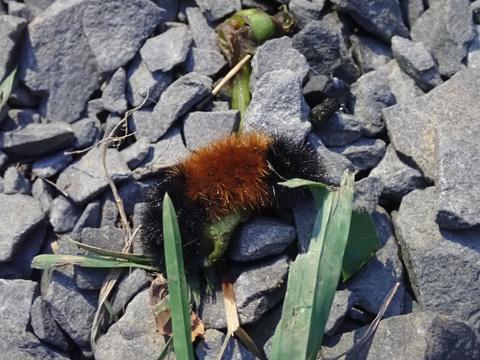
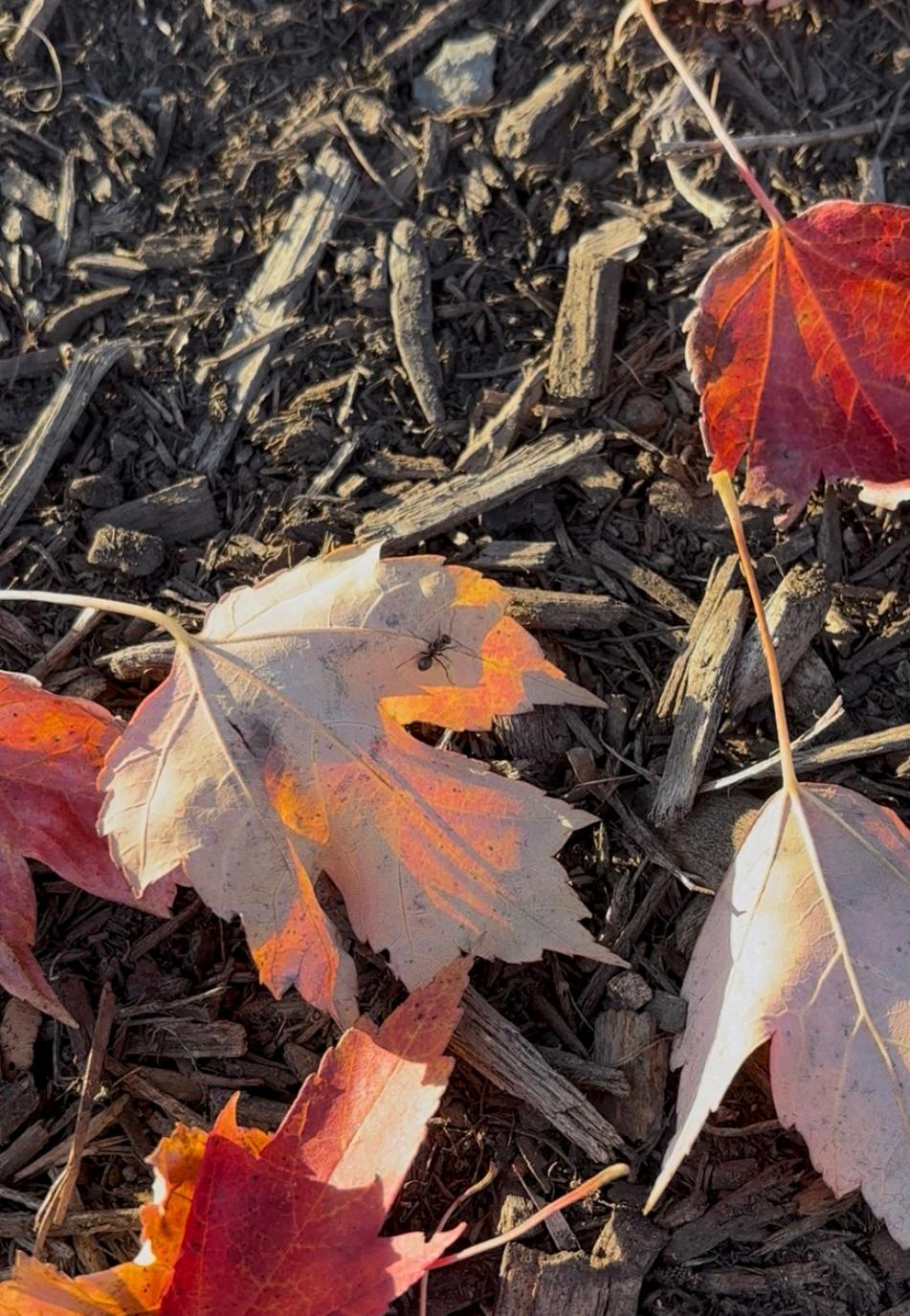
WoollyBearCaterpillarsfoundinEcola,Oregon.TakenonNovember13thbyKatieMarra themsothattheymay their visions for w importantactionthatc their habitats. This can scalebysimplynotblow theleavesfromyourla happensbeneaththefa bearcaterpillarslieunt not convinced? Are yo “OhIdon’tcareabout itsspecializedbiochem to suck all my leaves plasticbagsbecauseIamEVIL ?Hereissome foodforthought:ifthissoundslikeyou,ifyou donotletthewoollybearcaterpillarslivealong life,youwillbecursed.Thereareconsequences torakingyourleaves graveconsequences Not onlywillyoubedeprivingthesoilofnutrients, contributingtolandfillwaste,andgettingridof natural weed suppression, but if you rake your leaves,youwillbedoomedtofacethecurseof thewoollybearcaterpillars.Atthis
y p y p go through six molts- processes by which they shed their “skin” (exoskeleton) as they grow.
With each molt, the orange band on the caterpillar gets wider (Layne et al., 1999). Therefore, the more a woolly bear can eat and grow,themoreorangeitwillbe,andaccording tolegend,themoreforgivingthewinter.Ifyou do not allow these caterpillars the habitat and resourcestogrowtotheirfullpotential,afrozen hellwillreigndownuponyouandyourcrops Youhavebeenwarned…
Bonfire Night:
Protect Tradition or the Environment?
By: Lauren Barnett
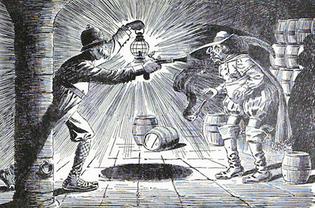
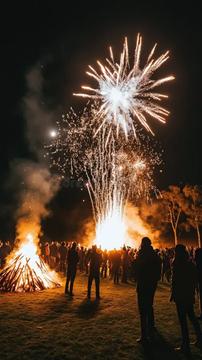
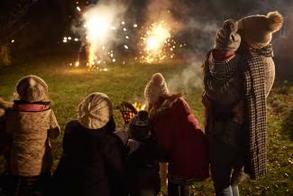
Every year on November 5th, across the United Kingdom, Guy Fawkes Day, also known as BonfireNight,iscelebratedtocommemoratethe Gunpowder Plot of 1605; the infamous failed attemptbyEnglishRomanCatholicconspirators to assassinate King James I and blow up the Houses of Parliament. The 17th century was a timeofgrowingpoliticaltensionastheChurch ofEngland was expanding andbringing intolerance against Catholics with it. In response to the religious persecution,thegroupofconspiratorsplannedto takebackthecountryonNovember5th,the opening of Parliament. However, a fellow member of the group alerted Parliament via an anonymousletter,andtheplanwasbetrayed.36 barrels of gunpowder were discovered hidden beneaththeHouseofLords,theupperhouseof Parliament Consequently, co-conspirator Guy Fawkes was arrested and taken into custody beforebeingtriedandexecutedfortreason.His role was to light the fuse to detonate the gunpowder. In the four centuries since, this holiday has become a tradition. It involves burningeffigiesofGuyFawkeswithhisinfamous facialhairinabonfire,aswellas
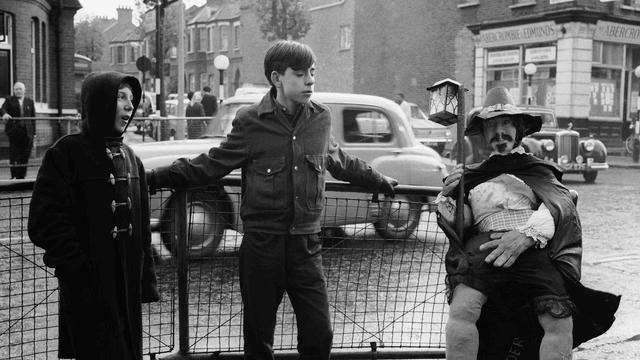
displays of fireworks, representative of the gunpowderneverused.Traditionally,inthe20th century,aroundtheweekofGuyFawkesNight, childrenwouldraisemoneybyasking“pennyfor the Guy?” while wheeling around homemade effigies; however, today this is a lost tradition (London Museum, n.d.). There are many versions of nursery rhymes recited, the most famousbeing:
Essentially, the cultural significance of this holiday is equivalent to the 4th of July for Americans,whereeachyearhundredsofmillions ofpoundsoffireworksareusedinjustonenight (AmericanPyrotechnicsAssociation,n.d.).Even though the royal family has significantly less powertoday,andthegovernmentisinsteadrun bythePrimeMinister,loyaltytothecrownis
deeplyingrainedinBritishculture.Acrossthe country, towns will organize their own Guy Fawkes Night celebrations, or people will celebrate in their back gardens. The bonfires may be used to make political commentary by burningeffigiesofmodernpoliticalfigures
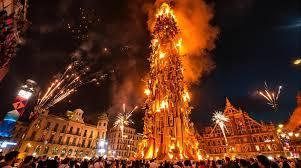
Whilethesedemonstrationsoffireworksand bonfires spark joy in many, they pose serious environmental issues. On the one hand, the emissions from bonfires containing major pollutantscontributetoairpollution,whichhas manydetrimentaleffectsinboththeshortand long term on the environment and people's health.November5thisthemostpollutednight ofthe yearintheUK,andpoorairqualitycan cause serious respiratory issues (Redmore Environmental, nd) The fireworks in particular also pose threats to animals; Pet Encounter Cumbria, an animal attraction locatedneartheLakeDistrictofEngland,was especially hurt after this year ' s holiday celebration,forexample.Their crocodileskinkToothlessdied duetostressfromthevibrations, andtheirsnowyowlAthena injuredherwingafterbeing spooked.Theremaininganimals wereshakenupandstruggling withtheirappetite.Burningof bonfires and fireworks are not exclusive to England; they are seen in celebrations all year roundglobally.InValencia,Spain,fireworksare set off every day for 19 days in March to celebrateLasFallas. Additionally,hundredsof statuesareburneddownastheculminationof theholidaythatholdsalotofcultural
significancetoValencians.Thisisaglobalissue, whichbringsaboutthequestion:whenitcomes to regulating these sources of pollution, how can governments balance the needs of the environmentwhilealsomaintainingtradition?
Similar to the US Environmental Protection Agency (EPA), the UK has an Environmental Agency(EA), whichfalls underthe Department for Environmental, Food&Rural, one of the UK’s (EA), one of the UK’s 24 ministerial departments. The agency regulates what is allowed to be burned on Guy Fawkes Night.AccordingtotheEA,peopletendtouse the holiday as an excuse to burn their old furniture or household trash; however, treated wood, tires, plastics, rubber, and oil are not allowed to be set on fire due to their serious health and environmental impacts (EnvironmentAgency,2017).Peoplecanfacea fineofupto £50,000if theydonot followthe regulations andillegally managetheirwaste.Additionally,theagency has the ability to prevent events where it is suspected that illegal waste will be burnt or other harm to the environment will occur by issuing a stop notice. The selling and usage of fireworksisalsoregulatedintheUK,withstrict
consequences including fines and imprisonment.Nevertheless,fireworksareable tobeboughtandusedundercertainconditions; category2and3fireworkscanbepurchasedby those 18 and over. Category 2 refers to ones suited to an average-sized family back garden, and category 3 are designed for large displays and require a minimum distance of 25 meters/82 feet (Child Accident Prevention Trust, n.d.). On Bonfire Night, fireworks are permittedtobesetoffforanextrahour-until midnight,ratherthan11pm.Noticingthatthe volumeoffireworksisincreasingeachyear,the owner of Pet Encounter Cumbria calls for somethingtochange;“It'stimetheUKbansthe saleoffireworkstothepublicandonlyoperates underauthorized,controlledandprofessionally ran displays” (BBC Cumbria). Similarly, RSPCA,thelargestanimalwelfarecharityinthe UK, “wants the noise levels of fireworks reduced, their sales limited and firework-free zonescreated”(Bassingham,2025).
Evidently, while Bonfire Night is a fun, autumnal holiday that has a lot of cultural significance,itcausesalotofdifferenttypesof pollution, including air and noise pollution, whichallneedtobebetterregulated.Thesepose seriousthreatstothehealthoftheenvironment, animals, and the public, and should be prioritized.
TableofContents
TuBiShvat Applied Jewish Philosophy of Stewardship and Sustainability
EvanDeAngelis
Celebratedasthe“JewishNewYearforTrees”, Tu BiShvat (טבשב ו״ט) at its core, in touch with the climate of Judea, with a strong agriculturallegacy.Forthousandsofyears,this ancientholidayhasbeenatraditionthattiedthe people to their land and renewed their bond with nature. Tu BiShvat still fits into modern Jewish life and conservation efforts perfectly. Literally translated as “the fifteenth day of Shvat,”(ShvatbeingaHebrewnameforalunar month), this holiday is celebrated by eating a feastofdriedandcandiedfruitsthenightbefore a day spent planting (usually fruit) trees. In Israel,TuBiShvatisobservedasbothareligious eventandasecularnationalArborDay,during which millions of trees are planted annually (Morris,2020)
In the Diaspora, most Jews celebrate by plantingtreesinbothpublicandprivatespaces, makingblessingsastheygivebacktotheearth. The wisdom of planting so early in spring, as whentheholidayoccurs,isgreat,becauseseeds havetimetocoldstratify,andwaitinguntillater in the season can run the risk of “shocking” larger transplanted trees. Most plants in temperate regions are dormant during the winterseasonandarethereforelesslikelytobe stressed by changes during this time (Morris, 2020).
In the Diaspora, most Jews celebrate by plantingtreesinbothpublicandprivatespaces, makingblessingsastheygivebacktotheearth. The wisdom of planting so early in spring, as whentheholidayoccurs,isgreat,becauseseeds havetimetocoldstratify,andwaitinguntillater in the season can run the risk of “shocking” larger transplanted trees. Most plants in temperate regions are dormant during the winterseasonandarethereforelesslikelytobe stressed by changes during this time. (Morris, 2020)InIsrael,whereitfallsinclimaticspring, tender saplings are added to the warm soil, oftentimesolive,pomegranate,cypress,andfigs; andinrecentyears,themiraclefruitresurrected from the ancient times of Masada, the Judean DatePalm,too,hasbeenplanted
UnderIslamicandCatholicrule,thelandwas exploited and neglected for centuries. At this time,theJudeanDate,asymboloftheJudeans sincebeforeevenRomanconquest(thistreeand its sweet fruits receive mention in Psalms and the Song of Songs. In fact, according to firstcentury scholar Pliny the Elder, none were as succulent or sweet as the Judean date palm) wentextinctfromoverharvesting.
Intheyear2005,thatchanged.“Inthemid1900s,archaeologistsdiscovereddatepalmseeds storedinanancientjarintheruinsofthepalace of Herod the Great in Masada, Israel. The conditionsweredryandaridenoughtopreserve the seeds for 2,000 years. ” (Vine, 2021) The trees were sprouted by two brilliant women heading up this project, Dr. Sarah Sallon and Dr.ElaineSolowey.
Thepairhassprouted7treesfromtheoriginal seeds from the ruined fort of Masada. Methuselah,amaletree,wasthefirst,followed by a larger attempt that bore 4 males and two females,JudithandHannah.“InJuneof2020, HannahbecamethefirstJudeandatepalmtree, resurrected from the dust of ancient seeds, to bearfruit.”(Vine,2021).Themostrecentflush of fruit produced almost a thousand dates, journalists and scientists are happy to report that they are delicious. Even so, having missed centuries of selective breeding, they are less sweet than the modern date. The secret to keeping this precious handful of indigenous fruit alive is the Israeli invention that enabled the Jewish people to revive the land of their ancestorstoitsoriginalstate:thedripirrigation system.
The20thcenturyIsraelitesdidnotfindtheir promisedland,'Rowingwithmilkandhoney," astheirforebearsdid3,300yearsago.Theycame to a land of encroaching sand dunes along a once-verdant coast, of malarial swamps and nakedlimestonehillsfromwhichanestimated three feet of topsoil had been scoured, sorted andspreadassterileoverwashupontheplainsor sweptouttosea…”(ScientificAmerican,2010) StartingwhentheareawasstillaBritishcolony and moving into the 1960s, agriculturalists began trying to revive the land, much of the effort taking form in the drainage of these swamps, and use of that water in conjunction with crop rotation. This all cultivated in drip irrigation, a technique developed by the engineerSimchaBlass.(Emoreno,2020) Thepresentdayofenvironmentalrestorationis interestingandimportant,butonestillwonders where it connects to the religious values themselves. The two core concepts at play are Bal Tashchit, and Tikkun Olam. “The commandmentofbaltashchit donotdestroy orwaste haslongbeenconsideredcentraltoa Jewish environmental ethic.” The general prohibitionagainstneedlessdestruction,derived from a verse banning the destruction of fruit trees, is interpreted to concern not directly or indirectly destroying anything that may be of use to people. It applies to wasting energy, clothing, water, and more. According to the Talmud, this prohibition also includes wastefullyburningoilorfuel.(Neril,n.d.)
ManymodernJewishcommunitieswithgreat concernfortheenvironmentpointtoexamples such as these as reasoning for following in the footstepsmanifestinthoseJewishprinciplesas they understand them, pursuing sustainable practices as a holy act. This comes in tandem with the second great pillar of Jewish environmentalism: the principle of Tikkun Olam. It is in Tikkun Olam that we see the valuesofTuBiShvatmanifest TikkunOlamis the Jewish concept of repairing the world. (Troster,2008)
This idea has multiple interpretations, whether it means repairing a rift left in reality itselfbythecreationoftheworld,orrepairing thenaturalworldandmaintainingthecreation that was given to humanity. Many Jews, especiallyinthemodernera,tendtoadhereto thesecondlistedformoftheconcept.Theidea, therefore,isthatthedutyoftheJewishpeopleis to restore the world and help bring about the coming of “paradise” by means of environmentalrestoration.So,attheturningof theyearfortrees,weblessthem,lovethem,eat of their fruits, and replenish their numbers upontheearth(Morris,2020)(Troster,2008).
In closing, it is best to emphasize that sustainability,remediation,andpreservationare trulyattheheartofthisancientfaith,fromthe verybeginning.AstheTorahsays:“WhenGod created the first human beings, God led them aroundtheGardenofEdenandsaid:“Lookat my works! See how beautiful they are how excellent!ForyoursakeIcreatethemall.Seeto itthatyoudonotspoilanddestroyMyworld; forifyoudo,therewillbenooneelsetorepair it.”-Midrash,Genesis.
OverConsumptionofBlackFriday
Caleigh Pokallus
We all love Black Friday sales; however, Black Friday is one of those holidays with the biggest carbon footprint due to consumerism. In recent years, it’s estimated that 80% of Black Friday and CyberMondaypurchasesarethrownoutafterlittle to no use. Most Black Friday purchases soon end upaswaste(Leeds,2019).Alongwiththeexcessive amounts of waste produced by the holiday, the volume of purchases made during this super-sale periodhasonlyrisenastheyearspass(Hub,n.d).
Peopleassumethateverybitofplastictheyrecycle isrepurposedforanotherproduct,butasshown here, that is very much not the case (Tigue, 2023).Astudyfrom2015foundthathousehold products were responsible for 60% of global greenhouse gas emissions. Along with this, consumer goods and their plastic wrapping are oneoftheleadingsourcesofphysicalwasteacross theworld(Tigue,2023)
Notonlyaremanypurchasesbeingthrownout, each of those purchases likely comes encased in somesortofshell,suchasaplasticbag,plasticbox, a cardboard box, or all of the above. Cyber Monday deliveries all travel through the mail to reach the customer who purchases the product. This method uses different forms of packing material, resulting in excessive amounts of plastic andcardboardwaste.Somepeoplemaybelievethis is an acceptable strategy because this waste is recyclable; however, “In the United States, only about5%to6%ofplasticsarebeingrecycledeach year a paltry rate…A total of 95% of the plastic used in packaging is disposed of after one use… ” (Main,2023).
Largecompaniesalreadyhavedisproportionately highlevelsofwasteandgreenhousegasemissions asopposedtoanaveragehousehold.OverBlack Friday weekend, the amount of waste they contribute advances even further, leading to an excessiveamountofwasteproduced.PhilPurnell, a Civil Engineer, came forward to state: “The consumption of all of that material has an enormous environmental impact, not just in terms of the pollution that’s created during miningandthedepletionofnaturalresourcesto create the things you buy, but also in terms of carbonfromtransportation”(Tigue,2023).
In2019,Purnellalsotookpartinastudythat concluded that up to 80 percent of goods purchasedduringBlackFriday,alongwiththeir plastic packaging, end up in landfills or are incinerated very shortly after purchase (Tigue, 2023). Along with this, a study done by transportenvironment.org found that: "1.2 million tons of CO2 would be emitted by trucks transporting Black Friday packages to warehouses and stores around Europe. That’s 94% more than in an average week" (Poggi, 2022).
It is very clear that Black Friday has an increasingly negative impact on the environment. Big corporations disregard this negative externality due to the fact that this holiday continues to line their pockets. Over the years, Black Friday has only become a bigger deal and an excuse for consumers to purchase that product that they “have always wanted”, despite most of this demand being manufactured.Inthisinstance,averagefamilies aren'teventoblame.Thisistheworkoflarge companies, making goods so expensive that peoplecanonlybuythemoneweekendayear without sacrificing all of their hard-earned money Inordertopreventirreversibledamage totheenvironment,fewerpeopleneedtotake advantageofBlackFriday’senticingsalesand stand up to these companies in order to protectfuturegenerations.