




My name is Trisha Rangaraju, and I am the Editor-in-Chief of The East Carolinian. I am very excited to bring you another edition of Hook Magazine.
To most people’s utter disbelief, I did not arrive at ECU knowing that I would one day run an entire publication. Hard to imagine, I know.
As a Public Health major applying to medical school, I came to college ready to check off all the boxes I needed in order to become a doctor: research, clinical hours, volunteering, bad handwriting. Although I have loved every medicinerelated activity I have done in college, I felt that something was missing from my experience. So naturally, I wandered into the newsroom for tryouts to become a reporter. Because nothing screams future physician more than committing yourself to weekly deadlines and learning how to write a “newsworthy” lede. Before I knew it, I was the editor for the news section, and then Editor-in-Chief.
Alarming for everyone, myself included.
Through my time as editor, I have learned how to make decisions with the confidence of someone who is nowhere near experienced enough to be making those decisions. I have learned how to remain calm during production nights at 10 p.m., when we realize we do not have enough photos for the paper. I have learned that leadership does not announce itself. Leadership is not assertive or about arranging large meetings where I tell people what to do. I have found that my influence shows up most in moments most people will never see.
More than anything, I realized it was important to create something lasting. Something others could carry on after me. That is exactly what I have been trying to do this past year, and we carried those same values into this magazine.
With this new edition of Hook, we wanted to create something that truly reflects what students want to read. We carefully curated pieces that are both funny and sentimental, stories that students can relate to and that spark interest. From the topics we chose to the overall design, we aimed to make a magazine that feels engaging, meaningful, and reflective of the student experience. Every article, photograph, and layout was selected with intention, so that readers could both enjoy and connect with the content. We hope it resonates with you as much as it resonates with us.
I am incredibly proud of everyone involved in this magazine. We are deeply grateful to our designers, faculty advisors, and the talented writers who truly brought this publication to life. Their dedication, creativity, and countless late nights made this edition possible.
I hope you love it as much as I do.
Trisha Rangaraju
Editor-in-Chief The East Carolinian

Trisha Rangaraju editor-in-chief
hannah ThomAs Production Manager
Ava StreithorSt Advertising design Manager
Nathan Flythe Graphic designer
Contributors:
Jordan Adams
Alexa anderson
Caleb Johnson
Dakota hamm
Candon Johnson
Garett Skillman
Tyler Buonocore
Logan harlow
Cherie Speller Director of Student Media
Annah Howell Multimedia & Production Adviser
Addie Mullen Best Advertising & Marketing Associate
Candy Griffin Administrative Support Associate





A hairstyle that has had a recent rise in popularity is the wolfcut. It first emerged during the 1960s and 1970s but fell out of favor until the recent resurgence of the grunge aesthetic.
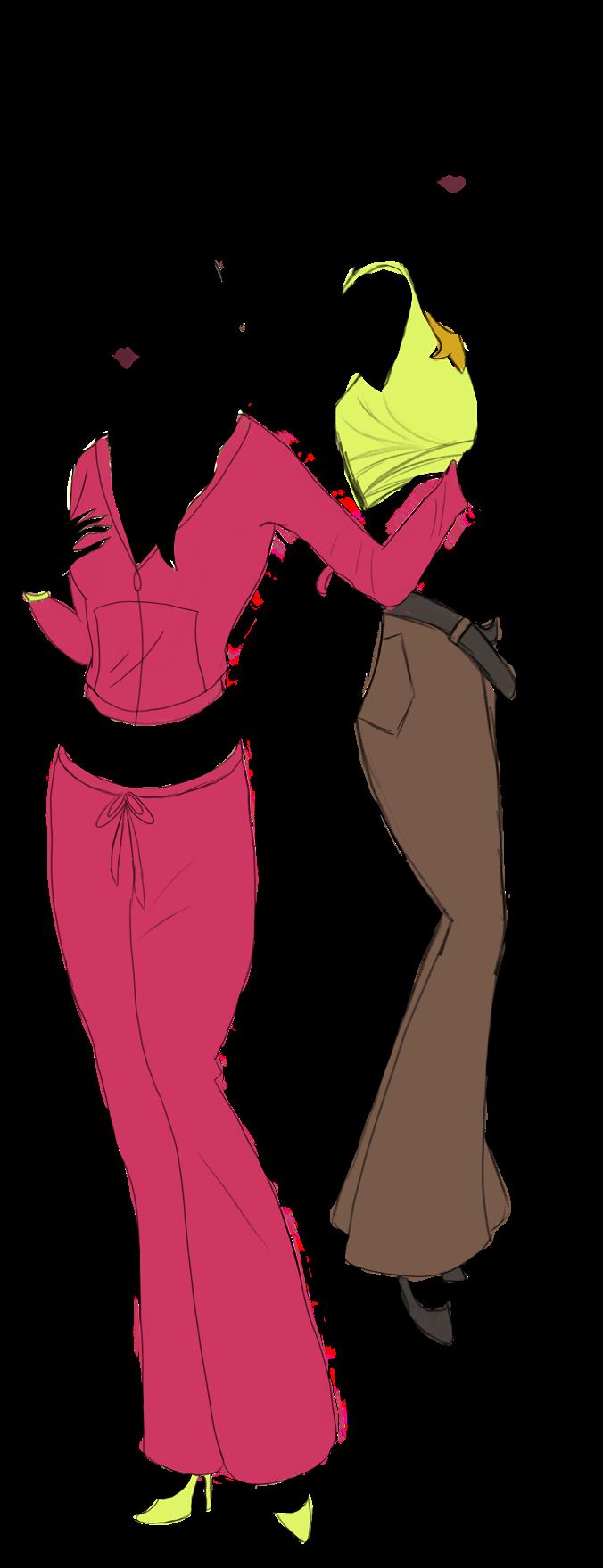
Another trend that reemerged in the early 2020s and has continued throughout the new era of microtrends are maxi skirts. Flowy maxi skirts began regaining popularity as part of the “boho” aesthetic.
“Some trends trickle up from smaller subcultures and then catch on,” Machado Blanchflower said.
The Boho aesthetic has less defined outlines and earthy, floral tones often paired with layered gold jewelry and headscarves. It emerged as a counterculture in France during the
The name comes from the belief that Roma people, whose traditional wear and practices heavily inspired the subculture,mostly resided in the Bohemia region of the Czech Republic. Tight silhouettes, an antithesis of the boho style, are falling out of favor with younger generations.
“Now we’re seeing a looser silhouette,” Machado Blanchflower said. “Bell bottoms are almost making a comeback. Boyfriend jeans and slouchy oversized tops are really big right now.”
The surge in global popularity of boho styles came during Western countercultures of the 1960s and 1970s. The Boho aesthetic is also part of a wider interest in earth-like tones.
“Earthy, brown, more neutral colors are going to be really popular this year,” Machado Blanchflower said.
But what defines a trend? And why are these specific trends now making a comeback?
“A trend has to be adopted by a certain population of people in order for it to even be a trend,” Machado Blanchflower said. “And it has to be accessible.”
Fashion typically cycles about every 20 years. Trends begin with a group of people known as “innovators.” These consumers are more driven by aesthetics and more tuned into pop culture.
The next group of people are known as “early adopters.”
“When early adopters grab a trend, then it goes through the fashion cycle and becomes very, very popular,” Machado Blanchflower said.
Innovators and early adopters push these trends through different demographics, such as the boho aesthetic making its way from Roma communities to France to the rest of the world.
Due to the rise of fast fashion, the cycle and lifespan of trends has begun to change. Trends are fueled by accessibility. Shops like FashionNova and Temu have provided people with cheaper, low-quality clothes and faster shipping, accelerating certain trends.
“What you’re also going to see is that it’s going to be iterated on a ton. So you’re going to see a lot of different baggy styles,” Machado Blanchflower said. “Now, when you look at clothes, you probably expect to see something new every couple of weeks.”
It’s important, however, to think sustainably, even in these fast-paced times.
“It’s very important to have staples in your wardrobe that transcend these trends, like a little black dress or a good denim or a nice pair of boots,” Machado Blanchflower said. “So while you may adopt new trends, you don’t have to reinvent your wardrobe every season.”
The effects of fast fashion have long-term social and ecological impact on consumers. Clothes are produced cheaply with materials like nylon, polyester and acrylic that can irritate the skin. These materials don’t last long and these clothes are often discarded in other landfills in other countries.
These fast fashion trends may take a bit longer to reach those who are style-conservative and have more staples in their closet.
Second-hand shopping has increased the desire for nostalgic clothing from the 90’s and 2000’s. Gen Z and Millennials are becoming more environmentally-conscious with fashion trends.
“As much as we think the fashion system pushes things on us, it’s really the fashion system listening to what consumers want and giving us what we want,” Machado Blanchflower said. “Even if it’s not always the best.”





By Candon


By


I ATHLETE is jam-packed. These athletes are tasked with a full course load, daily practices, daily lifts, and meetings. On top of having all of these responsibilities, they are tasked with balancing a social life and all of the challenges that come with being a college student.
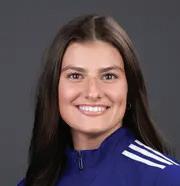
TEC reporters had the chance to sit down with sophomore swimmer Madi Joy to talk about a day in her life on both a meet and practice day. The Wilmington native competes in both the backstroke and butterfly events. Her top times from her freshman year (last year) include a 56.69-second 100-meter backstroke, a 2:05 200meter backstroke, and a 57.64-second 100-meter butterfly. She competed in nine dual meets and had six top-three finishes. Joy was also named to the American All-Academic Team.
Practice days for Joy start early, with her alarm set for 6:20 a.m., Monday–Friday, for her 7:00 a.m. practice. On Mondays, Wednesdays, and Fridays, her practices consist of a warmup and then hopping in the pool to do laps.Joy said, “Regular practices are very difficult… People would never expect swimming to be as hard as it is.” They typically swim for about an hour, working on each athlete's specific events. Joy, being a backstroke and butterfly specialist, will be told to work on one or the other each practice. On Tuesdays and Thursdays, the team will go to the weight room and do upper body one day and lower body the other day. Joy said, “I prefer the weight room days just because swimming is that hard.”
After each practice, Joy will head back to her house to eat breakfast and get ready for her classes. She is an electrical engineering major and has a very busy schedule. Her first class, ENGR 2022 Statics, starts at 9:30 a.m. and lasts until 10:45 a.m. She’ll then swing by Starbucks to grab a coffee and head to her statistics class. She’ll stay there from 11:15 a.m. to 12:30 p.m., then head to her final class of the day, Calc 3, until 1:45 p.m.
“My classes are very hard. Having to balance being an athlete and schoolwork is definitely a struggle,” Joy says. Following her classes, she heads home to grab a snack, then leaves to go back to Minges Coliseum for her second practice. The team will start with abs, then head in the pool from 3–5
p.m. Joy says they’ll typically work on endurance during this practice. After that, she and a few of her teammates will grab dinner, then head home. She’ll finish up her homework, then watch some TV, and be asleep by 10:30 p.m.
A meet day usually starts early, just like a regular practice day, at around 6:20 a.m. After she is up and ready, Joy heads to a pre-meet practice and lift. The practice usually lasts for about an hour and a half and is mainly focused on getting the swimmers’ heart rates up and focusing on breath control. The team is then fed breakfast and released to go rest before the meet actually starts. Joy said, “The time we get to rest before the meet may be the most needed part of the day. We wake up early and spend so much time in the pool, lifting, warming up, and warming down. Being able to nap really gets us through the day.”
Joy and the rest of the swimmers usually report back to the pool about two hours before the meet begins. The team will then do their dynamic
PEOPLE WOULD NEVER EXPECT SWIMMING TO BE AS HARD AS IT IS. “ “ - Madi Joy SOPHOMORE SWIMMER


By Jordan Adams | Photo Illustrations by Ava Streithorst
As we enter adulthood, let’s take a look back on some classic picture books from our childhood.
First published in 1964 by Shel Silverstein, “The Giving Tree” is about the relationship between a boy and a tree that gives him everything. As a young child, the boy collects the tree’s leaves and climbs her trunk. As the boy grows older, he becomes more distant. The tree never stops providing for him, even when she becomes unhappy with the situation. In the end, when the tree has nothing left but her stump, she still gives to the now elderly man.
Some view the story as a metaphor for unconditional love between friends or family, while others have viewed it through an environmental lens.
“The Very Hungry Caterpillar” was released by Eric Carle in 1969. It follows the simple story of a caterpillar who hatches out of an egg and immediately begins searching for food. He eats his way through various foods, from apples to ice cream to leaves. He rests inside a cocoon for two weeks before emerging as a butterfly. The physical book is recognizable for the use of holes in the pages to show what the caterpillar had eaten.
“Corduroy” was written by Don Freeman in 1968. The story is about a toy bear in a department store who wishes to be taken home by a shopper. The bear realizes that he’s missing a button on his overalls after an encounter with a young girl and sets off to find a button that night but is unsuccessful. The next morning, the young girl is able to buy the bear and bring him home. The girl stitches a new button on his overalls and names him “Corduroy.”
The reader is tasked with watching over a bus in this 2003 book by Mo Willems. But there’s one very important task: don’t let the pigeon drive the bus. Throughout the story, a pigeon makes desperate attempts to convince the reader to let it drive the bus. The story ends with the bus driver coming back and a very unhappy pigeon.
Another Mo Willems book on the list. Officially titled “Knuffle Bunny: A Cautionary Tale,” the 2004 book follows a young girl named Trixie who goes with her father to the laundromat and brings her stuffed animal, Knuffle Bunny, with her. On the way home, Trixie realizes that Knuffle Bunny is missing. Her father can’t understand her because she can’t speak, but her mother notices the toy is missing, and the whole family searches. They eventually find it in a washing machine. Trixie, happy to be reunited with her toy, speaks her first words: “Knuffle Bunny.”
One of Dr. Seuss’s most recognizable books, it is the story of Sam-I-am trying to convince someone to eat a dish called “green eggs and ham.” The person repeatedly refuses to eat the dish, but Sam-I-am persists. He eventually agrees to try the dish if it means that Sam-I-am will finally leave him alone, only to discover that he loves the dish.
The book was written after Seuss accepted a challenge from his editor to write a book using 50 words or fewer.
“Goodnight Moon” was written by Margaret Wise Brown and illustrated by Clement Hurd in 1947. The story follows a young rabbit’s nighttime routine of saying “good night” to various things in the room, like a bowl of mush and a quiet old lady whispering “hush.”
Book graphics courtesy of Adobe Stock




By Dakota Hamm | Photos by
Homeostasis is a local alternative rock band in Greenville, bringing a “do it yourself” (DIY) attitude to the local music scene. Even though they have been a band for a little over a year now, they sound like a band that has been together for years. Their sound is not only raw and powerful but also a reminder of how great punk rock can be when done well. And they do it incredibly well.
The band is made up of Josh Mullen on guitar and vocals, Ivan Martinez on bass, Ryan Hiemenz, a multiinstrumentalist, and Timm Coker on drums. The band initially started with just Mullen and Martinez, who met while students at East Carolina University. Coker then came in on the recommendation of David Tilley of the local comic shop Nostalgia Newsstand.
“It was an instant click, because we were all on the same level,” Mullen said. “Since we’re all kind of the same attitude and mindset, which I thought was perfect,” he continued.
These three guys would come together and start practicing. Hiemenz would begin showing up whenever they practiced. Since he wanted to start learning an instrument, he eventually joined the band, playing the trumpet on their songs. He eventually learned the accordion and the guitar and sang



on some songs as well. He is a jack of all trades.
“I had been kind of playing around with the idea of learning an instrument,” Hiemenz said. “I hadn’t played since middle school,” he said.
Hiemenz said he was learning as he went, which has been very difficult because he has to keep up with the other members of the band. He described the process of learning as he goes as “intimidating” due to the talent of the other members of the band.
He shows that you can do anything if you put your mind to it. Hiemenz said he would listen to their tracks while at work and try to whistle something that makes sense for the song. This is how he came up with the first bit of their song “Golden Eyes.”
Drummer Timm Coker is the most experienced member of the band. He has played drums for 30 years and was previously in two cover bands. At first, Mullen and Martinez were a bit apprehensive about letting a complete stranger join their band; however, little did they know they would get along and become friends.
“Everything just fell into alignment,” Coker said.
The band has many influences from a variety of genres. Pixies, Hispanic music, and even Bjork are some of the band’s biggest influences, which can be heard in their songwriting.
Even though Josh Mullen has been writing music since he was a child, each band member collaborates on the music. Coker comes up with the rhythm section, Hiemenz will come up with an alternative melody, and Martinez will come up with the bass part. Coker calls Mullen a genius because of his songwriting skills.
“He shows us what he has been picking out, and it just takes me away,” Coker said.
Drummer Timm Coker’s journey is nothing short of amazing. He is a cancer survivor, and what he went through inspired him to give music a second chance. He cites bands Blink182 and Reel Big Fish as helping him through this time in his life.
“This is another chance for me to just go out there, have fun, and do what I enjoy,” Coker said. “I have not taken it for granted,” he continued.
The band has been working on its first album, which was released in February. Even though

» Homeostasis Band's guitarist, Josh Mullen
the process was very stressful, the band is excited to have its first album made. The album consists of 12 songs, all of which they have played live.
Homeostasis is the definition of the phrase DIY. They make their own flyers and shirts. This DIY attitude is essential because they want people to know that anyone can make music like them. With this great attitude and killer songs, the sky is truly the limit for Homeostasis.

By Dakota Hamm | Graphic by Nathan Flythe
“Nobody likes you when you’re 23,” when I was younger I thought that this lyric was funny and sarcastic. However, now as someone who will be turning 23 in a year, this lyric has never been more true. When we are all young, we cannot wait to be in our 20s. We all could not wait to go out on our owns and do what ever we wanted. The independence that comes with being 20 is liberating at first. However, when we are young, we don’t completely understand what comes with being in our 20s. Here are 10 things that I had to unlearn in my 20s:
It’s good to always be busy
Even though being busy can make your days go by faster, and this was true when I was younger, I have learned that it is okay to relax and have some time to yourself.
Life events will come at me fast 1 2 3 4 5
Failure is not an option
Failure is okay. Failure is ultimately just feedback that you can use for the future.
Not everything will come at you right away. Things take time and will come when both they and you are ready.
Spring 2026
When I was younger, I thought more money would cause me less stress; however, the stress comes with or without money.
Money = freedom I will have it all figured out by now
Growing up, I thought I would have life figured out by the time I was 20; however, I definitely do not, and that is okay.
Not all friendships last forever. Friends will come and go; this is why you must cherish the ones that do last forever.
Everyone has different definitions of perfect. You shouldn’t wait for “perfection”; find what your perfect is and claim it.
It is okay to say no when you disagree with something or you don’t want to do something. Saying no is you speaking up for yourself and what you truly want.
People care about my appearance
In truth, people don’t actually care about how you look, and if they do, then you don’t need to associate with them.
Forgiveness is expected
Forgiveness is not expected; it is earned. You shouldn’t expect forgiveness because everybody has their own thoughts about how forgiveness works.



By Garett Skillman | Illustration by Nathan Flythe

SOURCE for fitness and food trends, driving routines and recipes that spread across campuses almost overnight.
One day it’s the “12-3-30” workout; the next, it’s a highprotein snack or a viral smoothie promising instant results. The speed at which these trends rise and disappear shows how the app’s algorithm rewards whatever is new and eyecatching, not necessarily what is sustainable.
Some creators use their platforms to share legitimate health tips and approachable ways to exercise or cook. Their short, simple videos can make wellness feel more accessible, especially for people navigating busy schedules and tight budgets. Step-by-step demonstrations and quick ingredient lists make it easier for beginners to try something new without feeling overwhelmed. In that sense, TikTok can lower the barrier to entry for people who might otherwise feel intimidated by gym culture or complicated recipes.
However, TikTok also amplifies misinformation, promoting extreme diets or unrealistic fitness expectations that can lead to burnout or unhealthy habits. Because videos are short and designed to grab attention, they often leave out important context about nutrition, recovery, or individual health needs. What works for one person’s body or lifestyle may not work for someone else’s, yet trends are often presented as universal solutions. This can create pressure to keep up, even when the advice isn’t backed by credible sources.
The revolving nature of these trends often turns wellness into a cycle of quick fixes instead of long-term routines. A workout might go viral for a few weeks, only to be replaced by something completely different before people have time to see real progress. The same happens with food trends, where a new “must-try” recipe replaces last month’s obsession. While this constant change can keep things exciting, it can also make it harder to build consistent habits.
Ultimately, TikTok’s influence on fitness and food continues to grow, especially among college students looking for convenient and affordable ways to stay healthy. The platform can spark motivation and introduce healthier options, but it can also encourage a “try it and drop it” mentality. Its impact depends on how viewers sort solid, research-based advice from short-lived fads and whether they focus on building routines that last beyond the algorithm’s attention span.






By Candon Johnson
This year was a great year for movies. That's honestly an understatement when you consider the caliber of films that were released in 2025. From Sinners to Eddington, filmmakers have crafted films that make audiences conflicted, excited, and all the feelings in between. Three films that’ve stood out to me are: Superman, Weapons, and The Materialists. Three very different films that are made by three acclaimed creatives at the top of their game.
Starting with Zach Cregger's second film Weapons, you have a gripping mystery at the heart of the story. The story starts with the sudden disappearance of an entire class of children except for one child. This inciting incident is at the heart of each of the characters' arcs within the film. You have characters that fall all along a spectrum of reactions toward the event and all aren't completely good or completely bad. They each exist within gray areas. Each character has so many layers, and the world feels so real and lived in. This would not be possible without the amazing screenplay and direction by Cregger. He injects comedy and genuine, bone-rattling fear into a compelling mystery that will have you at the edge of your seat. This film felt like a twisted, modern fairytale look at grief and small-town horror in the best sense of the word.
Superman starts the wildly anticipated James Gunn-led DCU with a punch faster than a speeding bullet. The film is centered around Metropolis’s hero, Superman, as he navigates the new, changing world around him as well as billionaire Lex Luthor's plans to destroy him and his reputation. The film throws you in and demands your attention for its entire runtime. There’s plenty of action and comedy, as well as a deep and rich heart that usually stamps James Gunn's work. Again, the characters are what make this film. You see amazing performances from David Corenswet and Rachel Brosnahan, as
well as performances from all three of the Justice Gang characters. The way the superheroes are showcased makes the film feel epic, while the more quiet and somber scenes make it feel timeless. The story, being one of coming to terms with one's heritage and identity, warts and all, along with learning to forgive, makes this feel more heartfelt than most films I've seen in the last couple of years.
Finally, The Materialists was a surprise for me. It was this seemingly by-the-book, structured romance film at first. What made it different, though, was its message and writing. All three characters that circle the narrative have been damaged by the materialism that makes up their lives. Lucy, a matchmaker in New York City, finds herself confronted with her own ideals when faced with an impossible choice between what she wants and what she needs, all the while confronting the same system she believes in. Celine Song’s writing on this film is amazing. She crafts three deep and complex characters that circle around the central theme of the destructive quality of materialism. This takes the cliché, familiar shell of an old 2000s rom-com and uses it as a vehicle to tell a modern and refreshing story about what love really looks like.
These three films were divisive in their own right, with audiences having varying opinions, but each has a common piece that connects them. They have three writers/directors who each bring their own unique and refreshing takes to their chosen genre. Through amazing writing, brilliant direction, and themes, they crafted real, fleshed-out stories of love, grief, loss, family, and horror. Even if you didn’t necessarily love the way these themes were executed, you can’t deny that they brought their all to the table and succeeded at making a splash for creative voices within an industry that often prioritizes profit over genuine, entertaining stories and their creators.
By Garett Skillman | Photos by Ava Streithorst
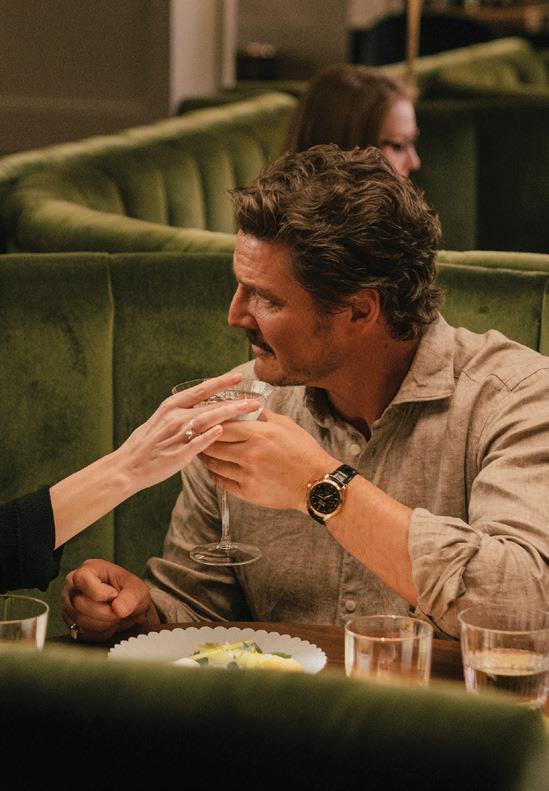
When summer hits Greenville, the heat doesn’t exactly ask permission. It rolls heavily. The kind that sticks to you as you walk across campus or sit through long afternoon classes. For a lot of Greenville residents, summer is a mix of work, travel, and a little bit of North Carolina sunsets. Whether you’re hosting a small get-together, cooking out with friends, or just experimenting with new flavors, a refreshing martini can feel like the perfect seasonal upgrade.
The martini has a reputation for being a formal, suit-andtie drink. Something you’d order in a dim bar, not at a backyard hangout. But summer martinis flip that idea upside down. They’re lighter, fruitier, and easier to mix, with flavors that fit everything from pool days to Friday nights in your apartment. Here’s a guide to some of the best martini recipes for the season, plus tips for making them taste like something you’d find on a cocktail menu at a fancy bar.
Before getting into the recipes, it helps to know the baseline formula. A classic martini uses gin or vodka, dry vermouth, and ice, shaken or stirred depending on preference. Summer martinis keep the same base but lean into citrus, herbs, and fresh fruit. Most of the ingredients are easy to find at local ABC stores, grocery stores, or even in your fridge if you’re into making simple syrups.

If you’re serving friends, glassware matters more than people think. A chilled martini glass helps the drink stay crisp, especially in Greenville’s humidity. Just toss the glasses in the freezer 10 minutes before pouring, or fill them with ice while you mix.


A lemon basil martini is a perfect starter because it tastes clean and summery without being overly sweet. The basil adds a fresh kick that pairs well with hot weather.
Ingredients: – 2 ounces vodka – 1 ounce fresh lemon juice – ½ ounce simple syrup – 4–5 fresh basil leaves – Ice
Directions: Gently muddle the basil in a shaker. Add vodka, lemon juice, simple syrup, and ice. Shake well for 10 to 15 seconds, then strain into a chilled glass. Garnish with a basil leaf or lemon twist. This one works well for daytime events because it tastes light and doesn’t feel too heavy. If you want to make it stronger, switch regular vodka for citrus vodka.

Strawberries are basically a symbol of summer, and this martini takes advantage of that. It looks good, tastes good, and doesn’t require fancy bartending skills.
Ingredients: – 2 ounces vodka
– 1 ounce strawberry purée or muddled strawberries – ½ ounce lime juice
– ½ ounce simple syrup – Ice
Directions:
Combine the ingredients in a shaker and shake until chilled. If you’re using fresh strawberries, make sure to double-strain to avoid seeds. Garnish with a slice of strawberry or a lime wheel. The color alone makes it a party drink, and it pairs well with anything from snacks to a summer playlist on full volume.
For people who like subtle, cooling flavors, the cucumber mint martini is a must. It tastes like something from a spa but is still strong enough to count as a cocktail.
Ingredients:
– 2 ounces gin or vodka
– 1 ounce cucumber juice or muddled cucumber
– ½ ounce lime juice
– ½ ounce simple syrup
– 3–4 mint leaves
– Ice
Directions: Muddle the cucumber and mint together. Add the rest of the ingredients and shake. Strain into a chilled glass. Garnish with a cucumber ribbon. This martini is great for extremely hot days because it’s refreshing without being sugary.


Think of this as a martini version of a piña colada—tropical, smooth, and perfect for summer nights.
Ingredients:
– 2 ounces coconut vodka or regular vodka
– 1 ounce pineapple juice
– ½ ounce coconut milk or cream of coconut
– Ice
Directions:
Shake the ingredients with plenty of ice. The cream of coconut thickens the drink slightly, so shake longer to blend everything smoothly. Strain and garnish with a small piece of pineapple. This one leans sweeter and works best as a dessert drink or late-night option.
Watermelon basically dominates every summer cookout, so turning it into a martini only makes sense.
– 2 ounces fresh watermelon juice
– ½ ounce lime juice
– ½ ounce agave or simple syrup


Blend or muddle the watermelon until juicy, then strain out the pulp. Shake all ingredients with ice and pour. Garnish with a small watermelon cube on a toothpick. It’s hydrating, bright, and one of the easier drinks to scale up
Greenville heat is no joke. Even the best recipe can feel off if the drink warms up too fast. Here are a few ways to keep things chilled:
– Use plenty of ice when shaking. More ice actually melts more slowly and chills faster.
– Freeze fruit beforehand to use as garnishes. They double as mini ice cubes.
– Store cocktails in a pitcher and keep it in the fridge until pouring.

The fun part about summer martinis is that they’re customizable. If you want something sweeter, bump up the simple syrup. If you want something stronger, reduce the juice. Try swapping vodka for gin, using flavored syrups, or mixing fruits together. Strawberry and lemon, pineapple and mint, and watermelon and basil all work surprisingly well.
At the end of the day, summer is about relaxing, spending time with people you like, and not overthinking the little things. These drinks just add to the vibe. Whether you’re hosting friends, trying out new recipes, or just making one for yourself after a long day, a good summer martini hits exactly the way the season should feel: cool, bright, and easy.








Ranked 3rd on GreekRank.net
Overall House Rating: ★


Curb Appeal: ★★★★★

Tradition & Reputation: ★★★★★
Exclusivity Factor: ★★★★
Neighboring East Carolina’s Proximity apartment complex, this house is a beautiful two-story looker with a manicured lawn and a clean white finish. From the outside alone, it gives strong first-impression energy. The kind of place that looks established and well maintained.
Overall, a solid property for the next aspiring fraternity pledge. Reviews call it “The only real fraternity left at ECU with


a great house, money, tradition, and successful alumni. They produce campus leaders and it is hard to get a bid. Every other fraternity is envious of them whether they admit it or not.”
Current reviews are positive, and the house carries the type of prestige that would translate, in hotel terms, to a “limited availability, high-demand stay.” Between tradition and visual appeal, this property earns high marks.
Ranked 4th on GreekRank.net
Overall House Rating: ★★★★
Exterior Aesthetic: ★★★★
Reputation: ★★★★
Charm Factor: ★★★★★
This property is a luxurious two-story residence just past ECU’s campus. The house features an awning and a walkway leading up to the front door, giving it a welcoming, polished feel. Built around 1960, the structure has maintained its classic look and appears remarkably well preserved — almost like a vintage boutique hotel that’s been carefully maintained over time.
Reviews are high for the sorority itself, with some saying, 'These girls are super classy ‘AXIDs are the ones you marry.’ Known for being kind and mostly pretty blondes.” The reputation leans heavily on charm and class, which in hospitality terms would translate to strong guest satisfaction ratings and a dependable brand image.

Ranked 5th on GreekRank.net
Overall House Rating: ★★★★
Comfort & Vibe: ★★★★★
Exterior Appeal: ★★★★
Social Atmosphere: ★★★★
This two-story property features a beautiful outside porch swing, adding an immediate sense of comfort and approachability. With a suburban look and a white finish, the house gives off a warm, inviting atmosphere. Less flashy resort, more charming bed-and-breakfast.

Ratings are high for this one, as some have said the sorority is, “Love these girls. So fun to hang out with, chill, and classy at the same time. They’re top for a reason.” If this were a hotel, it would be known for its atmosphere which is comfortable, social, and consistently enjoyable.
Ranked 11th on GreekRank.net
Overall House Rating: ★★★

Curb Appeal: ★★★
Reputation: ★★★
Campus Presence: ★★★
Delta Sigma Phi’s house holds a steady mid-tier ranking. While it may not command the same prestige as top-ranked properties, it maintains a presence within ECU’s Greek housing lineup. In hotel terms, this would be your reliable three-star stay. Solid, functional, and consistent.

Its ranking suggests a respectable standing on campus, offering a balanced option for those seeking membership without the ultra-competitive bid environment of higher-ranked houses.
Ranked 14th on GreekRank.net
Overall House Rating: ★★

Curb Appeal: ★★★
Reputation: ★★

Exclusivity: ★★
Kappa Sigma sits lower in the rankings, placing it more in the “budget-friendly” category when compared to top-tier houses. While specific standout features aren’t highlighted, its placement suggests a house still building or maintaining its reputation among peers.

Like a hotel that may not have luxury amenities but still serves its purpose, Kappa Sigma offers a presence within the Greek community without the same demand or prestige attached to higher-ranked organizations.
Much like hotel ratings, Greek house perception often blends aesthetics, reputation, tradition, and social experience. As with any stay, however, the experience ultimately depends on what you’re looking for.
By Alexa Anderson | Illustrations by Hannah Thomas





You’re an empath who wants to help those in need. Yet, you might want to get used to the idea of spending 50 hours a week in the library for that chemistry class that determines if you're switching majors or not.
You love socializing and make friends easily, so you decided you can thrive in a business setting. On the other hand, your parents made you pick a major before going into college, not allowing you to be undecided, so business it is.
You liked math through high school, and it came easy to you, but college math might be a struggle for you. You think you look nice in a suit and that you're always right, yet Math 1065 was surprisingly harder than you expected.
You either picked this because it's notorious for being the easiest major with barely any homework, or you like the idea of public relations because the movies make it look cool. You’re convinced you will be the next Jerry Maguire.
You’ve known since middle school that you want to be a dentist because you like the idea of helping people and making good money. Now you’re drowning in biology and chemistry classes, shadowing dentists on the weekends, and constantly reminding everyone that you’re “pre-dental,” not just a biology major.


This seemed like the easiest option in the College of Business, and you like the creative aspect and freedom of ideas. You hope to be a marketing manager, but there’s a high chance you stick to coming up with jingles for soda commercials.
You like understanding mental issues and learning about the human brain. But you’re unsure if you want to sit and listen to people’s problems for 50-plus hours a week.
You like looking at houses and have a goal to one day sell houses on your own, but you weren't prepared to spend nights on end in the library working on sketches.
You think you're good at science and chose this because it can lead into multiple career fields. You also enjoyed dissecting animals in high school science class, but not in an early-onset serial killer type of way.
You were in a wood shop or carpentry class in high school, and it was the easiest class you’ve ever taken. Now you’re in college surrounded by frat guys and three girls in each class.
You want to work with people who have disabilities and like learning about the human body. You’re passionate about making a difference, even if you constantly have to explain what your major actually is.
You enjoy working with kids and look forward to educating future generations. You'll just have to live paycheck to paycheck or marry rich.
You chose this major because you want to be a fashion designer, yet you're realizing this major isn’t helping you with anything except the eco nomic side of fashion.
You didn’t even know what supply chain was until orientation, but someone told you it makes good money. Now you’re explaining logistics, inventory, and global distribution to your confused friends while secretly hoping they never ask you to define it again.

By Logan Harlow | Photos retreived from Archives
One thing you notice pretty quickly at ECU is that the school has a southern vibe, and it’s different from what you see at some colleges near bigger cities. Greenville isn’t a major city, and honestly, that shapes a lot of what the campus feels like. The town moves at a slower pace, people are more laid-back, and the school ends up taking on the personality of the area around it. As a student here, the culture isn’t something you overthink every day, but you definitely feel it affecting the way people act, the traditions that matter, and even what students wear or do for fun.
Compared to city schools, ECU feels more relaxed. Students don’t seem constantly rushed or stressed about where they’re heading next. People talk to you, even if they’ve only met you once. Professors know your name more often than you expect. It’s not that everyone is extremely friendly all the time; it’s just that the environment isn’t chaotic. When I visit friends at schools in Charlotte or Raleigh, everyone’s running around juggling work, internships, and commuting on top of classes. Here, everything feels closer, and the day-to-day pace reflects that. You don’t have to plan your whole day around traffic or figure out how far everything is. It’s simpler, which I guess fits the southern style of the area.
The southern culture definitely shows up the most on football weekends. At ECU, game days feel like the biggest events of the semester, even if the team isn’t having its best year. Tailgating is huge, and the whole campus shifts into one big social scene. You smell fried food, hear country or rap depending on which tailgate you’re walking past, and see everyone wearing purple and gold. It’s not polished or flashy, just loud, crowded, and fun. If ECU were in a big city, the games would probably get overshadowed by pro teams or other events. Here, the school is the entertainment, and that’s what makes the traditions stick. Students actually show up because there isn’t a giant city full of distractions pulling people in a million directions.
The style on campus also reflects that southern influence. A lot of people dress casually: shorts, Crocs, sweats, ECU shirts, baseball caps, and boots when it’s cold. There’s not some huge pressure to look like you’re walking down a runway. At city schools, trends move faster, and people keep up with them more because they’re living in places where fashion is a bigger part of the culture. At ECU, the style is comfortable and practical, and it fits the environment. You’ll see the occasional dressed-up student, but for the most part, people prioritize comfort, especially when they’re walking around campus in the heat. Southern culture also affects what students like and dislike about ECU. For me, I actually like the
slower pace because it keeps things manageable. It’s nice walking across campus and seeing familiar faces or running into people you know without trying. A lot of students feel like ECU has a close community just because the school and town are so connected. If you go to a restaurant, a grocery store, or even the gym, it’s mostly students or alumni. That makes it feel like the town revolves around the university, which is very different from big city schools, where students are just one group out of thousands of residents.
Another thing about ECU’s southern culture is that it makes the campus feel smaller than it actually is. It’s a big school on paper, but it doesn’t feel like one. You notice the same people around campus all the time. You see people again and again at dining halls, sporting events, the rec center, and even random spots off campus. That can be a good thing because it makes it easier to build friendships. At city schools, students spread out into different neighborhoods, and you don’t run into the same faces as often. At ECU, you pretty much will.
Overall, the southern culture here isn’t something I think about constantly, but it’s definitely one of the biggest things that separates ECU from schools in urban areas. It affects the pace, the atmosphere, the traditions, the way people dress, and how students connect with each other. Some people love that, and some people don’t, but it’s definitely part of what makes ECU the kind of school it is. For me, it’s a big reason why the campus feels comfortable and familiar, even if Greenville isn’t the most southern place in the world.

By Jordan Adams
East Carolina University has consistently ranked in the top 200 national universities by U.S. News, with over 200 thousand graduates.
According to ECU’s website, nearly 90 percent of alumni are either employed or continuing their education within six months of graduation. Where are they now?

ECU alumni have even gone on to achieve national success. Actress Sandra Bullock, known for lead roles in “Gravity” and “Bird Box,” graduated in 1987 with a Bachelor of Fine Arts in Drama. Her role in the 2009 movie “The Blind Side” was praised despite the film’s mixed reviews. She won the Academy Award for Best Actress for her performance.
Bullock is also the founder of the production company Fortis Films. She was listed on Time’s 100 Most Influential People in the World in 2010.
The ECU Alumni Association recorded 413 alumni who volunteered over 800 total hours in April 2025 alone. They raised over $27,000. Other alumni have stepped up to help with post-Helene recovery in Western North Carolina.

Before his time at ECU, U.S. Congressman Don Davis graduated from the United States Air Force Academy in 1994. He was offered a position as an assistant professor and taught courses on aerospace studies and military history at ECU’s Air Force ROTC department. He earned a master’s degree in sociology and a doctoral degree in education.
Davis’s career in politics began when he was elected mayor of Snow Hill in 2001. According to the Greensboro News Argus, he represented ECU on the advisory panel of the Z. Smith Reynolds Foundation, which supports nonprofit organizations. He has represented the First Congressional District in North Carolina, including Greenville, since January 2023.

James H. Maynard is another ECU alum who has achieved national success. A member of ECU’s Class of ’65, he received a bachelor’s degree in psychology. He is best known for co-founding the all-you-can-eat buffet chain Golden Corral in Fayetteville in 1973.
Maynard and his wife, Connie, donated nine million dollars to the children’s hospital at Vidant Medical Center in 2011. A $1.5 million donation went toward funding a professorship at ECU’s Department of Pediatrics. He remains the chairman and CEO of Golden Corral’s holding company, Investors Management Corporation.
Vince McMahon graduated from ECU in 1968 with a degree in business. He is a member of the McMahon family, who founded WWE and shaped the world of sports entertainment. He bought the company from his father in the 1980s and transformed it into a global phenomenon, expanding the sport in countries like Japan and Mexico. He has since stepped down due to rumors of affairs and sexual assault.

Greenville’s new Fire and Rescue Chief Jeremy Anderson graduated from ECU with a Bachelor of Science in Physical Education in 2001. He was a sports reporter for The East Carolinian during the 1997–98 academic year. He spoke positively about his time as a student in an October interview with The East Carolinian.
“Being at ECU can really help you understand where you come from and where other people come from,” he said. “My time there gave me a new perspective on what it’s like to interact with fire. It really helps you to grow.”
Bonnie Brockwell and Mich Rollins both graduated from ECU in 1978. They married underneath the Joyner Library arch in May, where they first began talking.
“[Joyner Library] has always been special to both of us, and there was never a question that we would marry anywhere else,” Brockwell wrote in a Facebook comment.


The Pirate Alumni website logs a section called “Class Notes,” where alumni can submit their name, class, and recent accomplishments. Alumni from as far back as the Class of ’61 have shared their career goals and life developments. But most importantly, their love for ECU.

The Hook is copyrighted 2026 by The Hook Magazine and East Carolina University, Greenville, N.C. It is printed by Morgan Printers.
The Hook is operated by ECU students who are members of Pirate Media 1, an East Carolina University student-led organization operating under the auspices of the Student Media Board and through the Division of Student Affairs. The magazine is produced once a year by ECU students for the East Carolina University community.
Opinions expressed herein are those of the student writers and editors and DO NOT reflect those of the faculty, staff, administration of ECU, Student Media Board nor the University of North Carolina System.
Partial funding for this publication is provided through Student Fee Funds. Advertisements fund the remaining costs. Advertising inquiries may be send to Office of Student Media, Mendenhall, Ground Floor, Mail Stop 406, or by calling the Business Office at 252-328-1070. Inquiries concerning content should be sent to the Magazine General Manager at editor@theeastcarolinian.com.
All students are allowed to have one free copy of this publication. Additional copies cost $1 each and are available at the Office of Student Media. Unauthorized removal of additional copies from a distribution site will constitute theft under state law, a misdemeanor offense punishable by a fine and/or jail time.







Grow a rewarding career in Greenville-Pitt County – a community that’s fueling innovation. Start your career in tech, engineering and production, or professional services at one of the hundreds of companies that call Greenville home.
FAST FACTS
Cost of living 14.7% lower than the U.S. average

Housing cost 49% lower than the U.S. average
Greenville ranked #3 Best City to Move to in North Carolina USA Today, 2024 FAST FACTS


“Living and working in Greenville has been incredible. One of the biggest draws is the affordability of the area and when I compare it to larger cities, it allows for such opportunity. I was able to buy a house just a couple years into my engineering career.”
MICHAEL BEAVANS
Continuous Improvement Manager, Avient Protective Materials