CHILDHOOD OBESITY IN MEXICO
Childhood overweight and obesity in Mexico is one of the most important public health problems. Childhood obesity is a chronic disease that is characterized by excess fat in the body and occurs when the child is more than 20% overweight than ideal.
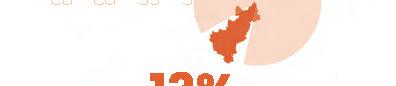
In Mexico, 12.6% of children under 5 suffer from stunting, reflecting the long-term effects of malnutrition.
Obesity is mainly related to a genetic aspect, but currently lifestyle has taken an important role since the intake of high-calorie-dense foods, sugary drinks and the lack of physical activation directly affects these diseases.
Something important is the education in food that is given to children today.
Made by actor.
Symbology
Obesity
Level 1
Level 2
Level 3
Level 4
Level 5
National Road Network
Main Roads
Railway Roads
Base Map
The Bajío Region Contour lines
State borders Urban Areas
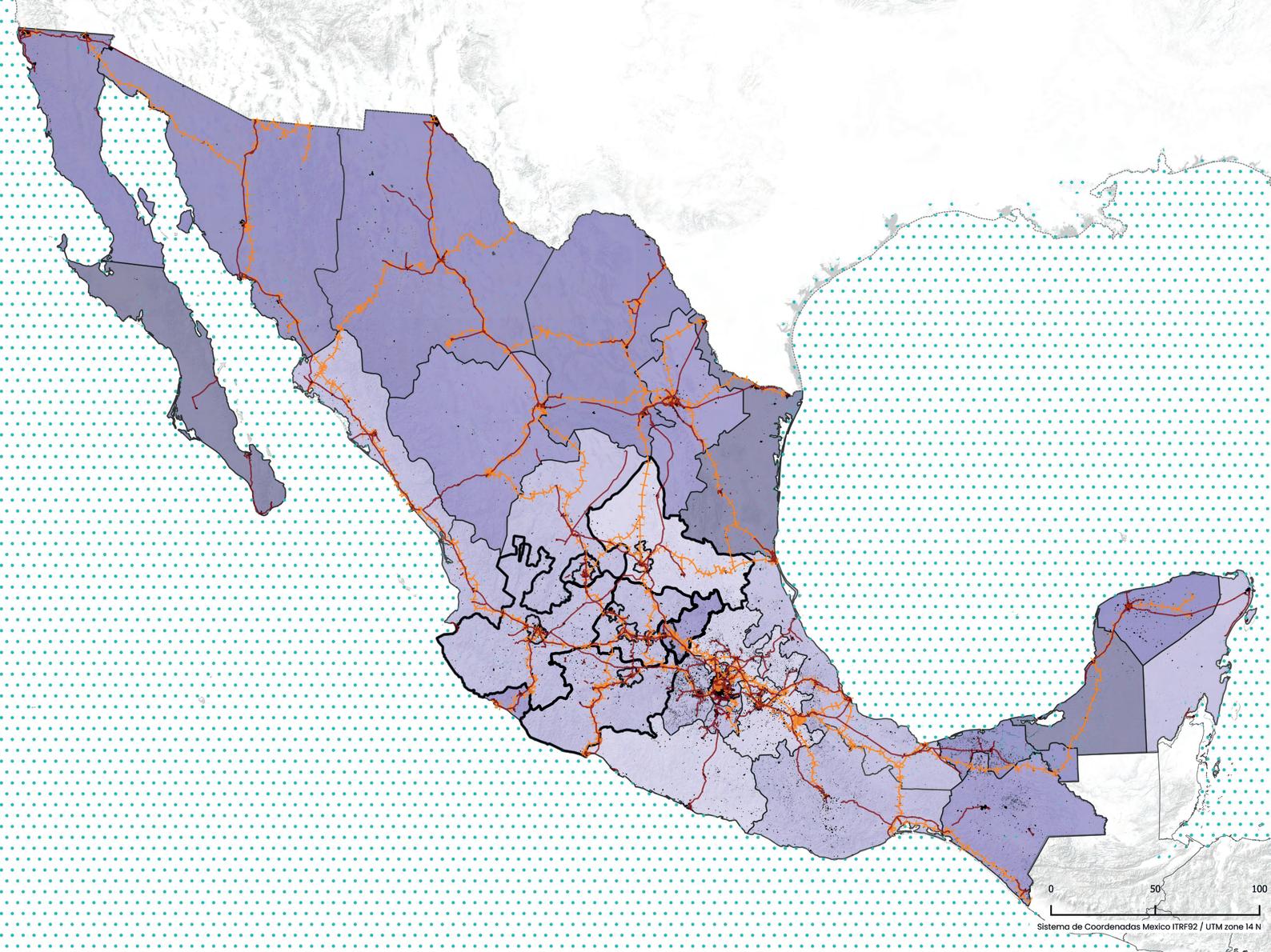
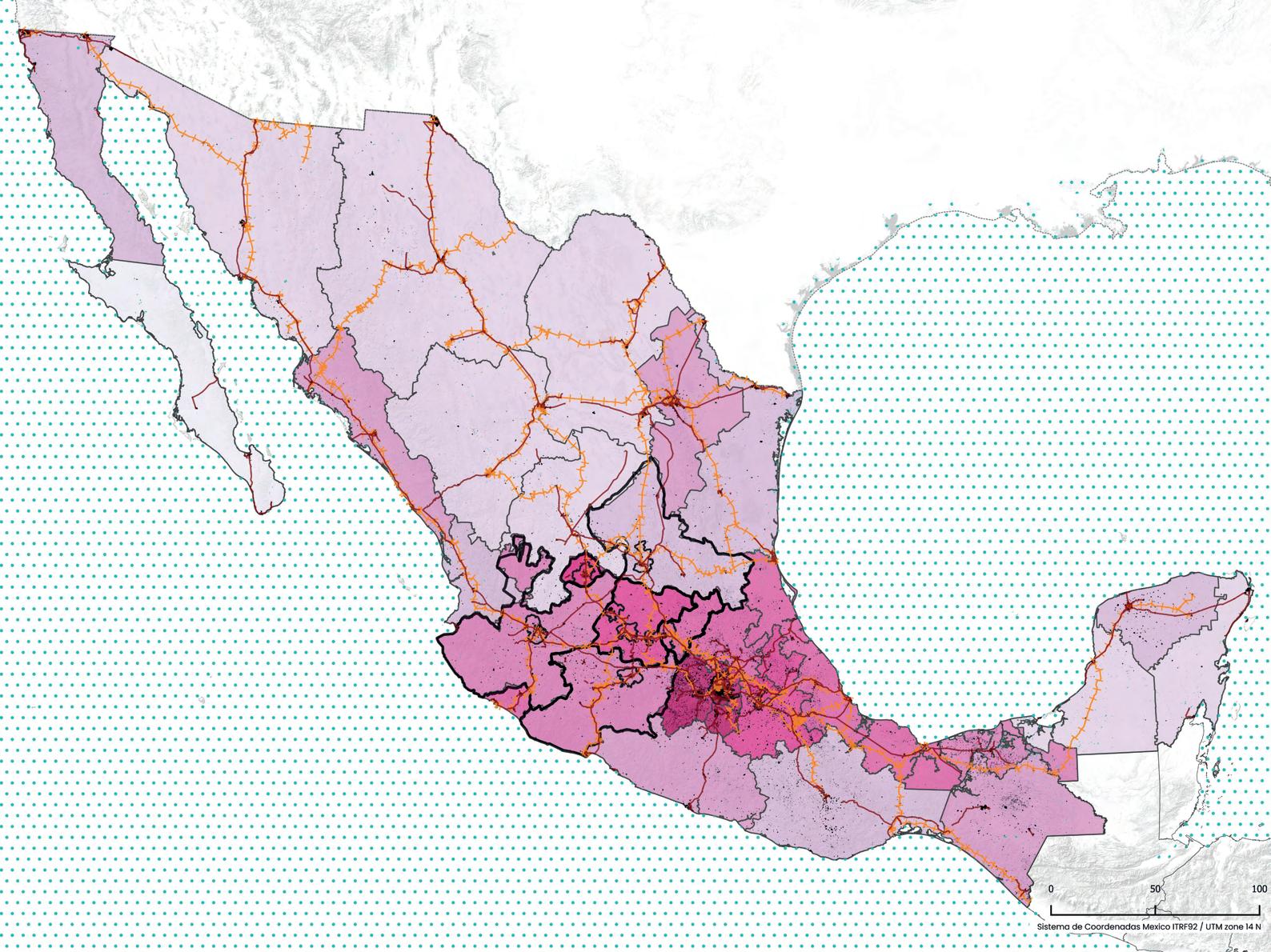
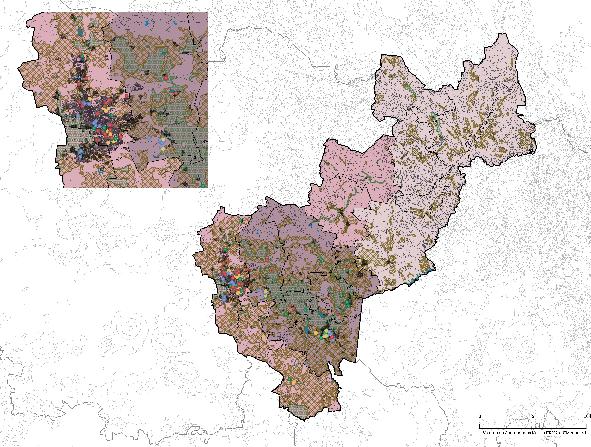
This map shows two relevant connections in regards to obesity and the road network that surrounds our country. According to CONEVAL data, one of the main causes of food-related health problems in general has to do with supply chains. That is, the ease of access to certain products in certain areas of the country.
This map shows the relationship between the states with the highest obesity rates being Campeche, Tamaulipas and Baja California Sur and their poor connection with transportation networks.
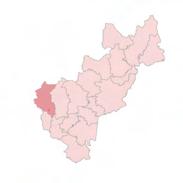
Queretaro
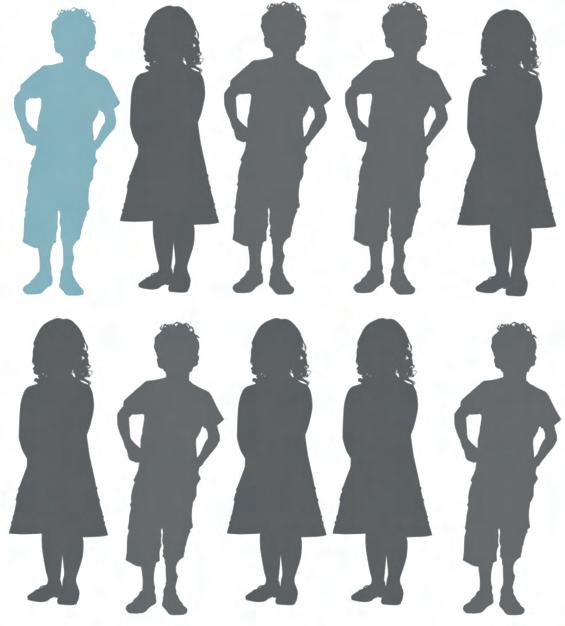
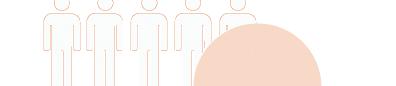
1 in every 10 Mexican children suffer from malnutrition
MALNUTRITION IN CHILDREN AND ADULTS
Malnutrition in Mexico is a significant problem that affects both children and adults. but mostly children.
Child Malnutrition:
It mainly affects children in rural and marginalized areas.
Causes: Poverty, lack of access to nutritious food and frequent illness.
Consequences: Delayed physical and cognitive growth, greater vulnerability to diseases and learning problems.
Malnutrition in Adults:
It especially affects older adults and people in extreme poverty.
Causes: Unbalanced diets, chronic diseases and difficulties in accessing healthy foods.
Consequences: Fatigue, weakness, increased susceptibility to illness and mental health problems.
Contributing Factors:
Socioeconomic inequality, poverty, lack of access to healthy foods and poor nutritional education.
Made by actor.
Government to reduce child malnutrition by 2023, Sen David
Symbology
Demography
6,815,000 - 67,440,000
2,805,000 - 6,815,000
1,755,000 - 2,805,000
1,390,000 - 1,755,000
930,000 - 1,390,000
665,000 - 930,000
485,000 - 665,000
240,000 - 485,000
66,500 - 240,000
o - 66,500
Base Map
Scale | 1: 11,000,000
Queretaro
State borders
The Bajío Region Contour lines
Urban Areas
The relationship between population and connection networks is crucial to understand the relevance of the Bajio scale in our country. For this reason, here is an example of how the population density is directly connected to the main connection networks of the country, making it a unique logistic point and a great part of them are located in the main logistic centers of the country’s cities.
Symbology
Base Map
Queretaro
The Bajio Region
State borders
Contour lines
Urban Areas
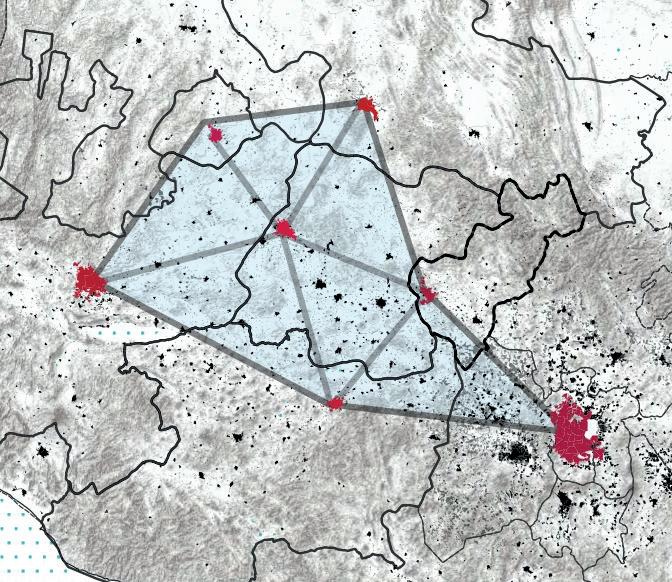
Having clear the relevance of the center of the country as part of an interconnected network of economic and mobility hubs in the country. A concept called Diamonf of Mexico arises, which proposes the connection of the main cities of the country, being Morelia, Guadalajara, Queretaro, Leon, Aguascalientes, Estado de Mexico and Ciudad de Mexico part of this concept.
The relevance of this polygon in our line of research is to understand how the center of the country becomes a focus of attention in regards to social, economic and political mobility, among others. Understanding the importance of this geographic space in the national context allows us to have a broader worldview regarding food-scapes. An opportunity to rethink our way of seeing the model that has been established in this country, but above all an opportunity for the development of focused proposals for the common good.
A large part of the population in Mexico faces obesity problems, and the main causes include difficulty accessing healthy food due to high prices and economic inequality. Thanks to the connections and accessibility offered by the “Diamond of Mexico,” where much of the country’s production and economy are concentrated, it is increasingly easy to access ultraprocessed or altered foods, which worsens the situation.
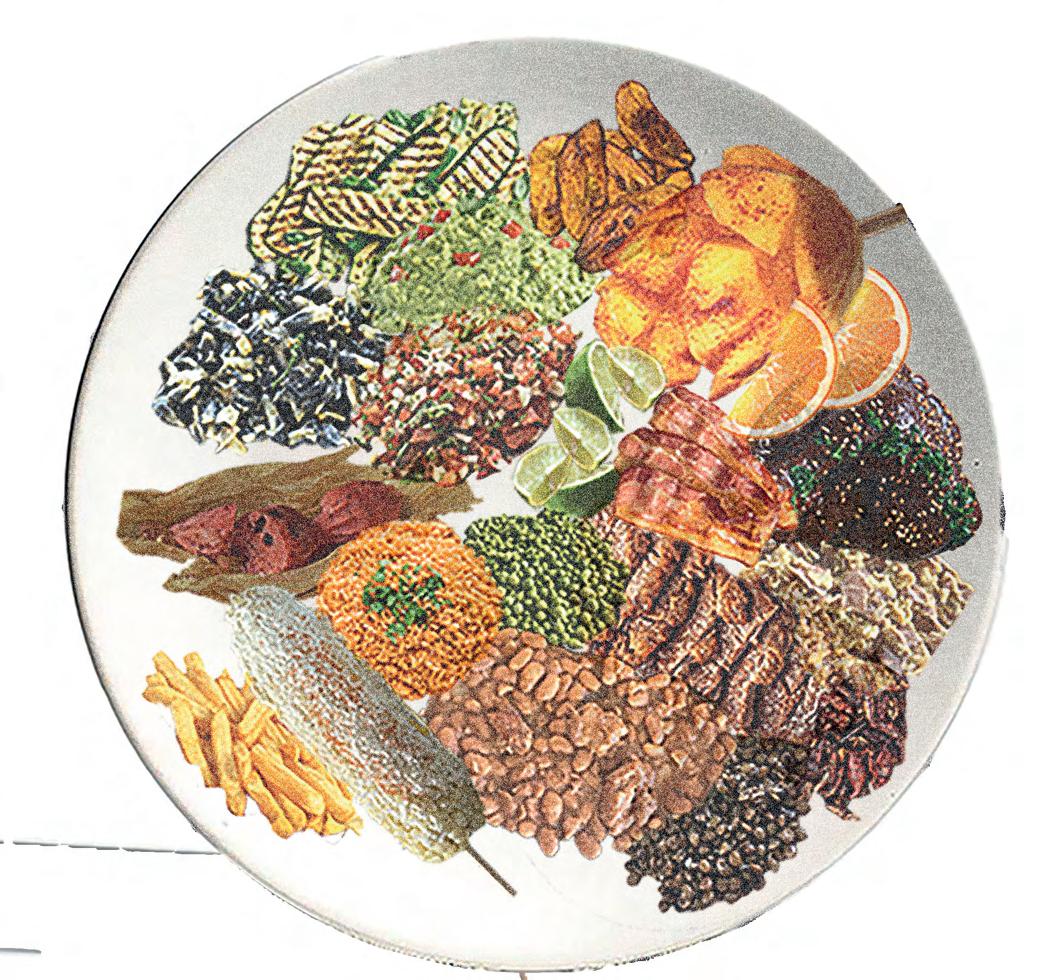
Additionally, eating habits in Mexico are not always health-oriented. The country’s food education is inadequate, as reflected in the “Plato del Buen Comer” (Good Eating Plate) from the Ministry of Health, which recommends a diet based mainly on cereals, with little emphasis on animal-based products that are costly and hard to access for many people.
Food insecurity, which affects about 35 million Mexicans, creates uncertainty about whether they will be able to obtain enough food each day, contributing to serious health problems such as obesity, diabetes, and cardiovascular diseases.
What will happen when the Bajío region’s natural resources are depleted, and the agricultural sector is forced to decentralize?
Where will these agricultural practices be relocated, and what environmental and socio-economic consequences will this shift bring to other regions?
What alternative strategies or future scenarios can ensure Mexico’s food security in the face of growing challenges?regions?
Is the modernization of agriculture and soil regeneration the key solution, or is a more comprehensive, systemic approach required?
Are current public policies on food education aligned with modern consumption habits and lifestyles of the Mexican population?
Is there still a direct correlation between poverty and public health issues such as obesity and malnutrition, or is it now more closely tied to distribution networks and the overwhelming availability of ultra-processed products in the market?
To fully understand the diversity of Mexico’s food systems, must we adopt a multidimensional perspective, considering the economic, geographic, and cultural factors shaping consumption patterns across the country’s different regions?
Do agribusinesses bear shared responsibility as they form the backbone of food supply for millions of Mexicans?
Should alternative agricultural techniques be explored to favor localized production and reduce reliance on large-scale industrial farming?
Why are there no stricter national regulations on agricultural waste management and economic policies, such as the IEPS (Special Tax on Production and Services) or punitive taxes, which theoretically function but have proven ineffective in practice?
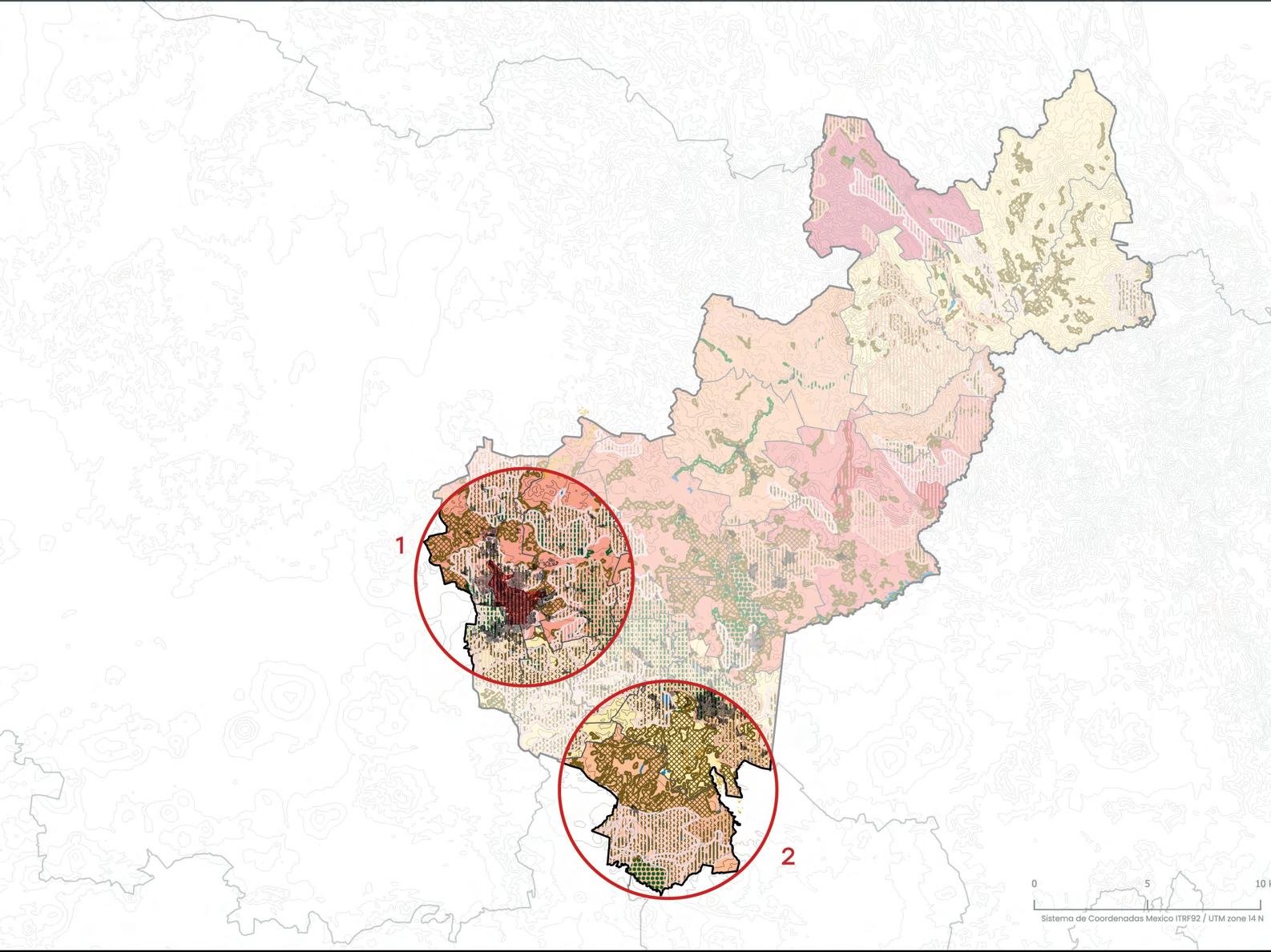
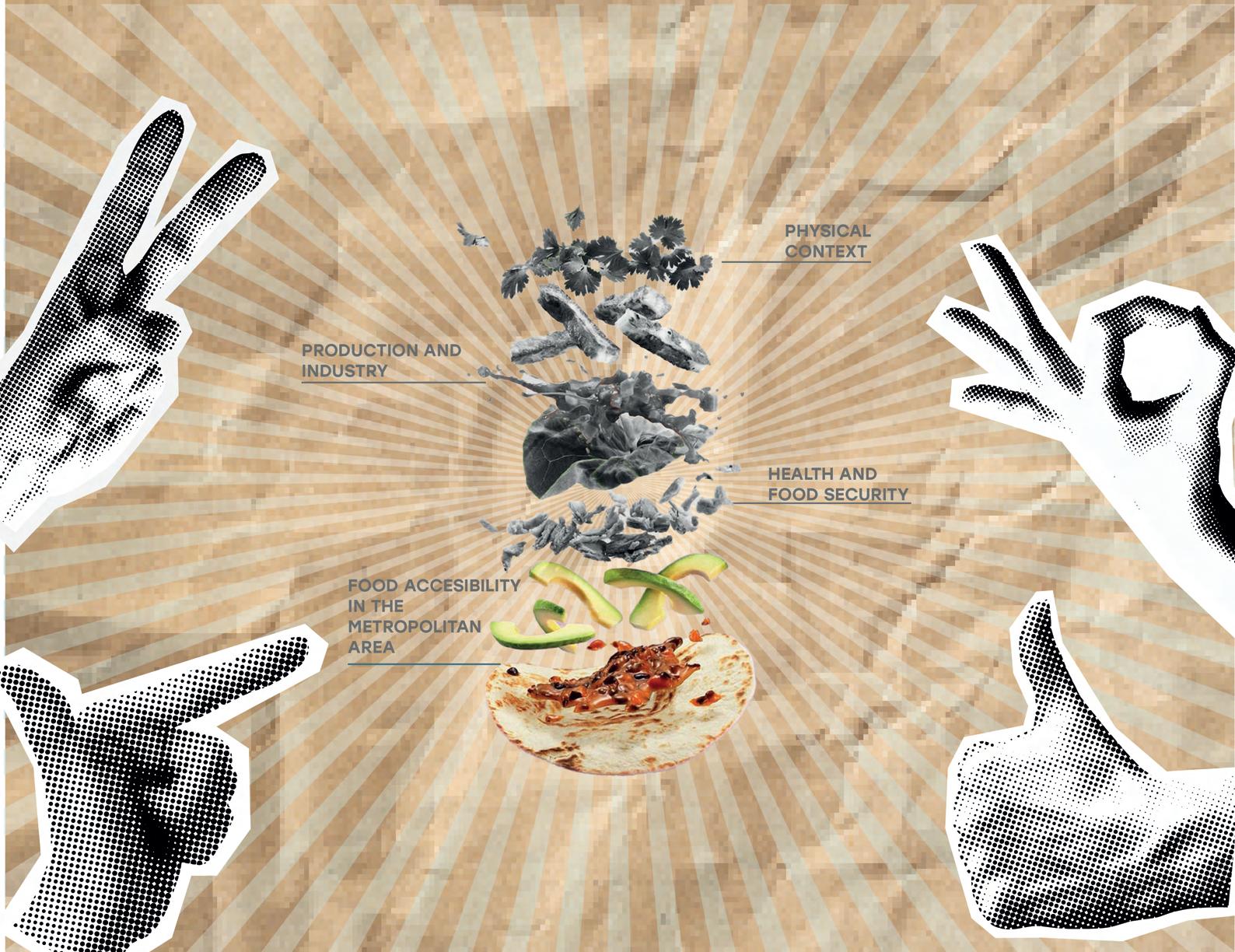
We need to begin with the physical and immediate contexto of Querétaro to understand what can cultivated and produced in its climate, soil quality and elevation.
Understanding the physical aspects of the state can also helps us understand context of agricultural activity thoughtout different municipalities, and how our site is not only relevant but important in the scope of what the urban stain of the Metropolitan area is.
Symbology
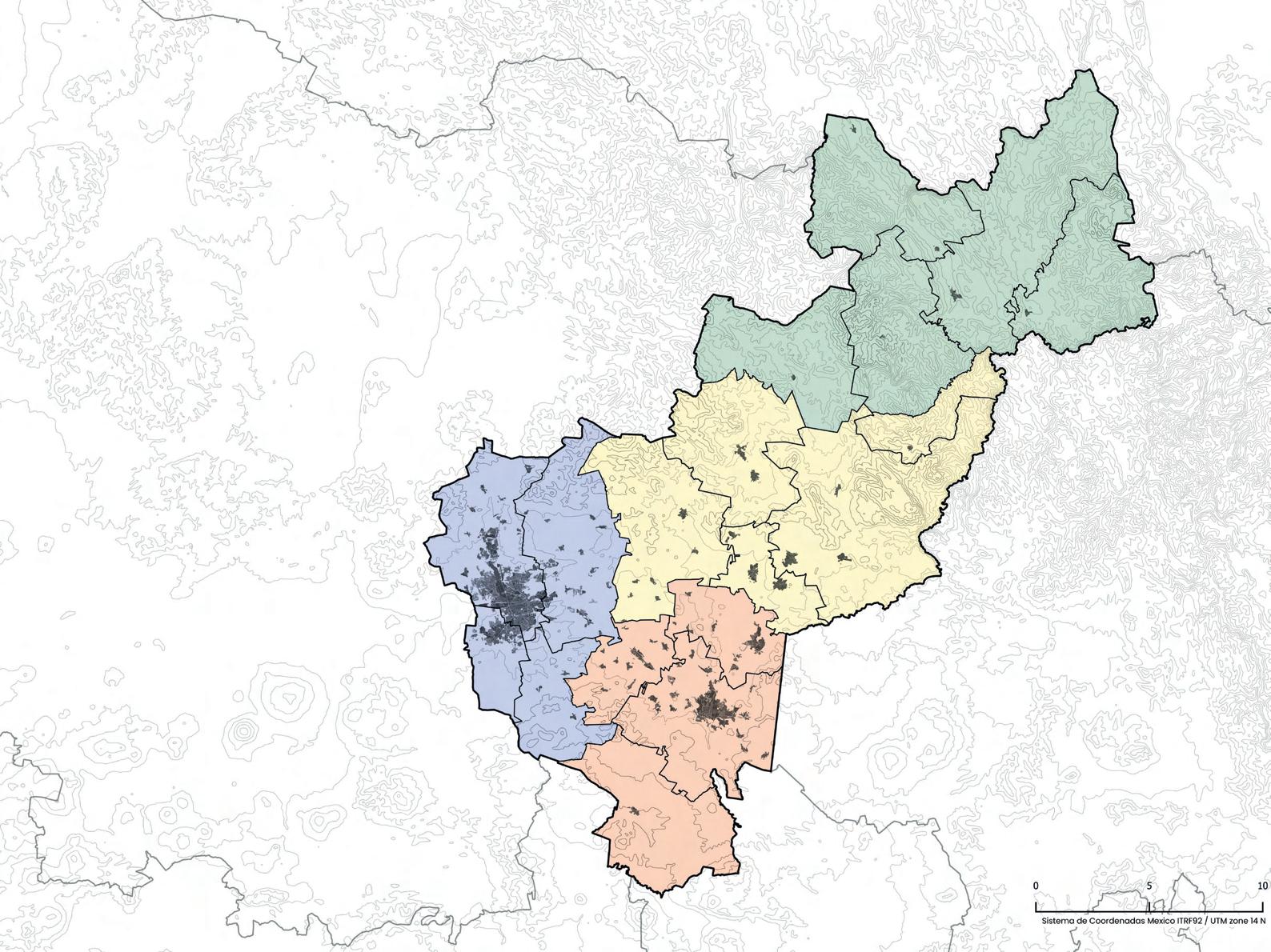
Queretaro regions
Sierra Gorda
Semi-desert
South region
Metropolitan region
QUERETARO REGIONS
Scale | 15:40000
Base map
Municipality division
Limit state
Urban stain
Level lines
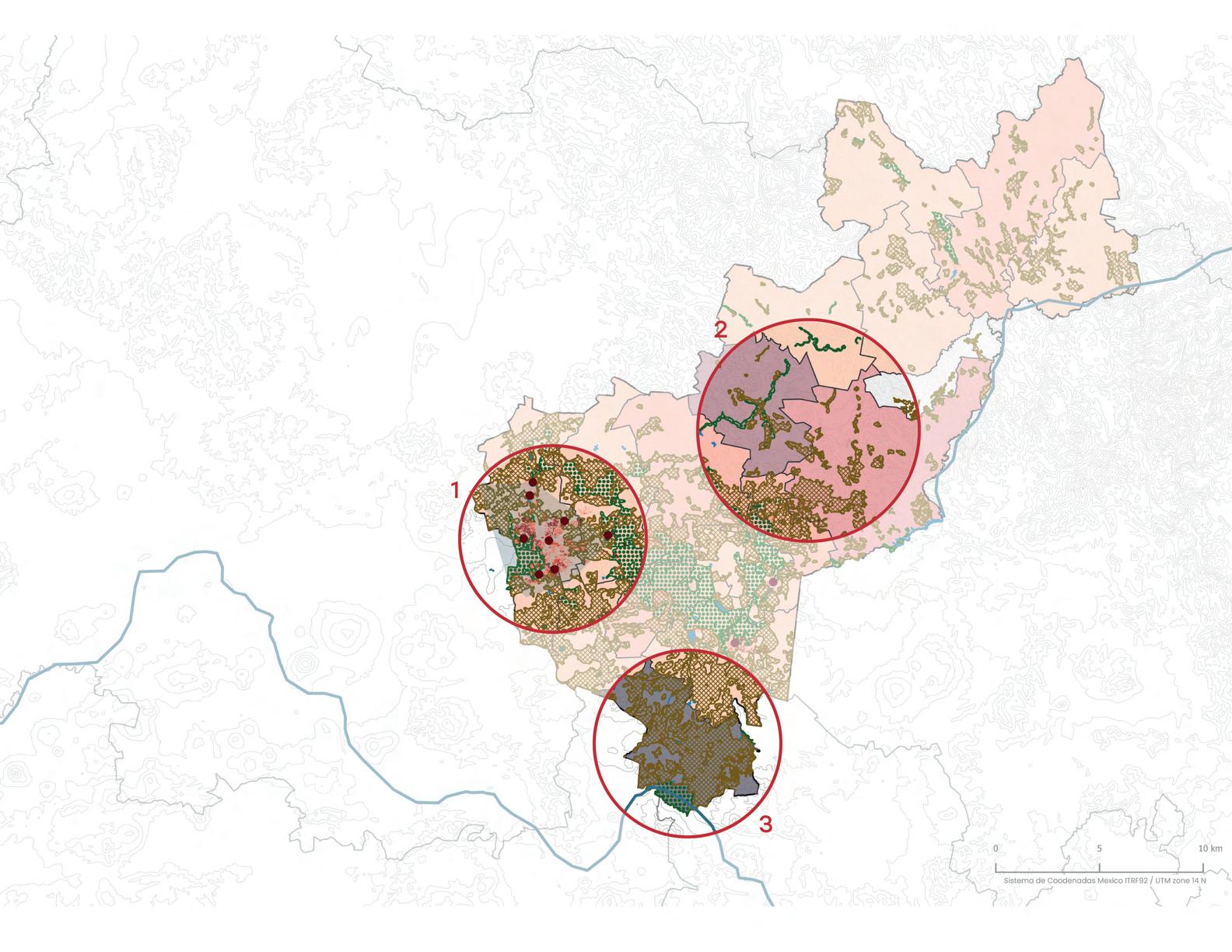
Queretaro is located within the Central-Bajío region, one of the most vital areas of Mexico for agriculture and food production. El Bajio is located in the most important industrial corridor in the country, with access to highways, railroads, and airports that facilitate logistics and trade. It is made up of the states of Zacatecas, Guanajuato, Queretaro, San Luis Potosi, Aguascalientes & Jalisco, sometimes Michoacan is considered as well. One of its most important highways is the Queretaro - Mexico highway, which facilitates the transportation of goods to the entire area.
The Queretaro - San Luis Potose and Querétaro - Irapuato highways also stand out, as they are important for connectivity between the state of Queretaro and the rest of the entities. Likewise, the railways and the Queretaro international airport are of utmost importance for the transportation of food products every day.
Figure 3.1.1: Regions in Querétaro based on data from INEGI.
NATURAL PROTECTED AREAS - CONSERVATION AREAS
Symbology
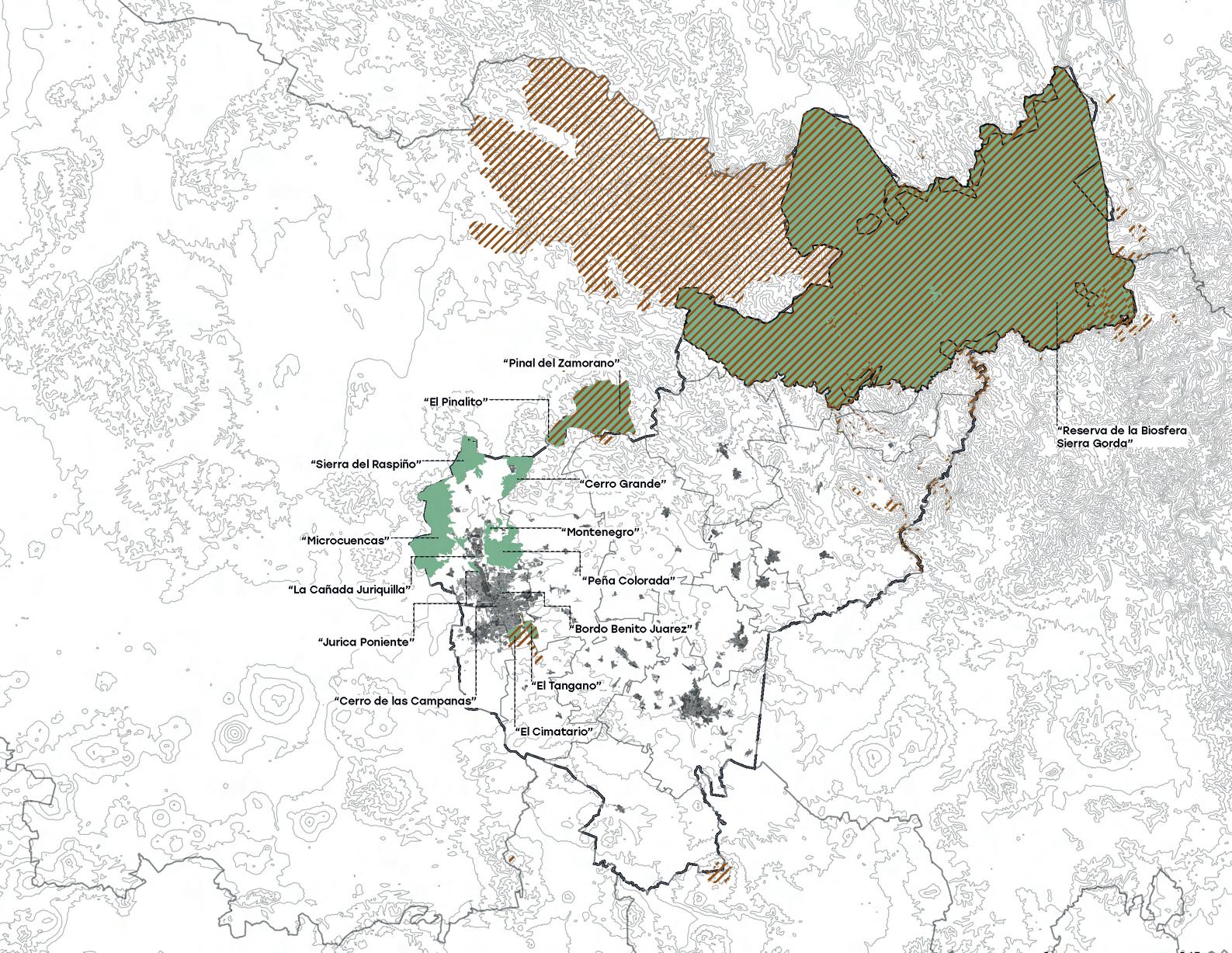
Natural Protected Areas have a very important role when it comes to ecological stability, not only in certain areas, but globally as well. In Querétaro we have a variety of NPA, which help keep balance in ecological processes. Some of this NPA have been listed as NPA but algo into Conservation Areas, which gain a legal protection in order to protect its natural richness. This special areas include “El Tangano”, “El Cimatario”, “Pinal del Zamorano” and “El Pinalito”. The NPA/CA listed above, have an important impact in the ecological processes such as water absorption, which helps prevent the degradation of the water bodies in Querétaro, such as the “Acuífero del Valle de Querétaro”, which is currently overexploited. Also the NPA help being home of a veriety of endemic flora and fauna.
Figure 3.1.2: Conservation of natural areas based on data from, INEGI.
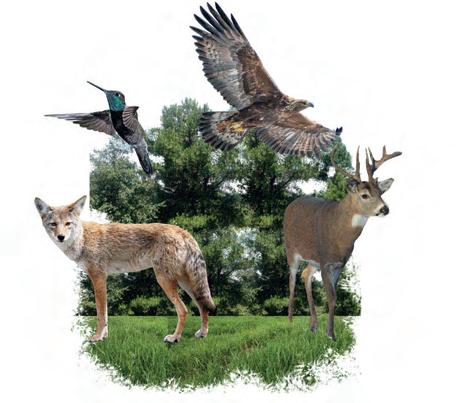
The NPA of “El Tangano”, is located in Queretaro, El Marques and Huimilpan municipalities, having an area of 718 hectares. It holds vegetation such as tropical deciduous forest and crassicaule scrub. It also has a very important fauna presence such as coyotes, white-tailed deer and birds such as golden eagles.
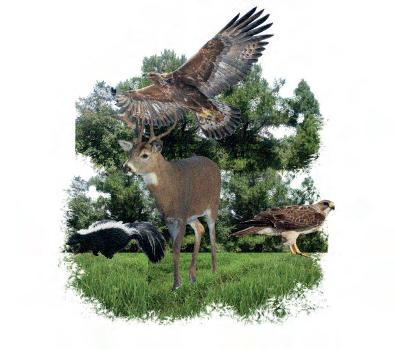
The NPA of “El Cimatario” is located in the southern part of the Zona Metropolitana de Queretaro, main urban area in Queretaro state, having an area of 1,450 hectares approximately. It holds various flora such as Guayabillo,Red Cedar and Palo Arco. It also has an important presence of fauna such as Northern Cacomixtle, Queretaro Gourd and Swainsoni.
“El Tangano” “El Cimatario”
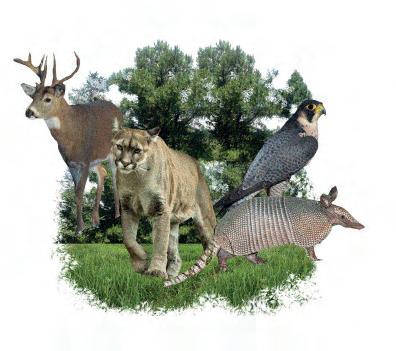
The NPA of “El Pinalito” is located in El Marqués municipality, having an area of 1,593 hectares approximately. It hold various flora such as pines, oaks and cacti mainly. It also has a very important fauna such as Peregrine falcon, puma and white-tailed deer.
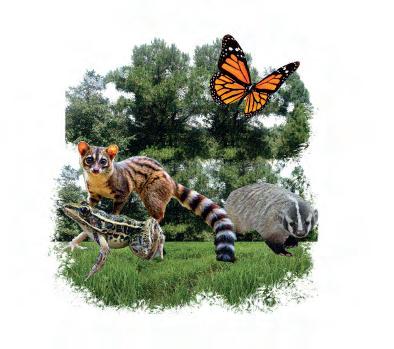
The NPA of “Peña Colorada” is located in the northern part of the Zona Metropolitana de Querétaro, inside Queretaro state, having an area of 4,844 hectares approximately. It holds various flora such as Barrel Crabapple, wild Laurel and Cedar. It also has an important presence of fauna such as Northern Cacomixtle, Monarch Butterflie and Leopard frog.
“El Pinalito” “Peña Colorada”
Symbology
Hydrology and energy
Valle de Queretaro Aquifer
Bodies of water
Metropolitan region
Rivers
Scale | 15:40000
Base map
Municipality division
Limit state
Urban stain
Level lines
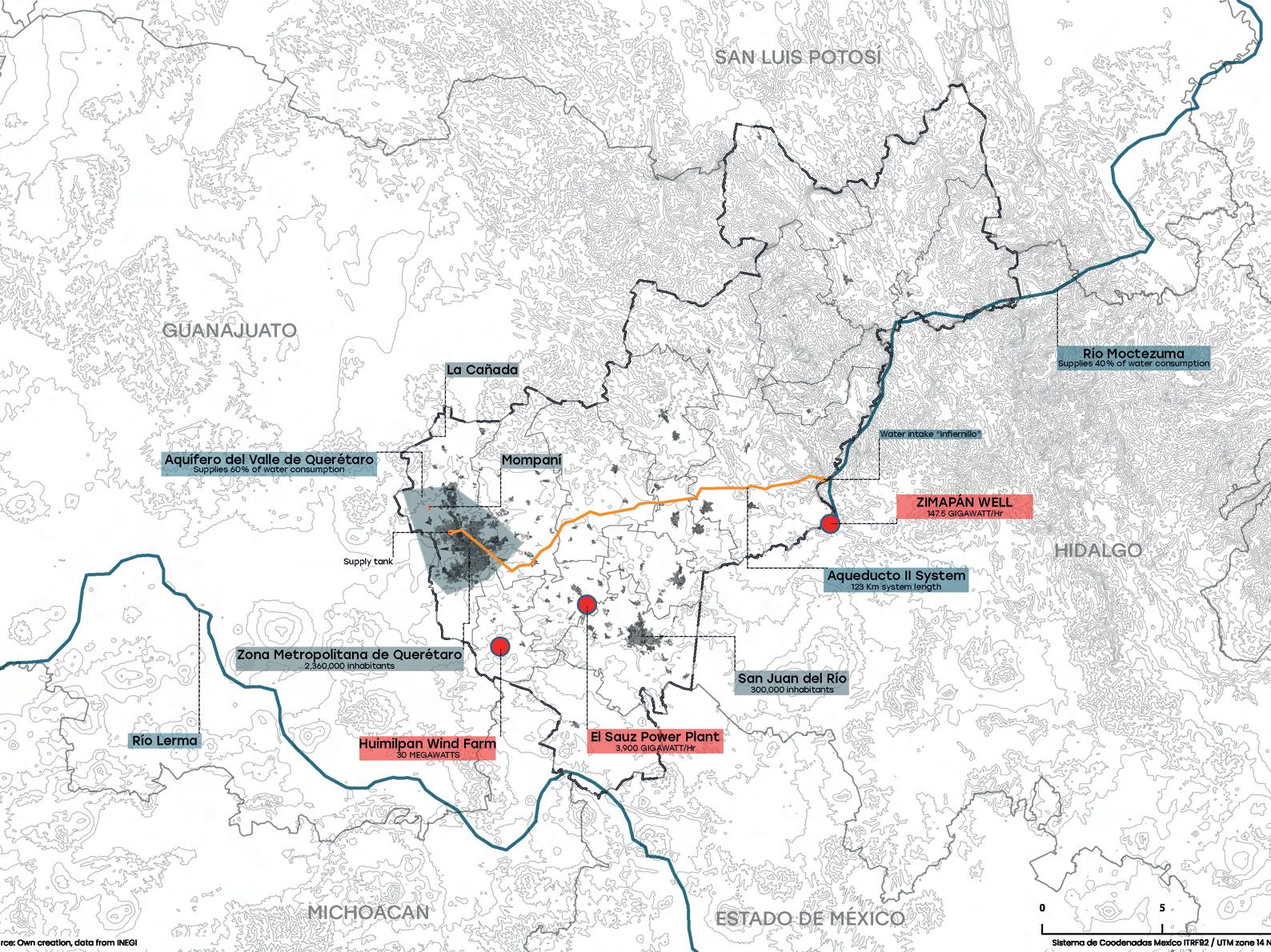
Rio Montezuma, located in the region “Panuco”, which from the Infiernillo springs, supplies about 40% of the drinking water through the “Aqueduct II” system with an approximate length of 123 km. “Queretaro Valley Aquifer”, which due to overexploitation and contamination, has a drop of up to five meters per year, supplies the rest, 60%.
Energy production in the state of Queretaro comes mainly from nonrenewable sources, such as the Combined Cycle Plant “El Sauz”, which is the main source of energy in the state and uses natural gas for its operation
Figure 3.1.4: Water and energy based on data from INEGI.
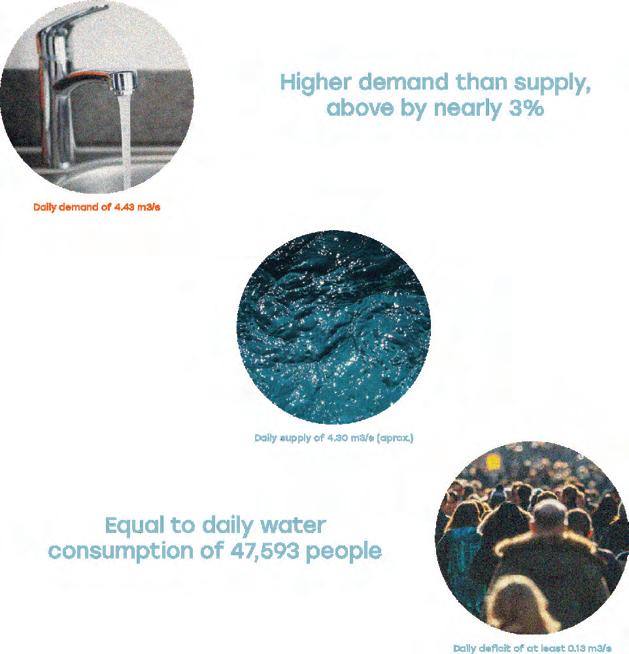
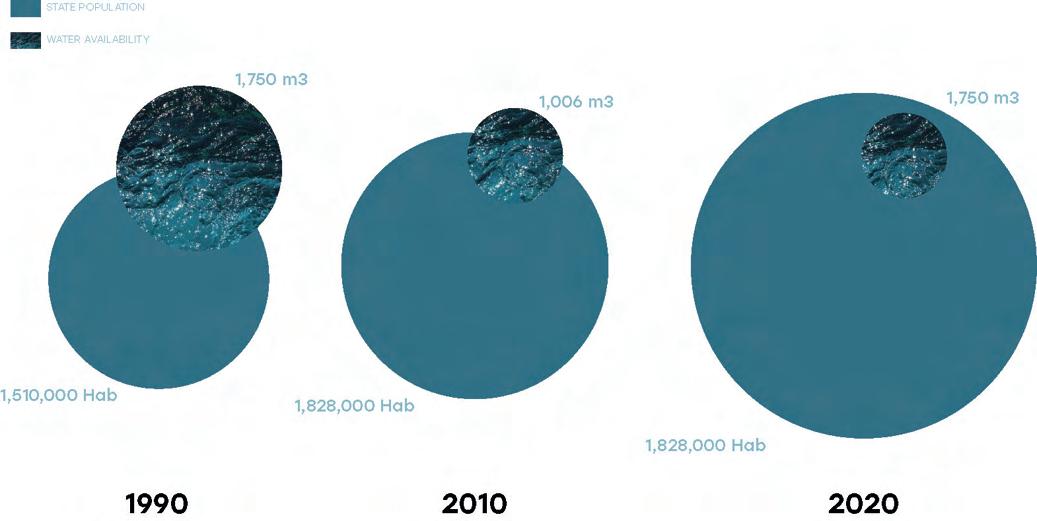
Querétaro has a very critical water crisis due to population growth and having the same water sources, which generates a large water deficit in relation to supply-demand and a reduction of the anual water availability
According to the CEA, Queretaro has an average demand of about 4.43 m3/s, against a lower supply, with a deficit of at least 0.13 m3/s, which represents 11,232,000 lt per day, which according to the average daily water expenditure per person of approximately 236 lt, would be equivalent to that of 47,593 people.
Figure 3.1.5: Water demand and supply.
In terms of population and water availability in Querétaro, about 98% of the state’s population has uninterrupted access to drinking water, with 2% of the population, about 50,000 inhabitants, having no continuous access due to water leaks, clandestine connections and a lack of connection to the CEA’s water network. Some of the most affected areas are “Mompani” and “La Cañada” located in the periphery of the Metropolitan Zone of Queretaro (ZMQ).
Figure 3.1.6: Population increase, water decrease.
Symbology
Hydrology and land use
SOIL TYPES AND AGRICULTURE
Scale | 15:40000
Luvisol
Valle de Querétaro Aquifer
Bodies of water
Rain-fed agriculture
Irrigated agriculture
Edaphology
Vertisol
Feozems
Kastanozem
Cambisoles
Yermosol Haplico
Base map
Municipality division
Limit state
Urban stain
Level lines
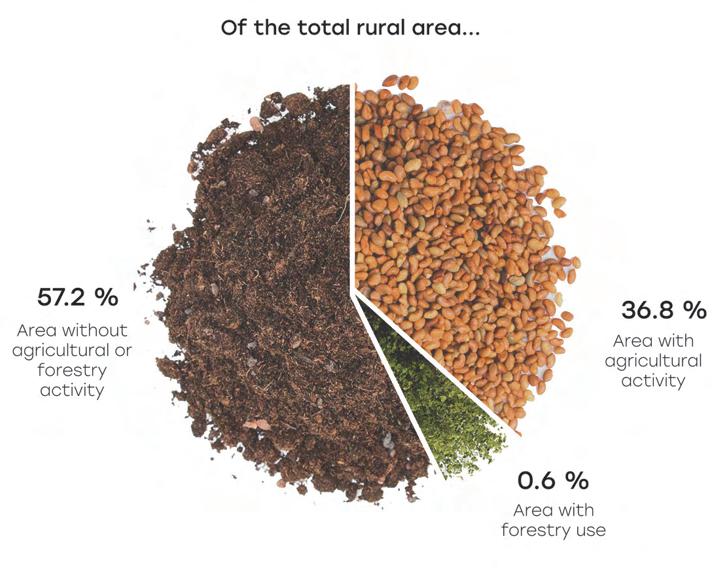
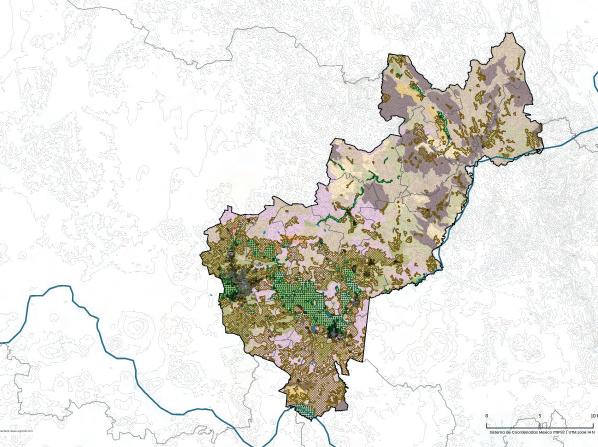
Although a significant portion of Queretaro’s territory is classified as rural, agricultural activity is concentrated in specific areas due to the limited availability of fertile soil. In fact, only about 38% of the state’s total surface consists of arable land suitable for cultivation. These fertile areas are primarily found in the municipalities of Pedro Escobedo, San Juan del Rio, parts of Colon, Corregidora, El Marques, and Queretaro. As seen in the map, he most agriculturally productive areas are dominated by vertisols, a highly fertile but challenging soil to work with due to its high plasticity. Additionally, pheozems are present, offering well-drained and highly fertile soil, further supporting agricultural productivity.
NPA
Planasol
Regosol
Rendzina
Litosol
Figure 3.1.7: Land and soil based on data from INEGI.
SOIL TYPES IN
Scale | 15:40000
Symbology
Horizon A (Superficial layer)0-10 cm Sand, silt and mineral fragments with little organic matter
Horizon C (parent material)10-30 cm Unconsolidated sediments, coarse sands and gravels
Rocky substratum - 30-60 cm Little altered material, unstable soils
Weathered bedrock - 60 cm+ Semi-consolidated bedrock with high permeability
Horizon O - 0-5 cm Leaf litter and decomposing plant debris
Horizon A - 5-30 cm Black soil with high humus content
Horizon B - 30-70 cm Clays and base accumulation
Horizon C - 70-100 cm + Less developed soil with mineral deposits
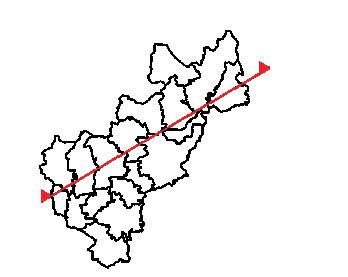
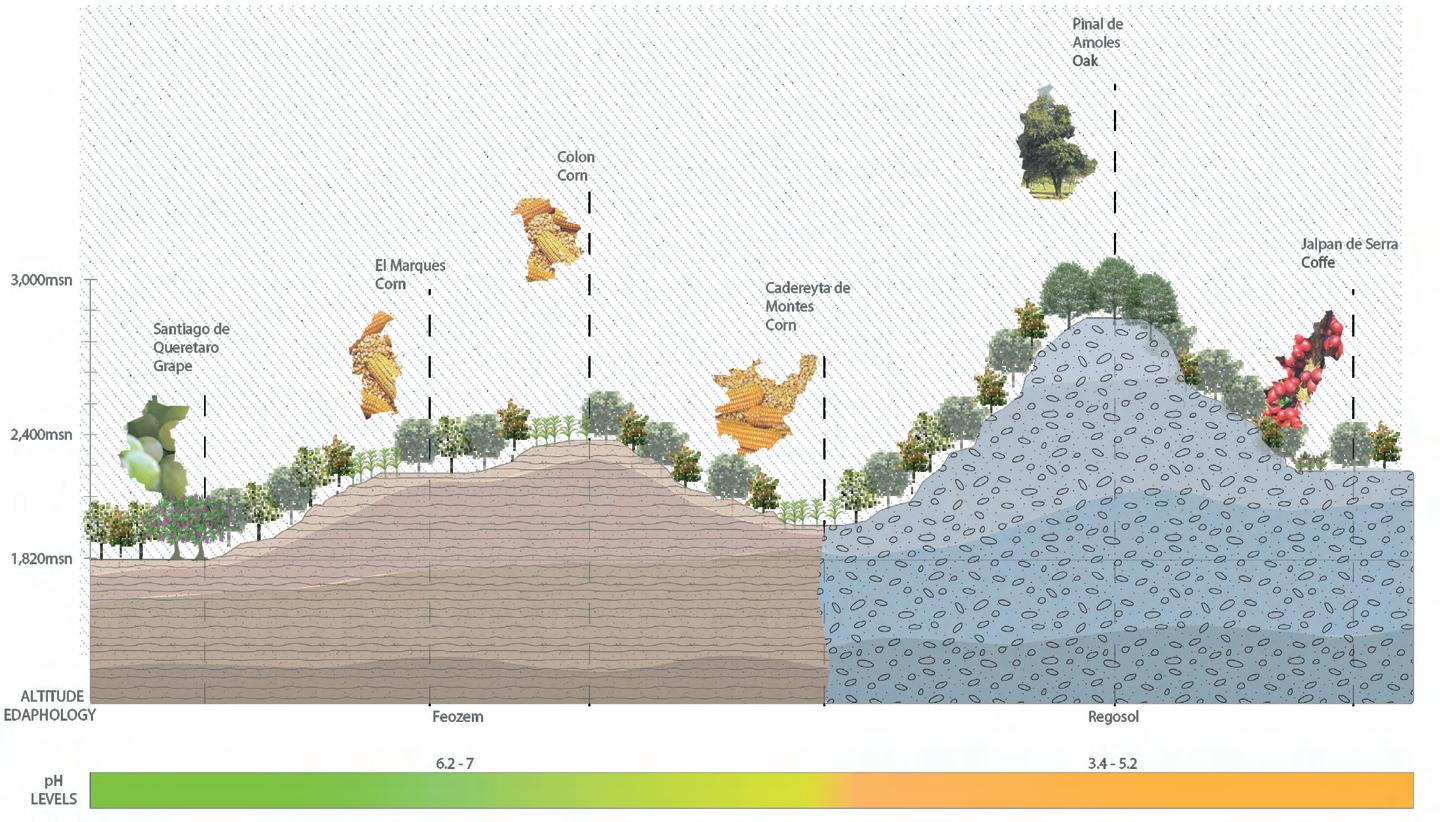
Queretaro’s location between the Bajio and the Sierra Gorda gives it a key geographic importance, facilitating regional connectivity and climatic diversity. This transition favors the economic, ecological and social development of the state.
Type of soils presented:
- Feozem: Dark soil, rich in organic matter, good drainage and structure.
- Regosol: Poorly developed soil, with little differentiation of horizons, high erosion and rapid drainage.
Feozem
Regosol
Figure 3.1.8: Agriculture based on altitude, climate and soil type.
CRITICAL SOIL EROSION AND DEGRADATION
Symbology
Climates
Arid semi-hydrous
Arid temperate
Warm sub-humid
Semi-arid temperate
Semi-arid warm
Semi-arid semicalid
Semi-warm humid
Semi-warm sub-humid
Temperate sub-humid
Scale | 15:40000
Hydrology
Bodies of water
Rivers
Base map
Municipality division
Limit state
Urban stain
Level lines
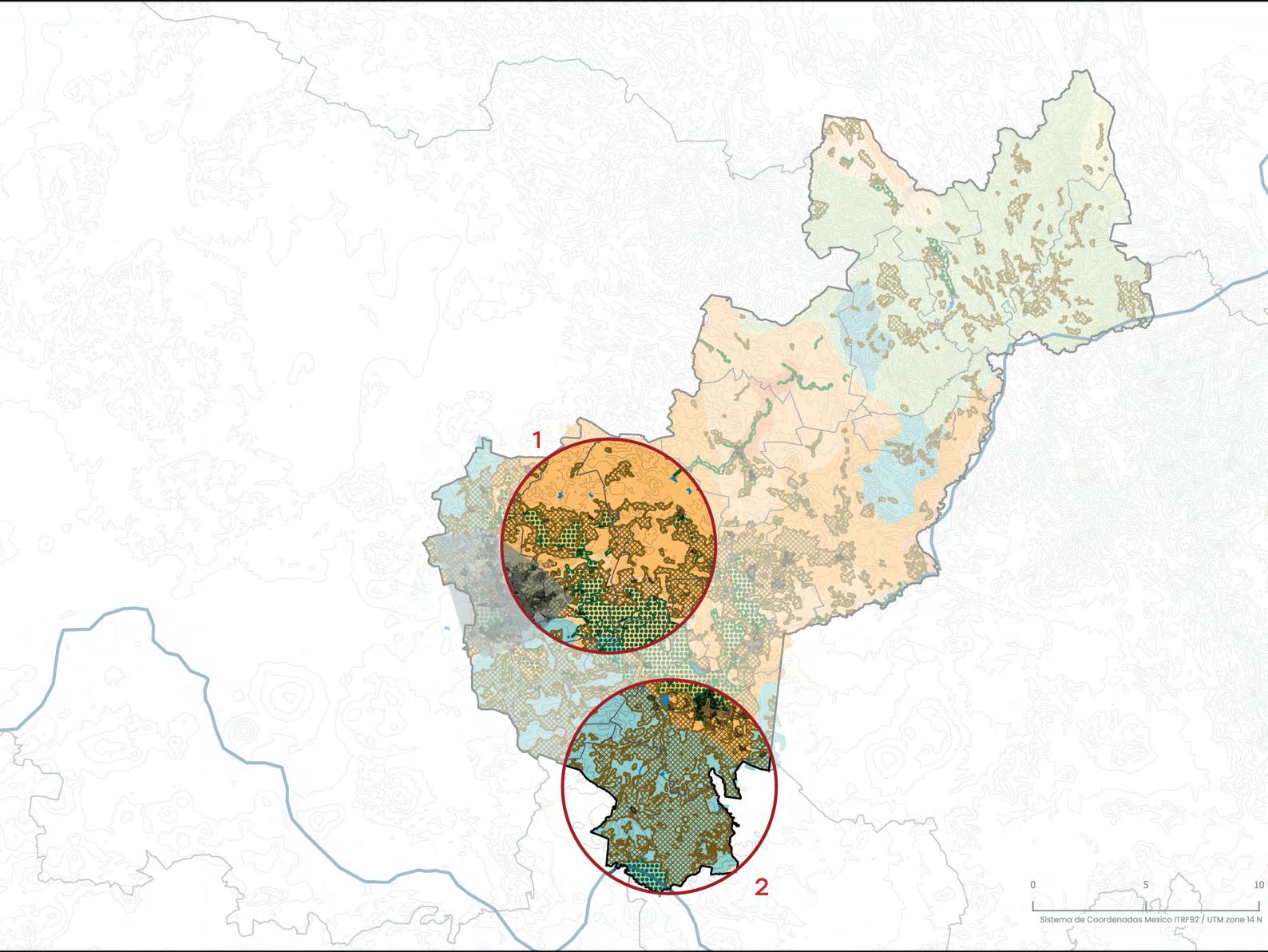
1. Irrigated Agriculture in a Semiarid Climate: This area is located in a semiarid climate, where irrigated agriculture enables constant production despite low precipitation. However, the intensive use of water poses significant risks, such as aquifer overexploitation and soil salinization. The insufficient recharge of groundwater and the increased evaporation due to high temperatures can worsen soil degradation, reducing its fertility in the long term.
2. Rainfed Agriculture in a Temperate Subhumid Climate: This area is characterized by a temperate subhumid climate and rainfed agriculture, which depends on seasonal precipitation. Soil erosion in this region is linked to irregular rainfall, which can generate intense runoff and loss of fertile soil. The lack of irrigation infrastructure increases crop vulnerability to prolonged droughts, affecting agricultural stability and soil sustainability.
Valle de Querétaro Aquifer
Figure 3.1.9: Soil erosion and degradation conclusions.
CRITICAL SOIL EROSION AND DEGRADATION
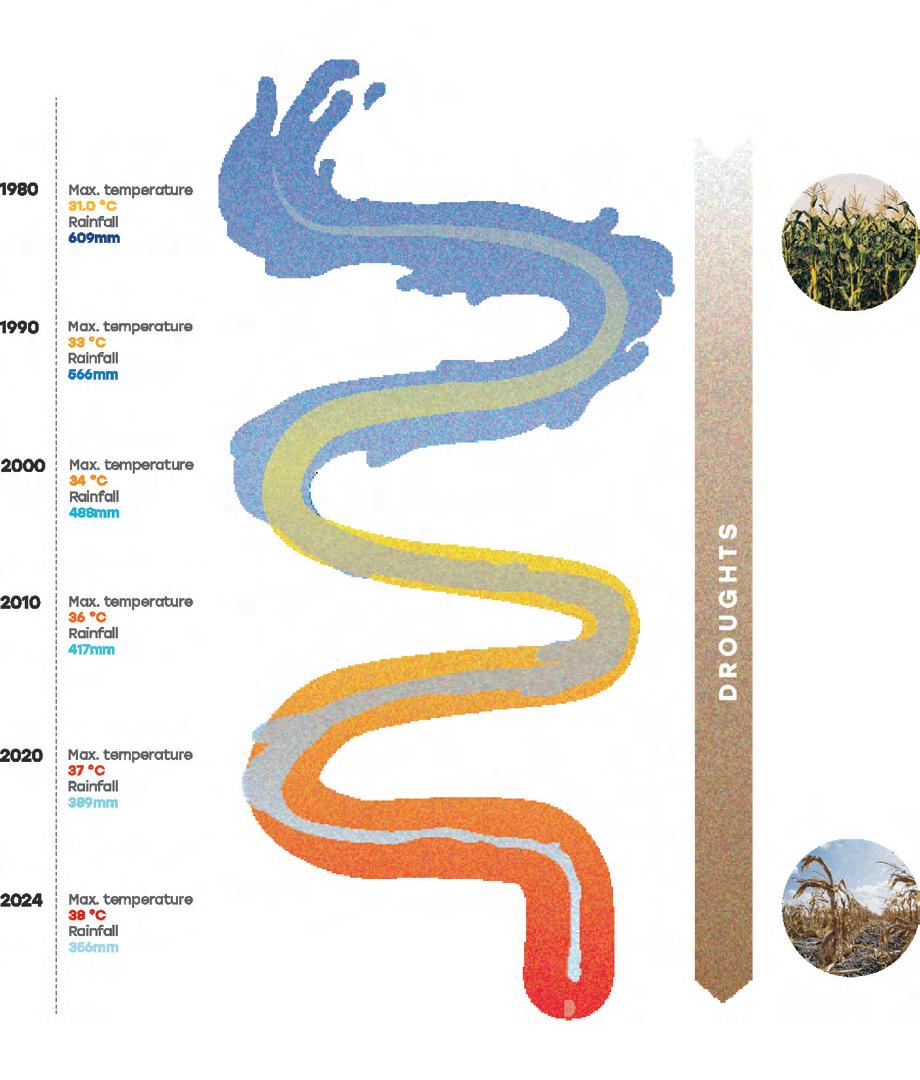
3.1.10: Droughts introduction.
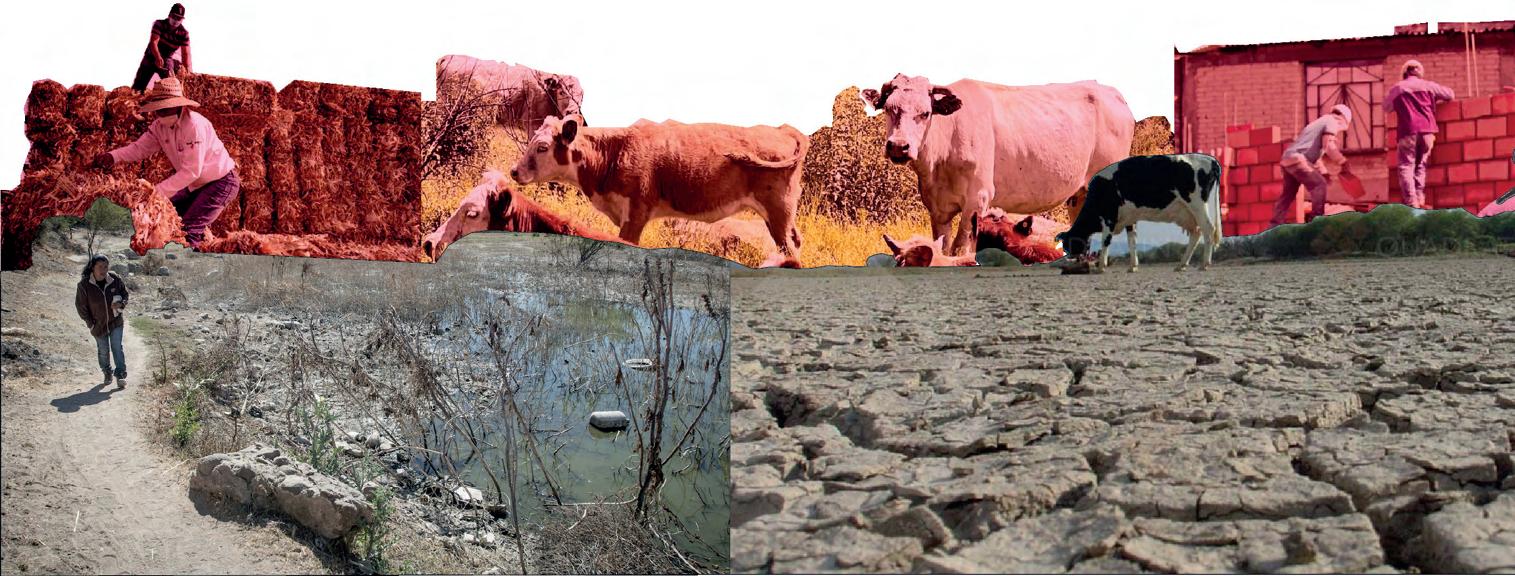
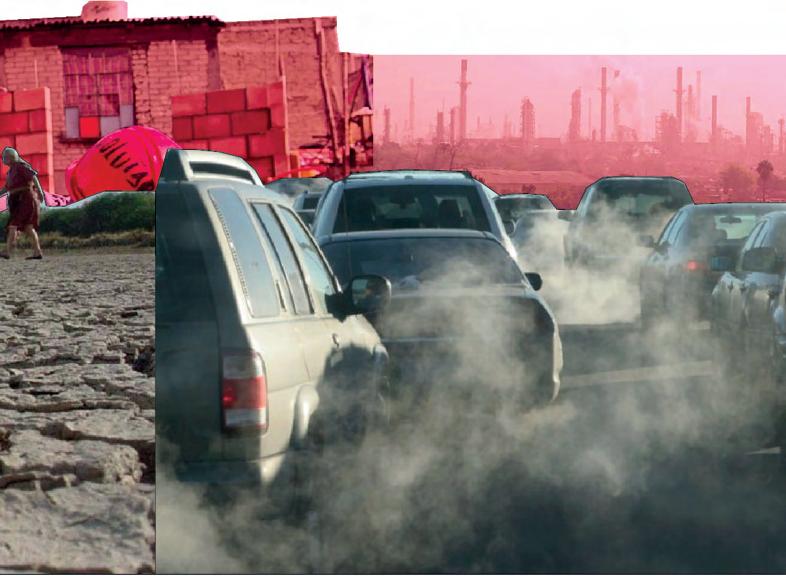
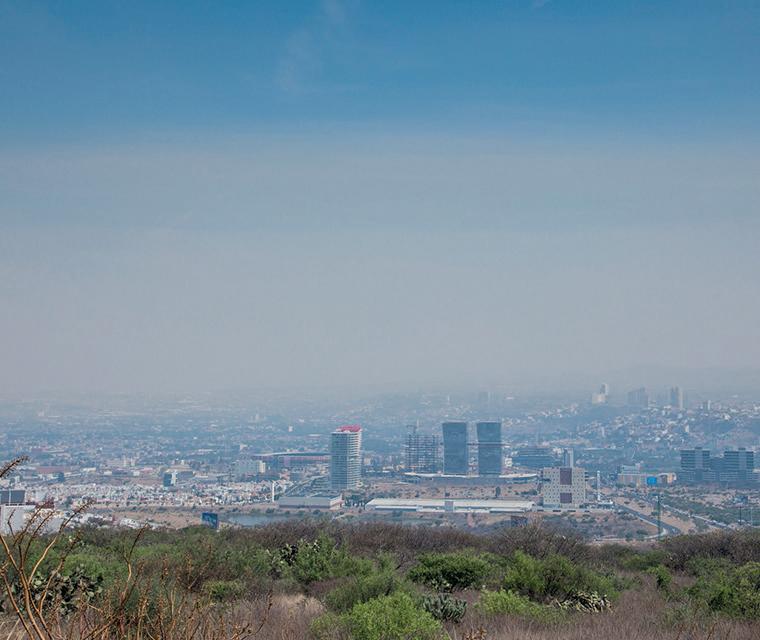
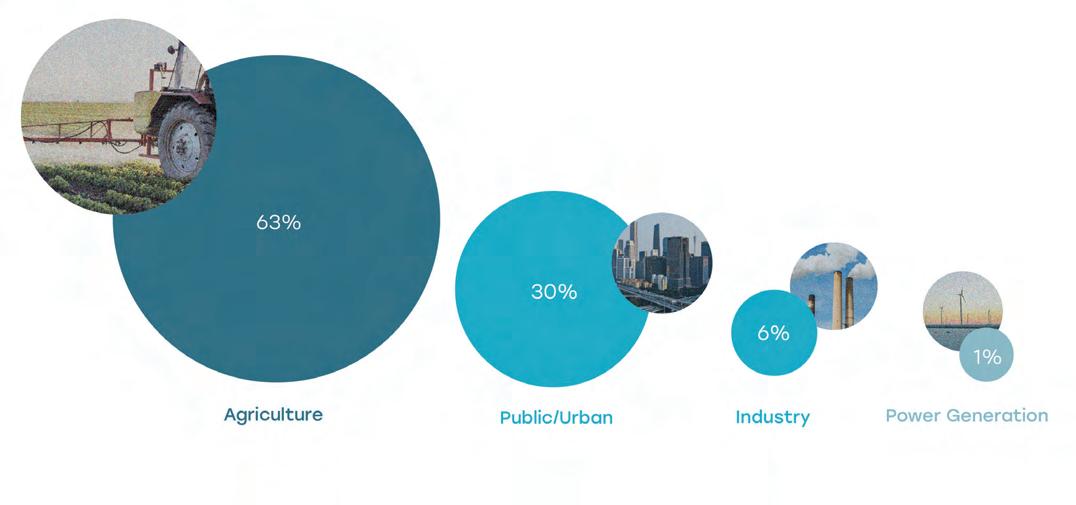
In Queretaro, droughts, erosion, and air quality have shifted over the years due to industrial expansion and human activity, impacting ecosystems, water availability, and agriculture—especially the food industry. Major pollution sources include livestock and agriculture, which contribute to emissions and resource depletion, while construction and industry further degrade air quality and land use. Tackling these challenges requires sustainable policies to balance economic growth and environmental preservation.
Figure 3.1.12: Pollution in Queretaro
SOIL DEGRADATION AND ITS LINK TO AGRICULTURE
Symbology
Drough classification
Critic
Extremely vast
Very severe
vast Severe
Soil degradation
Scale | 15:40000
Light
Hydrology and land use
Bodies of water
Rain-fed agriculture
Irrigated agriculture
Base map
Municipality division
Limit state
Urban stain
Level lines
1. Soil Erosion and Degradation in Irrigated Agriculture
Excessive irrigation and lack of vegetation cover are accelerating soil erosion and degradation, reducing its fertility and long-term productivity. The loss of soil affects irrigation efficiency, as degraded land retains less water, leading to increased water waste and greater dependence on aquifer resources.
2. Soil Erosion and Degradation in Rainfed Agriculture
Irregular rainfall and the absence of conservation measures have intensified soil erosion, depleting the fertile layer and reducing crop productivity. The slope of the terrain and surface runoff further accelerate soil loss, increasing the risk of desertification and making ecosystem recovery more difficult.
Figure 3.1.12: Land and soil based on data from INEGI.
The state of Querétaro, located in central Mexico, presents a unique intersection between rapid urban development and a still-active agricultural sector. While often recognized for its industrial growth and technological advancements, agriculture remains a foundational component of the region’s identity and economy. Understanding the percentages related to agricultural production, the structure and scale of its industries, and the types of food produced and consumed in Querétaro offers critical insights into how the region balances modernization with tradition.

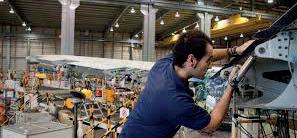
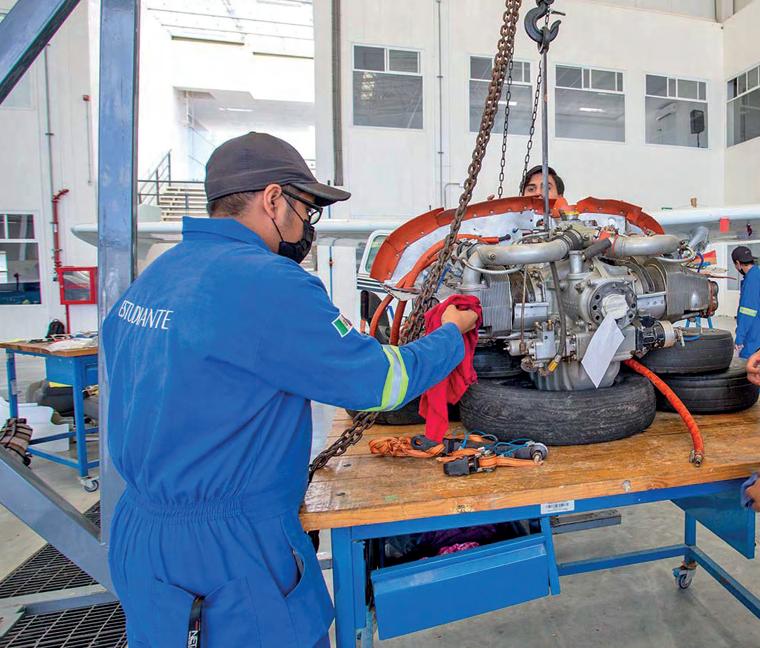
Queretaro’s economy is based on a combination of industry, livestock and agriculture; however, industry has played an important role in its economic growth. From the first stage of manufacturing industrialisation, economic development was evident, but it was in the second and third stages that significant changes took place with the arrival of the Hercules factory, the construction of the railway line and, later, modern industrialisation. Over the years, Queretaro’s growth has been remarkable, always accompanied by livestock and agriculture, which continue to be fundamental pillars of its economy thanks to its production of foodstuffs and raw materials.
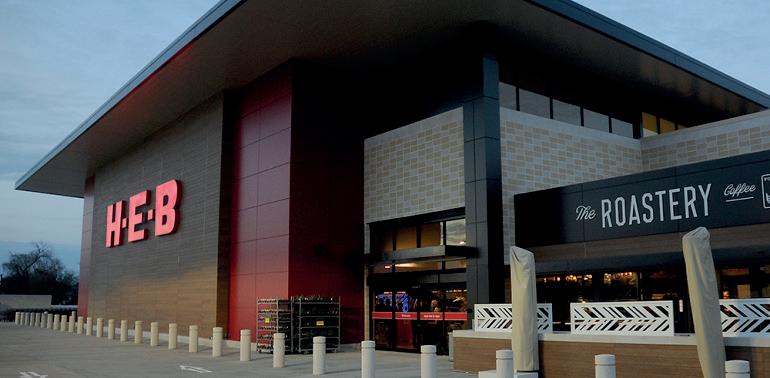
Today, the arrival of foreign supermarkets and industries in Queretaro has boosted its economy, generating employment, strengthening trade and diversifying the supply of products and services.
Figure 3.2.2: Industry images.
Figure 3.1.12: Industrial activity in Queretaro
PRINCIPAL
Figure 3.2.3: Top 10 industries.
Scale | 15:40000
Symbology
Land use
-USD$ 1,000M/100M
-USD$ 100M/10M
-USD$ 10M/10k
-USD$ 10k/100
-USD$ 100/10
USD$ 10/100k
Base map
Municipality division
Limit state Level lines
Urban stain
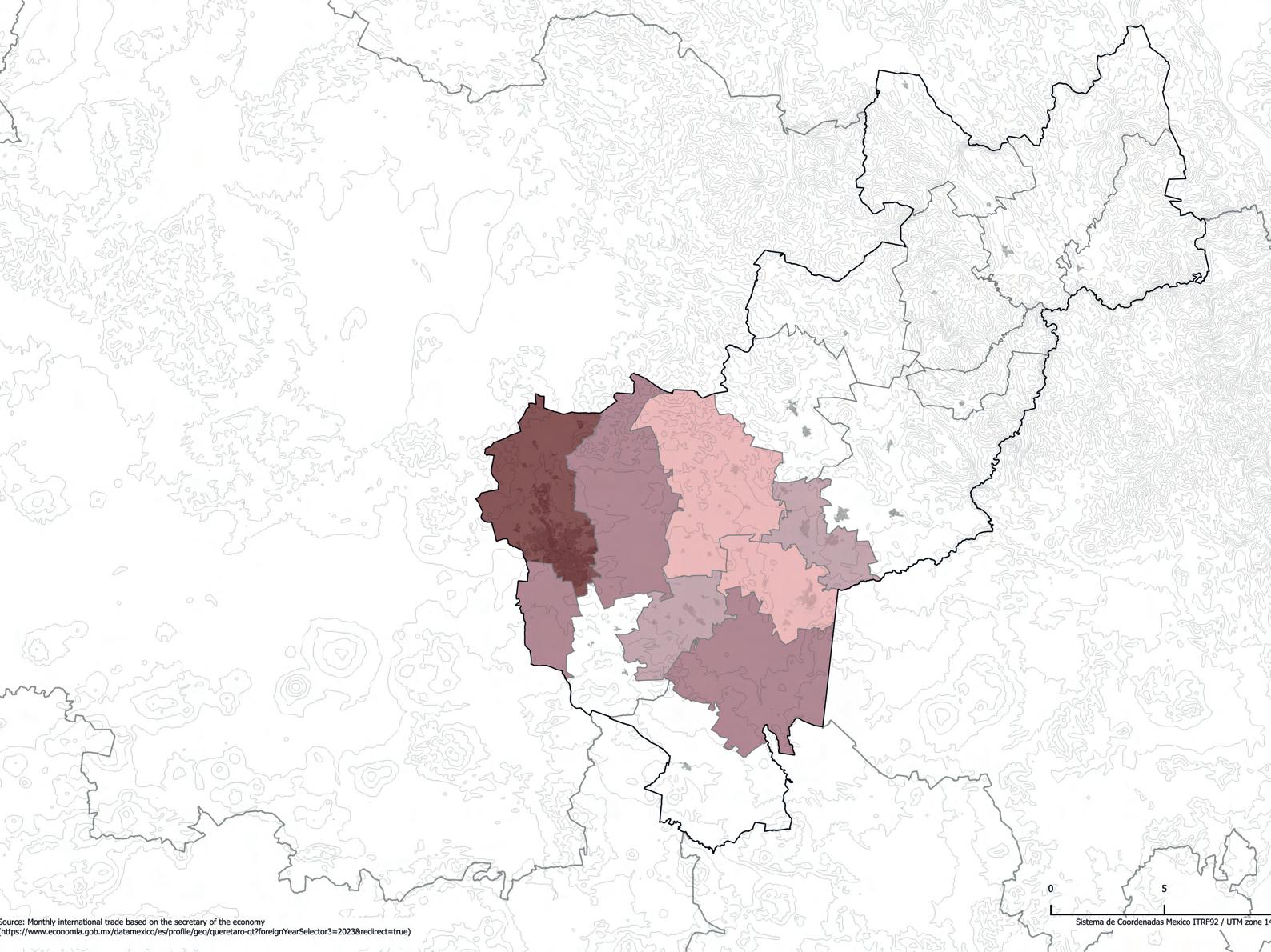
In 2006, the municipality of Queretaro reflects a higher volume of both international sales and purchases, which suggests a high concentration of exporting and importing companies. However, it has a significant trade deficit (-US$1,231m) since it imports more than it exports. The same is true for El Marques, San Juan del Río and Corregidora, Colón and Ezequiel Montes. This means that there is a dependence on imports
Scale | 15:40000
Symbology
Land use
-USD$ 1,000M/100M
-USD$ 100M/10M
-USD$ 10M/10k
-USD$ 10k/100
-USD$ 100/10
USD$ 10/100k
Base map
Municipality division
Limit state Level lines
Urban stain
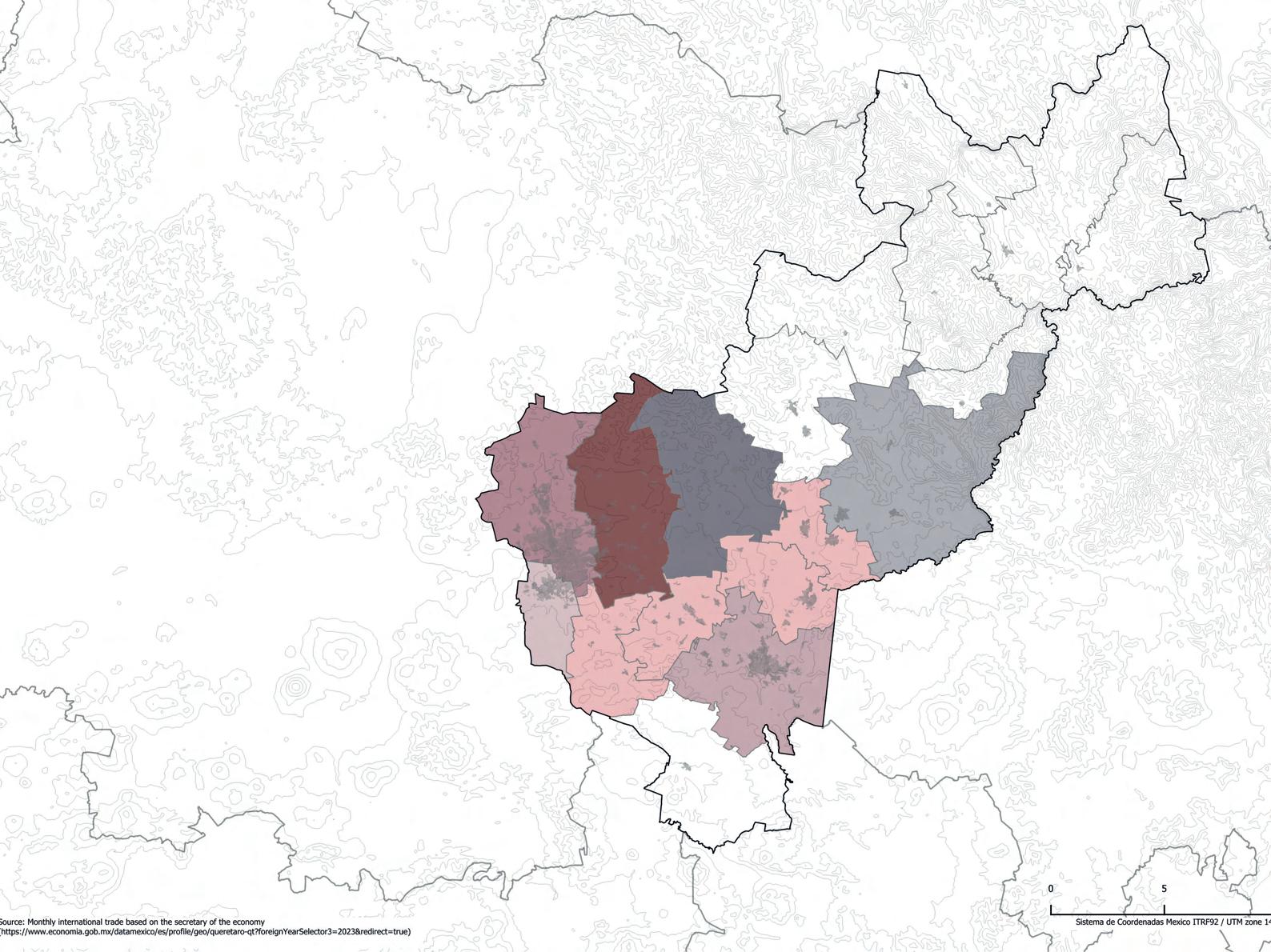
Compared to 2023, the differences in international sales and purchases are greater, indicating a growth in the state’s commercial activities. Colón and Cadereyta de Montes present a positive net balance, so they export more than they import. Likewise, the other municipalities reflect a greater dependence on imported inputs to sustain their economic development.
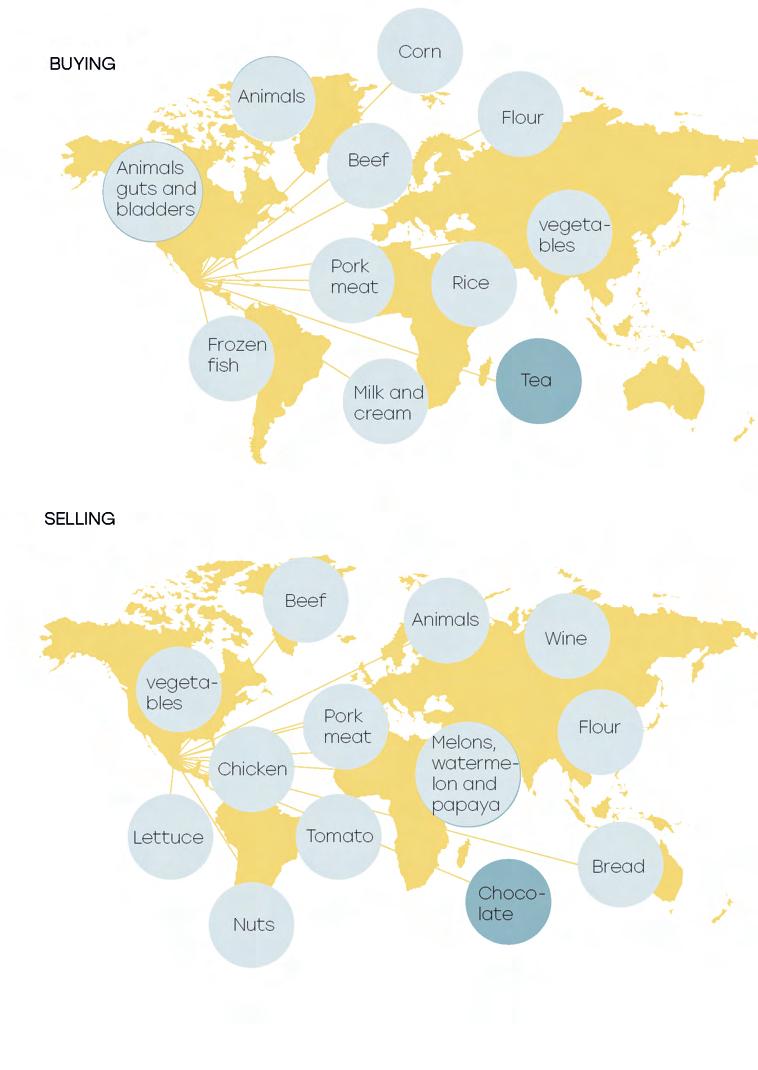
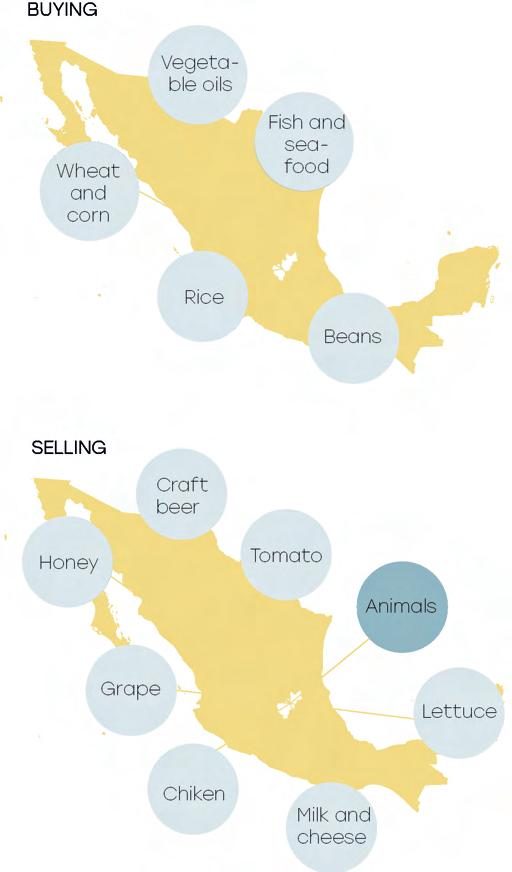
Main domestic sales destinations: State of Mexico, Guanajuato, Jalisco, Nuevo Leon. Main domestic purchasing destinations: Sinaloa, Michoacan, Veracruz, Guanajuato, Nuevo Leon, Baja california, Tamaulipas, Jalisco, Puebla. Queretaro’s main buying and selling destina- tions internationally: United States, Germany, Italy, United Kingdom, France, Canada, Switzerland and Japan.
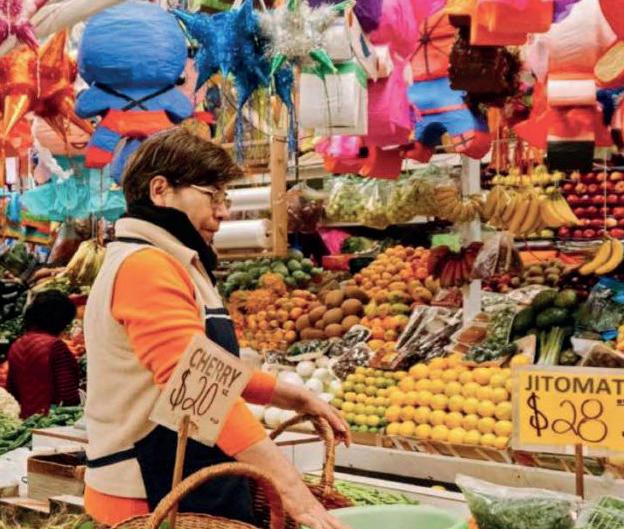
Figure 3.1.7: Mercado de La Cruza, Queretaro
Scale | 15:40000
Symbology
Hydrology and land use
Base map
Rain-fed agriculture
Conservation
Irrigated agriculture
Rivers
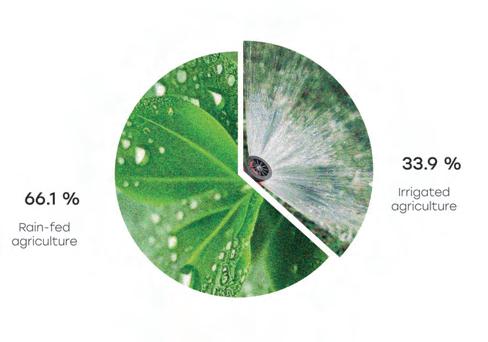
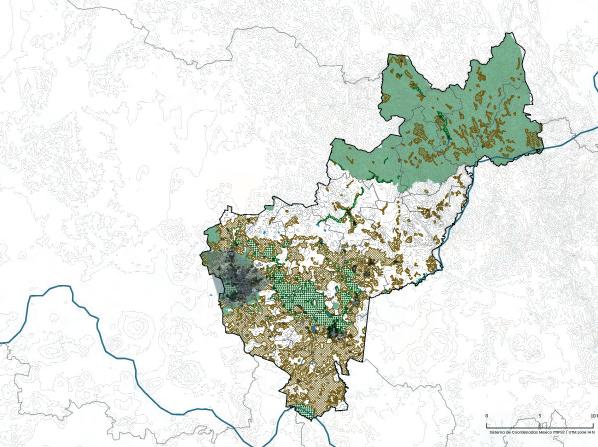
Queretaro spans a total area of 1.2 million hectares, of which 1.1 million are classified as rural. Of these rural areas, 36.8% is used for agricultural purposes. Even though only 20% of the territory used for crops is destined for forage, in terms of open pit agriculture production, a little more than half is destined for this type of cultivation. In addition to this, even though the state is known to be in a semi-arid region, most of what is planted is maintained through rain-fed agriculture.
NPA
Bodies of water
Valle de Querétaro Aquifer
Figure 3.1.7: Agricultural areas based on data from INEGI.
Cultivation products for forage
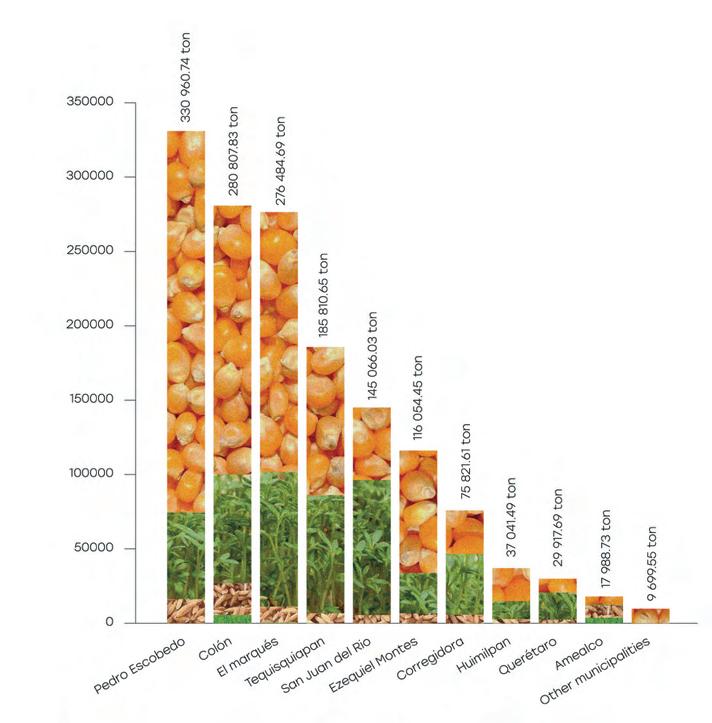
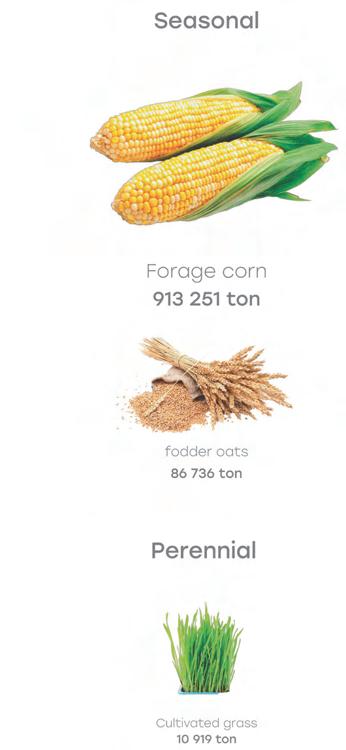
As previously mentioned, the majority of agricultural production is dedicated to forage crops, which serve as essential feed for livestock. The most prominent among these is forage corn, followed closely by fodder oats and cultivated grass. These crops are vital for sustaining the livestock industry, contributing to both local and regional agricultural economies. The production of these forage crops is primarily concentrated in the municipalities of Colon, El Marques, and Pedro Escobedo, where favorable climatic and soil conditions support their growth.
Figure 3.2.8: Crops for forage.
Cultivation products for human consumption
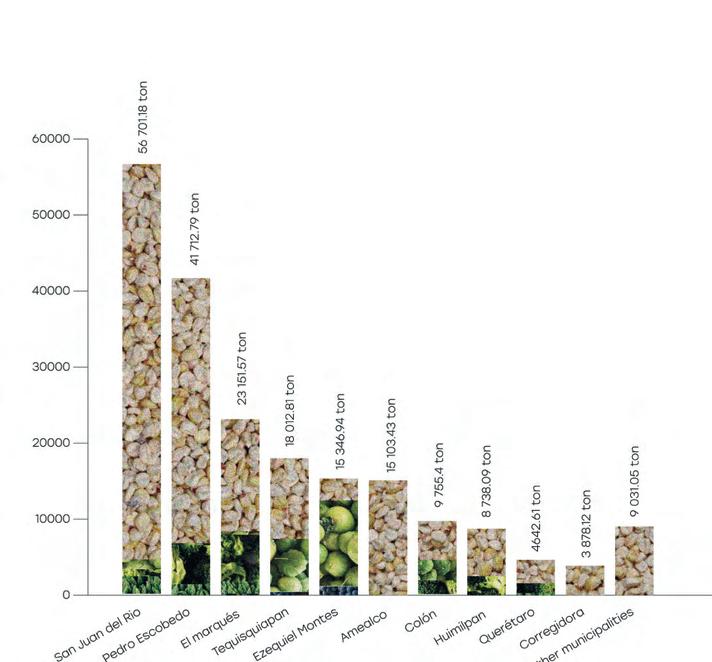
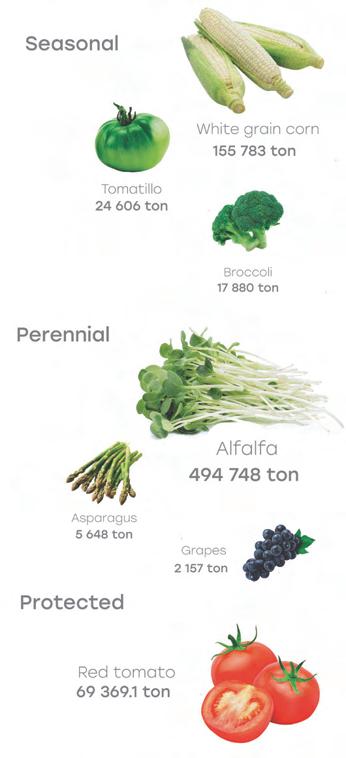
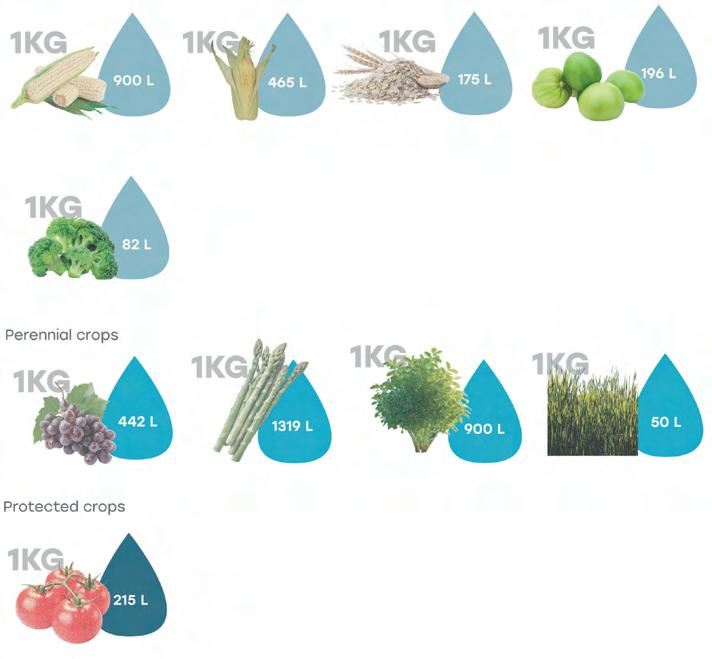
Regarding agriculture for human consumption, among the seasonal crops, the most significant are white grain corn, tomatillo, and broccoli, all of which play a crucial role in local and regional food production. On the other hand, the perennial crops include alfalfa—ranked as the second most-produced crop overall—along with asparagus and grapes, both of which contribute significantly to agricultural output. Lastly, the protected crops, which the main product is red tomato.
Figure 3.2.10: Production for human consumption.
Main livestock products
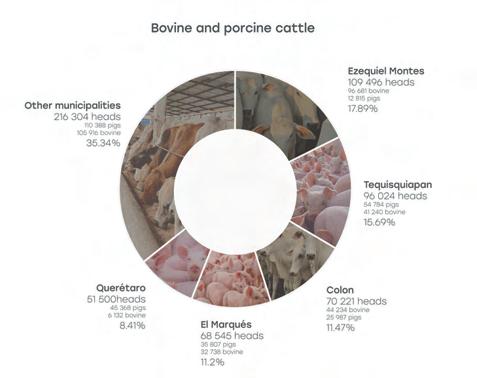
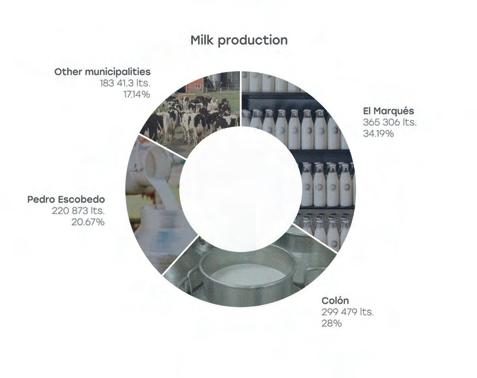
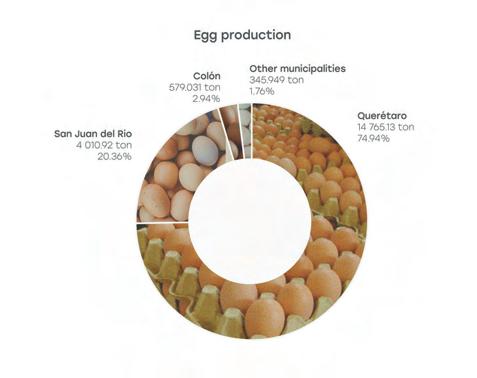
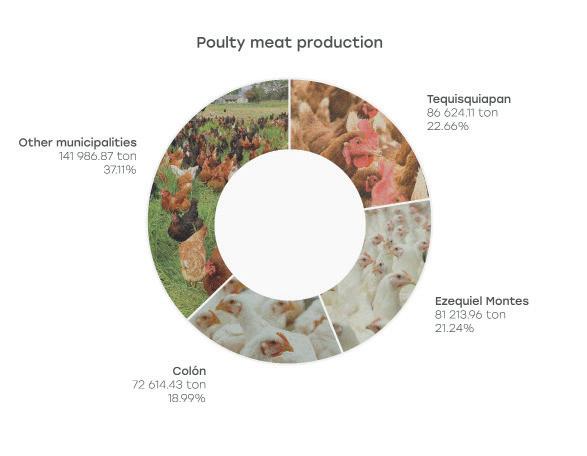
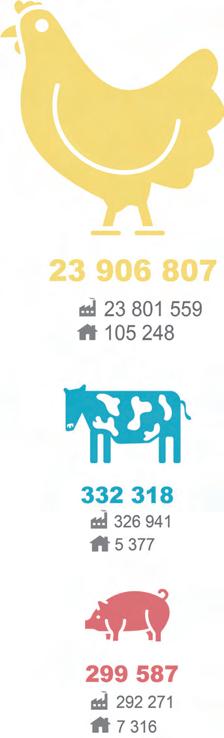
Poultry farming stands out as the dominant sector in livestock production, largely due to the presence of major companies such as Pilgrim’s and Bachoco. These corporations account for 88.4% of total poultry production. In addition to poultry, cattle are raised for both meat and milk, along with pig farming. However, poultry farming significantly surpasses the production of these other livestock categories.
Figure 3.2.12: Livestock production.
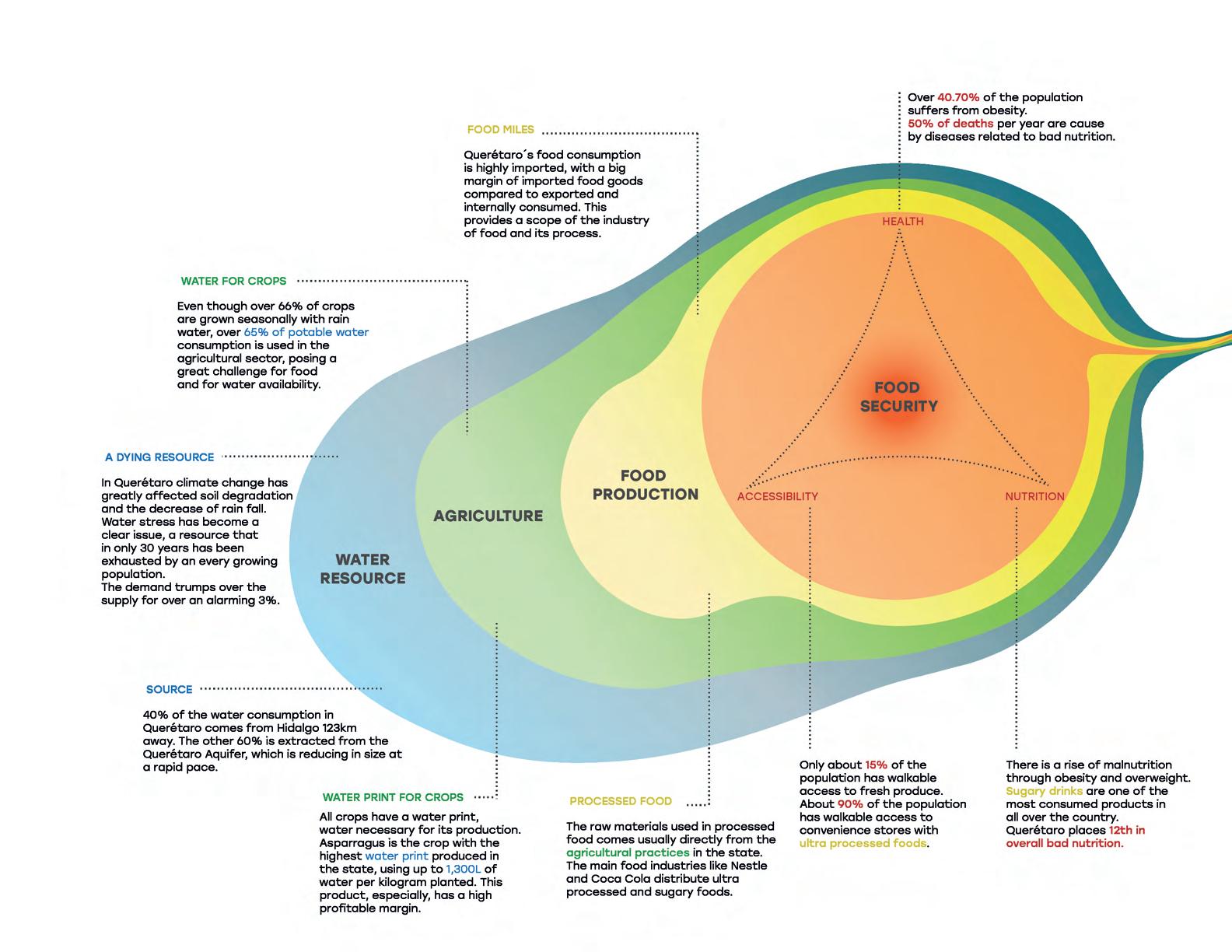
Asparagus has the highest water footprint, for 1kg produced there is a need of 1319L of water, but it can go up to 2150L, depending on the soil and irrigation methods, followed by white grain corn and alfalfa with a need of around 900L of water, even though the alfalfa can have lesser needs, and around 700L can be enough if the conditions allow it.
Grapes and forage corn have similar requirements, needind 442 L and 465 L respectively, tomatos require around 215L of water while the crops with the least impact are broccoli and forage grass, which need approximately 82 and 50L of water to produce 1kg of dry product respectively. It’s important to note that the water requirements for grass are estimated from those of a similar species (see reference list).
Figure 3.2.14: Water print by crop.
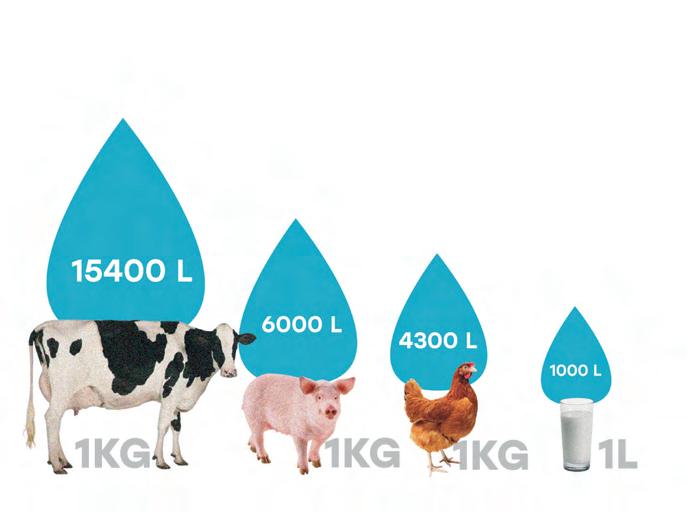
Figure 3.2.15: Industries and water.
Scale | 15:40000
Symbology
Hydrology and land use
Low production
Medium production
Despite being a primarily manufacturing state with a mostly arid climate, Querétaro manages to have a good production of different vegetables and crops, as well as standing out in the production of poultry and eggs. Most of the production is concentrated in the municipalities of Pedro Escobedo, El Marqués, Colón and San Juan del Rio. These municipalities are the ones that stand out the most in agricultural production. However, when it comes to marketing these products, the large companies dedicated to their distribution are more concentrated in the state capital, due to its connection. Limit
High production
Bodies of water
Rain-fed agriculture
Irrigated agriculture
Wholesale trade of poultry meat and eggs
Wholesale trade of red meat
Wholesale trade of fruit and vegetables
Wholesale trade of livestick and poultry on the hoof
Wholesale trade of milk and diary products
Figure 3.1.7: Agricultural areas based on data from INEGI.
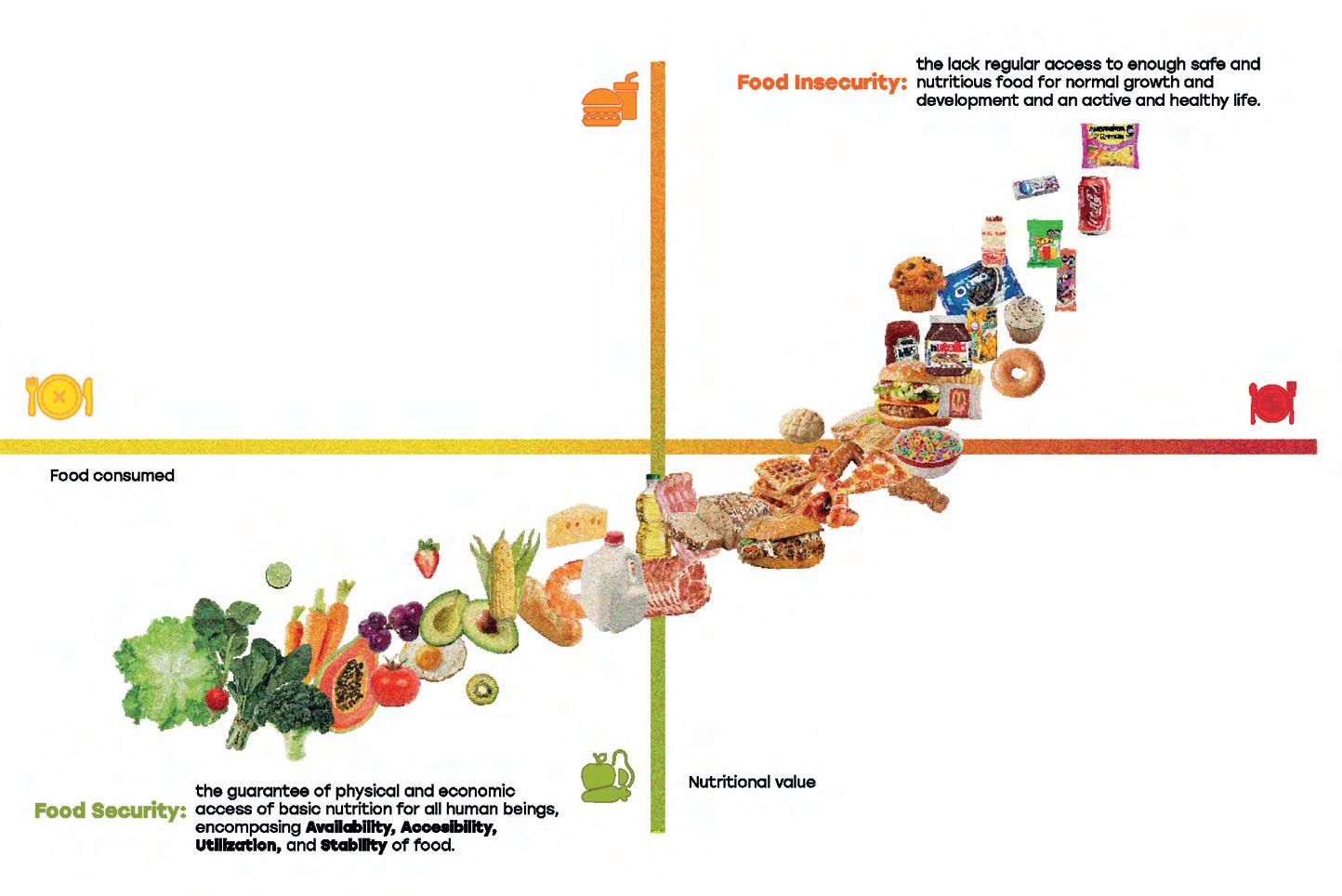
Food security is a critical issue in Querétaro, where rapid urbanization and economic development coexist with persistent inequalities in access to nutritious food. While the state boasts a growing industrial base and increasing investment in infrastructure, not all of its residents benefit equally from these advancements. Many communities—particularly those on the urban periphery and in rural areas—face barriers to maintaining a healthy and balanced diet due to the rising cost of living, limited availability of fresh produce, and the dominance of ultra-processed foods in the market.
Figure
Also:
7.30% of children suffer from obesity
1.40% of children suffer from emaciation
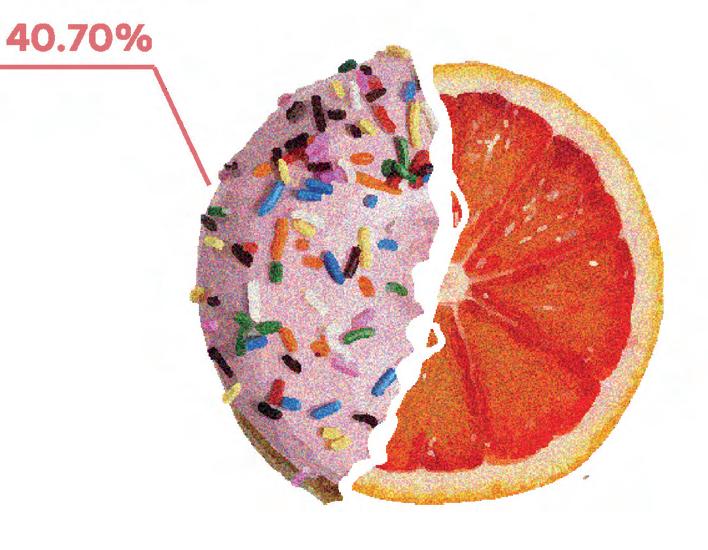
According to the Encuesta Nacional de Salud y Nutrición (ENSANUT), almost half of the population in Querétaro suffers from obesity, therefore a lack of good nutrition. This places Quéretaro as the 12th state with the most percentage of obesity per population. This indicates a lack of food security in the state.
Figure 3.3.2: Obesity based on ENSANUT’s percentage of population with obesity in Querétaro. (2025)
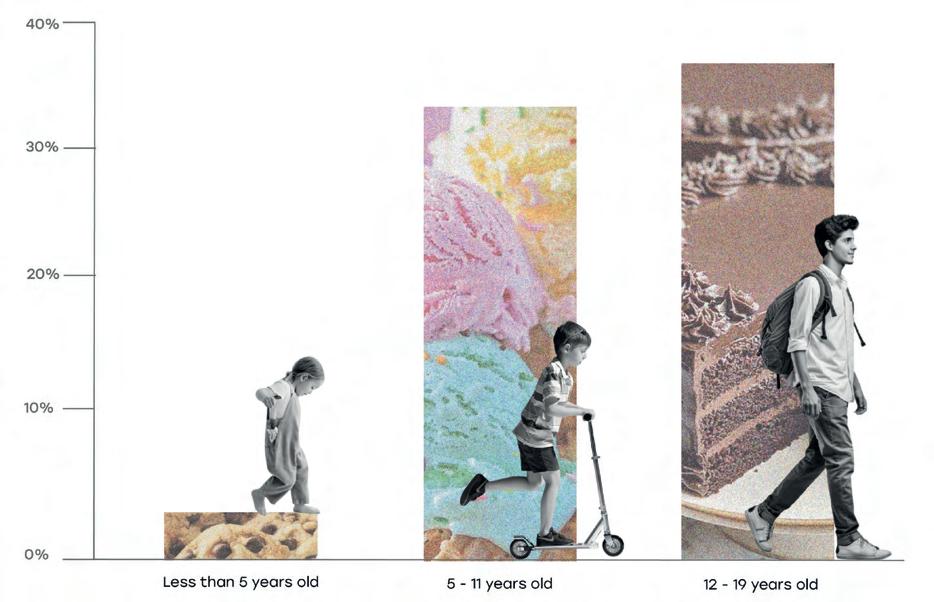
According to ENSANUT (2018), the prevalence of overweight plus obesity in children under five years of age in the state of Querétaro in 2018 was 3.6%.
Data from 161 boys and girls aged 5 to 11 years of age were also analyzed. in the survey. The results showed that the prevalence of overweight and obesity was 23.4 and 10.8% respectively, giving a joint percentage of 34.3%.
Data from 129 Queretaro adolescents were also analyzed, and the results by sex in 2018 showed a prevalence of overweight and obesity in women of 31.4%, while in men it was 44.2%. The same survey in 2012 showed that 32.8% of male and female adolescents were overweight and/or obese, a figure that in 2018 was 37.5%.
Figure 3.3.3: Overweight and obesity in children based on data from ENSANUT.
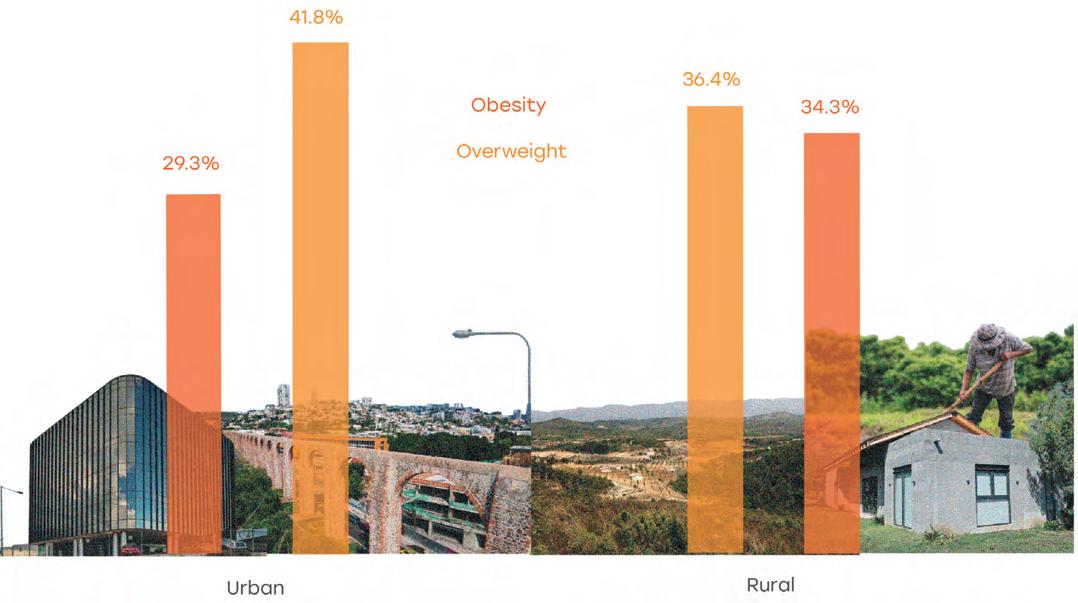
Data was taken from people from both urban and rural environments. It can be seen that urban areas have a higher prevalence of overweight, but a lower prevalence of obesity, compared to rural areas, where the figures are closer. It should be noted that adding the percentages of obesity and overweight, gives 71.1% of people overweight in urban areas, and 70.7% in rural areas, so both types of environments have similar prevalences and are consistent with the national average, which is 70%.
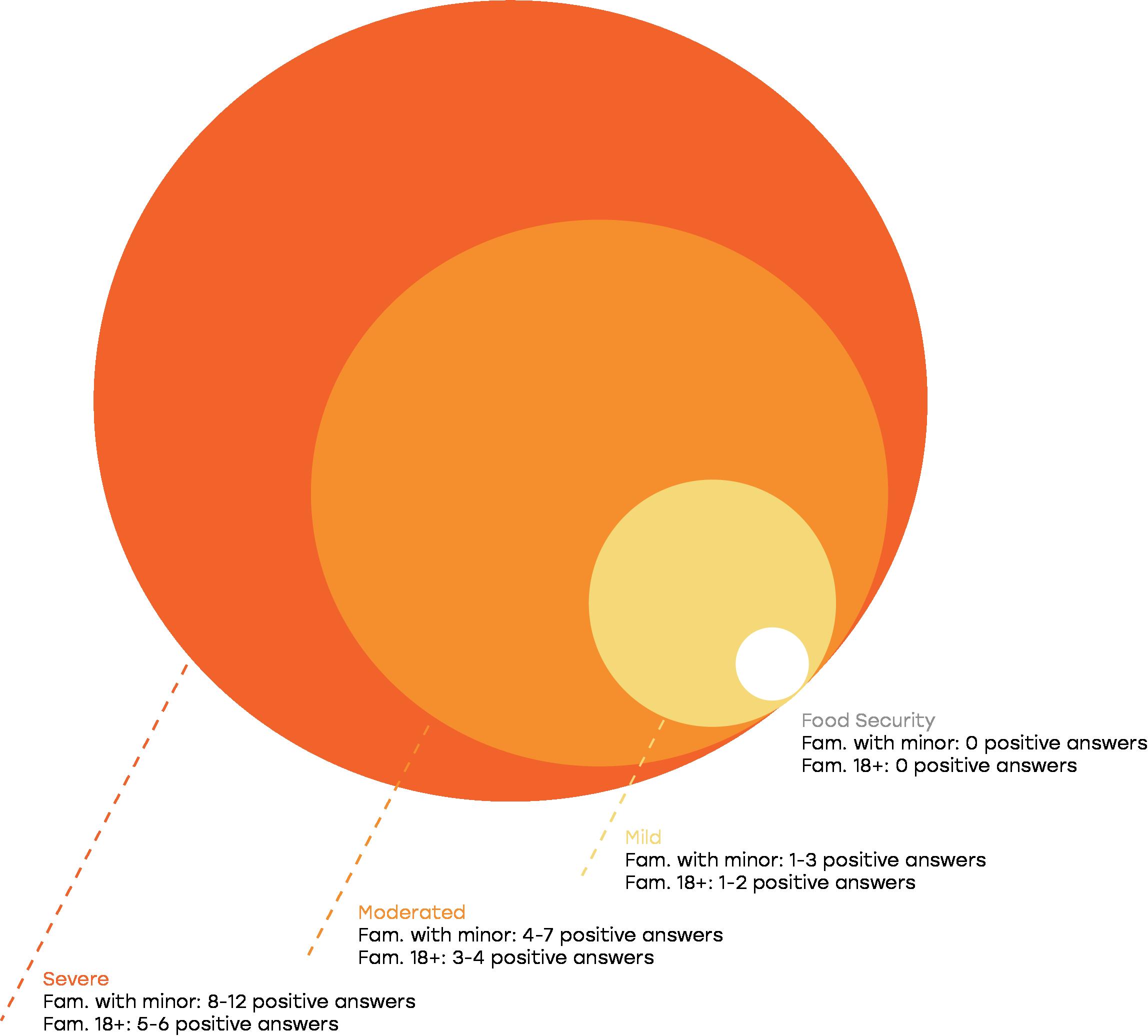
Figure 3.3.5: Measuring food security based on ECLSA’s scale of food insecurity. (2025)
The Escala Latinoamericana y Caribeña de Seguridad Alimentaria (ELCSA), measures food security in three levels (mild, moderated and severe) based on 6 questions for families of adults and 12 for families with children. These question based themselves upon the frequency and nutritional quality of the meals consumed.
Symbology Scale | 15:40000
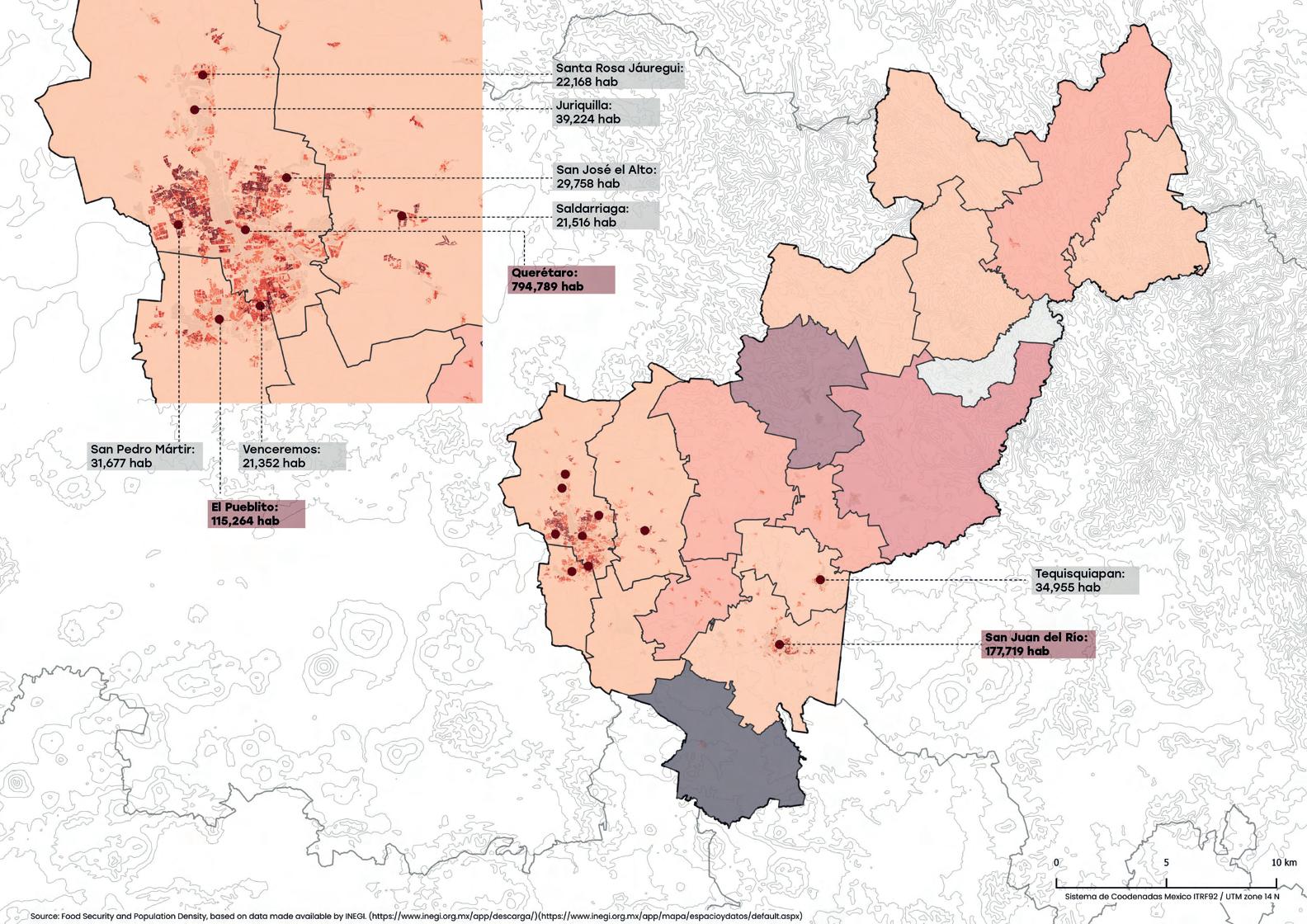
The Querétaro government calculated the porcentage of population per municipality that had food insecurity. This map shows the level os food insecurity, and as we can see, the most densely populated localities in the state tend to have more food availabilty as a whole. It is important to mention that the municipalities with the more severe food security also show a high poverty and salary rate, as well as lower total population, which makes affordable and variable food options a mayor scarcity. Limit
Densily populated cities
Figure 3.3.6:: Food Security and Population Density, based on data made available by INEGI.
A MULTIDIMENSIONAL
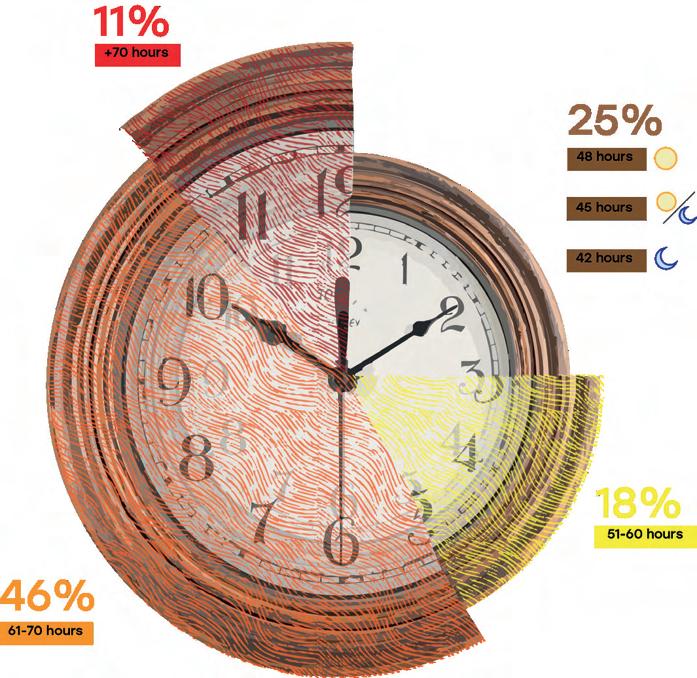
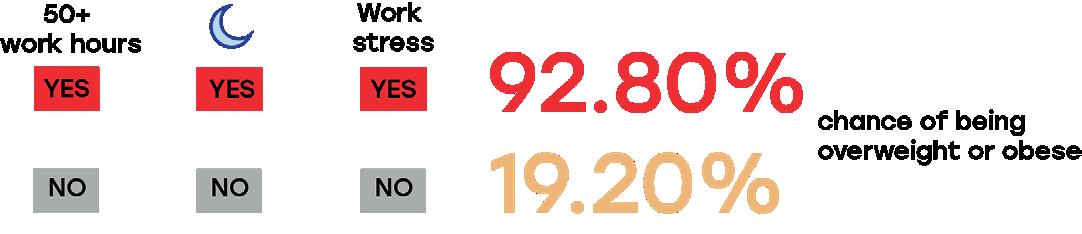
Health is also greatly affected by immediate conditions. 75% of the Querétaro´s working force works over hours. This increases the chances of workers to have health affectations like obesity, such as the combination of working extra hours, night shifts, and having a bad work condition in stressful scenerios being of 92.80%, compared to all negative answers being 19.20%.
Figure 3.3.8: Work hours for Querétaro´s working population based on data from thesis.
FOOD INSECURITY: A MULTIDIMENSIONAL ISSUE
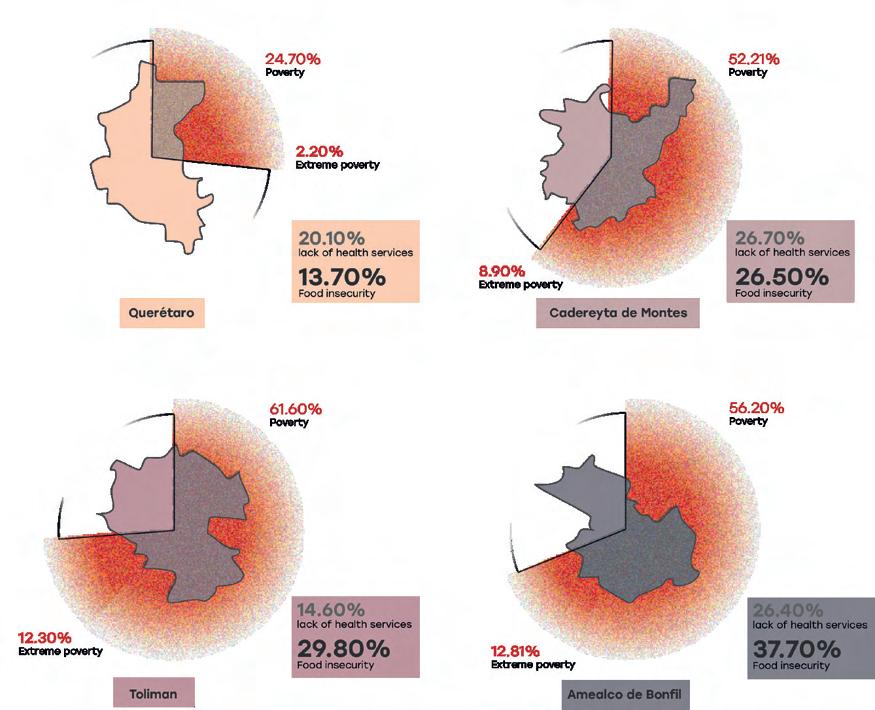
Here we compare Queretaro municipality with low food insecurity to the most vulnerable municipalities as shown in the prior map.
Poverty and health care are strictly linked with food security, proving it is a more complicated issue to tackle,
Figure 3.3.8: Work hours for Querétaro´s working population based on data from thesis.
Data on the number of health units by type of institution. The comparison of the metropolitan area of Queretaro with the State of Queretaro is shown, where it is observed that in the State of Queretaro there are more outpatient institutions and in both it is shown that there are no social assistance institutions.
Figure 3.3.10: Units by health institution.
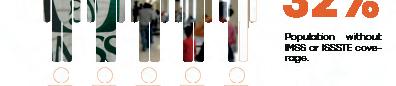
Lack of access to health services in Queretaro remains a significant challenge, with 32% of the population without IMSS or ISSSTE coverage, this is due to the high level of informal employment, voluntary affiliation costs and lack of information about health services. This places the state in 13th place nationally in terms of lack of health services. It is important to mention that Servicios de Salud de Querétaro (SESEQ) manages state hospitals and health centers, which offer free or low-cost care to those who are not affiliated with IMSS or ISSSTE.
The proposed budget for the health sector for 2025 is approximately 7,085 million pesos.
Figure 3.3.11: Health coverage for population.
Symbology
INTERCONNECTION OF AVAILABILITY
Scale | 15:40000
Rain-fed agriculture
Irrigated agriculture
Rivers
Base map
Municipality division
Hydrology and land use
Bodies of water
Urban stain
Limit state Level lines
1. Most enrichment, agriculture, and population is located in the metropolitan area, granting it economic growth and an ever changing industry. It not only poses a central point for production, it is also strategically located near urban green spaces and even protected zones. Here we can also find one the most delicate and limited resource, water. Querétaro’s Aquifer, being one of the most privileged locations in the whole state, and overall being over exploited with the continued growth of population and the urban stain of the city. All of this combined prove to give the main urban stain a real sense of food security for most of its population.
2. Toliman and Cadereyta de Montes in the center of the state poses one of the most complicated disparities in the entire state. Its location is disconncted from industries and agricultural production, high social deprivations cause an alarming food insecurity in the area.
3. Amealco, in the other hand, is located in the heart of agricultural production, but its high indicators in poverty and lack of health services position it in the number one state with highest food insecurity, proving hunger and nutritional security is a multidimensional issue.
Valle de Queretaro Aquifer
Figure 3.3.12: Food security and agriculture conclusions.
A secure food system is one that ensures consistent access to affordable, culturally appropriate, and nutritionally adequate food for all. In Querétaro, this means not only increasing local food production, but also strengthening distribution networks, supporting local farmers and vendors, and rethinking the presence and layout of food outlets across the state. The importance of a good diet cannot be overstated: it is directly linked to public health outcomes, educational performance, and long-term economic resilience. Diet-related diseases such as obesity, diabetes, and hypertension are increasingly prevalent in Mexico, and Querétaro is not exempt from these national trends.
Symbology Scale | 15:40000
Retail store’s walkable accesibility
1km radius
500m radius
Walkable accesibility
Retail food stores
Base map
Municipality division
Limit state Level lines
Urban stain
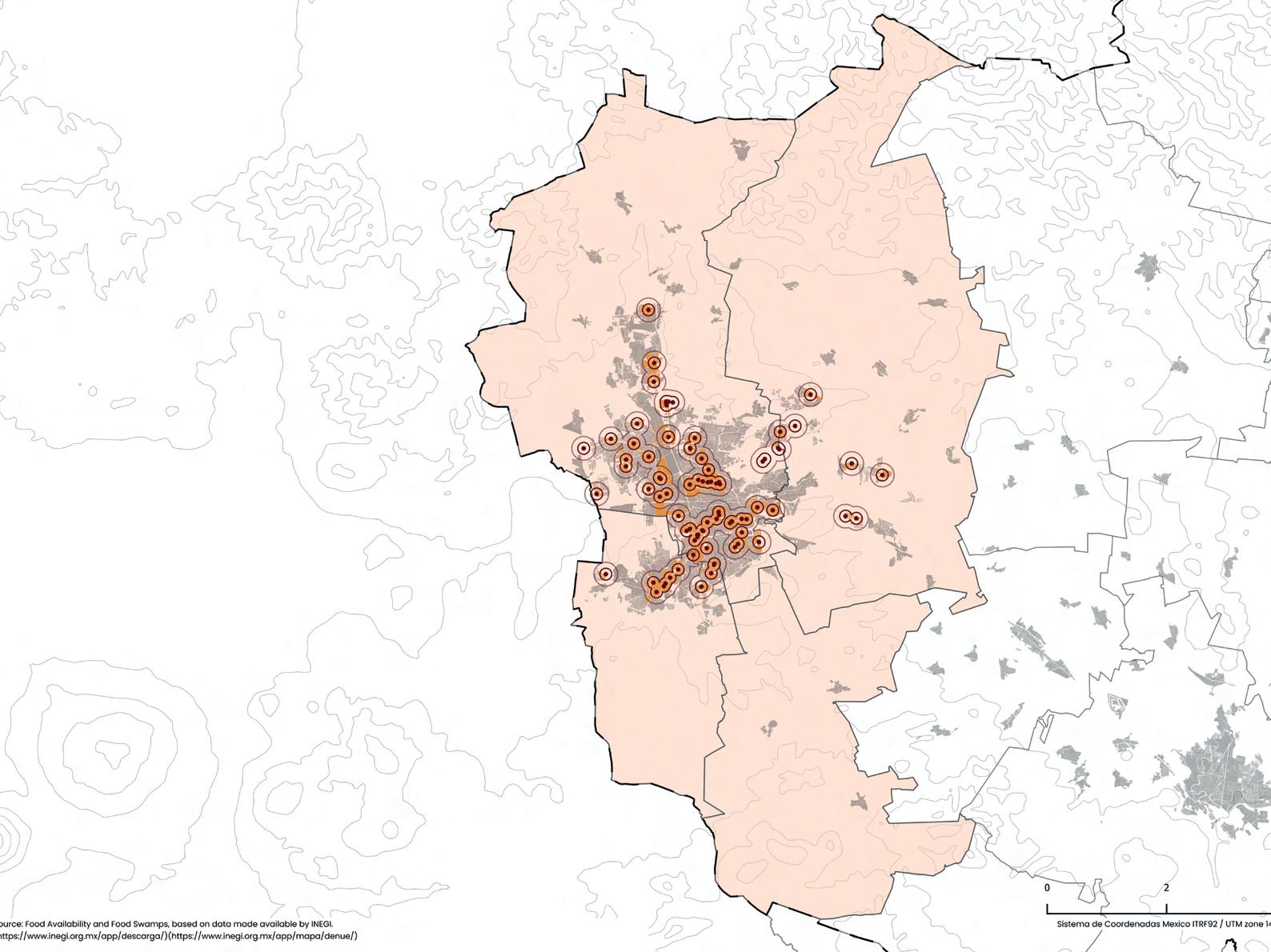
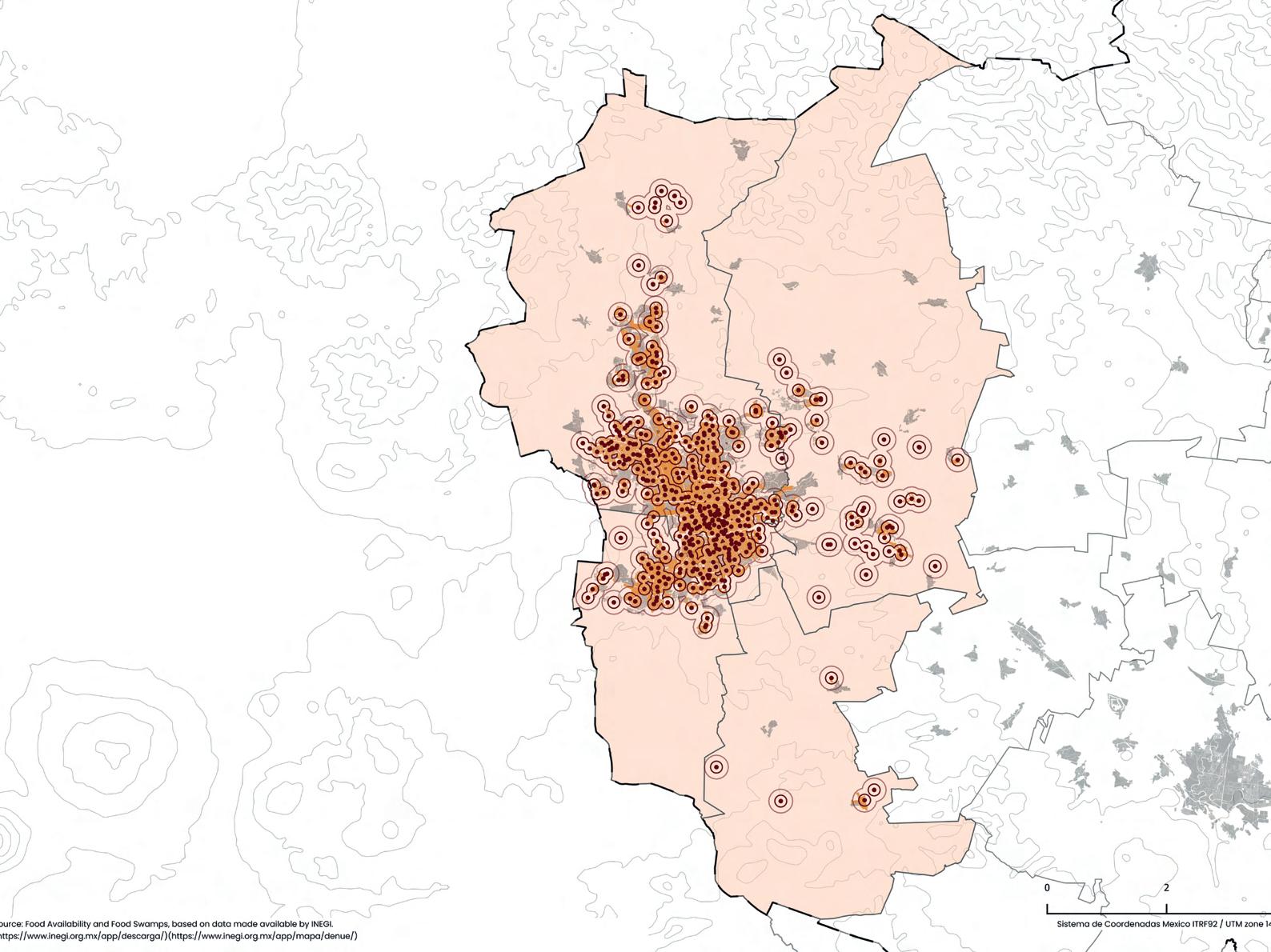
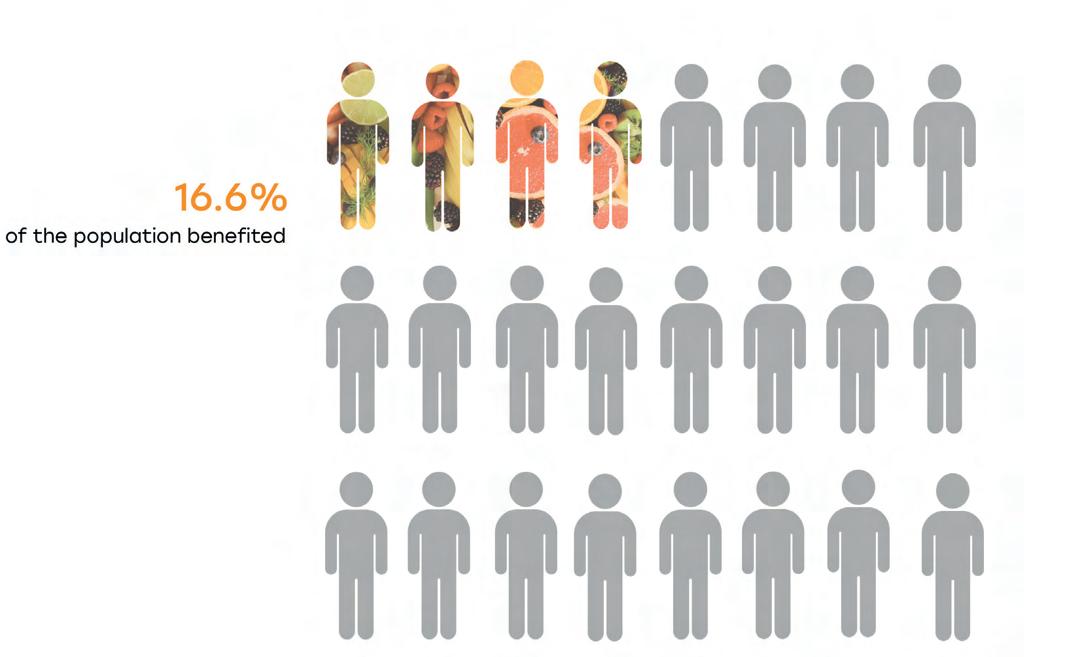
15% of the population in the Metropolitan area have walkable accesibility to retail stores such as Walmart, HEB, and smaller businesses like fruit shops.
This presents a clear challenge, making good nutritional foods less readily available for most of the population.
Figure 3.4.2: Food Availability and Food Swamps, based on data made available by INEGI.
Symbology
Retail store’s walkable accesibility
1km radius
500m radius
Walkable accesibility
Oxxos
Scale | 15:40000
Base map
Municipality division
Limit state
Urban stain
Level lines
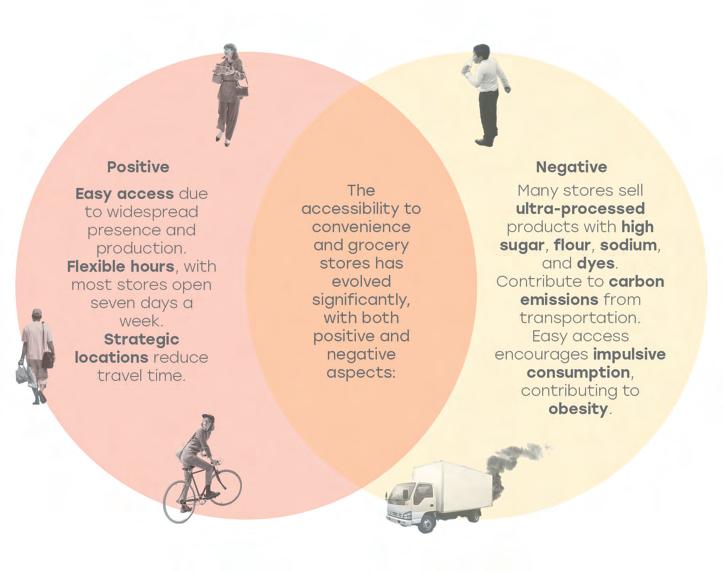
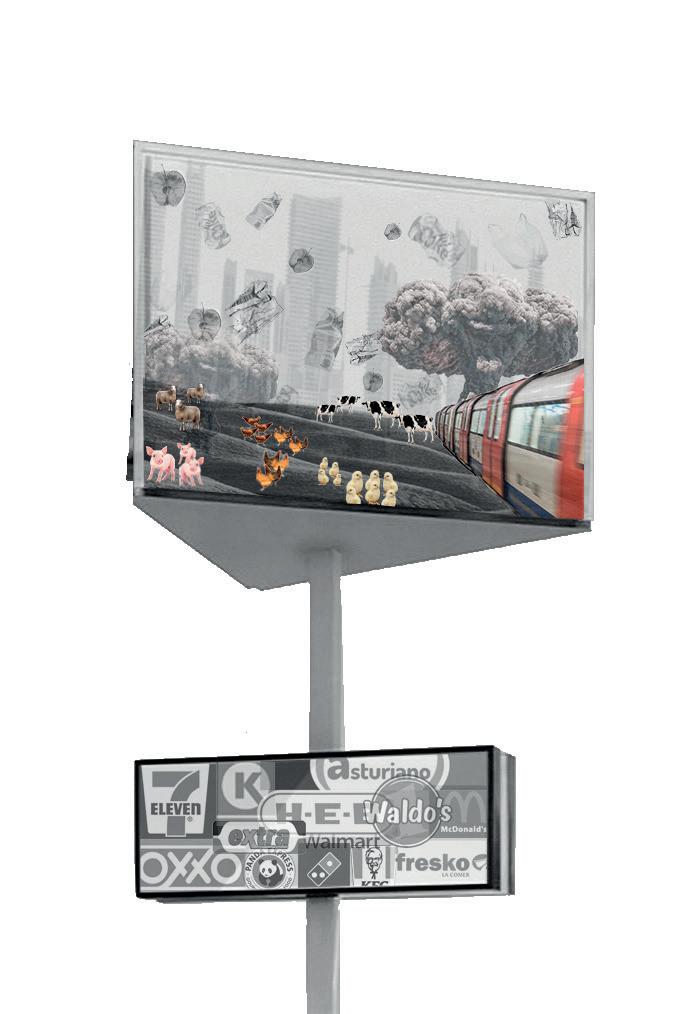
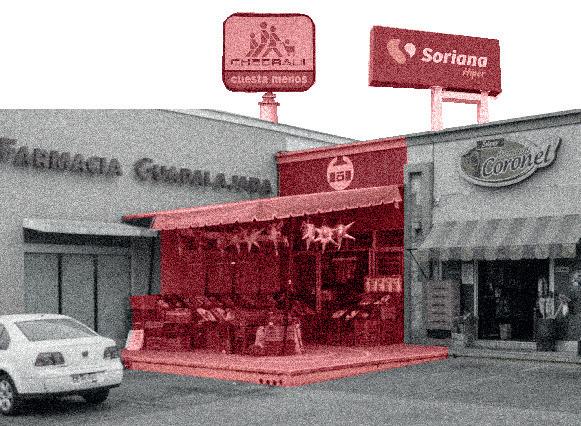
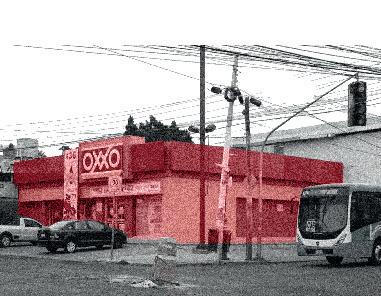
90% of the population, on the otherhand, have direct walkable access to convenience stores, such as Oxxo, Asturiano, and Extra. This shows how much of food swamps are predominant in the area, and how availability of nutritionally valuable food is much harder to access. Non nutrionally valuable food is not only prevalent, but also more easy to access.
Figure 3.4.2: Food Availability and Food Swamps, based on data made available by INEGI.
Scale | 15:40000
Symbology
Distrito Qro
Metropolitan area
Base map
Municipality division
Limit state
Urban stain
Level lines
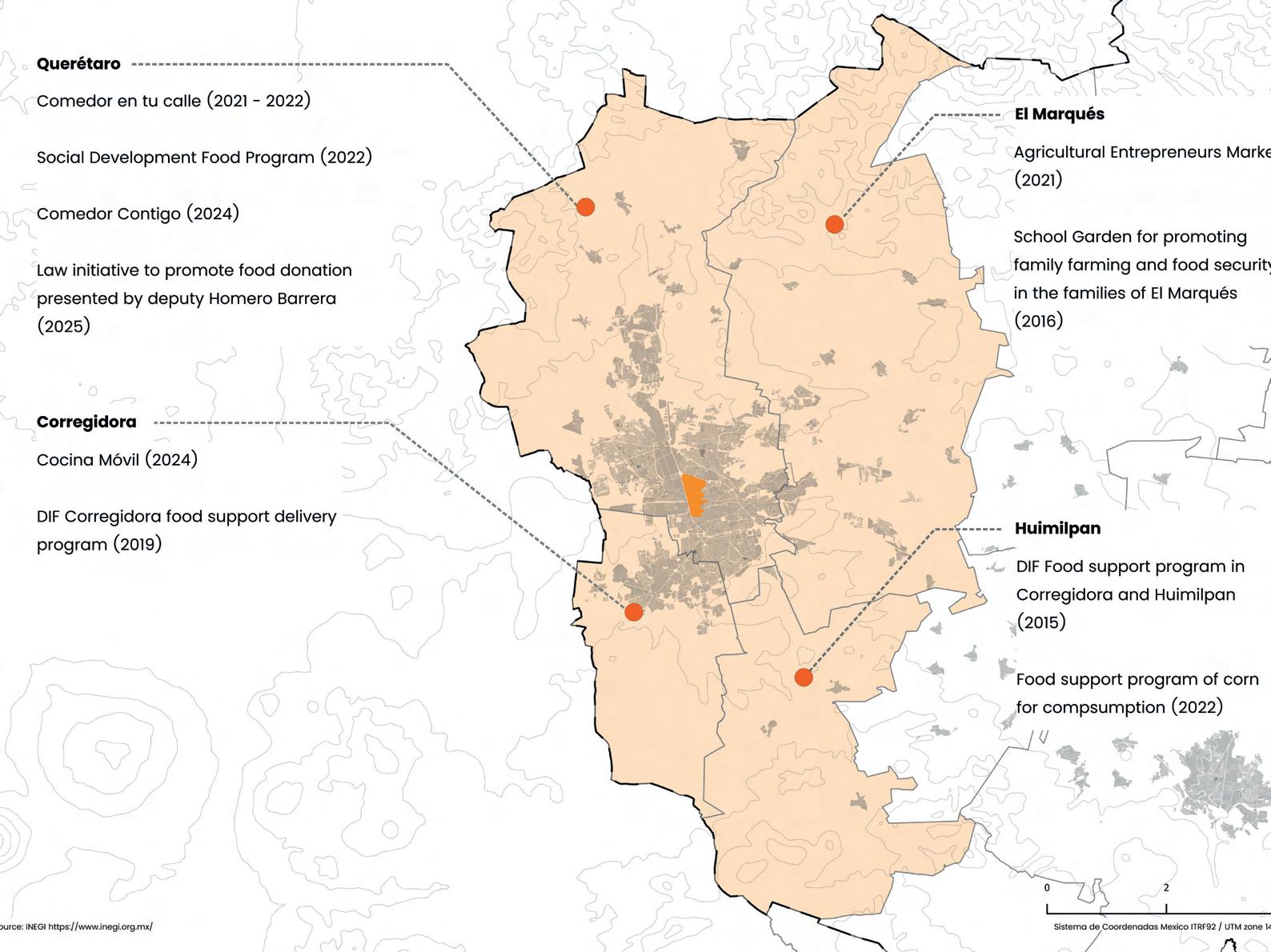
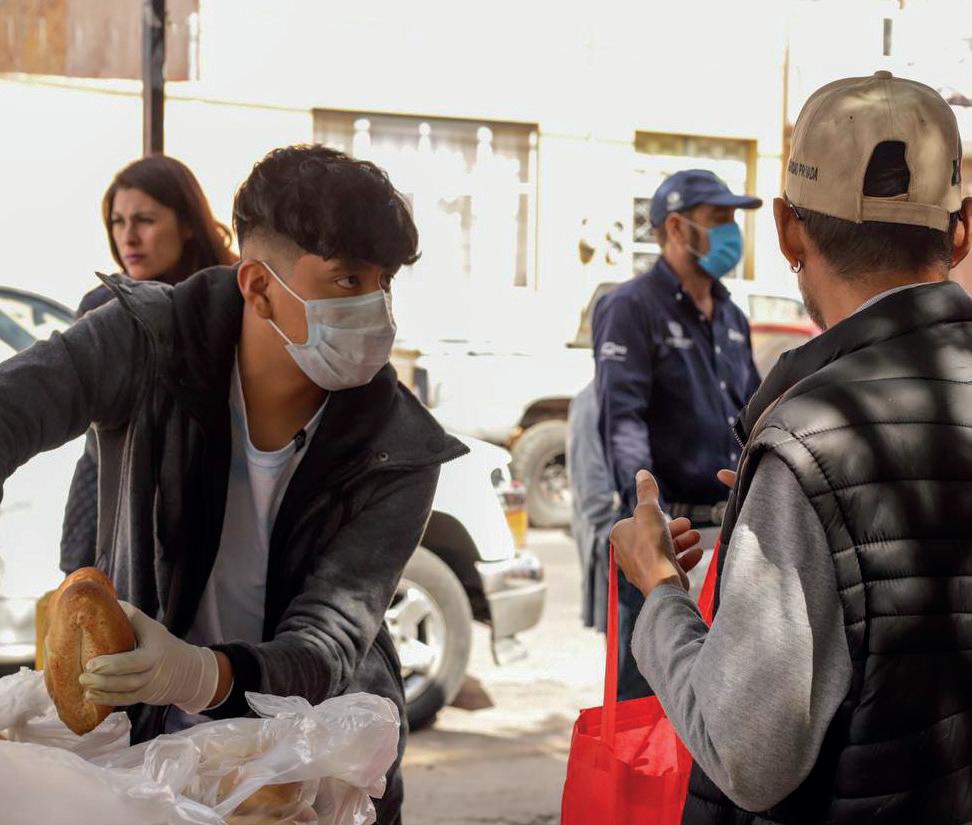
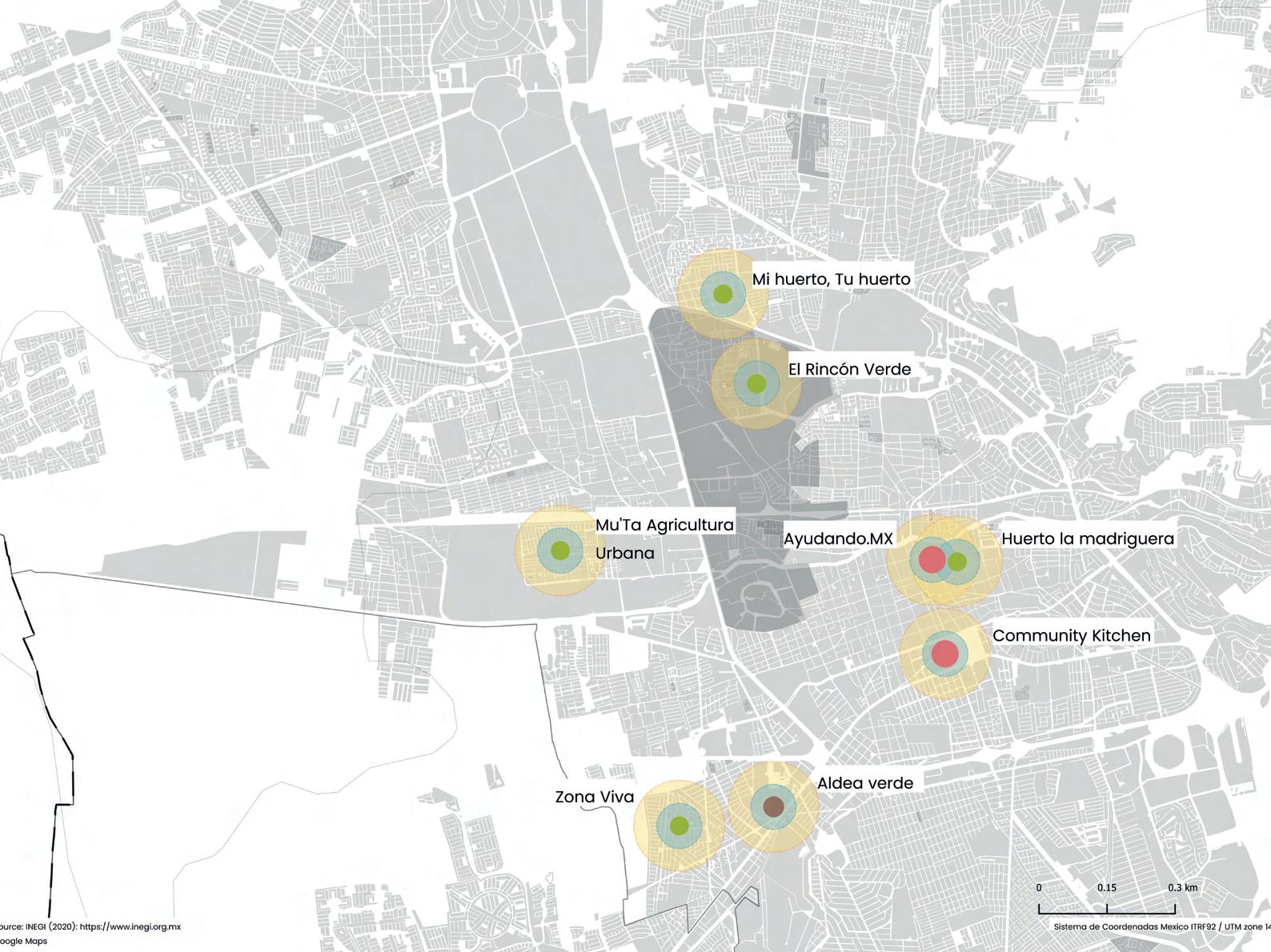
In the state of Queretaro there is a variety of citizen and government initiatives that aim to supply and distribute food for the population in the metropolitan area. Comedor en tu calle, for example, has fed about 115,000 people just between 2020-2021.
It is important to note that there are other initiatives that have a national range and which benefict the whole state, among these programs we can find the LICONSA Milk Social Supply Program, which aims at the easy access of basic products for communities of high and very high marginalization. The DICONSA Rural Supply Program also has the purpose of easing the access of rural and marginalized communities to food products, which ensures the effective compliance of the social rigth to food.
Figure 3.4.3: Government food ineciatives.