06 Experience the Wedding Revelry without an Actual Wedding!
20
12 The Freedom a Woman Finds in Facing Herself
26 Rendition of the Land: The Age-Old Narratives That Spin throughout Culture From Monotony to Meaning: Doing What You Love Matters
36 The Odyssey of Arjun Sasi: Living Through Voice and Silence
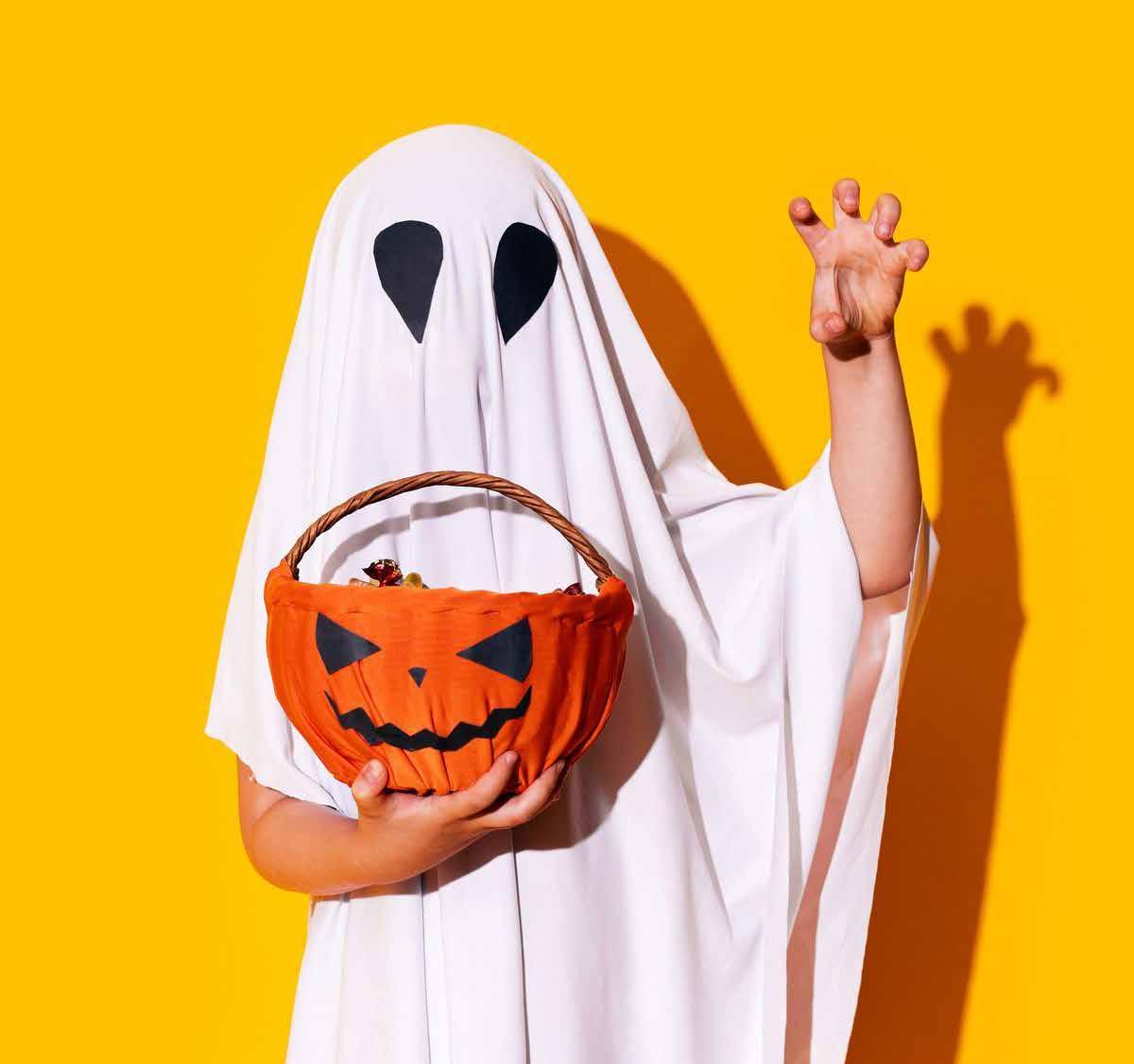
46 The Psychology of Horror: Why Halloween Makes Fear So Much Fun
54
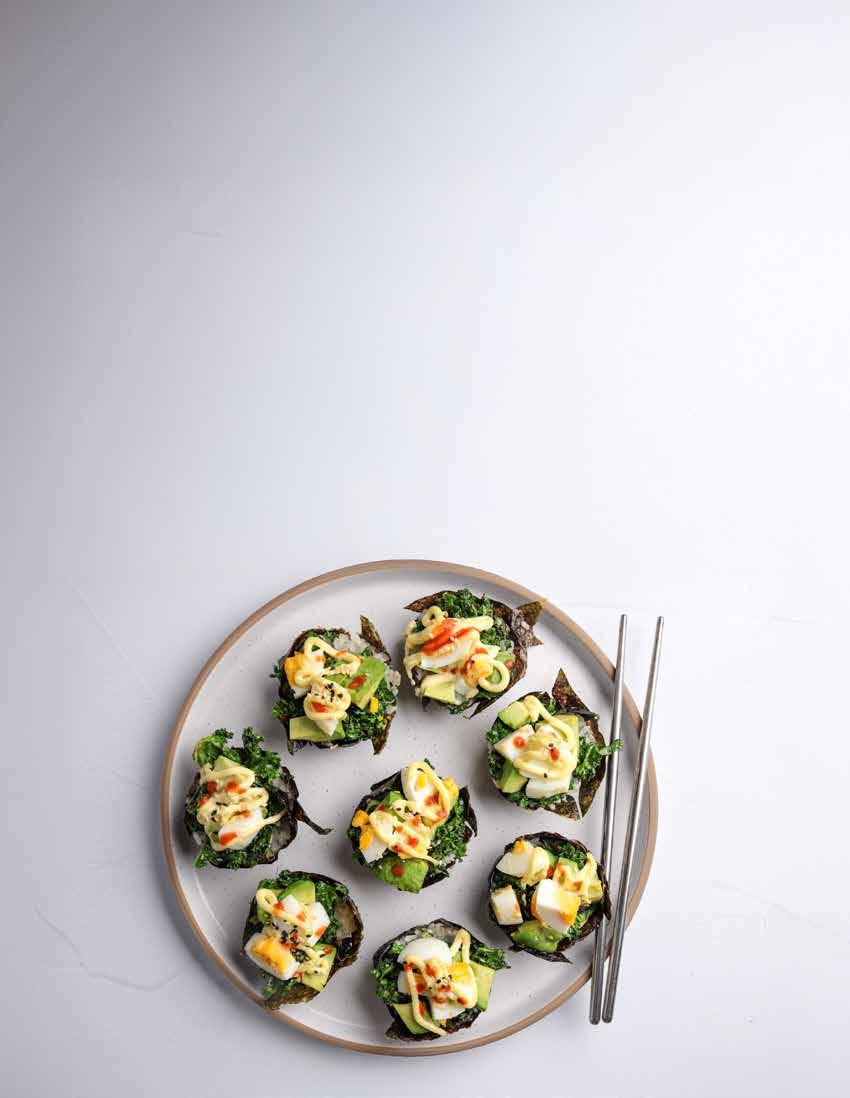
Spicy Thecha Avocado Cupsv (A Festive Flavour Bomb)
58
15 Gen Z's Confounding Lingo You Need to Decode
Dear Brew Readers,
As the year of 2025 comes to an end, Brew's last issue of the year is out and happening. Everything you need to know about art, food and travel is here. Snippets of healthy living, so you start your new year with gratitude and kindness. In this reign of a weather, we aspire to keep you engaged and warm with this pleasing issue. Cheers to the end of this amazing year and welcoming 2026 with nothing more than love, laughter and abundance. Oh yeah! Also Brew. Hope you enjoy this read, specially curated for you lovely readers.
Happy reading and happy Brewing!
Love, Brew
Sahana Subramanya
What's new in town? Fake wedding glee!
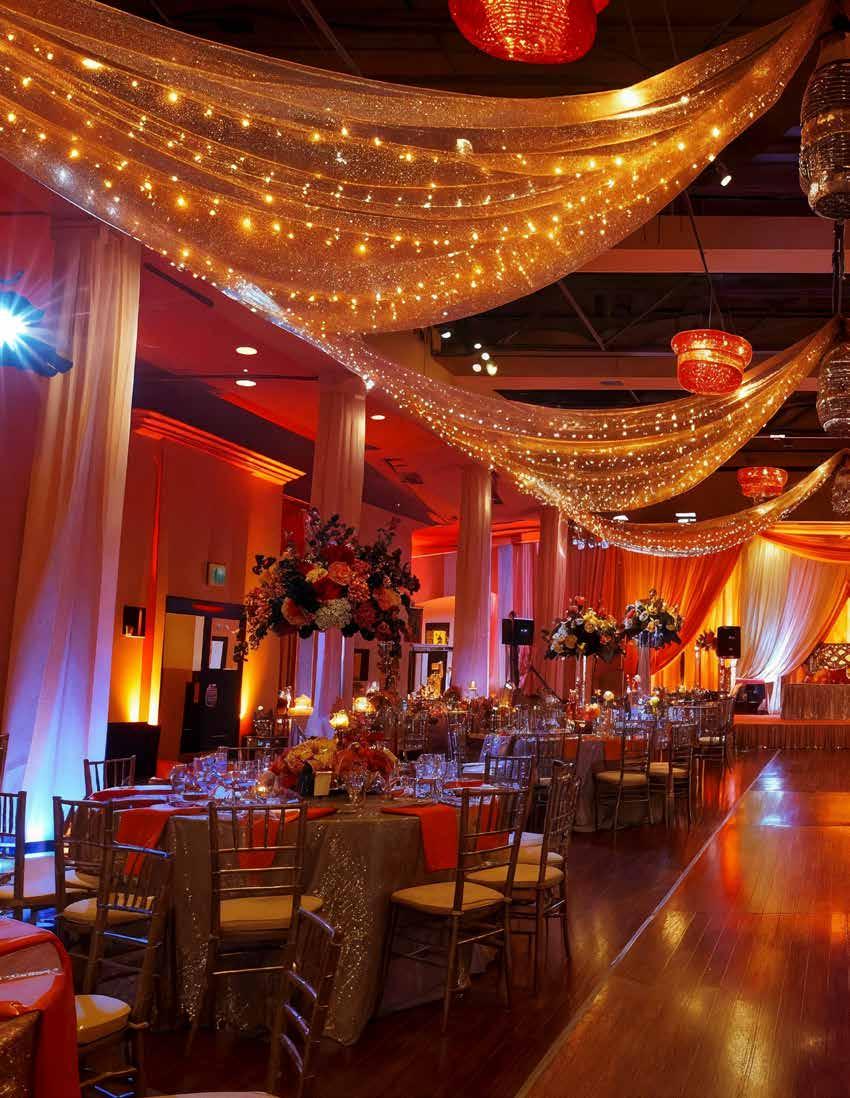
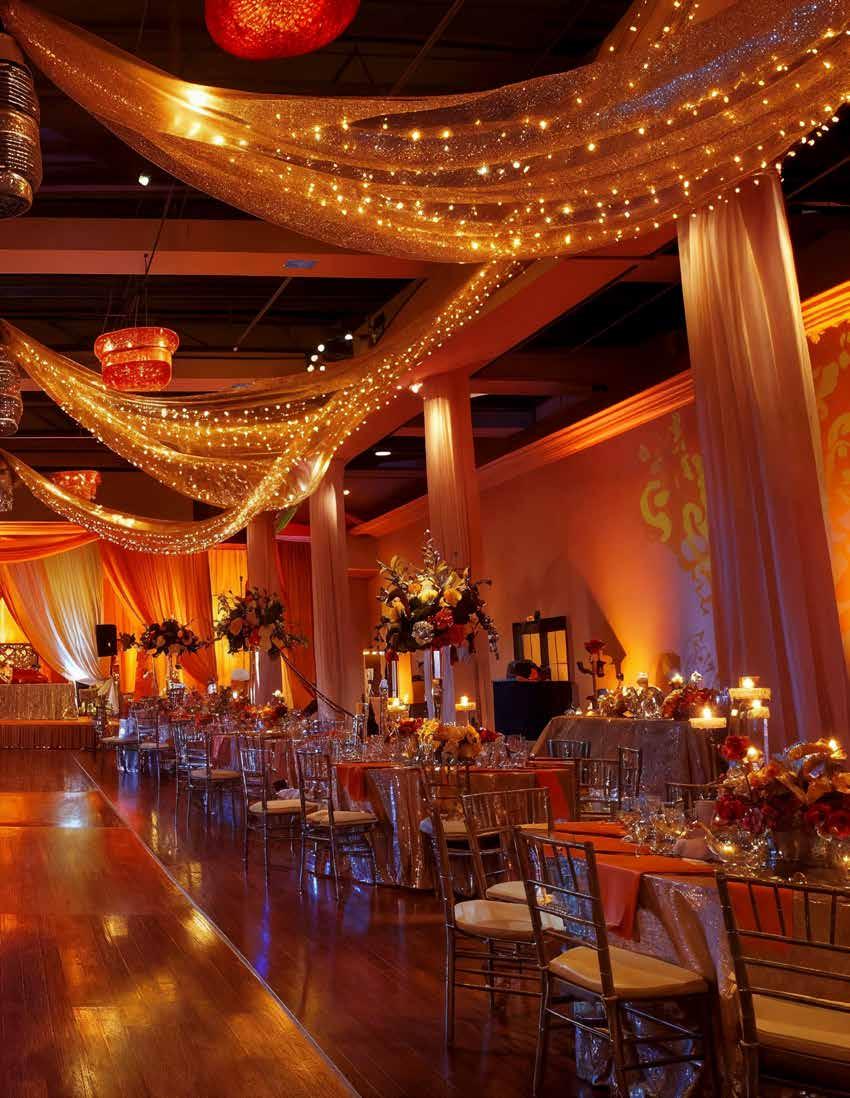
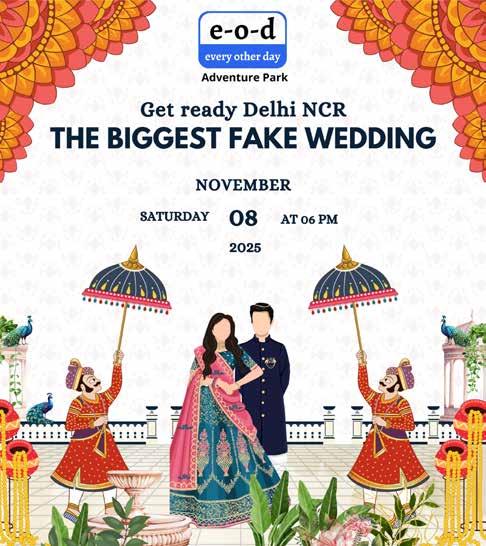
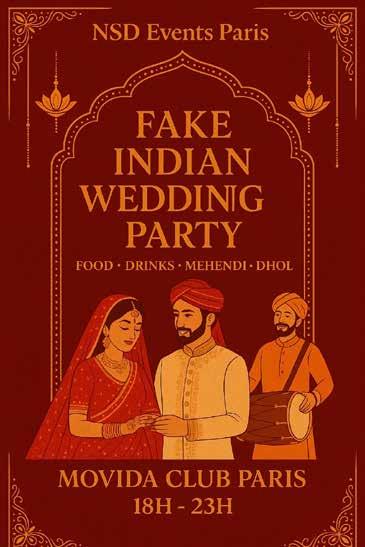
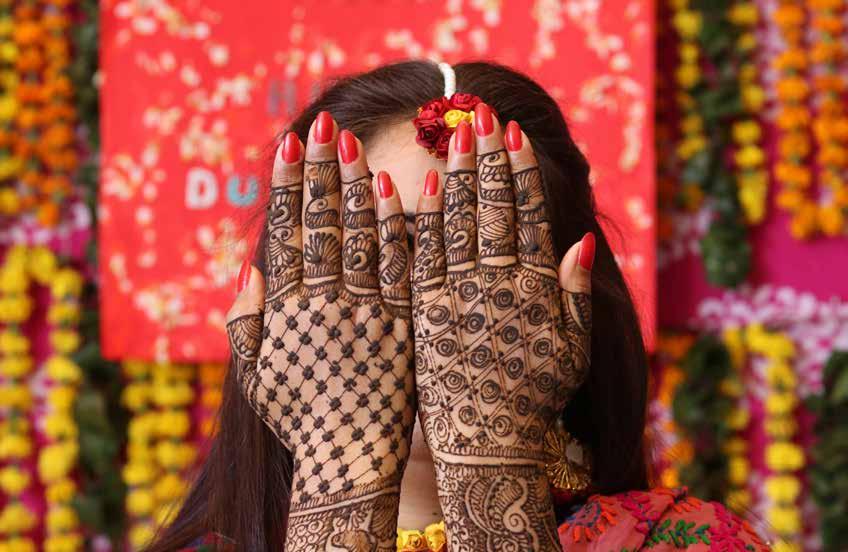
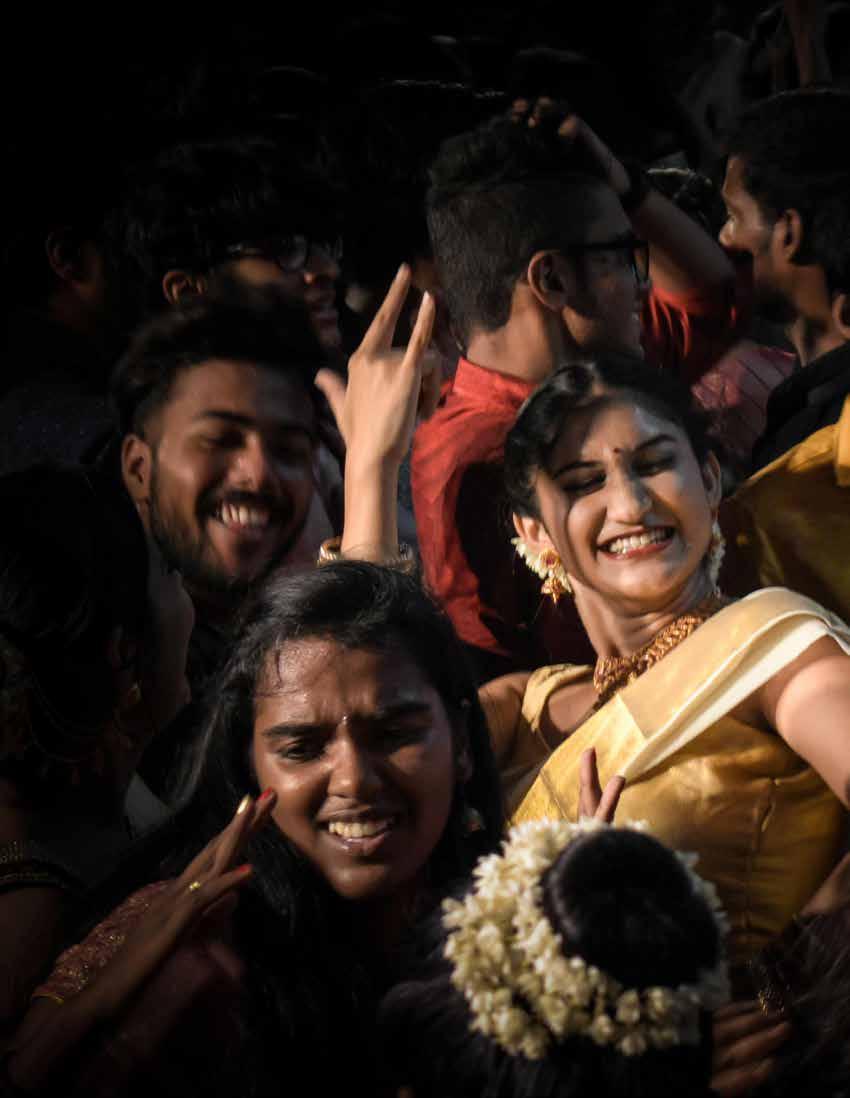
As every couple dreams of starry lights, the fragrance of subtle jasmine and roses lingering around the venue, with laughter, music and scrumptious food adding to the fervour of the wedding festivities, except that there is no wedding! You read that right; all the quintessential ‘Fabricated Indian wedding’ setup is presumably more than just a fleeting trend in parties!
The Inclusion of the Grand Celebration
In times when people want to try unique ideas for making merry and memories, the idea of having a weddingthemed party is more about enjoying an experience than deviating from the tradition of a fun-filled Indian wedding. Instead, it is a clever and practical solution suited to the current-day needs of party-goers looking to make new statements. With many event planners and companies looking to create new experiences, the thought of extending the extravagant setup of the wedding spread to everyone, irrespective of whether a wedding was taking place or not, has taken partying to the next level.
Who’s Attending the Non-Nuptials?
While the initial idea of these fabricated festivities cropped up mainly from event companies and wedding planners, the concept has gained significant momentum and is renowned among both the young and the old. So, why is it making noise among several groups? Here are such groups benefiting from this current trend:
a. Hospitality Sector:
As mentioned earlier, this is where all the buzz about the façade started, where the hotels, event companies, banquet halls, resorts, and caterers for the event in itself have made merry out of it.
b. Fashion Industry
Aspiring models and actors who are trying to make a name in their respective industries find this a vibrant experience by attending these parties to shine and build a strong portfolio. They get to participate in the dance and song performances, and pose for fashion shows conducted at the event.
c. Wedding Shoot Enthusiasts
Freelance photographers who are looking to be noted in the wedding market find it a tempting opportunity to conduct imagery of an actual wedding at these extravagant parties. For those who cannot afford such weddings, they can get a taste of picturesque locations and take home memories from these photographers’ creativity.
d. Influencers and Content Creators
One of the biggest groups to promote this trend, these influencers and content creators have discovered the hidden potential to grow followers and have maximum reach. With a stunning location for a wedding backdrop, elegant attire, a starry guest list and a musical set-up, these influencers are up for great content to share on social media.
Why is this Trend becoming Popular in India’s Metropolises?
We see an uptrend of such events on a large scale in cities like Bengaluru, Delhi, Chennai and other places
and here are some of the key factors making it a happening one.
a. Evolving Creative Industry
In cities like Delhi and Bangalore, there is immense scope for a thriving ecosystem of fashion and entertainment, making it a growing favourite on social media. This event set-up is now constituting about 0.5 to 1% of the total bookings, currently.
b. Camera is God
For such pretend wedding events, the camera is the ultimate. Without unexpected photo bombs, dramas, this event can give you the picture-perfect memories that you cannot get from the real events.
c. Look without Commitment
For content creators and influencers looking to get the wedding ‘look’ without the commitment, this is an ideal chance to experience and showcase it to the world. And more often, it is for plain fun that the current young crowd is looking for, and hence the growing popularity.
d. Business Opportunity
With the ‘fake wedding’ set-up, one event company can now earn up to Rs. 10 lakhs with a strong business model linked to it.
Wedding Parties, More Than Just a Mock-
Up
With the increasing trend in mock-up weddings, there are no signs of slowing down, and likely to evolve further. On a larger scale, destination fake weddings can become a tourist’s favourite with the wedding fervour sans the commitment.
Here you can become a guest and immerse yourself in the song and dance of these fake weddings. No more off-season blues or no business season for the wedding-related sectors such as catering, artists, designers, etc.
Once a niche concept, now about 70% of the crowd attending such parties are youngsters, who otherwise would usually fail to turn up to real wedding events. Hence, these events have turned out to make a mark by becoming a cultural phenomenon. The face of Indian culture is taking better shape among both the young and old, with such make-believe nuptials becoming noted for their curated experiences.
Vaishnavi M
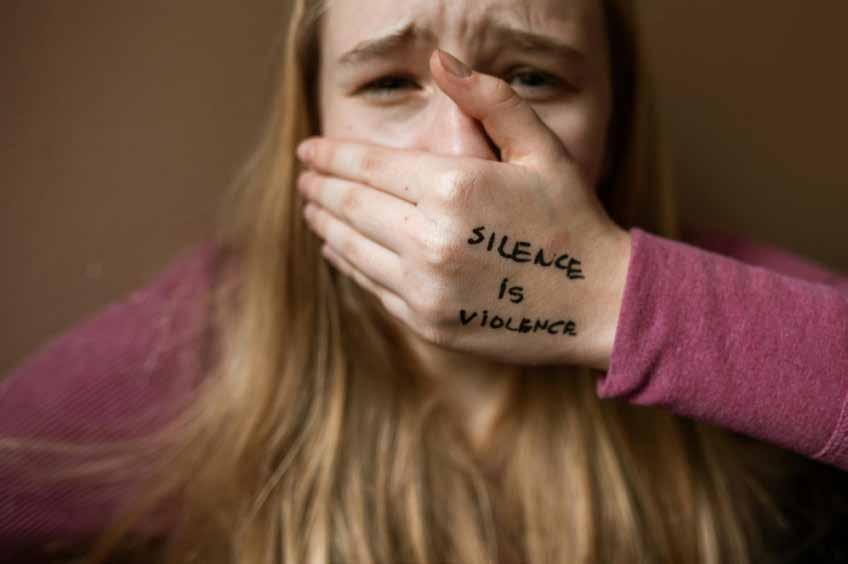
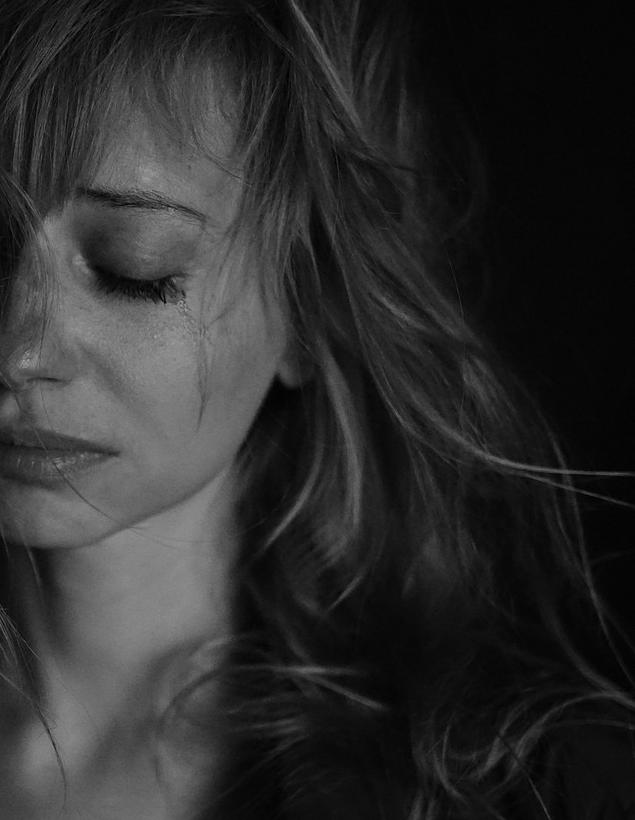
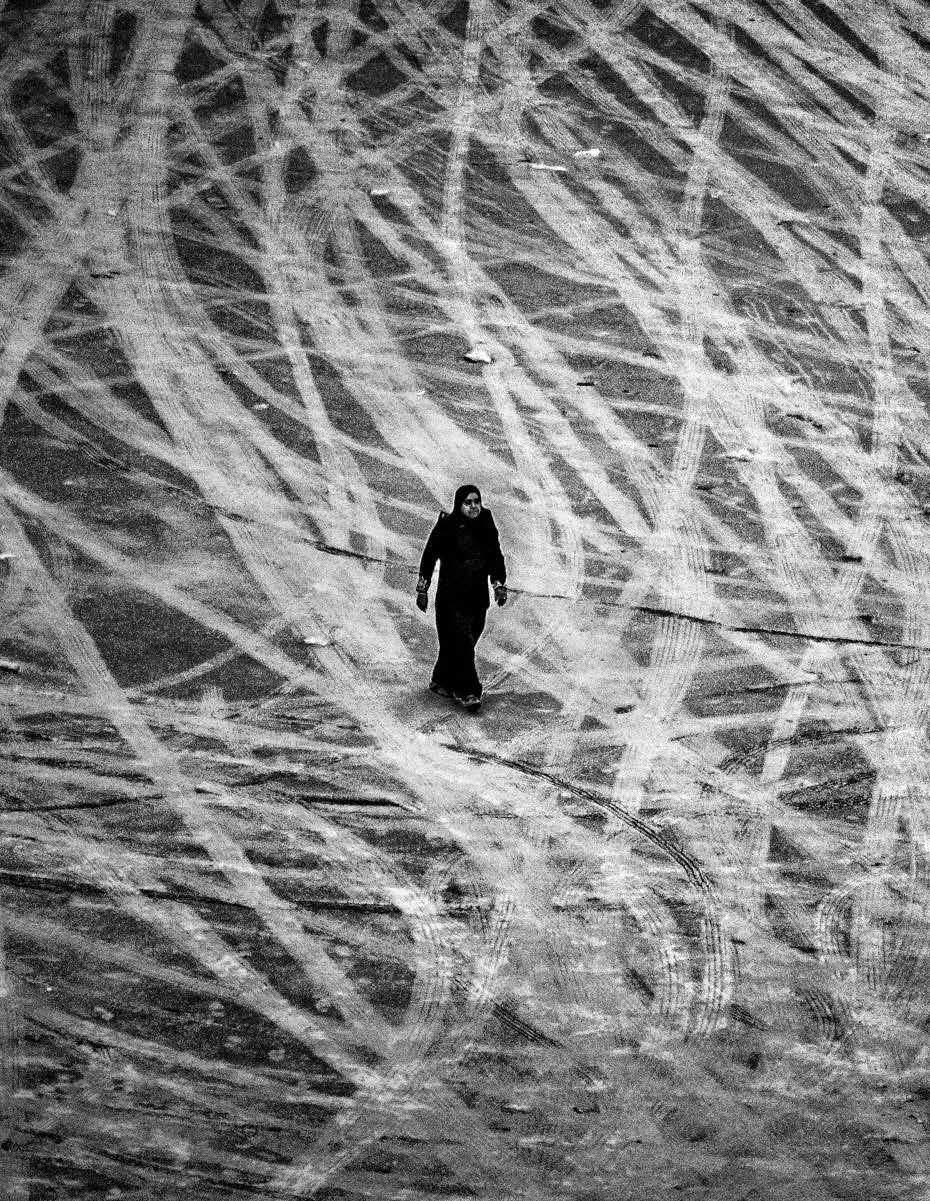
What if healing isn't about erasing pain, but learning to hold it without letting it consume us? For women, this question carries particular weight. We navigate a culture that simultaneously demands our strength and dismisses our struggles, that tells us to smile through suffering while invalidating the very real wounds we carry. Our trauma often lives in the shadows, shaped by societal pressures, gendered expectations, and the persistent invisibility of our pain. This isn’t about quick fixes or toxic positivity. Instead, it's about the messy, sacred work of healing from trauma, feeling our way through emotions we've been taught to bury, and ultimately reclaiming the identity that belongs to us alone.
What Trauma Really Is
Trauma doesn't announce itself with sirens. It doesn't always look like what we see in movies or read about in textbooks. Sometimes it's utterly quiet, like a whisper that grows louder over time, a heaviness that settles into your bones without permission. For one woman, trauma might be the bruises she covers with long sleeves. For another, it's the voice in her head that sounds suspiciously like someone who once told her she was worthless. For yet another,
it's the way her body freezes when someone stands too close, even when she knows she's safe. Trauma wears many faces, and understanding them helps us name what we've survived:
1. Physical abuse leaves marks on the body, bruises, scars, injuries, but its deepest wounds often live beneath the skin, in the way we learn to make ourselves small or brace for impact even in moments of peace.
2. Emotional and psychological abuse operates in shadows. It's the gaslighting that makes you question your own reality, the constant criticism that erodes your sense of self, the manipulation that convinces you that love should hurt. This abuse rewires how we see ourselves, often without leaving a single visible mark.
3. Sexual abuse and harassment violates our autonomy and safety. Whether it's unwanted attention that makes your skin crawl, coercion that steals your "no," or assault that fractures your relationship with your own body, these experiences teach us that our boundaries don't matter; a lie we must unlearn.
4. Verbal abuse weaponizes words. Insults disguised as jokes, threats hidden in concern, shaming that masquerades as care; this abuse lives in our inner dialogue long after the voice that spoke it has gone silent.
5. Neglect and controlling behavior can be the hardest to name because it's about what wasn't given: the care you deserved, the freedom to make your own choices, the space to exist without surveillance or isolation. Control teaches us we can't be trusted with our own lives.
But here's the truth we need to understand. Trauma isn't just what happened to you. It's what continues to live in your body when you flinch at sudden movements. It's what echoes in your mind when you convince yourself you're "too much" or "not enough." It's what shows up in your relationships when you push people away or cling too tight, when you test their love or refuse to believe it exists. Unhealed trauma doesn't stay in the past. It bleeds into every present moment until we finally turn around and face it.
Facing the Emotions We Run From
We've become experts at not feeling. We scroll, we shop, we stay busy, we pour ourselves into other people's problems, we perfectionism our way through life - anything to avoid sitting still with what's actually inside us. But healing demands something radical: it requires us to stop running and face the emotions we've been taught to bury.
For women, this is particularly complicated. We've been conditioned since girlhood to be palatable, to swallow our anger so we don't seem "difficult," to grieve quietly so we don't make others uncomfortable, to fear without showing it lest we appear weak. We've learned to prioritize everyone else's feelings over our own, to smooth over tension, to smile when we want to scream. And anger… that's the emotion women are punished for most severely. An angry woman is "hysterical," "emotional," "out of control." So we've buried it so deep that sometimes we can't even recognize it anymore. It shows up as migraines, as chronic fatigue, as a knot in our stomach that never quite releases.
But what if I told you that freedom lies in the very emotions we fear the most? That your anger holds information about your boundaries? That your grief is proof of your capacity to love? That your fear is trying to protect you, even if its methods are outdated? That your shame is often just someone else's judgment you've mistaken for truth? That your guilt might be teaching you about your values, or it might be manipulated into you by someone who benefits from your self-doubt?
Healing doesn't mean these emotions disappear. It means learning to be with them without letting them dictate your entire existence.
So… How Do We Begin?
1. Acceptance and ownership:
Acknowledge what happened, name it, and believe your own experience without letting trauma become your entire identity. You are not what was done to you. You are also your resilience, your dreams, your complexity. Ownership means saying, "Yes, this happened, and I get to decide what I do with it now."
2. Seek safe support:
Therapy, women’s support groups, and friendships with people who can hold space for your pain without trying to fix you are lifelines. You don’t have to heal alone.
3. Reconnect body and soul:
Trauma lives in your nervous system, your muscles, your breath. Movement releases what words can't, like yoga, dancing in your living room, walking until your thoughts settle. Breathwork and meditation teach your body it's safe to relax. Your body has been keeping the score, so help it heal.
4. Express creatively:
Journaling gives your chaos somewhere to land. Art, dance, and music reach the parts that rational thought can’t access. You don’t have to be "good" at any of this. Just honest.
5. Reclaim your space:
Learn to say no to requests that drain you, people who disrespect your boundaries, situations that make you feel small. Can't say no yet? Try "I'll think about it." Those four words buy you time and remind you that your answer matters. Establish boundaries: "I need time alone," "I don't want to talk about this," "That doesn't work for me." Healing isn't a checklist. It's daring to feel, even when it's messy. Your emotions aren't the enemy. They're the map back to yourself.
The Lie of Ignorance
All of this healing work, the feeling, the processing, the facing of hard truths, runs counter to something our world keeps telling us. Somewhere along the way, we've romanticized delusion. "Delulu is the solulu," we joke on social media, as if pretending everything is fine when it's not is somehow empowering. "Ignorance is bliss," we tell ourselves while scrolling past our actual feelings. We've created an entire world that celebrates avoidance, that treats selfawareness like a burden instead of liberation.
But let me be clear: ignoring your pain doesn't heal it. It buries it deeper. Every time you choose comfort over truth, you disconnect a little more from your body, your desires, your intuition, the very things that could guide you toward genuine healing.
That knot in your stomach when someone crosses your boundary? Ignored. That exhaustion that follows certain relationships? Rationalized away. That voice whispering that something isn't right? Drowned out by distractions. Avoidance doesn't protect you, it freezes you in the moment of your wounding. Facing truth over comfort is the first radical act of selfrespect. It's saying, "I care enough about myself to know what's real."
This requires radical self-honesty. Check in with your emotions daily: What am I actually feeling right now? Write your truth, even the ugly parts, especially the parts you've never said aloud. Listen to your body. It's been trying to tell you something. The path to freedom runs straight through the truth you've been avoiding.
When Trauma Becomes Identity
There's a paradox in healing that rarely gets discussed. Sometimes, our trauma becomes so central to who we are that we don't know how to exist without it. We slip into what I call "victim mode," not as a judgment, but as a pattern. Trauma becomes our shield, our excuse, our story. It explains why we can't try, can't trust, can't move forward. It becomes safer to stay wounded than to risk becoming someone new. I understand the comfort in this.
When you've been hurt, when the world has failed to protect you, there's power in naming yourself a victim. It validates your pain. It absolves you of responsibility for choices made while you were surviving. But here's the uncomfortable truth. At some point, clinging to that identity stops protecting you and starts limiting you. We deserve an identity beyond our pain. We deserve to be complex, multifaceted, surprising even to ourselves.
Healing doesn't mean forgetting what happened or pretending it doesn't matter. It means narrating your story from the voice of survival, not victimhood. It's the difference between "This happened to me and I'm forever broken" and "This happened to me and look what I've survived, look who I'm becoming despite it all." You are allowed to outgrow your trauma. You are allowed to be more than what hurt you. Reclaiming agency means recognizing that while you didn't choose what happened, you can choose what happens next.
Building a Life After Healing
There's one final trap we need to discuss: getting so absorbed in "healing work" that we forget to actually live. I've watched women spend years in therapy, reading self-help books, attending workshops, doing the inner work and somehow never quite returning to life. Healing becomes another form of hiding.
At some point, you have to step back into the world. You have to laugh without guilt. Love without waiting for the other shoe to drop. Dream without immediately talking yourself out of it. Pursue your desires unapologetically, even if they scare you, especially if they scare you. You don't need to be "healed enough" to deserve joy. You don't need to have processed every last wound before you're allowed to want things, to take up space, to be audaciously, messily, gloriously alive. So here's what I want you to know. Your present moment, however uncomfortable, is where freedom begins. Not someday when you're fixed. Not when you've earned it. Right now. You, exactly as you are, deserve a life that feels like yours.
FROM MONOTONY TO MEANINGDOING WHAT YOU LOVE MATTERS
Rekha Padiki
An Instagram notification or an outlook message, a meeting request, a mail alert… a typical start to the day for many of us. In a world that is always on the move, always busy, packed with deadlines, relentless notifications, endless emails, constant screen time, and amongst all this whirlwind of our responsibilities and obligations, most of us have put our happiness on hold.
Some things that we enjoyed a while ago do not seem important anymore. But, it is imperative that we take a step back, take a closer look at ourselves… Where has all this hassle led us? Is this what we wanted to end up doing, are we even truly happy? Or is it just a monotony, a repetitive cycle… Has this fast pace of life affected our health… serious questions!
In recent years (2020), something unthinkable happened, something unprecedented, the whole world ceased to function… everything shut down, and in a very very long time, we stopped too, we started looking at life in a different perspective. All we had was time on our hands, all we wanted was a get away, something new (or old) to get us
through the difficult times, and that’s when most of us started looking inward, to form a connection with self. One effective way to make up for the time that was lost, to break the monotony, is to get curious again, to develop or rediscover ourselves… how better than a forgotten hobby.
A hobby is a way to reconnect to oneself, something like rewiring. It is not just a pastime, but an essential to both physical and emotional well-being. In today’s digital world, Hobbies also have become global, barring all the barriers, thanks to the social media… communities, groups, forums. everything you enjoy has a new look and is now just a click of a button away.
Pandemic in 2020, forced us to ponder over our life choices. A revolution in its own sense, we saw technology being used in a very different way and in a way like never before. Many tutorials, communities, like minded groups cropped up helping people with shared interests bond, tutoring videos to hone the skills that help a personal interest or a hobby gained popularity.
Here are some of the lost and found skills that has seen renaissance in recent times:
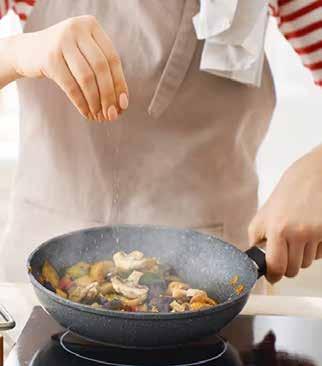
COOKING: In a world of takeouts and Swiggy, and online food delivery services bringing food onto your table in minutes, cooking may seem a rather daunting hobby. But yet, it’s one of the most rewarding and the most popular hobbies. Cooking is like a therapy to the soul… to let out one’s creativity, to experiment. If anything, cooking teaches patience, it teaches focus.
The pandemic turned everyone into a culinary expert!! Everyone seemed to be baking, trying out new extravagant recipes, spending an enormous amount of time in the kitchen. Well yes, cooking is one such hobby that takes you places; cooking makes your taste buds travel, a sense of harmony for many, a connection from within, becoming aware inside out. Cooking time can also be turned into a bonding time, bringing family members closer, getting the whole family to cook, to participate in the kitchen and what’s best… YOU GET TO EAT !!!
JOURNALING: Remember those “Dear Diary” days!… oh! What a way of connecting to oneself! Slowly dying in this digital and fast paced life, this hobby is trying hard to keep its relevance, sad but true. But, there are some who still feel writing declutters one’s mind, gives them a fresh perspective, a sense of stepping away.
Writing lets you be honest, no inhibitions, no false pretensions… just open up and be yourself. Writing for many is self-care, positive, therapeutic, idea dump, original with no filters, never being judged, showing gratitude. Journaling is not about being professional, you don’t have to be an author, it is all about being yourself, being human, being honest to oneself and communicating to self. Look inside of you… be truthful and know you can be happy, just write away!
KNITTING: An age-old, grandma’s pastime, is now in for a digital revival. A form to showcase creativity, knitting is fast gaining popularity among the young crowd. With social platforms like TikTok, YouTube, Instagram, Pinterest being flooded with self-help knitting videos, it’s just your brain that limits your creativity! It is slow, yes for a reason… it gives you a sense of control, a sense of calmness. It is a simple art that is deeply satisfying.
It is quiet, yet productive and satisfying in its own charming way. The bright and bold colour combinations used to knit, definitely seem to be reviving this silent art. Social media is helping form and connect groups of likeminded knitters across the globe , opening the window to learning, sharing, growing and belonging! Get your own pair of knitting needles and knit away your heart!
COIN COLLECTION: An educational hobby at that, Numismatics, or simply known as coin collection is all about your pursuit… how far and how behind can you go. Each coin you collect, has a story to tell, has a history to it, which emperor does it date back to, when was it made, what was its importance. You not only get exposure to different currencies, but to the timeline of when the coin was made, when it was used, a rich box of history opened. Not just historical, but one can also pick a theme… foreign, domestic, error coins, commemorative coins, animal prints, rare engravings… Each coin is unique, each moment it celebrates is special and how you get to live a part of it is your story to tell! Ancientness revived!
SINGING: One of the most ancient and universal art form; singing mostly is a personal form of hobby… you don’t have to sing for an audience, you don’t have to sound perfect, you don’t even need to know the exact lyrics… just the sound, the hum that fills your heart with happiness, the sound that relaxes you, one that transcends you into a bliss is more than enough. Singing helps form a connection, it lifts your mood, it is therapeutic in the deepest sense. Singing is beneficial not just to the soul but also to the body, the higher and the lower notes help regulate breathing, improves concentration, boosts memory, regulates blood circulation. Singing also helps in uplifting your mood, helps you discover the joy within. What food is to the stomach, singing is to the soul…Go on, sing to your heart’s content!
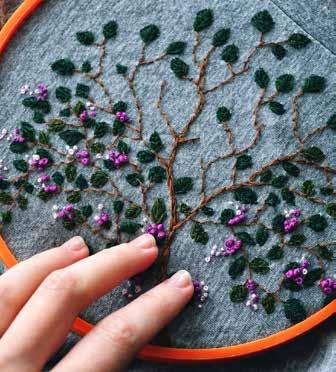
Embroidery, Pottery, dancing, gardening, philately, are some more of the popular yesteryear hobbies finding a revival. New era, new hobbies… content creation, animation, photo and video editing digitally, video games, creating and featuring in vlogs, it is all about satisfying your interests and feeling alive! Don’t look at hobbies as tasks, they are not your projects, they are just an extension of yourself, but, inward… Here are a few ways you can foster your hobbies
1. Set simple, small and realistic goals.
2. Explore and learn as much as possible.
3. Look for likeminded individuals, groups, communities and connect with them.
4. Document all of your achievements, small or big… try to complete what you start.
Cultivating a hobby is easy, but maintaining a hobby is the bigger challenge. Balancing your hobby alongside other responsibilities can be
tricky. Be responsible, be patient with yourself, but be regular and realistic. Consistency is the key, try and fit in your hobby in your daily routine. Always remember that you don’t have to be perfect, hobby is not a task, but a lifestyle choice…they are no more considered as an escape from the boredom, but a window to grow, to cherish.
Hobbies help make new friends, no matter what your age! It is something that we do because it makes us happy, not because we have to. Having a hobby is an enriching experience, it is a journey not a destination! It is not that onesize-fits-all hobbies are distinctive.
Figure out what makes you happy, what are you passionate about, the important hurdle is the START, but once you take that first step, it’s just a smooth walk from there on. Go on, follow your heart, nurture your curiosity… Fall in love with yourself again !!
Rendition of the Land
the age old narratives that spin throughout culture
Purushoth Appu
The Indian landscape is characterised by ethnic groups residing in distinct regions rather than being composed of various unions. From Kumari to Himachal, various ethnic groups have blended diverse cultures and lifestyles with one another. Despite the various names attributed to their culture, lifestyle, customs, and beliefs, it is intriguing how a central thread appears to converge at certain points across India.
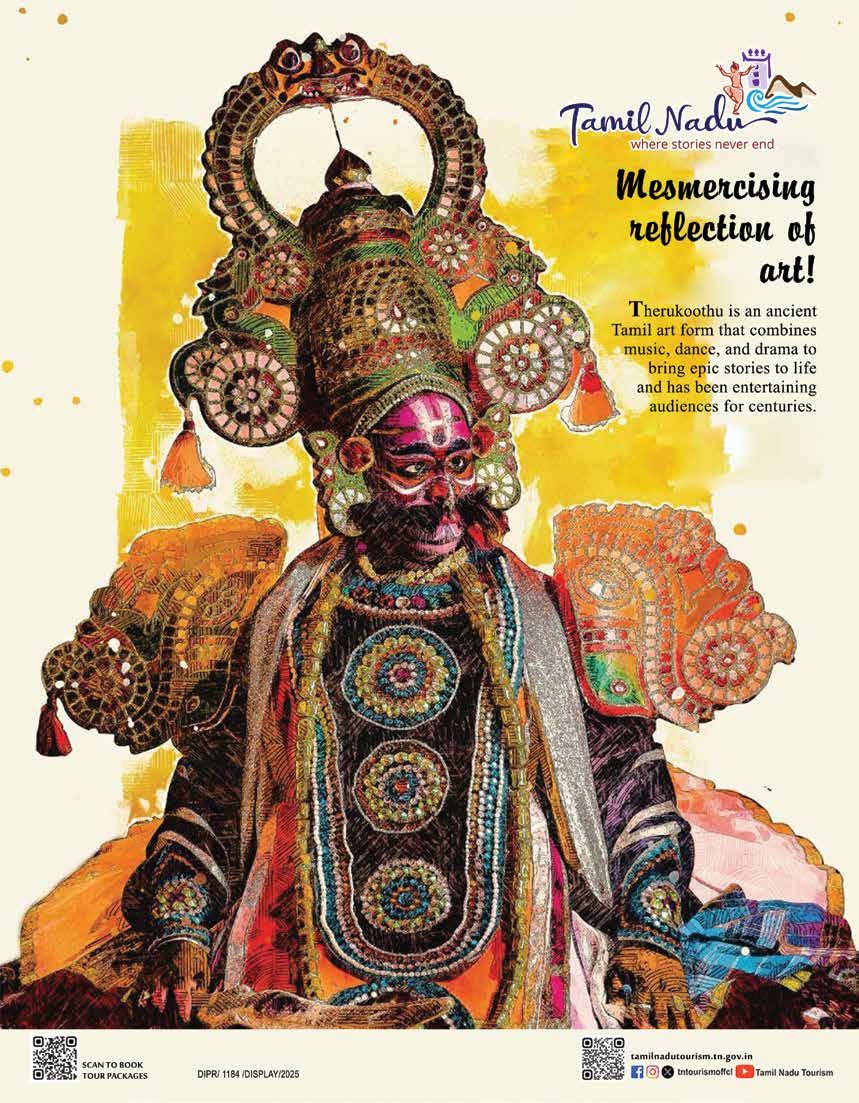
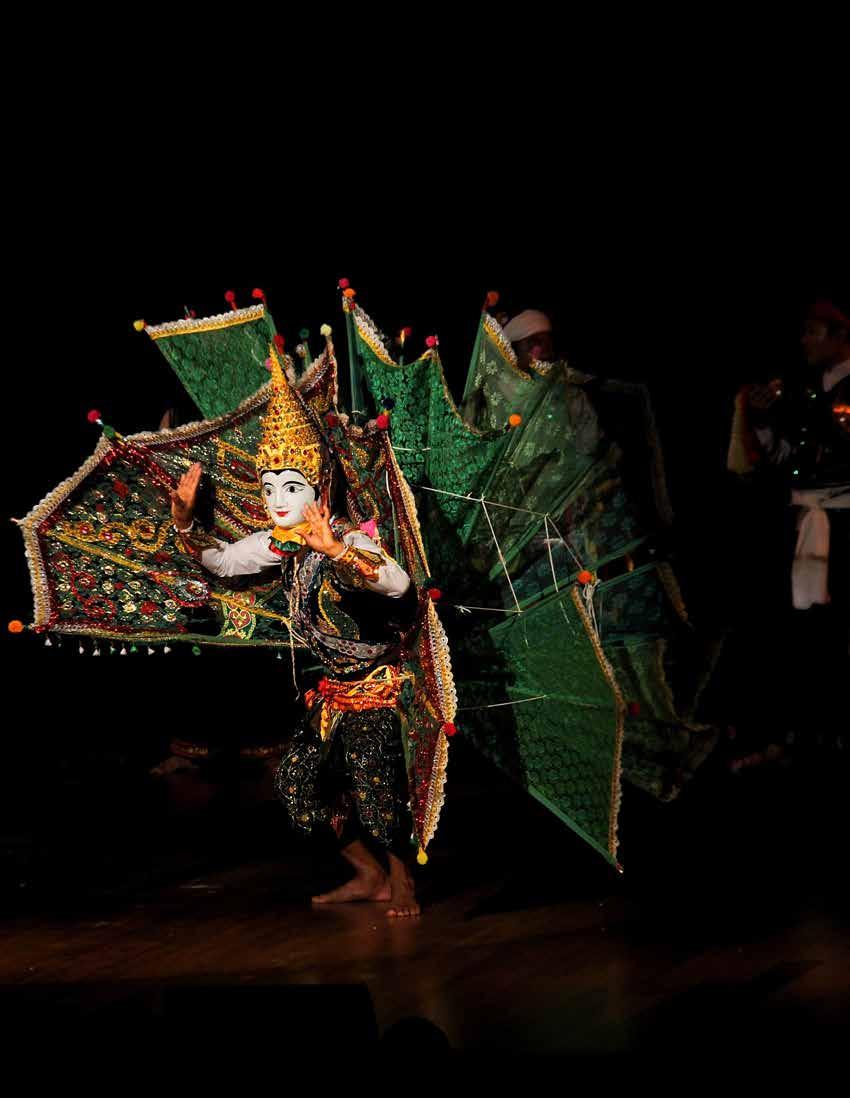
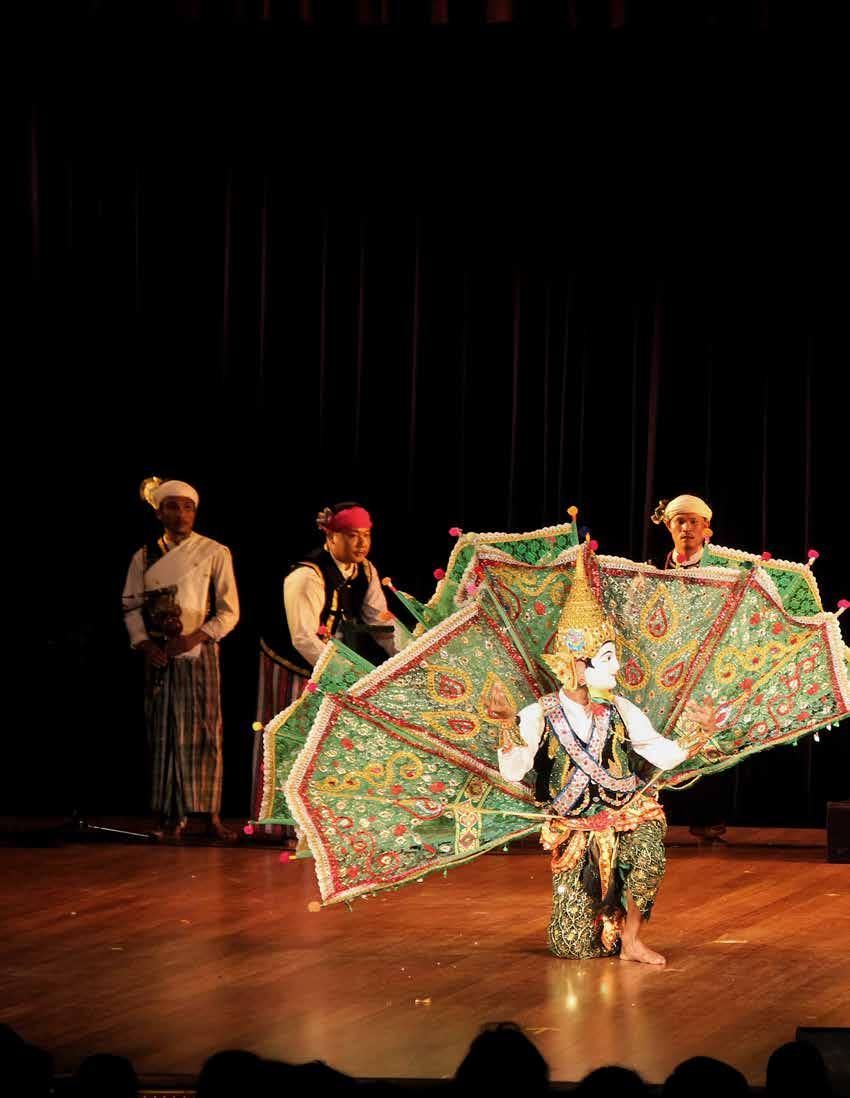
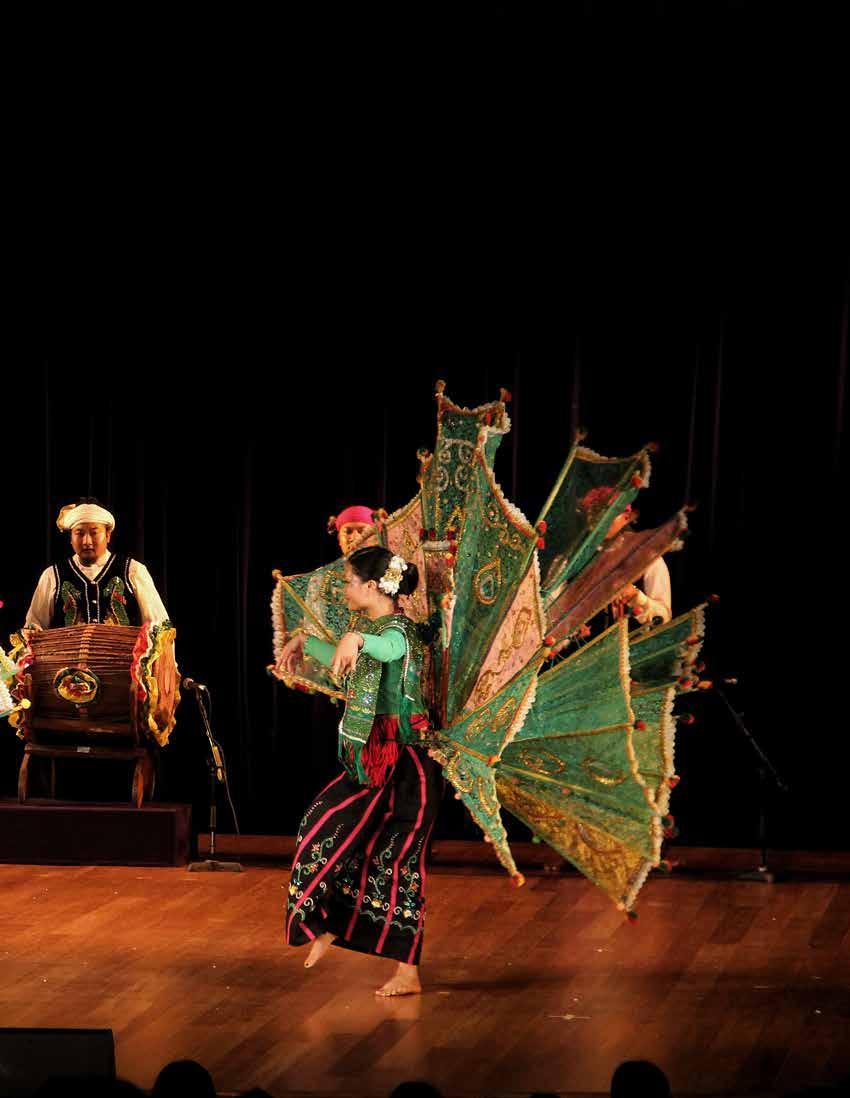
Traditional dances from the Kattakoothu period in Tamil, as well as contemporary dramas, continue to be performed across various states in India. The dances of various states in India showcase a diverse repertoire, and the dance of Arunachal Pradesh stands out with its vibrancy. The primary theatrical art of the Khamtis, "Ka Poong Thai,", also referred to as the Thai Khamti dance, is regarded as the most significant in Arunachal Pradesh. Khamti dance stands apart from many traditional forms of Arunachal dance, as it is a dance drama. At the heart of this dance, is the core of Buddhism. These dances distinctly and gracefully showcase the rich culture of the Khamti
Buddhists. Upon closer examination of these dance movements, one can observe the origins of all the traditional folk dances of the Thai Khamtis in South Asian nations such as Thailand and Myanmar. The Thai Khamti tribal dance, featuring a half-human and half-peacock body, is truly spectacular. In a similar vein, the cockfighting dance, referred to as 'Ka Kang Do Kai', showcases the rooster in multiple forms and is executed with precision. This dance, though rooted in an ancient tradition meant to please the king, continues to be enjoyed by many people today, including those from abroad. Will Arunachal deem to abandon its mythological stories? The deer dance is performed
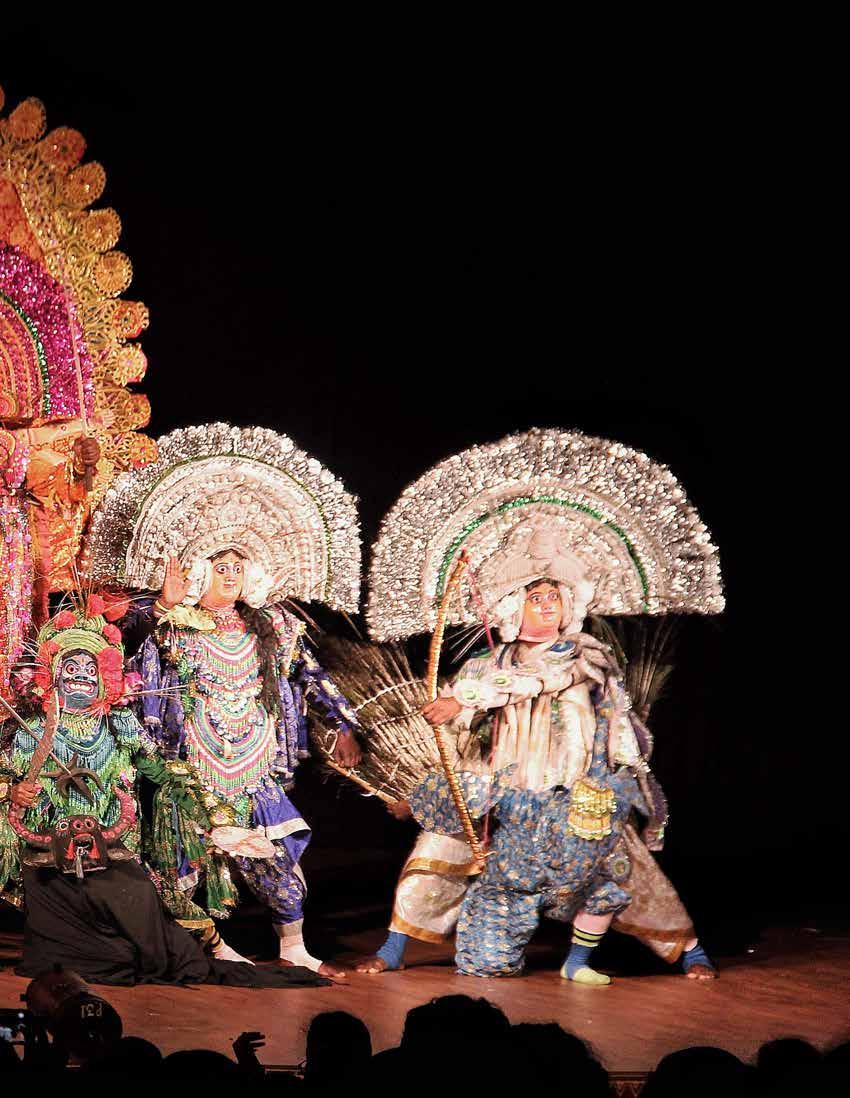
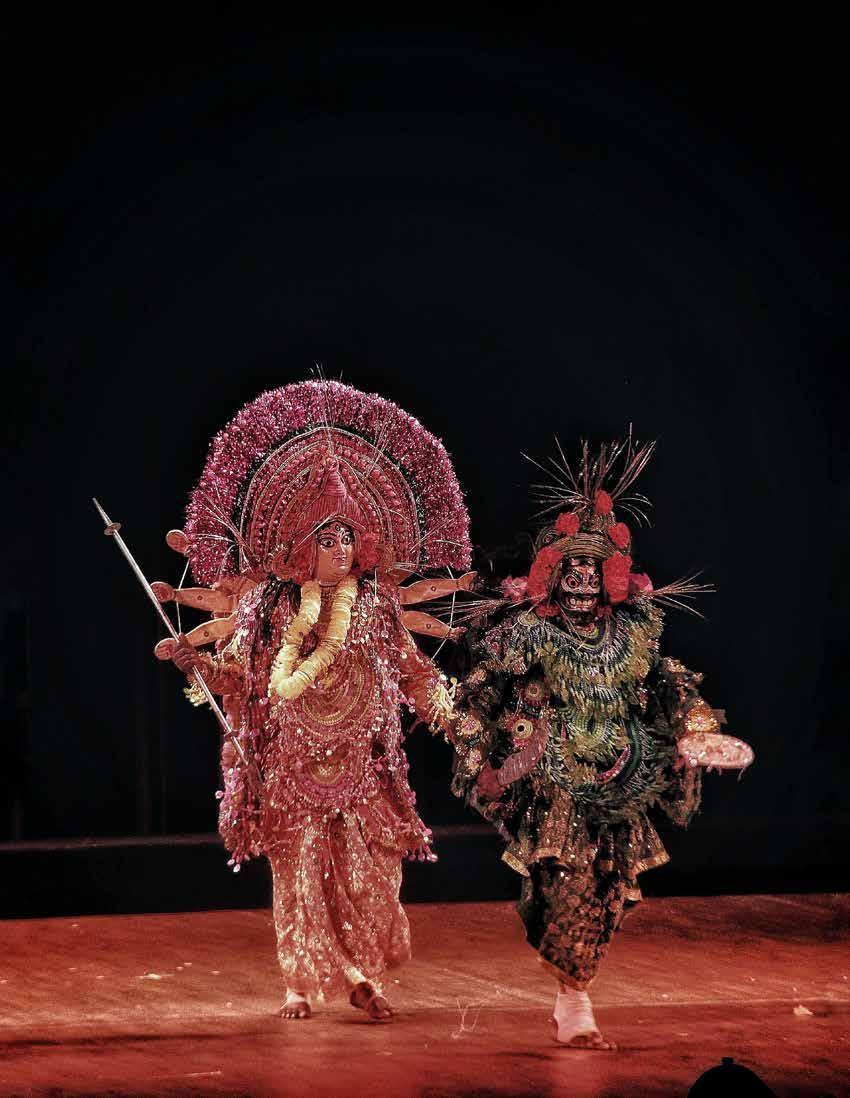
in honour of the festival of light, which celebrates the tales of spirits. The manner in which the spirits convey their appreciation for the Buddha's sermon is truly captivating to observe. The pinnacle is the ghost dance of Arunachal Pradesh. The narrative of this ghost dance in the Khamti language is captivating. This dance symbolises the Buddha's enlightenment, even as the evil spirit 'Mara' attempts to disrupt the Lord's deep meditation. The dance is quite captivating to observe. Faith-based dances of the tribal people can also be observed in West Bengal. Jharkhand, West Bengal, and Orissa showcase the Chau dance during festive seasons or celebrations. This dance, incorporating aspects of martial arts
and the folklore of tribal communities, is referred to by various names across different regions. Interestingly, while this dance is showcased in various locations, its unique characteristic lies in its ability to seamlessly incorporate religious beliefs such as Shaivism, Saktam (Shakthism), and Vaishnavism, depending on the specific region. The dance, executed by an all-male troupe of Chau dancers, incorporates elements from the Ramayana and Mahabharata. It is believed that the men wearing masks during the dance reference the folklore of their culture. In northern Orissa, the Chau dance was performed without the use of masks. This variant of Chau dance does not stem from ritual or worship. Instead, it is regarded as a
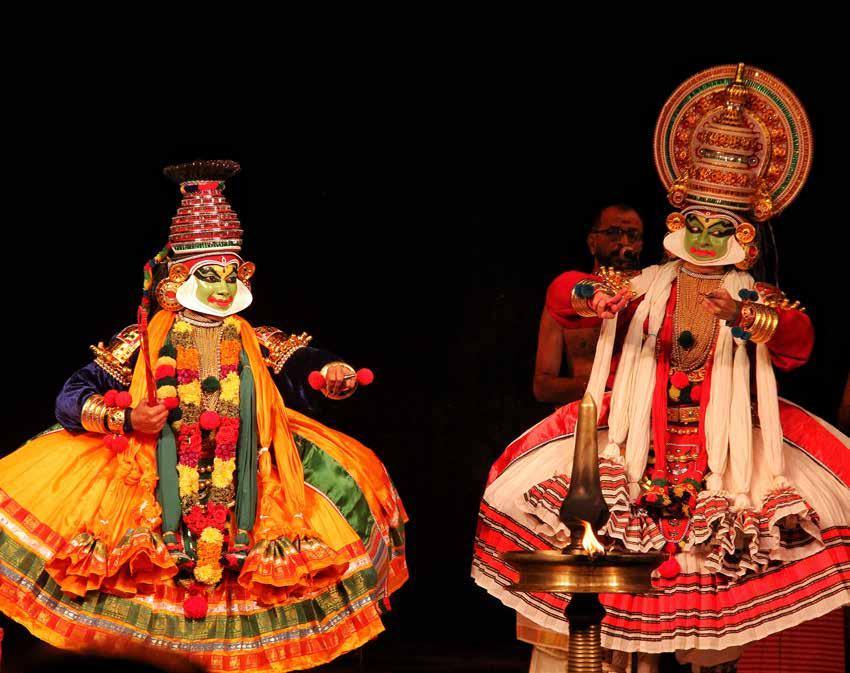
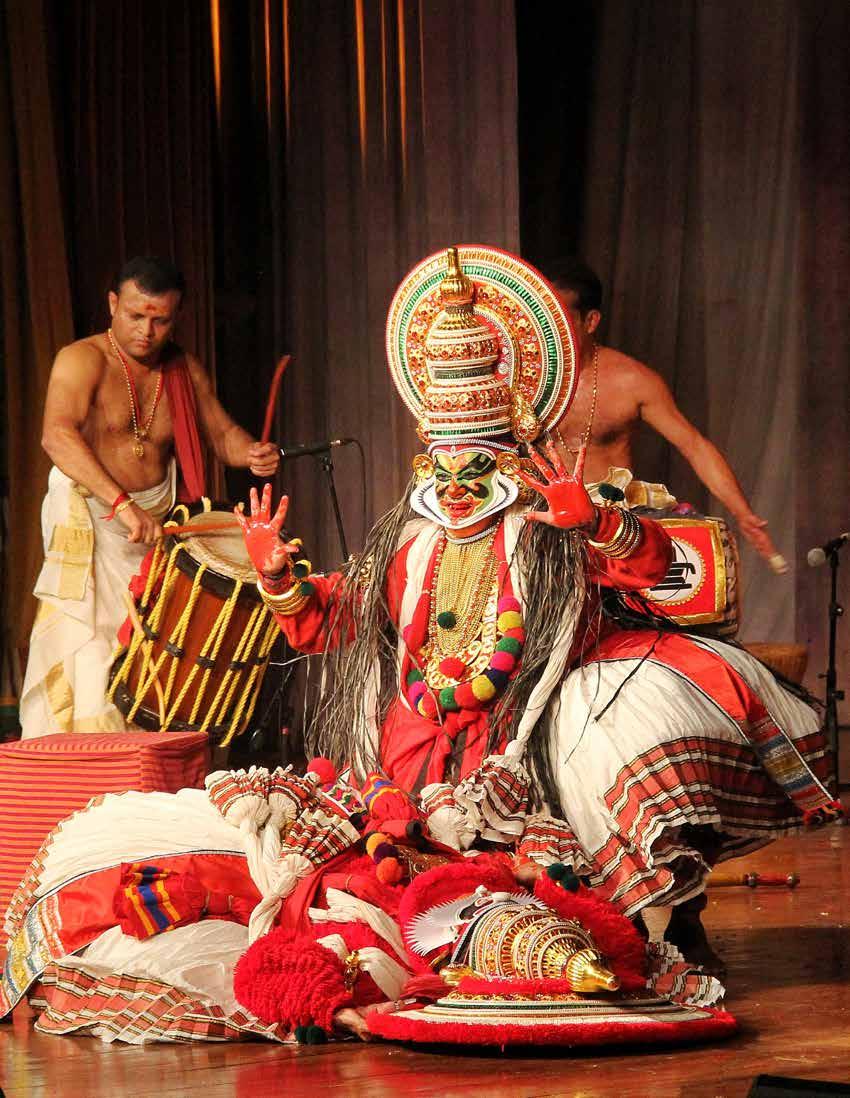
means of social festivity and enjoyment. In 2010, Chau dance was added to UNESCO's Representative List of the Intangible Cultural Heritage of Humanity. Chhau dance is traditionally performed at the conclusion of a harvest and the onset of a new planting season, with people holding the belief that it possesses a divine quality. Kathakali of Kerala enjoys immense popularity in South India, even though similar dances are performed in the northern states.
Kathakali dance captivates audiences with its profound aesthetic nuances, intricate performance techniques, and well-defined training and presentation methods. Kathakali possesses an enchanting quality, showcasing Kerala's traditional art form through delicate gestures and expressive facial movements. The traditional Kathakali of Kerala is characterised by
its distinctive aspects and music. In Malayalam, "Katha" signifies "story," and "Kali" denotes "drama." Thus, the term is referred to as 'drama' or 'the art of storytelling'. Kathakali, while originating from the Ramayana in its early days, eventually evolved into a significant performance within the royal courts. Kathakali was traditionally performed as a nighttime drama; however, it is now showcased across the country at any time of the day.
Kathakali transcends the realm of mere dance drama. It is a skill that demands exceptional coordination. A substantial team is involved, including actors, singers, percussionists, makeup artists, customers, and the director of the play. Each individual plays a crucial role in the performance of Kathakali; thus, a single mistake can disrupt the entire dance.
Kathakali has consistently been a groundbreaking art form, serving as the essence of Kerala. Dances in folk arts frequently take place through a sense of self-forgetfulness. Self-forgetfulness is a characteristic of folk culture. We will preserve these arts forever if we can convey a land's story and a deep philosophy through it. Dance is more than mere movements!
Lekhashree Natarajan
Hailing from Enoor and now based in Dubai for the past 21 years, Arjun Sasi is a true polymath of the creative industries. His journey began in 2004 as a pioneer of South Indian independent music with S5, the region’s first reality show-born pop band, where he performed alongside icons like Benny Dayal, Anaitha Nair, Suvi Suresh and Bhargavi Pillai. They started a new wave of independent music, back when there was hardly any social media or promotions
Arjun has acted in two movies : Out of Syllabus and By the People, while delivering songs like the ‘Malayalee’ album which was one of the biggest hits. One of his remarkable hits in Kerala called "Chotta Mumbai” was re-released in Kerala. He worked on the anthem "Thala" with Shankar Mahadevan in 2007. His musical legacy and camaraderie with composer Santhosh Narayanan goes way back to 21 years, whom he introduced to the field. Recent collaboration on "Nayadikal" for the movie Pani, has brought a comeback. Beyond audio, Arjun is a visual master, winning the prestigious HIPA, Kioxia Excelens, and IPPA (iPhone Photography Awards), and even receiving personal appreciation from Apple CEO Tim Cook. Today, he blends creativity with strategy as a Growth Manager at the AI marketing firm called DigiMotive Technology.
1. Tell us about your early days: what was your childhood like and how and when did you first get into music?
I grew up in Eroor, Kerala, a small, peaceful place that shaped my imagination. Music entered my life very early. By the time I was in school, I was already singing, writing small lines, and experimenting with rhythm. In the 90s, Western rock and nu-metal hit me like lightning — Linkin Park, Papa Roach, Limp Bizkit. Nobody around me really understood English rap back then, but I felt like I had finally found the language of my thoughts. Even though people didn’t relate to what I was doing, that phase gave birth to the artist in me. It made me hungry to create, even when there was no one cheering.
2. You studied Engineering. How did that technical education influence or contrast with your path as a creative artist?
Engineering gave me structure. Music gave me emotion.Technical education taught me discipline, problem-solving, and patience — three things that helped me survive the ups and downs of the creative world. I may not have pursued engineering as a career, but it definitely helped me think analytically, plan a project from scratch, and experiment fearlessly. Creativity with no structure can collapse, and engineering unknowingly became the scaffolding that held my artistic life together.
3. One of your breakthrough moments was being selected for the band S5 through SS Music’s voice hunt. What did that experience teach you, and how did it alter your ambitions?
Being selected for S5 through SS Music’s Voice Hunt in 2004 was the turning point of my life. It was the first moment I felt seen for what I truly am. It taught me, that my voice had a place in the industry; that talent needs exposure and that the right moment can change everything. It also expanded my ambitions; suddenly I could see a future in music much bigger than teenage dreams.
4. Beyond music, you’re also a photographer. What first drew you to photography, and how do you use it to express a different side of yourself?
Photography came into my life silently — during my travels, during moments of loneliness, and in the stillness between songs. It became therapy. It allowed me to observe life instead of performing in it. Landscapes, golden hour light, and tiny everyday moments make me feel grounded and alive. My photography page became a place where people could meet the calmer version of me.
With music, I express my voice.
With photography, I express my silence.
Instagram: @iarjunphotography
5. What does a typical “day in Arjun Sasi’s life” look like?
My days rarely look the same. But they usually include: Quality time with my son, Aaryan, whenever he’s with me. I work on digital campaigns and creative strategies, writing lyrics or humming melodies at random moments. I enjoy editing photos or shooting during golden hour. I like long drives, coffee, and to reflect quietly. And at least one moment in my day, I daydream about my next big project. My life is a mix of emotion, creativity, and responsibility — and I’ve learned to enjoy that combination.
6. How has fatherhood shaped your personal and professional life? And what does it mean to you?
Fatherhood changed everything. My son, Aaryan, is my anchor, my mirror, and my biggest source of joy. Being a father has made me softer yet stronger, emotional yet focused. Professionally, it gave me purpose. Personally, it gave me the courage to fight through my struggles, reinvent myself, and become someone he can be proud of. He is the reason I keep moving — as an artist and as a human being. "Be nice to people on your way up because you'll meet them on your way down,"
7. How was your experience singing for the movie Retro?
Retro was special because the song “Rocket” allowed me to revisit the fire I had in my early days. It brought me back into the studio after a long gap, and reminded me of the reason i fell for music in the first place. The team was energetic, open, and supportive, and it felt like I was reclaiming a part of myself that had been waiting patiently.
8. What has been one of the biggest challenges in your career so far — whether in music, writing, or photography and how did you overcome it?
My biggest challenge was the long gap I took from music. Life happened — work, responsibilities, emotional storms, and the need to survive. For almost a decade, music and I drifted apart. The comeback wasn’t easy. I battled doubt, fear, and the question — “Is there still space for me?” I overcame it by simply showing up again. One line, one studio session, one release at a time. The world accepted me back with love, and that has been one of the greatest blessings of my life.
9. Do you have a favorite photography project or personal photo series you’ve done? Tell us the story behind it.
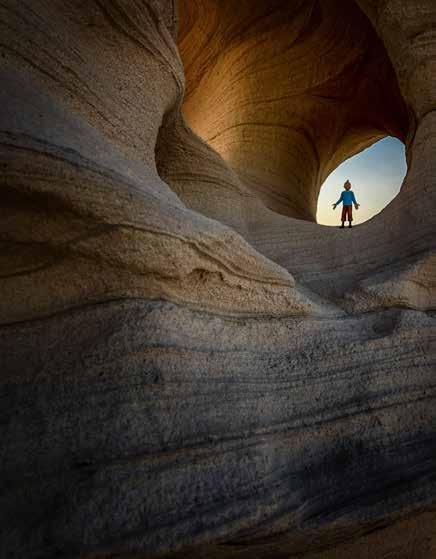
One of my favourites is the “An Entire Day” Tintin series I shot in Abu Dhabi. I used a tiny Tintin doll and a miniature beetle car and captured an entire day’s journey through dawn light at Al Wathba Fossil Rock. People loved it because it felt cinematic, nostalgic, and innocent. That project reminded me that storytelling doesn’t need a big budget — it needs imagination.
10. What is your songwriting process like — do you start with a melody, a lyric, or a concept?
I write from instinct. Sometimes a melody hits first, sometimes a word triggers a flow, and sometimes a life event becomes the whole concept. I don’t force songs — I let them come to me Most of my writing comes from real emotion. Even when I rap, it’s a conversation with myself.
11. A collaboration that challenged you the most? What did you learn?
Working with Santhosh Narayanan has always challenged me in the best way. He pushes boundaries, experiments boldly, and expects honesty in performance. Our recent collaboration for the movie Pani was emotional — not just musically, but personally, because we reunited after 18 years. He taught me to trust my artistic instincts and to be fearless with my voice.
12. What inspires you visually — are there subjects or moments you’re most drawn to while capturing? Light. Silence. Stillness.
I’m drawn to landscapes, golden hour skies, open fields, water bodies, and minimal scenes that tell quiet
stories. Nature has always been my reset button.
13. Do you have a favourite photography project or music album you’ve done?
Musically, “Nayadikal” is close to my heart because of the journey behind it, and the love it received. Photographically, my sunrise and sunset captures from Canada and Dubai remain my favourites — they mark phases of my life and healing.
14. What’s your vision for the future? Are there dream projects or goals that you’re working toward, and what legacy do you hope to build with your work?
I want to create a powerful trilingual album — English, Malayalam, and Tamil — that tells my full story: the rise, the fall, the silence, and the return.
I also want to build something bigger: A platform for independent South Asian artists, and a body of work that blends music, poetry, photography, and storytelling. My legacy, I hope, will be this: A man who never gave up on creativity, no matter what life threw at him.
15. You posted a video on Instagram about the song "Nayadikal" crossing 1 million views. How does this comeback feel after a long break?
It feels emotional. After a long gap, to return and see people embracing my voice again — that’s priceless. It reminded me that art doesn’t expire. It waits. The love for “Nayadikal” gave me the confidence to move forward again.
16. With so many creative roles (singer, rapper, lyricist, photographer), how do you balance them? Do you have a daily routine or a philosophy that helps you keep all your disciplines alive?
I don’t “balance” them — I flow between them.
Some days I wake up as a rapper. Some days I am a singer, or a lyricist, or a photographer.And some days I’m all of them at once. My only philosophy is this: never let the creative tap close. Even if I create something small each day - a line, a melody, a picture — the aura stays alive.
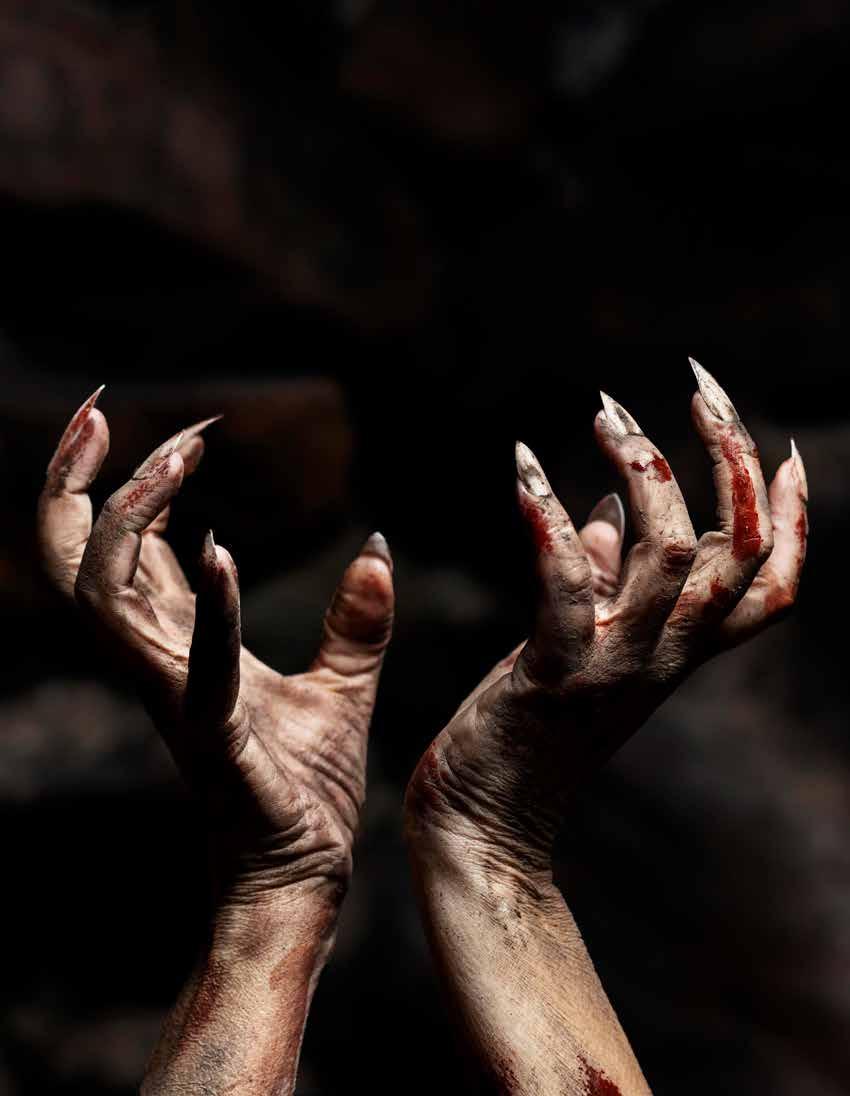
THE PSYCHOLOGY OF
WHY HALLOWEEN MAKES FEAR SO MUCH FUN
Aishwarya Abhishek Singh
Picture this: you’re on the couch with friends, popcorn in hand, watching a horror movie.
The music slows. The camera pans. Suddenly - BAM! A jump scare. Your heart leaps into your throat. You shriek, maybe spill some soda… and then? You laugh. That moment right there? That’s the curious paradox of horror. It freaks us out, but it also makes us feel good.
And Halloween is the one holiday where that thrill isn’t just accepted - it’s encouraged. So, what’s going on in our brains when we pay good money to be chased by chainsaw-wielding actors in haunted houses? Let’s pull back the cobweb curtain.
Fear: The Brain’s Alarm Clock
Fear is as old as humanity itself. Our ancestors needed it to survive saber-toothed tigers, poisonous berries, and other “no-thank-you” situations. Deep inside your brain, the amygdala works like a smoke alarm. When it senses a threat - be it a shadowy figure or a creaky floorboard - it sends your body into high alert: heart racing, muscles ready, senses sharp - preparing your body for fight or flight.
But here’s the plot twist: our brains don’t always care whether the threat is real or not. A movie monster can trigger the same surge of adrenaline
as a real predator - except you’re cozy in your blanket fort. It’s like riding a roller coaster: the danger feels real, but you know you’re strapped in. This double-layer - panic followed by relief - is what makes simulated fear addictive. It’s like a roller coaster for the mind: a temporary chaos we know won’t kill us.
Fun Fear Fact:
Studies have shown horror movies can burn between 100-200 calories an hour. That slasher flick might just be the spookiest treadmill you’ve ever tried.
Five
Reasons We Can’t Resist Horror
1. The Safe Danger Paradox
Horror is like ordering “danger” à la carte. We get the thrill without the actual risk.
2. Adrenaline Junkies Unite
That heart-pounding, sweaty-palmed rush? Some of us crave it the same way others crave roller coasters.
3. Conquering the Monster
When the credits roll and we’re still alive, it feels like we’ve defeated the villain. A little ego boost wrapped in fake blood.
4. Peeking Into the Dark Side
Horror lets us explore taboos - death, madness, monsters without needing years of therapy afterward.
5. Bonding Over Screams
Ever notice horror movies are better with friends? That shared shriek and post-scare giggle is social glue.
Halloween: Fear’s Favorite Stage
Halloween is tailor-made for horror. Its roots go back to Samhain, the Celtic festival marking the “thin time” when the dead could mingle with the living. People wore costumes not to look cute, but to fool spirits. Centuries later, it’s evolved into a night of candy, costumes, and just enough creepiness to make it thrilling. Horror and Halloween click because the holiday gives us permission to dance with our fears.
Monsters: Mirrors of Our Minds
Why do we keep dressing as vampires, zombies, or witches? Because each monster is a metaphor for something deeper:
• Ghosts: Fear of death and unfinished business
• Vampires: Forbidden desires, or the spread of disease
• Witches: Historically, fear of female power and rebellion
Basically, when we put on masks at Halloween, we’re also putting on centuries of cultural psychology.
What Horror Does to the Brain
Neuroscientists have strapped horror fans into fMRI machines, and the results are fascinating. Horror lights up three major brain areas:
• Amygdala fires up: You feel fear.
• Hippocampus chimes in: Reminds you it’s not real.
• Prefrontal Cortex: Rationalizes that the monster isn’t real.
It’s like your brain is running a horror movie and a behind-the-scenes commentary at the same time. Some people even get a dopamine reward - a “feelgood” brain chemical - after the scare. For them, horror is basically chocolate cake with a side of screaming.
Quick Brainy Bite:
Fear is contagious. If one person screams in a haunted house, the whole group jumps - even if they didn’t see what caused it.
Horror + Halloween = A Perfect Pairing
Think about it:
• Christmas = joy & lights
• Valentine’s = romance & roses
• Halloween = fear & fun
October primes us to seek out scares. Studios
release horror films, theme parks open haunted attractions, and even video games add spooky updates. Halloween isn’t just a holiday - it’s the Super Bowl of Fear.
Catharsis: Why
We Laugh at Skeletons
At its deepest level, horror is about rehearsal. By flirting with fear in safe spaces, we practice facing real-life anxieties - loss, death, uncertainty. Halloween makes this rehearsal playful. We giggle at skeletons, hand out candy to tiny grim reapers, and decorate our homes with cobwebs. It’s not denial - it’s defiance. We’re saying: We see you, fear. And tonight, we’re going to party with you.
Side-Bar: 5 Must-Watch Movies for Halloween Night
1. Halloween (1978) - The original slasher
2. The Conjuring (2013) - Ghostly perfection
3. Get Out (2017) - Horror meets social critique
4. Psycho (1960) - The shower scene that changed cinema
5. Hocus Pocus (1993) - A family-friendly spooky classic
A Dance with Darkness
Halloween is more than candy corn and fake cobwebs. It’s a night where fear becomes art, tradition, and play. Horror shows us that fear doesn’t have to paralyze us - it can thrill us, connect us, and even make us laugh. So this Halloween, when you hear a creak upstairs or see a shadow flicker in the corner, don’t just scream - enjoy it. Because in the psychology of horror, fear is more than survival. It's a celebration.
Spicy Thecha Avocado Cups
(A Festive Flavour Bomb)
Anmol Mishra
Hello there! Welcome to the heart of Indian flavour. Today, we’re talking about something truly special, a condiment with a story as bold as its taste: Thecha. Across India, almost every kitchen has two inseparable friends: garlic and chillies. They show up in daily meals, from simple lentils to flatbreads, adding heat, aroma, and life to food that might otherwise be plain. While other parts of the world use these ingredients, rarely do they appear together as staples in nearly every dish. That’s where India and Thecha stand out.
The Origins of Thecha
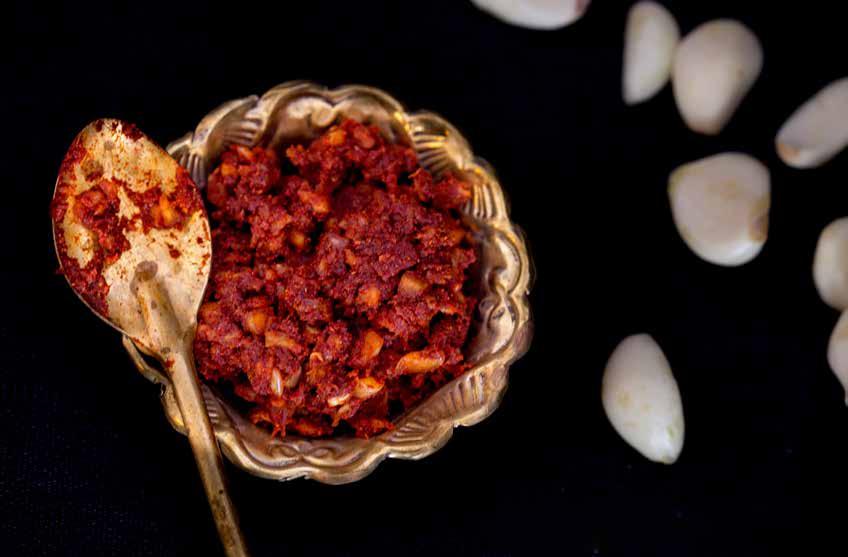
Thecha, a fiery chutney from rural Maharashtra, was born from necessity and simplicity. Villagers had only a handful of ingredients: chillies, garlic, salt, and maybe some local peanuts. With no refrigeration and long days of labour, they needed food that was flavourful, sustaining, and practical in the heat. Garlic, rich in allicin and antioxidants, helps immunity and digestion. Chillies, packed with capsaicin, added heat, boosted metabolism, and even encouraged hydration. Salt balanced and preserved the chutney, while peanuts provided richness and energy. Together, they created a powerful, coarse chutney that could turn even a plain millet flatbread (bhakri) into a complete and satisfying meal, a true example of necessity fuelling culinary creativity.
Where Does Thecha Come In?
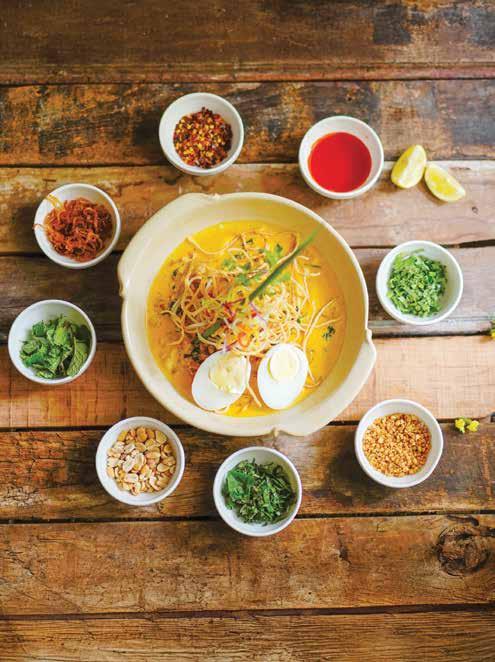
The word Thecha (pronounced they-cha) comes from the Marathi verb heñca, meaning “to pound” or “to crush.” That’s exactly how it’s made: the ingredients are lightly roasted and then pounded in a mortar and pestle, giving it that rustic, coarse texture which defines its charm.
Classic Variations
Over time, several versions emerged in Maharashtra itself:
Hirvi Mirchi cha Thecha (Green Chilli Thecha): The classic one, made with green chillies, garlic, salt, sometimes with peanuts.
Khandeshi Thecha (North Maharashtra): Known for being extra hot, often with a mix of chillies, garlic, tempered in oil.
Lasun Thecha: Made with lots of garlic; sometimes made with red chillies instead of green.
Peanut Thecha (Shengdana Thecha): Roasted peanuts add crunch and creaminess, also reducing the chilli heat.
Til Thecha: Toasted sesame seeds for a smokier, nuttier flavour.
Regional Diversity
The idea of pounding chillies and aromatics into a coarse chutney isn’t limited to Maharashtra. It’s found all over India, with each region giving it its own twist:
North & Central India: In Uttar Pradesh and Bihar, you’ll find Noan, often made into Tamatar ki Chutney with tomatoes. Madhya Pradesh makes Mirchi Chutney with green chillies, garlic, coriander, and sometimes lemon juice.
West India: Rajasthan’s Lehsun–Mirchi ki Chutney uses dry red chillies and roasted garlic for a smoky flavour. Gujarat has Marcha No Sambharo, stir-fried green chillies with mustard seeds and turmeric.
South India: Andhra and Telangana serve Pachadi with chillies, garlic, and tamarind. Tamil Nadu has Milagai Chutney with red chillies and a tempering of curry leaves and mustard seeds. Kerala makes Mulaku Chammanthi with green chillies, coconut, and shallots, eaten with rice or kanji.
East & Northeast India: Bengal and Odisha’s Lonka Bata
is a simple but punchy paste of green chillies, mustard oil, and salt, sometimes with raw onion. The Northeast takes it fiery with local chillies like bhut jolokia, crushed with salt, mustard oil, and sometimes fermented fish.
Kashmir: Chutagi is yoghurt-based, creamy, and sometimes mixed with walnuts, less fiery, but still chilli at heart.
From Maharashtra to the Northeast, the names and ingredients may change, but the love for chillies and that bold punch of flavour is what truly highlights India’s fiery food culture. Much like tea, which takes on new forms in every corner of India, Thecha too travels across states, adapting to local tastes while never losing its spirit.
Thecha with a Twist!
Okay, history lesson over! Let’s bring this traditional flavour into your modern kitchen. Festivals and parties call for something easy to grab, fun to eat, and visually impressive. Take the fiery, comforting punch of Thecha and give it a gourmet twist: we keep the rustic, coarse texture but serve it as a vibrant topping in crisp little bites. We call them the FESTIVE THECHA BOMBS!
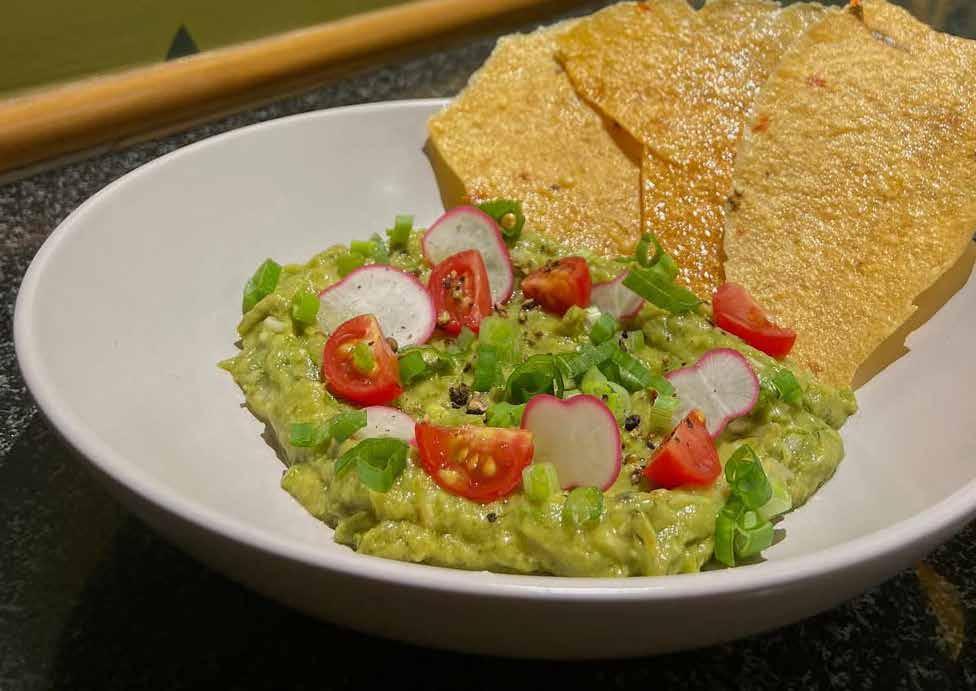
Spicy Thecha Avocado Cups: A Festive Appetizer
Ingredients:
• Leftover rotis or tortillas
• 2–3 garlic cloves
• 2–3 green chillies
• 1 tsp cumin seeds
• 2 tbsp peanuts
• 1 cup hung curd
• Salt and pepper, to taste
• 1 ripe avocado
• Corriander leaves
• Sesame seeds, for garnish
Instructions:
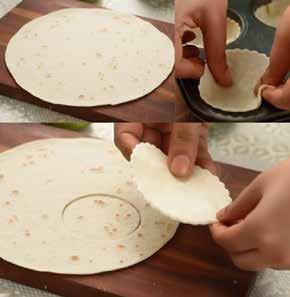
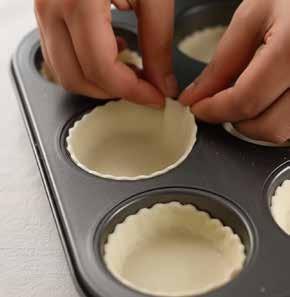
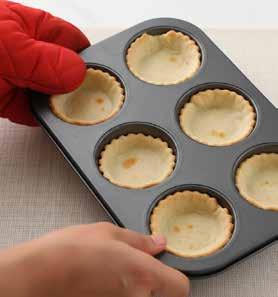
1. Prepare the cups: Cut rotis/tortillas into oval shapes, place on a baking tray to form cups, bake until crisp and golden, and cool.
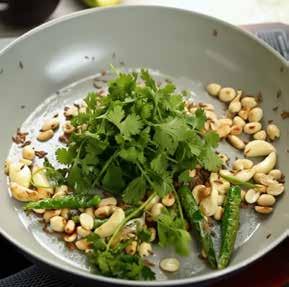
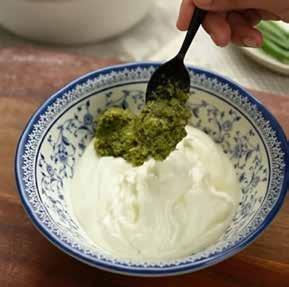
2. Make the filling: Roast garlic, chillies, cumin seeds, and peanuts with salt. Grind coarsely with coriander leaves, then mix into hung curd. Season with pepper.
3. Prepare avocado: Wash, peel, and slice into small pieces, suitable for arranging as petals.
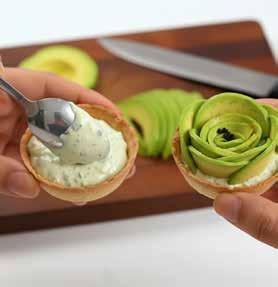
4. Assemble: Fill each cup with the Thecha-curd mixture, layer avocado slices like rose petals, and sprinkle sesame seeds over the top.
5. Serve immediately to enjoy the contrast of cool, creamy avocado with the spicy, nutty, coarse Thecha filling.
A Celebration of Flavor and Tradition
The beauty of this recipe lies in its ability to honor tradition while embracing innovation. Thecha, once a simple rustic chutney, now finds a place on festive tables, transformed into a dish that’s as visually stunning as it is delicious. Whether it’s Diwali, Christmas, or simply a family gathering, these spicy Thecha Avocado Cups are guaranteed to impress. So the next time you think of Thecha, remember: it’s more than just spice and heat. It’s history, culture, and creativity rolled into one, and with a little imagination, it can also be your next show-stopping appetizer.
Santhosini Appiah
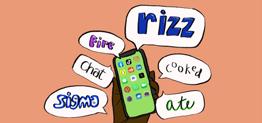
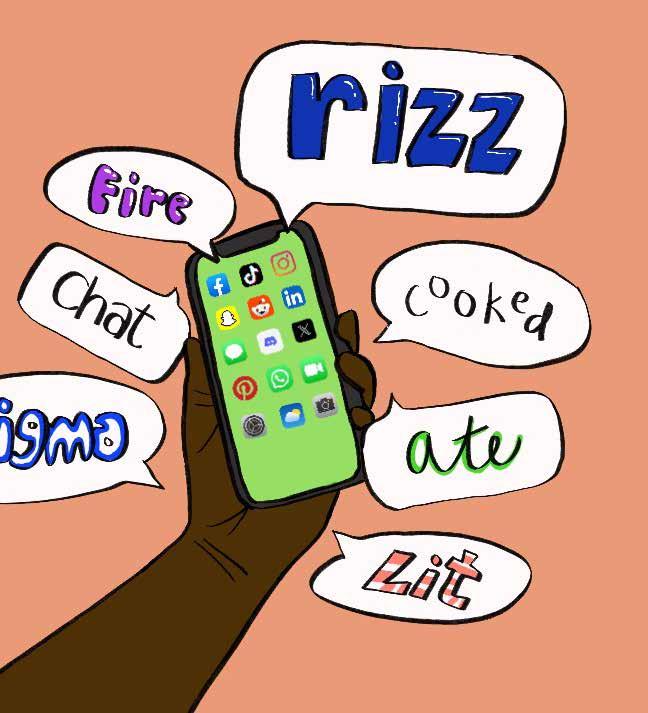
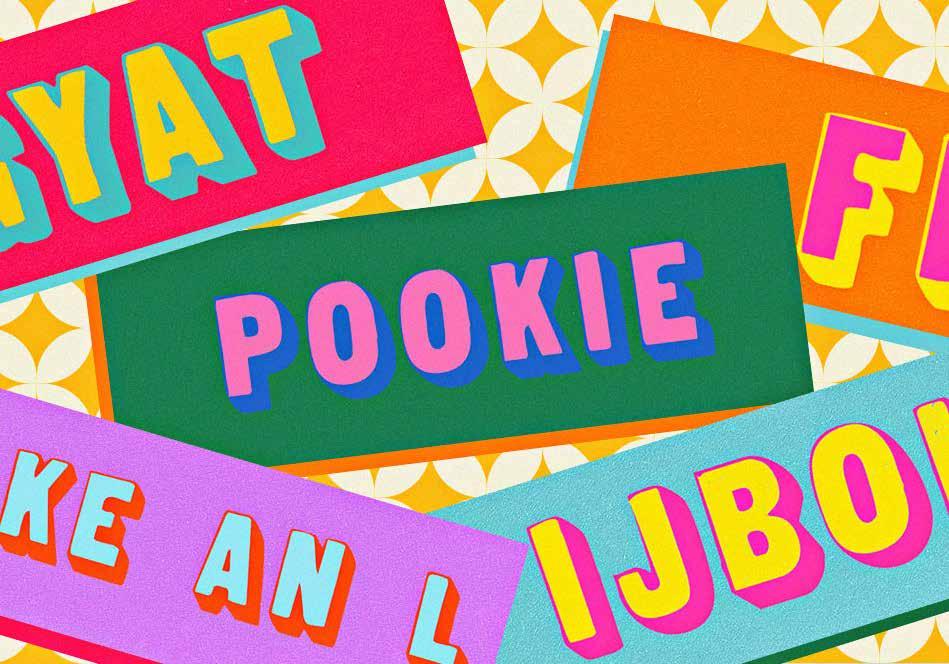
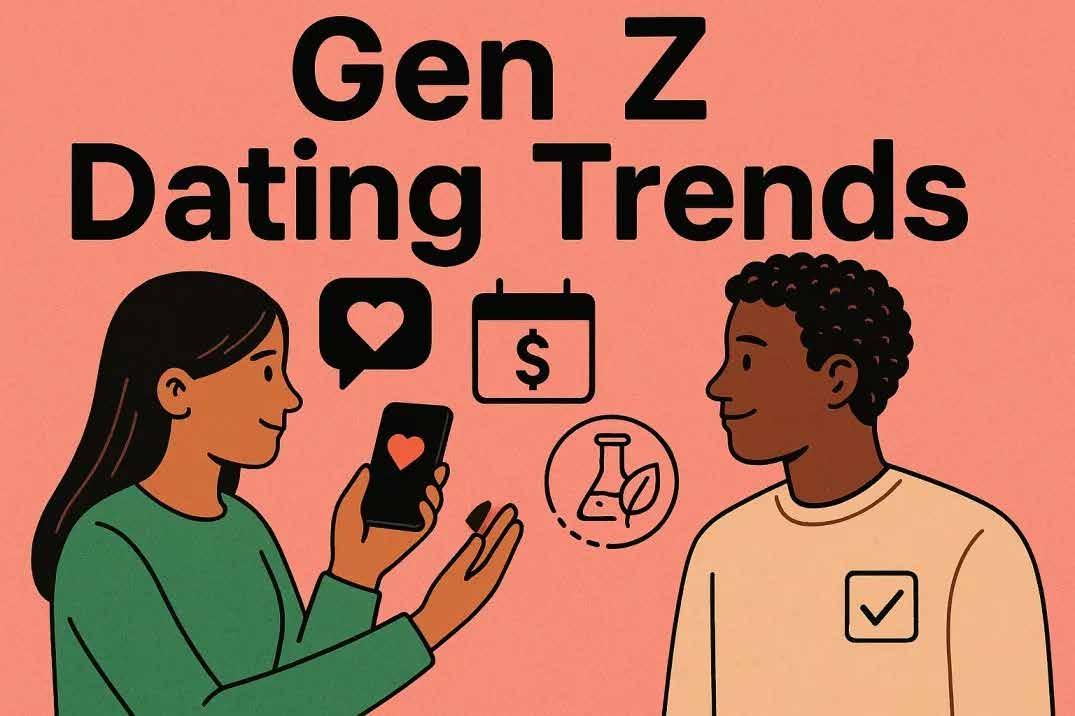
You woke up already feeling hangry and noticed your friend was acting all sus while practically ghosting you, only to find her sneaky link at your doorstep. Did you read it twice too? You can thank me later, for I am here to help you understand it. Consider this a guide to modern the dictionary to all the curious yet introverted minds! A Gen Z vocab that is predominantly trending.
Let us clear the air by mentioning that many of these new-gen slangs are not witch-crafted or entirely new; they are pre-existing old words adapted to better suit this generation. Slang continues to evolve with every generation shortening, repurposing, or modernising words. Neologisms are formed through various methods. Some words are blended to form a new word. For instance, Hungry + Angry = Hangry. Another technique is Clipping: Application becomes app. Then there comes Abbreviations; suspicious became sus. While you might be accustomed to the basics, let us level you up to the actual mind bloggers in new-gen lingo.
Relationship terms and their meaning:
Catch Feels: One of the most straight forward lingo. It means developing romantic feelings for someone, often unexpectedly or unintentionally. It usually describes the moment someone starts to feel emotionally attached or attracted to another person, especially when the relationship was initially casual or not supposed to become serious. Catching feelings can indicate the
beginning of deeper emotional involvement and a desire for a closer connection.
Micro-Mance: A popular dating term that refers to small yet meaningful romantic gestures that show care and affection without needing grand or extravagant displays. It emphasizes everyday acts of kindness and thoughtfulness.
Orbiting: A dating term describing when someone cuts off direct communication, like texting or calling, but continues to engage with the other person on social media by liking posts, viewing stories, or leaving subtle comments. This behaviour creates a lingering presence without meaningful interaction, leaving the person being orbited and confused about their intentions. Orbiting is often done out of curiosity, jealousy, or difficulty moving on after a breakup, and it can prevent emotional closure by keeping one partner emotionally "in orbit" without actual contact. Giving the person just enough attention to remind them that they still exist somewhere in their world.
Roommate Syndrome: It describes when a romantic relationship gradually shifts into more of a cohabiting or platonic friendship dynamic, where partners feel like roommates rather than lovers. The passion, romance, and emotional intimacy fade, leaving a relationship that feels comfortable but disconnected. Couples experiencing roommate syndrome often share responsibilities and daily routines but lack affectionate communication, physical intimacy, and shared emotional support.
Sneaky link: Is a slang term used to describe a secret or discreet romantic or sexual relationship between two people. It often refers to someone you meet or hook up with in private, without others knowing about the connection. These relationships are usually casual, non-committal, and kept hidden from friends, family, or social circles. Sneaky links typically avoid emotional attachment and open commitment, focusing more on privacy and secrecy.
Fexting: A term that combines "texting" and "fighting," and it refers to arguing or fighting with someone through text messages. It often involves exchanging angry, hurtful, or hostile messages, accusations, blame, or sarcasm via text instead of discussing issues face-toface. Fexting can escalate conflicts because texts lack tone, body language, and immediate feedback, leading
to misunderstandings and stronger negative emotions.
Ghosting: It is when someone abruptly ends all communication with another person without any warning or explanation. It is commonly used in the context of dating or romantic relationships but can also apply to friendships or other social connections. The "ghoster" disappears like a ghost, ceasing to respond to messages, calls, or any attempts at contact.
Zombieing: It is a dating term that describes when someone who previously ghosted you suddenly reappears in your life and tries to reconnect as if nothing happened. This can happen through random texts, social media interactions, unannounced calls, or unexpected gifts. The behaviour often leaves the other person confused and unsure about the intentions behind the sudden return.
Delusionship: It is a dating term that describes a relationship where there is a significant gap between what one person perceives and the actual reality of the relationship. It often involves idealizing or fantasizing about a partner or relationship that is mostly existing in one's imagination, with one-sided emotional investment and ignoring clear red flags. In other words, imagining a relationship that isn't officially real.
Love Bombing: Showering a new partner with intense attention, affection and gifts early on but losing interest later. This is an emotional manipulation tactic used to gain control over someone once control is established over their partner. It involves grand romantic gestures and huge declarations of love to break down emotional defences of their partner. This devolves into discard and disrespect and is often viewed as a red flag.
Affordating: It is a dating trend where couples focus on budget-friendly dating by being upfront and honest about finances. Instead of spending lavishly, partners engage in low-cost activities like cooking at home, going for walks, or attending free events while splitting expenses fairly. This approach reduces financial stress and awkwardness related to money in dating and builds genuine connections by prioritizing emotional bonding over material spending.
Love Haze: It refers to being so deeply in love or infatuated with someone that you become blind to their flaws. Overlooking red flags or negative personality traits in the early stage of a relationship and idealizing their partner despite signs of an unhealthy relationship. This intense romantic fog makes it hard to see the relationship clearly or objectively.
Breadcrumbing: It is a dating behaviour where someone gives just enough attention to keep another person interested, but without any real intention of committing to a relationship. It often involves sending flirtatious but non-committal messages or social media posts to keep someone interested.
Benching: This slang refers to keeping someone as a backup option without committing fully. The person benched receives enough attention to keep them interested yet not enough to move forward into a serious relationship.
Throning: To date someone for their social status, and popularity only. It literally means to put someone on a high pedestal or “Throne” because of their assets and flaunt them as their romantic partner.
Although some of these lingo are surprising to the millennials, these terms reflect how Gen Z has adapted relationship language to fit the realities of digital communication, shifting social norms, and evolving expectations around love and connection. Many of these words capture nuanced modern dating experiences that blend technology and emotional patterns unique to this generation.