“We have worked with CORGI over many years on both gas and electrical safety and compliance. CORGI’s services are always delivered to the highest standards right across the business and we have found their team to be highly competent technically as well as customer focussed, ensuring a valuable service is delivered.”
Dave Lindsay M&E Contracts Manager, Winchester Council
Welcome
Welcome to your 2024 Summer edition of Ignite.
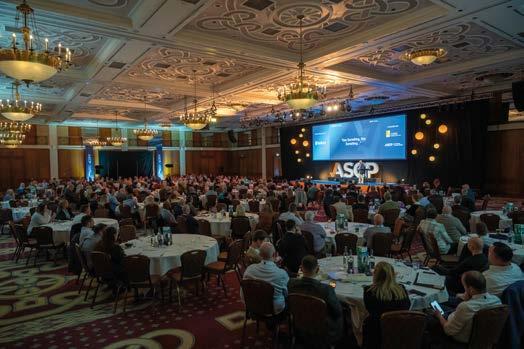
The highlight of the year for me is undoubtedly the ASCP Conference – and this year didn’t disappoint; we welcomed the most delegates ever, the majority being ASCP members. This is our opportunity to meet and learn from each other, the expert speakers and the suppliers to the sector –it’s the event when the whole sector come together with a common purpose, to keep residents safe and warm. You will find a write up of all the Conference presentations – do have a read, there are some great learnings even in these short articles. You can also read about the launch of the ASCP’s latest thought leadership piece –the Safety and Compliance Barometer, a benchmarking snapshot of the sector's current state.
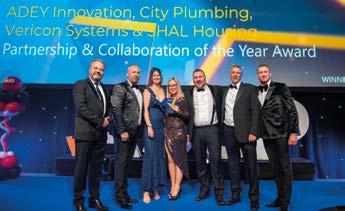
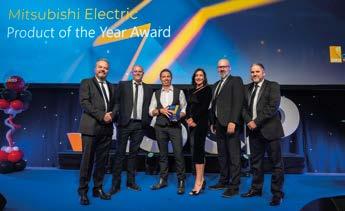
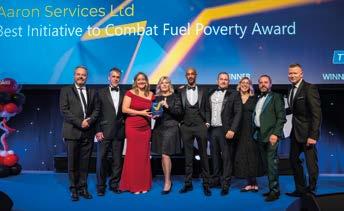
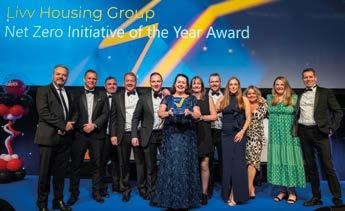
And then there was the ASCP Awards Ceremony. We received the most entries ever and the quality improves year on year; it’s heartwarming to read all the outstanding work going on in the sector. I particularly enjoyed reading the Partnership & Collaboration of the Year Award entries, after all we need to work on and solve the sector challenges – together. The whole evening had a celebratory feel with some great entertainment.
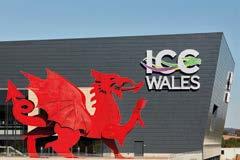
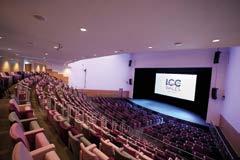
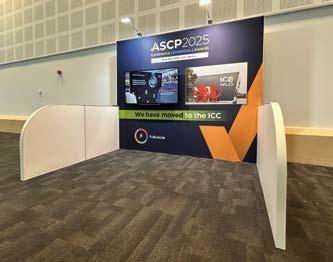
Thank you to those that attended the Conference or Awards in any capacity –as a delegate, exhibitor or sponsor. We appreciate your support, and we hope you left with more knowledge and more contacts. We will be launching the 2025 Conference and Awards shortly at the bigger and improved venue ICC Wales 14 & 15 May. This will be an amazing experience as we mix up the whole event –come and be part of it!
Looking ahead, we've got some fantastic events lined up for the second half of the year, including ASCP Live! and National Social Housing Safety & Compliance Week (NSHSCW). We'll be hitting the road with ASCP Live! in October and November at some very exciting venues. ASCP Live! is a major perk for ASCP members, but nonmembers can join in for a small fee. These events are great opportunities to enhance your technical knowledge, with plenty of chances to ask questions to the CORGI team and expert suppliers. Plus, you'll get to connect with others who share the same challenges, and maybe even feel a bit like you're reaching new heights – check out page 51 for details.
Now in its 4th year NSHSCW will take place 18-22 November. It’s a week when we encourage the sector to come together to
focus on primarily safety, which is way less tangible than compliance. As you are aware, meeting compliance laws and regulations does not guarantee the safety of residents. Make a note of the dates in your calendar; we will be continuing the theme launched last year – Together for Safety.
Don’t forget as an ASCP member – you have access to the Community Hub, this really is like being in the same room as 100s of other social housing landlords. Use it to your advantage.
If you have any thoughts, feedback or contributions you would like to provide, please email: kmarrow@corgitechnical.com
Housing Ombudsman Publishes Second ‘Learning from Severe Maladministration’ Report
In May 2024, the Housing Ombudsman published its latest ‘Learning from Severe Maladministration’ report - this highlights the huge range of failings that can come from Knowledge and Information Management (KIM) inadequacies. The cases covered include those where poor KIM impaired the response to repairs, or damp and mould.
Read more
Fire Safety Remediation in Social Housing in England: June 2024
The Regulator of Social Housing (RSH) has published its findings from the 2023-24 Quarter 4 survey on 11 metre plus buildings.
Key findings include:
Fire risk assessments have been undertaken on 98.5% of all buildings reported, increasing from 97.6% reported in the November survey.
For buildings measuring 11-18 metres in height, 97.9% have a fire risk assessment and of the buildings measuring 18 metre plus, 99.9% have a fire risk assessment.
The survey asked landlords to report buildings with LCFS defects related to EWS. Of the buildings assessed, 10.6% (1,820) were identified as being affected in their most recent assessment. This compares to 1,952 buildings reported in the previous survey (11.5% of buildings assessed). This reduction is at least in part due to remedial works being completed in some buildings and a subsequent FRA identifying no LCFS defects.
Read more
Welsh News
Building
Safety
Act 2022:
Welsh Government’s “intention to go significantly further”
In March 2024, the Welsh Minister for Climate Change, Julie James cited the upcoming Building Safety (Wales) Bill, which would see a new building safety regime in Wales covering the occupation and ongoing management of multioccupied residential buildings.
The purpose of the Welsh Building Safety Programme was to “fundamentally reform the existing building safety regime in Wales and to address fire safety issues in buildings 11 metres and over in our existing building stock”.
In comparison to the regime introduced in England through the Building Safety Act 2022, the Minister confirmed that it was the Welsh government’s “intention to go significantly further”:
Read more
Delivering Affordable Homes in Wales
The Programme for Government outlines the Welsh Government’s ambitious target of delivering 20,000 homes for an affordable social rent this Senedd term. The national development plan, Future Wales, identifies that over the period 2019-2039 around 110,000 new homes will be required in Wales. To achieve these priorities, the Cabinet Secretary intends to formalise the strategic relationship between local government and the Welsh Government.
Read more
Social Housing Decarbonisation Fund: Wave 3
In May 2024 the Department for Energy Security and Net Zero (DESNZ) released draft guidance for applications to Wave 3 of the Social Housing Decarbonisation Fund. Potential applicants are encouraged to start preparing as soon as possible. The guidance is provided in draft form to give applicants the opportunity to feedback before the finalised guidance is provided.
Read more
Complaint Handling Code Annual Submissions Form
All landlords that are members of the Housing Ombudsman Scheme must submit an online self-assessment against the Complaint Handling Code, which became statutory in April 2024. Part of the new statutory nature of the Code means that landlords are required to submit an annual submission of their performance against the Code to ensure they are compliant.
Read more
HSE Guidance on Gas Safety
The HSE publication 'A Guide to the Gas Safety (Management) Regulations 1996 (as amended)' (L80) now has updated guidance on regulations. It provides advice and explains regulatory requirements, including changes made under the Gas Safety (Management) (Amendment) Regulations 2023 which came into force on 6 April 2023.
Read more
Second Staircase Guidance Update
Updated guidance from the government will call for second staircases in all new buildings over 18 metres from 30 September 2026. Read more
Scottish News
Framework Changes Could See National Outcome Introduced for Housing
The Scottish Government is proposing to introduce a standalone National Outcome on housing. The National Outcomes, that form part of the National Performance Framework (NPF), are currently being reviewed and proposed changes have been laid in Parliament. Among the proposed changes is a new National Outcome on
housing that aims to ensure people “live in safe, high-quality and affordable homes that meet their needs”. The Outcome would underscore that secure, affordable, safe, and suitable housing is foundational to wellbeing through its impact on many other aspects of life.
Read more
Housing Coalition Disappointment at Scottish Government’s Response to Housing Emergency
A coalition of housing and anti-poverty organisations has criticised Housing Minister Paul McLennan’s statement, delivered at Holyrood in June 2024. The coalition warned that it had no confidence existing structures could deliver unless the First Minister was willing to invest political capital in changing course. A joint
statement issued by the coalition said: “It’s extremely disappointing that, despite having declared a housing emergency, the Scottish Government has made clear today that it intends to proceed with business as usual.”
Read more
New Powers to Tackle Unsafe Cladding Passed
The Housing (Cladding Remediation) (Scotland) Bill was passed in May 2024. It will allow the creation of a Cladding Assurance Register to give residents and homeowners confidence in the
Building Safety Regulator – Q&A Roundup
In a video, Andy McGrory, Policy Lead for Resident Engagement at HSE answers some of the common questions asked of the Building Safety Regulator He delivers clear and concise answers which also address a number of common misconceptions around what is required under the new Building Safety Regime.
Watch the video
assessment and remediation works undertaken on their buildings.
Read more
Tenants – New Rights to Access Information About Their Homes
The DLUHC has launched a consultation on new rules, which will allow social housing tenants to access the information they need to hold their landlords to account and drive up the quality of homes and services they provide.
Find out more
ASCP MEMBER NEWS – #togetherforsafety
Charity of Choice
Our chosen charity of choice for the foreseeable future is HACT. As the charity of the social housing sector, HACT have supported the transformation and development of housing providers for over 60 years. They believe the provision of housing is about more than just bricks and mortar – it’s about enhancing peoples’ lives. HACT drive value for residents and communities through insight led products and services which encourage innovation and foster collaboration.
During June’s ASCP Safety & Compliance Awards Ceremony, thanks to your generosity we raised an impressive £1,305.00. HACT are thrilled.
Find out more page 26
2025 New Conference Venue
Next year will see exciting changes for our annual flagship event; the ASCP Safety & Compliance Conference, Exhibition and Awards will be hosted at the ICC Wales – just a stone’s throw from Celtic Manor, Newport. This will help us to deliver a bigger, better and more varied event for both delegates and exhibitors. We’re excited and hope you are too.
Find out more page 32
ASCP Membership Referral Scheme
We are delighted to announce the launch of the ASCP member referral scheme
We’re on a mission to expand the ASCP community. Do you know someone in the sector who would benefit from what the ASCP has to offer? As members, you have the unique opportunity to help us grow and strengthen our collective voice. The scheme offers fantastic benefits for both ASCP members and for new members introduced. Find out more page 27
New Business Member
In December’s 2023 edition of Ignite we announced a new membership – Business Member. Suppliers are a critical part of the supply chain in the sector. The sector can only improve safety for residents with the right products, services and knowledge; innovation is central to the mix. We are therefore delighted to welcome Worcester Bosch as a Business Member to help strengthen our community - an established and respected supplier to the sector.
The ASCP 5 Business Members are:
Aico
Dimplex
Hispec
Hydro Chute
Worcester Bosch
Find out more and engage with Business Members in the ‘Services’ section of the ASCP Community Hub – ask for advice, opinions and tap into their vast expertise.
ASCP Community Hub
Make the most of your membership and hop onto the Community Hub – it’s the place to meet, engage and collaborate with other members.
All sorts of questions are being asked and answered from advice being sought re a HHSRS (Housing Health and Safety Rating System) including damp and mould role to insights and benchmark practices being requested regarding the testing frequency of BS5839 Part 6 smoke alarms. From requesting information regarding out of hours/weekend failures on fire panels in larger and more complex buildings to questions around domestic water risk assessments. Plus, it’s also the place to stay up to date on sector news and updates.
Don’t miss out on this key member benefit. If you are having problems accessing the Community drop us a note: members@theascp.co.uk
Are You Ready? National Social Housing Safety & Compliance Week (NSHSCW) is Coming!
After a very successful 2023 NSHSCW we are delighted to share the 2024 date –18-22 November.
We will be continuing the 2023 theme of ‘Together for Safety’ during the Week. Once again you can expect quality online events, assets for you to share to promote your support and involvement and opportunities to network – all with the aim of improving safety for residents.
Now in its 4th year, the campaign is dedicated to shining a spotlight on safety and compliance at an operational, strategic, and cultural level. It also supports Dame Judith Hackitt’s calls for the sector to act faster and address safety cultural issues. And with the Social Housing (Regulation) Act and the Building Safety Act we believe that the Week has a role in helping to redefine the standards of social housing in the UK.
Get involved.
Full details will be shared shortly: www.safetyandcomplianceweek.co.uk
Launch of the ASCP Safety and Compliance Barometer
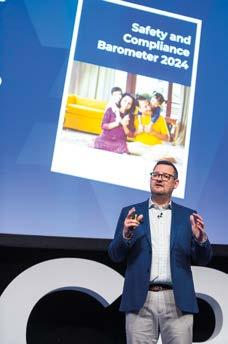
At the 2024 ASCP Conference we were delighted to reveal the initial results of the new ‘ASCP Safety and Compliance Barometer’. This focused assessment seeks to illuminate the realities and challenges faced by the social housing sector in complying with the latest legislation and safety practices.
As we continue to reflect on the high-profile incidents and ensuing investigations of the last seven years, the urgency of ensuring safety and compliance in social housing has never been more apparent. Nor indeed have the challenges involved in responding to the subsequent 'once in a generation' transformation of the legislative landscape.
Our comprehensive ‘Safety and Compliance Barometer 2024’ survey seeks to capture a snapshot of this pivotal moment in the social housing sector and to set a benchmark for comparison in future years.
This was the focus of ASCP CEO Matt Sharp’s presentation at June’s Conference. Members can download the 2024 survey results in the Community Hub.
Find out more page 11
ASCP New Appointment
Alex Noble joined us in September 2023 as Head of Learning and Technology. His role is to expand the capability of the ACSP technology both in-house and externally to deliver an improved experience for both members and learners. Testament to this, Alex spearheaded the development and launch of the new ASCP Bitesize Learning,
Find out more page 41
Autumn ASCP Live!
Autumn will be upon us sooner than we think and that means – we’ll be on the road with ASCP Live! These events are jam-packed with technical content, discussion and debate and the perfect opportunity to meet other social housing providers. The Spring events were well attended, with fantastic feedback.
Find out more page 51
New ASCP Members
We are delighted that 16 new members have joined the ASCP during the first half of 2024. Meet them in the ASCP Community Hub. We are undoubtedly stronger together.
ASCP Bitesize Learning
At June’s Conference, we had fantastic feedback for the latest addition to the Learning Hub –ASCP Bitesize Learning. This learning equips your whole organisation with the basic information needed in the key safety and compliance areas, helping to keep your residents safe and warm. Learn swiftly – anywhere, anytime.
Find out more page 9 in Housing & Communities LEARNING HUB
Curb Property Management
Tai Calon Community Housing
Reading Borough Council
Loreburn Housing Association Ltd
Sovini Property Services
East Devon District Council
Pinnacle Group
Hewer Facilities Management Ltd
Hafod Housing Association Ltd
ClwydAlyn Housing North Wales
Rykneld Homes Ltd
NG Homes
Rhondda Housing Association Ltd
Sheffield City Council
Auckland Home Solutions
Longhurst Group Ltd
Why not make contact with these new members in the ASCP Community Hub?
Designed for everyone in social housing, Bitesize Learning helps to meet the government’s call for professionalisation of the sector.
This training equips your whole organisation with the basic information needed in the key safety areas, helping to keep your residents safe and warm, plus they help to build the foundations of a great safety culture. The courses are applicable to everyonefrom housing officers and customer service to accounts, marketing, procurement, operations, and everyone in between.
Crafted by CORGI
Courses have been carefully crafted by CORGI Technical Services experts. The topics that are important to social landlords, the government and residents are all covered:
Gas Safety Awareness in Housing
Learn the fundamentals of gas safety. Find out more about the properties of gas, its potential hazards, and the steps which should be taken to ensure residents, colleagues and communities are kept safe
Electrical Safety Awareness in Housing
The ideal introduction to electrical safety. Gain an understanding of the basic principles of electricity, learn how to recognise potential dangers and understand the responsibilities we all have in keeping residents, ourselves and our colleagues safe
Fire Safety Awareness in Housing
Essential fire safety awareness tailored for all those involved in the housing and communities sector. Equips you with the knowledge needed to recognise potential hazards, prevent fires from occurring and to respond effectively in emergency situations
Legionella Awareness in Housing
Delve into the essentials of water hygiene with this Bitesize course. Learn about Legionella – what it is, how it thrives in water systems and how to prevent transmission to maintain safe, healthy environments within homes
Asbestos Awareness in Housing
Equip yourself with essential asbestos knowledge - What is asbestos, what risks does it pose and how can we protect ourselves and others from these risks?
Lifting Equipment Awareness in Housing
Discover the key principles of lift and lifting equipment safety in social housing. This course provides an introduction to lift systems, potential hazards, regulatory requirements and proper maintenance - helping to keep your organisation compliant and your residents and personnel safe
Damp and Mould Awareness in Housing
Tackling damp and mould is a key priority for the housing sector. Build awareness of this highly topical issue with this introductory course, and learn about the essentials of identifying, preventing and managing damp and mould effectively
Additional courses will added to the suite on an ongoing basis.
Matt Sharp, CEO commented, ‘We are dedicated to supporting the continuous development of the sector by offering Bitesize Learning, an efficient and comprehensive solution suitable for everyone in your organisation. Our expertly crafted courses ensure that your team can learn at their own pace, anywhere and anytime, while earning ASCP CPD certification. This initiative underscores our commitment to enhancing resident safety and helping you to uphold your reputation for excellence in housing.’
Great Learning, Great Platform
Easily Share and Distribute: Send Bitesize training tokens to your colleagues to redeem, no user admin required
Monitor Learner Progress: Use our reporting tools to monitor uptake and redemption of course materials
Expert Knowledge: Safety and Compliance is our passion, these courses will help to raise awareness and increase the level of knowledge within your team or organisation
Flexible: Courses are designed to be responsive; they can be completed anywhere on any device
ASCP Bitesize Learning is easily purchased and distributed via the Learning Hub. No more setting up and managing accounts; select the courses you want to assign, enter an email and send the Learning to the recipient.
Buying the whole suite saves you money. ASCP members benefit for preferential pricing.
Scan the QR code to find out more.
ASCP Safety and Compliance Conference Summary
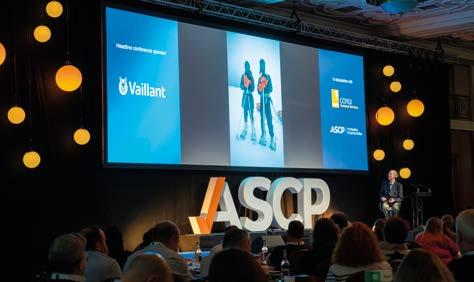
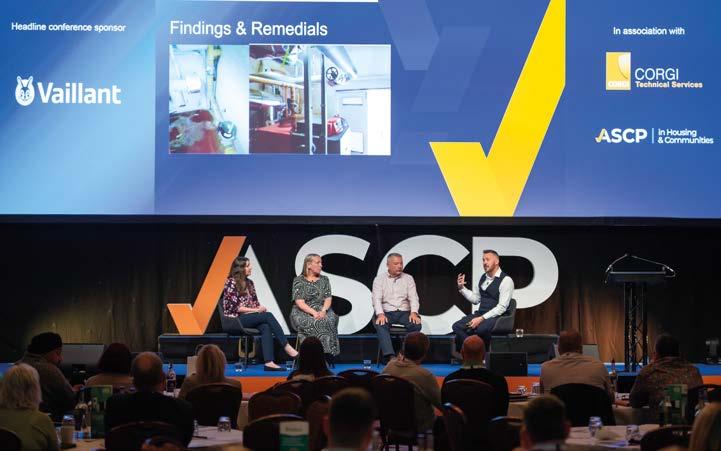
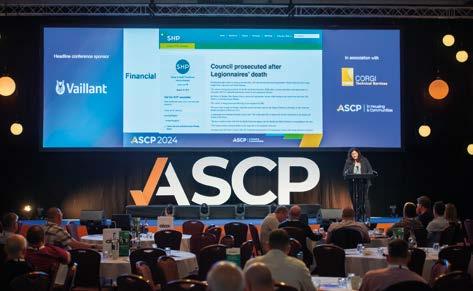
The ASCP Safety and Compliance Conference 2024 took place from June 11th to 13th at the stunning Celtic Manor Resort in Newport.
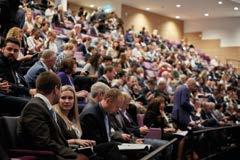
Every year we set out to break our own records, and this year was no exception – our biggest and best ever event with more delegates and organisations in attendance than ever before. We know our guests come to be informed, inspired and entertained and as the only event dedicated exclusively to safety and compliance professionals in the social housing and facilities management sectors, we made sure that happened!
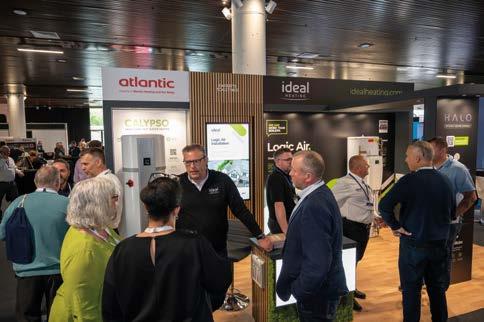
As ever, the Exhibition Hall was bustling with suppliers showcasing the latest and most relevant products and services for the sector. We also hosted our annual Safety and Compliance Awards Ceremony on Wednesday evening – a true highlight of the industry calendar. This year’s event was no exception, featuring fine dining, stand-up comedy, live music, and a captivating performance from Johns’ Boys male voice Welsh choir - all providing a fitting backdrop as we celebrated the outstanding work going on in our sector.
And of course, the speaker program was packed with engaging, informative and thought-provoking content - in total 29 presenters/contributors shared with us their technical knowledge, insights and wisdom. Amongst the topics covered were gas, electrical and fire safety, legionella, asbestos, damp and mould, building safety, decarbonisation, resident engagement and safety leadership. We also had not just one but two showstealing keynote speakers. Read our summary of the presentations to find out more.
President’s Address
Claire Heyes, President – ASCP Group
As Day 2 of the ASCP conference began, Claire Heyes, President of the ASCP, celebrated the rich learning opportunities and insights the event offers each year. “Gathering here to be engaged, informed, and inspired is undoubtedly the highlight of my year,” she told delegates, adding that, “this conference is a key opportunity for our sector to forge connections, strengthen our community, and collaboratively rethink the challenges we face.”
Addressing these challenges, Claire reflected on the current political climate and the upcoming General Election. “We are navigating a swiftly changing legislative landscape, grappling with underfunding, the cost-of-living crisis, an escalating mental health crisis, homelessness, and a severe housing shortage—just a few of the pressing issues at hand,” she noted. It is evident that the Social Housing sector is encountering unprecedented difficulties. Indeed, the scale of the challenge was recently illustrated by ‘A Relationship of Equals’, the recent Spotlight Report from the Housing Ombudsman which called for a Royal Commission to ‘re-establish housing policy as a health intervention’.
Despite the above, Claire remains optimistic. “The individuals in this room, along with those in the exhibition hall, are our greatest asset. With our collective knowledge and shared commitment to learning and improvement, we have the potential to transform perspectives and shine a light on the issues that matter to us and those we serve,” she asserted.
Claire also celebrated several ASCP initiatives from the past year. She highlighted the ongoing development of the Community Hub and the successful launch of the Together for Safety movement during National Social Housing Safety and Compliance Week, which will return on 18th November 2024. Additionally, she commended the introduction of the Safety and Compliance Barometer and the publication of the White Paper, Gaining Access for Safety Checks in Social Housing. Claire was also pleased to announce a new membership referral scheme designed to expand the ASCP community still further.
Overall, Claire's address set an inspiring tone for the conference, emphasising the sector's resilience and the power of collaboration in driving positive change
The Safety and Compliance Barometer 2024
Matt Sharp, CEO – ASCP Group
Welcoming attendees to the 2024 event, Matt noted that those present in the conference room represented over two-thirds of the UK's housing stock. Expressing his pride in the movement's growth, Matt reiterated that the ASCP is founded on community and collaboration, with the vision that everyone deserves to live in a safe, warm home—a vision he referred to as his ‘guiding star’.
So how do we achieve this vision? Matt passionately believes that we can only do so by coming together to collectively tackle and overcome the various challenges facing the sector. This is what led the ASCP to launch the ‘Together for Safety’ movement last Autumn, reflecting Matt’s belief that by making the right connections, and combining our collective skills, knowledge and experience we can overcome any challenge.
Matt also took this opportunity to introduce the Safety and Compliance Barometer, the ASCP’s latest thought leadership piece. Based on a comprehensive sector assessment and member survey,
the Barometer provides a benchmarking snapshot of the sector's current state and Matt also hopes it will serve as another tool in our repertoire to amplify our collective voice.
One aim of the Barometer is to highlight the biggest challenges ASCP members have told us they are facing. It’s no surprise of course that access issues loomed large, as did limited budgets, stretched resources and a lack of available skilled workers. To address these issues, Matt stressed the need for collaboration, increased education and support, investment, and regulatory backing. On a positive note, the survey indicated some good progress across the sector in compliance with the requirements of the Building Safety Act and Social Housing Regulation Act. Matt cautioned, however, against relying solely on ‘green dashboards’ and advocated for moving beyond compliance to a more holistic approach.
The Safety and Compliance Barometer is available for download from the ASCP Community Hub.
Case Study: How Insufficient Asbestos Compliance Can Affect an Entire Organisation
Emma Willey, Founding Director – ACS Risk Group
Always a popular and dynamic presenter, Emma returned to the ASCP Conference this year with a look at the impact that insufficient asbestos compliance can have across an entire organisation. With over thirty years’ experience working in asbestos risk management, Emma has experienced many such examples.
One of the main difficulties in putting together a meaningful presentation for the case study was due to the many confidentiality agreements Emma has signed meaning that anecdotal stories can be related but actual facts, figures and examples are much harder to share. From her real experiences, Emma outlined the many potential consequences to noncompliance, including legal, reputational and financial. There are very real cases where HSE and then Regulator intervention has resulted in entire executive board and senior management teams being replaced by interim executive teams.
Following one such notifiable event (reportable under RIDDOR) Emma’s organisation ACS Risk Group were called in to take a look at the asbestos policy. “It’s important to note that the policy was actually fine,” says Emma, “but the actions and evidence were not! The written policy was in place but was not being followed by staff and there was no evidence at all of inductions, training or audits of processes and procedures outlined in the policies.” Investigation from the HSE resulted in the housing association being served a statutory improvement notice.
Throughout the UK this year there will be around 5,000 deaths from asbestos related diseases. These figures make asbestos the biggest industrial killer that the U.K. has seen. Clearly this illustrates the importance for safe working procedures, with the potential for very serious damage to employee and public health.
The good news is, according to Emma, that every single person in the room had the potential to be a superhero! “You all have the ability and potential to save lives,” Emma told attendees, “but, to be a superhero you’ll need a cape – cover your back by providing evidence of what you are doing. Provide evidence of your working practices and procedures!”
When it comes to asbestos, that cape means understanding your responsibilities, having an asbestos management plan and the correct policies and procedures in place and, crucially, ensuring that you have the evidence that these are being used and followed correctly.
DSEAR – Are You Missing a Key Part of Compliance?
Knowing, and fulfilling, obligations under the Dangerous Substances and Explosive Atmospheres Regulations 2002 (DSEAR) is a key part of the role for any building manager or duty holder.
It is important to note that DSEAR is not limited to industrial or commercial settings; employers and social housing providers also have responsibilities. As expert risk assessors in this area, CORGI Technical Services have extensive experience supporting compliance and keeping residents and employees safe. Below, CORGI’s Joe Beesley talks us through some of the most common issues encountered in the field.
1. Created Confinement or Congestion
Would a gas escape disperse over time?
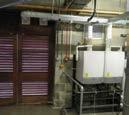
Poor design can lead to confinement – when the installation is too close to three or more surfaces such as walls or large plant and equipment items.
Congestion includes situations with many smaller surfaces (e.g. equipment, other pipework and services) preventing adequate airflow around leakage points.
If gas were to escape in a confined or congested area, it would not be able to disperse and would instead build up, potentially creating an explosive atmosphere.
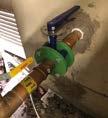
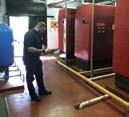
2. Incorrect valves
At any point of entry in a non-domestic setting there should be an Emergency Control Valve (ECV). Only certain types of valves can be used as an ECV, the one
pictured (ECV) cannot be. “This is something we come across often in the field, it’s really important to check if the valves you are using are compliant and fit for purpose” says Joe.
3. Unsuitable ventilation
Most gas engineers will be looking to ensure that an installation has enough free area around it to supply enough air for combustion. This does not necessarily mean, however, that the ventilation is sufficient for DSEAR purposes. Issues can be overlooked due to insufficient awareness of DSEAR requirements.
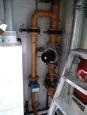
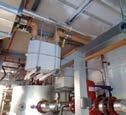
4. Pipe work located contrary to IGEM/UP/16 requirements
The installation pictured does not meet industry requirements for DSEAR. The highest ventilation should be within the upper 15% of the room space. If gas were to escape from the pipe pictured here, it would rise and gather creating a dangerous atmosphere without sufficient ventilation.
5. Inadequate inspection regimes
“Some of the factors CORGI will be looking at during an assessment are; controls at point of installation, is it installed correctly by competent engineers and can this be evidenced with records?” explains Joe. “We then look at ongoing controls, organisations need to consider what they are doing to maintain the system, and whether it is being inspected and tested frequently. The type, context and location of the installation will determine what ongoing controls are needed – for example is it in an occupied space or one which is rarely visited?
6. Missing or incorrect zone classification
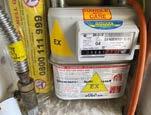
The environment in which an installation is located is what determines whether a DSEAR assessment is required. A domesticsized meter, as pictured, in a non-domestic environment will need an assessment. The gas supplier is responsible for ensuring the gas meter installation is appropriately classified according to DSEAR, and that an appropriate system design verification notice (SDVN) is fixed adjacent to the meter(s). The SDVN should also detail the extent to which a zone will extend. There is also a joint responsibility - the building owner should incorporate the supplier’s risk assessment into their own records and apply the safe systems required for the area.
When carrying out DSEAR assessments, the CORGI team have often found that the SDVN is not available, or contains insufficient or even inaccurate information.
What to do next:
Whether you’re managing a workplace, social housing, or a commercial site, safety should never be compromised. Work with qualified, competent assessors to help you identify any issues and ensure that risks are being managed appropriately. Find out more in CORGI’s essential guide “An Ultimate Guide for the Management of DSEAR” – your go-to resource for understanding your obligations under DSEAR.
Contact enquiries@corgitechnical.com for more information about our DSEAR services.
Think Your Multi Occupancy Buildings are Gas Compliant?
Are you confident that your multi-occupancy buildings are compliant with IGEM/G5 ‘Gas infrastructure to and within multi occupancy properties including high risk buildings’? This standard, was the focus of Trevor’s eyeopening presentation in which he shared examples of common issues encountered by the CORGI team. Trevor highlighted the importance of the following areas:
Scope: It is important to note that whilst IGEM/G5 includes high risk buildings, it is not limited to them. The standard covers gas installations to and within multi-occupancy buildings and the individual dwellings and commercial units within such buildings and this includes smaller and low-rise blocks of flats as well as buildings such as sheltered housing schemes.
Pipeline Isolation Valves (PIVs): It is vital that gas supplies in multi occupancy buildings can be isolated in an emergency. This was tragically highlighted during the
Grenfell Tower Inquiry, which found that it took 24 hours to turn off the gas supply to the building as the PIVs were not accessible. The requirement of IGEM/G5 is that the network pipeline supplying high-risk multi occupancy buildings must have a PIV installed outside the building to enable isolation. For non-high risk multi occupancy buildings, a PIV should be installed – i.e. it is expected that one will be installed unless a risk assessment has determined otherwise. Landlords and building owners must know the requirements for their buildings, and whether or not PIVs are installed. If not, they should know why, and contact the gas transporter to ensure the correct risk assessments have been carried out.
Meter Banks: IGEM/G5 applies to meter banks, and it is important to note that the minimum number of meters required off a single supply to qualify as a meter bank is two. Meter banks require adequate ventilation as set out by the calculation within the standard, and it is the responsibility of the duty holder for the building to ensure this is the case. They should be correctly labelled with a composite notice, if this is not in place then Trevor advises contacting the gas transporter. Doors to the meter bank should be self-closing, and locked with a no-smoking sign affixed outside, but consumers must also have permanent access to their meter, which should be labelled so that they can locate it.
Pipework: The pipework from the meter to the flat itself should conform with IGEM/ UP/2 or BS6891 dependent upon size.
Common issues identified by the CORGI team when carrying out audits include pipework in unventilated voids, inadequate fire-stopping, incorrect pipework or joints in protected areas and pipework being incorrectly or inadequately supported.
Additional emergency control valves (AECVs): These should be; as near as possible to the point of entry of the gas
supply, in a readily accessible position, between 450mm and 1450mm from floor level, labelled with emergency advice and on/ off directions, fitted within a test point and fitted with a securely attached handle.
“We often find these valves incorrectly positioned, or not accessible,” says Trevor, “and this is the sort of seemingly small issue that could actually have devastating consequences in an incident.”
Volume: Domestic operatives can fit pipework up to 35mm, however if the volume of pipework is over 0.035m3 then it must be tested by a suitably qualified operative, and a notice stating this shall be displayed near or adjacent to the meter outlet. It’s essential to be aware of which volume of pipework is present within your buildings, and ensure the correct work categories are carrying out the testing.
Ensuring compliance with IGEM/G5 standards is crucial for the safety of multioccupancy buildings. By addressing the issues above, landlords and building owners can significantly mitigate risks and help to keep their residents safe.
The 2 polls conducted – one before Trevor gave his presentation and one immediately after – really struck home the perceived views of compliance amongst the audience.
1. Do you think your multi occupancy buildings are compliant with IGEM/5?
2. Will you be taking another look at the gas in your multi occupancy buildings?
For more information on CORGI Technical gas safety auditing services, contact info@corgitechnical.com
The Building Safety Act 2022 (the Act) represents a significant landmark in the UK’s commitment to enhancing building safety standards. “Sometimes things just have to change,” commented Lachlan as he reflected not only on the tragic Grenfell Tower fire which led to the introduction of the Act, but also on the previous incidents at Ronan Point and Lakanal House, from which the lessons were not fully learned. Lachlan’s presentation provided an informative overview of the Act, shared insights from recent case law and offered a look forward at upcoming developments.
Taking us through some key concepts covered by the Act, Lachlan emphasised that the legislation does not only apply to highrise tower blocks because some elements of the Act have a universal application, in England at least. The responsibility for competence at every stage, including the
– Forbes Solicitors LLP
design phase, applies to all buildings as does the requirement to appoint nominated duty holders.
Inspirational Speaker: Richard McCann
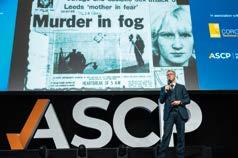
An extraordinary man with an extraordinary story to tell, Richard truly wowed the conference room! “I wondered before coming here what I could say about safety, compliance and social housing,” he began, “but I realised that actually, what is really being discussed here is change – and that is something I do know about.” Through his story of overcoming adversity, Richard
shared a message of personal responsibility, authenticity, resilience and the remarkable power of adopting a positive attitude.
Richard grew up in Leeds on what was described as a ‘sink estate’, language which he encouraged us all to question when he said, “it wasn’t a sink estate, it was my home.” He recounted the harrowing morning in October 1975 when, at just five years old, he
Much has already changed with the introduction of the new regime but there are still further changes to come. One such is the introduction of the Building Safety Levy, following a consultation which recently closed. Another change to be aware of is that the Office for Product Safety and Standards (OPSS) will take on responsibility for the regulation of construction products, in line with Dame Judith Hackitt’s recommendation following the Grenfell Tower fire.
We are now 7 years post-Grenfell, and nearly two years on from the Building Safety Act being passed into law. Many of the provisions of the Act are already in place, and importantly the deadline for the registration of higher-risk buildings has now passed. As Lachlan stressed, if for any reason landlords are not already up to speed, it is imperative that they act now to get themselves there and quickly!
woke to find his mother missing, only to later learn she was the first victim of the infamous serial killer, Peter Sutcliffe. Raised in poverty by a violent and often drunk father in Leeds, England, Richard faced a tumultuous childhood, spending time in foster care and a care home. He left school without qualifications and eventually ended up in the same prison that his mother’s killer had been sent to. After his release, Richard hit rock bottom and even considered suicide.
However, Richard's life took a remarkable turn when he embraced an 'iCan' attitude, taking full responsibility for his actions and circumstances. This shift in mindset transformed him from a man with no prospects to a Sunday Times Bestselling Author and a renowned motivational speaker. His first book, "Just a Boy," sold nearly half a million copies in the UK and was translated into over ten languages. Richard's career flourished as he delivered over 3000 keynote speeches worldwide, sharing his journey of overcoming adversity and advocating for a positive mindset.
Richard's story is a testament to the power of a positive mindset and the incredible transformations that can occur when we take control of our own lives.
Qualifications
Electrical
Bespoke
Consultancy
Compliance
Damp, Mould and Condensation Response – Connexus Experience of Internal v External Delivery of Solutions
Fleur Whittingham, Director of Property – Connexus
Addressing damp, mould and condensation (DMC) issues is a key priority for social housing providers, particularly in light of highprofile cases and intense scrutiny from both the Ombudsman and the media. In her highlyinformative presentation, Fleur was able to share some insights into Connexus’ evolving approach to this challenge.
Connexus is a rural housing group with over 10,500 homes in Shropshire and Herefordshire. Over the last two years, around 2,000 of these homes have been treated for DMC issues. Fleur emphasised the importance of data in deciding their strategy. "We closely examined property and customer data, using cluster analysis to identify trends and vulnerabilities," she explains.
Previously, Connexus had relied on specialist contractors for addressing DMC issues. Whilst the solutions utilised worked to address the problems; the customer journey was fragmented, leading to issues with delivery speed and communication. This negatively impacted Tenant Satisfaction Measures, and remained the case even after
switching contractors.
To improve, Connexus decided to internalise their DMC approach. The team collaborated with expert consultants to develop a compliant strategic framework and created a business case to evaluate the financial viability of using their internal Direct Labour Organisation (DLO) for remediation work. The damp and mould strategy, and the customer journey were both redesigned. A strong focus was placed on training, particularly for customer facing staff, surveyors and management. The organisation also focused on building a highly skilled team of electricians, paintermultis, surveyors and a works scheduler. “Finding the right people was definitely one of the bigger challenges, but we have now built a high-performing team,” says Fleur.
Internalising the service has been wellreceived by customers. Connexus has seen a reduction in complaints and an increase in compliments and positive feedback. By building a program that focuses on ‘getting it right first time’, the team has also been able
to realise value-for-money efficiency savings.
“Contractors still have their place within this model to support excessive demand,” says Fleur, “but by moving to an internal approach we have built a highly effective team and been able to reduce risk both to the organisation and our residents”.
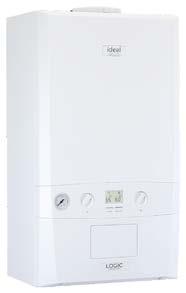
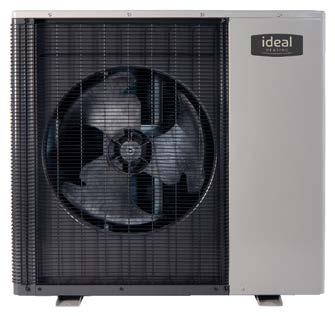
How Stored Water will help in the drive to Net Zero
Andy Farquhar, Senior
Heat Pump Product Manager – Ideal Heating
“As we move towards low carbon heating systems, we have to think differently about hot water”, says Andy. Currently, 76% of UK homes heat their water via a combi
boiler, with only just under 4% heating their new hot water systems via a heat pump. By 2028, however, it is estimated that almost 25% of new hot water systems in UK homes will be heated using a heat pump. Andy’s presentation set out some key technology changes, and important safety considerations to help us prepare for the transition to low temperature hot water systems.
In terms of technology, heat pump coils have a heat exchange surface area that can be over 310% bigger than their gas boiler equivalents, even though they are in the same size cylinder. Research by the Hot Water Association (HWA) has shown that using heat pump hot water cylinders can reduce energy usage per day by 28.5%. Importantly, it can also reduce reheat times by up to 33% and realise significant carbon savings.
In terms of safety and compliance, many of the same regulations will apply as currently
do to combi boilers. It is important to ensure compliance with Building Regulations Part G, and be aware that a scalding risk assessment will still be necessary even with a low temperature system. The most significant difference to traditional hot water systems concerns Legionella. Whilst the risk remains low, as the majority of water is stored above 50-65% degrees and it is unlikely that water will be stagnant enough to pose a real risk, there are still some important considerations for landlords:
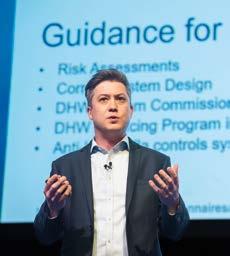
• Carry out risk assessments
• Make sure the system is designed correctly
• Commission hot water systems which include anti-legionella programmes
• Put in place a servicing programme that includes water outlets such as taps and shower heads
• Consider buying products that` include automatic anti-legionella controls systems
Electrical Safety Through Competence
Mike Smith, Technical Director – ECA
‘The built environment needs good, highly trained and competent electricians,’ says Mike Smith, ‘particularly in the wake of the Grenfell Tower tragedy and subsequent introduction of the Building Safety Act. The challenge of finding such competent professionals is compounded by the fact that ‘electrician’ is not a regulated profession and the quality of training available varies hugely.
The Building Safety Act sets out a new competence regime which must be adopted by all those working within the built environment, and across the industry. The Building Regulations (Amendment) 2023 introduces 17 new regulations that cover duties, competence, and behavior of clients, designers, and contractors. These regulations apply to all controlled building work and emphasise planning, monitoring, and managing projects to ensure compliance with safety requirements . The new regulations also define the roles of principal designers and contractors, who must demonstrate competence in their work.
In response, framework standards have been developed through British Standards, including BS 8670-1:2024, which sets core criteria for building safety competence.
Additional frameworks like PAS 8671, PAS 8672, and PAS 8673 address competence requirements for principal designers, contractors, and residential building safety management, respectively.
The Electrotechnical Assessment Specification (EAS) outlines the minimum requirements for enterprises to be recognized by certification bodies. Recent updates include specific competences for Qualifying Supervisors and mandatory Continuing Professional Development (CPD) for all employed persons. The EAS will see further updates to enhance competency requirements beyond the Qualifying Supervisor.
Industry-wide responses involve aligning with various competence programs and regulatory structures, including the Building Safety Regulator, Industry Competence Committee (ICC), and working groups focused on installer competence. The Construction Leadership Council’s reports, "Raising the Bar" and "Setting the Bar," have made recommendations to improve competence across the sector.
As Dame Judith Hackitt set out in the Building a Safer Future report, individuals
must no longer be able to qualify once and operate forever. The importance of continuous professional development, and evidencing competence, cannot be overstated.
Working Towards a Net Zero Future at Magenta
Ian Thomson, Executive Director of Assets – Magenta Living
2023 was the warmest year globally, with many countries experiencing recordbreaking temperature events. Ian’s presentation highlighted the urgent need for decarbonisation, and shared insights from Magenta Living’s journey of developing and
implementing their NetZero strategy. “There is a bigger picture, there is a need, and we are not acting fast enough,” he said.
Magenta have focused on a ‘fabric-first’ approach, enabling them to act now whilst decisions are still being made on which technologies will ultimately replace gas. Key time targets were identified, in alignment with those set by the government, the housing sector, and Magenta Living through its 30-year business plan and Climate Change Strategy. From this, a roadmap was developed, setting out the steps that Magenta will take to meet these deadlines. Magenta have identified the following key priorities:
• Improving the EPC ratings of their stock, to achieve an EPC C rating or above in all properties by 2030
• Identifying and securing funding to support this work
• Resident engagement – delivering the right information at the right time, and ensuring residents are included in the journey
• Colleague education – “the more people we can engage, and train, the better our chance of success” says Ian
• Ensuring the long-term viability of assets, and of the program as a whole
“We can’t let the scale of the challenge stop us,” says Ian. With an election coming up, he called for whichever party ends up in power to put in place a robust, long term strategy and at least a ten year SHDF funding program. That, he said, will allow landlords to make long term decisions, suppliers to make decisions to invest in products and resources, and training programs to be developed which can ensure a suitably skilled workforce to deliver on this agenda.
Share vital safety documents with residents effortlessly.
Compliance and Resident Engagement with My Building Safety
My Building Safety is a sector first – seamlessly upload and share crucial safety documents with residents, requiring no sign-up. It supports compliance with safety laws and promotes transparency and trust within the communities you serve. By offering easy access to vital information via QR codes, the app enhances communication and peace of mind for all residents.
Book a demo to find out how My Building Safety can benefit you, via the QR code opposite.
ASCP launch industry first engagement tool – My Building Safety
Launched June 2024 at the ASCP Conference, My Building Safety is a powerful resident engagement tool that seamlessly connects building managers with residents.
My Building Safety supports compliance with safety laws and promotes transparency and trust within the communities you serve. By offering easy access to vital information via QR codes, the app enhances peace of mind for all residents. The platform is comprehensive and provides seamless document sharing, regulatory compliance, and proactive issue resolution.
Why Building Safety Managers Love My Building Safety
Engage Your Community: Build Trust
Foster resident relationships through open communication, sharing updates, and swiftly resolving issues. Promote transparency with accessible safety records, earning trust and boosting resident satisfaction.
Regulatory Confidence: Stay Compliant with Ease
Keep safety measures documented and accessible for audits, simplifying compliance.
Enhance Accountability
Manage safety documents easily, receive expiration notifications, and keep historical data accessible.
Save Time and Money: Early Detection, Avoid Penalties
Identify and address issues early to prevent costly repairs, enhancing safety for residents and staff. Fulfil duties, avoid regulatory action, and reduce long-term costs with preventative maintenance.
To find out more, or to book a My Building Safety demo scan the QR code.
The tool is a sector first and is designed for managers of HMOs, with information shared directly to resident’s mobile phones. My Building Safety also enables direct messaging between building managers and residents, helping to provide improved communication lines and build better relationships.
On the development of My Building Safety, CEO Matt Sharp commented, ‘My Building Safety puts the most important people first – building residents. Quick, simple and without needing a login, residents can access the information they need and building managers can manage documents with ease. We look forward to seeing the impact My Building Safety has on both building managers and residents alike.’
Why Residents Love My Building Safety
Effortless Access
No Sign-Up required: instant access to safety documents via a QR code; view without downloading.
Instant Reporting of Issues
Quickly notify building managers of safety concerns via the app.
Stay Informed and Safe: Critical Contacts
Easily access guidelines, emergency procedures, evacuation plans, and essential contact information, while receiving realtime safety and maintenance notifications.
Peace of Mind
Safety measures are transparently managed, share documents to reassure family of your building’s safety, and maintain data privacy – no need for personal login information.
in Housing & Communities
THE CONNECTED HOME SOLUTION
A proven and scalable solution for the challenges faced by social housing providers, while generating a return on investment. The HomeLINK Connected Home Solution assists with:
Putting Customers First
Mark Sayer, Director of Safety and Resilience – Abri
“Putting the customer at the heart of everything we do,” is a commonly used phrase within housing, but how far do we really go to embody this value? “Clearly, it should always be the case, but how often do we obsess about the compliance percentage and the numbers, and our success rates for getting the service, inspection, and test done?” asks Mark. Whilst those steps are undoubtedly essential to keep residents safe, he says, we must never forget that behind every number is a home with a person or a family that, in various ways, we’re responsible for.
Abri’s approach is to see every interaction with a customer as an opportunity, not only to provide great customer service, but also to identify that customer’s needs and how Abri can help. For this reason, the organisation has put in place a safeguarding service they call “See Something, Say Something” which was created to allow all staff, even those not typically involved in safeguarding, to easily report any concerns they observe during home visits.
This proactive approach extends to Abri’s contractor community through the “Contractors Who Care” scheme. Developed by Abri’s Health and Safety Department, this scheme aligns with the company’s strategy of exceeding compliance to deliver enhanced customer service. This scheme fosters a supportive environment to ensure a high standard of health and safety, extending to everyday contractor-customer interactions. The scheme’s key objectives include surpassing legal obligations, ensuring zero harm, placing customers at the centre of all activities, evidencing best practice, ensuring cost efficiency, and strengthening relationships with contractors.
Contractors demonstrate commitment by maintaining open communication, minimizing disruption, reporting welfare concerns, reducing hazards, and ensuring respectful and tidy work environments. Success is measured by customer feedback, timely completion of work, transparency in issue resolution, and consistent safety practices.
Looking ahead, Abri plans to expand the “Contractors Who Care” initiative across its independent living portfolio in 2024, aiming to integrate it as a core component of its customer service approach.
Unlocking Leadership Wisdom: A Journey into Safety, Trust and Human Connection
In his dynamic presentation, Urbain posed an intriguing question: How can curiosity make your organisation safer? Drawing from his extensive experience as Vice President of Safety in the oil, mining, and pharmaceutical industries; Urbain emphasised the
importance of mindset of curiosity in safety. He shared three key insights:
1. When things look too good, don’t get complacent—get curious: Using a case study from his time at BP, Urbain shared how he had to rethink his own focus on maintaining a ‘zero accidents’ record upon learning about the 2005 Texas City Refinery explosion. The report which followed found that BP’s focus on ‘zero accidents’ had led them to overlook the importance of process safety and building a strong safety culture, both of which are needed to prevent serious incidents. “It changed my approach,” says Urbain, “now I see that we need to look beyond the numbers to understand what’s really going on.”
2. When things go wrong, don’t get furious –get curious: “This one is about learning from failure,” says Urbain. He told the story of a time when he visited a mine in South Africa and the director told him that the previous week, he discovered that workers were not wearing the correct PPE. Instead of reacting
with anger, the director chose to investigate the situation. This curiosity-led approach revealed that a cost-cutting measure had reduced the store's operating hours, making it difficult for workers to obtain the necessary PPE. This insight allowed the director to address the actual problem, leading to a safer working environment.
3. When things get tense, don’t get critical – get curious: “Safety is all about people and behaviour,” says Urbain. He gave an example from his time working for GSK and visiting a site to investigate an accident. Whilst the site director was keen to impose sanctions for what he felt was workers not following processes correctly, Urbain’s curiosity led approach actually uncovered that the equipment was poorly designed and as a result workers were bypassing the system. By asking the right questions, and deeply listening to understand, Urbain was able to shift the director’s safety mindset and help him to adopt a progressive approach to safety.
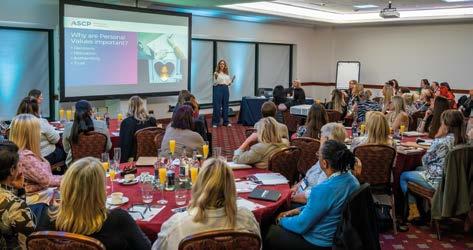
Your Personal Values: The What, Why and How Stephanie
Smith, Leadership Coach
What are our personal values, and how do they influence us both personally and professionally? This was the theme of an engaging Women in Compliance session led by ASCP resident coach, Stephanie Smith. “Our personal values represent who we are and what is important to us, they are the filter through which we see the world,” explains Stephanie. Whilst we are used to hearing about organisational or brand values, we do not always spend as much time thinking about our own personal ones. “Our personal values come from a place of deep, intuitive knowing and we don’t always bring them to our conscious mind,” says Stephanie.
Stephanie likens our personal values to core muscles. “They are what keep us stable and give us a strong core to draw on in order to tackle the challenges we face,” she says. Indeed, it is when we are allowed to live in accordance with our personal values that we are able to find fulfilment, both professionally and personally.
Our personal values also influence how we make decisions – something we do up to 35,000 times a day! When we
Sponsored by:
make choices that align with our personal values then we bring authenticity to all that we do, building trust and leading others to see us as someone they would like to build a relationship with, whether that be professional or personal.
During the session Stephanie led attendees through an exercise to help them
identify their key values. It was important, she stressed, to trust instinctive responses and let go of expectations about what ‘should’ be our values. Once we have reflected upon what really matters most to us, we can notice whether we are truly living our values and direct our attention to any we feel may be being overlooked.
Calum’s presentation gave a clear overview of the duties landlords have in respect to the maintenance of electrical equipment. He highlighted the following key challenges and considerations for landlords to be mindful of when thinking about maintaining electrical equipment safely:
Roles and responsibilities: The duty holder is an essential role when it comes to maintaining electrical equipment.
Whilst duty holders may delegate certain processes, they retain overarching responsibility. Duty holders should undertake risk assessments and take a risk based approach to inspection and testing, rather than relying on set timeframes.
Policies and Procedures: Organisations must ensure their policies cover the inspection and testing of electrical equipment, and that these policies are being followed. There must also be evidence of this happening.
Tenant and user awareness: Calum stressed the importance of the user check. “Don’t just think about your electricians, make sure you consider whether other users of the equipment are aware of basic electrical safety checks,” he said.
The fixed installation: All electrical equipment requires inspection and testing. Electrical inspection and testing of the (fixed installation) will generally verify the installation as far as the connection unit. In-service electrical equipment, such as storage heaters for example, will need to be safely isolated, so consider whether the person carrying out the inspection and test is competent to do this.
Appointing competent staff: Be aware that there are varying standards out there when it comes to training courses and qualifications. Just because somebody has completed a course, it does not mean they are automatically competent to do the work you require – always check the details! Also, beware of companies offering high quantities of ‘PAT testing’ for incredibly low prices per unit, it is a highly competitive market, but landlords need to consider how likely it is that the quality and depth required can be achieved at that price.
HACT: Pioneers in Social Value
Retrofit Credits is an innovative and pioneering programme that creates ethnical carbon credits that not only incorporate carbon emissions that have already happened but also incorporate the positive social value that happens as a result of the retrofit of social homes. The sale of these carbon credits is passed back to housing providers so they can deliver more retrofit work, while contributing to environmental sustainability. Organisations looking to offset their carbon emissions can purchase these credits, creating a symbiotic relationship where housing upgrades lead to broader environmental benefits.
The programme is led by HACT (the Housing Associations’ Charitable Trust) - the social housing charity that has driven innovation and collaboration across the sector for nearly 65 years. Our focus is to support the sector to deliver better services for residents and the communities in which they work.
The Value of Retrofitting & Carbon Credits
Homes are the single largest contributor of carbon emissions from the built environment and the largest barrier to reaching net zero by 2050. Retrofitting social homes can have multi-faceted benefits for residents by helping them financially, creating improved wellbeing through the social value created by improving their home and contributing to reduced emissions. With an estimated 6.7 million homes in the UK thought to be living in fuel poverty, and the costs of required retrofitting on social homes being estimated to be around £100bn, a solution that supports both these challenges is a lifeline for the sector.
HACT together with their partner PNZ Carbon have worked hard to develop an ethical framework and ensure integrity for Retrofit Credits. All carbon credits are verified through the Verified Carbon Standard, an internationally recognised scheme. The services is UK-based (only the second verified scheme to be so) and the only project in the world originating carbon credits from the decarbonisation of housing stock.
Incorporating social value into the credit plays a crucial part in the integrity of the credits. The calculation of the social value from each retrofit activity is calculated through the UK Social Value Bank, the leading methodology for measuring the impact of activities for individuals. The UK Social Value Bank can calculate the positive wellbeing impact that happens as a result of improving the SAP rating of a home – so it’s important that there is evidence of improved energy efficiency of the house after the works have been completed.
HACT is a pioneer in social value – we were the first to develop a UK-wide social value methodology when we launched the UK Social Value Bank in 2014. The UK Social Value Bank is used across social housing organisations as well as by contractors looking to calculate their social impact. We have recently launched a Built Environment Bank that can be used by organisations across the supply chain to model, monitor and measure their social impact within local communities, focusing on their positive impact on individuals.
Retrofit Credits: the story so far
The service is in its second year and has already delivered significant value to the housing sector. There are now 37 housing providers actively involved and this year a total of 16,667 retrofit projects have been completed and included in the crediting service. These works have resulted in substantial environmental benefits, with a reduction of 10,659.11 tonnes of CO2 equivalent (tCO2e) in 2023 alone, and an annualised reduction of 17,337.78 tCO2e. Over the next 20 years, we estimate that this will result in £70-90 million of additional investment into the housing sector.
Importantly, the social value delivered from these retrofit projects demonstrates the difference these projects make to individual wellbeing. The initiatives have generated £6,169,135 in social value benefit in 2023, translating to £578 per tCO2e. Each tonne of CO2e reduced is eligible for up to 20 years of crediting reflecting the real and permanent nature of the emission reductions providing long-term funding for retrofit works, so considering the already significant value added, these retrofit projects can transform communities and residents’ lives in the long term.
The Retrofit Credits service continues to grow across the social housing and private housing sectors – and we are always looking for more providers and contractors to take part. HACT is also working closely with local businesses in selected areas across the UK to deliver a fully local model where the local businesses can purchase locally generated Retrofit Credits. This will deliver even more meaningful impact, where buyers in the programme can see the real transformation in their local communities.
For further information about how you can get involved in Retrofit Credits – as a provider or buyer – please contact Antoine Pellet, Head of Retrofit Credits: antoine.pellet@hact.org.uk
Antoine Pellet presented on Day 3 of the ASCP Conference
Be an ASCP Ambassador With our Member Referral Scheme!
We’re on a mission to expand our community! Do you know someone in the sector who would benefit from what the ASCP has to offer? As a valued member, you have the unique opportunity to help us grow and strengthen our collective voice.
Our referral scheme offers fantastic benefits for both you as an ambassador and for any new members you bring on board:
WHAT YOU GET WHAT YOU GIVE
If a referral you make becomes a member you receive:
‘Ambassador’ membership status, giving you access to exclusive gifts
Two free Level 2 Courses – enhance your own CPD or that of your team
A 1-hour technical consultancy – get insights from our expert partners at CORGI Technical Services
A profile write-up in Ignite Magazine – raise your own profile or shout about the projects that matter to you
A free professional coaching session – with our resident coach Stephanie Smith
“ “
“The best part of membership for me is the sense of community that the ASCP encourages across the sector – we are all in it together.”
Alison Drake Gas Safety and M&E Lead, InCommunities
“I have improved my own knowledge through the excellent training courses provided and raised my organisation’s awareness of all things compliance.”
Anthony James Head of Property, Ateb Group
New members will receive:
£250 off their first year of ‘Corporate Membership’
Free 1-day pass to the ASCP Annual Conference
One free Level 2 Course
Low Carbon Heating Solutions
For over 75 years, Dimplex has been the trusted name in heating, offering locally manufactured solutions for the decarbonisation of British homes.
Dimplex Control Hub
A smart central controller
Monitor energy usage and manage supported Dimplex products remotely. Any time, anywhere.
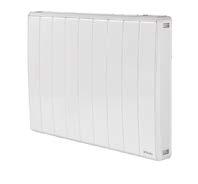
Dimplex Q-Rad
Intelligent electric heating on demand
Our most intelligent, Lot 20 compliant electric radiator, delivering instant warmth through dualelement technology.
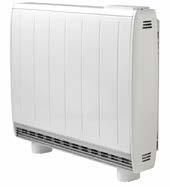
Dimplex Quantum
Low carbon, costeffective heating
The world’s most advanced, Lot 20 compliant and SAP accredited high heat retention storage heater.
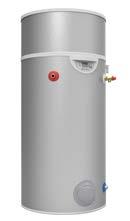
Dimplex Edel
Low carbon waterheating technology
High-performance and energy efficient hot water heat pump, boasting compact size and quiet operation.
Navigating LiveWest’s Passage to Building Safety Excellence
Matt Bright, Head of Building Safety, Live West
Matt delivered a practical and informative presentation which delved into the challenges, successes and lessons learned as LiveWest have adapted to the requirements of the Building Safety Act (BSA). He highlighted three crucial elements for this journey; information, communication and collaboration:
Information: Pulling together all the information required from across the business was the first challenge. Using all the regulations and guidance available to identify what was needed, the team pulled this into an information mind map. This was then organised into the Building Safety Case using the ‘claim – argument – evidence’ structure. Matt noted that the exercise not only showed what good data there was within the organisation, it also highlighted any gaps both in information and processes. The ‘Building Safety Case Power App’ was also developed to organise and manage all the information, providing one single source of truth for the
‘golden thread’. During this phase, early engagement with all stakeholders was key, as was a really in-depth look at the data.
Communication: Clear and regular communication with all stakeholders is essential, to keep both residents, board and the wider business informed. When it comes to resident engagement, Matt stressed how important it is to use different approaches so that all residents are reached. The LiveWest team appointed a dedicated customer liaison officer for all HRBs, distributed information through various channels and also held a number of in-person sessions and ‘show and tells’, even bringing in contractors to explain the work going on. This has paid dividends in diffusing situations and reducing formal complaints. “Be present, be visible, be humble,” advised Matt.
Collaboration: “Building safety is a collective effort,” stressed Matt. His advice for others was to work collaboratively and use all the expertise within the business. Asking
the difficult questions is also key, that is how you can identify and close gaps. Finally, don’t forget to share best practice, and make use of the collective wisdom of the sector.
Inspirational Speaker: Sir Ranulph Fiennes OBE
Well, what can we say about this one-of-akind key note speaker? There is certainly nothing safe, nor compliant about him! Sir Ranulph Fiennes’ life story is nothing short of awe-inspiring. Born in 1944 and educated at Eton College, ‘Sir Ran’ followed in his father’s military footsteps, serving with The Royal Scots Greys before passing SAS selection.
His military career continued in 1968 when he joined the Sultan of Oman’s army, earning the Sultan’s Bravery Medal.
Sir Ranulph, voted the world's greatest living explorer by the Guinness Book of Records, has led 32 major expeditions to the world's remotest areas, including both Poles. His achievements are legendary—he is the
only person alive to have travelled around the Earth’s circumpolar surface and was the first explorer to cross the Antarctic continent unsupported. These feats earned him the Polar Medal in 1986 for Outstanding Service to British Polar Exploration and Research, an honour he shares with his late wife, Virginia, the first female recipient of the award.
The presentation was not just a recounting of these incredible exploits but a masterclass in humour and self-deprecation.
Sir Ranulph’s wit and engaging storytelling had delegates enthralled, from tales of his daring adventures to the time he chopped off his own fingers! His ability to find humour in the most extreme situations was both surprising and refreshing.
Central to his talk were the elements vital to the success of any expedition: teamwork, determination, patience, discipline, enthusiasm, and creative thinking. His stories made us laugh, but beneath the humour the core values of persistence, planning, resilience and flexibility were strongly apparent. Sir Ranulph’s incredible adventures and life story serve as a testament to what ordinary human beings are capable of when we believe in ourselves and apply ourselves with unwavering commitment.
Evolving Together: How Technology and Legislation are Redefining Training in Housing
Alex Noble, Head of Learning and Technology – ASCP
Social Housing is currently experiencing unprecedented levels of legislative change whilst the world also adapts to everevolving technologies and systems. In this presentation, Alex explored how this change is reshaping the training needs for our sector. It also served as a powerful reminder of just why this change is necessary, particularly poignant in the week of the seventh anniversary of the Grenfell Tower tragedy. “The standards we reach can never be too high when the preservation of life is at stake,” Alex reminded us.
The Social Housing Professionalisation Review commenced in January 2022 and signalled an increasing focus on professionalism across the sector. “This can be a challenging concept,” says Alex, “how do you tell someone who has been working in housing for decades that they need to be more professional?” We know the sector boasts a whole wealth of knowledge and skill, but it also faces significant challenges and has to balance many conflicting priorities. Drawing on examples from other sectors, Alex identified some key cornerstones of professionalism. Demonstrating the right
behaviours, rather than just the required knowledge, is fundamental. He also highlighted benchmarking, fostering growth and the impact of regulation. Technology can certainly support professionalism, but having the wrong systems in place can also be a barrier. Alex touched on the advancements that are currently being made in the field of AI, though he did stress the need for caution as this is not yet the complete answer!
Alex concluded by returning to the ASCP’s core belief - that everyone deserves to live in a warm, safe home. How we go about raising and maintaining standards in order to make that belief a reality is what professionalisation is all about, he said. He reminded members of the various ways the ASCP can support this endeavour, whether that be through training or via engaging with the Community Hub. A new initiative, which Alex was pleased to announce, is ‘Bitesize Learning for everyone’, a new suite of online courses aimed at ensuring everyone within an organisation has a fundamental understanding of safety issues.
Read more about Bitesize Learning for everyone on page 9
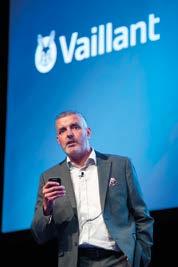
Preparing the UK’s Housing Stock for the Future of Heating
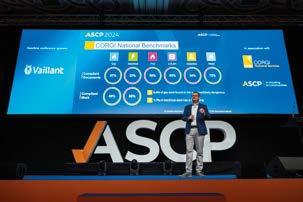
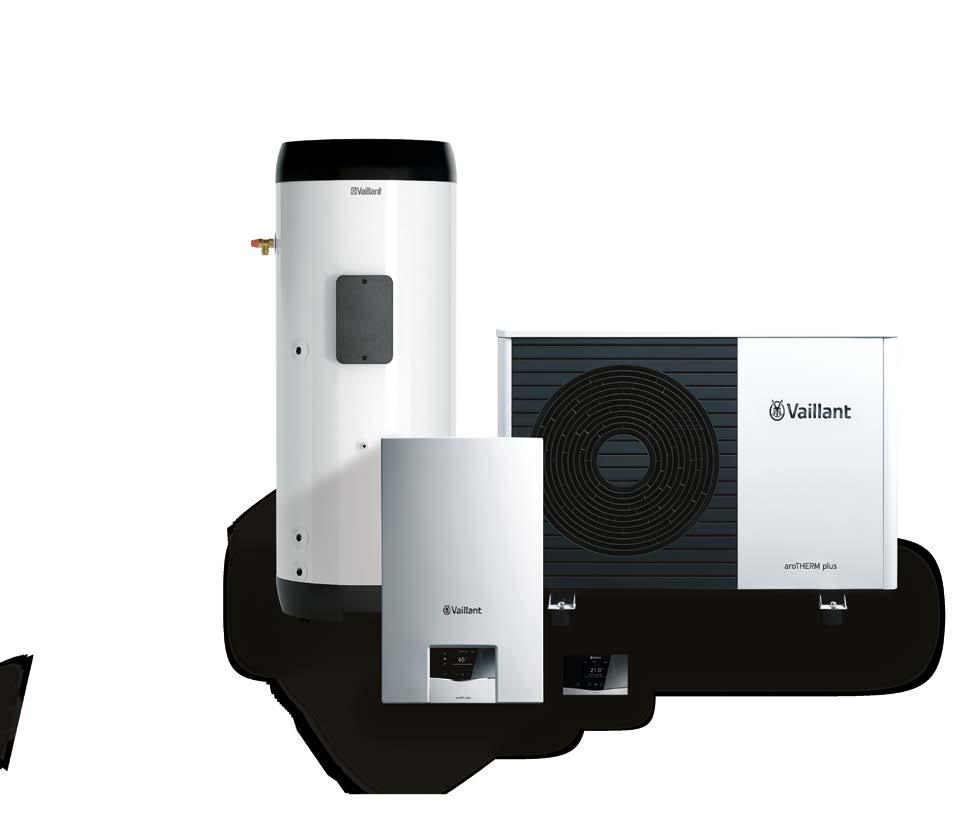
Paul Honeyman, Head of Product Management – Vaillant UK
The way we heat our homes has a significant role to play in ensuring the UK meets its objective of Net Zero by 2050. The current Government plan is to ban gas, LPG and oil boilers by 2035. Paul’s presentation looked at the changes that can be made now to help future-proof our housing stock, particularly in relation to hot water cylinders.
In June 2023, Building Regulations changed to require that systems be designed for lower flow temperatures of 55°C. “It’s worth noting that this lower temperature benefits both boilers and heat pumps,” said Paul, explaining that boilers only condense when the return temperature drops below 55°C. He also emphasised that choosing the correct control system is critical to increasing system efficiency.
High recovery cylinders can help landlords to future proof their housing stock today. As
lower flow temperature and tighter ∆T’s are required with heat pump systems, a heat pump cylinder has a much larger coil surface area for better heat dissipation. Even for those properties that are not heated by heat pump, when it comes time to replace the cylinder it makes sense to opt for a highrecovery option. “If the Government does go ahead with its plans to ban traditional boilers in 2035, or even if this comes a bit later, we all know the direction of travel,” says Paul, “so why in 2024 would you replace a standard cylinder with another standard cylinder?”
Paul was also able to share recent independent test results which showed that high recovery cylinders provide a 10-minute faster reheat time, a 3.5% uplift in domestic hot water efficiency, and annual savings of 168 kWh (or £48) compared to standard cylinders.
DSEAR Panel Discussion: Stepping Up to Your Hidden Responsibilities
Mark Duffy, Technical Safety Manager – CORGI Technical Services
The DSEAR panel discussion, chaired by CORGI Technical Services’ Mark Duffy, provided a real insight into duty holders’ obligations under the Dangerous Substance & Explosive Atmospheres Regulations (DSEAR), as well as IGEM/UP/16. Mark began the session by reminding delegates that, despite some common misconceptions which have often lead this area of compliance to be overlooked, both DSEAR and IGEM/UP/16 do in fact apply in social housing environments, particularly to parts of common pipework within multi-occupancy premises.
The panel included Alison Silverback, Heating Contract Lead at The Havebury Housing Partnership; Tara Jones, Compliance Manager at Gloucester City Homes; and Steve Sargent, Operations Manager M&E Compliance at LiveWest. Together, they discussed the various barriers and challenges in complying with DSEAR regulations and the IGEM standards.
The panel discussed common misconceptions regarding the applicability
of these regulations in the various properties within our sector, and stressed the importance of raising awareness within organisations to ensure a comprehensive understanding of these regulatory requirements. They also noted that metering areas present particular challenges, and reminded others to check these areas and ensure that gas suppliers are meeting their duties, particularly with regards to labelling.
Mark shared some findings from recent CORGI DSEAR risk assessments, which revealed common issues such as the incorrect installation of gas pipework and inadequate ventilation. He stressed that, whilst gas engineers may more commonly be checking that there is sufficient ventilation for combustion; that does not mean that the ventilation around the pipework is sufficient for DSEAR purposes.
The panel also touched on the value of collective knowledge and collaboration, and shared examples of how they are working with colleagues, contractors and other
agencies to help improve the collective level of knowledge. All agreed that working with CORGI has significantly improved their understanding and confidence in addressing these challenges.
Unpacking Solar PV: Essential Information for Housing Providers
In July 2023, the UK Government published Solar Photovoltaic (PV) deployment statistics which showed a total of 1,353,261 solar installations across the country.
The rise in popularity has been driven by incentive schemes, climate concerns, advancements in technology and, most recently, skyrocketing energy prices. Solar panels offer social landlords a quick and relatively simple way of reaching minimum energy efficiency standards, but this remains a specialist area that requires careful planning and competent installation and maintenance. CORGI’s Mark Sharples takes us through some key considerations for the safe, effective installation and ongoing operation of Solar PV technology in domestic settings.
Suitability: The starting point for any social landlord thinking of installing solar PV is to establish which properties are suitable, and which type of cell technology and installation design will best meet the needs of a particular property and its residents.
DNO Notification: The DNO should be notified of any Solar PV installation so that network operators are aware of the number and location of energy assets within their network. If the size of the installation is under 16 amps per phase, the DNO will need to be notified within 28 days of the system being commissioned, for larger installations prior permission to connect will need to be granted.
Installation: Installations should be carried out by a suitably competent person, and in accordance with the requirements of the IET Wiring Regulations, BS7671 as well as with the 2nd Edition of the IET Code of Practice for Grid Connected Solar Photovoltaic Systems (https://shop.theiet.org/code-of-practice-for-gridconnected-solar-photovoltaic-systems-2nd-edition). Note that anything printed in blue within this Code of Practice, or worded as ‘shall’, is mandatory or a broadly recognised requirement.
RCD Types: BS7671 Regulation 712.531.3.5.1 states that a type B RCD is required unless:
(i) the inverter provides at least simple separation between the AC side and the DC side, or
(ii) the installation provides at least simple separation between the inverter and the RCD by means of separate windings of a transformer, or
(iii) the inverter does not require a Type B RCD as stated by the manufacturer of the inverter.
Regulation 551.7.1 states that the RCD shall disconnect all live conductors, including the neutral conductor. The supply protective device should also be bi-directional, according to regulation 826.1.2.2.
Note – At the time of going to print, a new regulation 530.3.201 is under public consultation, and expected to be passed in Summer 2024. The amendment aims to clarify the differences between connections for unidirectional and bidirectional RCDs and circuitbreakers.
Labelling: Ensure you are familiar with the labelling requirements for Solar PV installations including: identification of the mains AC isolator, a system schematic displayed at point of interconnection with the DNO’s distribution system, dual supply labels where required and warning that a Solar PV system is installed in a building.
Fire risk: As with all electrical installations, there is a fire risk associated with Solar PV systems. The most common cause tends to be issues with DC isolators, such as poor terminations, incorrect selection or IP breaches. The risks can be mitigated though good system design, competent installation, and regular maintenance.
Smoke and fire detection: Where a system has inverters or switchgear installed in a loft it is recommended that appropriate fire detection equipment should be installed. Domestic smoke and fire detection systems should be installed to the requirements of BS 5839-6.
Inspection and Testing: Regular inspection and testing of the system is important. The AC circuits should be inspected and tested to the requirements of BS7671. For the remainder of the PV system requirements are set out within BS EN 62446.
Maintenance: Maintenance should be carried out as per the manufacturer’s instructions on the system in question. Typical scheduled maintenance tasks are detailed in the IET Code of Practice.
Documentation: When a PV installation is completed, it is important to collate the correct documentation for record keeping. This generally includes: the Electrical Installation Certificate, the Operation and maintenance manual/ data, Part P, MCS Certificate and any documentation or checklists required for incentive schemes.
Resident Expectations: As the solar PV system is designed for automatic operation without need for user intervention the tenant's input is minimal. It may include: reporting on any faults, reporting on visual maintenance, keeping equipment ventilated/ the space clear and ensuring isolators are kept in the ‘on’ position.
In conclusion, Solar PV is a specialist area that requires the appropriate training, competence and qualifications to install, design and maintain. We must be assured that we are engaging the correct resource, receiving the appropriate documentation and performing accurate inspection and testing.
If you have further questions around safety and compliance considerations for Solar PV installations, drop us a line at enquiries@corgitechnical.com to see how we can help.
Meet Social Housing Landlords at
Product or service supplier to the social housing sector? Want to meet 100s of safety and compliance professionals?
Maybe you supply fire-related products – fire doors, sprinkler systems or other fire-stopping products/materials? Or do you supply, install and/or repair lifts or lifting equipment?
Perhaps your focus is damp and mould, legionella, asbestos or net zero related services or products. If you’re involved in supplying the Big 6, or indeed ancillary services, to the social housing sector, then ASCP Conference delegates want to meet you in the Exhibition Hall!
In 2025 we’re at a bigger, improved venue – the ICC Wales, Newport (2 minutes from jcn 24, M4).
We will deliver an enhanced and more varied event in this exciting new venue. It’s a bright, modern venue with an abundance of breakout, networking and demo spaces flooded in natural daylight. There is a choice of stand and sponsorship packages to suit every budget, including a new shell scheme – the EcoVision Scheme. This is a convenient, sleek and eco-friendly stand solution, perfect for the smaller exhibitor. It includes a 3-sided shell, power and lighting.
"We’re at the end of the 1st day of the show. It’s been a fantastic event – met loads of great people. We are all ready to sign up for next year!"
Paul Halbert National Accounts Manager, Yesss Electrical
"Good to engage with people we have met previously but also an opportunity to speak with potential new clients. The ASCP does all that for us."
Kevin O’Donnell Regional Business Manager, Dimplex
Managing Legionella Contractors: Competence and What Happens When It Goes Wrong
Jemma Tenant, Chair, Water Management Society
Jemma’s incisive presentation made very clear the importance of choosing competent contractors when it comes to managing legionella risk, and gave an overview of the potential financial, legal and moral consequences should this go wrong.
Drawing on case studies from incidents where things had indeed gone wrong, Jemma shared the various ways that organisations can fail in their legionella management, from inadequate risk assessment, lack of training, lack of proper policies or policies not being followed right through to test results being faked in one shocking example.
“If you scrimp on health and safety today, this can lead to a higher cost being paid down the line, through fines, reputation and even worse lives,” said Jemma. She also emphasised that just because an organisation has engaged a specialist contractor, that does not mean they have complied with the law.
So what can organisations do to protect themselves? Jemma’s first piece of advice is that knowledge is power. “The more knowledge you have, the more you will be able to know if your contractor is doing the right thing,” she explains. It is important to know that adequate training is being provided to all
those responsible for managing legionella. She also signposted the Legionella Control Association (LCA) who can give guidance and advice on how to choose competent contractors. UKAS also offer accreditation and third-party validation for legionella risk assessors, and whilst selecting a UKAS
accredited assessor does not guarantee competence, it does at least mean you have fulfilled your duty of care. Finally, when it comes to procurement, Jemma had a powerful message to share, “if you are only focused on cutting costs, then the first thing to go out of the door will be competence.”
Electric Vehicle Installations – Pitfalls and Potholes to Avoid
Gary Parker, Head of Technical Standards, ECA
The electric vehicle (EV) revolution is well underway in the UK, with over one million currently on UK roads and that number set to increase dramatically as the campaign for NetZero continues. This obviously also comes with increase demand for safe, reliable chargers and charging points. Gary’s presentation clearly set out some of the key safety considerations social landlords should be aware of when it comes to these installations.
EV charging installations are high capacity, continuous loads which place an extremely high demand on the grid over long periods of time. When you also consider the rapidly evolving landscape and new products coming to market all the time, it is clear to see why extra care needs to be taken over safety. In terms of regulatory compliance, Gary highlighted that EV Charging Installation sits within BS7671:2018+A2:2022 Part 7 of
the Wiring Regulations and is considered a special installation. Along with the IET Code of Practice for Electric Vehicle Charging Equipment Installation, these documents set the requirements and offer guidance on how to undertake an EVCE installation safely.
Gary looked in more detail at the key safety requirements set out in both the Wiring Regulations and IET Code of Practice, particularly around earthing and RCD types. He stressed that it is essential for responsible persons to know and fully understand these requirements. Whilst there are any number of products on the market, whose manufacturers make various claims, not all are actually compliant. To avoid being caught out, Gary recommends consulting the BEAMA website for a list of reputable suppliers, reading instructions carefully and taking the time to check thoroughly that your products and installations are compliant.
Day Set Up
100% Accurate Data Extraction – No Human Interaction
Results All Compliance Documents Supported – No Templates Automated Bespoke Alerts and Reporting Built in Legislation and Regulations
‘To other housing associations I would say, we don’t know where we would be without TCW now, it’s allowing us to join the dots between teams, streamline processes and save time, money and resource. We’re using it to answer questions we didn’t even have 12 months ago!’
Julie Steventon, Head of Compliance and Building Safety, Citizen Housing
Scan the QR code to request a demo, using your documents. www.corgitechnical.com
NEW Appointment
In this fast-evolving landscape of learning and technology, Alex’s journey has been anything but linear. From health and safety to quantity surveying and then back again in the compliance space - via a detour to the murky world of finance - learning has always been at the forefront of Alex’s mind. When your experience covers manually inspecting a billion-pound bank transfer end to end but also designing animated gifs covering fire safety, Alex maintains there is always a breadth of experience and knowledge to bring to a situation.
His role as Head of Learning and Technology at the ASCP is to expand the capability of its technology both in-house and externally. This enables the ASCP to deliver even more quality learning experiences to a much wider range of people as well as other tools that will benefit ASCP Members and CORGI Technical Services customers.
Compliance with Gateways 1, 2 & 3 of the Building Safety Act 2022 for Emergency Arrangements for Vulnerable People
Elspeth Grant CEO – Triple
A Solutions
In the week of the 7th anniversary of the Grenfell Tower tragedy, Elspeth began her powerful presentation by asking; “even after Grenfell, millions of disabled residents still lack safe means of escape during emergencies, how can this still be the case?” Her presentation truly emphasised the importance of recognising the diverse needs of residents.
The absence of Personal Emergency Evacuation Plans (PEEPs) poses daily risks to disabled individuals and fire service
professionals. This lack of planning and effective evacuation strategies exacerbates dangers during rescues and exposes those responsible for fire safety to potential prosecution for non-compliance with existing legislation. Landlords have legal duties to consider their vulnerable residents under various legislation, regulations and guidance including the Regulatory Reform (Fire Safety) Act 2005, the Fire Safety (England) Regulations 2022 and the Building Safety Act 2022 (BSA). In fact, at each of the three gateways established by the BSA there is a duty to consider disabled and vulnerable residents – inclusive design should be embedded at the planning stage and the needs and behaviours of all residents must be considered right through the life cycle of the building.
Elspeth also pointed out that landlords have duties under equality legislation- Part 3 of the Equality Act 2010 imposes an anticipatory duty on councils and housing associations in relation to allocation of tenancies and the management of let
properties. This means that they are under an anticipatory duty to consider the requirements of their disabled residents without those residents having to ask. This duty applies in all blocks, not just those with simultaneous evacuation. Treating disabled residents differently in buildings of different height is likely to be unsustainable in the face of legal challenge under equality law.
“As an industry, we must do better,” concluded Elspeth, “we must meet our legal obligations and ultimately keep all of our residents safe.”
The Impacts Other Works Can Have on Gas Safety Mark Baker Technical Safety Manager – CORGI Technical Services
Do you consider gas when you are undertaking other works, such as refurbishments, upgrades etc. on properties? This was the question posed by Mark in his presentation which highlighted the impact that other works can have on gas safety. Regulation 8 of the Gas Safety (Installation and Use) Regulations 1998 (GSIUR) mandates that no alterations should be made to premises that could compromise the safety of existing gas fittings, flues, or ventilation systems. For landlords, this means careful planning and consideration when employing tradespeople for property work. Key considerations include: Risk Assessment: Conduct a thorough risk assessment before starting any work. This includes identifying potential impacts on gas installations and recording findings. Guidance and forms for these assessments are available from industry bodies such as IGEM (Institution of Gas Engineers and Managers) and the Gas Safe Register.
The Importance of Clear Communication:
Ensure all tradespeople, including builders, plumbers, and electricians, are aware of the existing gas installations and the legal requirements to avoid compromising gas safety. This includes work such as installing extractor fans, changing windows, or modifying ventilation systems.
Engage Gas Safe Registered Engineers: Employ a Gas Safe registered engineer to make the gas installations safe before work begins and to inspect them once the work is complete. This step is crucial to ensure no damage or alteration affects the gas safety. Monitor High-Risk Activities: Be particularly vigilant with activities that have a higher risk of affecting gas safety, such as roofing, installing double glazing, and building extensions. Even minor changes, like fitting extract fans or changing room usage, can impact gas safety and require careful planning.
By integrating these considerations into your project planning, you can prevent dangerous and costly mistakes, ensuring compliance with Regulation 8 of the GSIUR and most importantly, helping to keep your residents safe.
ASCP Safety & Compliance Awards Winners
What a night! The annual ASCP Safety & Compliance Awards welcomed a record number of guests on 12 June, at the prestigious Celtic Manor, to celebrate the successes of the social housing sector. The highest number of Award entries were received this year with the quality surpassing previous years. Congratulations to all the Winners and thank you all the sponsors.
Best Response to Damp & Mould Award
WINNER: Mid Devon District Council
SPONSOR
Best Supplier to the Social Housing Sector Award
WINNER: Aico
Building Safety Initiative of the Year Award
WINNER: Notting Hill Genesis
Safety Leadership Award
WINNER: Platform Housing Group
Headline sponsor
SPONSOR
SPONSOR
SPONSOR
SPONSOR
Safety & Compliance Training & Development Award
WINNER: Platform Housing Group
Safety & Compliance Initiative of the Year Award
WINNER: South Tyneside Homes
SPONSOR
Electrical Contractor of the Year Award
WINNER: Aaron Services Ltd
SPONSOR
Heating Contractor of the Year Award
WINNER: K&T Heating Ltd
SPONSOR
SPONSOR
Women in Safety and Compliance Award
WINNERS: Emma Atkinson, Ongo Homes Emma Jorgenson, Believe Housing Ltd
Partnership & Collaboration of the Year Award
WINNER: ADEY Innovation, City Plumbing, Vericon Systems & SHAL Housing
WINNER: Mitsubishi Electric – Ecodan R290 Heat Pump
SPONSOR
Best Initiative to Combat Fuel Poverty Crisis Award
WINNER: Aaron Services Ltd
SPONSOR
Customer Service Excellence Award
WINNER: Gloucester City Homes
SPONSOR
Rising Star Award
WINNER: Kane Dhillon, Golding Homes
Net Zero Initiative of the Year Award
WINNER: Livv Housing Group
Highly Commended: Jessica Edwards, Phoenix Gas Services Olivia Hullah, Trust Electric Heating
Complete Solutions
Home heating and cooling comfort
Boilers
Heat Pumps
Air Con Hybrids
HIUs
Team up with Worcester Bosch to bring complete home heating and cooling solutions to all your customers. From award-winning boilers to incredibly quiet heat pumps, clever hybrid systems and smart controls, we’ve got you covered.
Team up with Worcester Bosch
Association of Safety and Compliance Professionals Resident Engagement Roundtable
In the wake of the Grenfell tragedy and subsequent ‘Building a Safer Future’ report; Resident Engagement has become a key area of focus for the social housing sector. Involving, informing and supporting residents is both an expectation under the Building Safety Act 2022, and an essential step towards making homes safer. During this year’s Safety and Compliance Conference, the ASCP hosted a Resident Engagement Roundtable, bringing together professionals from Registered Providers (RPs) and leading suppliers to the sector with the aim of addressing this critical issue.
Resident Engagement – Challenges for Landlords:
Access Issues: A predominant theme of the discussion was the difficulties RPs face in gaining access to properties for essential safety checks. As explored in depth in the recent ASCP White Paper ‘Gaining Access for Safety Checks in Social Housing’, the challenge of overcoming ‘no access’ is both hugely problematic and staggeringly expensive. More importantly, it is also one of the most significant barriers standing in the way of making homes safer for residents.
Effective resident engagement is key to overcoming our current, pressing access challenges in order to meet legal obligations to carry out safety checks, repairs and maintenance work – getting it right now will stand us in good stead as we move forward with ever more complex challenges.
Understanding Residents: Getting to know customers, without imposing our own assumptions, is crucial. By building up an understanding of who our residents are, and what concerns and challenges they face, we can begin to implement solutions that actually work for them. One member shared an example of the extensive work their organisation has done in getting to know their residents, finding that contrary to what they believed, only 4% of residents were out of work. This obviously has an impact on access – mid-week visits will not suit the majority of customers who would need to take time off work, potentially unpaid.
The Implications of Technology: The ‘digital shift’ and move towards an increased use of technology has brought efficiencies, but also introduced new barriers to resident engagement. Many RPs have closed their neighbourhood offices, reducing face-to-face interactions. In many cases, in-person or telephone contact has been eroded in favour of text messaging, portals or other digital solutions. This shift needs to be balanced with the needs of an ageing population and those less comfortable with technology. Websites and other platforms should also reflect the way they will actually be used by customers, i.e. be optimised for mobile phones.
Potential Solutions and Best Practice
Balancing Customer Needs with Compliance Obligations: For example, a single ‘home safety visit’ which combines all the necessary checks is one potential solution to minimise disruption to the resident and improve compliance. This does, however, pose some significant logistical challenges.
Added Value Engagement: Adding value for the customer would also help engagement and potentially reduce access challenges. By contacting the customer in advance to let them know of the visit but also ask if there is anything else they would like looking at or addressing during that time, could we overcome resistance and increase engagement? For example, one member organisation is having success with a ‘just make it right’ approach, maximising the potential of every interaction and reporting any concerns directly to the appropriate team.
Effective Communication: Clear, simple communication is paramount. Policies and instructions should be free of jargon, and alternative methods like pictorial representations and videos should be used to ensure comprehension, particularly for residents with additional needs or for whom English is not the first language. One supplier shared the work they have been doing, simplifying instructions and adding additional pictorial instructions in with their equipment, supporting residents to use them safely.
The Path Forward
The roundtable set a collaborative tone for addressing the important issue of Resident Engagement, laying the groundwork for innovative solutions and shared best practices that will drive the sector forward. The key takeaway is that resident engagement is not just about compliance but about building trust and understanding, ultimately creating safer and more cohesive communities.
| Shaun Hurworth, Marketing Director, Dimplex UK | Matt Sharp – CEO, ASCP Group | Sam Browne – Client Support Director, ASCP | Emma Bradbury Gattens – Membership Communications Manager, ASCP.
A full and more detailed account of the Resident Engagement Roundtable discussion is available for members on the ASCP Community Hub.
Phil Trickett – Heating Services Delivery Manager, Platform Housing Group | Cameron Jeffrey – Head of Health, Safety and Compliance, Grand Union Housing Group | Derek Riddle – Team Manager, Gas and Water Hygiene, Dudley Metropolitan Borough Council | Chris Loughlin – Managing Diector, Hispec | Neil Martin –National Specification Manager, Worcester Bosch | Andy Farrant – Director, Hydrochute