
The 6420 The 6420 The 6420
Letter from the Editor
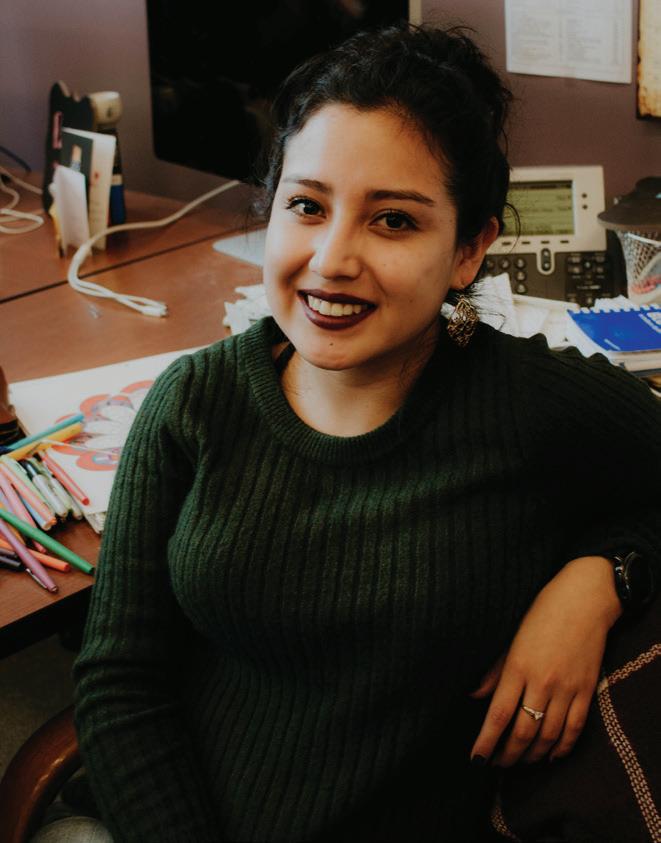
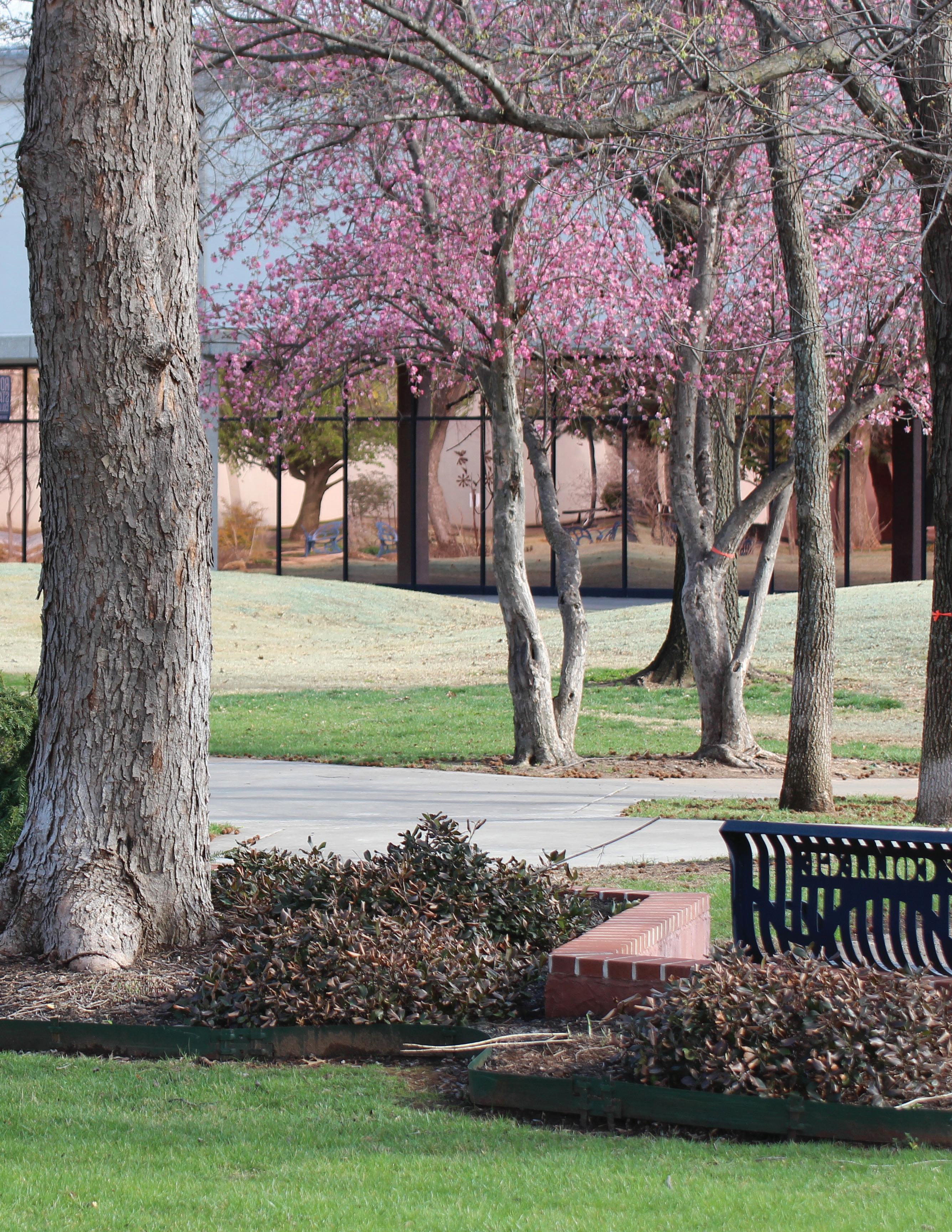
Front Page Photo

I began my journey with the 15th Street News in the fall of 2015. Since then I have had the privilege of improving and learning through this publication. All of us who have had the opportunity to contribute, have had the chance to grow, to build friendships and to create something of which we are proud.
For a long time we have wanted to change and modernize our newspaper, to bring people what they want and drive readership. We conducted surveys and listened to our readers.
The 6420 is a result of those voices. More Rose State news, more familiar faces, more community involvement, better photos and creativity. It was time for the 15th Street Newspaper to evolve.
For those of you who are fond of the 15th Street News, don’t worry— it’s not going anywhere. You can expect to see the new issue of the 15th Street News in March. The 6420 is a quarterly magazine. The next issue will be on stands in May. Welcome to the first edition of The 6420.
Michelle Rojano, Editor-in-Chief & Graphic Designer michelle-rojano@raider.rose.edu
Adviser
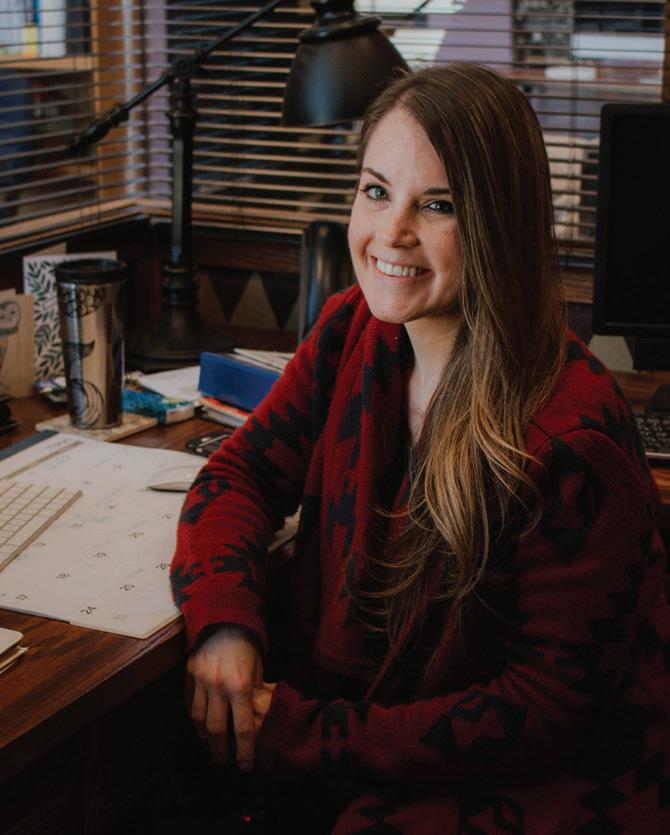
A Rose State journalism graduate, Professor Darcy Delaney received a bachelor’s in journalism and mass communication, with a minor in sociology, as well as a master’s degree in JMC from Gaylord College at the University of Oklahoma. She has experience in a number of mediums and served as the public relations specialist and technical writer for a software company prior to her working at Rose. She currently serves as professor of Mass Communication and adviser to the 15th Street News and The 6420.
Letters to the Editor
The 15th Street News and The 6420 welcomes and encourages letters to the editor. Letters should be a maximum of 300 words and are subject to editing for obscenity, clarity and space. Submissions must include name, major and phone number. 15th Street News reserves the right to not publish submitted letters.
Letters to the editor may be hand-delivered to FA110. Policies
The 15th Street News is published monthly and The 6420 is quarterly as designated public forum. Student editors have the authority to make all content decisions without censorship or advance approval. Columns, commentaries and letters to the editor are personal opinions of the writers and do not necessarily reflect the views of our publications or other students, faculty or administrators of the college. Anyone having a complaint may contact the Editor-in-Chief, 733-7400.
15th Street News is a member of OCMA, OPA, ACP, Great Plains Journalism Association, and the Society of Professional Journalists. This publication is printed by the Edmond Sun, issued by RSC and authorized by the Advisor of Student Publications.
RSC is in compliance with Titles VI and VII of the Civil Rights Act of 1964, as amended, Executive Order 11246, as amended, Title IX of the Education Amendments of 1972, Americans with Disabilities Act of 1990 and other federal laws and regulations does not discriminate on the basis of race, color, sex, age, national origin, religion, disability, sexual orientation or status as a veteran in any of its policies, practices or procedures.
This includes, but is not limited to, admissions, employment, financial aid and educational services.
Cover photo by Emily Siddiqui. Courtesy of P.J.’s Flowers & Gift Shop in Del City.
Meet the Staff
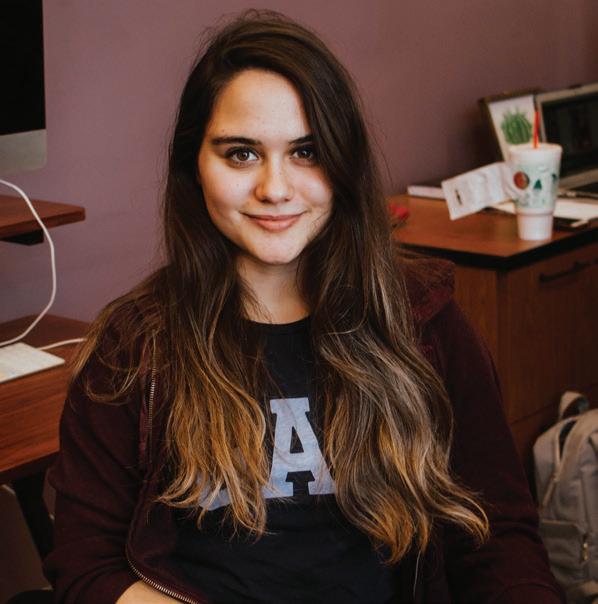
Mina Onar
Assistant Editor neslihanmina-onar@raider.rose.edu
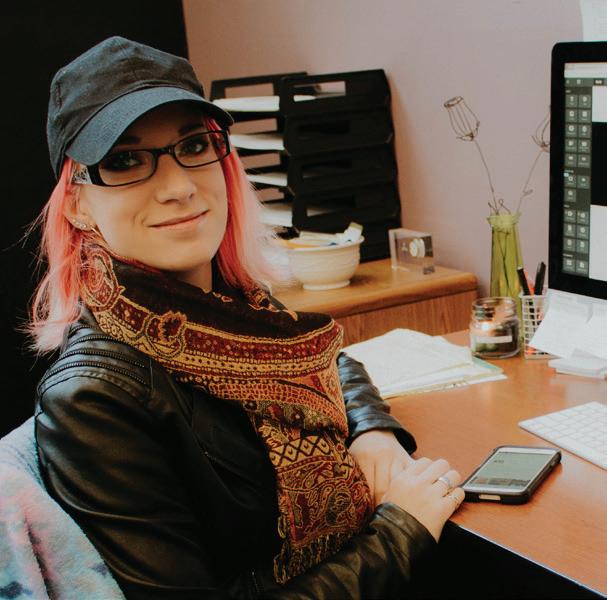
Payton Hayes
Online Editor payton-hayes@raider.rose.edu
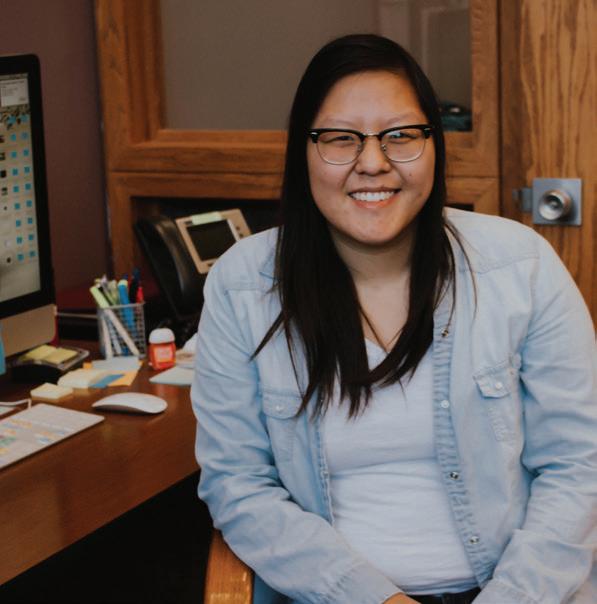
Bailey Bussell
Multimedia Editor bailey-bussell@raider.rose.edu
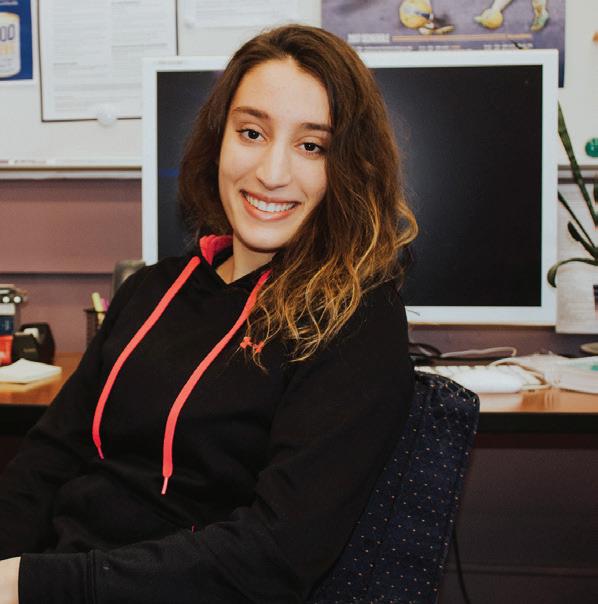
Emily Siddiqui News Editor
emily-siddiqui@raider.rose.edu
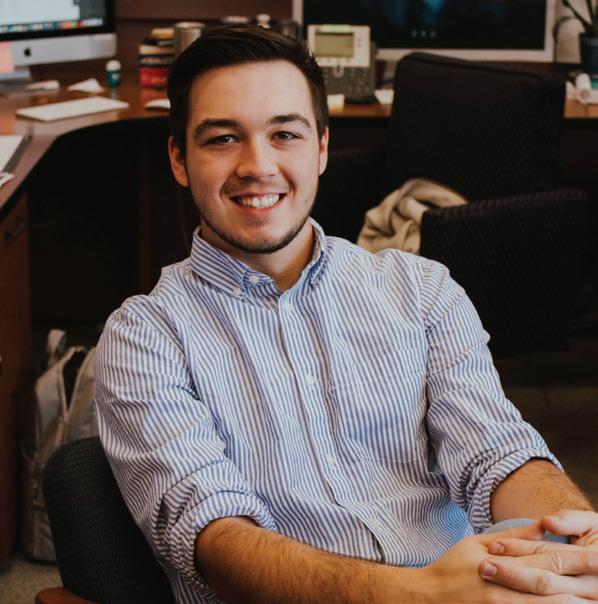
Brayden Conover
Advertising Director & Sports Writer
brayden-conover@raider.rose.edu
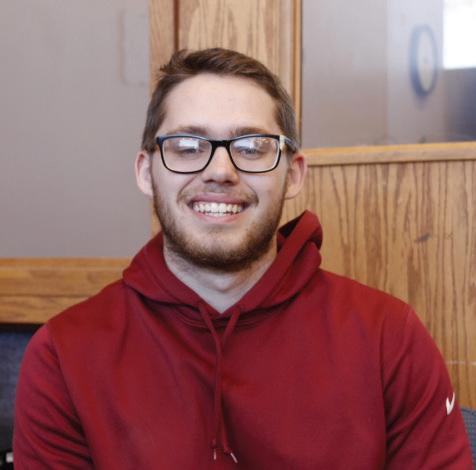
Danny Fritts Sports Editor daniel-fritts@raider.rose.edu
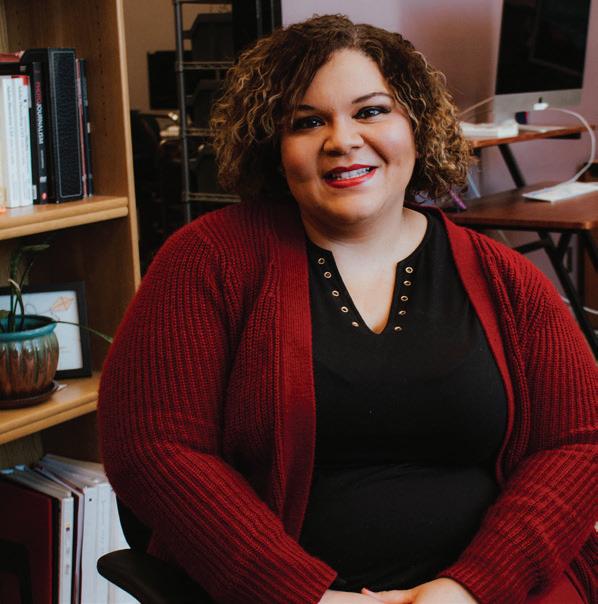
JaNae Williams
Circulation Manager & Art Director janae-williams@raider.rose.edu
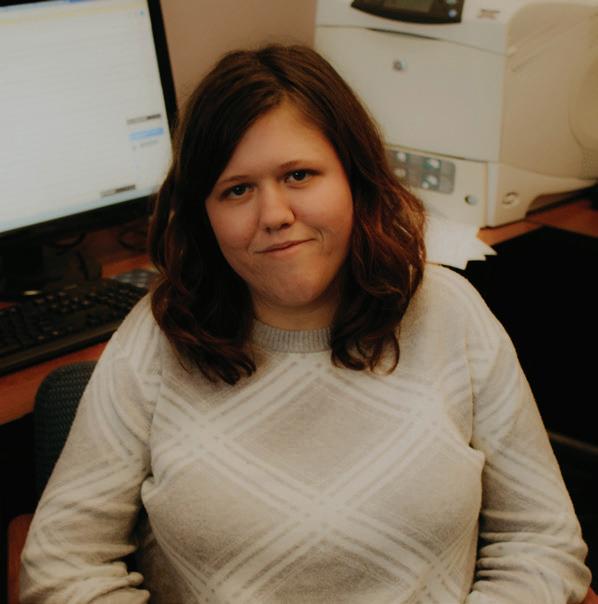
Kat Tabak
Features Editor kathleen-tabak@raider.rose.edu
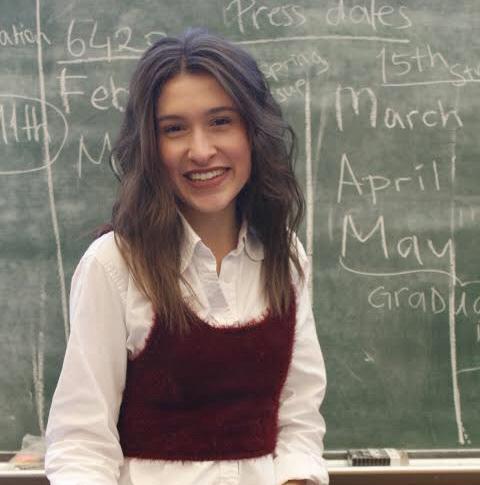
Haley Humphrey
Social Media Coordinator
haley-humphrey@raider.rose.edu

Generations in the Classroom
Story by Reginal Fields • Photos courtesy of Rose State
At Rose State, the average age of undergraduate students is higher than that of most universities; in fact, the average student is 25. Almost half of Rose students are older than 25, according to the National Center for Education Statistics. This means classes at Rose State consist of students spanning more than one generation.
Because of the technological and educational changes over the years, learning styles for the different generations vary. Thus, it is crucial for a successful educational institution to address and accommodate different learning styles. Multi-generational classrooms are considered to be called “merged learning environ -
ments.” It provides an opportunity for students and faculty alike to exchange information, share knowledge and talk about careers and life.
The generations found in the Rose State classroom include: Traditionalists (also known as the Silent Generation), born between 1925-1942; Baby Boomers, born from 1943-1960; Generation X, born between 1961-1981; and Millennials, born from 1982-2000, with some introducing a new microgeneration called Xennials for those born between 1977 and 1983 (people who did not grow up with at-home computer technology but were introduced to it in their late teens/ early 20s). The ways in which each group approaches their education are different and so are their learning styles.
and the work-centric skills of the Traditionalist and Baby Boomer generations together as partners that build confidence. Research has shown that Millennials work well with these specific generations.

Technology is the catalyst that is changing how students learn. Rose State Business Professor Amanda Foote stated that the educational system has changed over the years by offering early morning, evening and online classes. Today’s merged learning styles are about bringing the technical skills of the Millennial
Janet Griffith, Rose State Coordinator of Student Access Services and Special Services, discussed how older generations can learn to speak the language of the younger ones. They no longer expect the Millennials to adapt to the older generations’ languages.
“We all need to learn to speak each other’s language. The Baby Boomers and Traditionalists need to go the [extra] mile to understand the younger generations,” she said.
However, Traditionalists and Baby Boomers experience a learning curve when it comes to working with constantly evolving technology. With the elevated number of older generations in the classroom, merged learning opportunities exist for everyone—no matter their generation—providing chances to teach and learn about work ethic and life experiences. Clearly, there are many benefits to having multi-generational classrooms.

Real Talk
Who is your favorite professor?
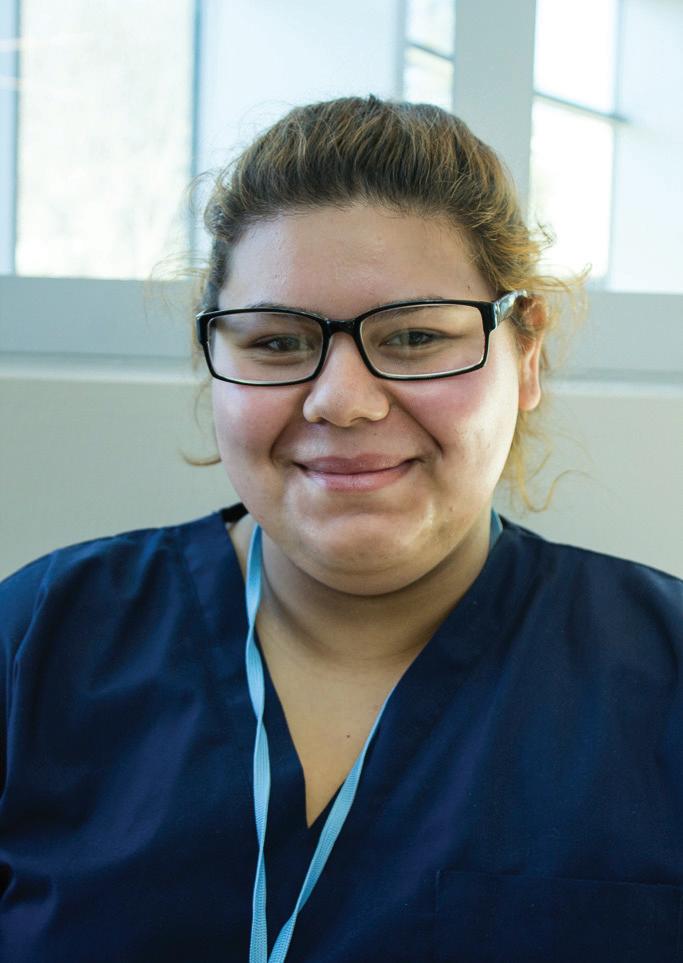
Nicole Knapp, Phlebotomy major
M. Williams is my favorite professor because I have a learning disability and she pushed me hard to get through it.
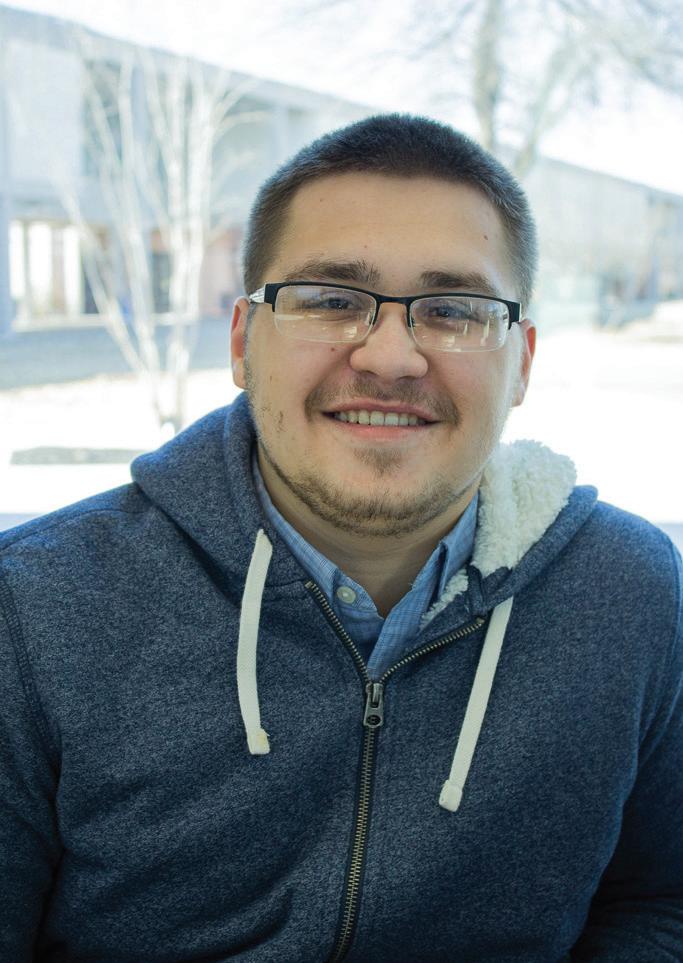
Sean Roema, Business major
My favorite professor is Davenport because he is unbiased.
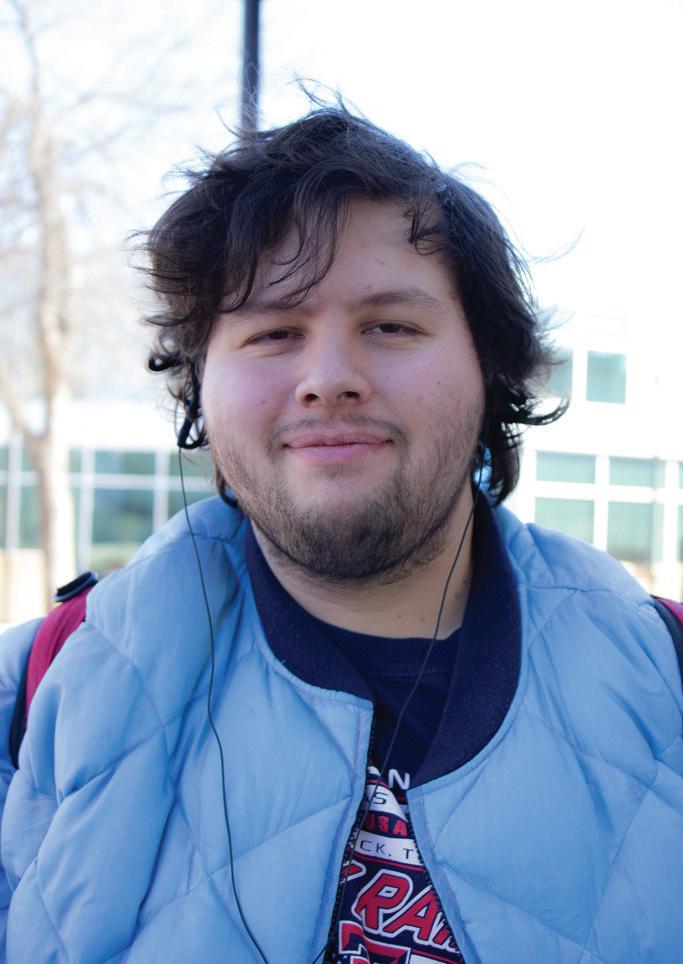
Duwyan Betancourt, Accounting major
My favorite professor is Professor Byers because he takes the time [to] help who[ever] asks for it.
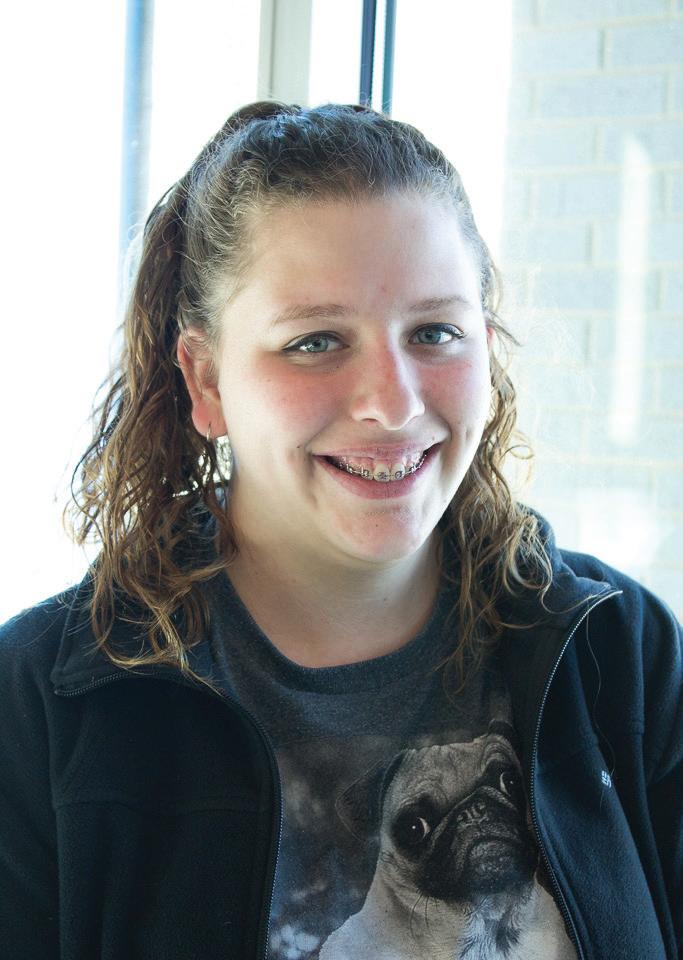
Anna Wagner, Forensic Molecular Biology major
My favorite professor is Amy Hurst because of the way she teaches.
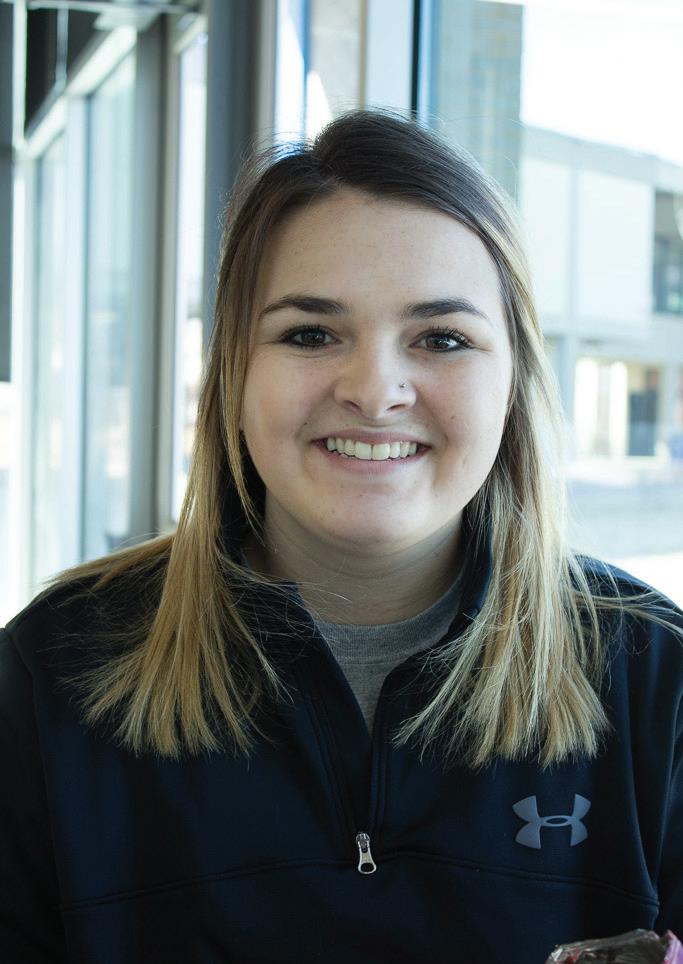
Cheyanna Kirkwood, Radiology major
My favorite professor is Sherri Mussatto because she’s energetic and very helpful.
Rose State Clubs and Organizations
List compiled by Anaiah Robinson
Rose State College has a variety of clubs to join this year. If any of these clubs pique your interest, contact the club adviser listed below.
• 15th Street News ddelaney@rose.edu
• American Indian Association maitson-roessler@rose.edu
• Anime, Fandoms and Gaming danderson@rose.edu
• Baptist Collegiate Ministry cameron-coats@raider.rose.edu
• Black Student Association tgrayson@rose.edu
• Chess Club sfowler@rose.edu
• Democratic Socialists of America ddelaney@rose.edu
• Drama Club rnelson@rose.edu
• Health Information Technology Club lwhaley@rose.edu
• Hispanic Students Association ealverez@rose.edu
• Hoops Club rsummers@rose.edu
• INSPAIRE rknox@rose.edu
• Latina Legacy Leadership elarios@rose.edu
• Laughing League elarios@rose.edu
• Mass Communication Club ddelaney@rose.edu
• Medical Laboratory Technology (MLT Club) cledesma@rose.edu
• Music Club tgregg-boothby@rose.edu
• Non-Traditional Student Organization
tearl@rose.edu
• Paralegal Students Association bburris@rose.edu abush@rose.edu
• Pre-Vet & Animal Welfare Club lmay@rose.edu
• Phi Theta Kappa jmontgomery@rose.edu sthomas@rose.edu
• RSC Bible Study cshaneyfelt@rose.edu
• Rose League danderson@rose.edu
• Rose State Political Science Club george-thomer@raider.rose.edu
• RotarACT mengelbrecht@rose.edu
• Sexual Identity/Sexual Health (SISH) shoss@rose.edu
• Social Sciences Club thall@rose.edu
• Spectrum Alliance Club shoss@rose.edu
• STEM Club sfowler@rose.edu
• Student Nurses Association hardiman@rose.edu
• Swim Club kqueri@rose.edu
• Tennis Club kqueri@rose.edu
• Ultimate Frisbee Club arooks@rose.edu
• Volleyball Club ealvarez@rose.edu
• Women of Purpose mbruner@rose.edu
For more information on the clubs offered, stop by Student Engagement located in the Student Service Building.

Sidelines: Baseball
Story by Brayden Conover • Photos by Bob Whitaker and Rose State
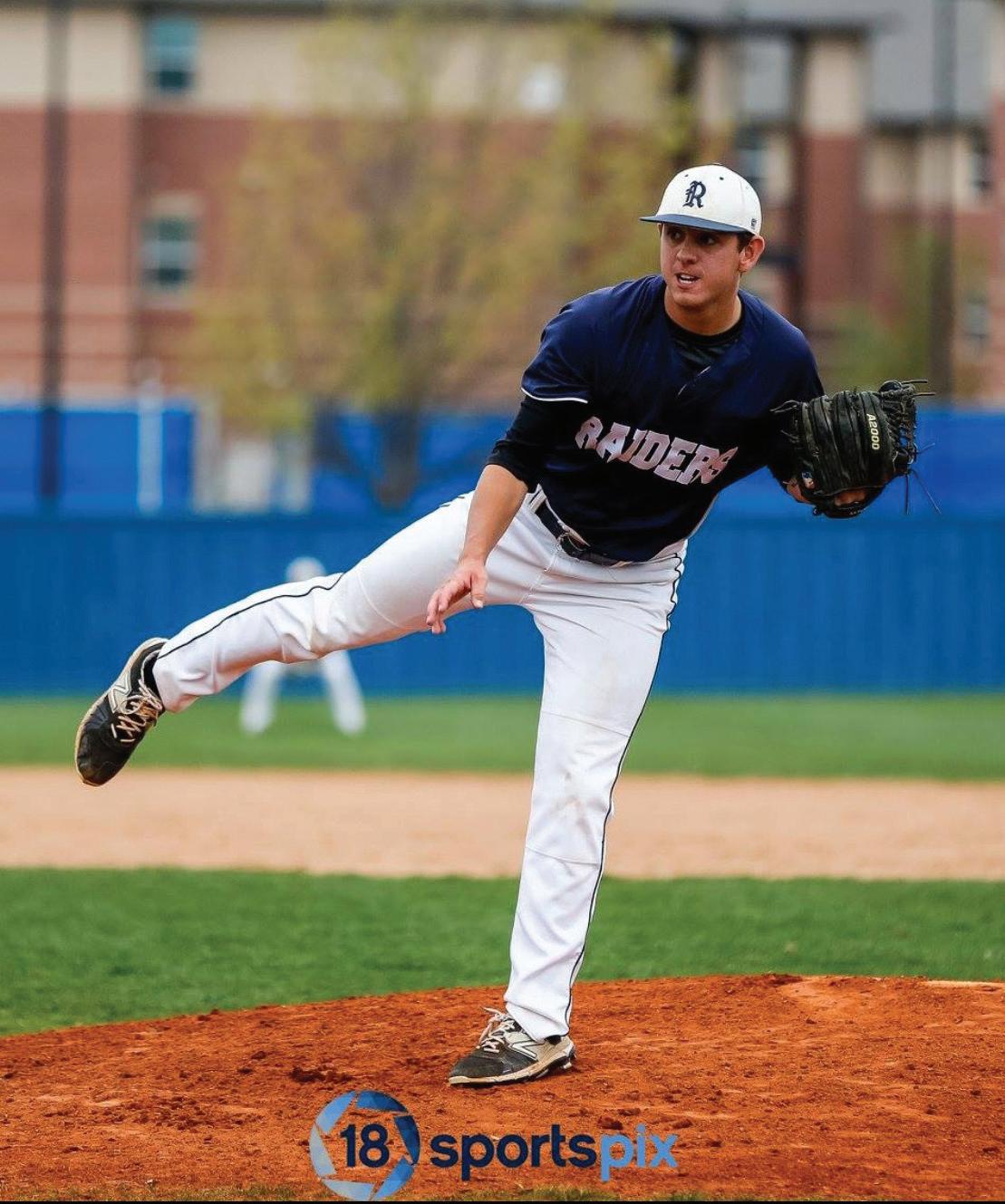
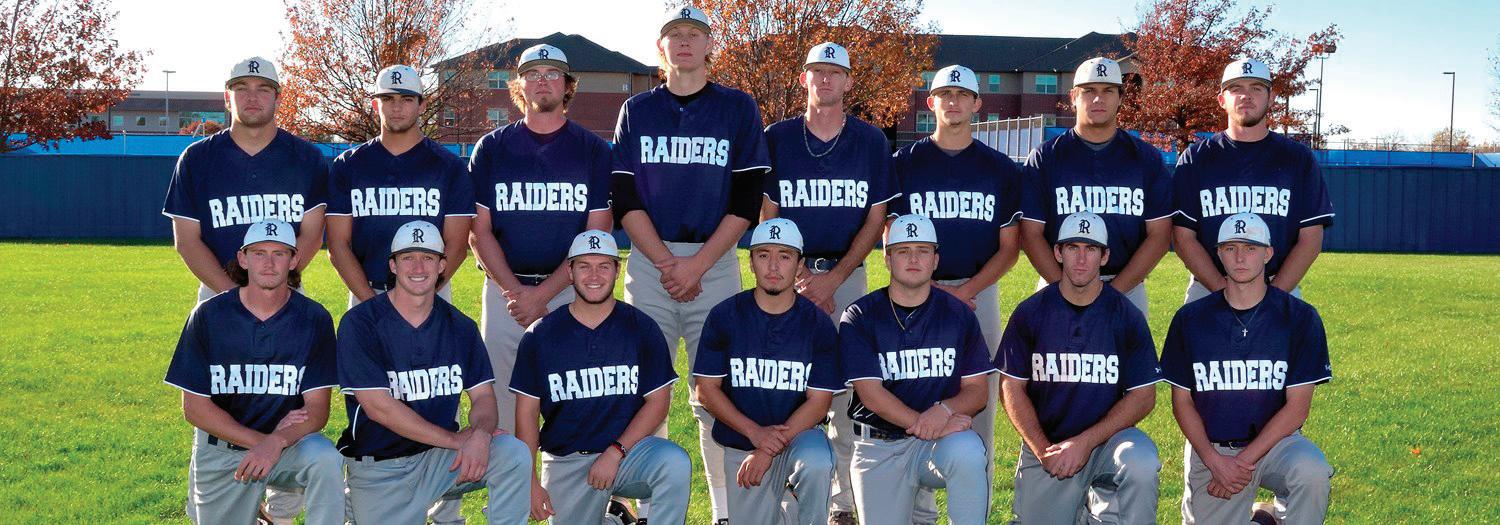
This month’s feature athlete is Raider pitcher Bryson Schuman. Schuman is a redshirt sophomore from Carl Albert High School. Last season, he missed half the year because of an elbow injury but still managed to strike out 28 batters over 31 innings. He finished the year with a 2-2 record as well and was 2/2 on save opportunities.
As for this season, Schuman is focusing on being consistent. Bryson looks to be a part of a rebirth for the Raiders’ pitching staff. The team ended last season with a 7.41 team ERA, which landed them 151st in the nation last season. Schuman hopes to remedy that this season.
“I definitely contributed to the subpar team ERA last season, and the other retur ning pitchers are aware of that team ERA as well. In JUCO baseball, you are going to face good hitters,” Schuman said. “So, giving up a hit or two in one inning can’t get to your head or it will make it way more difficult to keep your composure.”
This season looks like it could be a defining one for Schuman as he plans to continue his pitching career at either Oklahoma Christian or Southwest Oklahoma State.
Raider pitcher Bryson Schuman


Sidelines: Softball
Story by Danny Fritts • Photos by Bob Whitaker and Rose State
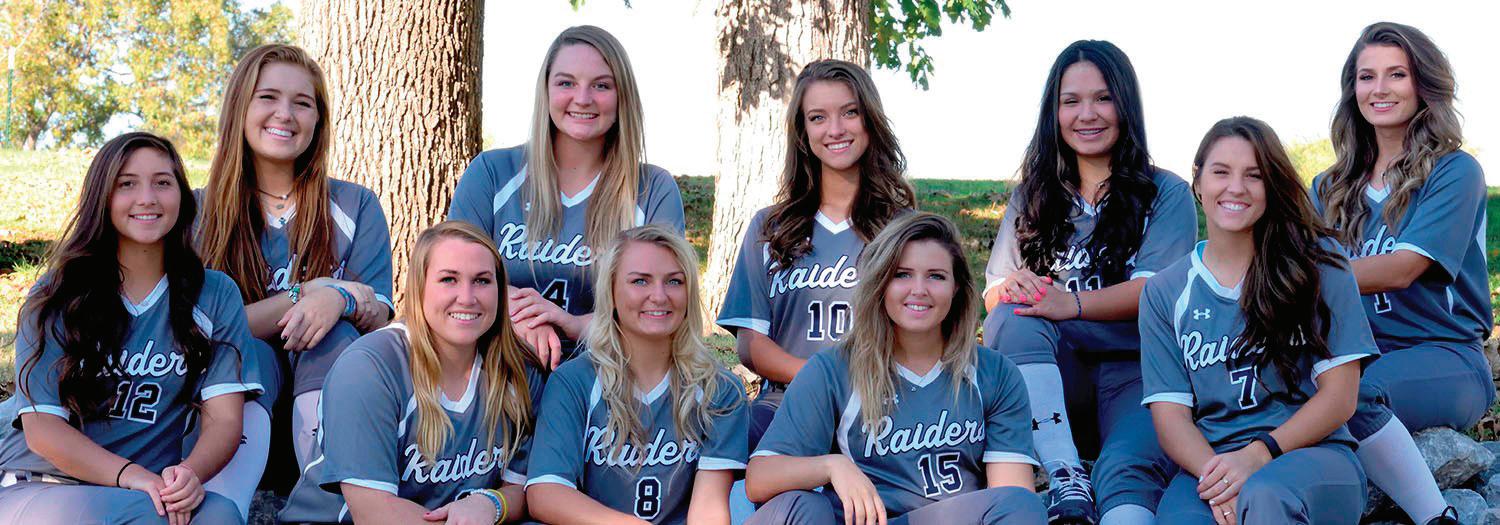
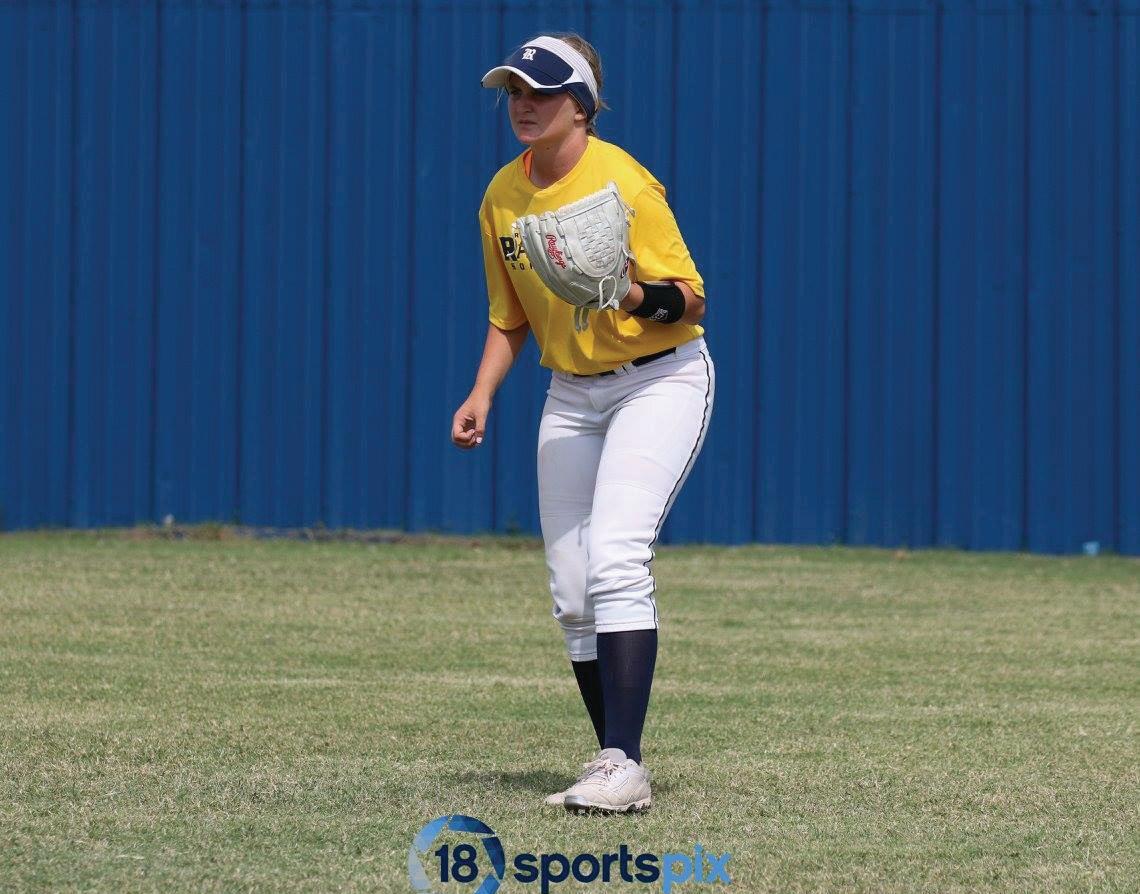
This month’s feature athlete is Raider Casey Wojcak. Wojcak’s position is outfield and her number is 11.
What is one strength of the team heading into the season?
“One strength our team has heading into the season is our drive and competitiveness; we’re always giving it 110 percent and never giving up. We want to win and are willing to work for it any way possible.”
What are some differences between playing in high school and playing in college?
“Playing in high school and college are two completely different worlds. In college it’s more structured and more work. They’re paying for your school so you have to maintain standards and work hard in the classroom and on the field. The conditioning and practice is harder. The season is long so it’s more self-discipline, I believe.”
What are the difficulties of managing the life of a student-athlete?
“Student-athlete life is tough, but rewarding. It takes lots of balance between class; workouts and practice are time-consuming, but winning games and making lifelong friends along the way is worth it.”
RSC Softball opened the season at home as they took on Indian Hills on Tuesday, Feb. 6. For updates on the Raiders, visit rscraiders.com
Casey Wojcak

The Breakdown: Vegetarianism
Story and photos by Michelle Rojano
A person who is vegetarian is defined as someone who does not eat meat and/or use animal products. The motivation behind these diets tend to be moral, religious or health-related. Meat-free diets have steadily increased in popularity in today’s society with promises of weight loss, healthier habits and longer lives. According to Harvard Health, there are five different types of vegetarian diets. Although all five types primarily focus on consuming plant-based foods, they each have exceptions to what animal products are acceptable
to consume.
Veganism means not consuming or using animal products. Vegans do not eat animals and they also do not use materials tested or made using animals or animal products.
For some who practice veganism, the goal is to reduce animal cruelty and exploitation. For others, veganism is simply a healthier way of life, reducing the consumption of red meats and dairy.
Christian Tabak, Rose State alumnus and vegan for almost nine years said his reasons for his
dietary choices are solely ethical.
“I was raised an ethical vegetarian and don’t eat meat because I don’t believe in killing and eating other sentient creatures,” he said.
Lacto-ovo vegetarians are people who do not eat animal meat, including fish, but they do consume dairy products, including eggs. According to The George Washington University, recent studies have shown cutting meat out of a diet can result in weight loss without exercise.
A step away from lacto-ovo vegetarians are lacto vegetarians. The difference between the two is that lacto vegetarians cut all meat and eggs from their diets, but still consume dairy products like milk, cheese, yogurt and other dairy-based products. The benefits to this diet are similar to those of the lacto-ovo diet.
On the other hand, ovo vegetarians are people who cut out all meat and dairy but still consume eggs. A popular reason for consuming eggs is to have an easy source for protein. In fact, eggs are considered to be one of the best sources for protein, with 6 grams per large egg. According to the egg nutrition center, “Eggs are an all-natural source of high-quality protein and a number of other nutrients, all for 70 calories per large egg.”
Partial vegetarians are people who cut out most meats from their diets but may still consume fish and poultry. According to JAMA Internal Medicine, a long-term study done from 1980 to 2008 showed the consumption of red meat had a correlation to shorter life spans.
Making the change can be beneficial to some people. Tabak has noticed some health improvements since his decision to adopt a vegan diet.
“I’ve noticed that I’m not as sluggish as I used to be,” Tabak said. “Fatigue was a big problem for me when I was younger, but that has pretty much disappeared since I’ve gone vegan. I’ve always got energy, even without animal-based protein and vitamin B sources.”
Despite his strong beliefs in the benefits of a vegan diet, he admits the lifestyle may not be for everyone. He also admits that the change in diet can be expensive depending on individual’s food preferences. Despite that, even small changes in a diet can make a difference.
“Depending on your reason for going vegetarian — whether ethical, health related or environmental — even cutting back a little on meat and animal products can help you reach those goals,” Tabak added.

Aunt Renee’s Pumpkin Pie Recipe
Recipe by Payton Hayes
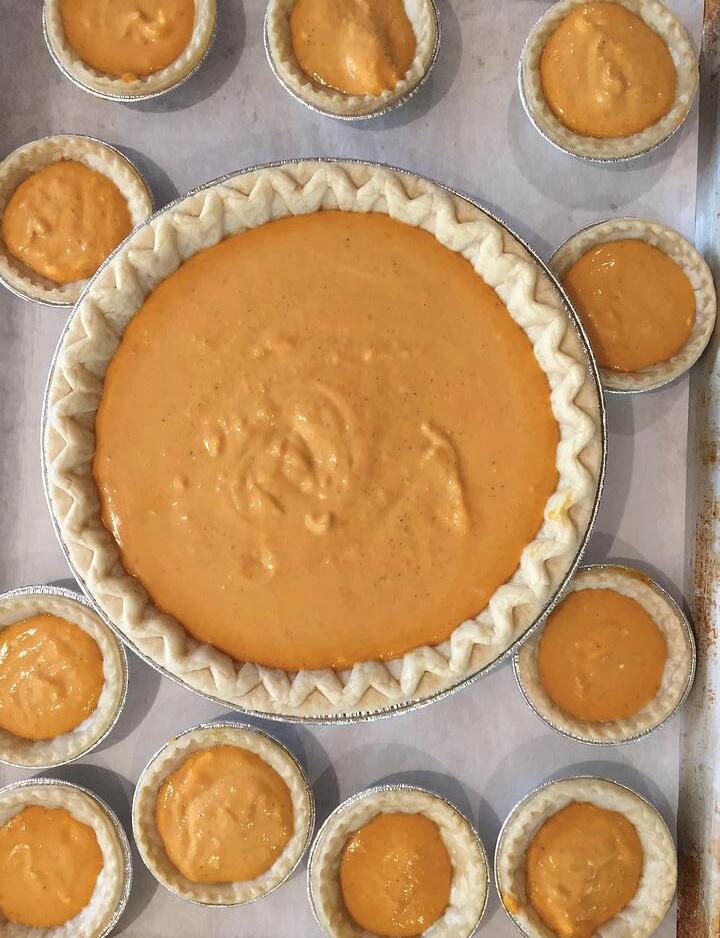
The holidays may be over, but pumpkin pie is here to stay. Soothe a sweet tooth with this Thanksgiving throwback recipe. Feel free to customize this recipe to taste.
Details:
• Oven Temperature: 350°F- 425°F
• Prep Time: 15 Minutes
• Cook Time: 40-50 Minutes
• Servings: 1 Pie
Ingredients:
• ¾ cup sugar
• ½ Tbsp salt
• 1 tsp ground cinnamon
• ½ tsp ground ginger
• ¼ tsp ground cloves
• 2 large eggs
• 1 can (15 oz) Libby’s pure pumpkin
• 1 can (12 oz) Carnation milk
• 1 unbaked pie shell
Instructions:
• Mix all ingredients and gently add milk to mixture.
• Pour into unbaked pie shell.
• Cover crust with foil while baking.
• Remove pie from oven after 40-50 minutes and let it sit until it cools.
• Serve and enjoy.
What’s in My Bag?
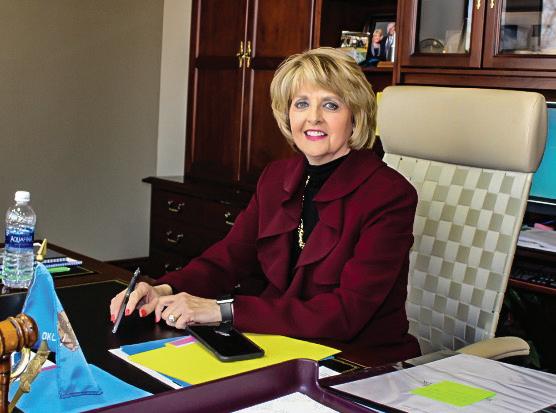
For this issue’s “What’s in My Bag?” we interviewed Rose State College President Dr. Jeanie Webb.
Notebook:
“I keep my notebook to take notes and jot down important details or unplanned information. You never know when you’re going to need to remember something important.”
Glasses:
“I can’t see. I keep a pair of glasses in my purse, in my car, on my desk. If they aren’t on my face,
I’m carrying them with me to use when I need them.”
Hand Sanitizer:
“I shake many, many hands in a day and I don’t want to carry germs around with me. We want to keep a healthy campus and staff. We need our team.”
Lipstick:
“I’m a female! I’ve got to keep an
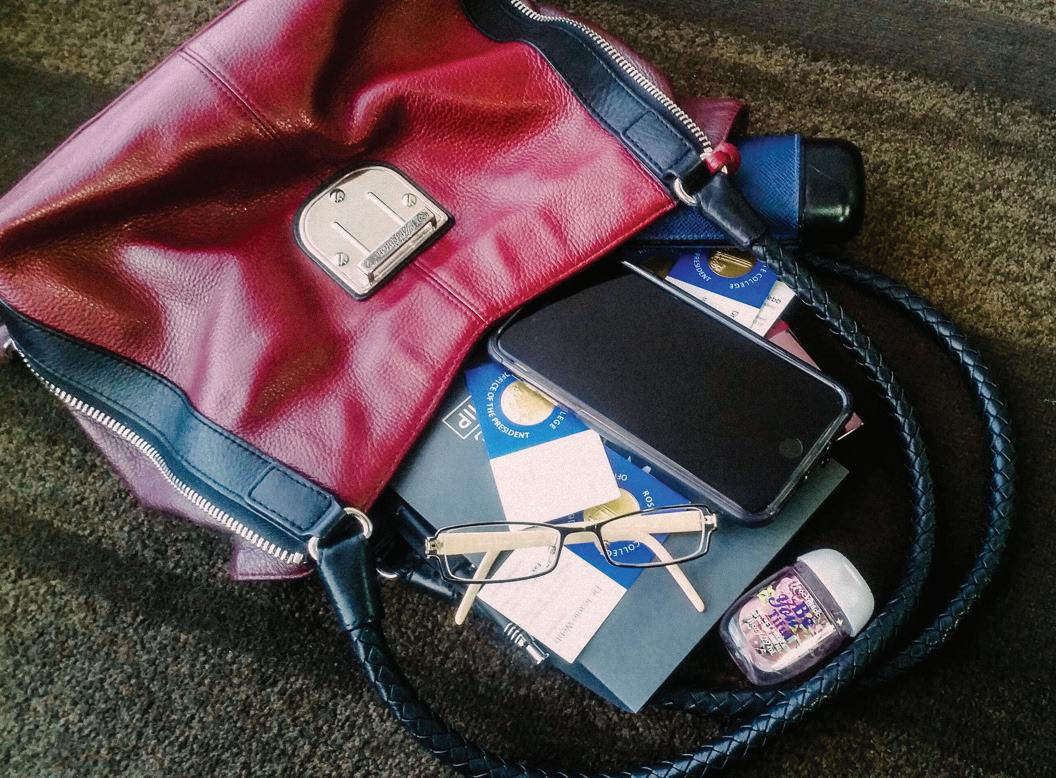
extra lipstick on hand, for touchups throughout the day!”
iPhone:
“I always have my iPhone. I keep it with me for notes, phone calls, emails, messages and everything else to help keep the campus informed. It is important to communicate constantly with the campus.”
If you could go back in time, what item would you put in your bag for an emergency situation?
“I wish I would have remembered to bring tennis shoes to the capital. Wearing heels up and down the stairs at the capital, all day will kill your feet. And a bottle of water, to stay hydrated during long meetings.”
Story and photos by Payton Hayes
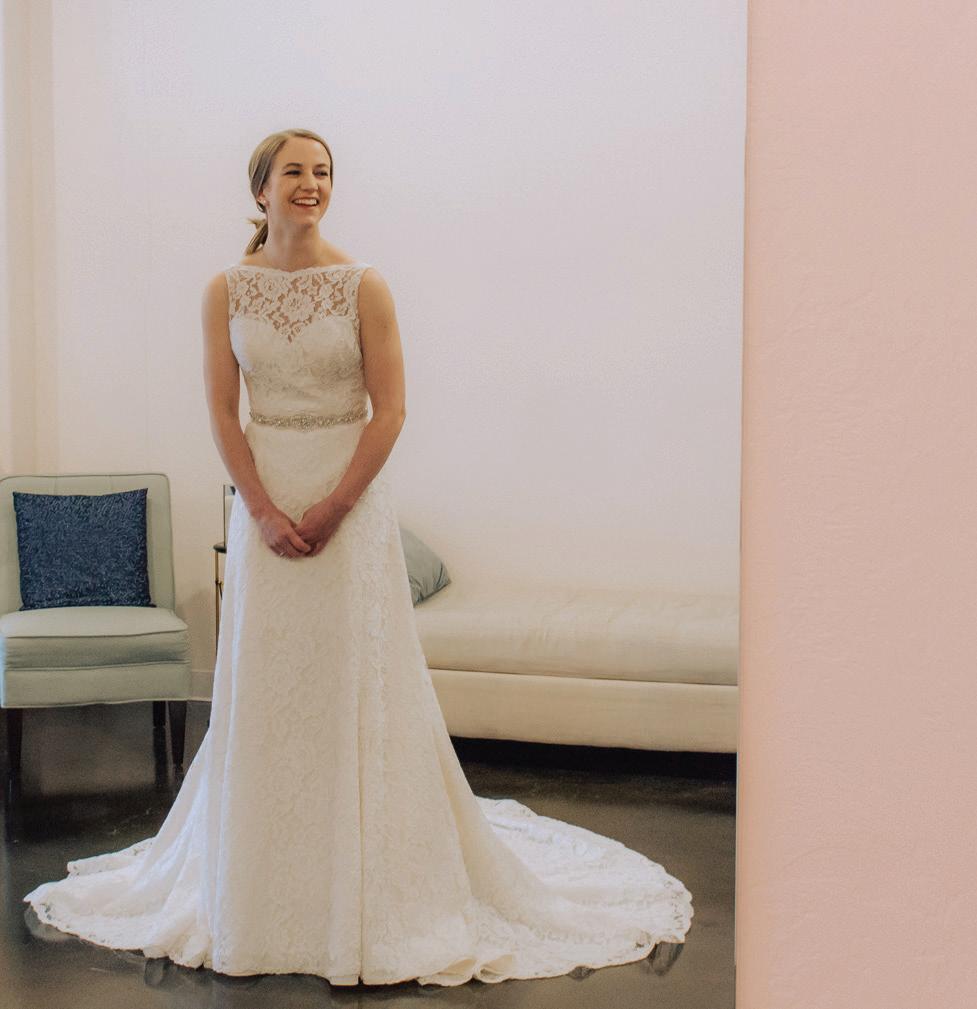
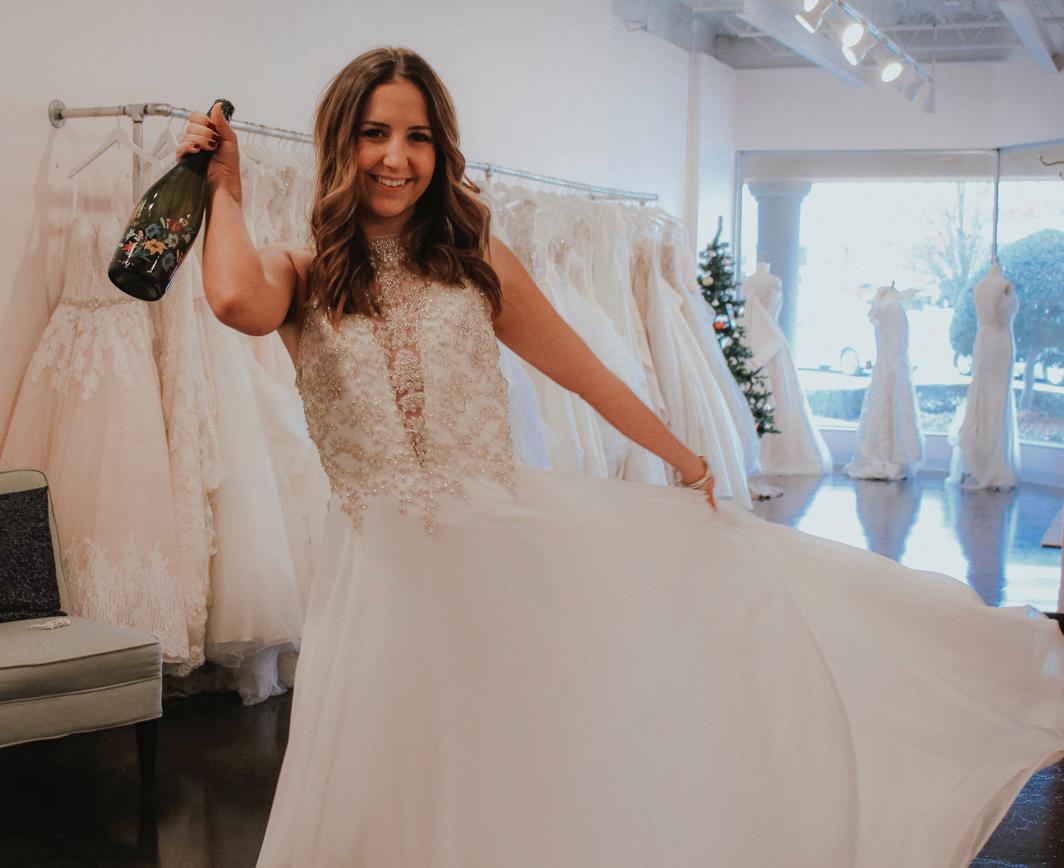
Got the Ring, Now get to Planning
Story and photos by Toni Ross
The holiday season has come to a close and some welcomed 2018 with a big, shiny engagement ring. If this applies to you, you may be asking, what now?
Wedding planning is no easy task, and unless you’re Jennifer Lopez from The Wedding Planner, you probably have no idea where to start. Follow these tips to make your wedding experience as stress-free as possible.
Start early: You will not regret getting a move on things early in the engagement. You should give yourself time to enjoy the planning process without the added stress of procrastination. Make a list: Make a list of the big things you need: the venue, the dress, invitations, food, florals. Once you’ve finished, tackle one thing on the list at a time. Each step in planning is extensive and very detailed; you’ll get worn out quickly if you’re making decisions 24/7. Barnes and Noble has numerous planning books to help you with your list-making.
Determine a budget: Start small and don’t make an “all-inclusive” budget for the entire wedding. The prices of even the smallest details will sneak up on you. Once you’ve determined a vision for the venue, determine a budget. Research a few photographers and decide your price range. Try not to show interest in making a wedding purchase without first deciding on a set price for it. Vendors will appreciate your research.
Orders: Whether it’s florals or dresses, many things in the planning process will have to be special ordered. Keep this in mind, because these orders may take up to six months in advance. Anything that might need to be special ordered needs to be one of the first priorities when planning. Another thing to keep in mind is that wedding vendors generally charge far more for items and venues than other events, this is known as the “Wedding Tax,” or “Wedding Markup.” We recommend purchasing items under a “family gathering” rather than a wedding if possible. When deciding which orders to place first, consider the bridal party wear. The difference between you and them is that you have prepared funds for this occasion and they have not. You will probably have to send them several reminders to get their orders placed.
Theme: Decide on a theme before you do anything else. Every
vendor will need to know this and planning will be a nightmare without it. Themes determine color scheme, location, time, decor and style. Also, keep it unique to you and your partner. Remember, themes can range anywhere from boho to a Disney lover’s dream.
Keep up-to-date: This is the most fun: keeping up with the latest wedding trends. Pick up bridal magazines and subscribe to everything bridal blogs (Style Me Pretty, Martha Stewart Weddings and Green Wedding Shoes are today’s most popular). This makes it so much easier to come up with a vision and most importantly, to see if your partner is on the same page. Be present: The planning process can be overwhelming, stressful and also completely take over your other priorities. Don’t let it do this to you. Remember, you’re planning your WEDDING! It’s an exciting time to celebrate growth in your relationship. Enjoy it, take breaks when you need to and remind yourself why you’re doing all of this in the first place.
Don’t forget to check in with your significant other.
Sincere congratulations from The 6420.
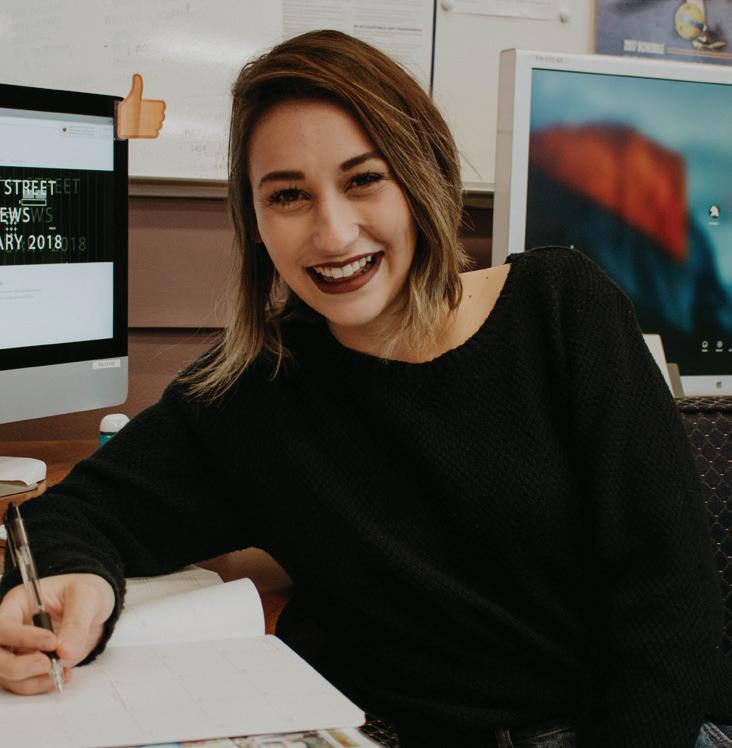
Toni Ross, The 6420 Writer & Photographer and Social Media Coordinator for Moliere Bridal

Physical Therapy vs. Pain Medication
An Opioid Epidemic
Story by Haley Humphrey • Photos by Bailey Bussell
President Donald Trump directed the Department of Health and Human Services to declare the opioid crisis a public health emergency in October 2017. Action for this escalating epidemic was long overdue. However, the actions Trump stated in a ceremony held at the White House for families affected by opioid abuse instructed Americans, especially the youth of the country, to “just say no” to drugs in general.
But how effective is this? Most people do not wake up one day and decide they will become an addict.
What people need is an alternative method for treating pain.
Physical therapy is an option Americans can look into.
With the phenomenon known as the drug cascade—the dependency on prescription medication—increasing each year, the treatment of physical therapy is rarely, if ever, discussed. Many Americans who suffer from pain go to their physicians who write them a prescription for an allotted amount of time, without even suggesting the option of physical therapy.
“Pharmaceutical companies made billions promoting the aggressive prescribing of opioids,” said Dr. Andrew Kolodny, senior scientist at Brandeis Uni -
versity, in a Time article written by Haley Sweetland Edwards.
Why is physical therapy not an option most physicians provide? Drugs are the quickest fix. Physical therapy can take weeks, months or even years to help manage pain, which is why many turn to a medication that can alter the brain to not feel pain for a select period of time. However, the cause of the pain is not actually being treated, just the brain’s response to the pain it is receiving.
According to Edwards, “33,000 Americans died of opioid overdoses in 2015 alone, state and federal guidelines have encouraged doctors to co-prescribe opioids with a drug that reverses an overdose.” So, essentially there is a pill to stop the first pill.
Vicki Buchanan, physical therapist and founder of Regional Physical Therapy, Inc. located in Midwest City, was inspired to help patients regain their independence from pain.
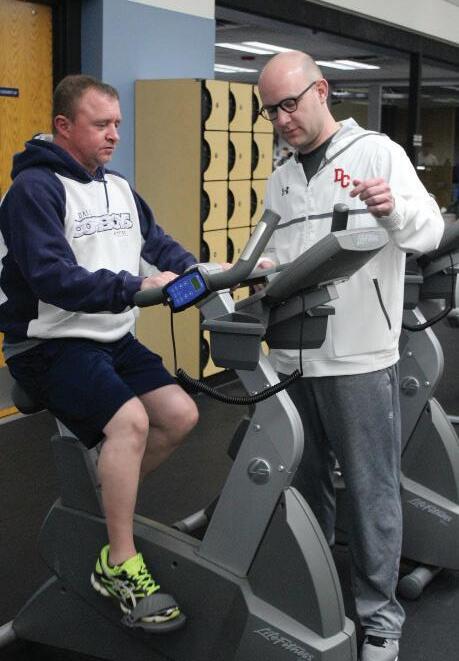
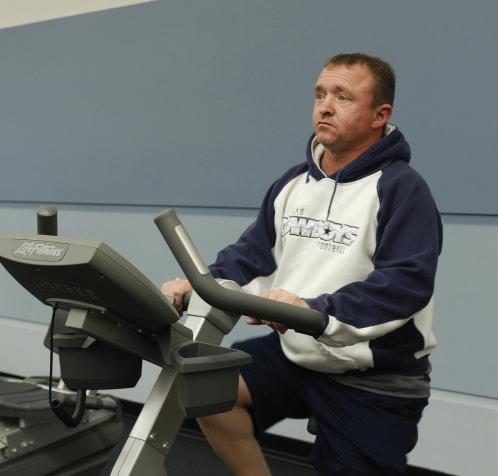
Like surgeons, physical therapists address mechanical problems without the onset of medication. By the time patients arrive to physical therapy, if at all, they have usually gone through at least three rounds of medications for the pain they are feeling, according to Buchanan. The cycle that Buchanan, who has been in this business for 31 years, illustrated mainly occurs in this way: a patient informs their
doctor they have pain; the doctor gives the patient a prescription to relieve the pain; the patient returns to the doctor insisting the pain has not ceased; the doctor sends the patient to a pain management specialist who will then prescribe yet another dose of medication that may involve an anti-inflammatory. Many Americans believe this is the only cycle they can live by to heal their pain.
The American Physical Therapy Association worked on a campaign called PT First to limit the vicious cycle of opioids by having doctors send their patients to a movement specialist for mechanical examination without pain medication, according to Buchanan.
Further progress has been made with the establishments of Fighting Addiction Through Education by Integris and the Austin Box Foundation. FATE helps people overcome opioid addiction. Gail Box, mother of Austin Box and former linebacker for the Oklahoma Sooners football team, works to raise awareness of prescription drug use with the ABF.
The practice of medicine is not aimed to destroy lives. However, it has been made to appear like the only way out for people suffering from pain. Acknowledging the mechanical error occurring and practicing healthy eating habits could very well result in the pain-free solution people are searching for.
This is only the beginning of a long list of other alternative recovery options.

Winter Olympics without the NHL
Story by Scott Sharkey • Photos by Brayden Conover
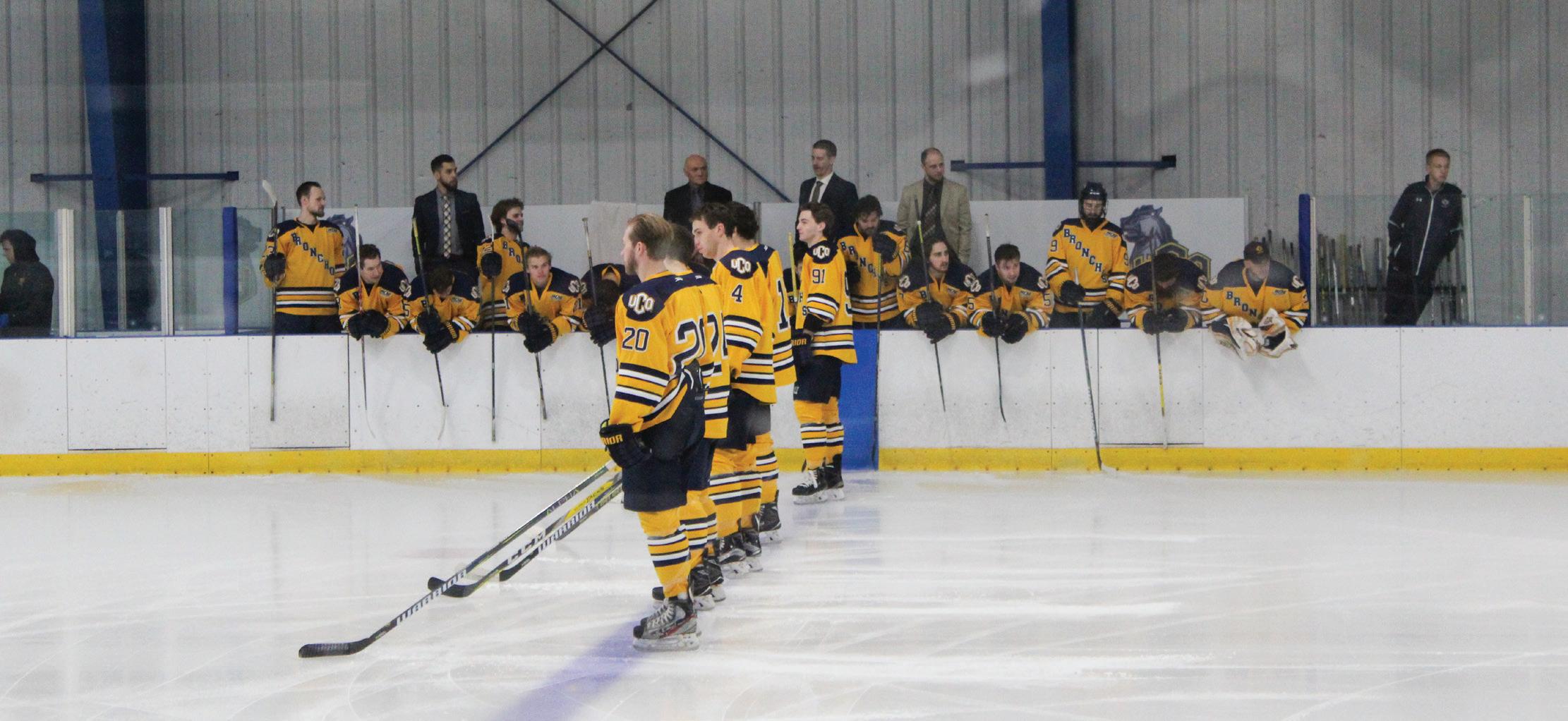
The National Hockey League elected to pull all of the players they have out of the Winter Olympics to be held February in Pyeongchang, South Korea. There are many reasons why the NHL decided to make a move like this. However, the two main reasons are because of the threat of North Korea and the International Olympic Committee.
The IOC covers about 90 percent of the cost for the
NHL players to play in the Winter Olympics. According to time.com, the IOC was not willing to cover the cost for the upcoming Winter Olympics because of the hassle it creates for the league. The NHL players do not agree with the decision, and many players have gone on record and stated they still want to go and represent their countries in the Winter Olympics.
According to NHL.com, any player who does not
UCO Hockey Team
follow these orders and still goes to play will be fined and punished for breach of contract.
“The NHL players made a commitment in all of their contracts that they would agree to any terms and follow the orders given to them by league owners and team management,” said Tyler Bowden, Rose State student.
This will not keep hockey, as a whole, out of the Winter Olympics, but NHL players will be replaced with players from leagues like the East Coast Hockey League, Swedish Hockey League and other European hockey leagues. The order will not bar the United States from competing in the Winter Olympics either, but hockey may have other players participating in the Winter Olympics who normally may not have had a chance.
One player in particular, Matt Donovan from Edmond, plays in the SHL for the Frolunda Indians and is currently trying out for the United States Olympic hockey team.
“It is an absolute honor to have the chance of representing my country in the upcoming Winter Olympics; it is truly a dream come true,” Donovan said.
Many NHL players are trying to fight the league’s decision on not letting them represent their countries in the Winter Olympics, according to theguardian. com. The league fears that this may ultimately lead to a player protest and perhaps even a lockout like the during the 2012-2013 season. It was only half of the season, but it was caused by the same scenario of the IOC being unwilling to cover the costs for the Winter Olympics. Back in the 2012-2013 season, players were still able to represent their countries in the 2014 Winter Olympics. This will be the first time the NHL will not attend the Winter Olympics since the 1994 winter games, according to sbnation.com.

PyeongChang 2018 Olympic Winter Games
Friday, Feb. 9 through Sunday, Feb. 25
Major Focus: Emergency Management
Story by Emily Siddiqui • Photos by Emily Siddiqui and courtesy of The EOC
Among the dozens of two-year degrees offered at Rose State, several can be put to use immediately after graduation. One of those is the new Emergency Management program—a unique option many Rose students are unaware of.
Jackie Wright, Professor of Emergency Management at Rose State, developed the program’s courses himself. Wright formerly worked as the state training officer at the Oklahoma Department of Emergency Management, where he created five programs on both county and municipal levels. In 2015, it was suggested Wright’s courses be brought to Rose State. Originally, the classes were meant to be an adjunct function for the college, but with the help and encouragement of several people, including OEM Director Albert Ashwood, it eventually became a full-on associate in science degree.
“It originally wasn’t intended that way … but it took on a life of its own,” Wright said.
The first two courses launched in the spring of 2016, and by the fall, the program was in full swing.
Students can choose to complete just the certificate, which consists of nine courses, or they can aim for the full Emergency Management Associate in Science degree. Both online and in-class options are available, and there are currently no textbooks required. This makes program completion especially convenient for working adults.
This number is expected to grow with the increase of program awareness and the demand for emergency managers to fill positions. Rose State’s program is only one of 11 of its kind in the entire country, as far as associate degrees specific to emergency management.

Now, there are 29 students enrolled in Wright’s EM classes.
So, what exactly does an emergency manager do? Contrary to a common misconception, emergency managers are not first responders. In fact, the two roles are very different. Wright thinks this cannot be emphasized enough. While first responders are on-call to deal with emergencies directly, emergency managers are the resource coordinators, the people in charge of logistics.
“It’s been equated to being the stage manager for a production; the behind-the-scenes persons that make everything work,” Wright explained.
The general public may be more attracted to or aware of first responder jobs, with all the adrenaline rushes and sirens involved—but none of those jobs, though crucial, can be accomplished without a support system in place—and that’s where emergency managers come in. They make plans to prevent, and most importantly, educate citizens about handling emergencies. Working with clients, necessary levels of government, or both, they ensure a plan is in place for various types of disasters; they also strive to keep their clients updated on new developments or materials to stay prepared. From fire evacuation procedures and tornado
shelter placements to hurricane preparedness and terrorism threats, emergency managers are proactively at work.
A primary responsibility for emergency managers, however, is actually to train others how to plan and act independently.
“The more people we can teach to take care of themselves, the less thin[ly]-spread our first responders are, and that’s the purpose behind the program,” Wright pointed out.
Resilience, self-reliance, mitigation—that is, the strategic lessening of a disaster’s impact—are among the most vital keys to successful emergency management.
As the country’s population continues to increase, so does the need for emergency managers. Wright explained the average manager-to-citizen ratio should be 1-to-25,000, but is projected to grow as the years pass. This means more managers will be needed in the near future. “It’s a rapidly growing field,” he said.
Jobs within emergency management can vary quite widely. As someone who has also worked in the safety, industrial, hygiene and occupational safety fields, Wright explained emergency management goes hand-in-hand with them all, and more and more companies are beginning to realize that.
The U.S. Department of Labor reported the median annual wage of emergency management directors with a bachelor’s degree to be $70,500 in 2016, with projected employment growth increasing 8 percent by 2026.
Whether EM majors at Rose choose to pursue the entire degree or just the certificate in emergency planning and preparedness, they can expect to be ready to work with real-world problems.
“Students would be prepared for an entry-level position by simply completing the certificate,” Wright said.
The program has proven beneficial outside the arena of emergencies as well. EM major Karen Woods is studying to enhance her skills for her job at Tinker Air Force Base, where she oversees 23 different units, including emergency management. Woods initially was studying business, but after eavesdropping
on a few of Wright’s classes, she couldn’t help but wonder what drove his passionate lectures. When she learned it was emergency management, she realized the program was a perfect fit for her own passion: helping people in need. Unsurprisingly, that’s also Wright’s reason for working and teaching in the field: “You have to have a servant’s heart, and you have to want to help people.”
Woods and several others have testified they use tools learned in class wherever they go. Mitigation has been Woods’ favorite class so far, because she said it can be applied not only at work, but also at home.
“It doesn’t matter where you work [or] what you do; this is something that everybody can take with them and utilize out in the world,” she stated.
Woods is excited to expand her influence in the world of emergency management. Simply through the program courses, doors have been opened for her.
“I’m already benefiting from the program just by the networking,” she said. Wright commented that plenty of EM students have expressed similar confidence.
A handful of schools in Oklahoma either have or are developing programs to which students can transfer to further their EM education. Rose currently has articulation agreements with Southeastern Oklahoma State University and the University of Oklahoma; agreements with the University of Central Oklahoma and Northeastern State University are expected to develop soon, Wright said.
As far as supplemental opportunities for EM majors at Rose, there are a few events in the works. Starting Feb. 22, a series of speakers on topics within emergency management will be featured at the Community Learning Center auditorium every two weeks, in partnership with the OEM. The purpose of the series, “The Disaster Next Door,” is to educate more people about disasters in Oklahoma, in hopes of encouraging preparedness. The series is free to the public. For reminders and sneak peeks into each session, follow The 6420 on Facebook, Instagram and Twitter.
To learn more about the Emergency Management program, contact Professor Wright at jwright@rose.edu or call 733-7467.
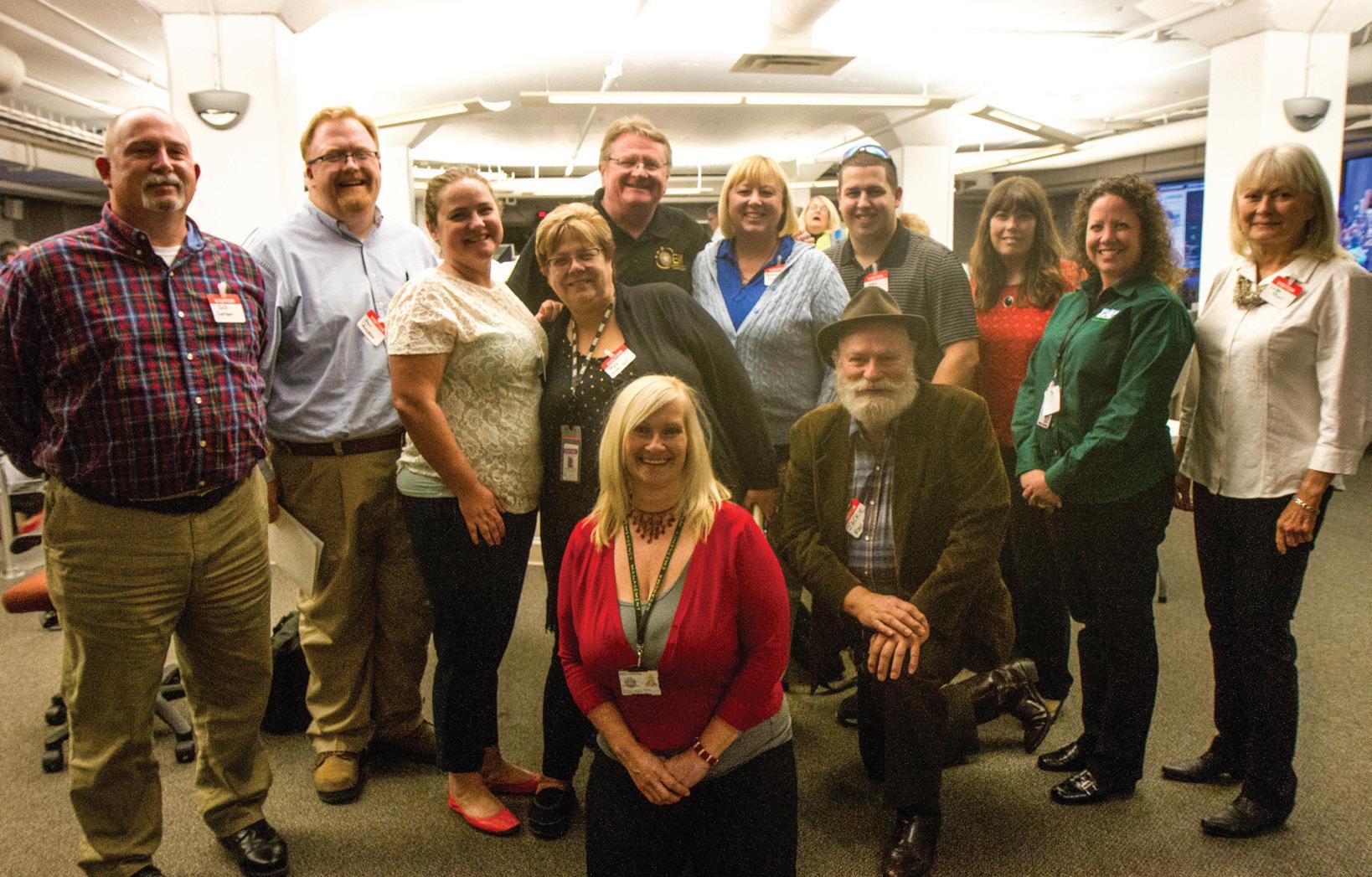
Jackie Wright and his students join Albert Ashwood Oct. 31, 2017 to attend “Operation Earth, Wind, and Fire” at the State Emergency Operations Center for the annual statewide Full-Scale Exercise, where all the county and larger city emergency management officers practice responding to a variety of scenarios.
Mother Nature’s Hand in Winter: Plant Life
Story by Yesenia Gonzalez • Photos by Toni Ross
Bare tree branches, a crackling fireplace and gently falling snow evoke an image of a chilly winter’s day. A telltale sign preceding the frigid months is the fallen leaves strewn about campus. The winter weather brings changes to plant life. Dr. Adjoa Ahedor, Rose State professor of biological sciences, described some of the transformations that occur in plants during winter.
She explained that a plant pigment called phytochrome helps plants perceive changes in the environment. Acting as an internal clock, the ratio of active and inactive levels of photochrome affects how the plants respond to the daylight changes during winter. Oklahoma’s dynamic winter weather patterns can be difficult to predict. Plants native to an area know not to bloom even if the temperature suddenly increases for a period of time during the winter. However, non-native plants are not assimilated with Oklahoma’s weather and can start blooming prematurely.
Ahedor further explained that plants slow their metabolism as they prepare for a period of dormancy. As plants shut down their mechanisms, the visual evidence is the scarlet-colored leaves crunching under neath the feet of students
rushing to classes across campus.
“If the cold is prolonged and goes close to spring, it may delay spring growth,” Ahedor said.
Oklahoma is no stranger to drastic weather changes. Rose State’s Earth and Environmental Sciences Coordinator Steve Carano said this year’s winter will not be as warm or as dry as last year’s. A leading factor in Oklahoma’s dynamic weather patterns is its proximity to the Gulf of Mexico, which is where a lot of moisture comes from.
Until the green season in April and May, wildfires remain a concern as winter progresses because of the lack of moisture in the air. As for spring weather, Carano explained that weather patterns maintain natural cycles, and winter weather does not necessarily dictate what the weather will be like in the next season. Distinct environmental factors are occurring, causing the color changes in the leaves surrounding the Rose State campus. Nature is at play in the background of everyday life, affecting weather and everything around it in seemingly subtle but intricate ways.

As Carano put it, “Mother nature will humble you if you are not hum -

FEBRUARY Event Calendar
Mon Tue Sun
Oklahoma City Thunder
VS. Los Angeles Lakers
Time: 1 p.m.
Location: Chesapeake
Energy Arena
100 W. Reno Ave.
4
Mid-Del Art Guild
Location: Community Learning Center Auditorium
Time: 7:30-9:30 p.m.
Ball Park Bash
Time: 1-5 p.m.
Location: Rose State College Baseball Field
Wed
6
201 N Walker 5
School of Rock: Musical Time: 7:30 p.m.
Location: OKC Center Music Hall
Bad Bad Hats Concert
Location: 89th Street
Collective
Time: Doors open 7 p.m.
Price: $10 in advance, $12 at the door
11
President Lincoln’s 209th Birthday
Price: $40-$45 12
The Illusionists Presents Adam Trent
13
Location: OCCC Visual and Performing Arts Center Theater
Time: 7:30 p.m.
The Little Mermaid by Oklahoma City Ballet
Location: Civic Center
Music Hall, Thelma Gaylord
Performing Arts Theatre
Time: 2 p.m. 18
President’s Day
Location: Oklahoma Museum of Art 415
Dr.
Time: 6-9 p.m.
Price: $58
Nate Feuerstein
Location: Diamond Ballroom 8001
Eastern Ave.
Time: 6:30 p.m.
Price: $24 in advance
Valentine’s Day at the Oklahoma Museum of Art 20 25 27
Oklahoma City Thunder VS. Orlando Magic
26
Time: 7 p.m.
Location: Chesapeake Energy Arena
100 W. Reno Ave.
Queery: Monthly Films
Recurring monthly on the 1st
Location: Individual Artists of Oklahoma (IAO)
706 W Sheridan Ave.
Phone: 232-6060 1
My So Called Band
Time: 8 p.m.
Location: Tower Theatre
425 NW 23rd St.
Price: $10
“LAISSES LES BON TEMPS ROULER!” by The City Cabaret OKC
Location: The Paramount Theatre
11 N. Lee Ave
Time: 8 p.m. 8
Price: $46-$95 14
Blake Shelton Concert
Location: BOK Center
Time: 7 p.m.
An Affair of the Heart
Location: State Fair Park
3001 General Pershing Blvd.
Time: 6-9 p.m.
Price: $8 per person
2
Monotype Workshop
Times: 1- 4 p.m.
Location: [Art Space] at Untitled 1 NE 3rd St.
Price: $45 per person
Phone: 815-9995
9
Silver Strings Concert
Location: Bethany Library
3510 N Mueller Ave.
Time: 2-3 p.m.
Price: Free to the public
15
Chinese New Year!
16
21
22 Emergency Management Speaker Series
Recurring bi-weekly throughout semester
Location: Rose State
Community Learning Center
Time: 6:30-8 p.m.
Price: Free to the public
Friends of the Library Booksale
Location: Oklahoma
Expo Hall
Time: 9 a.m.-5:30 p.m.
Price: Free to the public
23
Queen of Hearts Show by Oklahoma Paint Horse Club
Location: Oklahoma State Fair Arena
Time: 7 a.m.-9 p.m.
Price: Free to the public
3
10
17
Friends of the Library Booksale
Location: Oklahoma Expo Hall
Time: 9 a.m.-5:30 p.m.
Price: Free to the public
24
Groundhog Day! Tuesday, Feb. 2!

Crossword Puzzle
Trivia and Facts

Laliophobia is the fear of what?
One million Earths could fit inside the Sun. Which country were the 1952 Summer Olympic Games held in?

Which artist is famous for his statue The Thinker? Auguste Rodin

What is New Year’s Eve called in Scotland?

Ketchup was sold in the 1830s as medicine.

In the healthcare field, what does the abbreviation EMT stand for?
What boxer appeared in the Broadway musical “Buck White” in 1969?
Hogmanay
Emergency Medical Technician
Muhammad Ali