The Kids Research Institute Australia acknowledges Aboriginal and Torres Strait Islander people as the Traditional Custodians of the land and waters of Australia. We also acknowledge the Nyoongar Wadjuk, Yawuru, Kariyarra and Kaurna Elders, their people and their land upon which the Institute is located and seek their wisdom in our work to improve the health and development of all children.
Cover photo: Type
diabetes
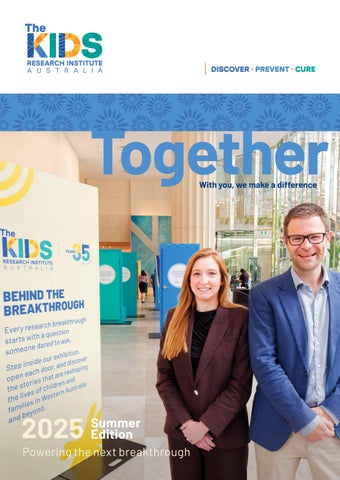
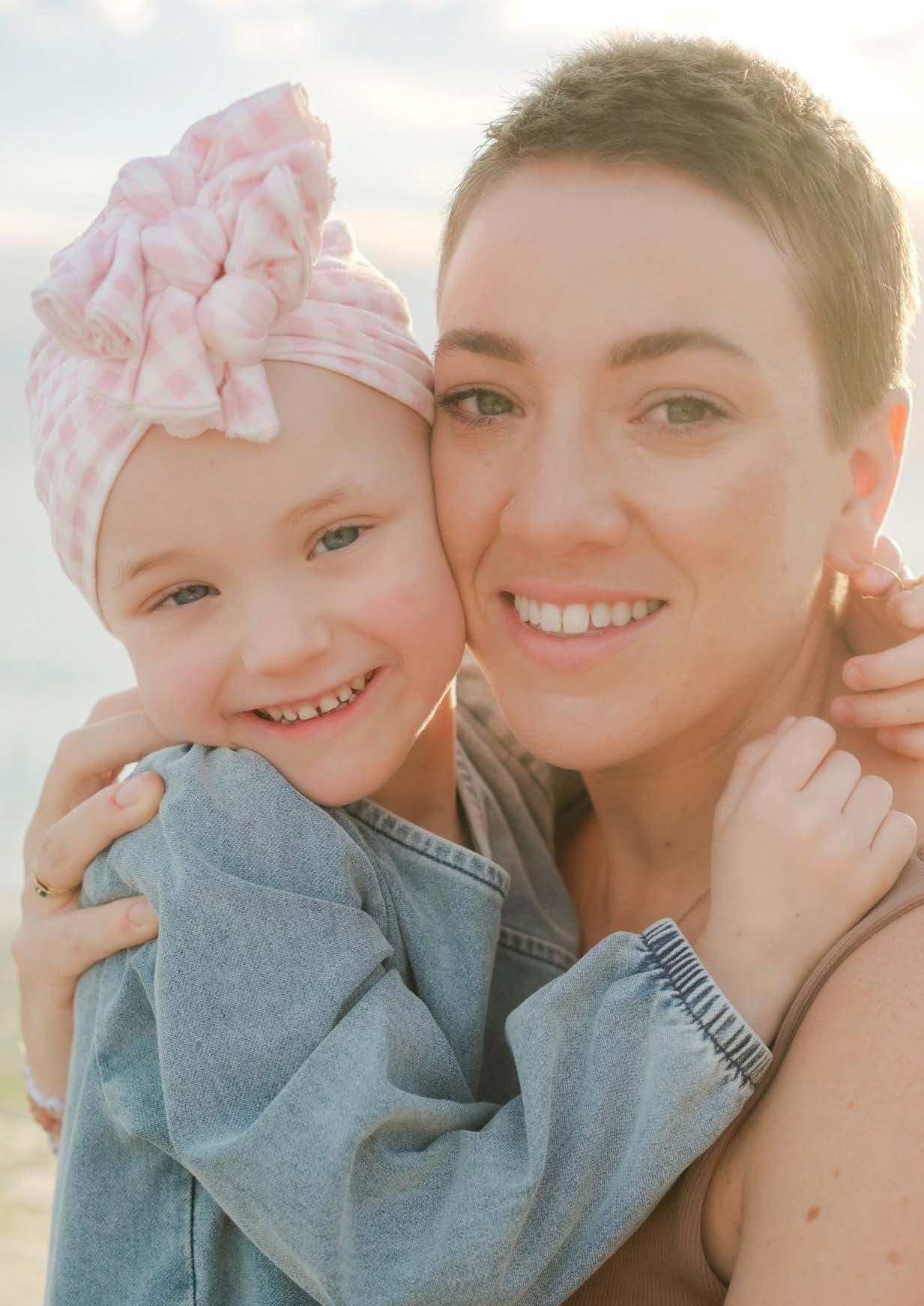
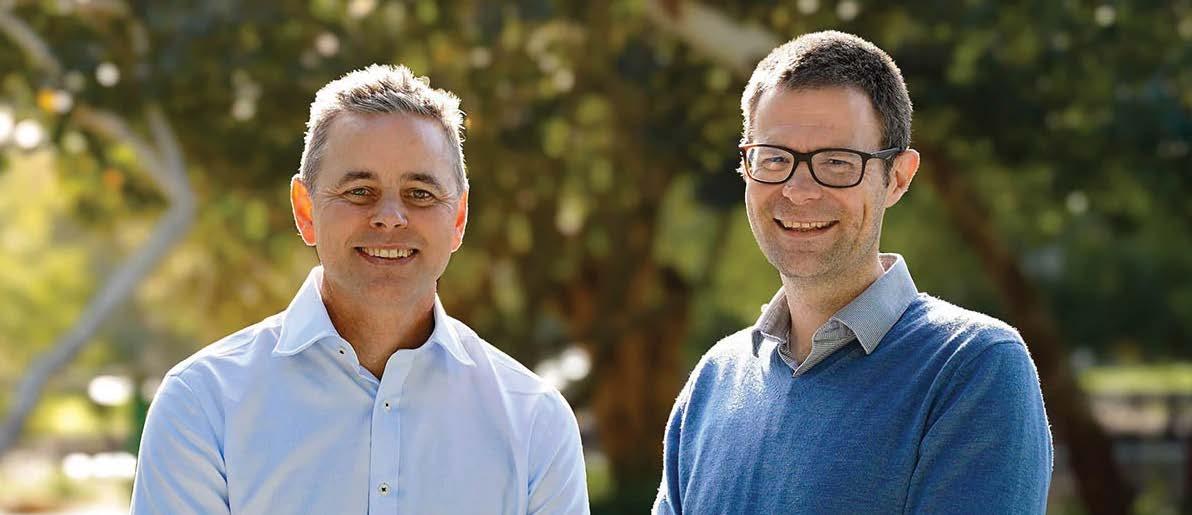
April Welsh and The Kids Deputy Director Research, Professor Andrew Whitehouse.
photo:
Children’s Hospital.
Message from our Executive Director
It has been an exciting time for The Kids as we’ve recently celebrated 35 years of delivering impact for children and families across Western Australia and around the world.
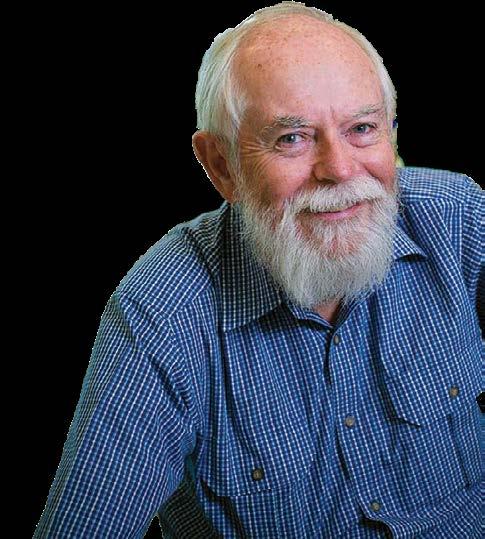
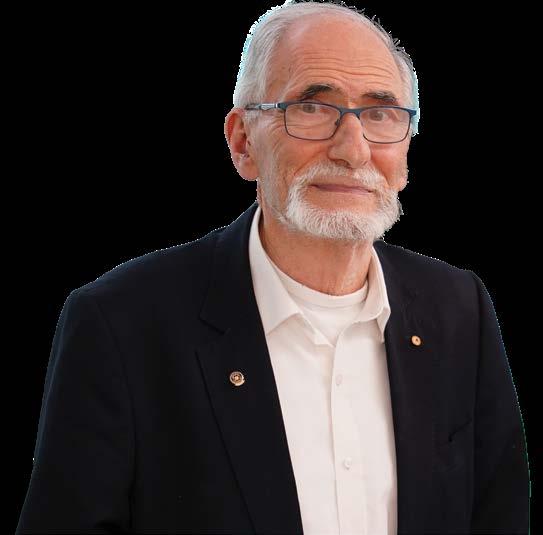
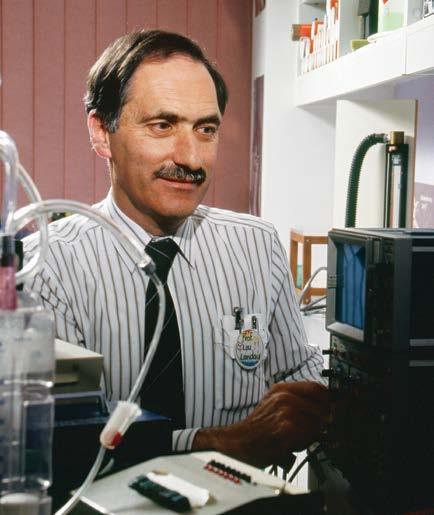
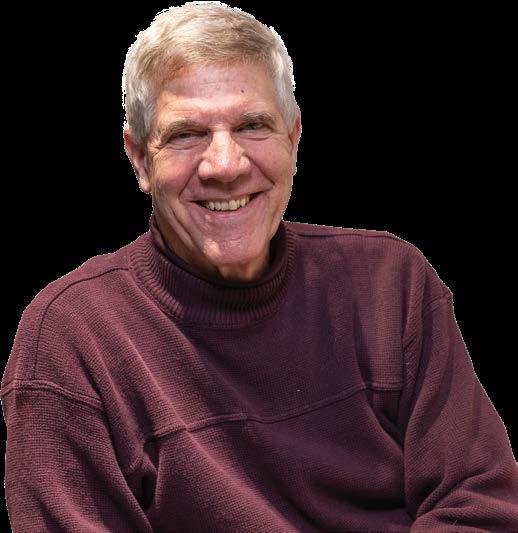
In early November we acknowledged where it all started with a very special staff event attended by four of our original founding researchers. Our Patron, Professor Fiona Stanley, Founding Chair, Professor Lou Landau, Professor Wayne Thomas and Professor Steve Zubrick shared stories about the very early days of the Institute.
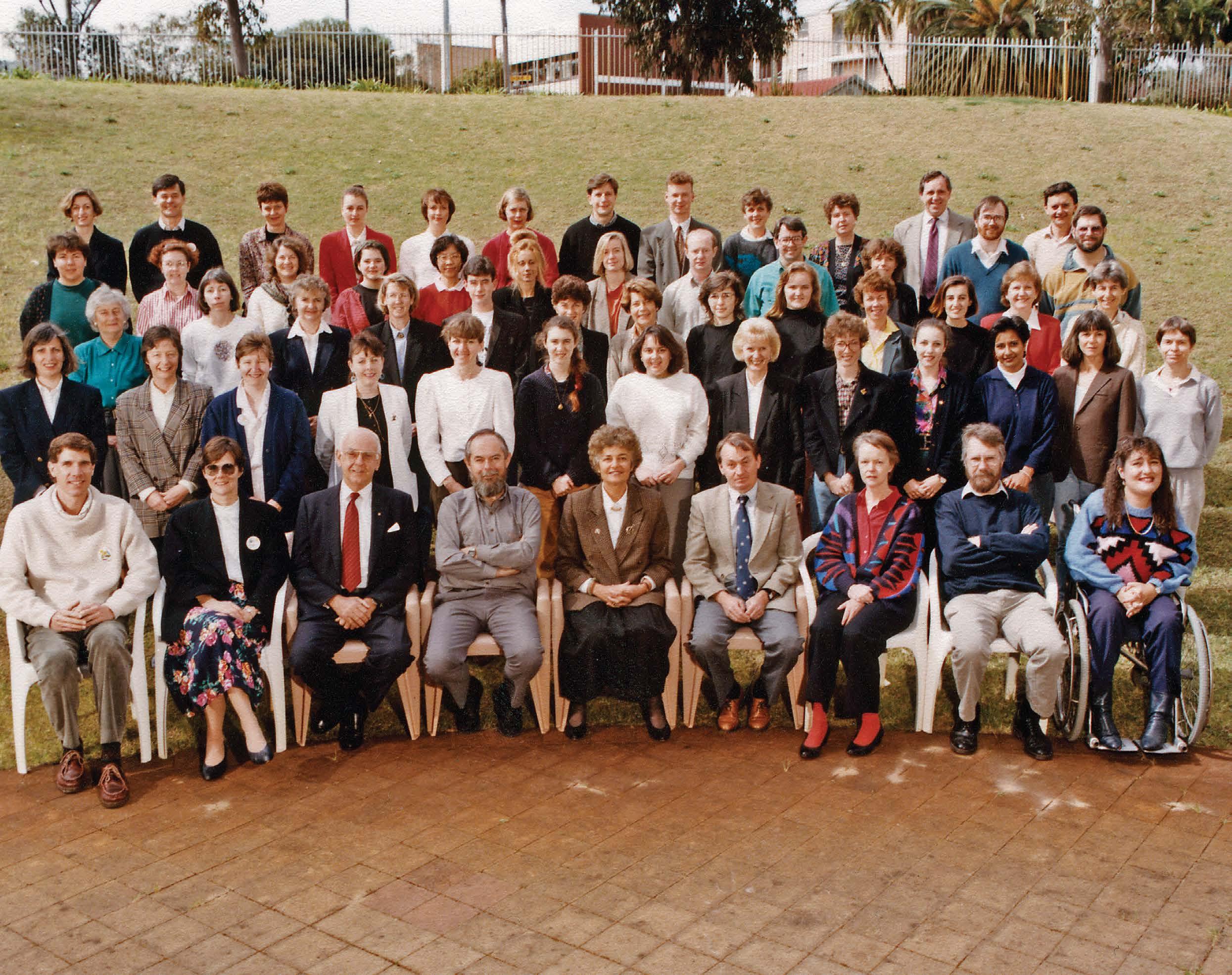
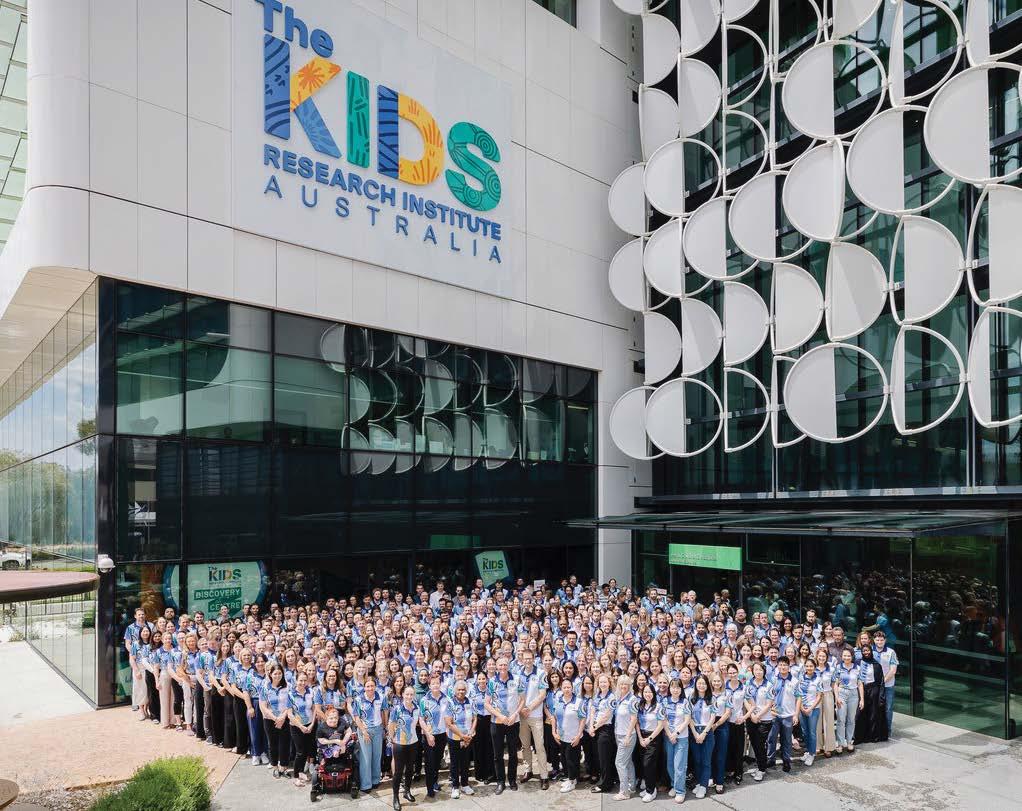
Professor Stanley recalled how spaces under staircases were converted to offices to house researchers who refused to allow a lack of funding to stand in the way of their work. “We operated on the smell of an oily rag,” Professor Stanley said. We then recreated an iconic staff photograph (above left) taken in 1990 with a photo of our current workforce. We now have more than 830 staff, including
more than 640 researchers, at locations around Australia including Adelaide, Melbourne, the Gold Coast and Canberra. In this latest photo, nearly 350 staff from The Kids’ Perth Children’s Hospital offices are featured.
On 5 November we marked our 35th anniversary with a special celebration at Government House Ballroom, attended by more than 250 guests including Government ministers, university vice-chancellors, corporate and philanthropic supporters, researchers and families.
The evening allowed us to reflect on just how far we’ve come since 1990.
This edition of Together is dedicated to celebrating what we’ve achieved recently, with your help.
Our future is being shaped by our bold strategic plan, Research Reimagined 2025–2035, and by the talented people helping us deliver it. I’m delighted to welcome Jenna Palumbo, our new Director of Innovation and Impact, and Louise Ardagh, our new Director
of Partnerships and Engagement, to our Executive team. Their leadership will help us drive greater health impact where kids and families need it most.
As we look to the future, we also acknowledge Alecia Benzie, who has decided to step down after nearly six years leading our Development team.
Alecia’s leadership has been instrumental in securing transformative funding partnerships, including support for the WA Comprehensive Kids Cancer Centre. We are deeply grateful for Alecia’s contribution to The Kids and wish her all the very best for her next chapter.
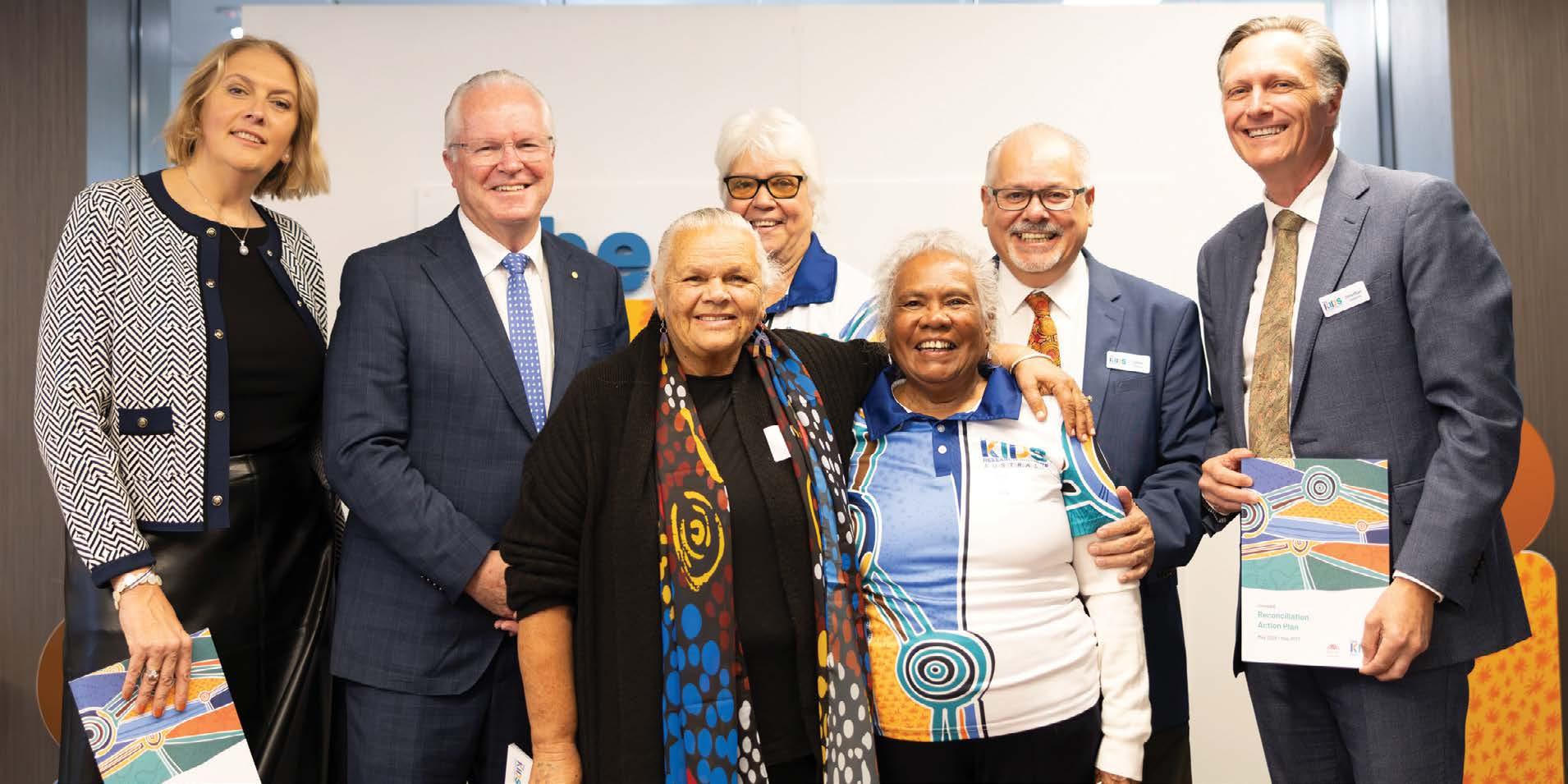
Earlier this year we launched our Innovate Reconciliation Action Plan (RAP), a meaningful step forward in our commitment to improving health equity for Aboriginal and Torres Strait Islander children and families. The RAP outlines clear actions and deliverables, with a focus on including our community as partners.
I invite you to explore our 35 Years webpage, where we share stories from our history, celebrate the impact of our research, and show how you can get involved in powering the next breakthrough. Whether you’re a long-time supporter or new to our community, your contribution helps shape the future of child health research.
To learn more, visit: www.thekids.org.au/35years
Thank you for being part of The Kids family.
Professor Jonathan Carapetis AM Executive
Director
The Kids Research Institute Australia
Institute staff in 1990.
Right: The Kids Research Institute Australia staff in 2025.
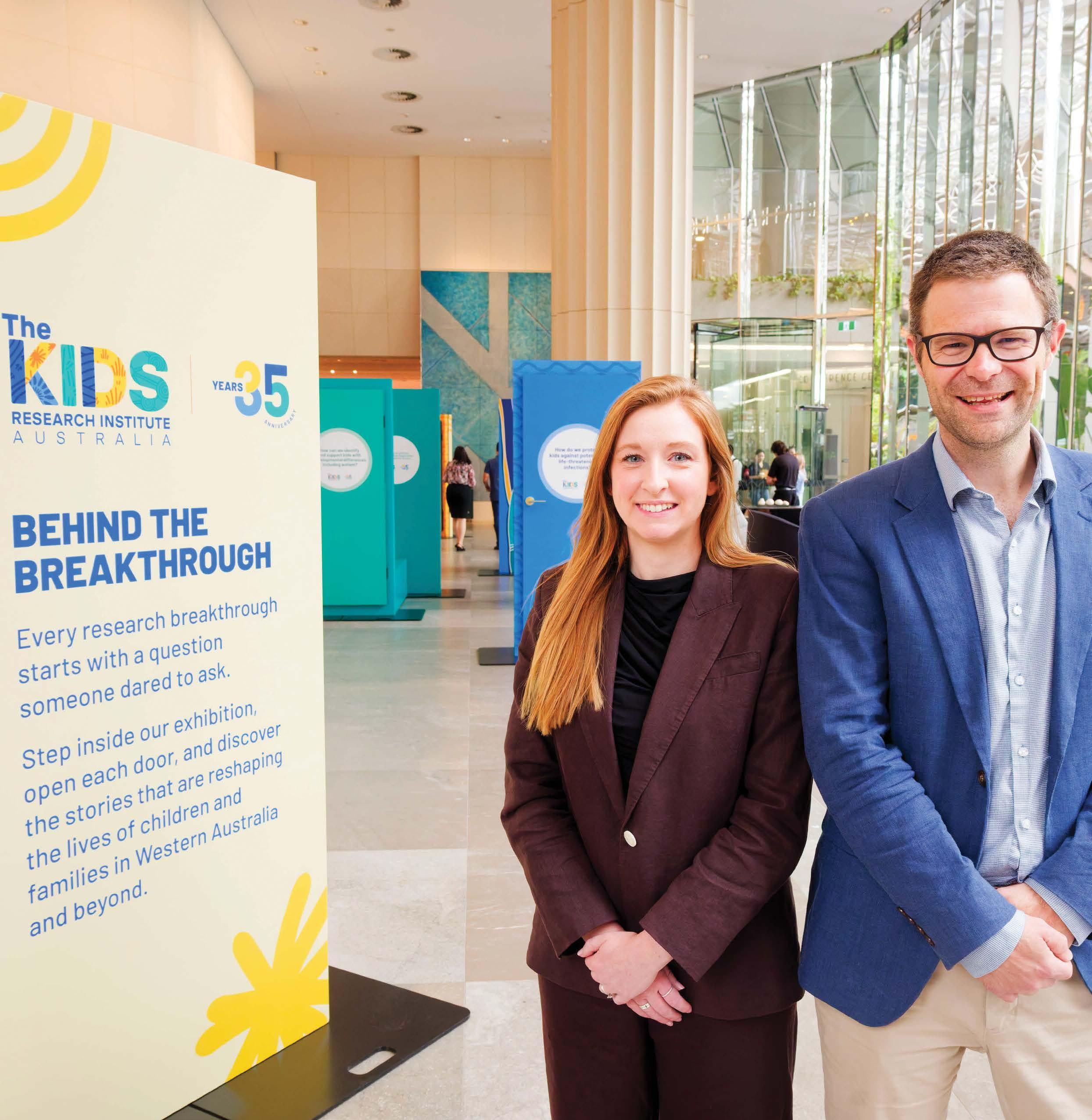
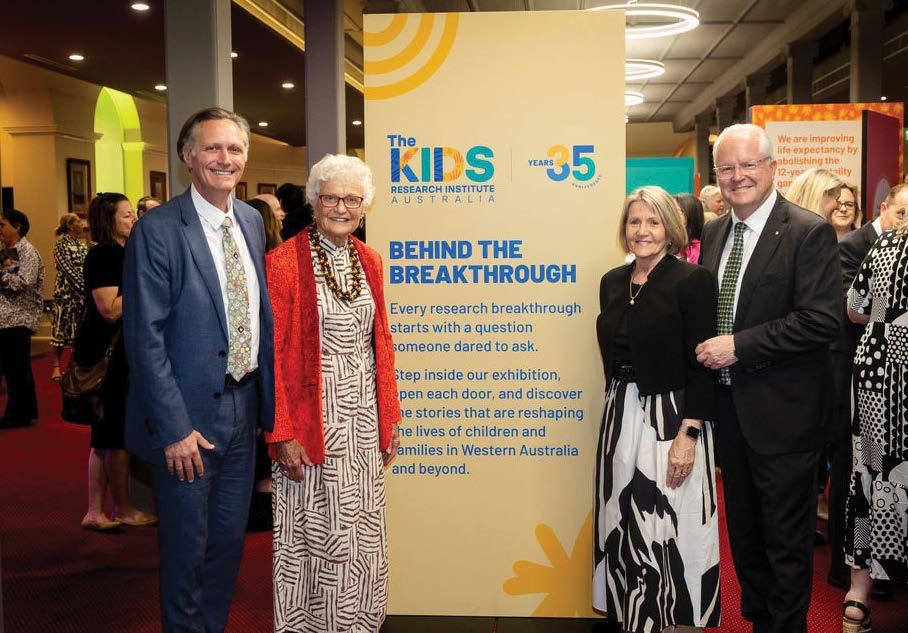
Behind the Breakthrough exhibition celebrates 35 years of The Kids
Free exhibition honours the local heroes improving children’s health outcomes
The Kids Research Institute Australia is marking 35 years of discovery and impact with the launch of a bold new exhibition: Behind the Breakthrough.
Making its public debut at Perth’s Central Park Tower on 6 November, the exhibition invites the community to step inside the stories, people and questions that have shaped some of the country’s most significant medical advances for children which have defined The Kids’ 35-year legacy.
The Kids Executive Director Professor Jonathan Carapetis AM said the exhibition was designed to honour the researchers, clinicians, patients, families and community supporters whose courage and collaboration have turned discoveries into better lives for children.
“Our Behind the Breakthrough exhibition shines a light on stories of real-world impact, paying homage to the researchers and members of the community who have helped turn bold, challenge-driven research questions into better health outcomes for children,” Professor Carapetis said.
“This exhibition is designed to celebrate the strength of our community and showcase the true impact of The Kids’ work over the past 35 years. It also serves as a reminder of The Kids’ part in advancing worldleading research that improves prevention, treatment and cures for children and young people — the work we’re committed to carrying forward,” Professor Carapetis said.
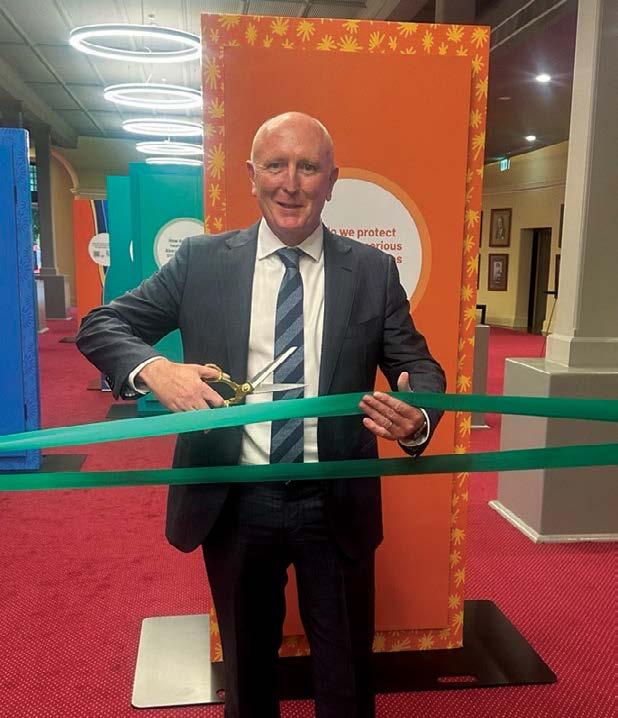
Western Australian Medical Research Minister Stephen Dawson officially opened the exhibition at
the Institute’s 35 Year celebration held at Government House Ballroom on 5 November. He paid tribute to the researchers, clinicians, trial participants, donors and families who dedicated their time, expertise and energy to improving children’s health.
Celebrating 35 years of The Kids
The celebration event welcomed more than 250 guests including philanthropic and corporate supporters, community stakeholders, government and university representatives. We showcased five areas of research impact – Indigenous health, infectious diseases, type 1 diabetes, autism and cyberbullying and mental health.
Five of the seven original founding researchers of the Institute attended the event and were acknowledged by The Kids Chair Naomi Flutter in her opening address.
She said Professors Fiona Stanley AC, Lou Landau AO, Carol Bower AC, Steve Zubrick, Pat Holt, Wayne Thomas and Ursula Kees had the foresight to recognise in the 1980s that while independently their work could impact child health, collectively they could do so much more.
“Bringing child health research under one roof set this state on its path to deliver real impact to the health and wellbeing of kids and families across the state,
around the country and globally,” Ms Flutter said.
In a video played at the event, The Kids’ Patron Professor Stanley said the dream of the Institute was to bring together the three fields of epidemiology, genetics and clinical care. “People thought we were nuts,” Professor Stanley said. She said there was a group of researchers under then-Professor of Paediatrics Lou Landau that were supported by Telethon and worked together at was known as the Clinical Immunology Research Unit. “We were running an Institute of about 150 people on the smell of an oily rag.”
Within two to three years, the Unit was bursting at the seams and the team embarked on a major fundraising campaign with the support of Telethon, Channel 7 Telethon Trust Trustee Kerry Stokes AC and prominent WA businessman Michael Chaney AO.
Professor Stanley said Telethon’s support enabled the Institute to grow and become a world-class medical research institute.
Exhibition places spotlight on research impact
The exhibition comprises eight life-sized doors, each opening to a breakthrough in research and the people
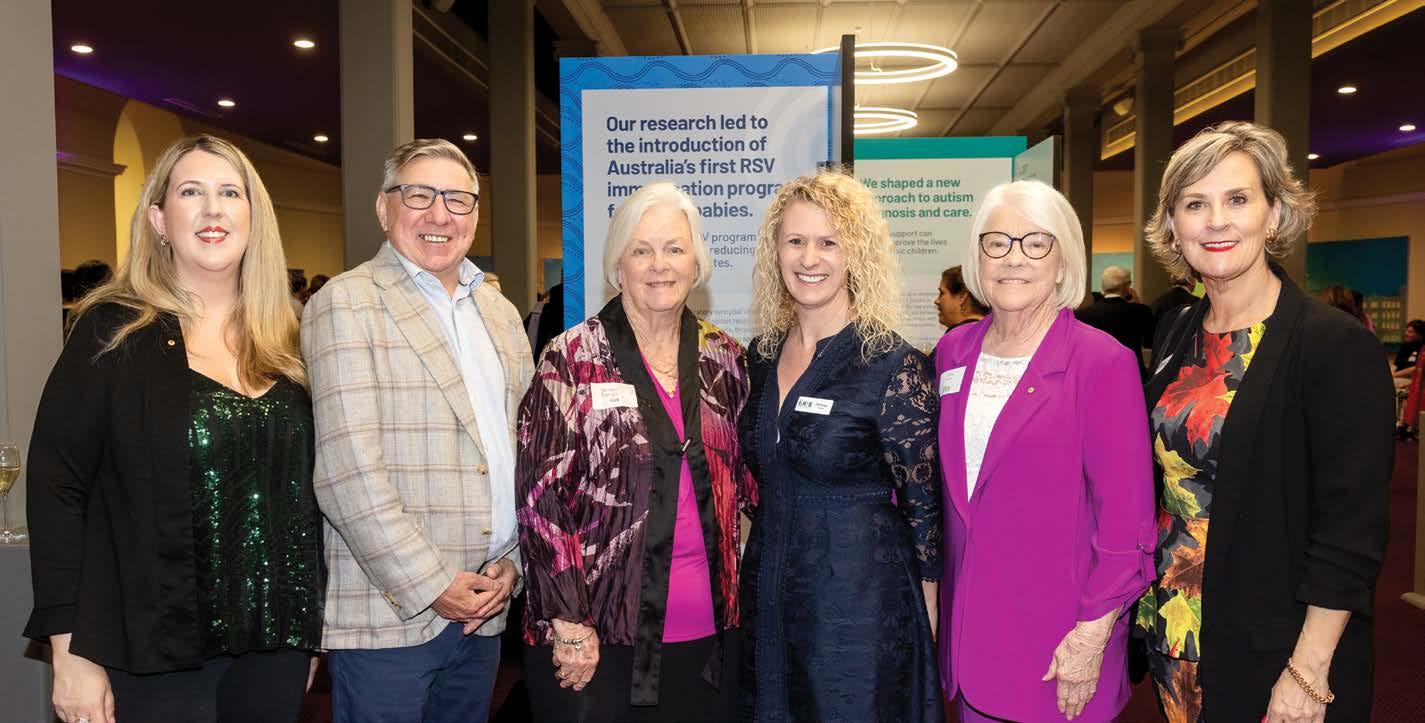
Clockwise from top left: Minister for Medical Research Stephen Dawson officially opens the Behind the Breakthrough exhibition; Immunisation Foundation of Australia founder Catherine Hughes, Mitch Messer, Barbara Daniels, Belinda Frank, Anne McKenzie and Louise Ardagh; Minister for Health and Mental Health Meredith Hammat and Miniser for Medical Research Minister Stephen Dawson at The Kids 35-year celebration event; Professor Jonathan Carapetis, Professor Donna Cross, Kate and Tick Everett, and Professor Andrew Whitehouse.
From left: Executive Director Professor Jonathan Carapetis, Founder and Patron Professor Fiona Stanley, Mrs Darrilyn Dawson and Governor of Western Australia Chris Dawson
who turned bold questions into life-changing advances across autism, rare diseases, cancer, Indigenous health, respiratory syncytial virus (RSV) and more.
A standout breakthrough featured within the exhibition rewinds to 1999, when the Institute pioneered insulin pump therapy at Princess Margaret Hospital, launching a world-first clinical program that transformed care for kids with type 1 diabetes (T1D) and helped close a 12-year mortality gap.
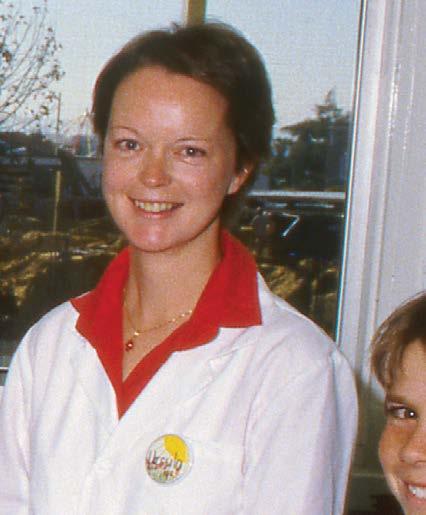
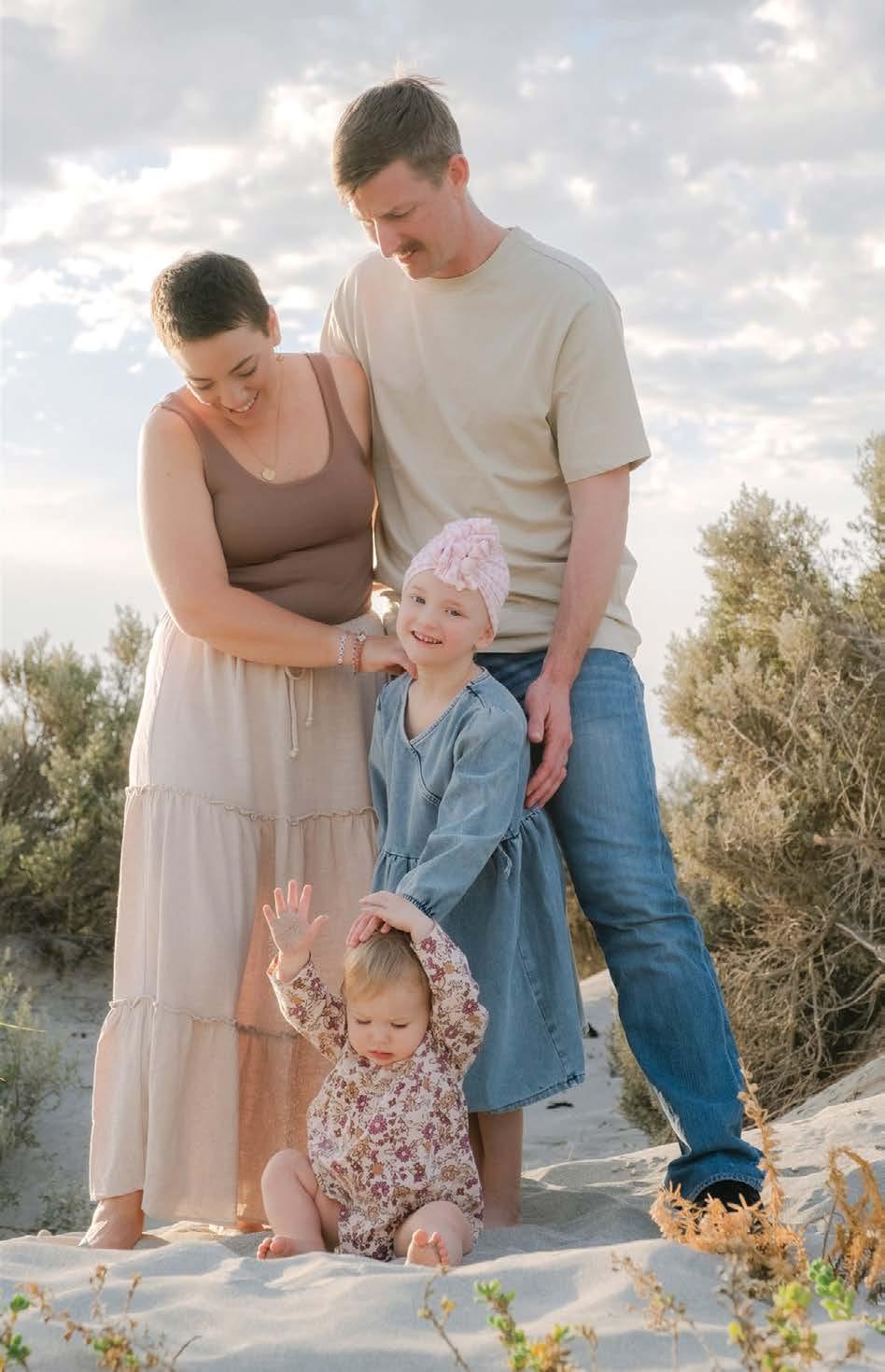
One of the community stories highlighted in the exhibition is that of Craigie resident April Welsh, diagnosed with T1D at just three years old. Now 31, she is among thousands whose lives have been transformed by insulin pumps and automated insulin delivery.
Since its foundation, The Kids has been home to local, national and international firsts in child and adolescent health research.
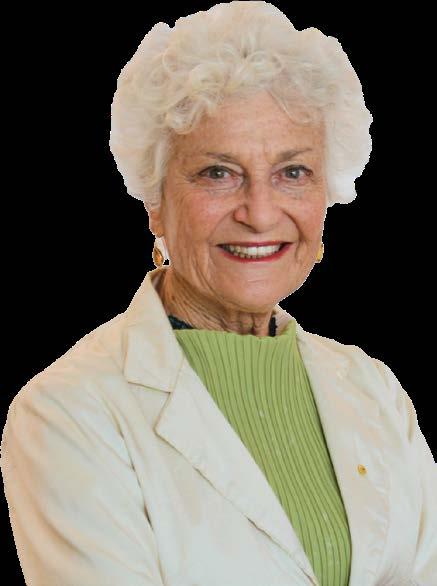
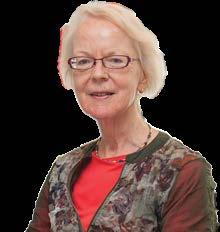
Professor Fiona Stanley AC
Founding researchers of the Institute
Maternal and child health epidemiology, public health, birth defects and major neurological disorders, Aboriginal maternal and child health.
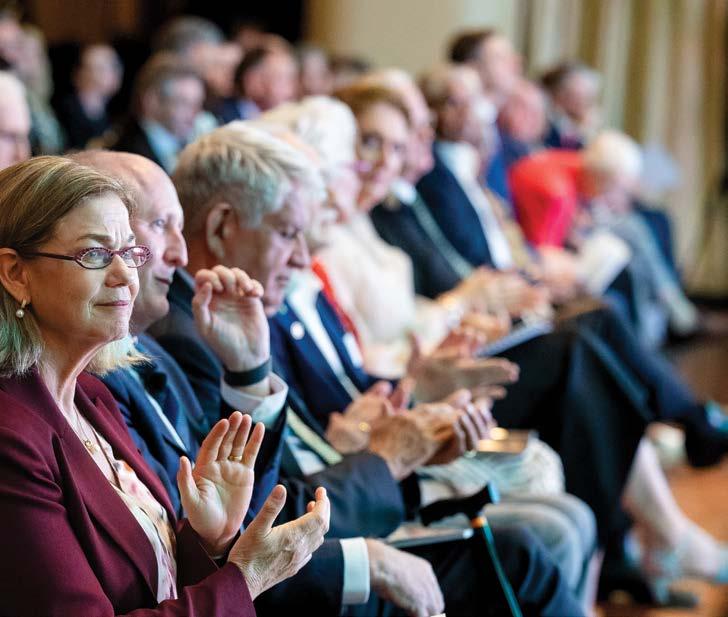
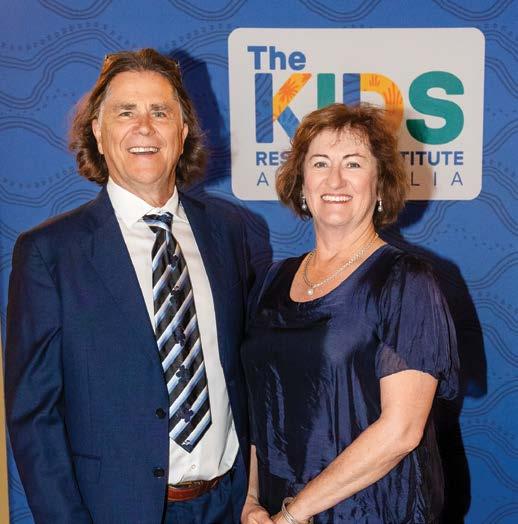
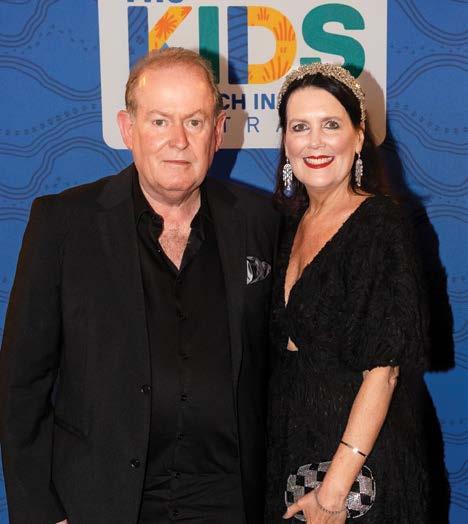
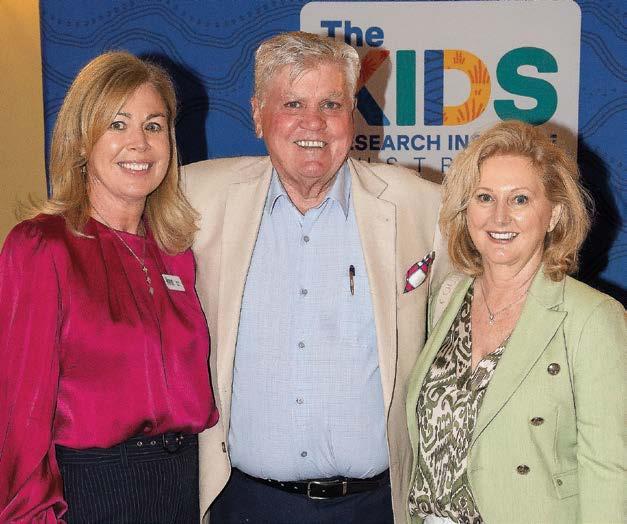
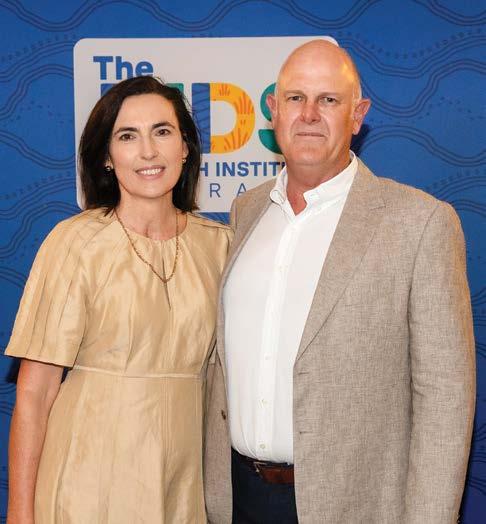
Top row, left to right:Chris and Nola Banasik; Geoff and Lisa Cover; Katherine and Simon Branchi; Andrea Alexander and Tracey Hollington
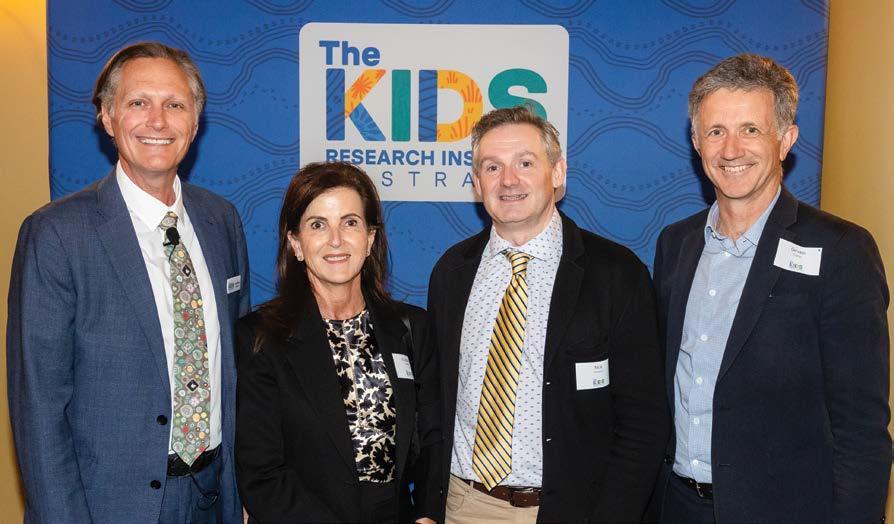
Second row, left to right: Jenni Dakic, David Prosser and Heather Martin; Executive Director
Jonathan Carapetis with Elizabeth Perron, Professor Nick Gottardo and Professor Gervase Chaney
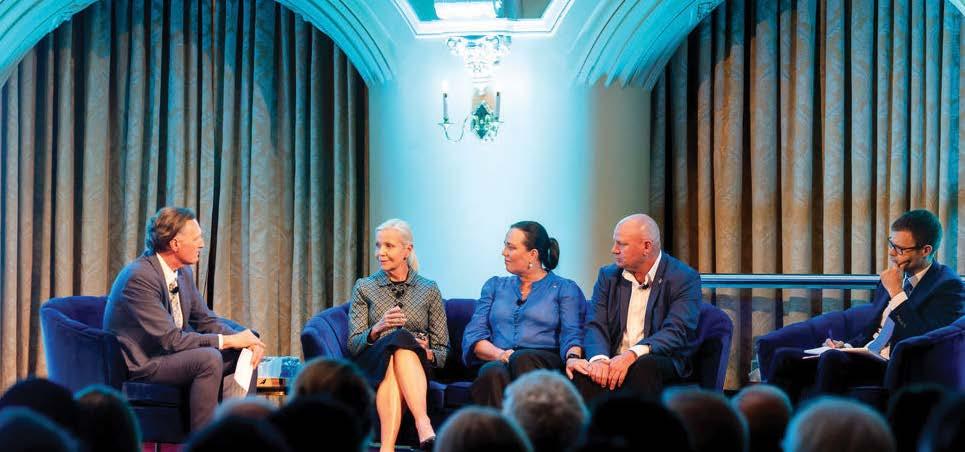
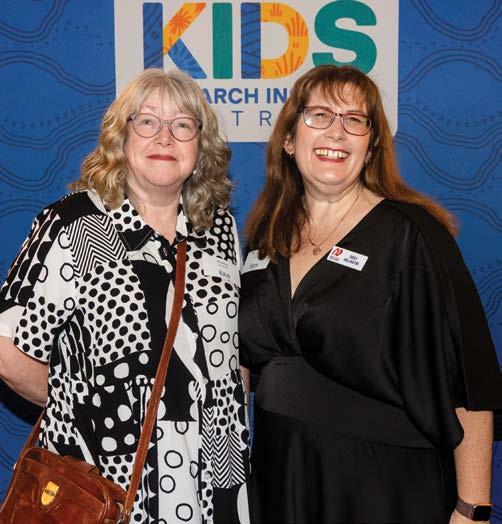
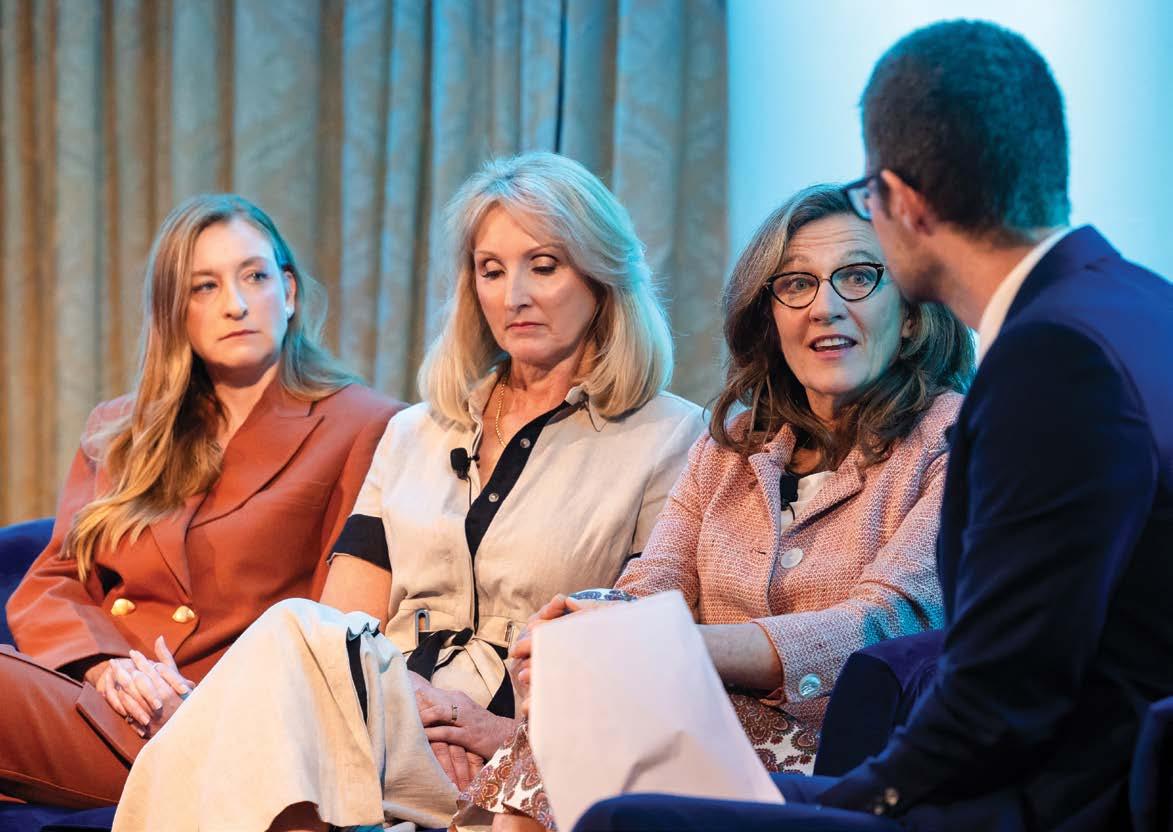
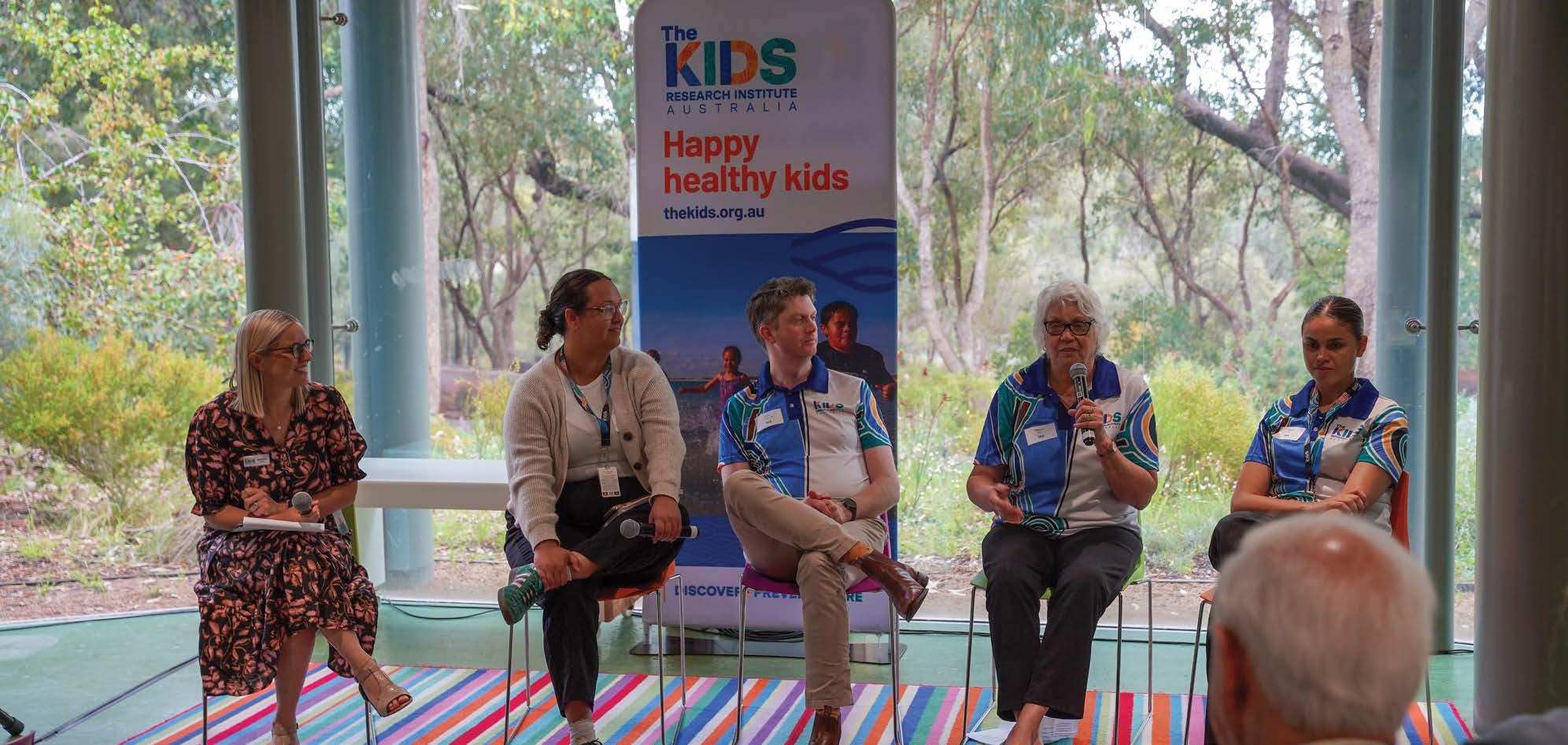
Panel discussion with April Welsh, Leeann Welsh, Professor Liz Davis and Professor Andrew Whitehouse
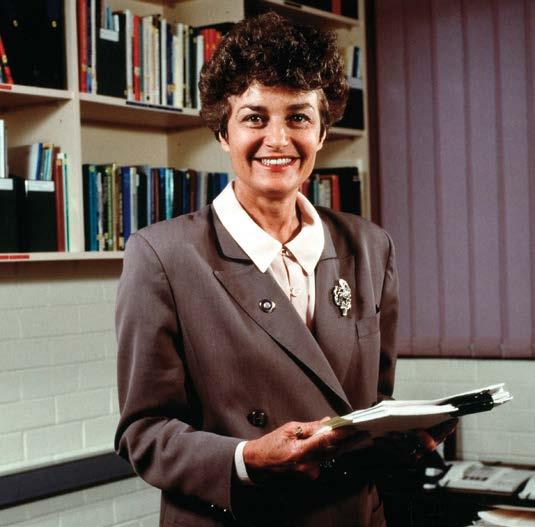
Professor Pat Holt
The functioning of the paediatric immune system and its role in inflammatory diseases in the lungs and airways.
The interactive Behind the Breakthrough exhibition will be on display to the public at various locations throughout this year and next. For more information visit:
Professor Lou Landau AO Founding Chair
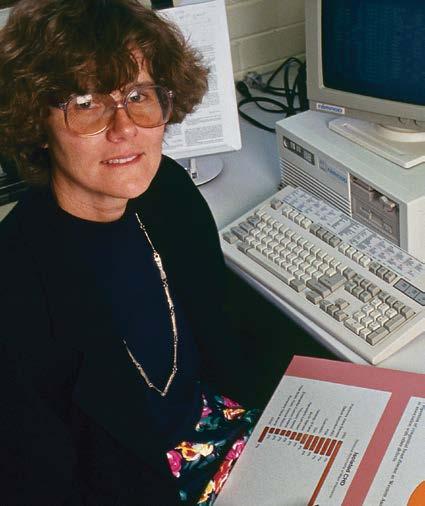
Professor Ursula Kees
Molecular genetic markers which lead to cancers in children, particularly leukaemia.
Professor Steve Zubrick
Child and adolescent development and mental health, longitudinal cohort studies, language development in children.
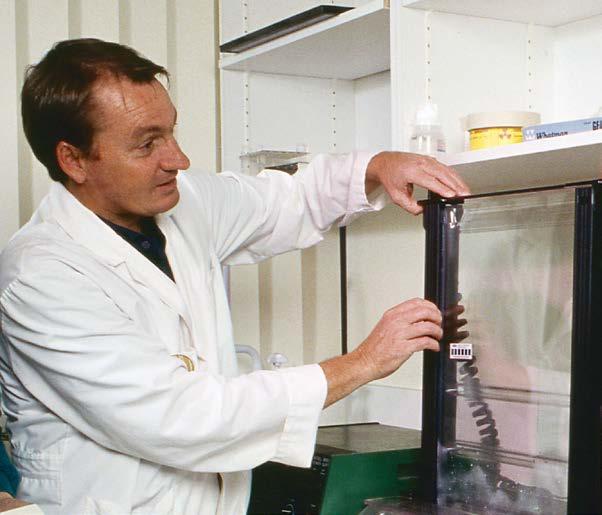
Professor Wayne Thomas Understanding and developing immunotherapy for house dust mite allergy and asthma.
Maree
Illuminate Sundowner 2025: Where science and art
converge
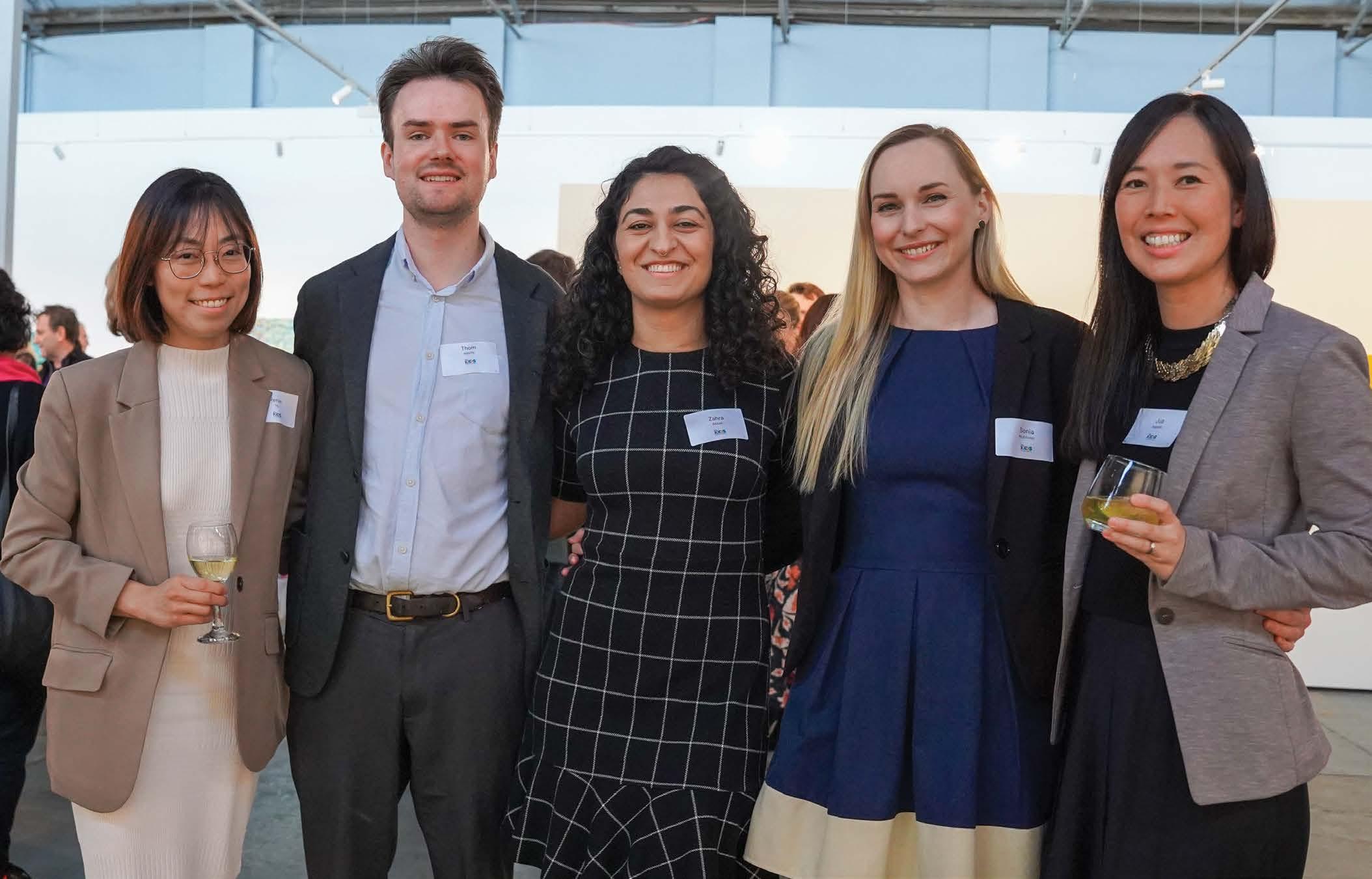
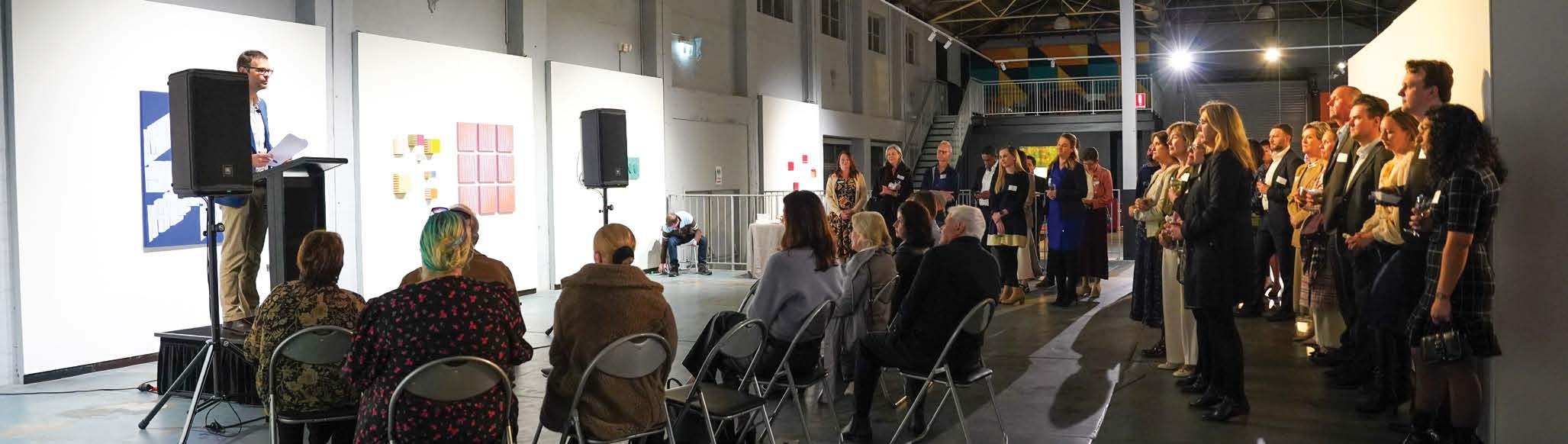
Researchers and donors celebrated the power of philanthropy in advancing child health research at The Kids’ annual Illuminate Sundowner in September. Held at the Holmes à Court Gallery @ no.10 in Gooyaman, West Perth, the event opened with a warm welcome from Professor Andrew Whitehouse, Deputy Director of Research at The Kids Research Institute Australia.
Guests were invited to explore the gallery’s exhibition, Structured Visions IV, which featured 14 artists from Australia and Thailand working in abstraction. The exhibition’s theme of connection and collaboration beautifully mirrored the ethos of The Kids and the Illuminate initiative.
Guests included board member Jane Muirsmith, Infectious Diseases Theme Head Associate Professor Hannah Moore AOM, and members of the Development Advisory Network (DAN) – Sharon Giorgetta, Emilio Pagano, and Avinash Subhas. Their leadership has been instrumental in shaping the Illuminate Awards, which since 2022 has provided over $800,000 in funding to 31 early to mid-career researchers.
Professor Whitehouse shared the progress of The Kids’ Research Reimagined strategy – a bold 10-year vision to find solutions to the biggest health challenges facing kids and families, sooner.
A highlight of the evening was a discussion between Professor Whitehouse and Associate Professor Moore who shared her professional journey.
A leading epidemiologist and an inaugural Illuminate Award recipient, Associate Professor Moore spoke about completing her PhD under Professor Peter Richmond and her work in helping inform Australia’s first RSV immunisation program for babies.
Reflecting on her Illuminate Award, she said it had opened doors and instilled in her greater confidence. She encouraged emerging researchers to embrace opportunities, stay curious, and build strong connections with the community. Her story underscored the heart of Illuminate: enabling bold ideas to flourish and translating research into realworld impact.
Guests then participated in dynamic group conversations with five of the 2025 Illuminate Award recipients:
• Dr Zahra Abbas (Chronic Diseases)
• Dr Jua Iwasaki (Infectious Diseases)
• Dr Sonia McAlister (Infectious Diseases)
• Dr Thomas Nevill (Mental Health and Wellbeing)
• Dr Renee Ng (Chronic Diseases)
In a lively “researcher speed dating” format, attendees rotated through groups, hearing firsthand how their support has helped bring research to life over the past six months.
“Initiatives like Illuminate are vital in nurturing the next generation of researchers and ensuring their work continues to thrive.”
The next Illuminate PitchFest will be held on Thursday 26 February 2026 and will be hosted by The Kids’ Chair Naomi Flutter at the Wesfarmers building in Brookfield Place. With its stunning private art collection, the venue continues the tradition of blending science and the arts.
“At The Kids, our greatest asset is our people. Initiatives like Illuminate are vital in nurturing the next generation of researchers and ensuring their work continues to thrive.” –Professor Andrew Whitehouse
Want to learn more about the Illuminate Awards or attend an upcoming event? Reach out to our philanthropy team today: giving@thekids.org.au
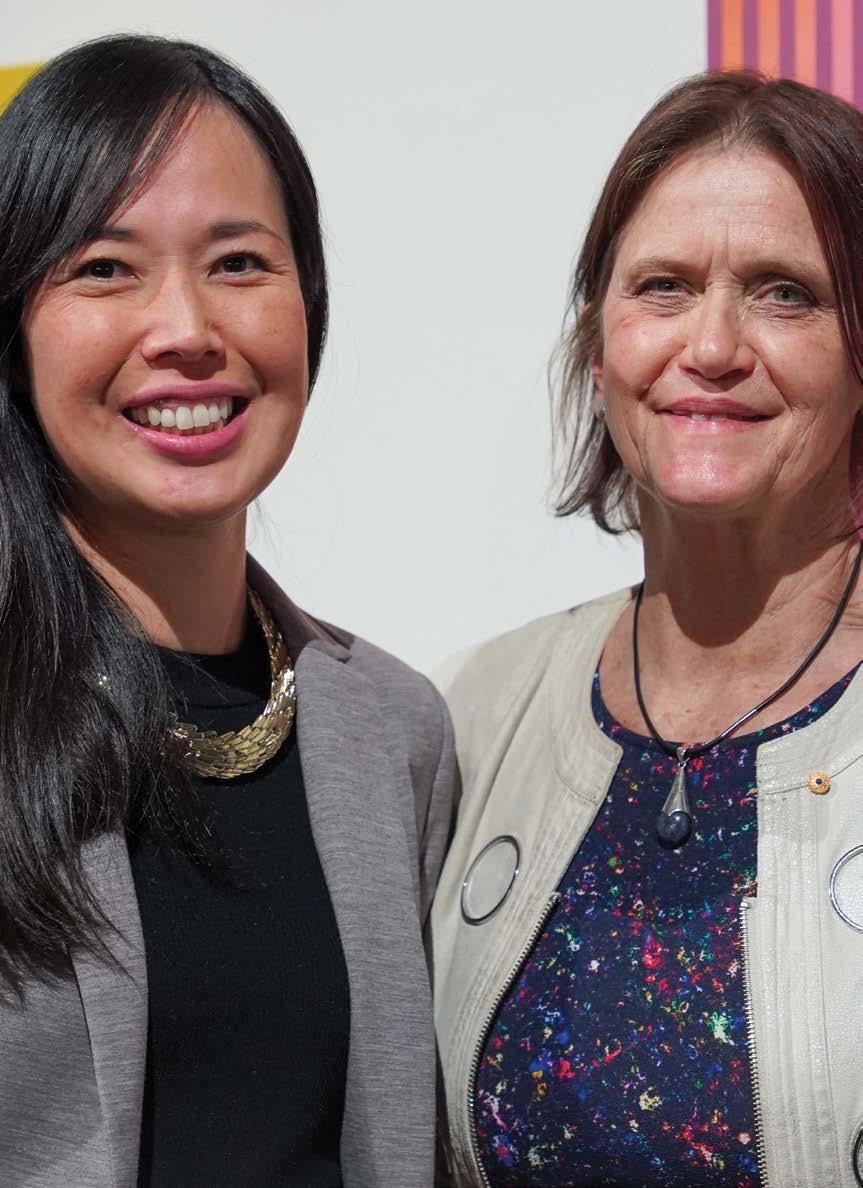
Dr Jua Iwasaki with Professor Sue Fletcher
Dr Renee Ng, Dr Thomas Nevill, Dr Zahra Abbas, Dr Sonia McAlister, Dr Jua Iwasaki
Associate Professor Andrew Whitehouse addressing guests
Illuminating possibility: Hannah Moore’s journey from emerging researcher to global impact
Professor
before a room of supporters at The Kids Research Institute Australia, humbled and energised by the announcement that she was one of the inaugural recipients of the Illuminate Awards. The award – created to empower early to mid-career researchers – offered more than just funding. It offered belief and momentum.
Today, Hannah is a leading epidemiologist and Theme Head of Infectious Diseases at The Kids and shaping national policy on respiratory syncytial virus (RSV) prevention. Her work has helped inform the rollout of Australia’s first RSV immunisation program for babies – a milestone backed by over two decades of hospital, perinatal and laboratory data analysis and modelling, and community engagement.
Her journey began 23 years ago at The Kids, where she first discovered the power of epidemiology.
With a background in biomedical science and mathematics, Hannah was drawn to the patterns and possibilities hidden in large datasets. She found her calling in infectious disease research, and her passion deepened under the mentorship of Professor Peter Richmond, a paediatrician and immunologist who now leads the Vaccine Trials Group at The Kids. In a full-circle moment, Hannah now works alongside Peter – her former PhD supervisor – as a peer and collaborator.
A few years ago, Hannah shared her story in a TEDx presentation, describing how data can be used to protect the most vulnerable. As she spoke, she was pregnant with her third child – a deeply personal context that made her message all the more powerful. Her talk resonated with many, highlighting the human stories behind the numbers and the urgency of translating research into action. That same ethos drives her work today.
The Illuminate Awards, launched in 2021, were designed to address a critical gap in research funding. Early to mid-career researchers often face uncertain career paths, with limited access to grants and few opportunities to lead independent projects. Illuminate changed that. With support from donors such as the Giorgetta Charity Fund, Helping Little Hands, and Hon Julie Bishop, the awards have now supported 30 early to mid-career researchers, with over $800,000 in funding awarded.
For Hannah, the award enabled her to hire a mathematical modeller and a project officer –roles that were essential to advancing her RSV research and preparing for the national rollout of new immunisation strategies. It also gave her the flexibility to pursue community awareness studies, ensuring that parents and caregivers understood the risks of RSV and the benefits of immunisation.
“Awards like the Illuminate Awards are so important. It didn’t just fund a project; it enabled some critical connections and helped me to build my profile. Illuminate lit the path forward so the work I do is taken seriously and enabled further connection with
community. It really does add up to be something quite significant,” Associate Professor Moore said.
As The Kids celebrates 35 years of research excellence, Hannah’s story is a testament to what’s possible when philanthropy meets purpose. It’s a reminder that behind every breakthrough is a network of supporters – donors, families, communities – who believe in the power of science to change lives.
At this year’s Illuminate Sundowner, we honoured that belief. We celebrated the researchers who are shaping the future, and the supporters who make it possible. Hannah Moore’s journey is just one of many – but it shines brightly as a beacon of what can be achieved when we think of the kids.
“Illuminate
lit the path forward so the work I do is taken seriously and enabled further connection with community.” – Associate Professor Hannah Moore
The Illuminate Awards are more than a grant. For researchers like Hannah, they’re a career springboard and a catalyst for change. Learn more:
In 2022, Associate
Hannah Moore OAM stood
Associate Professor Hannah Moore
Churchlands Senior High School students run for children’s health
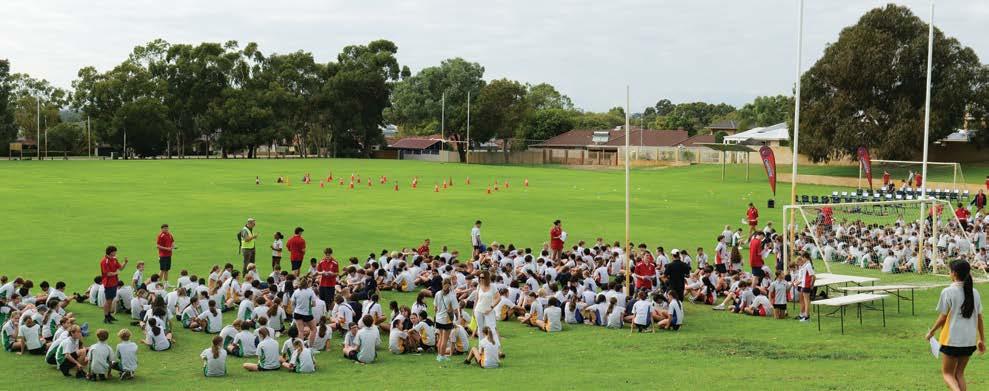
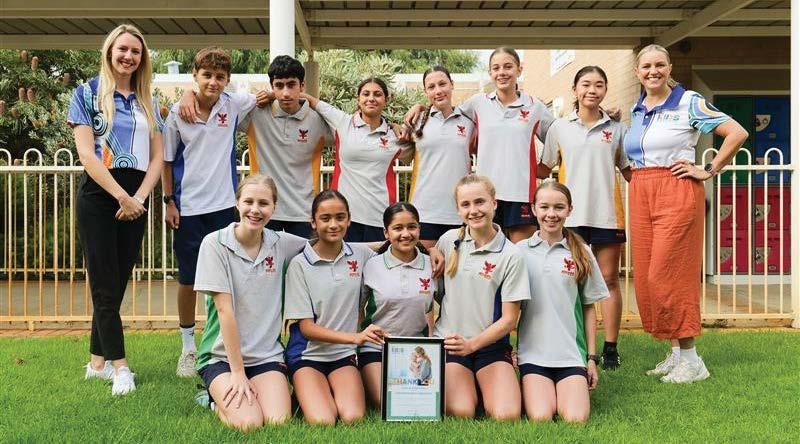
A big thank you to the Year 7 and 8 students from Churchlands Senior High School (SHS) who raised over $4,000 for The Kids Research Institute Australia through their annual 5km Fun Run held in April this year.
Since 2015, Churchlands SHS students have laced up their runners to support child health research – and their efforts have made a lasting impact. With this year’s fundraiser, the school has now raised more than $40,000 in total, an incredible achievement that reflects the generosity and commitment of the entire school community.
Funds raised by students over the years have supported critical research into respiratory syncytial virus, group A streptococcus, meningococcal disease and middle ear infections – helping our researchers
move closer to life-saving vaccines and better treatments for children.
We’re so grateful to the students, staff and families at Churchlands SHS for their continued support, and to everyone who donated. Their efforts are helping create a healthier future for kids across Australia.
We look forward to cheering the students on again from the sidelines at the next run!
The school has now raised more than $40,000 in total, an incredible achievement that reflects the generosity and commitment of the entire school community.
Want to set up your own community fundraiser? Download our toolkit to learn more:
Year 8 Student Councillors and House Leaders
“It was surreal, and a great privilege to cross the line with children who’ve been through brain cancer treatment and their families.
The main reason why I’ve done this is for the families here.” — Jacob Byrne
Jacob’s Big Run for Little Brains: Big run ends, race for cure continues
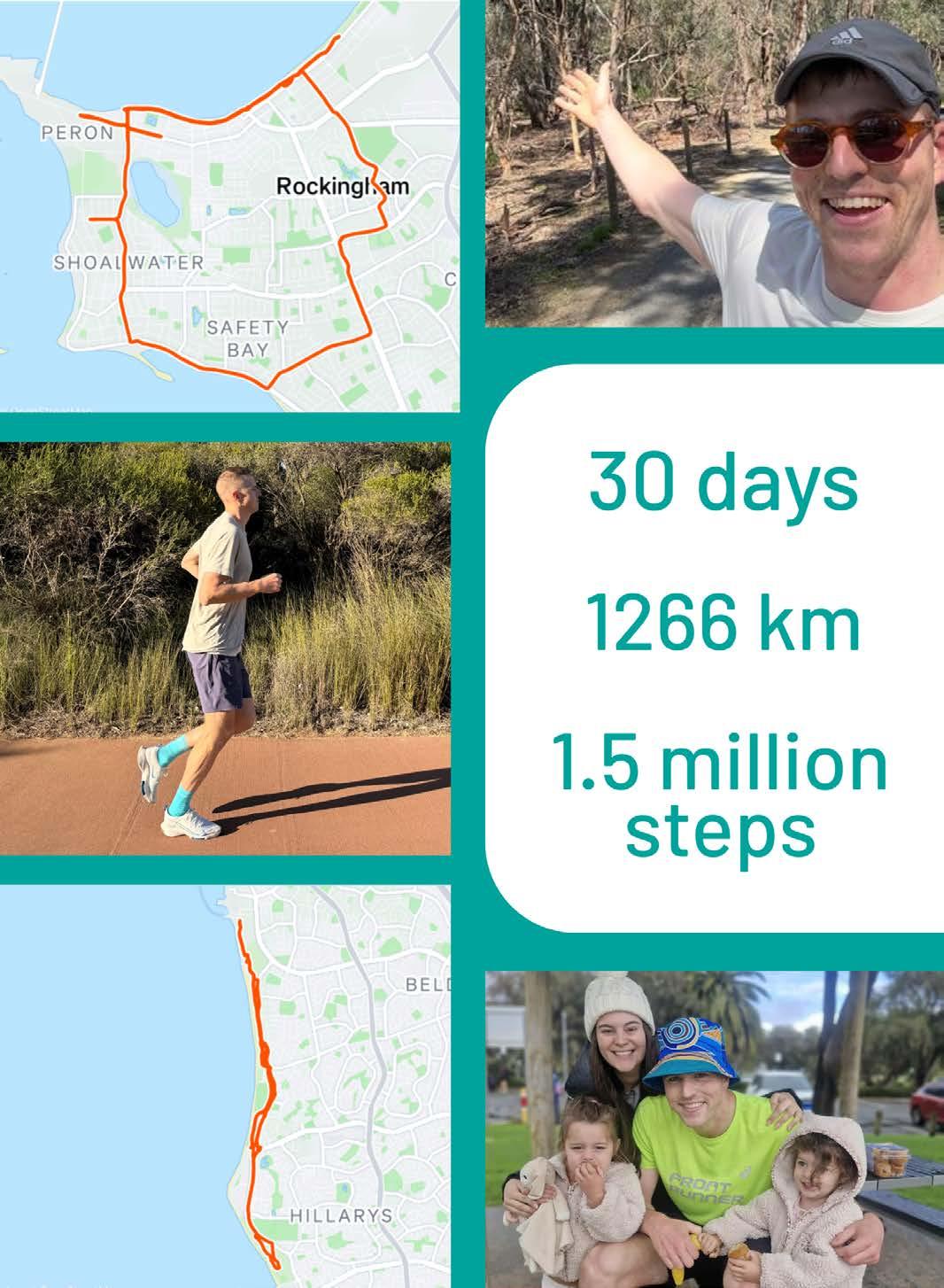
In a feat of endurance and heart, brain cancer researcher Jacob Byrne ran 30 marathons in 30 days to raise funds and awareness for the chronic disease.
Dubbed Big Run for Little Brains, Jacob covered 1266km across 30 local government areas in Perth by running a marathon every day of September.
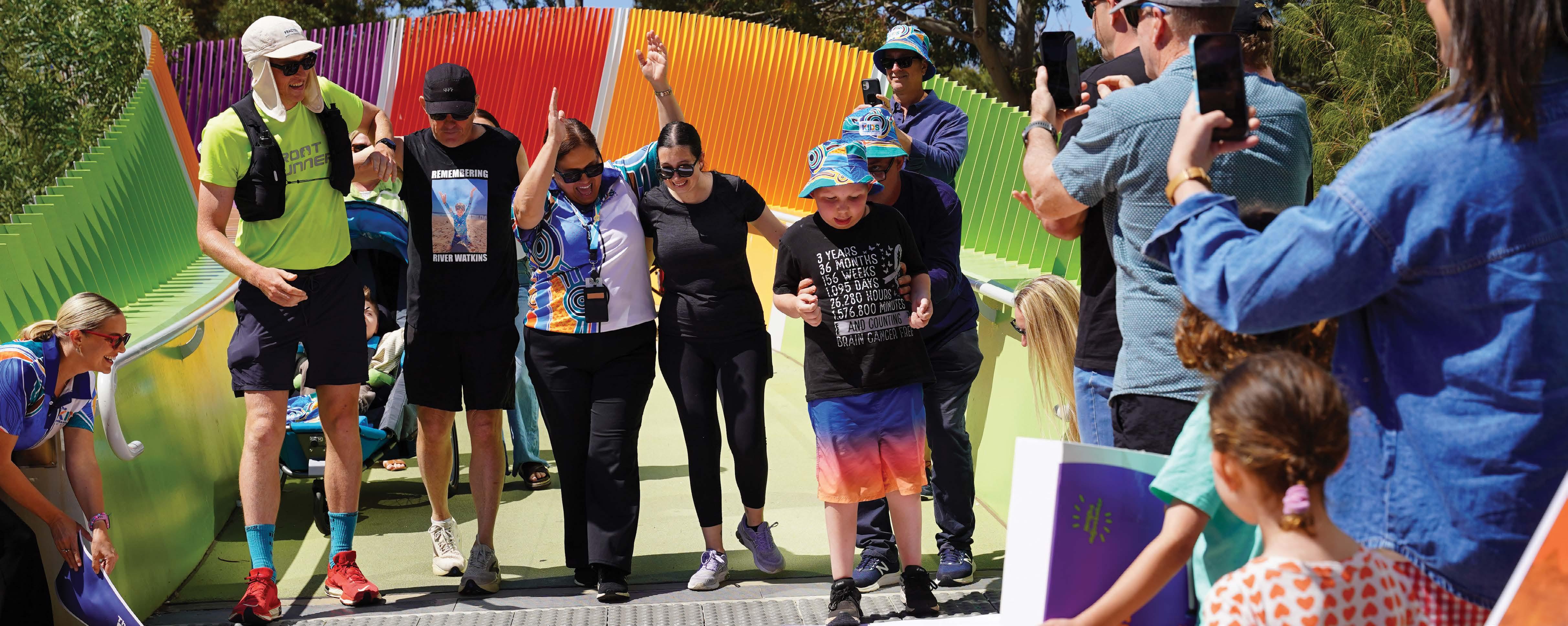
His final marathon ended in a powerful moment on The Kids’ Bridge at Perth Children’s Hospital, where he was joined by families affected by childhood cancer. Among them was Nickolai, a young brain cancer survivor who stepped out of his wheelchair to walk across the finish line with Jacob.
Despite injuries including a torn Achilles and severe blisters, Jacob pushed through, driven by the resilience of the children and families he works to help.
“I’m a physical and mental wreck at the moment, but it’s really nothing compared to what the families and kids have to go through.”
Approaching four years in remission, Nickolai and his dad Nathan are passionate about supporting fundraising for research because of what they’ve lived through.
“This is a terrible, terrible disease,” Nickolai said.
“With childhood brain cancer, it’s not a sprint, it’s not a run. It’s a marathon. And it’s marathon after marathon. If we can find less toxic treatments, maybe kids won’t have to run so many,” Nathan said.
Jacob’s run has raised more than $90,000, with hopes of reaching $100,000 — all going toward research that aims to find less toxic treatments and improve outcomes for children with brain cancer.
“With childhood brain cancer, it's not a sprint, it's not a run. It's a marathon. And it's marathon after marathon. If we can find less toxic treatments, maybe kids won’t have to run so many,” — Nathan, dad of Nickolai
Donate today and help Jacob reach his fundraising goal of $100,000:
Jacob crossing the finish line with families impacted by childhood cancer
Eliza’s Sparkle: A legacy of love, light and research
When Eliza Reynolds was diagnosed with a rare and aggressive cancer just before her fifth birthday, her family entered a world filled with uncertainty, limited treatment options, and far too few answers. After a courageous year of treatment, Eliza died shortly after turning six, on 30 March 2025.
In honour of Eliza’s life, her parents Brittany and Clark Reynolds launched Eliza’s Sparkle, a fundraising initiative to support research into childhood cancer at The Kids. Their goal is simple but profound: to help other families facing rare childhood cancers find hope where there was once none.
The funds raised are helping support the research of Dr Neha Jain, Eliza’s oncologist, who is investigating why some childhood cancers — including Eliza’s rare diagnosis of poorly differentiated chordoma — do not respond to immunotherapy, a treatment that has shown promise in adult cancers.
“It is the therapy we tried for Eliza and it didn’t work,” Dr Jain said. “Part of my drive for understanding and including this is really understanding why. What is it that’s different from patient to patient?”
Thanks to Eliza’s Sparkle, Dr Jain will now incorporate chordoma into her immunotherapy research — a step that could give children with cancer a fighting chance backed by science that didn’t exist when Eliza needed it most.
“The research has to happen. There are a lot of kids and a lot of families going through it,” Mrs Reynolds said.
In September, the family’s local community in York, 100 km east of Perth, came together for Eliza’s Game, a day of hockey, music and connection that attracted around 1,000 people. The community fundraising initiative has raised upwards of $100,000 to date and still counting.
Eliza’s sparkle lives on — in the research it fuels, the hope it inspires, and the lives it will help change.
“The research has to happen. There are a lot of kids and a lot of families going through it.” — Brittany Reynolds
Learn more about this heartwarming fundraiser and help keep Eliza’s sparkle shining bright:
Left: Eliza with mum Brittany Reynolds
Eliza with her family in May 2024
Leaving a Legacy: Meet Iris, our Gifts in Wills Lead
When Iris Loscher joined The Kids Research Institute Australia earlier this year, she brought with her a deep passion for philanthropy — especially in the area of legacy giving — along with a very personal connection to the power of medical research.
“My family directly benefited from research that enabled early diagnosis and treatment of a serious health condition in our youngest son,” said Iris.
Before birth, Iris’ son was diagnosed with a rare congenital lung condition. He underwent major surgery as a toddler and today, at 11, is healthy and thriving. But the months of uncertainty, time in ICU, and extraordinary care her family received left a lasting impression.
“I have a deep appreciation for the impact of research and the people behind it. Joining The Kids feels like a way to give back in a meaningful way.”
With a background in Gifts in Wills philanthropy, Iris now leads this important area for The Kids. Her role is about raising awareness that everyone can make a difference through a gift in their Will, no matter the size.
Gifts in Wills provide a vital source of funding for research that changes lives. They allow The Kids to plan for the future with confidence and invest in bold research that traditional grants often don’t cover –from pioneering treatments to programs that improve health equity for all children.
“Leaving a gift in your Will is about creating a legacy of vision, hope and compassion. It powers future breakthroughs and ensures that generations of children have access to the best possible care and research.”
“We understand that starting the process can feel a little overwhelming, but I am here to help answer any question you may have.”
Iris says it’s easier than you might think to leave a gift in your Will. Every gift matters and is a meaningful way to make a difference – now and into the future.
Legacy in Bloom 2025: Event Wrap-Up
Set against the backdrop of Kings Park in the season of Kambarang, Legacy in Bloom was a heartfelt celebration of generosity, connection, and shared commitment to child health research. The event honoured Fiona Stanley Circle members - those who have pledged a gift in their Willalongside valued donors and friends whose contributions continue to shape the future of research and care.
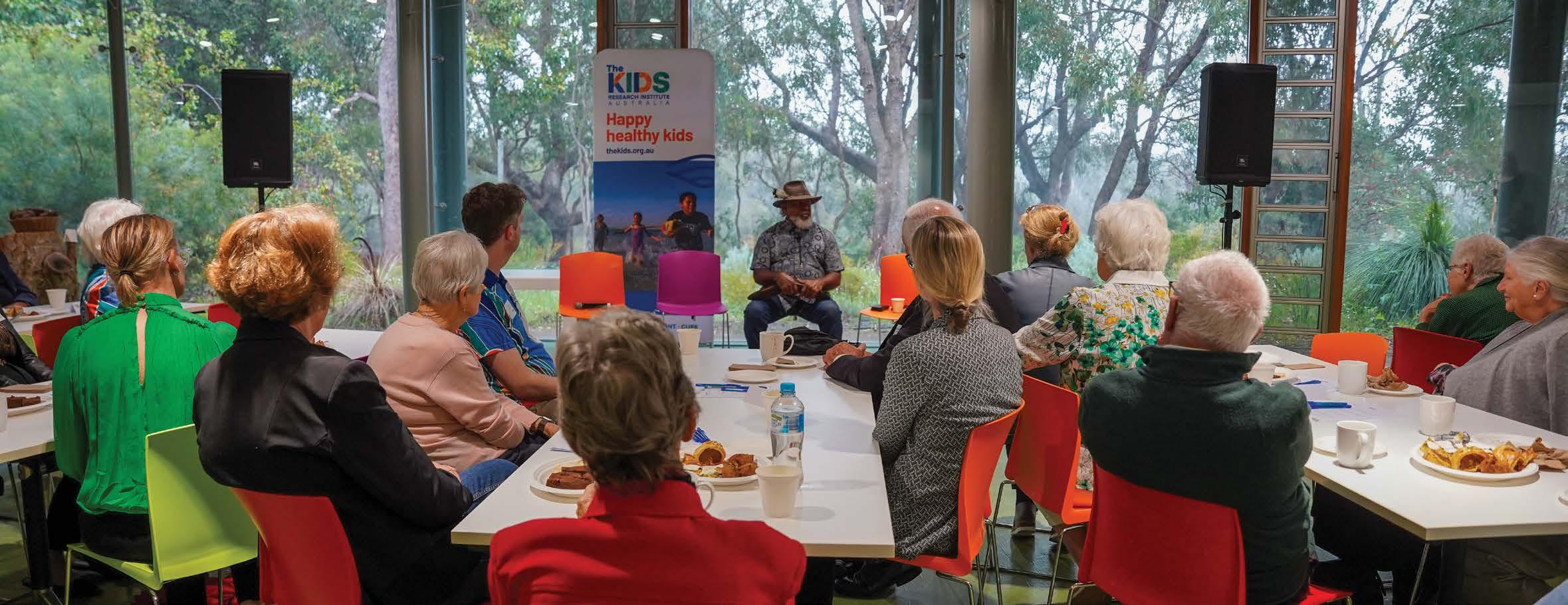
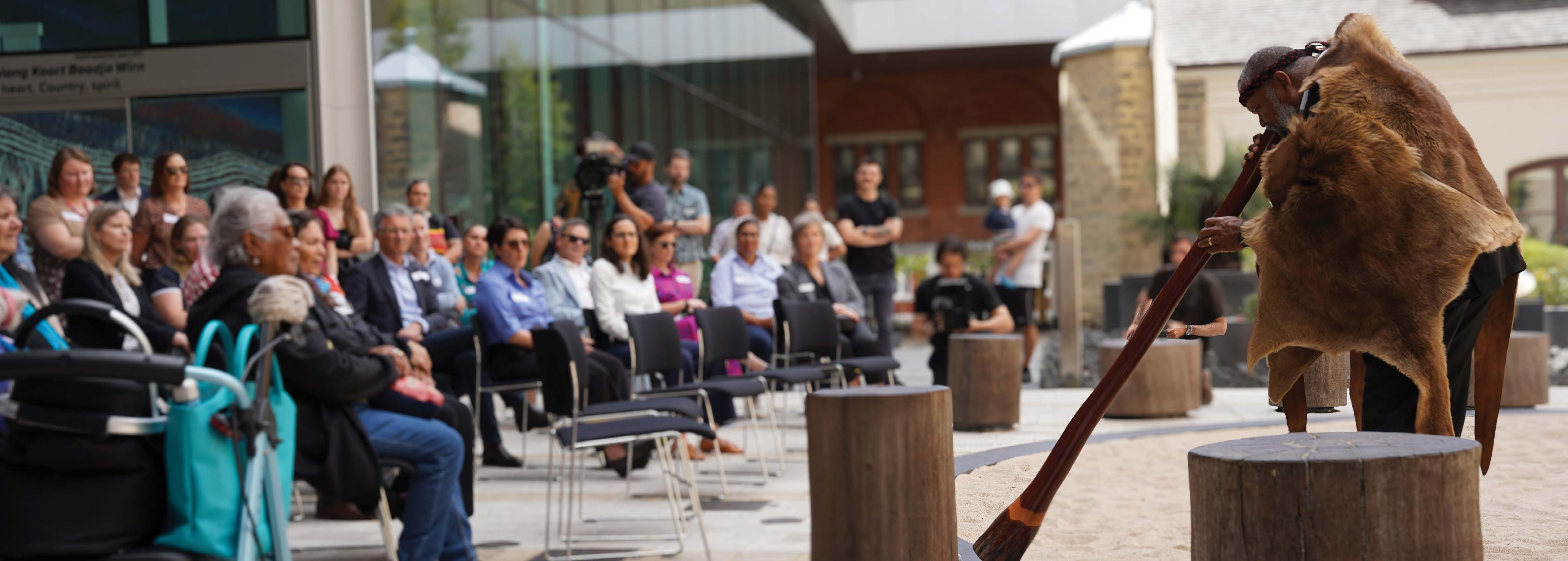
The morning began with a moving Welcome to Country by Walter McGuire, a proud Wadjuk Noongar maam and cultural educator. His words grounded the event in place, history, and community, reminding us of the importance of listening to and learning from First Nations voices.
Guests heard from a panel of passionate researchers and staff including Associate Professor Valerie Swift, Dr Chris Brennan-Jones, Sarah Cattermole and Taleah Ugle. Together, they shared insights
into their work in Aboriginal health, ear and hearing research, and community-led approaches to equity. Taleah’s personal journey – from research assistant to UWA medical student – was a highlight, inspiring many in the room.
With the launch of our Innovate Reconciliation Action Plan (RAP) this year, The Kids reaffirmed its commitment to advancing equity, respect, and opportunity for Aboriginal and Torres Strait Islander children and families. We invite all members of our community to explore how we can work together towards reconciliation, and to learn more about the actions we’re taking to close the gap in outcomes.
As guests departed, they received copies of our RAP and seed cards – symbols of growth, legacy, and shared hope. The morning was a reminder that legacy isn’t just what we leave behind, it’s what we set in motion.
Leaving a gift in your Will to The Kids is a powerful way to create lasting impact. Visit our website to learn more:
Whadjuk Noongar maam Walter McGuire giving a Welcome to Country
Iris Loscher, Gifts in Wills Lead at The Kids
From left: Simmone Sharp, Sarah Cattermole, Dr Chris Brennan Jones, Associate Professor Valerie Swift and Taleah Ugle
The Kids’ DNA dream comes true
What started as a bold idea to celebrate National Science Week 2025 and its theme - Decoding the Universe: Exploring the unknown with nature’s hidden language - quickly evolved into something extraordinary.
The goal? To build the world’s longest DNA model.
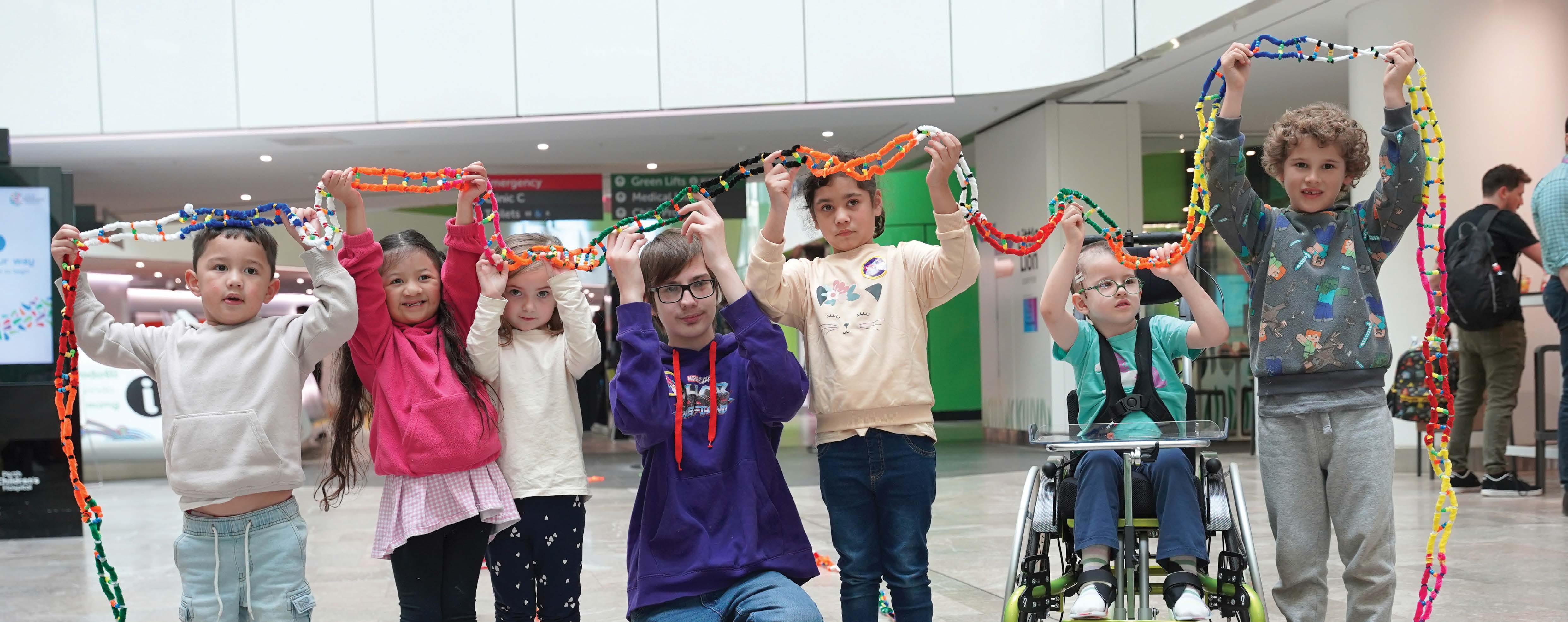
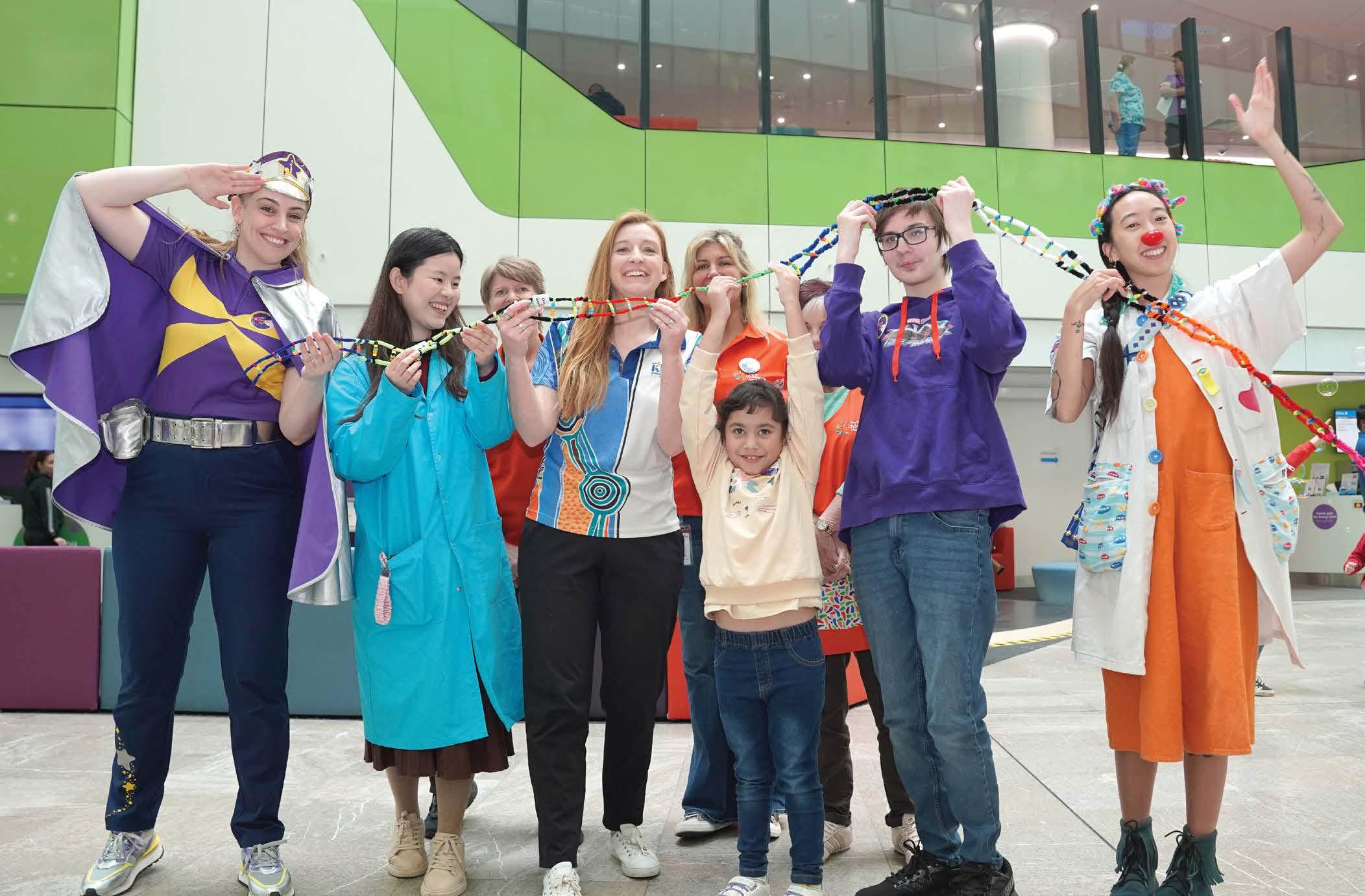
The result? A 262-metre double helix DNA model stretching the length of the Perth Children’s Hospital (PCH) atrium and resulting in an unofficial world record.
The project was led by April Welsh, CONNECT Manager at The Kids Research Institute Australia, and brought to life by hundreds of children, families, staff and volunteers across Western Australia.
Starting in Kalgoorlie, local students attending The Kids’ Kalgoorlie STEM Festival crafted over 355
mini-DNA models using pipe cleaners and beads. These were carefully transported to Perth, where the momentum continued to grow.
Children on the wards of PCH, supported by staff and volunteers from organisations including Ronald McDonald House Charities WA, Starlight Children’s Foundation, Perth Children’s Hospital Foundation, Clown Doctors, Radio Lollipop, and the School of Special Educational Needs: Medical and Mental Health, added their own creations. Even WA Chief Scientist Professor Sharath Sriram and members of The Kids’ Board joined in.
By the end of the week, a total of 966 mini-DNA models had been built, using 5,313 pipe cleaners and 23,184 beads. These were woven together into a vibrant DNA strand that stretched more than 70 metres longer than the previous record-holder.
“From the kids in Kalgoorlie who kicked things off, to the patients, families, staff and volunteers here in Perth, every single person played a part in creating something extraordinary,” Ms Welsh said.
“Seeing all the organisations across Perth Children’s Hospital come together, working side by side with patients and families, showed the power of what’s possible when we unite around a shared vision.” — April Welsh
More than a record, the achievement was a celebration of collaboration and outreach. It showed how community support could turn a simple idea into a shared experience that inspired children — including those in hospital — to see themselves as scientists, creators and contributors.
Community is at the heart of everything we do. Join our community engagement program CONNECT to be involved:
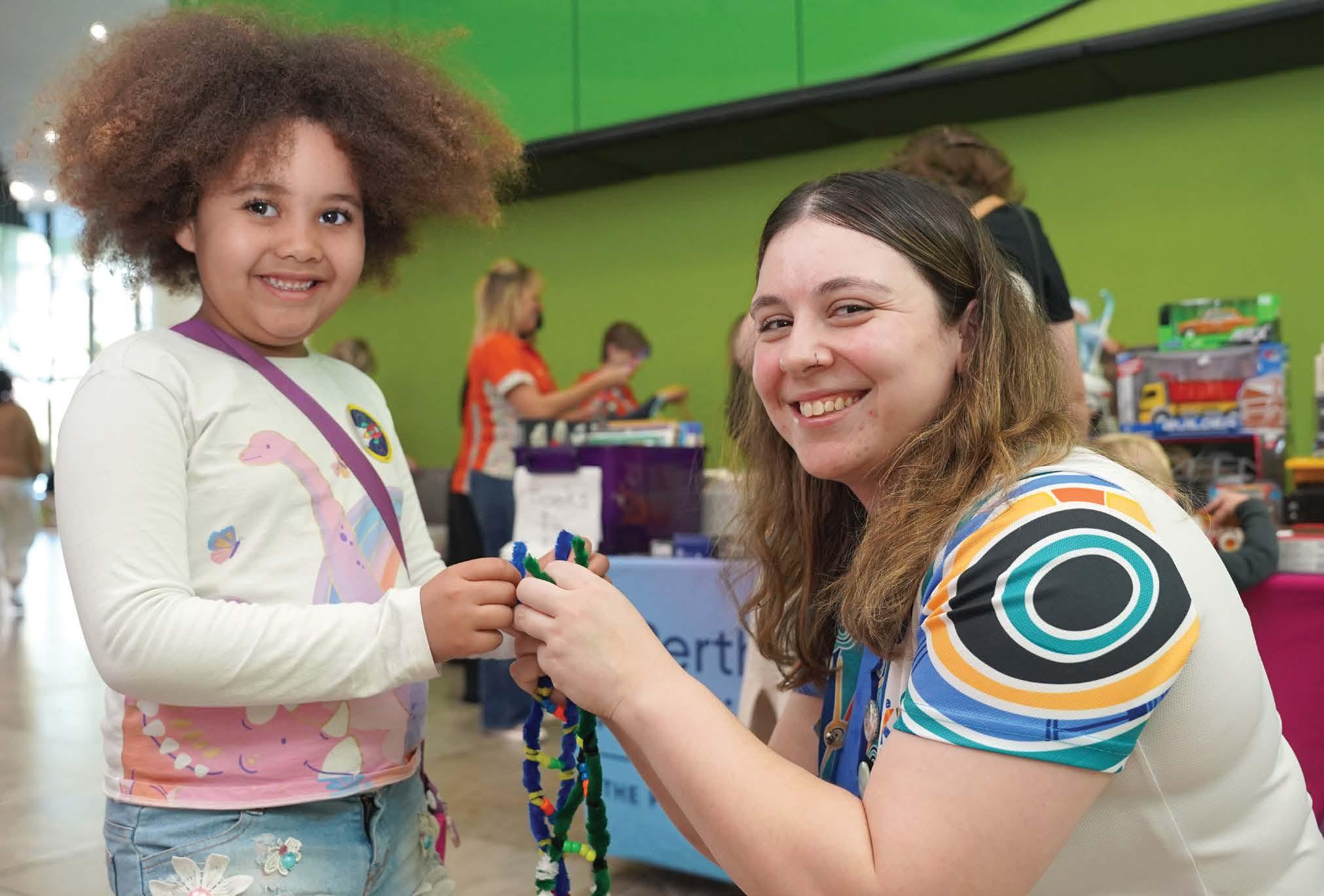
Juliette Iuculano helping a child at PCH with the activity
Staff and volunteers joined children from PCH wards to create the 262-metre DNA model
STEM festivals spark curiosity in Broome and Kalgoorlie
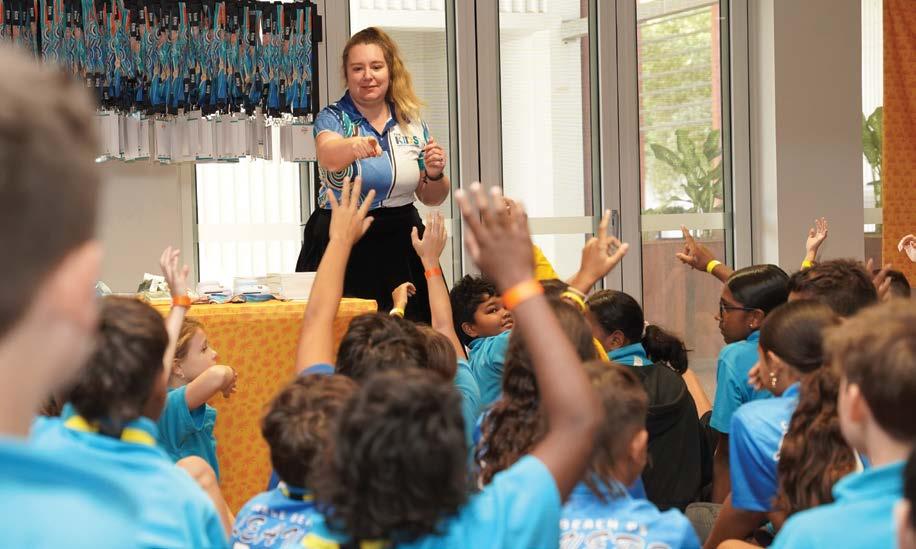
From the golden heart of Kalgoorlie to the coastline of Broome, The Kids Research Institute Australia has been busy bringing science to life for hundreds of children and families through its much-loved STEM festivals. By partnering with local industries that rely on STEM skills, the festivals also highlight that science is a pathway to rewarding careers in regional communities. These vibrant, hands-on events are designed to ignite curiosity, foster creativity, and show the next generation that science is not only accessible – it’s exciting.
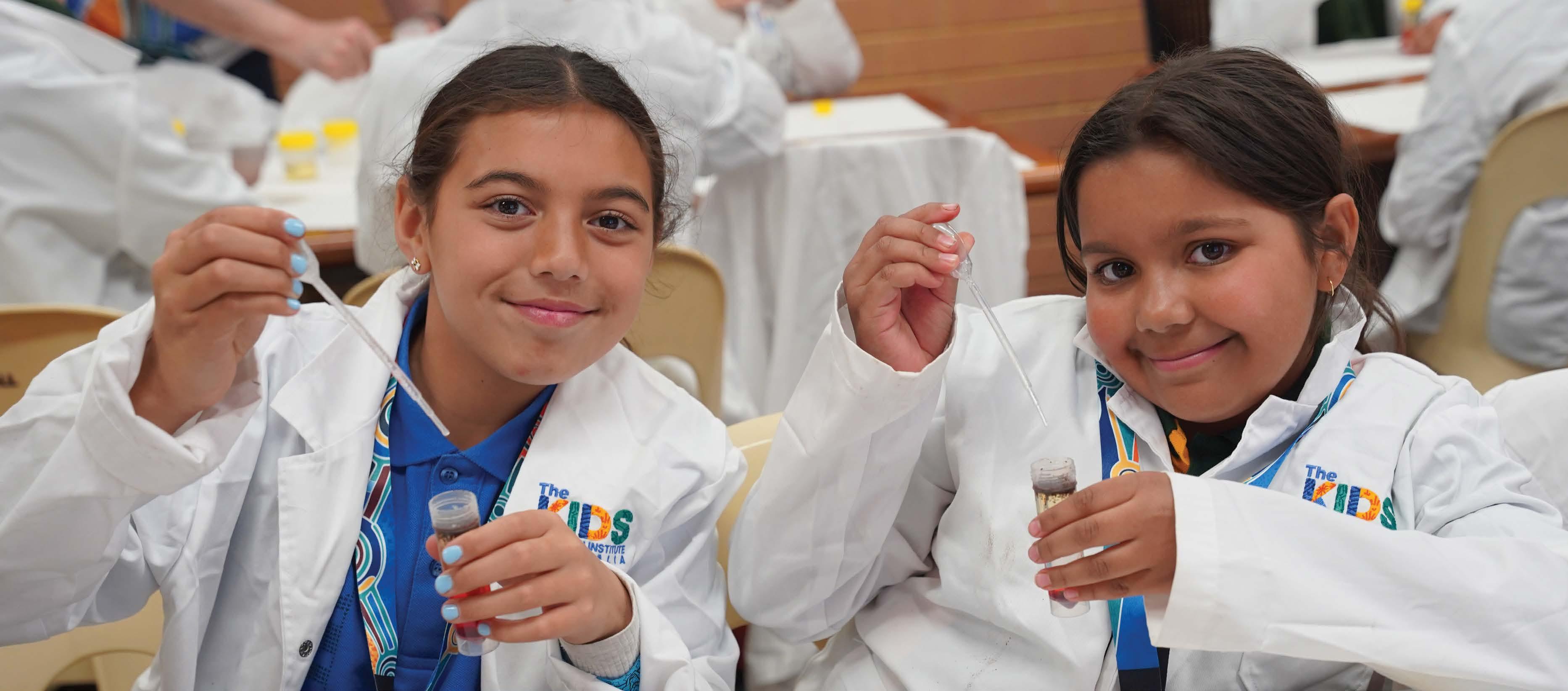
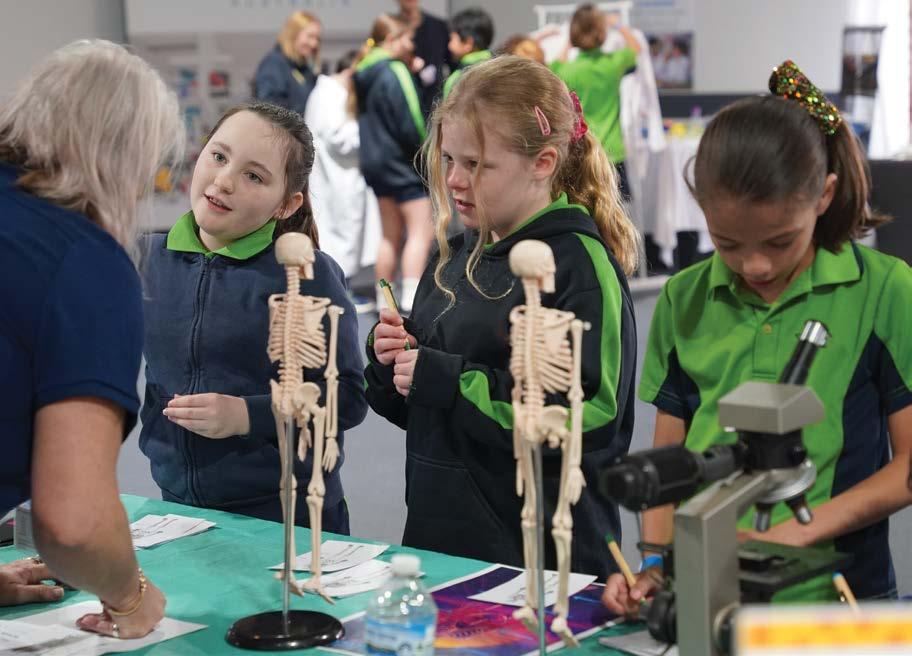
Coinciding with National Science Week, the Kalgoorlie STEM Festival welcomed more than 1,000 people – including close to 600 children and hundreds of community members – over two days at Curtin University’s Graduation Hall. Activities ranged from UV bead experiments and sugar comparisons to DNA extractions and microscope explorations. For many children, it was their first excursion of the year — and for some, the “best excursion ever”.
Rheumatic heart disease researcher Shakayla Walley said sharing health and medical science with regional students — who often did not consider STEM pathways
— was really special. “I could see some children envisioning themselves in our shoes one day,” Ms Walley said.
Earlier in the year, the Broome STEM Festival drew more than 1,200 attendees including roughly 600 community members as well as 670 students from eight local schools, including remote communities like Derby, Beagle Bay and Bidyadanga. Children learned about blood samples, sugar in drinks, and peered into microscopes — sparking “aha!” moments and dreams of becoming scientists.
These festivals are more than just fun. They are a powerful reminder that community support makes outreach possible, especially in regional areas where access to science education can be limited. By connecting children with real researchers and handson experiments, The Kids is helping to inspire the next generation of scientists, health professionals and changemakers.
“This event is all about sparking curiosity and encouraging creativity in young minds through fun, hands-on STEM experiences,” Belinda Frank, Senior Manager, Community Engagement said.
None of this would be possible without the generous support of our sponsors. We are deeply grateful to:
•
• ATCO, Curtin University, Australian Government, CFC Group Foundation, and Inspiring WA for supporting the Kalgoorlie STEM Festival
• Broome Civic Centre, Broome International Airport, CFC Group Foundation, and Engineers Australia for making the Broome STEM Festival a reality
Their contributions helped provide transport, materials, and a welcoming space for families to explore science together — showing how these partnerships are key to powering the next generation of young minds and researchers.
“Sharing health and medical science with regional students — who often only see mining or trade pathways — was really special. I could see some envisioning themselves in our shoes one day.” — Shakayla Walley, RHD researcher.
Are you a donor, business, or community group keen to support our outreach programs? Get in touch with our corporate partnerships manager to explore options: Ben.Wood@thekids.org.au
Kalgoorlie students in the middle of a Blood Buddies workshop
Below top to bottom: Broome students with their souvenir workshop photos; Students in Kalgoorlie learn about different bones in the human body; Caitlin Sweeney wrapping up a STEM workshop in Broome
New gambling research reveals risks for young men
New research from The Kids Research Institute
Australia has found that sports and fantasy sports gambling can act as a gateway to problem gambling in young men — with worrying links to poor mental health.
The study, funded through Embrace — The Kids’ mental health research initiative supported by principal partner Rio Tinto — used data from the Ten to Men Study, Australia’s largest and longest-running study on male health. It found that young men aged 18–25 who engage in sports gambling are more likely to develop gambling-related problems, especially when combined with symptoms of depression.
Lead researcher Dr Vincent Mancini, Senior Research Fellow at The Kids, said the findings highlighted the need for targeted support.
“We know young men especially are more susceptible to forms of gambling that feature a skill-based component like sport and fantasy sport gambling, but they’re also less likely to seek help because of factors including stigma around men’s mental health,” Dr Mancini said.
The study also found that traditional risk factors — such as alcohol use, casino visits or trying to appear masculine — did not predict future gambling problems.
Instead, it’s the gambling format itself, particularly sports betting, that poses the greatest risk.
“To start implementing effective strategies to support young males before gambling starts to create social, psychological, and financial problems, we need to meet them where they are,” Dr Mancini said.
This research builds on Dr Mancini’s earlier findings that gambling frequency and low perceived support are key predictors of future gambling harm in men. It also reflects Embrace’s commitment to tackling emerging mental health challenges through evidencebased research.
The project was delivered in collaboration with the University of Sydney, the University of Melbourne, and the Movember Institute of Men’s Health.
Thanks to the support of Rio Tinto, Embrace is helping researchers like Dr Mancini explore the complex links between mental health and behaviour — and develop strategies that make a real difference in the lives of young people.
Young men aged 18–25 who engage in sports gambling are more likely to develop gambling-related problems, especially when combined with symptoms of depression.
Funding boost powers ORIGINS child and family health research
The Kids Research Institute Australia is proud to celebrate a major funding boost for ORIGINS and its world-class research into child and family health and wellbeing.
Thanks to the generous support from the Stan Perron Charitable Foundation, ORIGINS has received a three-year funding commitment that will allow the team to expand its work across Perth Children’s Hospital, Edgewater, and Jandakot.
ORIGINS is the largest study of its kind in Australia, following 10,000 families from conception through to early childhood. The aim is to better understand how and when non-communicable diseases - also known as chronic diseases - develop, and to provide evidence-based strategies to improve health outcomes for children and families.
Have you heard our Embracing the Mind podcast? Explore mental health through a lived experience lens – listen and subscribe here:
“Our recent Community Conversation with participants highlighted the urgent need to address the rapid increase of poor mental health and anxiety in children and families, alongside behavioural issues and the impact and management of screen use at school and inside the home,” ORIGINS CoDirector Dr Jackie Davis said.
The funding will support new areas of focus within the next phase of Kids Check appointments for primary school-aged children and will also enable the team to introduce wearable devices to monitor physical activity, sleep and sedentary behaviour.
“This generous funding will allow ORIGINS to commence the next phase of Kids Check appointments within our primary school-aged participants, which will have an additional focus on language, literacy, mental health, social media, screen use, and lifestyle behaviours.” — Dr Jackie Davis, ORIGINS Co-Director
Help us achieve our vision of happy, healthy kids –donate today:
To date, ORIGINS has:
Enrolled over 10,000 families in the Joondalup and Wanneroo area
Completed more than 3,000 Kids Check appointments
Collected over 400,000 biological samples
Gathered more than 30 million data points
Established more than 60 sub-projects across nine research domains, in collaboration with global researchers
“Our globally unique platform allows scientists to deliver innovative, accelerated real-world research outcomes that improve the health and families of now and for generations to come,” ORIGINS Co-Director Professor Desiree Silva said.
Professor Silva, who also serves as Director of Research at Joondalup Health Campus, said the funding would strengthen ORIGINS’ role as a research platform. It would allow external researchers to respond quickly to emerging health challenges and deliver timely insights that benefit WA families.
Front row left to right: Chloe Dine, Professor Desiree Silva, Dr Jackie Davis, Oscar Whalan
Back row left to right: Xara Bhogal, Chloe Whalan, Lucas Dine
Funding fast-tracks clinical trials for nasal therapy to prevent ear infections
A promising new nasal therapy designed to prevent childhood ear infections and reduce antibiotic use has received a major funding boost — helping researchers take the next step towards clinical trials.
The therapy, known as Spritz-OM, was co-invented by researchers from the Wesfarmers Centre for Vaccines and Infectious Diseases at The Kids Research Institute Australia, and uses ‘friendly bacteria’ to protect the ear from infection. Thanks to $300,000 in top-up funding from the CUREator BioTech Incubator, delivered with support from Brandon BioCatalyst and CSIRO, the team is now preparing for Phase 1 trials. Phase 1 will involve healthy adults and provide essential safety data and a better understanding of immune responses before the team moves on to extending the study to children.
Professor Richmond, Head of the Vaccine Trials Group at the Wesfarmers Centre and Head of Paediatrics at The University of Western Australia Medical School, said the therapy could have a global impact. Ear infections are the leading reason children are prescribed antibiotics, and some children receive more than 10 courses in just a few years.
“By cutting the rate of ear infections in half, Spritz-OM could help to curb the alarming rise in antimicrobial resistance throughout the world,” Professor Richmond said.
The funding will also support the development of tools to measure immune responses in upcoming trials. Associate Professor Lea-Ann Kirkham, CoHead of the Bacterial Respiratory Infectious Disease Group, said the support was vital.
“This round of CUREator’s top-up funding will be instrumental in advancing the development of assays to measure antibody responses to Spritz-OM in our upcoming clinical trials,” Associate Professor Lea-Ann Kirkham said.
Spritz-OM is one of six projects to receive top-up funding through CUREator’s Minimising Antimicrobial Resistance stream, with support from Australia’s national science agency, CSIRO.
The Kids is proud to be part of this national effort to tackle antimicrobial resistance through innovation. This funding is a powerful example of how targeted investment can accelerate research and bring new treatments closer to reality — improving outcomes for children and reducing pressure on healthcare systems.
Major donation bolsters collaboration to tackle rare and undiagnosed diseases
The Kids Research Institute Australia is proud to be part of a bold new initiative that will change the future for children with rare and undiagnosed diseases — the Rare Care Comprehensive Centre (RCCC).
This world-first centre has been made possible thanks to one of Western Australia’s largest philanthropic gifts. The Stan Perron Charitable Foundation has committed $221.1 million over the next decade, alongside Perth Children’s Hospital Foundation ($25 million) and The University of Western Australia ($3 million). Their combined support will fund the RCCC’s mission to accelerate diagnosis, improve care and transform outcomes for children and families.
“What makes this powerful is bringing together leading experts from so many different medical fields, all collaborating to help each child. It’s a true honour to be part of this essential work.” — Associate Professor Timo Lassmann
Rare and undiagnosed diseases are the leading cause of childhood mortality — responsible for six in 10 childhood deaths, more than cancer and trauma combined.
Led by Rare Care Medical Director Professor Gareth Baynam and co-designed with families, the RCCC will bring together clinicians, researchers and community organisations to address this urgent need through five flagship programs: diagnosis, treatment, models of care, artificial intelligence, and family support.
Researchers from The Kids will contribute to four of these programs:
Professor Jenny Downs, Head of Child Disability, will focus on improving clinical trial readiness and health outcomes through better care coordination and health literacy support.
Associate Professor Timo Lassmann, Head of Precision Health, will lead the Artificial Intelligence Program, using AI to speed up diagnosis and personalise treatment.
Dr Vanessa Fear, Head of Translational Genetics, will work to achieve faster diagnoses and identify new therapies.
Professor Aleksandra Filipovska, the Louis Landau Chair in Child Health Research, will focus on mitochondrial and metabolic diseases, using omics technologies and pioneering gene therapy approaches.
The RCCC will also deliver coordinated care across health, education, disability and social services, and launch a not-for-profit arm to expand the impact of its research and clinical work. This includes initiatives like the Global Nursing Network for Rare Diseases and tailored family support programs.
This landmark donation is a powerful example of how philanthropy can drive systemic change. Thanks to the vision and generosity of the Stan Perron Charitable Foundation and its partners, children and families living with rare and undiagnosed diseases will no longer be left behind.
Professor Peter Richmond, Associate Professor Lea-Ann Kirkham, and Dr Alma Fulurija
Walking together for reconciliation
The Kids Research Institute Australia proudly launched its Innovate Reconciliation Action Plan (RAP) during National Reconciliation Week 2025, under the theme Bridging Now to Next. This milestone reflects our deep and ongoing commitment to improving health equity for Aboriginal and Torres Strait Islander children and families.
Our vision for reconciliation is a future where First Nations children experience equity in health, wellbeing and opportunity — empowered by partnerships grounded in respect, collaboration and benefit.
“The RAP is a meaningful step forward in our journey to reshape how we do research at The Kids, by placing community at the centre and ensuring our work is culturally safe, inclusive, and driven by equity,” Associate Professor Glenn Pearson, Director of First Nations Strategy and Leadership said.
The RAP focuses on five key areas:
• Building strong relationships with First Nations stakeholders
• Strengthening Aboriginal and Torres Strait Islander voices in our work
• Ensuring culturally safe practices
• Improving communication and engagement
• Fostering meaningful connection
“Our purpose to improve the health and happiness of all children must begin with listening to, learning from, and working alongside Aboriginal and Torres Strait Islander people,” explained Associate Professor Pearson.
The Kids’ Innovate RAP is backed by a series of initiatives developed in partnership with Aboriginal and Torres Strait Islander colleagues, Elders and communities over a decade including:
• Two iterations of our Commitment to Aboriginal and Torres Strait Islander Children and Families
• Aboriginal and Torres Strait Islander Employment and Career Development Strategy
• Aboriginal and Torres Strait Islander Research Standards.
Executive Director Professor Jonathan Carapetis AM said the RAP would guide The Kids in making the health and wellbeing of Aboriginal and Torres Strait Islander children everyone’s business.
“Our RAP includes tangible actions, deliverables and timelines that will hold us accountable in our journey towards reconciliation.”
The Kids has a vibrant Aboriginal and Torres Strait Islander Staff Network of more than 88 Aboriginal and Torres Strait Islander people working as staff, students, researchers and valued honoraries, including our Elders.
We invite our supporters and donors to be part of this journey. Whether through funding, partnerships or participation in reconciliation activities, your support can help us build a future where every child thrives.
Celebrating Dr Mara West: A champion for community
We are proud to celebrate Dr Mara West, who received the Aboriginal Award at this year’s Western Australian of the Year Awards. A Yamatji Elder, Dr West has dedicated more than 50 years to improving outcomes for Aboriginal communities.
As Acting Head of our Kulunga Aboriginal Unit, Dr West provides invaluable cultural guidance and governance. She ensures our research is community-led, culturally safe and responsive to the needs of Aboriginal families.
Dr West played a key role in developing our Aboriginal and Torres Strait Islander Research Standards and helped shape our 2024 rebrand, ensuring the new logo and artwork reflect our commitment to First Nations children and families.
She was also instrumental in shaping and launching our Innovate RAP, championing respectful engagement and cultural understanding across the organisation.
Dr West’s award is a testament to her unwavering commitment to creating a better future for Aboriginal people — and we are honoured to walk alongside her in this journey.
We also congratulate Professor Nick Gottardo, a finalist in the Professions Award category, and Professor Sue Fletcher, a dedicated supporter of The Kids, who won the Professions Award.
Dr West’s award is a testament to her unwavering commitment to creating a better future for Aboriginal people — and we are honoured to walk alongside her in this journey.
Back left to right: The Kids Chair Naomi Flutter, Governor of Western Australia Chris Dawson, Associate Professor Valerie Swift, Head First Nations Health and Equity Associate Professor Glenn Pearson, Executive Director Professor Jonathan Carapetis. Front left to right: Honorary Elder Community Co-Researcher Aunty Millie Penny and Acting Head of our Kulunga Aboriginal Unit Mara West
Researchers at The Kids respond to claims linking paracetamol use in pregnancy to autism
Researchers at The Kids Research Institute Australia have responded to recent claims made by US President Donald Trump suggesting a link between paracetamol use during pregnancy and autism.
Professor David Trembath, Head of Autism Research at CliniKids, said there is no clear or consistent evidence supporting such a link – and current medical advice is unlikely to change.
“Paracetamol is well established as one of a small number of medicines considered safe during pregnancy,” Professor Trembath said. “It plays an important role in reducing fever, which itself carries risks to unborn babies.”
He also expressed concern about the way autism was being framed in the announcement. “It is regrettable that autism is being described as a ‘medical condition’. This approach is outdated and hurtful, and it does not reflect contemporary neurodiversity-affirming thinking. Autistic people are equal and equally loved members of our community.”
Professor Andrew Whitehouse - Deputy Director Research, Angela Wright Bennett Professor of Autism Research and Director of CliniKids - also addressed claims that folic acid could be used as a ‘treatment’ for autism. “The evidence is weak,” he said. “Some small trials suggest minor improvements in behavioural outcomes, but these findings are inconsistent and have not been independently replicated.”
The researchers emphasised that autism is best understood as a reflection of individual and family genetics, shaped by environmental factors – not something to be ‘cured’. They also reiterated that previous claims linking vaccines to autism have been thoroughly disproven.
“Unfortunately, announcements like this can cause confusion and distress,” Professor Trembath said.
“We’re committed to supporting our CliniKids families and the wider community with accurate, compassionate information.”
At The Kids, autism research and support is grounded in non-pharmacological approaches that promote learning, participation and wellbeing – and in a deep respect for neurodiversity.
“Paracetamol is well established as one of a small number of medicines considered safe during pregnancy. It plays an important role in reducing fever, which itself carries risks to unborn babies.” — Professor David Trembath
Stay in the loop with our latest breakthroughs and expert insights – sign up to our monthly newsletter, Research News:
Above: CliniKids Head of Autism Research Professor David Trembath and Deputy Director Research, the Angela Wright Bennett Professor of Autism Research and CliniKids Director at The Kids, Professor Andrew Whitehouse
Urgent change needed to Close the Gap
There is an urgent need for improved cultural safety for Aboriginal and Torres Strait Islander young people in mental healthcare, new research has revealed.
The project found that mental health services must provide trauma-informed and culturally grounded care to improve health outcomes for Aboriginal and Torres Strait Islander young people.
The findings come as Embrace announces a renewed partnership with Rio Tinto and Channel 7 Telethon Trust, extending through to 2029.
Preliminary recommendations from the Medical Research Future Fund-supported research include that cultural safety must have Indigenous governance and be systematically embedded into services through regular training, recruitment of Indigenous staff and visual indicators like Aboriginal artwork.
The expanded partnership will enable researchers at The Kids to deliver cultural safety workshops to clinicians, service providers and within the community.
Embrace Co-Director Professor Helen Milory AM said the findings highlighted a lack of culturally safe care in mainstream mental health services.
“The social and emotional wellbeing of our young people is paramount, and the findings of this research represent an important milestone in addressing the mental health challenges of Aboriginal and Torres Strait Islander youth. This will help address many of the Closing the Gap targets which are currently not progressing well.
“This continued partnership with Rio Tinto and Channel 7 Telethon Trust will help us to expand upon this project’s findings and improve cultural safety in mainstream mental healthcare settings.”
Rio Tinto Iron Ore Health, Safety, Environment and Communities Vice President Caitlin Westgarth said, “Rio Tinto has been operating in Western Australia for 60 years and is committed to building healthy communities where young people can thrive.
“Embrace at The Kids Research Institute Australia puts young people, families and communities at the centre of mental health research. This approach is helping us better understand and support youth mental health.
“These new research findings highlight just how critical it is for children to access trauma-informed and culturally safe healthcare. We’re proud to support this new partnership that will continue to improve health outcomes for all WA children.”
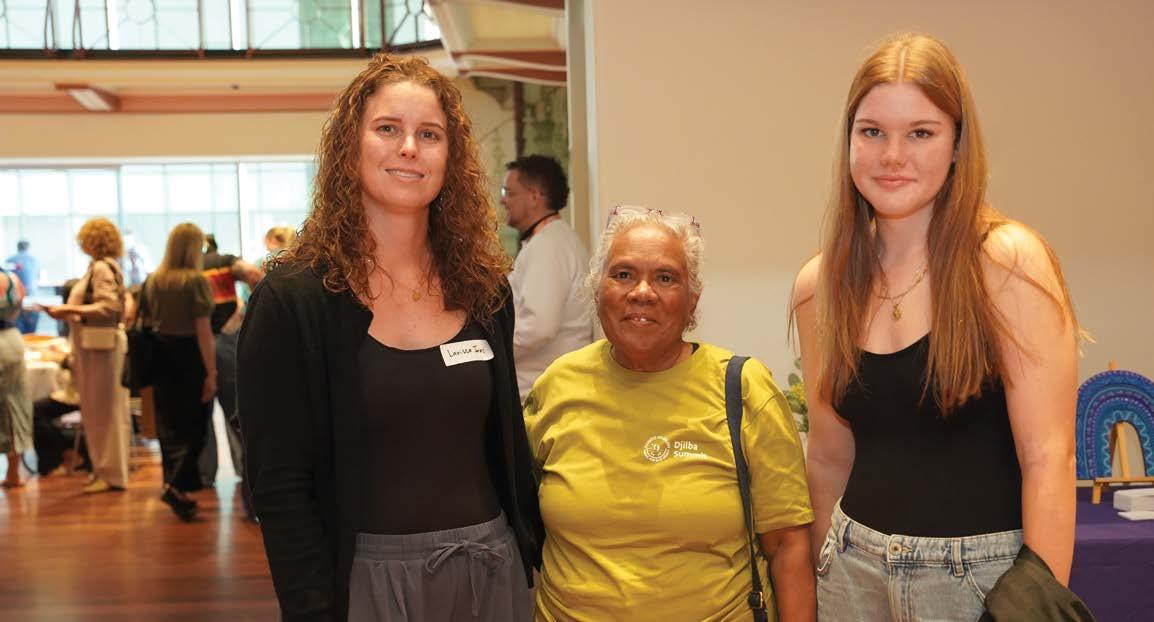
Top: Larissa Jones, Dr Mara West and Isabelle Jones-Perry
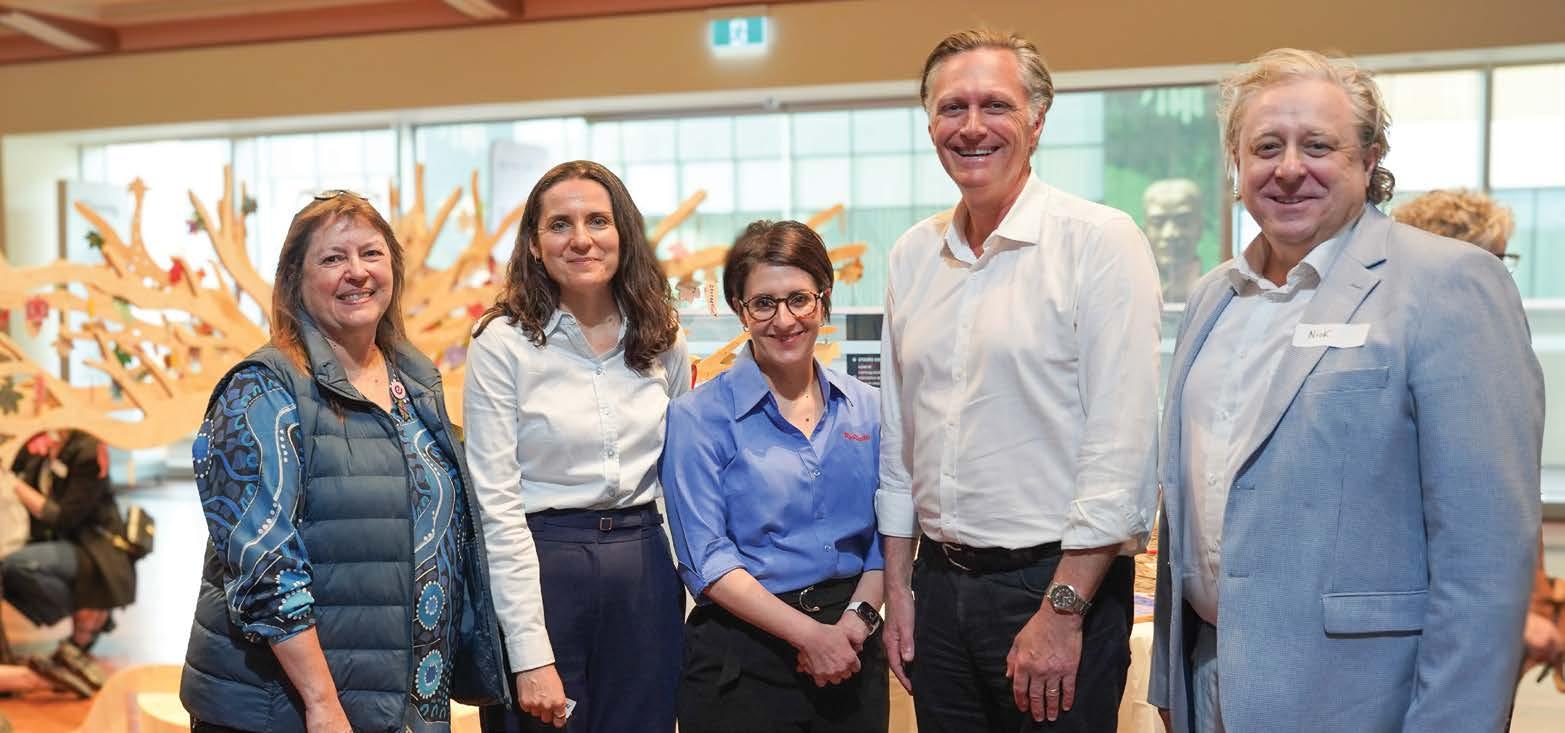
Right: Professor Helen Milroy, Professor Jeneva Ohan, Rio Tinto’s Laura Thomas, Professor Jonathan Carapetis, and Telethon Trustee Nick Stagg