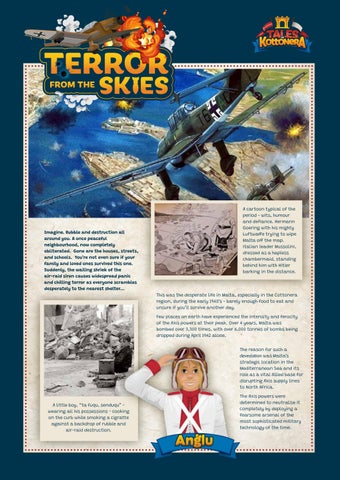
Imagine. Rubble and destruction all around you. A once peaceful neighbourhood, now completely obliterated. Gone are the houses, streets, and schools. You’re not even sure if your family and loved ones survived this one. Suddenly, the wailing shriek of the air-raid siren causes widespread panic and chilling terror as everyone scrambles
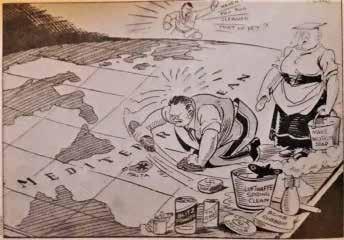
A cartoon typical of the period - wits, humour and defiance. Hermann Goering with his mighty Luftwaffe trying to wipe Malta off the map. Italian leader Mussolini, dressed as a hapless chambermaid, standing behind him with Hitler barking in the distance.
This was the desperate life in Malta, especially in the Cottonera region, during the early 1940’s - barely enough food to eat and unsure if you’ll survive another day.
Few places on earth have experienced the intensity and ferocity of the Axis powers at their peak. Over 4 years, Malta was bombed over 3,300 times, with over 6,000 tonnes of bombs being
The reason for such a devestation was Malta’s strategic location in the Mediterranean Sea and its role as a vital Allied base for disrupting Axis supply lines to North Africa.
The Axis powers were determined to neutralise it completely by deploying a fearsome arsenal of the most sophisticated military technology of the time.
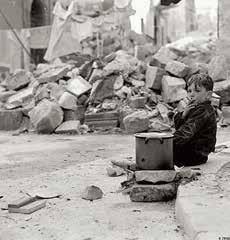
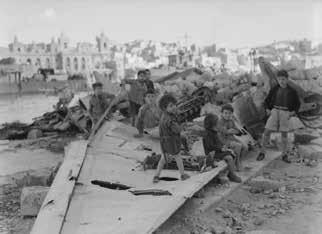
A little boy, “ta fuqu, senduqu”wearing all his possessions - cooking on the curb while smoking a cigratte against a backdrop of rubble and air-raid destruction.
Aircraft of the Italian Regia Aeronautica
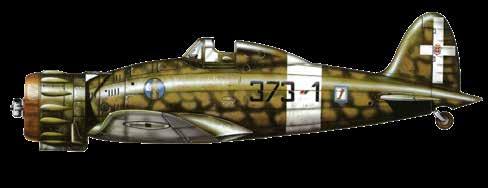
Macchi C200 “Saetta”
The “Lighting” was a single radial-engined fighter aircraft with retractable landing gear. It was used mainly as an escort to the Sparviero bomber squadrons. The Saetta, especially the later upgraded versions where regarded as "very good machines, fast, manoeuvrable and strong" by Italian pilots.
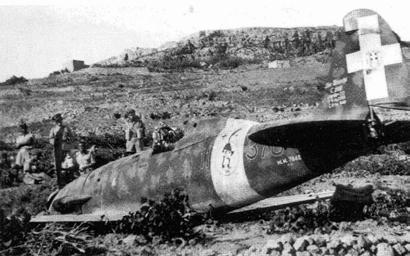
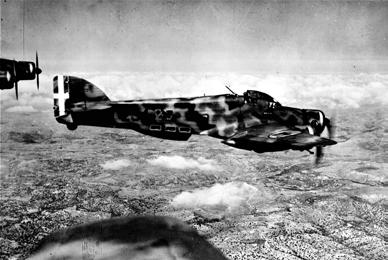
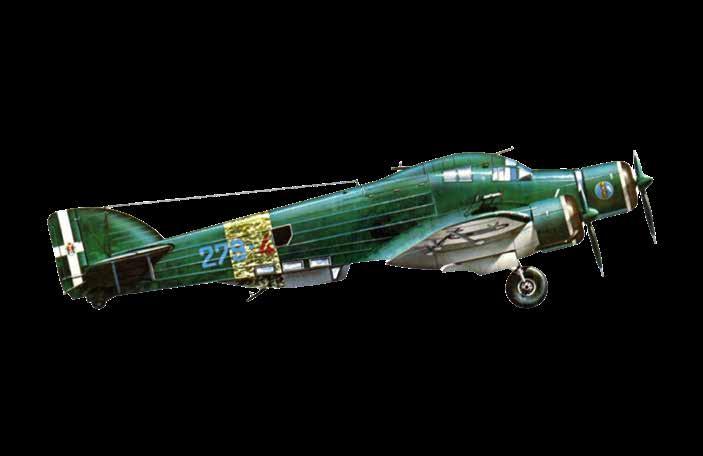
SM.79 “Sparviero”
Probably the best known Italian Warplane of WW2, The Sparviero (SparrowHawk) was a three-engined medium bomber. For 3 years, it achieved outstanding success in operations against merchant convoys and naval vessels of all kinds and sizes. The Sparviero was used as a level bomber and was also very useful asa a torpedo bomber as evidenced by its performance against British convoys to Malta.
It is hardly an understatement to say that it is a true miracle that Malta survived those years of onslaught by these awesome and fearsome machines.
It is impossible to imagine what our ancestors endured during those grim days as they struggled for existence, as howling bombs rained all around them bringing tragedy and total destruction.
Savoia-Marchetti
Machi
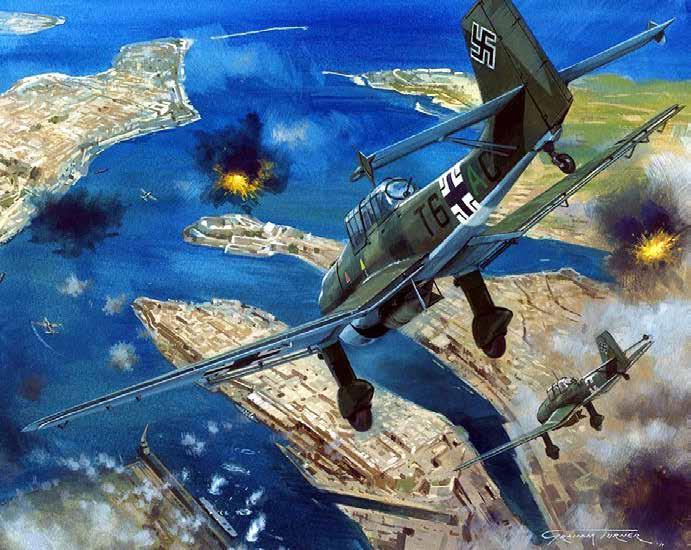
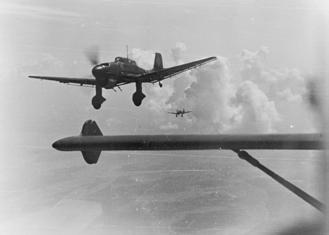
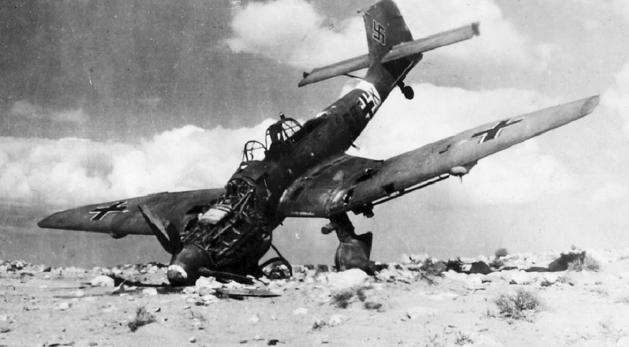
The Stuka is infamous for its dive-bombing tactics. It was equipped with “Jericho Trumpets”wind driven sirens that generated a terrifying, high-pitched wail during dives, which became the trade-mark sound of the World War 2.
Junkers JU87 “Stuka”
One of the deadliest and probably the most notorious warplane of WW2, The JU87 Stuka dive bomber and ground attack aircraft was pivotal to the Axis air-offensive tactics. Ironically powered by a Rolls-Royce single engine, this all-metal mono-plane was designed for steep-angle dives, often reaching 90 degrees.
Malta was introduced to the tradem ark howl of the Stuka in September 1940, when Italian Stukas, known as ‘Picchiatelli’, targeted first the Grand Harbour and later Delimara. In January 1941, the Luftwaffe presence gathered pace, ramping up the onslaught while scaling up the fear to the maximum with its terrorising shrill.
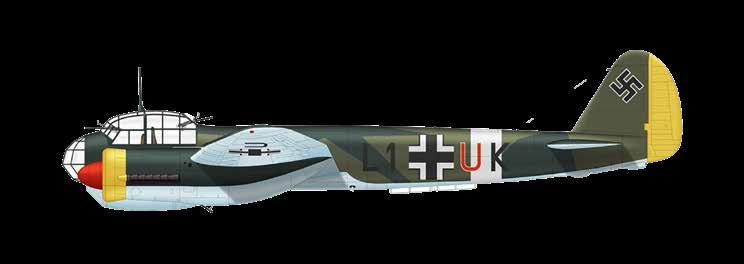
Junkers Ju-88
The Junkers Ju-88 was truly the backbone of the Luftwaffe, in World War II. The Ju-88 served in multiple roles: as night and day fighters, for reconnaissance, and as dive and level bombers. This twin-engined warplane was the
Warplanes of the German Luftwaffe
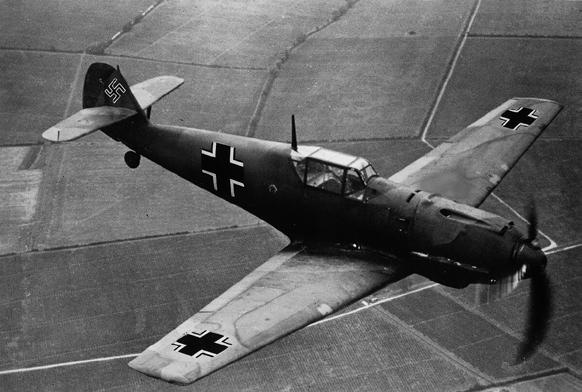
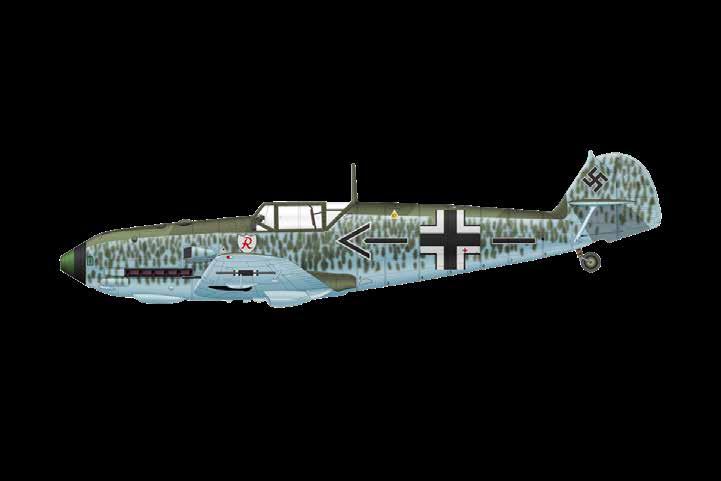
Messerschmitt Bf 109
One of the most advanced fighters of its time, the Bf109 (or ME109 as it was known by aircrews), featured an all-metal monocoque, closed canopy and retractable landing gear.
The Bf 109 is the most produced fighter aircraft in history, a total of 34,248 airframes having been produced between 1936 and April 1945. More aerial kills were made with the Bf 109 than any other aircraft of World War II.
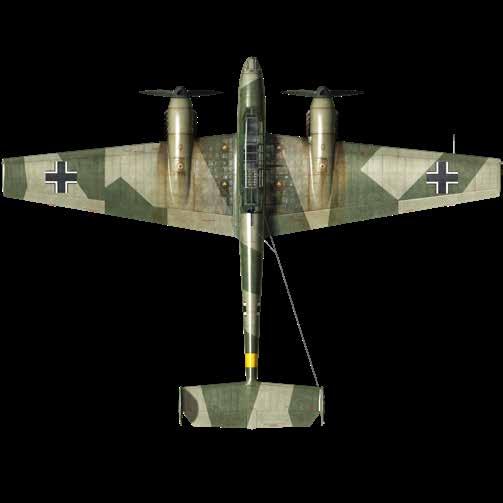
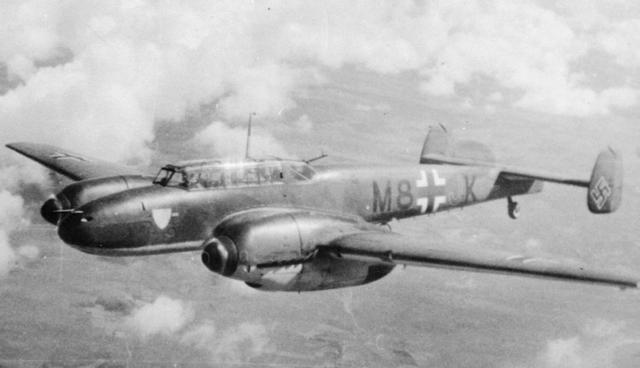
Messerschmitt Bf 110
The Bf110 or unofficially the ME110 was known as the zerstorer or destroyer, It was a twin-engined destroyer, fighter-bomber and night ghter. The Bf 110's performance over Malta and other theaters highlighted its limitations as a daylight fighter.
However, its adaptability and the development of radar-equipped night fighter variants extended its operational life. Recognizing its limitations in daylight fighter combat, the Bf 110 was adapted for night fighting.