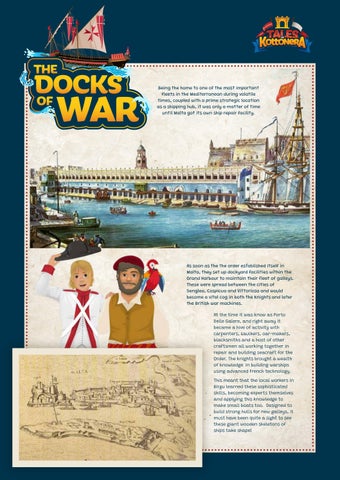
Being the home to one of the most important fleets in the Mediterranean during volatile times, coupled with a prime strategic location as a shipping hub, it was only a matter of time until Malta got its own ship repair facility.
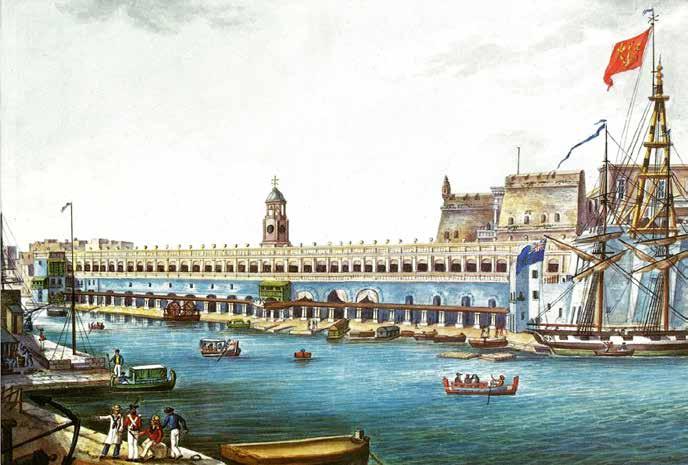

As soon as the the order established itself in Malta, they set up dockyard facilities within the Grand Harbour to maintain their fleet of galleys. These were spread between the cities of Senglea, Cospicua and Vittoriosa and would become a vital cog in both the Knights and later the British war machines.
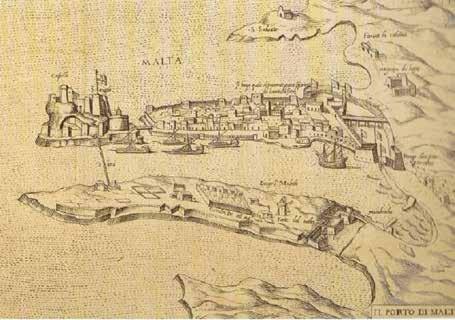
At the time it was know as Porto Delle Galere, and right away it became a hive of activity with carpenters, caulkers, oar-makers, blacksmiths and a host of other craftsmen all working together in repair and building seacraft for the Order. The knights brought a wealth of knowledge in building warships using advanced French technology. This meant that the local workers in Birgu learned these sophisticated skills, becoming experts themselves and applying this knowledge to make small boats too. Designed to build strong hulls for new galleys, it must have been quite a sight to see these giant wooden skeletons of ships take shape!
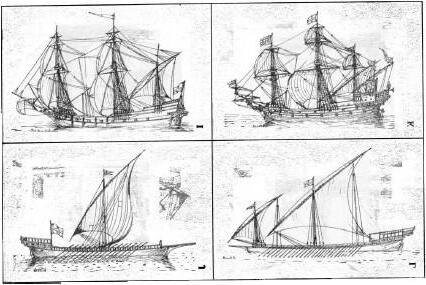
The shipyard built all kinds of vessels, including galleons, galleys, de brigantines and feluccas. It also built tiny craft such as the caiques and frejgatinas. As the Order’s power started to wane, the primary purpose of the shipyard shifted to repair and maintenance.

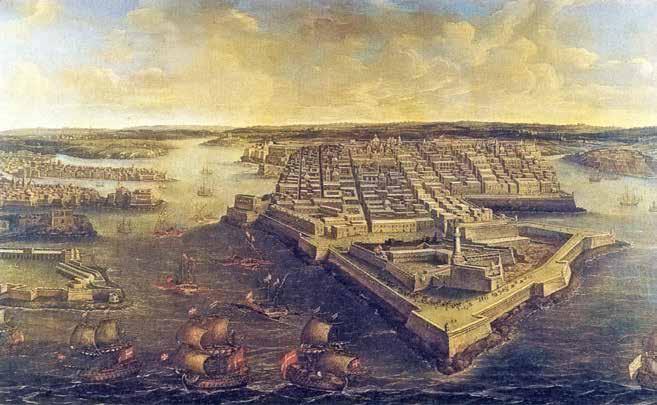
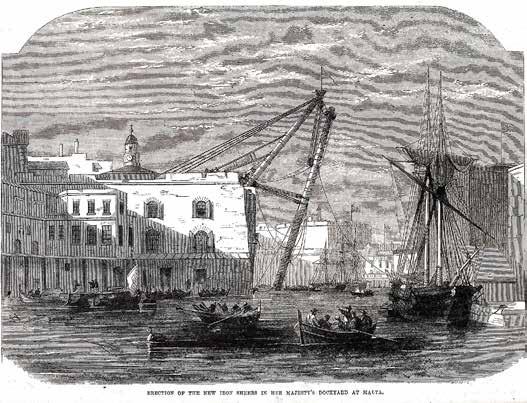

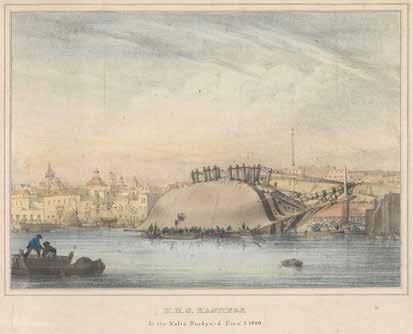
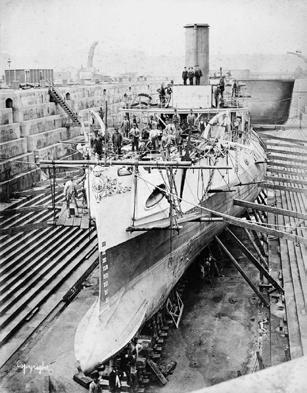
In the second half of the century, the steam factory with its machine shops and foundries was expanded. Very soon, though, it was clear that more space was required than the crowded wharves of Dockyard Creek afforded to accommodate the increasing size of ships and the increasing size of the fleet based there. The decision was taken to expand into the adjacent French Creek, and between 1861 and 1909 a further five dry docks—three single plus one double dock—were constructed there, along with an assortment of specialized buildings to serve the mechanized Navy.
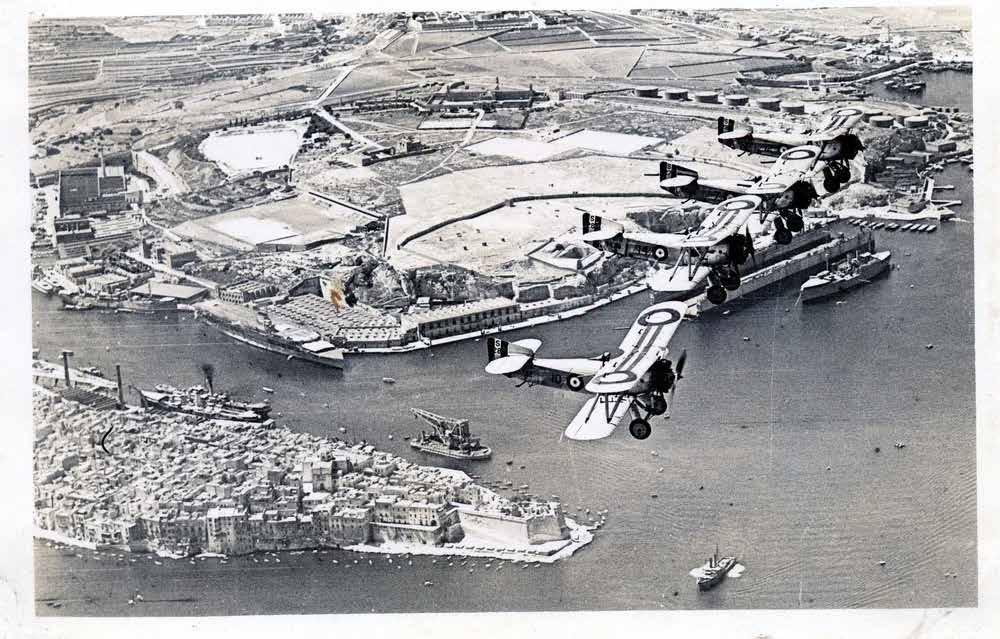


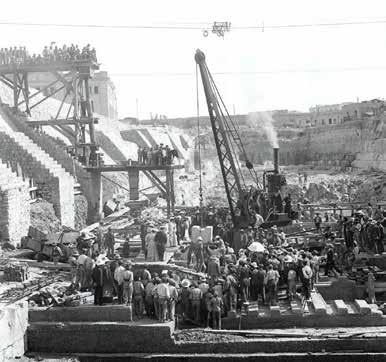
From around the mid-19th century, the dockyards became Malta’s largest single employer and triggered trade union consciousness.
In Malta, Admiralty dockyards have played a central, but not invariably acknowledged, role in the industrial, economic, military, educational and, not least, political evolution of the islands.

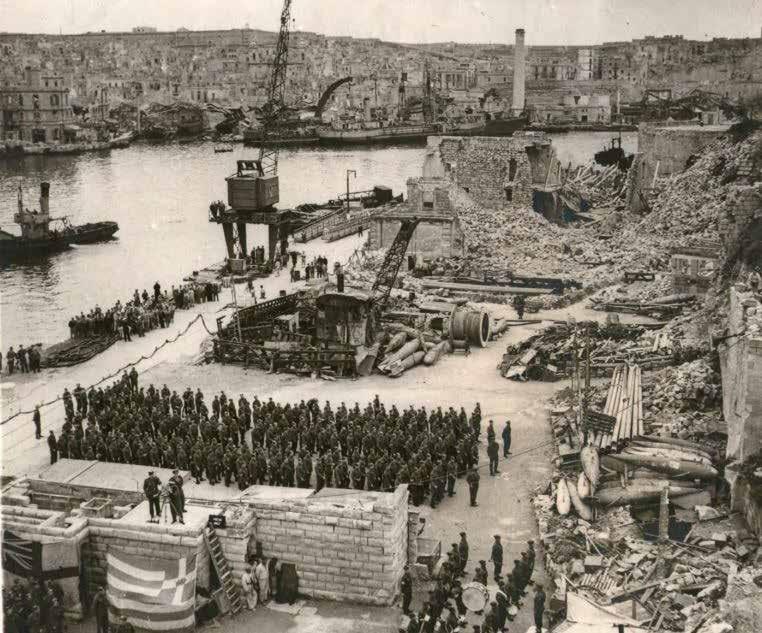
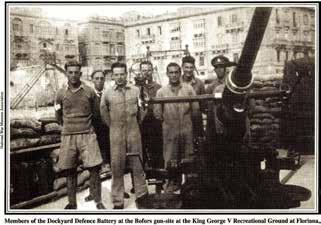
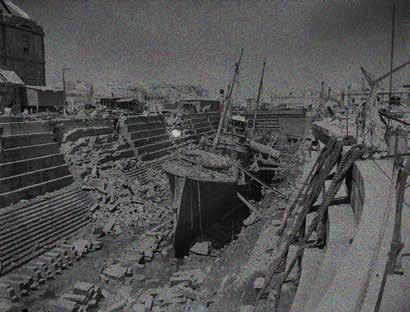
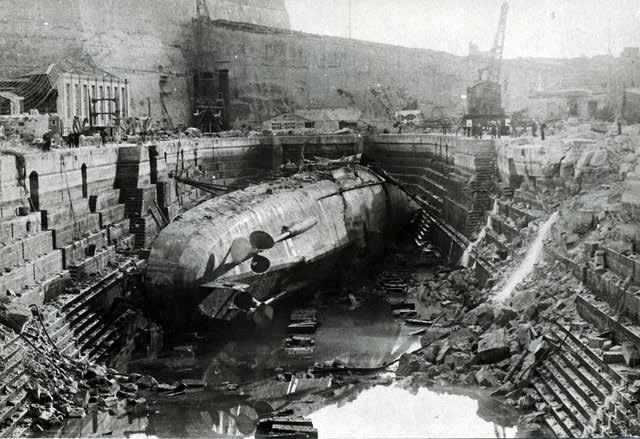
The dockyard was an important supply base during the First World War and the Second World War. In January 1941 sixty German dive bombers made a massed attack on the dockyard in an attempt to destroy the damaged British aircraft carrier Illustrious, but she received only one bomb hit. For months, Incessant German and Italian bombing raids targeted Malta through March, totally outnumbering the defending British fighters. Then in April 1942 the Admiral Superintendent of Malta Dockyard reported that due to German air attacks on Malta's naval base, "practically no workshops were in action other than those underground; all docks were damaged; electric power, light and telephones were largely out of action."
The Dockyard was handed over to a British dry-docking company in 1959.