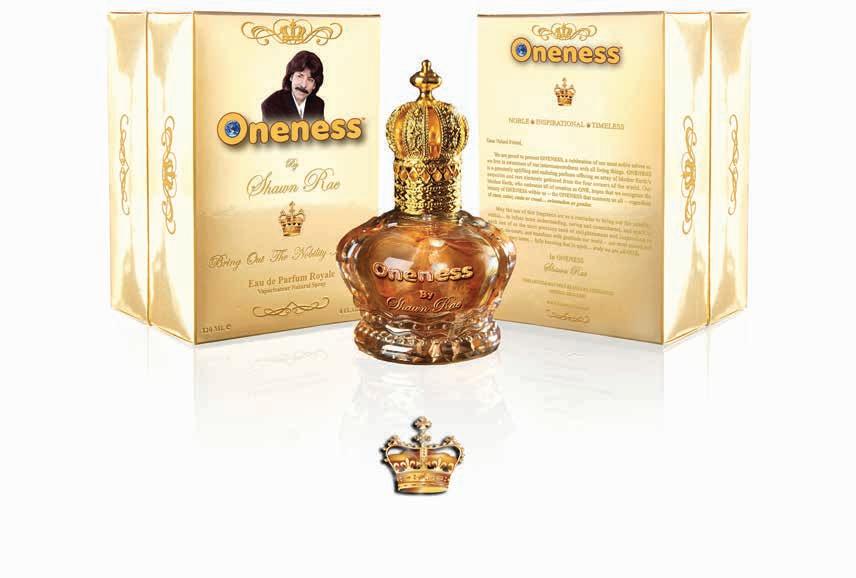
What can I say about this lovely perfume? I received it as a gift and it has become a cherished luxury. Whenever I wear it people comment on what a wonderful fragrance it is! The scent is long lasting but not overly strong, it softens and becomes richer over time.
It’s a little bit exotic and very delicious! It appeals to both men and women. And not only does it smell wonderful, but It comes in a beautiful crown shaped bottle, capped with a golden crown. Very regal and so special! It would make a lovely gift for someone dear, or maybe just a gift for yourself! — Joan S.
Join the email list and save 10% on first order.
Order at OnenessPerfume.com
Dear Readers,
As we move into the final month of the year, this issue invites readers to explore the many ways joy and wellbeing can be nurtured in both ordinary and meaningful moments. December often brings reflection, celebration, and a renewed appreciation for the practices that support healthier, more connected lives. This month’s articles highlight the power of awareness, intention, and community, offering practical guidance and inspiration across a range of wellness topics.
In our feature on cultivating joy (page 16), we invite you to a thoughtful exploration of the deeper nature of joy and how it differs from momentary happiness. Drawing from research, contemplative teachings, and the growing field of conscious movement, the article looks at how practices like dance, mindfulness, and meaningful social relationships can support mental and emotional well-being.
Our Inspiration Department’s article, December’s Duality (page 10) expands on this theme by reflecting on the coexistence of joy and melancholy during the winter season. The article encourages readers to notice both sides of this emotional terrain with honesty and self-compassion, suggesting that acknowledging harder
emotions can deepen one’s capacity for joy.
The Joy of Local Holiday Shopping (page 20) turns attention to community, reminding us of the value found in supporting local businesses. Beyond the charm of discovering unique gifts, local shopping keeps money circulating within the community, strengthens social connection, and fosters a healthier, more vibrant local economy.
The article encourages taking time to slow down, enjoy neighborhood shops and markets, and savor the human connections that make the season meaningful.
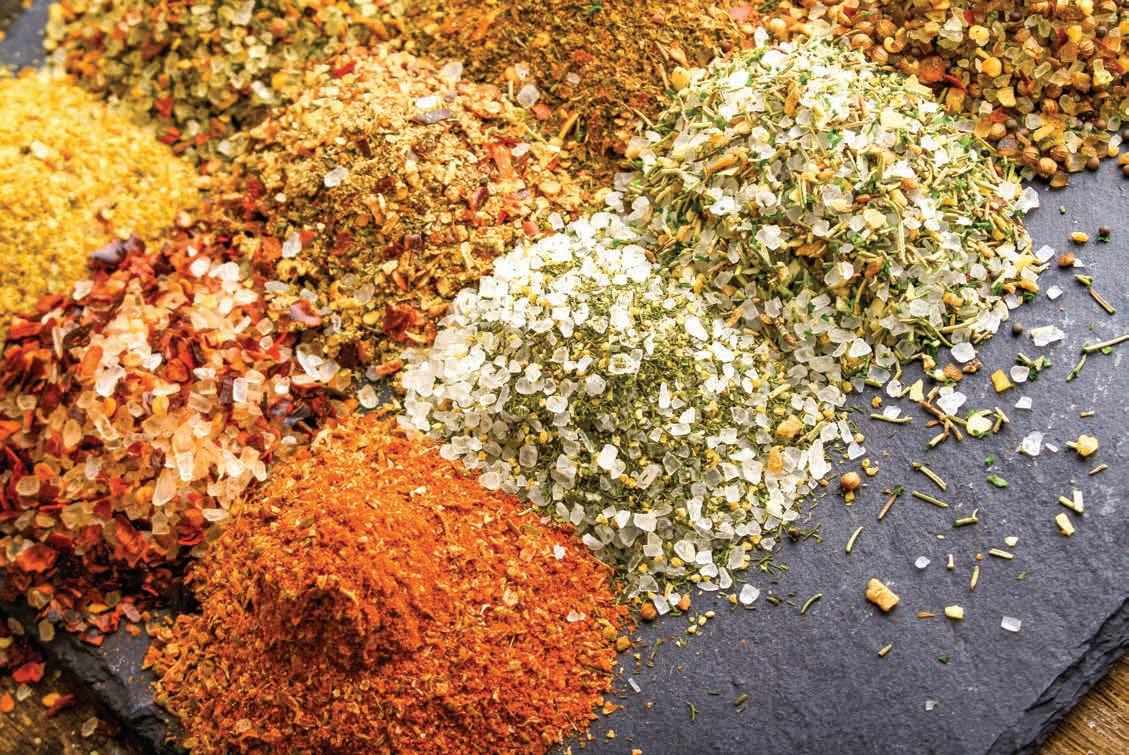
The Magic of Gourmet Salts (page 12) invites readers to enjoy the depth and variety of naturally occurring salts in the kitchen. Boosting Canine Health (page 26) provides holistic strategies to strengthen immune health for our dogs.
As we close the year, may these pages offer encouragement to discover moments of joy, embrace what nourishes you, and create space for what matters most.
“Joy is not in things. It is in us.”
— Richard Wagner
Susan Q Wood Publisher
BROWARD COUNTY, FLORIDA EDITION
CONTACT US
Natural Awakenings
3900 Galt Ocean Dr #1403 Fort Lauderdale, Florida 33308
NaturalAwakeningsFla@gmail.com 954-630-1610
Publisher Susan Q Wood
Editor Cheryl Hynes
Design & Production Robin White
Contributing
Writers National & Local
Accounting NA Broward
Distribution M&M Media Distribution
MAILED SUBSCRIPTIONS
Yearly subscriptions are available, $39 for 12 monthly issues.
Natural Awakenings Magazine is ranked 5th Nationally in CISION’S® 2016 Top 10 Health & Fitness Magazines
NATIONAL TEAM
CEO Kimberly B. Whittle
COO Michael Bevilacqua
CMO Vee Banionis
Sr. VP Operations Brian Stenzler, DC
National Editor Sandra Yeyati
Editor Brooke Goode
Copy Editor Melanie Rankin
Print Production Specialist Kevin Rankin
Design Director Agnes Mazeikaite
Production Flip180
Executive Admin Julius Frago
CONTACT
Natural Awakenings Publishing Corporation 350 Main Street, Suite 9B Bedminster, NJ 07921 Ph: 239-206-2000
Natural Awakenings is a free publication distributed locally and is supported by our advertisers. Please call 954-630-1610 to find a location near you or if you would like copies available at your business. We do not necessarily endorse the views expressed in the articles and advertisements, nor are we responsible for the products and services advertised. Check with a healthcare professional regarding the appropriate use of any treatment.
Awakenings is printed on recyclable newsprint.
Courtesy Katie Kritikos
Restore
Balance Naturally with Bioidentical Hormone Therapy
There are many misconceptions surrounding bioidentical hormone replacement therapy (BHRT), often preventing those who might benefit from exploring this safe and natural option. One common myth is that all hormone therapy increases a woman’s risk of cancer. This misconception arose from studies on synthetic hormones, which are chemically different from natural bioidentical hormones. The findings from those trials do not apply to true bioidentical hormones, which are designed to match the body’s natural chemistry.
When properly prescribed, BHRT helps restore the body’s hormonal balance, which can improve energy, mood, sleep, digestion, and cognitive clarity. It may also reduce the risks associated with estrogen dominance and support adrenal and thyroid function.
Both women and men can experience the benefits of balanced hormones—renewed vitality, emotional stability, and overall wellness.
For information or to schedule an appointment: Call 954-757-0064, email DrAmadi@DrAmadi.com, or visit GreatNaturalDoctor. com. Office location: Dr. Amadi’s Wholistic Health Center, 10211 W Sample Rd, Ste 201, Coral Springs. See ad on page 7 and 30.
Ayurveda Detox for Multiple Sclerosis Relief
A 2025 observational study in India, published in the International Journal of Medical and Public Health, investigated the effectiveness of Ayurveda, specifically Panchakarma therapy, in managing pain and improving the quality of life for patients with multiple sclerosis (MS), a chronic autoimmune neurological disease that inflames and damages nerve cells in the brain and spinal cord. Panchakarma involves cleansing procedures designed to detoxify the body and balance the three doshas (energies) in Ayurveda—vata, pitta and kapha.
Over the span of four years, 120 female MS patients aged 19 to 50 received personalized Panchakarma treatments, including snehana (oil therapy), swedana (steam therapy), vamana (induced vomiting), virechana (purgation), basti (enema), nasya (nasal therapy) and rasayana (rejuvenation), alongside yoga and meditation. While 20 percent of the participants showed limited benefits, the remaining 80 percent experienced significant improvements in self-reported pain, mobility and overall well-being, allowing them to reduce their reliance on corticosteroids.
While observational studies lack control groups and cannot establish causal relationships, they can be useful for exploring associations. Further research with larger sample sizes and a control group is needed to confirm these findings.
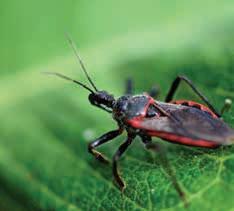
Kissing Bug Disease Spreads Across 32 States
The U.S. Centers for Disease Control and Prevention (CDC) has declared Chagas disease endemic to the United States, meaning that it is consistently present in the country. The disease is transmitted to humans and animals, including cats and dogs, through the feces of blood-sucking kissing bugs. After biting its victim, the bug’s feces deposit the parasite that causes the disease.
The CDC reports that kissing bugs are native to the Southern U.S., but they have been found in 32 states. Chagas disease, which may initially show no symptoms, is a potentially fatal illness that can lead to chronic conditions such as heart failure, an enlarged heart or an enlarged colon. The CDC’s endemic declaration should increase awareness of Chagas disease among doctors and veterinarians, leading to more diagnoses and reporting. The declaration also paves the way for more research investment into improved diagnostics, treatments and prevention.
Ultra-Processed Foods Undermine the Healthiest Diets
Ultra-processing breaks down whole foods into components and recombines them with additives, flavors, colors and emulsifiers, often making them high in calories, salt, sugar and fat. A 2024 study published in eClinicalMedicine examined the consumption of ultra-processed and minimally processed foods among 200,000 adults with various dietary patterns, including regular red meat eaters, low red meat eaters, flexitarians, pescatarians, vegetarians and vegans. Food frequency questionnaires and food diaries were used to determine diet type and ultra-processed food intake.
Across all diet types, ultra-processed foods made up roughly one-fifth to one-quarter of total daily food intake. Vegetarians and vegans consumed slightly more ultra-processed foods than regular red meat eaters. Low red meat eaters, flexitarians and pescatarians ate modestly fewer ultra-processed foods than regular red meat eaters. All other groups ate more minimally processed foods than regular red meat eaters.
These findings challenge the assumption that plant-based diets inherently contain fewer processed foods. Vegetarian diets included slightly more ultra-processed foods than meat-heavy diets, while diets with modest amounts of meat or fish had the lowest ultra-processed food levels.
The authors noted that plant-based diets vary in quality depending on the degree of processing. While meat and dairy alternatives are often perceived as sustainable, many are highly processed. Simply replacing meat with packaged plant products may not yield the expected health or environmental benefits.
Building Emotional Resilience in Cancer Survivors
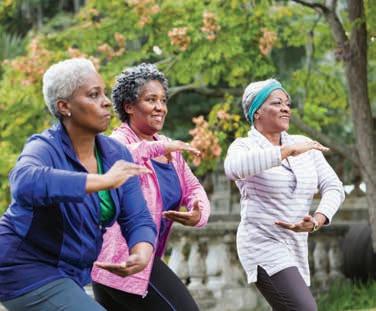
Cancer survivors often experience emotional challenges such as anxiety, depression and fatigue. A study in the Journal of Clinical Oncology evaluated how mind-body practices could support the emotional recovery of nearly 600 cancer survivors with breast, prostate and gastrointestinal cancers, from early to advanced stages.
Participants were either randomly assigned or chose to join mindfulness-based cancer recovery (MBCR) or a tai chi/qigong (TCQ). Each program group was split into those that began their program immediately and a control group that was placed on a waitlist. The MBCR group met weekly for nine weeks and attended a six-hour weekend retreat between weeks six and seven. The TCQ group met weekly for 11 weeks and for a four-hour weekend retreat. Both groups were encouraged to practice daily at home for 30 to 45 minutes.
By the end of the study, both groups showed significant mood improvements compared to the waitlist control group, regardless of whether they chose their program or were randomly assigned. The MBCR group had the greatest reductions in tension, anger and fatigue, with increased energy. The TCQ group notably lowered depression and anger, and boosted vitality. Women benefited more from the MBCR program than men, while younger participants and those with advanced cancer cases responded more strongly to the TCQ program. The study provides strong evidence that gentle mind-body practices are powerful tools to support emotional healing of cancer survivors.
The Fall of Orange Juice
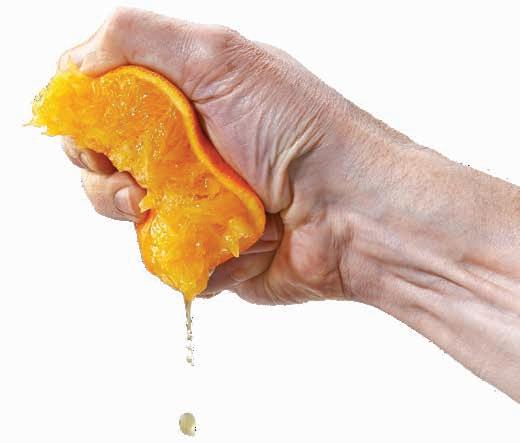
Once a staple of the American breakfast, health and economic concerns have led to a decline in orange juice consumption. Beginning in the 1950s, the Florida Citrus Commission promoted it to boost vitamin C levels and prevent colds and acidosis, a condition where the body accumulates too much acid. At its peak, three-quarters of households kept orange juice in their refrigerators.
Over the past 20 years, orange juice consumption has plummeted by nearly 50 percent. It contains as much sugar as soda, contributing to the obesity and diabetes crises. The price has surged by 67 percent in the past decade, driven by the loss of almost 92 percent of Florida’s citrus groves due to a bacterial disease spread by an invasive insect, which makes the fruit bitter and weakens the trees, and by an increase in hurricanes linked to global warming. Hurricane Milton alone destroyed an estimated 20 percent of Florida’s orange crop.
A New Scientist article confirmed that a 146,000-yearold skull found 90 years ago in Harbin, China, belongs to a Denisovan, an ancient hominin race. This discovery provides scientists with a clear image of Denisovans, which had faces similar to ours, but with promi nent brow ridges, a smaller forehead and a long braincase. Researchers believe that Denisovans are more closely related to modern humans than Neanderthals, based on the estimated age of our common ancestors. This finding will prompt a reevaluation of other East Asian fossils.
Denisovans were first identified in 2010 through a finger bone and teeth found in a cave in Siberia, Russia. Scientists matched mitochondrial DNA from the Siberian tooth to Denisovan proteins in the skull.
A New Era for Ocean Conservation Begins
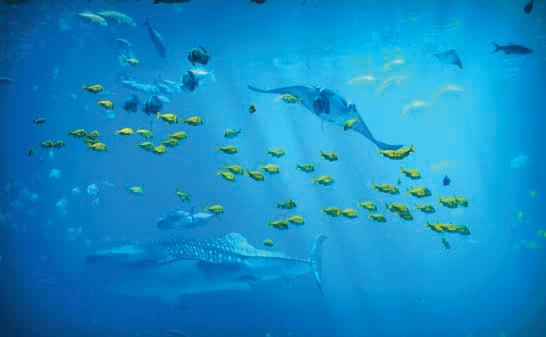
After two decades of effort, the High Seas Treaty, officially the Treaty for the Conservation and Sustainable Use of Marine Biological Diversity of Areas Beyond National Jurisdiction, was ratified by Morocco (the 60th nation) in September, becoming international law in January 2026. Although the United States signed the treaty, it has not been ratified by the Senate. This treaty replaces a patchwork of international and industrial organization rules.
The treaty establishes a legal framework to conserve and sustainably use marine biodiversity in two-thirds of the oceans beyond any country’s exclusive economic zone. The treaty’s goals are to protect marine life; establish protected areas; regulate marine genetic resources; and promote equitable benefit sharing, capacity building, marine technology transfer and environmental-impact assessment of oceanic activities.
Human Artifacts Found in Vulture Nests
In a study published in the journal Ecology, archaeologists report the discovery of more than 200 human artifacts in the nests of bearded vultures. The scientists rappelled down cliffs to 12 abandoned nests of these bone-eating raptors, which vanished from the cliffs a century ago. Only 308 breeding pairs remain in Europe.
Bearded vultures build and maintain nests for long periods, sometimes for centuries, resulting in thick structures made of a variety of materials, including branches and bones. The scientists found wellpreserved human items that were 150 to 675 years old, including leather items, fabric fragments, tools, a crossbow bolt and a slingshot. The most surprising discovery was a sandal made from woven esparto grass believed to be between 650 and 750 years old. The cool, dry conditions in the cliff caves preserved the artifacts.
Deforestation Dulls Butterfly Colors
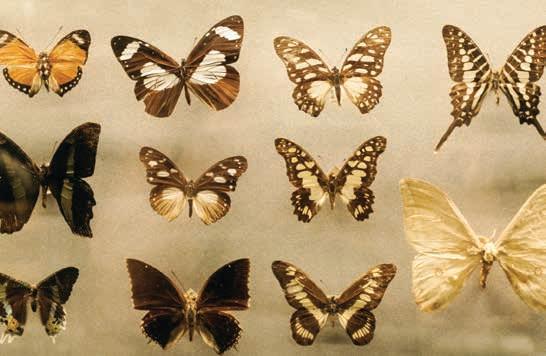
Scientists in Brazil’s Amazon rainforest have found that butterflies are losing their color. This research is part of a study on the discoloration or alteration of color in the natural world caused by human-driven environmental changes. The earliest known instance of such a change was during the Industrial Revolution, when the peppered moth turned black to blend into its sooty surroundings.
In Brazil, scientists observed a stark difference between butterflies in the rainforest and those in deforested areas. The rainforest is home to a wide array of colorful butterflies, whereas those in deforested regions are brown or grey. In eucalyptus plantations that have replaced the rainforest, dull-looking butterflies thrive. Deforestation impacts the most colorful species first, as the loss of vegetation makes them more vulnerable to predators. Without the protection of natural habitats, the most colorful and ecologically special species could be lost.
David O'Brien from Getty Images/CanvaPro
December’s Duality
Embracing Joy and Melancholy
by Marlaina Donato
December can be a bittersweet paradox of festive celebrations and short, gloomy days filled with contrasting emotions. As the old year fades into the golden spark of a new beginning, we may find ourselves entangled in the beautiful complexity of being human. The twelfth month challenges us to accept the dichotomy of jubilation and melancholy, eagerness and regret. By acknowledging and making room for the harder emotions, we can fully embrace joy
Just as the bare trees of the north stand boldly against the sky, December urges us to dive into self-honesty to discover the eternal flame deep within us, untouched by the world’s chaos. Celebrating the holy days of winter can be an internal, sacred journey.
Kindling the flames of empathy and goodwill is a form of self-care that ignites positive change for ourselves and others. Embodying our light can be as simple as pausing before reacting in anger or allowing others to hold their own opinions, even when they differ from ours. Feeling more alive in our merriness often happens effortlessly when we choose to live and let live.
As winter arrives and sweet aromas fill the kitchen, December allows us to embrace all that is beautiful and nourishing. Should a ghost of wistfulness haunt a moment of glee, we can choose to embrace what is possible in the present moment between the past and the future. This month, be inspired to:
• Release the need to control outcomes and welcome spontaneity and flow.
• Embody joy without guilt, even when the world seems in turmoil.
• Allow feelings of grief while cherishing fond memories of lost loved ones.
• Invest in what brings lasting joy and meaning.
Marlaina Donato is an author, painter and composer. Connect at WildflowersAndWoodSmoke.com.
Into a Business Turn Your Passion
Own Your Own
Natural Awakenings Magazine!
Make a meaningful impact in your community by becoming the owner of a Natural Awakenings magazine. Empower others with current, valuable insights and resources to enhance their physical, mental, emotional and spiritual well-being.
As a franchise owner, you’ll inspire positive change, provide readers with tools for healthier living and connect local businesses with an audience eager for transformation.
Why Own a Natural Awakenings Magazine?
n Create a Healthier Community: Be the go-to resource for wellness and personal growth in your area.
n Boost Your Income: Take control of your financial future with a proven business model.
n Enjoy a Flexible Lifestyle: Work from home while pursuing a fulfilling, dynamic career.
What We Offer:
n A proven business model with low startup costs.
n Comprehensive training and friendly, ongoing support.
n Flexible work schedule with many work-from-home opportunities.
n Access to a network of like-minded franchise owners.
n Financing Options Available.
Join a thriving network of passionate franchise owners reshaping the future of holistic health and wellness.
Call 239-206-2000 for a FREE evaluation of your community’s potential. Learn more or apply today at: Corp.NaturalAwakenings.com
Own a business that makes a difference.
Add Your Community to Where Natural Awakenings Is Now Publishing:
• Atlanta, GA
• Boston, MA
• Broward County, FL
• Bucks/Montgomery Counties, PA
• Central Florida/Greater Orlando, FL
• Central New Jersey
• Charlotte, NC
• Chicago, IL
• Columbia, SC
• Dallas, TX
• Daytona/Volusia/Flagler Counties, FL
• Detroit/Wayne County, MI
• Fairfield & Southern Litchfield Counties, CT
• Grand Traverse Region/Northern Michigan
• Greater Ann Arbor, MI
• Greater Lansing, MI
• Greater Oakland, Macomb, Livingston, Genesee, MI
• Gulf Coast, Alabama/Mississippi
• Houston, TX
• Jacksonville/St. Augustine, FL
• Lehigh Valley, PA
• Long Island, NY
• Milwaukee, WI
• Monmouth/Ocean Counties, NJ
• Naples/Fort Myers, FL
• New York City, NY
• North Central New Jersey
• North New Jersey
• Northwest Florida
• Palm Beach, FL
• Philadelphia, PA
• Rhode Island
• Richmond, VA
• Sarasota, Manatee, Charlotte and DeSoto Counties, FL
• South Central Pennsylvania
• South Jersey, NJ
• Southeast North Carolina
• Space & Treasure Coast, FL
• Tampa, FL
• Tucson, AZ
• Twin Cities, MN
• Westchester/Putnam/Dutchess, NY
• Western Michigan Call for a free evaluation of your community's potential at 239-206-2000. To apply or learn more, visit Corp.NaturalAwakenings.com.
• Lancaster/Berks, PA
The Magic of Gourmet Salts
From Fleur de Sel to Himalayan Pink
by Maya Whitman
Specialty salts can transform everyday foods. To elevate the experience, add bold chili salt to a hearty winter stew, smoked salt to popcorn or ruby-colored wine salt to chocolate truffles. Flavored finishing salts surprise the tastebuds in ordinary dishes like oatmeal, desserts or hot cocoa. Used mindfully, gourmet salt reduces the need for
excessive sodium and invites us to savor the extraordinary.
“I think salt is amazing and brings out the best in food—all those hidden flavors,” says Craig Cormack, a gourmet salt chef in Cape Town, South Africa. His career as a food artisan advanced in 2009 when he
embraced specialty salts. “My personal collection is sitting at 232 naturally occurring salts from around the world,” adds Cormack, who favors unrefined regional varieties, but also enjoys bold options such as smoked Danish Viking salt for its ancient, bonfire-infused qualities.
Salts vary in texture, flavor and nuance based on their source and harvesting techniques, such as solar evaporation or hand-raking. Many contain trace minerals, adding depth to dishes, and when consumed in moderation, sea salt may benefit the body compared to refined salt.
Salt’s Good Side
Salt has a bad reputation for causing high blood pressure and other health conditions, but the U.S. Food and Drug Administration (FDA) states that more than 70 percent of dietary sodium comes from prepared and packaged foods, not from
salt added at home. The FDA daily value for sodium is less than 2,300 milligrams per day, and using unrefined salts can be a healthier alternative to common table salt, which is demineralized and processed with anti-clumping agents.
Celtic gray salt and other mineral-rich varieties contain naturally occurring, trace heavy metals, but also minerals like potassium, magnesium and calcium, which can help prevent the body from absorbing harmful metals like lead.
“We all need salt in moderation to live. The best way to ingest salt is to season your own food. Processed food has too much salt, and you can’t control your intake. Naturally made, mineral-rich salt is the best choice,” affirms Nancy Bruns, a seventh-generation salt maker at J.Q. Dickinson SaltWorks, in Malden, West Virginia. She and her family produce rare, small-batch finishing salts harvested from the ancient Iapetus Ocean beneath the Appalachian Mountains.
Himalayan pink salt, mined from salt beds formed from ancient seas approximately 600 million years ago, contains more than 80 minerals and has a rosy color due to the presence of iron oxide and magnesium. Black volcanic rock salt, also known as Himalayan black salt or kala namak, has a pungent, sulfuric quality that diminishes with heat during cooking and imparts an egglike aroma and taste that can be useful in vegan recipes. The large, coarse grains of kosher salt traditionally used in Hebrew cuisine give food a robust, briny quality and satisfying texture.
Spanning the Salt Spectrum
Whether sourced from evaporated seawater (sea salt) or underground salt mines (rock salt), there is much to choose from. Sea salt comes in various colors, coarseness and complex flavors. Highly prized flake salt—fleur de sel from coastal France—is hand-harvested from evaporation ponds with clay bottoms and, with its delicate, paper-thin crystals, offers delicious nuances as a finishing salt. Celtic gray salt, sourced deeper within evaporation ponds, contains more moisture and minerals.
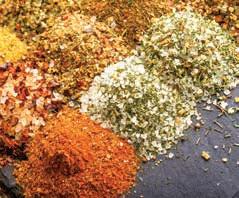
Salt can be infused with herbs, spices, fruits and smoke from various woods to create a multitude of flavor qualities and moods. Bruns highlights her ramp-infused salt, which is combined with wild onions gathered during the Appalachian springtime. Charred oak from old bourbon barrels makes their smoked salt a favorite for grills and even chocolate desserts. Cormack spotlights the fine indulgence of Tartuflanghe brand truffle salt from Italy for an unforgettable mushroom risotto.
Bruns is grateful for the timeless spirit of salt. “I come to work on the same land where my ancestors made salt for over 150 years. I feel their presence, as if they are watching over my shoulder. That legacy and sense of stewardship is present every time I sprinkle salt on my food.”
Maya Whitman is a frequent writer for Natural Awakenings.
Stefan
Botezatu's
Images/CanvaPro
2 Tbsp olive oil, divided
1 large yellow onion, sliced
1 medium zucchini, thinly sliced
1 medium yellow squash, thinly sliced
1 medium red bell pepper, thinly sliced
2 cloves garlic, minced
2 tsp fresh thyme leaves
Preheat the oven to 350° F.
¼ tsp heirloom salt, divided
4 large eggs
½ cup whole milk
5 grinds from black pepper mill
3 dashes of jalapeño hot sauce
⅓ cup feta cheese, crumbled
Heat 1 tablespoon of olive oil in a 10-inch oven-proof skillet over medium heat. Add sliced onions and sauté until lightly browned, about 8 to 10 minutes, stirring frequently.
Take the onions out of the pan and set them aside. Add the remaining tablespoon of olive oil to the pan, along with the zucchini, yellow squash and red bell pepper. Sauté for 5 to 7 minutes until cooked through and tender. Add the garlic, thyme leaves and ⅛ teaspoon of salt. Stir and cook for 30 seconds more until fragrant.
Remove the pan from the heat. Return the onions to the pan and mix well. Let it cool for 10 minutes.
In a small bowl, whisk together the eggs, milk, remaining salt, pepper and hot sauce. Pour this mixture over the vegetables and sprinkle feta cheese on top.
Place the pan on the center rack of the oven and bake for 20 to 25 minutes, or until just set in the center.
Take the pan out of the oven and let it sit for 5 minutes. Cut into quarters and serve.
Recipe courtesy of J.Q. Dickinson Salt-Works.
Flavor-Infused Salt
1 tsp dried herbs, spices or citrus zest of choice ¼ cup kosher salt, coarse sea salt or coarse Himalayan pink salt
Basic Infusion Instructions
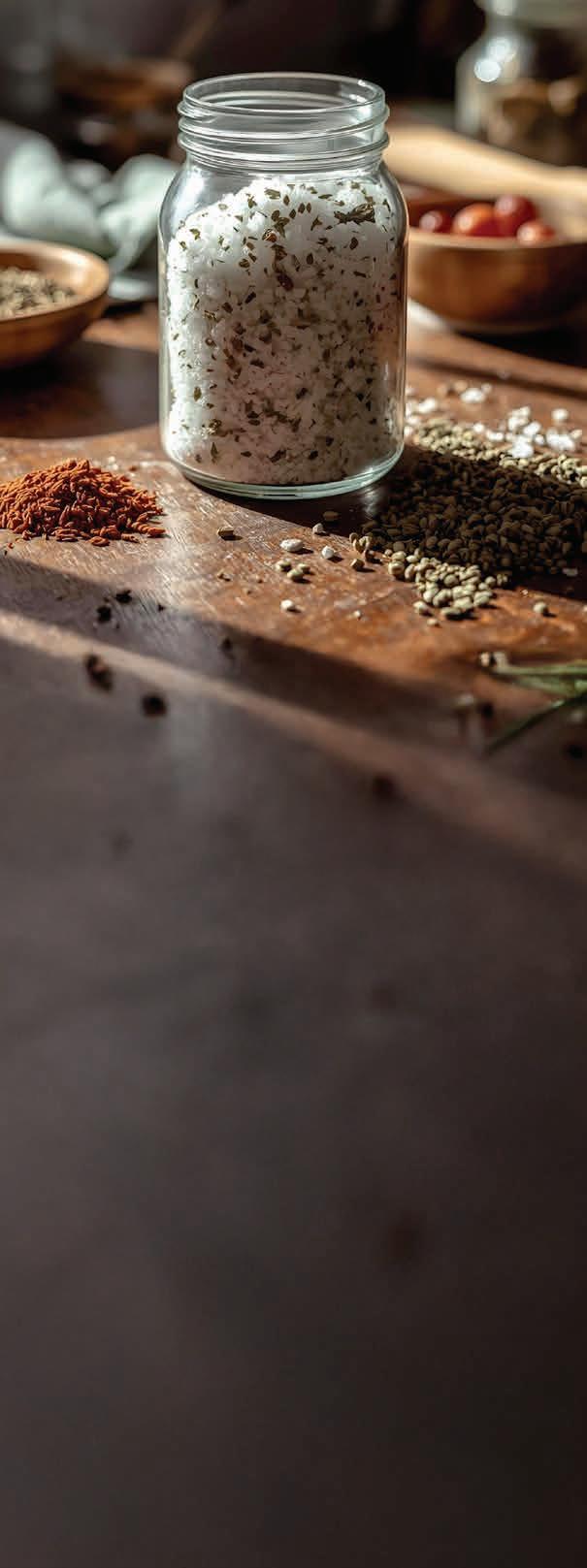
In a bowl, combine 1 teaspoon of dried herbs, spices or citrus zest for every ¼ cup of kosher salt, coarse sea salt or coarse Himalayan pink salt. Stir thoroughly and store the mixture in a sealed, dry, airtight jar. For optimal results, let the flavored salt sit in the closed jar for a few hours before use.
Suggested Combinations and Uses
Create a delicious finishing salt for grilled shrimp, vegan tacos or black bean soup by combining 1 teaspoon fresh lime zest, ½ of a dried hot chili pepper and ¼ cup kosher salt. Sprinkle to taste just before serving.
Enhance fresh blueberries, melon, warm oatmeal or freshly baked brownies with a unique flavor by crushing 1 teaspoon of organic lavender buds in a mortar and pestle until the flowers are bruised and fragrant, then combining them with ¼ cup coarse Himalayan pink salt. Sprinkle to taste immediately before serving.
Make a wonderful cooking salt for roasted vegetables by mixing 1 teaspoon dried rosemary with ¼ cup Celtic gray sea salt. Sprinkle to taste before baking in the oven.
Recipe courtesy of Marlaina Donato.
GenAI/CanvaPro
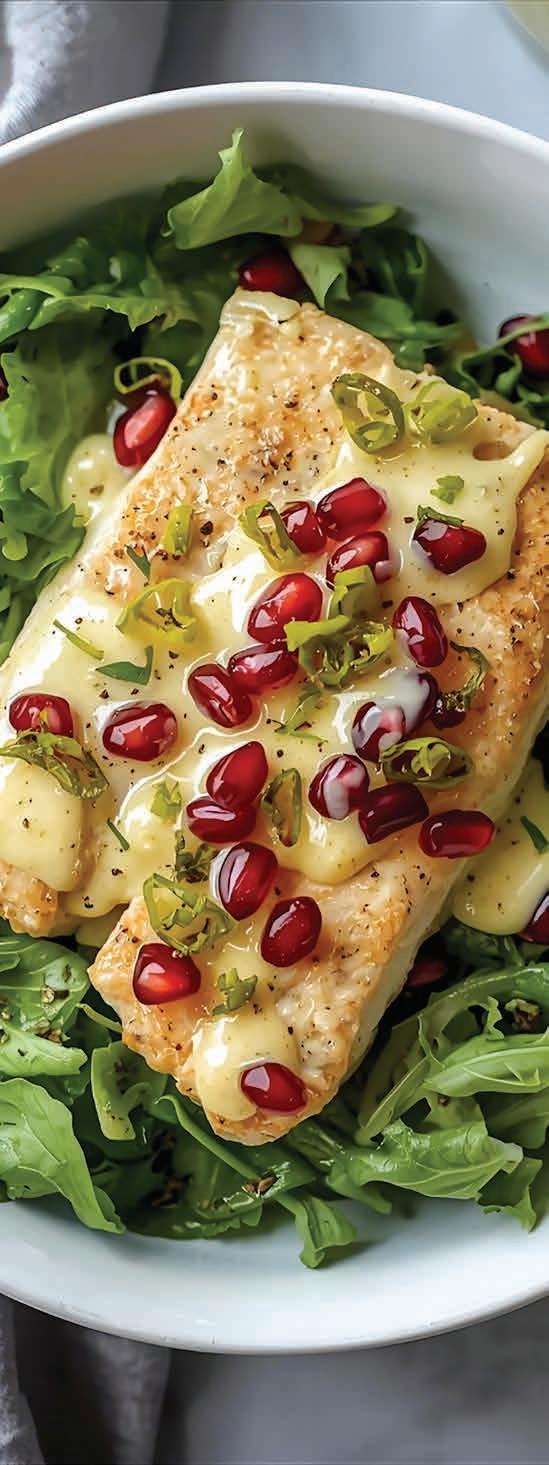
Pomegranate Pickled Fish
This gourmet holiday dish is ideal for a dinner party.
YIELD: 8 SERVINGS
3½ lbs yellowtail fish, skinned
6½ oz vegetable oil
3½ lbs sliced onions
1 Tbsp garam masala
1 tsp fennel seeds
1 tsp coriander seeds
1 tsp black peppercorns
4 whole cloves
4 to 5 bay leaves
FOR HOMEMADE LIME MAYO
5 large egg yolks
1 Tbsp English mustard
Juice of two limes
Zest from one lime
1½ cups sunflower oil
1 tsp salt
Preheat the oven to 400° F.
¾ cup, combined, equal amounts of dried apricots and sultanas (golden raisins)
2 cup white or red wine (red wine gives fish a deeper color)
½ Tbsp coarse salt
5 Tbsp white wine vinegar
2 Tbsp brown sugar
Seeds of 1 large pomegranate
Place fish in a baking dish, allowing space for sauce.
Heat the vegetable oil in a Dutch oven or a flat wide pot. Add onions, cover and sauté at low heat for 30 minutes, stirring occasionally, until they become sweet.
Stir in garam masala, fennel, coriander, peppercorns, cloves and bay leaves. Turn heat up to medium and fry for 30 seconds to temper the spice, and then add the apricots, sultanas, wine and salt. Reduce heat and simmer uncovered for 20 minutes.
Remove pan from heat and stir in the vinegar and sugar until well incorporated into the sauce. Pour sauce over the fish. Cover baking dish with foil and bake for 20 minutes.
Remove dish from oven, let it cool completely and then refrigerate for at least a day.
Add all the lime mayo ingredients into a bowl, except for the sunflower oil. Slowly add the oil while whisking the ingredients vigorously. When all the oil is added, the mix should be velvety smooth and be able to hold its own shape. Store in the refrigerator.
Serve cold fish on a salad with homemade lime mayo. Garnish with a sprinkle of pomegranate seeds.
Recipe courtesy of Craig Cormack.
Cultivating Joy
How Movement, Gratitude and Connection Transform Our Lives
by Hannah Tytus
“Discovering more joy does not, I’m sorry to say, save us from the inevitability of hardship and heartbreak. In fact, we may cry more easily, but we will laugh more easily, too. Perhaps we are just more alive,” reflected the late Archbishop Desmond Tutu in The Book of Joy: Lasting Happiness in a Changing World, where he shared wisdom alongside the Dalai Lama.
Joy invites us to be more alive. It surfaces through awareness, connection and acceptance of the present moment, exactly as it is. As winter days grow shorter and the year draws to a close, this is a wonderful time to explore what joy truly is, the things that block it and how it can be reclaimed. Ultimately, joy is not a reward for a perfect life, but a way of being that reminds us to embody our
full humanity. Though sometimes fleeting, joy can be profoundly sustaining.
A Physical Experience
“Joy is much bigger than happiness,” asserted Tutu. “While happiness is often seen as being dependent on external circumstances, joy is not.” This mindset—rooted in both heart and spirit—aligns closely with the Dalai Lama’s vision that genuine fulfillment comes from recognizing the deep interconnectedness of all living beings. Joy is an embodied emotion that is distinct from happiness. Happiness is stable, evaluative and may reflect broader life satisfaction— a contentment with one’s career, finances, family, romantic relationships or personal fulfillment—while joy is experienced in the present moment. It is intense, yet fleeting.
In a study conducted in 2025 and published in the International Journal of Qualitative Studies on Health and Well-Being, researchers interviewed 14 adults about their experiences of joy. The findings explain joy as a complex emotion shaped by individual, relational and cultural contexts. According to the research, joy is intense, transcendent and deeply felt—often arising spontaneously in response to meaningful experiences or connections.
In contrast, happiness encompasses a broader spectrum, exhibiting greater stability, and is associated with life satisfaction and contentment. Participants described joy as a somatic experience, identifying sensations such as “a rush of warmth and lightness throughout the body,” “electricity,” “a bubbling up,” and “tingling sensations,” accompanied by “the urge to move, smile and embrace others.” These visceral reactions often accompanied moments of intense connection, awe and accomplishment.
If joy is felt through the body, movement itself becomes a doorway to experience it more fully. This cultivation of joy is the cornerstone of Jennifer Joy Jiménez’s life’s work. A pioneer in integrative movement and founder of the Brave Thinking Institute’s Health & Well-Being Division, she
Exercises To Expand Our Gratitude
by Hannah Tytus
Gratitude is an important part of joy because it helps us savor life and recognize that much of our good fortune comes from others, including those that have made it possible for us to be ourselves.
Saying Thanks at Mealtime: According to the Dalai Lama in The Book of Joy, even the act of eating a vegetable dish can become a communal experience. Hold gratitude for the seed in the earth, the sunlight and rain that nurtured it, the hands that tended and harvested the plant, the people that transported it to the local market or restaurant, and those that prepared the meal or taught us to cook.
developed TranscenDANCE, a conscious dance modality for all ages and mobility levels designed to improve mental, emotional and physical health through inspiring music, body positivity and freeform movement.
Conscious dance is any form of movement that emphasizes mindfulness, inner exploration and emotional release rather than performance or choreography. Although these transformative movement practices have existed for thousands of years, Jiménez laments that for many Americans, dance may be confined to weddings, occasional outings or fitness classes, leaving little room for the expressive and emotive daily practice that “allows our soul-self to move our human self.”
Jiménez asserts, “Just a few minutes of dancing releases the happy hormones, offering a DOSE [dopamine, oxytocin, serotonin and endorphins] that shifts our mood better than any antidepressant.” Scientific evidence supports this assertion. A 2024 meta-analysis published in The BMJ analyzed 218 clinical trials, demonstrating that dance was more effective in alleviating depression symptoms than walking, yoga, strength training and even traditional antidepressants.
The Social Nexus
Joy thrives on connection. While it can arise in solitude, it naturally expands most effectively through relationships and shared humanity. When individuals feel seen, supported and part of something larger than themselves, their sense of well-being deepens.
The 2024 World Happiness Report identifies social support as one of the strongest predictors of life satisfaction. Similarly, the Harvard Study of Adult Development—one of the longest-running longitudinal studies of human health—has shown that healthy, fulfilling relationships are the single greatest predictors of both longevity and life satisfaction.
Writing Down the Blessings: This daily practice is suggested by Jennifer Joy Jiménez, founder of the Brave Thinking Institute’s Health & Well-Being Division. With eyes closed, recall three items from the day for which to be grateful— from a friend’s kindness to the bounty of a good meal or the pleasant aroma in the air. Record these items in a journal, aiming to add three new items each day.
gustavofrazao
Hamdi Kandi from Hamdi Kandi
Studio/CanvaPro
Dancing for Joy
by Hannah Tytus
Developed by Jennifer Joy Jiménez, TranscenDANCE is a conscious dancing modality that uses gentle movement to connect with the body, release stress and cultivate positive emotion. Here is an abridged practice for daily use.
Step 1: The Dance of Spirit (three minutes)
Begin by bringing awareness to the breath. Listen to the exhale, releasing air slowly and steadily. Root your feet, lift your heart and let your body flow gently, like a leaf in the wind or a cat stretching in the sun. This breathe-andmove practice reconnects you to the present moment and reminds you of your inner calm and strength.
Step 2: The Dance of Shift (three minutes)
Shake it out. Stress lives in the body as tension; release it like flicking water or shaking dust from a rug. Add sound and breath as you move. Each shake helps your nervous system reset, leaving you lighter, clearer and freer.
Step 3: The Dance of Joy (three minutes)
Put on a song that lifts your spirit. Let the body move however it wants—bounce, sway, smile. It’s not about performance; it’s about feeling alive. As gratitude rises from within, joy becomes the natural overflow.
This growing body of research underscores that social connection shapes health across our lifespan. Individuals that maintain meaningful relationships exhibit lower risks of cardiovascular disease, hypertension, diabetes, infections, cognitive decline and depression compared to those that are lonely. When people share laughter, empathy or a sense of belonging, they exhibit improvements to their nervous system and immune function, as well as an expanded capacity to experience joy.
Isolation’s Impact
While connection nurtures joy, disconnection erodes it. In The Book of Joy, the Dalai Lama identified loneliness as one of the most significant obstacles to joy, emphasizing that it arises not from isolation itself, but from a mindset of separation. A person can live alone in the wilderness and still feel content, while another may feel lonely in a crowded room. Loneliness, he suggests, emerges when the heart closes—when anger, fear or stress obscure the ability to perceive warmth in others.
Many modern experiences reinforce this sense of separation. Chronic stress, fatigue, poverty and depression all constrict the emotional space needed for joy. Cultural ideals built around constant happiness add another layer of strain. Researchers describe how placing pressure on ourselves to be perpetually positive leads us to suppress authentic emotion, rather than cultivate genuine contentment. The Dalai Lama observed that persistent anxiety keeps the mind spinning in worry, unable to rest in presence.
Emotional avoidance further narrows the capacity for joy. According to the 2024 World Happiness Report, individuals that intentionally process difficult experiences report a 40 percent increase in life satisfaction. Gratitude research suggests the reason behind this phenomenon: Recognizing joy requires openness and receptivity. When individuals soften their defenses and allow life’s full range of emotion, they create space for joy to return.
Cultivating Gratitude
Adopting an attitude of gratitude is one of the best ways to cultivate joy. Recognized by the Dalai Lama as one of the “8 Pillars of Joy”, gratitude has been shown to enhance the capacity to perceive joy in everyday life. Gratitude increases joy, and joy, in turn, increases gratitude in an upward spiral of positive disposition. A 2018 study published in The Journal of Positive Psychology revealed that when the participants practiced gratitude regularly, it became part of their natural disposition. Participants that exhibited greater gratitude also experienced heightened levels of joy.
Jiménez notes that cultivating gratitude—and therefore joy—is not just a matter of responding to positive circumstances. “There is a difference between gratitude for and gratitude in. It’s easy to be grateful for positive windfalls like winning the lottery or receiving a nice gift. But when something challenging happens, such as a loved one receiving a serious medical diagnosis, how can we be grateful in that moment for the gift that lies in the wisdom of that situation?” Viewing challenging events as lessons with the potential for wisdom and healing helps us cultivate a more resilient kind of gratitude.
As Tutu and the Dalai Lama teach, joy is not the absence of struggle but the presence of heart. It lives in the body, grows through connection and deepens through gratitude. To reclaim it, we must soften the grip of perfection, release the myth of constant happiness and allow space for both laughter and tears.
Jiménez reminds us that joy is something to be practiced—not achieved—through movement, mindfulness and a willingness to feel. Gratitude becomes the bridge that turns awareness into aliveness, inviting us to notice what was there all along. When people pause long enough to be present, they discover that joy does not need to be sought. It simply needs to be welcomed.
Hannah Tytus is an integrative health coach, researcher and content creator for KnoWEwell, P.B.C., as well as a former writer at the National Institutes of Health.
Do not wait until the near end of your life to realize that you have not fully lived to love. —Lailah Gifty Akita
The Joy of Local Holiday Shopping
Making the Most of the Human Touch
by Marlaina Donato
There is something special about stepping into the cozy warmth of a coffeehouse, sampling the latest offerings at the bakery or discovering a rare edition at the local bookshop. Our hometowns, like their people, have a unique spirit, and shopping locally during the holiday is a full-sensory delight. “Online shopping is convenient, but nothing beats an in-person interaction and seeing how happy a local business owner gets when you purchase something,” says Jacqueline De Leeuw, a fine artisan and owner of the thrift store Comfy Komodo, in Newton, New Jersey.
Despite Adobe Analytics reporting that American consumers spent $241.4 billion online during last year’s holidays, CapitalOne’s research shows that 45 percent still prefer in-store shopping. This preference is driven by convenience, easy product comparison and a more enjoyable experience. Local stores offer shorter lines, fewer crowds, meaningful options and a chance to reduce our carbon footprint. The American Independent Business Alliance states that for every $100 spent at an independent business, $50 or more remains in the local economy, boosting prosperity, jobs and donations to local organizations.
Finding Treasures With Friends
Discovering local treasures provides social nourishment and counteracts our screendependent lifestyles. According to the U.S. Centers for Disease Control and Prevention, social connection benefits long-term physical and mental health. “Talking with the folks who grow your food or make your gifts is almost extinct in our world. Farmers markets have revived that,” says Darlene Wolnik, senior project manager for the Farmers Market Coalition, in New Orleans, Louisiana. Fulfilling our senses with artisanal breads, seasonal produce freshly harvested from local soil and maple syrup tapped from nearby trees reconnects us with real life.
From hand-poured candles to artful ornaments, small businesses offer unique finds. Shopping can extend beyond purchases to include meeting friends for lunch or enjoying seasonal treats. The holidays are the perfect excuse to indulge in local fair-trade chocolates, regional wines, craft beers or small-batch gourmet coffees. “Nothing is better than meeting with family or friends and seeing where the day takes you, exploring local shops,” muses De Leeuw.
Wolnik agrees, suggesting, “You can make a morning of it and shop the entire town or Main Street before or after your farmers market visit.” She recommends checking if vendors offer holiday crafts. “A lot of farmers knit, weave and do woodworking. Also, many markets use a wooden token system to process card payments. If your market does
that, buy tokens for friends, wrapped with a ribbon and a market flyer.”
Keeping It Local Year-Round
After the gifts and festivities, adopting inspiring habits can kickstart a new year. Choosing to shop locally more often positively impacts the environment because small businesses typically source their products regionally, reducing transit emissions.
Knowing the names of local servers, shopkeepers and baristas fosters a vibrant network of community engagement, enriching our everyday lives with meaning and a sense of belonging. “My favorite thing about supporting local shops is really connecting with the owners or the workers—finding out their story, how they started and what brought them here,” adds De Leeuw.
Creating monthly or weekly local shopping rituals can enhance family life or jazz-up date nights. Buying healthier bread at the bakery or herbal soap from a neighborhood artisan are simple ways to sustain the backyard economy while enjoying a slower, more relaxed pace and remaining open to the wonders along the way.
Marlaina Donato is an author, artist and composer. Connect at
WildflowersAndWoodSmoke.com.
Cross Training for Holistic Health
Advantages of a Well-Rounded Exercise Routine
by Jordan Peschek, RN-BSN
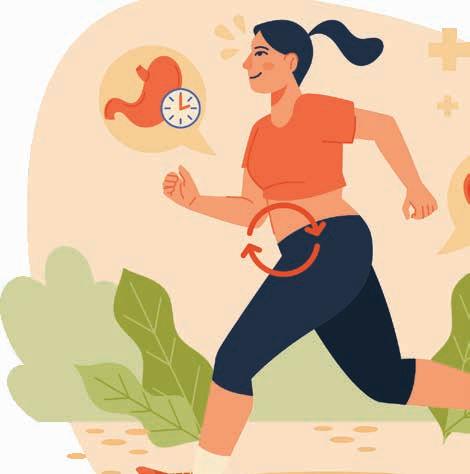
The U.S. Department of Health and Human Services Physical Activity Guidelines for Americans advises adults to engage in at least 150 to 300 minutes of moderate-intensity or 75 to 150 minutes of vigorous-intensity aerobic exercise weekly, along with muscle-strengthening activities for major muscle groups at least twice a week.
Cross training is a powerful approach that combines aerobic and strength training into one dynamic routine, helping individuals reach their physical fitness goals more efficiently. According to Dawn Coleman, an American Council on Exercise-certified personal trainer in Cedarburg, Wisconsin, “Cross training benefits greatly outweigh focusing on one particular type of training. By
creating multiple stimuli for the body, you allow it to adapt quickly to input, prevent injuries and allow the body to be prepared for the unknown scenario.”
Benefits of Diversified Workouts
For everyone, regardless of age or ability, integrating aerobic or cardiovascular exercise with resistance or strength training offers many health benefits, including reduced stress, better sleep, improved self-esteem, enhanced immune function and heart health, as well as beneficial bone mass and body weight. Despite these advantages, many may be hesitant to start cross training due to uncertainty about where to begin.
For example, a regular jogger might not know which strength exercises to pair with
their running routine, while gym-goers lifting weights may be reluctant to add cardio. Whether someone is a competitive runner aiming to prevent injury and build strength or a non-athlete looking to optimize health as they age, combining both strength and cardiovascular training is a fun and effective choice.
“I see a lot of overtraining-related injuries when athletes fail to diversify from their sport,” says Tessa Kothe, a practitioner in Colorado Springs with a Ph.D. in physical therapy. “Clients who implement cross training tend to end up more robust, healthier and recover from their injuries much faster than those who do not diversify their training.”
Building Strength and Endurance
The American Council on Exercise (ACE) Integrated Fitness Training (IFT) Model provides four training phases, depending on the abilities and goals of an individual. Beginners, for example, ease into exercises that enhance postural stability, core activation and static balance with exercises such as planks, single-leg stands with core contraction and a heel-to-toe walk with a three-second pause after each step, respectively. Additional exercises are gradually introduced to enhance a person’s health and function, with a focus on five primary movements:
1. Bending and lifting (squats)
2. Single-leg movement (lunges)
3. Pushing (bench press, push-ups and triceps extensions)
4. Pulling (pull-ups, one-arm rows and bicep curls)
5. Spinal rotation (lying knee-to-chest twists and planks with sideto-side twists)
Once these more advanced exercises can be performed safely in the correct form, then weight or resistance is added. The final phase of the ACE IFT Model involves performance training with functional movements that incorporate load, movement and speed to boost agility, quickness and power.
Cross training combines strength and cardiorespiratory benefits into a single workout by alternating between strength-based and aerobic activities, engaging multiple systems in the body. It appeals to those that value a holistic wellness approach due to its adaptability. Sessions can be tailored to individual needs, energy levels, wellness goals and time constraints. By choosing enjoyable and convenient exercises, we can avoid monotony and increase the likelihood of making them a regular part of life.
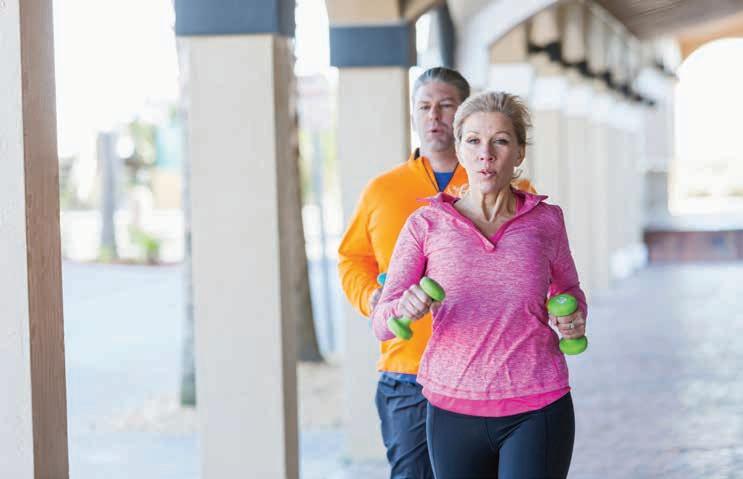
A cross training day might include a hike with weighted walking poles or a 15-minute yoga flow followed by a workout with light resistance bands. Another example is combining 10 to 20 minutes of rowing or stair climbing with 20 minutes of core work, squats and lunges.
During aerobic activities like walking, running, biking or swimming, ACE recommends beginning with 20 to 30 minutes of aerobic exercise at a pace that allows easy conversation, then gradually adding longer workouts, intervals, increased speed or higher intensity.
For newcomers to cross training, begin with two sessions per week, alternating 15 minutes of strength training with 15 to 20 minutes of cardio or mobility work. This can be gradually increased to meet the recommended weekly physical activity guidelines.
Tips for Success
• Listen to the body. Each day is different. Honor energy levels and prioritize form and safety over intensity.
• Fuel and recover well. Whole foods, hydration and ample sleep are essential for muscle repair and sustained energy.
• Keep it simple. Basic tools like a yoga mat, jump rope or pair of dumbbells are often all that is needed to get started.
• Seek community. Group classes, virtual platforms or one-onone guidance can provide structure, proper form instruction and encouragement.
Cross training is more than just a workout plan; it is a practice of self-care, strength and sustainability. For those embracing holistic living, this style of movement aligns well with long-term wellness goals. It is about cultivating a resilient, vibrant body and mind that can carry us through the decades with grace.
Jordan Peschek has a background in personal training, yoga instruction and mental health nursing. She publishes the Milwaukee and Twin Cities editions of Natural Awakenings.
The Heart Work of Kin-Keeping
Transforming Family Responsibilities Into a Shared Experience
by Hannah Tytus
The holidays can be a celebration of joy and family time, but for many, they are also a marathon of invisible labor. Someone has to hold it all together, planning meals, wrapping gifts, coordinating visits and meeting everyone’s expectations. Health psychologist Kari Leibowitz, author of How to Winter, notes, “The holidays are when we get wrapped up in shoulds—I should do this, or I’ve always done it this way. But things feel joyful only when the person carrying the load feels joyful, too.” That person managing everything amid the chaos is the family kin-keeper.
In 1985, sociologist Carolyn Rosenthal coined the term “kin-keeping” to describe the often-invisible work of maintaining family bonds: remembering birthdays, organizing holidays, coordinating visits and keeping everyone connected. A kin-keeper serves as the connective tissue across generations.
Kin-keeping work is rarely assigned; it is quietly assumed across families. The burden falls disproportionately on women, often passing from mother to daughter. Rosenthal’s concept builds on a long history of women’s unpaid labor in the home.
Across cultures, someone—usually a woman—has been expected to weave the social fabric, whether through cooking, hosting or mediating family ties. These roles often arose out of necessity but hardened into expectations. This important work demands time, intention and skill. It intensifies during the holidays when meals must be coordinated, gifts tracked and gatherings orchestrated. Even when roles are unspoken, someone absorbs the relational labor, becoming the family magic-maker.
Kin-keeping is critical for family cohesion. 2023 research published in Sex Roles shows that having a dedicated kin-keeper strengthens intergenerational bonds, encourages rituals and sustains relationships over time. Yet this labor is often unseen, underappreciated and unevenly distributed. Mothers, stepmothers and other female relatives frequently inherit the role, even in blended or post-divorce families. Step-relatives often find themselves bridging fractured family ties, carrying emotional work they never chose—work that can lead to stress, burnout and resentment. Kin-keepers can feel trapped by societal expectations to do it right, even when it hurts.
Sharing Family Responsibilities
Reimagining kin work begins by naming it. Recognizing the role and seeing it clearly allows the labor to be set down or shared when it feels heavy or disempowering. To make healthy changes, burdened kin-keepers can ask themselves how they might act from a place of loving intention rather than obligation.
Making invisible labor visible is another key step. Families can talk openly about who does what and acknowledge that sustaining a family is more than cooking meals or paying bills. It is emotional and relational work. Sharing responsibilities can lighten the load; one person can plan the meal, another take on decorations and a third handle travel logistics. Intentionally involving men and children in tasks helps create a more equitable distribution of labor.
Creating New Traditions
Joy can be reclaimed by letting go of rituals that no longer serve the family, creating new traditions rooted in current realities and needs, and inviting others to co-create meaningful moments. Releasing the need for perfection will also offer relief from stringent responsibilities and create space for simple pleasures and joy. “When people look back on holidays, they rarely remember a perfectly cooked chicken or flawless table setting,” says Leibowitz. “They remember the wreath falling and everyone laughing together. The small, imperfect moments are what last.”
Kin-keeping is powerful because it holds families together. Those that take on this role can be proud of the heart work they do because it is precious. Yet this labor should not come at the cost of one person’s well-being. This season, we can ask what we want to carry and what we can set down. Healing begins by recognizing what was inherited and consciously choosing what to pass on. The magic of the holidays comes alive when care is rooted in fulfillment and agency rather than obligation. Kin-keeping is an act of love—but love does not have to mean doing it all alone.
Hannah Tytus is an integrative health coach, researcher and content creator for KnoWEwell, P.B.C., as well as a former writer at the National Institutes of Health.
Pet the cob and vegetables that can cause blockages such as radishes and the pits from avocados and fruits. Certain fruits, such as cherries, grapes and raisins, are also toxic to dogs.
Boosting Canine Health
Holistic Immune-System Strategies
by Ruth Roberts, DVM, CVA, CVH, CVFT, NAN
Adog’s immune system is the first line of defense against infection and disease, relying on nutrition, rest and emotional balance for optimal protection. Prolonged stress and consistently poor nutrition can gradually weaken this vital network, but holistic care provides gentle, effective strategies to restore and safeguard immune function, contributing to lasting wellness and vitality.
A Solid Nutritional Foundation
Immune resilience begins in the gut, where most immune cells are located. A 2024 study published in Frontiers in Veterinary Science revealed that supplementing canine diets with chitooligosaccharides (COS), bioactive compounds derived from chitin in crustacean shells and fungi, enhanced immune responses and antioxidant enzyme activity by promoting a healthier gut microbiome. In addition to these functional supplements, nutrient-dense foods, particularly fresh leafy greens and colorful vegetables such as carrots, beets and peppers, also nourish beneficial gut bacteria and provide antioxidants that combat inflammation. Each color of the vegetable rainbow contributes unique phytonutrients that protect cells and bolster a dog’s innate defenses.
While many vegetables are beneficial, pet parents should not give dogs onions, garlic, leeks, scallions and chives, as they are toxic to dogs. Likewise, dogs should not eat tomatoes, corn on
Healthy fats are equally indispensable because they form the structural basis of cell membranes, ensuring optimal cellular function and resistance to pathogens. Omega-3 and omega-6 fatty acids from sources like fish oil, boneless sardines or ground flaxseed in moderation nourish the skin, reduce inflammation and support immune regulation. Cholesterol plays a crucial role in maintaining cell integrity and hormone equilibrium. Good cholesterol sources for dogs include eggs, organ meats, fish and lean meats fed in moderation. These nutrients promote strong, adaptable cells and a balanced microbiome—the cornerstone of enduring health.
A comprehensive whole-food diet centered around these principles offers greater benefits than isolated supplements. The synergistic effects of nutrients found in fresh foods support the immune system in a natural, sustainable manner, helping dogs heal, adapt and thrive.
The Power of Mushrooms
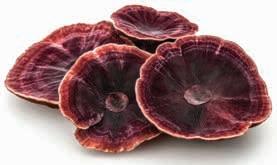
Nature provides potent tools to further enhance immune balance. Medicinal mushrooms have long been recognized for their immunomodulating properties, helping to strengthen, balance and regulate a dog’s natural defense mechanisms. Medicinal mushrooms such as reishi, shiitake, cordyceps, lion’s mane, turkey tail and chaga are safe and beneficial when used under the guidance of a veterinarian. Unidentified and wild mushrooms, including Amanita and Galerina species, should not be given to dogs as they may be toxic.
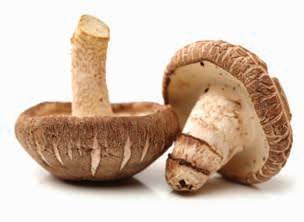
Research on shiitake mushrooms indicates that they contain beneficial bioactive compounds, including beta glucans (β-glucans), eritadenine and other polysaccharides, which can augment immune activity, support liver function and improve antioxidant capacity in humans.
A 2024 study in Frontiers in Veterinary Science found that four weeks of shiitake
mushroom powder supplementation in healthy dogs significantly increased antioxidant activity, while reducing cholesterol. These findings suggest that shiitake mushrooms may help enhance cellular defense and immune resilience in dogs. Because of their immune-stimulating properties, shiitakes should be given only under veterinary supervision to dogs with immune-mediated diseases or those undergoing chemotherapy or immunosuppressive treatments.
Similarly, reishi mushrooms have been studied in animals for their immune-supportive and protective effects. Their polysaccharide and triterpenoid constituents have been demonstrated to stimulate pathogen-killing white blood cells such as macrophages and T-lymphocytes, leading to improved immune surveillance and resistance against abnormal cell growth. Rodent studies have shown that reishi extracts can significantly inhibit tumor development, reduce inflammation and enhance overall immune function without adverse effects.
A pivotal factor in these effects is the presence of β-glucans—complex polysaccharides that function as biological response modifiers, training the immune system to respond appropriately to challenges without overstimulation. “The beta glucans help to stabilize your immune system,” explains Rob Silver, a pioneering holistic and integrative veterinarian in Boulder, Colorado, recognized for his expertise in veterinary herbal medicine and medicinal mushrooms. He notes that these compounds can “re-educate” immune cells, enabling them to distinguish between genuine threats and harmless triggers such as pollen, food or dust. In this way, β-glucans promote
a balanced, resilient immune response that supports both health and tolerance.
Establishing Balance for Lifelong Wellness
Holistic canine care goes beyond food and supplements, encompassing emotional well-being and preventive measures. Because chronic stress can weaken immunity, maintaining a calm, enriching environment is essential. Regular exercise, mental stimulation and comforting companionship promote equilibrium and confidence. Gentle detoxification practices such as supporting liver function with milk thistle or kidney health with dandelion root further assist the body’s natural cleansing processes.
Regular checkups are pivotal in preserving a dog’s health, enabling veterinarians to detect emerging issues early. Collaborating with a holistic practitioner provides a comprehensive approach that integrates natural therapies with conventional medicine.
Holistically strengthening a dog’s immune system entails nurturing the entire being—body, mind and spirit. With a foundation of whole-food nutrition, balanced fats, supportive herbs and mindful care, dogs can enjoy vibrant health and lasting vitality. This integrated approach not only fortifies the immune system, but also cultivates a life of balance, joy and resilience.
Ruth Roberts, an integrative veterinarian and a holistic health coach for pets, is the creator of The Original CrockPet Diet. Learn more at DrRuthRoberts.com.
Calendar of Events
Add your Event: establish an account on NABroward.com/calendar Due Date: the 10th of the month for print; certain restrictions apply. Email NaturalAwakeningsFLA@gmail.com for details on promoting events online and in print using Natural Awakenings’ multi-platform approach!
Ongoing Events
Mark Your Calendar Master the Art of Accessing the Akashic Records
10-week, live, interactive practitioner training Live Zoom classes
Thursdays 1–3:30pm EST
Starting Thurs. January 22, 2026 Whether for personal empowerment or professional practice, gain accuracy and effectiveness. Transform your connection to wisdom & guidance.
To register, call 561-203-9714 or visit JulieGenereux.com/akashic-records/
MONDAY, DECEMBER 1
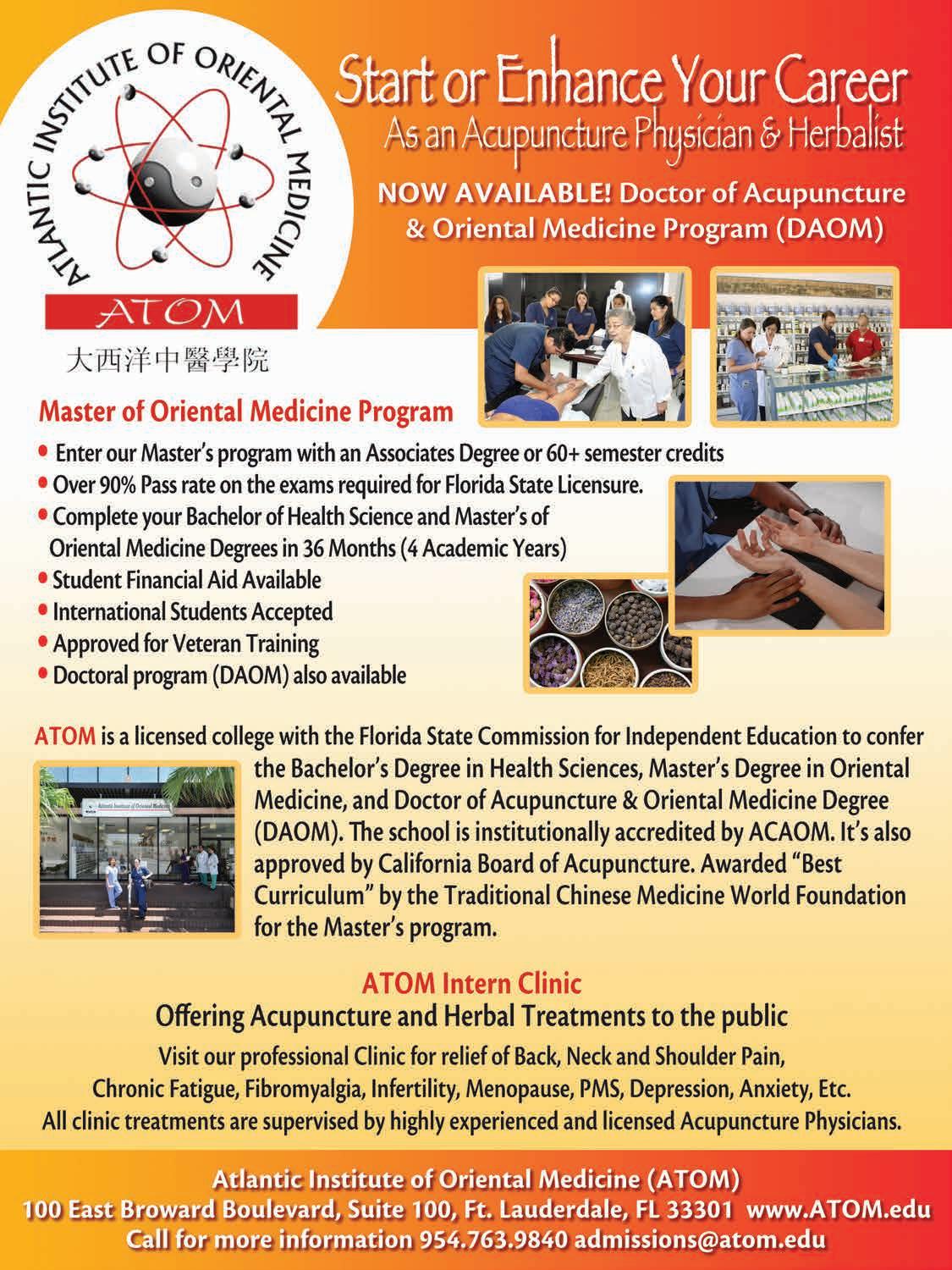
Atlantic Institute of Oriental Medicine — Do you have a desire to help people but feel stuck at your current job? Become an Acupuncturist. Night classes available! Earn a master’s degree in Oriental Medicine in 36 months! ENROLLING NOW! Winter class starts January 5. 2026. Approved for Veteran training, Financial Aid available. 954-763-9840 ext. 213. admissions@atom.edu.
Upcoming Events
THURSDAY, JANUARY 22
Master the Art of Accessing the Akashic Records in this 10-week, live practitioner training with Julie Genereux. — Live Zoom classes every Thursday, 1–3:30pm EST. Whether for personal empowerment or professional practice, gain accuracy and effectiveness. Transform your connection to wisdom & guidance. To register contact Julie at 561-203-9714 or visit https://juliegenereux.com/akashic-records/
Sunday
IANDS - International Association for Near Death Studies — 1st Sunday monthly, 3-5pm. Safe, judgment-free space to share and discuss Near Death Experiences and Spiritual Transformative Experiences. Compassionate, supportive community. Not for networking, selling, or debates, just meaningful listening and sharing together. Locations vary, call for details. Reverend Gail Fein, 305-798-8974.
Monday
ATOM Intern Clinic Open to public — Appointments Monday thru Saturday. Experience the benefits of Acupuncture & Oriental Medicine. Low cost acupuncture and herbal treatments. Students supervised by Licensed Acupuncturist. 954-7639840 ext. 201, Ft. Lauderdale. ATOM.edu
Monday & Wednesday
Community Acupuncture Project—10am, Sliding scale $30-50. Acupuncture for the People! Acupuncture can treat chronic pain, stress, anxiety, insomnia, fertility, women’s health, IBS/IBD, and much more! Experience this ancient system of medicine in a cozy group setting. Nine Flowers Acupuncture, 1650 NE 26th Street Ste 101, Wilton Manors. 954-288-9450. nineflowershealing.com.
Monday—Saturday
Atlantic Institute of Oriental Medicine (ATOM) Intern Clinic is Open to the public! Experience the benefits of Acupuncture & Oriental Medicine. Low-cost acupuncture and herbal treatments. Students supervised by Licensed Acupuncturists. Open Mon-Sat. Appointments: 954-7639840 ext. 201, 100 E Broward Blvd, Suite 100, Ft. Lauderdale. ATOM.edu
Tuesday
Pines Iyengar Yoga — Enjoy yoga classes with Asha! Tuesday/Thursday, 5:15-6:15pm. Specializing in small group and individual
sessions. Enjoy personalized classes that cater to your needs. Call 954-866-3209 for directions or visit PinesIyengarYoga.com.
Wednesday
Midweek Reset: Vibrational Bliss — 8–9pm, $25. A healing sound meditation to soothe the nervous system, clear energetic blocks, & reconnect you with your inner peace & purpose. Guided by Michelle Morris. Limited space—reserve today. Bombay Room Yoga, 3354 NE 33rd St, Ft Lauderdale, 954-567-1110, BombayRoomYoga@yahoo. com, BombayRoomYoga.com
Saturday
Paddle With A Purpose, Waterway and Shoreline Cleanup — 9–11am, help remove trash (third Saturday monthly). Kayaks, and canoes available on a first come, first serve basis; bringing your own. Location varies. Owen Gaither, Kool2care2@gmail.com
Train Your Posture: Eliminate Knots, Gain Full Body Strength — Monthly, First Saturday, 11am-Noon, $15, Transform your posture from the inside out using targeted myofascial release and functional training techniques that eliminate tightness and build true stability. SoFlo Biomechanics, 222 N Federal Hwy, Unit 107, Dania Beach. 954-861-0606, SoFloBiomechanics@ gmail.com, SoFloBiomechanics.co
Talk@Ten Saturday with Jon Albee — 1011am, free. Regenerative backyard gardening protocols with an occasional seed exchange. Diversity for richness and balance. Urban Farming Institute (UFI), 1101 NE 40th Ct, Oakland Park, 954.696.9577.
Seated Reiki Circle — 11–to approximately 11:45am, $Love Donations appreciated. Offered by Larry Stuart, Reiki MasterTeacher since 2008 and Eric Needleman, Reiki Master and Registered Nurse, using Dr. Usui’s Eastern Reiki Method. Held at the Center for Spiritual Living Fort Lauderdale, 4849 N Dixie Hwy, Oakland Park, 33334. 954-736-7589.
The Mindful Thinker, Law of Attraction, Group Discussion — 3-4:15pm, 1st Saturday monthly, $25. Receive tools to help guide you in manifesting desires into your reality. Bombay Room Yoga, 3354 Northeast 33rd St, Fort Lauderdale, 954-567-1110, BombayRoomYoga.com
Classified Ads
Use Our Online Form
Service to others is the rent you pay for your room here on Earth. —Muhammad Ali
County,
Easy ordering online – NABroward.com/pages/classified. Due date — 10th of the month.
Connecting you to the leaders in natural healthcare and green living in our community. To find out how you can be included in the Community Resource Guide; email NaturalAwakeningsFLA@gmail.com for details.
Beauty & Health
ONENESS PERFUME
OnenessPerfume.com
Scents of Unity: Perfumes That Onenessly Embrace Our Shared Humanity. Discover a fragrance that harmonizes with your values. Join the Movement. Think Noble • Feel Noble • Be Noble
Scan the display ad’s QR code. See ad page 2.
Day Spa
THE WELLNESS STUDIO
276 S University Dr, Plantation, 33324 786-371-5710
SpaTWS.com
An oasis of serenity in uncertain times—our spa offers Chakra Balancing and Reiki to relieve stress, restore energy flow, and support inner healing.
Dental Health
INTERNATIONAL CENTER FOR DENTAL EXCELLENCE
Yolanda Cintron, DMD 2021 E Commercial Blvd., Ste. 208 Fort Lauderdale FL 33308 954-938-4599 FortLauderdaleDentistry.com
All phases of dentistry for optimum health, holistic, bio-compatible dentistry. • Sedation dentistry • Removing of toxic metals • Replacing them with biocompatible materials • Laser dentistry for painless surgeries & extractions • Zirconia/ceramic implants • Natural bone augmentation / Plasma Rich Growth Factor • Oral DNA Testing • Add gums to receding gums.
INTEGRATED DENTAL CENTER
Aurel Chebanu, DMD, PhD
333 NW 70th Ave., Ste. 207 Plantation FL 33317
954-792-6266
Chebanudmd@comcast.net
Dr. Chebanu recognizes the importance of natural therapies and health solutions. His office specializes in Biocompatible and Holistic Dentistry, Restorative and Cosmetic Dentistry, Ceramic Dental Implants, Oral Surgery, and TMJ Disorders. See ad page 9.
Education
ATLANTIC INSTITUTE OF ORIENTAL MEDICINE (ATOM)
100 E Broward Blvd., Ste. 100 Fort Lauderdale FL 33301 954-763-9840
ATOM.edu
ATOM offers a Master’s degree and a Doctoral degree in Oriental Medicine. ATOM has an Intern Clinic that is open to the public. See ad back page.
Holistic Healing
NEW START NUTRI CENTER
23257 State Rd 7, Ste 104, Boca Raton 561-566-0019
Instagram: @NewStartNutriCenter
Holistic Therapist specializing in Live Blood Analysis. Minerals and vitamins testing, and heavy toxins assessment. Schedule your appointment today. Prevention—a pillar of natural medicine.
Homeopathy
HOMEOPATHY CURE
Dr. Iqbal Nazir, M.S.D.Pharm, D.H.S. Licensed Lab Medicine Practitioner 954-226-3652
HomeopathTreatment.com
35+ years experience treating anxiety, depression, chronic pain, allergies, digestive issues and many more naturally. Non-toxic remedies with no side effects.
Call today — free consultation available!
The best way to pay for a lovely moment is to enjoy it. —Richard Bach
Promote your business & more, online: NABroward.com/businesses
Ketamine-Assisted Coaching
LUCIDELIX, LLC
954-501-0671
Info@Lucidelix.net Lucidelix.net
Psychospiritual coaching with a ketamine catalyst. Online and concierge IV treatment available. Optimize your mental and emotional health through our individualized programs.
Physical Therapist
INTENTIONAL CONNECTIONS
Dr. Luan Menda, DPT, PT 1451 W Cypress Creek Rd, Suite 337 Fort Lauderdale FL 33309 954-300-5155
Luan@ICMFR.com ICMFR.com
An MFR Specialist — Whole-body physical therapy specializing in myofascial release, visceral manipulation, and wellness/happiness coaching for comprehensive patient healing.
Natural Awakenings magazines are freely available at doctor offices, fitness centers, book stores, health care facilities, public libraries, & more. Following are Featured Locations that also carry our free publication:
NUTRITION SMART
10980 Pines Blvd
Pembroke Pines FL 33026
99 FARMERS MARKET
150 N Powerline Rd
Pompano Beach FL 33069
SuperFoods
LOVING MY GREENS
954-282-9898
Thrive@LovingMyGreens.com
LovingMyGreens.com
Microgreens — locally and organically grown — packed with vitamins, minerals, and antioxidants, fueling your health naturally and supporting a vibrant, nutritious lifestyle. Delivery available.
Wellness Events
SHIFT WELLNESS CLUB
Stephanie OBrien 1041 NE 45th St, Oakland Pk, 33334 ShiftWellnessClub.com
SHIFT: Where vitality is wellness! Upgrade your mind, body & vibe with Breathwork, Biohacking, Sauna, Cold Plunge, Events, Classes & Retreats. Start your SHIFT today! See ad page 9.
Primary Health Care with a Natural Approach including Bioidentical hormone replacement therapy, Quantum Biofeedback, Weight Loss, Detoxification, Natural Allergy Treatment, Herbal and Homeopathic Remedies, Supplements, Nutrition, Lifestyle Counseling, Circulation enhancement/BEMER therapy, BrainTap and NeuralChek. See ad page 7.
Yoga
BOMBAY ROOM YOGA
3354 NE 33rd St, Ft Lauderdale 954-567-1110
BombayRoomYoga.com
Experience guided spiritual and physical growth on your yoga journey. Disconnect from the outside world and connect within with our expert instructors. Join us now!
The truth is outside of all fixed patterns. Creativity involves breaking out of established patterns in order to look at things in a different way. —Bruce Lee
Promote events, view online: NABroward.com/calendar Options to place a no-cost calendar event.