SERVING THE LGBTQIA+ COMMUNITIES OF THE PACIFIC NORTHWEST
REGIONAL POLITICS
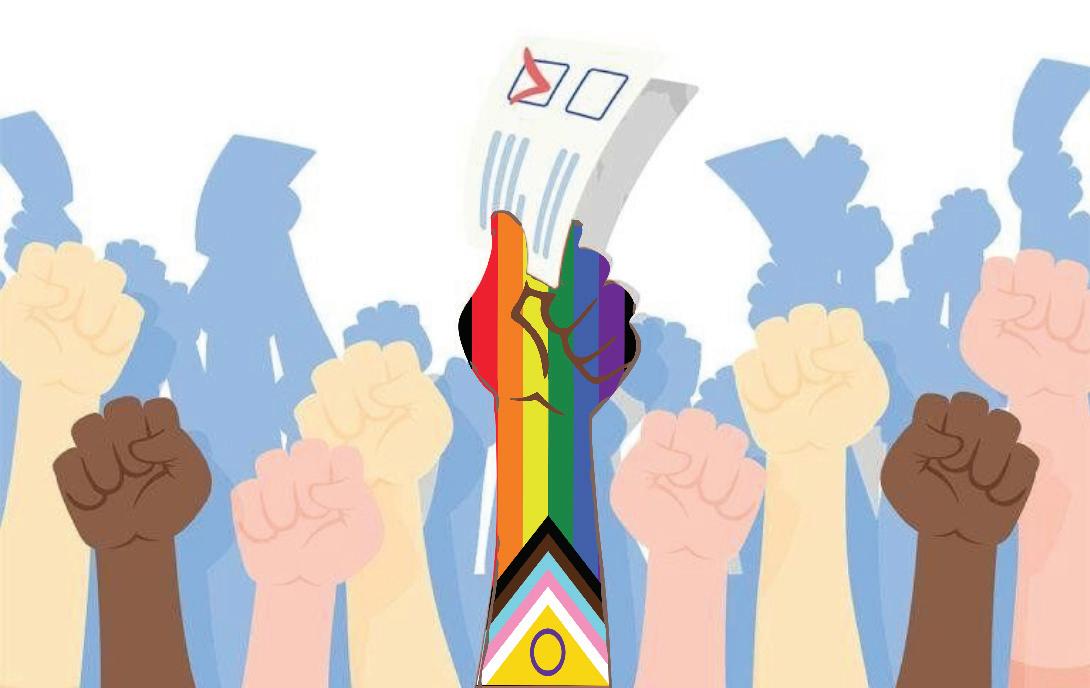
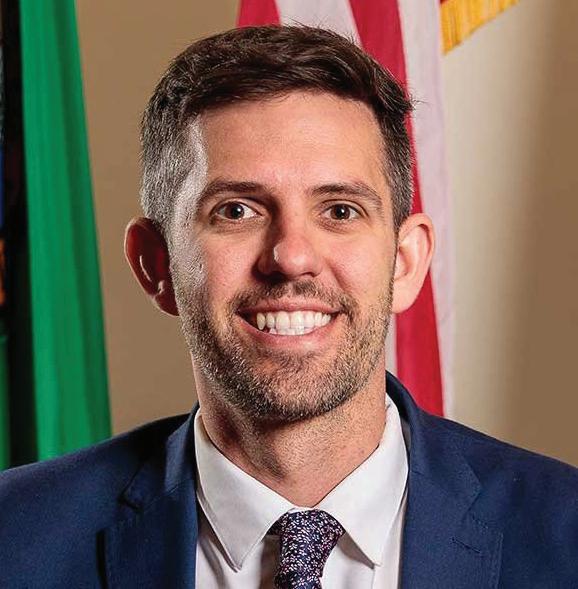
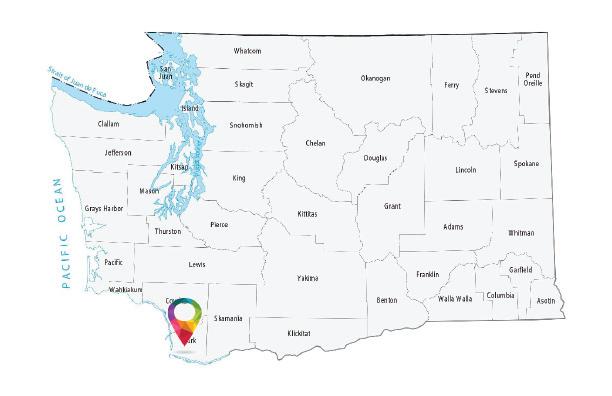
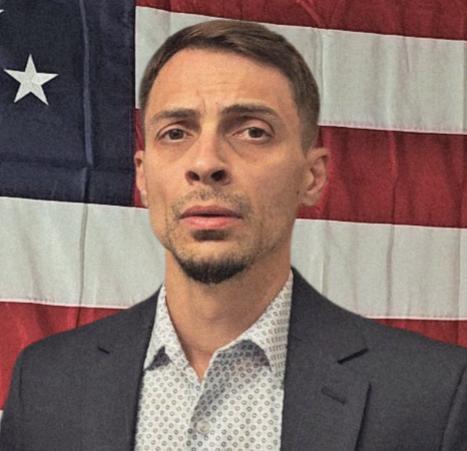
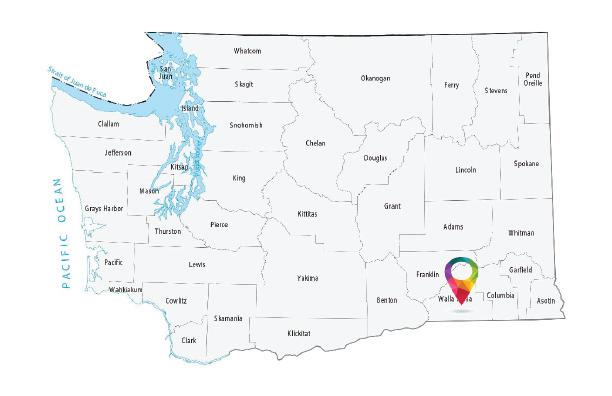
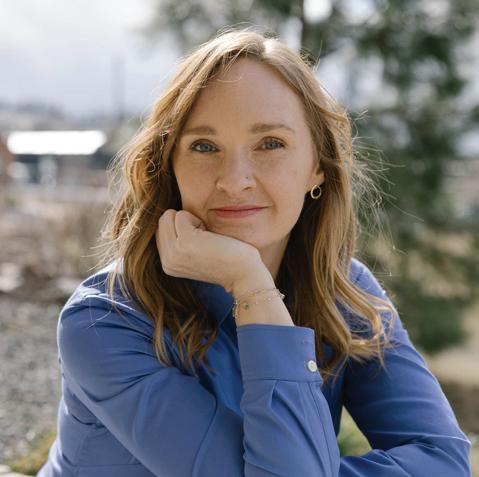
Rural Washington candidates talk to Stonewall
Oregon Rep Javadi Switches to Democratic party
Every recent move that’s been made to Overturn Gay Marriage
Rural Queer Open Mic: A traveling show for stories, revelations, and visibility
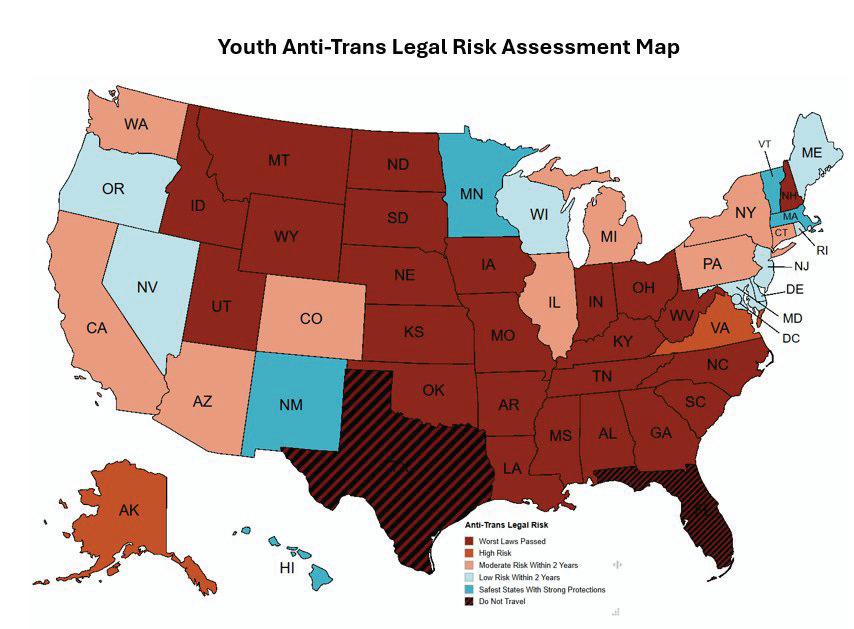
Anti-Trans National Risk Assessment Map
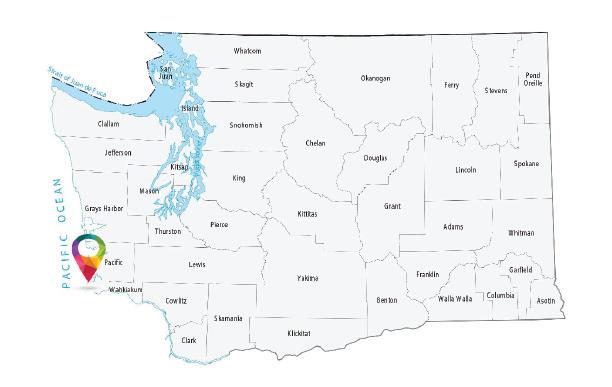
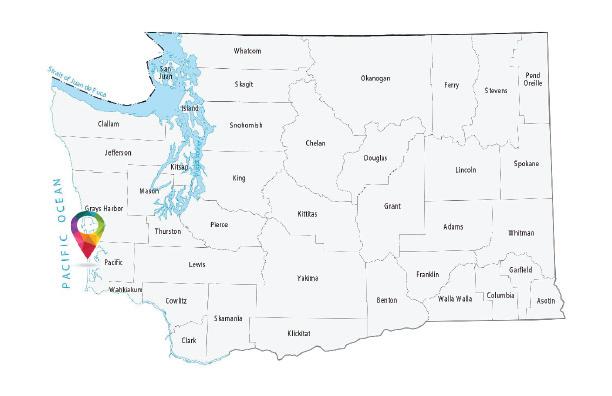
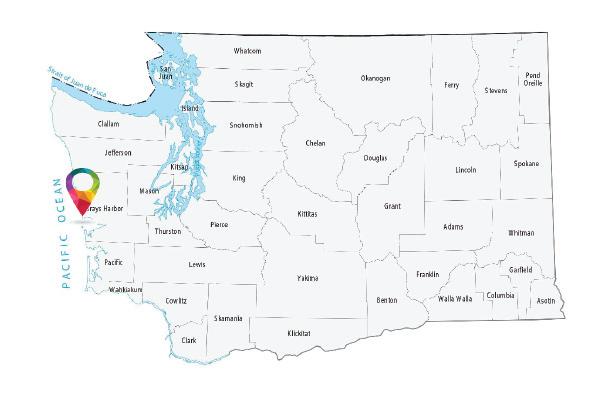
Grays Harbor County Pride & Oregon City Pride
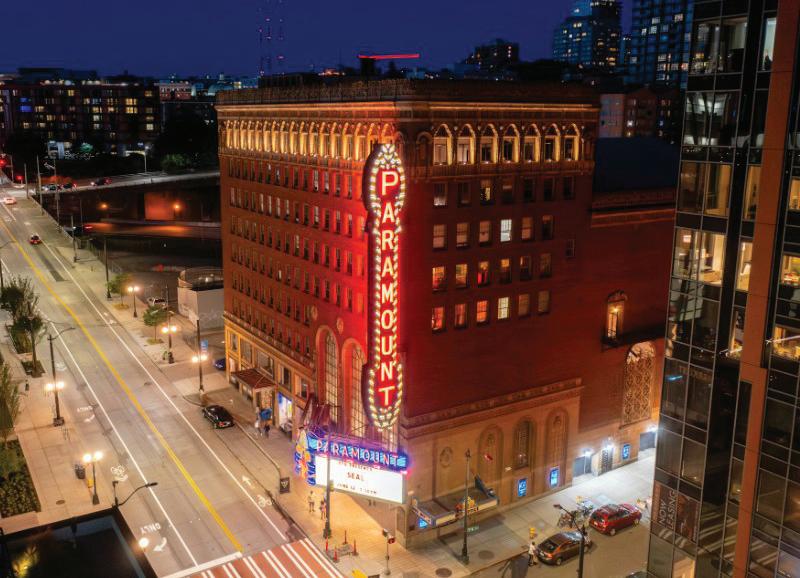
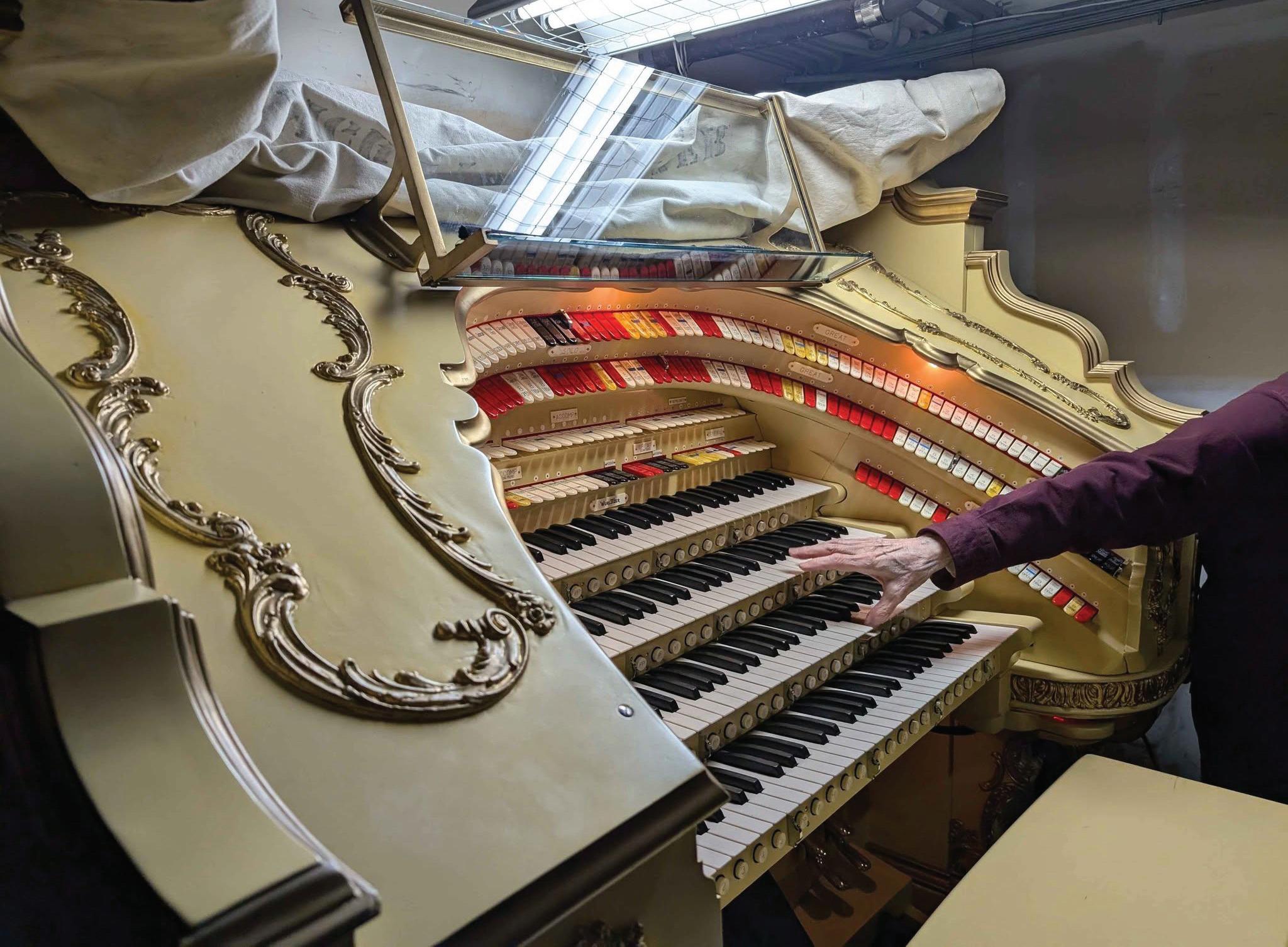
Paramount Theatre
A century of applause
EXCLUSIVE COLUMNS
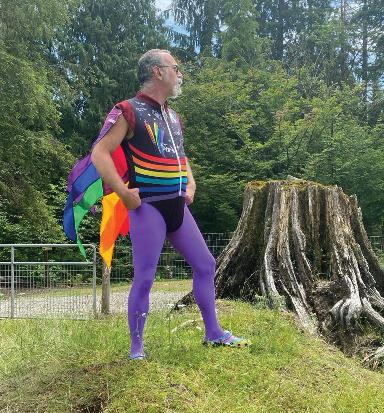
Out on the Ranch, From the Hobbit House and Out & In Business
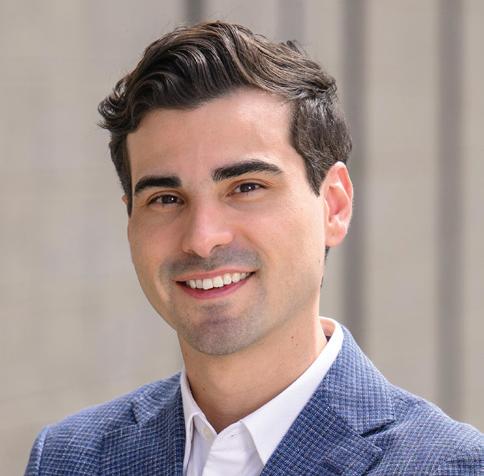
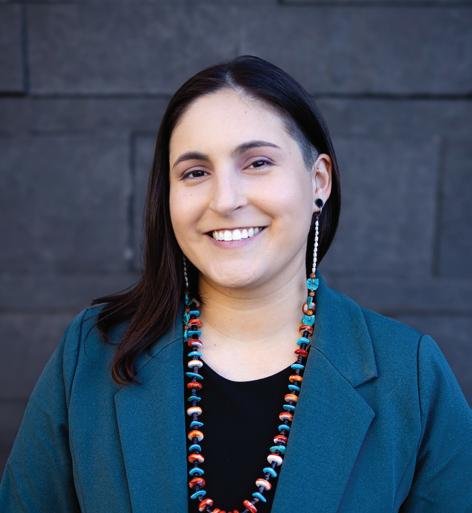
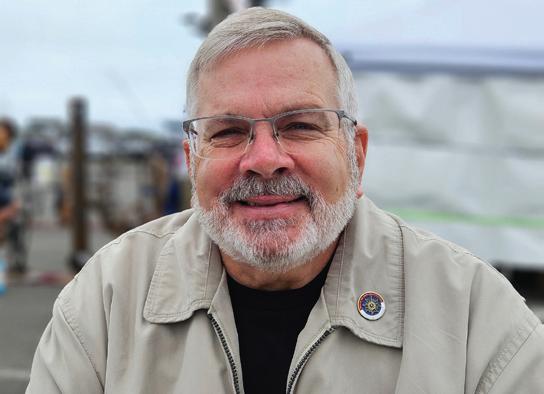
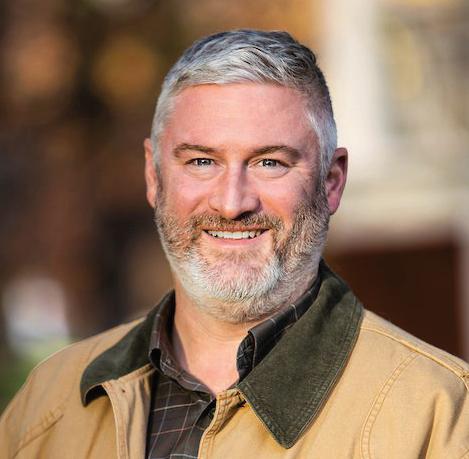
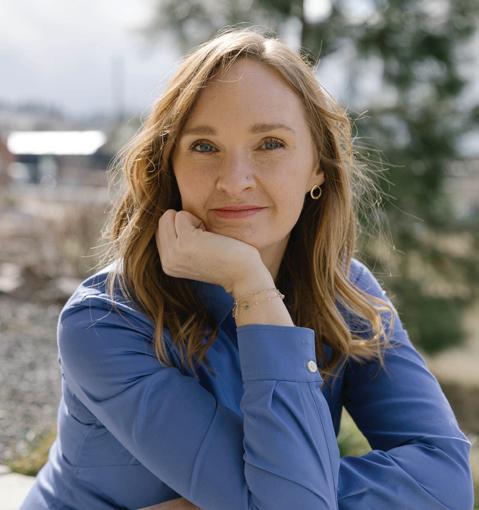
ERIN SELLERS
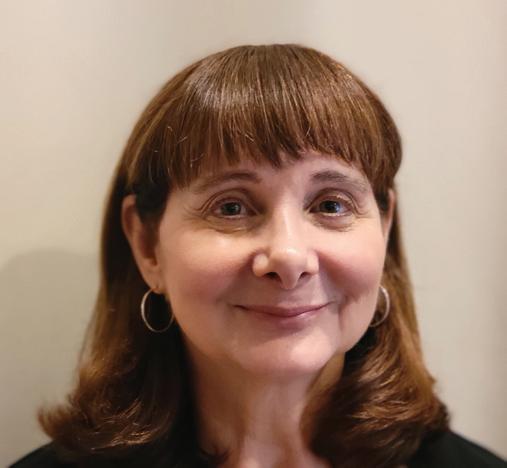
RYAN OELRICH
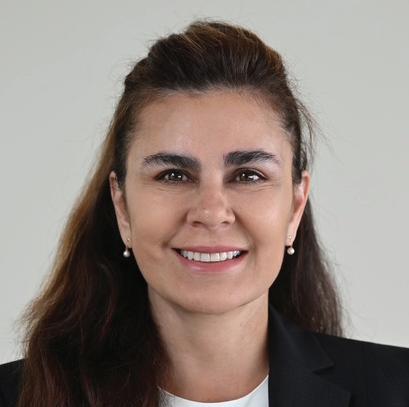
DAVID CAPOCCI
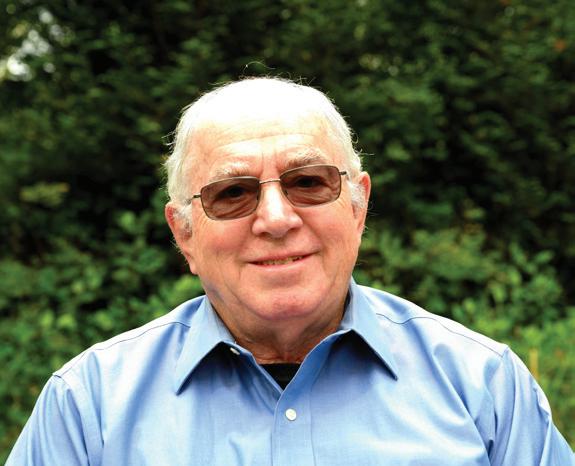
FRANK GAIMARI
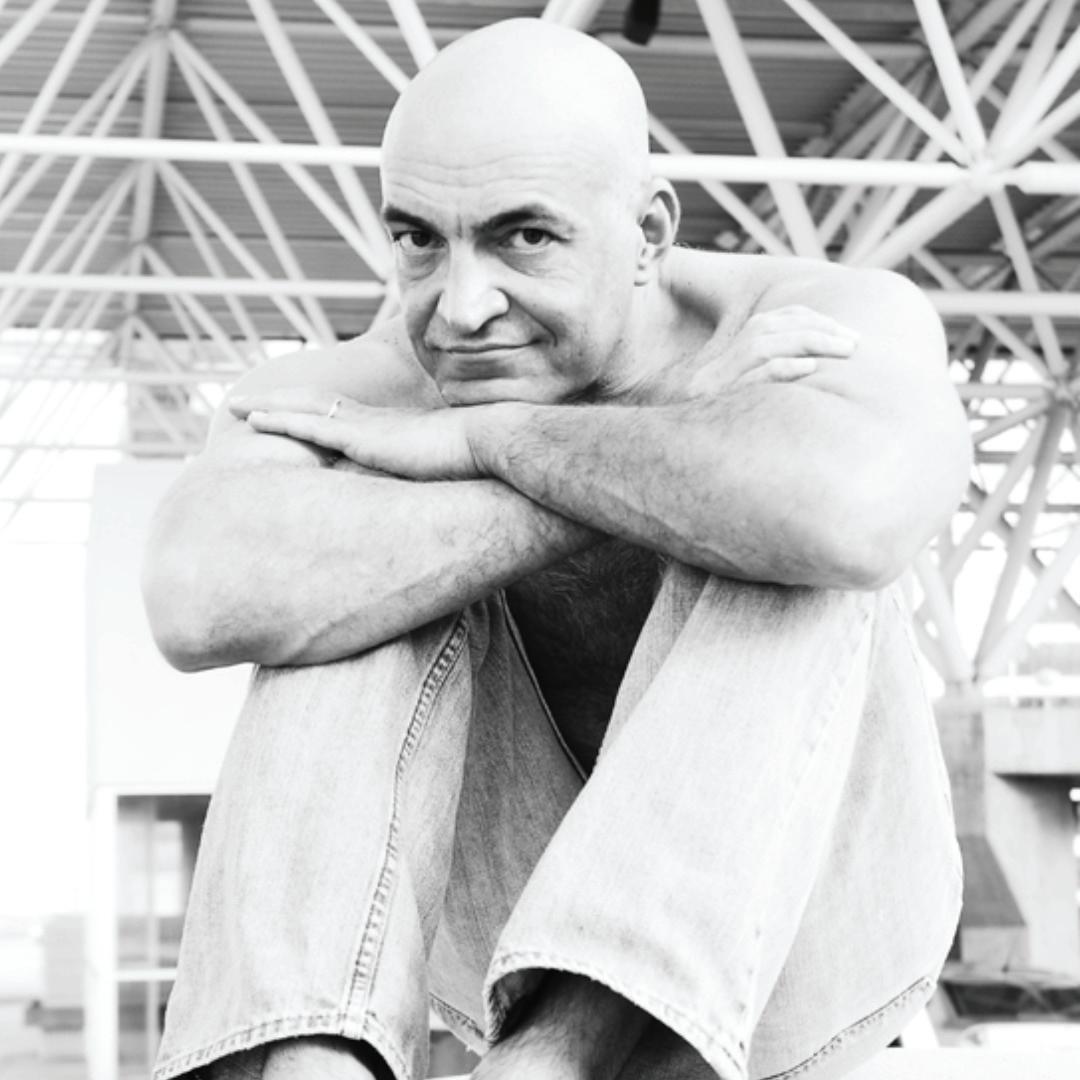
FABRICE HOUDART
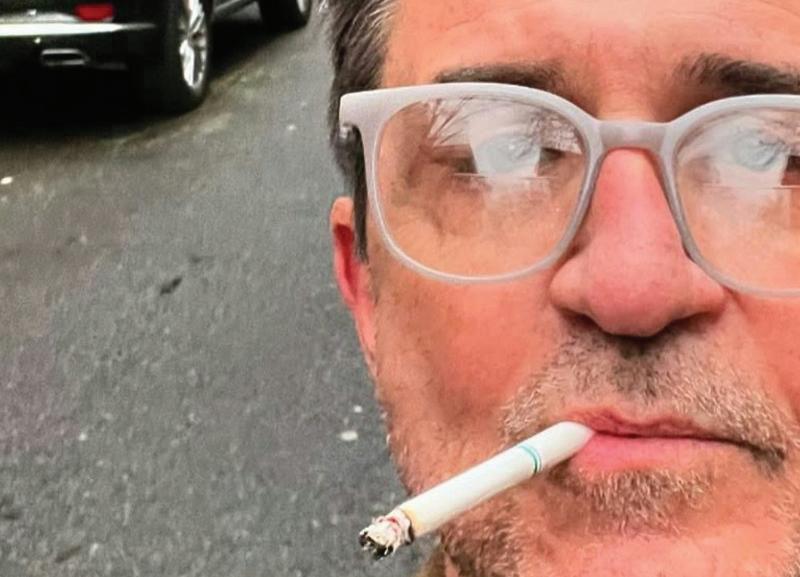
MATT CYPHERT
KERRY SHATZER
UNCLOSETED MEDIA
DANA CLARK
NOVA BERGER
ERIN REED
STEVEN PUVOGEL
LIZ DYER
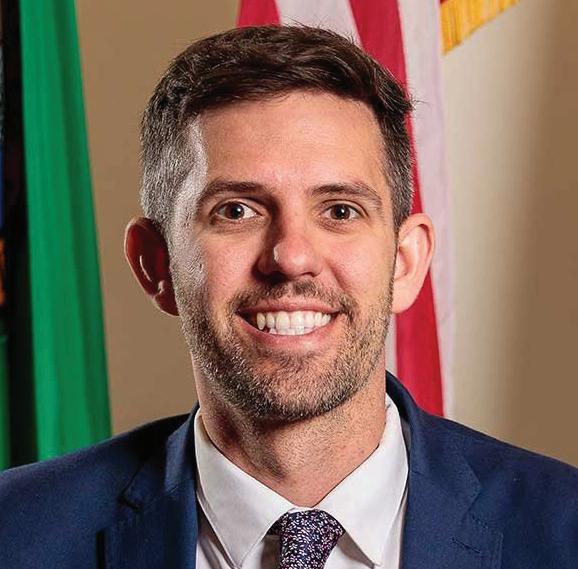
Oregon Rep. Cyrus Javadi: “I’ve had enough”, switches to Democratic party
“Republicans I Know, the Party I Don’t
Let me make a distinction here. Most of the Republicans I know, my neighbors, my friends, many of my constituents, want good things. They want decent jobs, safe streets, a fair shot for their kids. But increasingly, the institutional Republican Party wants something else: spectacle.
I know many Republicans who still share my values, but the party apparatus is headed somewhere else entirely.
It’s not about governing. It’s about burning things down. It’s about isolating minority communities when politically convenient. It’s about waving the Constitution when it helps your argument and ignoring it when it doesn’t.
That’s not conservative. That’s opportunistic. And it corrodes everything it touches.”
--Cyrus Javadi
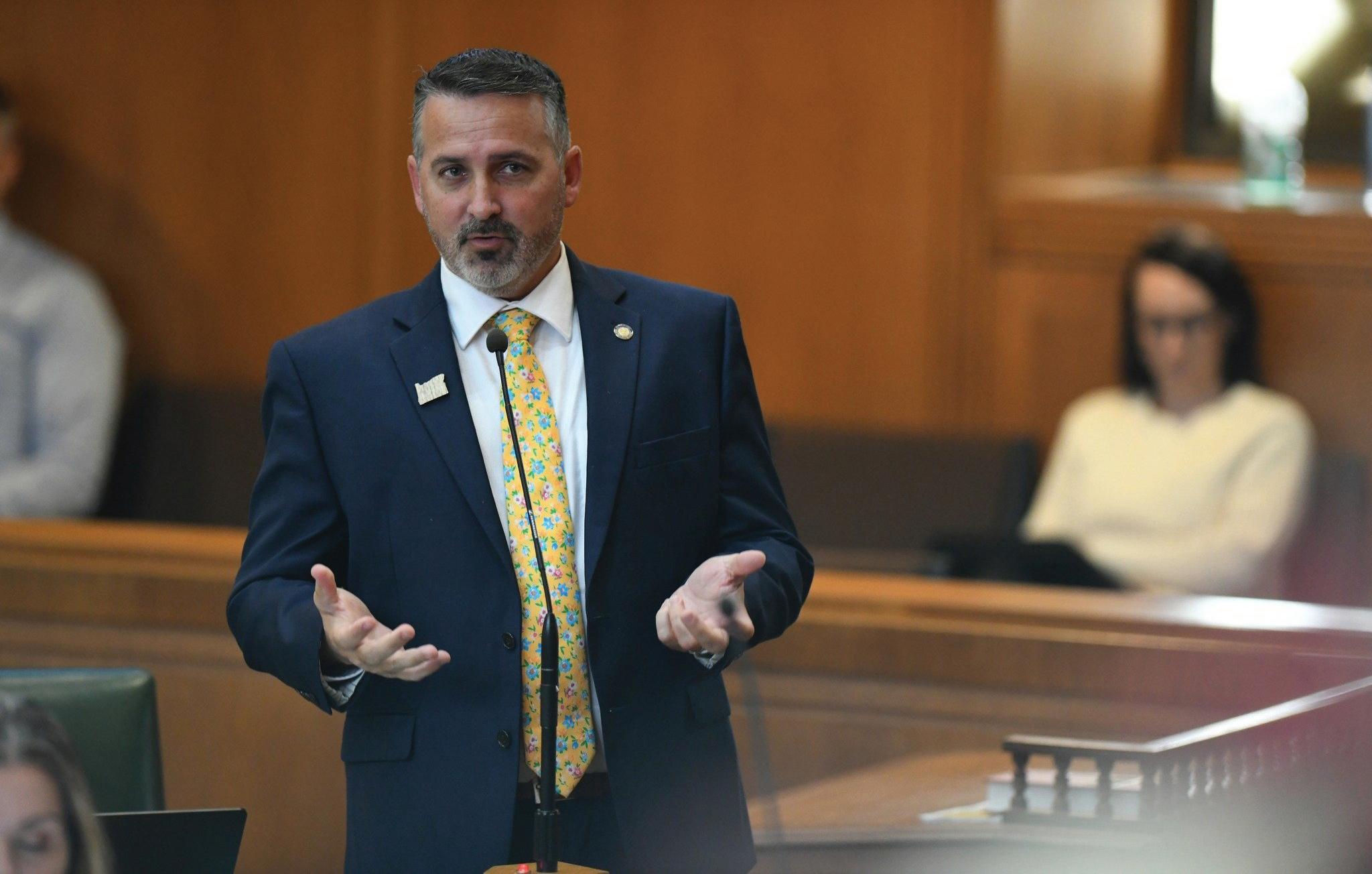
Oregon State Rep. Cyrus Javadi talks with Stonewall News Northwest about his recent party switch, minority rights, his gay son, and better serving his district.
by Percy Laird
In Tillamook, Rep. Cyrus Javadi broke with his party after years of watching silence and hostility toward LGBTQ people. The turning point came when he defended queer books in Salem while his son was shouted down in a school gym.
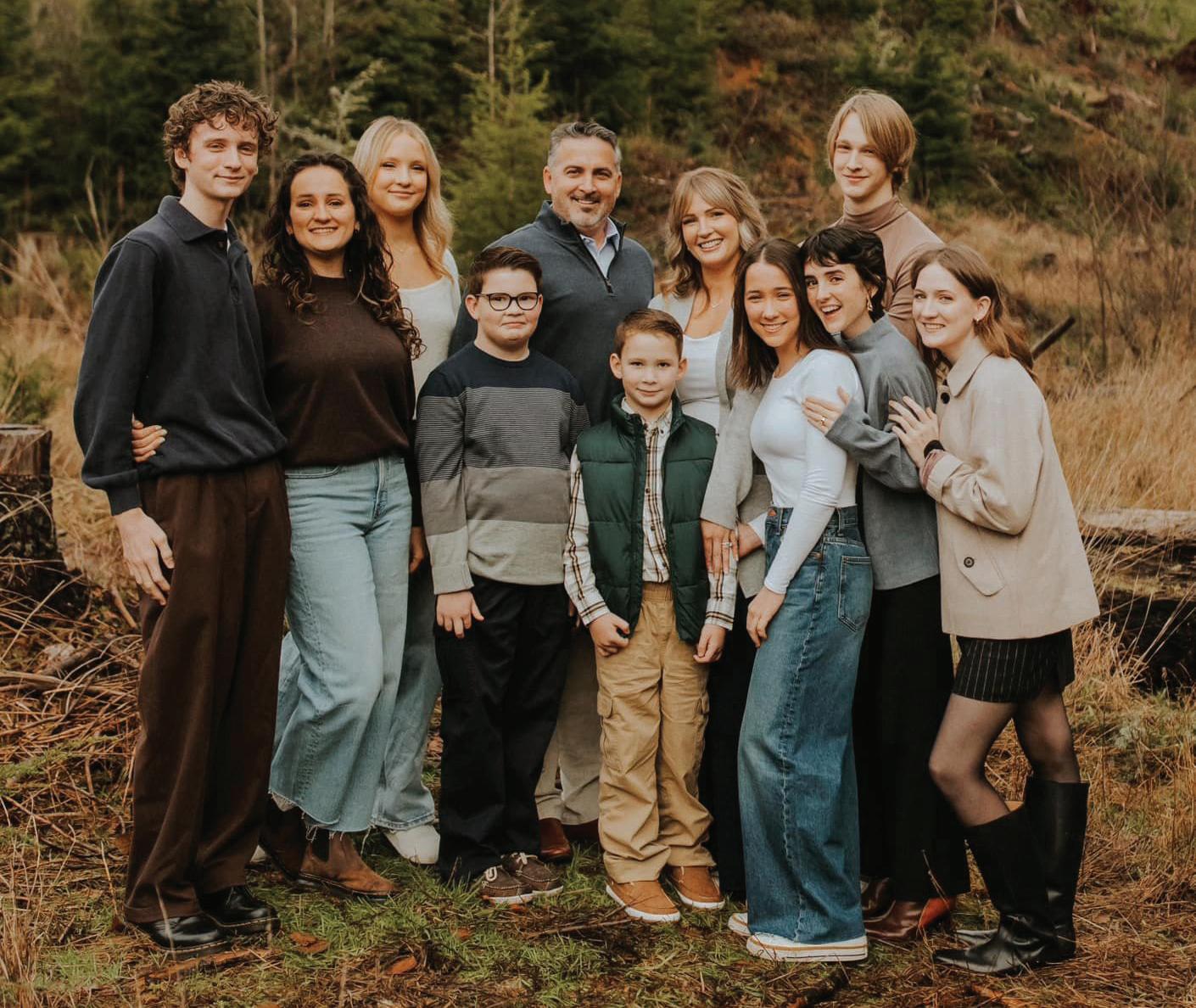
Cyrus Javadi is a dentist, a father of nine in a blended family, and a state representative from Tillamook, Oregon. First elected as a Republican in 2022 and reelected in 2024, he left the GOP in September 2025 to join the Democratic Party. His decision was shaped by both his experiences in the legislature and the journey of his teenage son, Sam, who is gay.
Javadi grew up in Utah in the Mormon faith. Life there was strict, with clear rules and firm boundaries. His father’s work took the family across the Midwest until his parents divorced when he was ten. He then lived with his mother in Massachusetts before returning to Utah for high school. Looking back, he says, “As a kid, everything seemed black and
white. Later you realize there’s not a one-size-fits-all answer. We should respect others’ way of life and belief systems.”
After high school, Javadi studied accounting and worked in finance. Later, he shifted to healthcare, earned his doctorate in dentistry, and moved to Oregon’s coast in 2008. He first lived in Astoria, then settled in Tillamook, a small coastal town better known for its cheese factory than political drama. There he opened a dental practice and became active in the community. He served as Port of Tillamook commissioner, dental director for the county health department, and on the board of the Oregon Dental Association.
When Javadi ran for the Oregon House in 2022, his campaign focused on healthcare and community service. He won, and again in 2024. At home, Sam had already come out privately at age 13. Javadi told him it was brave and promised support, but respected his decision to
CYRUS JAVADI - To Page 24
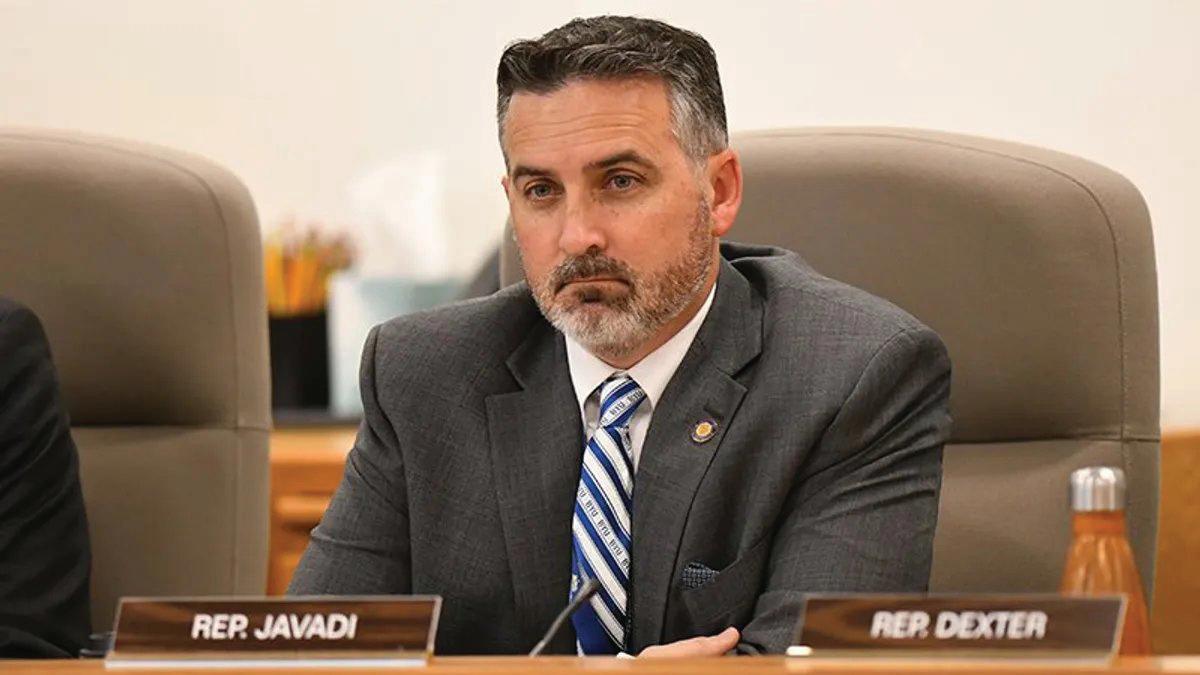
Oregon State Representative Cyrus Javadi
We Must Not Posthumously Sanitize Charlie Kirk’s
Hateful Life
You can stand against political violence, as anyone with a conscience does. You can call for a politics rooted in kindness—something we desperately lack today, and something I know the absence of intimately as a transgender person who has lived under the weight of rhetoric like Kirk’s. You can and should condemn killing over speech. But to ask that people carry on Kirk’s “work” is a bridge too far. We must not valorize his life. We must not sanitize his hate. Not now. Not ever.
This article first published by Erin in the Morning at https://www.erininthemorning.com/p/wemust-not-posthumously-sanitize | Please consider becoming a subscriber of her important work at https://www.erininthemorning.com
by Erin Reed
On September 10, 2025, while giving a campus speech, far-right activist and anti-LGBTQ+ influencer Charlie Kirk was assassinated by a gunman—another grim marker of how political violence has become a recurring feature of American life. Quickly, political figures and pundits rushed to denounce the killing, as they should. But some went further, valorizing and lionizing a man who built his career on contempt of people he viewed as lesser. Political violence is corrosive and we must not excuse it—killing Charlie Kirk was horrific. But we also must not sanitize the memory of a man who wished harm on those he disagreed with, and who spread a message of hate to anyone willing to listen or pay him to so. We can denounce the violent killing of Charlie Kirk without praising his abhorrent legacy.
Yesterday, Gavin Newsom tweeted that we should “continue the work” of Charlie Kirk and honor his memory. This morning, centrist columnist Ezra Klein published a column titled “Charlie Kirk Was Practicing Politics The Right Way.” Both paint a portrait of an open-minded Kirk, a man of dialogue and principle. But this is not his legacy. To call for “continuing his work” or to praise how he “practiced politics” is to erase what that work actually was: a relentless campaign of hate
directed at LGBTQ+ people, racial and ethnic minorities, and anyone who refused to fall in line.
I first reported on Charlie Kirk years ago, at the beginning of the modern anti-LGBTQ+ panic—back when Riley Gaines was rising to far-right fame and her fifth-place swim finish was weaponized against transgender people. In one interview with Gaines on Real America’s Voice, Kirk railed against “the decline of American men” and blamed it for transgender equality. Then he added that people should have “just took care of” transgender people “the way we used to take care of things in the 1950s and 60s.” Let’s be clear about what that meant: the 1950s and 60s were not kind to transgender people. The “standard treatments” were lobotomy, shock therapy, and involuntary institutionalization. Police commissioners openly described queer people as “a cancer in the community” and promoted “vigilant detecting.” Violence was the norm. So when someone calls for “continuing his work” or praises him for “practicing politics the right way,” this is the work they are honoring.
Charlie Kirk’s violent rhetoric toward transgender people in that clip was not an aberration—it was his brand. He preached hate and violence as a matter of routine. In another interview, he mocked Christians who followed scripture about loving their neighbor,
scoffing that God also “calls for the stoning of gay people,” which he described as “God’s perfect law.” This was not a slip of the tongue. Hate was and continued to be central to his message. So when people invoke Kirk’s “work” and urge us to carry it forward, when they valorize him as some open-minded political figure, this is what they are valorizing: praising violence, contempt for human dignity, and the politics of fear dressed up as principle.
Later in 2023, Kirk took the stage at a megachurch to unleash a tirade against transgender people. He called them an “abomination” and a “throbbing middle finger to God,” before turning his venom on swimmer Lia Thomas, citing scripture to brand her the same. It was the kind of hate-speech pulpitry we remember from the most virulent anti-LGBTQ+ preachers of the 1990s—rhetoric meant not to persuade but to dehumanize. This is Charlie Kirk’s legacy: a campaign to eradicate entire classes of people from public life. It is not dialogue, and it is certainly not something that deserves to be honored or continued.
Charlie Kirk’s hatred was hardly confined to transgender or queer people. In one interview, he said the first thing he thinks when he sees a Black pilot is, “Boy, I hope he’s qualified.” In another, he called for the man who assaulted Nancy Pelosi’s husband to be bailed out of jail. He denounced the Civil Rights Act of 1964—the very legislation that made possible the civic life so many now falsely lionize him for defending. He infamously said a few gun deaths were worth his second amendment rights in the aftermath of a school shooting.
He even derided empathy itself as worthless, a sentiment that has since metastasized into a broader far-right project to strip empathy education from schools. This is not a man to be admired. This is his legacy.
Charlie Kirk was not “practicing politics the right way.” His work should never “be continued.” He embodied everything corrosive about American politics today. He turned the anti-trans and anti-LGBTQ+ panic of the 2024 election into the centerpiece of his message, fueling many of the political ads that blanketed the country—ads rooted in narratives he and his network of far-right allies manufactured. He called for Nuremburg trials of genderaffirming care providers. He started a “professor watchlist” which called on his followers to report “leftist propaganda” in the classroom, which reportedly led to the families of those on the list being terrorized with death threats. His model of politics was not dialogue, but trolling: hopping from campus to campus to bait students, churn out sound bites, and spread hate. And his rhetoric was not debate—it was violent, dehumanizing, and designed to put targets on people’s backs.
You can stand against political violence, as anyone with a conscience does. You can call for a politics rooted in kindness— something we desperately lack today, and something I know the absence of intimately as a transgender person who has lived under the weight of rhetoric like Kirk’s. You can and should condemn killing over speech. But to ask that people carry on Kirk’s “work” is a bridge too far. We must not valorize his life. We must not sanitize his hate. Not now. Not ever.
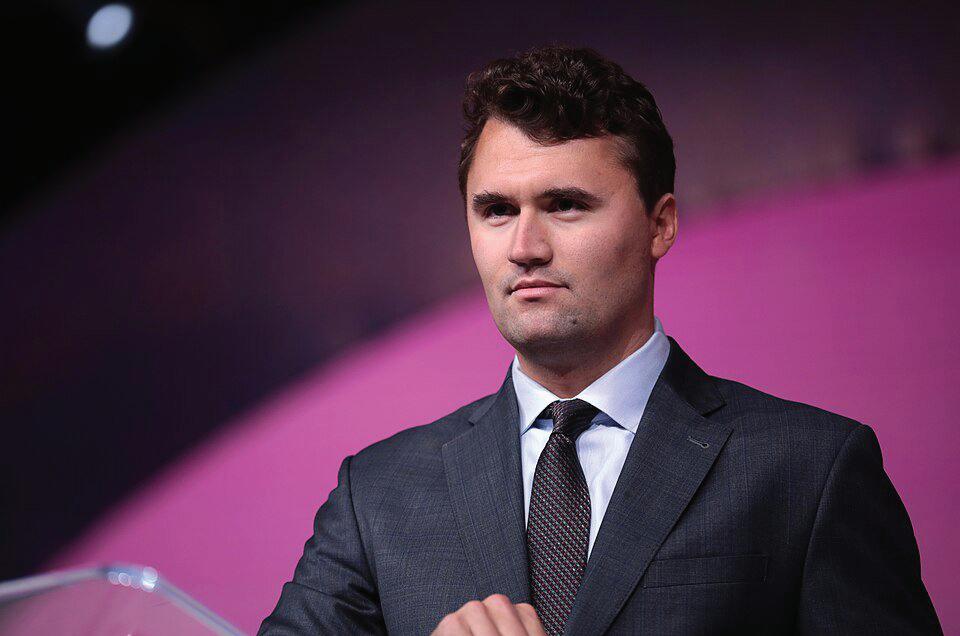
Charlie Kirk | Wikimedia Commons
Every Recent Move That’s Been Made in the New Fight to Overturn Gay Marriage
By Nico Dialesandro and Hope Pisoni | Illustration design by Sam Donndelinger
This story was reported by Uncloseted Media at https://www.unclosetedmedia.com/p/every-recentmove-thats-been-made. Uncloseted Media is an LGBTQ focused investigative news outlet. Please consider supporting their important work at https://secure.qgiv.com/for/unclosettedmedia.
It’s been 10 years since the Supreme Court’s landmark ruling in Obergefell v. Hodges, the case that legalized gay marriage nationwide by declaring state bans unconstitutional.
In the U.S. today, there are over 800,000 married gay couples. And 67% of Americans say they support marriage equality, including 50% of Republicans.
Despite this, many of the groups that fought to prevent the Obergefell ruling are now ramping up their ongoing fight to overturn it.
If Obergefell were overturned, it could become illegal for gay couples to marry in the 32 states that still have bans on the books. As the Supreme Court mulls over whether or not to take a case asking them to overturn the historic ruling, we’ve documented every step that has been taken in
the past five years to threaten gay marriage in the U.S.
Oct. 5, 2020
The Supreme Court of the United States (SCOTUS) rejects a petition to hear former Kentucky County Clerk Kim Davis’ appeal in Ermold v. Davis, a case brought by a same-sex couple after Davis denied them a marriage license in 2015. Justice Clarence Thomas, joined by Justice Samuel Alito, writes that the Obergefell ruling has “ruinous consequences for religious liberty” and that it “enables courts and governments to brand religious adherents who believe that marriage is between one man and one woman as bigots.” They express their desire to see Obergefell overturned, writing that SCOTUS “has created a problem that only it can fix.”
The following day, Liberty Counsel, a Christian legal group
and Southern Poverty Law Center (SPLC)-designated hate group, announces their intent to file a petition with the Supreme Court to “address Obergefell” after Davis’ case moves to a trial court.
Nov. 5, 2020
Nevada overturns an 18-yearold ban on same-sex marriage, making it the first state to enshrine gay couples’ right to marry in their constitution. Nevadans vote 62% in favor of the reversal.
“It feels good that we let the voters decide,” Equality Nevada President Chris Davin told NBC News. “The people said this, not judges or lawmakers. This was direct democracy—it’s how everything should be,” he said, adding that the LGBTQ community wants something concrete to protect same-sex marriage in case “the federal level ever revokes it—which is what a lot of folks are worried about with the new Supreme Court.”
June 17, 2021
SCOTUS rules in favor of Catholic Social Services (CSS), which sued the city of Philadelphia for ending its fostercare placement contract with CSS because of their refusal to certify same-sex couples as foster parents. The ruling, which states that Philadelphia’s termination of CSS’s contract violates the Free Exercise Clause of the First Amendment, provides a carve-out to Obergefell.
June 24, 2022
Roe v. Wade is overturned. In a concurring opinion with the majority, Thomas sets his eyes on Obergefell and Lawrence v. Texas—a ruling that in essence legalized gay sex. He writes that the Court should reconsider those cases since they used similar arguments to Roe v. Wade.
“[W]e should reconsider all of this Court’s substantive due process precedents, including Griswold, Lawrence, and Obergefell. Because any substantive due
GAY MARRIAGE - To Page 27
Grays Harbor County Pride 2025: Bringing together community, joy and resilience
Grays Harbor Pride and Pride Prom were not just about celebration—they were also about connection. Community organizations set up spaces to share resources, from health services to youth mentoring. Parents and allies found each other in conversation, and new friendships sparked over shared dances and laughter.
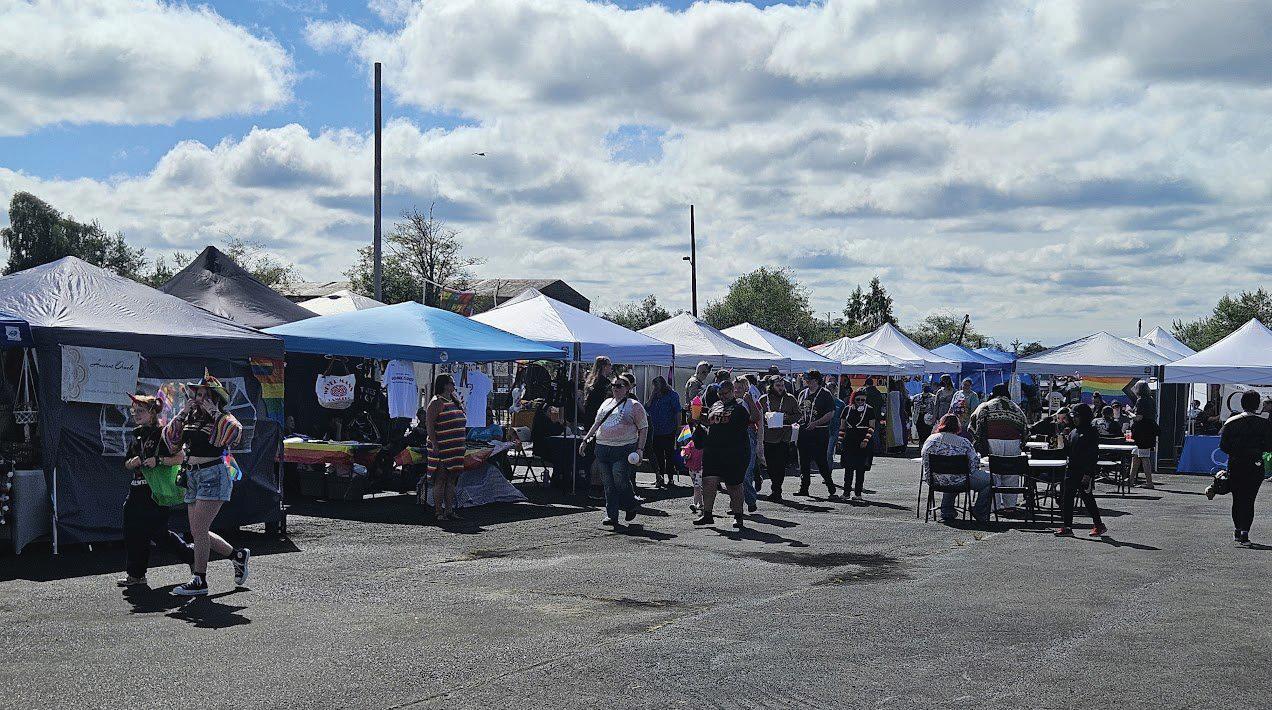
Grays Harbor County Pride returned this September 13, 2025 with a vibrant celebration that brought together community, joy, and resilience at the Grays Harbor Historical Seaport in Aberdeen. What began as a single-day festival blossomed into a beloved annual tradition—one that reflects both the uniqueness of the Harbor and the universal power of Pride.
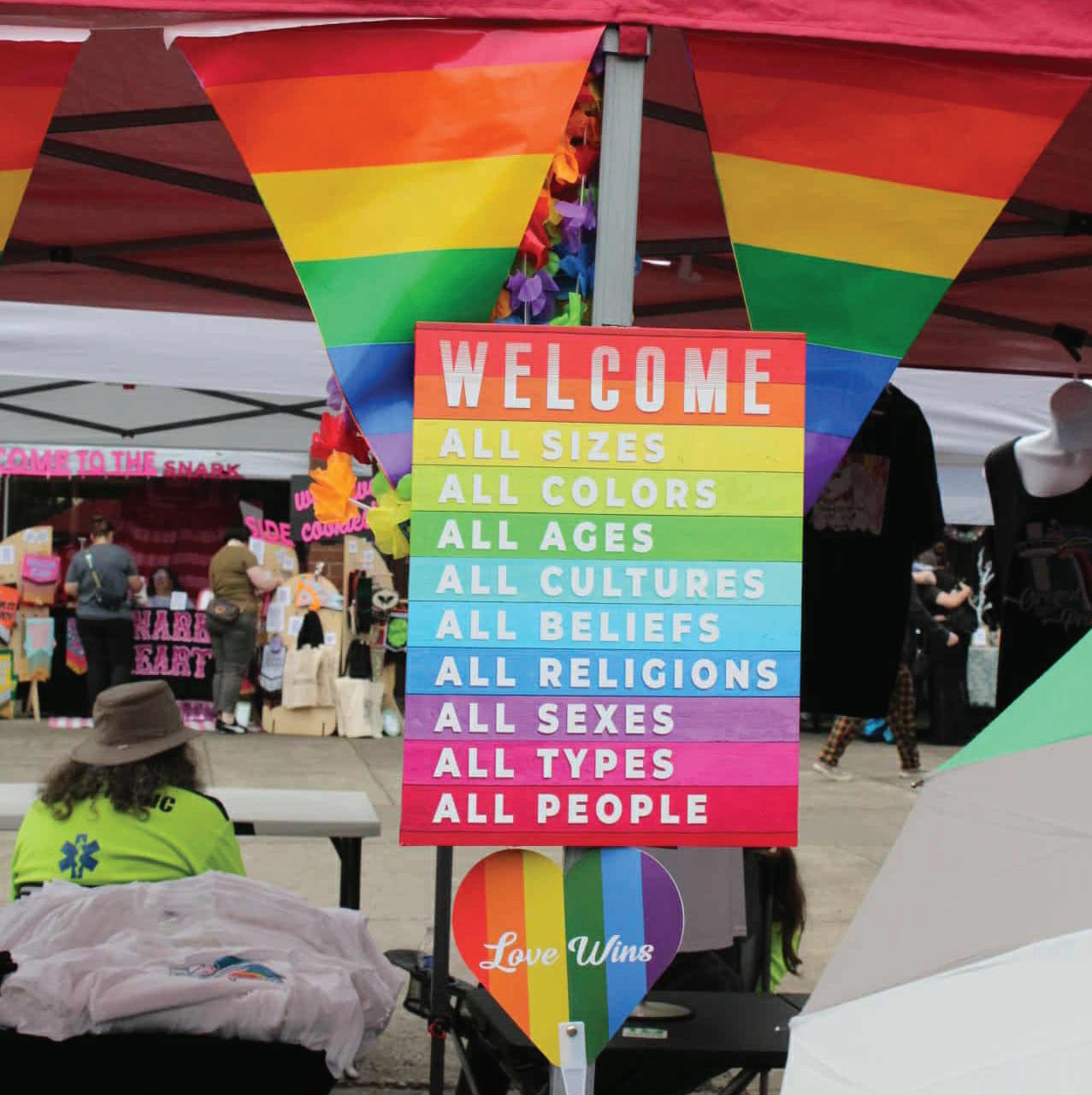
This year’s festival drew hundreds of attendees from across the county and beyond. The waterfront was alive with rainbow flags, live music, drag performances, vendors, and families enjoying the sunshine. Throughout the weekend, the atmosphere was one of welcome and belonging.
On Friday evening, the festival kicked off with Pride Prom, a tradition since 2017. Held at Events on Emerson in Hoquiam, Pride Prom invited youth and adults to step onto the dance floor in a space free from judgment or
limitation. For many attendees, it was a chance to reclaim a rite of passage that may not have felt safe or affirming the first time around. For younger guests, it was the opportunity to attend a prom where authenticity was celebrated, not hidden. The room glowed with strings of lights, rainbow décor, and the energy of people finally able to dance with who they love, wearing what made them feel most themselves. Some came dressed in gowns and tuxedos, others in casual outfits that carried just the right sparkle. What united everyone was the sense of freedom and joy that filled the night.
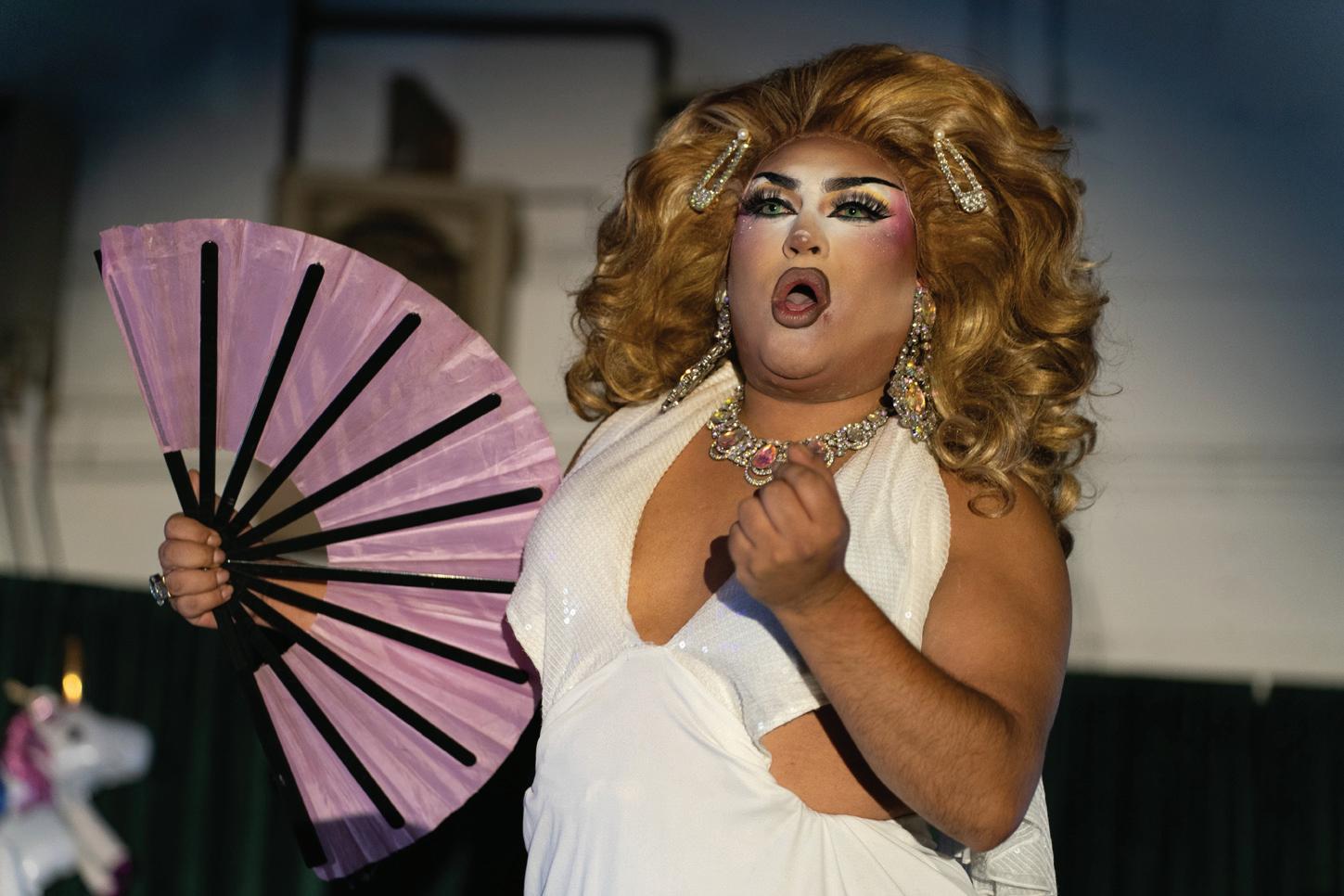
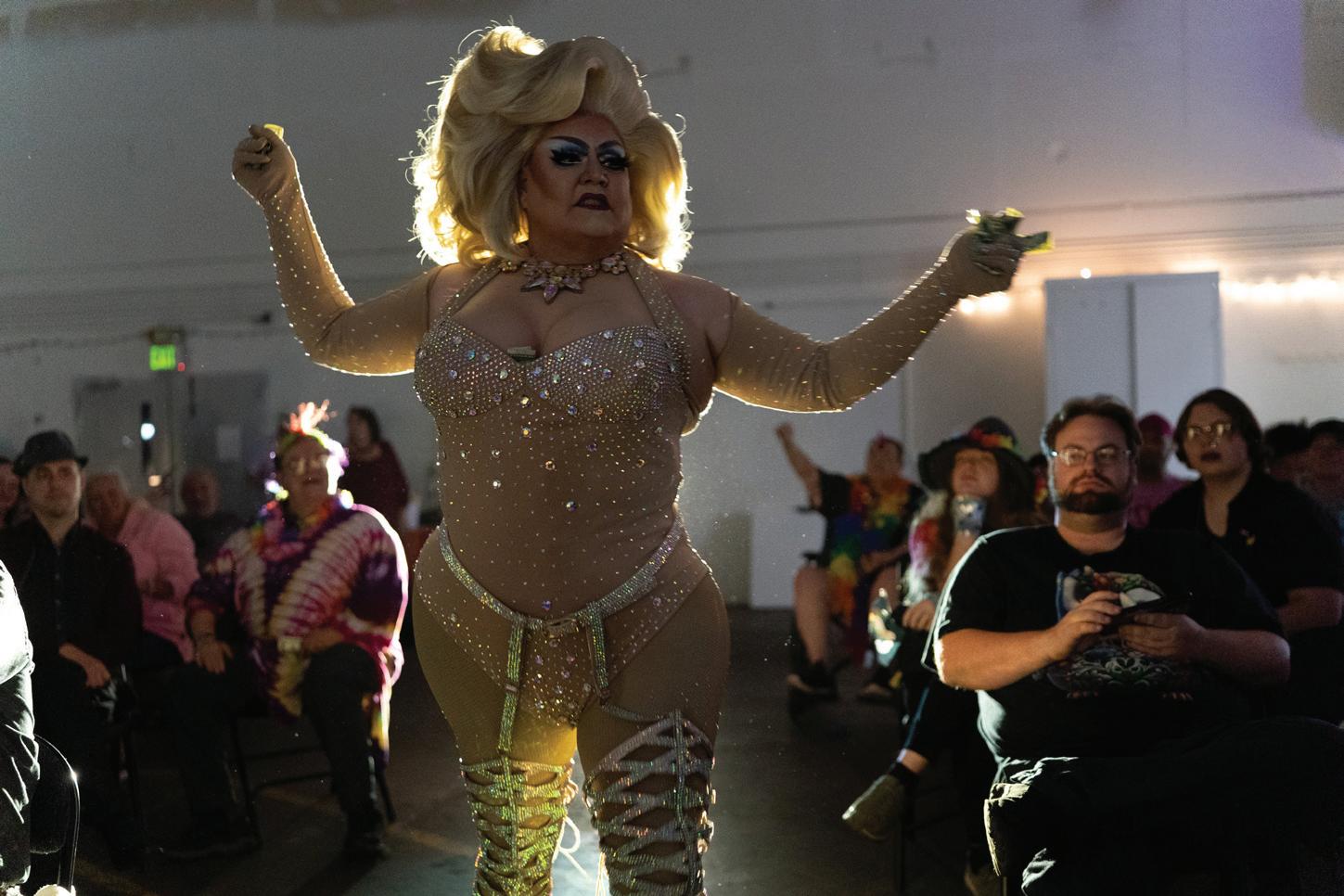
Seattle’s premier drag king, Ceasar Hart, hosted a dazzling drag show (with assistance from Tacoma’s Delyla Dalyte) that is always one of the highlights. Local and regional performers filled the stage with talent and heart, reminding everyone why drag has always been at the core of LGBTQIA+ visibility and culture. Daytime entertainment
GRAYS HARBOR - To Page 10
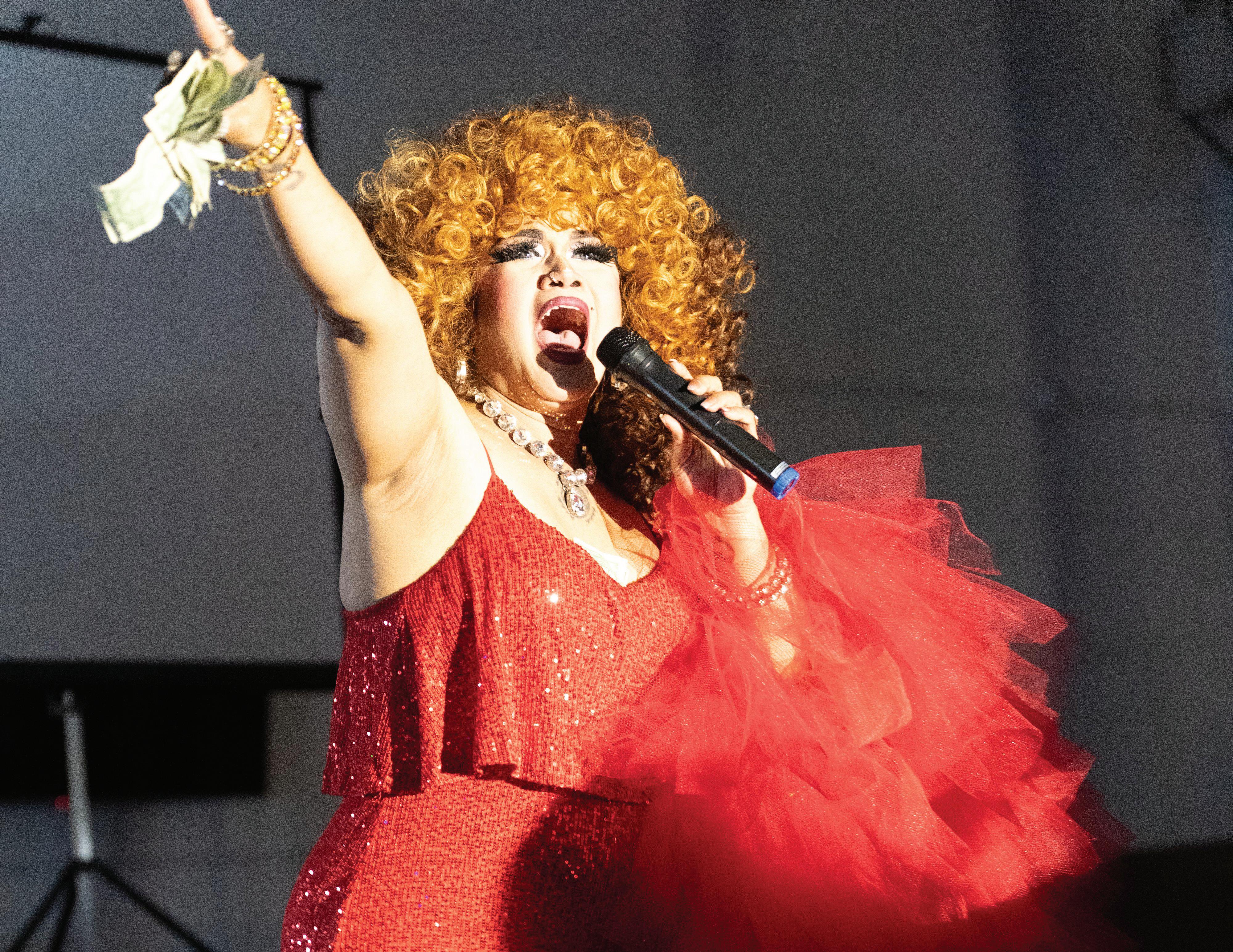
Draq Queen performer Aleska Manila performs at Grays Harbor Pride | Photo by Matt Cyphert
by Steven Puvogel
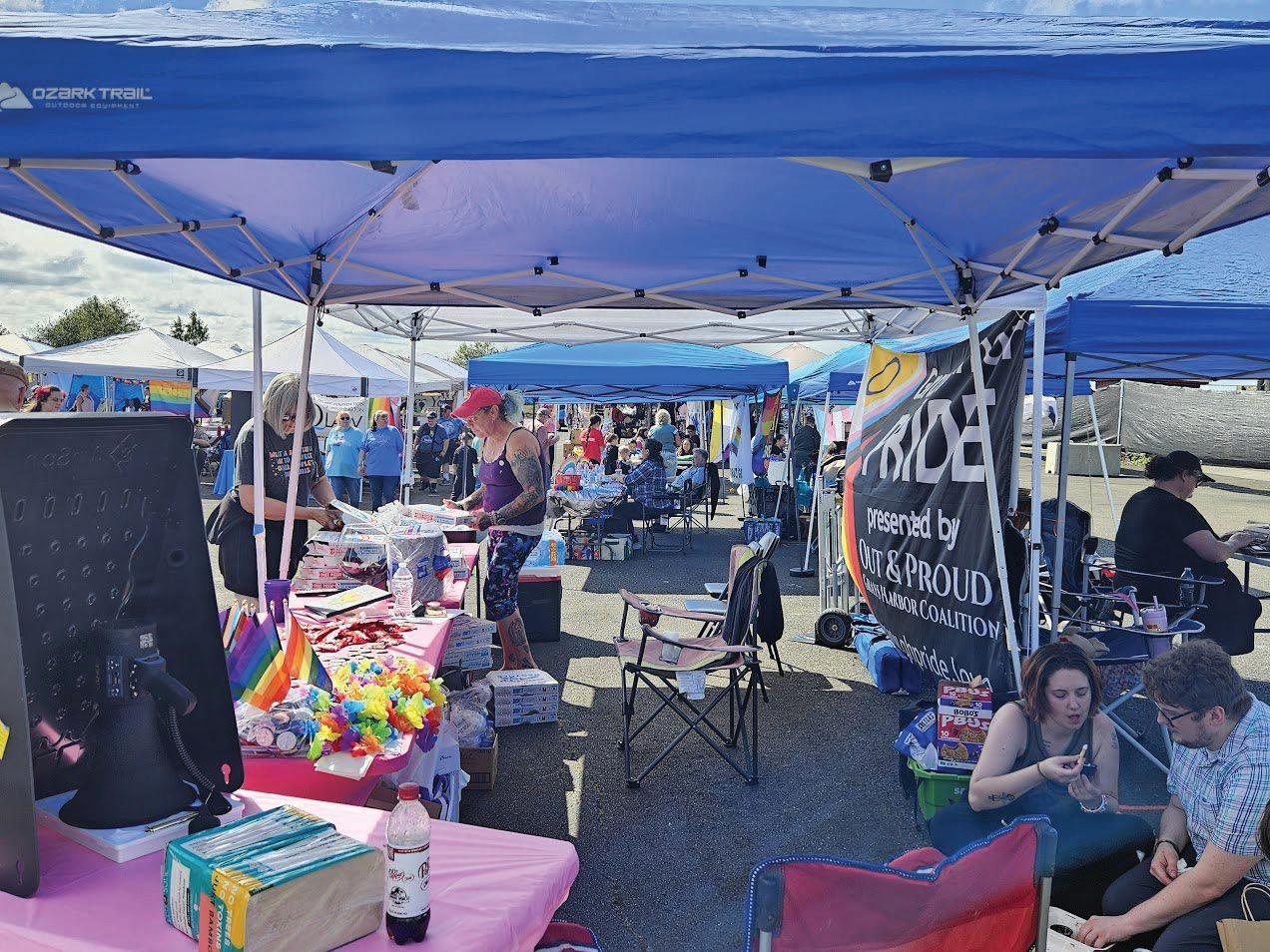
Grays Harbor County Pride at the Grays Harbor Historical Seaport in Aberdeen.
Oregon City Pride 2025: A homegrown celebration of joy and resistance
For many, the day was about more than entertainment—it was about connection. Families picnicked on the grass, elders swapped stories of earlier struggles for visibility, and young people reveled in a space where they could be unapologetically themselves.
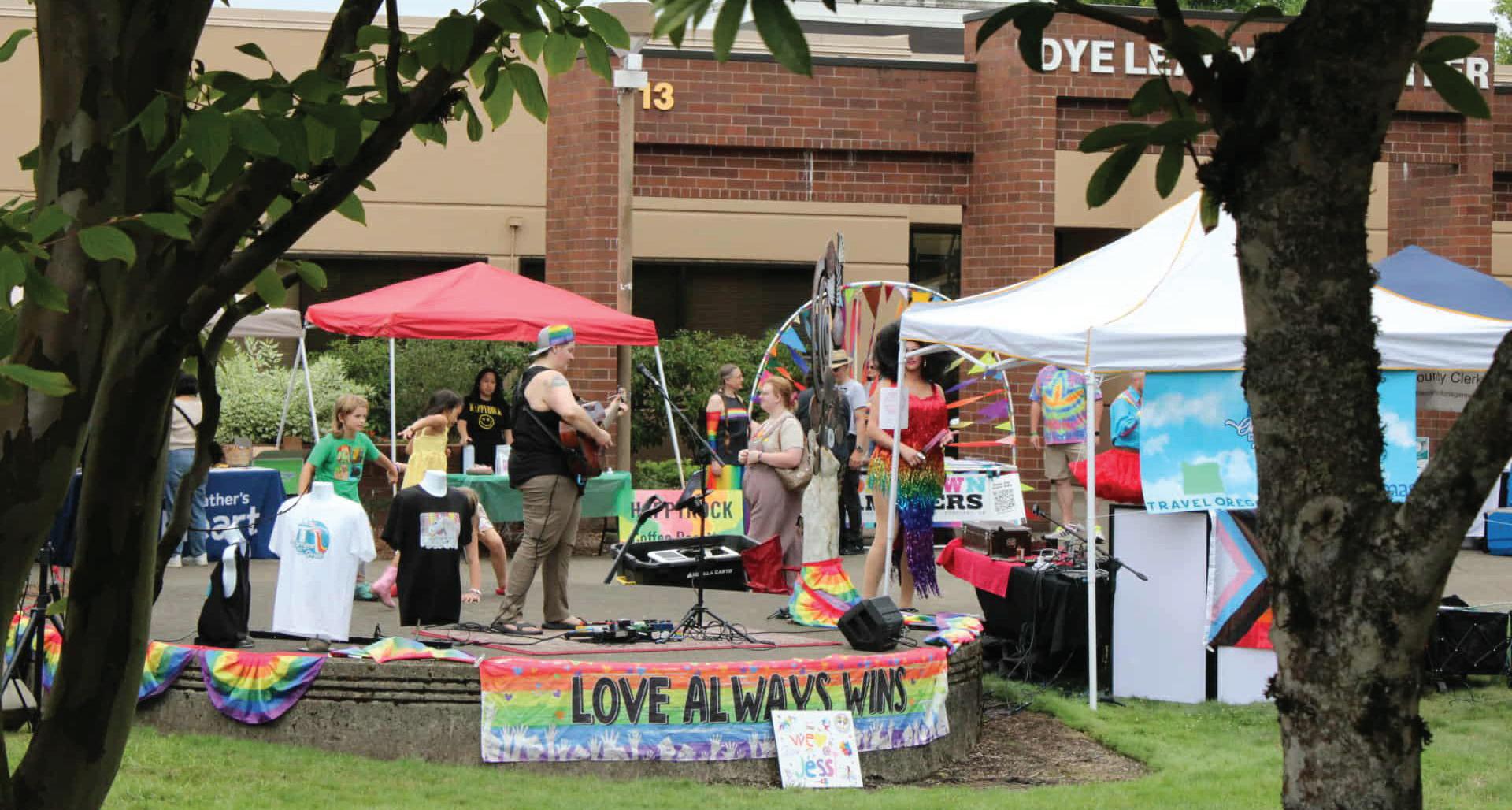
Oregon City lit up with color and community spirit on Saturday, September 6, 2025, as Clackamas Community College hosted the third annual Oregon City Pride Festival. The free, ticketed event drew people of all ages, underscoring Pride’s continued growth in the region as both a joyful gathering and a statement of resilience.
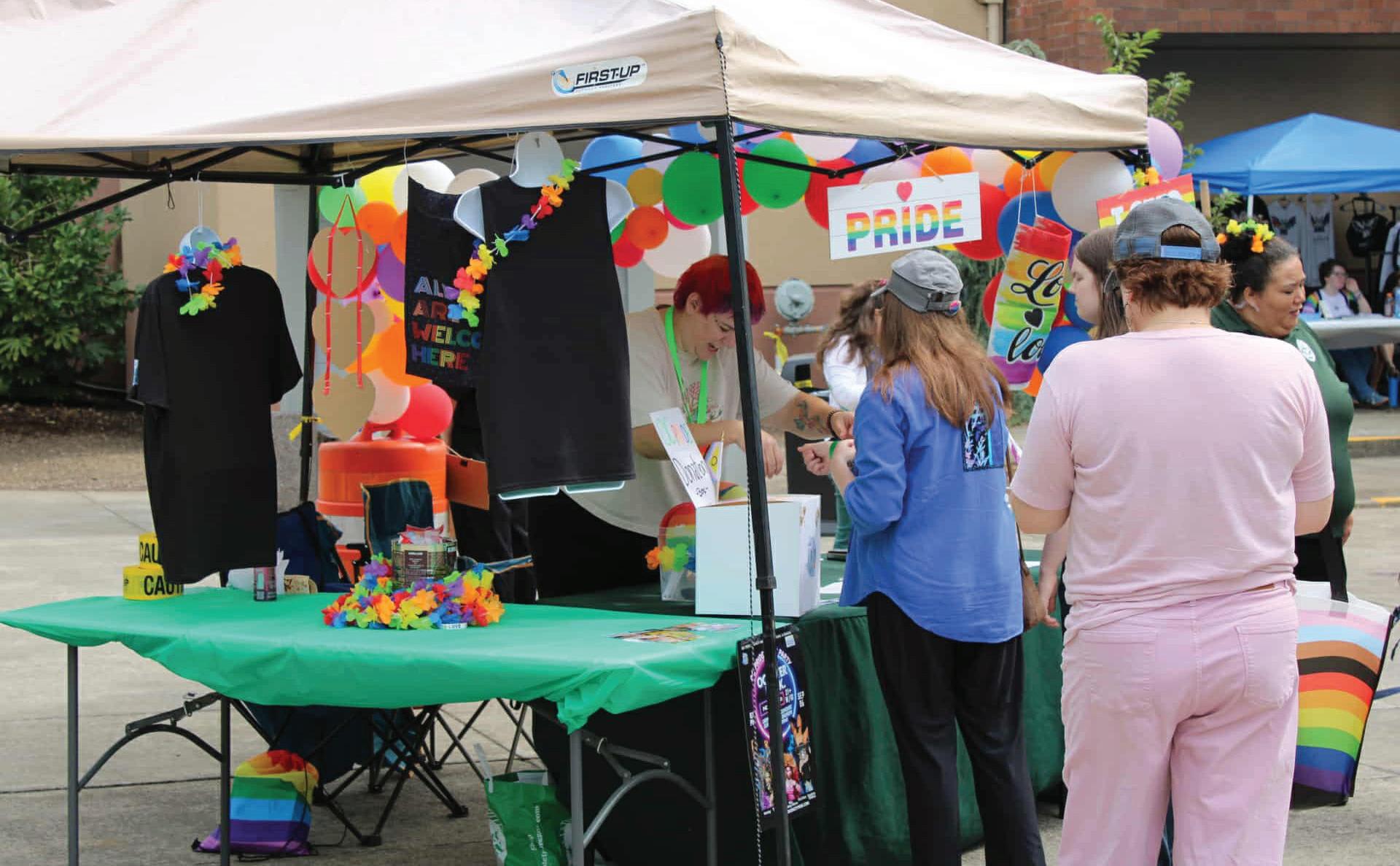
From the moment attendees arrived, they were welcomed by the local health department with resources and information, a reminder that community wellness is central to queer liberation. Rows of local artisans and organizations lined the campus walkways, offering everything from handmade crafts to advocacy opportunities, blending festivity with grassroots organizing.
The main stage performances kept the energy high throughout the afternoon. After a grounding yoga session and an opening drum ceremony by Ambrose of Painted
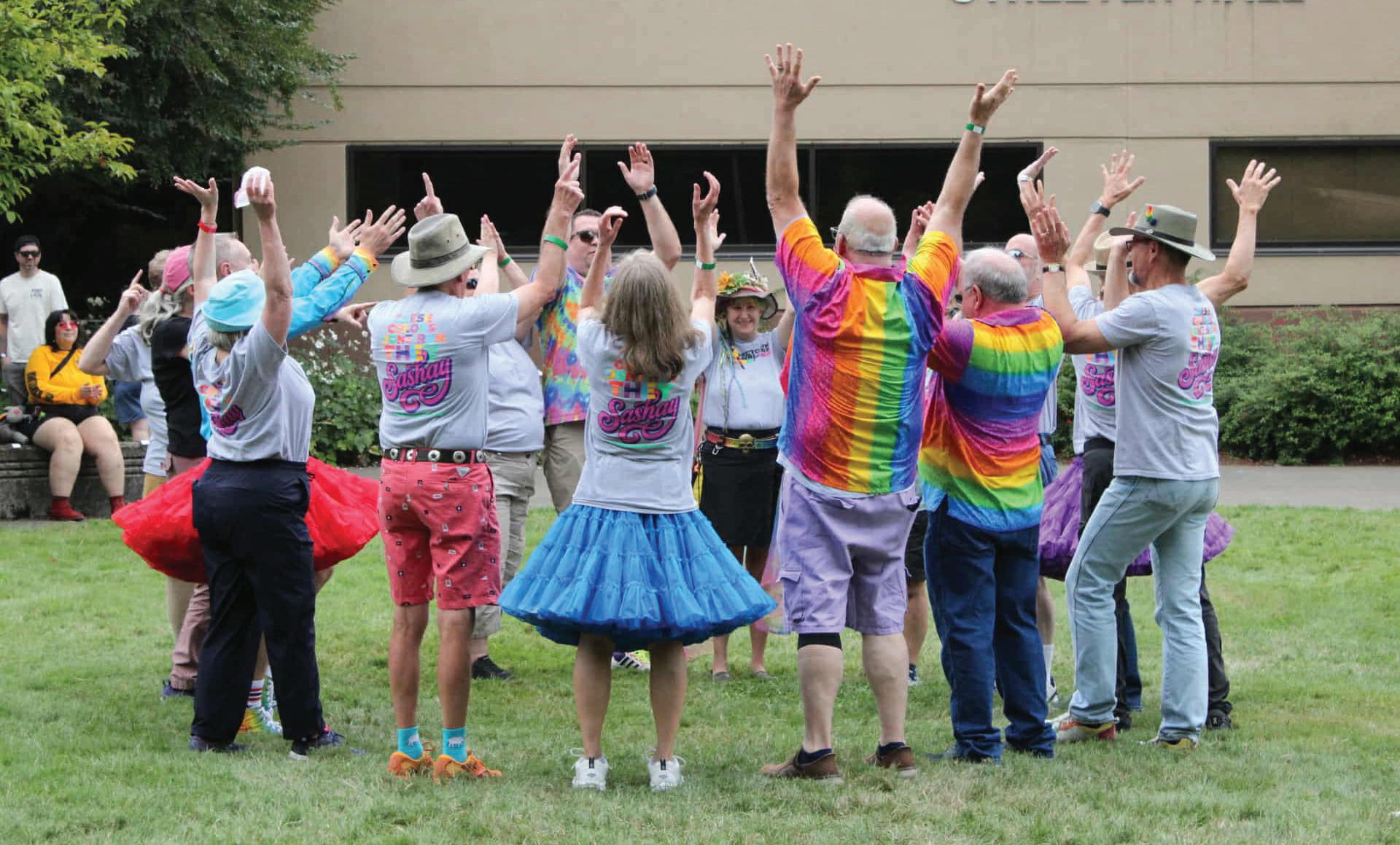
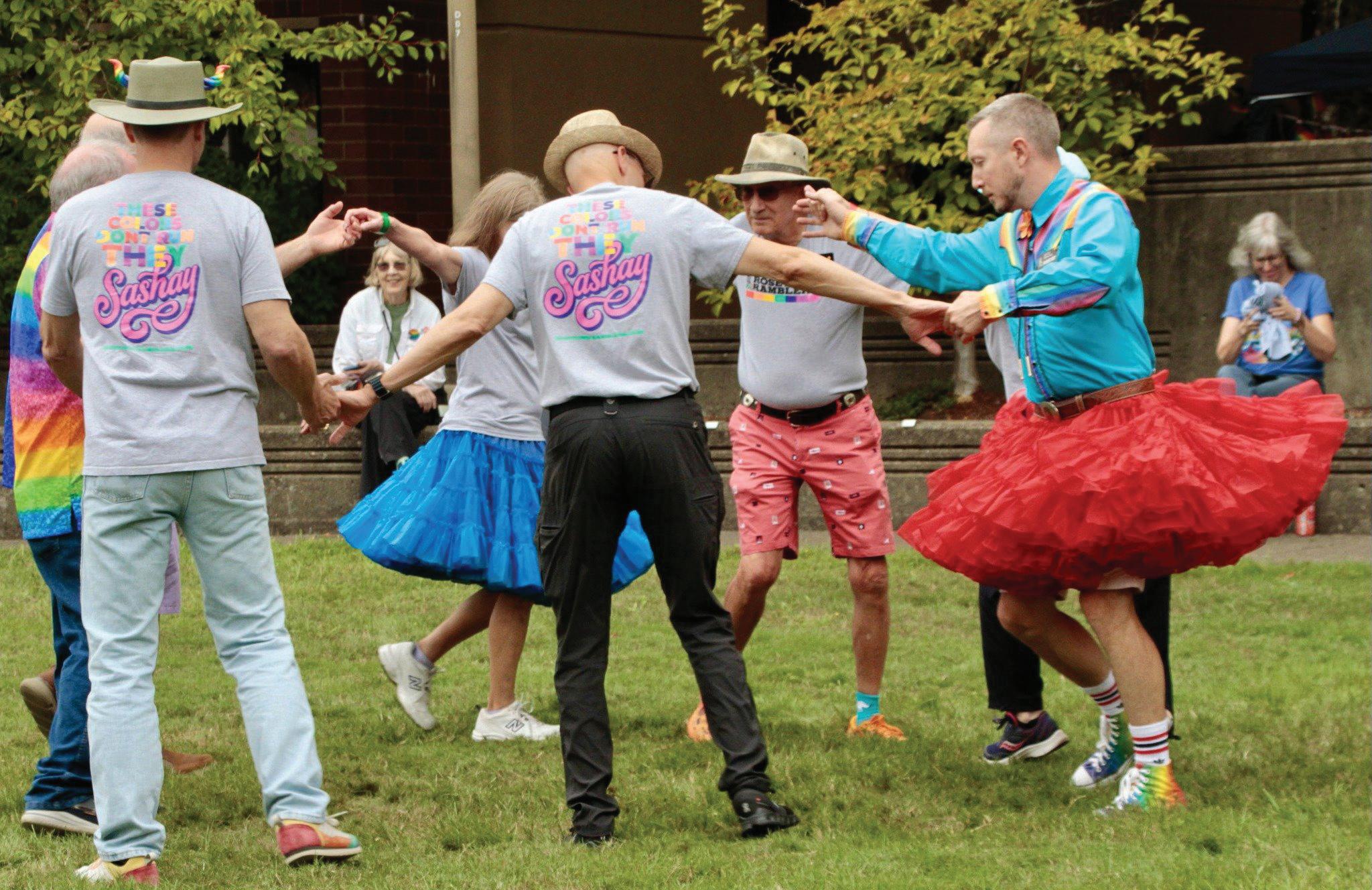
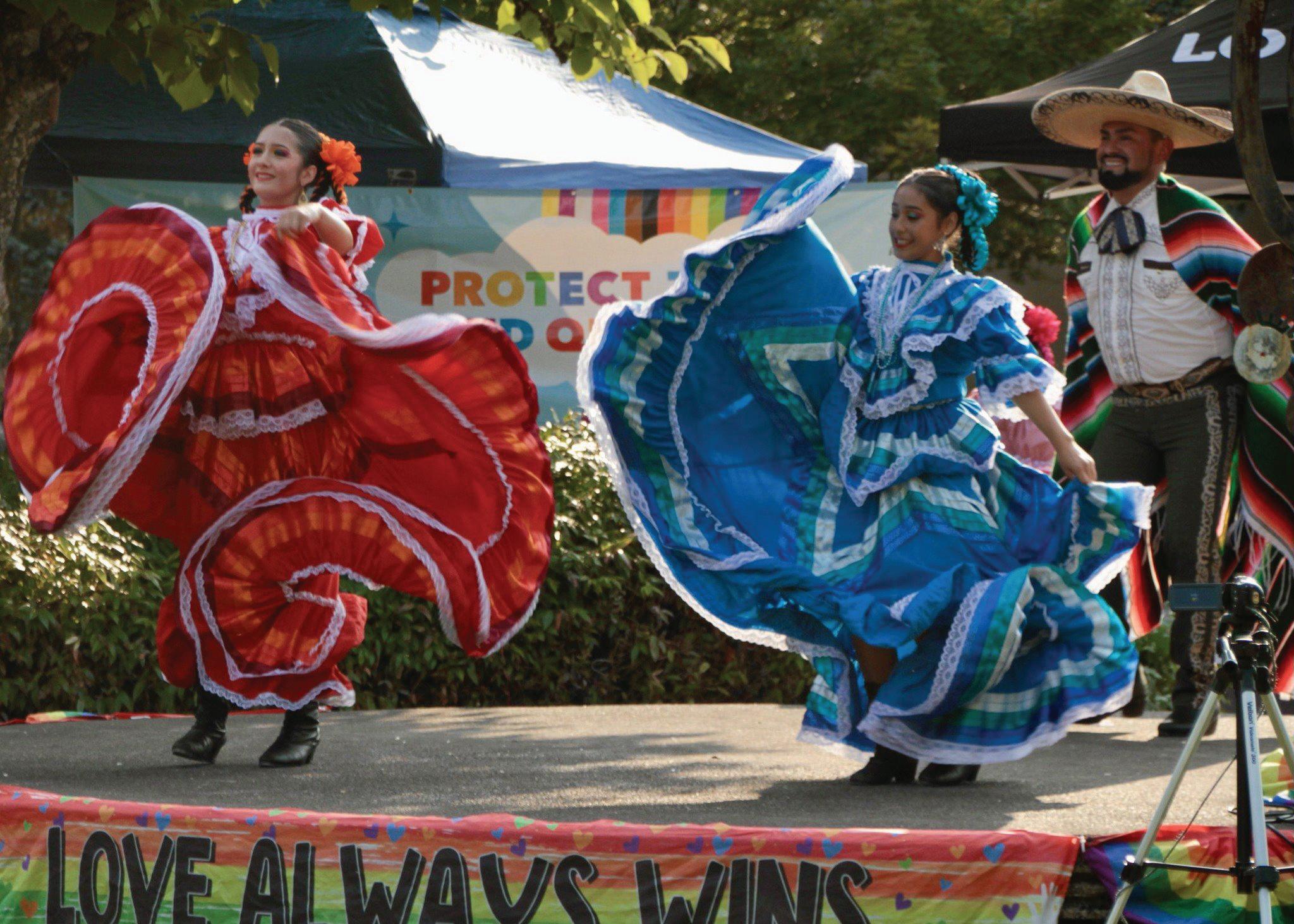
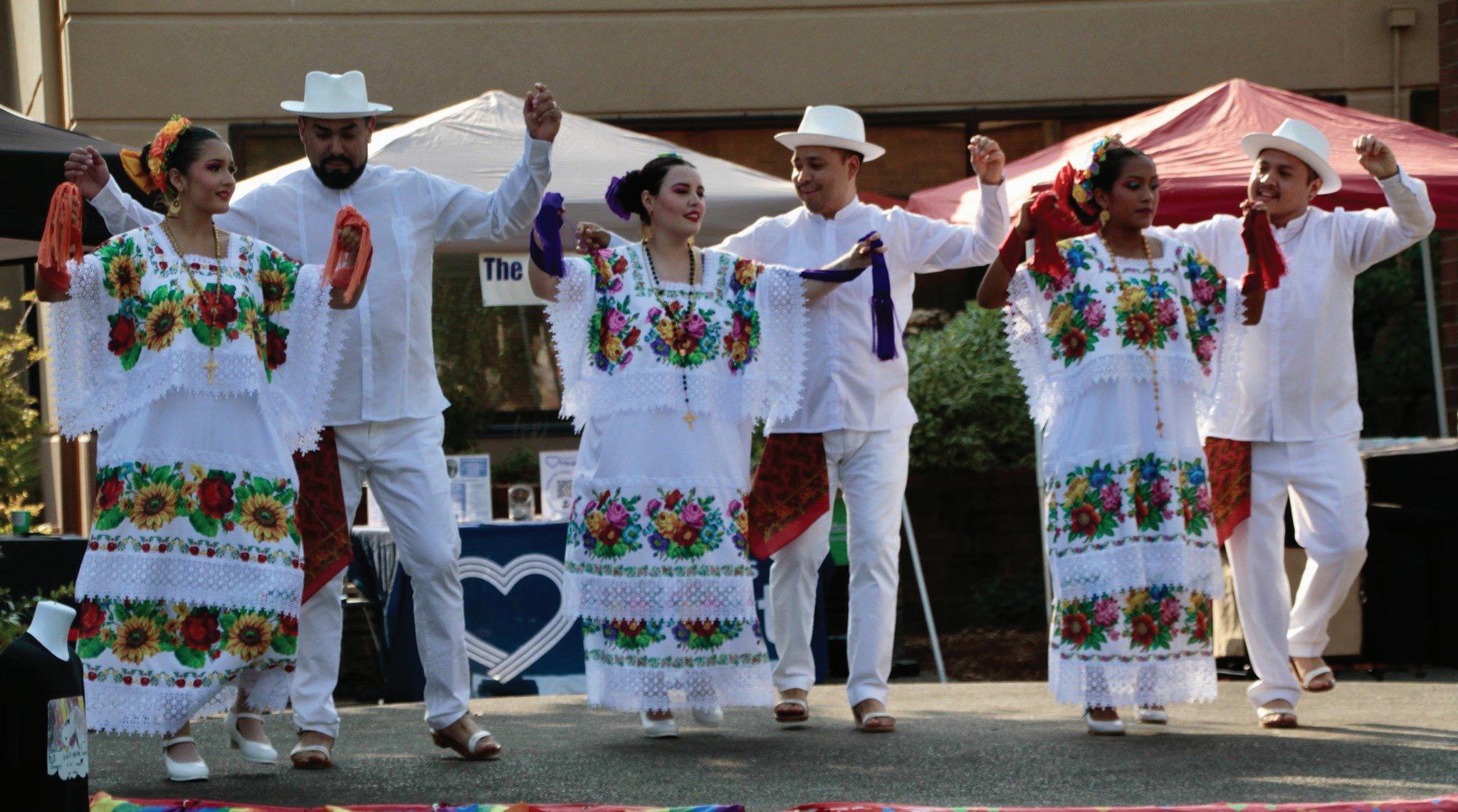
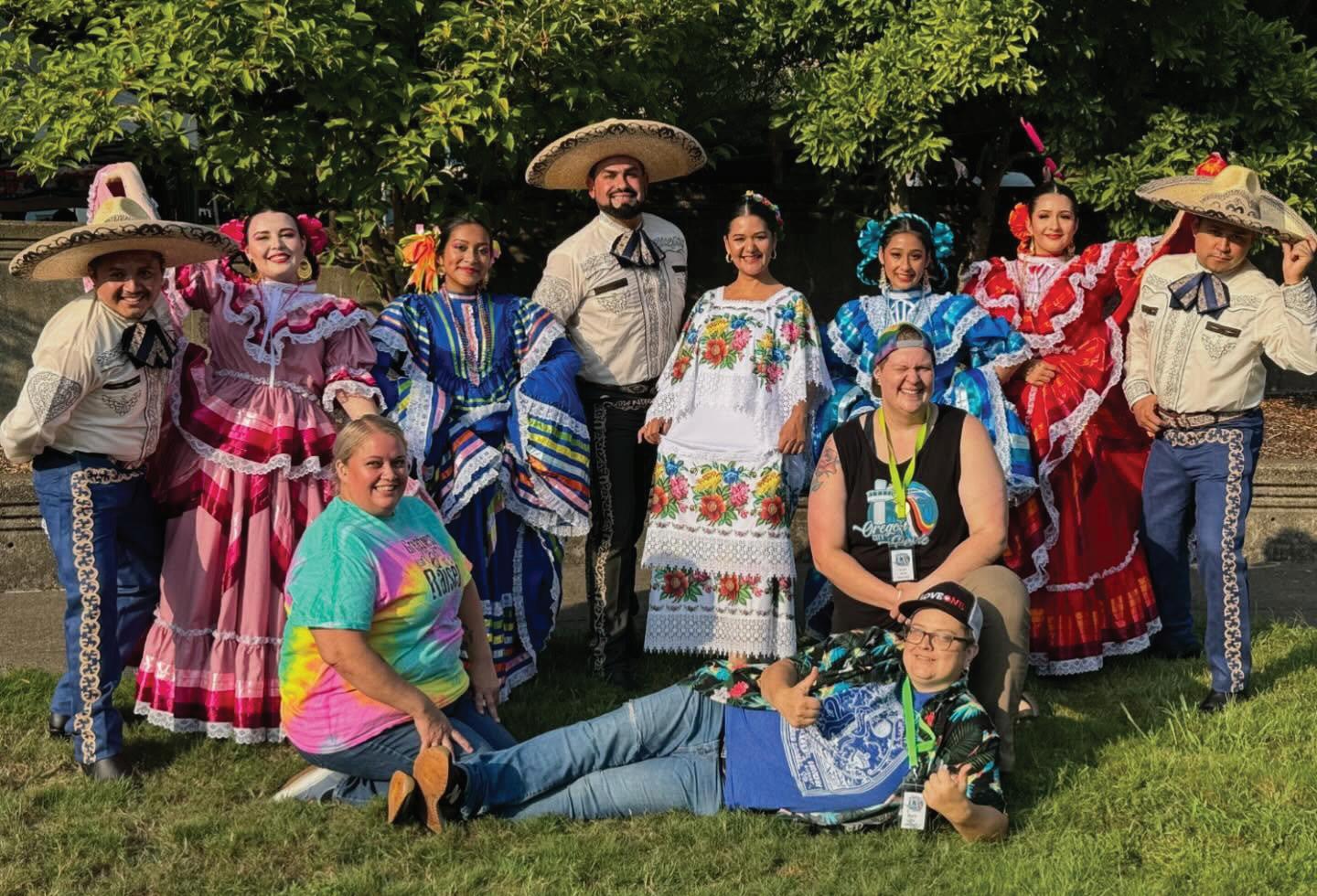
Horse Recovery, the program moved into a lively mix of country line dancing, cabaret, and square dance led by the Rosetown Ramblers. Highlights included singer-songwriter Jessie La Main, the electric Bria Kam Project, and the dazzling Ballet Folklórico Viva México Northwest, which brought Mexican dance traditions into the Pride spotlight.
For many, the day was about more than entertainment—it was about connection. Families picnicked on the grass, elders swapped stories of earlier struggles for visibility, and young people reveled in a space where they could be unapologetically themselves.
Organizers framed the festival as both a celebration and an act of defiance. “This isn’t just an event—it’s a powerful statement that love conquers all and that there is no room for hate in our vibrant community,” they said in the lead-up to the festival. Calls for volunteers underscored the importance of collective effort: from setting up the all-ages square
by Percy Laird
Performers at Oregon City Pride | Photo by Marty Davis
Oregon City Pride | Photo by Percy Laird
The Rural Queer Open Mic: A traveling show for stories, revelations, and visibility
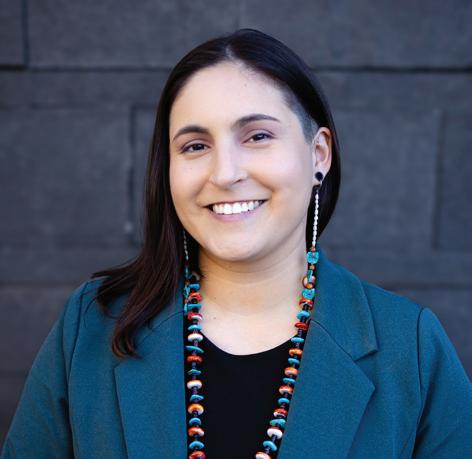
Marika & Dani
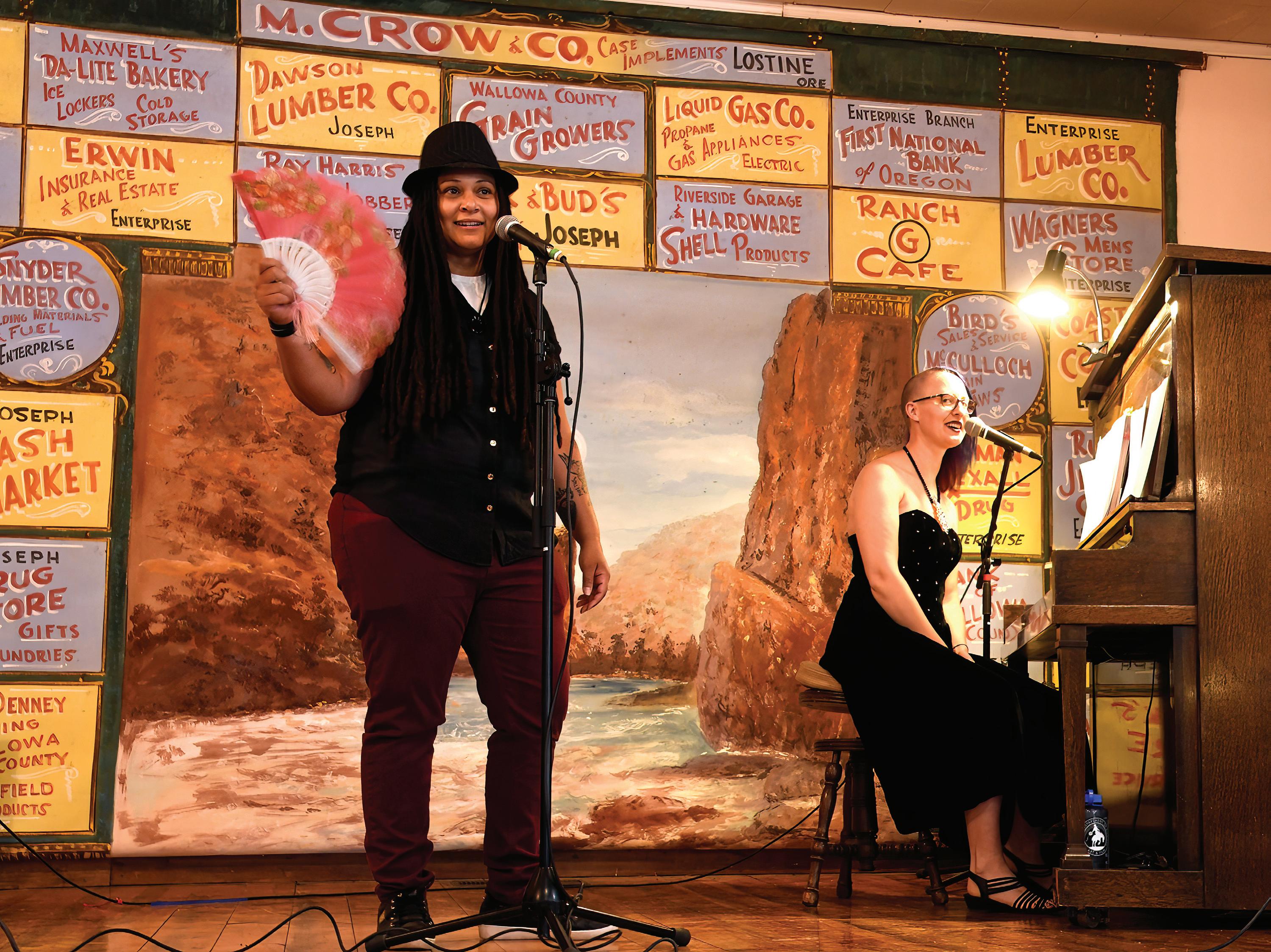
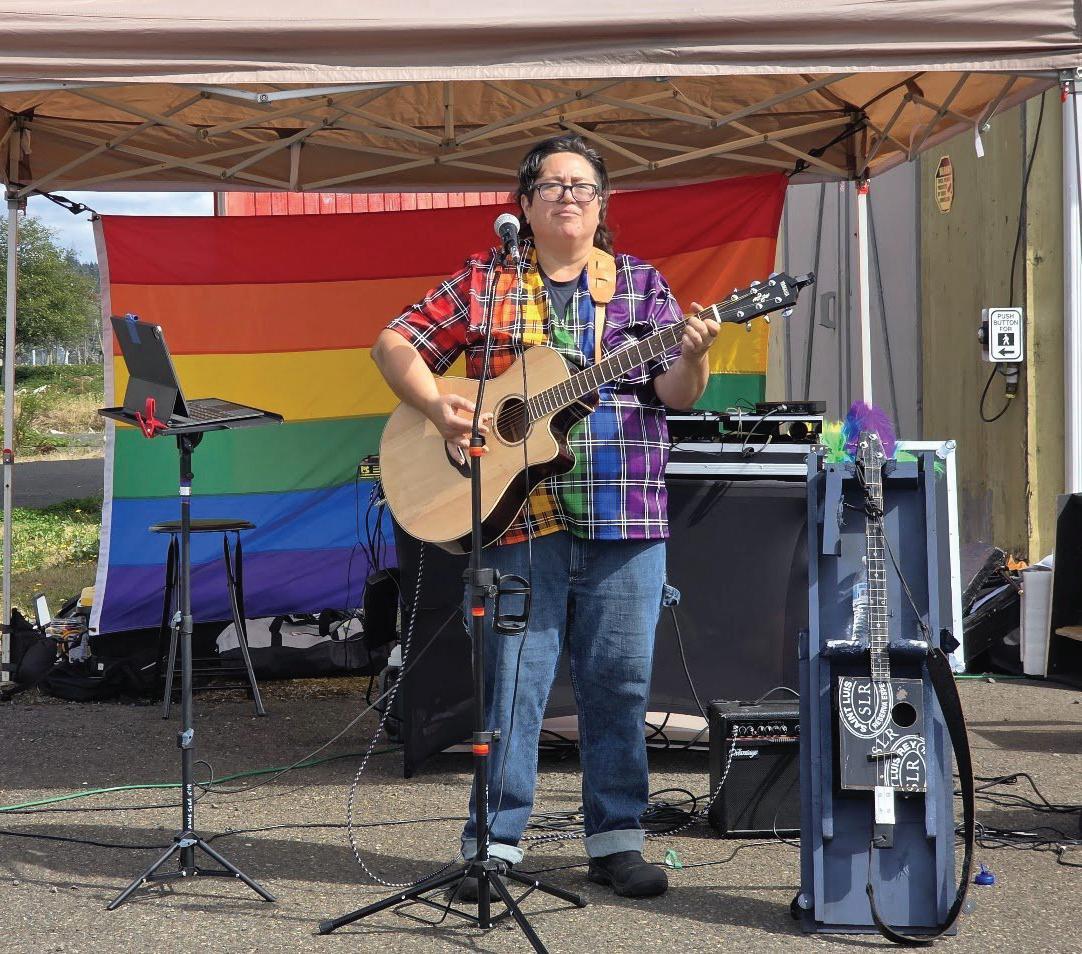
These tales are as real as can be. This is the Rural Queer Open Mic, a project by Marika Straw and cohosts AJ and Dani Savage, a traveling initiative that brings LGBTQ+ voices, creativity, and community building to towns where people often say such spaces could never exist
All in all, the Rural Queer Open Mic is an invitation to show the most simple, pure parts of yourself. By sharing those, we create environments in which people are more apt to be vulnerable, colorful and real.
by Nova Berger
Looking for stories of woodsy whimsy and being as gay (happy) as Miss Bennet from Pride and Prejudice? Even better: stories that come from your own town?
No, it’s not the new TJ Klune novel. These tales are as real as can be. This is the Rural Queer Open Mic, a project by Marika Straw and co-hosts AJ and Dani Savage, a traveling initiative that brings LGBTQ+ voices, creativity, and community building to towns where people often say such spaces could never exist.
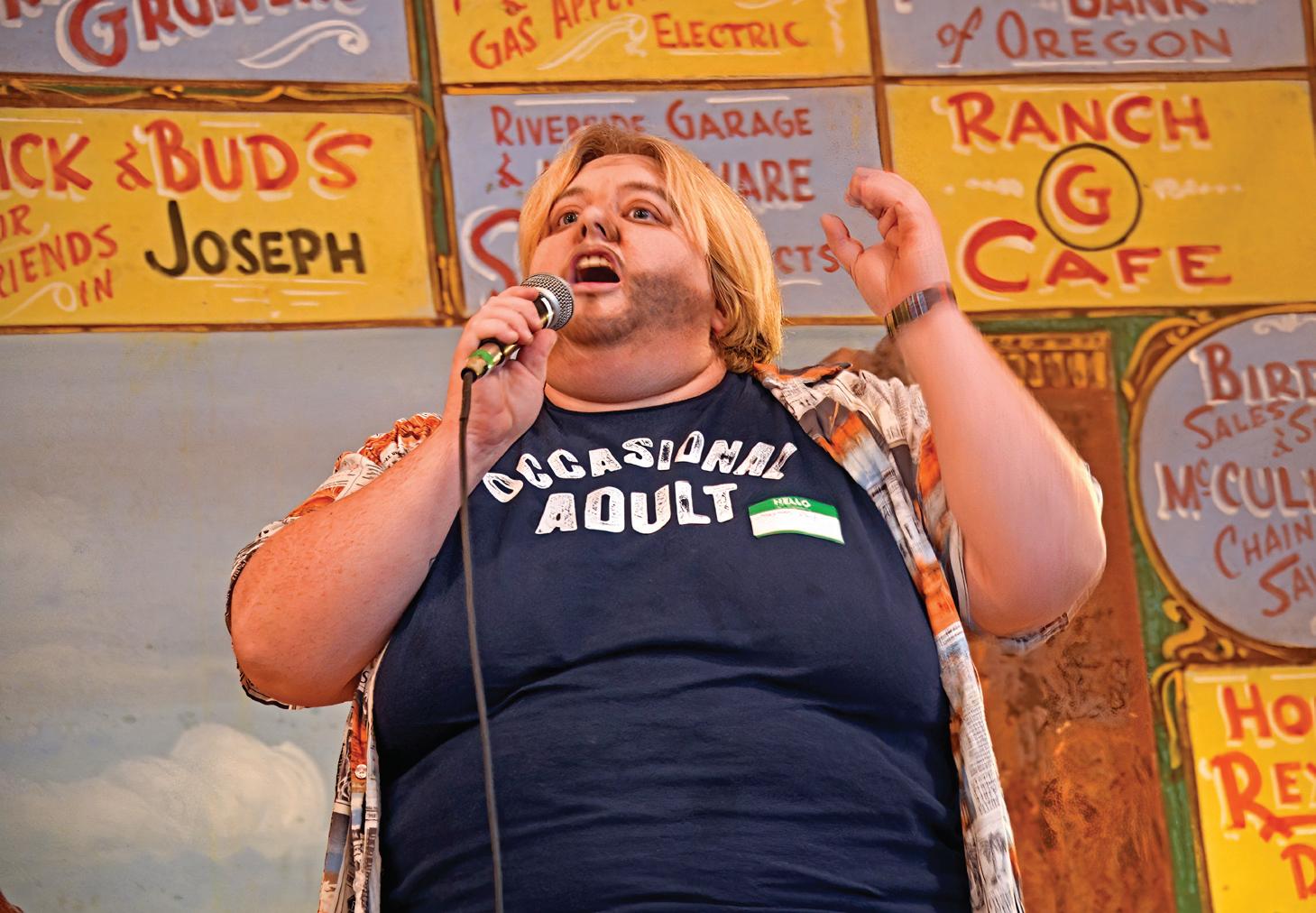
All friendly faces are welcome. The only rules revolve around creating a safe space through guidelines against racism, homophobia, transphobia, and other forms of xenophobia. In fact, Straw even says some people bring their pets (one time, a friendly guinea pig made an appearance!), so be sure to bring your whole motley, fluffy, and friendly crew to the next performance.
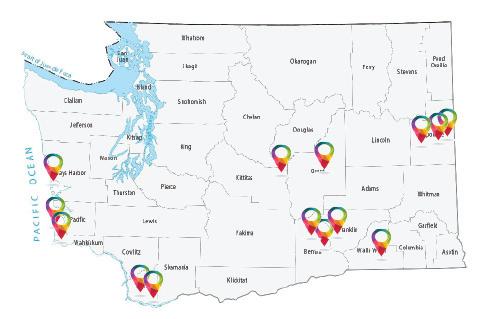
Over three weeks (July 7–26, 2024), the tour hit 11 towns, ranging in size from just over 2,000 to just over 33,000. From Wallowa County to Brookings, from Newport to Walla Walla, it popped up in Grange halls, straw-bale octagon farmhouses, art galleries, cultural centers, and even the basement of a Queer teen program. In total, 215 people (and at least one guinea pig, a kitten, and a magic white rabbit) came out to listen, sing, read, laugh, and dance. Their ages spanned from toddlers barely learning to clap to elders in their eighties who’ve seen it all before.
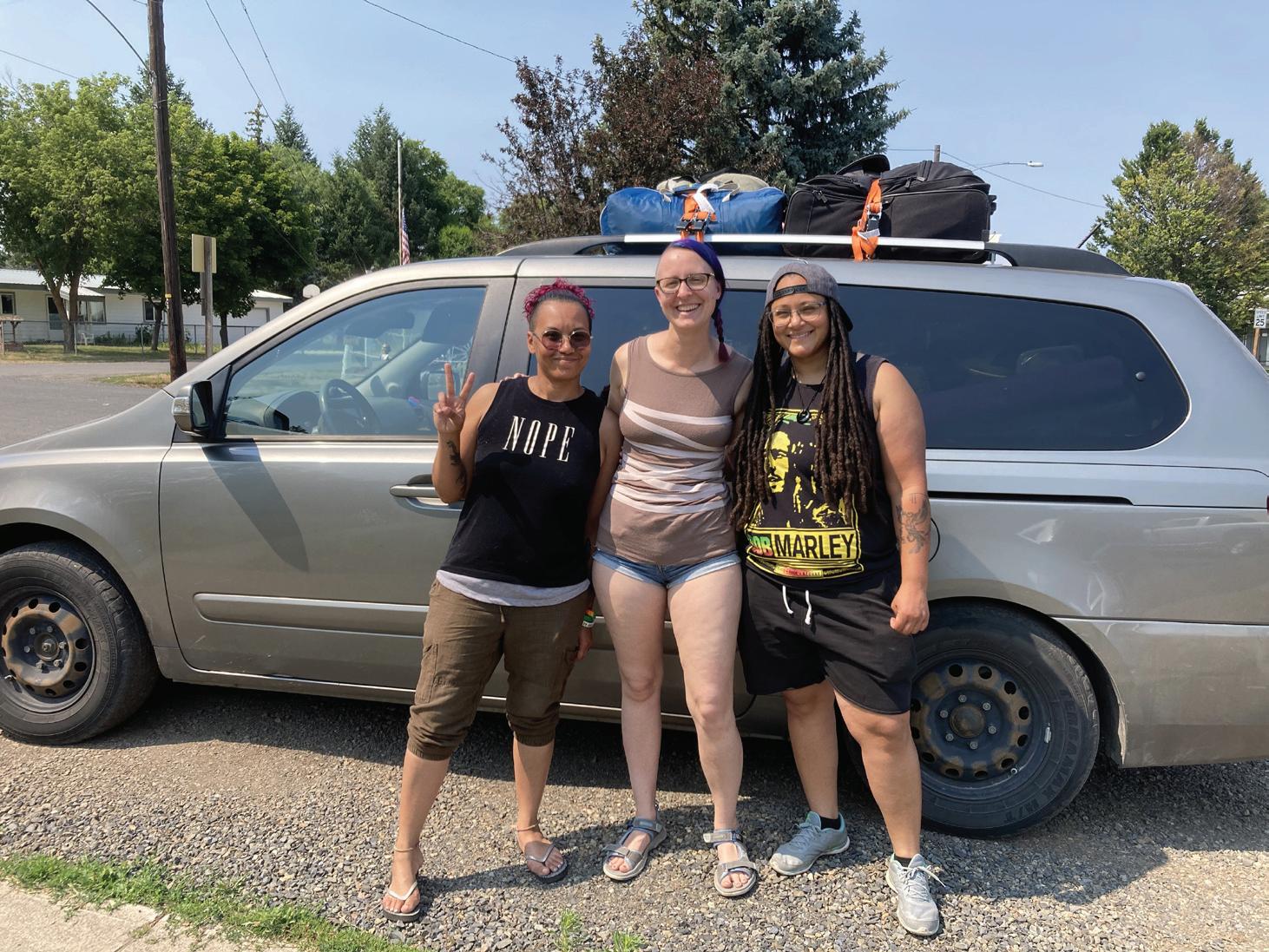
At the heart of the chaos were three humans, collectively known as “The Fruit Snaxxx”: Marika, tour emcee, van DJ, manager, heavy lifter, spontaneous detour guide, chronic oversharer, asker of embarrassing questions at the exact wrong time; AJ, merch queen, massage therapist, lodging scout, keeper of snacks, provider of perfectly timed one-liners, guardian of everyone’s posture; and Dani, van organizer, sound
QUEER OPEN MIC - To Page 11
Marlon Day, Wallowa County
OR CITY PRIDE - From Page 7
dance to supporting after-parties, community labor made the day possible.
As the sun set on Clackamas Community College, Oregon
City Pride 2025 closed with a simple but powerful truth: Pride here is more than a parade—it’s a testament to belonging, solidarity, and the promise of a future where joy is resistance.
Oregon City Pride | Photo by Percy Laird
Oregon City Pride | Photo by Percy Laird
Oregon City Pride | Photo by Percy Laird
Oregon City Pride | Photo by Marty Davis
Oregon City Pride | Photo by Marty Davis
Oregon City Pride | Photo by Marty Davis
Oregon City Pride | Photo by Marty Davis
Oregon City Pride | Photo by Marty Davis
REGIONAL PRIDE - Continued
GRAYS HARBOR - From Page 6
kept the energy flowing, with DJ sets, games, and community booths sharing resources and support for LGBTQIA+ people of all ages. Over 40 vendors brought all manner of goods.
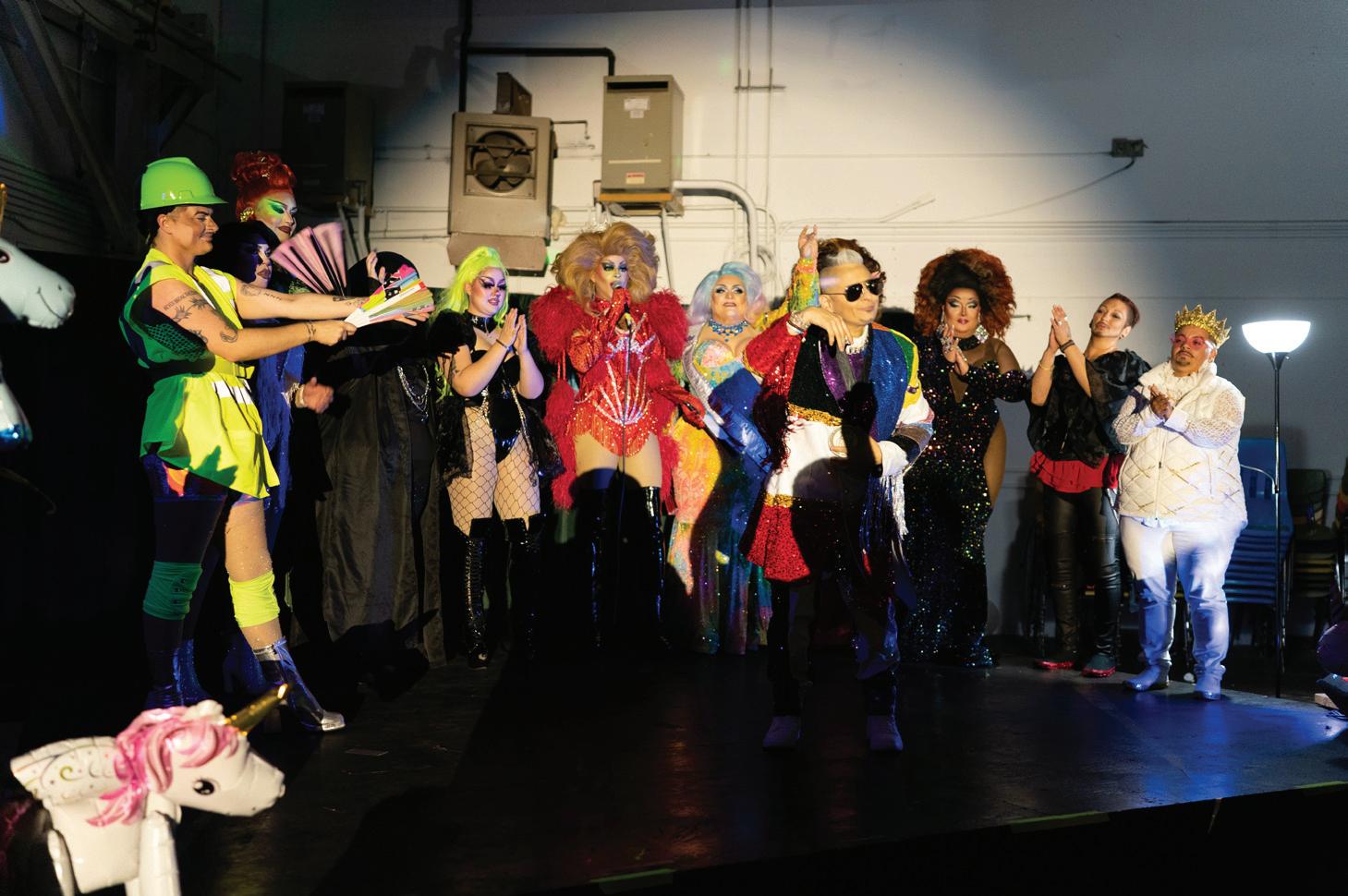
One of the most talked-about moments of the day was the inaugural Unicorn Parade. Children and adults alike donned horns, glitter, and flowing costumes to march through the festival grounds. The parade was whimsical, inclusive, and deeply Harbor in spirit—mixing fun with a clear message that everyone deserves space to shine. Prizes were awarded for creativity, but the real reward was the joy on the faces of participants and spectators alike.
Grays Harbor Pride and Pride Prom were not just about celebration—they were also about connection. Community organizations set up spaces to share resources, from health
services to youth mentoring. Parents and allies found each other in conversation, and new friendships sparked over shared dances and laughter.
As the evening wound down, many reflected on how powerful it was to see Pride celebrated so visibly in Grays Harbor. In a region often overlooked, the festival and prom offered a reminder: queer joy and resilience thrive everywhere, not just in big cities.
Grays Harbor Pride 2025 will be remembered not only for its music, parades, and dancing, but also for the way it brought the community together. It showed that Pride here is more than a single day—it’s a promise that love reigns, every day, on the Harbor.
Out & Proud Grays Harbor Coaltion can be found online at https://opghc.com.
Grays Harbor County Pride | Photo courtesy Grays Harbor Pride Committee
Performer Ana Sora Kim | Photo courtesy Grays Harbor Pride Committee
Drag King performer Ceaser Hart | Photo by Matt Cyphert
Drag Queen performer Crystal Jewel Box | Photo by Matt Cyphert
Drag Queen performer Melody Volt Pradisco | Photo by Matt Cyphert
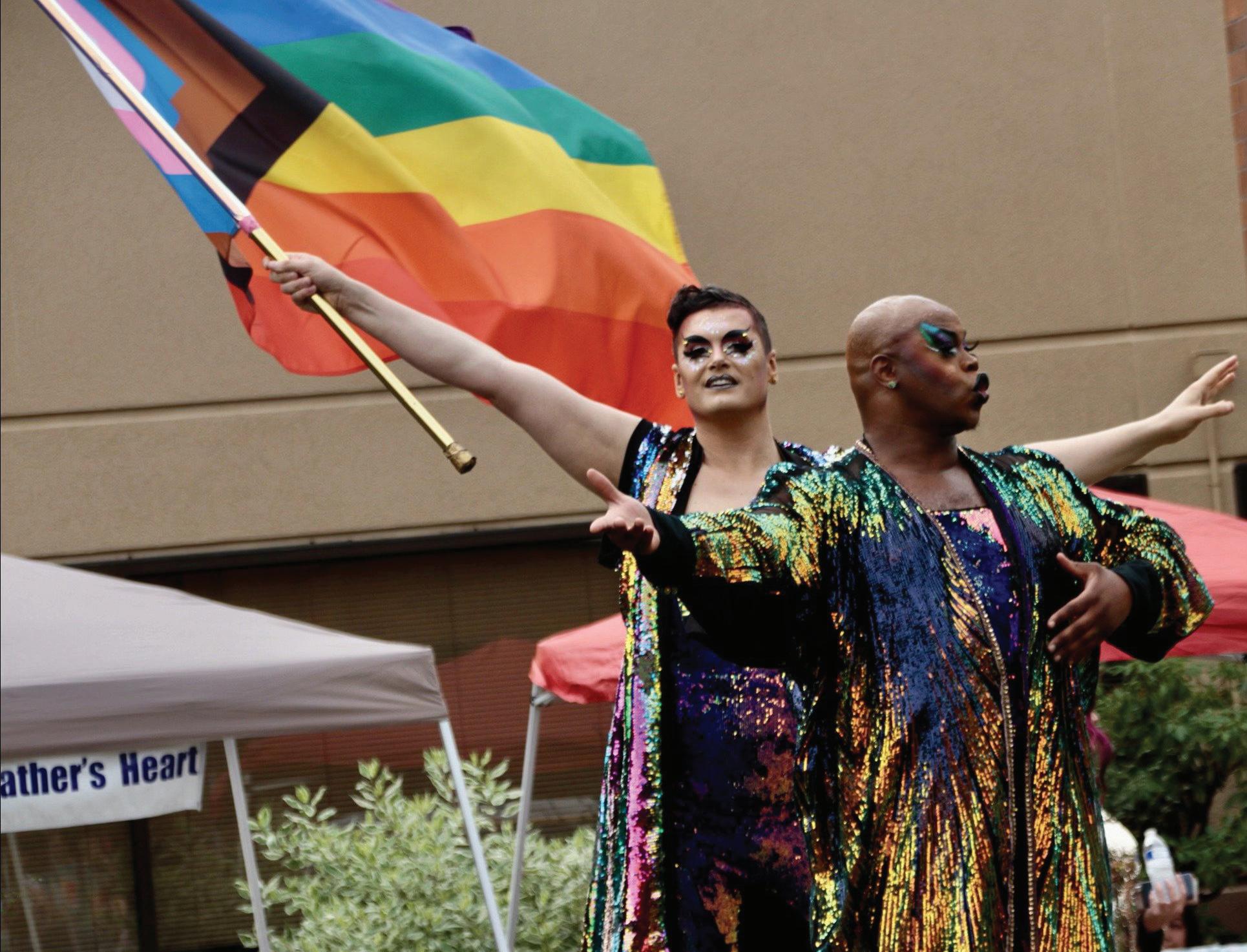
Grays Harbor County Pride performers | Photo by Matt Cyphert
QUEER OPEN MIC - From Page 8
wrangler, safety planner, country driver, eye-roller-in-chief, getterof-Marika-to-shut-up. Together, they schlepped gear, wrangled sound, stretched budgets across the state to make rural Queer magic happen.
And you can help that magic happen again in 2026!
Marika is working on reinstating the tour for the upcoming year, but they need some support. Marika says they are seeking new tour partners, collaborators, and facilitators, who must be Queer and live in rural areas. Potential collaborators who are BIPOC are especially encouraged to reach out to ruralqueeropenmic@gmail.com.
The vision
The idea was simple: create spaces in small towns where Queer people could gather, perform, and be seen. “Every single one was beautiful and unique,” Marika said.
Each night followed a rhythm:
• A local opener, paid for their time
• An open mic for music, poetry, storytelling, and comedy
• A “collaborative storytelling” activity with a happy Queer story (with the motto “If it’s not happy, it’s not over yet”)
• Anonymous question prompts read aloud onstage
• Chair massage by AJ, for a donation
• A closing set by Marika
When Marika was young, especially in spaces where LGBTQ+ narratives weren’t necessarily the norm, they craved that space for creativity unchallenged. After coming out, Marika actually made the decision to move back to Wallowa County, the rural area where they grew up.
“People told me I couldn’t/ shouldn’t move back to my rural home after coming out. Making sure that queer people can belong and be at home in rural places is the part that I’m stubborn about.”
But that stubbornness paid off. Marika was able to launch their own music career in their hometown, where they felt less pressure than in a big city.
“I’m Nonbinary, and it is a huge
challenge to be properly gendered while performing, especially in the rural spaces I am in most often,” they said. “It’s also regularly stressful to discern what commentary about my music will be safe and comfortable to share and what will not in specific spaces or at specific venues. The Rural Queer Open Mic was also a space for me to practice performing my own music and sharing the real stories behind my Queer love songs in a safe, affirming environment.” (Be sure to catch some of Marika’s tunes at https://marikastrawmusic.com.)
The shows
Each stop had its own flavor:
• Wallowa County: A blue silk shirt, a platypus love story, and a ring pop with blue lips.
A collaborative story turned delightfully weird, capped off with the now-infamous line: “Thank you for once again caring about the moisture on my body.”
• Ontario: The smallest but possibly most unforgettable crowd: twelve teens and three adults. The highlight? A performance of “Banana Man,” complete with backup dancers, followed by karaoke of Chappell Roan’s “Pink Pony Club.” Someone even asked (anonymously, of course), “Did you meet the cutest t-girl in Ontario?”
• Walla Walla: The biggest show of the tour. Forty to fifty people packed into a gallery, plus a fashion show with hand-painted jackets, a set from Clownfetti the DJ, and more poetry than anyone expected — including verses in Spanish. Healing, catharsis, joy — all in one room.
• Brookings: On a foggy coastal night, a teen showed up with
a newborn kitten; the opener played her first-ever gig, watched proudly by her parents; a Lesbian poet read to her lover and sealed it with a kiss under the tour banner; and somewhere in the crowd, someone decided to start a Queer soup potluck.
• Newport: At the Performing Arts Center, by the end of the night, ten people had walked into the building for the first time, and at least one left dreaming of starting more participatory art events.
• Astoria: Sweetest moment of the tour: a coming-out celebration for a teen named Hope, complete with cheering, hugging, and more than a few tears.
• Welches: The smallest show of all, just a handful of folks in a coffee shop. Proof that numbers don’t matter nearly as much as stories told.
The stories
If the tour had a currency, it wasn’t ticket sales or merch. It was stories.
There were the collaborative ones: fairy tales about Gay fairies founding GSAs, or platypuses falling in love. There were anonymous questions, ranging from serious to ridiculous: “What’s your favorite pickup line?” “Are you giving or receiving?” “Is my lipstick messed up?”
There were personal revelations: Someone said, “I felt most Queer when I was pregnant.” Another said, “I hadn’t seen anything explicitly Queer in nine days” and pulled their car off the Oregon Coast highway just to come in. A teen in Brookings quietly realized they weren’t alone.
And then there were the absurd moments, the ones that stitch a tour together: Dani cracking crab in a hotel bed. Eggs sliding off the van roof. A bear wandering outside the bar after a show. Marika yelling “Are you single?” at the exact wrong time.
By the numbers
• 11 towns across Oregon and Washington
• 215 attendees total, aged 2 to 80+
• Populations ranged from 2,071 (Cave Junction) to 33,339 (Walla Walla)
• Funding: $5,000 from the Pride Foundation, $2,500 from the Oregon Community Foundation, $1,355 in private donations, plus in-kind support (sound system, van use, lodging, meals, pet care, herb bundles, and more)
• Zines: 50 copies of 2SLGBTQIA+ sex ed zines donated to each location
The lessons
Marika said some lessons from the trip were logistical: The van was too small. Never, ever put the mics in front of the speakers. Rest days matter.
• Rural Queer people don’t just need city-based events. Sometimes, the most radical act is showing up where no one expects you.
• Joy multiplies. A soup potluck idea was born in Brookings. Artists played their first gigs and left with confidence to keep going.
A year later
Already, some of the spaces that hosted the open mic have shifted or closed: The apothecary in Brookings, a Queer youth program outside Portland, a shop in Astoria. The rural Queer community remains fragile, underfunded, stretched thin. But the connections remain: organizers reaching out months later, friendships formed, a PrideFest booking on the coast, the ripple effect of being seen.
In the end, the Rural Queer Open Mic tour wasn’t about
QUEER OPEN MIC - To Page 12
Marika, AJ and Dani
REGIONAL - Continued
QUEER OPEN MIC - To Page 11
perfect shows or packed houses. It was about gathering people. It’s a reminder to all of us that sometimes we don’t need words to share emotions. Sometimes performers and audience members didn’t even speak the same language, but it was clear that everyone in the room was there to appreciate the beauty of others’ stories, and hopefully be able to understand their own better along the way.
It’s also a reminder that performance doesn’t have to be
perfect, that sometimes even what seems like the darkest parts of us can create something beautiful. It’s a reminder that there should be spaces to channel one’s creativity and identity wherever you go, and that that identity can be understood.
How
you can help
You can support the Rural Queer Open Mic by following and sharing their work on Instagram @ruralqueeropenmic, donating via Venmo or PayPal through their Linktree, or contacting
ruralqueeropenmic@gmail.com if you’d like to contribute in a larger way.
They’re also looking for host groups and locations (mostly in Oregon, Washington, and Idaho, though they’re open to suggestions), as well as new Queer rural partners, collaborators, and facilitators, especially BIPOC people. If you’re interested, you can connect with them by email or DM.
The magic
All in all, the Rural Queer Open Mic is an invitation to show the most simple, pure parts of yourself. By sharing those, we create environments in which people are more apt to be vulnerable, colorful and real.
So sometimes, all it takes is a wandering rabbit, a ringing chime, and a messy emcee shouting too loudly into a mic to remind us: rural Queer life is alive, and its stories are only waiting to be told.
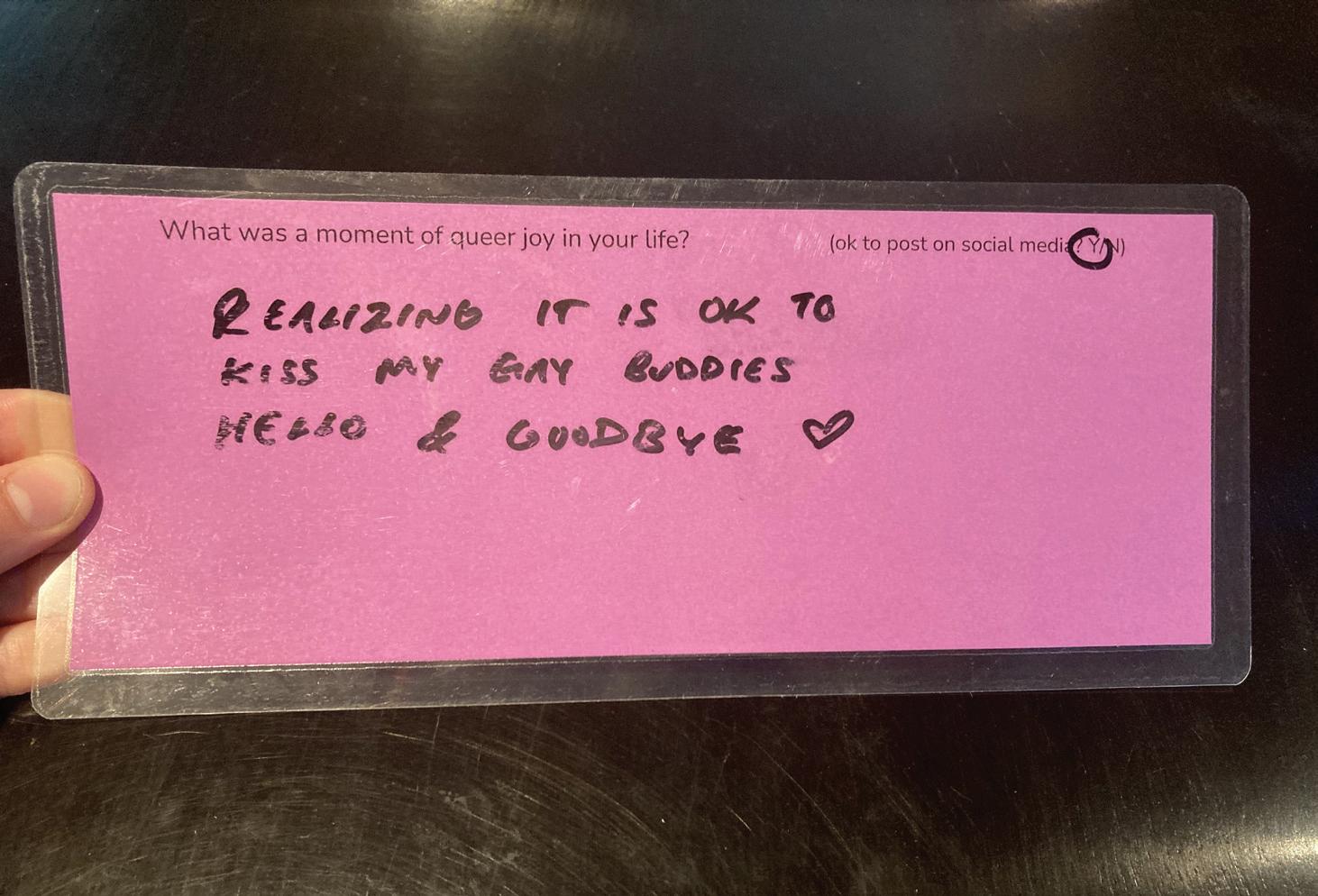
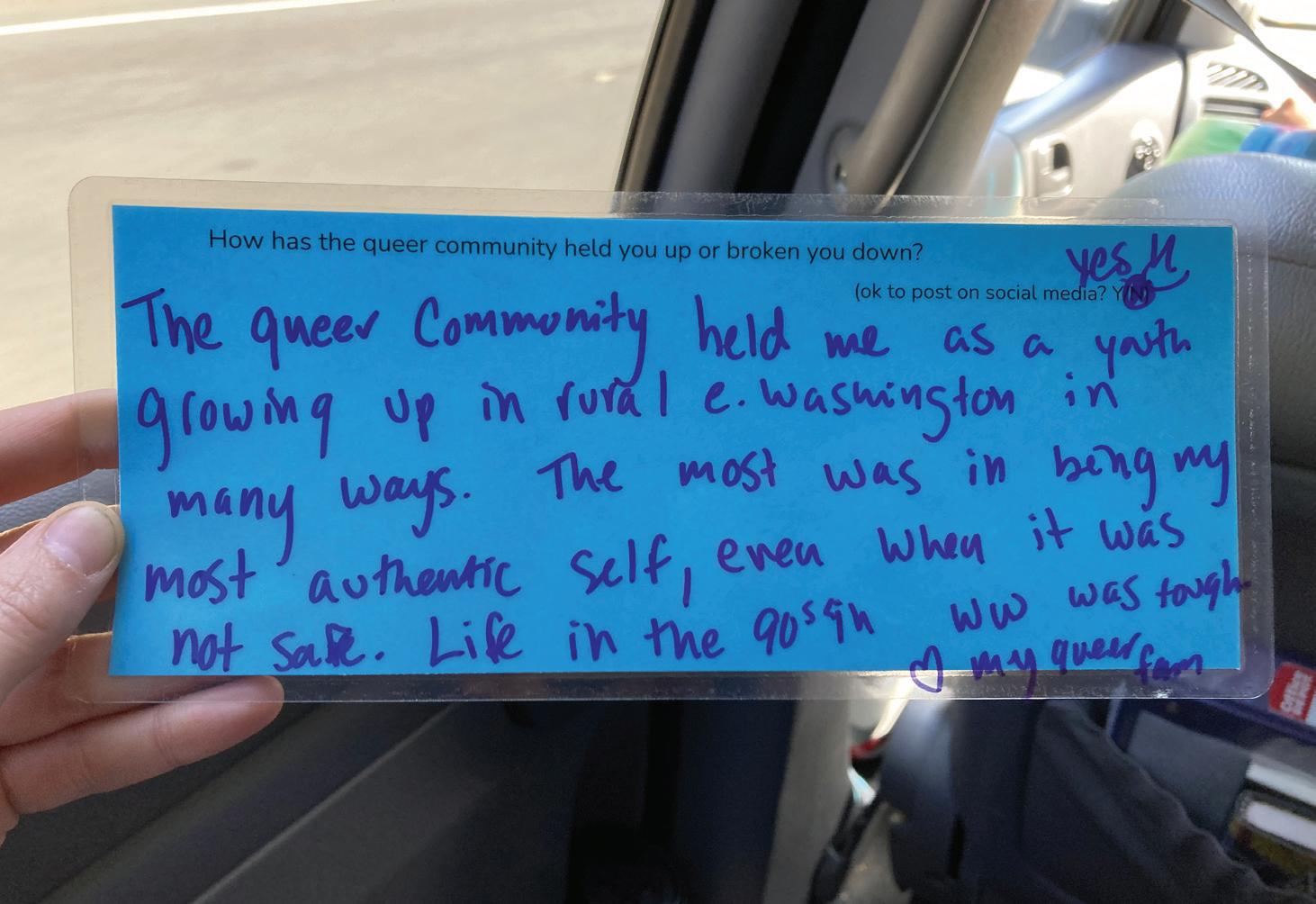
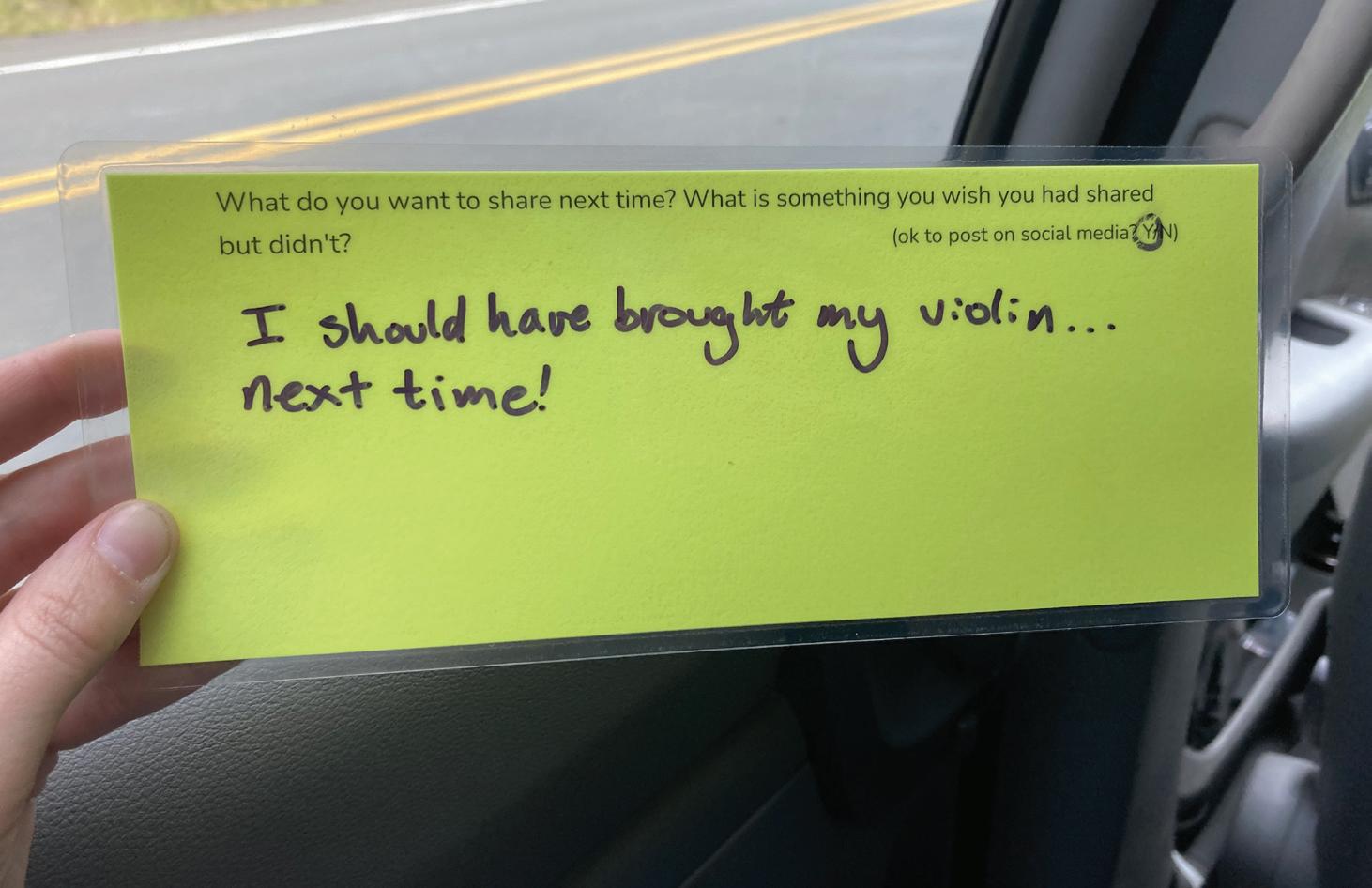
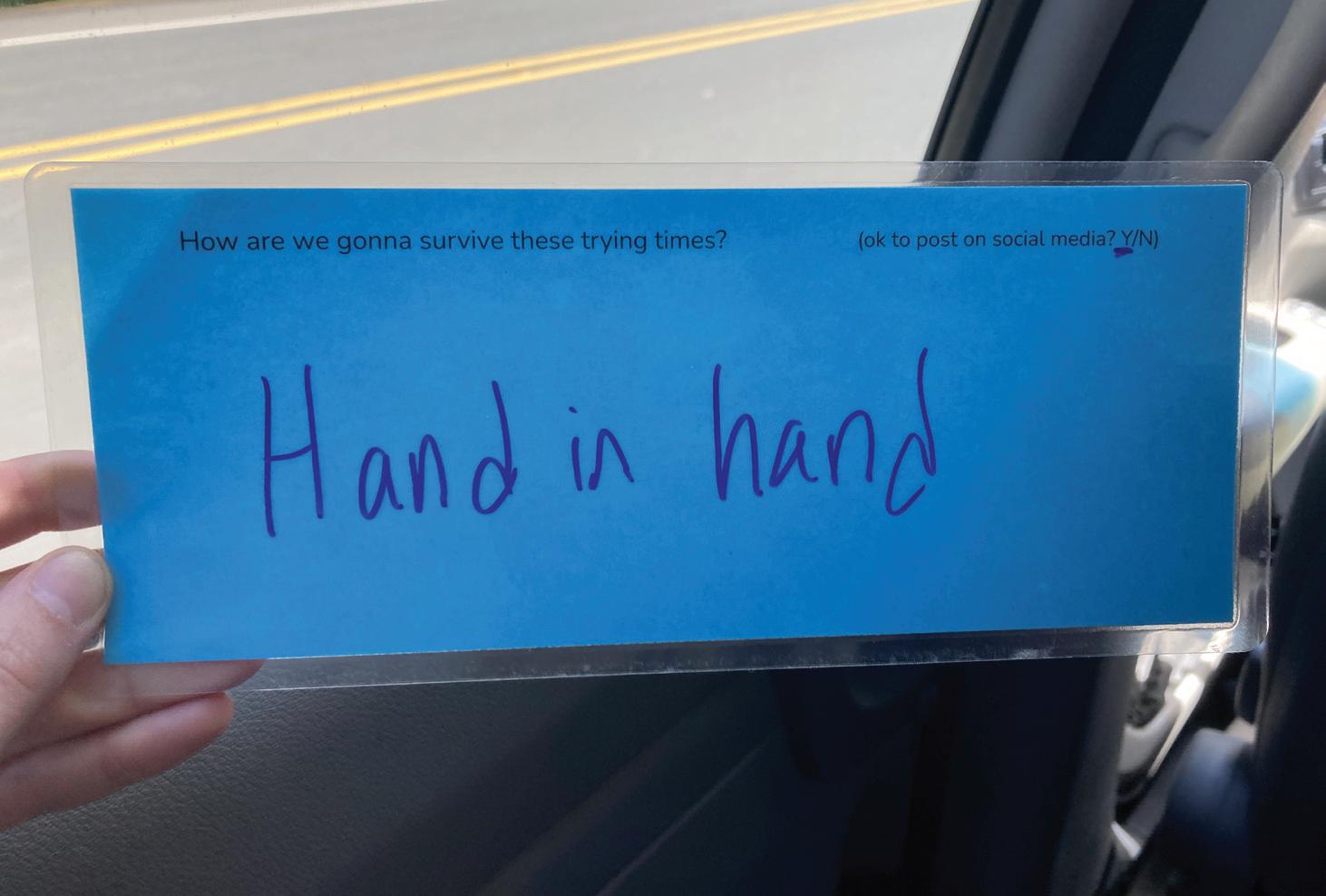
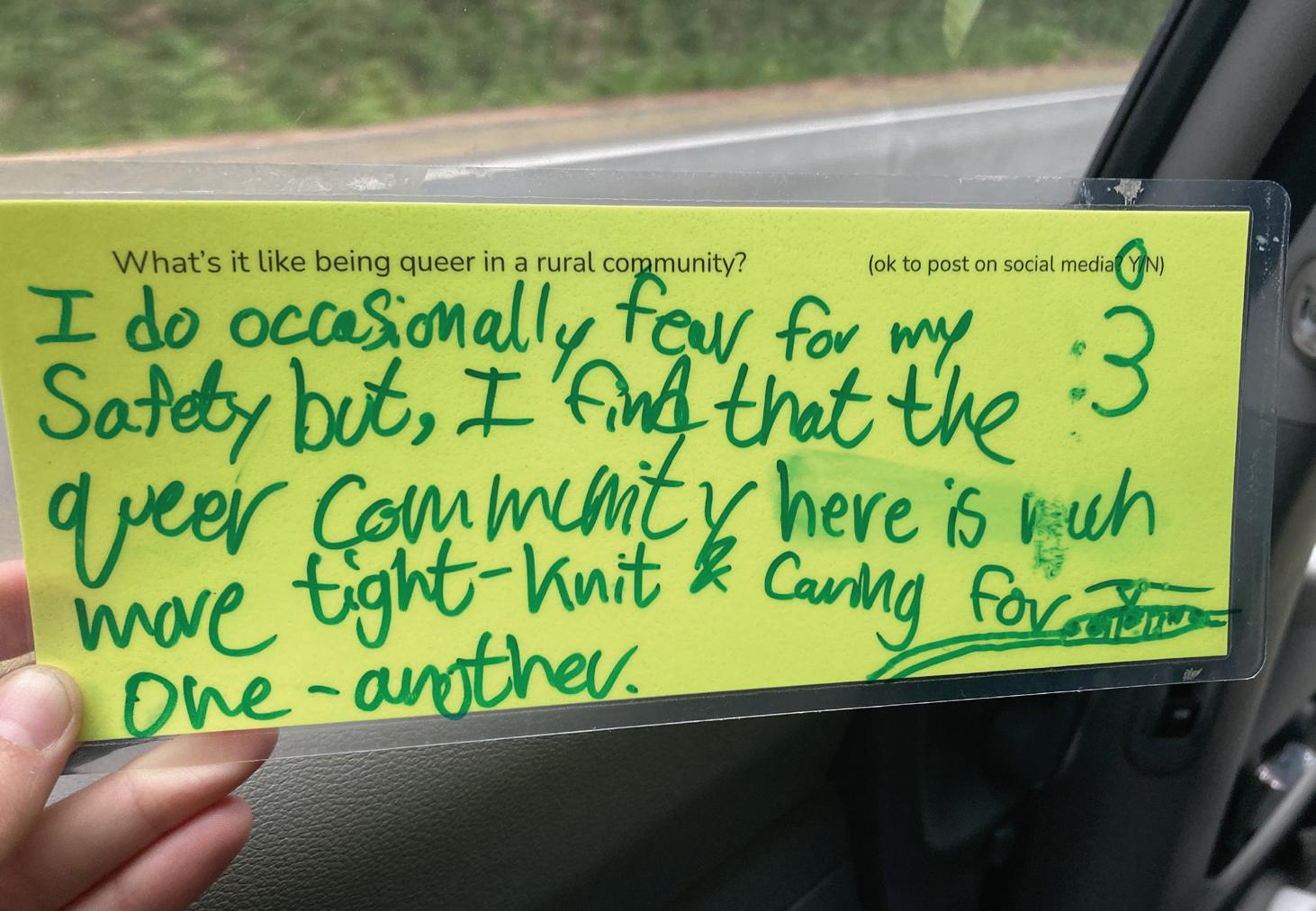
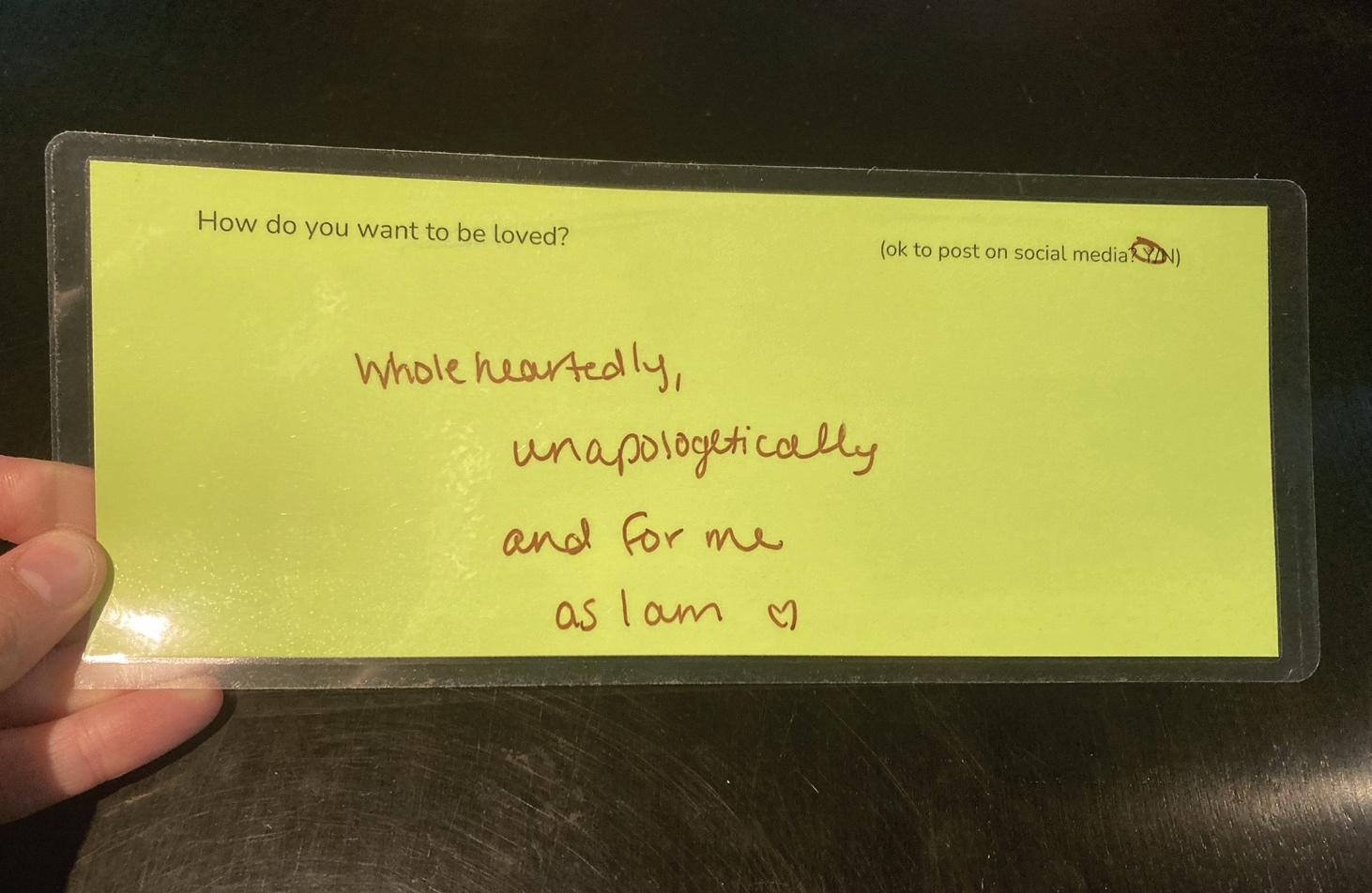
Photos below: responses to questions during the tour.
The Transgender “threat”: We’ve seen this deceptive pattern before
“We’ve seen this before. We will see the arc of history bend toward justice again. But until then, it’s up to us to keep showing up, speaking out, and spreading love louder than the hate.”
By
When you look at the way transgender people are being targeted today, it might feel confusing since they make up only about 1% of the U.S. population.
But history gives us a clear pattern: this isn’t new. Politicians and leaders on the right have often focused on small minority groups, framing them as a “threat,” to stir up fear and rally their base.
Back in the 1970s, Anita Bryant’s “Save Our Children” campaign spread the idea that gay people were dangerous to kids. That language should sound familiar - it’s nearly identical to what we hear today about transgender youth in schools, libraries, and sports. The strategy was simple: take a misunderstood group,
attach fear to it, and use it to mobilize voters.
In the 1980s and 90s, the AIDS crisis was weaponized to stigmatize gay men. Instead of compassion or support, the right framed LGBTQ+ people as a public health threat. It was a way to deflect attention from systemic failures while fueling fear of an already marginalized group.
By the 2000s, marriage equality became the new “culture war” battleground. We heard endless rhetoric that letting same-sex couples marry would “destroy families” and “ruin society.” It was another wedge issue designed to polarize voters and win elections. But what happened? Over time, the scare tactics lost their power as more people came to know and love LGBTQ+ family members, neighbors, and
coworkers. Today, support for marriage equality is higher than ever.
Now we see transgender people being targeted in exactly the same way. The talking points - about bathrooms, sports, and healthcare for youth - are just recycled versions of “protect the children.” Politicians are using this small, vulnerable group as a stand-in for broader cultural anxieties, hoping fear will win them power. Instead of focusing on healthcare, jobs, or policies that affect millions, they distract the public with “bans” and “restrictions” aimed at less than 1% of the population.
It’s important to see the pattern:
• Take a marginalized group.
• Portray them as a danger to kids or families.
• Use fear-based messaging to gain political ground.
• Let real people suffer while the headlines and campaign ads roll in.
History also shows us something else: these campaigns don’t last forever. As visibility grows and as more people get to know transgender individuals in their own families and communities, fear loses its grip. Just like with marriage equality, acceptance will grow - but the harm being inflicted right now is very real.
That’s why our work matters so
much. Every hug, every card, every meal shared, every story told - it all chips away at the lies and replaces them with truth, compassion, and love. The Real Mama Bears community knows from lived experience that when kids are loved and affirmed for who they are, they thrive. And when society learns to see transgender people as neighbors, friends, family members, and beloved children of God, the scare tactics lose their power.
We’ve seen this before. We will see the arc of history bend toward justice again. But until then, it’s up to us to keep showing up, speaking out, and spreading love louder than the hate.
Together we can change the world.
Liz Dyer is founder of Real Mama Bears, supporting and empowering families with LGBTQ+ members and advocating for the LGBTQ+ community. Learn more at https://www. realmamabears.org
Liz Dyer, founder of Real Mama Bears
LGBTQ+ Equality
Weekly National Headlines
by Fabrice Houdart
US News
M Gessen: Lessons From Exile
In a searing New York Times opinion column, M Gessen reflects on the frighteningly familiar sensation of watching a democracy unravel into authoritarianism. Drawing parallels between today’s United States under Trump and their exile from Russia, Gessen describes the erasure of trans lives, the silencing of dissent on campuses, and the weaponization of fear through lists and investigations. The suspension of Jimmy Kimmel’s show in favor of a memorial to Charlie Kirk, they argue, is emblematic of a nation being remade in cruelty’s image.
Stephen Miller’s eulogy for Charlie Kirk
You have to watch this. Stephen Miller’s eulogy was less a remembrance than a declaration of ideological war. Miller portrayed Trump’s opponents as inherently wicked, promising their annihilation with the full weight of Western civilization behind him. It will give you chills, you‘ll want to take some Tylenol, but might also reignite your determination to help develop our strategy.
Trump Administration Petitions
SCOTUS On Anti-Trans Passport Policy
The Trump administration has asked the Supreme Court to reinstate a ban preventing transgender Americans from listing their gender identity on U.S. passports. The emergency appeal follows a lower court’s nationwide block of the policy, which also removed the “X” gender marker. Solicitor General D. John Sauer defended the ban as “biologically based,” while LGBTQ+ advocates denounced it as part of a broader attack on trans rights. This marks the administration’s 27th emergency appeal to the Court—and another flashpoint in its escalating campaign against trans inclusion.
Boston Hate Crime Investigation
September 24, 2025
On September 13, a gay couple walking on River Street in Boston’s Mattapan neighborhood was attacked by a group of men hurling anti-gay slurs; one victim was struck in the head with a baseball bat and hospitalized. Police are investigating the assault as a possible hate crime, with the Boston Police Department’s Civil Rights Division leading the case. No arrests have been made. See here.
Maddow Confronts Harris Over Buttigieg Snub
In her first major interview to promote her new book 107 Days, Kamala Harris revealed that she once viewed Pete Buttigieg as her top pick for VP — but ultimately rejected him because she believed a ticket pairing a Black woman and a gay man would be “too big of a risk.” On MSNBC, Rachel Maddow challenged Harris: “To say that he couldn’t be on the ticket effectively because he was gay — it’s hard to hear.” Harris pushed back, insisting it wasn’t prejudice but political caution under intense time pressure. Buttigieg later countered that they never discussed such limitations, and that voters deserve more credit than that assumption.
SCOTUS and Marriage Equality
A comprehensive timeline reveals every strategic move by antiLBGTQ+ groups toward their ultimate goal: convincing the Supreme Court to reverse Obergefell v. Hodges. From Kim Davis to the Southern Baptist Convention, some believe the machinery is in place for a potential 2026 decision.
Bipartisan Bill Seeks to Restore LGBTQ+ Youth Crisis Line
Senators Tammy Baldwin and Lisa Murkowski (a Republican Senator from Alaska) have introduced bipartisan legislation to permanently establish the 988 crisis line’s specialized services for LGBTQ+ youth after the Trump administration ended the program in July, affecting 1.5 million contacts since 2022. Details in The Advocate.
Log Cabin Republicans Double Down on Trump Support
The nation’s largest LGBTQ+ conservative group maintains enthusiastic backing for Trump despite his administration’s antitrans policies, with new leadership praising his “course correction“ against “gender-obsessed” policies while claiming the party has moved beyond culture wars. According to The Advocate.
Queering the Boardroom
Next Wednesday: Webinar With Geoffroy van Raemdonck
Next Thursday, the Association of LGBTQ+ Corporate Directors is sitting down with a boardroom powerhouse: Geoffroy van Raemdonck—former CEO of Neiman Marcus Group and current board member at Moncler & Exclusive Resorts. Join us on Wednesday at 3:00 PM ET.
See You At NACD
Join us October 12-15, 2025, at National Harbor for the NACD Annual Summit. As usual, the Association will host its fabulous dinner on Monday, the 13th, an opportunity to showcase the strength of LGBTQ+ Corporate directors, while also fostering community. Reach out to Raquel with any questions. Other
events in October include our Summit in NYC (October 28th) and a dinner in Austin (October 30th).
The Gay Business
Anti-DEI Crusader Headlines HR Convention
Robby Starbuck, the conservative activist who has pressured corporations to abandon diversity programs, will be the featured speaker at the Society for Human Resource Management’s Blueprint 2025 convention (October 26-19). This way of promoting his opportunistic campaign against workplace inclusion initiatives was not to the taste of many members. It’s featured prominently on their website. According to The Advocate.
Solomon Thomson Named Managing Director of Gay Times
Gay Times has appointed Solomon Thomson as Managing Director, following his successful leadership of the Partnerships division, which has positioned the company for growth in an increasingly challenging media landscape. Details in Gay Times.
Like many LGBTQIA+ media brands, the company faced a challenging 2024 as a significant number of advertisers pulled back or paused spending amid wider market volatility and a retreat from diverse audience initiatives that informed marketing strategies.
Corporate DEI Programs Face Unprecedented Pressure
The second Trump administration’s anti-diversity executive orders have accelerated corporate retreats from inclusion initiatives, with companies facing threats of federal funding cuts while navigating increasingly polarized stakeholder expectations. In my conversations this week, the consensus is that American companies continue to engage with our community, albeit discreetly. This is not my experience. I had a surrealistic conversation with a gay business leader who told me his company was switching to crucial issues such as generational diversity and social mobility. Indeed, less
NATIONAL - To Page 29
This article first published on Fabrice Houdart | A weekly newsletter on LGBTQ+ Equality. Please consider becoming a subscriber of his work at https://fabricehoudart.substack.com
Photo courtesy of Fabrice Houdart
by Erin Reed
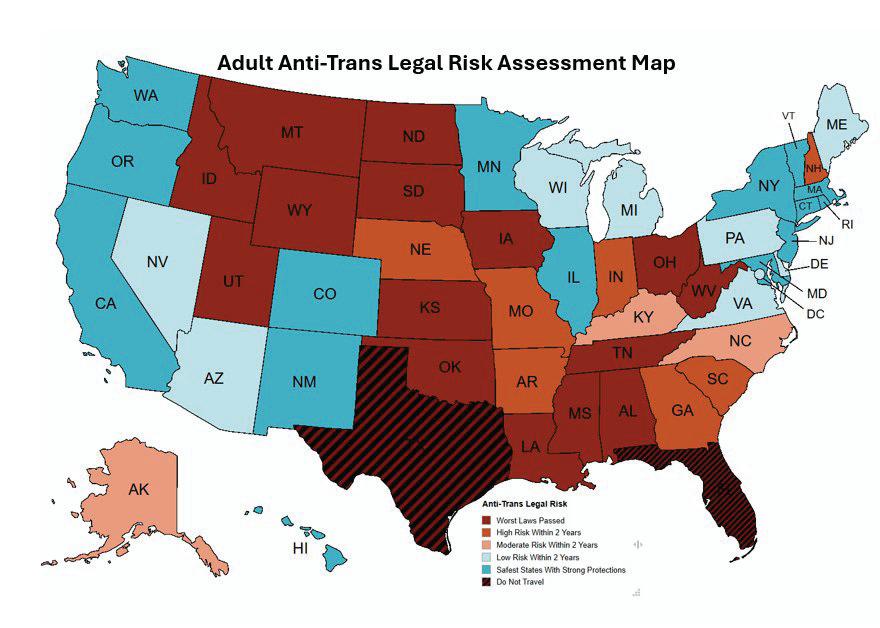
Anti-Trans National Risk Assessment Map
At the seven-month mark of Donald Trump’s presidency, the risk for transgender people continues to deteriorate nationwide. The United States now carries a “Do Not Travel” rating for transgender people.
This article first published by Erin in the Morning at https://www.erininthemorning.com/p/anti-transnational-legal-risk-assessment | Please consider becoming a subscriber of her important work at https://www.erininthemorning.com/
The situation has deteriorated for transgender youth around the country, with many clinics shuttering and state AGs unwilling to enforce law. For adults, some states see higher risk.
Short summary of updates: The risk level for transgender youth has sharply escalated in several states, with this month marking one of the most dangerous increases in years. The surge stems largely from mass compliance with Trump’s executive orders targeting genderaffirming care, leading many states to see some or all of their youth clinics shutter. State attorneys general could intervene by enforcing state equality protections—forcing clinics to fight the federal government in court rather than preemptively cut off care—but none have done so. For transgender adults, risk levels have risen significantly in only one state—Maine—though the broader increase comes through sweeping federal policy. Nationwide, risk now sits at its highest category, driven by a wave of executive orders targeting colleges, businesses, travel documents, and more.
About The Map
I have tracked anti-transgender legislation for 5 years. Every day, I’ve gotten messages from worried people wondering how they are supposed to assess their risk of staying in their home state. The messages range from parents of trans youth wondering if their children will be taken from them to trans teachers wondering if their jobs will be safe in coming years. Sometimes people just want to know if there is a safer state they can move to nearby.
I created the legal risk map specifically to help answer that question. Now more than ever, it is a question that needs answering for so many transgender people facing forced medical detransition, arrests for using the bathroom, bans on the use of our names, pronouns, and identification documents, and many other curtailments of our rights to exist in public life.
Methodology
The methodology used is primarily qualitative, with a scoring-rubric element for the worst bills. Part of the methodology is my own expert assessment of laws, of which I am well equipped to do. I have read all 1,000 bills targeting transgender people this year. I have watched hundreds of hours of hearings on anti-trans legislation and am fully aware of all of the players nationally as well as where they are making their pushes against trans rights. I have followed the vote count and regularly talk to activists on the ground in each state. I am looking at how similar states are moving in their legislative cycles. Lastly, I watch for statements by governors and bill drafts to see if the Republican party in various states seems to be pushing anti-trans legislation heavily - you can see many examples of such legislation in this newsletter.
In terms of actual laws, I keep a rubric of the various types of laws that target transgender people. For transgender youth, the most concerning laws are those that prohibit gender-affirming care and mandate medical detransition. Additionally, bathroom bans, laws that rigidly define sex as binary, and restrictions on social transition are other key factors that negatively impact a state’s ranking. For transgender adults, the primary legislative concerns include adult gender affirming care bans, bathroom bans, prohibitions on drag specifically aimed at trans people and pride events, restrictions on changing birth certificates and drivers licenses, and laws that end legal recognition for trans people entirely. These factors play a significant role in how I assess and rank a state’s legislative risk.
The Adult Trans Legal Risk Assessment Map
Moves in this update: Maine (Safest States → Low Risk)
Summary of updates:
The national risk map for transgender people is similar to the March 2025 assessment. In that assessment, many states had passed bathroom bans or laws eliminating all legal recognition of transgender people. One state does move into low risk from “safest states,” however: Maine. That is because the University of Maine system has enacted a transgender athlete ban at the behest of Trump, and therefore the state cannot be considered to be among the “safest” any longer, but the risk of further anti-trans policies targeting adults remains low there.
Nationwide Risk: Worst Laws Passed. The wave of executive orders targeting transgender Americans has reshaped the national landscape in chilling fashion. These directives have forced nonprofits to scrub the word “transgender” from their websites, stripped transgender history from the Stonewall National Monument, withdrawn federal funding from schools and hospitals that recognize or research transgender people, and imposed new barriers to obtaining passports and legal documents. The result is a sweeping, nationwide rollback of rights and recognition for transgender adults. For international visitors, the
ANTI-TRANS - To Page 26
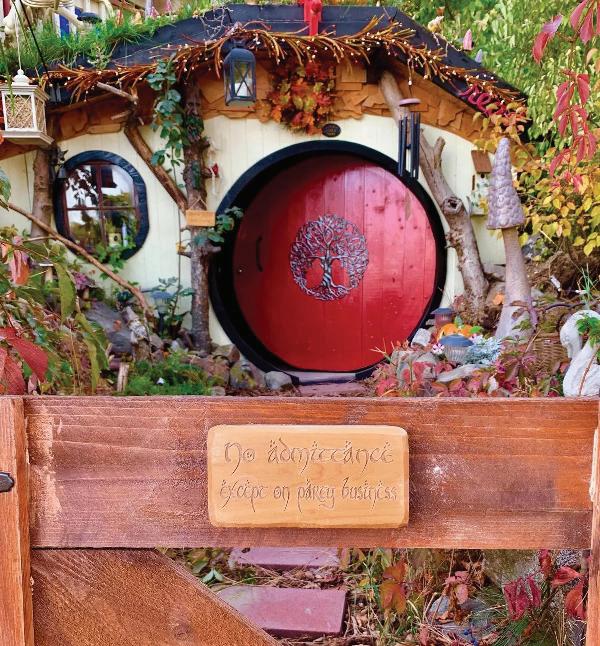
Thoughts from the Hobbit House
Conflict, Conviction, and Courage: Lessons From the Front Lines
“Conflict doesn’t always end in neat resolutions. Sometimes it ends in hard truths, principled stands, or long, uncomfortable conversations. And that’s okay. Because the real power of conflict isn’t in pretending everyone is right—it’s in building the courage, skills, and resilience to face the hard stuff together.”
by Ryan Oelrich
Conflict. Just the word makes many of us uncomfortable. For me, as a gay man, it has often carried an even heavier weight.
When I think of conflict, I don’t just imagine tense conversations— I recall the time someone spit on me in a Walmart. The time food was thrown at me and my boyfriend in a park for simply
trying to hold hands in the dark. The day I found slurs spraypainted across my minivan. And yes, the moments when conflict escalated into shoves, punches, and worse.
Those memories sit close to the surface, ready to replay at the first sign of tension. Yet over time, I’ve learned to hit pause. Instead remembering the greater number of times when facing conflict with courage led to better outcomes— and the many times avoiding
conflict only made things worse.
Now I try to focus on the times I courageously embraced conflict. Like the time I talked with an ex about the reasons I broke it off as opposed to avoiding him. Now we’re close friends. Or the time I was one of the only ones to oppose
a statewide action that eventually was discovered to be harmful.
Now I see conflict not as something to fear or avoid, but as a necessary part of growth and progress. Along the way, I’ve
Out on the Ranch
What’s in a name?
“In an age where the religious are trying to power grab the government and impose their worldview on the rest of the nation, where corporations are trying appeasement strategies in cancelling DEI programs, where names and labels are imbued with manipulative perceptions, we don’t beat around the bush with the word “Pride”. ”
by David Capocci
Recently, we had a party check into one of our yurts, a grandpa and adult son coming up to help the grandson build a house up the road from us. It was their first time staying at the ranch. During our check-in routine, grandpa pipes up, “my wife wanted me to ask, is your business name a reference to the Gay community?”
wrong guests.” This completely flummoxed him. “What do you mean?” He asked.
as out and proud members of their community in their guest ranch setting.
My answer was, “While it’s a hat tip to our LGBTQ community roots, it’s actually a filter to prevent us from serving the
I told him, that our business name is a blessing because it’s a trigger word for the kind of person we do not want to have patronize our business. We don’t discriminate, because it is illegal to do so, but, if one is a Conservative, a radicalized Republican, or a Christian nationalist, they selfdiscriminate for us.
As it turns out, trigger words like
David Capocci is one of the owners of the homestead campground, Paca Pride Guest Ranch, along with his husband, Glenn Budlow, and business partner, Tim Leingang. Having purchased land to build a legacy project in the mountains, they went from city boys to rural ranchers, turning their yurt camping experience into a business plan to reinvent the family farm and bring “glamping” to the public. This column shares their ongoing experience in working and living
Ryan and his husband built a Hobbit House that’s become a regional attraction.
Photo courtesy of David Capocci
by Dana Clark
How to Evolve Your Business Without Burning It All Down
You started your business with purpose. You poured your heart into the brand, the website, the mission statement. You knew who you wanted to serve. You felt aligned and excited.
I n r e g u l a r S u d o k u , you ill in the empty squares so that every row, column, and 3x3
section contain the numbers 1 through 9 with no repetition In this case nine unique letters take the place of the numbers
starting from top left and moving down by
icon All nine letters may or may n
boxes for the answer!
Answer Key on page 17.
Out & In Business
When Your Values Shift, But Your Brand Doesn’t
“Your brand is not your identity. It’s a snapshot of who you were when you created it. It was true then, and it helped you grow. But it doesn’t have to stay frozen in time. You don’t need to torch everything and start over. But you do need to listen.”
But now? Something doesn’t quite fit.
Your offerings may feel stale. Maybe your audience has changed, or you have. Perhaps you’ve been quietly questioning things, but haven’t said it out loud.
You’re not broken or unmotivated if it takes more energy to show up, market yourself, or talk about what you do. You might just be outgrowing something.
You’re allowed to evolve. This is especially true for queer, creative, and values-driven business owners. Our work is personal. So when our values shift, or we go through a big life change, the business we built might start to feel misaligned.
It’s not that it’s bad. It’s that it’s not true anymore.
But when your brand is tied to your identity, changing it can feel like betrayal. To your audience.
OUT & IN BUSINESS - To Page 32
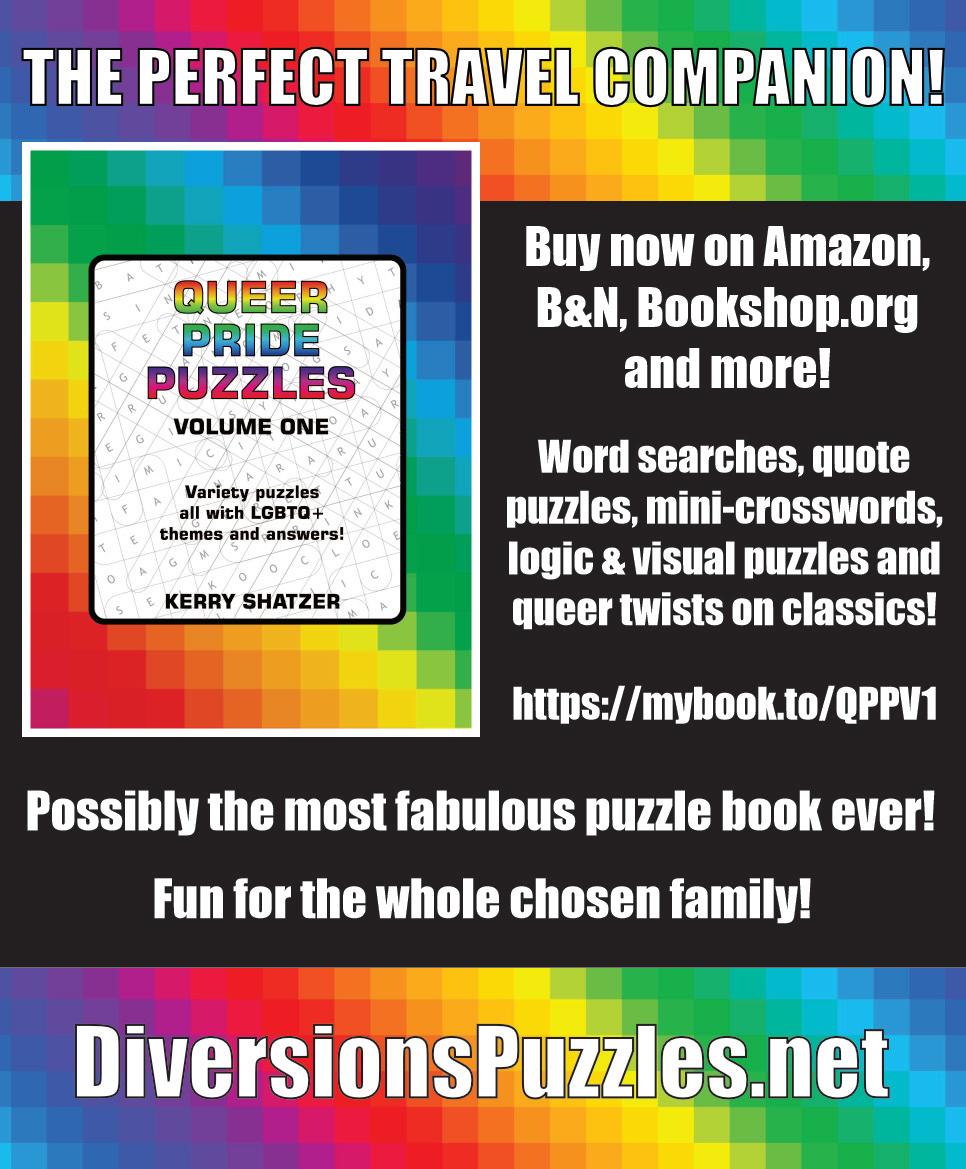
“The history of LGBTQ+ people can be hard to find, usually never taught or even mentioned in schools. Even with the increase of queer characters on TV shows and movies in the last decade, our representation isn’t equal to our actual population. Many kids growing up don’t even know of the wide variety and rich history of the LGBTQ+ community. I certainly didn’t while growing up!
“We are award-winning actors and actresses, athletes in every sport imaginable, politicians, business leaders, news and media journalists and personalities, musicians and authors of every genre, scientists, astronauts, and more. I decided I wanted to make a puzzle book about them and therefore about all of us.
“So when you’re solving these puzzles, feel free to hop on the internet, look up and discover these amazing LGBTQ+ people that you may not have heard of before! Have fun and a sense of humor when going through these pages. And especially have a sense of pride: in yourself along with all the people mentioned in this book..”
creator of Queer Pride Puzzle Visit https www .facebook com DiversionsPuz zles for
- Kerry Shatzer,
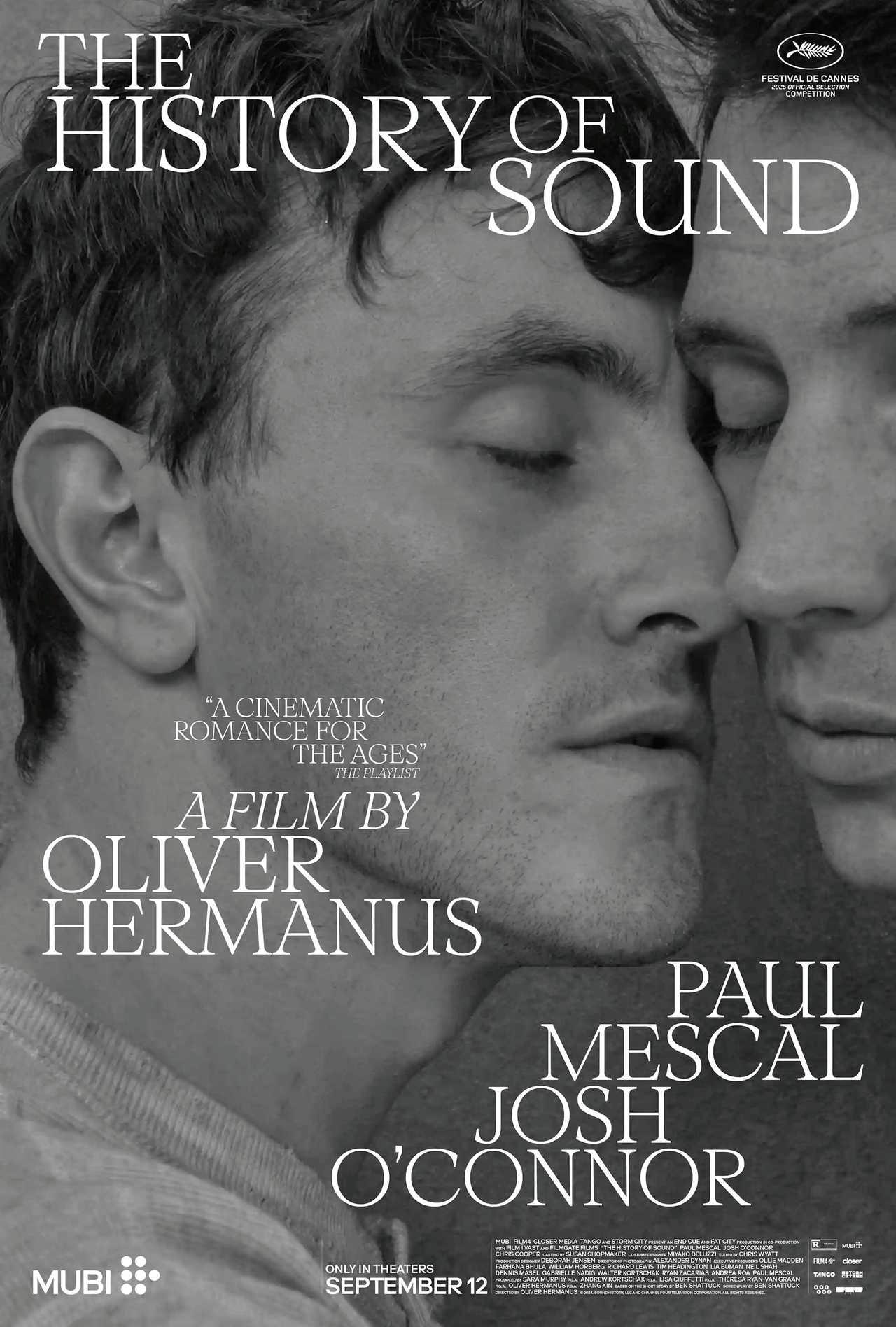
The History of Sound: A Queer Romance That Resonates Beyond Words
by Frank Gaimari
The History of Sound isn’t just a film—it’s a meditation on love, memory, and the way music can preserve the essence of a moment. Mescal and O’Connor deliver performances that feel like lightning in a bottle, and their connection is the soul of this story. This film will win many awards. Treat yourself and watch it on the big screen!
Director Oliver Hermanus makes a bold statement from the very first frame of The History of Sound. The opening credits unfold in complete silence—a striking choice that immediately draws the viewer in. This moment sets the tone for a film where sound, or the absence of it, holds as much meaning as the visuals. It’s a deliberate and decisive decision, inviting the audience to feel the weight and significance of sound from the very start.
Adapted from Ben Shattuck’s acclaimed short story, the film seamlessly expands on its literary roots. Hermanus enriches Shattuck’s narrative with cinematic depth, capturing the story’s core themes of love, memory, and the transformative power of sound in a way that feels both faithful and profoundly moving.
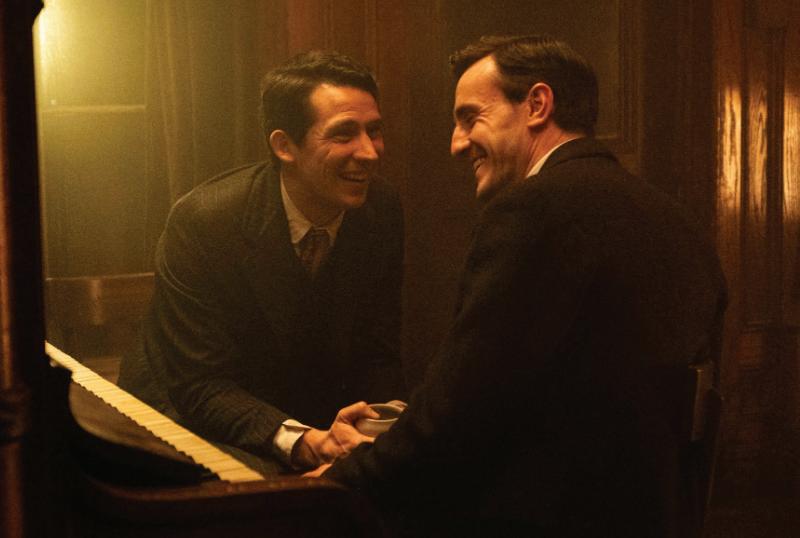
The narrative unfolds in 1917, introducing Lionel, portrayed by Paul Mescal, and David, played by Josh O’Connor, as they meet as music students at the New England Conservatory. From their very first meeting, there’s an undeniable pull between them. Lionel, a farm boy from Kentucky with the rare ability to “see” music through synesthesia, is captivated by David’s confidence and worldly charm. David, in turn, is drawn to Lionel’s quiet brilliance. When David proposes a journey through rural Maine to record folk songs, Lionel doesn’t think
twice—he’s ready to follow.
What unfolds is a quiet, deeply moving journey through snowcovered towns and the lives of everyday people. As they record the voices and songs of strangers, something even more profound begins to take shape between them. Their relationship grows in the spaces between words, in the shared glances and unspoken moments.
Paul Mescal delivers a remarkable performance as Lionel, effortlessly capturing the essence of the era through his looks, wardrobe, and mannerisms. His rendition of “Silver Dagger” is especially mesmerizing, showcasing his depth as an actor. This portrayal firmly cements Mescal’s place among the greatest talents of our time. Mark, my words—an Oscar nomination for this role is inevitable.
Josh O’Connor, meanwhile, brings a quiet depth to David. He plays him as someone who seems self-assured on the surface, but whose inner struggles simmer just beneath. O’Connor’s ability to convey so much with the smallest gestures—a pause, a glance, a slight shift in tone—is nothing short of masterful. His performance is award-winning, too.
The film’s narrative unfolds with a deliberate, artful obscurity, gradually revealing its intricacies. It demands active engagement from the viewer, rewarding close attention as the pieces of the puzzle slowly fall into place. The eventual revelation of the complete picture is both breathtaking and profoundly unsettling.
Visually, the film is a feast for the senses. The cinematography captures the smallest details with a quiet beauty. And the music—the folk songs they record are woven into the fabric of the story, becoming as essential as the characters themselves.
The History of Sound isn’t just a film—it’s a meditation on love, memory, and the way music can preserve the essence of a moment. Mescal and O’Connor deliver performances that feel like lightning in a bottle, and their connection is the soul of this story. This film will win many awards. Treat yourself and watch it on the big screen!
The History of Sound
the Paramount Theatre: A Century of Applause
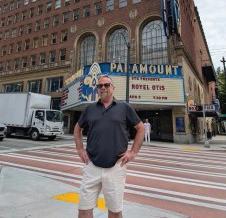
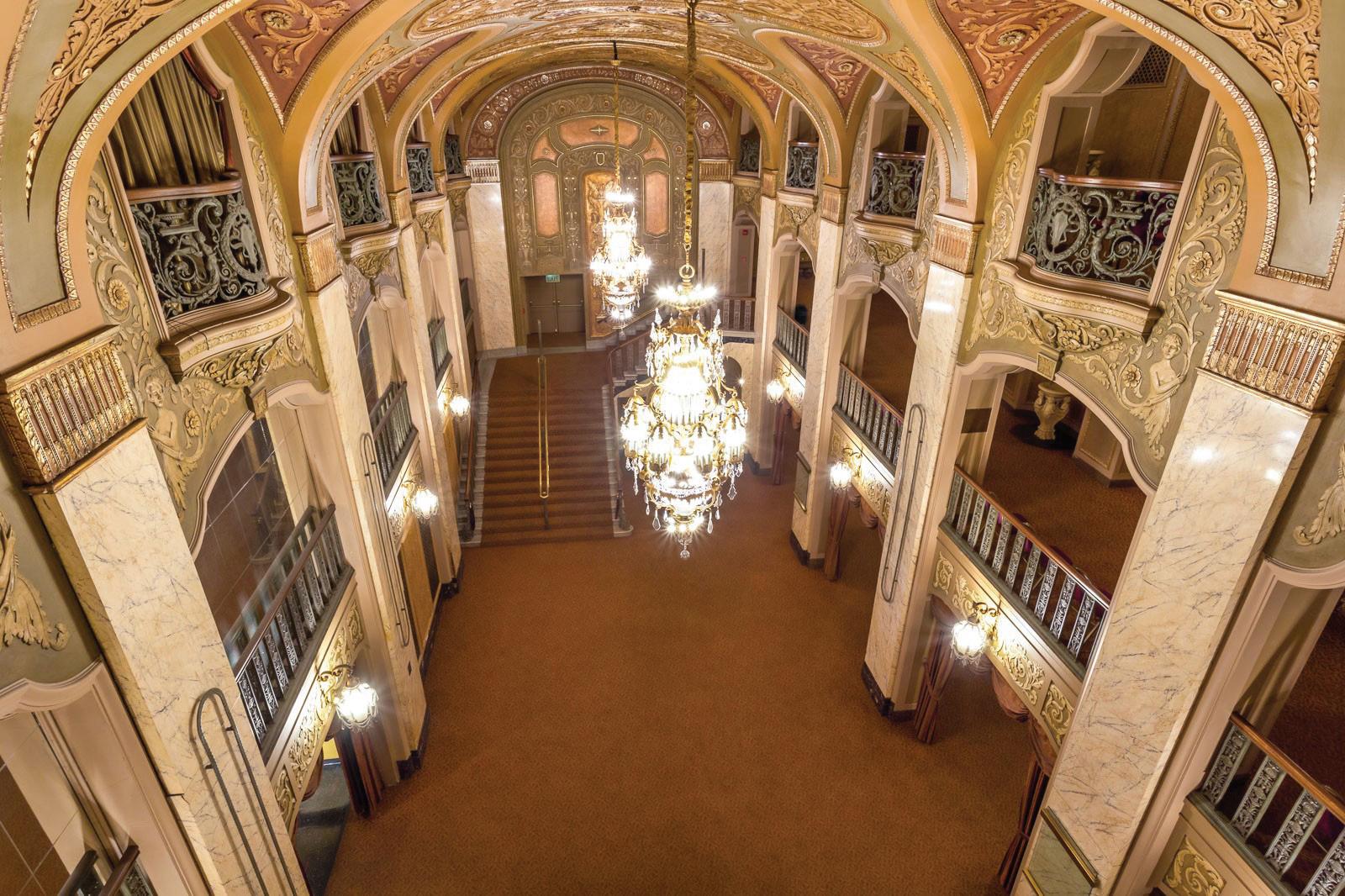
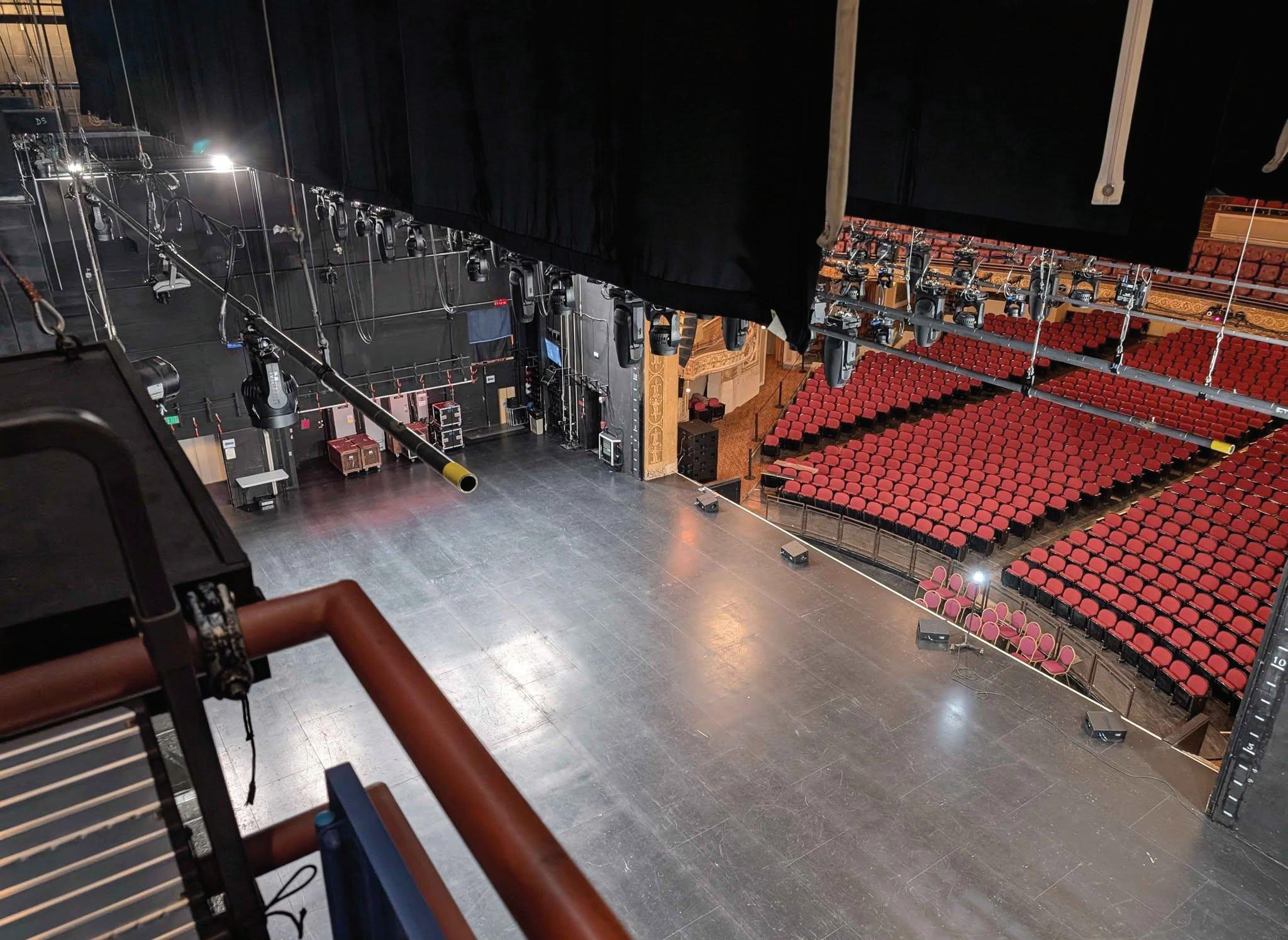
The Paramount Theatre in Seattle is more than just a venue. It stands as a testament to the resilience of art and the belief in its power. Thanks to visionaries like Ida Cole and countless performers, preservationists, and patrons who have supported it over the years, the Paramount continues to enchant audiences. Whether you’re a lifelong Seattle resident or a first-time visitor, stepping into the Paramount feels like entering a living, breathing piece of history, and I am grateful to be a small part of its ongoing story.
by Frank Gaimari
As a lifelong lover of the stage—whether it’s Broadway, concerts, or comedy—retirement has given me the chance to immerse myself in the magic of live performance in a way I never imagined. My name is Frank Gaimari, and as a published author and self-proclaimed theater enthusiast, I’ve always found solace and inspiration in the arts. So, when the opportunity arose to work at Seattle’s iconic Paramount Theatre, I jumped at the chance. What better way to spend my days than surrounded by the grandeur of a historic venue that has been a cornerstone of the city’s cultural life for nearly a century?
Every time I enter the Paramount,
I feel captivated by its beauty and rich history. But as I’ve come to learn, this theater’s story is as dramatic and inspiring as the performances it hosts. From its glittering debut in 1928 to its near-demise and eventual restoration, the Paramount Theatre is a testament to the power of preservation, passion, and the arts.
The Paramount’s journey began during the roaring 1920s, a time when vaudeville and silent films reigned supreme. Originally named the Seattle Theatre, it was commissioned by the Publix Theatre Corporation, a subsidiary of Paramount Pictures, as a palace of entertainment for the city’s growing population. Designed by the renowned architectural firm
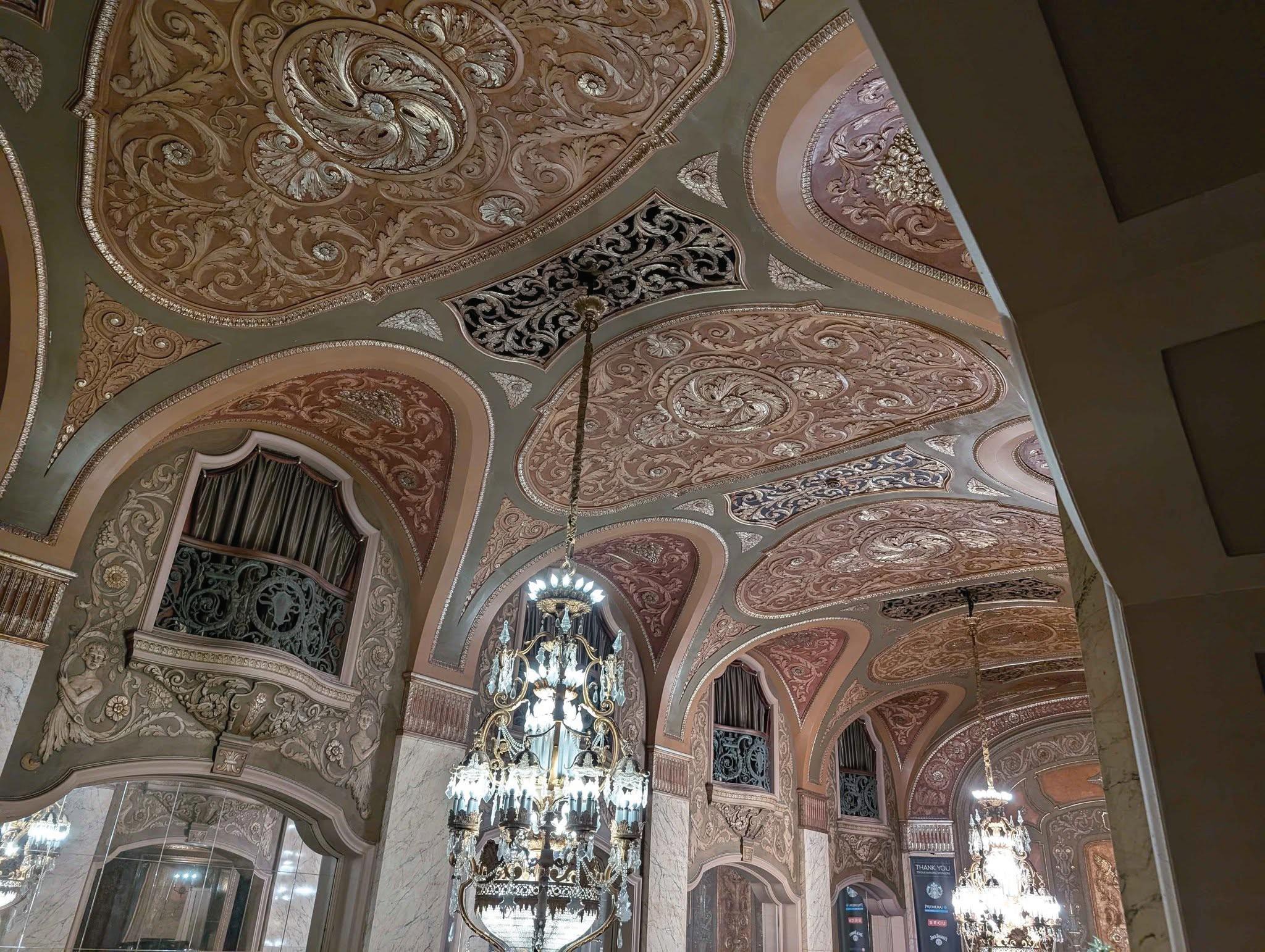
Rapp & Rapp, the theater was a masterpiece of the “Beaux-Arts” style, blending Italian Renaissance and French Baroque influences. Its opulent interior, with intricate plasterwork, gold leaf accents, and grand chandeliers, was inspired by European opera houses, offering audiences an escape into a world of glamour and splendor.
The Paramount Theater opened its doors on March 1, 1928, with a grand debut featuring the silent film Feel My Pulse, starring Bebe Daniels. Accompanied by a state-of-the-art Wurlitzer organ, the event drew thousands of eager attendees who lined up to purchase tickets. Beyond the film, the evening included a dazzling performance by the Ron and
Don Trio, and a lively musical production called the Merry Widow Revue. Admission prices ranged from just $0.25 to $1.10, making this remarkable experience accessible to a broad audience.
After its grand opening, the Paramount evolved into a cherished cultural landmark, hosting everything from vaudeville acts and concerts to iconic films from Hollywood’s golden age.
But as times changed, so did the theater’s fortunes. By the mid20th century, the Paramount faced stiff competition from PARAMOUNT - To Page 34
Paramount Theatre / Photo courtesy of Seattle Theatre Group
Greg Herren: The Master of Queer Mysteries and New Orleans Storytelling
I Was Better Last Night isn’t just a memoir; it’s a love letter to life in all its messy, beautiful glory. It’s a reminder that even legends like Harvey Fierstein are, at their core, just people—flawed, fabulous, and utterly unforgettable.
by Frank Gaimari
Greg Herren is a name synonymous with LGBTQ+ literature, particularly in the mystery genre. A prolific author and advocate, Herren has spent decades crafting stories that not only entertain but also celebrate queer life and culture. He has written over 30 novels, drawing deeply from his love for New Orleans—a city that has significantly influenced both his life and his writing.
Born in Alabama on August 20, 1961, Greg Herren grew up in a time when being openly gay was far from accepted. Despite the challenges, he found his voice as a writer and has become a cornerstone of LGBTQ+ storytelling. Now 64 years old, Herren lives in New Orleans with his partner, where he continues to write and advocate for queer representation in literature.
New Orleans is more than just a setting in Greg Herren’s books—it’s a character. His stories vividly weave together the city’s vibrant culture, rich history, and unique blend of beauty and decay. From the French Quarter to the Garden District, Herren captures the essence of New Orleans in a way that feels both authentic and deeply personal.
Herren’s bibliography is as diverse as it is extensive. He has written mysteries, young adult novels, and even erotica under the pseudonym Todd Gregory. His most famous works feature the “Chance MacLeod” and “Scotty Bradley” series, both set in New Orleans and starring LGBTQ+ protagonists. His work has earned him numerous accolades, including Lambda Literary Awards. His books are known for
their sharp wit, intricate plots, and authentic representation of queer life.
In addition to his writing, Herren is a co-founder of the Saints and Sinners Literary Festival, an annual event in New Orleans that celebrates LGBTQ+ literature. The festival has become a hub for queer writers and readers, offering a space to connect, share stories, and celebrate the power of words. Herren’s experience as an HIV/AIDS counselor and educator deeply enriches his writing, infusing his characters and stories with profound depth and humanity.
This fall, Herren returns with Hurricane Season Hustle, the highly anticipated installment in the beloved “Scotty Bradley” series. Set in a storm-ravaged Garden District estate, the story traps Scotty and his family in a gripping, high-stakes mystery as a hurricane roars outside. With a killer lurking among them, Scotty must uncover the truth before it’s too late. Rich with atmospheric detail and pulse-pounding suspense, Hurricane Season Hustle delivers all the intrigue, drama, and masterful storytelling fans have come to expect.
As an enthusiastic reader of Greg’s books, I was pleased when he agreed to an interview. Here are my questions along with his responses.
Frank Gaimari: New Orleans plays such a significant role in your books. How has the city shaped your storytelling?
Greg Herren: I like to say that New Orleans made me an author. I had always been a writer, but it wasn’t until I moved here in 1996 that I truly became one. I love this
city with all my heart because it has given me everything I ever wanted in life. When I write about places other than New Orleans, it feels slightly off, if that makes sense. Inspiration is endless here—I often find myself diving into research wormholes about the city and its rich history. One of the most rewarding things about writing about New Orleans is that anything—truly anything—can and does happen here. The people are wonderfully eccentric. I don’t feel out of place here. This is home.
FG: Your characters are rooted in the LGBTQ+ community. How do you approach creating authentic and diverse characters?
GH: Well, they’re people! I write about queer people because I am a queer man, and it’s kind of a safe space for me. Whenever I teach workshops on writing diverse characters, I always emphasize that everyone is a person, with flaws, quirks, blind spots, kindnesses, scars, heartbreaks, and complicated family ties. You have got to make sure you show they’re humans, like everyone else. If you start from “I want to write a diverse character” rather than “I want to write a character and this is a part of who they are,” you’re going to fail.
FG: How has your work as an HIV/AIDS counselor influenced your writing?
GH: Being a trained counselor comes with both advantages and challenges. As someone naturally empathetic, I’ve always found it easy to view situations from different perspectives—a quality that greatly supports my counseling work. This mindset also enhances my writing, reminding me to approach even my flawed characters without judgment and to consider the motivations behind their actions.
FG: You’ve written across multiple genres, from mystery to young adult fiction to erotica. How do you decide which genre to explore next?
GH: I don’t typically think in terms of genres—“I’ll tackle this genre next”—because, for me, the story itself is what matters most. Genres aren’t something I dwell on. But almost everything I write has to do with death—horror and crime are opposite sides of the same coin. I’ve not written erotica in years, mainly because the market has pretty much dried up. My erotica was often criticized for being too real, athletic, and sweaty...you know, like sex.
GREG HERREN - To Page 32
Author Greg Herren | Photo by Mike Smarro
From Cult Classics to Political Camp: Craig Chester’s Next Act
by Frank Gaimari
“I believe being openly gay led to a far more interesting career. As a gay actor, I have embraced queer roles in a series of compelling films, where my identity has become an asset rather than a limitation.”
--Craig Chester
Craig Chester is a name synonymous with authenticity, creativity, and resilience in the film and television industry. Born on November 8, 1965, in West Covina, California, Chester’s path to becoming an acclaimed actor, writer, and director is truly inspiring. From overcoming personal challenges to breaking barriers in LGBTQ+ representation, Chester’s career stands as a powerful example of perseverance.
Significant challenges marked Chester’s early years. Diagnosed with long face syndrome at age 15, he underwent extensive reconstructive surgeries to address the condition. This transformative experience shaped his perspective and fueled his determination to pursue a career in the arts. Moving to New York City in 1985, Chester studied at the American Academy of Dramatic Arts, where his acting style caught the attention of industry veterans like Joanne Woodward.
Chester’s breakout role came in the critically acclaimed film Swoon (1992), a retelling of the infamous Leopold and Loeb murder case. His performance earned him an Independent Spirit Award nomination and established him as a force in independent cinema. Over the years, Chester appeared in a string of notable films, including Kiss Me, Guido, and I Shot Andy Warhol,
showcasing his versatility.
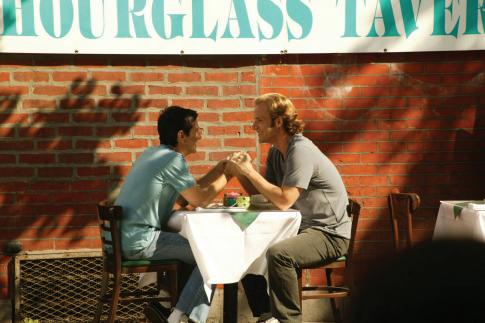
In 2005, Chester wrote, directed, and starred in Adam & Steve, a romantic comedy that has since become a cult classic. The film, co-starring Malcolm Gets, Parker Posey, and Chris Kattan, explores the ups and downs of a gay relationship with humor, heart, and a touch of absurdity. Critics praised Chester’s performance and sharp writing. The film’s blend of slapstick humor and genuine emotion resonated with audiences, cementing its place as a beloved piece of queer cinema.
Aside from acting, Chester has made significant contributions as a writer with his memoir, Why the Long Face? Published in 2003, it received high praise for its humor and honesty. Chester later moved into television, writing for popular shows like True Blood and creating pilots for major networks. His talent for crafting compelling stories has made him a highly sought-after figure in the industry.
Chester returns with a new web series, Adam & Steve: The Second Coming, bringing back classic characters to address today’s political climate. The show explores love, resilience, and resistance, highlighting LGBTQ+ experiences with Chester’s humor. Eager to learn more about his life and new project, I had the privilege of speaking with him. What follows are his thoughtful and compelling answers to my questions.
Frank Gaimari: As an openly gay man in the entertainment industry, how has your identity shaped your career and the stories you choose to tell?
Craig Chester: Being an openly gay man has significantly influenced my career, mainly due to the era I was born into. I came out in 1992, the same year my first film, Swoon, was released. At the time, coming out was widely seen as career suicide, and both my family and agents were deeply concerned about how it might affect my future.
I had just played my breakout role as Nathan Leopold, Jr., earning a Spirit Award nomination for Best Actor and appearing in US Weekly and Interview Magazine. Doors were opening. I was CHESTER - To Page 28
Craig Chester
Adam and Steve: The Second Coming / Craig Chester and Malcolm Gets
Craig Chester
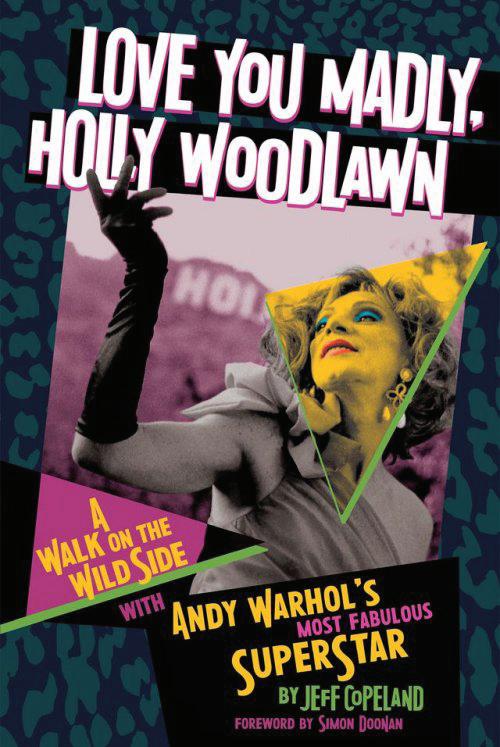
Love You Madly: A Memoir of Friendship, Fame, and Resilience
For fans of Hollywood history, LGBTQ+ culture, or anyone who appreciates a story of perseverance and love, this book is a must-read. Holly’s story is one of triumph and tragedy, humor and heartbreak, and Copeland’s heartfelt prose ensures her legacy will continue to inspire for generations to come.
By Frank Gaimari
Jeff Copeland’s memoir, Love You Madly, Holly Woodlawn, vividly depicts his extraordinary friendship with the iconic transgender actress Holly Woodlawn, set against the vibrant and chaotic backdrop of Hollywood. More than just a biography, the book offers a personal and heartfelt portrayal of Copeland’s own journey as a young, ambitious writer navigating the unpredictable highs and lows of the entertainment industry.
Set in the mid-1980s, the story follows Copeland, a Missouri graduate with dreams of becoming a screenwriter, as he encounters the captivating Holly Woodlawn. Once the celebrated star of Andy Warhol’s films, Holly now lives in quiet obscurity, her life a poignant mix of fading glamour and hardship. This chance meeting sparks a friendship that dramatically alters the trajectory of both their lives. Together, they co-author the bestselling
autobiography, A Low Life in High Heels, and embark on a whirlwind journey filled with fame, creativity, and personal challenges.
In Love You Madly, Copeland revisits their shared history with a mix of humor, honesty, and tenderness. The book recounts not only how they met but also the trials and triumphs of writing their book. From the very first page, Jeff’s writing pulls you in with its vivid storytelling and unflinching exploration of life’s complexities. Woodlawn’s vibrant, larger-thanlife personality leaps off the page. At the same time, Copeland weaves his own experiences as a gay man and writer into the narrative.
What makes Love You Madly so compelling is its raw honesty. Copeland doesn’t shy away from the messy realities of their lives—Holly’s struggles with addiction, the challenges of being a transgender woman in a prejudiced world, and his own battles with self-doubt and the
pressures of Hollywood.
After finishing the book, I had the privilege of speaking with Jeff, who graciously answered my questions about the memoir and his journey with Holly. Here are the questions I asked him.
Frank Gaimari: What do you think Holly Woodlawn’s legacy represents, and how did you aim to capture that in Love You Madly, Holly Woodlawn?
Jeff Copeland: Holly’s greatest impact extends far beyond her contributions to the underground cinema—it lies in her unwavering advocacy for diversity, equity, and inclusion. As a young gay child, Holly faced immense societal pressure to deny her true self. This internal conflict eventually led her to run away from home, embarking on a journey to find authenticity and acceptance. Those years were fraught with hardship—living on the streets and turning to prostitution as a means of survival.
In Love You Madly: Holly Woodlawn, my goal was to fully immerse readers in her journey,
capturing the extraordinary resilience and unwavering determination it takes to survive and pursue a better life.
FG: How did you balance staying true to Holly Woodlawn’s real-life story while adding your own creative perspective to the narrative?
JC: As a humorist, I saw this crazy story as a comedy of errors. Holly was genuinely a hilarious person, and I wanted to capture her essence on the page. The reality we experienced together was so ridiculous that the humor often emerged organically without much effort.
However, crafting the tone of the book was a delicate balance because the story is multi-layered. It developed over numerous rewrites, and consistency wasn’t always easy to achieve. The biggest creative challenge for me was ensuring I hit all the emotional notes while keeping the story from dragging.
LOVE YOU MADLY - To Page 33
Book Cover / Photo: Peter Palladino, Designer: Ron Kretch
By the end of the long session in June, my patience had worn thin. Every priority for Oregon’s North Coast, nearly every single one, ran into opposition from my own party. Protecting Medicaid benefits for the nearly 60% of children in Tillamook and Clatsop counties? Opposed. Keeping rural hospitals afloat? Opposed. Preserving students’ access to books that reflect who they are? Opposed. Protecting the First Amendment rights of people different from ourselves? Opposed.
Not because the policies were flawed. But because helping me deliver for my district didn’t fit the Republican Party’s agenda.”
--Cyrus Javadi
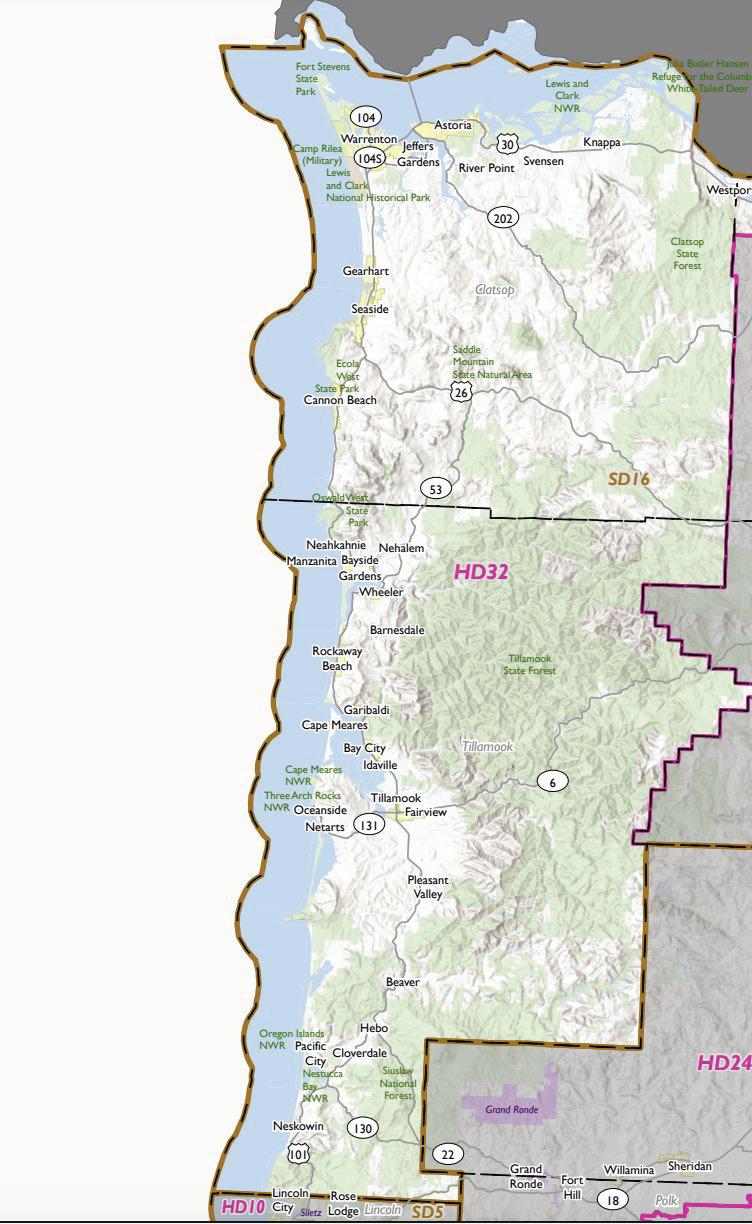
The 32nd House District runs along the north coast, from Astoria south to the northern edge of Lincoln City. Rep. Cyrus Javadi, R-Tillamook, represented it since 2023. He succeeded another Republican, Sen. Suzanne Weber of Tillamook, but the north coast had been represented by Democrats for much of the past 20 years. The roughly 16,500 Democrats in the district outnumber the nearly 13,800 Republicans, but nonaffiliated voters are the largest group with more than 20,400 voters. (Oregon Legislature)
JAVADI - From Page 3 keep it within the family. For a while, politics and parenting felt separate.
That changed during the 2025 session. Lawmakers were debating Senate Bill 1098, a measure that said schools could not remove books simply because they featured queer characters, Muslim authors, or people with disabilities. To Javadi, it was common sense. He called it a “no duh” bill. But to many in his caucus, it became a fight. Behind closed doors, Republicans used harsher language about LGBTQ people than they did in public. Javadi says the rhetoric grew especially strong during the Trump years.
At
a
Glance: Two Key Measures
Senate Bill 1098
Passed in 2025, the bill prohibits Oregon schools from removing library books or materials solely because they feature or are written by members of protected classes, including LGBTQ people, people of color, people with disabilities, or those from different religious backgrounds. Parents and staff can still challenge books based on age-appropriateness or graphic content.
House Resolution 3
Adopted in 2025, the resolution honors the history of Black drag performers in Oregon, recognizing their contributions to arts and culture dating back to 1958.
Around that same period, Sam was running for student body president in Tillamook. During his campaign speech, a classmate shouted a slur. The teachers stayed silent.
Javadi thought about the overlap. In Salem, he was speaking out for kids’ right to see themselves in stories. At home, his own son was being shouted down for living one.
“You can remove a book if the content is too graphic,” Javadi had told lawmakers. “But you can’t remove it just because the author is gay or Muslim or Black, or because the story centers someone that makes you uncomfortable.”
The bill passed 34–21. Every Democrat voted yes. Javadi was the only Republican to cross over.
Later that session, Javadi also voted for House Resolution 3.
CYRUS JAVADI - To Page 25
CYRUS
Oregon State Representative Cyrus Javadi
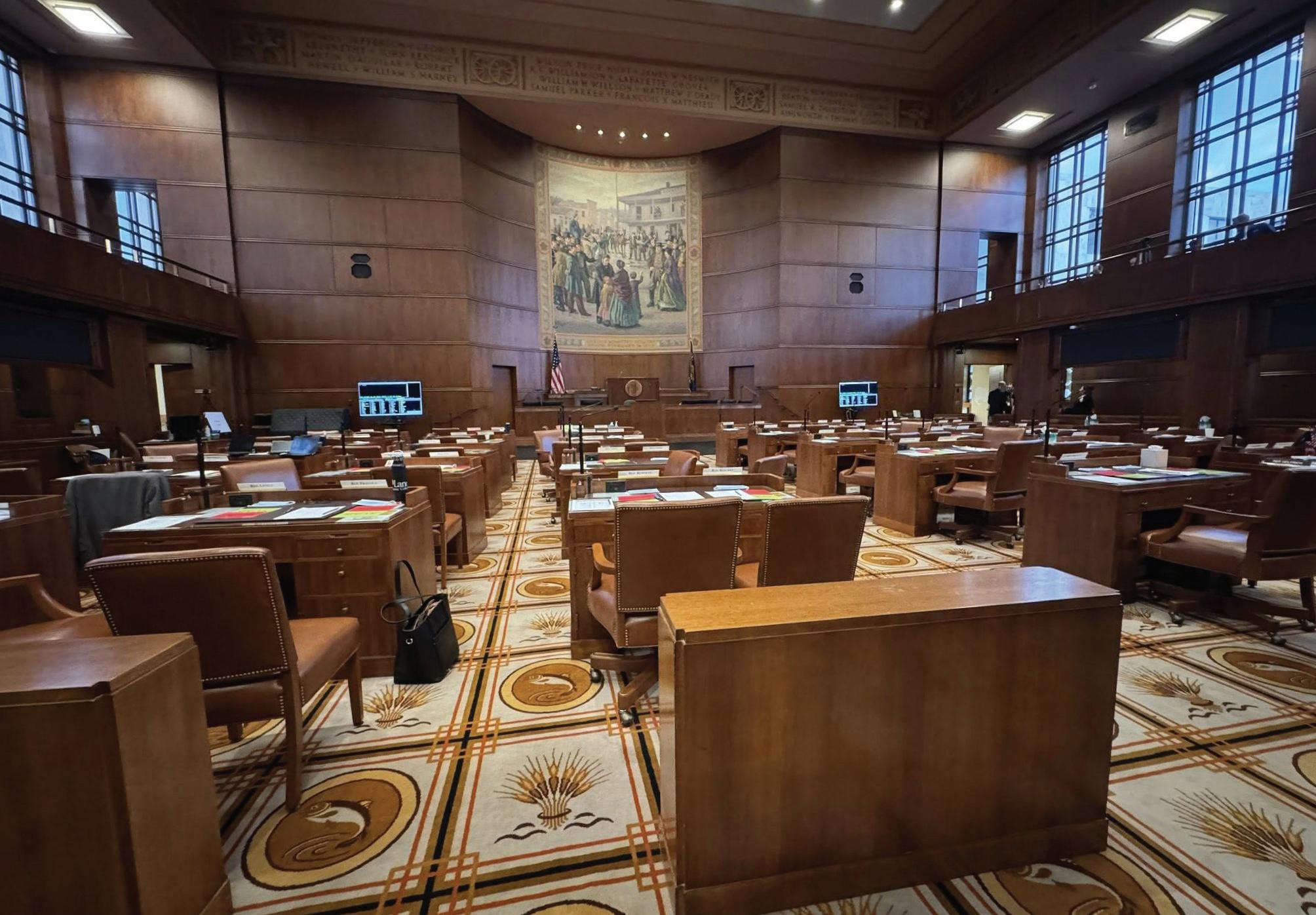
Oregon State Legislative Chamber | Photo by Cyrus Javadi
Most Republicans opposed it, but Javadi and one other Republican voted yes. On the floor he said, “While we may not all share the same beliefs or backgrounds, we share this place, this country, this constitution. And I support the spirit of this resolution because it affirms that no matter who you are or what you believe, you matter and you’re welcome here.”
Some Republicans quietly thanked him with notes, saying they had queer relatives too. But they did not speak up publicly. Javadi thought about that silence, and how it echoed the silence in his son’s high school gym.
By then, Sam was out at school. Today he is studying graphic design at Brigham Young University and surrounded by friends. But Javadi still comes back to the importance of representation. “What a crime to make it harder for kids to have stories they need to read,” he says.
By September 2025, Javadi’s votes had already set him apart from his caucus. That month, he left the Republican Party and joined the Democrats. He knew people would ask why it took so long. In an email reflecting on his decision, he wrote:
“I know some people are asking why it took me until now to take this step, and that’s a fair question. The truth is, I wish I had gotten
here sooner. Sometimes it takes something close to home to cut through the noise and force you to really see what’s happening. My son was a catalyst, but he wasn’t the only reason. What I’ve seen, nationally and here in Oregon, is a pattern of trampling on rights, ignoring the rule of law, and targeting vulnerable people. That should matter to all of us, whether or not we have someone in our family who is directly affected.
At the end of the day, what changed for me wasn’t just personal. It was the realization that my oath, as a lawmaker and as an American, is to defend everyone’s rights, not just the people who look like me or believe what I believe. And if it took me too long to get here, the least I can do now is be honest about it and stand firm where I should have stood all along.”
Today Javadi says his priorities haven’t changed, only his party. “I’ll continue to champion rights for all people,” he says. “The difference is I won’t be challenged in the same ways. It’s a relief—I can be a louder, stronger voice.”
From a Mormon childhood shaped by strict rules, to a dental career in Tillamook, to a floor vote cast during the same season his son faced a slur, Javadi’s story is one of change. For Oregon’s queer communities, the message is clear: silence is dangerous, stories matter, and even unlikely voices can grow louder.
Rep. Cyrus Javadi Oregon State Legistalture page: https://www.oregonlegislature.gov/javadi
Dr. Javadi State Representative Campaign page: https://www.cyrusfororegon.com Rep. Cyrus Javadi’s blended family of nine children. | Rep. Cyrus Javadi’s Facebook Page
CYRUS
TRANSGENDER - Continued
ANTI-TRANS - To Page 15
risk is even more severe: citing the sharp escalation in legal and bureaucratic targeting, several countries have issued travel advisories. Marco Rubio’s cables targeting trans adult visa seekers with potentially permanent bans on entry is alarming. Following suit, I’ve designated the United States a “Do Not Travel” zone for non-essential travel for transgender people without a full understanding of the legal environment, due to the heightened risk of visa revocation, denial of entry, or detention.
Here are the categories and where each state falls:
Do Not Travel (FL, TX):
Two states have earned “Do Not Travel” advisories: Florida and Texas. Florida has a law that allows for the arrest of transgender people for using bathrooms according to their gender identity and another policy targets transgender people’s drivers licenses. Florida has also put into effect a policy that says trans people “misrepresenting” their gender on their drivers license could be guilty of fraud and has begun erasing Pride crosswalks across the state. Local LGBTQ+ orgs as well as HRC have issued travel advisories for the state. This analysis likewise concurs with such a rating. In Texas, the state is not only ignoring court ordered drivers license changes for trans adults, but it is also creating a database of people attempting to make such changes. Localities with bathroom bans and a new statewide bathroom ban looming make the state the second Do Not Travel state on this list.
The Worst States (AL, IA, ID, KS, LA, MS, MT, OH, OK, ND, SD, TN, UT, WV, WY):
These states have passed deeply troubling legislation targeting transgender adults in extremely harmful new ways. Kansas and Utah have bathroom bans for transgender adults. Alabama has also passed a Don’t Say Gay bill that includes a bathroom ban on college campuses. Many states, including Kansas, Louisiana, Mississippi, Montana, Oklahoma, and Tennessee, and others listed in this category have gone so far as to legislatively erase transgender people, effectively removing any legal rights associated with their gender identities. Other states, such as Kansas, Montana,
North Dakota, Oklahoma, and Tennessee, prohibit any changes to birth certificates, forcing trans people to out themselves when showing their documents. In Kansas, this law could even force individuals who have updated their driver’s licenses and birth certificates to see their gender markers reverted. These states also could start targeting adult gender affirming care - Florida has already done so, banning 80% of such care. Idaho has an extreme ban on state funds for gender affirming care.
High-Risk States (AR, GA, IN, MO, NE, NH, SC):
All of these states have passed anti-trans laws, but they haven’t reached the same level of severity as the worst states. Missouri for example, prohibits genderaffirming care for incarcerated adults as well as transgender youth and have seen new laws proposed this cycle going even further. Nebraska’s governor has issued an executive order ending legal recognition of trans people. Additionally, some of these states, including Arkansas, have laws that permit the refusal of medical care to LGBTQ+ individuals on religious grounds. Although each of these states has laws targeting transgender adults, none have done so to the extent of the worst states.
Moderate-Risk States (AK, KY, NC):
These states have either passed one or two laws aimed at transgender adults or have enacted multiple laws targeting transgender youth, or are advancing negative laws quickly. For states focusing on trans youth, history shows they are more likely to introduce anti-trans legislation for adults in subsequent years. Most of these states are under Republican control, either through supermajorities in the legislature or Republican governorships. Many have enacted “Don’t Say Gay” provisions, which frequently result in the banning of transgender teachers. Additionally, many have passed religious refusal rights bills. However, most of these states have either not yet ventured into anti-trans adult legislation or have only passed milder forms of such laws.
Low-Risk States (AZ, DE, ME, MI, NV, PA, VA, WI, DC): These states have largely refrained
from targeting transgender adults, although they haven’t taken extraordinary steps to protect adult transgender rights either. For example, Arizona and Virginia have enacted anti-trans policies affecting youth but, due to statespecific factors, appear unlikely to extend such policies to adults. Conversely, Michigan, and Nevada have enacted fairly robust non-discrimination policies but fall short in ensuring healthcare equity and providing protections for incarcerated transgender individuals. Maine has increased in risk due to capitulation to Trump over sports bans in the University of Maine system. While these states generally offer a safer environment for transgender adults, they stop short of going the extra mile to make their jurisdictions unequivocally safe places to reside. In the case of the District of Columbia, it may fall under attack from Congress and executive actions, meaning it can no longer be considered “most protective.” This most recently was manifested with the DC House bathroom ban.
Most Protective States (CA, CO, CT, HI, IL, MA, MD, MN, NJ, NM, NY, OR, RI, VT, WA): These states have gone above and beyond in safeguarding the rights and well-being of transgender individuals, making them highly desirable places to live for those in search of security. States like Colorado, Hawaii, Maryland, and Washington have enacted comprehensive health insurance laws that cover facial hair removal and an expanded range of medical procedures. Each of these states offers refugee protections for individuals fleeing more repressive states with anti-trans laws. Care is not only supported but also enjoys legal reinforcement from the state, ensuring accessibility as long as such treatments remain lawful at the national level. These states are the most likely to counteract federal anti-trans regulations.
The Youth Trans Legal Risk Assessment Map
Moves in this update: California (Safest States → Moderate Risk), Colorado (Safest States → Moderate Risk), Connecticut (Safest States → Moderate Risk), Illinois (Safest States → Moderate Risk), Michigan (Safest States →
Moderate Risk), New Hampshire (High Risk → Worst Laws), New York (Low Risk → Moderate Risk), Oregon (Safest States → Low Risk), Rhode Island (Safest States → Low Risk), Washington (Safest States → Moderate Risk)
Summary of updates:
This marks the most significant shift in the youth risk assessment map in years. States once considered “safe” are now being downgraded to “low” or “moderate” risk. In recent months, hospitals across the United States have capitulated to Trump administration funding threats and investigations into gender-affirming care for transgender youth. Importantly, this care remains legal. Instead of fighting back, several hospitals— even in states with strong nondiscrimination protections— have chosen to roll over. State attorneys general in those states have the authority to enforce existing laws and sue hospitals for violating nondiscrimination statutes, yet none have done so. As a result, states that have seen major youth clinic closures are now assessed at either low or moderate risk, depending on how many facilities have shut their doors. In addition, some previously “safe” states have begun enacting sports restrictions or bans, such as California’s Interscholastic Federation.
Nationwide Risk:
Worst Laws Passed. A wave of executive orders has targeted transgender youth in sweeping and extreme ways. Nonprofits have halted services for trans youth, healthcare providers face federal bans via executive orders, and teachers have been warned they could be investigated for “practicing medicine without a license” simply for using a trans student’s chosen name. The cumulative effect is a chilling rollback of basic recognition and care—one that signals even more punitive measures may be on the horizon.
process decision is ‘demonstrably erroneous.’”
Despite Thomas’ opinion, the majority explicitly states that “[n]othing in this opinion should be understood to cast doubt on precedents that do not concern abortion.”
Dec. 13, 2022
President Joe Biden signs the Respect For Marriage Act into law. This solidifies federal and interstate recognition of same-sex marriages even if Obergefell is overturned. The law is a backstop to the attacks on same-sex marriage.
Dec. 19, 2022
In a response to the passage of the Respect for Marriage Act, SPLC-designated anti-LGBTQ hate group Alliance Defending Freedom (ADF) says that “the chances of the Supreme Court overturning Obergefell are (unfortunately) slim to none.”
June 30, 2023
SCOTUS rules 6-3 that Colorado cannot force a website designer, who is represented by ADF, to create wedding websites for same-sex couples. The Court says doing so would violate the designer’s First Amendment right to free speech because her work is considered creative expression. This decision narrows how public-accommodation laws apply and creates another carve-out for Obergefell to be overturned.
Answer Key to puzzle on on page 15.
Sept. 13, 2023
After a court ruling holds Kim Davis liable for damages to gay couples who she refused to sign marriage licenses for, Liberty Counsel discusses the potential to appeal the case up to the Supreme Court and use it to argue for Obergefell to be overturned.
July 8, 2024
The GOP’s national party platform, Make America Great Again!, drops explicit antiObergefell language from its plank. Despite this, the fight to overturn same-sex marriage continues to heat up.
Jan. 22, 2025
Tennessee lawmakers introduce a bill that would allow for “covenant marriages,” an explicitly religious form of marriage license that can only be given to a man and a woman and does not allow for divorce in most circumstances. Covenant marriages already exist in Arizona, Arkansas and Louisiana. Oklahoma, Texas and Missouri have recently introduced similar bills.
Jan. 27, 2025
Idaho’s House of Representatives passes a resolution calling on the Supreme Court to overturn Obergefell. The resolution was drafted by MassResistance, a far right group that wrote a book called “The Health Hazards of Homosexuality” and that has 24 chapters around the world. One of
ANSWER - Hannah Einbinder
Hannah Einbinder is an American actress and stand-up comedian who for now is best known for her role in the HBO Max dramedy series Hacks and recently won an Emmy for Best Supporting Actress for that role. She’s the daughter of original SNL member Laraine Newman. In 2020 she made
her national television debut on the Late Show w
n H R C Visibility Award in 2025 and is s
ng in the upcoming ilm Teenage Sex and Death at Camp Miasma. She is Jewish, b i s e x u a l a n d a n outspoken advocate for climate change & more.
their newest chapters is in Kenya, where the group says it holds trainings for youth to “resist the LGBT agenda” in schools.
The Idaho resolution would go on to create a domino effect. Lawmakers in Michigan, Montana, North Dakota and South Dakota introduce similar measures in their states asking SCOTUS to overturn Obergefell.
Republican Rep. Josh Schriver, who introduced the resolution in Michigan, had previously posted to X: “Make gay marriage illegal again. This is not remotely controversial, nor extreme.”
June 10, 2025
At the Southern Baptist Convention (SBC), a national meeting of more than 10,000 church representatives from America’s largest Protestant denomination, the convention’s resolutions committee introduces a resolution calling on lawmakers and SCOTUS to overturn laws and court rulings, “including Obergefell v. Hodges, that defy God’s design for marriage and family.”
SBC delegates overwhelmingly vote in favor of a gay marriage ban as well as the reversal of Obergefell.
June 12, 2025
Liberty Counsel releases a statement titled “Obergefell ‘Marriage’ Opinion Must Be Overturned.” The group’s founder and chairman, Mathew Staver, says:
“The U.S. Constitution provides no foundation for ‘same-sex marriage.’ Obergefell was wrongly decided whereby the Court created a right that is nowhere to be found in the text. We will petition the U.S. Supreme Court because Kim Davis’ case underscores why the High Court should overturn Obergefell v. Hodges. Obergefell threatens the religious liberty of Americans who believe that marriage is a sacred union between one man and one woman.”
June 23, 2025
ADF publishes an article titled “Despite 10 Years of Obergefell, Kids Still Need a Mother and Father.” The article outwardly condemns gay marriage as bad for children, marking the group’s most explicit statement of opposition to the ruling in years. Weeks later, the group’s vice president of appellate advocacy publishes an essay arguing a similar premise.
July 24, 2025
Kim Davis files a petition asking SCOTUS to revisit and overturn Obergefell, saying the case was wrongfully decided. The petition will need just four votes from the justices to be heard by the Court.
Aug. 15, 2025
On a podcast, Hillary Clinton expresses her concern that Obergefell will be overturned:
“American voters, and to some extent the American media, don’t understand how many years the Republicans have been working in order to get us to this point. … It took 50 years to overturn Roe v. Wade. … The Supreme Court will hear a case about gay marriage; my prediction is they will do to gay marriage what they did to abortion—they will send it back to the states. … Anybody in a committed relationship out there in the LGBTQ community, you ought to consider getting married because I don’t think they’ll undo existing marriages, but I fear they will undo the national right.”
Sept. 7, 2025
In an interview with CBS News, conservative Justice Amy Coney Barrett argues SCOTUS rulings should not be based on “opinion polls” and that the Court should not be imposing its own values on the American people.
Fall 2025
In fall 2025, SCOTUS is expected to decide whether or not it will revisit Obergefell. If it grants a review, oral arguments will likely be heard in spring 2026 with a decision by late June 2026, during Pride Month.
GAY MARRIAGE - From Page 5
FILM - Continued
CHESTER - From Page 22
meeting with some of my favorite directors, including Mike Nichols and Martin Scorsese. I was ready for a major acting career, similar to the meteoric rise of a Timothée Chalamet today.
However, the early ’90s marked the height of the AIDS epidemic, a time when my identity as a young gay man was inseparable from politics. Events like the marches on Washington and the “Silence = Death” movement weren’t just historical moments — they were also deeply personal. Staying in the closet would have meant compromising my integrity, and I knew I couldn’t do that and still respect myself.
I believe being openly gay led to a far more interesting career. As a gay actor, I have embraced queer roles in a series of compelling films, where my identity has become an asset rather than a limitation. When I transitioned to writing, my first screenplay, Save Me, was developed at Fox Searchlight and explored the Ex-Gay movement. That was followed by Adam & Steve. In many ways, my politics and experiences have entirely shaped my career and the stories I choose to tell.
FG: Your work explores themes of love and relationships within the LGBTQ+ community. How much of your personal experience influences the stories you write about?
CC: Everything I write or respond to as an actor is almost always based on my own experiences, and I’ve always drawn inspiration from my life. For three years, I had a monthly Sex and the Citytype column in Genre Magazine, where I wrote about dating and being a gay actor. That column is what led to my book deal for my memoir.
FG: Adam & Steve has become a cult classic in LGBTQ+ cinema. What inspired you to write and direct such a bold and hilarious love story, and did you expect it to resonate so deeply with audiences?
CC: I wrote Adam & Steve because, for years, I would attend gay film festivals, stand on stage, and do Q&A sessions for all these dark queer movies I was in — where I was playing a murderer, a drug addict, or some effete, bitchy snob. I started noticing that the
audiences at these festivals were almost always gay couples. One time, someone raised their hand and asked, “When will someone make a movie about us — normal gay guys in a relationship?” I thought, “Hmmm, good point. I’ll make that movie.”
The inspiration, I suppose, came from my own life. I’ve had boyfriends, met the parents, and experienced all the things you see in mainstream romantic comedies, but I wanted it to feel authentic to my experience as a gay man. It was close to my real life — Parker Posey really was my best friend, and I wrote the part for her. What you see on screen is what our friendship was like at the time. I was new to recovery, so I included that. The unlucky family is very much based on my own. So, you know, write what you know!
FG: As an actor and director, how do you balance the creative demands of being in front of and behind the camera? Which do you prefer?
CC: I absolutely hated directing the movie. I’m not a director, and the original director was let go two weeks before we started shooting, so I stepped in at the last minute. It was just so much to handle — directing and going to western dance-off rehearsals at the same time. I’m a perfectionist, and as an actor, I take my craft very seriously. Acting requires concentration, and it isn’t easy to stay focused when you’re juggling a million things in your mind, including being the director. But I did it, and it turned out fine.
I do enjoy post-production, though. I loved working with Roddy Bottum on the score, and editing was fun. Now that I’ve directed the web series and played Adam again, I’ve found it easier the second time around. If I direct again, it will only be because I’m a writer, and directing is a means to an end — to ensure what’s in my head makes it onto the screen.
FG: The chemistry between you and Malcolm Gets in Adam & Steve was electric. How did you approach casting and building that dynamic on screen?
CC: When I wrote Adam & Steve, I was making extra cash doing screenplay coverage for Miramax. Each week, I would receive a stack of scripts to break down for the movie executives, summarizing what each was
about and whether it should move forward or not. From that experience, I learned that comedy is difficult to read, and tone is challenging to communicate effectively on the page.
The Adam & Steve script, on paper, was incredibly over-thetop — almost John Waters-esque. Within the first ten pages, there’s coke, vomit, and diarrhea! I knew in my head that my movie was also very sweet, but that sweetness didn’t come across on the page. So, instead of sending the script out for potential producers to read, I staged live readings with my friends in NYC and invited producers to the performances. That way, I could control how it was perceived and bring out the sweetness through the performances.
The staged readings themselves gained some popularity. Alan Cumming played Steve in one of them, and in another, I played Steve opposite Mike Albo as Adam. One day, I was sitting across from Malcolm in a social setting and thought, “Huh, he might be good to play Steve in one of these readings.” We did the reading, and that one featured
me as Adam, Malcolm as Steve, Parker as Rhonda, and Chris Kattan as Michael. That night was magical. Malcolm and I had this natural but very real chemistry, and so did Parker and Chris. It all just came together.
I absolutely love Malcolm as a person. I love him in a way that exists in its own category — because we have this movie together, this baby, in a sense. He is my movie husband, and I would literally do anything for him. Our on-screen chemistry is one of those inexplicable things, and it’s still there, twenty years later.
FG: Your new web series, Adam and Steve: The Second Coming, sounds like a fascinating continuation of the story. What inspired you to revisit these characters in today’s political climate?
CC: The first conversation I had about the election last November was with my producer, Kirkland Tibbels, who produced Adam & Steve and was set to produce its sequel this year. However, he told me that, because Trump won, our
CHESTER - To Page 29
Adam and Steve: The Second Coming / Nora Burns and Malcolm Gets
Adam & Steve / Craig Chester and Malcolm Gets
potential investors suddenly got cold feet — and not only that, but they were also leaving the country!
It’s always hard to make an indie film, let alone a gay one. However, with all the uncertainty in the market, it became even more challenging. I was in Florida at the time and called my friend Emily Lansbury to vent about our investors leaving the country and how Project 2025 was going to become a reality. Emily said, “You should just make some Adam & Steve TikToks about this bullshit! Instead of having them retire, have them running away from Christian Nationalists!” I loved the spirit of that idea so much that I wrote ten episodes, assembled a group of funny actors, and shot it.
In this post-MAGA world I’ve created, Adam & Steve’s marriage has no value to anyone but them. The series explores what it means to be a gay person in America today. It’s much darker than the
first film, but we’re hoping it will lead into the movie sequel.
FG: Where can viewers watch Adam and Steve: The Second Coming?
CC: We’re releasing it on YouTube because, honestly, who is going to buy a show called The Second Coming right now?! Someone like Funny or Die might step in at the last minute—we’re exploring options — but they are limited due to the nature of the material. It’s very South Park, but with a queer take, using comedy as a form of protest.
The show will be available on our YouTube channel, @ adamandstevethesecondcoming
FG: Can you share any details about the cast? Are there any returning actors from the original film, or new faces we should be excited about?
CC: We had no budget to produce this web series, so it doesn’t feature any big-name actors.
However, I was able to cast some of my favorite comedians. Nadya Ginsberg, who had a small part in the first movie (as a drunk cocktail waitress at Parker’s comedy club), absolutely blew us all away in this. I think she’s a genius. The same goes for Irene Bremis, whom I met when I was a guest on a podcast, she co-hosts with Rachel Dratch called WooWoo. I had seen Irene’s comedy special on Netflix and was thrilled to get her on board — they both play crazy MAGA Christian ladies.
Michael Musto and Charles Busch also have cameos — they’re in the Gay Work Camp that Adam is sent to! Cherry Dazzle, one of the Dazzle Dancers in the first movie, plays a vital role in the show, reprising her original character. And Nora Burns and David Ilku, who I’ve been a fan of forever, are also part of the cast.
FG: What has been the most exciting or challenging part of creating this web series, and how does it differ from your
experience making the original Adam & Steve film?
CC: The most exciting thing about doing a web series is how immediate it can be. Unlike a movie, which takes a year to come out and go through the entire process — film festivals and the like — we can create content and storylines that are truly current. The downside of that is that it will probably feel dated eventually, serving as a real time capsule.
It was an absolute pleasure speaking with Craig Chester; his passion, creativity, and sharp wit are evident in all his endeavors. Make sure to watch Adam & Steve: The Second Coming — it’s a bold, hilarious, and thoughtprovoking series that is not to be missed!
Adam & Steve: The Second Coming: https:// www.youtube.com/@ adamandstevethesecondcoming
Autobiography: https://a.co/d/ ijTCnnC
Continued - NATIONAL
NATIONAL - From Page 14
radioactive than the gays. Reports in The Advocate.
Semi-Cultural Desk
The Least Problematic Woman in the World
I am planning to see Dylan Mulvaney’s show (Sunday?). Buy tix here and let’s make it an evening. Dylan is stepping into the spotlight with “The Least Problematic Woman in the World”, an autobiographical solo show. Blending sharp humor, original songs, and heartfelt reflection, Mulvaney revisits her meteoric rise—from Broadway ensemble member to viral activist—and the backlash that made her a household name.
Fellow Travelers and the Lavender Names Project
Fellow Travelers — the opera about a forbidden love affair set during the Lavender Scare — will launch a tenth-anniversary national tour in 2026. It’s not just another revival: alongside the performances, the Lavender
Names Project (in partnership with the American LGBTQ+ Museum) will collect and exhibit the stories and photos of queer people who were fired, investigated, or erased during decades of systemic persecution. Opera houses from Seattle (Feb 21–Mar 1) to Portland (Mar 7–15), San Diego (Jul 10–12), and Glimmerglass (Jul 18–Aug 16) will become spaces where memory and art meet — where a love story on stage is paired with living testimony in the lobby. In a moment when history is again being denied or rewritten, this feels like exactly the kind of cultural intervention we need.
George Takei Leads Banned Books Week 2025
The Star Trek icon and author of They Called Us Enemy will serve as honorary chair of the “Banned Books” celebration, while his latest graphic memoir, It Rhymes With Takei, faces censorship attempts nationwide. From GLAAD.
French LGBTQ+ Theatre Season Launches
From Adèle Haenel’s tribute to
Monique Wittig to Mickaël Délis’s masculinity deconstruction trilogy, France’s autumn theatre season promises a rich array of queer performances that challenge traditional narratives. Details in Têtu.
Coming and Going
Ken Janssens Named CEO of Open For Business
Open for Business has appointed Ken Janssens as its new CEO. With over 25 years at JPMorgan Chase, Ken is a seasoned global executive and a dedicated LGBTQ+ inclusion leader. He launched employee networks in Latin America and India, chaired Out & Equal’s board, and cofounded Windō to help young professionals assess employers on sustainability and DEI. As CEO, he will lead Open for Business’s global team and strengthen the economic case for LGBTQ+ inclusion—from boardrooms to policy to grassroots.
A Flurry of Marriages in The Leadership
Congrats to Brian Sims of Agenda PAC and Kevin Jennings
(Executive Director, Lambda Legal), who recently got married (although not to each other).
The Gay Agenda
October 9-10: New Speakers Global LGBTQ+ Inclusive Conference
We’re thrilled to announce recent additions to our powerhouse speaker roster for the Global LGBTIQ+ Inclusive Finance Forum. Zach Buchwald, Chairman and CEO of Russell Investments, will help kick off the event with a high-profile conversation with Mike Hofman of Inc., examining the state of inclusive finance. Erika Karp, a trailblazing leader in sustainable finance and President of Green Alpha Investments, brings decades of experience challenging Wall Street’s conventions. And Alyssa Nitchun, Executive Director of the Leslie-Lohman Museum of Art, will lend her unique lens on the intersection of queer culture and capital on a panel with Bruce Cohen. These voices deepen the Forum’s mission: to reimagine finance as a lever for full LGBTIQ+ economic inclusion.
COLUMNISTS - Continued
HOBBIT HOUSE - From Page 16
developed language, positioning, and reasoning skills that help me navigate tough conversations with more confidence. I’m excited about sharing these tools with others—helping them move from avoidance to being prepared and empowered.
I teach a conflict resolution training through the Center for Trauma & Stress Education, but it’s also been one of the most defining parts of my personal journey. I used to be a person who avoided conflict like the plague. I’ve had to rewire how my brain responds to conflict. I’ve taken courses, read books, joined forums, and now I’m increasingly called in to mediate heated disputes between or within nonprofits.
At two recent trainings, participants asked me the same blunt question: “What if conflict can’t be resolved? Can you teach us how to win a conflict?”
That question exposed a flaw in so much of the conflict training out there today: the assumption that every conflict can—and should— be neatly resolved through compromise. But compromise isn’t always the best outcome.
Why We Avoid It
Conflict is everywhere: in our families, workplaces, neighborhoods, and communities. But most of us would rather run from it than face it. Research from the Center for Creative Leadership shows only 27% of people feel comfortable engaging in conflict at all let alone have the tools to do so effectively. That leaves the vast majority unprepared when disagreements inevitably arise. The problem is that “go along to get along” doesn’t always serve us. Sometimes it allows harmful behaviors to go unchecked, weakens trust, or forces those with less power to keep surrendering ground until nothing is left. In this moment, “going along to get along” is the surrender of the very ground we need to stand on.
The Pizza Problem
Imagine two children each given a slice of pizza. One child decides they want both. A “compromise” might be for the other child to hand over half their slice. But what happens when more kids notice? The one child keeps giving up half until nothing is left. That isn’t resolution. That’s surrender.
Sometimes the healthier response isn’t to keep cutting your slice thinner—it’s to stand firm, with others, and say: No. Enough. Let me eat my pizza.
When Compromise Costs Too Much
Not long ago, I debated a neighbor about gay marriage. They opposed it. I, happily married to my husband, supported it. Eventually, my neighbor shrugged: “Let’s just agree we both have a point.”
It was tempting to take the easy exit. But agreeing that both sides were equally valid would have meant treating my very marriage— my family—as optional. That’s not compromise. That’s surrender of sacred ground that is deeply personal and important to me. So instead, I said: “I can’t agree to that. But I can agree to keep working on this.”
A Call to Courage
Conflict doesn’t always end in neat resolutions. Sometimes it ends in hard truths, principled stands, or long, uncomfortable conversations. And that’s okay. Because the real power of conflict isn’t in pretending everyone is right—it’s in building the courage, skills, and resilience to face the hard stuff together.
Here are some great places to start: practice listening without interrupting, take a conflict training, practice and role play an uncomfortable conversation with a friend, etc.
Compromise has its place. But so does conviction and courage. And in today’s world, we need to focus our efforts on stockpiling the last two.
We deserve to enjoy our pizza slice. In the spirit of courageously embracing conflict, I enjoy mine with pineapple.
Ryan Oelrich is a highly regarded mental health trainer and facilitator, having trained thousands of professionals since 2008. He’s developed mental health curriculum used by Washington State. He is a Robert Wood Johnson Foundation Culture of Health Fellow and has an MBA and an MA in Leadership. Oelrich was awarded the Peirone Prize for service in 2016 and has received congressional recognition for his work on poverty and homelessness issues. Oelrich has founded 3 nonprofits focused on youth issues, and he’s an advocate for increased collaboration and coordination.
OUT ON THE RANCH - From Page 16
“Pride” or “woke”, or clutchthe-pearls, “diversity, equity, inclusion”, stop the Intolerant, who actually discriminate, in their tracks.
Does a “Christian Bookstore“ discriminate against Jewish or other religions, along with gay people, by their name? Well, they certainly aren’t stocking items to celebrate Jewish holidays (also looking at you Hobby Lobby), and they certainly aren’t attracting their business either. Are they ok with that? Absolutely, you know they are.
Does a business with the word “Pride” in it discriminate against Christians? Not in the least. In fact, if Christians can swallow their “pride”, and get past their own trigger word, they find themselves leaving us a five star review. But, for those who are so embedded in their righteousness, that word stops them in their tracks.
Their own world view, (the one where they loathe gay people) prevents them from seeing beyond that sense of entitlement. Consequently, our business name, hanging proudly from our front gate, acts as guardian and gatekeeper. Like a magical ward, it has prevented those with ill intentions from patronizing our establishment.
“Oh, but aren’t you afraid of losing business?” Grandpa queries further. “Not at all! In business, it is so important to serve the right customers. Just like that Christian bookstore does a brisk business in their religious niche.”
Right from the start, anyone other than a Christian, would know they won’t find what they are looking for inside that bookstore. The assumption that the religious ilk, who don’t like the LGBTQ community, somehow hold enormous power over business because corporations are scaling back on DEI efforts, is not only misplaced, it is disingenuous and destructive for their own religious belief system.
It is, in fact, doing generational damage to their own brand. Churches in America are closing in droves. An epidemic of pedophilia is found across their leadership and in practically every house of worship. So much so, that insurance companies offer
special coverage to churches for molestation charges. If you attend any Christian church, your church carries this coverage. Those who double down on their religion are circling the wagons around megachurches, clustering themselves together in increasingly cloistered communities that are the essence of Extinction Bursting behaviors which occur prior to ideological death.
Are we losing business from these types? Nope! Again, point in fact, our largest spiritual event of the year at the ranch is the Winter Solstice Bonfire Ritual. There is a hunger for spirituality going unanswered. Each year our event has been growing. Last year saw over 125+ persons walk the fire between 4-6pm. We’ve leaned into that Law of Attraction and the call is being heard by those who would definitely not get hung up on a word like “Pride”.
In an age where the religious are trying to power grab the government and impose their worldview on the rest of the nation, where corporations are trying appeasement strategies in cancelling DEI programs, where names and labels are imbued with manipulative perceptions, we don’t beat around the bush with the word “Pride”.
So, when we are gingerly questioned about whether it’s a reference to our community, which it obviously is, we are going to point out instead, how it is a better filter for avoiding the wrong kind of guest. That really gets them thinking about the world we live in and how such entitled Christians, are actually, not welcome everywhere like they would believe. It works like a charm.
Paca Pride Guest Ranch is nestled on 17 acres in the rural mountains outside Granite Falls, Washington.
David Capocci, Glenn Budlow and Tim Leingang founded Paca Pride Guest Ranch in 2004.
COLUMNISTS -
To your past self. To the version of you that built this thing with so much hope.
So instead of evolving, you endure. You keep showing up as the version of you that people expect. Even when it feels like a costume.
It works—until it doesn’t. Until the tension gets too loud to ignore.
Signs you might be outgrowing your brand:
You feel disconnected when you reread your website or bios.
• •
If this feels familiar, you’re not alone. I’ve walked this path, and I coach others through it too. It’s vulnerable - and it’s also full of possibility.
Your brand is not your identity. It’s a snapshot of who you were when you created it. It was true then, and it helped you grow. But it doesn’t have to stay frozen in time. You don’t need to torch everything and start over. But you do need to listen.
• • • like they used to—and maybe you’re not either. You’re energized by new ideas, but scared to shift. You crave more depth, nuance, or change.
You avoid marketing because it doesn’t feel honest anymore. Your audience isn’t engaging
BOOKS - Continued
GREG HERREN - From Page 21
FG: What challenges have you faced as an openly gay author in the publishing industry?
GH: I believe publishing has become a more welcoming space for queer authors today, but that wasn’t the case when I first started. Back then, mainstream bookstores and conferences often treated me like I was something to avoid. I’ll never forget when a mystery store manager told me over the phone, “We don’t carry THOSE kinds of books here.” Despite this, we had a thriving queer publishing subculture that offered support and community. Queer bookstores, magazines, newspapers, and community centers provided a lifeline for queer authors, creating spaces where our work could thrive.
But those resources have largely disappeared. The vibrant network that once supported me is no longer there. For someone starting today, that path no longer exists.
FG: The Saints and Sinners Literary Festival has become a significant event for LGBTQ+ literature. What inspired you to co-found it?
GH: My partner works for the Tennessee Williams Literary Festival, and years ago, we both had the privilege of working with Lambda Literary. During our time
Questions to explore:
• What parts of your work feel heavy or “off”?
there, we organized a writer’s conference, which unfortunately ended after we moved on. One evening, while chatting with J.M. Redmann, we began reminiscing about how much fun it would be to host a conference in New Orleans. What started as an idea quickly turned into reality, and now, over two decades later, the conference is still going strong.
FG: Your books often explore serious themes, such as resilience and identity. How do you balance these with humor and suspense?
GH: I’ve always believed that laughter is healing, and if you can find the humor in something awful, it helps. I’d rather laugh than cry. And I think I’m unintentionally funny? People find humor in things I write that I think are incredibly dark, which always catches me off guard. I also love writing about resilient queer people because we are just that. We’re survivors, and sometimes you need to laugh to survive. I wish I had a better answer for you!
FG: What advice would you give to aspiring LGBTQ+ writers looking to break into the mystery genre?
GH: What was that Dorothy Parker quote about aspiring writers? “Kill them now while they’re still happy.” If you dream
• What do you wish you could say out loud in your business?
• Who are you becoming, and what kind of work feels aligned with that version of you?
• What would change if you let your business grow with you?
You’re allowed to change. You’re allowed to pivot, pause, reimagine, and rebuild. You’re allowed to stop performing a past version of yourself.
There is no shame in evolving. Your business was never meant to be static—it’s a living expression of who you are and how you want to serve. Let it grow with you.
Curious what a valuesaligned shift could look like in your own business? I coach purpose-driven, self-employed
of becoming a mystery writer, the best advice is to immerse yourself in the genre—read extensively, exploring works from a variety of authors. There’s also a fantastic support group called Queer Crime Writers, which I’m proud to be a part of. Most importantly, write. Write as often as you can, whenever you can. Remember, no matter how imperfect your first draft may be, everything can be revised and improved. But first, you need words on the page.
FG: Can you share details about your new book, Hurricane Season Hustle?
GH: The tenth Scotty Bradley mystery offers a fresh twist on the series. Set entirely during a hurricane, the story unfolds as Scotty and his partners take shelter in his grandparents’ Garden District mansion. However, their refuge soon turns sinister when bodies begin to appear. Combining
humans—especially queer business owners—through pivots, realignments, and the messy middle. Learn more at: www.loveyourlife.co.
spaces rooted in clarity, care, and quiet resistance. She’s been coaching since 2008 and is especially drawn to those navigating shifts in personal direction, business, or both. Learn more at loveyourlife.co.
the tension of a time-constrained mystery with the intrigue of a locked-room whodunit, this novel brings two classic mystery elements together in an exciting and suspenseful way, something I’ve always wanted to explore!
Greg Herren’s work is a vibrant celebration of queer life, the magic of New Orleans, and the art of storytelling. Whether you’re a devoted reader or just diving into his world, his stories promise an unforgettable journey. Trust me, I say this as one of his biggest fans.
Greg Herren’s books, biography, and latest updates:
Dana Clark (she/her) is a certified life coach who works with purpose-driven, self-employed humans to realign their work with their values—especially under capitalism. Queer and deeply relational, Dana creates coaching
LOVE YOU MADLY - From Page 23
I wanted this book to be a pageturner, and all the elements I needed to accomplish that were present: plenty of drama, lots of conflict, and it all hinged on how I presented them.
There were many sides to Holly. She was endearing, warm, compassionate, and hilarious. But she was also afflicted, and I had many challenging experiences with her. But my sole intent in writing this book wasn’t to bash her. It was to honor her, celebrate our friendship, and take readers on a wild ride that would have a profound impact on them.
FG: What’s the most unexpected thing you’ve learned about yourself through the process of writing this book?
JC: The most surprising thing I learned was that I could write another book and get it published. When I began working on this story ten years ago, I didn’t envision it as a book. I thought it might make an interesting article or perhaps a short story. The idea of writing a whole book felt intimidating to me. The voice I had created for A Low Life in High Heels was the only one I knew, and that voice wouldn’t work for Love You Madly. I needed to develop my own voice, which initially proved challenging because Holly’s voice kept emerging. I constantly had to push her away and say, “Back off, bitch!” However, over time, I did manage to develop a voice, and I believe it works well for the story.
FG: What was the most rewarding part of writing about someone as iconic and multifaceted as Holly Woodlawn?
JC: The most rewarding aspect for me was reliving all the fantastic and outrageous times we shared. I also love that, through this book, young people will have the opportunity to discover Holly. Thirty years ago, when A Low Life in High Heels became a success and reignited Holly’s fame, people minimized and overlooked my contributions to the story. Whenever Holly spoke about our collaboration, she essentially said that she spoke while I typed. This downplayed everything I did to make that book possible. Therefore, writing this new book on my own and receiving such a positive response has not only been rewarding but also incredibly validating.
FG: How did your experience writing A Low Life in High Heels influence your approach to Love You Madly, Holly Woodlawn? Did any lessons or insights from that journey shape the creation of this book?
JC: I was honestly disappointed with the numerous typos I noticed after the publication of A Low Life in High Heels. I wrote it so quickly that I didn’t have time to polish it thoroughly. In contrast, Love You Madly, Holly Woodlawn took ten years to complete, and because it hadn’t been pre-sold, I had the luxury of taking my time. I worked diligently to create a clean, succinct narrative that really packs a punch.
I wanted to fulfill Holly’s unfulfilled wishes from the previous book with this new one. For example, while we were working on Low Life, Holly dreamed of a wild, fun, and vibrant cover, but she never received that. With Love You Madly, I created a cover that she would love. We faced many challenges with A Low Life, and Love You Madly, Holly Woodlawn was my opportunity to correct those issues and make things right.
FG: What insights or emotions do you hope readers will take away about Holly after reading your book?
JC: I want people to love Holly the way I did when we were together, living at the Las Palmas Apartments and working on Low Life. I want them to laugh out loud and savor all the wacky adventures we experienced. Most importantly, I want people to understand that the essence of the human spirit is what truly matters. That is what defines a person, not their sexual organs. When Holly and I were collaborating, people frequently asked me if she “cut it off” or what bathroom she used. Who cares? Yet, people were completely preoccupied with her genitalia.
So, when I write about that in Love You Madly, I do it in an over-the-top way. This was intentional, almost like a covert “fuck you” to everyone who was rude enough to ask those stupid questions.
I want people to understand the difficult choice Holly faced when she dropped out of school and left home at the age of 15. Her story highlights a harsh reality: if the government genuinely
prioritized diversity, equity, and inclusion, perhaps children who feel different wouldn’t be so overlooked or unsupported.
This reminds me of Anita Bryant’s infamous “Save Our Children” campaign in 1977. I was 14 when I saw Anita get a pie in the face on the evening news. I vividly remember my grandmother watching alongside me, saying, “They should leave her alone.” Hearing those words from someone I loved deeply, knowing they reflected a rejection of who I truly was, was devastating. That kind of rejection leaves lasting scars on a child.
If Holly had grown up in a society that celebrated diversity and fostered inclusivity, her path might have been very different. Instead, she faced challenges that no child should ever have to endure.
FG: If Holly were here today, how do you think she would respond to your portrayal of her in the book?
JC: She would be thrilled because the portraits of her are gorgeous. It’s such a fun story, and she is an absolute delight. We had our ups and downs, but even when she was having a hissy fit—screaming about Madonna or cursing me out—she was hilarious.
FG: What was the most challenging part about sharing your own story alongside Holly’s? Did you ever feel exposed by revealing so much of yourself?
JC: I felt it was essential to reveal certain things about myself because I thought it was important for readers to understand why I got involved with Holly in the first place. We were two desperate, broken misfits struggling to make our dreams come true because, quite frankly, that’s all we had to look forward to.
Writing this story never made me feel exposed, but it did leave me emotionally drained. The most difficult part was revisiting the devastating situation with Madonna and the subsequent chaos that followed. These events were particularly hard to confront because I had buried those painful emotions for over thirty years, never truly processing them. My anger over their occurrence kept me from facing them head-on. Reliving those moments while
writing was deeply challenging— it made me cringe, brought tears to my eyes, and reopened wounds I had tried to ignore. What we endured was both unnecessary and heartbreaking, and it should never have happened. Despite countless revisions, I could never dull the pain of that section. It was, and always will be, gutwrenching to relive.
For fans of Hollywood history, LGBTQ+ culture, or anyone who appreciates a story of perseverance and love, this book is a must-read. Holly’s story is one of triumph and tragedy, humor and heartbreak, and Copeland’s heartfelt prose ensures her legacy will continue to inspire for generations to come.
Don’t miss your chance to take a walk on the wild side—grab your copy of Love You Madly, Holly Woodlawn, and experience the magic of this unforgettable memoir.
Love You Madly, Holly Woodlawn book link: https://a.co/d/iCl0MBl
television and suburban cinemas. Its once-grand interior began to fade, and by the 1960s, the theater struggled to draw crowds. The 1970s brought the threat of demolition, but a group of passionate preservationists fought to save it, securing its place on the National Register of Historic Places in 1974. This recognition was a crucial step in protecting the theater, but its future remained uncertain.
Enter Ida Cole, a former Microsoft vice president and a woman with a vision. In 1993, Cole purchased the Paramount Theatre, determined to restore it to its former glory. Her passion for the arts and commitment to Seattle’s cultural heritage drove her to spearhead an extensive $20 million renovation. Over the next two years, the restoration team carefully restored every detail of the theater. They reinstated the vibrant blue-and-gold color scheme, meticulously repaired the ceiling murals, and seamlessly integrated modern amenities
to accommodate the needs of contemporary audiences. Once the restoration was complete, Cole transferred ownership of the theater in 2002 to the non-profit Seattle Theatre Group, which continues to operate and maintain the Paramount to this day. Her vision of creating a “people’s theater” lives on, as STG has expanded its programming to include Broadway shows, concerts, and community events.
Today, the Paramount Theatre is alive with the presence of all the performers who have graced its stage. I don’t mean to say it’s haunted, but you can feel something—an energy, a presence—that lingers in the air. It’s as if the building itself hums with the echoes of past performances, the laughter, the applause, and the magic that has unfolded here. Every corner of the theater seems to whisper stories of jazz legends like Duke Ellington, grunge icons like Nirvana, and Broadway productions that have left audiences spellbound. It’s electric, and stepping inside feels like being part of something much
bigger than yourself.
The Paramount’s magic extends far beyond its performances—it’s an experience you can enjoy for yourself. Join the Seattle Theatre Group on the first Saturday of every month for a free guided tour of this iconic venue. Led by enthusiastic and knowledgeable volunteers, this experience offers a unique opportunity to explore its rich history and charm. The two-hour tour takes you behind the scenes, revealing the theater’s fascinating history, stunning architecture, and an innovative convertible floor system.
But the journey doesn’t end there. After the tour, visit the on-site museum, a hidden gem filled with treasures from the past. From vintage posters and usher uniforms to theater memorabilia, every piece tells a story, offering a glimpse into the Paramount’s rich legacy. Reservations for the tour are required, so please visit the Seattle Theatre Group’s website. It’s an experience you won’t want to miss.
The Paramount Theatre is more than just a venue. It stands as a testament to the resilience of art and the belief in its power. Thanks to visionaries like Ida Cole and countless performers, preservationists, and patrons who have supported it over the years, the Paramount continues to enchant audiences. Whether you’re a lifelong Seattle resident or a first-time visitor, stepping into the Paramount feels like entering a living, breathing piece of history, and I am grateful to be a small part of its ongoing story.
Seattle Theatre Group: www.stgpresents.org
Paramount Theatre / Photo courtesy of Seattle Theatre Group
Frank Gaimari
Paramount Theatre Lobby / Photo courtesy of Seattle Theatre Group
Paramount Theatre / Photo by Frank Gaimari
Paramount Theatre / Photo by Frank Gaimari
Paramount Theatre / Photo by Frank Gaimari
Paramount Theatre Organ / Photo by Frank Gaimari
STONEWALL NEWS NORTHWEST
asked
6 questions about inclusivity & civility of 83 Candidates vying for your vote in 17 local Washington State elections
14 responded 69 declined
Stonewall News Northwest reached out to 83 candidates in 17 local races in 15 mostly rural municipalities.
We posed six questions gauging their positions on equality, inclusivity, instilling civility in discourse and bridging community divides.
Many candidates shied away from these questions, but others stepped up.
The questions and their responses follow.
Six questions asked of each candidate:
1. In one paragraph, please share your professional qualifications for the position you are seeking.
2. Please provide your previous experience, if any, in working with LGBTQIA+ people, LGBTQIA+ youth, LGBTQIA+ families and LGBTQIA+ communities.
3. How would you bridge divides to bring people together for important common causes under the larger umbrella of good governance?
4. How would you address the rise in antiLGBTQ rhetoric and violence?
5. What specific policies or protections would you advocate for to ensure LGBTQIA+ people in your community have equal access to healthcare, housing, and employment opportunities? If you would not support protections, please state which ones and why, and detail what concrete alternatives you would implement to guarantee fair and equal treatment for all residents in these areas.
6. What would you say directly to your own LGBTQA+ community?
In their own words
Candidate messages
to their LGBTQIA+ communities
Some quotes below are abreviated for space. For their full quotes and answers to the six questions we posed, please see their page number noted.
The full results of the 83 candidate responses alphabetically by city start on page 39.
Sarah Dixit
City Council Candidate City of Spokane Page 45
Rebecca Long City Council Candidate City of Cheney Page 40
“I love us. I am so proud of the way we show up and care for each other. I want to be a voice on city council to amplify the needs of the community, and make sure dangerous rhetoric isn’t being given a platform on the dais.”
Bryan Verhei
City Council Candidate City of Pasco
Page 44
“I have stood beside friends, coworkers, and chosen family in this community who are LGBTQIA+, and while supporting my people I have seen both the strength and the challenges that come with being true to yourself in a world that is not always kind. This city belongs to you just as much as anyone else, and I will keep working to make sure it feels that way. “
“Representation matters. As a member of the LGBTQIA+ community, I know firsthand how important it is to see ourselves reflected in leadership and decision-making spaces. I’m proud to stand up, use my voice, and bring my lived experience to the table – not just for myself, but for all of us.”
Austin Miller City Council Candidate City of Kennewick
Page 41
“I see you. I know that you exist, and that you deserve all the same rights and respect that everyone in our community is entitled to. If you feel strongly that the city is able to do anything more to support you or any underserved section of our population, please reach out to me with your concerns.”
Justin M. Forsman
Mayoral Candidate
City of Vancouver Page 46
Alejandro Barrientos
City Council Candidate
City of Spokane Page 49
Kim D. Harless
City Council Candidate
City of Vancouver Page 51
Curt Dooley
City Council Candidate
City of Ocean Shores
Page 54
Jeff Strickler
City Council Candidate City of Walla Walla Page 47
“Be strong. Have patience and don’t give up on your dreams. You can achieve anything in this life. Please don’t feel like you do not belong, because this is your home and you are worth the effort to succeed and fight onward. A better day is always on the horizon.”
Kate Telis
City Council Candidate City of Spokane Page 48
“To my LGBTQIA+ neighbors, I want you to know that I see you, I value you, and I am committed to ensuring Spokane is a place where you are safe, respected, and celebrated. If elected, I will work every day to protect your rights, elevate your voices, and ensure Spokane stands as a community of dignity, inclusion, and opportunity for all.”
“To Spokane’s LGBTQIA+ community, I want you to know that I see you, I hear you, and I stand with you. Our city is stronger when every resident feels valued and safe. My commitment is to work toward a Spokane where everyone, regardless of orientation or identity, can thrive, raise a family, and feel proud to call this community home.”
“I see you, I feel our pain and worry during these difficult times, and I proudly stand as a Two-Spirit councilmember on Vancouver City Council ready to fight and defend. I advocate and ensure our community is safe and living their fullest lives with dignity and the right to peace.”
Denise Siers
City Council Candidate City of Ocean Shores Page 43
Pooneh Gray
City Council Candidate City of Vancouver
Page 52
“You are valued; you are welcome; you are supported and respected. I am glad you are here. I hope you feel happy and safe in our beautiful beach community. Thank you for what you add to Ocean Shores quality of life. Thank you for being my friends.“
“My message is simple: you are valued and you belong here. We want you here. I want you here. Ocean Shores is not only stronger but better when LGBTQIA+ residents are fully part of our community. Every person adds to the richness, resilience, and character of our city, and we are better for it. Ocean Shores thrives when every resident feels welcome and safe.”
“Let’s connect. Over the past few years I’ve had hundreds of coffees and lunches with community members. One of my favorite things is hearing new perspectives on our city and region. Especially if there are examples of discrimination or mistreatment, we can only work for equity if the problem is identified and communicated.”
David Linn
City Council Candidate City of Ocean Shores Page 54
Zack Zappone
City Council Candidate City of Spokane Page 49
“To my LGBTQIA+ community, I understand firsthand what it means to face discrimination as the daughter of Middle Eastern immigrants, and I will always stand with you. Your right to live openly, safely, and with equal access to healthcare, housing, and opportunity is nonnegotiable, and I am committed to ensuring our city reflects those values.”
“It wasn’t until I left home for college that my eyes were opened to the complexity and diversity of the larger world around me. I understood that we are all one in the beauty of diversity, equity and inclusion. It is because of my early life experiences that I fully understand how easy it is to fall into the trap of bigotry and how challenging it is to escape.”
“Thank you for your courage, your advocacy, and your leadership in making Spokane a stronger and more inclusive city. Our city has a long history and tradition of community leaders who have worked on promoting LGBTQIA+ rights and visibility. Together, we can keep pushing Spokane forward as a place where LGBTQIA+ people and families are celebrated, supported, and able to thrive.”
City: Camas
Population (2020): 26,065
Founded/Incorporated: 1906
Area: 16.35 Square Miles
Government Type: Mayor-Council City Website: https://www.cityofcamas.us
Key Economic Pillars: Strong manufacturing base, a growing hightech sector, significant healthcare and financial industries, and a robust, community-oriented downtown. The Port of CamasWashougal and the city’s top-tier school district also support the local economy by creating jobs, attracting talent, and fostering community growth.
CAMAS CITY COUNCIL CANDIDATES
City Council Ward 1
Marilyn Boerke
Candidate declined to respond.
City Council Ward 1
Geoerl W. Niles
Candidate declined to respond.
City Council Ward 2
Martin Elzingre
Candidate declined to respond.
City Council Ward 2
Timothy Hein
Candidate declined to respond.
City Council Ward 3
Mahsa Eshghi
Candidate declined to respond.
City Council Ward 3
Leslie Lewallen
Candidate declined to respond.
City: Chelan
Population (2020): 4,222
Founded/Incorporated: 1899
Area: 6.86 Square Miles
Government Type: Council-Mayor City Website: https://www.cityofchelan.us
Key Economic Pillars: Agriculture, tourism, hydroelectric power, and a growing wine industry. The region’s natural resources and recreational appeal draw millions of visitors annually while supporting its foundational industries.
CHELAN CITY COUNCIL CANDIDATES
City Council Member #2
Agustin Benegas Garcia
Candidate declined to respond.
City Council Member #6
Tim Hollingsworth
Candidate declined to respond.
City Council Member #7
Shane Collins
Candidate declined to respond.
City Council Member #6
Ben Laughlin
Candidate declined to respond.
REGIONAL POLITICS - Continued
City: Cheney
Population (2020): 26,065
Founded/Incorporated: 1906
Area: 16.35 Square Miles
Government Type: Mayor-Council
City Website: https://www.cityofcheney.org
Key Economic Pillars: Strong manufacturing base, a growing hightech sector, significant healthcare and financial industries, and a robust, community-oriented downtown. The Port of CamasWashougal and the city’s top-tier school district also support the local economy by creating jobs, attracting talent, and fostering community growth.
CHENEY MAYORAL CANDIDATES
Mayor
Elsa Martin
Candidate declined to respond.
Mayor
Elsa Martin
Candidate declined to respond.
CHENEY CITY COUNCIL CANDIDATES
City Council Member 1
Mia Pesefea
Candidate declined to respond.
City Council Member 1
Shelly Hahn
Candidate declined to respond.
City Council Member 3
Mark Posthuma
Candidate declined to respond.
City Council Member 4
Rebecca Long Websites:
https://www.rebeccalongforcheney.com
https://www.facebook.com/ rebeccalong4cheney
1. In one paragraph, please share your professional qualifications for the position you are seeking.
I bring over 20 years of experience in technology and leadership, currently serving as Director of Software Engineering at ENGIE Impact, where I lead global teams and solve complex challenges, skills directly applicable to city governance. I hold both bachelor’s and master’s degrees in computer science from Eastern Washington University
and have a strong record of civic and nonprofit service, including founding Future Ada, a nonprofit advancing women and minorities in STEAM, and volunteering extensively at EWU as a mentor, guest speaker, and advisory board leader. My blend of professional leadership, technical expertise, and deep community engagement equips me to bring transparency, accountability, and inclusive problem-solving to Cheney City Council.
2. Please provide your previous experience, if any, in working with LGBTQIA+ people, LGBTQIA+ youth, LGBTQIA+ families and LGBTQIA+ communities.
I have a strong history of supporting LGBTQIA+ communities through both advocacy and direct action. I’ve been a consistent supporter of organizations such as Odyssey Youth Movement and the Spokane AIDS Network through financial donations. As Vice President of Spokane NOW, I helped lead intersectional efforts that recognized reproductive justice as inclusive of gender-affirming care. Both Spokane NOW and Future Ada, the nonprofit I founded to advance women and minorities in STEAM, intentionally participated in the Spokane Pride Festival and Parade to stand in solidarity with LGBTQIA+ people and celebrate their contributions. These experiences have shaped my commitment to creating inclusive spaces where LGBTQIA+ youth, families, and community members are supported, affirmed, and welcomed. I will carry that same commitment forward in my service on Cheney City Council.
3. How would you bridge divides to bring people together for important common causes under the larger umbrella of good governance?
For me, bridging divides starts with listening. Too often, people feel unheard or left out of the process, and that erodes trust. I believe good governance is government that works for everybody. It should bring people together, not divide us.
I will prioritize transparency and create strong, two-way communication channels between City government and residents so that all voices can be heard,
included, and respected. This includes specifically reaching out to the Cheney LGBTQIA+ community to ensure their voices, needs, and concerns are part of the conversation.
When people feel included and understand the decisions being made, even if they disagree, it builds trust and strengthens our community. That’s the type of leadership I will bring to Cheney City Council. Governance rooted in openness, accountability, and a commitment to finding common ground.
4. How would you address the rise in anti-LGBTQ rhetoric and violence?
I know firsthand how harmful anti-LGBTQIA+ rhetoric and actions can be. I’ve had pride flags stolen from my home six times. Each time, I immediately replaced them and refused to be terrorized into silence, even speaking out on local news to stand with the community.
As a Councilmember, I will work to ensure our police are properly staffed and trained to address antiLGBTQIA+ crimes and that they are connected with organizations like the Spokane Human Rights Task Force. Addressing hate means making it clear that Cheney is a place where everyone belongs and is safe to be themselves.
5. What specific policies or protections would you advocate for to ensure LGBTQIA+ people in your community have equal access to healthcare, housing, and employment opportunities? If you would not support protections, please state which ones and why, and detail what concrete alternatives you would implement to guarantee fair and equal treatment for all residents in these areas.
Most protections for LGBTQIA+ people in healthcare, housing, and employment are already covered under Washington State law, but it’s essential that Cheney reinforces those protections locally. I would work to ensure that all city ordinances explicitly include LGBTQIA+ people as a protected class, so our local policies reflect our state’s CHENEY - To Page 50
City: Ilwaco
Population (2020): 1,087
Founded/Incorporated: 1890
Area: 5.78 Square Miles
Government Type: Mayor-Council
City Website: https://www.ilwaco-wa.gov
Key Economic Pillars: Marine and seafood industry, tourism, and agriculture, which are all centered around its coastal location at the mouth of the Columbia River.
City: Kennewick
Population (2020): 83,921
Founded/Incorporated: 1904
Area: 28.84 Square Miles
Government Type: Council-Manager
City Website: https://www.go2kennewick.com
Key Economic Pillars: A diverse mix of sectors including healthcare, retail trade, agriculture, and government and research. The city is the largest of the Tri-Cities, which also includes Richland and Pasco, and its economy is intertwined with that of the wider region.
ILWACO CITY COUNCIL CANDIDATES
City Council Member 1
Dave Cundiff
Candidate declined to respond.
City Council Member 2
Annie Vela
Candidate declined to respond.
City Council Member 3
Richard Rubio
Candidate declined to respond.
KENNEWICK CITY COUNCIL CANDIDATES
City Council Member Position 1
Austin Miller Website: https://www.facebook.com/people/AustinMiller-for-Kennewick/61577224345489
1. In one paragraph, please share your professional qualifications for the position you are seeking.
I have spent over ten years behind the scenes as a policy analyst for local, state, and federal agencies, and I have always been the type of person to say “yes” when asked for volunteers. This attitude has given me many chances to learn new skills and to serve. I participated in student leadership in high school and college, served on a healthcare think tank, helped support social media campaigns that were important to me, and provided unpaid economic analysis to engineering projects. I’ve also served on several committees as a teacher including curriculum development, local business support, diversity and inclusion, student affairs, and
research ethics. This year, when I saw a need in our city council, I again said “yes”. And I’m excited for this new opportunity to serve the city I love.
2. Please provide your previous experience, if any, in working with LGBTQIA+ people, LGBTQIA+ youth, LGBTQIA+ families and LGBTQIA+ communities.
I have not had many opportunities to work with LGBTQIA+ people or organizations in an official capacity, but I am a long-time ally for friends and family who are LGBTQIA+. I believe people deserve love and respect. Community is more than just the people who live nearby; it’s a feeling of security that comes from knowing that these people have your back. This is what I want most for everyone who lives in the place where my kids get to grow up.
3. How would you bridge divides to bring people together for important common causes under the larger umbrella of good governance.
National news makes it seem like we have a lot to fight over, but I believe we have more in common
KENNEWICK - To Page 50
REGIONAL POLITICS - Continued
City: Long Beach
Population (2020): 1,688
Founded/Incorporated: 1922
Area: 1.89 Square Miles
Government Type: Mayor-Council
City Website: https://www.longbeachwa.gov
Key Economic Pillars: Tourism, cranberry farming, and the commercial fishing and seafood industry. The town’s economy is centered on its coastal location and the natural resources of the Long Beach Peninsula.
City: Moses Lake
Population (2020): 25,146
Founded/Incorporated: 1938
Area: 21.1 Square Miles
Government Type: Council-Mayor
City Website: https://www.cityofml.com
Key Economic Pillars: Strong agricultural sector, a growing advanced manufacturing industry, a significant aerospace and transportation hub, and a booming data center and tech presence. Its strategic location, affordable renewable energy, and extensive transportation infrastructure contribute to a diverse and robust economy.
LONG BEACH CITY COUNCIL CANDIDATES
City Council Member #4
Patrick Reddy
Candidate declined to respond.
City Council Member #5
George Coleman
Candidate declined to respond.
MOSES LAKE CITY COUNCIL CANDIDATES
City Council Member #1
Deanna Martinez
Candidate declined to respond.
City Council Member #1
Jeremy Davis
Candidate declined to respond.
City Council Member #2
Dustin Swartz
Candidate declined to respond.
City Council Member #4
Mark Fancher
Candidate declined to respond.
City Council Member #5
Jim Perez
Candidate declined to respond.
City Council Member #5
Joel Graves
Candidate declined to respond.
City: Ocean Shores
Population (2020): 6.715
Founded/Incorporated: 1970
Area: 13.78 Square Miles
Government Type: Mayor-Council
City Website: https://www.osgov.com
Key Economic Pillars: Primarily tourism, supported by a accommodation and food services sector. The economy also benefits from new developments and tribal enterprises.
OCEAN SHORES CITY COUNCIL CANDIDATES
City Council Position #1
Denise Siers
1. In one paragraph, please share your professional qualifications for the position you are seeking.
I was appointed to the OS city council from a pool of 7 candidates in February 2024. I am now running for reelection. I currently serve on the Public Works and the Finance Committees and chair the LTAC Committee. I worked with a citizen & council committee on developing our Ethics Policy and Council Guidelines. Prior to my appointment, I worked as a library administrator in city, municipal, and county governments enhancing my knowledge to fiscally and responsibly meet the needs of the people. My entire career has been in public
groups, including those based on race, gender, sexual, orientation, and culture. The Diversity Committee represented these groups to advocate and educate staff on issues such as systemic bias. Through our Diversity Coordinator, we obtained paid participation for staff in the Seattle Pride Parade, microaggression training, and transgender insurance. Our library programming across all ages incorporated diversity into its content.
As a librarian, I know how important it is for a library’s collection to reflect everyone in the population, including LGBTQIA+ families. This is especially important for youth during critical times of development. Censorship based on gender, family makeup, or lifestyle has no place in libraries-nor society in general.
3. How would you bridge divides to bring people together for important common causes under the larger umbrella of good governance.
crimes need to be reported, publicized, denounced, and prosecuted to the full extent of the law. Government must visibly support the LGBTQ community. Our city proclaimed August 1-3 as Pride Weekend. (We wait until August due to our rainy June.) The proclamation included the anniversary of the Stonewall Uprising as a historical reference to call attention to rising up against discriminatory laws. This public declaration reinforced the city’s position denouncing prejudice and unfair discrimination, affirming the value, dignity, and equality of each person. The participation of local businesses hosting Pride events reinforced the recognition and appreciation of the LGBTQ community.
service, dedicated to improving the lives of those I serve. As King County Library System Director of Public Services for 23 years, I oversaw branches, facilities planning, intergovernmental relations,online services, patron services, and diversity at various times. Governmental relations gave me the opportunity to observe multiple city councils at work. I saw first hand how local decisions impact a community both positively and negatively. I also learned the value of listening to constituents, no matter what their viewpoints.
2. Please provide your previous experience, if any, in working with LGBTQIA+ people, LGBTQIA+ youth, LGBTQIA+ families and LGBTQIA+ communities.
When I retired from the library system, I administered the Service Strategies Departments. These focused on the needs of specific audiences including: children, teens, adults, older adults, online services, and diversity. Our Diversity Department fostered the organizational values of diversity, equity, and inclusion to promote fair and equitable treatment of underrepresented and underserved
In our divided country, this is becoming more challenging every day. Open listening and dialogue are critical. I do believe people can come together in a non-partisan way on local issues such as public safety, streets, waterways, infrastructure. Ocean Shores holds regular town halls to encourage and receive wide citizen feedback. Simply hearing the questions and concerns of one’s neighbors can increase awareness of our common causes. l’d encourage people to consider participating in the city’s many advisory committees for direct involvement. Our mayor established a Community Engagement Committee from a mix of viewpoints and lifestyles. This committee has done an outstanding job bringing people together with a Super Bowl event and a summer Saturday City Market. Everyone can visit vendors and shop in a nonjudgmental way. The vendors and shoppers represent our large community including LGBTQIA+.
4. How would you address the rise in anti-LGBTQ rhetoric and violence?
Through no tolerance. Hate
5. What specific policies or protections would you advocate for to ensure LGBTQIA+ people in your community have equal access to healthcare, housing, and employment opportunities? If you would not support protections, please state which ones and why, and detail what concrete alternatives you would implement to guarantee fair and equal treatment for all residents in these areas.
I advocate enforcing the full extent of state and federal law. RCW Chapter 49.60 protects all people in our state from unfair and discriminatory practices in employment, real estate transactions, public accommodations, credit, insurance, as well as health care. The Washington State Human Rights Commission provides a Guide to Sexual Orientation and Gender Identity and the Washington State Law Against Discrimination in a questionand-answer format. A complaint can be filed online through the Human Rights Commission. I’d would advise anyone suspected a violation to report it for investigation.
6. What would you say directly to your own LGBTQA+ community?
You are valued; you are welcome; you are supported and respected. I am glad you are here. I hope you feel happy and safe in our beautiful beach community.
1. In one paragraph, please share your professional qualifications for the position you are seeking.
I’m a real estate broker and small business owner with over a decade of experience navigating local zoning, housing, and infrastructure issues—everyday challenges that affect Pasco residents and families. I currently serve on the
not just holding good values, but showing up, speaking out, and backing policies that protect and empower LGBTQIA+ people.
3. How would you bridge divides to bring people together for important common causes under the larger umbrella of good governance.
board of the Tres Rios Community Land Trust, where I advocate for permanently affordable housing rooted in community ownership. My work brings me into direct contact with working people, renters, first-time homebuyers, and small landlords, giving me a practical, on-the-ground perspective. I’m running for Pasco City Council District 3 because I believe good governance starts with listening, long-term planning, and making sure public investments benefit the people who live and work here.
2. Please provide your previous experience, if any, in working with LGBTQIA+ people, LGBTQIA+ youth, LGBTQIA+ families and LGBTQIA+ communities.
I’ve been an active ally to the LGBTQIA+ community both personally and professionally. One of my closest friends and former employees is a member of the LGBTQIA+ community, and we’ve shared a home and supported each other over many years. Those kinds of close relationships have shaped my values and strengthened my commitment to equity. In my work as a real estate broker and housing advocate, I’ve seen how LGBTQIA+ individuals and families can face unique barriers, and I’ve made it a point to create inclusive, respectful spaces in both business and advocacy settings. I believe being an ally means
Bridging divides starts with listening to people’s concerns, even when we do not agree on everything. Most people want the same basic things: safe neighborhoods, fair opportunities, and a voice in the decisions that affect their lives. I have found that focusing on practical solutions and shared values helps build common ground without getting stuck in partisan arguments. As a small business owner, I have worked with people from many different backgrounds and perspectives. I know that mutual respect and honest communication go a long way. Good governance means staying transparent, being consistent, and making decisions that serve the entire community.
4. How would you address the rise in anti-LGBTQ rhetoric and violence?
We need to call out anti-LGBTQ rhetoric and violence for what it is—harmful, dangerous, and unacceptable in any community. Elected officials have a responsibility to speak clearly and stand firmly in defense of equal rights and public safety. That means supporting inclusive policies, protecting access to affirming healthcare, and ensuring law enforcement and community organizations are equipped to respond to hate crimes and harassment. But beyond policy, it also means showing up, supporting LGBTQ organizations, and fostering a culture where everyone is treated with dignity. We cannot let fear or misinformation define how we treat our neighbors.
5. What specific policies or protections would you advocate for to ensure LGBTQIA+ people in your community have equal access to healthcare, housing, and employment opportunities? If you would not support protections, please state which ones and why, and detail what concrete alternatives you would implement to guarantee fair and equal treatment for all residents in these areas.
I fully support protections that ensure LGBTQIA+ people have equal access to healthcare, housing, and employment. No one should be denied a home, a job, or medical care because of who they are or who they love. At the local level, that means upholding and strengthening non-discrimination ordinances, supporting inclusive housing policies, and making sure city contractors and partners follow fair employment practices. I would also advocate for better access to culturally competent healthcare and mental health services, including partnerships with local clinics and providers. Public dollars should serve everyone in the community, and that includes making sure LGBTQIA+ residents are treated fairly, safely, and with respect in every part of city life.
6. What would you say directly to your own LGBTQA+ community?
If you know me, you know I do not show up just for appearances. I show up because I care about people and about doing what is right. I have stood beside friends, coworkers, and chosen family in this community who are LGBTQIA+, and while supporting my people I have seen both the strength and the challenges that come with being true to yourself in a world that is not always kind. You know where I stand because it is where I have always stood: on the side of fairness, respect, and making sure everyone gets a fair shot. I am not here to speak for you, but I will always speak up with you and support policies that protect your rights and your dignity. This city belongs to you just as much as anyone else, and I will keep working to make sure it feels that way.
City Council District 4
Pete Serrano
Candidate declined to respond.
City Council District 6
Melissa Blasdel
Candidate declined to respond.
City Council District 6
Calixto Hernandez
Candidate declined to respond.
City: Richland
Population (2020): 64,190
Founded/Incorporated: 1910
Area: 42.62 Square Miles
Government Type: Council-Mayor
City Website: https://www.ci.richland.wa.us
Key Economic Pillars: Scientific research and development, the ongoing cleanup of the Hanford Site, and a robust agribusiness sector, especially wine production. These industries have developed from Richland’s history as a hub for nuclear energy research and its location in the fertile Columbia Basin.
City: Spokane
Population (2020): 228,989
Founded/Incorporated: 1881
Area: 69.49 Square Miles
Government Type: Mayor-Council
City Website: https://my.spokanecity.org
Key Economic Pillars: Diversified mix of healthcare and life sciences, manufacturing, technology, logistics, and agribusiness. Though it has historic roots in natural resources, the city has transformed into a regional hub for the Inland Northwest through investments in modern industries.
1. In one paragraph, please share your professional qualifications for the position you are seeking.
As a community organizer, I have a decade of success protecting and expanding healthcare access for Washingtonians in Olympia, ensuring that Spokane’s unique communities are included. I will bring that tenacity to Spokane City Council, as I fiercely represent District 1. For the past three years, I have served as the Chair of the City’s Equity Subcommittee, learning about important budget
priorities and ensuring that marginalized communities are represented in the process. I also serve as the Board President for Asians for Collective Liberation in Spokane.
2. Please provide your previous experience, if any, in working with LGBTQIA+ people, LGBTQIA+ youth, LGBTQIA+ families and LGBTQIA+ communities.
I have taught Human Growth and Development for the past five years at The Community School, a project-based Spokane Public School, and have taught topics like consent, healthy relationships, sexuality, and others at different spaces in and around Spokane. At The Community School, I teach about queer sex health, mentor queer students, and take them to Olympia to testify on various issues, most recently for a bill to protect students from being outed at school. As a queer person, I am privileged to be in a position to provide this education that I wish I had as a young person.
3. How would you bridge divides to bring people together
SPOKANE - To Page 48
REGIONAL POLITICS - Continued
City: Spokane Valley
Population (2020): 102,976
Founded/Incorporated: 2003
Area: 39.01 Square Miles
Government Type: Council-Mayor City Website: https://www.spokanevalleywa.gov
Key Economic Pillars: Health and life sciences, manufacturing, and distribution and logistics. Spokane Valley is part of the larger Spokane metropolitan area, and the economic drivers are intertwined.
City: Vancouver
Population (2020): 190,915
Founded/Incorporated: 1857
Area: 52.45 Square Miles
Government Type: Council-Mayor
City Website: https://www.cityofvancouver.us
Key Economic Pillars: Healthcare, manufacturing, education, and the Port of Vancouver USA, which links the region to international trade. The city’s economy is also bolstered by its proximity to Portland, Oregon, enabling it to share in the broader Portland metropolitan area’s opportunities.
SPOKANE VALLEY CITY COUNCIL CANDIDATES
City Council Position #1
Mike Kelly
Candidate declined to respond.
\City Council Position #1
Kristopher Pockell
Candidate declined to respond.
City Council Position #4
Daryl Williams
Candidate withdrew.
City Council Position #4
Ben Wick
Candidate declined to respond.
VANCOUVER CITY MAYORAL CANDIDATES
Mayor Position Justin M. Forsman
Website: https://forsmanforfreedom.com
1. In one paragraph, please share your professional qualifications for the position you are seeking.
Growing up I faced struggles. I became homeless many times as a youth, grew up in a violent household, and even became a ward of the state by 13 years old. I know the challenges that many Americans face because I have lived them firsthand. I built what I am today through adversity and a determination to never give up.
Today, I am a small business owner and highly skilled network engineer with more than a decade of experience in
City Council Position #5
Catherine Nelson
Candidate declined to respond.
City Council Position #5
Pam Haley
Candidate declined to respond.
City Council Position #7
Laura Padden
Candidate declined to respond.
City Council Position #7
Brad Hohn
Candidate responded but declined to answer questions.
the telecommunications and technology fields, including partnerships with companies such as Comcast and CenturyLink, as well as more than 200 companies since starting my own business in 2018.
My career has centered on problem solving, project management, and delivering reliable infrastructure solutions for both businesses and individuals, which has given me firsthand knowledge of how to serve a diverse community and manage complex responsibilities.
In addition, I have prior experience running for public office and engaging directly with local issues, which has deepened my understanding of governance, accountability, and the importance of listening to the public. These combined experiences equip me with the professional skills, discipline, and leadership needed to serve effectively in the office I am seeking.
2. Please provide your previous experience, if any, in working with LGBTQIA+ people, LGBTQIA+ youth, LGBTQIA+ families and LGBTQIA+ communities.
VANCOUVER - To Page 51
City: Walla Walla
Population (2020): 34,060
Founded/Incorporated: 1862
Area: 13.88 Square Miles
Government Type: Council-Mayor
City Website: https://www.wallawallawa.gov
Key Economic Pillars: Agriculture, tourism, healthcare, manufacturing, and education. Although the economy is diverse for a city of its size, agriculture has historically been its foundation, and the wine industry has become a major driver of
WALLA WALLA CITY COUNCIL CANDIDATES
City Council Position #1
South Ward
Rick Eskil
Candidate declined to respond.
\City Council Position #1
South Ward
Melissa Shumake
Candidate declined to respond.
City Council Position #2
Central Ward
Jeff Strickler
Websites:
https://www.electjeffstrickler.com
https://www.facebook.com/votejeffstrickler
1. In one paragraph, please share your professional qualifications for the position you are seeking.
3. How would you bridge divides to bring people together for important common causes under the larger umbrella of good governance?
A common complaint toward our city council has been a lack of town halls or other opportunities for the public to engage with city government. The block party events have been a good step, but I’d like to see these types of community events occur more frequently. It was a missed opportunity to not have a booth at the county fair to share information and gather feedback on the comprehensive plan. Something I’ve heard from community members is that there would be support for a “Community Voices” commission that could offer more perspective and advocacy on the part of disadvantaged and underrepresented groups, and I would be proud to propose that to our council.
We are blessed to live in a state that continues to take action to ensure that all residents enjoy equal opportunity and access to these fundamental services and needs. That said, Walla Walla is in a crisis in all these areas. We must work with our builders, entrepreneurs, and business owners to make it clear that Walla Walla is open for business. Through improved permitting, expanded zoning, and an emphasis on economic development, we can build more houses and create more job opportunities for our residents. By working closely with our health care providers, we can listen to their needs to make Walla Walla a more attractive place for them to invest and recruit health care professionals. I may not be aware of specific ways that our LGBTQIA+ community is disadvantaged in accessing these critical services and basic needs and would want to learn more as we develop our strategies to improve our city.
— Commissioner, City of Walla Walla Planning Commission
— Board Member, City of Walla Walla Water / Wastewater
— Board Member, Walla Walla Valley Association of Realtors
— Committee Member, Washington Realtors Legislative Steering Committee
— Committee Member, Tri-Cities Realtor Association Government Affairs Committee
— BMAC volunteer
— Walla Walla Noon Rotary Member
— Walla Walla Downtown Foundation, Economic Vitality committee member
— Designated Broker Washington / Principal Broker Oregon, Cascadian Real Estate
2. Please provide your previous experience, if any, in working with LGBTQIA+ people, LGBTQIA+ youth, LGBTQIA+ families and LGBTQIA+ communities.
One of the good things about life in 2025 is that here in Washington state, we’ve had decades of advancement in the cause of our LGBTQIA+ neighbors. From childhood, I’ve had friends who were part of this community and as an adult I’m surrounded by people in the LGBTQIA+ community as my friends, neighbors, clients, and family members.
4. How would you address the rise in anti-LGBTQ rhetoric and violence?
The Pride event in Walla Walla this year was one of the best community events we’ve had in a long time. Moving the event to Main Street transformed it from isolated (literally, it had been hidden away at the airport) to recognizing that the LGBTQIA+ community is an integral part of the Walla Walla community. That so many groups that might not have been seen as allies, especially churches, came out to be part of it is key in sending the message that any kind of denigration of discrimination is against the character of our community. Continuing to bring people together for common causes rather than allowing alienation is the key to preventing violence or any form of negative escalation.
5. What specific policies or protections would you advocate for to ensure LGBTQIA+ people in your community have equal access to healthcare, housing, and employment opportunities? If you would not support protections, please state which ones and why, and detail what concrete alternatives you would implement to guarantee fair and equal treatment for all residents in these areas.
6. What would you say directly to your own LGBTQA+ community?
Let’s connect. Over the past few years I’ve had hundreds of coffees and lunches with community members. One of my favorite things is hearing new perspectives on our city and region. Especially if there are examples of discrimination or mistreatment, we can only work for equity if the problem is identified and communicated.
City Council Position #2 Central Ward
Rodney Outlaw
Candidate declined to respond.
City Council Position #3 At Large
Gustavo Reyna
Candidate declined to respond.
City Council Position #3 At Large
Carolyn Knowles
Candidate declined to respond.
REGIONAL POLITICS - Continued
SPOKANE - From Page 45 for important common causes under the larger umbrella of good governance?
I will focus on what we all have in common. We all need help paying the bills and caring for our households. I will fight for more accessible healthcare, tenant rights, community safety through care not fear, and ensuring Spokane is a place where all of our neighbors can build a life here. To me, good governance means listening to the community and finding workable solutions together. I will be open to groups who provide solutions that are centered in community care.
4. How would you address the rise in anti-LGBTQ rhetoric and violence?
I believe that the city has been taking the right steps in addressing the rise of anti-LGBTQ rhetoric and policies. Earlier this year, council passed an ordinance to affirm and protect the LGBTQ community, that shields genderaffirming care and strengthen anti-discrimination measures. I will ensure that the work does not stop there. We need to ensure that conversations around unemployment, homelessness, housing, and health care center queer people, since we know these issues disproportionately impact folks in the community.
5. What specific policies or protections would you advocate for to ensure LGBTQIA+ people in your community have equal access to healthcare, housing, and employment opportunities? If you would not support protections, please state which ones and why, and detail what concrete alternatives you would implement to guarantee fair and equal treatment for all residents in these areas.
I am proud that Spokane has passed an ordinance that creates a Shield Law, updates HR language, guarantees health insurance for city employees that will cover reproductive and genderaffirming healthcare, insures a LGBTQIA2S+ liaison with the Spokane Police Department, and requires the city to regularly review policies to ensure they’re equitable and affirming. I would want to continue supporting policies like these, and advance new ones based on community needs and personal experience.
6. What would you say directly to your own LGBTQA+ community?
I love us. I am so proud of the way we show up and care for each other. I want to be a voice on city council to amplify the needs of the community, and make sure dangerous rhetoric isn’t being given a platform on the dais.
\City Council District #1
Jonathan D Bingle
Candidate declined to respond.
City Council District #2
Kate Telis
Website:
https://www.votekatetelis.com
1. In one paragraph, please share your professional qualifications for the position you are seeking.
I’m a former prosecutor who worked on domestic violence cases, a nonprofit leader who has helped families experiencing homelessness, and a long-time community volunteer. In Spokane, I’ve led Moms Demand Action (for gun law reforms), helped found Spokane Youth Votes, and worked alongside neighbors to strengthen our schools and neighborhoods. These experiences taught me how to solve problems, build coalitions, and do more with limited resources. On City Council, I will bring a record of public service, a collaborative approach, and a commitment to safe, affordable, and inclusive communities for every Spokane resident.
2. Please provide your previous experience, if any, in working with LGBTQIA+ people, LGBTQIA+ youth, LGBTQIA+ families and LGBTQIA+ communities.
First and foremost, I am a fierce ally and have been my entire life. I have worked alongside LGBTQIA+ neighbors and advocates in many capacities, both
professionally and as a community volunteer. As a prosecutor, I handled domestic violence cases with an awareness of the barriers LGBTQIA+ survivors face in accessing safety and justice. In the nonprofit sector, I helped families experiencing homelessness, including LGBTQIA+ youth and parents, navigate housing and employment challenges. Since moving to Spokane, I’ve marched in Pride numerous times, supported LGBTQIA+ allies campaigning for public office, collaborated with local organizations on voter engagement, and built coalitions with LGBTQIA+ leaders to advance issues like gun safety, housing stability, and civic participation. My commitment is to ensure Spokane remains a city where LGBTQIA+ people — youth, families, and elders — feel safe, supported, and included in decision-making.
3. How would you bridge divides to bring people together for important common causes under the larger umbrella of good governance.
I believe good governance starts with listening and finding common ground. Spokane is stronger when neighbors, businesses, and community groups come together around shared goals like safe streets, affordable housing, and protecting our environment. Implementation begins with regular neighborhood listening sessions, building coalitions across political and geographic lines, and ensuring that community voices shape policy from the start. Even when disagreements arise, I will lead with respect, transparency, and a focus on practical solutions.
4. How would you address the rise in anti-LGBTQ rhetoric and violence?
The rise in anti-LGBTQ rhetoric and violence is unacceptable and must be met with both clear condemnation and meaningful action. I will work to strengthen Spokane’s nondiscrimination protections, ensure city policies are inclusive, and support training for first responders to better serve LGBTQIA+ residents. Just as importantly, I will show up as an ally: partnering with LGBTQIA+ organizations, uplifting youth, and creating safe spaces where everyone feels welcome. Hate has no place in Spokane, and as a councilmember I will lead with courage, compassion, and a
commitment to making our city safe and inclusive for all.
5. What specific policies or protections would you advocate for to ensure LGBTQIA+ people in your community have equal access to healthcare, housing, and employment opportunities?
I will advocate for policies that protect LGBTQIA+ residents from discrimination in housing, employment, and healthcare. This includes strengthening local nondiscrimination ordinances, ensuring city contracts and programs include inclusive protections, and supporting housing policies that prevent bias against LGBTQIA+ individuals and families. I also support expanding access to culturally competent healthcare, including mental health and gender-affirming care, through partnerships with local providers. Most importantly, I will ensure LGBTQIA+ voices are represented in decisionmaking so Spokane remains a safe, welcoming, and inclusive city for all.
6. What would you say directly to your own LGBTQA+ community?
To my LGBTQIA+ neighbors, I want you to know that I see you, I value you, and I am committed to ensuring Spokane is a place where you are safe, respected, and celebrated. At a time when our federal government is advancing policies and rhetoric that undermine equality and acceptance, local government becomes even more critical. City Council has the power to shape whether our neighborhoods are welcoming, whether our public spaces are safe, and whether every family feels they belong here. That’s why your voice and your vote matter so much — not only to defend our shared values, but to expand them. If elected, I will work every day to protect your rights, elevate your voices, and ensure Spokane stands as a community of dignity, inclusion, and opportunity for all.
SPOKANE - To Page 49
City Council District #2
Alejandro Barrientos
Website: https://www.votealejandrobarrientos.com
1. In one paragraph, please share your professional qualifications for the position you are seeking.
I bring over a decade of executive leadership experience as Chief Operating Officer of SCAFCO Steel Stud Manufacturing, where I’ve overseen major capital projects, negotiated costsaving initiatives, and led teams through periods of growth and transformation. I understand how to balance budgets, manage complex operations, and deliver results. Combined with my work on strategic planning, problem-solving, and community engagement, these experiences equip me to bring pragmatic, results-driven leadership to Spokane City Council.
2. Please provide your previous experience, if any, in working with LGBTQIA+ people, GBTQIA+ youth, LGBTQIA+ families and LGBTQIA+ communities.
Throughout my career, I’ve had the privilege of working alongside diverse colleagues, employees, and community members, including those in the LGBTQIA+ community. My approach has always been rooted in respect and equity, with a focus on creating environments where everyone feels safe and valued. Whether through workplace policies, mentorship, or supporting friends and community partners, I’ve consistently prioritized listening, advocacy, and fair treatment.
3. How would you bridge divides to bring people together for important common causes under he larger umbrella of good governance?
I believe Spokane deserves leaders who can build coalitions instead of deepening divisions. My approach
is to bring people with different perspectives to the table, listen openly, and focus on our shared goals; public safety, housing, and a thriving economy. By starting with what unites us nd being willing to pilot and test solutions, I create space for collaboration and trust. Good overnance is about leading with empathy and pragmatism, ensuring voices are heard while moving forward with practical solutions that serve the community as a whole.
4. How would you address the rise in anti-LGBTQ rhetoric and violence?
The rise in anti-LGBTQ rhetoric and violence is unacceptable. As a leader, I will use my platform to denounce hate in all forms and to foster a culture of respect and inclusion. Public safety means ensuring that everyone feels safe in their neighborhoods, schools, and workplaces. That includes working with law enforcement to prioritize prevention and response to hate crimes, as well as supporting community-based programs that provide resources, education, and safe spaces.
5. What specific policies or protections would you advocate for to ensure LGBTQIA+ people in your community have equal access to healthcare, housing, and employment opportunities? If you would not support protections, please state which ones and why, and detail what concrete alternatives you would implement to guarantee fair and equal treatment for all residents in these areas.
I believe every Spokane resident deserves fair and equal access to healthcare, housing, and employment, free from discrimination. My commitment is to support protections that make that principle a reality, while also ensuring city resources are accessible to all. At the same time, I recognize that the most effective solutions come from listening to those directly impacted. I would look to Spokane’s LGBTQIA+ community, its leaders, and its organizations for guidance on what policies and protections are most urgently needed. Together, we can craft practical, enforceable measures that not only safeguard rights but also foster dignity, opportunity, and belonging for every resident.
6. What would you say directly to your own LGBTQA+ community?
To Spokane’s LGBTQIA+ community, I want you to know that I see you, I hear you, and I stand with you. Our city is stronger when every resident feels valued and safe. My commitment is to work toward a Spokane where everyone, regardless of orientation or identity, can thrive, raise a family, and feel proud to call this community home.
City Council District #3
Zack Zappone
Website:
https://zackzappone.com
Note: Stonewall News Northwest previously interviewed this Zack Zappone in June 2025 about his candidacy. The article can be found here: https://www.stonewallnews.net/articles/ zappone-seeks-re-election-a-vision-forspokanes-future/23823/
1. In one paragraph, please share your professional qualifications for the position you are seeking.
I currently serve on the Spokane City Council, where I have a proven record of delivering results that improve housing affordability, public safety, and neighborhood infrastructure. As a teacher and multigenerational Spokanite, I understand the challenges working and middle-class families face and bring that perspective to policy making. On Council, I’ve worked collaboratively to pass budgets that expand mental health resources, secure record housing permits, and improve safer streets, while always centering the needs of our diverse community. My professional experience in education and public service demonstrates my ability to work hard, solve problems, and fight for a fairer, more inclusive Spokane.
2. Please provide your previous experience, if any, in working with LGBTQIA+ people, LGBTQIA+ youth, LGBTQIA+ families and LGBTQIA+ communities.
As a teacher, I have supported LGBTQIA+ students in and out of the classroom, advocating for safe, inclusive learning environments where young people feel affirmed and valued. On the City Council, I’ve worked with LGBTQIA+ organizations and community members to ensure Spokane policies reflect equality and inclusion, including passing a shield law for LGBTQIA+ protections, securing gender affirming care, and passing Spokane’s first Pride crosswalk. I also work regularly with LGBTQIA+ leaders to help the City support their events.
3. How would you bridge divides to bring people together for important common causes under the larger umbrella of good governance.
I believe bridging divides begins with listening, respect, and finding shared values. While we may not always agree on every issue, we all want safe neighborhoods, good jobs, and opportunities for our families. I bring people together by focusing on problem-solving rather than partisanship, creating space for community voices, and grounding decisions in fairness and transparency. By emphasizing common goals, whether it’s improving housing, expanding healthcare access, or ensuring safe public spaces, I’ve been able to work across divides to deliver results that benefit all Spokane residents.
4. How would you address the rise in anti-LGBTQ rhetoric and violence?
I will continue to speak out against hate and create visibility for the LGBTQIA+ community, because silence only emboldens those who spread discrimination. I discovered a loophole in hate crime state statutes, which did not apply to hate crimes and vandalism on public property such as streets, schools, and government buildings. So I worked with our state representatives to pass legislation eliminating that loophole. I also support the statewide hate crimes hotline, which provides an accessible resource for reporting and accountability, and I will work to raise awareness of it so more people know where to turn for help. Beyond legislation, Spokane SPOKANE - To Page 50
REGIONAL POLITICS - Continued
CHENEY - From Page 40 standards and values.
This means guaranteeing that residents are treated fairly when it comes to housing, employment, and access to services, explicitly including all comprehensive healthcare needs for all genders, and making clear that discrimination has no place in Cheney. I believe in proactive governance, creating policies that not only comply with the law but also send a strong message that
KENNEWICK - From Page 41
than we have disagreements. We all want a safe place for our kids to thrive. We want economic stability. We want to feel loved, accepted, and able to follow our dreams. Politics and economics don’t have to be about winners and losers. People will not always see things the same way, but I believe in approaching disagreements with patience and civility. We can work together to build a community that makes room for all our residents and ensures that the best opportunities are available to as many people as possible.
4. How would you address the rise in anti-LGBTQ rhetoric and violence?
When people who live in our city are threatened by policies and events that are outside of our control, I think it’s important that they know that our city supports them and we will stand up for them. This may include public statements of support, but I also believe in creating places
SPOKANE - From Page 49
must enforce protections, invest in prevention, and stand visibly with LGBTQIA+ residents to make clear that hate has no home here.
5. What specific policies or protections would you advocate for to ensure LGBTQIA+ people in your community have equal access to healthcare, housing, and employment opportunities? If you would not support protections, please state which ones and why, and detail what concrete alternatives you would implement to guarantee fair and equal treatment for all residents in these areas.
our city is welcoming, inclusive, and committed to equity for everyone.
Additionally, I will explore making Cheney a sanctuary city for LGBTQIA+ individuals, similar to the steps Spokane has recently taken, so that all residents know their rights and dignity will be protected here.
6. What would you say directly to your own LGBTQA+
where people can feel safe and accepted. I will promote people and organizations that provide inclusive community events and spaces, or who offer services to those who are unable to support themselves. I will continue to encourage more people and organizations to get involved.
5. What specific policies or protections would you advocate for to ensure LGBTQIA+ people in your community have equal access to healthcare, housing, and employment opportunities? If you would not support protections, please state which ones and why, and detail what concrete alternatives you would implement to guarantee fair and equal treatment for all residents in these areas.
My main goal is to prioritize kindness and inclusion in city policies. To the extent that such protections do not already exist or are ignored at higher levels of government, I support the creation of city-level nondiscrimination ordinances for housing, healthcare, and
I strongly support nondiscrimination protections in housing, healthcare, and employment. I will continue to defend these rights, which unfortunately is where a lot of attention is focused. I will support housing and shelters that are inclusive of LGBTQIA+ youth, who are disproportionately impacted by homelessness. I also support expanding access to mental health care and affirming healthcare providers. On employment, I believe we must continue to uphold and enforce workplace nondiscrimination protections and ensure city contracts reflect equity standards. In all areas, my focus is to remove barriers and ensure every Spokane
community?
Representation matters. As a member of the LGBTQIA+ community, I know firsthand how important it is to see ourselves reflected in leadership and decision-making spaces. I’m proud to stand up, use my voice, and bring my lived experience to the table – not just for myself, but for all of us.
I am committed to advocating for an inclusive Cheney where every
employment. I will also make sure that city hiring practices are inclusive, and that city employees have access to health insurance that covers gender-affirming care, HIV prevention/treatment, and domestic partner/spousal benefits.
6. What would you say directly to your own LGBTQA+ community?
I see you. I know that you exist, and that you deserve all the same rights and respect that everyone in our community is entitled to. If you feel strongly that the city is able to do anything more to support you or any underserved section of our population, please reach out to me with your concerns.
City Council Position 1 Jason McShane
Candidate declined to respond.
LGBTQIA+ person feels they belong, are valued, and can thrive. Our community deserves a city government that not only protects our rights but also celebrates who we are and the contributions we make. You are not alone, and together we can build a Cheney that truly reflects all of us.
City Council Ward 4 Timothy Steiner Candidate declined to respond.
City Council Position 2
Loren Anderson
Candidate declined to respond.
City Council Position 3
John Trumbo
Candidate declined to respond.
City Council Position 3
Warren Hughs
Candidate declined to respond.
City Council Position 4 - At Large Brad Klippert
Candidate declined to respond.
City Council Position 4 - At Large Gloria Tyler Baker
Candidate declined to respond
resident has equal access to opportunity and dignity.
6. What would you say directly to your own LGBTQA+ community?
I want to say thank you. Thank you for your courage, your advocacy, and your leadership in making Spokane a stronger and more inclusive city. Our city has a long history and tradition of community leaders who have worked on promoting LGBTQIA+ rights and visibility. I am proud to work alongside them. Please reach out at any time and share your experience with me or suggestions. I want to
represent our experiences on the city council. Together, we can keep pushing Spokane forward as a place where LGBTQIA+ people and families are celebrated, supported, and able to thrive.
City Council District #3
Christopher M Savage
Candidate declined to respond.
VANCOUVER - To Page 46
My mother has been a lesbian since I was two years of age, and throughout my youth I had many peers from the LGBTQIA+ community in group homes, foster care, and school who I came to know and count as friends. Today, I continue to know and work with many people who identify as LGBTQIA+. I value these people as individuals, and while I do not treat LGBTQIA+ people differently, I respect and acknowledge their identity and the unique challenges they may face.
3. How would you bridge divides to bring people together for important common causes under the larger umbrella of good governance?
The best way is to treat all people equally and with respect, while fostering open dialogue where differences exist so that we can find common ground on the issues that affect everyone.
4. How would you address the rise in anti-LGBTQ rhetoric and violence.
I believe America has made tremendous progress in welcoming and accommodating the LGBTQIA+ community. While prejudice unfortunately still exists, I will stand firmly against discrimination and support a safe and respectful community for all.
5. What specific policies or protections would you advocate for to ensure LGBTQIA+ people in your community have equal access to healthcare, housing, and employment opportunities. If you would not support protections, please state which ones and why, and detail what concrete alternatives you would implement to guarantee fair and equal treatment for all residents in these areas.
I believe every resident should have equal opportunities and protections under the law, without exceptions. My priority is to ensure that no one is discriminated against in healthcare, housing, or employment, and that fairness applies equally to all.
6. What would you say directly to your own LGBTQA+ community.
Be strong. Have patience and don’t give up on your dreams. You can achieve anything in this life. Please don’t feel like you do not belong, because this is your home and you are worth the effort to succeed and fight onward. A better day is always on the horizon.
Mayor Position
Anne McEnerny-Ogle
Candidate declined to respond.
VANCOUVER CITY COUNCIL CANDIDATES
City Council Position #1
Kim D.
Harless
Websites: https://votekimharless.com
https://www.facebook.com/votekimharless
1. In one paragraph, please share your professional qualifications for the position you are seeking.
Through my lived experiences, I have helped steer our City in a positive trajectory to be more inclusive, more trauma-informed, and more bold in addressing climate, social justice, and equity issues. First elected in November 2021, I have served on the council since January 2022. I currently work full-time as the Director of Community Engagement and Policy for the Native American Youth and Family Center (NAYA). I serve on the board of Fourth Plain Forward, a community development corporation that supports BIPOC entrepreneurs, small businesses, and advances revitalization in historically underserved neighborhoods. I have a degree in Environmental Science from Washington State University Vancouver. I also previously served as an elected
official serving as Clark County Charter Review Commissioner representing District 1 and elected co-chair by the other fourteen elected commissioners. I was the only person of color on that commission. I identify as TwoSpirit, Indigenous, Chicana, multi-racial, and am parent of a teenager in high school. I was a young mother at age 21 who had to navigate adversity and poverty while raising my infant and into my child’s younger years. It was a struggle to keep a roof over our head and food in their bellies, while also looking to the future to earn a degree and eventually be where I am today now as a community leader. Those experiences I bring to the dais and beyond every day.
2. Please provide your previous experience, if any, in working with LGBTQIA+ people, LGBTQIA+ youth, LGBTQIA+ families and LGBTQIA+ communities.
I identify as Two-Spirit. My elders have shared with me that our tribe recognized eight genders, and we’re in the process of reclaiming and relearning those teachings. In many Native cultures, Two-Spirit and LGBTQ+ people are sacred, and attacks on their identities, rights, and safety are not only unjust, they are sacrilegious.
In my role at NAYA, I recently cohosted a well-attended workshop for individuals navigating the complex process of updating names and gender markers on official documents like passports, birth certificates, and driver’s licenses during these uncertain times. It was an empowering space that helped folks take steps toward affirming and/or protecting their identities.
I am involved with LGBTQIA+ organizations and events throughout the city. We have awarded grants for a Pride Block Party and have had a Pride in the Park for decades.
3. How would you bridge divides to bring people together for important common causes under the larger umbrella of good governance?
I believe the key to bringing together a divided people is through community engagement.
Fortunately, I have a long history of engaging local communities and am deeply in touch with many leaders and grassroots voices from within our city. I am a strong believer in showing up and going to them, instead of only asking them to come to us. We see evidence of this in how much engagement our city does now. I am proud when I see city staff in spaces I never saw them before, interacting with communities that had become apathetic or jaded from being ignored in the past. These are wins from my advocacy and direction given while a city councilmember.
Beyond that, I have helped in leadership trainings for youth and adults from these same historically ignored communities in Vancouver. By building up leaders in these communities, we build a bridge for accessibility and engagement for the entire community. These leaders aren’t alone, but bring their families and community with them when they engage in civic activity. They become trusted sources for information about the city and how to make an impact.
Politicians come and go but their impact can last centuries. By building the engagement abilities of the City government I create a much larger and lasting impact for our community that will live well beyond my terms on council. I am regularly holding the city staff accountable for reaching all communities, especially those most impacted by a project or plan, for public input.
4. How would you address the rise in anti-LGBTQ rhetoric and violence?
I will continue to use my platform as an elected official to advocate for LGBTQIA2S+ individuals and families, and to fight against harmful legislation that threatens their safety and autonomy. Vancouver is currently rolling out a Safe Zone initiative, which designates trained, trusted businesses and locations where victims of hate crimes can find immediate support. One of the first partners in the program is a business known for being a cornerstone of the queer community here.
VANCOUVER - To Page 52
REGIONAL POLITICS - Continued
VANCOUVER - From Page 51
I have spoken at numerous rallies in Vancouver with a message about protecting our LGBTQ+ community and bringing awareness to the threats. I have helped connect law enforcement and the queer community together to heal historic harms and align in addressing this real threat to our community, especially at public events.
5. What specific policies or protections would you advocate for to ensure LGBTQIA+ people in your community have equal access to healthcare, housing, and employment opportunities? If you would not support protections, please state which ones and why, and detail what concrete alternatives you would implement to guarantee fair and equal treatment for all residents in these areas.
Healthcare:
The city does not have jurisdiction over healthcare providers, hospitals, or mental health services. However, I have spoken with providers such as Planned Parenthood (who have endorsed me) about how law enforcement shows up when and if clients are being prevented from entering their buildings by anti-LGBTQ and anti-choice protestors.
Housing:
I have long spoken out about how Washington’s housing and homelessness crisis is deeply tied to our regressive and unfair tax system. The reality is that there is enough wealth in our state to ensure everyone has access to safe, stable housing, but that wealth is concentrated in the hands of a few. Housing should be treated as a human right, not a commodity. With a fairer tax system where the ultra-wealthy pay their share, we could make that right a reality.
In Vancouver, the housing crisis is also the product of a long history of racist and exclusionary policies, from restrictive covenants that blocked BIPOC families from homeownership to disinvestment in historically marginalized neighborhoods. That legacy continues to affect not only communities of color but also people with disabilities, LGBTQ+ residents, those living with mental illness, religious
minorities, and others who face discrimination. When families are denied the chance to build and pass on wealth, it creates lasting generational harm.
I am encouraged by programs like the Covenant Homeownership Program, passed by the state in 2023, which begins to address this history. However, it is still underfunded and under-publicized. We need expanded outreach through culturally specific, community-based organizations. That is why I am planning to host a homeownership fair in Vancouver, modeled after the one my colleagues at NAYA organize in Portland. Clark County does not currently have anything like it, even for low-income families overall, and it is long overdue.
Clark County also has one of the highest eviction rates in the state. During my current term, I fought to increase the local Affordable Housing Fund. Even though it is funded by a regressive property tax, voters overwhelmingly supported it. As a result, we now have $10 million annually to invest in homelessness prevention, affordable housing development, and preserving naturally affordable homes. I pushed my colleagues to be more ambitious than they initially wanted, and I am proud of that accomplishment. These steps matter for LGBTQIA+ people who are disproportionately represented in populations experiencing housing instability and homelessness.
In my job at NAYA I have been co-hosting workshops with Queer, BIPOC, and civil rights organizations on topics like discrimination in housing and tenant rights.
Employment opportunities:
My vision for economic development is a thriving local economy where entrepreneurs from disadvantaged backgrounds are uplifted, small businesses are protected, and wealth stays in our community instead of being extracted by corporations that give little back. Too often, I see businesses drain our community’s resources and reinvest elsewhere, which undermines our prosperity.
In Native culture, wealth is measured by how much you give, not how much you keep. That principle guides me. Washington’s regressive tax structure puts an unfair burden on working people
while allowing the wealthiest to avoid paying their fair share. At the local level, I have worked to create revenue tools that rebalance that system. I successfully advocated for a progressive Business and Occupation (B&O) tax in Vancouver, structured to target larger corporations while minimizing the impact on small and micro businesses. I also led efforts to increase business license fees in a way that protected local startups and restaurants, which often operate on razor-thin margins but are essential to our city’s culture and workforce.
Because Washington’s constitution bans income taxes, I have looked to creative approaches such as the state’s capital gains tax. I support exploring a municipal capital gains tax for Vancouver to fund essential services, reduce inequality, and build a fairer system.
Earlier this year, the city adopted a new Economic Development Strategy, which I proudly supported. It includes practical tools like a revolving loan fund for small businesses, trade and construction incubators, procurement events to help local entrepreneurs compete for government contracts, and startup events to nurture innovation. Importantly, it also recognizes how critical childcare is to economic opportunity. As a parent, I know how access to childcare shapes career outcomes, particularly for women and LGBTQ+ families. Expanding childcare must be part of any economic justice agenda.
Finally, we cannot ignore the specific harms faced by BIPOC communities, who were systematically denied the ability to build wealth in our city. Material restitution is necessary to repair that harm. Ideally, this includes direct compensation, but when barriers prevent that, we should pursue other reparative investments such as universal basic income pilots, downpayment assistance, business incubators, startup support, and fee waivers. These are real, tangible steps to help communities that were denied generational wealth finally gain a fair foothold in our economy. Strengthening access to housing and employment in this way ensures LGBTQIA+ residents, and all historically excluded communities, can thrive.
6. What would you say directly to your own LGBTQA+ community?
I see you, I feel our pain and worry during these difficult times, and I proudly stand as a Two-Spirit councilmember on Vancouver City Council ready to fight and defend. I not only hold this identity, I do the work too. I advocate and ensure our community is safe and living their fullest lives with dignity and the right to peace. By right to peace, I mean how our identities have become and are political, and I dream of a day when we can just be ourselves untangled from politically motivated hate, decolonized and existing as people recognized as vital threads interwoven in the cloth of humankind.
City Council Position #1 Pooneh Gray
Websites:
https://voteforpoonehgray.com
https://www.facebook.com/ voteforpooneh
1. In one paragraph, please share your professional qualifications for the position you are seeking.
I bring over 30 years of experience in the behavioral health field, providing treatment and skills training to individuals living with severe mental illness. I hold a bachelor’s degree from Washington State University and a master’s degree in psychology from the University of Idaho. My career has spanned work at both the county and state level, where I created housing solutions for the most vulnerable in our community, managed public–private partnerships, and have been involved in county and state contracts. I would be the only person on City Council with this background and the ability to effectively address our homelessness population. I have also operated senior care facilities, giving me firsthand knowledge of VANCOUVER - To Page 53
VANCOUVER - From Page 52
the challenges faced by families and caregivers. In these roles, I’ve had extensive experience addressing complex budgetary issues, and I am committed to applying that experience to the pressing budgetary challenges facing the City of Vancouver. My personal journey—growing up in low-income housing after my mother was murdered and my father was wrongfully incarcerated has given me a deep understanding of the barriers faced by those in poverty. I am also a champion for justice reform and accountability within the justice system, and was recently honored with the Innocence Project’s highest recognition, the Jackie McMurtrie Champion of Justice Award.
2. Please provide your previous experience, if any, in working with LGBTQIA+ people, LGBTQIA+ youth, LGBTQIA+ families and LGBTQIA+ communities.
My experience with the LGBTQIA+ community is limited to the work I have done as a mental health professional. Through this work, I understand the challenges faced by marginalized groups and have a strengthened commitment to ensuring the community has equitable access to care, resources, and opportunity.
3. How would you bridge divides to bring people together for important common causes under the larger umbrella of good governance?
I do not believe in any form of discrimination, and I am committed to moving our community toward a stronger, more inclusive society. Bridging divides begins with respect and a willingness to listen, even when we disagree. My focus is on building trust and creating space where every voice matters, because good governance requires equity, fairness, and accountability. By keeping inclusivity at the heart of decisionmaking, we can unite around shared goals and work together to ensure Vancouver is a place where all residents feel valued and supported.
4. How would you address the rise in anti-LGBTQ rhetoric and violence.
We have to build an inclusive society where everyone is valued regardless of race, color, gender, or orientation. I firmly reject all forms of discrimination, including anti-LGBTQ rhetoric and violence. As the daughter of Middle Eastern parents and a child of immigrants, I understand discrimination personally—my father was wrongfully targeted by law enforcement because of his race, and my family lived with the consequences of that injustice. These experiences have strengthened my commitment to
Continued - REGIONAL
equity, accountability, and respect in governance. As a leader, I will work to ensure Vancouver is a community that protects and uplifts all people by upporting inclusive services, standing firmly against hate in all its forms, and fostering artnerships with community organizations to create safe spaces and resources for LGBTQIA+ ndividuals and families.
5. What specific policies or protections would you advocate for to ensure LGBTQIA+ people in your community have equal access to healthcare, housing, and employment opportunities. If you would not support protections, please state which ones and why, and detail what concrete alternatives you would implement to guarantee fair and equal treatment for all residents in these areas.
I believe no one should face discrimination, and I would advocate for strong protections to nsure LGBTQIA+ residents have equal access to healthcare and housing. That means requiring nclusive practices and access to gender-affirming care in healthcare settings, and enforcing fair ousing laws so no one is denied a home or shelter because of who they are.
6. What would you say directly to your own LGBTQA+ community.
To my LGBTQIA+ community, I understand firsthand what it means to face discrimination as he daughter of Middle Eastern immigrants, and I will always stand with you. Your right to live penly, safely, and with equal access to healthcare, housing, and opportunity is non-negotiable, nd I am committed to ensuring our city reflects those values. My promise is to listen, to fight or protections that honor your dignity, and to work every day toward a more inclusive, compassionate community where everyone belongs.
City Council Position #2
Derek O Thompson
Candidate declined to respond.
City Council Position #2
Erik Paulsen
Candidate declined to respond.
City Council Position #3
Robert Elkin
Candidate declined to respond.
City Council Position #3
Diana H. Perez
Candidate declined to respond.
Illustration by Ken Min
REGIONAL POLITICS - Continued
OCEAN SHORES - From page 43
Thank you for what you add to Ocean Shores quality of life. Thank you for being my friends.
City Council Member #5
Lisa Scott
Candidate declined to respond.
City Council Position #7
Curt Dooley
Websites:
https://curtdooley.com
https://www.facebook.com/profile.
php?id=61576279643355
1. In one paragraph, please share your professional qualifications for the position you are seeking.
I’m a native of Seattle and have dedicated more than 40 years to public safety, healthcare security and emergency management, and community leadership. I served as a U.S. Air Force Security Police Law Enforcement Specialist at Andrews AFB, working in high-security environments that required trust, discipline, and sound judgment. After my military service I continued in civilian law enforcement for a few years in Maryland, and then returned home to Seattle, where I held senior security leadership roles in healthcare. There, I focused on protecting both people and facilities. I hold a Master’s degree in Public Safety Leadership and Administration from Arizona State University and served on a statewide safety and health board. Since moving to Ocean Shores I have been active in community groups, civic events, and volunteer service, always committed to protecting people and strengthening the community I call home.
Throughout my career in law enforcement, corporate security, reception, and courier services leadership, as well as volunteer work with the Boy Scouts, I have worked with LGBTQIA+ people, youth, and families. I have worked alongside and supervised openly gay people, as well as others who were not publicly out but trusted me enough to confide in me. In every case I have been respectful, supportive, and committed to making sure they were treated with fairness and dignity. On a personal level, I also have close family members who are gay and trans, which has deepened my belief that every person deserves to be safe, accepted, and treated equally.
3. How would you bridge divides to bring people together for important common causes under the larger umbrella of good governance.
The best way to bring people together is to listen first and to focus on what we share rather than what divides us. LGBTQIA+ people want, expect, and deserve the same things as everyone else. In Ocean Shores that means prioritizing safe neighborhoods, clean waterways, responsible budgeting, and reliable emergency services. These are goals that cross political and personal lines. I believe in open communication and treating every voice with respect. My approach is to lead by example, show respect even in disagreement, and keep decisions centered on what benefits the whole community.
4. How would you address the rise in anti-LGBTQ rhetoric and violence?
in your community have equal access to healthcare, housing, and employment opportunities? If you would not support protections, please state which ones and why, and detail what concrete alternatives you would implement to guarantee fair and equal treatment for all residents in these areas.
Equal access to healthcare, housing, and employment is the law, and a basic right. I would support protections against discrimination in city services, contracts, and employment, and would work to make sure they are not just written down but actively upheld. I would also look for partnerships with regional organizations so resources are available and accessible to LGBTQIA+ residents in Ocean Shores. Where gaps exist, I will push for practical solutions that address them directly, because fairness must be more than an ideal — it must be something people can count on.
6. What would you say directly to your own LGBTQA+ community?
My message is simple: you are valued and you belong here. We want you here. I want you here. Ocean Shores is not only stronger but better when LGBTQIA+ residents are fully part of our community. Every person adds to the richness, resilience, and character of our city, and we are better for it. Ocean Shores thrives when every resident feels welcome and safe. I will listen to your concerns, seek out your voices in city decisions, and work to ensure fairness and equal opportunity for all residents.
retired, but during my working years, I supervised and mentored numerous young people entering the workforce from college or graduate school programs. This gave me the opportunity to develop leadership skills which will be valuable as a city council member. I have 10 years’ work experience in manufacturing and chemical processes that is relevant to understanding infrastructure and issues. I have over 30 years’ work experience in managing investment portfolios for pension funds. This will clearly be relevant for working with operating and capital budgets for the city. Since retirement, I have been deeply involved in environmental and wildlife issues both locally and statewide.
2. Please provide your previous experience, if any, in working with LGBTQIA+ people, LGBTQIA+ youth, LGBTQIA+ families and LGBTQIA+ communities.
I have had numerous relationships with LGBTQIA+ individuals throughout my adult life. During my time in college and graduate school, I had classmates who were LGBTQIA+ and worked with them just as I did with anyone else. Similarly, in my working life, I worked with, and mentored, LGBTQIA+ individuals. I do not think in terms of differences, so I am sure that I have had personal relationships with LGBTQIA+ individuals without being aware.
3. How would you bridge divides to bring people together for important common causes under the larger umbrella of good governance?
2. Please provide your previous experience, if any, in working with LGBTQIA+ people, LGBTQIA+ youth, LGBTQIA+ families and LGBTQIA+ communities.
Leaders have a duty to set the tone. I would be clear that hateful words and actions have no place here. As someone with LGBTQIA+ family members, I take this issue personally. I support education and awareness efforts that promote understanding, and I would make sure our public safety partners are trained and ready to respond fairly and quickly to threats or violence. Ocean Shores should always be a place where people feel safe being themselves.
5. What specific policies or protections would you advocate for to ensure LGBTQIA+ people
City Council Write-In Position #7
David Linn
1. In one paragraph, please share your professional qualifications for the position you are seeking.
I am running for the Ocean Shores City Council position 7 as a write-in candidate. I am
I believe that good governance begins with the understanding all humans must be treated with respect, dignity and equality. Through all of their actions, elected officials must adhere to those standards. Whether passing legislation, appointing individuals to positions of influence or dealing with members of the community, equal treatment of all citizens is paramount.
4. How would you address the rise in anti-LGBTQ rhetoric and violence?
OCEAN SHORES - To Page 55
OCEAN SHORES - From Page 54
I would first ensure that I set a good example by my behavior and by my speech. Beyond that, I would call out any inappropriate language or action that could be seen as discriminatory. I would also be careful that antidiscriminatory provisions in the city code were strictly enforced. I would help educate the broader population on LGBTQIA+ issues emphasize the importance of understanding and co-existence.
5. What specific policies or protections would you advocate
for to ensure LGBTQIA+ people in your community have equal access to healthcare, housing, and employment opportunities? If you would not support protections, please state which ones and why, and detail what concrete alternatives you would implement to guarantee fair and equal treatment for all residents in these areas.
I unequivocally support equal access to healthcare, housing, and employment opportunities for all people. Protections for equal access must be imbedded in every policy and legislation of the city. It must also be practiced in the
enforcement of these policies and regulations because policies without implementation are just hollow words.
6. What would you say directly to your own LGBTQA+ community?
I was born and raised in a small town in western Ohio where, as a child and teenager, I was thoroughly imbued with the bigotry and intolerance of the dominant culture. People in that area spoke freely with vile and hateful terms about LGBTQIA+ peoples, blacks, Jews, Asians,
Hispanics, Indigenous peoples and others. I believed those hurtful and dangerous words were accurate stereotypes of these groups of people. It wasn’t until I left home for college that my eyes were opened to the complexity and diversity of the larger world around me. I understood that we are all one in the beauty of diversity, equity and inclusion. It is because of my early life experiences that I fully understand how easy it is to fall into the trap of bigotry and how challenging it is to escape. Because of my journey, I believe that I can help others escape their own bigotry.