
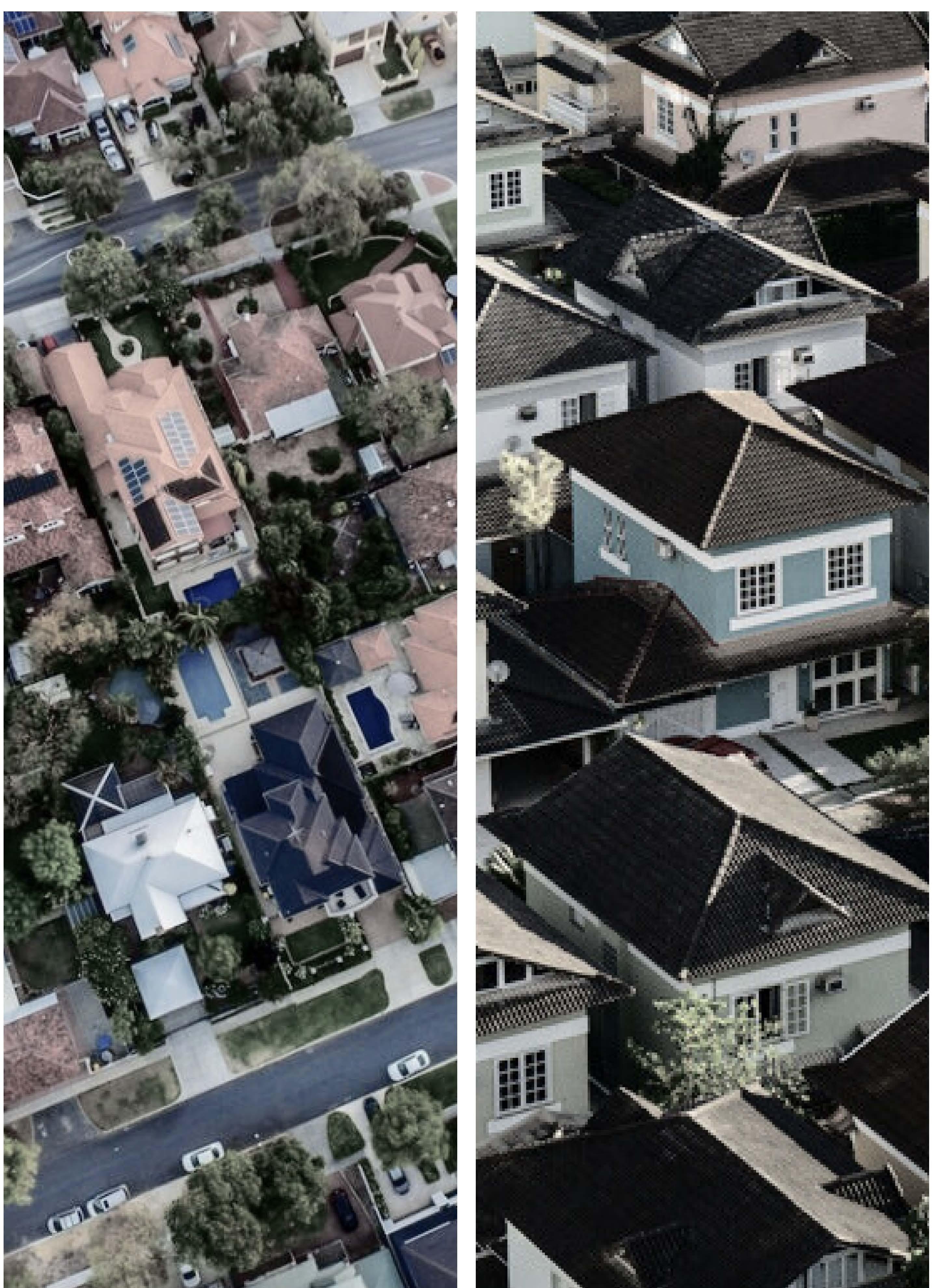
HousingaffordabilityintheU.S.hasemergedasacriticalissue, withrisingcostssignificantlyoutpacingincomegrowth,creating substantialfinancialstressformanyAmericanfamilies.
In 2017, nearly half of all renter households were classified as "cost-burdened," spending over 30% of their income on rent, according to the Department of Housing and Urban Development(HUD).Thischallengeextendsbeyondlow-income renters, increasingly impacting middle-income families, especially in urban areas with robust job markets. The lack of affordable housing in high-opportunity neighborhoods where children can achieve better economic outcomes compounds these difficulties. As housing prices soar near jobs and transit hubs, lower-income families are often pushed to the outskirts, resultinginlongercommutesandhighertransportationcosts.
To effectively address this growing affordability crisis, a strategic alignment of three housing policy reforms is essential: zoning reform, land value taxes, and expanded housing subsidies.

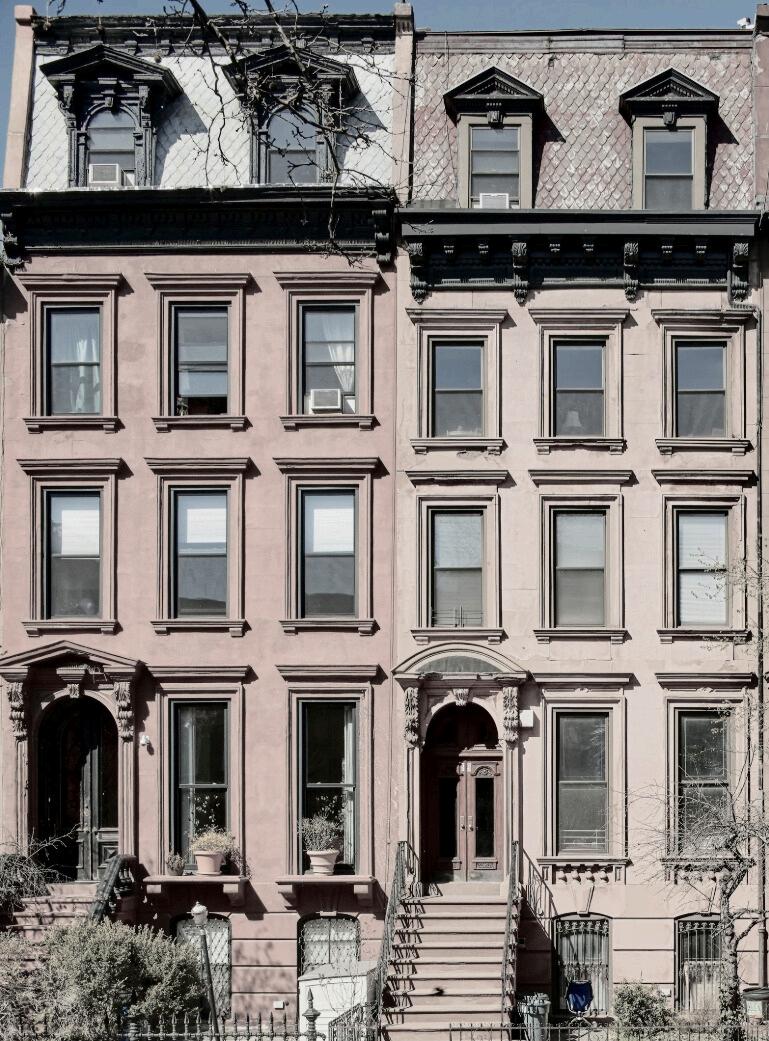
One of the most significant barriers to affordable housing is restrictive zoning laws that limit the development of smaller, more affordable housing options Many urban areas are predominantly zoned for single-family homes, effectively barring the construction of multifamily housing types such as townhouses, duplexes, or apartment buildings. For example, in cities like Washington, D.C., much of the urban land is designated for single-family homes, which prevents the redevelopment of these lots into more affordable, multi-unit structures.
Reforming zoning regulations to permit greater density in high-demand areas can significantly enhance housing availability By allowing the construction of smaller, more affordable units, cities can respond to market demand and promote a more equitable distribution of housingoptions.Thisnotonlyincreasessupply butalsohelpsalleviatethepressuresthatdrive uprentsinurbancenters.
Implementing a land value tax (LVT) can serve as an innovative approach to incentivize the development of underutilized properties. Unlike traditional property taxes, which penalize property owners for developing their land, an LVT focuses on taxing the value of the land itself. This encourages landowners toeitherdeveloptheirpropertiesorsellthemtodeveloperswho cancreatehigher-densityhousing
By taxing valuable land more heavily, local governments can capture some of the increased land value and reinvest those funds into community improvements. This model not only promotesdevelopmentindesirableareasbutalsobenefitslowand moderate-income families by making housing more accessible near jobs and essential services As seen in various successful implementations across the globe, an LVT can stimulate economic growth while simultaneously addressing the housingcrisis.
While increasing the overall housing supply is critical, direct financial assistance for low-income families is equally important. Expanding housing subsidies, such as vouchers or the National Housing Trust Fund, can alleviate the financial burden on the most vulnerable households Currently, only about one in five eligible renters receive federal assistance, leaving many struggling to afford rent in an increasingly competitive market
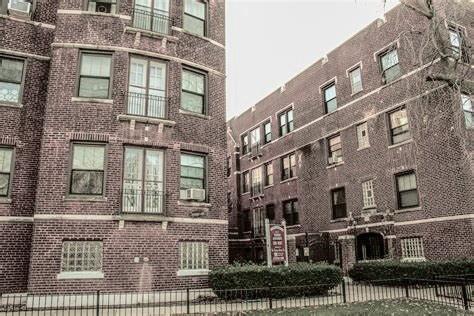
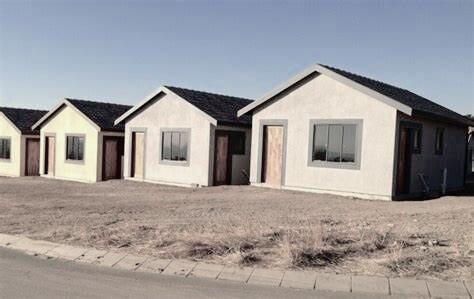
Enhancing these programs would ensure that low-wage workers can access affordable housing without the threat of displacement as market pressures rise. Direct subsidies not only support families in need but also contribute to the overall stability of communities by reducing homelessness and housing insecurity.

Implementing these reforms is not without challenges, particularly given the political power of homeowners who benefit from existing zoning regulations. Resistance to change is common at the local level, where engaged voters may oppose proposals that could threaten their property values or alter the character of their neighborhoods.
Tonavigatetheseobstacles,statesandthefederalgovernmentcan playacrucialroleinincentivizinglocalgovernmentstoadoptthese policies. Financial incentives or regulatory frameworks could encouragecitiestoimplementzoningreformsandlandvaluetaxes, makingiteasierforthemtodevelopaffordablehousingoptions.
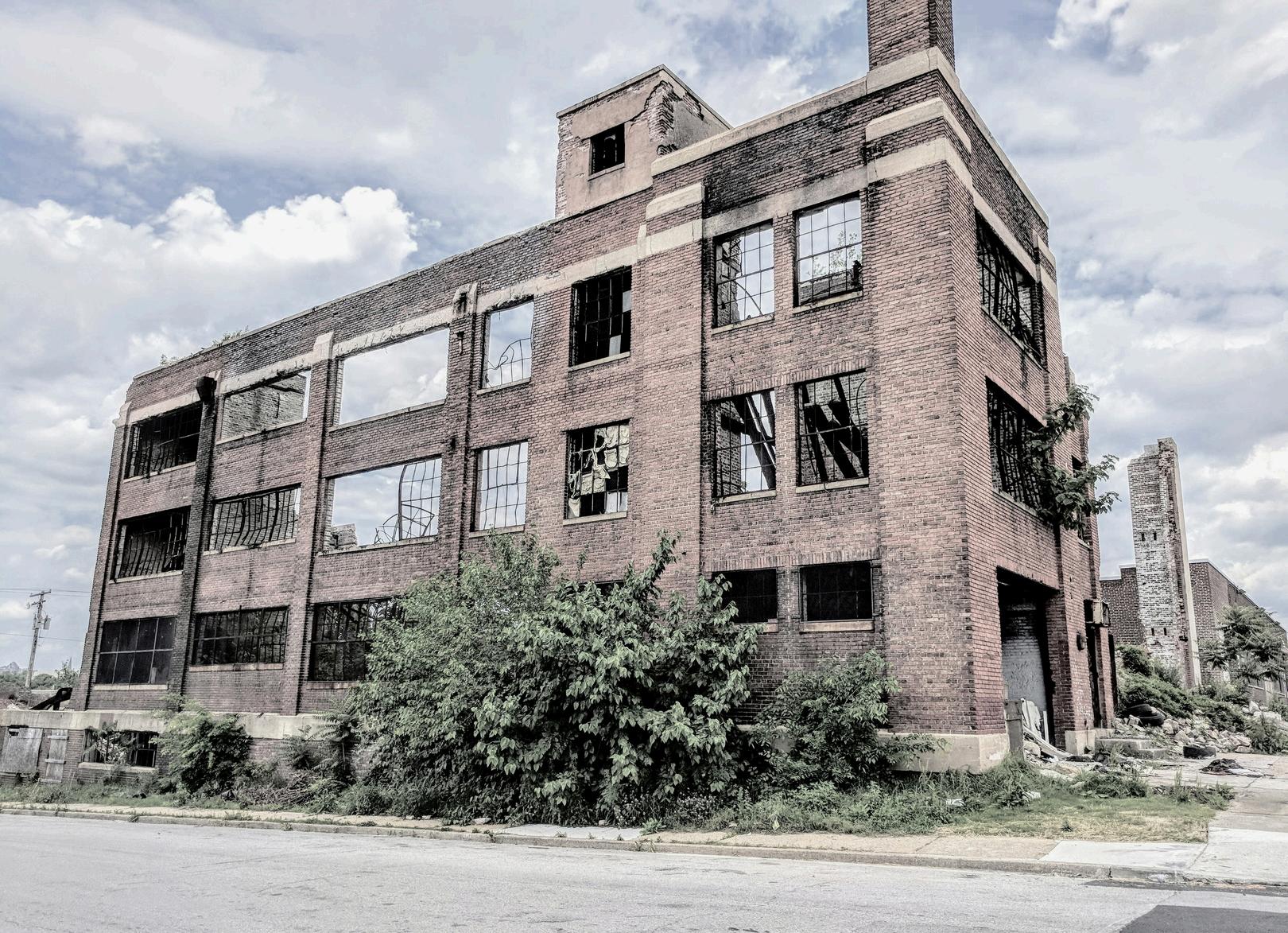
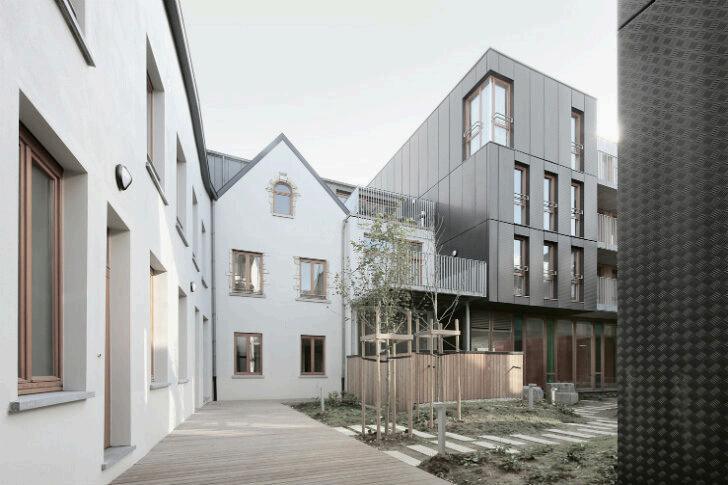
A successful example of innovative housing development can be found in Savonnerie Heymans Public Housing in Brussels. This project transformed an old soap factory into a vibrant residential community, offering a range of living options, including studios, one-to-six-bedroom apartments, and duplexes. The site was rezoned for residential use, opening up opportunities for a diverse groupofresidentstoliveinadesirableurbanlocation.
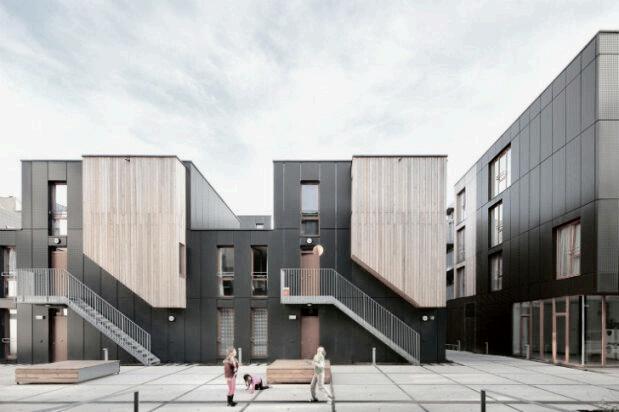
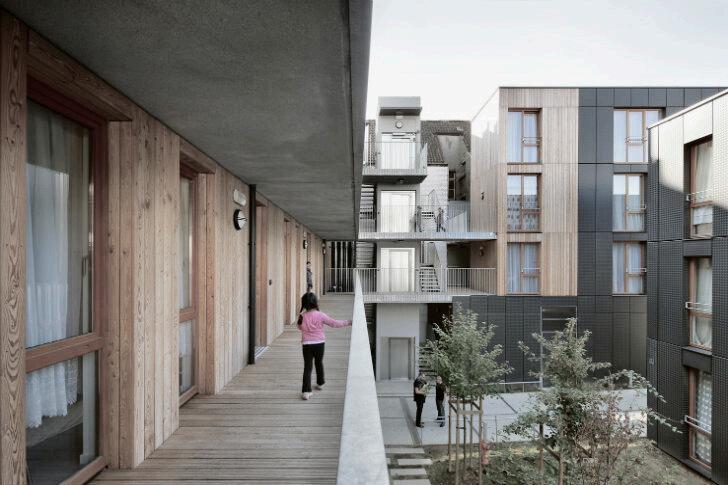
Therenovationofthefactorynotonlymadetheprojectmorecosteffective but also emphasized sustainability. By repurposing existing structures, the project minimized the need for new land developmentwhileprovidingaffordablehousingoptionsinacentral location. This case demonstrates how thoughtful policy, and innovative design can address housing shortages while promoting communityresilience.
As a young architect, I have always been driven by a passion for design and a desire tocreatespacesthatenhancethequalityof life for individuals and communities. However, as I begin my professional journey, I am increasingly confronted with thestarkrealityofhousingaffordabilityand theprofoundimpactithasonpeople'slives. The rising costs of housing, especially for those earning less than $80,000 a year, have made it exceedingly difficult for many to find suitable accommodations This experience has ignited a fervent commitment within me to advocate for affordablehousingsolutionsandtoaddress the challenges faced by low-income communities.
One of the most alarming aspects of the current housing crisis is the sheer scarcity of affordable options available for individuals and families with limited financial resources. Many people, including essential workers such as teachers, nurses, and service industry employees, struggle to secure even the most basic housing. With wages stagnating while housing costs continue to soar, the dream of homeownership feelsincreasinglyoutofreachfor countless individuals. The reality is that a significant portion of our population is being priced out of neighborhoods, often forced to live further from their jobs, schools, and essential services This not only exacerbates financial stress but also diminishes the overall quality of lifeforthoseaffected.

As I reflect on my own future, the prospect of trying to afford and buyahouseisincreasinglydaunting.Thedreamofhomeownership, once a hallmark of the American dream, now feels elusive. I worry about the financial burdens associated with rising housing costs and the potential for crippling debt. This concern is not just personal; it extends to my peers and the next generations who will face even greater challenges in securing housing If current trends continue,whatwillthefutureholdforyoungprofessionals,families, andindividualslookingforaplacetocallhome?Willtheybeforced tocompromiseonquality,safety,andlocation,orwilltheyfacethe prospectofalifetimeofrentingwithlittlehopeofeverowningtheir ownproperty?
These worries deepen my resolve to be a part of the solution. I am inspired by the notion that architecture can serve as a vehicle for social change. I believe that through thoughtful design, we can create affordable housing that not only meets the basic needs of residentsbutalsofostersasenseofcommunityandbelonging.This vision involves reimagining our approach to urban development, prioritizing inclusive designs that are accessible and adaptable to diverse populations. I am particularly interested in exploring innovative materials and construction techniques that can reduce costs without sacrificing quality, as well as engaging with local communities to ensure their needs and voices are central to the designprocess.
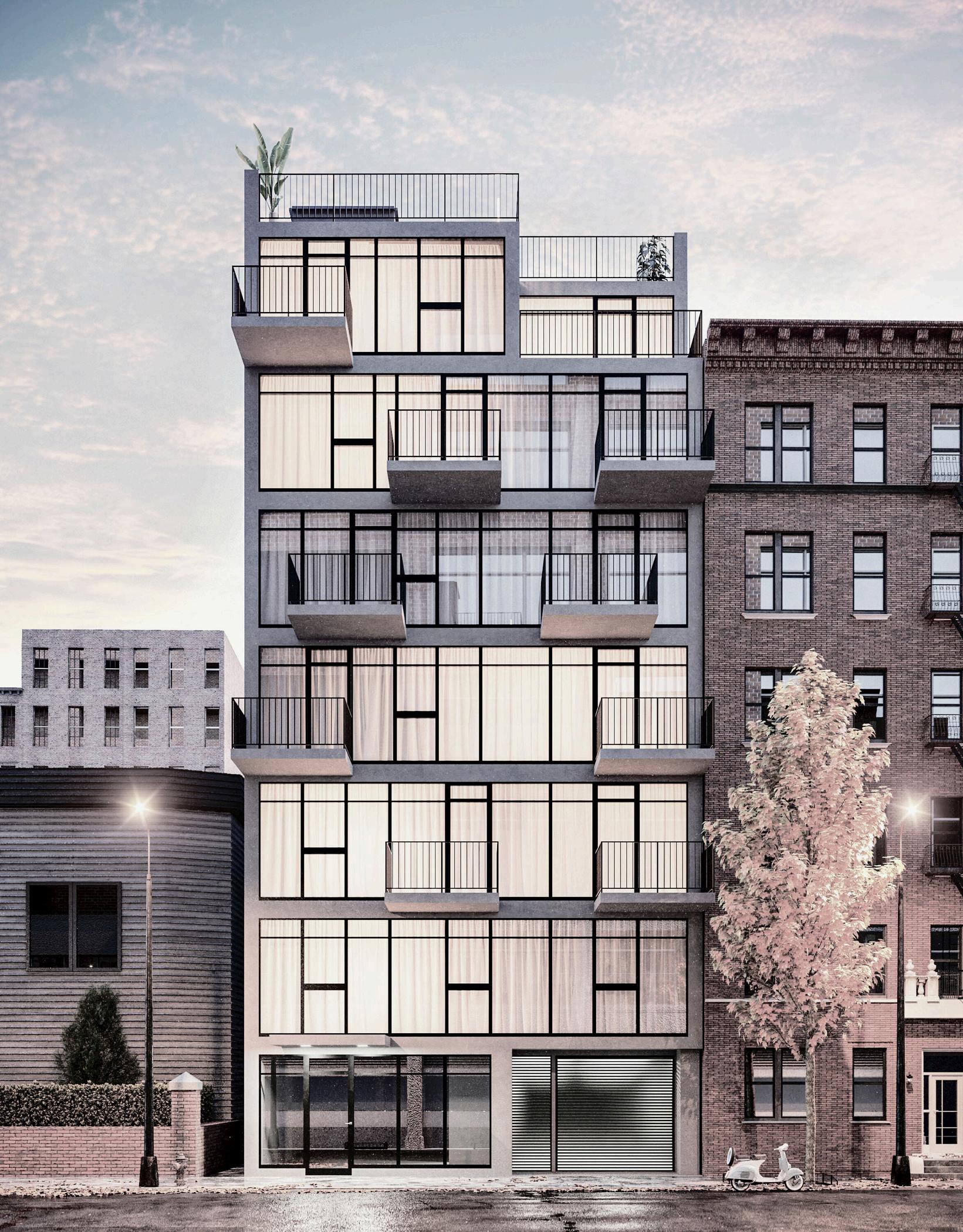
I am determined to dedicate my career to addressing the housing crisis and improving low-income housing. I envision a future where affordable housing is not a privilege but a fundamental right. By harnessingmyskillsandpassionfordesign,Iaimtocontributetoa movement that prioritizes the needs of underserved populations and creates a more equitable and just society As I embark on this journey, I carry with me the hope that, together, we can transform the landscape of housing and ensure that everyone has the opportunitytoliveinasafe,stable,andaffordableenvironment.
HUDUser.“America’sRentalHousing2017.”America’sRentalHousing2017|HUDUSER, PD&REDGE,5Feb 2018,wwwhudusergov/portal/pdredge/pdr-edge-featdarticle-020518.html.Accessed22Nov.2024.
Hughes,Cathy,etal “ImplementingaLandValueTax: ConsiderationsonMoving fromTheorytoPractice.”LandUsePolicy,ScienceDirect,8Feb.2020, wwwsciencedirectcom/science/article/pii/S0264837719315704 Accessed22 Nov 2024
Ross,Kritiana “SavonnerieHeymans/MDWArchitecture”ArchDaily,27Mar 2012, wwwarchdailycom/220116/savonnerie-heymans-mdw-architecture Accessed22Nov 2024