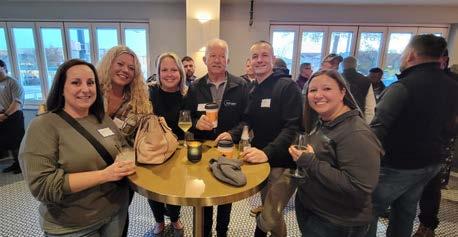
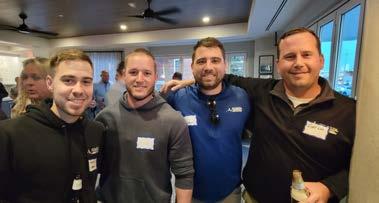
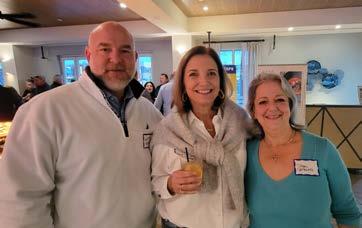
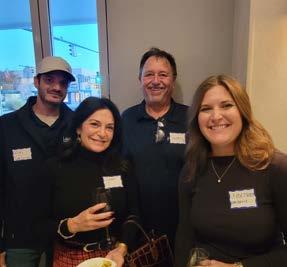
to an extraordinary year ahead— strong, united, and unstoppable.
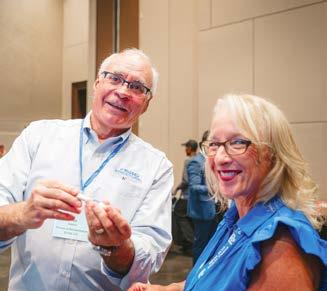
As this remarkable year draws to a close, I find myself reflecting with gratitude on the incredible momentum our chapter has built together. From the energy of our events to the growing participation across our region, the Chesapeake Chapter has continued to strengthen its presence, deepen its connections, and elevate the experience for every member. It has been inspiring to see the unity, professionalism, and enthusiasm that define who we are and how we operate as a chapter.
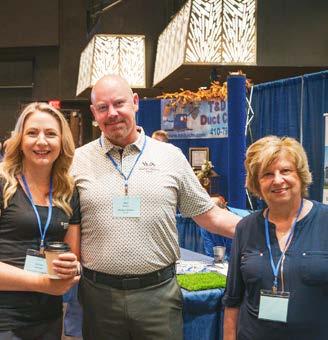
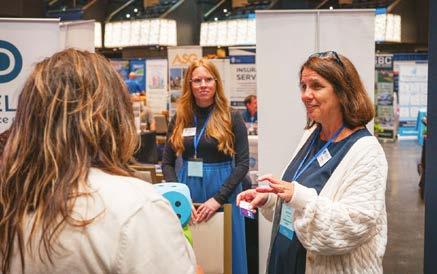
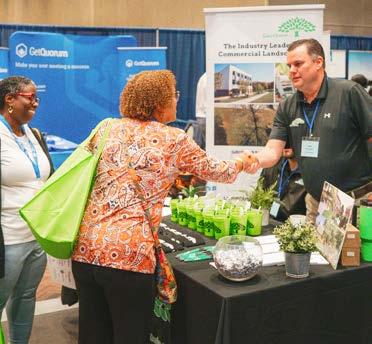
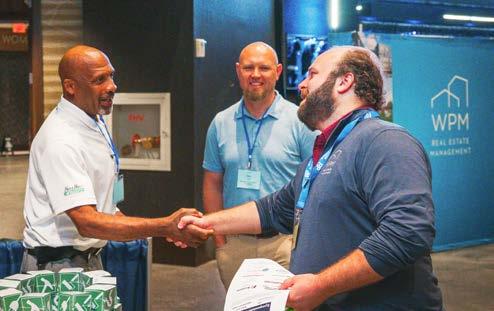
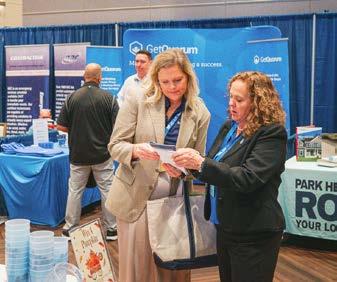
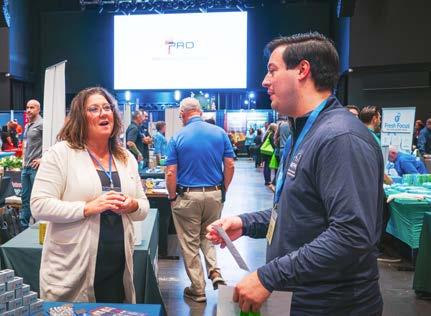
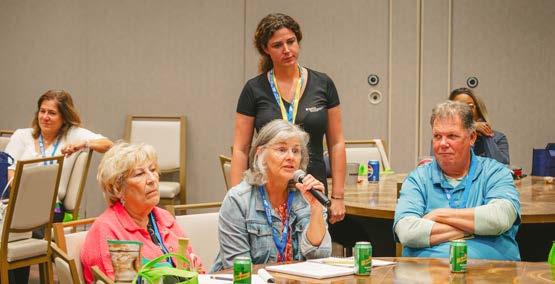
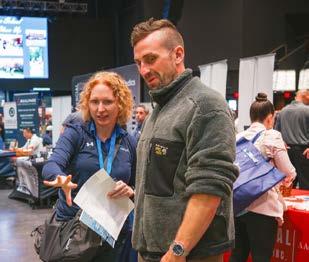
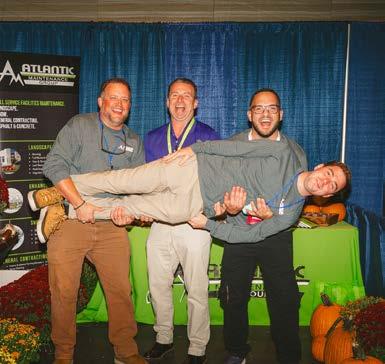
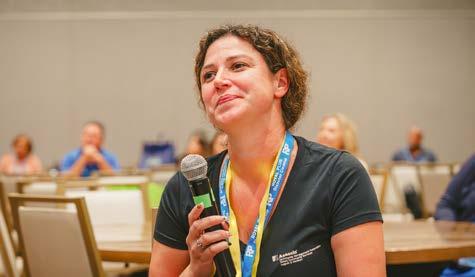
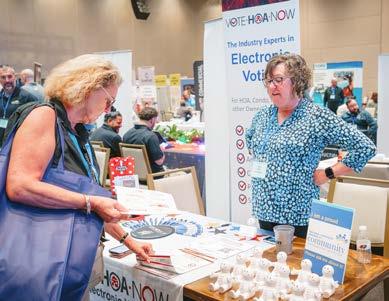
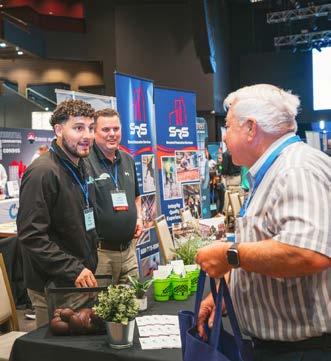
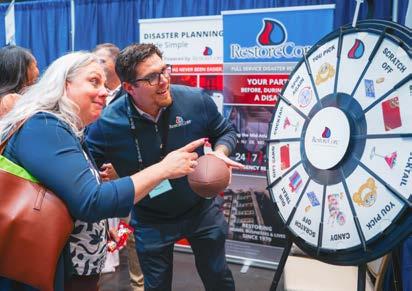
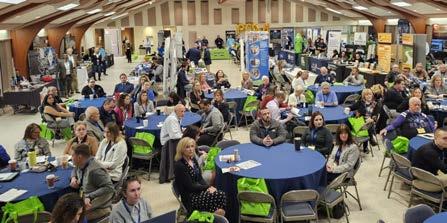
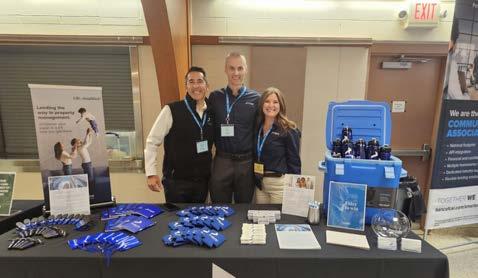
The LIVE! Expo once again delivered an exciting, high-impact experience, buzzing from the moment the doors opened. The show floor was filled with strong conversations, innovative displays, and some of the most engaged educational sessions we’ve seen. The dedication of our staff, Expo Committee members, and committee chairs was evident in every detail, and I want to thank each of them for the time and effort they invested to make this event a true success.
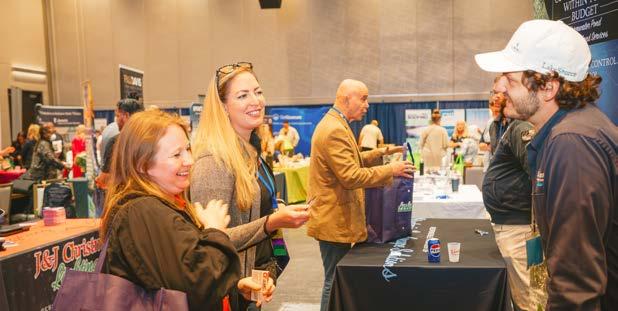
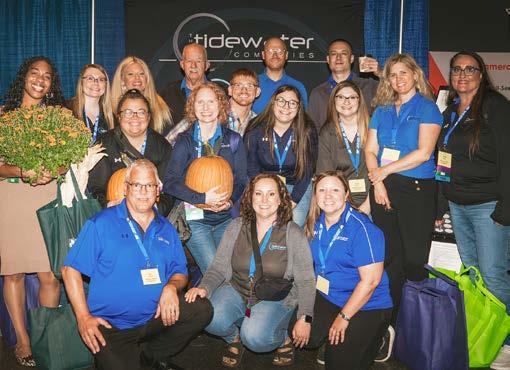
Equally impressive was the Delmarva Expo, which reached a new milestone this year with a sold-out crowd. The Eastern Shore continues to be an area of tremendous growth and opportunity, and this event showcased that evolution in a profound way. The energy, the participation, and the commitment from our Delmarva members and business partners sent a clear message: this region is rising, and its role within our chapter is only becoming stronger. I am proud of what this event has become and excited for what it signals for our future.
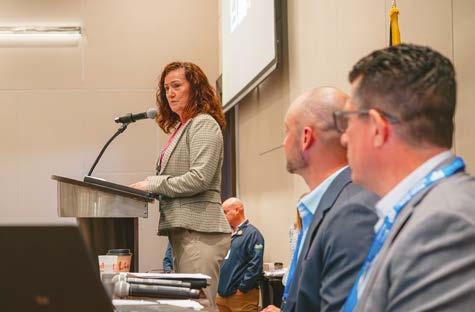
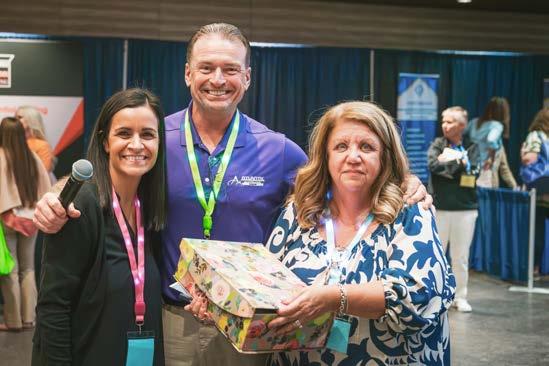
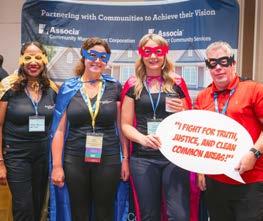
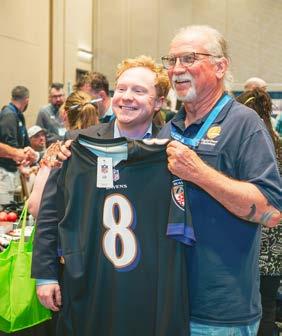
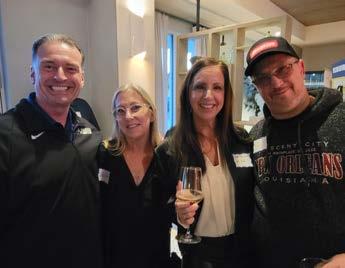
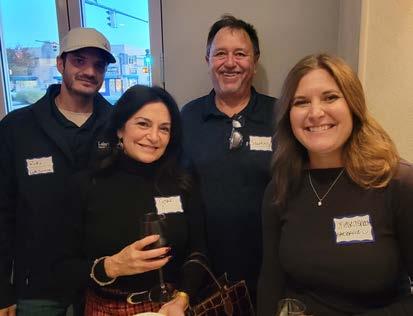
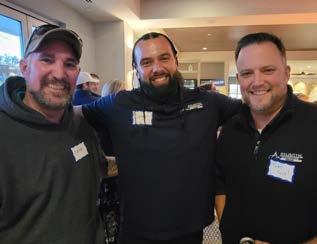
Our Annual Social is a moment to celebrate, reconnect, and recognize the remarkable contributions of the people who make this chapter thrive. The room is filled with camaraderie and appreciation—an atmosphere that truly represents who we are. Much like the Social, our Annual Meeting reminds us of our collective purpose as a Chapter.
On a personal note, stepping into the role of President mid-year has been a tremendous honor. I want to sincerely thank every member for the support, trust, and encouragement you’ve shown me throughout this transition. Your confidence means more than I can express, and I am humbled to continue serving as President in 2026. Together, we have built a strong foundation, and I look forward to leading alongside you as we continue advancing our mission.
As we turn toward the future, I am excited to say that the outlook for 2026 is bright, bold, and truly electric. Membership is growing, our programs are expanding, our committees are energized, and our chapter’s presence continues to strengthen across every corner of our region. We are entering a year filled with opportunity, momentum, and the kind of unified spirit that defines the Chesapeake Chapter.
And as we move into 2026, I encourage all of us to carry forward the message that has become a symbol of who we are: Be the Bison. Move with strength. Stand together. Lead forward. Bison face the storm, push through it, and come out stronger on the other side—and so do we. It captures the resilience, determination, and unity that continue to propel this chapter to new heights.
As the holiday season arrives, I want to extend my warmest wishes to you and your families. May your celebrations be joyful, your New Year be prosperous, and your days ahead be filled with success and new opportunities. Thank you for being a vital part of this chapter and for giving me the privilege of serving you.
Gary Saylor
Gary Saylor President, CAI Chesapeake Chapter President, Atlantic Maintenance Group
Welcome new members
Mr. Bob Balum
Ocean Hideaway
Jeannia Barksdale
Annen Woods Maintenance
Mr. Charles Behringer
Residential Realty Group, Inc.
Mr. Larry Birch
Shearwater Condominium Association
Ms. Karen Bradley
Community Management Corporation
Mr. Robert Busick
Best Pro LLC
Ms. Crystel Canela
Community Management Corporation
Mr. Larry Carbone
Katherine Chandler
Lake Linganore Association
Ben Cockroft
RestoPros of Baltimore
Pamela Colbert
Red Run Villas lll Condominiums
Mr. Matthew Collier
Alexa Cooper
Richardson Mews HOA
Fran Crystal
Annen Woods Maintenance
Ms. Alexandra Daddura
Montego Bay Civic Association
Christina Davis
Legum & Norman
Winston Dessesow
D H Bader Management, Inc
Mrs. Holly Donovan
Montego Bay Civic Association
David Flitt
RealManage
Mr. Brian Foote
Ocean Hideaway
Mr. Timothy Gonzales
Red Run Villas lll Condominiums
Robert Gwynn
Carroll Vista Condominium I, Inc.
Timothy Hannan
Carroll Vista Community Association
Mr. Stephen Harris
Mr. Robert Holte
Smartwebs
Barbara Ireland
Focus Answering Service
Mr. Robert Jandorf
Greenspring Quarry
Richard Jewell
Carroll Vista Condominium I, Inc.
Mr. Greg Kappler
Montego Bay Civic Association
Mr. Scott Katz
Annen Woods Maintenance
Kim Kavanaugh
Tidewater II Garden Condominium Association
James Kenny
Richardson Mews HOA
Sandra Kerstettter
River Run Condominium I
Mr. Ken Kinsey
Annen Woods Maintenance
Flynn Kleinfeller
Captain’s Cove Golf & Yacht Club, Inc.
Julia Knopf
Captain’s Cove Golf & Yacht Club, Inc.
Gail Levy
Annen Woods Maintenance
Mr. Steven Lewis
Esplanade at Red Run Villas I
Timothy Lynch
Shearwater Condominium Association
Mr. Ben Matthews
Platinum Auto and Truck
Ms. Angela McCargo
Red Run Villas II
Riley Mcwilliams
Maxalea, Inc.
Scott Miliman
Village of Painters Mill HOA
Mr. Lee Mintz
Annen Woods Maintenance
Marisa Moore
Mr. Mike Mueller
Greenspring Quarry
Mr. Timothy Mulford
Property Management People, Inc.
Mr. Steve Myers
Ocean Hideaway
Laurie Novotny
Mr. John O’Donnell
Ocean Hideaway
Robert Oliver
The Council of Unit Owners of Kingsgate Condominium, Inc.
Cheri Osborne
Condominium I of the Pines
Ms. Maria Palmer
Ocean Hideaway
Mr. John Pecora
Roundwood Ridge III Condominium
Mr. Andrew Phebus
Montego Bay Civic Association
Miss Gabriella Popoli
Montego Bay Civic Association
Steve Price
Property Management People, Inc.
Mr. Lou Progar
Greenspring Quarry
Kimberly Ruby
Carroll Vista Condominium I, Inc.
Camryn Schooley
VN Management, Inc.
Sara Shifflett
Captain’s Cove Golf & Yacht Club, Inc.
Mr. Robert Shipman
Esplanade at Red Run Villas I
Mr. Jeffrey Shoemaker
Timbergrove Condo
Beverly Silberman
Annen Woods Maintenance
Ms. Deborah Simon
Richardson Mews HOA
Juliet Smith
Tidewater II Garden Condominium Association
Marayna Smith
Ellen Smoot
Richardson Mews HOA
Melissa Spatafora
Association Prime powered by SouthState Bank
Ms. Michelle Stevenson
Condominium I of the Pines
Ms. Nancy Strohminger
Greenspring Quarry
Joel Sullivan
Sullivan’s Landscaping & Maintenance, Inc.
Andrew Turner
Blue Kangaroo Packoutz of Baltimore
Gerard Vandenberg
Shearwater Condominium Association
Marcie Weinberg
Timbergrove Condo
Mrs. Angela Winder
Captain’s Cove Golf & Yacht Club, Inc.
Mr. Tommy Winston
Heritage at St. Charles
S. Lynn Wivell
Carroll Vista Condominium I, Inc.
Ms. Vanessa Wuestewald
HOA Election Experts LLC
Aaron Wyatt
FirstService Residential DC Metro
Alex Yalfani
First Property Management
Kayleigh Yarris
Taylor Bank
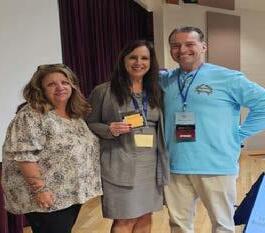
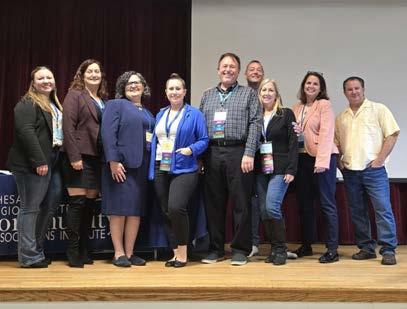
We are excited and honored to have been invited to the 2nd Annual “In the Spirit of Community” Together We Rise! Awards Recognition and Stakeholder Reception on Saturday, September 27th.
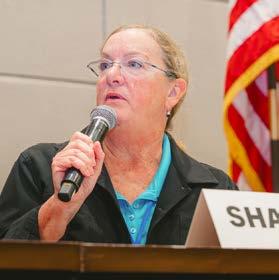
A huge thanks to Cindy McKoin and Gary Saylor for sharing our message with the attendees. We’re thrilled to have made so many new friends and connections in Prince George’s County and can’t wait to continue building together. A very special shoutout to the amazing keynote speaker, Dawn Bauman, representing Community Associations Institute and powerfully sharing our mission and vision.
Check
2026 Professional Management Development Program (PMDP)
For more information and to visit the list of courses offered in 2026 visit here: https://www.caionline.org/ education-for-managers/ Or scan here
DELAWARE HIDDEN TREASURES
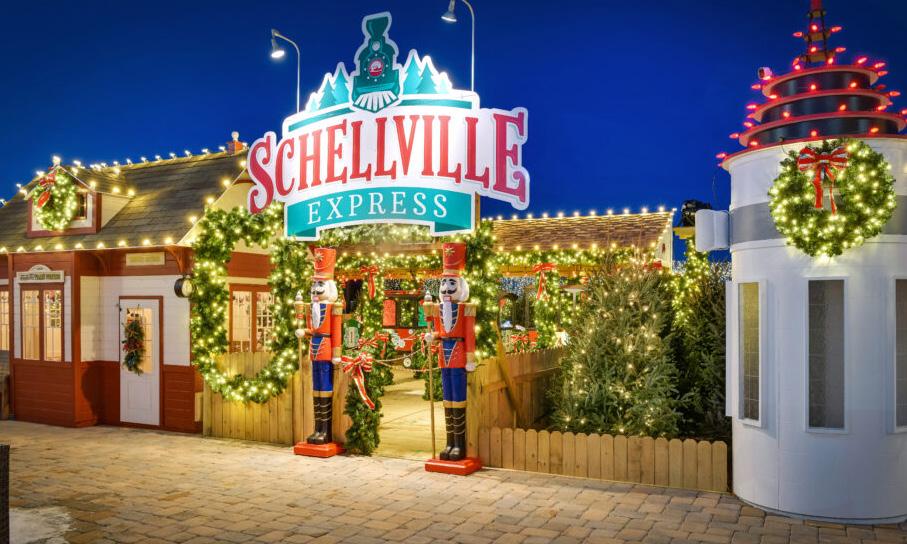
Schellville: A Magical Winter Village at the Delaware Beaches
When the Schell Brothers first dreamed up a magical Christmas village in 2017, they set out to create more than just a holiday display—they wanted to give Coastal Delaware a tradition filled with wonder, joy, and community spirit. That first season, nine beautifully decorated miniature houses, twinkling Christmas trees, and festive activities lit up the hearts of visitors.
Since then, Schellville has blossomed into one of the region’s most beloved holiday events. By 2022, the village expanded to a sprawling 5.5 acres of Christmas cheer. Today, it’s a must-see destination for families, friends, and holiday enthusiasts from across the Delmarva Peninsula and beyond.
Where to Find the Magic
Schellville is tucked behind the Tanger Outlets at 36470 Seaside Outlet Drive in Rehoboth Beach, Delaware. Easily accessible and centrally located, the village brings a dose of North Pole magic right to the heart of the Delaware Beaches.
What to Expect at Schellville
From the moment you step inside, you’re transported to a glowing wonderland. Thousands of sparkling lights twinkle overhead, whimsical “Tiny Houses” capture the imagination of children, and themed sections invite visitors to explore at their own pace. Cozy fire pits, snowy surprises, and interactive activities make every corner feel like a discovery.
Highlights include:
• Magical Snow: Every hour, snow falls across the village for 15 enchanting minutes.
• Santa & Mrs. Claus: Families can meet the beloved couple and snap holiday photos.
• Snow Zone: Kids can romp and play in a safe, snowy wonderland.
• Festive Houses: Each one uniquely decorated, perfect for exploring and photo ops.
Glide, Ride, and Play
One of Schellville’s biggest attractions is its free open-air roller “ice” skating rink. Rentals are available for a small fee, giving kids (and kids at heart) a chance to glide into the season. Nearby, the snow-free tubing hill promises laughs and thrills as riders race down the slope. And for those looking to slow down, the Schellville Train provides a charming ride through the entire village—fun for all ages.
Sip, Savor, and Shop
No holiday village is complete without festive food and drink, and Schellville doesn’t disappoint. Food trucks and vendors offer everything from steaming mugs of hot cocoa and cider to hearty comfort food. Adults can even enjoy holiday-themed cocktails, best savored by a fire pit or inside a cozy Alpenglobe—a private heated dome available for rent.
Shopping is equally special at the Artisan Village, where local makers showcase handcrafted jewelry, ornaments, home décor, and other unique gifts. Supporting these small businesses adds an extra layer of community spirit to every purchase.
Sounds of the Season
Live entertainment brings even more cheer to Schellville. Local bands, carolers, and performers rotate throughout the season, meaning no two visits are ever quite the same. Whether it’s a chorus of holiday classics or festive pop tunes, the music adds another joyful note to the atmosphere.
Planning Your Visit
• Season: Schellville opens mid-November and runs through late December.
• Admission: Free for all ages (with small fees for rentals, food, and select activities).
• Parking: Available behind Tanger Outlets, with overflow and shuttle options nearby. Handicapaccessible parking is also provided.
• Special Hours: Schellville offers dedicated times for families with young children or special needs.
• No Reservations Needed: Unlike previous years, you no longer need a timed ticket—just show up and enjoy!
Pro Tips
• Arrive early to avoid peak crowds on weekends.
• Dress warmly—it’s an outdoor event, though fire pits and warm drinks help.
• Bring a camera—the glowing lights and magical backdrops make perfect holiday photos.
• Follow @schellville_rehoboth for real-time updates on entertainment schedules and weather-related closures.
Giving Back
Beyond the lights and festivities, Schellville also has a heart for giving. Proceeds from vendors often support the Harry K Foundation, a local nonprofit dedicated to fighting childhood hunger. Visitors can feel good knowing their holiday cheer helps families in need.
Why Schellville Shines
What began as nine little houses in 2017 has grown into one of Delaware’s most cherished holiday traditions. Schellville captures the very essence of the season: community, joy, and togetherness. Whether you’re skating, shopping, sipping cocoa, or simply soaking in the lights, it’s an experience that keeps families returning year after year.
This winter, take a stroll through Schellville and rediscover the magic of the holidays.
Written by: Jennifer Melson, CMCA, AMS Partnership Executive Sullivan’s Landscaping & Maintenance jennifer@sullivanslandscaping.com
MARYLAND HIDDEN TREASURES
Baltimore’s Miracle on 34th Street
When most people hear “Miracle on 34th Street,” the beloved 1947 holiday classic film of the same name comes to mind. When the residents of Baltimore hear the phrase, it can only refer to the dazzling display of lights and decorations that adorn a single block in the city every holiday season. Spanning both sides of the 700 block of 34th Street in the Hampden neighborhood, the public display has been a Charm City tradition for nearly 80 years. The origins are fuzzy, likely beginning as a good-natured “arms race” of lights and decorations amongst neighbors, but today it is a well-coordinated effort of holiday cheer and joy. There is an annual lighting ceremony on the final weekend of November, lights are on from dusk to 10pm every night, and visitors flock to The Miracle from across the city and across the region to soak in the cheer.
The displays on the block have grown and evolved over the years, to include model train displays, quirky sculptures and artwork, elaborate Christmas scenes on
rooftops, homes decorated for Hannukah, an army of Santas, and the famous “Hubcap Christmas Tree,” made entirely of–you guessed it–hubcaps. Some residents even invite visitors into their homes to view elaborate indoor displays, and others hand out hot chocolate and candy canes on the sidewalk. The street fills every night with visitors, and weekends are especially busy. Parking is tough–plan to walk from a few block away–but the payoff is something entirely unique.
If you want to experience something this holiday season that is a little bit beautiful, a little bit tacky, and 100% fully Baltimore, follow the sounds of the Christmas carols and whirring electric meters, turn the corner onto 34th Street into the glow of the lights, and let The Miracle give you a memory that is timeless and true.
Written by: Jedd C. Narsavage Director of Business Development GreenSweep LLC jedd@greensweepllc.com
All Aboard the Polar Express
The wonder of the season meets the nostalgia of a train ride in Cumberland Maryland. Western Maryland
Scenic Railroad hosts the Polar Express Train Ride. This ride is inspired by the beloved book and hit movie. The story is brought to life with a live reading of The Polar Express™, sing along to songs from the film, and relive favorite scenes—right from your seat. Hot chocolate and a cookie are served on board, and everyone receives a commemorative silver sleigh bell to remember the journey. Dress in your most comfortable, favorite pajamas, dance with your loved ones, and make unforgettable holiday memories with Santa himself.
The Polar Express Train Rides run from November 21st to November 23rd with a steam engine locomotive for a truly historic ride. For a more modern spin a diesel-powered locomotive runs from November 28 through December 23rd.
Seating is limited and popular dates sell quickly, so be sure to book your ride today! Visit the website to book tickets and for more details at https://wmsr.com/the-polar-express-train-ride
Written by Dawn Lewis, CMCA, AMS, Property Management People
OCEAN CITY BEACHClean-up
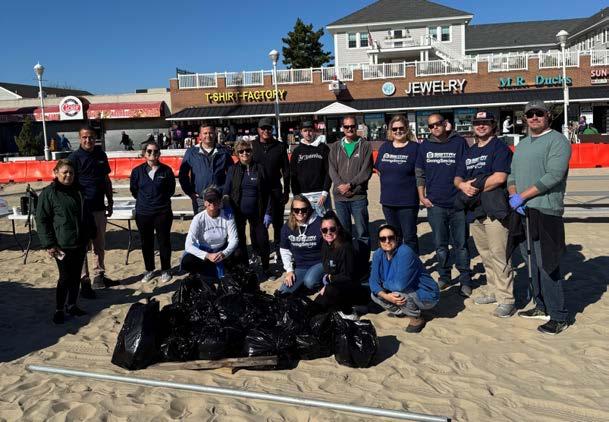
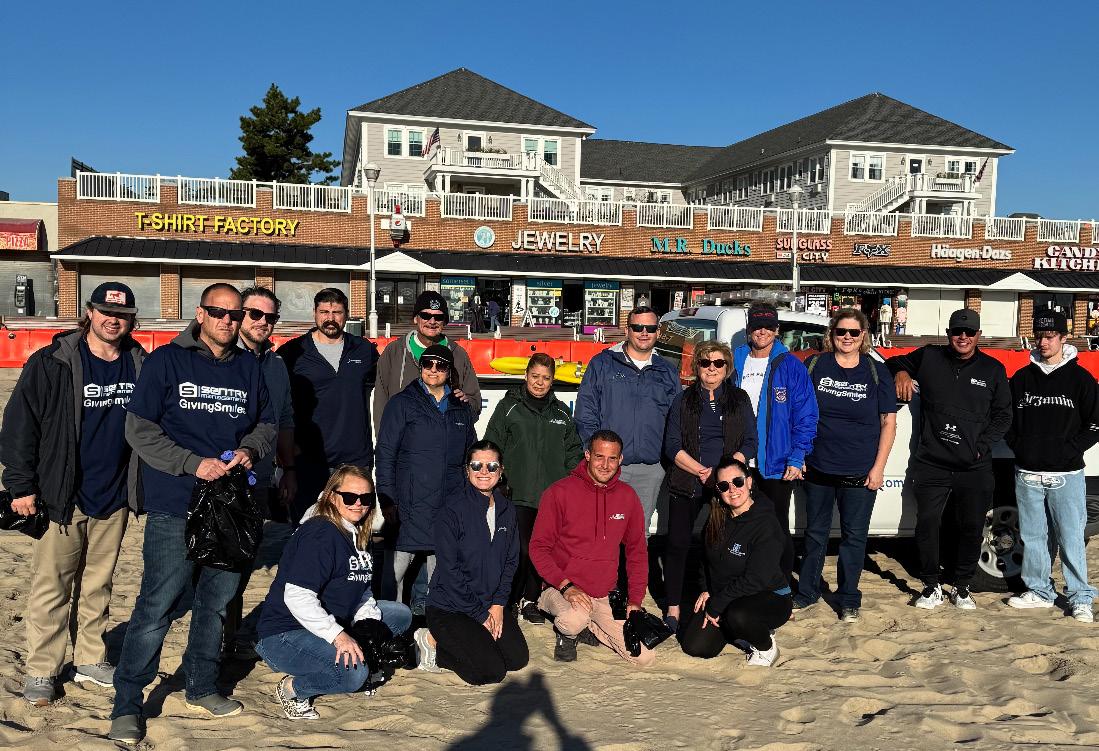
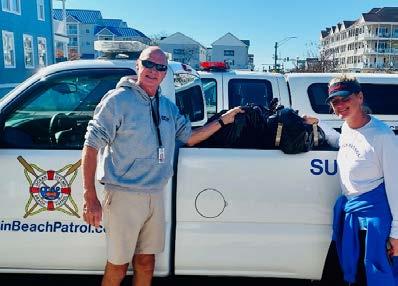
A huge THANK YOU to all of the volunteers who came out to help with the Chesapeake Chapter & Litter Free OC Beach Cleanup Event on October 23rd! Our volunteers collected 150 lbs. of trash in 2 hours! We appreciate all that you do. Thank you to the Membership Engagement Committee for putting this great event together.
Communities Old and New
Organized communities are most often new construction in an otherwise cleared area, either out in the suburbs or in a much larger newly planned development. Some communities, though, are built within much larger existing neighborhoods or residential areas within urban environments, sometimes in areas with centuries of tradition or neighborhood culture which now surrounds them. The new community popping up within the old can lead to a feeling of separation between the two for a number of reasons.
Here are a few suggestions to help your community integrate with the area around it:
JOIN EVENTS NEARBY AS A COMMUNITY.
One HOA in Baltimore had a booth at the larger neighborhood’s fall festival, along with the developer, in order to introduce themselves and help introduce their new residents to the neighborhood at large.
BE A PART OF WHAT’S THERE!
If there is an existing neighborhood association or organization the new community should join! Roland Park, in Baltimore, is one of the first planned communities in the country, but has had a number of new construction projects over the years as mid-rise condominiums go up or new townhouses replace older single family homes. The new community becoming a participating member of the older one leads to inclusion in other local events and can lead to better integration with the neighbors who’ve been there for years.
GET INVOLVED LOCALLY!
Ask at the community center or religious institutions in the area and see what you can do. A food drive or community cleanup day that covers more than just the HOA can help emphasize both that your community wants to be a part of the broader area, and that we’re all in this together.
HOST OPEN EVENTS!
Many associations host events for their own members, but one way to be neighborly is to host an open event on the association’s green space. This helps the old neighbors see the new association as a part of the community, and not just an off-limits area.
Try putting some of these suggestions into practice, and if you belong to one of these integrating communities let us know what’s worked for you!
Written by: W. Christian Klarner, CMCA Community Manager, Association Real Estate WPM Real Estate Management wklarner@wpmllc.com
Many Thanks
2025 DIAMOND SPONSORS
Atlantic Maintenance Group
Becht Engineering BT, Inc.
Hann & Hann Construction Services
Kris Konstruction Roofing Professionals
MillerDodson Associates, Inc.
Minkoff Company
Nagle & Zaller, P.C.
North Arundel Contracting, Inc.
Park Heights Roofing
Pinnacle Financial Partners
Prestige Tree Experts
Rees Broome, PC
Sahouri Insurance
The Falcon Group Engineers, Architects & Reserve Specialists
Tidewater Property Management, Inc., AAMC
WPM Real Estate Management
2025 PLATINUM SPONSORS
Clear: Restoration and PreDisaster Consulting
Community Association Underwriters of America
Davis, Agnor, Rapaport & Skalny
Duradek MidAtlantic
EJF Real Estate Services
Palmer Brothers Painting & General Contracting
SI Restoration
2025 Gold Sponsors
Condominium Venture, Inc.
D.H. Bader Management, Inc.
FirstService Residential
Pacific Premier Bank
Structural Restoration Services, Inc
2026Charting Your Course
THURSDAY, JANUARY 15, 2026
9:30-10:30 am
Ahoy, Future Crew Member!
The Chesapeake Region Chapter of CAI invites you aboard our virtual ship for “Charting Your Course!”
We’ll introduce you to our Chapter, our committees, and all the ways you can dive in and get involved. Think of it as your guided tour of the CAI seas — no life jackets required. Interactive games included!
Two $50 gift cards will be awarded to lucky sailors who participate with cameras on — so set sail with your best Zoom smile!
Get More Involved in 2026 & Join a Chapter Committee!
Beacon Magazine Committee
Communications Committee
Delmarva Committee
Education Committee
Expo Committee
Golf Committee
Legislative Committee
To explore our commi eesaheadoftime click here
Membership Engagement Committee
Social Committee
Things you should know about your D&ODISCRIMINATION CLAUSES
Coverage for discrimination claims is one of the most critical components of a Directors & Officers (D&O) liability policy written for a homeowners or condominium association. While it may not always be a single, standalone “Discrimination Clause,” the policy is specifically designed to respond to these exact types of allegations. Here’s how it works and what HOA boards need to know:
HOW DISCRIMINATION IS COVERED
Instead of a single clause, coverage for discrimination is typically found within the policy’s broad Definition of a “Wrongful Act.” A wrongful act is usually defined as any actual or alleged error, omission, misstatement, misleading statement, neglect, or breach of duty by the board members. A claim of discrimination—for instance, an allegation that the board unfairly enforced a rule against a specific resident—falls squarely within this definition.
THE SOURCE OF CLAIMS: BEYOND EMPLOYMENT
For an HOA, the risk isn’t from employment law; it’s from housing law. The primary sources of discrimination claims against HOA and condo boards are:
• The Fair Housing Act (FHA): This federal law prohibits discrimination in housing based on race, color, religion, national origin, sex (including gender identity and sexual orientation), familial status, and disability.
• The Americans with Disabilities Act (ADA): This applies to areas of the community that are open to the public (e.g., a rental hall or pool that allows public guests) and requires reasonable accommodations.
• State and Local Fair Housing Laws: Many states and cities have their own fair housing laws that may offer even broader protections.
COMMON DISCRIMINATION SCENARIOS COVERED BY HOA D&O INSURANCE
Your D&O policy is structured to defend the board and the association against claims such as:
1. Failure to Provide Reasonable Accommodations: This is the most common type of discrimination claim. A resident requests a modification to their unit or a common area for a disability—such as a ramp, a specific parking spot, or permission to have an assistance animal in a “no pets” building. If the board denies this request, it can lead to a lawsuit.
2. Selective Enforcement: A homeowner alleges the board is enforcing rules (e.g., about lawn maintenance, holiday decorations, or parking) against them because of their race, religion, or familial status, while ignoring similar violations by other residents.
3. Familial Status Discrimination: The board creates rules that unfairly target families with children, such as prohibiting kids from using the pool during certain hours or playing in common green spaces.
4. Harassment: A board member is accused of harassing a resident based on a protected characteristic. The D&O policy would also defend claims that the board failed to act when one resident harassed another.
5. Denial of Sales or Leases: An owner or potential buyer claims the board interfered with or denied a real estate transaction based on the buyer’s protected class.
IMPORTANT EXCLUSIONS AND CONSIDERATIONS
Even with this coverage, boards need to be aware of key limitations:
• Intentional Acts Exclusion: The policy will not pay for damages if a board member is found by a court to have intentionally and maliciously discriminated against someone. However, the policy is still critically important because it will pay the legal defense costs for that board member until such a final, non-appealable judgment is made.
• Non-Monetary Relief: Lawsuits often demand more than just money; they may demand the HOA build the ramp, change its rules, or force the board to approve a sale. While the D&O policy will pay for the legal costs to defend against this lawsuit, it will not pay for the actual cost of building the ramp or complying with the court’s order.
• Bodily Injury: If a discrimination or harassment claim involves a physical assault, the D&O policy will not cover the bodily injury portion of the claim. That would fall under the association’s General Liability policy.
• Watch out for specific exclusion on discrimination. The “non-employment” aspect specifically refers to claims that do not involve employees. This could be shareholder lawsuits, regulatory investigations, third party vendor disputes, creditor claims and more.
• Claims-made policy form. Careful attention should be given to full prior acts coverage and the retroactive date.
In summary, D&O policies for HOAs are specifically designed with discrimination claims in mind. Given that volunteer board members are making frequent decisions that impact their neighbors’ homes and rights, this coverage is not just an option—it is an absolute necessity for protecting the board members’ personal assets and the association’s financial stability.
Written by:
Connie Phillips & Orlando Dorsey
Connie Phillips Insurance
info@insurance-financial.net
cpi@insurance-financial.net
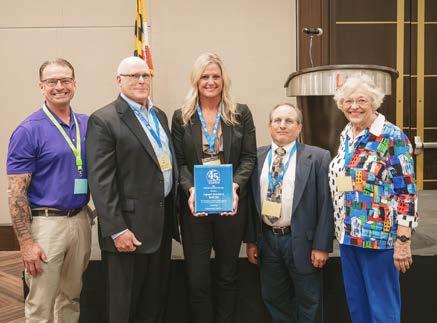
We are thrilled to recognize Captain’s Cove Golf & Yacht Club as the first recipient of our Community Association of the Year Award!
Captain’s Cove is a beautiful and vibrant community known for its strong membership, active events calendar, and dedication to excellence in community management. Their commitment to fostering engagement and maintaining a high quality of life for residents truly sets them apart.
We proudly congratulate Captain’s Cove Golf & Yacht Club for exemplifying the best practices recommended by the Community Associations Institute (CAI) and for their ongoing efforts to build a thriving, connected community.
Congratulations again to the entire Captain’s Cove team and community—this recognition is well deserved!
The Hand that Binds:
Pinpointing the Property Manager’s Signature Authority
In the ecosystem of a community association, the property manager often serves as the operational base, the visible and active presence that keeps the community running smoothly. However, a crucial question that boards and homeowners must grapple with is the extent of the property manager’s authority to legally bind the association. When a property manager signs a contract or an insurance claim, are they acting within their rights, or are they exposing the association to unforeseen liabilities? The answer is not found in assumptions but is written in black and white within the association’s foundational legal documents.
The Foundation of Authority: Locating the Source in Your Documents
A property manager’s power to act is not inherent; it is a delegated authority. To understand its boundaries, one must look to the two primary sources: the association’s governing documents and the specific management contract.
1. The Governing Documents: The Ultimate Source of Power
The ultimate authority to run the association and enter into contracts on its behalf rests with the Board of Directors, as granted by the community’s governing documents (such as the Bylaws and the Declaration of Covenants, Conditions, and Restrictions or CC&Rs). These documents are the constitution of your community.
When examining your governing documents, look for sections titled “Powers and Duties of the Board of
Directors” or “Administration.” These clauses will explicitly state that the board has the power to manage the affairs of the association, maintain the common elements, and enter into contracts. Crucially, this section will also typically describe the board’s power to delegate its authority. It may state that the board can hire “agents, employees, and independent contractors” to carry out its responsibilities. This power to delegate is what makes a professional management relationship possible. The governing documents grant the power to the board, which then transfers a specific portion of that power to the property manager.
2. The Management Contract: The Rulebook for Delegation
If the governing documents grant the board the right to delegate authority, the property management contract is the instrument that defines the precise terms and limits of that delegation. This agreement is the most important document for understanding a manager’s day-to-day signature authority. When reviewing the contract, pay close attention to the following clauses:
• “Scope of Authority” or “Duties of the Manager”: This section will detail the manager’s responsibilities. It should specify which actions the manager can take independently and which require prior board approval.
• “Financial Management” or “Expenditures”: This is often the most critical section regarding signature
authority. It will typically specify a precise dollar amount that the manager can spend without seeking board approval. For example, the contract might state that the manager can authorize any repair or purchase necessary for routine maintenance up to a limit of $500. Any expense exceeding this amount requires a board vote or the signature of a board officer.
• “Contracting”: The agreement may explicitly state which types of contracts the manager is pre-authorized to sign. This often includes routine service agreements for things like landscaping or pool cleaning. Conversely, it should also specify that contracts for capital improvements, professional services (like legal or engineering), or any agreement lasting longer than one year requires the explicit approval and signature of the board.
Ambiguity in these documents can lead to the dangerous territory of apparent authority. This legal principle arises when a third party, like a vendor, reasonably believes the manager has signing authority based on their title and actions, even if the management contract says otherwise. This is why having clear, specific limitations written into the contract is a board’s best defense. A property manager’s authority to sign on behalf of a community association stems from two primary sources: formal authority and apparent authority.
Formal authority is the most straightforward. It is explicitly granted to the property manager through the association’s governing documents, such as the bylaws or articles of incorporation, or through specific resolutions passed by the board of directors.
Apparent authority, also known as implicit authority, is a more nuanced legal concept. It arises when a third party, such as a vendor or an insurance company, reasonably believes that the property manager has the authority to act on behalf of the association, based on the manager’s position, actions, or the association’s conduct.
Navigating Vendor Contracts and Insurance Claims
With a clear understanding of the documents, the rules for vendor contracts become clearer. If a vendor presents a contract for a $2,000 repair project and the manager’s contractual limit is $500, they lack the formal authority to sign it. Doing so would be a breach of their agreement.
The process for insurance claims follows the same principle. While the manager is essential for coordinating inspections and gathering documentation, the authority
PROVIDING EXCEPTIONAL COMMUNITY ASSOCIATION MANAGEMENT SINCE 1991
D.H. BADER MANAGEMENT
to sign a final settlement agreement or proof of loss form almost always rests with the board. These are significant financial documents that legally bind the association, and the board must exercise its fiduciary duty by reviewing and approving them directly.
The Perils of Overstepping: Lawsuits and Liability
The consequences of a property manager acting outside their documented authority can be severe. A contract signed without proper authorization can lead to a breach of the management agreement, giving the association grounds to sue the management company for any resulting damages.
For the association, the board’s lack of oversight can be interpreted as a ratification of the manager’s actions, making the community liable for contracts it never approved. Board members who fail to properly supervise their agents can be found in breach of their fiduciary duty, potentially facing personal liability. Lawsuits from unit owners or vendors can arise from these situations, creating financial and reputational harm to the entire community.
Best Practices for a Clear Chain of Command
To avoid these legal pitfalls, community associations must prioritize clarity and process:
• Clearly Define Authority: Ensure the management contract contains specific dollar limits and delineates the types of contracts the manager can and cannot sign.
• Formal Board Approval: For any expenditure or contract that exceeds the manager’s pre-approved
authority, the board must formally vote and document the approval in the meeting minutes.
• Designated Signatories: The board should formally resolve who—be it the president or treasurer—is authorized to sign contracts on the association’s behalf once they are approved.
• Open Communication: Maintain a transparent dialogue with the property manager about expectations and limitations regarding their role in procurement and contracting.
• Legal Counsel: Have an attorney review the management contract before signing to ensure the delegation of authority is clear, protective of the association, and compliant with the governing documents.
In conclusion, a property manager’s signature authority is not a matter of convenience; it is a critical legal boundary defined by the association’s governing documents and memorialized in the management contract. By ensuring these documents are specific and by adhering to a process of formal approval, boards can empower their managers to be effective while safeguarding the community from the significant risks of an unauthorized pen stroke.
Written by: Orlando Dorsey Connie Phillips Insurance info@insurance-financial.net
and Leslie S. Brown, Shareholder Rees Broome, PC lbrown@reesbroome.com
New Ambassador Program Welcomes New CAI Members!
The Membership Engagement Committee (formerly the Membership Committee) is excited to announce the launch of a new Ambassador Program designed to help welcome and connect members who have joined CAI within the past year.
The goal of this program is to provide new members with a friendly point of contact who can answer questions, offer guidance, and help them get involved. Ambassadors will also be present at events, making it easier for new members to feel comfortable and included.
As a special welcome gift, new members will receive a code for one free event — a great opportunity to meet others and experience the value of being part of CAI.
The program is still evolving as the Membership Engagement Committee continues to gather feedback and finetune the experience. We’re committed to making every member feel part of the CAI community from day one.
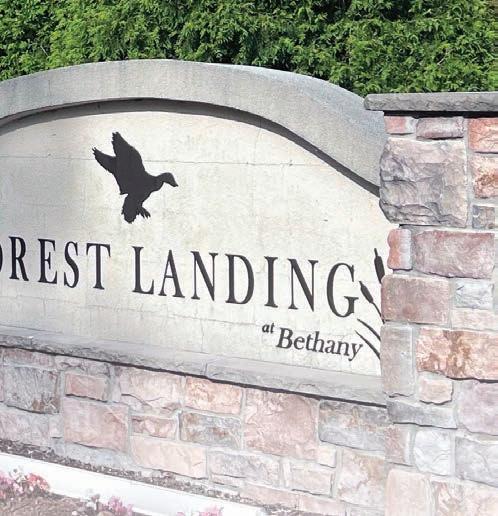
FOREST LANDING: Home is Where the HEART is What makes a residential community one-of-a-kind?
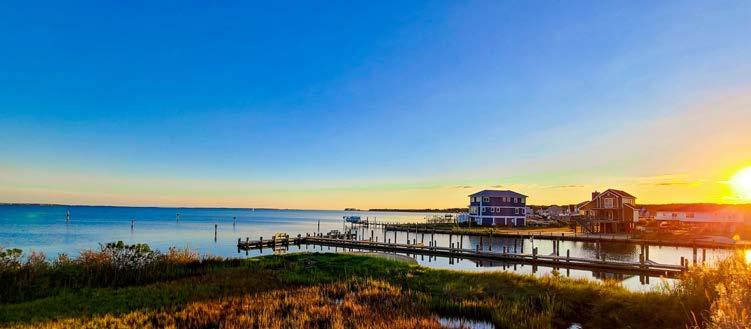
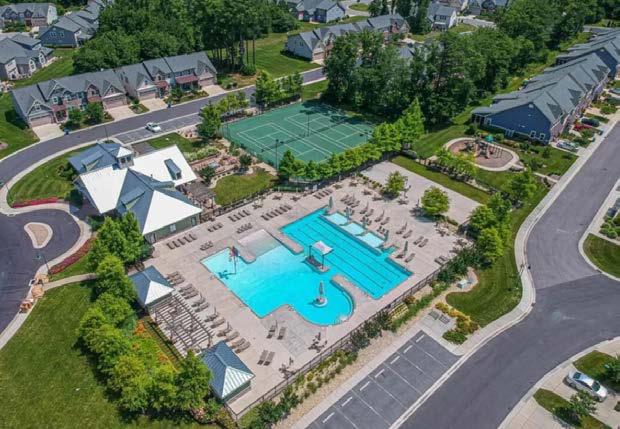
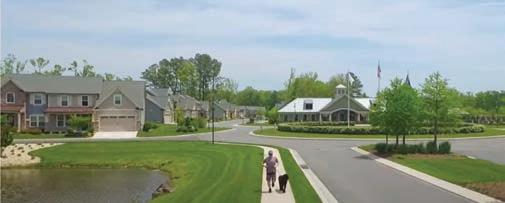
For some folks, it’s “location, location, location.” That said, the Forest Landing neighborhood of 353 homes (villas, duplexes, and single family houses) is nestled attractively in a wooded section of Frankford, DE (Sussex County), bordering the town of Ocean View. Just a few minutes by bike or car from the beach or bay, it’s the perfect spot for folks who enjoy swimming, sunbathing, water sports, fishing, boating, bird watching, or exploring nature.
For other folks, the ideal community emphasizes modern homes with quartz countertops, stainless steel appliances, hardwood floors, etc. And others look for lush landscaping, pool, tennis and pickleball courts, playground, wellappointed clubhouse, workout facility, walking trails, and attractive open spaces.
Yet, while all those “tangible” features are attractive and enticing (and integral to Forest Landing), it’s the “intangible” quality that makes a community stand out. So, what’s that?
It’s HEART! And Forest Landing has that “in spades” (pun intended.)
HEART is a generosity of spirit that resides in neighbors who willingly take on projects, big and small, to enhance quality of life, both for folks within their community and those on its outskirts.
So, how does HEART happen in Forest Landing? In quite a few ways.
In cooperation with Premier Community Association Management (PCAM) and the Boards of Forest Landing Community Association and Condominium Association, residents volunteer their time to Committees and grass roots groups designed to create a welcoming, inclusive, safe, well-run, fun-filled lifestyle for their fellow residents, while also opening their HEARTS to meet the needs of folks in the wider community.
FOREST LANDING COMMITTEES
• Communications:
Read all about it! Through its community newsletter, website, email, workshops, etc., these tech-savvy Communications volunteers keep everyone up to date on events and issues affecting our neighborhood.
• Design Review and Covenants:
Looks matter! Forest Landing sets and maintains high standards of community attractiveness and safety, and these folks are the ones to thank.
• Finance:
The buck stops here! Sound current and future fiscal
decisions are the responsibility of these experienced managers who make sure that financial resources are available now and in the future to fund Forest Landing’s infrastructure and lifestyle.
• Grounds:
Stop and smell the roses! Thanks to the Grounds Committee’s energetic volunteers, Forest Landing is well-known for its lush landscaping, attractive and beneficial ponds, and fountains. Committee members oversee contractors and invest their own “sweat equity” to guarantee the community’s award-winning landscape. Forest Landing has been recognized as a “Tree Friendly Community” by the Delaware Forest Service.
• Nominations:
Not just a pretty face! Responsible for recruiting qualified candidates for Forest Landing’s Community Association Board, Nominations Committee members also organize opportunities to meet the candidates, distribute pertinent information, and assist the management company with elections held at the annual homeowners meeting.
• Operations:
Who ya gonna call? That’s right…. Operations. From roads to street lights, pool to pickleball courts, pumping stations to gym equipment, and everything in between, these volunteers have it under control. It’s a massive job, but somebody’s got to do it; and these men and women are always graciously at the ready.
• Social:
Putting the “life” in lifestyle. Think game nights, dining out, themed happy hours, Halloween pet parades, wine tastings, line dancing, craft workshops, mini-golf tournaments, ice cream socials, and the list goes on and on. But, perhaps one of this
committee’s most important activities is community outreach.
Close to their HEARTS!
With its support of three major fundraisers, Forest Landing’s HEART is prominently on display each year as it raises thousands of dollars for worthwhile causes.
• “Light Up the Landing,” benefiting Toys for Tots, is a glowing pre-holiday celebration within the community that features candlelit streets, trolley rides, and food and beverage stops.
• In February, “Forest Landing Has HEART” supports area food pantries that work to mitigate food insufficiency experienced by families in neighboring communities.
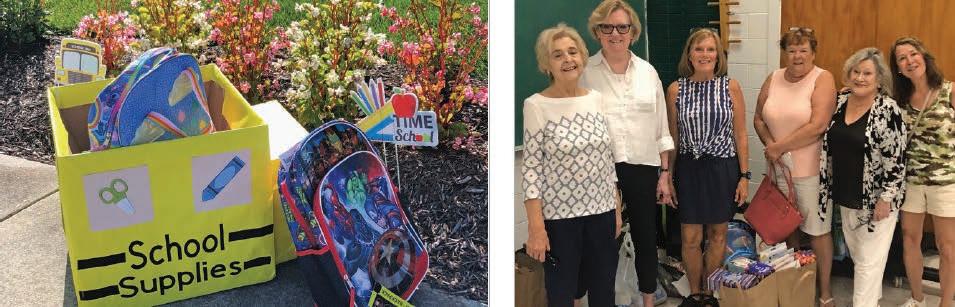
• In the summer, Forest Landing residents gear up for the new school year by providing back-to-school necessities for local public school students.
Forest Landing Grass Roots Groups
From the ground up, “Grass Roots” groups organize Memorial Day ceremonies, book clubs, card games, water aerobics, pickleball tournaments, “pool hustlers” (pool maintenance support), and mahjong, among other activities. All are daily examples of Forest Landing’s neighbor-to-neighbor connectivity, aka HEART.
Bottom line
If you’re looking for a coastal community that represents the best of what coastal Delaware has to offer (“tangible” and “intangible”) look no further than Forest Landing. Remember, “Home is where the HEART is!’
Written by:
Carol Maglio, Forest Landing Community Association
MONOCACY NATIONAL BATTLEFIELD
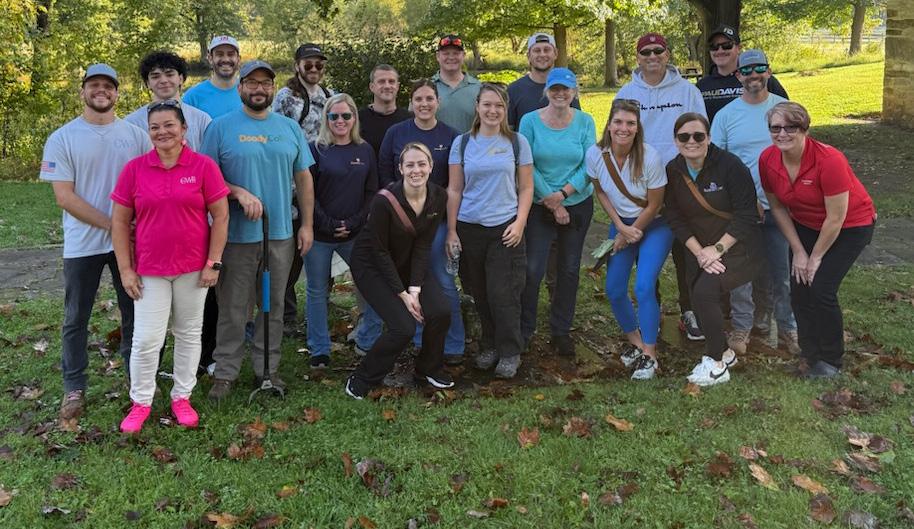
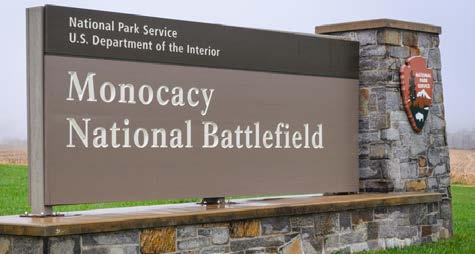
A huge THANK YOU to all of the volunteers who came out on September 26th to help with the Membership Engagement Event: Clean-up Day at the Monocacy National Battlefield! We appreciate all that you do! Thank you to the Membership Engagement Committee for putting this event together.
2025 Legislative Summary FOR THE CHESAPEAKE REGION CHAPTER CAI(CRCCAI) BY MD LAC/LEGISLATIVE COMMITTEE
The Community Associations Institute (CAI) Maryland Legislative Action Committee (MD LAC) advocates on behalf of the approximately 1,062,000 Marylanders living in 406,100 homes in more than 7,100 community associations across the State. The MD LAC is a CAI National Committee.
The CRCCAI also has a chapter Legislative Committee that provides support to the MD LACas one of its functions. The Legislative Committee tracks local regulations in the Counties and Baltimore City while the MD LAC focuses on Statewide legislation.
Maryland’s 2025 General Assembly legislative session began on January 8, 2025, and adjourned April 7, 2025. Before the session, the MD LAC identified priorities – insurance and reserves.
In the 2025 legislative session, 2,605 bills were introduced, and 878 bills passed. MD LAC tracked approximately 70 bills impacting Maryland community associations. Some of the bills that failed, explained in further detail below, have been introduced in the past years and are expected to be re-introduced in the future. Some have been opposed by the MD LAC year after year. Below are highlights from the 2025 legislative session. Unless noted otherwise, the bills that passed have an effective date of October 1, 2025.
HB 4/SB 120 - Restrictions on Use - Solar Collector Systems – Alteration - PASSED
MD LAC spearheaded and supported this bill. This bill states that a community association may restrict solar panels on an individual dwelling unit so long as those restrictions do not increase installation costs by over 5% or decrease efficiency
by over 10%. Under this legislation, the installation of the solar panels must be performed by a certified professional. Associations may prohibit the installation of solar panels in common elements/common areas, and may otherwise create restrictions on the size, number, and location of solar panels in common elements/common areas.
HB 292/SB 63 - Cooperative Housing Corporations, Condominiums, and Homeowners Associations - Funding of Reserve Accounts and Preparation of Funding PlansPASSED
This bill was part of a multi-year LAC priority to improve the State’s regulation of replacement reserve studies and funding plans. Maryland adopted its first reserve study bill in 2020, applicable only to community associations in Prince George’s County. The scope of that law was expanded to cover community associations in Montgomery County in 2021, and then all community associations in the State of Maryland in 2022.
The bill makes the following important changes to existing law:
1.The deadline to meet the reserve funding has been increased from 3 years to 5 years.
2.Provisions delineating the capital components have been amended.
3.Provisions dictating how capital components must be described have been amended.
4.There is a new mechanism to defer reserve payments due to financial hardship.
The 2025 Summer/Fall Beacon includes a detailed article about the financial hardship provisions in this bill.
HB 785/CH0375 - Common Ownership Communities and Zoning Authorities - Operation of Family Child Care Homes – Limitations - PASSED
MD LAC opposed this bill, given the infringement on the ability of associations to reasonably regulate home-based childcare. This legislation prohibits community associations from restricting or limiting the operation of family childcare homes. It remains to be seen if our Maryland community associations will be able to exert any kind of control over unlicensed or uninsured childcare facilities and our communities are encouraged to monitor these subject facilities for compliance, and for the empirical data that will be needed to support potential future changes to the law.
SB891/HB1466 - Accessory Dwelling Units - PASSED
MD LAC opposed this bill, given the infringement on the ability of associations to reasonably regulate accessory dwelling units (ADUs) through architectural control measures. The bill establishes a state policy and sets some restrictions to promote and encourage the creation of ADUs to help meet housing needs. Additionally, the bill authorizes community associations to treat an ADU as a separate lot for purposes of voting and assessments. It remains to be seen if our Maryland community associations will encounter any governance, assessment or infrastructure problems because of more structures and more residents and our communities are encouraged to monitor these subject ADUs for the empirical data that will be needed to suggest potential future changes to the law.
SB 758/HB1534
- Condominiums and Homeowners Associations – Elections, Financial Statements, and Enforcement - PASSED
This legislation mandates specific election procedures, regulates charges for document access, and addresses enforcement of association governance standards. MD LAC opposed this bill as there are already ample regulations in corporate law and in the governing documents to ensure fair elections and to provide for transparency. This legislation will likely change certain election processes and may require additional unnecessary costs.
In a recent email communication, the Attorney General’s office provided some clarity regarding the nuances of independently conducted elections. In summary, the AG advised that while a management company may send out proxies for an election, a proxy is a form of ballot that may not be collected by the management company. For those associations that do not have a P.O. Box that may only be accessed by an independent person as described in the statute, the association may either obtain a P.O. Box for this purpose or use the P.O. Box of an independent homeowner. The AG clarified that the
association may not use the P.O. Box of a Board member as that individual would not be independent.
In addition, the AG’s office provided that the management company may maintain the records of the election, so long as the election is final, including any disputes or litigation that may occur. With respect to annual meetings conducted virtually, the AG advised that the management company may operate the virtual platform so long as the meeting operation is completely independent of the overseeing of the tally of the votes.
Finally, the AG advised that if the management company utilizes a third party vendor, the management company may collect and provide the election results to the membership so long as a copy of the information is maintained by the thirdparty vendor and may be subsequently verified, if needed.
The Attorney General is the attorney for the State of Maryland and the interpretations of the AG’s office carry great weight. The 2025 Summer/Fall Beacon includes a detailed article about this bill. These comments from the AG’s office arrived after the 2025 Summer/Fall Beacon was finalized but largely confirm the interpretations of the author of the Beacon article.
HB755/SB540 – Common Ownership communitiesRecreational Common Areas – Sensitive Information as a Condition for Access - PASSED
This bill prohibits common ownership communities from requiring certain sensitive information from a member, owner, or occupant as a condition for accessing or using any recreational common areas within the association.
HB 1148 Residential Condominium Unit Insurance – Lapses in Coverage – Prohibition on Denial - PASSED
This bill prohibits an insurer from refusing to issue a residential condominium insurance policy based solely on a prior lapse in coverage of the applicant, if the lapse of coverage was due to an insurer’s withdrawal from the market and the lapse was not for more than 90 days.
HB 360 Prince George’s County – Community Association – Registration Fees for Administrative Hearing ProcessPASSED
This bill modifies the registration of all common ownership communities in Prince George’s County.
HB 303 - Real Property - Regulation of Common Ownership Community Managers - FAILED
MD LAC opposed this bill which has been re-introduced over many years. This bill would have required community association managers to obtain a license and further, would have required all Maryland community associations to register and pay a registration fee to help fund the licensing Board.
HB 306/SB 866 - Common Ownership CommunitiesOmbudsman Unit, Governing Document Database, and Local Commissions - FAILED
MD LAC opposed this bill which would have caused increased costs for associations and unnecessary state interference in association matters. Much like similar legislation from past years, the bill would have established a statewide community association ombudsman with the authority to intervene directly in association matters and required associations to register their governing documents in a state database and pay an annual fee.
HB 557 - Common Ownership Communities - Resident Bill of Rights - FAILED
Legislation was re-introduced to create a bill of rights for residential owners in community associations. MD LAC opposed this bill based on the possible confusion and ambiguity that would arise between a community’s governing documents which already sets the owners’ rights, and this competing and often conflicting “bill of rights.”
This was a MD LAC priority bill, along with the companion Bill HB1541(see below). MD LAC supported this bill package and worked closely with the bill’s sponsor on its introduction to address escalating insurance deductibles, protect association budgets and reserves, and encourage unit owners to promptly attend to in-unit maintenance.
This was an MD LAC priority bill and a companion bill to HB449/SB446. This bill would have mandated the purchase of HO-6 coverage by a condominium unit owner (to cover the increased master insurance policy deductible pass thru) and authorized a board of directors to purchase HO-6 coverage and bill any owners not in compliance.
MD LAC will prioritize insurance again in the 2026 Session as the industry continues to be adversely affected by high cost of insurance and repair costs for insurable events.
MD LAC opposed this bill that was introduced for the 3rd time. The bill would have required the governing body of a condominium or cooperative housing corporation to develop a smoking policy.
Written by: Cynthia Hitt Kent, Esq. Law Office of Cynthia Hitt Kent, LLC ckent@hittkentlaw.com and
Hillary Anne Collins, Esq. Rees Broome, PC hcollins@reesbroome.com
BRIDGING GENERATIONS: Communicating for Inclusion in Multigenerational Communities
Diversity, equity, and inclusion (DEI) are not limited to ethnicity, culture, or gender; they also extend to age and experience. Many communities today are multigenerational, blending residents from Gen Z to the Silent Generation. Each brings a unique lens shaped by the era they grew up in; how they communicate, learn from others, and build community.
When managed with intention, this diversity strengthens a community’s social fabric. When ignored, it can lead to frustration, misunderstandings, and disengagement. Often, our loudest residents are those that feel like they aren’t being heard. Making a genuine effort to communicate and listen to a diverse group of community members can foster a happier living environment.
Community Manager’s sit at the crossroads of communication. They are the conduit between the board, residents, business partners, and service providers. Their challenge? Meeting diverse expectations without overwhelming resources. Understanding the demographics within the community is vital to ensure that the appropriate communication methods are used and everyone receives the message.
Today’s communities often include younger residents and families seeking connection, convenience, and digital access; middle aged homeowners who are balancing work, family, and community responsibilities; and retirees and long-time residents who value personal relationships, history, and routine. Each
group contributes to a shared sense of home but also approaches communication differently.
A millennial homeowner may expect text alerts or an app for updates. A Gen X resident might prefer concise emails or newsletters. A retired neighbor may value printed notices for direct communication. Understanding these preferences helps community managers and board members reach everyone equitably.
For homeowners, inclusivity begins with feeling seen and heard. Most frustrations arise not from policy disagreements but from how those policies are communicated.
Residents appreciate transparency; understanding why decisions are made, how they are implemented, and when their feedback is considered.
An older resident might want reassurance that a new online portal will not replace traditional communications entirely. A younger homeowner might want faster, mobilefriendly access to updates. When residents understand the communication strategies are designed to reach everyone fairly, they are more likely to participate, volunteer, and view management as a partner rather than an authority.
Inclusion means meeting people where they are; digitally and personally. Some homeowners want a digital board, and others just want a phone call. Both are needed to ensure equitable access to all information.
From a DEI standpoint, accessibility is the cornerstone of fairness. Managers who use a thoughtful mix of print, email, online platforms, and in-person meetings ensure that every resident can stay informed whether they are scrolling, reading, or chatting face-to-face.
Tone also matters. Generations interpret tone differently; what feels “efficient” to one person can sound “curt” or “crass” to another person. Managers who model clear, respectful communication set the tone for the community’s culture as a whole.
Bridging generational differences does not require complicated strategies; it requires intentional ones. Managers can blend traditional and digital tools by using multiple channels; emails, apps, flyers, and meetings to reach all demographics. They can be consistent and transparent, sharing information proactively and in plain, inclusive language. Hosting informal “coffee chats” or surveys gives residents a chance to share their preferences. Intergenerational events such as volunteer cleanups, cultural nights and socials build bonds and understanding. Above all, respectful dialogue online or in person, begins with listening and empathy.
When managers and homeowners approach communication with empathy, communities thrive. Children learn civic engagement by seeing their parents participate. Retirees feel valued for their history and wisdom. While young professionals bring new energy and innovation, they all contribute to a more connected and inclusive community.
Celebrate all ages; highlight community stories that highlight multiple generations working together. Avoid generational assumptions, just ask someone, “what works best?” Encourage a mentorship/buddy system between the older and younger residents. Always use clear, kind language across all platforms: digital, print and in-person.
Inclusion is not about who lives in the neighborhood; it is about how we listen to one another. Communities that embrace every generation’s voice do not just manage property; they nurture belonging and that is what makes a neighborhood truly feel like home.
Written
by: Dani Bressler, CAS, EBP, Toepfer Construction Co., Inc dbressler@toepferco.com & Elisabeth Kirk, TRC Engineering, EBP ekirk@trc-engineering.com
As an Independent Insurance Agency, CPI has unlimited access to the major carriers for Condo coverages.
Our COMPARATIVE RATER PROGRAM allows us to provide you with a comparison of coverages and premiums.
Experienced in reviewing and assisting in the selection of Master Policy coverages, attending board meetings, and offering on-site insurance and financial seminars. *** Complimentary Breakfast or Lunch -n-Learn Seminars. ***
2025 Annual Symposium & Expo
BEFORE, DURING, AND
AFTER: Em gency Op a s For Community A ocia s
Many Thanks to our Annual Symposium & Expo Exhibitors, Sponsors, Committee Members and Speakers for putting on a great Expo on
Many Thanks to our Expo Speakers!
Morning Session“Plan.Prepare.Prevail”
•Coordinator - Jonathan Rosenberg, CMCA, AMS, PCAM, WPM Real Estate Management
Jonathan Rosenberg, CMCA, AMS, PCAM, WPM Real Estate Management
Christy Stevens, CMCA, AMS, PCAM, Wallace H. Campbell & Co., Inc.
Meredith Kraft, CMCA, AMS, Community Management Corporation, Associa
Adena Mansback, BankUnited
Jack Grimes, Property Diagnostics, Inc.
Kathryn Schroyer, Clagett Management
Jennifer Bearinger, Bearinger ChemDry
Sandy Hartzell, Summer Beach
Hailey Matthews, CMCA, AMS, Community Management Corporation, Associa
2025 Annual Symposium & Expo Recap
On October 6th, nearly 300 community association professionals gathered at Maryland Live for the Annual Symposium & Expo. This annual event would not be possible without the hard work of the Chapter’s Expo Committee, under the leadership of Ellen Throop and Dani Bressler. The Expo Committee meets monthly year-round to plan and execute an event that our chapter members will find valuable, and this year was no different. After many discussions, the theme for this year emerged; Before, During, and After: Emergency Operations for Community Associations. The committee worked diligently to create education sessions that offered tools managers could take back with them to their communities and implement. An exciting change for this year was the larger trade show floor, allowing for more exhibitors to share their products and services with our members.
Save the Date Save the Date
SCHEDULE OF THE DAY
8:00 AM - Check-In
9:00 AM - Shotgun Start
2:00 - 4:00 PM - Wrap Party
Chesapeake Past President’s Interview: Judyann Lee,President 2014
Judyann Lee became an active member of the Chesapeake Region Chapter of CAI around 2008. She credits Raymond Via, a colleague at her former law firm, for introducing her to CAI. At the time, her law practice focused on representing developers and builders in the creation of common interest communities, but with the downturn in the housing market she then began to focus on representing community associations. Licensed in D.C., Maryland, and Virginia, Judyann has been active in both the Chesapeake Region and Washington Metro Chapters. She recalls the warm welcome Camille Cimino, the Chapter’s then Executive Director, and the members of the Chapter gave her. She joined the Expo Committee and Newsletter Committee (which is now the Magazine Committee). Judyann was elected to the Chesapeake Region Chapter’s Board of Directors in 2013 and served as President in 2014. Then, from 2018 to 2020, she served on the Board of Directors of the Washington Metropolitan Chapter and was also elected to serve on CAI’s national Business Partners Council in 2018. In addition, Judyann has served as a Delegate on CAI’s Maryland Legislative Action Committee (“LAC”).
She recalls that the Chapter was growing quite a bit with approximately 800 members in 2014. There were several committees - Membership, Delmarva, Social Events, Holiday Social, Golf, Internet, Newsletter, Educational Programs, and Nominations, among others - but there were no formal committee charters that clearly outlined their purpose and how they should function. The Educational Programs Committee also operated less formally than it does today. The Chapter’s educational programs were decided and planned at a one-day planning retreat in the fall. Any member who could attend the retreat would assist in planning all the educational programs for the following year. One year, no managers showed up to the retreat. Realizing that this was problematic,
when Judyann became President, she made it her mission to begin the process of revamping the Educational Programs Committee and worked with her fellow Board members to create and adopt committee charters.
The Chapter did many things less formally than it does now, which worked well at the time for a small chapter. The Chapter had no office and the Board held its monthly meetings at American Community Management’s offices. Its monthly breakfast seminars and annual Expo were held at Michael’s 8th Avenue banquet hall in Glen Burnie, and the Beacon Magazine was a newsletter. Now the Chapter has over 1,100 members, has its own office, holds its Expo at Maryland Live! Casino & Hotel, and the Beacon is a magazine, among other major changes.
Judyann also fondly remembers Chapter members who were instrumental to the Chapter during her presidency who have since passed away. Neil Alioto was a fellow Board member, Vicki Eaton was Chairperson of the revamped Educational Programs Committee, and Susan Rapaport was a member of the LAC and kept Chapter members updated on proposed bills and new legislation. They are terribly missed and a great loss to the Chapter.
Judyann continues to be active with both the Chesapeake Region and Washington Metro Chapters. She still serves on the Beacon Magazine Committee and frequently writes articles for the magazine.
Written by: Cindy McKoin
Board President Potomac Ridge Condominium, Inc., Hagerstown MD
Homeowner member Chesapeake Chapter Board of Directors and Judyann Lee, Esquire Partner, McMillan Metro Faerber, PC
Many Thanks to our Delmarva Exhibitors!
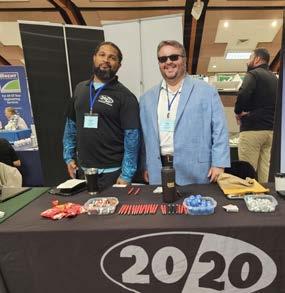
20/20 Cleaning Services
Action Elevator
Allsafe Elevator Inspections
Architectural Support Group
Ark Systems
Atlantic Maintenance Group
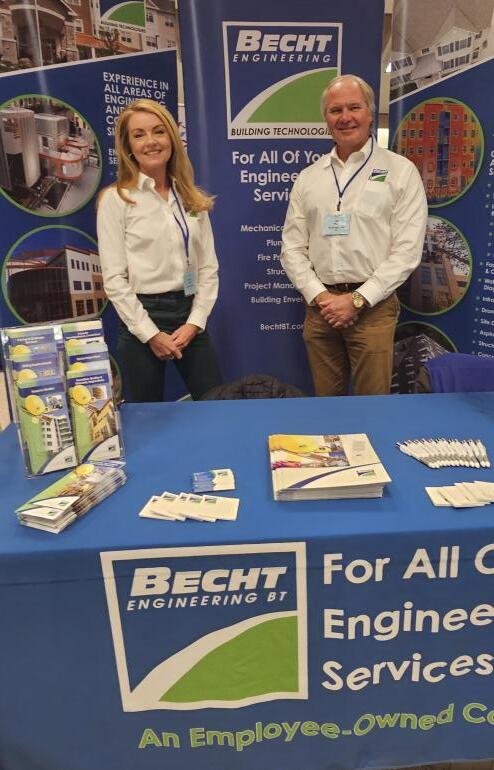
Becht Engineering BT
Building Envelope Consultants and Scientists
CoreCom Commercial
Painting
Deeley Insurance Group
DMA Reserves
Duradek MidAtlantic
Envirotech Environmental
Consulting
ETC
First Citizens Bank
FirstService Residential
Four Twelve Roofing
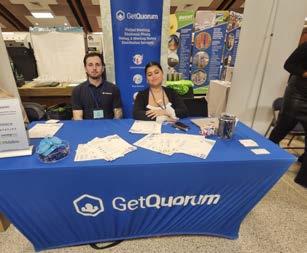
Get Quorum
Gfedale Roofing & Siding
Gras Lawn
Greenlink Incorporated
Hann & Hann Construction Services
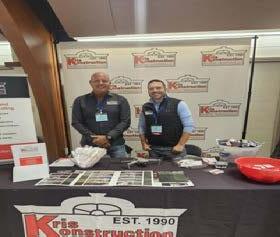
Kris Konstruction Roofing
Professionals
Many Thanks
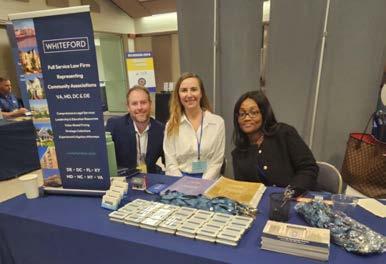
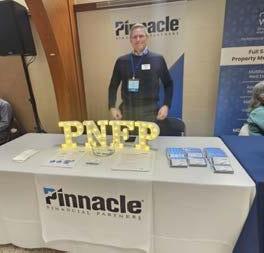
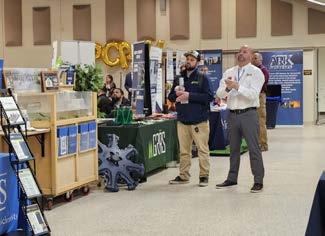
to our Delmarva Exhibitors, Sponsors, Committee Members and Speakers for putting on a great Happy Hour & Expo on Thursday, November 13th and Friday, November 14th “Alexa, Run My Association: Why Community Association Management Deserves Better Than Fax Machines and Sticky Notes”
Many Thanks to our Delmarva Exhibitors!
LakeSource
Metropolitan Management Group
MillerDodson Associates
NFP, an Aon Company
Pinnacle Financial Partners
Precision Concrete Cutting of DE & MD
Premier Community Association Management
Residential Realty Group
Rip Tide Restoration
Sentry Management
Smartstreet Powered by Banc of California
Sposato Landscape
Standard Paving & Concrete
Sullivan’s Landscaping & Maintenance
Taylor Bank
Tecta America East
Tidewater Property Management
Vasco Property Services
Western Alliance Bank
WHITEFORD
WPM Real Estate Management
Many Thanks to our Delmarva Commi ee!
Lisa Meck, CMCA, AMS, PCAM, Carl M. Freeman Companies, Chair
Stephan Kaganzev, CMCA, AMS, PCAM, FirstService Residential, Vice-Chair
Gary Saylor, Atlantic Maintenance Group, Board Liaison
Igor Conev, CMCA, AMS, PCAM, CIRMS, Mann Properties
Renee Dubois, Village of River Hill
Melissa Esham, CMCA, AMS, PCAM, Deeley Insurance Group
Sandy Hartzell, Homeowner
Brett Hoagland, Atlantic Maintenance Group
Tara Laing, CMCA, AMS, PCAM, Sentry Management
Jennifer Melson, CMCA, AMS, Sullivan’s Landscaping & Maintenance
Stefanie Minemier, Community Association Services
Michele Nadeau, CMCA, AMS, PCAM, Legum & Norman
Patti Nilson, CMCA, AMS, Community Association Services
Many Thanks to our Delmarva Expo Speakers & Moderators!
Gary Saylor, Atlantic Maintenance Group
Lisa Meck, CMCA, AMS, PCAM, Carl M. Freeman Companies
Stephan Kaganzev, CMCA, AMS, PCAM, FirstService Residential
Veronica Radalin, CMCA, AMS, Legum and Norman
Melissa Esham, CMCA, AMS, PCAM, Deeley Insurance Group
Ellen Throop, Esq., Rees Broome, PC
Chad Toms, Esq., Whiteford
Gail Windisch, CMCA, AMS, PCAM, Tidewater Property Management, Inc.
Jennifer Melson, CMCA, AMS, Sullivan’s Landscaping & Maintenance
Michele Nadeau, CMCA, AMS, PCAM, Legum and Norman
Jaime Basilico, Microsoft
Igor Conev, CMCA, AMS, PCAM, CIRMS, Mann Properties
Many Thanks to our Sponsors! Happy Hour on November 13th was
Architectural Support Group, LLC
Atlantic Maintenance Group
CAMP - Community Association Management Professionals
Captain’s Cove Golf & Yacht Club, Inc.
CWR
Kris Konstruction Roofing Professionals
McFall & Berry Landscape Management
MillerDodson Associates
National Cooperative Bank
Sposato Landscape
Sullivan’s Landscaping & Maintenance
Taylor Bank
WHITEFORD
WPM Real Estate Management
For more than 50 years, from its origins, WPM Real Estate Management has provided a full suite of property management services to help ensure great properties for individuals to live throughout the Mid-Atlantic region. Our experience includes Condo Associations, Homeowner Associations (HOAs), cooperatives, and maintenance/ master associations – with community styles ranging from garden-style and high-rise, to townhome, single family, and 55+ communities. WPM community association managers are veterans with years of hands-on industry experience and participate in the Community Association Institute’s (CAI) credentialing program to ensure the highest level of professional support and guidance.
With WPM, your community gains 24/7 access to a wealth of knowledge and expertise… and ultimately, the peace of mind that comes from knowing you are partnered with the best.
Full Suite of Services:
Association Governance
Financial Management and Reporting
Short and Long-range Forecasting and Planning
Association Communications
Covenant Enforcement
Community and Volunteer Engagement
Online and Information Technology Services
Maintenance and Construction Services
Bid/Proposal and Contract Administration 24/7 Emergency and Crisis Management
CHESAPEAKE REGION CHAPTER OF CAI
2026 EVENTS
JANUARY
THURSDAY, JANUARY 15TH
CHARTING YOUR COURSE (VIRTUAL)
TUESDAY, JANUARY 27TH
HOMEOWNER HUDDLE WEBINAR (VIRTUAL)
FEBRUARY
WEDNESDAY, FEBRUARY 18TH BREAKFAST WEBINAR (VIRTUAL)
MARCH
WEDNESDAY, MARCH 11TH BREAKFAST SEMINAR TEN OAKS BALLROOM, CLARKSVILLE, MD
APRIL
FRIDAY, APRIL 10TH
DELMARVA BREAKFAST SEMINAR BAYSIDE RESORT GOLF CLUB, SELBYVILLE, DE
MAY
MONDAY, MAY 4TH
DELMARVA GOLF OUTING BEAR TRAP DUNES, OCEANVIEW, DE
WEDNESDAY, MAY 13TH
EDUCATIONAL SEMINAR & HAPPY HOUR LOCATION TBD
JUNE
TUESDAY, JUNE 16TH
GOLF OUTING TURF VALLEY RESORT, ELLICOTT CITY, MD
JULY
WEDNESDAY, JULY 8TH MANAGER HUDDLE (VIRTUAL)
THURSDAY, JULY 23RD CRAB FEAST KURTZ’S BEACH, PASADENA, MD
AUGUST
THURSDAY, AUGUST 13TH JOINT CHAPTER EVENT LOCATION TBD