A unique network of monitoring stations is being installed across some of Australia’s most hail-prone locations this storm season to better understand extreme weather events. HailNet is gathering data from 10 urban and rural sites as part of a project by University of Queensland researchers, the Bureau of Meteorology (BOM) and the Queensland Farmers’ Federation (QFF). Associate Professor Matthew Mason from UQ’s School of Civil Engineering said the seven year monitoring study aimed to fill gaps in knowledge about how hail behaved.
“Unlike other meteorological hazards such as rainfall and wind, hail isn’t currently systematically monitored at ground level,” Dr Mason said.
STORY PAGE 5
Bendigo Bank’s 2026 Australian Agriculture Outlook report provides an in-depth perspective on supply, demand, and price outlooks for Australia’s major agricultural commodities for the first half of 2026. The six months ahead for Australian agriculture will be impacted by seasonal conditions and the economic environment, two key factors which have the capacity to significantly benefit or hamper the industry moving through the first half of 2026. With around two thirds of Australian agricultural products exported, increasingly volatile global markets will be key to growth prospects across Australia’s agribusiness sector, underscoring the importance of maintaining strong diversified trade relationships.
STORY PAGE 15












The 51st annual Dalby Australian Stock Horse Sale cemented its global leadership, with total sales surpassing $8 million for the first time.
The landmark event saw 297 of 333 horses sold, achieving an 89 per cent clearance rate and a $27,170 average. Sale revenue has surged






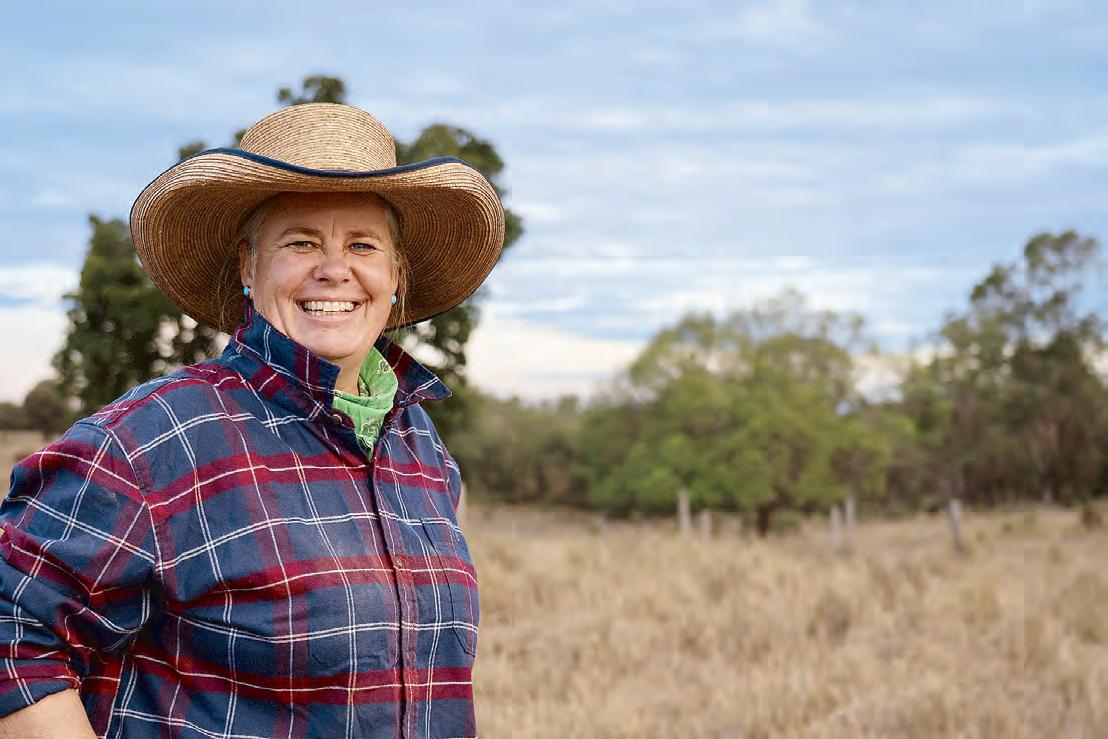
South Burnett cattle farmer Kate Cosh’s life is now full of hope thanks to a bit of help from Farm Angels. When she had the much-needed boost from Farm Angels two years ago, Ms Cosh had a cattle property in Kingaroy. The single mum now lives on a bigger block in the Proston area, raising her two teenage ‘bush boys’ aged 14 and 16 and running her own cattle property. STORY PAGE 4
eight-fold in five years, reflecting remarkable demand.
Progeny from champion sire Hazelwood Conman dominated, with the top-priced horse, McNamara Conbrace, a nine-year-old mare, selling for $170,000. Peelvale Truce, an eight-year-old
gelding, equalled the Australian record price for a gelding at $110,000. The top stallion, Mt Oweenee Quba, brought $100,000. In total, five horses cracked the six-figure mark.
Organiser David Felsch of Ray White Livestock Dalby described the $8,124,000 result as “seri-
ously unbelievable,“ crediting the success to the team, community, and the high-quality Australian Stock Horses presented at the event.

Address: 154-156 Haly Street
Kingaroy 4610
Telephone: 07 4182 0450
Website: QueenslandFarmerToday.com.au
CONTACT US
Editorial:
Email: newsdesk@QueenslandFarmerToday.com.au
Advertising:
Email: advertising@QueenslandFarmerToday.com.au
Classifieds:
Phone: 07 4182 0450 or 1300 666 808
Email: sales@networkclassifieds.com.au
EDITORIAL
Fiona Gowers Editor
E: fiona.gowers@QueenslandFarmerToday.com.au
Breanna Lloyd Journalist
E: breanna.lloyd@QueenslandFarmerToday.com.au
ADVERTISING
Jane Lowe Sales & Marketing
E: jane.lowe@QueenslandFarmerToday.com.au
P: 0408 488 609
Jodie Williams Sales & Marketing
E: jodie.williams@WesternDownsToday.com.au
P: 0401 377 140
Jemma Wilson Sales & Marketing
E: jemma.wilson@BurnettToday.com.au
P: 07 4182 0458
Gayle Hopes Sales & Marketing
E: gayle.hopes@TodayNewsGroup.com.au
Queensland Farmer Today is published monthly and part of the Today News Group. Published by South Burnett Today Pty Ltd ACN 641 796 349.
Publisher: Damian Morgan
Managing Director: Daniel Pelcl.
All material is copyright to South Burnett Today Pty Ltd.
All significant errors will be corrected as soon as possible. For our terms and conditions please visit QueenslanFarmerToday.com.au/terms-and-conditions/
By Keira Jenkins’, AAP
For hundreds of years since white settlement, wild cattle have wreaked havoc on a remote 30,000-hectare property, creating environmental and cultural challenges for its First Nations custodians.
“If they’re not caught, they just breed and breed ... erosion is a big problem and in culturally significant areas they move in there and destroy it,” Normanby Aboriginal Corporation managing director Vince Harrigan told AAP.
But Balnggarrawarra Traditional Owners and the corporation, which runs Normanby Station in Queensland’s Cape York region, have taken the problem and turned it into something more palatable.
“We grew up eating this stuff,” Mr Harrigan said.
“It was just a matter of letting other people in on how good it can be ... the taste is a little bit different, but it’s organic, it’s clean.”
The feral cattle population needed to be controlled and wanting to give back to the local community while creating revenue for the station made it a “no-brainer” to start harvesting the wild meat.
The venture, called Bush Beef, forms part of a multi-generational dream for the station’s management under Aboriginal leadership.
Normanby station, inland of Cooktown, was handed back to Traditional Owners 30 years earlier.
Before then, Mr Harrigan’s grandfather and other local Aboriginal people worked for pastoralists as drovers and stockmen for very low or no wages at all.
“They worked for flour, tea, tobacco, that was the only payment,” the corporation boss said.
Bush Beef helped to give the community se-
curity, Mr Harrigan added, providing locallysourced food, jobs and training opportunities.
The next goal is to set up an abattoir on site, for which the corporation hopes to raise $10 million.
It is working with Esparq Ventures, which aims to connect Indigenous entrepreneurs with investors.
They have raised $600,000 towards their goal to date and Mr Harrigan said every dollar would help to scale the business.
Logistics were tricky and the wet season on the cape meant road access could be cut for almost half the year, Mr Harrigan said.
“At the moment we’ve got to send cattle about 400kms down the road to the local abattoir,” he said.
As well as having an environmental and social impact, Bush Beef had proved popular with consumers, Esparq head of ventures Dominique Bird said.
“The long-term vision that Normanby Station has really resonated with us around food security, more local produce, cheaper food, in the cape,” he said.
The enterprise’s growth over the past four years was a testament to the hard work of those behind it, but that was just the beginning, Mr Bird said.
The aim was to ensure the means of production and other assets associated with the business would all soon be locally owned.
“How could you not want to support something like this, it’s multi-generational and supporting future generations as well,” Mr Bird said.
As 2026 starts, the Australian agricultural community has reason to feel positive. A new year in the bush is more than a change of month, it is a chance for farmers to reset. Across Australia, producers continue to demonstrate remarkable resilience. Whether it’s rebounding after weather challenges, adapting to changing markets or adopting cutting-edge technology, the spirit of innovation is alive and well.
Farms are becoming smarter and sustainable, with producers investing in tools that protect both productivity and the land they love.
There’s also - maybe - renewed appreciation for the vital role agriculture plays in feeding the nation. The connection between rural and metropolitan Australia is softening, as city dwellers start to appreciate the skill, care and environmental stewardship behind harvesting crops and raising animals.
But, perhaps the greatest reason to celebrate is the strength of our communities. From field days and stock horse sales to farmers’ markets and sporting events, the ties that bind us continue to grow.
Rural Australians show time and time again that they are stronger when they stand shoulder-to-shoulder — sharing knowledge, lending a hand and celebrating each other’s wins.
As 2026 begins, let’s continue to champion the people who rise with the sun each day to keep our industry thriving. Here’s to fresh opportunities, strong seasons and the shared success of every farmer, family and regional town.
- Fiona Gowers

By Fiona Gowers
The 51st annual Dalby Australian Stock Horse Sale has strengthened its reputation as the global leader for the breed, delivering a show-stopping result that pushed total sales beyond $8 million for the first time.
Running from Wednesday 3 December to Sunday 7 December at the Dalby Showgrounds, the landmark sale showcased 333 horses, with 297 sold under the hammer at an impressive 89 per cent clearance rate.
The sale gross of $8,124,000 and average of $27,170 signifies a remarkable surge in demand, with sale revenue increasing eight-fold in just five years.
Progeny from champion sire Hazelwood Conman once again stole the spotlight, attracting fierce bidding and topping multiple categories.
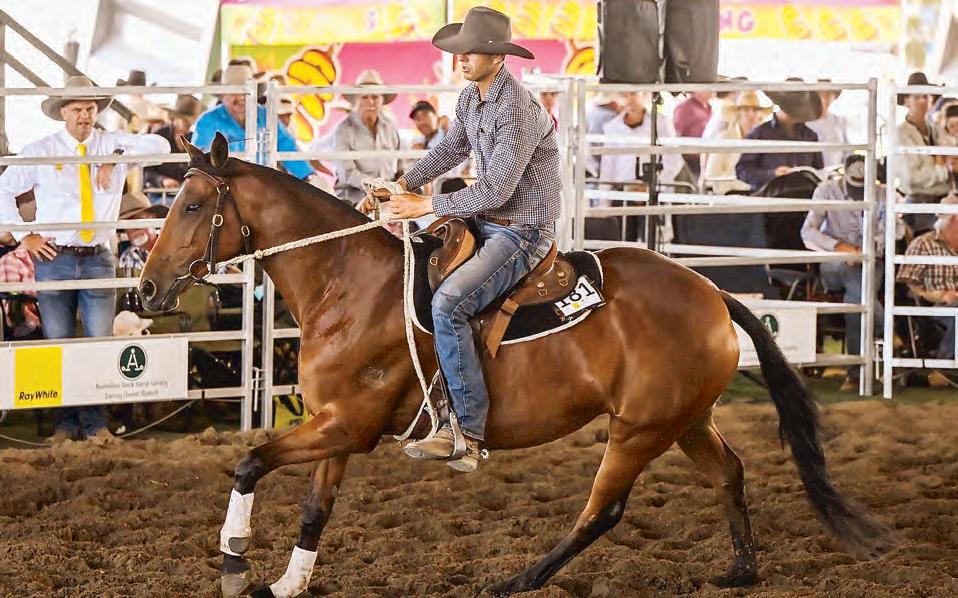
The excitement kicked off on day one when McNamara Conbrace (Lot 181) — a nine-year-old mare by Hazelwood Conman out of McNamara Embrace — became the highest-priced horse of the sale, purchased for $170,000 by Kirkbys Stud Stock Horses.
Offered by the Curtin family of Ben Lomond, NSW, the mare generated electric competition ringside.
Kirkbys Stud Stock Horses, long-time supporters of the event dating back to the 1970s, were thrilled to secure the standout mare described as the “complete package“.
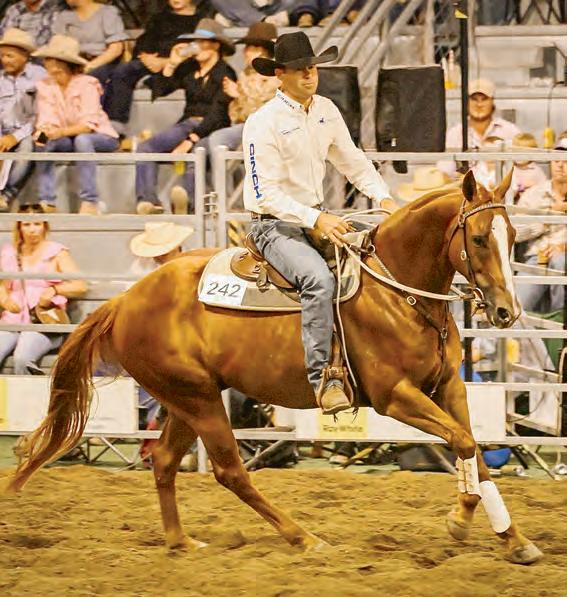
Another milestone followed when Peelvale Truce (Lot 242), an eight-year-old gelding by Conductor out of Oaks River Queen, sold for $110,000, equalling the Australian record price for a gelding.
The horse was offered by Rob Leach Equine at Attunga, NSW and bought by Adam and Hayley Rae. Selling at Dalby had long been on Mr Leach’s to-do list.
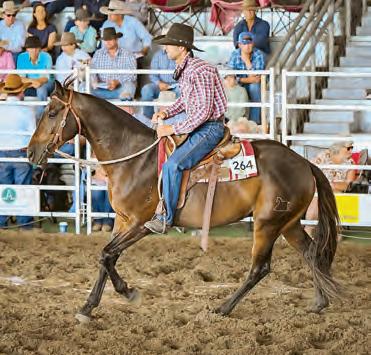
The top-priced stallion also hit six figures, with Mt Oweenee Quba (Lot 264), a seven-year-old by Hazelwood Conman out of the respected Toomba Quarry mare line, selling for $100,000.
Offered by Miss I. O’Neill and purchased by Triple C Performance Horses, the moment drew strong emotion from those connected to his breeding legacy.
In total, five horses cracked the $100,000 barrier — a powerful indicator of the market’s confidence.
Among them, Bulla Ariel (Lot 219), an eightyear-old mare by Bulla Forrest, sold online through Stocklive for $115,000 for Bulla Lyn ASH stud, Diggers Rest, Victoria.
Gheart Zarlow (Lot 363), a six-year-old mare by Ropeley Park Briglow, brought $110,000 for Boonara Stock Horses on day two.
The stallion offering opened with a strong $80,000 result for Coolest (Lot 261), by Smith Family Just Jack out of Cooldust, sold by Wandoan-based vendor Ben Tapp.
Sale organiser and Ray White Livestock Dalby principal David Felsch said the outcome exceeded expectations.
“It’s seriously unbelievable. We’re incredibly grateful for everyone who chose to sell through the sale this year - I did not anticipate these amazing results and I’m glad we could deliver.“
He said the event continued to grow as a major drawcard.
“The number of people who came through the gates over the week was remarkable. It’s about recognising the event as a whole - from the campdraft run by the Darling Downs ASH Society, to the sale itself and through to the day and evening entertainment.“
Reflecting on the transformation since Ray White took ownership of the sale, Mr Felsch added:
“When Amy and I took it on in 2020, we had 189 horses selling for roughly $3.5 million.
“To be sitting here now with 333 horses and more than $8 million in sales is a testament to the effort everyone puts in. This result belongs to the entire team and community that makes this event possible.“
The Darling Downs Australian Stock Horse Society again played a key role, with president Rick Young praising the quality on offer and the sale’s contribution to the breed.
“The quality and standard of Australian Stock Horses coming through this sale is outstanding, whether they’re heading to work or ready for the showring,“ he said.
“It’s a pleasure to watch them return year after year for the incentive drafts. As my final year as president, I’m incredibly proud of what we’ve achieved and thank the Ray White team for their partnership.“
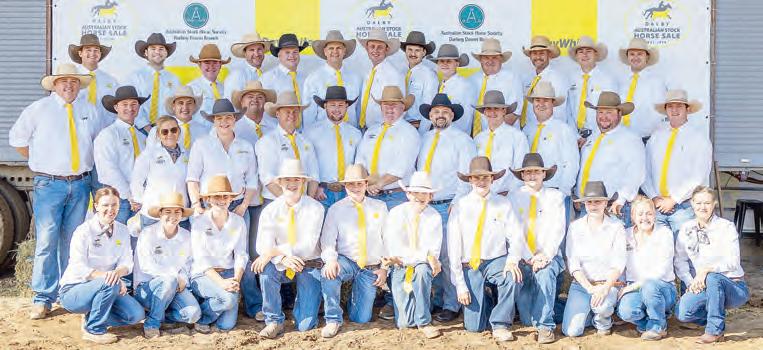
A strong bench of Ray White auctioneers — including Liam Kirkwood, Keegan de Roo, Sam Greenup, Lincoln McKinlay, Bill Seeney and Max Nell — drove bidding throughout the weekend.
Ray White Rural CEO Matt White praised the commitment of staff from across the country.
“The Ray White Rural network support this weekend has been incredible to witness, with members traveling from as far as Bendigo, Victoria to help out,“ he said.
“Having so many people from different offices come together so seamlessly is the true beauty of the rural network.“
He said the sale also provided an ideal platform for developing the next generation of livestock agents.
“It has also been fantastic to see so many young agents coming through with great energy. Events like this offer them valuable exposure to how Ray White Rural Livestock manages major sales and provides an excellent opportunity to progress their careers.“
The event’s success was further bolstered by returning sponsor Arubial Wagyu, who supplied high-quality cattle for the pre-works and auction.
With demand soaring and momentum showing no sign of slowing, industry leaders agree the Dalby Australian Stock Horse Sale is entering an exciting new era, one that is breaking barriers while boosting the global prominence of Australia’s iconic working horse.
By Jessica McGrath
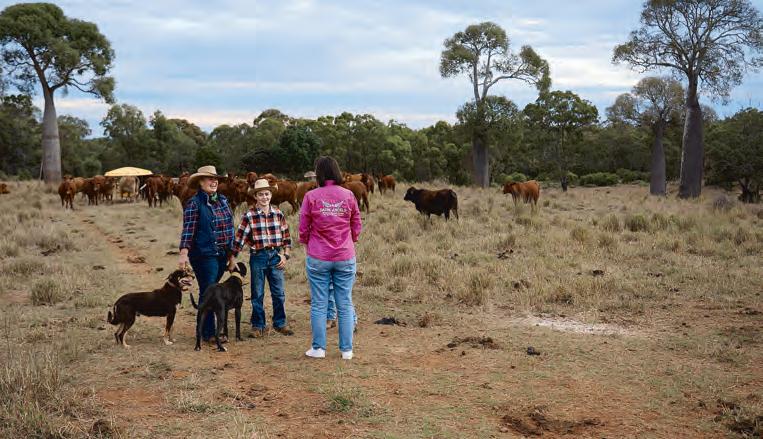
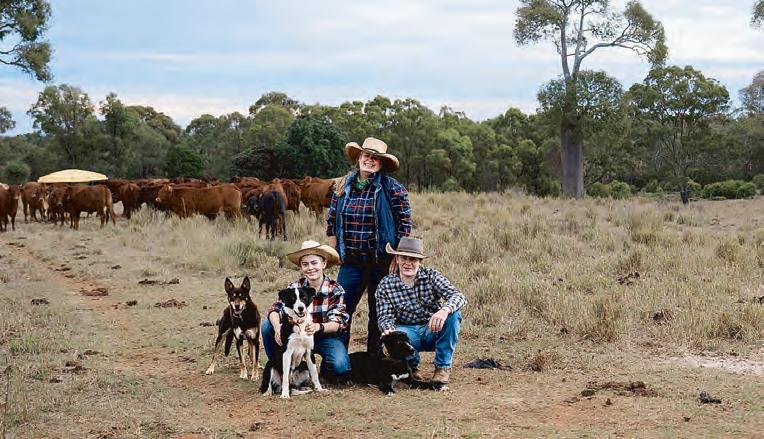
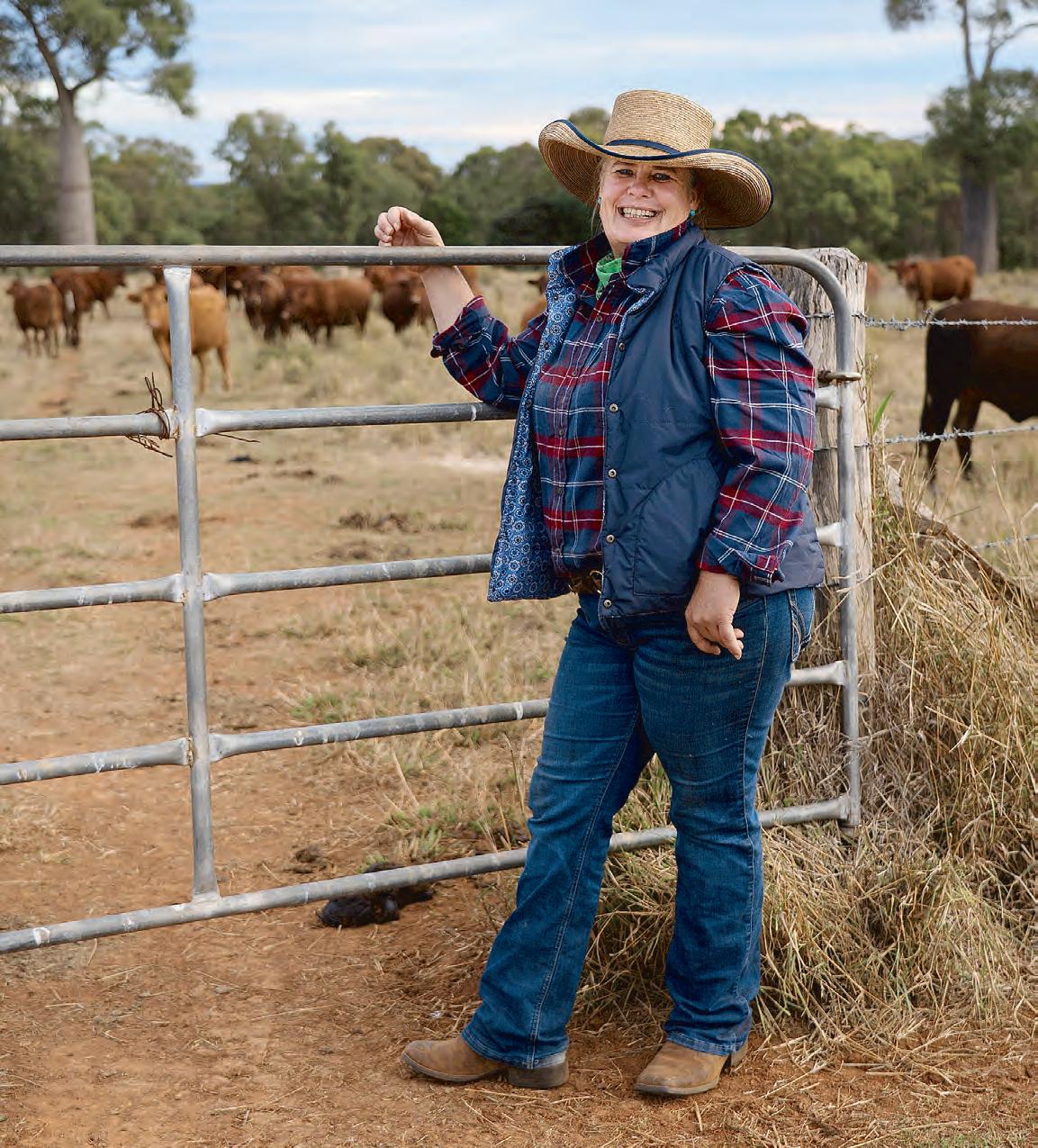
South Burnett cattle farmer Kate Cosh’s life is now full of hope thanks to a bit of help from Farm Angels.
When she had the much-needed boost from Farm Angels two years ago, Ms Cosh had a cattle property in Kingaroy.
The single mum now lives on a bigger block in the Proston area, raising her two teenage ‘bush boys’ aged 14 and 16 and running her own cattle property.
“It’s not a job for me, this is what I believe in and love, I love getting up in the morning and doing what I do,” she said.
Growing up on the land, it has always been a dream for Ms Cosh to run a cattle property.
“I’ve had cattle all of my life… cattle, horses and dogs are my passion,” she said.
She went to agricultural college, did some contracting work, and married an Injune bloke.
Two years after her divorce, Ms Cosh saved up enough money together to finally buy a baby rural block in Kingaroy. She bought some heifers and had a go at pursuing her dream.
It was not easy, with the basic property requiring a lot of work establishing fences, creating better water sources and building a house.
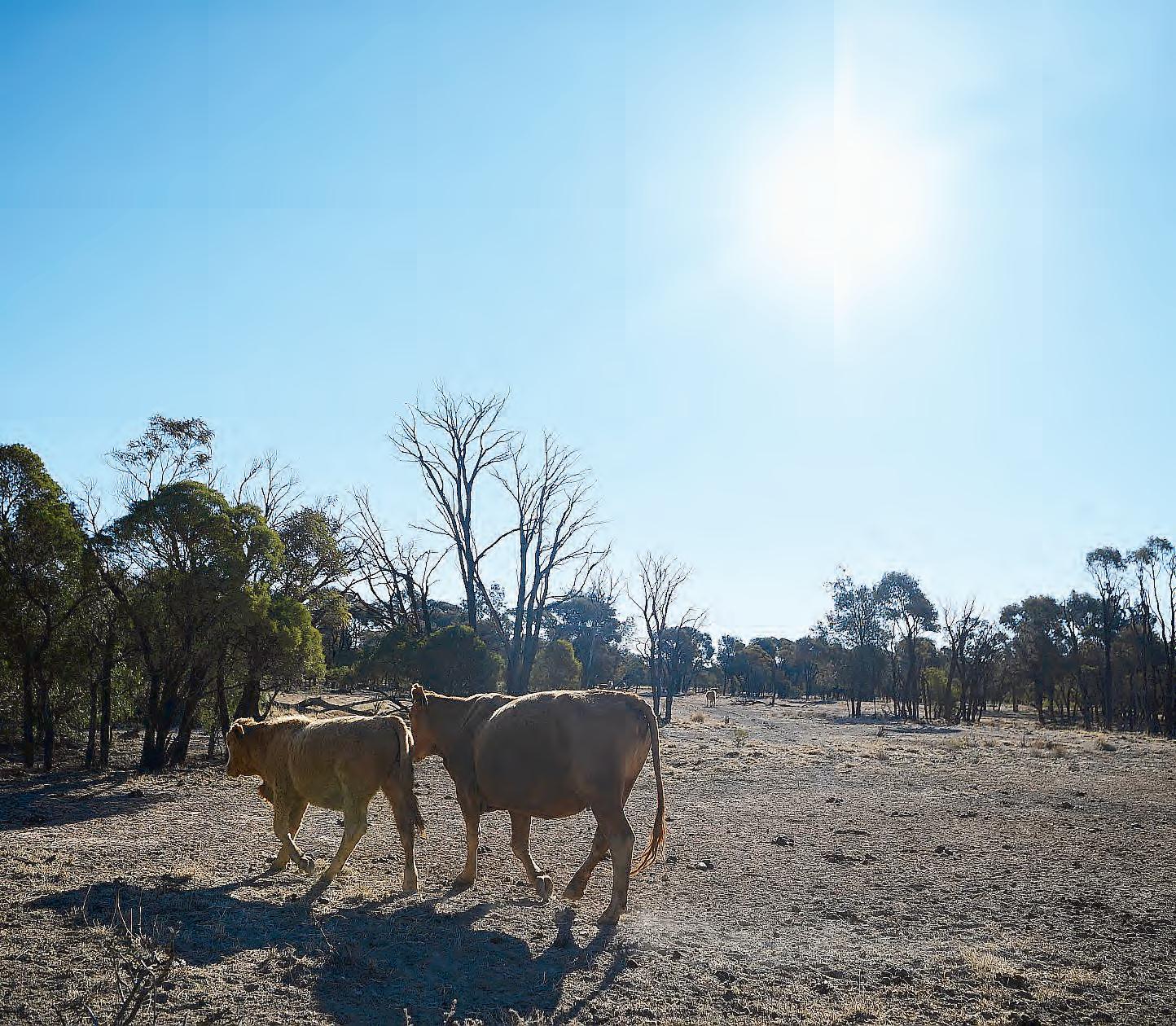
The severe drought conditions and battling with paralysis ticks on her farm made it a struggle.
“You don’t love the land to see the cattle die in front of you,” Ms Cosh said.
“I lost so many calves it was a joke.”
Amongst the farming pressures, the single mum tried to raise her two boys, and grapple with her new diagnosis of multiple sclerosis.
One day a friend called in the lifeline that Ms Cosh needed to get through, Farm Angels.
“They rang me up and said we’ve heard your story, how can we help you?” Ms Cosh recalled.
Through Farm Angels the South Burnett farmer was also able to purchase tags for her cattle to deter the paralysis ticks.
She enjoyed the chats she had with the Farm Angels team, and was able to receive food and fuel vouchers for her family.
“You weren’t just a number, they actually followed up, they actually connected with you,” Ms Cosh said.
“I was in a very bad spot and they helped me out.”
Ms Cosh was also able to buy with Farm Angels vouchers a palette of milk for her poddy calves, and water for the homestead to help water the cattle.
The South Burnett farmer is very grateful for the assistance Farm Angels provided, allowing her to breathe again after many nights of being unable to sleep due to all of the stress.
“When my friend and Farm Angels turned up it was the light at the end of the tunnel, I wasn’t going to fail, I can pull this off with this team of people,” Ms Cosh recalled.
Because of the support of Farm Angels, and her friends, Ms Cosh was empowered to pursue her dreams further in Proston.
“Because they believed in me, they helped me out and I was able to do my dream -sell that place and buy a bigger place,” she said.
Farm Angels has just wrapped up their ‘500 Reasons To Give’ Christmas Appeal. Their goal was to raise $150,000 to support 500 farming families who are going through difficult times.
Providing a gift of $50 will fund a wellbeing check-in call to farmers who are doing it tough,
$100 for a care package filled with essentials, $500 for on farm or community visits, and $1000 for initial financial relief to help a farming family get back on their feet.
Ms Cosh encourages the community to continue to support the Farm Angels’ work.
“We love this life, it’s not a job, however we can’t control the weather,” Ms Cosh said.
“There’s some things that happen to us and it can be quite cruel what can happen… and to
know the people we’re supplying the food to appreciate it… it means a lot.”
Farm Angels Founder Tash Johnston encouraged everyone to give to the Farm Angels appeal and beyond.
“And like a lot of our country, the South Burnett region has experienced its fair share of extreme weather these past couple years,” she said.
“Some farmers are still piecing together the impact of last year’s drought, while others are
navigating the ongoing cycles of life on the land.”
Ms Johnston clarified that even though the farmers love the land, it can still be challenging in hard conditions.
“Our mission at Farm Angels is to shoulder some of that burden and make sure no farmer feels forgotten or alone,” she said.
“They deserve to know we’re standing with them.“
For more information visit: farmangels.org.au
A unique network of monitoring stations is being installed across some of Australia’s most hail-prone locations this storm season to better understand extreme weather events. HailNet is gathering data from 10 urban and rural sites as part of a project by University of Queensland researchers, the Bureau of Meteorology (BOM) and the Queensland Farmers’ Federation (QFF).
Associate Professor Matthew Mason from UQ’s School of Civil Engineering said the seven year monitoring study aimed to fill gaps in knowledge about how hail behaved.
“Unlike other meteorological hazards such as rainfall and wind, hail isn’t currently systematically monitored at ground level,” Dr Mason said.
“But hailstorms regularly damage vehicles, buildings, infrastructure and crops, particularly in South East Queensland communities.
“Even small hailstones can wipe out certain crops in the early stages of growth.”
Dr Mason said HailNet stations included sensors for both hail and wind.
“We’ve found the impact of hail and wind together is considerably worse than hail alone, so they are being monitored together for the first time, to understand that joint occurrence,” he said.
“It would be useful, for example, if we’re going to design solar panels or roofing material to better resist hail that we know the full distribution of hailstone sizes falling during an event, so we know what the material has to try and resist.”
Dr Joshua Soderholm, a BOM research scientist and Honorary Research Fellow at UQ’s School of the Environment, said the project’s findings would be especially beneficial for short-term forecasting.
“Radar imagery can show hail in clouds a kilometre in the sky, but we want to know about the direct relationship between that image and what actually falls to the ground,” Dr Soderholm said.
“The data will help inform estimates of hail sizes at the ground based on radar imagery so we can keep the community up to date.”
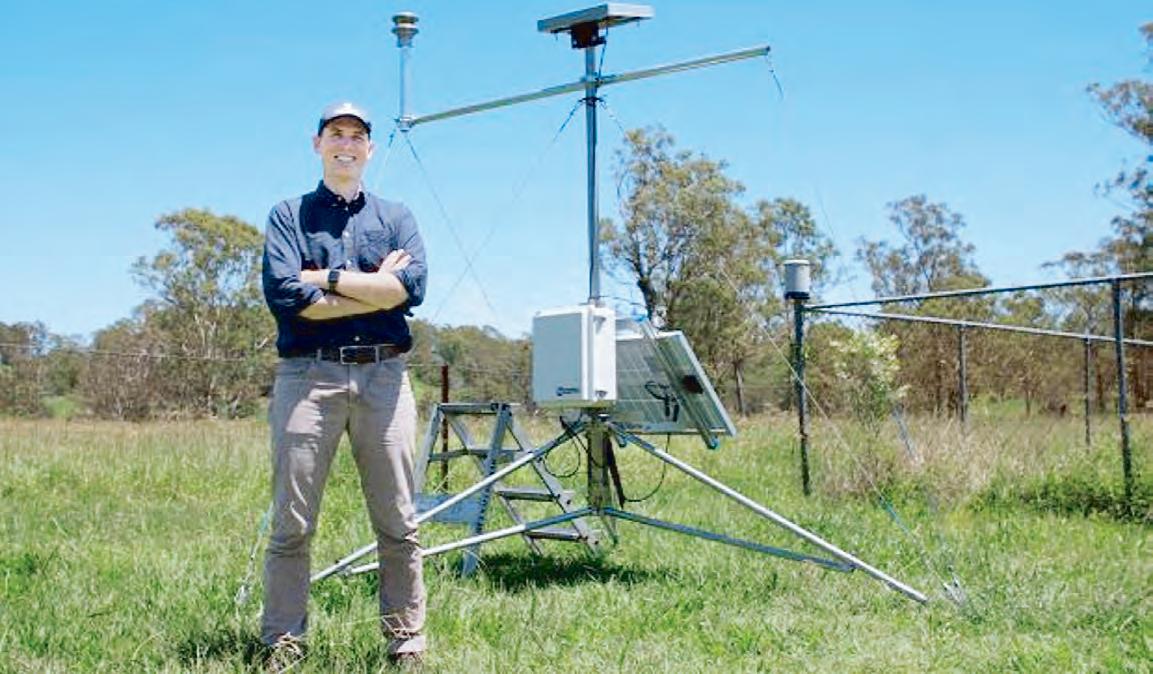
HailNet stations are being set up across South East Queensland from suburban Rocklea in Brisbane’s south to a vineyard in Stanthorpe and on the UQ Gatton solar farm.
“In terms of climatology South East Queensland is pretty much the hail hotspot for the entire country, so it’s an ideal location for the project,” Dr Soderholm said.
QFF CEO Jo Sheppard said Queensland’s farmers were on the frontline of extreme weather
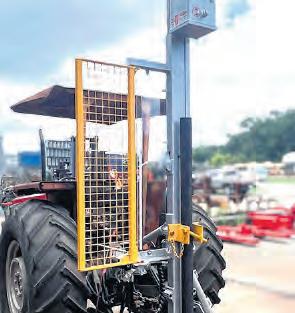
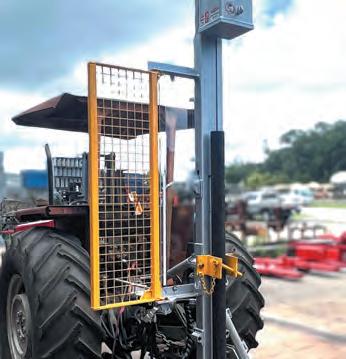
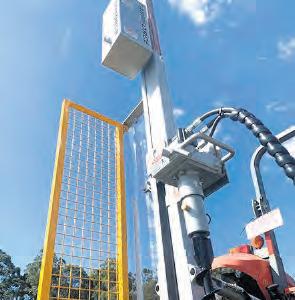
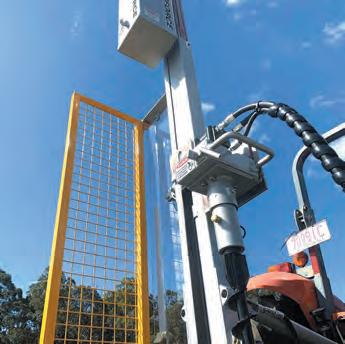
2.9m / 9.5ft under hammer
events, with hail storms capable of wiping out crops and infrastructure in a matter of minutes.
“For some producers, hail and severe storm damage is considered a greater threat to income than drought,” Ms Sheppard said.
“High-value crops like pineapples and avocados can take years to recover from severe damage, making accurate risk data and innovative insurance tools essential to protecting livelihoods.
“Projects like HailNet are helping to fill critical
data gaps, improving risk management and supporting informed decision-making across the industry.”
The HailNet project runs alongside the global hail library, which welcomes donations of hail specimens.
HailNet is jointly funded by the Australian and Queensland governments through the Queensland Resilience and Risk Reduction Fund, administered by the Queensland Reconstruction Authority.





By Grace Crivellaro, AAP
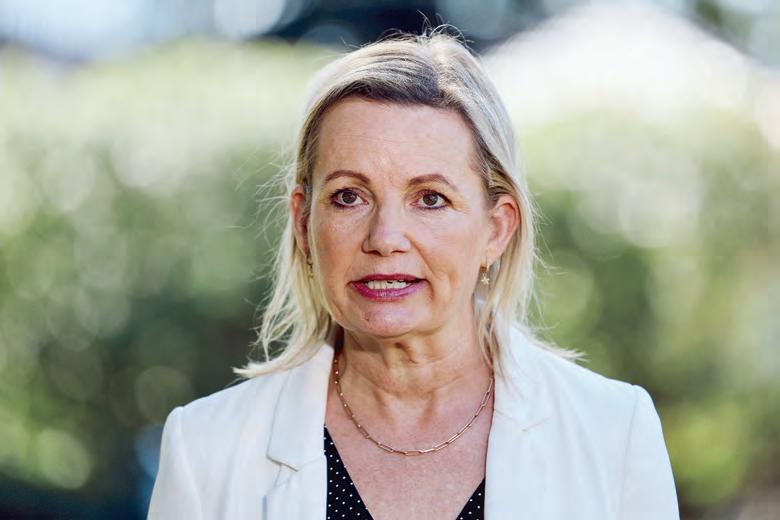
Environment Minister Murray Watt has secured his pre-Christmas wish as the biggest rewrite of environment laws in decades clears federal parliament.
The mammoth package of bills, inspired by a 2020 review of environmental laws, passed 89-34 in an extended sitting in late November.
Prime Minister Anthony Albanese called it a historic day, describing the laws as a “win for business, a win for our natural environment, and a win for the country”
“They mean more investment, more jobs, more housing and more infrastructure,” Mr Albanese told parliament.
“They protect something that everyone values and has a deep connection to: our treasured and unique natural environment.”
In a fiery speech, Opposition Leader Sussan Ley declared a Labor-Greens alliance was back in business and the deal was economy-wrecking.
“The Minerals Council called it inferior and disappointing, energy producers have said this deal will put all approvals in the slow lane,” she said.
“We’re here not for lazy deals with the Greens. We’re here for the people of Australia.”
The prime minister praised the Greens for not allowing the “perfect be the enemy of the good” and chided the coalition.
“The leader of the opposition stood here just before and spoke about how good a year 2025 has been for them, and how bad it’s been for us,” he said.
“Well, may that continue.”
The coalition was actively negotiating with the government as late as Wednesday night but Senator Watt said they failed to organise themselves such that a deal would be possible by his deadline.
“We’ve been told by business sources that there were senior members of the coalition front bench who just thought we should sit on this and wait until the New Year,” he told reporters in Canberra.
“I don’t know how much clearer I could have been that we were going to get this done this year.”
Senator Watt rejected opposition claims the reforms would shut down native forestry and said key sectors like agriculture would be able to continue operating under the changes.
“I challenge the Tasmanian government or any other coalition member to point to me where in the legislation it says we’re shutting down native forestry,” he said.
“What this is about is applying the same environmental standards that apply to every other industry to regional forest agreements.”
Changes to agricultural land clearing would not block farmers from clearing their own land, he said.
They will instead prevent high-risk land clearing where trees have been in the ground for more than 15 years, and of land within 50m of the Great Barrier Reef catchment.
“That’s to deal with the issue of sediment runoff in the reef, which is a major threat,” Senator Watt said.

Snaking its way through underground central west Queensland is a water supply millions of years in the making – the Great Artesian Basin (GAB).
Roaming across the land, you would hardly know it’s there unless you stumble across a natural spring that’s been formed by pressure building in underground aquifers that have seeped their way to the Earth’s surface.
Many producers across the region have tapped into this precious water source by drilling bores and developing open bored drains to provide accessible water to their livestock.
While this water source comes in droves, over utilisation and excessive wastage will have long-term impacts.
The Queensland Rural and Industry Development Authority (QRIDA) is helping producers turn water losses into lasting gains with a Sustainability Loan, funding water infrastructure projects that will help minimise water wastage at concessional interest rates.
QRIDA’s regional area manager for Central Highlands and West, Bradley Whittington, says there’s untapped potential for producers to implement water infrastructure to help control the free flow of their bores and manage and preserve water for years to come.
“Producers can use a QRIDA Sustainability
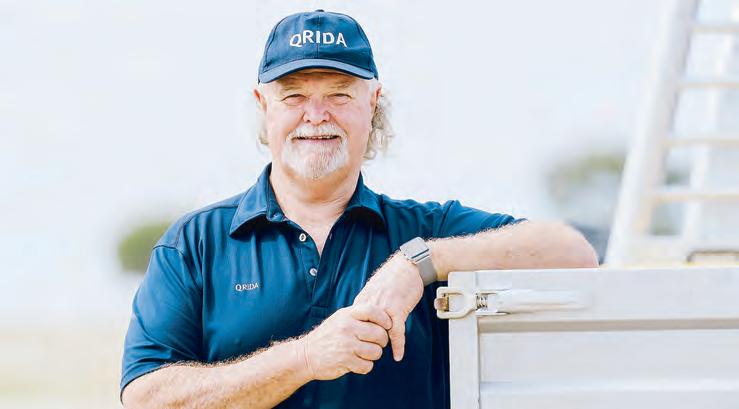
Loan to purchase materials to help cap, control and store their artesian water more efficiently,” he said.
A Sustainability Loan offers up to $1.3 million and can be used to replace inefficient open drains with modern pipes, tanks and troughs.
Capping free flowing bores and replacing bore drains with poly pipe and water tanks and troughs will save water loss through evaporation and seepage.
These actions will also reduce the spread of invasive weeds, feral pests and diseases to assist with producers’ biosecurity plans.
Additionally, this approach will help producers manage the pastures available to their livestock to ensure greater use of the feed.
“Producers rely heavily on this water supply, especially during dry spells,“ Mr Whittington said.
With no certainty on when the next drought will occur, producers need to be cautious about conserving as much water as possible now while we are experiencing improved conditions.
“By switching to poly pipe and water tanks, producers are ensuring a steady, reliable and clean water supply while protecting the GAB’s resources.“
By managing their water supply more efficiently, producers also have the opportunity to diversify into other agricultural industries, improving their businesses’ cash flow.
“We’ve seen producers invest in machinery and irrigation systems, enabled by the Sustainability Loan, to branch out into fodder cropping and value-adding,“ Mr Whittington said.
“It’s opening up new income streams and improving security against market and climate changes.“
By turning water drains into gains, producers are building a future where the GAB continues to flow strong, today, tomorrow and for generations to come.
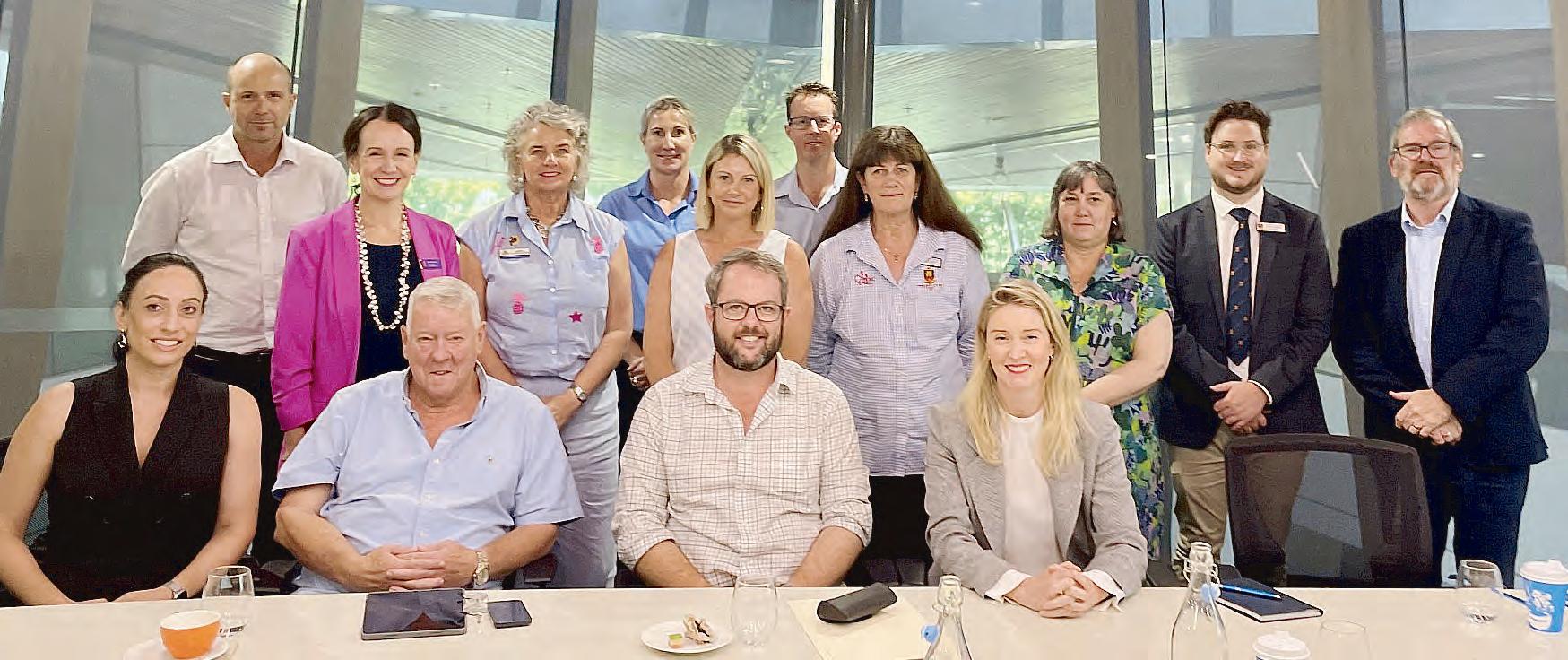
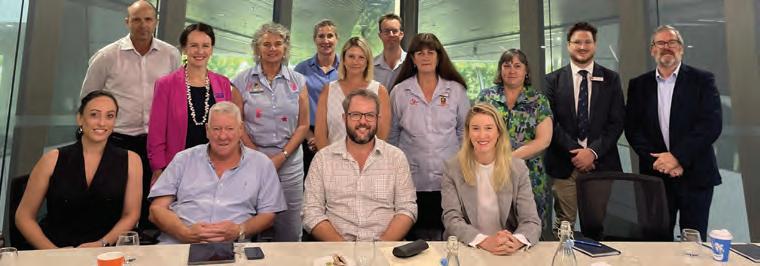
Representatives from healthcare, education and local councils joined the Department of Transport and Main Roads (TMR) for a roundtable focused on improving regional airport connectivity across western and northern Queensland.
Delegates from Toowoomba, Western Downs and Maranoa highlighted the critical role of air travel for patients accessing healthcare, students attending boarding schools and residents travelling for work and family commitments.
This roundtable, hosted by Wellcamp Airport and Toowoomba and Surat Basin Enterprise (TSBE), was an opportunity to pitch Toowoomba as a regional hub for flights.
With the Brisbane 2032 Olympic Games projections indicating a significant influx of visitors, Toowoomba is preparing for an unprecedented movement of people into the region, highlighting the scale and opportunity of what’s ahead.


TSBE executive director Dr John McVeigh said the discussions were highly productive and reinforced Toowoomba’s potential as a regional hub for flights west, north and south.
“We’re excited to work with councils, schools and healthcare providers to strengthen Toowoomba’s position as a regional hub,” Dr McVeigh said.
“This connectivity will benefit agriculture, re-



sources, healthcare and our growing ag-tech sector.”
TSBE will provide TMR with data to support the proposal and continue working with key stakeholders to champion Toowoomba as the preferred hub for regional connectivity.
The department will continue to undertake consultation across the state to ensure the needs of communities are met.


By Maddison Richards
A splash of creativity and a message of safety, Carter’s artwork is making waves beyond the classroom.
The Farm Safety Calendar is a yearly publication where each month displays artwork from Queensland primary school students, with the artwork highlighting important safety messages and raising awareness about hazards on farms and rural properties.
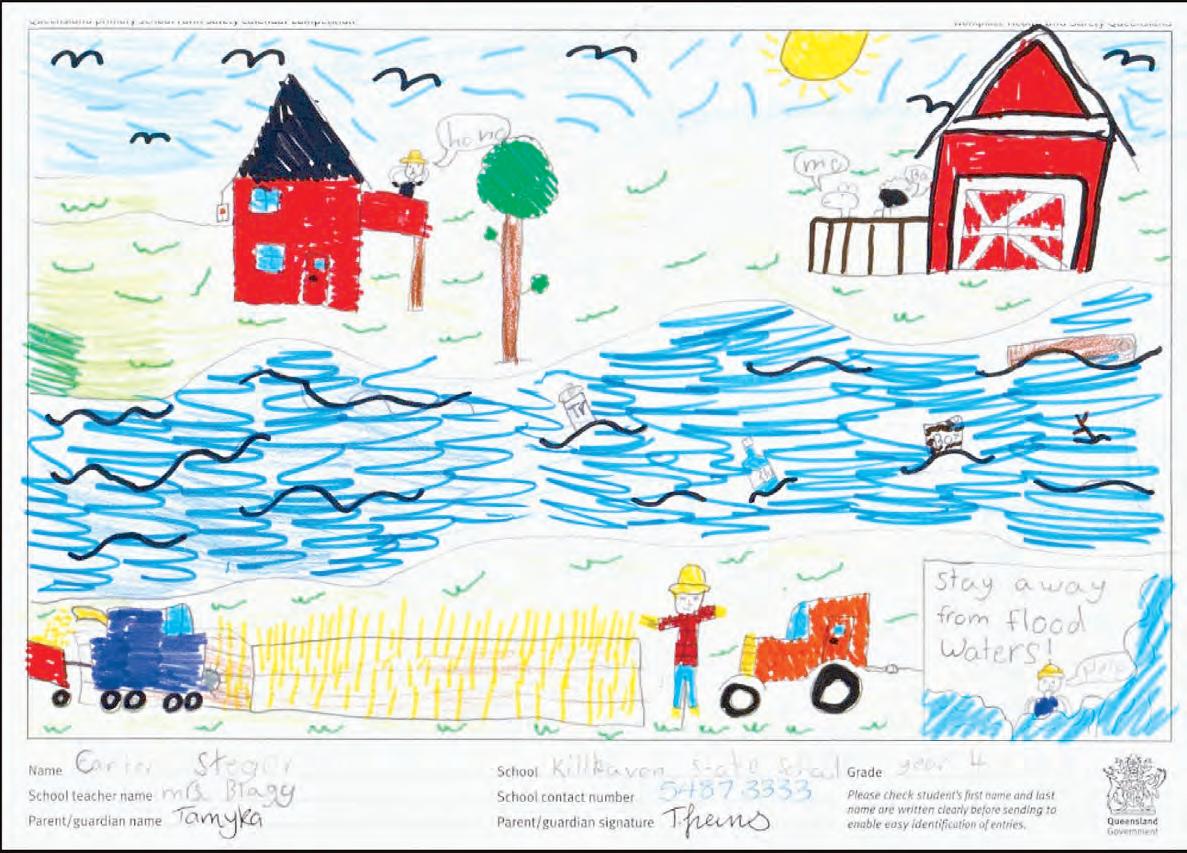
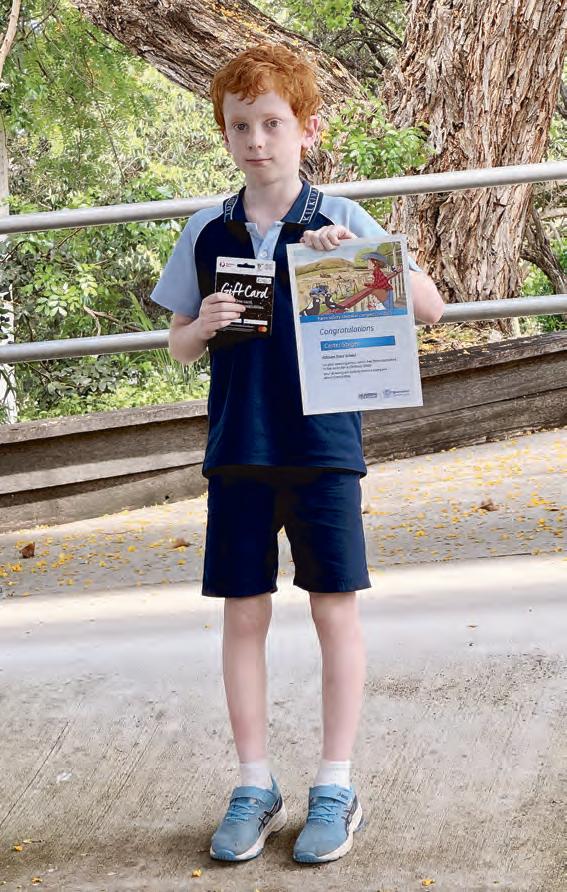
Kilkivan State School Year 4 student, Carter, was one of two local students to see their work selected to be included in the 2026 Farm Safety Calendar in the month of October.
This year saw a record-breaking 2,514 entries from more than 140 primary schools across Queensland in the annual competition, which makes being selected as a finalist all the more special.
Carter, like many students who attend Kilkivan State School, lives on a property, and is very aware of the importance of farm safety, and the importance of this competition to the community.
Carter’s drawing depicts a property in the process of being flooded.
“I drew this picture, so that you can keep your animals and people safe from floodwaters,” Carter said. “I had floods near my house.”
His teachers, Karen Blagg, said, “Flood waters affect our community members, so it is important to know about flood safety.”
Tamyka Francis, Carter’s mother, said, “farm safety means making sure my kids can enjoy growing up on the farm without getting hurt.”
“It’s about setting rules, leading by example, and always putting their safety first,” she said.
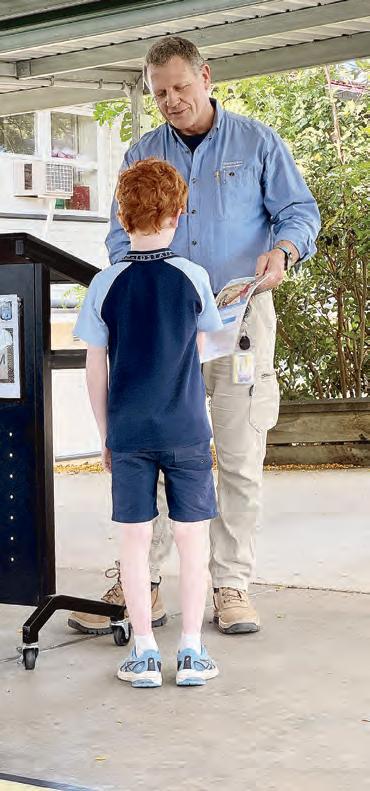
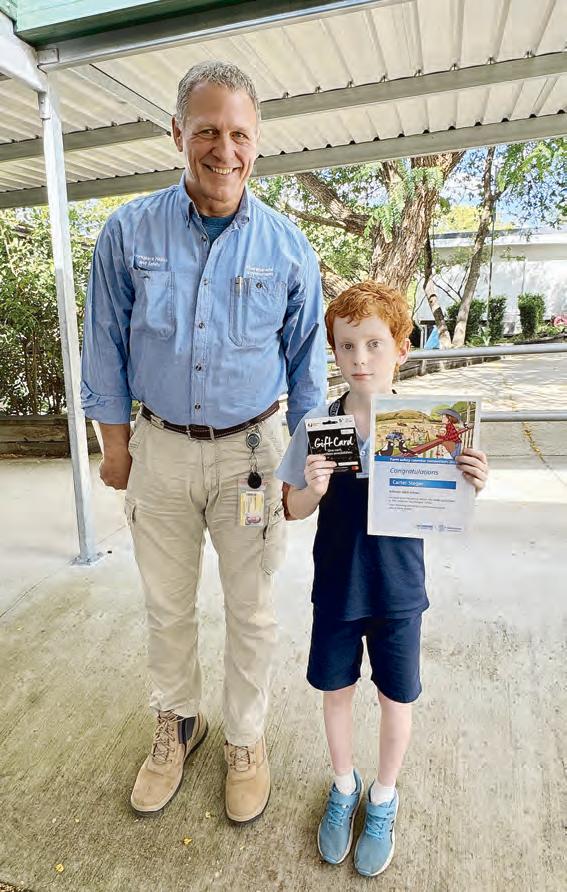
At the school’s parade on Tuesday, 11 November, Carter was presented with his prize for securing a spot in the Farm Safety Calendar 2026, presented by Harry Parkinson, Principal Inspector of the Agriculture Unit.
Carter received a $250 gift voucher as his prize, with the school also receiving a $500 grant for the win.
Member for Nanango Deb Frecklington said she was very excited to congratulate Carter on his winning entry.
“The Farm Safety Calendar competition is a great example of how Queenslanders look out for one another,” Deb said. “This initiative encourages our next generation to think about risks and safe behaviours early, helping to build a strong culture of care and awareness across ru-
ral and regional Queensland.”
The 2026 Farm Safety Calendar winners are:
• January: Max, Year 1 at Meandarra State School, Meandarra
• February: Amelia, Year 6 at St Maria Goretti School, Inglewood
• March: Vincent, Year 2 at Texas P-10 State School, Texas
• April: Amaiah, Year 6 at St Mary’s Primary School Maryborough
• May: Alaina, Year 4 at Woombye State School, Woombye
• June: Makayla, Year 3 at Wooroolin State School, Wooroolin
• July: Luca, Year 5 at Greenmount State School, Greenmount
• August: Emma, Year 6 at Marian State School, Marian
• September: Jesse, Prep at Bauhinia State School, Bauhinia
• October: Carter, Year 4 at Kilkivan State School, Kilkivan
• November: Lincoln, Year 3 at Eumundi State School, Eumundi
• December: Mali, Year 5 at Palmwoods State School, Palmwoods
• Order your free 2026 Farm Safety Calendar online: worksafe.qld.gov.au/resources/campaigns/farm-safety-calendar-competition/ farm-safety-calendar-order-form
By Maddison Richards
The small rural school of Wooroolin State School has seen one of its students receive the distinguished honour of being selected for the Farm Safety Calendar 2026, one of two local schools selected.
The Farm Safety Calendar is a yearly publication where each month displays artwork from Queensland primary school students, with the artwork highlighting important safety messages and raising awareness about hazards on farms and rural properties.
This year saw a record-breaking 2,514 entries from more than 140 primary schools across Queensland in the annual competition, which makes being selected as a finalist all the more special.
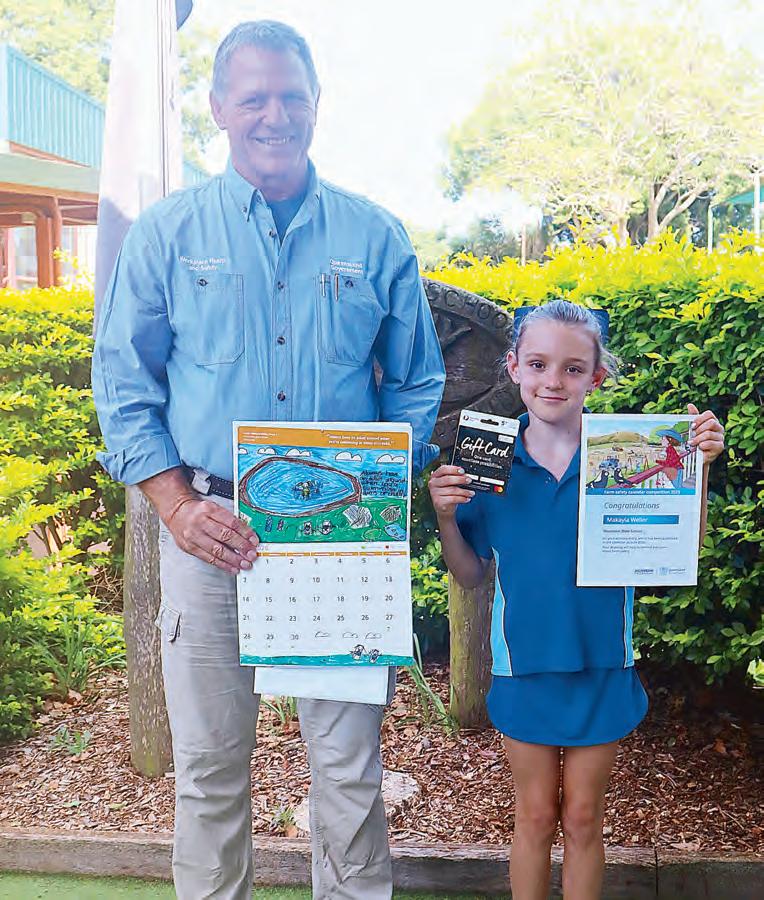
Harry Parkinson from Workplace Health and Safety Queensland presented Makayla with her prize, a $250 gift card, as well as $500 for Wooroolin State School, at the school’s weekly parade on Monday, 24 November.
Makayla Weller, Year 3 student at Wooroolin State School, saw her drawing be selected for the month of June for the 2026 Farm Safety Calendar.
“I wanted June because it’s my birthday month,“ Makayla said.
Makayla expressed happiness, excitement and surprise when she found her drawing had been selected as one of the 12 finalists, saying she wasn’t expecting it.
Her inspiration for her drawing came from personal experiences and lessons taught to her about safety when swimming in rivers and dams.
Participating in the competition allows students to get creative, and to also think about what it means to be safe, Makayla said.
Makayla’s mother, Hannah Weller, said she was “very proud of her to think that up.“
“We always tell her to be safe, and they know to never swim in the dam when there’s no one there, and they’ve always got to wear their life jackets,“ Hannah said. “It’s nice that it’s actually sunk in.“
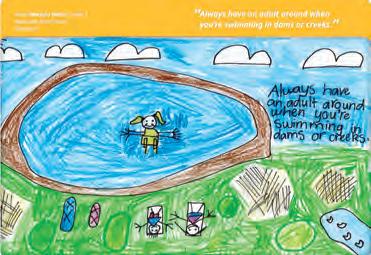
drawing focuses on safety around dams and large bodies of water on rural properties. (Supplied)
Principal of Wooroolin State School, Cheryl Harvey, said this was very special.
“I’ve been to about six small schools who all entered over the past 20 years, and no one has ever won before in any of my schools, whereas this time someone won,“ she said. “It’s special that Makayla was good enough to win.“
“I think the most important thing is the fact that they have to think about how they can be safe around their own farm, what they think on their farm, is something they can do to be safe, and then actually draw it, so they’re learning while they’re doing,“ Principal Harvey said.
“It’s a great competition every year, and I like the way that they do send to the schools the actual calendars every year, so kids are then using a calendar and seeing pictures that other children have drawn, and hopefully reading the messages that were on the calendars each month.”
Harry Parkinson from Workplace Health and Safety Queensland presents Wooroolin State School Student Makayla Weller, with her prize. (Maddison Richards: 519797)
$78,000 + GST


By Jane Lowe
The Crows Nest Showgrounds hold a special place in the region’s history, reflecting the town’s early beginnings as a timber-hauling stop and its growth into a thriving community.
Crows Nest was declared a town in 1876, with the arrival of the railway in 1886 boosting agriculture, transport, and local events.
The Showgrounds Committee was formed in 1901 and, over time, has operated from three different locations. Today, Crows Nest is one of only three showgrounds in Queensland owned by its committee rather than a local council a rare and proud achievement.
The Show Society has long been a pillar of community life, championing local industries and especially the sport of woodchopping, supported for decades by dedicated local leaders.
While detailed records of the early showgrounds are limited, their story is tightly woven into the progress of the town itself.
Each year begins with the Show Camp on the 10th and 11th of January a hands-on weekend where youth and adults learn cattle handling, grooming, cooking, photography, whip plaiting, welding and more, all designed to help participants prepare for entries in the annual show.
Showgirl Coordinator Elly Close, who grew up in the show movement and was crowned Darling Downs Showgirl in 2023, encourages everyone to get involved.
“It’s a great place to meet people, learn new skills and have a lot of fun,” she said. “Being an ambassador for the show society is not only personally rewarding it helps you grow, build lifelong connections and develop skills that stay with you.”
The Society is now seeking the next Showgirl, Rural Ambassador, Junior Rural Ambassador, Junior Showgirl and Miss Princess.
Anyone interested is invited to contact Elly Close for more information.
Looking ahead, the Showgrounds continue to evolve. “We’ve diversified to plan for the future,” said President Doug Gillies. “The grounds can now host up to 120 caravans, and our function centre can cater for up to 200 people.”
The ground offer an all abilities ablutions block, Free WiFi with booster, fully equipped stainless steel canteen with adjoining Barbeque area to cater for up to 200 people, watering points around the grounds, lighting in the majorinty of areas and a large amount of buildings that are suited to different initiatives.
In 2021 they hosted over 3500 patrons for the Crows Nest Rodeo.
Bookings can be made at bookings.crowsnest@gmail.com
With a proud history of woodchopping, strong stud and prime beef sections, and a commitment to serving the community, the Crows Nest Showgrounds remain a vital hub for local events, heritage and connection.
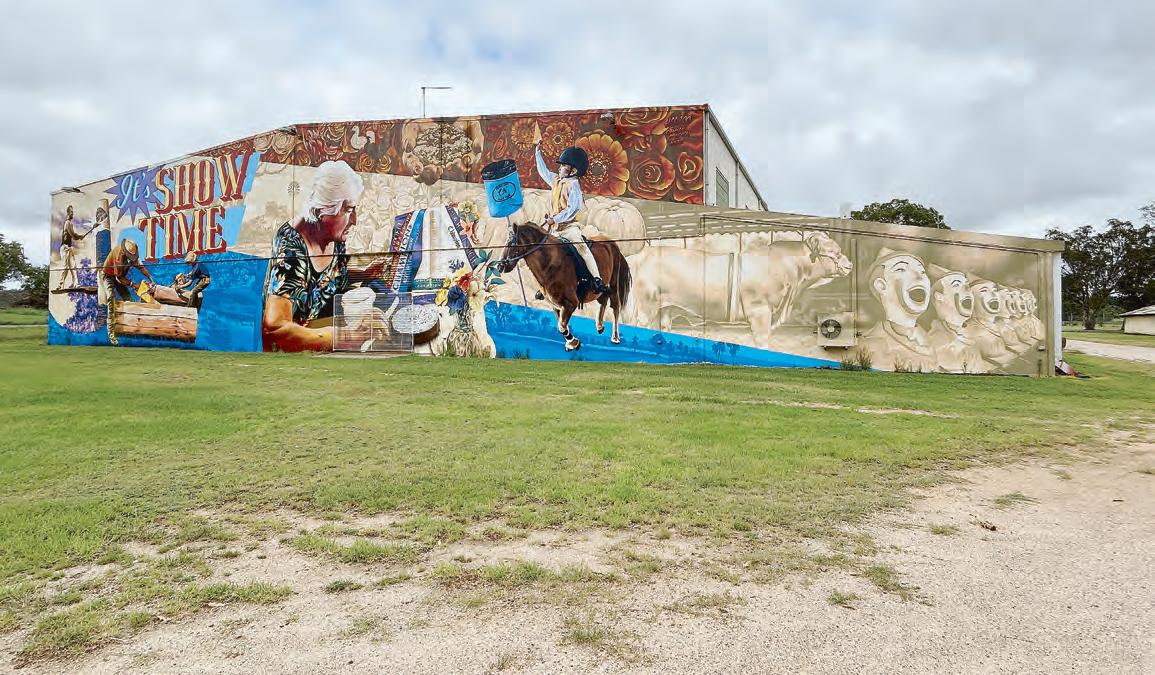
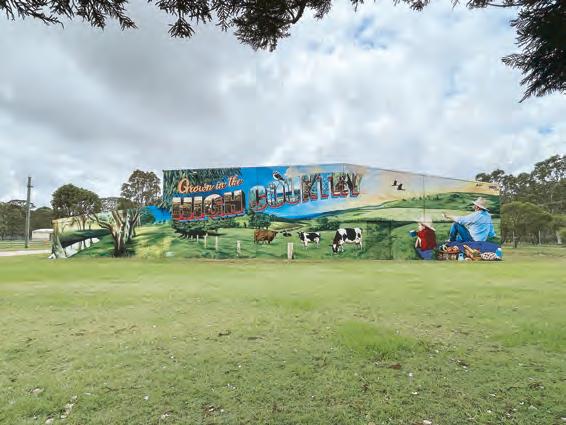
The 16 acre Crows Nest Showgrounds are available for hire for public events & private functions.
• January 10-11 - Show camp
• April 11 Annual show ball
• May 9 Annual Show and it will host the new activity call “Buggys and Bras”
• June Country Music week
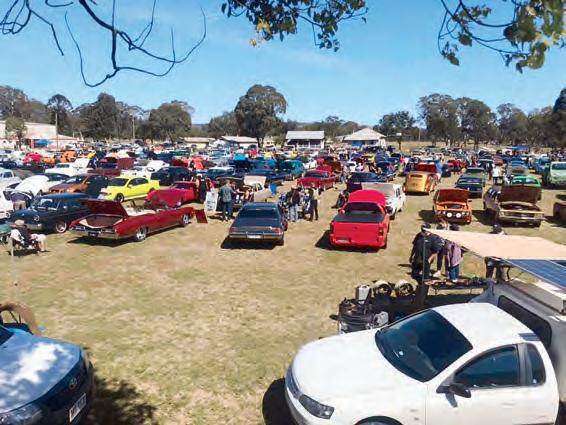
• August Car Club Show n Shine
• September Caravan group
• October Darling Downs Bottle Club
• 2026 is an Australian National meet held here at the showgrounds
• November Annual multi auction Wade Hartwig 0447174071 Hartwig and bliss auctioneers they also run a cattle sale every month at the show-
grounds cattle yards
• Abby rose runs health fitness classes every week ph 0408 202 416
• Plus birthday parties and regular travelling caravans unpowered $20 a night powered $30 a night
• And they will be expanding he activities in 2026
• For more information contact 07 4698 1390






By Jane Lowe
Perched atop the Great Dividing Range, just 30 minutes north of Toowoomba, Crows Nest is a thriving rural community known for its natural beauty, rich history and welcoming country lifestyle.
With a town population of around 2,212 and a wider district of lifestyle blocks and working farms, the region offers both convenience and tranquillity in equal measure.
Set in some of the most picturesque country the Range has to offer, Crows Nest is surrounded by recreational lakes, national parks and rolling hills.
The town provides all major amenities including a supermarket, hotel, post office, newsagency, bakery, pharmacy, cafes, banks, mechanical services and farm supply businesses catering to locals and visitors alike.
The town centre is home to charming antique stores, cafes, galleries and a museum, and is a popular stop for travellers exploring the region.
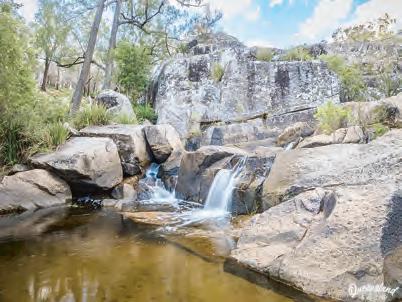
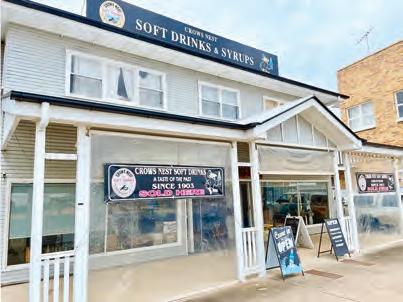
Visitors can collect picnic supplies from Crows Nest Soft Drinks or Bunnyconnellen Olive Grove before heading out to Crows Nest National Park, where granite formations, creek scenery and a scenic waterfall create an unforgettable bush experience.
Crows Nest’s history is as colourful as its landscape.
The name “Crow’s Nest” originates from the lookout platform used on early whaling ships, which resembled a crow’s high-perched nest.
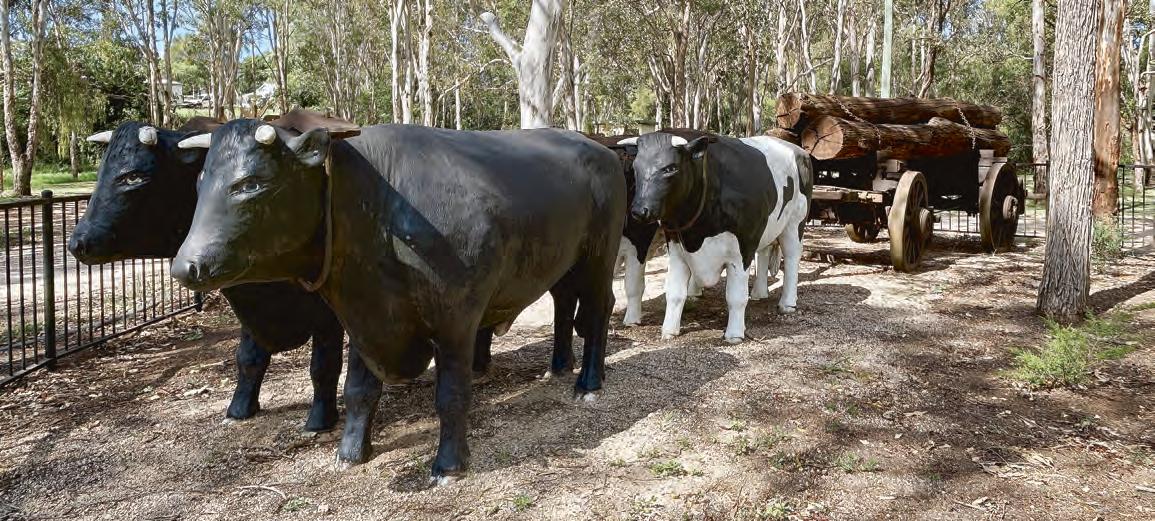
Historically, the town began as a stopping place for timber haulers working the mountain forests.
A local Aboriginal man, Jimmy Crow, who lived in the hollow of a large tree, is commemorated today with a statue in the heart of town.
Crows Nest pastoral land was first taken up in 1849, with the township surveyed in 1877.
The arrival of the railway from Toowoomba in 1886 transformed the settlement into a busy railhead and commercial hub. By the turn of the century the population had risen to nearly 500, and by 1913 Crows Nest Shire had been formally established.
Today, the town remains a vibrant community offering a safe and affordable lifestyle well suited to families, retirees and first home buyers.
Historic buildings line the streets, housing boutique shops, cafes and galleries.
Essential services include childcare, a primary and secondary school, medical centre, public library, folk museum and village precinct. Sporting facilities are extensive, featuring an indoor sports centre, heated swimming pool, tennis courts, squash court, golf course and bowling greens.
With its elevation of 543 metres, Crows Nest enjoys a pleasant climate and four distinct seasons, with spring bringing a spectacular burst of colour across local parks and gardens.
The surrounding district offers endless outdoor recreation, from bushwalking and birdwatching to scenic drives and cycling. Lakes Cressbrook, Perseverance and Cooby provide opportunities for camping, fishing, sailing and kayaking.
The region’s strong community spirit is reflected in its many clubs, organisations and annual events.
The showgrounds historically significant and still community-owned remain a central hub for agriculture, industry and social gatherings.
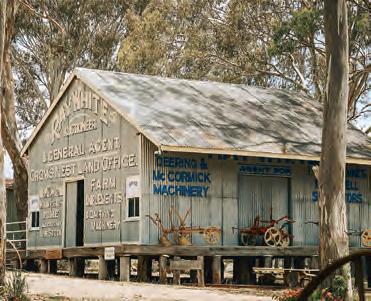
This small town packs a lot of historical punch so start with the information centre in the old Queensland Rail Grain Shed.
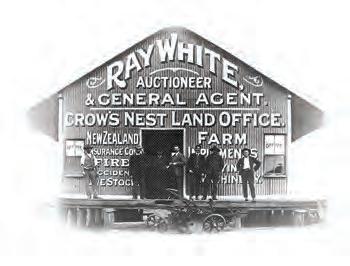
There is so much to see and do with an easy walk of the town centre, you’ll find the Regional Art Gallery and a community arts and crafts centre. Carbethon Folk Museum - home of the original Ray White Real Estate office where the business started in Crows Nest in 1902.
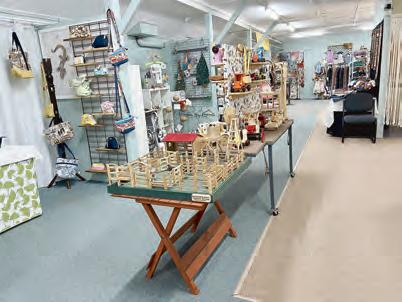
There is the Crows Nest Community Arts and Crafts that is run by locals who all volunteer their time one day a month and the shop is filled with everything that is hand made.
There are over 48 different artists that live within the 65km radius of Crows Nest. All items
for sale are hand crafted by local artists.
Then there is the Crows Nest Softdrink factory that supplies old fashioned flavours the way soft drinks used to be.
It was established in 1903 and is one of the oldest surviving “small town” manufacturers of Soft Drinks and Flavoured Syrups..
The Applegum Walk, a pleasant stroll along the creek between Bullocky’s Rest and Hartmann Park where you also may find a Koala, and then you can pack a picnic to enjoy in nearby Crows Next National Park where you’ll find bird watching and bushwalking trails through the eucalypt forest.
After rains you’ll see Crows Nest Falls in action.
Nestled between major centres yet firmly rooted in its rural charm, Crows Nest offers residents and visitors an idyllic blend of natural beauty, lifestyle convenience and small-town warmth a true gem of the northern Darling Downs.














By Jane Lowe
It’s also why the Ray White group has sold more properties across Australasia than any other real estate network, says Principal and Rural Sales specialist Geoff Trost.
Ray White Rural Crows Nest is recognised as a leader in all facets of real estate throughout the region.
While the local office opened its doors in 2001, the company’s ties to the town stretch back more than a century.
In 1902, Mr Ray White opened his very first agency in Crows Nest, laying the foundations for what would become an internationally renowned brand.
Despite its global reach, Ray White remains proudly family-owned and those values still shape the culture of the Crows Nest office.
Principal Geoff Trost, born and bred locally, says the team’s strength lies in being “locals helping locals” , offering genuine support not only to buyers and sellers but to travellers and newcomers seeking local knowledge.
Whether you’re stopping by for a visit or considering a move away from the bustle of city life, Ray White Rural Crows Nest offers friendly service just a short drive from Toowoomba and only a couple of hours from Brisbane and the Sunshine Coast. Visitors are always welcome to call in for assistance or advice.

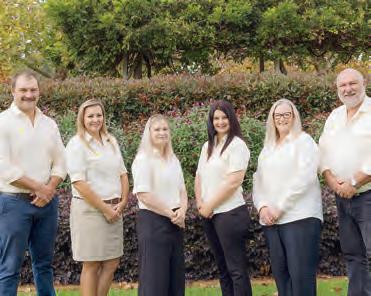
With industry-leading technology, strong community roots and a dedication to outstanding customer service, Ray White ensures that whether you list, sell, rent or buy, you’re working with real estate professionals who pair expertise with a local touch.
The team includes:
• Susie Campbell – Administration & Marketing
• Betty Cox – Office Administration
• Ashlee Croft – Property Management
• Melissa Gould – Residential & Lifestyle Sales
• Cody Trost – Rural Sales, Livestock Sales & Licensed Auctioneer
• Geoff Trost – Principal & Rural Sales
By Jane Lowe
Whether you’re building a deck, freshening up the garden, tackling a weekend DIY job or simply grabbing the essentials, there’s one place in Crows Nest that has been behind locals for generations delivering friendly service, genuine advice and a smile that makes you feel right at home.
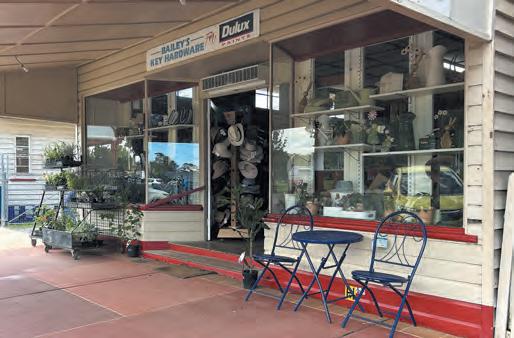
A Legacy of Service, A New Chapter of Passion Bailey’s Hardware store has been part of the Crows Nest community since 1933, standing strong through decades of change while remaining a reliable cornerstone for locals. In 2025, The Ryan family proudly took on the store, continuing its legacy with a renewed passion for customer service, quality and community-focused approach to customer service, they’ve created a store that feels personal, helpful and dedicated to the people who walk through the door.
Carefully Selected Products for Every Job
Every item on the shelves has been thoughtfully chosen to ensure customers have access to the best quality and reliability. And if there’s something you need that isn’t in stock? The team is always happy to order it in. From everyday DIY essentials to specialist gear, they pride themselves on stocking trusted, wellknown brands including Makita, Yates, Sutton, Dulux and Haymes paints just to name a few.
Trade Trusted
Trade has always been a big part of the business. The store carries a comprehensive range of trade-quality materials: timber, plaster, concrete, plumbing, and building essentials that home handyman and professionals rely
on. The staff know their products and are always ready to offer advice on the best materials for the job at hand.
The trade team understands that time is money, so they work hard to ensure tradies can get in, get what they need and get back on site fast.
Supporting the Community, One Delivery at a Time
Need a heavy item delivered or materials dropped to the job site? The store proudly offers local delivery services to make life easier for customers. Whether it’s timber, project supplies for a renovation, or a garden make over the team will help get it where it needs to go.
Convenience Where It Matters
With plenty of parking available near the store, popping in for supplies is quick and easy whether you’re grabbing something small or loading up the trailer.
Recently expanded garden centre with carefully selected plants to suit our climate, large range of potting mix and garden mulch, a potting shed with large terracotta pots and other decorative items for your outdoor space. Great Deals and Christmas Cheer
There are always bargains to be found in store, with regular specials and seasonal promotions that make every visit worthwhile. And for anyone still sorting out their Christmas shopping, you’ll discover a great range of practical, thoughtful gifts perfect for the DIY lover, gardener or home improvement guru in your life.
































By Jane Lowe
After more than 30 years of operation, South East Queensland’s HMF Engineering continues to cement its reputation as one of the region’s most versatile and trusted manufacturing specialists.
Founded in 1990, the company has grown from a modest local workshop into a go-to provider of high-quality engineered products for industries including mining, rail, agriculture, municipal services and education. From one-off
prototypes to medium-volume production runs, HMF Engineering offers end-to-end service — from concept and design through to fabrication, machining, fitting, maintenance and reverse engineering.
Despite its rural roots, the Crows Nest–based business has reached a global audience. Products manufactured in the small Queensland town have made their way to South America, Canada, Germany, South Africa, Papua New Guinea and New Zealand — and even into space.
Closer to home, HMF Engineering has played an active role in shaping the local community. The company has supported numerous regional initiatives, including work on the new Dingo Mountain Parklands development and ongoing contributions to many community groups .
Owner and founder Michael King said the key to the company’s longevity has been its commitment to quality workmanship at a competitive price, along with long-standing relationships built over three decades. “Whether it’s a first-time
client or someone who’s been with us for years, we aim to deliver the best possible outcome every time,” he said.
With a fully equipped machine shop, fabrication facilities, and a team experienced across multiple sectors, HMF Engineering shows no signs of slowing down. For the team, no job is too big or too small — and precision, reliability and customer focus remain at the heart of every project.
That’s why Property Management Products, a
and
With a strong commitment to competitive prices, quality service and practical solutions, the team has spent years helping local landholders improve the efficiency and productivity of their properties.
A Trusted Source for Rural Supplies
As the leading agricultural supply store in Crows Nest and surrounding districts, Property Management Products offers far more than just products on a shelf.
Their experienced team understands the demands of rural life and works closely with customers to ensure they find exactly what they need, whether it’s a simple repair item or equipment for a large-scale operation.


Their membership with Australian Independent Rural Retailers (AIRR) allows them to offer an impressive range of high-quality goods at great prices.
With access to nearly 100,000 products from more than 650 suppliers, the store can source almost anything a rural property requires.
And if it’s not in stock, the team is always happy to order it in.
Helping Improve Efficiency on the Land Property Management Products is committed to making life easier and more productive for farmers, graziers and small acreage owners.
Their product range covers everything from animal health and crop protection to fencing, landscaping supplies, chemical, stock feed and supplements.
But their services don’t stop at retail.
With a fabrication shop onsite PMP not only sells steel, but Bruce can carry out repairs and make items to your specifications, odd sized






gates can be manufactured onsite to your measurements.
Quality Brands You Can Rely On
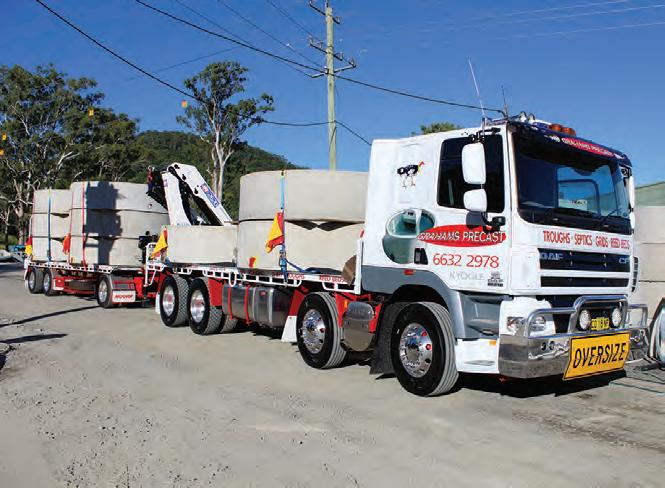
The store stocks a wide range of trusted, reputable brands. Their selection of RapidPlas & Enmach water tanks, feed and water troughs is particularly popular, with options designed for sheep, goats, horses and cattle. With tank options from 1100L through to 22000L available for immediate purchase (limited to colours in stock).
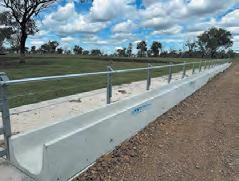
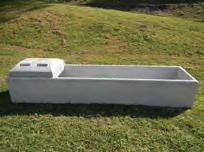
For those who prefer concrete options, they also supply troughs from Graham’s Precast (NSW), available in various sizes and designed with three lifting points for easy relocation.
To further support customers, the store carries a variety of floats to suit most trough types, along with spare parts to keep equipment in good working order.
Practical Support and Local Service
Whether you’re looking to streamline property maintenance, improve water systems, enhance
livestock care or protect your crops, the knowledgeable staff are always ready to help.
If you can’t find what you need, simply ask the team can access hundreds of suppliers to track down the right product for the job.
Property Management Products is open six days a week and welcomes customers to visit the store, browse the extensive range or chat with the friendly staff for advice.
For everything from the backyard to the stockyard, come in and see us.
For enquiries, call (07) 4698 1011 or drop in to see the team in Crows Nest today.
Mick, Emma, Georgia, Alison, Emily, Bruce & Col would like to wish everyone a Merry Christmas and new year and thank you for your ongoing support.
We close on the 19th December and reopen on the 6th January.

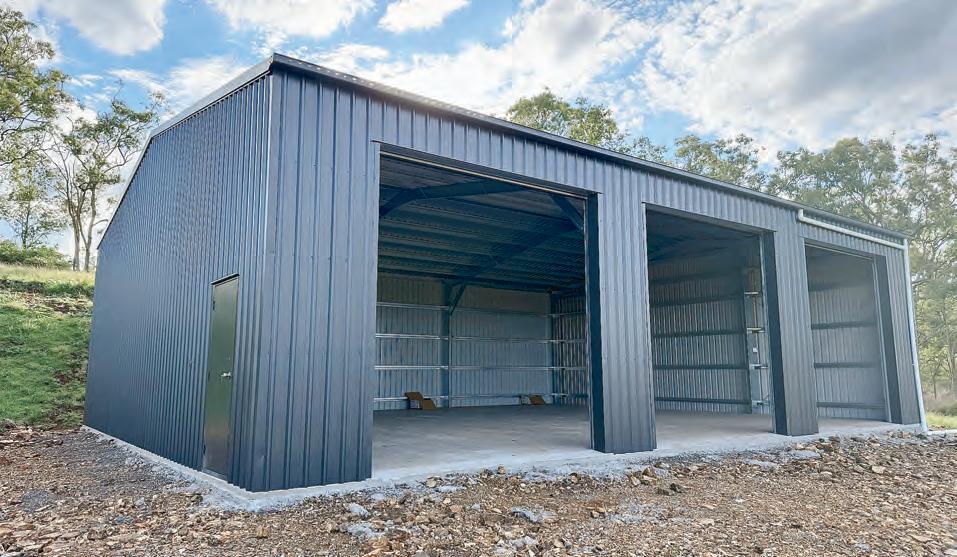
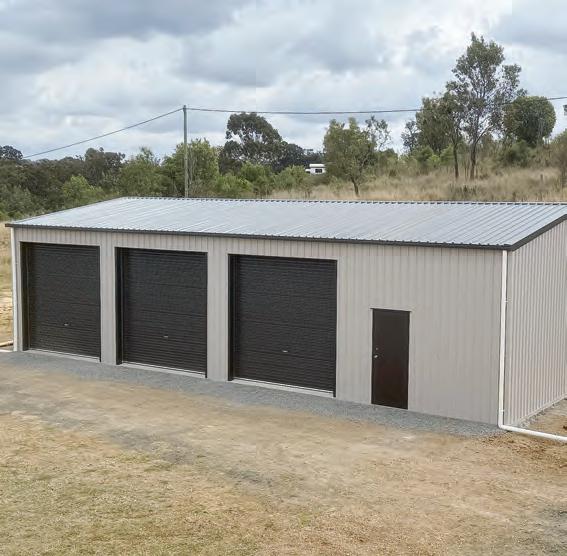
In Crows Nest and beyond, Jack Thorpe Constructions has built more than sheds and concrete slabs- we’ve built trust. Locals know us as a team who shows up, does things properly, and takes pride in a job we’re willing to put our name on. Quality workmanship, straight communication and genuine care for the people we build for is what we’re about.
We’re a family business, raising our kids here, employing locals and supporting young workers to grow into skilled tradespeople. The values we stand on- integrity, safety, reliability, growth, family and community - aren’t just words, they’re how we work every day. We believe in doing the job once and doing it right, for the long haul. And now, that same standard continues through High Country Sheds -offering tough, custom-designed sheds, carports, patios and ru-
ral structures built for our weather, our lifestyles and our region.
In partnership with Ezibuilt, High Country Sheds brings a streamlined, start-to-finish service:
• Concrete slab to final screw
• Council approvals handled
• Fair, honest communication
• Built to last in Southern QLD conditions
• One team - one smooth process With Jack Thorpe Constructions and High Country Sheds working side-by-side, locals can rely on one trusted crew from the ground up- no juggling contractors, no confusion, no shortcuts. Bookings are filling quickly- so if you’ve been thinking about a shed, carport, garage or custom rural build, now’s a great time to get in early and chat with the team.
The team at the Queensland Farmer Today would like to thank all our readers, Local businesses and community groups for your amazing support during 2025.

We wish you all a very happy Christmas and a safe New Year.







Bendigo Bank’s 2026 Australian Agriculture Outlook report provides an in-depth perspective on supply, demand, and price outlooks for Australia’s major agricultural commodities for the first half of 2026.
The six months ahead for Australian agriculture will be impacted by seasonal conditions and the economic environment, two key factors which have the capacity to significantly benefit or hamper the industry moving through the first half of 2026.
With around two thirds of Australian agricultural products exported, increasingly volatile global markets will be key to growth prospects across Australia’s agribusiness sector, underscoring the importance of maintaining strong diversified trade relationships.
“Seasonal risk and economic uncertainty remain at the forefront, but the outlook for Australian agriculture is broadly positive as we move into 2026,” Bendigo Bank Agribusiness Senior Manager Industry Insights, Eliza Redfern said.
“While higher on-farm costs will weigh on the production of vegetables and milk, the tight supply outlook for sheep and wool, in addition to strong export demand for beef and demand lifting for some crops, will help support pricing into the new year.
“Beef production is tipped to drop slightly from the high volumes seen in 2025, and strong demand especially from an export perspective is likely to keep prices firm, supported by reduced supply in the US. This factor will help keep Australia as a preferred choice in key export markets across Asia, despite the US recently removing the additional tariff imposed on Brazilian beef.
“Australia’s total winter crop production for 2025-26 is now forecast at 62.3 million tonnes, representing a 12 per cent increase from our mid-year estimate of 54.5 million tonnes. This would be the third largest crop on record, driven by an extraordinary turnaround in Western Australia, where the production forecast has jumped 26 per cent, or around 5.0 million tonnes, since June.
“Weather remains the key driver of horticultural output heading into the first half of 2026. Based on current forecasts, we should see both high quality and volumes across key production regions, with output to remain strong across the fruit and nut sectors. A major dampener continues to be input
costs that continue to pressure margins with fertiliser, irrigation, chemical and labour costs showing no signs of sustained easing in coming months.
“We’re also expecting Australian lamb and mutton supply will remain lower in the first half of 2026, with prices easing from recent record highs
but remaining well above the five-year average. The recent run of strong prices is expected to continue into 2026 due to firm demand and the tight supply environment, driven primarily from processors who have increased their capacity over the past two years,” Ms Redfern concluded.
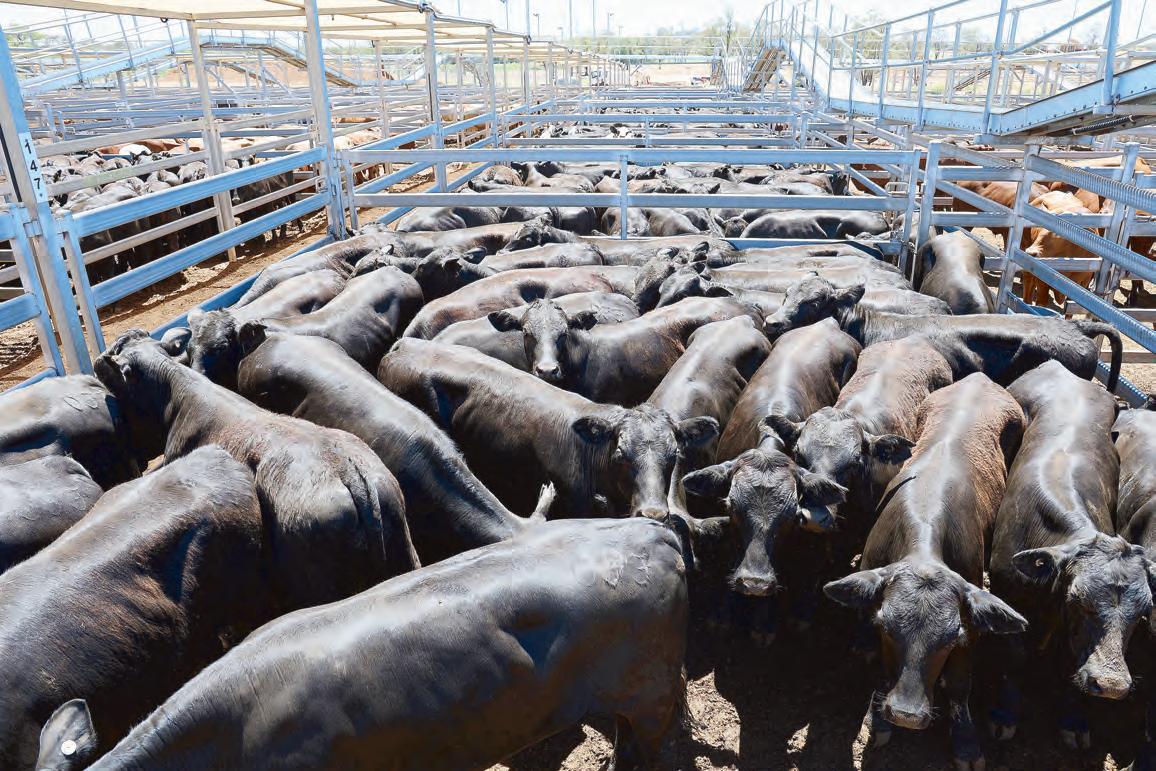
The forecast for the state’s cattle industry is expected to remain positive leading into 2026.
Export demand is likely to remain at high levels which will support local prices at saleyards. Processors are likely to be very active at local markets creating strong competition for stock to match the appetite from international markets. However, if seasonal conditions turn dry against the latest Bureau of Meteorology forecast, prices could come under pressure as supply lifts at saleyards.
Grain growers in Queensland are the first to wrap up harvest for the 2025/26 winter crop season. Growers had a mostly smooth run at harvest except for showers in the back end of November causing some delays. On the positive side, additional moisture encouraged some extra sorghum to be planted. Final winter crop production is estimated at 3.8Mmt, down five per cent from last season. Despite above average production, the final outcome is a bit disappointing after a dry September and October trimmed potential from what was looking like a record crop for much of the season.
Reduced global macadamia output is sup-
porting kernel prices as China cautiously resumes in-shell buying. However, a shift in the global demand environment presents a mixed outlook for prices heading into 2026. The continued expansion of macadamia production within China, our largest export market, is expected to place renewed pressure on in shell prices during 2026, with Australian production continuing to lift as plantations mature.
Avocado producers are in for another large season; producers located in North Queensland expect stable yields in 2026, though production remains dependant on weather conditions over the coming month which will affect flowering and fruit set. Meanwhile, yields of the Shepard variety that will come to market from February are expected to be 10 per cent higher than last season.
Milk production in Queensland lifted in the first quarter of 2025-26, reversing slight losses from the previous season’s wet conditions. The rate of increase has slowed over this time and a relatively stable full season total is expected by June.

The 2026 agricultural forecast broken down.
Cattle: Strong beef production and export demand along with stable prices indicate a favourable outlook for the cattle industry. Australia’s beef industry is set for a big 2026 with strong exports and well above average slaughter rates.
Cropping: Harvest pressure keeps wheat prices soft early, but Q2 strength should emerge as Southeast Asian feed demand lifts. Barley values are likely to find support from China and the Middle East in early 2026. Barley and canola dominate Q1 exports, allowing wheat to roll into Q2. High-protein and noodle wheat are attracting early buyer interest. Demand for feed grain is at a historical peak, driven by sustained, high-volume output across all key intensive farming sectors.
Dairy: Expectations for milk production have
improved whilst the outlook for farmgate milk prices has eased. Downside risks cloud the outlook for both. Milk production is set to drop one to two per cent to around 8.2 billion litres, while continued global milk supply growth is expected across other major dairy export competitors. High input costs continue to plague farmers and production, with indicators for fodder and fertiliser around one third higher year-on-year, in many cases double that of five years ago, despite recent easing. Our expectation for the average southern farmgate milk price has eased, to $9.40kg MS (and $9.78kg MS nationally) for the 2025-26 season.
Horticulture: A shift in market dynamics with uncertain export demand, strong supply forecasts and high costs environment is driving a slightly less favourable outlook compared to 2025. Out-
put to remain high across fruit and nut sectors while vegetable production will be pressured by high irrigation costs. Input costs continue to drive significant margin pressure with fertiliser, irrigation, chemical and labour costs showing no signs of any sustained easing in the coming months. Fruit and nut prices are expected to ease slightly with elevated supply and slightly softer export demand. Looking to the supply outlook for 2026, vegetable production is anticipated to sit below the first half of 2025 as reduced water storages and significantly higher irrigation costs limit production potential.
Sheep: The recent run of strong prices is expected to continue into 2026 due to firm demand and the tight supply environment, with lamb and mutton supply likely to remain lower in the first half of 2026. Australian lamb prices expected to ease
from the recent record highs but will remain well above the five-year average. Demand to remain elevated as processors look to maintain throughput, while restocking activity will also be price supportive.
Wool: The Australian wool industry is looking to build on its positive start to the season with constrained supplies supporting rising prices. Improving demand from China is aiding the Australian wool market, although European demand lags behind. The reduced supply from across the country has been the headline feature of the Australian wool market, driving a welcome price spike across all microns. There are also indications that flock numbers should start to build up again in the year ahead. Growers can hope the recent lift in demand will continue and help lift prices further.
By Fiona Gowers
In the rural pocket of Kilcummin in central Queensland, where neighbouring properties sprawl across thousands of hectares and social catch-ups are sparce, one woman is ensuring local farmers have a reason to get off-farm and unite.
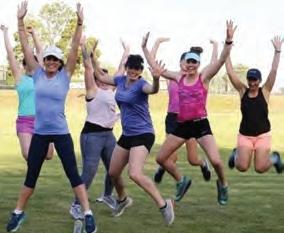
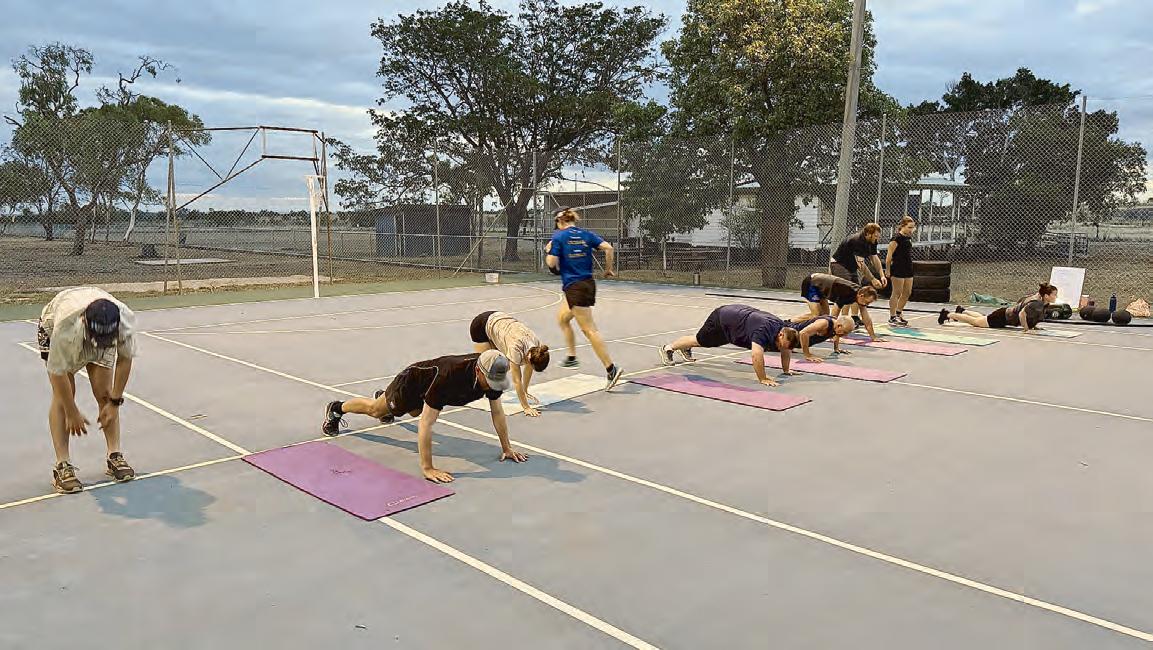
Nicole Lund runs weekly Active Farmers exercise classes designed to boost both the physical and mental health of the region’s farming community.
Nicole, who lives on a cattle and cropping property and is raising three young children, said becoming a fitness instructor had always been a dream, but one that felt out of reach.
“I’ve always been quite active in fitness and health and I’ve always wanted to do my PT certifications,” she said. “But with being rural, it is very hard to try and get your placement hours. Having the kids made it difficult too.”
Everything changed when she heard about the Active Farmers Scholarship on ABC radio.
“The scholarship was great because they sort of tailored it to rural people,” she said. “Once I was certified, I started with Active Farmers and I was doing two classes a week down at our community hall, which is about 30 kilometres from our property.”
Tuesday mornings are reserved for mums — babies and toddlers in tow — while Thursday nights attract workers fresh off tractors, fencing crews and contractors passing through the district.
“I can get anywhere from two to 12 attendees,” Nicole said. “They hear about the classes and they’ll come and do a class or two.”
Every session is adapted to whoever shows up.
The boot camp nights, which draw more men, are loaded with slam balls, battle ropes and heavier kettlebells. On Tuesdays, the focus is lighter strength work and flexibility.
And, the children are welcome, often turning warm-ups into games of tag.
With participants ranging from teenagers to those in their sixties, tailoring is essential. But Nicole says the goal is the same for everyone: connection.
“In isolated areas like we are, a lot of the farms are 5000 acres. You might have just a husband and wife working on that property and they won’t see anyone else for weeks,” she said.
“I think my classes are a good opportunity to bring those people out.
“I get quite a number of single men, single
farmers. It’s so important for them and their mental health and their physical well-being to get out of the farm and into a group of people, doing something fun but also healthy.”
The laughter, she says, is as important as the lunges.
“The guys just love it. They always thank me for doing it. They enjoy the social side. We do have a good laugh.”
For Nicole, the benefits go both ways.
“It’s good for everyone. It’s good for me,” she said. “And sometimes we have more kids than adults!”
As drought and distance continue to test rural communities, Lund hopes her small but energetic classes help keep spirits strong.
“I just think it’s really important for people to keep active — and connected,” she said.
• For more information please contact Nicole through Active Farmers - Kilcummin Qld on Facebook
By Fiona Gowers
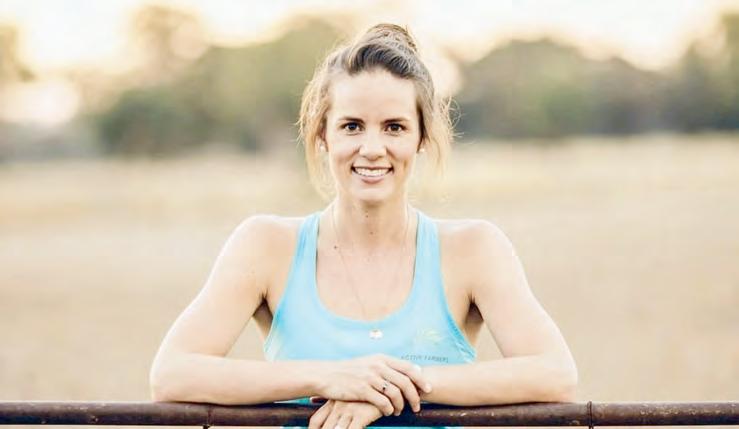
Ten years ago, in the tiny Riverina community of Mangoplah in NSW, former Tasmanian country kid and agribusiness professional Ginny Stevens rolled out a few exercise mats with the simple aim: “To do her bit“.
What began as a couple of weekly fitness classes for locals has since grown into Active Farmers, a nationwide movement helping rural Australians boost their physical health, mental wellbeing and social connectedness.
Raised mostly on a farm in northern Tasmania, Ginny grew up immersed in agriculture, sport and the powerful pull of small communities.
“I grew up in a small town and attended a small school where you really need everyone in the community to pitch in and do their bit,” she says.
That philosophy followed her through a jillaroo stint in the Northern Territory, an agricultural science degree and a business banking career with Rabobank in Wagga Wagga.
It was there she met her husband, a Mangoplah farmer, and moved to the community that would shape her next chapter.
Working in agribusiness exposed Ginny to the mental health challenges facing rural people.
“I have always been really concerned about
the high level of mental health issues,” she says.
“There are so many things outside of our control, droughts, floods, fires, financial stress, limited access to health services, that stoic nature of farmers.
“I started thinking about what is in our control and it is how we look after ourselves and our communities.”
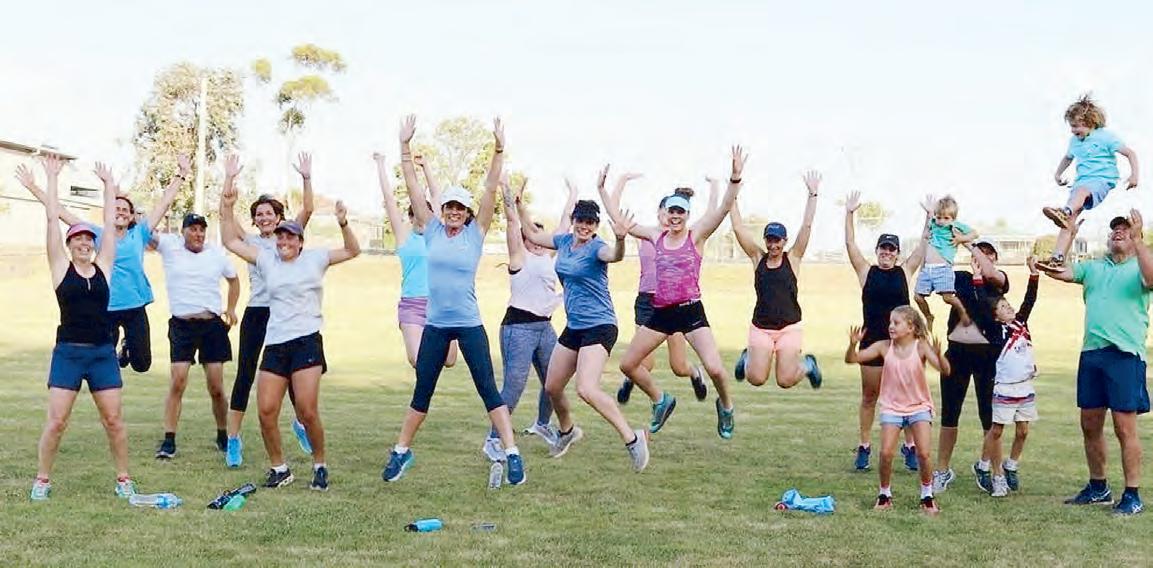
Her solution was simple: use exercise to mimic the “team sport effect” in towns where organised sport often only runs seasonally.
“The idea was to get people off the farm and out of their homes to do a couple of classes a week, get the heart rate up and, importantly, catch up with community members,” she says. “That’s where the magic happens.”
It wasn’t long before the neighbouring town Uranquinty asked for its own program.
By 2017, the movement had grown so rapidly that Ginny left her full-time banking job and partnered with Delta Agribusiness, sparking even more expansion.
Trainers, sponsors, volunteers and board members rallied, helping Active Farmers spread across the country, including through southern and central Queensland.
Surveys conducted internally and with the Regional Australia Institute have found participants aren’t just fitter, they feel more resilient, more positive, more energetic and more connected.
But it was one phrase that resonated deeply with Ginny: the “strengthening of social fabric“.
“I hadn’t realised when I first started that the social interaction would be the most powerful thing,” she says.
Classes welcome everyone, not just farmers.
“All different walks of life make up a small rural community,” Ginny says.
Sessions are time-based and designed to cater to all abilities, ages and fitness levels.
A decade on, Ginny’s small-town idea continues to change lives - one squat, sprint and shared laugh at a time - proving that when rural communities move together, they grow stronger together.
By Fiona Gowers
Two leading rural health organisations, Active Farmers and Fat Farmers Rural Health Initiative, are joining forces to combine their shared passion and purpose to improve the health and wellbeing of rural communities.
For more than a decade, both organisations have worked tirelessly to support regional Australians through physical activity, connection and proactive health initiatives.
Now, by working together, they’ll be able to reach more towns, support more people and create an even greater impact across regional Australia.
“When two organisations share the same purpose - to improve the health and wellbeing of rural communities - joining forces just makes sense,” said Ginny Stevens, founder of Active Farmers.
“This is a positive step forward that will allow us to expand, evolve and continue to strengthen the health and resilience of rural Australia.”
A smarter way forward for rural charities
Across Australia, there are more than 60,000 registered charities, many working towards similar goals.
Too often, these organisations find themselves competing for the same funding, volunteers and support, making long-term sustainability challenging.
By bringing two like-minded organisations together, this partnership demonstrates the power of collaboration over competition. Pooling resources, networks and experience allows for greater efficiency, reduced duplication and
stronger outcomes for the rural communities they serve.
The integration of Active Farmers into the Fat Farmers Rural Health Initiative will see Active Farmers continue as the face of its local programs.
With more than 42 Active Farmers groupsincluding one in Kilcummin, north of Clermont - and 40 Fat Farmers groups running nationwide, the integration enables greater reach, stronger outcomes and new opportunities for collaboration.
“This partnership is about amplifying what’s already working,” said Richard Sheppy, CEO of the Fat Farmers Rural Health Initiative.
“Together we can build on each other’s strengths to reach even more people and continue fostering health, connection and resilience in farming and rural communities across Australia.”
The Active Farmers brand, classes and community focus will remain unchanged, ensuring the same local support and connection communities know and trust.
Gerard Hines, CEO of Delta Agribusiness Group and founding partner of Active Farmers, congratulated both organisations.
“I’d like to sincerely thank Ginny, her board and everyone who’s contributed to Active Farmers since its inception,“ he said.
“As the foundation sponsor, Delta Agribusiness - and many of our supply partners - proudly supported Active Farmers since the beginning and have had the privilege of working with so many great people that deeply care about our regional and remote communities’ mental health and wellbeing.
“This transition makes strategic sense, combining resources will take this critical community support to the next level. We’re proud to continue our support and partnership moving forward.”
Looking ahead, Richard Sheppy is a passionate advocate for rural health and wellbeing.
Under his leadership, the Fat Farmers Rural Health Initiative has grown from a grassroots movement into a national organisation promoting physical activity, social connection and improved health outcomes in farming communities.
“The challenges facing rural communities and the gap between services available to those in metropolitan areas continue to grow,“ Mr Sheppy said.
“Our mission is to inspire and encourage rural communities to improve their health and wellbeing through physical activity.
Our vision is to break down the barriers, overcome stigma and facilitate access to health screening and education through collaboration.
“A strong grassroots community will be the foundation on which we build.”
Active Farmers national network manager Boyd Rae said:
“I’m thrilled to see these two purpose-driven organisations unite.
“By combining our strengths, streamlining resources and energising the team, we have a clear path to deliver an even greater impact for rural Australians.”
Both organisations expressed their gratitude to sponsors, local coordinators and rural communities who have been part of their journey so far.
What is it?
• Active Farmers is a registered not-forprofit, health-promotion charity dedicated to supporting small rural and farming communities across Australia through group fitness, community events and wellbeing support.
• The program was launched in 2015 by founder Ginny Stevens, in response to concerns over growing isolation, lack of fitness resources and mental-health issues in rural areas.
• Active Farmers delivers regular group fitness classes — organised and led by locally qualified trainers — tailored for community members of all ages and fitness levels.
• They also offer additional supports such as nutrition and mindfulness sessions, mental-health resources and wellbeing workshops to complement the physical training.
• Classes are held in small rural communities, including places too small to support a regular commercial gym. Many communities served have populations well below 3,000.
• In 2019 Active Farmers won the Australian Fitness Awards Community Excellence Award — awarded by Fitness Australia — for its ground-breaking work in combining exercise, social connection and community wellbeing to tackle mental-health isolation in the bush.
• Active Farmers runs a scholarship scheme — the EMPOWERED Scholarship — designed to help motivated rural individuals become qualified personal trainers and bring Active Farmers to their community.
Why it matters?
By offering regular social and fitness activities in communities that may otherwise be isolated, Active Farmers helps address both physical health and mental wellbeing — a serious concern in many rural areas, where farmers often work long, lonely hours and face stresses like drought, economic pressure and remoteness.
The “team-sport” feel of classes — group workouts, shared experiences, community events — fosters social connection, camaraderie and resilience that many small communities otherwise lack.


Australians love a Christmas break, especially after harvest. We know there are also negatives involved, apart from how much you spend, but we’re talking about the vagaries of climate and the possibilities of scorching temperatures, windy days and deadly fires.
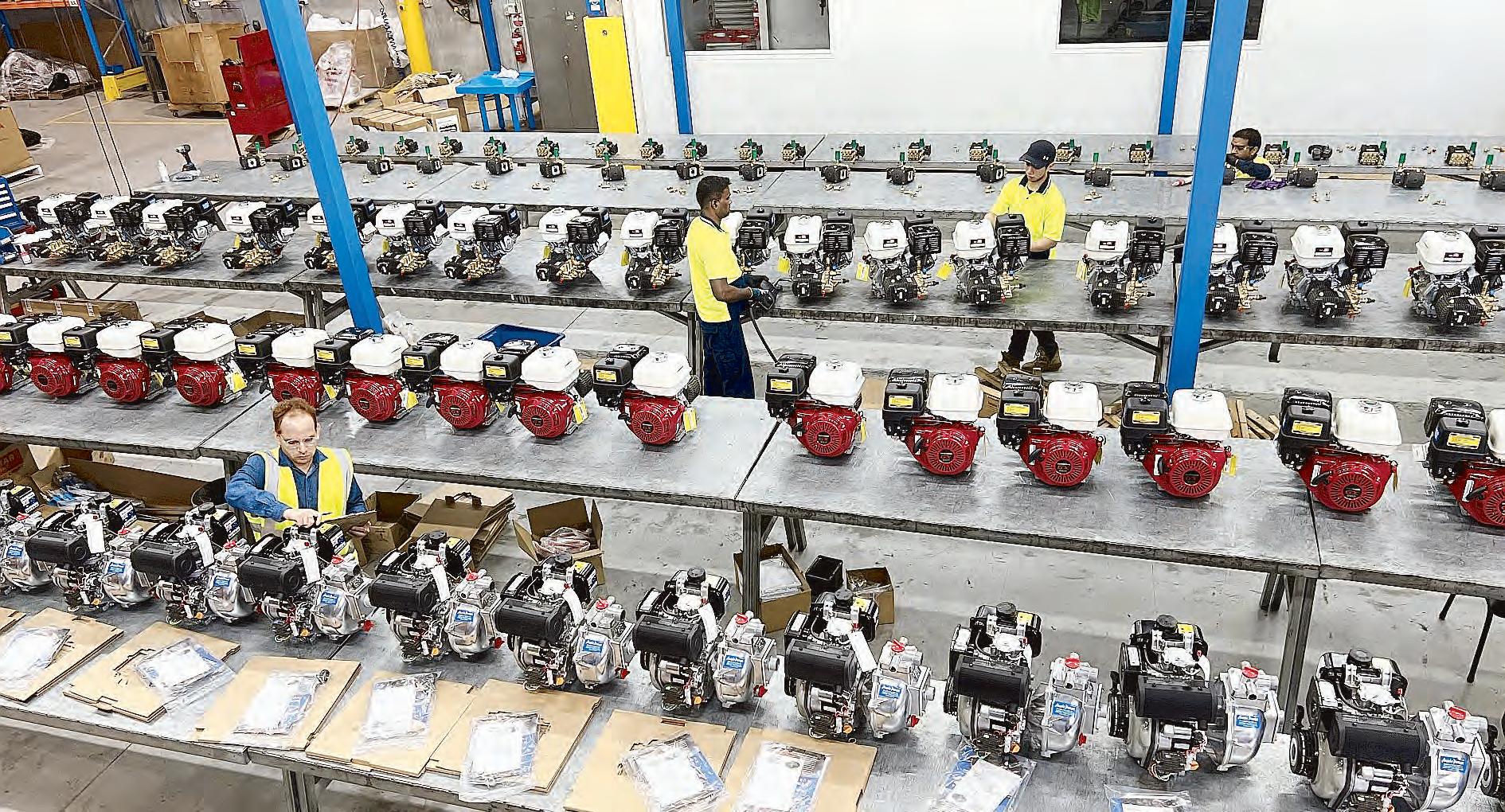
One Australian company, Australian Pump Industries, has beefed up the production of both petrol and diesel drive fire pumps to keep up with the growing demand for their top quality product line.
“We’ve worked hard all year to build up component supply with our first world partners and to make sure the products we use are the highest standard”, said Aussie Pumps Chief Engineer, John Hales.
WORLD’S BEST FIRE PUMP
Australian Pump is proud their Aussie Fire Chief pump. It has won a reputation not just in Australia, but through the South Pacific, Indonesia, Canada and even the USA. The Fire Chief, launched just over 25 years ago in Australia by Aussie Pumps set new standards for performance and value for money.
“Frankly, we started with the ability to build a fire pump that was better than the old brands like Davey and Onga that were already on the market. Our plan was to study market requirements and work with government departments and volunteer firefighters to make sure we got feedback on what was required and what was needed for reliability and performance in the field” , said Hales.
Aussie believe that if you ask any farmer what they want in the form of a high pressure fire pump to protect their crop, livestock or farmstead, they will answer with the same response. It is to have a pump that starts first time, every time, primes first time every time and has enough performance to be able throw water at the fire and do more than just put out “spots”
That’s where the Aussie Fire Chief comes into it’s own. With a big 7” impeller, bigger than competitors, the pump can throw water with 25% more pressure than competitive brands as well as more volume.
The Aussie design simply has a bigger inlet than competitor pumps. Aussie’s 2” flanged inlet, with a option of 3” flanged inlet as well, simply gets more water into the pump. If the water can’t get into the pump, ie if it’s restricted with say a 1
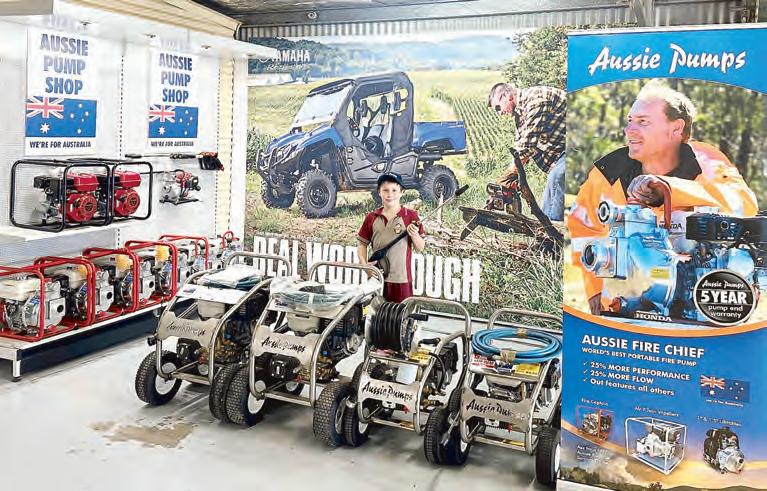
½” inlet, then you can’t get the same volume of water, compared to the Chief to put out the fire.
Check out the comments from Greg Peebles in the video and you’ll see what this practical farmer, operating on the outskirts of Sydney thinks of the Aussie brand and the benefits in terms of more performance than competitors.
AUSSIE DOES IT! … HOW?
We interviewed Aussie’s Chief Engineer, John Hales, as to how they managed to come up with a pump that performs better than any other similar comparative pump in the world. His answer was simple.
“We have a very simple philosophy when it comes to product development and design. Our motto is, we design and build products as if we were going to use them ourselves” , says Hales.
Hales believes that putting yourself in the place of the user, something that the big corporations don’t seem to think of, is fundamental to design. “That’s why we have a 2” inlet, where key competitors have only 1 ½” . It’s also why our pumps prime better, faster and we spend more money on the components.
Take a look at the size of the body on our pump, compared to the others and you’ll see that’s how we are able to get a bigger impeller into the pump in the first place”, he said.
Davey and Onga are great companies and have been around for years but, our development program has pushed for giving users more performance and often at a substantially lower price.
NEW PRODUCTS
“Yes, it’s an Imposter. Our new single impeller pump does the performance equivalent to twin impeller pumps of other brands. How did we do it? That’s our secret!”, said Hales. “However, suffice to say that we couldn’t have done it without the great co-operation of the Honda engineering department. They are a great support to our engineering team” , The Imposter is powered by a GX160 5.5 hp engine but offers a 90 metre vertical head!
AUSSIE’S DISTRIBUTOR NETWORK
When it comes to distribution, Aussie simply work with the very best dealers out there. They enlist them to sell top quality products. The deal-

ers love the amount of effort that is put into product development and the way Aussie bring out new pumps every year that often change the preconceived ideas of even hardened professionals.
Aussie distributors are all part of the Gold network. “We call them Gold because that is what they are! They are the best pick of the bunch and we consider it a great privilege to be working with professionals who know about our pumps. They see clearly just how far we’ve come and the advantages of our designs and enhanced pump performance.
We give a great deal of credit to the distributors.
The showroom at Hughenden Motorcycles is fully stocked with our Fire Chiefs and Fire Captains to support the community as fire season approaches. Alongside the latest equipment and supplies the dealership offers our FREE Bushfire Survival Guide. Hard copies available from distributors throughout Queensland.
Merry Christmas to all and a big thank you for your recognition and acknowledgement of the work we have done in the last 30 years.
Aussie’s big full-page ad is loaded with bargains. Check the Gold Dealer listing at the bottom of the Ad to find a dealer near you or visit www. aussiepumps.com.au .














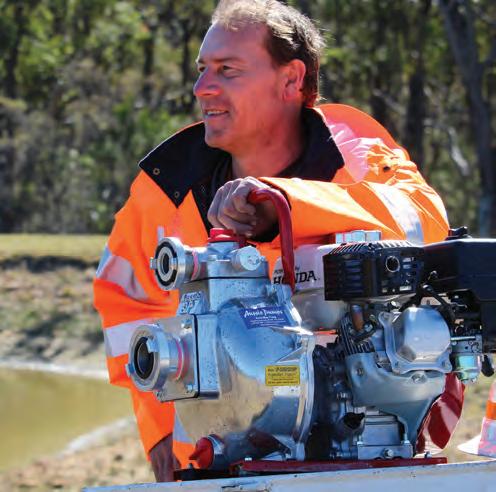





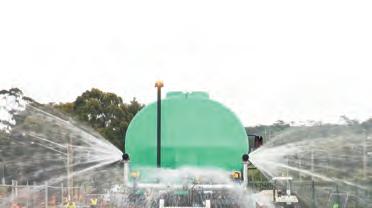
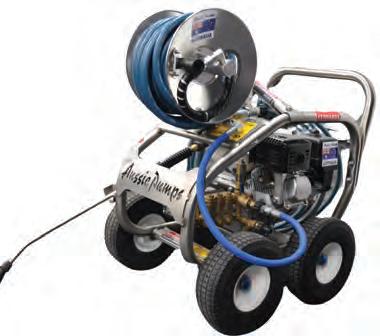


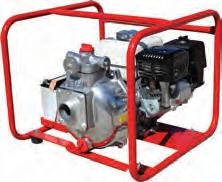
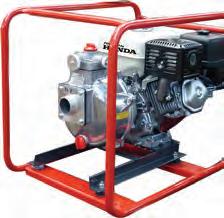


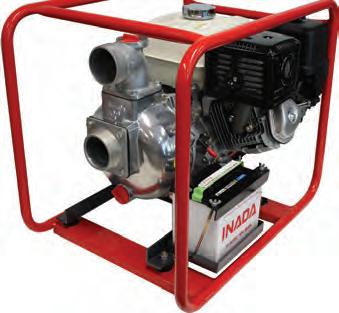








A recently completed study of Queensland’s giant mud crab populations confirmed there is no current threat to the species’ sustainability.
The State Government’s existing regulations, the male-only harvest policy and 15cm legal minimum size limit are effectively protecting the species.
The study, which included the analysis of approximately 20,000 giant mud crabs and used new genetic and satellite tagging techniques, provides vital insights into the iconic species which accounts for 64pc of Australia’s commercial harvest.
Queensland’s much-loved giant mud crab populations are in healthy shape, reaffirming the State Government’s commitment to a world-class and sustainable fisheries industry.
A recent study led by Queensland’s Department of Primary Industries (DPI) and co-funded by the Australian Government through the Fisheries Research and Development Corporation (FRDC) delivered vital insights into giant mud crab stocks and biology.
The study involved the analysis of about 20,000 giant mud crabs from across Queensland and used new genetic techniques and satellite tags to look into stock structure, carry out surveys to monitor population health and advance our understanding of the regional biology of mud crabs, including the spawning migration of females.
The findings confirm Queensland’s male-only harvest policy and legal minimum size limit of 15 centimetres are effectively protecting the species and there is no current threat to the sustainability of the state’s populations.
DPI principal fisheries scientist and lead researcher Dr Julie Robins said the study not only generated new knowledge of giant mud crabs, but provided strong data and scientific reassurance that current management frameworks support healthy populations.
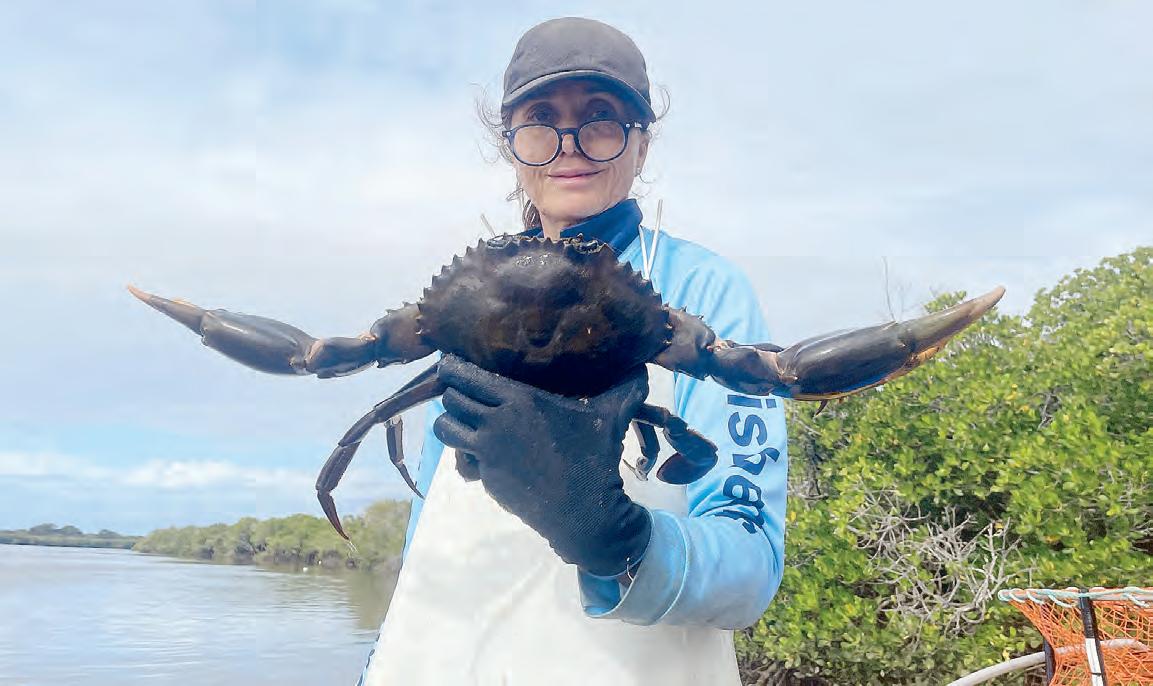
“Giant mud crabs are an iconic species and a vital part of Queensland’s fisheries, with our state accounting for 64pc of Australia’s commercial harvest,” Dr Robins said.
“A significant success was the robust genetic analysis of the mud crab populations along the east coast and the Gulf of Carpentaria.
“Queensland’s male minimum legal-size limit ensures a proportion of mature males are available to reproduce and over 90pc of females sampled were mated and getting ready to spawn.
Leading agricultural charity Rural Aid is urging farmers across Australia to register for support as the summer storm season continues to deliver destructive and unpredictable weather.
In recent weeks, severe hailstorms have battered the rich agricultural lands of Queensland’s Darling Downs and Western Australia’s wheatbelt, causing extensive damage to crops and farm infrastructure.
Tropical Cyclone Fina has also brought significant impacts to northern parts of the country, leaving many producers facing clean up and recovery efforts.
With more volatile conditions forecast, Rural Aid is encouraging all primary producers to ensure they are registered so assistance can be delivered quickly and efficiently when required.
The charity also urges the community to lend their support. Donations made through the Rural Aid website help ensure farmers impacted by storms and the challenges of 2025 can access relief quickly, rebuild their farms and keep Australia’s food supply strong.
Rural Aid chief executive officer John Warlters said the early impacts served as a timely reminder of how disruptive the summer period could be.
“We are seeing significant damage already, from flattened crops to structural losses on properties,“ Mr Warlters said.
“The storm season is proving unpredictable and fast moving. Being registered with Rural Aid ensures we can make contact quickly and provide the right support when farmers need it most.“ Rural Aid provides a broad range of free services to registered farmers, including:
• Financial assistance to help with immediate or unexpected expenses
• Professional counselling and wellbeing support to assist farmers and their families
• Hay deliveries for livestock during recovery periods
• Water deliveries for drinking and household needs
• Volunteer support through the Farm Army program to help with on ground recovery tasks.
Mr Warlters said that early registration plays an important role in improving the speed and coordination of Rural Aid’s response.
“Registration only takes a few minutes and it
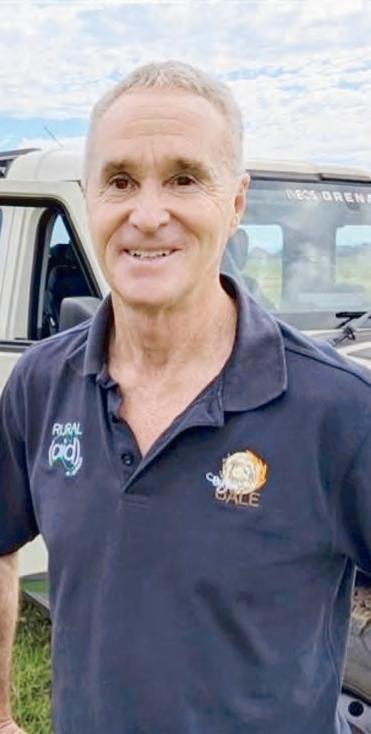
means our team has the information needed to reach out promptly if a farmer is affected,“ he said.
“We encourage all primary producers, regardless of their current circumstances, to make sure they are registered. It is a simple step that helps us deliver meaningful support as quickly as possible.“
Farmers are encouraged to register with Rural Aid today at faa.ruralaid.org.au or by calling 1300 327 624 to ensure support can be delivered when it is needed most.
“This means there’s no shortage of mature crabs to produce the next lot of offspring.”
Dr Robins said the findings of this study provide important biological reference points to guide the harvest strategy and inform future research.
“The collaborative nature of this project, working side-by-side with the commercial fishers, was invaluable. Their local knowledge was key to successfully gathering data on this iconic species.“
Summary results of the study are available on the FRDC website.
“This study has added tremendous value to our collective knowledge and laid the groundwork for future discussions about mud crab management in Queensland,” Dr Robins said.
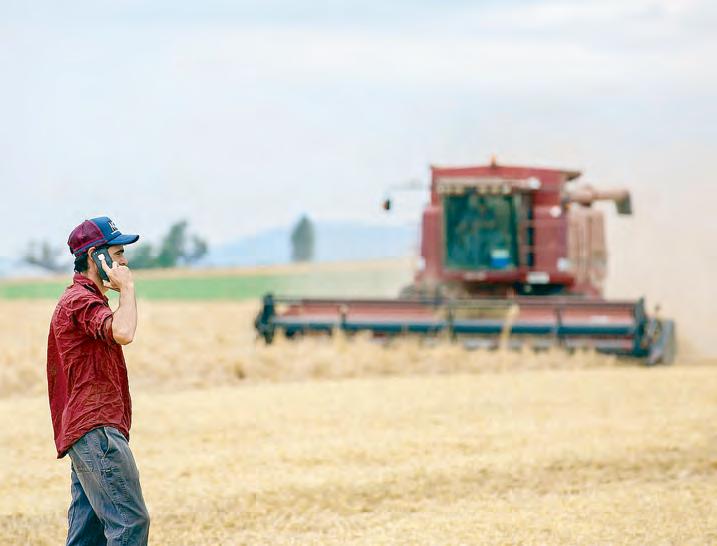
A Federal Government decision to protect flexibility in rules that apply to the employment of overseas farm workers has been welcomed by the National Farmers’ Federation.
The Pacific Australia Labour Mobility scheme is a key workforce arrangement for many rural industries and the result will continue averaging requirements that apply to the four week 30-hour averaged safety net that applies under PALM.
The previous approach of the Federal Government would have required employers to guarantee 30 hours of work each and every week from April next year, and the proposal could have createdng significant challenges for farmers. Many employers, particularly smaller operations, would have been unable
to bear the cost of wages in weeks where work could not be performed due to factors, such as the weather, beyond their control,” said NFF Interim Chief Executive Su McCluskey.
“While this decision is a positive step, the preferred model farmers are seeking remains averaging 30 hours per week over the duration of a work placement.
“Extending averaging flexibility over the placement would ensure the scheme remains a viable, accessible, and sustainable workforce option for Australian farmers, and as a result, would mean the opportunity to work in Australia, and earn income that could change the trajectory of entire families, is open to more people from the Pacific Islands and Timor Leste.”

“If you’re looking to secure a line of genetics renowned for carcass quality and consistency, then look no further”
Strong demand and tight supply have created robust lamb prices, providing a major opportunity for Australian prime lamb producers. Driven by solid export markets and a smaller lamb crop due to below-average rainfall in key regions, producers, especially those with feed are taking advantage of high prices by investing in their flocks to increase capacity and capitalize on the profitability of every kilogram of lamb.
The 2025 Royal Queensland Show (EKKA) Prime Lamb Carcass Competition and Paddock to Plate Competition, once again saw Bellevue’s Dorper Lambs stand out, with the versatility of Bellevue genetics shining through yet again, taking home ribbons in all classes entered:
• Champion Single Lamb
• Champion Grass Fed Pen of Three Lambs
• Overall Champion Pen of Three Lambs
• Overall Reserve Champion Pen of Three Lambs
• Paddock to Plate Carcass Champion
• 1st & 2nd Pen of Three Heavy Trade Lambs 24.1
– 28 kg
• 2nd Pen of Three Light Trade Lambs 20 – 24 kg
• 1st & 4th Paddock to Plate Pasture Fed 24 – 30 kg
These results back up Championship ribbons received at the 2024, 2023, 2022 & 2019 EKKA competitions, and reinforces Bellevue’s longheld breeding objectives, while ‘ground truthing’ the rams bred.
“Bellevue continues to supply Dorper lamb to Meat at Billy’s, Brisbane and to Eumundi Meats at Noosaville. The expectation of quality from both of these exceptional butchers and purveyors of fine meat, keeps us well informed about the
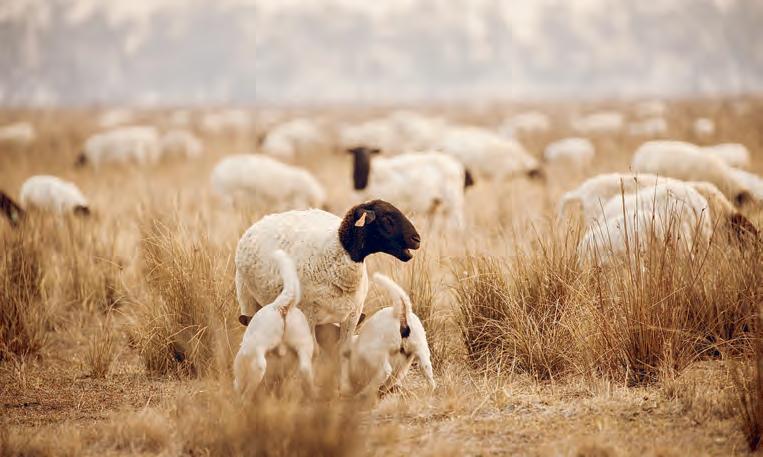
requirements, expectations and the important carcass attributes and finish of our Dorper lamb. This feedback is priceless” , David Curtis said.
If you are looking to secure a line of genetics, renowned for their carcass quality and consistency, then look no further. Bellevue rams are excellent sires for meat production.
“Bellevue Dorper and White Dorper rams are selected (while balancing important maternal production traits) to produce an earlier-maturing lamb with a quality, consistent, sought-after carcass desired by the meat trade. Featuring excellent conformation, fat distribution, eating quality and very good meat to bone
yield, these prime lamb carcasses are giving excellent recovery to the butcher/processor, ‘our customer’
Using LambPlan data as a guide, David Curtis cautions against ‘over-selecting’ for the trait of high growth, while ignoring eye muscle and fat depth, as you run the risk of breeding rangy, tall, leggy animals with a lot of frame that won’t finish as a lamb. You want them to look like Rugby front rowers not AFL players.
“In our enterprise, as seed-stock breeders, it is our highest priority that we breed, for our commercial clients, rams that produce prime lambs that are desired by the meat industry. Rams that

are hardy, are not pampered, that express the important and desired attributes necessary for successful commercial prime lamb production, and meat trade satisfaction.
Bellevue’s annual Online Only Autumn Joining Dorper & White Dorper Ram Sale will commence 10am Thursday 12th February 2025, with the AuctionsPlus timer kicking in at 1pm (Qld) Friday 13th February.
Complimentary delivery is offered to major centre in NSW and Qld.
Contact David Curtis 0427 066 535 or register for sale updated at www.bellevuedorpers.com.au
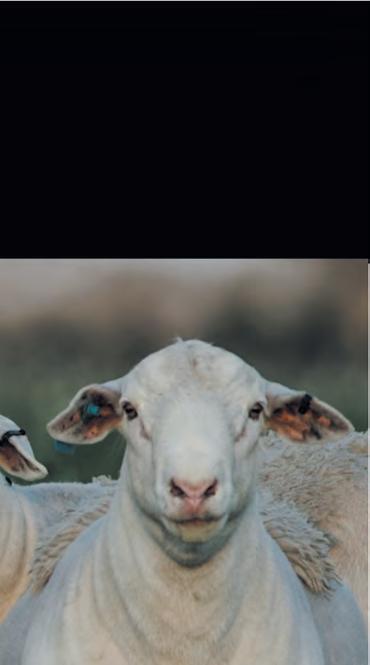

By Erle Levey
Taking their craft to new heights in the true sense of the word is Maleny Cheese.
Established 25 years ago by Markus and Sara Bucher, the team has just returned from immersing themselves in the melting pot of cheesemakers and enthusiasts from throughout the world.
As well as showing their products against the best at the World Cheese Awards in Switzerland, the Maleny Cheese business has been recognised for their enterprise both nationally and on the Sunshine Coast.
Speaking with Sara Bucher at the inaugural Maleny Farm Fest, one night after her flight home, she said the journey to Switzerland was one to lift the spirits.
It was the chance to celebrate passion, innovation, and tradition, Sara said.
“There was inspiration everywhere. It was a privilege to have attended.
“Remarkably, this was the first time in the 37year history of the world event that it was held in Switzerland.
“It has to be the best place to hold them.
“Bern is the seat of government for Switzerland. Few people realise that ... it’s their Canberra,’’ Sara jokes.
“Our journey held special importance as Markus was born and raised near Lucerne, which is about an hour away.’’
For two days Bern became the capital of cheese for the world.
There were more than 5240 cheeses entered in about 60 categories of cheese tasting and competition.
Early in November Maleny Cheese was named winner of the 2025 Sunshine Coast Business Awards in the Food and Agribusiness - large business category. The award recognises the ongoing commitment to quality, sustainability and local employment.
In mid-November their apple and cinnamon gourmet yoghurt won gold at the Australian Grand Dairy Awards.
Then they were awarded silver for Excellence in Food Tourism at the Queensland Tourism Awards.
Markus and Sara chose Maleny to set up their boutique cheese factory because the region has a long dairy history.
The Obi Obi valley also reminded Markus of the region he grew up in and where he went on to become a master cheesemaker.
Cheesemaking is an art you can easily learn but an immense amount of knowledge and expertise is needed to be good at it, Sara told me.
“It’s about solving problems such as getting the cheese to set … if it doesn’t, you need to know why.
“Experience can solve problems, and cheesemakers are always on the lookout.
“It’s very much about being hands-on, not simply pushing buttons.
“It’s about hands-on and feeling … working with your feeling.’’
Sara was accompanied by fellow team member Tanya Arnold to Switzerland, and met up with youngest daughter Gillian Bucher.
Gillian is based in Basel and trained in Switzerland as a confectionery baker.
Their Swiss adventure reached great heights … on many levels.
They climbed the snow-covered Jungfrau, at 4158-metres it is one of the high-points of the Swiss Alps.
That view - and the relationship with Markus’ background - was both inspirational and exhilarating, Sara said. Despite the bitter wind off the snow on the mountain.
For the World Cheese Awards they took the Maleny Cheese wasabi club cheddar - a cow’s milk cheese - and their water buffalo herb and garlic fetta.
The fetta is made from pure water buffalo milk, sourced from a Maleny farmer. It has a mild, earthy flavor with a higher protein yield compared to cow’s milk.
The cheese has a lower-cholesterol option and it was that cheese that missed gaining bronze medal accreditation by one point.
“We were so proud - the water buffalo milk is sourced locally, from within 12 km of our factory here on the Blackall Range - and we’ve been making it for 20 years now.
“There are only three water buffalo milking herds in Australia. It’s a traditional milk source that’s richer and includes other properties to what you would normally expect.
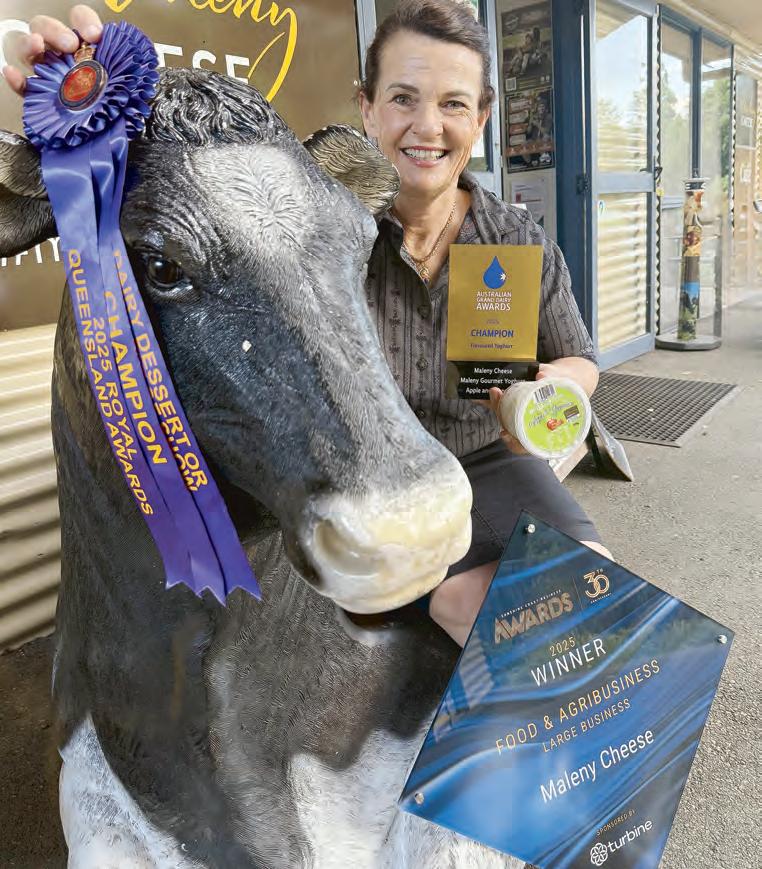
“The farmer has a smaller amount of milk produced but the properties in the milk make more cheese.
“It’s more concentrated. The components needed to make cheese are all the same but with lower cholesterol. It has a different taste and profile to the traditional dairy taste.
“We make a water buffalo brie and plain water buffalo fetta, as well as the herb and garlic.
“If anything, it’s more delicate, smoother and the appearance is paler.’’
Sara and Tanya’s journey through Switzerland’s finest cheese and biscuit makers began with a special stop at Brunauerhof, the original home and dairy farm of the Bucher family.
It gave them a beautiful glimpse into generations of dairy heritage.
Next was a warm coffee catch-up with friends at Malters Willibeck, home to master bakers perfecting their craft since 1889.
“We were then treated to a private tour of the multi-million-dollar upgraded Emmentaler Schaukäserei (show cheese factory) by CEO Frank Jantschik.
“This is a truly world-class transformation and an inspiring look at the future of food tourism.’’
Emmentaler was what Markus and Sara modelled their facility at Maleny on.
Thirty five years ago they visited the Emmentaler factory but Markus had knowledge about it before then.
“It combines the whole aspect of bringing people to where the cheese is made,’’ Sara said, “then providing them with a viewing down onto the production floor, and interacting with them.’’
Sara and Markus are good examples of promoting agritourism as well as ecotourism - in that they utilise local produce and then manufacture or process it at the Maleny factory.
At the same time they invite people to inspect the factory, and then enjoy cheeseboards and picnics.
Tanya is an event and marketing expert so has a cross-section of experience in food and agribusiness.
Sara was one of the four founding directors of Food and Agriculture Network (FAN), an agribusiness cluster across Gympie, Noosa, Sunshine Coast and Moreton Bay that is celebrating 10 years of connecting local food businesses with local consumers.
What Sara learnt from the visit to Switzerland
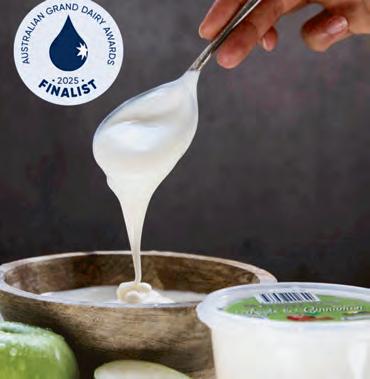
“It’s not just about Maleny Cheese. It’s really about our local processors and factories here in South-East Queensland.
“Without a business that can pick up milk from the farm and bring it to the factory, these processors can’t make the beautiful produce - the food that we love.’’
Highlighting the history of cheese, in Switzerland there were factories that have repurposed old vats into the showcase window, Sara noted, along with an interactive video to present information in a really refreshing, modern way.
“We have a copper cheese-making vat from Switzerland. It’s 155 years old, so it will be both interesting and fascinating for people to see such an item.
“People love to learn and it’s an interesting way to present the importance and value of sharing our local heritage and information.
“I want people visiting the Sunshine Coast to be able to name the top dairies.
“There is a need to bring the region into line with places such as Margaret River, Bruny Island and King Island for recognition of the good, clean and fair food we produce here.
was how they can offer even better experiences at the cheese factory - maybe with some technology and interactive experiences.
In this way they can present more information about what’s happening on the factory floor, as there’s so many aspects to the origins of cheese that dates back thousands of years.
The awards process and judging highlighted the whole aspect of cheese mongering.
“The storing and caring of cheese ready for the customer to purchase is left to the affineur … they are the custodians.
“There are many good cheeses in Europe and they need to be aged, kept and presented at their best .
“It takes a cheese monger who is knowledgeable of the cheese and can explain it - what it matches with what wine.
“It’s just great to learn, to gain more knowledge. You are surrounded by experts.’’
Being from Australia and having water buffalo cheese attracted attention and comments from other producers as well as presenters.
“Meeting with these producers, having conversations, seeing behind the scenes and discussing our product with their products was fascinating.
“I’d say we tasted at least 100 cheeses. Then we turned around and visited Emmentaler.’’
What Sara also gained from the trip was insights in presenting their food experience at Maleny, an experience they have been offering for 21 years.
Maleny Cheese has been awarded Slow Food Noosa’s Snail of Approval for the way they utilise generational cheesemaking methods, and not only work within the community but actively work with fellow dairy farmers and producers in the collection and processing of milk and dairy products.
Their eldest daughter Jenn works in the business and has been a Slow Food Noosa delegate to Terra Madre, the biennial world conference and celebration of Slow Food in Turin, Italy.
“Jenn is the person that makes the office run correctly, the cafe run smoothly, ensures orders are sent away, new products are launched properly. She is a pivotal member of the family team.
“Our son Johnathon is a milk tanker driver. That’s a hard job to do.
“We’d been searching a couple of years to find one, and here he was right in front of us.
“Markus and Jonathon are the two milk tanker drivers transporting about one million litres of milk a month. They are making it happen.
“It’s exciting to see what producers are doing around here.
“Getting the message out needs a collaborative approach. Our farmers need a collective voice.’’
Rounding off Sara and Tanya’s Swiss adventure was a tour of the famous Kambly biscuit factory, where they were far too busy tasting more than 30 biscuits to remember to take any photos.
Apparently Tanya still can’t believe biscuits could taste that good.
Their day continued at the innovative Marbach cheese factory, where - to their delight - it started to snow, making the experience even more magical.
A heartwarming family visit rounded off the day, in a 300-year-old home that saw the sharing of stories and finishing with a glass (or two) of kaffee schnapps.
“It was the perfect way to close an unforgettable day and to keep you warm inside when it is three degrees outside,’’ Sara said.
Their journey was a very special opportunity to look, learn and listen.
“Something magical happens when you start touring and visiting places with your lens on food and taking in the interests.
“You are immediately in the village and connecting with people as well as producers.
“It becomes very personal. You’re sitting at the table and you are sharing food as well as exchanging ideas.
“People were delighted that we were Australians. They know it’s important to tell stories from our home.
“We visited dairy and water buffalo farms, chocolate show factories as well as cheese show factories.
“I went to a bakery school with family and relatives. Having lunch was an experience in itself - in the next room was a Slow Food group taking it all in as well.’’
Maleny Cheese not only tells its own story but it tells the story of the Sunshine Coast and surrounding regions.
These awards, and being represented on the world stage, are a reflection of the skill, the passion and the dedication exhibited by the entire team at Maleny Cheese.
Indeed, isn’t that the basis of food - to be enjoyed and shared in good company and a sense of community, where success can also be measured by the warmth of conversation and appreciation.
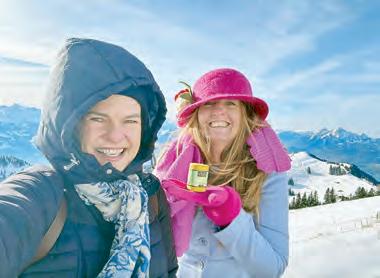
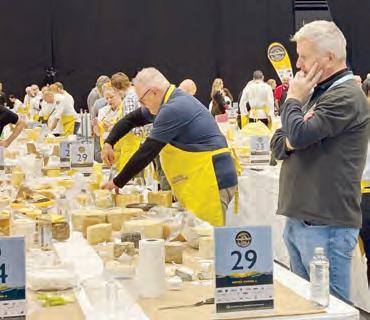
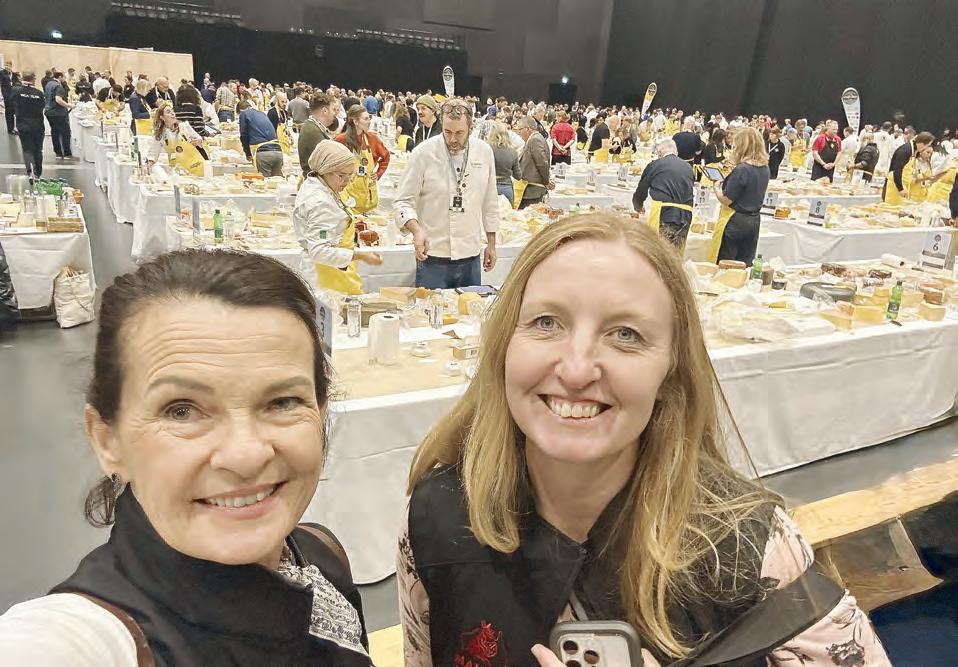
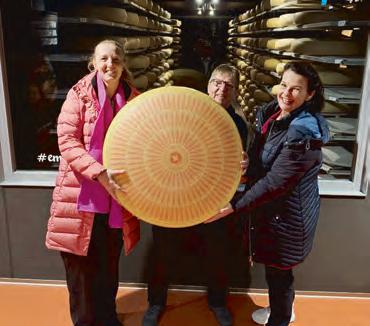
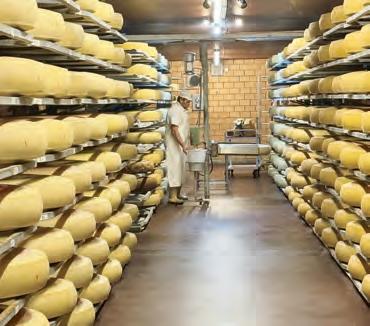

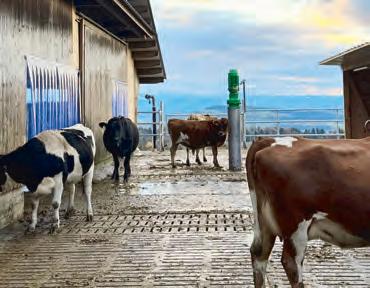
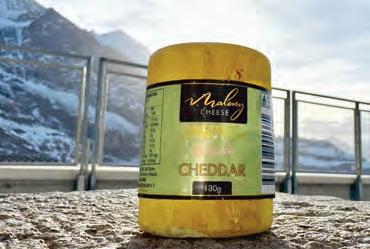
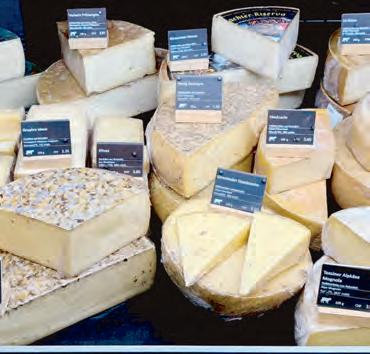
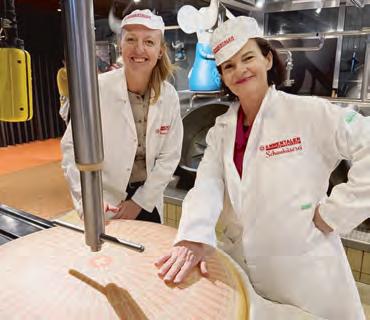
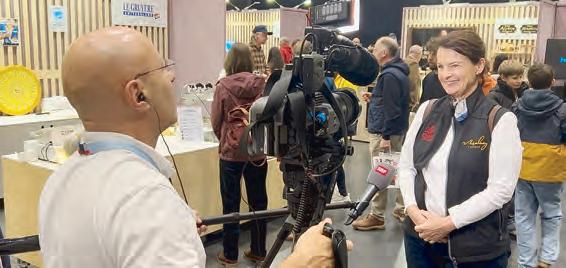
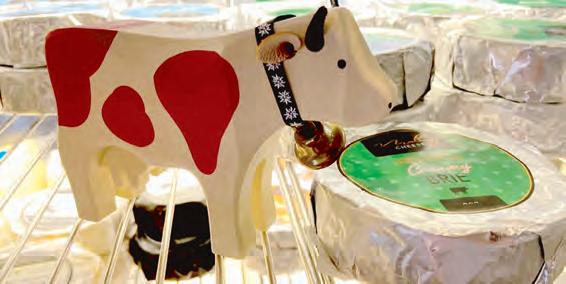











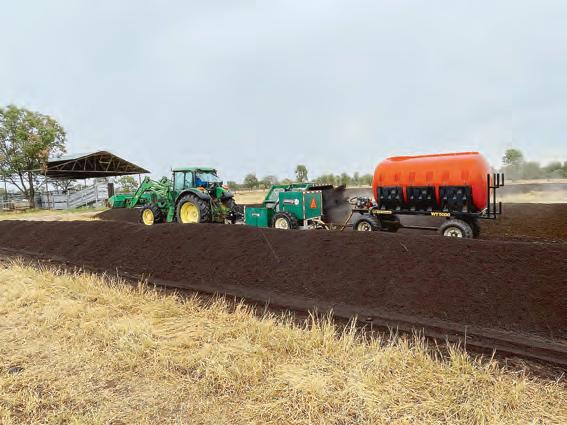
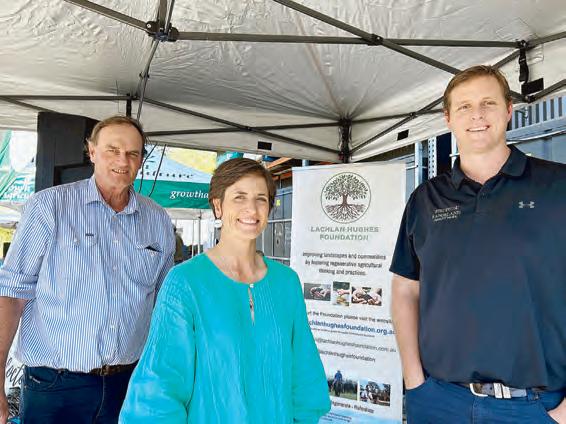
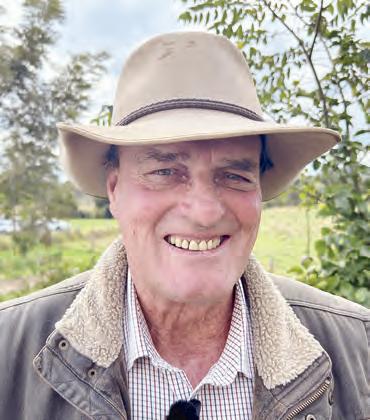
As if farming isn’t hard enough, it can be devastating when you lose a family member through an accident on the property. ERLE LEVEY was at Kandanga to hear grazier Philip Hughes talk about the loss of their son Lachlan, and how they have responded to create a legacy in his name.
It’s one thing to talk about how things could be different.
It’s another thing to do something very significant to make a change.
This often involves relying on your instincts but also something that comes from within.
Something much deeper.
That’s what Maranoa grazier Philip Hughes has found.
Speaking at the 2025 Agvention field day at Kandanga, Philip outlined how the Hughes family reacted to the tragic on-farm loss of their eldest son Lachlan.
That was on 31 October, 2018. He was 36, married and with a young family.
At times heart-wrenching, Philip spoke about the accident and the legacy that Lachlan has left behind.
Not only that, he wanted to talk about the need to retain balance in life.
It’s like a three-legged stool - that there are three essential components and these must be present for a system or concept to work properly.
If one “leg“ is weak or missing, the entire structure becomes unstable or fails.
The analogy can be used in different settings but generally relates to taking care of people, planet and profit.
It’s something Philip has learned in the closeon seven years since Lachlan’s accident.
It was what they would do on the farm many times. Yet for some reason on that day, while mixing grain from the silo, the auger over-balanced/ toppled over and knocked Lachlan unconscious but it also broke his neck.
After such a disastrous event, Philip implored those at the Kandanga workshop to do something positive - emphasising that actions are more important than words and that people’s true nature and worth show through.
Anyone would have trouble recovering from an event such as this, but the Hughes family gathered together and decided to make a lasting legacy and continue the work that Lachlan had made his life.
Lachlan met Anna, his wife of 10 years, while studying agribusiness at the University of Queensland, Gatton.
Together they were dedicated and passionate about leading a healthy life, while living and working in the rural industry.
Lachlan bred Australian Stock Horses and was an enthusiastic polocrosse player, representing Queensland on four occasions.
Heatherlea, at Dulacca, was Lachlan and Anna’s home and where they adopted regenerative farming methods. They have three children, William and Georgia, and Hamish Lachlan born in March 2019.
Philip and wife Adele, Anna and their children, together with younger brother Alister and his wife Jules intend to carry on Lachlan’s dreams.
He believed it is possible to rebuild Australia’s soils and increase their sustainable production capacity to withstand the variability’s of rainfall and that this in turn would revitalise rural communities and improve the economic sustainability of the industry.
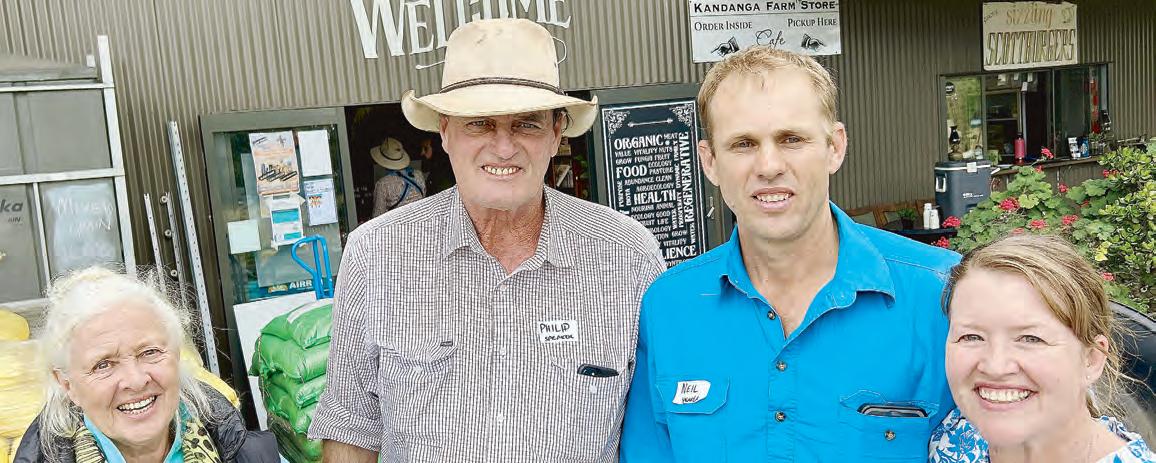
That brought about the creation of the Lachlan Hughes Foundation in 2019, to support people who are motivated ’to do’ and are ’implementers of change’ and ’champions for regenerative agriculture.’
It reflects what the Hughes family does at home.
“I don’t care how good it is, just do something,’’ Philip said.
“On 31 October, 2018, it was a normal day perfectly normal day.
“Lach and I had spoken together and made plans, and we were fixing some grain to be sent north.
“He was pushing an auger up to a silo … it counter-balanced and flicked over and for some reason it knocked him out and broke his neck.
“That’s how quick life can be,’’ Philip said, his voice filled with emotion.
“In this day and age we’re so used to medicine to keep us alive - all sorts of crazy things - so we don’t have this concept that life is a very, very fine silk strand.
“Always value the people you have around you. Tell them ... because it can be gone in a moment.’’
Between the accident and the funeral, the family talked about starting a foundation.
So instead of flowers, Philip said it was agreed
to put money into an account.
“After about 10 months, we found some fresh air and it was time to put our heads up.
“We sat around and worked out a plan - a mission statement - in order to pursue charity status.
“At the bank we told the manager the story and he put the first $100 into the account.
A board was put together to manage the foundation. That saw the creation of the Tree of Life award, because Lachlan was passionate about organic living, regenerative ag and about doing things.
“It really used to tick him off when people would come to an event and they would love it,’’ Philip said, “... it was right up their alley.
“But they would do nothing about it. Instead, they would just revert back to the same old ways.
“Part of what we do in the foundation is about doing something.
“Lachlan always said, ’It’s about putting life back into the land’.“
The initial goal of the Lachlan Hughes Foundation was to continue to develop his vision by providing an annual scholarship, linking one young land manager with regenerative agriculture professionals for training and mentoring.
After three years this developed into a 12-month program of four two-and-a-half day modules with up to 10 participants annually.
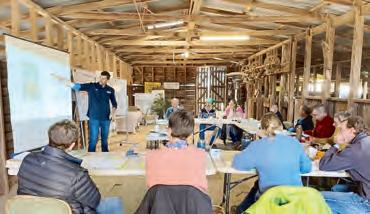
The program is regenerative-agriculture based, outcomes focussed, and includes capacity building, personal development, training and mentoring.
Participants attend workshops at the Hughes properties at Dulacca, but also set a program to undertake on their own property.
That is then presented to others in the program for evaluation and inspiration, discussing the outcomes - highlighting the achievements but also outlining the constraints.
“For the first three years we called for nominations, selected a person and put a project up to have a look at it.
“Then we would work out a course to make it come about.
“In the third year we had three really good applicants so we decided to help those people as well.’’
Together with professional trainer and coach Barb Bishop, a program was put in place. The four-module program runs throughout the year and doesn’t cost participants anything.
“We’re very proud of the idea,’’ Philip said. “The programs are run 100 percent on donations, and there is a celebratory module at the end.’’ Fellow speakers at Agvention 2025 were Neil and Jan-Adele Reinke, Central Queensland graziers who were the first Tree of Life award recipients.
That was in 2023, and they have overcome severe health setbacks to take advantage of Neil’s background in forestry as well as a family history in cattle to integrates trees, forages, and livestock on the same land in a way that is mutually beneficial.
Neil suffers from deteriorating eyesight as well as suffering a freak horse accident resulting in a broken neck.
That was the catalyst for a concerted effort to fix up a systemic erosion problem on their property.
Out of the group of Lachlan Hughes Foundation scholarships that has a maximum of 10 a year, a Tree of Life winner is given support for another 12 months.
“We’re very proud of what we do,’’ Philip said. “None of us are young, so we don’t have to compete - we can give back.
“There is an amazing bunch of people around us. It’s not about us. It’s about the team and the family. It’s timing.’’
As well as the foundation, Philip wanted to talk about having balance in life.
Other speakers at Agvention reinforced that most turn to regenerative agriculture from some form of stress, whether it be financial, health or family trauma, as in Philip’s case.
“We were in regen ag before that accident but what we find is that when you open your mind and you start together, you go on this new regen journey. It’s just questioning old ways and asking can we do it better?
“Being in harmony with the land ... when you open your mind, you become very passionate.
“You really want to share this with everyone. You want everyone to get on the train, but what I’m trying to tell you is - have that passion.’’
Speaking as someone who has seen much of life, Philip said it was very difficult to be a producer, processor and marketer, which is what the Hughes family has been on their properties.
“It’s a very tough road to follow, so you need to be careful and that’s why I want to talk about balance.
“You need to keep the three-legged stool. Keep that balance in whatever you do.
“We use that analogy a lot. If one leg breaks then something is not right - you’re going to tip over.
“I like to talk about soils. Whatever your enterprise - it can be anything you like to make a quid off the land - but your soils are the mother ... the mother of the land and the environment, your enterprise and your lifestyle.
“The first leg to go is often the lifestyle. You’ll put your heart into it but find you’re not making any money.
“Then, if you’re too focused or too highly geared, the soil is the one that suffers.
“We are really big on balance. Make sure that you analyse whatever you do. And bring balance into it.’’
Speaking broadly about the path the Hughes family follow with their grazing, they were inner circle suppliers to Coles.
They had a great product and a great story about a family business following the regen road … hormone-free, antibiotic-free beef without the use of feed additives to change the balance of rumen microbes.
Instead, they utilised probiotics and biochar to improve gut health, potentially reduce methane emissions, and increase feed efficiency.
“We are really passionate and wanted to share this with people, so we decided to market the beef ourselves.
“Everyone said it was going to be a tough road, but said we could handle it.
“With Rangeland Quality Meats we had a name to be a niche supplier with a high-quality, low-volume product.
“We started with a butcher shop at the back of a supermarket but found out that we couldn’t make money because retail is a totally different animal to being a producer.
“So we decided to get into a supermarket, where the money is. However, once you put a knife into meat and you’re competing with big players, you are in trouble.
“We went to online food boxes and then to farmers markets. They are wonderful places - a wonderful community, and we spend a lot of time there.
“The trouble is there’s low volume so we’ve moved to a wholesale business.’’
What farmers have to understand, Philip said, was that in the ’70s and ’80s globalisation was embraced.
The philosophy from that was to become more efficient but the end result was to see what has been done to Australia’s dairy industry - deregulation has virtually destroyed it.
“What happened with globalisation is that we
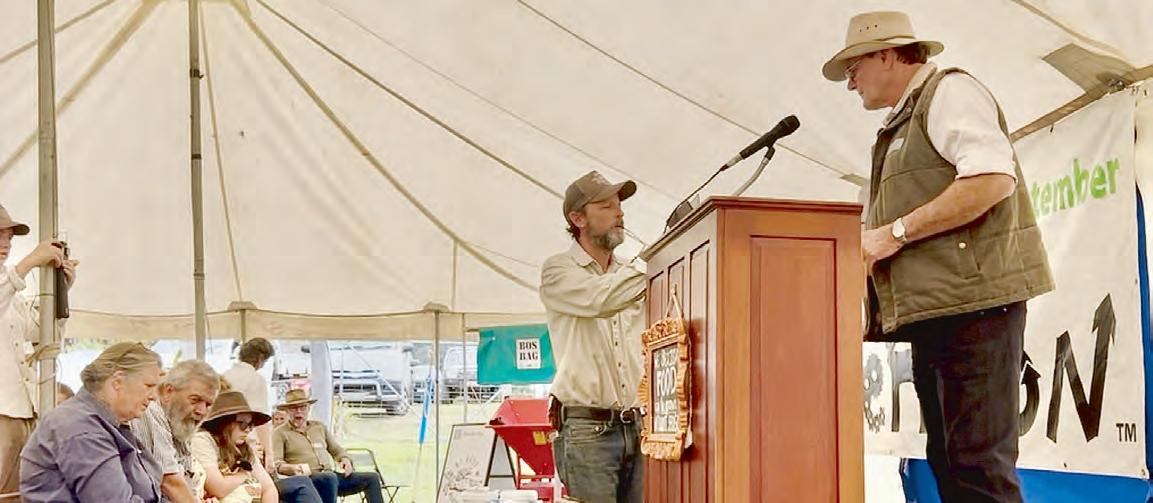
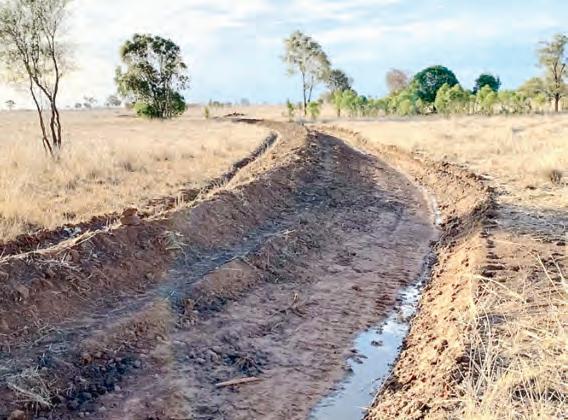
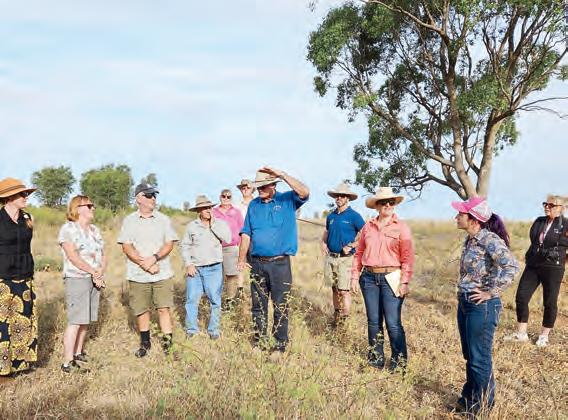
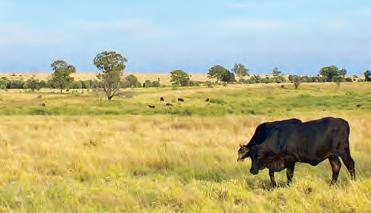
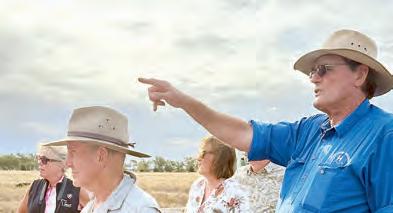
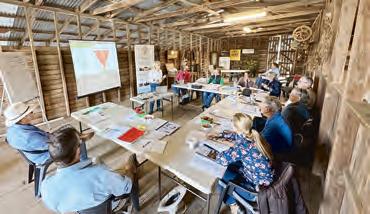
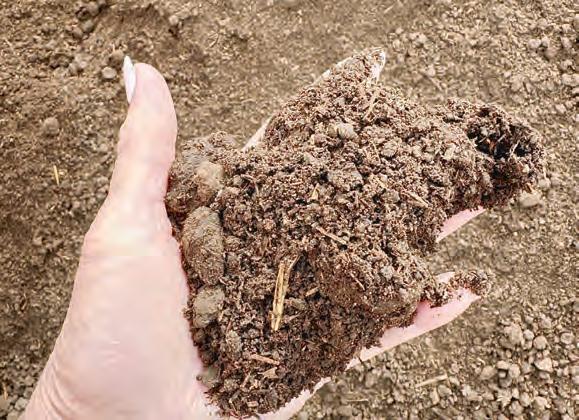
ended up with these mega companies. It was a matter of think big or get out. We know them all.
“So you’ve got a whole generation of people who are conditioned to buy stuff cheap - that’s what you’re competing with.
“You need to understand that you either get into the big game and you become a low-margin, high-volume supplier or you can stay in the game and be a high-margin, low-volume supplier.
“The problem with that is you don’t have enough turnover to keep the stool in balance. Somewhere one of those legs has to compensate for the others.
“Unless you really work it out, it doesn’t matter whether you’re a producer, processor or marketer. You can be both or all three but it’s a hard road and you need a good bank account.
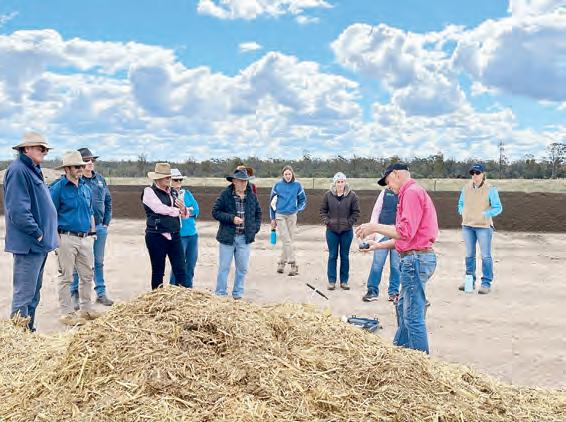
“We tried to go broke for five years … but after 15 years we found our niche and we’ve got some really good clients.
“When you start, you have to realise that everyone is buying product from someone else and you have to work out how to capture them.
“If you’re playing in the big game it’s price. That’s how people buy it.
“Whether we like it or not, people may pay $50 for a chicken but when auntie goes to Woolworths and sees one there for $10 it gets really hard to be loyal at the end of the day.’’
For Phillip, the improvement of the land and their system is a work in progress rather than a revolution.
They measure everything and sit down and think strategically about it.
The family philosophy is to farm to the very best of their ability using the productivity and analysis tools they have available, while at the same time doing all they can to improve the soil, the pastures and environments.
It’s an ever-evolving process, so continual education and updating of ideas and practices is always something they are on the lookout for. Through the Lachlan Hughes Foundation they are also able to give something back. Isn’t that the attitude to have in life - that with everything, with every choice we make should be with a glass that’s full mentality, never half empty.
I have an autograph by former Australian test cricket captain Steve Waugh: “Always 100.’’ Can you imagine if we all lived life that way?
Prep time: 10 mins
Cook time: 45 mins
Serves: 4
Ingredients
· 500g broccoli florets (approx. 2 heads, trimmed)
Method:
1. Preheat oven to 180C (fan forced). Grease and line a 16cm x 26cm x 4cm (base measurement) slice pan with baking paper.
2. Cook broccoli into 2cm florets and trim off stems. Boil broccoli for 1 minute or until just tender. Drain and rinse under cold water.
3. Whisk eggs and cream together in a large mixing bowl. Stir in flour, green onions and season. Stir through broccoli pieces.
4. Add 3/4 cup of the tasty cheese and 2/3 cup of the parmesan. Stir until well combined and season with pepper. Carefully pour mixture into prepared pan and spread evenly. Sprinkle with remaining tasty and
· 5 eggs
· 300ml thickened cream
· 1/2 cup self-raising flour
· 3 green onions, thinly sliced
· 1 cup grated tasty cheese
parmesan cheese. Bake for 35 minutes or until golden and set.
5. Allow to cool for 30 minutes. Cut slice into wedges or fingers and serve warm or at room temperature sprinkled with rocket, served with chutney.
Tips:
· Store broccoli fingers in a sealed container in the refrigerator for up to 3 days.
· Alternatively, cut into portion sizes. Wrap in baking paper and place inside labelled zip lock bags. Freeze for 1 month. Defrost in the refrigerator overnight. Reheat in air fryer, microwave or oven.
· Substitute broccoli with cauliflower, zucchini or cooked sweet potato
· 3/4 cup finely grated parmesan
· Salt and pepper to taste
· Rocket leaves & tomato chutney, to serve
Alternative flavours:
Sweet potato
1. Preheat oven to 200C.
2. Cut 650g sweet potato into 2cm cubes and place onto a baking tray lined with baking paper.
3. Roast for 25 minutes or until tender.
4. Allow cubes to cool before adding to egg mixture and bake as above.
Pumpkin
1. Preheat oven to 200C.
2. Cut 800g piece pumpkin into 2cm cubes and place onto a baking tray lined with baking paper.
3. Roast for 35 minutes or until tender.
4. Allow cubes to cool before adding to egg mixture and bake as above.
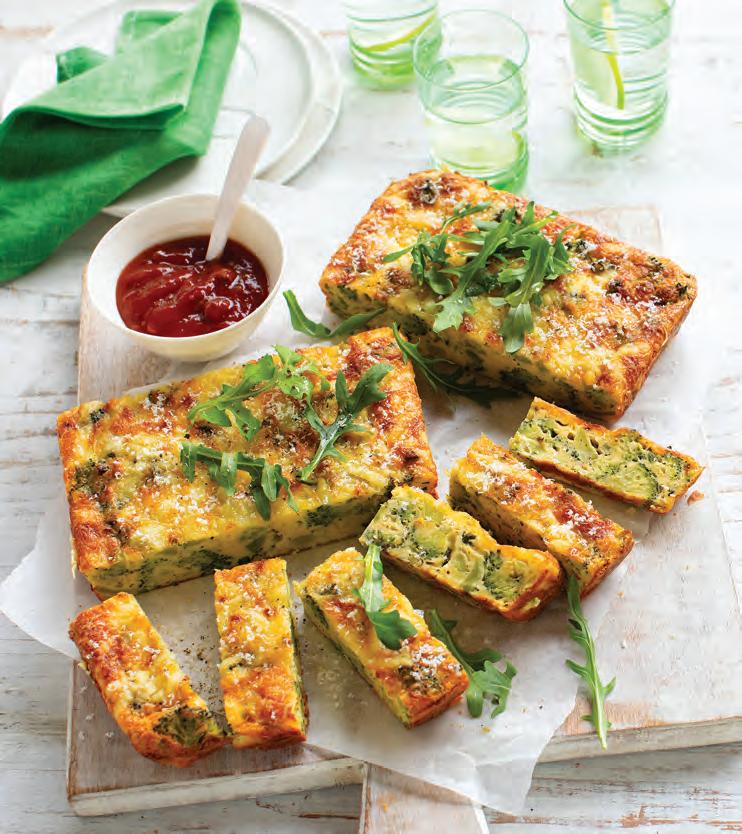
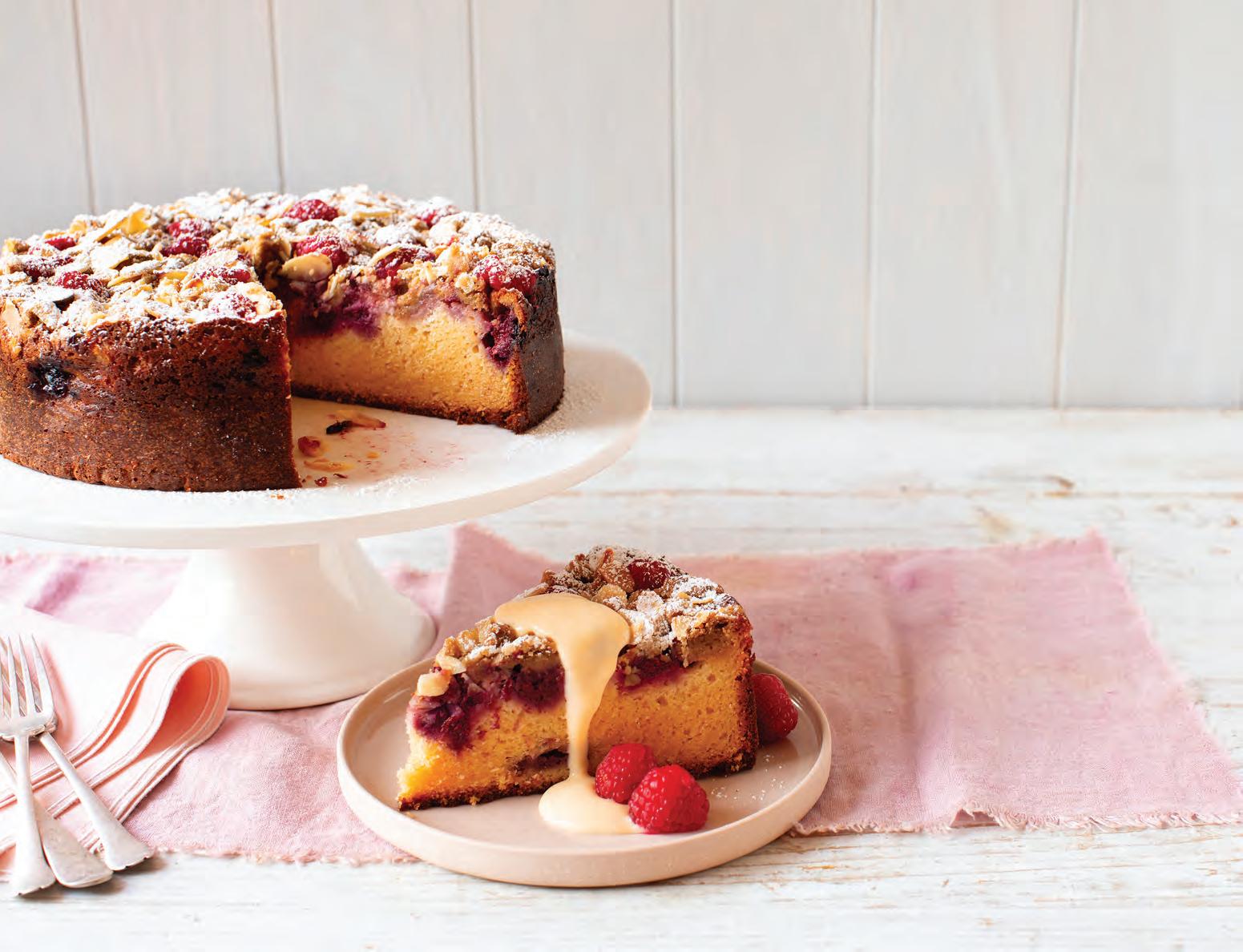
Prep: 25 mins plus custard chilling time
Cook: 2 hrs (this includes custard cooking time)
Serves: 10
Difficulty: Moderate
Ingredients: Custard
· 300ml pure cream
· 300ml milk
· 6 egg yolks
Method:
Custard
1. Combine cream and milk in a medium saucepan over a medium heat until it is about to simmer.
2. Meanwhile, whisk yolks, cornflour, vanilla and sugar together in a large heatproof bowl. Slowly pour in the hot cream mixture whilst continuing to whisk until combined.
3. Return mixture to saucepan and place over low heat. Cook, whisking constantly, until custard thickens and thickly coats the back of a spoon. Transfer to a large heatproof bowl. Set aside to cool slightly. Cover surface with plastic wrap. Refrigerate until thick and cold, about 4 hours or overnight.
· 2 tablespoons cornflour
· 1 teaspoon vanilla bean paste
· 75g (1/3 cup) caster sugar
Crumble
· 1/3 cup plain flour
· 1/3 cup brown sugar
· 60g unsalted butter, chopped
· 1/3 cup rolled oats
· 1/3 cup flaked almonds
Cake
· 1 cup caster sugar
Crumble
1. Combine flour and sugar in a bowl. Using your fingertips, rub butter in. Squeeze pieces of mixture together to form large pieces of crumble. Mix in oats and 1/4 cup of the almonds. Set aside.
Cake
1. Preheat oven to 160C (fanforced). Invert the base of a 23cm, base measuring 22cm springform pan. Grease and line base and sides with baking paper.
2. Beat butter and sugar in the bowl of an electric mixer until pale and creamy. Beat in eggs, one at a time, until combined. Stir in 1/2 cup of the custard. Add flour and milk in two batches, stirring until combined. Spoon mixture into prepared pan and smooth surface.
3. Dollop teaspoonfuls
· 125g unsalted butter, chopped, room temperature
· 3 eggs, room temperature
· 1 1/4 cups chilled custard (recipe in step one)
· 1/2 cup milk
· 1 2/3 cups self-raising flour, sifted
· 200g frozen or fresh raspberries,extra to serve
· Icing sugar, to dust
of remaining 3/4 cup custard on top of cake batter then sprinkle with 11/3 cups (140g) of the frozen raspberries. Press raspberries into custard and cake batter. Sprinkle with crumble then remaining raspberries and remaining almonds.
4. Bake for 1 hour and 40 minutes or until a skewer comes out clean when inserted into cake. Cover with foil when beginning to get dark on top. Stand in pan for 40 min before removing. Dust lightly with icing sugar and serve warm or room temperature with remaining custard.
Tips:
· Leftover cake will keep in a sealed container in a cool place up to 3 days or freeze in pieces wrapped in plastic wrap.








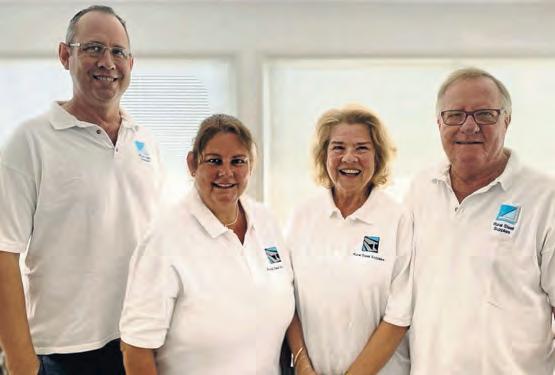



























TUBE
•75 X 75 X 3
-$160
•10’ - 3M- 5 BAR LIGHT-$140
•12’ - 3.6M- 5 BAR LIGHT-$160
•14’- 4.2M- 5 BAR LIGHT-$190
•12’ - 3.6M- 5 BAR HEAVY-$180
•14’ - 4.2M- 5 BAR HEAVY-$210 BARBED WIRE
•2.5MM - IOWA - 400M ROLLS PALLET BUYS - 27 ROLLS-$125EA SINGLE ROLLS-$135EA
•1.8MM - HIT - 500M ROLLS PALLET BUYS - 36 ROLLS-$115EA
SINGLE ROLLS-$125EA FENCE POSTS PICKETS
CABLE •8.2MM - 7 STRAND GALV •400M X 150 KG- $550
JOINT/ FIELD FENCE FIXED KNOT CATTLE GRID HEAVY
X
•2.4M -80NB X 4MM - GALV-$65
•3M -80NB X4MM - GALV-$75
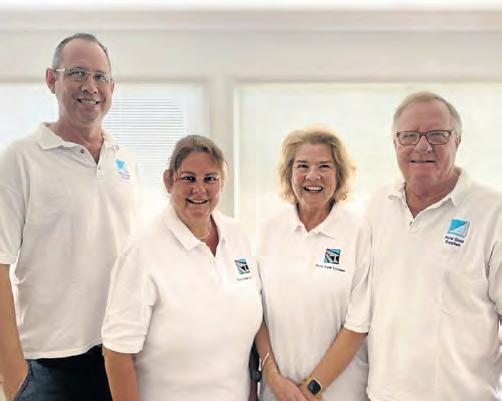









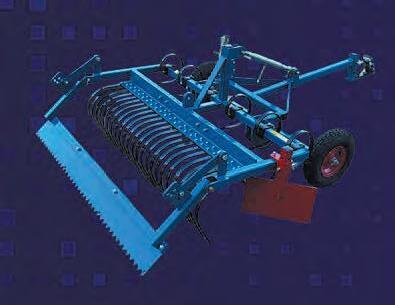




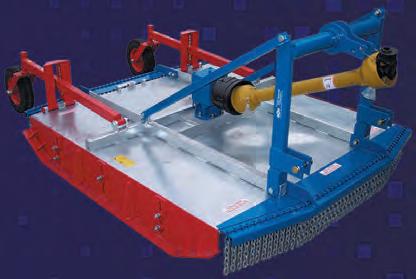



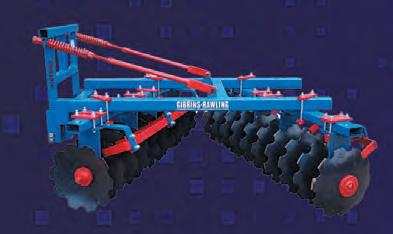
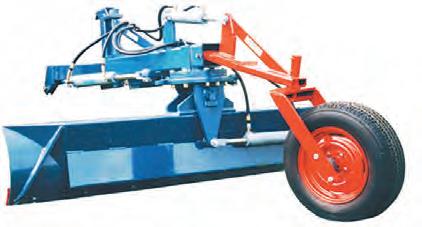

























By Julian Lehnert
Award-winning country singer Tom Curtain headed to the Western Downs in December as part of his latest touring effort, giving crowds an up-close look at the art of working animal training.
Mr Curtain and his Katherine Outback Experience performed at the Chinchilla Showgrounds and the Wandoan Showgrounds.
The Here’s to You Tour featured a menagerie of working dogs, horses being broken into for farm work, and goats, with the crowd able to assist in handling the animals.
The Katherine Outback Experience is in its 10th year of touring in 2025; for around six to seven months of the year, Mr Curtain and his team travel the Australian countryside to perform.
His golden rule, Mr Curtain explained, was to never visit the same town two years in a rowleading to 2025’s inclusion of the Western Downs towns of Wandoan and Chinchilla.
The Northern Territory local has received two Golden Guitar Awards at Tamworth for his craft.
A third one is on the cards in January for his sixth studio album ’Here’s To You’ , which also forms the basis of the singer’s latest touring effort.
The album’s title track, Mr Curtain explained, is an ode to Australia’s blue-collar workers and farmers, some of whom have inspired his songs in the past.
“We visit a lot of regional areas, meet a lot of people and hear their stories,“ he said.
“All the time I head to these showgrounds and happen upon a line to a song. It’s just really cool to then write those songs and perform them back in their local community.“
Mr Curtain recounted his first time witnessing the ’Burdekin snow’: ash falling from the sky as a result of cane field burns; he was able to perform a song of the same name in Ayr on 31 October in a moment he described as “very special“.
The Katherine Outback Experience shows are a double-feature, with the first half taken up by the
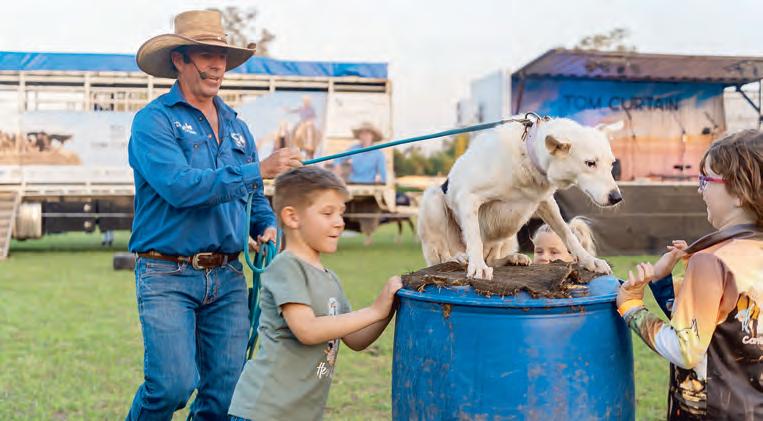
live training of horses, dogs and goats, followed by music performed by Mr Curtain and his band.
The show’s frontrunner said no two performances were the same owing to the still semi-wild nature of its animal participants.
“I don’t want a perfect show - I want to show the training ’behind the scenes’,“ Mr Curtain said.
To this extent crowds can witness - and even lend a hand in - soon-to-be working dogs learning to walk on a lead, jump over fences and onto the backs of horses, and perform other duties.
The show’s cast of eight horses are similarly put through their paces, getting to balance dogs and goats on their backs in preparation for field work.
“We sell the horses all around the country,“ Mr Curtain explained.
“A lot of them go out mustering, so they’ve got to be able to pick up a dog or a baby calf that can’t walk the distance.
“If they’ve never had a goat or a dog on their back, nine times out of 10 they’re just going to buck them off.
“We have to desensitise that horse anyway - so we might as well do it in the show to show people how we do it.
“Things do go wrong, but people can see it’s real and raw, and that’s what the fascination is,“ Mr Curtain said.
“One old fella said ’Tom, this whole show, with your music, your stories, the way you treat your animals, it’s not just an outback show - it’s a lesson in humanity.’
“I thought that was a pretty cool explanation of treating your animals right, treating your staff and the people you meet in a kind manner. Eventually it all rolls back to you.“
On a recent visit to the North Burnett, the Katherine horse- and cattleman-turned-touring musician also took the time to wear another one of his
hats: that of ambassador against bullying. Mr Curtain visited Monto State School on 20 November on behalf of the Dolly’s Dream Foundation, an organisation formed in the wake of the suicide of 14-year-old Katherine teenager Amy ’Dolly’ Everett in 2018 partly due to cyberbullying.
Dolly’s family had been closely linked with Mr Curtain leading up to the tragedy, with her sister working for the Katherine Outback Experience.
In the wake of Dolly’s death, the musician wrote the song ’Speak Up’ - named after a quote by the late teen - centred on the impact of bullying to “possibly change a few lives“.
He later composed a second song on the topic, titled ’Be Kind’ , and now uses his position as a travelling performer to speak to youths at schools around the country, educating them about ways to battle bullying.
“We get a lot of families turning up to our shows who have lost sons and daughters,“ Mr Curtain said.
“They thank us for broaching the subject and keeping it at the forefront of people’s minds. It’s just our way of helping out the cause.“
Tom Curtain has one final Burnett stop planned for his 2025 tour: a return to his former hometown of Kumbia.
The Katherine Outback Experience will visit the Kumbia Race Club on Saturday 13 December - the day after his Wandoan performance, in what will be the first time its showrunner has ’come home’ in several years.
“I have four other brothers. Every second Saturday, dad and the five boys would trot single-file along the road, 12 kilometres from our house to the [Kumbia] Pony Club before riding home again,“ Mr Curtain recounted.
“It’s going to be great going back to those grounds.
“It’ll be quite surreal to then run a show there. A lot of people in the community have passed on but there are a few that still know us. It’ll be touching.“





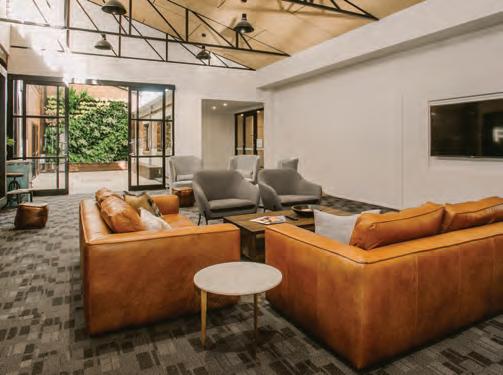
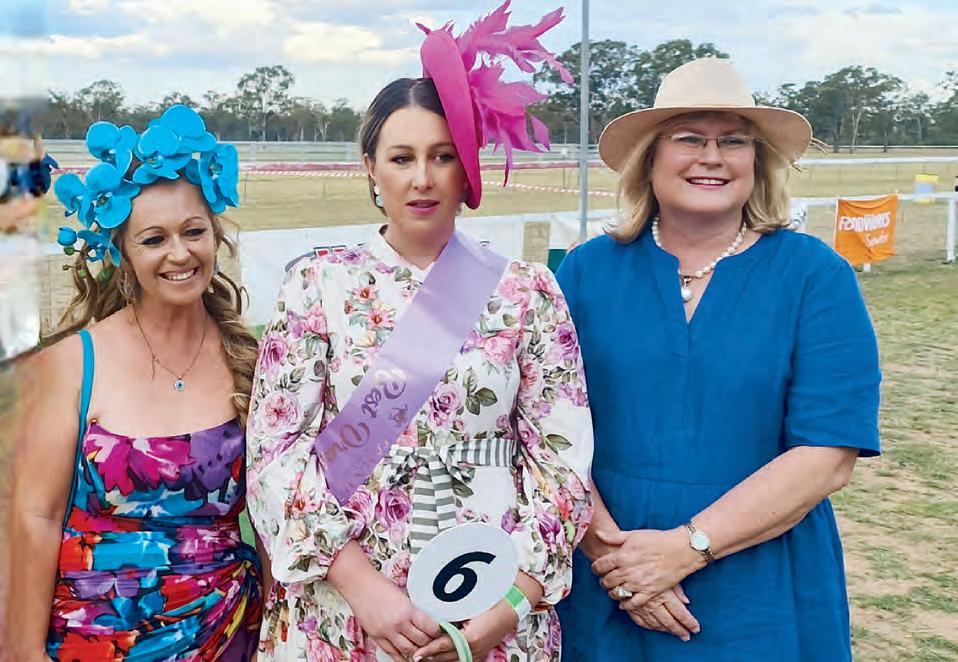
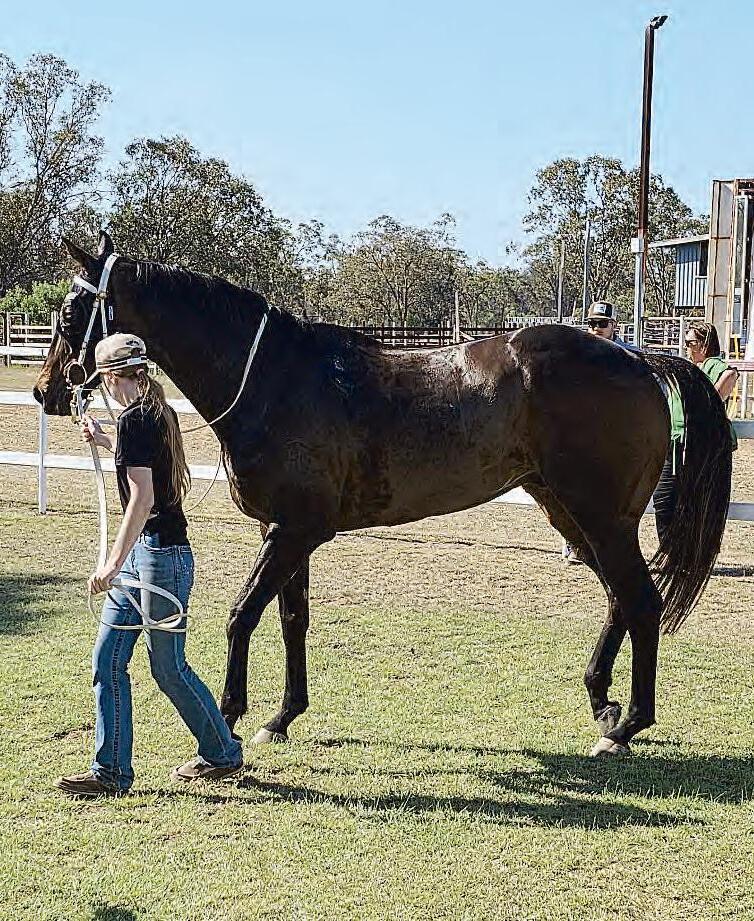
The Next Lap: A plan for the future of Queensland racing has been released by the Crisafulli Government following the most comprehensive review of the sector in more than 25 years.
Member for Warrego Ann Leahy said country racing was part of the social fabric of many communities across the Warrego electorate.
“Country Racing will be safeguarded for the future with several measures to enhance partici-
pation, remove burden from smaller clubs and boost feature racing events, including the expansion of the highly popular Battle of the Bush Series,” Ms Leahy said.
“The Next Lap plan delivers a more efficient and effective approach to governance and integrity, safeguards animal welfare and ensures the ongoing success of country racing.”
Ms Leahy said the LNP was delivering on a key
election promise to the racing industry.
“Racing governance will be stabilised with a new hybrid model that will see all non-core functions of the Queensland Racing Integrity Commission (QRIC) transition to Racing Queensland (RQ),” she said.
“The former Labor government had no plan for country racing, no plan to enhance integrity and animal welfare, and no plan to future proof this $2.5 billion industry that employs close to 14,500 Queenslanders,” Ms Leahy said.
For more information visit: https://thenextlap.sport.qld.gov.au/
“The modernised structure will give QRIC a clearer focus on delivering stewarding and integrity services, with an Independent Commissioner of Stewards reporting directly to the Minister for Racing.
Editorial: newsdesk@queenslandfarmertoday.com.au enquiries, contact our team.
40,000 readership per month
Inserted into the following newspapers:
• South Burnett Today
• Central & North Burnett Today

Jane Lowe 0408 488 609
E: jane.lowe@queenslandfarmertoday.com.au
Daniel Pelcl 0408 956 830
E: daniel.pelcl@burnetttoday.com.au
Sharon Jones P: 07 4182 0451

E: sharon.jones@burnetttoday.com.au




• Warwick Today • Stanthorpe Today • Leader Today
• Jimboomba Today
• Beaudesert Times
• Emerald Today
• CQ Today
• Goondiwindi Argus
Also available from the follow outlets:
• Hartleys Newsexpress Toowoomba
• Roma Sale Yards
• Warwick Sale Yards

• News Extra Central City
• Dalby Saleyards
• The Barn, Oakey
• Crows Nest Newsagency • CQLX Gracemere, • Longreach saleyards • Emerald saleyards
• Goombungee Newsagency

Australia has officially broken the record for the highest volume of beef exported in a calendar year, with year-to-date exports reaching 1.398 million tonnes, up 15 per cent year-on-year.
This milestone reflects broad-based global demand for high-quality Australian red meat and the strength of the industry’s domestic productive capacity.
The United States remains Australia’s largest beef export destination, with 412,068 tonnes shipped so far this year, up 17 per cent YoY.
This growth is particularly significant given the implementation of a 10 per cent tariff on Australian exports including beef, which has since been removed.
While the tariff was in place, Australian beef exports remained strong and resilient due to exceptionally strong US demand and exacerbated by historically low domestic beef production.
This demonstrates the premium positioning of Australian beef and the willingness of US buyers to pay for quality.
Japan and Korea continued to deliver steady demand, up two per cent and 10 per cent YoY respectively, while other markets across Asia and the Middle East also contributed to the recordbreaking year.
Grainfed beef exports also hit a record, totalling 403,860 tonnes, an increase of 19 per cent year-on-year, underscoring the premium positioning of Australian grainfed beef internationally.
Goatmeat exports reach new heights
In addition to beef, goatmeat exports have set a
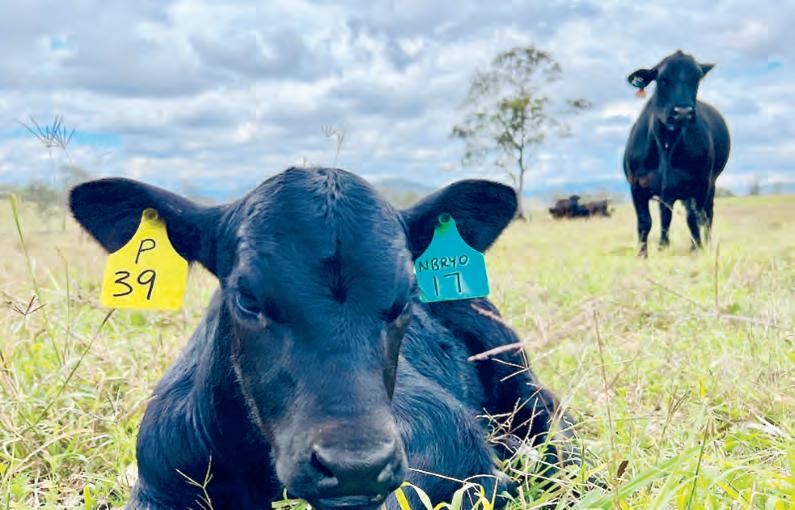
new all-time record, with 54,699 tonnes shipped year-to-date, up 16 per cent. November 2025 was the biggest month ever for goatmeat exports, with 5,923 tonnes exported globally.
Goatmeat plays an increasingly important role in Australia’s red meat portfolio, particularly in meeting the needs of diverse consumer bases across North America, Asia, and the Middle East.
Its versatility and alignment with cultural preferences make it a key growth category, helping Australian producers tap into expanding global
protein demand.
According to Meat & Livestock Australia’s (MLA) General Manager for International Markets, Andrew Cox, the record-breaking results highlight the competitiveness of Australian red meat on the global stage.
“These results reflect the strength of Australia’s production systems and the commitment of our producers,” Mr Cox said.
“Australian red meat continues to be trusted
and valued across a wide range of international markets, and we’re well positioned to build on this momentum.”
While beef and goatmeat exports have soared, lamb and mutton exports softened slightly compared to last year, though lamb performed marginally better than expected thanks to a strong spring flush and robust demand.
Lamb exports reached 316,065 tonnes year-todate, down five per cent, while mutton totalled 193,641 tonnes, down 16 per cent.
November lamb exports were 26,337 tonnes, slightly below last year, with strong growth into North America where shipments rose 15 per cent year-on-year to 8,730 tonnes, including 7,732 tonnes to the US.
Greater China also recorded solid lamb demand, with November exports up 11 per cent year-on-year to 5,204 tonnes, and year-to-date volumes up 19 per cent to 61,053 tonnes.
In contrast, lamb exports to the Middle East and North Africa (MENA) fell sharply, down 27 per cent year-to-date to 62,847 tonnes, while mutton exports to MENA bucked the trend, rising three per cent year-to-date to 60,256 tonnes, driven by strong demand from Saudi Arabia and the UAE in November.
MLA’s international marketing programs play an important role in building awareness and preference for Australian red meat across major markets, including the US, China, Japan, and Korea.
“Global demand for beef is surging, and Australia is perfectly positioned to meet this momentum into 2026 thanks to record production levels and our reputation for integrity and quality,” Mr Cox said.
The EPBC reforms have now passed, but the rules that will determine how they operate on the ground are still unwritten.
AgForce is calling for Minister Watt to work directly with Queensland agriculture to ensure the State–Commonwealth bilateral agreements provide clear, practical and regionally informed settings that reflect Queensland’s landscapes and production systems.
AgForce General President Shane McCarthy, appearing with Queensland Minister for Primary Industries Tony Perrett, said the implementation phase will determine how the reforms function in reality.
“What happens in the implementation phase will decide whether these laws support environmental outcomes or unintentionally restrict the routine land management that keeps Queensland landscapes healthy, productive and safe,” Mr McCarthy said.
He said Queensland’s extraordinary diversity must be central to the bilaterals.
“Queensland is not one landscape — it’s dozens of bioregions with completely different soils, ecosystems and regrowth behaviour,”
he said. “What works in southern Queensland doesn’t work in the north. What works in Victoria doesn’t work here at all. National rules must recognise regional science if they are to work on the ground.”
Mr McCarthy said the 15-year rule and narrowing of continuing use must be interpreted through how Queensland country actually behaves.
“Regrowth here doesn’t follow fixed timelines — it responds to rainfall, seasons and landscape type,” he said. “In many bioregions vegetation can return extremely quickly, and producers must be able to manage that safely and responsibly.”
“We are already some of the most regulated farmers in the world,” he said. “To clear even one tree requires a huge process.”
He also highlighted the need for accuracy in how vegetation change is understood.
“Much of what gets reported nationally as ‘deforestation’ is the result of intense bushfires across unmanaged or overgrown landscapes,” he said. “Only a very small portion relates to agriculture, and much of that is managing
regrowth or encroachment to improve biodiversity and reduce fire risk.
Mr McCarthy said practical implementation now requires producers at the table.
“AgForce is ready to work with Minister Watt to ensure the bilaterals recognise Queensland’s bioregions, protect long-standing land-use rights and support both biodiversity and food production.”
In North Queensland, cane grower and AgForce Cane Board Director Ricky Mio, appearing alongside Queensland Minister for Natural Resources and Mines Dale Last, said the speed and opacity of the reforms had left producers “completely in the dark” about what now applies on their own properties.
“Right now, farmers are in limbo,” Mr Mio said. “The law has passed, but nobody can tell us what we’re allowed to do tomorrow.”
“We don’t know what triggers a breach, what needs approval, or how long a decision would take. That uncertainty is terrifying for producers.”
He said families are already carrying rising electricity prices, taxation pressure and higher
input costs, and the new regulatory burden comes at the worst possible time.
“We keep being promised less red tape, but this is more red tape than we’ve ever seen,” he said. “Farmers can’t absorb more costs, and when our costs go up, everyone’s costs go up. Food will get dearer. That’s the reality.”
Mr Mio also spoke to the new rules have been pushed through at a time when farm businesses are already under strain.
“It doesn’t matter where you’re from — everyone is feeling the pinch, and adding more layers of cost and uncertainty just chokes the people who feed this nation.”
“We just want to get this right, put industry in the room. Talk to the people who actually work the land. Before the ink dries, let’s revisit this and make it workable.”
AgForce is calling for immediate engagement with Minister Watt to ensure the bilateral agreements provide clarity, protect Queensland’s PMAVs established vegetation framework and deliver rules that reflect real landscapes and real production systems.

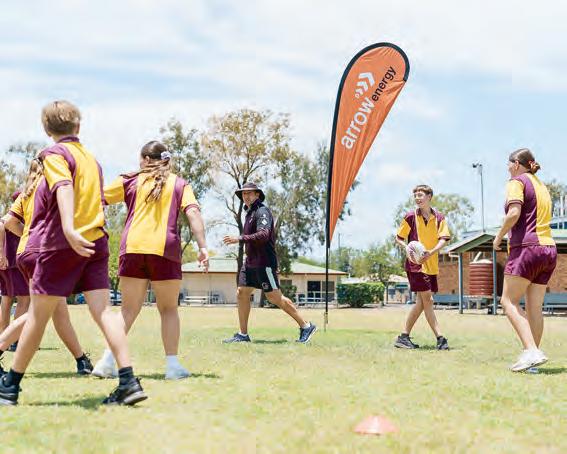
By Fiona Gowers
The Brisbane Broncos and Arrow Energy united in Dalby last month to inspire local students to be their best, on and off the field.
As part of its community partnership program, Arrow Energy brought former Broncos stars Jharal Yow Yeh and Jack Reed, as well as game and community development officer Darren Burns to Dalby for a series of clinics.
Rugby league skills, teamwork and positive life habits were the focus.
The sessions were held at Dalby State High School and Our Lady of the Southern Cross College.
Broncos ambassador Jharal Yow Yeh said it was a privilege to visit the region and teach local students some of the fundamentals of rugby league.
“We love coming out to these western corridors to make sure the kids get their little taste of the Brisbane Broncos,” Jharal said.
“The kids don’t get a lot of this, so for us to be able to come out and wear the Brisbane Broncos badge is a huge deal.”
Broncos ambassador Jack Reed said the clinics were also about helping students develop life skills.
“We’re here to see these kids – whether they want to be rugby league players or not – and encourage the message of giving their best effort, having a growth mindset and having as much fun as possible while enjoying their time at school,” Jack said.
“Showing kids that there’s a pathway into sport and into life and encouraging them to be the best versions of themselves, is probably the most valuable tool we can give them.”
For students such as Dalby State High School’s Beau Turner, the message hit home.
“It was really good,“ he said. “We did a lot of drills, and it was fun. It was awesome to talk to them about what they’ve done and hear their experiences,” Beau said.
“They also shared important messages – like being nice to people, having a strong work ethic and chasing your dreams.”

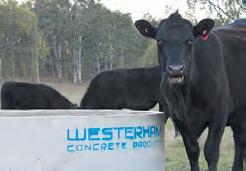
Arrow Energy community officer Jayne Weier said the clinics were designed to build skills, confidence and teamwork.
“We love inspiring young people and what better way than bringing the premiership-winning Brisbane Broncos to town?” Jayne said.
“Supporting initiatives that encourage healthy lifestyles and provide opportunities kids in the region might not otherwise receive is what Arrow Energy is all about.”
At each clinic, participants rotate through skills stations focusing on agility, ball-handling, defence and teamwork.
Coaches weave in messages about hydration, nutrition, leadership and respect. For many young athletes, the chance to learn these lessons from Broncos staff is a dream come true.
Parents have also praised the program for being inclusive and encouraging, especially for those who may be new to the sport.
For the Broncos, investing in regional com-
munities is central to their identity and Arrow Energy’s long-term support has helped expand the clinics’ reach each year.
Together, one training session at a time, they’re fostering the next generation of players, supporters and community leaders.
As the clinics continue across Queensland, one thing is clear: the partnership is kicking goals well beyond the footy field, leaving a legacy built on inspiration, opportunity and the joy of the game.