PATH Page 3
FOR FARMER page 5




Page 9
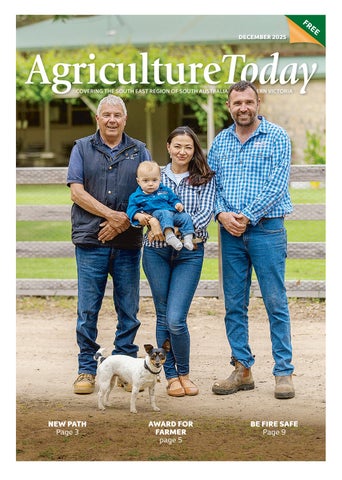
PATH Page 3
FOR FARMER page 5
Page 9
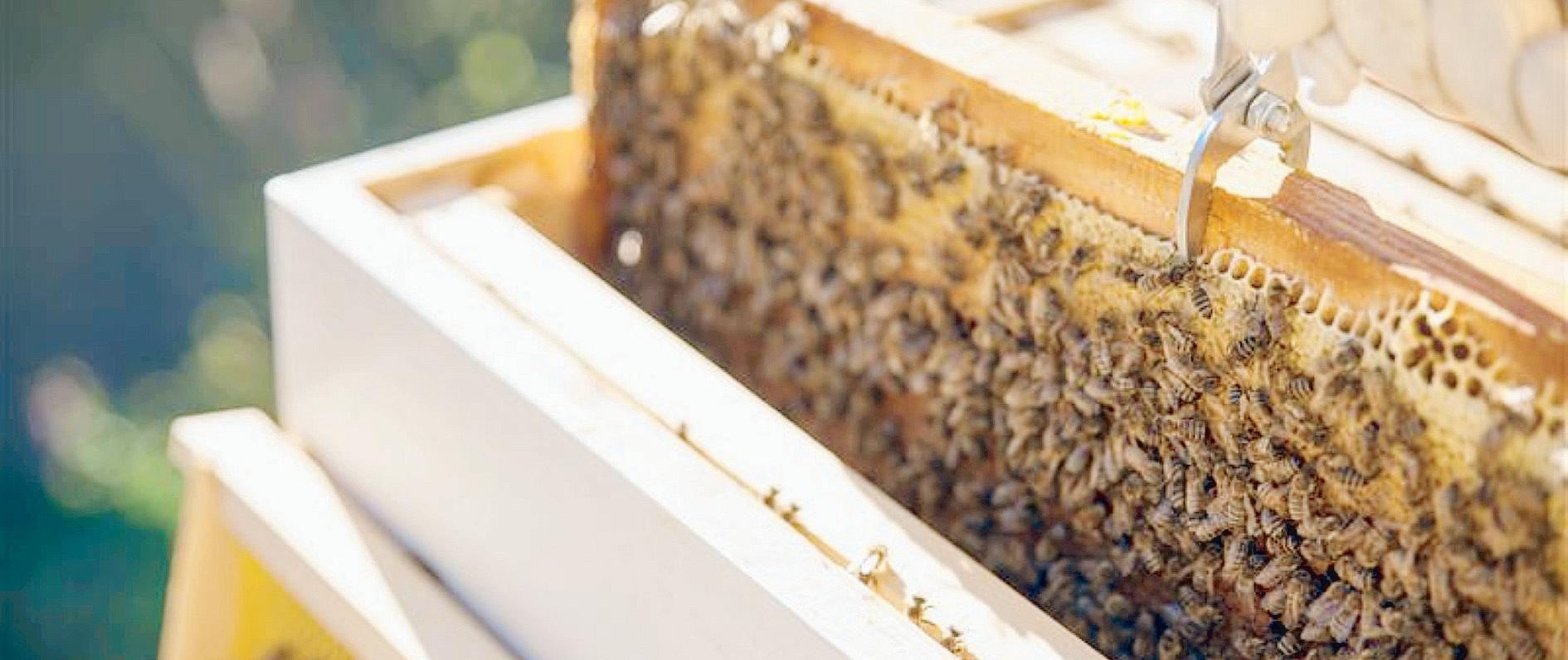
VARROA mites have been detected in hives at additional sites in the Limestone Coast.
It comes following the first detection of the pest at Salt Creek recently.
Beekeepers in the area are being urged to increase their monitoring frequency with the latest detection in Taratap being directly linked to the original findings.
The Department of Primary Industries and Regions (PIRSA) has assisted beekeepers to install surveillance mats and treatments into all bee hives at Salt Creek and Taratap.
All beekeepers with positive detections are working with PIRSA to undertake surveillance at all linked sites, where additional sampling and tracing will be carried out to establish the extent of the incursion.
PIRSA is urging all beekeepers who have had hives within 25km of Salt Creek and Taratap since mid-August to shorten their monitoring intervals to every three-to-four weeks.
These detections are the second time the pest has been found in South Australia following a detection at Pooginook in the Riverland in September.
All impacted hives associated with the Pooginook detection were moved out of the state by their interstate owner in compliance with their South Australian entry permit conditions.
To date there is no evidence which connects these new detections to the previous Pooginook detection in the Riverland.
A source for this incursion is not known at this stage.
Since the first detection in Australia in NSW in 2022, varroa mite is now established and spreading in New South Wales, Victoria, Queensland and the Australian Capital
Territory.
To allow for a thorough assessment of these detections, sticky mats and acaricides are being deployed across all potentially impacted hives.
Acaracides are a highly effective treatment in the destruction of varroa mite and a movement control has been applied to the affected apiary sites to ensure bees, hives and associated equipment cannot be moved from the sites to allow a thorough traceback assessment, surveillance and treatment.
A biosecurity notice to beekeepers has been issued with PIRSA undertaking industry engagement to prepare beekeepers and asso-
ciated businesses for varroa mite entering the state, including the development of South Australia’s Transition to Management Plan, developed with industry through SAVIAC.
Chief veterinary officer Skye Fruean said while it was disappointing there had been more detections of the pest in the state, it was linked to a site in Gumeracha which assisted in managing the pest and slowing its spread.
“If you have had hives near Gumeracha, Sellicks Hill, Salt Creek or Taratap since August, or need to have hives in those areas, please contact us as soon as possible,” Ms Fruean said.
“Beekeepers now have an even more cru-
cial role to play – by monitoring their hives, reporting any suspect detections, and following the advice provided by PIRSA.
“Since the national decision to transition to management, we are now focused on managing varroa in a way that minimises its impact, while ensuring business continuity for our agriculture and horticulture sectors.”
Those suspected to have varroa mite are encouraged to contact the PIRSA Biosecurity Apiary Unit by emailing pirsa.beebiosecurity@sa.gov.au or the Exotic Plant Pest Hotline 1800 084 881.
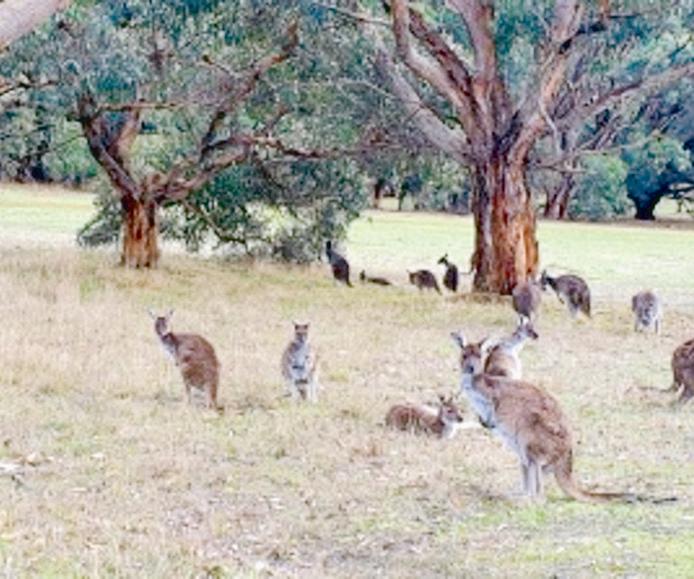
LIVESTOCK SA has welcomed new South Australian government incentives to help producers manage the growing impact of kangaroos during ongoing dry conditions.
The ‘Reducing Grazing Pressure through Kangaroo Management’ program has been expanded under the $73 million Drought Support Package, with an additional $350,000 available to support the humane removal of kangaroos by eligible landholders.
Kangaroo numbers are estimated at around five million across South Australia, placing significant strain on feed, water, and native vegetation, especially in drought.
Livestock SA chief executive officer Travis Tobin said the program recognises both the environmental and economic pressure caused by high kangaroo populations by pro-

viding a $5 per kangaroo payment for producers undertaking humane control in line with the national code of practice under a valid Permit to Destroy Wildlife.
“This is a practical, timely initiative that will help producers manage the costs of preserving pastures against overabundant kangaroos,” Mr Tobin said.
“By including primary producers directly in kangaroo management efforts, the government is acknowledging the responsibility landholders carry in maintaining grazing balance and the considerable costs that come with it.”
“We continually hear from members that excessive kangaroo numbers are frequently a problem, and it becomes a major issue during drought.”



Mr Tobin said Livestock SA had worked closely with the Department of Primary Industries and Regions (PIRSA), the Department for Environment and Water (DEW) and Landscape Boards to ensure the initiative responds to what producers are experiencing on-ground.
“By working together we can reduce some of the severe and unsustainable grazing pressure that high kangaroo populations are having in the landscape.”
Further information is available on the PIRSA website here: https://pir.sa.gov. au/emergencies_and_recovery/drought/ drought_support/re ducing_grazing_pressure_through_kangaroo_management.




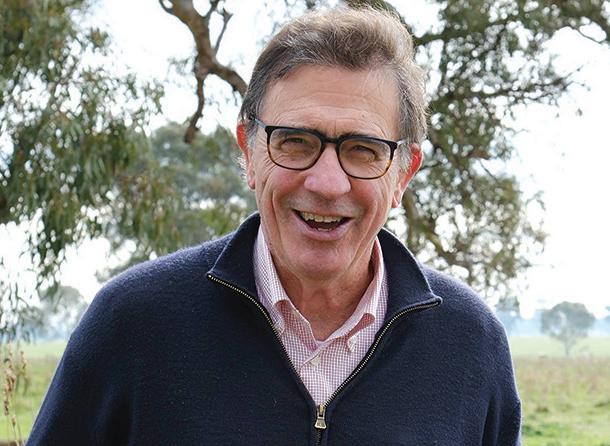



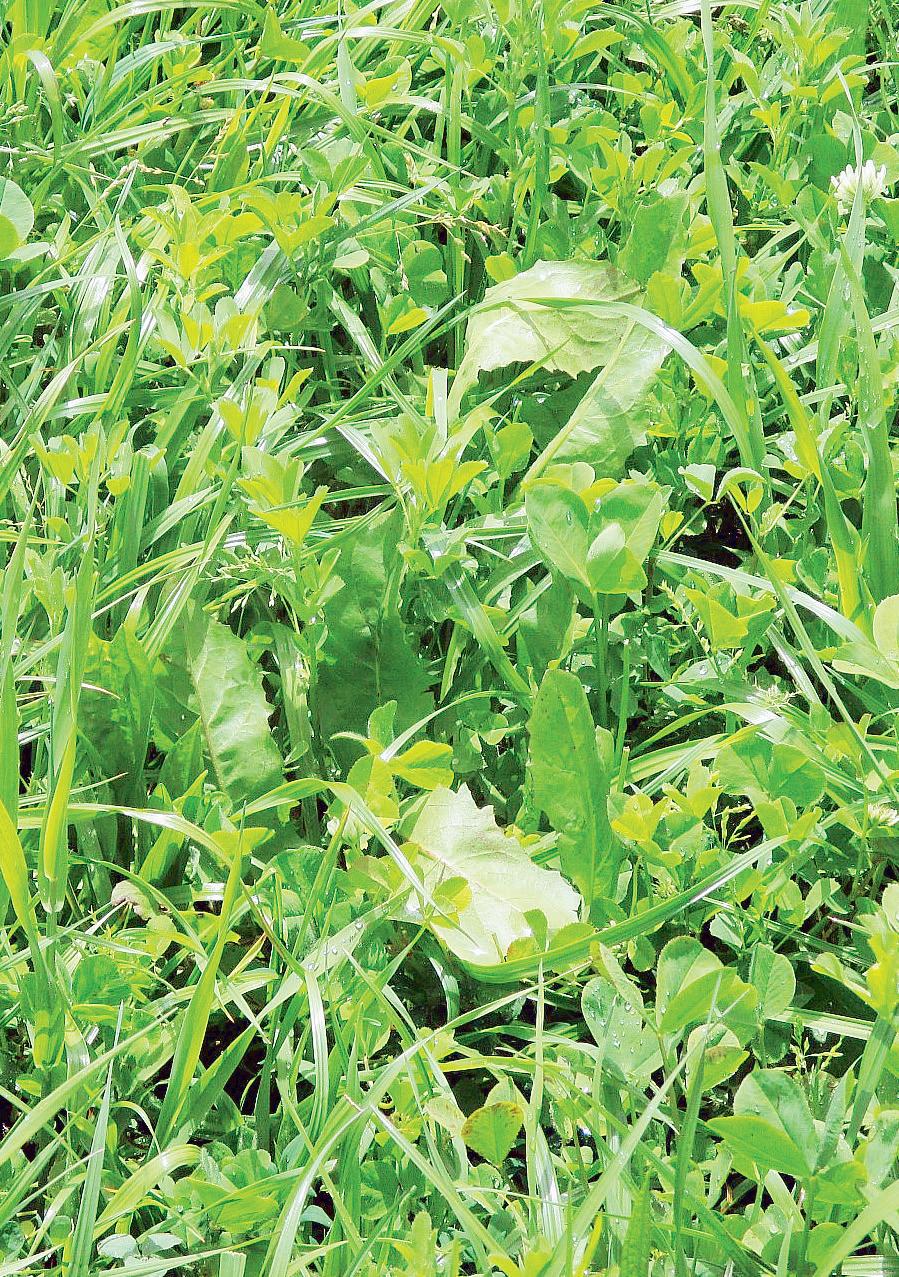
AUSTRALIAN graziers are rethinking the foundations of pasture. At a recent field day at the Hamilton SmartFarm (south-west Victoria), researchers outlined why multispecies swards (MSS) that is pastures that purposely combine herbs, legumes and multiple grasses could reshape feedbase management over the next decade [1–3].
While New Zealand and Ireland have run mixed-sward trials for more than a decade, Australia is only now catching up. The SmartFarm programs, facilitated by scientists including Dr Kevin Smith, Dr Anna Thomson, Dr Annika Alexander and Pip Lees, are gathering local data to test whether MSS can improve productivity and deliver genuine environmental benefits in our variable and increasingly challenging conditions.
Why Pasture Needs Rethinking Australia’s feedbase has, for decades, largely depended on ryegrass and urea. It’s a system that’s familiar, productive, and supported by machinery, agronomy and farmer know-how.
But it brings exposure to two growing vulnerabilities: climate volatility and heavy fertiliser dependence. In tight years, ryegrass alone often fails to keep feed in front of stock at the end of spring. The cost and environmental pressures around nitrogen (N) fertiliser continue to build.
Overseas research — and the new SmartFarm trials — suggest that increasing pasture diversity can help pastures hang on longer into summer, recover faster in autumn, and continue performing with less reliance on synthetic Nitrogenous fertilisers [1].
Rather than changing animals or business models, multispecies pastures change how the paddock functions: using ecological complementarity to capture light, water and nutrients more efficiently and convert them into feed.
The Victorian Experiment: Two SmartFarm Programs
MultiMix — Hamilton SmartFarm (Sheep focus)
The MultiMix project has sown 25 ha of diverse pasture at Hamilton with grasses, clovers and key herbs such as chicory, plantain, yarrow and sheep’s burnet [2]. Trial measurements include:
• Dry matter yield and persistence
• Feed quality
• Lamb growth and ewe condition
• Soil metrics
• Enteric methane emissions from grazing sheep
The aim: resilient pasture that performs even in poor years, produces quality feed with lower input costs, and possibly reduces methane output per kg of lamb.
Pasture 365 — Ellinbank SmartFarm (Dairy focus)
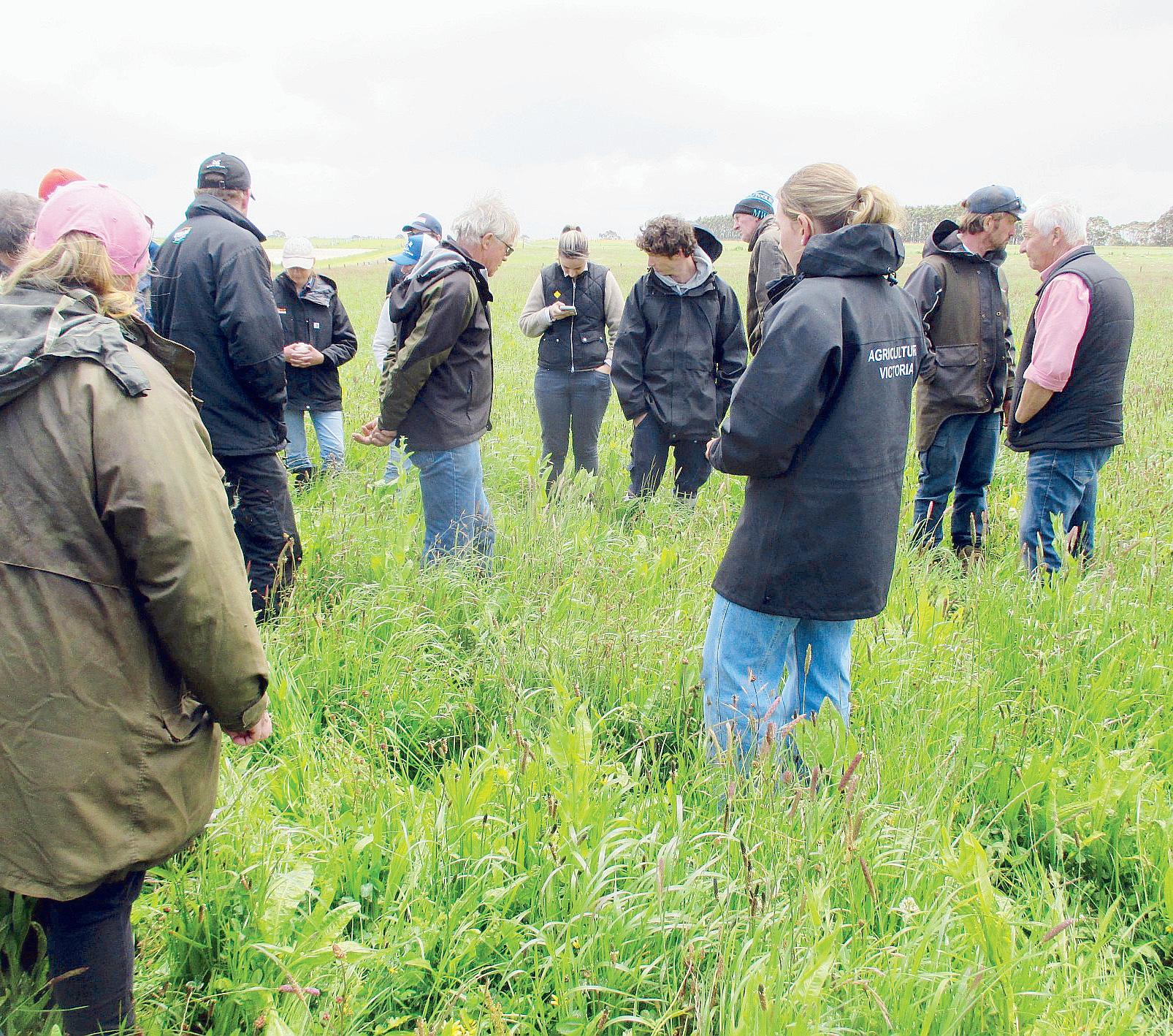
Pasture 365 broadens the question: can multispecies pastures keep dairy cows in homegrown feed for all 365 days of the year, including the critical summer–autumn feed gap [3]?
This means assessing:
Seasonal growth curves
• Rooting depth and water extraction
• Nutritive value and fibre profile
Stock performance and milk outcomes
Together, Hamilton and Ellinbank are testing whether MSS can form a new feedbase across the major livestock sectors.
Why Herbs Matter: Functional Traits
These varied rooting systems capture water and nutrients from different depths, reducing direct competition and improving seasonal feed supply.
Mineral uplift
Herbs often access and accumulate calcium (Ca), potassium (K), magnesium (Mg), copper (Cu), zinc (Zn) and selenium (Se). Improved mineral balance can support bone development, immunity and lamb growth.
Soil and microbial benefits
More root types support: better soil structure increased infiltration
• greater microbial biodiversity
• organic matter protection



These factors together improve long-term pasture resilience.
Animal Productivity and Health
Trials in Ireland and New Zealand show that lambs and cattle grazing herb-rich pastures often achieve:
• faster growth rates
• higher carcass weight per hectare
• improved energy intake in summer [1]
This is partly due to transgressive overyielding — the concept that a mixed sward can produce more feed than even the best single species grown as a monoculture.
Herbal swards may also support: improved rumen fermentation reduced heat stress effects
• more balanced mineral nutrition
Australian work aims to confirm whether these outcomes translate to our climate and soils.
Methane — A Possible Bonus
Enteric methane from Australian cattle and sheep contributes more than 50 million tonnes of carbon-dioxide equivalent per year — around one in every eight tonnes of national emissions [4].If MSS can:- a.) improve digestibility, b.) increase growth per unit of feed and, c.) reduce nitrogenous fertiliser use; then methane per kg product may fall. Overseas studies hint at 5–10% reductions in

methane intensity in some herb-rich systems [1].
Hamilton’s MultiMix is collecting direct methane measurements to test whether this translates locally [2]. Results are pending. Thus methane should be seen as a potential upside, not the primary reason for adoption.
Worm Control — Promising but Partial NZ and Irish studies show tentative reductions in worm burdens and drench frequency when lambs graze pastures where chicory and plantain are a substantial component of diet [1].
However:
• effects are modest
• results reduce if herbs fall below ~20–30% of pasture composition
• strategic worm management remains essential
Hamilton is monitoring faecal egg counts. Australian data will clarify the long-term potential.
Establishment, Weeds and Persistence — The Real-World Challenges
MSS require good establishment: correct drill depth, weed control during summer, and grazing management tuned to herb biology.
INTERNAL parasites are silently draining the profits of Australian sheep and wool producers, costing the industry an estimated $28,000 per farm annually in lost productivity, plus another $5000 in treatment costs. Alarmingly, the vast majority of producers remain unaware of the resistance status of the worms on their land or the true efficacy of their most recent drench.
According to David Rathbone, Elanco Brand Manager – Sheep, drench resistance represents one of the most critical challenges facing the industry today.
“A national study over a decade ago identified widespread single, double, and triple resistance to all older active ingredients, including moxidectin,” Mr Rathbone said.
“There is no reason to believe this situation has improved, yet most producers still don’t know the efficacy of their current drench or mistakenly believe it is still fully effective.”
A drench is officially deemed ‘resistant’ if it fails to reduce the worm burden by more than 95 per cent. However, resistance isn’t simply a case of a drench ‘working’ or ‘failing.’
“It’s more complex than that,” Mr Rathbone said.
“Some drenches might have 90 per cent efficacy, some 80 per cent, and others only 50 per cent. While all of these are “working” to some degree, any reduction in efficacy has a direct impact on the health and productivity of the flock.”
Even moderate levels of drench resistance can quickly escalate into significant economic loss for the producer and worsen the overall resistance issue on the property.
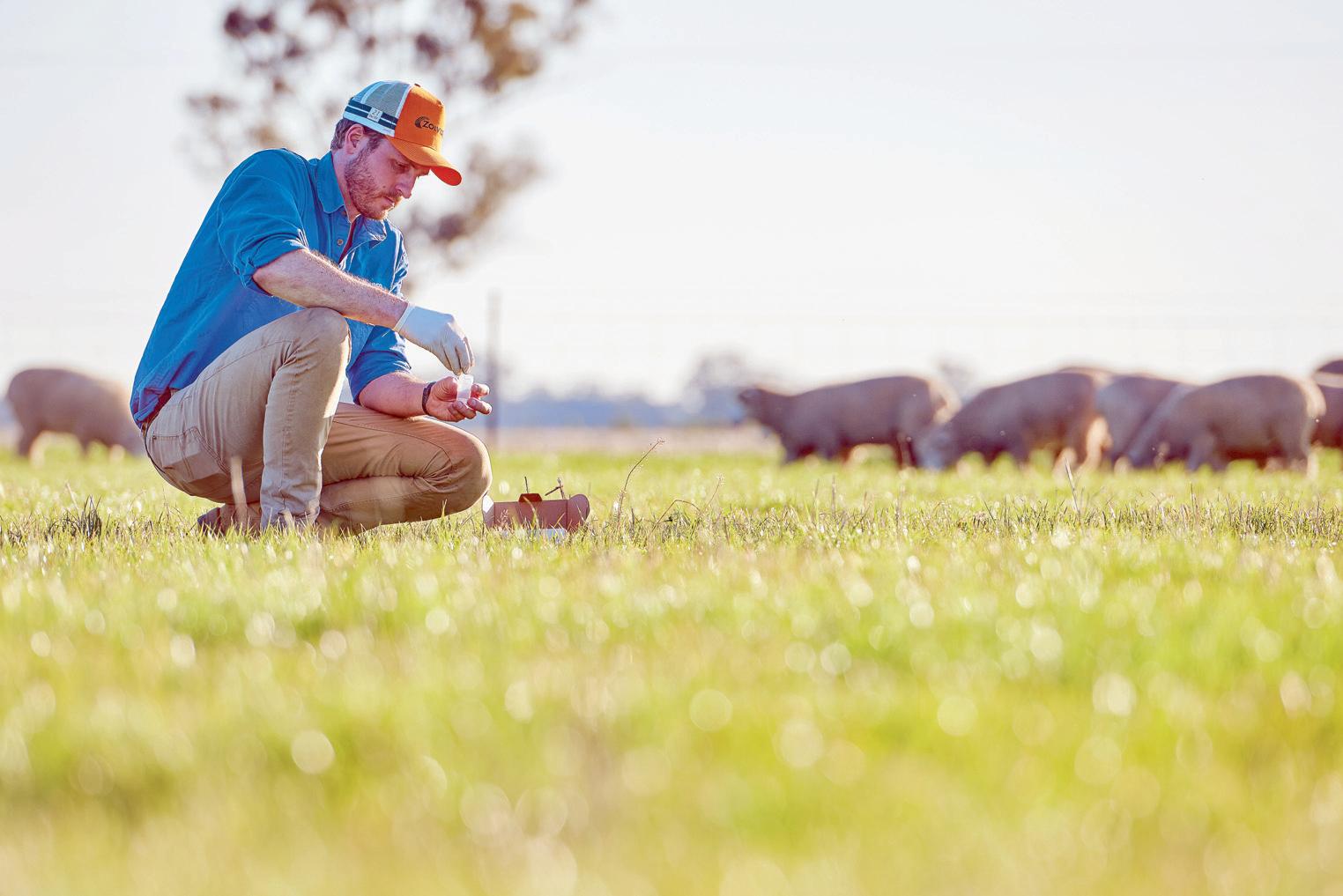
Even
To gain a current insight into the resistance landscape, Elanco supported 171 lamb and wool producers in undertaking DrenchChecks between 2022 and 2024.
A DrenchCheck scientifically determines drench efficacy by comparing worm egg counts in faeces both before and 10–14 days after treatment. The presence of any worm eggs post-drenching may indicate resistance.
The results were a wake-up call: almost half (45 per cent) of all single, dual, three-way, and
four-way combination drenches tested did not deliver fully effective worm control, failing to reduce the overall worm burden by the critical 95 per cent threshold.
Of particular concern were the results for the popular multi-active drenches:
22 of 49 abamectin-based triple drenches showed evidence of resistance.
7 of 18 moxidectin-based triple drenches showed evidence of resistance.
“There is a widespread belief that triple
Potential downsides include:
broadleaf herbicides may knock out key herbs
herb populations may decline under persistent heavy grazing
• weed pressure may rise unless early control is strong
• seed supply for yarrow and burnet is currently horticulturally sourced and is not available at farm scale.
Renovation, such as drilling extra perennial ryegrass when grass components decline may be required to maintain balance over time.
Where Does This Leave Us?
Herbal multispecies pastures are still in trial mode in Australia. The concept is valid, the international results are compelling, and the functional logic is strong: deeper and more diverse roots -> greener feed longer -> lower


inputs -> better resilience.
But we are missing multi-year, farm-scale Australian evidence.
What we can say about Multi Species
Swards (MSS) today:
MSS may lower fertiliser bills
• MSS may improve productivity in tough seasons
MSS may trim methane intensity
• MSS may help reduce drench dependence (slightly)
• MSS almost certainly improve soil function
• MSS are not yet a plug-and-play technology
As SmartFarm results emerge and if seed availability improves, herbal pastures could become a mainstream part of pasture management — not necessarily replacing ryegrass, but supporting it with deeper, more adaptive performers.
For now?
A very promising tool — and one South Australian and Victorian farmers should be watching closely.
References
1. Thomson, A.L. & Albornoz, R.I. (2023). Multispecies forages in the Australian dairy feedbase: is there a biological business case? Animal Production Science, 63(18), 1958–1969.
2. Agriculture Victoria (2025). MultiMix –Hamilton SmartFarm mixed-species pasture project description.
3. Agriculture Victoria (2024). Pasture 365 – Ellinbank SmartFarm pasture resilience project summary.
4. Australian Government National Greenhouse Accounts (2023) – Enteric methane emissions reporting.

combinations are a ‘silver bullet’ for addressing drench resistance, but this is clearly not the case,” Mr Rathbone cautions.
“Combination drenches are vital for maintaining the life of available chemistry, but only if they are known to be effective on your farm.” Elanco is encouraging producers to take control of their parasite management by undertaking a free DrenchCheck via the Zolvix™ Plus Challenge.
“We are committed to helping our customers get the best outcome from their animal health investment,” Mr Rathbone said. “A DrenchCheck is the essential first step in determining the efficacy of your current drench program.”
For those whose drench resistance status is unknown, Zolvix Plus offers a unique formulation combining monepantel—the first member of the ‘orange’ drench class—with abamectin. Monepantel’s distinct mode of action is proven to provide over 99.9 per cent efficacy against a broad spectrum of internal parasites, including single, double, and triple-resistant strains.
To participate in the Challenge, register online before your next planned drench.
For more information or to register for the Zolvix Plus Challenge, visit zolvixplusrewards. com.au or contact the team at Hamilton Farm Supplies on 5572 5922, 258 Coleraine Road, Hamilton.



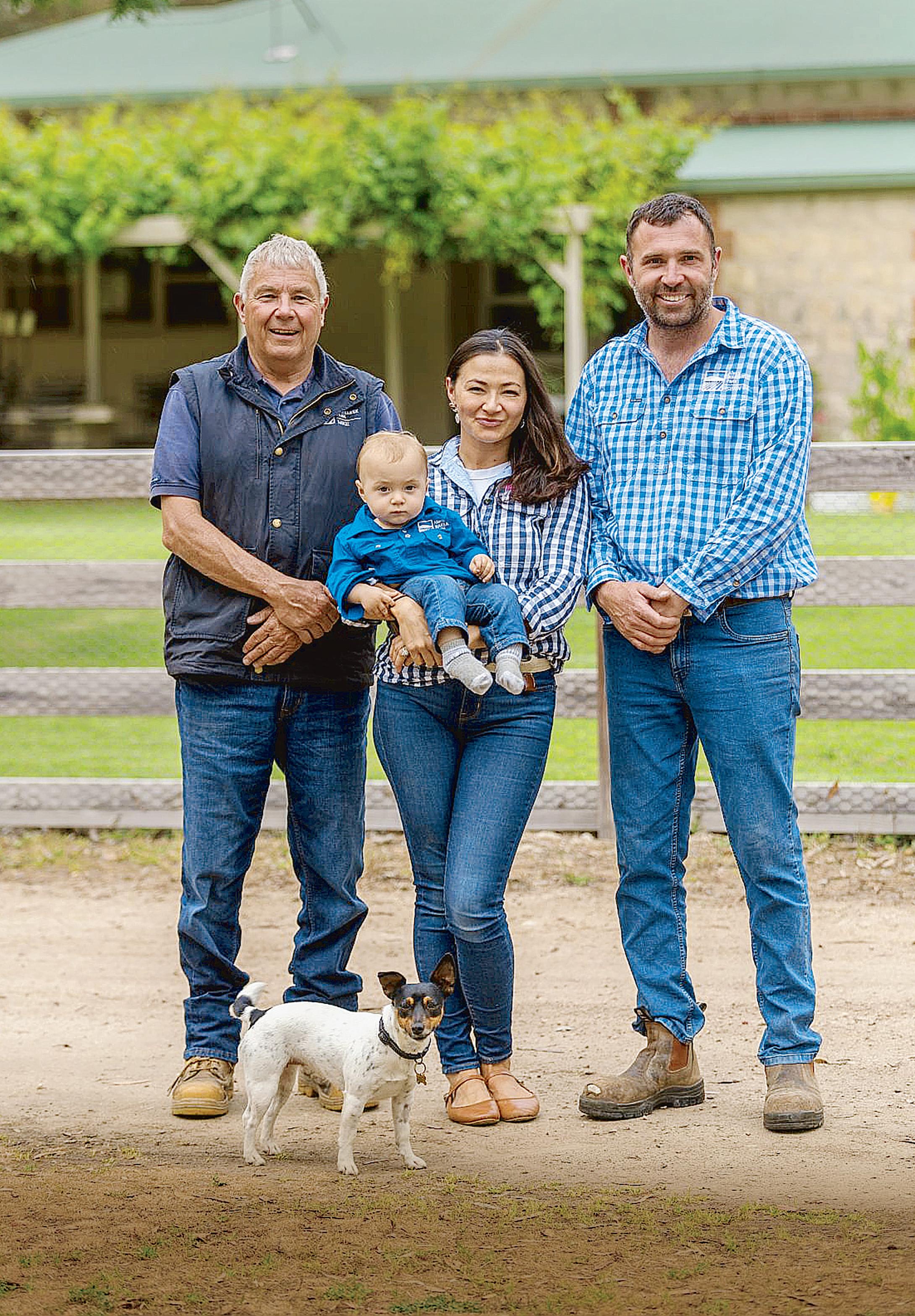
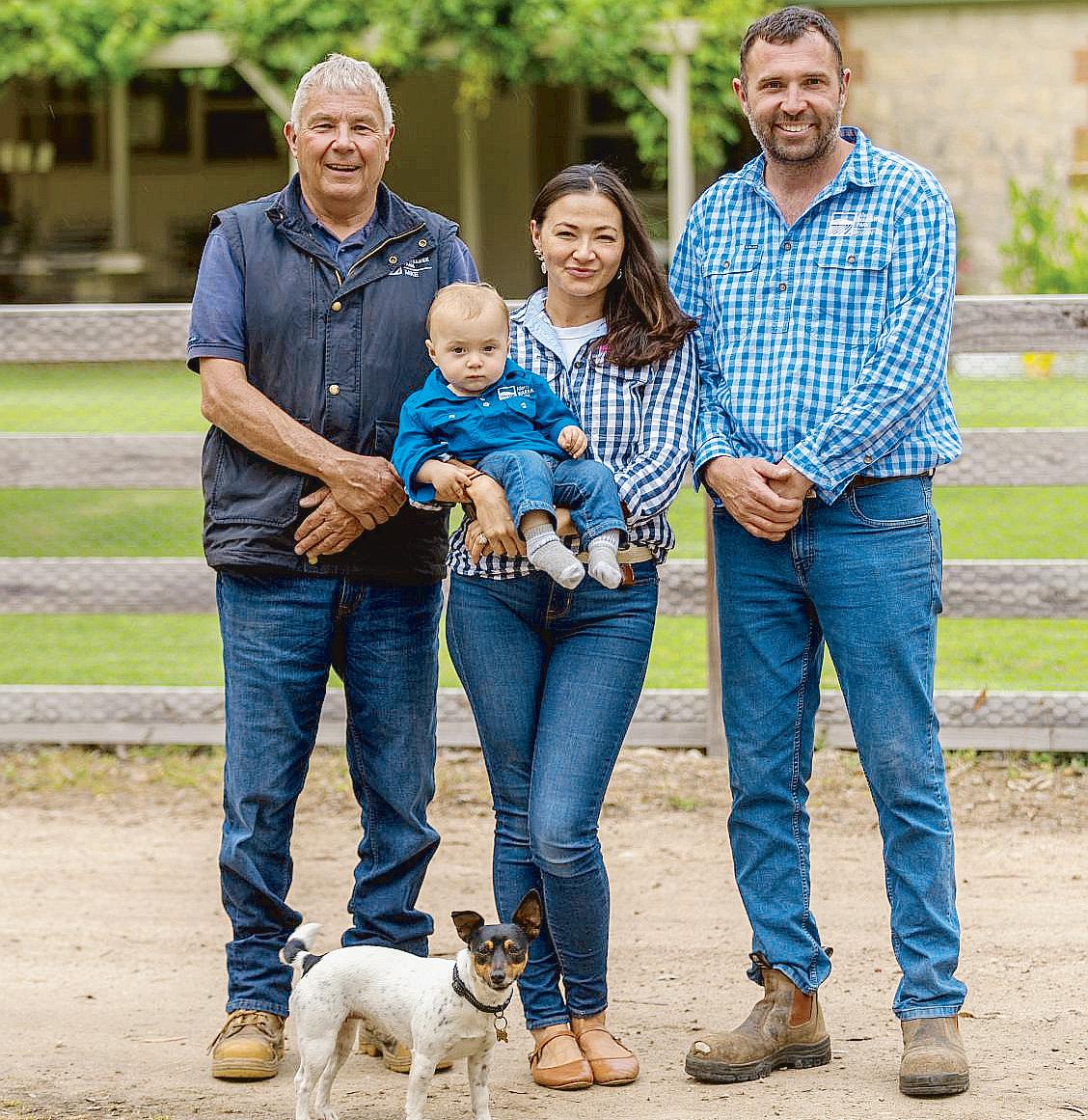
A fifth generation South East farming family has been named South Australia’s 2025 Biosecurity Farmer of the Year.
Simon Allen and his family have been recognised for their leadership in practical on-farm biosecurity, strong environmental stewardship and disciplined livestock management.
The Allen family’s Warrawee Park property near Keith has been in continuous family hands since the late 1800s.
Today, Mr Allen and his partner Maddie Willoughby run 6,700 acres of irrigated cropping, lucerne, seed hay and a closed Merino flock – a long-standing pillar of their biosecurity approach.
That system was put to the test two years ago when the family detected footrot in a ram mob at the start of joining.
Within 24 hours they had isolated the rams, engaged veterinary support and used their laneway system to separate mobs.
Eradication was underway within a month, and the flock was sound by the end of the season.
“Farmers spend most of their time looking for something they hope they don’t find – but when you do, you act immediately,” Mr Allen said.
“This award is vindication that doing the right thing pays off.”
Their biosecurity program now spans weed control, boundary fencing, feral-animal management, vehicle hygiene and close collaboration with neighbours.
Planned upgrades include strengthening boundary fencing, barbed-wire additions,
targeted roadside vegetation management and tighter cross-property risk-management systems.
Ms Willoughby said strong relationships underpin their approach.
“We maintain clear expectations with our team and contractors so everyone is working toward the same goal,” she said.
For the Allens, biosecurity is not an activity – it is a whole-of-business mindset.
“Biosecurity isn’t just animal health,” Mr Allen said
“It’s weeds, vehicles, feral animals – everything that crosses a boundary. It’s everyone’s responsibility.”
He says the next decade will demand even stronger systems as climate variability, environmental pressures and rising community expectations reshape Australian agriculture.
“It’s not just about production anymore –it’s about proving we’re doing the right thing for our animals, our land and the next generation.”
Chief executive of Livestock SA Travis Tobin said the the Allens story was a powerful example of what modern farming looks like when tradition meets innovation and best practice.
“Their commitment to biosecurity shows how responsible management protects local industries, supports community resilience, and safeguards the future of South Australia’s livestock industry,” he said.
“We are proud to recognise farmers who lead with integrity and long-term vision.”
The award was supported by the Department of Primary Industries and Regions SA.






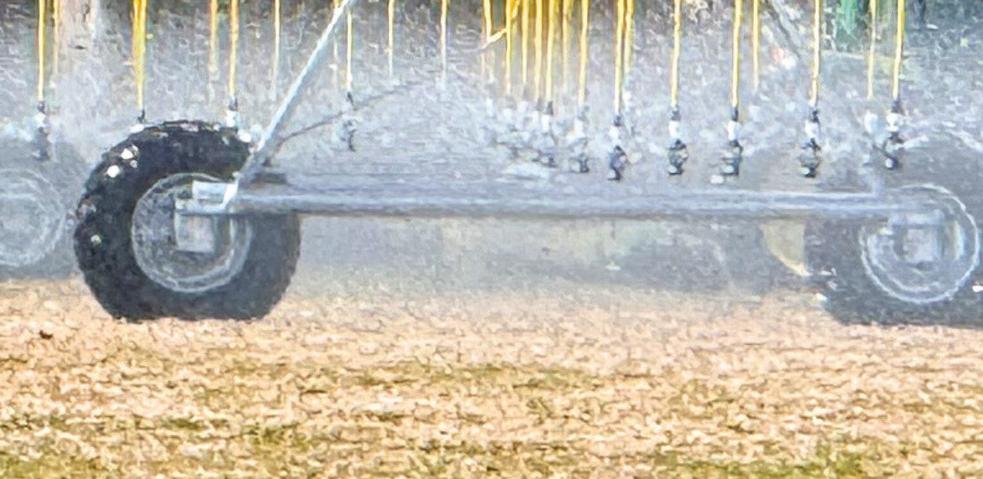
SMART agricultural systems, precision irrigation and optimised plant breeding are being developed at a new $27 million La Trobe University research centre that aims to make protected cropping across Australia’s food and medicinal industries more competitive, sustainable and adaptive to market needs and environmental challenges.
Protected cropping is the production of crops under shelter to provide optimum growing conditions and protection from pests, diseases and adverse weather.
La Trobe University’s Australian Research Council (ARC) Industrial Transformation Research Hub for Protected Cropping (PC Hub) was officially launched by Senator for Victoria, Lisa Darmanin recently.
The PC Hub is a $27 million investment by La Trobe University, research and industry partners, including a $5 million ARC grant. Led by La Trobe’s Institute for Sustainable Agriculture and Food (LISAF), the PC Hub is a five-year partnership between three research providers, six industry partners and the Australian Government.
Vice-Chancellor Professor Theo Farrell said the PC Hub reflected the University’s core mission to conduct cutting-edge research that tackles real-world challenges in areas of national and global importance.
“As an innovator in sustainable agriculture and food research, La Trobe is well placed to lead this major hub that will positively impact

Australia’s food and medicinal industries,” Professor Farrell said.
“This significant partnership between academia, industry and government is crucial to advancing the research and innovation that will build a resilient, competitive and sustainable horticultural industry for Australia.”
Professor Tony Bacic, Director of LISAF and the PC Hub said protected cropping was
the fastest-growing food-producing sector in Australia, employing more than 10,000 people with a “farm-gate” value of $1.3 billion.
“We are working closely with industry to solve practical challenges — whether it’s reducing energy use, improving pest management or enhancing crop quality and yield. This is about creating smarter, cost-effective and sustainable systems for horticulture and medicinal agriculture crops,” Professor Bacic said.
Senator Darmanin said the PC Hub would close the education and research gap to support Australia’s growing protected cropping sector, which lags international competitors in size.
“The PC Hub’s research and innovation will benefit Australia’s farmers and producers by helping to secure our food future against climate impacts and unlock more export opportunities for high-value premium food products and plant-based medicines,” Senator Darmanin said.
Associate Professor Monika Doblin, Research Director of the PC Hub, said smart nutrient delivery systems and precision irrigation were a few examples of innovations the Hub was currently testing and optimising with its partners.
“Through research, technological knowhow and collaboration, we can address challenges related to climate variability, waste and disease management while demonstrating the tangible benefits of protected cropping to Australian growers,” Associate Professor Doblin said.
The Hub’s five key research areas include boosting plant growth and quality; biosecurity and disease management; digital agriculture and machine learning; waste valorisation and exploring plant compounds for consumer, therapeutic or commercial applications.
Visit pchub.au to learn more about protected cropping.
A new round of a rebate for grape growers to trial resting their vineyards has been launched for the 2025-26 growing season, assisting grape growers to cut production costs.
The Department of Primary Industries and Regions (PIRSA) is undertaking a third round of support for the rebate to support growers to trial Ethephon, to rest their red wine vineyards.
This has been advocated by the Wine Grape Council of SA.
Wine Grape Council of South Australia chief executive Lisa Bennier said the support was a positive outcome for South Australian grape growers.
“With the rebate now available, we hope uncontracted growers will consider resting their vineyards to reduce costs,” she said.
“We appreciate the Government’s continued backing during these tough market conditions.”
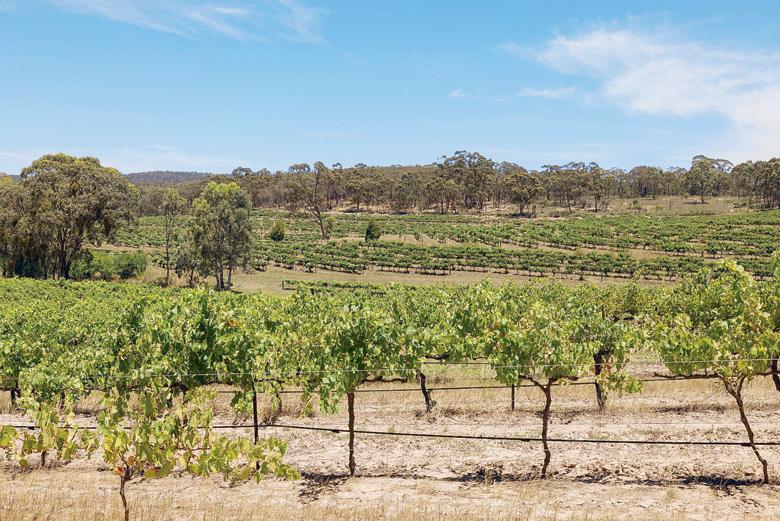
Growers can apply for a $40 rebate for each hectare sprayed to cover the cost of Ethephon for up to 1,000 hectares per ABN.
The rebate can be accessed for Ethephon purchased from 1 July 2025 to 31 January 2026. If growers do not expect to sell their fruit, it is estimated that they can save up to $2,000 per hectare in input, water, and management costs by resting their vineyards. The wine sector continues to experience an over-



supply of wine grapes which is depressing prices along the supply chain.
Growers who do not have viable pricing, or do not have a contract for their 2026 crop can consider resting their vineyards.
This reduces vineyard management costs, fertiliser and spray applications, minimises the use of valuable irrigation water, and prevents wastage of unharvested fruit in vineyards and associated pest and disease pressures. It can also buy some time for growers to evaluate and make decisions on future viability of their vineyards.
Minister for Primary Industries Clare Scriven said grape growers across South Australia had expressed concerns with managing their vineyards in the face of oversupply.
“SARDI research has shown that resting vines prevents waste of unharvested fruit in vineyards and mitigates risks with associated pest and disease pressures,” she said.
“I encourage them to look at vineyard resting and accessing the Ethephon rebate to reduce those costs.”
South Australian Research and Development Institute (SARDI), Riverland Wine and The Australian Wine Research Institute delivered a range of resources from July 2025 to provide information to growers considering resting vines for the 2025-26 growing season. Research undertaken by SARDI in collaboration with Wine Australia demonstrated that the application of the plant growth regulator Ethephon was highly effective to reduce yield to the point where harvest was not required.
When applied at the end of flowering, Ethephon reduces the crop while maintaining healthy foliage, which is vital for the vine to store energy to set itself up for the following season. Vines that had been treated with Ethephon returned to commercial yields and no residues were detected in the fruit in the following season. For more information on the vineyard resting trial and to apply, visit: https://www.sa.gov.au/topics/businessand-trade/primary-industries/vineyardresting-rebate



A NEW Plant Protein Hub and glasshouse at Agriculture Victoria’s Horsham SmartFarm, has been announced by the Victorian Government is shaping the future of agriculture, with Victorian Minister for Agriculture Ros Spence announced that the hub is operational following a $12 million investment from the Labor Government – $9 million for the hub and $3 million for the glasshouse.
The Plant Protein Hub provides collaborative spaces for start-ups, researchers and growers, alongside a fully equipped test kitchen, advanced analytical equipment and facilities to explore new plant-based products.
The cutting-edge facilities will help researchers and industry partners discover and develop high-protein crop varieties that are tailored to meet growing global demand for plant-based foods such as lentils, chickpeas and field peas.
The hub is already a leading centre for innovation, with PhD students working alongside industry and researchers. It has capacity for up to 10 PhD students and three start-ups, and Agriculture Victoria is collaborating with industry to shape future research opportunities.
Construction of the hub created dozens of jobs across trades, suppliers, professional and technical services. Moving forward, it will continue to create opportunities in research, education and industry collaboration.
Students from primary school through to post-graduate level in the region will benefit from hands-on learning in a dedicated education space, creating pathways for future careers in agriculture.
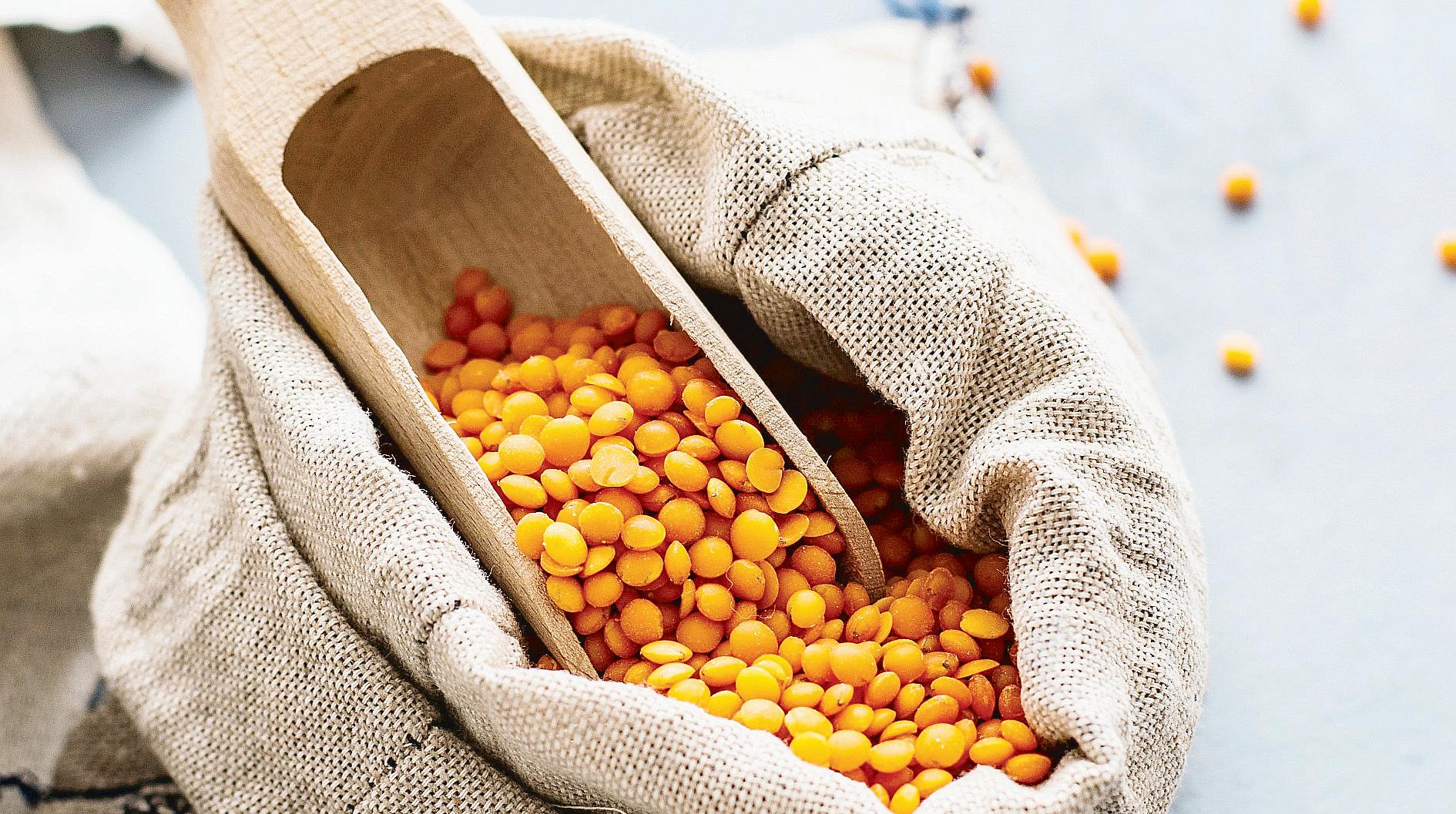
Lentils will be a focus of the new study hub.
The new glasshouse will accelerate crop research, improve pest and disease management and boost climate resilience – helping farmers adapt to changing conditions and maintain productivity.
Western Victoria is already a leader in grow-
A new mobile biosecurity laboratory will boost South Australia’s capacity to rapidly respond to emergency animal disease (EAD) outbreaks such as H5 avian influenza (bird flu).
The state-of-the-art mobile lab enables rapid processing and turnaround of samples - a critical factor during EAD outbreaks, where early diagnosis can significantly reduce economic and social impacts, as well as the risk of the disease spreading.
Equipped with a biosafety cabinet for safe handling of viruses and bacteria, the mobile lab incorporates cutting-edge technology to support rapid, on-site diagnostic testing and faster decision-making.
Minister for Primary Industries and Regional Development Clare Scriven said protecting livestock industries through rapid response to any biosecurity incident was essential, particularly for South Australia’s $922 million poultry industry.
“This new mobile laboratory is a gamechanger. By bringing advanced testing capabilities directly to the field, we can save valuable time, speed up diagnosis, and strengthen our ability to contain and eradicate disease threats,” she said.
“Together with other preparations, this ensures PIRSA can respond quickly and effectively to protect our industries, the environment and regional communities.”
In an outbreak scenario, the mobile lab can be deployed directly to affected properties, acting as a central hub for sample collection and preliminary processing. This time-saving approach accelerates testing and ensures vital information reaches decision-makers quickly.
The federal government announced that testing has confirmed the presence of H5
bird flu in samples collected from elephant seals on Heard Island – a sub-Antarctic Australian external territory.
Heard Island is extremely remote, located more than 4000 kilometres south-west of Perth and 1700 north of Antarctica in the Southern Ocean.
While Australia’s H5 bird flu freedom status remains unchanged, the test results serve as a reminder of the importance of ongoing vigilance, coordinated biosecurity measures, and preparedness across governments, industry, and conservation partners.
While this strain mainly affects birds, it can infect other animals and, on rare occasions, humans. South Australia’s $922 million poultry industry remains free from any strain of HPAI.
The new mobile laboratory forms part of joint efforts by the South Australian and Australian governments to boost preparedness against H5 bird flu and other emergency animal diseases.
The federal government has provided South Australia with a $1.29 million funding package to further enhance H5 bird flu preparedness and response capabilities, forming part of a broader national package announced in October 2024 to strengthen surveillance, preparedness, and response across the country.
Surveillance and early reporting remain key to preventing or containing notifiable diseases such as bird flu. Anyone noticing signs of disease or unexpected deaths in birds or wildlife should contact their vet or the Emergency Animal Disease Hotline on 1800 675 888 immediately.
ing crops for plant-based protein products. Victoria’s pulse industry generated $638 million in export income last year, and Australia exports around 2.5 million tonnes of pulses annually, making it the second-largest pulse exporter in the world.
“Having fit-for-purpose facilities like the Plant Protein Hub at Horsham SmartFarm strengthens our research capabilities and opens the door to new opportunities across agriculture and food innovation,” said Member for Western Victoria Jacinta Ermacora.



WITH ongoing increases in cattle slaughter and high carcass weights, Australia’s 2025 beef production is set to break new ground with record volumes, according to a new report by agribusiness banking specialist Rabobank.
Beef exports though are also up for the year – and will potentially also reach record levels – well and truly accommodating the increased supply.
In its Q4 2025 Global Beef Quarterly, the bank’s RaboResearch division estimates 2025 Australian production will be approximately 2.9 million metric tonnes, an 11 per cent increase on 2024 volumes and a new record.
Along with increasing production, beef exports have also increased, up 15 per cent for the first 10 months of 2025 to 1.3 million metric tonnes shipped weight.
Report lead author, RaboResearch senior animal proteins analyst Angus Gidley-Baird said the United States remains the largest market, accounting for 29 per cent of Australian beef exports.
“While the majority (96 per cent) of exports to the United States are grassfed beef and largely lean trimmings, grainfed beef exports to the US have increased 20 per cent for the first 10 months of 2025 to 14,000 metric tonnes,” he said.
Mr Gidley-Baird said volumes to China have lifted substantially (up 44 per cent) for the first 10 months of 2025 with a strong increase in grainfed beef exports to China, up 58 per cent. “This is most likely supported by reduced volumes of US beef being exported to China,” he said.
The Border Watch
Address: Level 1 / 1 Commercial Street East, Mt Gambier SA 5290
Telephone: 08 8741 8170
Website: www.borderwatch.com.au
Hamilton Spectator
Address: 84 Gray Street, Hamilton, Vic 3300
Telephone: 03 5572 1011
Website: www.hamiltonspectator.com.au
Portland Observer
Address: 92 Percy Street, Portland, VIC 3305
Telephone: 03 5522 3000
Website: www.portlandobserver.com.au
CONTACT US
Editorial:
Email: editorial@agtoday.com.au
EDITORS: Elisabeth Champion
E: elisabethchampion@tbwtoday.com.au
Marlene Punton
E: marlene.punton@portlandobserver.com.au
Advertising:
Email: advertising@agtoday.com.au
ADVERTISING CONSULTANTS
Leesa Cook
E: leesa.cook@portlandobserver.com.au
Sierra Laird
E: sierra.laird@portlandobserver.com.au
Campbell Robinson
E: campbell.robinson@hamiltonspectator.com.au
Christine Cock
E: christine.cock@tbwtoday.com.au
Christine Black
E: christine.black@tbwtoday.com.au
Josh Phelan
E: josh.phelan@tbwtoday.com.au
Published by SA Today Pty Ltd. ACN 644 311 937
All material is copyright to SA Today Pty Ltd. All significant errors will be corrected as soon as possible. Distribution numbers, areas and coverage are estimates only. For our terms and conditions, please visit https://borderwatch.com.au/terms-and-conditions/
Mr Gidley-Baird said seasonal conditions are the key current driver of the Australian cattle market.
“With a relatively balanced cattle market, Australia’s cattle prices are heavily contingent on seasonal conditions and producer sentiment,” he said.
“With no strong underlying rebuilding or liquidation of the herd, producers buying and selling appetite is heavily influenced by seasonal conditions. After drier conditions affected cattle-producing areas through September
and into October, cattle prices eased throughout October.
“More favourable rainfall in late October saw prices lift again. This trend is expected to continue through to the end of 2025 and into 2026.”
Global production
“Globally,” Mr Gidley-Baird said, “beef production is declining, as cattle prices increase or remain near record highs.”
Beef production in key producing and consuming regions is expected to contract by 0.8 per cent in 2025, compared to 2024 volumes.
“New Zealand is expected to experience the largest percentage drop in production, down 4.7 per cent (34,000 metric tonnes) while the United States, with its larger production base, is expected to see the largest drop in volume, falling almost 500,000 metric tonnes (down four per cent),” Mr Gidley-Baird said.
“Canada and the EU27+UK are also expected to see a contraction of 3.9 per cent and three per cent respectively (50,000 metric tonnes and 225,000 metric tonnes).”
This contraction reflects an approximate 410,000 metric tonne reduction in global beef supplies compared to 2024 volumes.
On the growth side, Mr Gidley-Baird said, Australia is forecast to see an 11 per cent increase in beef production volumes in 2025, given higher cattle inventory, while China appears on track for one per cent growth fuelled by higher culling in the first half of the year. Meanwhile Brazil is forecast to achieve growth of 0.5 per cent in beef volumes in 2025, following the larger-than-expected production in the first half of the year.
“Globally, beef production in 2026 is ex-
pected to see the contraction continue with an estimated drop of 3.1 per cent (down 1.5 million metric tonnes). Key regions where production is set to decline include Brazil, United States, Mexico and Canada,” he said.
Global prices
The Rabobank report found northern hemisphere cattle prices remained elevated in comparison to the southern hemisphere, although US and Canadian prices did contract slightly through September and into October.
Mr Gidley-Baird said this may be more a result of seasonal conditions rather than any increase in supply, with production volumes still forecast to contract further. “Southern hemisphere cattle prices all edged higher through September and October – with the exception of Argentina – as southern cattle supplies are being drawn on to supply northern hemisphere markets,” he said.
Mr Gidley-Baird said decisions by the US administration on trade policy continued to influence beef trade.
“Argentina’s increased quota into the US will allow for greater volumes of beef at lower tariff rates, but Argentinian production volumes will take time to increase. At the same time, the decision in mid-November to remove the reciprocal tariffs on beef trade is not expected to create any trade advantage for any single supplier,” he said.
“And the decision to remove the additional 40 per cent tariff on Brazilian beef in late November is expected to see an increase in Brazilian product sent to the US and will create additional competitive pressures for Australian exports. However, with strong US demand, we still believe Australian exports to the US will remain high.”
SOUTH Australians working in soil and land management have an opportunity to deepen their knowledge and expand their networks through a new bursary program aimed at strengthening future capacity in the field.
An initiative of the Soils Collaboration Centre (SCC), the Department of Primary Industries and Regions (PIRSA) has launched the South Australian Soils Bursary Program for 2025–2026 which provides up to $2,000 for individuals and up to $5,000 for groups, with applications open from today.
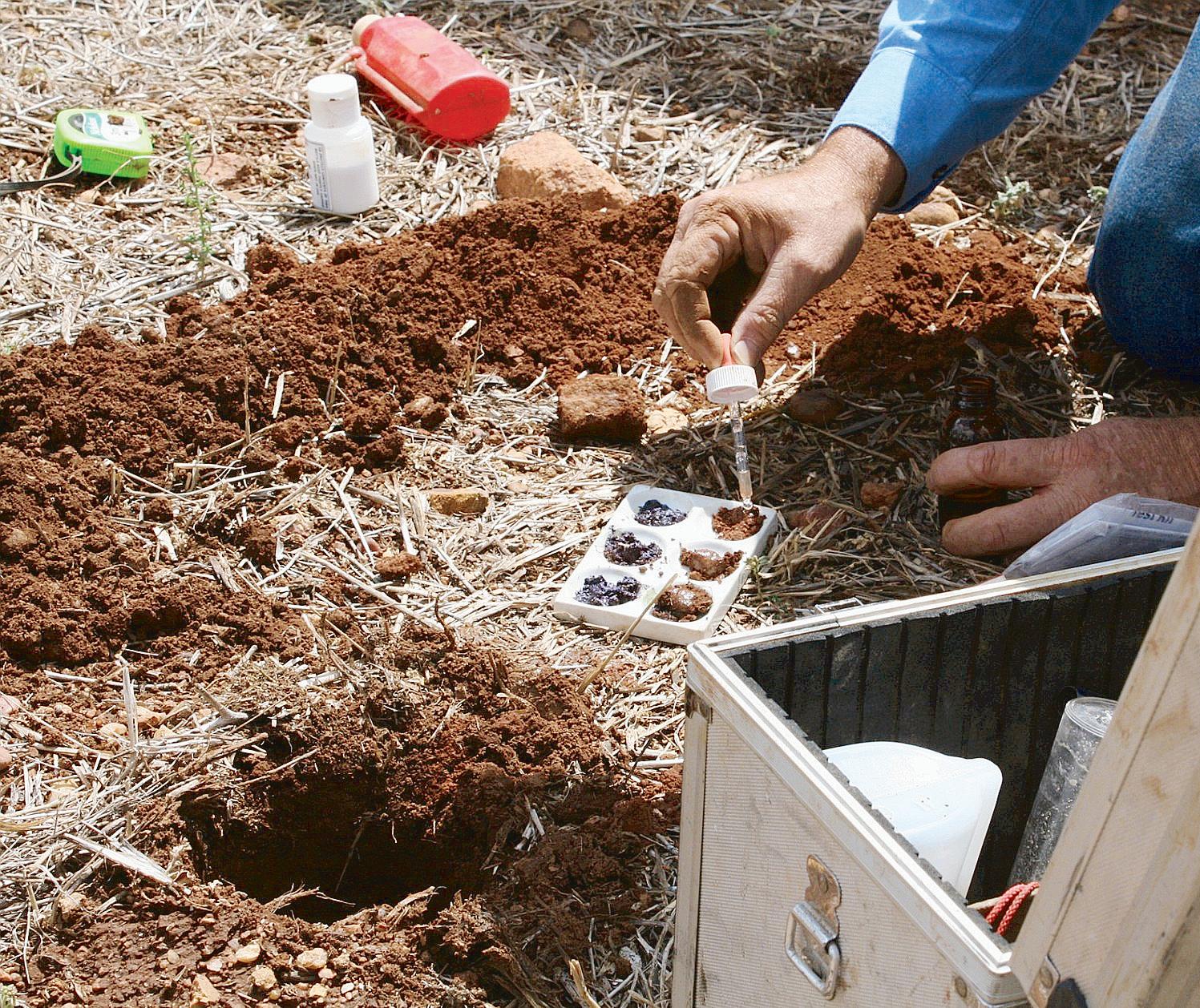
The program provides financial support to South Australians working with soils, encouraging participation in training, development and knowledge-sharing activities. Bursary recipients will have opportunities to build their soils knowledge, learn from experts, and grow their professional networks.
The launch of the SA Soils Bursary Program coincides with World Soil Day on 5 December, a day that highlights the importance of healthy soils for ecosystems and food production, while raising global awareness about sustainable soil management practices.
PIRSA and SARDI are helping primary producers across the state by tackling key challenges such as soil acidity, salinity, and erosion, while improving carbon levels, fertility, and soil structure.
This work includes innovative trials, precision agriculture tools, and advanced soil diagnostics.
Initiatives such as the SA Soils Bursary Program provide additional support to help growers make informed soil management decisions that boost yields and reduce costs.
Minister for Primary Industries and Regional Development Clare Scriven said healthy soils underpin every aspect of agricultural productivity, from crop resilience and water regulation to long-term land sustainability. “Investing in soil education to-
day helps secure stronger, more sustainable outcomes for growers tomorrow,“ she said.
“This bursary program gives students, early-career professionals and primary producers a valuable opportunity to deepen their knowledge and bring new insights directly back to South Australian farming systems.
“The state continues to build the skills and knowledge that will drive long-term improvements in soil health and sustainability.“
The program is designed to support individuals at various stages of their soil and land management journey.
Applications are open to university students, recent graduates, early-career professionals within their first five years of working in soil or land management, and primary producers who are actively involved in soilrelated decision-making or on-farm practice. For more information on the bursary program and to apply, visit pir.sa.gov.au/ soilsbursary
This initiative is funded by the South Australian Soils Collaboration Centre, with support from the Australian Government Department of Agriculture, Fisheries and Forestry through the Partnering to Implement the National Soil Action Plan program.
THE harvesting season has begun and is prompting warnings to ensure equipment is properly maintained, and precautions are taken to avoid harvester fires.
Harvester fires can start from a mechanical fault like faulty bearings, hydraulics or brakes, but the vast majority of header fires start in the engine bay where dust and debris are blown by cooling fans and ignite the hot exhaust.
While from the Victorian Country Fire Authority s pleased to have seen a decline in harvester fires over recent summer seasons, and thanks farmers for their attention to detail, the current conditions serve as a reminder not to be complacent.
A fire starting in the header’s engine bay can spread to the surrounding crop before it is noticed by the machine operator, and in the minutes it usually takes to get water onto the fire, it could grow to several hectares. On days of high wind those same crop fires could grow up to 100 hectares within under an hour.
Assistant Chief Fire Officer District 20 Michael Sporton said a recent fire burned about 60 hectares and was caused by a buildup of dust and chaff on the header blades.
“It is possible the header had not been blown down, and they had just begun stripping when the fire began,” he said.
“This season, with low rainfall and dry soil, headers will be taking on more dirt, meaning farmers need to clean their headers more frequently to prevent dust buildup.
“Fine dust from pulse crops like lentils and lupins can accumulate around the engine and exhaust system, and if it heats up, it can smoulder and potentially ignite spot fires, particularly in windrows.”
CFA Chief Officer Jason Heffernan stresses

machinery safety should not only just be a priority for farmers, but also to all Victorians, ensuring regular equipment maintenance and
fire-safe practices.
“During the last Fire Danger Period, CFA responded to 146 vegetation fires caused by
machinery and vehicles, including slashers, tractors, ride-on mowers, caravans, and trailers,” he said.
“Each incident posed a risk not only to those on the ground but also to neighbouring properties.
“By prioritising equipment maintenance and simple safety protocols, we can significantly cut down on these preventable fires.
“With everyone doing their part, we can help protect lives and property.”
Crop and farm machinery fire safety advice:
The most common cause of harvester fires is material collecting on hot engine components such as the manifold, exhaust and turbocharger.
Make it part of your routine to check for straw or grass build-up, and hot bearings.
Make sure your machinery is free of faults and mechanical defects and carrying a water fire extinguisher.
Postpone paddock work during the highest fire-risk periods. On hot, dry days, exercise extreme caution before harvesting, grinding, welding, slashing or mowing.
The key to avoiding harvester fires is diligence in maintenance such as clean-down and inspection.
During paddock operations have the appropriate firefighting equipment in place. You’re required by law to have a 9-litre water pressured extinguisher on hand.
Avoid driving vehicles and motorbikes through dry grass or crop - the risk from the hot exhaust system is high.
More information can be found on the CFA website.
THE Department of Primary Industries and Regions (PIRSA) believes it has uncovered the key to reducing fruit fly populations and protecting the region’s horticulture industry.
Despite staff from PIRSA’s Fruit Fly Response Program visiting up to 4000 properties each month across outbreak areas, they still can experience restricted or partial access.
PIRSA said the small number of properties is often where detections are at their highest, especially in hotspot areas including in Renmark, Cooltong, and Chaffey.
PIRSA’s Fruit Fly Response Program general manager Jason Size said the link between obstacles to property access and increased fruit fly detections was clear.
“The highest fruit fly activity is in the areas where we have restricted access,” Mr Size said.
“Gaining access to these properties to complete our work is key to reducing detections.”
PIRSA is working closely with the community, with progress already being seen in the Riverland’s fight against Queensland fruit fly (Qfly).
Field teams developed flexible arrangements in partnership with residents where access was previously not achievable, resulting in a 62 per cent reduction in access issues in three months.
“We’re really pleased with the progress we’re making in accessing properties, and
our preference is always to work directly with residents – not to take formal action,” Mr Size said.
“If we leave a card or letter requesting access to your garden, call the Fruit Fly Hotline on 1300 666 010 to arrange a time for us to visit.”
Field teams are assigned different roles during garden visits, such as checking for signs of fruit fly, hanging traps, applying organic bait, removing fallen or infested fruit, or carrying out hygiene checks.
The on-ground eradication efforts are supported with weekly sterile fly releases by plane, which help reduce fruit fly numbers and prevent new detections, with releases scheduled over Chaffey, Cooltong, Crescent, Paringa, and Remark until January 2026.
“We’re using every tool at our disposal to fight fruit fly in the Riverland, and the ongoing support of the community is essential to making it work” , Mr Size said.
In a 12-week period from July 14 to October 6, 2025, of 57 Riverland outbreaks, 31 detected no flies, whereas flies were detected in 26 instances.
The end dates for all outbreaks are as follows:
• Riverland: December 30, 2025
• Ceduna: November 11, 2025
Glynde: December 20, 2025, and Salisbury North: December 6, 2025.
For the latest movement restrictions, visit fruitfly.sa.gov.au/outbreak-map.








ZIMBABWEAN dairy farmers are looking to Australia to boost their herd numbers and productivity.
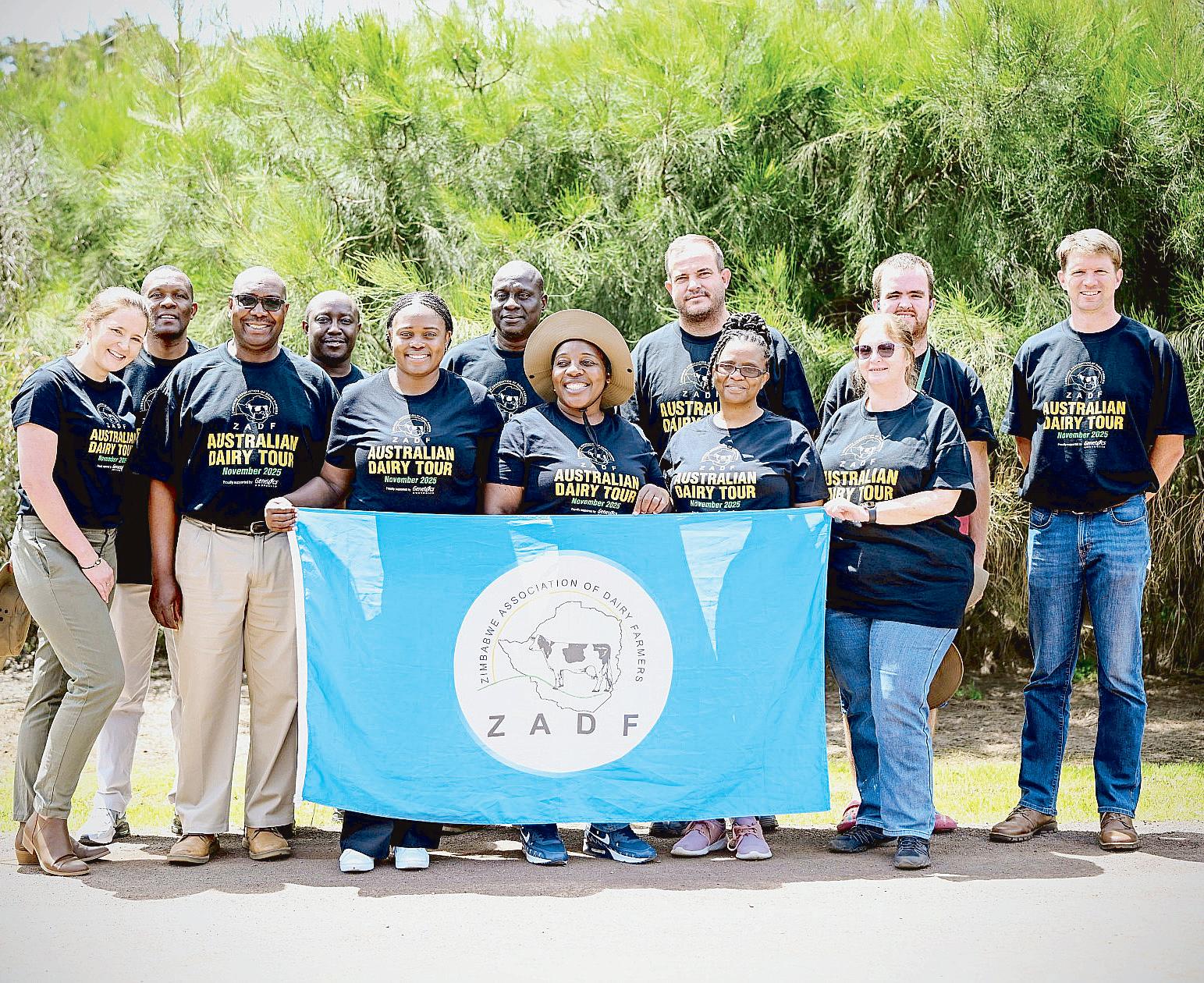
Genetics Australia has hosted 12 representatives from the Zimbabwe Association of Dairy Farmers (ZADF) on a week-long tour that is set to expand connections between the two countries.
Zimbabwe is seeking to become more food self-sufficient with less reliance on imported milk solids.
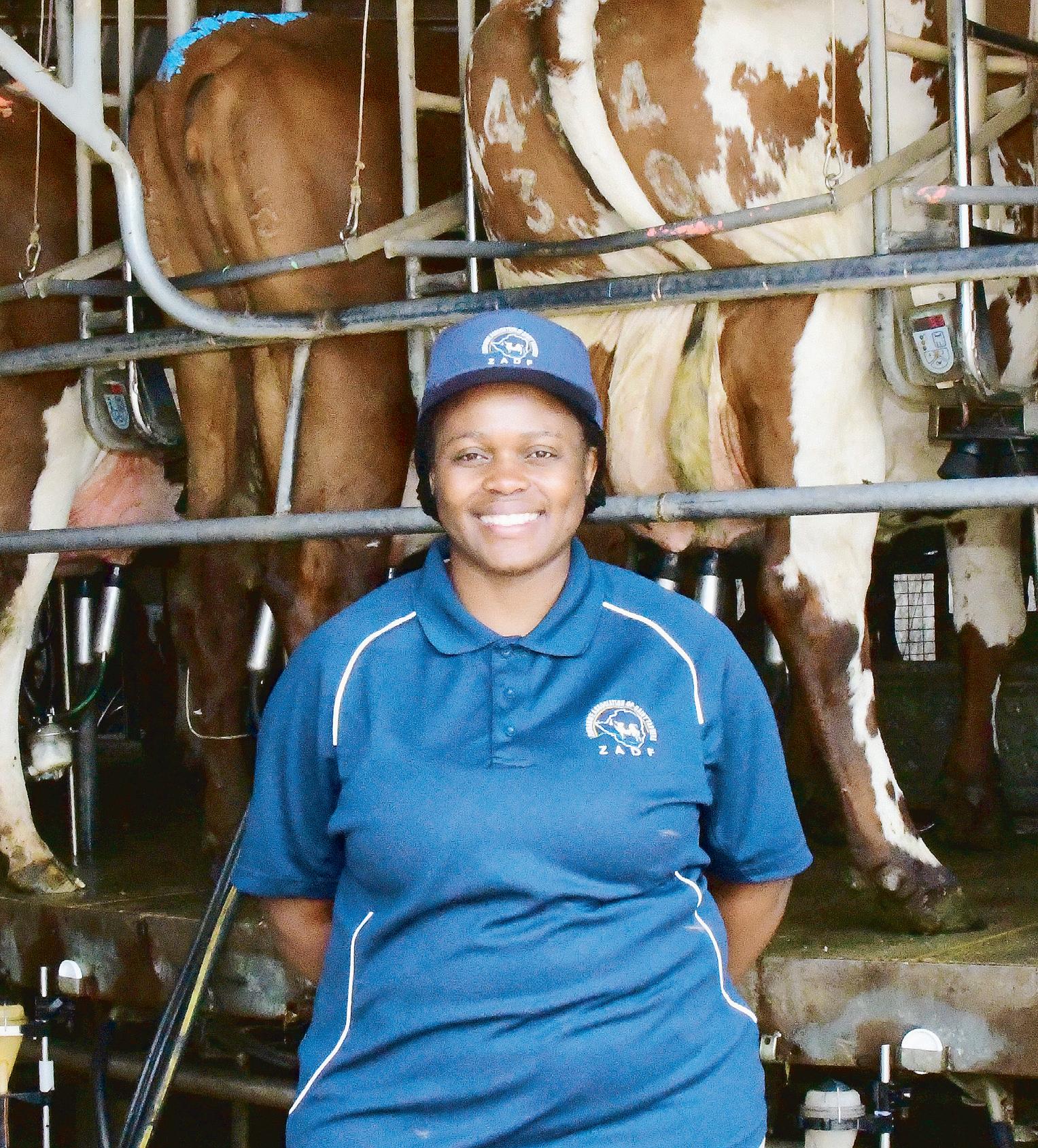
ZADF CEO Paidamoyo Patience Chadoka said the chance to see Australian herds and how farmers use data would inspire Zimbabwean farmers to grow and improve their output.
ZADF represents more than 4500 members, mostly from small farms producing less than 200 litres of milk per day but also medium and large-scale farmers with more than 2000 cows.
Mrs Chadoka says Zimbabwe’s dairy industry can use breeding to save on feed and production costs while producing more milk at a more competitive price.
“We believe our smaller farms have the capacity to grow and that we can increase milk production,” she said. “We have been aggressively trying to grow our dairy herd size; that’s why we’re here. We don’t just want more numbers, we want higher productivity from the existing cows, especially through our breeding.”
While Zimbabwe’s milk production has grown by more than 10 per cent in recent years as a result of a value chain multi-stakeholder approach and now sits above 130 million litres, Mrs Chadoka says that growth needs to accelerate and breeding and data will be the key.
“Some Zimbabwean farmers have used Australian semen but very few are doing genomic testing or using breeding indexes when the rest of the world has gone in that direction,” she said. “We are part of a global industry and cannot be ignorant of the developments in breeding.”
“That’s why it has been invaluable to look at the breeding framework in Australia to see what we can benefit from. Australia has been investing in research and systems and we don’t need to reinvent the wheel. We can use that information; that’s the power of knowledge sharing.”
The ZADF delegation visited Genetics Australia’s collection centre at Camperdown, Dairy Australia, Ellinbank Research Farm, DairyBio, DataGene, Holstein Australia, Jersey Australia, and Kings Ville Jerseys, Jelbart dairy farm, Kate and Jason Kirk, Wallacedale Jerseys, Homedale Australian Reds, Dehne and Sarah Vinnecombe, Loxleigh Jerseys, Long Road dairy farm, Emu Bank Holsteins and Jerseys, and Tesbury Holsteins.
“We saw a wide cross-section of farms and while there’s no right or wrong breed, it’s obvious you should have data support,” Mrs Chadoka said. “Data management is the biggest takeout – we need data to promote sustainability for the future.
“Everyone will develop at different speeds, but I encourage all dairy farmers at home to make decisions today from a focused sustainability perspective. You need to be deliberate on what traits are you trying to address and we need a pool of expertise to share.”
“Farmers need to follow breeding systems in great detail and know what they’re breeding for. All the farmers we spoke to in Australia had breeding information at their fingertips.”
Mrs Chadoka said there were a lot of dairy industry similarities between Zimbabwe and Australia. “I can see our connections growing and from a breeding perspective, we can look at using genetics and genomics to promote growth. The farmers on this Genetics Australia tour are dairy farmer representatives, lead farmers from different areas, and they will share their knowledge.”
To become self-sufficient and potentially export dairy products, Zimbabwe needed to look for smaller framed, heat-tolerant cows that could produce on pasture or total mixed ration systems, she added.
Mrs Chadoka, who sits on the International
Dairy Federation as part of the science and program coordination committee, said the delegation also learnt about the power of Australia’s associations in tackling environmental, political and social issues and supporting farmers.
“We might not necessarily mimic these supporting pillars of the industry, but we’ll take out different functions from them,” she said.
ZADF, established in 2013 to promote, advance and develop milk and dairy product production in Zimbabwe, is pursuing a strategic plan with nutrition, breeding, policy and environment, and economic pillars.
ZADF advocates for levy-paying dairy farmers and provides extension services and communication. It aims to reduce the cost of feed and compliance, improve competitiveness to create a sustainable environment for dairy farmers, introduce new technologies such as solar and biogas, and reduce the cost of production to allow Zimbabwe to sell milk at a competitive price while maintaining margins for farmers. “This is critical for survival of the Zimbabwe dairy industry in view of various regional and international trade, especially the African Continent Free Trade Area Agreement,” Ms Chadoka said.
ZADF also aims to promote the role of women and youth in dairy, is pushing for a school milk program and plans to run trials on multispecies pastures and emissions reductions.
Genetics Australia export manager Rob Derksen said the Zimbabwe dairy industry had a lot of challenges in the past but was now growing.
“We feel the use of Australian genetics would set a great platform to build on in the future,” Mr Derksen said. “I am sure the ZADF delegates will go home and spread the word on the importance of using genetics best suited to their farming systems. Australian genetics are performing exceptionally well in South Africa and we are confident we will see the same per-
formance in several other African counties, including Zimbabwe.”
Mr Derksen acknowledged the openness
of Australian organisations and farmers who were keen to share information with the delegation on what made them successful.
By Darren Foeng, Mellor Olsson Lawyers Commercial Law Partner
FOR many producers and agribusiness owners, buying or selling a business represents one of the most significant financial decisions they will ever make.
Whether it’s a family-run operation changing hands after generations, or an evolving agribusiness expanding into new territory, both buyers and sellers share the same goal: a smooth, successful transfer. Achieving that outcome, however, relies on getting the groundwork right from the very beginning.
How the transaction is structured will impact whether GST is payable and may have other taxation and duty implications.
It is important to seek advice early in the process to ensure that you are aware of the possible tax implications of the transaction as well as the possible options open to you.
Before negotiations commence, both parties should enter a non-disclosure agreement (NDA).
In regional industries where relationships matter and confidentiality is paramount, an
NDA helps protect sensitive financials, supplier details, and operational insights, and requires information to be returned or destroyed if the deal does not proceed.
Understanding who legally owns each asset is another critical step. In agriculture, equipment, water licences, land leases, and livestock or crop interests are sometimes held across different entities within a family or business group.
Untangling these ownership lines early can prevent delays and unexpected complications at settlement. Land and business sales often happen interdependently.
It is essential to take any preliminary steps necessary to confirm that the seller entities own the land and assets.
Leases, too, can prove pivotal, particularly when the value of a farm shop, depot, or processing site hinges on continuing operations at a specific location.
Ensuring that the lease can be assigned, and that the landlord or mortgagee will consent to the assignment, is best tackled well before finalising terms.
Finally, accrued employee entitlements, often misunderstood, must be handled in line with the Long Service Leave Act (SA) and the Fair Work Act.
Purchasers generally inherit these obligations, and assumptions about “paying out” leave can leave a purchaser with unexpected liabilities without proper advice.
With thoughtful preparation and expert guidance, business transitions in the agriculture sector can be both efficient and rewarding.
To ensure your sale or purchase is structured correctly from the outset, reach out to Mellor Olsson’s experienced Commercial team for tailored advice and support on 8414 3400 or via lawyers@molawyers.com.au.
Darren Foeng of Mellor Olsson said thoughtful preparation and expert guidance can create a rewarding business transition.

GEORGE the Farmer has released a new song based around the importance of agriculture.
In celebration of National Ag Day on November 21, George the Farmer has launched a brand new original track that brings the message home “if you eat, you are in agriculture”

Hayley – CFS volunteer
Titled ‘National Ag Day’ , the song is now available to stream on all major platforms — and can also be added to social media reels and stories.
The feel-good, tune gives a shout-out to everyone in the agriculture supply chain — from the boots-on-the-ground farmers to the




scientists, teachers, chefs and consumers.
George the Farmer founder Simone Kain said agriculture was not just something which happened in the country.
“It’s something we’re all part of — whether we’re growing food, learning about it, working in the supply chain or just making choices
at the checkout,” Ms Kain said.
The track follows the recent success of ‘Sugarcane Train’ , created in partnership with Canegrowers Australia.
Filmed in Cairns and released last week, the two sugarcane clips have more than 260,000 combined views online.