Integrated 2D & 3D
Animation: The Future of Visual Storytelling
Explore how combining traditional artistry with cutting-edge technology is revolutionizing visual content and opening new creative horizons.

Explore how combining traditional artistry with cutting-edge technology is revolutionizing visual content and opening new creative horizons.
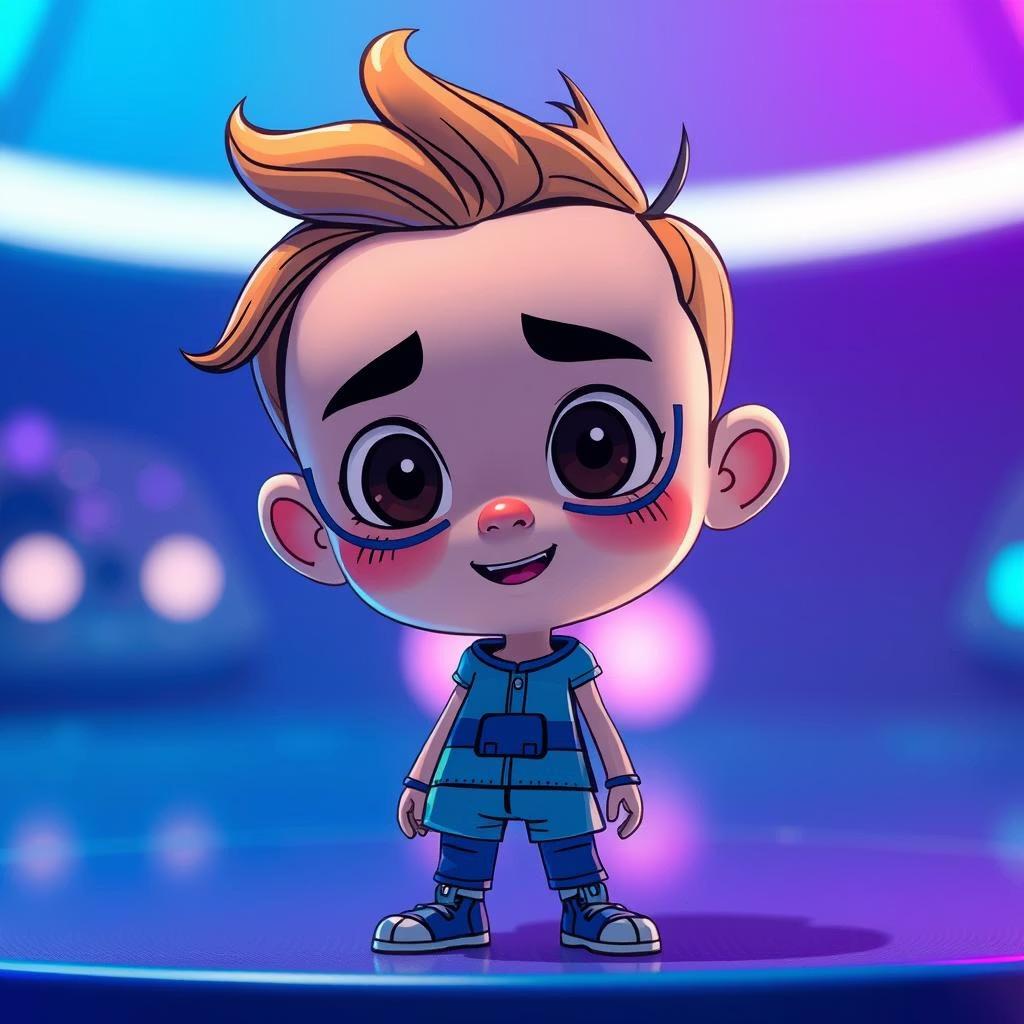
2D animation creates the illusion of movement through a sequence of flat, two-dimensional images. Each frame is either hand-drawn or digitally crafted without any depth perception.
It is celebrated for its artistic expressiveness, allowing for highly stylized visuals and unique aesthetic choices. This traditional form remains powerful for storytelling.
Flat imagery, no depth
Artistic and stylized visuals
Traditionally hand-drawn or digital
3D animation involves building three-dimensional models in a virtual space, giving them depth, volume, and perspective.
These models are then rigged and animated, allowing for realistic movement.
The process includes intricate details like lighting, textures, and dynamic camera movements, making the final output highly immersive and lifelike.
Key Characteristics:
Models with depth and volume
Realistic lighting and textures
Dynamic camera movements
1 Blended Artistry
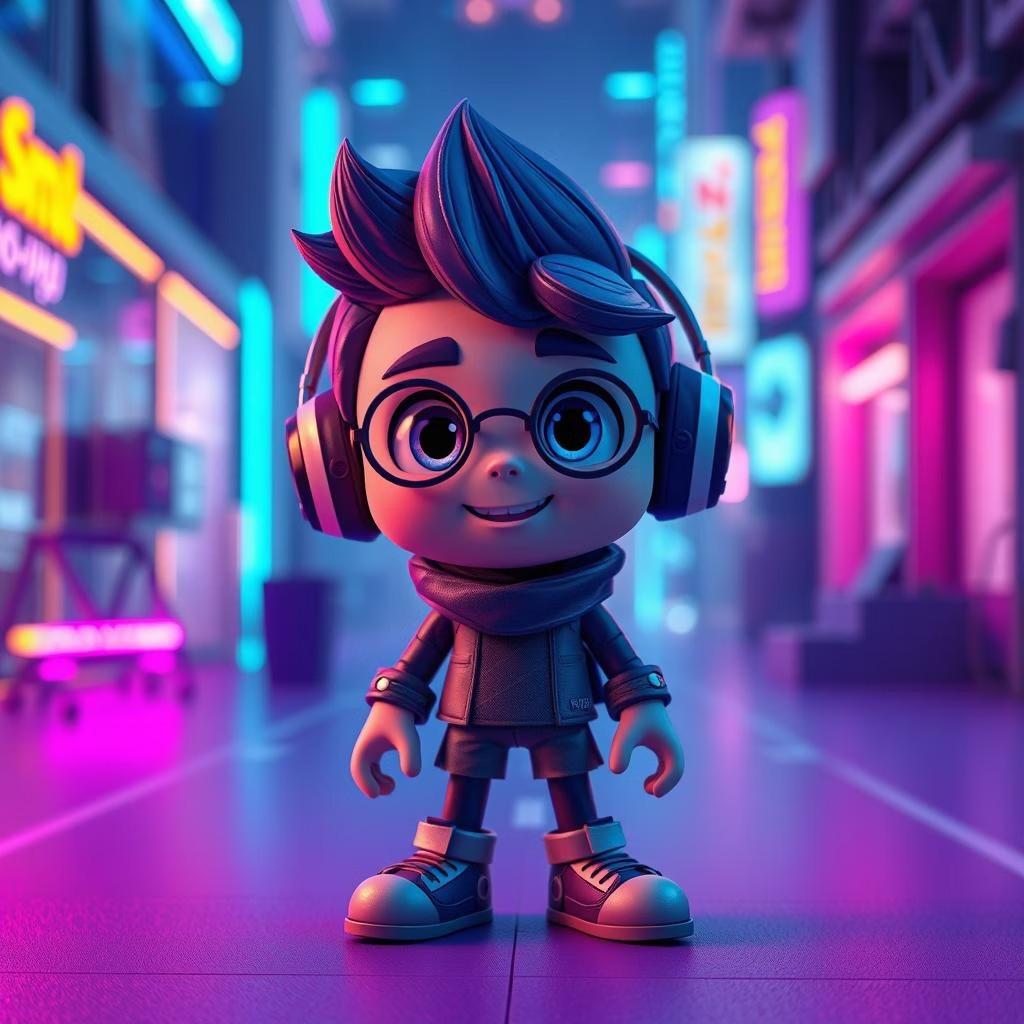
Integrates the artistic expressiveness of 2D with the depth and realism of 3D within a single frame.
2 Creative Examples
Think 2D characters moving seamlessly over intricate 3D backgrounds, or 3D models enhanced with stylized 2D effects.
3 Fluidity in Design
There are no fixed rules, allowing creativity to drive innovative blending techniques tailored to each project's vision.
1991: Beauty and the Beast
Disney pioneered the use of 3D animation for the iconic ballroom scene, adding unprecedented depth to its 2D characters and setting a new standard.
1
2 1997: Princess Mononoke
3 1999: Tarzan
Disney's "Deep Canvas" technology created fluid 3D jungle backgrounds that allowed 2D characters to swing and interact realistically.
Studio Ghibli masterfully integrated subtle 3D elements to enhance complex effects, maintaining its distinct 2D artistic style.
These groundbreaking films paved the way for modern hybrid animation techniques.
Rendering
Performance
Integration
Lighting
Overcoming these technical hurdles requires robust planning and iterative development cycles, often relying on specialized software and industry expertise.
Unlocks artistic freedom, allowing creators to blend stylized aesthetics with realistic depth, pushing visual boundaries.
Cost & Time Efficiency
Strategic use of 2D for abstract elements and 3D for complex scenes optimizes production resources.
Appeals to diverse viewers by combining nostalgic 2D charm with the modern allure of 3D realism.
Creates striking visuals that capture attention efficiently, optimizing ad campaigns with dynamic storytelling.
Builds immersive worlds with stylized characters and realistic environments, enhancing player engagement.
Provides enhanced clarity through realistic 3D models combined with engaging 2D overlays, simplifying complex concepts.
A specialized platform simplifying layered 2D/3D workflows, streamlining asset integration.
Integrates animation features with robust presentation and design tools for comprehensive project development.
A wide array of software solutions offers flexible pipelines to cater to diverse project needs and budgets.
Increasing use of AI to automate blending, rendering, and complex animation tasks, speeding up production.
Growth of interactive 3D presentations enhanced with artistic 2D layers for dynamic user engagement.
"Your creative journey starts here4embrace the hybrid revolution!"
Immersive Storytelling
Hybrid animation will be a key driver for creating deeply immersive narratives and impactful brand experiences.