Integrated 2D & 3D Animation: Bridging Dimensions for Impactful
Storytelling
A focused guide to why and how studios, educators, and product teams combine flat artistry with spatial realism to tell clearer, more memorable stories.
What is Animation?
Animation creates motion by sequencing visual frames over time. It spans handcrafted cel animation, stop-motion, vector-based 2D, and modern CGI 4 each technique shaping tone, pacing, and audience expectation.
At its core, animation is storytelling through controlled movement: timing, easing, and composition turn static artwork into narrative motion.
Understanding 2D Animation
2D animation operates on X and Y axes 4 flat but highly expressive. Its strengths are stylization, clear visual language, and efficient production for many projects.
Stylized Expression
Artists control line, color, and squash-and-stretch to craft strong character acting and visual personality.
Faster Iteration
Shorter render times and simpler pipelines enable rapid exploration and lower budgets.
Use Cases
Explainer videos, mobile UX animations, traditional TV cartoons, and motion graphics.
Understanding 3D Animation
3D animation adds the Z axis 4 depth, realistic lighting, and tactile surfaces. It excels at believable space, complex simulations, and camera-driven storytelling.
Photoreal textures & physically based lighting
Multiple camera angles & depth-based composition
Advanced rigging for natural motion
The Rise of Hybrid Animation
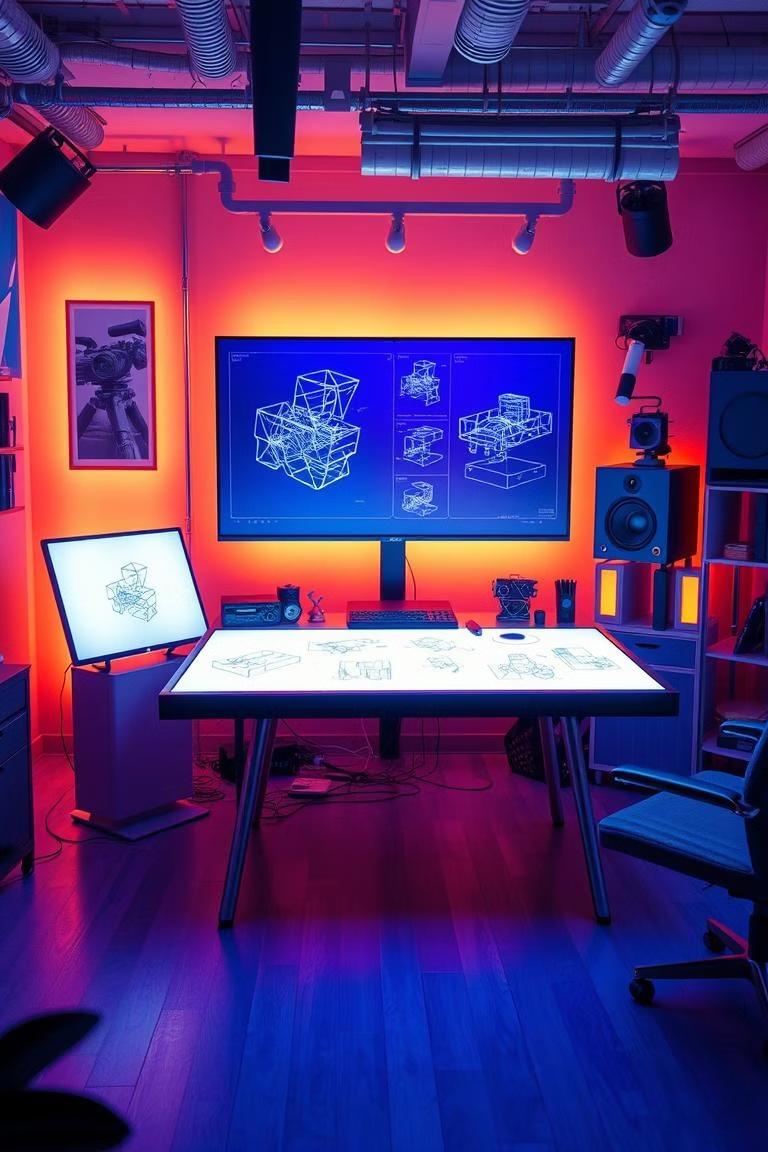
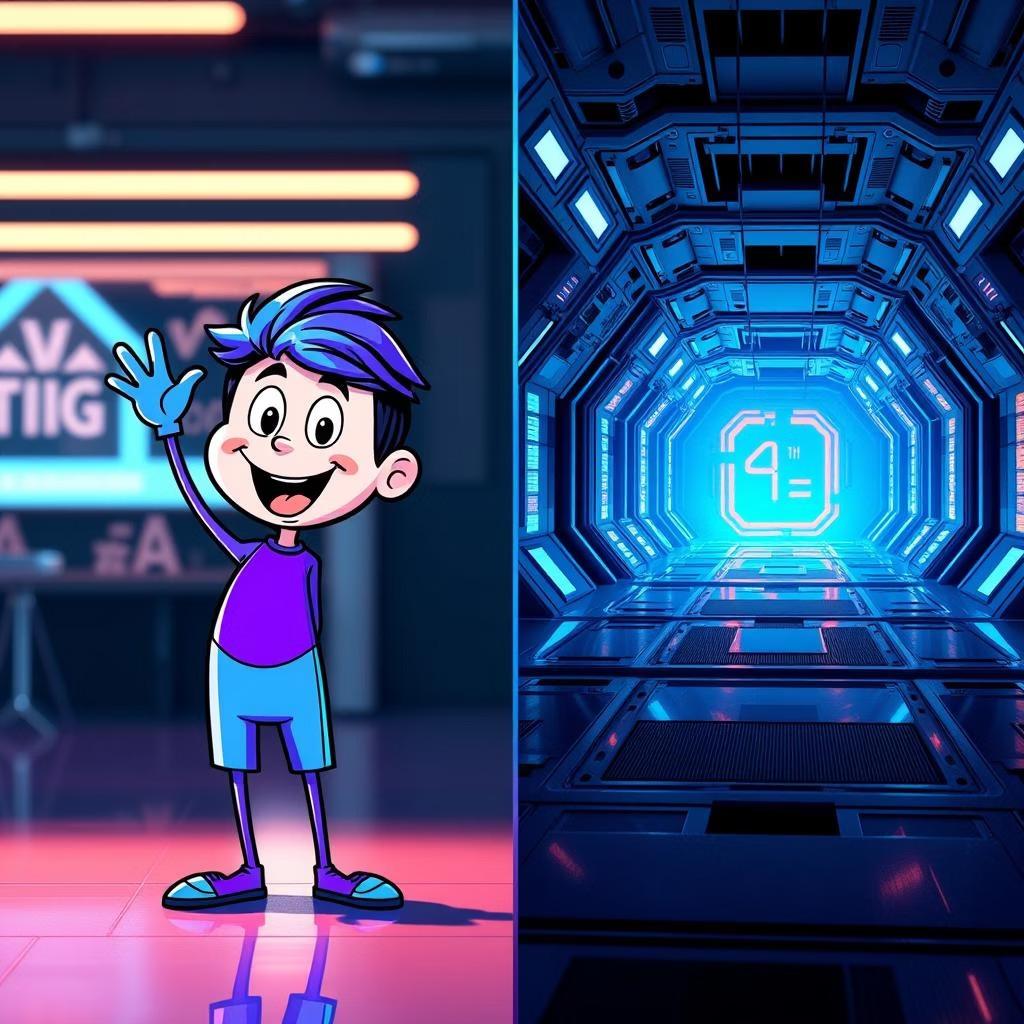
Hybrid animation intentionally blends 2D and 3D. It uses 3D for depth or complex motion and 2D for character acting, texture, or graphic overlays 4 creating scenes that feel both alive and artful.
Concept
3D Modeling
Final Delivery
2D Sketching
Compositing
Historic examples (Disney) and contemporary indies show how hybrid approaches enhance spectacle without losing artistic voice.
Why Combine 2D & 3D?
Hybrid pipelines let creators pick the best tool for each storytelling problem:
Maintain artistic style while using realistic camera moves.
Reduce expensive full-CGI animation by selectively using 3D assets.
Use 2D overlays to clarify complex 3D data for business and education.
Tools of the Trade
Effective hybrid workflows stitch together specialized apps. Choose tools that share interchange formats (Alembic, FBX) and support non-destructive compositing.
2D Tools
Adobe Animate, Toon Boom, After Effects (motion graphics), Clip
Studio
3D Tools
Blender, Autodesk Maya, Cinema
4D, 3ds Max 4 for modeling, rigging, and animation
Compositing & Pipeline
Nuke, After Effects, Houdini for VFX; Alembic/FBX for interchange; version control and DCC-aware asset management
Real-World Applications
Hybrid animation is practical across industries. Below are concise, actionable examples.
Product Demos
Use 3D for accurate product geometry and 2D motion to highlight features and user flows.
Education &Training
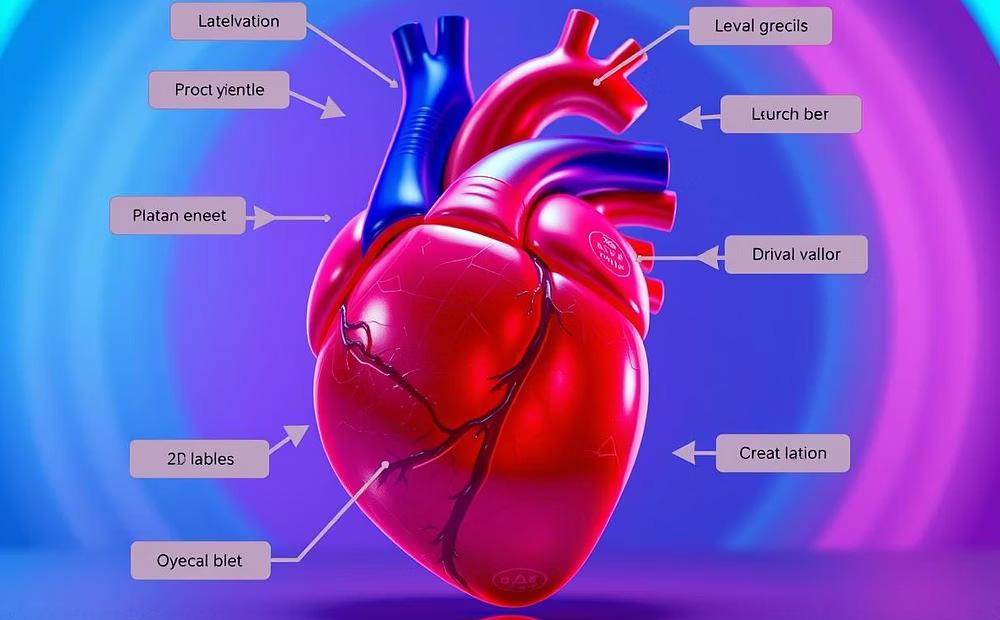
3D models teach spatial concepts; 2D overlays simplify explanations and call out key data.
Entertainment
Blend hand-drawn appeal with cinematic depth to craft unique visual identities.
Challenges & Future Trends
Hybrid work increases pipeline complexity, but technological advances are easing the burden.
Challenges: interoperability, longer iterations for lighting/comp, and artist skill overlap.
Trends: AI-assisted inbetweening, real-time engines (Unreal) for instant previews, and AR/VR delivery.
Opportunity: faster prototyping and cheaper realism as GPUs and cloud rendering scale.
Conclusion 4 The Best of Both Worlds
Integrated 2D & 3D animation offers a flexible toolkit: preserve artistic voice with 2D while unlocking spatial storytelling with 3D. Choose the blend based on goals, audience, and budget.
Key Takeaways
Hybrid animation combines expressiveness and realism to increase impact.1.
Use interoperable tools and clear pipeline conventions to reduce friction.2.
Leverage emerging tech (AI, real-time rendering) to speed production.3.
Next steps: audit assets, pick an interchange format (FBX/Alembic), run a short pilot scene to validate lighting and compositing assumptions.