





ROSofiya Babirenko selected
works
Rice University School of Architecture

o
F
o
2022-2024
primary frame
vertical component of shaping observation
view-defining frames are formed by layering frames
initial elementrectangle
primary platform
large scale elementsoff-site audience
initial elementrectangle
x 2 6 x
window frames are formed by layering frames
conditions that informed the project:
noticeable absence of non-commercialised gathering space
lack of connection between commercial and residential space
objective was to engage with the concept of display
superimposition of frames and glass blocks
sitting and circulation has priority over topography
public sitting and circulation interventions are formed through layering platforms
topography is formed through layering platforms
horizontal component of shaping observation
within both components, elements operate on a sliding scale
small scale elementson-site audience
ANATOMY OF DISPLAY FALL 2023
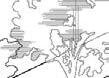
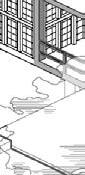
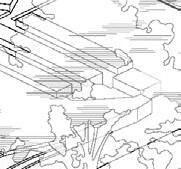
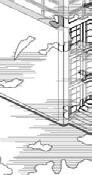
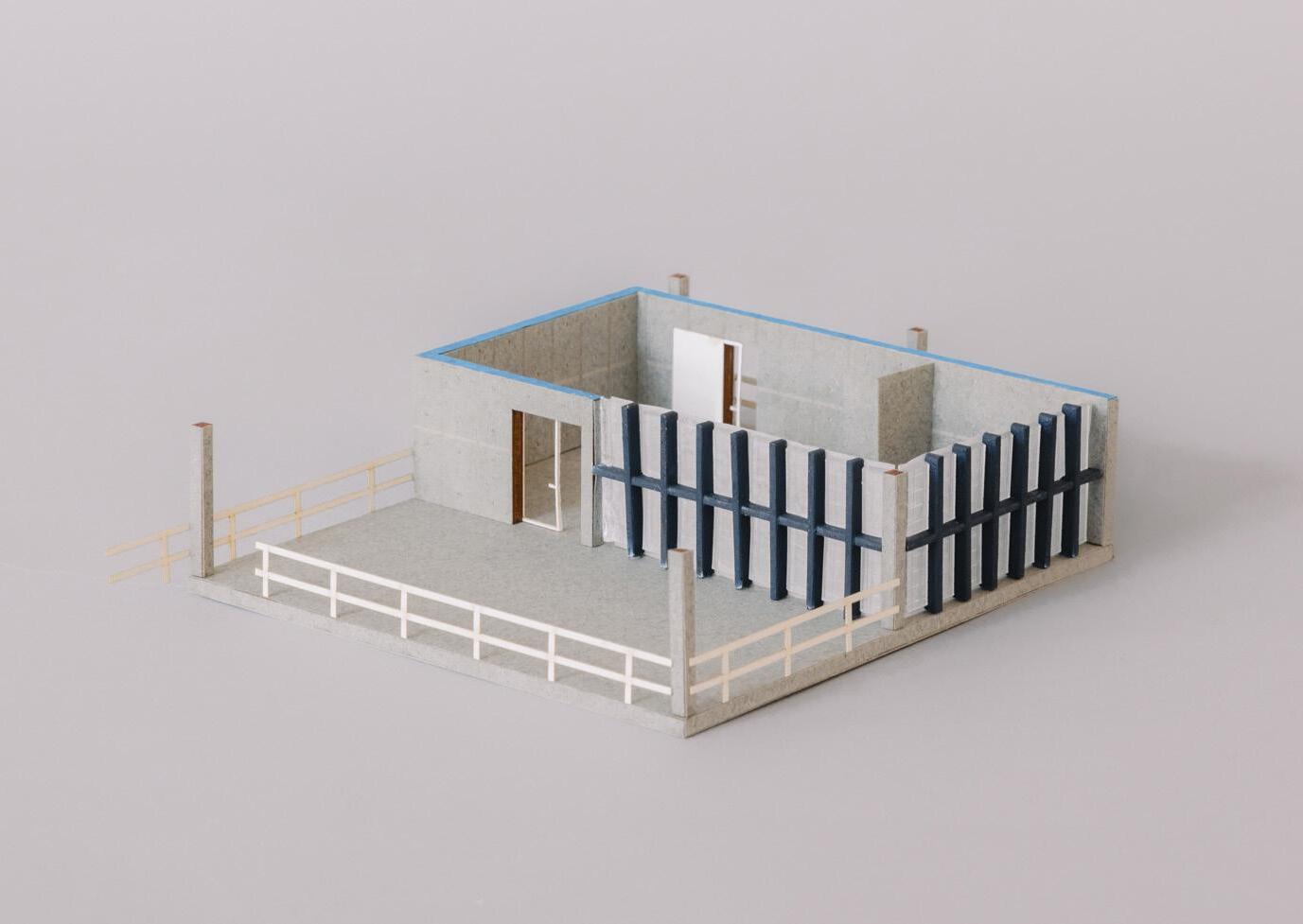
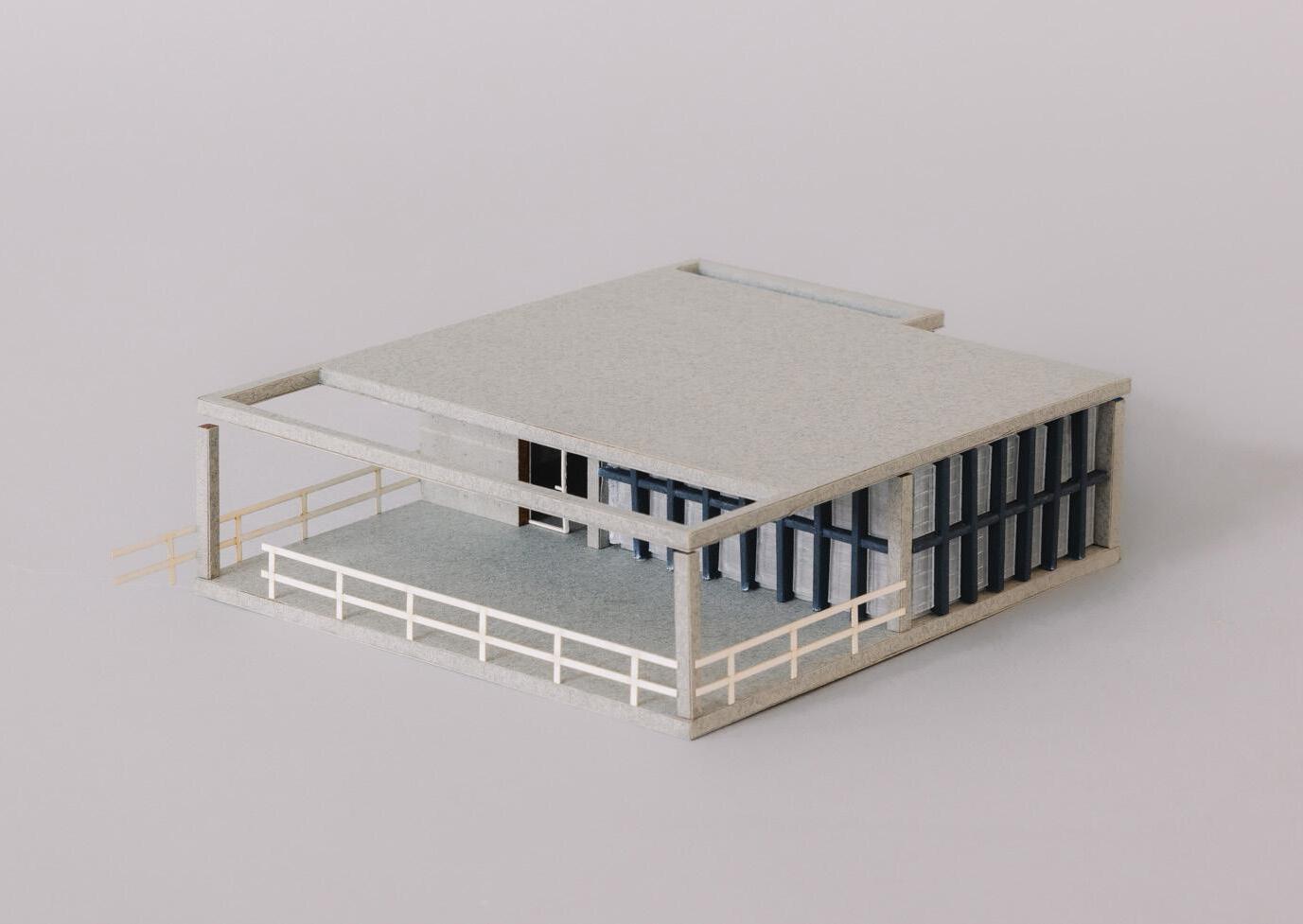
The axonometrics represent the potential for display and observation on the two sites of the project.
The two spaces address the same spatial and programme objectives with the same strategies but in response to different urban conditions: commercial &residential.
window frames
view-defining frames
minor elements consisting of frames
The goal was introducing programmes of public seating and public green space in an area that, despite being highly commercialised, lacks non-commercialised outdoor spaces.
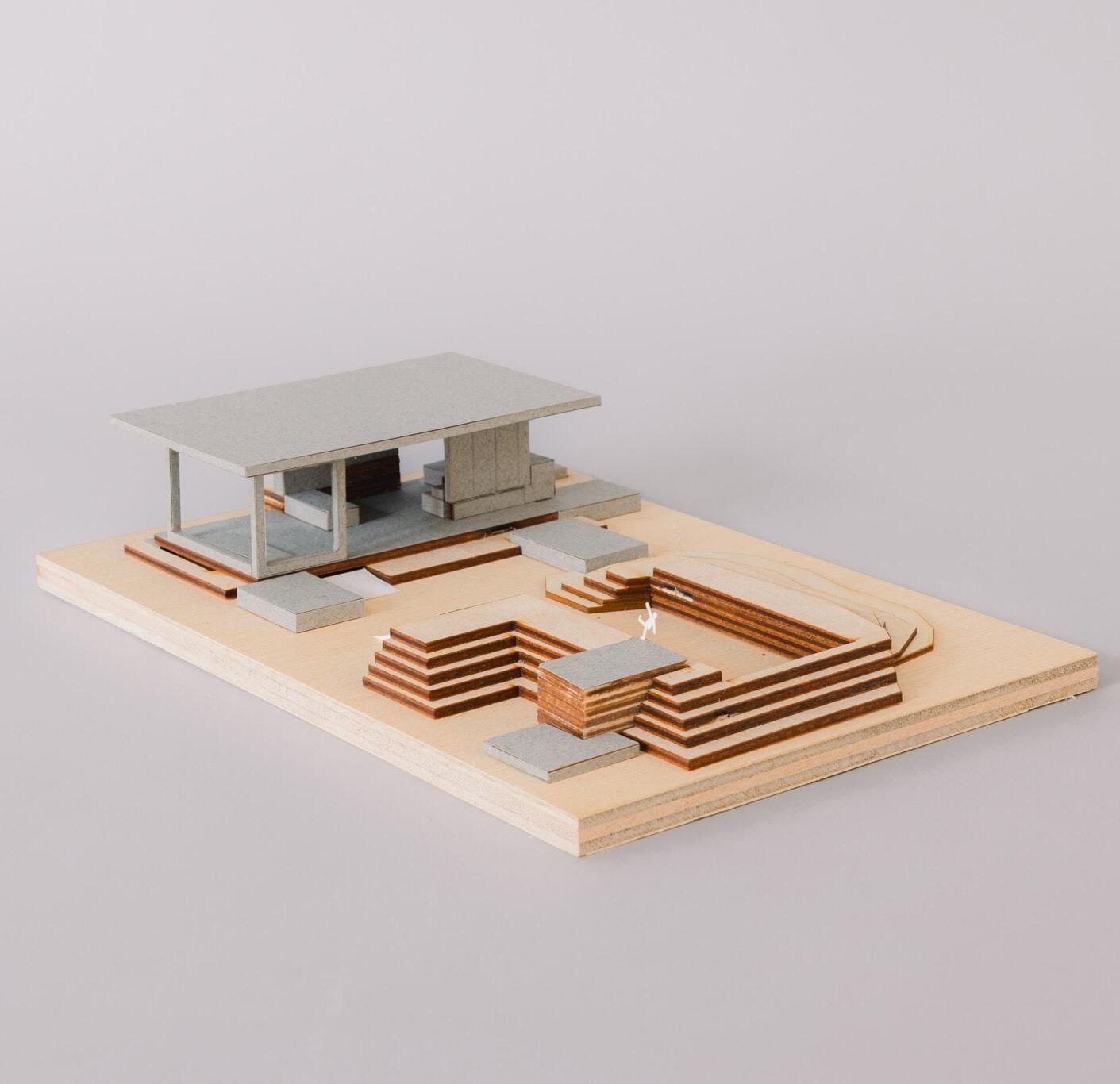
This part of the project operates at a smaller scale.
Topographical interventions blend into the pavilion-like space
view-defining frames
 part 1 - longitudinal section 1’ = 1/16”
part 2 - transverse section 1’ = 1/32”
part 2 - longitudinal section 1’ = 1/32”
part 1 - longitudinal section 1’ = 1/16”
part 2 - transverse section 1’ = 1/32”
part 2 - longitudinal section 1’ = 1/32”
part 1 - longitudinal section 1’ = 1/16”
part 2 - transverse section 1’ = 1/32”
part 2 - longitudinal section 1’ = 1/32”
part 1 - longitudinal section 1’ = 1/16”
part 2 - transverse section 1’ = 1/32”
part 2 - longitudinal section 1’ = 1/32”
topography
public seating space (oriented towards display spaces)
second floor plan
1’ = 1/32”
part - 1 plan
1’ = 1/32”
part 2
from top, counter clockwise large scale intervention model - complete large scale intervention model - second floor removed large scale intervention model - roof removed
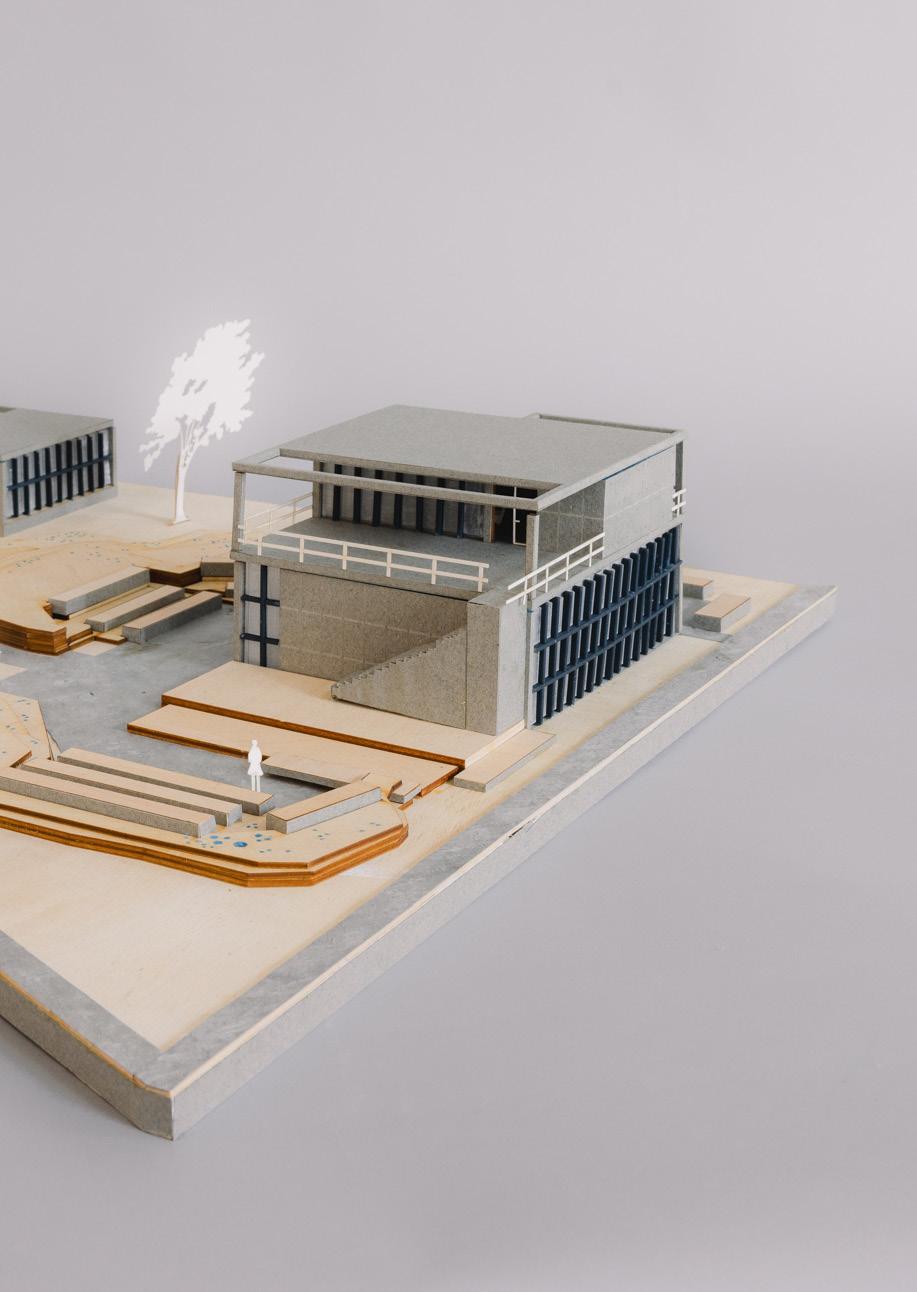
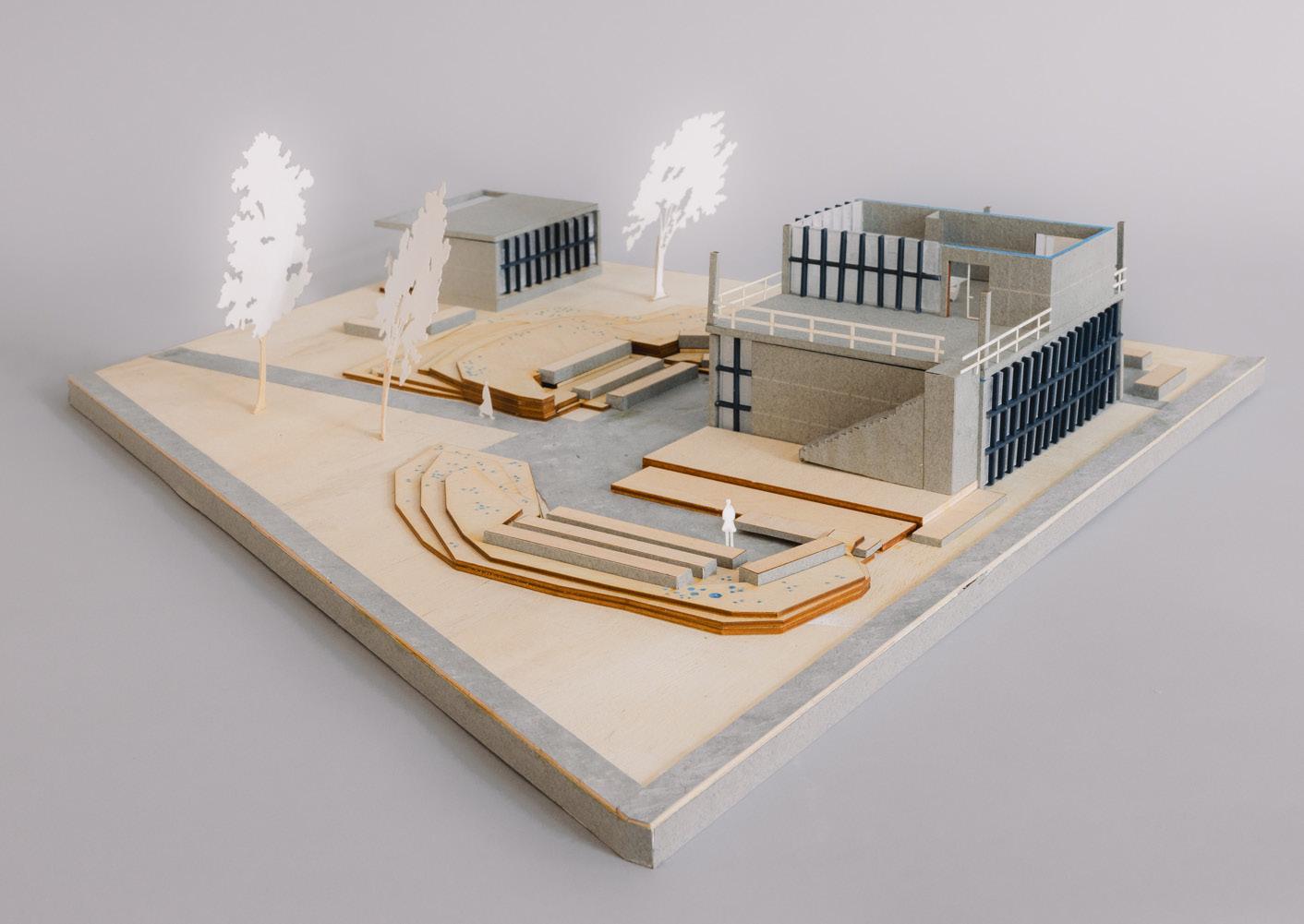
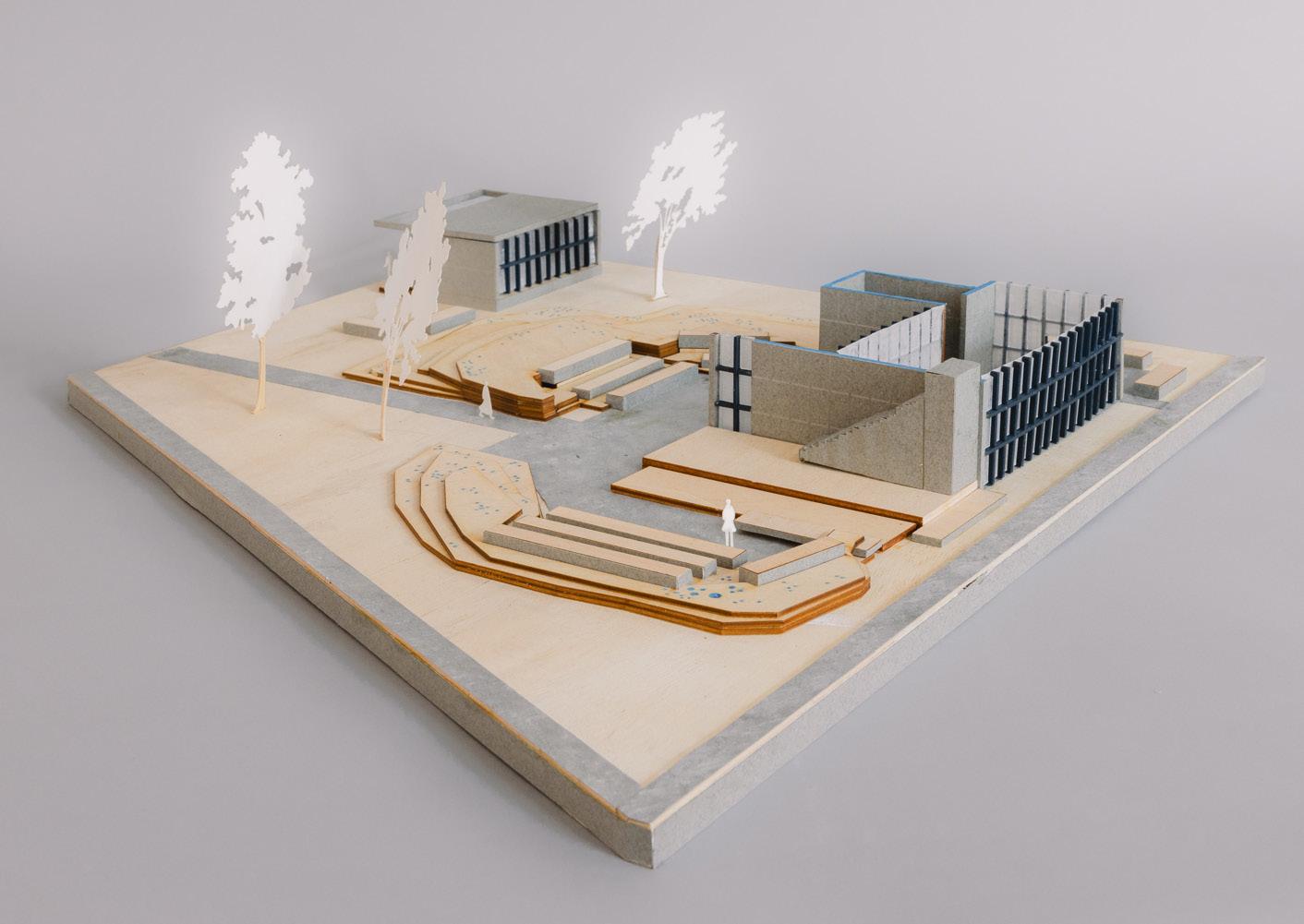
from top, clockwise small scale intervention model - complete large scale intervention model - second floor complete large scale intervention model - second floor roof
Preliminary geometrical studies
Preliminary geometrical studies
The initial exercise was mainly aimed at creating a complex shape through a series of repeated steps. At that stage the objective was to understand an irregular object through manually creating it.
The initial exercise was mainly aimed at creating a complex shape through a series of repeated steps. At that stage the objective was to understand an irregular object through manually creating it.
Spatial analysis
Spatial analysis
The analysis stage served as an opportunity to step away from the original shape. The objective became understanding the geometric patterns within the shape.
The analysis stage served as an opportunity to step away from the original shape. The objective became understanding the geometric patterns within the shape.
Subtract Negative Space Equalize Constrict SOFIIA BABIRENKO Cut Shear Modify Relocate Elongate Primitive Extrusions and Model SOFIIA BABIRENKO Projection Directionality Main Elements Analysis Cut Shear Straighten Relocate Elongate Primitive Constrict Substract Negative Space Equalize Main Elements Projection Directionality Primitive Cut Shear Modify Relocate Elongate Primitive Cut Shear Modify Relocate Elongate
FORM VS PROGRAMME Subtract Negative Space Equalize Constrict SOFIIA BABIRENKO Cut Shear Modify Relocate
Primitive Extrusions and Model SOFIIA BABIRENKO Projection Directionality Main Elements Analysis Cut Shear Straighten Relocate Elongate Primitive Constrict Substract Negative Space Equalize Main Elements Projection Directionality Primitive Cut Shear Modify Relocate Elongate Primitive Cut Shear Modify Relocate Elongate
Elongate
SPRING 2023
East Elevation
Up Down Down A B Library Lobby Gallery Event SpaceEvent Space Library Gallery Lobby Office Auditorium
Ground Floor Plan West Elevation
1/32”
1” = 1/32”
1” = 1/32”
1” =
Plan
1” = 1/64”
Site
Lobby Library Gallery Library
Section B
1” = 1/64”
Event Space Gallery Library Gallery Library Event Space
Section A
Two case studies The hybrid
The preliminary studies of the two houses were based on reproducing floor plans. The main objective was understanding the most crucial elements of two spatial strategies.
The two primary concepts taken from the case studies were transparency and access. While the first case study employs glass to visually connect a square grid, the second uses a circular layout to represent equality of the interior spaces.
Pezo von Ellrichshausen, Parr HouseChiguayante, Chile (2008)
Smiljan Radic, House for the Poem of the Right Angle - Vilches, Chile (2013)
CONTINUOUS SPACE FALL 2022
Introducing the field
The next stage involved moving beyond the scale precedents. The composition of the hybrid was to be divided into elements arranged to create continuous field patterns. The main objective was to establish an approach towards unlimited exterior and interior spaces that is based on the hybrid project.
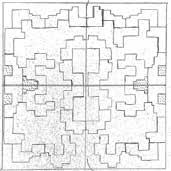
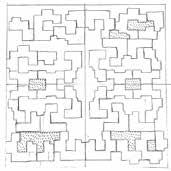
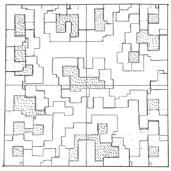
The three sketches show primary ideas on how parts of the hybrid can be arranged. The central variable was symmetry / asymmetry.
Continuous patterns
field Symmetrical field v. 1 Symmetrical field v. 2 1/16” = 1’
Asymmetrical
field
= 1’
Symmetrical
field Asymmetrical
1/16”
The final design was developed from version 2. The main goal remained the same: to design a pavilion using a spatial strategy that would engage with the ideas of transparency and access. The pavilion creates spatial hierarchy through elevation. Platforms and podiums create something between architecture and landscape. Now, instead of having to go through a sequence of rooms and corridors to access a space, one has to climb a flight of stairs or go up a ramp. The project addresses the underlying logics discovered in the case studies, but steps away from directly using the elements and circulation strategies found in them.
1/16” = 1’
Section B
1/16” = 1’
North West South East Elevations Sections
Section A
Keene Street
Freeman Street
scale factor
1:2000
scale factor
1:4000
Keene Street
North Main Street
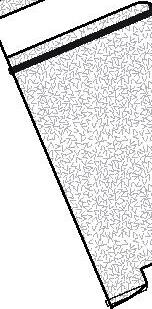
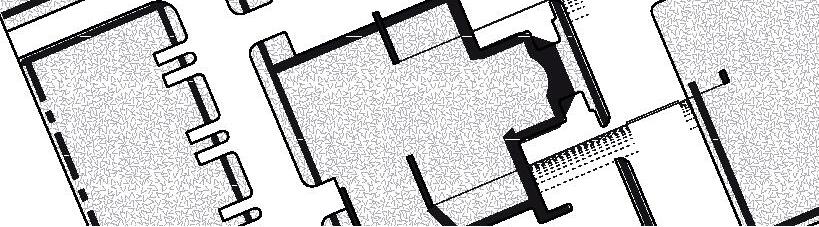
This case study drawing focuses on the proportional relationship between heights and wigths within a Houston neighbourhood. The sections of Main street represent the proportional relationship between the neighbourhood fabric and a lightrail that runs through it.
On sections of Keene and Freeman streets, the black elements represent the height of the buildings, while different shades of grey to dnoesporrc sesu tenrediff of the space. Solid grey shows private property, thin bars ‑ sidewalks, diagonal hatch ‑ car roads, white fill ‑ ceasp dserutiliednu
MAPPING HOUSTON
SPRING 2024
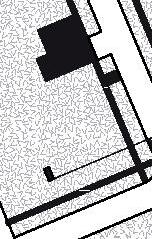
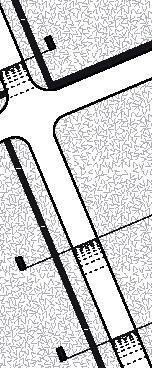
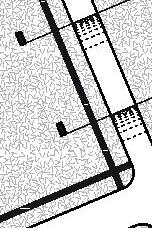
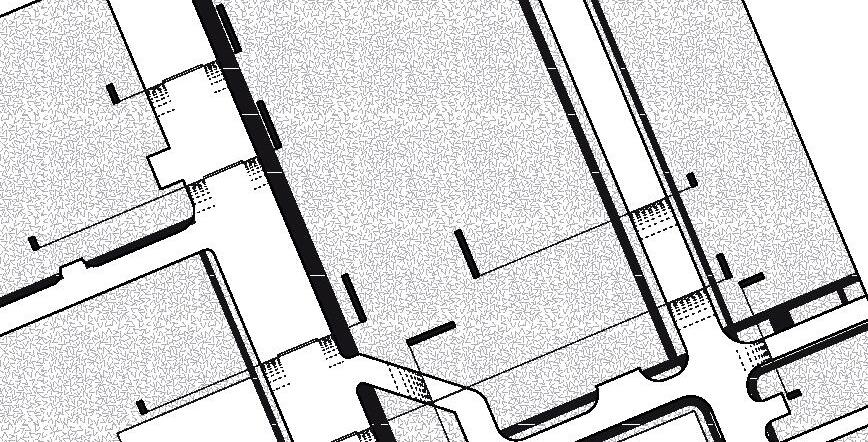
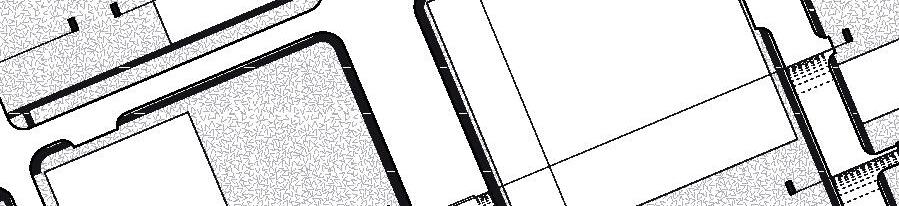
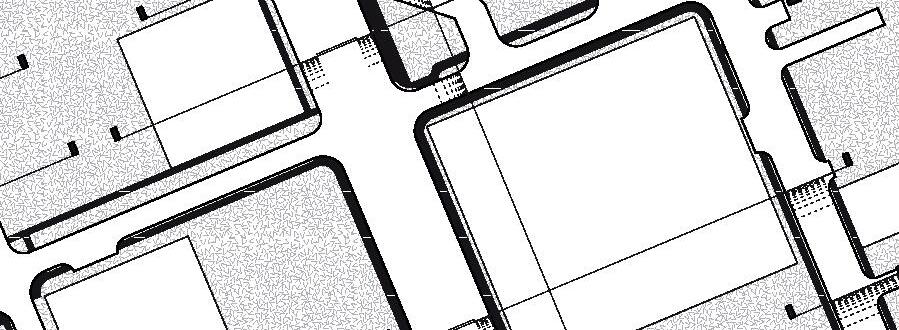
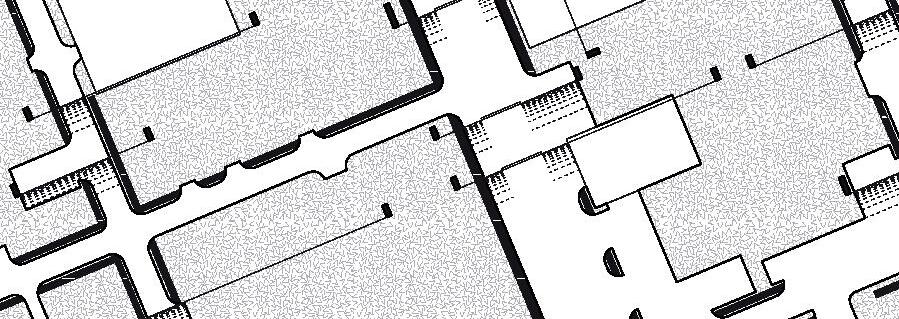
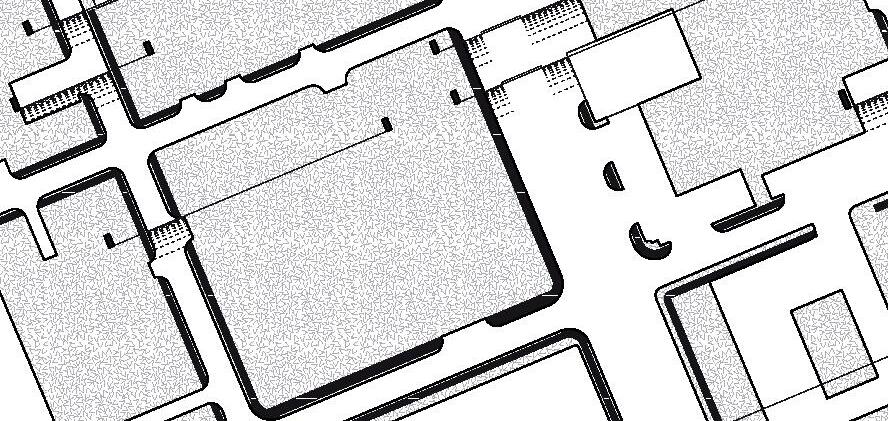
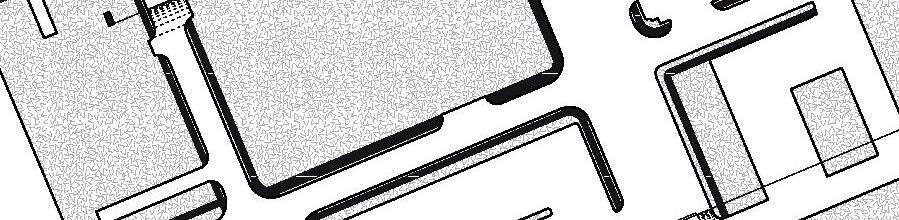
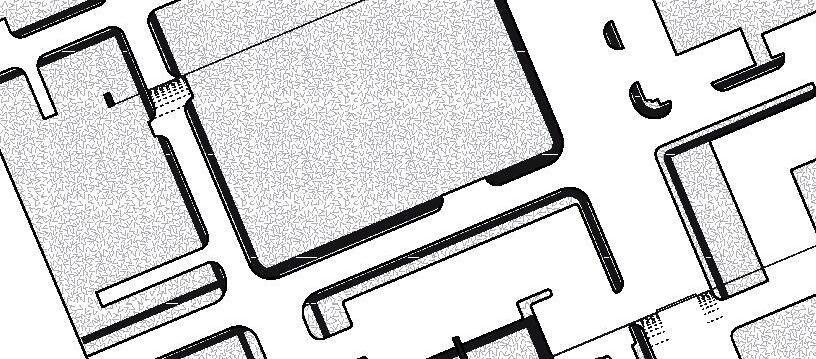
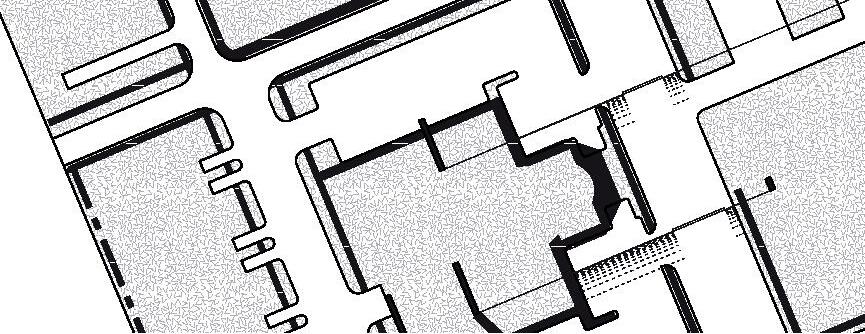
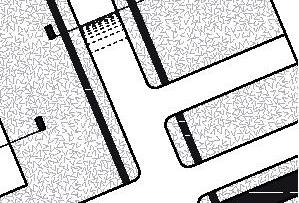
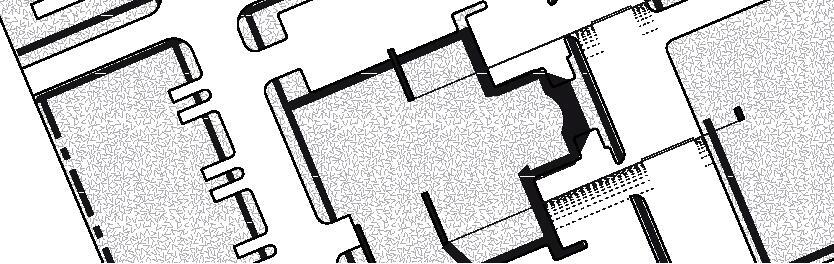
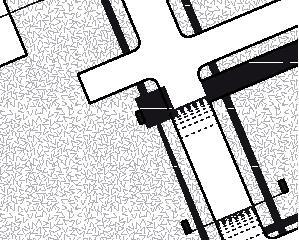
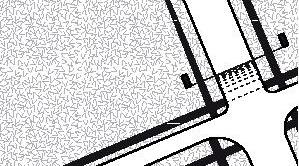
This case study drawing focuses on representing the non car‑related public infrastructure within the neighbourhood. The chosen technique overlays an axonometric view of light and electrical infrastructure onto a plan of the sidewalks of the site.
This way the drawing can emphasiz e how the non car‑related infrastructure is present in the form of slim vertical interventions into a more horizontal and spatious grid of Houston

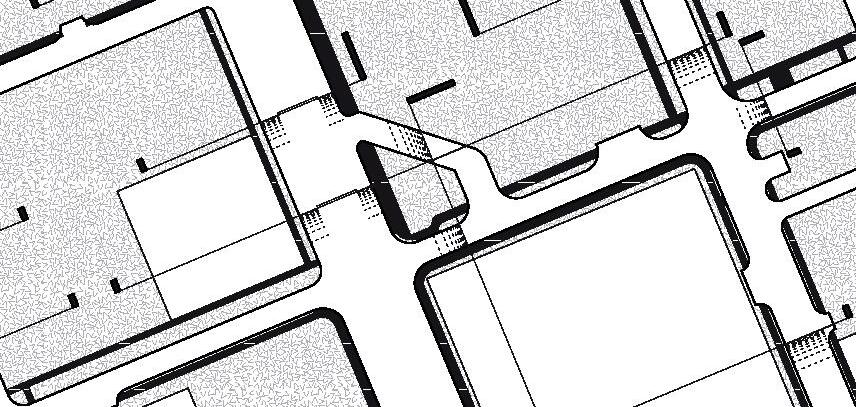
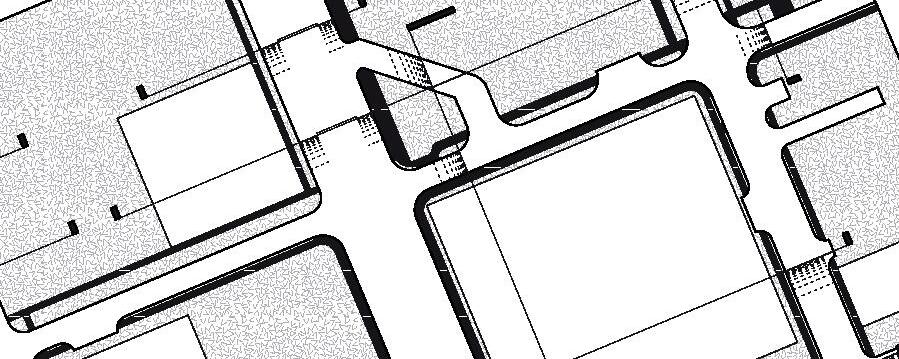





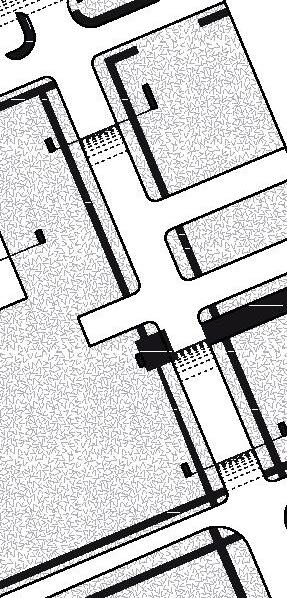
1:4000 scale factor
LA
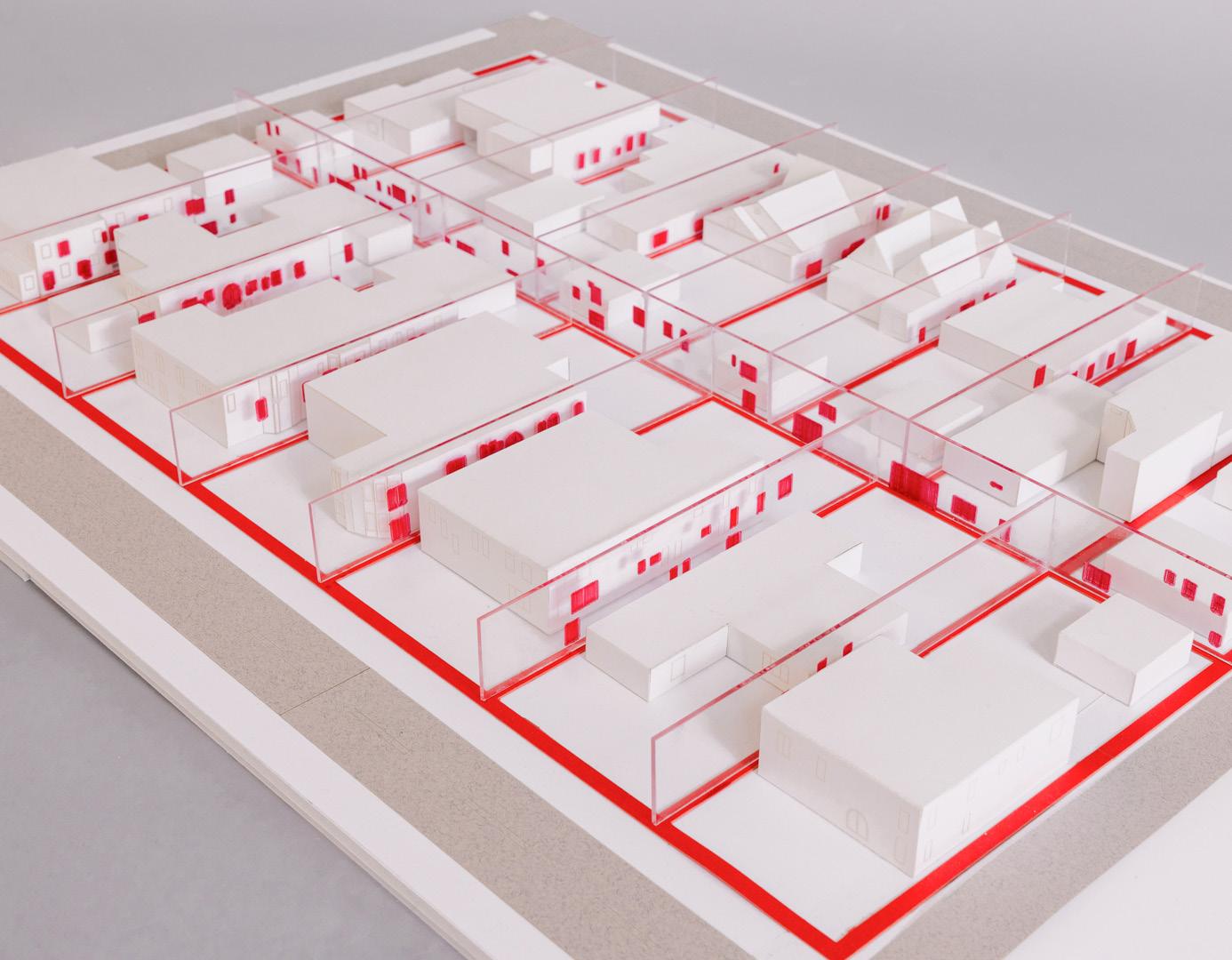
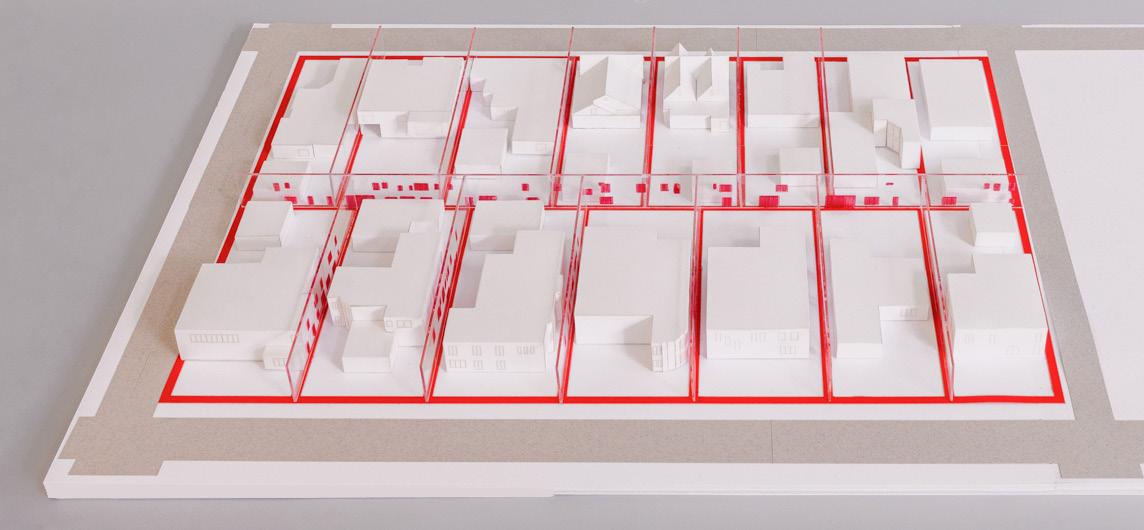
Both the axonometric and the model aim to represent the rigid grid of an LA block and how residential architecture reacts to it.
The axonometric captures the almost claustrophobic condition of windows of stand-alone single-family houses facing one another. The primary interest was the way the dense city grid contradicts the concept of an idyllic single-family property. The red projections represent that the windows almost constantly face the windows of the neighbour house.
On the model, the acrylic is used to project the views from the windows.
CLAUSTROPHOBIC
SPRING 2024
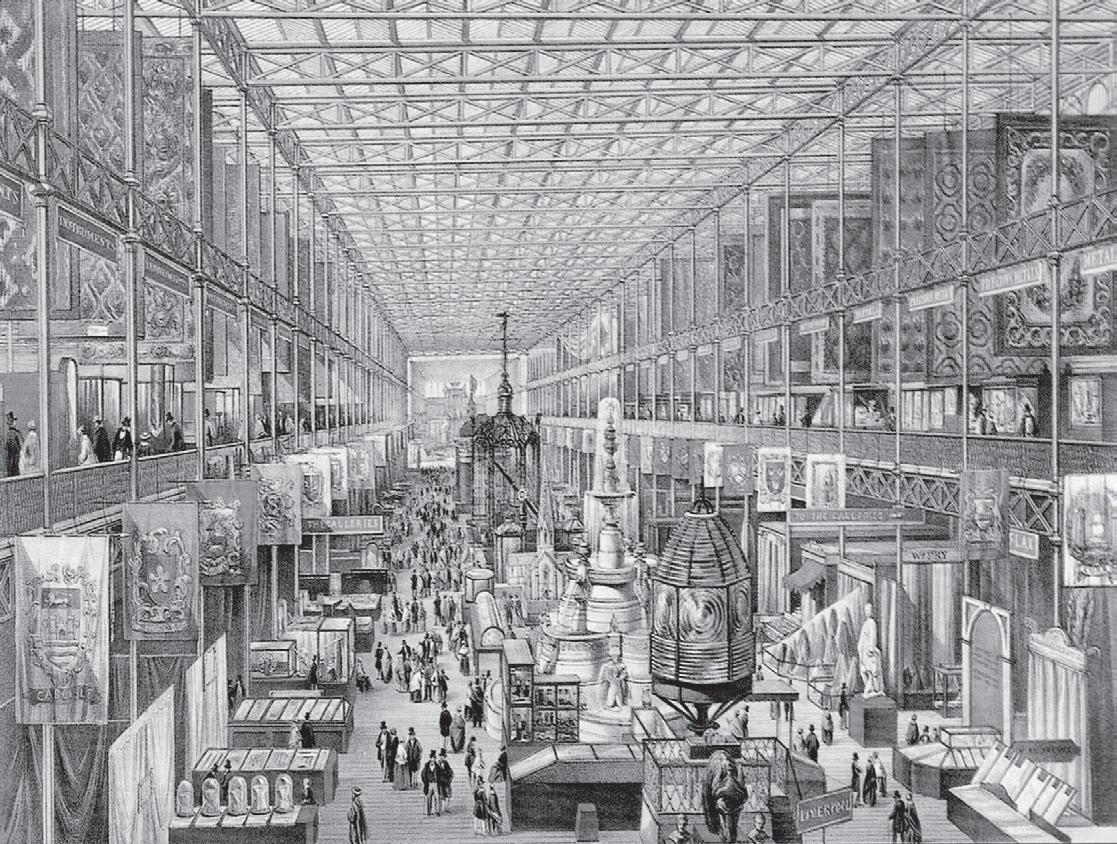
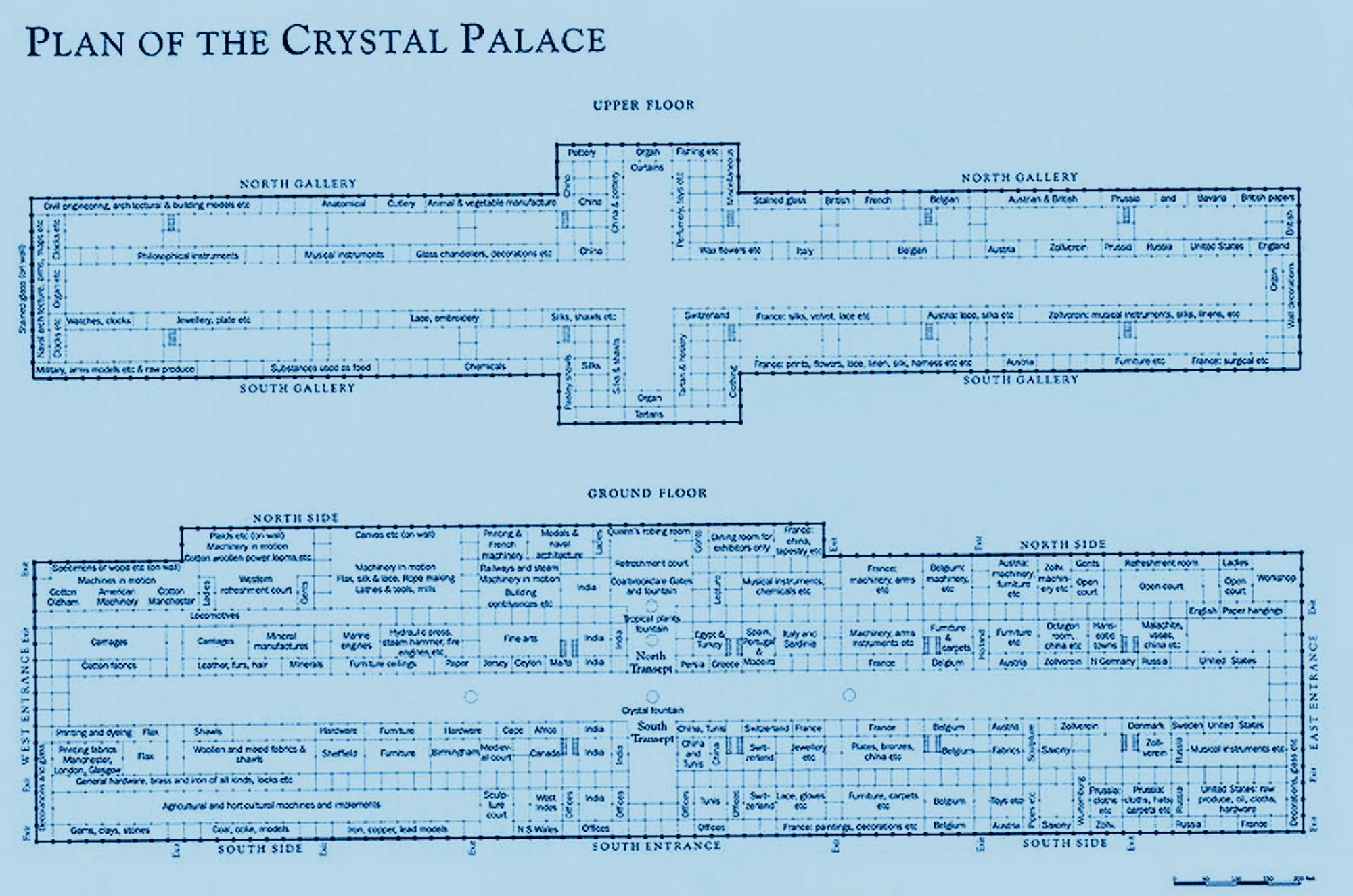
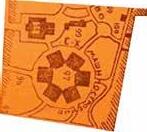
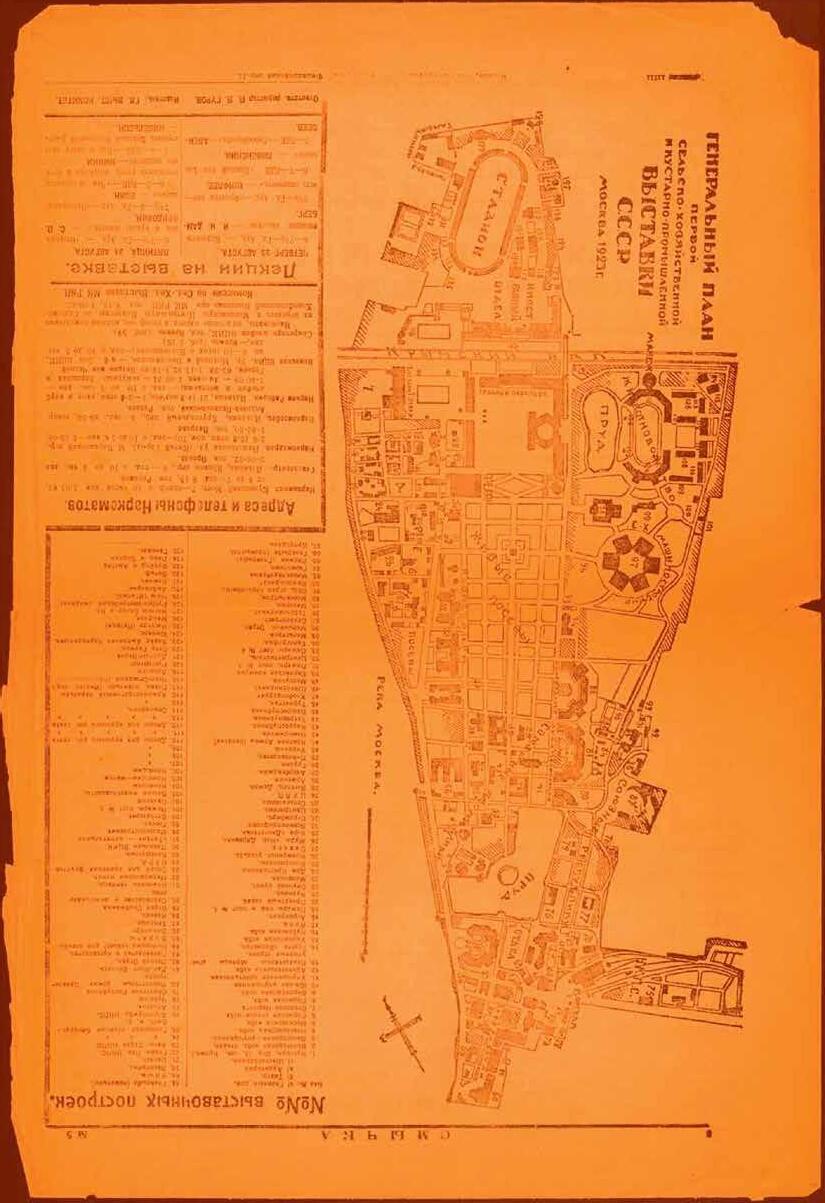
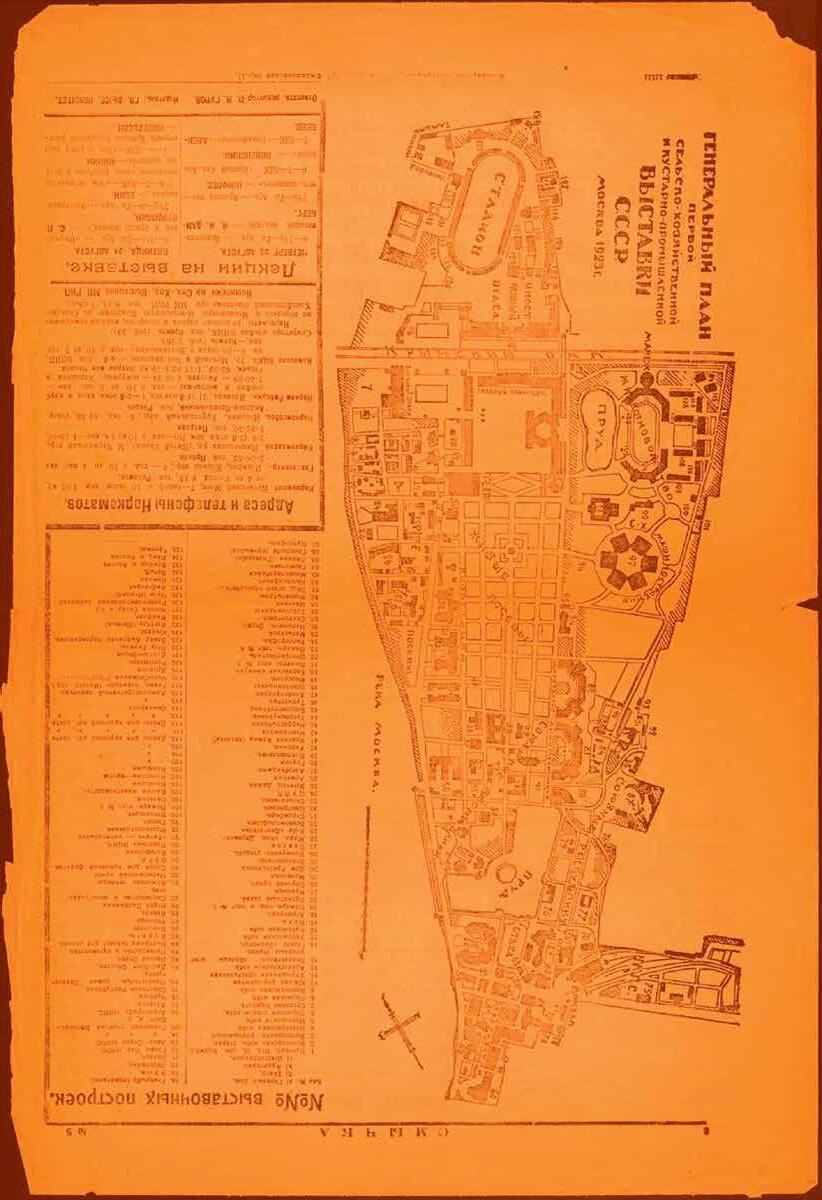
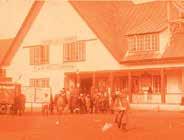
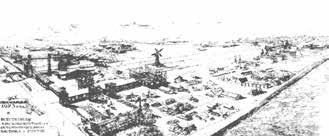
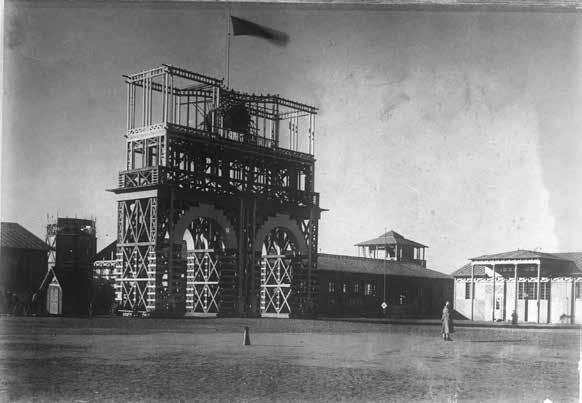
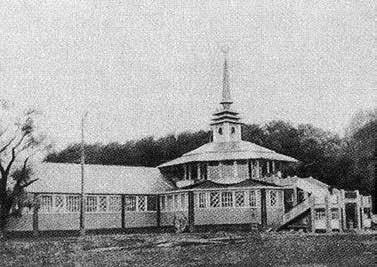
This poster is a case study comparing two exhibition spaces ‑ the Crystal Palace built in London and the All‑Union Agrarian Exhibition that was held in Moscow.
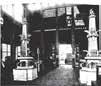
The two are compared as an implosive and an explosive display spaces. By showing the key structural elements of the Crystal Palace the collage makes an argument that the space was eturctrusgaeM a with modular units.
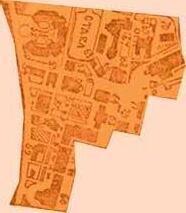
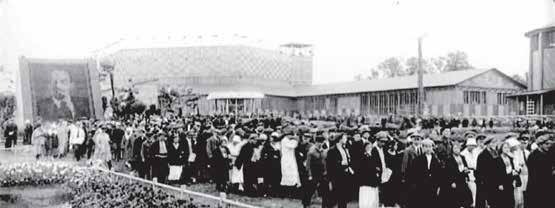
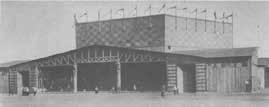
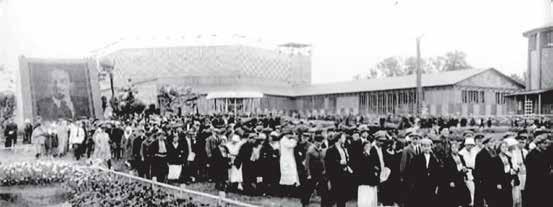
The second poster analyses the explosive exhibition space that was held in Moscow in 1923. Here, the main emphasis is on showing that this was a group form consisting of many formally autonomous pavilions.
The drawings aim to represent differ ent ways the architects approached facade and form in the context of displaying
implosive exhibition (1851) [london]

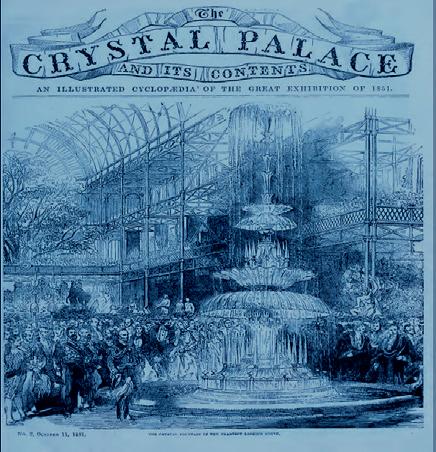

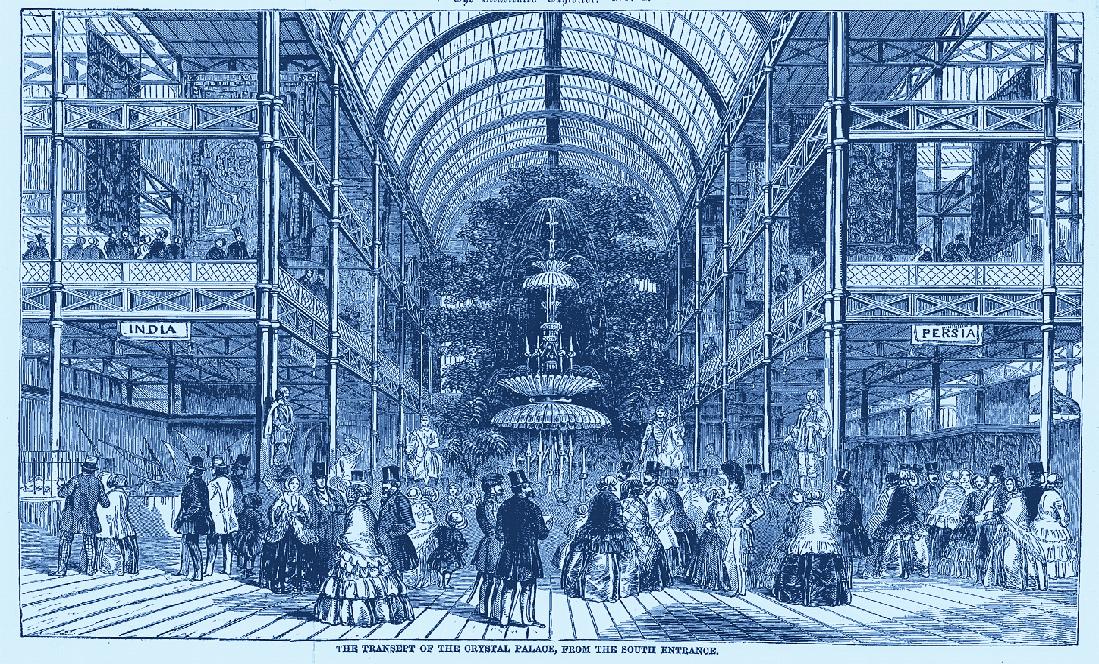


The base element of the iron structure was a rectangular frame that intelocked with the neighbouring ones via a joint element. Girders inspired by railroad bridges reinforced the longitudinal span of the iron
The folded plate roof was inspired by greenhouses Paxton designed earliear in his carrier


The shape reinforces the roof structure
1:4000
The basic elements provided versatilitythey were spatially united into rectangular and square exhibition spaces. Exhibition lots differed in shape across the two floors. The glass was hung onto the frame, with diagonal bracing added for support
EXHIBITION COLLAGE
scale factor
FALL 2023
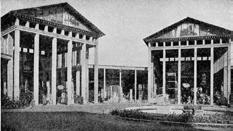
facade volume
Spacious inner courtya d permits open-air display of la ge machinery
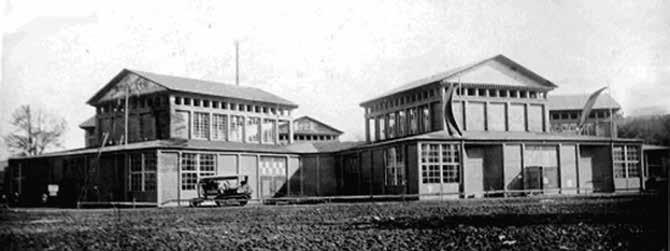
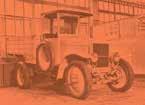
acade deco ations of the structure esemble that of a barn which shows the significance of the ru al agricultural work orce and of the connection between the Soviet Union and peasants
The Machinery Pavilion
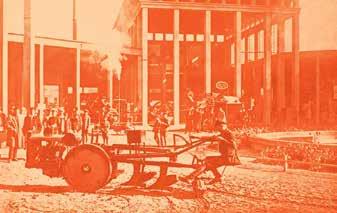
The processing industry
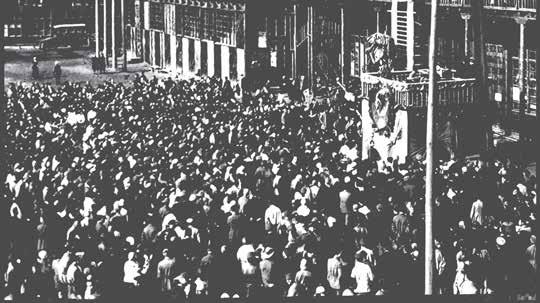
THE “new” village
y of the pavilions we e longitudinal, on y two ories high. The processes demons arted e displayed in a chronological manner
Most buildings we e orthogonal and had either ful y or partially enclosed courtyards or outdoor installations. Almost none had large windows
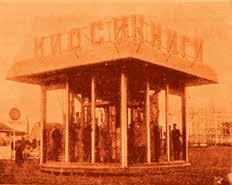
8 ft 8 ft
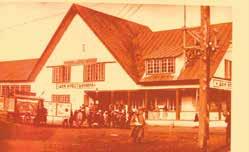
Pavilion
facade 4
(3) (4) (5) (6)
Spacious inner courty rd permits open-air display of la ge exhibits
The scale crea ed a sense of as onishment
Most pavilions would have versions of simplified raditional wooden ornaments on their facade There was little decoration apart rom that the exhibition aimed to appeal o the peasant and working class public 32
100
ft
ft
The central Pavilion volume
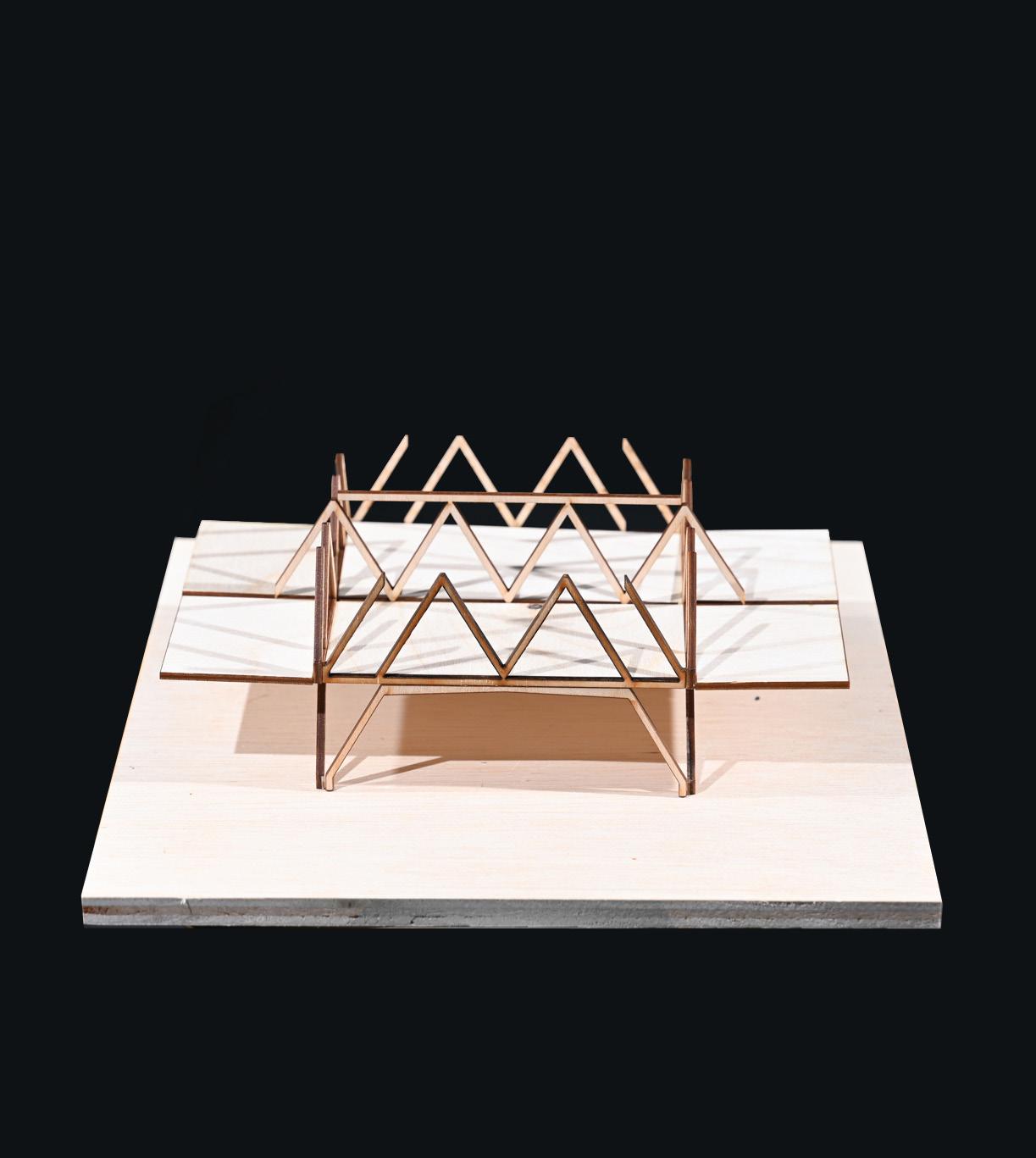
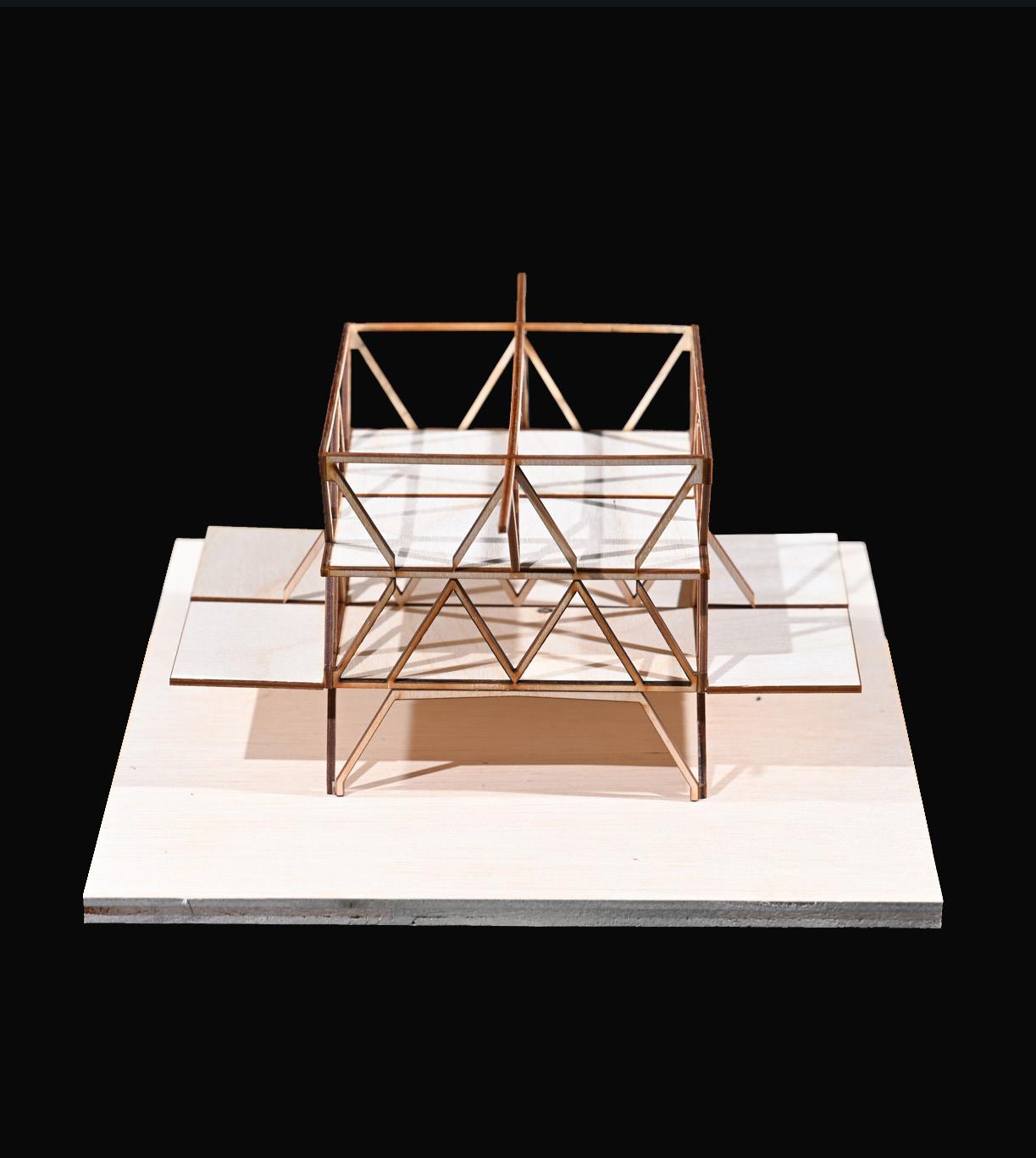
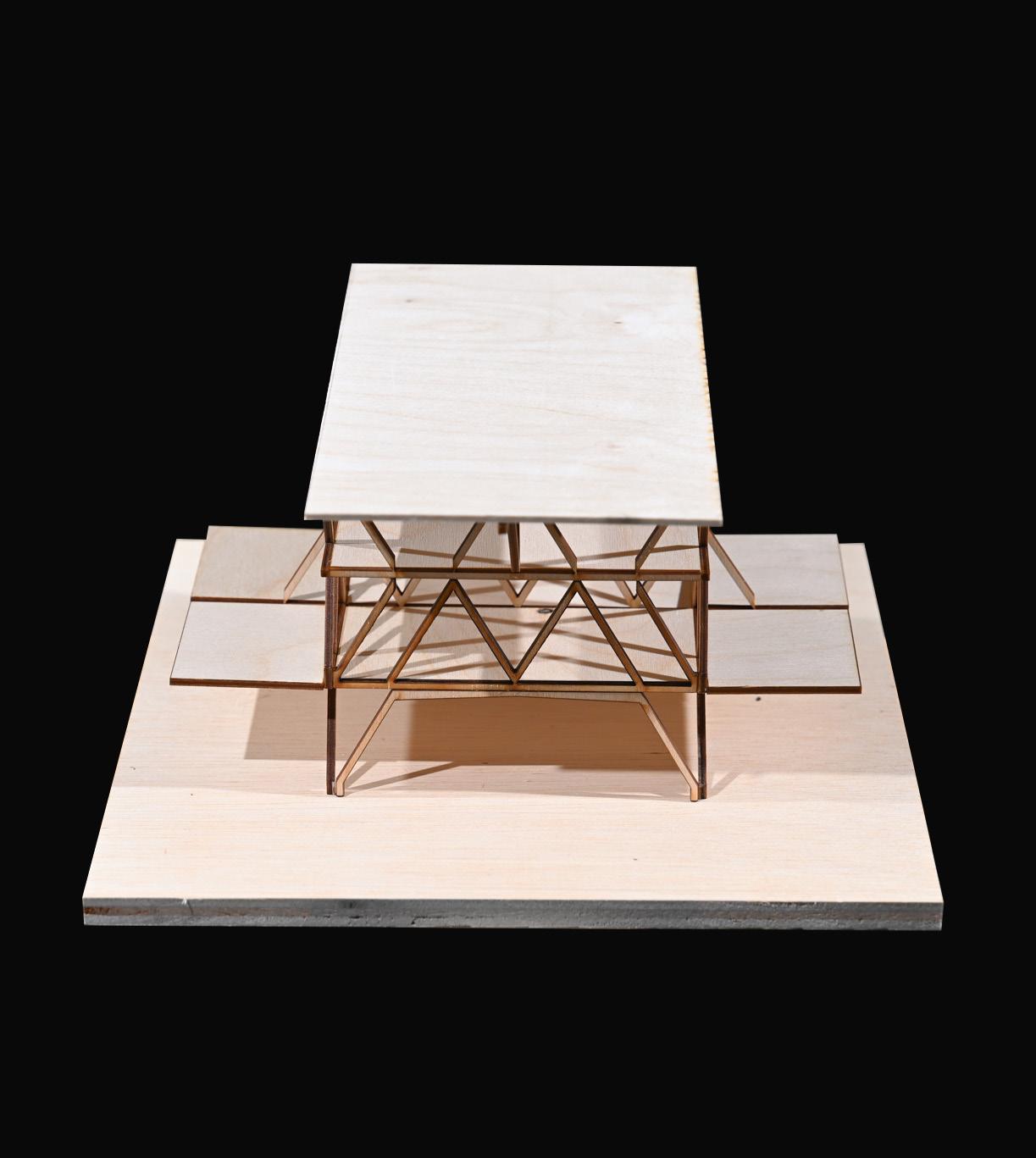
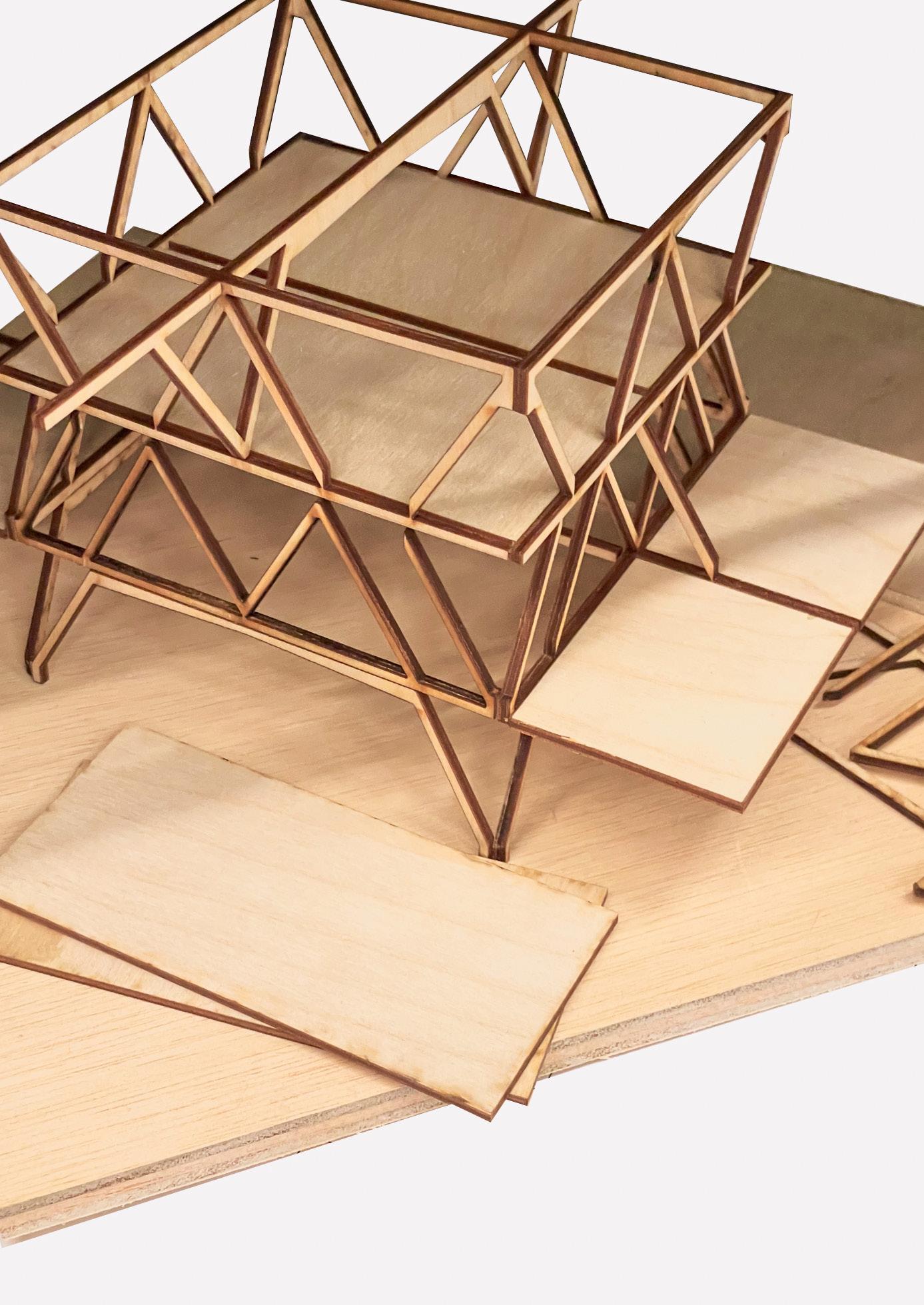
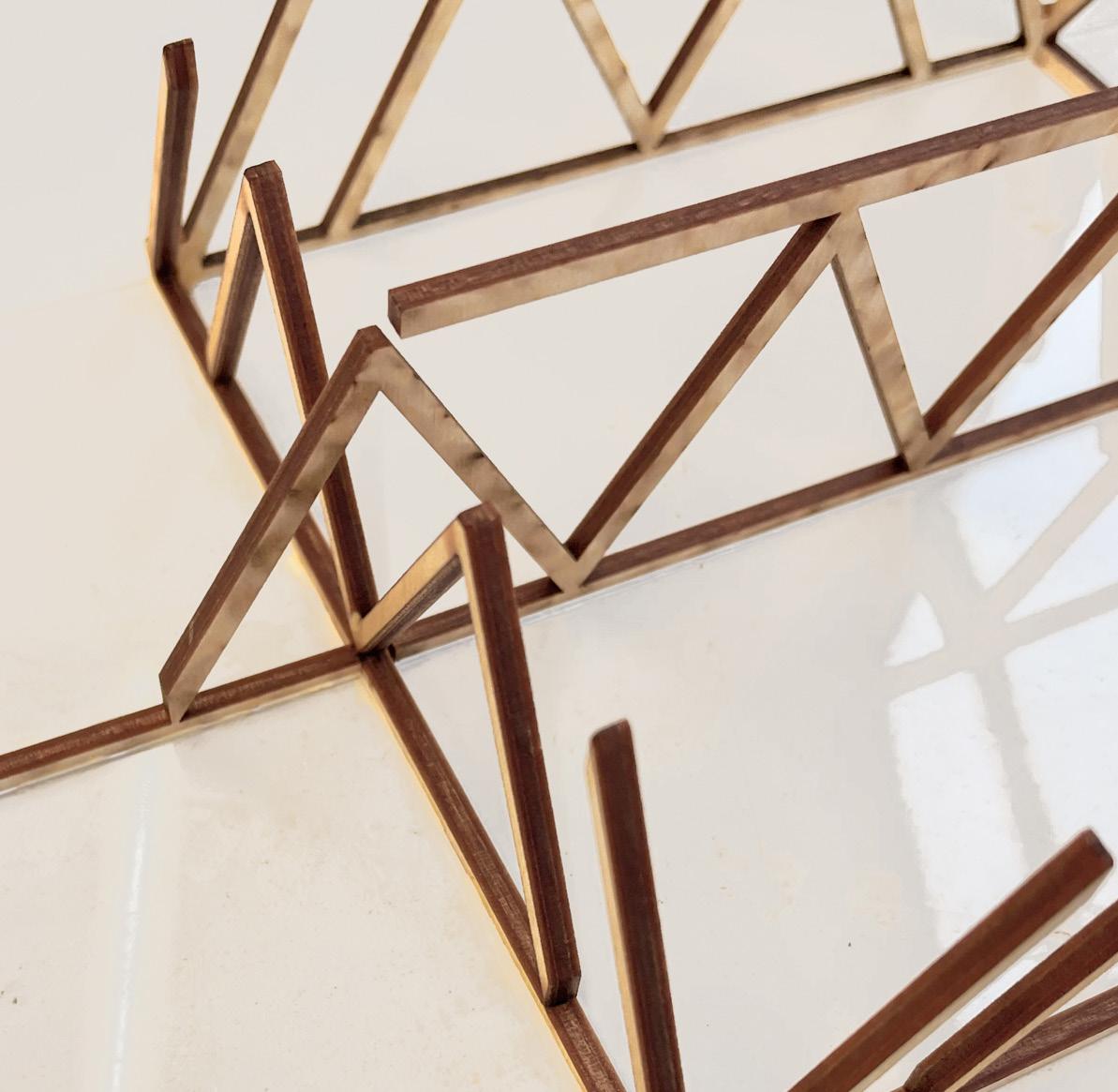
TRUSS STUDY FALL 2023