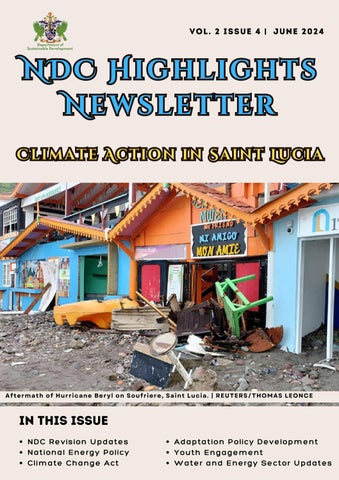
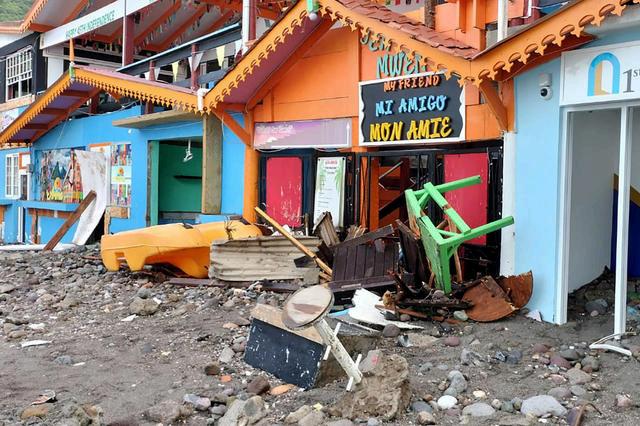
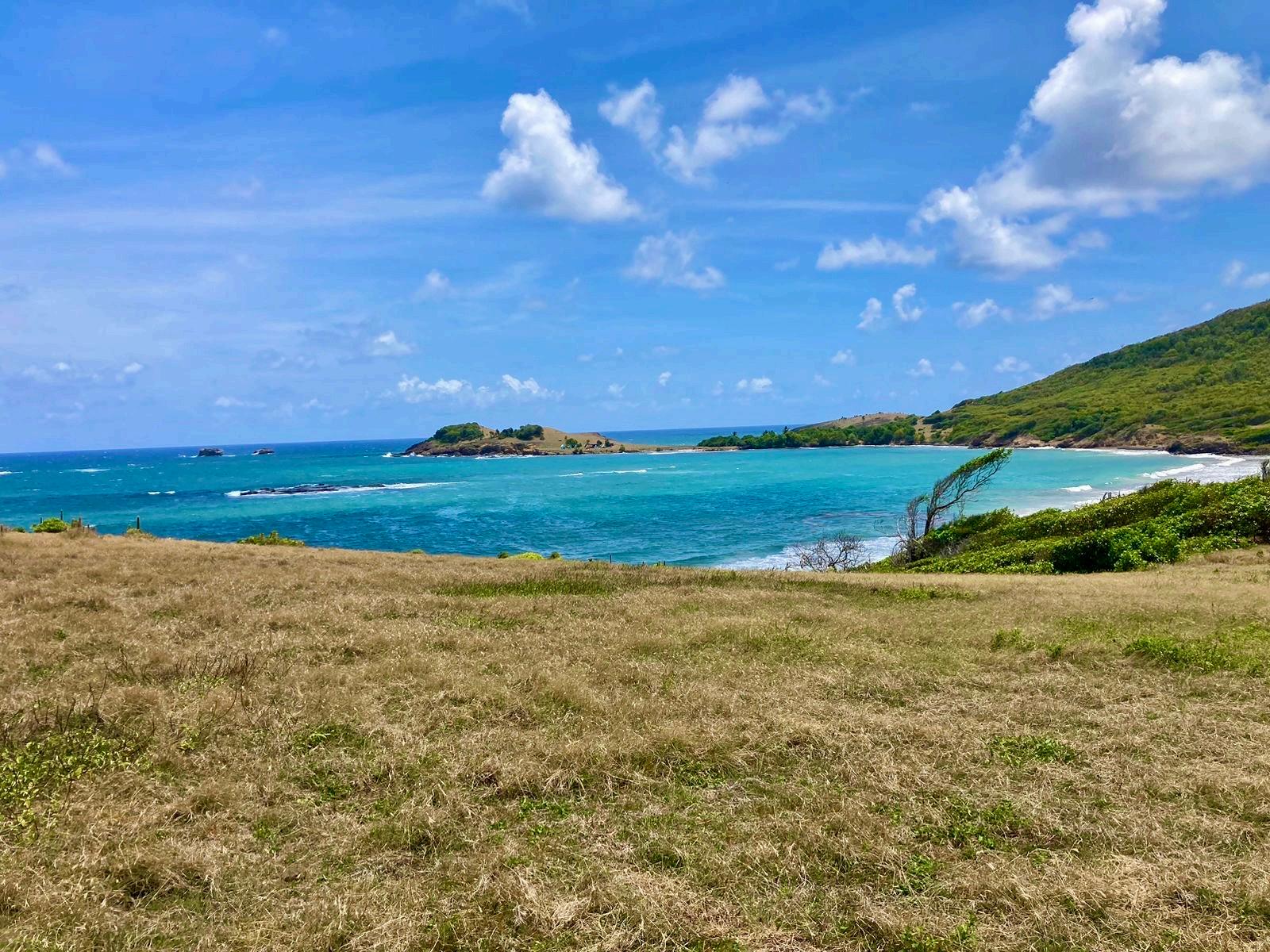
Aftermath of Hurricane Beryl on Soufriere, Saint Lucia. | REUTERS/THOMAS LEONCE
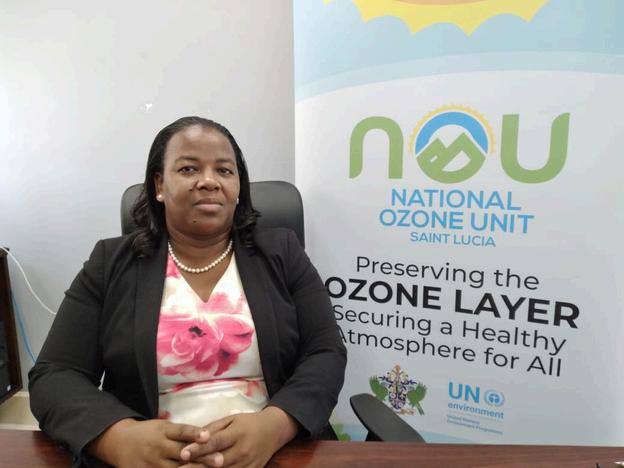
Mrs. Anita Montoute - Permanent Secretary Department of Sustainable Development
inable Development is pleased to publish NDC Highlights Newsletter on Climate nths, there have been significant strides by mainstream climate action with national s, and mobilize resources for their hstanding our progress, these highlights ttest years on record In fact, every month from June 2023 to May 2024, has set a new heat record for that month, from as far back as 1880
History was further set when Hurricane Beryl became the earliest category 4 Atlantic hurricane in the month of June! Beryl resulted in significant damage to the Soufriere waterfront and adjacent property, as well as millions of dollars of losses in the agriculture sector This, however, cannot be compared to the devastation faced by our sister islands of Grenada and St. Vincent and the Grenadines.
As a Small Island Developing State, the impacts of these extreme weather events and scorching temperatures are being compounded by an ongoing water-related emergency that threatens the ability of our residents to access safe, reliable and clean drinking water Access to safe drinking water is a human right; however, these rights are now being threatened due to extensive periods of limited rainfall across the island. Since 2015, Saint Lucia has recognized the vulnerability of our water sector to climate stresses and has prioritized action to ensure that we enhance our resilience to a changing climate.
But we cannot do this on our own
Responding to this threat requires action from all stakeholders and development partners Climate action is essential and needs to be undertaken at all levels of society As one of the first Caribbean islands to pass decisive Climate Change legislation, the Government of Saint Lucia is building a foundation through the creation of an enabling environment that can complement implementation. We are also making progress in the revision of our Nationally Determined Contribution (NDC) for submission in 2025, in keeping with our international obligations
Climate action requires ambition, resources and international cooperation, and we invite you to join us in seeking to hold the global temperature increase to 1.5-degrees, through ambitious climate initiatives.
NDC REVISION
Through the implementation of the ‘Supporting the implementation of NDCs in the Caribbean – transforming the transport and energy sectors towards a lowcarbon and climate-resilient future (NDC-TEC) project,’ Saint Lucia is receiving support from Climate Analytics (CA) to complete a review of its latest Nationally Determined Contribution (NDC), towards submission of enhanced commitments in 2025.
Similar to previous submissions, stakeholder engagement will occur primarily through the National Climate Change Committee (NCCC) to allow for the feedback of stakeholders and partners in its development Initial consultations have been executed and the consulting team is working towards data collection to track progress from the 2020 Updated NDC Submissions The Department of Sustainable Development is leading this process nationally, ensuring that the final product is representative of national circumstances and realities
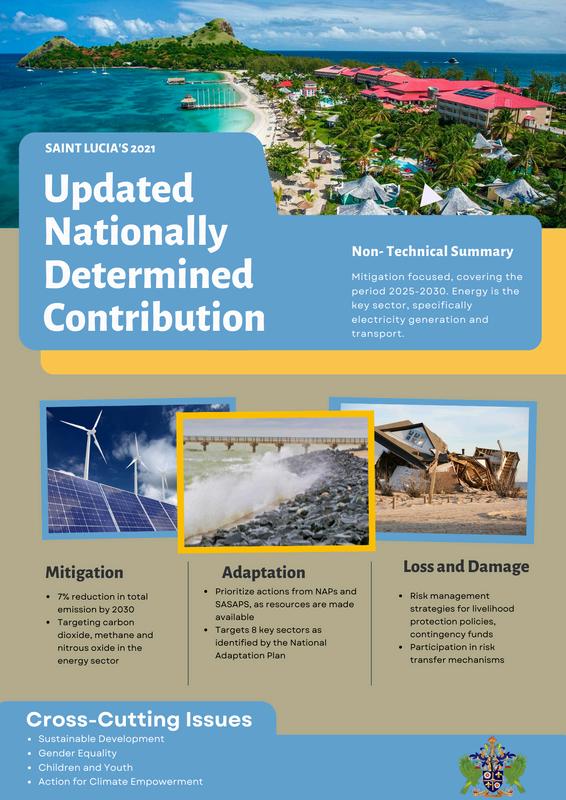
A condensed look at the elements of the Updated NDC of Saint Lucia
ACTIONON ACTIONON ACTIONON
MITIGATION MITIGATION MITIGATION
Energy Sector
National Energy Policy 2023 - 2030
In October 2023, the Cabinet of Ministers approved the 2023-2030 National Energy Policy (NEP). The overall vision of the Policy is a modern, sustainable energy sector focused on energy security, cost minimization, and local enfranchisement.
The NEP has seven goals:
Ensure a secure, reliable, affordable, transparent, greener, and resilient electricity sector; 1.
Decarbonize thermal applications; 2
Make reduction in energy intensity a key driver of decarbonization;
Decarbonize the transport sector;
5
Ensure a safe, reliable and affordable supply of petroleum products and their efficient and environmentally safe storage, handling, and use;
6 Facilitate access to financing for renewable energy and energy efficiency
Ensure that human, technical and institutional capacities are aligned with the needs of the energy sector and policy objectives, by integrating social and gender aspects into energy sector development; and,
To guide the achievement of the NEP, an accompanying action plan has also been prepared This plan outlines the governance framework, a monitoring and evaluation plan, and a risk analysis for the NEP
The Energy Division of the Ministry of Infrastructure, Ports, Transport, Physical Development and Urban Renewal has overall responsibility for implementing this Action Plan.
Transport Sector
The drive to renewable - electric vehicles
There are two transformative projects currently being executed in support of efforts in the transport sector, to reduce vehicle emissions. The first project, Supporting the Shift to Electric Mobility in Saint Lucia, is a regional project being implemented across four islands and runs from August 2023 until January 2027 The objective of this project is to promote an integrated, sustainable and low-emission transport system, and reduce fossil fuel consumption, greenhouse gas (GHG) emissions and air pollution from the transport sector in Saint Lucia
This project will target the various sections of the transport sector and will include activities to train emergency services in Electric Vehicle Emergency Response, create a safe passenger mobility policy, develop a sustainable endof-life system, and pilot demonstrations of actual electric vehicles on the island The Department of Sustainable Development is the executing agency for this project, with implementation support from the United Nations Environment Programme (UNEP)
This project will be complemented by the Supporting the implementation of NDCs in the Caribbean – transforming the transport and energy sectors towards a low-carbon and climate-resilient future (NDC-TEC) initiative that is being implemented by the Deutsche Gesellschaft für Internationale Zusammenarbeit (GIZ) GmbH until 2027. With a regional focus, its objective is that Caribbean countries set themselves ambitious climate targets and work toward a transition in the transport sector, which is based on electric mobility and renewable energy. The main activities under this project include the revision of Nationally Determined Contributions (NDCs) of the 5 partner countries, pilot investments for electric vehicles, and policy enhancements to facilitate the scale-up of electric vehicle use with several regional training opportunities on electric mobility
Tax Concessions for EV and Hybrid
The Government of Saint Lucia, through the Department of Finance, has announced an extension of the existing concessions on hybrid vehicles and vehicles that operate on sustainable fuels This decision aligns with the CARICOM Council for Trade and Economic Development's (COTED) endorsement and reflects the Government’s ongoing commitment to promoting environmentally sustainable practices
The concessionary rates for importing hybrid and electric vehicles have been extended until November 30, 2024
These financial incentives have been introduced to encourage Saint Lucians to adopt a greener and more sustainable lifestyle, while contributing to the achievement of the NDC commitment to cut greenhouse gas emissions in the energy sector by 7%, relative to 2010 levels, by 2030
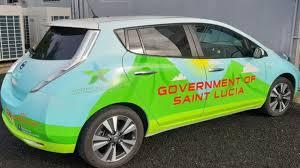
Electric vehicle operated by the department of sustainable development
ACTIONON ACTIONON ACTIONON
ADAPTATION ADAPTATION ADAPTATION
In the previous edition of our newsletter, we highlighted adaptation progress in three of the eight priority sectors: water, agriculture and fisheries. Check out our key updates below from this edition's selections of priority sectors.
Water Sector
2024 Water-Related Emergency
In May 2024, due to the exceptional shortage of rain throughout the island, the Saint Lucia Water and Sewage Company (WASCO) declared a WaterRelated Emergency, pursuant to Section 10 of the Water and Sewerage Act Cap 9 03 Jason Ernest, Director of the Water Resources Management Agency, noted that this is the fourth water emergency declared in the past decade, with the last one occurring in 2020 "It is not business as usual!" Ernest declared
WASCO has also reported a significant reduction in water levels at the northern and southern intakes by as much as 75%, with the John Compton Dam, which supplies about half of the island with water, dropping by an average of 5 to 6 inches of water daily
With the Water Related Emergency now published in the Saint Lucia Gazette, the use of potable water for non-potable purposes, as well as the contamination of water, is punishable by a fine not exceeding EC$ 3000, up to six months imprisonment, or both.
With the passage of Hurricane Beryl and the changes in rainfall over the last few months it is hoped that the water emergency can be declared over.
Education Sector
The Ministry of Education, Sustainable Development, Innovation, Science, Technology, and Vocational Training, through the Department of Education, has made significant strides to implement adaptation measures in the Education sector
Through the Education Quality Improvement Project (EQUIP), the GOSL is aiming to continue quality adjustments and transformation of the education system by making it responsive to the needs of all learners and more aligned with the requirements of the 21st-century labour market
The two key components of the project with inherent resiliency elements are
Component One: Improvement of the Teaching and Learning Environment, and Component Five: Technical Assistance - Climate Vulnerability Assessment Through the implementation of Component Five, the Department of Education will complete a Climate Vulnerability Assessment (CVA) of all schools in Saint Lucia to map the vulnerability of the buildings to natural hazards and to identify corrective measures.
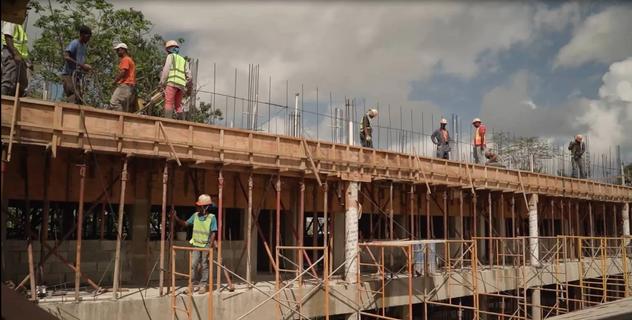
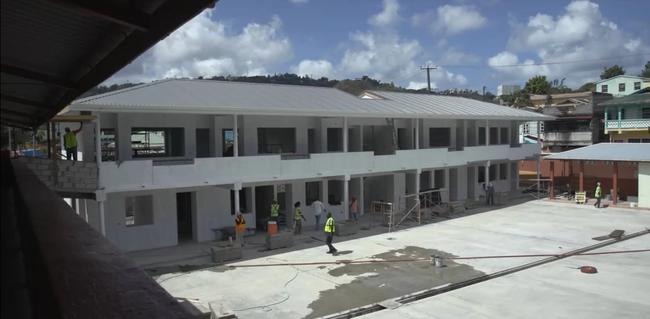
Activities under Component One of EQUIP included the completion of a construction prototype for three schools to implement some of the measures identified. These schools, La Guerre Primary School, Gordon and Walcott Memorial Methodist School and Vide Bouteille Primary School, operate as emergency shelters during the hurricane season.
The EQUIP project is a good example of adaptation action that can be executed within sectors to benefit stakeholders and facilitate resilience to the adverse impacts of climate change
Structural upgrades being done to Gordon and Walcott Memorial Methodist School and Vide Bouteille Primary School
Adaptation Policy Development
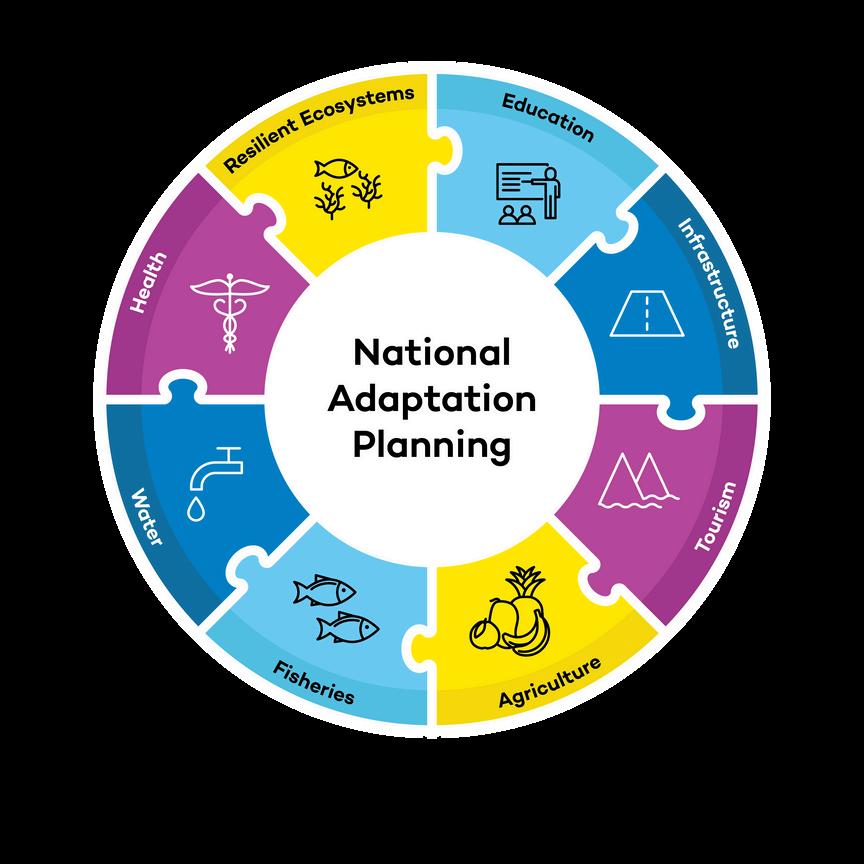
Action on adaptation in Saint Lucia is predominantly driven by guidance provided in the 2018-2028 National Adaptation Plan (NAP) and its supplementary Sectoral Adaptation Strategy and Action Plans (SASAPs) Five of the eight adaptation priority sectors: water, agriculture, fisheries, resilient ecosystems, and health, have articulated SASAPs that guide our adaptation efforts, with the three remaining sectors: education, tourism, and infrastructure and spatial planning, now commencing efforts to develop SASAPs
The Department of Sustainable Development (DSD), in its role as Climate Change Focal Point for Saint Lucia, is therefore leading the implementation of a Green Climate Fund Readiness grant titled ‘Enhancing Saint Lucia's National Adaptation Plan (NAP) Process Through the Elaboration of Sector Strategies and Action Plans, a Strengthened Evidence Base, and Improved Private Sector Engagement,’ valued at USD 1,742,759, to support the development of the remaining SASAPs
This project was launched in February 2024, with high-level representation from the Minister with responsibility for climate change matters, Honourable Shawn Edward, and Head of Secretariat, National Adaptation Plan Global Network, International Institute for Sustainable Development (IISD), Dr. Orville Grey. IISD serves as the delivery partner for the project.
CROSS-SECTORAL CROSS-SECTORAL CROSS-SECTORAL
ACTIONFOR ACTIONFOR ACTIONFOR
CLIMATECHANGE CLIMATECHANGE CLIMATECHANGE
Climate Change Act
On April 15, 2024, the House of Assembly and Senate of Saint Lucia enacted the monumental Climate Change Act of 2024 This enactment made Saint Lucia one of the first countries in the Caribbean Community to develop and pass an Act specific to climate action, reporting, and national climate change policy development.
The binding nature of the Act underscores the political will and leadership of the Government of Saint Lucia to act on climate. It also amplifies the essential role of climate change governance in guiding action, while providing an example of successfully linking the international climate change agenda with national action.
The Climate Change Act No. 3 of 2024, was developed to implement the United Nations Framework Convention on Climate Change (UNFCCC), the Paris Agreement (PA), and the Kyoto Protocol (KP) to the UNFCCC This Act supports the functions of the Department responsible for climate change matters to establish an electronic climate change database and the Climate Change Committee, to set the parameters for the development of the Climate Change Adaptation Policy (CCAP), the National Adaptation Plan (NAP), the Nationally Determined Contribution (NDC), and to account for greenhouse gas emissions and related matters
The passage of the Act is especially instrumental as Saint Lucia is currently revising its Nationally Determined Contribution, to be submitted in 2025, and developing a Greenhouse Gas Inventory as part of the Fourth National Communication to the UNFCCC, to be submitted in 2026
Finance for Climate Action
Establishment of a Climate Finance Unit
The Global Green Growth Institute (GGGI) is currently supporting and leading the implementation of the Technical Assistance to Support Institutional Strengthening of Saint Lucia's Climate Change Financing Framework initiative This project is being implemented from January 2024 to October 2025 and is being funded by the NDC Partnership Action Fund (PAF), at a total of USD 420,436
Key project deliverables include the design and implementation of a Climate Finance Unit; a validated Climate Public Expenditure Institutional Review (CPEIR) Report; assessment of options and provision of guidance for the integration of a Climate Finance Tracking System into existing financial systems and processes; and the dissemination of information to key stakeholders in Saint Lucia, regionally, and internationally, to enhance understanding and awareness of Saint Lucia’s National Climate Change Financing Framework
Green Climate Fund (GCF) Readiness
Through the GCF, a twenty-four-month readiness grant titled Catalyzing Lowcarbon Investment and Mobilizing Finance for Saint Lucia (CLIMB-SLU), was also approved to transform the climate finance landscape of the country.
This project, valued at USD 1,631,349, is also being implemented by GGGI, with key project deliverables that include a capacity gap assessment to identify sustainable banking capacity and system gaps across local financial institutions (LFIs); a 24-month sustainable banking training program; an annual sustainable banking report; support to two financial institutions to design and implement Environmental and Social Management Systems (ESMS); a Green Affordable Housing Concept Project Preparation Facility application; support to one financial institution through the pre-issuance process of a Green, Social, and Sustainability (GSS) Bond; and support to a LFI’s GSS Bond roadshow, development of the GSS bond pitch, and completing investors Frequently Asked Questions documents
Finance for Climate Action Cont’d
Resource Mobilization through Enhanced Technical Capacity
The Climate Finance Access Network (CFAN) has embedded a CFAN Advisor in the Department of Economic Development, the National Designated Authority to the Green Climate Fund The CFAN Advisor, Ms Skeeta Carasco, is supporting the Government of Saint Lucia to build long-lasting capacity to identify the sources and instruments for delivering climate finance, establish relationships with climate finance providers, and structure financing for mitigation and adaptation investments
Hired locally, Ms Carasco will participate in stateof-the art training and subsequently work with CFAN to conduct climate finance workshops for civil servants, ensuring lasting capacity in-country through knowledge transfer to Government officials
She will receive technical support from the Network throughout her tenure and also benefit from the Network’s peer-to-peer advisory support
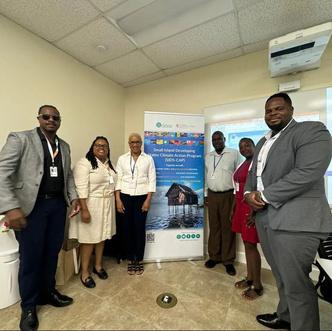
The second instance of technical capacity support being offered is through the Small Island Developing States Capacity Building and Resilience (SIDAR) Project. This eighteen-month regional project is being implemented by the Caribbean Community Climate Change Center, with funding support from the United Kingdom, and is valued at GBP 2,700,000. The SIDAR project aims to address the disadvantages SIDS face by focusing on building sustainable capacity and increasing access to affordable finance through the deployment of two technical officers- a project development consultant and a project officer, to be embedded within the Government of Saint Lucia
Other host countries for the SIDAR Project include: Belize, Dominica, Grenada, Jamaica, Saint Lucia, St Vincent and the Grenadines and Suriname
Ms Skeeta Carasco
CFAN Advisor, Department of Economic Development
ACTIONON ACTIONON ACTIONON
CLIMATE CLIMATE CLIMATE
Youth in Climate Change Project
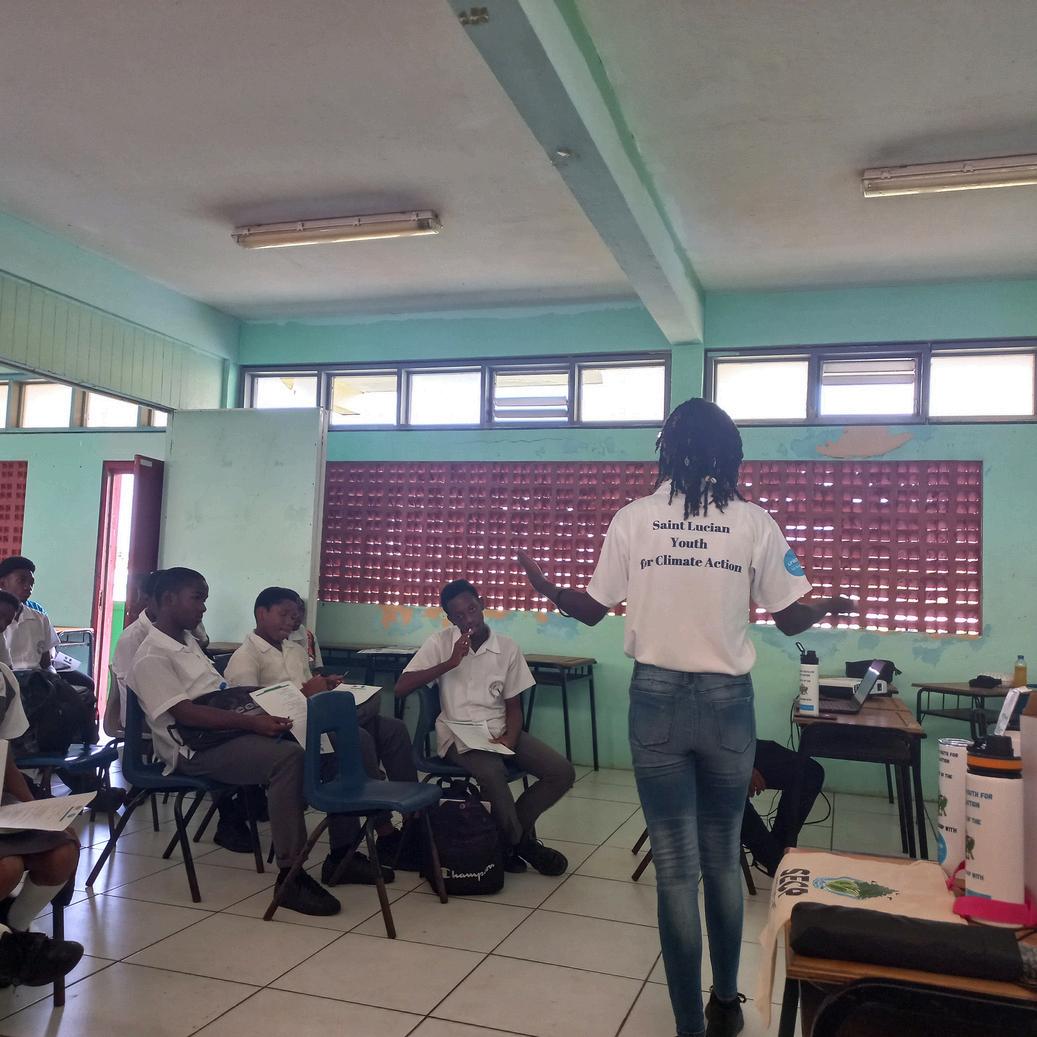
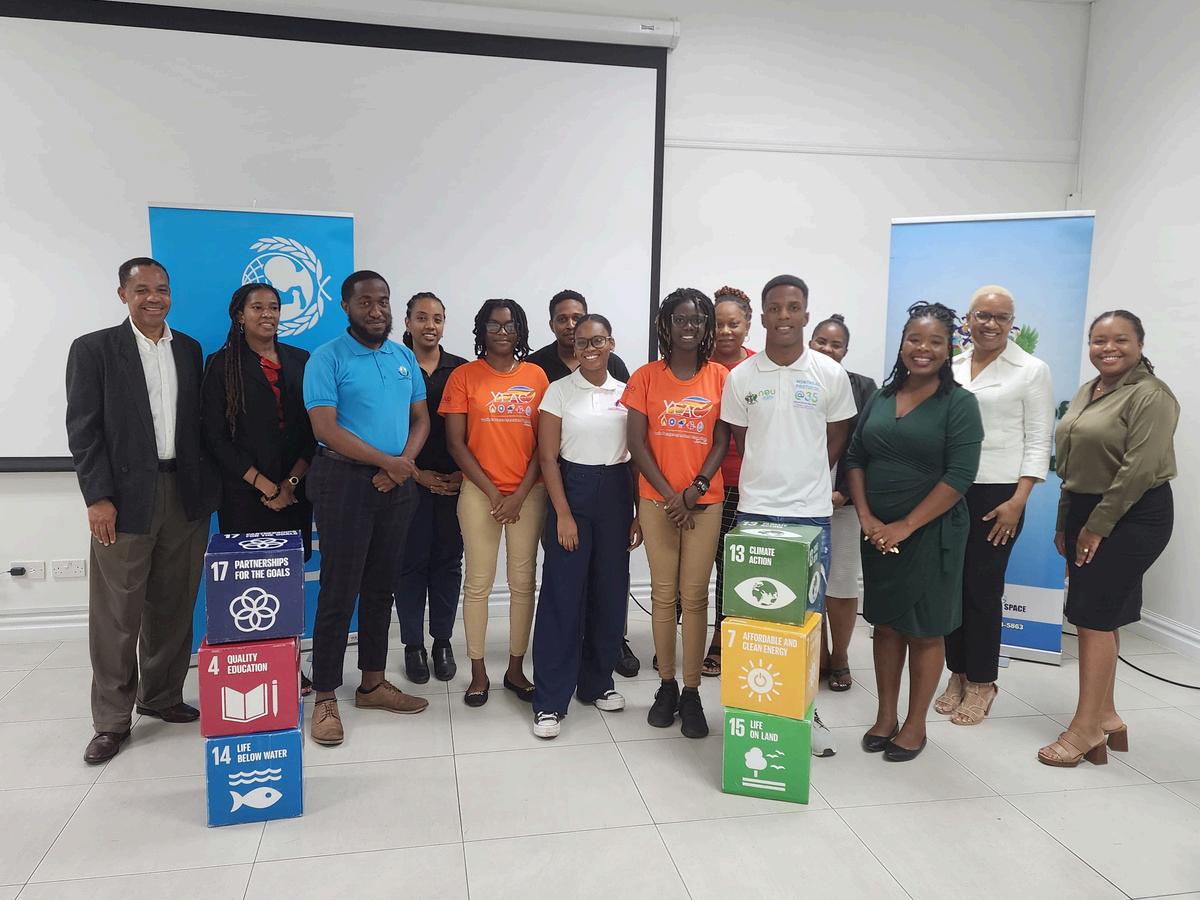
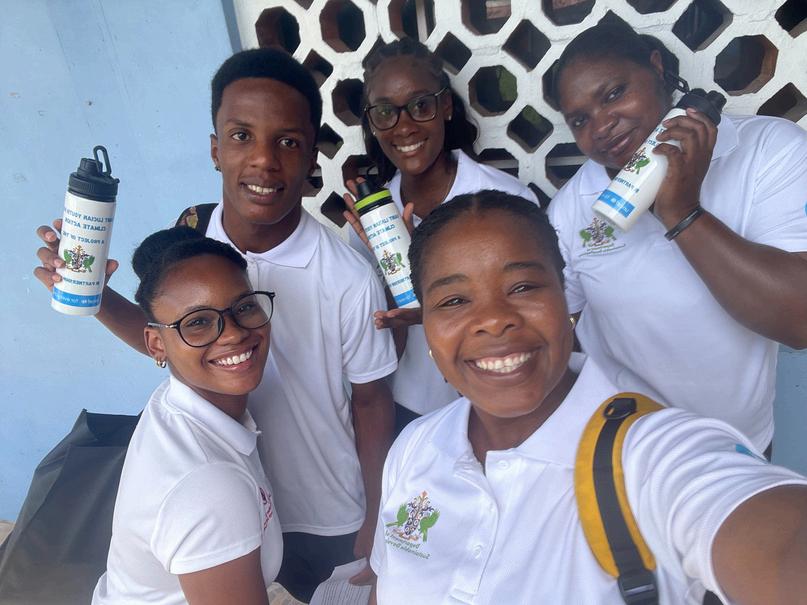
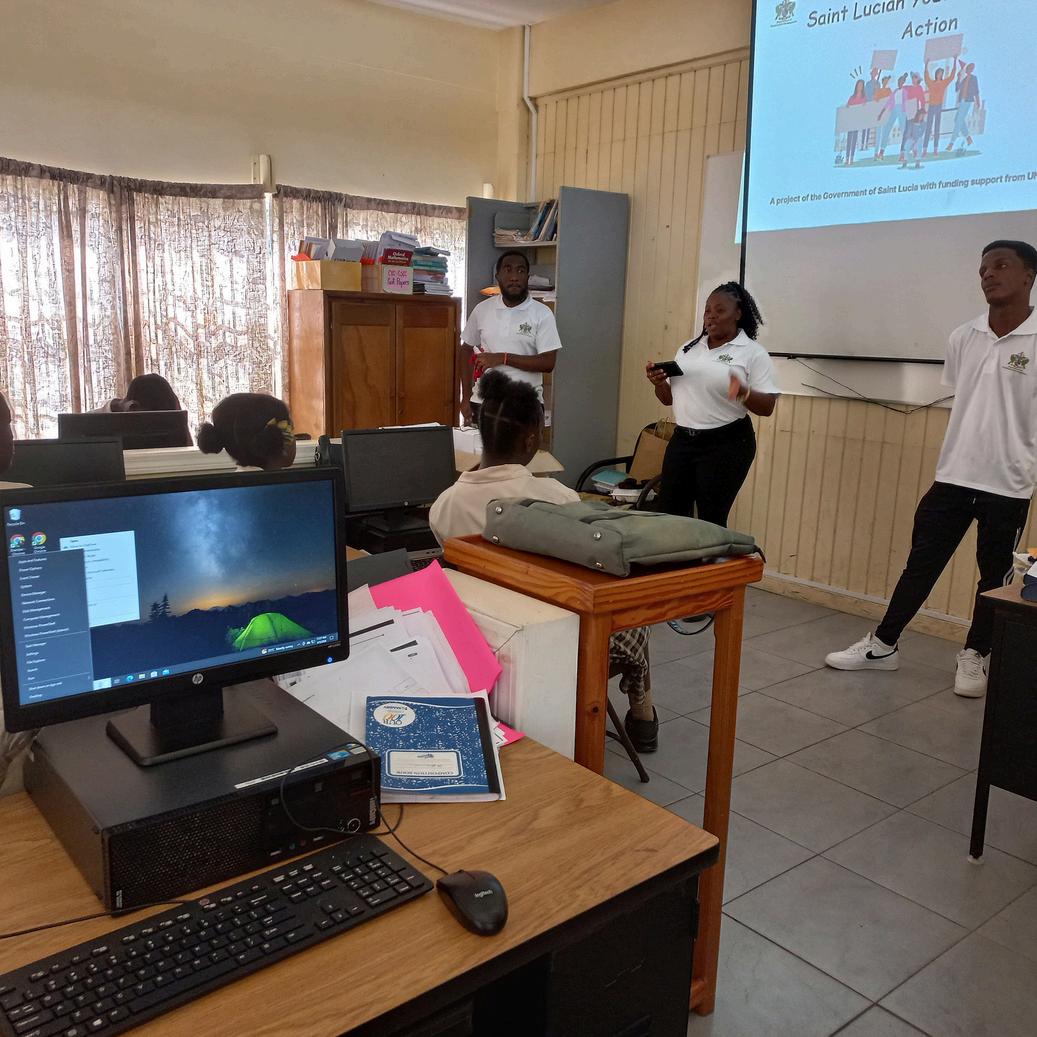
The Department of Sustainable Development (DSD), in its role as Saint Lucia’s Focal Point for the United Nations Framework Convention on Climate Change (UNFCCC), is currently implementing a project titled ‘Technical Assistance to Enhance the Understanding of the Updated Nationally Determined Contribution (NDC) and Accelerating the Achievement of its Commitments’ This project is being executed from March to September 2024, and aims to raise the knowledge, action and awareness of Saint Lucian youth in the country’s NDC Commitments, and general climate change impacts and actions in Saint Lucia
Funding for the project, valued at USD 39, 085, has been provided by the United Nations Children's Fund (UNICEF), from the Eastern Caribbean Office, with further technical and logistical support from the Integrated Ecosystem Management and Restoration of Forests on the South East Coast of Saint Lucia (SECP) Project and the Natural Resource Management of the North East Coast Project (Iyanola Project).
The key target of the project is children and youth – a key stakeholder grouping, as outlined in the updated NDC (2020) of Saint Lucia Secondarily, it will also support the engagement of civil society actors, primarily youth organizations, in building their capacity to engage and report on climate action, in preparation for h i ti t th E h d T ency Framework The Enhanced porting their greenhouse gas ange impacts and adaptation, nd received
Youth in Climate Change Project cont’d
The project also promotes Saint Lucia’s efforts to achieve a key commitment of its NDC related to Action for Climate Empowerment (ACE), that is, empowering all members of society to engage in climate action, through the six ACE elements - climate change education and public awareness, training, public participation, public access to information, and international cooperation on these issues.
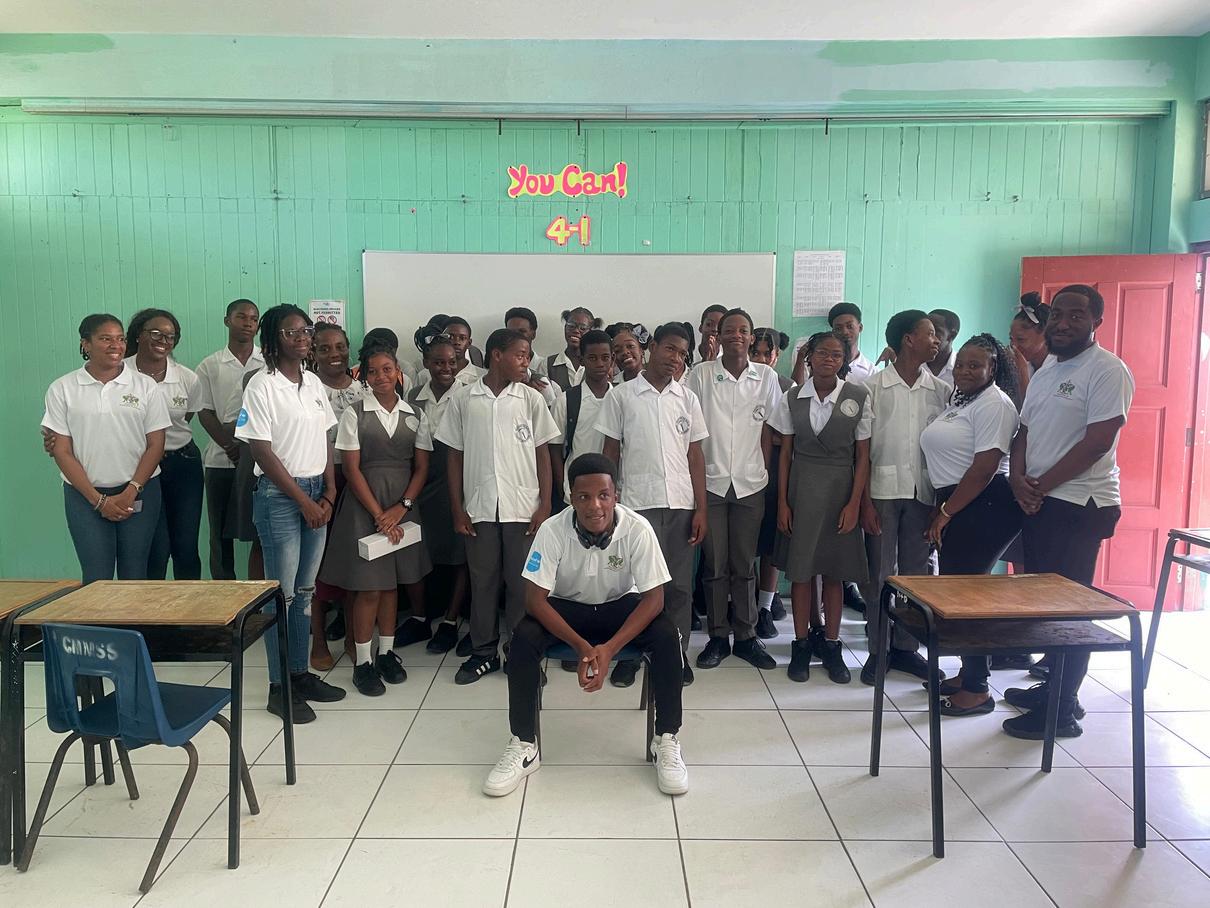
During its implementation, it is expected that approximately 810 third-form students will be engaged from every secondary school on the island, in an engagement session focused on climate change-specific knowledge and awareness sessions, engage 10 students from the Sir Arthur Lewis Community College in a one-month internship, while building the capacity of national Youth-Led Organisations to participate and contribute to the national climate dialogue, as well as development and implementation of national climate policy
Gender
DIVISION OF GENDER AFFAIRS GETS A NEW BUILDING
On May 31, 2024, the Division of Gender Affairs officially moved into a new office and celebrated this move with a hand-over ceremony for the space that is now dedicated to the work of the Division The building is located at the corner of High and Chisel Street and also houses the National Council of Voluntary Women's Organizations, providing a significant boost to gender equality initiatives in Saint Lucia
The handover was facilitated by the Minister with responsibility for Gender Affairs, Honourable Dr Virginia Albert Poyotte
Gender remains a cross-cutting element in the implementation of action in Saint Lucia’s NDC and the new office shows the commitment of the Government of Saint Lucia in ensuring gender considerations are incorporated in every aspect of national development.
International Climate Action
28th Conference of the Parties
Saint Lucia was represented at COP28 by a delegation comprising high-level and technical delegates from various organizations The delegation included the Honourable Prime Minister, Philip J Pierre, and the Minister with responsibility for climate change matters, Honourable Shawn Edward, and others. Technical members of the delegation followed and participated in several negotiation streams, including, among others, adaptation, loss and damage, global stocktake, finance, just transition, gender, technology, capacity building and action for climate empowerment.
The delegation also included four youth delegates: Jevanic Henry – a Climate Fellow attached to the Permanent Mission of Saint Lucia to the United Nations, through the Alliance of Small Islands States Fellowship; Kina Nichols (member of Caribbean Youth Environment Network (CYEN)) and Beana Joseph (member of Commonwealth Youth Climate Change Network (CYCN)– both of whom participated in a six-month long youth climate negotiators training and were ultimately selected to participate in the climate negotiations; and Makela Jean, student pursuing graduate studies in Disaster Risk Reduction
Intergovernmental Panel on Climate Change
Saint Lucia participated in the 60th Session of the Intergovernmental Panel on Climate Change (IPCC-60) in January 2024 The Intergovernmental Panel on Climate Change is an intergovernmental body of the United Nations with a role to advance scientific knowledge about climate change caused by human activities. The referenced meeting will be the second meeting of the seventh assessment cycle
This session aimed to review the 6th assessment cycle and plan the 7th assessment cycle Science & Technology Officer within the Department of Sustainable Development, Joanne Norville, attended this meeting as the delegate for Saint Lucia, and supported the call by fellow Caribbean States to ensure that the upcoming assessment reports, which would be produced during this cycle, would include "due consideration to the state of the climate warming, progress on mitigation options, adaptation as well as the options and needs, and loss and damage" Small island delgates further advocated for the due consideration and guidance of Small Island Developing States (SIDS) in the development of reports
International Climate Action cont’d
4th United Nations International Conference on Small Island Developing States
Saint Lucia fielded a high-level delegation to the 4th International Conference on Small Island Developing States (SIDS4) held in Antigua and Barbuda from May 27-30, 2024 The delegation included the Honourable Prime Minister, Philip J Pierre; the Minister with responsibility for climate change matters, Honourable Shawn Edward; Director of Finance, Imran Williams; and Chief Sustainable Development and Environment Officer, Dawn Pierre-Nathoniel, among others.
The main outcome of SIDS4 was the adoption of the new Antigua and Barbuda Agenda for SIDS (ABAS) and a Call to Action on Mobilization of Resources for SIDS. The delegates from Saint Lucia ably contributed towards the successful hosting of the conference through their active participation in plenary, interactive sessions, dialogues and side events held during the week.
The conference also served as a massive networking effort that provided an opportunity to share experiences on actioning priorities such as utilizing innovative blue financing to bolster economic resilience against climate shocks and achieving sustainable and resilient ocean economies in SIDS through development cooperation. The team was also able to advance national issues through several bilateral meetings held with high-level delegates, inclusive of the Assistant Secretary-General and Head of United Nations Environment Program (UNEP), New York Office, Ligia Noronha; Caribbean Community (CARICOM) Secretary General, Dr Carla Barnett and UNFCCC Executive Secretary, Simon Stiell
As partners in transformational change, we want to hear from you! Please share your stories of impact, projects, best practices, vacancies and opportunities with us, to be published in our next newsletter!
Email us at sustainable devt@govt lc with the caption 'NEWSLETTER SUBMISSION'.
This newsletter is a product of the Department of Sustainable Development. Ministry of Education, Sustainable Development, Innovation, Science, Technology and Vocational Training
Georgianna Court John Compton Highway Castries Saint Lucia