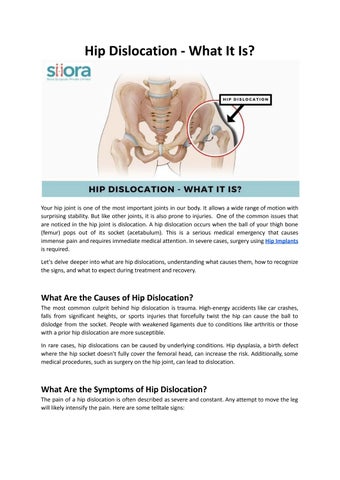
Hip Dislocation - What It Is?
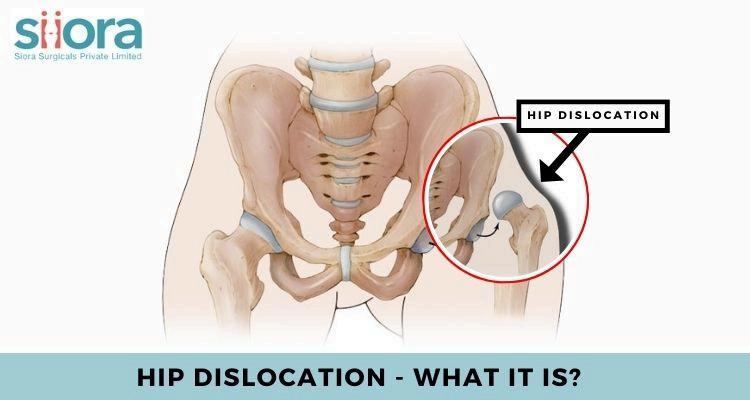
Your hip joint is one of the most important joints in our body It allows a wide range of motion with surprising stability But like other joints, it is also prone to injuries One of the common issues that are noticed in the hip joint is dislocation. A hip dislocation occurs when the ball of your thigh bone (femur) pops out of its socket (acetabulum). This is a serious medical emergency that causes immense pain and requires immediate medical attention In severe cases, surgery using Hip Implants is required
Let's delve deeper into what are hip dislocations, understanding what causes them, how to recognize the signs, and what to expect during treatment and recovery
What Are the Causes of Hip Dislocation?
The most common culprit behind hip dislocation is trauma. High-energy accidents like car crashes, falls from significant heights, or sports injuries that forcefully twist the hip can cause the ball to dislodge from the socket People with weakened ligaments due to conditions like arthritis or those with a prior hip dislocation are more susceptible
In rare cases, hip dislocations can be caused by underlying conditions. Hip dysplasia, a birth defect where the hip socket doesn't fully cover the femoral head, can increase the risk Additionally, some medical procedures, such as surgery on the hip joint, can lead to dislocation
What Are the Symptoms of Hip Dislocation?
The pain of a hip dislocation is often described as severe and constant. Any attempt to move the leg will likely intensify the pain Here are some telltale signs:
Leg deformity: The affected leg may appear shortened and rotated outwards in a posterior dislocation (the most common type).
Inability to bear weight: Putting any weight on the injured leg will be impossible.
Bruising and swelling: The area around the hip joint may become bruised and swollen
Numbness or tingling: Damage to nerves surrounding the joint can cause numbness or tingling down the leg
Seeking Medical Attention
If you suspect a hip dislocation, seeking immediate medical attention is crucial. Don't attempt to move the joint yourself. Call emergency services or have someone take you to the nearest hospital. Early diagnosis and treatment are essential to minimize complications and ensure a smooth recovery
What Treatment Options Are Available for Hip Dislocation?
The doctor will first confirm the dislocation using X-rays. The next step involves carefully maneuvering the femoral head back into the socket (reduction). This procedure can be painful, so you'll likely receive pain medication and muscle relaxants beforehand The orthopedic expert might give local anesthesia to curb pain before starting the procedure
Following reduction, the doctor will immobilize the joint with a splint or brace for several weeks to allow for healing. Physical therapy plays a vital role in regaining strength, flexibility, and range of motion in the hip In severe cases where there's significant damage to surrounding structures, surgery might be needed
Recovery and Long-Term Effects
Recovery from a hip dislocation typically takes weeks to months. Consistent physical therapy is key to regaining full function. The long-term outlook depends on the severity of the injury and any associated complications Most people regain full functionality, but some might experience lingering pain, stiffness, or weakness in the hip
How to Prevent Hip Dislocation?
While not always possible, certain measures can help reduce the risk of hip dislocation:
Strengthening the muscles around the hip joint: Regular exercises that target hip muscles improve stability and support
Maintaining a healthy weight: Excess weight puts additional stress on the hip joint
Wearing proper footwear: Supportive shoes with good traction can help prevent falls.
Following doctor's instructions: If you have a condition like hip dysplasia, adhering to your doctor's recommendations is crucial.
To know more about the advancements in the orthopedic industry and meet seasoned experts, register for the ECTES Conference.