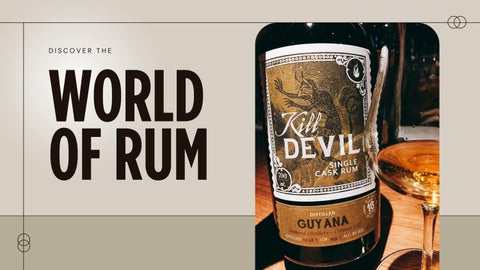
WORLD OF RUM
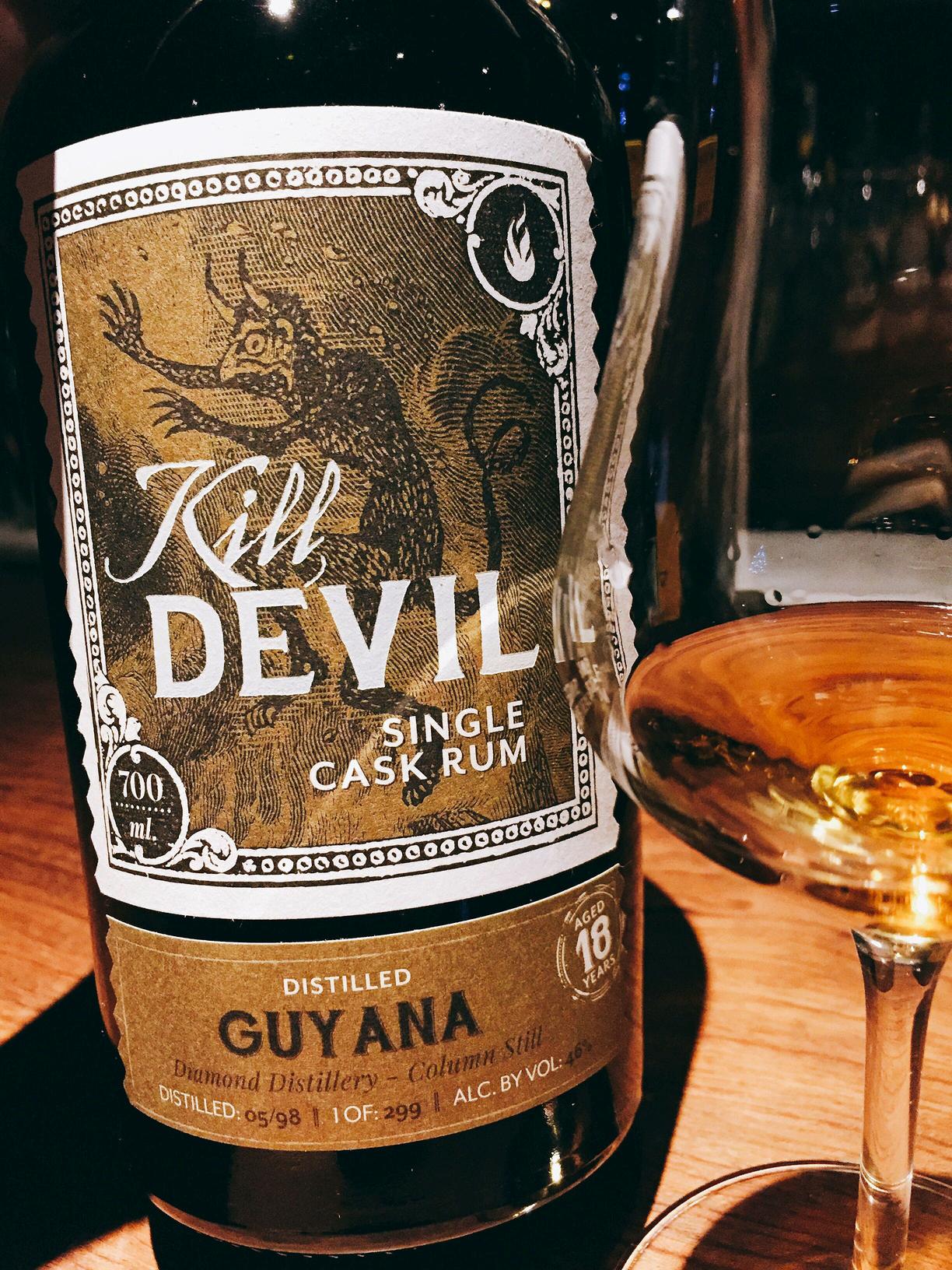
ABOUT RUM
Rum is a versatile and storied spirit with a history that dates back centuries. Originati in the Caribbean, rum has become a belove drink worldwide, celebrated for its diverse flavors and styles.
This guide aims to introduce you to the wo of rum, exploring its various types, product methods, tasting notes, and more.
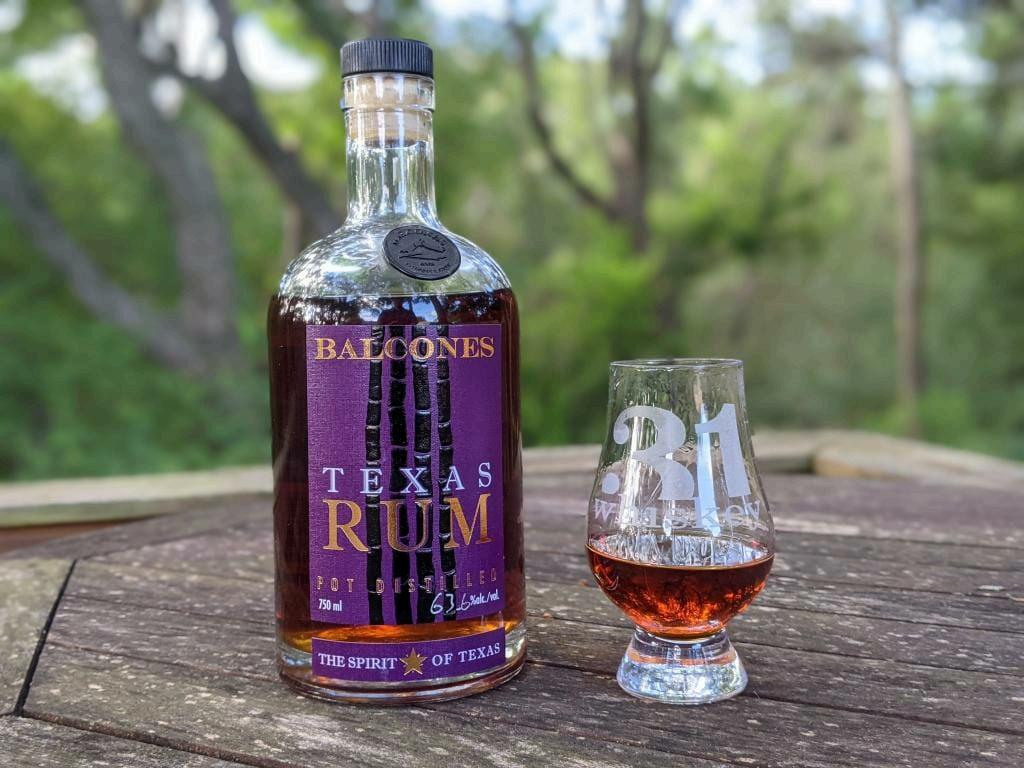
TYPES OF RUM
Rum comes in several distinct varieties, each with its unique characteristics and flavor profiles. Here are the main types of rum you should know:
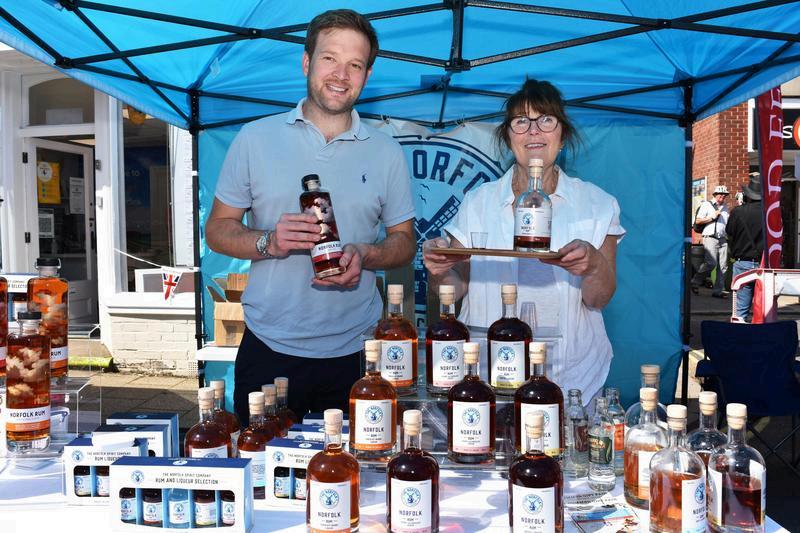
White Rum: Known for its light, clean flavor, white rum is often used in cocktails like the Mojito and Daiquiri. It's typically unaged or aged for a short period.
Gold Rum: Aged longer than white rum, gold rum has a richer flavor and a golden color from the barrels it's aged in. It's perfect for sipping or mixing in cocktails.
Dark Rum: This type of rum is aged the longest, giving it a deep, robust flavor with notes of caramel, molasses, and spices. Dark rum is ideal for sipping or adding depth to cocktails.
Spiced Rum: Infused with spices like cinnamon, nutmeg, and vanilla, spiced rum adds a flavorful twist to cocktails and can also be enjoyed on its own.
Flavored Rum: With added flavors like coconut, pineapple, or mango, flavored rum is great for tropical cocktails and adding a burst of flavor to mixed drinks.
HOW RUM IS MADE
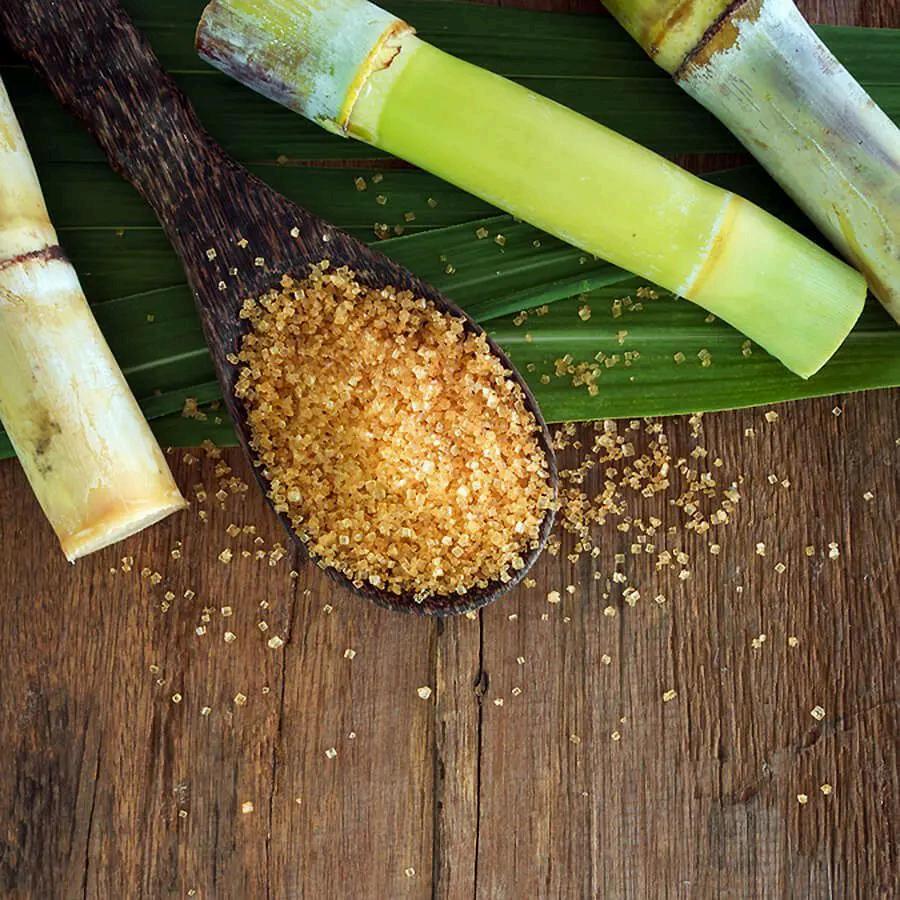
The production of rum involves several steps, from harvesting sugarcane to distillation and aging: Harvesting: Sugarcane or molasses, a byproduct of sugar production, is harvested and processed. 1.
Fermentation: The sugarcane juice or molasses is fermented with yeast, converting sugars into alcohol. 2.
3. Aging: The distilled spirit is aged in barrels, which imparts flavors and color to the rum.
Distillation: The fermented mixture is distilled to create a high-proof spirit.
4. Blending: Aged rums are often blended to achieve a consistent flavor profile before bottling. 5.
RUM TASTING GUIDE
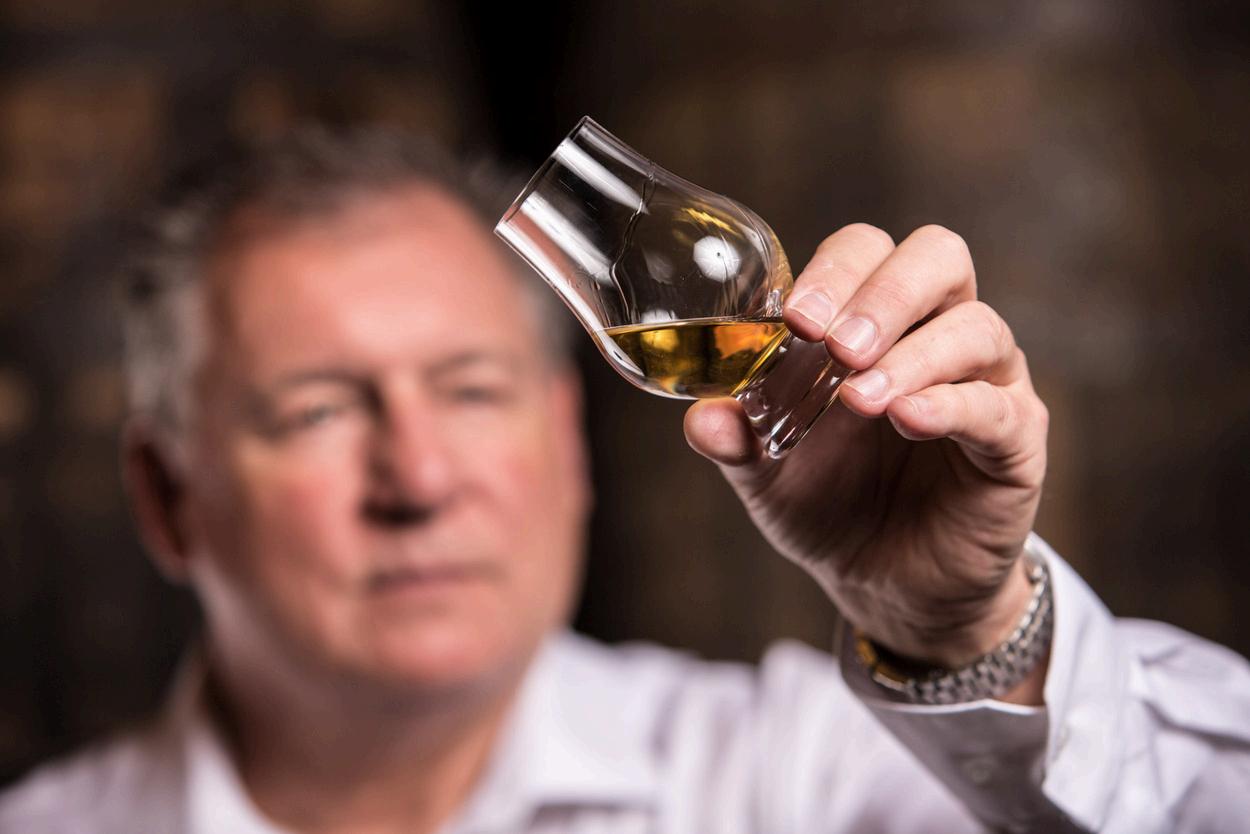
Tasting rum involves assessing its appearance, aroma, taste, and finish:
Appearance: Observe the color and clarity of the rum.
Aroma: Swirl the glass and inhale the aromas. Look for notes of vanilla, caramel, spices, or fruit.
Taste: Take a small sip and let it coat your palate. Identify flavors such as sweetness, spice, or oak.
Finish: Note the aftertaste and how long the flavors linger.

POPULAR RUM COCKTAILS
um is a key ingredient in many classic cocktails. ere are some favorites:
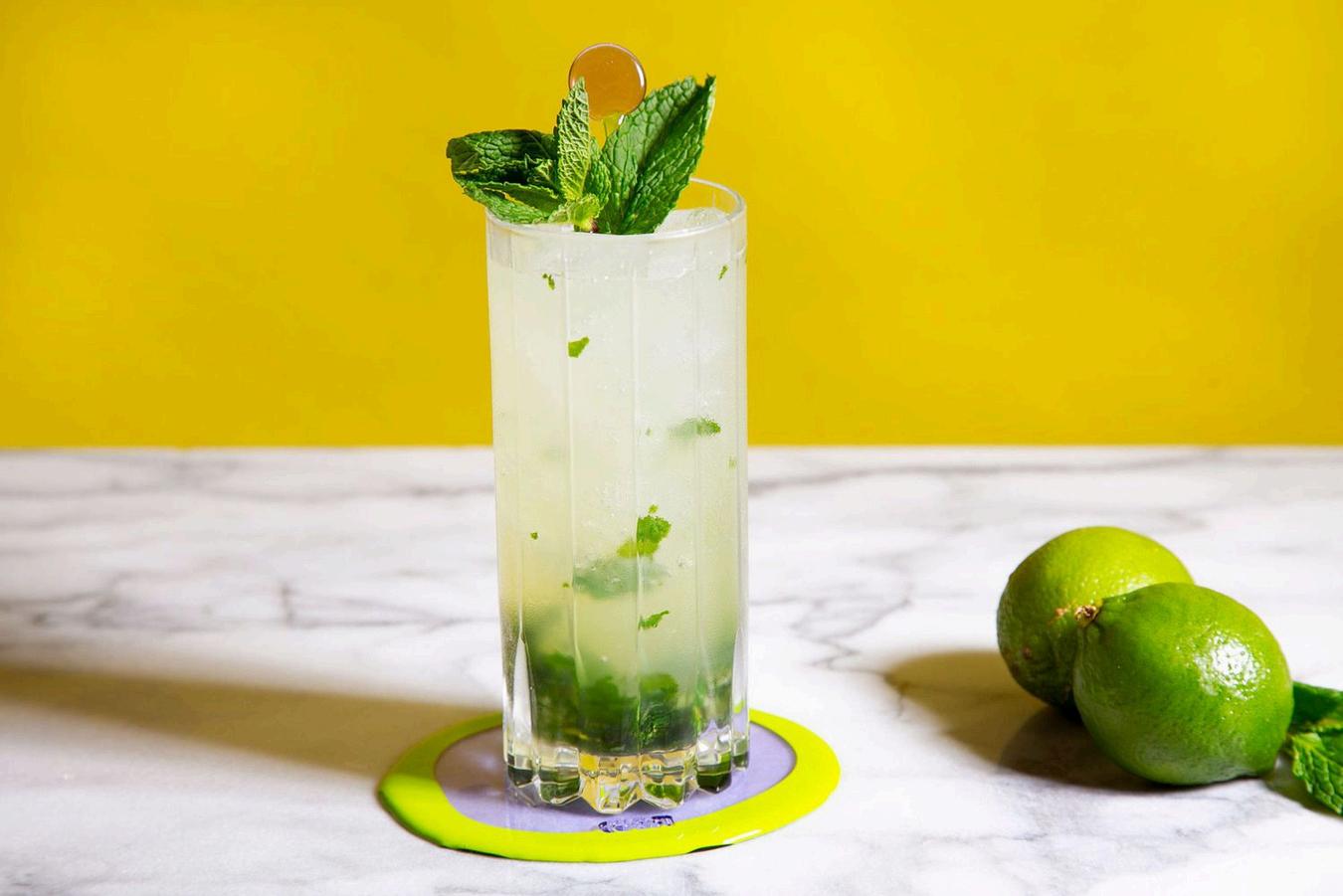
Mojito: A refreshing mix of white rum, mint, lime, sugar, and soda water.
Daiquiri: A simple yet delicious combination of white rum, lime juice, and sugar syrup.
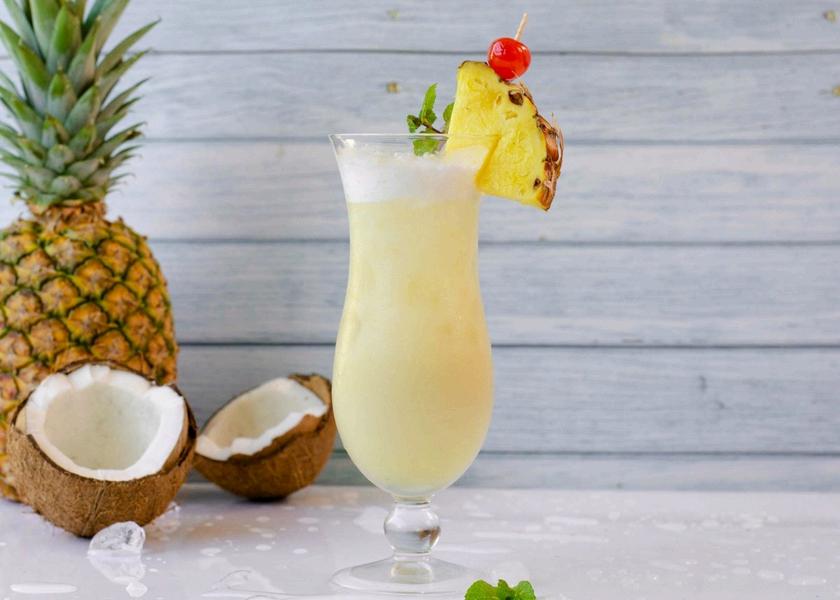
Piña Colada: A tropical blend of rum, coconut cream, and pineapple juice.
Mai Tai: A complex cocktail featuring rum, lime juice, orgeat syrup, and orange liqueur.
PAIRING RUM WITH FOOD
Pairing rum with food can significantly enhance your dining experience. White rum pairs excellently with light dishes such as seafood, salads, and grilled chicken. Gold rum, with its richer flavor, matches well with roasted meats, spicy dishes, and aged cheeses.
Dark rum complements rich desserts, dark chocolate, and hearty stews, offering a deep, robust flavor. Spiced rum is ideal for BBQ, spiced dishes, and festive desserts, adding a flavorful twist.
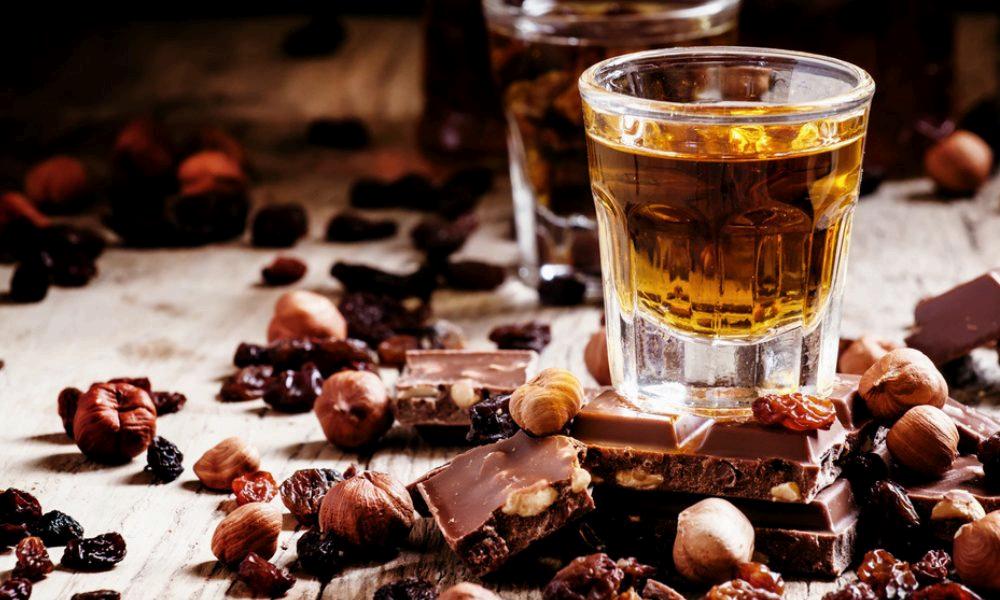
Lastly, flavored rum, with its added fruity notes, is great with tropical fruits, desserts, and light appetizers, making it a versatile choice for various culinary delights.