DISCOVER THE RICH HERITAGE OF SCOTTISH WHISKY
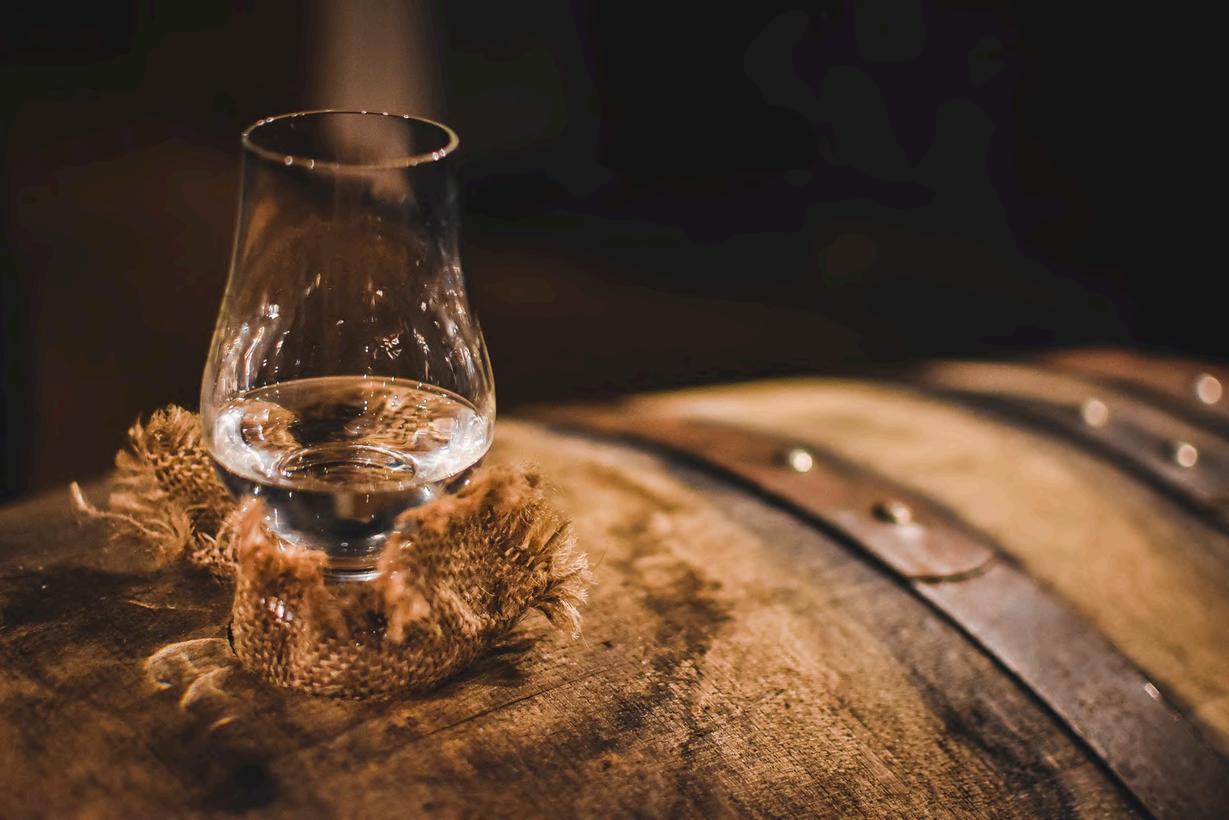

Scottish whisky, also known as Scotch, is a cherished beverage steeped in centuries of tradition.
Renowned for its distinct flavors and meticulous craftsmanship, Scotch whisky is a testament to Scotland's rich heritage and cultural legacy.
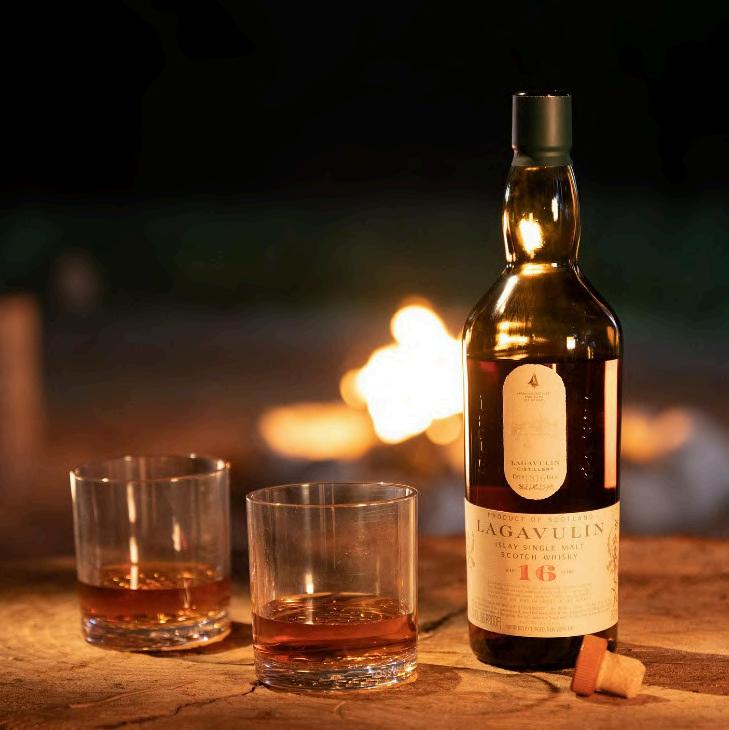

Made from 100% malted barley and produced at a single distillery, single malt Scotch offers a diverse range of flavors, from the smoky notes of Islay to the delicate sweetness of Speyside.
A combination of single malt and single grain whiskies, blended Scotch is crafted to achieve a consistent and balanced flavor profile, making it accessible to a wide audience.
Produced from grains other than malted barley, single grain Scotch is often lighter and milder providing a unique taste experience.
Also known as vatted or pure malt, blended malt Scotch is a mix of single malts from different distilleries, offering complex and harmonious flavors.
Known for its sweet and elegant whiskies, Speyside is home to over half of Scotland's distilleries. Expect notes of honey, vanilla, and fresh fruits.
The largest whisky-producing region, the Highlands offer a diverse range of flavors, from rich and robust to light and floral.
Famous for its heavily peated and smoky whiskies, Islay produces some of the most distinctive and bold Scotch whiskies.
Lowland whiskies are typically lighter and more delicate, with grassy and floral notes that make them an excellent introduction to Scotch.

Scottish whisky production is a meticulous p combines traditional methods with modern in steps include:
Barley is soaked in water, germinated, and dried in a kiln to produce malt.
The malt is ground and mixed with hot water to extract fermentable sugars.
Yeast is added to the wort to convert sugars into alcohol, producing a wash.
The wash is distilled twice in copper pot stills to increase alcohol content and refine flavors.
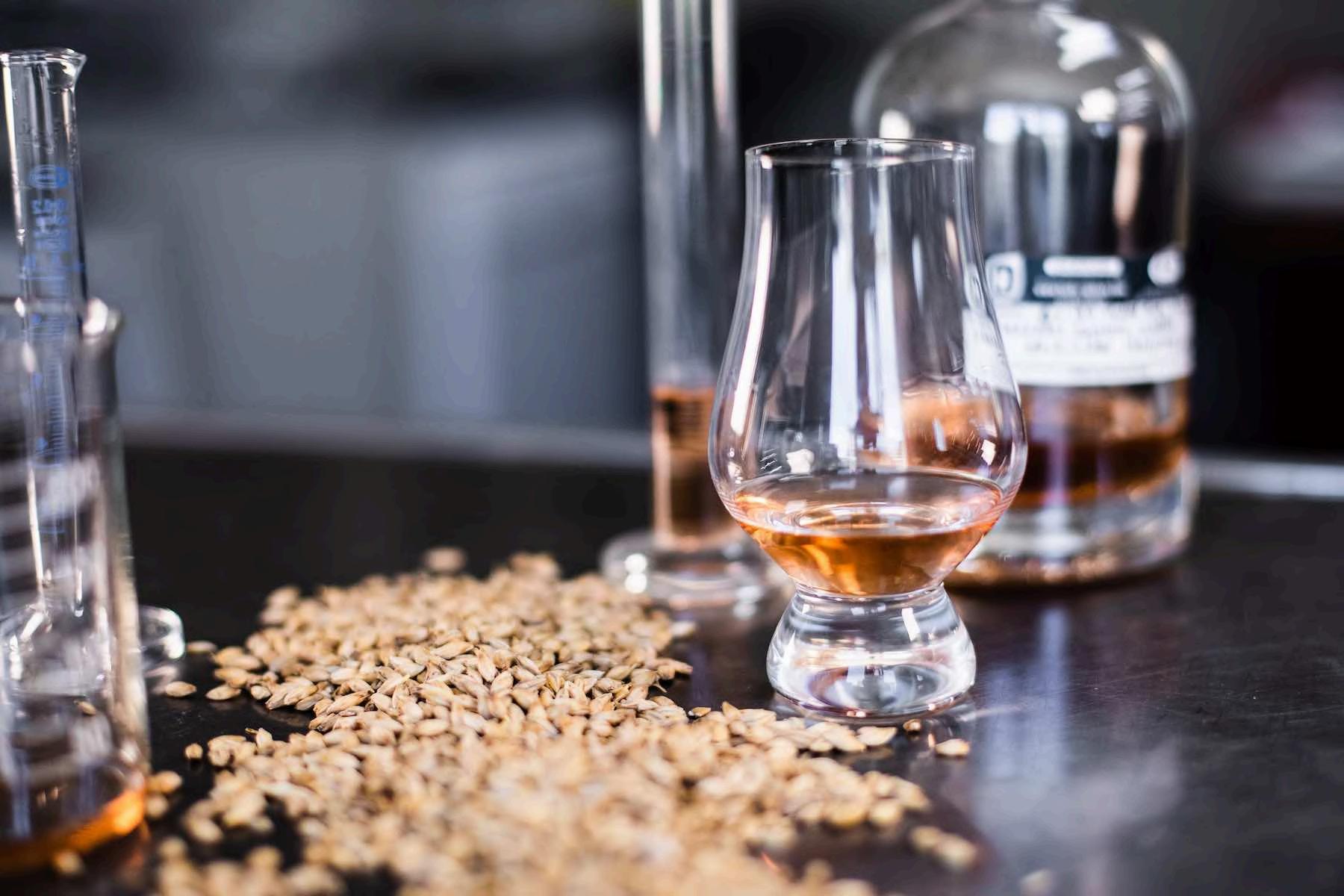
The spirit is aged in oak casks for a minimum of three years, allowing it to develop complexity and depth.
Observe the color, which can range from pale gold to deep amber, indicating the type of cask used for aging.
Nose
Gently swirl the whisky and inhale the aromas. Note the range of scents, from fruity and floral to smoky and spicy.
Take a small sip and let it roll over your tongue. Pay attention to the initial flavors, the mouthfeel, and the finish.
Finish
The aftertaste can linger, revealing additional layers of flavor. A long, smooth finish is often a sign of a well-aged whisky.


Scottish whisky pairs well with a variety of foods, enhancing both the drink and the dish.
Consider these pairings:
Cheese: Try aged cheddar or blue cheese with a rich, robust whisky.
Chocolate: Dark chocolate complements the deep, complex flavors of many Scotch whiskies.
Seafood: Smoked salmon or oysters are excellent matches for peated whiskies.
Nuts and Dried Fruits: These can enhance the natural sweetness and complexity of the whisky.