CURRICULUM OPTIONS GUIDANCE FOR NEW BOYS
The Third Form Curriclum
Our Third Form curriculum is broad and varied, offering a mixture of traditional academic subjects alongside a portfolio of stimulating modern options. The result is dynamic and exciting and enables boys to acquire a thorough grounding in the disciplines they need to thrive in future study whilst ensuring that their curriculum is contemporary and relevant.
Complementing this, we believe in the importance of choice: by choosing the subjects they study boys are inspired, engaged and motivated; they learn more, faster and, ultimately, do better. Therefore, complementing the ‘core’ of English, Maths, Science and Wellbeing, boys enjoy the freedom to shape up to half of their curriculum from a range of stimulating options.
As well as the importance of choice, the Third Form curriculum is also built around the development of 14 core skills, which are taught in five exciting cross-curricular modules.
By working towards shared goals across different subjects, boys develop the aptitudes they need to succeed, both as independent learners eager to explore their passions and also as future GCSE pupils learning to master the competencies they need to thrive at GCSE.
THIRD FORM CURRICULUM MODULES:
1. Identity and relationships
This module encourages boys to explore the memories, experiences, relationships, and values that encompass their sense of self. By considering the beliefs and principles upheld by the School, the country and other societies, they are better able to understand the standards and behaviours that make effective leaders and to follow them as they develop at school.
Skills incorporated: emotional intelligence and empathy; selfawareness; leadership and values; artistic and aesthetic sensibilities; creativity.
2. Innovations and critical thinking
In this module boys are taught to synthesize information and make connections to interpret information and to draw conclusions. Boys are also encouraged to evaluate ideas and to look at problems by thinking about how one part affects the other or the whole.
Skills incorporated: understanding challenge; planning and implementation; problem-solving; the ability to think critically, laterally and flexibly.
3. Environment and sustainability
At its core, this module captures the concept that the environmental and economic actions taken now do not diminish the opportunities of future generations. By exploring contemporary issues, boys understand their responsibility in conserving natural resources and learn custodianship of global ecosystems to support the health and wellbeing of others, both now and in the future.
Skills incorporated: awareness of global concerns; ability to draw conclusions.
4. Digital literacy
Through this module boys develop the capabilities to support living, learning, and working in a digital society. This begins with lower-level skills associated with access and function (e.g. finding, sorting and manipulating) and then progresses to higher-level capabilities (e.g. evaluating, managing and creating information in digital forms).
Skills incorporated: numeracy; communication; ability to draw conclusions; problem-solving; use of digital tools; being safe and working responsibly.
5. Languages, culture and society
In this module boys learn about the spoken and written expressions, the beliefs, traditions, activities, stories, and routines that make up the identities of certain groups of people. By studying others, boys not only develop an appreciation of other cultures and values but learn to recognise and respect their own.
Skills incorporated: research; public speaking; team work; understanding different cultures and beliefs; communication.
Core Curriculum
In the Third Form, English, Mathematics, Biology, Chemistry, Physics and ‘Wellbeing and Worldviews’ form the ‘core curriculum’, forming a kernel of lessons that, together, take up approximately half of each pupil’s timetable. English lessons follow a mixed language and literature syllabus, with a heavy focus on reading and the development of essential literacy skills. In Mathematics and the Sciences the focus is also skills-based, though boys are taught in sets based on ability with the intention being that, by the end of the year, boys in the top Science sets will follow an accelerated curriculum culminating in Triple Science GCSE with the rest of the year taking Dual Science. In the Third Form all boys complete the same course, so, while there will likely be some movement between sets during their first year at Sherborne, it makes no difference which set your son is in as all boys study the same material.
Wellbeing & Worldviews
Wellbeing & Worldviews is a new, bespoke course for Third Formers that engages with key relationship, citizenship, financial, and careers education. The ‘Worldviews’ element covers a variety of religious and nonreligious viewpoints which develop thought about important matters such as equality, inclusion and identity.
Real world ethical considerations are covered, exposing pupils to a myriad of different perspectives. Together, the Wellbeing & Worldviews course develops pupils’ spiritual, cultural and moral knowledge and understanding, whilst encouraging respect for other people, particularly those with protected characteristics.

Options choices
Choice is an important part of the curriculum. From the very start boys can choose the subjects they study outside of the core. We do this because we know that boys thrive when they study the subjects they enjoy; they also tend to achieve stronger results. For these reasons your son will be given free choice to pick the subjects he enjoys to complement those in the core curriculum. We do encourage boys to pick a Modern Foreign Language, but it is not mandated: boys are free to pick the options they want from the list below.
Overall, your son will be choosing five subjects in total, one from each block. The subjects available are:
• Art
• Classical Civilisation
• Computer Science
• Design & Technology
• Drama
• English as an Additional Language (EAL – for non-native speakers)
• French (please note, this should not be selected if your son has not studied French before)
• Geography
• German
• History
• Latin
• Music
• Spanish.
We also offer a triple language programme, which allows talented linguists the option of studying all three European languages above with the intention of taking French GCSE at the end of Fourth Form.
If you are interested in this option, please contact Judy Thurman judy.thurman@sherborne.org, Head of MFL, who will be happy to talk you through the triple language course.
By arrangement, Mandarin can also be provided. As Mandarin is offered via a package of bespoke tuition (similar to instrumental music lessons), it is available only as a paid extra. As with triple language, Mrs Thurman will be happy to provide further details. Boys may also pick four options instead of five and use the fifth slot for Learning Support.
Guidance on choosing
We recommend that boys consider three things when deciding whether to pick a subject:
1. Do I enjoy the subject?
2. Am I good at it?
3. How likely am I to study it for GCSE?
Of the three, the first point is the one to emphasise. In general, we find that boys who enjoy what they are doing (which is usually most of them!) tend to work hard, which tends to lead to academic success. Therefore, we encourage your son to choose the things that he thinks he will enjoy the most.
Except for French, it is fine for your son to choose something he has not studied before. This is often the case for Spanish and we also offer a Latin course for beginners too (though this does require boys to work hard if they wish to be able to begin the GCSE course the following year).
Once your son has picked his options, we ask he sticks with them for the duration of the Third
Form. Therefore, when making his choices, your son should keep at the back of his mind the thought that he is making a commitment to continue with these subjects for a year.
By picking a subject in the Third Form, it is important to stress that there is no expectation that your son continues with the subject to GCSE. Equally, not picking a subject in the Third Form does not preclude him from taking the subject for GCSE: it is, for example, fine to pick DT GCSE having not studied the subject in the Third Form. That said, you do need to have studied a language in the Third Form to pick it for GCSE and, in general, it does make for a better (and easier!) learning experience if you start the GCSE course building from a platform of strength in the Third Form. Therefore, we do recommend that your son picks options in the Third Form that reflect likelihood of future study.
We use a blocking system to arrange options such as the one shown in the diagram below. While this is illustrative, it is likely to be similar to the structure in place for your son. If your son’s
Block 1 Computer Science
DT
French German
Geography
Block 2
Block 3
preferred choices do not fit into the blocking structure below, please let us know and we will endeavour to accommodate his preferences.
Art Computer Science
Drama
DT EAL
French History
Music
Learning Support*
DT
Block 4
Computer Science
Drama
DT
Block 5
Art
Geography History
Geography History
Latin
Music
Spanish Learning Support*
Illustrative purposes only
Learning Support*
Learning Support*
*In most cases, Learning Support replaces a subject option. If you know your son is going to receive LS lessons, it works better to pick one fewer Third Form option so there is space for LS in your son’s timetable.
French Geography
History
Classical Civilisation
Spanish
Learning Support*
Deadlines and how to make your selection
Options choices are made online and it will take only a few minutes to submit the survey form. You will receive a link to the survey along with the rest of the new boys’ material. This is normally sent to parents at the start of the Trinity Term (i.e. April / May) with the request that you make your choices by the beginning of June
When making your choices, you will be asked to choose your preferences in each of the blocks. We may also ask you to indicate a back-up option too. We will do everything we can to ensure that your son receives his first choices though it is sometimes necessary to revert
to back-ups if courses become full. If there is a problem allocating your first choices, we will contact you to discuss alternatives.
Many thanks in advance for making your choices and for keeping to the deadlines. If you have any questions about the options, or if you do not receive a link to the survey at the start of the Trinity Term (April/May), please contact the Admissions Department using the email: admissions@sherborne.org.
Dr Tim Filtness Deputy Head (Academic)
Information about the individual options
Art
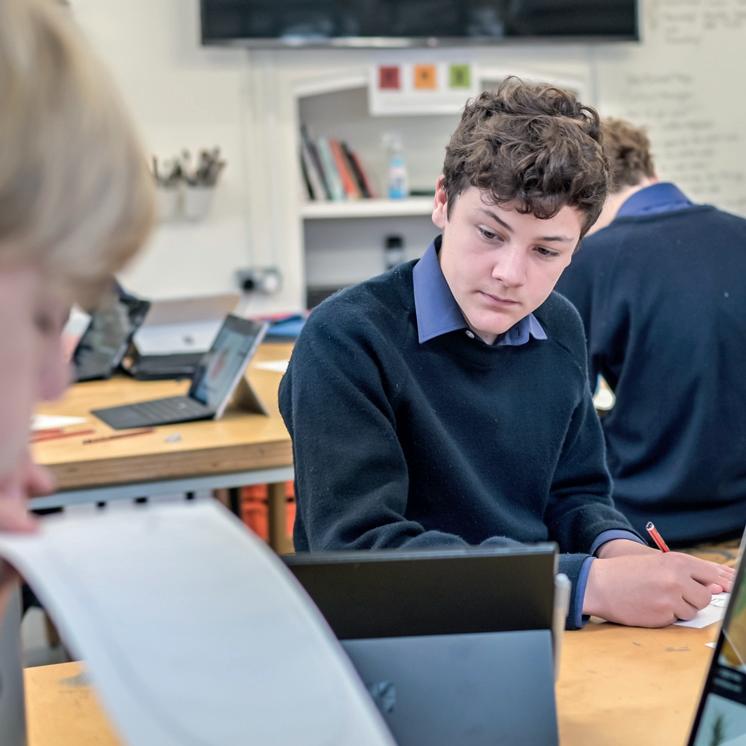
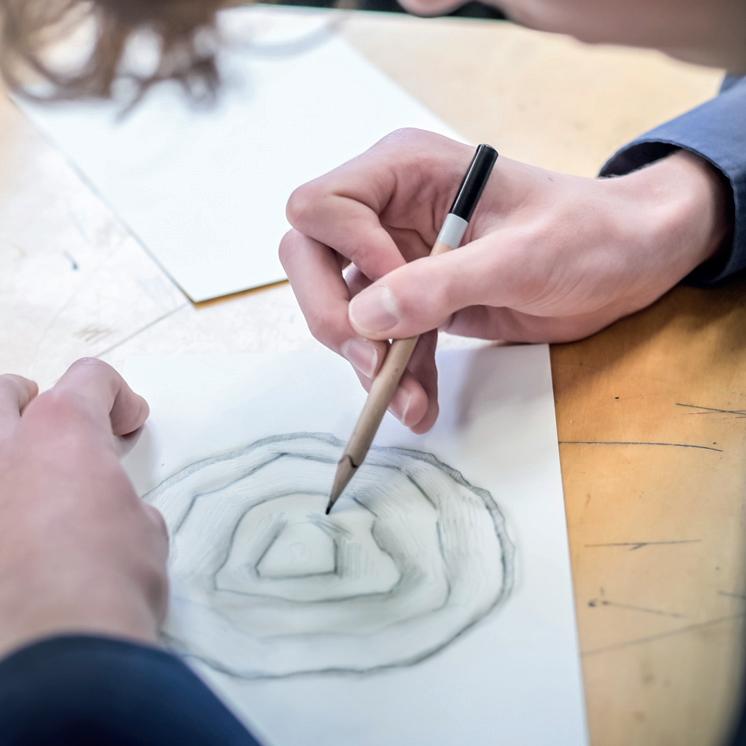
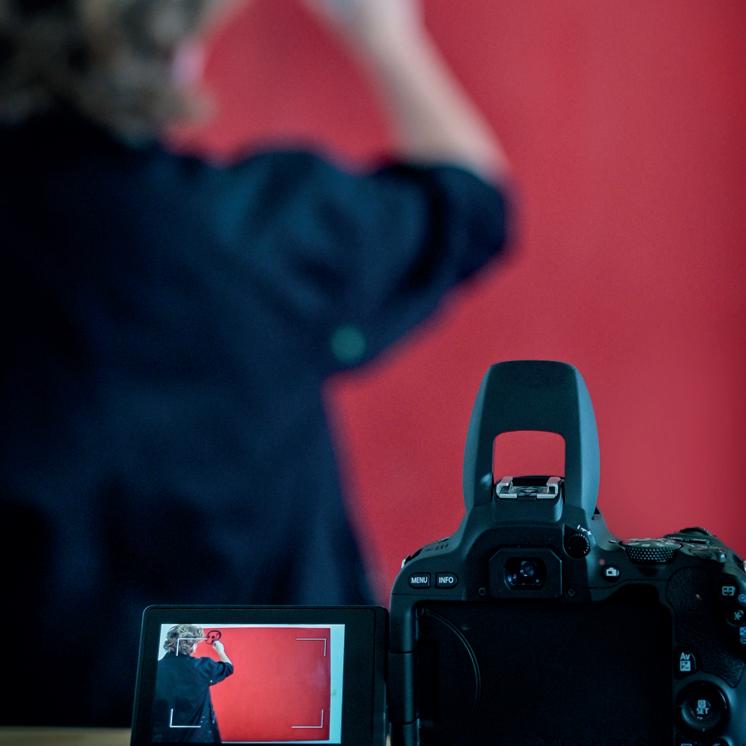
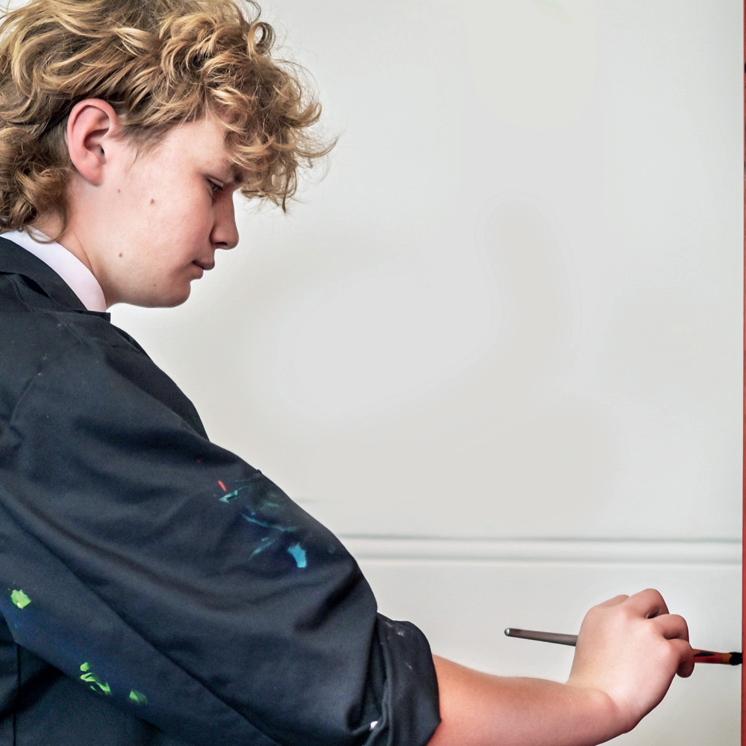
Art at Sherborne gives pupils more than just a creative outlet: it fosters problem solving skills; lateral thinking; complex analysis; critical thinking; and practical making skills. Never before has it been more relevant to be a creative thinker with a high degree of visual literacy – a fact reflected by the explosion of exciting Art-related professions in the modern creative industries. From Architecture to Game Design, and from Engineering to Fashion, the creative individual is in high demand!
The course that Third Form pupils follow introduces a range of opportunities that inspire and challenge. Core skills are established through the work pupils do in exploring artistic, historical and cultural references. Emphasis is placed on communicating ideas visually but also verbally through the use of subject specific language in group critiques. Pupils are also introduced to a variety of learning experiences, which encourage the development of the core skills. This is facilitated by the use of different media, processes, techniques and technologies. Each project through-
out the Third Form course builds the development of practical skills, knowledge and understanding, all of which can be taken forward to support the GCSE course.
In the first term introductory projects in the past have been inspired by the Day of the Dead and the skateboard graffiti artist Beto Janz. Working with printmaking, painting and Photoshop the workshops are underpinned by drawing and colour theory. Boys have also produced outcomes in response to the work of Seguy, exploring the formal elements of shape, form and pattern, led to the creation of sculptural forms using mod roc, recycled polystyrene and wire. In another project, one that culminated in an exhibition of Third Form work in the Oliver Holt Gallery was the School’s Remembrance Day service, which inspired an interpretation of the work by contemporary British artist Tom Phillips.
Ultimately every individual can be creative. The Art Department provides the opportunities and creative environment for each boy to develop the skills needed to flourish.
Computer Science
No other school in the country can offer a Computer Science educational programme that has been inspired by the Old Shirburnian, Alan Turing OBE. As the father of Artificial Intelligence and modern computing, his legacy lives on in the curriculum and the boys that study Computer Science here.
The Department offers boys with content that stimulates good problem-solving skills, underpinned by good mathematical ability and the chance to develop skills that are most highly valued society – the idea that the modern world is underpinned by technology and Computing. The course marries together the understanding of computational and algorithmic thinking, decomposition, abstraction and practical programming and problem solving with effective use of AI and other digital tools. We even have our own educational AI platform, Sherbot that helps foster effective and responsible use of AI, thus preparing pupils for a world where this will become, or already is, ubiquitous.
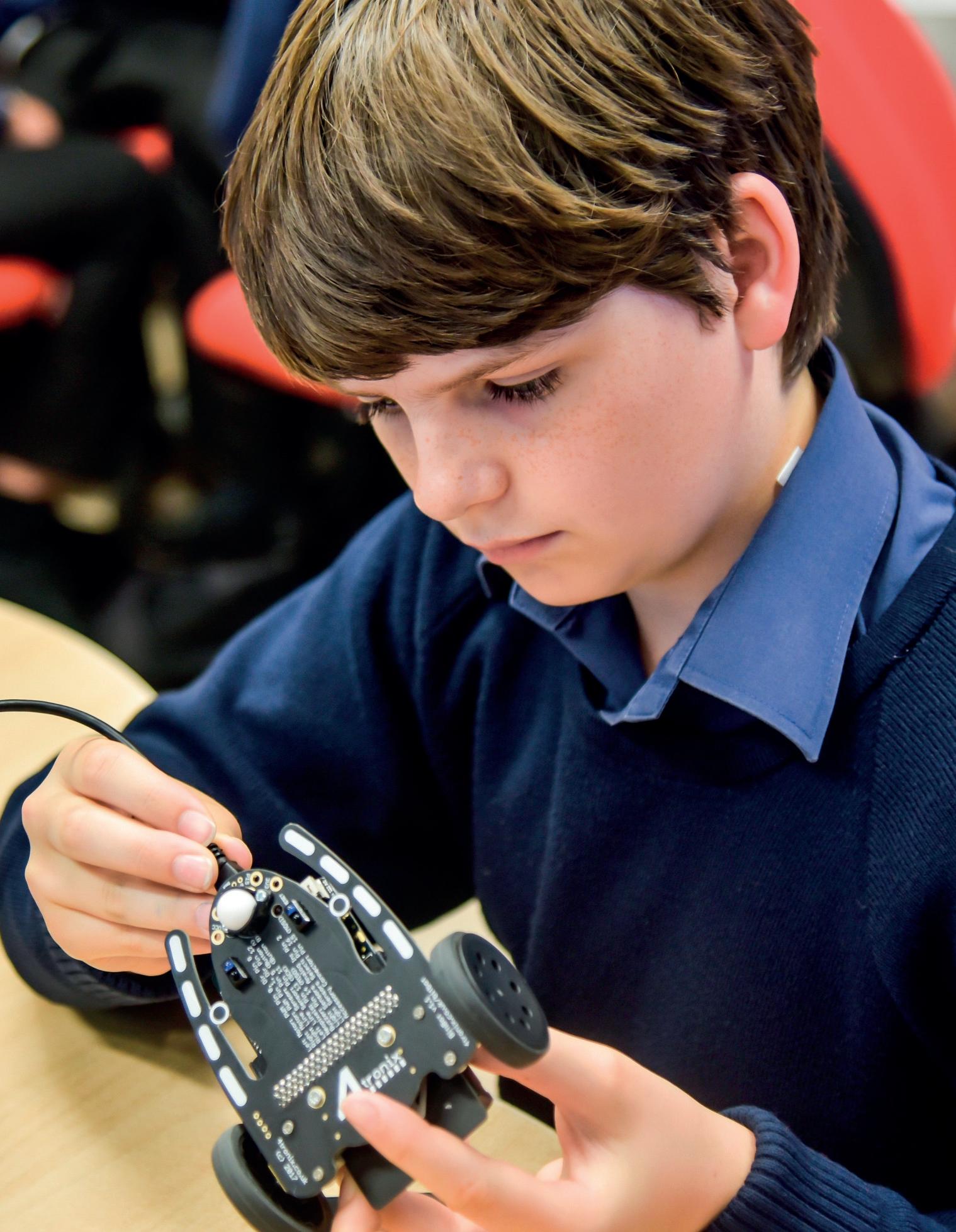
The course teaches practical software engineering skills with Python Programming, elements of Robotics and AI but also teaches the important digital skills such as Excel and touch-typing. The boys will also study aspects of digital literacy through the Inspiring Digital Enterprise Award and the boys sit competitive programming and algorithmic-thinking competitions such as the Bebras Challenge, the Perse Coding Challenge and the Oxford University Computing Challenge.
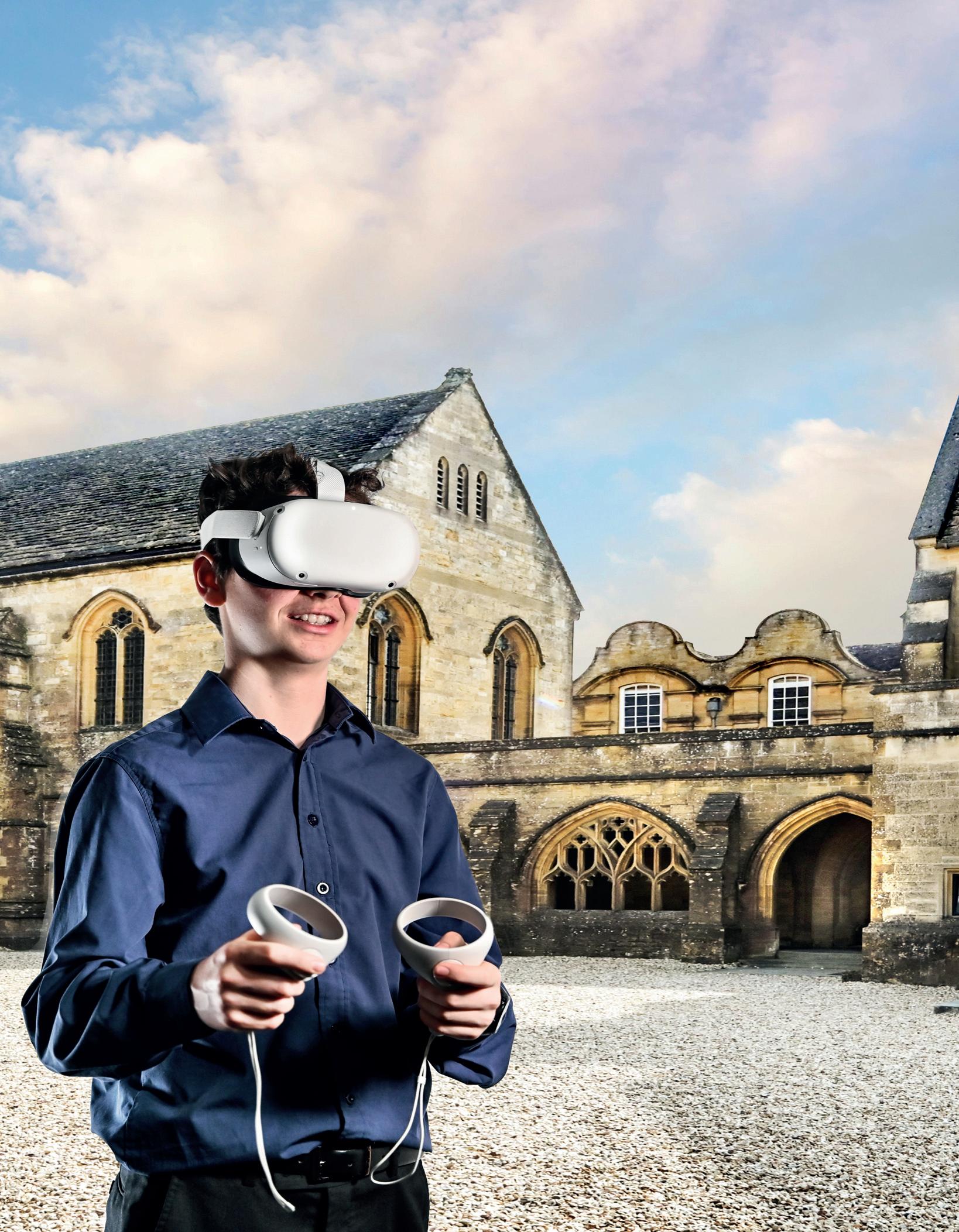
The course is supplemented by an array of co-curricular clubs, led by highly qualified departmental staff. We run courses in Virtual Reality, Coding and Robotics and Shirburnians are the current holders of the National Student Robotics Rookie Award.
The course is designed to help teach pupils to think creatively, digitally, and mathematically but also equip them for the wider digital world, beyond school, to be inquisitive and aim high.
Design Technology
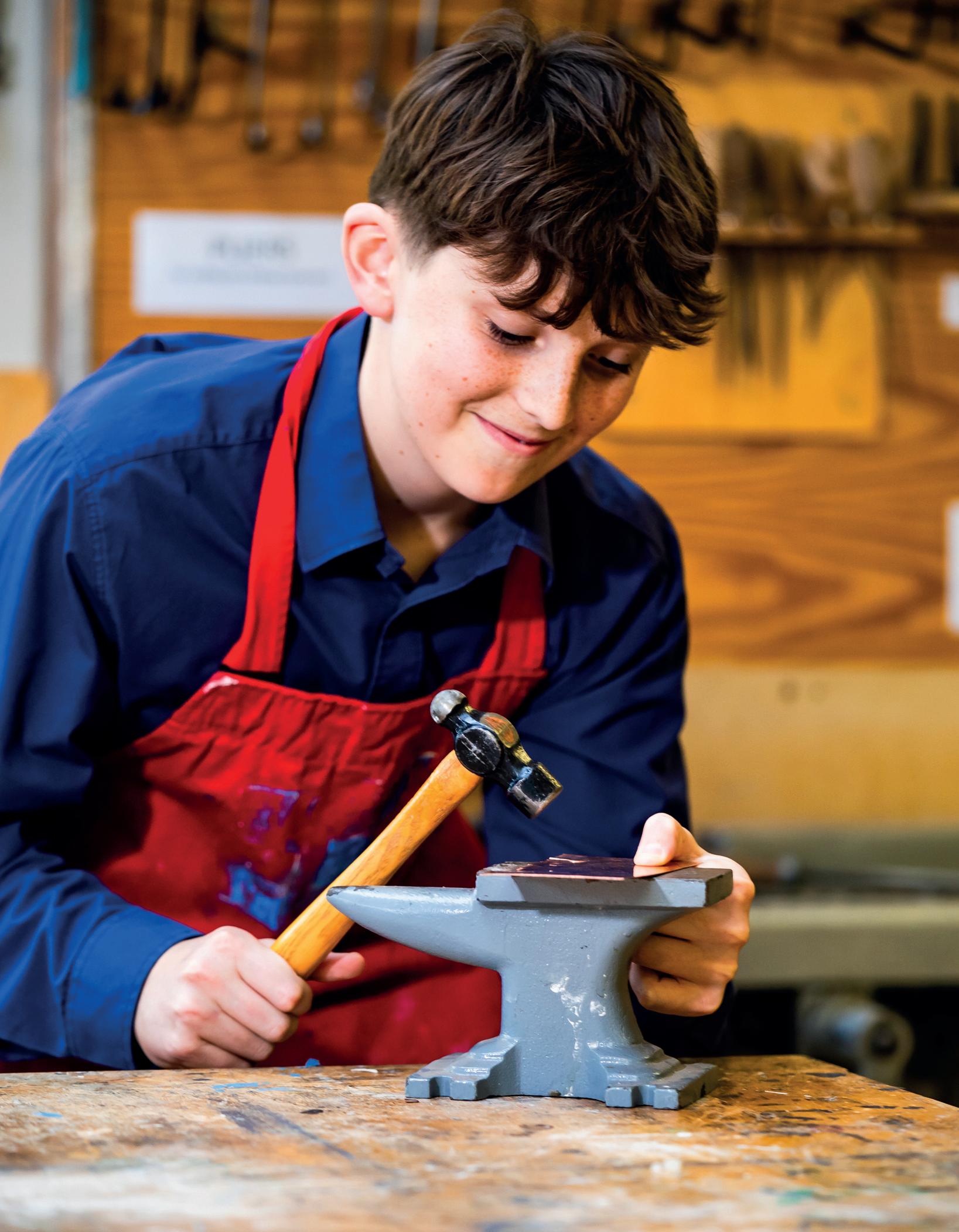
Design & Technology in the Third Form looks to develop your son’s creative confidence and will broaden and deepen his knowledge and understanding when solving creative problems. The subject will help your son to develop transferrable skills such as research, planning, prototype manufacture and presentation skills. He will develop both his drawing and ICT skills, using computer-aided design as well as programming to control equipment. He will learn to apply a multitude of machinery and equipment to build and test the three-dimensional solutions he proposes.
The Third Form curriculum builds a strong foundation for GCSE and A level. Boys who study Design & Technology at A level often go on to read Architecture, Engineering
or Product Design at University. Studying Design & Technology in his first year at Sherborne, your son will work both independently and in pairs to solve a variety of design challenges. To assist him in doing so we will build his understanding of materials and manufacturing technology; help him to understand and apply programmable equipment to generate solutions to set problems; and we will also develop his creativity and skills in prototype manufacture. We will help him to communicate his thoughts and decisions by building his confidence in drawing and also his ability to use computer aided design to program machinery and present his ideas. All lessons will combine elements of classroom study with practical application in the workshops and the departmental ICT suite.
Drama
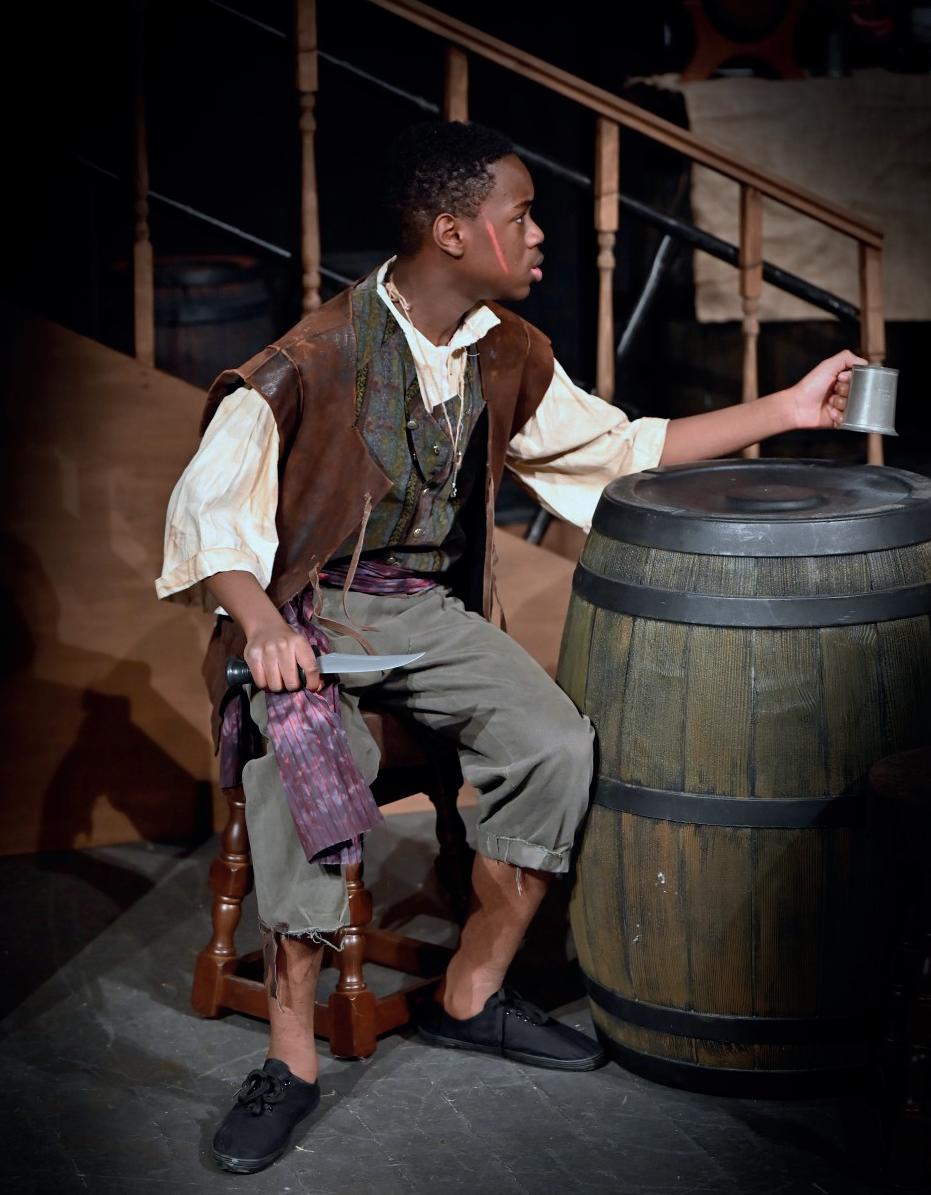
Drama is fun and useful! At Sherborne, we teach Drama in a dynamic and creative way, with plenty of games and exercises to stir the imagination and increase confidence whilst acquiring allimportant drama skills. These techniques and abilities are not only useful on stage, but they are also critical in life as well. Being able to empathise, think quickly, take the initiative and speak confidently in public are not only key to drama but also a successful career.
The Third Form course covers a wide variety of practitioners and subject areas, with the aim of having fun at the same time as creating a sound basis for later development. Boys who join Drama in the Third Form will learn a range of skills in an exciting and fun way. These skills include the following: basic stagecraft; how to improvise spontaneously; how to
devise plays; how to work with puppets; the basics of stage design; and of course, working with script. We tend to use Clive Barker, Keith Johnstone, Augusto Boal, Stanislavski, Kneehigh Theatre Company and Katie Mitchell as our principal practitioners during this foundation year. Boys can expect to see the techniques of these practitioners included in the lessons throughout the year, enriching the learning experience and providing a sound but exciting basis to the work. A typical lesson will include games and exercises, followed by an exploration/development of a specific skill or approach. The course is planned so that these skills provide a basis for study at GCSE, but they will also work just as well as a stand-alone, fun and enjoyable option in the Third Form.
Geography
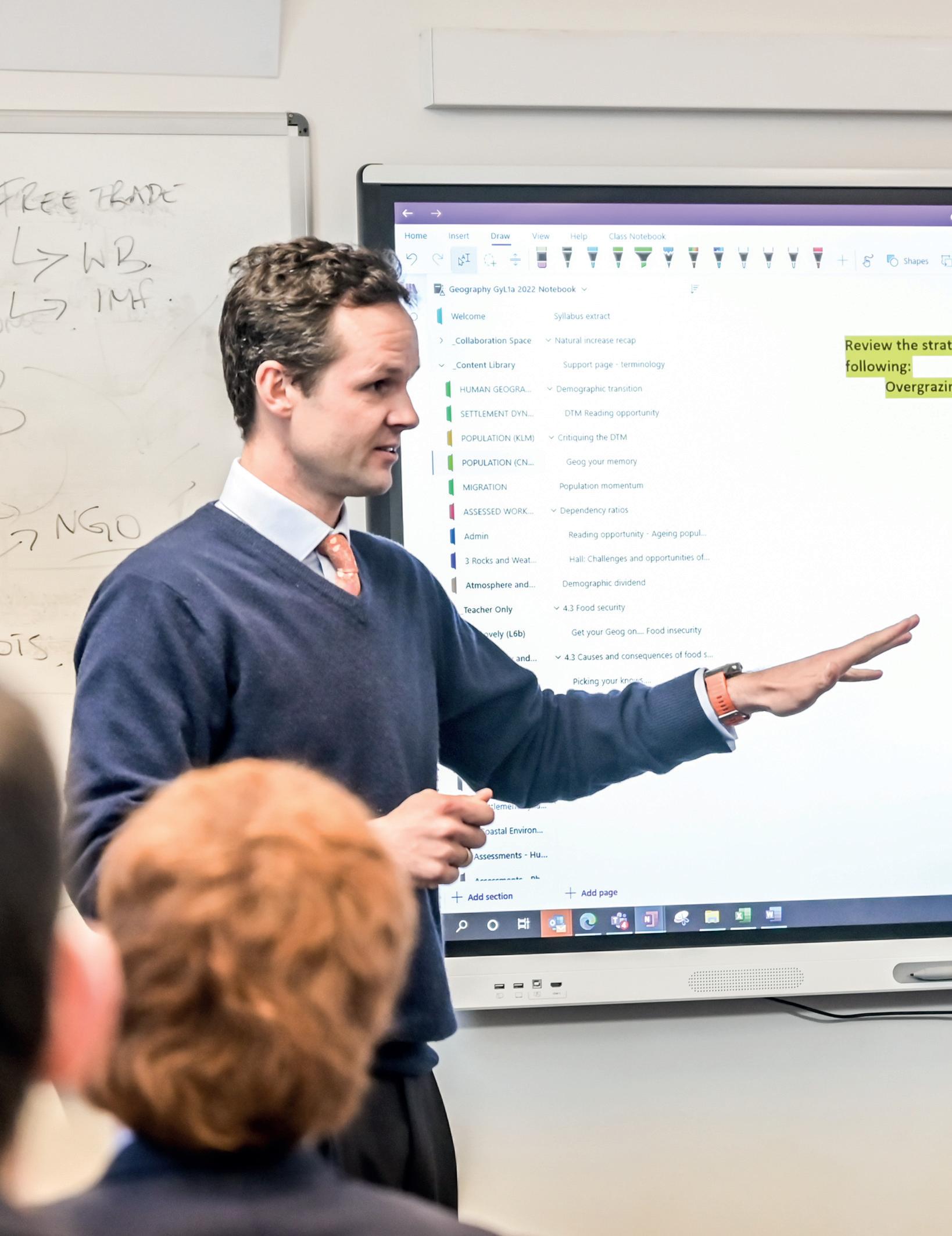
Put simply, Geography is the study of the world around us and this is a central theme of the curriculum at Sherborne, which covers contemporary geographical issues such as Climate Change, Inequality, and Development. The curriculum adopts an integrated approach whereby physical and human geography are interwoven across the three core topics. Geography is a subject for those with an inquisitive mind that want to know more about what shapes the places we live in; how they have changed over time; how they will change in the future; and, what we can do about it. We are global citizens not only occupying an increasingly interconnected world but also shaping it. Geography provides the toolkit to understand this world and to make sense of the changing landscapes – be they natural, cultural, geopolitical, or otherwise. It is a subject that is unique in bridging the gap between natural and social sciences. It encourages one to look out at the world with an inquisitive, analytical, evidencebased and critical mind.
In the Michaelmas term pupils’ study ‘Seven Ways to Save the Planet’. This topic promotes an awareness of global concerns such as replacing oil with renewables,
protecting forests, living sustainably and putting people and the planet before profit. In the Lent term pupils’ study ‘Africa: A Continent of Connections and Contrasts’. This topic aims to dispel misconceptions about Africa and promote a more advanced understanding of the human and physical variations within this vast continent. Finally, in the Trinity term, pupils’ study ‘Social Inequality in the UK’. This topic aims to promote greater awareness of ones’ context in society. The topic casts a spotlight on contemporary challenges in the UK including food poverty, the cost-of-living crisis, and the impacts of Covid-19. The Earthshot Competition runs concurrently with the taught content in the Third Form. This competition is open to all Lower School pupils and provides a wonderful opportunity to engage with geography beyond the classroom.
Through Geography pupils will develop core literacy skills that transfer readily to GCSE, regardless of whether they continue with the subject; whilst also learning about contemporary issues such as climate change, poverty and globalisation that will not only shape the world you live in but also that of those that follow you.
History
The History department offer a vibrant and diverse curriculum in the Third Form, which makes the most of our flexibility being outside of the National Curriculum whilst forming an excellent foundation of skills for the iGCSE.
We kick off in Michaelmas term with a breadth study on revolutions (France, Russia and China) before moving to a depth study on World War One. After Christmas we look at the Age of Exploration, which leads to a source investigation on the transatlantic slave trade and plantation slavery. The final term starts with a thematic investigation on Empires, taking in the Ottomans, the Mongols and the Qin Dynasty.
Lessons typically involve a range of visual and media resources, plenty of participation and movement, and learning happens through debate, investigation and collaboration. The Department also make use of the wider learning environment, chief amongst which is the historic
buildings of the school and the town, and the outstanding school archives. In addition, we utilise the library for the end of year Renaissance unit, where boys set themselves an area of investigation for independent research, presenting their projects and artefacts to the rest of the school as a library exhibition.
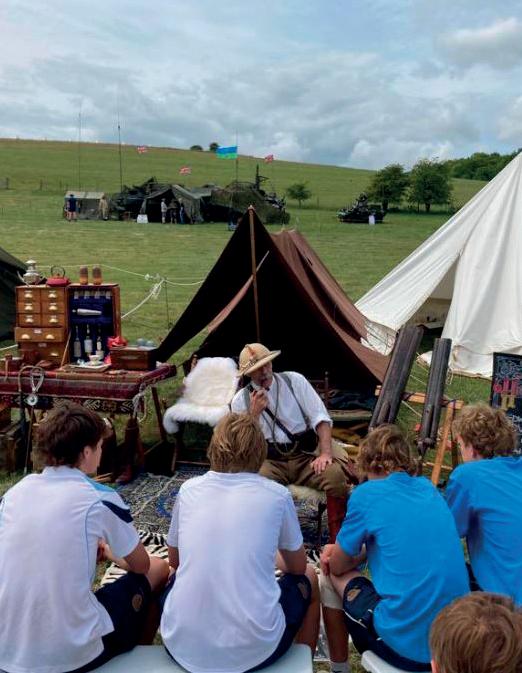
Beyond this, we make the most of any opportunity to take learning History outside of the school, running trips to the Chalke Valley History Festival and, when possible, battlefields trips to Belgium or day trips to relevent museums in the south west region. History is a naturally crosscurricular subject, which not only provides excellent support for literacy, but overlaps with the skills and ideas covered in other humanities and social science subjects.
It is traditionally a very popular iGCSE option where boys achieve exceptionally well in addition to finding the content both engaging and enjoyable.
Latin
Latin is not a ‘dead’ language. Not only is its study fascinating and rewarding, but Latin is alive beneath the surface of the modern world. The influence of Latin is as widespread today as the Roman Empire was dominant in the ancient world: almost 80% of English words derive from Latin; French and Spanish, and the other Romance languages, owe their existence to Latin; world literature and film still turn to classical writers for inspiration. The classical world has in many important ways shaped the institutions, languages and ways of thought of Europe and the West.
The study of Latin offers the opportunity to enter this astonishing world, a lost one that offers itself up vividly and excitingly through its literature. Latin is an efficient way to learn and understand English grammar and vocabulary, and encourages a logical, ordered and disciplined approach to language, developing analytical skills and intellectual flexibility.
This course is intended for those who have studied Latin before (though we can make provision for beginners too) and follows the
Cambridge Latin Course. The Michaelmas term involves the consolidation of the more basic grammar or Common Entrance and Scholarship, before moving towards the more complex grammar required for GCSE. Our aim is also to read real Latin. Boys may start with Caecilius and Modestus, but they will soon move towards the thrilling and colourful literature of ancient Rome, such as Caesar’s description of the mysterious Druids, or Tacitus’ account of the uprising of the formidable warrioress, Boudica, or the beautiful poetry of Ovid, Horace and Martial, or Virgil’s poignant account of the tragedy of Dido and Aeneas.
During the Michaelmas term, there is a trip to Aquae Sulis and, at the end of the Lent term, a three-week project on an aspect of the ancient world is completed in order to encourage individual research.
Classical Civilisation
Classical Civilisation is the study of the civilisations of Greece and Rome without learning Greek or Latin. There is no need to have studied Latin, Greek or Classical Civilisation before. No prior knowledge of the Classical world, and no linguistic ability, is required. This is an in-house course, designed to offer a fun, but educational introduction and background to the GCSE, in which we study various aspects of the Greek and Roman worlds, its history, culture and literature (in translation).
The course includes a number of exciting units: we explore the fastpaced and action-packed life and labours of Heracles, and his importance to the Greek and Roman worlds; Homer’s Trojan War holds an endless and compelling fascination, and we study the fury and wrath of the Iliad, and the salt-caked, storm-tossed, wine-dark treasury of tales that is the Odyssey, as well as an archaeological interlude in which we crack the Linear B code and demystify the sites of Troy and Mycenae; we travel to ancient
Olympia, the site of the ancient Olympic Games, which typifies the deeply traditional religious beliefs and competitive spirit of the ancient Greeks; and in the second half of the year, we move to the Roman world and investigate the eruption of Vesuvius in AD69 and how the town of Pompeii was frozen in time, as well as the evidence it reveals about life in a Roman town. During the Michaelmas term, there is a trip to Aquae Sulis and, at the end of the Lent term, a threeweek project on an aspect of the ancient world is completed in order to encourage individual research.
Latin and Classical Civilisation are offered in the Third Form, but there is also the opportunity to study Greek outside of the timetable.
Modern Foreign Languages
The importance of learning languages in the modern world cannot be emphasised enough. Through the study of languages, pupils gain deeper global cultural understanding and enhanced communication skills, not just in foreign languages but also in their mother tongue. Pupils who leave school with a good level of language learning have a distinct edge in the employment world and opportunities for travel and study abroad.
The MFL Department prides itself on the provision of languages, both onand-off the curriculum. We currently have boys in the school studying French, German, Spanish, Mandarin, Italian, Russian and Japanese. Upon entry to the Third Form, pupils have a free choice of whether they wish to continue studying a language. The great majority do and many go on to study two languages for GCSE. Equally, boys have a choice over which language/s they wish to learn. In choosing which language/s to opt for, we advise pupils to think about what they most enjoy. For some, learning two new languages is exciting and a fresh start; for others, the opportunity to develop mastery of a language already begun at prep school is a consideration.
French is offered to any pupil who has studied the language previously
whereas German and Spanish is available to all pupils at beginner level. Boys who join the Third Form with prior knowledge of these languages are catered for with extension tasks or 1:1 support from our language assistants. Pupils with English as a second language can opt for EAL. The EAL teacher will assess their English work and advise accordingly. A few boys also choose to study Mandarin, which is available (as a paid extra) to pupils with a background in the language or a strong motivation for study. Pupils interested in this option are asked to discuss it with the Head of MFL, Mrs Thurman, judy.thurman@sherborne.org who will make arrangements for tuition. For those with a talent or high motivation in languages, we also offer a triple language programme. This allows boys the option of studying French, German and Spanish and can lead to boys taking French GCSE early, thereby gaining three GCSE language qualifications by the end of the GCSE programme.
If you are interested in this option, please select German and Spanish as options and contact Mrs Thurman judy.thurman@sherborne.org, Head of MFL, who will register your son’s interest and explain how the provision works.
Music
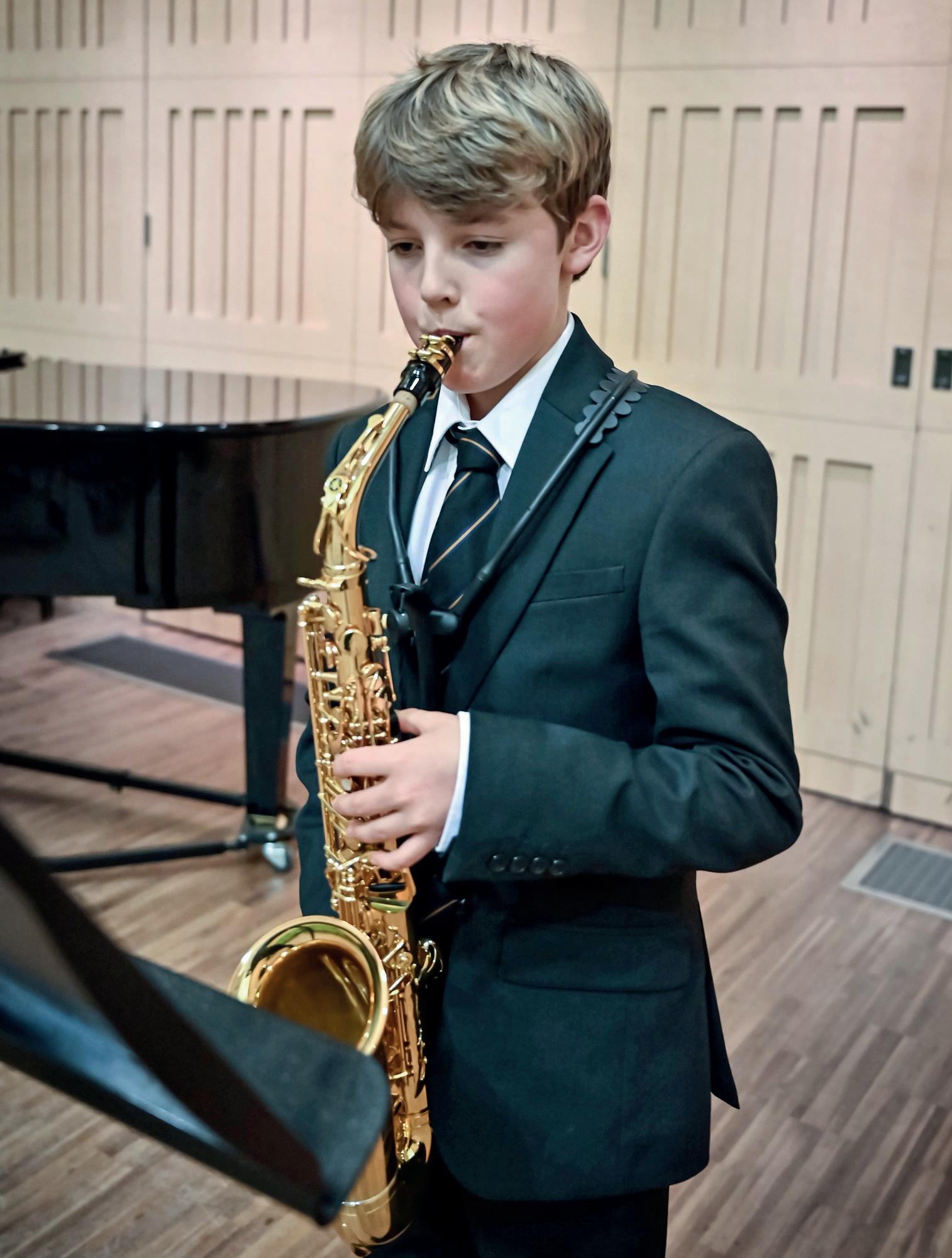
Opting for Music as a classroom subject is complemented by playing a musical instrument, but being a performing musician (for which there are countless opportunities at Sherborne) is not a necessity, nor is music theory.
The course focuses on developing skills through composing and/or sound sampling, using Apple computers with Logic Pro X software (an extension of GarageBand) and/or Sibelius notation software.
Imagination, creativity, and a love of music, whether classical, jazz, rock, or pop are essential, with the
Logic Pro X software enabling those who cannot read music to work alongside those who read fluently. Throughout the academic year, the curriculum focuses on blending music theory and practical skills with an emphasis on music technology. Projects include film and TV music, Jazz and Blues, songwriting, and Indian music.
Many go on to take GCSE Music, with its large emphasis on composition, but this is not a foregone conclusion and need not influence the choice of the subject at Third Form level.
For further information please contact:
Joanna Jackson, Head of Admissions
Admissions
Department
Sherborne Boys
T: 01935 810403
E: admissions@sherborneboys.group
sherborneboys.group