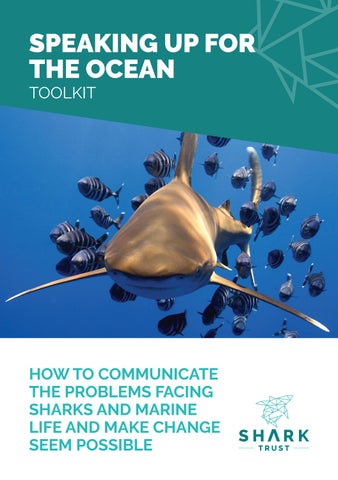
SPEAKING UP FOR THE OCEAN TOOLKIT
HOW TO COMMUNICATE THE PROBLEMS FACING SHARKS AND MARINE LIFE AND MAKE CHANGE SEEM POSSIBLE
Authors
A Shark Trust/Framing Matters publication. Authored by Ralph Underhill, Framing Matters. Additional input from The Shark Trust.
Design and illustration
Freeway Projects Limited.
Thanks to PIRC
Also, to those resources that have been referenced in this in this guide, specifically the work of Annat Shenker-Osorio.
And to all our colleagues from across the sector that took the time to review and help us shape this toolkit.
This work was made possible thanks to a generous grant from the Dashlight Foundation.
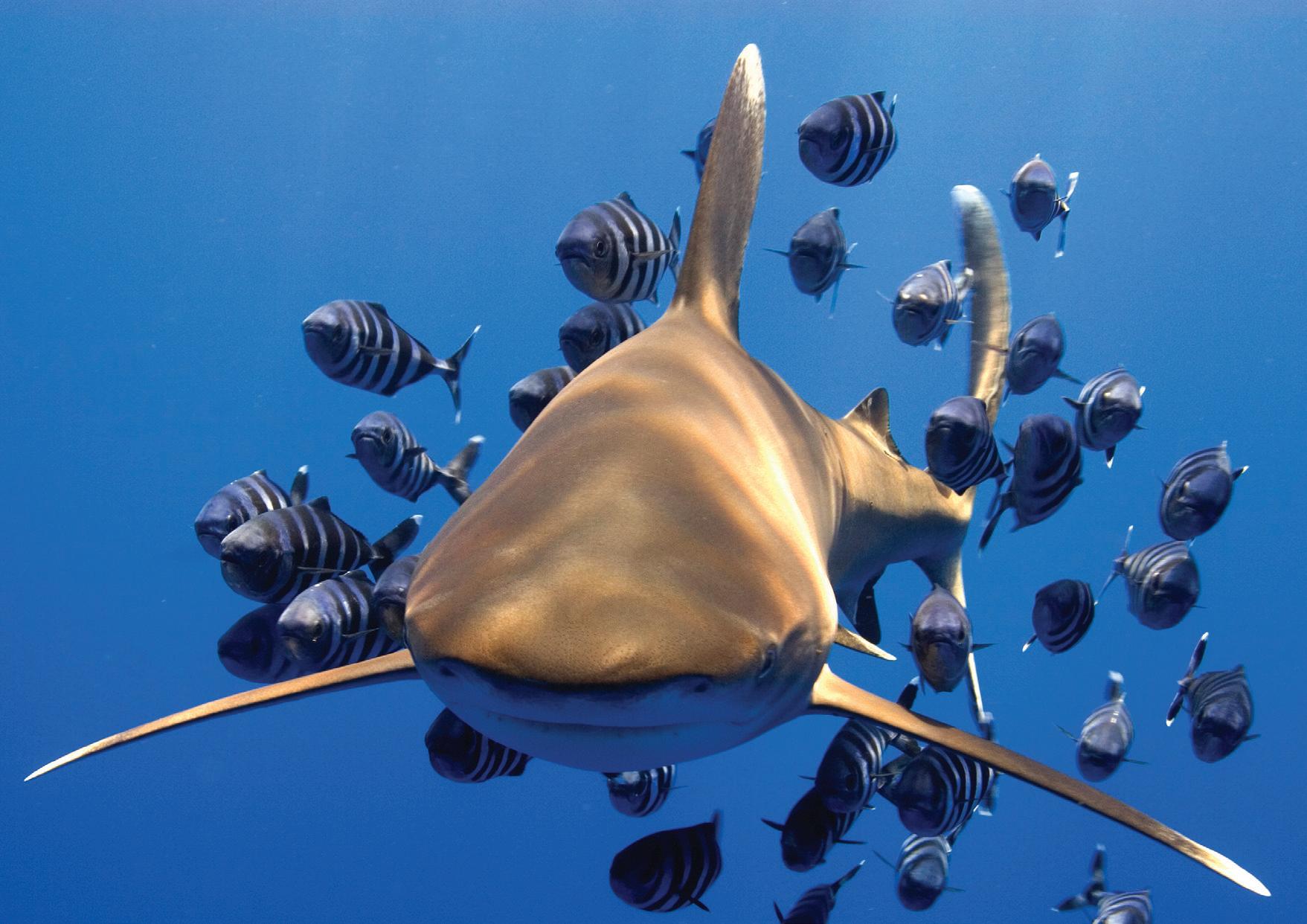
Front cover photo @ Andrew Bellamy
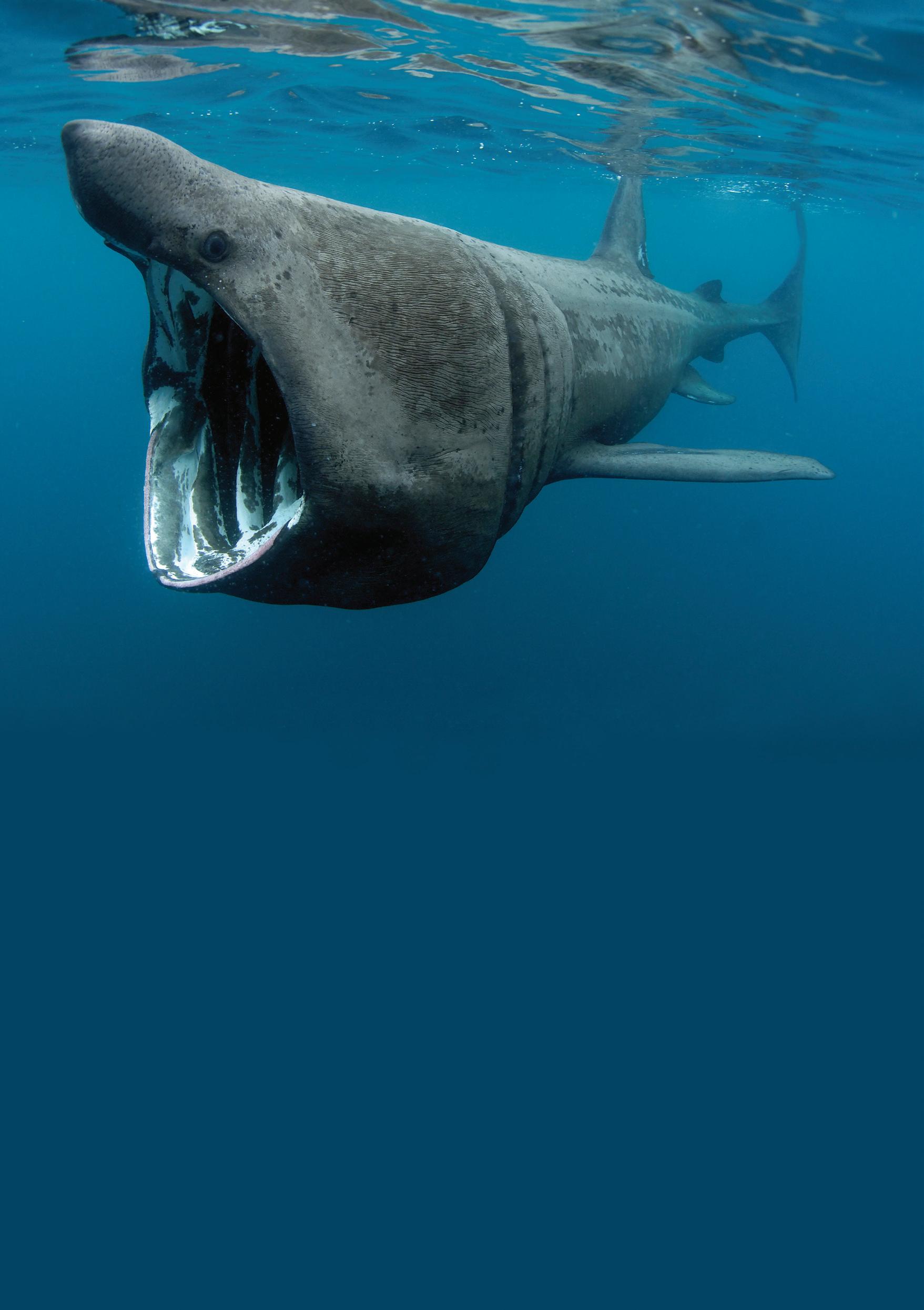
Basking Shark © Charles Hood
Oceans in focus
burst yOur bubble
Use clear and simple language - drop the jargon and acronyms. it is not the “right word” if the wider public doesn’t know what it means.
celebrate Our Ocean
Use text, images and videos that inspire people and show how amazing our marine life is.
talk abOut the prOblems
We must be clear about the massive damage to marine life caused by excessive and indiscriminate fishing if we are to make change happen.
create a new way tO talk abOut fishing

We need to find an alternative and more helpful way of talking about the damage caused by fishing.
make change seem pOssible
Give people hope. Reference past positive changes to make future ones seem more likely.
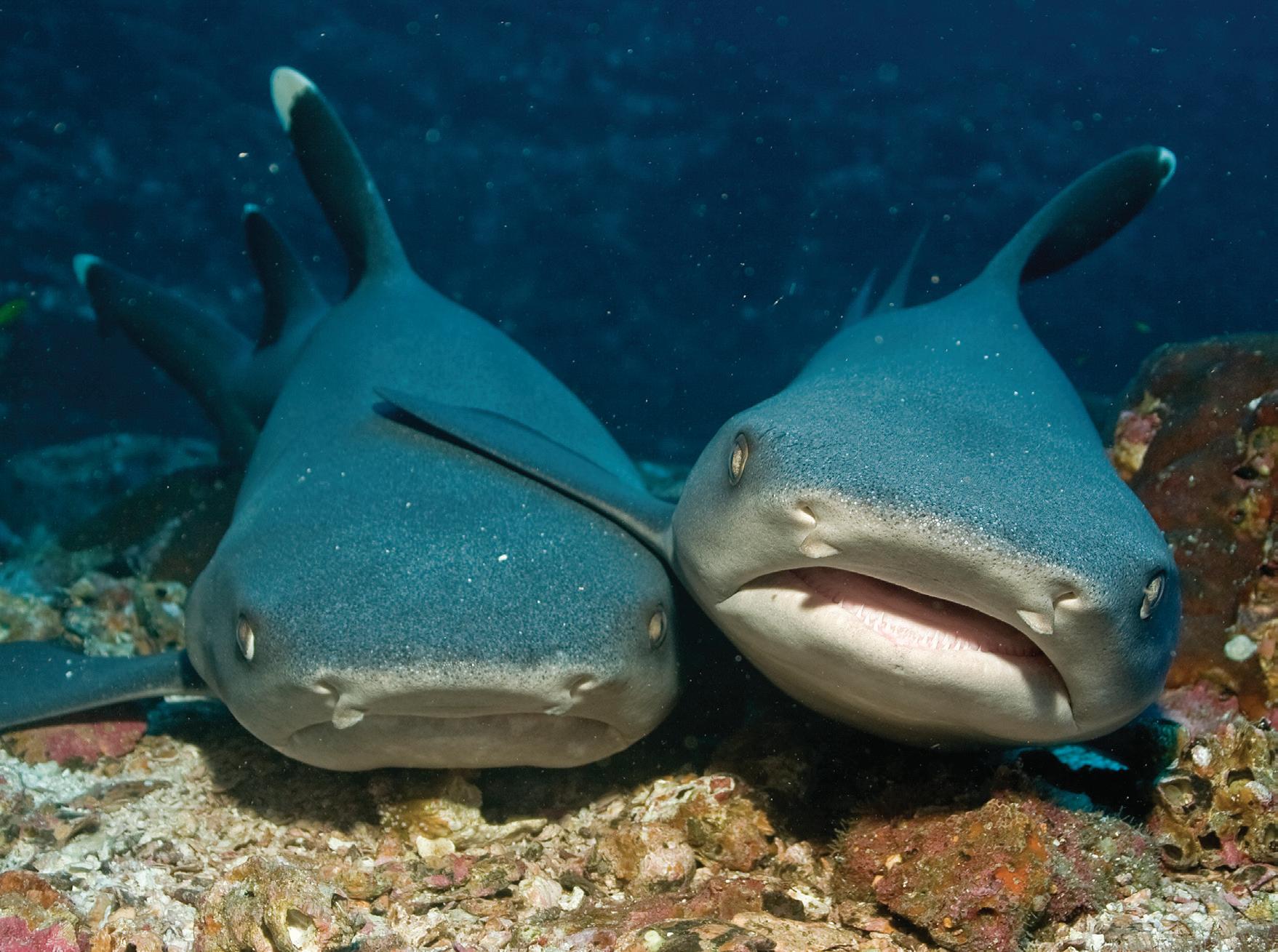
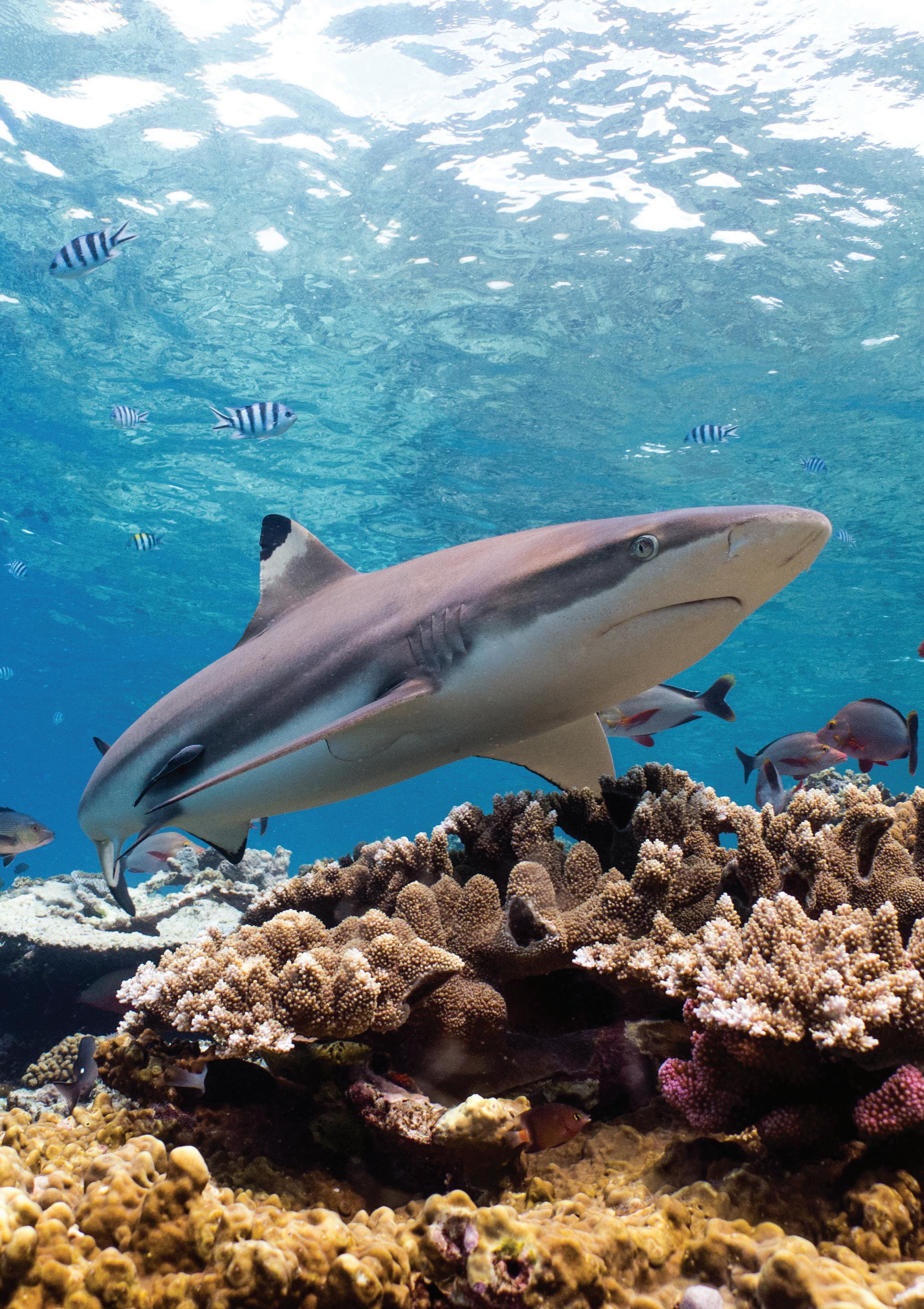 Black Tip Reef Shark ©Serena Stean
INTRODUCTION
We all care about our ocean and the fantastic marine life it supports. And there’s a growing movement of people worldwide who want to take action to protect it.
With topics like plastic waste and shark finning hitting the headlines, we can build on this momentum to engage people in the wider conversation around marine conservation.
Our attempts to move the spotlight onto other equally pressing issues are often well-meaning but ineffective. We’ve been using language that hides the severity of the issue. Drowning people in threat or providing over-optimistic messaging that makes it seem like there’s not even a problem to solve.
The way forward is simple. First, we need to be clear about the problems but give people hope that change is possible. This toolkit will focus on how we do that.
In this toolkit, we’ll look at why we’re communicating, the common traps we fall into and, more importantly, how to avoid them. We’ll also look at the importance of metaphor and celebrating the things we care about.
The examples used are about sharks and rays because that’s where our passion lies. But they equally apply to any marine conservation issue.
NB: This work builds on previous work by the author (The Framing Nature Toolkit, The Positive Communication Toolkit). For more on the theory underlying the advice, check them out. This guidance is primarily written from the perspective of those working in marine conservation in Europe and the United States. However, many of the basic principles should still translate across cultures.
1
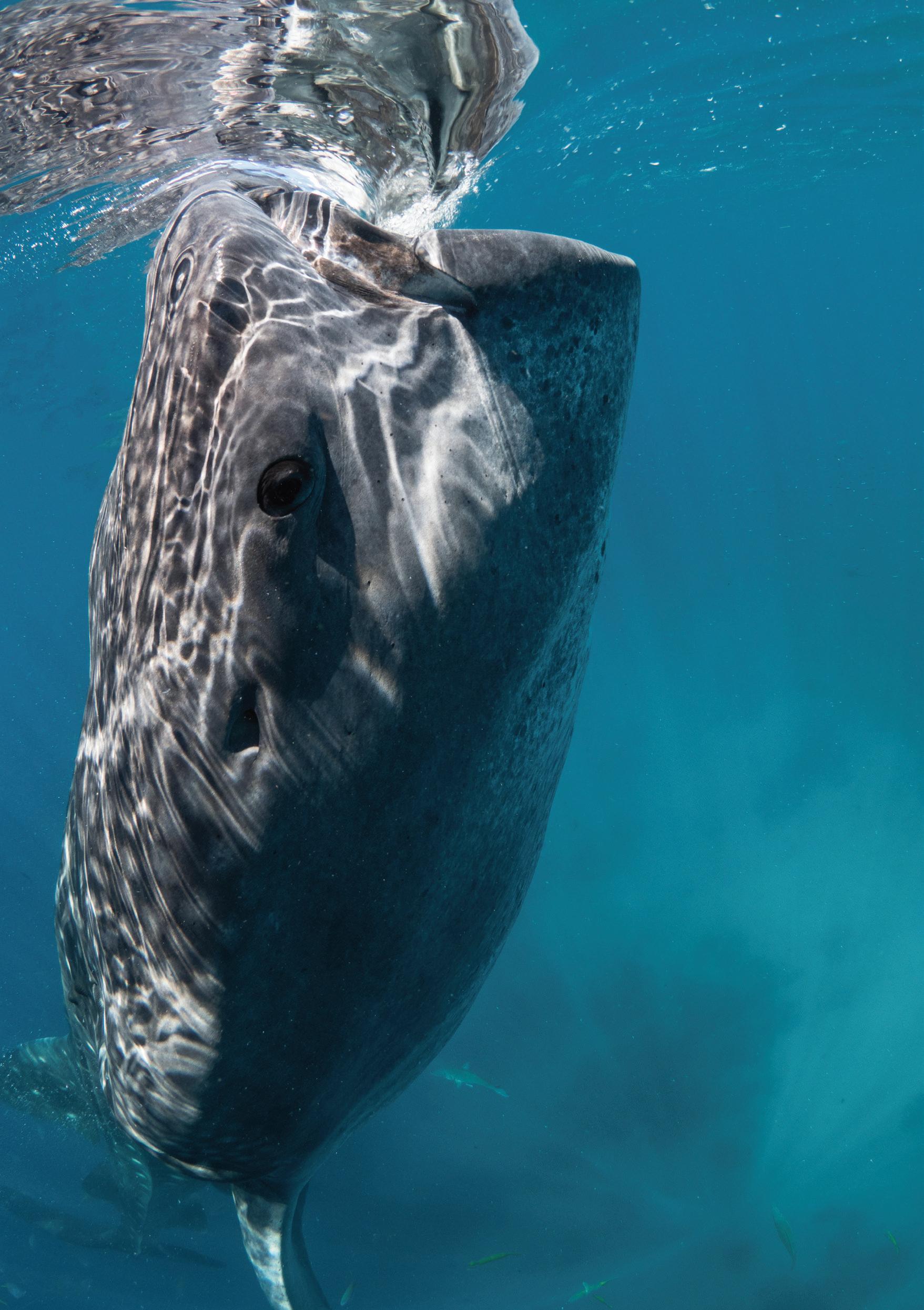 Whale Shark ©Frogfish Photography
CONTENTS
COMMUNICATION TRAPS | 4
OCTOPUS | THE REPETITION TRAP
Don’t mimic by repeating harmful claims. Stick with your key message.
SEA OTTER | THE ASSUMPTION TRAP
Challenge your assumptions about language. Use words that people know and share your understanding of.
SEA CUCUMBER | THE PASSIVE TRAP
Don’t leave out the cause or make things seem inevitable. Use active language to inspire people.
FLATFISH | THE EUPHEMISM OR SANITISING TRAP
Don’t hide the problem. Highlight the damage, so people know what the problem is.
PORTUGUESE MAN O WAR | THE THREAT TRAP
Don’t overdo the threat. Make change seem possible by pointing to past successes.
SHARKS IN FOCUS | 26
CELEBRATE OUR OCEAN
Use text, images and videos that inspire people and show how amazing our marine life is.
KEY ISSUES FOR SHARK CONSERVATION
Which images to use, how to avoid stereotypes and communicate the science.
CREATE A NEW WAY TO TALK ABOUT FISHING
We need to find an alternative and more helpful way of talking about the damage caused by fishing.
PLANNING YOUR COMMUNICATION | 40
Ask why you are communicating and set out the goal of your message.
3
COMMUNICATION TRAPS
AND HOW TO AVOID THEM!
4
AVOID THE TRAPS
REMEMBER!
The traps overlap - a message or term can be more than one trap.
OCTOPUS
THE REPETITION TRAP
TRAP FIX
Don’t mimic by repeating harmful claims.
Stick with your key message.
SEA CUCUMBER THE PASSIVE
TRAP
TRAP FIX
Don’t leave out the cause or make things seem inevitable.
Use active language to inspire people.
SEA OTTER
THE ASSUMPTION TRAP
TRAP FIX
Challenge your assumptions about language.

Use words that people know and share your understanding of.
FLATFISH EUPHEMISM OR SANITISING TRAP
TRAP FIX
Don’t hide the problem. Highlight the damage, so people know what the problem is.
THE PORTUGUESE MAN O WAR THE
THREAT TRAP
TRAP
Don’t overdo the threat.
FIX
Make change seem possible by pointing to past sucesses.
5
THE OCTOPUS THE REPETITION TRAP
DON’T REPEAT WORDS & PHRASES THAT OPPOSE OUR MESSAGE
THE TRAP
When trying to argue against something, we often end up accidentally reinforcing it. We should not repeat phrases that oppose our message.
FOR EXAMPLE
President Nixon famously said
“I am not a crook”
With those five words, he managed to reinforce the idea, in the minds of millions of Americans, that he was, in fact, a crook. When he used the word ‘crook’, he mimicked the language of his opponents. And reinforcing that negative association in people’s minds by connecting himself to the word crook, even though he was refuting it.
He should instead have said
“I’m an honest man”.
As framing expert and author George Lakoff has long argued, getting involved in denying things just gets you caught up in using language that reinforces unhelpful associations in people’s minds. Furthermore, getting into the debate set by the terms of others is problematic. If possible, it’s usually better not to respond at all and lead with what you actually want to talk about.
6
COMMUNICATION TRAPS |
Why an octopus? Octopuses are famous for mimicking other ocean life. Mimicking or repeating opposing messages is likely to harm our cause.
THE NUANCE
Even making comparisons can be problematic - saying that more people die of X than are killed by sharks still connects sharks to biting people in people’s minds. So, it’s likely to be unhelpful. Don’t talk about the number of people killed by sharks full stop. Even if there is only one death, that still connects the idea of sharks with people being harmed.
THE FIX
Don’t repeat phrases that oppose your message. Don’t engage in unhelpful debate. Stick with your key message.
Do now
Look for examples of mimicking in your material. Then, come up with alternatives based on what you’d rather be focusing on.
Do later
Practice media interviews with your colleagues - this is the hardest time to avoid mimicking.
7
© Frogfish Photogaphy
EXAMPLES
Don’t say
“The oceans are not endlessly abundant”.
02 ABOUT SHARKS
Instead say
“Excessive fishing is driving down populations of many species”.
Don’t say Instead say
“Sharks are not man eaters!”
TIPS
“Sharks are awesome!”
Avoid “MYTH-BUSTERS” - These just reinforce the myth you are trying to bust. State the facts, but don’t spend time responding to the myth.
Don’t respond. Get on the front foot - Think about your key message and use this as your starting point. Have three agreed points you want to discuss whenever you’re being interviewed.
Don’t get distracted - For example, if you want to talk about the damage caused by fishing, don’t allow the conversation to be dominated by a single issue like shark finning.
Use images that reinforce your story and not the opposing message. (See Celebrate our Ocean, p.27.)
KEY MESSAGE
Say your own thing. Spend less time responding to others and more on your key message.
CELEBRATE OUR OCEAN
Use text, images and videos that inspire people and show how amazing our marine life is.
8
01 COMMERCIAL
FISHING
COMMUNICATION TRAPS |
EXERCISE
1. Look through your own materials for Octopus
e.g. The unhelpful phrase or Octopus (what is the statement you are trying to argue against?).
2. How could you respond to this point without repeating the opposing narrative?
e.g. (use words that don’t make associations between your issue and the negative thing (see examples on the previous page).
3. What is your key message?
9
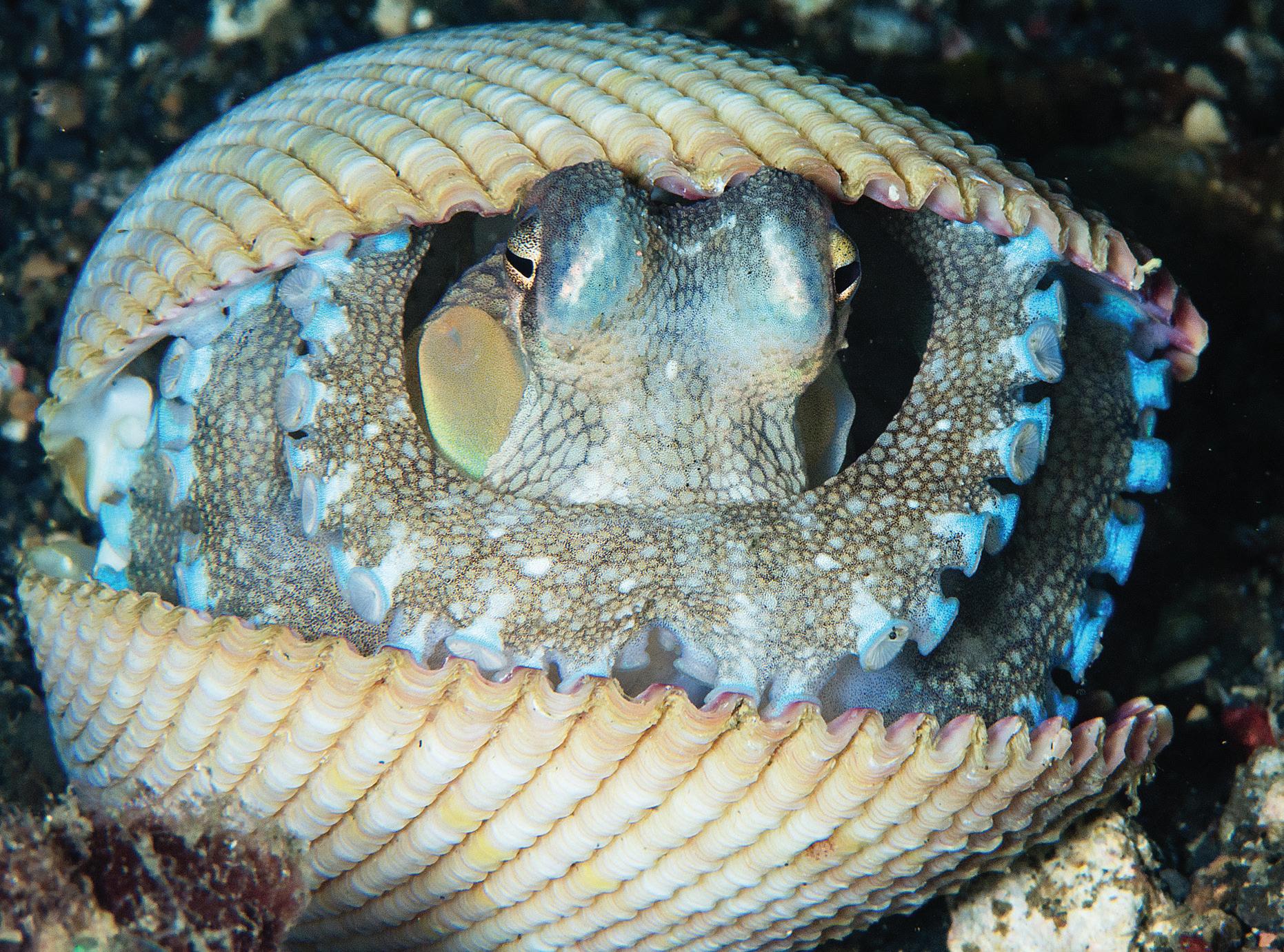
Octopus © Frogfish Photography
THE SEA OTTER
THE ASSUMPTION TRAP
WE CANNOT ASSUME EVERYONE UNDERSTANDS TERMINOLOGY IN THE SAME WAY WE DO WITHIN OUR BUBBLE
Why a sea otter? While most people might absolutely love sea otters – seeing them as cute – there are also some people who see them as pests. In certain areas, fishermen see them as competition and call for them to be culled. To assume everyone loves sea otters is to think everyone thinks like us.
THE TRAP
Assuming that our audience has the same associations towards a word or phrase that we do. We need to understand that sometimes our audience might not share our understanding of a term or phrase.
We make assumptions about our audiences all the time. And these can lead us to be ineffective in our messaging. When we spend all our time surrounded by those working on the same issue, we become trapped in a bubble of our own language. Complicated terms become normal to us and our grip on the shared understanding with the wider public begins to slip. Research has shown that the more people know about a subject, the more likely they are to assume someone else knows more about it than they actually do. This is known as the “curse of knowledge.”
10
COMMUNICATION TRAPS |
Having a simplified version about the problem and solution that you lead with is always helpful. The technical detail can then follow.
FOR EXAMPLE
“Conservation”
BURST YOUR BUBBLE
Use clear and simple language - drop the jargon and acronyms. It is not the “right word” if the wider public doesn’t know what it means.
For those of us that work in conservation, and the supporters with whom we spend most of our time talking, this word has highly positive associations. But for some, the term might represent a challenge to their livelihood or way of life. Or some people might just find the idea a bit too “worthy” or loaded with colonial associations.
“Sustainable”
When we talk about sustainable fisheries, it could apply purely to the number of fish caught versus the level of reproduction. Or it can be applied more widely to the overall cost of fishing – for example, fuel use and habitat damage. It’s an important distinction and might lead to confusion.
Perhaps it would be more helpful to talk about fishing that ensures healthy natural populations.
There will be times, when we should consider framing what we do differently or leading with different terminology.
11
© Stuart Free
THE FIX
If people don’t understand a term in the same way as you, it can no longer be considered the “correct term”, even if you consider it to be the most accurate one.
Talk to people outside of your work area that don’t use the words you do and don’t have the same associations - see exercise.
Create a list of “hot” words or phrases that should not be used with certain audiences. Create an alternative for each.
Lead with a simple description and add jargon only if you really need to. Some will argue that the jargon is needed for technical discussions and consultation responses. But clearer language, even in these instances, can be beneficial.
The higher up the decision-making tree you go, the fewer people generally understand the technical jargon. Having a simplified version of the problem and solution that you lead with is always helpful. The technical detail can then follow.
Do now
List ten words you frequently use but think your supporters do not necessarily understand in the way you do. Come up with alternatives.
Do later
Do some real-world testing as listed in the exercise.
12
COMMUNICATION TRAPS |
Real-world testing
Talk to people outside your sector to get a better understanding of what terms you can use that share meaning with people outside your work specialism.
Remember, whenever you ask people outside your sector for feedback, PROVIDE AS LITTLE CONTEXT AS POSSIBLE! If you say something like “what I was trying to do was...” you’re providing context and meaning that would not normally be available to the reader.
Ask what they thought the message was saying, what they thought was important and what they think specific words mean.

13
EXERCISE
Sea Otters © Frogfish Photography
THE SEA CUCUMBER THE
PASSIVE TRAP
DON’T LEAVE OUT THE CAUSE OF THE PROBLEM OR MAKE THINGS SEEM INEVITABLE
Sea cucumbers are slow animals. Not known for their get-up-and-go. In this instance, we’re using them to describe messages that fail to identify why things happen. And inactive phrases that make things seem inevitable rather than caused.
THE TRAP
Messaging that uses passive language to describe the causes of problems or qualifies or caveats our efforts to solve them; is likely to demotivate people.
When people are unsure about the cause of something, they’re more likely to feel fatalistic about the outcome.
FOR EXAMPLE
When you “hedge your bets” or qualify your ambitions in your communications you lessen its ability to motivate people.
If we say
“We will endeavour to try and change this.”
This is a much weaker rallying cry than if we say
“We can change this!”
The third-person passive voice has become the go-to communication choice for much of the charity sector’s communications. It’s the preferred choice of science and policy. But is unlikely to be motivating, so we should try and avoid it.
14
COMMUNICATION TRAPS |
Why a sea cucumber?
Careless boat users threaten the health of critical habitats.
OVERLOOKING THE CAUSE OF THE PROBLEM
If people don’t know what’s causing the problem, how will they be motivated to act on it? Across different parts of the conservation world, both marine and land-based, there is often hesitancy to point out the cause of the problem. There are many references to declines, losses or fragmentations. Yet why these have actually happened remains unclear to the reader.
DON’T VICTIM BLAME
TALK ABOUT THE PROBLEMS
We need to be clear about the about the massive damage to marine life being caused by excessive and indiscriminate fishing if we are to get change to happen.
In the worst cases, we can even make it look like the problem is the fault of the threatened species. When we say things like:
“This species’ habitat preferences make it vulnerable” we focus on the victim rather than the cause.
“Fishing methods that scour the seabed indiscriminately capture this species” is more direct.
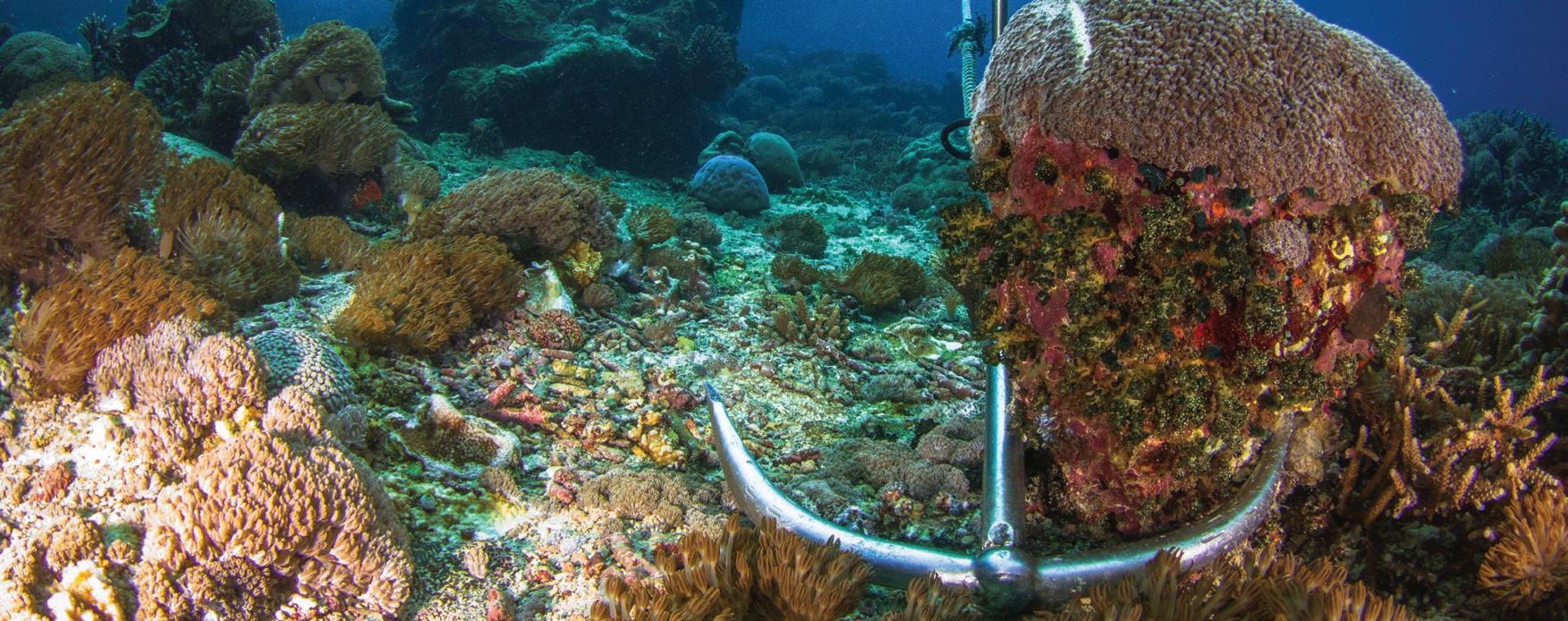
Why are we reluctant to highlight the cause of problems?
To address the primary issue of sharks and rays, we need to work or negotiate with the fishing industry. But it doesn’t logically follow that to be seen as “reasonable” or “pragmatic” means avoiding being clear about the cause of problems. We need to make fishing less damaging because much of it is currently so destructive.
To draw an analogy, even if you feel fossil fuel industries can play a role in fixing climate change, their contribution to the problem has to be highlighted. You can be clear about the damage while also suggesting ways to better regulate and control it. Otherwise, understanding what’s needed to fix the problem, e.g. the need for more regulation, will remain unclear.
15
© Kristina Vackova via Shutterstock
HEDGING
This is a concept introduced to us by the work of Annat Shenker-Osorio. We use caveats or conditions to sound more reasonable or pragmatic. But in the eyes of our audience, it makes us look like we lack confidence in our ability to change anything.
Martin Luther King had a dream he didn’t “endeavour to achieve the correct conditions so a dream might be achievable in the future”. If we want our messages to motivate people to take actions, we need to lose the hedging.
THE FIX
Remove the unnecessary hedging words.
EXAMPLES
01 SIMPLIFY...
Instead of saying
“Reaffirming commitment to pursue”.
02 SIMPLIFY...
Instead of saying
“We’re striving to transform fisheries to prevent population decline through overfishing”.
03 SIMPLIFY...
Just say
“Pursuing”.
We could say
“We’re transforming fisheries to reduce their impacts and allow sea life to thrive”.
We could say Instead of saying
“We seek to promote responsible trade and reduced demand for non-sustainable products”.
“We’re promoting responsible trade”.
16
COMMUNICATION TRAPS |
EXERCISE
1. Look through your own material. What are the problems mentioned?
2. What are the causes of the problem?
3. How can you make them clearer?
17
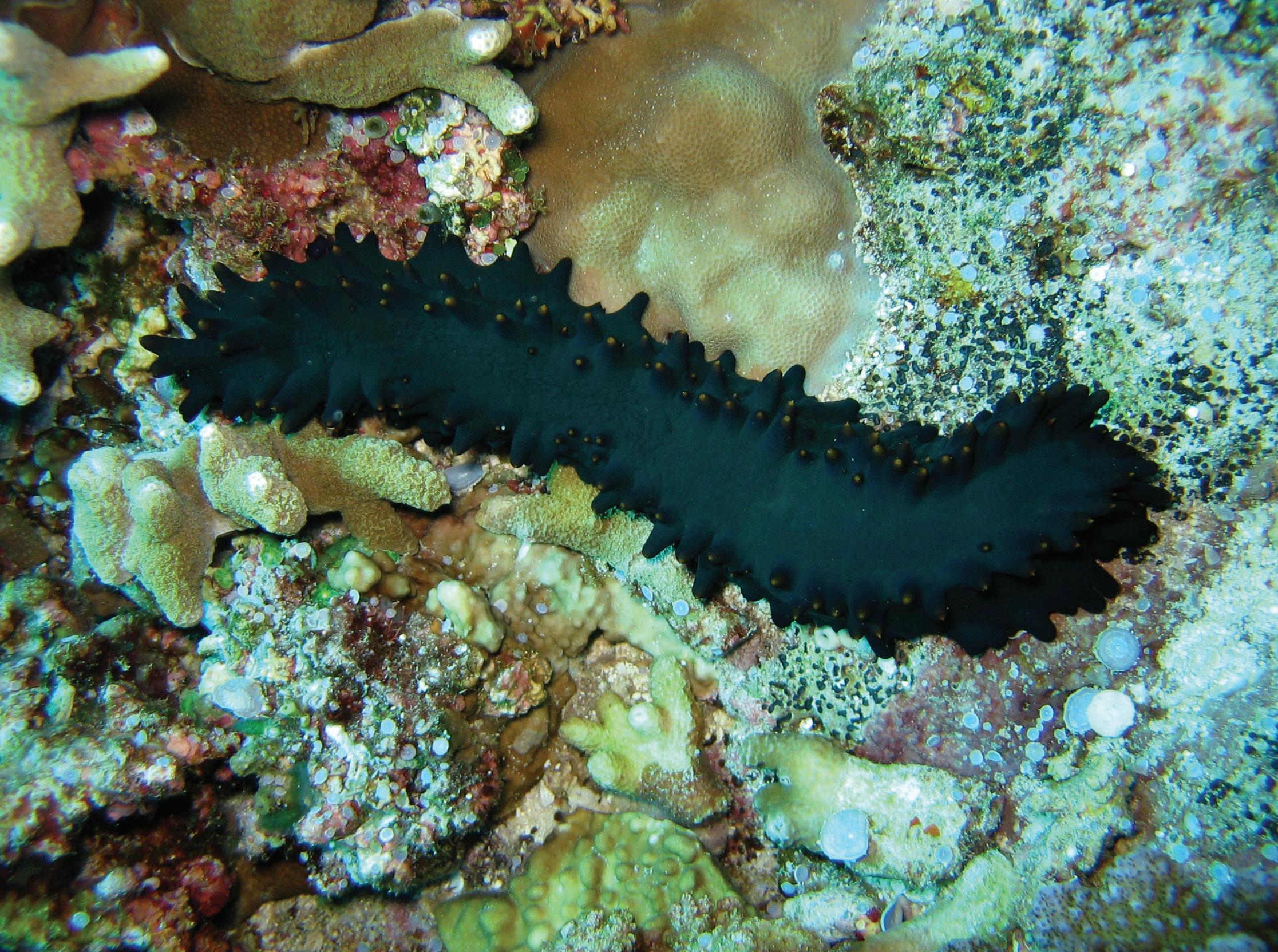
Sea Cucumber © Dr. Dwayne Meadows, NOAA/NMFS/OPR, via Wikimedia Commons
THE FLATFISH EUPHEMISM
OR SANITISING TRAP
DON’T MAKE BAD THINGS SOUND OK
Why a Flatfish?
Flatfish (and Rays) are known for their ability to remain hidden. Sometimes the words we use regarding a problem are unhelpful and help hide the damage being caused from our audience.
THE TRAP
Using jargon or euphemisms that sanitise, or make more acceptable, something we see as bad or damaging. This can make people feel less motivated to act to stop it.
FOR EXAMPLE
Calling the destruction of mangrove swamps to build housing
“land use change”
does not identify the cause and makes the process seem passive and inevitable. If we instead said
“destroying wildlife-rich mangrove swamp to build housing”
we point to both the problem and the cause. While the sentence is longer, it’s both clearer and more powerful.
18
COMMUNICATION
TRAPS |
Destroying wildlife rich mangrove swamp to build housing.

THE FIX
If we want people to act on a problem, we have to make clear what that problem is, using everyday language.
Many of these Flatfish trap terms about sharks and rays are closely linked to the fact that fish are commonly talked about only as commodities (See ‘Create a New Way to Talk About Fishing’, p.34).
Do now
CREATE A NEW WAY TO TALK ABOUT FISHING
We need to find an alternative and more helpful way of talking about the damage caused by fishing.
Look for examples of Flatfish traps in your material and come up with alternatives. Start by describing the problem as clearly and emotively as possible. Then work to agree with colleagues to create a term that fits your organisations tone. But doesn’t hide the damage being done
Do later
Keep an ongoing list of Flatfish traps you spot and keep a log of alternatives on file for all staff.
19
© Frogfish
© Amnat Phuthamrong via Shutterstock
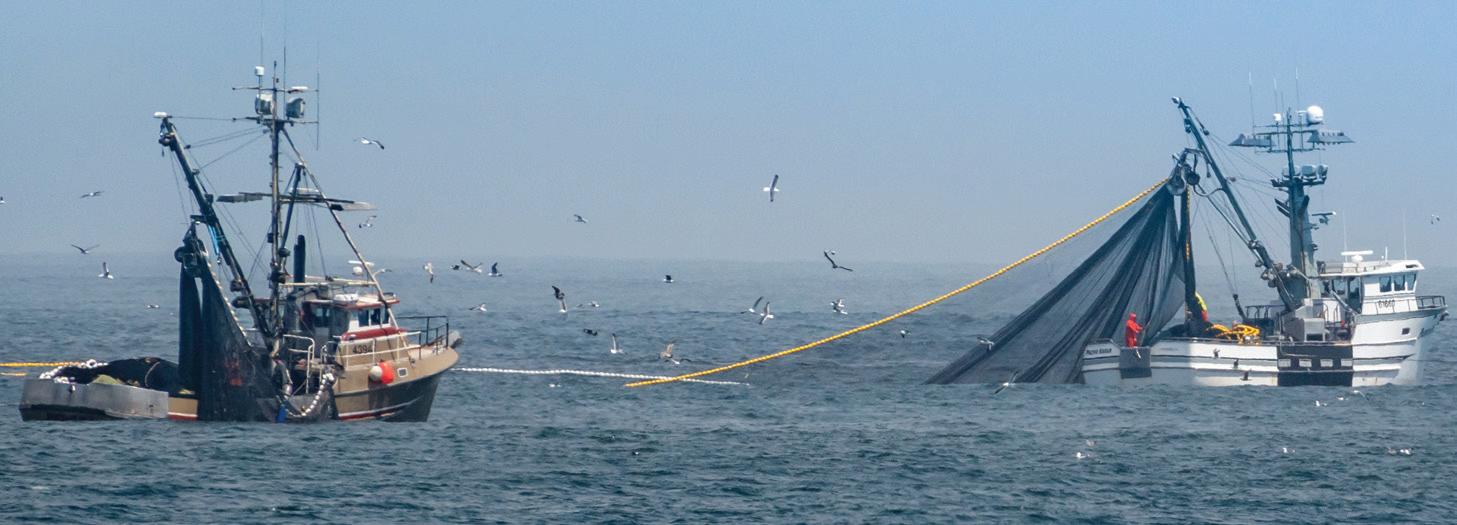
EXAMPLES BYCATCH
01
What it implies
Accidental trapping of animals while fishing. It can’t be helped.
02 OVERFISHING
What it implies
Catching more fish than intended. Could be considered subjective or harmless.
03 HABITAT DEGRADATION
What it implies
Gradual natural deterioration of habitat. Makes it seem inevitable.
Instead we could say “Capture of non-target fish and wildlife”.
Instead we could say “Ongoing reduction of fish populations by catching more than can be replaced by nature”. “Excessive fishing”.
Instead we should say “The destruction of wildlife and ecosystem diversity through human activity – including destructive fishing techniques”.
20
COMMUNICATION TRAPS |
© David A Litman via Shutterstock
EXERCISE
1. Find a term that describes a problem.
2. Does it sanitise a serious problem?
3. Clearly spell out, in the strongest and clearest way, what the issue is.
4. Adjust the tone to give yourself a workable but clear alternative.
21
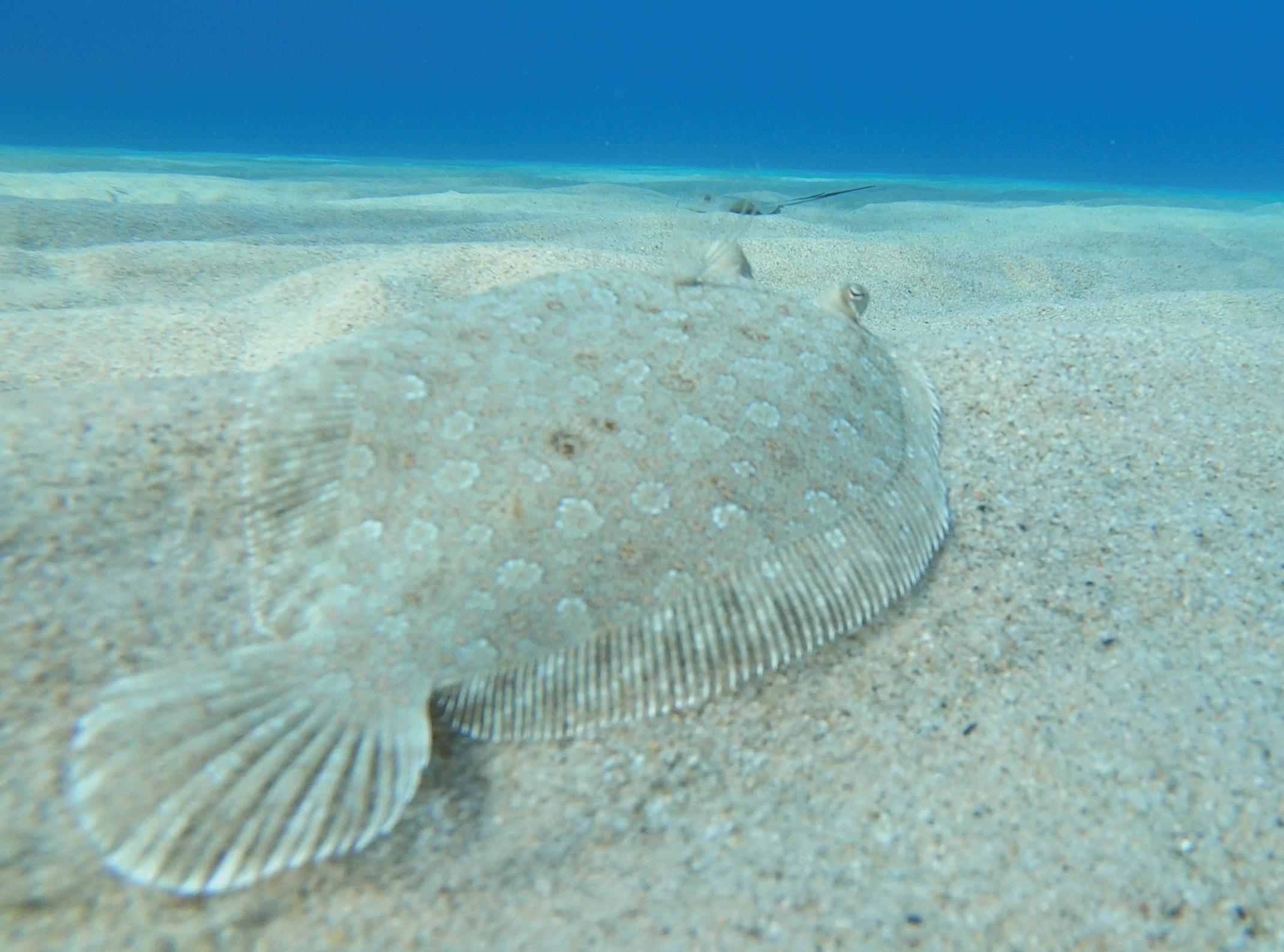
Flatfish © Pablo Joanidopoulos via Shutterstock
THE PORTUGUESE MAN O WAR THE THREAT TRAP
DON’T USE TOO MUCH THREATIT CAN PARALYSE OUR SUPPORTERS
THE TRAP
If you make a problem look too big and scary - with too much emphasis on threat - it can lead to people losing hope and feeling unmotivated to do anything.
When we highlight problems, we need to do so in a way that makes change seem possible. If we reference past achievements, we make future positive change seem more likely.
When we talk about problems being huge, suggest solutions to these problems have never been tried before or that the solutions need to be at an unprecedented scale, we make solving them seem less likely. This can make people fearful and drive feelings of fatalism. Therefore, when we communicate, we have to highlight the problem and the solution in a way that makes it seem clear that it can, and will, be possible to fix.
FOR EXAMPLE
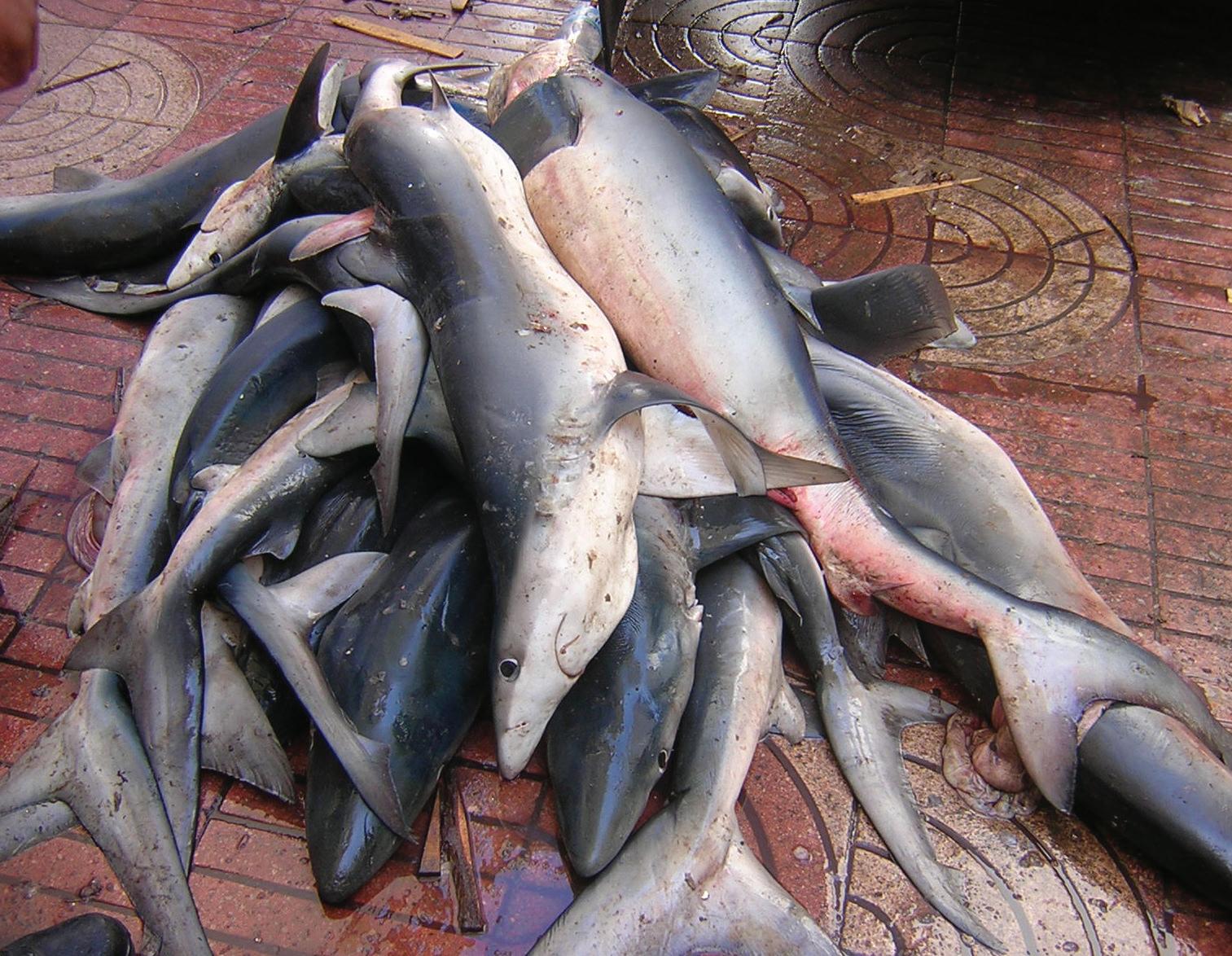
Using large images of a bloody shark being killed in isolation - and leading with shocking figures about the number of sharks finned - is only compelling if we have talked about why people should care and what can be done about it.
22
COMMUNICATION TRAPS |
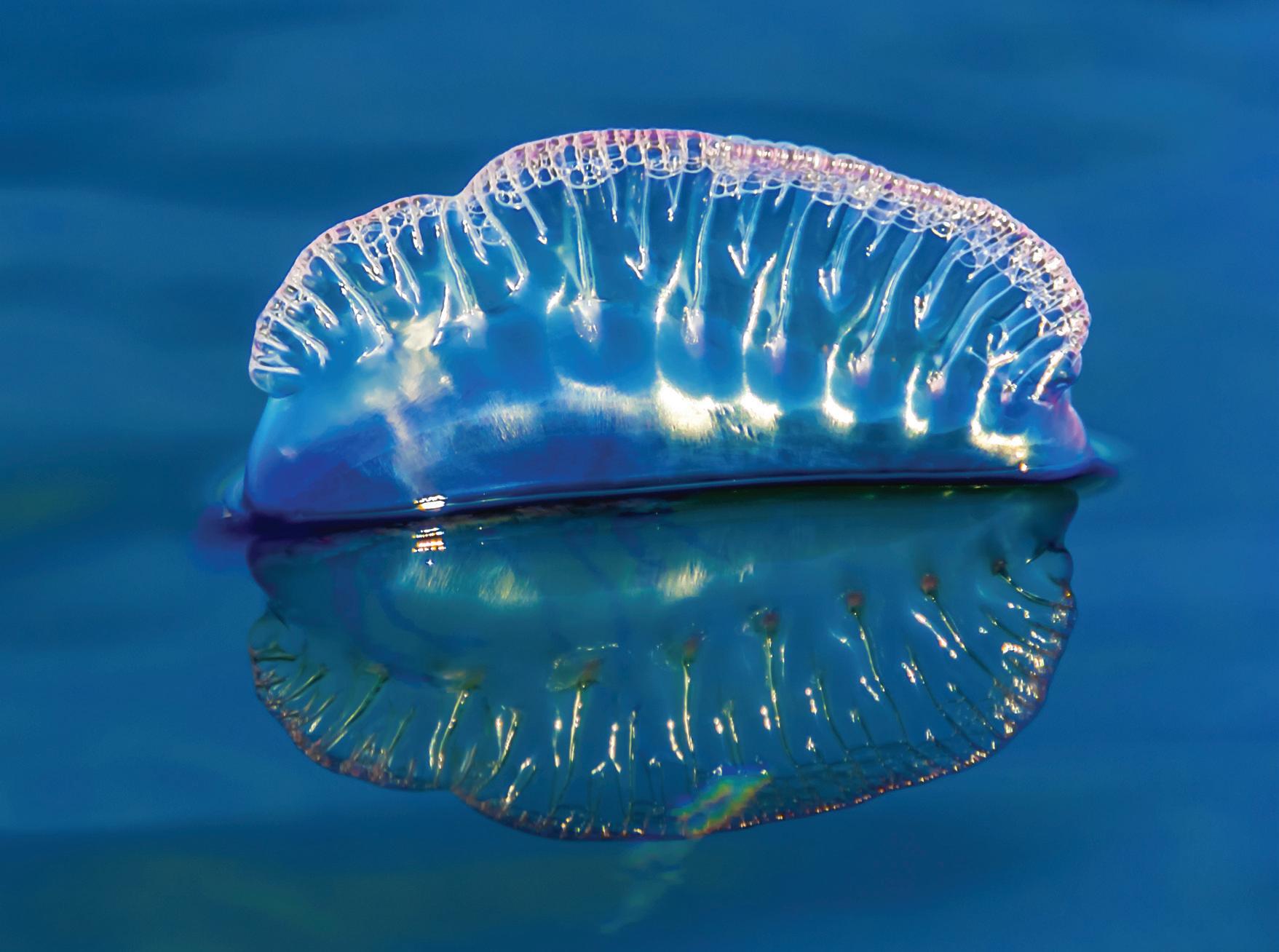
Portuguese man o wars are seen as something to be scared of and a source of fear for many people.
Why a Portuguese man o war?
Population recovery is possible with improved fisheries management and legal protection.
THE NUANCE
This is not about shying away from a problem. It’s about presenting it in a way that makes people believe it is solvable. If we present a problem without a solution, we’re likely to make people feel fatalistic, which actively works against our causes.
THE FIX
When we highlight problems, we need to do so in a way that makes change seem possible.
MAKE CHANGE SEEM POSSIBLE
Give people hope. Reference past positive changes to make future ones seem more likely.
Do now
When you talk about a problem, try to refer to something similar that has changed for the better.
Do later
Create a document that everyone in your organisation can access - list as many previous successes as possible. Don’t worry if the successes aren’t about a species you’re working on. Just draw analogies to other marine conservation successes.
23
© Petruk Viktor via Shutterstock
A WINNING FORMULA
Talk about past successes
When we talk about positive changes that have already happened, we make future successes seem more likely and possible in people’s minds. If there hasn’t been a notable success for the species or issue you work on, point to what’s been done in other similar areas.
Message ordering matters
Don’t lead with the problem. First, state that it’s an issue everyone cares about and celebrate the marine life. Then move onto the problem.
EXAMPLES
01 STATE YOUR VALUES
State your values
A statement that sets out care and collective desire for change.
The problem
Clearly set out the problem and its cause (see Sea Cucumber trap)
The solution
Talk about what needs to happen to make a change. Remember to reference past changes to make future ones seem more likely.
Sharks are awe-inspiring animals that are loved by many. They play an integral part in keeping the seas we all care about healthy.
02 STATE THE PROBLEM
Excessive and indiscriminate fishing practices and poor regulation cause the overfishing of sharks and rays (and marine life).
In coastal waters and on the high seas, overfishing is threatening the survival of over a third of shark and ray species.
03 OFFER THE SOLUTION
We need your help to persuade governments to make better laws that ensure fishing doesn’t damage populations. By regulating where fishing can happen and managing the number of fish being taken from the sea, we know that this is possible. When fishing of a species has been strictly limited - or stopped altogether - then populations have been shown to recover over time. This is realistic and effective change that requires policymakers to act on the science and the fishing industry to engage with change.
24
COMMUNICATION TRAPS |
1/3
This has been adapted from the excellent work of Annat Shenker-Osorio. ASOcommunications.com
1. Look at a campaign you are working on - list five successes you can reference to demonstrate that change is possible
2. Write out your problem and solution using the 3-step process
3. State your values
4. Problem
5. Solution
25
EXERCISE Portuguese Man O War © Ivanne via Shutterstock
SHARKS IN FOCUS
CREATING AN EFFECTIVE NARRATIVE FOR OUR OCEAN AND SHARKS.
26
CELEBRATE OUR OCEAN
WHAT IS THE ISSUE?
People love the ocean and the marine life it supports. But more importantly, they don’t mind being reminded of how awesome it is. We currently don’t do this enough. Too often, we ask for supporters to act or donate to address a pressing issue without first talking about why the marine life at risk is special and inspiring.
WHY IT MATTERS
Reminding people of why they care about an issue has been shown to increase people’s motivation to act.
See Further Reading section, p29 “Common Cause for Nature”,
Use text, images and videos that inspire people and show how amazing our marine life is.
27
© Serena Stean
THE FIX
Whenever we’re talking about a problem facing a species or habitat, we should lead with what makes it so special and inspiring. Don’t jump into the problem or an appeal for money before communicating what makes the thing you want to save special.
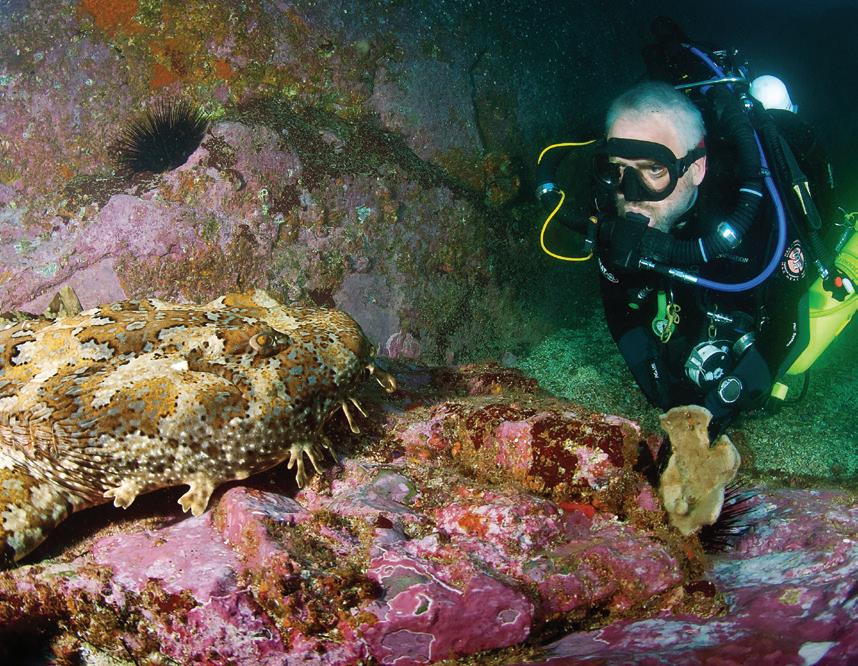
Tip
Celebrate wildlife even when you’re not asking for help. The more you reinforce this idea, the more people will care when you eventually do ask for help.
Do now
Use photos, videos and text that inspire awe.
Do later
Create a library of photos and text examples that you can draw on.
28
SHARKS IN FOCUS
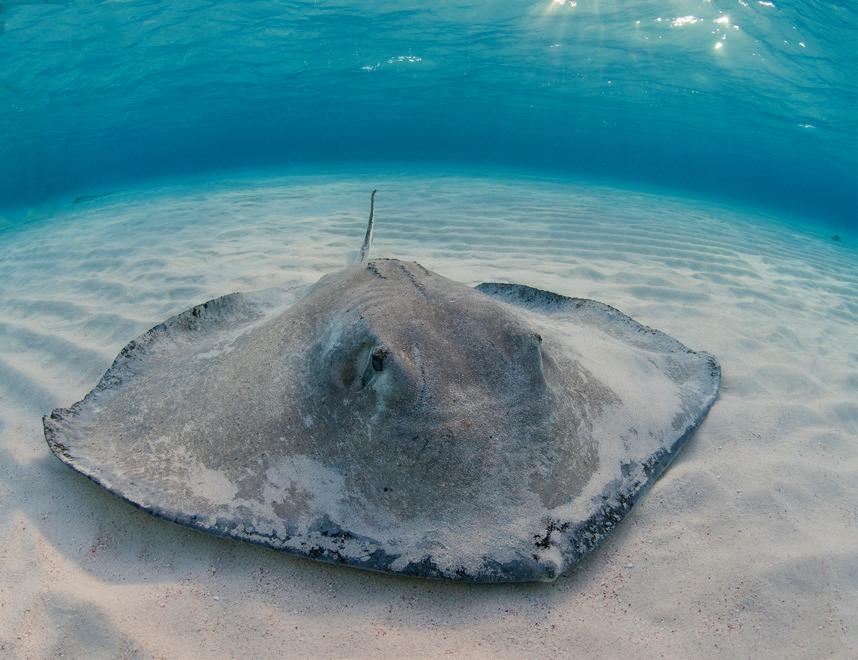
Southern Stingray © Peter de Maagt
© Nicolas Terry
EXERCISE
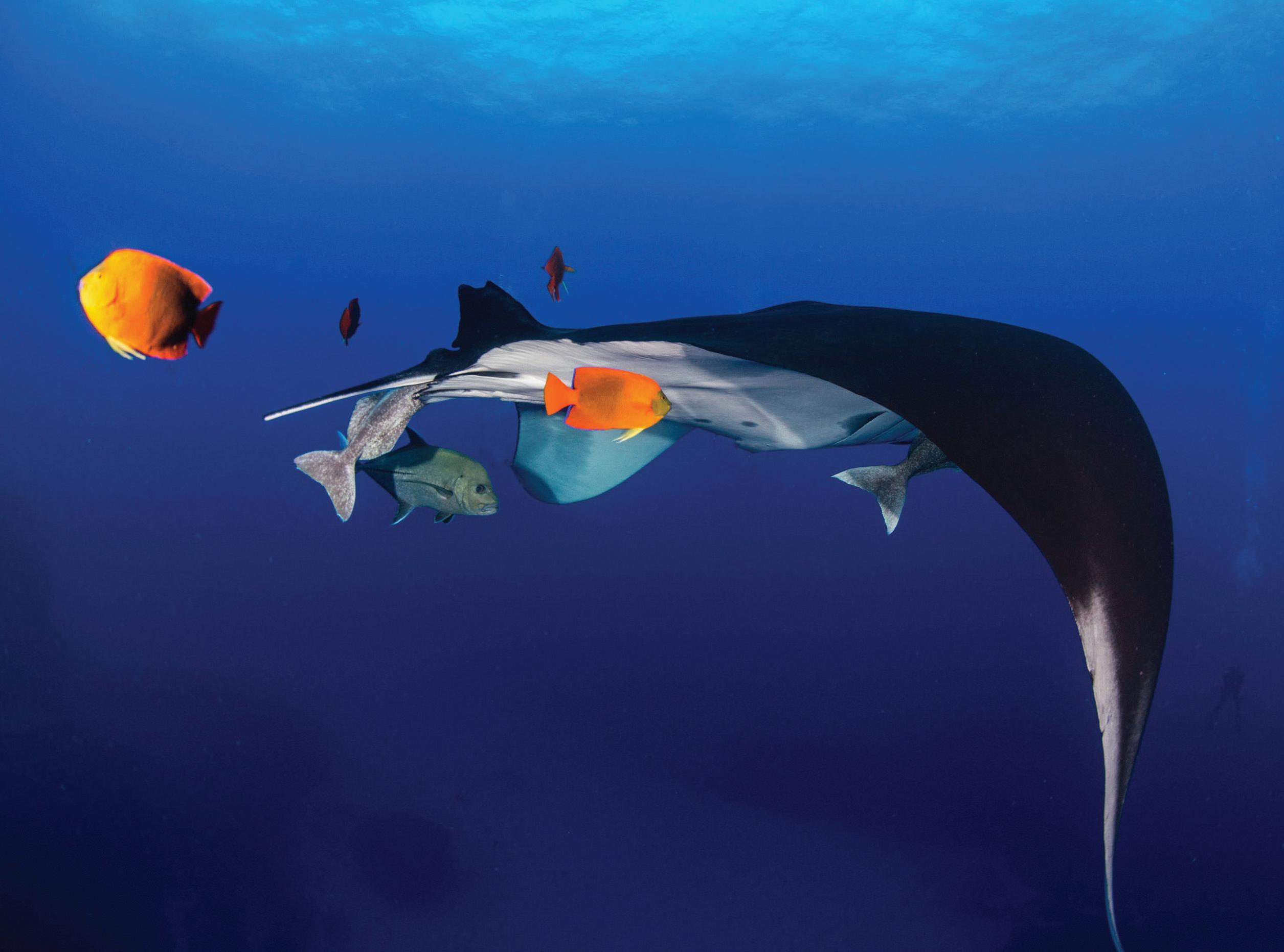
Practice creating statements about how people care about our ocean and why it matters.
For example: “We all care about our ocean and the fantastic sea life it supports.” Set out three things that inspire people about sharks.
29
Manta Ray © Frogfish Photography
KEY ISSUES FOR SHARK CONSERVATION
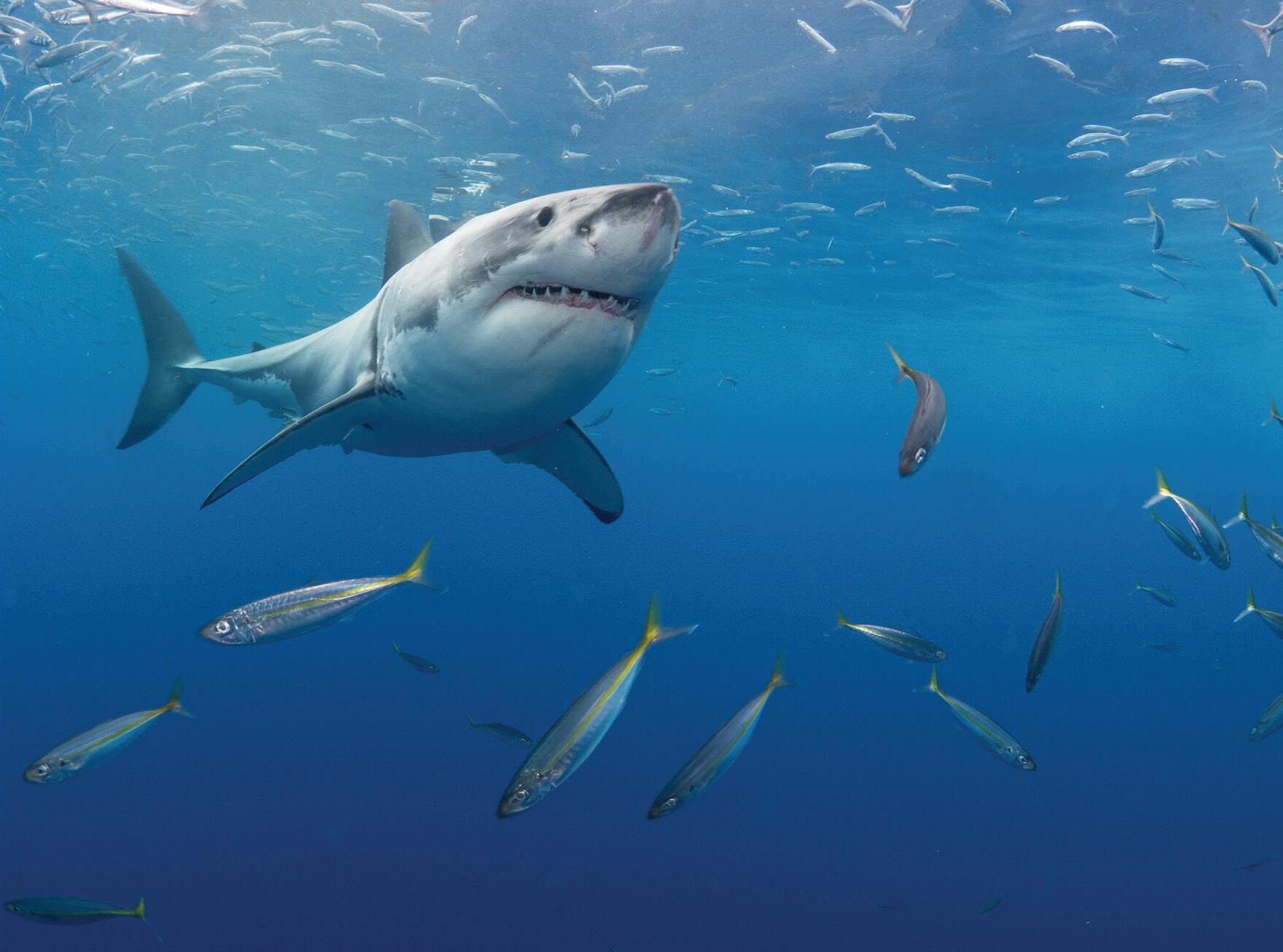
Sharks are a group of particular concern. And effective communication is going to be vital in engaging greater widespread support for their conservation. So, this section is just about sharks and rays.
CHALLENGE BUT DON’T REPEAT THE STEREOTYPE
Many in the sector have realised this is a big problem. But the attempts to address it may have backfired. As we’ve seen, saying “they are not dangerous man eaters” only serves to reinforce the associations we’re trying to break. To truly change the image of sharks, we must talk about what makes them so awesome. And not the fact they cause less deaths than buses. (See Octopus trap).
30
White Shark © Frogfish Photography
IMAGERY IS KEY TO THIS
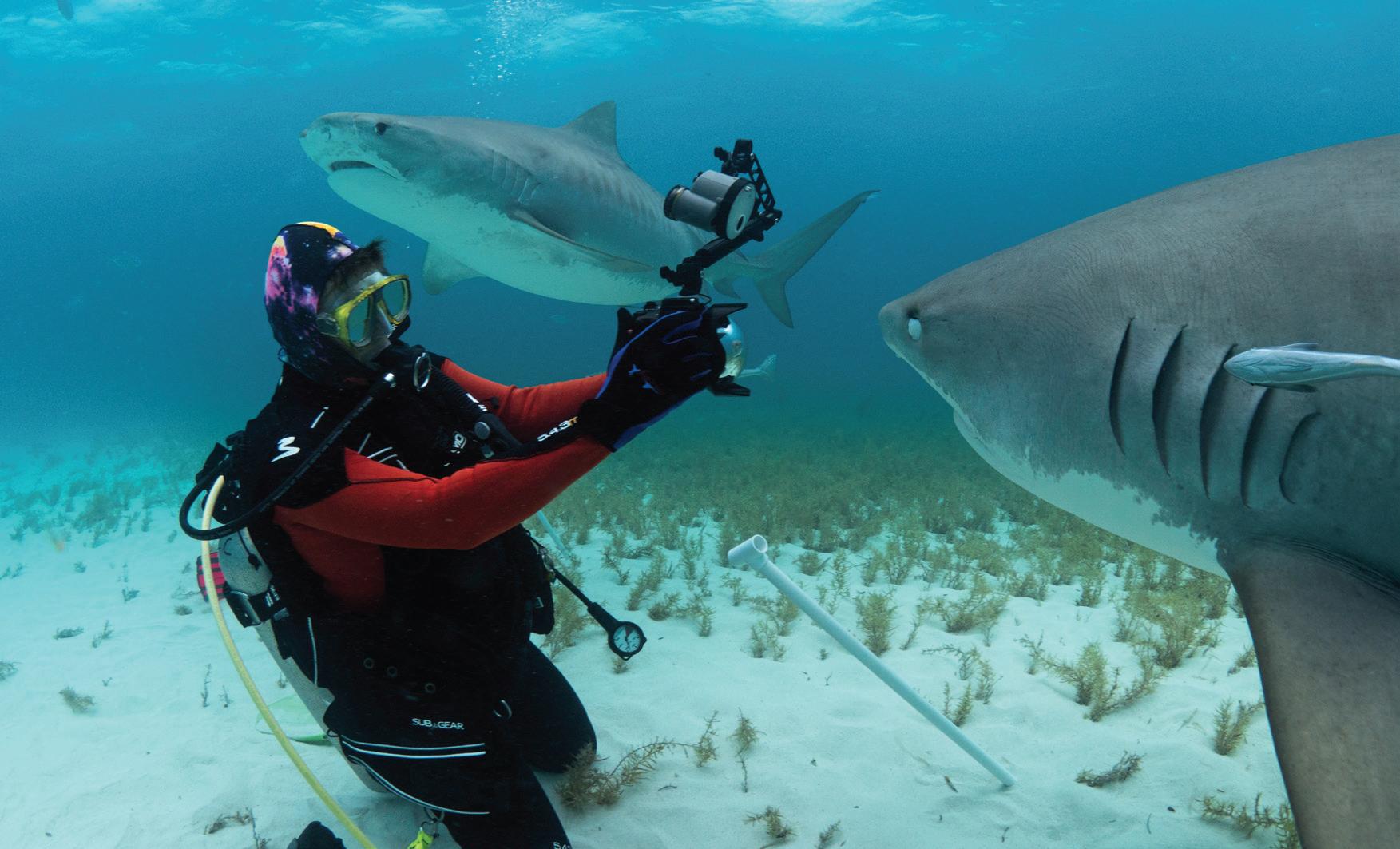
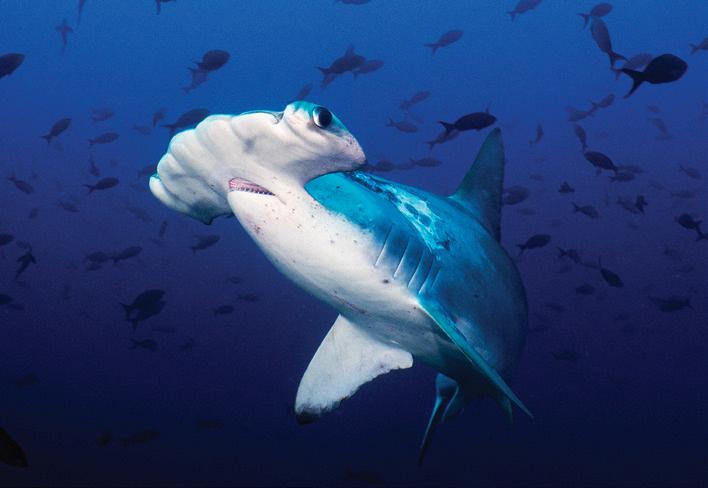
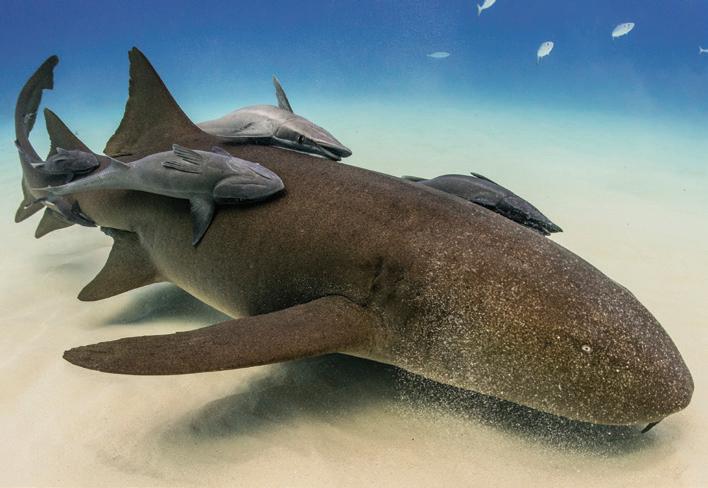
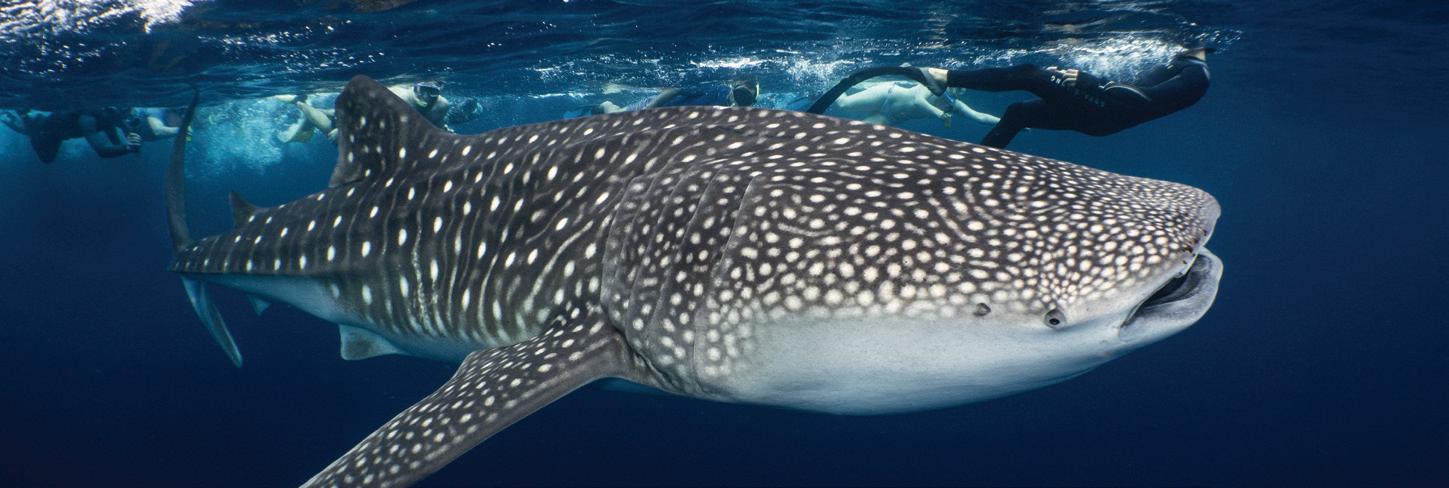
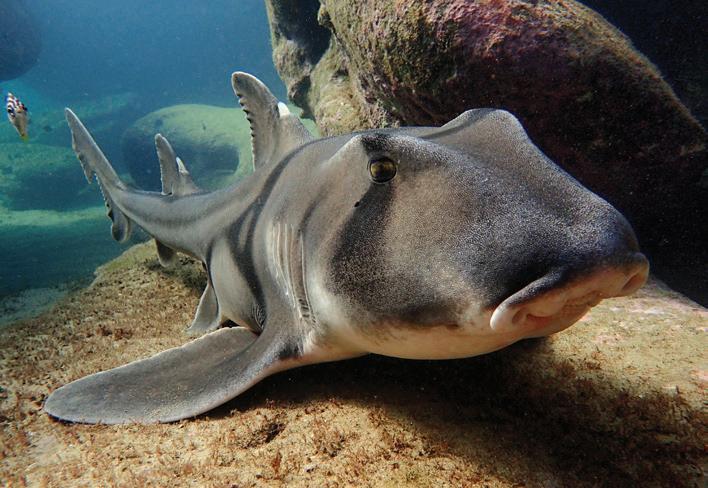
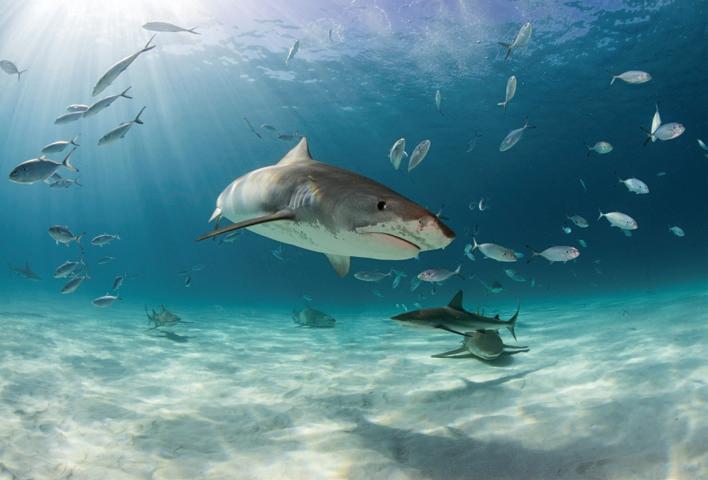
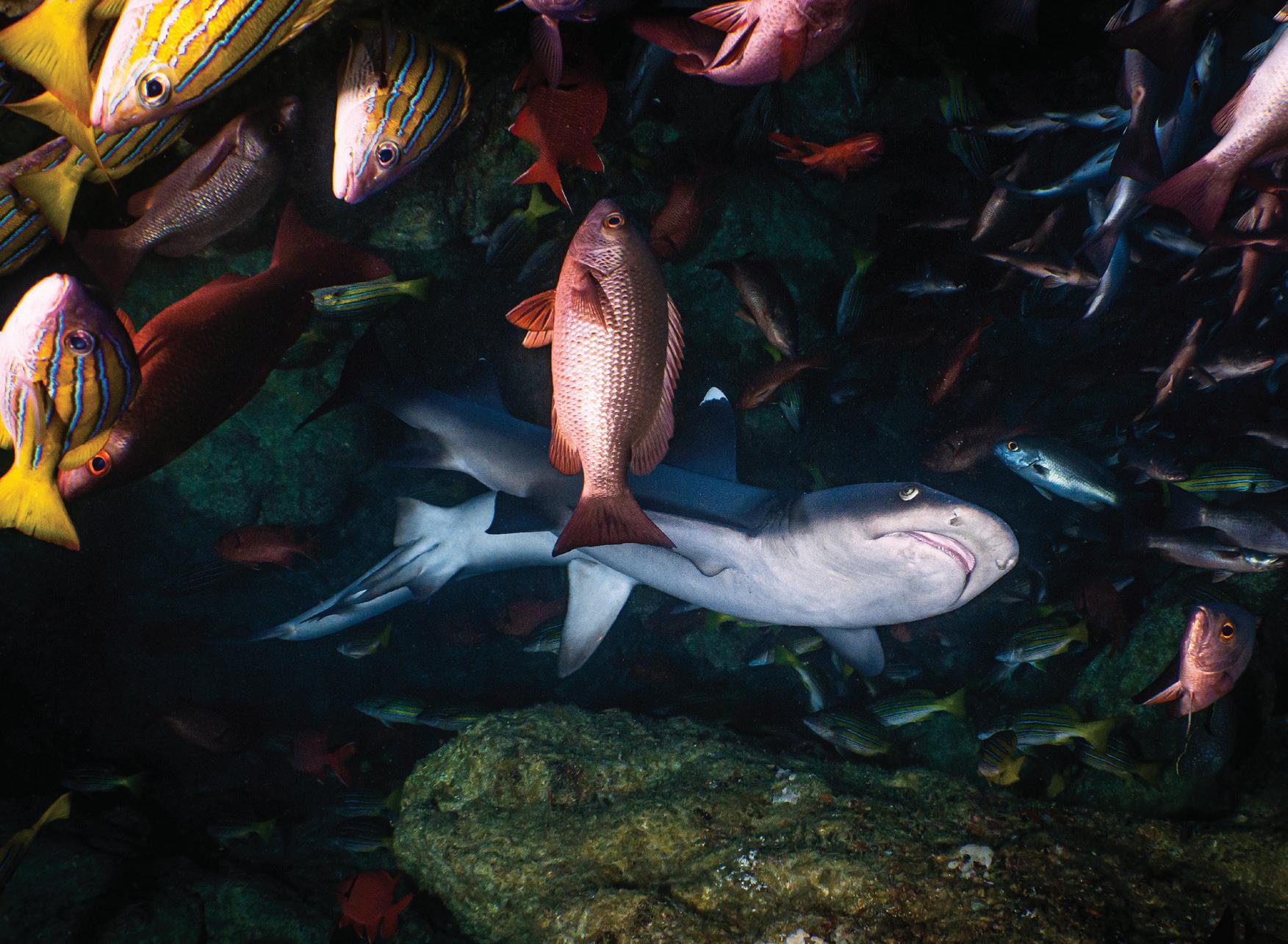
Using photos that include other fish with sharks helps to challenge the narrative of sharks as one-dimensional single-minded predators. Using a variety of shark species can help, to some degree, to challenge the idea that a shark is simply a Great White. It can also really help people understand more about lesser-known and threatened species you might want to highlight.
31
SHARKS IN FOCUS
© Frogfish Photography
© Ian Donato
© Sean Chinn
© John Bantin
© Sean Chinn
SHARKS ARE PART OF OUR WORLD - NOT ANOTHER PLANET
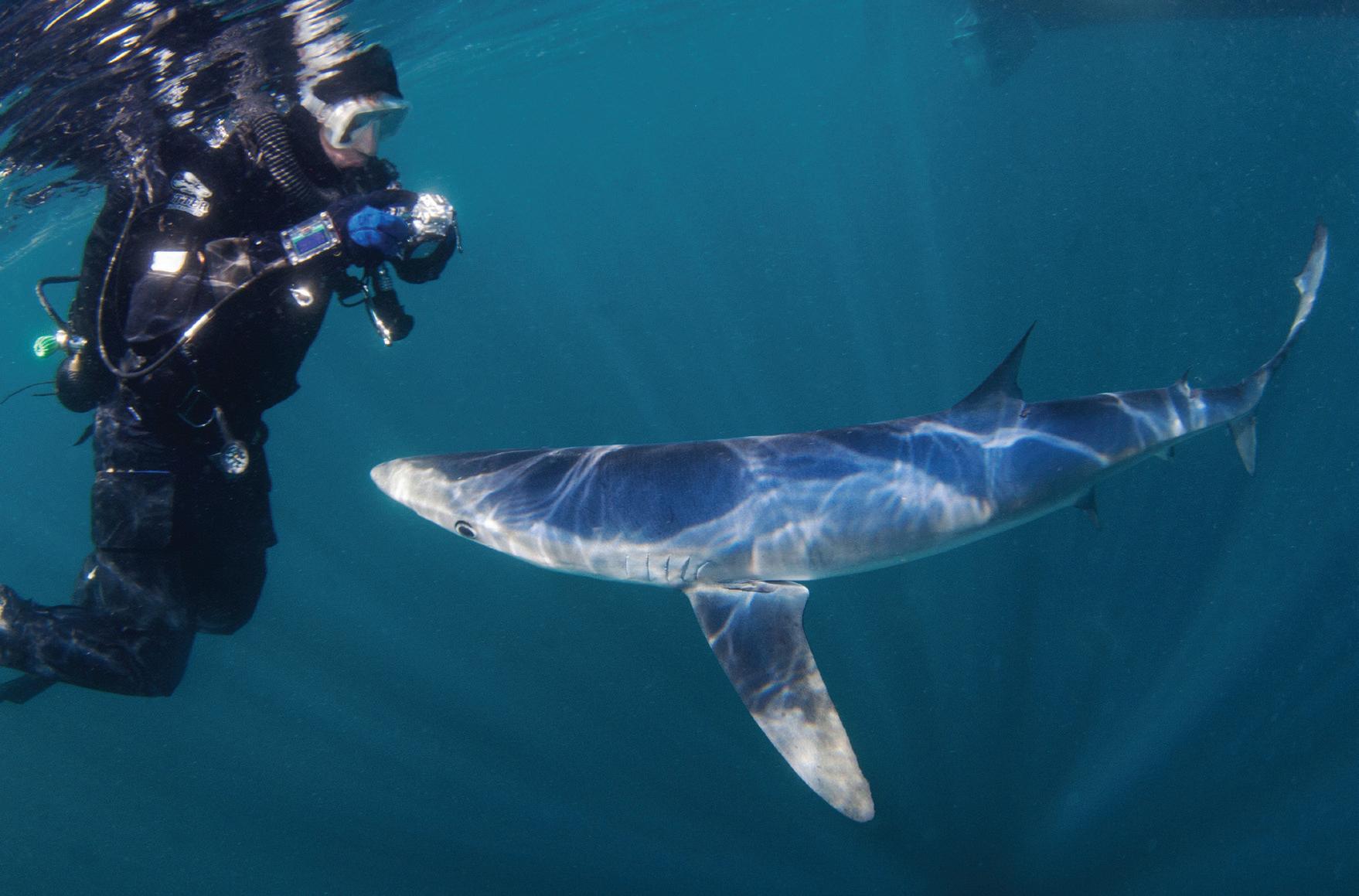
We often use images that show sharks in pristine habitats surrounded by wildlife, excluding humans and the damage they cause. This can give the impression that sharks are exotic and untouched by people and not something we’ll encounter or should care about. As discussed in the previous section, use of such images is great for inspiring awe and excitement around a species. It’s only a problem if these are the only things you show.
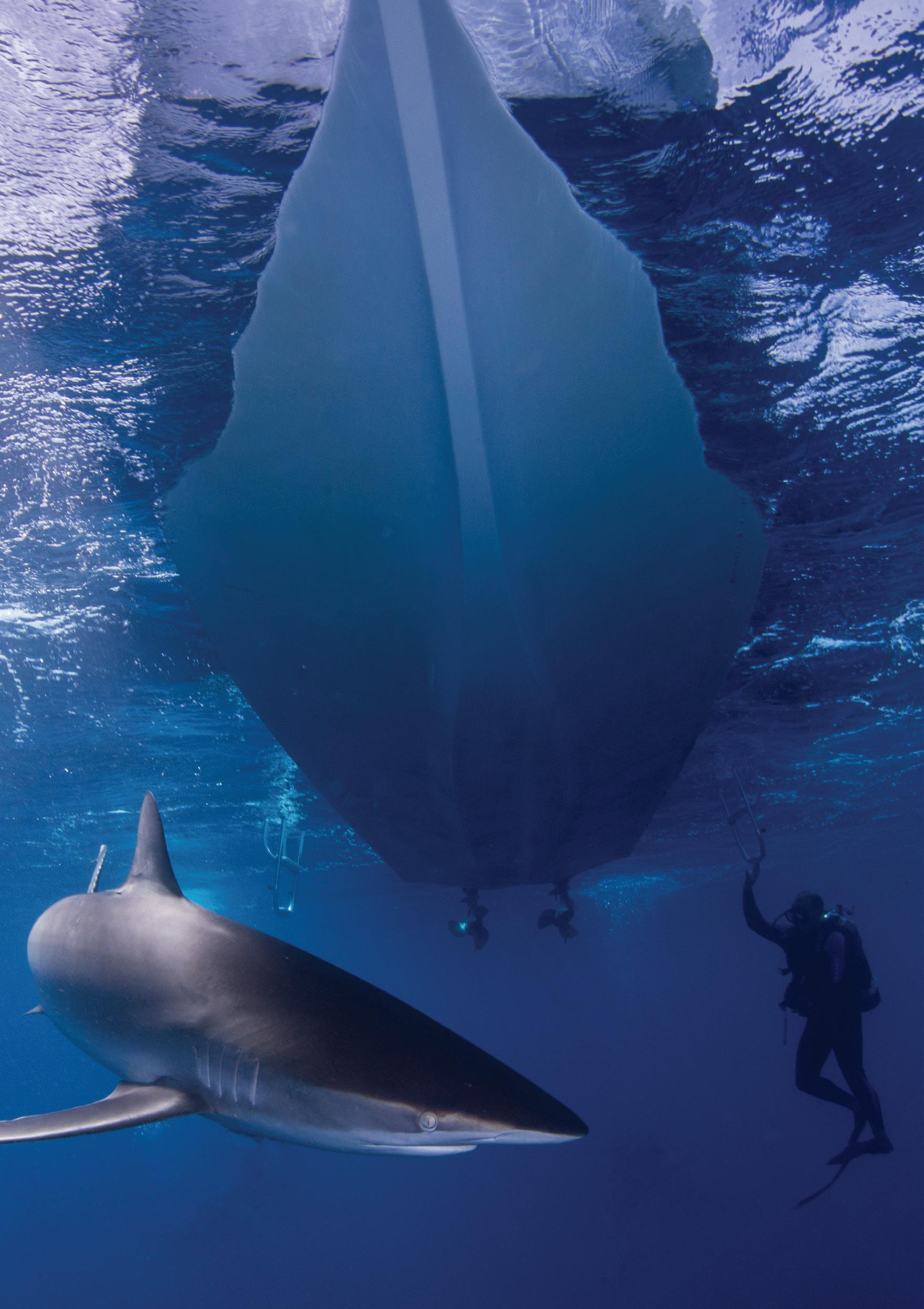
Using pictures of people sharing the water with sharks (while following best practice guidelines) shows that they have been misrepresented. It also helps to challenge the unintentional reinforcing of “exoticism”. When we use lots of amazing pictures of wild, untouched oceans, we create the idea that the seas are somewhere else unconnected to us and not an environment altered by people.
32
Blue Shark © Frogfish Photography
SHARKS IN FOCUS
Using pictures of people sharing the water with sharks shows that they have been misrepresented.
Think about showing how people can easily have a real-world experience with ocean life. What might people find or see when on the beach or swimming that you can use to connect to a wider issue (e.g. a shark eggcase).

SCIENCE IS JUST A PART OF THE PICTURE
Science is integral to understanding the problems affecting sharks and other marine life, and can also help prioritise solutions. But it has its limitations.
It’s key to understand that it’s “how facts are presented” and not the facts themselves that make messages motivating. The science is only one aspect of a larger puzzle. Too often, we expect the fact or figure to do the leg work of convincing someone for us. And we forget that it is equally important to remind them why they care and show the problem is solvable.
As messengers, scientists also don’t have universal appeal. They are definite Sea Otter traps. Although powerful messengers for some, remember only those who see scientists as trustworthy will get behind them.
As explored in the Sea Otter section, correct terminology and scientific jargon can be different things. While scientific language might have been created to convey precise information, it makes the language harder to understand for those without a scientific background. An over-reliance on the correct terminology, or strict adherence to technical details, may theoretically ensure you’re right. Still, you can also guarantee this will not make you understood by the wider public (you could try using layman’s terms with the scientific jargon in brackets).
33
SHARKS IN FOCUS
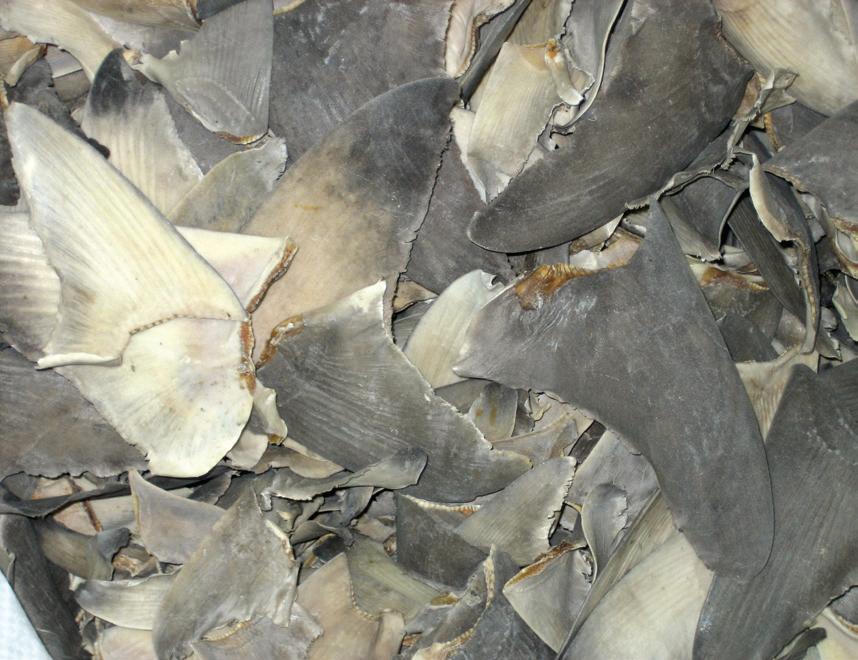
As well as incredible images of sharks, we need to use photos that highlight fisheries impacts as well.
© Jessica King viaMarine Photobank
© Abbi Sands
CREATE A NEW WAY TO TALK ABOUT FISHING
We need to find an alternative and more helpful way of talking about the damage caused by fishing.
OUR THEORY OF CHANGE
At the Shark Trust, we believe that effective shark conservation comes from a science-based commitment to achieving sustainably managed populations, coupled with responsible consumer supply chains. This places fisheries policy, management and enforcement at the forefront of conservation action. This is also supported by working directly with those involved in fisheries to promote change.
Our marine life is a source of inspiration, awe and excitement. But the impacts of poorly managed and excessive fishing are a major threat to a healthy future. We need to talk more about this issue. Using unclear language masks the impact and fosters the perception that the things we care about are solely commodities for exploitation.

34
© Frogfish Photography
THE PROBLEM
As we’ve seen in the previous trap sections, the words and images we use trigger different associations in our minds. These associations make us feel differently about the thing we’re talking about.
Take, for example, how we talk about different groups of animals. Those that are eaten are “livestock”, those in people’s homes are called “pets” and those that live freely are “wildlife”. These categories create hugely different associations in our minds. And allow us to treat similar animals in hugely different ways.
It’s socially acceptable to poison a rat but not a dog. You’re able to order a beef steak but not a cat steak. By using the language of a commodity and a food stuff we allow people to see our marine life as a resource to exploit rather than also something to love and inspire us.
The language of fishing and the narrative that marine life is simply a commodity to be exploited is a theme we commonly encounter in our daily lives.
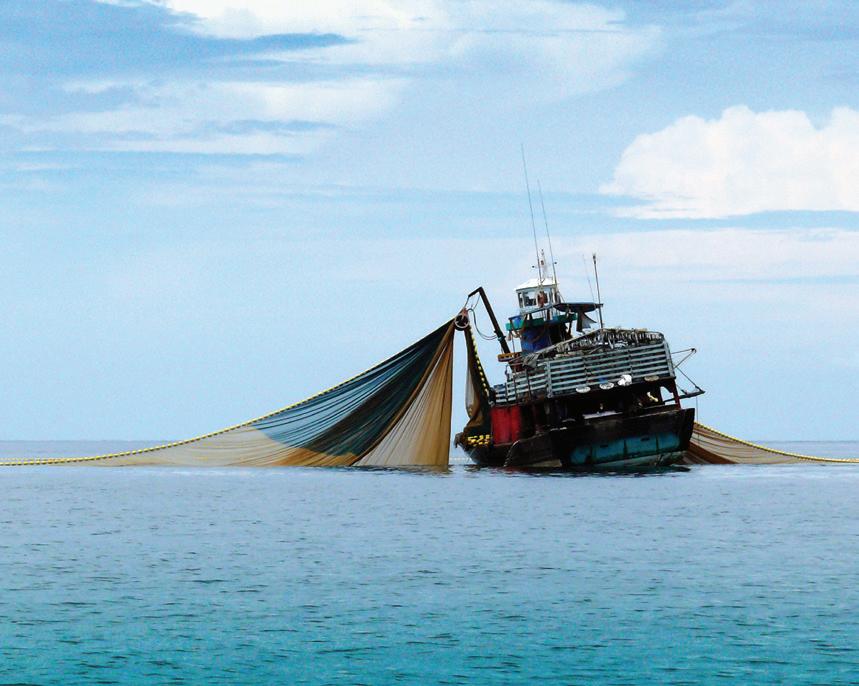
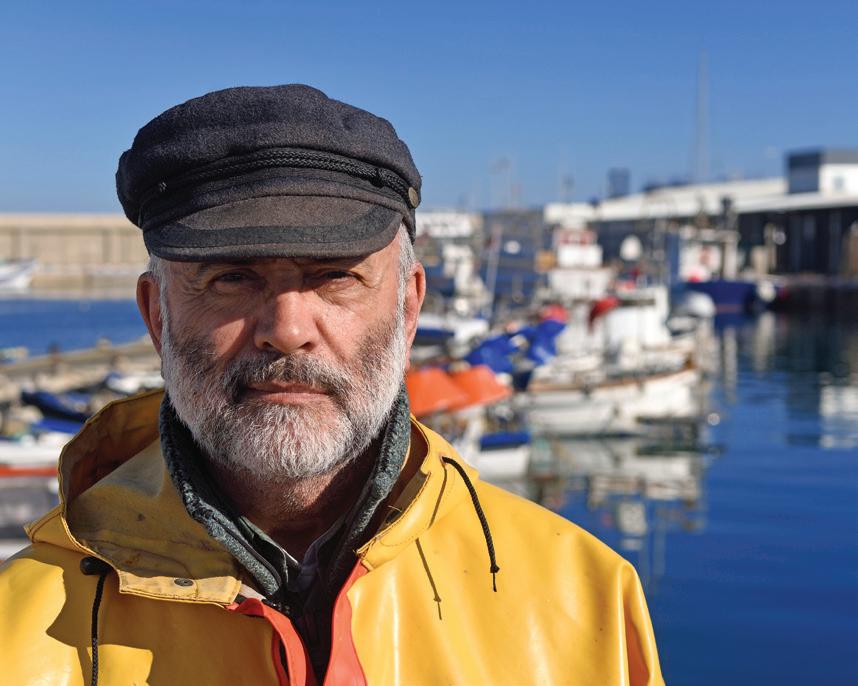
Many marine conservation organisations have taken the first step in changing their approach. Seeing terms like “fish stocks” is now less likely. But this is just one term in a huge array of words that encourage us to see our wildlife as a commodity whose very purpose is to be exploited.
The issue even extends to the associations we have in our minds about the term “fishing”. What “fishing” is in the public mind is very narrow and there is much misunderstanding about what constitutes “good” and “bad” fishing practice.
35 SHARKS IN FOCUS
© Josep Curto via Shutterstock
© NarisaFotoSS via Shutterstock
EXAMPLES
The most egregious examples are set out in the traps section. But more subtle terms still feed the idea that marine life only exists to be consumed or damaged if it’s in the firing line of something people like to eat.
01 HAUL
“We had a great haul of pictures from supporters”. It’s still making the fishing language normalised. On its own, such a term seems harmless. But this issue is more about the cumulative impact of using the terminology and if we fail to question whether it helps or hinders our work.
02 STOCK
“
Fishing Stocks” implies that fish and marine life should be viewed as commodities. Talking about populations or communities fosters associations with natural systems.
03 HARVEST
When people talk of an “Ocean Harvest”, it implies control and “reaping what we have sown”. Talking about the exploitation of natural resources or capture of wildlife is more representative of wild fisheries – leading into a conversation about how and by whom the process is managed to ensure healthy natural populations.
To address the “marine life as a commodity” narrative, we need to do more than simply change some terms. Instead, we need a new way of talking about fishing and the marine life we care about. A key way to do this is to create a new metaphor for marine life and the problems it’s facing.
How we talk about something directly impacts how we feel about it. As well as the action we’re likely to take.
The way we talk about a problem is likely to imply a certain solution and rule out others.
For example, if we talk about fishing only in terms of stocks and not the fishing methods used, then we’ll not have solutions that help preserve marine habitats that are damaged by the fishing methods. We’ll instead focus only on limiting the number of fish caught.
36
SHARKS IN FOCUS
The words and images we use trigger different associations in our minds.
THE FIX
We need a new metaphor that replaces the idea that our marine life is simply a commodity to be exploited. All the unhelpful language is built on this premise. Changing the metaphor changes how marine life is seen and valued.
Do now
Ditch the unhelpful language and create a new way of talking about fishing (traps).
Do later
Create an alternative metaphor for our marine life and fishing impacts on it.
37
© Shaun Chinn
FIND AN ALTERNATIVE METAPHOR
We need to experiment with metaphors that explicitly highlight the interconnectedness between ocean life and our health and well-being.
We also need to explore metaphors to better describe “good” and “bad” fisheries and the damage caused by excessive and indiscriminate fishing practices. This metaphor must acknowledge that large and small, modern and traditional, are all capable of causing harm. And communicate that alternatives exist. Showing that “bycatch” and “habitat destruction” are not accidental consequences of fishing but rather inevitable consequences of poorly managed fisheries practices. In one study, the Frameworks Institute suggest that talking about the ocean as interlinked parts, like a human body, can be helpful.
To give an example from their report (How to Talk About the Ocean so that People Will Listen: A Quick Guide):
Well-designed marine protected areas are like physiotherapy for the ocean’s health. When we heal the ocean, we turn around the downward trend of marine life.
Although not directly applied to the impacts of fishing in the Frameworks Institute guide, we can use their approach to do so.
For example:
Excessive fishing is draining the lifeblood of the ocean system. We can stem the flow by strictly controlling the impact of fisheries. Then we may draw sustenance from the ocean while allowing its health to flourish.
In her book, “Don’t buy it”, Annat Shenker Osorio talks about using the human body metaphor to describe the economy. She suggests that this can sometimes be unhelpful as humans frequently overcome health issues on their own and don’t require assistance - implying the economy, and in this case the ocean, may be able to cure themselves. With this in mind, it may be wise to only draw analogies with impacts on our health that require medical assistance when using this metaphor.
38
SHARKS IN FOCUS
EXERCISE
Think of some metaphors that help explain the indiscriminate nature of poorly managed fisheries that highlight the inevitable damage they cause.
E.g. a hoover, a sledgehammer to crack a nut etc. “Indiscriminate fishing methods are like X because...”
Now have a go at using the Frameworks Institute health metaphor, showing how the problems facing our seas are like those facing the human body. Use these questions to guide you:
What is the problem? Can you think of an illness or similar damage that could happen to the human body?
If the ocean was a human body - what part of the body is the problem affecting?
How would you treat this in a medical scenario?
39
©
Ofer Ketter
PLANNING YOUR COMMUNICATION
A KEY COMPONENT OF GOOD COMMUNICATION IS HAVING A CLEAR GOAL FOR YOUR MESSAGE.
40
DEFINING YOUR MESSAGE GOALS

Before creating any communication, we should be asking what’s the purpose of our message. Whether it’s a single email, a press release or a huge campaign, understanding the goal of your communication is key to making it effective.
Deciding the goal of your message is just the first stage in a strategic communication process.
41
Whale Shark © Gareth Millson
There’s a simple framework that you can use to help target your messaging more effectively.
42
Define your messaging goals Create your message Test your message Use your message Refine your message 2 4 3 5
1
WHY WHO FEEL BELIEVE
DEFINING YOUR MESSAGE GOALS
Before starting any campaign, you should answer the following questions.
WHY ARE YOU COMMUNICATING?
What’s the outcome you are trying to achieve?
(A policy change, a change in the laws, action by a company?)
How will this change happen?
(What’s your organisation’s strategy or “theory of change”?)
How will you know you’ve succeeded? (Can you measure change?)
WHO IS THE AUDIENCE?
Are there different audiences that need different languages?
Are you speaking directly to the those with direct influence (policymakers or industry) or indirectly to a wider audience?
What do you know about your audience(s)? How do they feel about the issue? What can they do to create change?
If you’re speaking to different audiences with different language, is your message consistent?
WHAT DO YOU WANT PEOPLE TO THINK, FEEL AND DO?
What do you want people to think, feel and do as a result of your communication?
WHAT ARE YOU ASKING PEOPLE TO BELIEVE AND WHY?
When we’re communicating to someone, we’re always asking them to believe that certain things are true.
These are beliefs that you want to reinforce in your audience, like:
“we understand the problems and the solution” or “your actions make a difference”.
These are the ones that will benefit your cause. We want all our messages to reinforce these beliefs.
43
1 PLANNING YOUR COMMUNICATION
2
To support a cause, people need to believe that “change is possible”. This would be reinforced by sentences like:
“We’ve managed to increase the numbers of X species”
The language that’s likely to undermine this belief is saying things like:
“the scale of the task is huge” or “this problem has never been tackled before”
Does all our messaging underpin these positive beliefs?
Can we reframe problems positively and highlight practical solutions?
CREATING YOUR MESSAGE
After defining your messaging goals, you then need to create it. A couple of things to remember when creating new messaging.
Create space
Get as many ideas down as possible and revisit them after a few days. Don’t try and do everything at once or in a single day.
Try creative exercises
There are lots to try. For example, “the x is like y” exercise, write down on separate pieces of paper objects, places, forms of transport and animals. Place them in a hat or bag, draw one from the bag, and write down why that thing is like your issue - “A giraffe is like a deep sea fishing trawler because it can get to places that are normally out of reach”. Find more in the “Framing Nature Toolkit”, p.47.
Change your surroundings
A new environment helps promote new ideas - talk a walk, find a spot to sit outside or book a room in a new location.
44 PLANNING YOUR COMMUNICATION
 © Frogfish Photography
4 5
TESTING YOUR MESSAGE
Proper message testing requires a budget - or at least staff time and knowledge.
If you want to give testing a go, simple A/B testing is the best option. A/B testing simply compares one version of a message (A) to another (B). The bigger your sample, the more you’ll be able to trust your results. For example, if you have a large mailing list and a significant number of people actually opening your mail (1000 is ideal). Split your audience in two, sending one group a message using one image (image A) and the other a second (image B). But keep the text the same.
Equally, you could just change the email heading and examine the click-through rates. Remember, the more you change in terms of text or layout, the harder it will be to understand what people are actually responding to. If you do this sort of testing frequently, it should allow you to tailor communications in the future. You’ll be able to see the types of language and images that get a response.
Be cautious with simple measurements like “click-through rates”, though - they’re not the panacea you might think. This complicates the value of testing, and what you’re measuring is key. You might improve short-term click-through using high-threat messages. But this might put your supporters off long-term. So, you may benefit from trying to survey people about their intentions after reading your message. What do they say they’re likely to do to help your cause?
Test ideas are based on previous research and testing. This PIRC guide outlines different types of testing for different budgets: publicinterest.org.uk/TestingGuide.pdf
USING YOUR MESSAGE
Once you start using your new messages, see how people respond, try to take note of what seems most successful. And of responses, you’re surprised by. This should give you new ideas for the next time you create a message in the campaign.
REFINING YOUR MESSAGE
Testing is not just for before you start using a message. A/B testing throughout a campaign will help you hone your material.
Situations are also likely to develop throughout your campaign. You need to think about how your messaging can be altered to respond to emerging opportunities. Has the opposition found a new way to frame the debate? Have the government announced new policies?
46
3
PLANNING YOUR COMMUNICATION
EXERCISE
Answer these questions for your own communications campaign:
1. Why are you communicating?
2. What is the outcome you are trying to achieve? (a policy change, a change in the laws, action by a company)
3. How will this change happen? (what is your theory of change?)
4. Who is the audience? Are they even who you are communicating to?
5. What do you want people to think, feel and do?
6. What are you asking people to believe and why?
7. What are the three key positive beliefs you feel are most important to your campaign?
We need to ensure that all our messaging underpins these beliefs.
47
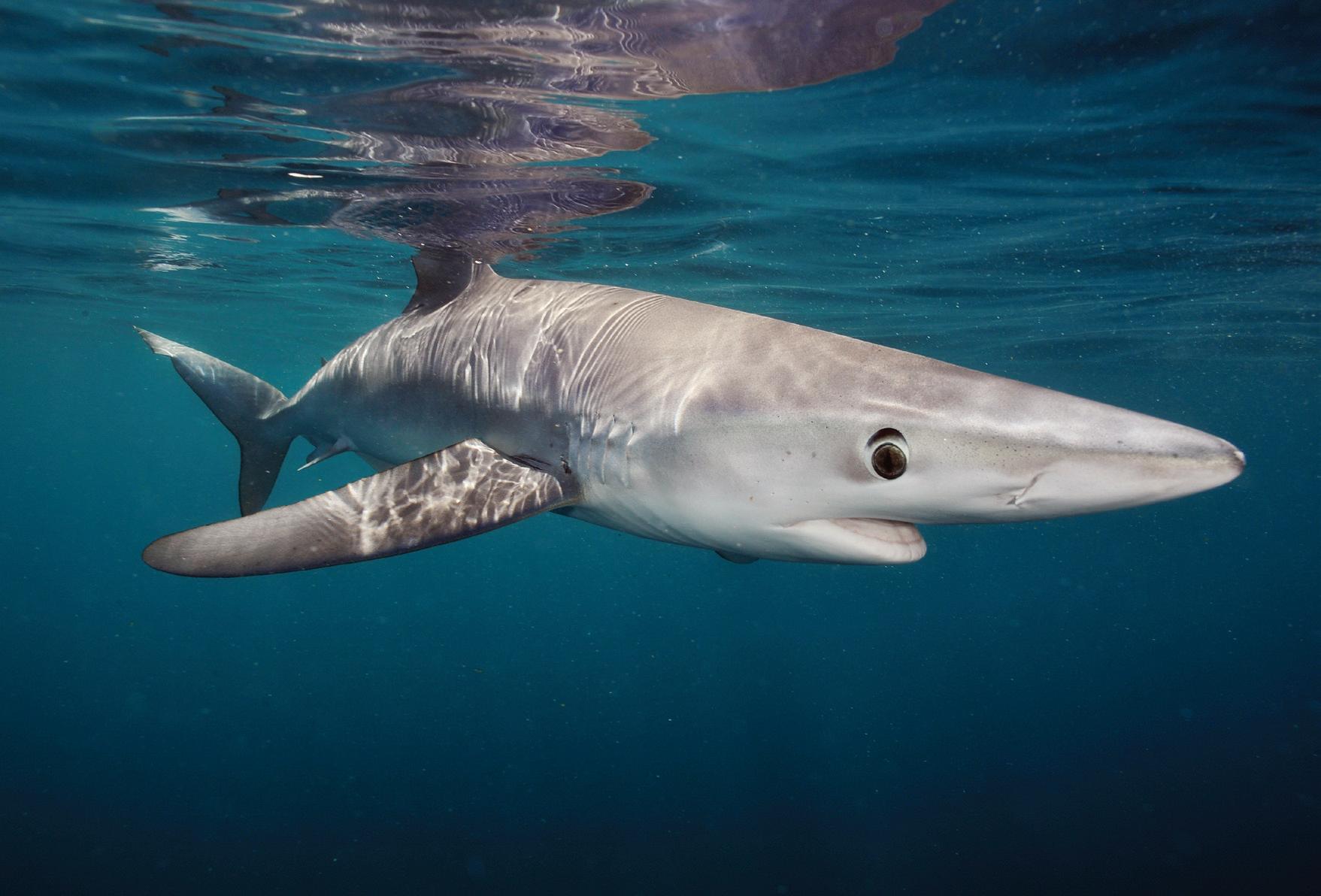
Blue Shark © Charles Hood
LET’S GET TO WORK…
We all love the ocean and the awe-inspiring marine life it contains. The world is simply a better place when it has sharks, rays and other marine life in it.
We’re excited to see how you use the tools and exercises in this guide. They should improve your communications and, more importantly, help you to understand what you’re already doing well. Some of the ideas will be easier to put into practice than others, but you’ll get there in time.
Change is not only possible but is happening. Together we can motivate more people to act for our ocean.
GET STARTED – NO TIME LIKE NOW
Share this toolkit with someone you know (now).
Print the posters and stick them up in your office (this week).
Organise a workshop with your team to work through the exercise (this month).
Get in touch and let us know about great communications you’ve seen so we can continue to share and get better together.
toolkit@sharktrust.org
48
FURTHER READING TRAPS
Don’t Parrot - Framing Matters blog for PIRC
https://publicinterest.org.uk/avoiding-common-communication-pitfalls/
Don’t Think of an Elephant - Know Your Values and Frame the Debate: George Lakoff
Thinking, Fast and Slow: Daniel Kahneman
This effectiviology blog sets out the basics of the curse of knowledge
https://effectiviology.com/curse-of-knowledge/
How to tell compelling stories that move people
https://commonslibrary.org/wp-content/uploads/ACF_narrative_handbook_ How_to_tell_compelling_stories_that_move_people_to_action_web_ Feb17-compressed.pdf
SHARKS IN FOCUS
Common Cause for Nature - A practical guide to values and frames in conservation: PIRC, Elena Blackmore, Ralph Underhill, Jamie McQuilkin, Rosie Leach, Tim Holmes.
https://publicinterest.org.uk/download/framing_nature/Common%20 Cause%20for%20Nature%20-%20Practitioners%20Guide.pdf
Framing Nature Toolkit - A guide to how words can help wildlife: PIRC, Ralph Underhill
https://publicinterest.org.uk/FramingNatureToolkit.pdf
PLANNING YOUR COMMUNICATION
How to test your comms: PIRC,ILGA Europe Bec Sanderson
https://publicinterest.org.uk/TestingGuide.pdf
Principles for Communicating Global Justice and Solidarity – An alternative to the language of development, aid and charity: HPA /Framing Matters, Ralph Underhill
https://www.healthpovertyaction.org/wp-content/uploads/2019/04/A-Practical-Guide-For-Communicating-Global-Justice-and-Solidarity.pdf
Framing Nature Toolkit - A guide to how words can help wildlife: PIRC, Ralph Underhill
https://publicinterest.org.uk/FramingNatureToolkit.pdf
49
50 The Shark Trust 4 Creykes Court, The Millfields, Plymouth, PL1 3JB, UK www.sharktrust.org
enquiries@sharktrust.org
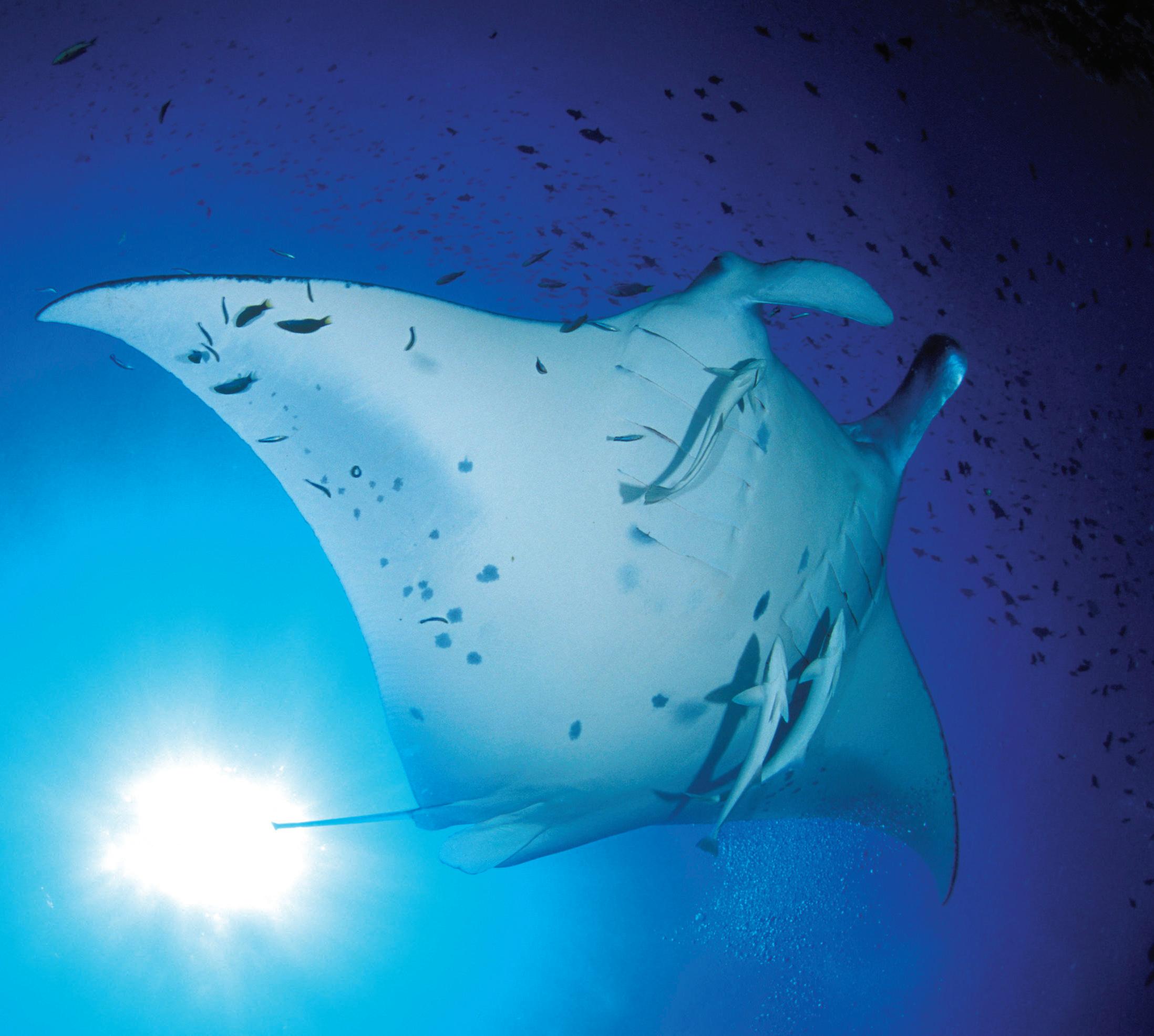
Manta Ray © Steve Jones