TLEZANNEN
| for mixed chamber ensemble |

| for mixed chamber ensemble |
Published by SedarskiMusic (ASCAP)
Duration ca. 8 min
Flute
Clarinet in Bb
Percussion:
Bass drum
Tom-toms (one low and one high)
Soprano
Piano
Violin
Cello
8. tlezannen in tlalticpac? tlacazo occecni yoliliz ximoayan, ma ompa niauh, ma ompa inhuan noncuicati in nepapan tlazototome, ma ompa nicnotlamachti yectliya xochitl ahuiaca xochitl, in teyolquima, in zan tepacca, teahuiaca yhuintia, in zan tepacca, ahuiaca yhuintia.
8. For what good is this earth? Truly there is another life in the hereafter. There may I go, there the sweet birds sing, there may I learn to know those good flowers, those sweet flowers, those delicious ones, which alone pleasurably, sweetly intoxicate, which alone pleasurably, sweetly intoxicate.
Transposing score
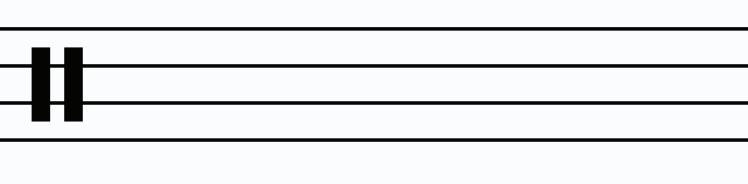
Percussion Key:
Tom-tom (high)
Tom-tom (low) Bass Drum
Climate change is no longer a challenge for future generations, but a present, brutal reality for humanity. In my lifetime, the ecology of earth will change so drastically it will threaten our existence on the only planet we call home. Thinking about these realities sends a shudder down my spine and forces me to question to what end do I do? To what end do I create music and art? With the existence of humanity threatened, do these questions matter?
With all these anxieties in mind, I set out to compose a piece that illustrated the severity of our circumstances. tlezannen is a piece that sets a portion of a Nahuatl poem entitled “Cuicapeuhcayotl” indexed by Daniel G. Brinton in his book Ancient Nahuatl Poetry published in 1890. The Nahuatl language was the dominant language of the Aztec empire before the arrival of Spanish conquistadors. Tlezannen is an adverb from the Nahuatl language meaning “to what end”. The portion of the poem I’ve set is a lament in which the poet realizes that the Earth is no longer satisfying to the soul and looks onward toward a paradise where the fullness of the natural world is restored.
The music is a composition of 2 soundscapes. One is energetic, fleeting, and harmonically based on cycles of intervals. These cycles of intervals pass through phrase after phrase and provide the structure for the first half of the work. The second half of the work is harmonically based on the spectrum to derive pitches and intervals. These two distinct sections represent a cold, stark reality that we face as a human species. tlezannen reminds me that the lush, energetic, and cyclical nature of our world is rapidly changing forevermore. The brutal and barren landscape that is quickly approaching stands ready to change every aspect of our lives and leave devastation in its wake.
Fullofenergy
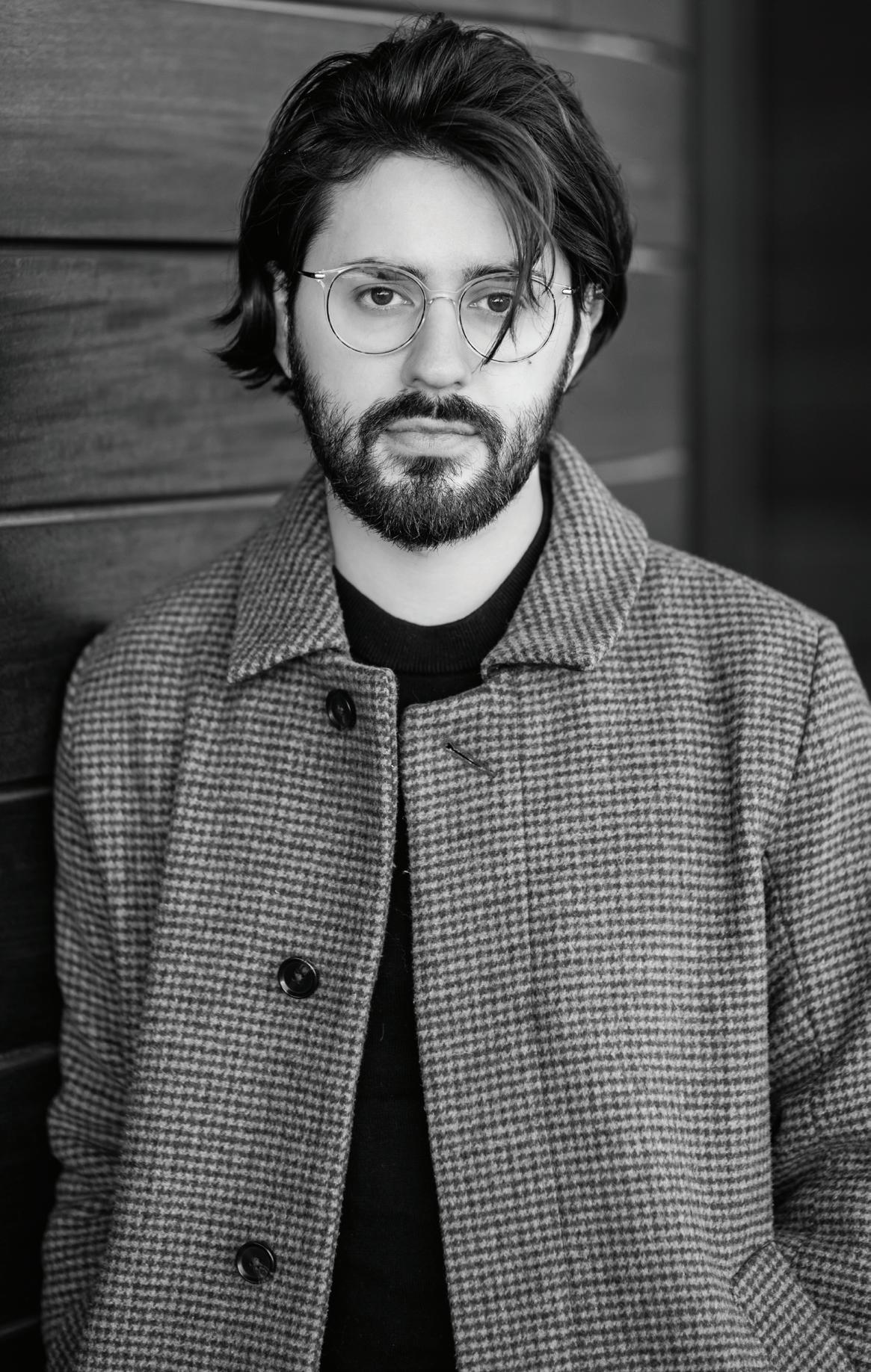
“Showing a deeper understanding of harmony” (Boston Musical Intelligencer) J. A. J. Sedarski (b. 2000) is a composer whose music blends bold, dramatic gestures with moments of striking intimacy. Drawing inspiration from his Mexican heritage, real-life events, and the natural world, his work resonates with personal depth and expressive range.
Sedarski began composing at 14, sparked by a dusty family piano tucked in the corner of his home. By 15, he earned his first credit writing incidental music for a production of The Vagina Monologues at the Rochester Civic Center. At 19, he received his first commission from the Boston-based Juventas New Music Ensemble—an artistic relationship that continues to this day and includes three concert hall world premieres.
His music has been performed by the MIVOS Quartet, Argento Reading Ensemble, Boston University Symphony Orchestra, Boston University Chamber Orchestra, ALLEA III, Sound Icon, and Juventas New Music Ensemble. He has studied under composers Rodney Lister, Joshua Fineberg, and John Wallace.
In his first year at Boston University, he won the 2020 Composition Competition for Variants for Orchestra. In 2022, he received an achievement award from Luke Hill’s composition studio for Gradus ad Paradisum, was named a 2021 finalist for the American Prize for Behind the Universe, and a 2022 finalist for the American Prize for Between Our Breaths We Sing. In 2023, he debuted his first monodrama, Sentience, inspired by contemporary developments in A.I., at Boston University’s School of Music. He earned his Bachelor of Music in Theory and Composition from Boston University College of Fine Arts.
sedarskimusic.com