12 | Building the next generation of surety experts: An interview on the PASA School's impact
14 | Understanding the “Extend or Pay” clause: Managing risk in longterm surety contracts
Isidra Fermin Vasquez, Jennifer Klein Munich Re
16 | Reinforcing Resilience: Trade Credit’s Role in a Volatile Economy
Piergiorgio D’Ignazio, PartnerRe
24 | Building the future: Infrastructure development in Latin America
Javier Jácome, Active Re
INTERVIEW
26 | Member in the spotlight: Atradius celebrates 100 years - A journey through innovation, resilience, and global trade
29 | EDC Joins ICISA - An interview with Julie Pottier
ANNOUNCEMENTS
Disclaimer
All articles in the ICISA Insider represent solely the opinions of the individual authors, not ICISA, unless otherwise stated. Original articles appearing in the Insider may not be reprinted without the express permission of the author and ICISA. When citing articles, please refer to the title of the article, the author, and the relevant edition of the Insider, including a full url to the magazine page.
Foreword
Dear Reader,
As we approach the end of the year, I am delighted to welcome you to the November edition of The Insider — a publication that continues to showcase the energy, innovation, and collaboration that define the ICISA community.
This autumn has been an especially dynamic period for our association. Our Autumn Meetings in Antwerp were held in an atmosphere of great enthusiasm and exchange, reflecting the strength of our network. These meetings also resulted in several new white papers, a testament to the productive cooperation within our committees and their dedication to advancing knowledge in our industry.
Another milestone this year was the creation of our first North American Committee, which held its inaugural online meeting. The strong engagement and promising discussions that followed make us confident that a live meeting in North America next year will be an exciting next step.
We also celebrated the fourth edition of Trade Credit Insurance Week, once again a great success for ICISA, bringing together members, policymakers, and experts from around the world. Alongside it, we proudly introduced the ICISA Learning Hub — a new educational platform designed to strengthen understanding of our products and services and to support professional growth across the credit insurance and surety sectors.
In this edition of The Insider, we are pleased to feature a range of insightful interviews and articles. Among them:
An interview with EDC, one of ICISA’s newest members, sharing their perspective on joining the association. Our Member in the Spotlight, Atradius, celebrating its 100th anniversary and reflecting on its remarkable journey. An interview on education in the surety business through the PASA School, highlighting the importance of continuous learning and professional development. A feature on the Surety business in Latin America, exploring its evolution and opportunities for growth. Two articles on resilience — and how our industry contributes to building it — as well as committee updates and a timely analysis on “Extend or Pay” to support the larger and longer projects that are necessary to build tomorrow's infrastructure. An exmaple of this can be found in the article by Javier Jacome on building the future in Latin America.
Looking ahead, 2026 will be a milestone year for ICISA, as the association celebrates its 100th anniversary. We are already preparing a series of events and initiatives to mark this special occasion — a celebration not only of ICISA’s history but of our members’ ongoing commitment to support global trade and investment.
Thank you for reading and for being part of this vibrant and forward-looking community.
Global trade, once the engine of economic growth, is entering a period of real turbulence. Escalating tariffs, shifting supply chains, and rising protectionism are transforming the way businesses operate and the risks they face. With governments increasingly using tariffs as tools for economic leverage, it’s clear that trade frictions will continue well into 2025—and likely beyond.
For the trade credit insurance (TCI) market, this creates a complex mix of challenges and opportunities. The key is to understand the evolving risks and adjust underwriting practices to support businesses navigating this uncertainty.
The outlook for global trade isn’t promising. The World Trade Organization forecasts that trade growth will slow to just 0.9% in 2025, far below previous projections. North America will drag on growth, while Asia remains a key driver—albeit with softer momentum. U.S.–China tariffs have already accelerated shifts in manufacturing across Asia. We may see some shortterm relief in early 2025 as businesses rush to ship ahead of new tariffs, but the longer-term effects are still unclear.
Tariffs are pressuring margins, raising supply chain costs, and eroding business confidence. Across the U.S., Europe, and Japan, many companies have issued profit warnings, citing higher input costs and weaker demand. Supply chain restructurings are already underway in response.
Asia’s outlook is more resilient, thanks to its competitive labor force and established production networks in places like Southeast Asia. Technology-driven economies like Taiwan, South Korea, and Singapore remain buoyed by strong semiconductor exports. But, rising competition within Asia and tightening credit conditions are causing concern, particularly for smaller suppliers facing delayed payments.
This is where trade credit insurance plays an indispensable role. While the direct impact of tariffs on claims has been
limited so far, the broader shifts in trade volumes, cash flow, and debtor quality will increasingly test business resilience. The TCI market has weathered multiple global shocks—whether the 2008 financial crisis, the U.S.–China trade war, or the COVID-19 pandemic— becoming more agile and data-driven each time.
Between 2019 and 2023, global trade credit premiums grew at an impressive compound annual rate of 14%, reflecting rising demand for protection in uncertain markets. The outlook for 2025 is even stronger. As businesses become more aware of their exposure, nearly 60% of insurers are planning to expand their capacity to meet demand.
With global supply chains diversifying, many companies are now dealing with unfamiliar markets and jurisdictions, requiring more tailored protection. The 2018 U.S.–China trade conflict, which led to a $60 billion drop in trade, is a case in point. Despite the pressures, the TCI market remained resilient due to prudent risk management. Today, those same strategies— careful diversification and risk limit management— are guiding insurers through the current turbulence.
In response to these changes, insurers are increasingly relying on AI-driven credit assessments and data analytics to improve underwriting speed and accuracy. These innovations help insurers make more informed decisions, assess risks more precisely, and respond quickly to emerging challenges.
In the face of rising tariffs and shifting trade dynamics, the importance of trade credit insurance cannot be overstated. By mitigating the risk of non-payment and supporting access to trade finance, TCI helps maintain business confidence and ensures the flow of global trade. Through disciplined underwriting, smart data-driven strategies, and collaboration with clients, insurers can turn today’s challenges into opportunities for greater resilience and growth.
ICISA Committees updates
Credit Insurance Committee
Thomas Meyer, Hannover
Re
The Credit Insurance Committee, part of the ICISA Autumn Meetings in Antwerp was held in an abbreviated format, taking place in just one afternoon. The session featured by shorter periods of discussion than usual yet was enriched by a number of insightful presentations given by experts on the respective subject from the member companies.
One of the key topics of discussion was the risk and economic environment amidst tariffs and trade war. The rapidly changing tariff policies of the US government and the responses by major trading partners would generally deepen trade fragmentation, push further intra-regional trade integration and shift supply chains towards export market diversification. This development also fosters increased free trade among non-US partners. As a result, the influence of the United States would decline, while China’s influence is expected to grow. Overall, the combination of economic slowdown, a move toward a more chaotic global order, and climate change will heighten the risk of disruptive events, sustaining high uncertainty through 2026 and beyond. The challenge for businesses in general, and particularly for Trade Credit insurers will be to turn these uncertainties into opportunities.
Another topic explored was the growing importance of ESG (Environmental, Social, Governance) factors in underwriting. The necessity of integrating various shapes of physical and transition risk into the economic cycle and credit risk analysis was also emphasized. The objective of “ESG Underwriting” is to develop sustainable business models while reducing the carbon footprint. This approach includes ESG as a quality
Thomas Meyer Acting Chair of Credit Insurance Committee
factor alongside financials and other extra-financial factors. This was illustrated through a projection of energy sources over time, showing that withing the next 20 years renewable energy could account for nearly two-thirds of energy output. This shift is expected to disrupt the energy market, aligning with the global push towards net-zero emissions.
ICISA members discussed based on an overview on the state of Benelux Trade Credit Insurance market. The discussion began with an overview of the broader geopolitical and economic context in Belgium, the Netherlands, and Luxembourg, countries deeply reliant on trade and export. These countries are strongly interlinked with their neighbors and international trading partners. The prevailing risk scenario foresees more downsides than upsides, which posts a major challenge to the Trade Credit Insurance market. Although premiums and market shares in the Benelux are not officially known, it is estimated that the total market premium stands at €400-450 million, with approximately 60% generated in the Netherlands and 40% in Belgium.
Looking ahead, members are interested in including Export Credit underwriting, specifically to attract SME policyholders that have been uninsured so far.
ICISA’s Credit Insurance Committee offers a valuable platform for members to engage, collaborate and discuss topics influencing the credit insurance industry. I encourage ICISA members to continue their work and collaboration, for a better, stronger future of our industry.
Surety Committee
Nadia Harvard, Swiss Re
I was proud to serve as Acting Chair for our Autumn Surety Committee meeting in Antwerp, stepping in for Isidra Vasquez, with excellent support from Guadalupe Quindos, as Acting Vice Chair. Our committee meetings remain a great place for networking and collaboration, and this session was no exception. Members engaged in meaningful discussions across strategic topics, aimed at building solutions for our industry.
Our World Tour was particularly insightful, shaped by our members feedback gathered ahead of this event. The topics raised were explored in breakout sessions where we discussed Surety trends for the next five years highlighting opportunities and challenges ahead - the transformative impact of AI on underwriting practices - approaches to reinvigorate ESG discussions, given the perceived decline in enthusiasm despite appreciating its critical and lasting importance - the top three challenges facing our industry (credit deterioration, inflation and regulatory uncertainty), and ways to bring in and hold on to talent. We also welcomed EuroCaution for a presentation on the growing role of MGAs in our sector, providing valuable insights into how it all works, and what's happening in the market. We also received updates on each working group’s projects, such as Extend or Pay, Suretypedia and their tangible outcomes, all available on the ICISA website. Please make the most of these resources.
Nadia Harvard Vice-Chair of Surety Committee
Looking ahead, we identified topics for further discussion, including equity contribution guarantees and co-surety structures. Surety LDG is back in focus and your engagement and contribution will be key to making this initiative a success. We are also calling for volunteers to help launch an online Surety training program for those starting out in this industry. Finally, it was great to hear about the growing Women in Surety platform, which continues to gain momentum across Europe with similar groups forming at domestic level.
A big thank you to all participants for your insights and I look forward to seeing you at the Spring meeting in Barcelona… this time as Vice Chair!
Credit and Political Risk Insurance Committee
Pierre
Lamourelle, Allianz Trade
The latest meeting of the CPRI Committee highlighted a number of significant issues impacting the industry. Uncertainty continues to dominate the underwriting landscape, with heightened geopolitical tensions, sovereign debt crises, inflationary pressures, corporate defaults, high interest rates and ongoing supply chain disruptions. The likelihood of defaults has increased, particularly following sovereign defaults in Africa, such as Ghana and Zambia, although claims levels remain manageable.
Regulatory shifts, particularly around renewable energy policies, are adding further complexity to underwriting and risk assessments. The evolving regulatory landscape is making it more difficult to predict and assess risks accurately, especially in regions where energy transition strategies are changing rapidly. Additionally, large infrastructure projects are still being affected by supply chain challenges, and sectors like construction and technology are vulnerable to rising input costs and material shortages.
Challenges are not only about unpredictability. The current challenges in underwriting risks stems from the rapid pace and diversity of changes impacting various sectors. Insurers must navigate evolving landscapes, adapting to unpredictable scenarios across economic, environmental, and technological domains. This complexity requires agile risk assessment strategies, as traditional models may struggle to accommodate the multifaceted nature of modern risks, demanding innovative solutions for effective risk management. As businesses grapple with these new challenges, the demand for tailored insurance solutions is likely to grow.
Pierre Lamourelle Chair of Credit and Political Risk Insurance Committee
The committee is also closely monitoring key regulatory developments, particularly the implementation of Basel III updates in the EU, UK, and US. In Europe, discussions around lowering the Loss Given Default (LGD) ratio recommended by the EBA continue. In the US, the ITFA working group is engaging with the New York Department of Financial Services (DFS) on the role of credit insurance in bank risk management.
Looking ahead, the committee is preparing to release the much-anticipated CPRI White Paper, which will provide an overview of the market's evolution and current state, while outlining the challenges we face today. The paper will underscore the relevance of the CPRI market and how it has continually adapted to meet the changing needs of clients.
The CPRI Committee remains the ideal forum for exchanging views on key issues, from market trends to regulatory changes. I encourage underwriters to engage in these discussions and contribute their perspectives. The collective knowledge of our members is vital as we navigate the complexities of today’s market.
Finally, I’d like to reiterate the need to expand our membership base, particularly by engaging more Londonbased underwriters. While we have strong participation from continental Europe, we continue to look for ways to broaden our reach. The upcoming Open Forum in London will be an excellent opportunity to connect with members of the LMA and IUA, and I encourage more professionals from the London market to get involved.
Committtee of Underwriters
James Deloz, Credendo
French movie buffs - of a certain age - will remember «La vie est un long fleuve tranquille» (Life is a long quiet river). The movie and many of the quotes in it achieved cult status (admittedly, not with everyone) and its title became standard French for ‘a peaceful, easy life’ (or ... the opposite). That is the feeling which we in Credit Insurance may have been having for many years now. On the one hand, many events could have triggered difficult periods for us: the pandemic in 2020, Russia’s invading Ukraine in 2022, double-digit inflation,… In reality, the decade we live in has been quite benign to us and continues to be so. However, there is a latent fear that this will not last. And, obviously, it won’t.
In the Autumn Meeting in beautiful Antwerp last October, insurers did report an increase of claims, but losses are mostly still at or even below the long-term pre-Covid level. Some Insurers even refer to a ‘new normal’. This does continue to put pressure on our business, with the long-term sliding down of premium levels not halted yet.
At the risk of sounding cynical, a wake-up call now and then probably wouldn’t be too harmful. Which brought the Committee of Underwriters to discuss cyber risk. The majority of cyber attacks go unreported, but in the last few months several cases were so big that they made the headlines. A Japanese brewery could no longer produce; supermarket chains couldn’t fill the shelves; several European airports had to resort to a manual check-in process with handwritten boarding passes. The cyber-attack on a British car
James Deloz Acting Chair of Committee of Underwriters
manufacturer this August had such a devastating impact that it did not only turn the company from structurally profitable to highly loss-making in Q3, it even had a measurable impact on the UK economy as a whole. To me, the issue is not so much about the trigger, it is the total disproportion between the trigger and the consequences which is worrying. It’s a concentration of risk in another form. And a very difficult one, indeed, for our business to navigate.
Another area where we see massive concentration is “AI”. Extraterrestrial amounts are being pumped in investments which are labelled “AI”. There may be a fear of missing out. But, at the same time, there are signs that investors are getting worried that the massive investments may not result in profitable business. Credit Insurers’ exposure to the sector so far is more indirect than direct.
As to Credit Insurers’ using “AI”: AI is a further step on the path of automation, scoring and algorithms which most of us have been following for many years now. “AI” does have the potential to make us more efficient and save costs. In the future, we may also see benefits in terms of the quality of our service. However, in all this, let’s remind ourselves of two things: one, Credit Insurance is and, in my opinion, should remain a people’s business; two, “AI” may inherently also increase systemic risks and the risk of concentration. Life may be a long, quiet river. But it’s the banks of the river which can be treacherous.
ICISA Learning Hub: The go-to resource for Credit Insurance & Surety knowledge
By
the International Credit Insurance & Surety Association
The world of credit insurance and surety can be complex, but staying ahead in this field just got a whole lot easier.
The International Credit Insurance & Surety Association (ICISA) has launched the ICISA Learning Hub, a new platform designed to equip professionals with the tools, knowledge, and insights they need to succeed.
“We’re excited to provide an easy, flexible way for people in the industry to continue learning,” says Richard Wulff, Executive Director at ICISA.
First course
Starting with an introductory course in Trade Credit Insurance (TCI), the hub will expand with advanced modules, workshops, and tailored content — making it your go-to source for continuous professional development.
Content of the course
The first course available is an introductory module on Trade Credit Insurance (TCI), covering how TCI works, its key stakeholders, and its role in supporting corporate growth and global trade. It also teaches the principles of underwriting, claims and recoveries, and credit management by insurers and credit managers.
ICISA members can access the course for free. For non-members, the course is available for 100 euros per participant.
Empowering progress – a year of growth for Women in Credit Insurance UK
TanyaGiles,Atradius,ChairofWomeninCreditInsurance
2025 has been a dynamic and inspiring year for Women in Credit Insurance (WICI).
Our network has continued to strengthen awareness and understanding of gender diversity, empowering women across the UK trade credit insurance industry and beyond. Through meaningful sponsorships, collaborative initiatives, and participation in high-profile networking events, we have influenced the sector while building connections that truly make a difference. The response from the industry has been overwhelmingly positive — a clear sign that the momentum for change continues to grow.
In July, we bid a heartfelt farewell to our founder, Sarah Murrow, as she embarked on an exciting new chapter as CEO of Allianz Trade in North America. Sarah’s vision, energy, and leadership have been instrumental to WICI’s growth and direction, and we wish her every success in this next step of her career.
A key highlight of the year was the second edition of the Women in Credit Insurance Awards (UK) 2025, a signature event that brought together even more people than the inaugural edition — and, importantly, a growing number of male allies who joined us in celebrating the achievements of women in the industry. Their presence reflects the inclusive spirit that WICI continues to promote and the shared commitment to advancing equality and opportunity across our sector.
We are proud of how this event continues to grow and evolve, and we’re grateful to everyone who took part. It was a true pleasure to collaborate with ICISA, along with our valued sponsors and supporters, to make this evening such a memorable success.
Congratulations to this year’s award winners:
• Trailblazer Award: Clara del Val
• Leadership Excellence Award: Lucy Stagg
• Innovation in Credit Insurance Award: Danielle Cousins
• Rising Star Award: Charlotte Galliers & Maddy Champion
• Outstanding Mentor Award: Karen Lawson
• Lifetime Achievement Award: Sharon Giddings
As WICI continues to evolve, 2025 marked a year of expansion beyond the UK, as we explored opportunities to share our vision and values internationally. Our growing global presence reflects our commitment to connecting women across borders and strengthening the impact of our collective voice.
Looking ahead to 2026, we are eager to build on the insights and feedback gathered from our community and events, and we’ll continue sharing updates and opportunities via our LinkedIn page. Together, we remain committed to driving innovation, inspiring leadership, and creating lasting change that strengthens both our industry and the people who shape it.
Building the next generation of surety experts: An interview on the PASA School's impact
An Interview with Nancy Cruz, President of Panamerican Surety Association Training Committee
For those who may not be familiar, could you briefly introduce the PASA School and explain how it started and what its goals are?
The PASA School was established in 2012 under the leadership of Mr. Andrés Sicilia. The vision at that time was to create a high-impact academic program specifically designed for underwriters who have at least two years of professional experience. The goal was to strengthen their technical skills and provide them with a comprehensive immersion into the key disciplines that are crucial for their professional responsibilities in the surety sector. Initially, the program focused exclusively on surety, with four core modules. Over time, the PASA School has grown, and today, it includes twelve surety modules as well as four credit insurance modules.
The PASA School on Surety is an academic program taught in Spanish, structured into three levels that provides solid, progressive training in the surety business. Its various modules cover the fundamentals of reinsurance and underwriting, key financial concepts, international regulatory frameworks, fronting operations, pricing models, and global market analysis. Throughout the course, participants gain a comprehensive understanding of the sector. In the advanced levels, the School incorporates specialized topics such as political risk, claims management, ethical and legal aspects of the business, and the commercial management of brokers and intermediaries. Its approach combines theory, practice, and the expertise of instructors who are part of leading companies in the international market.
The PASA School on Credit Insurance is composed of four Spanish language modules that range from the fundamentals of the product to its operational management and the handling of risks and claims, offering a complete overview of the business.
The expansion of the school reflects our commitment to continuously evolving the educational offerings of PASA to meet the changing needs of the industry.
Can you explain how the PASA School is structured— how long it runs, the types of sessions, and who the instructors are?
The PASA School takes place during the same week as PASA’s Technical Seminar, which is held annually in the first week of October. The school spans two days, with multiple modules running simultaneously. One of the key reasons for the success of the PASA School has been the unwavering support from our member companies. We are fortunate to have members who are experts in the field volunteer their time and resources to serve as instructors. These instructors, who come from various member companies, lead sessions that encourage critical thinking, sharing of industry knowledge, and the development of future generations of surety underwriters.
Why do you think education and training are so important in the surety industry today?
Education and training are absolutely vital in the surety industry. Every business needs a clear succession plan, and the surety industry is no exception. An underwriter's experience is a critical asset—years of exposure to different market conditions and complex risks help to refine their judgment and risk analysis. But experience alone isn’t enough. As markets and products evolve, so must the knowledge of underwriters. The surety product, for example, has changed over time, and the risks we face today are often more complex. That's why it's so important for experienced professionals to pass on their knowledge to younger generations, ensuring that the next wave of underwriters has a solid technical foundation. This helps foster a strong, informed community of experts across the surety and credit
How does the school integrate regional perspectives, considering the Pan-American scope of PASA?
That’s a great question. The participants in the PASA School come from a wide range of countries, and this diversity is one of the strengths of the program. Each module encourages active participation, with instructors fostering open dialogue and encouraging the exchange of ideas. This allows attendees to bring in their own unique perspectives shaped by their country’s practices, which leads to more dynamic and enriching discussions. It also promotes cross-cultural understanding and collaboration, which is essential in today’s interconnected world. The regional diversity ensures that everyone gains a broader understanding of the challenges and opportunities in the industry, not just from one country’s viewpoint but from a wider, Pan-American context.
What impact do you think the PASA School has had on fostering cooperation and knowledge exchange across the region?
One of the key outcomes of the PASA School is the networking opportunities it provides. Networking is so much more than just exchanging contact information—it fosters long-term professional relationships that help create
a collaborative community. Participants have the chance to build relationships not only with each other but also with their instructors, who remain available for questions and ongoing guidance even after the school has ended. These relationships continue to offer value beyond the immediate educational experience and form the foundation for continuous knowledge exchange and professional development over time.
What is your long-term vision for the PASA School, and how do you ensure it remains relevant?
Our vision for the PASA School is to continue evolving alongside the industry it serves. The Training Committee plays a central role in overseeing the PASA School and ensuring that the curriculum stays current and relevant. For example, in 2024, we added four new modules based on feedback from a member survey that identified specific topics of interest within the community. We are also working on expanding the content for our credit insurance modules to reflect new trends and challenges in that area. The PASA School will always adapt to the needs of its participants, and we are committed to providing them with the tools and knowledge they need to excel in an ever-changing industry.
Understanding the “Extend or Pay” clause: Managing risk in long-term surety contracts
An article by Isidra Fermin Vasquez and Jennifer Klein, Munich Re
The surety industry is increasingly involved in complex, longterm projects, from renewable energy plants and highways to telecommunications concessions. These contracts often span decades, yet the guarantees supporting them typically cover much shorter periods. This mismatch between project duration and bond tenor gives rise to one of the most intricate challenges in surety underwriting: the “Extend or Pay” clause.
What is the extend or pay clause?
An “Extend or Pay” clause refers to a provision in the bond wording, underlying contract or regulatory framework which provides that in the event of non-renewal of the bond at its expiry date, the beneficiary is entitled to claim payment under the bond in accordance with the terms and conditions previously agreed by the parties or established by law.
The Beneficiary's right to call the bond under this clause is independent of whether the principal has defaulted or not. This clause may be explicitly written into the bond or implicitly embedded in the project contract or local regulations. In either case, it can have far-reaching implications for the insurer’s exposure and the structure of its reinsurance protection.
Why it matters
When the duration of the underlying obligation exceeds the tenor of the bond, the insurer faces a difficult decision: Extend the bond and remain at risk, potentially beyond its underwriting limits, or Refuse renewal, triggering a claim under the “pay” provision.
This creates a risk of continued liability, potential financial loss, and even gaps in reinsurance coverage — particularly when treaties impose maximum tenor limits.
Common applications
Extend or Pay clauses are most often found in:
Concession Contracts: Long-term contracts for infrastructure projects, such as highways or renewable energy plants.
Judicial Bonds: Guarantees provided for judicial procedures, which may involve long-term obligations.
Decommissioning Bonds: Guarantees provided for the decommissioning of plants or facilities.
Tax Bonds: Guarantees provided for tax obligations.
Pension Bonds: Guarantees provided for pension obligations.
In Latin America, these clauses are particularly prevalent. For instance, in Brazil, judicial bonds must be renewed until court proceedings conclude — often years later. In contrast, Colombia, offers a clearer exit framework. Insurers covering long-term public contracts may exit the risk by giving six months’ notice before the bond expires, without triggering a payment.
Underwriting and risk management considerations
Given their complexity, Extend or Pay clauses demand careful analysis during underwriting. Insurers should: Ensure transparency with reinsurers, brokers, and clients about the duration and nature of the underlying obligation.
Align expectations with clients regarding renewal terms and possible exit conditions.
Conduct deep due diligence on the principal’s financial stability, project performance history, and negotiation power. Implement robust monitoring of the project’s evolution, the principal’s solvency, and macroeconomic or political developments.
Negotiate mitigants, such as strong counter-guarantees, collateral arrangements, or reinsurance treaty adaptations.
Risk mitigation strategies
To reduce exposure, the paper recommends:
• Requiring counter-guarantees and solid indemnity agreements.
• Ensuring clarity on bonds and underlying obligations tenors and ensure reinsurance treaties explicitly address long-term obligations.
• Seeking wording flexibility, allowing the insurer to exit the risk without automatically triggering a claim.
• Close monitoring of projects and early intervention when potential defaults or renewals become uncertain.
Conclusion
As infrastructure and energy projects grow in scale and duration, Extend or Pay clauses are likely to become even more relevant to the surety industry. While they pose underwriting and reinsurance challenges, these clauses also represent opportunities for insurers to participate in vital long-term developments — provided that the risks are clearly understood and effectively managed.
By fostering transparency, rigorous analysis, and proactive risk management, insurers and reinsurers can navigate the complexities of the Extend or Pay clause and ensure the continued strength and resilience of the surety industry.
This article summarizes the joint white paper published by the International Credit Insurance & Surety Association (ICISA) and the Panamerican Surety Association (PASA) in October 2025. Read the full whitepaper here
Reinforcing Resilience: Trade Credit’s Role in a Volatile Economy
Article by Piergiorgio D’Ignazio, PartnerRe
The trade credit re/insurance sector is a cornerstone of global commerce, enabling businesses to trade confidently by protecting against buyer non-payment and insolvency. However, its nature means it is highly exposed to economic shocks, geopolitical upheaval, and rapid technological change. As governments face mounting debt and multilateral cooperation weakens, the sector’s safety net is less certain than in the past. This article explores the vulnerabilities of trade credit re/insurance, distills lessons from previous crises, and explores how industry actors can build resilience in an increasingly unpredictable world.
Re/Insurers act as shock absorbers for the global economy
Trade credit insurance is a critical component of the global economy, protecting businesses against non-payment risks from insolvency, delays or political risk events. It enables companies to offer credit terms without bearing all the risk. Insurers partner with reinsurers to manage portfolios, pooling and redistributing risk. Reinsurers act as shock absorbers, supporting market stability, especially during crises when liquidity is constrained and defaults rise.
The sector’s nature means claims tend to be low and competition high during growth, often leading to rapid expansion and softer pricing. When the cycle turns, corporate defaults and consequent claims are expected to rise. The traditional policy wording gives insurers the possibility to adjust credit limits in response to late payments. With very few exceptions, credit insurance have shown to be long term partners of their insureds. No cuts in extended credit limits across the board have taken place. Reinsurers, bound by 12-month agreements (or longer), cannot react as swiftly, making a forward-looking approach essential.
Normally, market mechanisms balance supply and demand. But during severe shocks – financial crises, geopolitical disruptions, or pandemics – claims can spike, capacity contracts, and coverage becomes scarce. In such moments, the risk of systemic failure rises, sometimes prompting the intervention of governments and multilateral agencies to stabilize the sector and the broader economy.
Learning from the past: the 2008 Global Financial Crisis
The 2008 financial crisis was a defining moment for trade credit re/insurance. In the years before the crash, the market expanded rapidly, fueled by abundant capital and fierce competition. Underwriters took a more generous approach to their risk appetite to remain relevant in such a soft market.
The collapse of Lehman Brothers in September 2008 triggered a wave of corporate insolvencies and a sharp increase in trade credit insurance claims. Although insurers responded by taking proportionate underwriting measures, the reduction in coverage and increase in pricing left the market with sufficient and affordable coverage. As the crisis deepened, reinsurers reassessed their exposures and began to apply capacity selectively to especially clients with satisfactory risk management.
Governments stepped in to prevent a complete freeze. The UK’s Trade Credit Insurance Top-up Scheme allowed businesses to purchase government-backed cover when private capacity was reduced. Singapore subsidized
premiums and provided additional capacity. The G20 injected $2.5 trillion in liquidity through export credit agencies, helping to maintain trade flows.
Key Lessons from 2008:
• Risk can be mispriced in stable environments: Prioritizing growth over resilience leaves the sector exposed.
• Underwriting discipline is crucial: Maintaining standards during booms helps weather downturns.
• Flexibility matters: Rigid reinsurance structures struggle to respond to systemic stress.
In the aftermath, insurers and reinsurers adopted more conservative approaches, emphasizing diversification and contingency planning.
COVID-19: a new stress test
The COVID-19 pandemic posed a different kind of challenge. Early fears of mass defaults led both reinsurers and insurers to reassess exposures. However, unprecedented government interventions – stimulus packages, wage support, furloughs, and credit guarantees – averted a crisis. The EU mobilized €3.27 trillion, including €227 billion for credit insurance schemes1. Research by ICISA2 found these government-backed schemes crucial in maintaining confidence and preventing insolvencies, especially in the first months of the crisis. There was no “knee-jerk reaction” in the market.
While some sectors saw higher claims, overall losses were muted, and the stop-loss mechanisms provided by public guarantees even delivered one of the market’s best years for gross loss ratios—an outcome that proved more profitable for the public insurance schemes than initially expected.
The pandemic also exposed structural weaknesses in global supply chains and accelerated geopolitical shifts toward economic nationalism and friend-shoring. These trends have fragmented the global risk landscape, where exposures are more dispersed and harder to model using historical data.
Key lessons from the pandemic:
• Agility is essential: Reinsurers must manage capacity in real time and plan for multiple scenarios.
• Geopolitical risk is rising. Trade wars, sanctions, and shifting alliances can rapidly alter risk profiles.
• Government intervention is not guaranteed: Fiscal constraints and political tensions may limit future support.
Will government support be there for the next crisis?
Globalization is entering a more contested phase, with many long-held assumptions now challenged or rejected. Trade is increasingly politicized and subject to geo-economic measures – tariffs, export controls, and sanctions – as multilateralism, exemplified by the WTO, faces mounting obstacles. The resurgence of industrial policy in the US, Europe and Japan, often for economic security, brings the state back into areas once left to the market. The sharp rise in discriminatory trade and industrial policy changes is captured in Figure 1.
1 Trade and Trade Finance in the 2008-09 Financial Crisis.
IMF Working Paper 11/16, (2010).
2 Credit Insurance Schemes - What would have happened without them? International Credit Insurance & Surety Association, (2021).
Figure 1: Source: Global Trade Alert
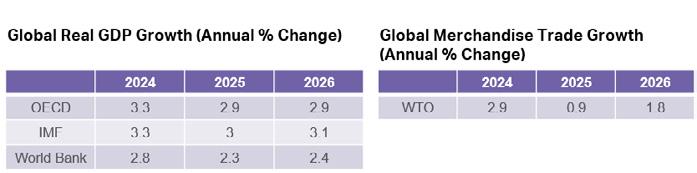
Geopolitical risk and policy uncertainty are high with forecasts indicated slower growth in 2025 and 2026 amid macroeconomic and geopolitical challenges. Global trade is especially exposed: the WTO31 projects merchandise trade growth at just 0.9% in 2025 (down from 2.9% in 2024) mainly due to US tariff hikes. See Figure 2. Tariff-induced inflation is a major risk to the US, with average import tariffs now around 18%, the highest since the 1930s. While importers and manufacturers have mitigated some impacts – by frontloading goods and absorbing costs – tariff-driven price increases are now reaching consumers.
As states and markets adjust to a new trade landscape shaped by geopolitics, protectionism and higher tariffs, opportunities will emerge. For now, business sentiment remains cautious, waiting on capital expenditure except for notable investment in AI infrastructure.
This pivotal moment raises important questions for trade credit re/insurance actors: how can they prepare for and navigate an increasingly uncertain future?
2: Sources: OECD, IMF, World Bank, WTO
3 WTO Trade Forecasts, 8 August 2025
Figure
Navigating increasingly uncertain futures
A new world order brings heightened geopolitical tension, risk and uncertainty. In this environment it is prudent to assess whether existing models remain relevant and how best to prepare for future shocks. Learning from past periods of turmoil is a valuable starting point.
Both the global financial crisis and the Covid pandemic arrived rapidly, catching governments and markets off guard. Massive injections of public funds stabilized economies, but these events highlighted the dangers of easy credit, weak oversight and financial interconnectedness. The financial crisis was a ‘black swan’ – unpredictable and high-impact –while the pandemic was a ‘grey rhino’ – likely and severe yet insufficiently anticipated. Both underscored the importance of resilience and agility.
Today, as globalization’s direction remains uncertain, many companies are in ‘wait and see’ mode. However, this should prompt action, not inertia. Those who use this period to strengthen controls and prepare will be best positioned to weather the next (inevitable) storm.
In a world of uncertainty, control what you can
Foresight tools like scenario analysis or simulations help organizations envision different futures and ask critical ‘what if’ questions – such as whether governments will intervene of if liquidity will dry up faster than expected. These exercises stress-test assumptions, models and structures, revealing strengths and areas for improvement.
The goal isn’t to predict the future, but to build a forwardleaning mindset that anticipates emerging risks, tests capital adequacy, and improves underwriting discipline and cross-functional communication. This approach helps avoid overreactions to market shifts and overconfidence during upswings. Collaborating with partners and clients in these exercises deepens understanding and trust across the ecosystem.
Additionally, trade credit re/insurance offers portfolio diversification, as its cycles and shocks are not correlated with most systemic risks in the broader insurance industry. This makes it a capital-efficient tool for stabilizing company performance and supporting growth and profit through different cycles.
Key takeaways: building resilience together
Trade Credit Insurance, though niche within property & casualty insurance, plays a vital role for businesses and the broader economy. Its resilience through economic cycles and systemic crises has provided insurers and reinsurers with good through-the-cycle margins. However, strong performance can lead to overconfidence and create a soft market. Unlike other P&C lines, Trade Credit Insurance is a business enabler, not just a safety net. Sudden market hardening ahead of a downturn can leave companies without sufficient credit limits, underscoring the need for reliable, stable and expert trade credit re/insurers.
Foresight is essential to maintaining this resilience. Proactive limit management, sector analysis and portfolio diversification are proven tools for supporting companies during uncertainty while protecting the bottom line. By combining technical expertise with forward-looking strategies, the sector can continue to enable business growth and withstand future shocks.
Conclusion
The trade credit re/insurance sector faces heightened uncertainty as globalization evolves, and geopolitical risks intensify. Past crises have shown the importance of resilience, agility, and foresight. By learning from history, stress-testing assumptions, and building strong partnerships, industry actors can reinforce their ability to withstand future shocks and continue enabling global trade.
This article is for general information, education and discussion purposes only and does not in any way constitute legal or professional advice.
PartnerRe: supporting the trade credit ecosystem
PartnerRe is a global reinsurer with deep expertise in trade credit and financial risks. With a strong balance sheet and a diversified, multiline portfolio, PartnerRe supports clients in navigating market cycles and emerging risks. The company’s team includes industry specialists with experience across markets and sectors, contributing thought leadership and technical insight to the trade credit re/insurance community.
ICISA 2025 Business sentiment report: market outlook and key trends
An article by Raluca Ezaru, ICISA
The International Credit Insurance & Surety Association (ICISA) has published its 2025 Business Sentiment Report, highlighting key market trends and expectations from members across the Trade Credit Insurance (TCI) and Surety sectors.
The report shows a market that remains steady on demand, measured on risk, and pragmatic on price — even as members anticipate a tougher credit environment ahead.
Across lines of business, ICISA members expect rising insolvencies and claims over the next 12–24 months but see pricing staying broadly stable. Rather than broad rate increases, the industry is focusing on selective underwriting, structured capacity, and technology-driven efficiency — particularly through the growing use of artificial intelligence (AI).
Trade Credit Insurance market outlook 2025-2026
Demand for trade credit insurance remains resilient across global markets. Members expect corporate insolvencies and claim volumes to rise as the credit cycle tightens, but most foresee no significant pricing changes.
Key macroeconomic concerns include credit quality deterioration, inflation, and geopolitical instability. Business linked to financial institutions — such as banks and factoring companies — remains stable or increasing, reinforcing the sector’s central role in supporting trade finance.
Insurers are also seeing higher use of non-cancellable limits, co-insurance structures, facultative placements, and risksharing mechanisms to manage capacity and distribution.
Surety market trends 2025
Surety demand continues to grow steadily, supported by activity in infrastructure and energy projects. Members note an upward trend in claims expectations, linked to project delays and construction sector exposure, but pricing remains stable overall.
Brokers remain the leading distribution channel, while bank demand is stable to increasing — particularly as Basel III regulations evolve. AI adoption is accelerating, with underwriting as the first focus area. Respondents also highlight strong transition-related opportunities in renewable and infrastructure projects.
Key cross-sector themes
• Economic outlook: Both TCI and Surety markets expect continued insolvency growth and macroeconomic uncertainty, but opportunities remain across specialized and ESG-linked sectors.
• Technology & AI: The industry is investing in artificial intelligence, data analytics, and digital tools to enhance underwriting, claims, and modelling.
• ESG evolution: Sustainability continues to gain momentum as a strategic growth lens, but standardisation of ESG data and taxonomy remains a work in progress.
About the ICISA Business Sentiment Report
The ICISA Business Sentiment Survey was conducted in July–August 2025 among ICISA’s credit insurance, surety, and reinsurance members, representing the vast majority of global market capacity. The findings reflect members’ views as the industry approaches the end of 2025 and looks ahead to 2026 and beyond.
Building the future: Infrastructure development in Latin America
Article by Javier Jácome, Active
Re
Latin America is undergoing one of the most ambitious phases of infrastructure transformation in its history. From ports and highways to renewable energy plants and data centers, large-scale projects are reshaping economies, increasing regional integration, and attracting private investment across the region.
“These initiatives are not just about improving logistics,” explains Javier Jácome, Underwriter Credit & Surety at Active Re. “They are designed to drive GDP growth, create jobs, and enhance competitiveness on a global scale.” Many of these projects extend well into the next decade, signaling a long-term commitment to modernization.
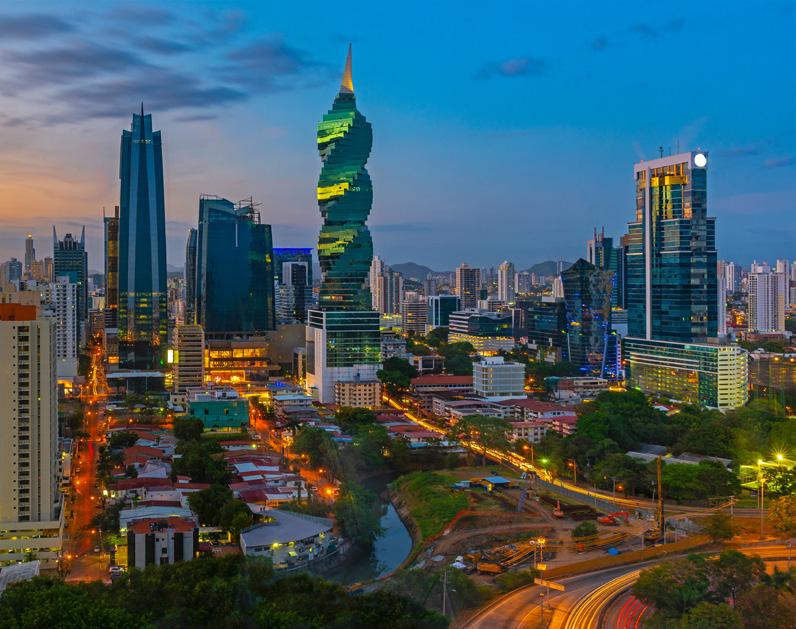
Across Latin America, megaprojects are reshaping national and regional landscapes. The transportation sector remains the most active, fueled by population growth and urban expansion. New highways, rail corridors, and port upgrades are being developed to meet rising trade and mobility demands. Energy is another key focus, with countries investing in renewable sources and modernizing grids to ensure energy security. Meanwhile, digital infrastructure, especially data centers and AI connectivity, is emerging as a critical pillar of future growth. In Central America, plans for cross-country railway projects in Panamá and Costa Rica could eventually form a regional logistics network, a symbol of the broader push for integration and connectivity.
Financing this transformation, however, remains a challenge. “Fiscal deficits, regulatory uncertainty, and currency volatility make access to long-term capital difficult,” notes Jácome. Local banking systems often lack the depth to support large-scale projects, and fluctuating exchange rates have prompted some governments to explore partial dollarization. Despite these hurdles, innovative financing tools are helping make these projects more feasible and attractive to investors. Public-Private Partnerships (PPPs) are increasingly common, allowing governments to advance major projects without heavy upfront spending. The surety sector also plays a vital role, strengthening confidence and mitigating risk for all participants. Additionally, green and blue bonds are unlocking capital from ESG-focused investors, while advanced financial structuring, such as asset-backed securities and investment banking solutions, provides access to global capital markets. Together, these mechanisms help balance risk, returns, and sustainability.
Infrastructure projects in Latin America still face significant economic and political risks. Inflation, currency fluctuations, political gridlock, and shifts in foreign policy can affect project timelines, costs, and financing availability. Yet, Jácome highlights progress: “Strengthened PPP frameworks, public guarantees, and collaboration with development banks are creating a more stable environment and boosting investor confidence.”
The opportunities, however, are immense. Demand for infrastructure continues to outpace investment, particularly in transport, energy, digitalization, and water management. To unlock this potential, governments and private actors must continue to improve regulations, enhance transparency in procurement, and develop local capital markets. Combined with ESG-aligned financing and strategic partnerships, this approach can transform economies, enhance connectivity, and improve quality of life across the region.
“Latin America is moving toward sustainable, technologydriven, and inclusive development,” says Jácome. “With the right mix of financial innovation, risk management, and collaboration, the region is well-positioned to build the foundations for long-term prosperity.”
Member in the spotlight: Atradius celebrates 100 years - A journey through innovation, resilience, and global trade
An interview with Marta Nodal, Chief Market Officer, Atradius
This year, Atradius celebrates a remarkable milestone: a century of operations in the Netherlands. To reflect on this achievement, we spoke with Marta Nodal, Chief Market Officer at Atradius, about the company’s journey, its contributions to trade and surety markets, and the role it will play in the future of global trade.
Reflecting on 100 Years in the Netherlands
On the topic of the centenary, Marta Nodal explained: “Reaching our centenary marks a hallmark moment, as not many organizations get to reach this milestone.” She acknowledged the Dutch office’s historical significance within Atradius,’ while also highlighting other key anniversaries across the group: from Atradius Germany (70 years) and Atradius US (30 years) to Crédito y Caución Spain (95 years). “These jubilees reflect how we invest in long-term relationships with customers, partners, and employees, while embracing change and innovation”, she added.
Defining moments of the last 100 years
Marta Nodal highlighted the company’s resilience through economic cycles and its pioneering role in trade credit insurance. Reflecting on the defining moments in Atradius’ Dutch history, the first major milestone came in 1932, when NCM began offering export credit insurance via a government reinsurance agreement, effectively acting as
the Netherlands’ Export Credit Agency. “Navigating growth, recession, and recovery while continuing to support our clients has defined who we are”, she said. Marta Nodal emphasized its foundational role in developing trade credit insurance in the Netherlands: “We have helped Dutch enterprises grow by protecting their receivables and fostering confidence in cross-border commerce.”
Technological innovation has also shaped the company’s path. In 1984, Atradius introduced a Honeywell-Bull DPS 88/81 mainframe computer, one of only nineteen worldwide, and later developed the NCM Data Network, allowing clients to independently consult and submit credit limits – a precursor to their today’s customer portal, Atrium. Other milestones include the 2001 merger of NCM and Gerling Credit, the 2004 rebranding to Atradius to reflect global ambitions. In 2010, Atradius became part of GCO, a group that already included Crédito y Caución, when GCO completed the acquisition process. “The name Atradius embodies our reach - the ‘radius’ of global trade”, Marta Nodal explained.
Atradius in the Dutch and global markets
From its beginnings as a monopolist in the Dutch market until the early 1990s, Atradius has grown into the world’s second-largest credit insurer, with 3,500 employees across more than 55 countries and annual revenues of EUR 2.5 billion. Reflecting on this growth, Marta Nodal emphasized the company’s evolution from offering single-transaction export credit insurance to a comprehensive suite of domestic and international products, including surety, collections, and tailored services for SMEs, large companies, and multinationals.
Atradius has played a pivotal role in supporting trade through economic cycles, helping businesses manage risk while identifying new opportunities. Reflecting on this, Marta Nodal highlighted the dual function of trade credit insurance: “Trade credit insurance is about more than protecting against non-payment; it also allows our clients to explore new markets and sectors with confidence.” During the COVID pandemic, Atradius continued to cover viable companies, preventing a potential domino effect of insolvencies.
Beyond traditional credit insurance, Atradius’ impact extends to the surety market. Atradius Surety, celebrating its 20th anniversary, has become Europe’s market leader in guarantees across sectors such as construction, logistics, manufacturing, real estate, energy, and waste management. “Our tailored surety bonds allow our customers’ partners to enter into business safely, without affecting bank credit limits,” she added.
The company has also been a strong partner for Dutch SMEs and exporters, going where clients go to provide market intelligence, risk assessment, and credit limits. Since 1932, the Dutch State Business unit has offered governmentbacked export credit insurance, enabling companies to safely undertake high-risk international projects. More recently, Atradius has promoted green exports and extended support to SMEs facing challenges accessing working capital, ensuring that clients can trade confidently and grow sustainably.
Adapting to change, innovation, and digital solutions
“Credit insurance is ultimately about people”, Marta Nodal emphasized, and Atradius has always combined local knowledge with global insights. Over the years, the company has embraced technology such as AI, automation, and data analytics to enhance underwriting, claims management, and customer service. Yet the personal touch remains central, with teams often visiting clients together to fully understand their needs. Reflecting on the company’s innovations, Marta Nodal cited the Global Platform, Modula’s flexible insurance solutions, and digital tools like Atradius Insights, Atrium, Flow, and Credit-IQ. “These solutions help customers identify opportunities, manage risks, and improve cash flow”, she explained, highlighting how Atradius continually adapts to meet evolving client demands in a complex trade environment.
People, culture and traditions
Atradius’ century-long success is rooted in its culture, which Marta Nodal describes as “like a family business” Collaboration, mutual support, and a growth mindset underpin the organization, supported by the Atradius
Academy with onboarding, e-learning, and targeted training programs.
Hybrid work arrangements, introduced in 2021, strike a balance between flexibility, mentorship, and collaboration. The company also cherishes its traditions, which reinforce culture and create lasting memories for employees and their families. Marta Nodal recalled skating on Amsterdam canals near the historic Keizersgracht office, concerts with the in-house NCM band, Family Days, and annual Sinterklaas visits. “These traditions reinforce our culture and create lasting memories for employees and their families”, she said.
Future challenges, sustainability, and looking ahead
Looking to the future, Marta Nodal acknowledged the increasing complexity of trade environments, including AI, geopolitical risks, and sustainability challenges. Aligned with its parent company GCO, Atradius has embedded ESG into its operations through a Sustainability Master Plan focusing on Good Governance, Sustainable Business, Social Commitment, and Environmental Responsibility. “Achieving net zero and supporting sustainable trade will be critical for the next century”, she emphasized, noting that dialogue with customers and partners is key to this effort. Concluding our discussion, Marta Nodal reflected on Atradius’ enduring mission: “Our goal has always been to help businesses navigate risk and seize opportunities. We remain committed to providing agile, forward-looking solutions wherever our customers do business. At Atradius, we approach the future with a clear sense of purpose, guided by values such as long-term commitment, customer focus, financial strength and responsible innovation. These principles shape how we grow and how we serve. As part of GCO, we share a broader vision that encourages collaboration and sustainable progress and we’re proud to contribute to that journey with balance, energy and ambition.”
Picture above: Tom Kaars Sijpesteijn & David Capdevila, source: Atradius
EDC Joins ICISA: Strengthening global collaboration in Trade Credit Insurance
An interview with Julie Pottier, SVP Head of Insurance at EDC
ICISA is pleased to welcome Export Development Canada (EDC) as its newest member. As Canada’s export credit agency, EDC brings a wealth of expertise in supporting international trade and managing risk, offering a unique public-sector perspective to the global credit and surety community. We spoke with EDC representatives to learn more about what inspired them to join ICISA and what they hope to contribute.
Export Development Canada (EDC) is a financial Crown corporation dedicated to helping Canadian businesses make an impact at home and abroad. EDC has the financial products and knowledge Canadian companies need to confidently enter new markets, reduce financial risk and grow their business as they go from local to global. Together, EDC and Canadian companies are building a more prosperous, stronger and sustainable economy for all Canadians.
What inspired EDC to become a member of ICISA?
We joined ICISA to collaborate with a global network of credit and surety professionals, share best practices, and contribute to shaping the future of trade credit insurance. ICISA provides a valuable platform to engage with peers, stay ahead of industry trends, and strengthen our role in supporting international trade. In addition, many of our risk transfer partners—insurance and reinsurance companies— are ICISA members. The association offers a broad network of private market players to exchange insights on evolving risks, collaborate on best practices, and develop resilient, sustainable risk transfer mechanisms.
What’s one thing you’re most looking forward to as a member?
We’re especially excited about the opportunity to exchange insights with other members on emerging risks, innovations in credit insurance, risk transfer tools, and evolving regulatory landscapes. Being part of a global community of experts will help us both learn from and contribute to industry discussions, ultimately enhancing our service to Canadian exporters.
Can you briefly describe EDC’s main area of business and where you operate?
Export Development Canada is Canada’s export credit agency. We provide financing, insurance, and risk management solutions to help Canadian companies grow internationally. Our operations span the globe, supporting businesses in over 200 markets through direct engagement and strategic partnerships.
What value or strength does EDC bring to the ICISA community?
We bring a unique public-sector perspective grounded in our mandate to support national economic growth through trade. Our experience in managing sovereign and commercial risks, combined with a strong commitment to sustainable and inclusive trade, allows us to contribute meaningfully to industry dialogue and innovation.
Looking ahead
EDC’s membership strengthens ICISA’s network and emphasizes the importance of collaboration between public institutions and private market players in trade credit and surety. Their insights and experience are expected to enrich discussions on risk management, innovation, and sustainable trade solutions globally.
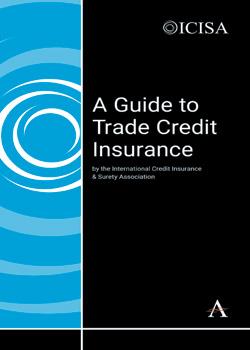
A Guide to Trade Credit Insurance
By the International Credit Insurance & Surety Association
A practical and accessible industry-wide reference on Trade Credit Insurance, written by a team of industry experts.
This compact volume is a practical guide for anyone interested in Trade Credit Insurance. The International Credit Insurance & Surety Association (ICISA) presents an approachable but detailed guide written collaboratively by carefully selected industry experts. The guide describes the lifecycle of the credit insurance product, from the initial application stage to the expiration phase of the policy, including practical use aspects for credit managers. The volume offers compact information on the history of trade, the need for protection against trade credit risks, and solutions offered by credit insurance providers. The focus is on short term credit, including whole turnover policies and single risk policies.
Readership
Suitable for anyone interested in Trade Credit Insurance, from credit managers to policymakers.
Importance
• Collaboration of a diverse group of experts from top organisations around the world
• Written in an approachable style, accessible to the non-specialist
• Includes extended glossary of key terminology
• Includes a list of relevant resources for further reading
Content
Foreword; Introduction; Disclaimer; 1.What is trade?; 2. What is trade credit insurance?; 3. Product types; 4. Risk types; 5. Typical set-up of a trade credit insurance contract; 6. Premium, the price for cover; 7. Day-to-day policy management; 8. Buyer risk underwriting in trade credit insurance; 9. Debt collection; 10. Imminent loss and indemnification; 11. Renewal, expiry, termination of a policy; 12. Single risk business; 13. The single risk insurance market: Private and public players; 14. Reinsurance of Trade Credit Insurance; Trade Credit Insurance resources; Glossary of trade credit terminology
About the Author(s) / Editor(s)
The International Credit Insurance & Surety Association (ICISA) brings together the world’s leading companies providing trade credit insurance and surety bonds and their reinsurers. ICISA promotes technical excellence, industry innovation and product integrity, as well as addressing business challenges generated by new legislation.
Where to order my copy?
The book can be ordered from Barnes&Noble, Amazon and Bol.com
MEMBER ANNOUNCEMENTS
In this section, we highlight the latest updates and milestones from ICISA members. From leadership changes and new partnerships to product launches and rebranding initiatives, these announcements reflect the ongoing innovation and evolution within our industry. Stay connected with what’s happening across the network!
Coface announces changes in Top Management
Christina Montes De Oca (formerly with Marsh) has joined Coface as Regional CEO for North America since September 15th. Christina is a member of the Executive Committee.
Joerg Diewald (formerly with Solarisbank AG) has joined Coface as Global Head of Business Information and Partnerships activities since July 1st, 2025. Joerg is a member of the Executive Committee and the Group Management Committee.
Christina Montes De Oca
Joerg Diewald
Appointments at Allianz Trade
William Whittington becomes Global Head of specialty credit and midterm. He holds a Bachelor’s degree and a Master of Science from the University of Oxford. He started his career in 2014 at Lloyd’s of London, covering several areas including performance management, emerging risks & research, political risk & structured trade credit. In 2016, he joined Allianz Trade’s political risk & structured trade credit team as an Assistant Underwriter, before becoming Junior Underwriter in 2017, Underwriter in 2018, and Senior Underwriter in 2020. Since 2021, he has been the Head of Region, Specialty Credit & Mid Term at Allianz Trade in London. William has been appointed Global Head of Specialty Credit & Mid Term at Allianz Trade, and will continue to be based in London.
Hassan Omaish was appointed as CEO for Hong Kong, South Korea and Taiwan (collectively Hong Kong Hub). He replaces Edmond Lee who retired after spending 12 years with the company. Mr Omaish is based in Hong Kong and has been with Allianz Trade for 15 years, holding leadership positions across Europe, Asia, and the Middle East. Previously, he served as Global Head of Broker Management and Partnerships, driving business growth and shaping partnerships including closer collaboration with various Allianz entities.
Credendo appoints new Country Manager of Credendo – Guarantees & Speciality Risks Switzerland
Credendo is delighted to announce that Michael Conio has been appointed as the new Country Manager of Credendo – Guarantees & Speciality Risks Switzerland.
Michael Conio succeeds Kerlijne Van Steen, who has returned to Credendo – Guarantees & Speciality Risks’ Brussels headquarters after a successful tenure in Switzerland.
As Head of Underwriting Switzerland, Michael Conio has come to know the market very well. He joined Credendo in 2013 and has played a pivotal role in the development of the Western and Southern European markets, particularly in the field of credit and political risk insurance (CPRI). His deep expertise and strong network in the industry will be key assets as he takes on this new leadership role.
Michael Conio
Hassan Omaish
Swiss Re appoints Kay Scholz as Head of Credit & Surety Reinsurance
Swiss Re has appointed Kay Scholz as its new Head of Credit & Surety Reinsurance, effective 1st January 2026, succeeding Martin Pfister, who will assume the newly created role of Head of PRI and Structured Trade Credit Reinsurance.
Swiss Re Scholz has spent the past 18 years at R+V Re in various senior positions, most recently serving as Divisional Chief Underwriting Officer.
Andreas Hillebrand, Head Credit, Surety & Political Risk at Swiss Re, said, I’m very pleased to welcome Kay to Swiss Re and bring in a leader with his market reputation. He is well known in the Credit and Surety space and has a track record of driving profitable growth alongside very strong client orientation and partnership thinking.
Martin Wendt
Liberty Mutual appoints Dr. Martin Wendt as Head of Surety Germany
Liberty Mutual is expanding its surety presence in Germany with the opening of a new office in Hamburg and the appointment of Martin Wendt as head of surety Germany. He will be based in the new Hamburg office, which will complement the insurer’s existing operations in Cologne.
Martin joins from Tryg Trade, where he played a key role in building out the company’s surety business in Germany.
Prior to that, Martin held a series of senior roles at Allianz Trade, including head of large corporates surety and responsibilities in credit approval and risk management.