DESIGN PORTFOLIO.
Sean Hemenway
Sean Hemenway
SPLIT HORIZONS
Multi-family Housing and Urban Park
READ THE CITY
New Age Public Library
VISAGE
Domestic Violence Co-Housing
SLIP AND SCORE
Pottery Studio and Residency
Team: Sean Hemenway + Colin Hagler
Semester: Spring Architectural Design Studio 8
Year: 2023
Location: Brooklyn, New York City, New York
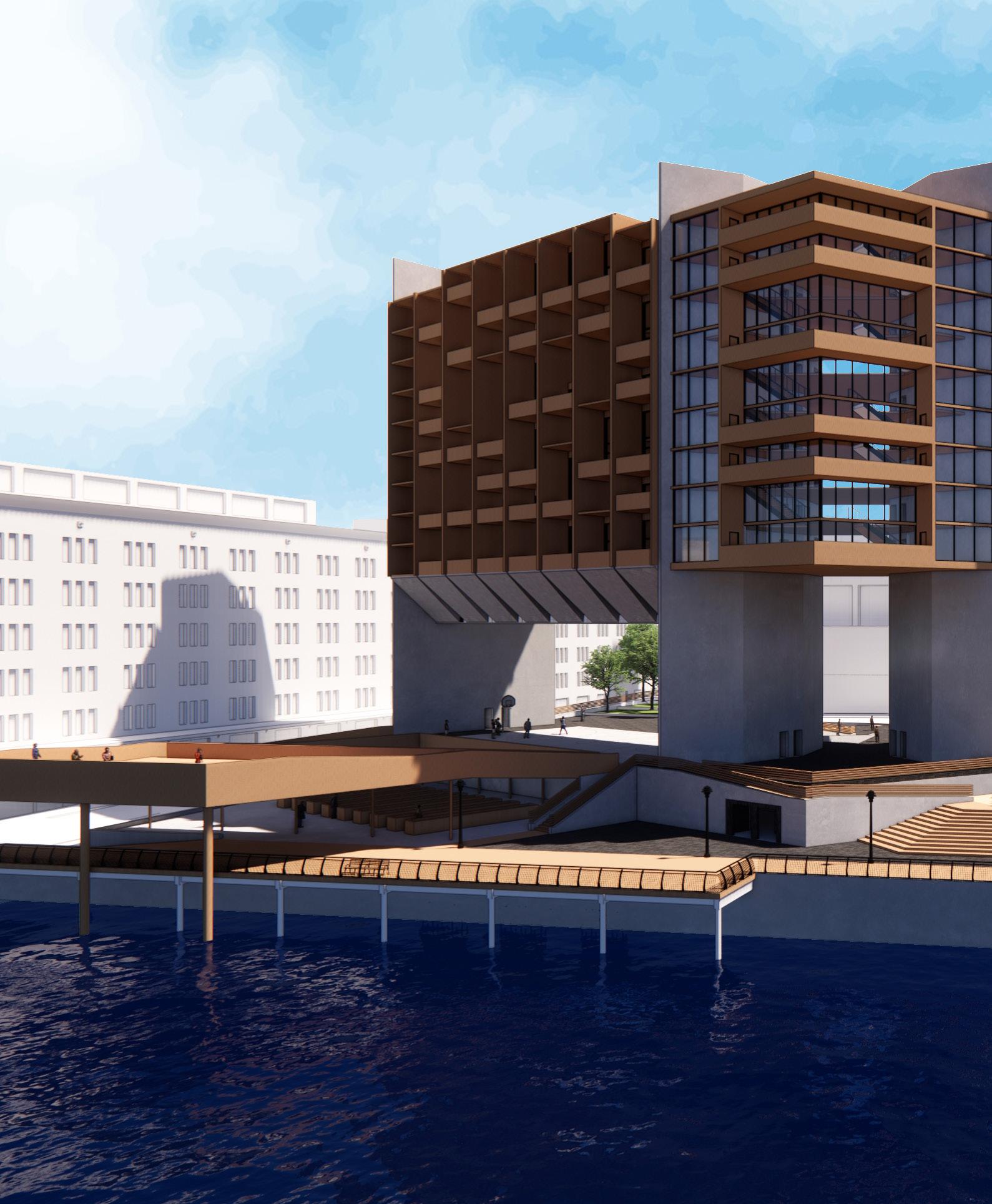
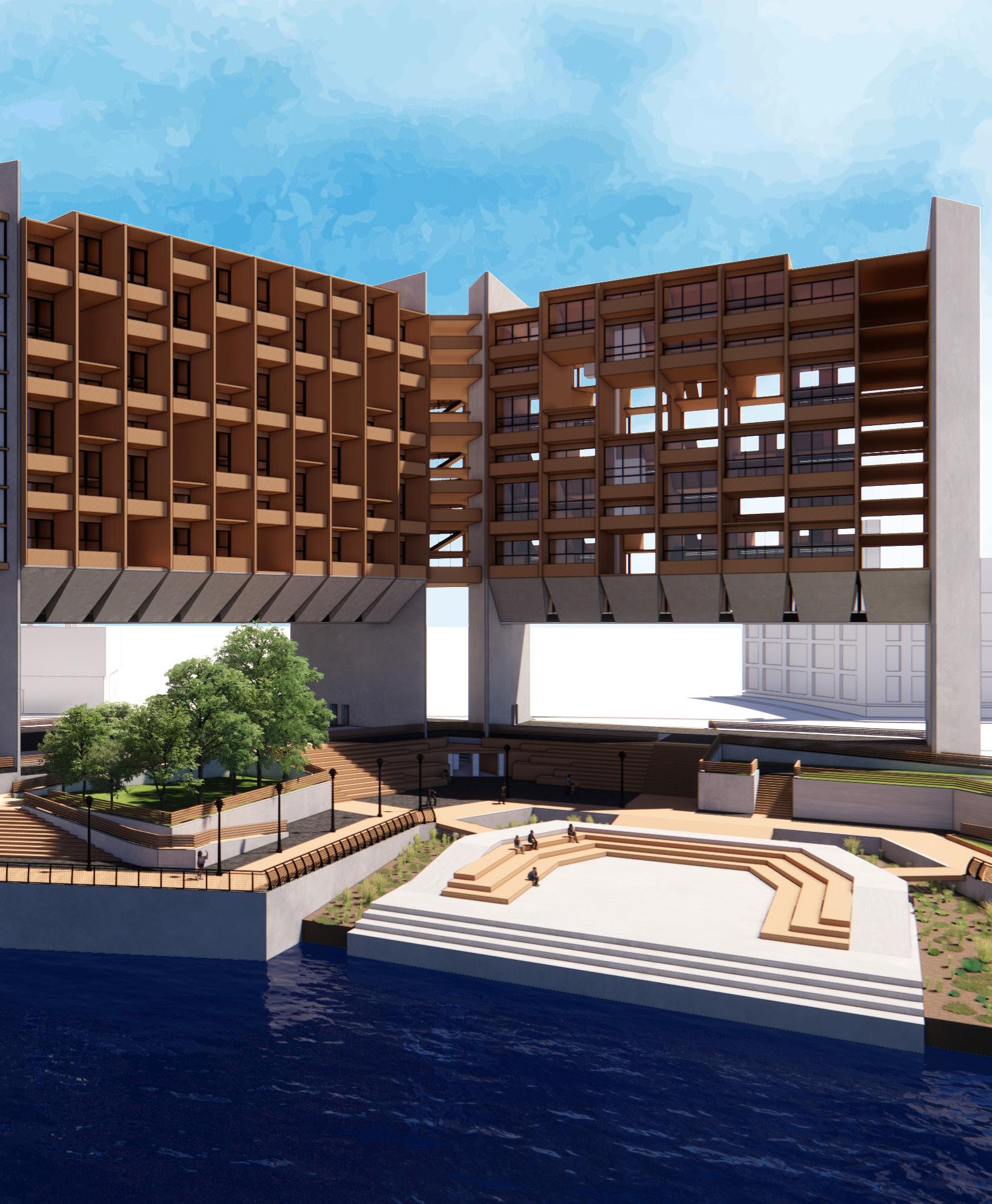
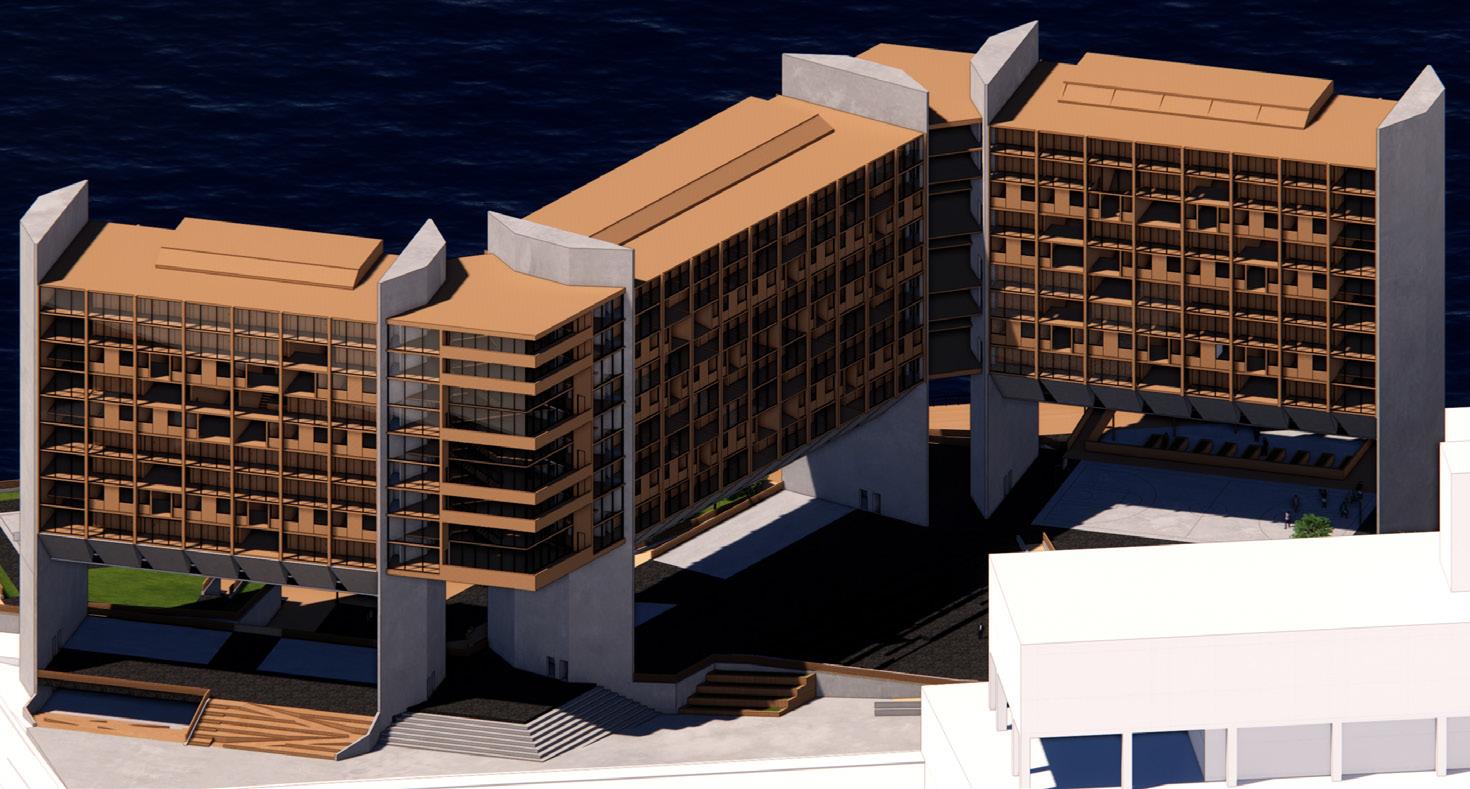
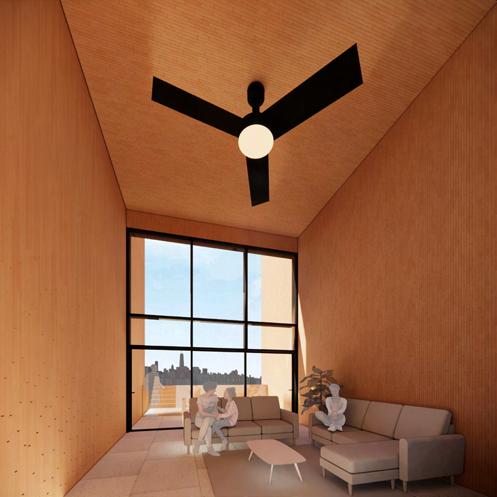
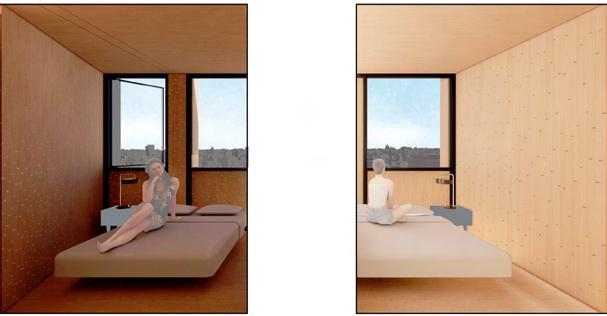
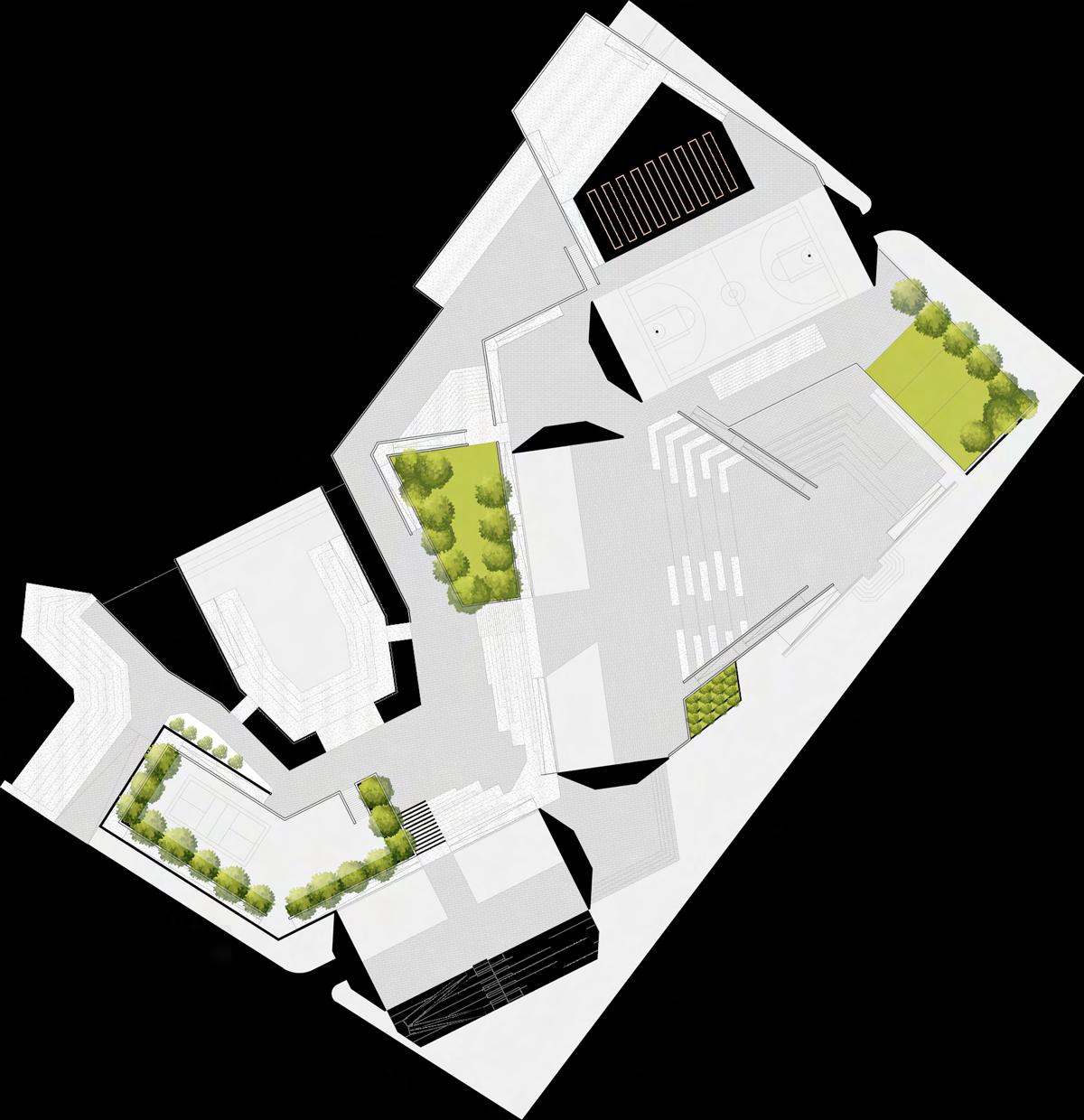
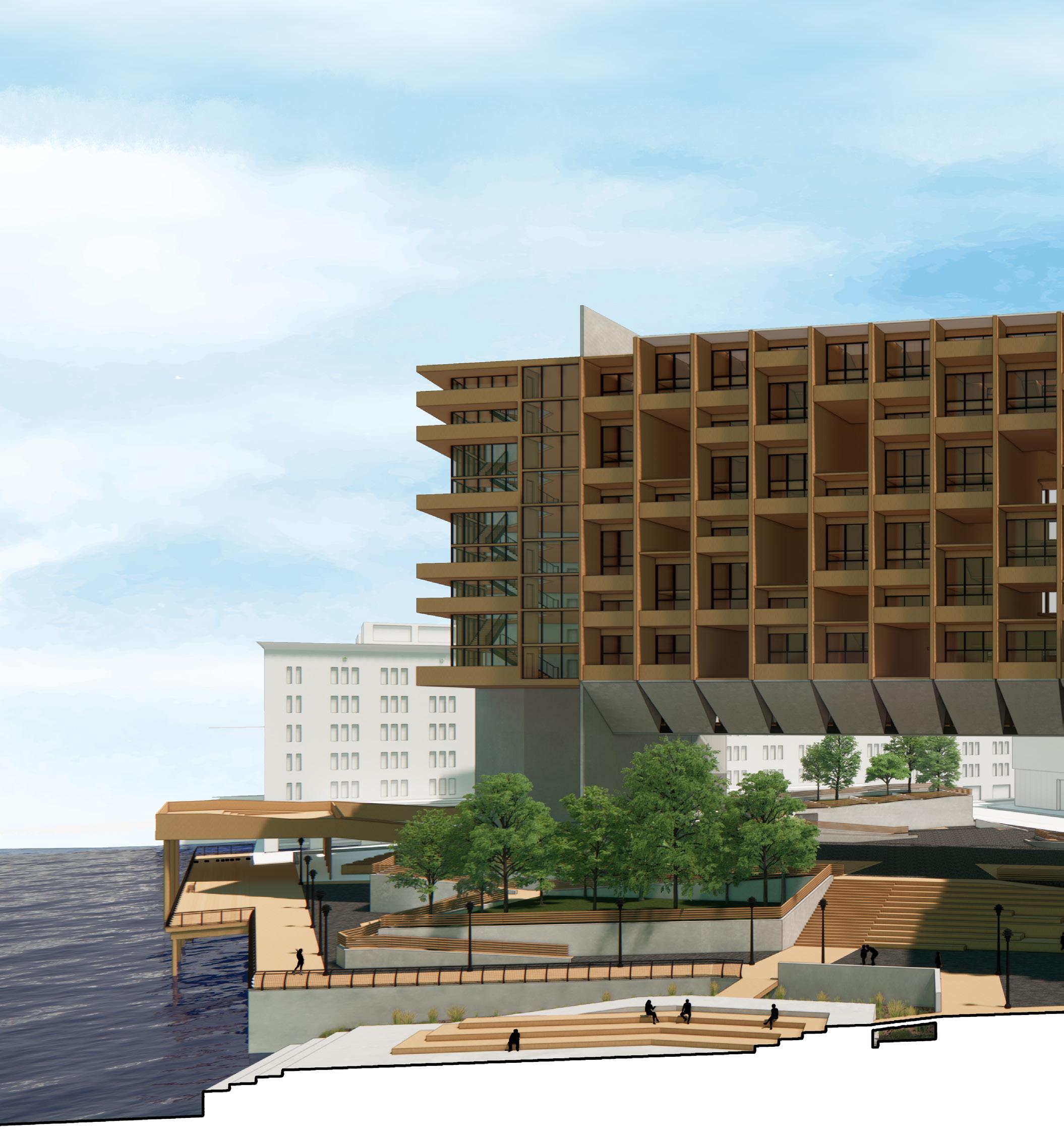
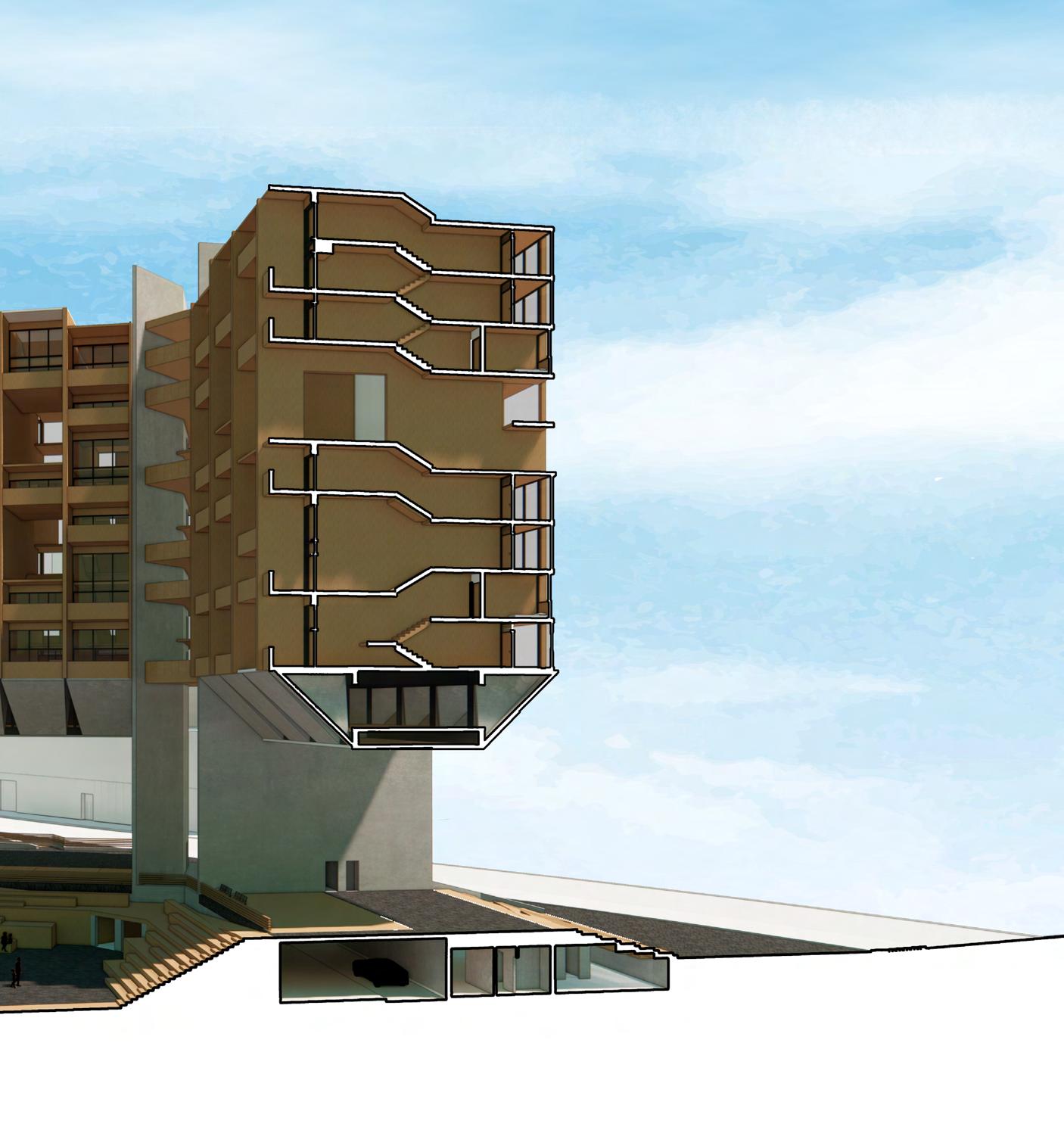
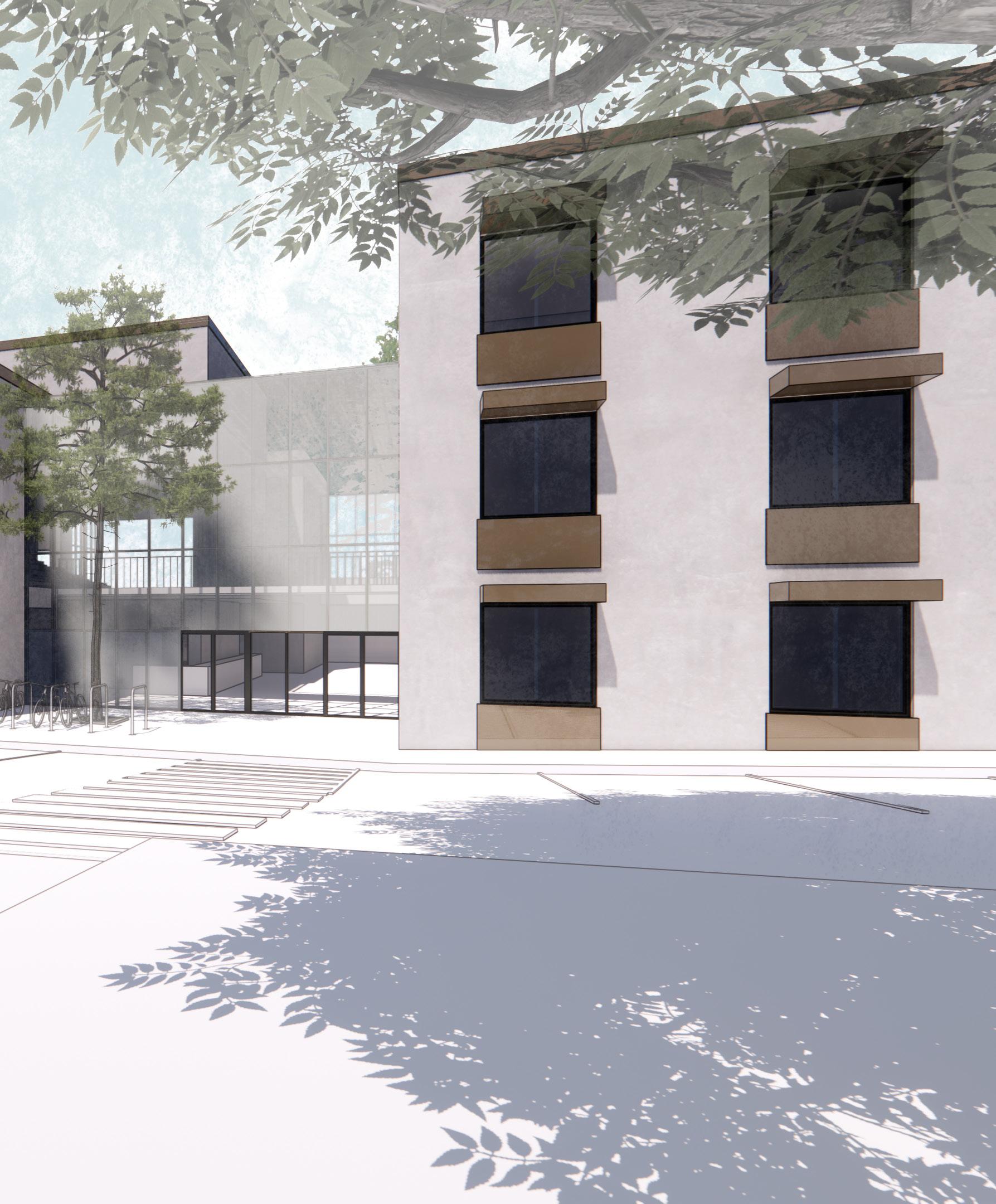
Williamsburg in Brooklyn, New York, is facing a period of rapid change. The deteriorating industrial lots along the East River offer prime real estate for the city to redevelop to public amenities and revitalize the public’s access to the river. New York has laid out a plan for the waterfront, but it is up to the developers and architects to reach a solution that serves the needs of the neighborhood. This multi-family residential proposal, addresses the need for public space by giving all the ground level to the public. At the same time, the design uplifts the experience for the residents by creating dynamic community spaces along a “street in the sky.” Once a resident reaches their own space, they receive unobstructed views of both the Lower Manhattan skyline and the historic Brooklyn townhomes.
Bauhaus Vertical City, Hilberseimer
- Gave pedestrians their own space to freely move and interact
- Lacked a human-scale
Unite D’ Habitacion, Le Corbusier
- Complex relationships between units, but not to other programmed space
- Sacrificed the experience of circulation with double loaded corridor
Robin Hood Gardens, Peter and Allison
Smithson
- Conscious choice to make single loaded corridor wide and light-filled
- No programming of circulation space
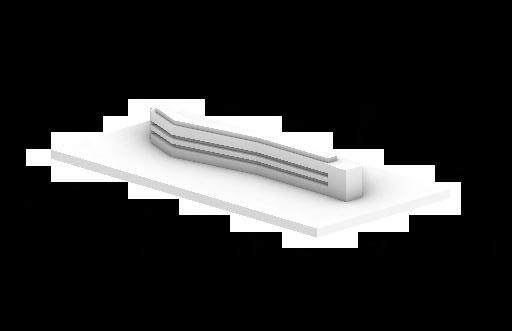
- Uninterrupted ground plane
- Units are offered views of both sides
- Corridor interacts with community spaces on each level
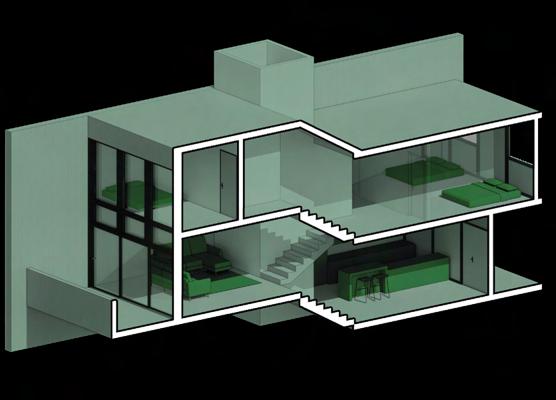
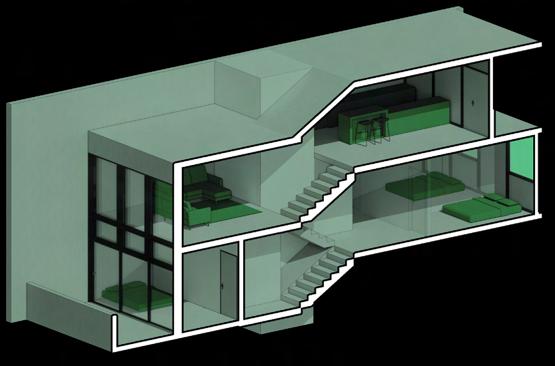
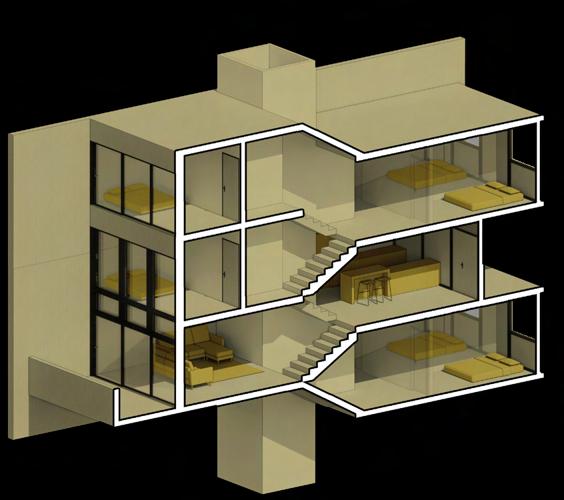
Unit Types:
1 BED (STUDIO)
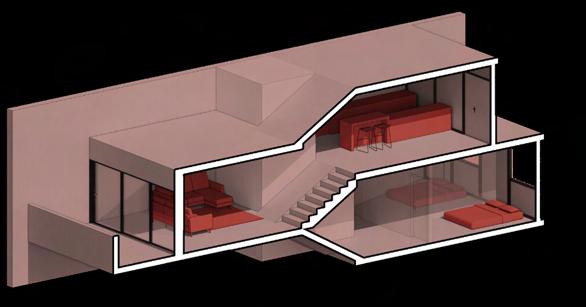
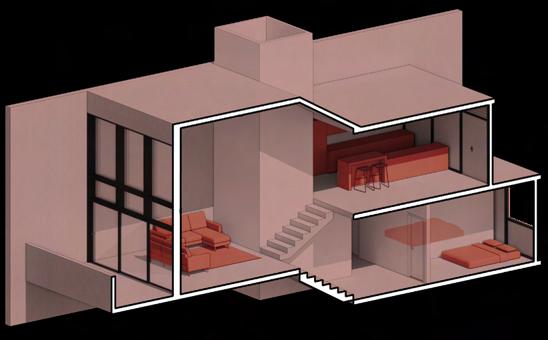
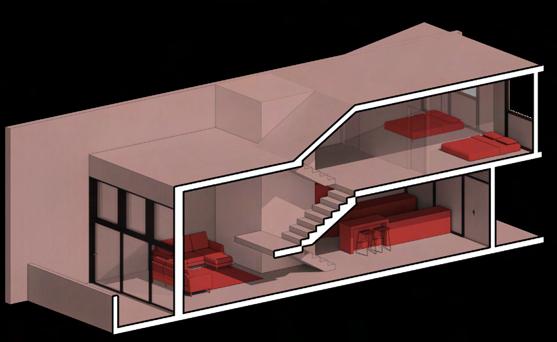
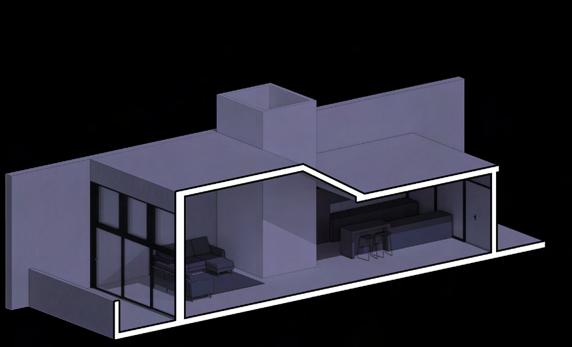
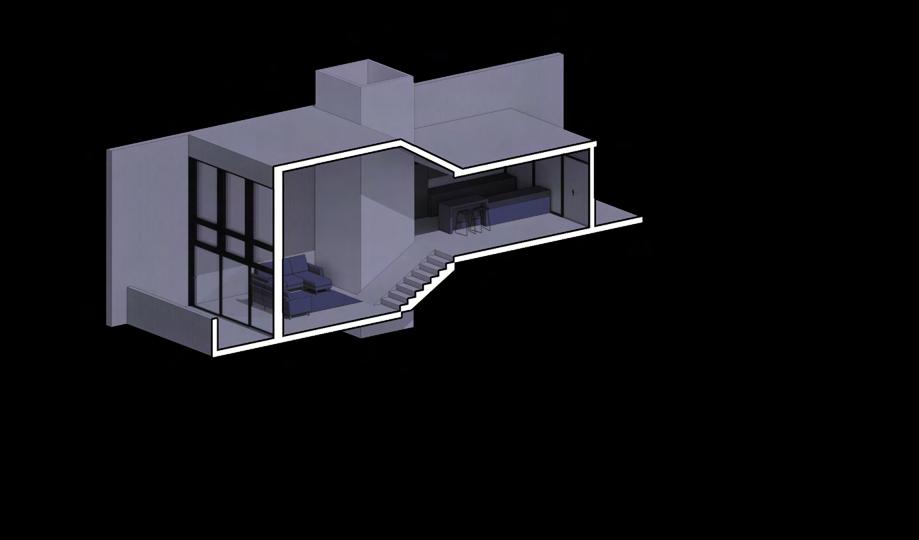
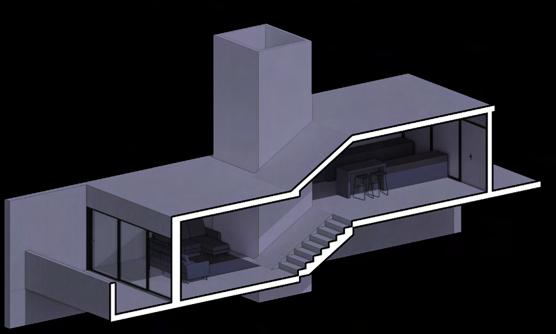
1-2 BED
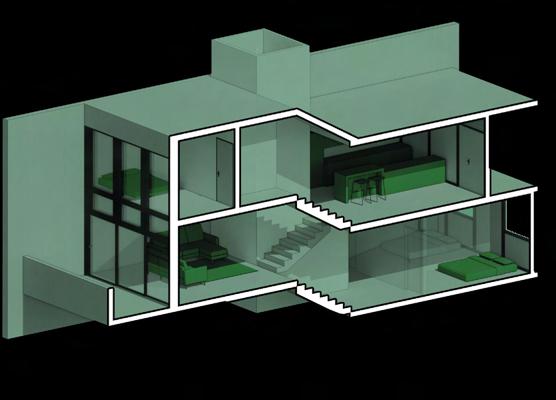
Typical Double-Loaded Multi-Family Housing
Rotate To Key Views



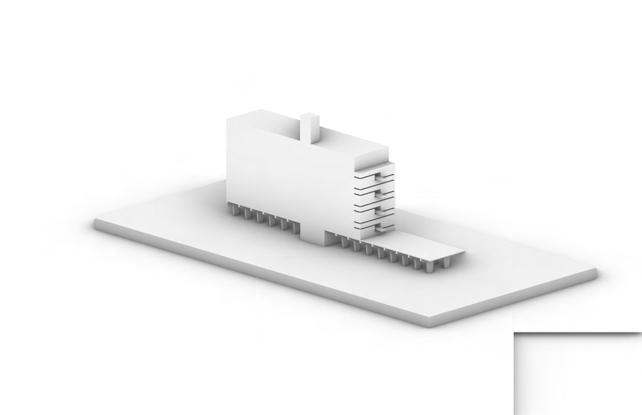
Raise Off of the Ground
Void Out Communal Spaces
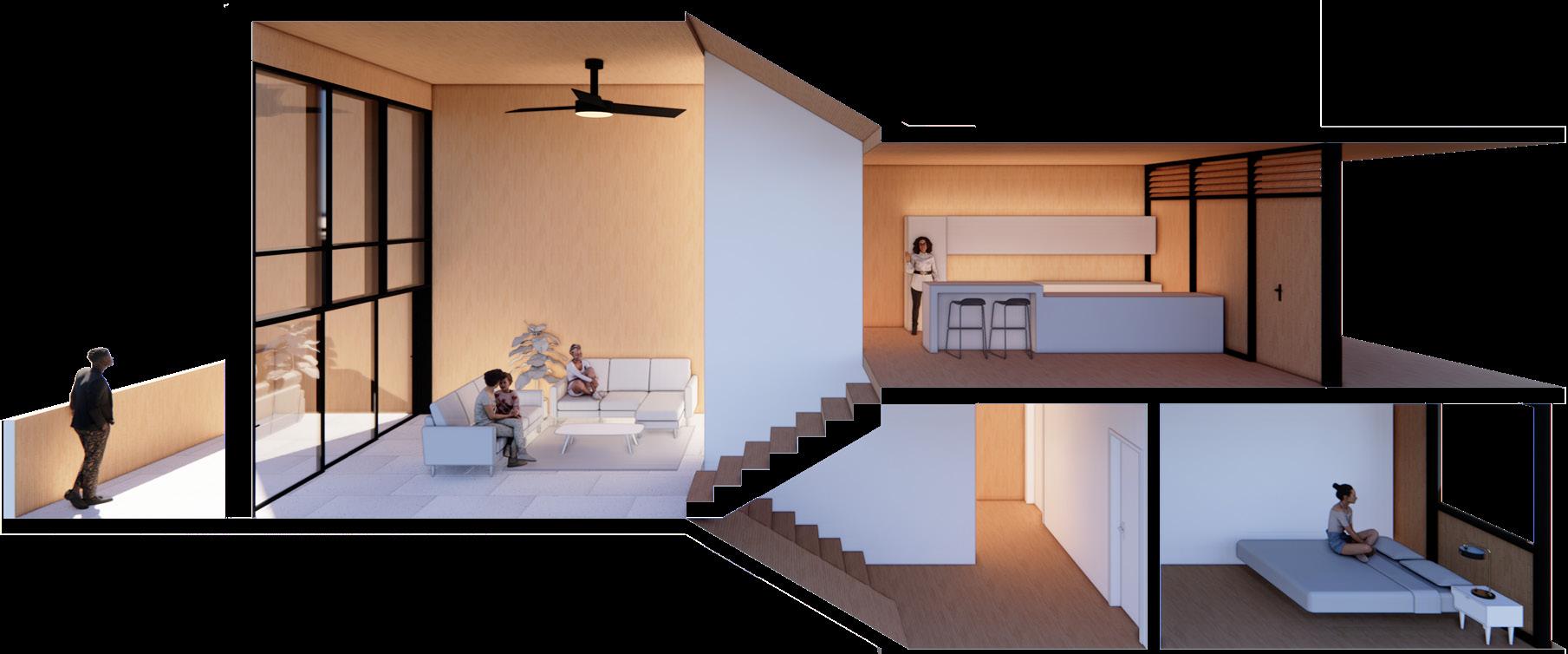
LEVEL WITH CIRCULATION
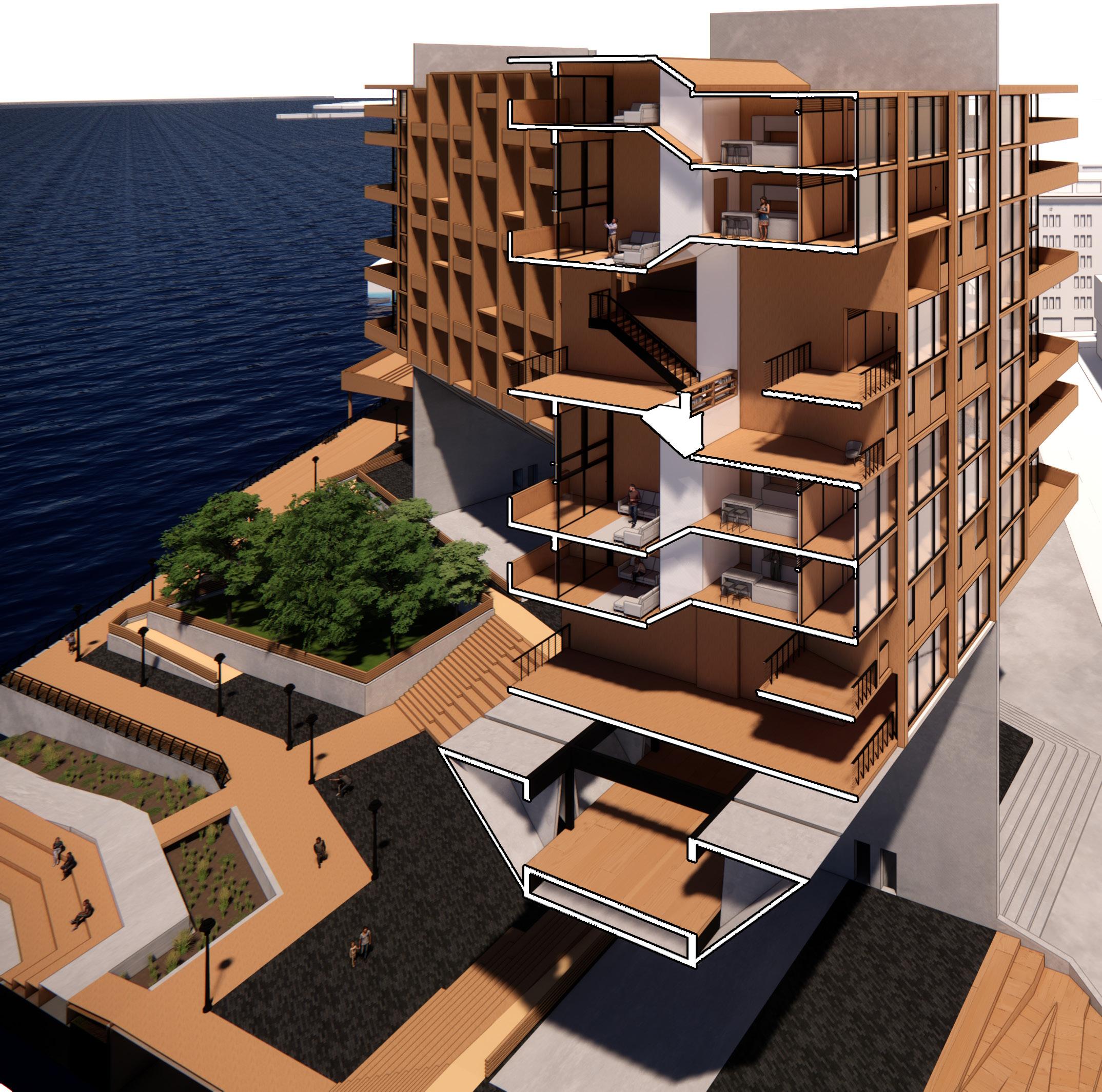
SERVICE CORE WITH CHAISE
COMMUNITY SPACE- LIBRARY
BEDROOM FACING BROOKLYN
KITCHEN/ENTRY
COMMON CIRCULATION
MEZZANINE
COMMON CIRCULATION
TRUSS LEVEL - WORKOUT SPACE
AMPHITHEATER
Branch Library and Community Center
Semester: Fall Architectural Design Studio 7
Year: 2022
Location: Manhattan, Kansas
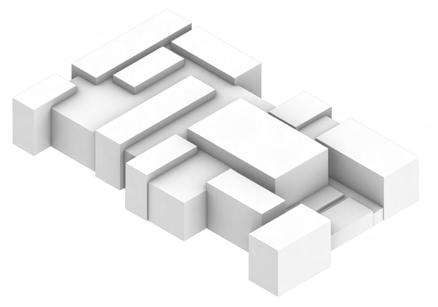
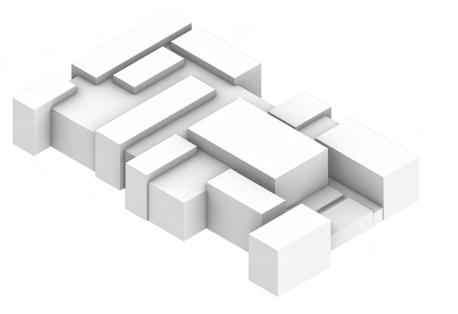
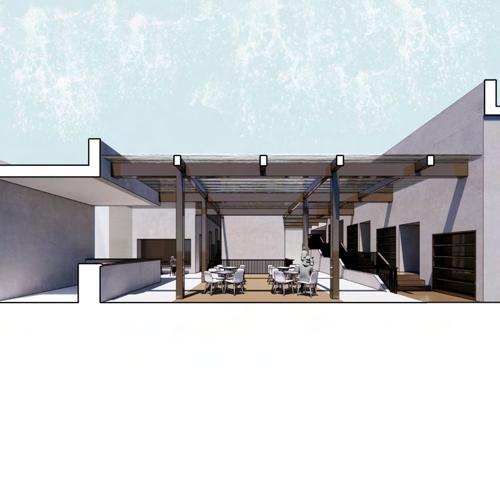
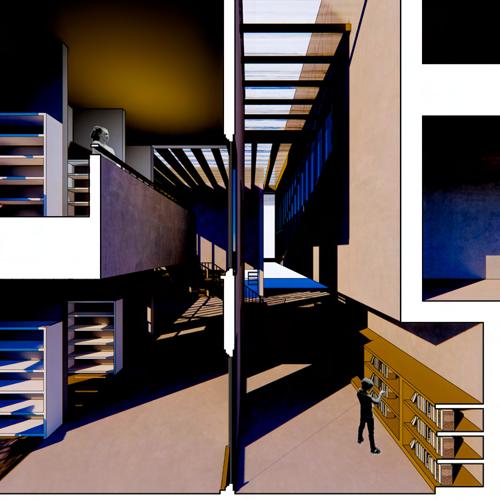
The west side of Manhattan, Kansas leaves a lot to be desired. The new-age library provides the perfect opportunity to fill the void. Libraries inherently take on the form of public space because they are a public resource, but what if the library addressed public space in the same way our best cities do? In this proposal for the west branch Manhattan Library called “Read the City” the library takes on an urban form where the users can connect and supervise while they focus and play. To connect and supervise, this library will employ a similar thought process to that of Jane Jacobs’s theory, “eyes on the street.” Jacobs proposed that cities would be lively and safe if there were densely organized spaces and places for people to interact and have random encounters with each other. In this design proposal, people using their space would have the chance to look across and move across varying sizes of voids to others using the library in their own way.

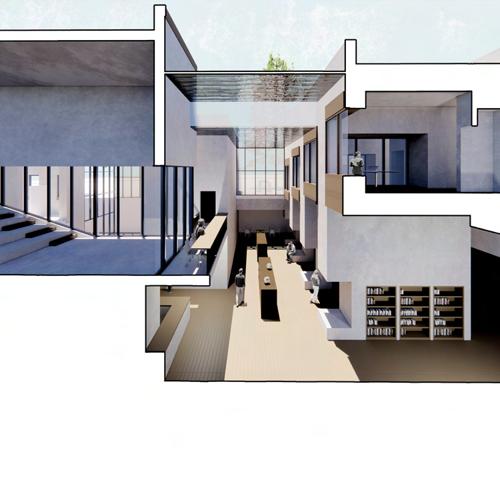
SECTION PERSPECTIVE A-A
SECTION PERSPECTIVE B-B
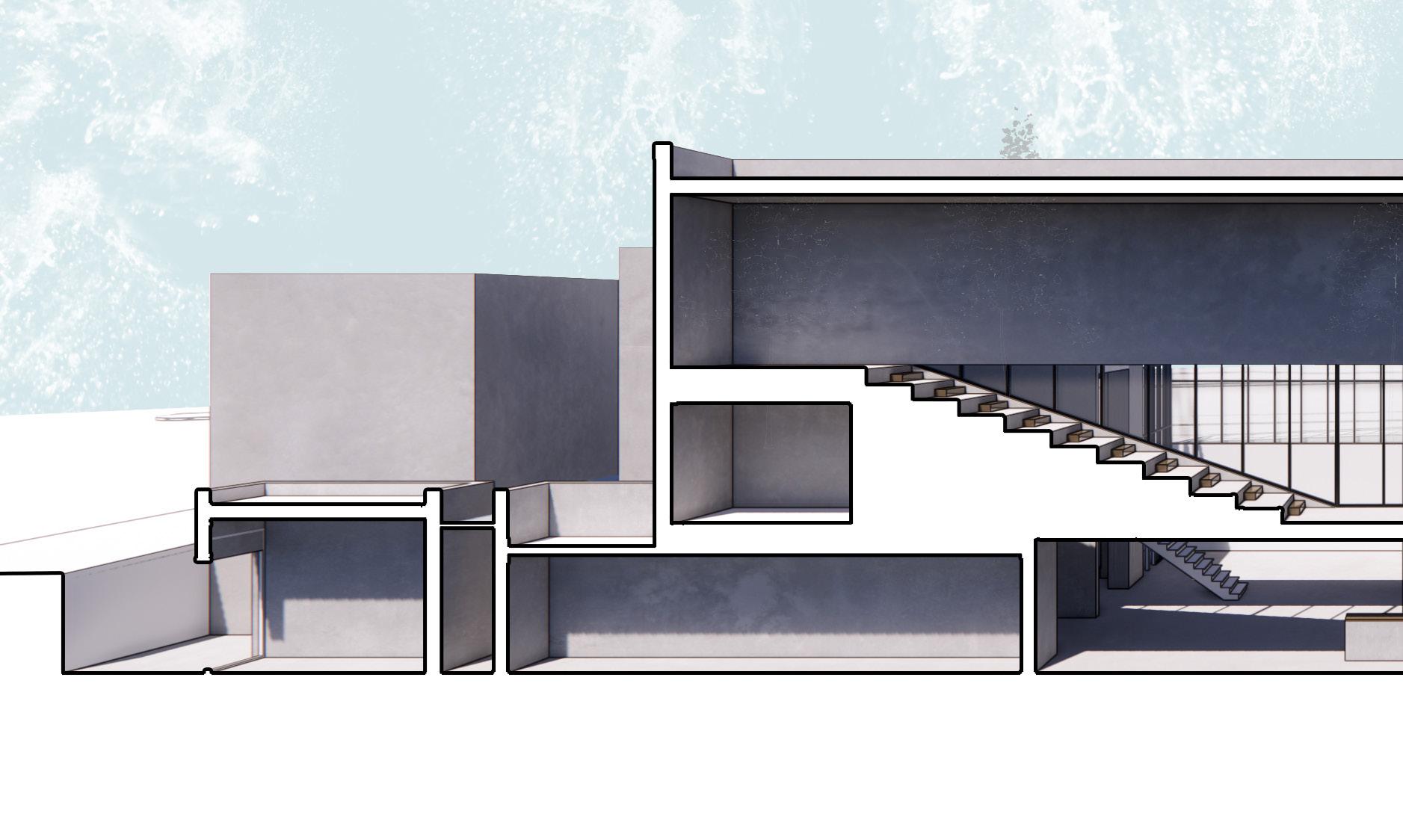
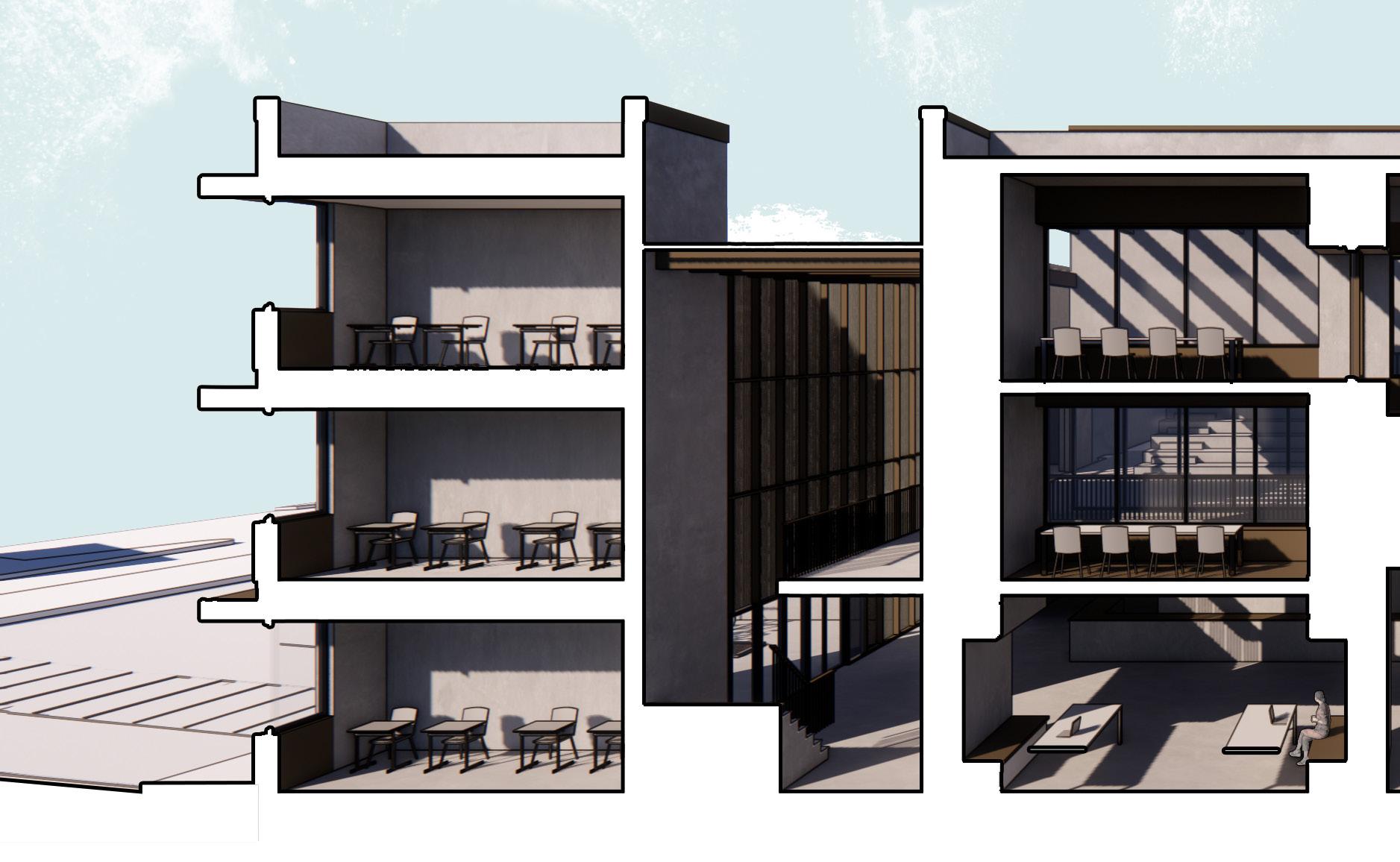
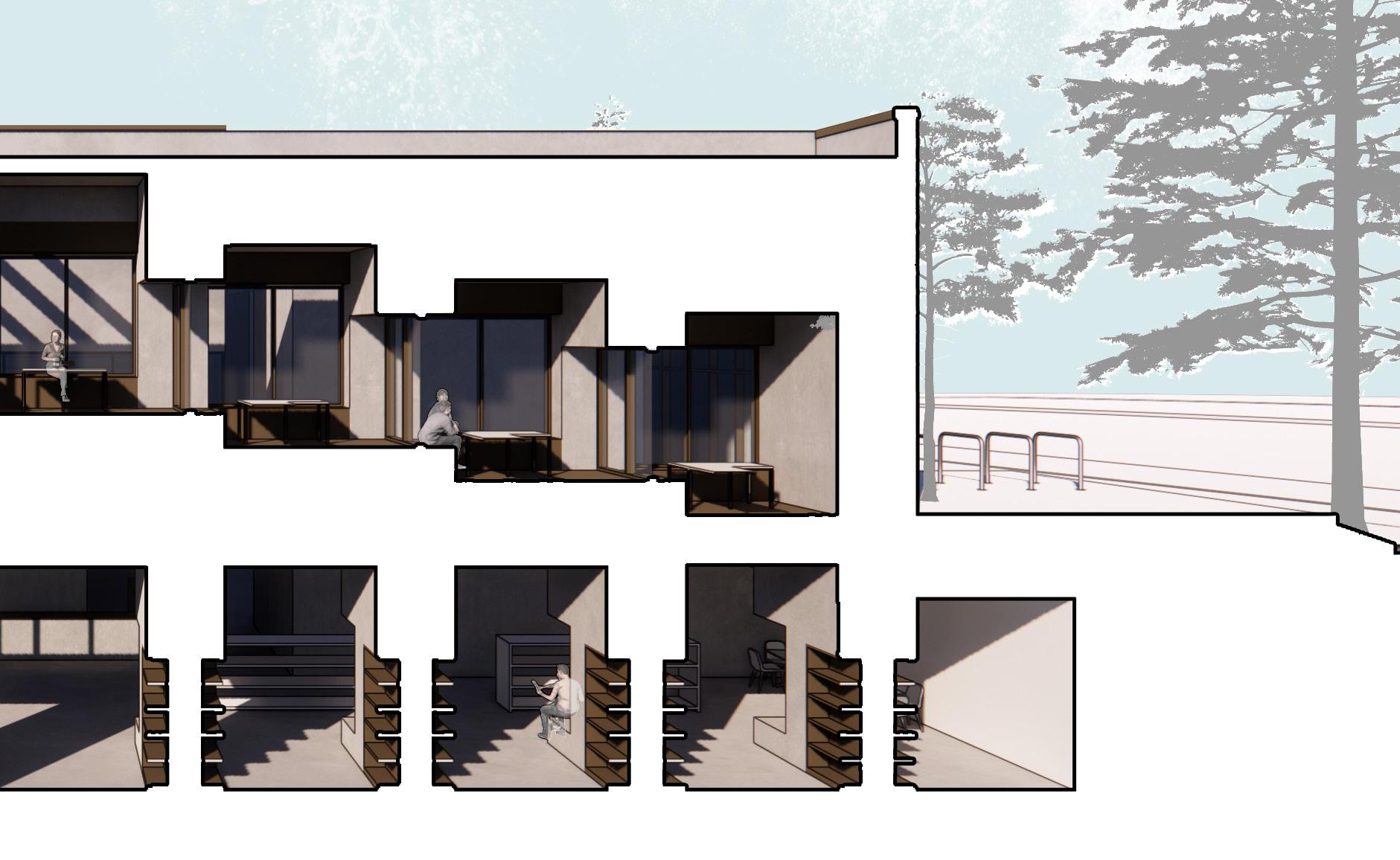
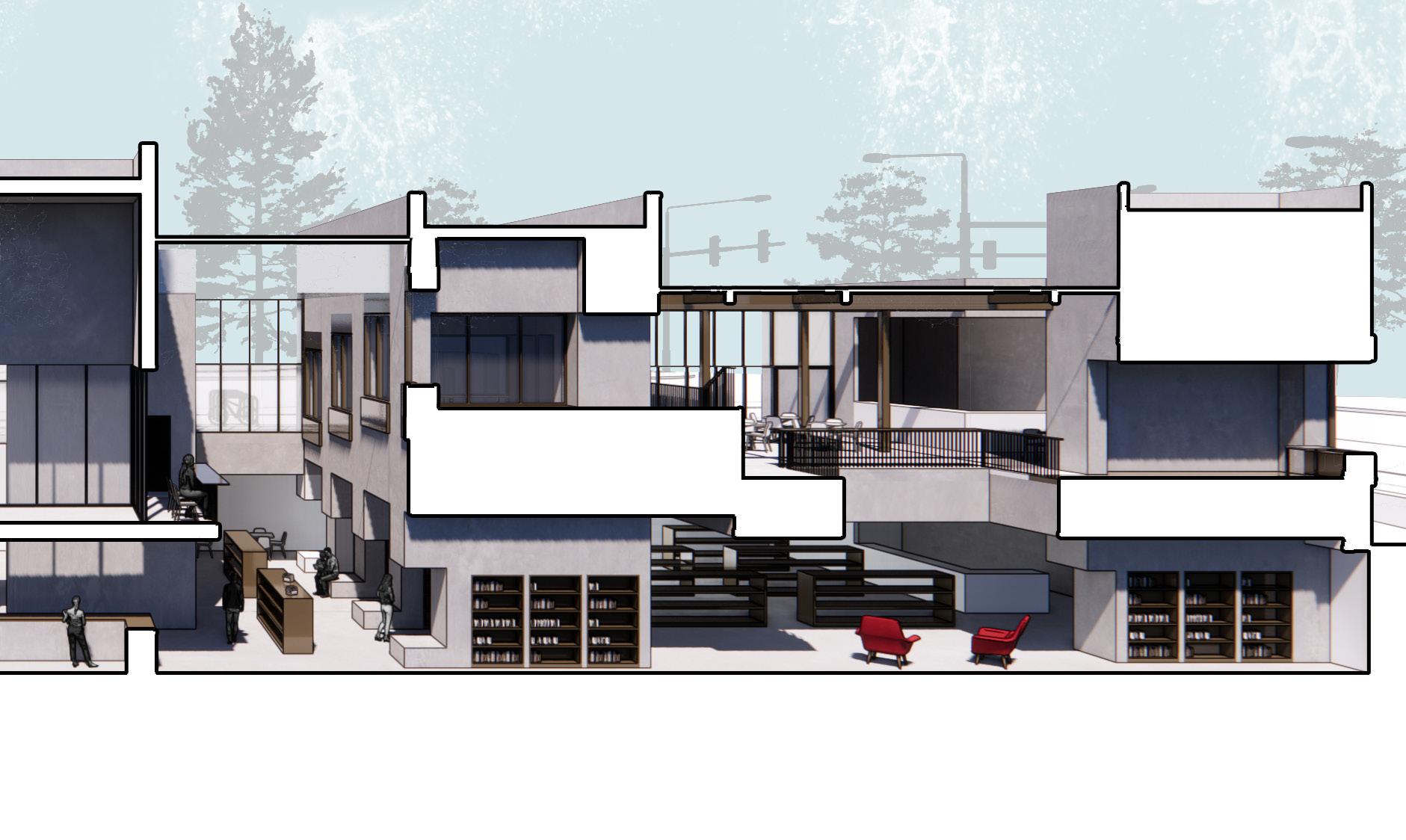
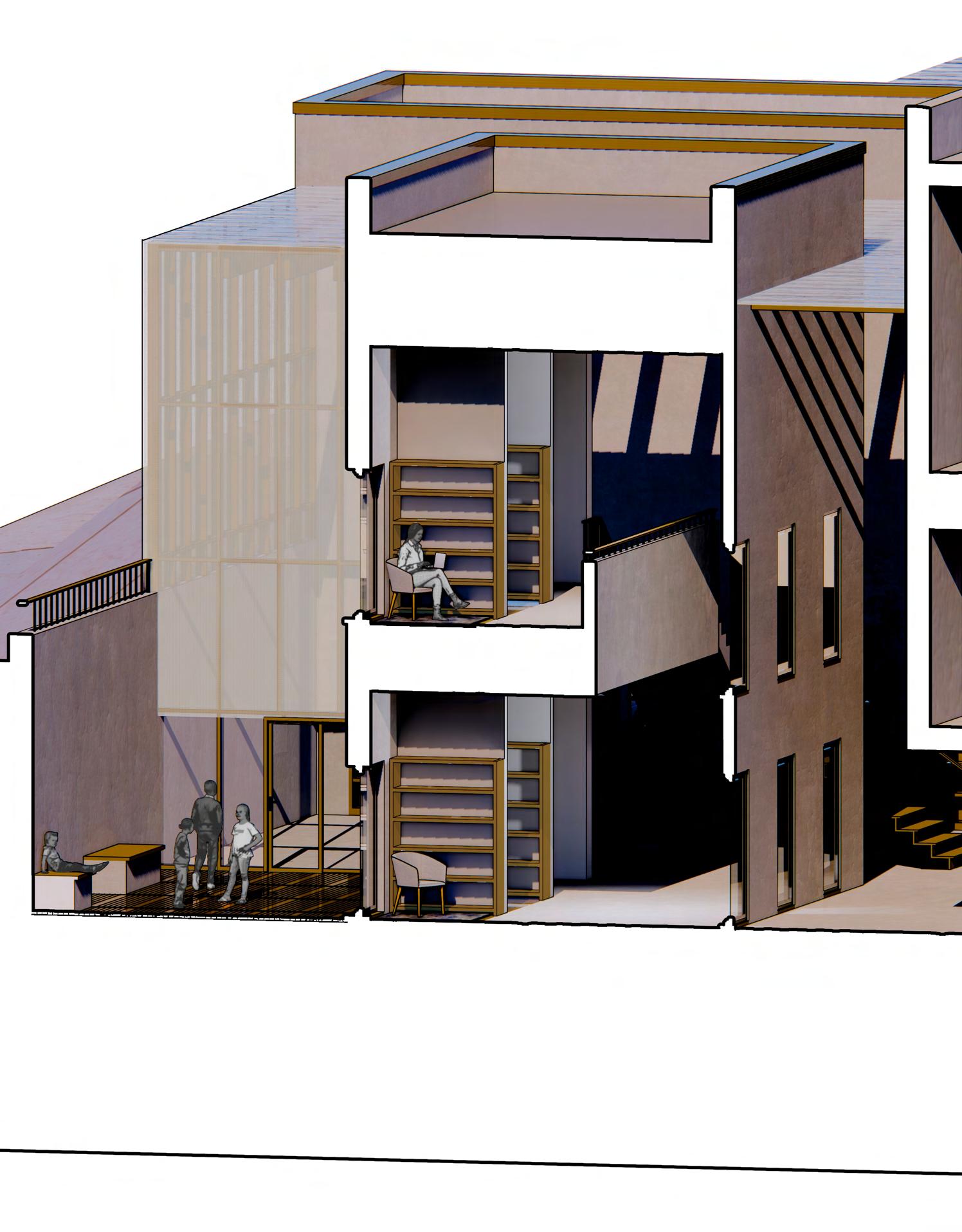
DETAIL THROUGH READING NOOK “BUILDING”
CAST IN PLACE CONCRETE
POLYCARBONATE PLASTIC
MEZZANINE READING NOOK
READING NOOK
OUTDOOR LEARNING ZONE WITH RAISED DECK
RETAINING WALL
Semester: Fall Architectural Design Studio 5
Year: 2021
Location: Topeka, Kansas
Visage is the ability to recognize one’s face. For two reasons, this is important when considering the design for a center that houses domestic violence survivors. One reason being the survivor’s ability to recognize their surroundings and being able to comfortably control their own sight line. The other reason is the ability to recognize your facilitator’s and neighbor’s face and make genuine, long term relationships. This proposal incorporates visage into a co-housing facility where survivors get to re-imagine a peaceful and social lifestyle.
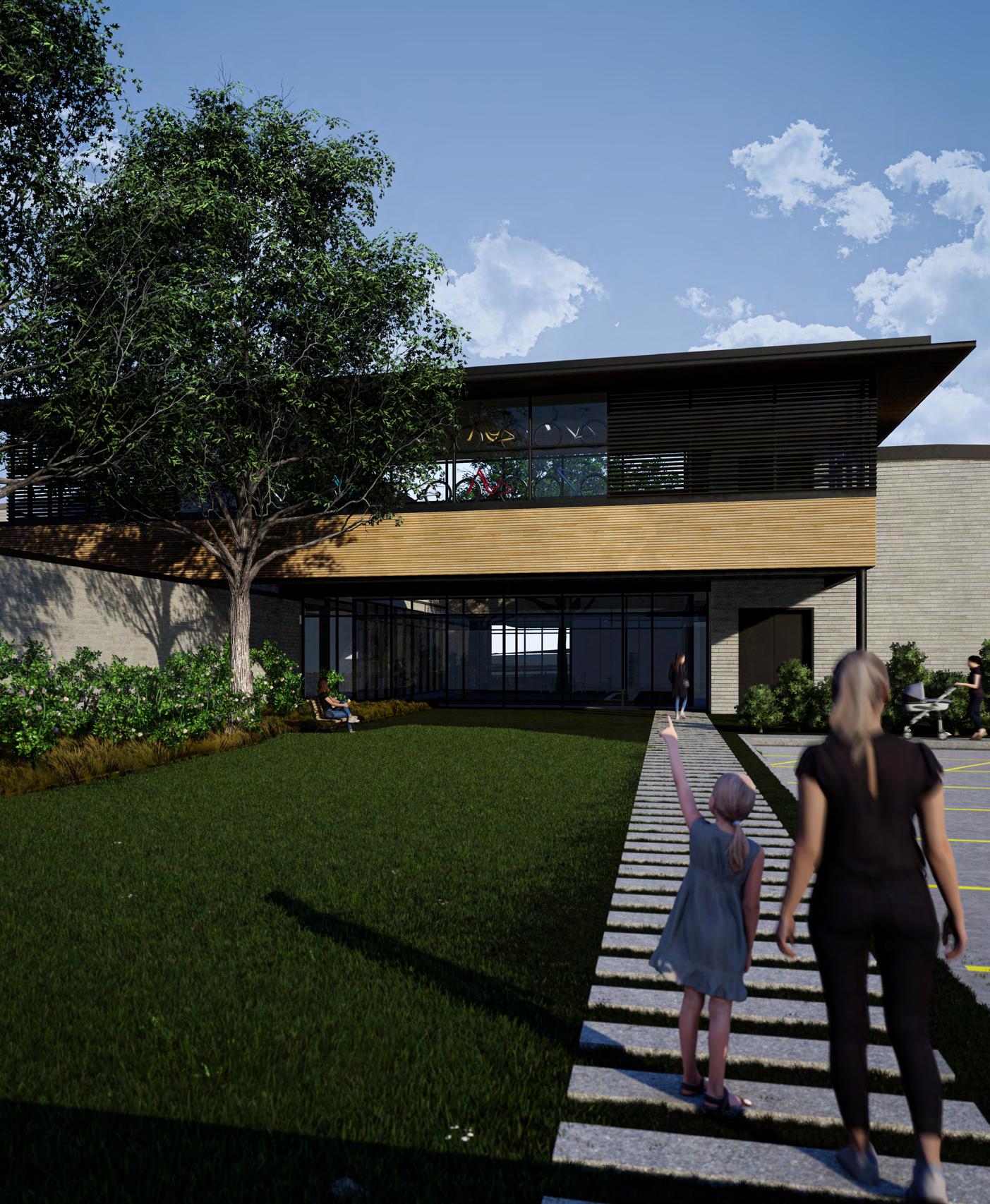
The site of the project is a quiet, suburban residential neighborhood with the busy 6th Ave. running north of the site. Most options for transportation come by bus or car. There is a large, open green space to the south of the site.
A visual axial connection from the parking to the entry to a large courtyard allows users to be drawn into a welcoming building. The courtyard becomes the main wayfinding element of the project.
Enclosure is a crucially important response to safety in this scheme. Both the mass of the building and the surrounding site are subtracted from to create a protected, enclosed area for the residents.
Additional outdoor spaces are offered on the second level. This allows for another degree of separation from the general public, but still offers opportunities to gather in an unenclosed space.
The program organization is a resultant of the entry sequence and courtyard. First you pass under the “Trip Maker” space where the community is taught to repair and maintain different modes of travel. Since the focus is on the void that lies ahead, solid service spaces become the threshold before entry. The community program on the first level is focused inwards to the courtyard and the residences have elevated views inwards and outwards.

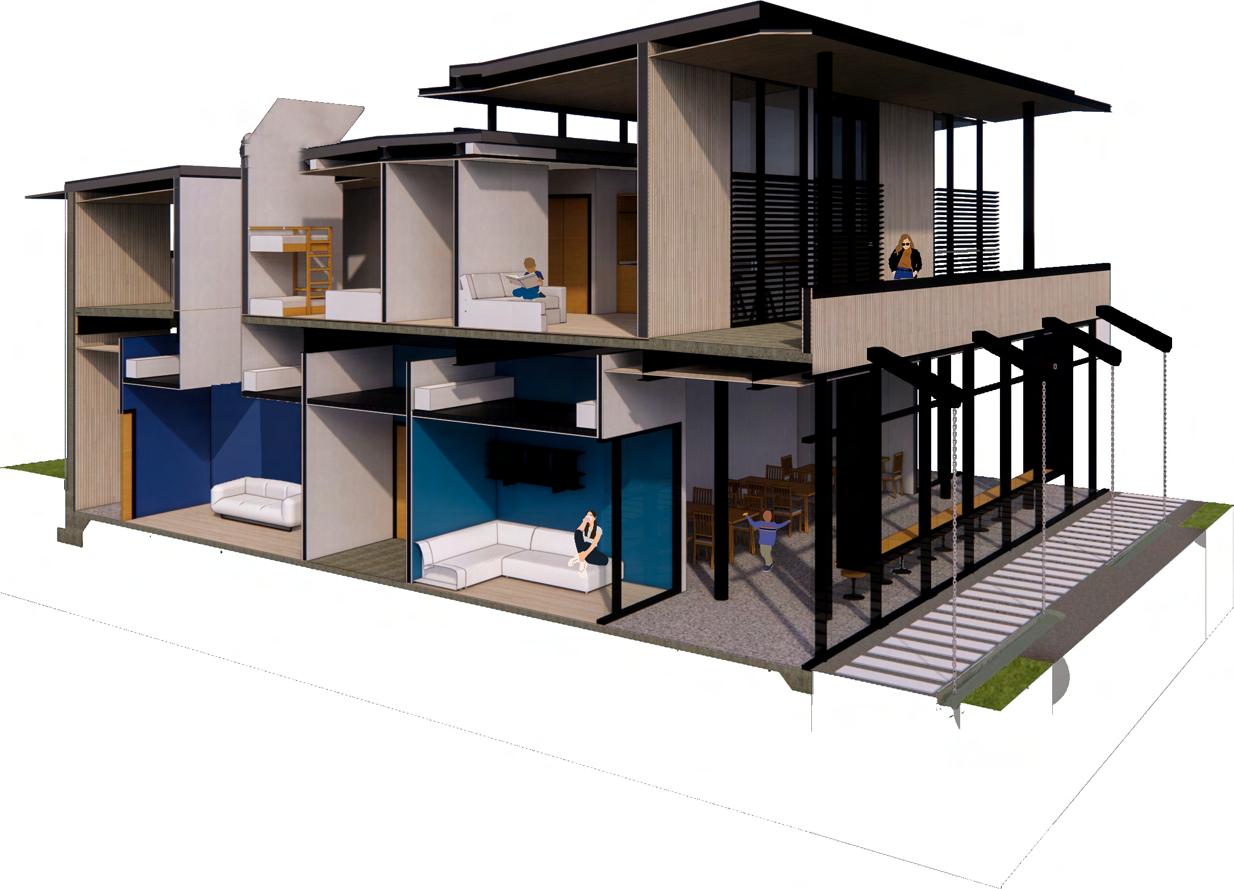
Kids are given the opportunity in a specialized skylight to daydream under blue skies or count the stars as they fall asleep
STANDING SEAM ROOF SYSTEM
STEEL COLUMN SHADING/PRIVACY SLATS
WOOD CLAD RAILING
3” CAST IN PLACE CONCRETE ON METAL DECK
GUTTER
RAIN CHAIN
HANGING TABLE TO FRAME COURTYARD
THICKENED CONCRETE SLAB
WALL DETAIL THROUGH DINING AND COURTYARD
Semester: Fall Architectural Design Studio 3
Year: 2021
Location: Manhattan, Kansas
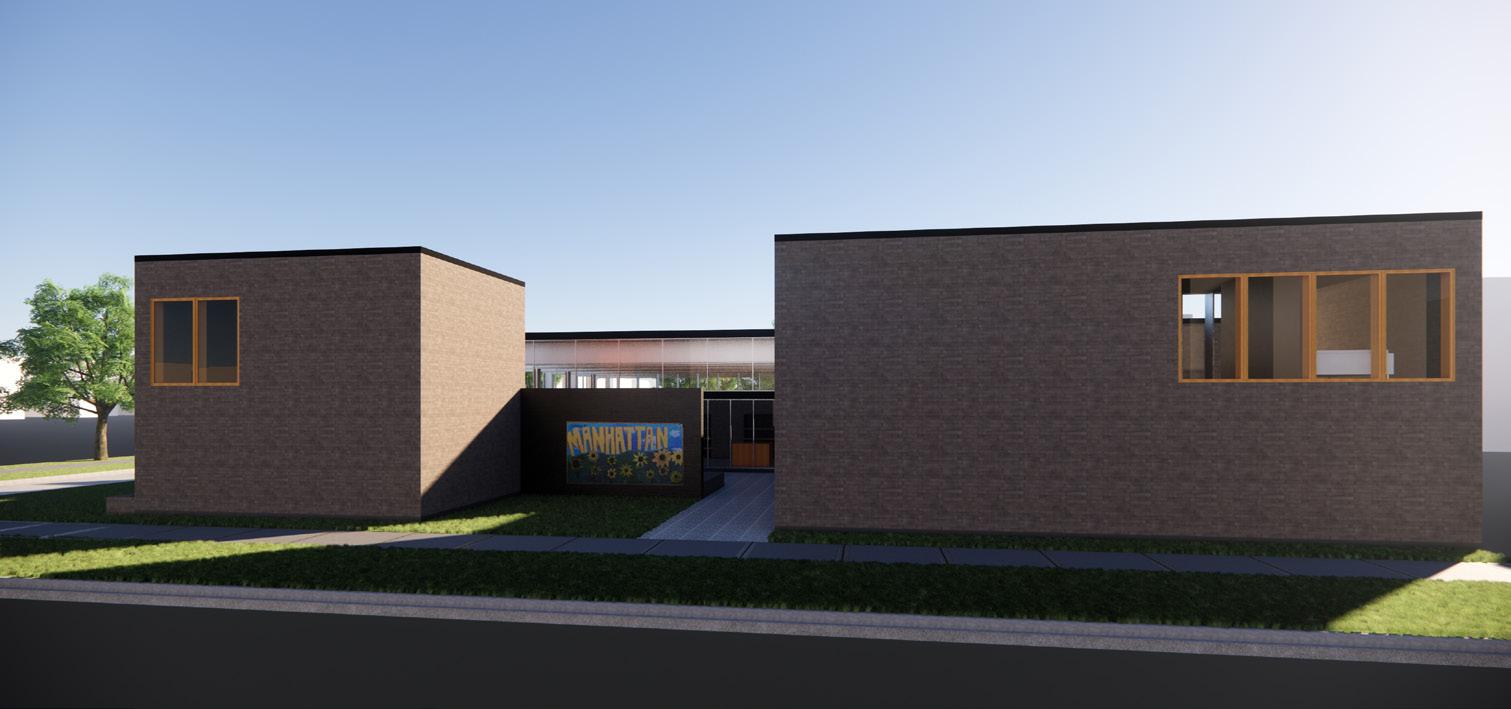
When molding clay, a crucial method to mend two separate pieces together is to use a clay slurry “slip” to receive a scratched up “score”. Similarly, when paying homage to the existing structures it is important to incorporate old and new. In “Slip and Score,” the new ceramics studio and residency incorporates walls of an existing art studio in Manhattan. The existing walls become a focal point where artists can display and exhibit their work. The rest of the building pinwheels around outdoor spaces to bring light and air to the primary spaces.
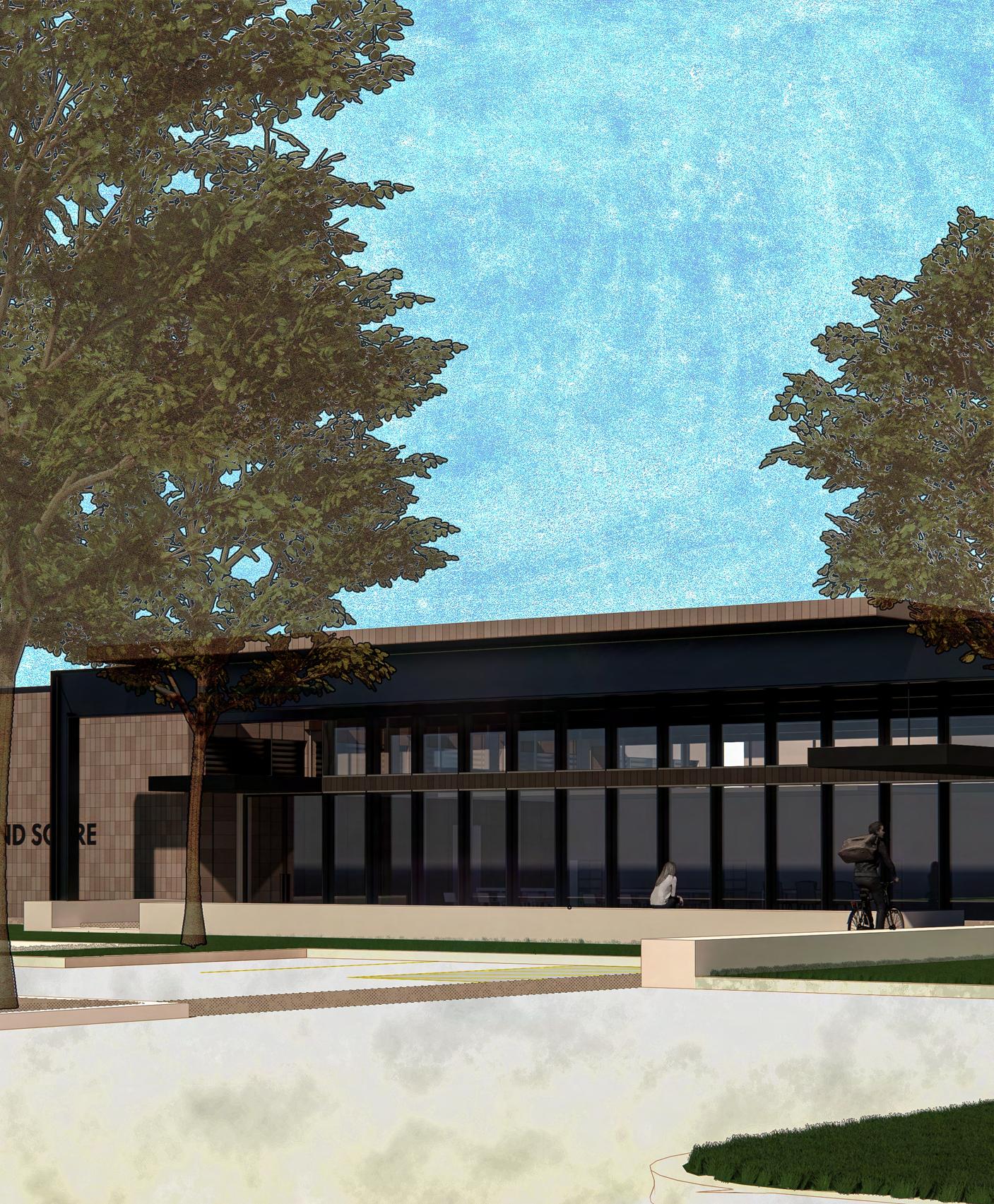
Masses are situated tangent to existing walls to respect in-place community murals.
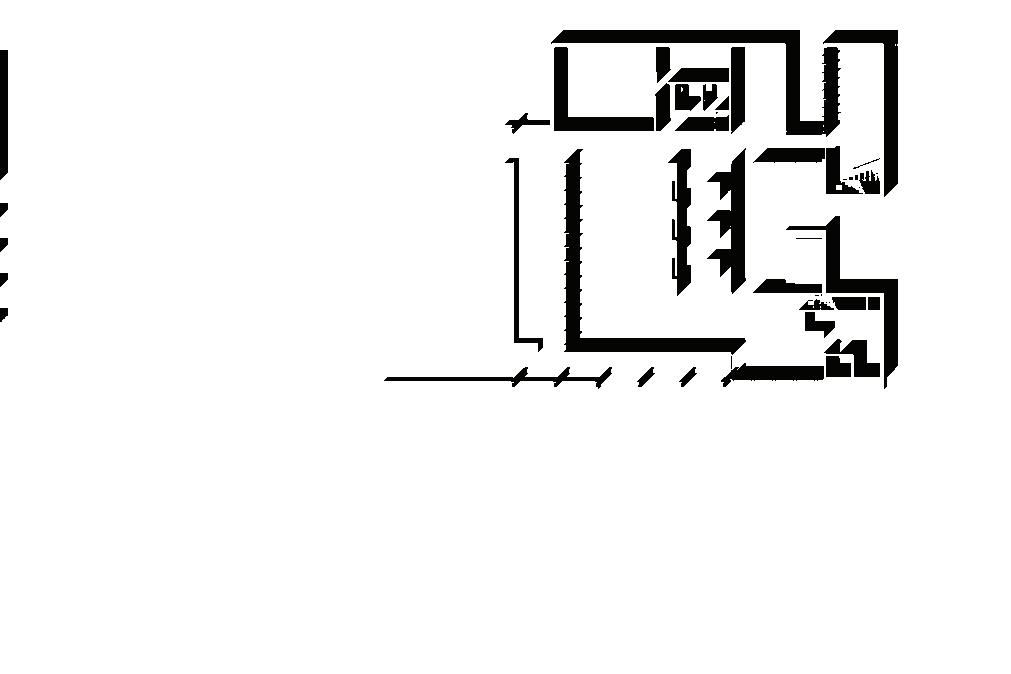
Primary work space intersects the existing walls to allow users to interact with the old.

Exterior spaces break up the masses to draw the user in to the center.
A roof datum is pulled from the existing building to direct movement.
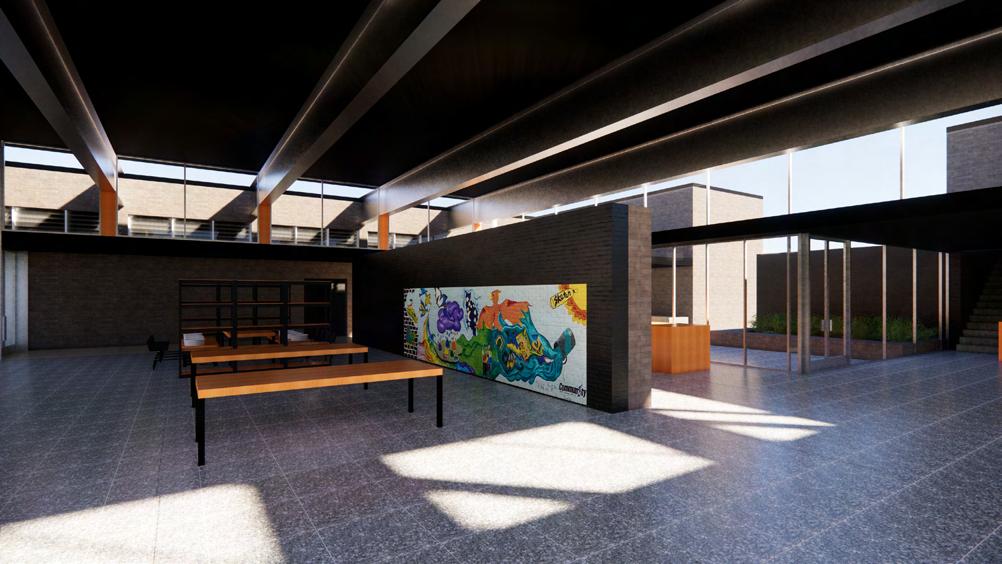
ENTRY FROM 15TH STREET