P
Hemenway
TABLE OF CONTENTS
SPLIT HORIZONS
Multi-family Housing and Urban Park
READ THE CITY
New Age Public Library
VISAGE
Domestic Violence Co-Housing
SLIP AND SCORE
Pottery Studio and Residency
PROFESSIONAL WORK
DxU Architects
Sean Hemenway, LEED Green Associate
M. Architecture ‘23 - Kansas State Universit y
(469) - 600 - 3393 | seanhemenway@gmail.com | www.linkedin.com/in/sean-hemenway
Experience
August 2023 - June 2024
DxU Architects
Chicago, Illinois

- Delivered design, permit, and construction drawings on tenant buildouts
- Lead client planning meetings and built a repertoire as dependable correspondent
- Conducted code review and guided client smoothly through permitting process
September 2022 - June 2023 Summer 2022 August 2020 - May 2021 Summer 2019
LK Architecture
Manhattan, Kansas (Remote)
- Communicated progress and drawings to supervisors in a remote setting
- Balanced class work with off-campus work
VLK Architects
Plano, Texas
- Drafted 0% to 100% construction documents in Revit for a local high school addition
- Visited multiple sites and documented existing conditions
APDesign Resident Learning Assistant
Manhattan, Kansas
- Mentored students in Architecture through their first year
-Fcailitate events that encouraged community and comradery
Watermark Design Studio
Addison, Texas
- Produced AutoCAD interior elevations and detail drawings
- Learned technical drawing skills in an office environment
August 2018 - May 2023 August 2014 - May 2018
August 2020 - May 2021
November 2019 - 2021
Master’s of Architecture - Kansas State Universit y
Cumulative GPA: 3 60
Minor in Regional and Communit y Planning
Study Abroad in Orvieto, Italy
High School Diploma - Reedy High School
Cumulative GPA: 3 95
3 years of CAD Classes
Selected for the Architecture, Construction, and Engineering (ACE) Mentorship
Dean’s Student Advisor y Council
- Attended monthly meetings with the dean and other leaders within the college
- Formed a committee focused on freshmen involvement within the college
Fundraising Chair - AIAS
- Helped create and maintain a new materials store
- Led the new officers as the old officer positions were being rotated
Skills
Model Building
Hand Drafting
Public Speaking
Empathy
Growth Mindset
Tools
AutoCAD
Revit
Rhino
Adobe Suite
V-ray/Enscape
Lumion
Grasshopper
Awards
Wabash Cannonball Alumni
Scholarship
Rotar y Youth Leadership Award
Purple and White Scholarship
Athletic Booster Club Scholarship
Ken Ebert Architecture Scholarship
Involvement
AIAS
Plot Club Technician
Student Ambassador
AP Design Peer Educator
Strong Towns (Local Conversation Leader)
Environmental Design Student Association
References
Kent Leach - Project Architect (214) 766-6777
kleach@vlkarchitects.com
Zhan Chen - Assistant Professor (757) 816-5634
zhanchen@ksu.edu
SPLIT HORIZONS
Multi-Family Housing and Urban Park
Team: Sean Hemenway + Colin Hagler
Semester: Spring Architectural Design Studio 8
Year: 2023
Location: Brooklyn, New York City, New York
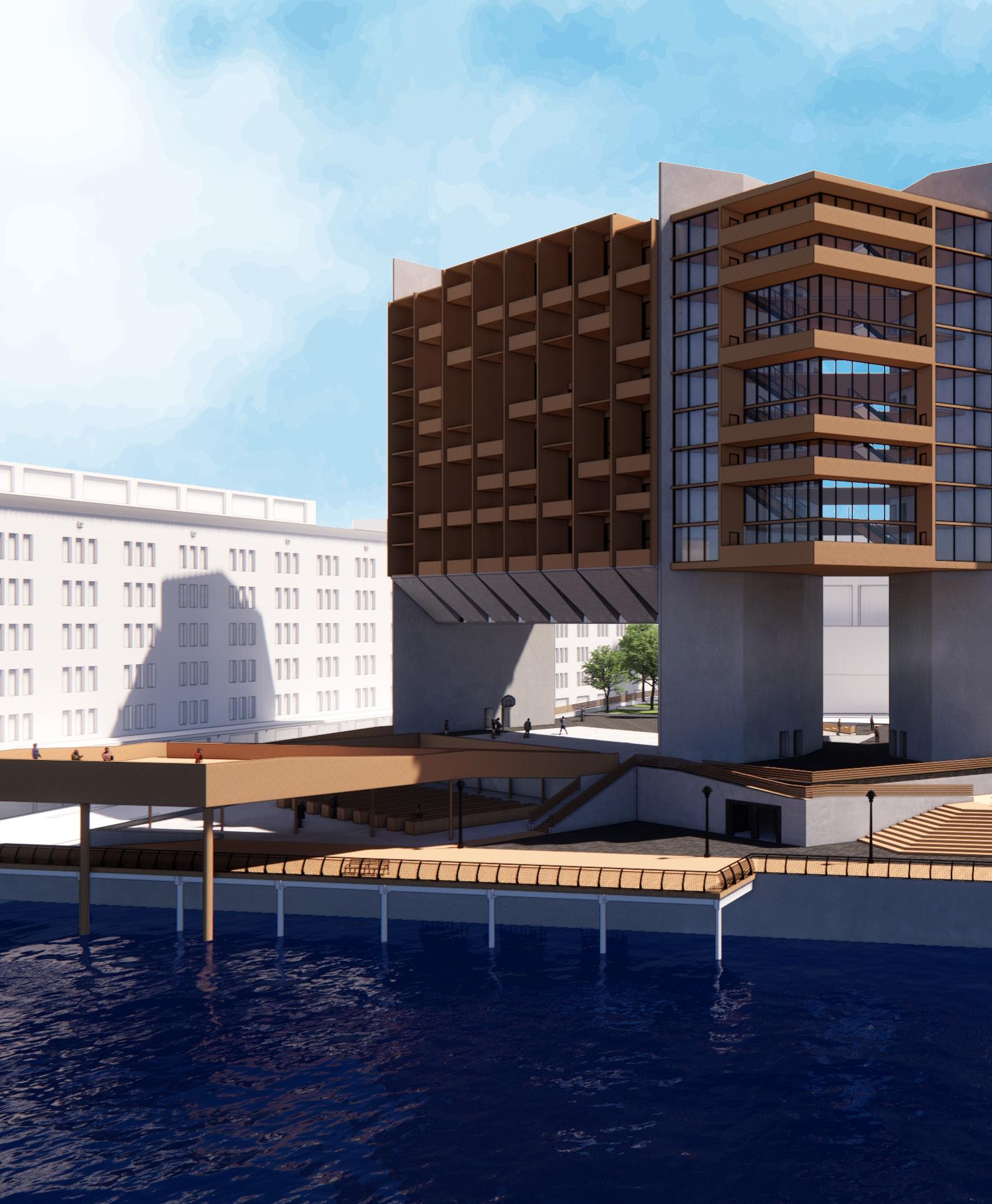
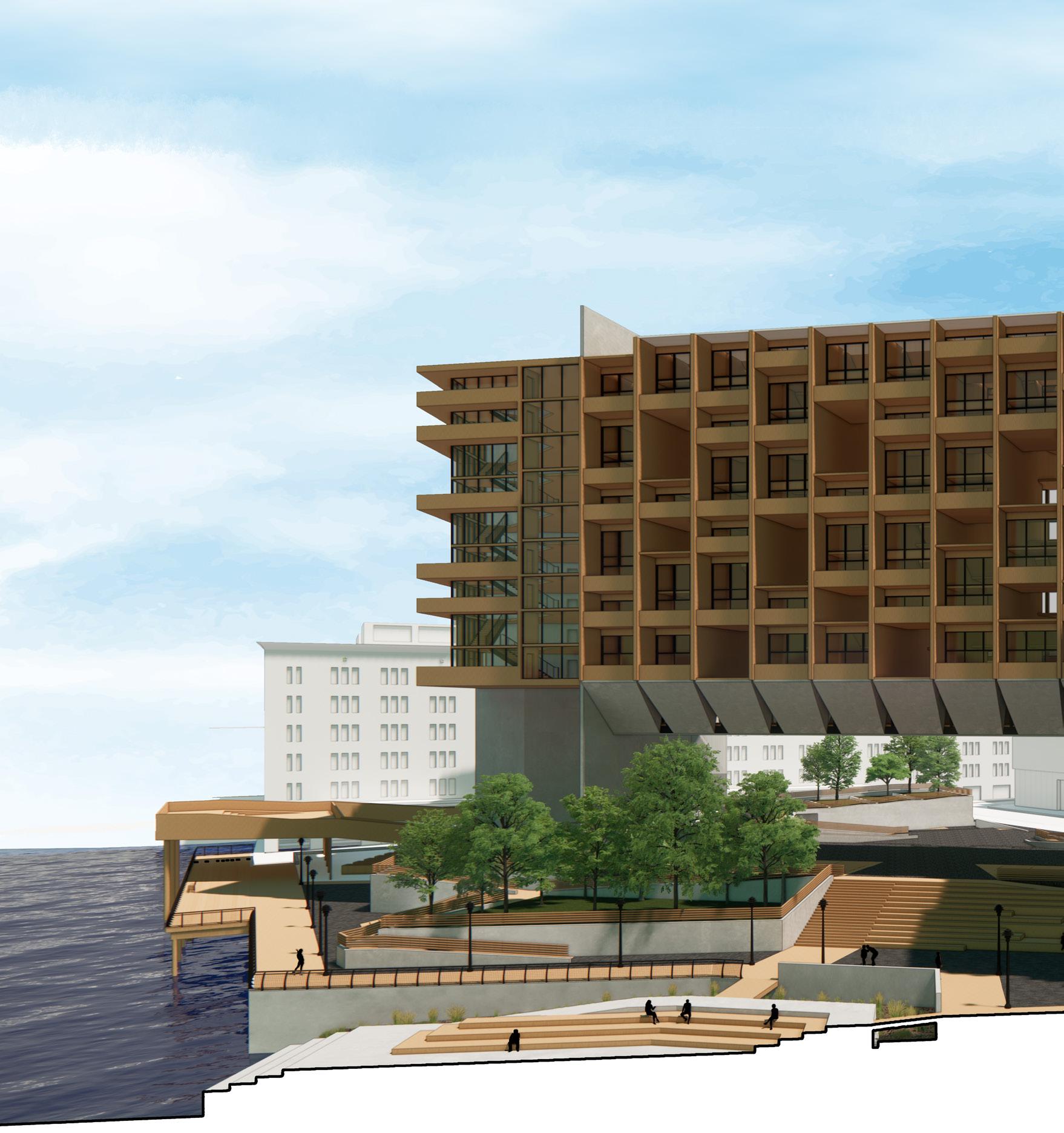
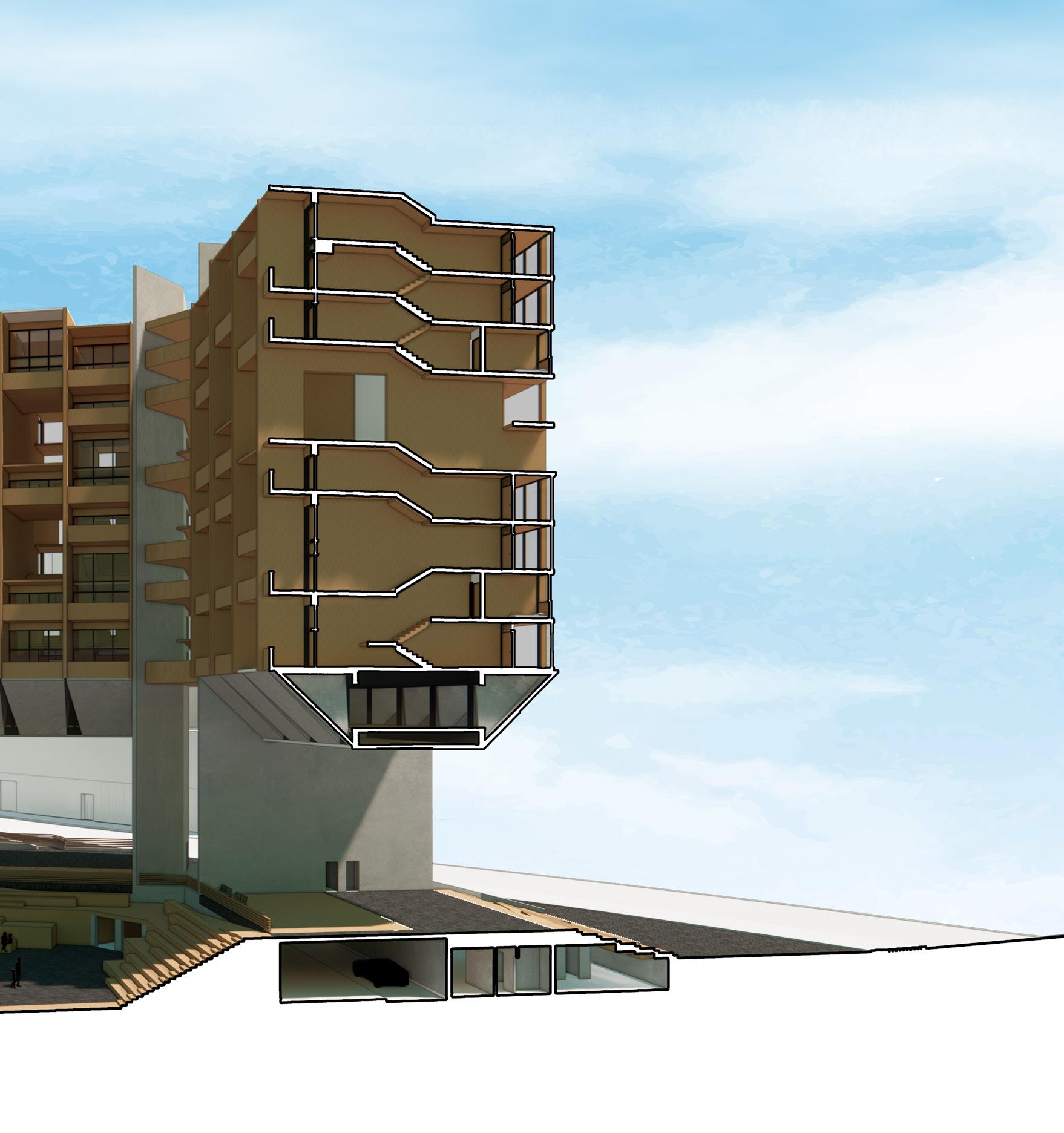
Williamsburg in Brooklyn, New York, is facing a period of rapid change. The deteriorating industrial lots along the East River offer prime real estate for the city to redevelop to public amenities and revitalize the public’s access to the river. New York has laid out a plan for the waterfront, but it is up to the developers and architects to reach a solution that serves the needs of the neighborhood. This multi-family residential proposal, addresses the need for public space by giving all the ground level to the public. At the same time, the design uplifts the experience for the residents by creating dynamic community spaces along a “street in the sky.” Once a resident reaches their own space, they receive unobstructed views of both the Lower Manhattan skyline and the historic Brooklyn townhomes.
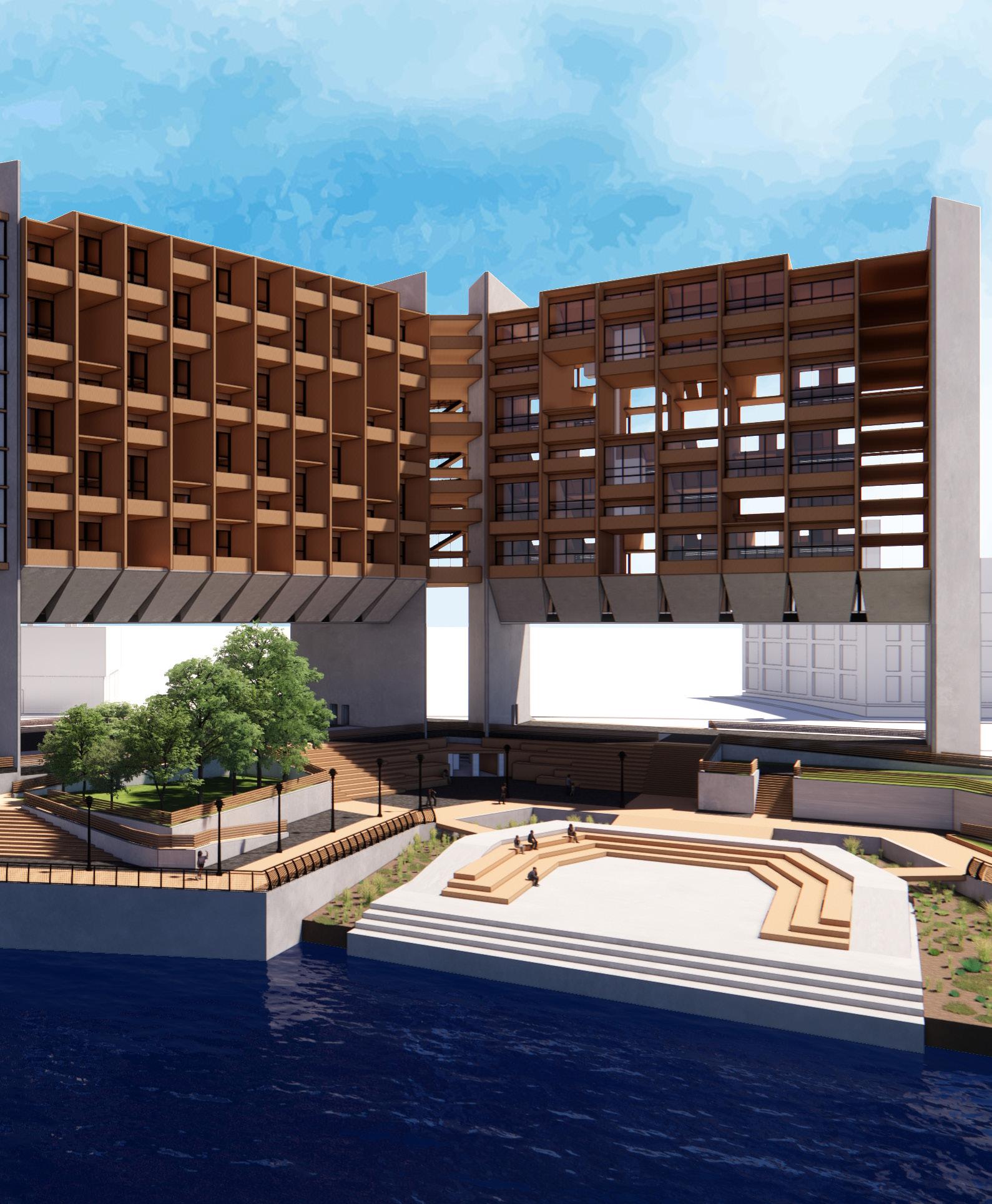
STREETS IN THE SKY, PARKS ON THE GROUND
Thesis Research Takeaways:


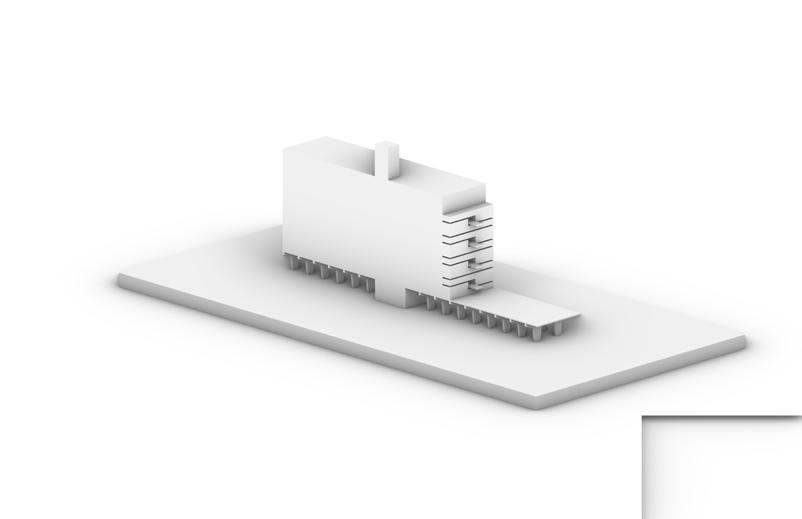
Bauhaus Vertical City, Hilberseimer
- Gave pedestrians their own space to freely move and interact
- Lacked a human-scale
Unite D’ Habitacion, Le Corbusier
- Complex relationships between units, but not to other programmed space
- Sacrificed the experience of circulation with double loaded corridor
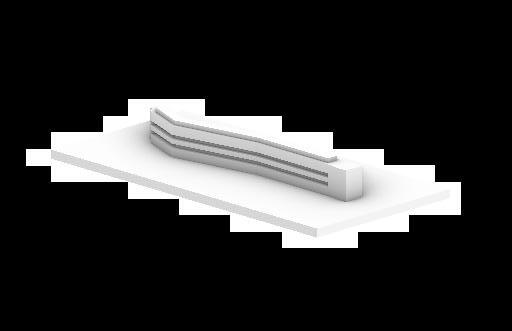
Robin Hood Gardens, Peter and Allison Smithson
- Conscious choice to make single loaded corridor wide and light-filled
- No programming of circulation space
RESEARCH CONCLUSION - Conceptual Section
- Uninterrupted ground plane
- Units are offered views of both sides
- Corridor interacts with community spaces on each level
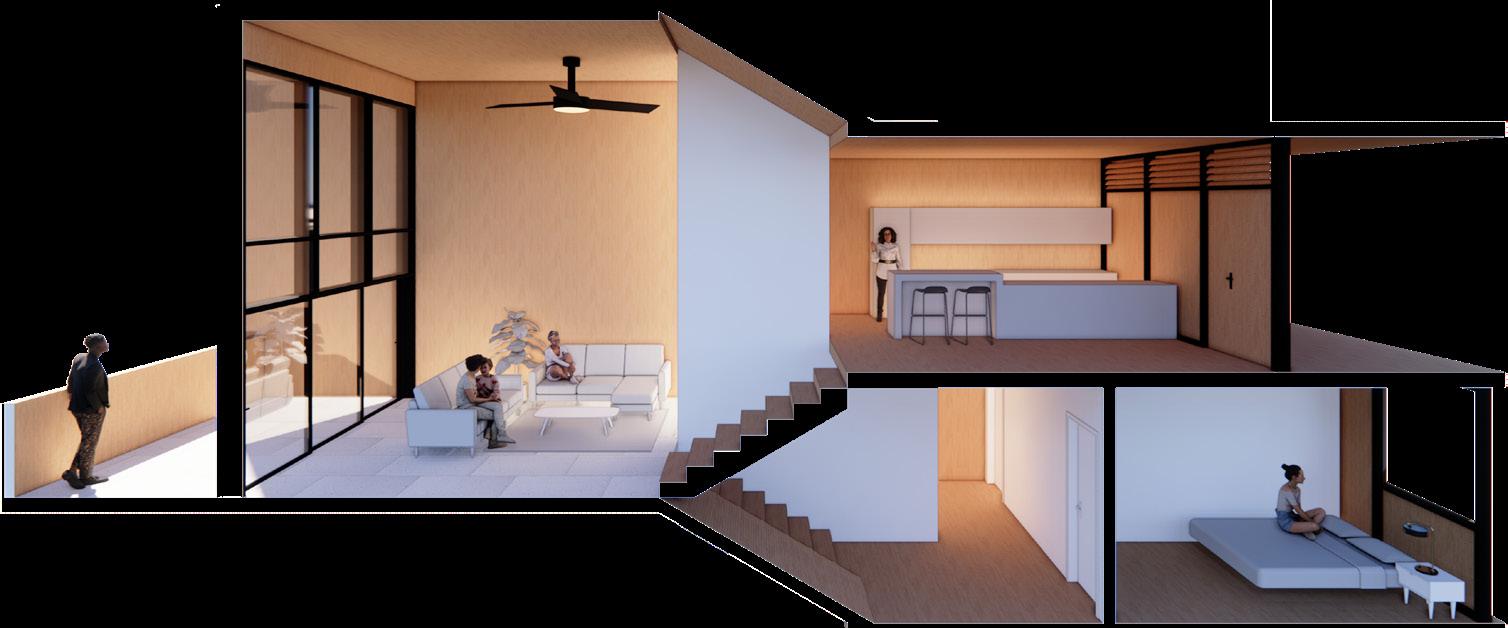
UNIT DEVELOPMENT
Unit Types:
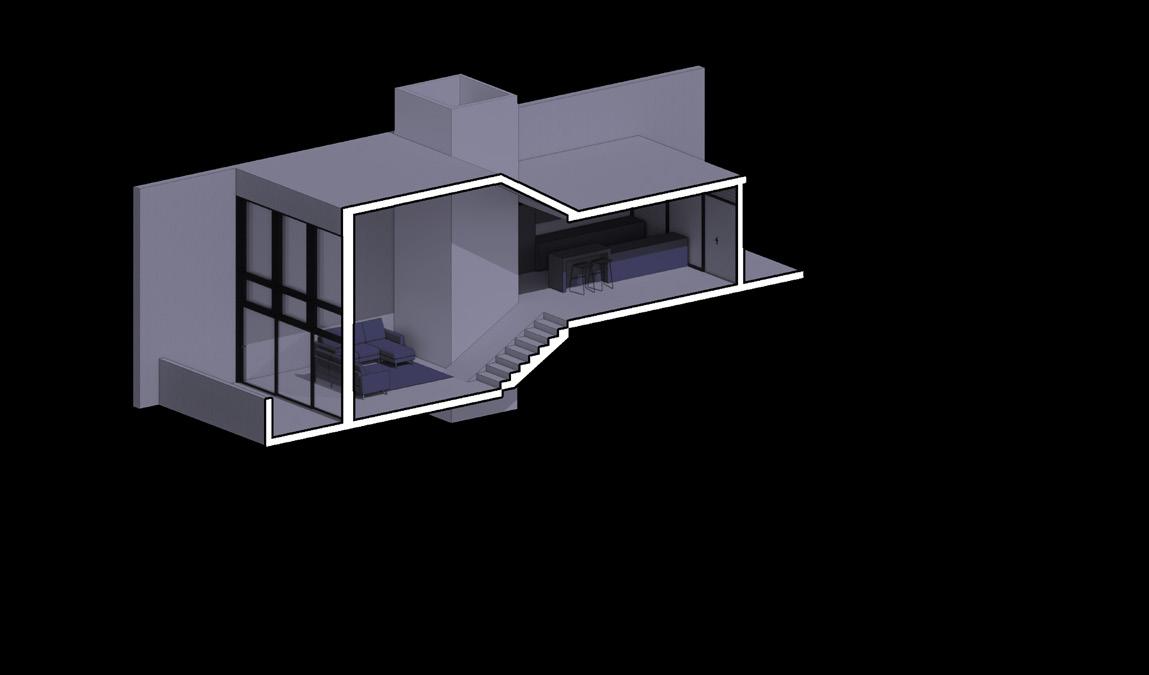
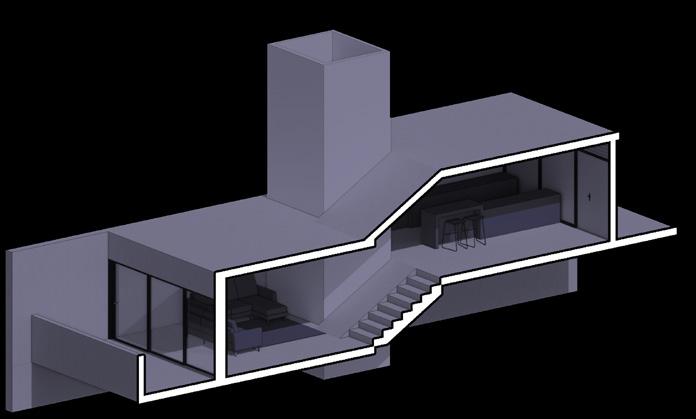
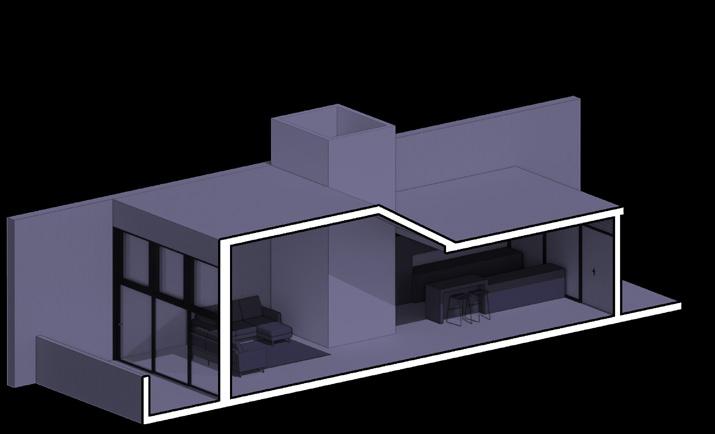
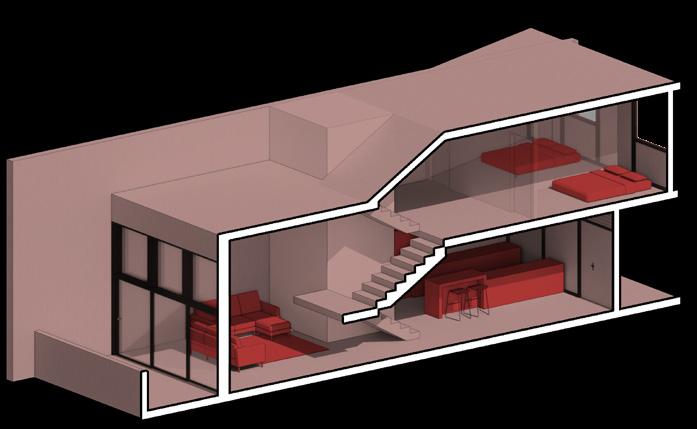
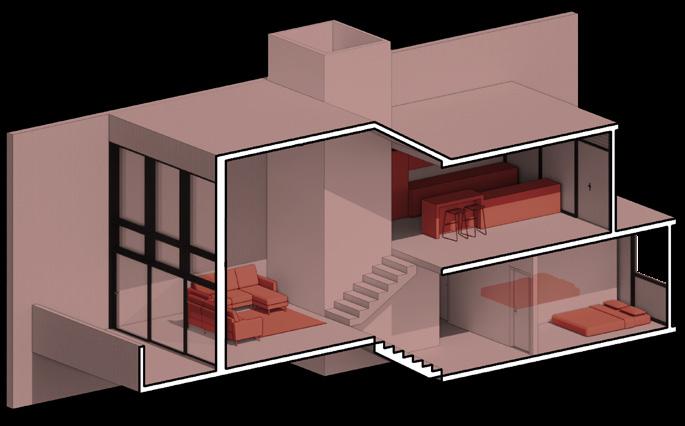
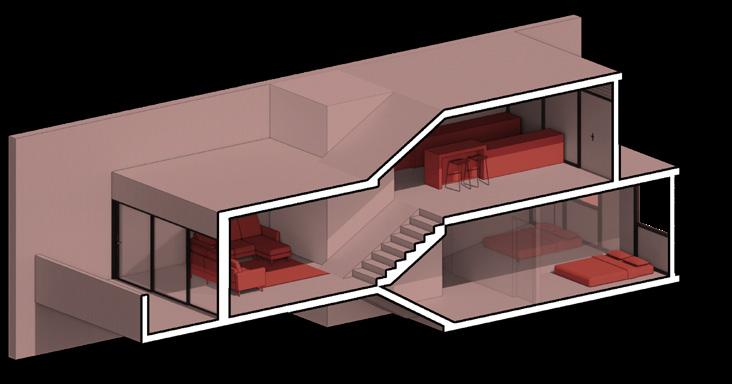
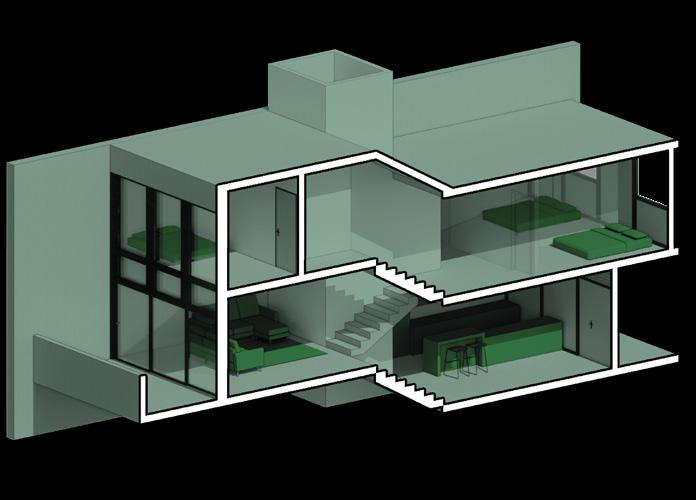
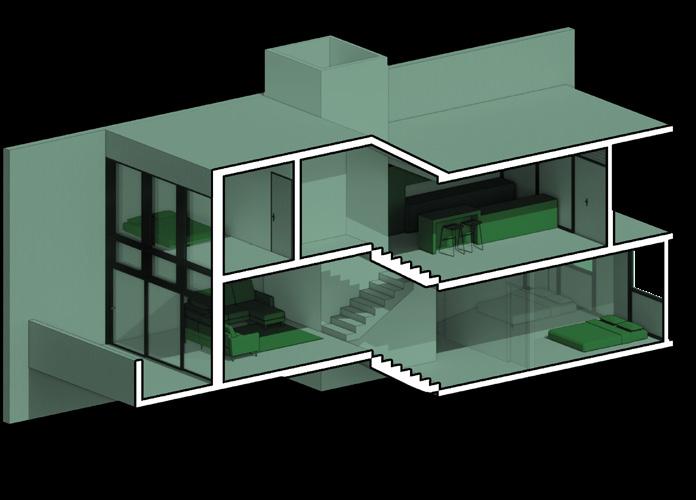
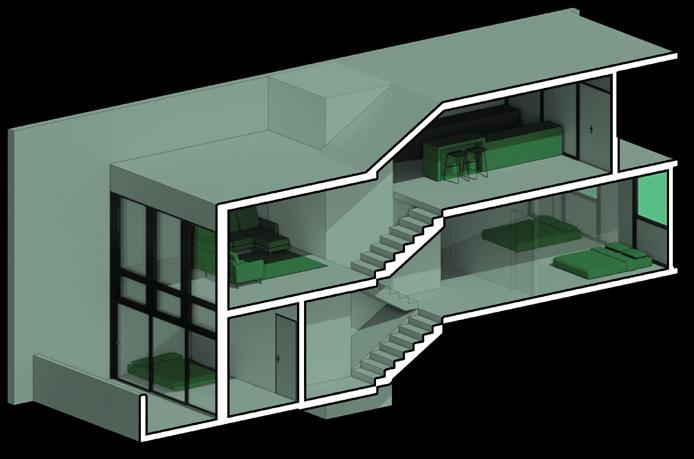
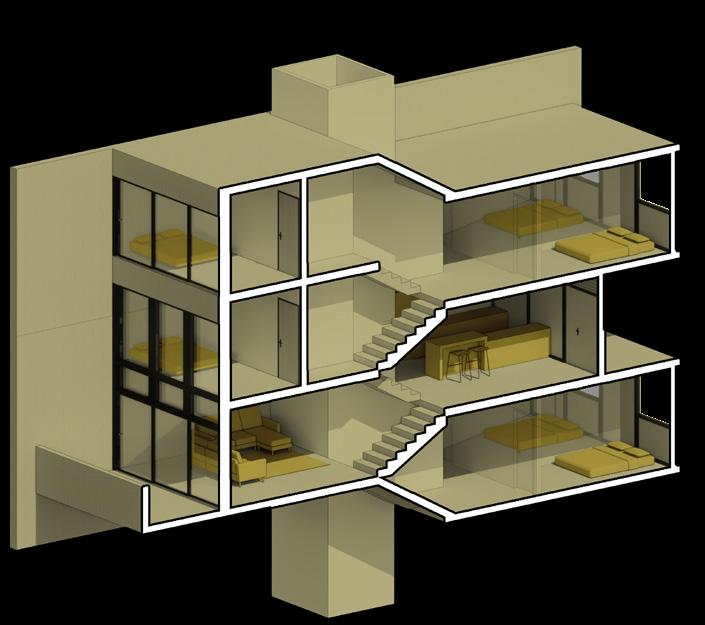
2-3 BED
UNIT DEVELOPMENT
Unit Configuration:
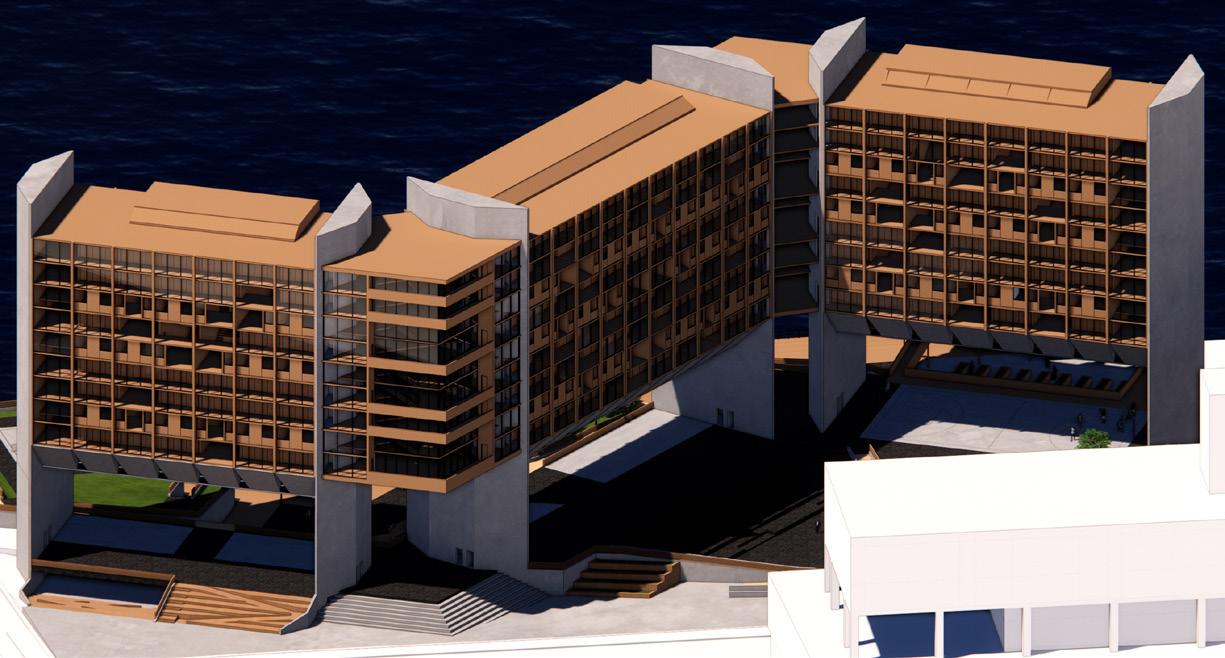
UNIT CONFIGURATION IN SECTION
UNIT CONFIGURATION ON FACADE
Unit Experience:
OVERALL VIEW OF UNIT
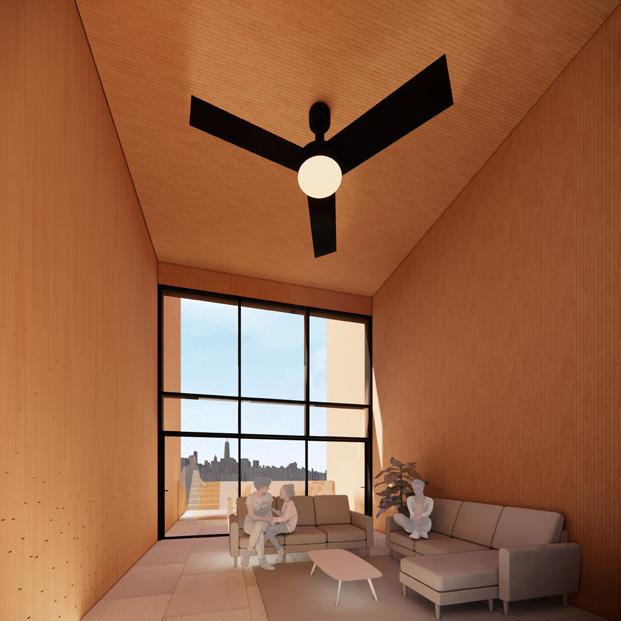
LIVING ROOM VIEW
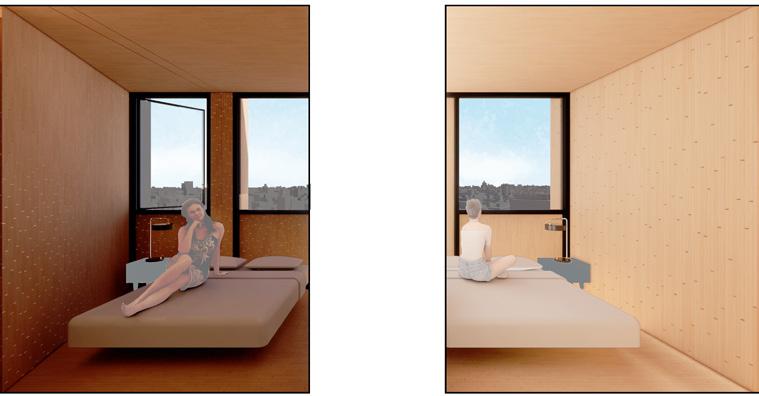
BEDROOM VIEW
FORMAL DEVELOPMENT



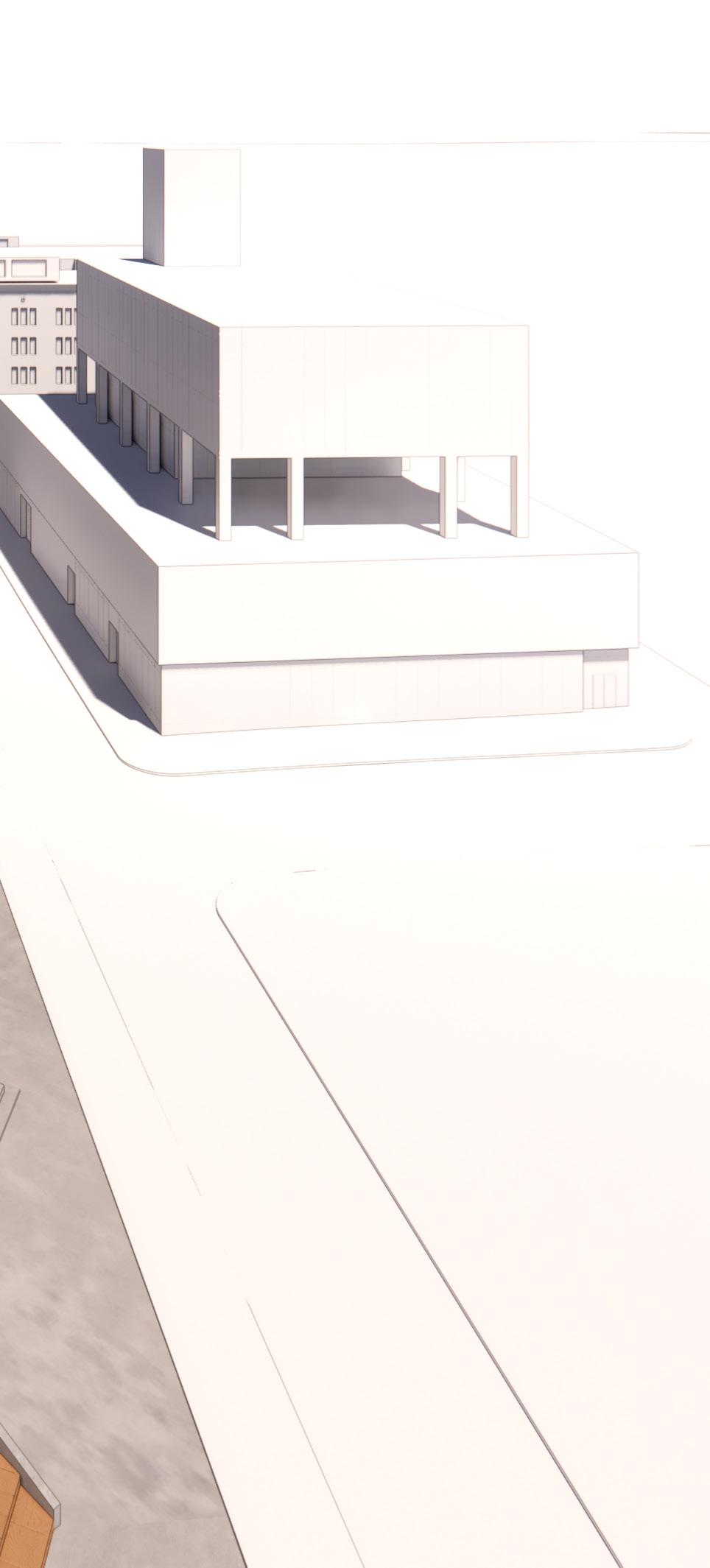
Typical Double-Loaded Multi-Family Housing Rotate To Key Views
Raise Off of the Ground Void Out Communal Spaces
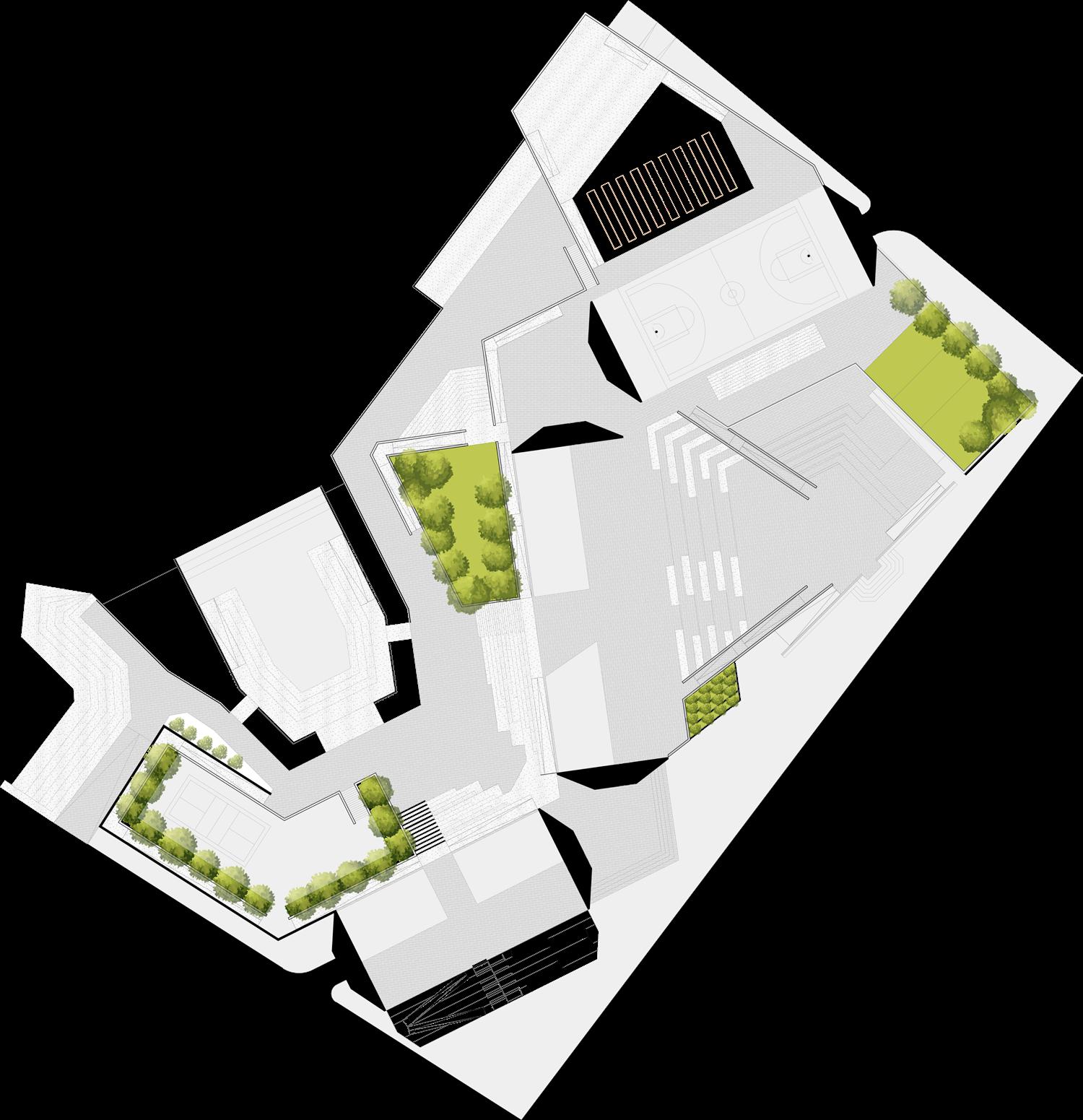
TYPICAL
PLANS
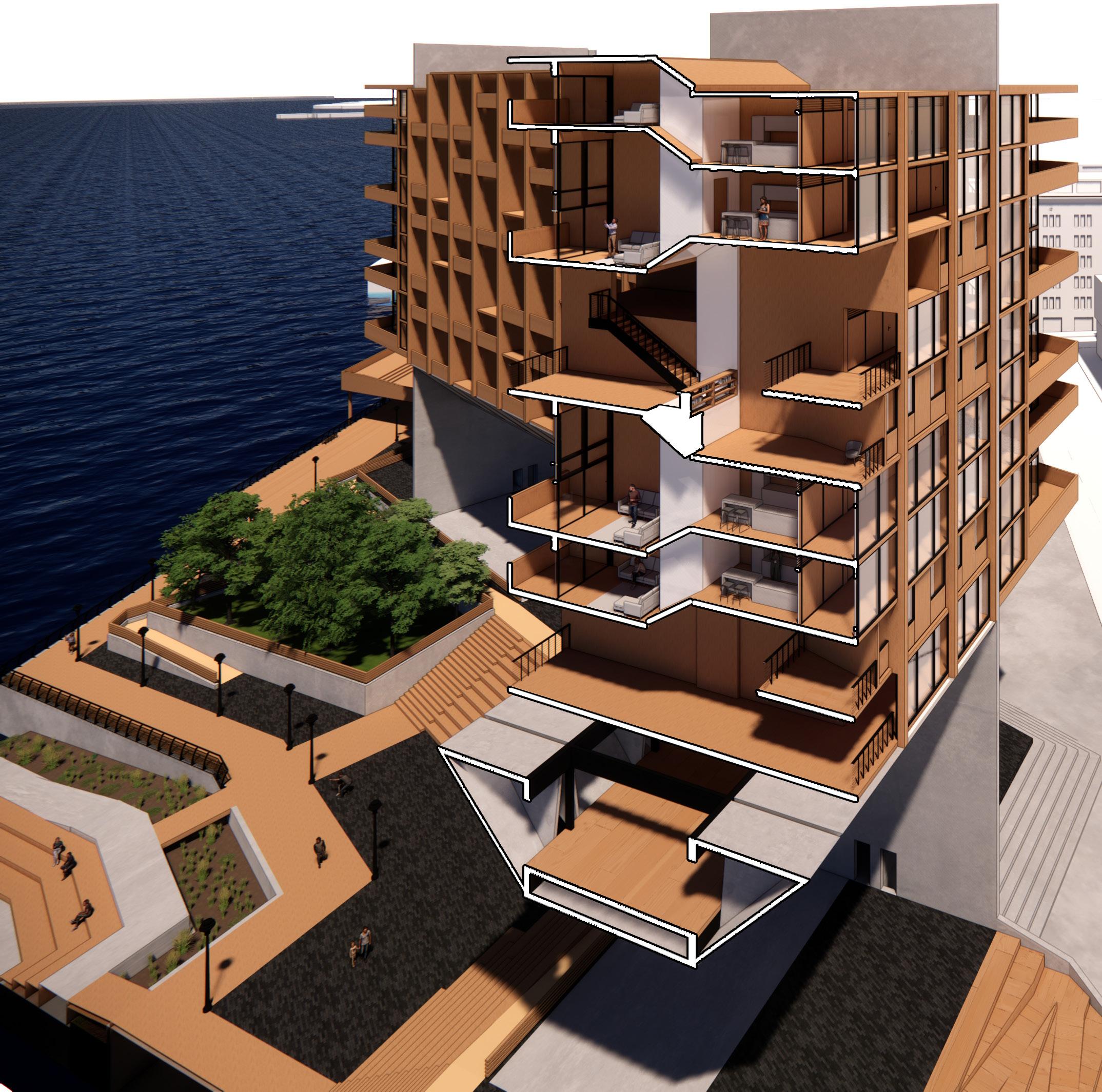
OBLIQUE SECTION THROUGH COMMUNITY SPACES AND UNITS
SERVICE CORE WITH CHAISE
COMMUNITY SPACE- LIBRARY
BEDROOM FACING BROOKLYN
KITCHEN/ENTRY
COMMON CIRCULATION
MEZZANINE
COMMON CIRCULATION
TRUSS LEVEL - WORKOUT SPACE AMPHITHEATER
READ THE CITY
Branch Library and Community Center
Semester: Fall Architectural Design Studio 7
Year: 2022
Location: Manhattan, Kansas
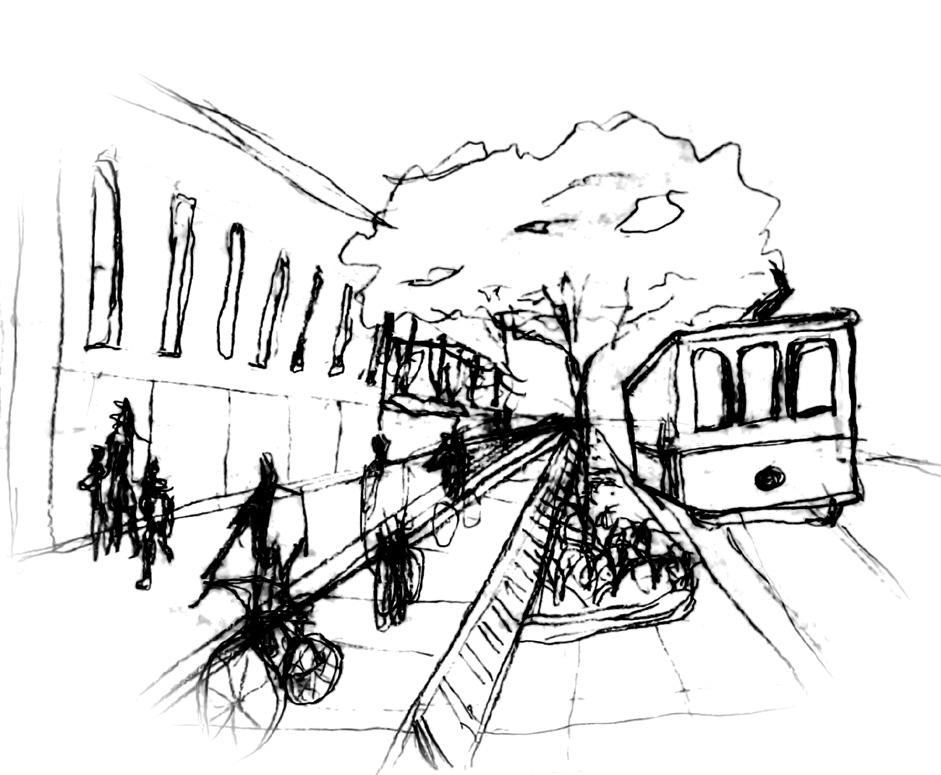
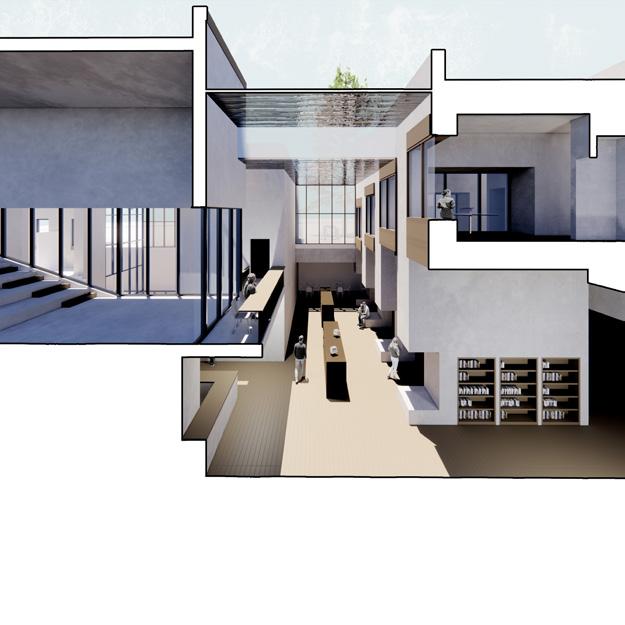
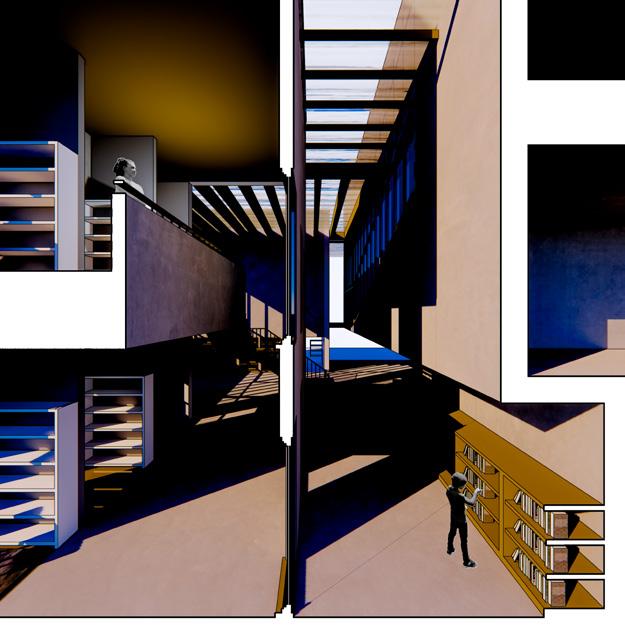
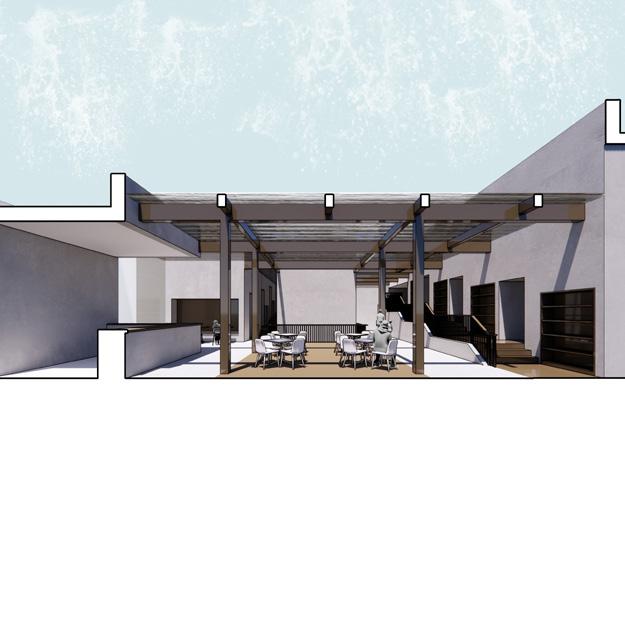
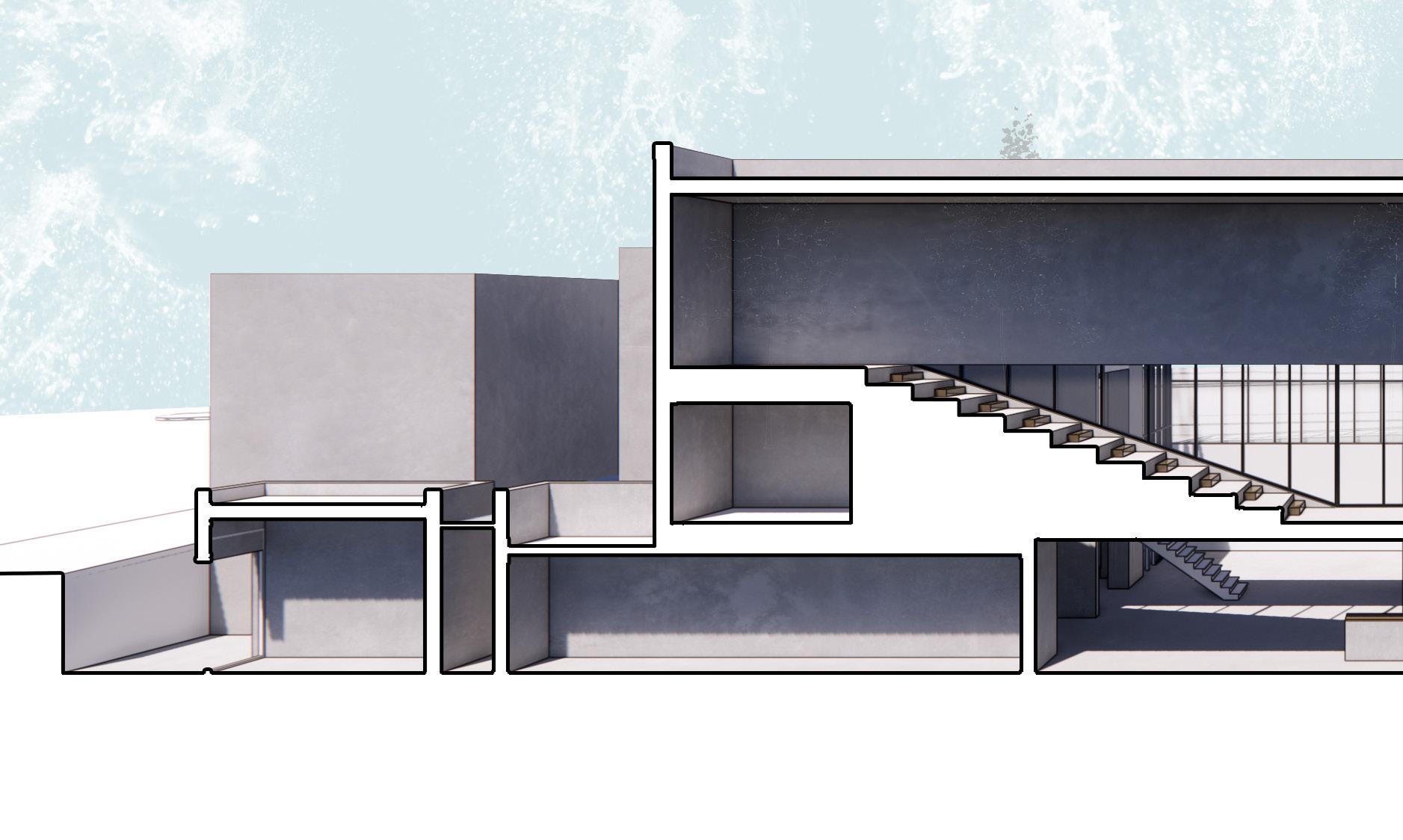
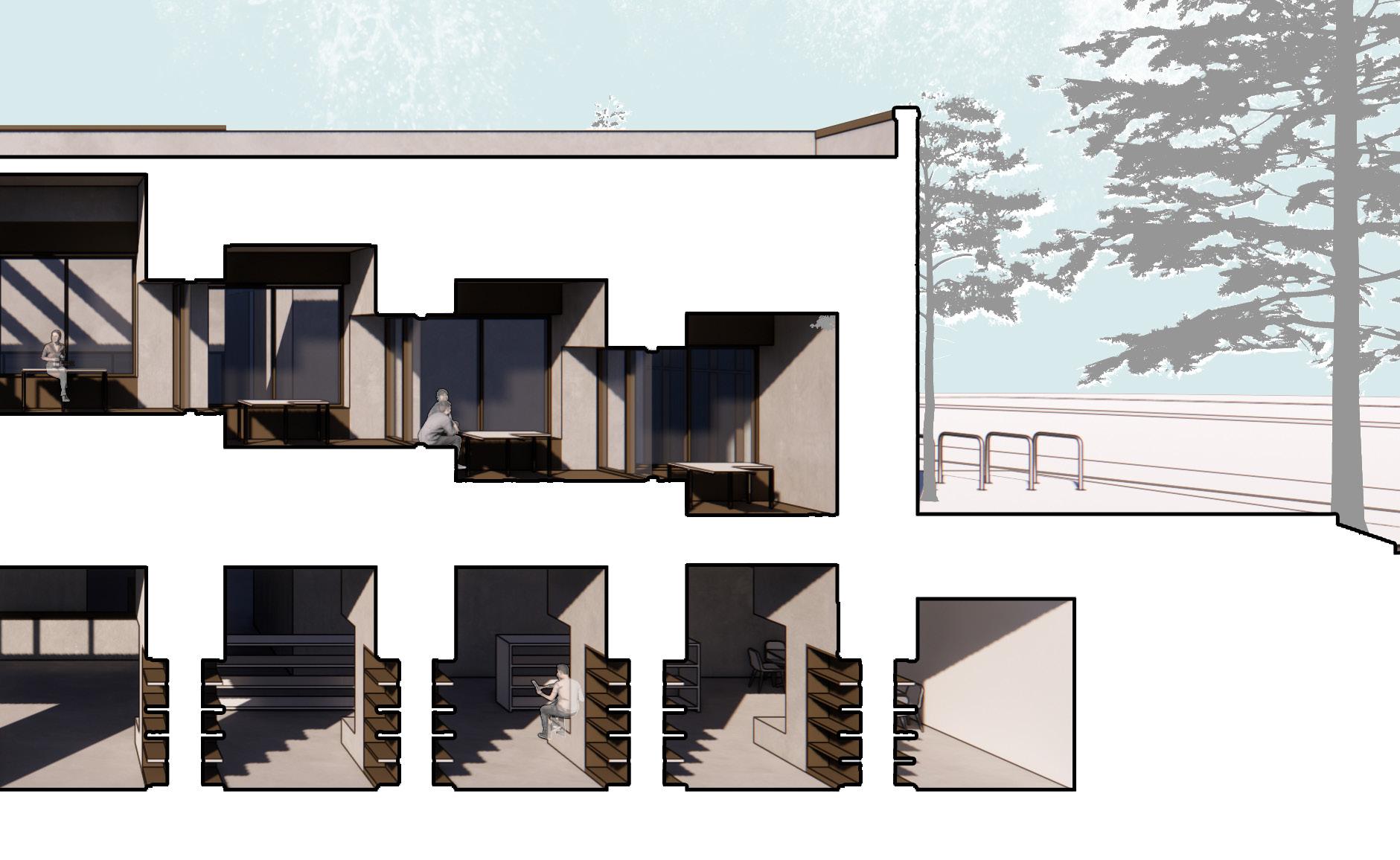
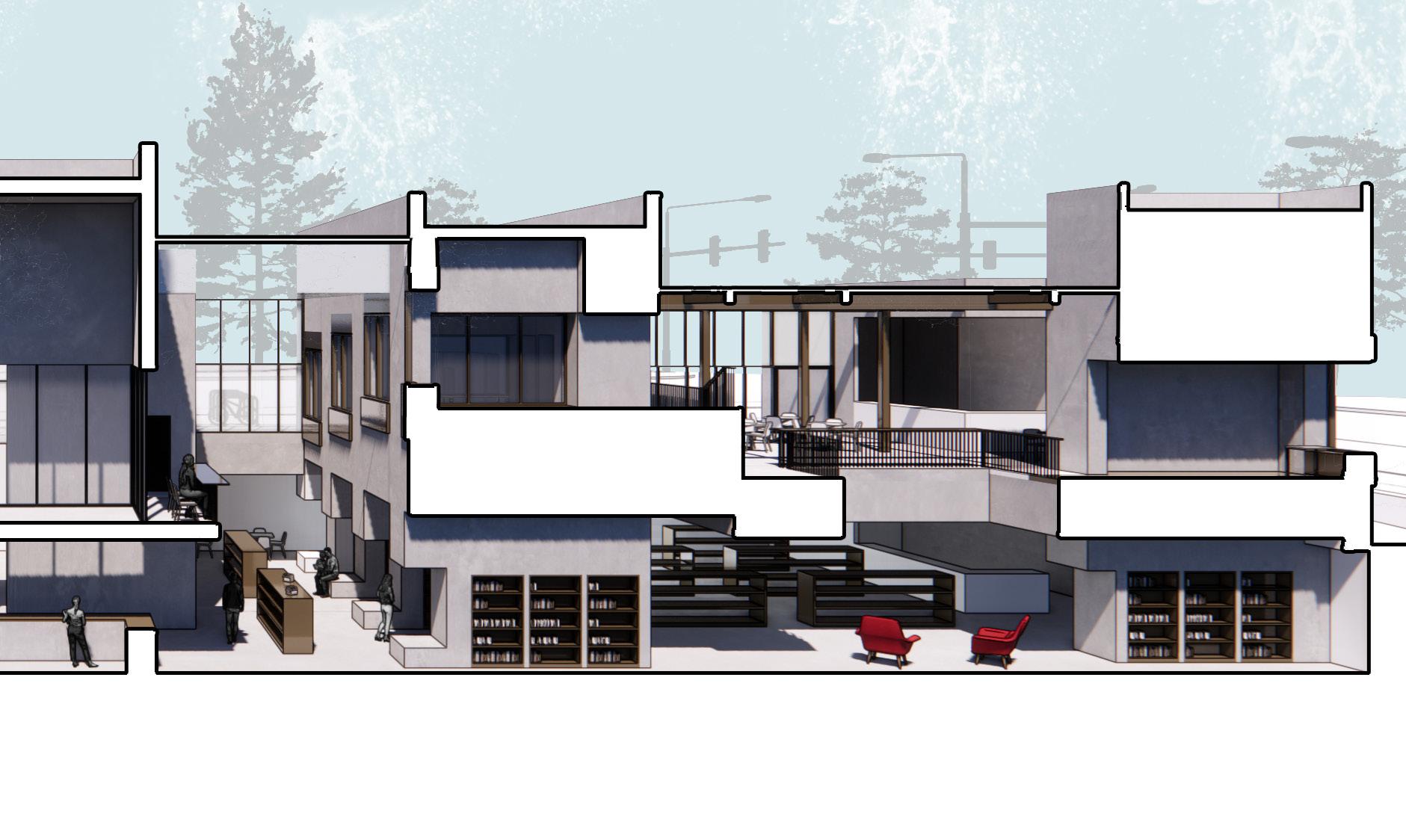
The west side of Manhattan, Kansas leaves a lot to be desired. The new-age library provides the perfect opportunity to fill the void. Libraries inherently take on the form of public space because they are a public resource, but what if the library addressed public space in the same way our best cities do? In this proposal for the west branch Manhattan Library called “Read the City” the library takes on an urban form where the users can connect and supervise while they focus and play. To connect and supervise, this library will employ a similar thought process to that of Jane Jacobs’s theory, “eyes on the street.” Jacobs proposed that cities would be lively and safe if there were densely organized spaces and places for people to interact and have random encounters with each other. In this design proposal, people using their space would have the chance to look across and move across varying sizes of voids to others using the library in their own way.
FORMAL OPERATIONS
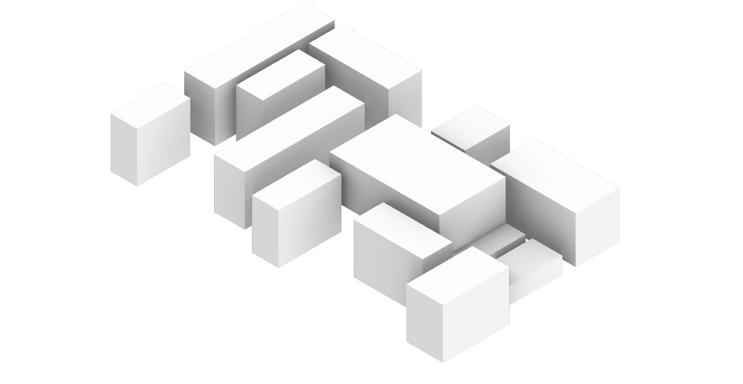
PLACE PROGRAM IN MASSES
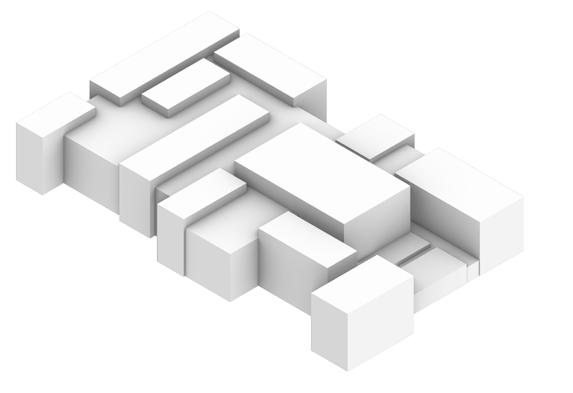
LINK BETWEEN
MASSES
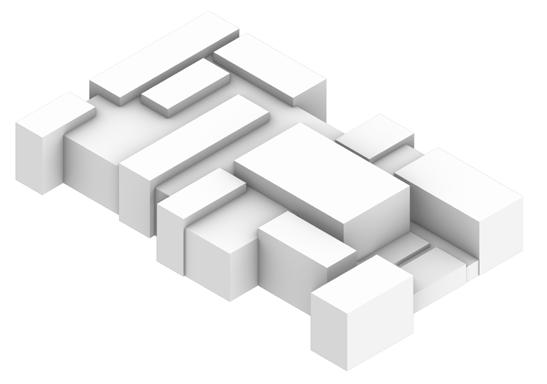
OPEN UP LARGE PUBLIC
AREAS
CONNECT INTERACT
SUPERVISE COMFORT
FLOOR PLANS
SECTION PERSPECTIVE A-A
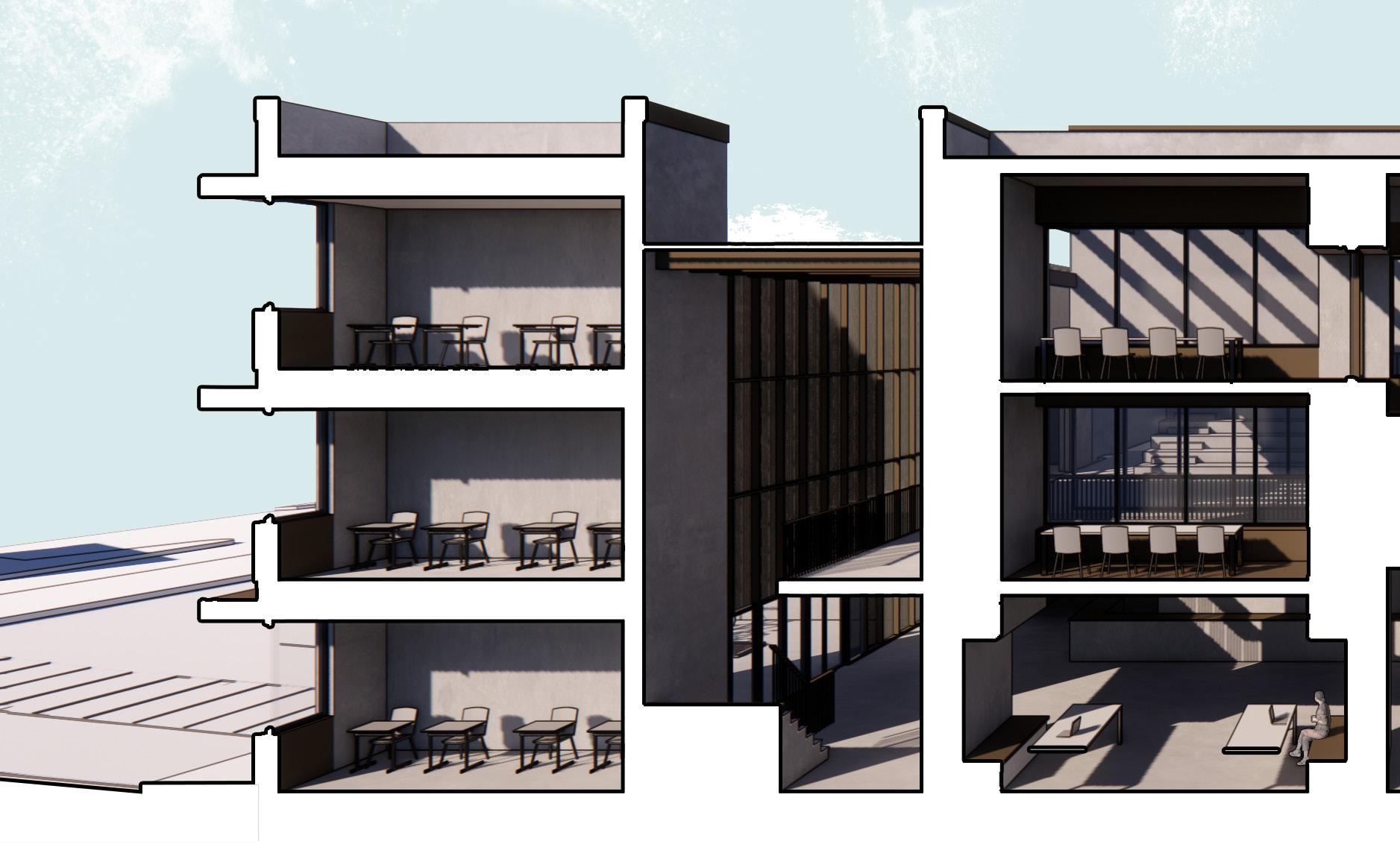
SECTION PERSPECTIVE B-B
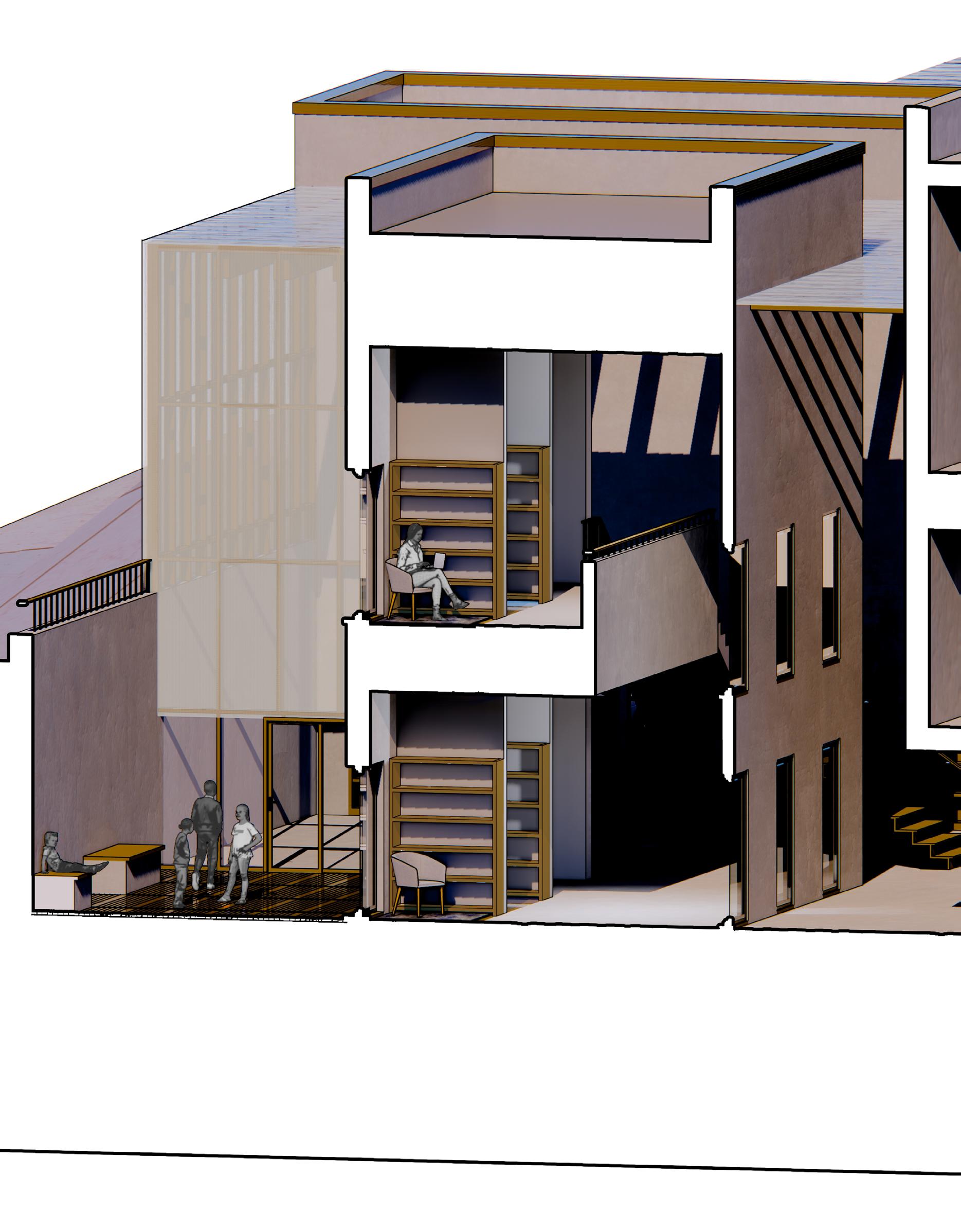
CAST IN PLACE CONCRETE
POLYCARBONATE PLASTIC
MEZZANINE READING NOOK
READING NOOK
OUTDOOR LEARNING ZONE WITH RAISED DECK
RETAINING WALL
VISAGE
Domestic Violence Co-housing
Semester: Fall Architectural Design Studio 5
Year: 2021
Location: Topeka, Kansas
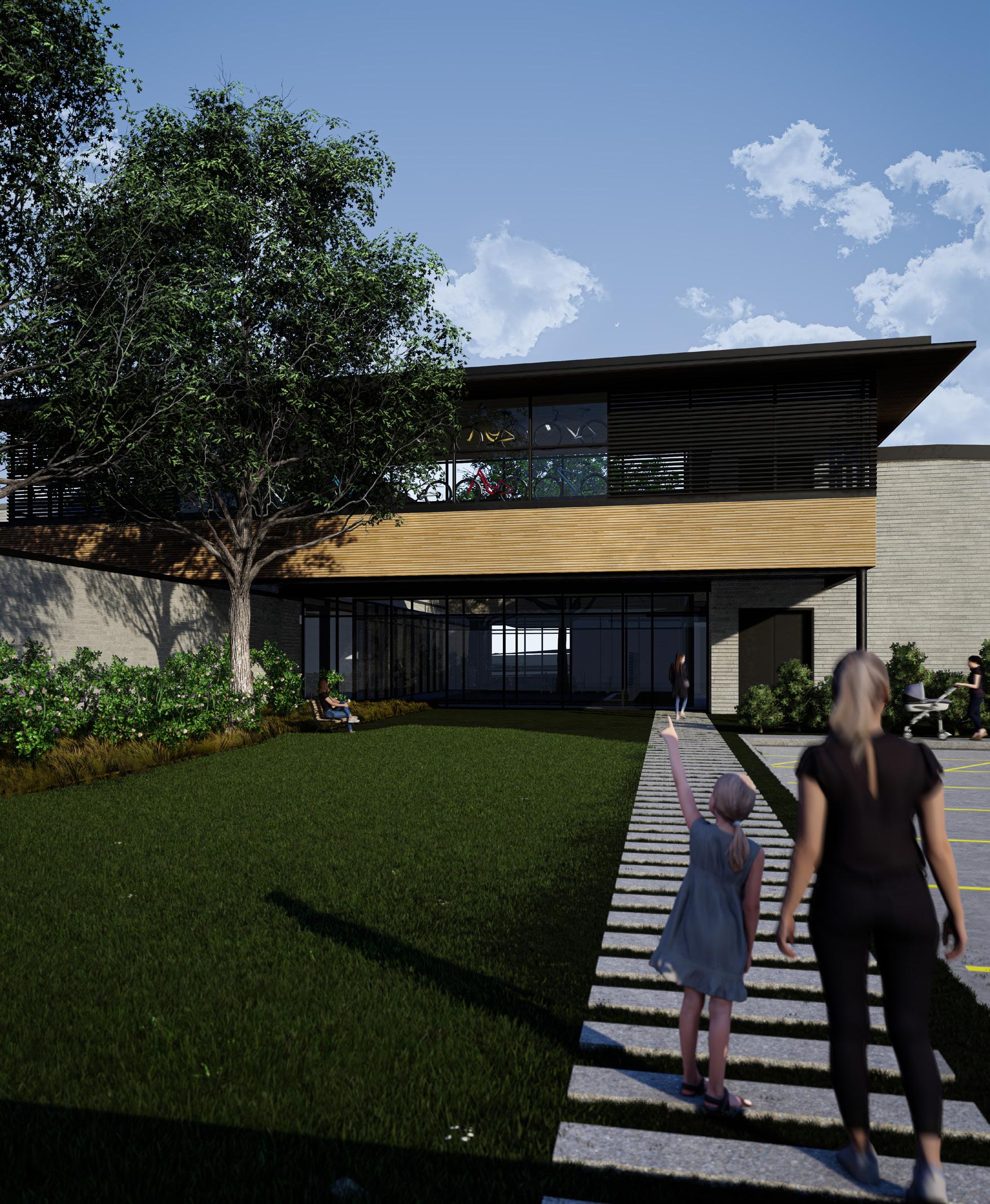
Visage is the ability to recognize one’s face. For two reasons, this is important when considering the design for a center that houses domestic violence survivors. One reason being the survivor’s ability to recognize their surroundings and being able to comfortably control their own sight line. The other reason is the ability to recognize your facilitator’s and neighbor’s face and make genuine, long term relationships. This proposal incorporates visage into a co-housing facility where survivors get to re-imagine a peaceful and social lifestyle.
STARTING SITE
The site of the project is a quiet, suburban residential neighborhood with the busy 6th Ave. running north of the site. Most options for transportation come by bus or car. There is a large, open green space to the south of the site.
VISUAL CLARITY
A visual axial connection from the parking to the entry to a large courtyard allows users to be drawn into a welcoming building. The courtyard becomes the main wayfinding element of the project.
ENCLOSURE
Enclosure is a crucially important response to safety in this scheme. Both the mass of the building and the surrounding site are subtracted from to create a protected, enclosed area for the residents.
ERODE CORNERS
Additional outdoor spaces are offered on the second level. This allows for another degree of separation from the general public, but still offers opportunities to gather in an unenclosed space.
PROGRAM ORGANIZATION
The program organization is a resultant of the entry sequence and courtyard. First you pass under the “Trip Maker” space where the community is taught to repair and maintain different modes of travel. Since the focus is on the void that lies ahead, solid service spaces become the threshold before entry. The community program on the first level is focused inwards to the courtyard and the residences have elevated views inwards and outwards.

KID FRIENDLY SKYLIGHT
Kids are given the opportunity in a specialized skylight to daydream under blue skies or count the stars as they fall asleep
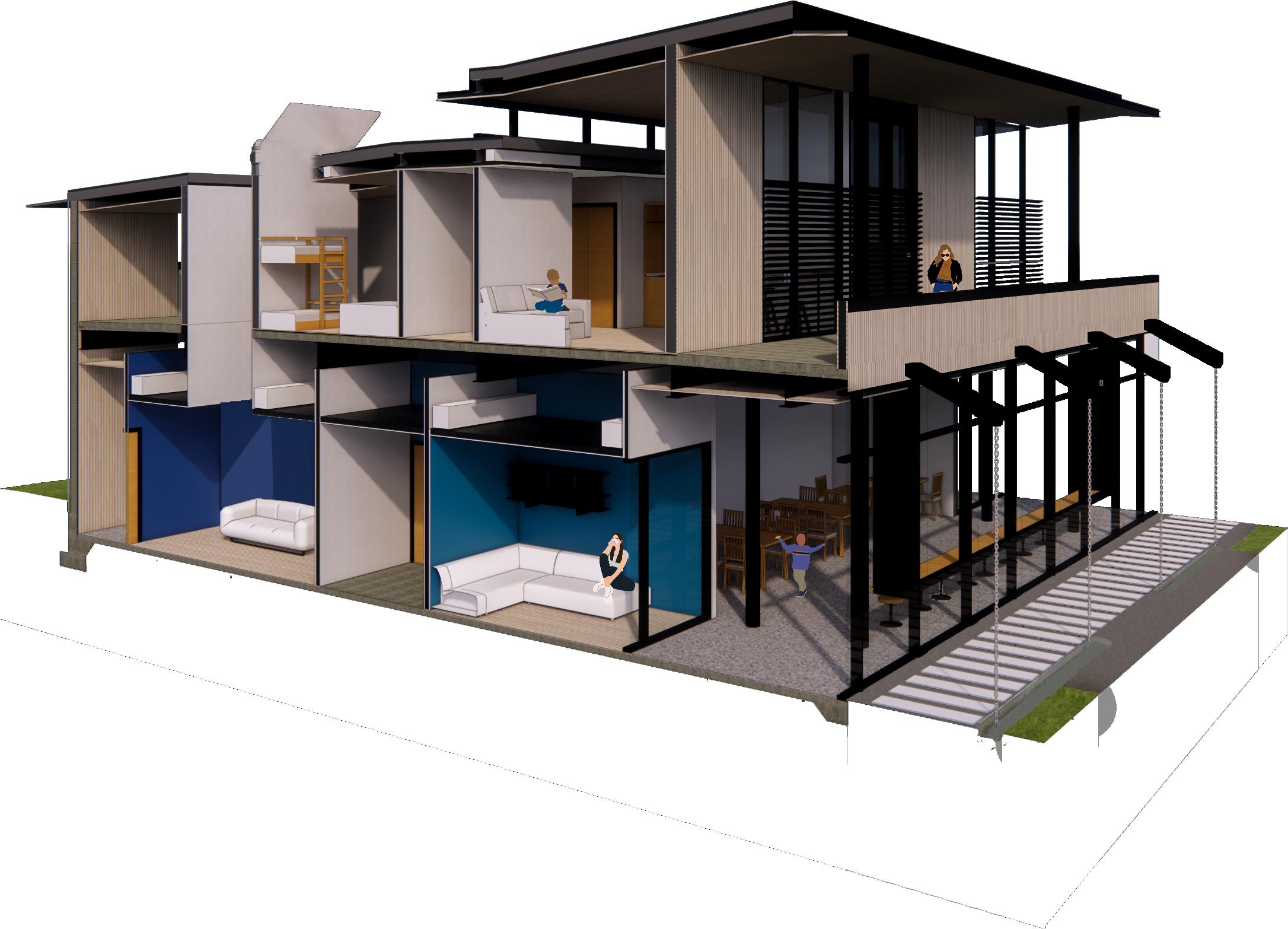
SECTION OF LIFE WITHIN CO-HOUSING
STANDING SEAM ROOF SYSTEM
STEEL COLUMN SHADING/PRIVACY SLATS
WOOD CLAD RAILING
3” CAST IN PLACE CONCRETE ON METAL DECK
GUTTER
RAIN CHAIN
HANGING TABLE TO FRAME COURTYARD
WALL DETAIL THROUGH DINING AND COURTYARD
THICKENED CONCRETE SLAB
SLIP AND SCORE
Ceramic Studio and Artist Residency
Semester: Fall Architectural Design Studio 3
Year: 2021
Location: Manhattan, Kansas
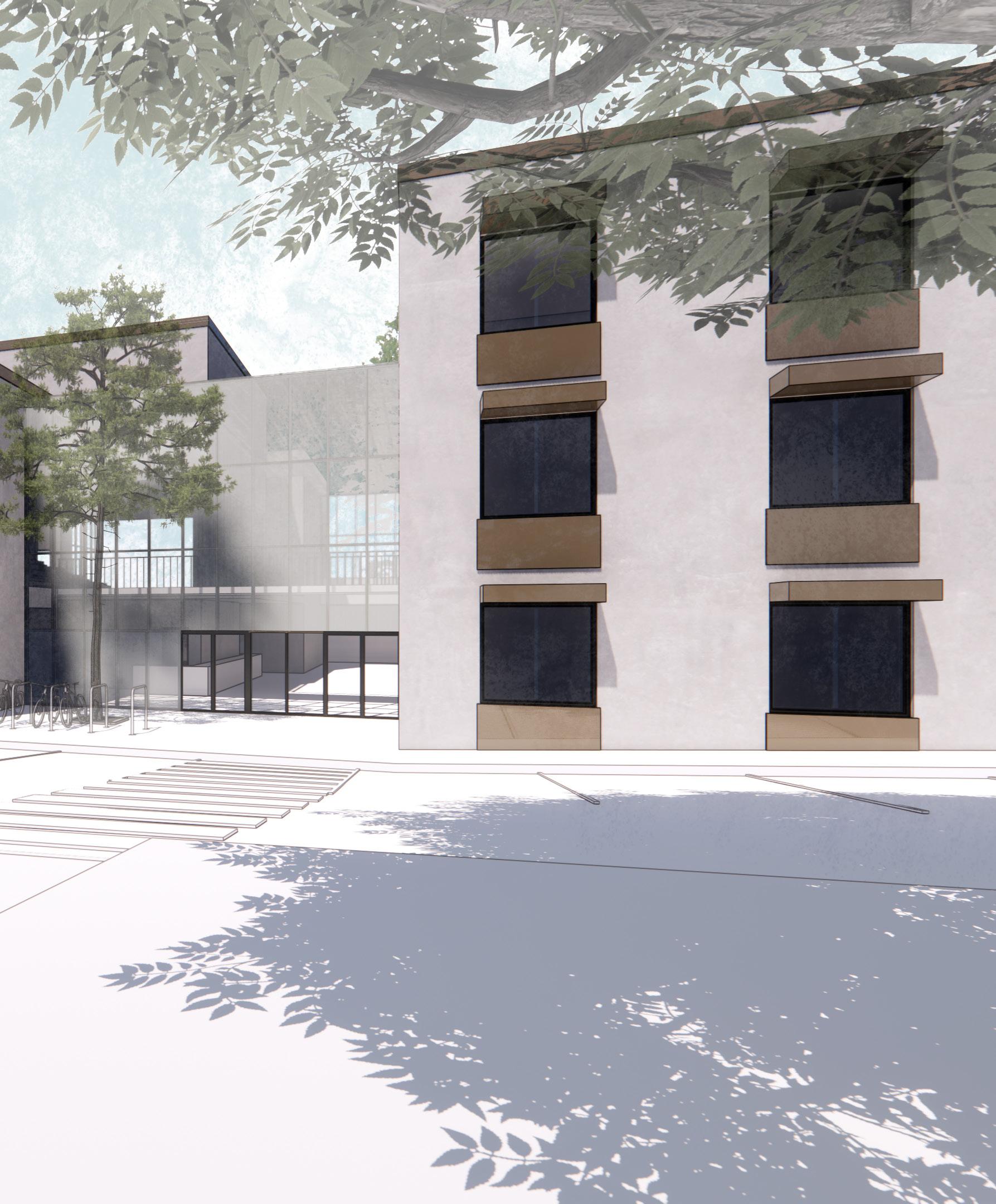
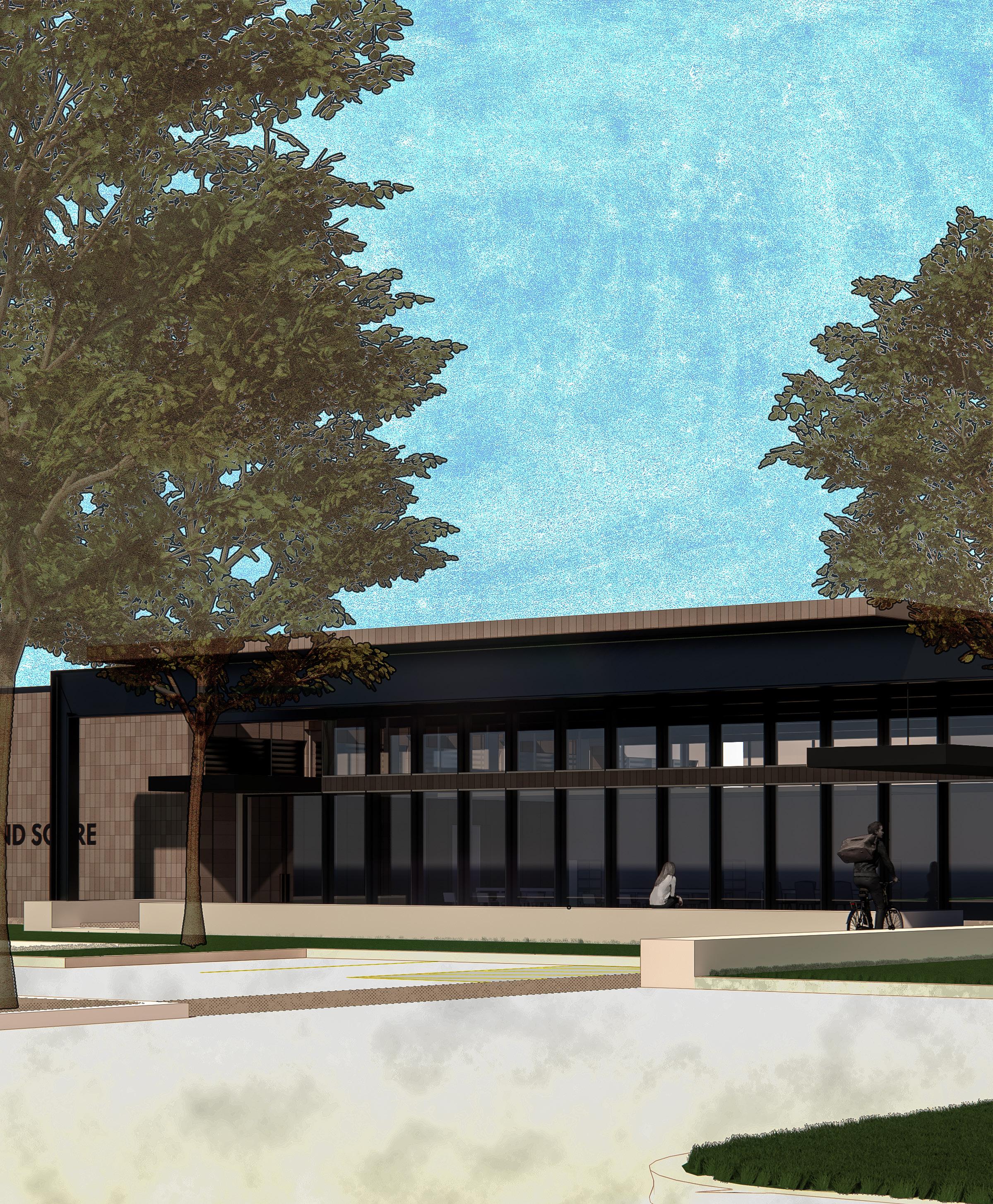
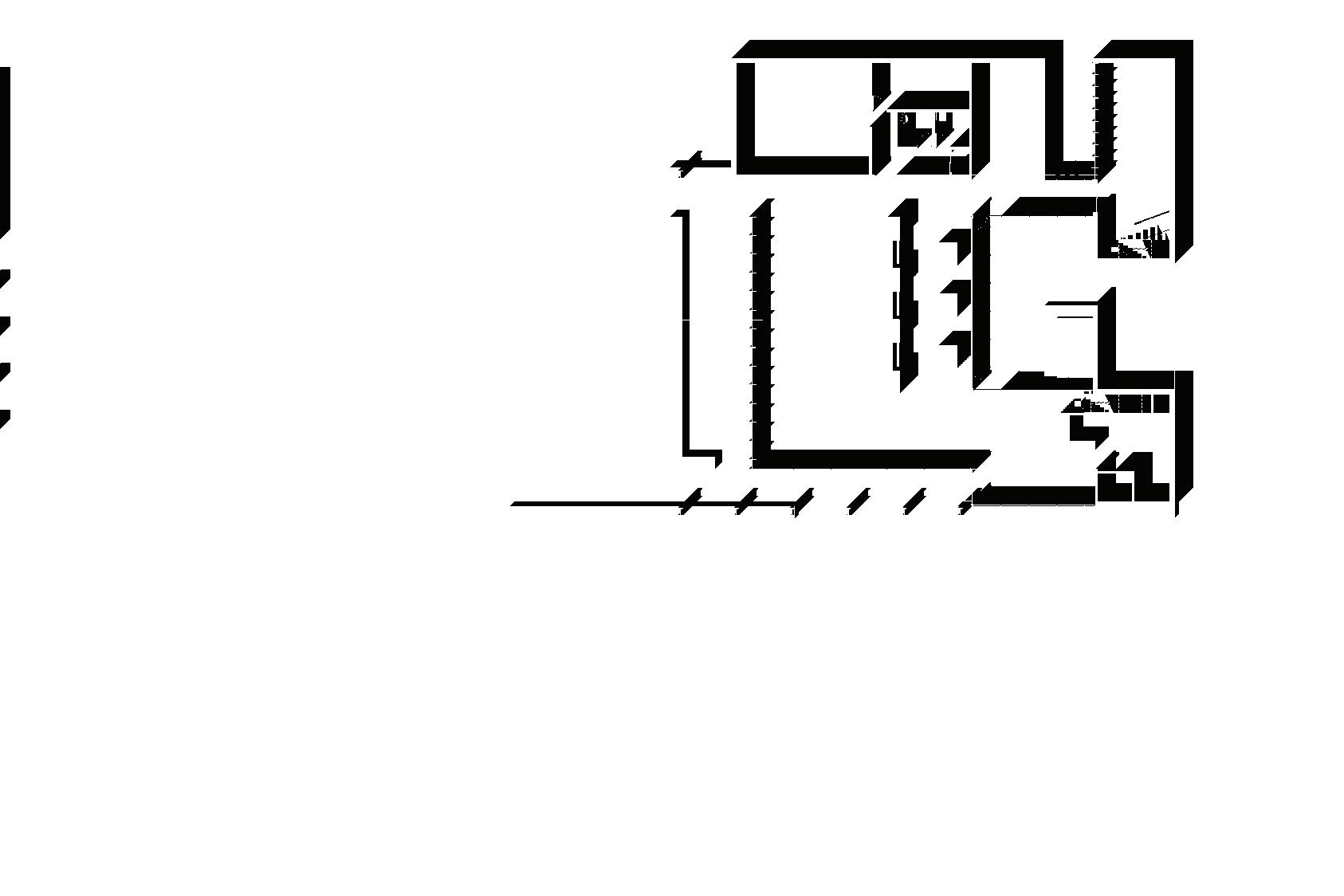
When molding clay, a crucial method to mend two separate pieces together is to use a clay slurry “slip” to receive a scratched up “score”. Similarly, when paying homage to the existing structures it is important to incorporate old and new. In “Slip and Score,” the new ceramics studio and residency incorporates walls of an existing art studio in Manhattan. The existing walls become a focal point where artists can display and exhibit their work. The rest of the building pinwheels around outdoor spaces to bring light and air to the primary spaces.
Masses are situated tangent to existing walls to respect in-place community murals.
Primary work space intersects the existing walls to allow users to interact with the old.

Exterior spaces break up the masses to draw the user in to the center.
A roof datum is pulled from the existing building to direct movement.
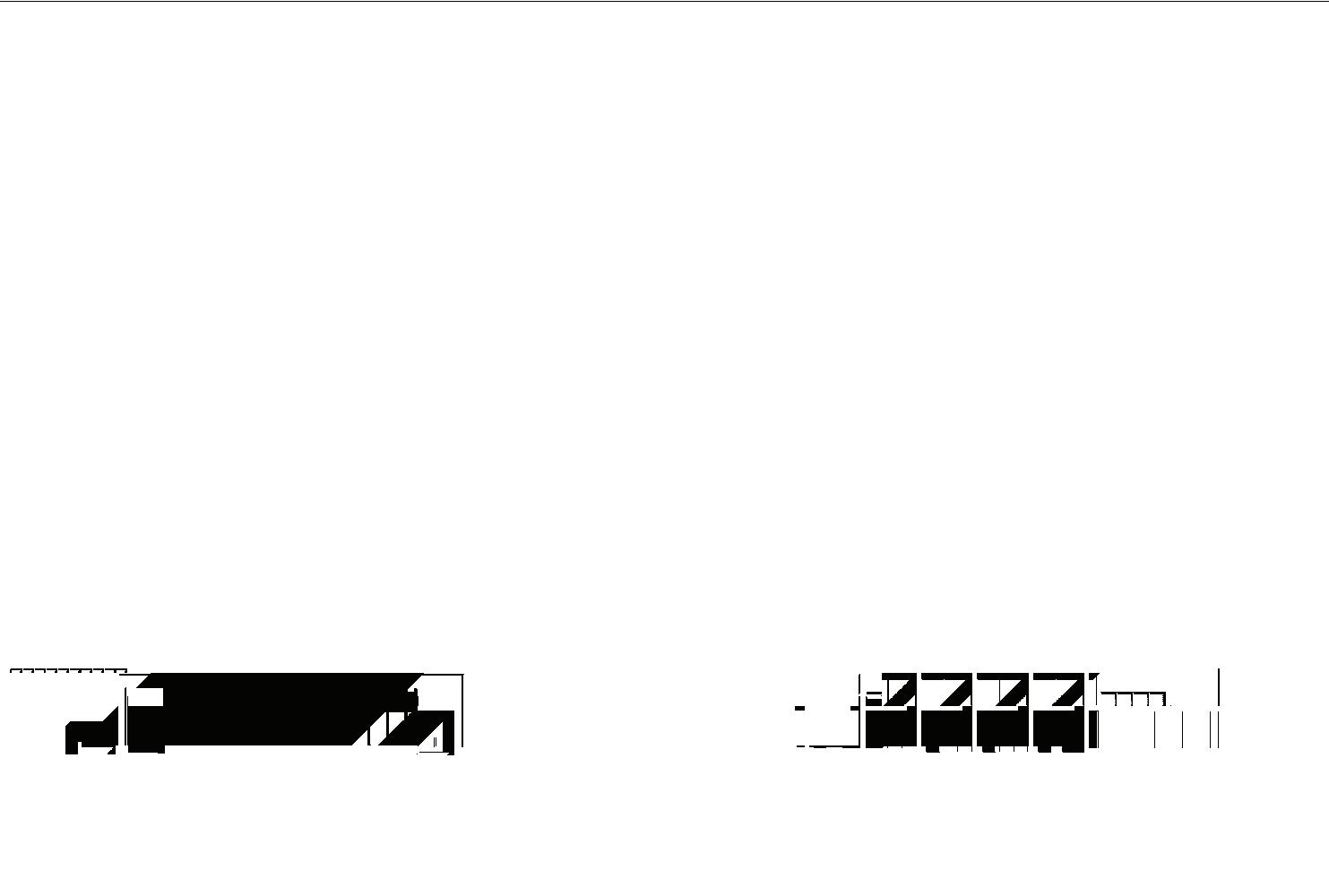
SECTION A-A
SECTION B-B
AERIAL AXONOMETRIC VIEW
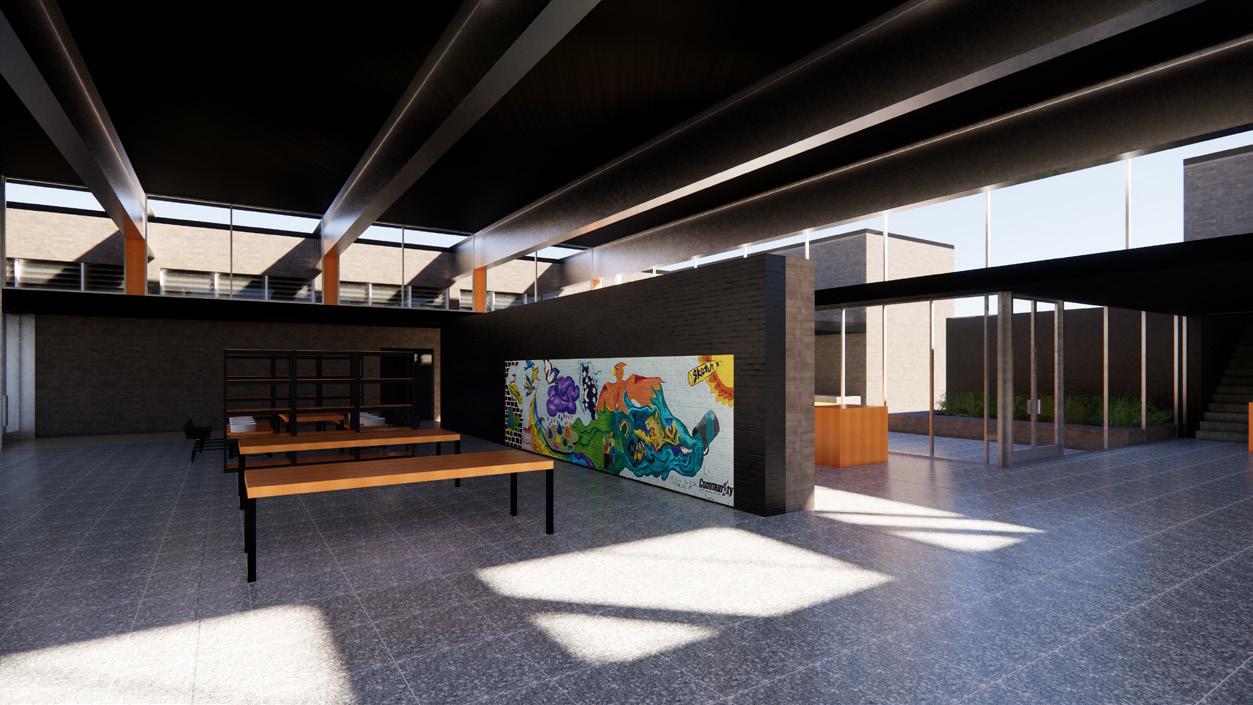
CERAMIC STUDIO SPACE
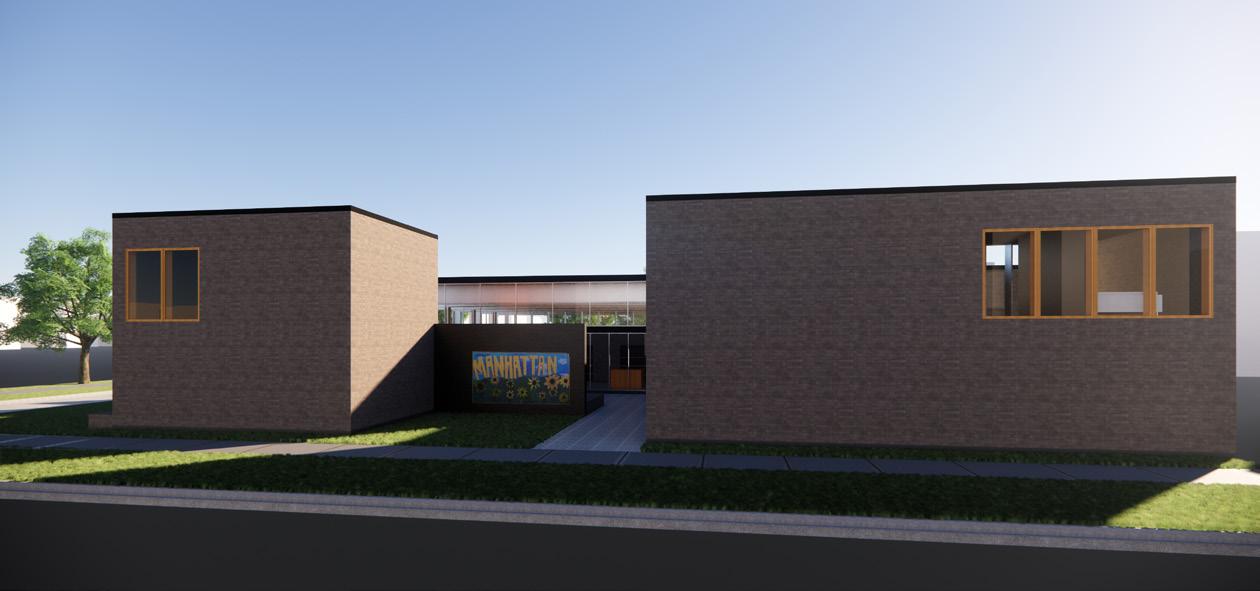
ENTRY FROM 15TH STREET
PROFESSIONAL WORK
DxU Architects
Year: Summer 2023- Summer 2024
Location: Chicago, IL
As outlined in my CV, my professional journey in architecture has been enriched by a series of internships, each offering priceless mentorship and practical experience. Over the course of my past three internships, I actively engaged in various facets of architectural practice, including drawing production, conducting site visits, and fostering effective communication with project managers. These experiences served as pivotal moments in my career, significantly broadening my understanding of construction processes, project documentation, and project management.
At DxU, I actively expanded the scope of my responsibilities, seizing every opportunity to enhance my project management skills and refine my design presentation skills. This role enables me to immerse myself in the entire architectural project life cycle, from initial site visits to realization through construction phases for dozens of projects. At DxU, I embraced a high level of autonomy and responsibility, actively collaborating with clients to address their design needs, and coordinating and reviewing engineers’ drawings to ensure project objectives are met and building regulatory standards are maintained. Additionally, I navigated the complex landscape of permitting, assuming full accountability for securing permits and streamlining project workflows while adhering to strict timelines.
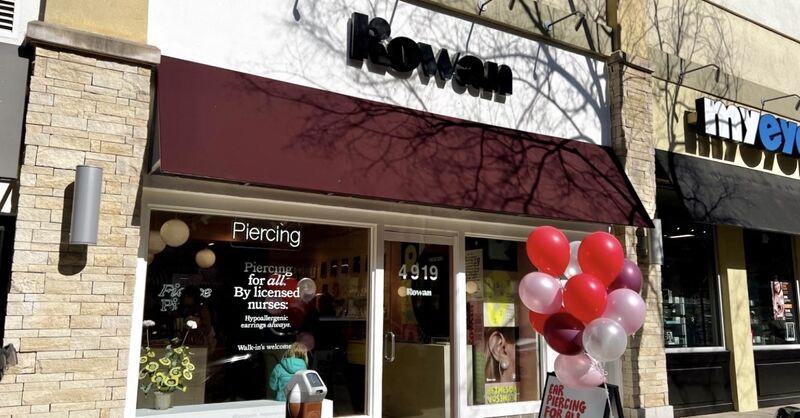
FINAL CONSTRUCTED STOREFRONT
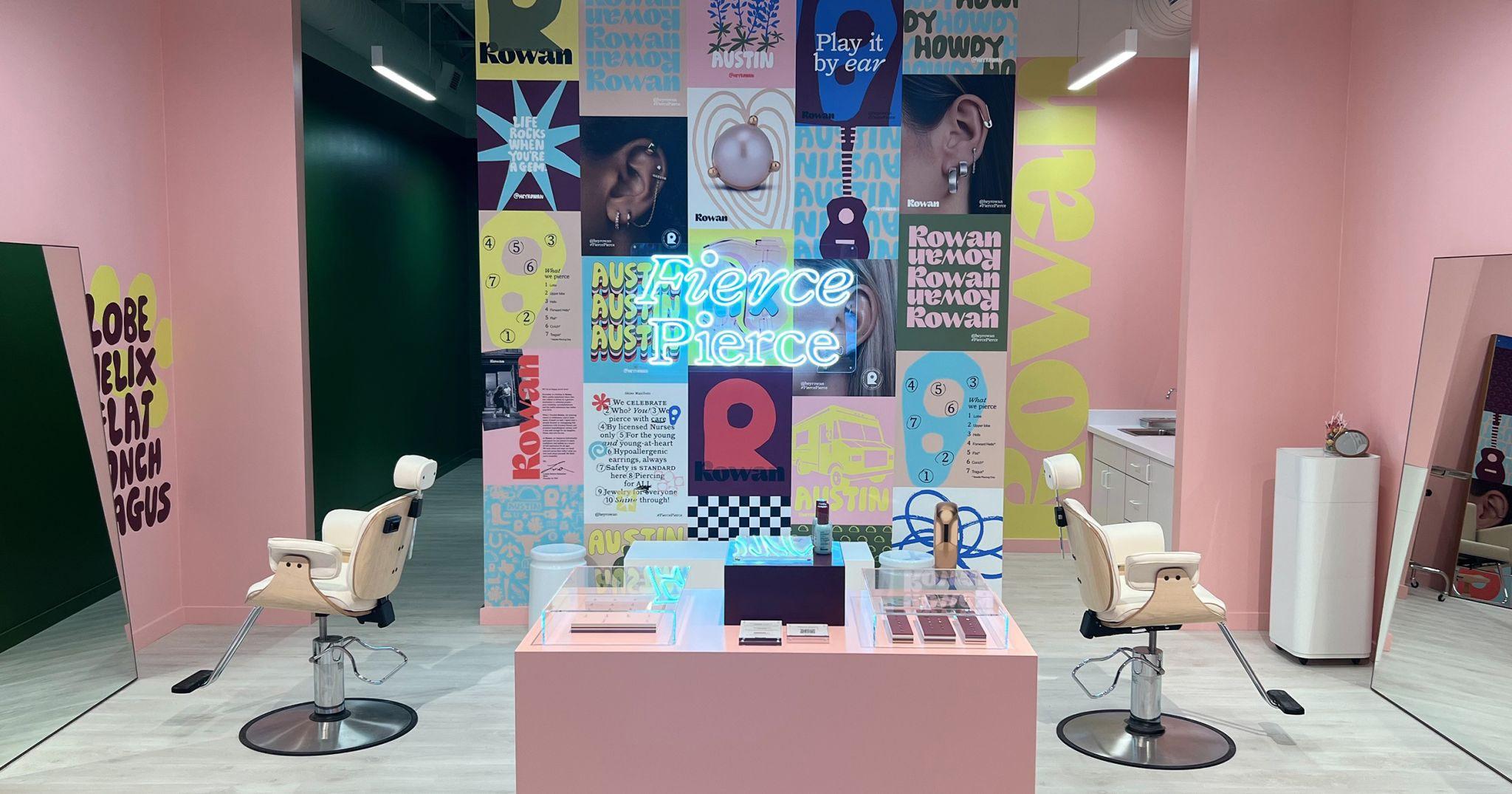
FINAL CONSTRUCTED INTERIOR
THANK YOU,