
SEANC CONTINUES TO FIGHT
Democratic senators chose to toe the party line and support Gov. Roy Cooper’s veto of the state budget in a one-day session on Jan.14, leaving thousands of state employees and retirees without an increase in pay.
A veto override on the legislature’s budget would have meant funding for UNC system raises, as well as funding for community college and school personnel increases and a 1% bonus for retirees.
After the legislative budget plan was vetoed this summer, legislators passed a “mini-budget” bill to fund the largest two-year pay increase for most state employees in a decade — 2.5% in each of the next two years — as well as five bonus leave days. It also funded supplements for correctional personnel who work at high-vacancy prisons.
UNC system, community college and non-certified school personnel raises,
and retiree bonuses were included in a separate bill that passed the legislature but were vetoed by Cooper.
SEANC lobbied for education employees to receive the same 5% raise as the rest of state employees.
The retiree bonus that was in the legislative budget was barely a bonus at all. Poor choices by previous state treasurers have made a true COLA unavailable.
SEANC is grateful to Treasurer Dale Folwell for the work he is doing to dig the pension system out of the mess created by his predecessors. SEANC pushed for legislative leaders to honor the service and sacrifice of our retired state employees with a bonus of at least 2%.
The fight is not over. The legislature is set to return in April to wrap up unfinished business ahead of the short session.
SEANC will continue to lobby for UNC system, community college and non-certified school personnel to receive
the same 5% two-year increases as other state employees, as well as a 2% retiree bonus.
We will also advocate for making those raises retroactive to July 1, 2019, so those employees and retirees will receive the full amount this year.
SEANC demands price transparency in health care
SEANC is keeping the heat on hospitals in the effort to end deceptive billing practices and bring transparency and savings to the State Health Plan.
We recently launched a series of television ads shedding light on the secret contracts that drive up costs in the State Health Plan in Asheville and Wilmington. The ads urge the public to support State Treasurer Dale Folwell’s Clear Pricing Project, which would end secret contracts and make hospital bills more transparent and fair for State Health Plan members.
More than 25,000 providers signed on to the Clear Pricing Project this year. However, all of the state’s major
hospitals, like New Hanover Regional Medical Center in Wilmington and Mission Health in Asheville, boycotted the plan.
Currently, State Health Plan members pay up to eight times Medicare rates for some services. SEANC has called for reference-based pricing — tying reimbursement rates to Medicare rates since 2011. We expect the issue to be a hot topic in the 2020 State Treasurer’s race. Folwell, who is endorsed by EMPAC in the 2020 election, is leading the charge for transparency and lower costs.
SEANC will continue this fight until every hospital in the state signs on to the
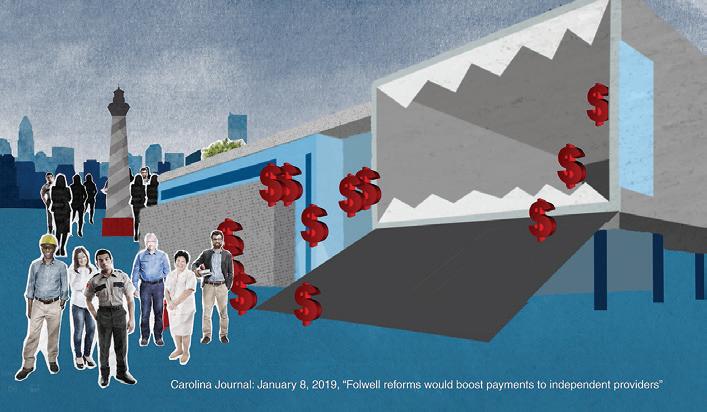
Clear Pricing Project.
Together, we can end secret contracts and have both quality and affordable care for state employees, retirees and their families.
Take action! Follow us on Twitter and Facebook, share our ads with your community, and urge your local hospital to join the Clear Pricing Project.
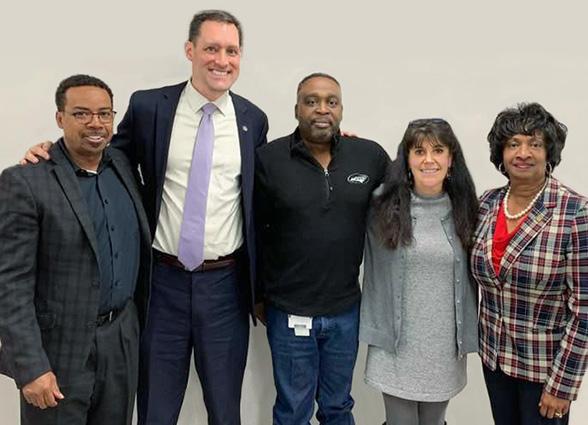
District 25 members met recently with Rep. Graig Meyer (D-Caswell) and Sen. Valerie Foushee D-Chatham to discuss raises for UNC employees. Pictured with Meyer and Foushee are SEANC Second Vice President Kirk Montgomery, District 25 Chairman James Holman, and UNC-Chapel Hill Employee Forum Chairwoman and District 25 member Shayna Hill.
PUBLIC AWARENESS
BEWARE of Social Security
! PHONE SCAMS
State retirees are targeted by scammers out to mislead seniors.
Recently, SEANC has received a high volume of calls from concerned members who have been preyed upon by phone scammers asking for Social Security information. This is the number one type of fraud reported to the Federal Trade Commission and Social Security and the numbers have skyrocketed recently, particularly those targeting retirees. The information below, from the U.S. Social Security Administration, includes valuable tips to keep your identity safe! Social Security phone scams are the number one type of fraud reported to the Federal Trade Commission and Social Security. Over the past year, these scams — misleading victims into making cash or gift card payments to avoid arrest for Social Security number problems — have skyrocketed. Social Security encourages you to use the new online form at ssa.gov to report Social Security phone scams to disrupt the scammers and help us reduce this type of fraud and the number of victims.

Social Security employees will occasionally contact you by telephone or mail for business purposes if you have ongoing business with the agency. However, Social Security employees will never:
• Tell you that your Social Security number has been suspended.
• Contact you to demand an immediate payment.
• Ask you for credit or debit card numbers over the phone.
• Require a specific means of debt repayment, like a prepaid debit card, a retail gift card or cash.
• Demand that you pay a Social Security debt without the ability to appeal the amount you owe.
• Promise a Social Security benefit approval or increase in exchange for information or money.
Social Security employees will never threaten you. If there’s a problem with your Social Security record, Social Security will mail you a letter. If Social Security needs you to submit payments, the agency will provide instructions in the letter, including options to make those payments.
"Awareness is our best hope to thwart the scammers. Tell your friends and family about them and report them to us when you receive them, but most importantly, just hang up and ignore the calls."
Gail Ennis, Inspector General
for
Social Security
REPORTER THE
ADVERTISING POLICY
SEANC accepts advertising material from companies and persons seeking to communicate with SEANC members. Acceptance of this advertising does not indicate SEANC approval or endorsement of any representation that the message, product or service is as represented by the advertiser. SEANC accepts no responsibility and shall not be liable for any use of or reliance on any such information, product or service. SEANC is a private entity and is under no obligation to carry advertisements of any nature, political or otherwise, that may be viewed as contrary to the interests of the association and its membership.
SEANC and other organizations scored a victory in the fight to rein in health care costs in November, when a lawsuit challenging the state’s unnecessary Certificate of Need (CON) laws was deemed credible enough to proceed.
The suit, filed by Dr. Gajendra Singh, challenges the constitutionality of the state’s CON laws. SEANC is part of a coalition of interest groups that filed an amicus brief in support of Dr. Singh.
CON laws require that hospitals and other providers must obtain permission from a state planning board to build a new facility or expand an existing one. This allows large, established hospital groups to prevent competition, which leads directly to higher prices for consumers like the State Health Plan and its members. North Carolina has one of the most restrictive CON laws in the country.
The Reporter, USPS 009-852 (ISSN 1069 2142), is published six times a year in the months of February, April, May, July, September and November for $2.50 per year, per member, by the State Employees Association of North Carolina, Inc., 1621 Midtown Place, Raleigh, NC 27609. Periodicals postage paid at Raleigh and additional offices.
POSTMASTER, Send address changes to: THE REPORTER, 1621 Midtown Place, Raleigh, NC 27609
TAX DEDUCTION NOTIFICATION
Federal law requires SEANC to provide all members with a written estimate of what portion of membership dues goes to lobbying and political expenses. The majority of dues paid by SEANC members who are current state employees is allowable as an “employee business expense” under federal income tax. However, the part of the dues that SEANC uses for political and lobbying purposes is not tax deductible. For
The anticipated figure for the
is $0.98 per month. Members are encouraged to consult a tax professional about individual tax returns and liability.
RETIREE FOCUS
Annual retiree COLAs not guaranteed
By State Treasurer Dale Folwell
We at the Department of State Treasurer (DST) are in the check delivery business. Every month, we send monthly pension checks from the North Carolina Retirement Systems to more than 320,000 retired public employees.
This amounts to over $6 billion yearly.
Managing all that money is no small task, given the mixed challenges and blessings of low interest rates, early retirements and increased life expectancy. Thankfully, my staff of hardworking state employees are up to the challenge.

DID YOU KNOW?
The North Carolina Retirement Systems issues $530 million in checks every 30 days. With prudent oversight, the Investment Management Division unofficially ended 2019 with $138 billion under management, making it the 27th largest pool of public money in the world.
protect us from fire and crime and other employees expect and deserve a durable pension which pays them the retirement benefits promised for their years of public service.
PAYING FOR A COLA
There are several methods to pay for a COLA. Each has drawbacks.
• Investment earnings could pay for a COLA, but they would have to be in the billions of dollars. While that sometimes happens, investments have not hit their earnings target when averaged over the last 21 years. Earnings would have to be 19% in 2019 to fund a COLA in 2020.
Our retirement and investment teams have implemented efficiencies, cut unnecessary expenses and ensured wise investments. We exercise sound fiscal management and proven investment strategies to protect the long-term stability of our pension plan for present and future generations of state and local government retirees.
The highly respected credit rating agency, Moody’s Investors Service, recently cited North Carolina as having the best funded pension plan in the nation.
But more remains to be done to preserve and strengthen the Teachers’ and State Employees’ Retirement System (TSERS), the Local Governmental Employees’ Retirement System (LGERS) and other pension plans. Even though the retirement system historically has been fully funded, as keeper of the public purse, I have made it a priority to implement best practices and find solutions to preserve and protect the plan in the future.
The people who teach our children,
Retirees occasionally ask why they do not routinely receive annual Cost-ofLiving Adjustments (COLA). A misunderstanding exists that the state retirement plan should add a COLA every year.
However, North Carolina is among the nearly 40% of states that do not guarantee annual COLAs.
HOW ARE COLAs GRANTED?
Here are some facts about the COLAs that you need to know:
• Neither the State Treasurer nor the TSERS/LGERS Board of Trustees has the authority to approve a COLA. Only the General Assembly has that power.
• Likewise, the State Treasurer cannot approve a COLA for the LGERS plan, although its Board of Trustees does have limited ability to enact a COLA provided certain conditions are met.
• On both plans, a COLA can only be recommended if investment gains reach a statutory level. That has not happened. Therefore, a COLA recommendation from the State Treasurer is legally not possible.
• Employees could be asked to contribute more of their pay. But they already direct 6% of their paychecks to the retirement fund.
• The employer (the state or local government) could tap its own coffers to grant one, but the state already provides a 13% match to TSERS, and local government employers commit a 9% match to LGERS. Raising those levels would affect budget availability for other core government functions.
Lawmakers did approve COLAs for TSERS in 2012, 2014 and 2017. Each has a 12-year payback period for a total $1.3 billion. Current yearly payments on that debt equal $165.2 million. A one-time benefit supplement was issued and paid for in 2016. The total amount paid out by the pension plans have gone up in the past 10 years and will increase by billions of dollars in the future. Retirees are living longer, thus collecting benefits that weren’t anticipated or funded years ago. Meeting those higher funding requirements make issuing COLAs harder.
We are committed to preserving, strengthening and sustaining the retirement system, and to fulfilling promises made. That involves tough choices. It’s not political. It’s not emotional. It’s mathematical.
State Treasurer Dale R. Folwell, CPA
MEMBERS IN ACTION
Member wellness, innovation key topics at SEIU Corrections Council meeting
The work of a corrections officer is not easy. Adverse working conditions lead to higher rates of depression, post-traumatic stress disorder and even suicide.
This crisis topped the agenda at the SEIU Corrections Council meeting recently held at the SEANC Office. Thirty members and leaders from SEANC, Michigan Corrections Organization (MCO), SEIU Local 1199NE, SEIU Local 509, SEIU Local 668, Connecticut State Employees Association (CSEA), Colorado WINS and SEIU District 1199 WV/KY/OH met to find ways to make meaningful changes and improve the lives of those who work in corrections.
As the corrections and criminal justice landscape continues to change rapidly, joining together ensures a seat at the table for corrections officers and a voice in the discussions that affect their workplaces.
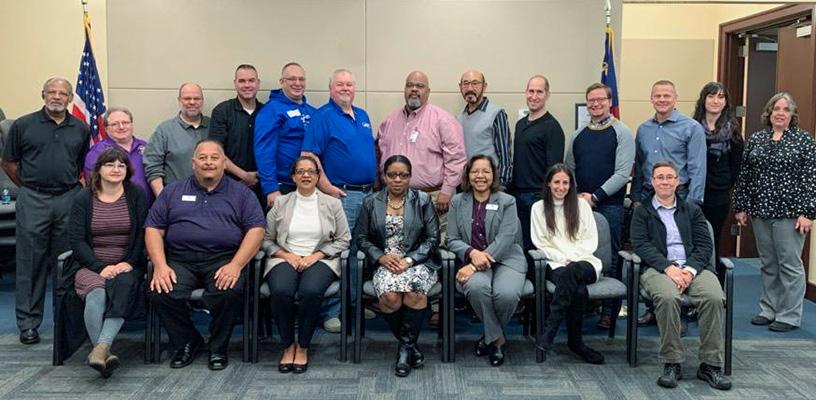
“If we don’t play a role in changing our environment and our working conditions as a union then wellness will never be effective and we will continue to see staff suicides on the rise,” said Andy Potter, Executive Director of Michigan Corrections Organization/SEIU Local 526M.
Two SEANC members win national awards
From the Department of Public Safety
Two SEANC members were honored recently at the Association of Correctional Food Service Affiliates’ (ACFSA) Annual International Conference Vendor Showcase in Memphis.
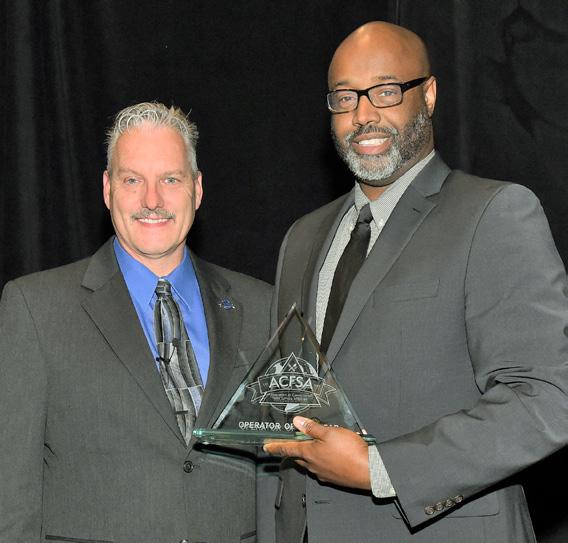
Central Prison Correctional Food Service Manager and District 45 member Conell Chapman was presented with the 2019 ACFSA Operator of the Year Award, while Maury Correctional Institution Food Service Manager and District 67 member Clarence Godley received the ACFSA Heroism Award for his actions during Hurricane Florence. Chapman received the award for directing the food service unit both in the Central Prison custody areas and the prison hospital. According to ACFSA, Chapman has maintained food costs despite the complexities he and his staff face during the ever-changing menus and diets presented to prison kitchens throughout the state.
Chapman researches current trends and provides innovative ideas and solutions to face the challenges. He also assists other prison food service managers
across the state with issues including fiscal management.
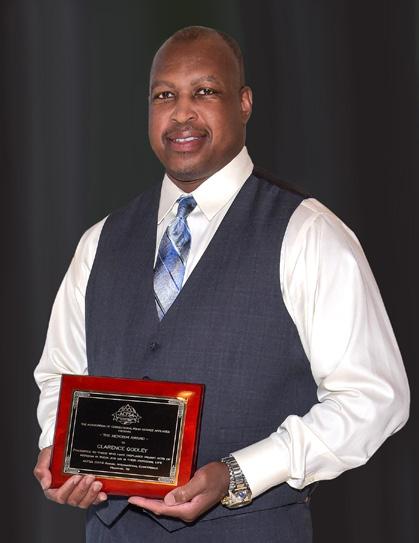
Maury Correctional Institution Food Service Manager Clarence Godley received the ACFSA Heroism Award for his actions during Hurricane Florence.
Godley’s recognition came from his response while attending last year’s conference in Norfolk, VA. Godley left in the middle of the night to head back to Greene County to assist with Hurricane Florence cleanup. He then returned to the conference a day-and-a-half later with no fanfare.
When he returned to Greene County, Godley helped raise money to aid area storm victims. The Maury food service employees also worked with the Greene County Department of Social Services to sponsor a family affected by the storm.
Godley, the treasurer for the North Carolina chapter of ACFSA, has been involved in other community outreach
opportunities. He has helped raise more than $12,000 for staff in need, employee appreciation, family sponsorships, hurricane relief and Toys for Tots. He also received the prestigious 2017 John R. Larkins award, the highest civil rights award honor for North Carolina state employees.
ACFSA is an international nonprofit organization dedicated to the professional growth of correctional food service employees. Association members are food service professionals employed in correctional facilities and agencies within federal, state and municipal prison / jail systems.
District 45 member Conell Chapman (right) pictured with ACFSA President Lt. Tim Thielman.
District 67 member Clarence Godley holding his ACFSA Heroism Award.

District 7 members and J. Iverson Riddle Developmental Center staff donated Kentucky Fried Chicken meals, canned goods and tea to Burke United Christian Ministry (BUCM) for the community. Thirty new members were recruited.
Pictured are District 7 Chairman Henry Belada, Associate Director of BUCM Elizabeth Norris and District 7 member Gary Harbison.

District 10 hosted their annual Christmas event at Nazareth Children's Hospital. Presents were given to the children and lunch was provided while caroling music played.
Pictured are District 10 Chairwoman Tonia Warnic and member James Bigsby.
UNC Honorary Lifetime Delegate
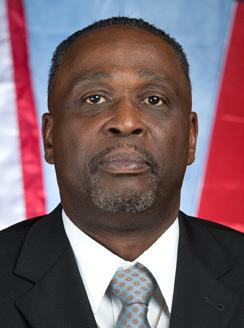
The UNC Employee Forum passed a resolution to grant honorary lifetime delegate status to District 25 Chairman James Holman, to honor his years of hard work for UNC employees.
SEANC District 2
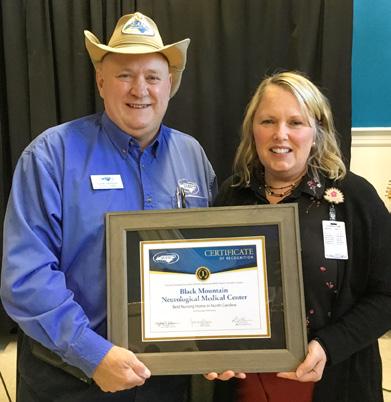
Chairman Cliff Johnson recently presented a Certificate of Recognition to Black Mountain Neuro-Medical Treatment Center
Director Greta Reath, a SEANC member, for the center's distinction as the Number One Nursing Home in North Carolina by Newsweek.

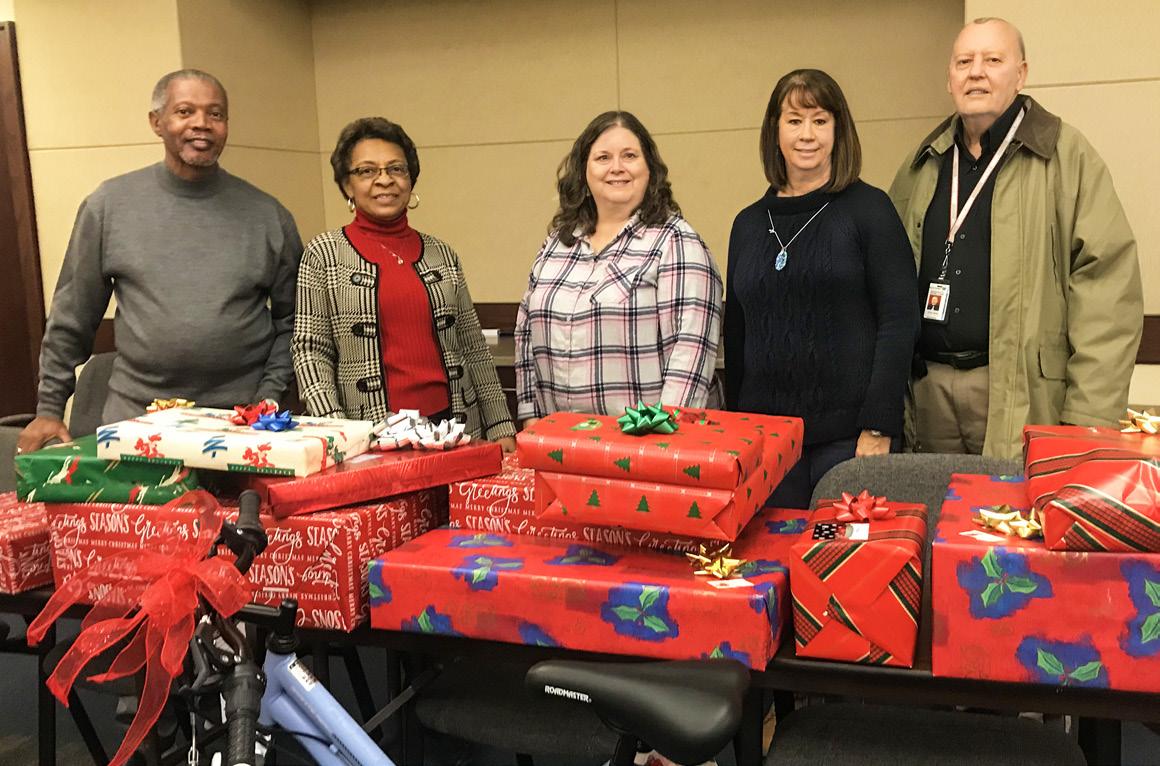
On Dec.18, District 44 members came together at the SEANC office to wrap gifts they purchased for children they sponsored from Angel Tree. Pictured are members James Langston, Geneva Langston, Teresa Murray, Karen Davis and Bruce Garner.
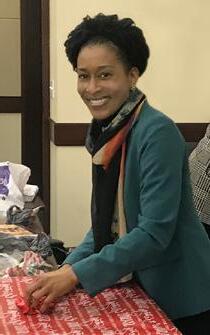
at right is North Central Region Representative
Retiree Forums
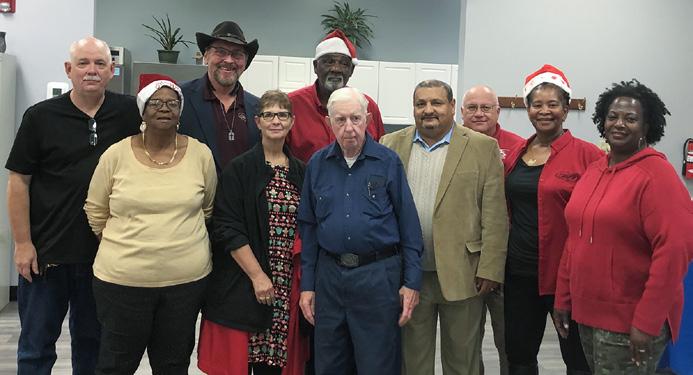
District 20 partnered with Hoke County Government on Dec. 18 for a Christmas Toy Giveaway in Raeford.
Pictured
Brenda Williams.
Retiree Chairman Benny Brigman (far top) spoke during the District 65 retiree forum in November. Former SEANC Executive Director, lobbyist and District 17 member, Mitch Leonard (immediately above) recently discussed issues facing our retirees at the District 17 retiree forum in Burlington.
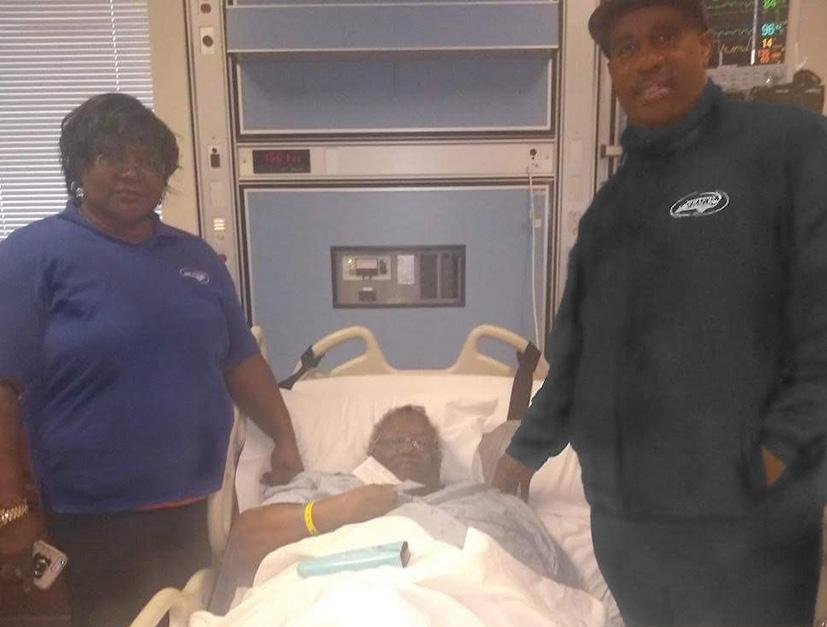
District 68 members Quinterlene Bowen and Roy Selby recently presented Marcia Owens with a donation after she lost her home in a fire.

■
■
■
■
■
State employees are good people. But even good people make mistakes - mistakes that violate your rights as a career employee, discriminate against you, or cost you a promotion or job.
My practice is restricted to state personnel disciplinary and licensing matters. I have litigated personnel cases in the Office of Administrative Hearings since the 1990s.
If you have a grievance, disciplinary appeal, or any state employment matter, call (919) 865-2572 or email me at michael@mbyrnelawnc.com.
Learn how I put 20 years of experience and consistent success in state personnel cases to work for you - when your rights are on the line.


LEARN& LEAD
April 29-May 1
During the three-day Advanced Leadership Development Workshop, participants* will deepen leadership skills through a variety of fun activities. Topics include collaborating and communicating effectively with others, creating one's own personal vision and mission statements, using electronic communication effectively and ethically, and engaging in effective decision-making.

Register Today! Visit://bit.ly/SEANCTraining
Are you a SEANC member going to college? Do you have a son, daughter, legally adopted grandchild or a spouse going to college? Are you a retiree with a grandchild going to college?
Then apply today for a scholarship from the SEANC Scholarship Foundation. Now is the time to work on your application for the 2020-21 academic year.
Last year, the SEANC Scholarship Foundation and SEANC’s districts gave out more than $95,000 to help members, their spouses and their dependents attend either two- or four-year institutions. This year, you or somebody in your family could be one of those deserving winners!
An application must be turned in to your district scholarship chairperson postmarked no later than April 15. To find an application and your district’s scholarship chairperson, visit seanc.org/scholarship.
The scholarships awarded by the SEANC Scholarship Foundation and the individual districts are one of the association’s largest benefits for members.
For more information, visit seanc.org/scholarship or contact Phyllis Perry at (919)833-6436.
* Prerequisite: completed SEANC Leadership workshop
In addition to the local scholarships offered by the districts, the SEANC Scholarship Foundation offers funding assistance in the following categories:
Financial Need
Winners are selected based on academic performance (40%), financial need (30%), community involvement (10%), personal statement (10%) and recommendations (10%).
Merit
Winners are selected based on academic performance (70%), community involvement (10%), personal statement (10%) and recommendations (10%).
Member-Only
Winners are selected based on recommendations (30%), SEANC service (20%), career objectives (20%), personal statement (20%) and community involvement (10%).
Retiree Grandchild — Financial Need
Winners are selected based on academic performance (40%), financial need (30%), community involvement (10%), personal statement (10%) and recommendations (10%).
Retiree Grandchild — Merit
Winners are selected based on academic performance (40%), financial need (30%), community involvement (10%), personal statement (10%) and recommendations (10%).
1621 Midtown Place
Raleigh, NC 27609
EMPAC endorses candidates for the primary
EMPAC, the political arm of SEANC, announced in mid-January a bipartisan slate of endorsed candidates for the upcoming 2020 primary elections.
EMPAC voted to endorse State Treasurer Dale Folwell for both the primary and general elections in 2020. He has worked tirelessly to better the lives of SEANC members since his election in 2016, cutting millions of dollars in fees paid to Wall Street by the state pension fund while fighting for transparency and cost savings with the State Health Plan.
EMPAC endorsed N.C. Sen. Erica Smith (D-Northampton) in the race for the Democratic nomination for U.S. Senate. Smith was EMPAC’s 2016 Lisa B. Mitchell Freshman Legislator of the Year, and has been a staunch advocate for state employees and retirees in her time in the N.C. Senate. In the U.S. Congress Second District, EMPAC supports Deborah Ross as the Democratic nominee. The district includes much of Wake County and has many state employees and retirees.
EMPAC endorsed four candidates for Democratic

nominations and two for Republican nominations in the N.C. House, as well as one candidate in the N.C. Senate.
The primary election is March 3. Early voting begins on Feb. 13 and runs through Feb. 29.
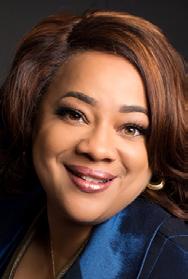
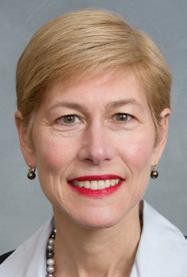
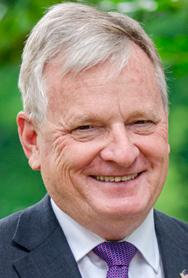
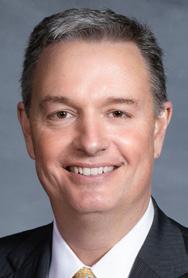
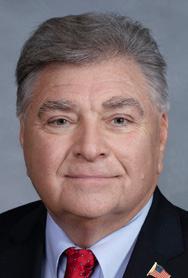
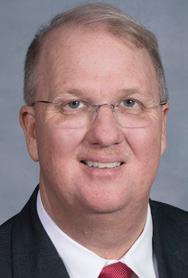

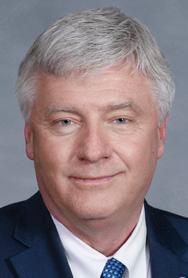

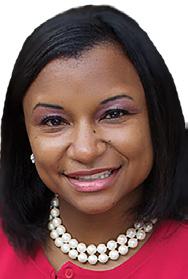
Erica Smith for US Senate (D)
Phil Shepard for NC HD15 (R)
Deborah Ross for US Congress Dist. 2 (D)
Dale Folwell for State Treasurer
Jim Perry for NC SD7 (R)
Michael Wray for NC HD27 (D)
Jon Hardister for NC HD59 (R)
Elmer Floyd for NC HD43 (D)
Aimy Steele for NC HD82 (D)
Billy Richardson for NC HD44 (D)