A Publication for Boards of Directors

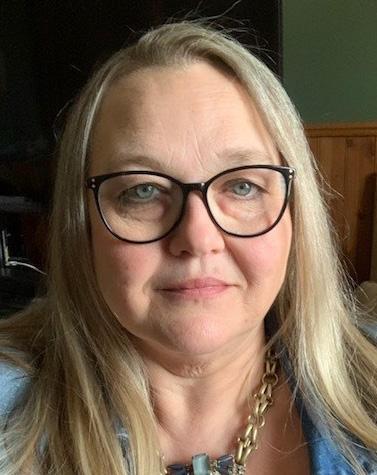
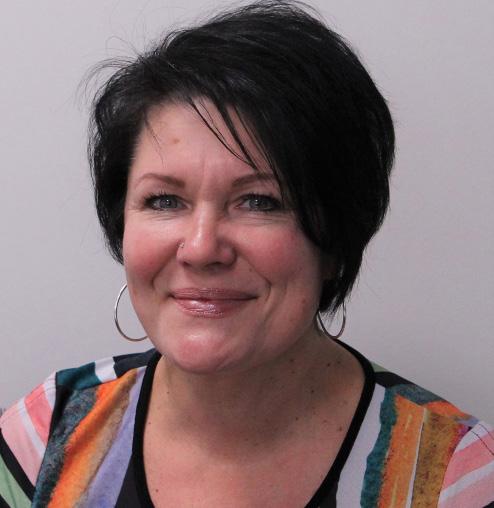
Ruth Howes
North Region Regular Manager Representative Porcupine Plain, SK
I was born and raised on a farm in Tisdale, Saskatchewan, where I developed a strong connection to agriculture and rural communities. I attended the University of Saskatchewan, studying Agriculture, and began my career in the grain industry.
For 12 years, I worked as a grain buyer, spending the last six years as a District Manager. I then transitioned into logistics, serving 11 years as a Logistics Coordinator and Manager with a Canadian pulse exporter, ensuring efficient supply chain operations.
After nearly two decades in agriculture and logistics, I shifted my focus to human services, dedicating the next 16 years to community support and advocacy. I spent 11 years as a Regional Manager, supporting newcomers to Northeast Saskatchewan, helping them integrate and thrive. I then took on the role of Director of Operations for Northeast Outreach and Support Services, leading initiatives to assist individuals and families in need.
I have been with Porcupine Opportunities Program since May of 2023 – I am a rookie to this sector! But I have met so many seasoned EDs and have developed a great network of support with other EDs who are relatively new to their roles but not necessarily to the sector.
I still live in Tisdale, but I drive to Porcupine Plain daily for work (1.5 hr round trip). Tisdale is also the hometown of Brent Butt, creator of Corner Gas. Brent and I graduated together. One thing about the Northeast is no matter where you live, you are always within 60 minutes or less to a lake.
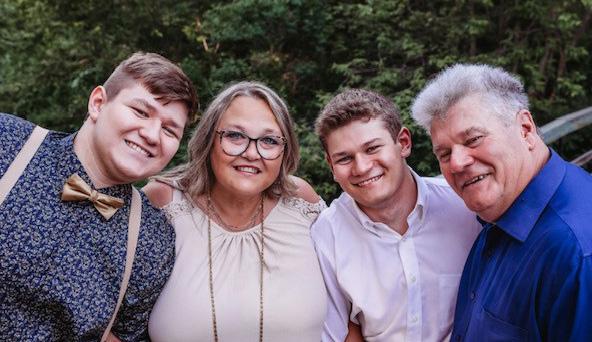
My husband, Daryl, and I have been married for 28 years. We have 2 adult children, Benett and Jackson. Benett is a Registered Nurse on the Cardiac Intensive Care Unit at Regina General Hospital. Jackson is apprenticing in construction and is in his 3rd year with the Saskatoon Hilltops (CJFL junior football). Tazzy (full name Tazringo Odell Beckam Jr – yes, he was named by the boys lol) is our family cat. He was gifted to me by my husband in 2016 when I was diagnosed
with a heart condition, as he had read that cats help to reduce stress. Tazzy is an indoor cat, but is allowed outside time tethered in our back yard. This year, he caught his first mouse. He was so proud of himself!
This year my husband and I bought a new-to-us camper. I wasn’t sure how much I would like it as I consider myself as more of a glamping or posh hotel Princess. But I love it! I love going to a site, setting up and then using that as a base to explore the area. We will even go check out other camp sites in the area to see where we want to go next. This past summer, we spent 18 nights in our home away from home, and we only got started in July! Next year, we are planning for more nights, including camping close to work, so I can commute for a few weeks.
Once August hits, it is all-out Football until November. I love watching our Riders, and then I shift to watching NFL (Go Bills!).
I also love trying new places to eat. Jackson and I love seeking out new and different restaurants in Saskatoon. We are always looking for a new place to try, especially those locally owned, tucked-away gems! He always wonders how I find these places. We have a long list of favourites! Regina seems to be a little harder to find those gems, but have found some and will keep looking there too!
During winter you can find me doing a number of things, from catching up on a favourite TV series, watching a local hockey game, a trip or two to Manitou Springs Spa and Resort (an often overlooked Saskatchewan gem), or in my kitchen perfecting my soup making!
Volunteering is in my genetics! My 3 siblings and I grew up in a family where our parents volunteered in the church and community. Mom could always be counted on to arrange the potluck lunches after supper or to bake some pies for the community fall supper. Dad volunteered on the local Credit Union, Church, Community College, and Kelsey Trail Health Board in addition to farming full-time. His volunteering also extended to provincial agriculture associations such as the Saskatchewan Canola Growers Association, Western Wheat Growers Association, and the Sask Pulse Growers Association. He also served on the Canola Council of Canada, United Grain Growers, and several other government-appointed special committees on agriculture. We saw the value of giving back to your community, province, and nation and I believe that is why all of us are willing to serve in some capacity of volunteering. I have served on several community committees, associations, etc. – Tisdale Suicide Prevention Committee, Tisdale Primary Care Health Team, Kidsport Tisdale, Tisdale Minor Hockey Association, Tisdale Tornados Booster Club, and many more. I also sat on the Kidsport Saskatchewan board. In 2015, I was awarded the Tisdale Chamber of Commerce Volunteer of the Year award. In 2022, I received the Pat Carrier Memorial Volunteer of the Year award for my work with the Tisdale Tornados Football team.
After my boys graduated, I needed to take a break for myself and refill my cup. After doing so, I felt I was ready to step forward and volunteer again by letting my name stand for the SARC board. I had been asked the previous year, but did not feel I had the capacity personally to give to the board.
I am also currently part of 2 committees in Porcupine Plain, the Primary Care Health Development Team and the Interagency committee. In Tisdale, I am a member of the 100 Women Who Care and part of the Community Safety and Wellbeing committee.
What I find most motivating about volunteering is the opportunity to give back in a meaningful way. It allows me to use my skills and experiences to strengthen organizations that support people experiencing disabilities, while also learning and growing from the perspectives of others. Volunteering is fulfilling because it creates a direct connection between effort and impact. I know that the time I give helps to create positive change for individuals, families, and communities.
Being part of the SARC Board is especially motivating because it connects me to a broader movement that is shaping the future of services across Saskatchewan. It is inspiring to collaborate with other leaders who share a deep commitment to inclusion, sustainability, and person-centered support. Having a voice in advocating for resources and innovation at the provincial level means that I can contribute not just to one organization, but to the long-term success of the sector as a whole. Knowing that this work helps create stronger, more inclusive communities keeps me deeply motivated and engaged.
My first impression of the SARC Board was that it is a dedicated and highly engaged group of leaders who care deeply about the organizations and individuals they serve. I was struck by the collaborative spirit around the table. Everyone brought unique experiences and perspectives, yet shared a common commitment to inclusion and strengthening services across Saskatchewan. It felt both welcoming and purposeful, with a clear focus on making decisions that create long-term impact for people with disabilities and the agencies that support them.
When I think about my time on the SARC Board, words like collaborative, inclusive, and purpose-driven come to mind. It has been an empowering experience where respectful dialogue and shared vision have guided meaningful decisions. I’ve appreciated the opportunity to contribute strategically, learn from other leaders, and help strengthen the sector as a whole. Most of all, my time on the Board has been both engaging and inspiring, leaving me with a deep sense of connection and impact.

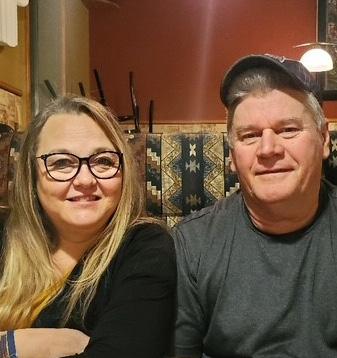
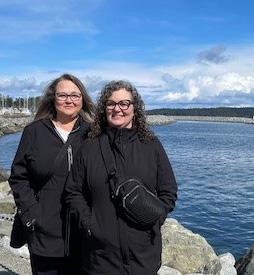
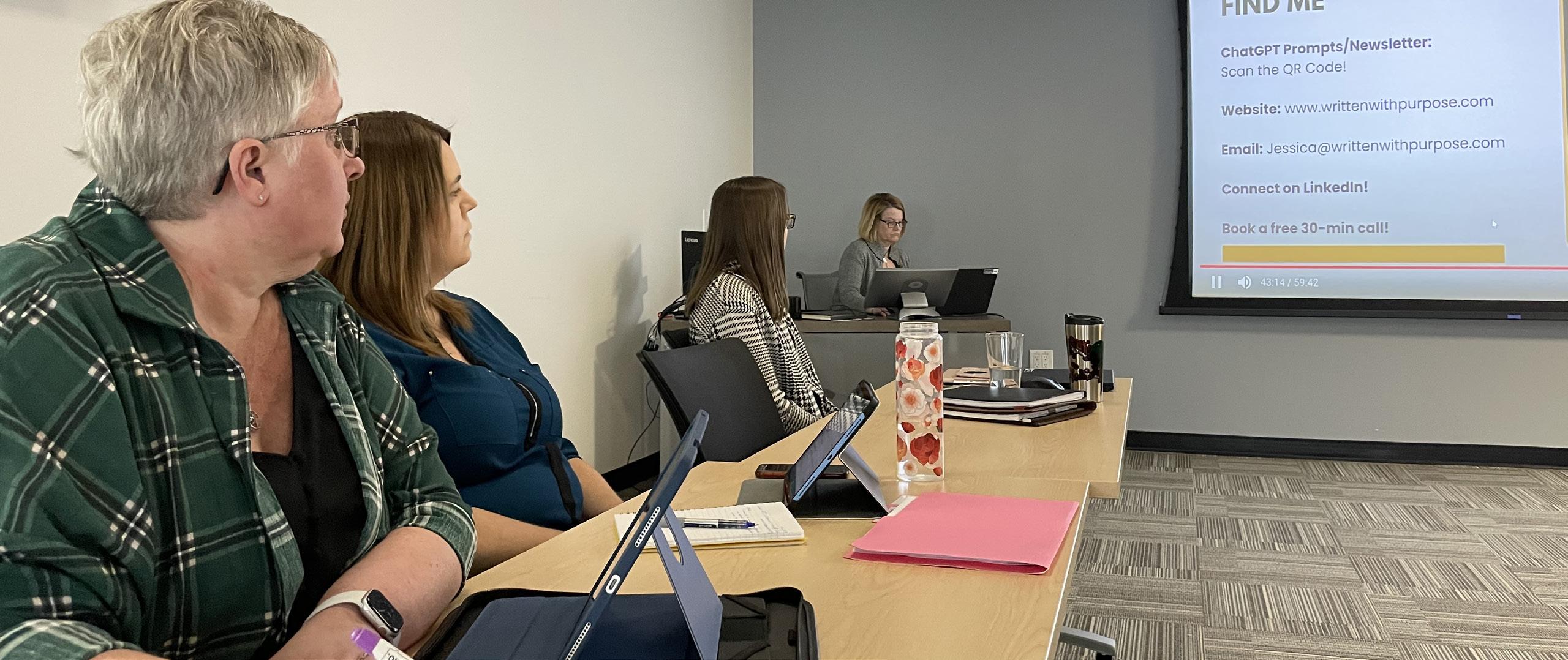
June is often a bittersweet month for the SARC Board as we part with Board Members who have completed their term while also welcoming newly elected Directors. Term limits are considered to be a best practice in non-profit governance as they ensure regular refreshment, succession planning, and the introduction of new skills and perspectives to the board. Knowing this does not make saying goodbye to people who have provided their time, wisdom, and leadership any easier.
In June, we wished farewell to Cameron Nicolle, Jenna Moore, and Unita Esau. Thank you, Cameron, Jenna, and Unita, for being such exceptional visionaries and great Board Members. We also want to thank the Board Member partners who supported our work and brought extra laughs and fun to Board dinners!
We welcomed Ruth Howes and Dawn Desautels to the SARC Board and, on August 21, each attended the SARC Board Member Orientation session. With a few hours under their belt, both Ruth and Dawn joined their fellow Directors in a full-day working and planning session hosted at beautiful Wanuskewin Heritage Park.
Each August, the SARC Board jointly reviews SARC’s Code of Ethics, Confidentiality, and Conflict of Interest Policies and signs their annual oath. The Board Committee Policy and Committee Selection Policy were also reviewed, and Board Members expressed their interest in serving on this year’s committees. Along with a few other policies that were evaluated as part of our regular policy review cycle, the SARC Board completed their annual review of the Board Expense Policy and Strategic Planning Policy. The rest of the day was spent reviewing our purpose, strategic plan progress, and completing a number of activities that led to mapping one of our business ecosystems. That evening we shared laughter, great company, and a fantastic meal at the Churchill Brewing Company. The following morning, we met for our first board meeting of the new year.
September and October are some of the busiest but most enjoyable months for the SARC Board. At the September meetings, and as per the SARC Board Annual Workplan, the board receives the annual SARC Insurance presentation put on by Butler Byers; committee work also resumes after the summer break.
On October 16, SARC Board Members attended our annual Employee Recognition Day celebrations at the Double Tree in Regina. Over 150 employees were recognized for their years of service in the 5, 10, 15, 20, 25, 30, 35, and retiree categories. SARC Board President, Valerie Budd-Pritchard, opened the banquet and provided greetings and congratulatory remarks to the many well-deserving employees in attendance.
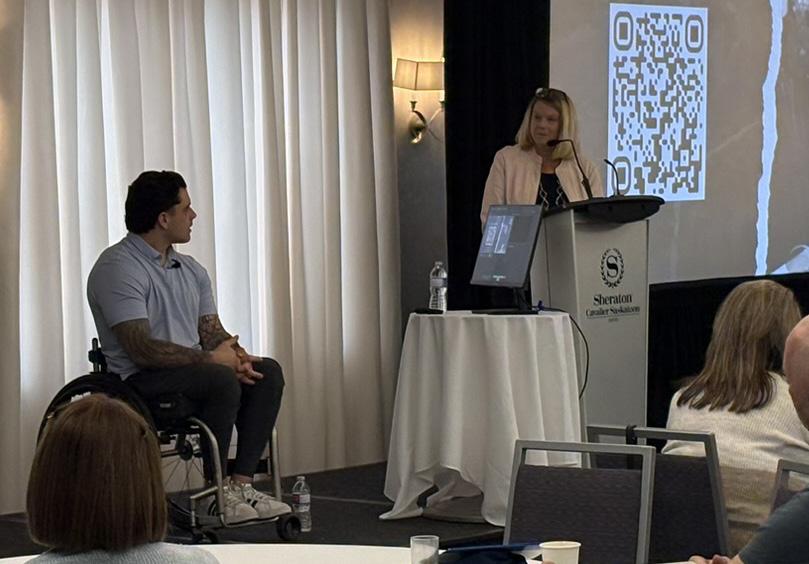
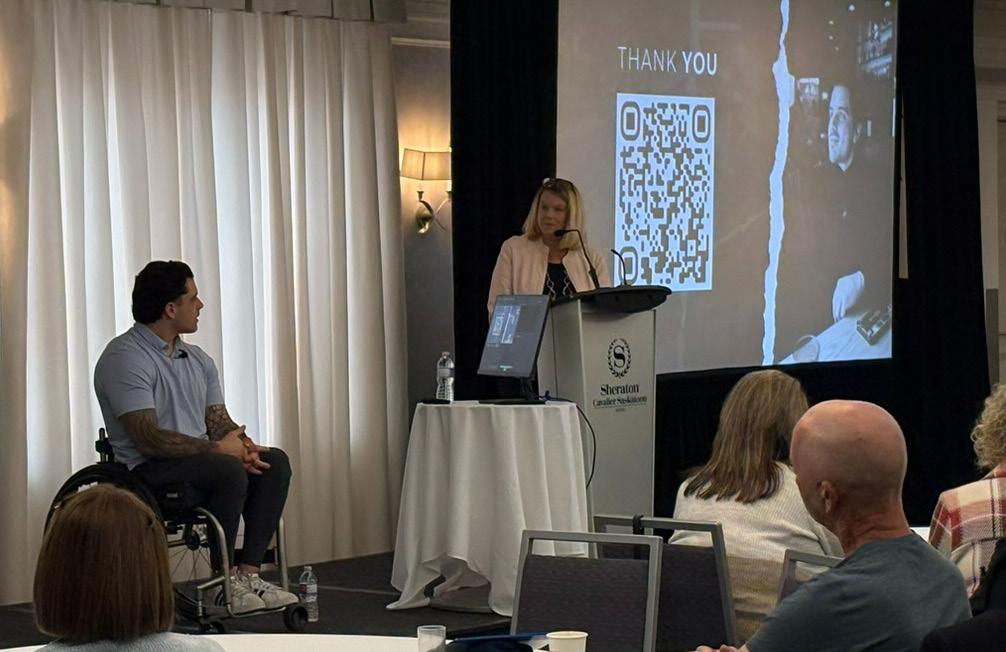
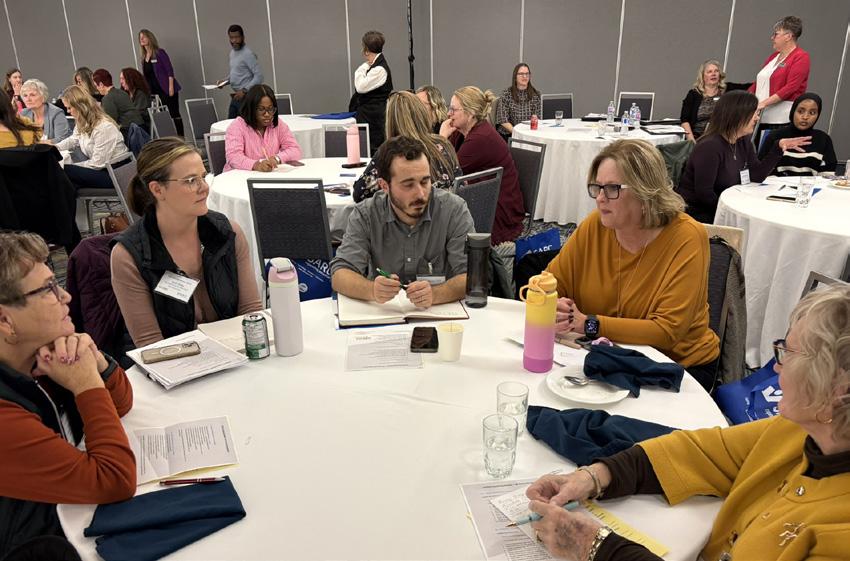
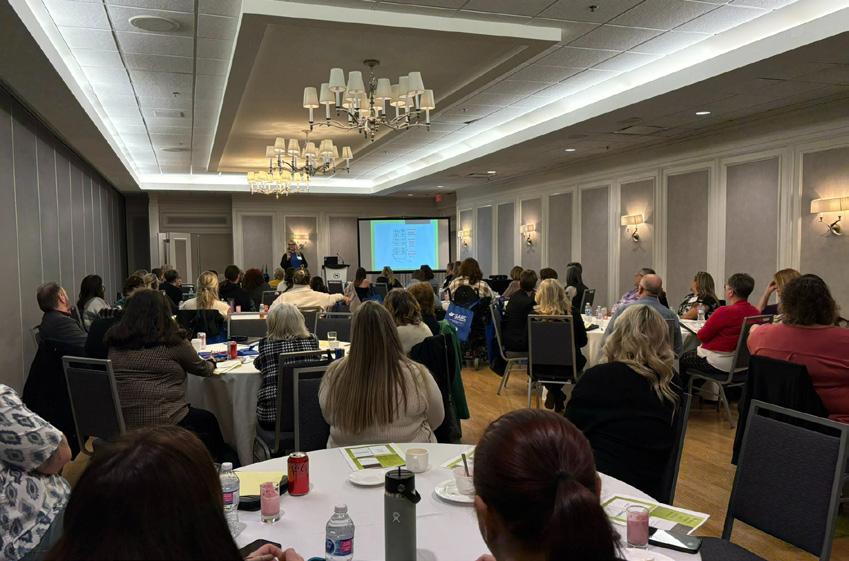
The following week was a bit of a marathon, but one with great rewards. On October 21 and 22, Board Members attended SARC’s Fall Conference held at the Sheraton Cavalier in Saskatoon. The conference provides in-person networking and training for senior management, executive directors, and boards of directors. Along with conference delegates, the SARC Board started their week by being motivated and inspired by Keynote Speaker, Ryan Straschnitzki, a former Humboldt Broncos player. That same evening, Board Members attended the Annual SARC Awards Banquet, where we honour people and organizations from across the province who are committed to community development and inclusive employment. This remains a highlight for the SARC Board each year. On October 23, SARC Board Members attended committee meetings and our October regular board meeting.
Advocacy work was also occurring simultaneously, so it certainly was a busy time. On October 15, seven Board Members attended a productive and engaging in-person planning session with the rest of the Advocacy Committee. The Advocacy Committee is made up of family members, individuals, and CBO board and staff members working to motivate the Government of Saskatchewan to make meaningful and sustained change to CLSD’s Salary and Non-Salary Funding policies and framework. The committee spent the day discussing the current state of the sector, priorities, approaches, and future action steps. If you would like to get involved at the grassroots, local level and/or join the committee and contribute to this critical work, contact advocacy@sarcan.sk.ca.
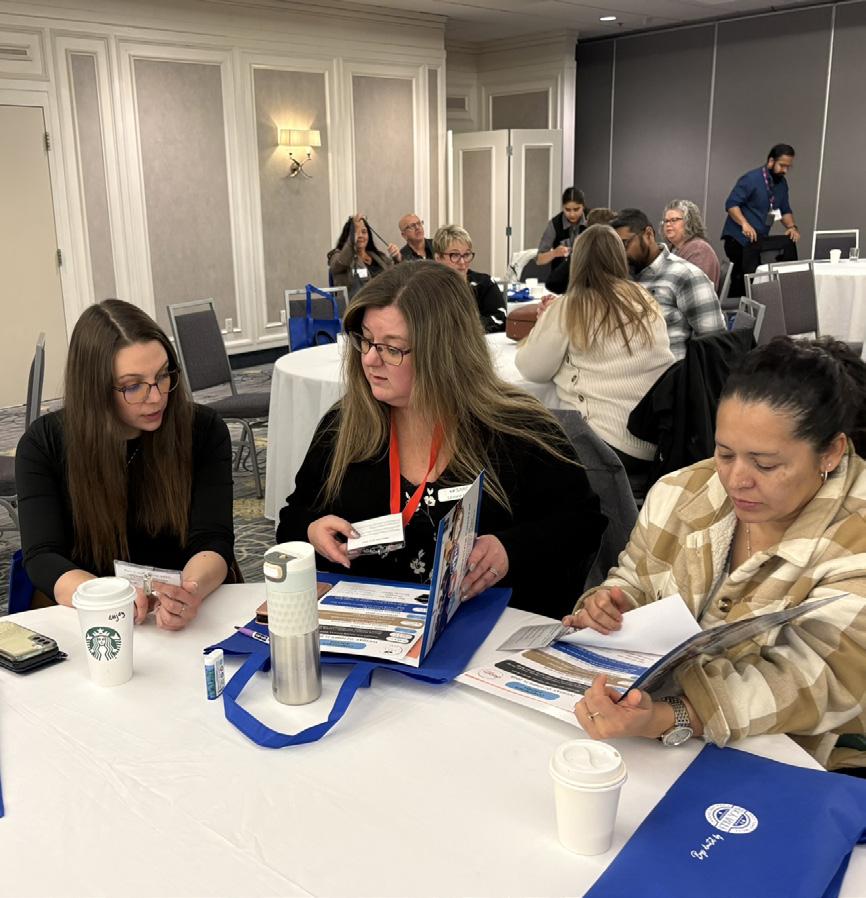
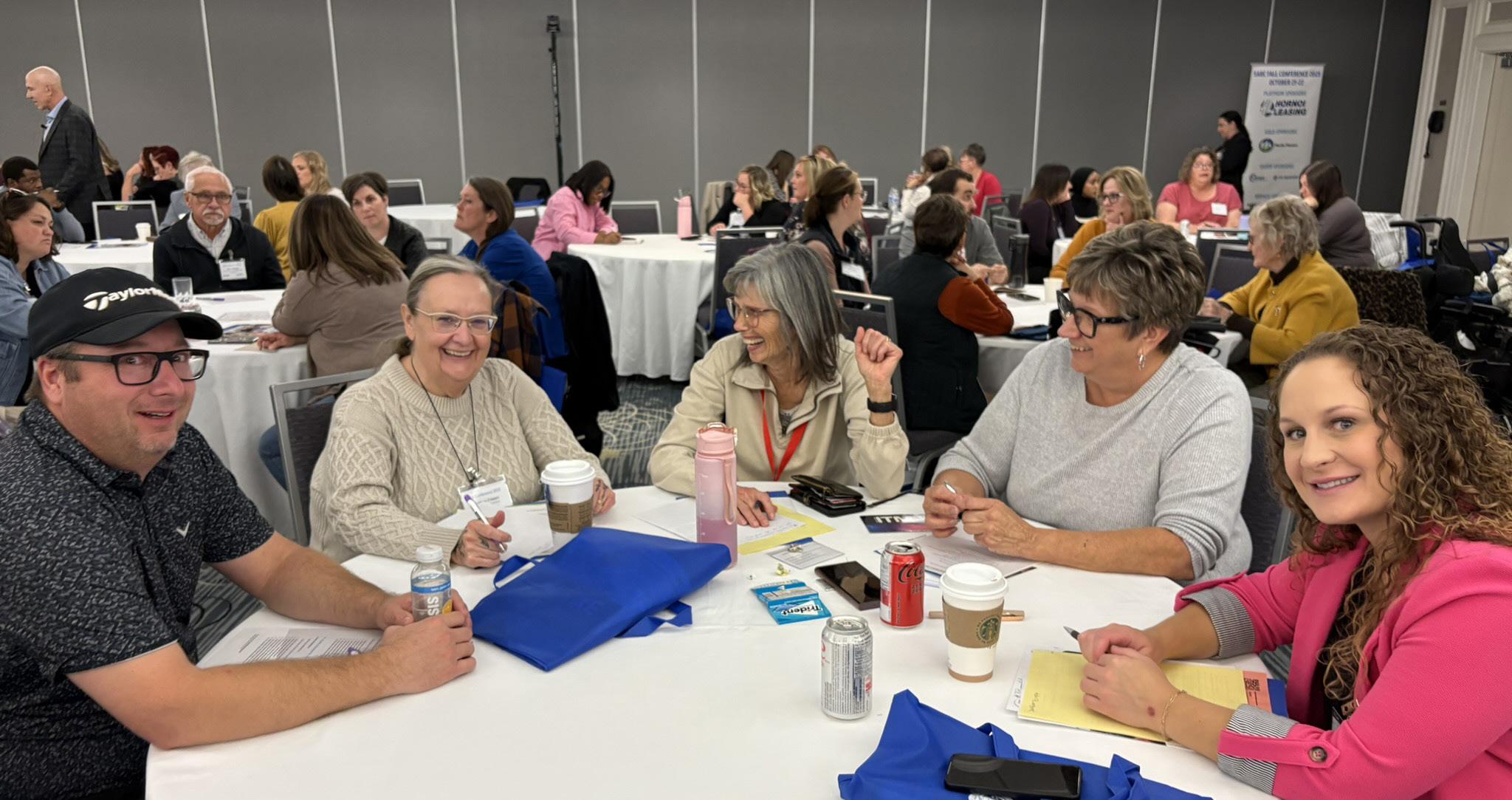

On October 27, 2025, Brittney Senger, MLA for Saskatoon Southeast and Opposition Shadow Minister for Ethics & Democracy and Disabilities & Community-Based Organizations, tabled her petition calling on the Government of Saskatchewan to commit to a three-year funding plan for the disability service sector and collaborate with CBOs on job analysis for roles in the sector and a full review of the Community Living Service Delivery (CLSD) salary and non-salary funding standards.
Earlier that month, MLA Senger requested that SARC circulate the petition to our Member organizations as a point of action stemming from the many conversations she had with CBOs throughout spring/summer where a common theme was concerns with the adequacy of funding provided through CLSD for CBOs to deliver services to people experiencing disabilities. While people were able to send signed petitions directly to the Legislative Building, SARC offered to serve as a collection point at our office and our Fall Conference, October 21-22. In a few weeks, SARC collected 565 signatures from our Members, and more were received directly by MLA Senger or the NDP Caucus Office. MLA Senger relayed that this petition had the most signatures of any other petition sitting with the NDP Caucus Office, which was an indicator of how important this issue must be to the sector.
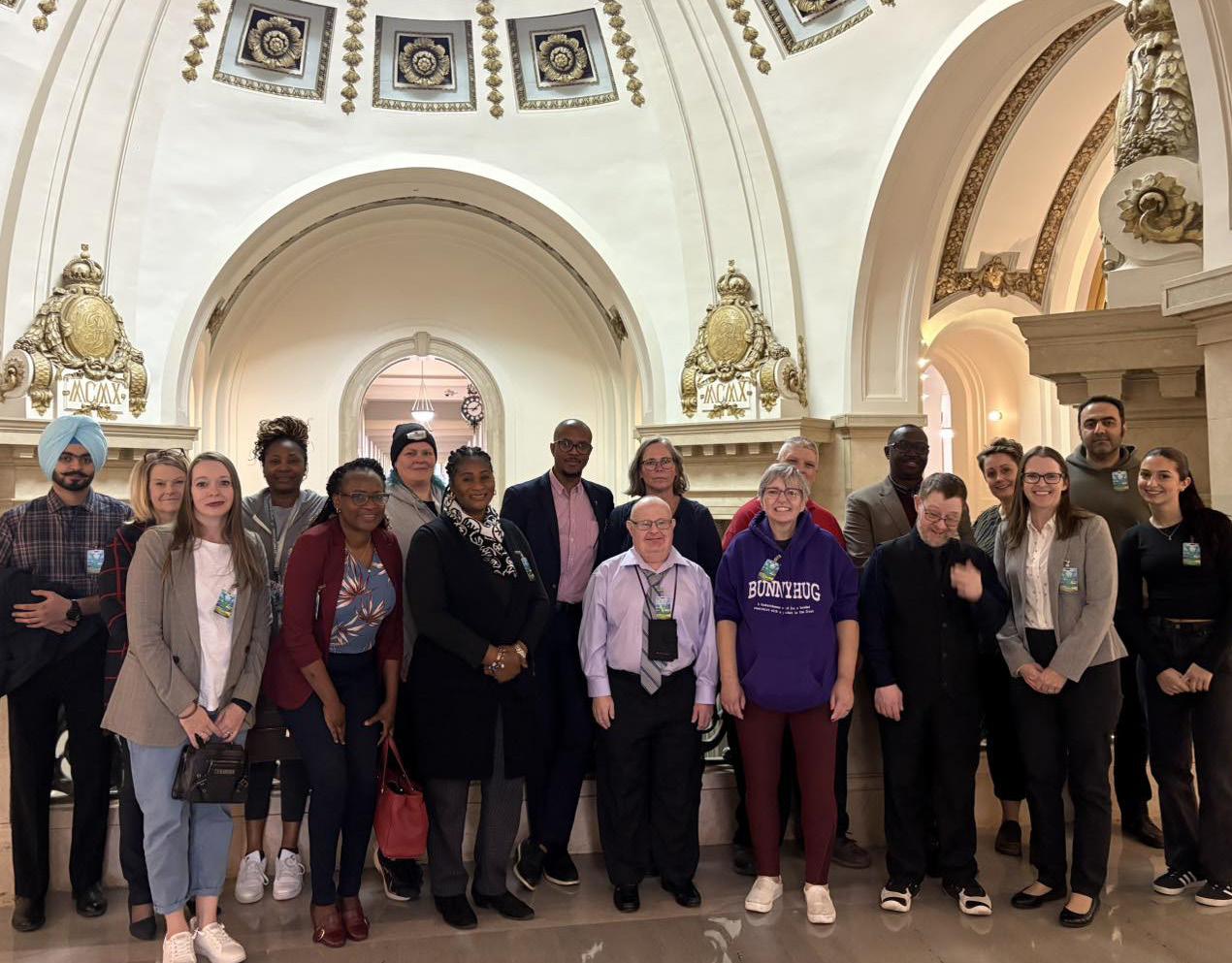
MLA Senger invited SARC to attend Session on October 27 with a contingent of representatives from the SARC Membership. SARC reached out to the Advocacy Committee, and we were happy to have 16 people join us, including Executive Directors, senior managers, service delivery staff, and people who receive services. Thank you so much to the following individuals: Jordan Aspinall, Warren Hilgers, Joanne Friesen, Randy Luzny, Michael McGregor, and Tricia Broomfield with Moose Jaw Diversified Services; Saleh Kamrani, Birpartap Singh, Rosa Smith, Abby Leier, Joyce Illah, Adima Kongo, and Francois-Regis Kabahizi with Clare Parker Homes; Linda Boyko with Elmwood Residences; and Abiola Alade and Christy Salter with Turning Leaf Support Services.
As part of Session, MLA Senger asked the Honourable Terry Jenson, Minister of Social Services, if he would meet with SARC on these important issues. In response, Minister Jenson expressed his gratitude for the dedication of those working in the sector and stated that he had met with some CBOs through spring/summer and with SARC and that he takes these issues very seriously. He indicated that he would continue these discussions. Following Session, Minister Jenson told us that he would be in touch soon to schedule another meeting with SARC.
MLA Senger told us that she intends to continue bringing up the needs of the disability service sector throughout Fall Session by way of this petition. In her initial delivery, she only referenced a couple of communities related to signatures received, but she told us she intended to keep tabling petitions based on signatures from additional communities, which she did on November 3. We will be monitoring Fall Session closely for additional references and discussions about the sector. Transcripts of what is said during Session can be found here: Debates (Hansard). She also said that the NDP Caucus Office may be putting relevant content on social media, most likely via Carla Beck’s account – as the Leader of the Official Opposition, she has a high number of followers and most of their content is funnelled through this account.
We acknowledge that there may be a certain amount of discomfort with being viewed as aligning with the Official Opposition. While SARC did not start the train, it has now rolled out of the station, and it could create some momentum for the Membership’s main priorities around staff compensation rates and core areas of operational funding. The Official Opposition has grown in size, with many SARC Members providing services in constituencies where the MLA is a member of the NDP, and it is using its voice and position to raise the profile of the disability service sector within government. The more conversations happening with and amongst Ministers and MLAs, the better.
• Keep sending in petitions – MLA Senger is encouraging CBOs to keep the petitions coming; the more she receives, the more times she can refer to them during Session.
º A blank copy of the petition can be found here – signed petitions can be sent to the NDP Caucus Office at the Legislative Building in Regina or to SARC (we will then deliver them to MLA Senger’s office in Saskatoon). Please note that physical/original signatures are required, so hard copies are required –electronic submissions cannot be accepted.
• Engage with social media:
º Follow SARC, Carla Beck, and Brittney Senger on social media and share posts related to the sector’s advocacy efforts.
º Create your own posts in support of a multi-year funding commitment and funding reform for the disability service sector.
• Write a letter to the Minister of Social Services and your MLA requesting a multiyear funding commitment and funding reform for the disability service sector.
• Meet with your MLA on the issues if you haven’t already done so.
SARC will be following up with the Minister’s office to ensure another meeting takes place. While the Ministry has indicated that it intends to undertake a review of the funding standards, we will be pressing for a meaningful collaboration with CBOs in terms of the process. We will also be reiterating the importance of investment into the sector as part of the 2026-2027 Provincial Budget while this review is underway.
If you have any questions or would like to discuss this further, please contact Amy McNeil, Executive Director, at (306) 933-0616, ext. 229 or amcneil@sarcan.sk.ca or Melanie Weiss, Director of Member Services/AED, at (306) 933-0616, ext. 245 or mweiss@sarcan.sk.ca.

by Desiree Tirk
If you attended SARC’s Fall Conference session with Kevin Freedman, the Governance Guru, on The Art of Board Leadership: Addressing Barriers to Effective Governance, you might have heard him speak about board culture and the importance of revisiting your board culture annually.
According to Kevin, “boards often fall into outdated habits, doing things the way their predecessors’ predecessors did. They often operate with unclear roles and fail to undertake the most important responsibilities of a board well. And frequently the largest problem is that boards don’t recognize their blind spots and lack the expertise to make improvements.”
What is board culture?
Board culture refers to the values, behaviours, and expectations that shape how a board works together. It’s how the board engages, communicates, makes decisions, is accountable, and respects one another. A strong board culture fosters collaboration, inspires confidence, reflects the values of the organization, and strongly impacts the trust between the board and executive director. According to BoardSource, “board culture has a significant influence on the way your board carries out its work and shapes your board’s performance.”
What can the board do to create and maintain a healthy board culture?
There are a number of actions a board can take to do this. Culture is connected to outcomes such as having healthy relationships between board directors and with the executive director, hosting effective meetings, being strategically focused, and conducting annual culture check-ins or board performance reviews.
• Having healthy relationships – having a shared understanding of each other’s roles and responsibilities can create healthy relationships between directors and with the executive director and helps build a culture of respect. By having clear roles and responsibilities and well-defined board culture, the board and staff understand expectations, are more engaged, feel confident, and can better attract and retain talent to the organization. According to DoGood Funding, “A healthy, energized board culture is key to bringing in individuals who will invest time, energy, and expertise into advancing the organization’s work.” If your board is looking to improve relationships by better understanding their roles and responsibilities, SARC’s new in-person session, Leading with Purpose – Roles and Responsibilities of the Board, can provide clarity and increased awareness of the roles of the board and executive director and how they work together to lead the organization effectively.
• Hosting effective meetings – according to Kevin, there are a number of rules or best practices for board, committee, and small group meetings that can help to establish expectations, shape your board’s culture, and foster productive meetings. For example, setting meeting dates and times at the start of the board year to bring predictability to the schedule and support high attendance, sticking to the agenda and staying on time, and the board chair only presenting their perspective on a discussion topic after allowing all others to speak. These best practices are meant to help empower the board chair to run an effective meeting and ensure that all directors are heard, valued, and respected. If you are looking for additional tools, check out SARC’s online ELEVATE module: Effective Meetings for templates and videos.
• Being strategically focused – another way to strengthen board culture is by ensuring the board is focused and working to achieve the same goals. This can be done by having a strategic plan. Through the strategic planning process, the board is able to step back and assess their organization’s current strengths and weaknesses, including its own board culture. Through this review, the board can map out values, behaviours, and processes that need improvement, set goals, and create action plans to create a healthier board culture. If you are looking to revisit or refresh your strategic plan, SARC offers a number of Strategic Planning services or the Recalibrate Mission and Vision review to help strengthen and engage your board.
• Conducting annual culture check-ins – culture evolves and needs to be intentionally revisited each year. As new directors join the board, leadership roles change, or as priorities shift, culture can shift as well over time. By conducting annual culture check-ins, your board can ensure that the culture aligns with the organization’s mission and strategic plans, reinforces expectations for board directors such as inclusivity, collaboration, and accountability, encourages thoughtful self-reflection on performance, and offers a chance to celebrate what is working and address what is not. Consider an annual board meeting that focuses on governance structures and practices, board performance evaluations or surveys, facilitated discussions to gather feedback, and document action steps to strengthen culture for the upcoming year. If your board is looking for downloadable tools to measure board effectiveness and increase board engagement, check out the online ELEVATE module: Taking Your Board to the Next Level.
By making an annual review of board culture a consistent practice, an organization can ensure their governance remains aligned, accountable, and mission focused. It will help to keep your board connected, intentional, and ready to lead with purpose.
Spending the past 25 years working in community development in the nonprofit and government sectors, Desiree brings a variety of experience with developing and facilitating workshops and has held positions as Program Manager, Facilitator, and Trainer. Desiree has over 20 years’ experience as coowner of a business and holds a Bachelor of Indian Social Work and Bachelor of Arts in Native Studies.
Thank you to everyone who joined us at the 2025 Fall Conference!
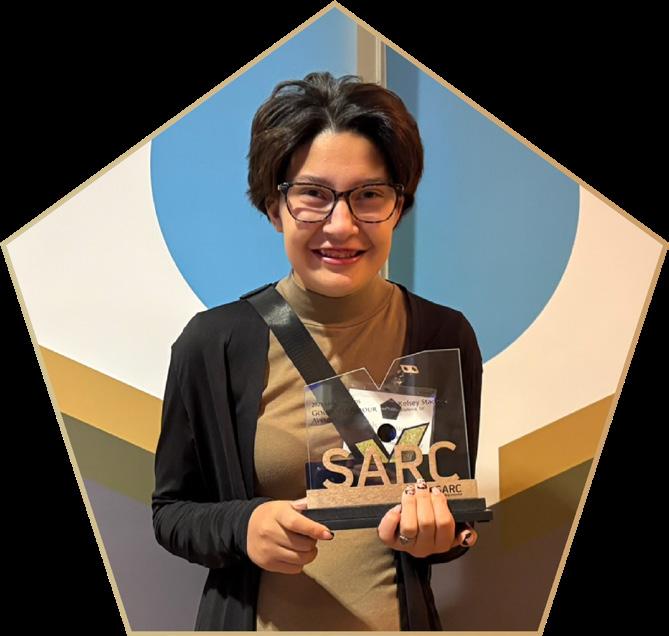
Introducing this year’s Good Neighbour Award recipient, Kelsey Stadnyk. Kelsey lives in Wadena, SK, and is known for her kind nature and her dedication to helping others around her.

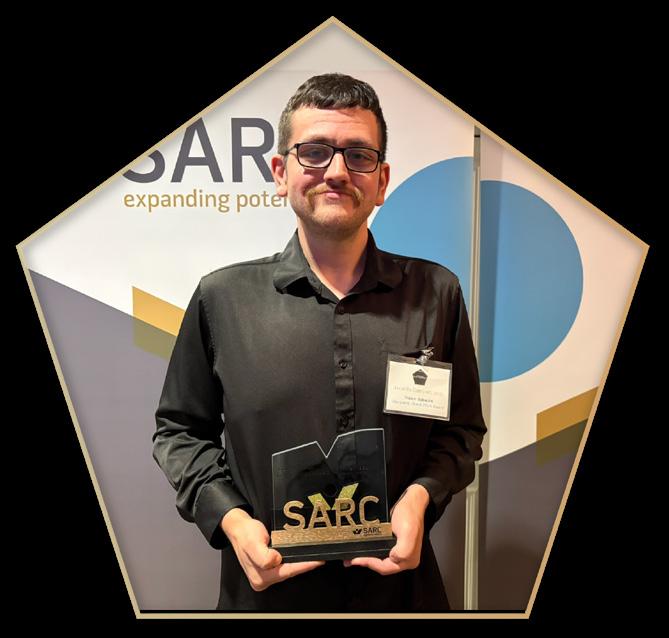
Introducing this year’s Great Work Award recipient, Tristen Sabados. Tristen lives in Meadow Lake, SK and works for Tokyo Smoke. In his video, you will get to hear more about Tristen’s employment path and how he has been promoted at Tokyo Smoke.
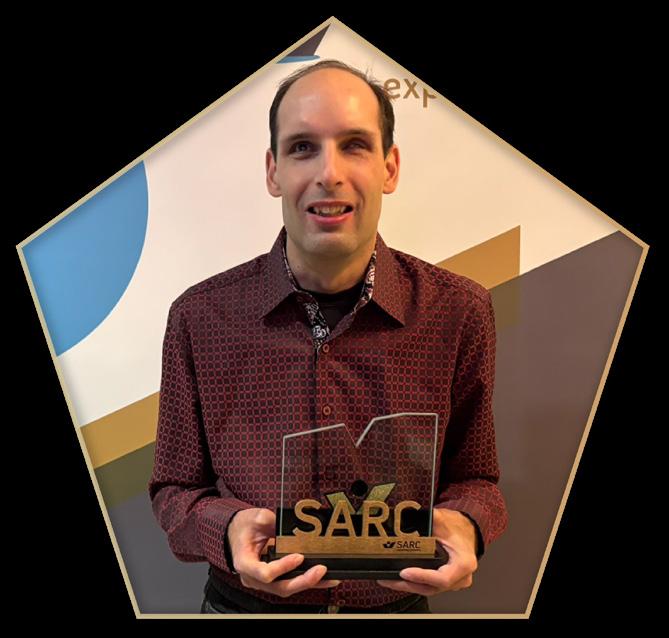
Introducing this year’s Spotlight Award recipient, Emery Lebel. Emery has a passion for broadcasting and content creation and uses his talent to share what is going on in the community of Nipawin via the “Emery Show” on social media.
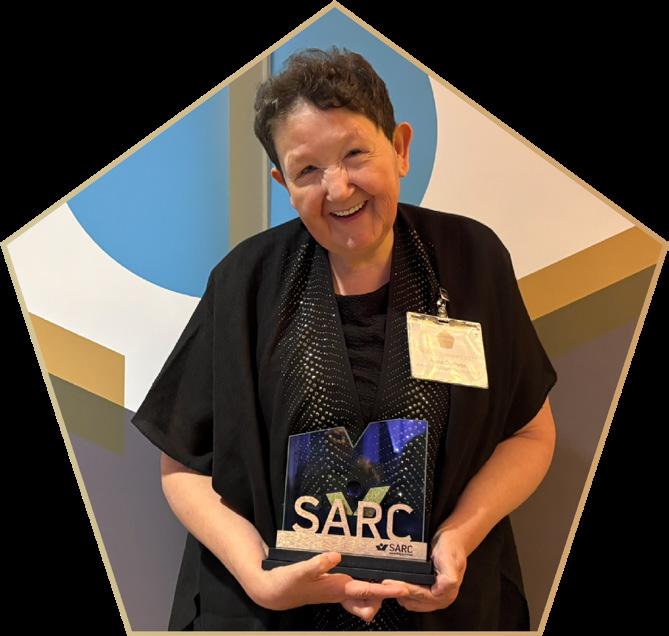
Introducing this year’s Spirit Award recipient, Alena Ouellette. Alena lives in Meadow Lake, SK. Her smile is very infectious, and her positive and loving nature is something to be admired. She is a great example of someone who lifts up those around her.
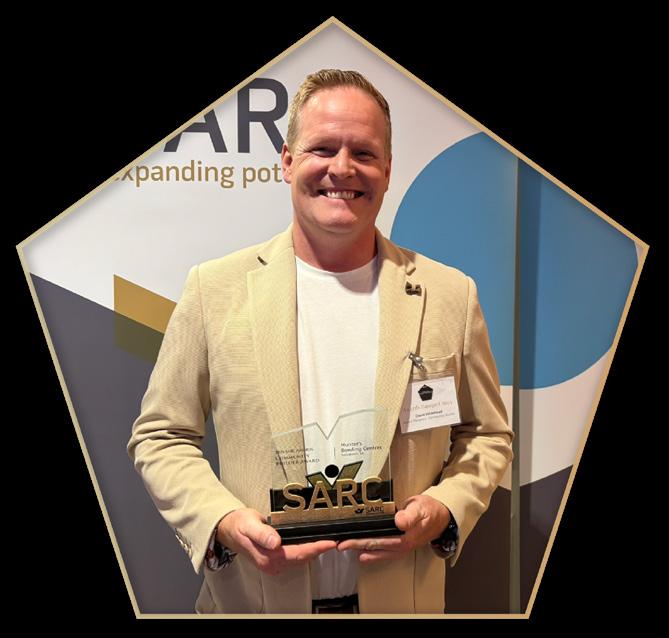
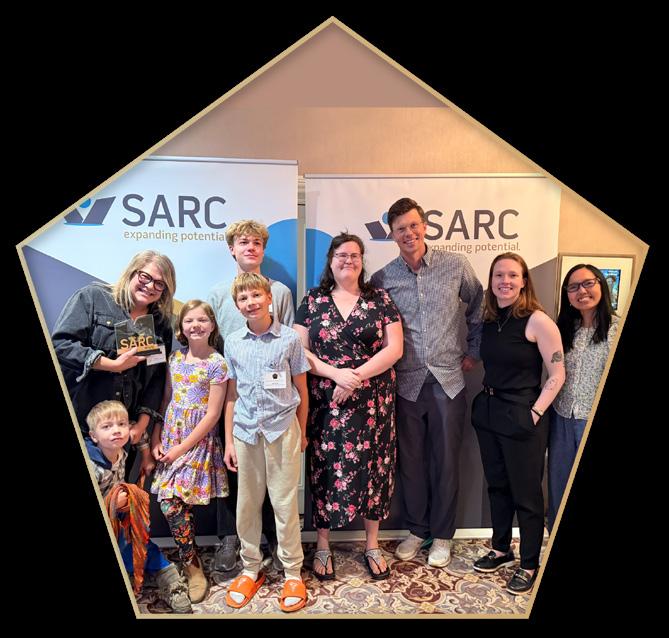
Introducing this year’s Community Builder Award Recipient, Hunter’s Bowling Centres. The ownership and staff at Hunter’s Bowling Centres are true community builders. Hunter’s Bowling Centres are welcoming, inclusive, and safe places for everyone in the community.
Introducing this year’s Inclusive Advantage Award recipient, Life Outside Gear Exchange. The owners at Life Outside Gear Exchange are committed to fostering an inclusive workplace and reducing barriers to employment. Life Outside owners and staff believe inclusive hiring is important to their organization, and they experience many benefits from this practice.