I am a landscape designer, urban farmer, and artist. I graduated with a Masters of Landscape Architecture from Cal Poly Pomona, where I was able to hone my skills to better the landscape through environmental remediation, social justice, and sovereignty.
In my professional work I am able to blend beauty and ecological restoration seamlessly to create designs that work for clients, while contributing significantly to the surrounding environment.
While earning my BS in Environmental Sustainability at Northern Arizona University, I had the opportunity to work as the Climate Engagement Coordinator for the City of Flagstaff’s Sustainability Department. After working on Flagstaff’s first Climate Action and Adaptation Plan, I was brought on the team to help with the implementation phases and action items for over two and a half years.
After moving back to California, I focused on helping local and regional underserved communities of Los Angeles through collaborative designs, workshops, and restoration of local ecosystems. I was the sole caretaker for an urban farm designed to feed and teach at-risk youth girls of inner-city Los Angeles. This helped provide food sovereignty and security through our ‘Seed to Skillet’ program, which provides classes and meals to over 400 girls annually to help sow the seeds of their future.
My designs and volunteer work have allowed me countless opportunities to blend creative, multifunctional, and ecological designs throughout California.
Collaboration with the Kootzaduka’a Tribe
Sierra Nevada Mountains, CA
BACKGROUND
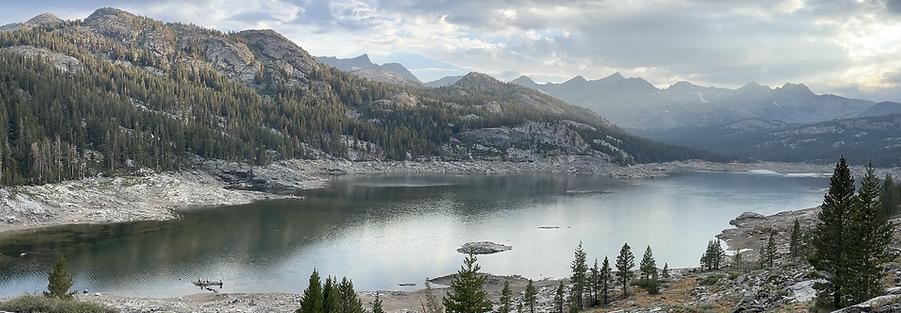
Following the Rush Meadows Dam decommissioning by Southern California Edison (SCE), a collaboration formed with the Kootzaduka’a tribe for a possible land lease for cultural management. Furthur collaboration with Cal Poly Pomona sought to provide the tribe with regenration schematics, planting plans, through ecological restoration efforts. Through this This unique collaboration offers an opportunity to heal the landscape through traditional ecological practices.
Learning traditional food sources of the tribe. [November 2024]
CONTEXT
PRESERVING FLOW
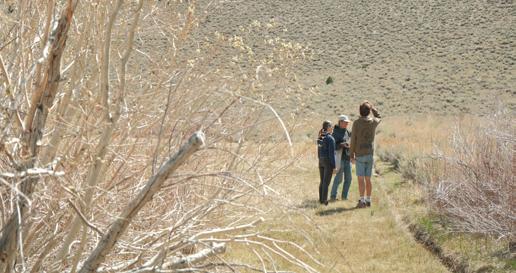
Ground-truthing designs with tribal leaders. [April 2024]
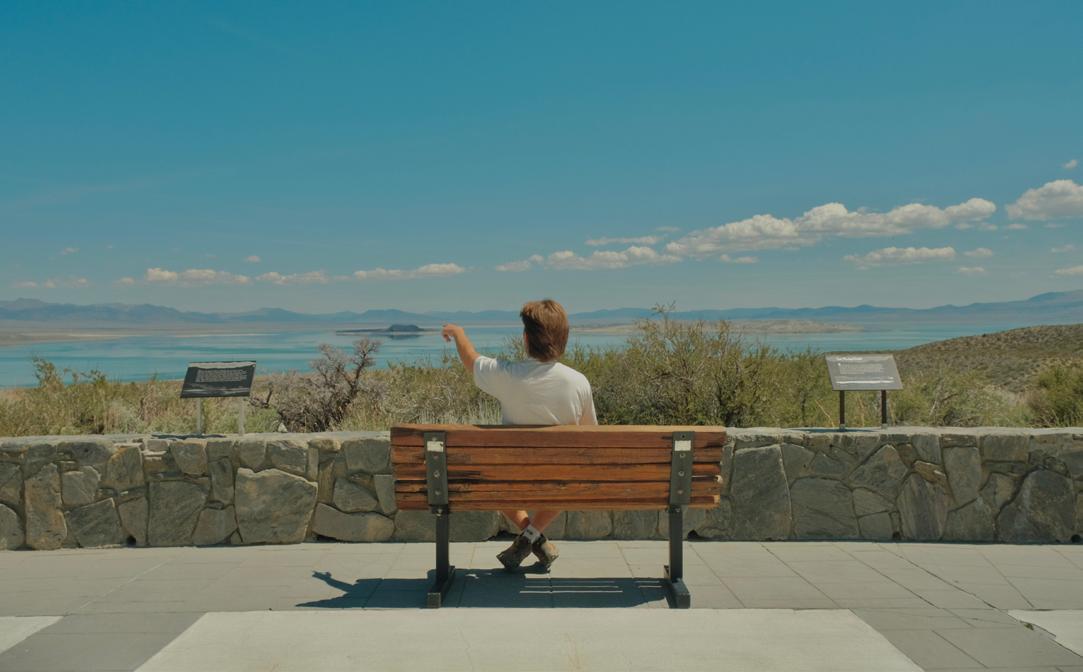
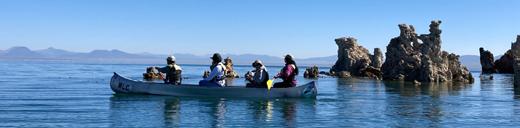
Learning traditional food sources, and the need for Mono Lake to once again be fed by surrounding freshwater rivers, like Rush Creek. Most of Mono Lake’s freshwater sources were capped, dammed, and harvested by Los Angeles Department of Water and Power in 1930.
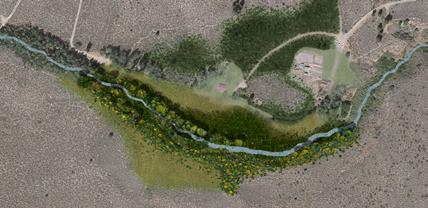
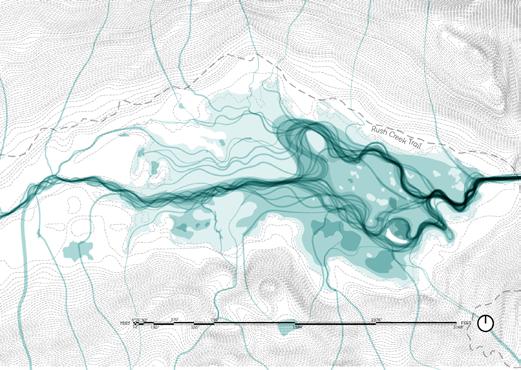
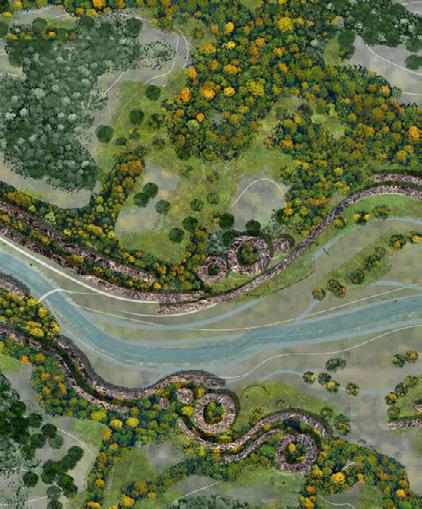
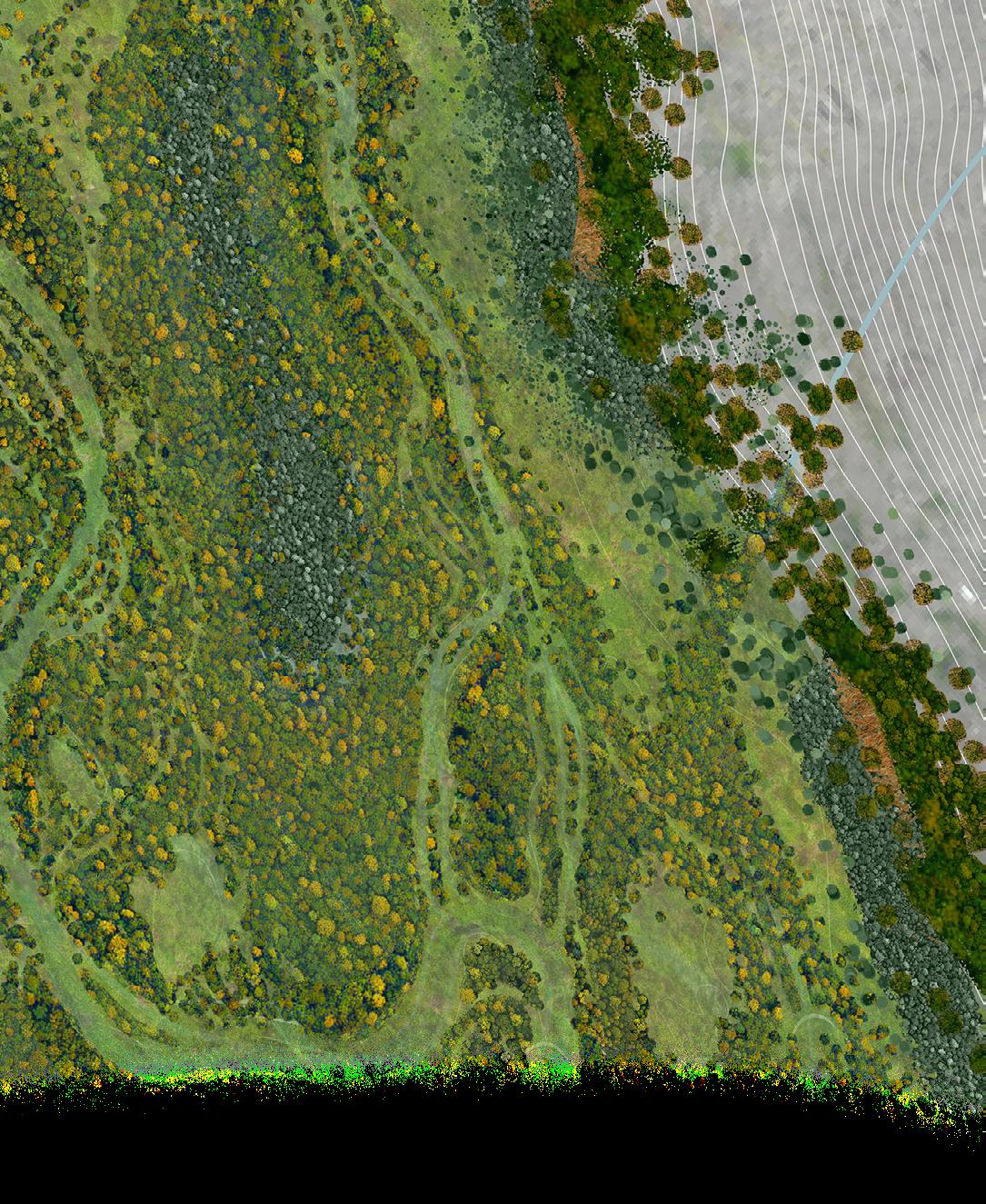
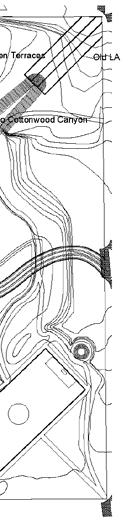
During the analysis phase, this flow map was created to show the different flowrate and pathways of seasonal snowmelt streams, which are sometimes active year-round. This map also shows the flood possibility of the former wet meadows.
These factors were crucial when developing the future placement of beaver and willow analogues. These locations for the ‘ecological islands’ were chosen based on areas that can leverage existing conditions to preserve hydrology, and ecology. This includes creating habitats for seven locally endangered species: Sierra Nevada bighorn sheep, sage grouse, willow flycatcher, mountain yellow-legged frog, Sierra Nevada red fox, Owen’s Tui chub, and the Pauite cutthroat trout.
Creating ecological islands allows for the isolation and protection of native flora and fauna, as it begins to become outcompeted by invasives; that threaten the natural species that once inhabited Rush Creek.
Mono Lake
Grant Lake
June Lake
Gem Lake
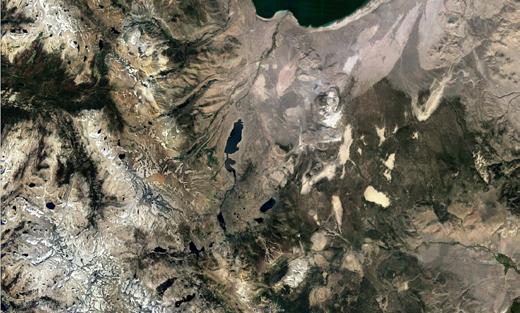
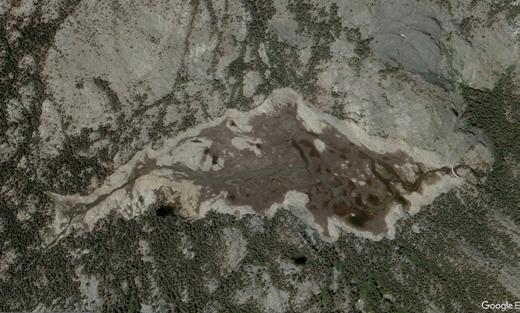
Rush Creek Meadows (Former lakebed of Waugh Lake)
Rush Creek Meadows
Ecological Islands
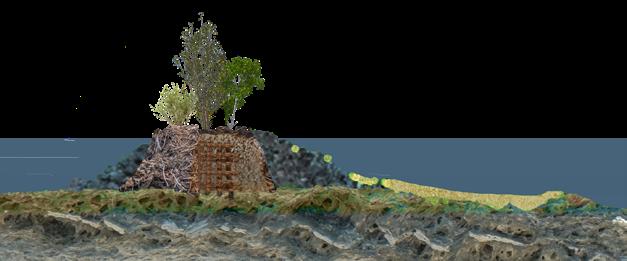
YEAR 1-5
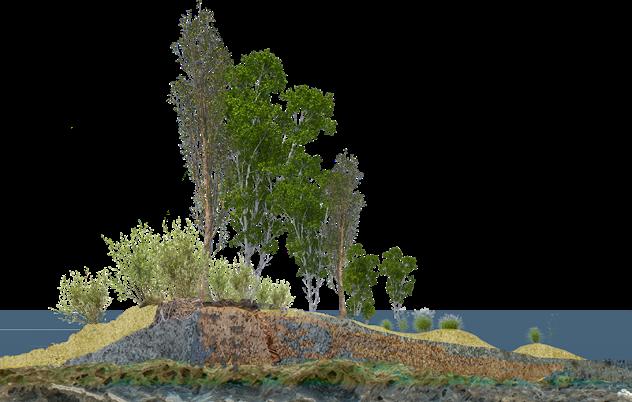
YEAR 5-10
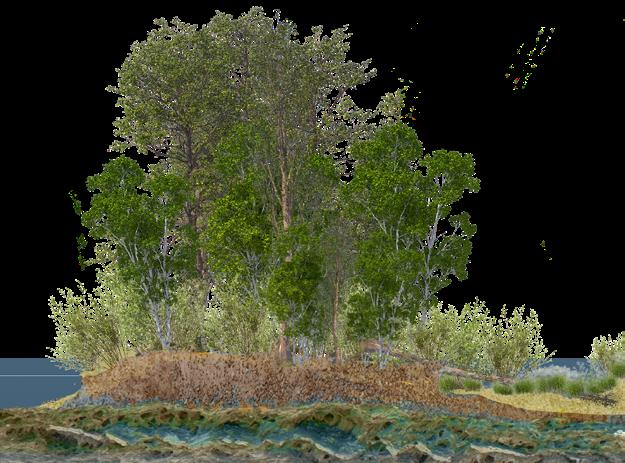
YEAR 10-100
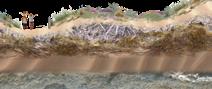
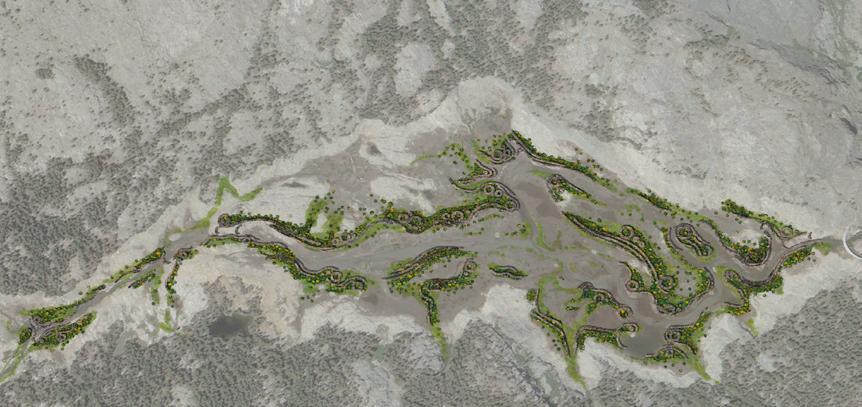
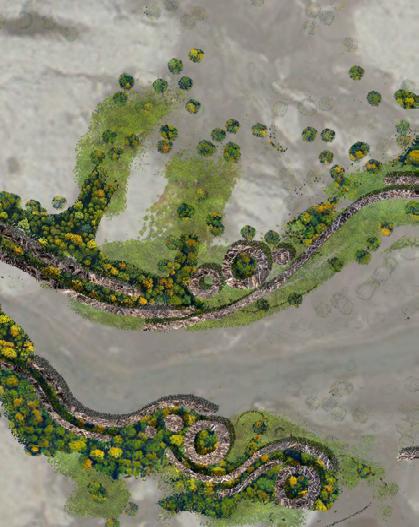
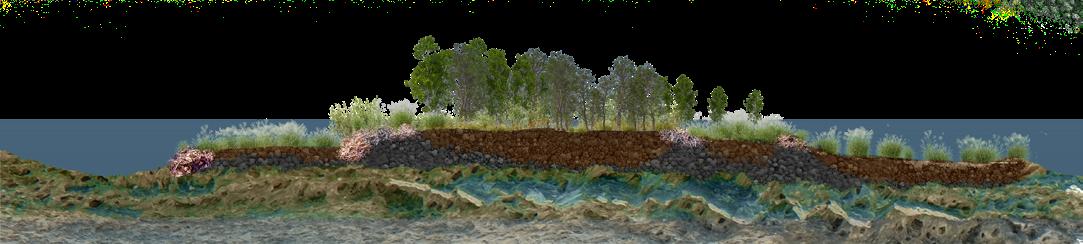
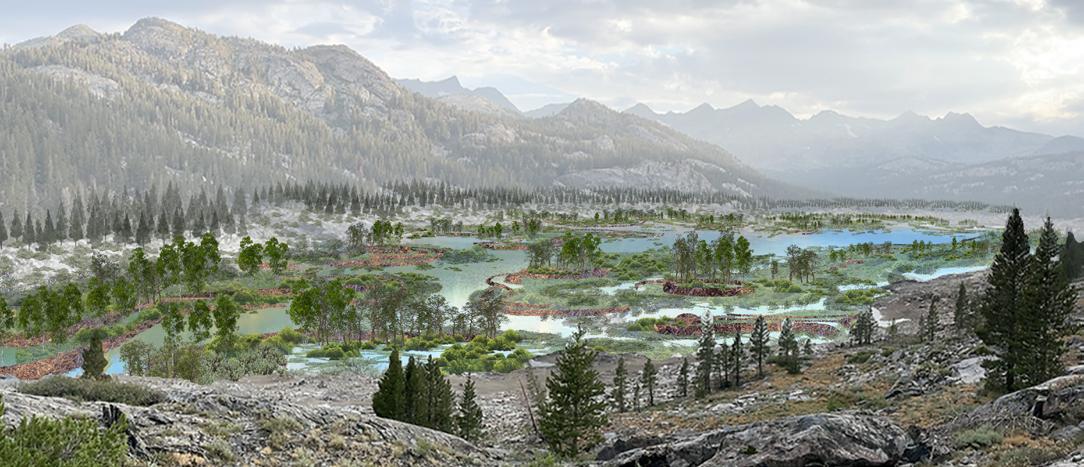
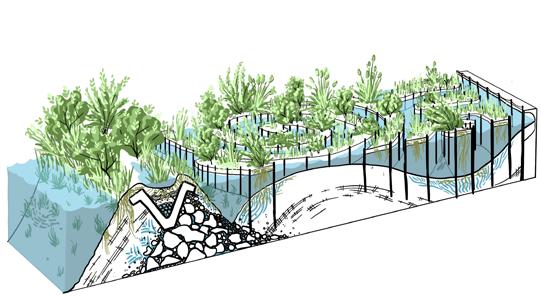
Drawing inspiration from beaver and willow analogues, these ecological islands are designed to create temporary safe havens for early establishing species of trees, shrubs and grasses. Built from sourcing local scrapwood logs, existing rock, vegeation cuttings, and biomesh is necessary to lock in local silt and river rocks for primary succession through soil stratification.
Cottonwood, and aspen saplings are planted behind the willow walls planted within the beaver analogues.
Rocks, boulders, and local wood all lock in the structure of the analogues as things begin to settle. Jute biomesh helps to tangle and entwine roots, sediment, and logs to protect the growing plants from seasonal floods from rapid snowmelt.
Sediment stratification locked in by primary established tree roots, as wet meadow species are interplanted in the newly created trail of sand, gravel, and soil.
These interplantings ensure biodiversity in the long-term.
As the analogue structures begin to fully decay, these ecological islands eventually become riverbanks, sandbars, and alluvial floodplains to provide mediums for native reintroductions.ww
This natural and planned decay allows Rush Creek to establish its own banks naturally. Reforming the lost braided river and surrounding wet meadows.
This creates an adaptable, fluid, and natural way to repopulate the barren former lakebed with natural species, warding off the threat of invasive grasses, shrubs, and trees that currently threaten this ecosystem.
YEAR 1-5
YEAR 5-10
RECREATE
Willow and beaver analogues hold back soil, sand, and gravel to assist in future sedimentation below the seasonal rivers. Maximizing the utility and plantings near alluvial fans that surround the lakebed.
INITIATE
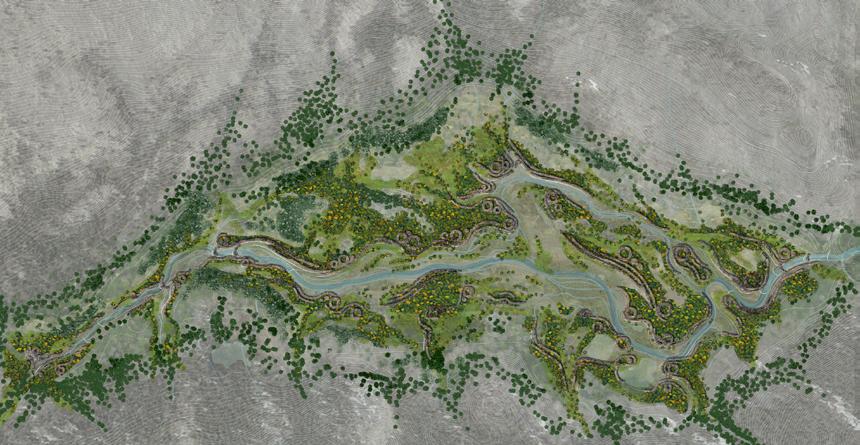
Soil stabilization, and sedimentation are aided by tree roots, establishing the beginnings of future forests and corridors. Quick-growing aspens, willows, and cottonwoods help create shade, and habitat for other surrounding species in these microhabitats.
YEAR 10-100
ACCELERATE
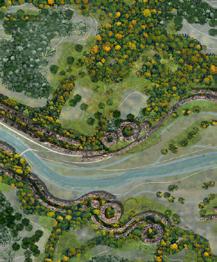
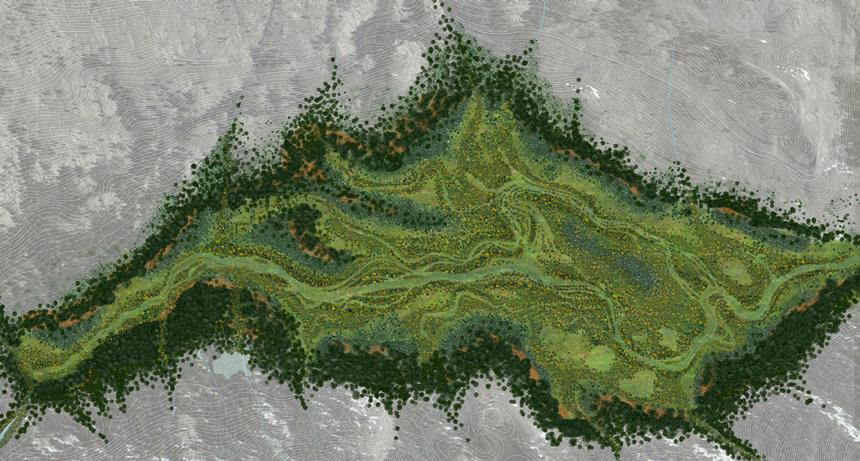
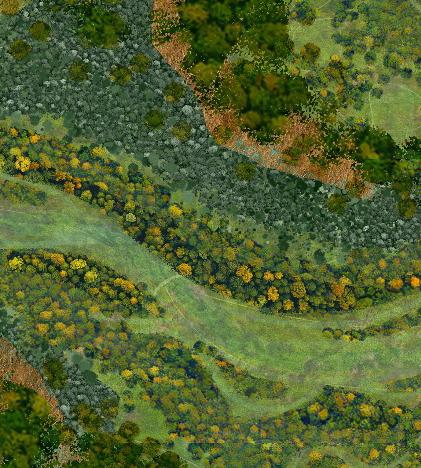
Fully inhabited wet meadows, braided rivers, riparian corridors, and bordering pine forests help to lock in and protect native species on the micro (former ecological islands), and macro (former lakebed) scale. This re-greening process transforms the former barren granite lakebed.
Phased Regeneration
YEAR 1-5
The analogues are situated beneath the seasonal alluvial fans that surround the former lakebed. The analogues act as temporary terracing to RECREATE soil banks, acting as interim tree roots.
Alpine and aquatic sedge, some of the only native species that currently exist in the former lakebed; begin to climb up and spread toward their seasonal water source up surrounding valleys. The grasses also act as primaryestablishment species as sediment is finally allowed to build up around Rush Creek, which previously flushed sediment downstream through anthropological flood control.
YEAR 5-10
During this time, forest establishment begins to INITIATE root systems that sustain Rush Creek’s native flora and fauna. During this time we begin to see the intermixing of pre-existing surrounding biomes of sagebrush and pine.
Contrastly, cottonwoods, willows, and aspens establish riparian corridors. These corridors are intended to slow the surrounding seasonal streams before they flow into the central Rush Creek. As these surrounding streams begin to slow their flow, water is kept in the valley for longer, extending the availability to species even in the dry months.
This system helps to combat the desertification and barren granite of the previous lakebed. Increasing the contributions of groundwater aquifers to provide freshwater to wet meadows and springs downstream.
YEAR 10-100
After the analogue’s structure begin to decay away, the evidence of anthropological interventions are hidden forever. What’s left is a beautiful amalgamation of sagebrush, grasslands, wet meadows, pine forests, and riparian hardwoods. Their borders begin to back up to eachother, ACCELERATING interspecific species competition. Meaning if one species or biome begins to experience ecological stresses (like climate change), another better-suited species is right next to it ready to move in and take its place.
Creating close knit, competitive, and adaptable biomes all contribute to a healthy and functioning ecosystem that is ready to combat the future effects of climate change, and threats of non-native species.
Flora, Fauna, and Biome Establishment
RUSH CREEK
Pauite Cutthroat & Tui Chub trout habitat
WILLOW ANALOGUE
Willow flycatcher habitat
Red Willow (Salix laevigata)-infill
Yellow Willow (Salix lutea)-bank stabilization
Sandbar Willow (Salix exigua)-primary
ANNUAL GRASSES
Sierra Nevada bighorn sheep habitat
Clustered Field Sedge (Carex praegracilis)
Yarrow (Achillea millefolium)
Key Endangered species Flora (Latin name) [Kootzaduka’a name]
Rush meadows was flooded in 1925 by SCE for hydropower, wiping the granite bedrock of any sediment, flora, or fauna. This project seeks to heal one of the scars that hydroelectric projects have left all over Rush Creek. In 1971 the dam began to show signs of structural failure, and in 2022 a slit was cut in the side of the dam to drain the lake. The dam, along with two others downstream were deemed unsafe, and due for demolition in 2024.
EXISTING
Inspired by the natural flow of Rush Creek, phased ecological regeneration processes encourage the river to rebuild itself; choosing which direction previals to create cascading habitats and corridors for native keystone species.
YEAR 20
Waugh Lake prior to dam removal [2017]
Mitigating Annual Floods in Seal Beach
Seal Beach, CA
SITE ANALYSIS
SHORELINE
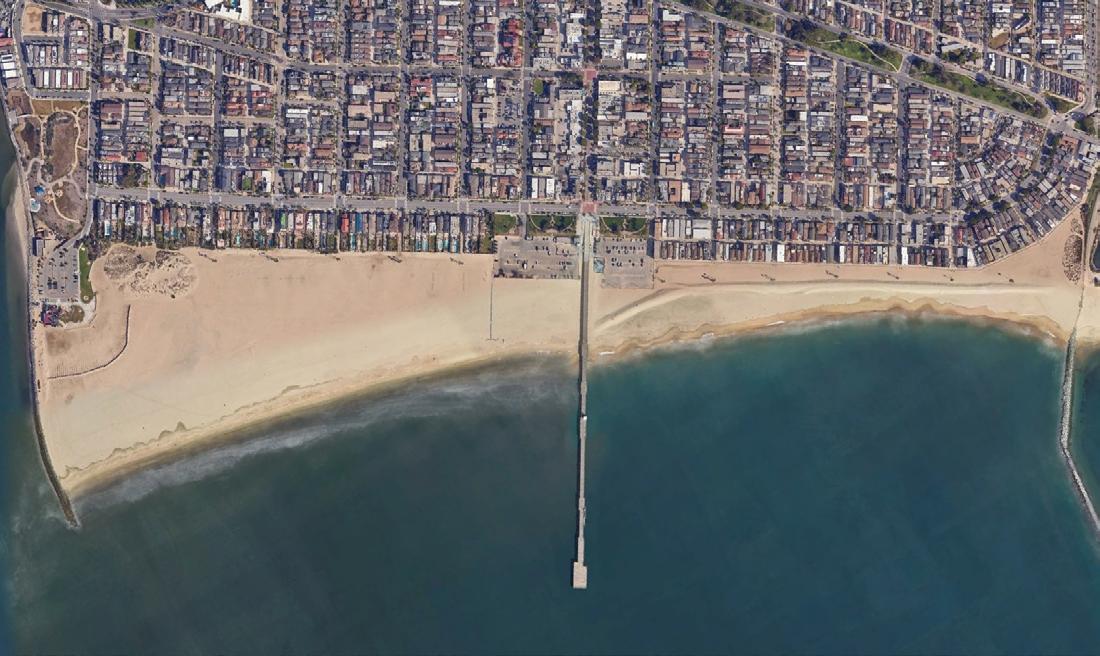
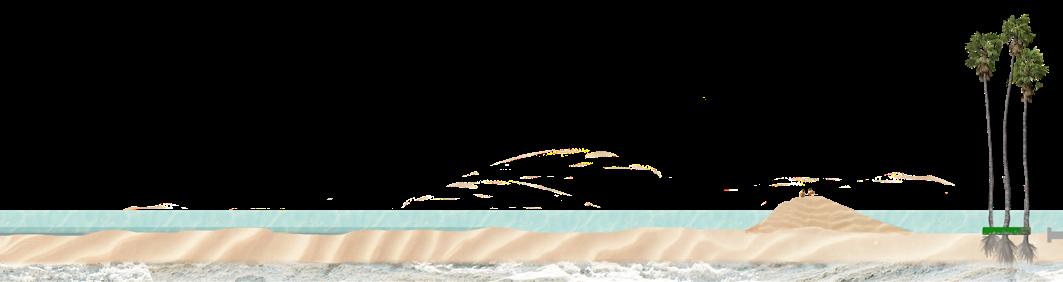
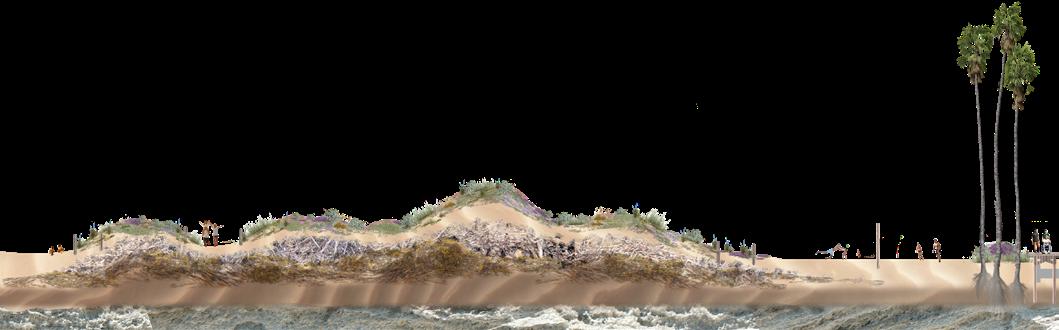
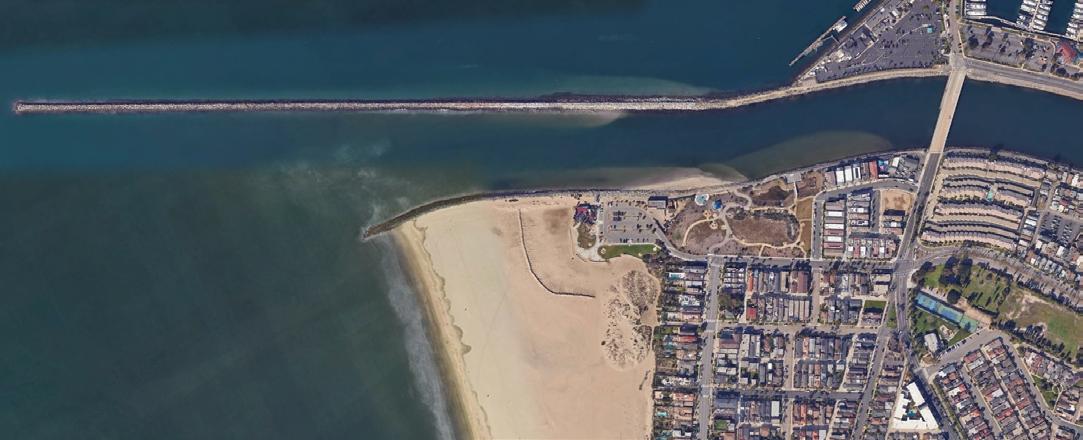
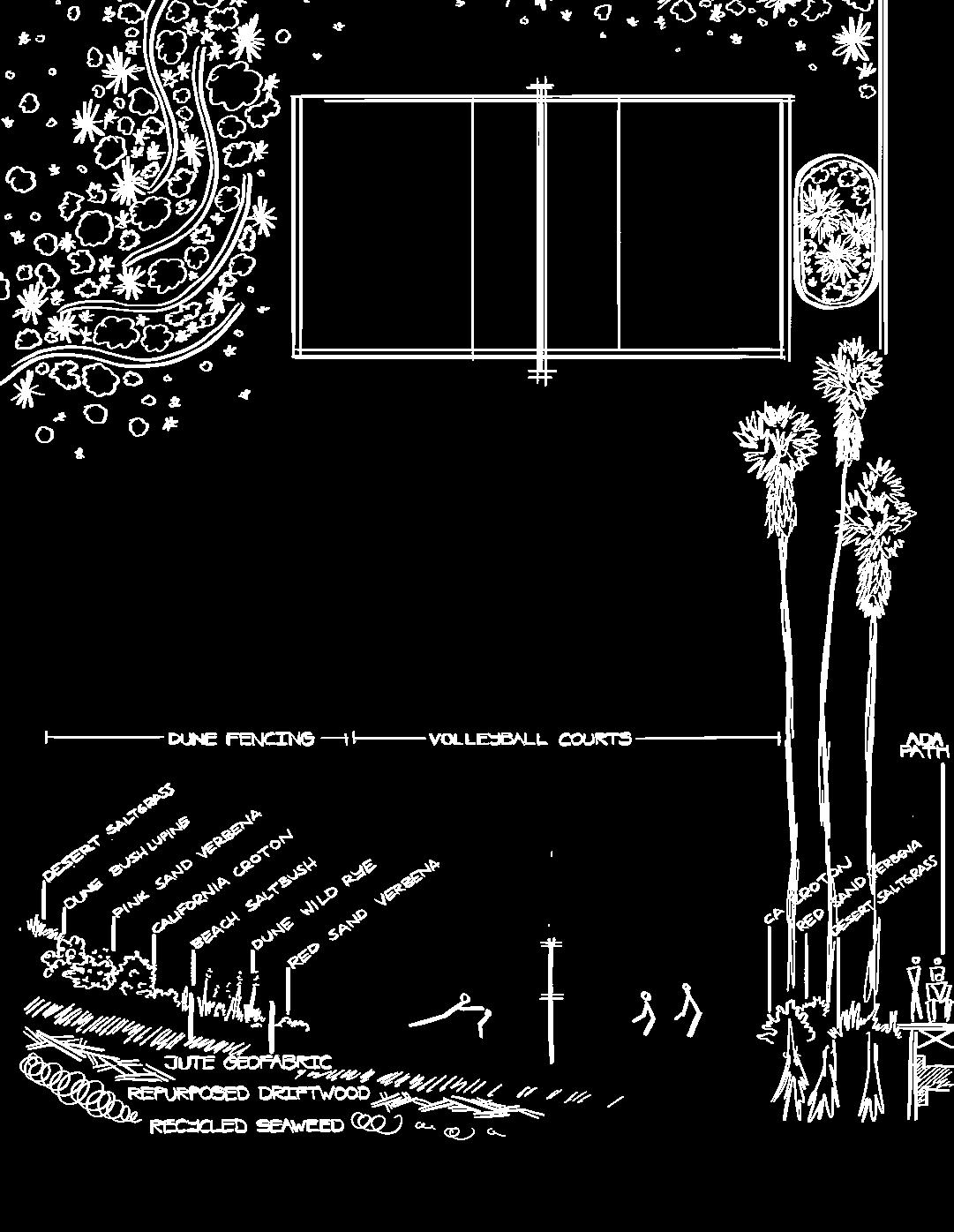
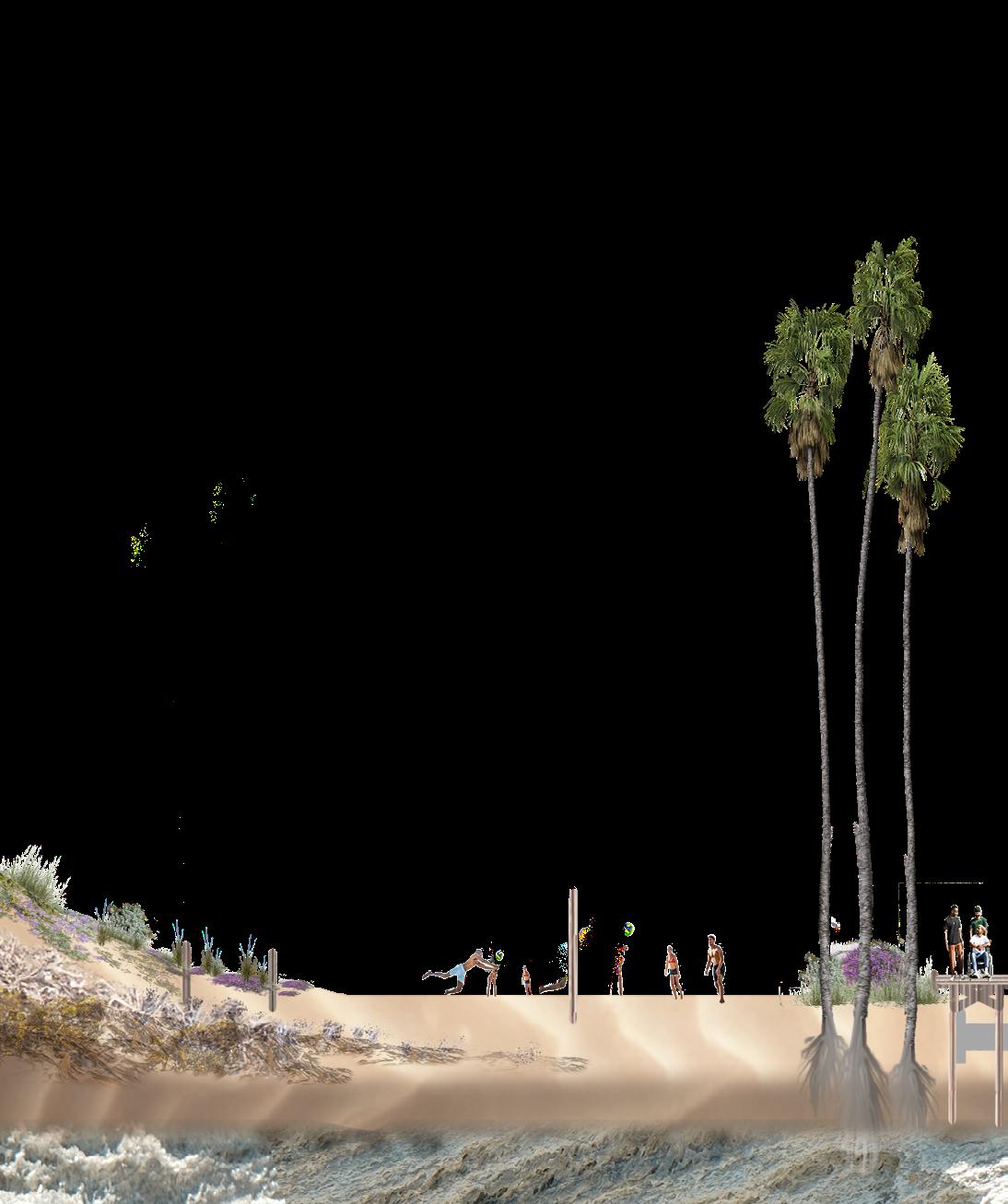
This town’s seaside community has endured yearly flooding since it was built in the early 1940s. The project seeks to address mitigation techniques for pollutants, flooding, and ecoystem restoration through the rehabilitation of the original dune ecosystem that once thrived on this beach.
DUNE PROGRAMMING
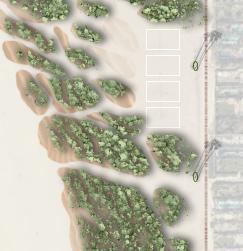
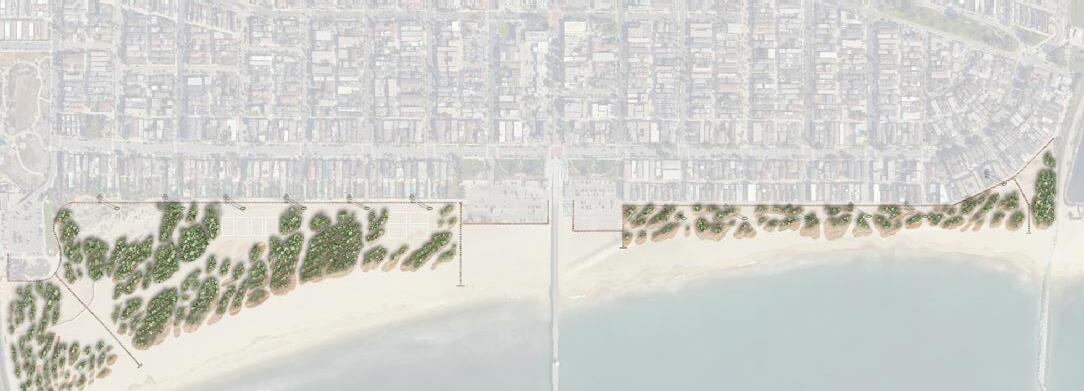
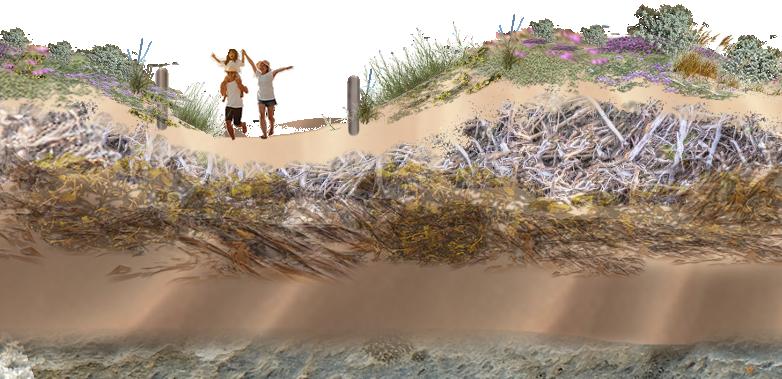
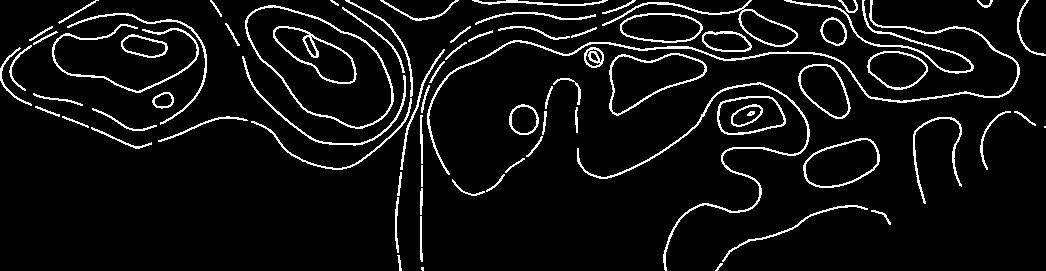
This plan was based on four main factors: (1) recreation, (2) energy dispersal, (3) access/ pathways, and (4) habitat creation. The main threat to this coastal community is flooding, the angle and placement of these dunes is refelected in their ability to disperse the energy of wind and water. This comes with the added opportunity to provide exploratory pathways, habitat creation, and opportunities for recreation.
Seal Beach’s coastline identity is currently lackluster and riddled with costly environmental problems. Restoration of the dune ecosystem solves these problems, while utilizing unused areas of beach.
Soild Pollutants [200-300 tons per year] (plastic, metal, waste)
Bacteria
MISSION STATEMENT
0.35 MILES
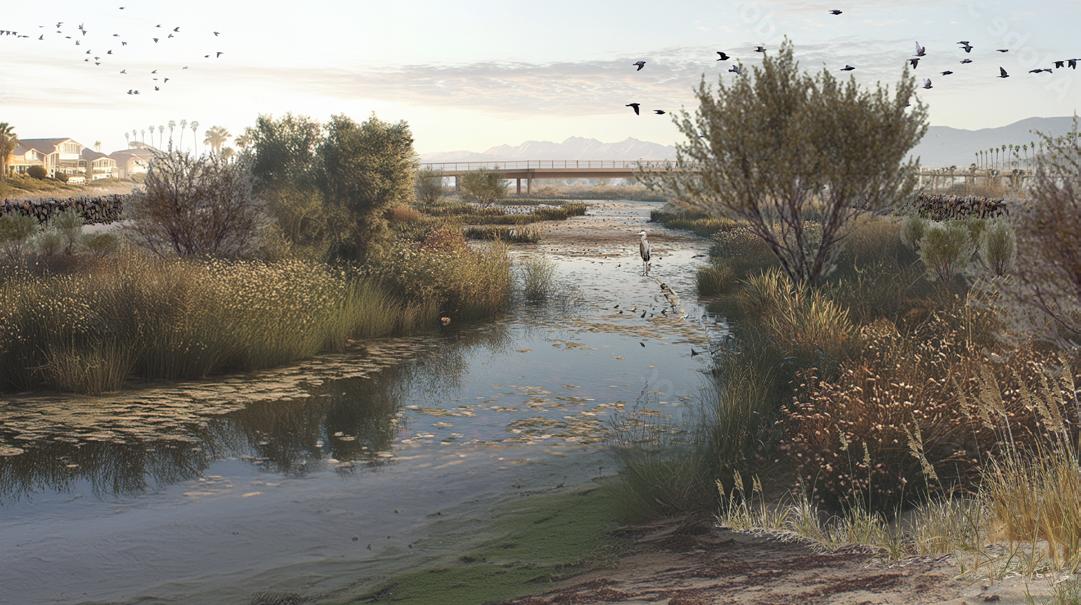
The continued pollution and degredation of the San Gabriel River’s watershed dumps into the Pacific Ocean in the seaside town of Seal Beach. This provides a unique opportunity to purifiy the freshwater of the San Gabriel River through bioremediation techniques; focusing on providing habitat, filtering pollutants, and restoring this lost wetland estuary.
This plan was brought about to better provide Seal Beach with a vital resource in combatting its annual pollution problems. With annual beach closures due to high levels of dangerous bacteria, chemicals, and other water-bourne pollutants, this wetland revitalization can help with the adaptation and mitigation for the benefit of aquatic and terrestrial life.
SECTION A
JETTY
JETTY
Tribal Sovereignty Through Rematriation
Altadena, CA
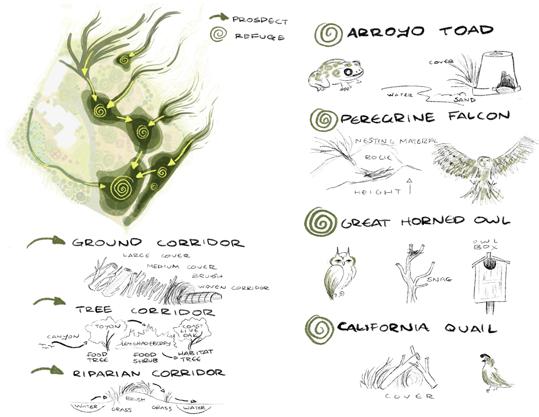
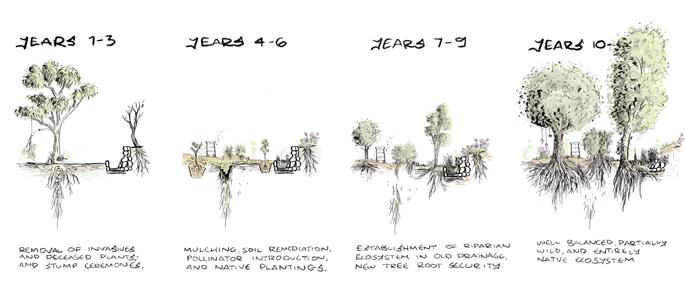
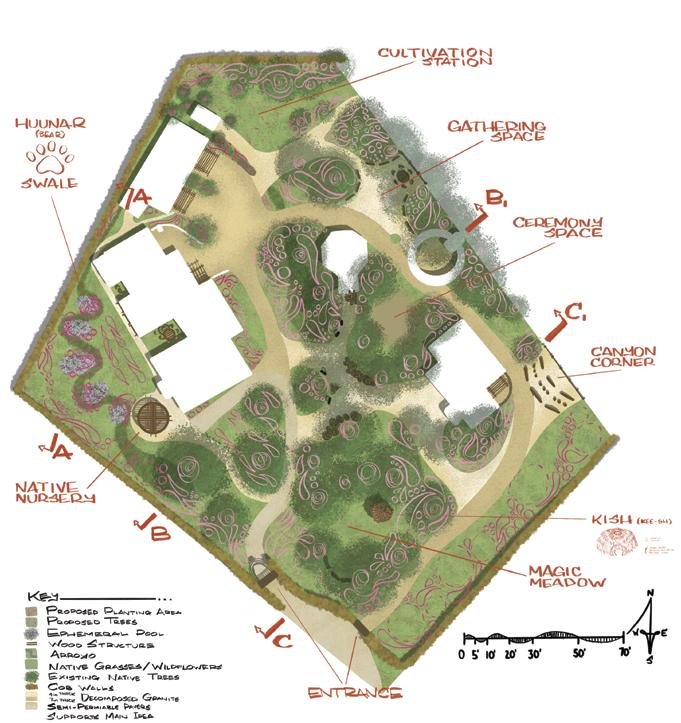
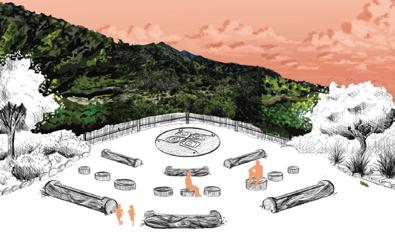
The main objectives of this project included the creation of habitat for endangered species, the removal of invasive vegetation onsite, and to provide space for the tribe to gather and practice their culture.
ENDANGERED
HABITAT CREATION
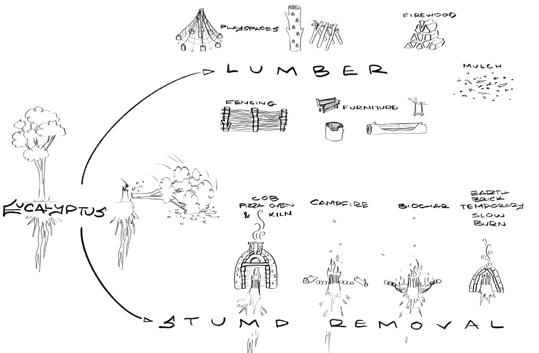
RECYLCING AND REMOVAL OF INVASIVE EUCALYPTUS GROVE
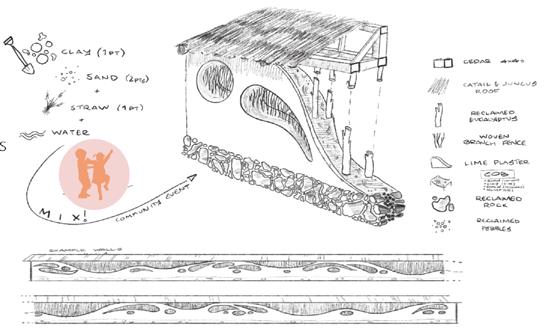
Finding alternative uses for the large grove of eucalyptus on the property allows for unique opportunities for the build form of this design. Cob walls from recycled eucalyptus trees provides a cost-free way to give the tribe privacy and safety.
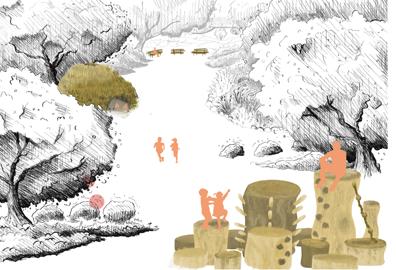
Indigenous Celebration, Practice, & Play
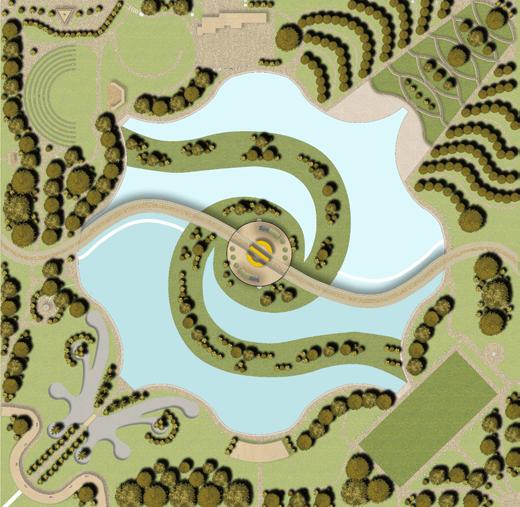
SITE PLAN
RECHARGING EATON CANYON’S AQUIFER
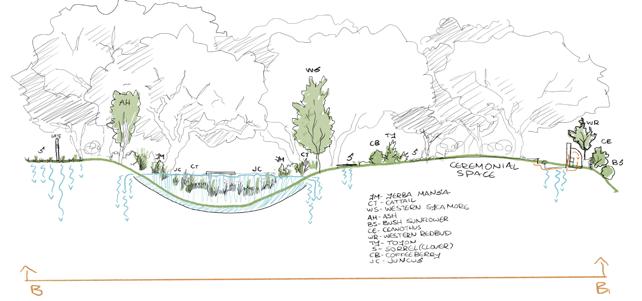
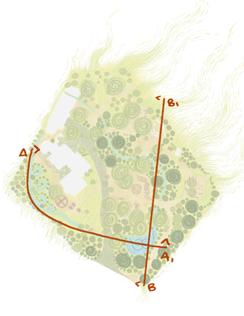
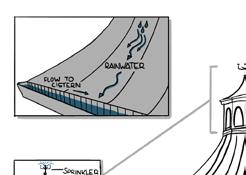
Recharging groundwater aquifers through modification of existing (failing) drainage infrastructure is crucial when designing long term sustainability.
MAGIC MEADOW CANYON CORNER
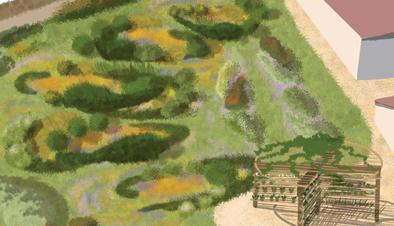
BEARPRINT MEDICINAL NURSERY
‘Seed to Skillet’ Culinary Garden and Classroom
Atwater Village, CA
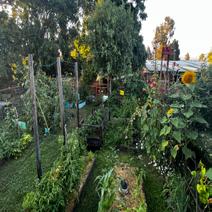
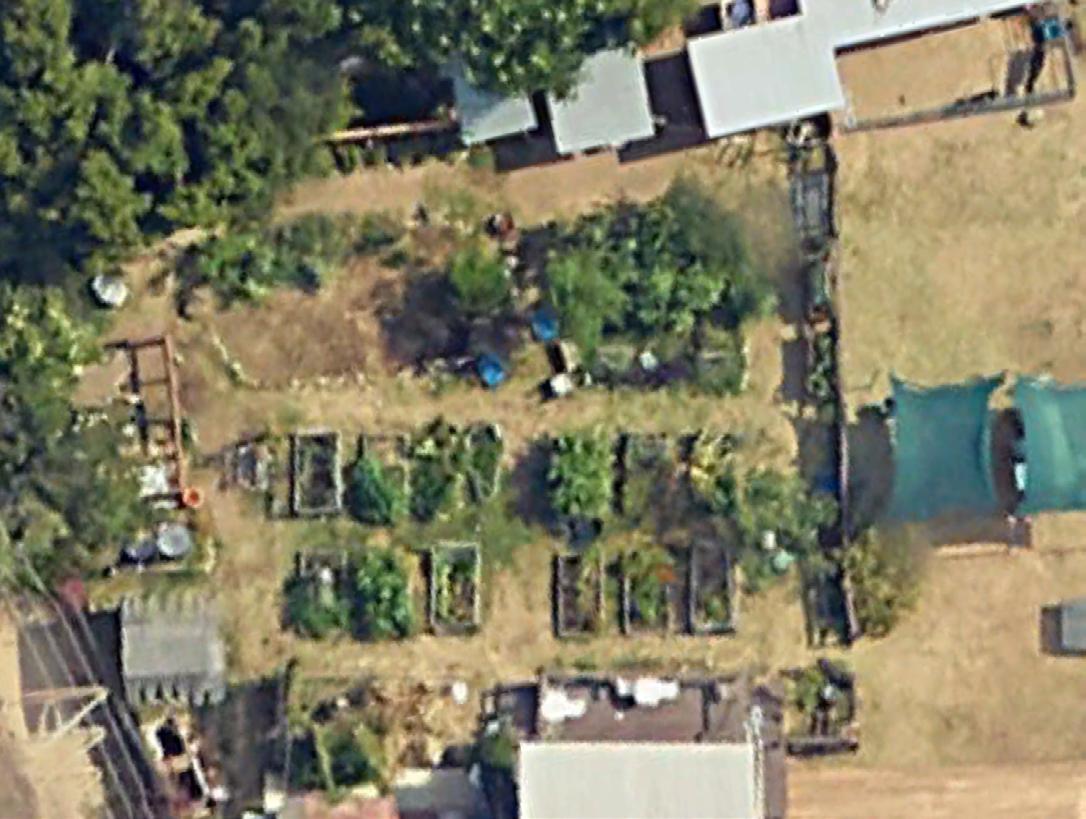
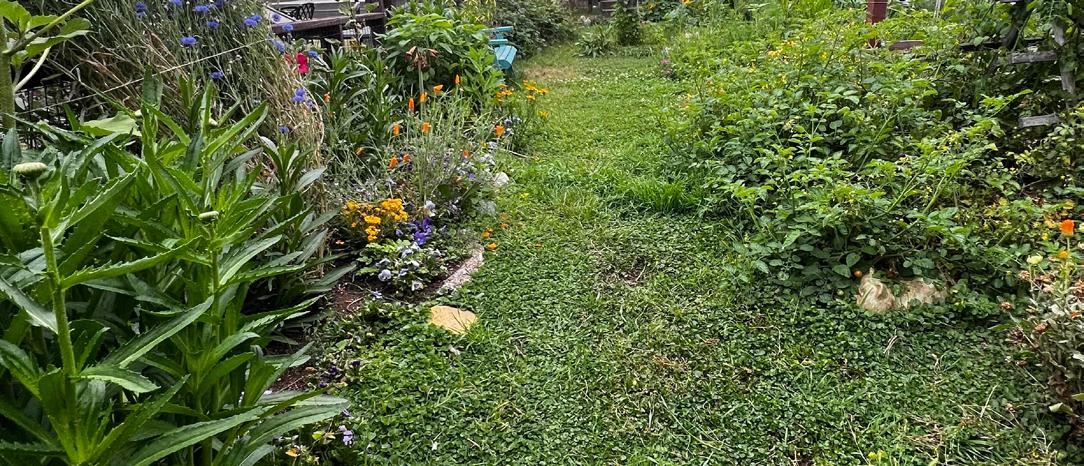
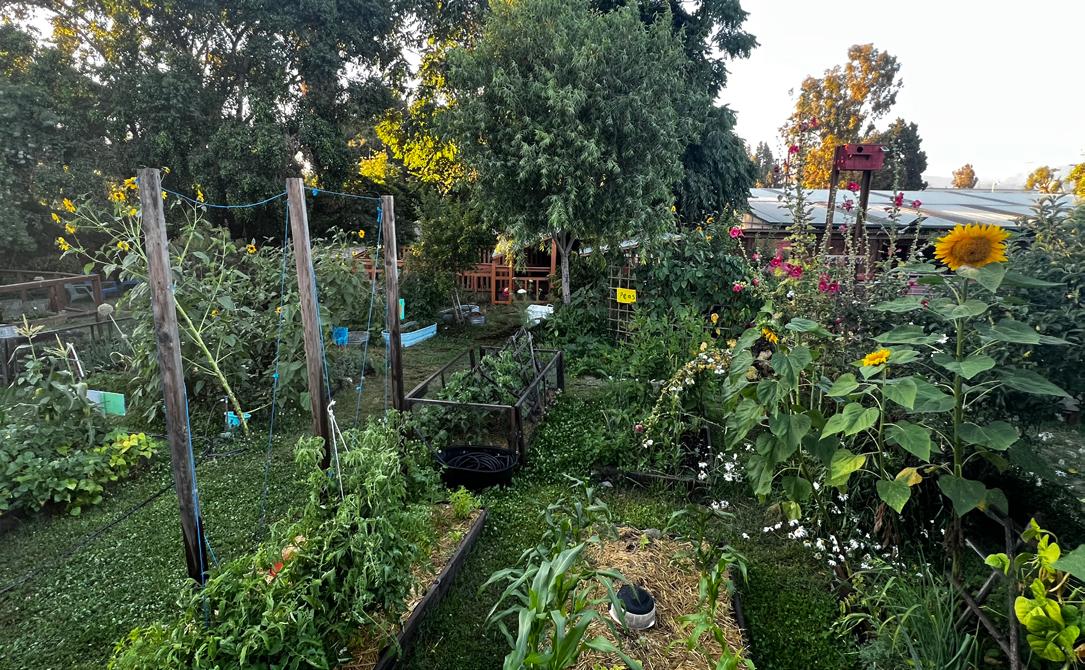
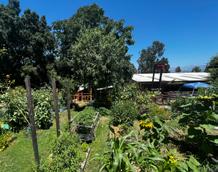
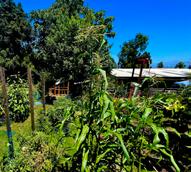
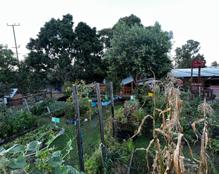
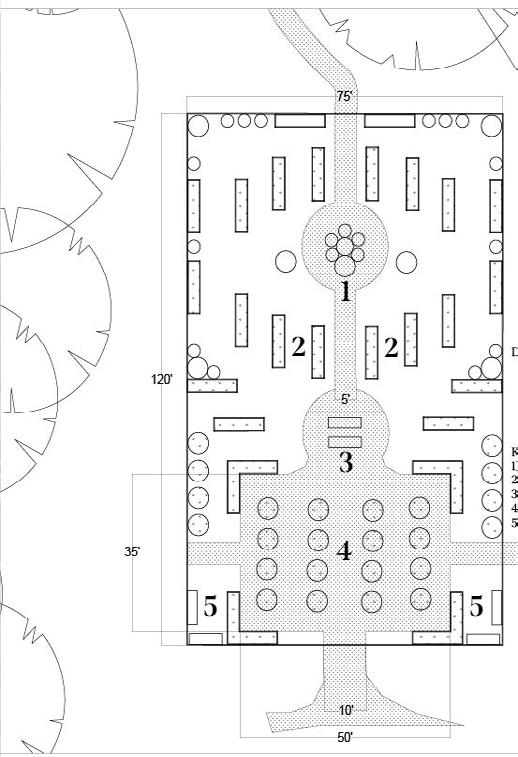
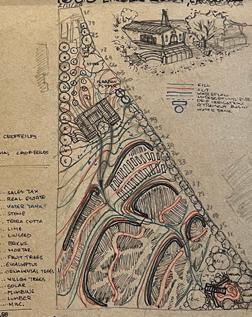
Creating a densely growing, permaculture garden is necessary for this LA urban farm. Located in the Atwater Equestrian District, this farm serves at-risk youth girls through its ‘Seed to Skillet’ program. This teaches girls how to grow, care for, and cook their own food. Rotational harvests, vertical growing, no-till, and organic methods are practiced. The design of this garden was meant for kids, planted and manicured for their height, play, and exploration. Curves and many exploratory paths are always included between rows of crops.
Key Rainwater Swale
Crop Swale
Garden Bed
The design for this garden created an incredibly unique opportunity to teach and learn about food sovereignty in inner-city Los Angeles. This program focuses on providing education and life skills to atrisk, foster, and troubled youth. Working with schools across LAUSD, the Seed to Skillet program teaches kids how to grow, cook, and prepare their own food. This space provides young girls with the opportunity to learn and explore not only in class, but also on their own time. For many of the girls that enroll in the program, this may be their only extention of a ‘third place’ that they are exposed to, that is a space that is not school or home. Both of which can be particularly challenging for the population of girls that this garden serves. It has been an honor to design.
Paths and Swales
Encouraging the flow of not only water, but also the constant stream of explorative children; these pathways are able to serve multiple purposes while buffering crops. The lack of fencing and guards is purposeful, for the safety and curiosity of the kids that inhabit this space. A small threefoot tall pathway might otherwise be missed by a passing adult, but for a child it can be a gateway to a secret corner of the garden. Various alcoves and branches of the clover paths provide a comfortable, safe, and droughttolerant solution to the previous dusty sand based pathways that originally inhabited this garden. This solution to path definition encourages privacy, creativity, and multi-functional spaces.
ONIONS
POLLINATOR PATCH
THREE SISTERS
CLOVER PATHS TOMATO WINDBREAK
LATE SEASON CORN COMPANION PLANT PEPPERS
HEIRLOOM TOMATOES
WILLOW POLLARD
CUT FLOWERS
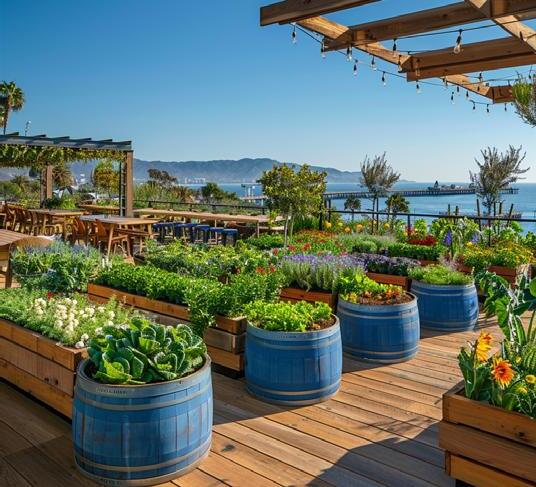
Rooftop Restaurant, Garden, & Event Space
Santa Monica, CA
Rooftop Farm & Pollinator Garden
PLAN
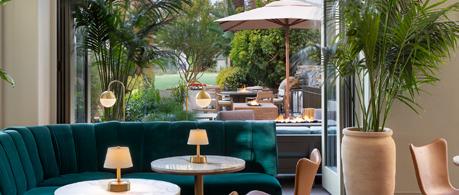
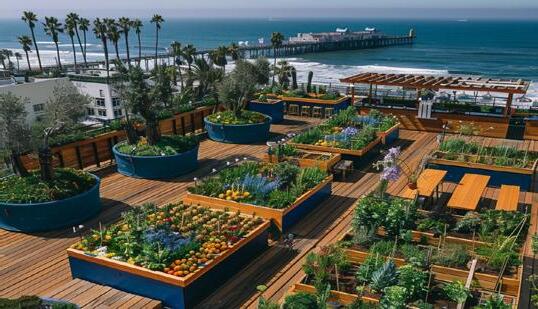
CONCEPT IMAGES Created through Midjourney
& Pollinator Garden
PROJECT GOALS
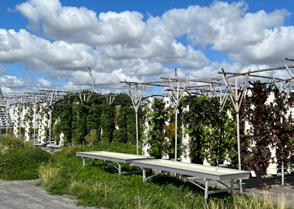
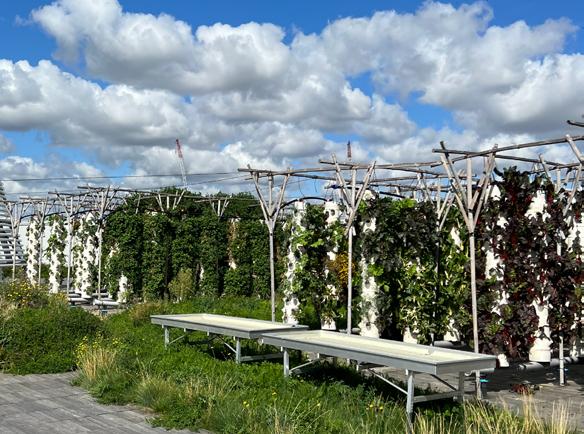
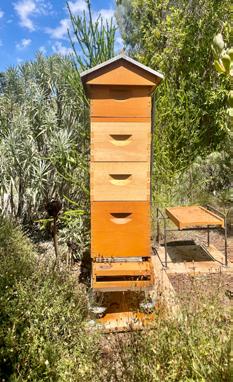
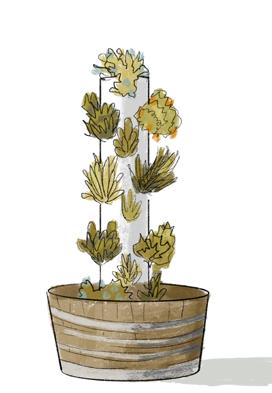
The creation and vertical integration of food production systems helps to harbor spaces for rooftop beehives, culinary classes, bars, and outdoor dining.
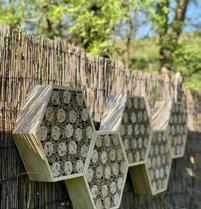
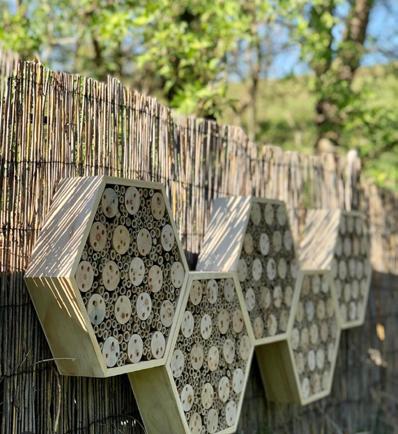
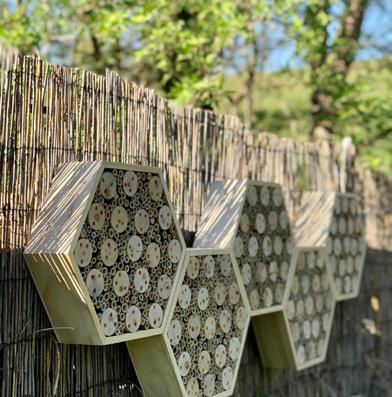
Native Bee Houses
This design was aimed to seamlessly hides bulky HVAC systems, protects crops from gusty ocean winds, and provides a sensational farm to table experience for patrons.
Creating classy and unique ways to integrate vertical food production in limited space is what makes this design shine.
Farm Grow
Rooftop Bar
Olive Tree Hedgerow
Monica Pier
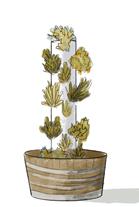
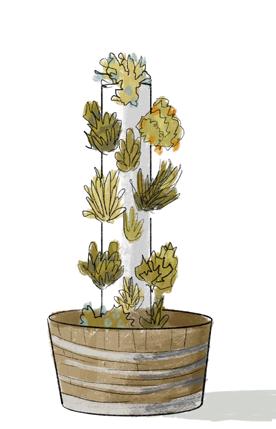
VERTICAL GROWTH
Chef’s Culinary Garden & Workshop Space
Napa Valley, CA
REVIEWS
Msn.com’s Nica Lina described an event in the garden as; “...a unique pre-dining experience that allows guests to explore the garden, learn about sustainable farming techniques, and even sample some freshly picked delights...this interactive hour highlights the resort’s dedication to an ecofriendly approach, featuring composting practices and an innovative custom irrigation system that underscores their commitment to the environment. This summer, the resort proudly introduced its new 6000-square-foot chef’s garden, a dreamy little oasis where you’ll find heirloom tomatoes, aromatic herbs, edible flowers, and vibrant citrus! The garden proudly symbolizes the property’s commitment to sustainability and serves as a beautiful backdrop for their new activation: the Chef’s Garden Brunch!
This is definitely a must-add to your summer bucket list when thinking of what to do in Napa Valley this season.”
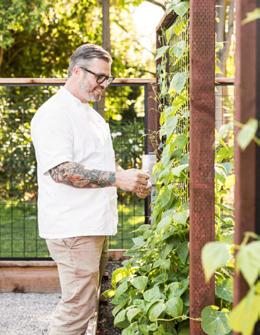
Executive Chef Patrick Prager picks pole beans in preparation for the garden’s debut in June 2024.
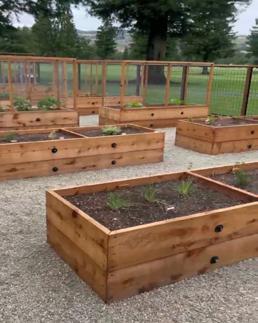
Redwood resistant lined cedar rasied beds tackle multiple design challenges.
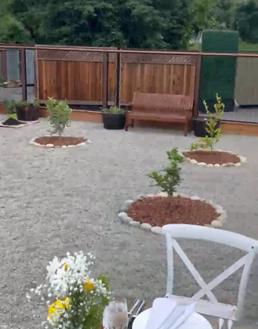
Creating an orchard with a wide variety of fruit was important for the culinary aspect of the garden.
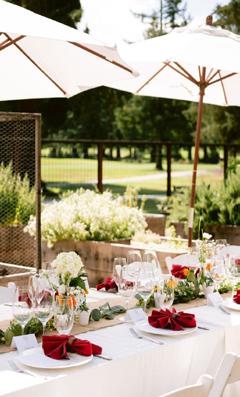
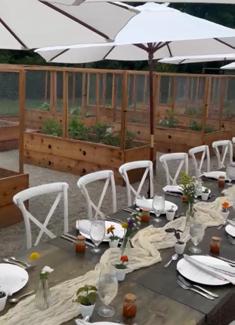
This event space serves wine tours, golfers, and sommeliers to create a truly unique destination in the heart of Napa Valley. Image of the Chef’s garden brunch in July 2024.
Colorful Pollinator Patches
Pasadena, CA
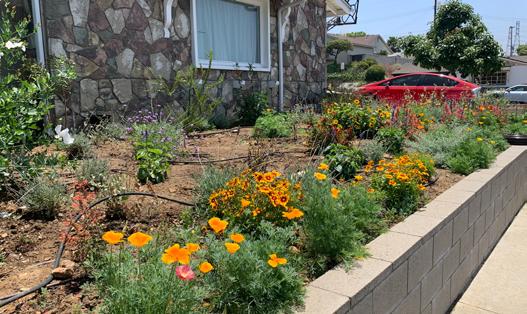
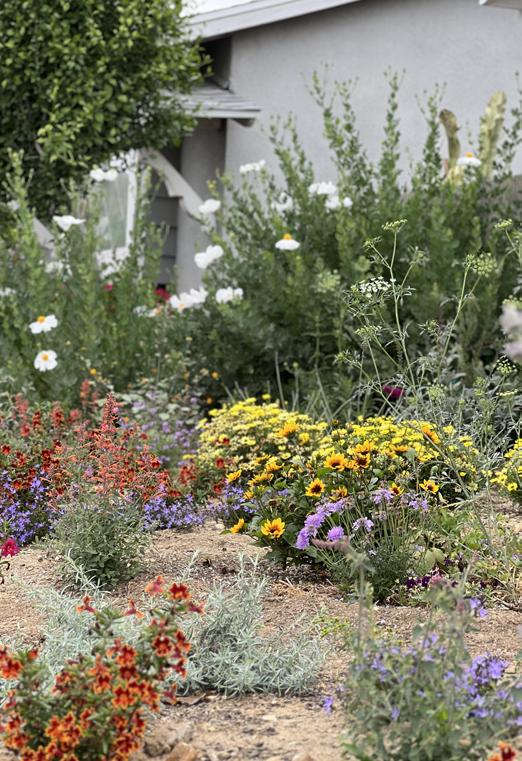
1. The curb appeal for this garden was intended to be ‘all colors of the rainbow’ according to the client.
2. Drought tolerant plants, sprinkled in with native plantings provides a creative solution to year-round blooms.
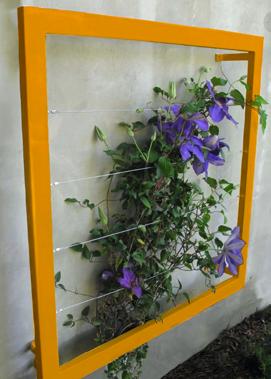
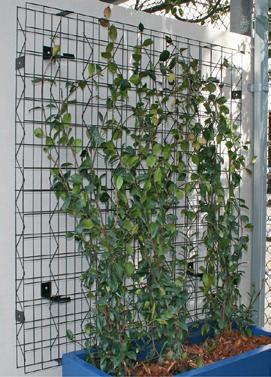
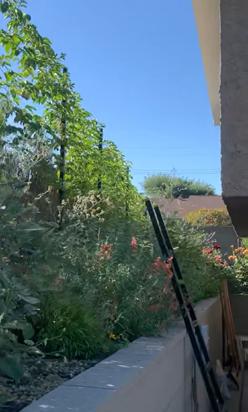
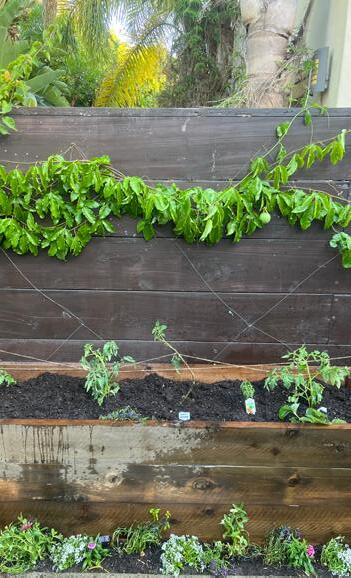
3. A wall of passionvine blocks the view of neighboring utilities, while framing the elegant blooms of native bushes.
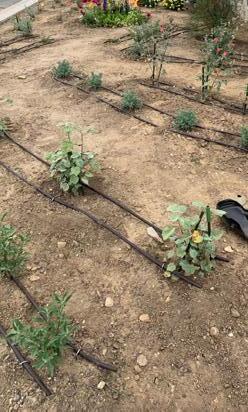
4. Taken on planting day, this was the beginning steps of layered blooms.
2. 2. 3. 4. 1. 1. 3. 4.
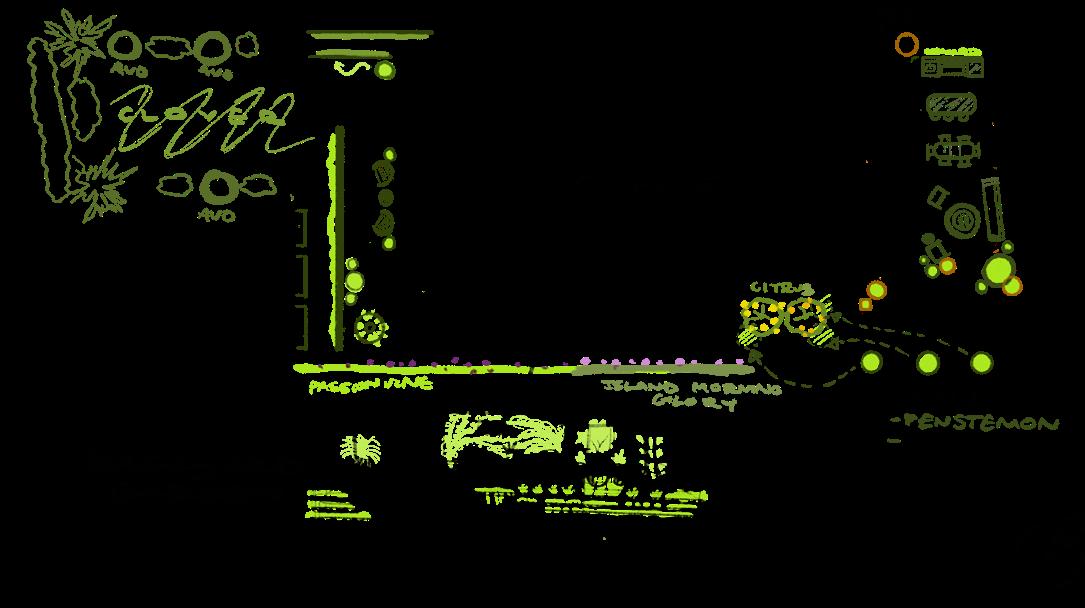
Vertical Garden and Event Space
Venice Beach, CA
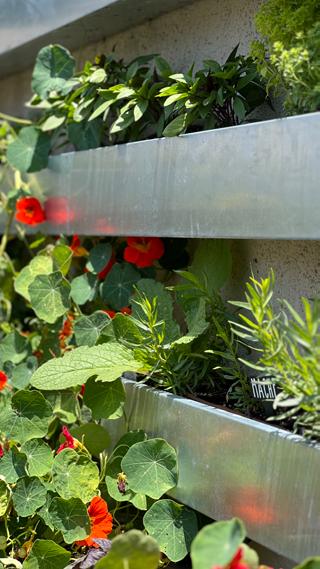
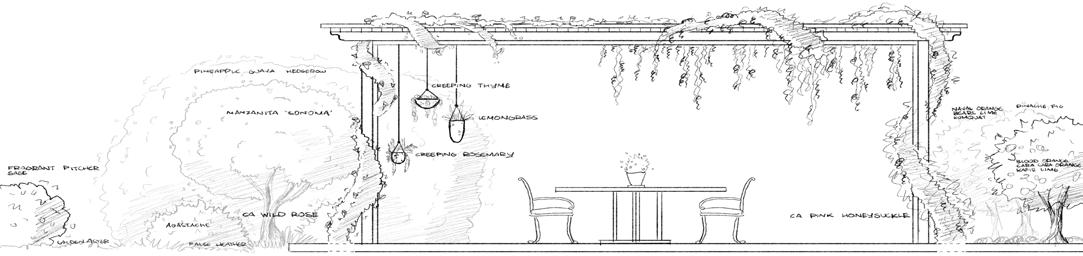
Entertaining, food production, family play, and shade were prioritized for this seaside residence.
CHILDREN’S GROW BEDS
VERTICAL GARDENS
HERB WALLS
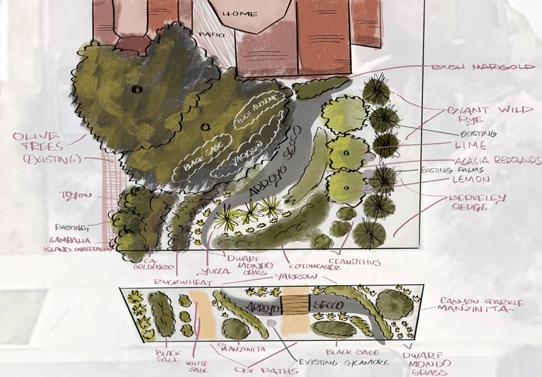
Rainwater Harvesting Front Garden
Culver City
Water retention, drought tolerant plants, low maintenence, long lasting blooms, and natural flow of water was used for inspiration.
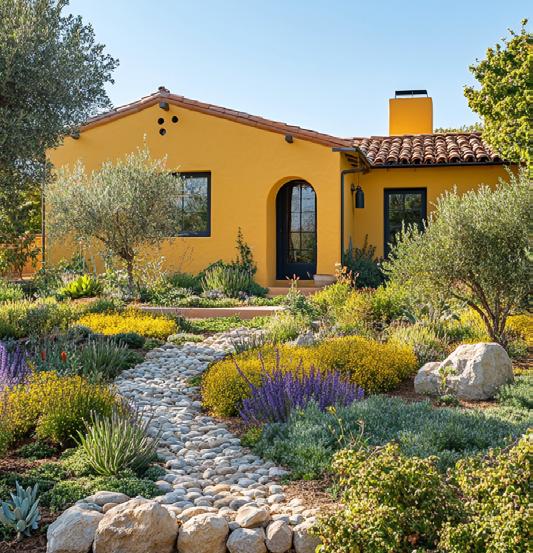
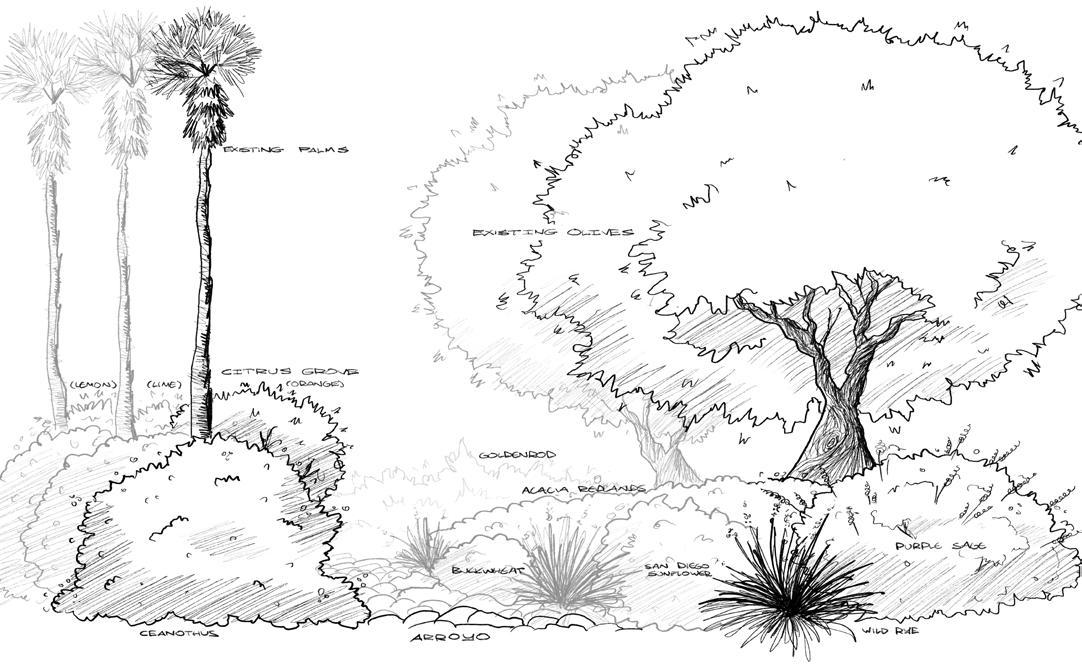
Designed for efficent use of space, budget, and sustainability, this design allows of a sneak peek into a typical Southern California arroyo amidst the hustle of Culver City. The water retention swale collects and pools rainwater toward the orange, lemon, lime, and olive trees on the property. The overflow pours into the parkway, and finally the gutter during large scale rain events.
Concept created through Firefly.
Section A
Section A
Drought-Tolerant Family Space
Marina Del Rey
SITE
PLAN
INSPIRATION
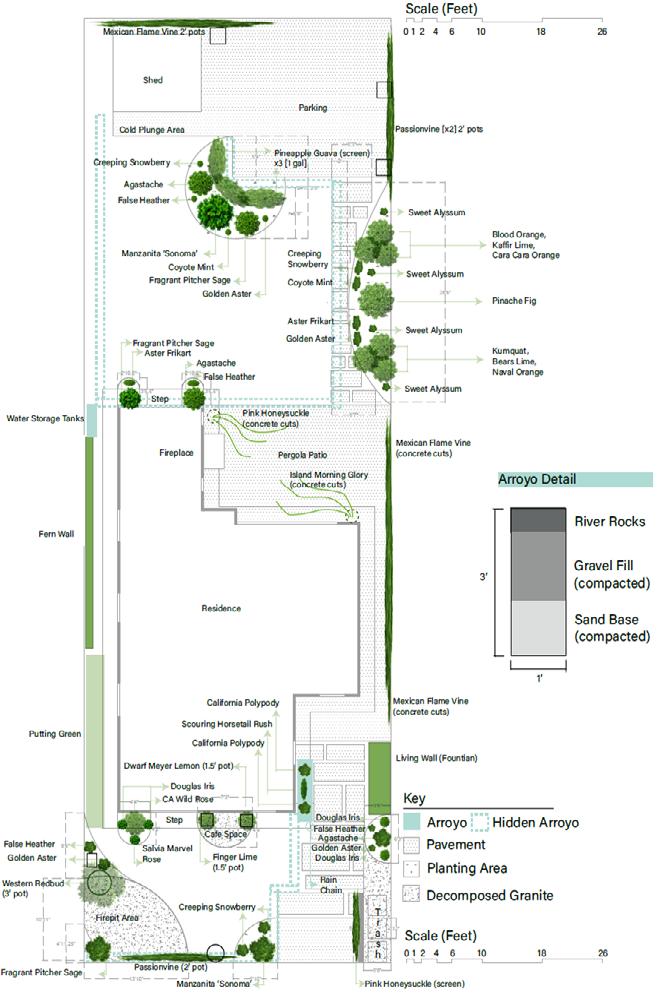
Rotating blooms, filled with jazzy colors, while maintaining rotating blooms and pet friendly plantings were necessary for this Marina Del Rey new build. This bohemian home is complimented by purple, pink, orange, and yellow blooms; inspired by California’s wildflower blooms of lupine, poppies.
Arroyos feed small retention boxes to keep the food forest alive during the dry seasons.
Elegant vines drape to provide shade for the children as they grow, learn, and play outdoors.