Remyelination - Undoing the Effects of Multiple Sclerosis
Zoya Akhtar, 9-10
Exploring Sustainable Alternatives to Toxic Manufactured Plastics
Tasnia Hossain, 11-12
PLACEBO EFFECT: THE HEALING POWER OF NO TREATMENT Or Doni, 21-22
Unraveling the Role of Microglia in Alzheimer’s: Insights and Therapeutic Implications
Zara Faizi, 25-26
Letter from the Editor
Dear reader,
It is my pleasure to bring to you our Fall 2024 issue. In this issue, we cover some of the most relevant and forefront topics in medicine including the placebo effect, developing Alzheimer’s treatments, and toxic manufactured plastics. Our goal has always been to inform our readers of these important issues and developments. We hope that being more aware of medical news will allow the community to understand healthcare in ways that best help them and the people around them.
This issue marks the product of a great deal of teamwork, passion, and leadership. Our journalists, many of them new to our organization, worked with their managing editors to turn a seed of an idea into robust articles. Highlights of our meetings included our human bingo icebreaker to an alumni panel who gave members invaluable advice on the pre-health journey.
I am thrilled with this issue and incredibly proud of the commitment our members show. My role as president could not be carried out without the incessant support of my executive board, I hold an incredible amount of gratitude towards them. Journals like The Examiner are needed now more than ever, and we strive to be a reliable & credible source of medical news.
On behalf of all of us here at The Examiner, enjoy reading.
Sincerely,
Sathya GopinathE Editor-in-Chief
Transformative Technology: The Future of Learning and Education
The Overturning Roe V. Wade and What it Means for Doctors
The use Neural interfaces for increase control of Prosthetics
Remyelination - Undoing the Effects of Multiple Sclerosis
Exploring sustainable alternatives to toxic manufactured plastics
Exploring Western Medicine vs. CAM in Relation to Heart Diseases
Emerging Gene Therapies for Hearing Deficits
and Crisis Houses, How are They Helping Those In
Future Sounds: Innovations in Hearing Loss
Transformative Technology: The Future of Learning and Education
Nishi Desai
Since technology has become an integral aspect of student learning in modern society, it has posed many learning and academic benefits to students and professors alike. A key component of technology’s impact on college students is centered around the correlation between technological use and the transition to online learning during COVID-19. The nature of technology’s impact on student wellness can be understood by examining the cognitive aspects of learning. It is important to establish a balance between technological benefits in college which correlates with learning, while remaining aware of its potential limitations
The COVID-19 pandemic resulted in a global shift towards online courses, which has impacted student learning In a study conducted in the U S in 2020, it was found that 11 8 million, or 75%, of undergraduate students transitioned to virtual learning. This resulted in difficulties experienced by both students and teachers while adjusting to the new normal. In a survey conducted to examine students’ experiences with online learning, students noted that they often had difficulty concentrating and felt less of a connection with their peers/teachers than normal. Additionally, students described that while on Zoom, they had increased worries, an unwillingness to speak up, and lower overall engagement in the classroom setting Another study done in 2020, at Texas A&M University showed that many students (over 70%) had difficulty concentrating on their academic work.2 This was largely due to distracting technology, such as video games and social media Students noted that “online classes were subject to distraction due to the lack of interactions and prolonged attention to a computer screen”. The shift towards online learning offered opportunities for flexible learning environments, but the lack of access to technology among certain communities widened the social class divide in education As such, this resulted in a lack of social connection and decreased motivation among students.
Technology during the pandemic, however, also had a positive impact on student learning in certain cases At Rutgers University, a study was conducted to explore the effect of COVID-19 on Rutgers undergraduate students. The survey included information on the transition to remote learning, health and wellbeing, and overall engagement At Rutgers, online classes consisted of a combination of synchronous and asynchronous learning and a clear digital presence of the faculty. Despite its deficits, this demonstrates that online learning was beneficial for most students. While some students did note that they were not entirely satisfied, many students were happy with the quality of instruction provided Additionally, 77 7% of undergraduates felt supported by Rutgers during the pandemic and most students reported that they would re-enroll in the fall. Moreover, 80.6% of undergraduate students were very satisfied with the university’s overall response to the pandemic Around half of Rutgers students were able to adapt “well” or “ very well” to the new online instruction implemented by Rutgers. The survey reflected on the transition towards online learning, and undergraduate students’ flexibility while making the shift between modems of learning. As such, the impact of technology on college students’ overall wellness and health is undeniable in contemporary society. It is crucial to consider both the advantages and disadvantages of using technology for academic purposes Ensuring that individuals are aware of effective technology use will help foster an inclusive and positive learning environment for students.
The Overturning of Roe v. Wade and What it Means for Doctors
Diya Nathan
In 1972, when the Supreme Court passed the original Roe V Wade decision, it only concerned abortion as a medical procedure and focused on two groups of people: the doctors performing abortions and the patients needing them. With its overturning in 2022 and the subsequent rise in abortion bans across the country, people often focus on how these things affect patients, but doctors are often left out of the conversation.
Not only do these bans prevent doctors from performing abortions, they’ve criminalized them; this means that doctors face jail time for doing the procedure. In states where there are exceptions to abortion bans (such as saving the life of a mother), doctors find it hard to determine who qualifies for care While there are doctors living in these states who want to defy these laws, they note that it is too risky. With these legal concerns and restrictions on their jobs, many doctors see only one solution to handle this problem: leaving the state
This is a decision that doctors come to after finding themselves in a difficult position: should they do what is best for their patients or should they do what is legal? It is an internal conflict that becomes a burden for doctors in these states Dr. Alireza Shamshirsaz, a maternal-fetal specialist from Texas explained that his sole reason for moving to Massachusetts was Texas’ abortion ban, which he felt targeted physicians Dr Nicole Teal, another maternal-fetal specialist, voiced similar concerns when asked about her move from North Carolina to California She stated, “Being able to provide abortion care after 20 weeks is really fundamental to practice and comes up on a weekly basis”. So when North Carolina’s 12-week abortion ban was put in place she felt as if she was living in a constant moral dilemma All doctors want is to be able to practice in peace, both without fearing that they’re unable to make the right decision for their patients and without fearing the law Doctors currently working in reproductive health care feel as if they are left without a choice.
The majority of the doctors that leave are in female reproductive health, which means that citizens are losing access to doctors who would help maintain uterine health, assist in childbirth and the pregnancy process, and provide guidance about overall sexual and reproductive healthcare As doctors leave, these states risk becoming “health deserts” where access to reproductive healthcare on both a personal and structural level is limited.
This is a problem sociologists believe will only get worse Dr Rina Bliss, an associate professor of sociology at Rutgers University, explains how the overturning of Roe V. Wade was due to the longstanding idea that “women’s bodies are seen as simply vessels to have children” and not as “individuals worthy of healthcare themselves ” This politicization of abortions is connected to the politicization of women’s bodies, and unfortunately, that means that any procedure concerning women’s bodily autonomy is at risk This is a phenomenon that we have already started to see with the Alabama Supreme Court’s attempt to ban access to in vitro fertilization Dr Bliss describes this as a “witch-hunt” that targets female reproductive healthcare; as this continues, more restrictions will be put on doctors exacerbating the dilemma they face The more these dilemmas grow, the more doctors may feel motivated to leave
This is the goal of the “witch-hunt” Dr Bliss describes: to create an environment that prompts doctors to leave and restrict the doctors who stay. At the end of the day, both of these things work towards turning reproductive healthcare into an inaccessible luxury rather than the right that it is. So while it is important to focus on the direct impact these bans have on patients, the larger picture is worse These bans don’t just directly limit bodily autonomy, they create a domino effect involving both doctors and patients that has a much larger effect: one that will disadvantage thousands across the country
The Use of Neural Interfaces for Increased Control of Prosthetics
Ashwin Bhaskar
Limb loss is a major phenomenon altering the course of lives in profound ways. Currently, nearly 2 million people in the US are afflicted with this condition with approximately 180k amputations occurring annually
Further, more than half of the patients requiring lower extremity amputation also require amputation of the other extremity This has a strong correlation with a deterioration in mental health. Current treatments for amputations are relatively primitive and do not allow for sensory control of the associated limb Oftentimes, the residual limb cannot be used in daily activities and must be kept sterile at all times. However, this type of prosthetic is difficult for the user to control. In the past couple of years, neural interface research has laid the groundwork for increased sensory control in upper and lower-limb prosthetics The hope is that this technology will be refined and accessible to everyday consumers in need
While traditional implants may meet the most basic quality standards, they often have numerous defects that comprise their overall effectiveness. Materials used in traditional implants have a stiff composition relative to the nerve tissue, meaning that tissue damage is a great possibility Neural interfaces allow for the direct communication of the brain to prosthetic limbs in a safe manner, decreasing the aforementioned limitation. They are made of a stable, pliable substrate, which processes electrical signals and safely delivers them into the connective tissue in the form of an electrical current Studies have shown that these neural interfaces can produce sensations in the amputated extremity. Clinical trials are underway in order to apply this technology to prosthetics. Next steps are to find the best way to safely place the implant in the nerve to allow for optimal transmission of the electrical signal. This could be through flat interface nerve electrodes (FINEs) placed around the nerve, longitudinal interfacial electrodes (LIFES) which are placed through the nerve, or some other neural interface geometry.
Lower limb prosthetics are typically harder to develop than upper limb prosthetics due to additional factors of balance/walking pace needing to be taken into account Professor SangHoon Lee has created a neural biointerface-powered sensor (sEMG) that facilitates easier control of the lower limb prosthetic. The primary drawback with previously developed sensors was the rapid increase in humidity due to excessive leg movement meaning that signals were unable to be relayed accurately 100% of the time. This humidity can be attributed to materials such as silicon that were used Lee’s sensors address this issue by using a flexible material with adherence to the nerves allowing for seamless transmission and movement. Through studies on lower-leg amputees, Lee’s lab demonstrated successful signal transmission to the sensor The next steps include long term testing in order to ensure that the material used to make the sensor doesn’t degrade upon excessive use. Ultimately, the goal is to make these sensors commercially available in order to assist amputees all across the world
Similar research to Sang-Hoon Lee has been performed here at Rutgers Professor William Craelus of the Rutgers Biomedical Engineering Department has been interested in neural implants and its use in restoring function compromised by neuromotor disorders and amputated limbs. He has performed studies similar to Professor Lee’s, attempting to create the ideal sensor in order to restore complex human movement by utilizing different materials Perhaps Dr Lee’s findings could be applied to Dr Craelus’s research in order to allow for the treatment of these neuromotor disorders of interest.
Currently, effective treatments for sickle cell anemia are extremely limited. However, recent gene therapy breakthroughs are leaving patients and physicians optimistic, and offer a glimpse into the future of therapeutics
Sickle cell anemia is an inherited red blood cell disorder characterized by the presence of abnormal hemoglobin, a protein that is responsible for carrying oxygen throughout the body. Hemoglobin normally keeps red blood cells in their characteristic round, disk-like shape, and also maintains their flexibility Individuals with sickle cell have a mutation in the hemoglobin gene, causing a distortion in the folded protein Because of this, the red blood cells take on a sickle, or crescent, shape, giving sickle cell its name. The deformed shape of the cells means that “the blood had trouble getting from place to place”, says Dr. Richard Drachtman, a Clinical Section Chief at the Rutgers Cancer Institute of New Jersey “That can cause a lack of oxygen, and both sudden problems like pain, or chronic problems like organ damage.”
The debilitating impact of sickle cell on patients’ lives underscores the urgent need for effective treatments. Traditionally, sickle cell treatments have focused on managing symptoms and complications rather than providing an effective treatment Patients often go through multiple rounds of blood transfusions, which can be time consuming and expensive. New treatment methods have emerged, such as bone marrow transplants, which replaces defective bone marrow with healthy donor cells Despite its effectiveness, the procedure can be risky, as the recipient’s immune system may reject the donated tissue
In December of 2023, the FDA announced two groundbreaking treatments that could change the way that sickle cell is treated: Casgevy and Lyfgenia. Both are the first FDA-approved therapies that use CRISPR gene-editing technology. Casgevy harnesses the patient’s own stem cells, cutting and modifying the DNA at specific locations to fix the genetic defects responsible for abnormal hemoglobin production. By specifically targeting certain regions of the DNA, Casgevy aims to increase the production of fetal hemoglobin, and in turn inhibit sickle cell formation Similarly, Lyfgenia modifies the patient’s stem cells to produce HbAT87Q, which is a type of hemoglobin that is very similar to hemoglobin A (the hemoglobin normally produced by healthy adults). Production of HbAT87Q also reduces the sickling of red blood cells, thereby mitigating the severity of sickle cell symptoms
The creation and approval of these novel treatments heralds a new era in sickle cell treatment and can be extremely beneficial to patients and their families. By using the patient’s own cells, these therapies remove the need for a donor, circumventing the challenges associated with transplantation Patients who receive these treatments have the opportunity to lead fuller, more unrestricted lives.
The road to widespread adoption of these therapies is not without its challenges Treatment will cost patients an estimated $2 2 million, which severely limits accessibility. Moreover, concerns about the long term impacts of gene editing loom. Lyfgenia in particular has garnered attention for issuing a boxed warning on its product - the strongest caution issued by regulatory authorities - highlighting the risk of possible blood cancers.
As the medical community navigates the uncharted waters of gene editing technology, continued research and patient monitoring are essential However, the emergence of therapeutic gene editing technologies such as Casgevy and Lyfgenia offers a ray of hope for patients, families, and society at large, illuminating the path towards more effective sickle cell treatments.
The Dangerous Business of Illegal Organ Removal
Siddhi Patel
The trafficking of human beings for organ removal (THBOR) is a long-standing billion-dollar industry that takes advantage of vulnerable individuals who often do not have a platform to voice these injustices. Migrant populations, such as ones in the US, coming from Mexico are generally some of the most targeted populations for THBOR. The individuals in these populations already face poor political and socio-economic conditions, which smugglers exploit Literature tends to avoid discussing these populations due to a lack of data, which negatively impacts the health of not only the victims of THBOR but also the recipients of the trafficked organs
THBOR has many flaws that impact how healthcare providers treat victims and recipients Because of the illegal nature of organ trafficking, there is a lack of monitoring of the victim and recipient of the organs that are being trafficked As a result, returning to a baseline health level for the victim is very difficult, and there is an increased risk of health complications. Recipients face an increased amount of lethal surgical and post-surgical complications, including donor-derived infections, which stem from microorganisms that go undiagnosed in the donors and multidrug-resistant pathogens. The microorganisms are then introduced to brand-new environments and have the potential to inhibit new hosts
As a result of the increased organ trafficking activity, healthcare workers are taught to scan for potential cases of organ trafficking occurring in the hospital by scanning for red flags in donors Some examples include a donor reciting stories that appear to be memorized, the donor having a fearful demeanor, a lack of documentation for the donor, a third party holding donor documentation, and a lack of a common language or relationship between the donor and recipient. Healthcare professionals are advised on how to treat or care for patients who seem to be potential victims of THBOR
This issue is on the US-Mexico border and surrounding areas Four primary paths along the US-Mexico border have reported human trafficking activity Many organized crime groups promise migrants safe passage across the border, but ultimately the migrants end up being drugged and are put under surgery. Local crime groups collaborate with local officials and allow the activity to persist There are other reported cases where girls who are attempting to make a living in the US are exploited by pimps who have direct connections with crime groups. The girls are violated, and due to a lack of documentation, the girls become victims whose experiences are not documented or broadcasted. Due to the lack of data and discussion, there is a degree of uncertainty about the resources the crime groups use to target individuals, making it difficult to pass laws that directly target the traffickers Currently, Interpol (The International Criminal Police Organization) is addressing this problem because organ trafficking is an issue that crosses the borders of countries. Interpol is working with local police to target the local crime groups that partake in organ trafficking
Dr Ko-lin Chin, a distinguished professor from Rutgers School of Criminal Justice, has co-authored a book- Selling sex overseas: Chinese Women and the Realities of prostitution and Global Sex Trafficking. This book goes into detail about how the “ women involved have been tricked, forced, or otherwise coerced into [being] trafficked to some other country.” Although the location of the crime is different, the general principle regarding the victims is the same This gives insight into the individuals who are targeted for human trafficking Ultimately, more research on THBOR must be conducted to determine how the criminals operate to put a stop to the heinous crimes occurring to people who lack a platform to speak.
RemyelinationUndoing the Effects of Multiple Sclerosis
Zoya Akhtar
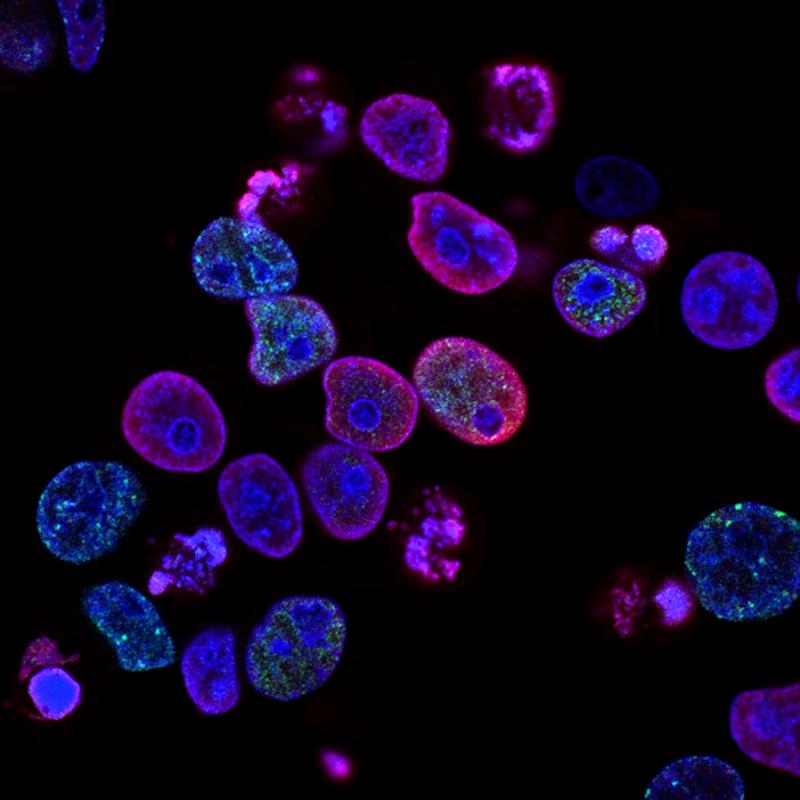
Multiple sclerosis (MS) is an autoimmune disease that affects the central nervous system (CNS) This disease develops as a result of the body’s immune system attacking the myelin that normally surrounds nerve cells, causing inflammation and damage to the CNS termed as neurodegeneration Myelin typically serves as a type of “insulation” around nerve cells, allowing for “high-speed communication” to occur between the many nerve cells in the CNS according to Professor Jeffrey Huang, the deputy director of the Center for Cell Reprogramming at Georgetown University Therefore, if myelin is lost or destroyed, delays will occur in the ability of nerve signals to travel from one nerve cell to another. Cognitive slowing, weakness, spasticity, and vision loss can result, all of which are symptoms of MS and significantly impact the lives of those who have this disease Current medications used in the treatment of MS reduce the functioning of the immune system to prevent further damage to myelin, but since they do not promote new myelin formation, they are not able to address the root cause of this disease. Remyelination, a process in which lost myelin can be restored, shows potential in advancing the treatment of MS
Remyelination, the generation of myelin sheaths around axons of nerve cells whose original myelin sheaths were destroyed by the body’s immune system, is therefore able to improve the conductance of nerve signals between nerve cells and lessen symptoms of MS Microglia, a type of immune cell present in the CNS, become inflamed as a result of MS and cause additional damage to myelin Professor Huang and his research team have developed a drug that stimulates microglia to instead positively work with other cells in the CNS to stimulate remyelination Clemastine, a drug developed by Dr Ari Green and Dr Jonah Chan from UC San Francisco, also shows potential to promote remyelination. Clemastine stimulates the differentiation of certain stem cells that ultimately produce myelin and patients who received clemastine showed an increase in myelin production both in and around their brain lesions.
This increase in myelination continued even after the patients stopped taking clemastine, meaning that remyelination can have a lasting effect. However, there are still some drawbacks to the use of clemastine, as it has a sedative effect, which is undesirable. Dr. Green and Dr Chan hope that other medications can be developed that do not have this sedative effect.
Since there are so many factors that cooperate in the remyelination process, there are several issues that can arise if it does not occur properly Factors such as the presence of the different cells involved in the remyelination process (examples being astrocytes and oligodendrocyte progenitor cells (OPCs)) and accompanying regulatory molecules are necessary for remyelination to be successful. The interaction between the axons of nerve cells and OPCs is also necessary for remyelination. Additionally, the patient’s age and the size of their MS lesion also influence the success of this process Therefore, all of these different aspects need to be taken into consideration when developing a drug or therapy for possible remyelination.
Dr. Haesun Kim, a professor at Rutgers University in Newark, is currently researching further into the remyelination process. She is focusing her research on Schwann cells that produce myelin in the peripheral nervous system (PNS) These Schwann cells communicate with the axons of the nerve cells that they myelinate and vice versa Dr Kim believes that understanding this dual communication aspect between Schwann cells and nerve cells can help generate genetic and pharmacological treatments that promote remyelination Drugs that are able to promote remyelination can ultimately improve the symptoms of people who live with MS, possibly allowing them the opportunity to regain the independence and selfconfidence that this disease has reduced. Therefore, remyelination is a topic of research that can have a significant influence on the treatment and patient outcomes of those diagnosed with MS in the coming years.
Exploring Sustainable Alternatives to Toxic Manufactured Plastics
Tasnia Hossain
Microplastic contamination is a pervasive, contemporary issue Microplastics are small plastic particles, less than five millimeters in size, that can be found polluting terrestrial, aquatic, and atmospheric environments. These particles stem from the degradation of manufactured plastic products, like single-use bottles and bags, tires, and synthetic textiles, and from industrial processes (e.g. plastic production and recycling). They pose a direct risk to human health by various means, like the consumption of contaminated seafood or food packaging, inhalation of airborne particles, or dermal contact from certain clothing material and items
Microplastics that exhibit chemical inertness pose less risk of undesired reactions with other cellular constituents However, at nano sizes, plastics are more easily absorbed through the skin of developing underwater animals. Additionally, the hydrophobic nature of these particles means that in water, they can aggregate with each other, interfering with certain tissue healing processes along the wound sites of marine organisms, or they can aggregate with other organic toxicants or pathogenic microorganisms, facilitating the transport of dangerous biofilms
The direct effects of manufactured microplastics on human health are not yet fully understood. Dr. Gina Moreno is a postdoctoral fellow in Dr Phoebe Stapleton’s pharmacology and toxicology laboratory at Rutgers University Dr Moreno is currently researching the transgenerational transfer of micro-nanoplastic particles using a cross foster study with Sprague-Dawley rats, to determine if plastics transfer from the dam to the pups through the placenta or through lactation. She expects that microplastics have a more insidious effect, rather than an immediate, deleterious one
Several other potential problems have been identified, many extrapolated from animal model research For instance, recent developmental toxicology studies exploring the relationships between Zebrafish morphometrics and certain microplastics found decreases in pericardial sac size, in body length, and interocular distance. Once ingested in humans, microplastics may accumulate in the gastrointestinal tract and potentially interfere with nutrient absorption, or induce endocrine disruption, cancer, or reproductive problems. If inhaled, they can deposit deep in the lungs, causing respiratory inflammation or issues such as asthma, or bronchitis
But the specific toxicological impact of microplastics will vary depending on the specific type of plastic (including the additives or impurities introduced during its manufacturing process), the duration and intensity of exposure, the size of each particle (and the extent of its ability to dissolve), chemical compositions, as well as individual susceptibility
Despite efforts to clean-up microplastics and reduce plastic pollution, microplastics cannot be easily or quickly removed from ecosystems around the world, nor will the need for manufactured plastic products significantly reduce anytime soon Therefore, it is essential that people collectively work towards minimizing plastic use, decreasing their exposure to microplastics, and implementing the use of plastics that have shown minimal environmental impact
Limiting the use of single-use plastics and opting for reusable alternatives can help reduce the overall production and subsequent breakdown of plastic waste into microplastics Using water filtration systems, such as activated carbon filters, can help remove microplastics from drinking water sources. Choosing seafood from less contaminated areas, and washing fruits and vegetables thoroughly can help lessen the ingestion of microplastics Improving indoor air quality by reducing sources of indoor air pollution, such as plastic-based products and synthetic materials, can decrease inhalation of airborne microplastics Supporting policies aimed at reducing plastic pollution and promoting environmentally friendly alternatives can contribute to long-term solutions to the very real microplastics problem
The Risks of Teenage Cannabis Use: How THC Harms the Developing Brain
Afia Lateef
As cannabis becomes increasingly legalized across the United States, there is a widespread perception that marijuana is a relatively safe drug. Some people even view it as being safer than other substances. However, this is a dangerous misconception Modern cannabis plants have been selectively bred to contain much higher levels of the psychoactive compound delta-9-tetrahydrocannabinol, or THC While legalization has positive impacts like reducing mass incarceration for petty drug crimes, it also promotes the misguided belief that cannabis is harmless, especially for adolescents
Adolescence is a crucial period of brain development and maturation During this time, the brain prunes unnecessary connections and reinforces frequently used pathways. THC directly interferes with this process by binding to CB1 receptors in the endocannabinoid system, which plays a key role in regulating neural plasticity Studies have also found that cannabis use in adolescence is linked to thinning of the prefrontal cortex, which is involved in decision-making, inhibition, and cognitive control This disruption can have long-lasting impacts on brain structure and behavior In a recent study, male rats were exposed to THC or a vehicle during adolescence every 3 days for two weeks Upon data collection, the structure of prefrontal cortex pyramidal neurons was examined using microscopy; this revealed that THC caused premature pruning of the dendritic spines followed by atrophy of the dendritic branches compared to controls The researchers isolated and profiled the gene expression of these neurons and found that adolescent THC use broadly disrupted transcriptional networks related to neuronal structure, synaptic function, and epigenetic regulation
Beyond altering brain development, teenage cannabis use is also associated with significantly increased risks of mental health issues. According to the Journal of the American Medical Association, adolescents who use cannabis are twice as likely to experience depression and suicidal ideation compared to non-users Many youth turn to cannabis as a coping mechanism for underlying mental health struggles, creating a vicious cycle of reliance on the drug Cannabis use disorder has also been tied to cannabinoid hyperemesis syndrome, a severe cyclical vomiting illness. Perhaps most alarmingly, studies have identified links between adolescent THC exposure and heightened risks of developing schizophrenia and other psychotic disorders later in life. In the previous study with the rats, researchers found that THC-induced gene expression changes substantially overlapped with those observed in the prefrontal cortex of schizophrenia patients
The negative mental health effects of teenage cannabis use underscore the urgent need for better education and prevention efforts, especially as legalization continues to expand access and perceived safety. At Rutgers, researchers at the Center of Alcohol & Substance Use Studies (CAS) are working to enhance our understanding of these negative effects One recent study from CAS found that individuals with cannabis use disorder exhibited poorer selective attention, impaired inhibitory control, and heightened attentional bias toward cannabis cues. Insights like these can inform new interventions to address the growing public health crisis
While debates around legalization are complex, the science is clear: cannabis is not a harm-free substance, particularly for young people whose brains have not finished developing. As societal views toward drugs continue to shift, we must remain educated about the proven risks Protecting the next generation's mental health and cognitive well-being must be a top priority.
Emerging Gene Therapies for Hearing Deficits
Tyler Tran
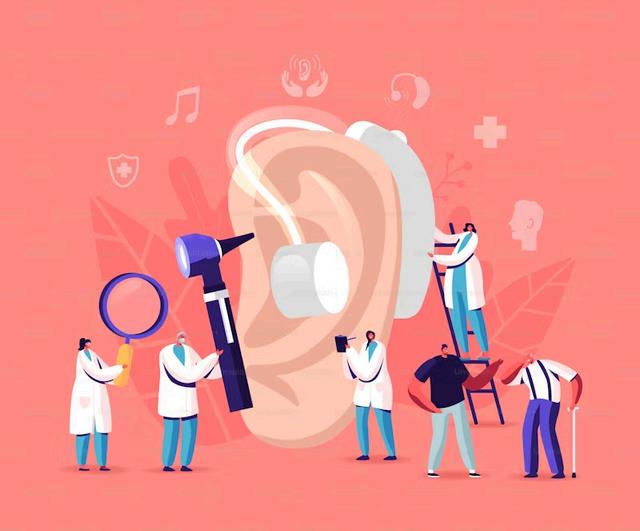
Our five senses are key to our perception of the world, and so the prospect of losing any of them is incredibly daunting Yet hundreds of millions of people around the world are affected by disabling hearing loss, with over 1 5 billion (20% of the world’s population) living with some form of it By 2050, over a billion adults are expected to face permanent hearing loss due to lifestyle practices, and 700 million of those will require hearing assistance The current solution to this is hearing aids, but only one in six people who need hearing aids use them Furthermore, they are far from perfect as they tend to be inconvenient and produce unclear sounds, especially for communication and speech Until recently, fully recovering from this type of hearing loss had been seen as impossible.
Hearing loss is often caused by damage to the inner ear hair cells or nearby sensory neurons, which are the cellular sensors that convert physical sound into neural signals. However, these hair cells are incapable of regenerating on their own So, hearing often deteriorates gradually over time as damage accumulates, worsening with exposure to loud noises or certain drugs (chemotherapies and antibiotics) Making matters worse, hearing loss is associated with the development of neurological conditions such as cognitive decline and dementia Given the high prevalence and debilitating severity of the issue, modern gene-editing techniques have been applied to attempt to restore hearing
The general method has included targeting inner ear stem cells, forcing them to divide and replace the lost inner ear hair cells. However, regulating this process can be a major problem, as excess growth can lead to cancers The use of CRISPR gene editing has been more successful, due to its ability to target specific genes associated with hearing For instance, researchers in London have recently discovered a gene (Spns2) associated with hearing loss and were able to activate it using an enzyme to restore the hearing of low and middle frequencies in mice Examples such as this show the potential to restore hearing impairments caused by dysregulated gene activity. In humans, one company has already seen some success in creating a drug injection that can be applied to the inner ear. This drug acts to convert stem cell descendants into hair cells, and was successful in 200 patients as of 2022. The most notable improvement has been seen in speech comprehension, which is the primary goal of the company’s efforts and the main downside of hearing aids While statistically significant, the best results seem to only last upwards of two years for a single injection, making its long-term effects uncertain. In any case, further clinical trials are ongoing to expand on the regenerative medicine prospects.
At Rutgers, multiple groups are attempting to utilize gene therapies to restore permanent hearing loss Dr Kelvin Kwan, an associate professor in the Department of Cell Biology and Neuroscience, is working on using a combination of strategies to help treat hearing loss, including that caused by genetic mutations and hair cell damage One method he hopes is successful is in “promoting proliferation in the inner ear progenitors to first repopulate the cells, and then [having] these progenitors differentiate into new hair cells,” in the cochlea
While these techniques and strategies are still emerging, their potential health impacts are clear With such a large proportion of the population expecting to face hearing deficits and the potentially debilitating consequences of the issue, progress in these genetic therapies may provide a permanent treatment improving their quality of life
Exploring the Potential of Cryotherapy in Pain Management
Prahalad Rana
Pain management presents a significant challenge in healthcare, with patients often experiencing varying degrees of discomfort and limited efficacy from conventional treatment methods Cryotherapy, the therapeutic application of cold, has emerged as a promising modality for alleviating pain and inflammation Cryotherapy has been utilized for centuries, with its roots tracing back to ancient civilizations where cold was applied to treat injuries and alleviate pain In modern medicine, cryotherapy has evolved into various forms, including whole-body cryotherapy (WBC) and local cryotherapy These modalities involve exposing the body or specific areas to extremely cold temperatures, typically ranging from -100°C to -160°C, for short durations
Cryotherapy exerts its therapeutic effects through multiple mechanisms, including its impact on inflammation and swelling Simply put, cryotherapy reduces inflammation and swelling by cooling the affected area. This cooling effect also numbs the area and temporarily reduces pain Furthermore, cryotherapy shrinks blood vessels and decreases blood flow to the affected area, which helps alleviate swelling and pain. In addition to its anti-inflammatory effects, cryotherapy modulates nerve conduction and pain signals. Studies have demonstrated that cold exposure lessens the nerve conduction rate, reducing pain transmission Moreover, cold receptors in the skin are activated by cryotherapy, triggering a numbing effect that alters pain perception and provides temporary relief.
The application of cryotherapy varies depending on the intended target and desired outcomes WBC involves exposing the entire body to frigid temperatures in a specialized chamber for a short duration, typically 2 to 3 minutes This method is often used for systemic pain management and has been studied in conditions such as rheumatoid arthritis and fibromyalgia On the other hand, local cryotherapy targets specific body areas, such as joints or muscles, using various devices or applications. This approach allows for targeted pain relief and is commonly employed in sports medicine and rehabilitation settings.
Jesse Ofurie, a Rutgers Football athlete, utilizes cryotherapy primarily for recovery, stating, “I use cryotherapy at Rutgers at the football facility about every two weeks," explains Jesse. "It helps mainly with recovery, especially for athletes, serving as an anti-inflammatory tool that makes my muscles feel relaxed and fresh after a hard week of workouts." Jesse’s routine illustrates cryotherapy’s critical role in sports medicine, providing rapid recovery, reducing soreness, and enabling athletes to perform at their peak Compared to other recovery methods, such as hot and cold tubs and saunas, which Jesse also uses, cryotherapy offers unique benefits in significantly reducing recovery time and improving muscle function.
Practical considerations and safety measures are crucial when implementing cryotherapy. The duration and frequency of cryotherapy sessions should be tailored to individual needs and closely monitored to prevent adverse effects, such as frostbite or skin irritation. Moreover, certain populations, such as individuals with cardiovascular or respiratory conditions, may be at higher risk and require careful supervision during cryotherapy sessions. Real-world examples highlight the potential benefits of cryotherapy in pain management. For instance, one group of researchers reported a case study of a professional athlete who underwent local cryotherapy for chronic knee pain After a series of treatments, the athlete experienced significant improvement in pain symptoms and returned to competitive sports with enhanced performance.
Cryotherapy offers a promising approach to pain management, leveraging its anti-inflammatory and analgesic properties to alleviate discomfort and improve quality of life While further research is needed to elucidate its mechanisms and optimize treatment protocols, existing evidence supports the efficacy and safety of cryotherapy in various clinical settings By embracing cryotherapy as a complementary modality, healthcare practitioners can enhance their arsenal of pain management strategies and better meet the diverse needs of their patients
How Stem Cells can Help Us Heal
Brieanna Lomelo
Everyday our bodies are creating new cells to utilize throughout our bodies. Additionally, stem cells are located throughout multiple types of tissue within the body. Stem cells are specific cells created in the body, with the ability to diverge and replicate themselves into other bodily cells. Mayo Clinic Staff says the majority of tissues in the body contain stem cells, and are necessary for tissue maintenance in regards to bodily repair after injuries. There are different types of stem cells; for example hematopoietic stem cells, which function in human blood and bone marrow repair and maintenance. Malcolm A.S. Moore, author of Principles of Tissue Engineering states that when analyzing hematopoietic stem cells (HSCs) they can be identified by their ability to consistently selfrenew, meaning the biological factors in HSCs factor into the body’s healing hematological processes.² Perinatal stem cells (found in amniotic fluid), the fluid in utero during pregnancy, can transform into specialized cells, while other stem cells can aid in repair within various types of organ tissues. This is especially important during the growth process of a child within its mother’s uterus, because these specialized cells can ultimately transform into any type of cell that the growing child may need, for example a heart cell or liver cell.
There is also a difference between adult stem cells and embryonic stem cells. Adult stem cells only exist in small amounts of adult tissue, however embryonic stem cells are found in human embryos in larger quantities, and have the ability to transform into any specific type of cell within the body. A more recent form of research with stem cells is cell replacement therapy, which can be used to aid in the repair of the central nervous system when it becomes damaged, such as a brain or spinal cord injury. Rutgers University researched the L1, a type of protein based molecule that adheres to a neural cell in an attempt to help with cell reparation and regeneration. Scientists have found that L1 has the ability to enhance repair with nervous system lesions, which can be used within many different engineering application systems of cell therapy Yoo, et al.³ With different cell therapy processes, health care professionals can now revive or replace damaged or diseased cells that affect a person’s health. This includes, but is not limited to, neuronal processes and central nervous system maladies and defects within cell processes that cause cancer in the body. The Stem Cell Research Center at Rutgers University continues to dedicate time and resources into finding different methods in which society can use stem cells for the betterment of future medical advancements.
Silenced Suffering: The Palestinian Health Crisis Amina Noorzaie
The Occupied Palestinian Territories (oPt) of the West Bank and Gaza Strip face profound and unacceptable health disparities compared to neighboring Israel and the broader region This protracted humanitarian crisis, characterized by ongoing military occupation, extreme limitations on freedom of movement, and crippling shortages of medical infrastructure, has created a situation where the basic human right to health is being systematically denied to millions of Palestinians Urgent global attention and intervention is needed to address these severe deprivations.
There is a shortage of adequate healthcare workers across the oPt Hospitals, clinics, and ambulances have been repeatedly bombed or damaged by Israeli forces. The remaining facilities are clustered in cities, leaving a majority of rural populations without access to primary care According to a recent report by The Healthcare Workers Watch – Palestine, more than 400 healthcare workers have been killed in Gaza since the beginning of the war, a war crime under international humanitarian law.¹ In 2017, 74% of Palestine's health workforce was under the age of 45 due to the long-term depletion of experienced medical professionals This severe shortage of healthcare workers has hit the densely populated Gaza Strip particularly hard As of 2020, there were only 5,553 registered physicians for the population of 2 million people - less than 0.3% of the total population.¹
One specific challenge is the numerous physical and administrative obstacles that hinder prompt access to outside medical referrals (OMRs) essential for treating cancers, heart diseases, and maternal/infant health conditions, which are not available in public hospitals in the West Bank & Gaza The occupation has significantly hampered the Palestinian healthcare system's capacity to provide these services in public hospitals. The situation is particularly dire in Gaza, where the health system's capacity is severely limited, and patients face challenges in obtaining timely medical exit permits The OMR process entails a complex network of patient and financial transactions. Annually, around 42,000 permit applications are submitted by patients alone, as most patients require permits from Israel to access OMR ³ The approval rate for these permits fluctuates annually, and the same patient may encounter denial, delays, or approval at different stages of treatment However, the near-blockade of Gaza has resulted in increased mortality, as some patients do not survive the duration of the permit application process. Another major perpetuating factor to this disparity is the complex system of checkpoints, permits, curfews, and other mobility restrictions imposed by the Israeli occupation forces. Roads are partially or fully off-limits to Palestinian vehicles in the West Bank, drastically impairing access These artificial barriers, including the separation wall, prevent patients from reaching clinics and hospitals in a timely manner, split families from care providers, delay ambulances transporting urgent cases, and impede the movement of Palestinian healthcare workers ² In some cases, pregnant women have tragically been forced to give birth at checkpoints after being denied passage.
The Israeli military has also been unlawfully holding Palestinian bodies after killing them in Gaza and engaging in organ harvesting from the corpses without consent Professor Noura Erakat, a Human Rights Attorney and Assistant Professor at Rutgers University spoke to Becky Anderson on CNN News on what it feels like to be Palestinian during the ongoing violence. She provided a first hand account as her cousin was murdered at a checkpoint between two cities, and remains in captivity in an Israeli refrigerator at Tel Aviv University. Research involving bodies and organs taken without consent, especially from marginalized groups already facing health disparities and injustice, is highly unethical It compounds the violations these communities endure under the assumption that their disadvantaged status allows exploiting them further through unethical misuse of their bodies
The profound health disparities and deprivations in the oPt represent a long-neglected crisis of urgent humanitarian concern However, there is not enough awareness being brought to the issue as many are silenced when they attempt to speak up. In early 2021, Scientific American published a statement by health care workers condemning Israel's oppression of Palestinians and the decimation of their health, prompting similar statements of solidarity from other health professional groups following the violence in Gaza and West Bank However, the Scientific American statement was later retracted as falling "outside the scope " of the publication. These retractions amid growing global awareness of systemic discrimination and settler colonialism against Palestinians represent an attempt to silence criticism of Israeli policies and their impacts on Palestinian health As medical workers committed to respecting human dignity, ensuring well-being, and upholding ethical principles, we have a moral duty to speak out against these severe injustices and demand change For over half a century, Palestinians have been systematically denied their fundamental human right to health - a reality that should concern all who believe in equity, freedom, and human rights. The global community can no longer turn a blind eye to this unacceptable status quo of oppression and compounded Palestinian suffering
4
Rutgers Researcher develops a Handeheld White Blood Cell Tracker
Adhya Gummadi
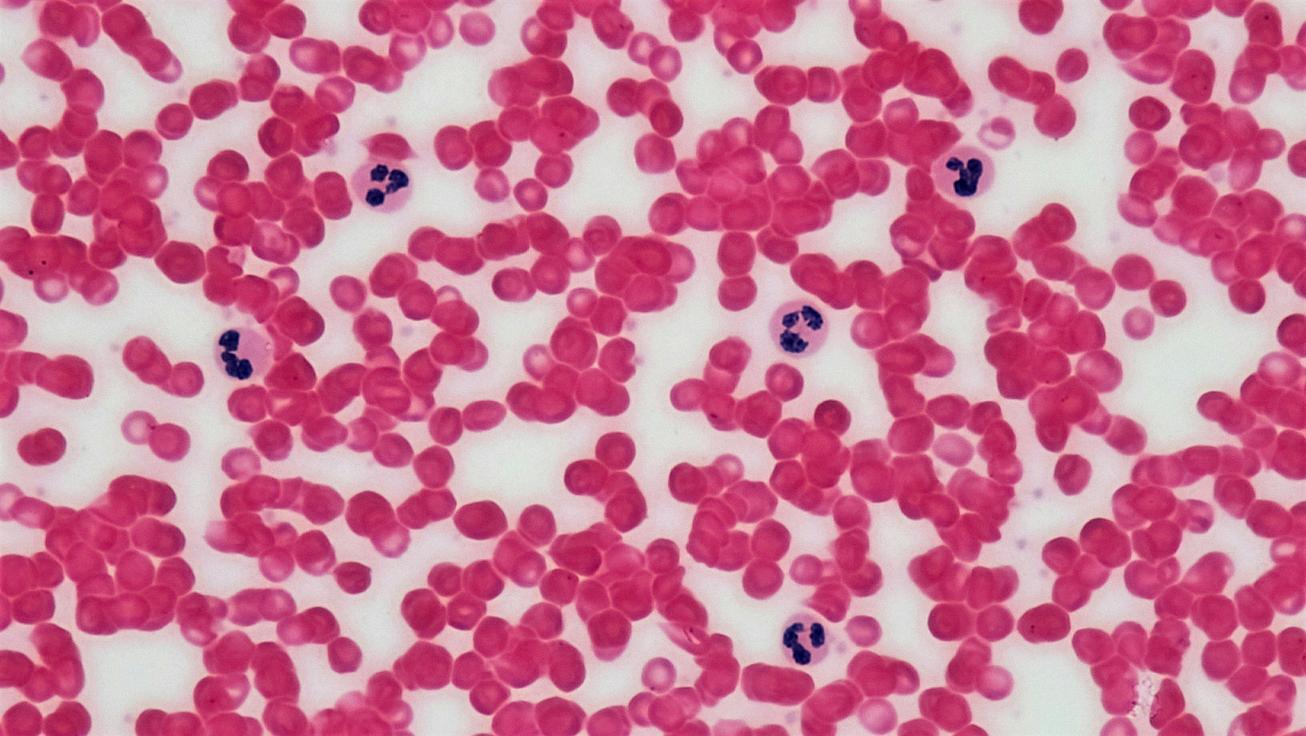
Leukocytes, otherwise known as white blood cells, compose one of the most important infection-fighting mechanisms of humans. They are part of your immune system, and travel in the body’s circulatory system to combat any pathogenic materials they may find White blood cells originate from cells that morph into other cells within the body, also known as stem cells, inside the bone marrow ¹ Typically, the meanings behind a high or low blood cell count indicate more than just the presence of an infection These changes in white blood cell counts can also indicate the intensity of an infection, the presence of life-threatening conditions such as sepsis and determine how patients are presently responding to chemotherapy and psychotropic drugs Today, the most common tests to assess the state and volume of white blood cells include CBC panels and white blood cell scans.² When there are abnormalities in white blood cell counts detected through these tests, treatments including antibiotics, vitamins, and surgeries to repair bone marrow can be utilized in order to increase the production of white blood cells. There are a variety of factors that can lead to this skewed leukocyte count, and the reason for its excessive rise or fall can be attributed to different causes A high white blood cell count is typically related to infections, stress, leukemia, or Hodgkin’s disease In contrast, a low white blood cell count is often due to bone marrow failure, drug exposures, vitamin deficiency, or AIDS ² Immediate identification of white blood cell counts in these situations is crucial to the rapid development of a treatment plan
Recently, a new device with rapid white blood cell count monitoring was developed by Medhi Javanmard, a professor in the Department of Electrical and Computer Engineering in the Rutgers School of Engineering in collaboration with a clinical team at the Rutgers Robert Wood Johnson Medical School Pediatric Clinical Research Center ³
This team, led by Dr. Tanaya Bhowmick and Baylor College of Medicine Department of Emergency Medicine, was able to conduct research which supports the success of this innovative instrument Javanmard was additionally able to launch a startup based in Princeton with successes from his Rutgers lab, and that allowed for further advancements in the device’s production The device is not yet named, but functions in such a way that it quickly counts a person’s white blood cells with a single drop of blood, similar to the way glucometers rapidly scan for blood sugar levels.³ This invention revolutionizes the current rapid triage mechanisms currently set in place for the hospital and emergency settings as the process could now be significantly faster, allowing for those with more imminent symptoms to receive emergent care
The implications of this device are also far reaching, as Javanmard said he anticipates more than just one purpose for his device For example, sepsis in patients entering an emergency room could more quickly be detected on the device than through present methods requiring a blood draw Additionally, this can allow for increased management of sepsis-based illnesses, saving lives from a potentially fatal condition Cancer doctors can now rapidly determine whether patients undergoing chemotherapy need a white blood cell stimulant to promote more effective treatment for their patients. This white blood cell monitor may also make it easier for psychiatry patients to stay on their medications, as it can quickly inform the patient as well as their physicians of how the medication concentration has influenced the patient’s leukocytes. This device is still awaiting approval by the Food and Drug Administration before it can be commercialized and used for clinical applications while it is currently undergoing more research, and clinical implications are underway.
Breaking Boundaries: Nursing's Innovative Edge
Despite sometimes being underappreciated, nurses play a pivotal role in the innovative landscape of modern medicine From bedside care to pioneering technological advancements, nurses are at the forefront of patient treatment and wellbeing In spite of their significant contributions, barriers such as organizational challenges and limited opportunity hinder the widespread adoption of nursing innovations Their intimate involvement with patients and extensive knowledge of healthcare technologies position them as key contributors to medical innovation, despite historically being uninvolved in the development of new technologies in healthcare settings
The coronavirus pandemic highlighted the immense role of nurses in the healthcare system. Through this tragedy, there has been a much greater realization of nurses’ skill for problem solving in the medical field A study regarding creating models for nursing innovation states, “The COVID19 pandemic made creative problem-solving, a skill that nurses have long possessed, more observable and valued.”¹ Many argue that it was nurses that were the ultimate frontline fighters of the pandemic. Their exposed position forced them into an innovative role, figuring out the best way to fight the pandemic
Despite the evolving role of nurses, there have been challenges in achieving their more nuanced role. Organizational, marketing, and economic barriers present formidable challenges to the widespread dissemination of nursing innovations, leading many nurses to perceive the task of spreading their ideas as excessively time-consuming. However, the creation of an innovation ecosystem tailored to support nurses can effectively dismantle these barriers. By providing an environment that empowers nurses to overcome obstacles, their innovative contributions can reach a broader audience, thereby maximizing their impact on patient care and healthcare outcomes Investing in nursing innovation workshops acknowledges the need for nurses to continuously innovate and enhance patient care through their hands-on approach.² Evaluation of these workshops reveals a notable improvement in nurses ' selfrated innovation ability However, the absence of a control group limits the validity of these findings, suggesting the need for further research to comprehensively assess the impact of such interventions.
Nurses assuming leadership roles in innovation represents a pivotal shift in the healthcare landscape, one that increases their workload and area of expertise. It is important that nurses feel supported in their roles, and that they are properly staffed based on the amount of work that is demanded from them. A Rutgers School of Nursing study conducted prior to the pandemic notes some problems in the ability of nurses to adequately perform their job due to the lack of support from administrations Professor Cordova writes, “It should be noted that the study found a high percentage of nurses were unable to complete nursing care even when working overtime,” showing a clear strain in a nurse’s ability to treat patients even when putting in extra hours ³
The recent nursing strike at Robert Wood Johnson University Hospital reflects how nurses feel when their compensation and working conditions do not represent the work they put in. Giving them a greater role and placing a greater significance on their contribution to the healthcare system may prevent future strikes from occurring. In resolving the conflict, CBS news explains the resolution that the hospital came to, stating that “the three-year contract reflects shared goals of providing quality care to patients ” By embracing leadership positions, nurses not only leverage their deep understanding of patient care but also inspire and empower their colleagues, leading to a greater number of individuals contributing to innovative ideas towards treatment plans and new challenges
4
Yusuf Saeed
Rising levels of substance abuse disorders, mental illnesses, and unhoused populations have caused an increased need for community-based recovery and support programs Peer Respite and Crisis Houses aim to address this by housing individuals diagnosed with psychiatric disorders experiencing immediate mental health crises CSPNJ has three peer respites in north and central NJ and numerous community wellness centers spread throughout the state Individuals are able to receive counseling, shelter, and a safe, comfortable community for up to seven days People in mental health crises may be influenced to choose a peer respite house as an alternative to checking into a hospital’s psychiatry unit due to differences in the types of treatment offered by each facility 1 Rough processes and conditions at inpatient units may deter patients from this option Peer wellness houses focus on rehabilitation and providing necessary resources for self-sustainability outside of the respite ¹
The stigma surrounding mental illnesses and substance use disorders makes the recovery process challenging. Public stigma and discriminatory attitudes can lead individuals to believe that they have less self-value due to mental illness. This discrimination may appear as being denied a job, housing, or other opportunities due to mental illness. Stigma may appear as self-stigma, which is a sense of decreased selfefficacy and shame associated with one’s condition or believing that they are their illness Such forms of stigma may deter individuals from seeking help with their disorders ²
Deaths due to opioids and alcohol use disorders in NJ are continually increasing The average number of deaths due to alcohol use disorder and excessive alcohol use “increased approximately 29% from 137,927 during 2016–2017 to 178,307 during 2020–2021.”³ An increase with deaths due to substance use disorder also increased with over 100,000 deaths due to overdose in the United States in 2021, a 16% increase from the previous year.³ Nearly 75% of drug overdose deaths involved opioid use To combat these statistics, The Opioid Overdose Prevention Network (OOPN), a division of Robert Wood Johnson Medical School psychiatry division, conducts Narcan certification and training courses and distributes free Narcan kits to participants
Peer Respite and Crisis Houses, How are They Helping Those In Need?
This program aims to educate people about the harms of opioids, how to safely handle an overdose with naloxone, and provide further knowledge on the rise of opioid use within the country Resources such as the OOPN are crucial in reducing the harmful effects of the opioid crisis by educating the public about overdose and safe naloxone usage.
Wellness in recovery is a crucial component to developing sustainable practices while transitioning to managing mental illnesses. Dr. Swarbrick, the creator of the 8 dimensions of wellness, encourages a holistic approach to mental illness, substance use recovery, and healthy living Her model, which focuses on different aspects of life, aids individuals in organizing their recovery with their own strengths and weaknesses. This approach has helped many feel as though they are not just mentally ill, but instead see themselves outside of their illness. Dr. Swarbrick has also seen the transformative nature of peer support at community wellness centers. Similar to peer respites, she notes that individuals are able to come into wellness centers and focus on community activities Community wellness centers are able to give individuals a place of belonging and a choice of what to do with their time Community wellness centers and peer respite houses play an integral role in aiding individuals of all backgrounds in leading happier and healthier lifestyles
Vivian Glenn
PLACEBO EFFECT: THE HEALING POWER OF NO TREATMENT
By Or Doni
The placebo effect is a well-documented medical phenomenon. At its core, it is the idea that people can be affected, either positively or negatively, by a pretend medical treatment – one that doesn’t actually change the way the body works.¹ Because placebos are not meant to cure medical issues, they are regularly used to compare the effect of an experimental treatment with that of no treatment at all. These include “inert” pills, containing substances that don't directly affect biological activity, like microcellulose, which are used instead of a novel medicine being tested in a clinical trial.² Other types of placebo treatments include placebo devices, physical treatments (like acupuncture), and even surgeries. Many of these treatments have shown rates of efficacy that are as high as actual treatments Perhaps surprisingly, even a “placebo surgery,” wherein surgeons open a patient’s body and then close it, without actually operating inside of it, can have comparable effects to real surgery ³
Two questions must be answered to understand how the placebo effect can be utilized to improve clinical care. First, why it works, and second, why different placebos work to differing extents in different placebos The current leading theory posits that an “expectation effect” is the cause, whereby care receivers’ positive expectations due to a therapeutic encounter lead to their bodies’ processes changing.² This, again, is despite not having gotten care that on its own is physiologically supposed to alter their healing in any way.
Ted Kaptchuk is the director of the Harvard Program in Placebo Studies, the only research center in the nation that specifically investigates the placebo effect. He is among the leading researchers in the field, having led experiments and written seminal papers driving the field forward. In response to questions about the field and his experiences, he begins by saying “Placebo effects, especially in relationship to subjective complaints (pain, fatigue, anxiety, etc.) can be large. Instead of ignoring them, or considering them a nuisance, it might be a good idea to creatively use them to benefit patients.” Essentially, Kaptchuk and his collaborators are uncovering the factors that underlie the power of placebo effects, while investigating the potential benefits of these “sham” treatments, and examining their potential integration into various modes of clinical practice Kaptchuk shares interesting insights into the treatment of chronic pain as one potent example of how the placebo can be leveraged clinically: “Chronic subjective complaints like pain and fatigue often do not have a discoverable cause. When there is a clear cause, hopefully there will be a good drug For many people, these symptoms are caused by “central sensitization” or a hyper vigilant central nervous system. Sensations that are barely there are amplified to feel that serious discomfort For some people, some of the time, the immersion in a healing encounter with the provision of treatment (pills, even pills you know are placebo pills) somehow turns the volume.”
The training of healthcare professionals in improving patient outcomes by leveraging the placebo effect outside of a research setting is a promising movement progressing alongside biomedical research. While placeboes are understudied in contrast to traditional biomedical research, they show promise in improving clinical outcomes in light of their cheapness and ease of implementation Further research on developing and applying placebo effects as healthcare professionals is needed to advance this field and further improve patient care
The Future Sounds: Innovations in Hearing Loss Treatment
Deborah Oladeji
On January 24th, 2024, The National Library of Medicine published a study that resulted in a significant turning point in treating autosomal recessive hearing loss. Global attention was drawn to a pioneering trial conducted in China that directly targeted the specific gene called OTOF to treat autosomal recessive deafness OTOF, also known as otoferlin, is a protein that converts electrical signals into hearing: any mutations can lead to genetic hearing loss. This study, which focused on gene therapy, gave children with severe hearing loss, ages 1 to 18, a ray of hope ¹ Hearing affects each of our lives, from understanding a plethora of languages to recognizing familiar voices. Generally, sound waves enter through the ear canal, causing the eardrums to rhythmically vibrate through the middle ear with the ossicles, a set of small bones with the key structures of malleus, incus, and stapes. The vibrations reach the various structures of the inner ear, including the semicircular canals, cochlear, and inner hair cells, to mechanically transmit electrical impulses to the temporal lobe, the part of the brain that processes auditory signals.¹ Unfortunately, 26 million people worldwide are genetically inhibited from transmitting sound waves. During prenatal development, genetic mutations of the inner ear hair cells have developed autosomal dominant and recessive traits, contributing to sixty percent deafness in millions of children.¹ Although a final cure is currently unavailable, cochlear implants and stem cell therapy, including inner ear cell regeneration, are exciting new treatments.
In this gene treatment trial known as AAV1-hOTOF, over twenty physicians and scientists selected six deaf children to participate in the experiment. Those children received a single injection with the AAV, Aden-associated virus, a cellular vector utilized for genetic transportation, into their ear canal ¹ Astoundingly, 26 weeks after therapy, five of the six children showed significant improvement in their hearing Their improved ability to perceive and execute speech highlighted the possibility of using gene therapy to restore auditory function. According to this discovery, there is hope for future generations born with autosomal recessive hearing loss to have a chance at recognizing the sounds of parental voices, music, and social interaction.
Leading up to the recent OTOF study, there was groundbreaking work on the success of fully regenerating inner ear cells by Dr. Zheng-Yi Chen. Dr. Chen is an associate professor of Head and Neck surgery alongside a scientist at Massachusetts Eye and Ear within the Eaton-Peabody Laboratories He developed an experiment of activating molecular signals in the adult ear to influence cellular division from early inner ear cell genes.² The achievement of successfully causing proliferation, known as continuous cell growth in mature human ears, incites curiosity for future medications to strengthen hearing for millions of people
Similarly, research on the NEUROG1 gene, conducted in 2017 at Rutgers, demonstrates the potential of gene editing methods to develop inner ear stem cells into auditory neurons by Dr Kelvin Kwan ³ Dr Kwan is an associate professor for the Department of Cell Biology and Neuroscience and a committed scientist specializing in inner ear regeneration In an interview, Dr Kwan states, “it will likely require multiple approaches to cure hearing loss For other hearing loss syndromes caused by hair cell loss, the increase in early inner ear cells may repopulate lost cells.” In his lab, Dr Kwan provides steps for the analytical aspect of stem cell research by comparing two stages of inner hair cell growth, proliferation This is known as continuous cellular division, and neuronal differentiation related to the expression of various genes related to hearing loss. Introduction to qualitative methods, such as converting raw DNA sequences into computer-readable sequences, has led to important exposure to bulk-cell and single-cell genelevel analysis.
Conclusively, modern developments in gene therapy, such as the ground-breaking investigation aimed at the OTOF gene to cure autosomal recessive hearing loss, provide a glimmer of hope for the millions of future children with this disorder around the globe This research lays a foundation for the future of non-invasive treatments in the form of injections or pills to manage and prevent hereditary hearing loss, as well as the possibility of utilizing genetic editing to restore auditory function
Vaccines for Cancer: The Future of mRNA Vaccines
Zayna Bajwa
One of the many successes of the COVID-19 mRNA vaccines was the opportunity it brought for future pharmaceutical endeavors and trials Prior to the pandemic, several mRNA vaccines were in development but had slow progress due to insufficient number of infected individuals and limited funding.¹ The surging cases of COVID-19 provided a sufficiently large pool to include in trials for the vaccine As a result, the mRNA vaccine is a promising technology for tackling many other viruses and diseases including cancer. Prior to the pandemic, the concept of using vaccines to prevent cancer was not entirely new For example, the Human Papillomavirus (HPV) vaccine protects against the development of cervical cancer among other cancer types that would have been caused by the virus ² However, the target of the HPV vaccine was not the cancer directly, but the virus and the protein byproducts it makes inside host cells The mechanisms of viruses and cancer are quite different, but both can induce cells to produce abnormal proteins, which can be targeted by cells of the immune system If vaccines against viruses can be developed by analyzing their protein products, could a similar approach be utilized to fight cancers?
Although it appears simple, there are many challenges associated with targeting cancer cells through their proteins in the body. Even individuals diagnosed with the same cancer type show significantly different protein profiles Therefore, it is difficult to target just one abnormal protein The solution to this would be to target multiple abnormal proteins Fortunately, there is now the possibility and technology to target more than a single target protein with the use of mRNA vaccines. Whereas previous vaccine types could only target one protein type, mRNA vaccines can target multiple patient and tumor-specific antigens ³ With this technology, Moderna and Merck are currently conducting a clinical trial for an mRNA vaccine for melanoma, a fairly common type of skin cancer in combination with pembrolizumab (Keytruda), a well-established cell growth inhibitor therapy.⁴ The vaccine mRNA-4157, also known as V940, “is not a single drug, but is instead a personalized mRNA that encodes up to 34 different patient-specific neoantigens”.³ Within a few months, the company can analyze a patient’s unique tumor-antigen profile, select which antigens to target, and design an mRNA sequence to target the proteins The next steps include encapsulating the RNA in lipids for optimal cell delivery, and then it can start to be administered to the patient on a regular basis. The combined advantages of a fast production time, low toxicity, and wide variety of antigen encoding offered by mRNA vaccines present us with a promising future for tumor biotherapy.⁵
It seems every few years, a breakthrough is made in RNA research and a Nobel prize is awarded to a rare group of scientists who did not underestimate the capabilities of the molecule. RNA has long been a neglected field of study in biochemistry Research into the role RNA plays in gene expression and other functions of cells can illuminate future biological endeavors. The conception and fruition for a personalized cancer mRNA vaccine did not occur in isolation, but rather required decades of research and testing As Dr Mike Kiledjian of Rutgers University stated in his lecture on RNA vaccines, “ much of the ground work was already in place when the anti-SARS-CoV-2 effort started”.6 We are now in the final stages of several oncology vaccine trials There is enormous opportunity and potential for innovative mRNA technology. The coming years will only further expand our understanding of this incredible biomolecule and how we can make use of it to fight diseases of all types
Unraveling the Role of Microglia in Alzheimer’s:
Insights and Therapeutic Implications
Zara Faizi
Alzheimer’s is the most common cause of dementia and a leading cause of death in the United States.¹ Despite ongoing research, the exact reason for Alzheimer’s is not yet understood. However, scientific evidence suggests that it may be caused by an unusual buildup of proteins within and around brain cells ² By identifying the mechanisms that give rise to Alzheimer’s disease, researchers can create patient-centered therapies that directly address these degenerative processes.
Tau, a protein found in neurons, stabilizes nerve cells and ensures they function correctly In Alzheimer’s, tau detaches and clumps with other tau molecules, forming tangles inside neurons.
These tangles are a hallmark of Alzheimer’s, linked to the disruption of cell function and communication, and ultimately, cell death and cognitive decline ³ In response to tangled proteins, the affected neurons send signals to other cells to repair the damage. Microglial cells (microglia), which are immune cells originating from the central nervous system, are among the first to respond.⁴ Rather than repairing the damage, however, it has been found that microglia speed up the development of Alzheimer's ⁵ This surprising discovery highlights the complicated nature of Alzheimer’s and raises doubts about the role of microglia in the brain. Understanding how microglia worsen Alzheimer’s is crucial for creating treatments that can effectively stop or slow down its progression
Research conducted by Rutgers scientists has shed light on how microglia unintentionally attack human brain cells and destroy surrounding tissue.⁶ In a study, they injected human brain immune cells into the brains of specifically bred immunodeficient mice, allowing them to observe how microglia behave when exposed to tau proteins. Unlike previous studies examining tau protein residues in Alzheimer’s patients, this study directly observed the different stages of cell degradation They were able to confirm that instead of efficiently clearing up tangles, microglia become dysfunctional, contributing to the progression of neurodegeneration and inflammation in the brain.⁷
To combat the harmful effects of microglia in Alzheimer’s, researchers propose microglial replacement therapy, in which old microglial cells are replaced with new ones. The introduction of new microglia has been shown to create a better environment for neurons to survive and function ⁸ As a result, the brain regains its ability to clear up tangles and reduce neuroinflammation. Addressing microglial dysfunction this way could change the course of Alzheimer’s development, potentially slowing down its progression and preserving cognitive abilities. However, further research is needed to determine the best cell type for microglial replacement and how to safely apply this treatment to humans. Before microglial replacement therapy can be successfully used for Alzheimer's treatment, researchers must address concerns regarding the longevity and potential risks of donor cells.
The Ignorance Surrounding Endometriosis
Laamima Faisal
The function of a uterus is to create tissue that will protect your reproductive organs and create suitable living conditions for a future embryo If fertilization does not occur, the uterus has a mechanism in which it excretes this unnecessary tissue in a process known as menstruation. However, some people experience uterine lining growth outside of their uterus in a condition referred to as endometriosis. Unlike the uterus, the organs surrounding the uterus do not have a mechanism to expel tissue and the endometrial tissue remains in the abdominal area. The cycle repeats each month, in which more tissue is created, causing more buildup outside the uterus As the body continues to accumulate excess tissue, painful cysts may form and organs may even begin to physically stick together ¹ This buildup of endometrial lining causes unbearable pain during menstrual cycles, sexual activity, and just in daily life
Based on the above description and the number of women suffering from this condition, endometriosis sounds like it should warrant significant attention. Many of the features of endometriosis parallel other conditions that are universally accepted as distressing, such as tumors. In reality, studies have shown that many health professionals do not take endometriosis symptoms seriously. Doctors often dismiss the pain as normal “period problems” or accuse patients of exaggeration ² This leads to patients having to “doctor shop” to find a professional who will help them deal with their condition, only to be labeled as a hypochondriac or a painkiller searcher Dr Allyson Bontempo of the Rutgers School of Communication and Information reported that it takes an average of 8 6 years for the average person to get diagnosed with endometriosis Within that span of time, people suffering with this condition continue to be misdiagnosed with another physical ailment or a mental health issue.³ This trend of misdiagnoses and dismissive behavior is unacceptable and cannot persist any longer There must be a framework put in place in order to guarantee help to those with endometriosis.
However, the healthcare system is far from that point. Research on this medical negligence has been limited and inconsistent due to society’s dismissiveness of female issues, making it difficult to create a system that protects patients from being overlooked Dr Bontempo suggests that the best way to counteract this healthcare problem is to first standardize a definition of endometriosis.⁴ This will limit variability in research and allow further investigations that will expand our understanding of invalidation within the sphere of women ' s health and lead to systems put in place to prevent patient neglect. With every step that the healthcare community takes to understand endometriosis, those suffering will finally get the equality that they deserve
The Applications of AI in Healthcare Erin Oxnam
Artificial intelligence, or AI, has been a buzzword in the past couple of years It has fascinated people and scared them at the same time, because of its ability to do highly complex tasks in a fraction of the time The unfamiliarity of the technology is cause for most people’s hesitation. However, AI has been around almost since the start of computers themselves Lately, the progression of AI seems to be multiplying with each day AI is the capability of computers to execute tasks that typically require human intelligence, such as analyzing data, interpreting images and texts, and making predictions Its applications range from spell check while texting, to being your opponent in online chess, and even writing complex essays in under a minute. AI is inescapable in the modern age, and while many may consider it scary, developments in this technology have the potential to save lives
One of the most groundbreaking aspects of AI is the time that is saved when using this tool Tasks that require high levels of brainpower and years of education, can now be done in seconds with AI This leads to one of the biggest concerns with AI: its threat to the current workforce. However, AI can supplement the current work being done, and free up public health workers to focus on work that will have an impact
One of the most compelling applications of AI in epidemiology lies in image recognition for diagnoses Medical imaging techniques, such as CT scans, yield vast amounts of data that can be hard for human clinicians to analyze comprehensively AI systems can swiftly and accurately flag anomalies in medical images which can help with early detection and diagnosis of diseases like COVID-19. Furthermore , AI holds promise in predicting hospital bed requirements, especially during public health emergencies such as COVID-19 Using data on infection rates, population demographics, and healthcare facility capacities, AI algorithms have been shown to accurately predict the demand for hospital beds. These tasks are currently being carried out by trained healthcare professionals and if AI were to be implemented, it could mean thousands of more hours spent in patient care, or other places where professionals are needed.
AI is even being utilized at Rutgers University for disease prevention. Rutgers Health created a software called IntelliGenes which uses both AI and machine learning principles to discover and analyze biomarkers in genomic profiles. A biomarker is essentially a biological signal, they are often tracked to catch acute and chronic diseases as early as possible In the case of IntelliGenes, the software can interpret biomarkers within the genome This is incredibly helpful because genes are valuable predictors for certain diseases; the IntelliGenes software has already identified a potential biomarker in the genome for cardiovascular disease, according to a study that was conducted using the software in 2023
AI is in its infancy, there are many unknowns regarding its reliability and security For the foreseeable future, AI will certainly have to be closely monitored by humans to ensure the accuracy of its output, as well as the confidentiality of private patient information Nonetheless, AI shows promise to be a useful tool that healthcare workers and epidemiologists can use to maximize efficiency in their work and create discoveries that could help generations to come
STAFF:
Editor-in-Chief
External Vice President
IVP/Secretary
Treasurer
Senior Managing Editor
Managing Editors
Chief of Layout
Layout Editors
Webmaster
PR/Events
Sathya Gopinath
Vividha Venkatrajan
Laasya Gaddipati
Siddhi Patel
Medha Satti
Kaitlyn Adkins
Alexandra Dakrat
Nidhi Gourabathuni
Erin Oxnam
Afia Lateef
Prahalad Rana
Taha Ali
Yashmita Logaraj
Laine Ansari
Tyler Tran
Vivian Glenn
Laamima Faisal
Zara Faizi
Yusuf Saeed
WORKS CITED
Cover Photo: Drew Hays
Letter From The Editor Photo: Damiano Baschiera
Table of Contents
Photo: Kenrick Mills
Transformative Technology: The Future of Learning and Education
1 Smith, J , & Schreder, K (2021, January 24) Are they paying attention, or are they shoeshopping? evidence from online learning International Journal of Multidisciplinary Perspectives in Higher Education, 5(1), 200–209 https://doi org/10.32674/jimphe v5i1 2643
2 Miller, T (n d ) The Consequences of Technology on U S Student Health The Health Risks Associated with Excess Technology Use https://youngatartmuseum org/yaaathome/pdf/scholastic/Miller T I 14126647 pdf
3 Office of Institutional Research and Academic Planning, Rutgers University (n d ) Being a student at Rutgers during the COVID-19 pandemic. Student Experience in the Research University (SERU) https://oirap rutgers edu/surveys/SERUCovid19/Rutgers SERU COVID-19 Survey Report Universitywide pdf
Photo: Credits 8machine
The Overturning of Roe v. Wade and What it Means for Doctors
1 Simmons-Duffin, S (2022, November 23) Doctors who want to defy abortion laws say it’s too risky NPR https://www npr org/sections/healthshots/2022/11/23/1137756183/doctors-who-want-to-defy-abortion-laws-say-its-too-risky
2 El-Bawab, N (2023, June 23) Doctors face tough decisions to leave states with abortion bans ABC News https://abcnews go com/US/doctors-face-tough-decision-leave-statesabortion-bans/story?id=100167986
3 Simmons-Duffin, S (2022, June 24) For doctors, abortion restrictions create an “Impossible choice” when providing care NPR https://www npr org/sections/healthshots/2022/06/24/1107316711/doctors-ethical-bind-abortion
4 Brînzac, M , Kuhlmann, E , Dussault, G , Ungureanu, M , Cherecheș, R., & Baba, C (2023, July 8) Defining medical deserts-an international consensus-building exercise OUP Academic https://academic oup com/eurpub/article/33/5/785/7221624
Photo: Annie Spratt
The Use of Neural Interfaces for Increased Control of Prosthetics
1 Limb loss statistics Amputee Coalition (2015, January 13)
2 Raspopovic, S , Valle, G , & Petrini, F M (2021, April 15). Sensory feedback for limb prostheses in amputees Nature News https://www nature com/articles/s41563-021-00966-9
3 X, S (2023, December 11) Research Team develops new technology for Robotic Prosthetic Leg Control Medical Xpress - medical research advances and health news https://medicalxpress com/news/2023-12-team-technology-robotic-prosthetic-leg.html
1 CDC (2022, August 18) What is Sickle Cell Disease? Centers for Disease Control and Prevention https://www cdc gov/ncbddd/sicklecell/facts.html
2 Rutgers Cancer Institute of New Jersey (Director) (2020, December 23) What is Sickle Cell Disease https://www youtube com/watch?v=UywSN6I81EU
3 Food and Drug Administration (2023, December 8) FDA Approves First Gene Therapies to Treat Patients with Sickle Cell Disease Food and Drug Administration; FDA https://www fda gov/news-events/press-announcements/fda-approves-first-gene-therapiestreat-patients-sickle-cell-disease
4 Kenny Lin (2023, December 12) Will the High Price of Gene Therapy for Sickle Cell Disease Put This Cure out of Reach? American Family Physician https://www aafp org/pubs/afp/afp-community-blog/entry/will-the-high-price-of-genetherapy-for-sickle-cell-disease-put-this-cure-out-of-reach html
Photo: Bioscience Image Library by Fayette Reynolds The Dangerous Business of Illegal Organ Removal
1 Gonzalez, J , Garijo, I , & Sanchez, A (2020) Organ Trafficking and Migration: A Bibliometric Analysis of an Untold Story International Journal of Environmental Research and Public Health, 17(9), 3204–3204 https://doi org/10 3390/ijerph17093204
2 Domínguez-Gil, B , López-Fraga, M , Muller, E , & Gill, J S. (2017) The key role of health professionals in preventing and combating transplant-related crimes. Kidney International, 92(6), 1299–1302 https://doi org/10 1016/j.kint.2017.08.034
3 Asmann, P , & Dudley, S (2023, August 30) Human Trafficking on the US-Mexico Border: Family Clans, Coyotes, or “Cartels”? InSight Crime; InSight Crime https://insightcrime org/investigations/clans-coyotes-cartels-human-trafficking-us-mexicoborder/
4 Ignacio Alvarado Álvarez (2023, August 30) Death and Disappearance: Human Trafficking in Baja California InSight Crime; InSight Crime
5 Human trafficking and smuggling of migrants (2022) Interpol int https://www interpol int/en/Crimes/Human-trafficking-and-migrant-smuggling
6 Chin, K , & Fincknaauer, J O (2012) Selling sex overseas: Chinese women and the realities of prostitution and Global Sex Trafficking New York University Press
Photo: Piron Guillaume
Remyelination - Undoing the Effects of Multiple Sclerosis
1 Barkhane, Z , Elmadi, J , Kumar, L S , Pugalenthi, L. S., Ahmad, M., & Reddy, S (2022)
Multiple Sclerosis and Autoimmunity: A Veiled Relationship Cureus, 14(4)
https://doi org/10 7759/cureus 24294
2 Harlow DE, Honce JM and Miravalle AA (2015) Remyelination Therapy in Multiple Sclerosis Front Neurol 6:257 doi: 10 3389/fneur 2015 00257
3 Inside the Brain: How New Research Could Revolutionize MS Treatment (2023, October 13) Georgetown University https://www georgetown edu/news/new-drug-a-breakthrough-for-late-stagemultiple-sclerosis-patients/
4 Leigh, S (2023, June 12) Can this Medication Reverse MS? Brain Biomarker Shows It Can | UC San Francisco Www ucsf edu https://www ucsf edu/news/2023/06/425566/can-medication-reversems-brain-biomarker-shows-it-can
5 Chari, D M (2007) Remyelination In Multiple Sclerosis International Review of Neurobiology, 79, 589–620 https://doi org/10 1016/s0074-7742(07)79026-8
6 Rutgers University Scientist’s Research Reveals Critical Knowledge About the Nervous System (2007, November 4) Www rutgers edu https://www.rutgers.edu/news/rutgers-university-scientistsresearch-reveals-critical-knowledge-about-nervous-system
Photo: Joyce Hankins
Exploring sustainable alternatives to toxic manufactured plastics
1 Osman, A I , Hosny, M , Eltaweil, A S , Omar, S , Elgarahy, A M , Farghali, M., Yap, P S , Wu, Y S , Nagandran, S , Batumalaie, K , Gopinath, S. C. B., John, O D., Sekar, M , Saikia, T , Karunanithi, P , Hatta, M H M , & Akinyede, K A (2023) Microplastic sources, formation, toxicity and remediation: a review Environmental chemistry letters, 1–41 Advance online publication https://doi org/10 1007/s10311-023-01593-3
2 Chahal, C , van den Akker, B , Young, F , Franco, C., Blackbeard, J , & Monis, P (2016) Pathogen and Particle Associations in Wastewater: Significance and Implications for Treatment and Disinfection Processes Advances in applied microbiology, 97, 63–119 https://doi org/10 1016/bs aambs 2016 08 001
3 Moreno, G M , Brunson-Malone, T , Adams, S , Nguyen, C., Seymore, T N., Cary, C M., & Stapleton, P A (2024) Identification of micro-and nanoplastic particles in postnatal spraguedawley rat offspring after maternal inhalation exposure throughout gestation Science of The Total Environment, 951, 175350 https://doi org/10 1016/j scitotenv.2024.175350
4 Moreno, G M , & Cooper, K R (2021) Morphometric effects of various weathered and virgin/pure microplastics on sac fry zebrafish (Danio rerio) AIMS Environmental Science, 8(3), 204-220 https://doi org/10 3934/environsci 2021014
5 Campanale, C , Massarelli, C , Savino, I , Locaputo, V , & Uricchio, V F. (2020) A Detailed Review Study on Potential Effects of Microplastics and Additives of Concern on Human Health International journal of environmental research and public health, 17(4), 1212 https://doi org/10 3390/ijerph17041212
Photo: Naja Bertolt Jensen
The Risks of Teenage Cannabis Use: How THC Harms the Developing Brain
1 Zou, S , & Kumar, U (2018) Cannabinoid Receptors and the Endocannabinoid System: Signaling and Function in the Central Nervous System International journal of molecular sciences, 19(3), 833. https://doi.org/10.3390/ijms19030833
2 Albaugh MD, Ottino-Gonzalez J, Sidwell A, et al (2021) Association of Cannabis Use During Adolescence With Neurodevelopment JAMA Psychiatry 78(9):1031–1040 doi:10 1001/jamapsychiatry 2021 1258
3 Miller, M L , Chadwick, B , Dickstein, D L , Purushothaman, I., Egervari, G , Rahman, T., Tessereau, C , Hof, P R , Roussos, P , Shen, L , Baxter, M G., & Hurd, Y L. (2019) Adolescent exposure to Δ9-tetrahydrocannabinol alters the transcriptional trajectory and dendritic architecture of prefrontal pyramidal neurons Molecular psychiatry, 24(4), 588–600 https://doi org/10 1038/s41380-018-0243-x
4 Sultan RS, Zhang AW, Olfson M, Kwizera MH, Levin FR (2023) Nondisordered Cannabis Use Among US Adolescents JAMA Netw Open 6(5):e2311294 doi:10 1001/jamanetworkopen 2023 11294
5 Myran DT, Roberts R, Pugliese M, Taljaard M, Tanuseputro P, Pacula RL (2022). Changes in Emergency Department Visits for Cannabis Hyperemesis Syndrome Following Recreational Cannabis Legalization and Subsequent Commercialization in Ontario, Canada JAMA Netw Open 5(9):e2231937 doi:10 1001/jamanetworkopen 2022 31937
6 Ruglass, L M , Shevorykin, A , Dambreville, N , & Melara, R D. (2019) Neural and behavioral correlates of attentional bias to cannabis cues among adults with cannabis use disorders Psychology of Addictive Behaviors, 33(1), 69–80
Photo: Alejo Reinoso
Emerging Gene Therapies for Hearing Deficits
1 World Health Organization (2024, February 2) Deafness and hearing loss World Health Organization https://www who int/news-room/fact-sheets/detail/deafness-and-hearing-loss
2 Everett, C (2023, August 11) Only 1 in 6 Americans with hearing loss wears hearing aids-here’s why NCOA Adviser https://www ncoa org/adviser/hearing-aids/low-hearing-loss-treatmentreasons/
3 O’Brien, P (2023, August 11) Hearing loss reversed using gene therapy Neuroscience News https://neurosciencenews com/hearing-loss-gene-therapy-23774/
4 Winn, Z (2022, March 29) Reversing hearing loss with Regenerative Therapy MIT News https://news mit edu/2022/frequency-therapeutics-hearing-regeneration-0329
5 Kwan, K (2024, April 16) Personal Correspondence [Interview]
Photo: Getty Images
Exploring the Potential of Cryotherapy in Pain Management
1 Leppäluoto, J , Westerlund, T , Huttunen, P , Oksa, J., Smolander, J , & Dugué, B (2008, Month Date) Effects of long-term whole-body cold exposures on plasma concentrations of ACTH, beta-endorphin, cortisol, catecholamines and cytokines in healthy females Scandinavian Journal of Clinical and Laboratory Investigation, 68(2), 145-153
2 Hohenauer, E , Taeymans, J , Baeyens, J P , Clarys, P , & Clijsen, R (2015, September). The effect of post-exercise cryotherapy on recovery characteristics: A systematic review and metaanalysis PLoS One, 10(9), e0139028 Link to article
3 Alvarez-Barceló, E , Sánchez-Delgado, G , Hernández-Cortés, P., & De la Fuente, R (2019, Month Date) Effects of cryotherapy on nerve conduction velocity: A systematic review Cryobiology, 86, 97-103
4 Jenkins, D P , & Moyer, J M (2013, Month Date) The physiology of cold exposure Cold Injury Management, 51-60
5 Ziemann, E , Olek, R A , Kujach, S , Grzywacz, T , Antosiewicz, J , Gmiat, A., Piotrowska, A , & Luszczyk, M (2019, April) Whole-body cryostimulation as an effective method of reducing low-grade inflammation in obese men Journal of Clinical Medicine, 8(9), 1193
6 Banfi, G , Lombardi, G , Colombini, A , Melegati, G., & Dugué, B (2010, Month Date) Whole-body cryotherapy in athletes Sports Medicine, 40(6), 509-517
7 Ofurie, J (2024, April 12) Personal Correspondence [Interview]
8 Murray, K O , Goldberg, J M , Guerrerio, A L , Cunningham, C , & McCormick, T S (2015, Month Date) Severe, refractory cold-induced urticaria treated with whole-body cryotherapy Journal of Allergy and Clinical Immunology, 135(3), AB35
9 Smith, L , Johnson, R , & Brown, K (2020, Month Date). The efficacy of local cryotherapy for chronic knee pain: A case study Journal of Athletic Training, 55(6), S-299
Photo: CryoBuilt Everest
How Stem Cells can Help Us Heal
1 Pruthi, S and Mayo Clinic Staff (2024, March 23) Answers to Your Questions about Stem Cell Research Mayo Foundation for Medical Education and Research www mayoclinic org/tests-procedures/bone-marrow-transplant/in-depth/stem-cells/art20048117
2 Moore, M (2014) Hematopoietic Stem Cell - an Overview | ScienceDirect Topics www sciencedirect com/topics/medicine-and-dentistry/hematopoietic-stem-cell
3 Yoo, M Lee, G Park, C Cohen, R Schachner, M (2014, March 15) Analysis of Human Embryonic Stem Cells with Regulatable Expression of the Cell Adhesion Molecule L1 in Regeneration after Spinal Cord Injury Mary Ann Liebert, Inc https://europepmc org/backend/ptpmcrender fcgi?accid=PMC3949445&blobtype=pdf
Photo: National Cancer Institute
Silenced Suffering: The Palestinian Health Crisis
1 Number of Registered Physicians and Nurses in Palestine by Region (2020) Palestinian Central Bureau of Statistics Data Base https://www pcbs gov ps/Portals/ Rainbow/Documents/Number%20of%20Registered%20Physi cian%20and%20nurse html
2 Keelan, E (2016, January) Medical care in Palestine: Working in a conflict zone The Ulster Medical Journal, 85(1), 3-7 https://www ncbi nlm nih gov/pmc/articles/PMC4847844/
3 World Bank Group (2023, September 17) Palestinian healthcare critically impacted by weak economy and barriers World Bank https://www worldbank.org/en/news/pressrelease/2023/09/18/palestinian-healthcare-critically-impacted-by-weak-economy-and-barriers
4 Alkhaldi, M , Coghlan, R , Miller, S , Basuoni, A A , Tanous, O , & Asi, Y M. (2022, June) State accountability for the good health of Palestinians has failed: What can the Global Health Community Do Next? Health and Human Rights, 24(1), 77-84 https://www ncbi nlm nih gov/pmc/articles/PMC9212828/ Photo: Hugo Breyer
Rutgers Researcher develops a Handeheld White Blood Cell Tracker
1 CDC (2023, July 24) Neutropenia and Risk for Infection. Centers for Disease Control and Prevention Retrieved April 1, 2024, from https://www cdc gov/cancer/preventinfections/neutropenia htm
2 Cleveland Clinic (2021, July 23) White Blood Cells: Types, Function, and Normal Ranges
The Cleveland Clinic Retrieved April 1, 2024, from https://my clevelandclinic org/health/body/21871-white-blood-cells
3 Health Tech (2024, January 19) Researchers develop handheld white blood cell tracker Health Tech World Retrieved April 1, 2024, from https://www htworld co uk/news/medtech/researchers-develop-handheld-white-blood-celltracker/
4 MacPherson, Kitta (2024, January 18) Rutgers Researcher, Through Spinoff, Develops a Handheld White Blood Cell Tracker Retrieved April 1, 2024, from https://soe rutgers edu/news/rutgers-researcher-through-spinoff-develops-handheld-white-bloodcell-tracker
Photo: National Cancer Institute
Breaking Boundaries: Nursing's Innovative Edge
1 Koppel, P D , & Sullivan, S D (2022) Design Thinking Like a Nurse: A Professional Practice Model for Nursing Innovation Creative nursing, 28(4), 240–246 https://doi org/10 1891/CN-2022-0008
2 Gao, L , Lu, Q , Hou, X , Ou, J , & Wang, M (2022) Effectiveness of a nursing innovation workshop at enhancing nurses' innovation abilities: A quasi-experimental study Nursing open, 9(1), 418–427 https://doi org/10 1002/nop2 1080
3 Lucero, R J , Ji, H , De Cordova, P B , & Stone, P (2011) Information technology, nurse staffing, and patient needs Nursing Economics, 29(4), 189-194
4 Team, C N Y (2023, December 1) Nurses’ union reaches tentative agreement with Robert Wood Johnson University Hospital after striking for nearly 4 months. CBS News https://www cbsnews com/newyork/news/robert-wood-johnson-university-hospital-nurses-striketentative-agreement/
Photo: Luis Melendez
Peer Respite and Crisis Houses, How are They Helping Those In Need?
1 Thieling, A -M S , Swarbrick, M , Brice, G , & Nemec, P (2022, May 9) A Welcoming Space to Manage Crisis: The Wellness Respite Program SLACK Journals Retrieved April 14, 2024, from https://journals healio com/doi/10 3928/02793695-20220428-04
2 Stigma, Prejudice and Discrimination Against People with Mental Illness (n d ). American Psychiatric Association Retrieved April 14, 2024, from https://www.psychiatry org/patientsfamilies/stigma-and-discrimination
3 Esser, M B , Sherk, A , Liu, Y , & Naimi, T S (2024, February 29) Deaths from Excessive Alcohol Use United States, 2016–2021 Centers for Disease Control and Prevention Retrieved April 14, 2024, from http://dx doi org/10 15585/mmwr mm7308a1
4 New Jersey Overdose Investment Snapshot CDC (n d ). Centers for Disease Control and Prevention Retrieved April 14, 2024, from https://www cdc gov/injury/budget/policystatesnapshots/NewJersey.html
5 Swarbrick, M (n d ) personal
Photo: Hannah Busing Placebo Effect: the Healing Power of no Treatment
1 Kaptchuk, T J , & Miller, F G (2015) Placebo Effects in Medicine The New England journal of medicine, 373(1), 8–9 https://doi org/10 1056/NEJMp1504023
2 Kaptchuk, T J , Hemond, C C , & Miller, F G (2020) Placebos in chronic pain: evidence, theory, ethics, and use in clinical practice BMJ (Clinical research ed ), 370, m1668 https://doi org/10 1136/bmj m1668
3 Burke, M J , Kaptchuk, T J , & Pascual-Leone, A (2019) Challenges of differential placebo effects in contemporary medicine: The example of brain stimulation Annals of neurology, 85(1), 12–20 https://doi org/10 1002/ana 25387
Photo: Jiří Suchý
The Future Sounds: Innovations in Hearing Loss Treatment
1 Jun Lv, Wang, H , Cheng, X , Chen, Y , Wang, D , Zhang, L , Cao, Q , Tang, H., Hu, S., Gao, K , Mengzhao Xun, Wang, J , Wang, Z , Zhu, B , Cui, C., Gao, Z., Guo, L., Yu, S , Jiang, L , & Yin, Y (2024) AAV1-hOTOF gene therapy for autosomal recessive deafness 9: a single-arm trial The Lancet https://doi org/10 1016/s0140-6736(23)02874-x
2 Jaslow, R (2019, December 4) Reprogramming the Inner Ear to Regrow Hair Cells Shows Promise to be an Effective Target for Hearing Loss Treatments. Mass Eye and Ear https://www masseyeandear org/news/press-releases/2019/12/reprogramming-the-inner-ear-toregrow-hair-cells-shows-promise-to-be-an-effective-target-for-hearing-loss-treatments
3 Bates, T B (2017, November 6) Inner Ear Stem Cells May Someday Restore Hearing Www rutgers edu https://www rutgers edu/news/inner-ear-stem-cells-may-someday-restorehearing#:~:text=Rutgers%2Dled%20study%20shows%20promise
Photo: GN Group
Vaccines for Cancer: The Future of mRNA Vaccines
1 Winstead, E (2022, Jan 20) Can mRNA Vaccines Help Treat Cancer? National Cancer Institute https://www cancer gov/news-events/cancer-currents-blog/2022/mrna-vaccines-to-treat-cancer
2 Vaccines (Shots) (2023, Mar 13) Centers for Disease Control and Prevention https://www cdc gov/cancer/dcpc/prevention/vaccination.htm
3 Carvalho, T (2023, Aug 16) Personalized anti-cancer vaccine combining mRNA and immunotherapy tested in melanoma trial Nature Medicine. https://www nature com/articles/d41591023-00072-0
4 Skin Cancer Facts & Statistics (2024, Feb) Skin Cancer Foundation https://www skincancer org/skin-cancer-information/skin-cancer-facts/
5 Li, Y , Wang, M , Peng, X , Yang, Y , Chen, Q , Liu, J , She, Q., Tan, J , Lou, C., Liao, Z , Li, X (2023, Aug 23) mRNA vaccine in cancer therapy: Current advance and future outlook. Clinical and Translational Medicine https://www ncbi nlm nih gov/pmc/articles/PMC10447885/
6 Kiledjian, M (2024, Feb 8) RNA Therapeutics in Vaccines (SARS-CoV-2) Advanced Cell Biology II at Rutgers University Lecture
Photo: Markus Spiske
Unraveling the Role of Microglia in Alzheimer’s: Insights and Therapeutic Implications
1 Hansen, D V , Hanson, J E , & Sheng, M (2018, February 5) Microglia in alzheimer’s disease
The Journal of Cell Biology https://www ncbi nlm nih.gov/pmc/articles/PMC5800817/ 2 NHS (n d ) NHS choices https://www nhs uk/conditions/alzheimersdisease/causes/#: :text=Alzheimer’s%20disease%20is%20thought%20to,form%20tangles%20withi n%20brain%20cells
3 What happens to the brain in alzheimer’s disease? | National Institute on Aging National Institute on Aging (n d ) https://www nia nih gov/health/alzheimers-causes-and-risk-factors/what-happensbrain-alzheimers-disease
4 Augusto-Oliveira, M , Arrifano, G P , Lopes-Araújo, A , Santos-Sacramento, L., Takeda, P Y , Anthony, D C , Malva, J O , & Crespo-Lopez, M E (2019, October 8). What Do Microglia Really Do in Healthy Adult Brain? https://www ncbi nlm nih gov/pmc/articles/PMC6829860/
5 Hansen, D V , Hanson, J E , & Sheng, M (2018) Microglia in Alzheimer’s disease The Journal of Cell Biology, 217(2), 459-472 https://doi org/10 1083/jcb.201709069
6 MacPherson, K (2022, July 15) Rutgers Scientists Reveal New Evidence of Key Mechanism in Alzheimer’s Rutgers University https://www rutgers edu/news/rutgers-scientists-reveal-newevidence-key-mechanism-alzheimers
7 Wang, C , Zong, S , Cui, X , Wang, X , Wu, S , Wang, L , Liu, Y., & Lu, Z. (2023, February 10)
The Effects of Microglia-Associated Neuroinflammation on Alzheimer’s Disease Frontiers https://www frontiersin org/journals/immunology/articles/10.3389/fimmu.2023 1117172/full
8 Marshall, K (2023, August 29) Donor Cell Engraftment study supports microglial replacement therapy for CNS disorders ASH Clinical News | American Society of Hematology https://ashpublications org/ashclinicalnews/news/7289/Donor-Cell-Engraftment-StudySupports-Microglial#
2 Hudson, N (2021, August 13) The missed disease? Endometriosis as an example of ‘undone science ’ PubMed Central https://doi org/10 1016/j rbms 2021 07 003
3 Bontempo, A C , & Mikesell, L (2020, February 3) Patient perceptions of misdiagnosis of endometriosis: results from an online national survey De Gruyter. https://doi org/10.1515/dx2019-0020
4 Bontempo, A C (2021, June 11) The need for a standardized conceptual term to describe invalidation of patient symptoms Journal of Health Psychology https://doi org/10 1177/13591053211024718
Photo: Europeana
The Applications of AI in Healthcare
1 Copeland, B (2024, April 10) artificial intelligence Encyclopedia Britannica https://www britannica com/technology/artificial-intelligence
2, Pozzi, C , Levi, R , Braga, D , Carli, F , Darwich, A., Spadoni, I., Oresta, B , Dioguardi, C C , Peano, C , Ubaldi, L , Angelotti, G , Bottazzi, B , Garlanda, C., Desai, A., Voza, A., Azzolini, E , Cecconi, M , ICH COVID-19 Task-force, Mantovani, A., Penna, G , … Rescigno, M (2022) A 'Multiomic' Approach of Saliva Metabolomics, Microbiota, and Serum Biomarkers to Assess the Need of Hospitalization in Coronavirus Disease 2019. Gastro hep advances, 1(2), 194–209 https://doi org/10 1016/j gastha 2021 12 006
3 Chen, W , Yao, M , Zhu, Z , Sun, Y , & Han, X (2022). The application research of AI image recognition and processing technology in the early diagnosis of the COVID-19 BMC medical imaging, 22(1), 29 https://doi org/10 1186/s12880-022-00753-1
4 Strimbu, K , & Tavel, J A (2010) What are biomarkers? Current opinion in HIV and AIDS, 5(6), 463–466 https://doi org/10 1097/COH 0b013e32833ed177
5 Swenarton, N (2024, January 23) Rutgers Health researchers develop software to predict diseases Rutgers University https://www rutgers edu/news/rutgers-health-researchers-developsoftware-predictdiseases#: :text=IntelliGenes%2C%20a%20first%2Dof%2D,individuals%2C%20according%2 0to%20its%20developers
6 DeGroat, W , Mendhe, D , Bhusari, A , Abdelhalim, H., Zeeshan, S., & Ahmed, Z. (2023) IntelliGenes: a novel machine learning pipeline for biomarker discovery and predictive analysis using multi-genomic profiles Bioinformatics, 39(12) https://doi org/10 1093/bioinformatics/btad755